« Commande du Grand Théâtre de Provence – Aix-en-Provence »
PENSAR EN QUETZALES
for soprano, clarinet in Bb, horn in F, piano, violin, viola, cello, contrabass and pre-Hispanic instruments
"Yo digo que comen sal, tú dices que comen viento, pero los dos sabemos que los quetzales se alimentan de nuestros sueños."
by DIANA SYRSE
by
MEXICO 2021
Music
Lyrics
HUGO ROCA JOGLAR
II. PENSAR EN QUETZALES
Instrumentation
Soprano + ocaria doble or a flute made of clay
Clarinet in Bb/Bass clarinet + ocarina + whirly tube 1
Horn in F + death whistle
Piano + whirly tube 2 + ocarina
Violin + death whistle
Viola + ocarina + whirly tube 3
Cello + death whistle
Contrabass + ocarina
Percussion
- Tam tam
- Gran cassa
- Small gong
- Medium gong
- Low bongo
- High bongo
- Snare drum
- High tom
- Low tom
- Hi-Hat
- Ride
- Woodblock
- 4 whirly tubes (3 to be shared with the clarinet, piano and viola)
- Medium windchimes
Plus marimba
Plus vibraphone
Plus tibetan singing bowl in A
Plus crotales (2 octaves)
Mallets
Drum sticks
Hard yarn mallets
Medium hard yarn mallets
Soft mallets
Superball rubber mallet
Contrabass bow
Metal stick
Note: the composer will provide the 4 ocarinas and 4 death whistles for the performance.
III. PENSAR EN QUETZALES
EXTENDED TECHNIQUES
Soprano Strings
Highest possible note
Lowest possible note
Sprechgesang
Whisper
High
Medium
Low
Half-voice
Half air, half pitch
Horn
Growling
Lowest possible note
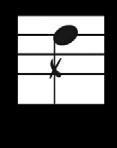
Clicking valves
Wind sound (no pitch)
Percussion
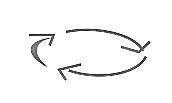
Circular bowing (free velocity unless it is indicated on the score)
Overpressure (gradually)
Bow on the tailpiece
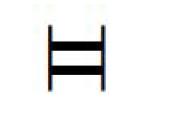
Silent fingering: press the strings with the left hand without bowing (no pizz.) to produce a shimmerind sound Key clicks
Wind sound (no pitch)
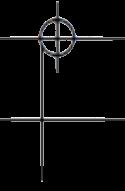
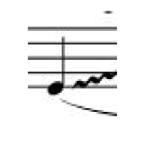
Put pressure against the tam tam making semi-circles slowly on the front part of the instrument with a short superball friction mallet (create low and high tones). Variate the velocity and pressure (Whale sound)
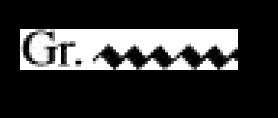
Scrape the tam-tam surface with a triangle beater
L.V. Let vibrate
Program notes
It took me a while to discover it: they are not heads, but mirrors. Woman and man holding hands on a bench floating in what could be a pond. floating in what could be a pond. Nothing is very clear: it could be night or it could be day. Time is disjointed in this painting by Remedios Varo (The Lovers). The only thing clear are 10 intertwined fingers. The only thing clear is that she and he are together, they want to be together, in an unreal, isolated, oneiric scenario, theirs, where and right there, at the thought of the kiss, I realise: their heads are not heads, but mirrors: faces reflected in a crystal, and reflected in a glass, and they are not two faces, they are one. The bodies are different (woman and man), but they share the same face, which has no head. the same face, which has no head, but is only a reflection in a mirror. The glass would break into pieces if they kissed, and would they be mutilated? Perhaps they are on a pond, and if so, the pond gives them the possibility of another reflection, a different one. possibility of another mirror, a different one, which will not be shattered by their kiss. But they would have to dive. To throw themselves hand in hand into the uncertainty of the turbid water.
Clarinet
IV. PENSAR EN QUETZALES
I
Estanque o espejo. El misterio de ser reflejos.
Tu duda
Mi angustia
En el estanque
Mi ancla
Tu daga
En el espejo
Y nuestra historia de duplicidad.
Y es muy divertido. (Burbujas de risa en el estanque)
Y a veces también es muy triste. (la piel es vidrio mintiendo en el espejo.
Tú, allá, vacías mezcal, Yo, acá, pienso en quetzales
A ti, allá, te dan ganas de bailar
A mí, acá, me vence la soledad
Espejo es chocar. (Golpe contra cristal).
Estanque es saltar. (Disparaître pour apparaître dans une autre réalité).
Atrás del espejo sólo hay cemento. El agua de estanque abraza para llevarnos a un distinto tipo de sueño.
II
Sueño acariciar contigo junto al mar un mismo animal. Es un quetzal, y comienza a ronronear.
Quetzal parpadea, (alas inmensas).
Desconocemos colores
Una niña corre hacia el agua.
No rojo, no verde, no magenta (Algo más: color que ya lleva dentro el vuelo).
La niña recibe las olas riendo
Dos caracoles salen de la arena.
Uno se sube sobre el otro, saca una daga y lo apuñala
No mueren: se embarazan.
Lo seguimos acariciando, pero ya sólo es un pretexto para sentir nuestros dedos. Yo digo que comen sal, tú dices que comen viento, pero los dos sabemos que los quetzales se alimentan de nuestros sueños. III
Haber sido estanques, haber sido espejos
El misterio de ser reflejos. y nuestra historia de duplicidad.
Acá me rodean tinieblas, allá tú ya juegas con el día.
Eróticos pensamientos sobre caracoles y dagas. (Morir es entrar contigo al agua y ya nunca salir).
Respiras, je respire
Lyrics by Hugo Roca Joglar - México 2021
La niña se acerca “¿Qué comen los quetzales?”
(Et je veux te dire : peut-être le moment est venu de mourir).
(La peste a déchaîné énergies étranges de libération).
(Un changement d'ombre, c’est aussi mourir).
(Écouter la pluie jusqu'à s'endormir) c’est également mourir).
Lyrics written for the festival Nouveaux Horizons 2021 - Grand Théâtre de Provence
Être de l'eau avec toi et ne jamais en sortir).
PENSAR EN QUETZALES
« Commande du Grand Théâtre de Provence – Aix-en-Provence » Penser en quetzales
for soprano, clarinet in Bb, horn in F, piano, violin, viola, cello, contrabass and pre-Hispanic instruments