Dai Fujikura Impulse
Piano Concerto No. 3
2017/2018
Full Score
Version 07.02.2022
Sy. 4507/01 ISMN 979-0-2042-6656-2
Co-commissioned by
Orchestre Philharmonique de Monte-Carlo, Yomiuri Nippon Symphony Orchestra and Fondation de l’Orchestre de la Suisse Romande
World Première:
October 5th 2018, Auditorium Rainier III, Monte-Carlo, Monaco
Orchestre Philharmonique de Monte-Carlo
Piano: Yu Kosuge
conductor: Kazuki Yamada
Japan Premiere: January 18th 2019, Suntory Hall, Tokyo, Japan
Yomiuri Nippon Symphony Orchestra
Piano: Yu Kosuge conductor: Kazuki Yamada
Swiss Premiere: 11th March 2020, Victoria Hall, Geneva, Switzerland
ORCHESTRE DE LA SUISSE ROMANDE
conductor: Jonathan Nott
Instrumentation:
Orchestra
1 Piccolo (I)
1 Flute doubling Piccolo (II)
2 Oboes (I + II)
2 Clarinets in B-ßat (I + II)
1 Bassoon (I)
1 Bassoon (II) doubling Contrabassoon
2 Horns in F (I + II)
2 Trumpets in B-ßat (I + II) - both Need Harmon Mutes + Straight Mutes
1 Percussion player
STRINGS
Percussion
1 Conga
1 Bass Drum
1 Xylophone
1 Vibraphone
Copyright © 2018 by G. Ricordi & Co. Bühnen- und Musikverlag GmbH, Berlin
The Score is in C
CopyrightbyG.Ricordi&Co./Forperusalonly
STRINGS:
S.P.= sul pont.
P.O.= position ordinary
General:
Accidentals (including grace notes) only affect the pitch to which they directly refer, not other octaves, for the duration of the bar in which the accidental is written.
Woodwinds:
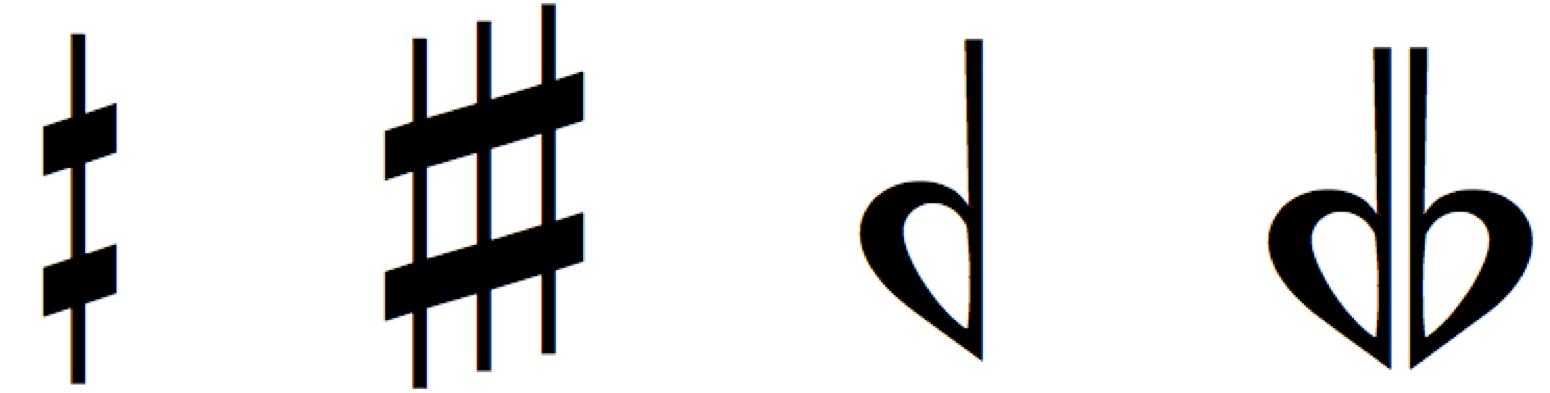
Quarter Three quarter Quarter Three quarter sharp sharp flat flat
To Yu Kosuge
"Accidentals (including grace notes) only affect the pitch to which they directly refer, not other octaves, for the duration of the bar in which the accidental is written."
STRINGS: = means "open", "close" by hand (on harmon mute) very fast until the end of the bracket unless stated otherwise. ¡ + ¡ +
to Yu
Impulse
-
Piano
Concerto
No.3
(2017/2018
corrected
20th
March
2020)
Make a difference between Gliss. and Port. Gliss. = shift the pitch immediately (and travel during the full length of the note duration). Port. = shift the pitch just before you go to next note.
S.P.= sul pont. P.O.= position ordinary Long note/tremolo: change bows as many times as you need. Do NOT vibrato on gliss. or port.
4 4 4 4 &
In
this
work
articulations
are
incredibly
important.
Take
extra
care to
make
a
pronounced
difference
between
staccato,
tenuto-staccato, tenuto
and
slurred-phrases. When
dynamics
are
written
in
between
upper
and
lower
staves,
those
dynamics
should
apply
to
both
hands/staves
unless
otherwise
stated.
Regarding
pedal
markings
-
the
passages
without
pedal
markings
are
all the
passages
without
pedal
markings
are
all
Senza
Pedale
excepet
where
it
is
marked
"pedale
ad
lib." Senza
Pedale
excepet
where
it
is
marked
"pedale
ad
lib." Take
extra
care
about
when
and
how
to
change
pedals
the
placement
of
the
pedal
markings
is
precise,
and
also
change
pedal
only
where
indicated. change
pedal
only
wher e
indicated.
Violin
Violoncello
Dai Fujikura
Meno mosso q = 78 q = 67
q = 100
q = 100
q = 108
q = 108
4 4 4 4
Meno mosso q = 60
( q = 55) molto accel. ( q = 90) molto accel. ( q = 90) molto accel.
Meno mosso q = 66 ( q = 90)
Meno mosso q = 82
( q = 55)
Meno mosso q = 60
Meno mosso q = 66 molto accel. ( q = 90)
( q = 90)
( q = 90)
Meno mosso q = 82