World As Lover, World As Self
for Solo Piano and Orchestra
Full Score in C

Commissioned by the Donaueschinger Musiktage 2021 for the Centenary Festival. Premiere: 16 October 2021, Mozart Saal, Donauhalle Tamara Stefanovich (piano solo) with the Orchestre Philharmonique du Luxembourg conducted by Ilan Volkov Dedicated to Tamara Stefanovich and other dreamers
Copyright © 2021 by G. Ricordi & Co.
Bühnen- und Musikverlag GmbH, Berlin
Alle Rechte vorbehalten
All rights reserved - Tutti i diritti riservati
Instrumentation
Piano Solo
The pianist also sings in the 2nd and 4th movements and requires a wireless (hidden) vocal microphone
Orchestra
1 Flute (also Piccolo)
1 Oboe (also Cor Anglais)
1 Clarinet in Bb (also Bass Clarinet in Bb)
1 Bassoon (also Contraforte – low A required)
1 Horn in F
1 Trumpet in Bb
1 Trombone
Percussion
Crotale (in second movement: placed on snare drum together with 6–7 metal house keys)
3 Latin Cowbells (close in pitch)
Tuned Cowbell
Thai Gongs
Thai Gong used as water gong
Vibraphone
Snare Drum
Bass Drum brushes, beaters, superball, bass bow
Violin I
Violin II
Viola
Violoncello Contrabass
(Strings at least 6.6.6.6.2)
Members of the orchestra also vocalise in the 2nd movement. It should be a surprise when the orchestra shouts (!)
Score is in C
Duration: 21 minutes
Performance Notes
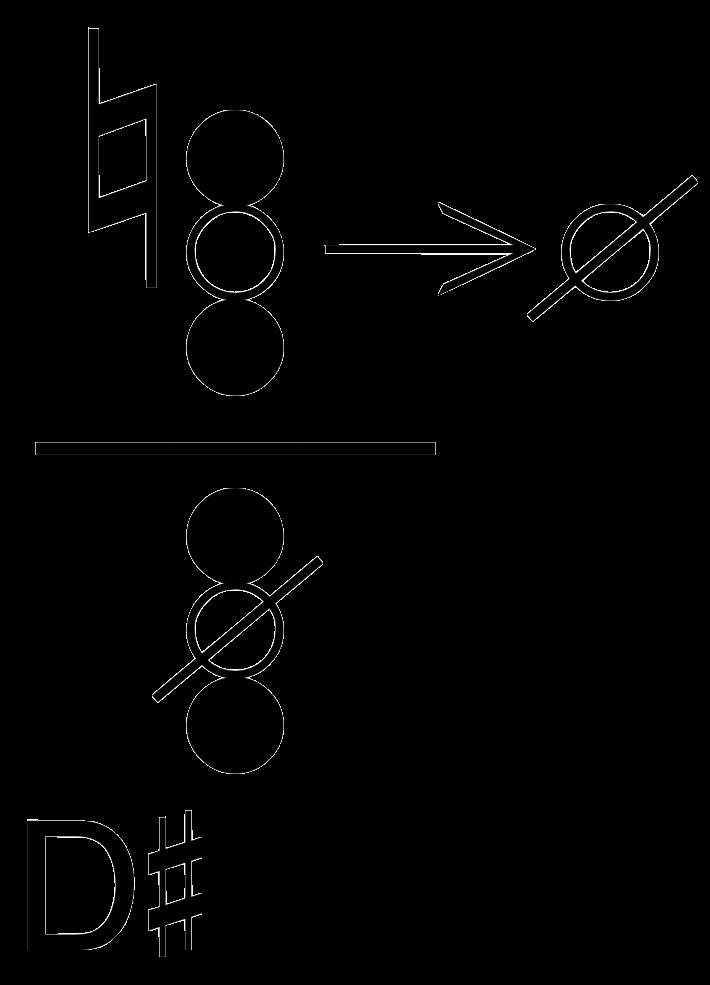
Quartertones
Accidentals apply throughout a bar; some cautionary accidentals are added to assist readability
Winds
Tongue percussion; also tongue slap
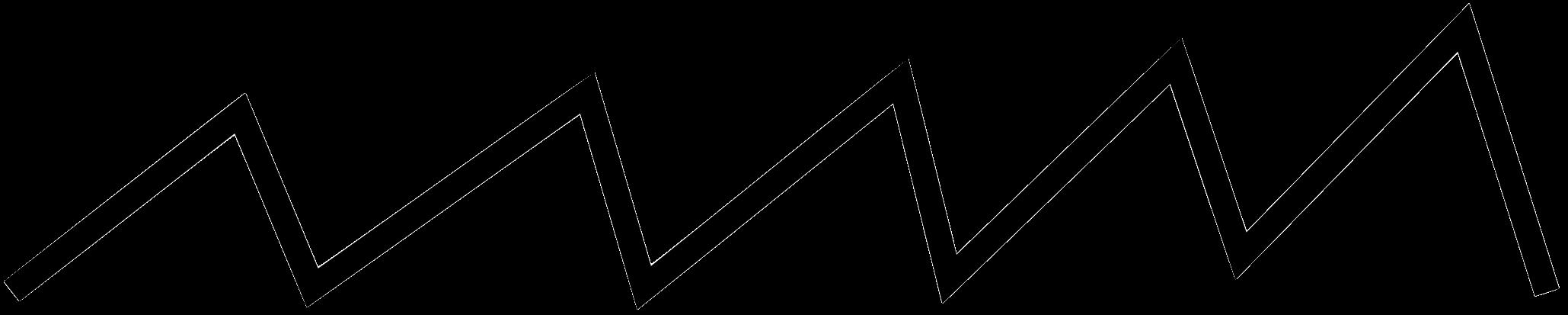
Colour trill on same pitch
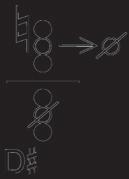
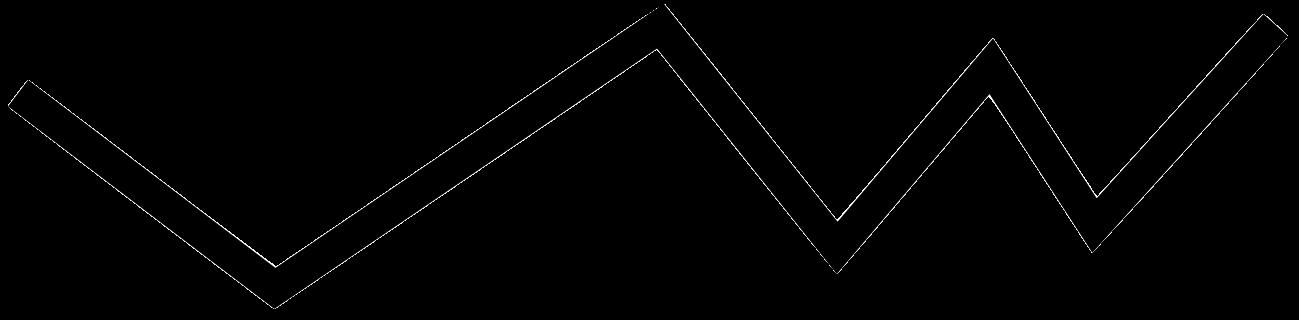
Multiphonic trills: Flute


allowing different harmonics or multiphonics to emerge. Graphic shows speed of the trill.
Brass
Tongue percussion; also tongue ram
Air noise (no pitch)
Percussion
The snare drum and bass drum are played with beaters, superball and large brushes (eg: scrubbing brushes). glissando (a metal bucket for the water is preferred for more resonance)
The following techniques were developed by percussionist Chris Sies of Latitude 49 in which metal objects are resonated on a snare drum. https://www.youtube.com/watch?v=p9eQPpENDeg from which the following image has been excerpted.
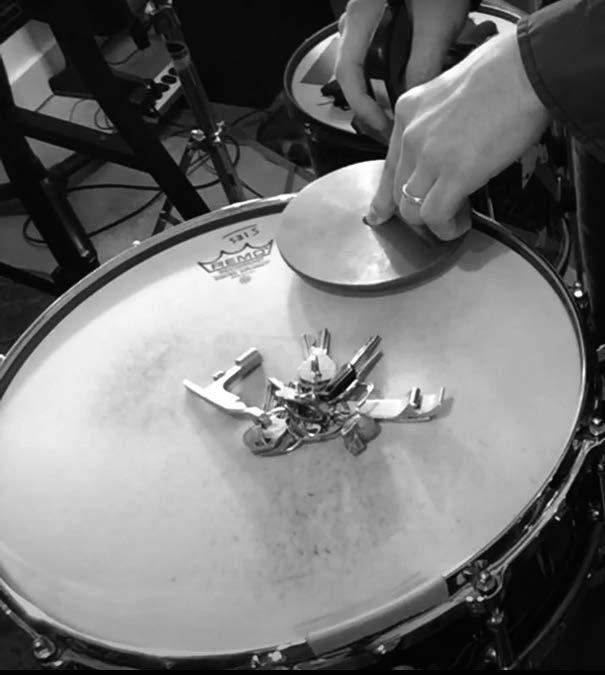
At bar 119, a collection of 6–7 metal house keys is placed at the centre of the snare drum—these can be loosely tied together for ease of handling but should make maximum contact with the drum surface. At bar 122, the single crotale is placed on the drum near the edge. Bowing the crotale whilst it stays in contact with the drum skin transfers the vibration to the metal keys, creating a complex buzzing sound.
Strings
col legno always use some bow hair as well as wood h.sul pont. Bring out many different harmonics as well as the fundamental note occasionally by changing bow pressure/position (effect is of rich harmonic sweeps)
Harmonic gliss. – articulate rhythm with separate bows (effect is glassy/noisy with some clearer pitches also sounding)
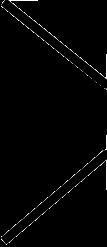
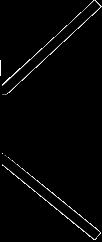
shows the harmonic gliss. starting at the nut
play on indicated non-harmonic node to produce a multiphonic (complex sound)
Vocalisation
The pianist also sings in the 2nd and 4th movements and requires a wireless vocal microphone
Members of the orchestra shout in the 2nd movement. Again, this should be a surprising moment. we care about). Here it is intended as an offering in recognition of shared experiences of suffering which go beyond personal ego.
Piano
Pedal ad lib. except where indicated:
1. = una corda
3. = sustain pedal
All mordents are single alternations between the main note and the small note in brackets
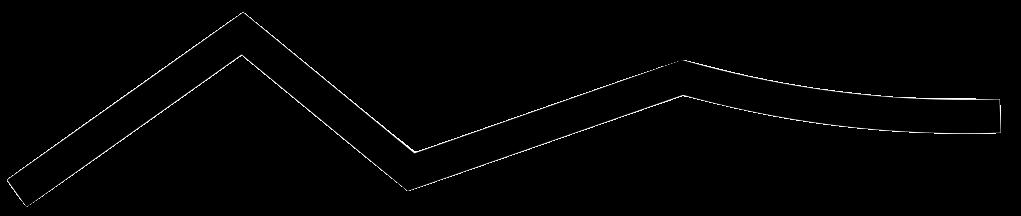
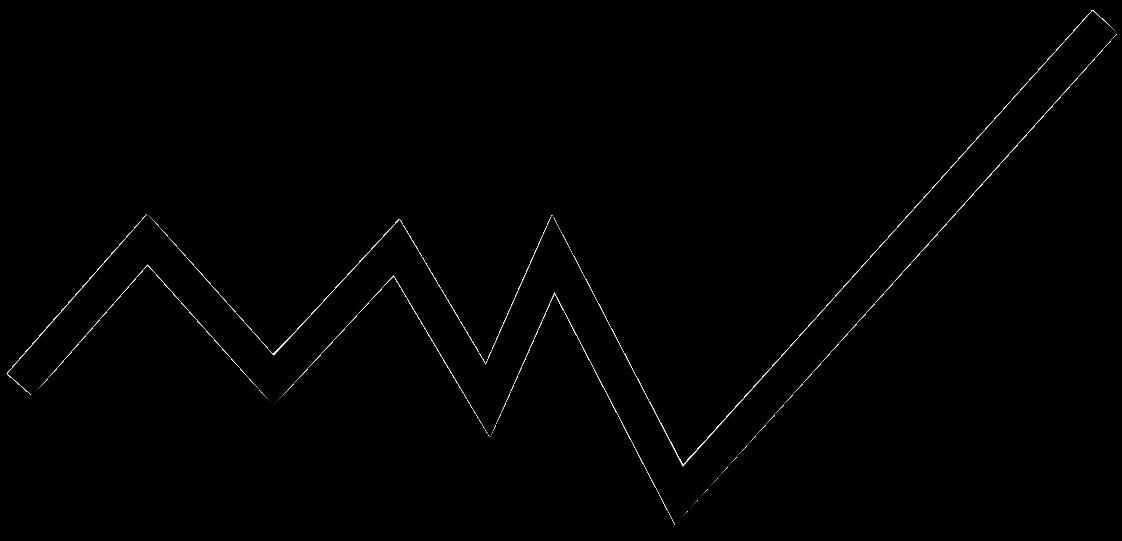
Irregular tremolandi between the main note (also sliding/changing) and small surrounding notes/clusters. The image accompanying the glissando line need not be sounded (though can be); it acts more as a guide for the position of the hands as they glide across the keyboard.
people of the Eora Nation on whose lands I work at the Sydney Conservatorium of Music, University of Sydney and pay my respects to Elders past and present.
World As Lover, World As Self (2021) for solo piano and
orchestra
1. Gratitude
6’30 page 1
2. Heirlooms (of sorrow and protest) 4’00 page 27
3. Twinkle, Twinkle, Little Star 3’30 page 40
4. The Great Turning 7’00 page 53
Background
The title of the work comes from the book ‘World as Lover, World as Self’ by Joanna Macy, eco-philosopher, activist, teacher, and scholar of Buddhism, systems thinking and deep ecology. The section titles refer to the structure of Macy’s teaching which moves in a spiral sequence that reaches beyond the small self to a connection with the intra-dependent co-arising nature of the larger Self of existence.
That all sounds rather grand… as is writing a piano concerto
But I made this piece from a place of more uncertainty than usual. I describe my process as one of foraging—looking for wild nutrients and medicines. I hunted through impressions of meeting and talking with pianist Tamara Stefanovich (on zoom) and through vestigial memories of listening to Schumann; but I also foraged on twitter—with its entangled threads of rage and grief and fake-ness and truth amongst personal entities—that create a passage between realities.
The orchestra and piano soloist with their shiny virtuosity andand mushrooms of a story) can lead us, as Macy says, to ‘a terrain that exceeds your delimited self’. The tale tries to tell of how bonded we are to each and every thing.
attributed to Jane Taylor sung to the old French melody ‘Ah! vous dirai-je, maman’ (Mozart wrote a set of variations on this tune). The lullaby is also a song of resistance associated with the 4-year old Australian-born girl Tharnicaa Murugappan, her older sister Kopika and their par-celebrities sing this favourite song of Tharnicaa’s on her birthday in solidarity.
Ah! vous dirai-je, maman, Ce qui cause mon tourment?
Up above the world so high, Like a diamond in the sky. Twinkle, twinkle, little star, How I wonder what you are!
There are so many worlds nested within worlds...
Let me circle around this tale-telling again. Fiction as a deformation of the familiar can show us a in the way that experimental physics does—both deal with conditions of emergence rather than a singular reality. When I speculate using metaphors, I’m trying to reach beyond mimesis towards knowledge in the process of formation. Rather than translating one thing into another and assuming that this operation is graspable, I’m interested in looking for another way of knowing. Metaphors can be thought of as informal permutations of the world, exposing something of the process of worlding
I look on helplessly at the page as things arise and dissipate.
Simply breathing and listening I wander around in the vast night.