Lisa Streich AUGENLIDER
Partitur
Sy. 4982/01 ISMN 979-0-2042-4982-4

Partitur
Sy. 4982/01 ISMN 979-0-2042-4982-4
Copyright © 2019 by G. Ricordi & Co. Bühnen- und Musikverlag GmbH, Berlin
commissioned work by Norrköpings Symfoniorkester / The Anne-Sophie Mutter Fund Conductor: Michael Francis, Soloist: Miloš Karadaglić Premiere 7th of April 2016 in Norrköping, Sweden
INSTRUMENTATION
1 Guitar preparation: 2 hair clips (provided by composer), Egg Slicer with holder (provided by composer)
3 Flutes
1st Flute: Bass Flute, Flute, Piccolo 2nd Flute: Bass Flute, Flute, Piccolo 3rd Flute: Bass Flute, Flute, Piccolo
3 Oboes
2 Clarinets in Bb
1 Bass Clarinet in Bb
2 Bassoons
1 Contrabassoon
4 Horns in F
3 Trumpets 1st Trumpet: Trumpet in C, Piccolo Trumpet 2nd Trumpet: Trumpet in C, Piccolo Trumpet 3rd Trumpet: Trumpet in C
1 Tenor Trombone
2 Water Bass Trombones Bass Trombone is to be filled with a small amount of water
1 Tuba
1 Timpani + Triangle, Singing Bowl Drumstick, Bow, soft Timpani sticks
Percussion I Washboard, Slapstick, Castanets, Egg Slicer (provided by composer) wooden stick
Percussion II Vibraphone, C astanets, Egg Slicer (provided by composer), Triangle hard xylophone stick, Triangle beater
Percussion III Gran Cassa, Wood Blocks, Egg Slicer (provided by composer), Triangle Soft bass drum stick, hard xylophone sticks, Bow, Drumstick
1 Harp B1 is to be prepared with a paper clip to achieve a rich, bell-like sound
14 Violins I
12 Violins 2
10 Violas
8 Violoncelli
6 Double Basses
Score i s written in C
Duration: 20'
GUITAR
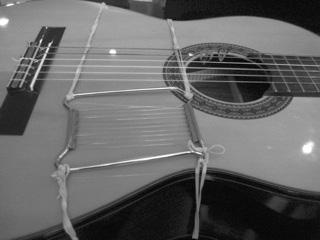
on the body of the guitar an Egg Slicer is to be attached, a magnetic construction can be ordered from the composer: mail(at)lisastreich.se
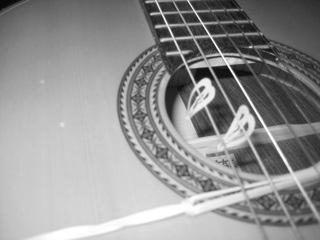
the strings E ( VI ) and A ( V) are to be prepared with hair clips
NOTATION

= pluck with fingernail
= pluck with flesh of finger
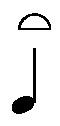
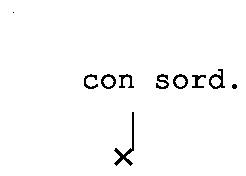
= play note while damping
= play random string on the Egg Slicer
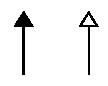
= notes played o n the prepared strings
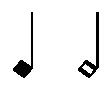

= mute strings with left hand and make a fast, percussive arpeggio over the mutes strings with the right hand
m.s.p. = molto sul pont
s.p. = sul pont ord. = ordinario s.t. = sul tasto
= transition from one technique to another

WOODWIND
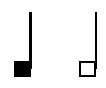
= airy tone
= air sound, blow air through the instrument
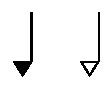
= short attack-full breath though the instrument
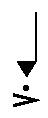
= short attack-full breath through the instrument with key click
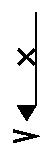
= slap tongue
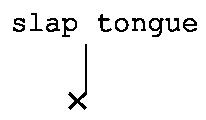
= Multiphonic (Clarinet in Bb)
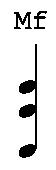
vibr. = vibrato
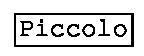
= indicates that the whole section should change to given instrument
= blow air th rough the instrument
= blow water through the water trombone - bubbling sound occurs
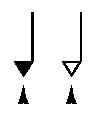

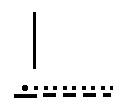
= tap with the fingernail on the most resonating part of the instrument in given rhythm = tap with fingernails on the most resonating part of the instrument in random rhythm for given duration
TIMPANI / PERCUSSION I, II, III
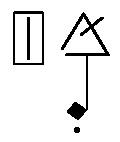
= press corner of the triangle onto the skin of the Timpani wh ile hitting the side of the Triangle with a drumstick (Hammer-like sound with resonance occurs)
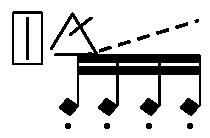
= hit along the side of the Triangle - a transition in sound occurs to the above described technique = bow on singing bowl while pressing the singing bowl onto the skin of the Timpani (sharp sound)
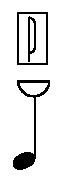
PERCUSSION I, II, III
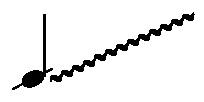
= slide up along the Washboard with wooden stick
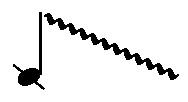
= slide down along the Washboard with wooden stick
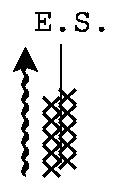
= Arpeggio over all the 10 strings of the Egg Slicer
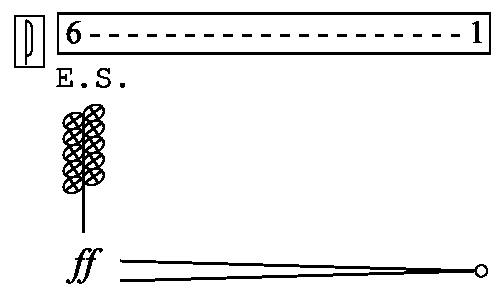
= Bow on all 10 strings of the Egg Slicer starting with a very fast bow that slows down to a slow bowing (see bow velocity section of string performance instructions)
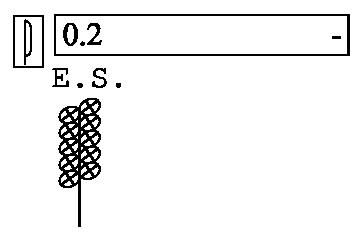
= Bow very very slowly on all the 10 strings of the Egg Slicer (see bow velocity section of string performance instructions)

= damped dead note (Vibraphone) / dead note (Wood Blocks)
= press corner of the triangle onto the skin of the Gran Cassa while hitting the side of the Triangle with a drumstick (Hammer-like sound with resonance oc curs)
= hit the triangle moving the striking point up and down the side of the triangle closer to and further from the drum head.
I
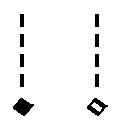
= indicates a note played on a string prepared with a paperclip = damp the string whie playing (short dry sounds)
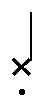
= laissez vibrer
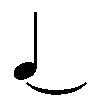
STRINGS
II = roman numerals above a note indicate the string on which to play III IV
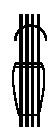
= "Bridge clef". It negates the traditional clefs and indicates the surface of the instrument: fingerboard - strings - bridge. It doesn't indi cate a specific pitch but the point on the instrument where an action is to be performed.
c.l.b. = col legno battuto (hit the string with the wood of the wood)
c.l. = col legno (bow with wood of the bow)
c.l.cr = col legno crini (bow with both wood and hair at the same time)
ord. = ordinario
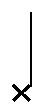
= tap the string on the indicated note - a mixture of the string's note and the tapped n ote will occur
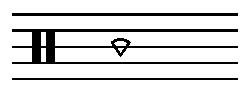
= bow on the side of the bridge - toneless soft noise
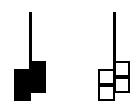
= mute strings with all four fingers
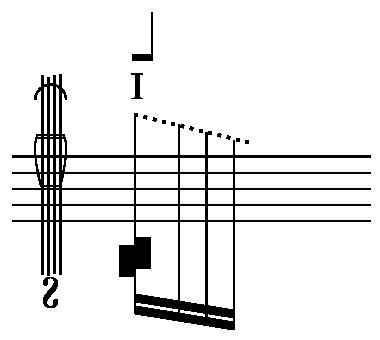
= tap string with bottom of tention-screw of the bow while damping the half of the string below the tension screw with the left hand
= transition from one technique to another
= indicates the velocity of the bowing:
0 = no velocity
0.5 = very very slow = approx. 60 sec. per bow (unstable tone)
1 = very slow = approx. 15 sec. per bow (stable tone)
2 = slow = approx. 3 sec. per bow
3 = medium velocity = approx. 1 bow per sec.
4 = fast = approx. 1.5 bows per sec.
5 = very fast = approx. 2 bows per sec.
6 = as fast as possible = approx. 2.5 bows per sec. all numbers lower than 1 should result in an unstable, grainy sound. Important with this action is that always the whole bow is to be used - the indication 6 doesn't mean a normal tremolo! the dynamics indicate in this case the bow pressure: ppp = very very light bow pressu re pp = very light bow pressure p = light bow pressure
mf = medium bow pressure
f = high bow pressure
ff = very high bow pressure
ACCIDENTALS


+ 1/8 + 1/4 + 3/8 + 1/2 + 5/8 + 3/4


- 3/4 - 5/8 - 1/2 - 3/8 - 1/4 - 1/8
Bass Flute, Flute, Piccolo Oboe
Clarinet in Bb
Bass Clarinet in Bb/ Clarinet in Bb
Bassoon
Contrabassoon
Horn in F
Trumpet in C/ Piccolo Trumpet
Tenor Trombone
Bass Trombone
Bass Trombone Tuba
Timpani Triangle on Timpani Singing Bowl on Timpani
Washboard
Percussion I: Slapstick Castanets Egg Slicer
Vibraphone
Percussion II: Castanets Egg Slicer Triangle Gran Cassa
Percussion III: Wood Bl ocks Egg Slicer Triangle on Gr. C.
Do not conduct through the cadenza (mm. 135 - 165). The guitar is not meant to be heard clearly. The microtonal trills and clusters in the orchestra should create difference tones, which will arise at different times in different locations in the hall. Each listener then is presented with an individual experience resulting in an individual interpretation of what the guitarist is playing as the sound of the guitar shimmers beneath the orchestral texture.
hold during the whole "cadenza", breath whenever needed
hold during the whole "cadenza", breath whenever needed
hold during the whole "cadenza", change bow individually
bow on the side of the bridge toneless soft noise f 1 -
bow on the side of the bridge toneless soft noise f 1 -
bow on the side of the bridge toneless soft noise f 1 -