The Third Floor of Casa Batlló
A historic restoration recovers the last inhabited residence
A historic restoration recovers the last inhabited residence
Occupied for more than a hundred years by direct descendants of the Batlló family, this space has been preserved with exceptional authenticity. It stands as a valuable testament to domestic life in early 20th-century Barcelona.
“We are recovering an essential part of Casa Batlló’s history to share it with the world.”
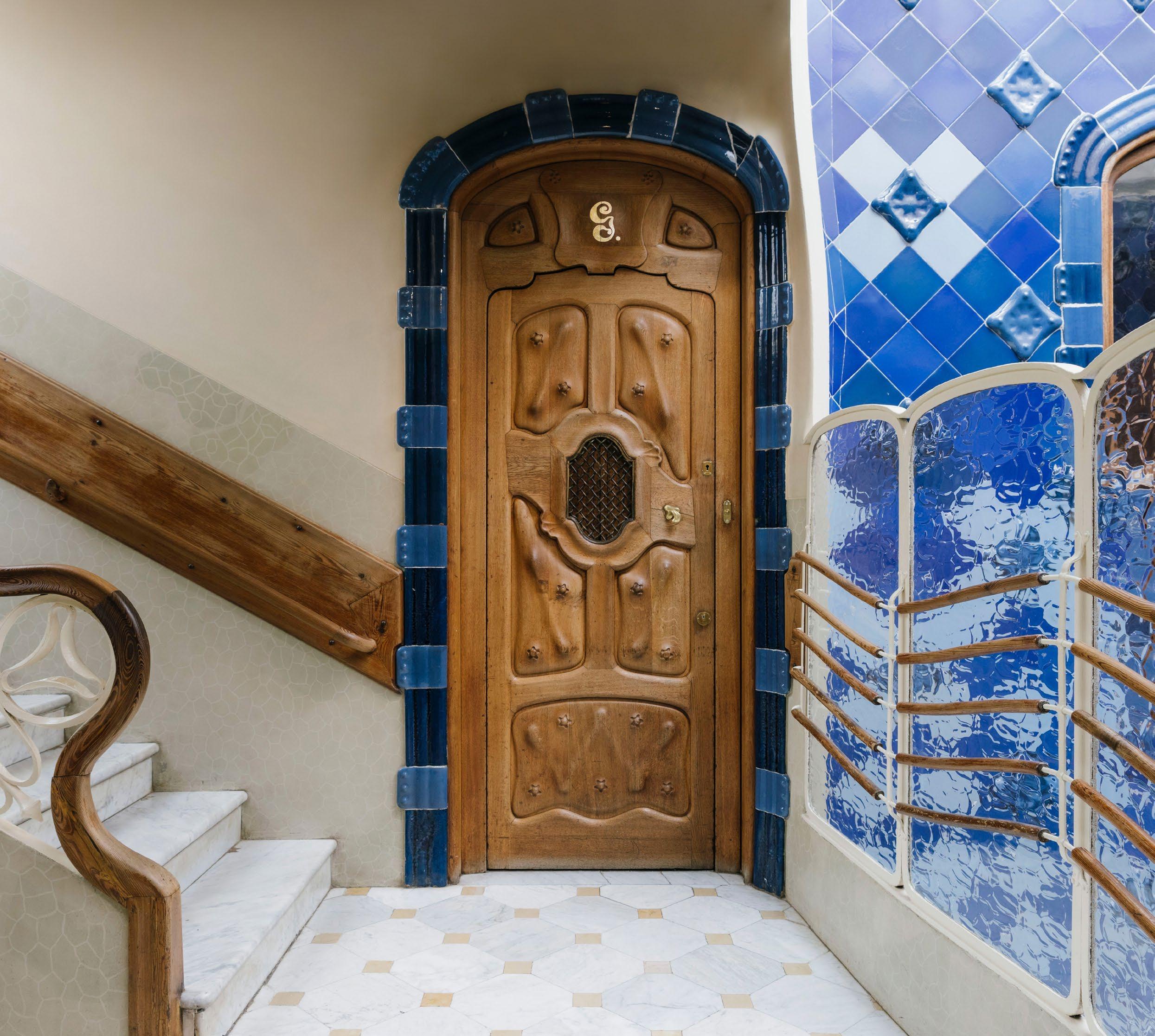
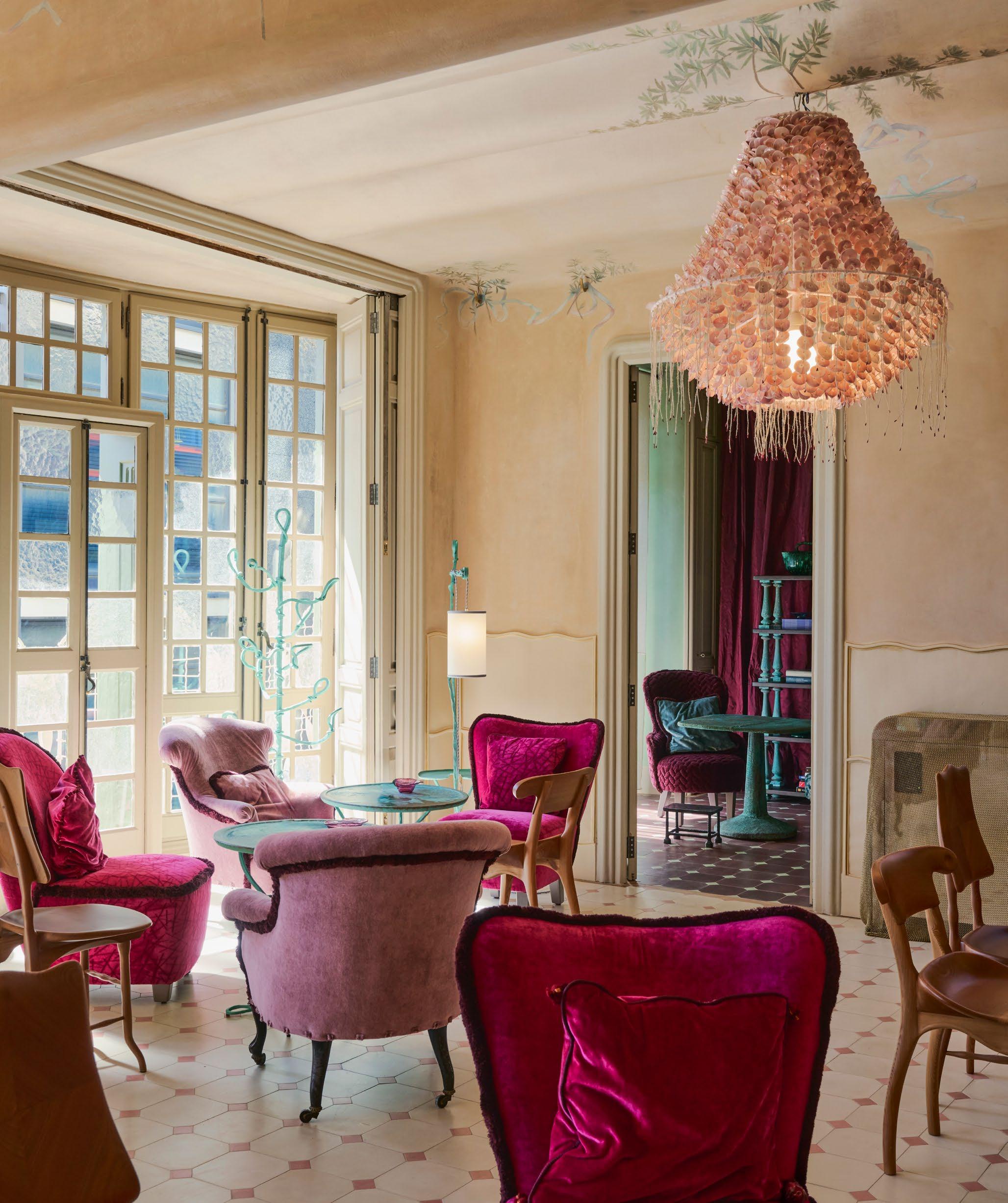
The Third Floor transforms Casa Batlló’s heritage into an intimate, contemporary, and living experience. The original rooms designed by Gaudí become exclusive private spaces where every gathering takes on an extraordinary character.
“It is not about contemplating heritage, but about living it.”
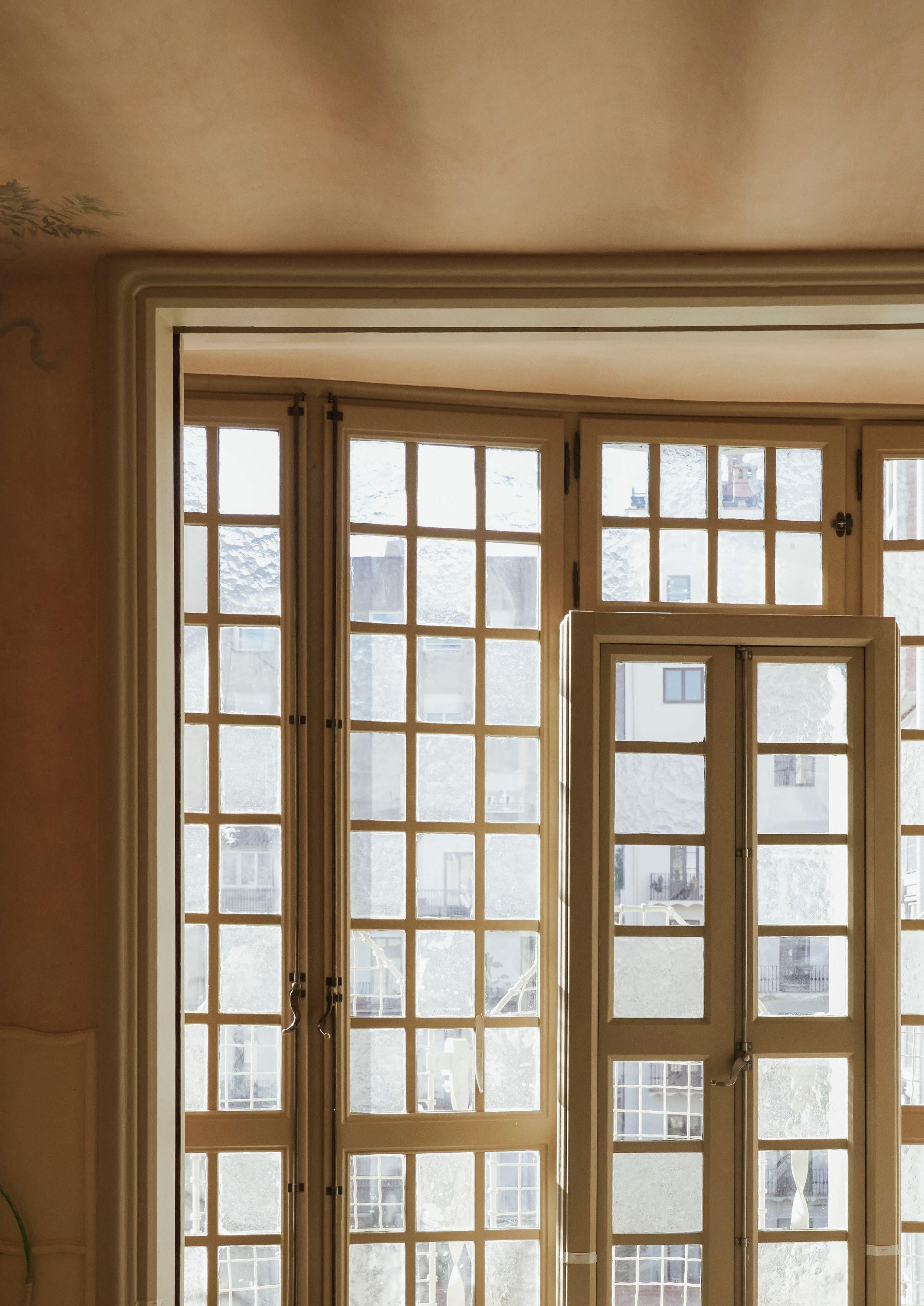
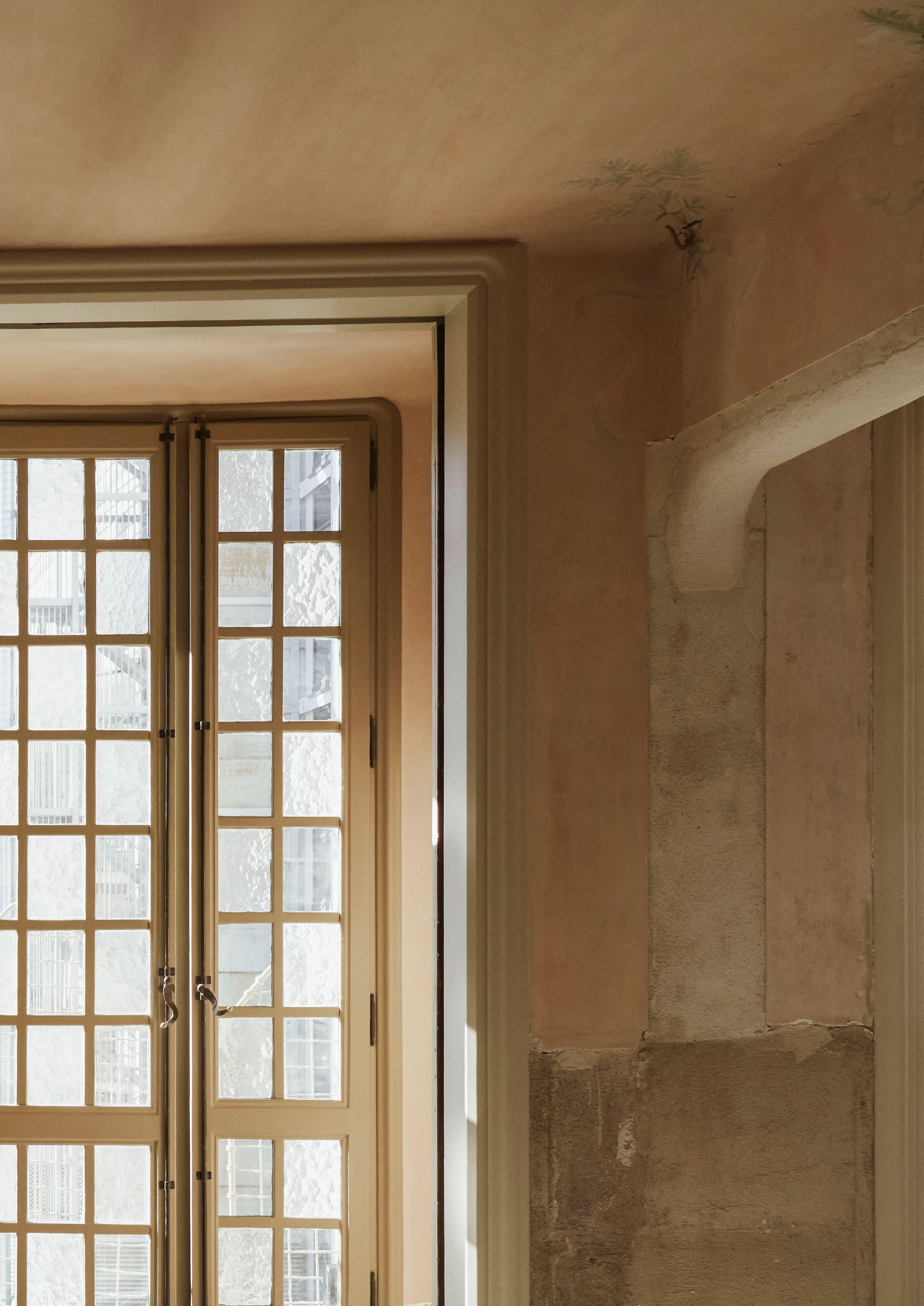
A meticulous restoration has returned the floor to its original essence, recovering original elements and revealing new insights into how Gaudí conceived every detail with a vision far ahead of his time.
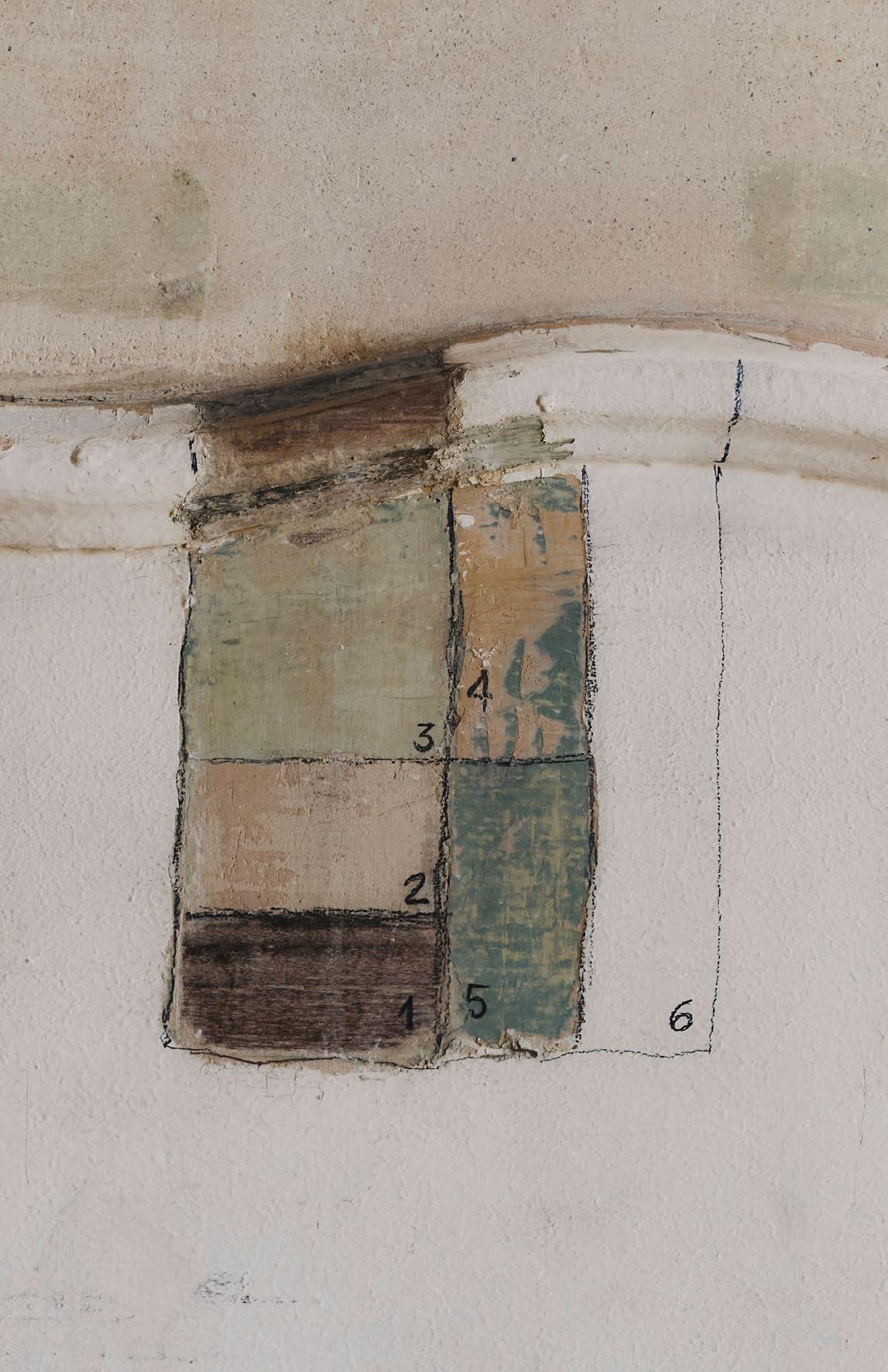
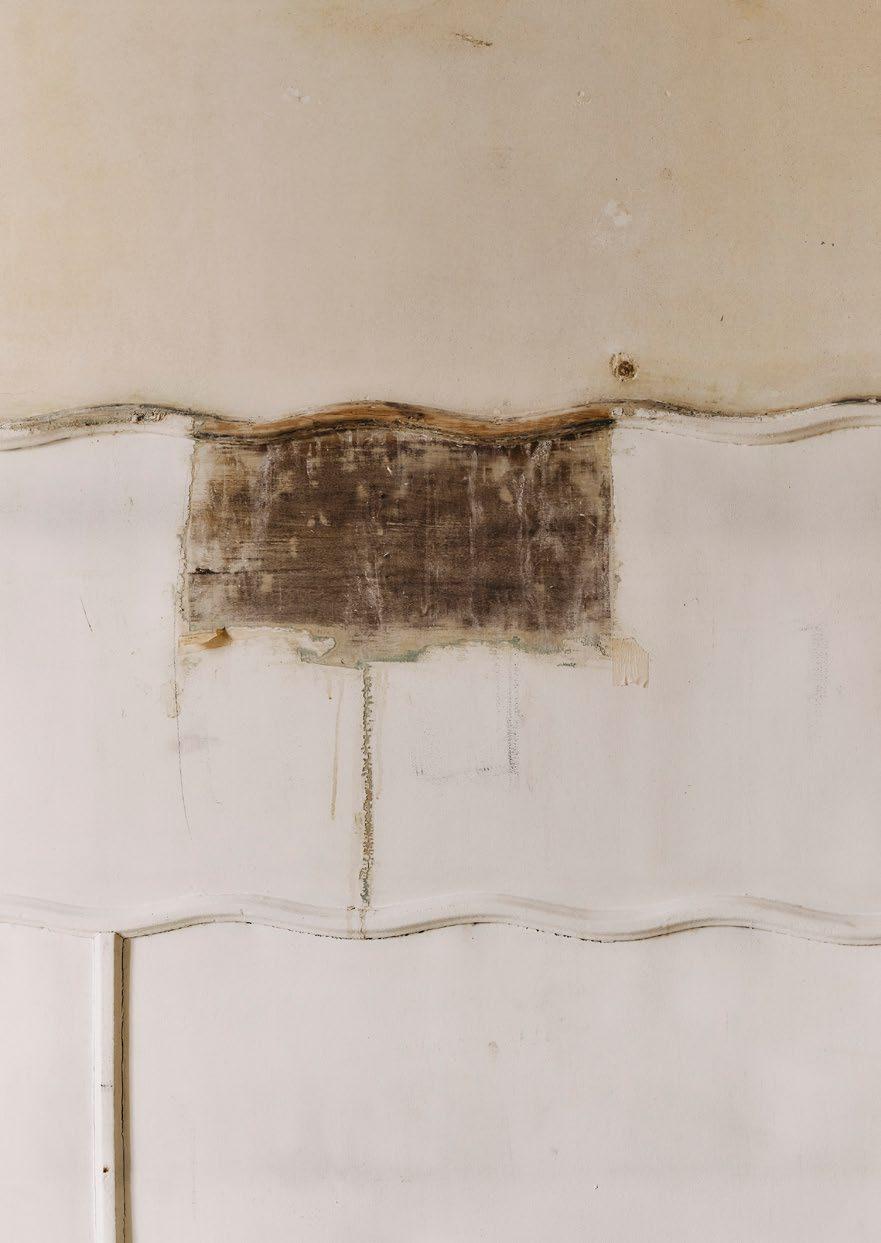
The process was approached as archaeological work: carefully removing the layers accumulated over decades to reveal the true nature of the residence. Beneath paint, additions, and later renovations, surprising discoveries and an architecture that remained almost intact have emerged.
Woodwork, flooring, stuccoes, ironwork… Every element has been analyzed, restored, or reproduced with the utmost rigor, combining traditional techniques and contemporary knowledge, thanks to the work of local artisans from different trades.
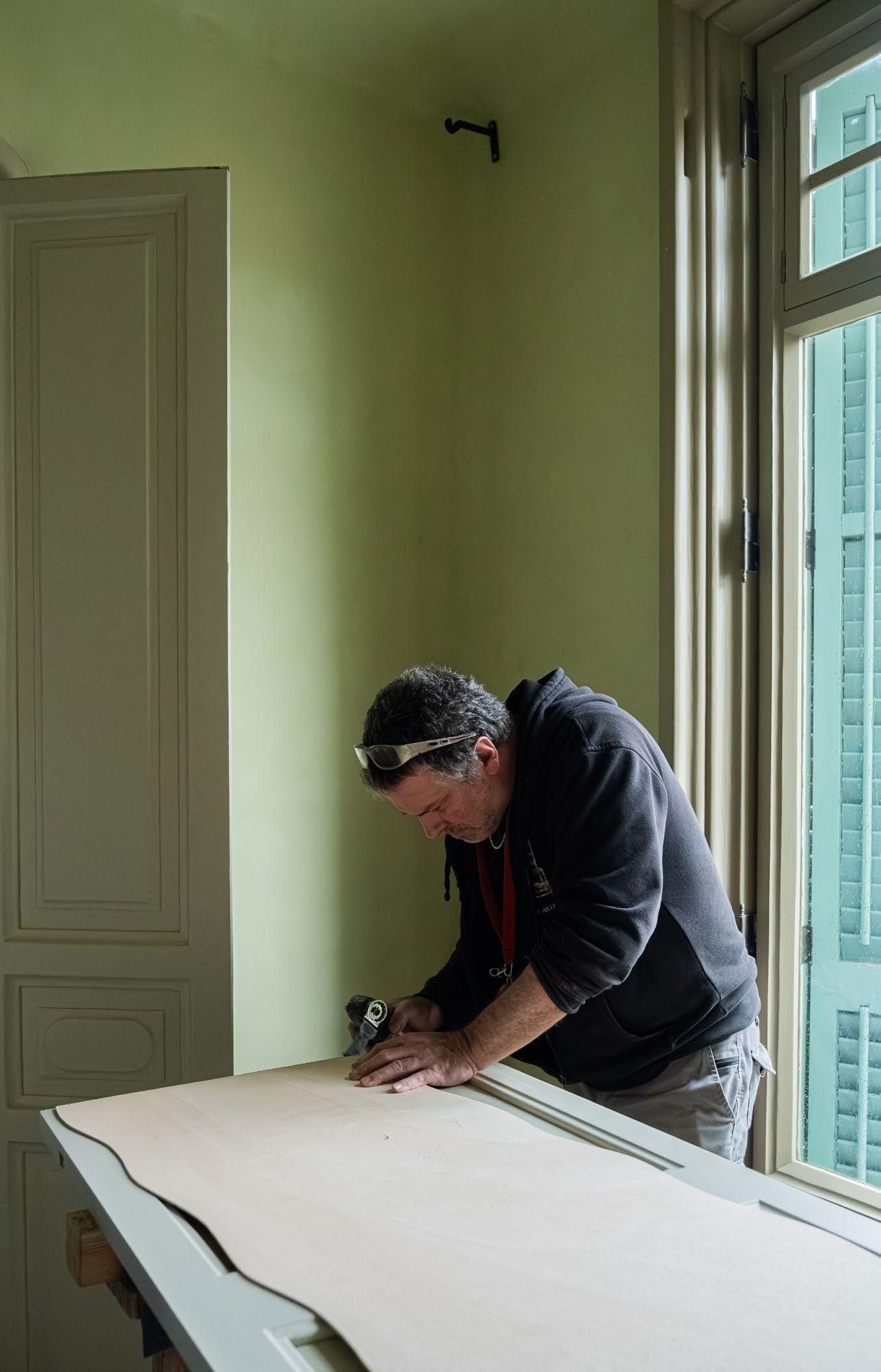
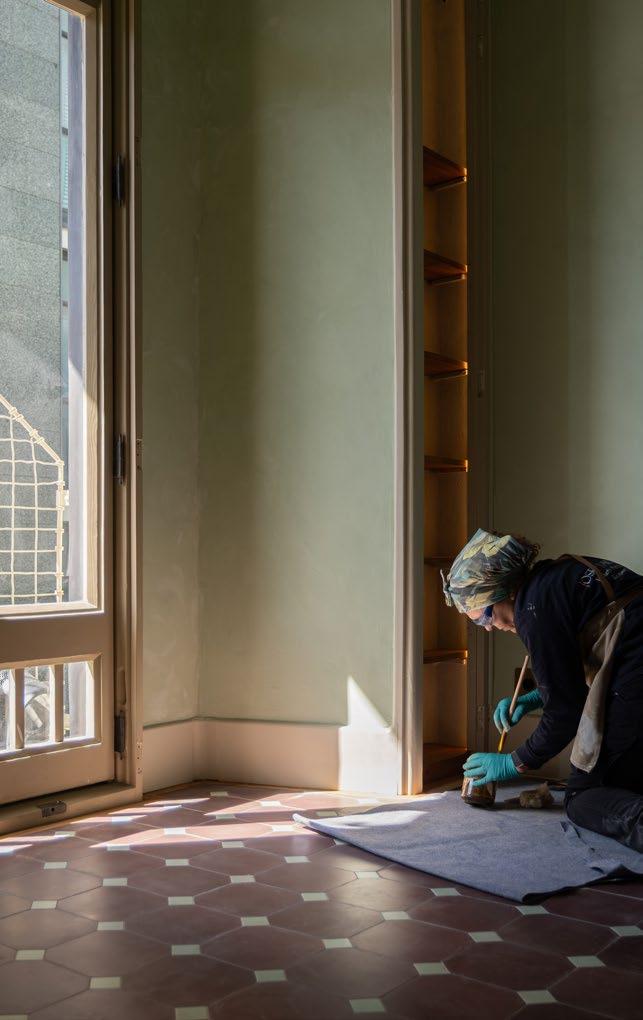
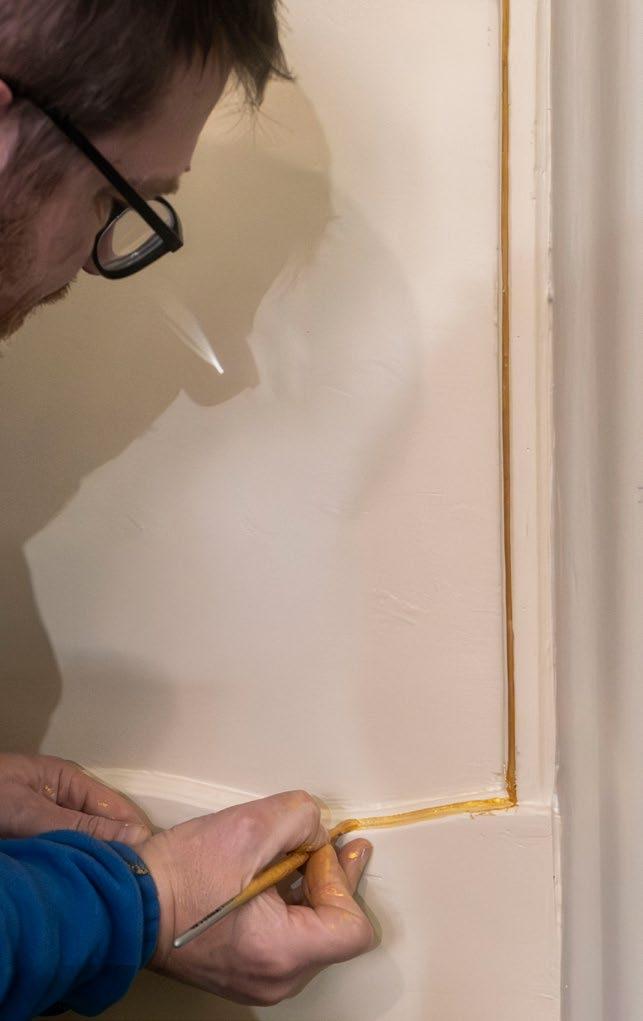
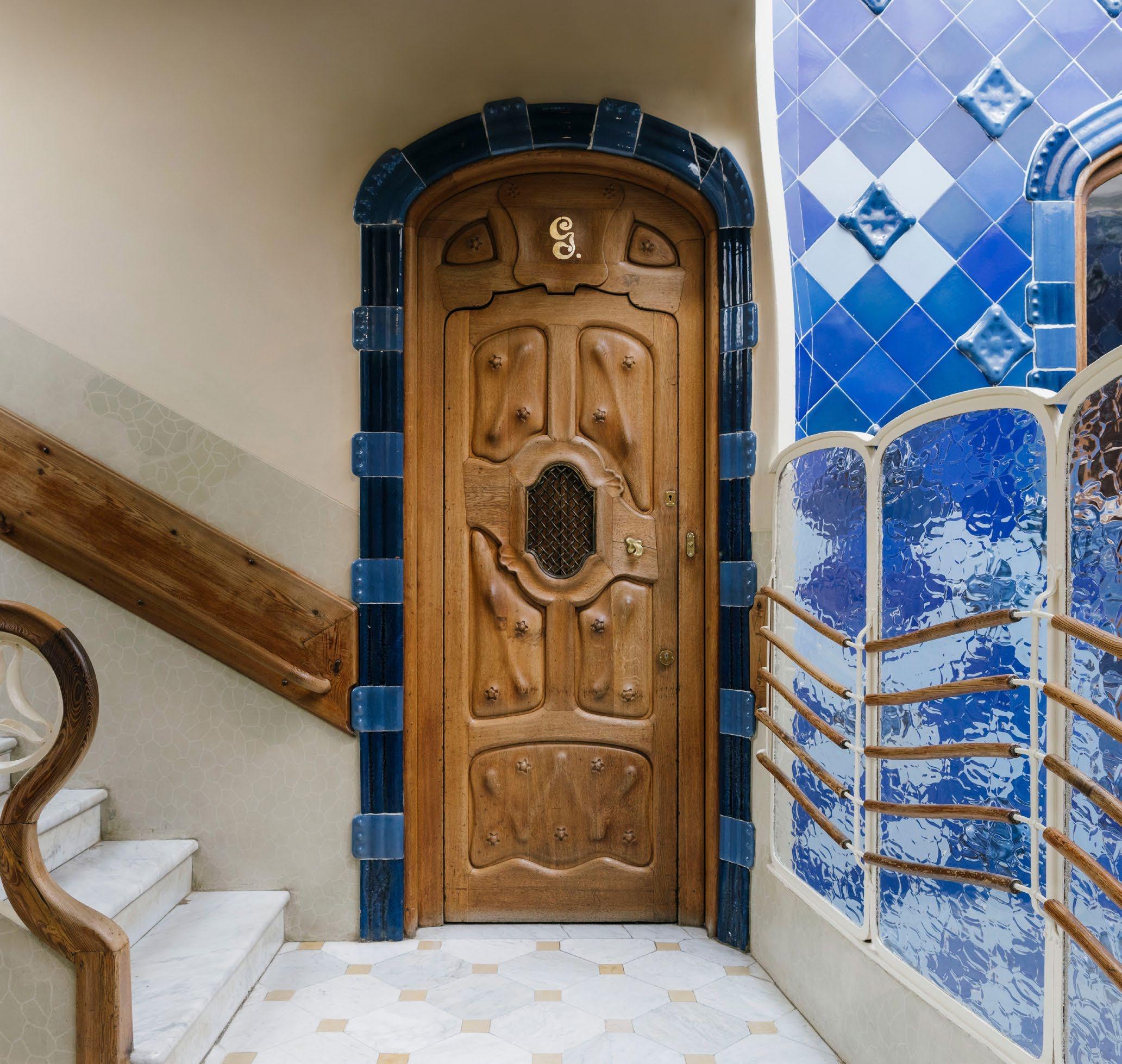
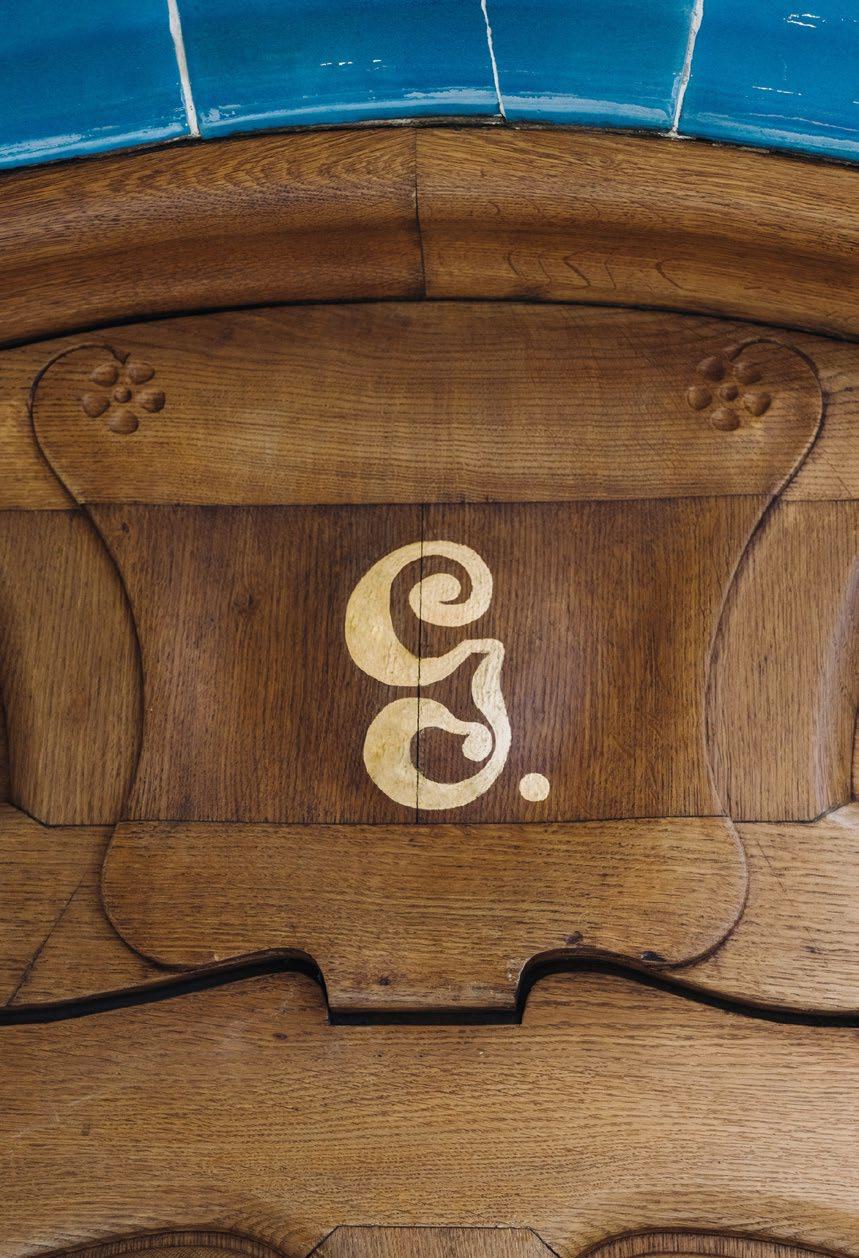
Nearly a hundred original carpentry elements have been recovered, restoring the space’s materiality and character.
Doors, windows, and wall paneling— many hidden for decades—have been restored or replicated based on original models.
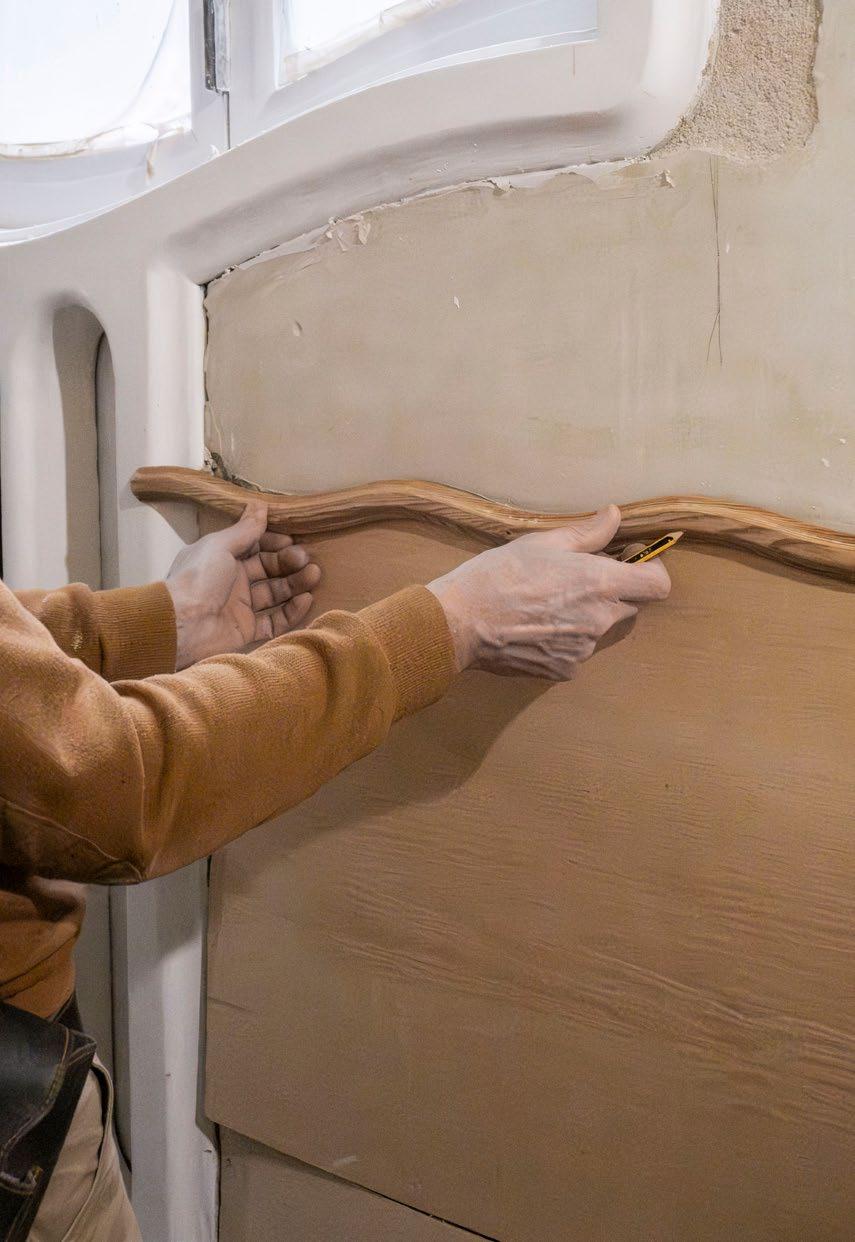
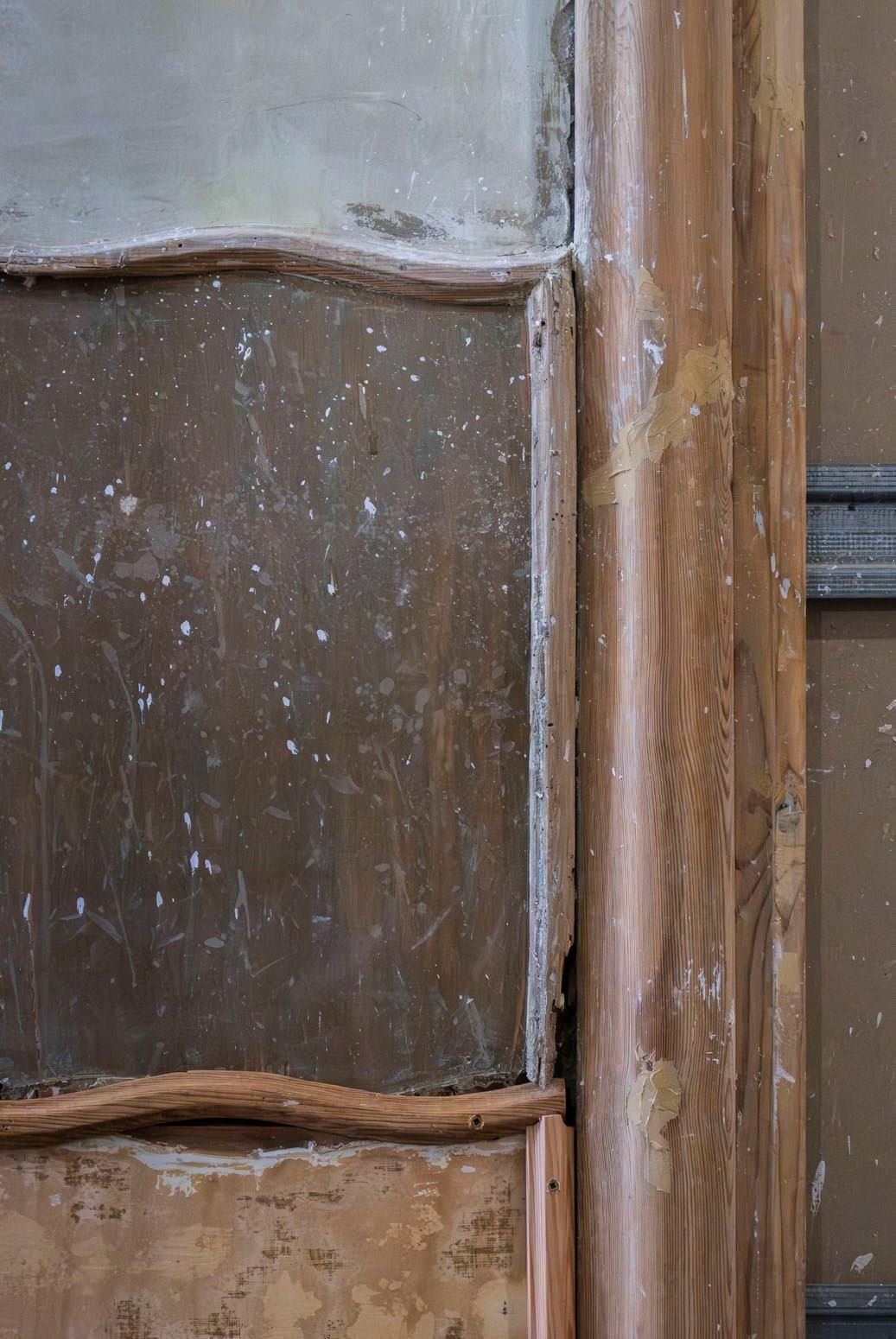
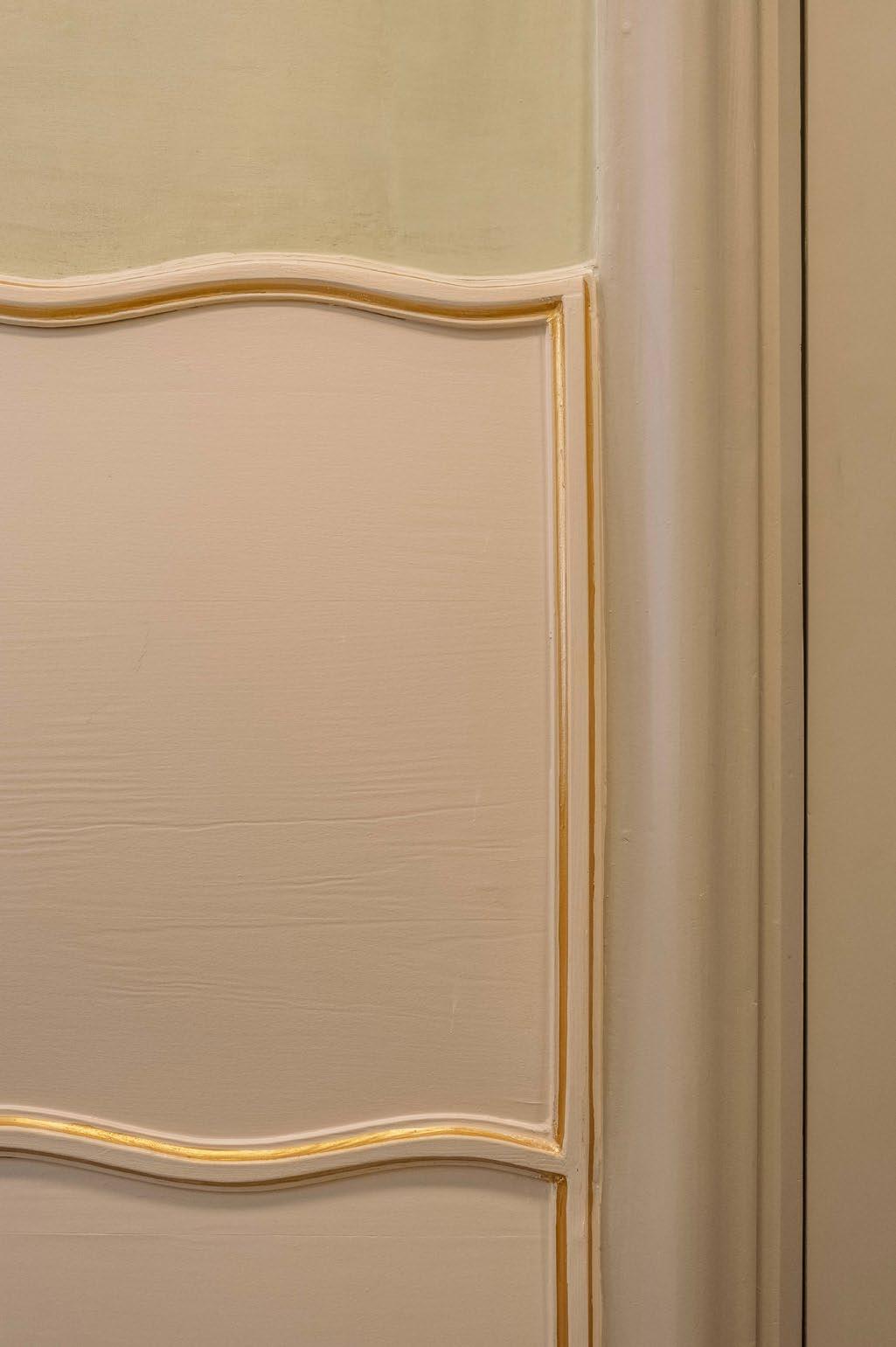
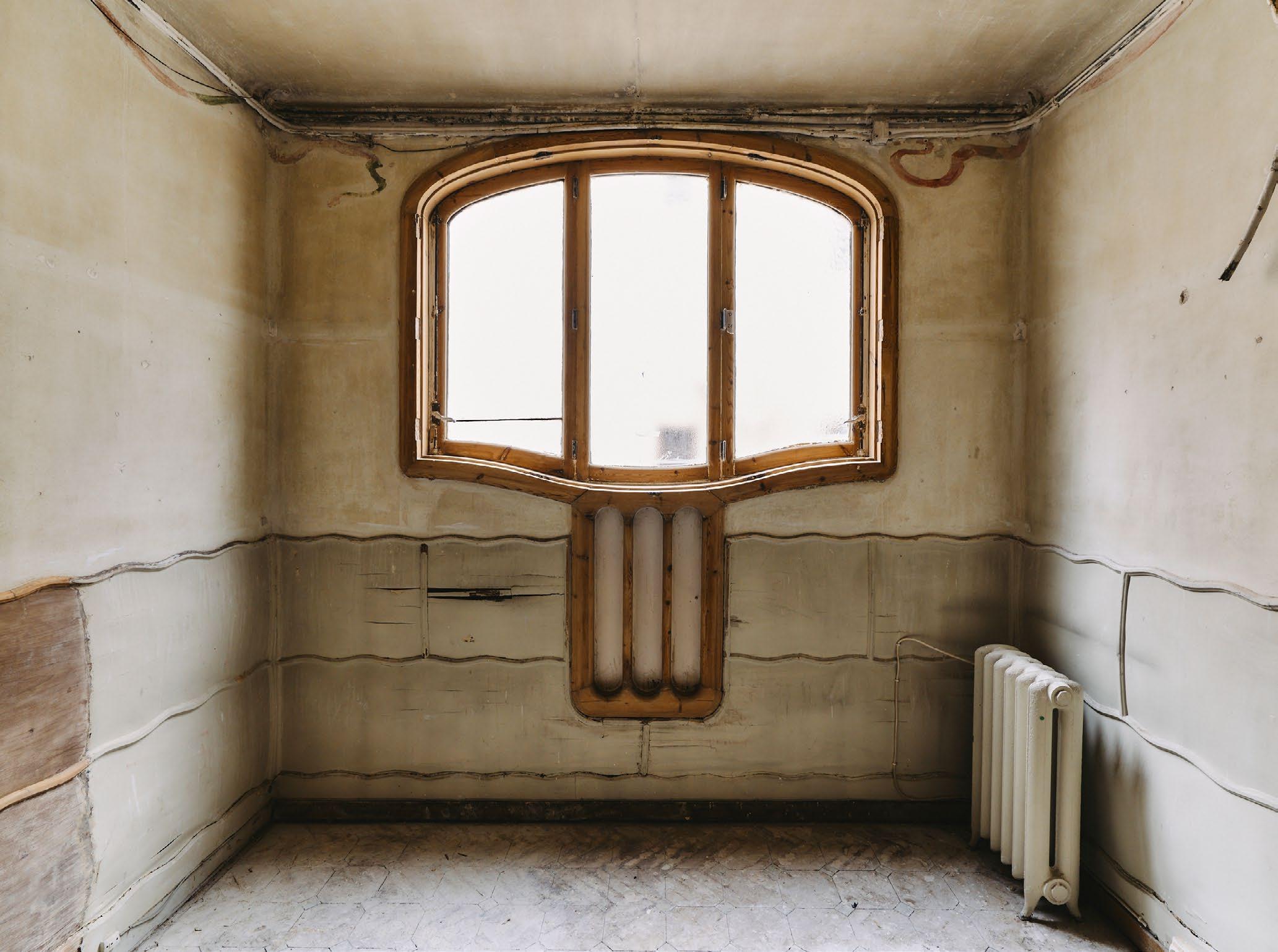
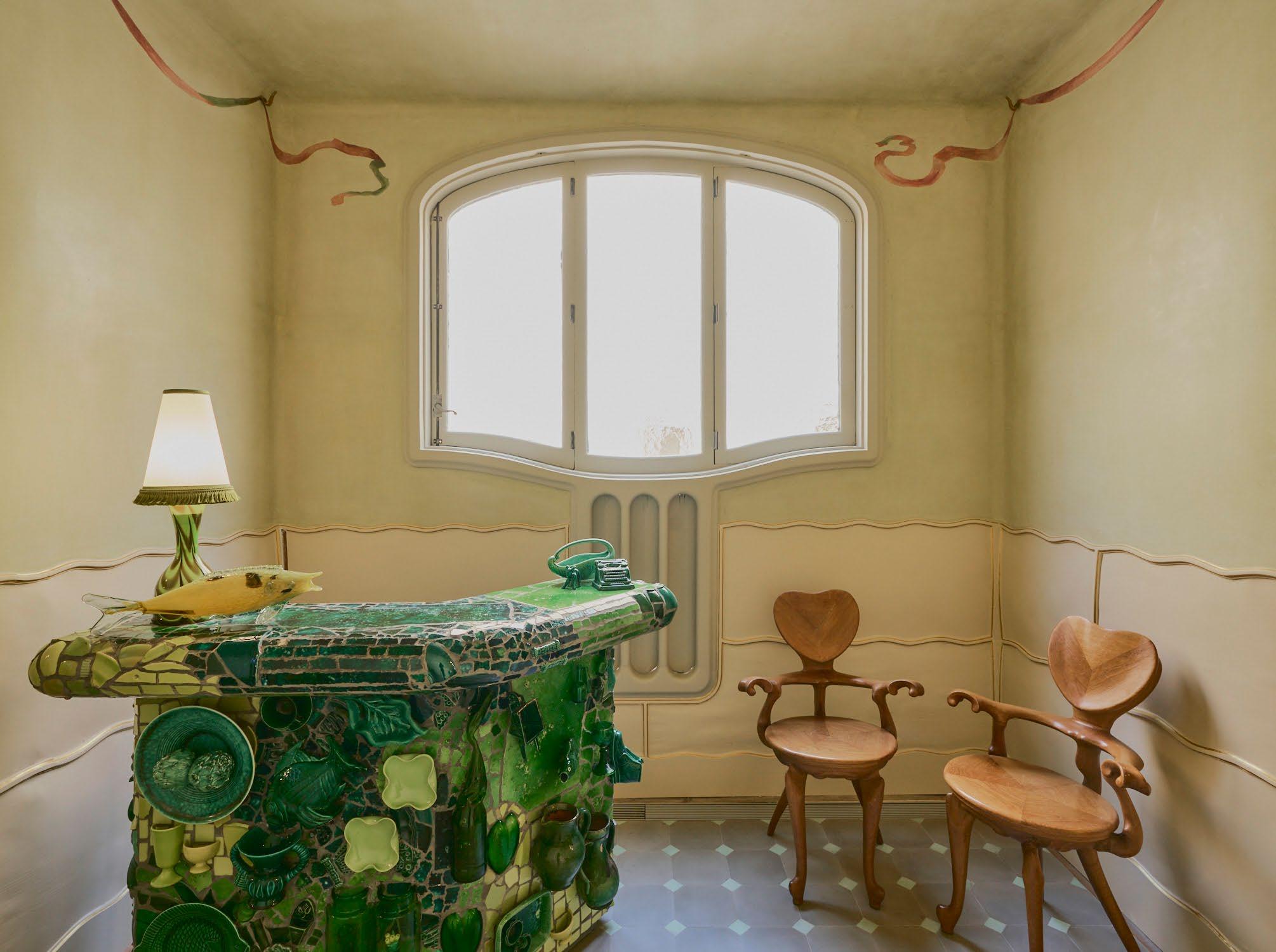
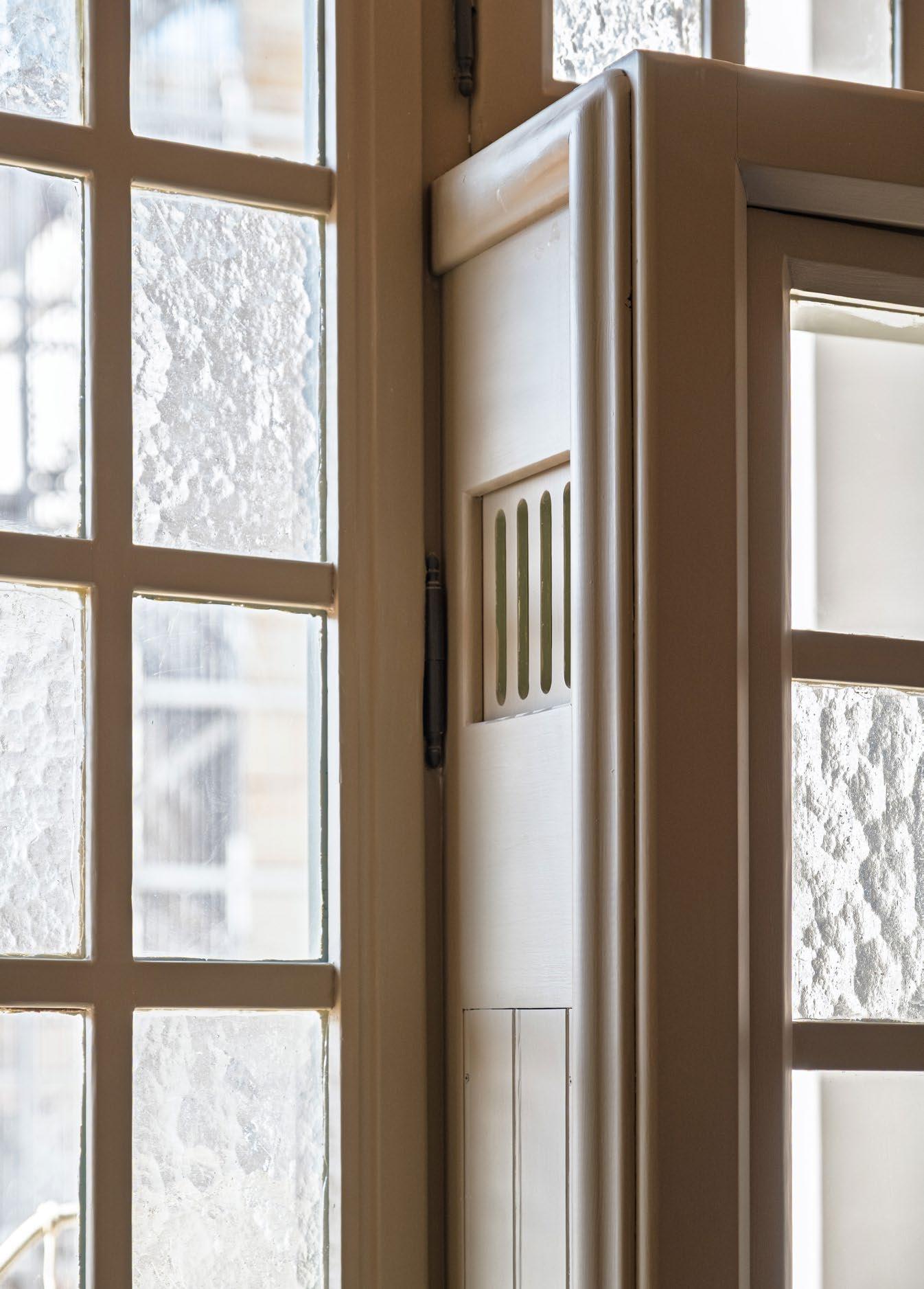
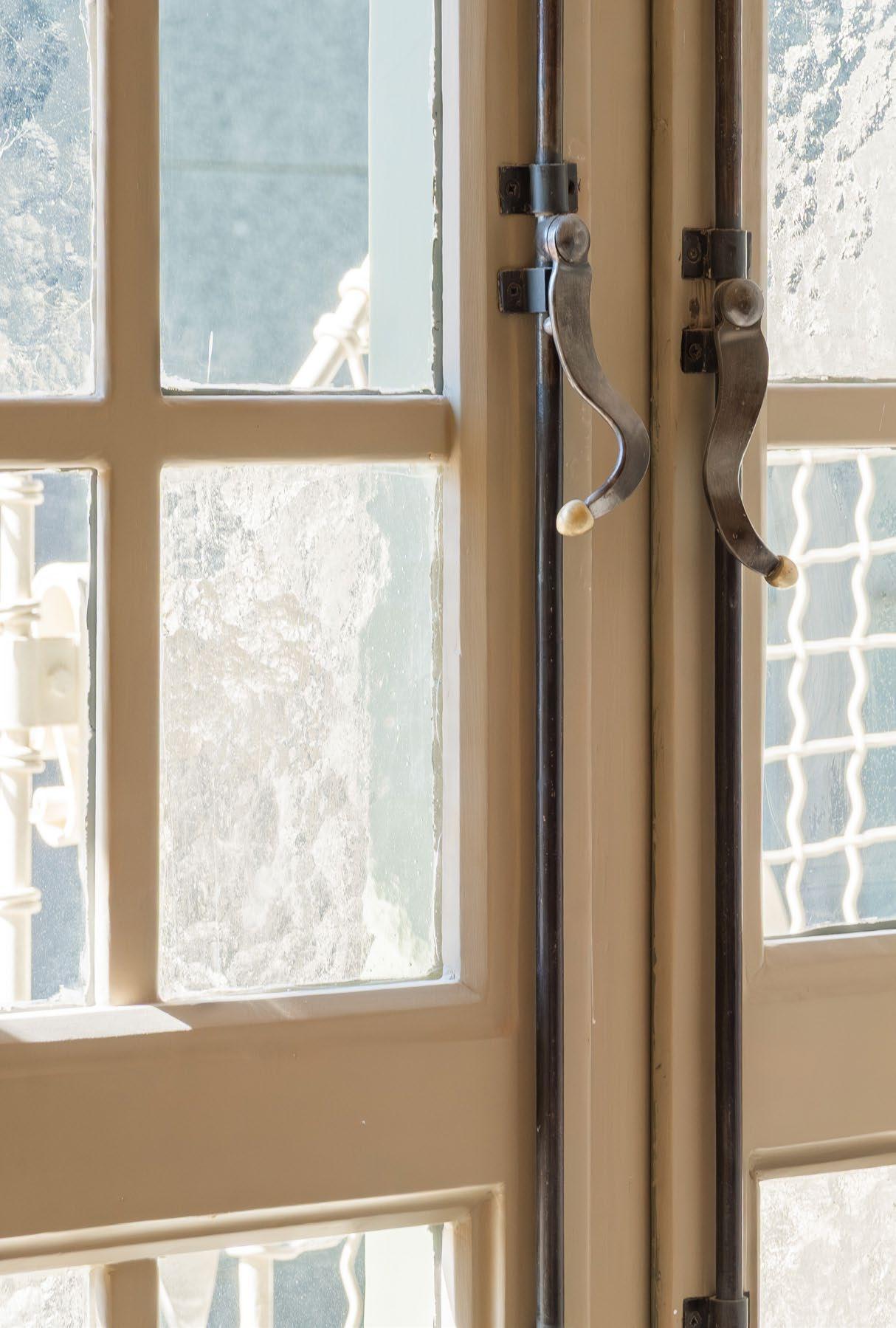
Particularly noteworthy is the restoration of the bay windows, including the recovery of their original woodwork, glass, and ventilation systems.
The doors were reused by Gaudí from the pre-existing building and adapted to his project, in an early pioneering practice of recycling.

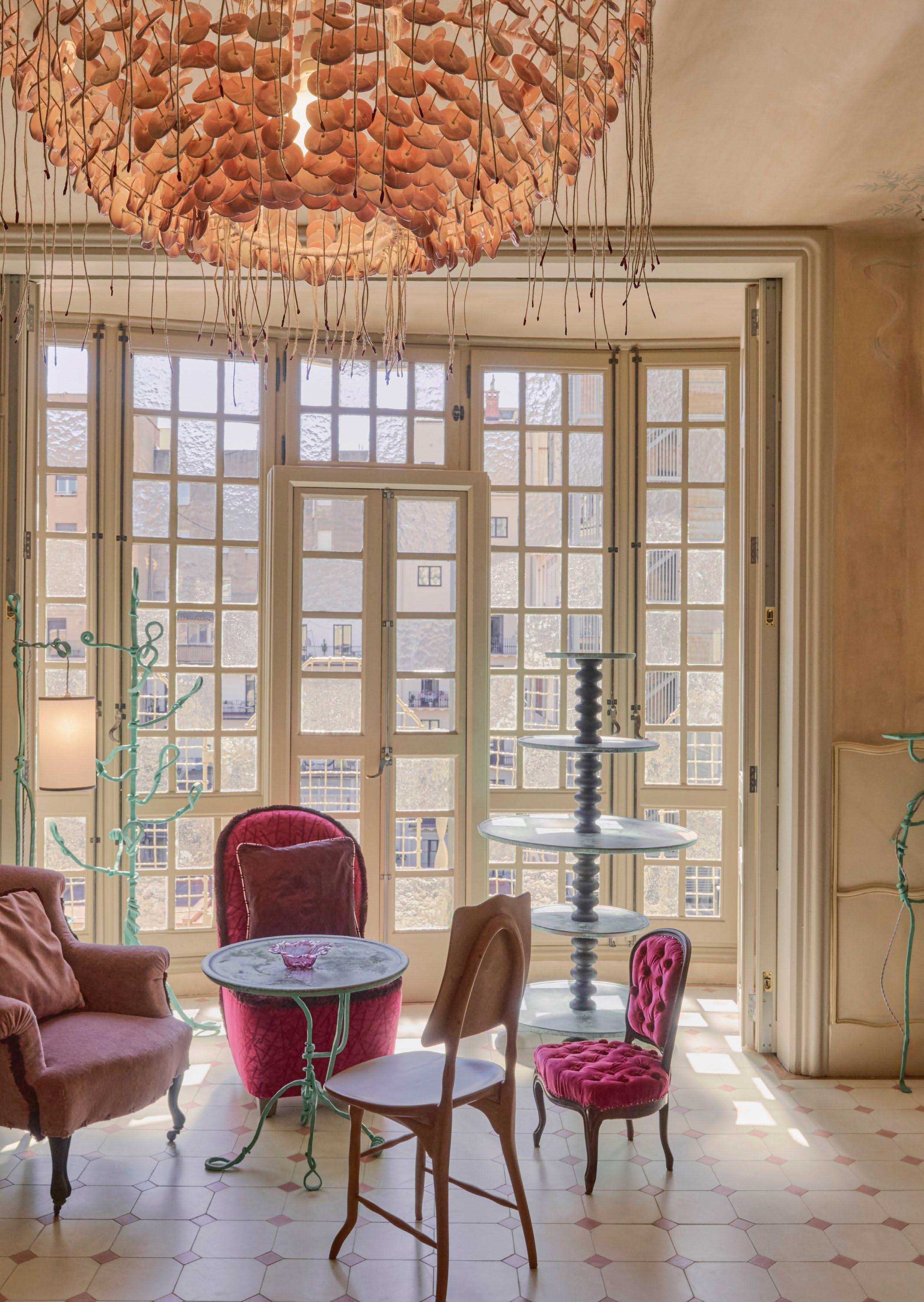
Original lime stuccoes have been recovered in main rooms and corridors, revealing different tones and textures.
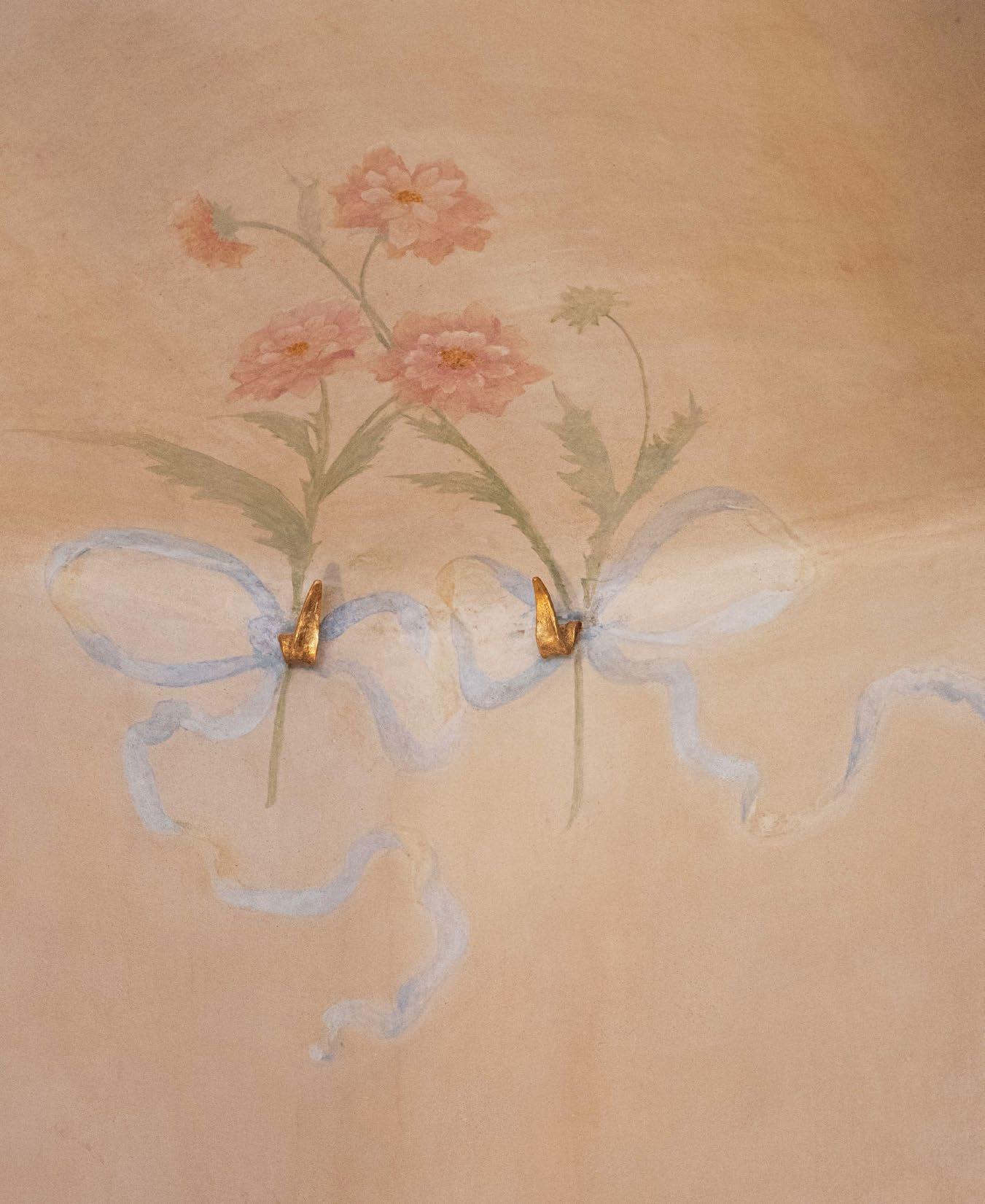
Their restoration process uncovered a remarkable discovery: floral decorations hidden for more than a century beneath multiple layers of paint.
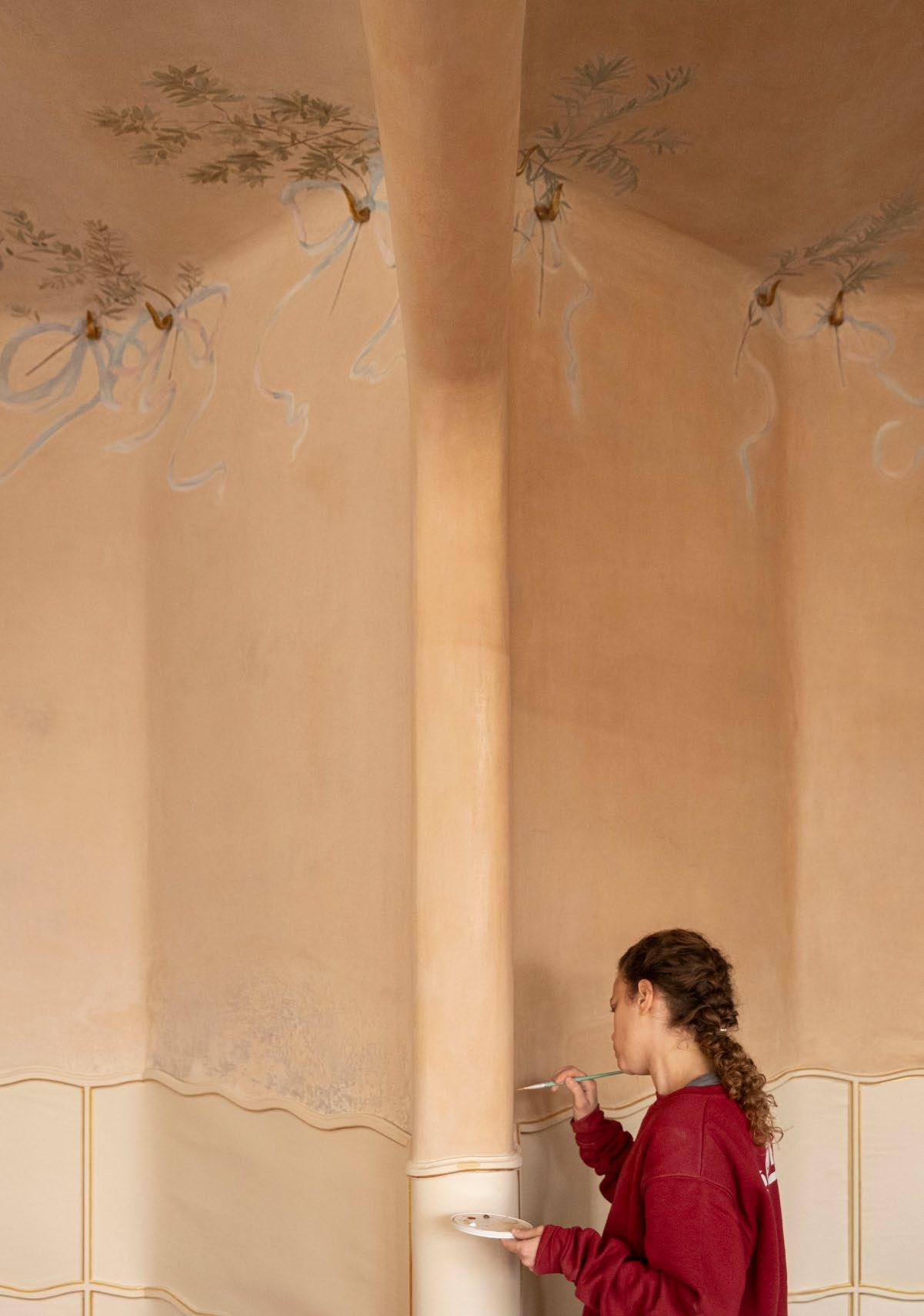
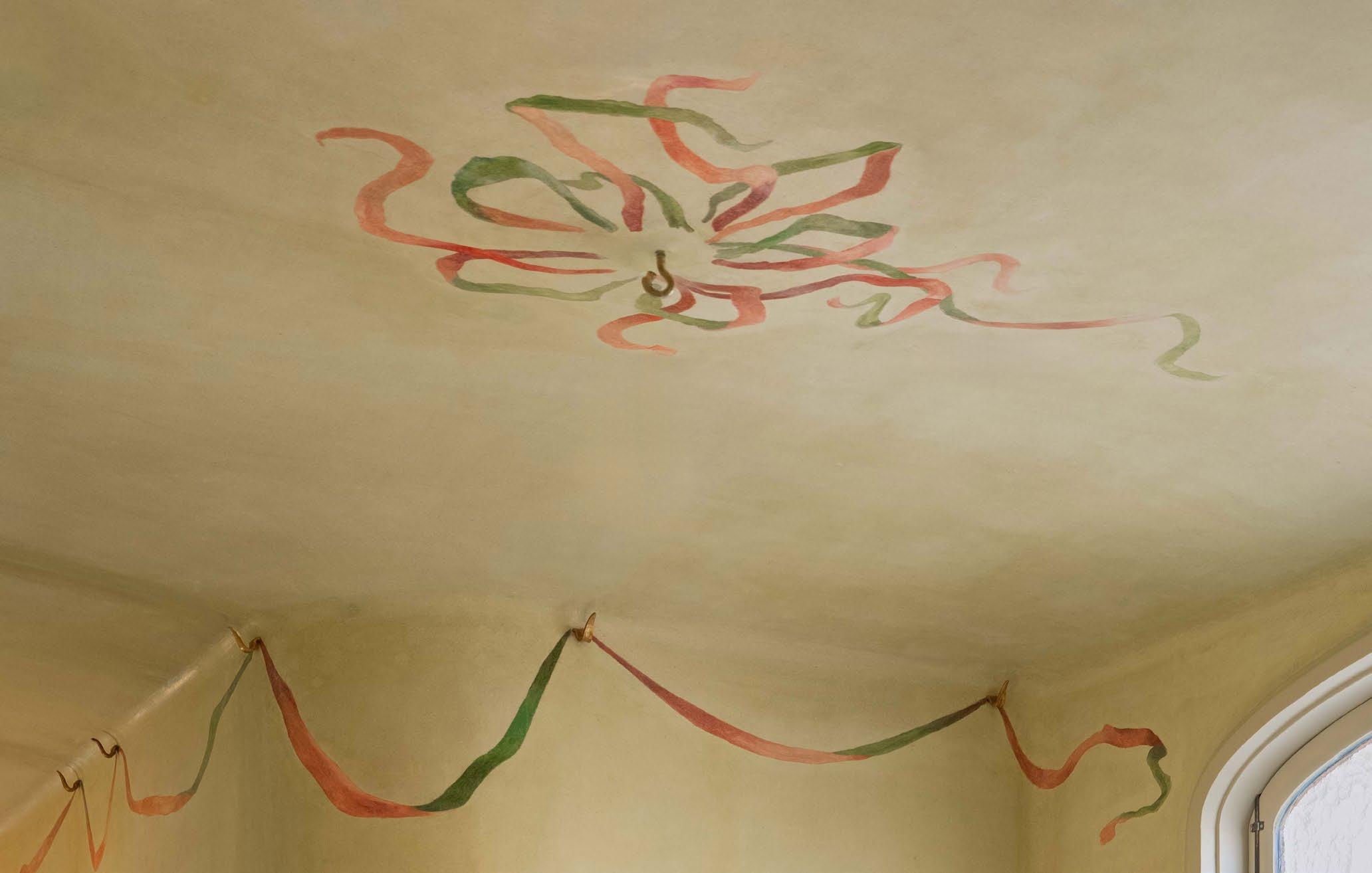
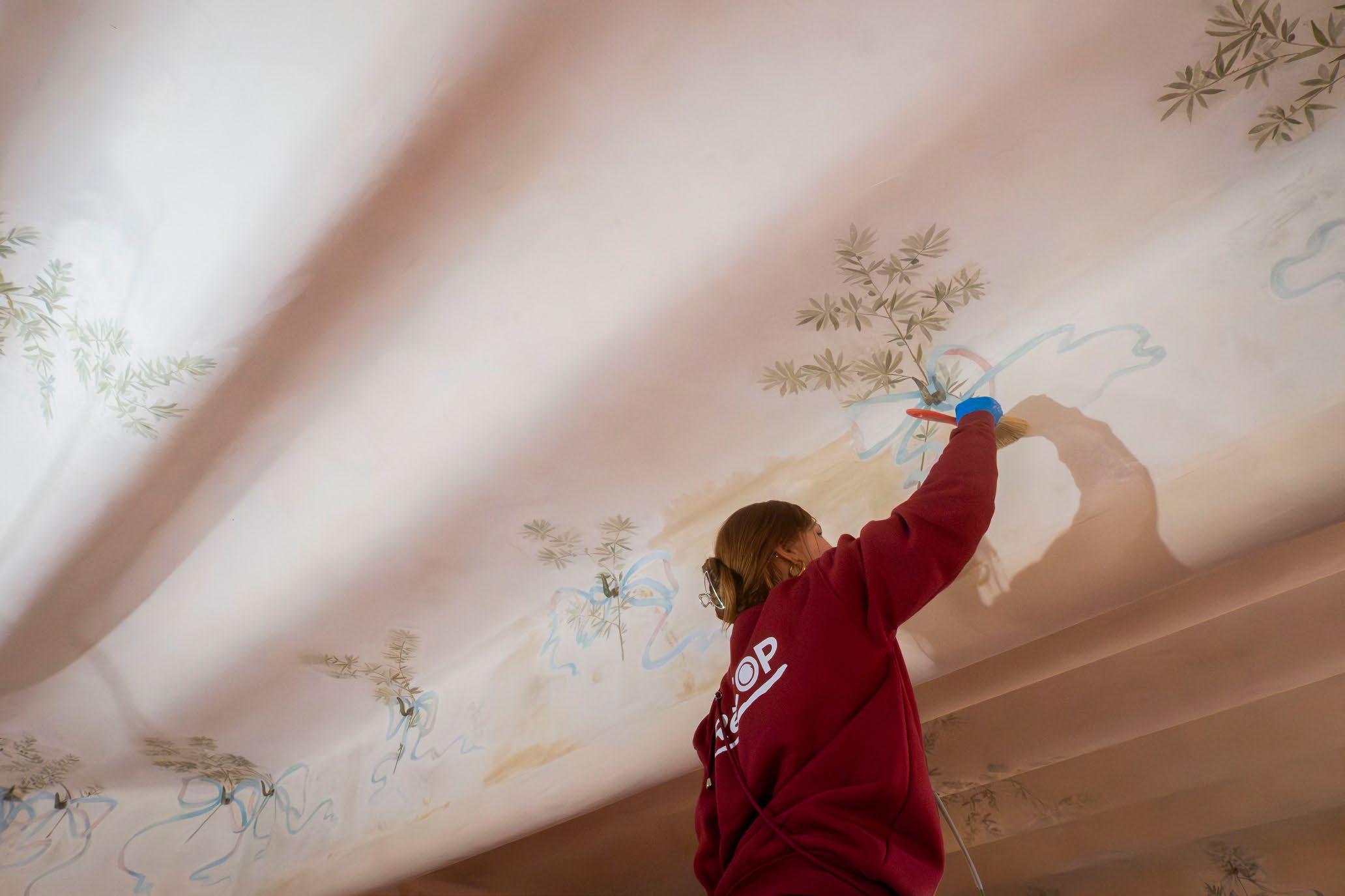
Organic-shaped ceilings have also been restored, revealing Gaudí’s innovative conception of space, along with numerous hooks intended for hanging paintings.
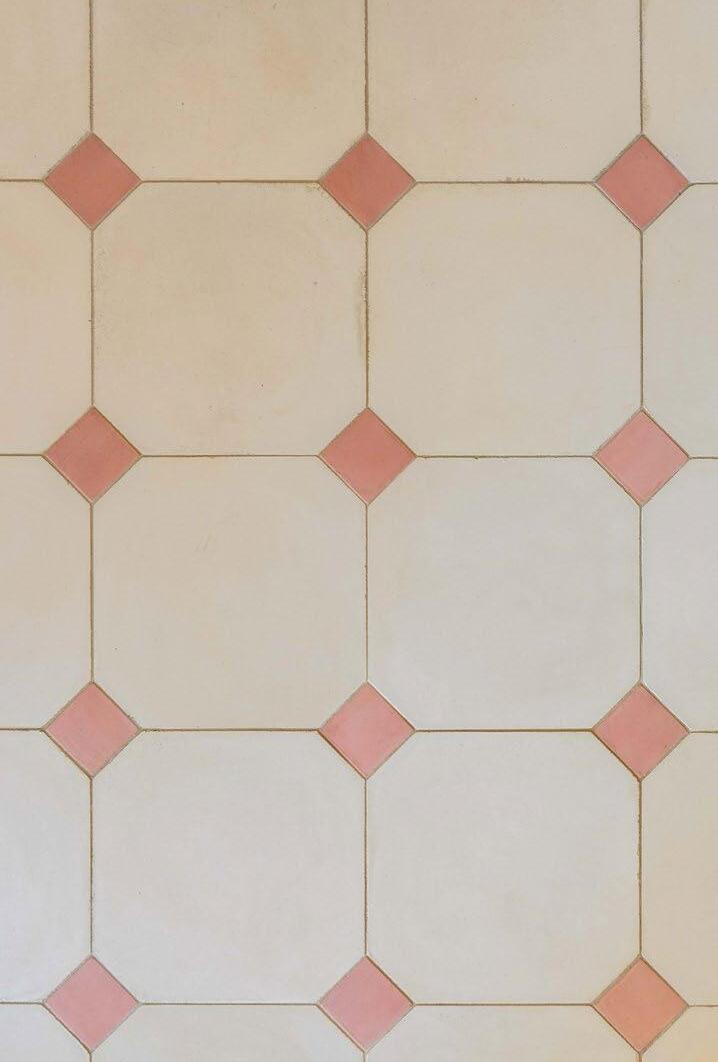
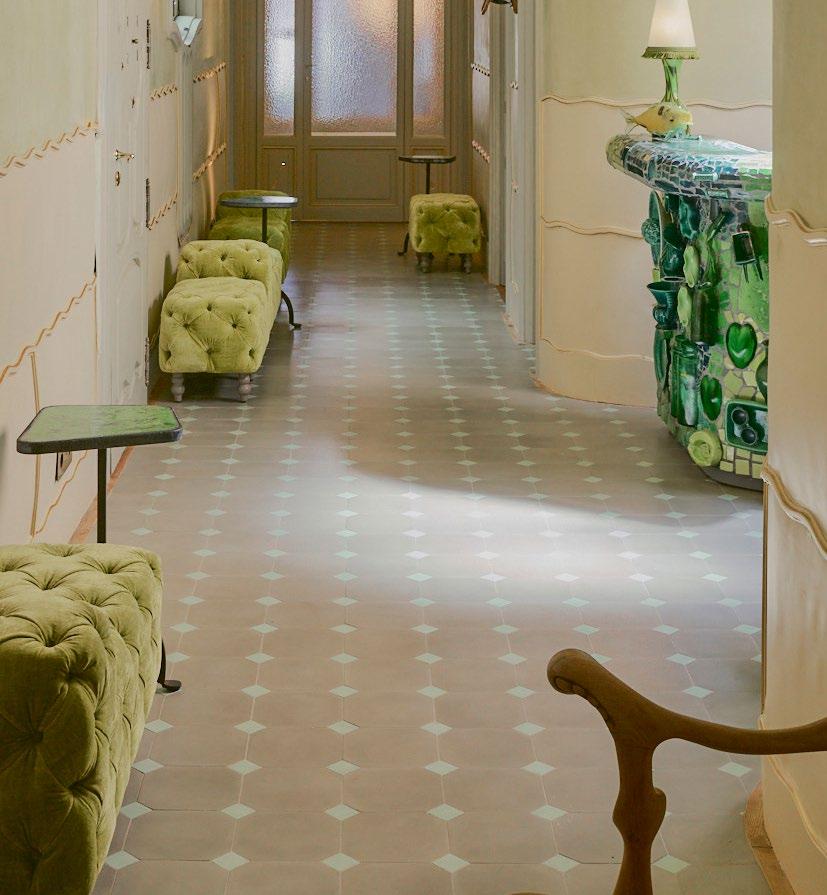
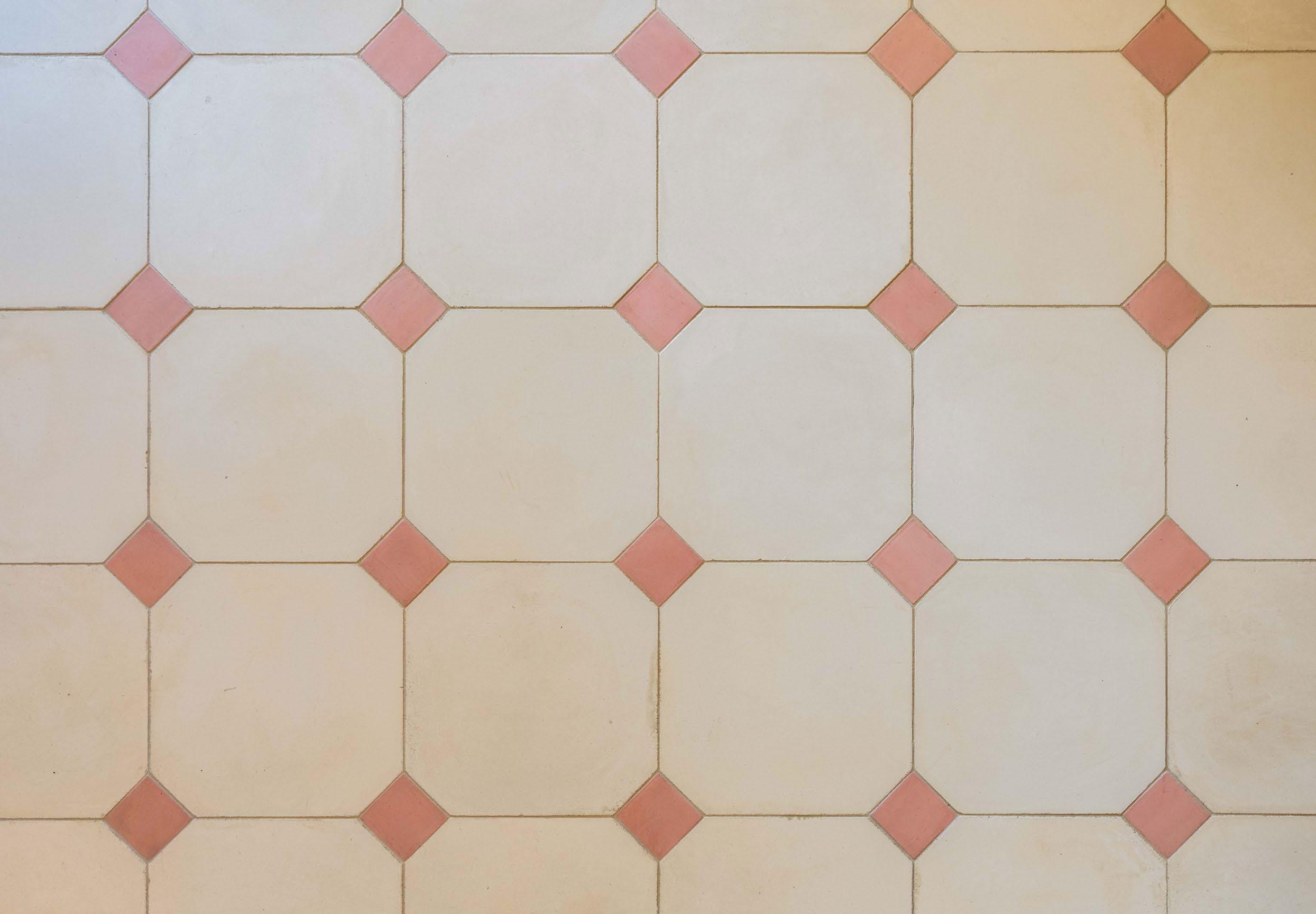
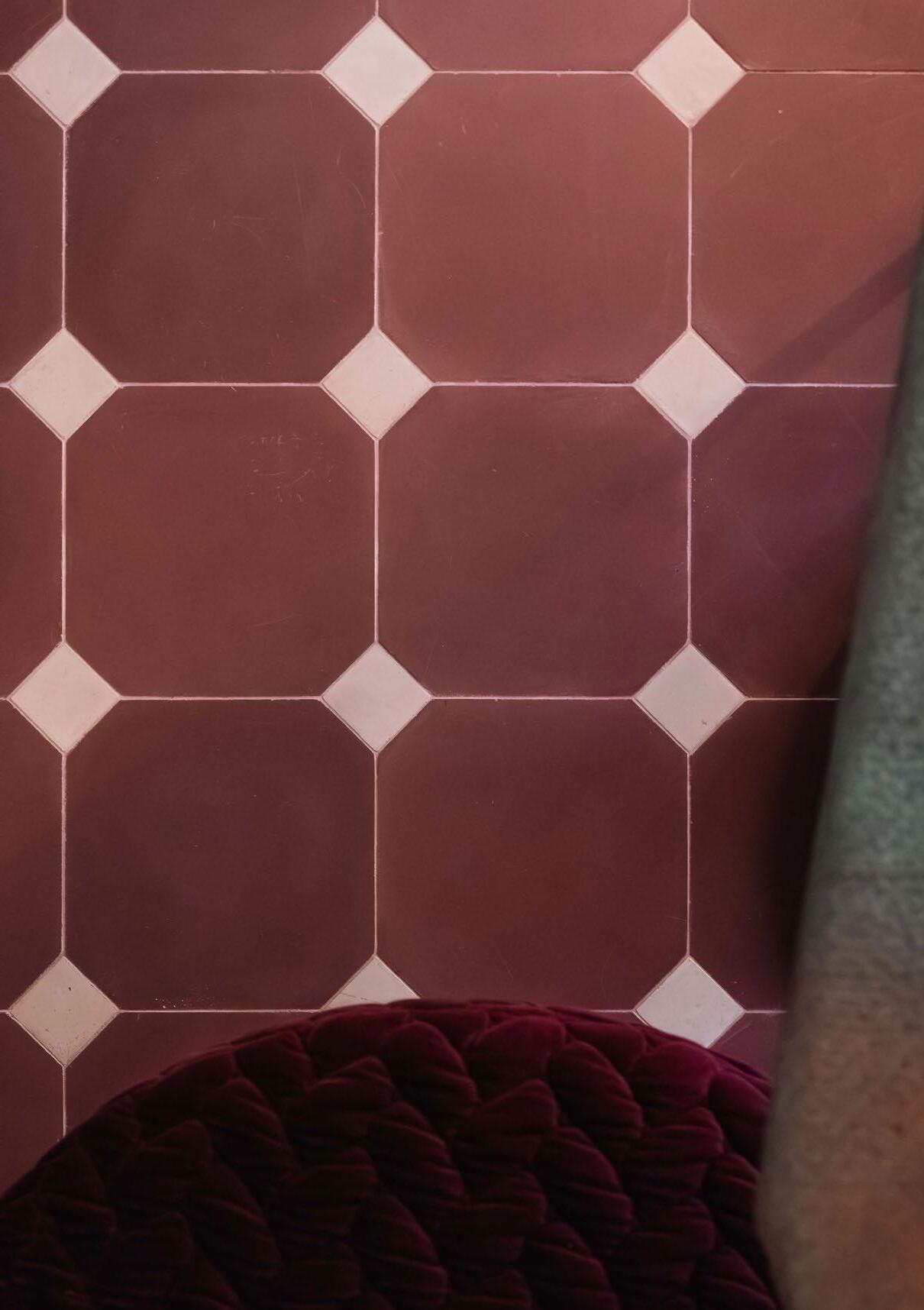
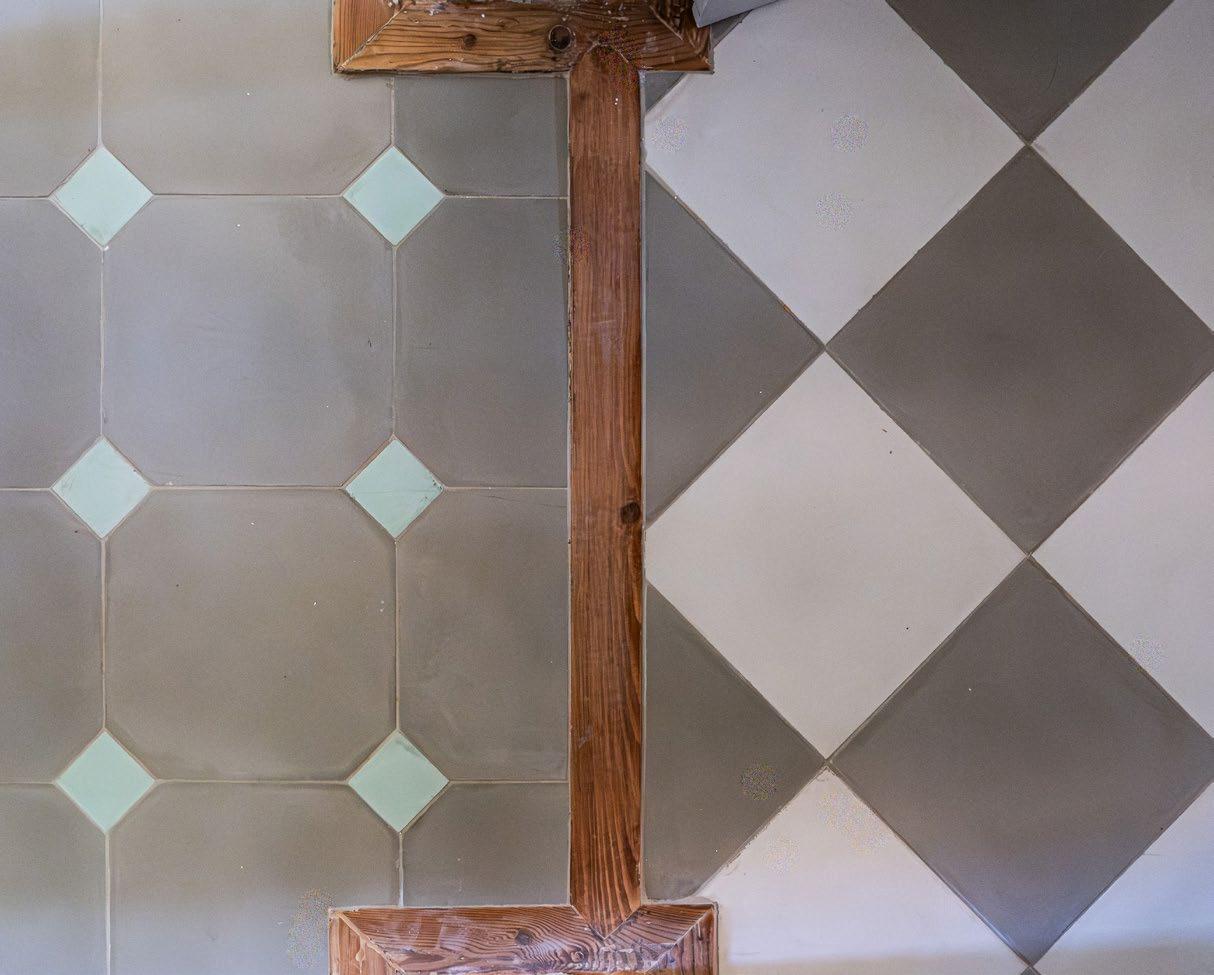
The flooring has been one of the greatest restoration challenges.
Due to its poor state of conservation, it has been faithfully reproduced piece by piece from the originals, maintaining design, geometry, and essence, while incorporating technical improvements to ensure durability.
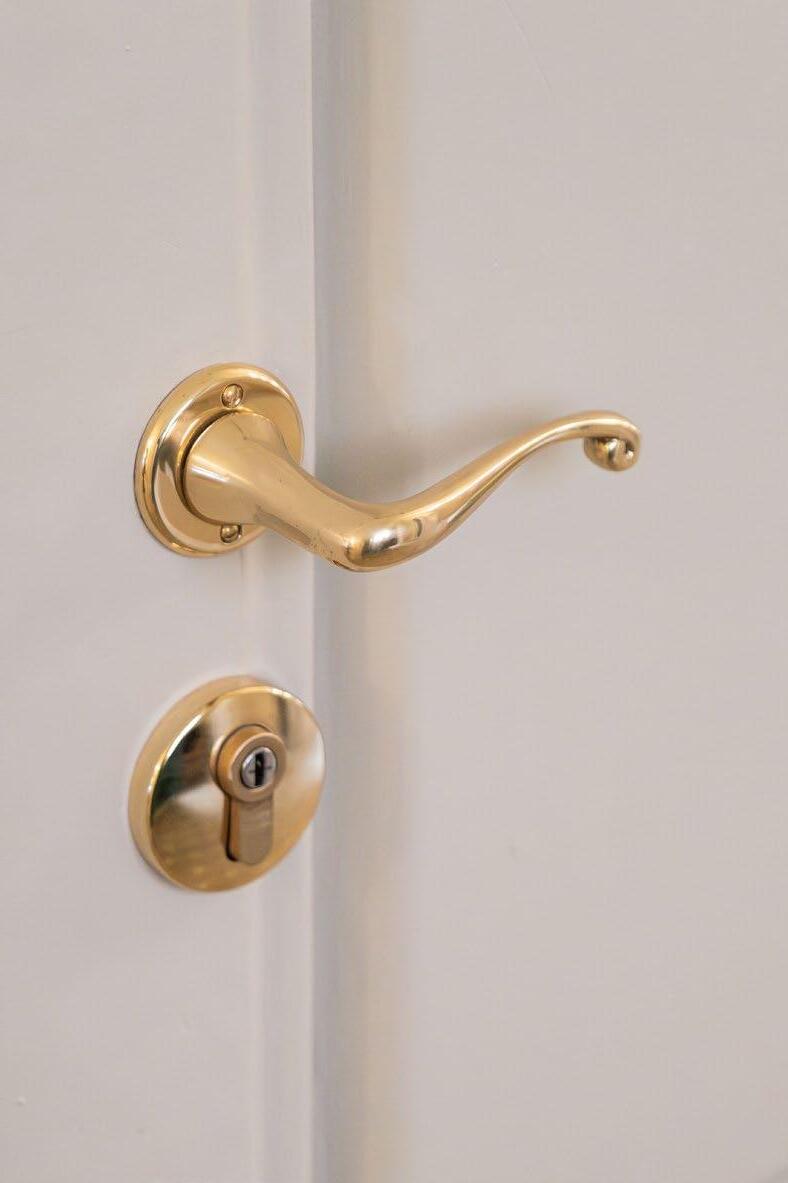
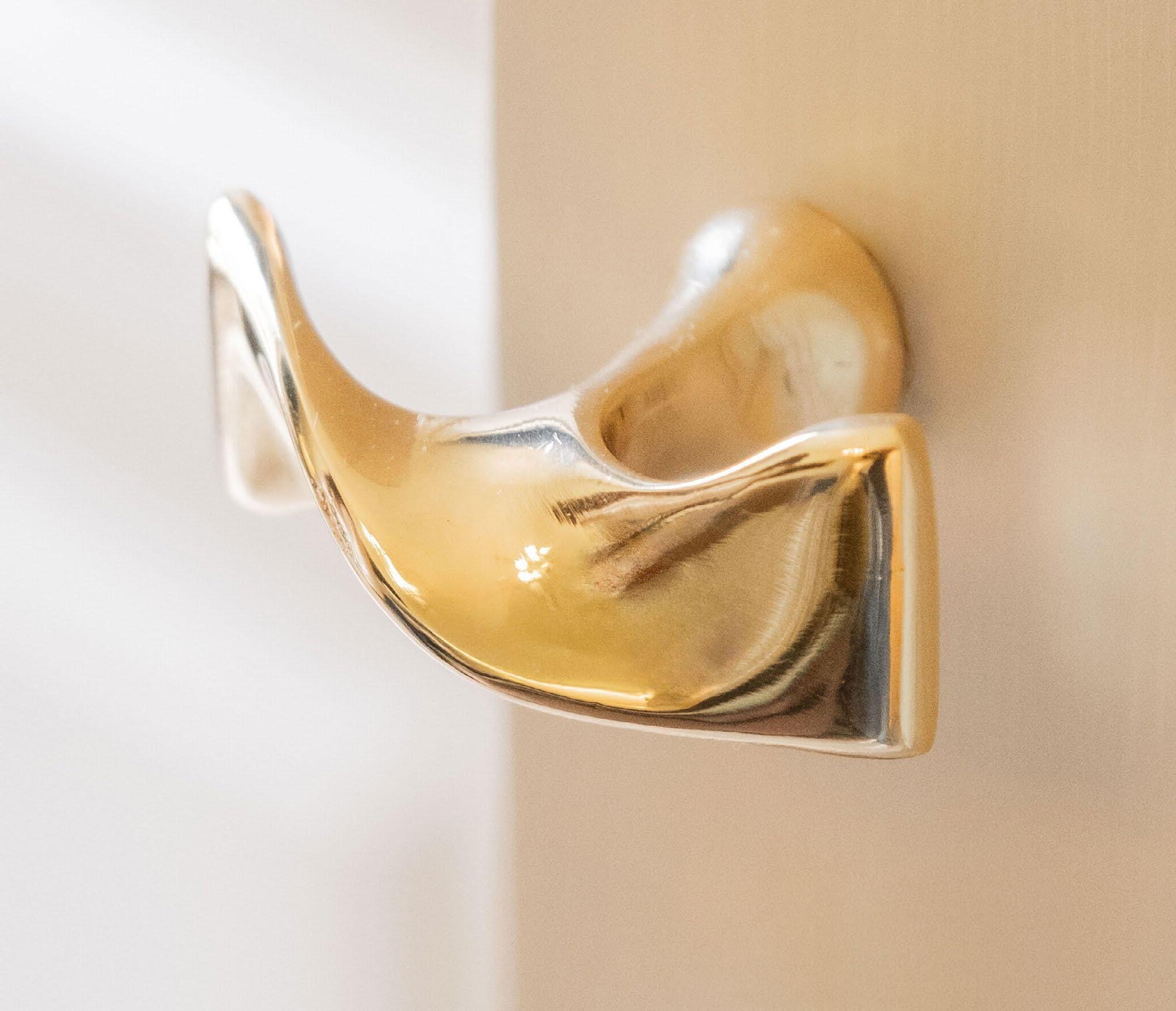
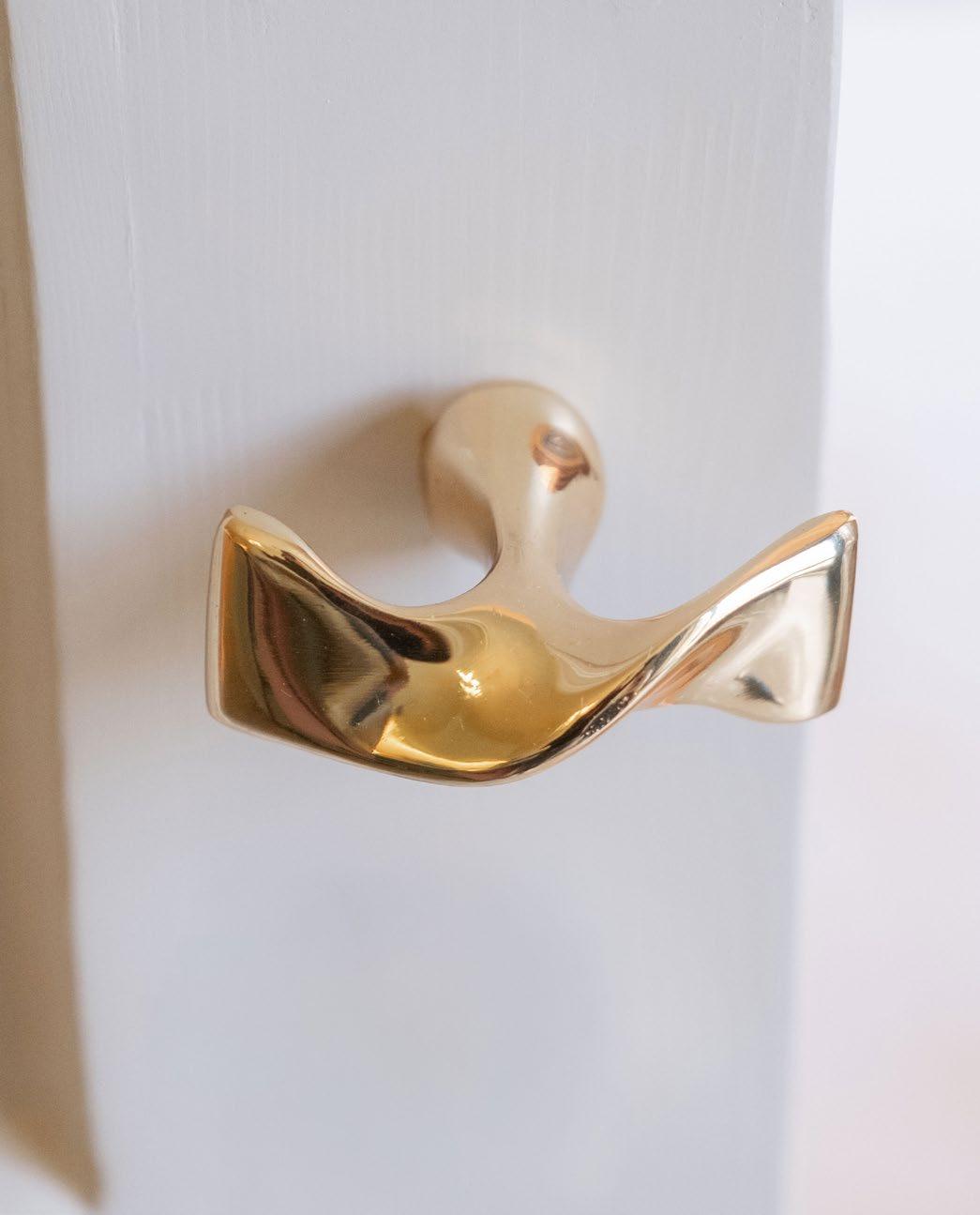
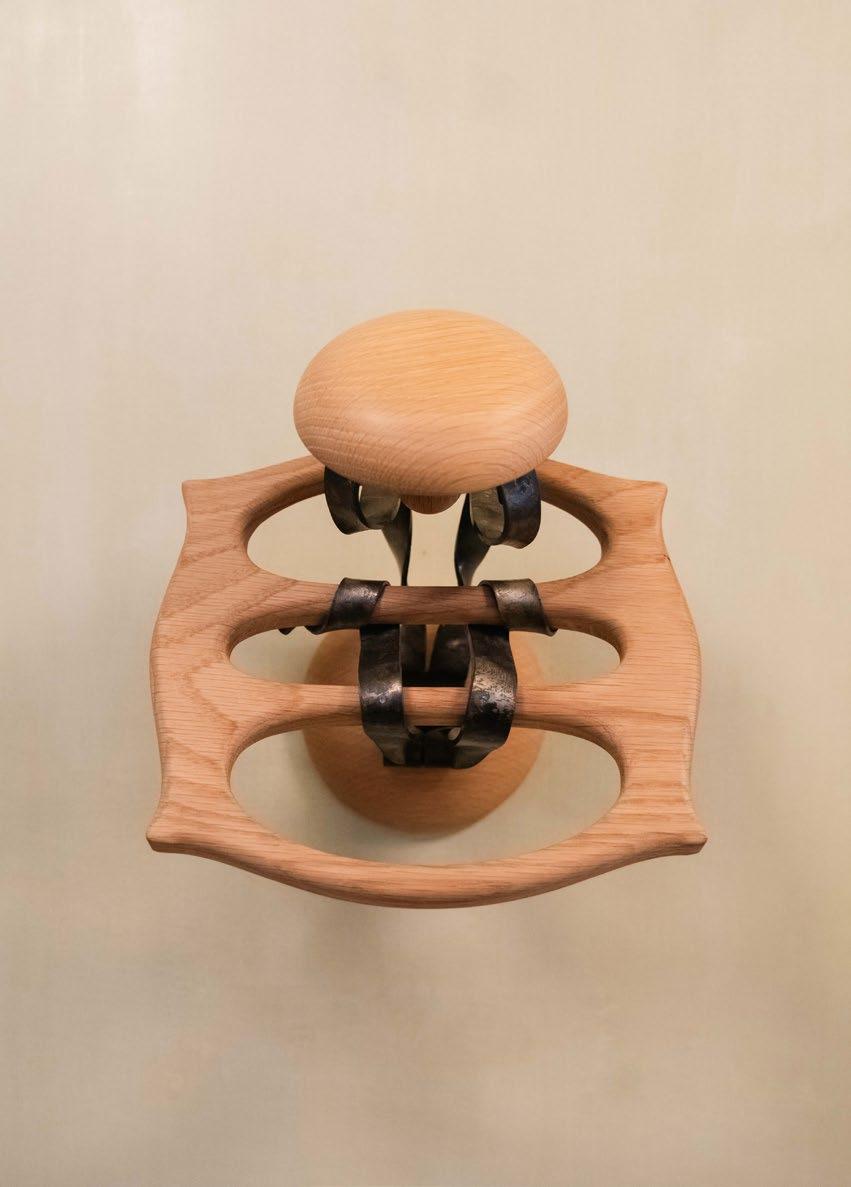
The restoration has recovered all the hardware (knobs, handles and original mechanisms), restoring the space’s material richness. Among them, an exceptional discovery stands out: a handle designed by Gaudí, previously unknown at Casa Batlló.
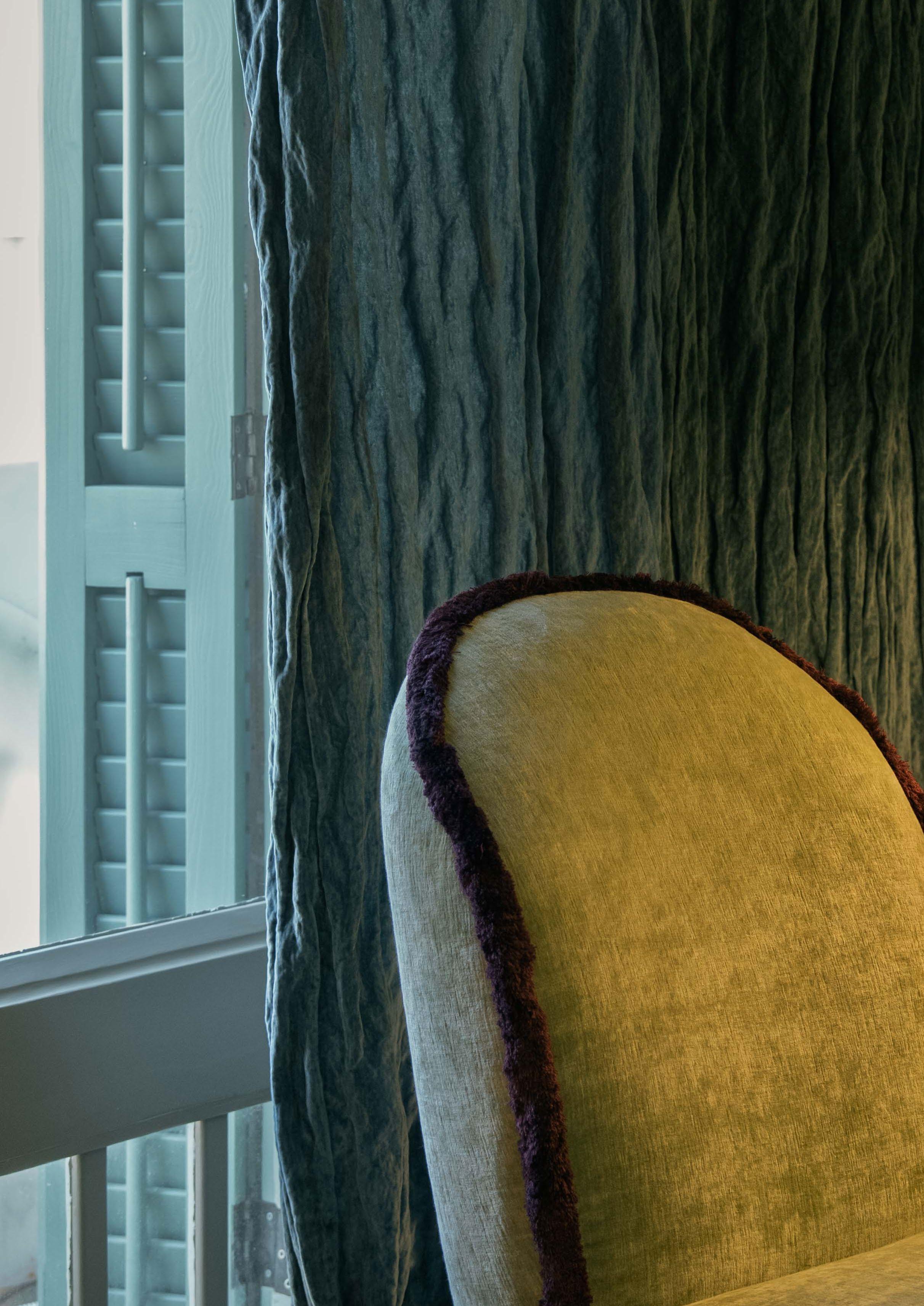
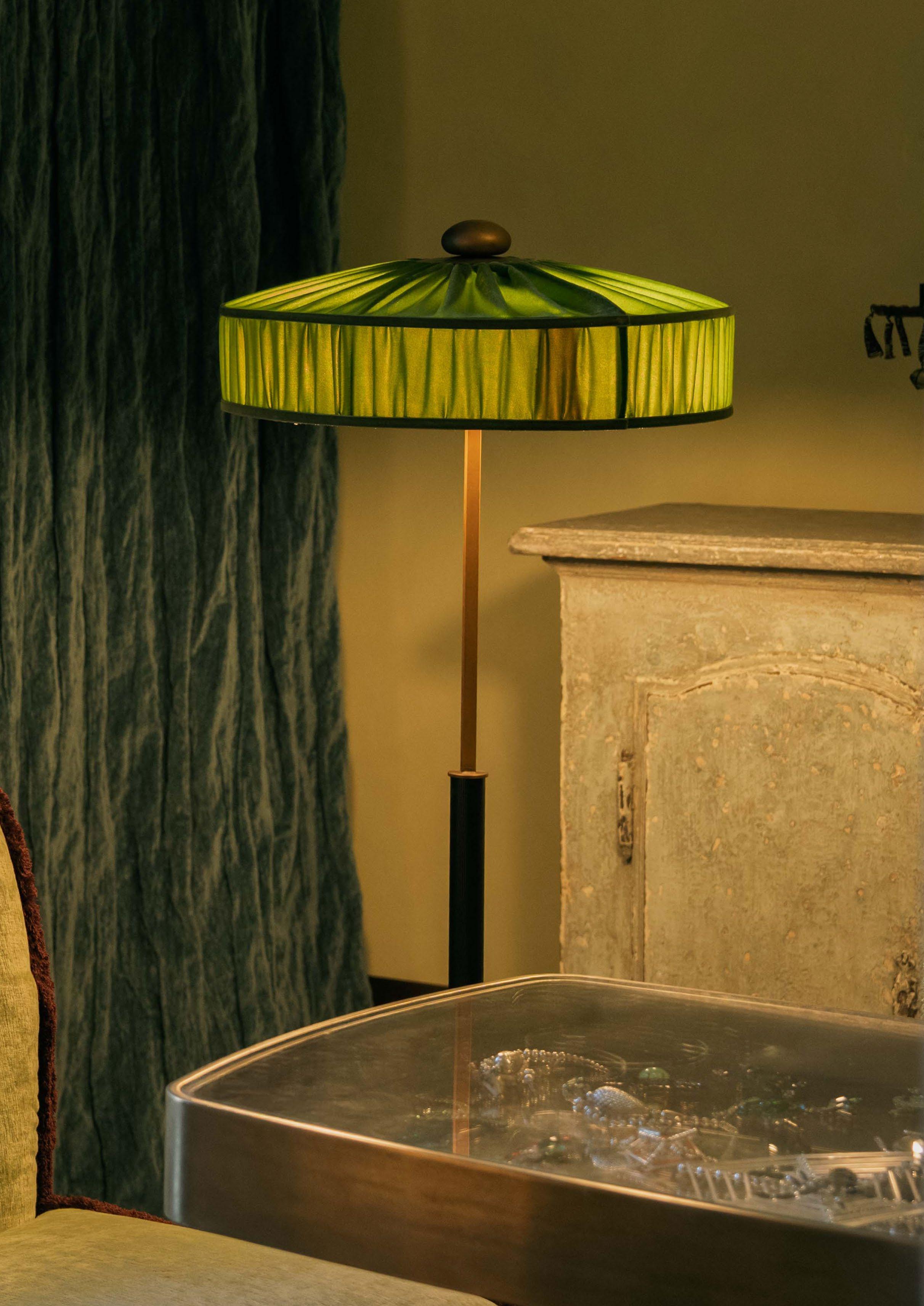
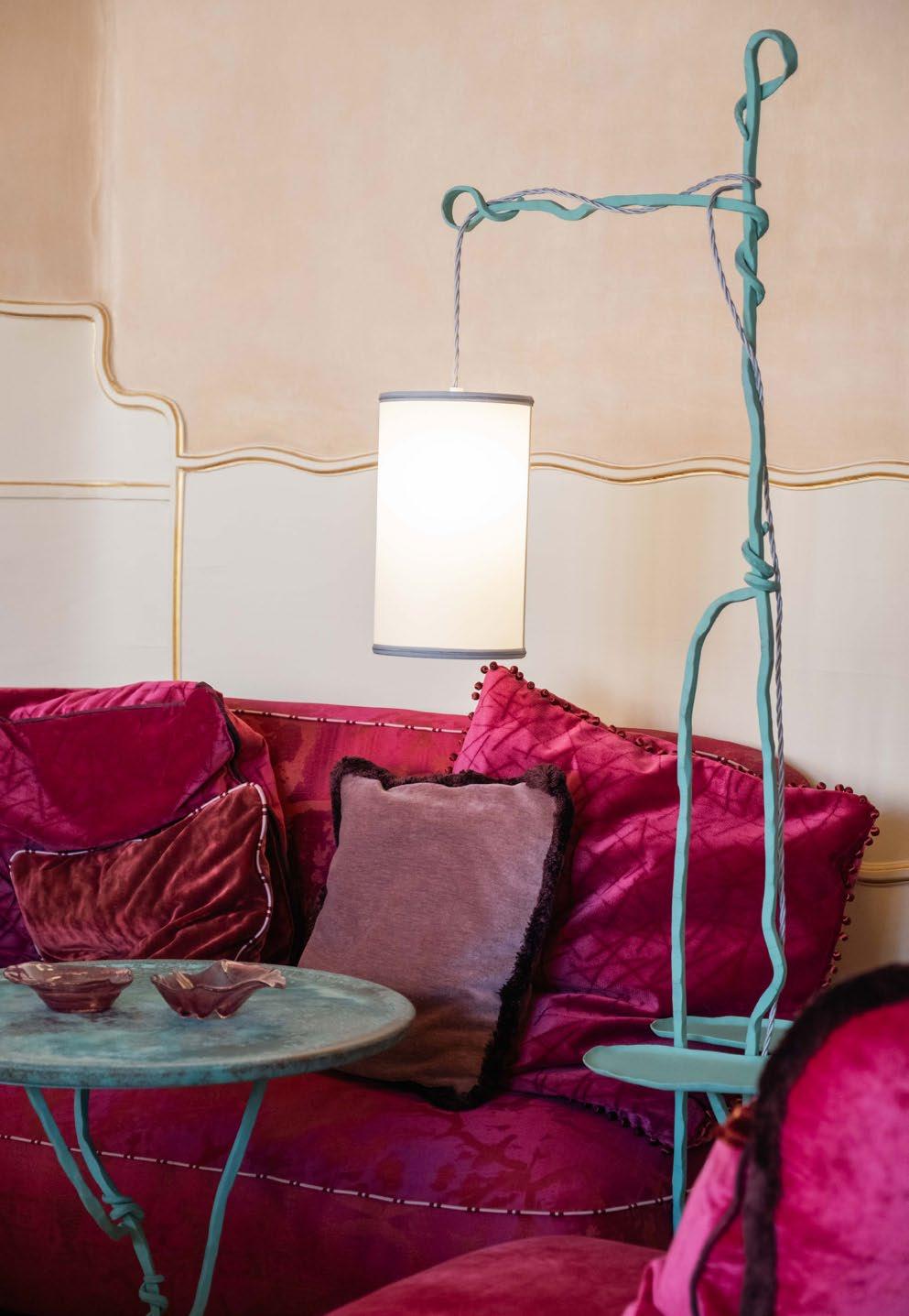
The intervention by architect and designer Paola Navone OTTO Studio introduces a new contemporary layer that engages in dialogue with the original architecture without altering it.
An interior design proposal with its own language, built from respect for the existing space.
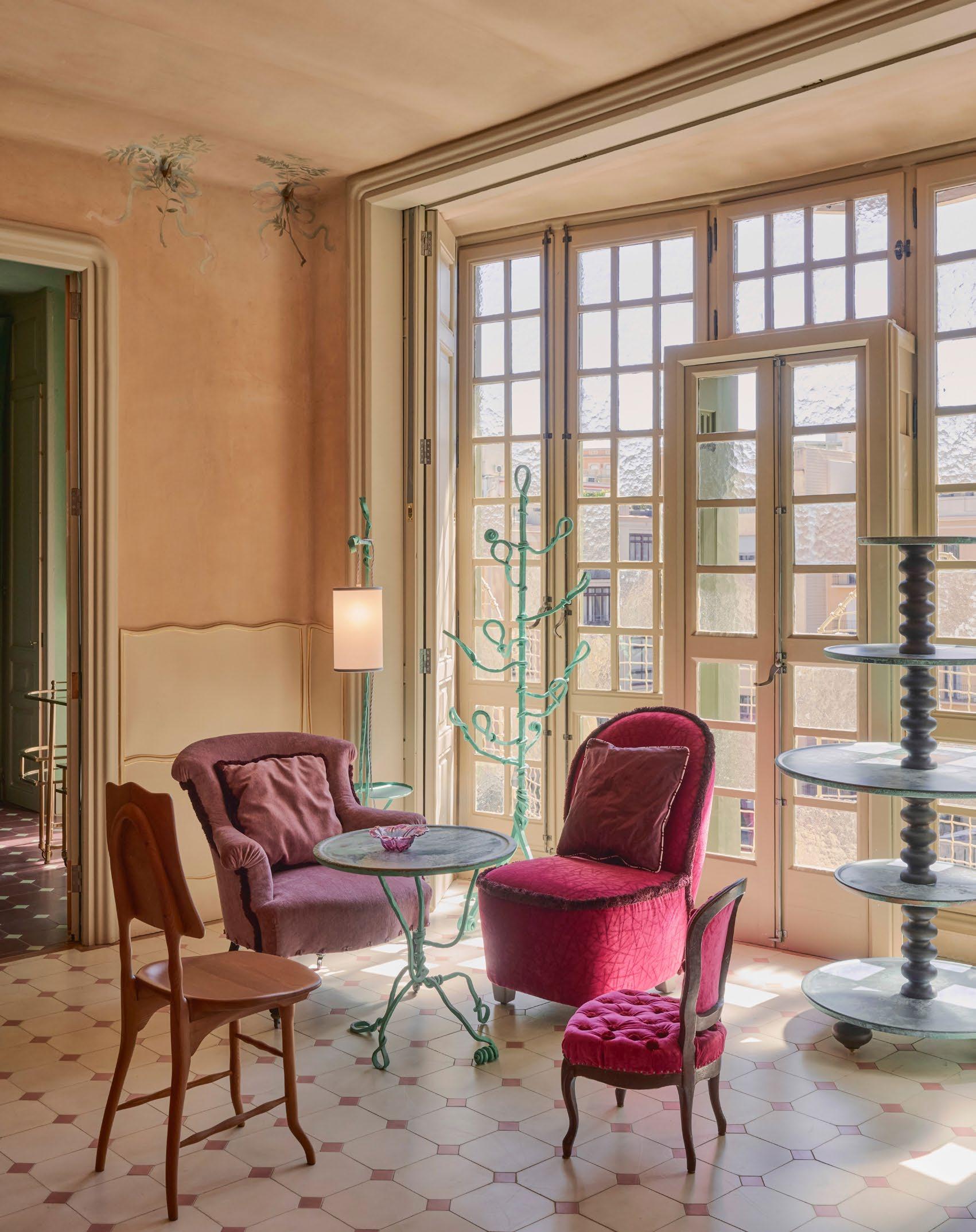
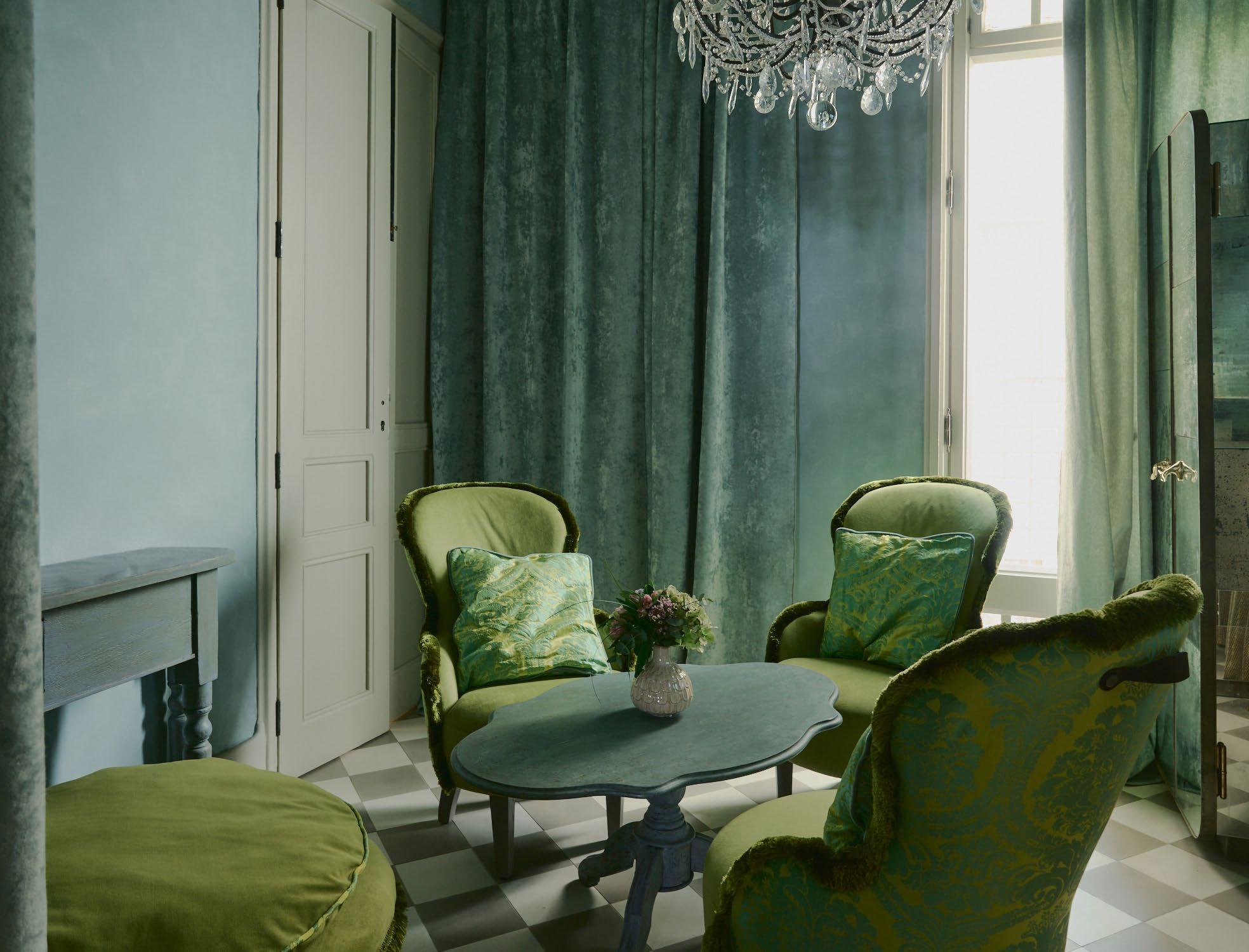
The project is conceived from an intimate and domestic approach: imagining what it would be like to live in this home today.
From this idea, it incorporates new atmospheres and elements that coexist naturally with the original work, preserving its essence while reinforcing its character.
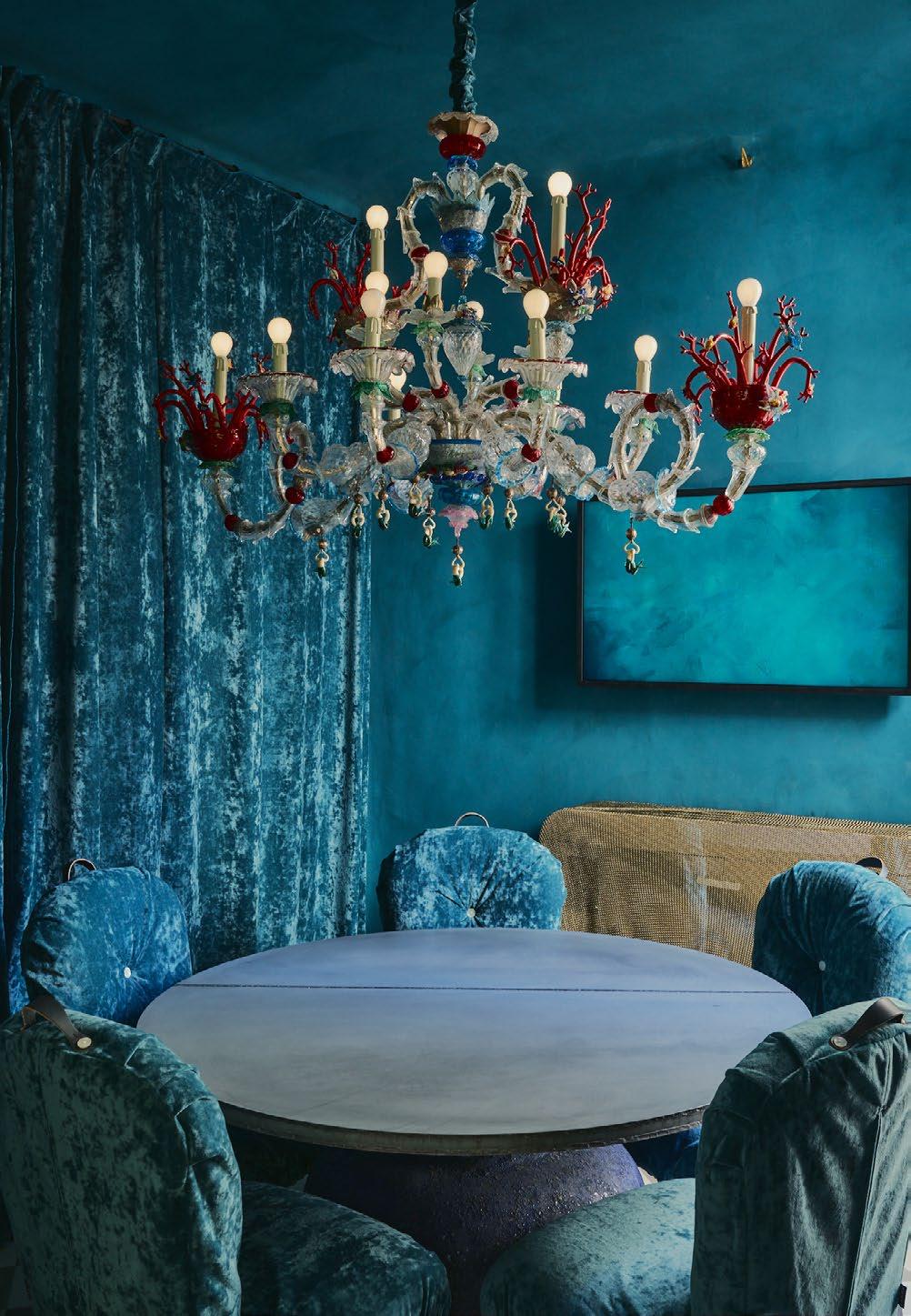
The intervention does not seek to replicate Gaudí’s language, but to establish a dialogue with it.
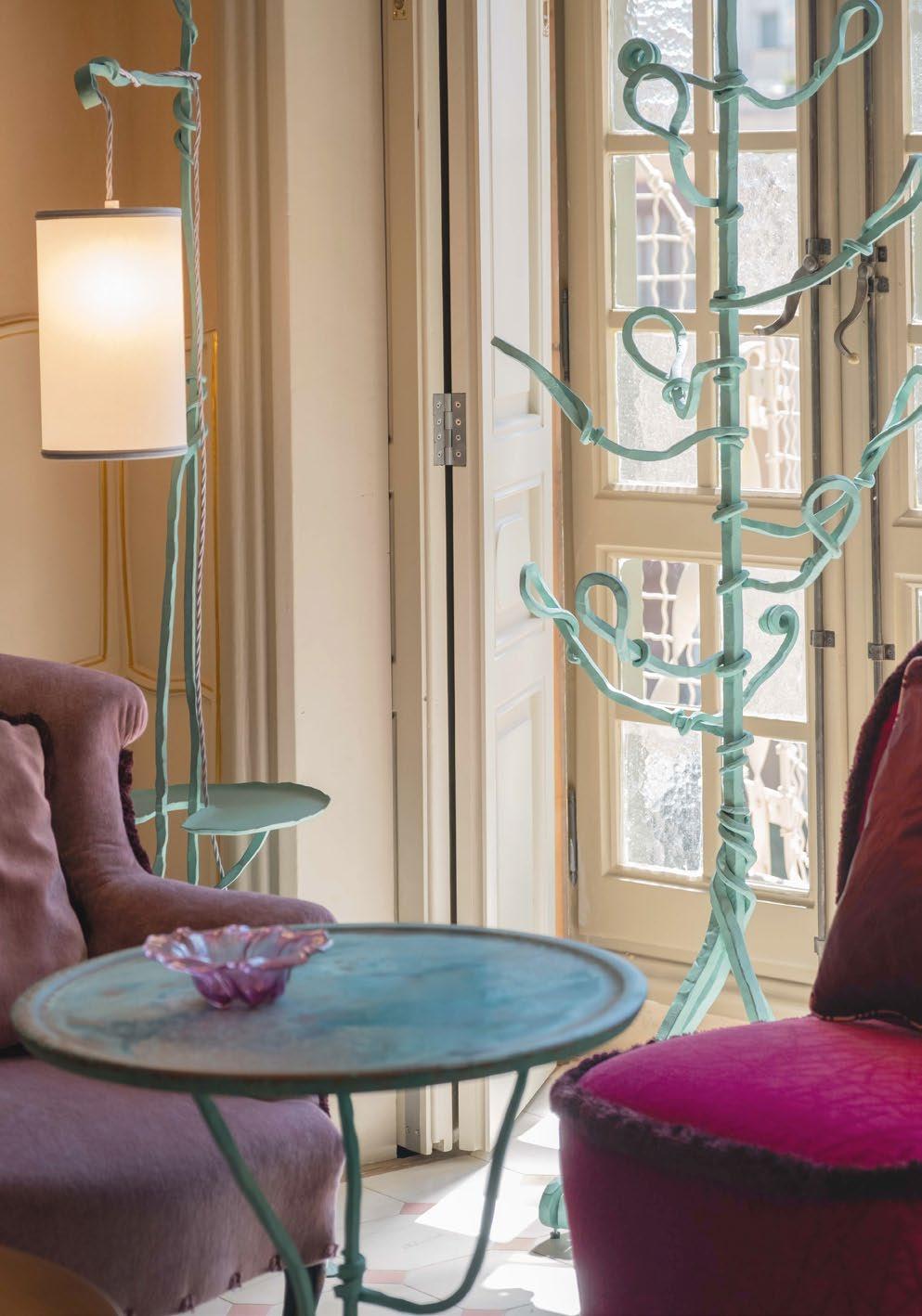
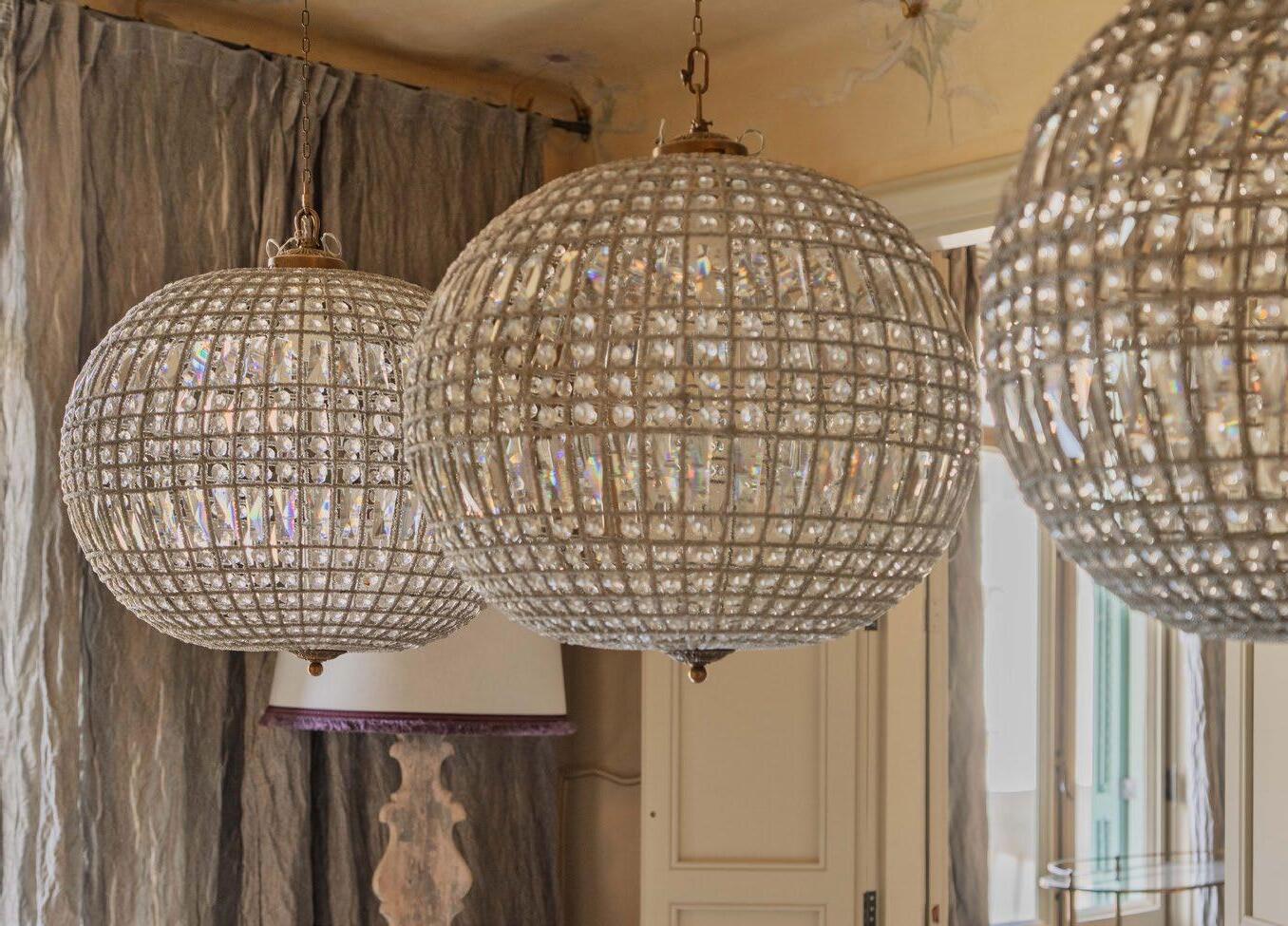
Color, textures, materials, and contemporary pieces are integrated freely, creating subtle contrasts that activate the space without competing with its heritage value.
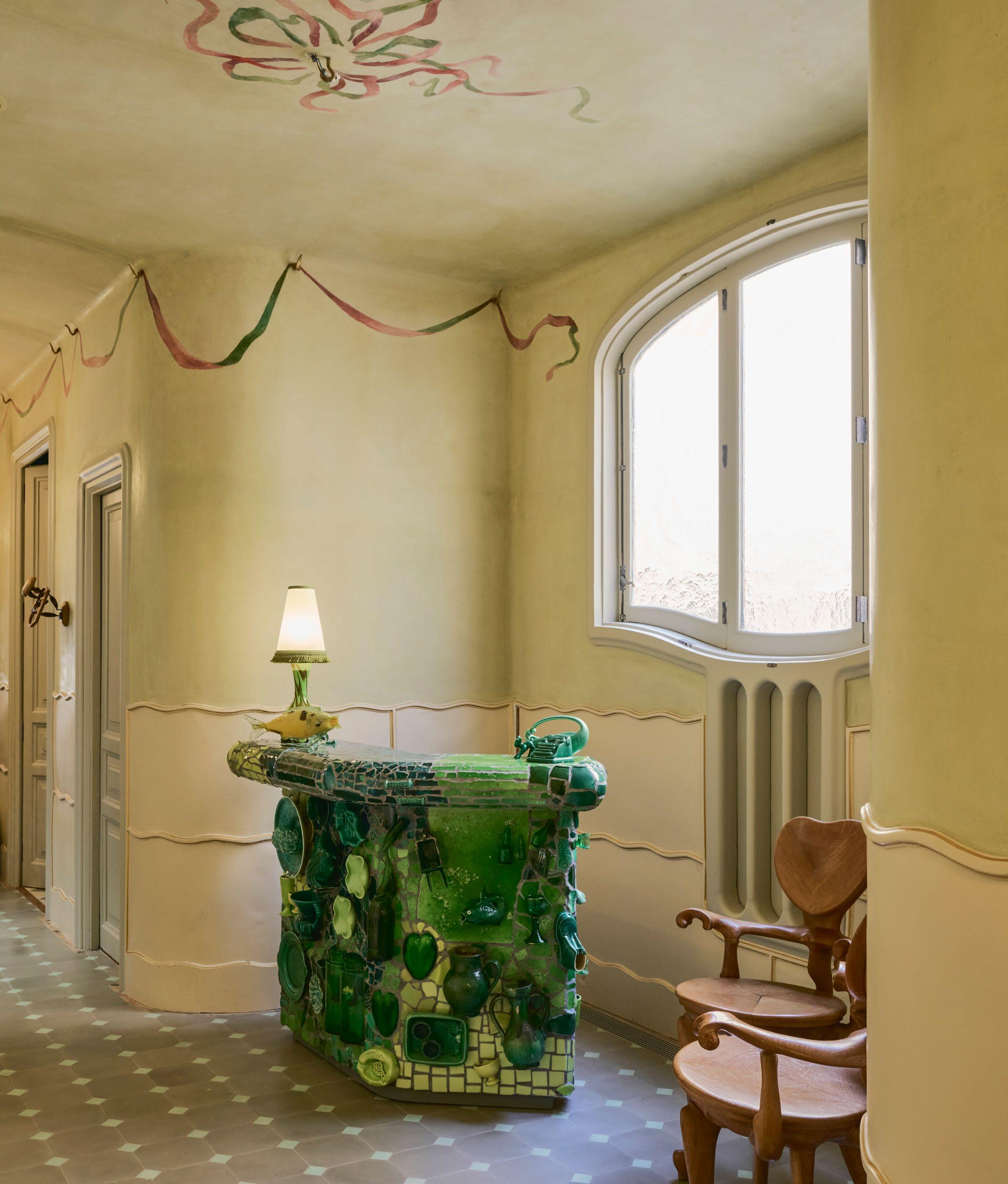
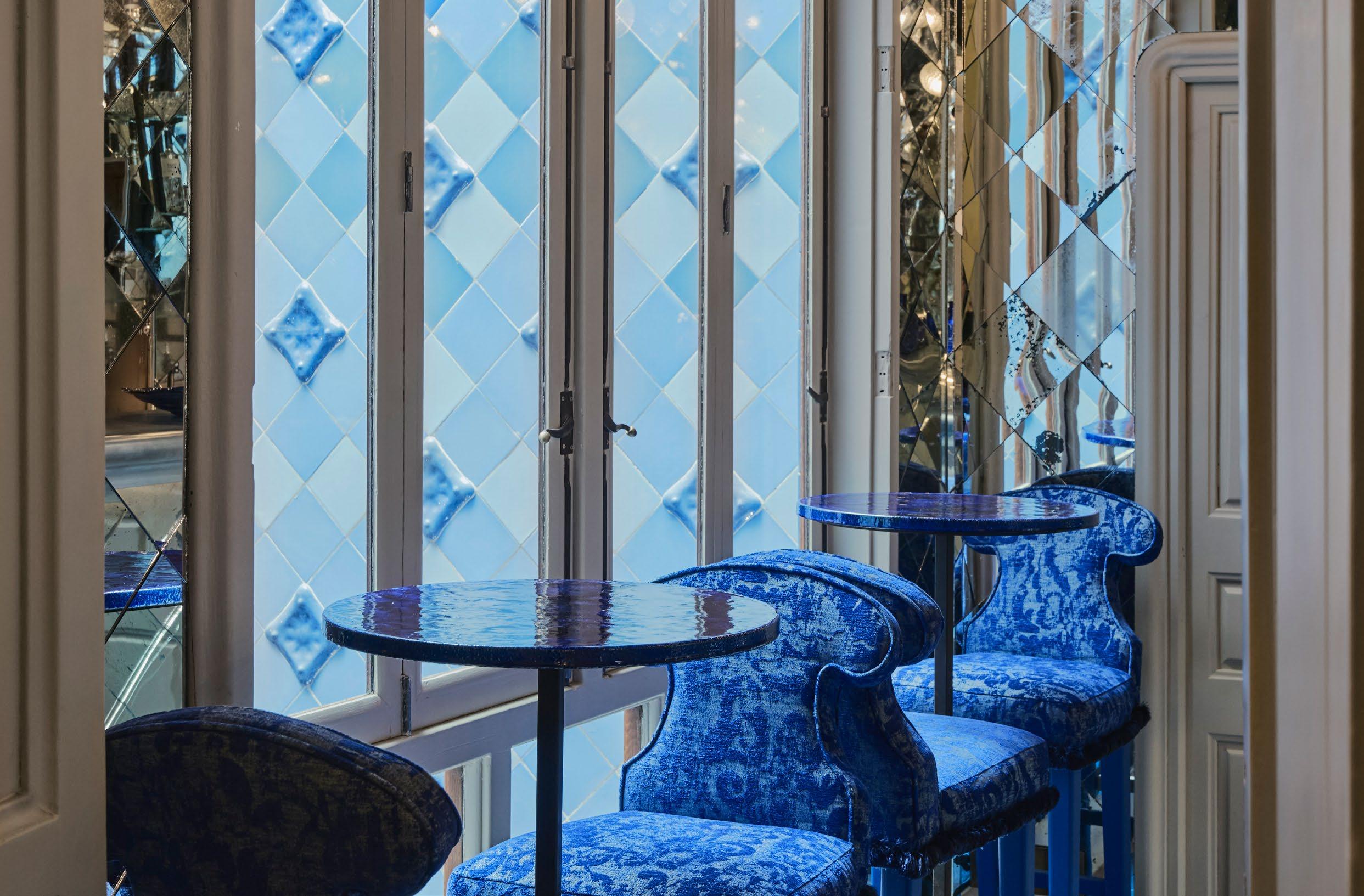
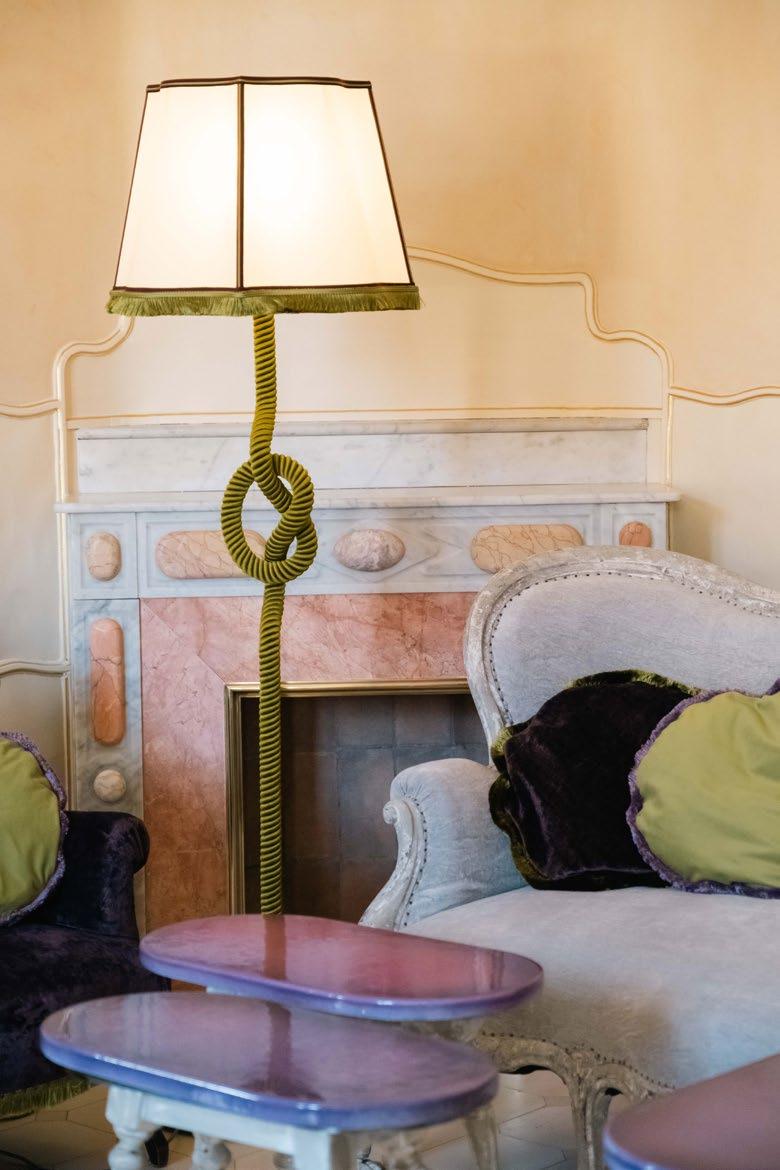
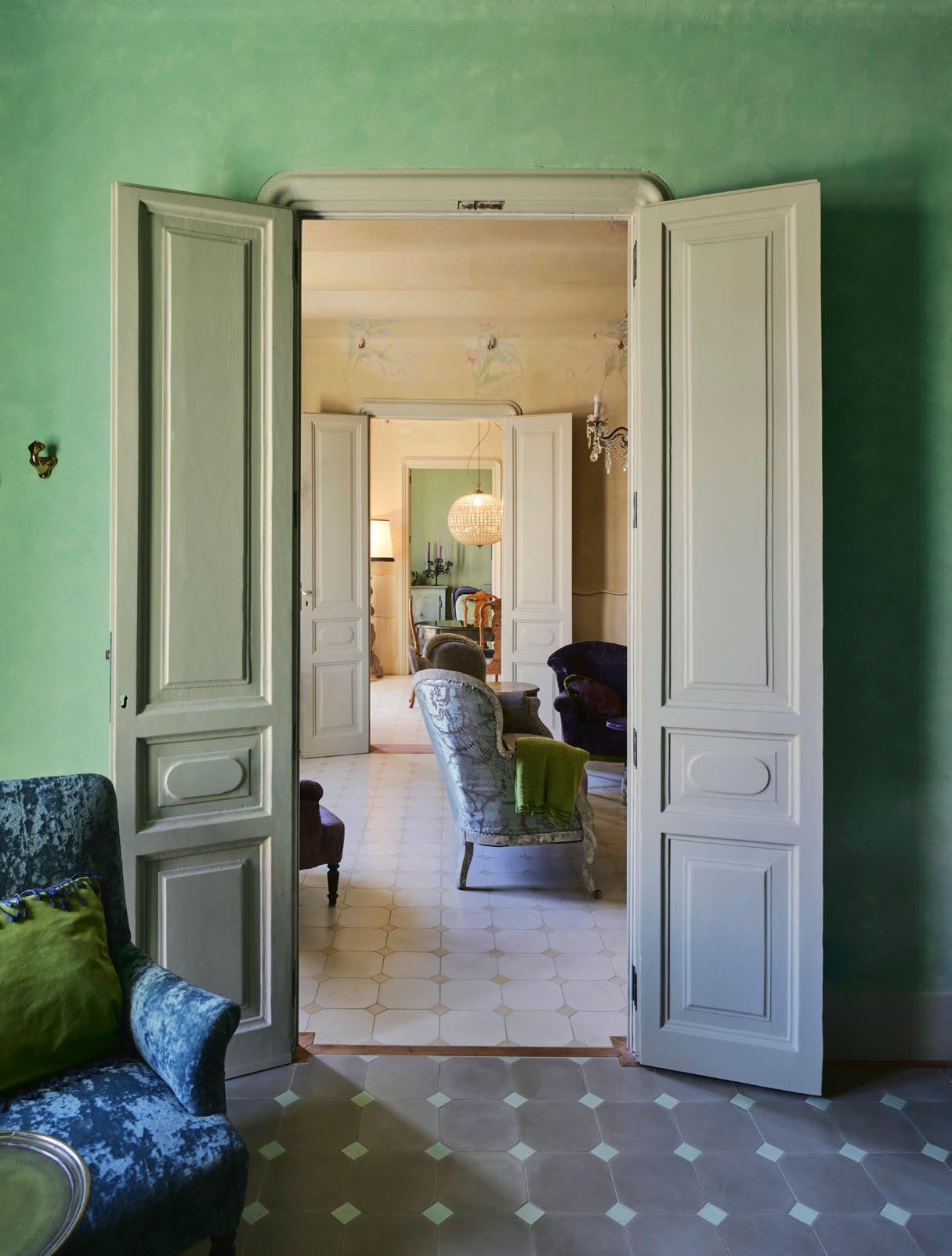
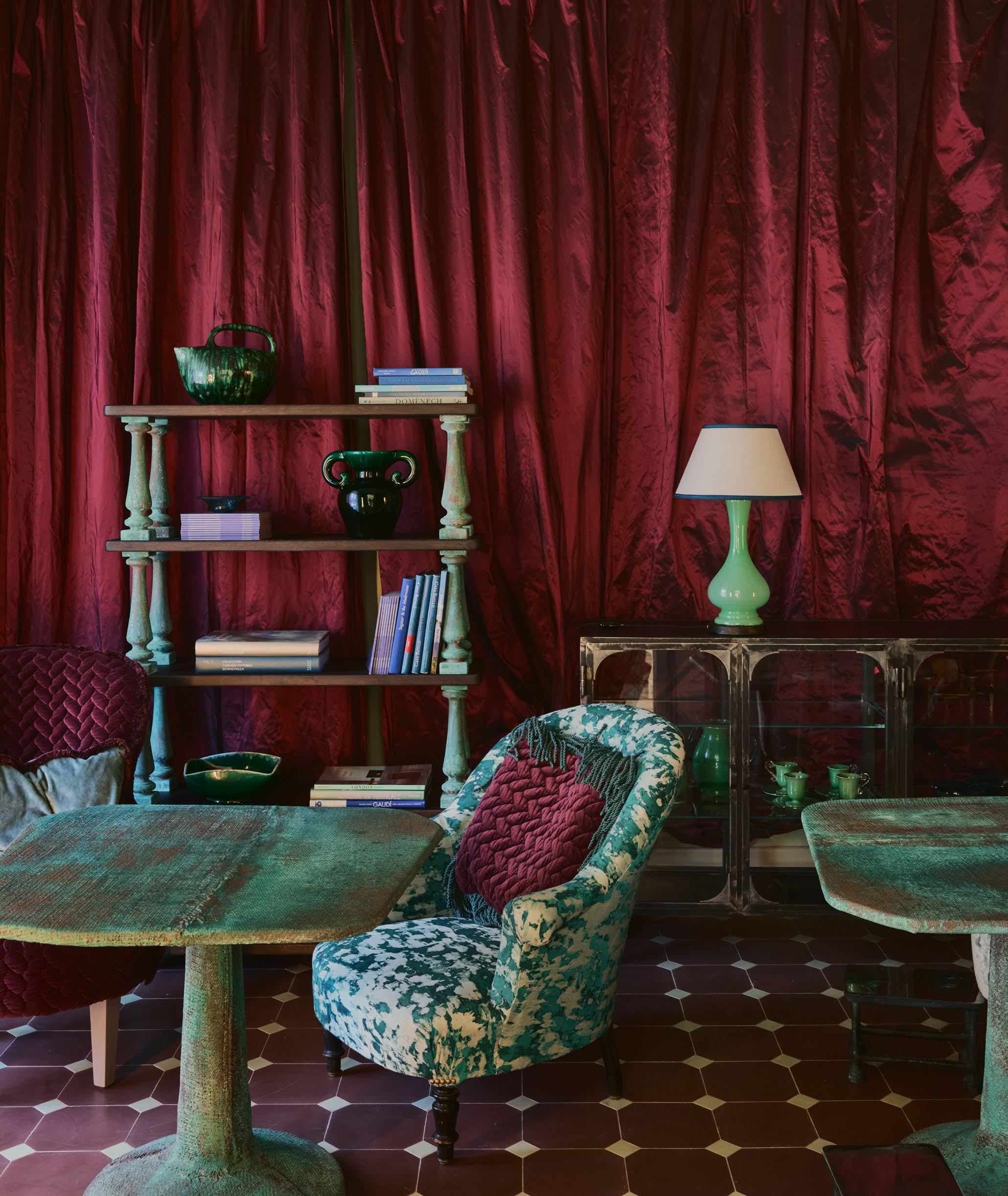
Each room is conceived as a space with its own identity.
Living rooms, bedrooms, and gathering spaces recover their original domestic logic and are reinterpreted to host new experiences.
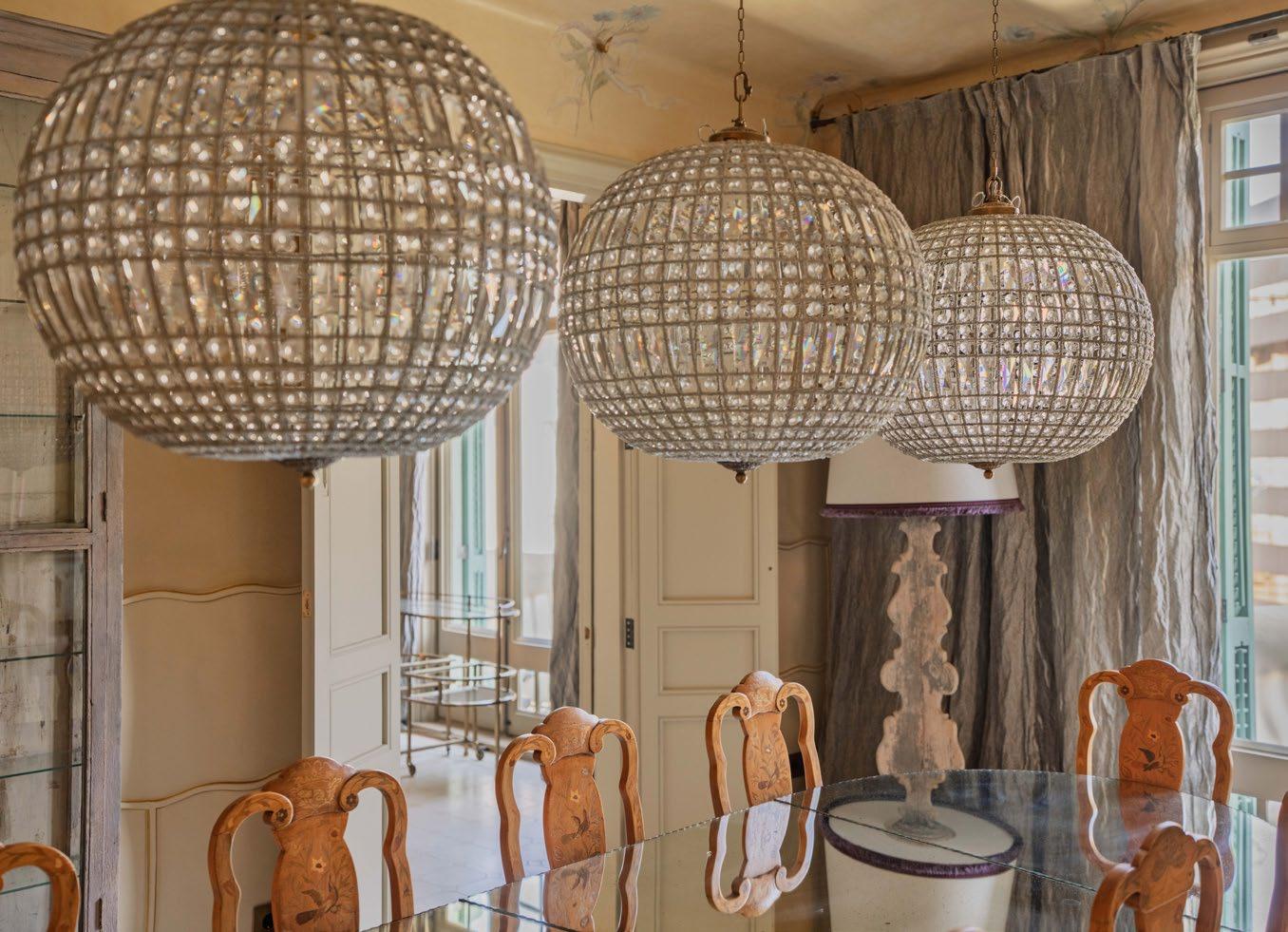
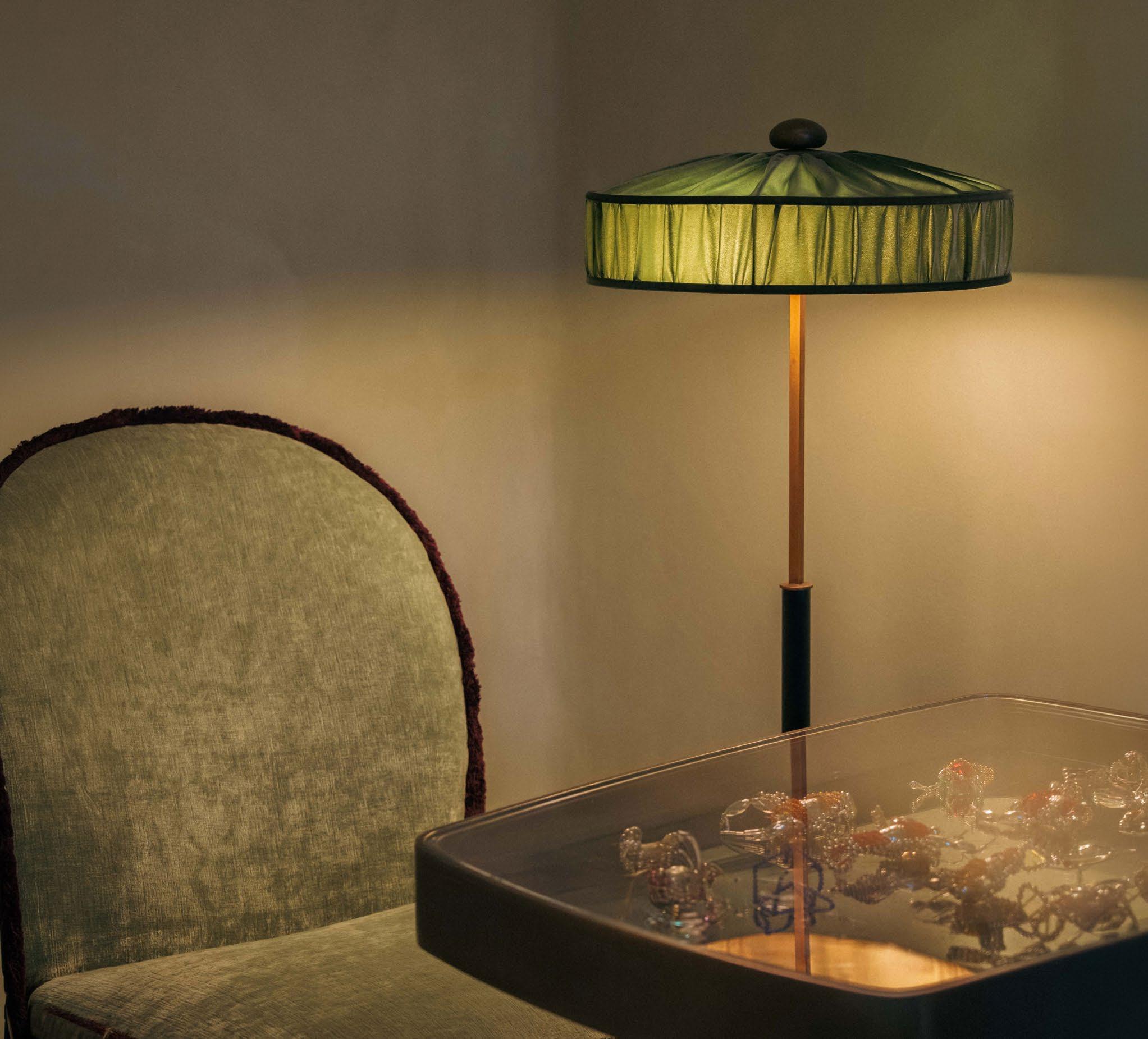
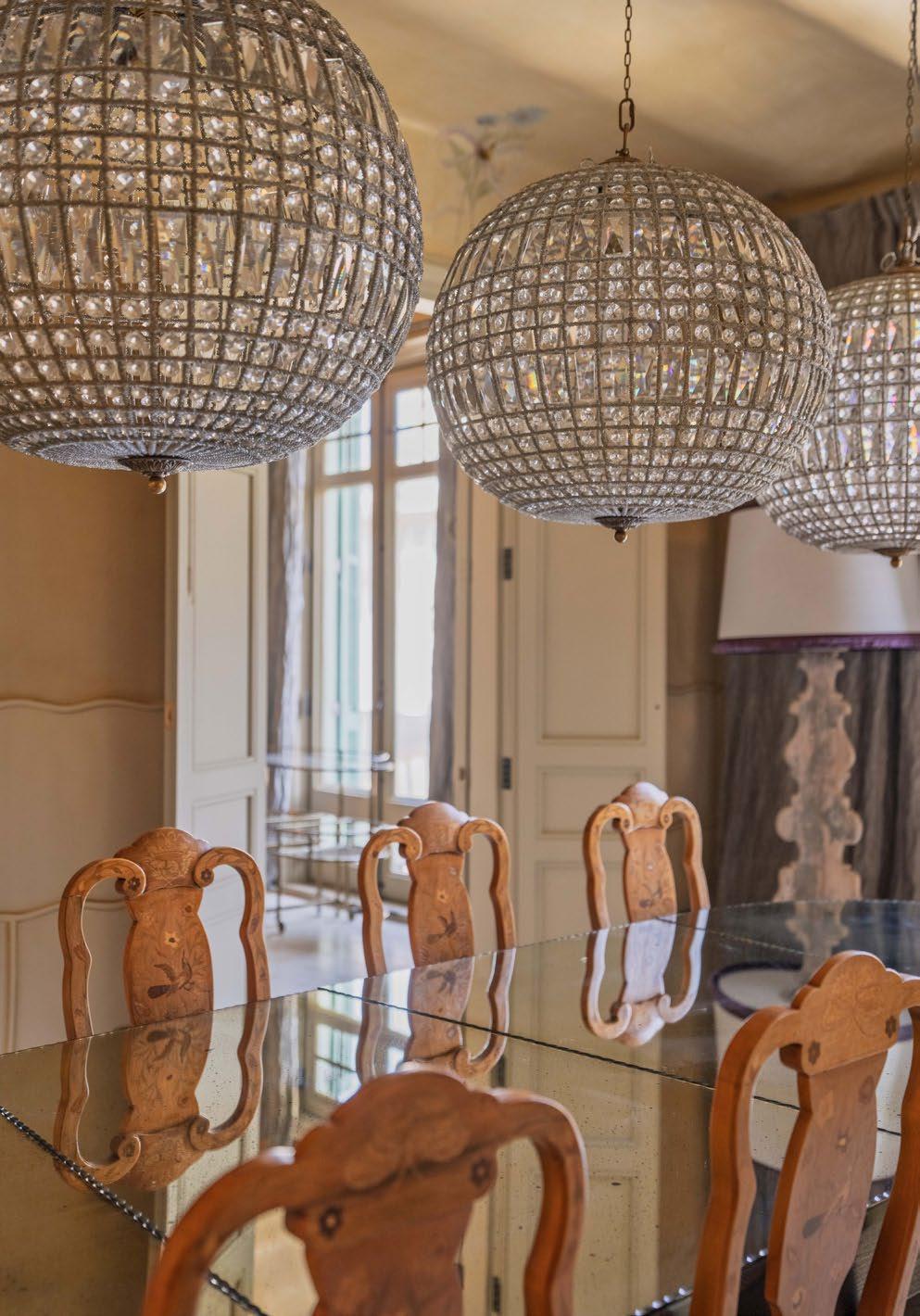
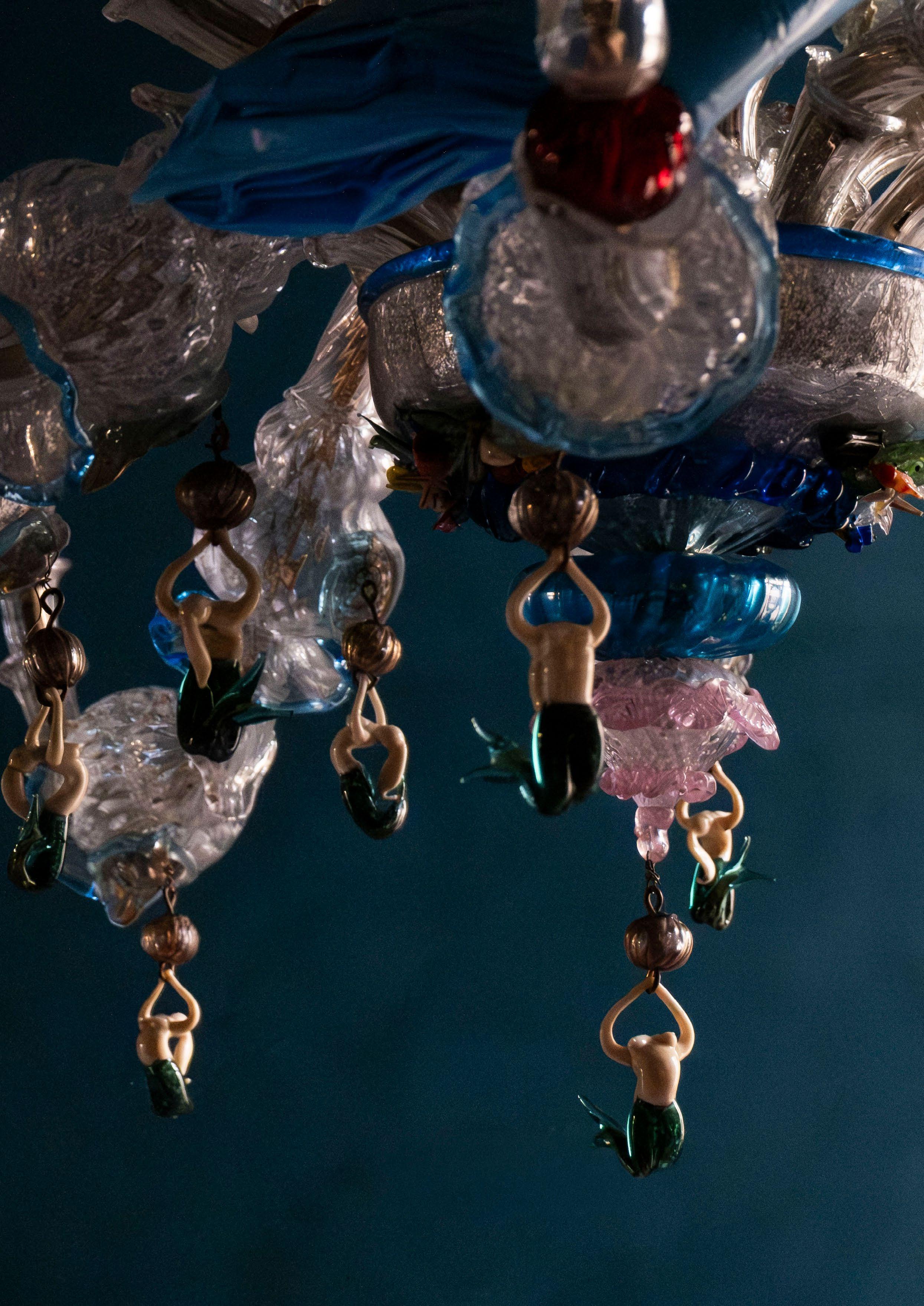
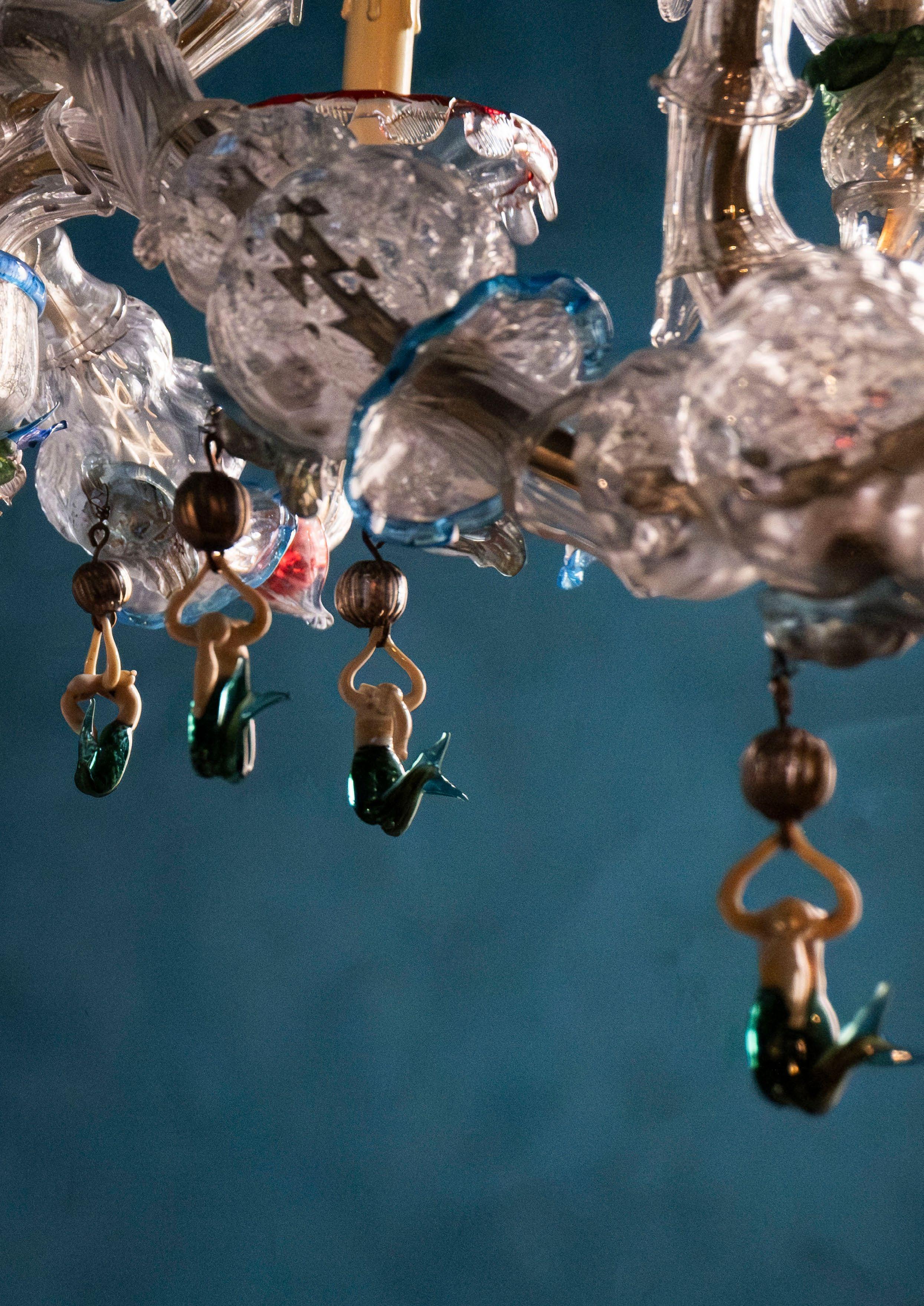
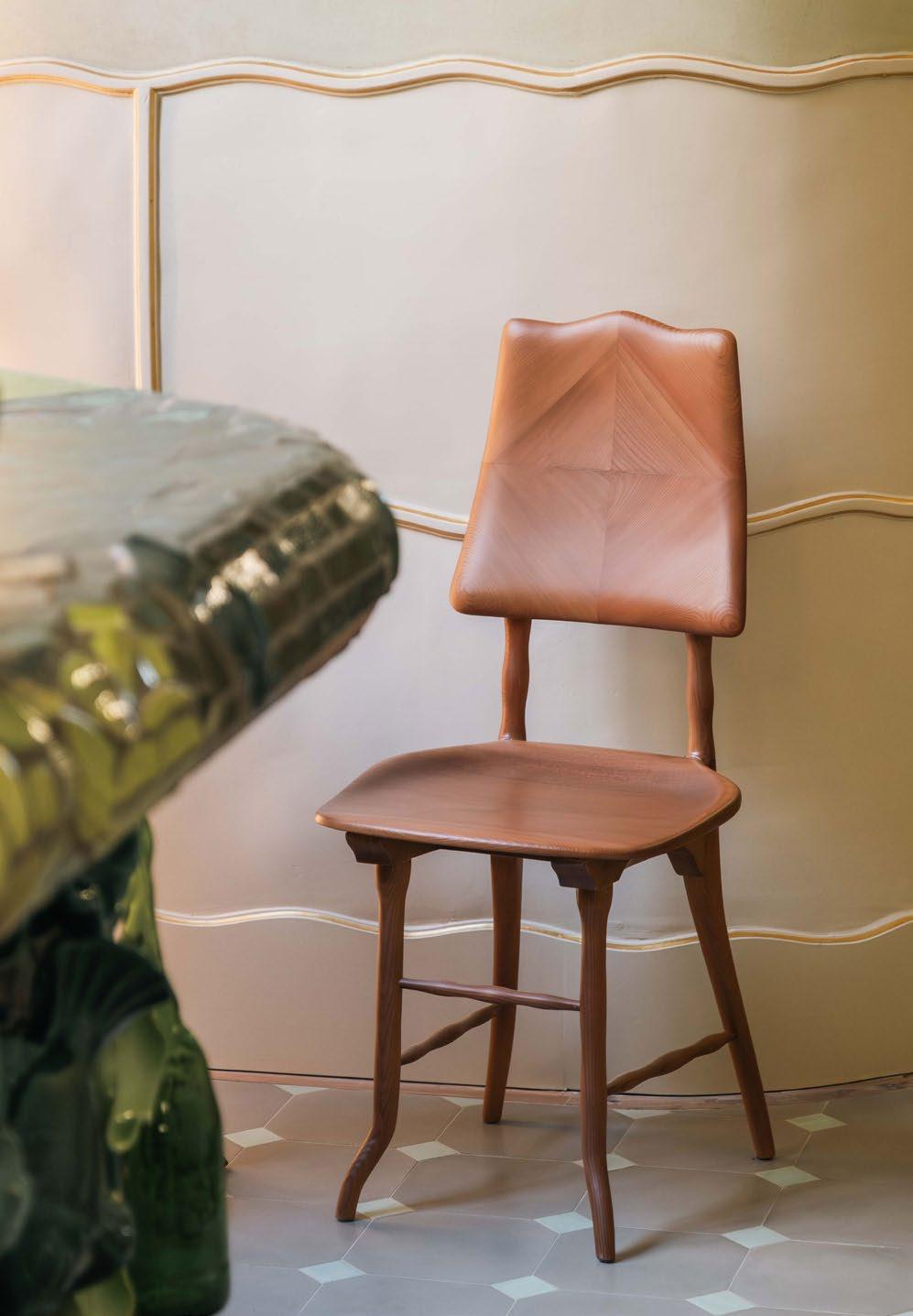
Customised period furniture and decorative elements, classically inspired designs, and exclusive pieces created by artisans are combined with Gaudí’s chairs, benches, and coat racks.
Integrated into the space, these objects take on new meaning, as if they had always belonged there.
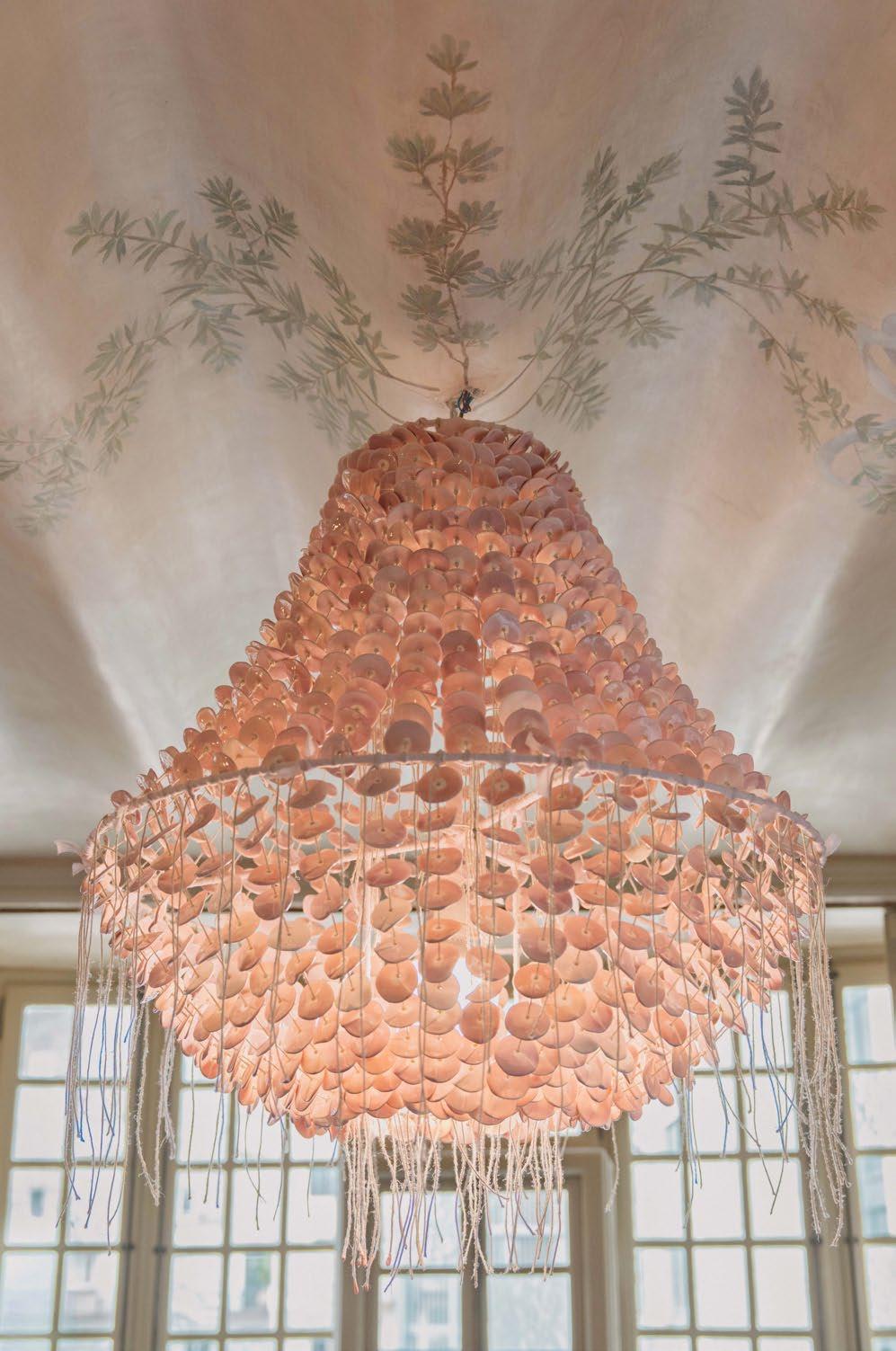
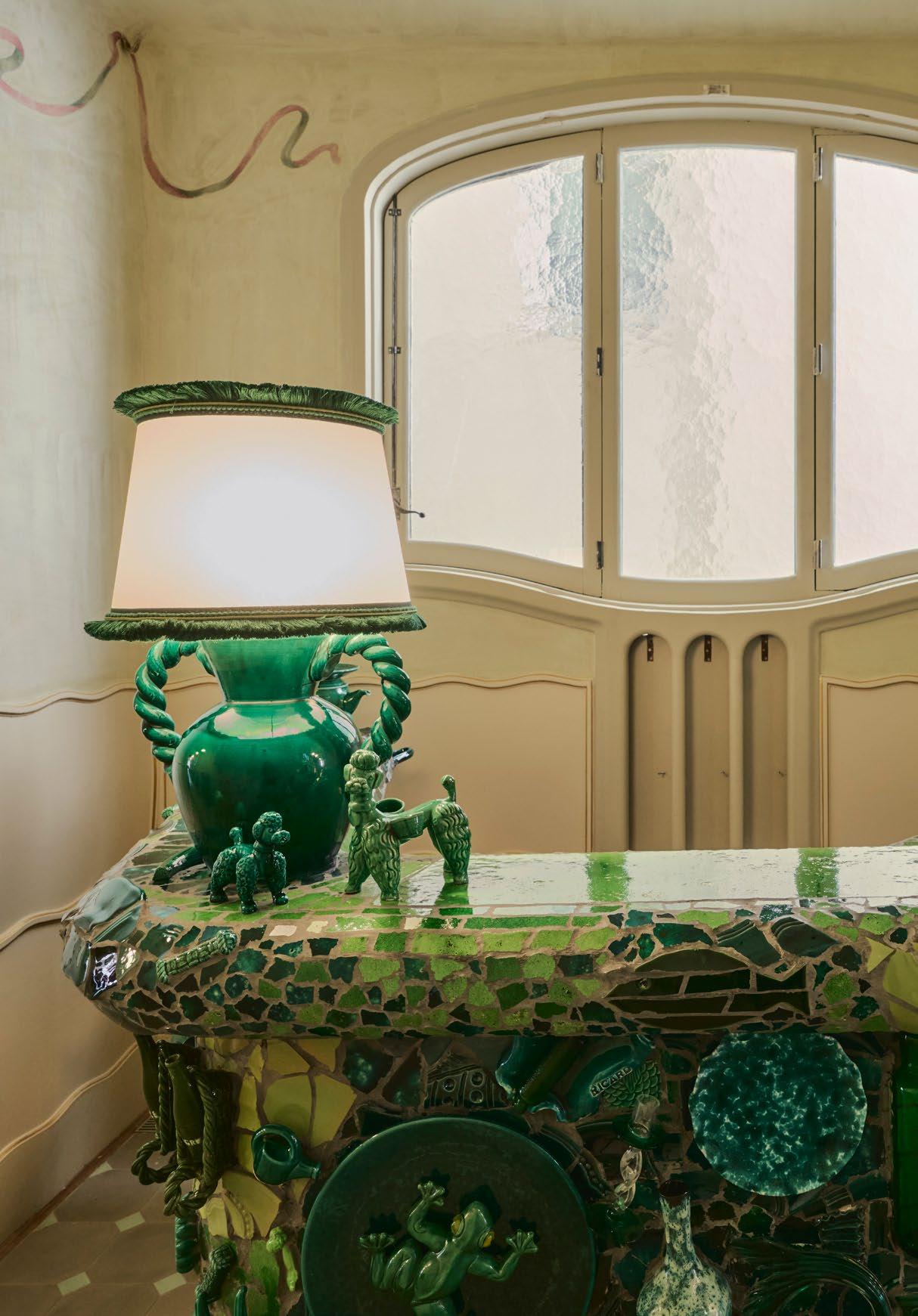
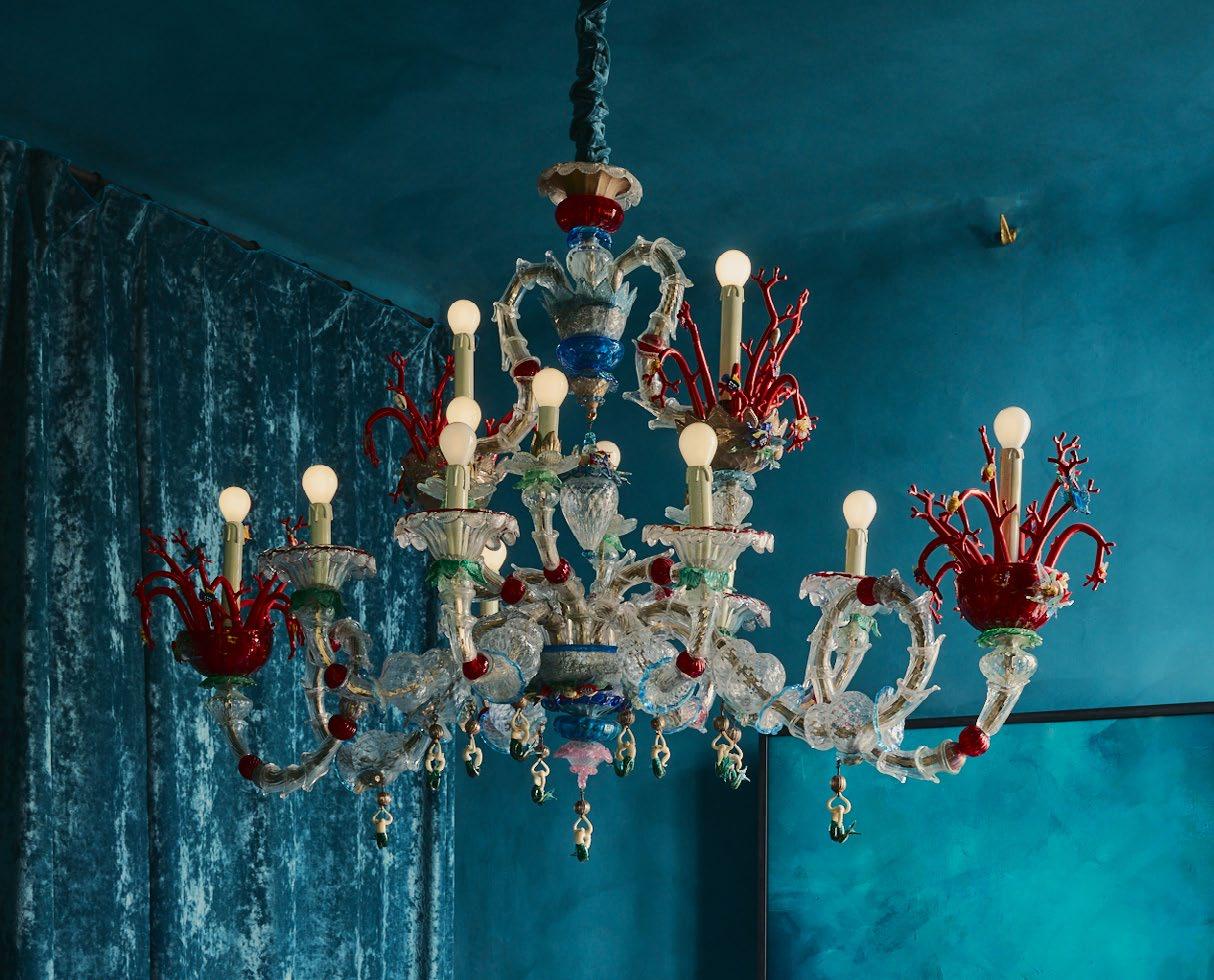
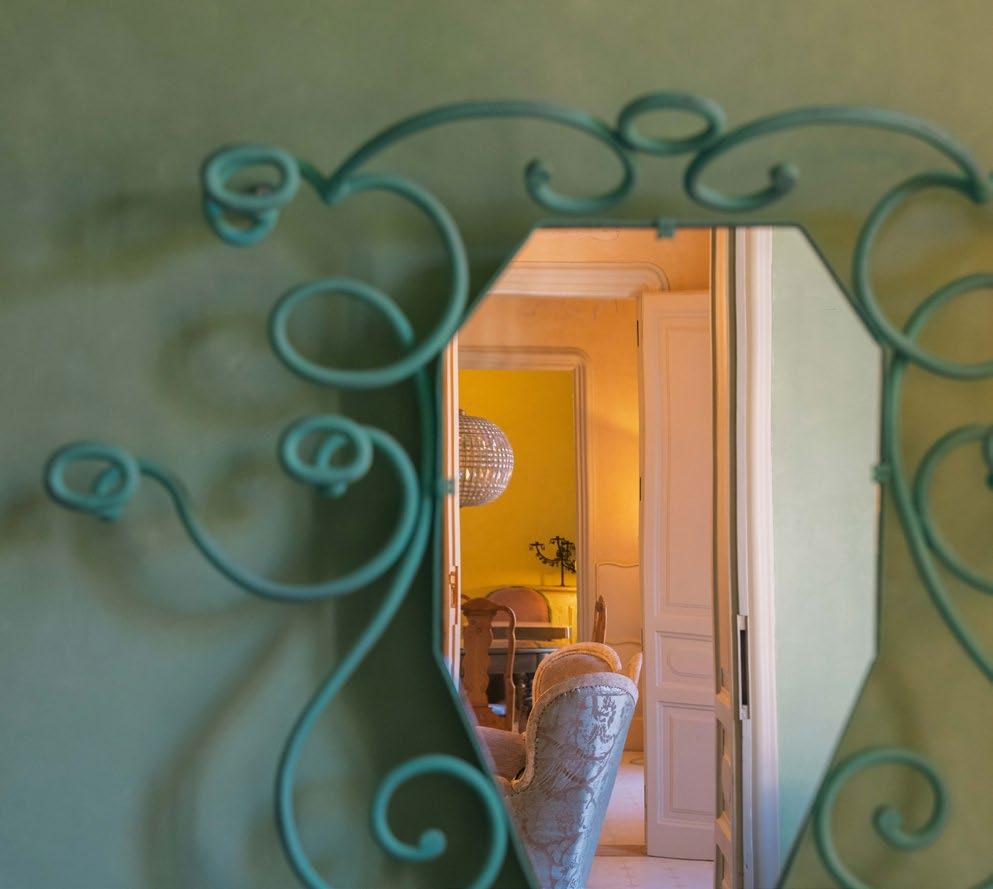
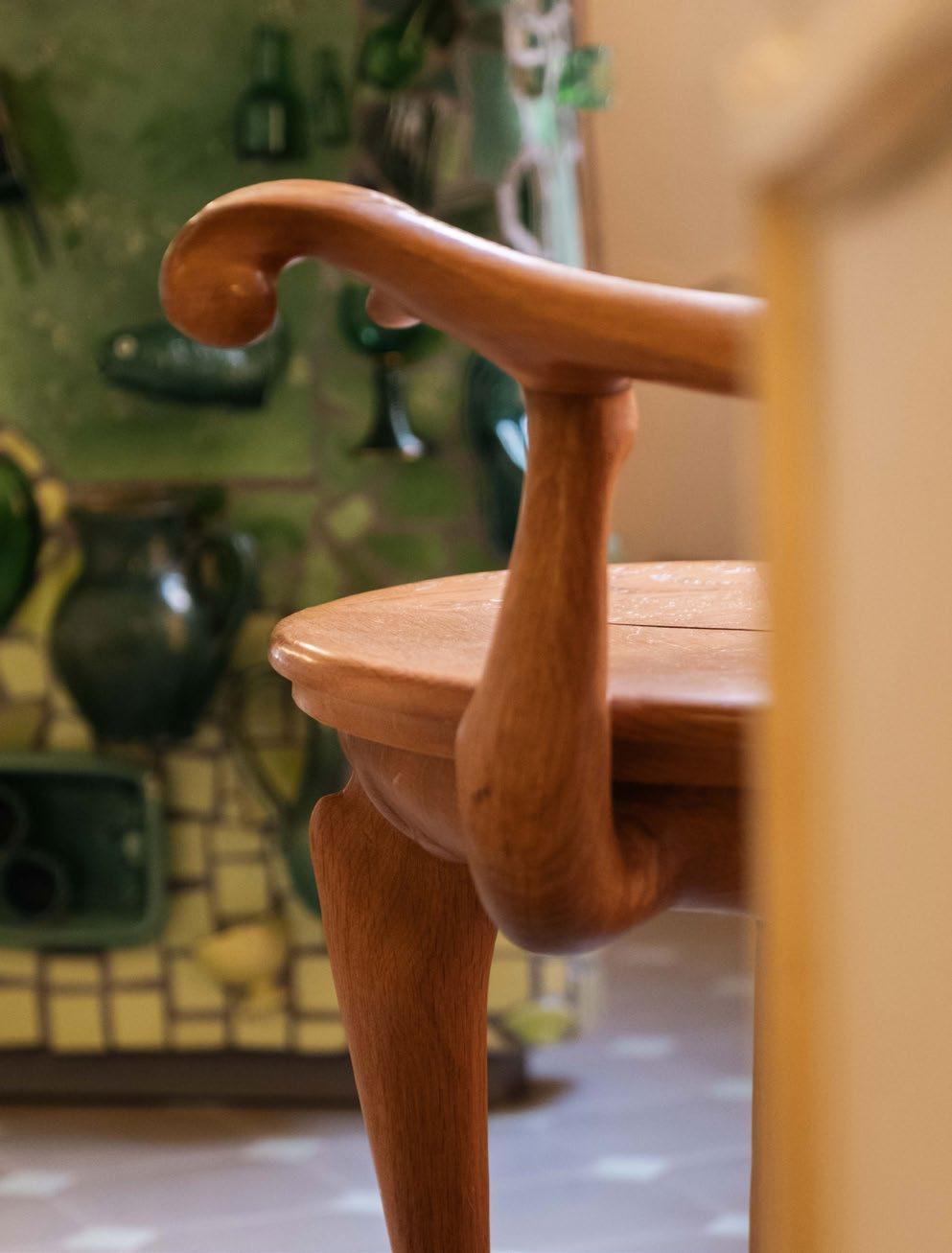
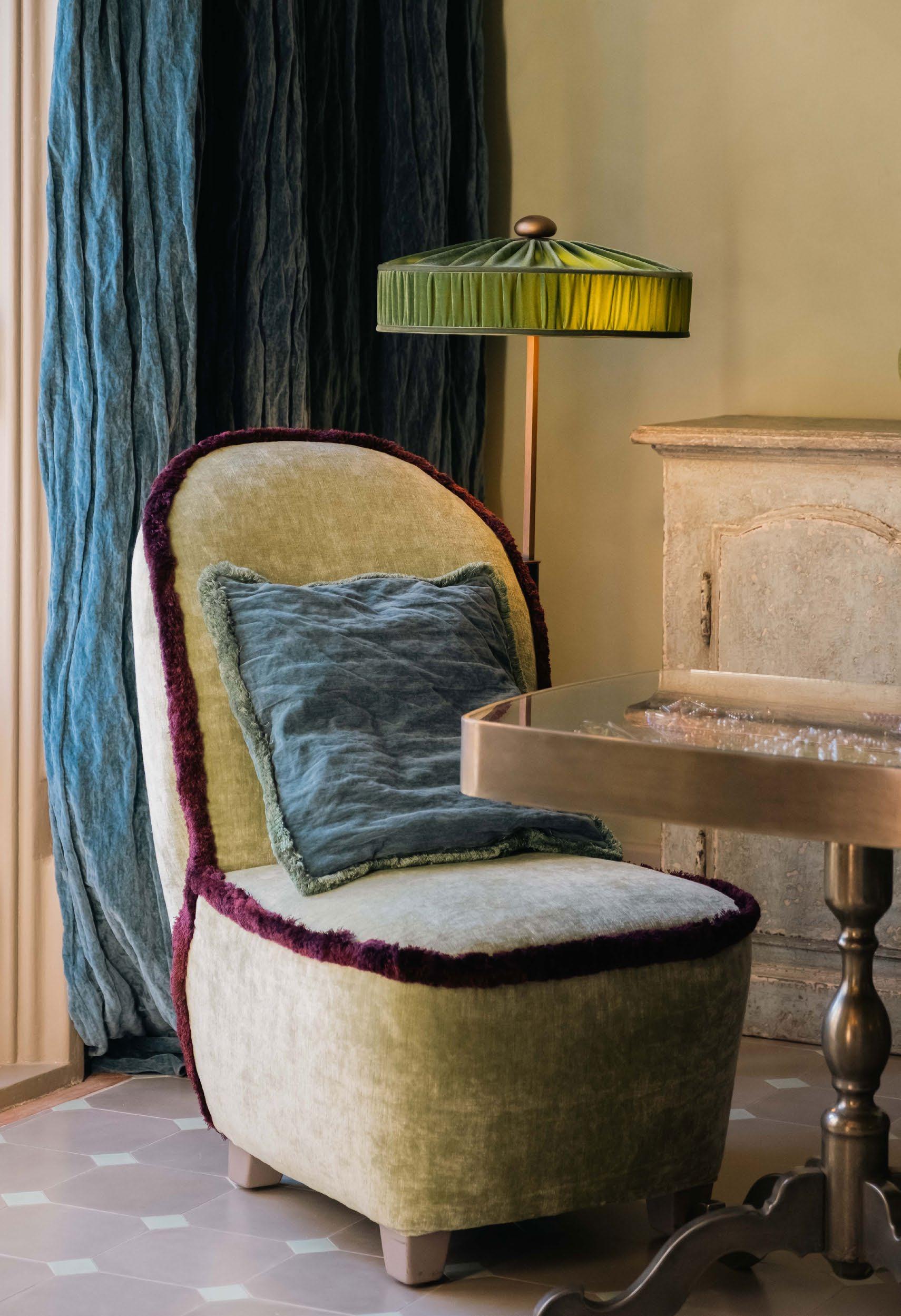
The result is a home that preserves its intimate and authentic character while opening up to new uses and perspectives.
A natural continuation in the house’s history: a way of living Gaudí’s architecture in the 21st century.
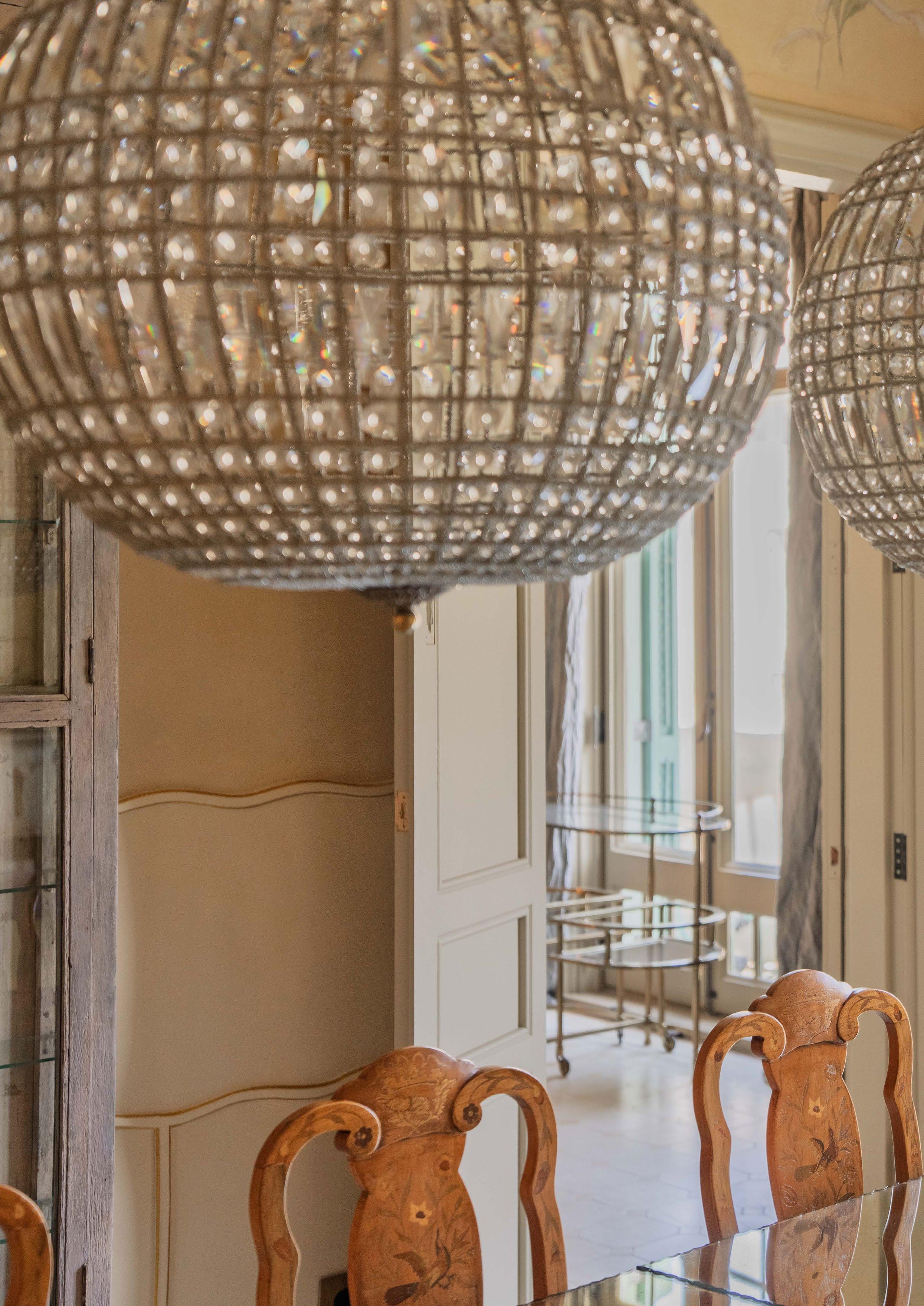
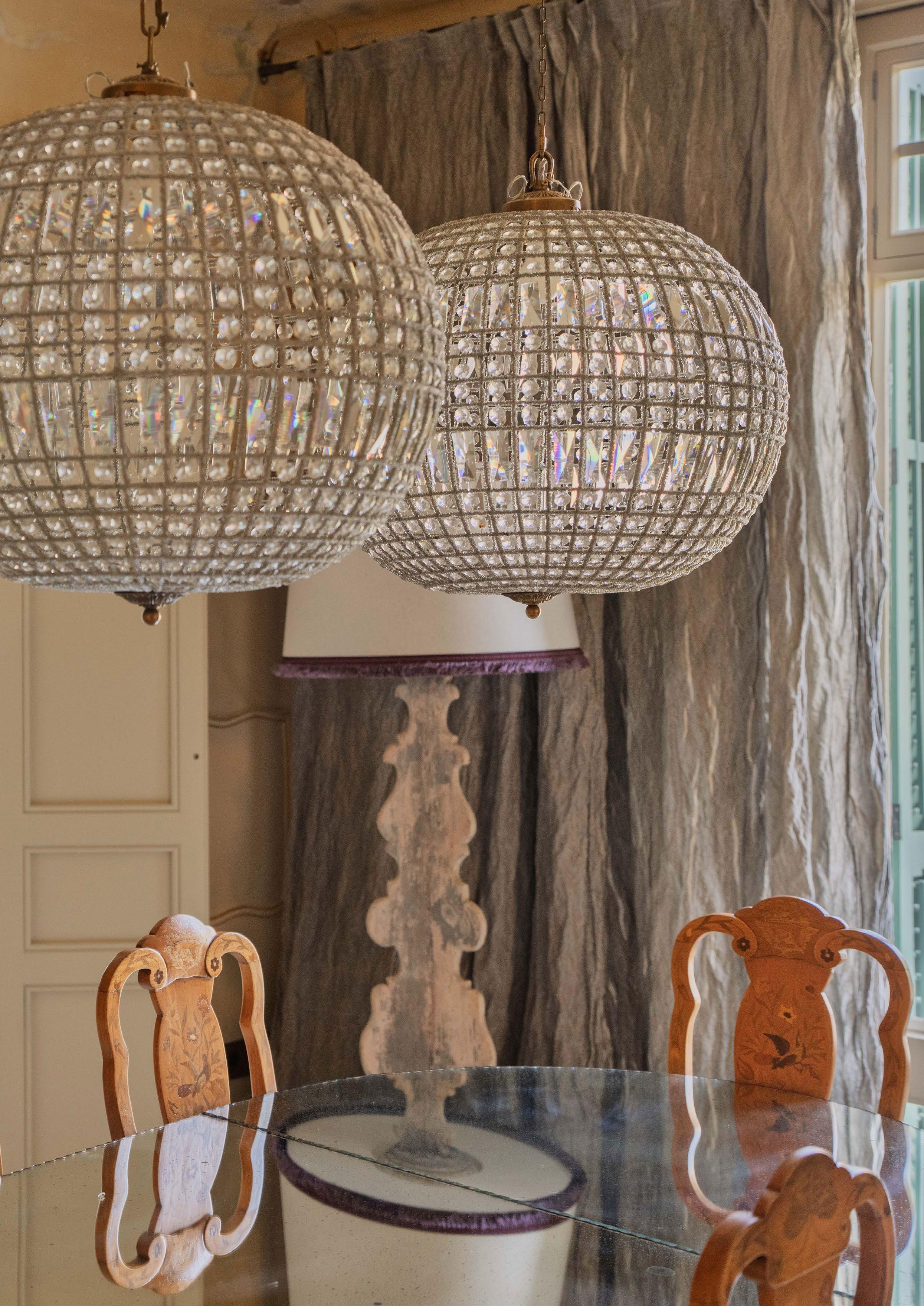
The Third Floor of Casa Batlló is conceived as a living residence that hosts exclusive experiences in an intimate, heritage setting. Its original rooms are transformed into private spaces for meetings, gatherings, or tailor-made celebrations, offering complete privacy and flexibility of use.
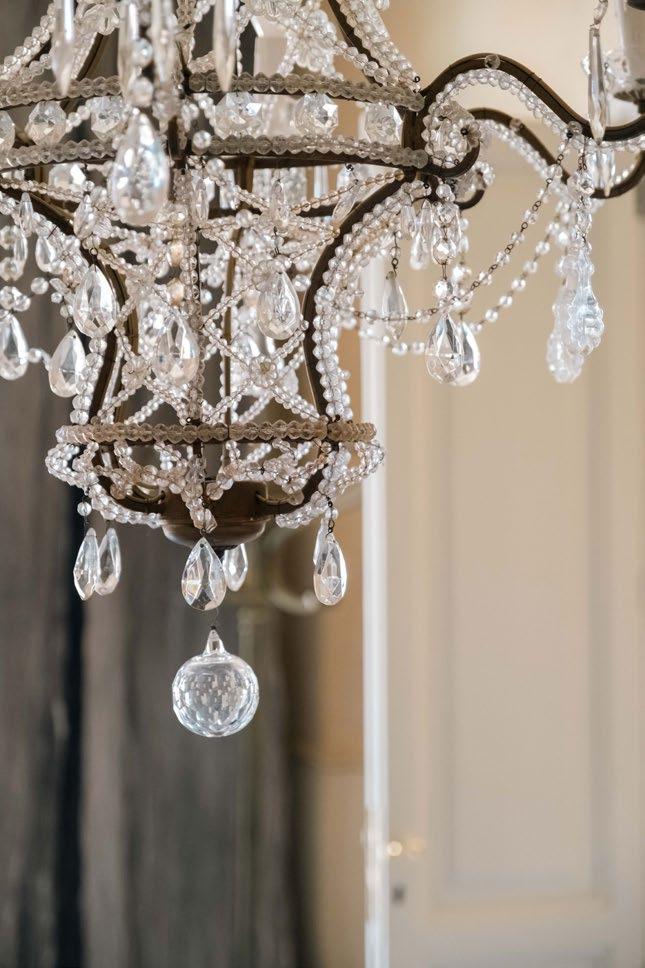
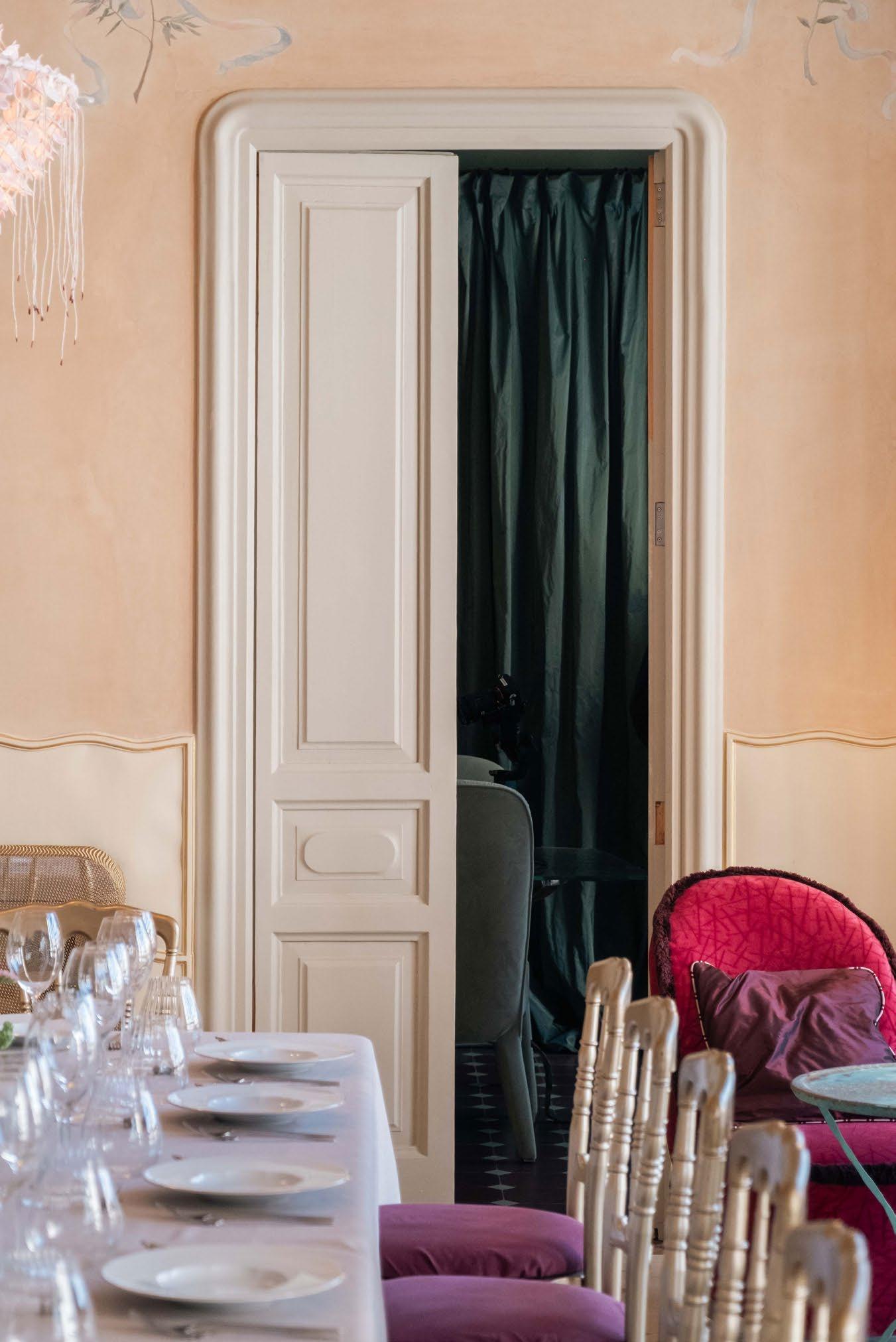
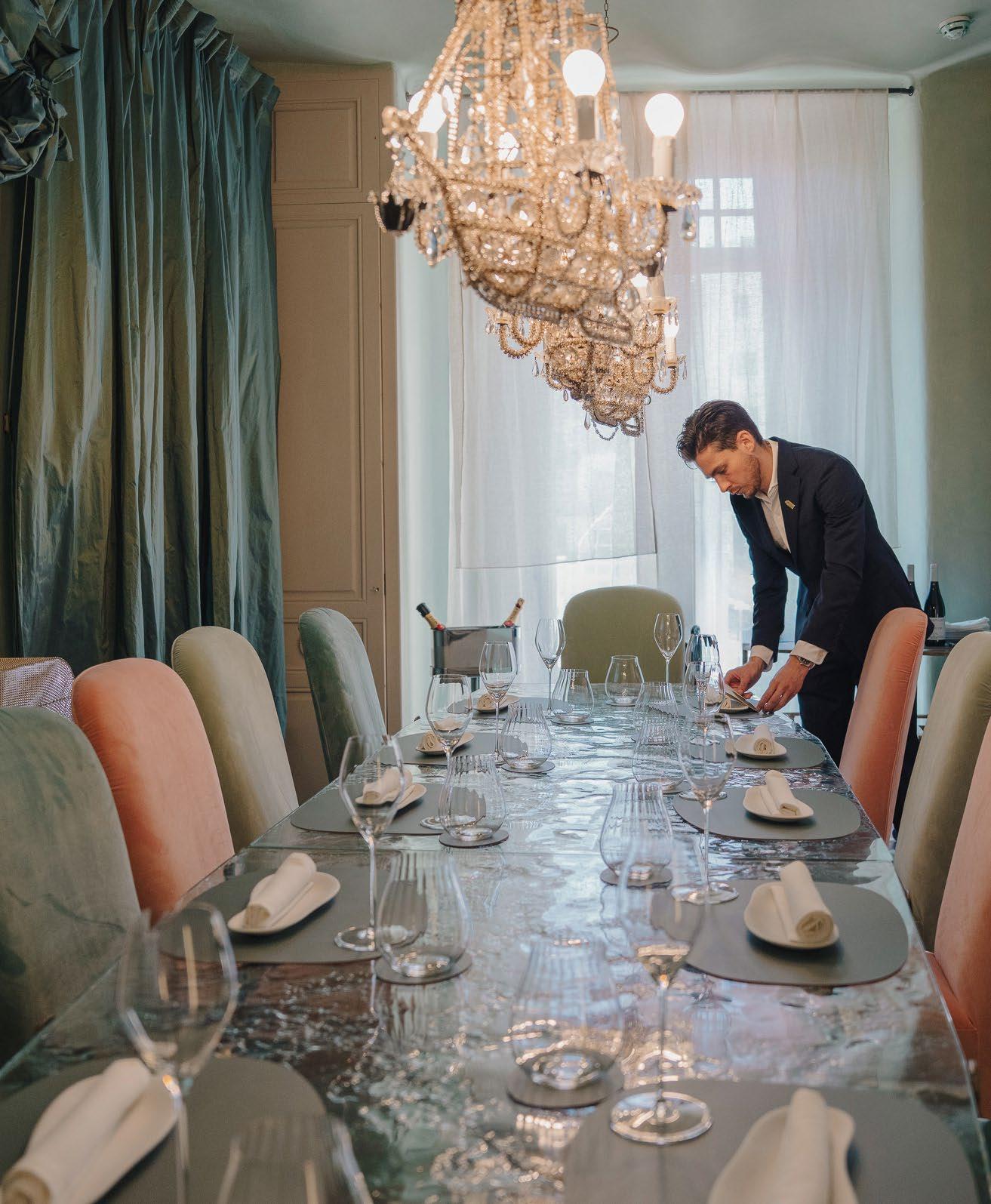
The proposal is complemented by a contemporary gastronomic offering that reinterprets Mediterranean tradition, turning each gathering into a sensory experience—inviting guests not only to contemplate the heritage, but to live it from within.
April 2026