
NCTIVE HOMES, ELEVATED EXPERIENCE


is the process of improving a home through cosmetic and functional updates that enhance both appearance and usability without changing its core structure. Unlike full remodeling, which may involve altering layouts or rebuilding spaces, renovations focus on refreshing existing areas through upgrades such as new fixtures, appliances, flooring, paint, and finishes. While these changes may seem simple, they can be a significant investment. However, when planned properly, renovations often increase both property value and day-to-day functionality, making them one of the most rewarding home improvement projects.
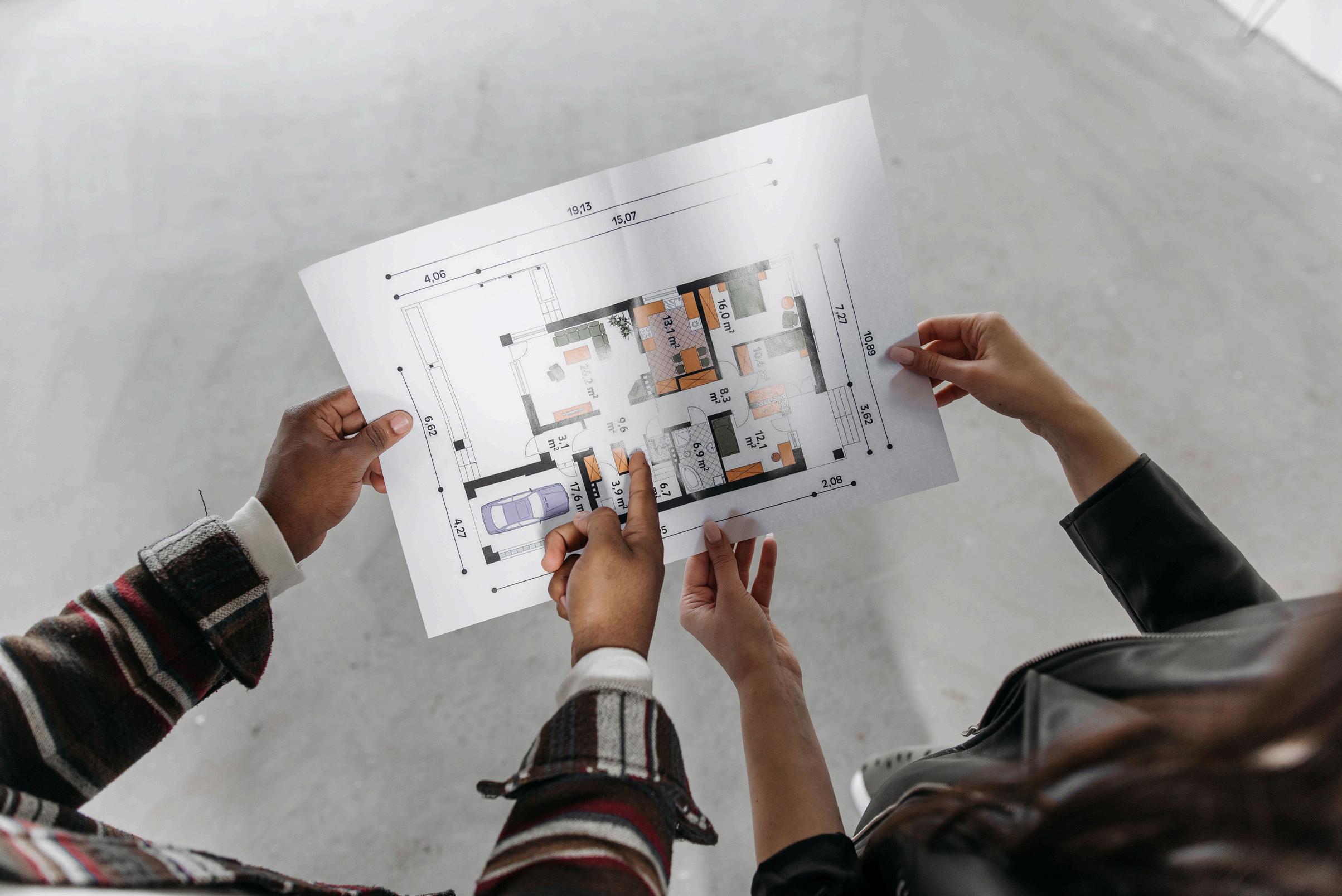
A well-planned renovation goes beyond aesthetics. It improves how a home feels, functions, and performs over time. Updating kitchens and bathrooms, replacing outdated materials, or modernizing finishes can completely transform a space without structural reconstruction. Renovations can range from small, single-room updates to full-home transformations. As the scope increases, so does the complexity—often requiring the guidance of experienced contractors, designers, and licensed professionals.
Successful renovation projects begin with careful planning. Before any work starts, homeowners should clearly define their goals, budget, and timeline. Creating a detailed plan helps reduce unexpected challenges later.
This includes mapping out every part of the project from electrical and plumbing work to finishes such as paint, flooring, and fixtures.
A realistic timeline should also be developed early on. While initial estimates are helpful, a contractor can later refine the schedule based on the full scope of work.
Renovation costs vary widely depending on location, materials, and project size. On average, homeowners can expect costs to range between $15 to $60 per square foot. For a mid-sized home, total renovation expenses may range from tens of thousands to well over $100,000.

Smaller projects such as painting, flooring updates, or minor kitchen and bathroom upgrades—can sometimes be funded in cash. Larger renovations, however, often require financing options such as home equity loans, renovation loans, or lines of credit. Regardless of budget size, it is essential to set aside a contingency fund for unexpected expenses, which are common in most renovation projects.




The design phase is where vision begins to take shape.
Homeowners can start by sketching ideas, exploring inspiration online, or using digital design tools to visualize layouts and finishes.
Depending on the complexity of the project, working with an architect or interior designer may be beneficial.
At this stage, it is also important to decide which tasks will be handled personally and which will be managed by professionals.
A clear design direction helps ensure consistency throughout the project and minimizes costly changes later.

Choosing the right contractor is one of the most important steps in the renovation process. A qualified contractor oversees the entire project, coordinates subcontractors, and ensures work stays on schedule and within budget.
WHEN SELECTING A CONTRACTOR, IT IS IMPORTANT TO:
Verify licensing and insurance
Review past work and portfolios
Check client reviews and references
Request multiple quotes
Evaluate communication and responsiveness
A reliable contractor will coordinate specialists such as electricians, plumbers, and carpenters, ensuring each phase of the renovation is executed properly.
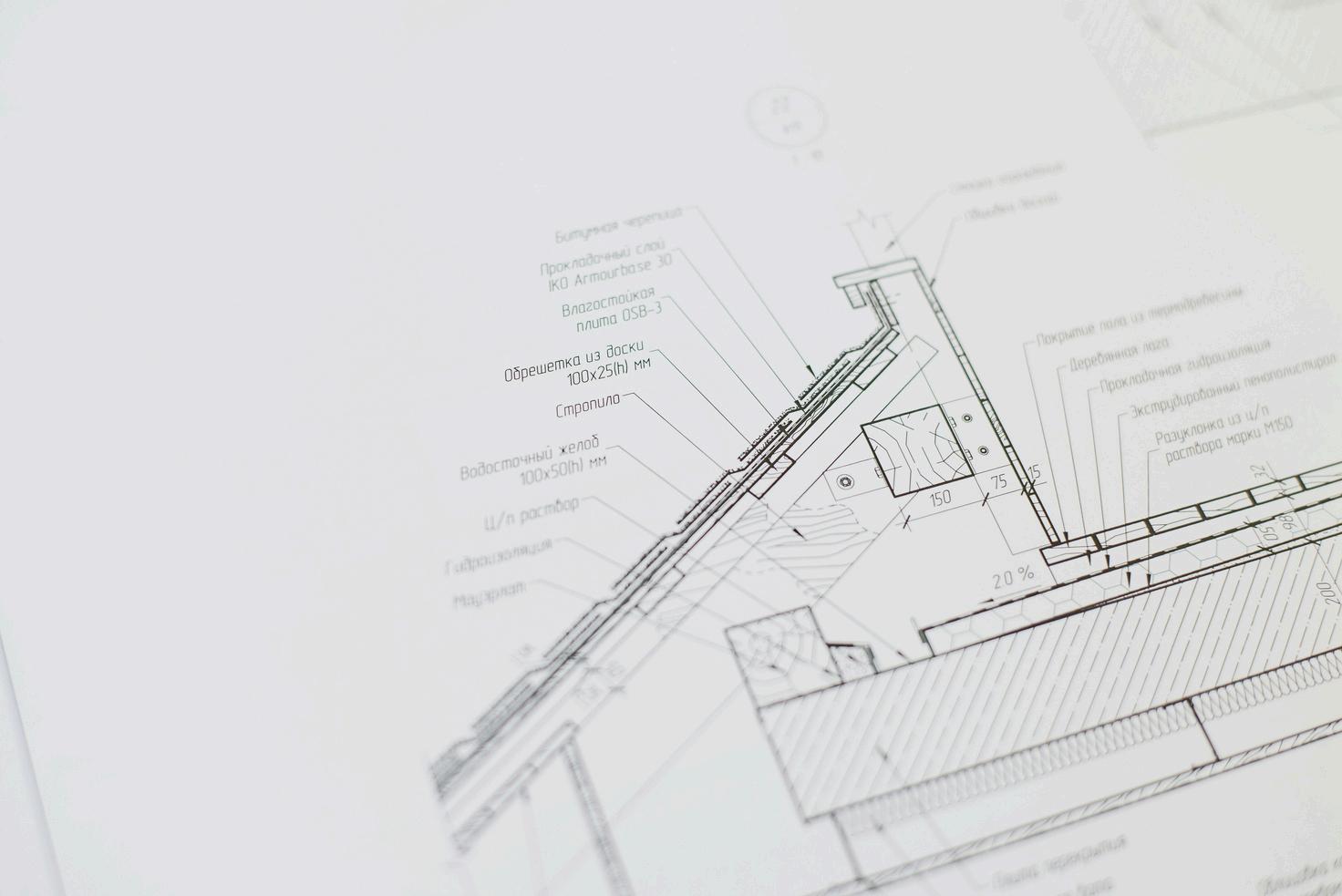
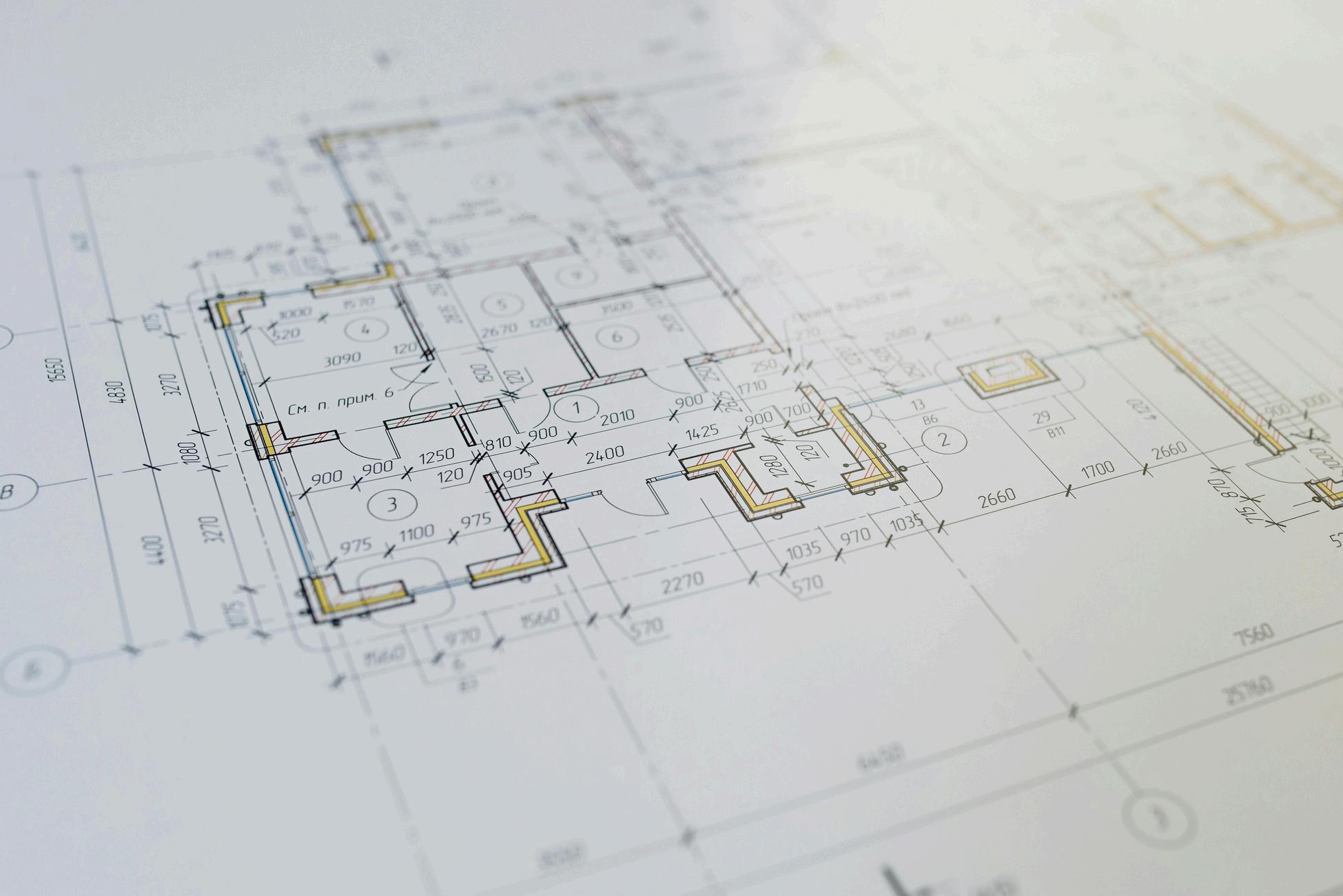
Most renovation projects must comply with local building codes and permit requirements. These regulations ensure that all work is safe and structurally sound.
In many cases, contractors will handle permits and inspections on behalf of the homeowner. However, for smaller DIY projects, homeowners may need to apply for permits independently.
Approval timelines can vary, sometimes taking weeks or even months depending on the scope of work and local regulations.
Mechanical Work
(Behind the Walls)
Carpentry and Structural Work
Install electrical, plumbing, and HVAC systems first.
This includes framing, trim, molding, and any necessary structural adjustments.
Walls and Insulation

Fixtures and Appliances
Cabinets, sinks, bathtubs, and major appliances are installed once core systems are in place.
Flooring
Installation
Drywall is installed, finished, and prepared for painting after inspections are completed.
Painting and Finishing
Touches
Flooring is added near the end to prevent damage during construction.
Walls, trim, and details are completed as final steps.
Before construction begins, homeowners should clear all furniture and belongings from the work areas. Items that remain should be properly covered to protect them from dust and debris.
In some cases, temporary storage may be necessary.
If living in the home during renovation, protective measures such as air purifiers, dust barriers, and regular cleaning help maintain a safe environment.


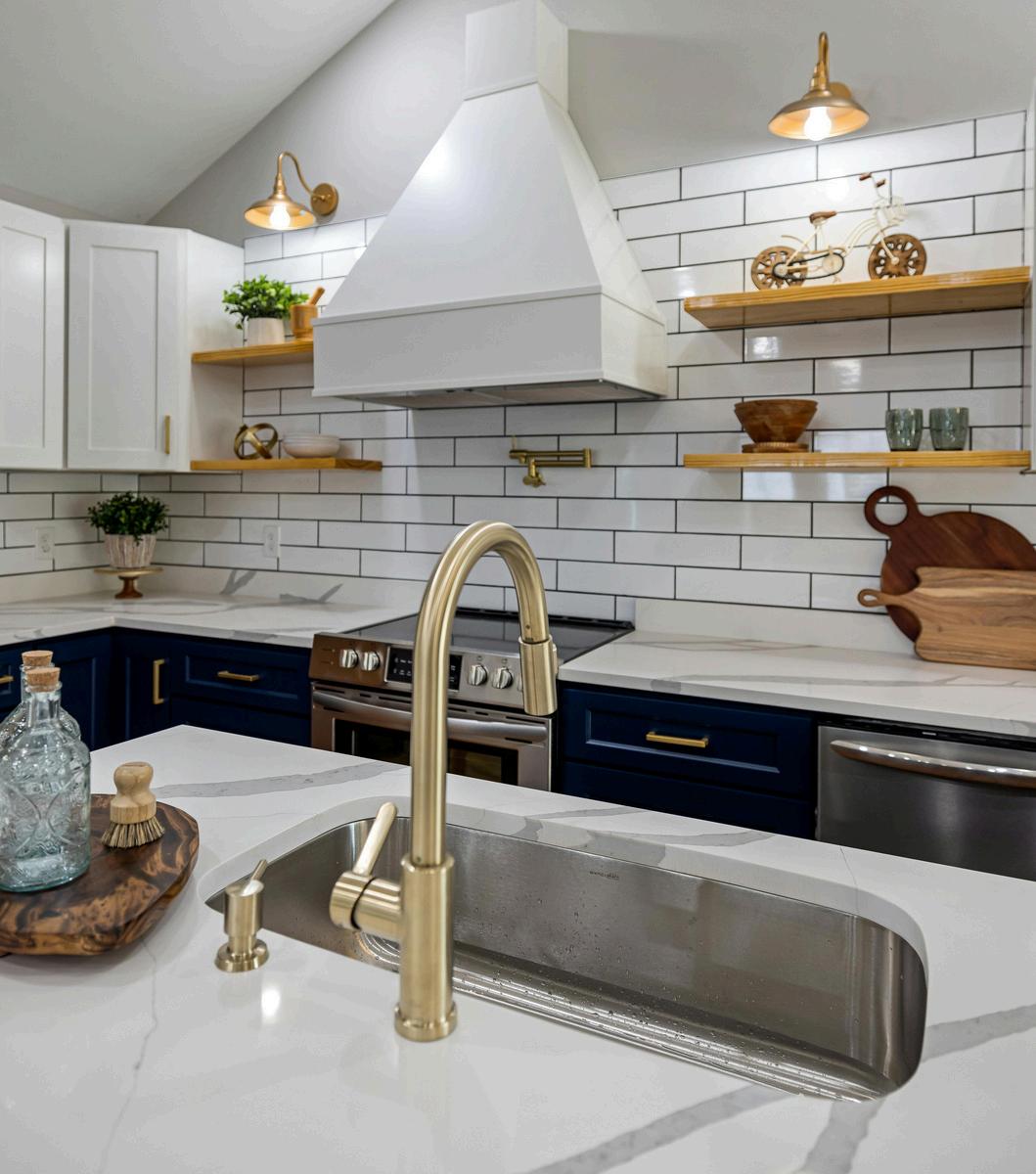

Once the renovation is complete, inspections ensure all work meets safety and building standards. Some homeowners also choose to hire a thirdparty inspector for additional quality assurance before final approval. This step confirms that plumbing, electrical systems, fixtures, and structural elements are properly installed and compliant with regulations.

A successful home renovation is built on preparation, patience, and precision. From budgeting and design to hiring professionals and managing timelines, each step plays a critical role in the outcome. When executed thoughtfully, a renovation does more than update a space it enhances the way a home is lived in and experienced every day.