P T R F L O O
CAROL ZHAO
SELECTED WORKS
2022- 2025 -
ARCHITECTURE
Museum Design
Academic Work
Group Project
Duration 12 weeks
Spring 2025
Mixed-Use Community Design
Academic Work
Individual Project
Duration 10 weeks
Winter 2024
Residential Design
Academic Work
Individual Project
Duration 7 weeks
Winter 2022
04
05
06
PULL & PLAY TOWER OF HARMONY FLEXI-WALL
Modular Stage Design
Academic Work
Group Project
Duration 12 weeks
Winter 2025
Installation Design
Personal Work
Individual Project
Duration 2 weeks
Winter 2023
Experiential Design
Self-oriented Competition
Group Project
Duration 3 months
Winter 2023
01 CONTINUUM MUSEUM
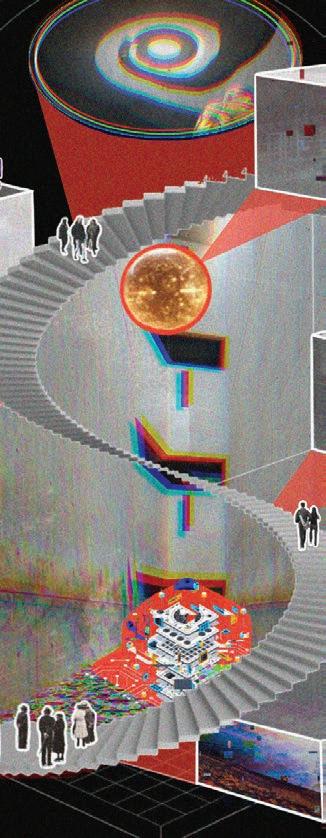
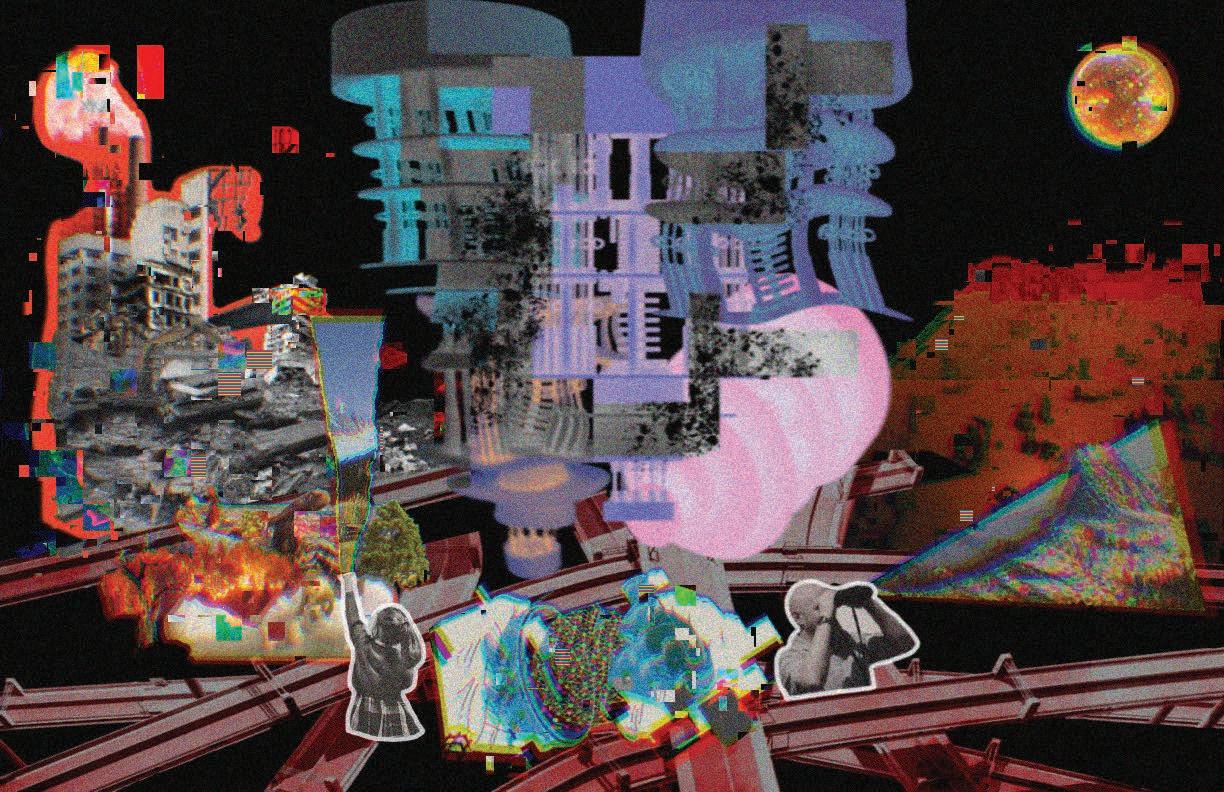
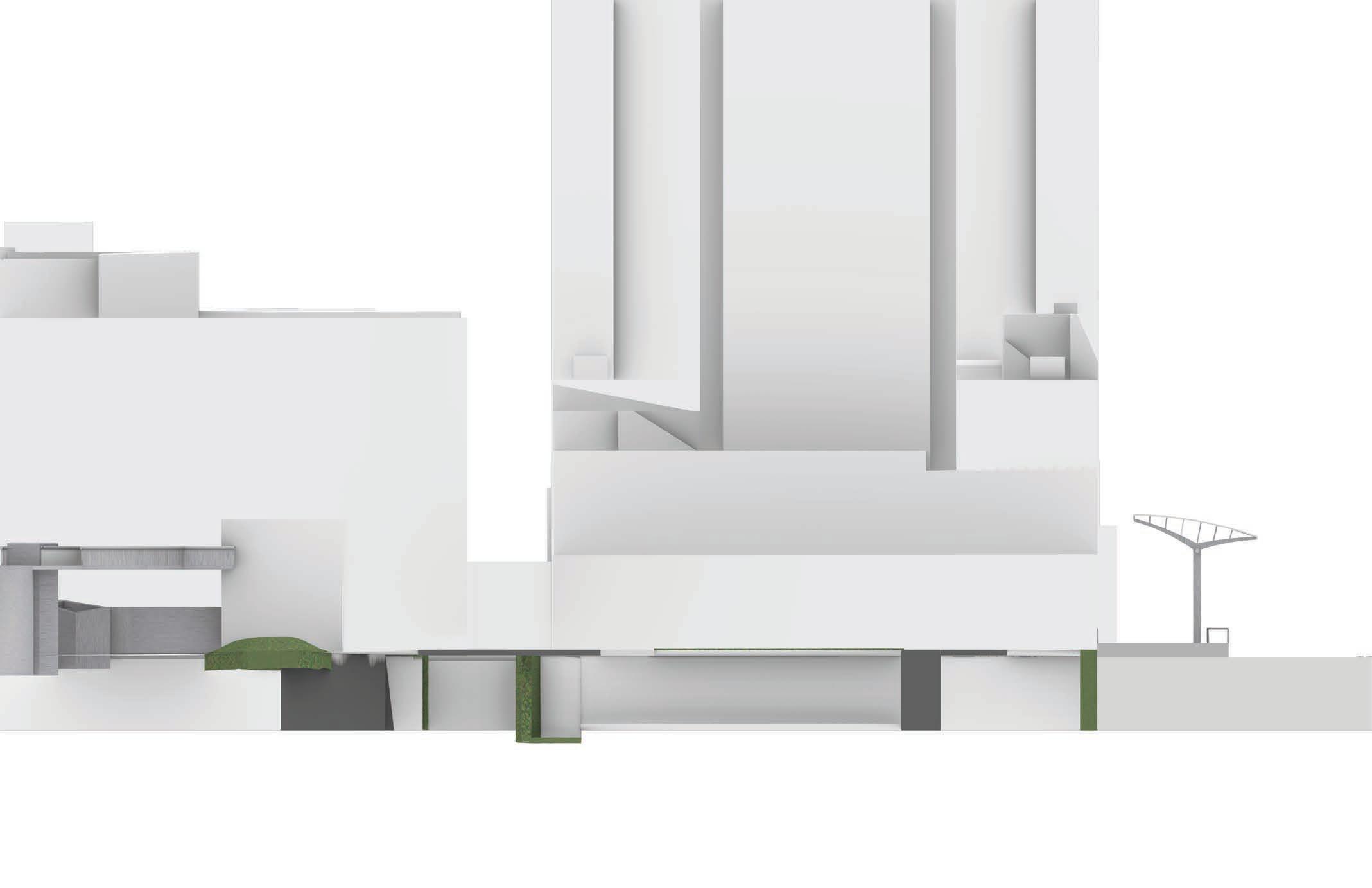
The Continuum Museum reframes the climate crisis through the conceptual lens of quantum mechanics, where superposition and entanglement become metaphors for environmental uncertainty and the multiplicity of possible futures. Rather than presenting climate change as a fixed trajectory, the museum positions each visitor as an active participant within a continuum of choices and consequences.
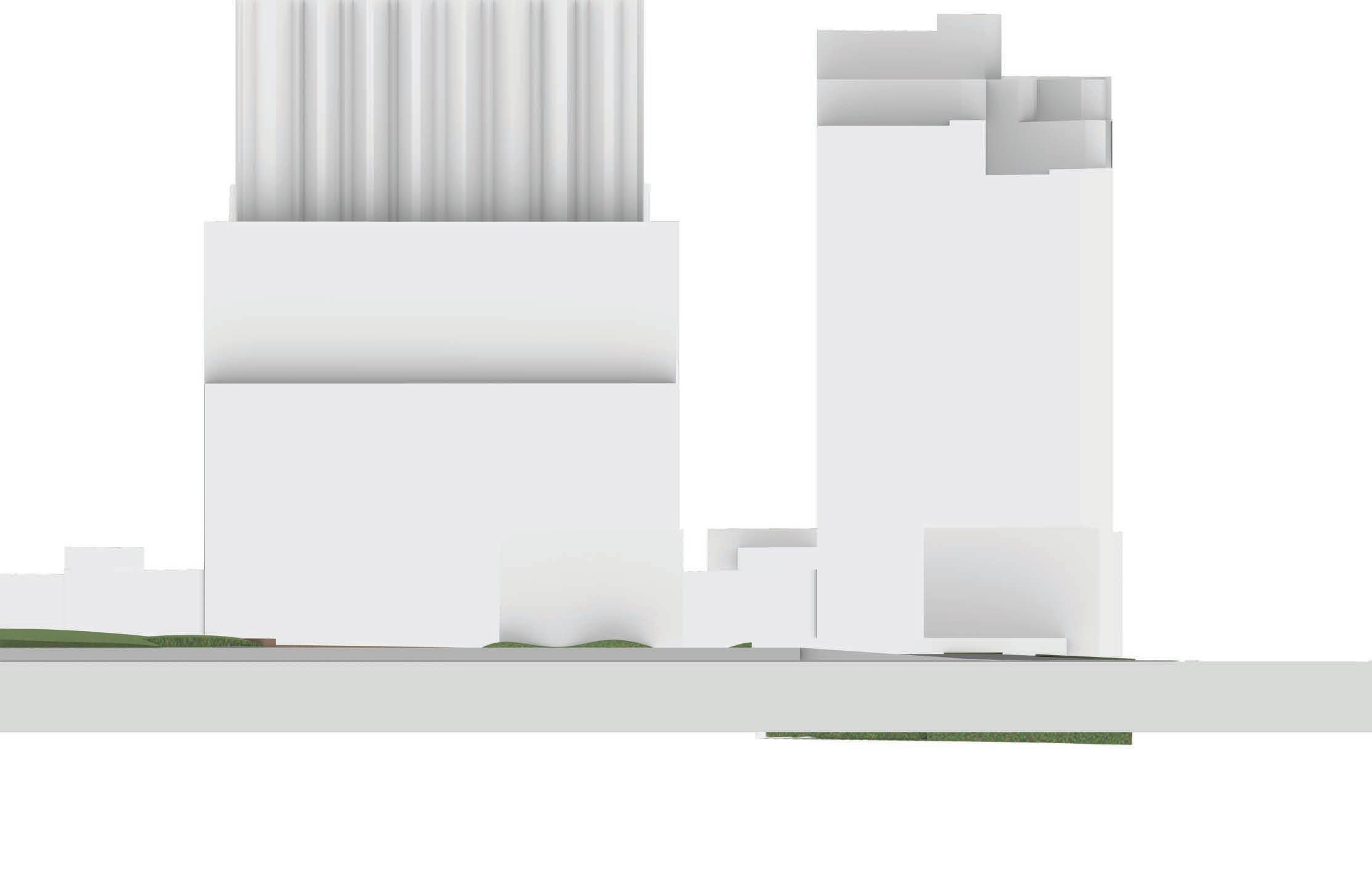
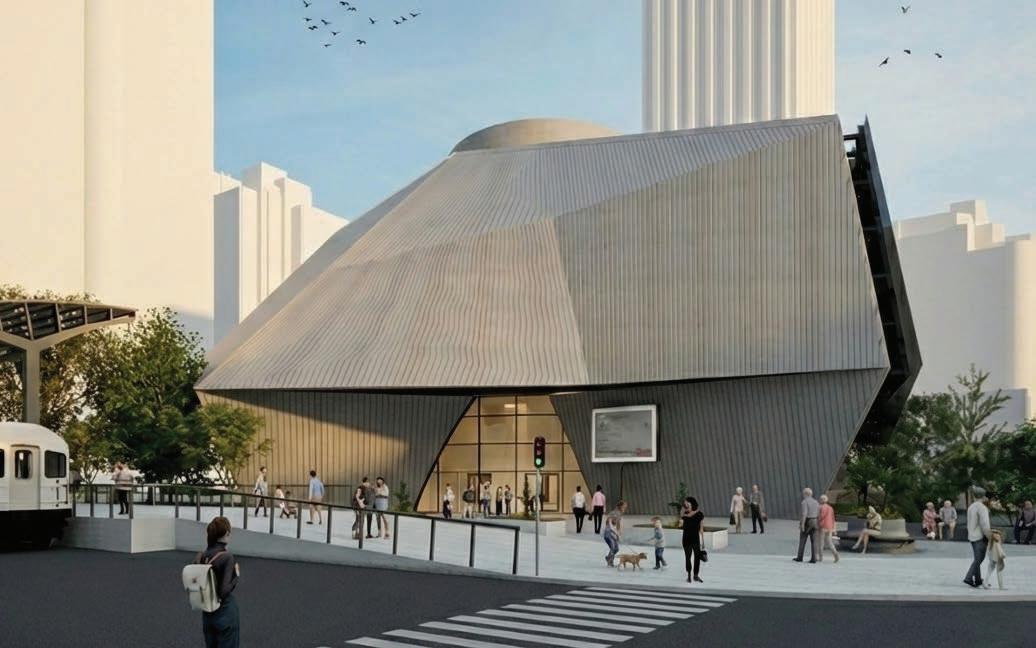
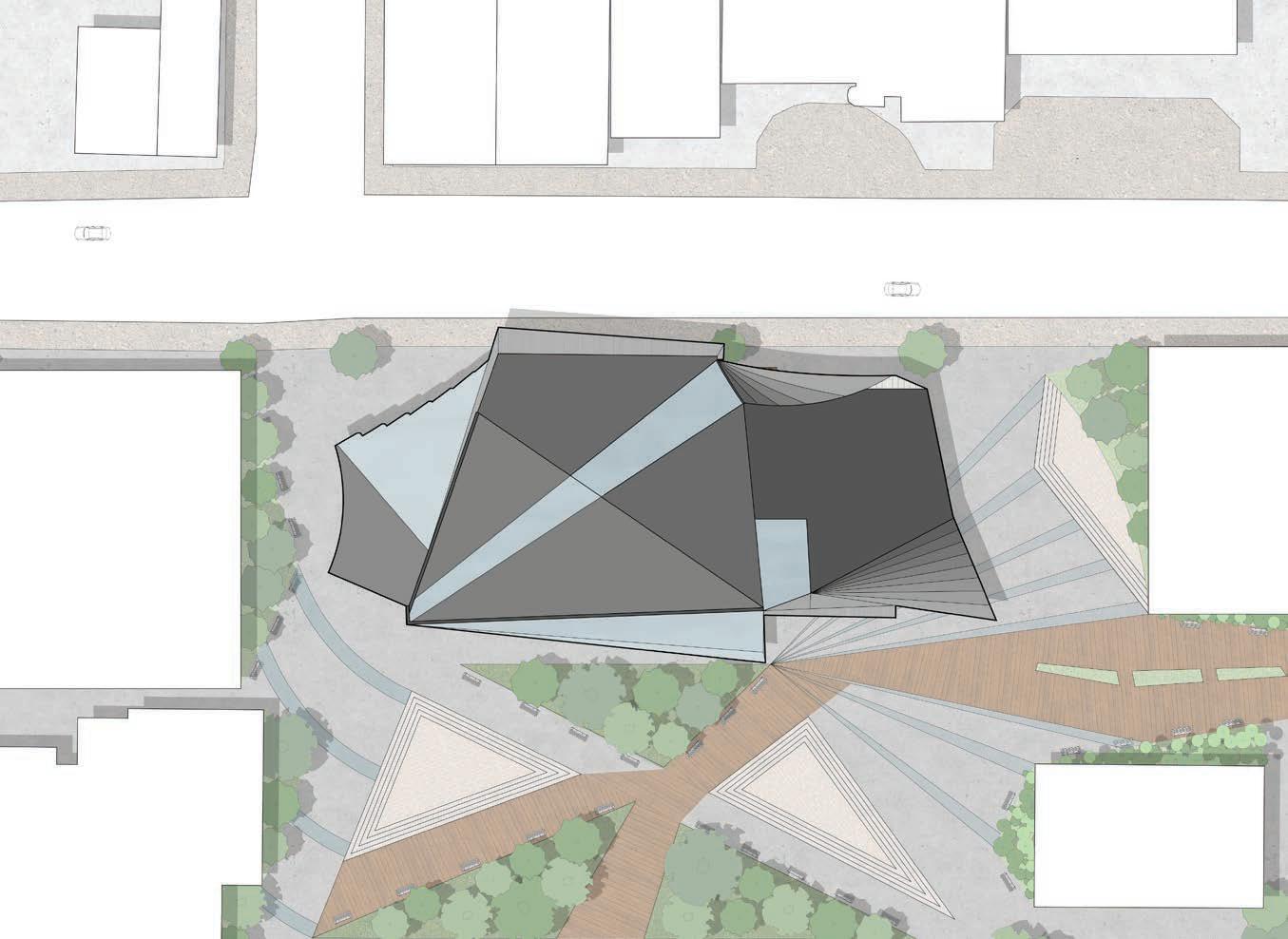
Sited in Century Gardens, the building presents itself as a singular, monolithic mass. Its material paradox is central to the concept: an unsustainable, heavy shell clad in sustainable facade systems and integrated photovoltaic panels, embodying the tension between environmental harm and responsibility that the museum interrogates.
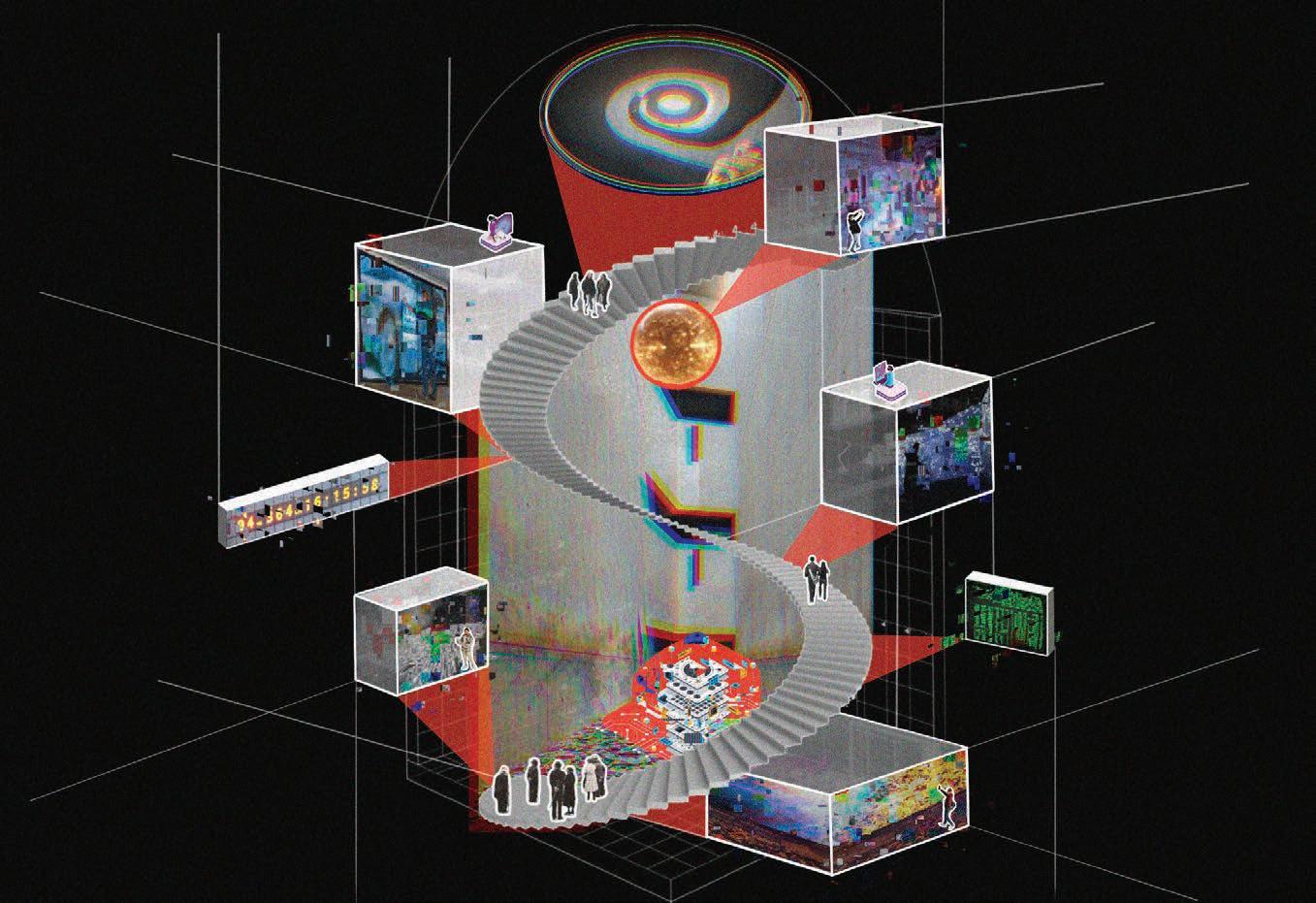
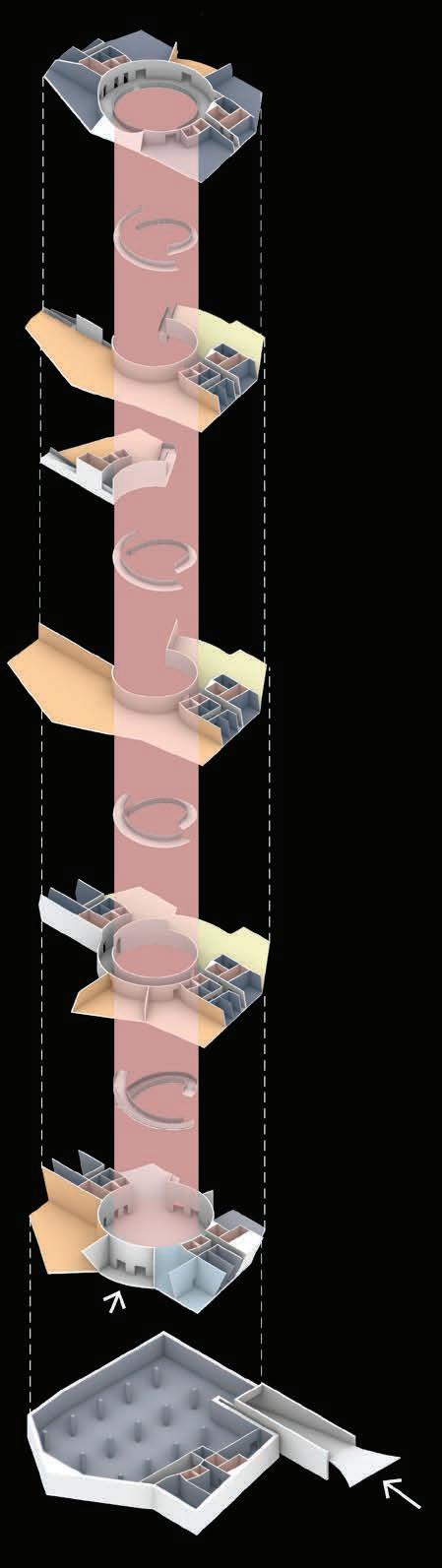
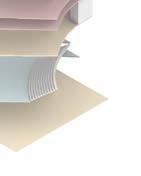
At the heart of the scheme, a central atrium anchored by a spiral staircase serves as the primary organizational spine and organizes the entire visitor journey. Immersive exhibition galleries are fully enclosed with no openings, powered by an embedded quantum computing system that generates real-time, non-linear climate narratives, creating a spatial experience as uncertain and layered as the future itself.
Team of 2 - Concept development, 3D modelling, Sections, Diagrams, Renderings, Floor plan refinement, Structural and Facade Coordination
Museum Design | Graduate Comprehensive Studio
Century Gardens, Calgary
Rhino3D, Grasshopper, Revit, AutoCAD, Adobe Illustrator, Twinmotion, Procreate
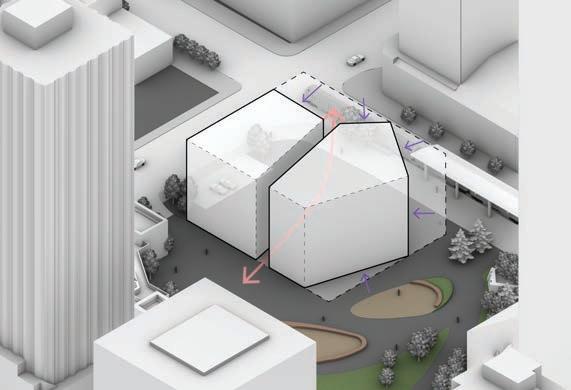
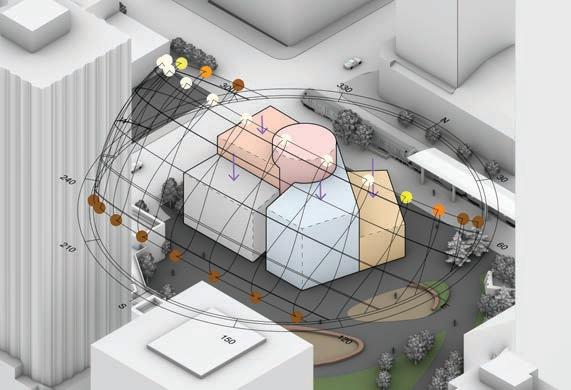
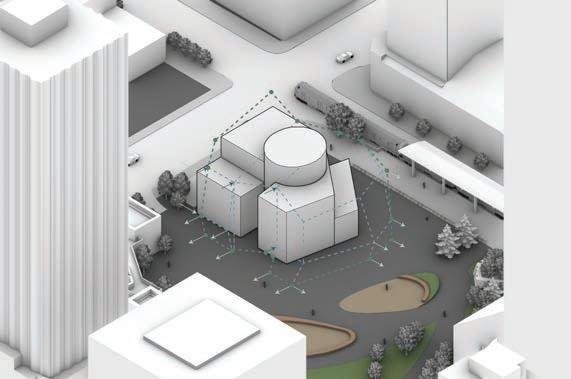
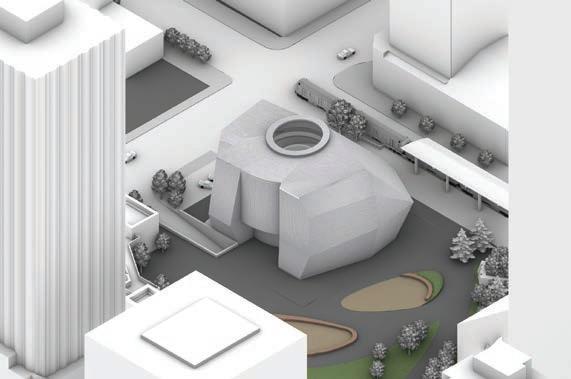
8 th St SW
Exsiting Amphitheater Loading Dock
Exsiting Water Feature
Open Site
Sculupting Facets
Program Division
Final Form
LRT Station
7th Ave SW
Entrance
Entrance
Fourth Floor
Ground Floor

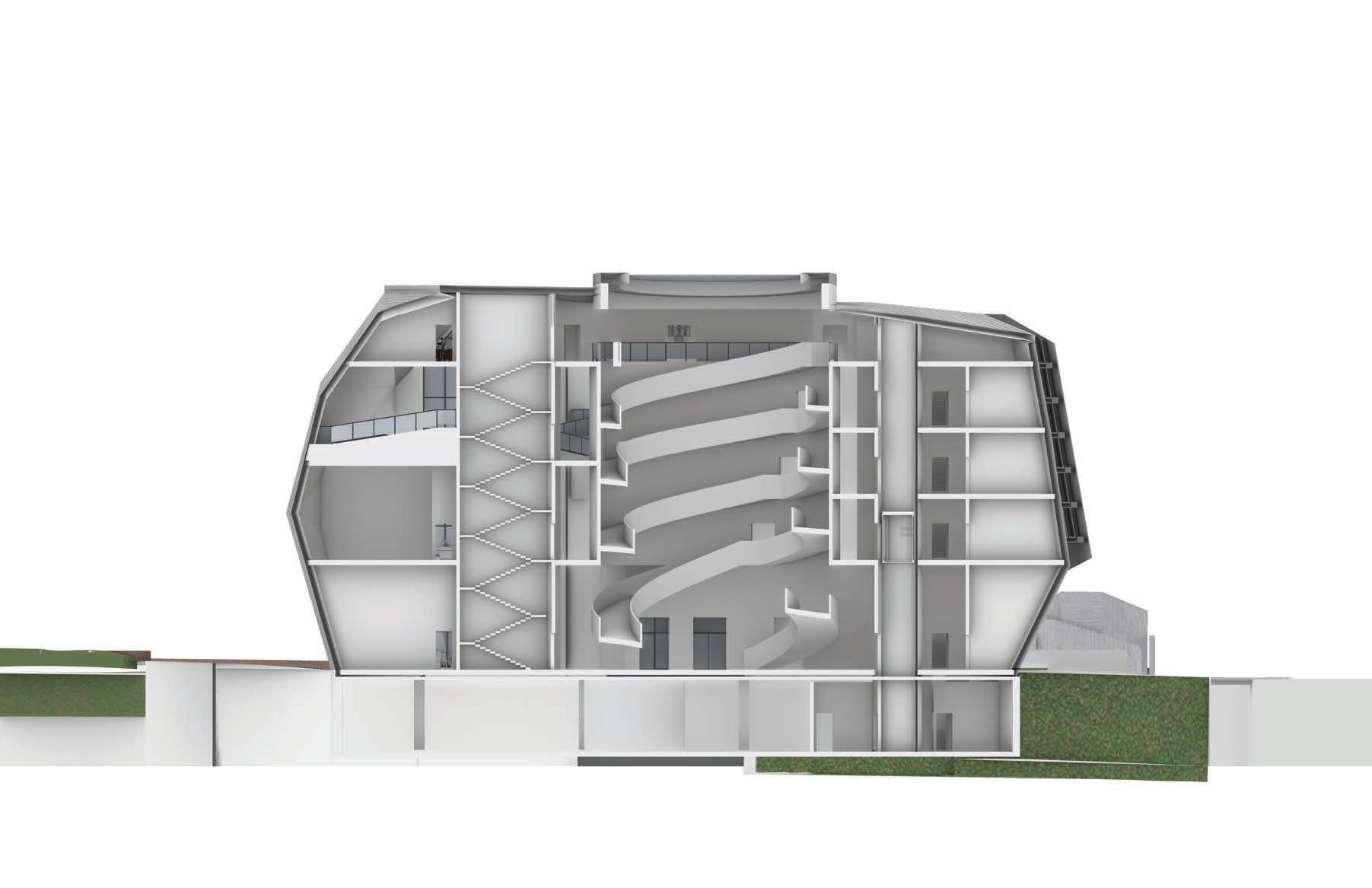




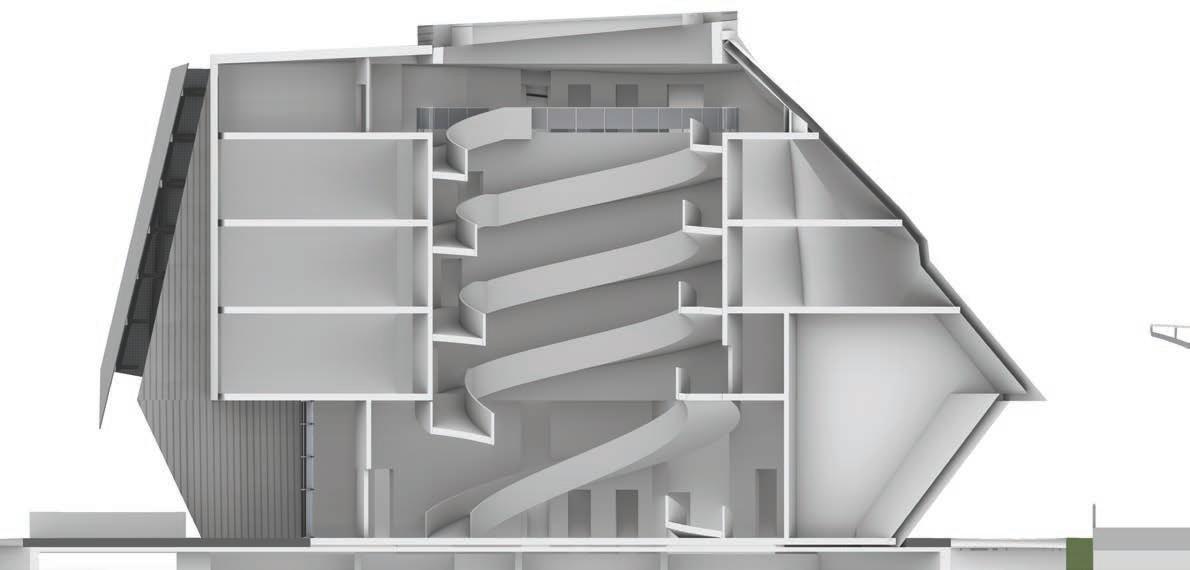

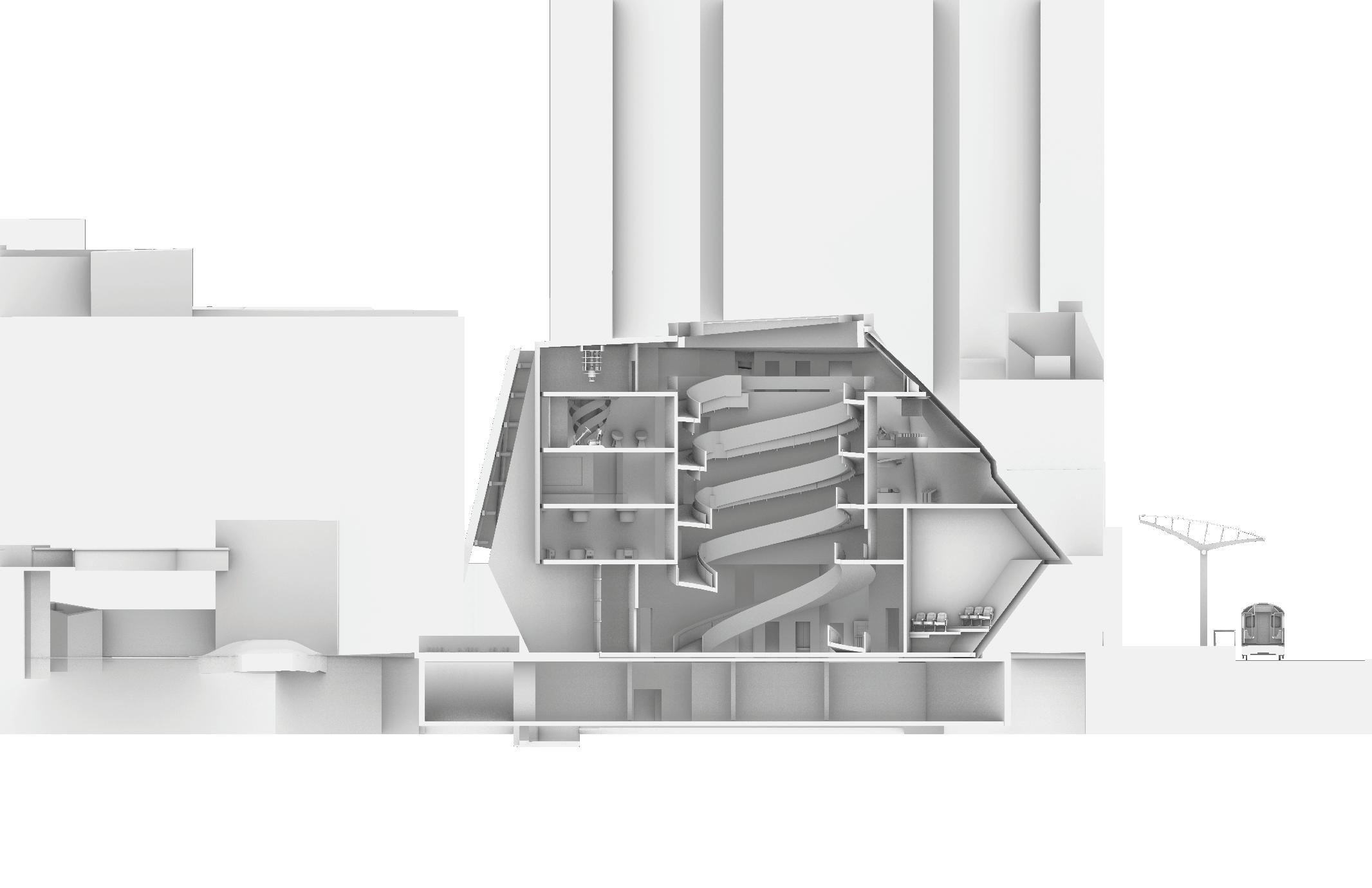
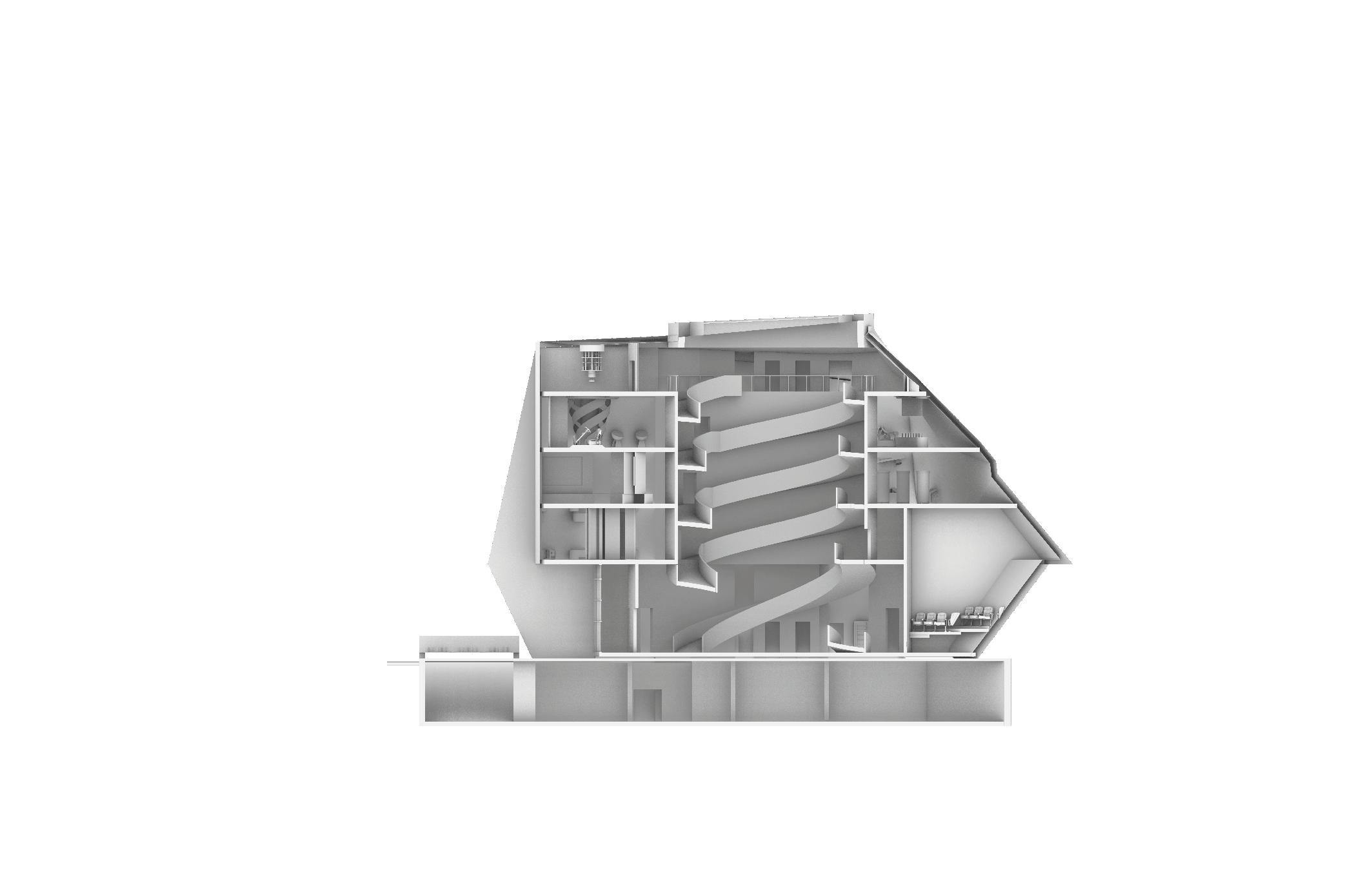
Section
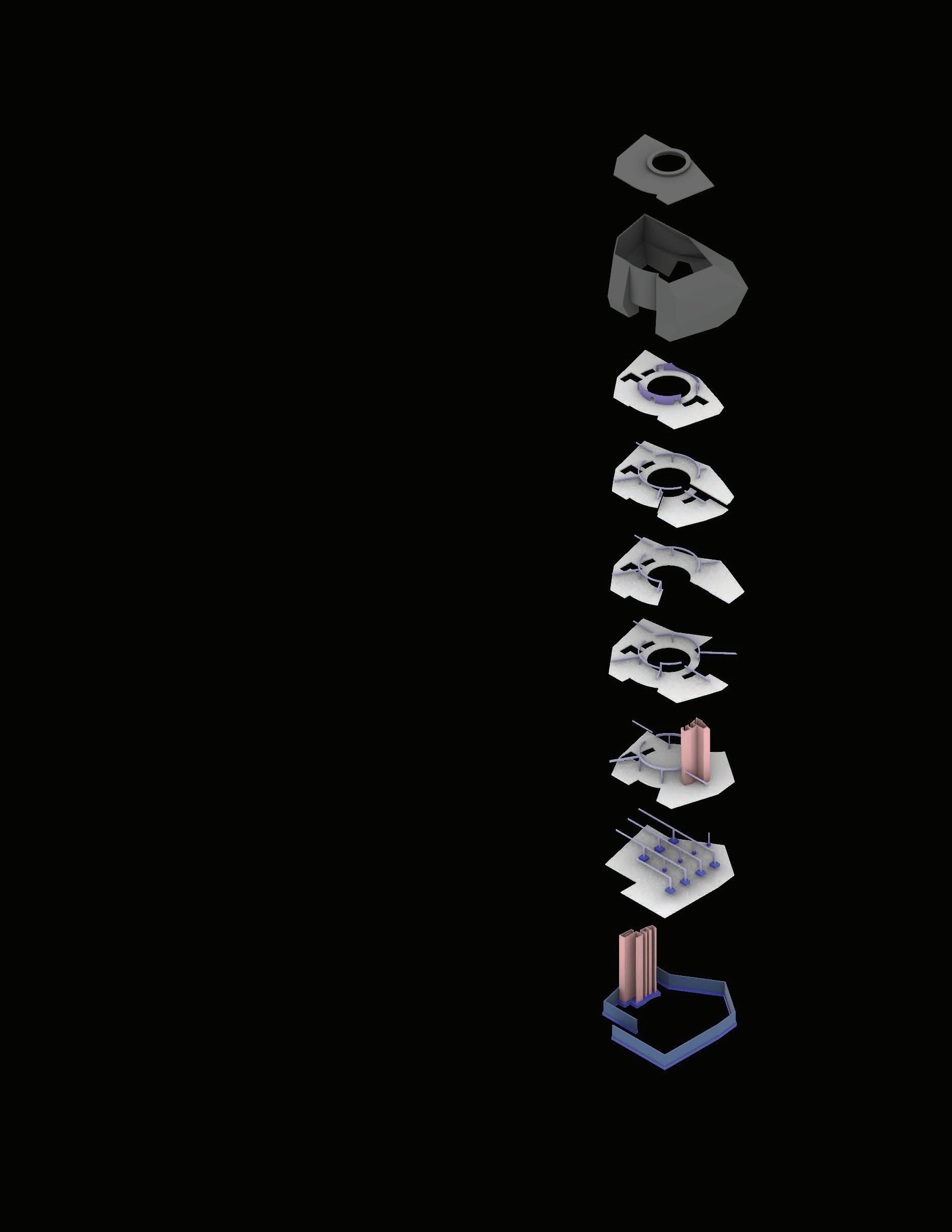
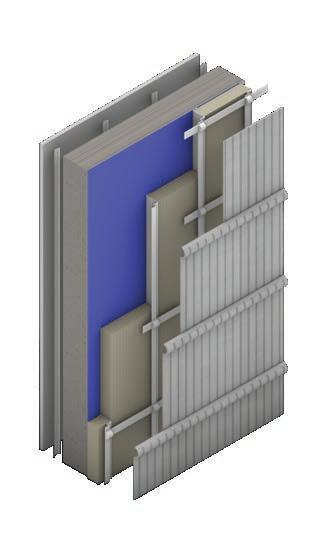
Typical Wall Assembly
400mm Reinforced Concrete Wall
400mm Reinforced Concrete Wall
Gypsum Wallboard
Halt Clips
Halt Clips
RHEINZINK prePATINA Eco Zinc Cladding
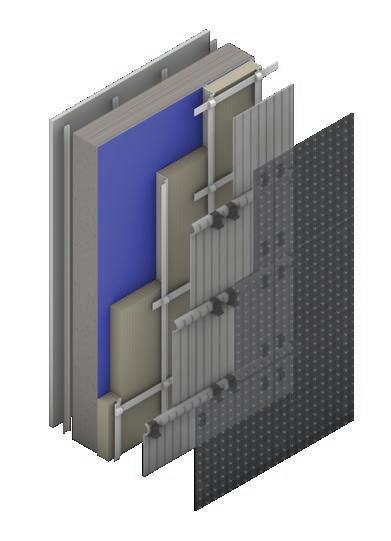
PV Panel
Roof
Curtain Wall
Typical Wall Window Sill Foundation
Column
RHEINZINK prePATINA Eco Zinc Cladding Bemo S-S Clips
Mitrex PV Panel Facade System
PV Panel Wall Assembly
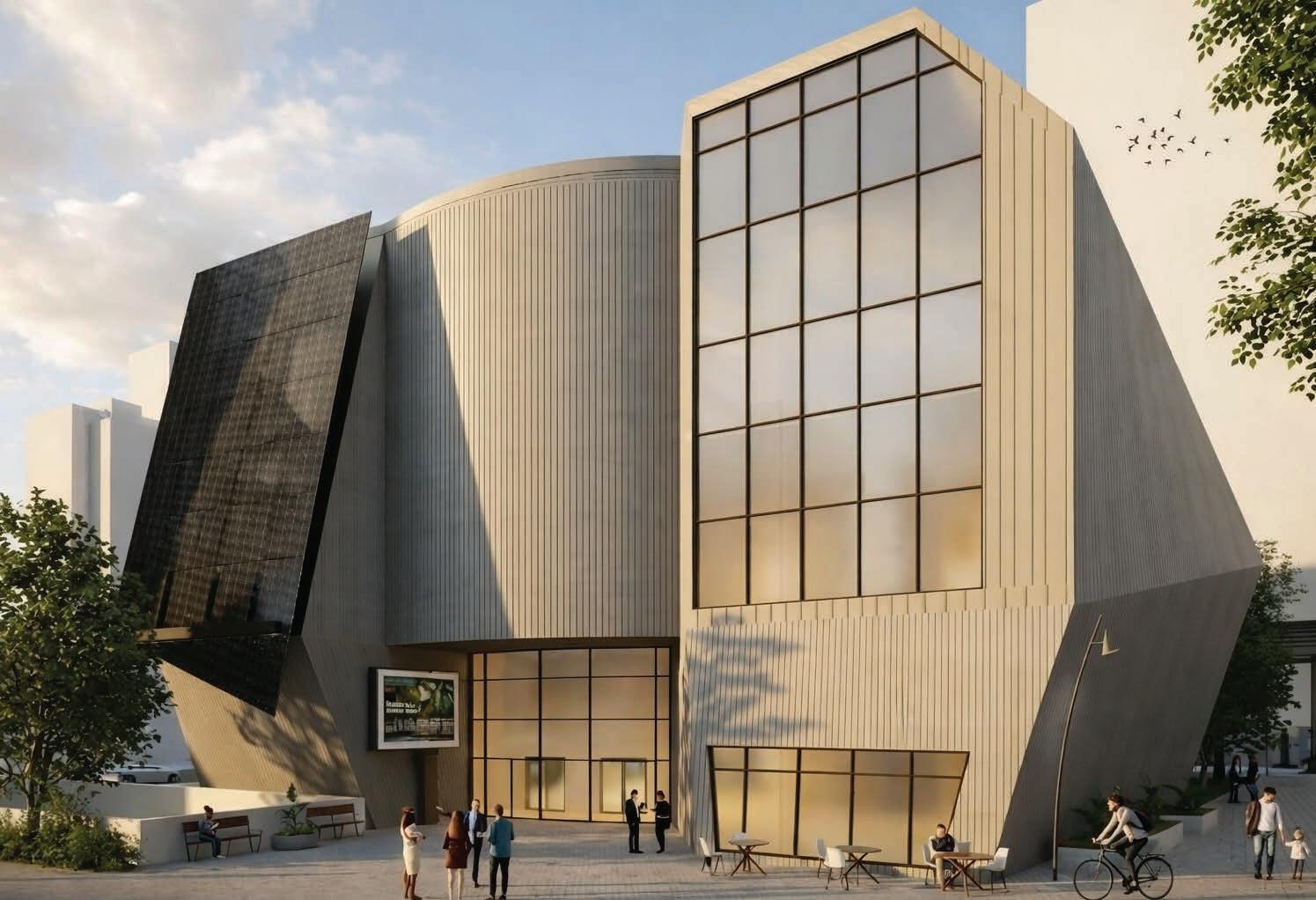
South Exterior View
North Exterior View
02 COMMON GROUND
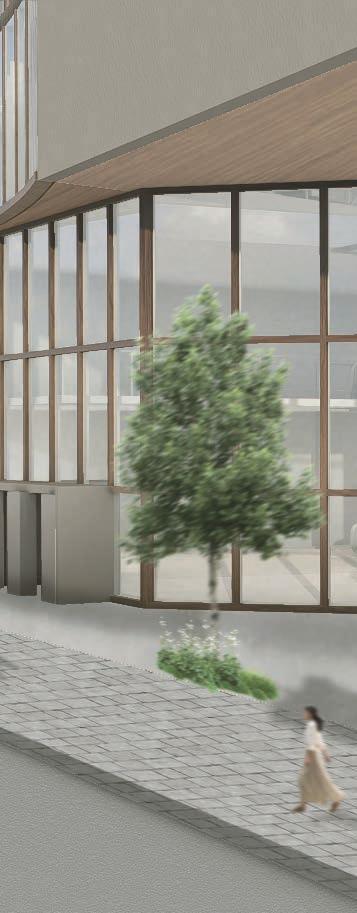
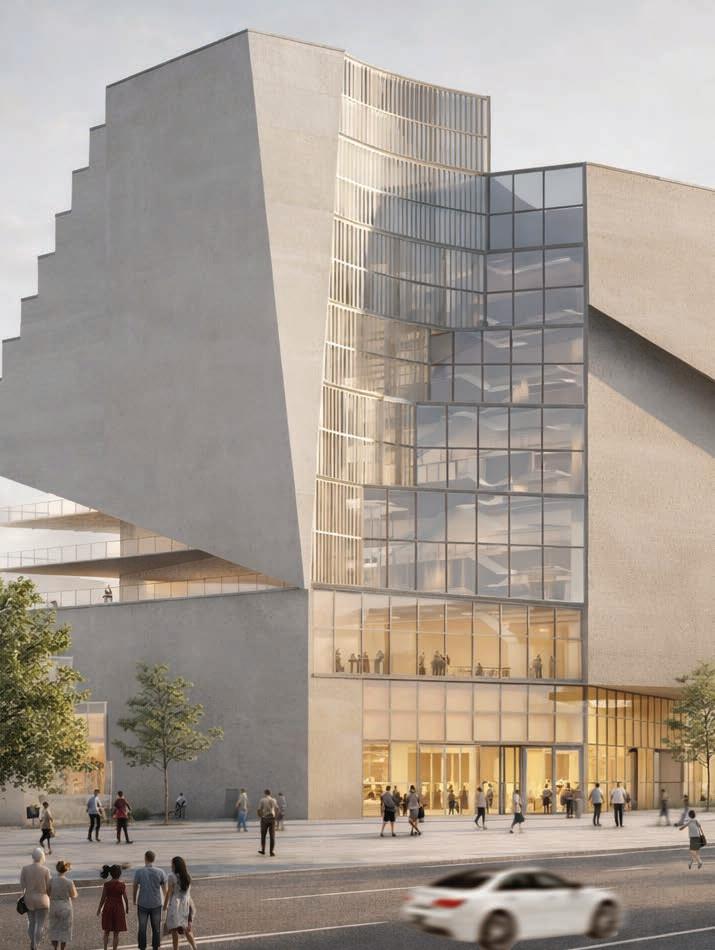
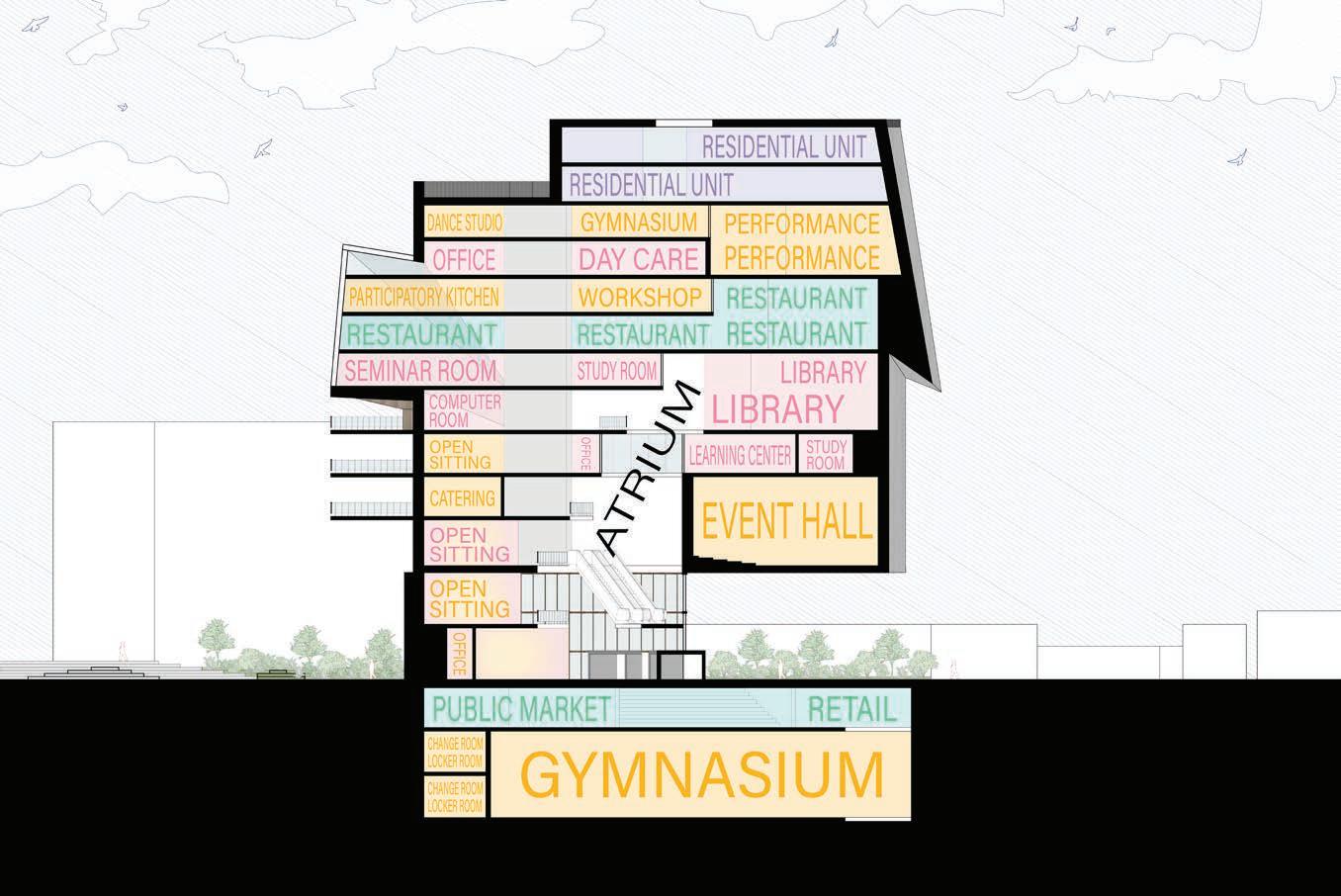
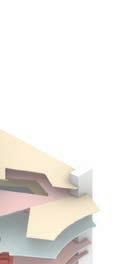
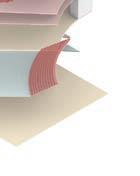
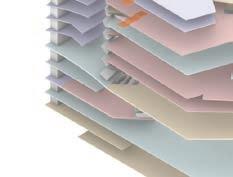
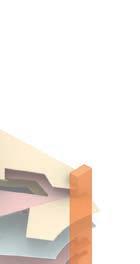
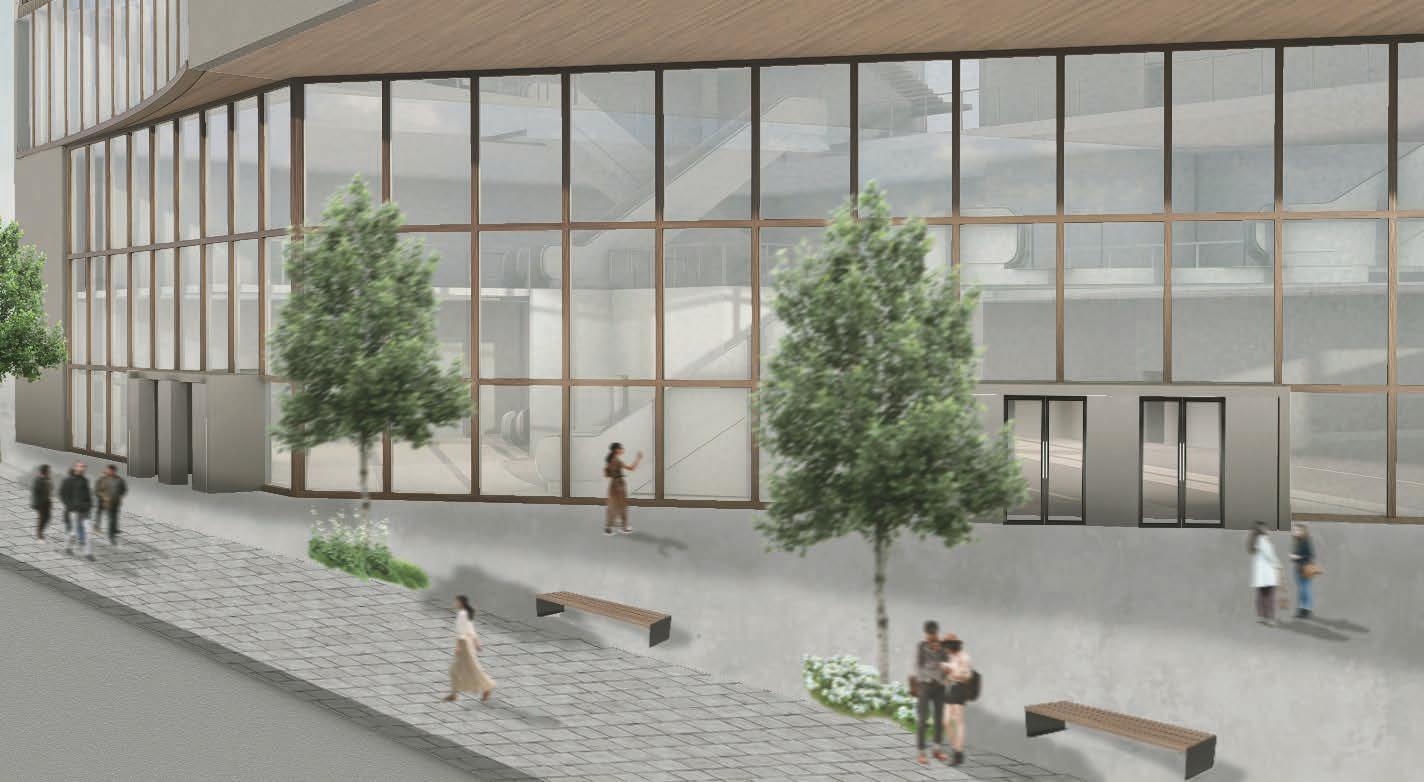
Located at the intersection of 11th Ave and 13th Street, Common Ground addresses the absence of social infrastructure in a disconnected urban environment. The project transforms a downtown corner into a community hub for a diverse population, including newcomers, residents, and the general public, by rethinking how programs and spaces can work together to foster connection.
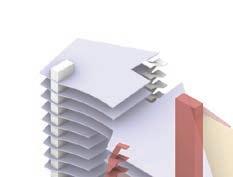
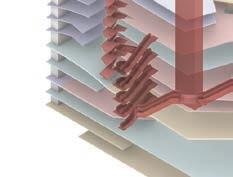
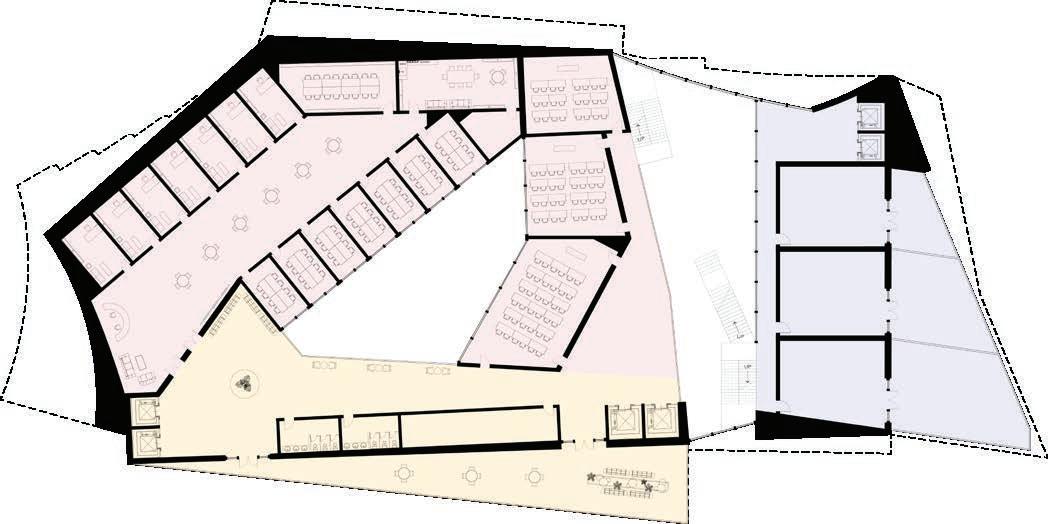
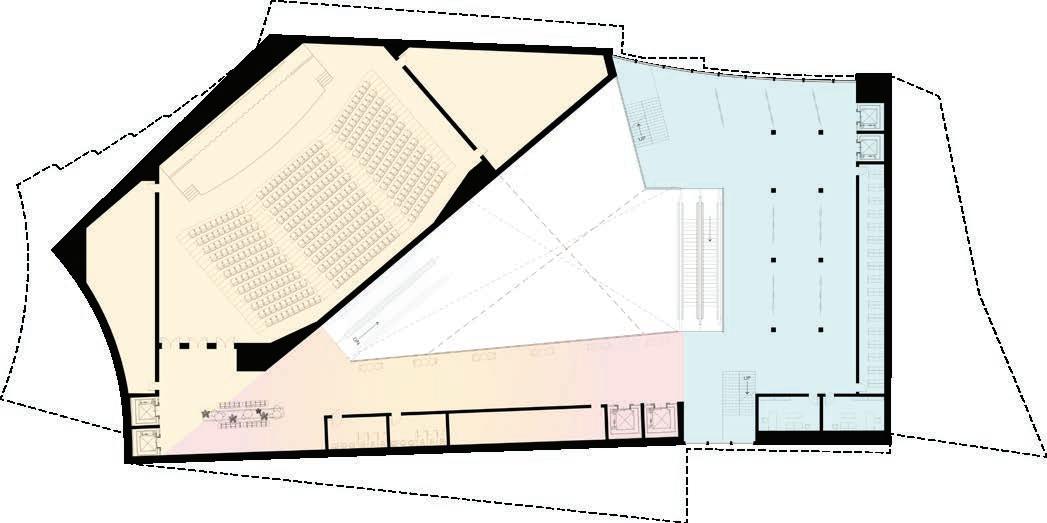
Rather than separating functions into isolated zones, the design organizes three primary programs, a newcomer center, recreational facilities, and residential units, into three overlapping activity patterns: social and interaction, learning and growth, and active and wellness, forming “the community”, a zone where different user groups can intersect, learn, and coexist. The interplay between public, semi-public, and private spaces is equally central. Residential units occupy a private corner while public and semi-public programs share larger, more open volumes. An atrium acts as a spatial buffer while creating moments of connection. Circulation paths are differentiated yet subtly linked. Public escalators, semi-public corridors, and private residential stairs each serve distinct user groups while allowing for unexpected encounters across boundaries.
Mixed-Use Community Design | Graduate Studio
GALLERY
RECEPTION





Section AA’



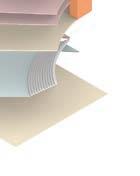
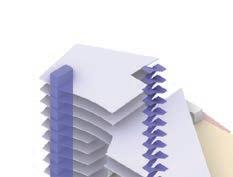
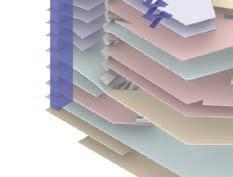

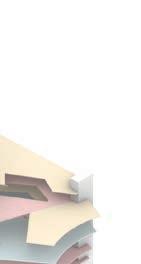
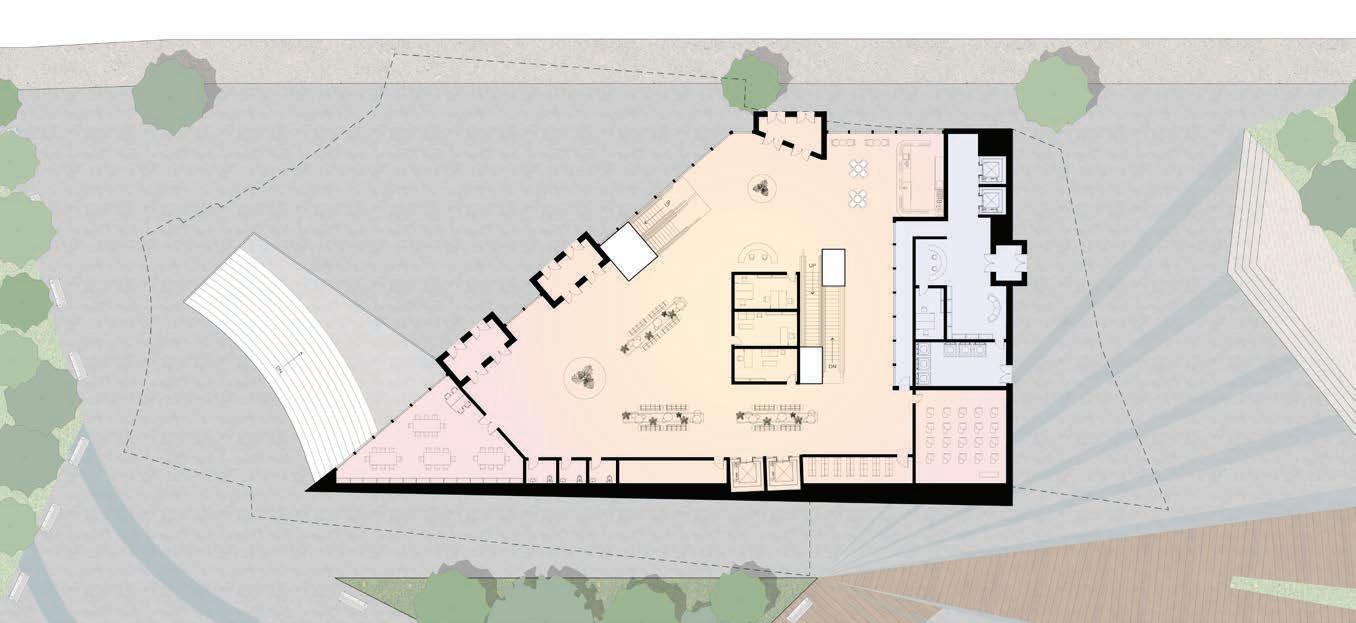
Ground Floor
Second Floor
Fifth Floor
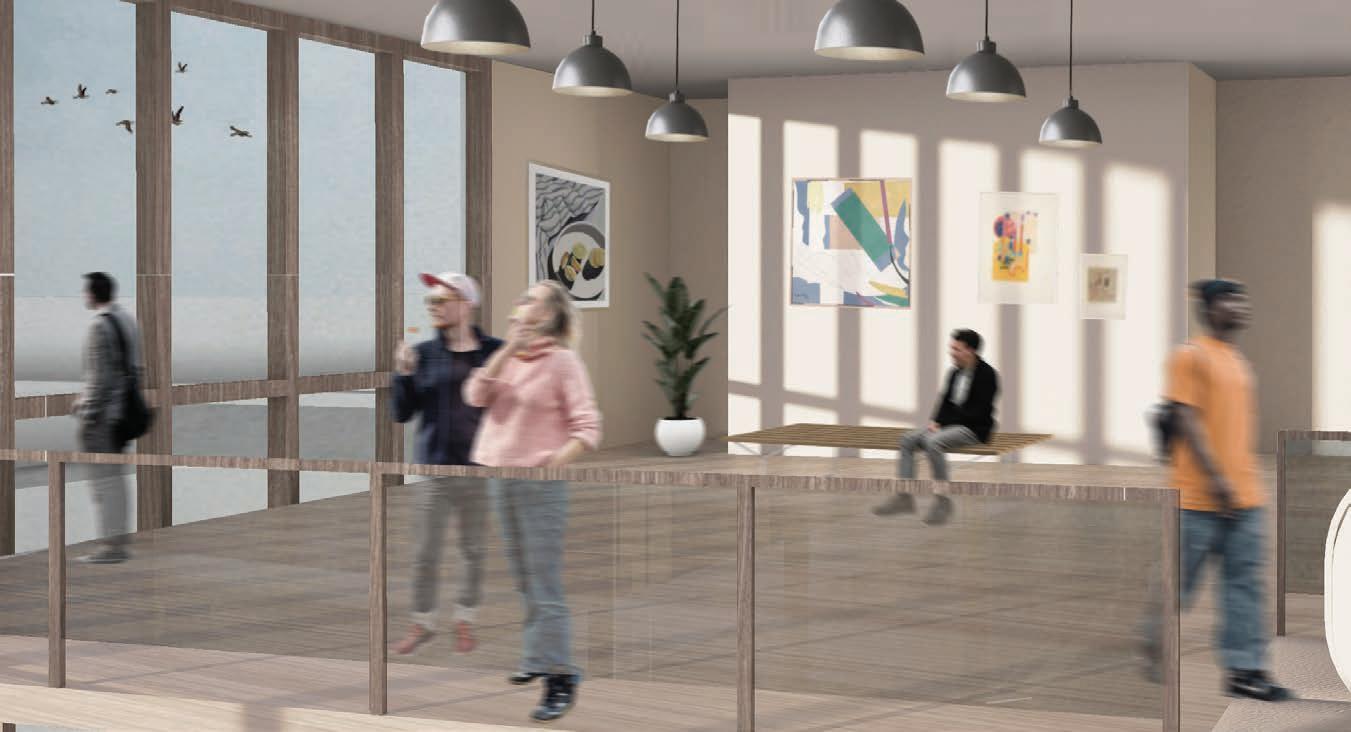
Gallery Collage
North Entrance Exterior Collage
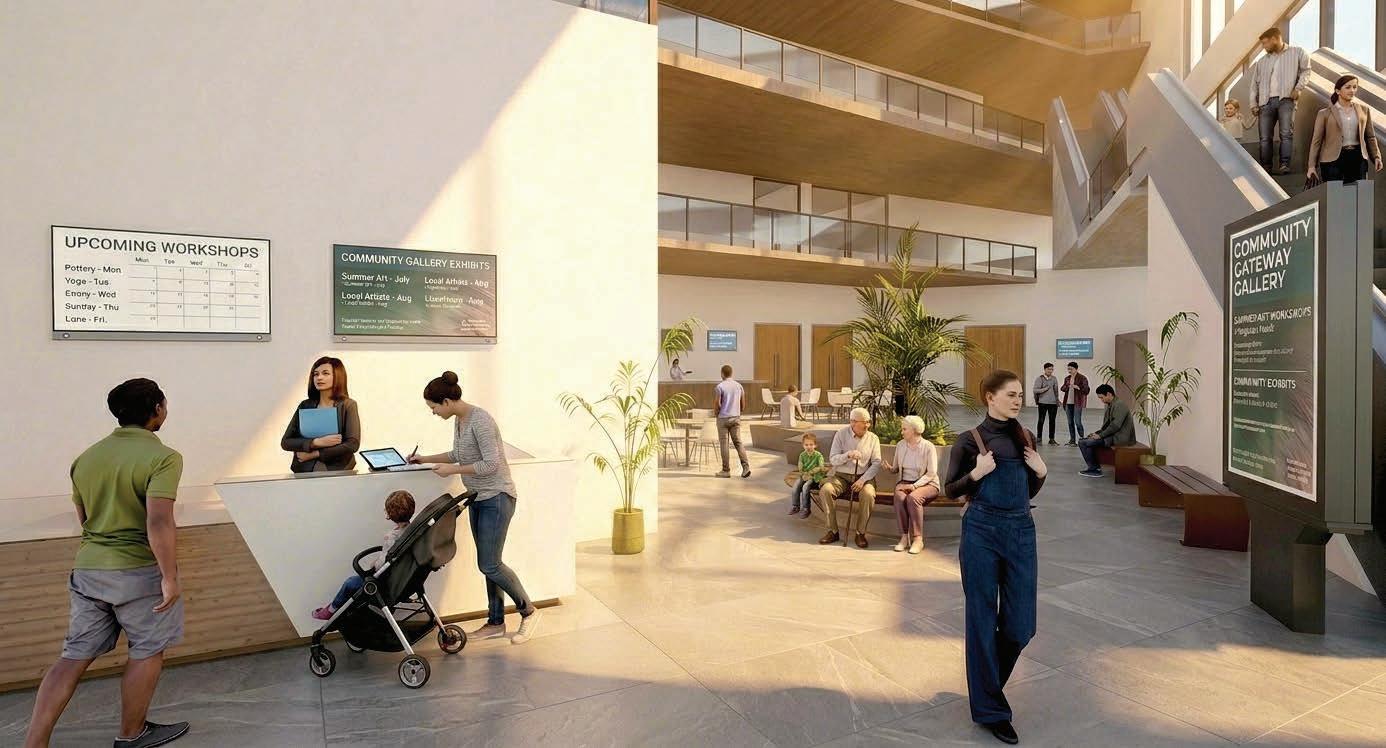
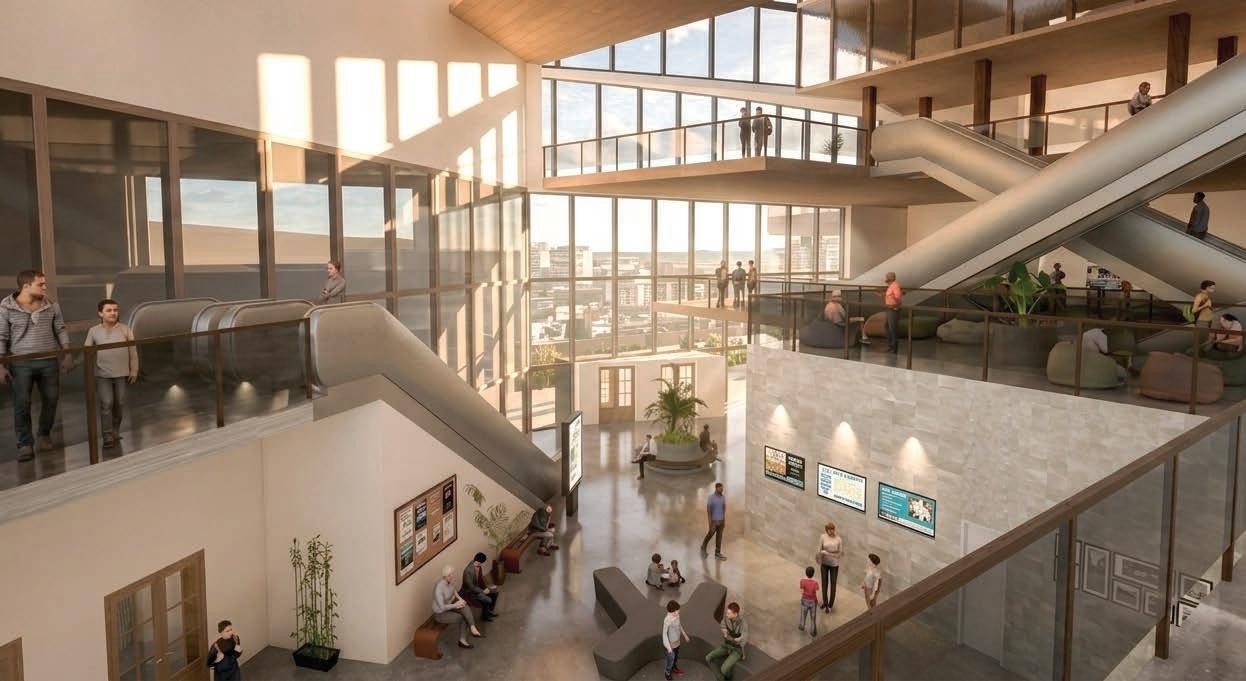
North Entrance Interior View
Second Floor Interior View
BETWEEN WORK & LIFE
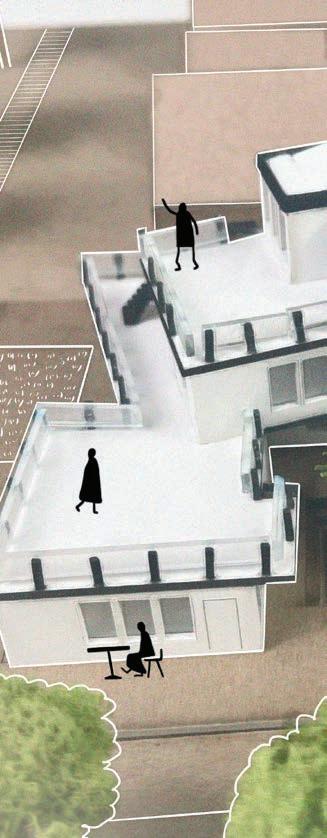
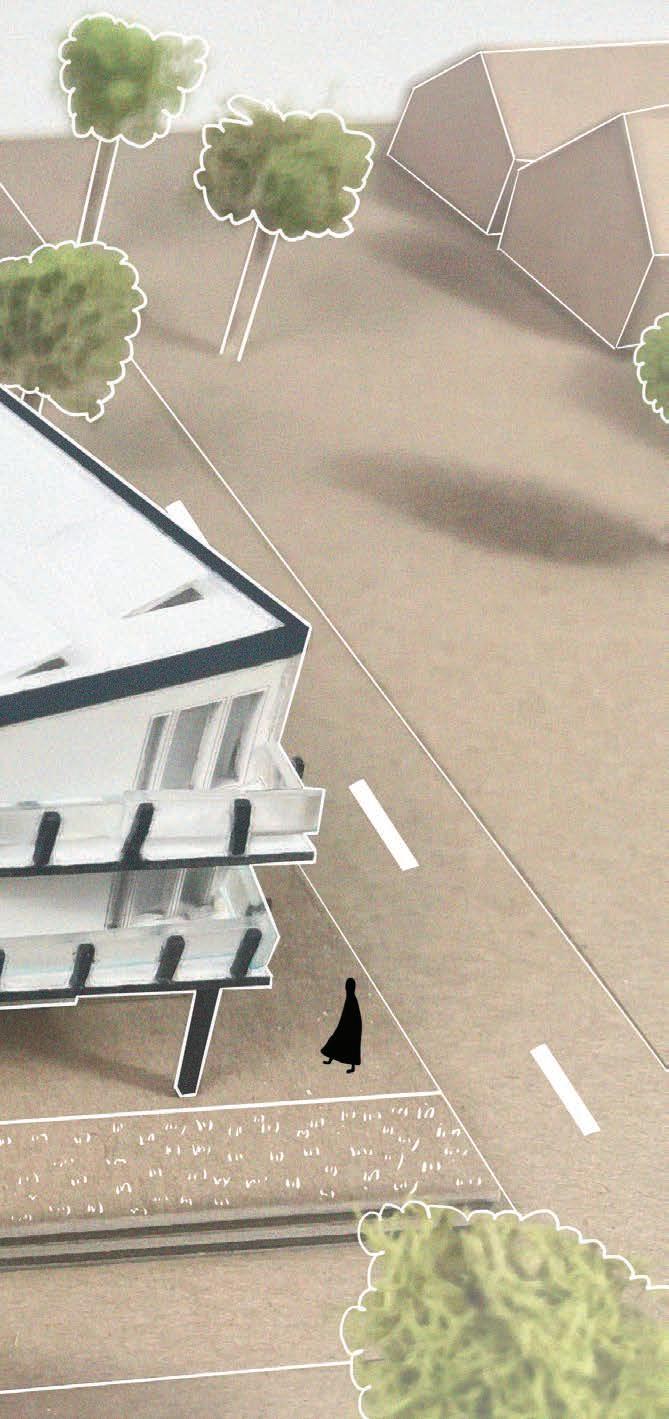
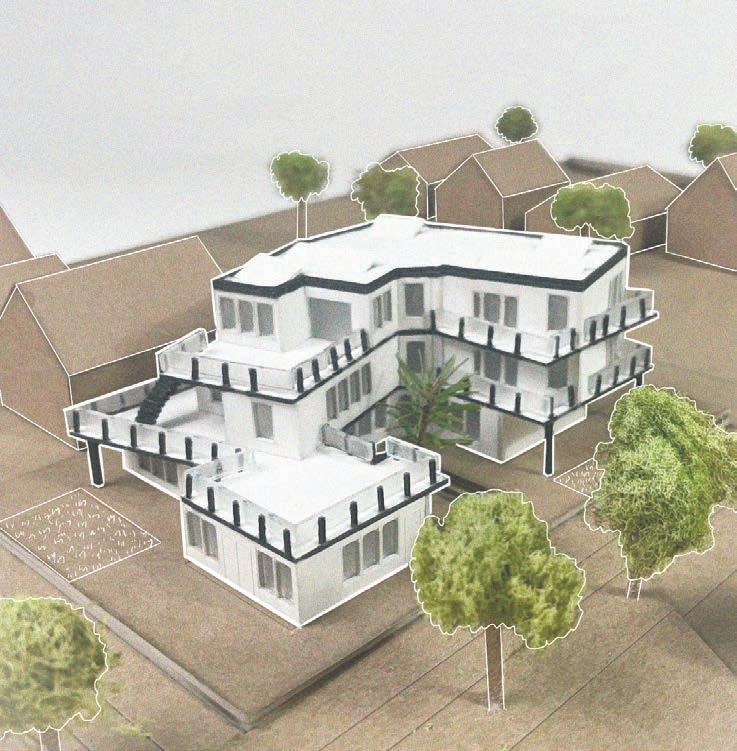
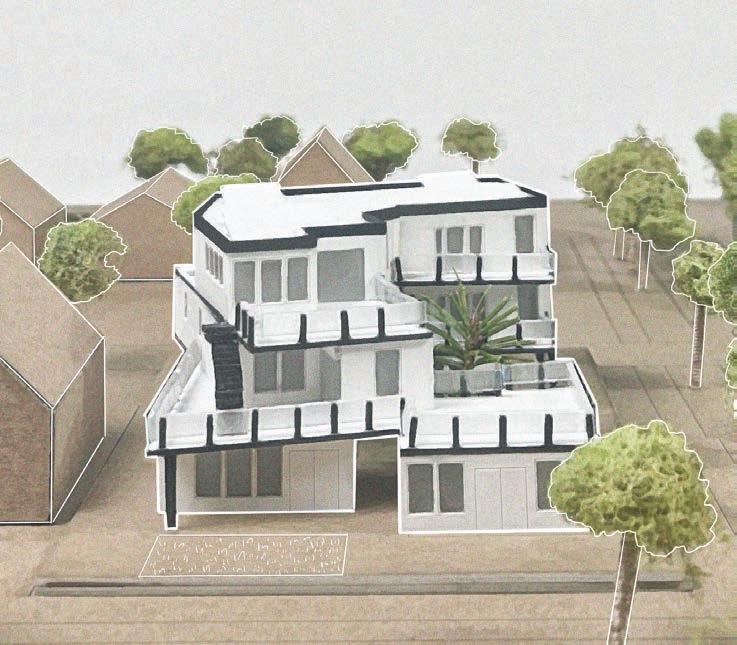
Between Work & Life proposes a co-living community for remote workers, responding to the social isolation intensified by highrise living and the COVID-19 pandemic. The project asks how residential architecture can actively rebuild community in an era where the boundaries between work and home have collapsed. The design distributes massing to balance private units with generous communal areas, creating a community-focused environment that encourages spontaneous social interaction. Shared spaces, including a café, collaborative workspaces, and a central courtyard, are integrated throughout the building to foster connections among residents. Simultaneously, the project recognizes the need for clear separation between work and living. Private units incorporate setbacks to reinforce physical distance from shared workspaces, while the orientation and sectional organization maximize natural sunlight and create inviting outdoor spaces that support both focus and rest. The result is a building that negotiates between togetherness and solitude, offering remote workers not just a place to live and work, but a framework for a more balanced and connected everyday life.
Residential Design | Undergraduate Studio
W 14th Ave & Balaclava St, Vancouver
Rhino3D, AutoCAD, Adobe Illustrator, Photoshop
Social
The Corner Cafe provides gathering space and social opportunities
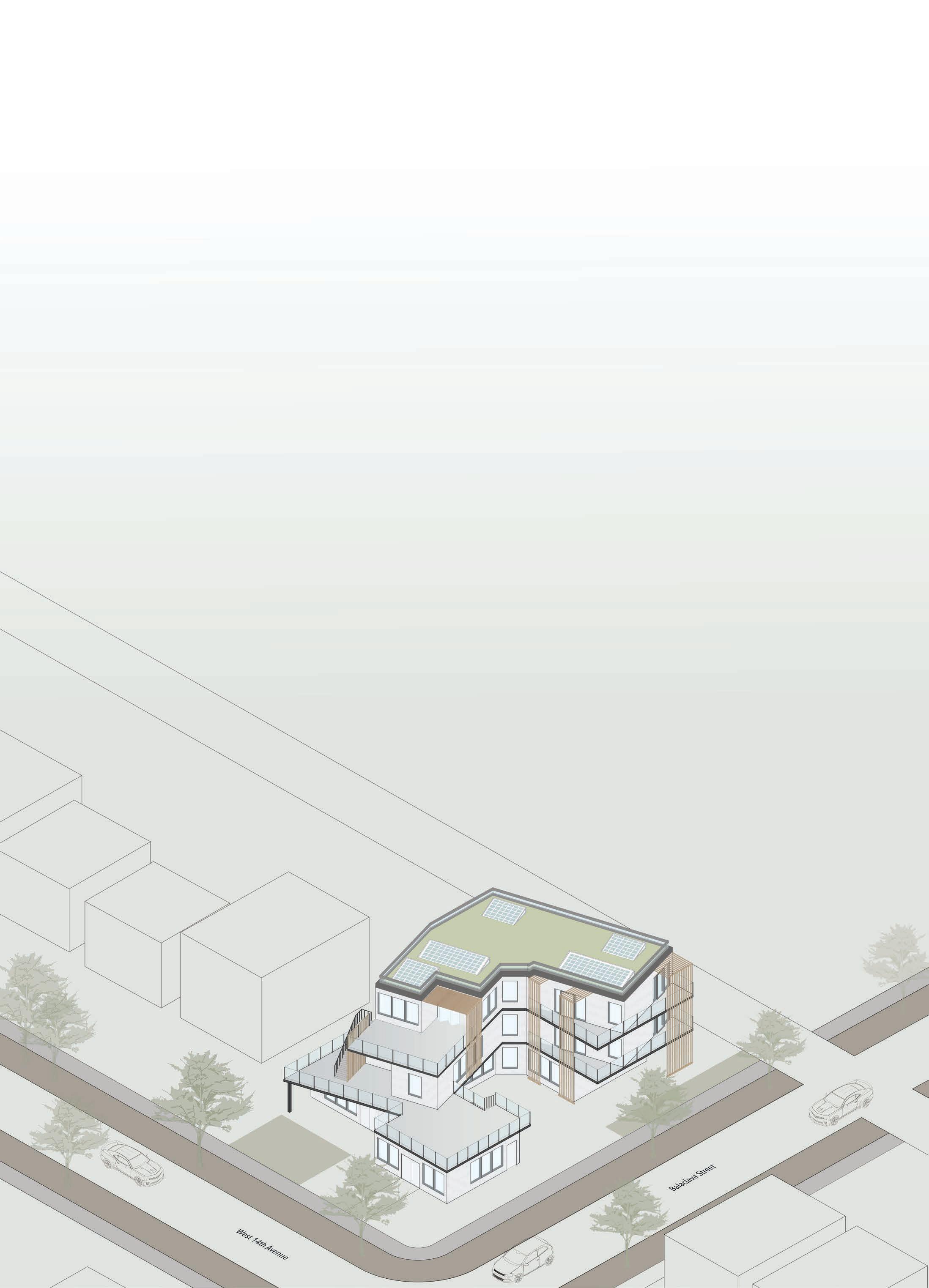
Environmental
Designated Community Garden helps improve environment
Recreational
Courtyard in the middle creates a recreational space
Relax
Private balcony provides a personal and relaxing area
Roof with Solar Panel
Wood Strips
Wall Finishing
Wood Structure
Floor
Structural Diagram
Wall Section


Triple Glazed Windows
Lintel
Joists
Exterior Finishing
Plywood
Interior Finish
Insulation
Beams


Section Perspective




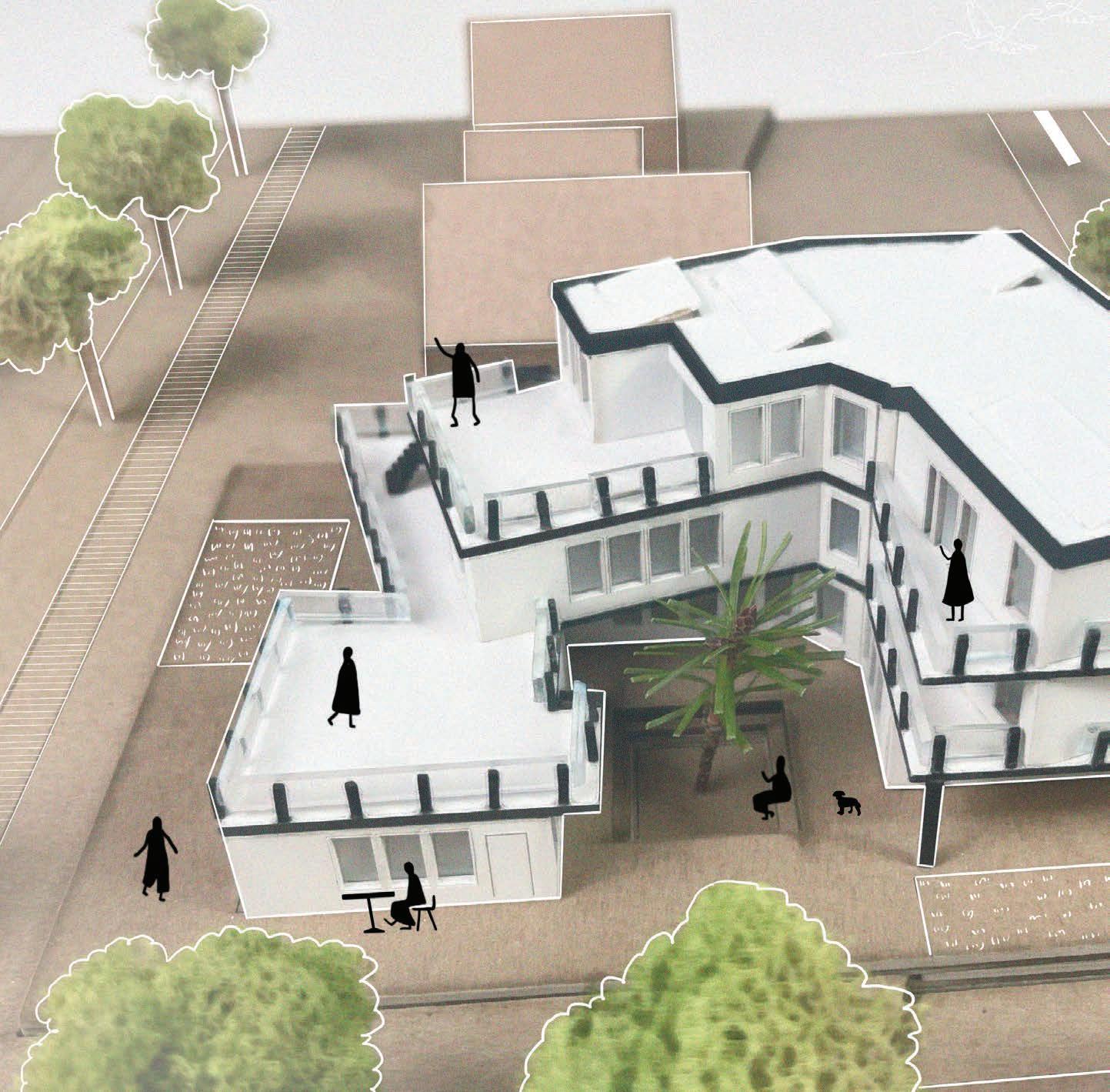
Physical Model
PULL & PLAY
Modular Stage Design | Graduate Work-Integrated Studio
Team of 2 - Concept development, 3D modelling, Orthographic drawings, Diagrams
Rhino3D, Grasshopper, Adobe Illustrator, Photoshop, D5Render
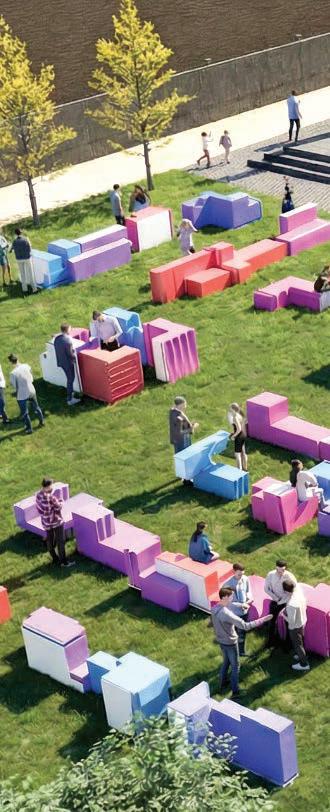
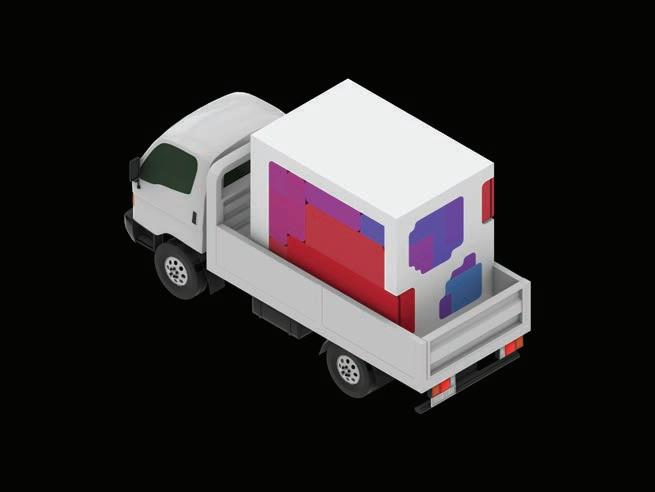
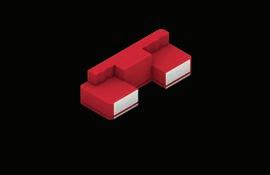
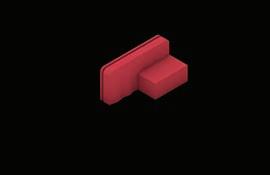
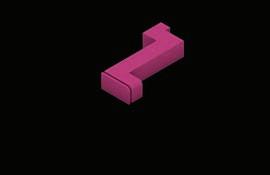
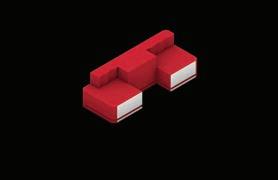
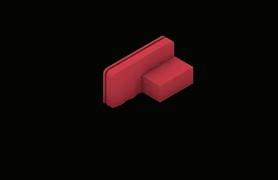
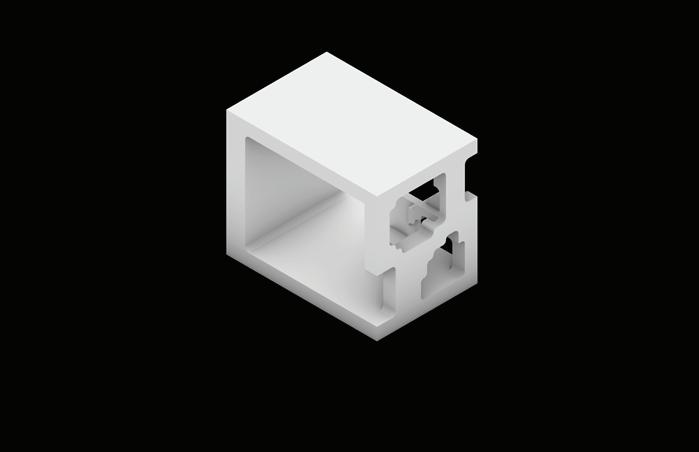
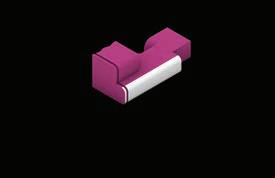
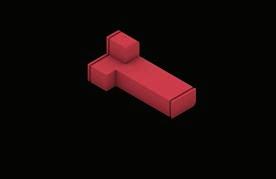
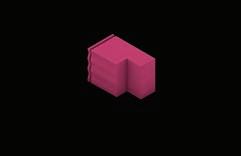
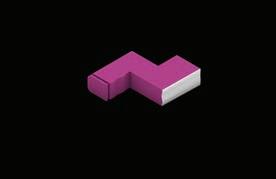
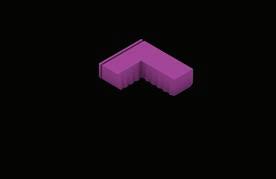
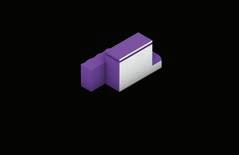
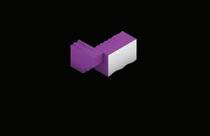
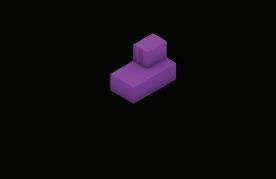
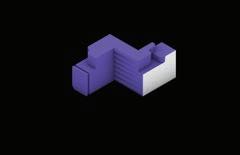
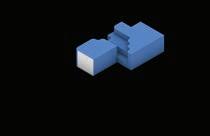
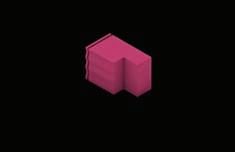
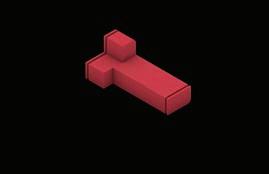
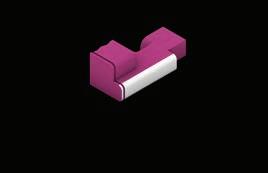
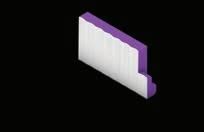
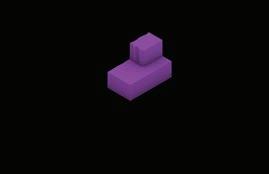
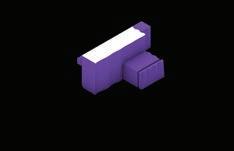
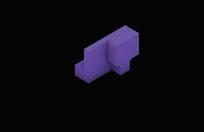
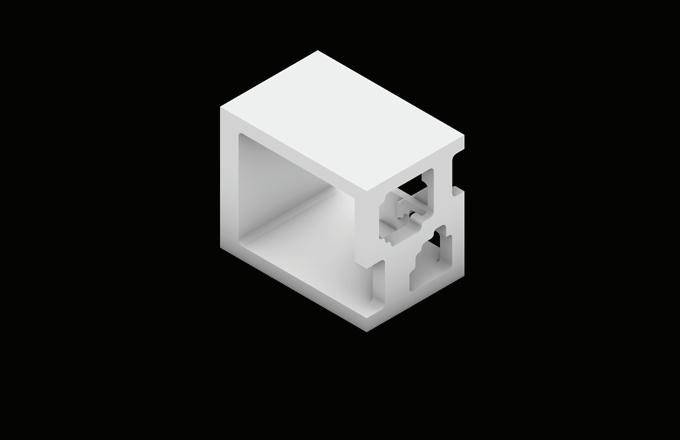
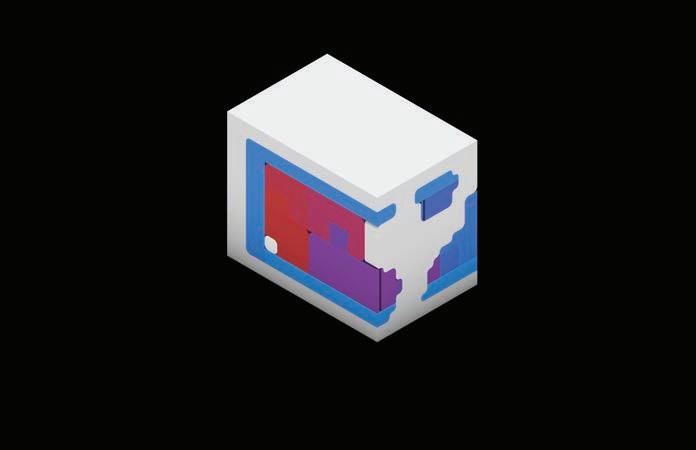
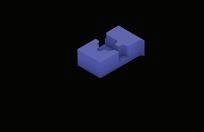
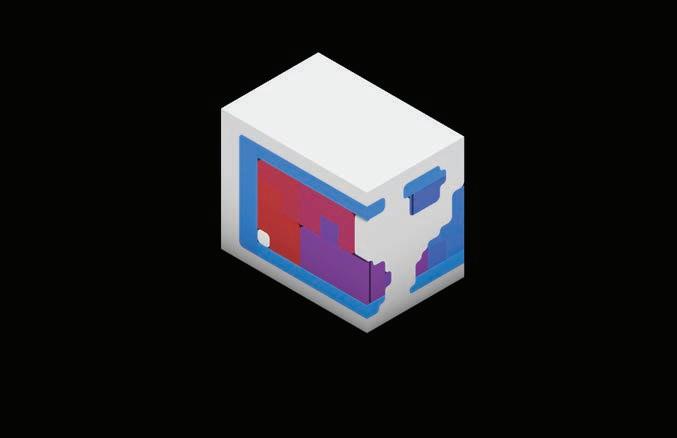
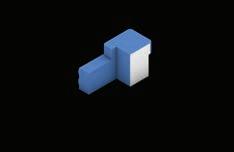
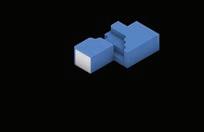
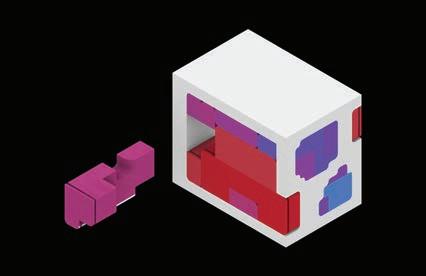
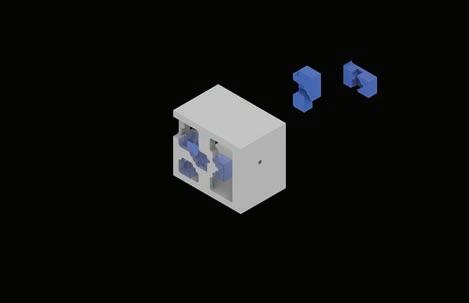
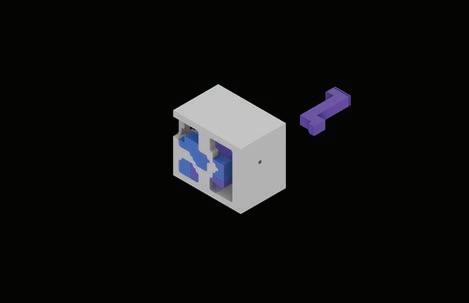
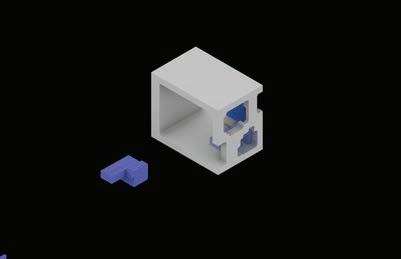
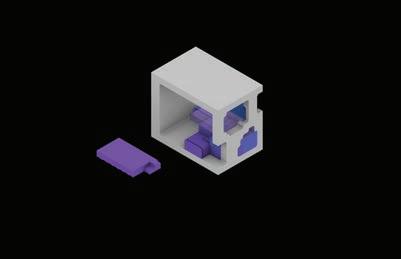
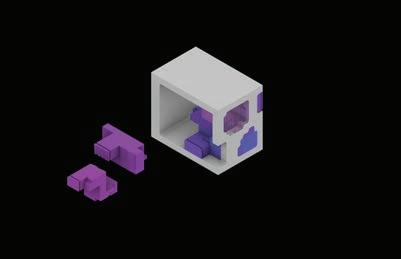
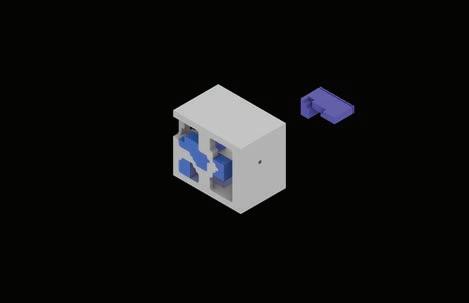
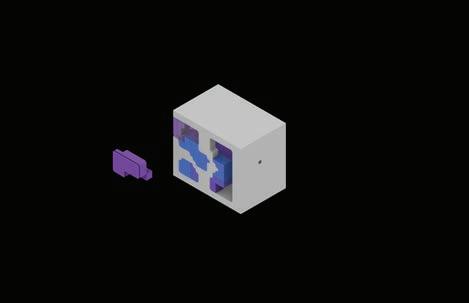
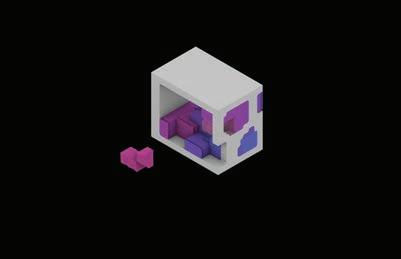
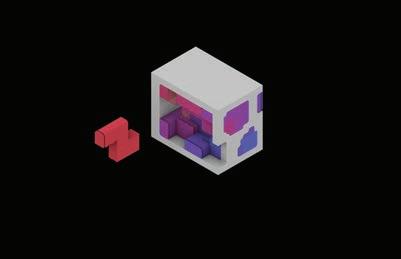
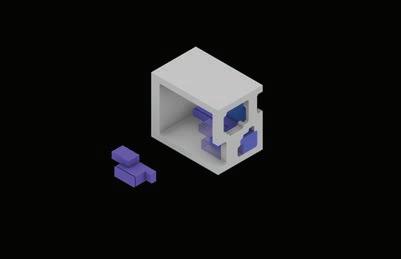
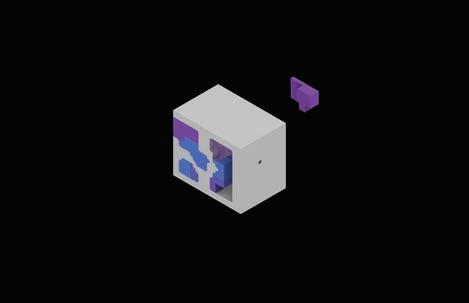
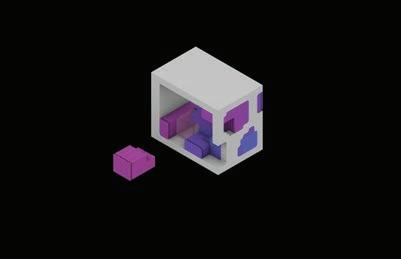
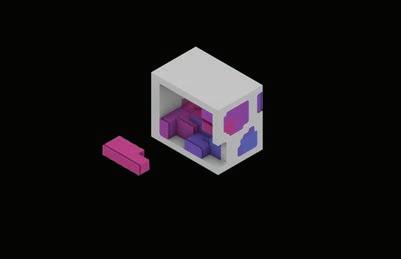
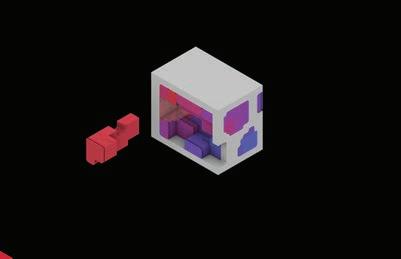
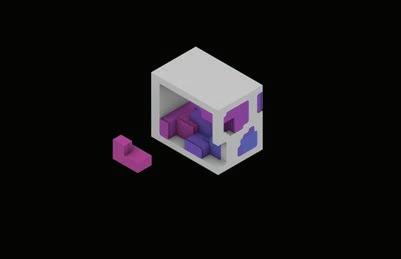
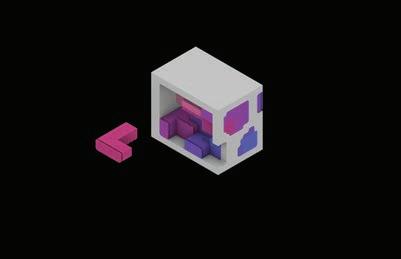
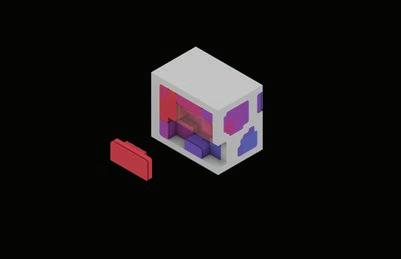
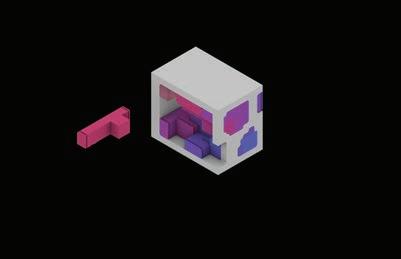
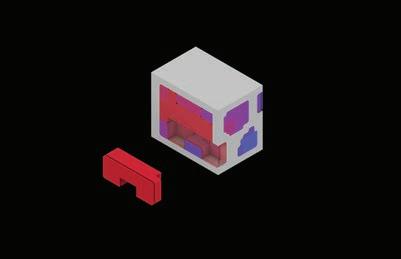
Pull & Play is a modular stage system designed to activate Calgary’s public spaces through performance, play, and social engagement. Developed in collaboration with ARUP, the project responds to the city’s goals for downtown vibrancy by offering an adaptable pavilion for both performers and the general public. The design is guided by four principles: interactability, modularity, permeability, and durability, which shape both its form and social purpose. Starting from a 3.6 × 2.4 × 3m rectangular prism subdivided into a 150mm grid, modules are subtracted and rearranged to reveal an elevated performance stage with canopy, and surrounding furniture pieces. When reconfigured, the same system transforms from a static object into an activated venue. Built entirely from EPS geofoam, the pavilion’s soft, tactile quality invites interaction across all ages, blurring the boundaries between spectator and participant, playground and performance space. Designed as a simple kit of parts, the entire system fits onto a single flatbed truck. Assembly is guided by a system using colour gradients, white orientation faces, and wave-pattern joinery, allowing city workers and public users to deploy and reconfigure the pavilion without specialized tools or expertise.
Eau Claire Plaza, Calgary
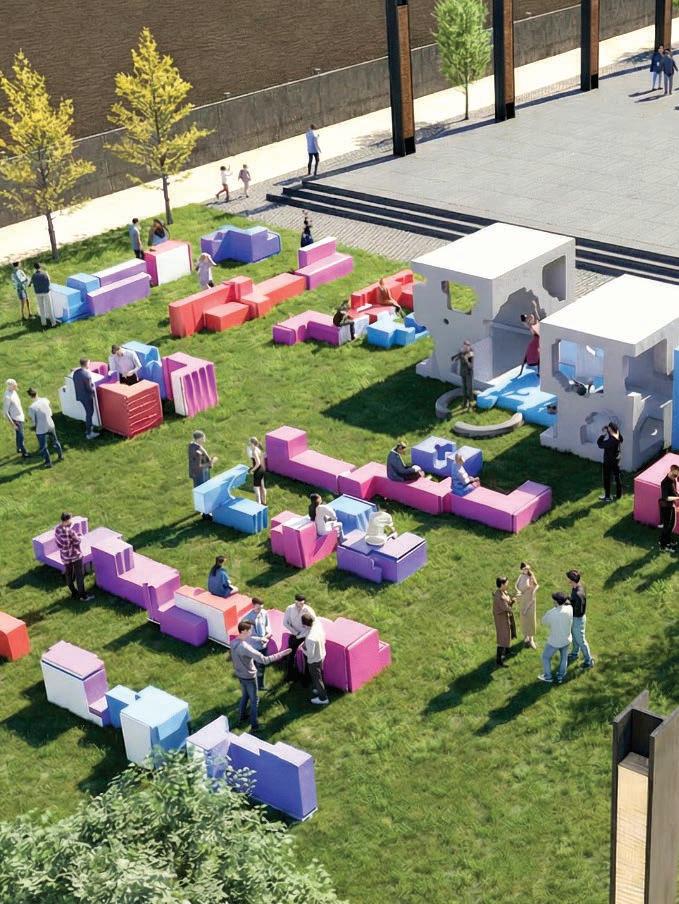
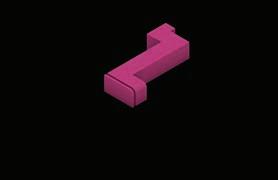





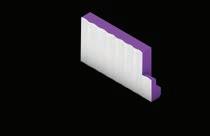

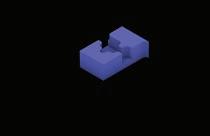
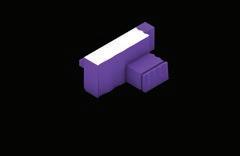
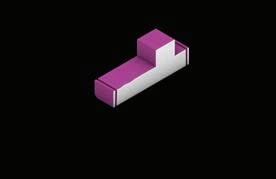
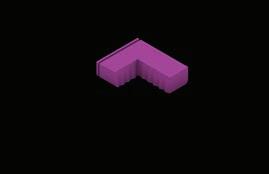
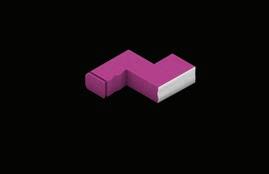
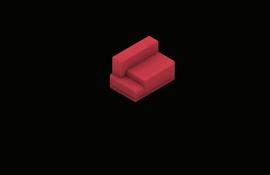
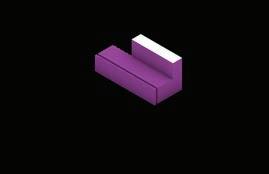
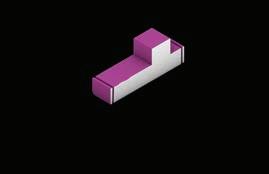

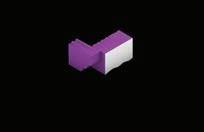
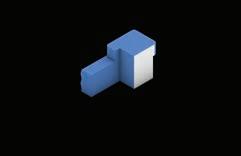
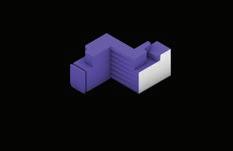

Seating at Human Scale Varied Wave Pattern

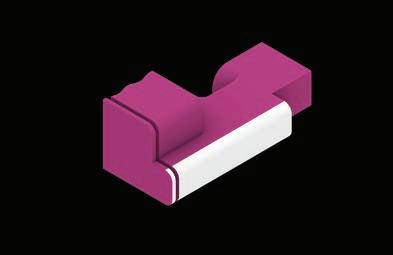
Orienting Face Assembly Instruction Manual
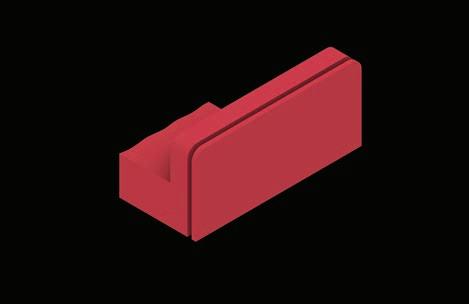
The assembly logic is built around a set of intuitive systems. A colour gradient, from red through purple to blue, established a clear order of assembly and disassembly for workers on site. Each piece also features a white face indicating correct Z and Y orientation, ensuring consistent alignment regardless of configuration. Built-in handles are integrated directly into the form of each module, allowing pieces to be carried, positioned, and locked into place without additional tools or hardware. Wave-pattern joinery further reinforces piece recognition during reassembly, while the varying surface frequencies increase friction between stacked modules, preventing shifting and movement during transport.

FLE-XI WALL
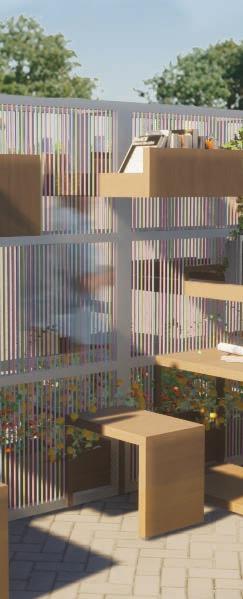
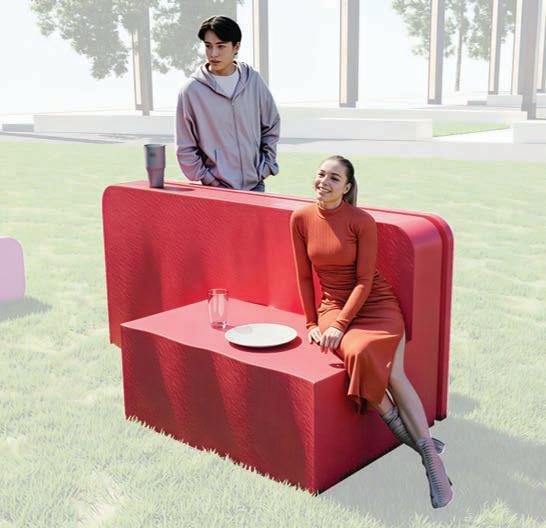
Flexi Wall reimagines the wall as more than a divider, transforming it into a dynamic, interactive and multifunctional structure for public space. Movable elements, including tables, benches, and drawers, are embedded directly into the wall, inviting users to pause, rest, and intuitively interact with the built environment.
The design’s vibrant colour strips form a semi-transparent surface that maintains visual connection with the surrounding space while drawing attention and encouraging engagement. The interplay of colour and texture makes the wall a focal point, both aesthetically and socially.
At its core, Flexi Wall is a catalyst for spontaneous human connection. The shared act of moving and reconfiguring its elements creates opportunities for cultural and intellectual exchange among strangers, turning a familiar architectural element into a hub of communal interaction.

Unlike the traditional solid wall that creates isolation, Flexi Wall achieves a balance between openness and privacy through its semi-transparent strips — neither fully closed nor fully open. The movable elements embedded within enable people to interact, share, and pass items across, transforming the wall from a boundary into a medium of exchange. In doing so, it redefines a familiar architectural element: from separation to connection.
Front View
Solid Wall Isolation
Movable Element
Interactive Wall Open to Connect
TOWER OF HARMONY
Experiential Design | Competition Project
Team of 4 - Concept Development, 3 Room & Top Floor Design, Isometric Drawing
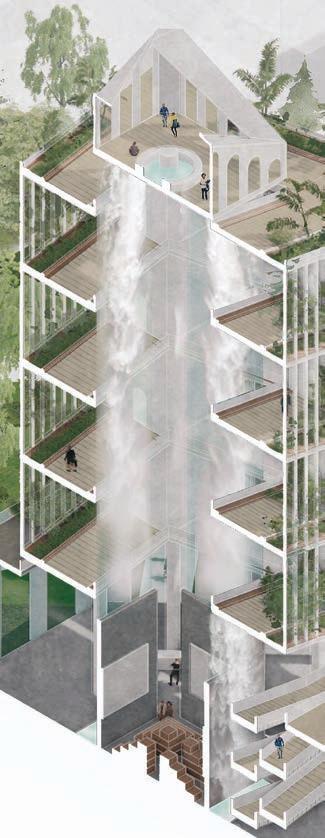
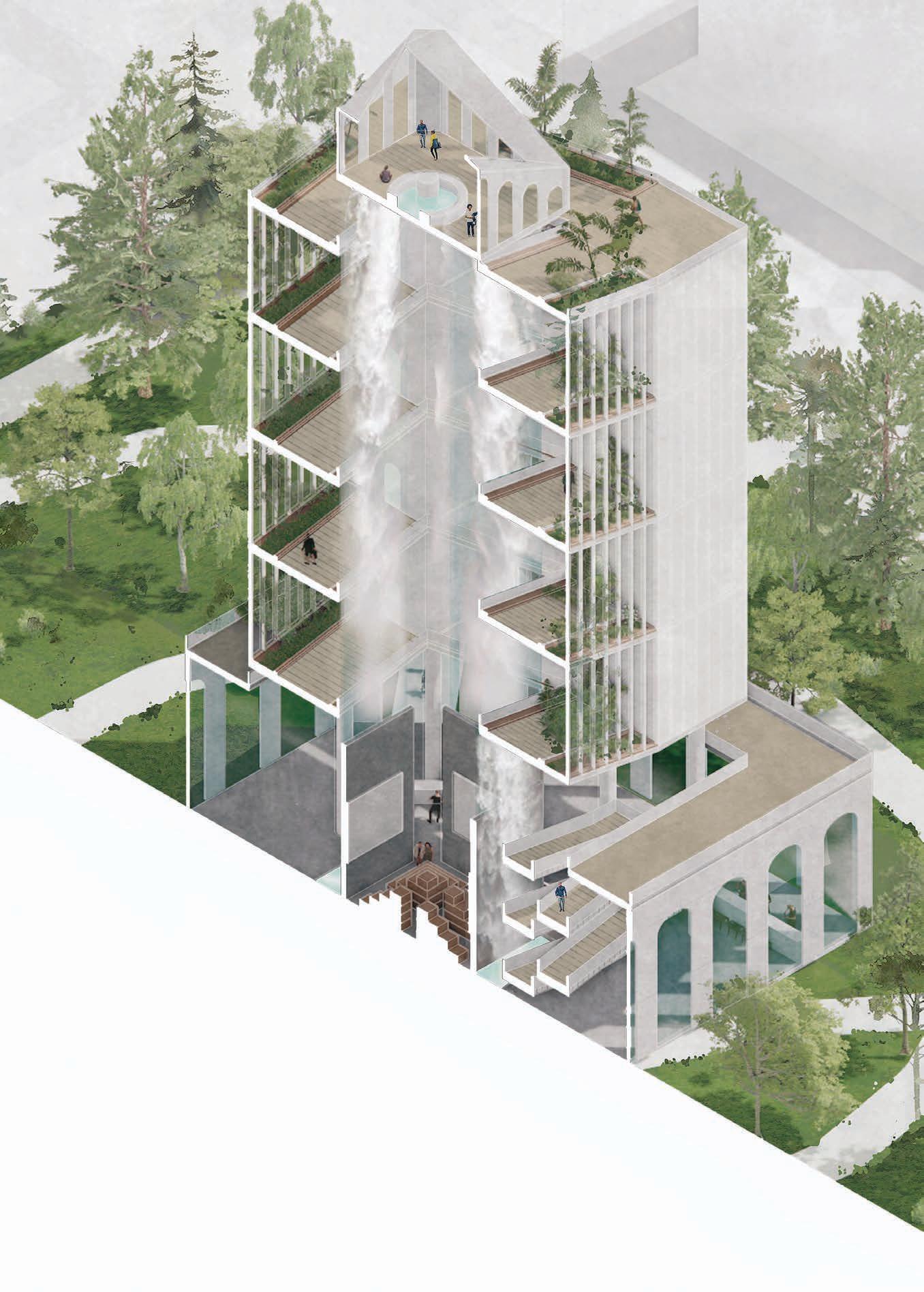
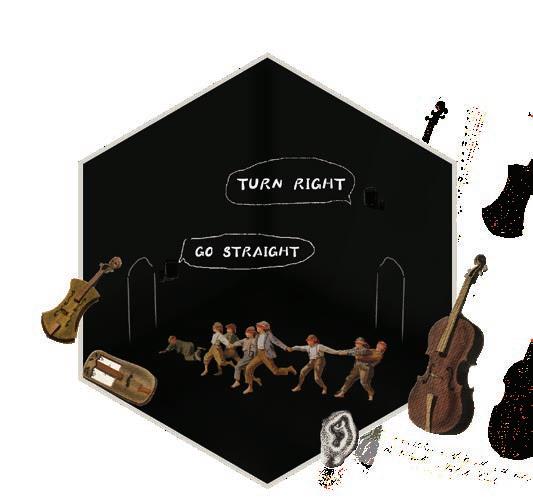
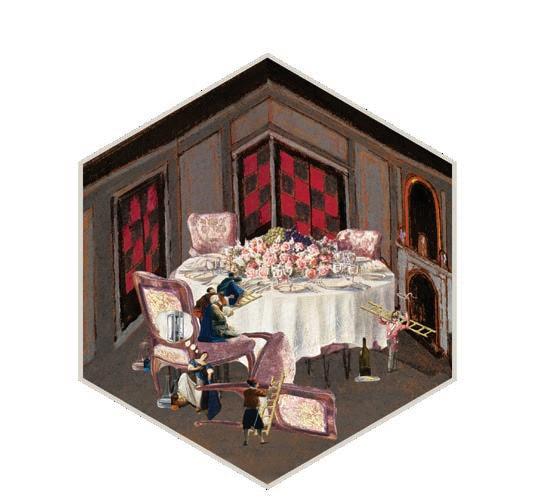
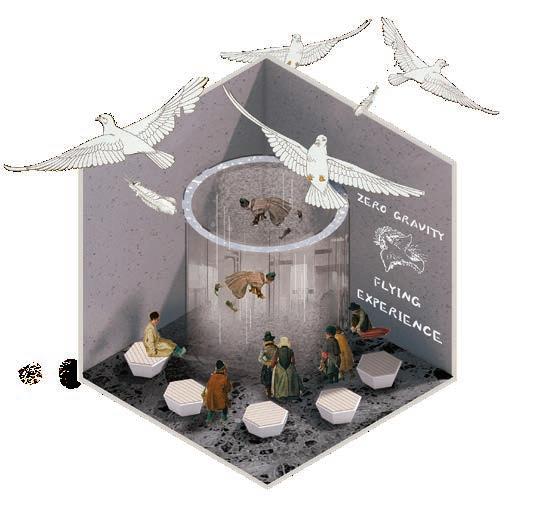
Tower of Harmony confronts the exclusion of people with disabilities, using architecture to visualize and communicate the lived experience of disability. The project reframes disability not as a deficit, but as a lens through which to critically examine the assumptions embedded in how we design the built environment.
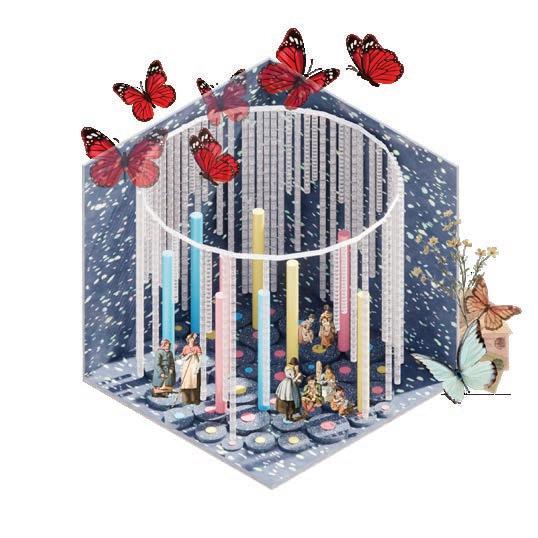
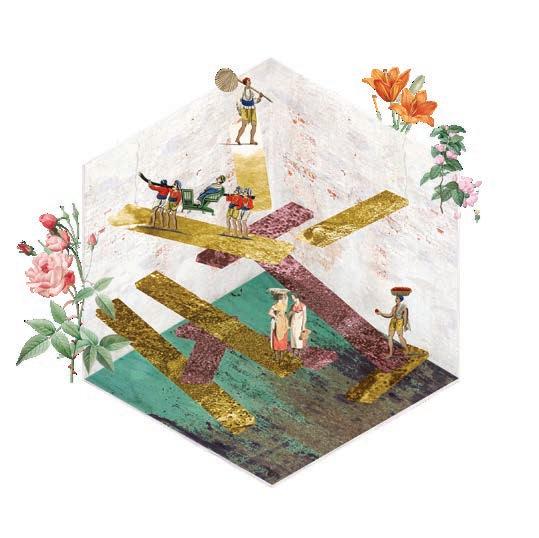
Inspired by the Tower of Babel as a metaphor for power imbalance and the turbulent, unresolved discourse around disability, the design reinterprets this narrative through architecture. The tower houses 12 rooms, each offering an immersive spatial experience of a specific disability — engaging visitors through perception, movement, and sensation. Rather than explaining disability from the outside, the tower immerses visitors directly within it to foster empathy and understanding. A continuous water feature threads through the entire building, connecting ground to rooftop as a symbol of healing and unity. Through its vertical progression, Tower of Harmony transforms architecture into an instrument of social awareness and advocacy, rewriting the story of separation into one of harmony and shared understanding.
Rhino3D, Adobe Illustrator, Photoshop, Twinmotion, Procreate
Harmony - Top Floor
Green Walkway
Experience - Individual Room
Central Theatre
Water Feature
The ground floor initiates an understanding of disability and justice through a central theatre and small library. A cycle of water, symbolizing healing, begins here and threads continuously through the building.
The tower houses 12 rooms across four floors, each immersing visitors directly within the experience of a specific disability. In numerology, 12 symbolizes growth, harmony, and higher wisdom.
EXPERIENCE
The rooftop fountain completes the water cycle from below, creating a unified gathering space that welcomes people of all abilities — a culmination of the tower’s journey from awareness to harmony.
Learning Disability

Attention Deficit
Mobility Impairment
Physical Diability
Autism spectrum disorder (ASD)
Visual Impairment
www.linkedin.com/in/carolzhaosiyuan/ szhao0210@outlook.com +1 (236)966-2209
CAROL ZHAO