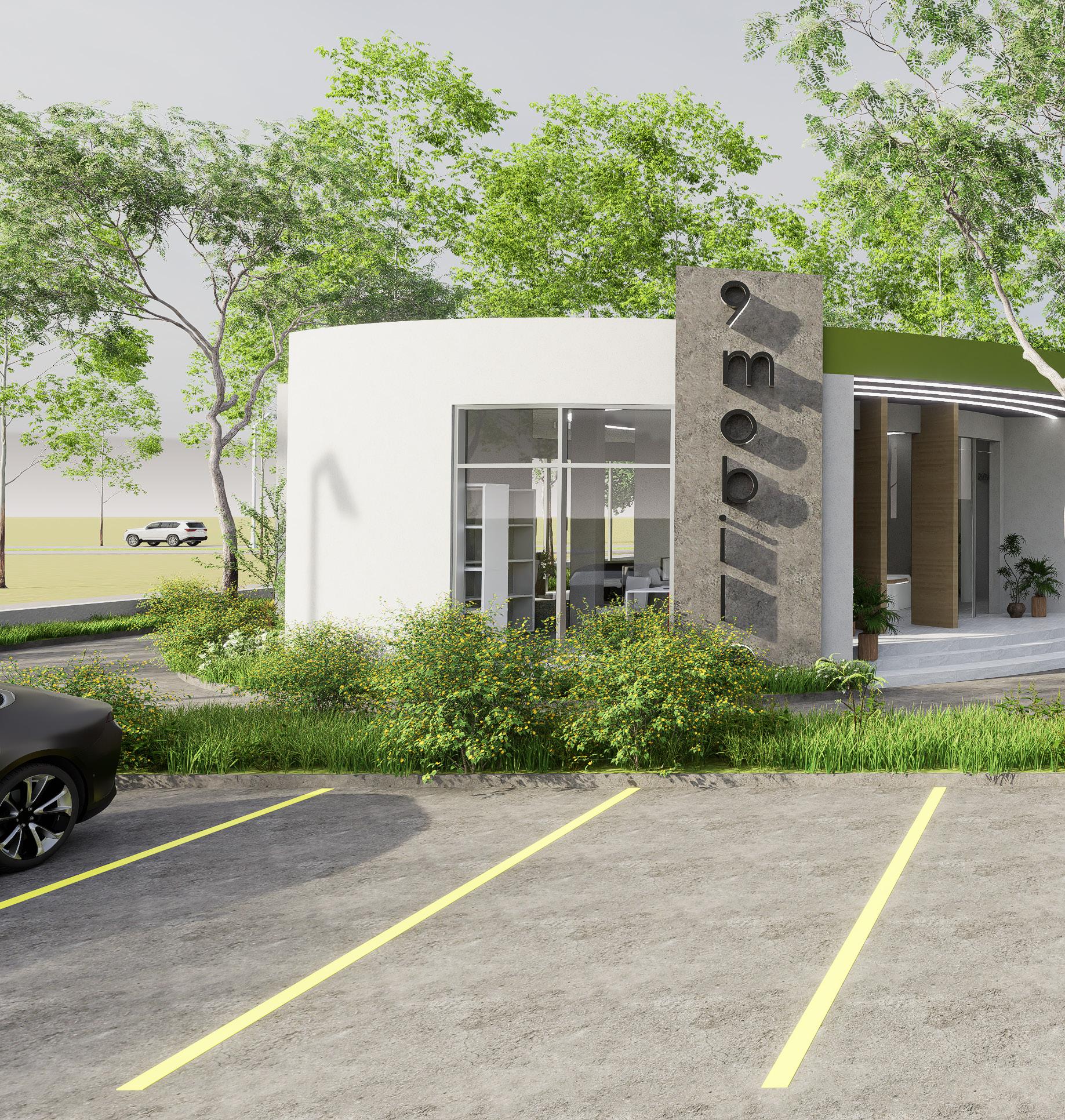
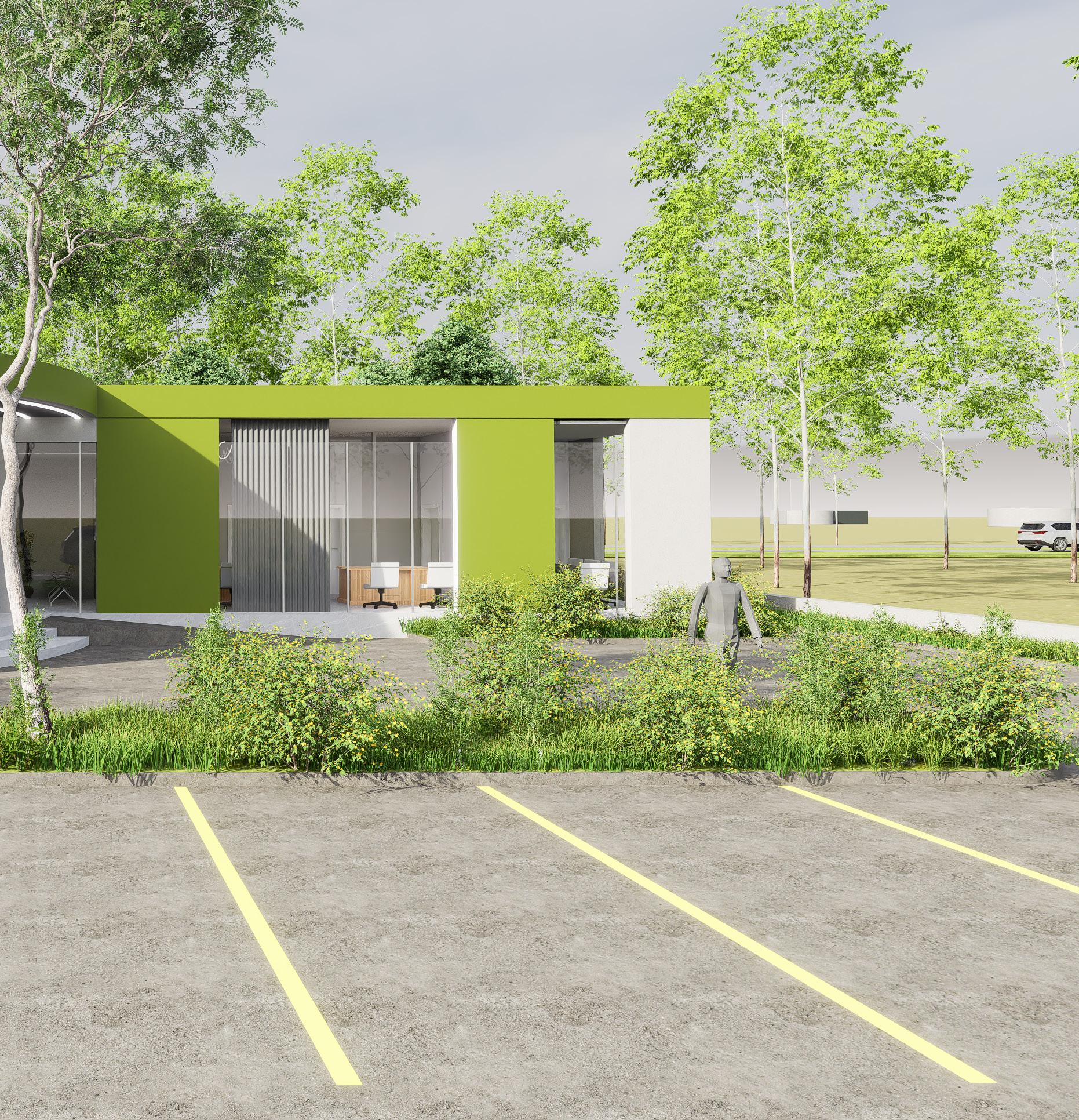
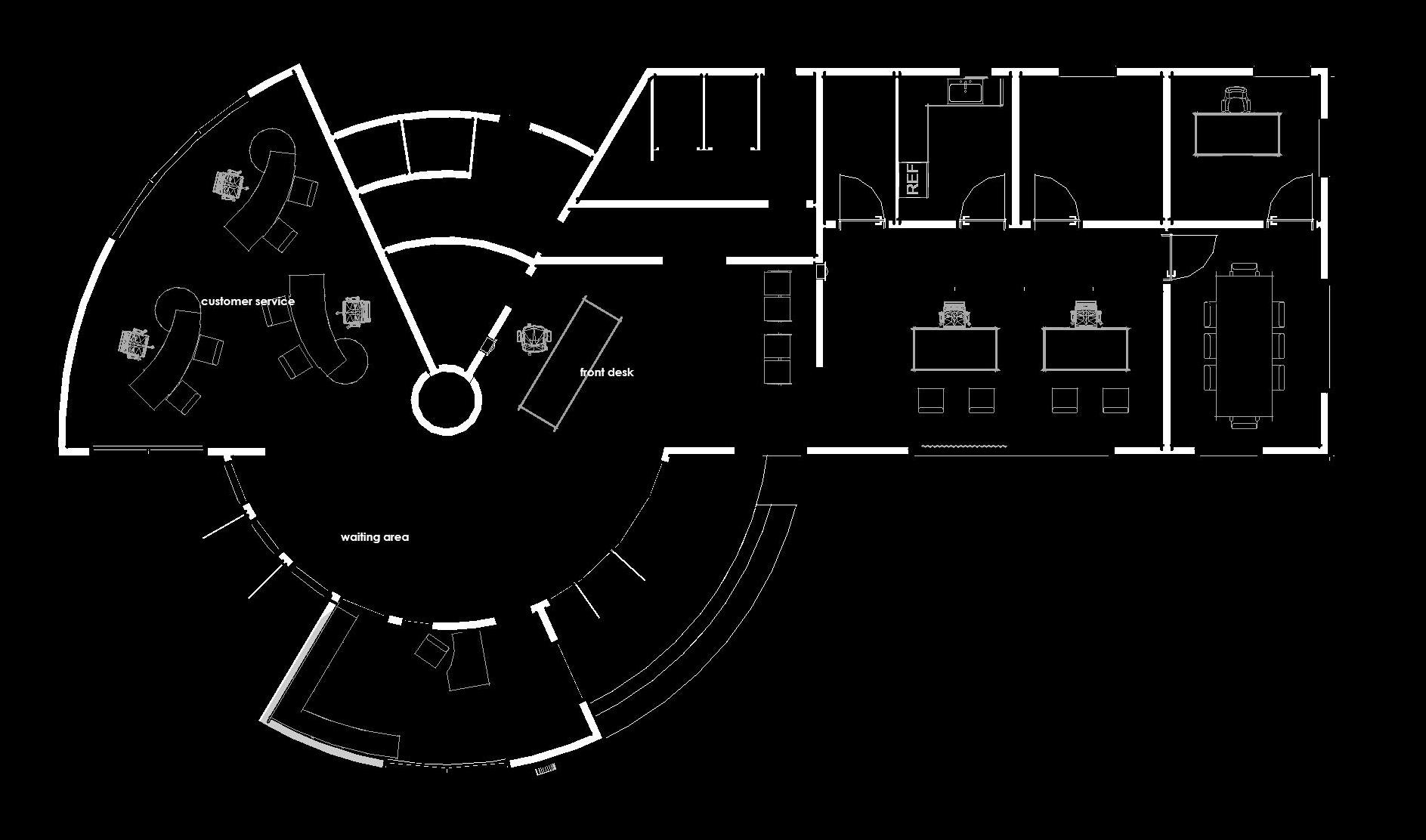
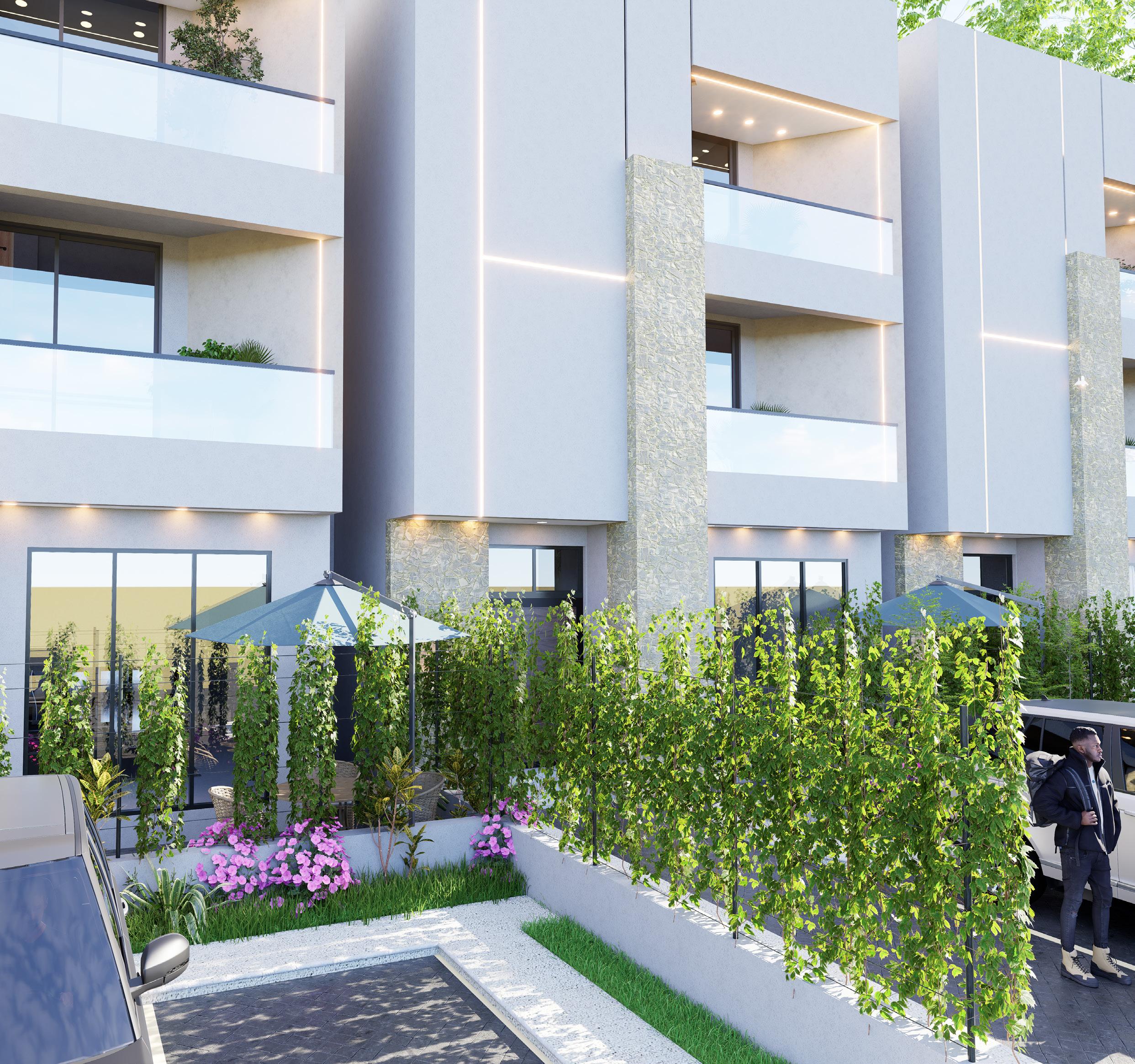
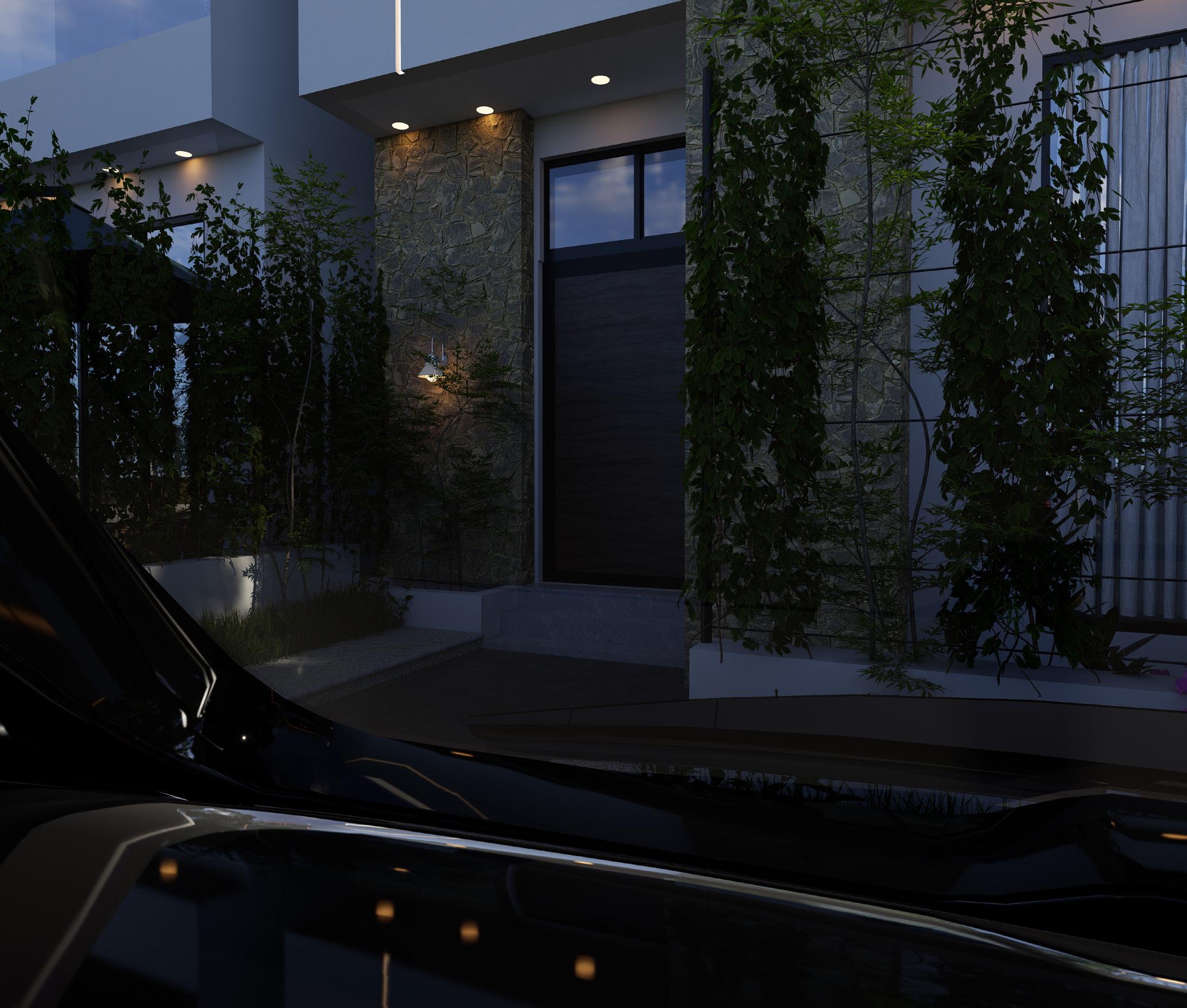
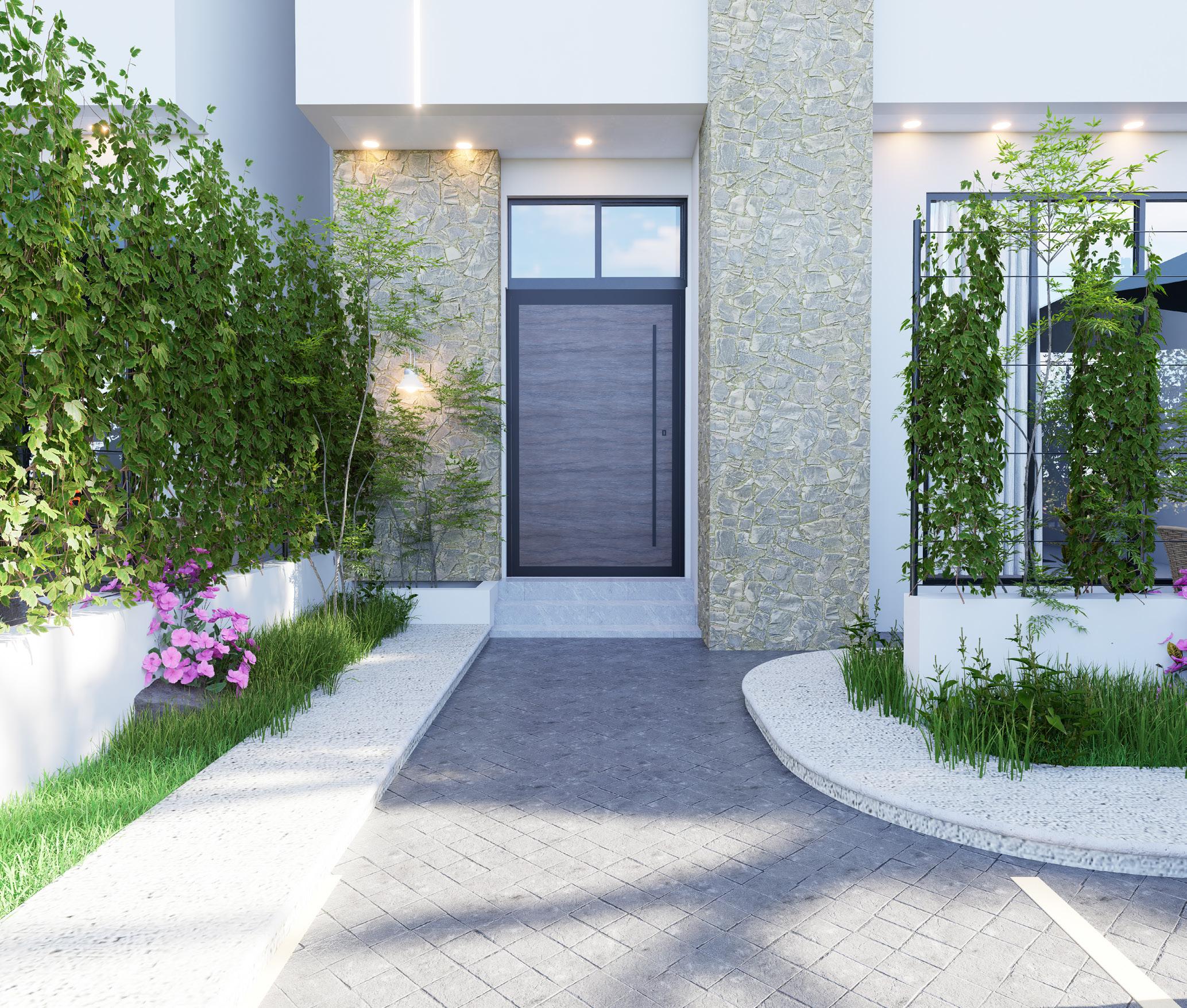
9MOBILE EXPERIENCE CENTRE
Date completed: 2nd year project in University
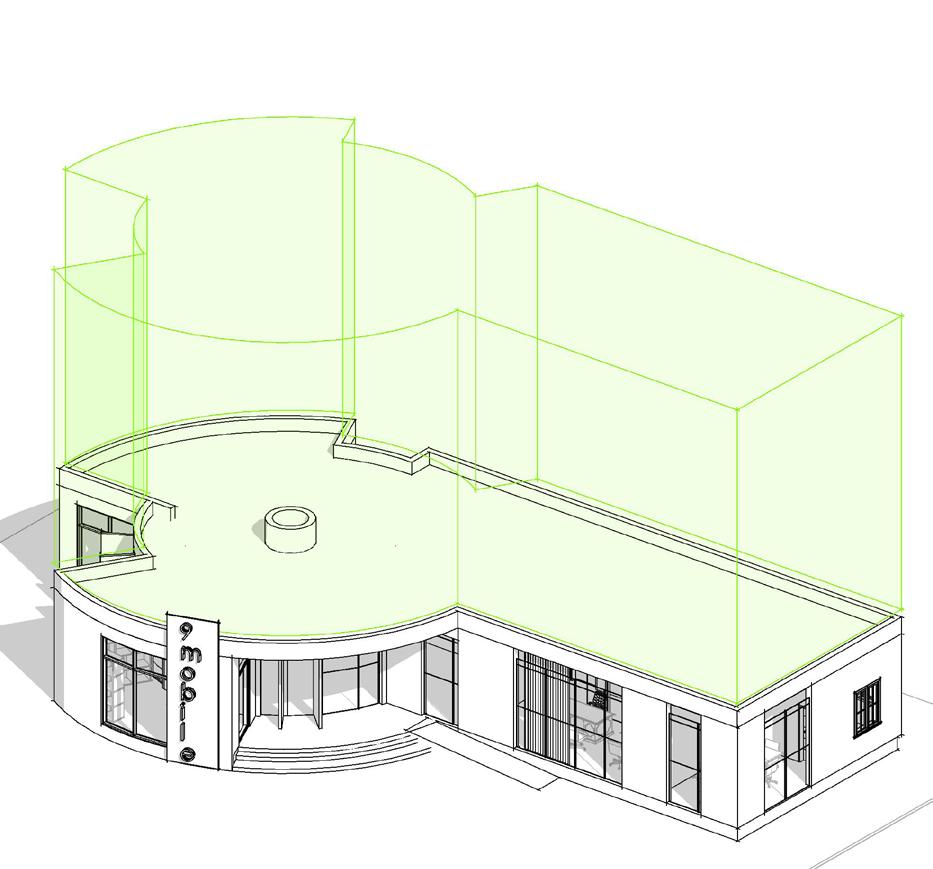
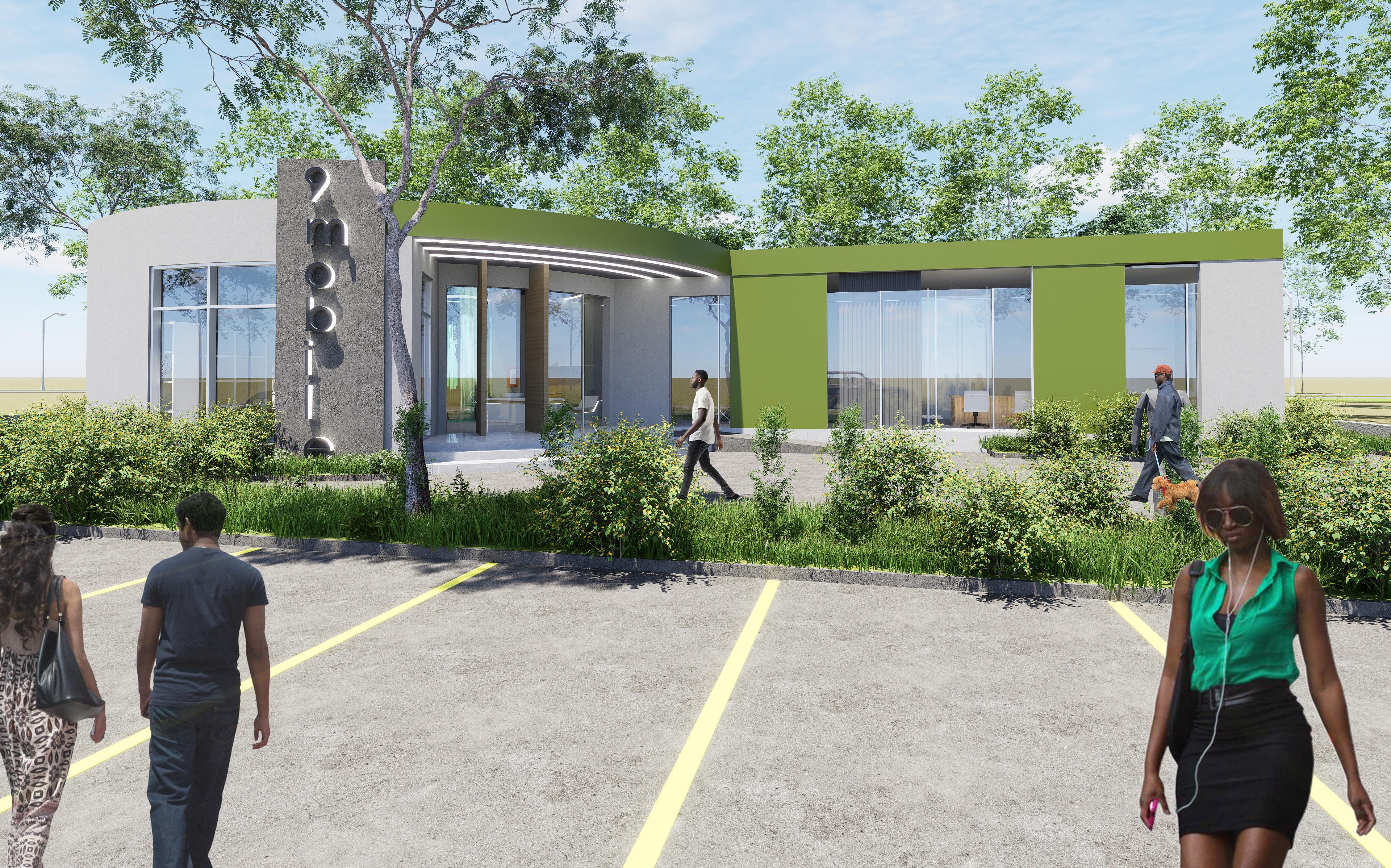
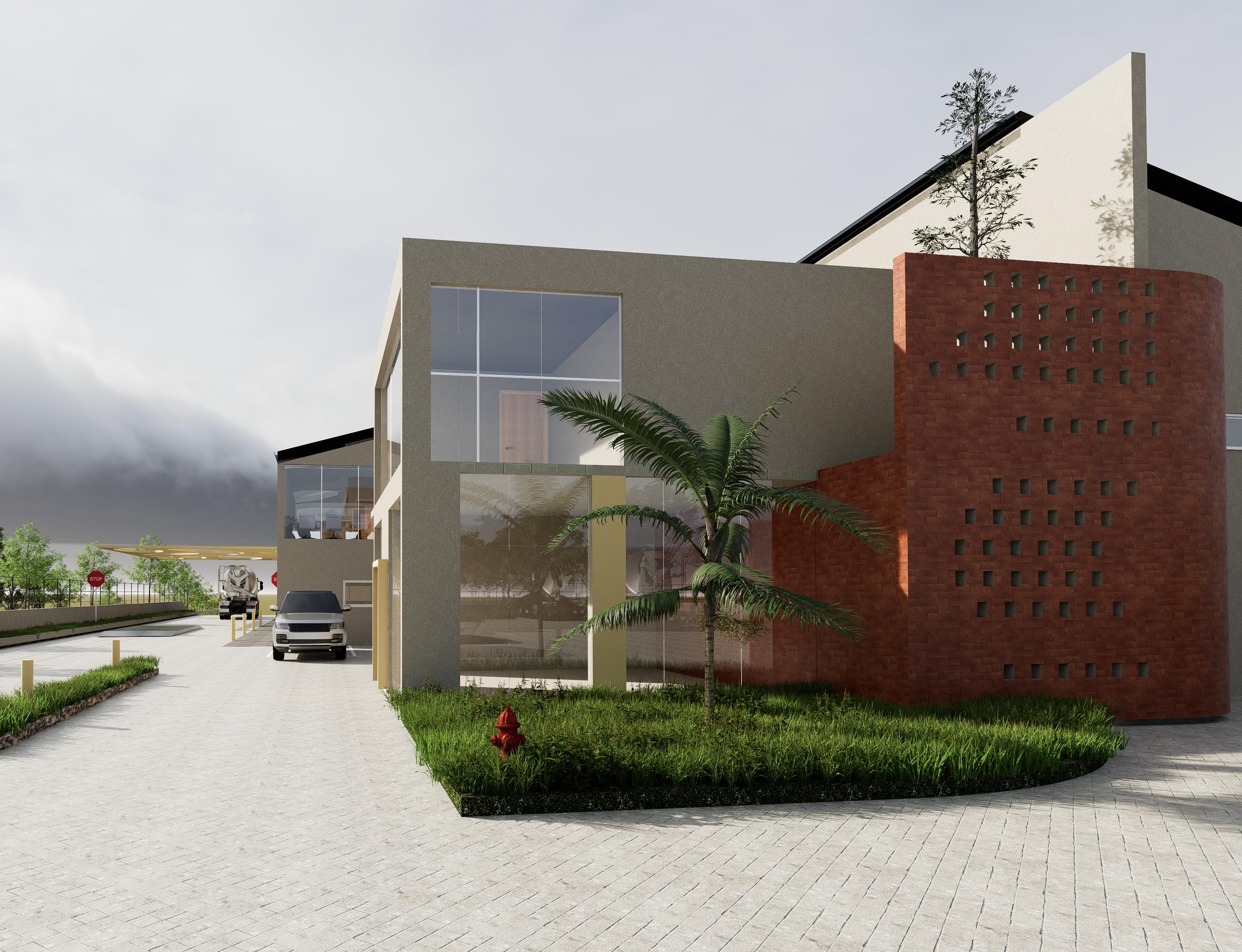
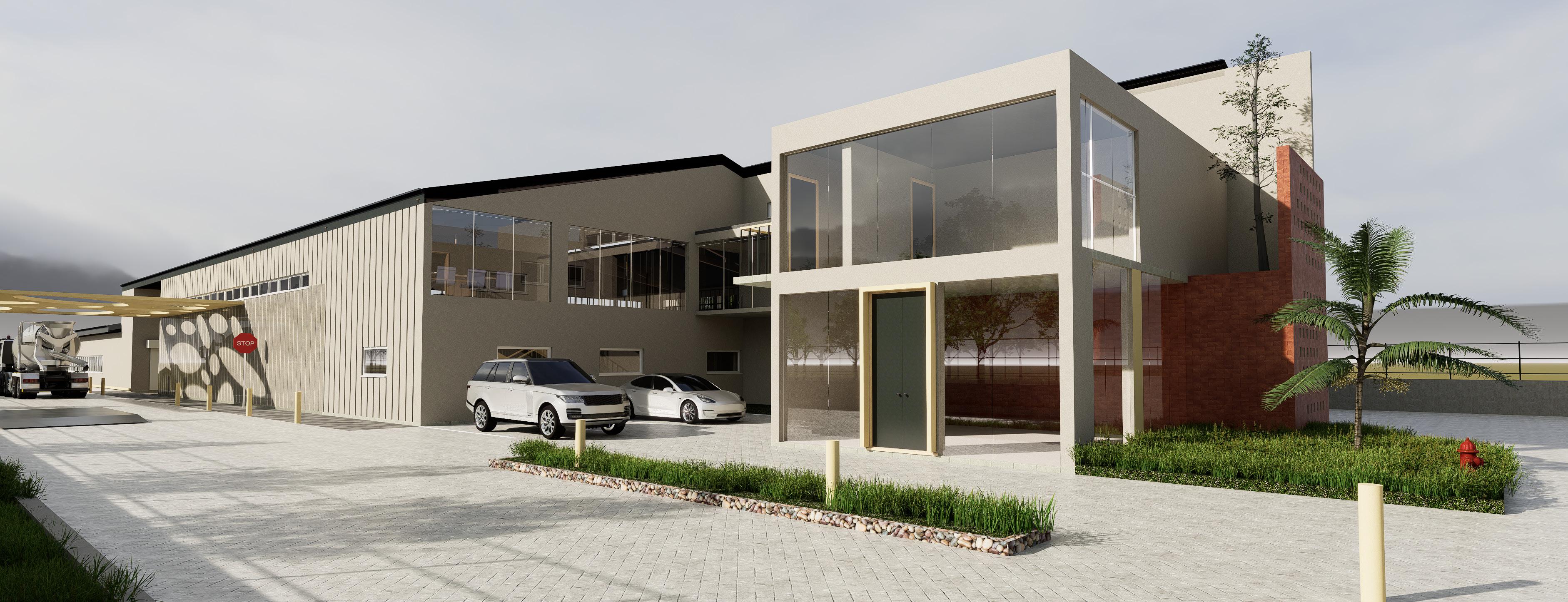
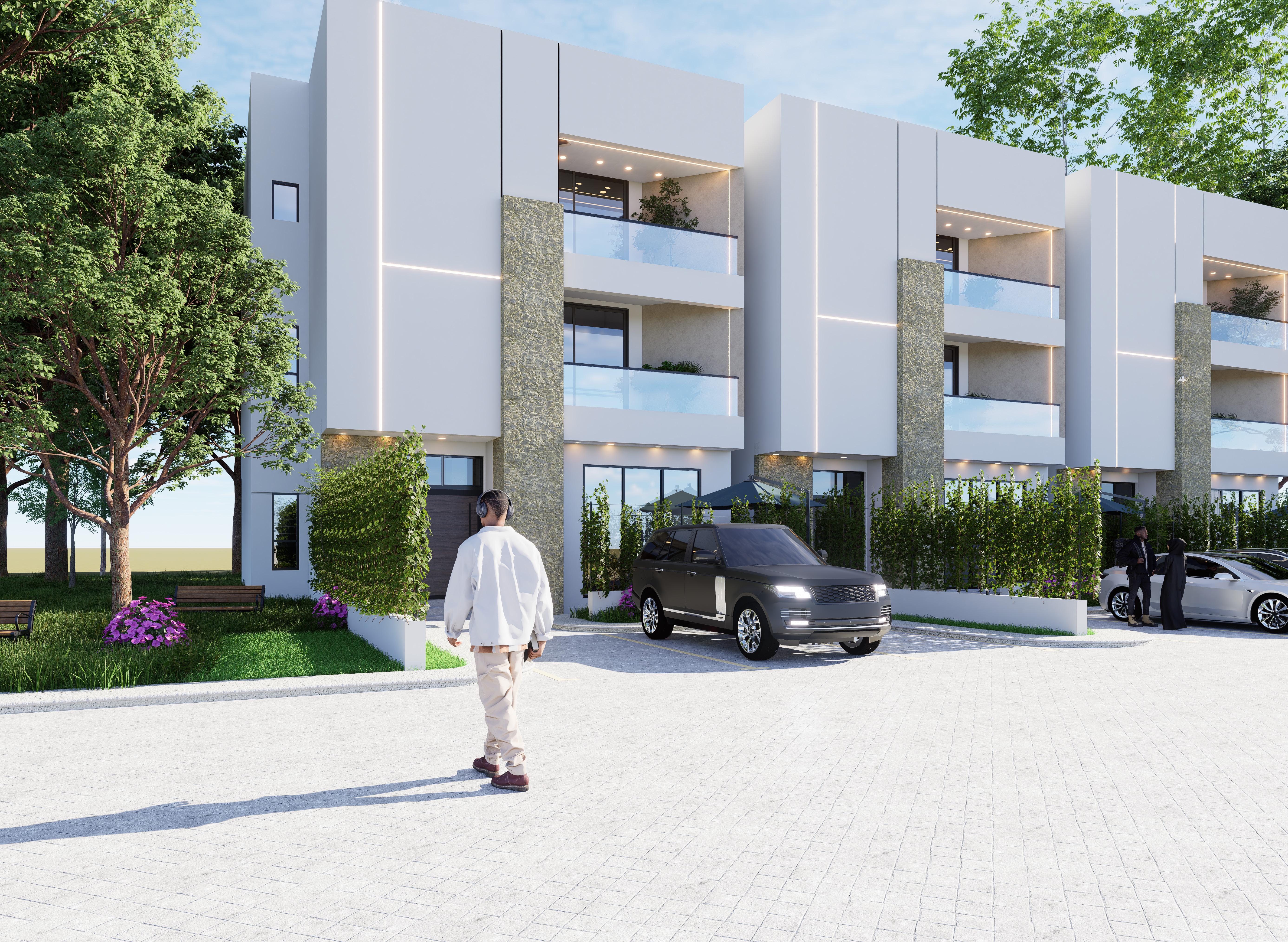
A service branch designed to engage customers by immersing them in interactive, hands-on experiences with the brands services.
It is designed to foster direct interaction with customers, which may include providing support or addressing issues a user might face using the service provider.
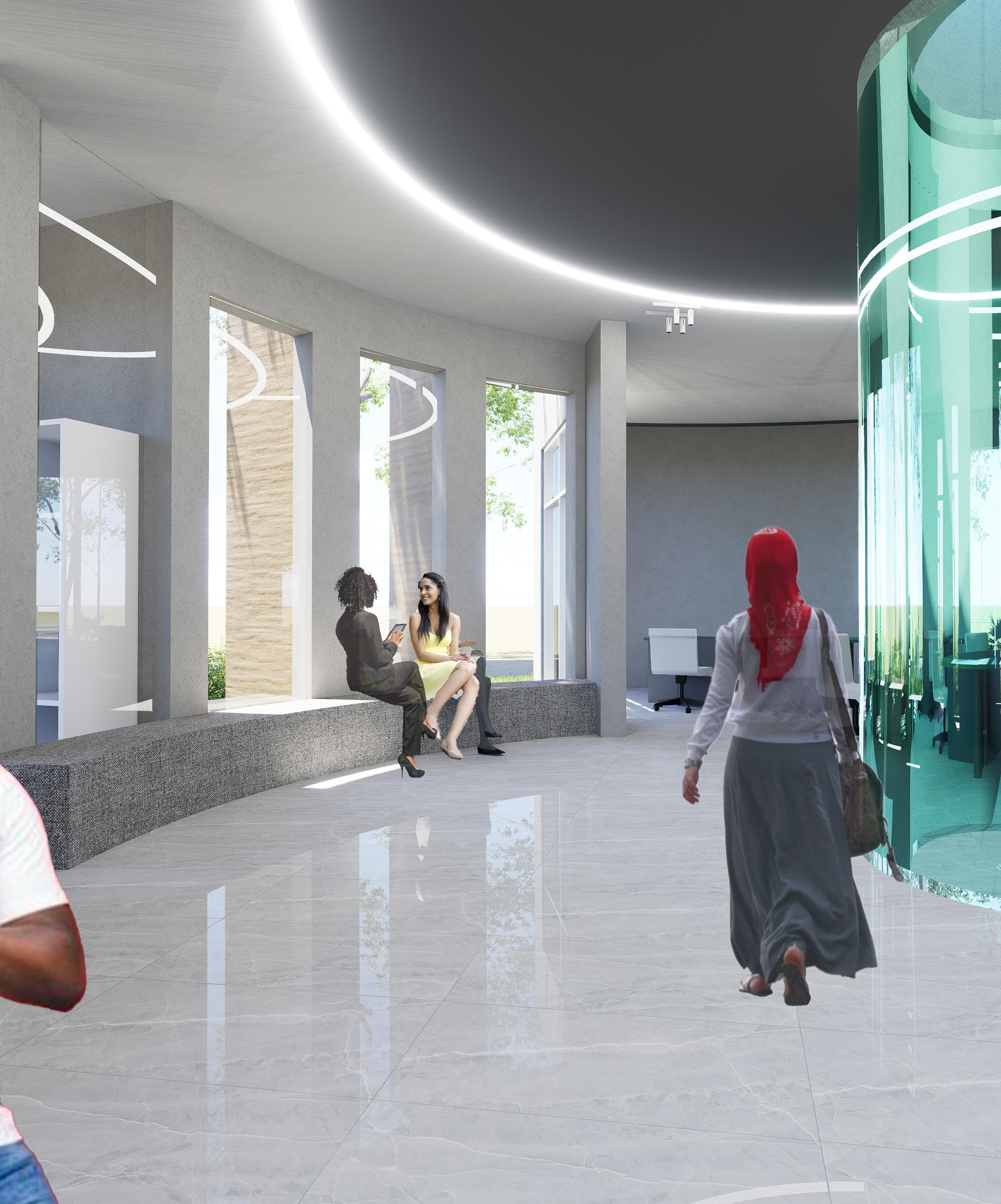
Consisting of a central showroom that captivates the users, it creates memorable and impactful interactions, often with the goal of entertaining and educating users of the brand goals.
DESIGN STRATEGY TECHNICALITIES
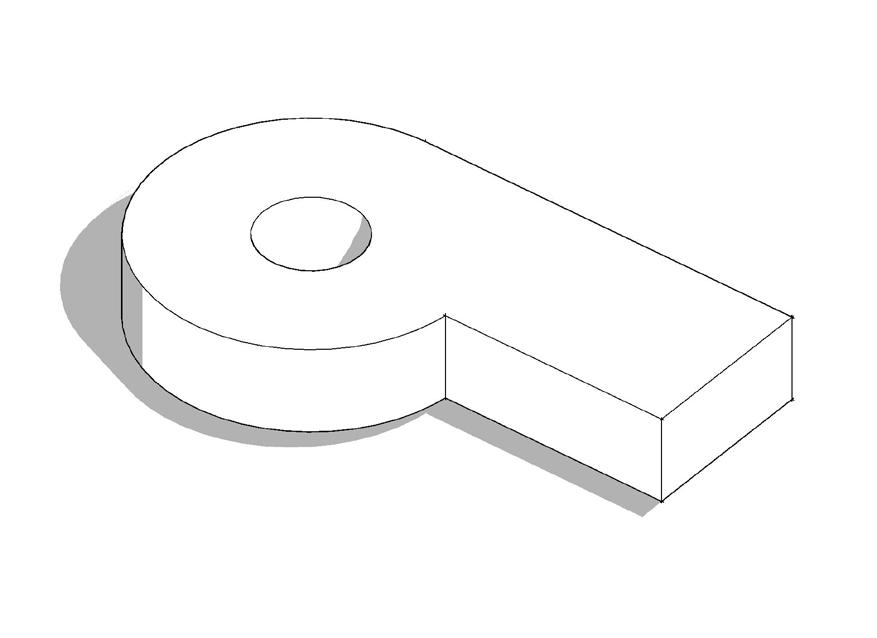
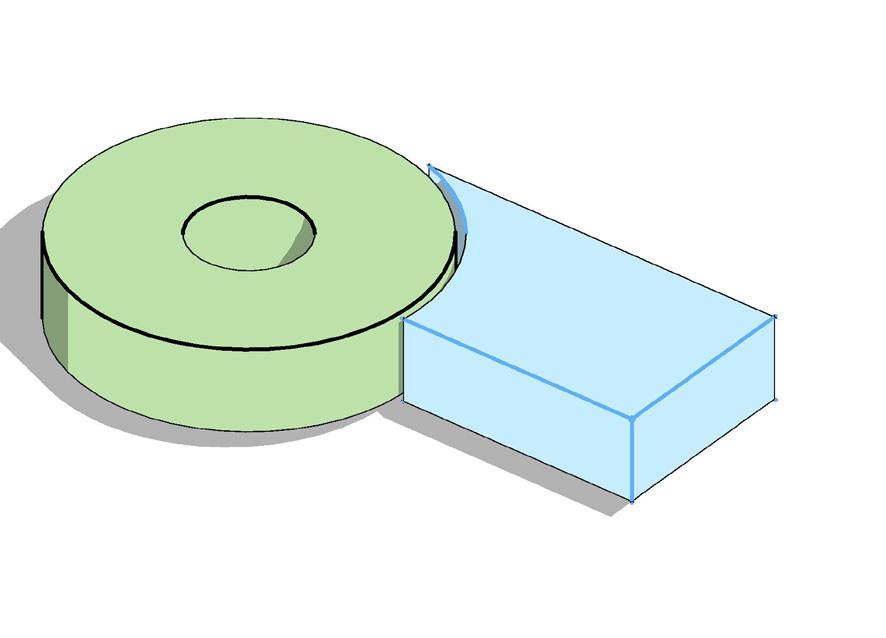
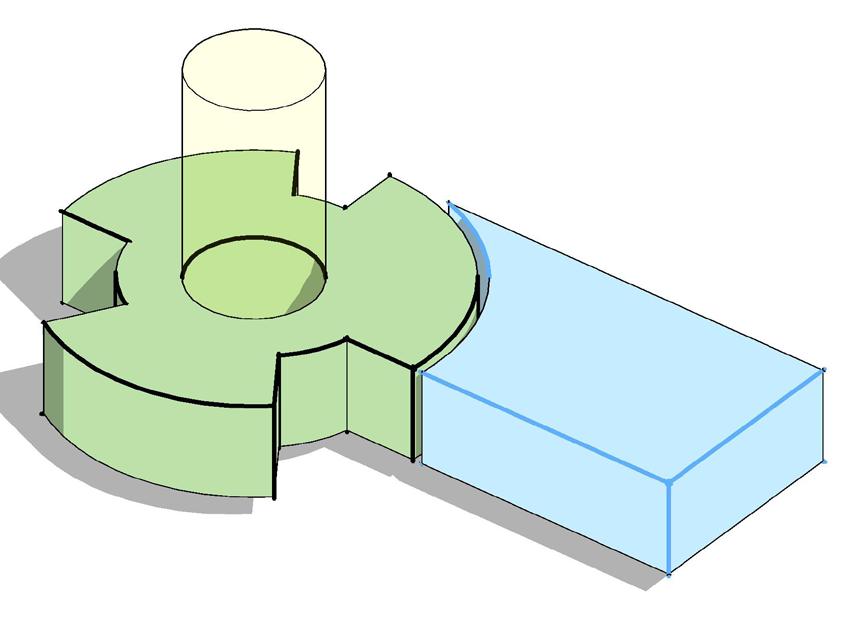
Construction of circular and angular walls
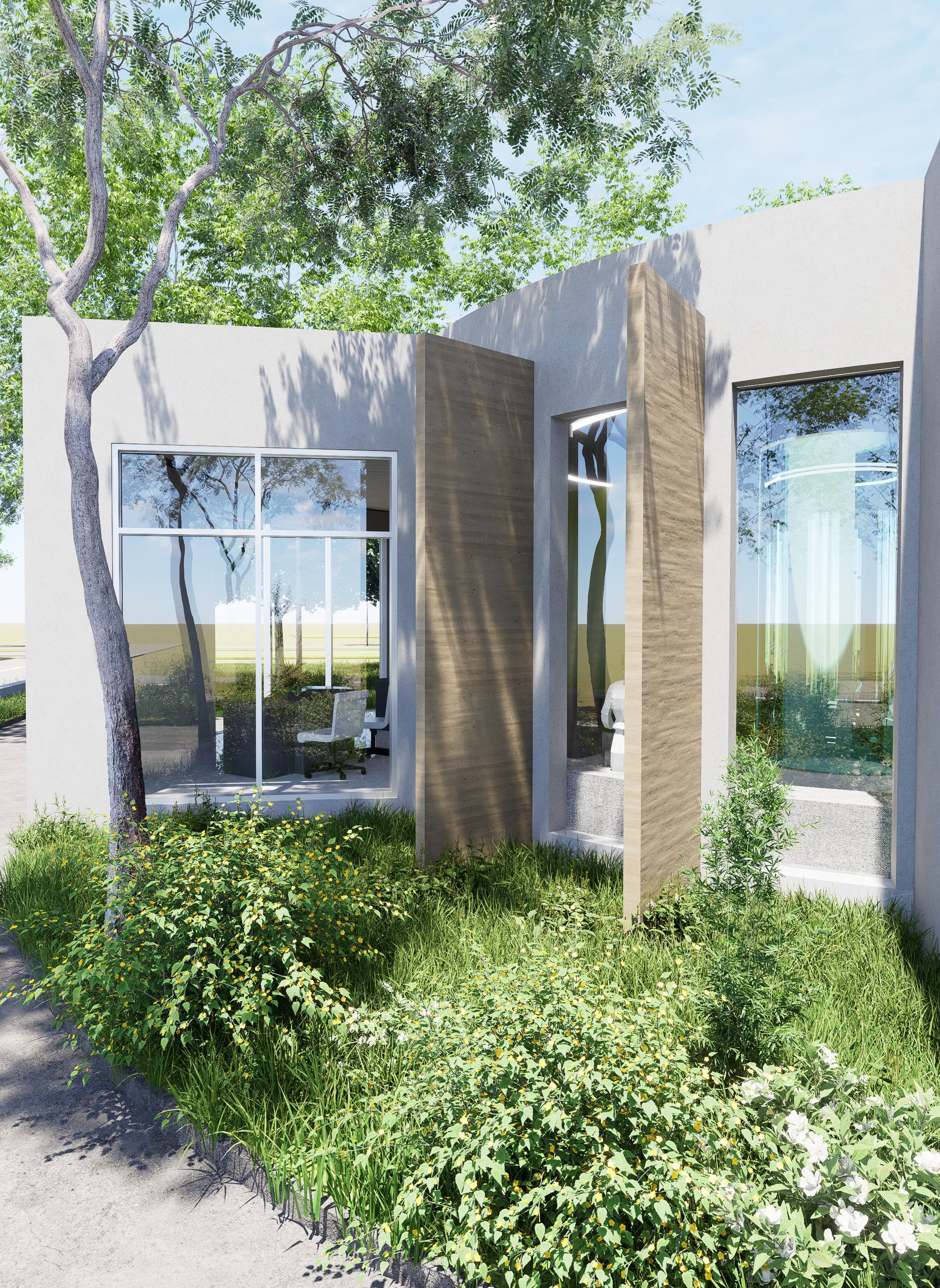
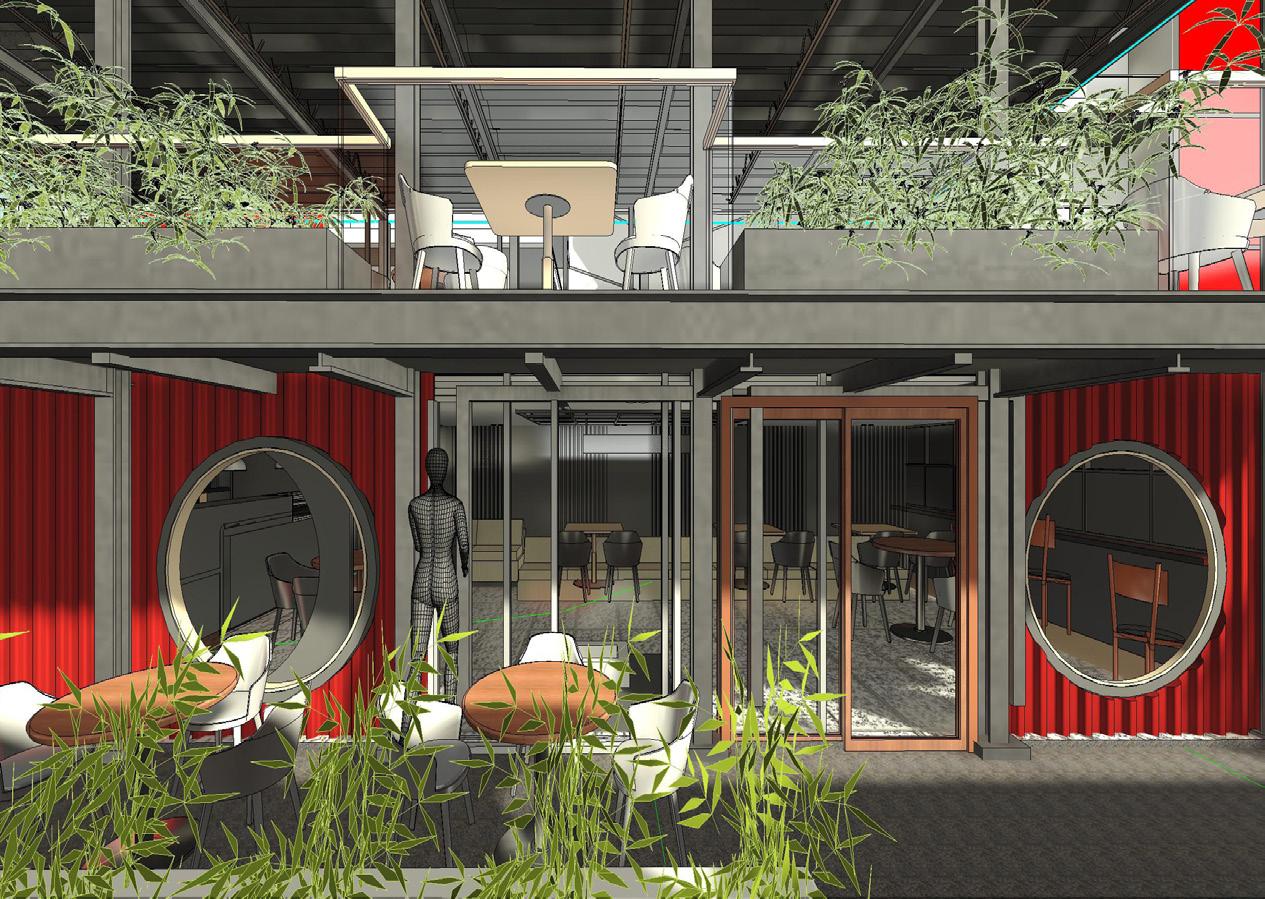
Biophilic design
Passive design strategy
User experience
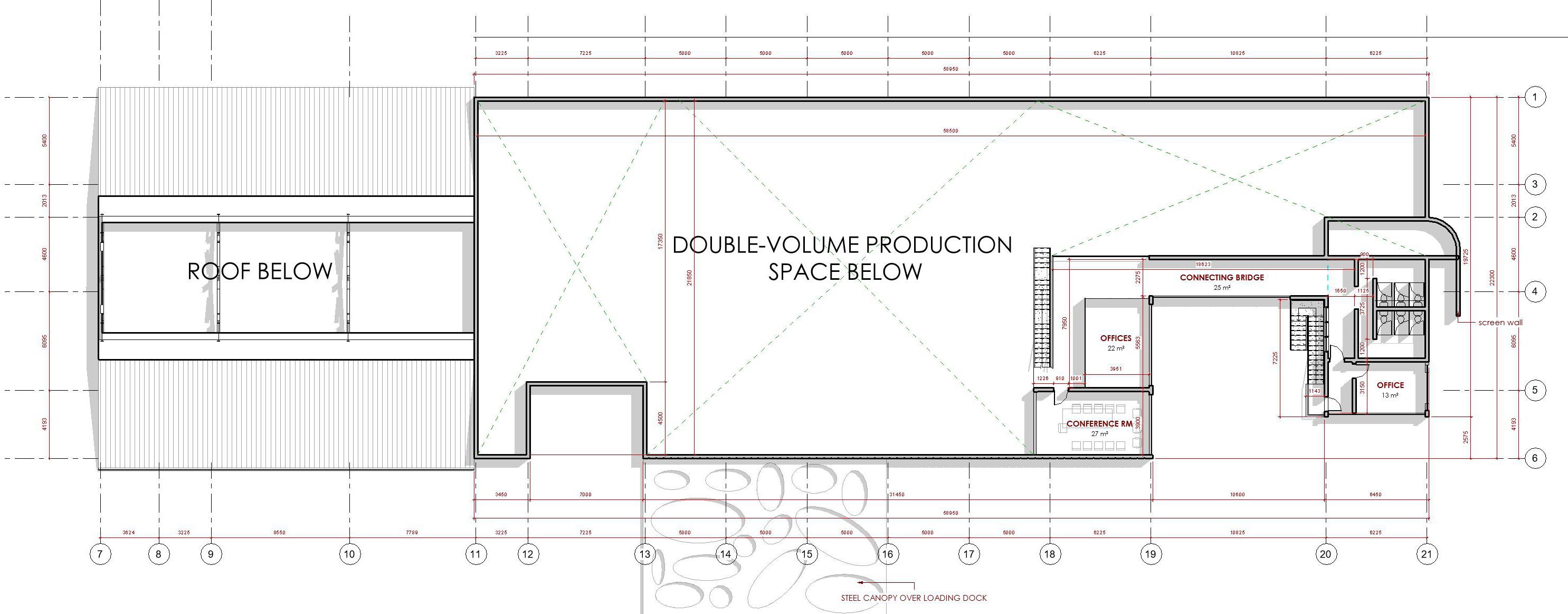
Utilizing lightwell and large windows. the circular shap allows light to penetrate all round a building with litttle to no blind
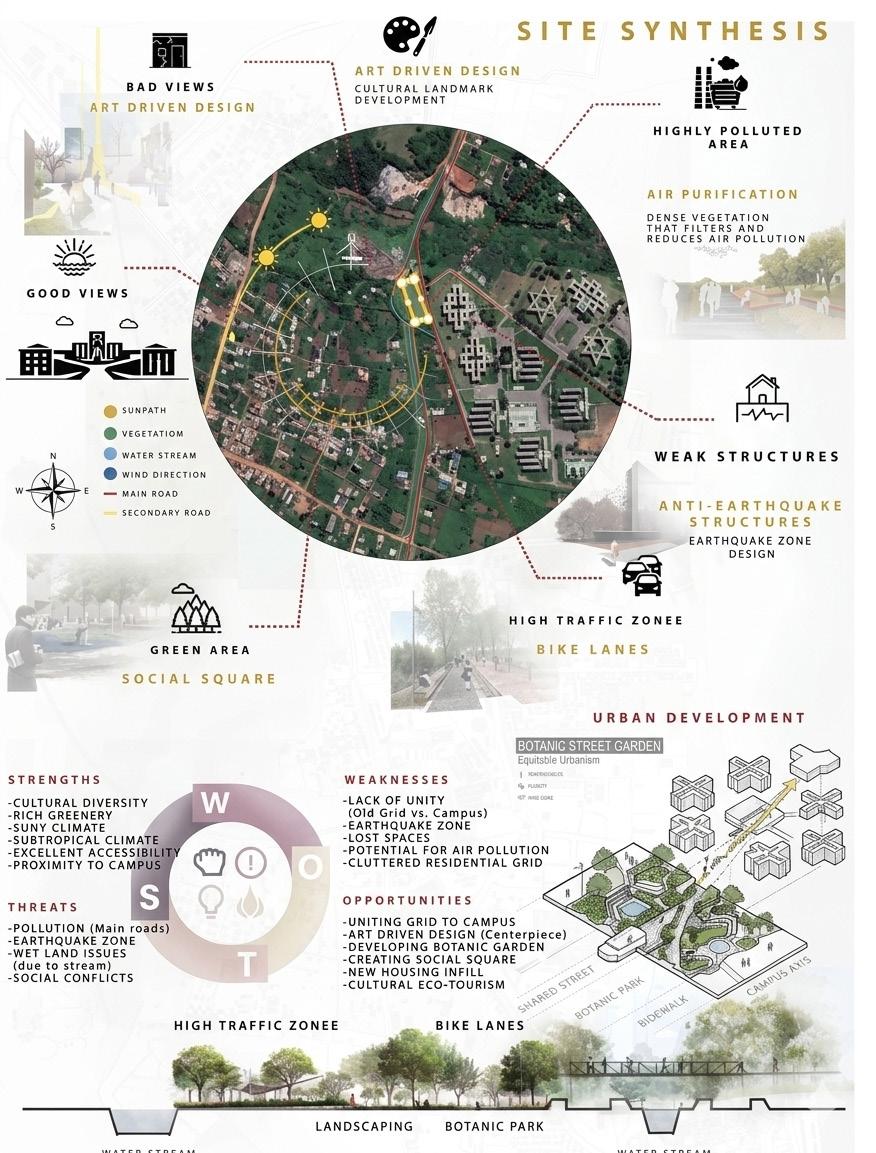
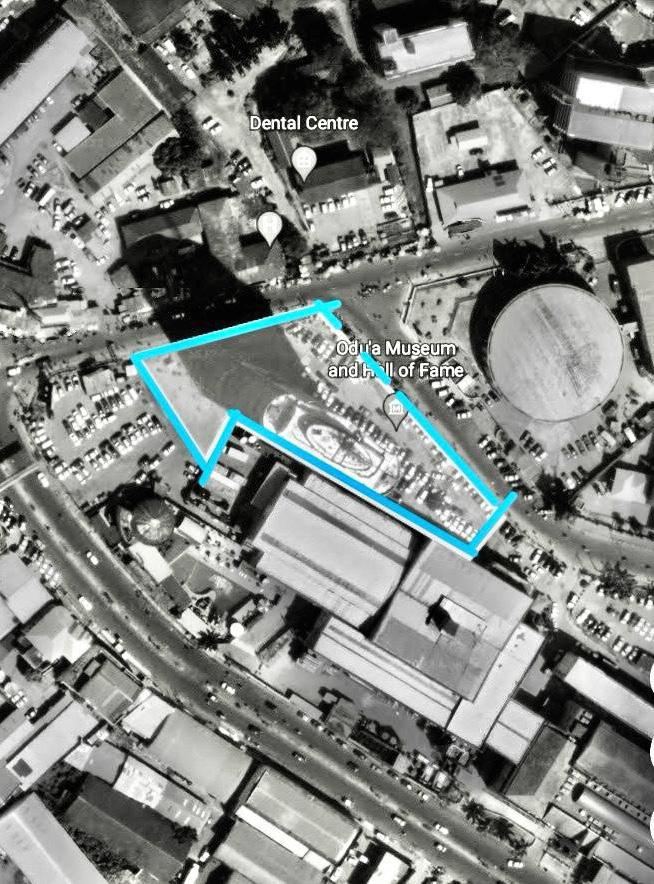
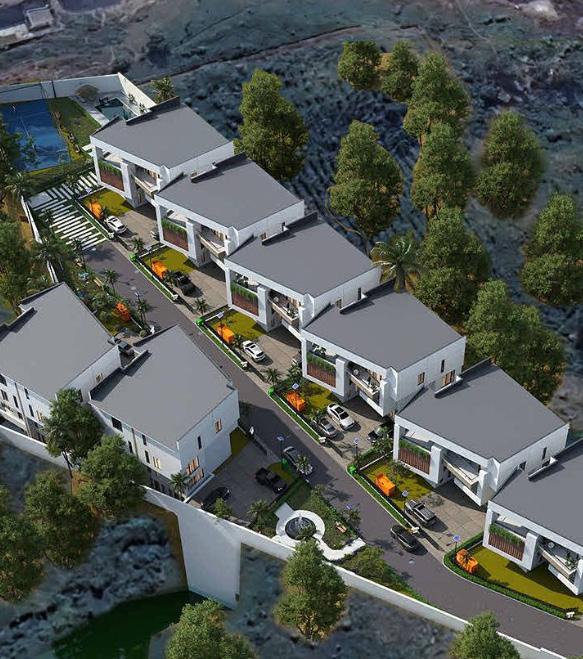
Site Context
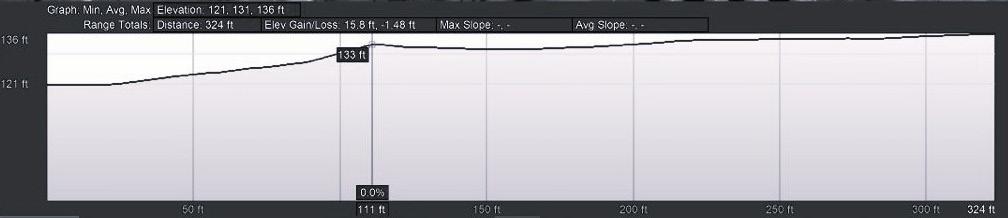
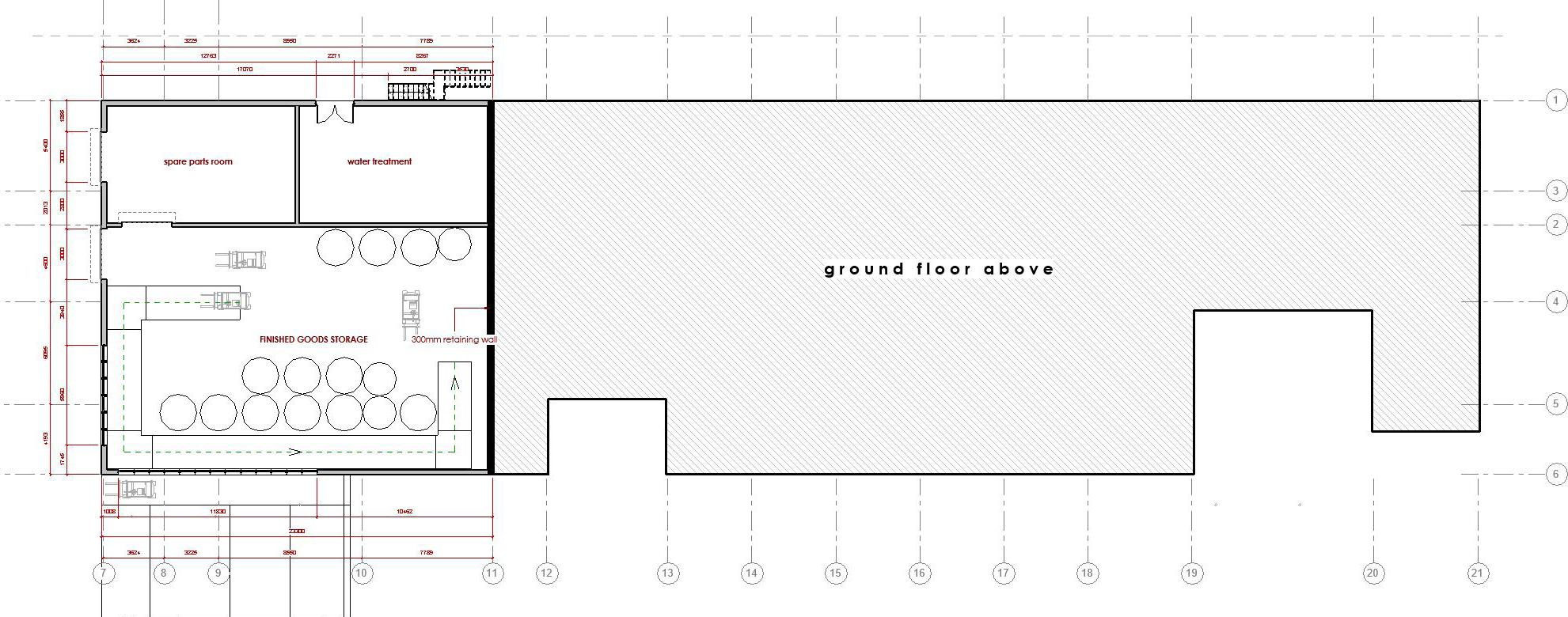
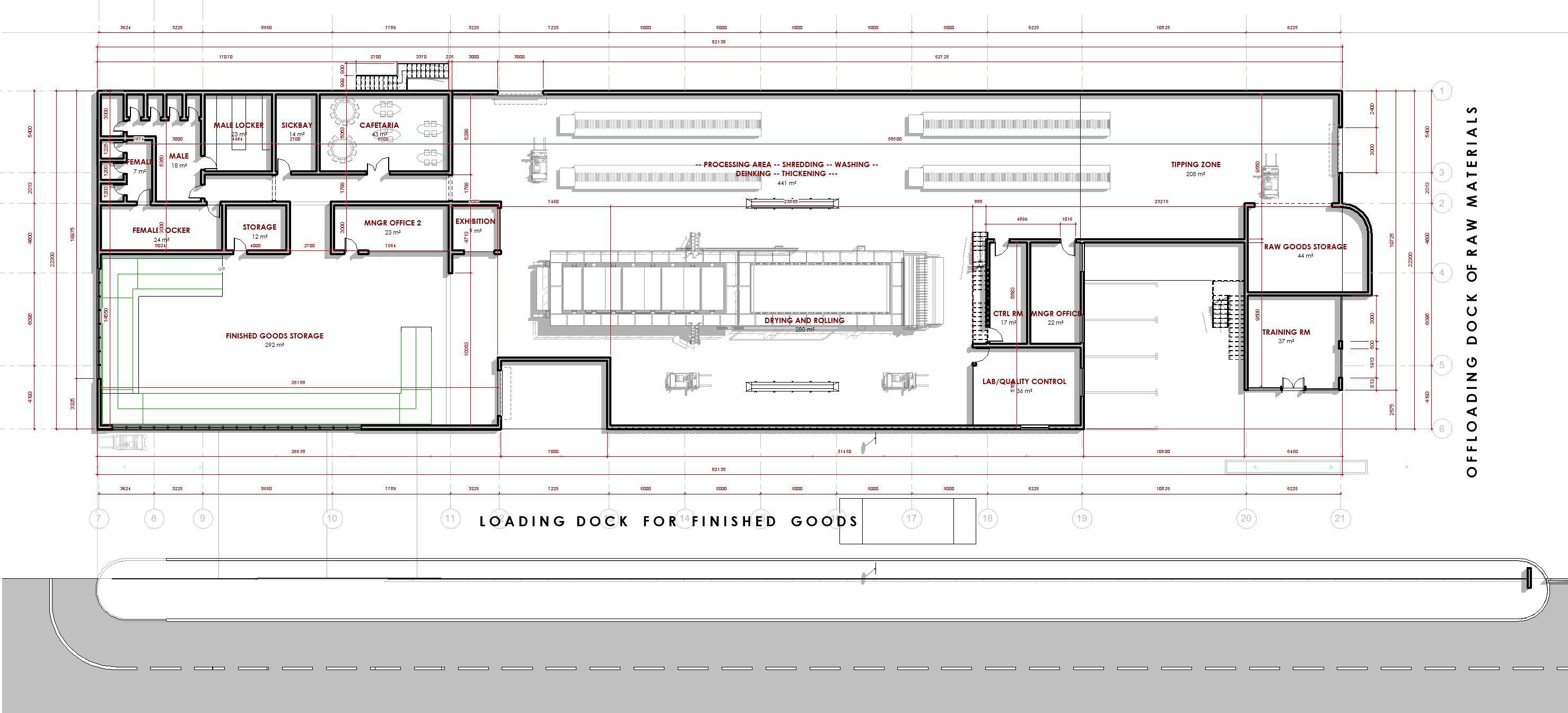
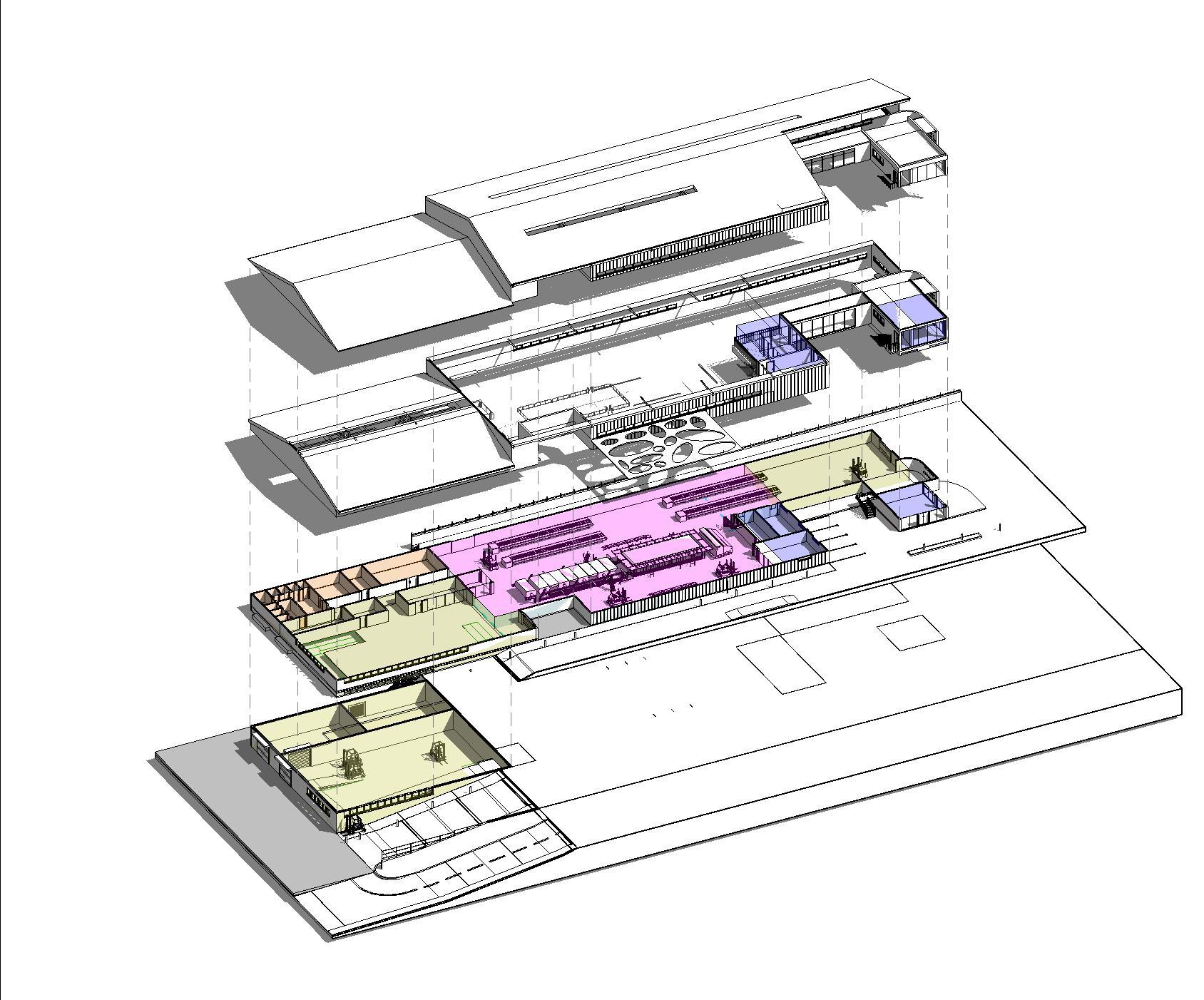
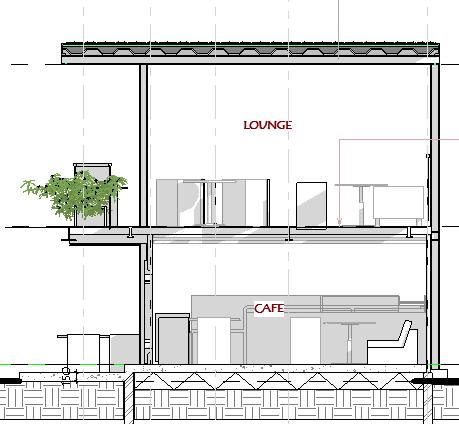
The building consists of a basement floor taking advantage of the natural terrain.
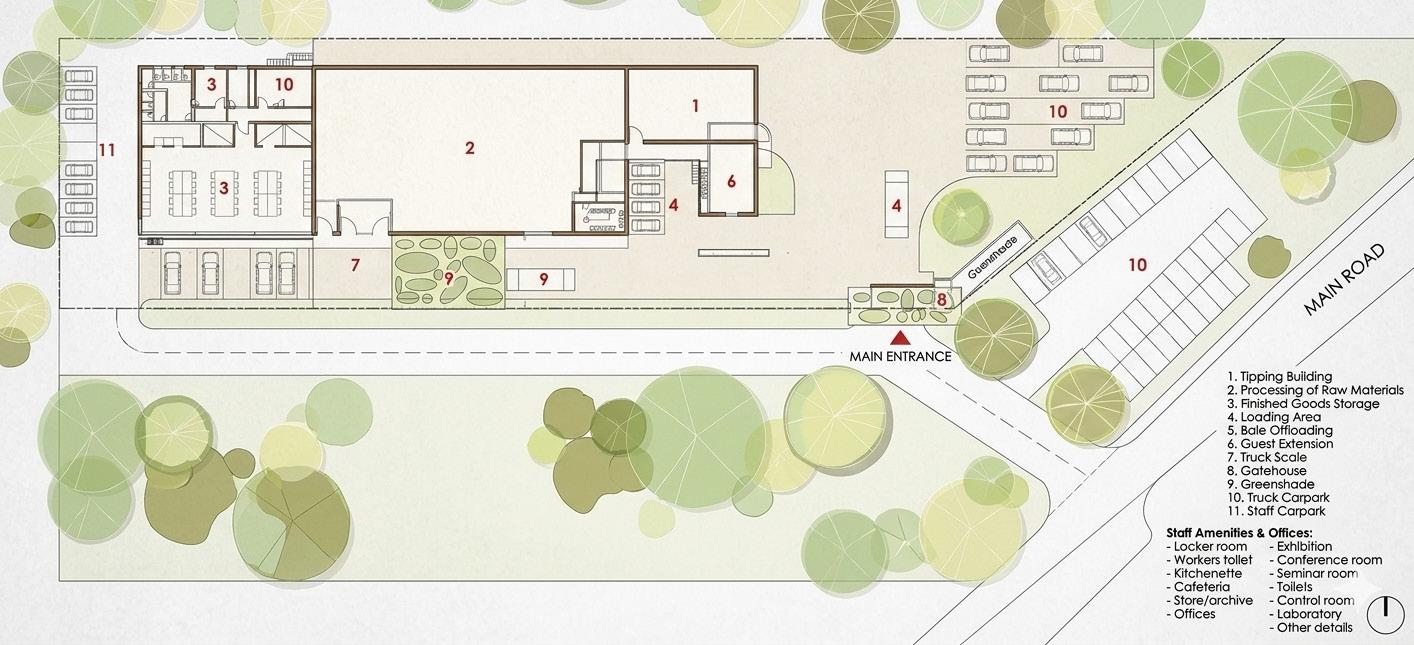
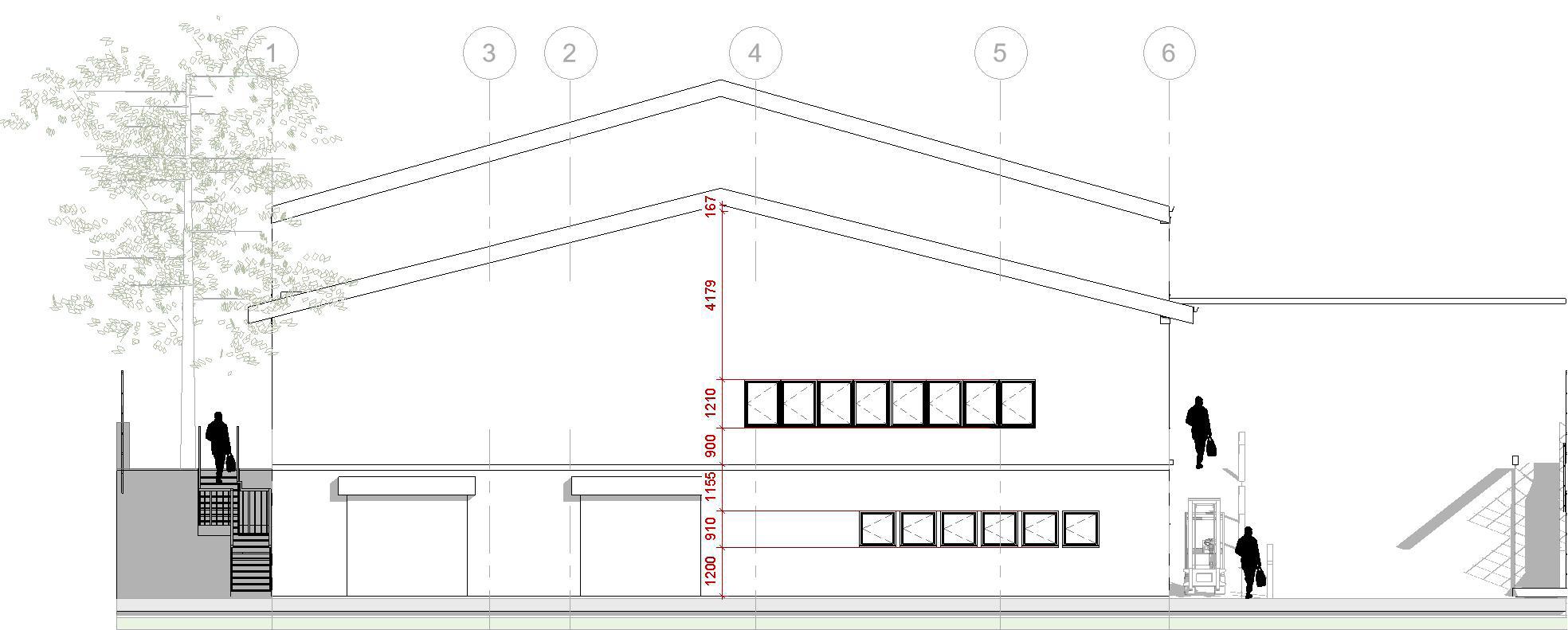
The ground floor consists of a high level headroom where recycling opeartions take place, litted by skylights and supports a mezzanine floor where administrative roles are carried out.
Use of sustainable materials
Environmental responsive: taking advantage of the climatic conditions such as sun intensity for natural lighting and energy generation.
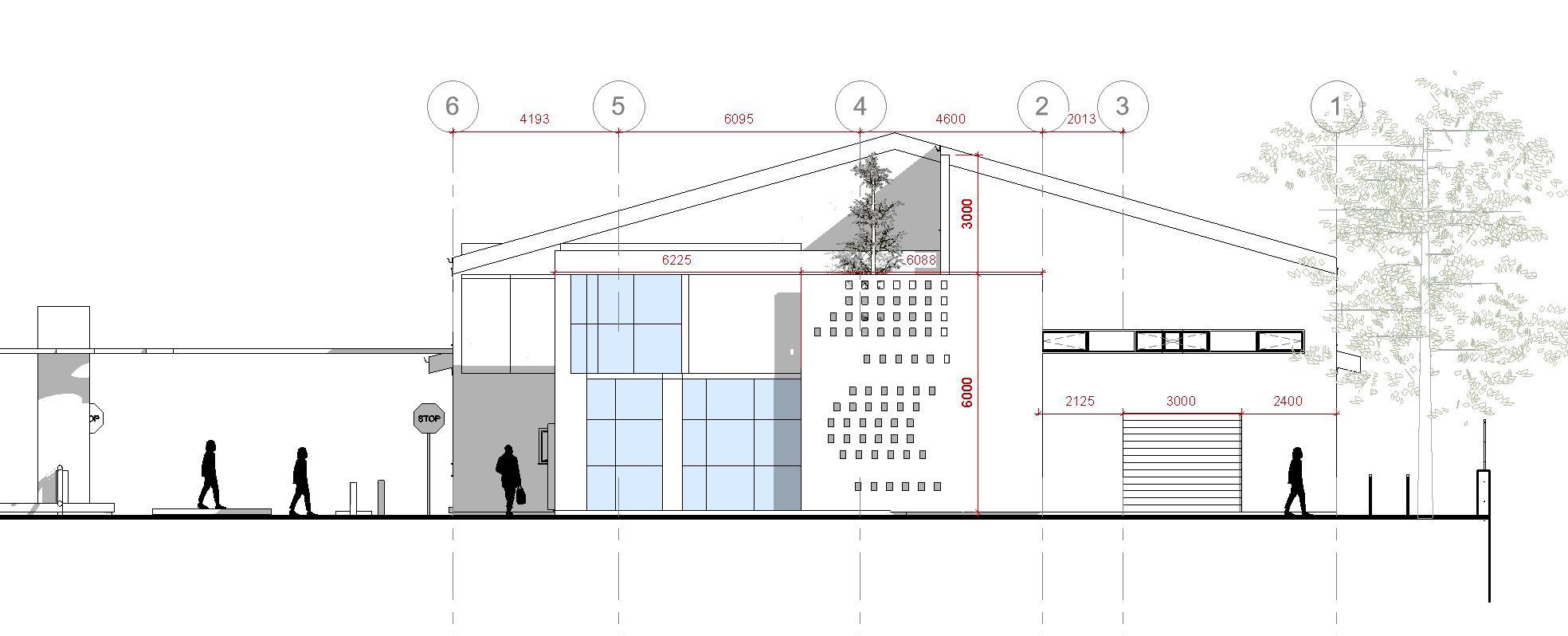
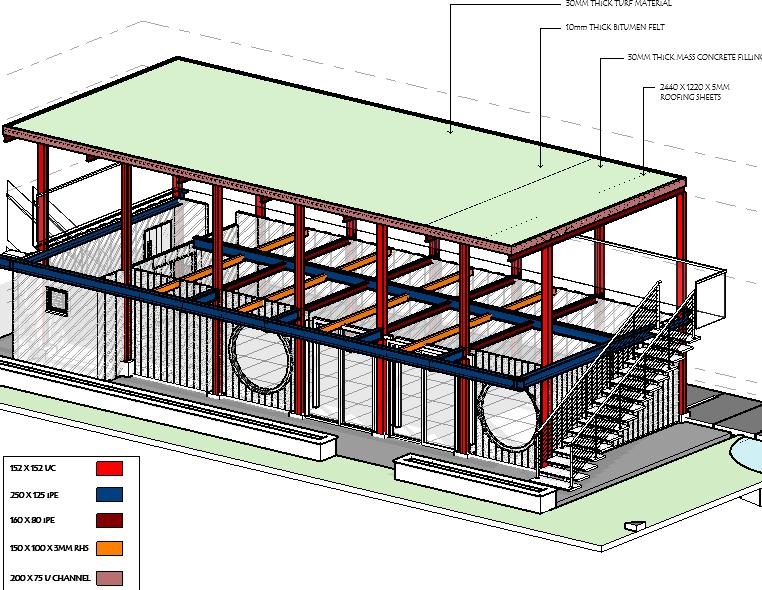
Facility spans over 50m, reduce loading on the foundation by using steel frame
Structural framing of the building
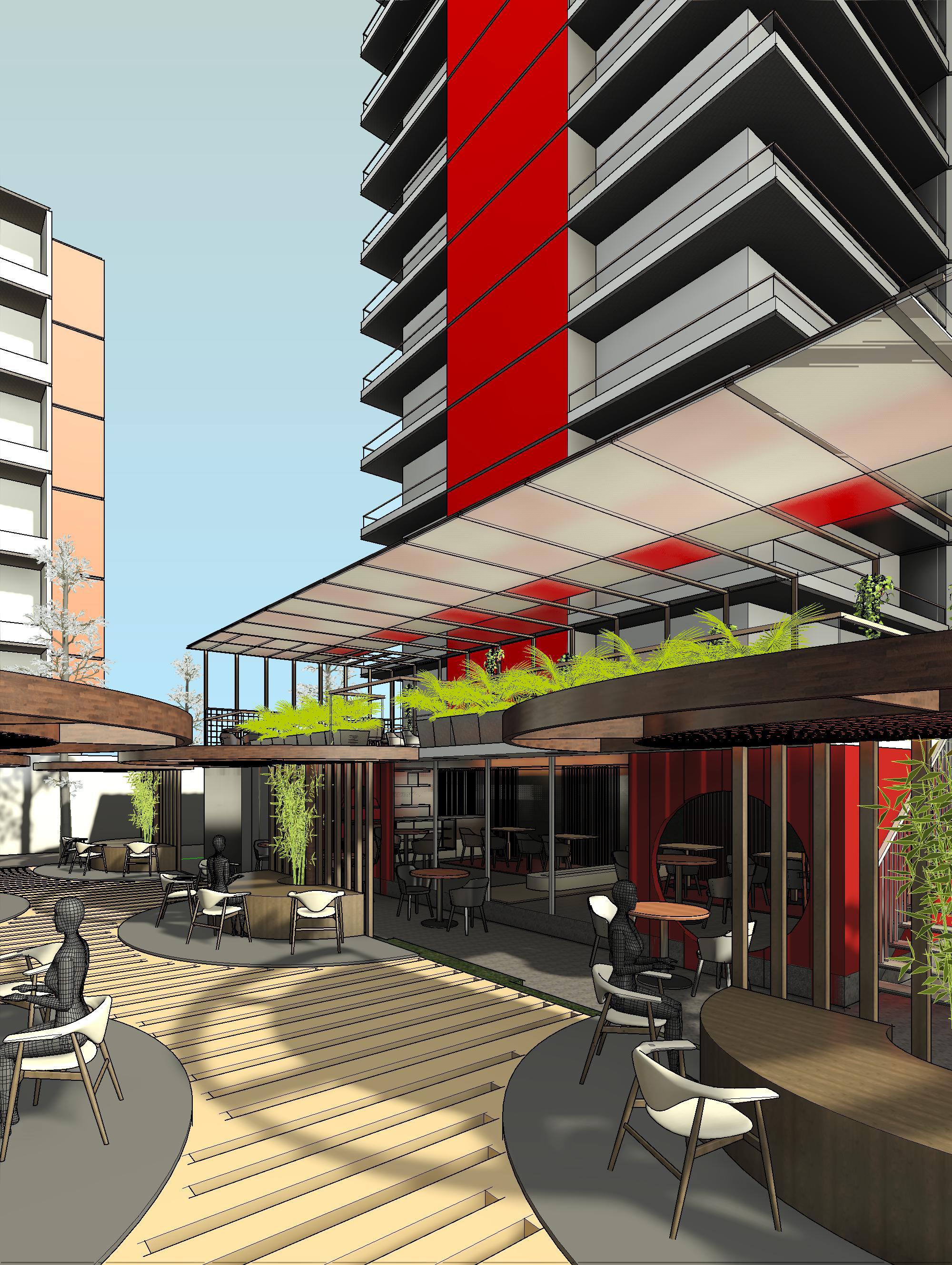
RENAISSANCE OF THE COCOA HOUSE
ARCHITECTURE COMPETITION
Date Completed: 2023 Final year
Arc development Collaboration with: Ishaya Sharon, Abimbola Pelumi
Arc visualization: Ishayinka Philip
MY ROLE: DESIGNING THE FLOOR PLANS AND
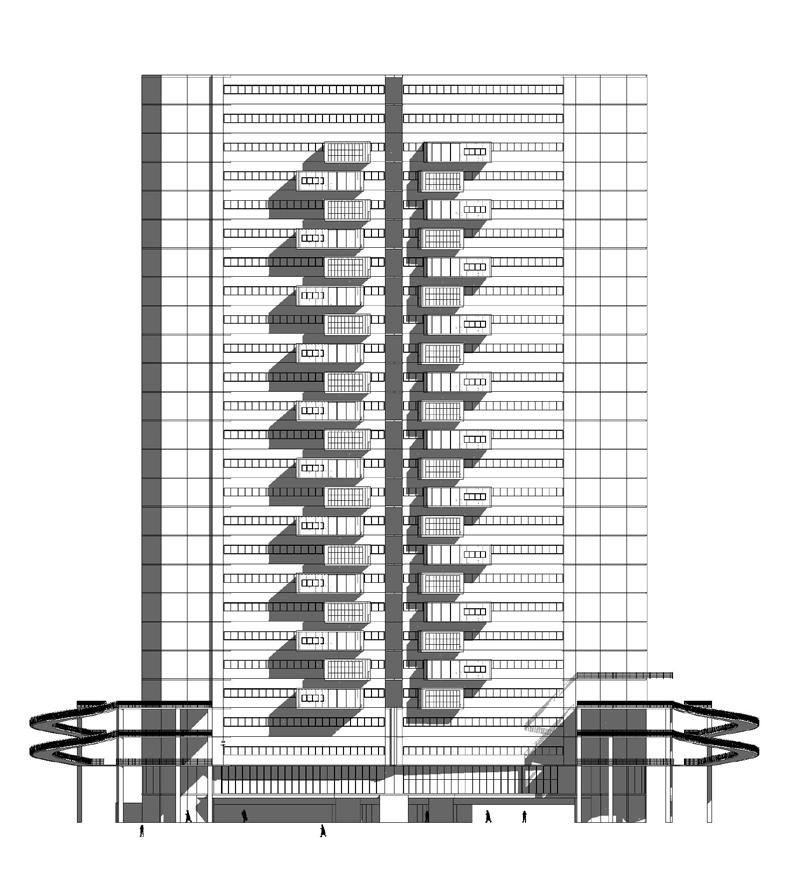
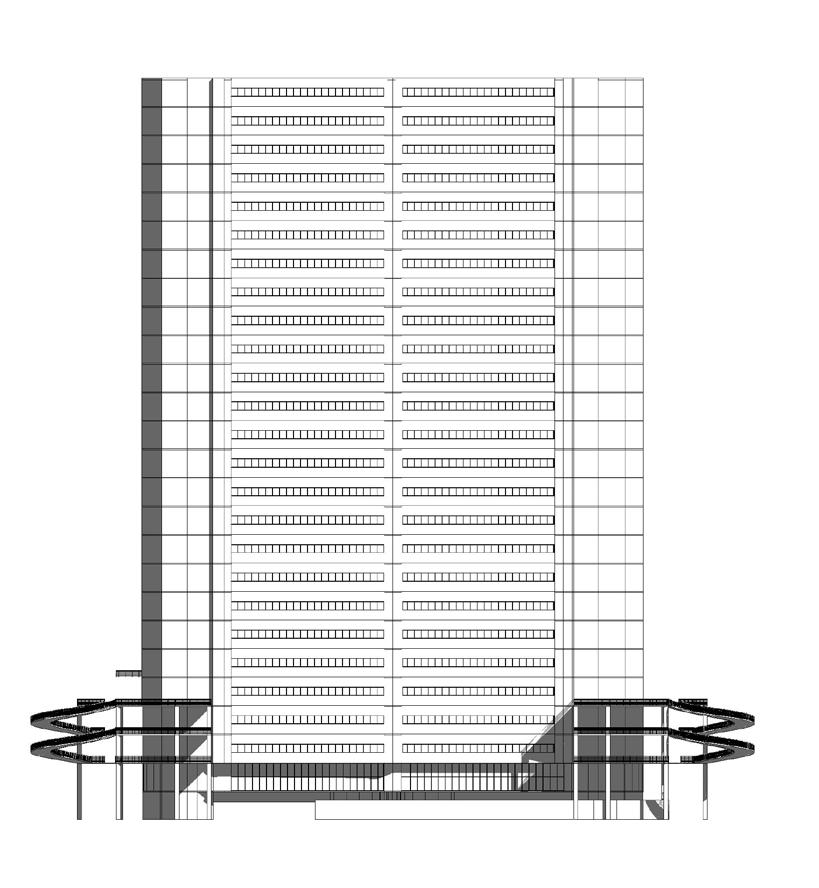
The cocoa house is a high-rise building that serves as the tallest structure in the city of Ibadan and holds significant historical and cultural value.
Historical Background The building was funded by the proceeds from cocoa farming, which was a major industry in the southwestern region of Nigeria at the time.
The building is 105 meters tall and has 25 floors. Its design combines modern architecture with elements reflecting Nigeria’s cultural heritage.
Functions Initially, the building was used for office spaces, but over time, it has also become a hub for business activities, housing
Competition theme; Parasitic Architecture
Design objective; To reinforce the identity of the cocoa house as an economic product of Agriculture exploration of past heroes
20units of single user prototype studio flats
25units of double user prototype studio flats
Multistory carpark
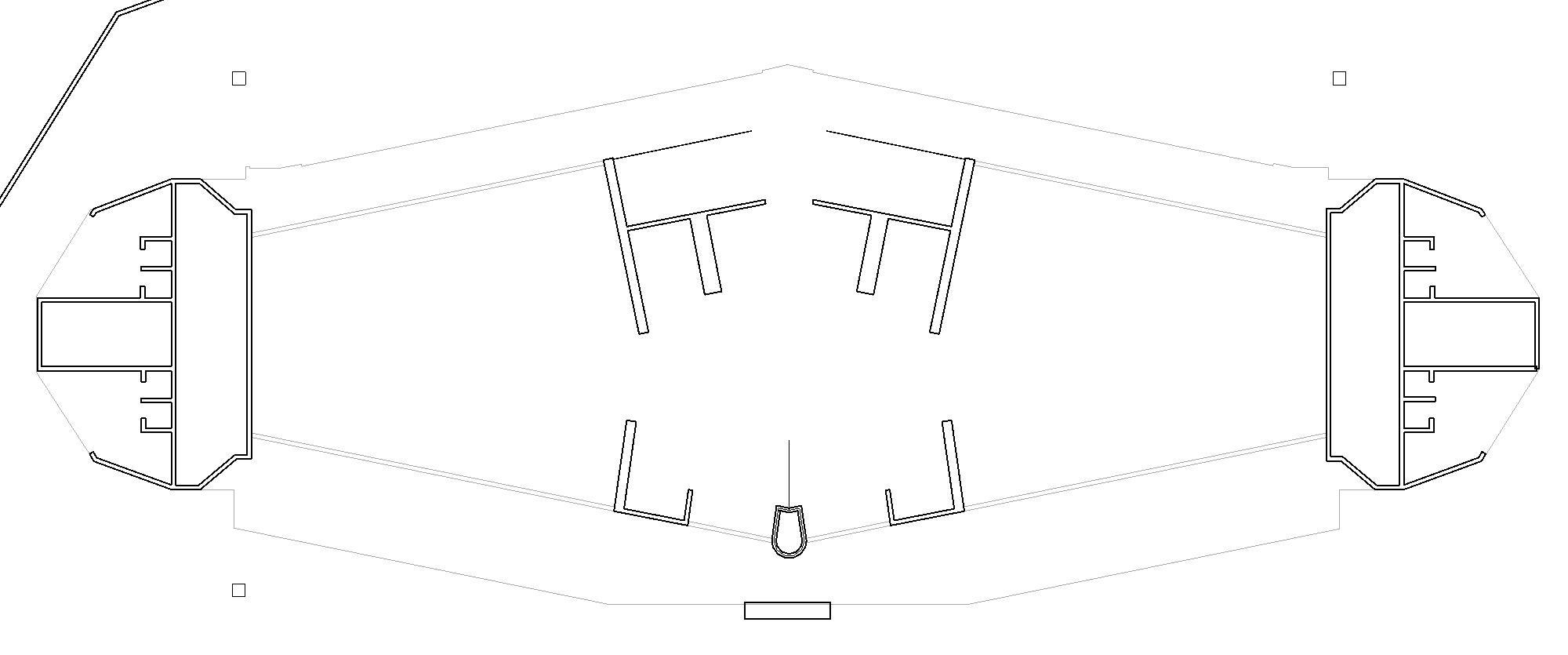
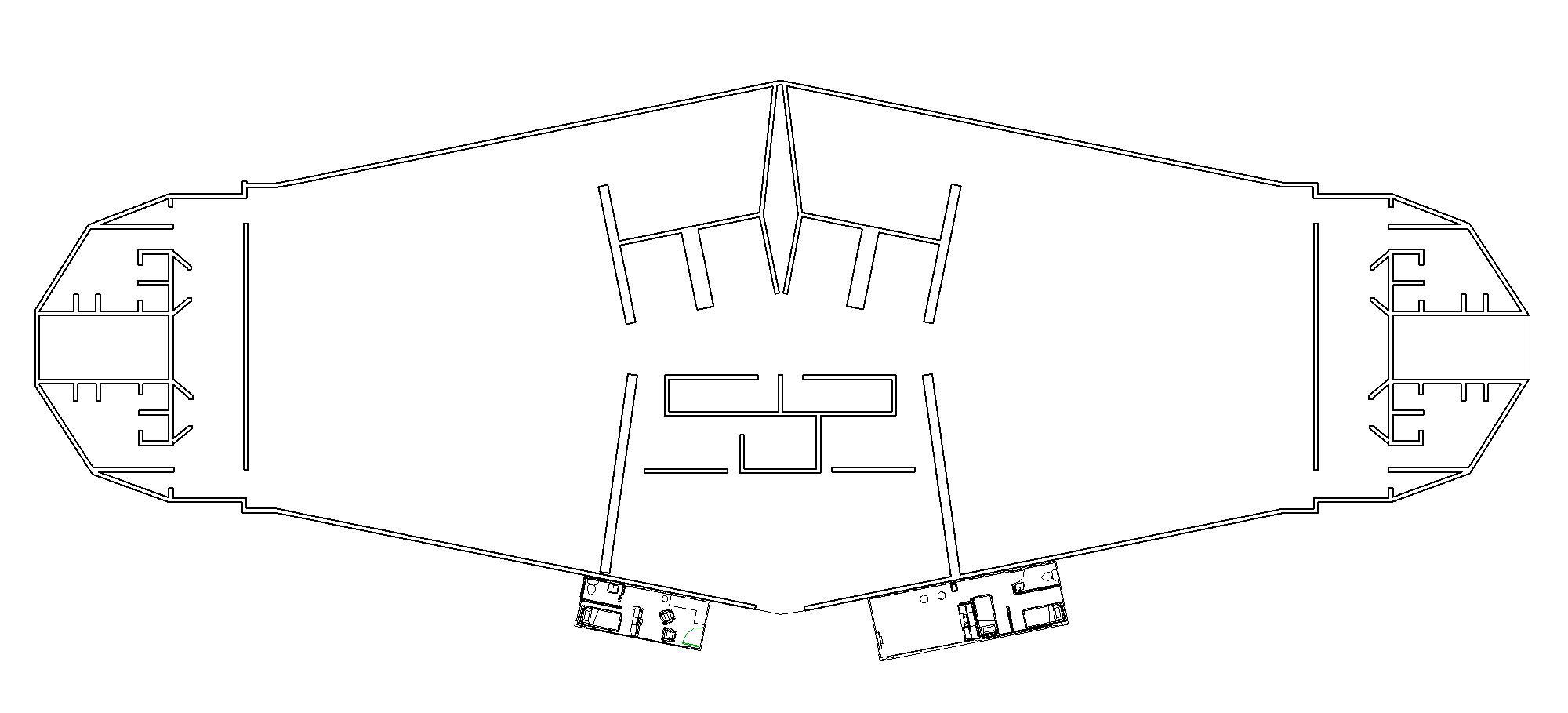
Existing floor plan
Modular
CONCEPT ; PARASITIC ARCHITECTURE
DESIGN STRATEGY
Modular Design: Containers can be easily combined in various configurations, allowing for rapid scaling of structures. The modular nature also means that additional units can be added or reconfigured as
Adaptive reuse/ Sustainability
Cultural relevance and preservation; Cocoa was transported majorly in shipping containers due to its mass production.
DESIGN RESOLUTION
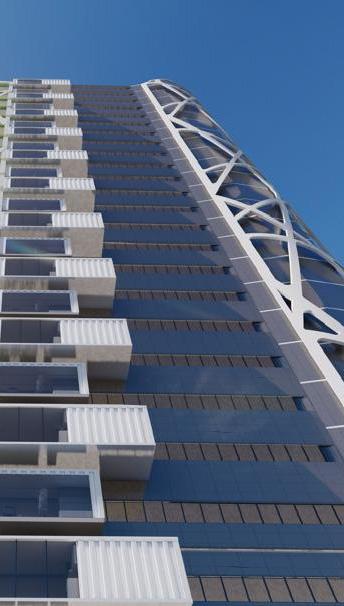
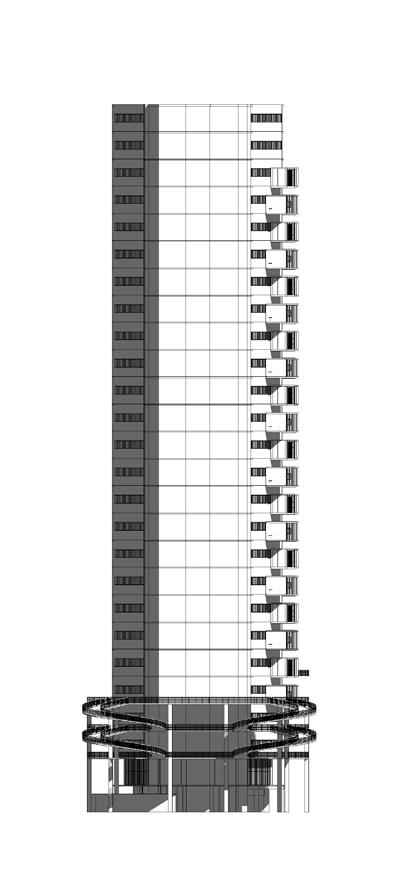
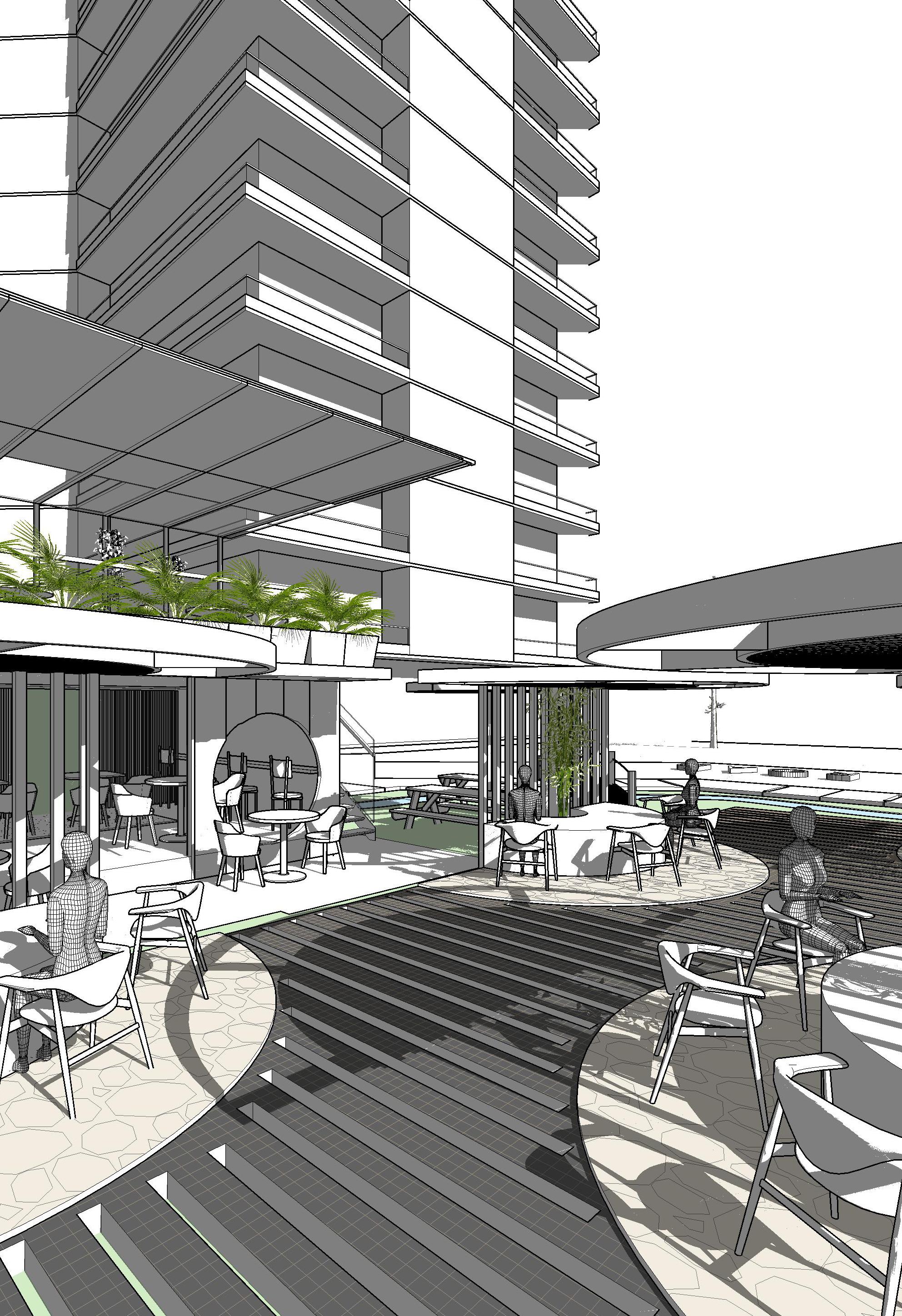
• Use of symbolic material and façade Container units will be attached to the existing structure and accessed from a central balcony.
• Use of fluid forms and patterns as cladding that are identified with the African culture
Using Steel Supports or Brackets:
• Steel brackets or supports can be used to “hang” or support the container from the building.
• Method: Install heavy-duty steel brackets onto the building’s frame and attach the container to the brackets using bolts or welding.
• Safety Tip: Ensure the brackets are designed to handle the weight and stress placed on them, including wind loads.
TECHNICAL STRATEGY/RESOLUTION
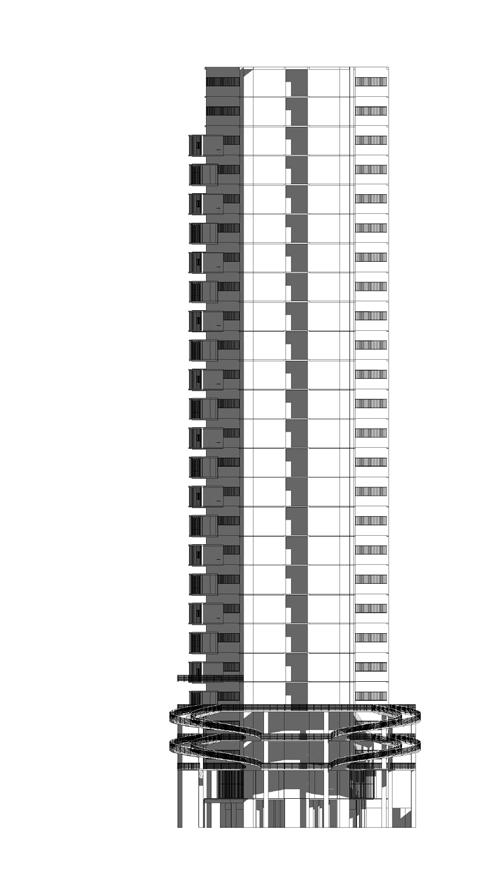
Maintaining structural stability of the building with the parasitic units
Feasiblity studies
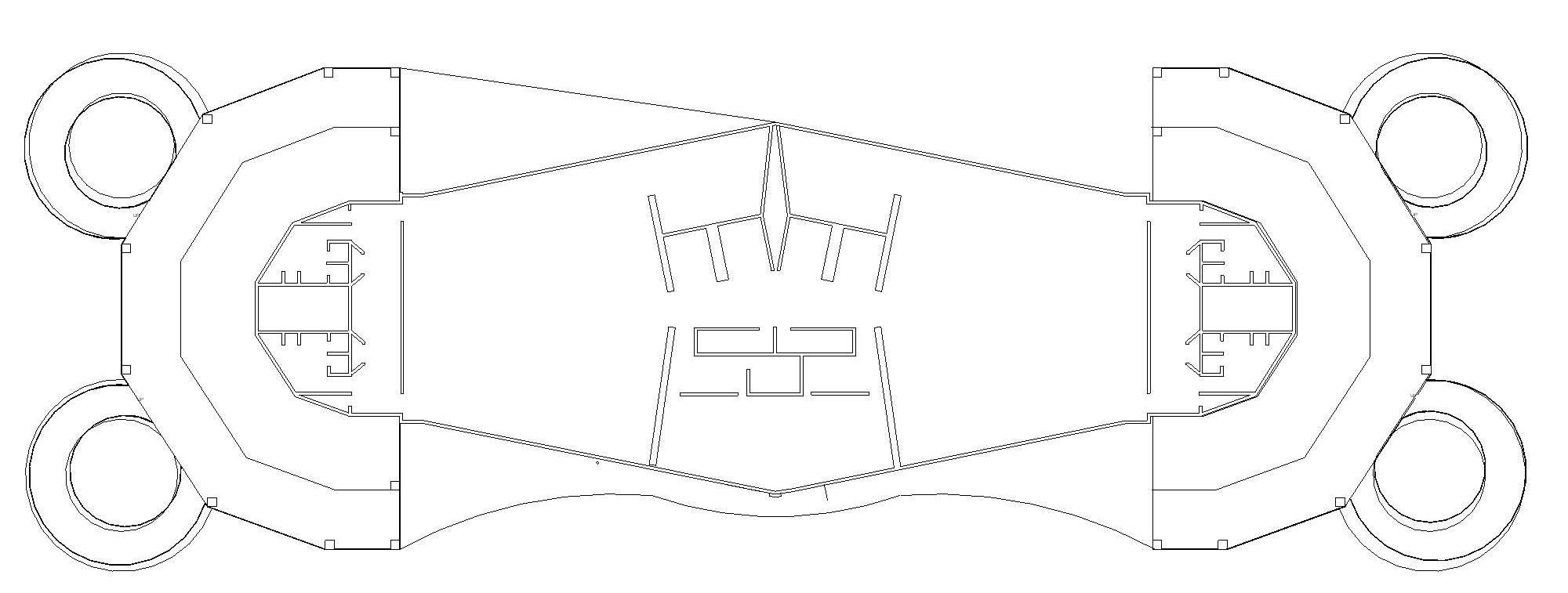
Placement of the modular units on the building
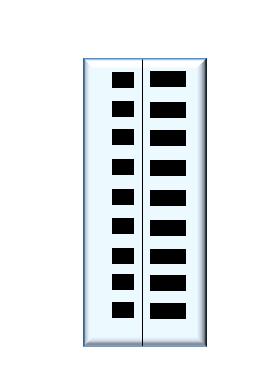
1st layout
Non-Symmetrical and linear
Cons- Leads to heavier loading on one side of the building
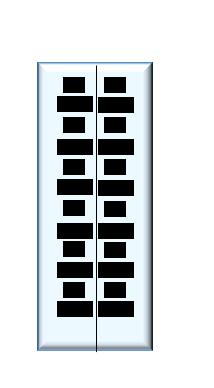
2nd layout- Staggered and symmetrical
Pros- evenly distributes the weight of the parasitic units along the existing building