A selection of professional work where spaces are designed with intent and built around a story. Each project in this collection traces a narrative from concept to completed experience, where ideas become the environments people move through and remember.
Caroline Steranka
HEARTH LOUNGE
Design Proposal by Caroline Steranka
1960 CHICAGO
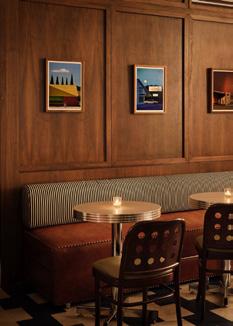
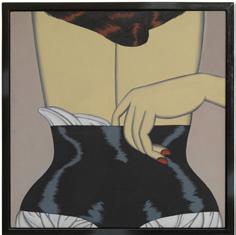
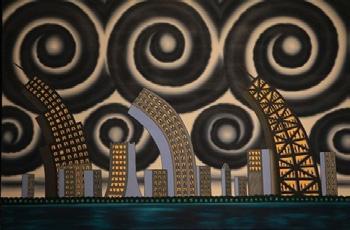
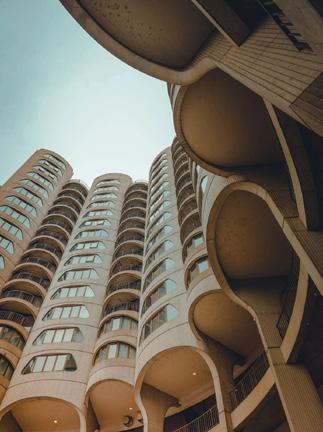
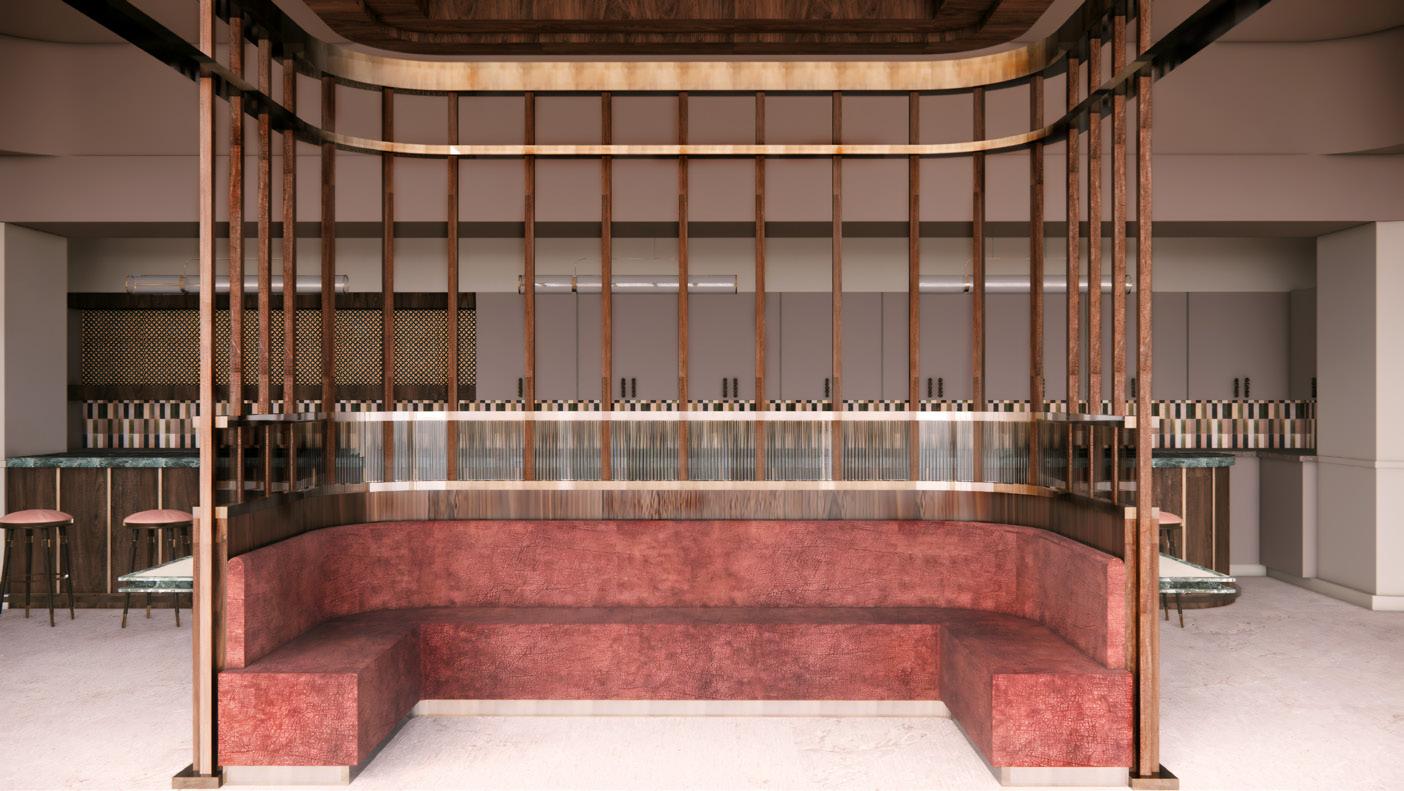
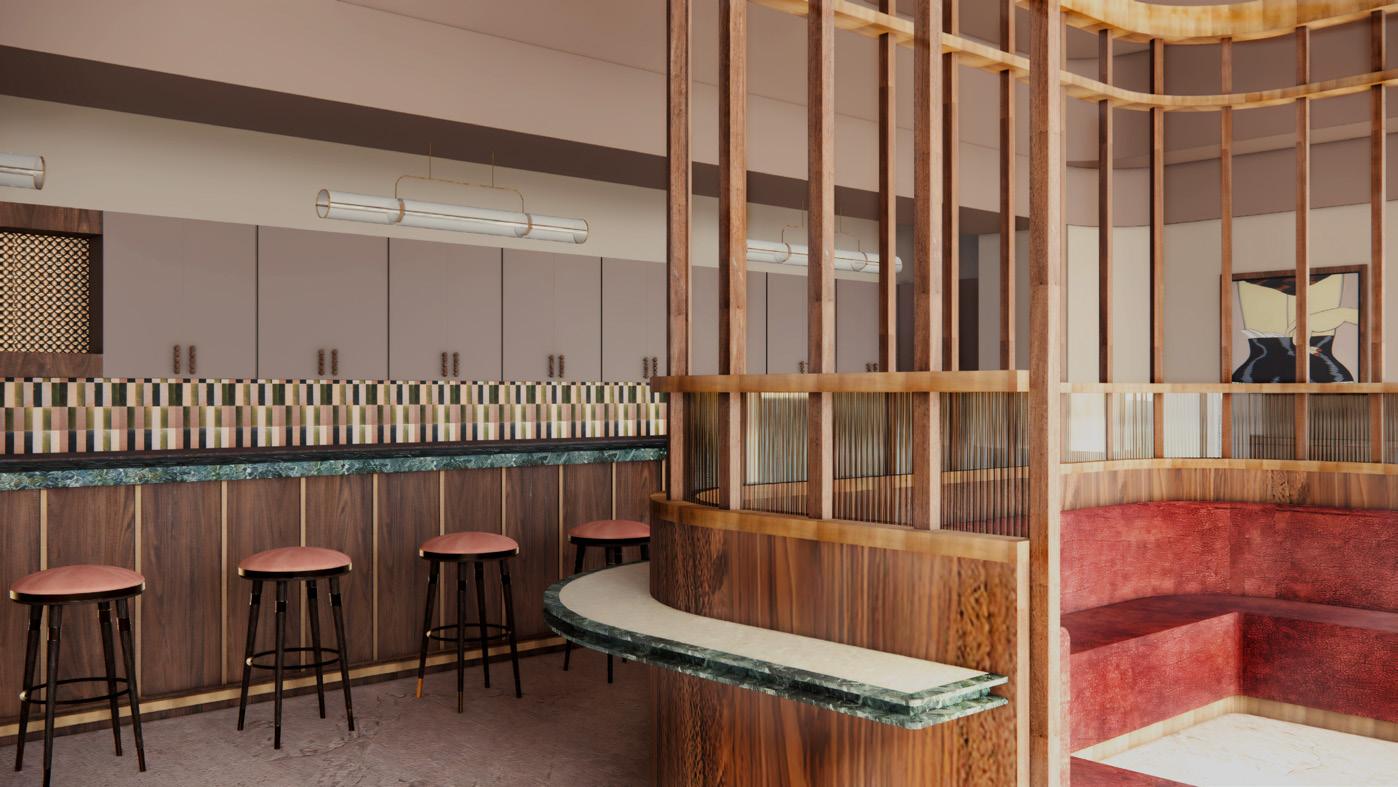
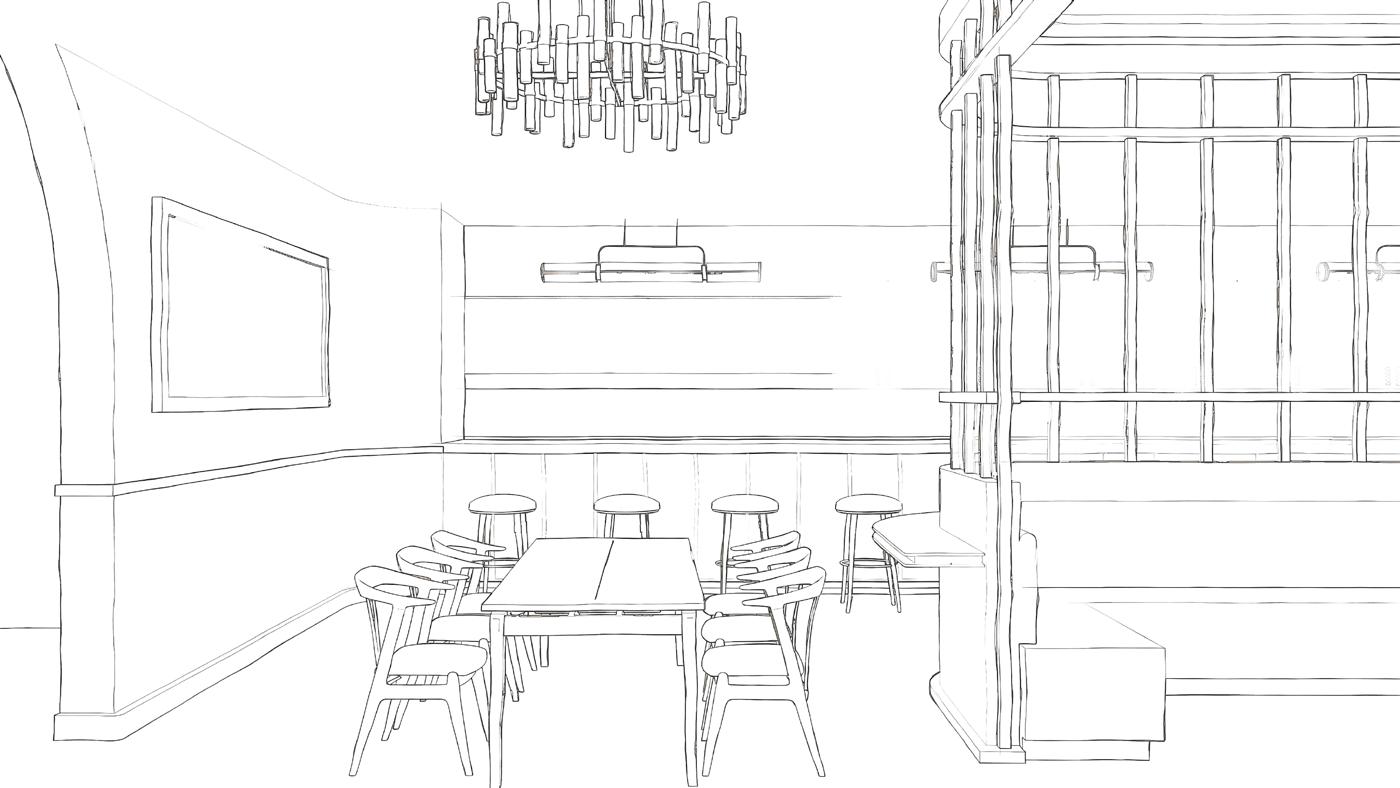
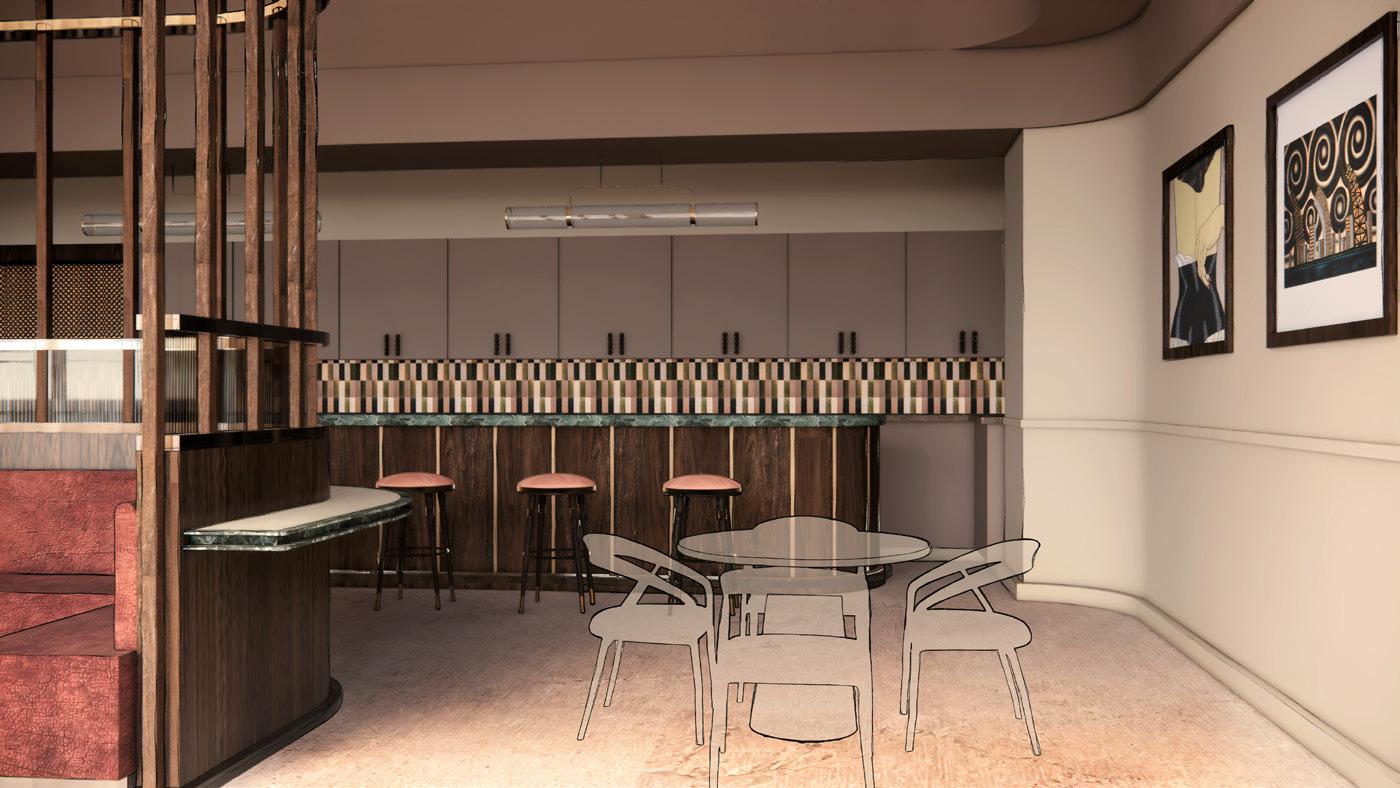
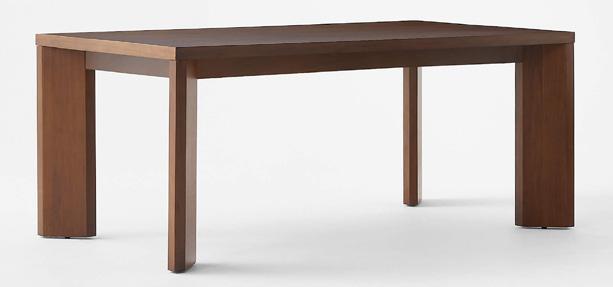
The amenity space captures the spirit of 1960s Chicago through a modern lens, transforming the floor into a destination for connection, creativity, and timeless sophistication. Materials and finishes reference the era’s authenticity, featuring rich walnut wood, marble and terrazzo countertops, brass accents, and plush upholstery in warm, earthy tones. Furniture and geometry draw inspiration from Chicago artists Christina Ramberg and Roger Brown, whose work explored bold shapes and expressive patterns. The soft curves and sculptural language of River City Towers inform the space, introducing movement and rhythm throughout.
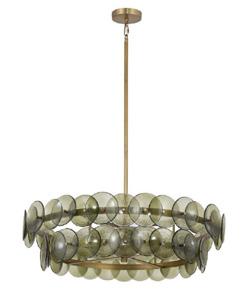
Layering mid-century-inspired light fixtures adds depth and warmth to the space, creating a subtle theatricality that celebrates the period in a contemporary context.
The space is anchored by a double-sided fireplace, serving as a social focal point. Open seating surrounds the hearth, forming clusters of activity that encourage interaction. Toward the rear, a long linear bartop functions as a cafe by day and a lounge by night. Parallel to the bartop, a curved countertop wraps the hearth lounge, enhancing flow and intimacy while maintaining openness.
HEARTH LOUNGE
Design Proposal by Caroline Steranka
WOOD CEILING
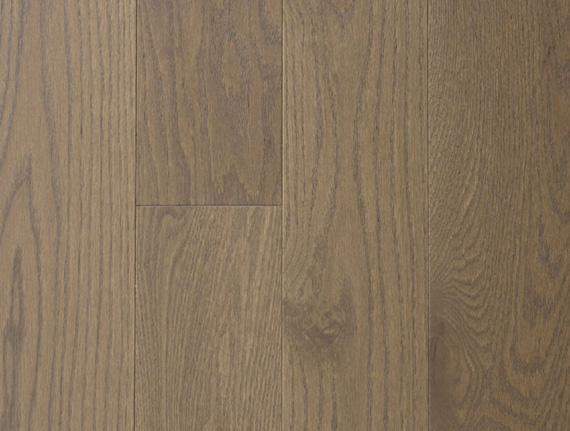
2. PAINT - BENJAMIN MOORE, WEIMARANER AF-155
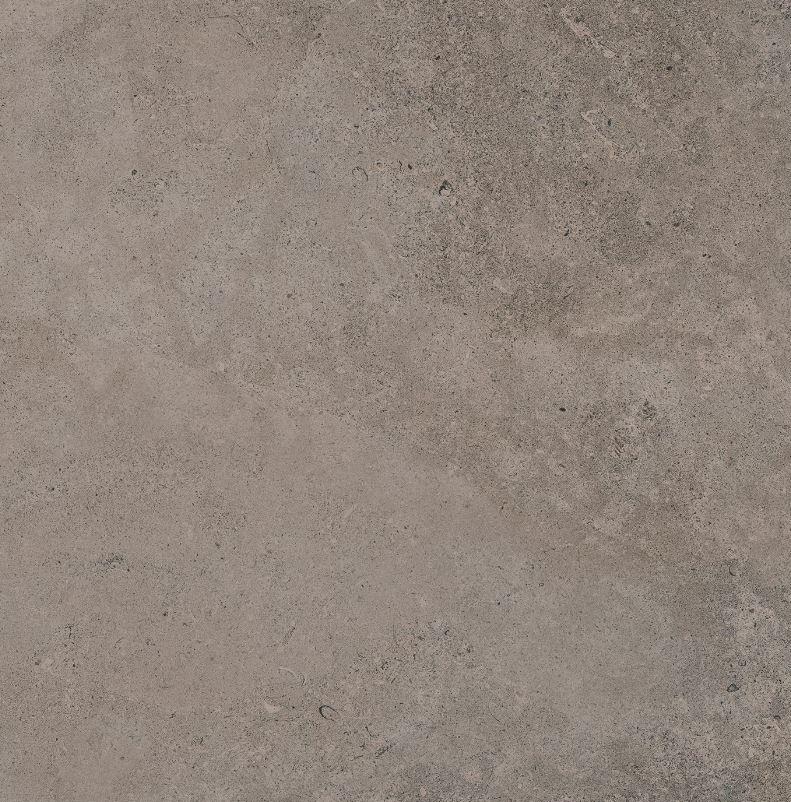
3. PAINT - BENJAMIN MOORE, WHITALL BROWN HC-69 4. TECHNICAL PORCELAIN TILE FLOORING - BERNA
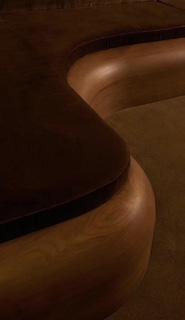
WALNUT FINISH
7. MONOCHROME TERRAZO, 1210 PERSIAN CREAM
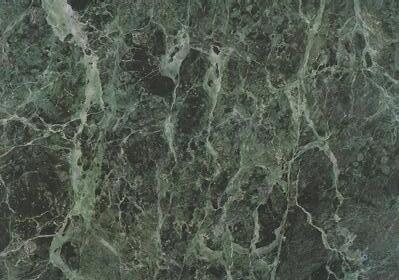
8. FOREST GREEN MARBLE
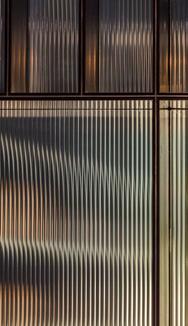
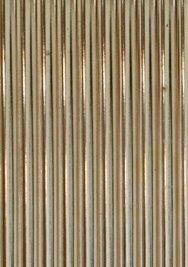
9. FLUTED & RIBBED GLASS, CHAMPAGNE
10. LIGHT SUEDE FABRIC, WINE
11. GRANITE, COFFEE
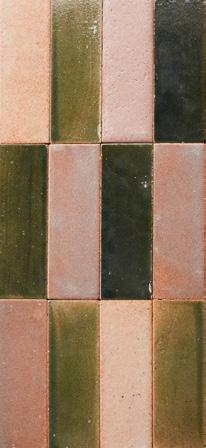
12. CERAMIC TILE
13. METAL MESH PANEL, GOLD
HEARTH LOUNGE
Design Proposal by Caroline Steranka
SPIRIT ISLAND
Design development by Caroline Steranka, Paloma Szpaiser, Agustina Garcia del Rio, & Ray Dalupang
Project Architect: Elizabeth Gruchala
Openspace Architecture, North Vancouver BC
Warmth, Timelessness & Quality
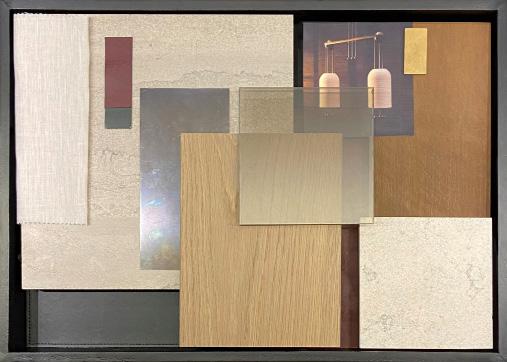
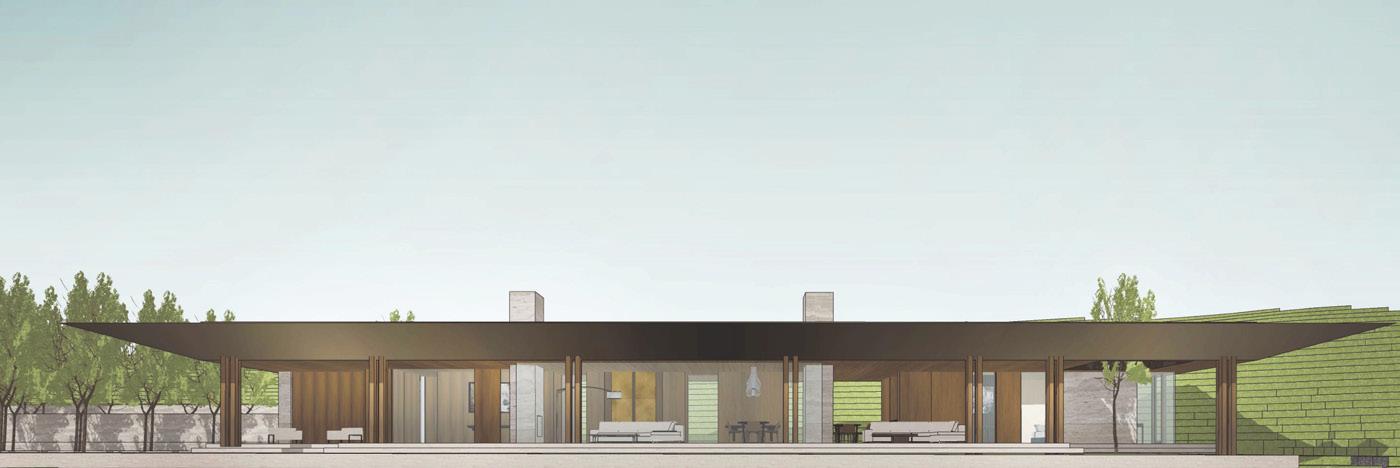
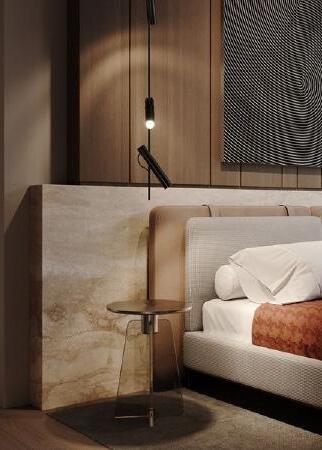
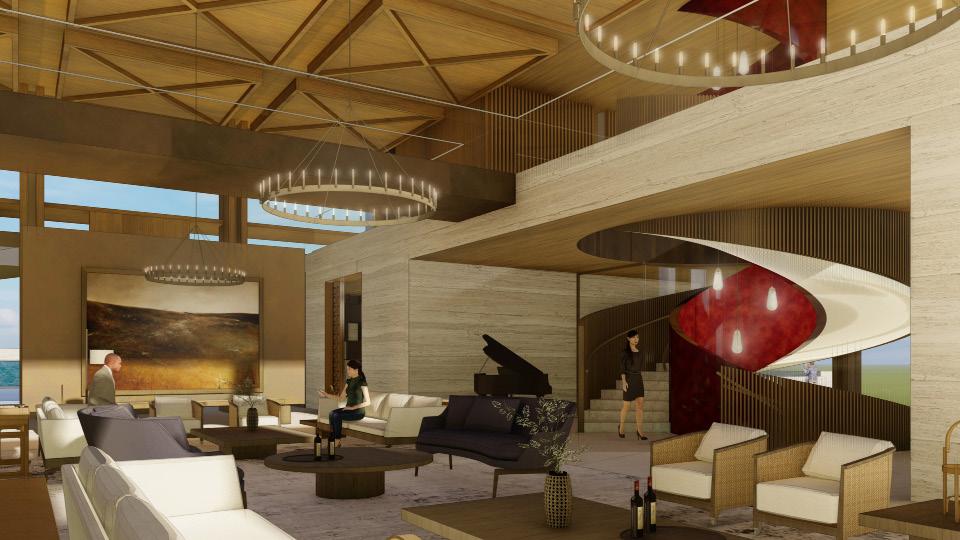
Natural stone, aged brass, oak millwork, and cedar ceilings layer warmth and texture into an atmosphere that feels curated yet effortless. Deep overhangs filter daylight into a soft and shifting glow that animates the space throughout the day. Full-height sliding glass opens the interior to the garden, making the outside an extension of the experience within.
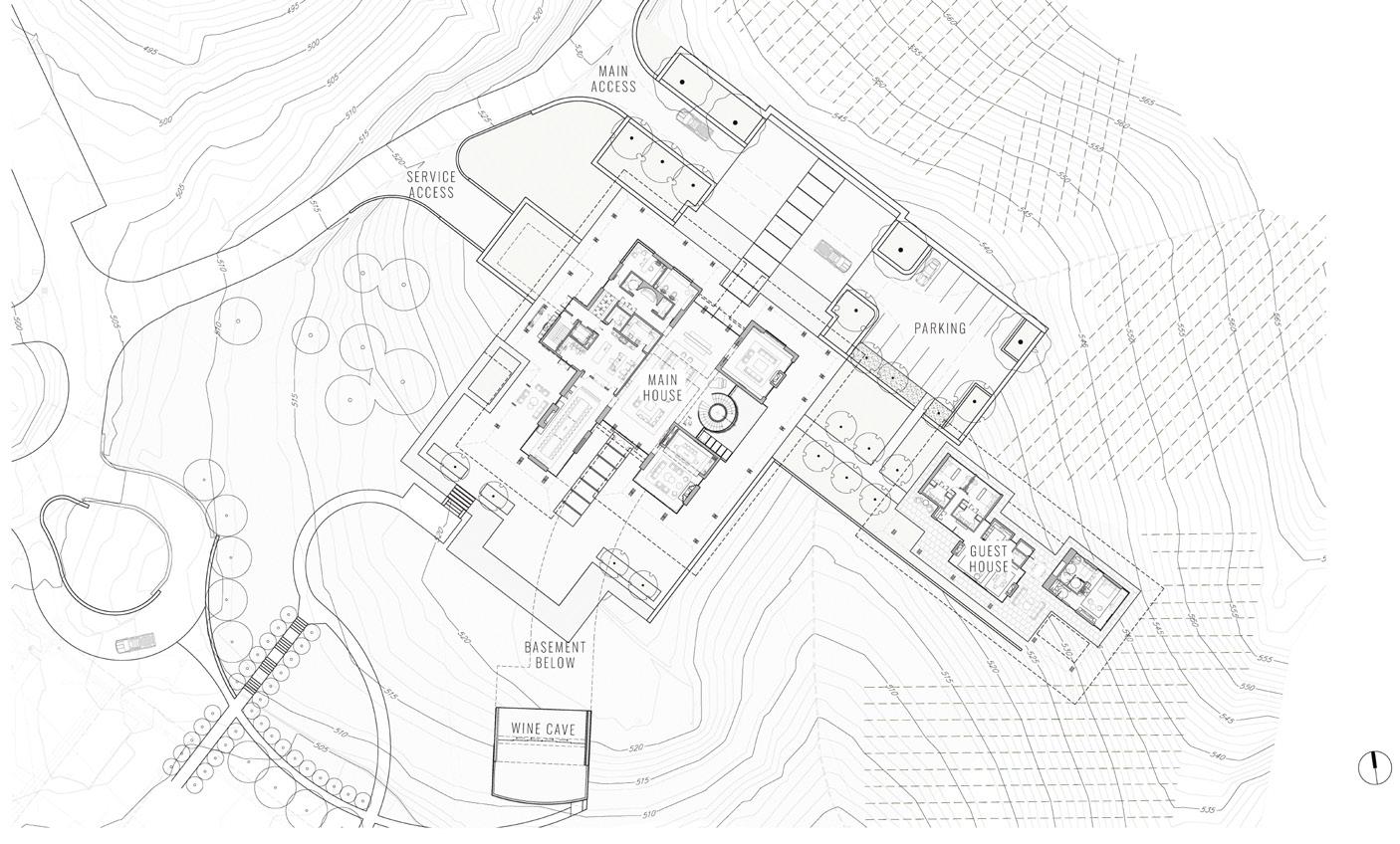
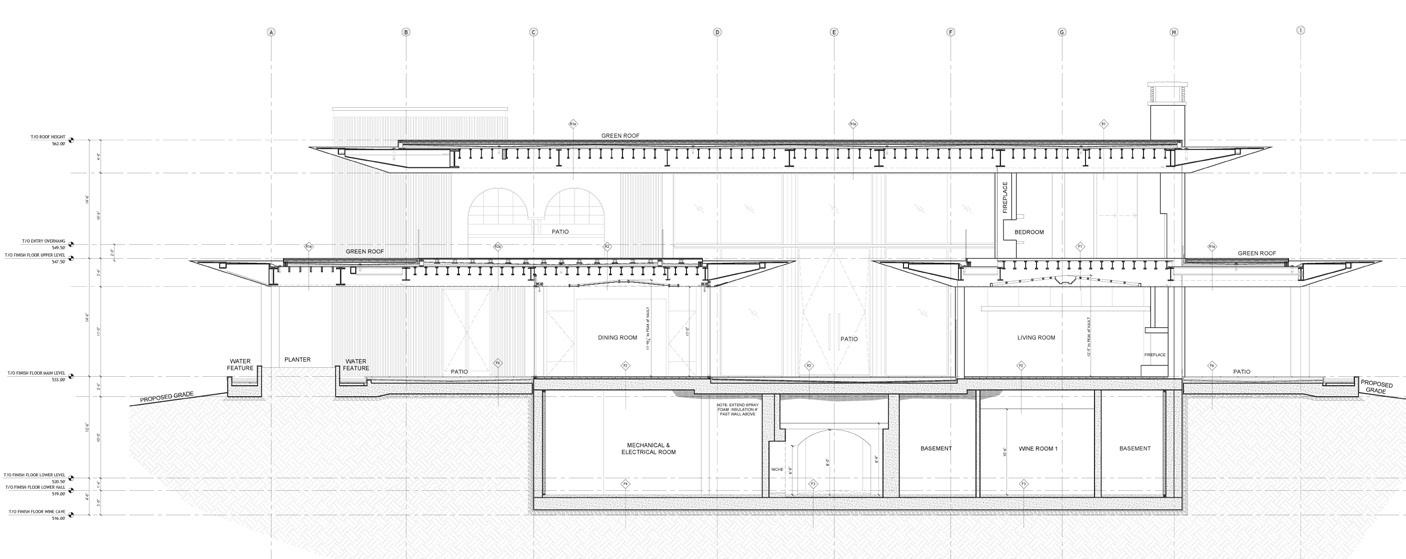
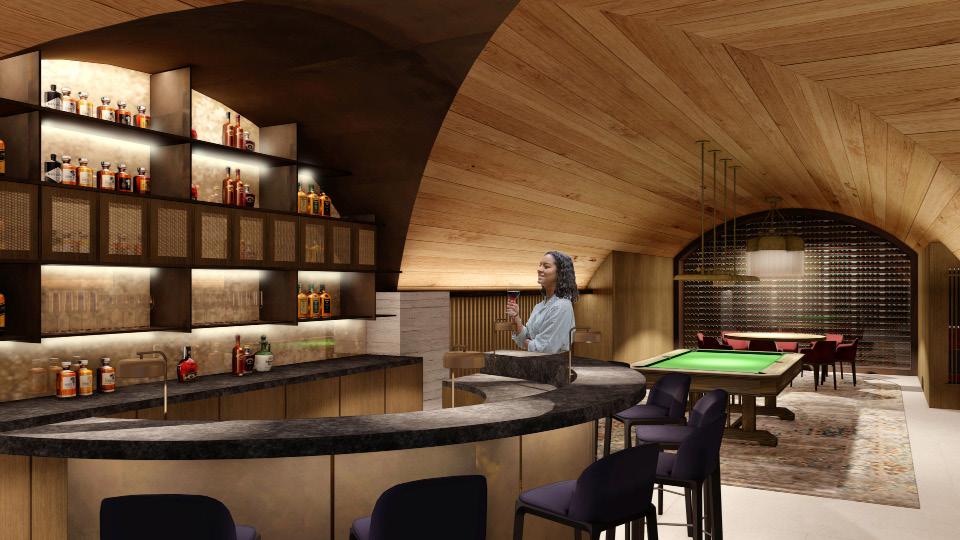
Each zone transitions fluidly from the expansive social spaces of the grand room and library to the intimate private suites and dramatic vaulted wine cellar below, guiding guests through an intentional sequence of discovery, comfort, and arrival.
MAIN FLOOR MATERIAL & FINISHES
GUEST HOUSE ELEVATION
SITE PLAN
SPIRIT ISLAND
Design development by Caroline Steranka, Paloma Szpaiser, Agustina Garcia del Rio, & Ray Dalupang
Project Architect: Elizabeth Gruchala
Openspace Architecture, North Vancouver BC
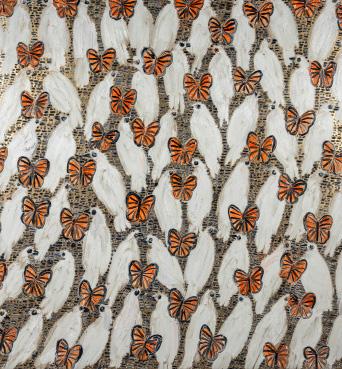
GOLD AND BURGUNDY - COLOUR CONCEPT INSPIRED BY PAINTINGS
MAIN HOUSE - SECTION
CENTRAL PRESBYTERIAN CHURCH
Renderings and visualization by Caroline Steranka
Project Architect: Keith Smith
Henriquez Partners Architects, Vancouver BC
Public art as the building envelope
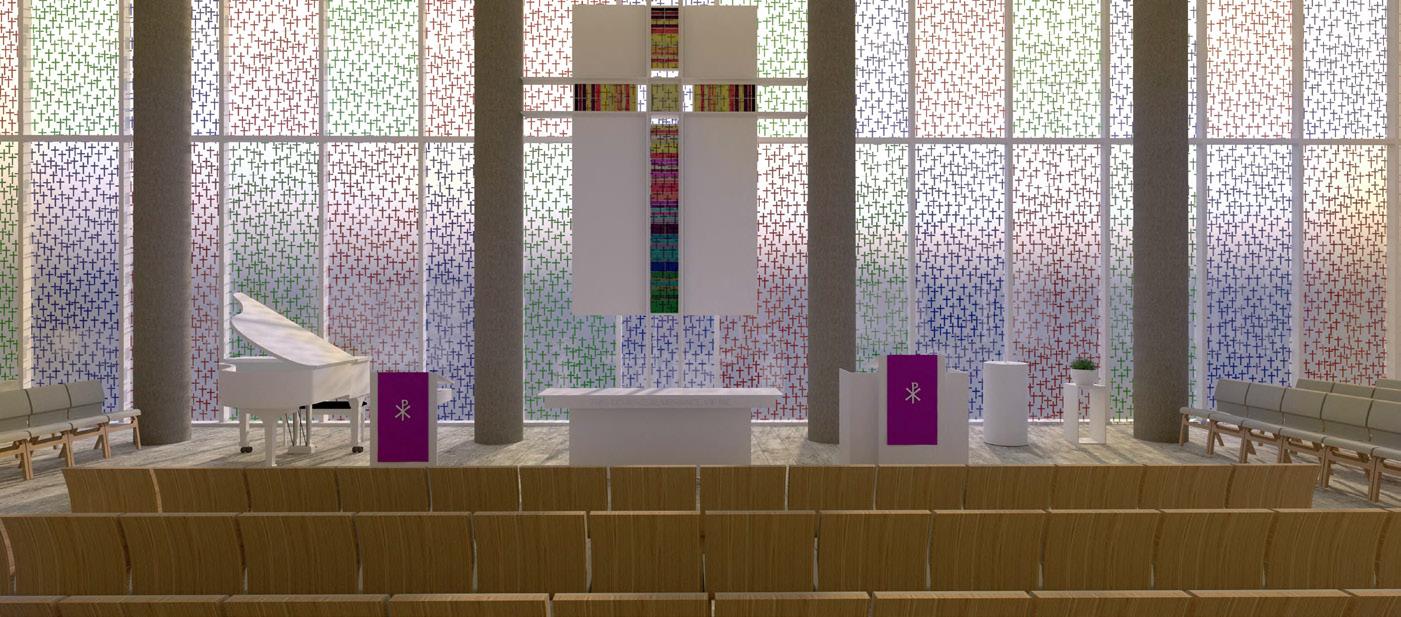
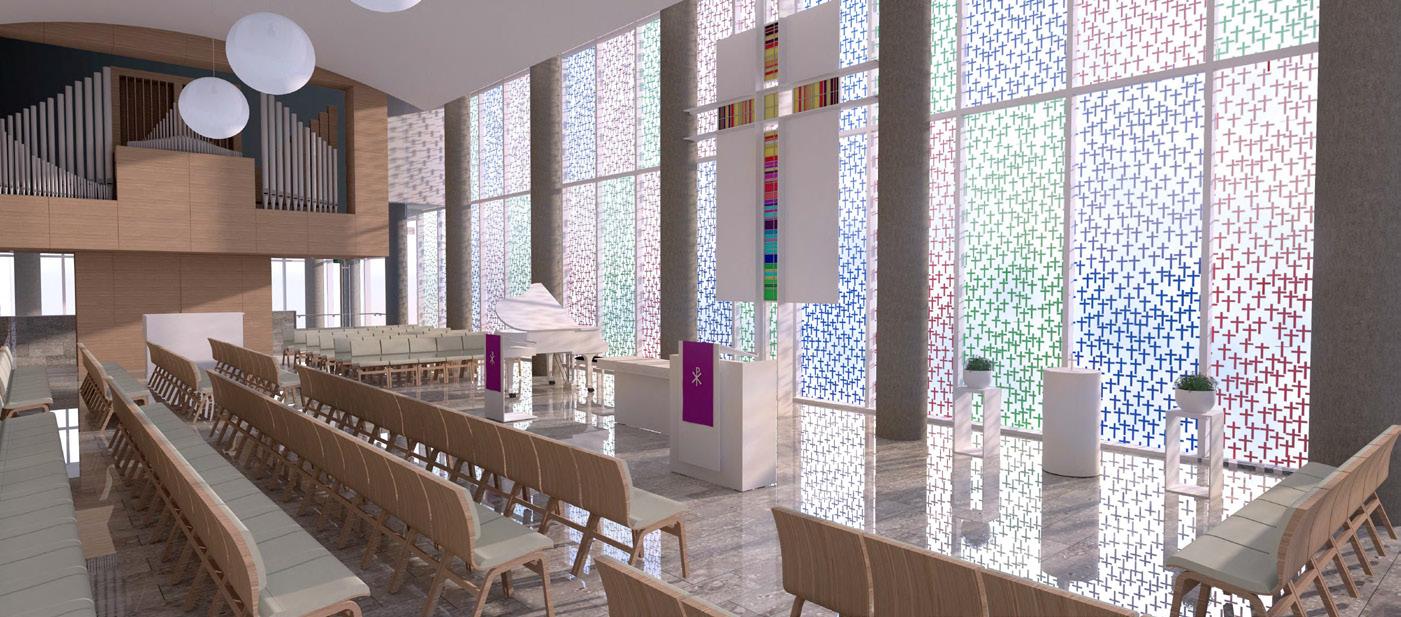
Collaborating with artist Michael Lin on the façade installation RGB, where the artwork was integrated directly into the building envelope. A repeated cross pattern, expressed through scale and abstraction, transformed into a larger collective composition. Spanning thousands of elements across red, green, and blue panels, the installation evokes the effect of stained glass while referencing both the holy trinity and broader themes of diversity and inclusion.
MIRVISH
VILLAGE
Renderings and visualization by Caroline Steranka
Project Architect: Shawn LaPointe
Henriquez Partners Architects, Vancouver BC
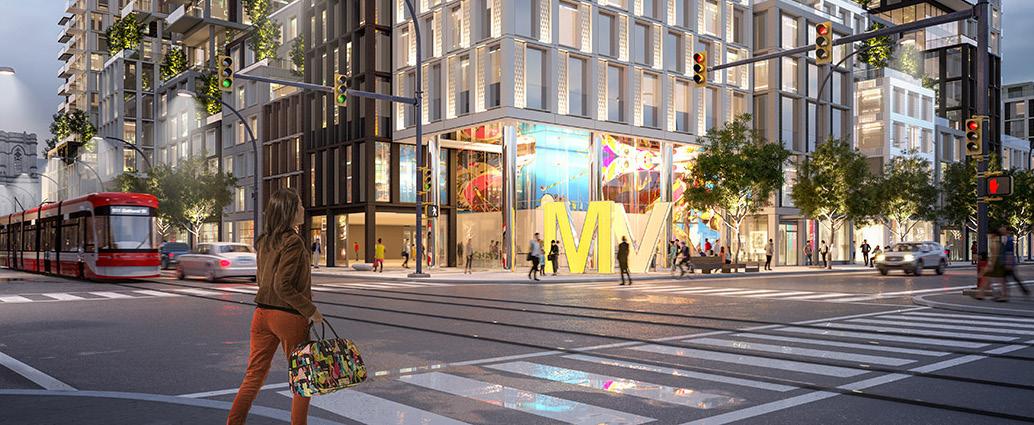
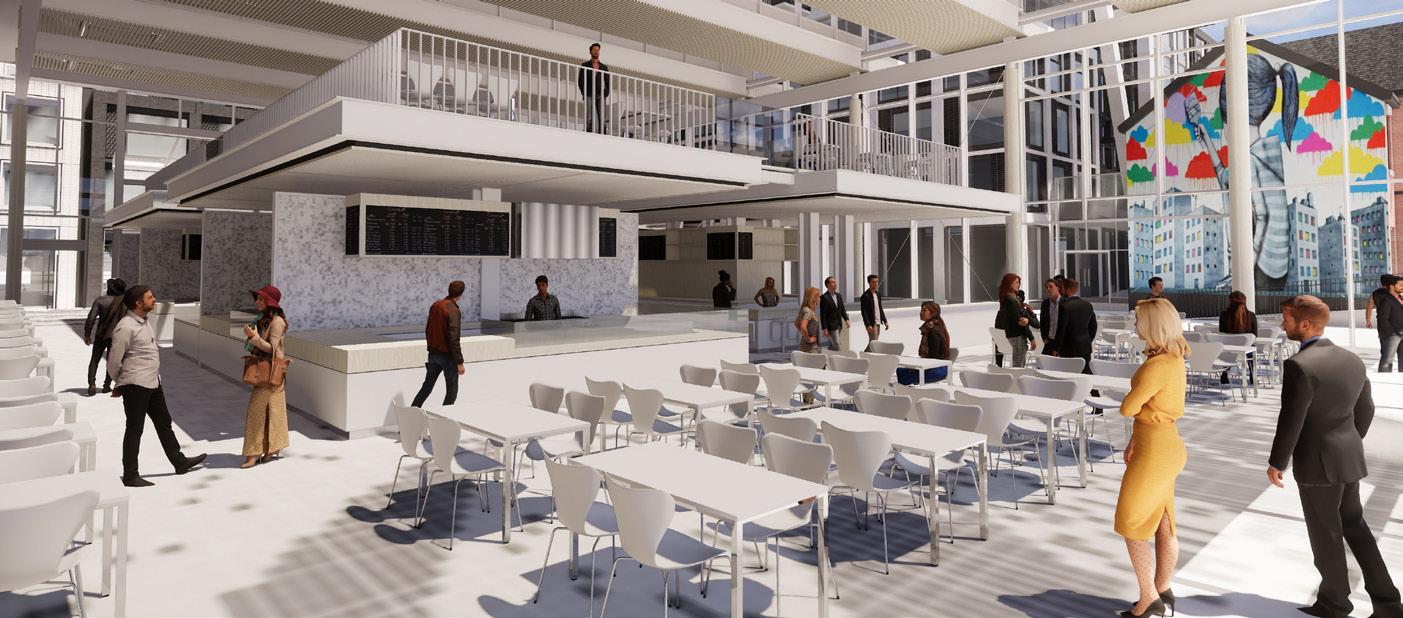
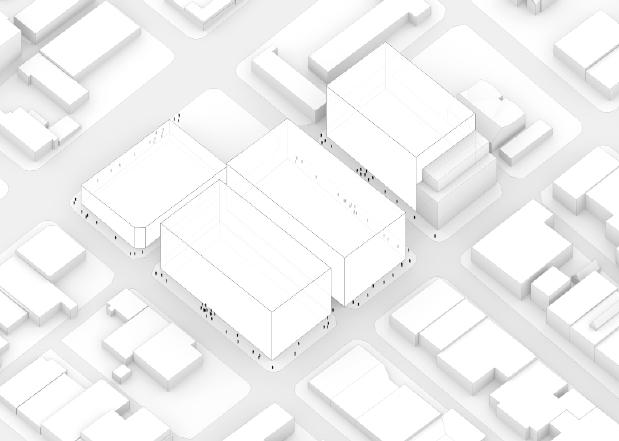
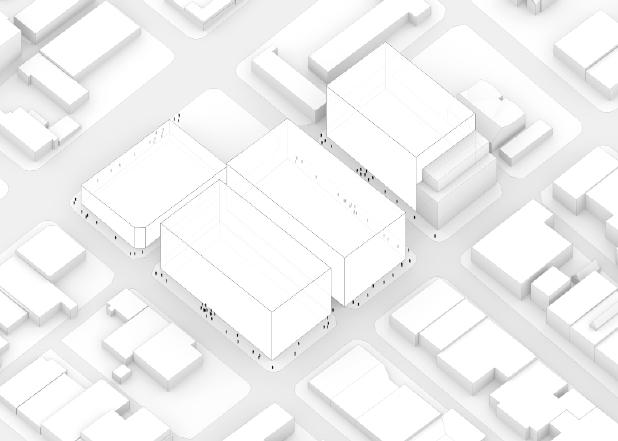
Mirvish Village explores how urban development can be shaped through experience, rhythm, and cultural continuity. Inspired by Tokyo’s fine-grain density, the project breaks down massing into smaller elements to maintain the scale and energy of the existing streetscape while introducing a cohesive identity.
Retail and public space are treated as key storytelling layers
Activating the ground plane and shaping a dynamic pedestrian experience. Heritage homes are restored and reimagined with new retail and hospitality uses, while community-driven elements and emerging retail concepts bring forward both legacy and future-facing narratives.
MAIN ALLEY
Renderings and visualization by Caroline Steranka
Project Architect: Keith Smith
Henriquez Partners Architects, Vancouver BC
MAINST Lot Lot SITE
Parking Parking
4THAVE 5THAVE QUEBECST
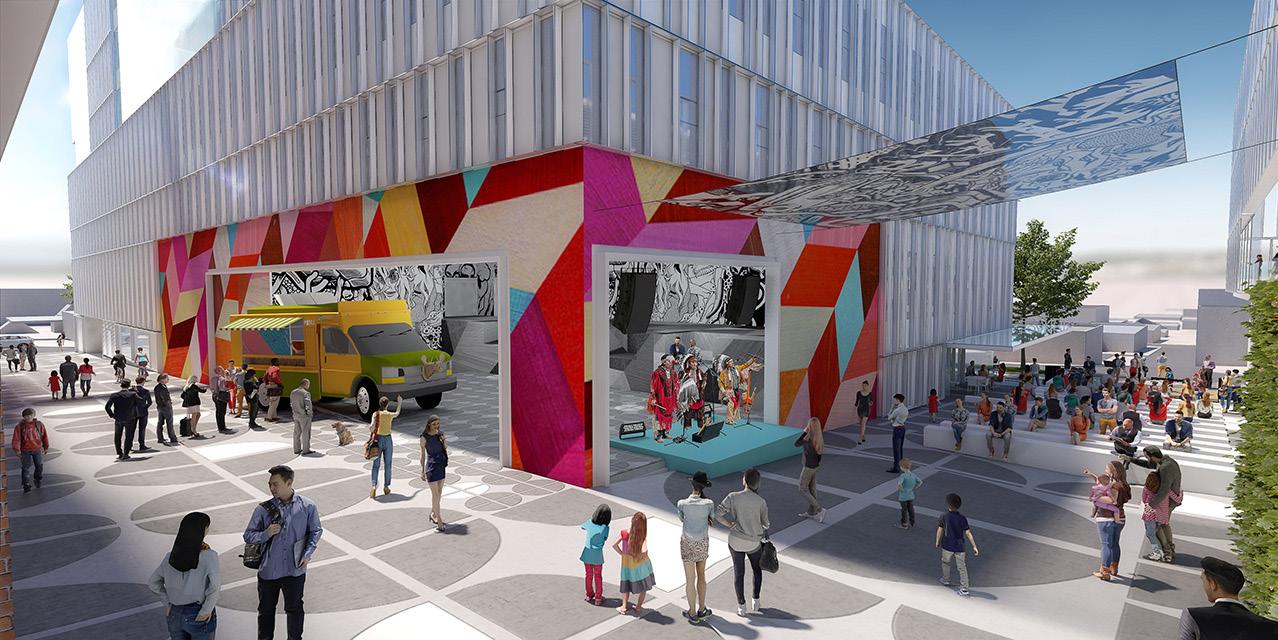
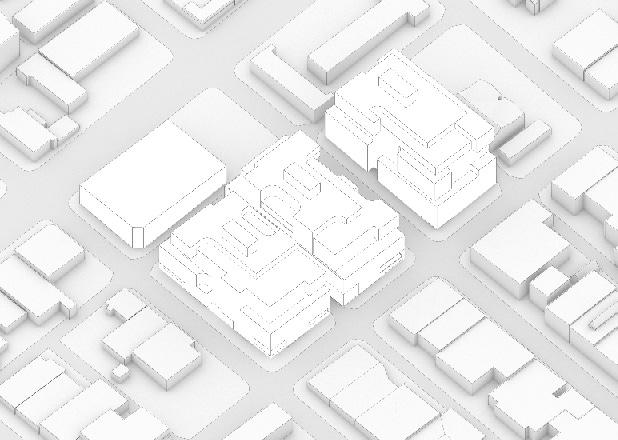
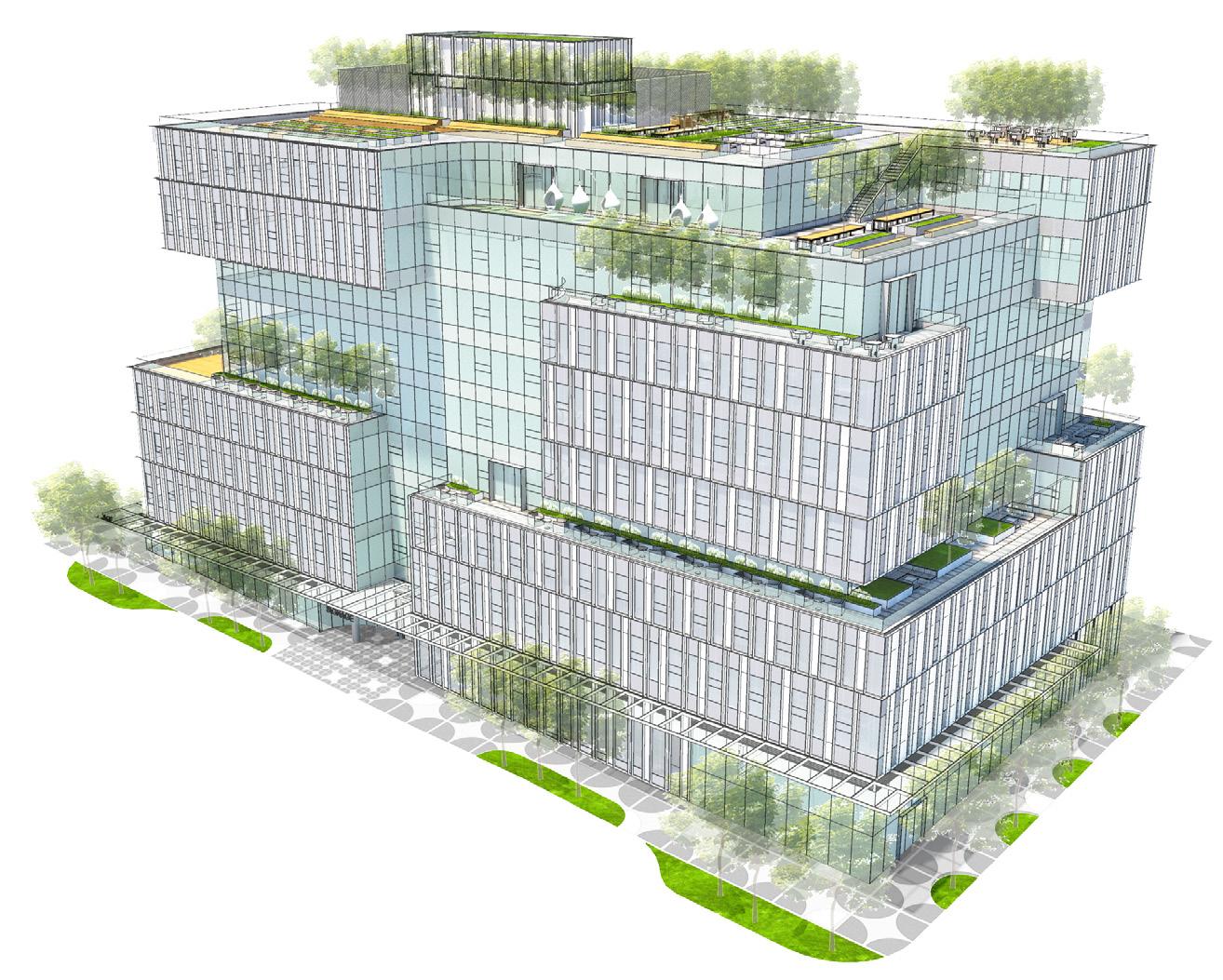
Main Alley is a multi-building campus that reimagines light industrial development as a collaborative environment for creativity, production, and community.
Activated laneways serve as social corridors, hosting events, informal gathering, and murals inspired by the Vancouver Mural Festival.
Flexible workspaces, pop-ups, and shared public areas make the act of creation visible, while adaptable elements allow spaces to shift between daily use and larger activations. Grounded in sustainability and adaptability, the campus brings diverse forms of making into a cohesive environment.
KPU BLACK BOX THEATRE
Rendering and drawings done by Caroline Steranka
Project Architect: James Kao
DA Architects + Planners, Vancouver BC
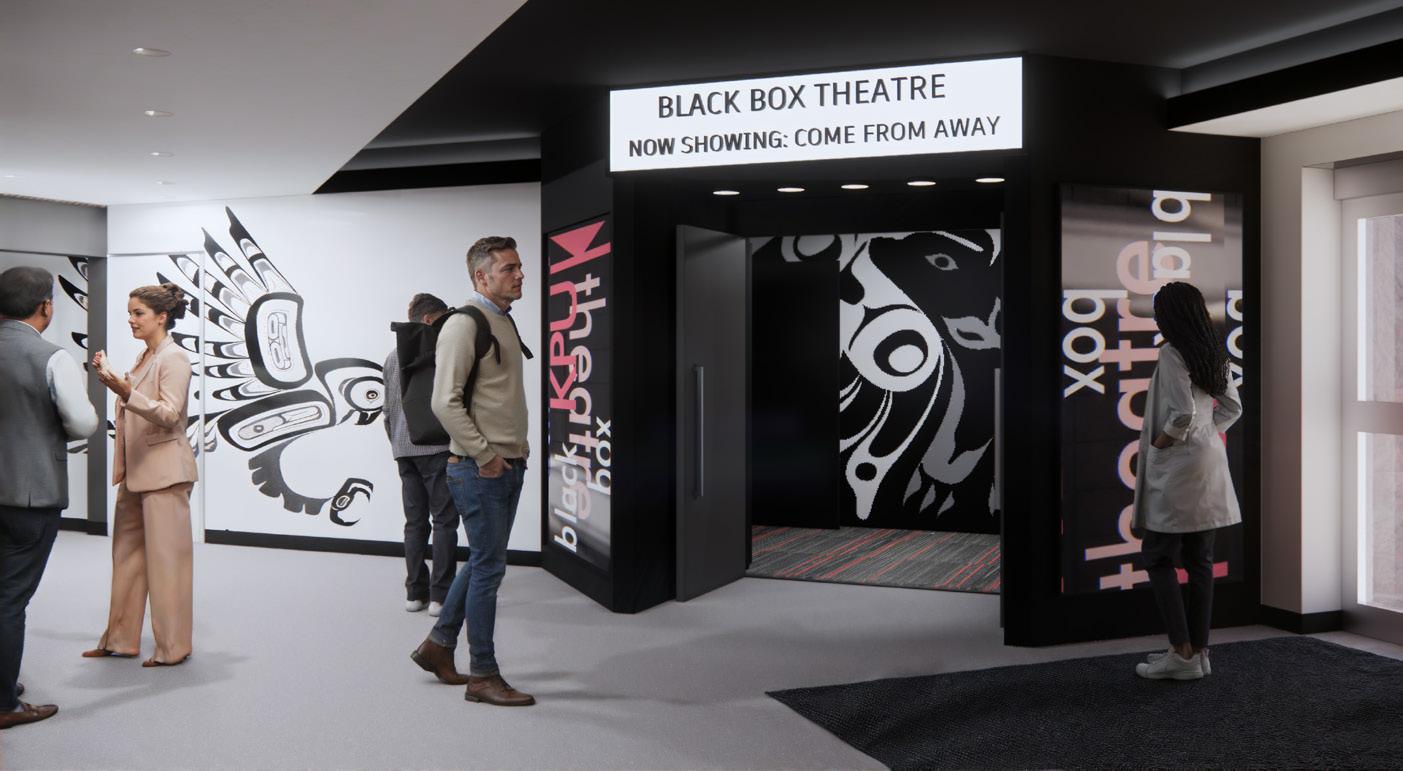
Translating cultural narratives and performance into an immersive and flexible environment that fosters education and engagement.
The KPU Black Box Theatre is positioned as a visible and active part of the Art Faculty’s creative hub. The theatre is designed as a flexible performance space, with adaptable seating and staging that support a range of uses and encourage experimentation. The corridor leading to the theatre integrates digital screens for announcements and evolving content, creating an interactive layer of engagement.
In collaboration with Indigenous artist Leslie Wells, custom digital artwork is applied as vinyl wall wraps, embedding cultural expression directly into the space. Indigenous design elements are guided by the artist’s vision, allowing for an authentic and evolving representation.