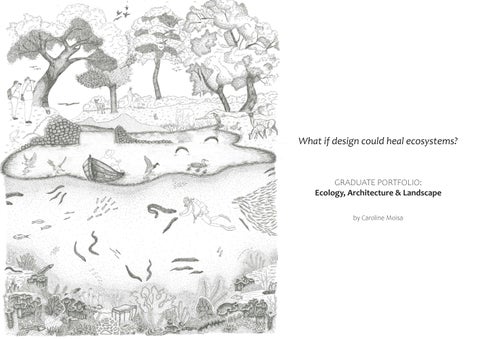
GRADUATE PORTFOLIO: Ecology, Architecture & Landscape
by Caroline Moisa
by Caroline Moisa
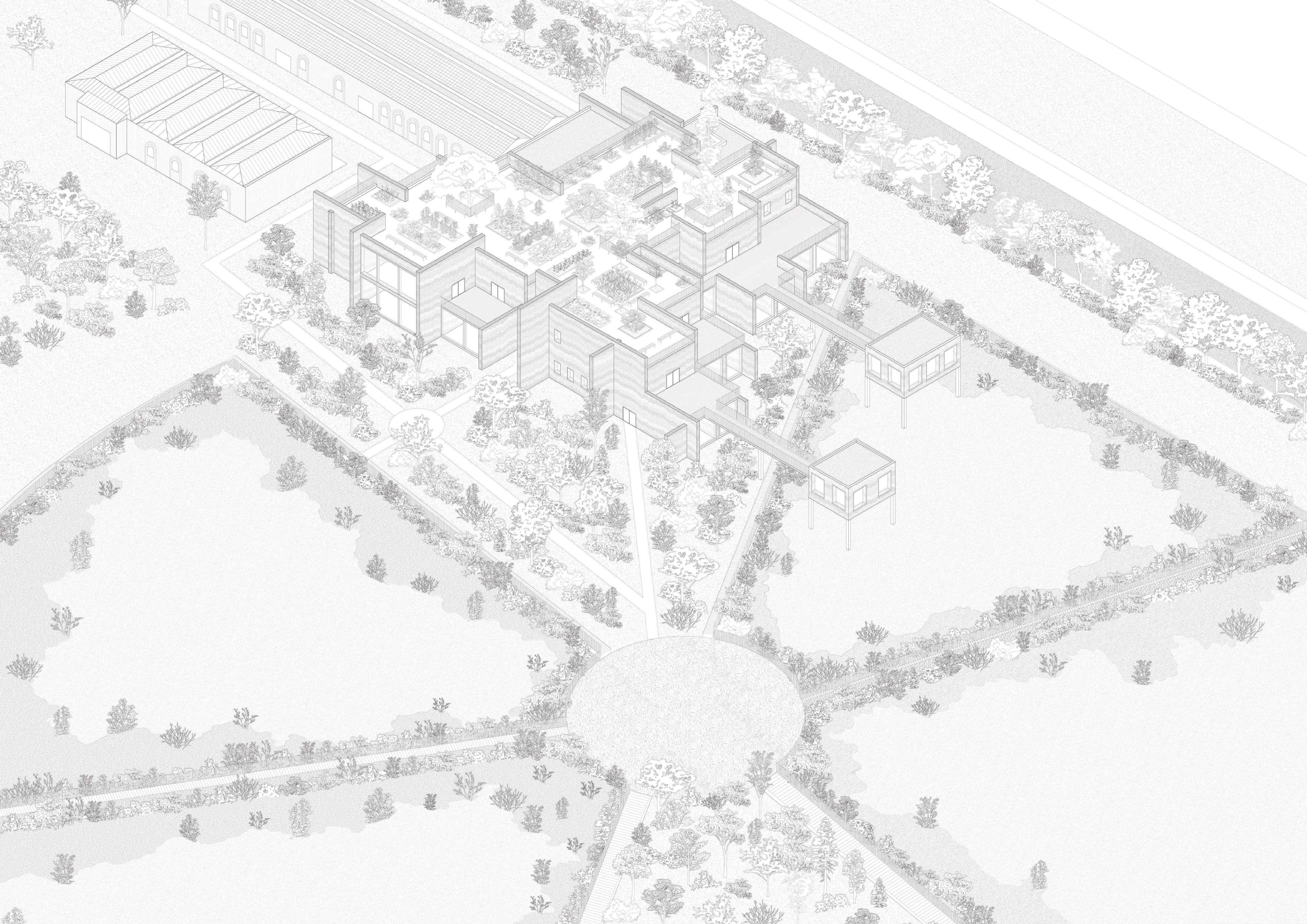
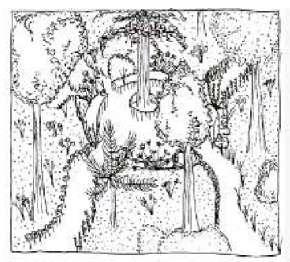
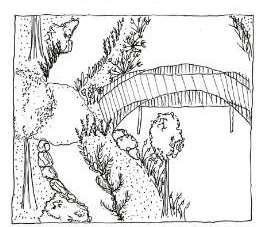
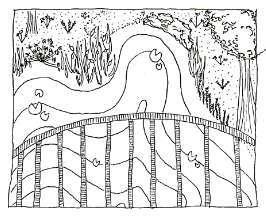
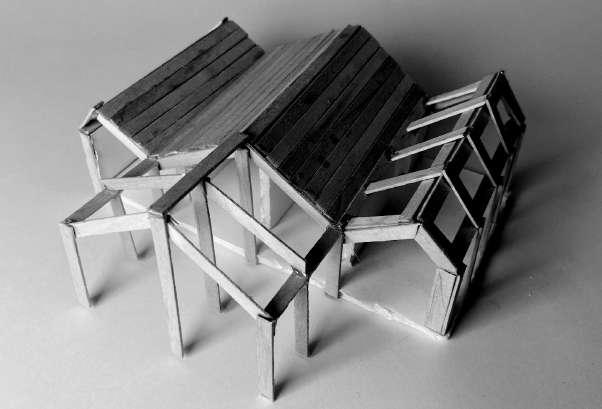
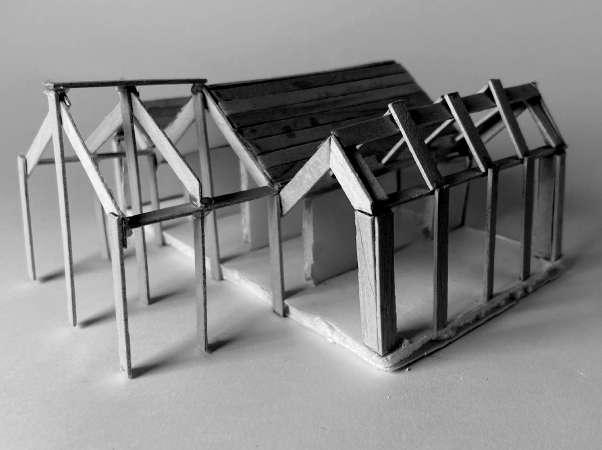
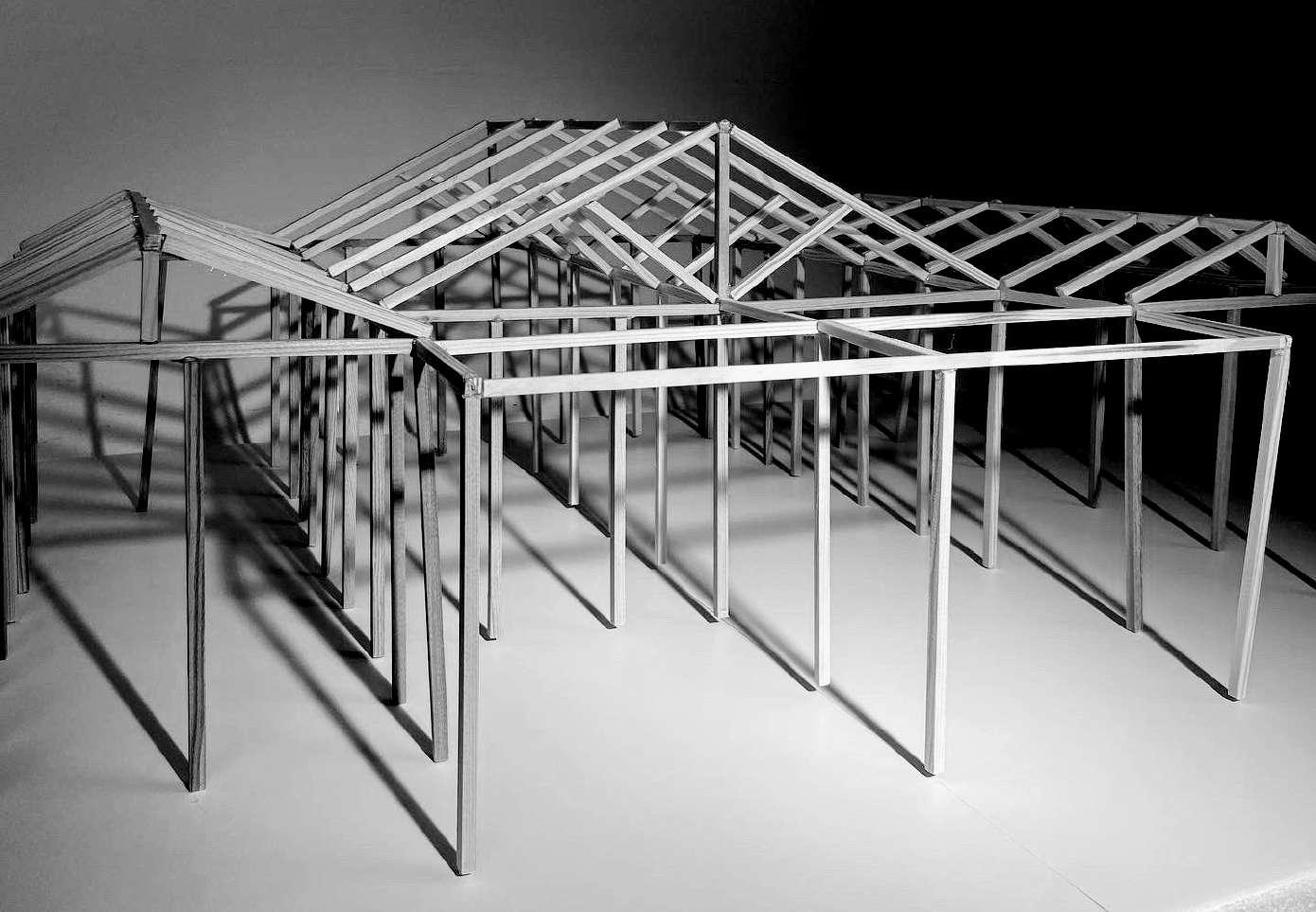
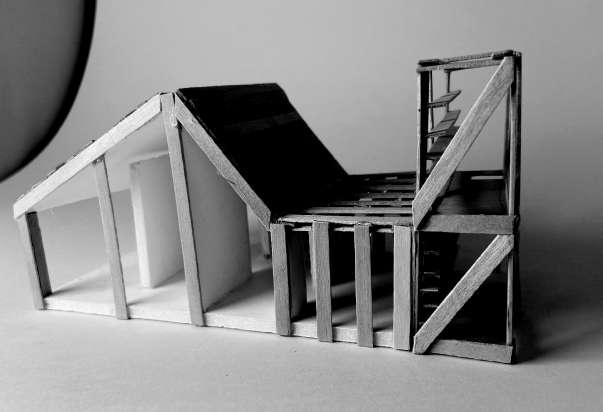
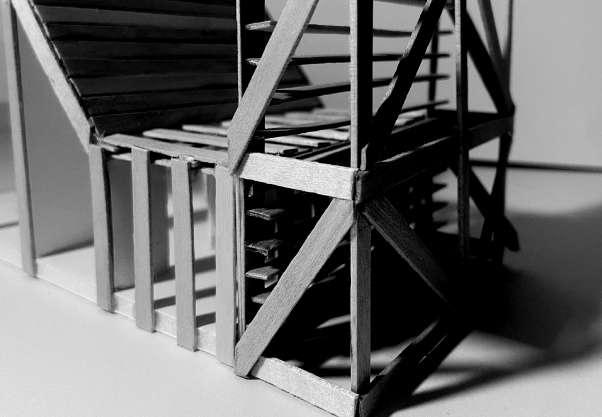
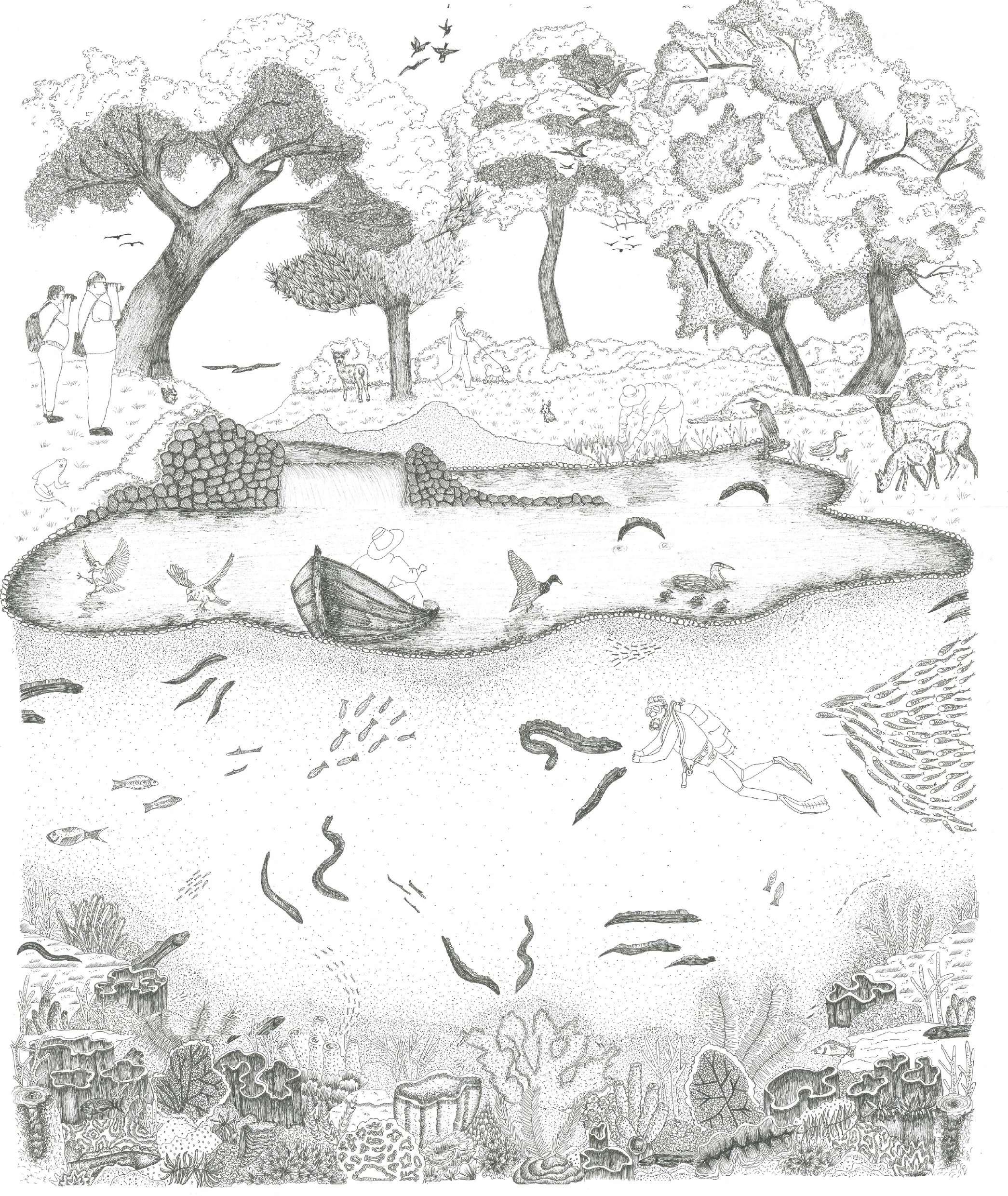
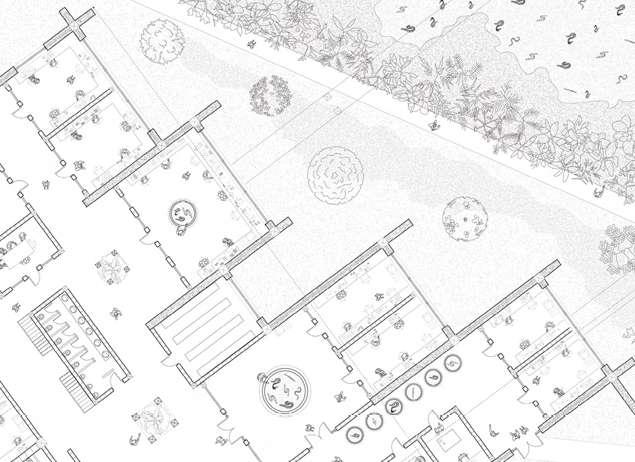
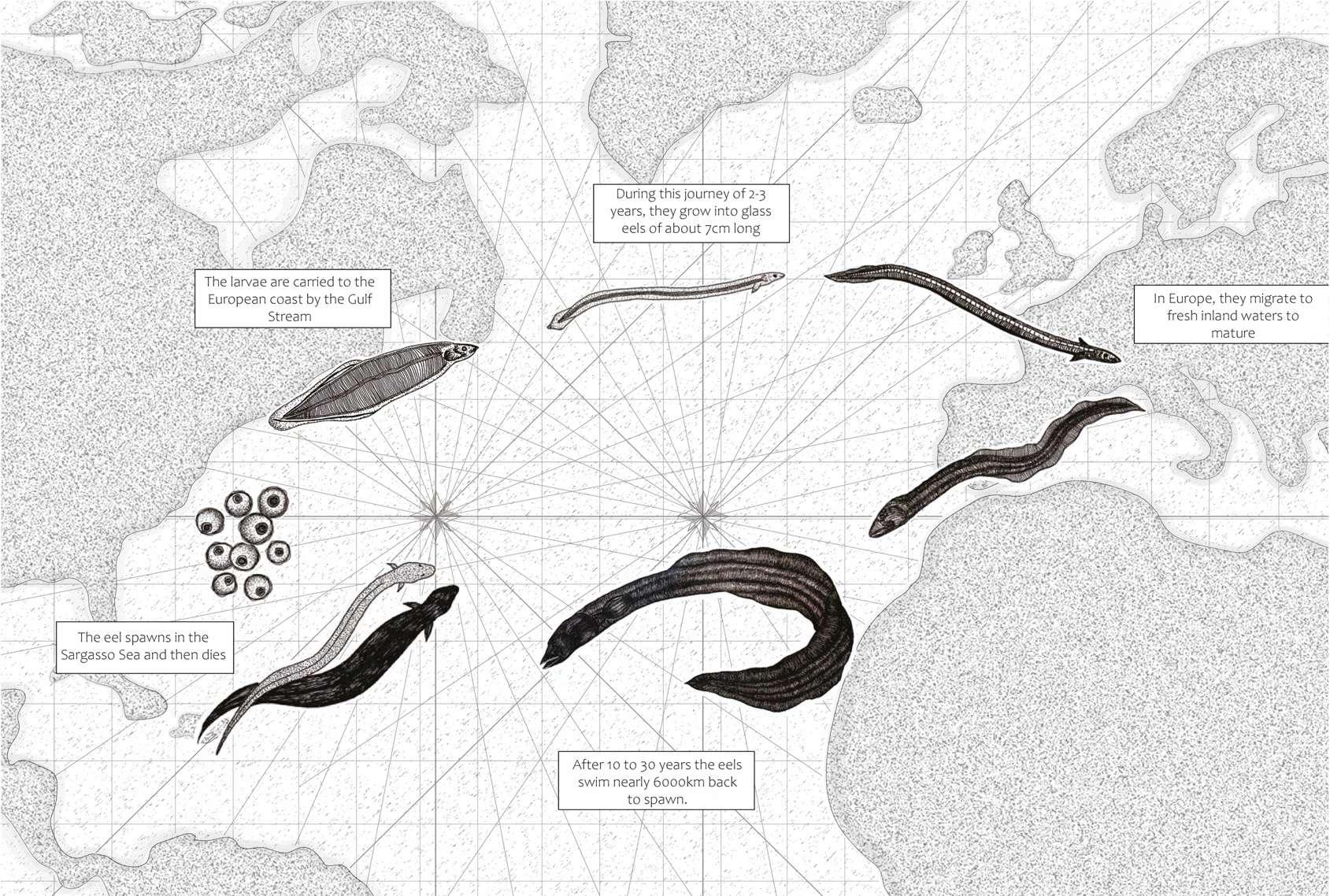
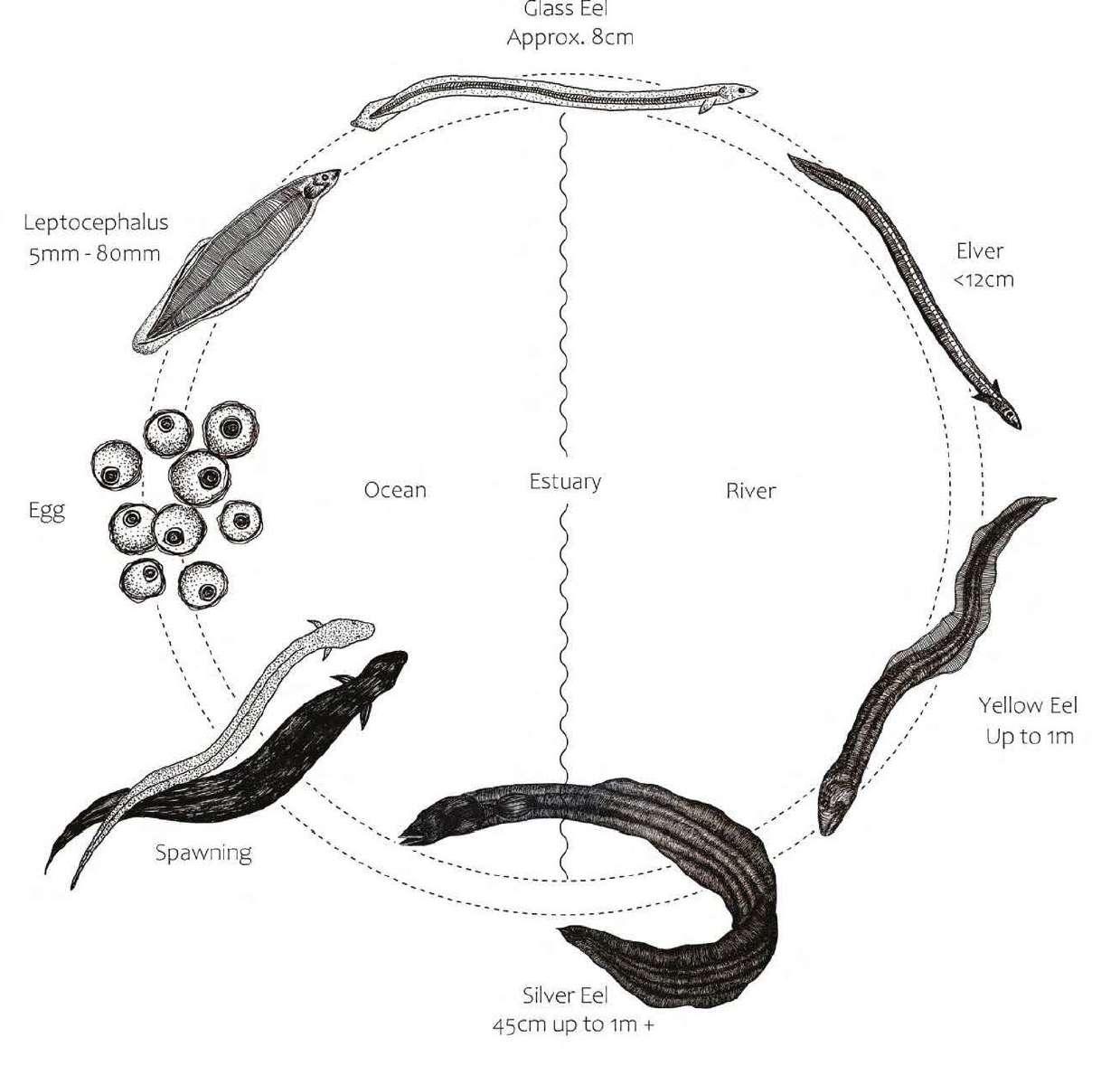
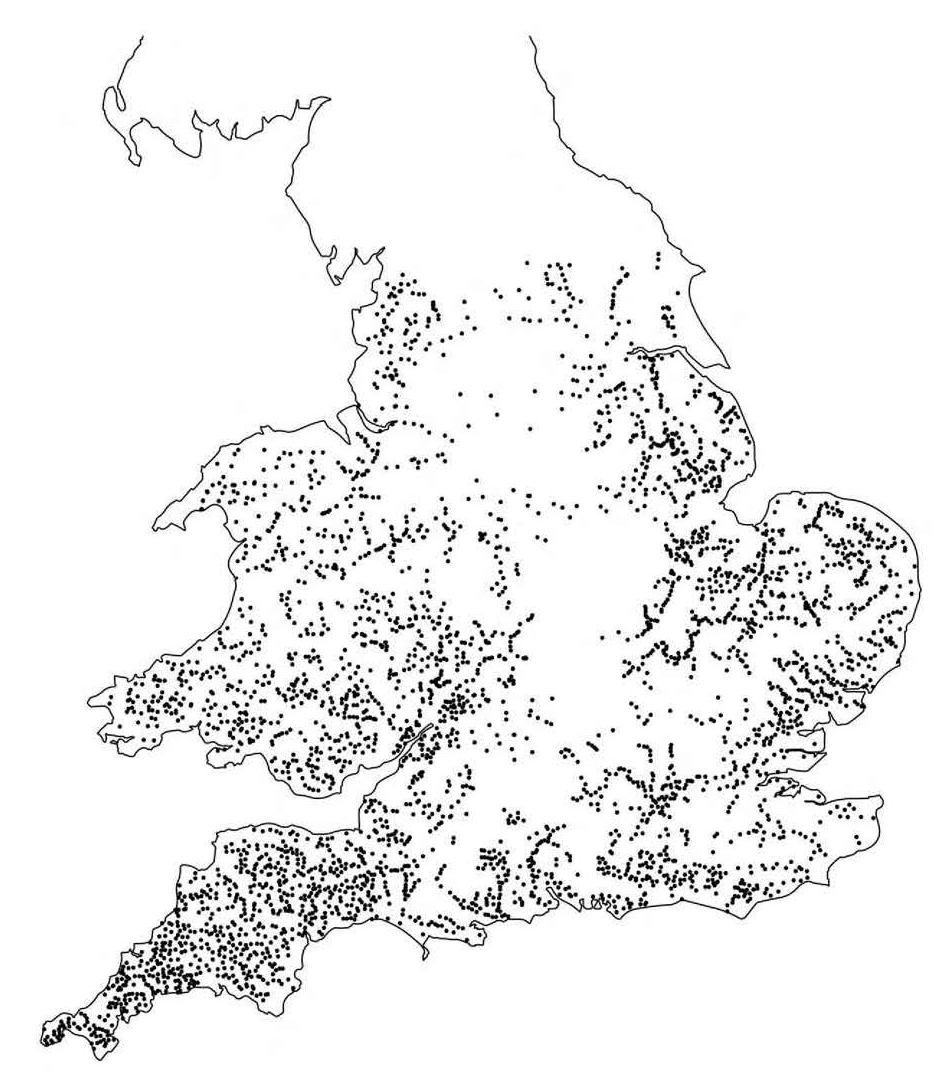
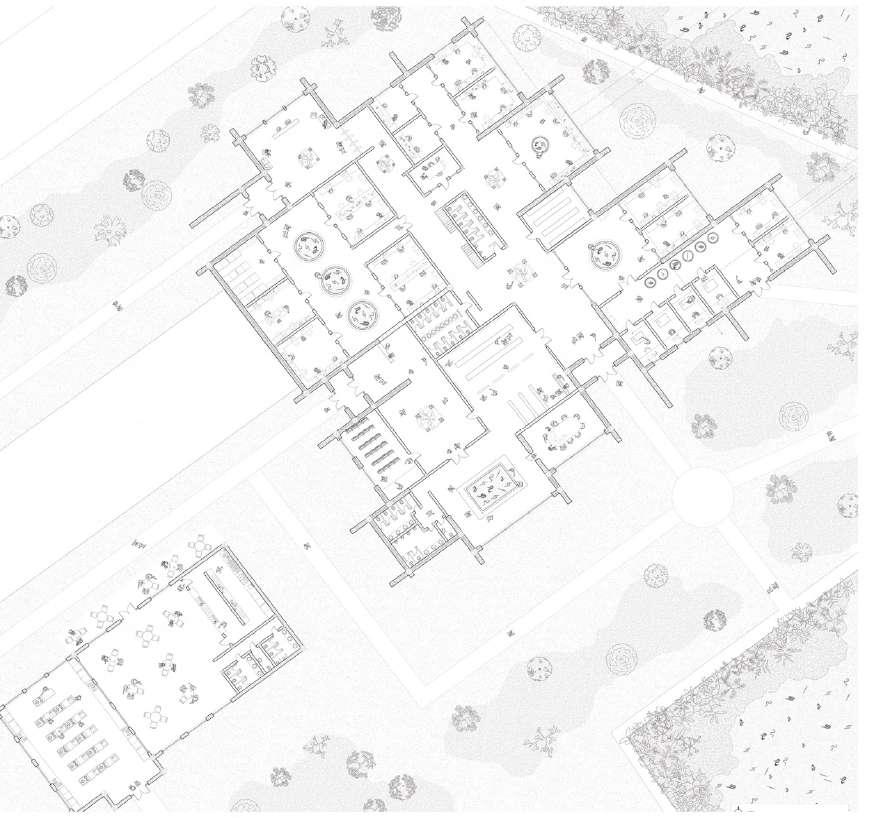
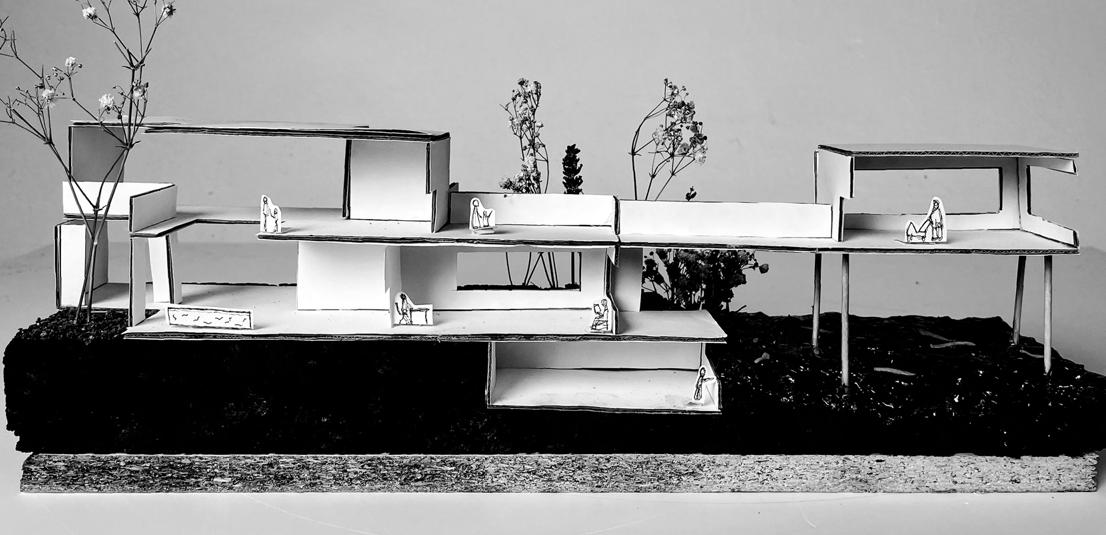
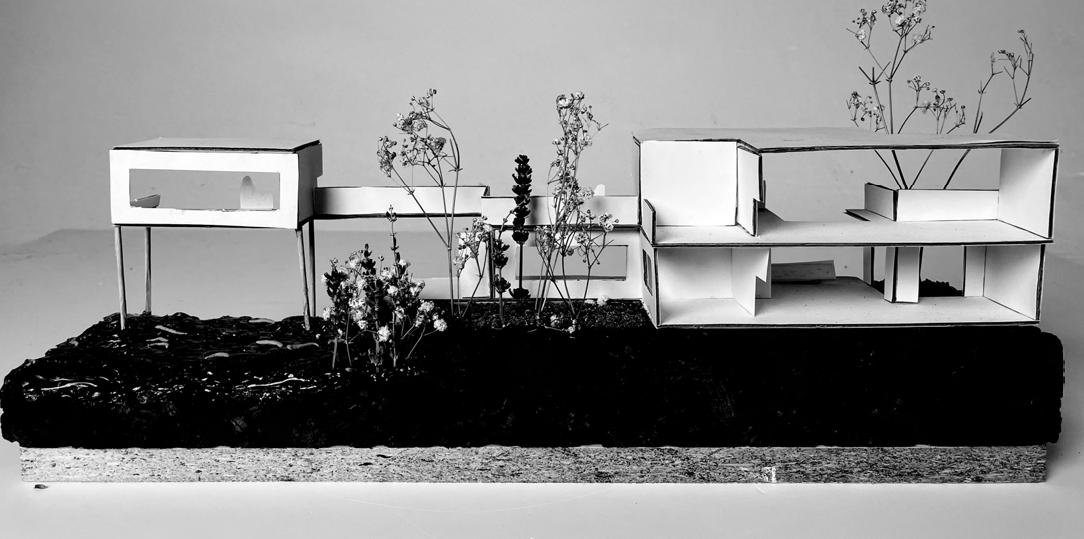
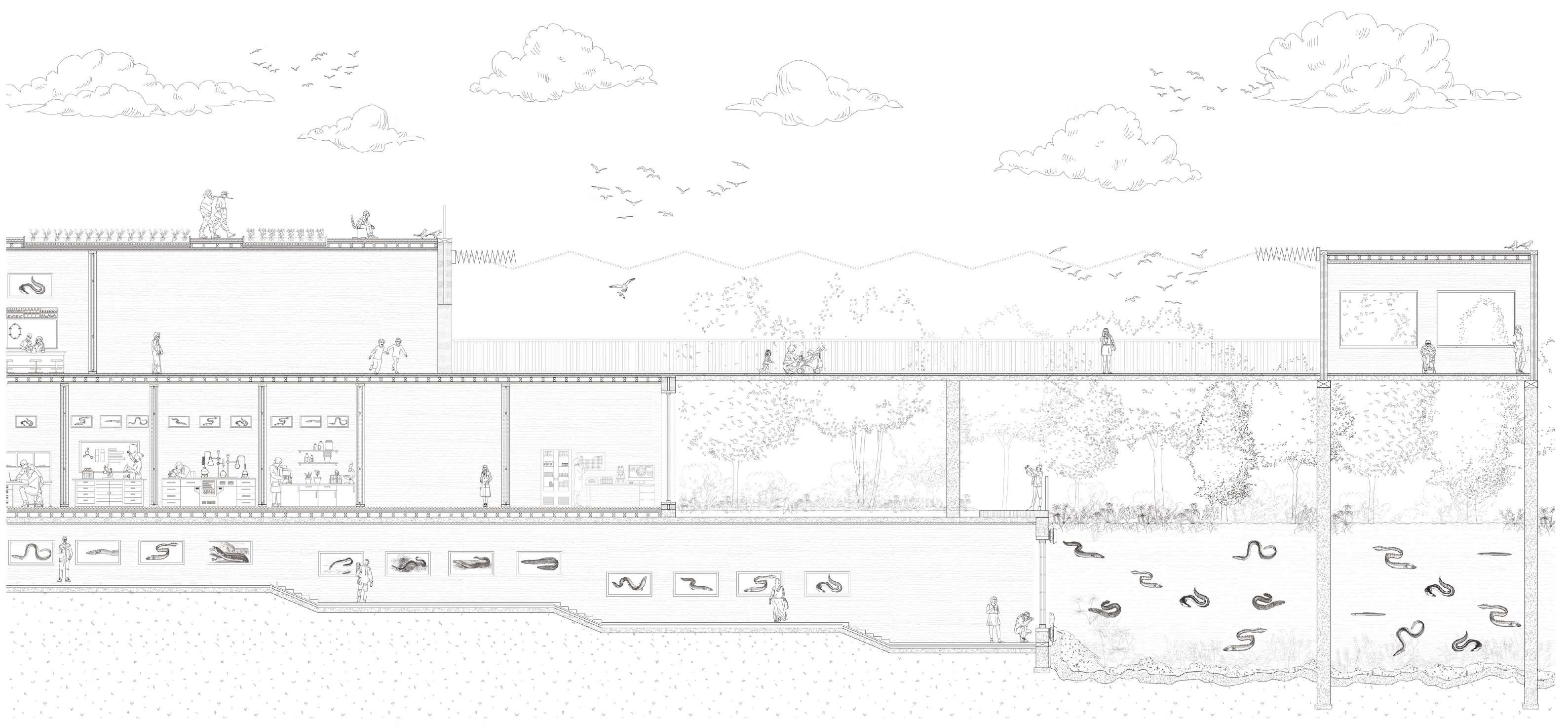
Project Anguilla is a long-term conservation initiative focused on restoring European eel populations and revitalising the River Lea ecosystem. The sanctuary nurtures eels through a series of specialised habitats before releasing them back into the river to continue their migration to the Sargasso Sea, a process that will unfold over decades and ultimately restore both the species and the health of the river.
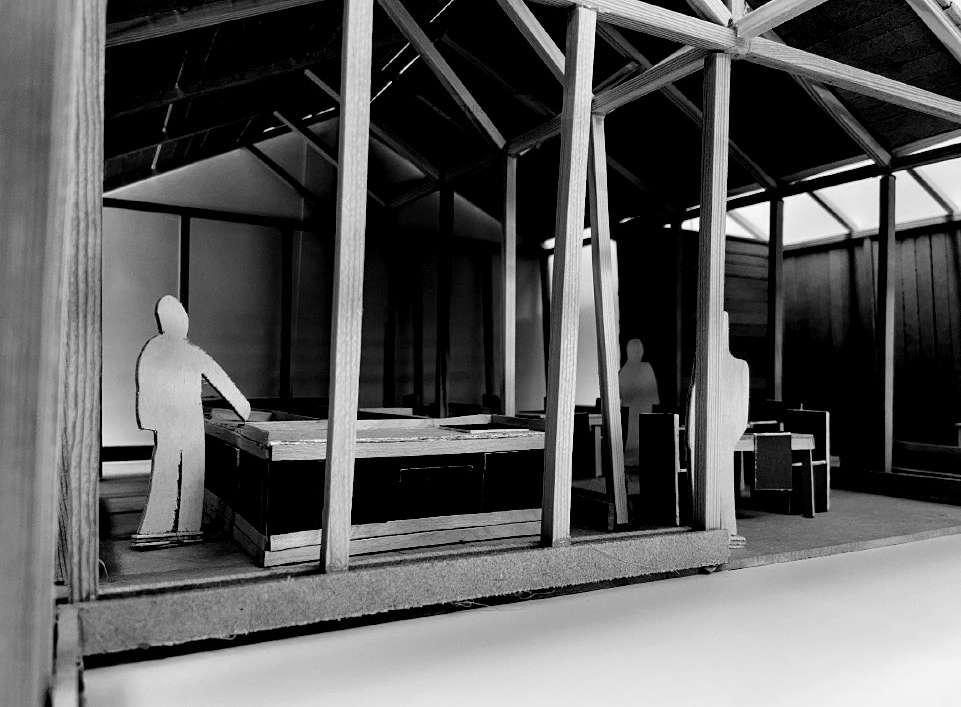
Beyond conservation, the sanctuary serves as a hub for research, education, and community engagement. Specialised laboratories and tanks support scientific study, a veterinary facility ensures eel wellbeing, and workshops teach visitors about the ecological importance of eels and rivers. By combining ecological design, research, and public participation, Project Anguilla demonstrates how thoughtful interventions can regenerate species, ecosystems, and human connections to the natural world.
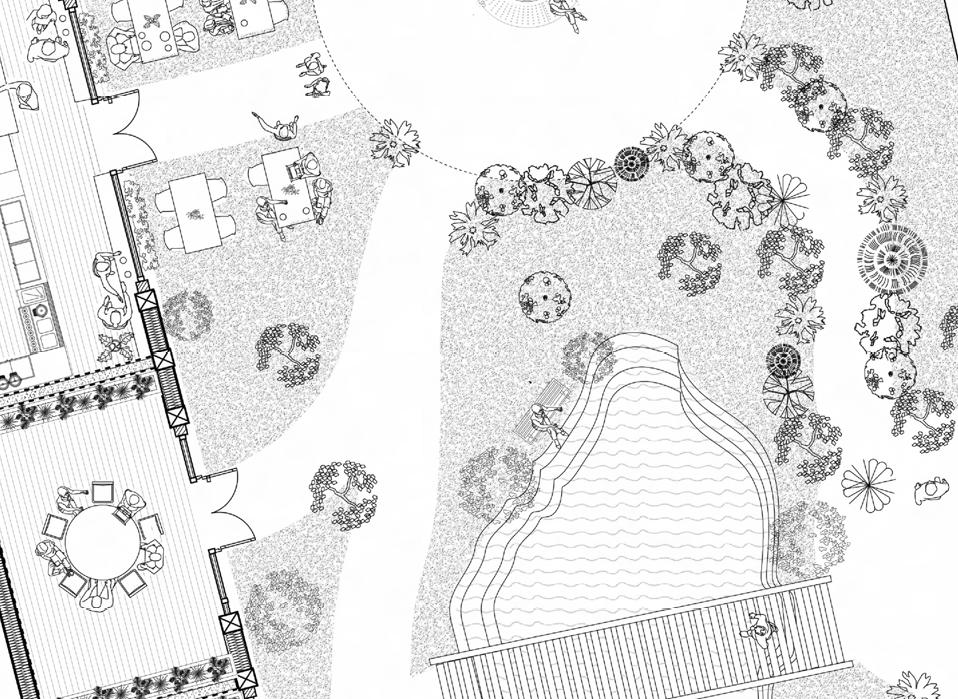
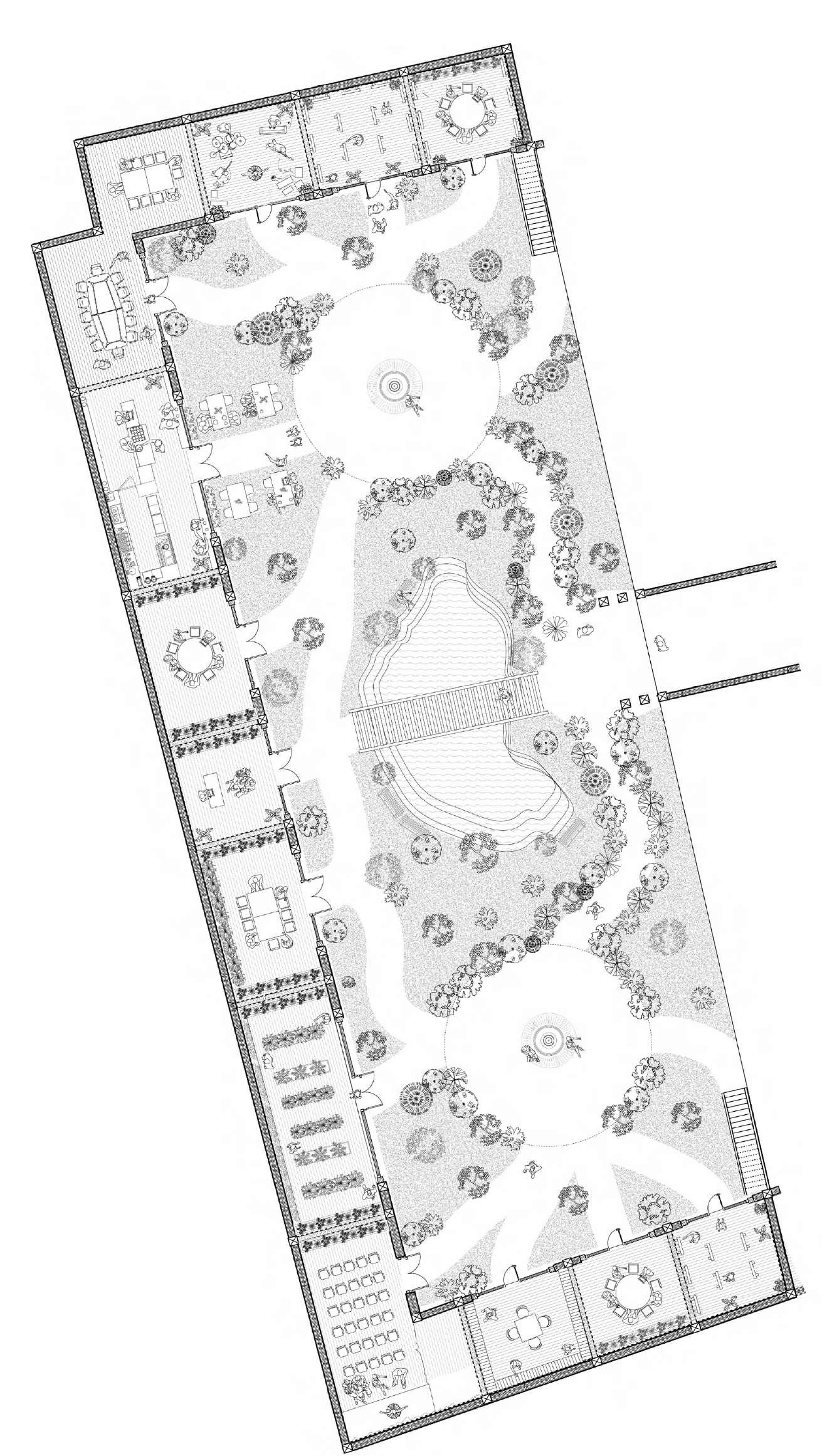
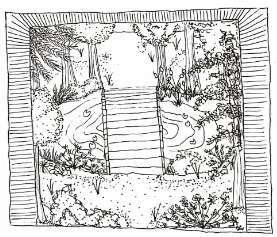
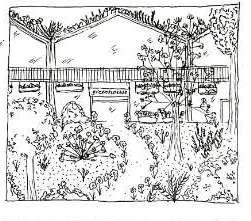
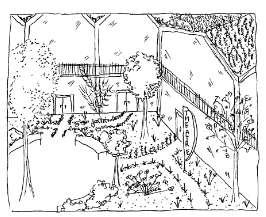
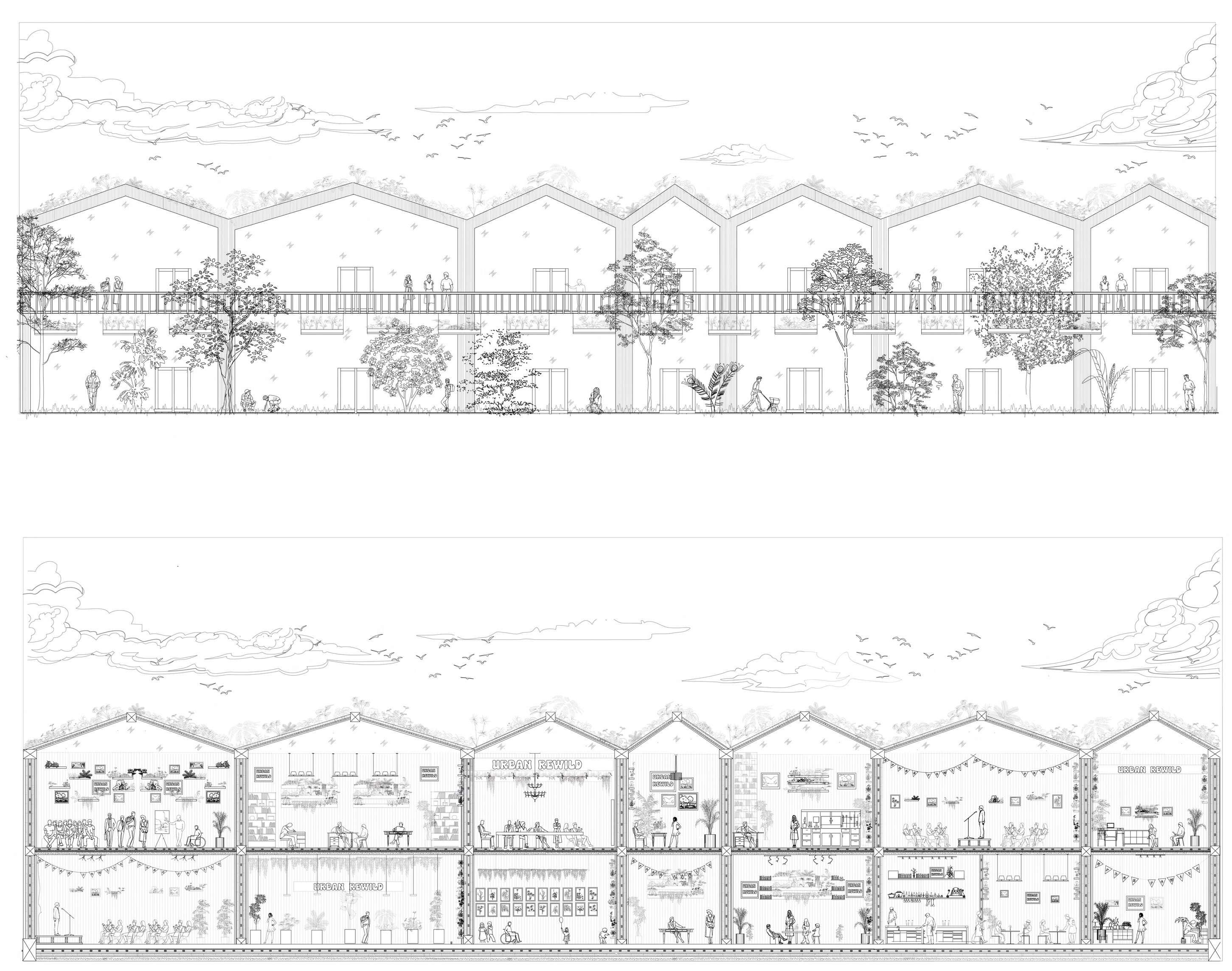
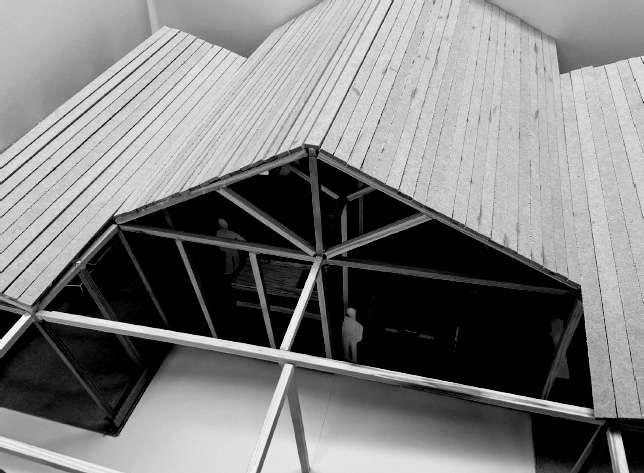
Transforming a former carpark in Notting Hill, this project introduces a new civic townhall that doubles as a living ecosystem and cultural hub. Expansive greenspaces, native trees, and a reflective pond now create habitats for urban wildlife while inviting the community to engage with nature at the heart of the city.
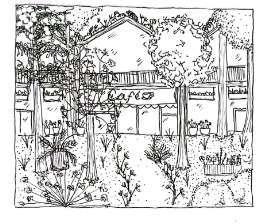
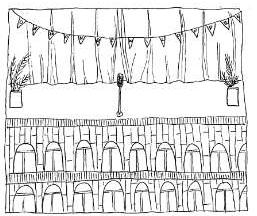
The building combines public engagement with ecological purpose. Ground-floor amenities, a café, music studio, indoor cinema, and more, encourage creativity, connection, and leisure, while the upper floor is home to Trust for Urban Ecology (TRUE), an organization dedicated to urban rewilding and community-led habitat restoration. By integrating ecology, culture, and civic life, this design transforms a once-empty space into a vibrant ecological and social center, demonstrating how thoughtful a rchitecture can regenerate urban areas, reconnect people with nature, and foster resilient, biodiverse communities.
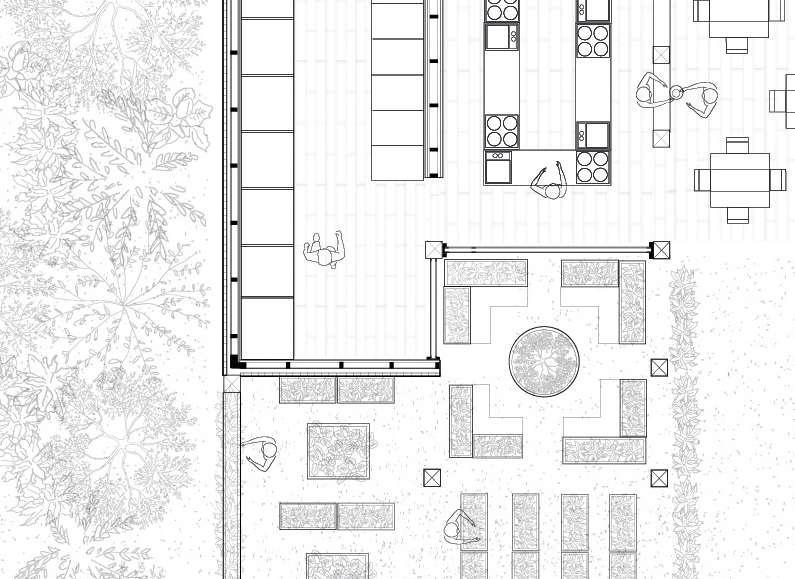
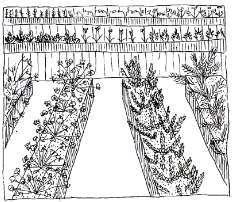
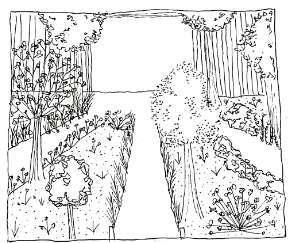
Located in Deptford, London, Harvest Circle is a dynamic cooking and gardening school that brings people closer to the full lifecycle of food. Centered on circularity and sustainability, the project grows food on-site, teaches it to be prepared and enjoyed, and returns organic waste to the soil as compost, creating a zero-waste, regenerative system.
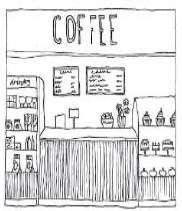
The hub offers hands-on workshops for children, elders, and the wider community, fostering skills in sustainable growing, cooking, and ecological stewardship. With integrated garden spaces, cooking stations, and a restaurant, Harvest Circle blends education, experience, and community engagement. By combining design, ecology, and participatory learning, the project demonstrates how thoughtfully designed urban spaces can cultivate connection, nourishment, and resilience, both for people and the environment.
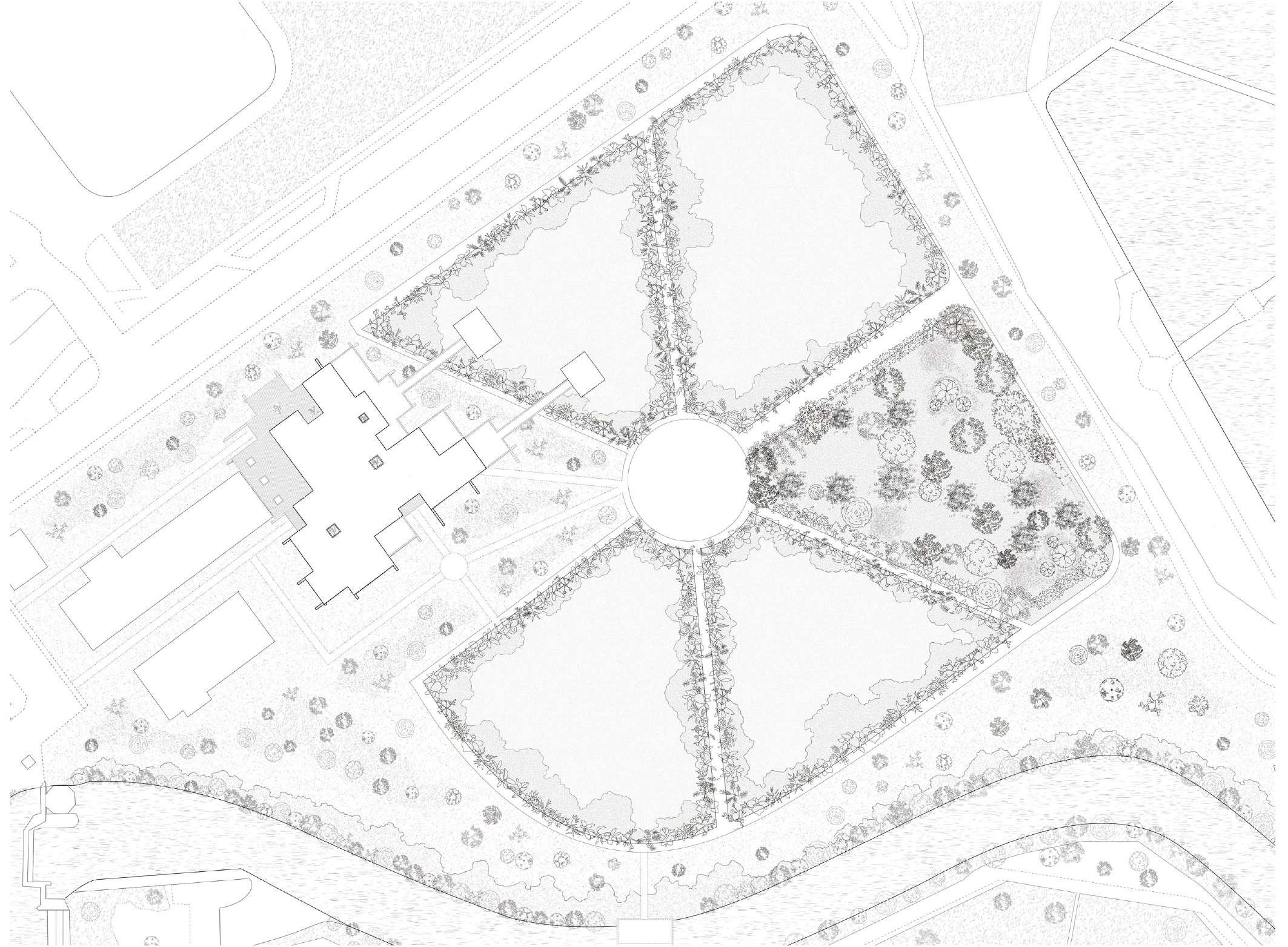
Ecological Master Plan

Nursery Pond:
Provides a safe, controlled environment for newly arrived glass eels to acclimate from estuarine to freshwater conditions. It focuses on initial growth, survival and adaptation to the pond ecosystem.
(Extensive monoculture with controlled inputs)
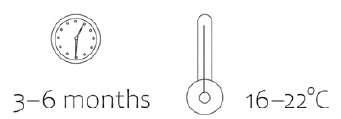
Maturation Pond:
Elvers continue their growth into juvenile yellow eels, developing muscle mass and natural behaviour over time. This stage focuses on slow, healthy growth and habitat interaction in a stable, semi natural environment.
(Polyculture pond aquaculture)
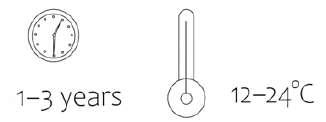
Feed and Foraging Pond:
Conditions eels for survival in the wild by encouraging hunting, foraging and natural behaviours. It simulates dynamic, food-rich and semi-wild conditions to prepare them for independant living.
(Semi-intensive foraging simulation)
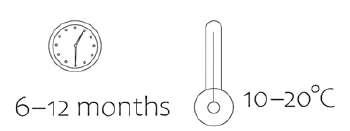
Transition and Release Pond:
Accilmates eels to river-like conditions, including current, depth and seasonal cues. It serves as a soft release zone where eels transition from pond to wild before entering the river Lea.
(Naturalistic flow-through acclimisation pond)