




A history of revolution shaped these vibrant Piedmont communities
By Renee C. Gannon
In the 1700s, Alamance County was still part of Orange County, not having its own county borders until 1849. But the growing community would find itself at the forefront of two revolutions: America’s fight for independence and the economic juggernaut of the textile industry.
Now just a whisper of its former dominance, the textile industry that built this region created a culture that has grown into a vibrant area offering a well-rounded day trip for visitors.
Before the first shots were fired in America’s battle for independence, NC farmers formed associations in the 1760s to protest local government corruption. These Regulators aired their grievances against excess taxes, illegal fees and corrupt officials. In 1771, Regulators gathered in a field just south of Alamance Village and unsuccessfully engaged with Governor William Tryon’s British militia.
Visitors to the Alamance Battleground State Historic Site walk the battlefield between the British lines at the visitor center and the Regulator lines near what is now Highway 62.
Lisa Cox, the historic interpreter at the site, weaves a tale of exasperated farmers fighting for equal justice under British rule and the battle’s aftermath. She notes that most Regulators remained loyal to Britain — even fighting for the British — and simply wanted equal treatment.
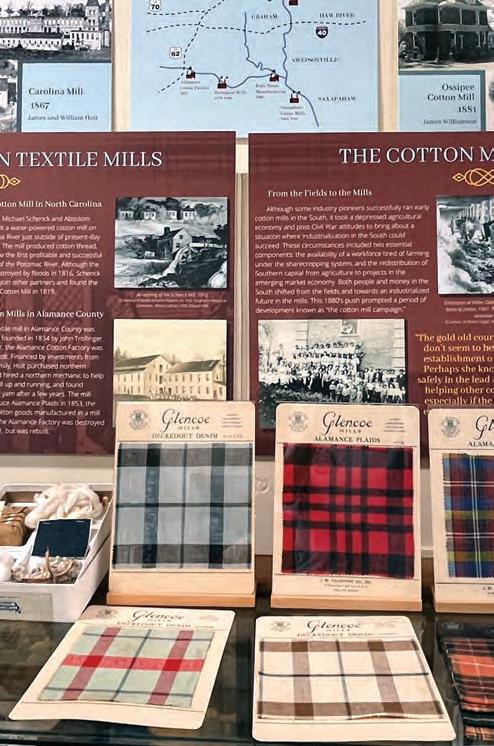
A few miles away from the battleground sits the Alamance County Historical Museum, within the 19th century home of the Holt family. Textile pioneer Edwin Holt helped build the economic engine that would add more than 50 mills to the region. His “Alamance Plaid” was the first commercially woven colored cotton fabric made in the American South. Later, nearby Haw River would become the “Corduroy Capital of the World.” The Textile Heritage Museum in historic Glencoe, near Glencoe Mills, details the history of the industry, as does the local town museums and along the Textile Heritage Trail.
The Haw River powered the textile mills and now powers a burgeoning outdoor industry. The Haw River Paddle Trail offers 14 access points

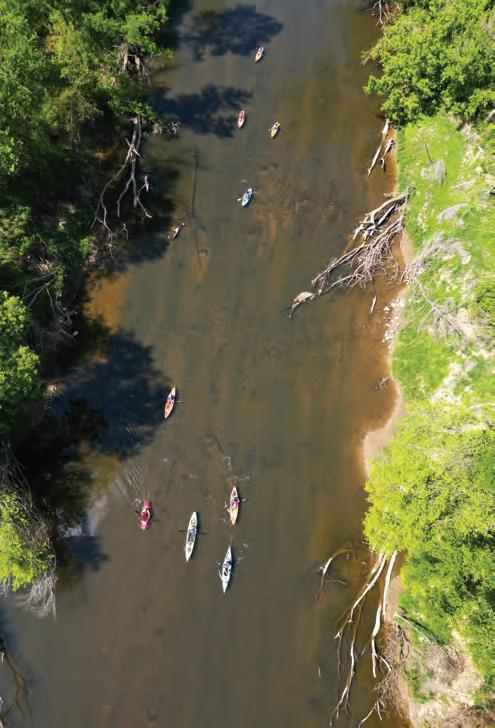
to the river as it flows through the county and passes towns the river helped build (the entire trail covers five counties). The paddle trail is part of the Haw River Trail corridor, 80 miles of paddle and hiking trails from Haw River State Park to Jordan Lake State Recreational Area.
Want a view above the river and trees?
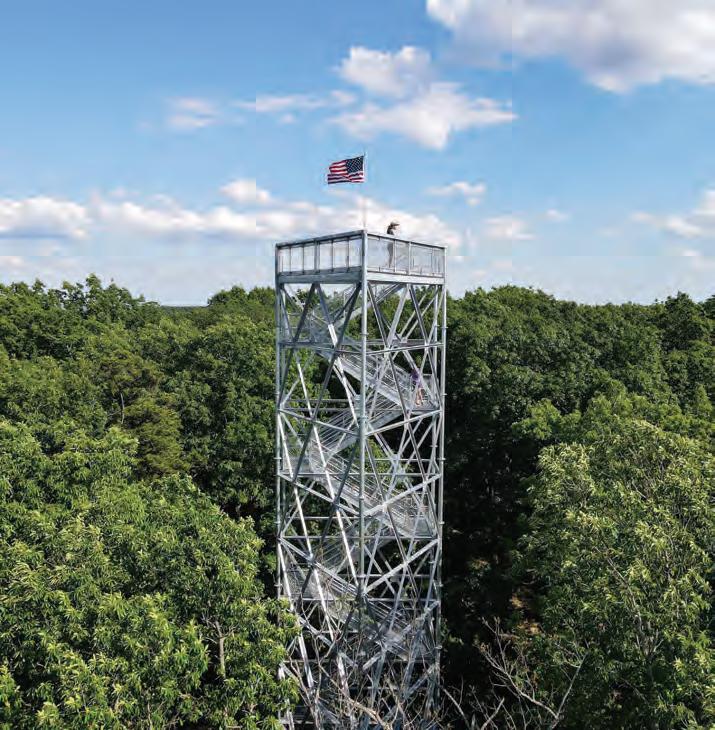
Head to Cane Creek Mountains Natural Area in Snow Camp and hike to the Monadnock Tower via either the Northern Approach Trail or the Lookout Trail, two of the 10 trails available. Climb 80 feet to survey the rolling hills and forests of the Cane Creek Mountains Range, which boasts the highest peak east of Greensboro at 987 feet.
Small town charm
After hiking or visiting the past, the area’s downtowns offer local shops, breweries and eateries to satisfy every taste.
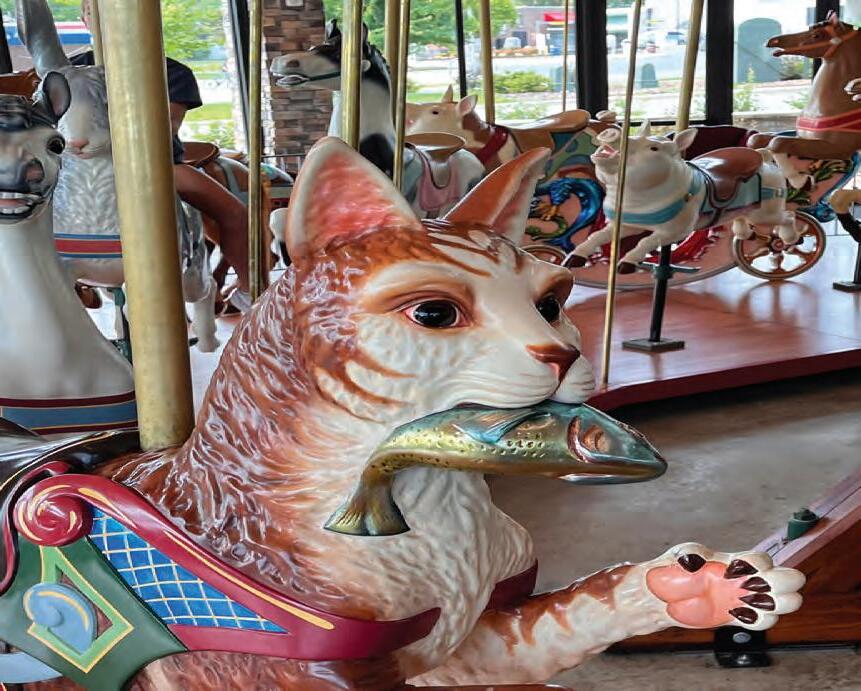
And a historic ride awaits young and old at the Burlington City Park: on the restored 1910 Dentzel Menagerie Carousel. Choose from a cat, an ostrich, lion or horse (with real horsehair tails) — just a few of the 46 unique handcarved animals to relive your childhood. And not to be overlooked at the park, ride on the mini classic diesel-powered train — an appropriate ride for a town built by the railroad industry and once known as “Company Shops.”
01 Marlins Baseball Big Rock Stadium 252-269-9767
International Black Theatre Festival Various locations, Winston-Salem | 336-723-2266
K9s in Flight Frisbee Dogs Aug. 1–2 Tweetsie Railroad 828-264-9061
Horn in the West Aug. 1–8
Daniel Boone Park 828-264-2120
“The Lost Colony” Outdoor Drama Aug. 1–22
Fort Raleigh National Historic Site, Manteo | 252-473-6000
INTERTWINED Aug. 1–23
Hillsborough Gallery of Arts 919-732-5001
Cannon Day Aug. 1–Sept. 5 Demonstrations, storytelling Fort Macon State Park 252-726-3775
07 Ocracoke Fig Festival Aug. 7–8
Berkley Barn, Ocracoke 252-921-0283
Sarah James Fulcher Redfish Tournament Aug. 7–9
Cedar Island Resort 252-422-5141
08
Junior Naturalist Day Grandfather Mountain, Linville 828-733-2013
Tea with Seagrove Potters Participating potters, Seagrove 336-879-4145
15 Lions Duck Race Festival Riverview Lions Sheets 336-620-5581
Monster Trucks Carteret County Speedway 252-436-7223
Hot Nights Cool Rides Car Show
Historic Main Street, Forest City 828-447-1730
21 NC BeachBlast Festival Aug. 21–22 Patriots Park, Kings Mountain
22 Nature and Forest Therapy Grandfather Mountain, Linville 828-733-2013
SUBMIT YOUR EVENT
Visit carolinacountry.com/calendar for more information about each event, including links to the most current information, or to submit your own event.
LA’S WEBSITE OF THE MONTH Nurseries Caroliniana (nurcar.com) is a South Carolina-based e-nursery specializing in perennials, vines and woodies, with particularly large selections of camellias and osmanthuses.
Story and photos by L.A. Jackson
When there is a need for foliage plants with the elegance to doll up semi-shady spots in the landscape, gardeners often turn to hostas — durable summertime performers that can be counted on for lasting visual interest with their various textures and subtle hues.
However, starting in August, some hostas seem to want even more attention, so they stretch long stalks above their leaves and begin to flower. And not only are these blooms welcome sights for eager eyes in the perennial shade garden that typically goes into a flowerless funk during the high heat of a scorching summer, but the nose knows of their presence because they are also fragrant. Wait … hostas that bloom in late summer? And they’re fragrant? Welcome to the nifty niche of hostas often tagged as “August lilies.”

I’m not breaking any new ground here. These so-called August lilies are old-school hostas that originated in southern China and migrated to America in the early 1800s. Botanically grouped in Hosta plantaginea, they became instant hits in the South due to their heat tolerance and ability to cast scented spells in gardens on warm afternoons of waning summers.
As with many plants that become popular with gardeners, H. plantaginea has been tinkered with by breeders looking for improvements, but most mutated and hybridized forms still retain the good ol’ August lily charm of late-blooming, scented flowers. While white is the typical color of these bell-shaped beauties, some have also been tinted with light purple hues.
Today, although many variations have been created, there
are only about two dozen selections of August lilies generally available to the gardening public. But this doesn’t make them hard to find. Heck, I bought the classic “Royal Standard,” which has been around for ages, at a big box home improvement store.
Other August lilies that can be found with minimal searching include the popular “Guacamole” showing off sassy avocado-colored leaves; “So Sweet,” the 1996 Hosta of the Year with foliage that shimmers in shades of cream and green; and “Sugar Babe,” a petite, variegated pretty with scented, amethyst-streaked blossoms.
Online hunting will find other selections for sale, of course, but try local garden centers first because they, too, know well the dreamy appeal of these enchanting lilies of August.
L.A. Jackson is the former editor of Carolina Gardener Magazine.
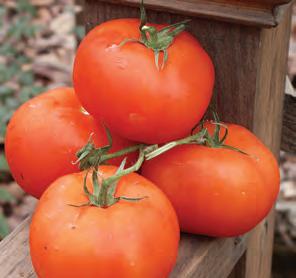
The pursuit of perfectly shaped, home-grown tomatoes can be spoiled at this time of year by a nastiness known as cracking. This is marked by concentric, unappetizing rings circling tomato tops, or vertical splits along the sides of ripening fruits. It usually occurs when a big rain falls after an extended dry spell. So much water suddenly available to tomato plant roots can cause fruits to expand quickly and literally break right out of their skins. Heavily mulching your plants will help steady the ground moisture supply, and a regular watering schedule when the rains don’t come will also help prevent cracking.
® Continue harvesting mature cucumbers, squash, green beans, tomatoes and okra at least once a week to encourage more and more production from your summer edibles.
® Looking to add more horticultural snap-crackle-pop to your midsummer garden? Check out local botanical gardens, arboretums and even garden centers to see what kinds of plants are showing off the best during these hazy, lazy days of August.





Advertising published in Carolina Country is accepted on the premise that the merchandise and services offered are accurately described and willingly sold to customers at the advertised price. All ads must adhere to Carolina Country’s advertising policy, which can be found in our media kit at carolinacountry.com/advertise/MediaKit. The magazine, North Carolina Association of Electric Cooperatives, Inc., and the member cooperatives do not necessarily endorse the products or services advertised. Advertising that does not conform to these standards or that is deceptive or misleading is never knowingly accepted. Should you encounter advertising that does not comply with these standards, please inform Carolina Country at 3400 Sumner Blvd., Raleigh, NC 27616. 919-875-3091.



It was a warm summer afternoon and my wife and I were mingling with the best of them. The occasion was a 1920s-themed party, and everyone was dressed to the nines. Parked on the manse’s circular driveway was a beautiful classic convertible. It was here that I got the idea for our new 1920s Retrograde Watch.
Never ones to miss an opportunity, we carefully steadied our glasses of bubbly and climbed into the car’s long front seat. Among the many opulent features on display was a series of dashboard dials that accentuated the car’s lavish aura. One of those dials inspired our 1920s Retrograde Watch, a genuinely unique timepiece that marries timeless style with modern technology.

With its remarkable retrograde hour and minute indicators, sunburst guilloche face and precision movement, this design is truly one of a kind. What does retrograde mean?
Instead of displaying the hands rotating on an axis like most watches, the hands sweep in a semicircle, then return to their starting point and begin all over again.
Retrograde watches by the big brands can set you back thousands; one recent offering from a big French fashion house is selling for more than $150,000! But because we’ve designed the 1920s Retrograde Watch in-house, we can offer it to you for just $99!


This watch is so wildly popular with our customers that we’re actually concerned about running out; we only have 937 729 left for this ad!
Join more than 1 smart people who love stauer watches
Watch Specifications:
• Precision movement

• Stainless steel case, caseback and crown
• Retrograde hour and minute indicators
• Water-resistant to 5 ATM
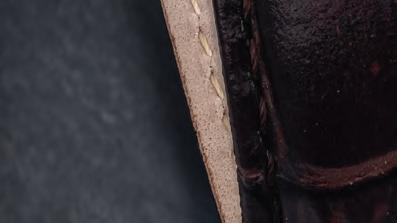
• Brown genuine leather band
• Fits wrists up to 8"
1920s Retrograde Watch
$399 $99* + S&P Save $300

*Special price only for customers using the offer code.





“An elegant and exciting timepiece that every collector will love.”
— George omas, internationally renowned watch expert
“[A] unique and beautiful timepiece.”
— Carlos C., Los Banos, CA









Turn those ovens off and savor cool meals on hot summer days. Overload on the abundance of garden goodies with this easy recipe. Makes a colorful side or main dish.
Cilantro Pesto Ricotta
1 cup ricotta cheese
½ cup packed fresh cilantro
2–3 large garlic cloves
½ cup sliced almonds
2–3 tablespoons avocado or olive oil
Juice of ½ lime
½ teaspoon each salt and pepper
Blend in food processor until smooth and creamy. Chill.
1–2 large zucchini (8 thin slices)
1 large English cucumber (8 thin slices)
About 1½ cups salsa
Kernels cut from 2 ears of corn
Several sweet mini peppers, sliced into thin rings
¾ cup shredded Colby Jack cheese
¾ cup crumbled queso fresco
Chopped cilantro
Chili powder and cumin
Slice zucchini and cucumber very thin lengthwise, preferably with a mandolin. Layer between paper towels to remove excess moisture.
Spoon a little salsa on a platter. Arrange a layer of zucchini and cucumber (on top of each other) over salsa on platter. Spread half with a thin layer of pesto ricotta and spoon over a little salsa. Fold over the cuke and zucchini and repeat layers of ricotta and salsa. Scatter with corn, peppers and cheeses.
Garnish with cilantro and a light dusting of cumin and chili powder. Chill 30 minutes before serving.
Yield: 4–8 servings
This chicken stew recipe is Guatemala's national dish and was recommended by Arturo Rivera, the Guatemalan photographer who helped document North Carolina’s Brighter World initiative in 2026. (See page 8.)
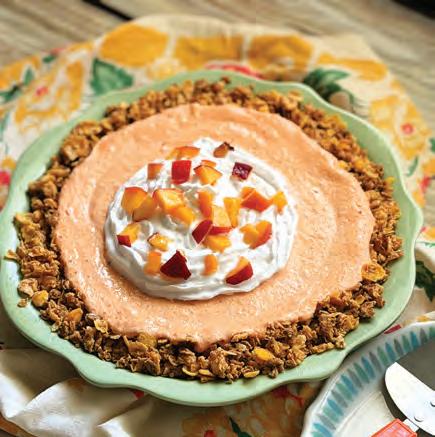
Light, fluffy and plumb full of peach flavor, this chilled pie is nestled in a sweet honey-crunch crust for a simple no-cook dessert that tastes like summer.
1 box (12-ounce) honey granola type cereal (we used Honey Bunches of Oats)
1 stick salted butter, softened
2 tablespoons peach gelatin powder
¹/₃ cup cold water
3 cups fresh or frozen peeled peaches, setting aside a few for garnish
2 tablespoons orange juice
½ cup sweetened condensed milk 2–3 tablespoons sugar as needed
1 pint heavy whipping cream, whipped to soft peaks
Yellow and red food coloring, optional (3 parts yellow + 1 part red)
For the crust, roughly crumble cereal with butter in a food processor. Spread into a 9-inch pie plate and refrigerate.

Submit your recipe online at: carolinacountry.com/myrecipe Contributors whose recipes are published will receive $25.
Scatter gelatin over cold water in a small bowl and let stand for 5 minutes to “bloom” and become spongy.
Purée peaches with juice and condensed milk. Blend in bloomed gelatin until smooth. Taste and add sugar if needed, depending on sweetness of peaches.
Gently fold in half of the whipped cream. Leave as is or add a few drops of food coloring for a deeper peach color.
Spoon filling into crust and chill 4–6 hours.
Garnish with peaches and serve with remaining whipped cream.
Yield: 8 slices


4


Upcoming Themes: October: Candy Craze | November: Holiday Dish | December: Winterscapes 1 2 3


BEACH BOUND
1 Debi Baum, Ocracoke A member of Tideland EMC
2 Elizabeth Castaneda, Louisburg
3 Lynette Carlston, Beaufort, A member of Carteret-Craven EC
4 Karee Smith, Mount Holly, A member of EnergyUnited
Send us your best shots based on an upcoming theme—we’ll pay $25 for those published. Submit high resolution digital photos and find full terms and conditions at carolinacountry.com/snapshots (no emails, please). We retain reprint and online rights for all submissions.
where in Carolina Country is this?
Send your answer by Aug. 15, with your name, address and the name of your electric cooperative.
Online: carolinacountry.com/where
By mail: Where in Carolina Country? 3400 Sumner Blvd., Raleigh, NC 27616
Multiple entries from the same person will be disqualified. The winner, chosen at random and announced in our October issue, will receive $25.
Have a roadside gem you’d like to share? Submit a photo, plus a brief description and general location information, at carolinacountry.com/where
The June “Where Is This” photo by Carolina Country’s Renee Gannon shows the Old Orange County Courthouse and its Tower Clock on the corner of King and Churton Streets in downtown Hillsborough. Given as a gift from King George III to St. Matthews Church in 1766, the clock was moved about two blocks to the courthouse once it was built in 1844. Many claim it is the “oldest continuous-running tower clock in America.” The clock has seen its share of history in Hillsborough, a hotbed of Regulator protests and battles against the British before and during the Revolutionary War, including the hanging of six Regulators captured at the Battle of Alamance and marched to the town for trial and execution in 1771. Check out visithillsboroughnc.com for more on the town’s history. The winning entry chosen at random from all correct submissions came from Sarah Shore of Hillsborough, a Piedmont Electric member.

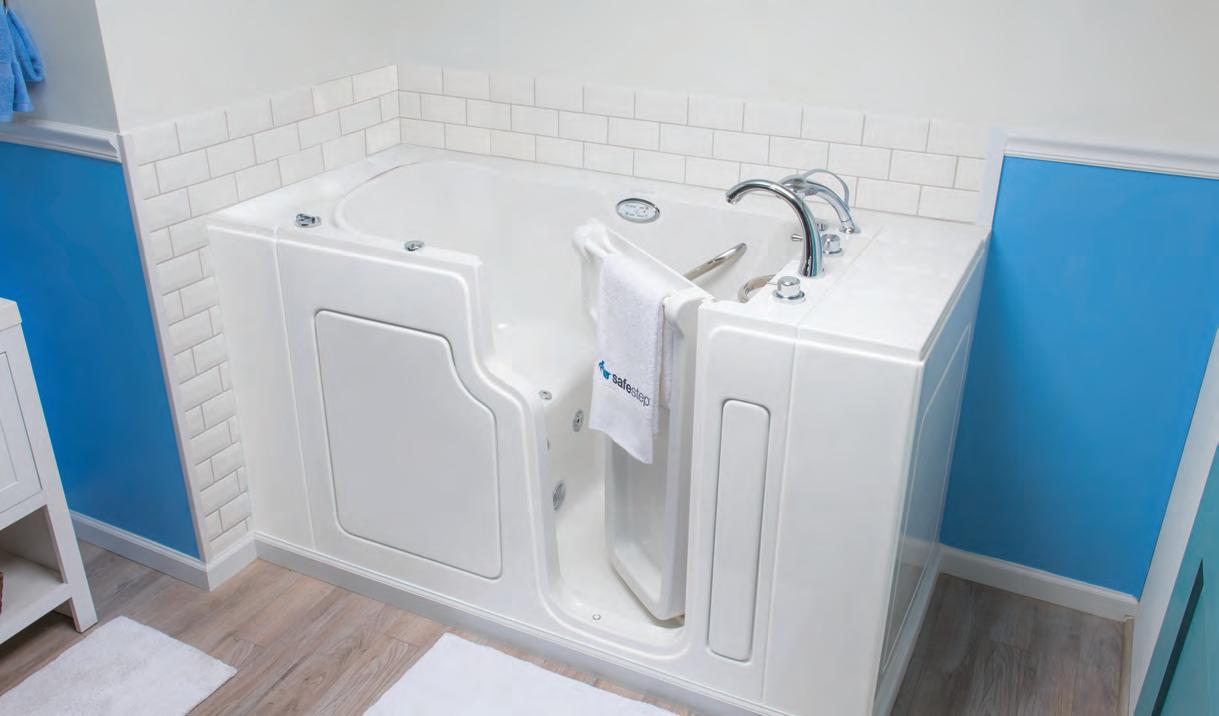

























The best walk-in tub just got better with breakthrough technology! Presenting the all new Safe Step Walk-In Tub featuring MicroSoothe. ® An air system so revolutionary, it oxygenates, softens and exfoliates skin, turning your bath into a spa-like experience. Constructed and built right here in America for safety and durability from the ground up, and with more standard features than any other tub.
✓ Heated seat providing warmth from beginning to end
✓ Carefully engineered hydro-massage jets strategically placed to target sore muscles and joints
✓ High-quality tub complete with a comprehensive lifetime warranty on the entire tub
✓ Top-of-the-line installation and service, all included at one low, affordable price
You’ll agree – there just isn’t a better, more affordable walk-in tub on the market.

North Carolina’s electric cooperatives work hard to provide reliable, affordable power at the cost of doing business. The state’s 26 not-for-profit co-ops collectively manage costs and pool our buying power for the benefit of the 2.8 million people we serve. Co-op employees are active members of the places we serve — your neighbors, friends, and family. We’re here to keep the lights on and the community strong, because this is our home, too.
COUNTIES ACROSS NC