




Dear Member,
As a member of Carteret-Craven Electric
Cooperative, you are more than a customer— you are a member-owner. That distinction is what makes the cooperative model unique and what makes your participation in the Annual Meeting so important.
Each year, our Annual Meeting provides


an opportunity to come together as a membership to reflect on the past year, hear about the cooperative’s financial health and operational priorities, and help shape the direction of your co-op. It is a cornerstone of cooperative governance and a chance for your voice to be heard.
By attending the Annual Meeting, you have the opportunity to:
Learn how your cooperative is working to provide safe, reliable, and affordable electricity
Hear directly from leadership about major projects, challenges and future plans
Participate in the democratic process that guides member-owned cooperatives
Connect with neighbors and fellow members who share ownership in the cooperative
MARK YOUR CALENDAR!
Thursday, May 7, at Glad Tidings Church
Registration & meal: 4:30 p.m.
Official meeting: 6:30 p.m.
Entertainment by the Broad Creek Middle School Jazz Band and West Carteret High School Singers
Your engagement strengthens the cooperative and ensures we remain accountable to the members we serve. Whether you attend to stay informed, ask questions, or the chance to win cash and prizes, your presence matters.
We encourage you to join us at this year’s Annual Meeting and take part in the cooperative tradition that puts members first. Together, we are building a stronger, more resilient cooperative—powered by you.
We look forward to seeing you there.



(ISSN 0008-6746) (USPS 832800) Volume 58, No. 4
Published monthly by
3400 Sumner Blvd., Raleigh, NC 27616-2950
Scott Gates, CCC Editor
Renee C. Gannon, CCC Senior Associate Editor
Rue Reynold Editorial Assistant
Jessica Armstrong Graphic Designer
Tara Verna Creative Services Associate
Donna Natosi Digital Strategist
Dan Tomkiewicz Advertising Dan@carolinacountry.com
Joseph P. Brannan Executive Vice President & CEO
Kristie Aldridge, CCC Senior Vice President & COO
Warren Kessler Director of Brand Strategy
North Carolina’s electric cooperatives provide reliable, safe and affordable electric service to 1 million homes and businesses.
The 26 electric cooperatives are each member-owned, notfor-profit and overseen by a board of directors elected by the membership.
Why Do We Send You Carolina Country Magazine?
Your cooperative sends you Carolina Country as a convenient, economical way to share with its members information about services, director elections, meetings and management decisions. The magazine also carries legal notices that otherwise would be published in other media at greater cost. Your co-op’s board of directors authorizes a subscription to Carolina Country on behalf of the membership at a cost of less than $6 per year.
Subscriptions: Individual subscriptions, $12 per year. Schools, libraries, $6.
Carolina Country is available on digital cartridge as a courtesy of volunteer services at the NC Department of Cultural Resources, Library for the Blind and Physically Handicapped, Raleigh, NC 888-388-2460.
Periodicals postage paid at Raleigh, NC, and additional mailing offices. Editorial offices: 3400 Sumner Blvd., Raleigh, NC 27616-2950. Carolina Country® is a registered trademark of the North Carolina Association of Electric Cooperatives, Inc. POSTMASTER: Send all UAA to CFS. (See DMM 707.4.12.5); NON-POSTAL AND MILITARY FACILITIES: Send address corrections to Carolina Country, 3400 Sumner Blvd., Raleigh, NC 27616-2950.
All content © Carolina Country unless otherwise indicated.
Contact us
Phone: 919-875-3091
Mail: 3400 Sumner Blvd. Raleigh, NC 27616-2950
Web: carolinacountry.com
Social:
Email: editor@carolinacountry.com
Change of address: Please contact your electric co-op or go online to carolinacountry.com/address
Experiencing a power outage?
Please contact your electric co-op directly to ensure prompt service. Visit carolinacountry.com/co-ops to find yours online.

8
State trails represent the best of North Carolina
Exploring the Outer Banks’ Western Shores
Joe Hobby reclaims an overused word
North Carolina horseback riders can enjoy hundreds of miles of established trail, and the planned Equine State Trail, authorized by the General Assembly in 2023, will create a 350-mile loop for riders in the Sandhills region. Learn more about state trails on page 8. Photo courtesy of The Great Trails State Coalition.
We need your help finding the best of the best across 10 categories! Nominate your favorites for a chance to win one of three $100 gift cards. See page 27 for details.
I just want to thank Rue Reynold for her insightful and informative article “How Black Stories Shape American History” (Feb. 2026, page 22). I look forward to more of your truthful and factbased writing. BLESSINGS!
Billy Hines, Elizabeth City
On Thanksgiving Day 2025, we experienced a power outage as I was cooking our Thanksgiving meal. I immediately reported the outage, which turned out to be a burnt underground wire to our house. The service man was here in no time, assessed the situation, immediately went to Statesville to get a temporary fix for the problem and was back in short order.
I was so thankful for his prompt work to repair this and let me be able to finish cooking our meal — he took time away from his own family to assist our need, and I greatly appreciate him. I am so thankful for people like him.
An EnergyUnited member in Hamptonville
Editor’s Note: This month we celebrate and show appreciation to our lineworkers. Learn more about the job they do on page 4
In working on this issue’s cover story, I took advantage of an early spring day and got my kids out on a section of the Mountainsto-Sea Trail in Raleigh. I explained how the very path we were on stretched all the way west to the mountains, and east to the Outer Banks. “Let’s walk to the beach!” they both exclaimed. Although we lacked the time for that journey, I shared their excitement — our state’s epic trails are ripe with potential adventure. Learn more on page 8. Also, on page 7 we share how NC lineworkers are taking their work to Central America this spring.
—Scott Gates, editor
“Reenacting and Reaffirming Freedom” in your February issue (page 24) states that Moores Creek Bridge was the “site of the first decisive Patriot victory on Feb. 27, 1776.” As a history major who specializes in the Revolutionary War as well as the Civil War, I immediately knew this was incorrect ... on Dec. 9, 1775, a battle between the British forces and the Patriot forces occurred in Chesapeake Virginia, known as the Battle of Great Bridge — the British were so crushed, Virginia’s Royal Governor, Lord Dunmore, evacuated and burned Norfolk.
Both battles were significant, but the battle of Great Bridge kept the British from coming down into the Carolinas for quite a long time.
We love the magazine, but I wanted to point out this correction. Jeff Cardillo, Wake Electric, a member of Wake Forest



THEME
First Car
A Megan Van Hoy, Statesville
A member of EnergyUnited
B Steve Motter, Bolivia
A member of Brunswick EMC
C Kathryn Ransom, Maxton
A member of Lumbee River EMC
Submit your photo!
June theme: Insects (Deadline April 20)
July theme: Ice cream (Deadline May 20)
Aug. theme: Beach bound (Deadline June 20)
Send us your best shots based on an upcoming theme — we’ll pay $25 for those published. Submit high resolution digital photos and find full terms and conditions at carolinacountry.com/snapshots (no emails, please). We retain reprint and online rights for all submissions.





























With its innovative design, modern comforts, and guest-focused philosophy, American Encore is not just a riverboat, it’s the finest expression of American river cruising ever built. Designed to host just 180 guests, American Encore features more square feet per guest than any other small cruise ship with the largest staterooms globally.
Ship Cruising





Being a lineman at an electric cooperative takes a special kind of person. Linemen are cut from a different cloth. You have to have a lot of “want to” to do this job. You have to be ready to work in all kinds of weather and respond when the community needs you the most. Hurricanes, ice storms, snow, tornadoes — whatever gets thrown at us, we have to be ready to adapt, adjust and overcome.
Linemen work hard in the communities they serve. We live here, too, so we know the people we’re helping.
One thing I always tell my crew is, if you stay ready, you don’t have to get ready. Linemen work hard in the communities they serve. We live here, too, so we know the people we’re helping. Our friends, families and neighbors depend on us to keep the lights on. When storms hit or the power goes out, people count on us to show up and get things back to normal. I believe linemen are some of the pillars of the community because we’re always there when people need us.
Being a crew leader comes with a lot of responsibility. A crew leader is kind of like the middle piece of a big puzzle. We work with upper management, supervisors, other crew leaders, senior linemen, apprentices and other departments. We also work directly with the members we serve. The goal is to bring everybody together so the job gets done safely and the right way.
And safety is always the number one priority — for the crew, for the members and for the public. Safety is what helps make sure
By Roy Stephens

I go home to my family — my wife and my daughter — every day. Being a family man is important to me, and that’s one of the reasons I take safety so seriously at work.
Over the years, I’ve had the chance to train and work with a lot of people. One thing I believe is important is keeping the crew’s morale up. When people work well together and trust each other, the job gets done safer and better.
I’ve also had the opportunity to work with North Carolina’s Electric Cooperatives’ Job Training and Safety team at Nash Community College in Rocky Mount. There I help instruct underground line construction training — my electric co-op, Brunswick Electric, is one of the largest co-ops in the state, and we have a lot of underground power to maintain and install. I try to pass along the knowledge that was shared with me by the mentors who taught me over the years.
As a crew leader and trainer, I believe it’s important to set clear expectations for apprentices as they start their training and work toward becoming first-class linemen. Show them the right way to do the job, explain what to look for in the field, and follow up with them as they learn. Passing knowledge down to the next generation of linemen is one of the most important parts of this job.
At the end of the day, being a lineman is more than just a job. It’s about teamwork, hard work and serving the community. There’s a lot of pride in knowing that the work we do keeps the lights on for the people around us. I’m proud to be part of that, and I’m proud to help train the next generation of linemen who will carry that responsibility forward.
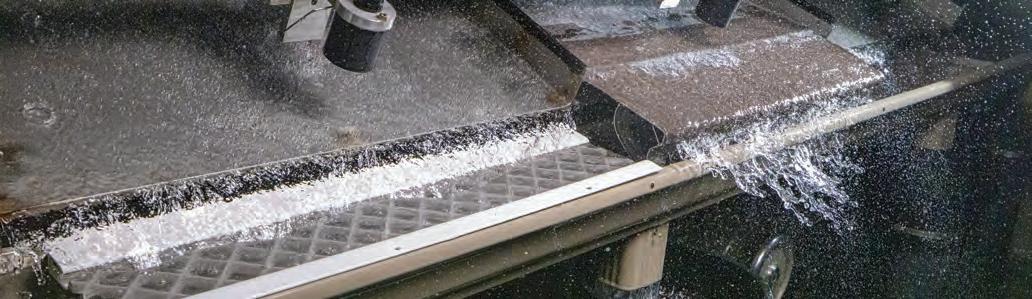





Opening Day for the Single-A baseball Carolina League is April 2; catch the newly minted Wilson Warbirds’ (formerly Zebulon Mudcats) inaugural game on April 14.
Plant a tree for National Arbor Day on April 24. Just remember to plant medium trees at least 25 ft. away from power lines; large trees should be 50 ft. away.
Whether planting trees, shrubs or excavating for a new garden, call 811 before you dig to have underground utilities marked for free.
The Gregorian calendar places Easter (April 5) on the first Sunday after the Paschal Full Moon, which is the first full moon on or after March 21.
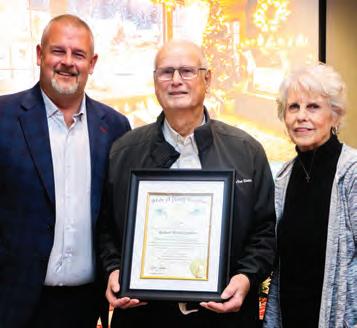

Pee Dee Electric Board President Richard Johnson and Board Director Marcia Lambeth were recently presented with Order of the Long Leaf Pine awards for their extraordinary leadership and lifelong service.
The Order of the Long Leaf Pine is the highest honor bestowed by the Governor of North Carolina, recognizing individuals who have demonstrated exemplary service, leadership and dedication to the betterment of communities across the state. The distinction is reserved for those whose contributions have made an enduring impact and whose lives reflect a deep commitment to public service.
“As Pee Dee Electric honors these outstanding individuals, the cooperative reaffirms its dedication to
supporting leadership, service and community growth,” said Jordan Hildreth, CEO of Lilesville-based Pee Dee Electric. “The qualities Marcia and Richard demonstrate reflect the cooperative principles that guide Pee Dee Electric: service, integrity and commitment to the people we proudly serve.”
Johnson was presented the award by his son, NC Sen. Todd Johnson, with his wife Elaine present. Lambeth was presented the award by former Rockingham Mayor Gene McLaurin.
Recipients are named honorary ambassadors of North Carolina, and their achievements are permanently recorded on the official roster maintained by The Order of the Long Leaf Pine Society.

Electric cooperatives were born out of a mission to bring electricity to rural communities across our state, and while that mission continues today, it has grown beyond North Carolina. This spring, a group of lineworkers from eight of North Carolina’s electric cooperatives will travel to Guatemala to bring power to a village for the first time.
The project is part of North Carolina’s Electric Cooperatives’ Brighter World Initiative, a mission to deliver new opportunities to communities abroad by providing first-time access to electricity.
North Carolina co-ops did similar work in Bolivia in 2019, building five miles of power line infrastructure to connect the village of Laphía to the power grid (“Building a Brighter World,” Aug. 2019, page 10). More than 75 buildings were connected, including a school, bringing new opportunities and advantages to the 120 residents of the rural, agricultural community.

In Guatemala, 15 lineworkers will join NRECA International and local engineers in a project to bring power to the village of El Plan Nuevo Amanecer. The group will build three miles of primary and secondary line, energizing more than 50 homes, along with two churches, a school and a health clinic — the only one serving the area.
“Being part of a project like this is an incredible opportunity,” said Josh
Morrison, a crew supervisor at Union Power Cooperative and crew lead for the trip. “Back home we work each day to serve our communities, and we’re bringing that same commitment with us to serve these people.”
Watch for more coverage of the Brighter World Initiative in the August issue of Carolina Country magazine.
—Josh Conner, North Carolina’s Electric Cooperatives
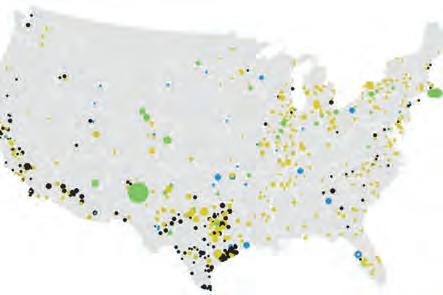
U.S. power plant developers and operators plan to add a record 86 gigawatts (GW) of new utilityscale electric generating capacity to the U.S. power grid in 2026, according to estimates from the U.S. Energy Information Administration (EIA). A gigawatt is 1,000 megawatts, or roughly enough electricity to power more than 750,000 homes.
Solar power makes up 51% of the planned additions, followed by battery storage at 28%, wind at 14%, and natural gas at 7%.
“Developers plan to add 43.4 GW of new utility-scale solar capacity in 2026, a 60% increase in capacity additions from last year if realized,” EIA said. “More than half of the new utility-scale
solar capacity is planned for four states: Texas, Arizona, California and Michigan.”
Nearly 1.7 GW of new capacity is planned in North Carolina,73% of which is solar power and 27% of which is energy storage. Texas, California and Arizona lead in planned energy storage additions, accounting for 80% of all planned capacity.
The previous record for U.S. generating capacity additions was set in 2002, when U.S. developers added 58 GW to the grid (57 GW of natural gas-fired generation). The largest capacity installation in a single year was 53 GW in 2025.
Planned 2026 U.S. Utility Scale Generation Additions | Source: EIA

YOU ARE WALKING ALONG a well-kept trail within Raleigh’s city limits. Despite its proximity to a neighborhood, sounds of the city are muted. You hear the soft creak and sway of the high canopy in a spring breeze, and the resonating rapping of a woodpecker a few trees over. The path is worn, though clearly marked circular white blazes provide steady assurance you’re on the right track.
This is an afternoon stroll, but a part of you is in awe of what could be more — this is no ordinary trail. It’s the Mountains-to-Sea Trail (MST), part of a network of North Carolina State Trails, and it could carry you west to the sweeping vistas of the Smokies, or east to the salty air of the Outer Banks.
There are currently 15 state trails in all, each designated for its significance and managed through local partnerships. From hiking and paddling, to horseback riding and history, the nature of each trail is unique,
By Scott Gates
traversing some of the state’s most magnificent terrain.
“North Carolina’s state trails represent the best of our incredibly diverse landscapes — places where you can walk, ride a bike or horse, or paddle, and enjoy the beauty of nature as well as some of our most interesting communities,” explains Palmer McIntyre, director of the Great Trails State Coalition. “All trails are special, but these have received grassroots support and have been recognized as resources by the General Assembly.”
Once they receive state authorization, state trails become units of North Carolina State Parks, although it’s up to designated partner organizations to help build and maintain them.
“These special trails are a great way to explore our amazing state,” Palmer says, “while appreciating the tireless efforts of partners who are working to complete this vast trail network.”
Scott Gates is the editor of Carolina Country magazine.

Mountains-to-Sea Trail
1,175 miles | Kuwohi to Jockey’s Ridge State Park
THIS IS THE LONGEST trail in the system, and arguably the most well-known and iconic. The idea of a trail spanning the width of the state was born in the 1970s, with then Secretary of the NC Department of Natural Resources and Community Development Howard Lee championing the idea. It was designated a state trail in 2000.
The MST’s partner organization is Friends of the Mountains-toSea Trail, which maintains 725 miles of hiking trail with plans to move connecting interim segments off backroads. Its 18 segments run from Kuwohi (formerly Clingman’s Dome) in Great Smoky Mountains National Park, to Asheville, northeast through Boone, and east through the Triad, the Triangle, and a loop encompassing the Coastal Plain and Outer Banks.
For those planning to thru-hike the trail — which more than 200 have done since 1997 — it can take three to four months, and it’s recommended to hike west from the coast in spring or fall months.

350 miles (planned) | Eight counties in S. Piedmont
STATE TRAILS CONTINUE to be considered and designated by the General Assembly, and a recent addition to the network will cater to horse lovers. The Equine State Trail was authorized in 2023 and is a planned loop through Chatham, Cumberland, Harnett, Hoke, Lee, Montgomery, Moore and Richmond counties. The Sandhills region it traverses is a world-renowned destination for horse training and trail riding, and is home to NC State University’s Equine Health Center, as well as the 4,000acre Walthour-Moss Foundation — a nature preserve originally developed for trail riding.
The North Carolina Horse Council is the trail’s partner organization, and although a long-distance route has yet to be established, riders can enjoy rolling segments of existing trails in spots like Weymouth Woods Sandhills Nature Preserve, Jordan Lake State Recreation Area and Raven Rock State Park.

River State Trail
215 miles | Roanoke Rapids Lake to the Albemarle Sound
SEVERAL STATE TRAILS traverse rivers for those wanting to get a paddle wet. The Roanoke River State Trail immerses paddlers in iconic wetlands, following the Roanoke River through what’s considered to be the largest intact and least-disturbed bottomland forest ecosystem in the mid-Atlantic.
Though not as lofty an undertaking as the MST, this paddle trail will likely take a multi-day effort and is peppered with raised platform campsites to keep overnighters high and dry. The trail follows the Roanoke River from Roanoke Rapids to the Albemarle Sound, then northward with access to Edenton and other parts of Chowan County. Its partner organization is the nonprofit Roanoke River Partners, which maintains camping platforms, town riverfront projects and boat ramps along the route.
If you’re paddling this trail, expect to see bears, beavers, river otters and more than 200 bird species flitting about ancient bald cypress and tupelo trees.

225 miles | 11 counties in Western North Carolina
THIS TRAIL’S HISTORY includes a Congressional designation as a National History Trail in 1980, although its significance long predates that recognition. In total the trail crosses four states (North Carolina, South Carolina, Tennessee and Virginia), retracing the path used by patriot militia groups during the pivotal Kings Mountain campaign of the Revolutionary War. The resounding patriot victory at Kings Mountain on Oct. 7, 1780, was the beginning of the end of British control in the South, deemed by Thomas Jefferson as “The turn of the tide of success.” Today, the portion of the trail that passes through North Carolina is maintained by The Overmountain Victory North Carolina State Trail–Friends (OVNCST-Friends) partner organization. Hikers can walk the same paths used by “Overmountain Men” mustering to defend their mountain homes, encountering reenactors at events such as the upcoming Independence Day celebration at Kings Mountain National Military Park near Blacksburg, South Carolina.

Experience
Mebane Dogwood Festival – April 24 & 25
Burlington Carousel Festival – May 2 & 3
Arts Around the Square – May 16
You’ll find small surprises lead to big memories in Alamance County.

















BY DONNA CAMPBELL SMITH
Vacationing on the Outer Banks isn’t all about ocean beaches. Sometimes you need a respite from the heat, wind, sand and crowds. Find that relief by crossing the islands to the soundside. Shady hiking trails, swimming in the shallow sounds, crabbing, fishing, kayaking, paddleboarding and boating are a change from the oceanside activities.
In less than a 100-mile stretch along Highway 12, you can experience a range of natural and cultural wonders on the soundside.
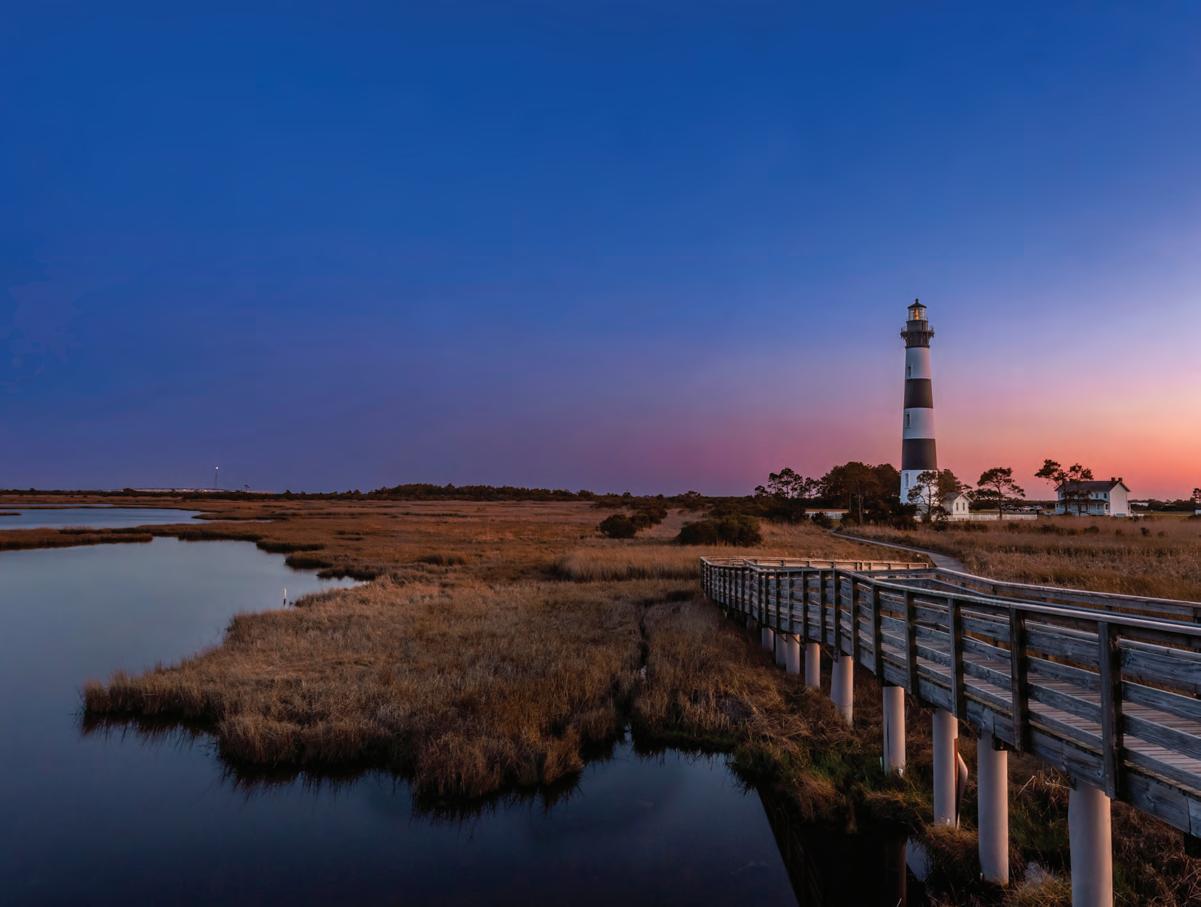
The northernmost town on North Carolina’s Outer Banks, Corolla, is home to Historic Corolla Park (aka Currituck Heritage Park) where museums and landmarks are all within walking distance of one another including the Corolla Beach Lighthouse, the Whalehead Club, the Outer Banks Center for Wildlife Education and the Currituck Maritime Museum. From the time Europeans arrived, the area was a legendary center for hunting the thousands of migratory birds that stopped there in winter.
DIGITAL EXTRA
Find this article on carolinacountry.com to quickly access links to each site mentioned and jump-start your soundside adventures!
*Visit bit.ly/swim-map for local water quality reports before swimming in recreational waters.
A saltwater pond and a boathouse are situated in the center of the park. Here people can launch their kayaks and explore the Currituck Sound and marshes. A boardwalk trail meanders through the marsh and shore of Currituck Sound. Corolla Wild Horse Fund Museum is a short walk from the park. Learn about the free ranging wild horses, directly descended from horses brought to the New World by Spanish explorers in the 16th century.
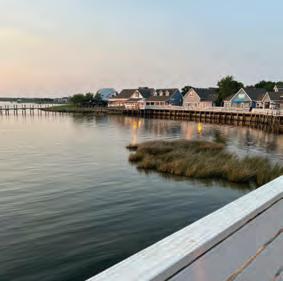
Traveling south on Highway 12, stop at Duck Town Park with 11 acres of trails, green space and a mile-long boardwalk edging the Currituck Sound shore. Do some crabbing or launch your kayak. Rest rooms, a playground and picnic tables are close by. For a magical experience, go in the evening and watch the sunset from the boardwalk.






Continuing south on US 158 is Jockey’s Ridge State Park. While the massive sand dunes (tallest on the Atlantic coast) of Jockey’s Ridge are well-known, not everyone knows that on the backside is a beach area on Roanoke Sound. This hidden gem is open to swimming,* sunbathing, hiking and paddling. The water is shallow, perfect for young children.
Adjacent to the beach parking area is the entrance to Soundside Nature Trail. The one-mile, self-guided hiking trail winds through wetlands, maritime forest and sand dunes. A variety of wildlife may be observed along the trail including deer, racoons, red foxes, opossums and rabbits. Reptiles and birds also make their homes in the area. Take the high spur of the trail to climb expansive sand dunes.
A 10-minute drive further south off Highway 158, brings you to visit the Nags Head Woods Preserve (701 W Ocean Acres Drive, Kill Devil Hills), the largest maritime forest on the East Coast. It is managed by the Nature Conservancy, a global nonprofit whose mission is “to preserve the lands and waters on which all life depends.”
The shaded hiking trails include wooded ridges, ponds, marshlands and wetlands. A half-mile wheelchairaccessible trail encircles a freshwater pond. Individuals

and families looking for a cool retreat and quiet solitude — and a place to bring along your leashed dog — can enjoy nature and learn the history of the making of the Outer Banks.
South of Nags Head, take Highway 12 to Pea Island National Wildlife Refuge. This is a birder’s paradise. The refuge’s main draw is the migratory birds in winter months, but it is home to sea and shore birds year-round. The North Pond Trail begins from the Visitor Center. The 0.6-mile (one way) trail follows the top of a dike between North Pond and New Field Ponds. A boardwalk crosses over Turtle Pond, which is home to a variety of turtle species. There are several observation decks along the trail with interpretive panels and permanently mounted binocular spotting scopes.
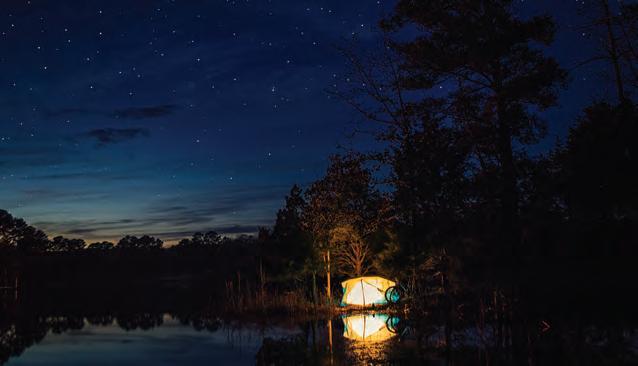
Continue your soundside adventures further south on Highway 12 to Hatteras Island. For overnight accommodation, stop at Frisco Woods Campground. They offer sites for RV camping, secluded campsites for tents or pop-ups and camping cabins with electricity and air conditioning.
Exhibits at the Frisco Native American and Natural History Museum include artifacts of Native cultures from across the United States and a gallery dedicated to the Croatoan people who once inhabited Hatteras Island.
Buxton Woods Reserve borders Frisco. Its 1,007 acres adjoin the largest maritime evergreen forest on the Atlantic coast. Maritime evergreen dune ridges with elevations up to 29 feet, shrub-swamp, ponds and wetlands make up the area.
In Hatteras Village, you can rent a kayak or paddleboard from Slash Creek Outfitters and explore the Pamlico Sound. They offer guided tours on the sound for sunset or eco tours, and also provide self-guided maps and routes for those wanting to explore on their own.
If heading back north to return to the mainland via Highway 64, learn more about the history of the Outer Banks on Roanoke Island. Manteo has a host of historic and natural points of interest. Island Farm, a 10-acre living museum where visitors will experience farm life during the 1850s, is just north of the town of Manteo. Tour a furnished farmhouse and outbuildings and watch demonstrations of cooking, blacksmithing, woodworking, weaving, gardening, food preservation and more.
Aiken Garden Show (SC)
Alamance County (NC)
Alpine Helen (GA)
American Cruise Lines
Cherry Point Airshow (NC)
Edisto Beach (SC)
Old 96 District (SC)
Thoroughbred Country (SC)
Roanoke Island Festival Park, across from the Manteo waterfront, carries its visitors back in time to when the first English explorers came to the island in 1585. Explore the Elizabeth II, a replica of the ship that carried the colonists to Roanoke Island. Tour an American Indian Town, an English Explorer’s camp, and visit the Roanoke Adventure Museum.
Finish your tour of Roanoke Island with a visit to Fort Raleigh Historic Site, where the first English colony was located until it mysteriously disappeared. Also tour the Elizabethan Gardens, and walk the Freedom Trail where slaves found their way to Roanoke Island to form the Freedmen’s Colony during the Civil War. During the summer season, don’t miss Paul Green’s outdoor play, “The Lost Colony,” at the Waterside Theater overlooking Roanoke Sound.
Along with its natural and historic sites, the soundside of the Outer Banks offers restaurants, several with outdoor dining, perfect for watching the sunset, and plenty of shopping centers, including outlet stores and souvenir shops. Check with specific points of interest for seasonal closings and activities, and be sure to include the soundside in your visit to the Outer Banks.
Donna Campbell Smith is a Carolina Country contributing writer who lives in Franklin County.







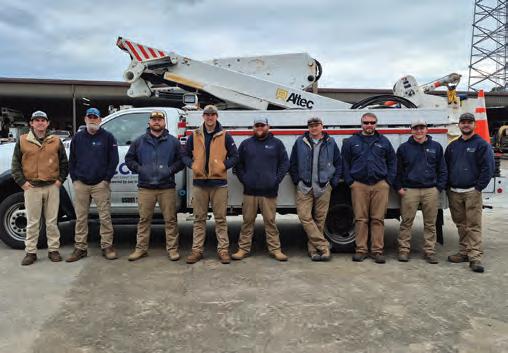
Before most of us start our day, Carteret-Craven Electric Cooperative’s line technicians are already preparing for work—suited up in flame-resistant gear, safety goggles, insulated gloves and rugged boots. These dedicated professionals are the backbone of reliable electric service, and as we observe Lineworker Appreciation Day on April 13, it’s an ideal time to recognize the indispensable role they play in keeping our communities powered.
Lineworkers possess more than physical strength— they bring technical expertise, resilience and calm determination to every job, no matter the conditions. Whether climbing poles, navigating challenging weather conditions or troubleshooting complex equipment, they work tirelessly to keep the lights on, our homes warm and our lives running smoothly.
CCEC crews build, maintain and repair more than 2,500 miles of line throughout Carteret, Craven, Jones and Onslow counties. Their work ensures homes stay connected, businesses remain open, and emergency services have the reliable power they need. Their role is essential to the safety and well-being of our communities.
During the historic winter storm this past January, when frigid temperatures, 16-plus inches of snow and wind gusts of 50-plus mph brought outages and elevated demands on the system, our lineworkers responded swiftly.
Throughout the storm, 62 individual outages impacted 1455 members across our service area from Emerald Isle
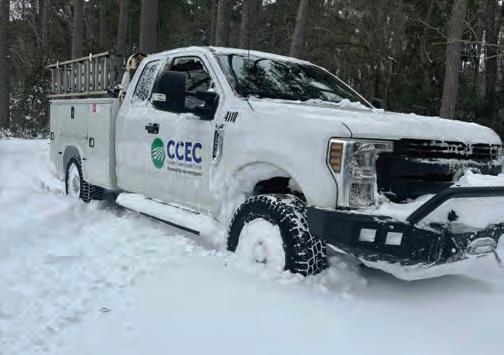
to Cedar Island. Outages began at 10 a.m. on Saturday; the last outage was restored at 5:40 p.m. Sunday. Facing snowcovered roads and white-out conditions, line crews worked safely and methodically to restore service as conditions allowed.
In times of unexpected outages, whether caused by weather, wildlife, or equipment issues, lineworkers are the first to answer the call. Their dedication brings reassurance and restores normalcy when the lights go out.
The commitment of line technicians extends beyond local boundaries. When large-scale outages occur, they join mutual-aid efforts to assist other cooperatives. This cooperation reflects one of the core principles of electric co-ops: cooperation among cooperatives.
In mid-January, CCEC sent nine lineworkers to SurryYadkin Electric Membership Cooperation (SYEMC) to assist with restoration following ice and snow in western North Carolina. Lineworkers from Union Power Cooperative answered CCEC’s call for mutual aid during the late January snow storm.
As we honor the remarkable people who ensure reliable electricity 365 days a year, let’s take a moment to appreciate the expertise, courage and service-driven spirit of our lineworkers.
The next time you flip a switch, remember those who work behind the scenes every day to keep our lives and communities connected.
American families and businesses depend on electricity that is reliable, affordable and always available. As demand for power continues to grow and long-standing energy resources face increasing pressure, smart energy policies are more important than ever, especially for the rural and coastal communities served by Carteret-Craven Electric Cooperative.
At CCEC our responsibility goes beyond delivering power day to day. We also advocate on behalf of our members at the federal level to ensure decisions made in Washington, D.C., protect the reliability and affordability of electricity here at home. The policies shaping the nation’s energy future have real, local impacts on our members, our grid and our ability to serve you.
America’s electric cooperatives, including CCEC, are focused on several key policy priorities in 2026 that directly affect our members:
® FASTER DISASTER RECOVERY: CCEC supports the bipartisan FEMA Act of 2025, which would improve how the Federal Emergency Management Agency partners with electric cooperatives following major storms and disasters. FEMA plays a critical role in helping co-ops restore power and rebuild infrastructure, but reforms are needed to better serve rural areas. If passed, this legislation would help utilities restore power more quickly while keeping recovery costs lower for cooperative members.
® CUTTING THROUGH RED TAPE: Outdated and overly complex federal permitting rules slow down critical upgrades to power lines and substations. Streamlining these processes allows CCEC to respond to growing demand, strengthen reliability and modernize our system more efficiently. We are urging Congress to pass comprehensive permitting reforms, including the SPEED Act and PERMIT Act, both of which cleared the U.S. House in December.
® MAINTAINING FUNDING FOR GRID INNOVATION AND INVESTMENT: Federal loan and grant programs help cooperatives like CCEC strengthen the electric grid, prepare for extreme weather, enhance cybersecurity and explore new technologies—without shifting costs to members. Preserving access to these programs ensures continued investment in a resilient and secure energy future.
® KEEPING RELIABLE POWER PLANTS ONLINE: CCEC supports balanced energy policies that recognize the need for dependable, around-the-clock power. Regulations
that force reliable power plants offline before proven replacements are ready threaten grid stability and affordability. We are advocating for realistic emissions standards that maintain existing generation resources and allow new natural gas facilities to operate without compromising reliability.
® PROTECTING CRITICAL HYDROPOWER: Hydropower resources—particularly the Lower Snake River Dams—play an important role in maintaining affordable and reliable electricity across the country. Removing these dams would increase costs and strain the power system. That’s why electric cooperatives, including CCEC, support preserving these critical resources.
® SMARTER LAND MANAGEMENT POLICIES: We are advocating for commonsense land-management reforms such as the Fix Our Forests Act, which would allow electric cooperatives to more effectively maintain power lines on public lands. These policies help reduce wildfire risk, improve reliability and protect both communities and natural resources.
Electricity underpins nearly every aspect of modern life, even when we don’t think about it. As the energy landscape continues to evolve, understanding the policies that shape how electricity is produced, delivered and maintained is more important than ever.
Advocating on behalf of CCEC members is a core part of our mission and that commitment includes direct engagement with policymakers. At the end of April, members of the Carteret-Craven Electric Cooperative Board of Directors, along with other electric cooperative representatives from around the United States, will travel to Washington, D.C., to advocate on behalf of co-op members. They will meet with elected officials to share the local impact of federal energy policies and reinforce the importance of reliable, affordable power for the communities we serve.
These 2026 policy priorities all come back to the same goal: ensuring our members continue to receive safe, reliable and affordable power now and for generations to come.


Join with co-op employees, board of directors and other CCEC members on Thursday, May 7, to enjoy a delicious meal and entertainment by the West Carteret High School Singers and Broad Creek Middle School Jazz Band.

The first 600 registered members will receive a mini lantern, and members who stay until the end of the business meeting have the chance to win cash, free electricity or a retired co-op 2018 Ford 150.
Visit ccemc.com/about-ccec/annual-meeting for more info.
The Carteret-Craven Electric Cooperative Board of Directors appointed the 2026 Nominating Committee at the December Board meeting. The Nominating Committee met virtually on Feb. 19, 2026. Committee appointees are cooperative members David Bryant, Paul Gainey, Mary Sue Hamann, Clifford Rice, Luther Tootle, Billy Tillman, and Karen Willis.
DIRECTOR DISTRICT 6: DOUG FULCHER
The 2026 director nominees are:
DIRECTOR DISTRICT 7: SUZANNE R. GUTHRIE
DIRECTOR DISTRICT 9: ALVIN WEST

We realize that one size does not fit all, and that’s why we have a variety of payment methods and account management options available to CCEC members.
® PAY-BY-PHONE. Manage your electric account securely, conveniently and quickly from the palm of your hand.
Dial 252.777.5150, and you will be guided through the process. Be sure to have your payment information handy. When calling from the phone number associated with your account, the payment system will automatically recognize you.
® AUTOPAY. This option really takes the worry out of bill paying. Your bank account or credit card is drafted on the due date each month, and you don’t have to remember anything.
® PREPAY. It works the same as putting gas in your car: You pay for electricity before you use it. You can purchase small amounts every few days or buy more when your budget allows and not worry about it for several weeks. Plus, there are no deposits, no late fees, no monthly bills.
® POWERPAY24. You can access your account and make payments from your computer or smart device at carteretcraven.coop
® CHECK FREE. You authorize your bank to send us an electronic payment each month to pay your bill. Check with your bank about the availability of this option and time it takes for the payment to be transferred.
® EQUALIZER. Your monthly electric bills or the bills at the location are totaled for the year and then divided into 12 equal payments. You get peace of mind knowing what your electric bill will be each month.
® PAPERLESS BILLING. This billing option is available through the PowerPay24 site, where you can elect to no longer receive paper bills. When you choose paperless billing, you will receive an email each month when your statement is available to view online.
Spring is a season of renewal and a great time to refresh your energy habits, too! As temperatures begin to warm and daily routines shift, a few small changes around your home can add up to meaningful energy savings.
Spring is the perfect time to schedule maintenance for your heating and cooling system. Spring and fall checkups conducted by a licensed professional can help ensure your system is running efficiently, safely and reliably before the peak seasons begin. A well-maintained unit uses less energy, lasts longer and helps prevent costly breakdowns when you need it most.
If you’re looking for a simple place to start saving, look no further than ceiling fans. Fans help you feel more comfortable by moving air around a room. During warmer months, make sure your ceiling fan blades are set to rotate counterclockwise. This creates a downward breeze that makes you feel cooler, allowing you to raise your thermostat a few degrees without sacrificing comfort. In cooler months, reverse the direction of fan blades clockwise to help push warm air down from the ceiling, improving efficiency when your heating system is running.
Speaking of thermostats, adjusting the temperature just a few degrees can make a noticeable difference on your energy bill. As spring arrives, try setting your thermostat slightly higher when cooling or slightly lower when heating. Even a two- or three-degree adjustment can reduce energy use while still keeping your home comfortable.
Hot water use is another area where simple habits matter. Taking shorter showers can help reduce the amount of energy used to heat water, which makes up a significant portion of most energy bills. Cutting just a few minutes off each shower saves energy and conserves water.
CCEC is here to help every season, every step of the way. We offer energy-saving resources designed to help you save energy and manage costs. If you have questions or want to learn more about energy efficiency offerings and programs, visit ccemc.com/energy-efficiency

NC 4-H Camps offer an affordable six-day, five-night residential camping experience completely TECH free.
Activities include canoeing, kayaking, team building and high ropes, swimming, arts & crafts, talent show and more.
We offer three unique and beautiful facilities in convenient locations across the state.
All camps are owned and operated by NC State University and are American Camp Association accredited, adhering to the highest standards for safety and quality.
cords are a thing of the past
By Miranda Boutelle

Electric lawn equipment has seen vast improvements in cost, motor efficiency and battery power in recent years. From hedge and string trimmers to leaf blowers, chainsaws and push and riding mowers, there are lots of options for electric lawn equipment.
Electric equipment is quieter than its gas-powered counterparts and typically needs less maintenance. There’s no more mixing fuel, changing spark plugs or worrying about gas going bad over the winter. Advances in rechargeable battery technology eliminate having to lug around a heavy extension cord to get your work done. Just pop in a battery and go.
Consistency is key
Most popular lawn equipment brands offer battery-powered options, along with newer brands that specialize in electric tools. If you need multiple tools, buying the same brand with the same battery type allows you to swap batteries between different pieces of equipment. That also means fewer battery chargers to store or keep on your workbench.
Brushless benefits
Opt for equipment with brushless motors. They are more efficient, more powerful and have a longer lifespan than traditional brushed motors. A brushless motor typically costs more but is worth the improved efficiency. A brushed motor transfers electricity using physical brushes, which can wear down over time. The friction caused by the brushes makes equipment run hotter and noisier. A brushless motor uses electronic commutation with less friction, which makes it more powerful, extends the lifespan and allows you to get more done on a single charge.
Just as gas-powered lawnmowers require safe storage and handling of gas and oil, battery-powered equipment requires proper care for maintenance, charging and disposal. Always use the manufacturer’s original charging equipment, charge batteries on hard surfaces away from anything flammable, and store chargers in a cool, dry place.
Most manufacturers recommend charging batteries only until they reach full capacity instead of leaving them on the charger until you are ready to use them. This helps prevent damage to the battery from overcharging and heat buildup and reduces potential fire hazards. Unplug chargers when not in use to avoid energy waste.
Similar to gas and oil, old or damaged batteries should not end up in household garbage and landfills where they can ignite fires and leak toxic chemicals into soil and groundwater. Instead, recycle them at a big-box store or at a county or city waste management site.
If you’re looking for a quieter, more efficient, lower maintenance lawn care routine, rethink your equipment options and consider electric models. If you decide to make the switch, check with your electric utility or state agency for potential rebates.
This column was written by Miranda Boutelle of the Efficiency Services Group. Visit CarolinaCountry.com/your-energy for more ideas on energy efficiency.



Geothermal. It’s easier than ever to score big with the nation’s best incentives.
WaterFurnace geothermal units use the stored energy in your backyard to provide luxurious comfort and dramatic savings on heating, cooling, and hot water. They’re 2x more efficient and last 40% longer (25yrs with geo vs 18yrs with ordinary) than any other HVAC system. Plus, many state, local, and utility programs offer incentives to lower installation costs. It’s never been easier to switch!
Visit waterfurnace.com to learn how to turn “Too Good To Be True” into “True.”

Ready to get started? Scan the QR to connect with your Geothermal Concierge today!

DON’T SAY ‘AWESOME’ UNLESS IT REALLY IS
BY JOE HOBBY
I walked about 75 yards from the visitor center, stepped to the railing, looked both ways, and gawked.
I’m not a big gawker. In fact, I can’t remember the last time I gawked. But the Grand Canyon will do that to you. It isn’t something you merely see. It’s something you behold. It is truly awesome.
Which got me thinking about the word awesome. It may be the most abused word in the English language. It should only apply to things like the Grand Canyon, a clear view of the Smokies, a rocket launch or the Pyramids. It should not apply to a waitress who got your order right at Cracker Barrel. That isn’t awesome. That’s just being competent.
Later that day, I climbed into my rental car, started the engine and programmed Google Maps to take me back to Phoenix. As I pulled onto the highway, I began to reflect on what else in our lives truly deserves the kind of awe that we reserve for natural wonders and tall buildings. And I came to an important realization: we live in an age of awesomeness, and we barely notice it.
In our pockets is a slab of glass that can summon the world’s knowledge, a computer more powerful than the ones that sent astronauts to the moon. That is awesome, even if most of us use it to watch dog videos, stalk old classmates and argue with strangers we will never meet.
a generation ago are now routine. People walk again. Hearts are repaired. Lives are extended. Yet we’re more impressed by whether the hospital has free Wi-Fi and a Starbucks inside.
So, what happened to our sense of wonder?
Our brains are wired to get used to extraordinary things. For example, the first time I used ChatGPT, I thought it was magic created by some techno-wizard in a dark room. A few weeks later, it became just another tool I use to edit my work — mostly to check commas and make me feel inadequate about my grammar. It’s no less amazing. I’ve just grown accustomed to it. Like indoor plumbing.
In the past, awe was easy to spot. You could stand on the Golden Gate Bridge or watch an Apollo rocket launch and feel the power of human ingenuity. Today, many of our greatest breakthroughs — like microchips, invisible networks and the internet itself — are too complex to explain or too small to see. When it comes to awe, size really does matter.
TO BE IN AWE IS TO RECOGNIZE THE BRIDGE BETWEEN HUMAN IMAGINATION AND REALITY.
We’re bombarded with “the next big thing” every day: new technology, new breakthroughs. Now, I have an app that lets me start my new truck from anywhere in the world. While I don’t plan on cranking up my Chevy from Indonesia, I still should be awed by the fact that I could. But when breakthroughs happen at a breakneck pace, we don’t have time to marvel. We’re already chasing the next thing before we’ve fully processed the current one.
Consider the automobile. Engineers call it “an accumulation of genius,” and they’re right. A modern car contains roughly 30,000 parts. From the wheels to the GPS, it’s a rolling museum of human invention. That is awesome, even if my truck costs more than my first house and comes with fewer bedrooms.
And it’s not just the parts. It’s the idea that thousands of minds across centuries contributed so that I can push a button and drive to the grocery store without hitching up a horse. When you really think about it, the miracle isn’t that cars are expensive, it’s that they work at all.
Think about the airplane: it’s a metal tube full of people hurtling through the sky at near-supersonic speeds. A fully loaded 737 weighs around 80 tons. And it flies! The wings flex, engines roar, physics performs miracles — and we sit inside watching movies and complaining about legroom. Jet planes enable us to have breakfast in New York and dinner in Los Angeles. That is awesome. Now, if they could just stop sending my luggage to Minneapolis when I’m in Charlotte, we’d be approaching divine intervention.
Medicine should leave us in awe, too. Artificial joints. Robotic surgery. Procedures that were science fiction
I think that’s the problem. When everything is extraordinary, nothing feels extraordinary for very long.
Maybe we should slow down.
To be in awe is to recognize the bridge between human imagination and reality. It’s noticing the miracles hidden inside ordinary days. It’s realizing that most of what surrounds us would have looked like sorcery to our grandparents and witchcraft to their grandparents.
So do yourself a favor. Be in awe. Stop every now and then and just say, “Wow.”
Look at a bridge. Watch an airplane take off. Think about what it took to make your phone, your car, your medicine, your world. Choose to see the magic that others have grown blind to.
And if you do, that would be awesome. (See how silly that sounds now?)
Joe Hobby is a comedian and a syndicated columnist who wrote for Jay Leno for many years. Find more of his stories on his blog (mylifeasahobby.blogspot.com) and follow him on Facebook @Joe Hobby Comedian-Writer.
FastHelp is the only Medical Alert device that won’t break the bank. That’s because it comes with no contracts, no deposits and no monthly bills ever – which makes FastHelp a great choice for seniors, students and professionals because it connects to one of the largest nationwide networks everywhere cell service is available for free. You don’t need a cell phone or a land line.
And here’s the best part. All those who already have an old style monitored medical alert button can immediately eliminate those monthly bills, which is why Universal Physicians is widely advertising this announcement nationwide.
So if you’ve ever felt a medical alert device was too complicated or expensive, you’ll want
to get FastHelp, the sleek new medical alert device with no monthly bills.
The medical alert device slugfest was dominated by two main combatants who both offer old style monitored help buttons that come with a hefty bill every month. But now Universal Physicians, the U.S. based heavyweight, just delivered a knockout blow sending the top rated contenders to the mat with the unveiling of FastHelp. It’s the sleek new cellular embedded medical alert device that cuts out the middleman by instantly connecting you directly to highly trained 911 operators all across the U.S. There’s absolutely nothing to hook-up or install. You don’t need a land line and you don’t need a cell phone. Everything is done for you. ■

■ NO MONTHLY BILLS: “My wife had an old style help button that came with hefty bills every month and she was embarrassed to wear it because it made her look old,” said Frank McDonald, Canton, Ohio. “Now, we both have FastHelp™, the sleek new medical alert device that our grandkids say makes us look ‘cool’ not old,” he said. With FastHelp, seniors never have to worry about being alone and the best part is there are no monthly bills ever.
Instantly connects to free unlimited nationwide help with just the push of a button with no contracts, no deposits, and no monthly bills
Seniors born before 1964 get new medical alert device Nationwide: Demand for new Medical Alert Device soars
The phone lines are ringing off the hook.
That’s because for seniors born before 1964, it’s a deal too good to pass up.
Starting at precisely 8:30am today the Pre-Store Release begins for the sleek new medical alert device that comes with the exclusive FastHelp™ One-Touch 911 Button that instantly connects you to unlimited nationwide help everywhere with no contracts, no deposits and no monthly bills ever.
“It’s not like old style help buttons that make you talk to a call center, only work when you’re at home and come with hefty bills every month. FastHelp comes with state-of-the-art cellular embedded technology. That means it works at home or anywhere and everywhere cell service is available whether you’re out watering the garden, driving in a car, at church or even hundreds of miles away on a tour or at a casino. You are never alone. With just a single push of the One-Touch E Button you instantly get connected to free unlimited help nationwide with no monthly bills ever,” said Jack Lawrence, Executive Director of Product Development for U.S. based Universal Physicians.
“We’ve never seen anything like it. Con-
(Continued on next page)

■ FLYING OUT THE DOOR: Trucks are being loaded with the new medical alert devices called FastHelp. They are now being delivered to lucky seniors who call the National Rebate Center Hotline at 1-800-221-2809 DEPT. FSTH143 today. Everyone is calling to get FastHelp, the sleek new medical alert device because it instantly connects you to unlimited nationwide help everywhere cell service is available with no contracts, no deposits and no monthly bills ever.
sumers absolutely love the sleek new modern design and most of all, today’s instant rebate practically pays for it and no monthly bills ever,” Lawrence said.
FastHelp is the sleek new medical alert device with the best of combinations: a quality, high-tech engineered device that’s also an extremely great value because there are no monthly bills ever. ■
The only device that makes you look important, not old
The problem with medical alert devices is, nobody wants to wear them because it makes them look old. Well, that’s not the case with FastHelp. That’s because it’s the first state of the art medical alert device designed to make you look important, not old. Old style monitored help buttons you wear around your neck, or require expensive base station equipment or a landline are the equivalent of a horse and buggy, it’s just outdated.
Millions of seniors fall every year and spend hours lying on the floor helpless and all alone with no help.
But seniors who fall and get immediate help are much more likely to avoid getting sent to a nursing home and get to STAY living in their own home independently.
Yet millions of seniors are still risking their safety by not having a medical alert device. That’s because seniors just can’t afford to pay the monthly bills that come with old style medical alert devices.
That’s why seniors born before 1964 are rushing to cash in the whopping $150 instant rebate before the 21 day deadline ends.
So there’s no need to wait for FastHelp to hit store shelves later this year because seniors born before 1964 can get it now just by using the $150 instant rebate coupon printed in today’s publication before the 21 day deadline ends. If lines are busy keep trying, all calls will be answered. ■
Instantly connects you to free unlimited nationwide help with no contracts, no deposits and no monthly bills ever
Comes with new cellular embedded technology that works at home or anywhere you go so you are never alone
Seniors snap up new medical alert device that comes with no monthly bills and their family members are snapping up a sleek new medical alert device that comes with no monthly bills ever,” he said.
People don’t always do what their doctor says, but when seasoned veteran emergency room physician, Dr. Philip B. Howren says every senior should have a medical alert device, you better listen up.
“Seniors are just one fall away from being put in a nursing home,” Dr. Howren said. “With a medical alert device, seniors are never alone. So it keeps them living independently in their own home. That’s why seniors
Hurricane Help
Many seniors refuse to wear old style help buttons because they make them look old. But even worse, those medical alert systems come with monthly bills.
To solve these problems Universal Physicians, a U.S. company, went to work to develop a new, modern, stateof-the-art medical alert device. It’s called “FastHelp™” and it instantly connects you to free un limited nationwide help everywhere cell service is available with no
LIFESAVER
“We had two hurricanes recently. I had no electricity for 6 days. I fell, so I pushed the button, and they came right out and picked me up off the floor. I tell many of my friends they need to get FastHelp!”Virginia, FL
All seniors born before 1964 are getting a $150 rebate and cover just $149 making this deal too good to pass up
Nothing to hook up. You don’t need a land line or cell phone. It’s ready to use right out of the box





contracts, no deposits and no monthly bills ever.
“This slick new little device is designed to look incognito to slip in your pocket. Seniors love them, because it actually makes them look
“When I got my FastHelp I never thought I’d have to use it, but when I fell and broke my hip it saved my life.” - Harold, OH
Very appreciative of having FastHelp “I did have an emergency. Help RESPONDED quickly and came in a few minutes.”Irving, PA

im portant, not old,” Dr. Howren said.
FastHelp is expected to hit store shelves later this year. But special promotional giveaways are slated for seniors in select publications. ■
Five Star Customer Reviews A+ Rating: These are unsolicited consumer feedback from satisfied customers as reported to Universal Physicians.
WE LOVE THE PRODUCT
“We bought it outright with no bills ever.”
- Rosemary, NY
Safe anywhere
“This little FastHelp device is my guardian angel. I’m so glad my daughter-in-law got it for me.”Pete, FL
BORN BEFORE 1964:
Use the rebate coupon to the right and call this Toll-Free Hotline: 1-800-221-2809
EXT. FSTH143
BORN AFTER 1964:
You cannot use the rebate coupon to the right and must pay $299 Call: 1-800-221-9773
EXT. FSTH143
BOTTOM LINE:
You don’t need to shop around. We’ve done all the leg work, this deal is too good to pass up. With the instant FastHelp rebate, it is a real steal at just $149 and shipping. There are no monthly bills ever.
PROS: It’s the sleek new medical alert device that comes with the exclusive FastHelp One-Touch 911 Button that instantly connects you to free unlimited nationwide help with no contracts or deposits. It connects you to the vast available network of cellular towers for free and saves seniors a ton of money because there are no monthly bills ever making this deal a must have. Plus it’s the only medical alert device that makes seniors look important, not old.
CONS: Consumers can’t get FastHelp in stores until later this year. That’s why it’s so important for seniors born before 1964 to call the National Rebate Center Hotline within the next 21 days. For those who miss that deadline, the sleek little medical alert device will set you back over $300 bucks.
Story and photos by L.A.
Jackson
Any plant that reliably shows off fancy, colorful leaves through the long growing season easily becomes a gardener’s darling, and Persian shield (Strobilanthes dyerianus) is just such a belle of the summertime botanical ball. This flashy, foliage-centric cutie eloquently drapes itself with gorgeous leaves up to 6 inches long that shimmer in iridescent shades of green, pinkish-purple and silver.
In spite of the Middle Eastern inference, Persian shield is actually from Burma, but this still gives a clue as to what will make it happy: heat and humidity, of which summertime Carolina gardens typically have plenty of both. Morning light will help intensify leaf colors, but too much of ol’ Sol in the scorch of the afternoon will cause this pretty to suffer, so filtered shade later in the day is recommended. Being from the tropics, you would correctly guess that Persian shield could get nailed by the winters in our state, and from the Triad to the west this can be true. However, in my Raleigh-area garden, I’m never surprised after mild winters to find

survivors ready to grow again in the new spring. Best advice: Treat it like an annual (or tender perennial) in the west and a root-hardy perennial in the east.
Persian shield (deer-resistant, by the way) can tolerate some drought, but it grows better in a planting site that has been enriched with moistureretaining ingredients such as compost or commercial soil conditioner. These organic additives will also help fluff up the soil and prevent soggy, boggy conditions that can lead to root rot.
Persian shield can grow up to 3 feet tall but has soft limbs, so it could topple over and spread outwards. Some gardeners value this as an expressive, vibrant flow of multicolored flora eloquently draping a garden bed. For other backyard growers, it looks like a drunken plant.
To tame Persian shield’s tottering, pinch back its branch tips late in the

spring to create a compact, fuller plant. Watering with a balanced fertilizer solution once a month through the summer will also make for a sturdier, prettier plant.
For all its fanciness, exotic Persian shield will not be hard to find this spring. From big box garden centers to local nurseries, this popular plant will be easy to spot and tough to resist!
L.A.’s website of the month: With National Arbor Day being April 24, help support the Arbor Day Foundation (shop.arborday.org) by perusing their extensive offerings of bare-root and potted woody ornamentals.
Go wild in your garden. No, I don’t mean skip through the rows in your birthday suit — my version of “wild” involves smart gardening by including any of the many tough, pretty perennials that are indigenous to our region. Need examples? Some of my tried-and-true, Made-in-the-USA favorites include turtlehead, cardinal flower, goldenrod, Joe Pye weed, ironweed, Carolina jessamine, black-eyed Susan, bee balm, false indigo, butterfly weed, spiderwort, coral honeysuckle and climbing aster. None of these are strangers at local nurseries with dedicated native plant sections and all are available online.
Gardeners, start your warm-season veggie patches! Lima beans, green beans, cucumbers, eggplant, peppers (both hot and sweet), squash, and tomatoes can be planted around the middle of this month, but backyard growers in the mountains might want to wait until at least the end of the month or first week of May.
□ From the spring disease department: Watch for signs of what seems to be burnt branch tips. It’s probably fire blight, which usually afflicts such plants as cotoneasters, hawthorns, apples, blackberries, pears, pyracanthas and raspberries. Cut the “burnt” portions off using pruners dipped in water with 10% bleach. Bag clippings and toss them away. Do not compost.





In times of economic uncertainty—when inflation rises, markets fluctuate, and long-term financial stability feels less predictable—many investors turn to gold as a dependable store of value. By holding a portion of your wealth in gold, you can help safeguard your portfolio and preserve longterm financial security, even when broader economic conditions are unclear.
Since 2015, gold has surged over 400% — outpacing both the S&P 500 and the Dow during the same period.

American Gold Reserve is releasing government-issued $5 Gold American Eagles completely free of dealer markup for only $529 each. These beautiful $5 Gold American Eagles are a perfect way to enter the gold market. Set for immediate public release, availability is limited and supplies are expected to sell out quickly.
• Free of dealer markup.
• Gold provides protection against inflation and deflation.
• Gold offers financial cover during geopolitical and macroeconomic uncertainty.
• A strong portfolio diversifier.










































Caramelized Ham Steak With hot honey apricot chutney
Dried fruits are often forgotten fruits but bring so much to the table. Serve this flavorful chutney with meats, fish, on cheese boards and sandwiches … or spoon it over vanilla ice cream!
2 tablespoons butter
1 ham steak, about 1 pound
¼ cup water
¼ cup brown sugar
1 tablespoon molasses
1 tablespoon stone ground mustard
Chutney
½ cup orange juice
2 tablespoons apple cider vinegar
2 tablespoons light brown sugar
2 tablespoons hot honey
1 large shallot, minced
1 piece of ginger, 2-inch, peeled, grated
3–4 cloves fresh garlic, grated
1 package (6-ounce) dried apricots, chopped
¼ cup golden raisins
Zest of 1 large orange
1 teaspoon cinnamon
Ginger Ale Pound Cake
With lemon icing
Warmer weather calls for lighter, brighter flavors like lemon, ginger and coconut. Add some fresh fruit and whipped cream and serve at Easter brunch!
2 sticks butter
½ cup shortening
5 large eggs
2½ cups sugar
3 cups flour
¾ cup ginger ale
½ teaspoon salt
2 teaspoons vanilla
2 teaspoons lemon flavoring
2 cups powdered sugar
2–3 tablespoons lemon juice
¾ cup toasted coconut
1 package (9-ounce) milk chocolate mini eggs (we used Cadbury)
Preheat oven to 325 degrees.
Grease a tube or Bundt pan with
1 teaspoon pumpkin or apple pie spice
1 teaspoon salt
2 tablespoons toasted pine nuts
1 teaspoon vanilla extract
2 tablespoons fresh mint, finely minced
Heat butter over medium heat until sizzling. Sear steak on each side 2–3 minutes. Remove ham, lower heat and whisk in remaining ingredients. Add steak and glaze on each side for about 2 minutes. For chutney, in a saucepan, combine juice through garlic. Bring to a slow simmer over medium heat. Add fruits and spices. Continue cooking over medium-low heat for 25–30 minutes, stirring every few minutes. Remove from heat when apricots are tender. Stir in nuts, vanilla and mint. Serve over ham.
Yield: 2 servings, with 1½ cups chutney

shortening and dust with flour. Beat butter and shortening until creamy. Slowly add eggs one at a time. Mix in sugar. Alternate adding flour and ginger ale. Then mix in the salt, vanilla and lemon flavoring. Bake for approximately 100 minutes. Around the 40-minute mark, put a piece of foil over the pan to avoid burning the top. Remove cake. Cool.
For the icing, whisk the powdered sugar and lemon juice until smooth and barely thin enough to drizzle. Press the coconut around the cake’s cavity in a nest-like shape. Fill with mini eggs.
Yield: 12 servings
Submit your recipe online at: carolinacountry.com/myrecipe.

Mashed Potato Salad Stuffed Potatoes
Some of us prefer our potato salad on the creamy side when freshly made and still warm. So we made some and tucked it inside a crispy, crunchy, salted potato shell.
3 large russet potatoes
Oil
Coarse salt
2 tablespoons cream or milk
2 tablespoons butter
1 teaspoon chicken broth paste
3–4 tablespoons mayonnaise (we prefer Duke’s)
1–2 boiled eggs, chopped
¼ cup diced red bell pepper
¼ cup diced green bell pepper
¼ cup sweet pickle relish
Several whole green onions, diced*
1 large stalk celery, diced
1 tablespoon sugar
Salt and pepper
Paprika for garnish
Preheat oven to 425 degrees.
Wash and dry the potatoes. Rub generously with oil, then salt all around the potato. Bake for 45–60 minutes until potatoes are soft with a gentle squeeze.
Cut potatoes lengthwise off center so one side is deeper than the other and let cool just a bit. Gently scoop out potato into a mixing bowl. While warm, add cream, butter, paste and mayonnaise with a fork. Mash to desired consistency.
Fold in remaining ingredients through sugar. Salt and pepper to taste.
Stuff into the 2 larger skins and dust with paprika. Serve warm.
*Save and mince a bit of the green tops for garnish.
Yield: 2 servings
Unless otherwise noted, all recipes are by Culinary Adventurist Wendy Perry, a home economist, blogger and NC food artisan. (WendyPerry.com)
Digital Extra
Visit carolinacountry.com/recipes to search more than 1,000 recipes by name or ingredient.

































The best walk-in tub just got better with breakthrough technology! Presenting the all new Safe Step Walk-In Tub featuring MicroSoothe. ® An air system so revolutionary, it oxygenates, softens and exfoliates skin, turning your bath into a spa-like experience. Constructed and built right here in America for safety and durability from the ground up, and with more standard features than any other tub.
✓ Heated seat providing warmth from beginning to end
✓ Carefully engineered hydro-massage jets strategically placed to target sore muscles and joints
✓ High-quality tub complete with a comprehensive lifetime warranty on the entire tub
✓ Top-of-the-line installation and service, all included at one low, affordable price
You’ll agree – there just isn’t a better, more affordable walk-in tub on the market.

APRIL 18
Happy Roots’ Earth Day Jam
Bell Tower Green, Salisbury 980-234-4800
APRIL 4
Easter Hat Parade Downtown Dillsboro | 352-431-0993
APRIL 4–5
Opening Weekend
Tweetsie Railroad, Blowing Rock 828-264-9061
APRIL 11–12
Inner Banks Antiques Market Perquimans County Recreation Center, Hertford | 252-331-5216
APRIL 15
Yoga + Wine Night Hinnant Family Vineyards, Pine Level 984-242-9190
APRIL 15–19
Wine & Food Spring Fest Various locations, Beaufort 252-515-0708
APRIL 18
Clenny Creek Heritage Day
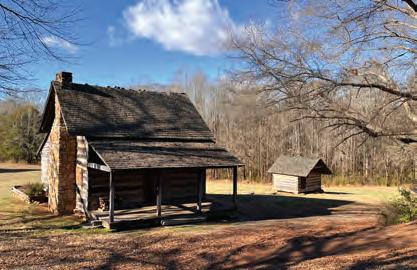
Reenactments, scavenger hunt, woodworking McLendon Cabin & Bryant House, Carthage | 910-639-7959
Appalachian Folk Medicine with Rebecca Beyer Turtle Island Preserve, Boone 336-669-4965
APRIL 18–19
Showcase of Woodcarvings
CPCC Central Campus, Worrell Building | 805-233-4071
APRIL 24
aLive in the ’Boro (BloomFest Kickoff) Roseboro Common Stage 910-525-4121
APRIL 24–25
Quilted Flowers Flower Show Shallotte Presbyterian Church Fellowship Hall, Shallotte 513-910-6679
APRIL 24–26
Fayetteville Dogwood Festival
Downtown Fayetteville 910-323-1934
APRIL 24–26
Mebane Dogwood Festival Downtown Mebane | 336-570-1444
APRIL 25
Feeding Frenzy Music Fest
Salty Pirate Water Park, Emerald Isle 252-560-4224
Bocce, Beer & Bites
Elizabeth City Waterfront Park 252-333-1510
Sounds of Nature: Kids’ Music Day Music, live performances, hands-on activities
Grandfather Mountain, Blowing Rock 828-733-2013
Get in Gear Festival
Activities for all ages, food, beverages, demonstrations New Belgium Brewing Company, Asheville BloomFest
Downtown Roseboro | 910-525-4121
Greening Up the Mountains Festival
Downtown Sylva | 828-586-2719
Alfreda Sings Tina! CoMMA Performing Arts Center, Morganton | 828-433-7469
Visit carolinacountry.com/calendar for more information about each event, including links to the most current information, or to submit your own event.
Send your answer by April 15, with your name, address and the name of your electric cooperative.
Online: carolinacountry.com/where
By mail: Where in Carolina Country? 3400 Sumner Blvd., Raleigh, NC 27616
Multiple entries from the same person will be disqualified. The winner, chosen at random and announced in our June issue, will receive $25.
Have a roadside gem you’d like to share? Submit a photo, plus a brief description and general location information, at carolinacountry.com/where
The February "Where Is This" photo by Rachel Gannon features the Eagle Tavern, located on the corner of St. David and King Streets in Historic Halifax. Built in 1790 and originally located down the road, the tavern is just one of the pre-and post-American Revolution sites found in this old port town along the Roanoke River. A key event in the fight against King George happened at the colonial courthouse, which once stood in the field behind the clerk’s building on King Street: North Carolina’s Provincial Congress met here in 1776 and adopted the “Halifax Resolves” on April 12, the first official act by a colony demanding independence from England. This date is forever ingrained on the state flag. Learn more about Historic Halifax, its role in our country’s independence as well as its place on the Underground Railroad at bit.ly/historicsites-nc. The winning entry chosen at random from all correct submissions came from John Jaffee of Todd, a Blue Ridge Energy member.

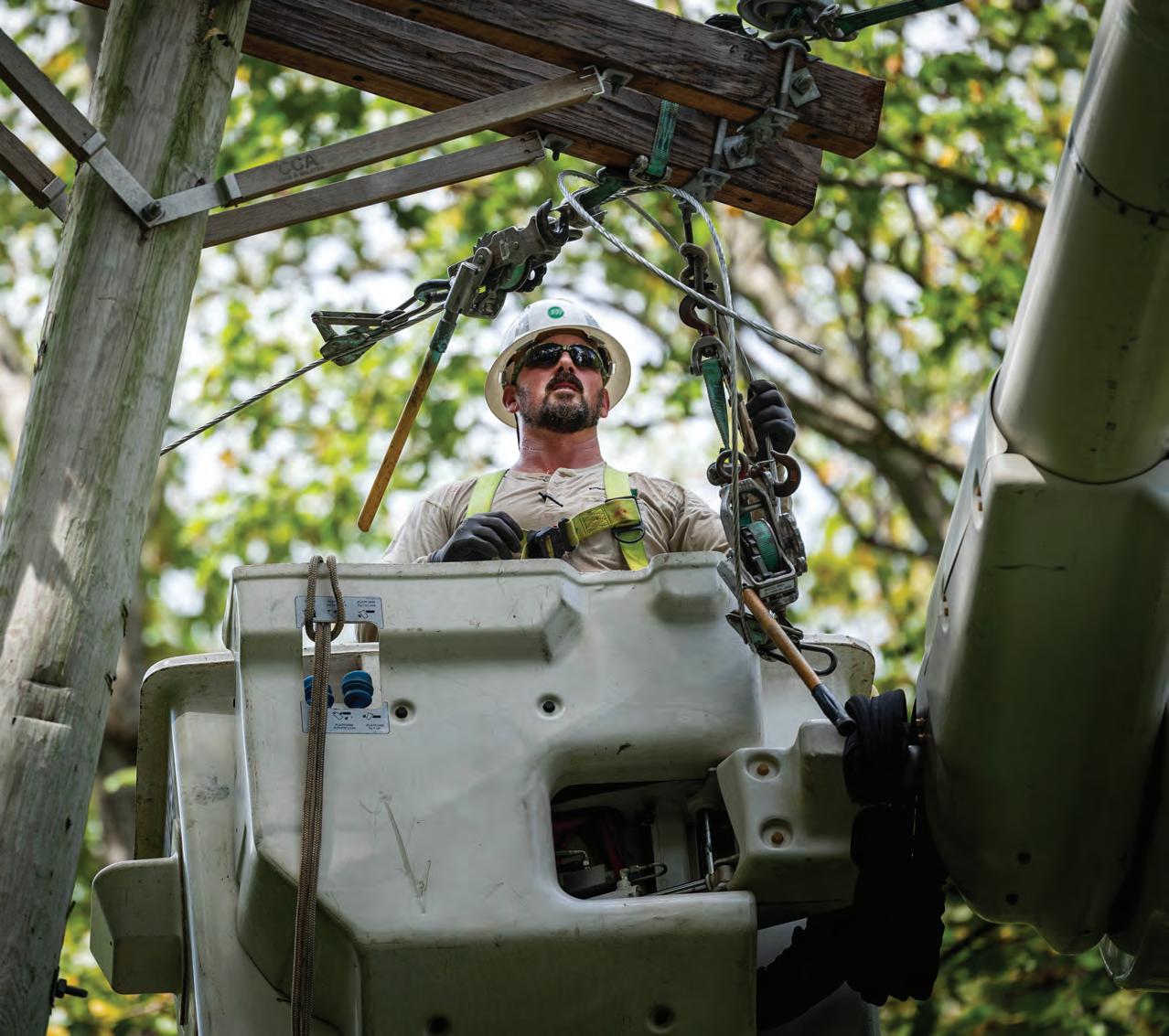
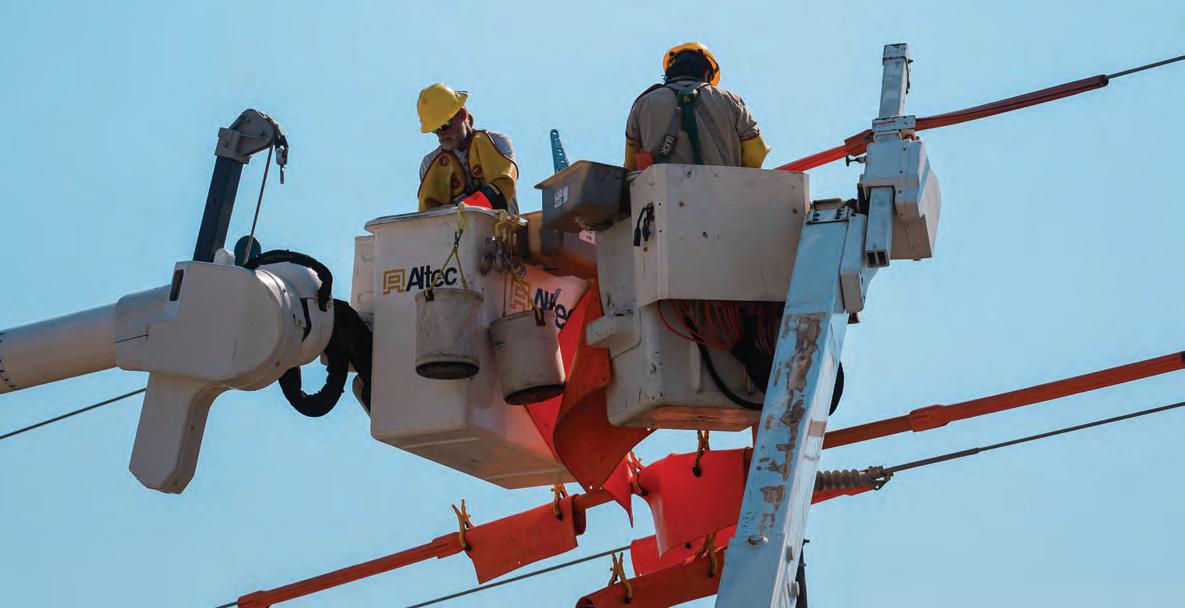
Each April we celebrate our lineworkers in North Carolina. It's an opportunity to say thank you to the people who power our communities.
Thank you for the vital role you play in keeping reliable power flowing to homes and businesses across the state. We are grateful for your hard work and dedication, today and every day.

It pays to be a cooperative member!
Did you know that as a member of CCEC, you’re also an owner? That means when the co-op does well financially, you benefit. One of the ways we return value to our members is through capital credits.
Capital credits are your share of the co-op’s annual margins (money left over after we pay all operating expenses). Instead of going to outside shareholders, those margins are allocated back to you, our members, based on how much electricity you use and how long you have been a cooperative member.
In July 2025, CCEC’s Board of Directors approved the retirement of capital credits in the amount of $2.23 million. This amount includes
retirements from the years 1999-2024. Active CCEC members saw a credit on their September bill, while former members received a check. Since 1997, the cooperative has retired more than $56 million in capital credits to our members. Capital credits are a big part of what makes co-ops different from investor-owned utilities. We’re not here to make a profit—we’re here to serve you, our members.

CCEC is holding more than $2.56 million in unclaimed money and wants to get it back to its owners. When members move off our lines, they don’t always give us their new address. If a current address for a former member is not available, the funds remain in their closed account. After three years, unclaimed money is turned over to the state. That’s why it’s important for you
to let us know your address and other contact information any time those change. Visit ccemc.com/Account/Capital-Credits to see a list of all members with unclaimed funds. If you see people you know, tell them to give us a call. We would much rather see that money go to our members and former members, where it belongs, than remain unclaimed.
Monitor your daily usage at carteretcraven.coop or in the PowerPay24 app. Tracking your energy usage as the weather changes helps you understand how heating and cooling impact your bill, allowing you to adjust habits, manage costs, and avoid unexpected increases.
Shift your energy use to lower-cost off-peak hours, reducing your overall electricity costs without sacrificing comfort.
Help CCEC reduce high wholesale power costs during peak demand periods, and those avoided costs help to keep rates affordable for all members.
Replace your older, energy-hogging water heater with a new Energy Star® qualified model. Get a $300 rebate for a qualified heat pump water heater purchased and installed in your home.
Visit ccemc.com/energy-efficiency for additional information about these programs and more ways to save.
CCEC is an engaged community partner, committed to strengthening local nonprofit organizations, investing in education and youth development, and supporting community events that improve the quality of life across our service area.
CCEC members may roundup their monthly electric bills to the next dollar to support neighbors in need and various community programs.
Pre-K-12 educators can apply for grants up to $1,250 to support innovative classroom projects. Applications are accepted April–September each year.
Two rising 6th & 7th graders receive scholarships to attend the Carolina Basketball School at UNC and the Wolfpack Women’s Basketball Camp in Raleigh each summer.
Scholarships are available to high school seniors and community college students.
For info about these and other programs, visit ccemc.com/community