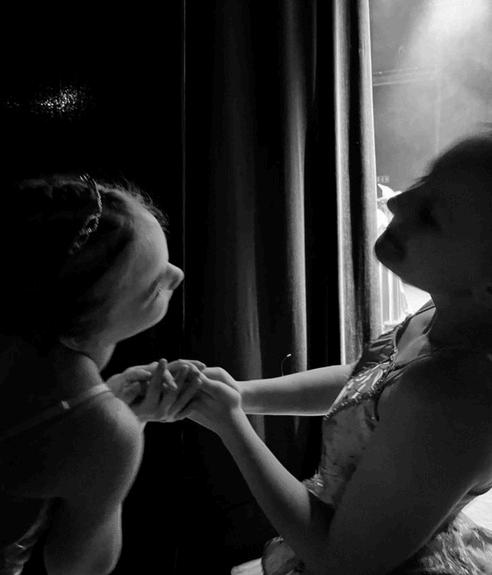



TrustandPhysicalIntimacy:Dancerequiresclose,hands-oncorrection. Teachersguidestudents’bodiestonewlimits,fosteringaprofoundlevelof trustandfamiliaritythatcanfeelveryintimate,oftenblurringthelines betweenaprofessionalandpersonalconnection

A"SafeSpace"andSecondHome:Formany,thestudiofunctionsasa"third space"outsideofhomeandwork/school,providingasecureenvironment wheredancerscanexpressthemselves,overcomechallenges,andfeelseen. VulnerabilityandEmotionalSupport:Dancetrainingrequiresdancersto bevulnerable,strippingawaydefensestoachieveartisticexpression. Teacherswhoofferempathy,encouragement,andsupportduringthese momentsoftenbecomeemotionalanchors.
TheMentor-ProtégéDynamic:Teachersholdthekeystoroles,technique improvement,andprofessionalopportunities Thisdynamic,combined withthedesiretoemulatearespected,highlyskilledfigure,createsa natural,intensebond,sometimesleadingto"teacher’spet"scenariosor deepadmiration.
SharedPassionandBonding:Theintense,oftenexhilarating,and sometimesexhaustingnatureofdancecreatesasharedpassionbetween teacherandstudent.
The"3rdSpace"andEmotionalBond:Thestudioisa3rdspace a"safe space" wheredancerscanbethemselves,leadingtoastrong,often familial,attachment
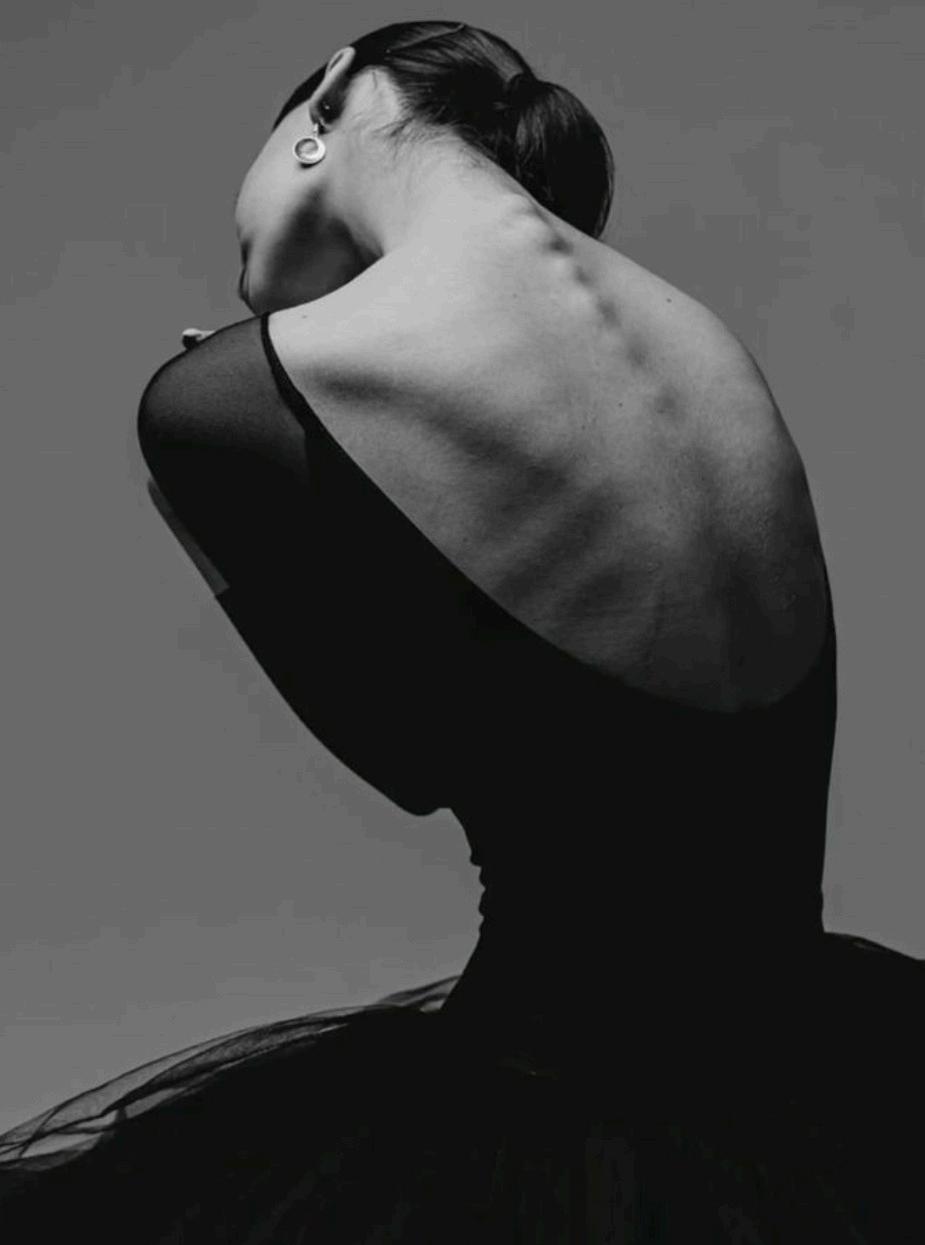
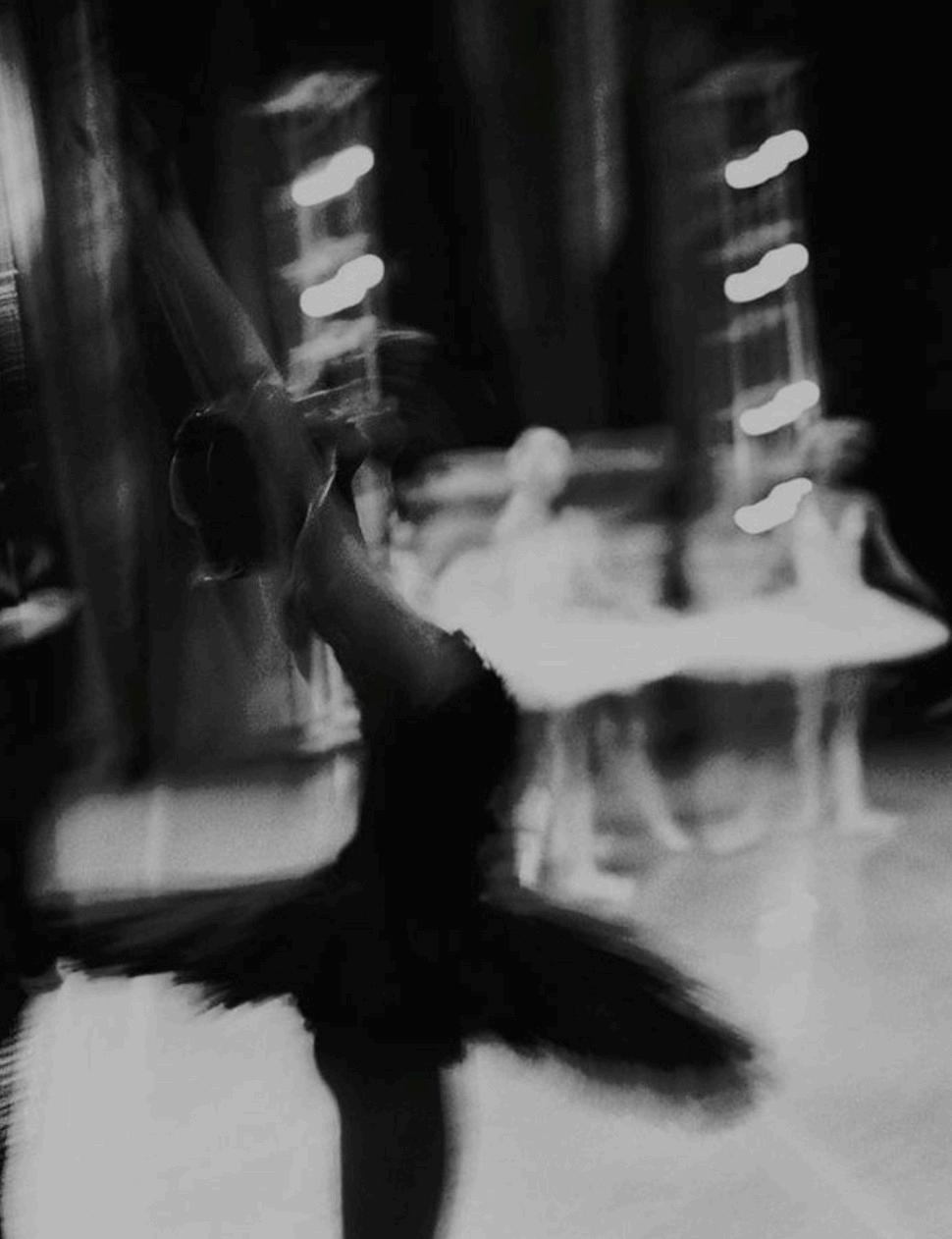


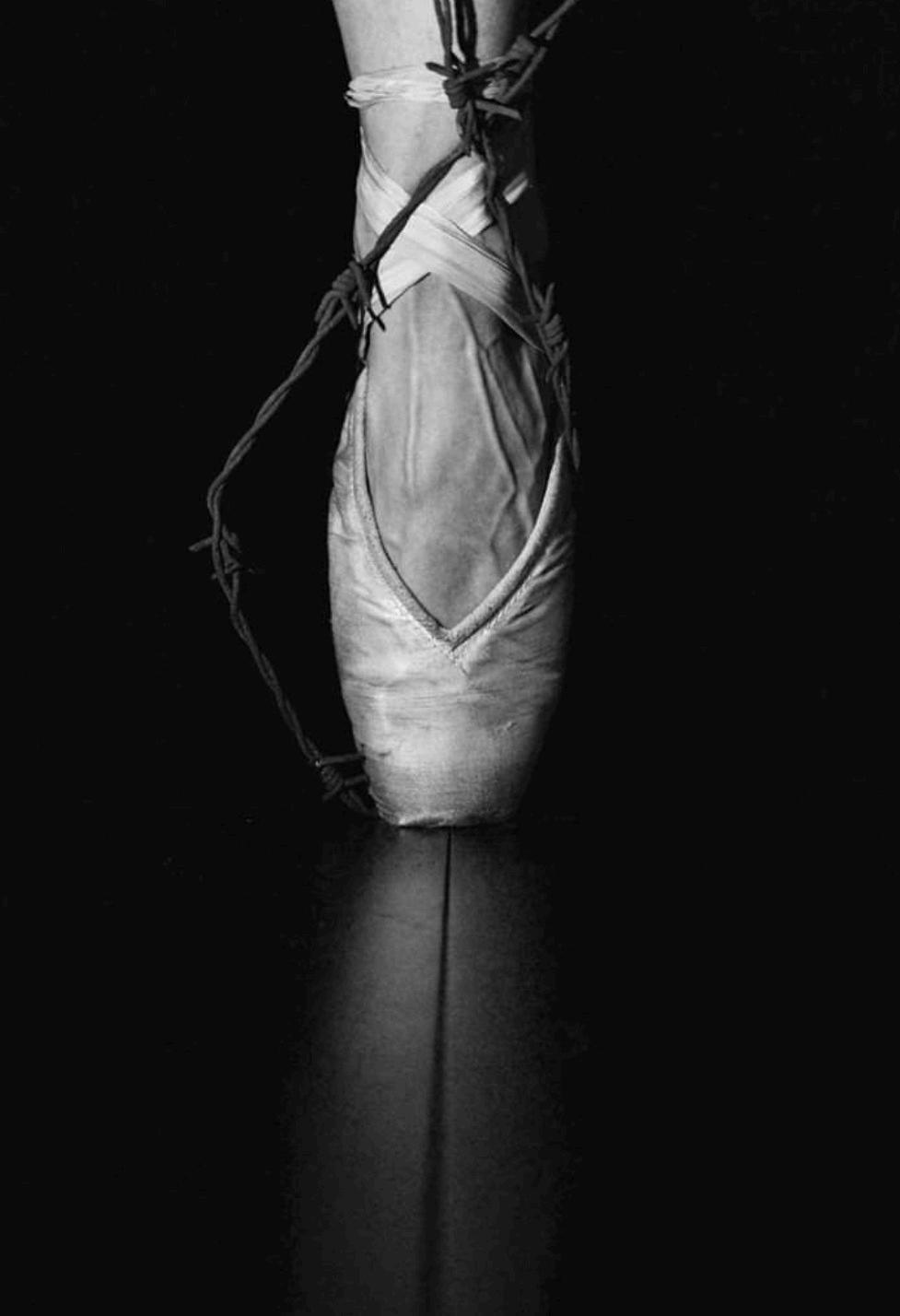
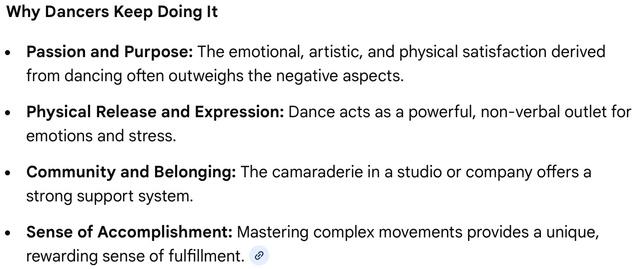
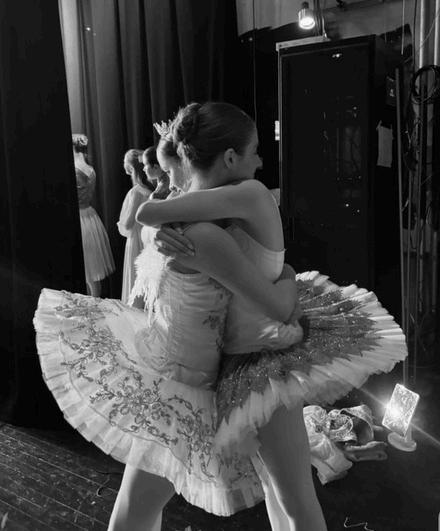
Dancers often endure sadness while refusing to quit due to an intense passion for the art form, combined with high-pressure, perfectionistic environments that foster burnout, injuries, and low self-esteem
. The deep, emotional commitment often described as a, ""love/hate" relationship" creates a "fear-led" mentality, where they feel trapped by their dedication and the, "post-show blues" when they are not performing.