EXTRAVAGANT
A key move on the luxury chessboard: a Belgian designer, an Italian fashion house, and a new creative chapter that aims to engage with the past without breaking from it.
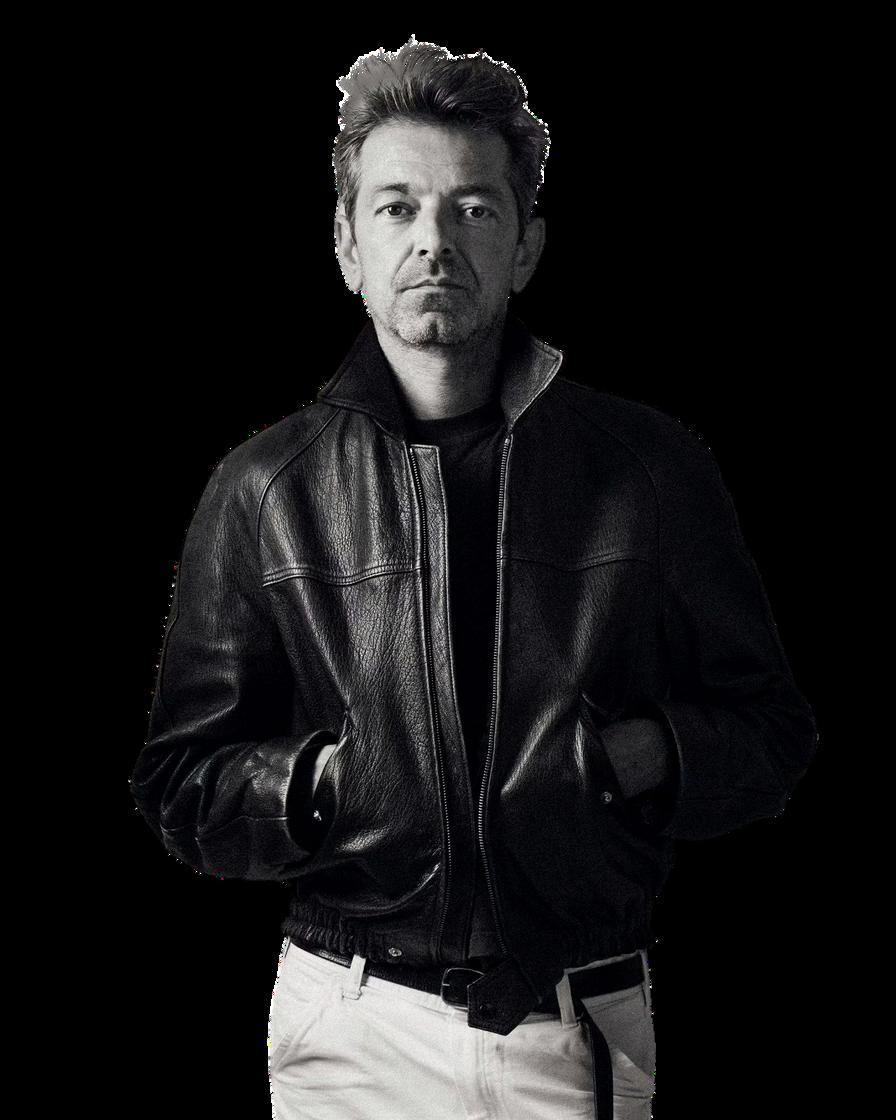
Versace has appointed Pieter Mulier as its new creative director, betting on strengthening the Italian house’s historic identity following its recent integration into the Prada Group. The Belgian designer will take up the role on July 1 and will report directly to Versace’s chief executive officer, Lorenzo Bertelli, who said Mulier “will know how to reinterpret the brand” without the need to reinvent it.
Mulier joins from Maison Alaïa, where since 2021 he has driven notable growth through a focus on craftsmanship, timelessness, and sculptural silhouettes. His departure will take place after Alaïa’s fall 2026 show in Paris.
According to Bertelli, the decision had been in the making for some time, with Mulier identified early on as the ideal profile to lead Versace creatively. The aim is to return to a language closer to the legacy of Gianni and Donatella Versace, while keeping the brand independent despite industrial synergies with Prada.
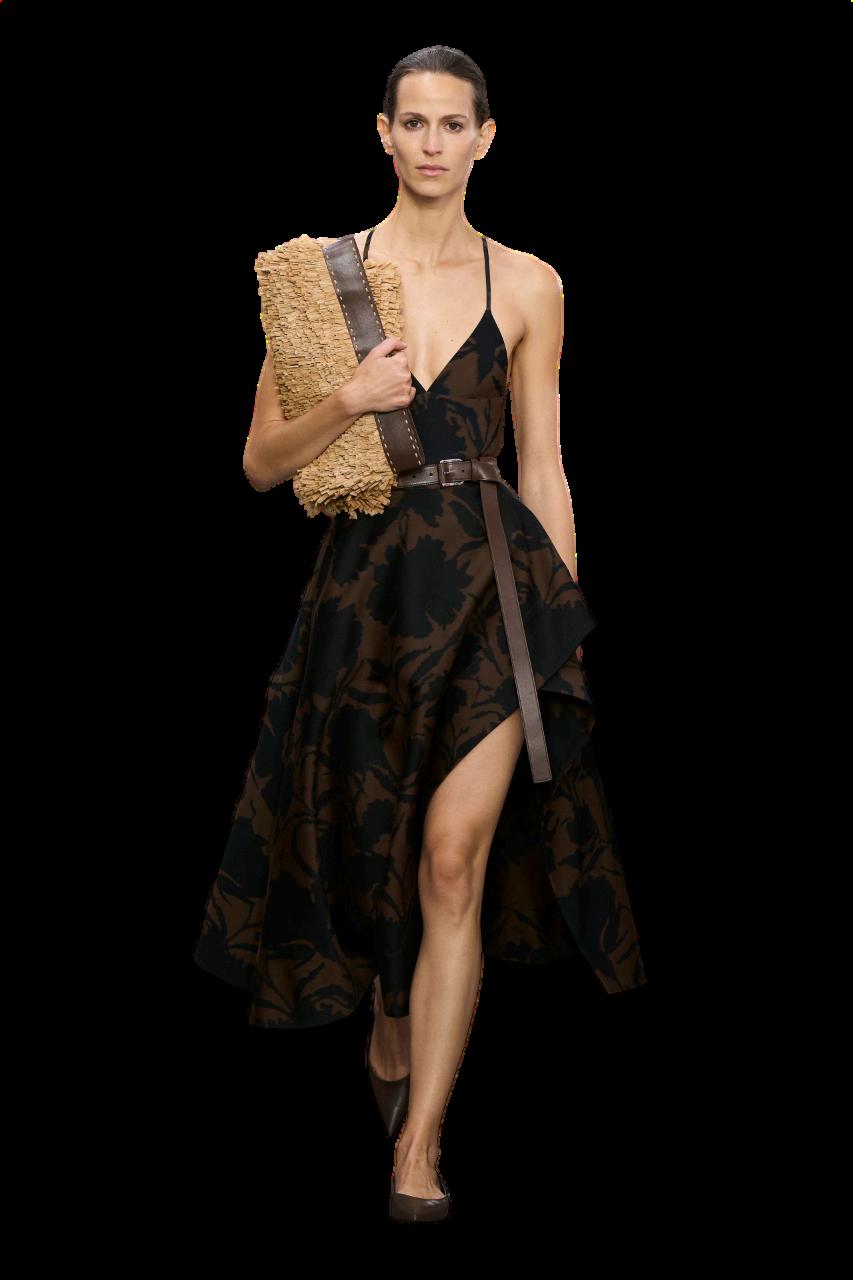
Capri Holdings recorded another setback at Michael Kors, its core brand, despite beating quarterly revenue expectations.
Capri Holdings came under renewed pressure after reporting a sixth consecutive quarterly decline in sales at Michael Kors, its main brand, triggering a nearly 10% drop in its shares.
In the third quarter of fiscal 2026, group revenue fell 4% year-on-year to about $1.025 billion, although it exceeded market forecasts. Michael Kors, which accounts for more than 80% of Capri’s sales, posted a 5.6% decline, weighed down by more cautious consumers, reduced promotional activity and a slower response to key trends such as collaborations and youthfocused marketing.
By contrast, Jimmy Choo grew 5% during the period. Capri also raised its full-year revenue forecast to a range of $3.45 billion to $3.48 billion and highlighted margin improvement, despite tariff-related pressures from sourcing markets such as China and Vietnam. The company continues to stabilize its portfolio following the sale of Versace, while focusing on protecting full-price sales over the long term.
The company raised its full-year sales and margin forecasts, reinforcing the narrative of luxury’s resilience, while warning of a negative impact on fourthquarter profitability due to U.S. tariffs. Ralph Lauren expects fourth-quarter margins to contract by 80 to 120 basis points, driven by higher tariff-related costs and increased marketing spending.
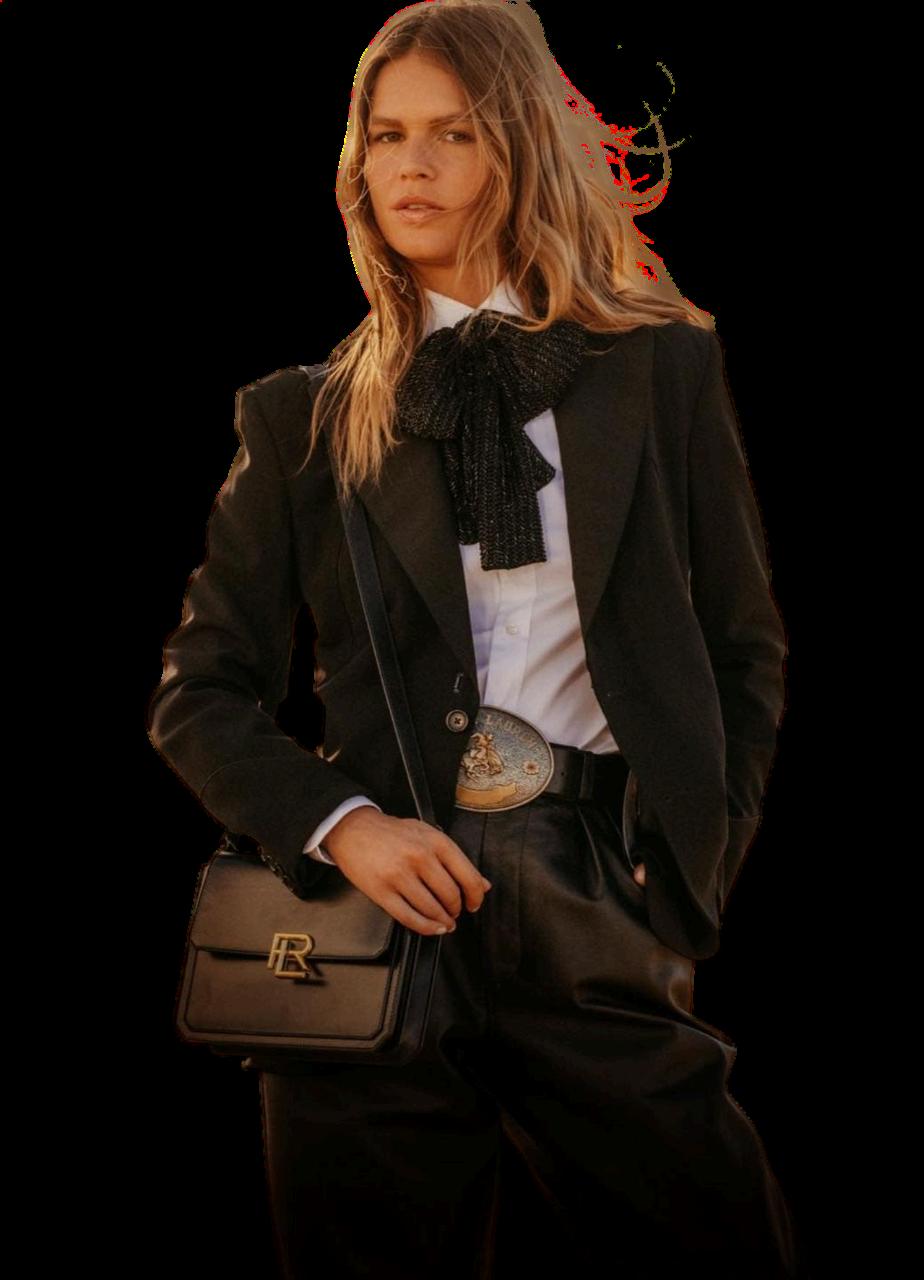
Despite these headwinds, recent performance exceeded expectations. Third-quarter revenue rose 12% to $2.41 billion, while earnings per share reached $6.22, supported by a 220-basis-point expansion in margins. To offset tariff pressure, the group has implemented selective price increases and shifted production away from regions with higher tariff exposure.
Ralph Lauren has also reduced discounting and strengthened full-price sales, refreshing its core styles to appeal to higherincome consumers and Gen Z.
For fiscal year 2026, the company now expects revenue growth in the high-single-digit to low-double-digit range and raised its operating margin target, underscoring the brand’s strategic strength.
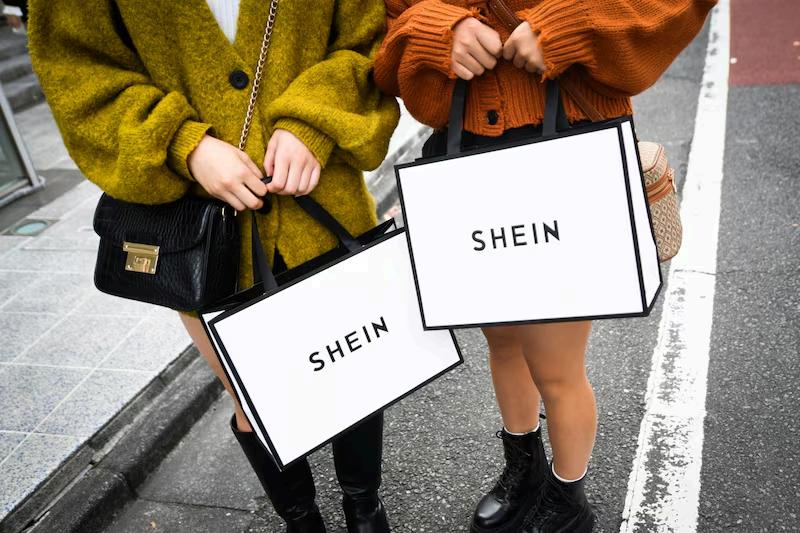
The fast-fashion giant sought to turn Brazil into a major manufacturing hub for Latin America, but the initiative lost momentum amid the country’s structural barriers. In 2023, the China-founded retailer pledged to invest $150 million, partner with 2,000 local factories, and create up to 100,000 jobs by 2026. By the end of that year, it had announced partnerships with 336 factories.
Progress stalled as local suppliers struggled to meet Shein’s demands for lower prices and faster delivery times. Additional hurdles included logistical challenges, the rural location of some plants, and a regulatory framework stricter than China’s, with labor controls and high taxes, according to industry sources.
Shein acknowledged the initiative was “slower and more complex than expected” and said it would adopt a more selective approach, prioritizing higher-capacity factories. Brazil remains Shein’s second-largest market after the United States, but the setback highlights the difficulty of scaling its lowcost model beyond China as the company moves toward a potential Hong Kong listing.
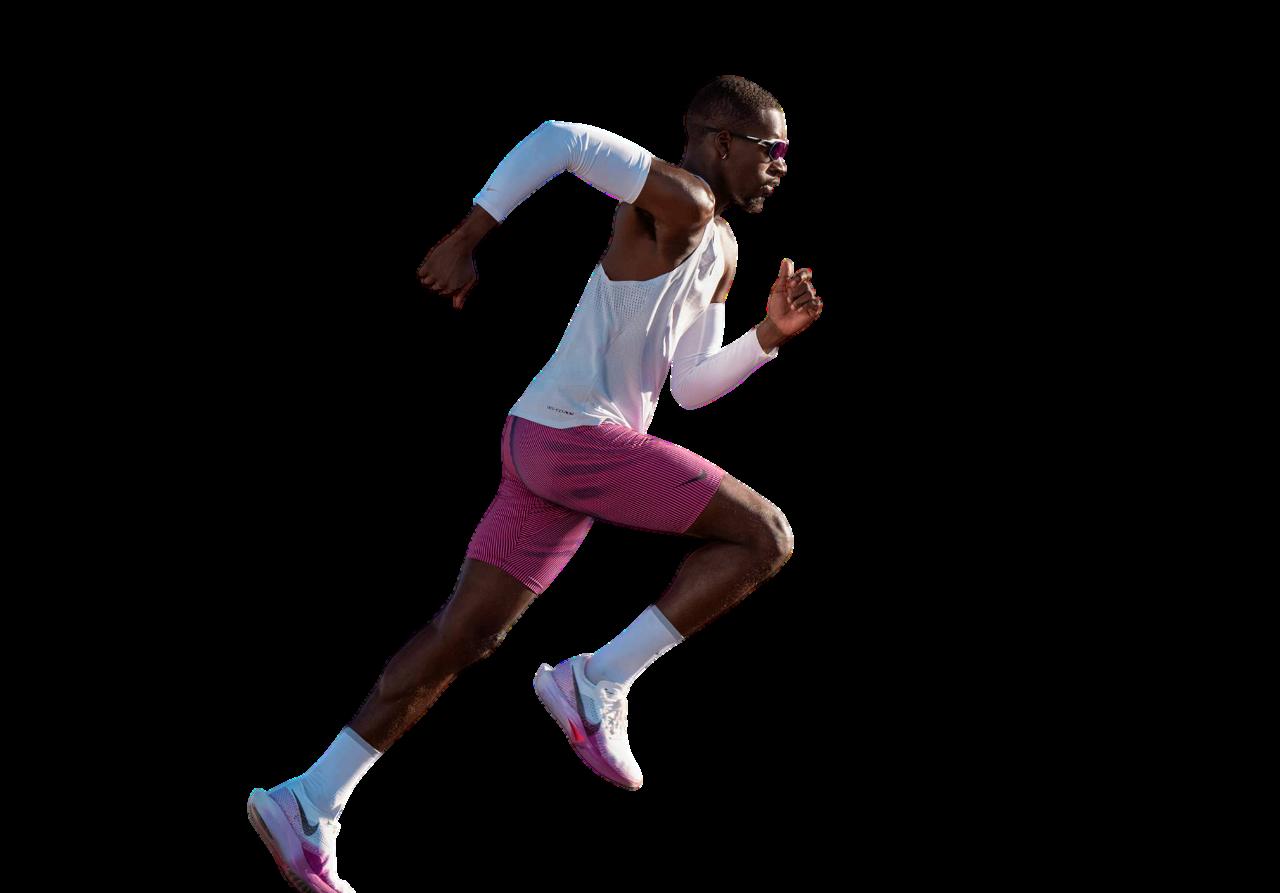
Nike once again finds itself at the center of the debate over diversity and workplace policies in the United States, amid growing regulatory pressure and heightened federal scrutiny of corporate inclusion strategies.
Nike is facing a formal investigation in the United States over alleged employment discrimination against white workers, in a case led by the Equal Employment Opportunity Commission (EEOC). The federal agency has filed a lawsuit in federal court seeking to compel the company to hand over internal documentation related to hiring, promotions, layoffs and development programs linked to its Diversity, Equity and Inclusion (DEI) policies.
According to the EEOC, Nike allegedly failed to comply with a broad subpoena requesting data on the racial and ethnic composition of its workforce, as well as information on mentorship and leadership programs that may have been subject to racial restrictions since 2018. The investigation is examining whether white employees and job applicants were disproportionately selected for layoffs or excluded from professional opportunities.
The case unfolds as part of the Trump administration’s broader push against DEI programs, which it views as potentially conflicting with federal civil rights laws. Nike described the action as a “surprising and unusual escalation” and said it has cooperated in good faith, providing thousands of pages of information to the agency.
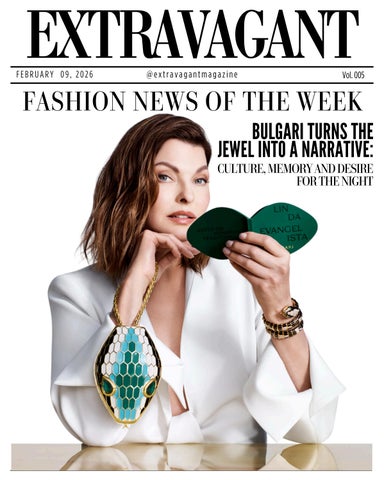
Bulgari transforms its historic icons into jewel-clutches that turn luxury into a cultural gesture.
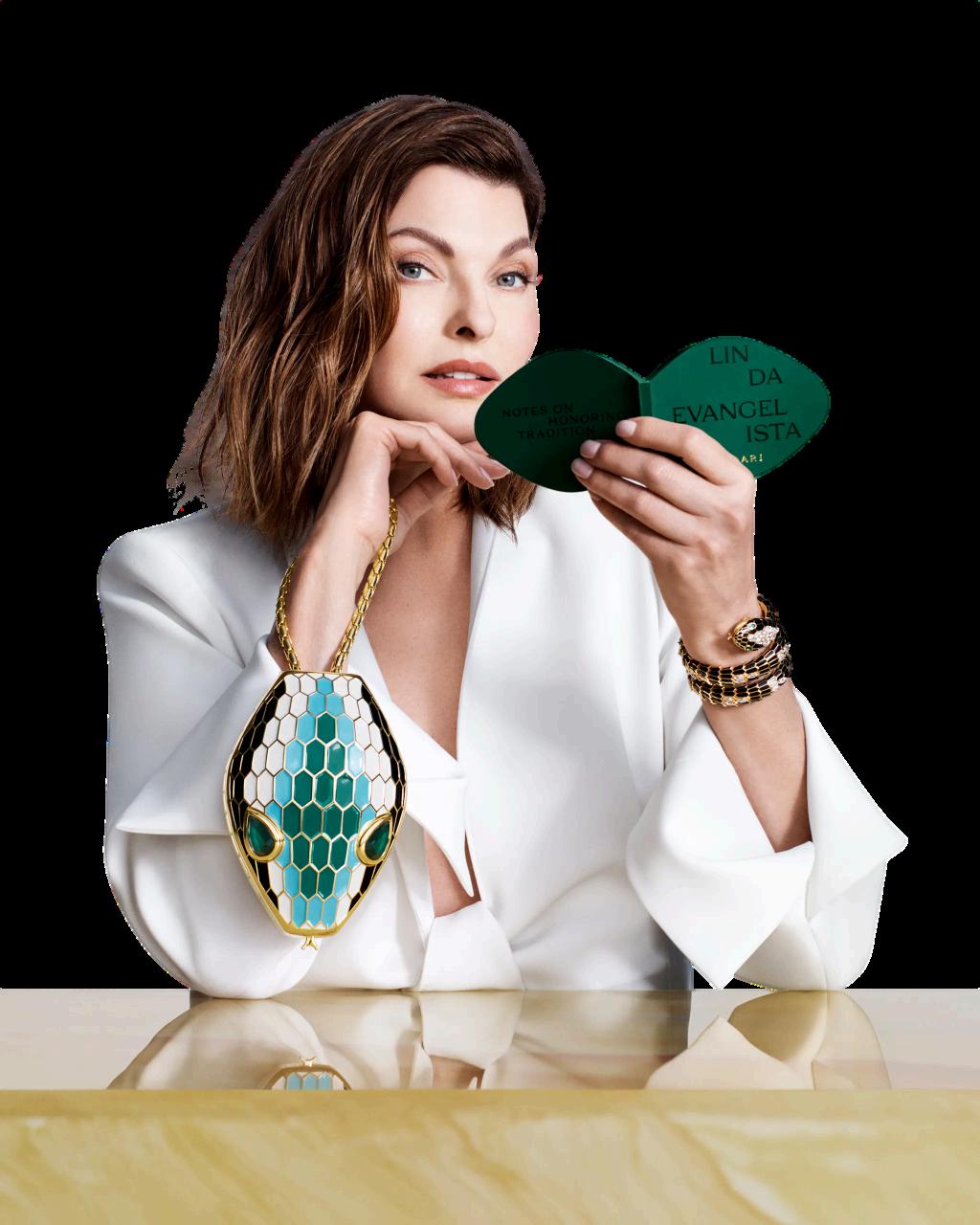
During Paris Haute Couture Week, Bulgari presented the Icons Minaudière collection at its Place Vendôme boutique, a series of five rigid jewel bags designed by Mary Katrantzou, the Roman house’s creative director of leather goods and accessories. Inspired by Bulgari’s iconic motifs Monete, Serpenti, Tubogas, Divas’ Dream and BVLGARI BVLGARI the pieces translate 140 years of jewelry heritage into the realm of evening accessories.
Crafted in precious metal and stones such as malachite, mother-of-pearl and tiger’s eye, the minaudières are produced using high jewelry techniques, privileging symbolism over functionality. The launch is accompanied by the Carrying Culture campaign, photographed by Ethan James Green under the creative direction of Ferdinando Verderi.
Starring Chimamanda
Ngozi Adichie, Linda Evangelista, Kim Ji-won, Isabella Rossellini and Sumayya Vally, the campaign links each bag to a cultural figure. Evangelista embodies Serpenti, a symbol of transformation, and contributes a personal minibook connecting memory, tradition and legacy.
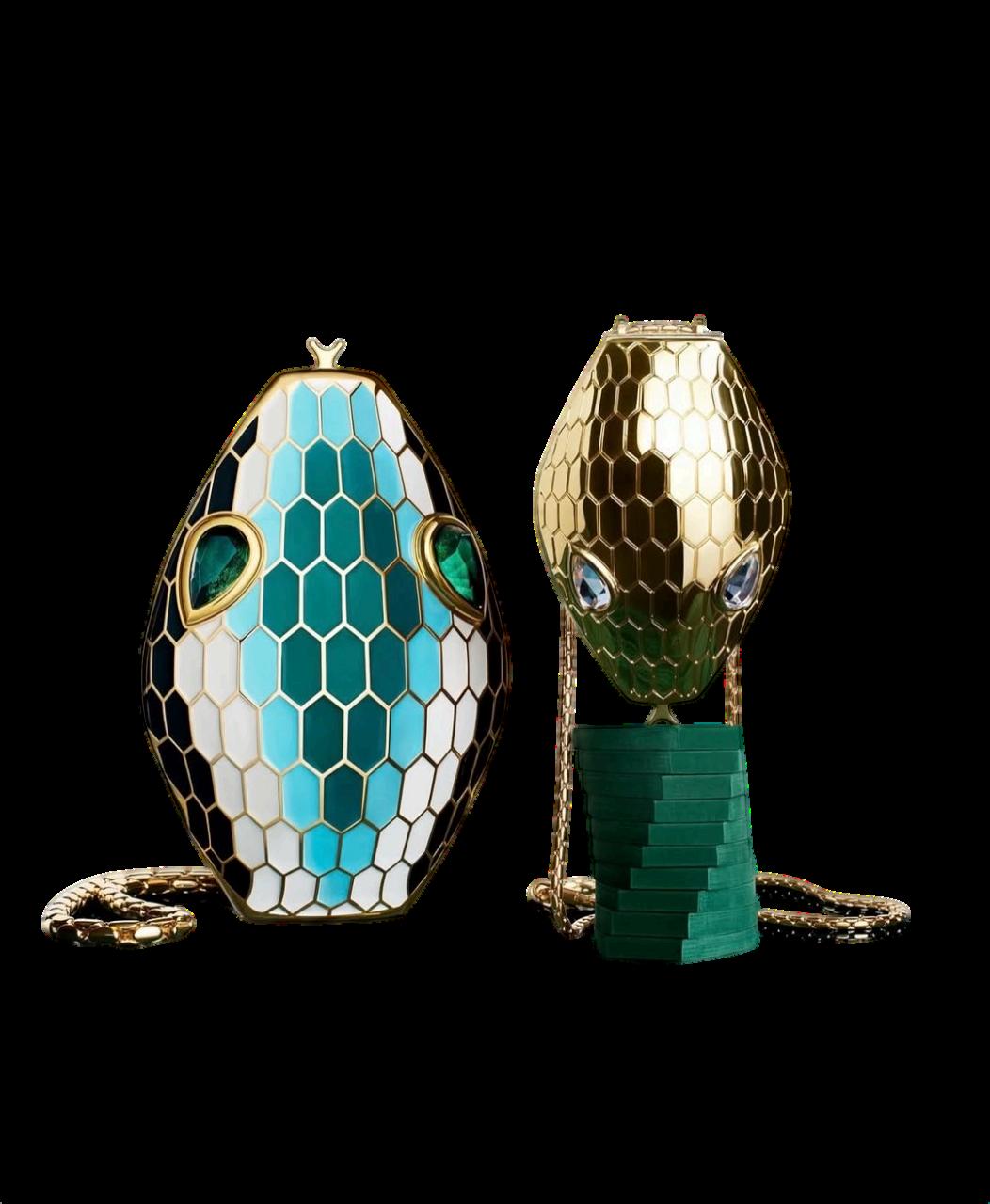

Shares of Danish jeweler Pandora posted a sharp rise following the historic collapse in silver prices, a move the market views as a direct relief for the company’s cost structure. The stock climbed close to 10%, outperforming the pan-European STOXX 600 index and marking its best session since May 2025.
Recycled silver accounts for around 67% of Pandora’s raw materials, making the metal’s decline a key driver for its margins. The sell-off, which accelerated amid concerns over U.S. monetary policy and higher margin requirements, has pushed silver prices down nearly 40% from their recent peak.
The rally comes after a year marked by cost pressures and cautious consumer spending. Under its new CEO, Berta de Pablos-Barbier, Pandora is preparing a strategy to reduce its reliance on silver and safeguard long-term profitability.
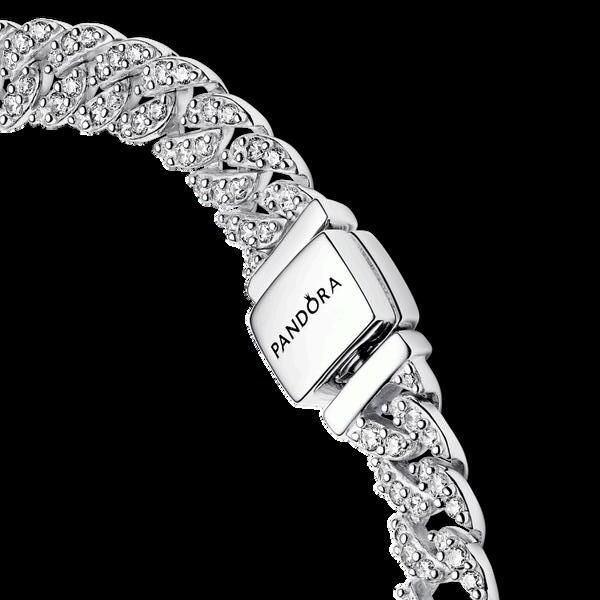
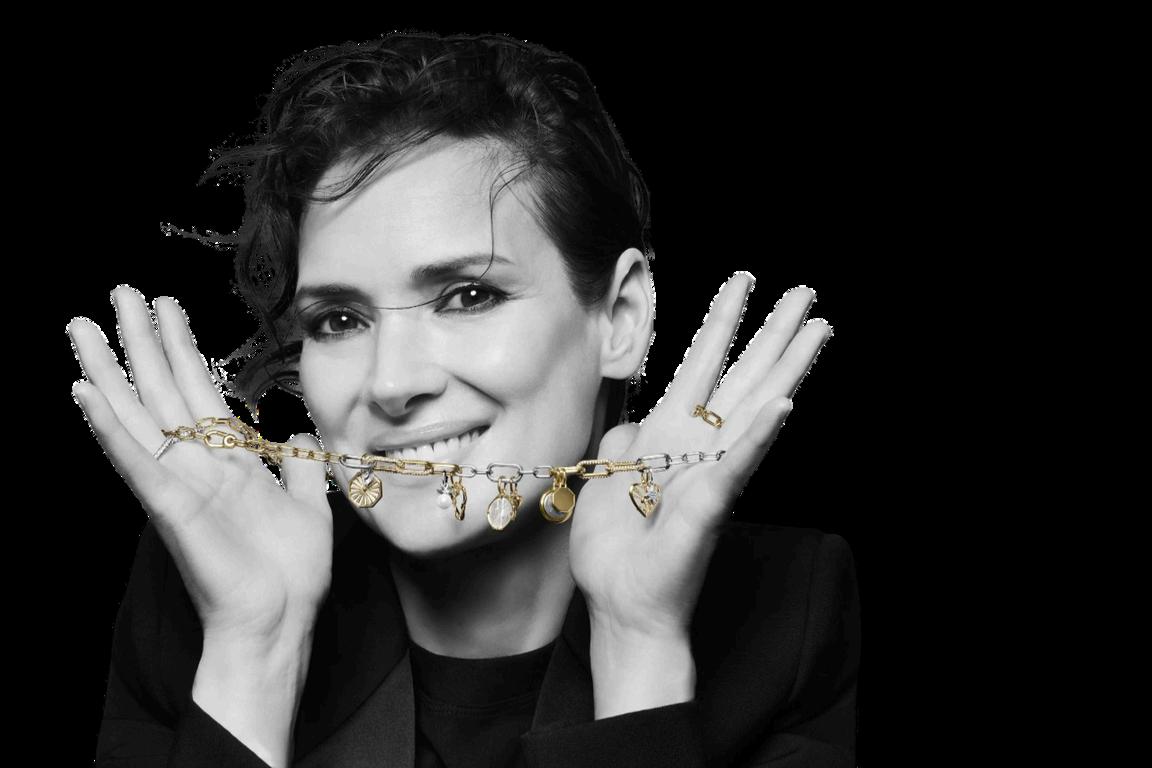
The highly anticipated theatrical debut of the documentary Melania met a lukewarm response, with screenings largely empty despite a large-scale promotional campaign.
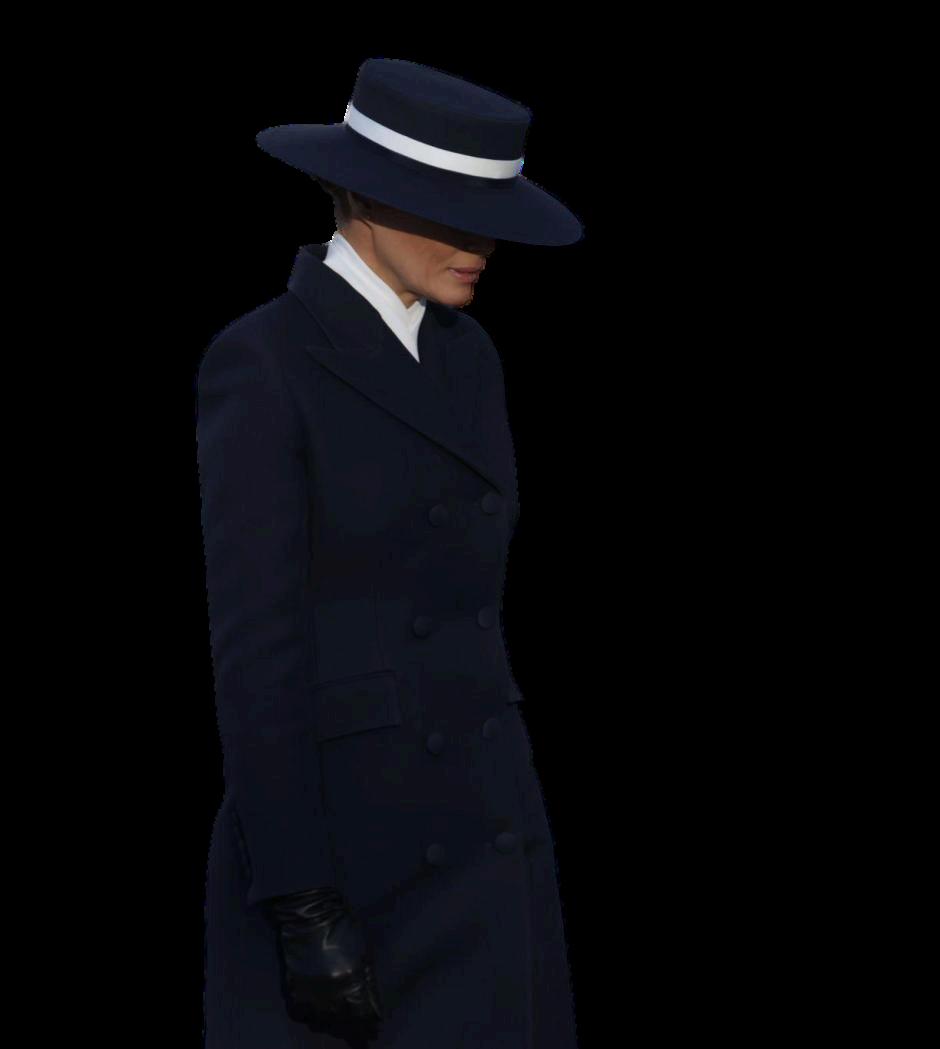
Empty theaters and a chilly reception marked the release of Melania, the documentary about the first lady of the United States produced by Amazon MGM Studios. Across multiple venues, opening screenings played to no audiences, while several showings recorded only a handful of attendees. Promotional materials were also defaced with messages of protest. Similar scenes unfolded in other cities, underscoring a disconnect between the ambitious rollout and box office response.
Directed by Brett Ratner, the film backed by a $40 million licensing deal and a major marketing budget follows Melania Trump during the 20 days leading up to the presidential return to the White House. With full editorial control, the documentary promises access to private meetings, fashion, diplomacy and family life, though it maintains a tightly managed tone.
The release comes amid a tense political climate and modest revenue expectations relative to its high investment, testing public curiosity about the first lady and the studio’s strategic bet ahead of its streaming debut.
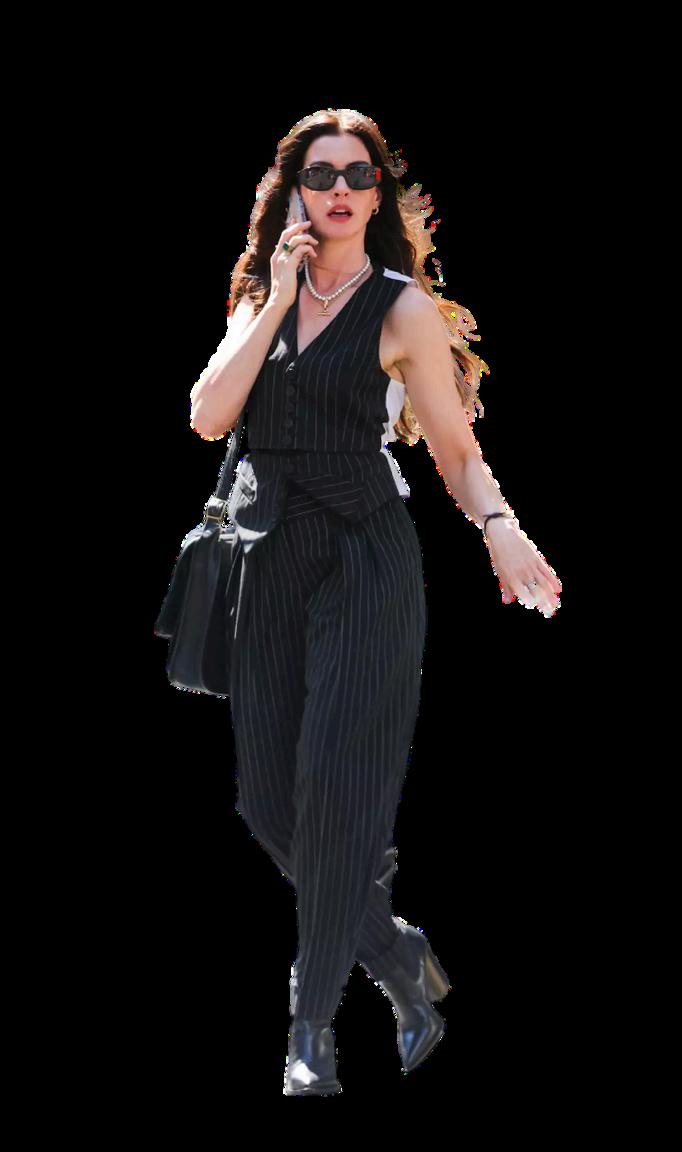
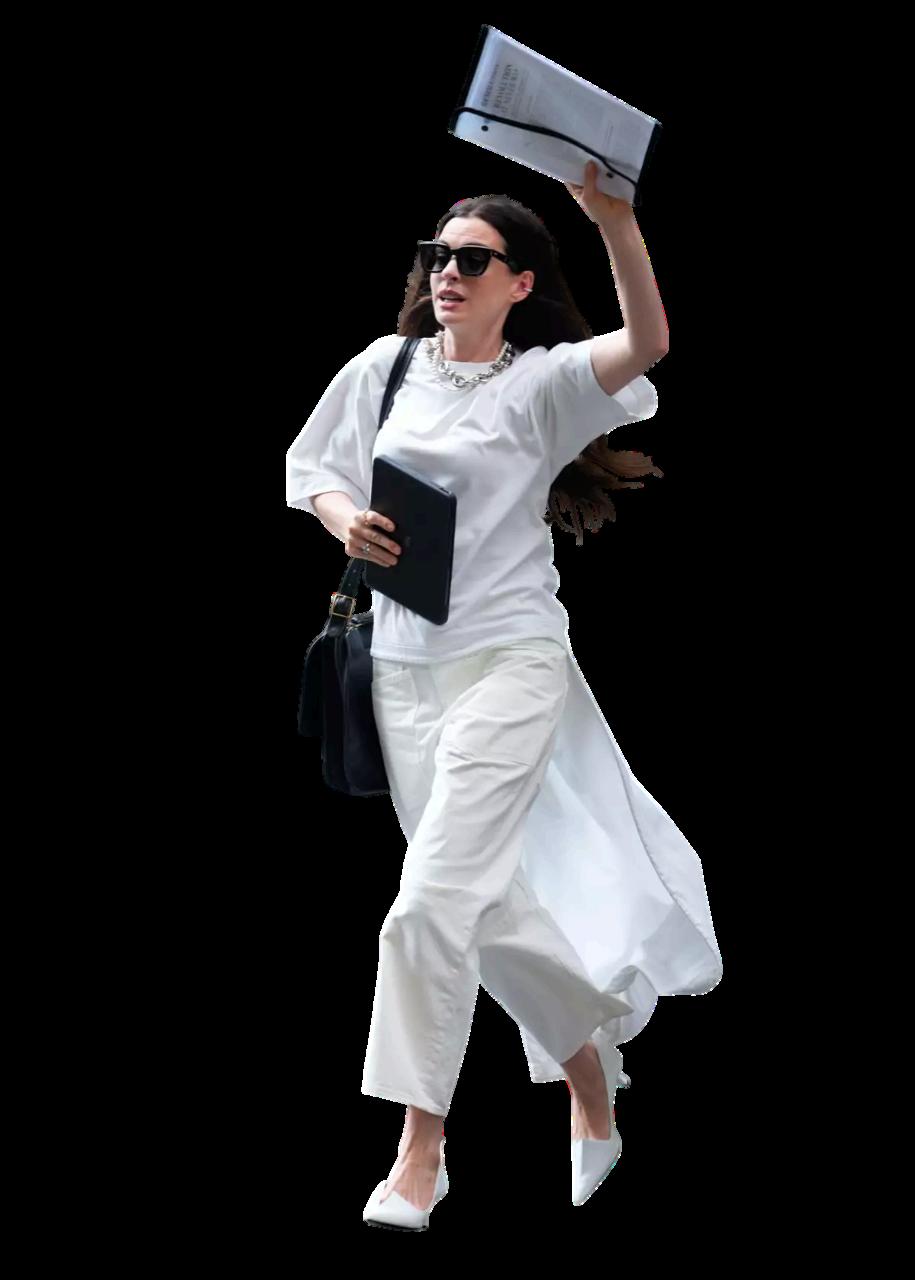
Anne Hathaway wants the premiere of The Devil Wears Prada 2 to double as a runway. In an interview with Vogue, the actress urged audiences to “dress up and go to the movies” in a look Miranda Priestly would approve of, reviving the collective spirit sparked by Barbie and its pink-fueled frenzy. The sequel is set to hit theaters on May 1, 2026, Disney confirmed.
Images from the New York shoot show Meryl Streep’s Miranda Priestly in a new era: neutral-toned tailoring, pencil skirts, and extra-long trench coats, while Andy Sachs leans into striped suits, denim, and monochrome outfits. The original cast returns with Hathaway, Emily Blunt, Stanley Tucci, and Streep, joined by new additions including Kenneth Branagh. While the plot has not been officially revealed, the story will explore the decline of print magazines. One thing is certain: fashion takes center stage once again.