At Caritas Switzerland, we have long believed that sustainable poverty reduction requires more than short-term assistance. It requires supporting people to build resilience, restore dignity, and create pathways toward self-reliance. Over the past decade, our experience implementing both the Graduation and Market Systems Development approaches across diverse contexts – from displacement settings in East Africa and the Sahel to migration contexts in Latin America and Europe – has led us to a common realization: neither households nor systems can thrive in isolation.
The Graduation Approach has demonstrated remarkable success in helping poor and marginalized households stabilize, build assets, strengthen their capacities, and improve their livelihoods. Yet a fundamental question remains: What happens after they graduate from poverty? How can we ensure that the progress achieved through intensive household-level support is sustained long after project assistance has ended?
At the same time, Market Systems Development has shown that lasting change requires addressing the underlying systems that shape economic opportunity. Markets must be inclusive, accessible, and responsive to the needs of those who have historically been excluded. However, even the most inclusive market system cannot create meaningful change if marginalized households lack the confidence, skills, assets, or resilience needed to participate.
This White Paper emerged from the intersection of these two realities. It reflects a growing conviction among practitioners, researchers, and development organizations that the future of poverty reduction lies not in choosing between household-level and systems-level approaches, but in understanding how they can reinforce one another. Put simply, the Graduation Approach helps people become ready for markets, while Market Systems Development helps markets become ready for people.
The paper also recognizes that in fragile, conflict-affected, and displacement contexts, economic inclusion alone is not enough. Sustainable change requires attention to the broader institutional environment that shapes people’s lives, as well as cross-cutting dimensions such as social cohesion, conflict sensitivity, gender equality, and disability inclusion, among others. The integration proposed in these pages therefore reflects a broader commitment to the humanitarian-development-peace nexus and to ensuring that economic development contributes to more resilient, inclusive, and cohesive societies.
This publication is the result of a truly collaborative effort. We are deeply grateful to the authors and contributors who generously shared their expertise, challenged assumptions, and helped shape the ideas presented here. We extend our sincere appreciation to colleagues from CBM Global, DAI, Danish Refugee Council, GOAL, FHNW University of Applied Sciences and Arts Northwestern Switzerland, HEKS-EPER, MarketShare Associates, the Refugee Self-Reliance Initiative,
swisspeace, the Uganda Market Systems Development Network, Vikāra Institute, and the independent experts who contributed their knowledge and practical experience. The diversity of perspectives represented in this paper reflects the richness of the dialogue that informed it.
We also wish to acknowledge the many practitioners, project teams, partners, market actors, community members, and participants whose experiences have informed this work. Their successes, challenges, and insights continue to push us to think critically about how development interventions can achieve greater impact and sustainability.
At a time when the development sector is increasingly challenged to demonstrate both relevance and impact, this White Paper reflects our commitment to moving the needle on how we think about sustainable poverty reduction. It is our belief that international NGOs add the greatest value when they not only deliver effective programming, but also help advance industry thinking, bridge approaches that have traditionally operated in isolation, and contribute practical solutions to complex development challenges.
We hope that this paper contributes to that conversation and inspires further innovation among practitioners, donors, researchers, and policymakers working to create more sustainable pathways out of poverty.
Maciej Chmielewski Sarah Estermann Senior Income & Livelihoods Senior Advisor & Knowledge Advisor and Knowledge Manager Migration Manager
Luzern, Switzerland | July 2026
White Paper’s Co-Authors, Contributors, and Supporting Organizations
1. Executive Summary
Despite the proven effectiveness of the Graduation Approach (GA) in helping households move out of extreme poverty, an important question remains: what happens after the project ends? While Graduation interventions can stabilize households, and improve resilience, the sustainability of these gains ultimately depends on participants’ long term access to inclusive and functioning economic systems.
Since its inception in 2002, the GA has evolved into a globally recognized poverty reduction model. The approach has been adopted in approximately 100 projects across more than 40 countries, while large-scale implementations by governments and development partners are estimated to reach more than 3.1 million households worldwide (Arévalo et al., 2018).
At the same time, Market Systems Development (MSD) has demonstrated that sustainable poverty reduction requires addressing the underlying systems that shape economic opportunity. By improving the performance, inclusiveness, and resilience of market systems, MSD creates conditions that enable people and businesses to thrive. MSD has become one of the most widely adopted economic development approaches among bilateral and multilateral donors, with agencies such as the Swiss Agency for Development and Cooperation (SDC), The Swedish International Development Cooperation Agency (Sida), The Australian Department of Foreign Affairs and Trade (DFAT), the United Kingdom’s Foreign, Commonwealth, and Development Office (FCDO), and the World Bank investing hundreds of millions of dollars in projects designed to create systemic and sustainable change in markets (SDC, n.d.).
Since emerging in the early 2000s, MSD has become one of the most widely applied approaches to inclusive economic development. MSD seeks to create large-scale and sustainable change by addressing the underlying constraints that prevent markets from functioning effectively for poor and marginalized populations. Evidence synthesized from 36 MSD projects points to the approach’s ability to generate lasting improvements in incomes, employment, and access to services through systemic change rather than direct delivery (OsorioCortes and Albu, 2021).
This White Paper argues that these two approaches are not competing alternatives but complementary strategies that address different dimensions of poverty and exclusion. The GA prepares people for markets by strengthening household capabilities and resilience, while MSD ensures that markets are prepared for people by creating more inclusive, responsive, and sustainable economic systems. Together, they bridge the gap between household-level poverty reduction and long-term systemic change.
Drawing on Caritas Switzerland’s and our co-author’s experiences across fragile, displacement-affected, and protracted crisis contexts, as well as emerging evidence from practitioners and partners, this paper explores how the GA and MSD can be integrated to create more durable and inclusive pathways out of poverty. It argues that successful inte-
gration requires attention not only to economic outcomes but also to social cohesion, gender equality and social inclusion (GESI), conflict sensitivity, and the broader systems that shape vulnerability and resilience.
Recognizing that organizations and projects begin from different starting points, the paper proposes three practical integration pathways:
1. Graduation as an Entry Point to Market Systems
The GA builds the capacities, assets, and confidence needed for marginalized households to engage more effectively in markets. MSD interventions are subsequently used to strengthen market opportunities, services, and relationships that sustain and expand livelihood gains.
2. Designing MSD for Poor and Marginalized
Populations
Existing MSD projects can become more inclusive by intentionally addressing the barriers that prevent poor and marginalized groups from participating in and benefiting market systems. The GA-inspired tools and support mechanisms can help bridge these gaps.
3. Integration by Design
The most comprehensive pathway is to design household-level and market systems interventions as part of a single project’s strategy from the outset. Integration should not be understood as coordination between separate approaches or a sequence of activities delivered one after another. Rather, it should be reflected in how projects are designed, funded, managed, implemented, and measured. In this model, Graduation support is delivered through market systems wherever possible, while MSD interventions are designed with the target households and their specific constraints, opportunities, and aspirations explicitly in mind.
The paper also highlights important operational considerations. Households are often not excluded from markets because they lack entrepreneurial potential, but because they face barriers related to risk, trust, social norms, discrimination, conflict dynamics, weak institutions, or limited access to quality services and finance. Effective integration therefore requires addressing both household readiness and system readiness simultaneously.
Ultimately, this White Paper proposes a shift in how poverty reduction projects are conceived and implemented. Sustainable development requires more than helping people graduate from poverty; it requires ensuring that they can remain resilient, productive, and included long after direct project support has ended. By combining the strengths of the GA and MSD, development actors can move beyond short-term poverty reduction and contribute to more inclusive, resilient, and self-sustaining systems that continue to create opportunities for marginalized populations over time.
2. Introduction and Rationale
Extreme poverty remains a persistent challenge in contexts affected by fragility, displacement, conflict, and recurrent shocks. While humanitarian assistance plays a critical role in addressing immediate needs, sustainable poverty reduction requires approaches that enable individuals, households, and communities to build resilience, strengthen livelihoods, and participate in economic systems over the long term.
Over the past two decades, the GA has emerged as one of the most widely adopted approaches for supporting extremely poor and marginalized households. Through a sequenced package of interventions – including coaching, financial inclusion, asset transfers, skills development, and livelihood support – Graduation projects have demonstrated strong results in helping households increase income, accumulate assets, improve food security, and strengthen resilience.
Yet an important question remains: what happens after people graduate?
While many projects successfully stabilize households and support their transition out of extreme poverty (see e.g. Banerjee A. et al., 2021; Banerjee A. et al., 2015; Balboni et al., 2021), sustaining these gains often depends on factors that extend beyond the household itself. Participants must continue to access markets, financial services, information, employment opportunities, and social support systems long after direct project assistance ends. Where these systems are weak, exclusionary, or inaccessible, households remain vulnerable to shocks and may struggle to sustain progress over time.
At the same time, MSD has demonstrated that lasting change requires improving the systems that shape economic opportunity. By addressing the underlying causes of market under performance and exclusion, MSD seeks to make markets more inclusive, resilient, and responsive to the needs of poor and marginalized populations. However, even well-functioning market systems may fail to benefit the poorest households if those households lack the assets, confidence, skills, social capital, or resilience needed to participate effectively.
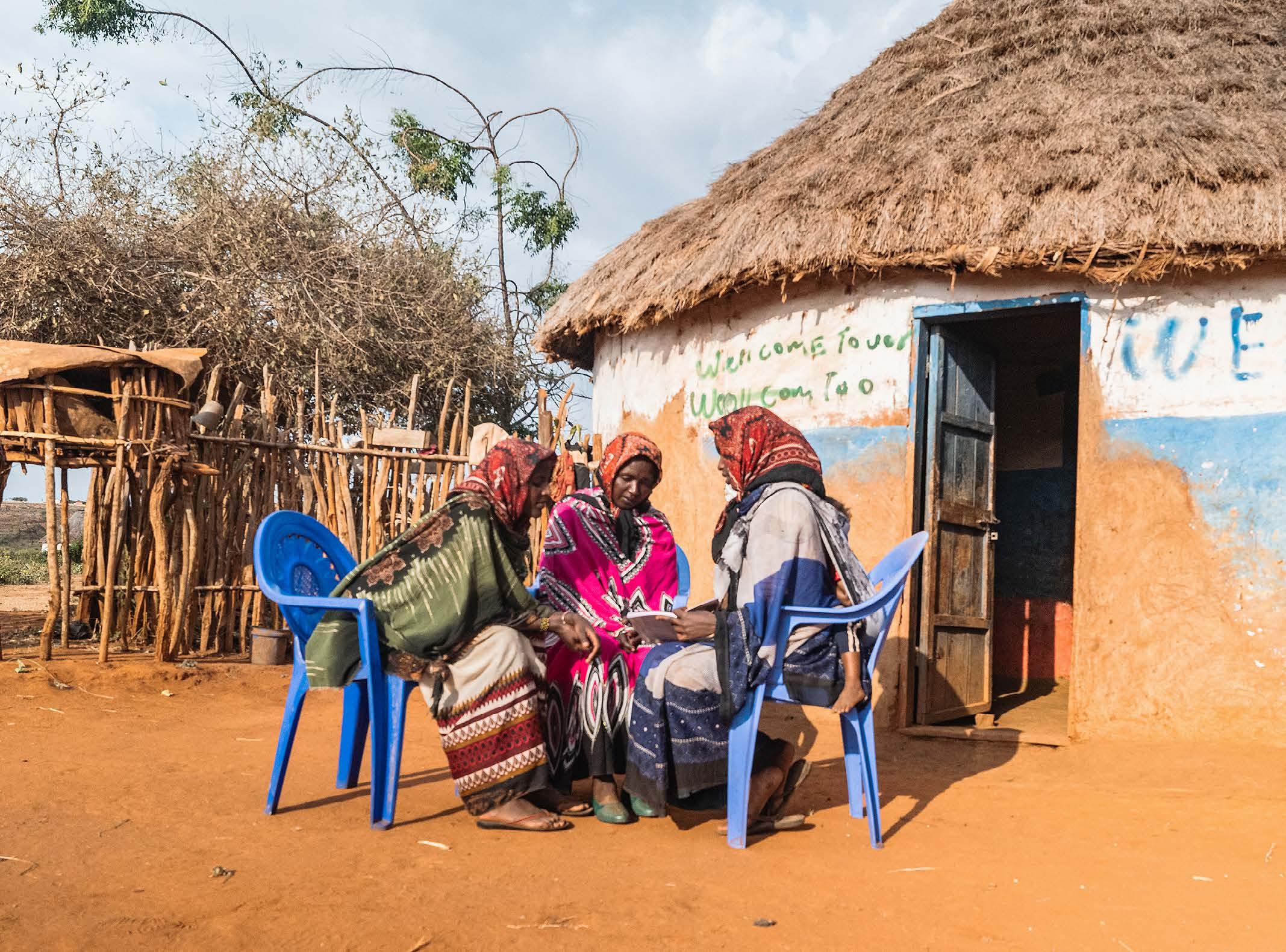
Three women who run a business together in Borana, Ethiopia. Photo: Ayaana Publishing
This creates a fundamental challenge for poverty reduction programming. Household-focused interventions can strengthen people’s capacities but may not sufficiently address the systems that shape opportunity. Conversely, systems-focused interventions can improve markets but may not adequately address the barriers that prevent marginalized populations from engaging with them. Sustainable poverty reduction therefore requires attention to both dimensions simultaneously.
Increasingly, practitioners are recognizing that the question is not whether the GA or MSD is more effective, but how the two approaches can reinforce one another . The GA helps households build the capabilities, resilience, and confidence needed to participate in economic opportunities. MSD helps ensure that those opportunities exist and remain accessible, inclusive, and sustainable. Together, they address both the household-level and systemic constraints that contribute to poverty and exclusion.
This challenge of bridging household and systems-level interventions is particularly important in fragile and displacement-affected contexts. Households often face multiple and overlapping barriers, including limited access to productive assets, financial services, markets, social networks, and public services. At the same time, market systems may be weakened by conflict, population displacement, institutional fragility, or social tensions between different groups. In such environments, neither household support nor market facilitation alone is likely to be sufficient.
Evidence from projects such as PSNP Plus (Productive Safety Net Programme) in Ethiopia, Nurture in Cambodia, Entrepreneurship and Market Inclusion for Transformation (EMIT) in Ethiopia, Programme d’Appui à la Rentabilisation de l’Elevage (PARE) in Haiti, Disability Inclusive Graduation Program in Nepal, the Self-Reliance Project with Venezuelan Migrants in Brazil and Colombia, and Sustainable Market Inclusive Livelihood Pathways to Self-Reliance (SMILES) in Uganda demonstrates that stronger and more sustainable outcomes can be achieved when household strengthening interventions are linked to broader market opportunities and systems change . These experiences suggest that the GA and MSD should not be viewed as separate approaches operating in parallel, but as complementary strategies that can be deliberately combined to create pathways toward sustainable livelihoods, self-reliance, and resilience.
This White Paper explores how these two approaches can be harmonized in practice. It proposes a framework for understanding their complementarities, outlines practical integration pathways, and identifies operational considerations for organizations seeking to design, adapt, or strengthen projects that combine household-level support with systemic change.
At its core, the paper advances a simple proposition:
The GA prepares people for markets, while MSD ensures that markets are prepared for people.
The challenge – and opportunity – is to bring these two objectives together in ways that create lasting change for both households and the systems in which they live and work.
Case Study: Market Systems as a Source of Resilience – Haiti
The Programme d’appui à la rentabilisation de l’élevage (PARE) in Haiti, supported by Vikāra Institute through a Market Systems Resilience analysis, demonstrates the critical role that market systems play in helping marginalized households cope with and recover from prolonged crises. Conducted in a context characterized by political instability, violence, and disruptions to transport and trade, the analysis examined how livestock market systems continued to function and support household resilience despite severe shocks.
The study found that households relied heavily on market-based mechanisms to manage risk, protect assets, and sustain livelihoods. Livestock, particularly cattle and goats, served not only as productive assets but also as savings and coping mechanisms that households could draw upon during periods of stress. For poorer households with limited assets, labor markets and informal economic activities remained essential sources of income and resilience.
Importantly, the analysis also highlighted that resilience is shaped not only by access to markets, but by how power and governance function within those systems. As governance structures weakened and control fragmented among local actors, movement of goods and services became increasingly restricted, disproportionately affecting already marginalized populations. These findings demonstrate that household resilience is inseparable from the resilience of the systems on which households depend.
The Haiti experience reinforces a central argument of this White Paper: strengthening household capacities alone is unlikely to generate lasting resilience if the surrounding market systems remain fragile, exclusionary, or disrupted. Sustainable pathways out of poverty require attention to both household-level capacities and the broader systems that enable people to access opportunities, manage shocks, and recover over time.
3. Overview of the Approaches
Before exploring how the GA and MSD can be integrated, it is useful to briefly review the purpose, strengths, and limitations of each approach. While they operate at different levels, both seek to reduce poverty and improve resilience. Understanding where they overlap – and where they differ – helps clarify why integration can generate stronger and more sustainable outcomes than either approach alone.
3.1 The Graduation Approach
The GA is a holistic and time-bound set of interventions designed to support extremely poor households in building sustainable livelihoods and progressing toward self-reliance. Originally developed to address the multiple and interconnected drivers of extreme poverty, the GA combines economic, social, and human development interventions into a sequenced package of support.
While project designs vary across contexts, most Graduation projects include:
• Household targeting and enrolment.
• Regular coaching and mentoring.
• Financial inclusion and savings mechanisms.
• Livelihood and business skills development.
• Productive asset transfers or seed capital.
• Technical training and market exposure.
• Social inclusion and confidence building.
The underlying premise is that households facing extreme poverty often experience multiple constraints simultaneously. Addressing only one constraint – such as access to finance or technical skills – is rarely sufficient to achieve lasting change.
3.1.1 Key Strengths of the Graduation Approach
The GA has demonstrated strong results across a range of contexts because it:
• Builds household resilience and coping capacity.
• Supports livelihood diversification and income generation.
• Strengthens financial behaviors and asset accumulation.
• Improves confidence, aspirations, and agency.
• Reaches populations often excluded from economic opportunities.
Particularly in fragile, displacement-affected, and crisis contexts, the GA provides a structured pathway for helping marginalized households transition from extreme poverty toward greater self-reliance.
3.1.2 Key Limitations
Despite its strengths, the GA alone may not be sufficient to sustain long-term outcomes. Common limitations include:
• Continued dependence on project-supported services.
• Weak integration with broader market systems.
• Limited influence on systemic barriers and exclusion.
• Challenges sustaining gains after project completion.
• Difficulty achieving scale without wider systems change.
These limitations highlight the importance of ensuring that households are not only prepared for economic participation but are also connected to systems that can continue supporting their progress after project support ends.
Practice Note:
A Holistic Graduation Model in Settings of Protracted Displacement – Colombia & Brazil
Through the Self-Reliance Project, one of the few Graduation projects in urban, cross-border settings of protracted displacement, Caritas Switzerland and its local partners reached 330 households from Venezuelan migrants and host community members in Bogotá, Paraíba and Pernambuco. Alongside the core Graduation sequence –consumption support, asset transfers, savings and financial education, coaching, and a livelihoods component with two tracks (self-employment and wage employment) – the project added support tailored to the needs of people on the move: psychosocial support, referrals and case management, activities bringing migrants and host communities together, and awareness-raising with local companies to reduce xenophobia toward migrant workers.
The project’s systemic value lays in connecting households to the surrounding institutional and market ecosystem rather than substituting for it. The project drew on banks and financial institutions to deliver financial education, strengthen participants’ savings, and link them to formal financial services by opening bank accounts. On the jobs side, they ran awareness sessions with private employers and signed agreements with companies to open up vacancies, and they brought participants to state-run job fairs to share their CVs and meet recruiters directly. On the business side, they connected participants whose enterprises could trade with one another –for example, a dairy producer supplying a participant’s food business – and used entrepreneurship fairs to reach wider markets. By rooting households in public services, employer relationships, local value chains and community networks, the model laid the groundwork for support to continue beyond the project and advanced systemic change.
3.2 Market Systems Development
MSD is a systemic approach to poverty reduction that seeks to improve how market systems function for poor and marginalized populations. Rather than delivering services directly, MSD works to address the underlying causes of market underperformance and exclusion by facilitating sustainable changes in market behavior, relationships, incentives, and supporting functions.
MSD recognizes that markets are more than transactions between buyers and sellers. Market systems are influenced by a range of supporting functions and rules, including:
• Financial services.
• Information systems.
• Input and service providers.
• Infrastructure.
• Policies and regulations.
• Social norms and informal institutions.
The objective is to create sustainable change by strengthening the capacity and incentives of market actors to serve disadvantaged populations beyond the life of a project.
3.2.1 Key Strengths of Market Systems Development
MSD offers several advantages:
• Addresses root causes rather than symptoms.
• Promotes sustainability beyond project support.
• Leverages private sector incentives.
• Reaches large numbers of beneficiaries indirectly.
• Creates systemic and scalable change.
Because MSD focuses on strengthening entire systems, benefits often extend beyond direct project participants and continue after programme completion.
3.2.2 Key Limitations
MSD can also face challenges, particularly in fragile and displacement-affected contexts. Common limitations include:
• Difficulty reaching the poorest and most marginalized populations.
• Longer time horizons before results become visible.
• Reliance on functioning market actors and institutions.
• Risk that benefits accrue primarily to better-positioned groups.
• Limited ability to address severe household-level constraints.
For households facing extreme poverty, exclusion, displacement, or significant social barriers, improved market systems alone may not be enough to enable meaningful participation.
Practice Note:
Building Inclusive Agricultural Market Systems Through Local Facilitators – Chad
The SODEFIKA Project, implemented by Caritas Switzerland in Chad, provides an example of how MSD can strengthen agricultural value chains while strengthening local capacities and promoting inclusive economic opportunities. Working in peanut, sesame, and shea sectors, Caritas Switzerland facilitated stronger relationships among producers, processors, exporters, service providers, and financial institutions. The project engaged more than 240 market actors and supported a network of over 700 local service providers delivering advisory services at scale.
SODEFIKA adopted a local advisory support model – a “relay producer” approach – that builds the capacity of rural stakeholders to act as local extension workers at lower cost, addressing the limited reach of government entities in recruiting facilitators to deliver training at community level. In collaboration with the state’s technical services, the project has established a network of 721 local facilitators, including 138 women (19 %). These facilitators serve as a link between the technical services and the project team, and provide hands-on support and advice to fellow producers within the cooperatives.
They are true agents of change: they deliver services to other producers – extension work, information sharing, and day-to-day support – and act as key entry points for spreading good agricultural practices within the unions and cooperatives to which they belong.
These interventions contributed to widespread adoption of improved agricultural practices and local ownership. The experience illustrates the potential for MSD approaches to achieve scale and sustainability by embedding new practices and incentives within existing market systems rather than relying on ongoing external support.
3.3 Cross-Cutting Principles for Integrated Programming
Successful integration of the GA and MSD requires more than combining technical interventions. Integrated programming must also consider the broader social, institutional, and contextual factors that shape participation, inclusion, and resilience.
Three principles are particularly important:
Gender Equality and Social Inclusion (GESI)
Women, youth, persons with disabilities, migrant and displaced populations, ethnic minorities, and other marginalized groups often face barriers that limit their participation in economic opportunities. A GESI Assessment can help identify these barriers and inform programme design, implementation, and measurement.
Conflict Sensitivity and Social Cohesion
Economic interventions can unintentionally reinforce tensions or exclusion if conflict dynamics are not adequately understood, particularly in fragile and conflict-affected contexts. Conflict-sensitive programming seeks to understand how interventions interact with the surrounding context and to maximize positive impacts while minimizing harm. Social cohesion approaches can strengthen trust, cooperation, and collective action among different groups.
Adaptive Management
Integrated projects operate within complex and dynamic environments. As a result, project design and implementation must remain flexible and responsive to emerging evidence, changing market conditions, and evolving participant needs. Adaptive management, continuous learning, and regular feedback loops are therefore essential components of successful GA-MSD integration.
Taken individually, the GA and MSD each offer important but incomplete responses to poverty and exclusion. The GA strengthens household capabilities and resilience, while MSD strengthens the systems that create opportunity. The following section explores why bringing these approaches together can generate more sustainable and inclusive development outcomes than either approach alone.
4. Why Integrate the Graduation and Market Systems Development Approaches?
The GA and MSD are often presented as distinct approaches operating at different levels. The GA focuses on strengthening the capacities, resilience, and livelihoods of poor and marginalized households, while MSD seeks to improve the performance, inclusiveness, and sustainability of market systems. Yet despite these differences, both approaches ultimately share a common objective: enabling people to improve their livelihoods and achieve greater self-reliance.
Viewed through this lens, the two approaches are highly complementary:
• The GA builds household capabilities and resilience , helping people overcome immediate barriers to economic participation.
• MSD strengthens the systems that create economic opportunity , ensuring that markets are more inclusive, accessible, and sustainable.
4.1 Addressing Both Household and Systemic Constraints
Poverty is rarely caused by a single factor. Households often face multiple and overlapping constraints, including:
• Limited productive assets.
• Low skills and education levels.
• Weak financial inclusion.
• Low confidence.
• Limited social capital and networks.
• Exposure to shocks and risks.
• Social exclusion and discrimination.
The GA projects are designed to address these household-level constraints through coaching, financial inclusion, skills development, asset transfers, and livelihood support.
At the same time, households operate within systems that may be characterized by:
• Weak service provision.
• Limited access to finance.
• Poor infrastructure.
• Inadequate market information.
• Exclusionary social norms.
• Weak institutions and governance.
MSD addresses these systemic constraints by working with businesses, service providers, financial institutions, producer organizations, and public actors to improve how market systems function.
Integration therefore allows each approach to address the limitations of the other:
• The GA strengthens people’s ability to engage in markets.
• MSD improves the systems with which they engage.
• Together, they create more sustainable pathways out of poverty.
4.2 A Triple Nexus Perspective
The case for integration becomes even stronger in fragile, conflict-affected, and displacement contexts, where poverty is often shaped by a combination of social, political, and economic exclusion, weak institutions, social fragmentation, and recurring shocks.
Within a Triple Nexus framework:
• The GA contributes to humanitarian and recovery objectives by helping households stabilize, build confidence and resilience.
• MSD contributes to development objectives by strengthening the systems that create economic opportunities.
• Social cohesion approaches contribute to peace objectives by reducing tensions, strengthening trust, and promoting inclusive participation.
Integrating a peace dimension throughout the GA and MSD projects strengthens attention to social norms, intergroup relations, and the underlying drivers of conflict and exclusion. Dedicated social cohesion measures – such as dialogues, cross-group collaboration, and inclusive governance structures within cooperatives, Village Savings and Loan Associations (VSLAs), and other market platforms – can help address grievances and foster constructive engagement. By investing in social systems and institutions alongside economic outcomes, projects can build the trust, relationships, and collective action needed to reduce tensions and promote equitable participation in markets and community decision-making. Ultimately, sustainable poverty reduction requires both resilient people and resilient systems. The GA helps people become ready for markets, while MSD ensures that markets are ready for people.
Practice Note:
Market Systems as Platforms for Social Cohesion – Afghanistan
The watershed rehabilitation project implemented by The Liaison Office (TLO) and swisspeace in Baghlan and Samangan Provinces, Afghanistan, demonstrates how economic and natural resource interventions can simultaneously strengthen social cohesion when designed with conflict sensitivity in mind. Originally focused on improving water infrastructure, livelihoods, and resource management, the project incorporated participatory conflict analysis and continuous community engagement to better understand local drivers of tension.
The analysis identified competition over natural resources – particularly the unsustainable use and management of watershed and water resources – as a key source of tension. This dynamic has been further exacerbated by declining trust in local institutions, weakening effective resource governance and conflict resolution mechanisms. In response, the project complemented infrastructure investments with dialogue processes and capacity building for Forest Management Associations, Water User Associations, and community leaders. These actors were trained in dialogue facilitation, mediation, and traditional conflict resolution mechanisms to address disputes related to water access and resource use.
The experience demonstrates that livelihood and infrastructure projects can serve as effective platforms for peacebuilding when conflict dynamics are identified early and addressed through inclusive and locally grounded social cohesion measures. Rather than treating peacebuilding as a separate intervention, the project integrated it directly into the governance structures responsible for managing shared resources.
Practice Note: Economic Recovery and Social Cohesion –Ukraine
International Alert’s work on gender-sensitive recovery and women’s economic empowerment in Ukraine illustrates how economic inclusion and social cohesion can reinforce one another in conflict-affected settings. Implemented in Dnipro, Kherson, and Zakarpattia regions, the project supported women from host and internally displaced communities through entrepreneurship training, business development support, networking opportunities, and small grants.
Recognizing that economic recovery efforts can unintentionally reinforce perceptions of inequality or exclusion, the project adopted a conflict-sensitive design that emphasized inclusion, trust-building, and relationship development across different population groups. Participants not only strengthened their livelihoods but also developed professional networks and collaborative relationships, leading in some cases to joint business ventures.
The project further complemented economic support with mental health and psychosocial services, including individual counseling and group-based activities. This combination of economic empowerment, psychosocial support, and conflict-sensitive programming contributed to both individual resilience and stronger social cohesion within participating communities.
The experience highlights that sustainable recovery in conflict-affected contexts requires attention to both economic and social dimensions of resilience.
5. Integration Pathways
There is no single pathway for harmonizing the GA and MSD. Implementers and projects often begin from different starting points depending on their mandate, experience, funding arrangements, and stage of implementation. Some projects may already be implementing Graduation interventions and seek to strengthen the sustainability of outcomes through greater market integration. Others may be implementing MSD projects and wish to improve their ability to reach and benefit poor and marginalized populations. Still others may have the opportunity to design fully integrated projects from the outset.
The pathways presented below are therefore not mutually exclusive models, but practical entry points that reflect different programmatic realities. They can be understood as a progression from adapting existing approaches toward deeper integration. While the first two pathways focus on strengthening an existing GA or MSD project, the third pathway represents integration by design, where household-level support and market systems interventions are conceived, funded, managed, and measured as part of a single project strategy from the beginning.
As outlined in the proposed Intervention Framework developed by Caritas Switzerland (Figure 2), a critical feature of successful integration is the triple role of the INGO (i.e., Caritas Switzerland) as a GA and/or MSD implementer respectively, and – additionally – as a broker or facilitator, actively integrating both approaches and forging connections between small entrepreneurs as “graduates” and market actors. By transitioning from a GA to an MSD intervention, project participants are “pushed” from conditions of extreme poverty toward greater household resilience (“graduation” from poverty) and “pulled” into sustainable market systems – ultimately enabling systemic change.
Alignment with Caritas Switzerland’s Strategic Positioning
Caritas Switzerland’s dual role as service provider and system facilitator makes it well-suited to lead this integration. Within the humanitarian-development nexus, the organization already works across immediate response, recovery, and long-term development. Integrating the GA and MSD further strengthens this continuum linking protection and stabilization with opportunity and inclusion. This approach also reflects Caritas Switzerland’s commitment to:
• Working in fragile and displacement-affected contexts.
• Building local ownership and institutional partnerships.
• Promoting social and economic inclusion for marginalized groups.
• Embedding humanitarian actions into long-term systemic transformation.
By framing the GA not as an end, but as a gateway to market inclusion, Caritas Switzerland ensures that ultrapoor households are not only lifted out of poverty but integrated into systems that continue to support their resilience and growth.
Figure 2: Intervention Framework. Caritas Switzerland is shown as an illustrative example of the INGO’s triple role.
5.1 Graduation as an Entry Point to Market Systems
Graduation projects are often the first structured engagement that extremely poor households have with livelihood development. It lays the foundation for future market participation by building confidence, skills, assets, and routines. This positions the GA as a stepping stone into broader economic systems, particularly when those systems are still inaccessible or exclusive. The activities already part of the GA can be easily adapted to foster social cohesion and build trust amongst different groups.
Project participants are supported to:
• Stabilize their households through consumption support and psychosocial services.
• Build basic financial literacy and saving behavior.
• Gain soft skills and vocational or technical competencies.
• Launch entrepreneurial activities with a kick-start grant, accompanied by regular coaching.
• Begin producing goods or offering services that could, over time, plug into formal or semi-formal markets.
• Build their professional and social networks.
MSD comes in as another layer to the project, once households have reached this “market-ready” threshold. At this stage, the aim is to ensure the microbusiness created has access to the inputs, services, and buyers needed to grow and sustain their livelihoods. For instance, the Graduation participants that have created a poultry business can be gradually connected to value chains supported by MSD Interventions. By integrating MSD into a Graduation project, implementers can:
• Promote affordable and continuous access to value chains, agricultural inputs, tools, and services.
• Strengthen access to appropriate financial products and services (e.g., microcredit, insurance, digital payments) suited to newly graduated households.
• Work with a range of formal and informal market facing skill training providers.
• Develop more reliable market linkages through aggregation, certification, and quality control.
• Promote transparent pricing and hiring practices to reduce rumor-driven conflict.
Practice Note: Preparing Households for Market Participation –The EMIT Project, Ethiopia
The Entrepreneurship and Market Inclusion for Transformation (EMIT) Project, implemented by Caritas Switzerland and the BOMA Project in Borana, Ethiopia, illustrates both the strengths of the GA and the importance of integrating market systems thinking from the outset. Working primarily with extremely poor households, particularly women, the project combined coaching, savings mechanisms, and business support to help participants establish and strengthen livelihoods.
The project achieved significant improvements in household resilience and economic participation. The proportion of households with multiple income sources increased from 19 % to 51 %, while average household income rose from ETB 1,650 to ETB 5,851. Participants also reported improvements in food security, savings, and their ability to cope with shocks. Where market linkages were actively built, results followed: almost half of all businesses were connected to wholesalers, supporting more stable revenue, better pricing, and longer-term growth.
At the same time, the experience highlighted the limitations of focusing primarily on household-level support without sufficient integration with market systems. While participants successfully established businesses, challenges remained in strengthening market linkages, expanding commercial opportunities, and promoting longerterm business growth. One reason was its scope: EMIT supported 38 distinct primary business types, far too wide a range to build market linkages across with the time and expertise available. Projects should therefore be clear from the start about their aims regarding market linkages and access. Where the GA is complemented with an MSD approach, the corresponding resources must be planned for accordingly and the focus should be on a few key value chains identified as most promising or attractive in the project location.
The EMIT experience reinforces the importance of engaging MSD expertise early in programme design, particularly in sector selection, market analysis, and private sector engagement, to ensure that livelihood gains can be sustained and expanded beyond the life of the project.
5.2 Designing MSD for Poor and Marginalized Populations
While traditional MSD interventions often do not reach communities living in extreme poverty, integrating the GA can effectively expand their scope and inclusivity. By embedding a Graduation focus within an existing MSD project, household resilience is increased and a complementary safety net is introduced. Participants’ immediate needs are addressed while the foundation for market participation is built. The MSD lens is integrated into the Graduation project from the outset, ensuring alignment with market opportunities and value chains. As participants build resilience and skills, they are subsequently linked to the broader MSD intervention, enabling a smooth transition from social support to sustainable, market-driven livelihoods.
Market Systems Resilience frameworks are also proving helpful in identifying the coping strategies that communities rely on, many of which are rooted in informal networks and do not always align with formal market incentives. Evidence shows that crisis-affected populations often depend more on local systems and social networks than on external assistance, highlighting the need for MSD methodologies to adapt to these realities (Sida, 2019).
Taken together, these insights reinforce the importance of adapting market systems approaches to intentionally include the very poor. This requires not only addressing immediate constraints at the household level but also working through market actors to create pathways that are accessible, relevant, and sustainable over time. As highlighted in value chain approaches targeting the very poor, integrating social support with market facilitation enables marginalized populations to progressively engage in economic systems, rather than expecting immediate participation (Fowler and Brand, 2011).
Practice Note:
Disability Inclusion Through Systems Change –Nepal
CBM Global’s disability-inclusive Graduation project in Nepal’s Karnali Province demonstrates how the GA and MSD can be combined to address the systemic barriers that prevent persons with disabilities from participating in economic opportunities. The project supports marginalized households through coaching, savings groups, business development support, market linkages, and connections to health and social protection services.
A barrier analysis identified challenges including exclusion from savings groups, inaccessible marketplaces, limited access to assistive devices and rehabilitation services, and stigma among households, communities, and market actors. In response, the programme combined individualized support for participants with broader engagement of savings groups, local governments, service providers, and private sector actors.
Rather than focusing solely on household-level empowerment, the programme seeks to make the surrounding market system more accessible and inclusive. This dual focus highlights the importance of addressing both individual and systemic barriers to participation.
The experience reinforces a key lesson for integrated programming: inclusion is most sustainable when market systems themselves become more accessible, rather than relying solely on project-based accommodations.
5.3 Integration by Design
While the GA and MSD can be implemented sequentially or through collaboration between different projects, the greatest potential lies in integrating the two approaches from the outset.
Integration by design is not simply coordination or sequencing. It is conceiving, planning, and implementing both household-level support and market systems interventions as part of a single strategy from the outset. Rather than asking how project participants can later be connected to markets, integrated projects begin by identifying the market systems, opportunities, and constraints that shape participants’ livelihoods and then design both GA and MSD interventions around those realities.
This requires:
• A shared Theory of Change.
• Joint project design and planning.
• Shared learning and adaptive management processes.
• Common monitoring and measurement frameworks.
• Deliberate consideration of both household-level and systemic constraints.
Household resilience and systems change are therefore pursued simultaneously rather than sequentially, creating a mutually reinforcing relationship between people and markets from the beginning of the programme.
In practice, this means:
• Delivering GA interventions through market systems wherever feasible.
• Designing MSD interventions with marginalized households explicitly in mind.
• Building partnerships between market actors and project participants early in the project cycle.
• Pursuing household resilience and systems change simultaneously rather than sequentially.
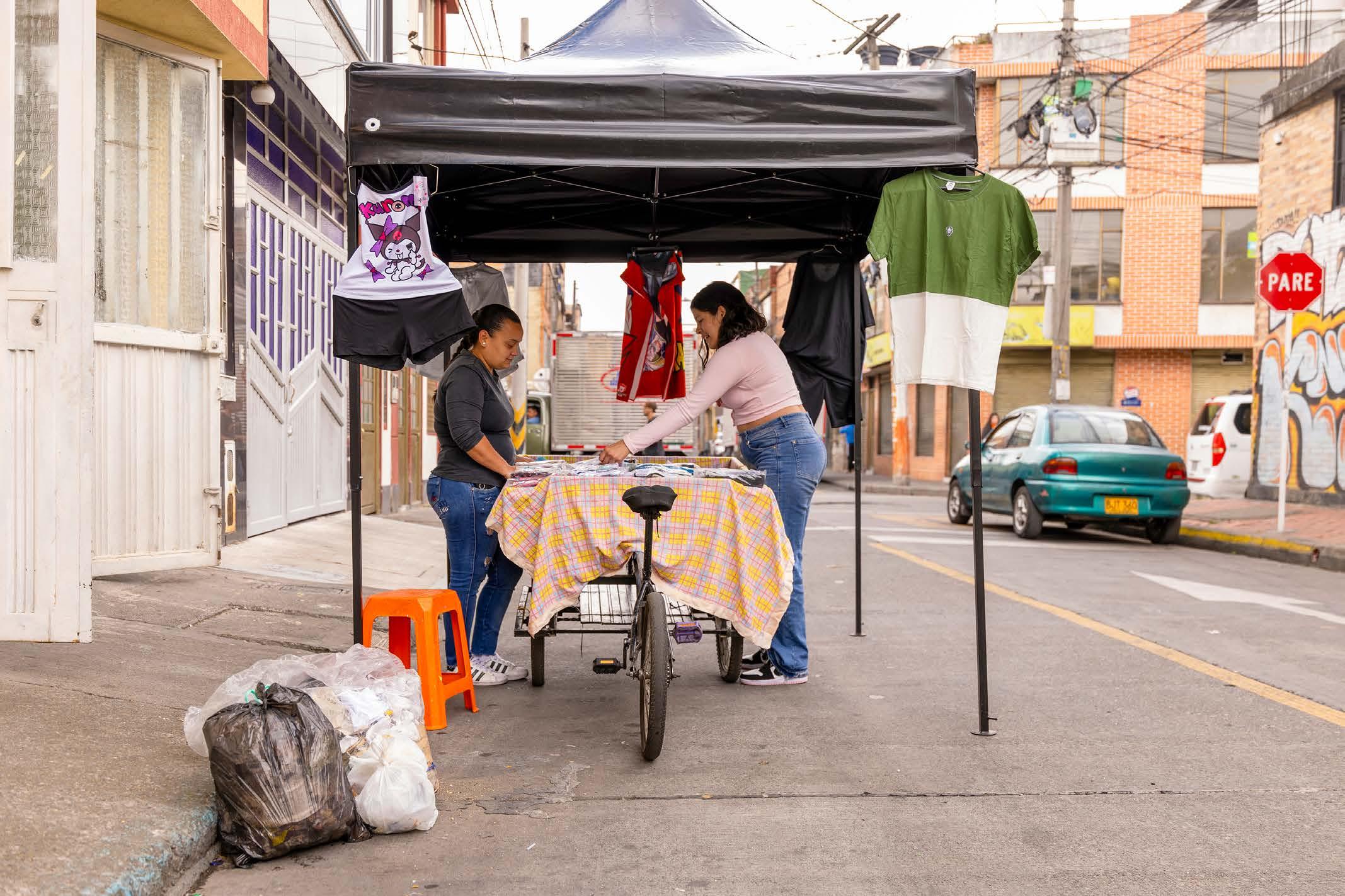
A participant in the Self-Reliance Project in Colombia runs her own clothing business. Photo: Reto Albertalli
Concrete key strategies include:
• Conducting joint GA-MSD assessments during inception (e.g., Household Expenditure Mapping, Income Portfolios, Participatory Wealth Rankings, Market Systems Analysis etc.)
• Prioritizing livelihoods of the Graduation participants with proven market demand and support services, while ensuring that this selection does not cause harm.
• Engaging market actors from the start of a Graduation project to ensure alignment with prospective value chains and systems as well as complementary market linkages.
• Avoiding over-saturation of fragile sectors by leveraging MSD guidance on viable niches.
• Co-designing incentives for engagement (e.g., co-financed training, shared logistics).
• Coordinating aggregation, certification, and quality control mechanisms to make small-scale producers attractive to buyers.
• Supporting cooperative formation or enterprise clusters when individual actors cannot reach scale alone.
• Considering the impact of value chain selection on existing conflict and intergroup dynamics, being aware of potential power asymmetries, and identifying entry points for social cohesion activities from the onset of the GA.
The ultimate objective is not to merely sequence two separate approaches, but to design a single intervention architecture in which the GA and MSD complement each other – preparing people for markets, and ensuring that markets are prepared for people.
Practice Note: Integration by Design – The Nurture Project, Cambodia
The Nurture Project (“Nurturing Climate Resilience in Cambodia”), jointly implemented by HEKS/EPER and Caritas Switzerland and co-financed by SDC, demonstrates how household resilience, climate adaptation, and MSD can be integrated from the outset rather than introduced sequentially. Working with approximately 18,000 smallholder households across four provinces, the project combines water governance, climate adaptation planning, and market systems interventions as mutually reinforcing components of a single strategy.
The project strengthened 22 Farmer Water User Communities, improving water governance and reducing irrigation conflicts for more than 2,800 farmers. Climate adaptation efforts supported the rollout of an early warning system and contributed to the adoption of 42 climaterelated policies and land-use plans. These investments created enabling conditions for stronger market engagement and more resilient agricultural production.
Building on these foundations, the project tested 32 business models and successfully scaled up three. Agricultural cooperatives became increasingly commercially oriented through stronger governance and emerging contract farming arrangements. In 2025 alone, 4,337 farmers gained additional and sustainable sources of income.
The project demonstrates that market readiness is not solely determined by household capacities. Farmers may possess the skills and motivation to participate in markets, but opportunities remain limited when supporting systems – such as water governance, climate information, and collective institutions – are weak. The Nurture Project illustrates how strengthening these systems first can create more sustainable pathways for economic participation and resilience.
An independent evaluation also highlighted the importance of integration in programme management (Caritas Switzerland and HEKS/EPER, 2026). While the project was designed as an integrated model, stronger coordination between technical teams was needed to fully realize synergies across intervention areas, reinforcing the lesson that integration by design requires integration by management.
6. Operational Considerations and Ethical Reflections
While the integration of the GA and MSD offers immense potential, it also raises practical and ethical questions that must be addressed during design and implementation. These considerations are especially acute in fragile and conflict-affected settings, where both people and systems face complex constraints. Ultimately, operationalizing an integrated GA–MSD model requires more than aligning tools. It requires a grounded understanding of local realities and conflict dynamic, continuous ethical reflection, and the flexibility to adapt sequencing, partnerships, and ambitions to each context.
6.1 What if Households Are Not Market-Ready?
A common concern when integrating the GA and MSD is whether poor and marginalized households are sufficiently “market-ready” to participate in and benefit from market systems. However, this question can sometimes be misleading. Most households in fragile, displacement-affected, and protracted crisis contexts already engage with markets on a regular basis through farming, livestock production, wage labor, petty trade, energy purchases, or other livelihood activities. The challenge is often not market participation itself, but the conditions under which households participate.
Faced with recurrent shocks, uncertainty, and limited safety nets, households frequently prioritize risk management over income maximization. Diversifying income sources, relying on trusted suppliers, maintaining low levels of investment, or engaging in markets only intermittently are often rational coping strategies rather than signs of a lack of entrepreneurial potential.
Trust is often a critical constraint. Farmers may be reluctant to invest in improved seeds, technologies, or services if they have previously experienced poor returns, counterfeit products, unreliable suppliers, or weak market linkages. Similarly, households may be unwilling to pay for higher-quality inputs if they have not seen clear evidence that the additional investment will generate greater returns. In these situations, integrated interventions should focus on strengthening trust between market actors and consumers through demonstration activities, quality assurance mechanisms, transparent market information, and trusted intermediary organizations. Dependency dynamics may also influence market behavior. In areas with a long history of humanitarian assistance, households may become accustomed to receiving free or highly subsidized goods and services. As a result, they may have limited incentives to purchase commercial alternatives, even when those alternatives offer better long-term outcomes. Addressing this challenge requires more than reducing subsidies; it requires supporting shifts in incentives, expectations,
and decision-making through coaching, financial literacy, exposure to market opportunities, and evidence that commercial solutions can deliver value.
The role of the GA is therefore not only to build technical skills and transfer assets, but also to strengthen confidence, agency, financial behaviors, and the social networks needed to engage effectively in markets. The complements this by ensuring that market systems are responsive, trustworthy, and capable of providing viable opportunities.
Practice Note:
Parallel Track Recovery and Market Systems
Rehabilitation – Syria
HEKS/EPER’s experience in post-transition Syria highlights the importance of aligning household recovery with market system recovery in fragile contexts. Following the political transition in late 2024, the programme simultaneously invested in market infrastructure rehabilitation, vocational training, and value chain assessments rather than waiting for one phase to be completed before beginning the next.
Interventions included rehabilitation of bakeries and mills, vocational training for women and persons with disabilities, and feasibility assessments for agricultural value chains. These efforts sought to ensure that households rebuilding their livelihoods would encounter functioning market systems capable of supporting economic recovery.
This experience challenges the assumption that household stabilization must always precede market engagement. In highly fragile environments, household recovery and market system rehabilitation may need to progress in parallel so that both households and markets reach readiness at the same time.
The lesson for integrated GA-MSD programming is clear: households should not graduate into markets that remain non-functional. Supporting both household and system recovery simultaneously can help create more sustainable pathways toward self-reliance.
6.2 Avoiding Market Distortion, Exploitation, or Over-Saturation
Graduation projects often introduce marginalized households into markets that are thin, fragile, and weakly coordinated. In many protracted displacement settings, markets are already characterized by low purchasing power, limited competition, weak regulation, and asymmetric power relations between producers, traders, and service providers. While MSD intentionally seeks to influence and reshape market dynamics toward greater inclusiveness and efficiency, poorly designed interventions can unintentionally distort markets, create dependency, or reinforce exclusion, and exploitation.
Practice Note:
Using Graduation Platforms to Accelerate Market Engagement – The SMILES Project, Uganda
A key lesson emerging from the Sustainable Market Inclusive Livelihood Pathways to Self-Reliance (SMILES) Project in Uganda is that integrating the GA and MSD requires more than simply combining activities; it requires deliberate sequencing, continuous adaptation, and a strong understanding of local market realities. Implemented through a consortium led by AVSI Foundation and DAI, the project combines a GA with an MSD strategy to support refugee and host-community livelihoods.
The project underscores the importance of integrating market analysis, private sector engagement, and systems thinking from the outset to ensure that household-level investments translate into sustainable economic opportunities. Farmer Field and Business Schools, VSLAs, and technical skills training helped prepare households for participation in maize, bean, and horticulture value chains. However, rather than simply pushing households into generic “income-generating activities,” the MSD component worked with market actors such as East-West Seed, Okeba Uganda, GrainPulse, and BrightLife to ensure that livelihood promotion was tied to actual market opportunities and commercial incentives.
This distinction is critical – in fragile markets, promoting too many similar microenterprises without corresponding market demand can result in oversaturation, falling prices, and reduced profitability for participating households. The project attempted to mitigate this risk by using demonstration plots, phased onboarding of market actors, localized demand activation strategies, and buyer engagement rather than relying solely on blanket production support.
Similarly, the project recognized the risks associated with dependency on subsidized inputs or donor-created market channels. Instead of direct and continuous handouts, SMILES increasingly adopted co-investment and cost-sharing arrangements with private sector actors. For example, partnerships with seed companies and agribusinesses emphasized commercial relationships, embedded extension, and farmer contribution models rather than perpetual subsidy structures. This aligns with broader MSD evidence showing that systemic change is more likely when private actors invest their own resources and perceive clear commercial returns.
The project also generated important lessons around power imbalances and the risk of exploitation by intermediaries. Refugee and ultra-poor households often enter markets from positions of weak bargaining power, low literacy, and limited access to information. In such contexts, linking farmers to buyers without addressing power relations can expose participants to predatory pricing, delayed payments, unfair contracts, or exploitative credit arrangements. SMILES therefore increasingly emphasized facilitation and brokering functions that went beyond merely “connecting” actors. This included supporting transparency in pricing, strengthening producer group organization, improving market information flows, and working through trusted last-mile actors and community structures.
Importantly, market distortions in fragile settings are not only economic – they can also become social and political. Complaints around pricing, perceptions of favoritism, gatekeeping by local elites, or unequal access to opportunities can exacerbate tensions, for instance between refugee and host populations. For this reason, conflict sensitivity and political economy awareness are essential within GA-MSD integration. Monitoring systems should therefore track not only income and enterprise growth, but also emerging grievances, exclusion patterns, and shifts in local power dynamics.
Proposed Integrated GA and MSD Safeguards
• Ensure Graduation livelihood pathways are informed by robust MSD market and value chain analysis rather than supply-driven assumptions. Coordinate GA livelihood planning with MSD value chain analysis.
• Avoid prolonged free input distribution and instead strengthen commercially viable sourcing and co-investment models. Limit direct provision of inputs, shifting instead toward market-based sourcing.
• Phase interventions carefully to avoid flooding weak markets with similar enterprises or products.
• Strengthen producer bargaining power through aggregation, market information systems, and transparent engagement models.
• Embed continuous feedback and adaptive management systems to respond to changing market conditions. Build in feedback loops to adjust strategies as market dynamics evolve.
• Monitor conflict and protection signals linked to market participation, including complaints around pricing, exclusion, or elite capture.
• Ensure facilitation and brokering efforts explicitly address power asymmetries and inclusion, rather than focusing only on transactional linkages.
6.3 Cooperation vs. Organizational Models in Market Engagement
In contexts where private sector actors are limited or absent, strengthening cooperation among market actors can be a critical entry point. Rather than starting with predefined organizational models, such as cooperatives, interventions should focus on improving how individuals and groups collaborate, build trust, and engage in economic activities. This includes facilitating joint action, improving information sharing, and addressing barriers that limit collective participation in markets. While cooperative structures can be one effective outcome of this process, they are not inherently neutral and may reflect existing social or political dynamics, including exclusion or unequal power relations. As such, they should be approached as one possible model among others, rather than a default solution.
It is also important to recognize that Graduation participants may only generate a marketable surplus intermittently, which can make sustained participation in cooperatives challenging and reduce their attractiveness as members. In this context, forming cooperatives composed solely of Graduation participants may not always be viable. Instead, integrating participants into existing or emerging market structures – such as cooperatives, producer groups, and value chains that include more established actors – can provide more stable market linkages and strengthen commercial sustainability, if inclusion is actively facilitated and supported over time. This reflects broader sector practice: according to the 2018 Graduation State of the Sector Report, 81 % of Graduation projects support participants to connect to existing value chains and markets, while 59 % facilitate linkages to existing producer or marketing cooperatives (Arévalo et al., 2018). These trends highlight a growing recognition that sustainable economic inclusion is often achieved by helping marginalized households participate in existing market systems rather than establishing separate structures for project participants.
Furthermore, while the GA often lays the foundation for financial inclusion through the establishment and strengthening of community-based savings mechanisms such as VSLAs, the MSD approach plays a complementary role by accelerating and deepening these pathways through stronger linkages with financial markets. Graduation interventions help households develop financial literacy, savings habits, trust, social capital, and initial asset accumulation, creating the conditions necessary for meaningful engagement with financial services. MSD then works to connect these groups to formal and semi-formal financial service providers – including microfinance institutions, Savings and Credit Cooperative Organization (SACCOs), mobile money providers, and commercial banks – thereby expanding access to a broader range of financial products and services.
Although savings groups are often an effective entry point for improving financial access among poor and marginalized households, they face inherent limitations related to capital availability, liquidity, financial security, and exposure to localized risks, particularly in fragile and displacement-affected contexts. As savings volumes increase, informal structures may become vulnerable to theft, mismanagement, or group dissolution. Strengthening linkages between savings groups and formal financial institutions can help address these constraints by providing access to larger and more secure savings mechanisms, credit, insurance, and digital financial services.
In this way, the GA establishes the social and financial foundation for inclusion, while MSD strengthens the surrounding financial ecosystem and incentivizes market actors to serve previously excluded populations. Together, they create a pathway from basic financial participation to sustainable financial inclusion and resilience.
A systems-oriented approach therefore emphasizes enabling conditions for effective collaboration and allowing appropriate organizational forms whether cooperatives, producer groups, or private enterprises to emerge organically based on context and incentives. Ideally, Caritas Switzerland and its partners support a pluralistic market system in which diverse actors and organizational models coexist, each contributing to inclusive and sustainable market development.
7. Conclusion
The GA and the MSD approach have each made important contributions to the fight against poverty. The GA has demonstrated that even the most marginalized households can build resilience, accumulate assets, and improve their livelihoods when provided with the right combination of support, coaching, and opportunities. MSD has shown that sustainable and largescale change requires addressing the systems, incentives, relationships, and institutions that shape economic opportunity.
Yet the challenges facing poor and marginalized populations today particularly in contexts affected by conflict, displacement, fragility, and other shocks require more than either approach can achieve on its own. Households do not exist outside of systems, and systems do not become inclusive simply because opportunities exist. Sustainable poverty reduction requires both resilient households and resilient systems.
This White Paper has argued that the future lies not in choosing between the GA or MSD, but in intentionally integrating them together. When combined, they create a pathway that connects household resilience to systemic change, enabling marginalized populations not only to improve their livelihoods but also to remain economically included long after direct project support has ended.
Importantly, integration should not be understood as coordination between two separate approaches or as a sequential handover from one intervention to another. The greatest potential lies in integration by design – where projects are
conceived, funded, managed, implemented, and measured as a single strategy from the outset. This means delivering household support through market systems wherever possible, while ensuring that market systems interventions are designed with marginalized households and their realities explicitly in mind.
For organizations such as Caritas Switzerland and its partners, this represents an opportunity to build on existing strengths while contributing to a broader evolution within the development sector. As pressure grows to demonstrate both impact and sustainability, integrated approaches offer a practical pathway for advancing the humanitarian-development-peace nexus and creating lasting value for communities facing complex and overlapping challenges.
The question is therefore no longer whether the GA and MSD can work together. Evidence increasingly suggests that they can and should. The more important question is whether development actors, donors, researchers, and practitioners are prepared to design, finance, manage, and measure projects in ways that fully realize their combined potential.
If we are serious about creating sustainable pathways out of poverty, we must move beyond helping people graduate from poverty and begin ensuring that the systems around them can support their continued resilience, inclusion, and prosperity. That is the opportunity – and the challenge – that lies ahead.
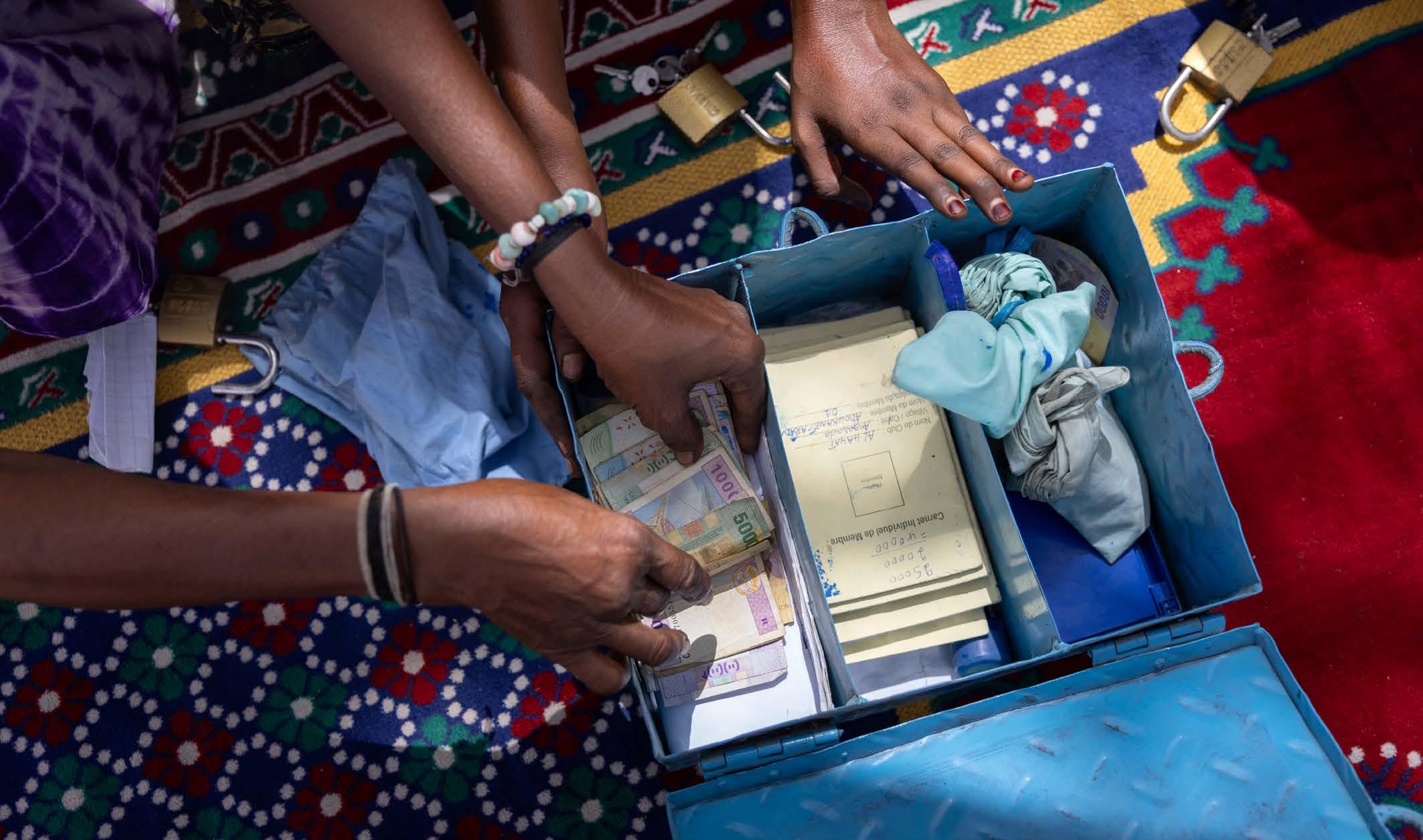
Members of a savings group in Chad show the money they have saved together. Photo: Reto Albertalli
8. Recommendations and Way Forward
As humanitarian and development challenges become more complex, particularly in contexts marked by conflict, displacement, and systemic exclusion, there is a growing need for approaches that address both immediate vulnerability and longterm economic integration. The harmonization of the GA and MSD offers a timely and strategic response to this challenge. By combining household-level empowerment with systemic market transformation, implementers can support extremely poor populations not only to graduate from poverty, but to become resilient, active participants in inclusive economic systems.
At the same time, this integration requires careful consideration of potential risks and limitations. Not all Graduation participants will be immediately able to engage effectively in market systems, and exposure to shocks and ongoing vulnerability may mean that participation is initially irregular or limited. Recognizing these dynamics is critical to designing realistic pathways that allow households to gradually build resilience and engage more consistently over time, while ensuring that projects remain adaptive and responsive to changing conditions.
We have learned how to prepare people using the GA. We have learned how to fix markets and systems using the MSD approach. We have not yet fully learned how to do both at the same time. Until we do, we will continue to create systems that exclude and interventions that cannot last. The challenge is no longer technical. It is whether we are willing to or can design, fund, manage and measure projects that apply both the GA and MSD at the same time. This is the nexus where Caritas Switzerland and its partners can create more value.
The recommendations below outline practical steps to bring this vision to life through strategic programming, piloting, and organizational learning.
8.1 Practical Steps for Caritas Switzerland and Partners
To effectively integrate the GA and MSD, Caritas Switzerland and its implementing partners must go beyond technical coordination and adopt a coherent programming model that intentionally integrates both approaches at every stage of the project cycle. The following steps outline how this can be operationalized across project design, implementation, and organizational learning:
1. Co-design programs from the outset with both GA and MSD teams involved in assessments, sector selection, and sequencing. Integration begins at inception. Joint assessments bringing together Graduation and MSD staff should inform the selection of target groups, economic sectors, and intervention pathways. Shared diagnostic tools such as poverty profiling, value chain analysis, and gender and social inclusion mapping can help align Graduation livelihood support with sectors that MSD teams are already strengthening or targeting for systemic improvement. Early collaboration ensures that project sequencing is coherent: the GA stabilizes and prepares households, while MSD ensures that viable systems await them.
2. Embed market thinking into GA projects, aligning livelihoods with viable value chains, and enabling service ecosystems.
Rather than selecting livelihood options based solely on participant interest or traditional coping strategies, Graduation projects should embed market logic into their design. This means aligning income-generating activities with real market demand, identifying value chains with growth potential, and linking participants to local service ecosystems including input suppliers, extension providers, and market actors. Experience from the Caritas Switzerland implemented EMIT Project in Ethiopia highlights the importance of this approach. While participants were given flexibility to choose their preferred business models, they tended to select familiar or easily accessible activities, resulting in a wide spread of livelihood options across multiple sectors. This made it challenging to effectively support market linkages and service provision. A more strategic approach pre-identifying a limited number of relevant and promising value chains and focusing MSD efforts on these can improve efficiency and impact, while still allowing space for traditional activities where they demonstrate growth potential (Caritas Switzerland EMIT Project Internal Endline Survey, 2024).
By grounding livelihood pathways in existing and emerging market systems, the Graduation interventions can reduce the risk of saturation, low returns, or isolation from viable markets. This approach also supports a shift in mindset
among participants from subsistence-oriented activities toward more opportunity-driven and market-oriented entrepreneurship ultimately increasing the likelihood that participants can sustain and grow their livelihoods beyond project exit.
Experience from the SMILES Project in Uganda also demonstrates the value of this approach. As a part of the Graduation curriculum, households are trained on business skills. Partner market actors are brought in to assist with this training; they provide market information related to pricing, help households understand profitability, and communicate potential benefits.
3. Embed systems thinking from the outset to shape long-term system change.
MSD offers a set of tools and frameworks that can help inform a responsible and sustainable Graduation exit strategy. Tools such as stakeholder mapping, systemic constraint analysis, who does who pays, business model canvassing, and incentive design can be used to identify whether support services (e.g., training, finance, inputs) are inclusive and likely to persist after project support ends. These tools help ensure that the Graduation participants can continue receiving support also after graduation by being embedded in market systems and ideally locally driven safety net systems.
4. Strengthen bridging capital to enable inclusive market systems.
A critical function of Caritas Switzerland and its partners is to act as a market broker, facilitating trust and linkages between the Graduation participants and relevant market actors such as cooperatives, processors, buyers, financial institutions, and input providers. In this role, implementers often serve as a “trust bridge” or moral guarantor, helping to reduce perceived risks on both sides. This function reflects a broader market systems capability often referred to as bridging capital; the ability to connect different actors, build trust, and enable collaboration across groups that would otherwise remain disconnected. Increasingly, evidence shows that these relational and social capabilities are as important as, if not more important than, technical skills in enabling inclusive and functional market systems. These linkages must be cultivated intentionally throughout the project lifecycle, not left to chance. The Graduation participants benefit already during the programme from exposure visits, supplier fairs, and co-designed service models, while market actors gain access to new customer bases, aggregated producers, or trained service providers. Experience from the EMIT Project in Ethiopia further highlights that successful livelihood development depends on a combination of factors: access to start-up capital (both formal and informal financial services), viable input and output market opportunities, and continued access to training, coaching, and advisory services. Connecting participants to formal
financial institutions proved to be a two-sided brokering task: pastoralists needed support to build trust in the institutions and their services, while the institutions in turn needed encouragement to make those services more accessible. In some cases, market actors may be integrated into the GA project as mentors, complementing Graduation coaches. Brokering is particularly important in contexts where formal market relationships are weak, underdeveloped, or exclusionary, or societies marked by a high degree of mistrust and fragmentation where deliberate facilitation is needed to ensure that these connections become sustainable and embedded within the system over time.
Graduation coaches support households to understand and engage with new market opportunities, and they give credibility to market actors, in part because they are seen as neutral parties who do not have a financial stake in the business. In conflict affected places, Graduation staff can provide the necessary socio-political context to guide market actors and prevent them from unintentionally exacerbating conflict. In practice, this means that program staff and market actors often move around the village together when objectives align and open communication is encouraged so market actors and program staff can learn from one another and share important updates.
5. Invest in staff capacity building and mutual learning on systems thinking, facilitation, and adaptive programming.
True harmonization requires a shift in mindset, not just technical skill. Caritas Switzerland and its partner’s staff across both the Graduation and MSD teams need ongoing training and structured opportunities to learn from one another in systems thinking, adaptive management, and facilitation techniques. Joint learning sessions, case study reviews, and cross-departmental exchange visits can foster a shared understanding of each approach’s strengths and limitations. These exchanges are most valuable when treated as genuinely mutual: Graduation staff bring granular knowledge of household constraints and capabilities, while MSD staff bring an understanding of market viability and systemic bottlenecks. Sustaining mutual learning throughout project implementation – not only at inception – allows both teams to adapt as contexts and markets shift. Moreover, investing in these capacities builds the internal flexibility needed to iterate, respond to context, and sustain integrated programming over time.
This learning-oriented approach should also be extended to include market actors. The SMILES Project found that clear communication and expectation-setting with market actors is crucial for successful Graduation and MSD integration. Market actors are typically unfamiliar with the sequenced, time-bound approach of the GA and therefore, need a robust orientation to fully understand how to align
their interventions with the timeline for graduation activities. In the project, when market actors were not consulted during preparation for the asset transfer, this resulted in lower-than-expected investments by households in goods and services offered by market actors. Projects can avoid this issue by providing market actors with detailed information sessions that cover the GA, including the timing of key activities such as asset transfers, to ensure that they are ready to respond to an increase in market demand because of the project-sponsored asset transfer.
6. Promote social cohesion through conflict-sensitive programming.
Integrating the GA and MSD can create new opportunities for marginalized households but may also introduce risks if market engagement intersects with unresolved tensions, exclusion, or unequal power dynamics. Integrating a strong conflict-sensitive approach helps anticipate and mitigate these risks, ensuring that benefits are distributed fairly and that existing divides are not reinforced.
In this context, the contribution of the GA and MSD is to support the strengthening of social cohesion between groups. By embedding Do No Harm principles and actively promoting inclusive economic participation and social bonds, programmes can help reduce sources of tension, inequalities and exclusion mechanisms, and foster trust, intergroup interaction and more cooperative relationships within communities.
Practical measures such as facilitating interaction between displaced and host populations, promoting fair and transparent market practices, and supporting inclusive group structures can strengthen these outcomes. In doing so, the GA and MSD contribute to more cohesive, resilient communities, where economic opportunities support stability rather than exacerbate division.
8.2 Learning, Monitoring, Evaluation, and Documentation
Effective integration of the GA and MSD requires a deliberate and well-aligned learning and Monitoring and Evaluation (M&E) framework. This framework must capture both individual-level transformation and systemic change, while enabling real-time adaptation and organizational learning across diverse country contexts. Caritas Switzerland and its partners should commit to the following key actions:
1. Develop a joint Theory of Change that reflects both household and systemic outcomes.
An integrated GA–MSD project should begin with a shared Theory of Change and Logframe that clearly articulates how time-bound household support connects to and is sus-
tained by longer-term systemic improvements. The framework should map the pathway from household stabilization and asset building, through economic activation and coaching, to market integration, and ultimately to inclusive system-level change.
It should also explicitly outline key assumptions and risks at both the household and system levels, including factors such as political stability, market functionality, social norms and existing conflicts or tensions that may influence outcomes. Critically, these assumptions and risks should not remain static, but be actively monitored and revisited through the Monitoring, Evaluation, and Learning system, enabling teams to adapt interventions as conditions evolve.
2. Track both resilience and market-level indicators, including inclusion metrics, graduation sustainability, and systemic change.
To accurately capture the value of harmonization, M&E systems must go beyond traditional output tracking and measure outcomes at both household and market system levels. Key indicators might include:
• Household income diversification, asset accumulation, and food security.
• Graduation sustainability 12–36 months after program exit.
• Access to and use of market services (e.g., veterinary care, microfinance).
• Systemic outcomes such as behavior change in market actors, service replication, and improved pricing transparency.
• Inclusion metrics informed by a GESI Assessment, including participation, access, and outcomes for women, youth, persons with disabilities, migrants and displaced communities, IDPs, ethnic or religious minorities, and other marginalized groups identified through context-specific analysis.
Both quantitative and qualitative tools should be used, including beneficiary surveys, market assessments, business actor interviews, network mapping, and GESI analyses.
3. Prioritize documentation of field lessons, challenges, and adaptations to inform Caritas Switzerland’s and its partner’s internal learning and external influence.
Integrated GA–MSD programming is still relatively new for many actors. Implementers should commit to real-time learning and reflection, capturing not only success stories but also implementation challenges, unintended consequences, and contextualized adaptations. Lessons learned should be synthesized into internal knowledge products (e.g., learning briefs, internal webinars), cross-project learning notes and case studies, and external-facing papers for donors, practitioners, and networks.
4. Foster cross-country learning exchanges and engagement with MSD and GA and Nexus Communities of Practice.
Learning should not remain siloed. Implementers can amplify its internal capacity and global influence by:
• Facilitating cross-country exchanges between project teams working on the GA and MSD (e.g., Ethiopia–Chad–Uganda learning cycles).
• Engaging actively in industry MSD, GA and Nexus Communities of Practice and contributing to global learning on the integration of GA and MSD.
• Sharing insights with the global MSD and Graduation communities, including the Poverty Alleviation Coalition, the Refugee Self-Reliance Initiative, and organizations like BRAC, Trickle Up, BOMA Project, BEAM Exchange, Vikāra Institute, Markets in Crisis, and the Conflict Sensitivity Community Hub.
• Partnering with research institutions or think tanks to rigorously evaluate integrated pilots.
Throughout this ongoing learning, Caritas Switzerland and its partners can refine its approach, improve impact, and shape the evolving global conversation on sustainable livelihoods and systems transformation.
9. Annexes
Annex 1:
Glossary of Key Terms
Approaches and Methodologies
1. Adaptive Programming – A flexible approach to project implementation that allows for ongoing learning and adjustment based on real-time feedback and contextual changes.
2. Facilitation (in MSD) – A non-directive approach where implementers support and incentivize local market actors to take ownership of solutions, rather than delivering services themselves.
3. Humanitarian–Development Nexus – The coordinated approach that bridges short-term emergency relief with long-term development goals to build resilience in crisis-affected communities.
4. Systemic Change – A shift in the underlying structures, behaviors, and relationships within a system that leads to sustained, large-scale impact.
5. Systems Thinking – A holistic way of understanding complex problems by analyzing how various components interact within a larger system.
6. Triple Nexus – The Triple Nexus refers to the deliberate coordination of humanitarian, development, and peacebuilding efforts to address immediate needs while strengthening long-term resilience and stability. It aims to reduce vulnerability and support sustainable recovery by tackling both the symptoms and underlying drivers of crises.
Technical Concepts and Tools
1. Exit Strategy (Graduation context) – A planned approach to phasing out support for Graduation participants in a way that ensures they can sustain their progress independently within functioning systems.
2. Gender Equality and Social Inclusion (GESI) Assessment – A structured analysis that identifies how different groups experience opportunities, barriers, and exclusion within a given context or market system. It provides the evidence base for designing inclusive interventions and defining relevant inclusion metrics.
3. Incentive Design – The strategic structuring of benefits or motivations to encourage market actors to adopt behaviors or business models that support inclusive and sustainable outcomes.
4. Inclusion Metrics – Indicators used to measure the extent to which interventions reach and benefit marginalized groups, such as women, youth, migrants, or persons with disabilities.
5. Market Brokering – The facilitative role of connecting marginalized producers or service users with relevant market actors (e.g., buyers, suppliers, financial institutions) to foster inclusive and lasting relationships.
6. Systemic Constraints Analysis – A process used in MSD to identify the root causes such as policy gaps, power imbalances, or missing services that prevent a market system from functioning inclusively and efficiently.
Support Components
• Asset Transfer – A one-time provision of productive assets (e.g., livestock, tools, stock) that serves as a foundation for income generation.
• Coaching and Mentoring – Ongoing, personalized guidance provided to Graduation participants to build confidence, solve problems, and plan their livelihood pathway.
• Conflict Sensitivity – The ability of an organization to understand the context in which it operates, understand how its interventions interact with that context, and act on this understanding to minimize harm and maximize positive impacts on conflict and social cohesion.
• Consumption Support – Short-term assistance in the form of cash or in-kind aid that helps stabilize households by covering basic needs during the early phase of Graduation.
• Holistic Protection Protocol – A framework developed by Caritas Switzerland that provides legal, psychosocial, and social support to address the multifaceted vulnerabilities of participants.
• Psychosocial Stabilization – Support aimed at improving emotional well-being and mental health to help participants engage more effectively in livelihood activities and social life.
• Referral Services – The process of connecting participants to external providers for specialized support (e.g., health care, legal aid, education) that lies beyond the program’s direct offerings.
• Savings Promotion – Activities that encourage participants to save regularly either formally or informally to build financial resilience and prepare for future investments or shocks, for instance by building or leveraging VSLAs.
• Social Cohesion – This concept refers to the strength of relationships, trust, and cooperation among individuals and groups within a society. It is fostered through inclusive participation, equitable access to opportunities, and constructive mechanisms for managing differences and resolving disputes.
• Technical Skills Training – Instruction focused on specific vocational, agricultural, or business skills that enable participants to manage assets or secure employment.
Annex 2: Proposed Combined Theory of Change
Impact
• Poor and marginalized households achieve sustained economic self-reliance and resilience by progressively engaging in inclusive, functioning, and adaptable market systems, contributing to long-term, systemic change at both household and system levels.
Long-Term Outcomes
• Household Level
Household economic activities are aligned with and embedded in evolving market systems, creating a mutually reinforcing relationship that fosters inclusive, conflict-sensitive engagement and strengthens social cohesion.
• System Level
Market systems become more inclusive, accessible, and resilient, with strengthened supporting functions (e.g., financial services, input provision, training), improved relationships and trust between actors (bridging capital), and increased capacity to sustainably include marginalized populations such as GA participants.
Cross-Cutting Outcome
• Social cohesion is strengthened through inclusive and conflict-sensitive market engagement, reducing tensions and enabling more equitable participation across different groups.
Annex 3:
Proposed
Sample
Monitoring and Evaluation Indicators
The indicators presented in this annex are illustrative and are intended to serve as a reference for designing integrated GA – MSD monitoring frameworks. Projects should select, adapt, and combine indicators based on their specific objectives, context, Theory of Change, and available resources, rather than treating this list as a mandatory or exhaustive set.
1. Household Resilience and Graduation Sustainability (GA-focused)
Indicator
% of participants maintaining their income-generating activities and meeting basic needs 12 months post-graduation.
% of households reporting improved food security (e.g., using FCS or HFIAS).
Outcome Measures livelihood sustainability after exit.
Outcome Tracks nutritional stability and resilience.
% of participants with savings ≥ 3 months of household expenses. Outcome Assesses financial resilience. % of participants who accessed financial services (formal, informal, or both), disaggregated by type.
% of participants engaged in income-generating activities aligned to market demand.
Output/ Outcome Gauges financial inclusion.
Output Validates livelihood relevance and design.
% of participants receiving and utilizing coaching support as planned. Output Measures fidelity of the Graduation intervention.
% of participants with functional social support networks (formal or informal).
2. Systemic Market Change (MSD-focused)
Indicator
Outcome Assesses social capital and referral effectiveness.
# of market actors adopting inclusive business practices/models. Output/ Outcome Measures systemic behavioral change.
# of service providers offering products or services tailored to GA graduates.
# of policy, rule, or norm changes to improve market access for marginalized populations.
Output Tracks ecosystem development around marginalized groups.
% of GA graduates reporting increased use of input/service markets. Outcome Assesses market system inclusiveness. % change in price margins or sales volumes in supported value chains.
# of functional producer groups or cooperatives linked to buyers.
% of GA participants who made livelihood decisions based on market intelligence and/or Value Chain assessment.
% change in average gross margin (revenue minus direct input costs) per household in supported value chains, between graduation exit and 12 months post-exit.
Outcome Evaluates improved competitiveness and market functioning.
Output Tracks structural support to small-scale actors.
Outcome Tracking relationship between Graduation participants, market knowledge, and utilization.
Outcome Assesses the sustainability and growth of household income by measuring changes in gross margin from supported value chain activities at graduation and 12 months after program exit.
3. Inclusion and Equality (GESI-focused)
Indicator Level Purpose
% of marginalized participants reporting meaningful participation in market, producer group, or community decision-making processes.
% of program participants who are women, youth, persons with disability, migrants or belong to a marginalized group.
% of marginalized groups reporting non-discriminatory access to services.
% of supported market actors that adopt and maintain inclusive hiring, procurement, or supplier engagement practices benefiting targeted marginalized groups.
% of GA graduates reporting equal treatment in buyer or supplier relationships.
# of sustained commercial relationships between previously disconnected or excluded groups (e.g., refugees-hosts, disabled entrepreneurs-service providers) 12 months after project support.
4. Learning and Adaptation (Cross-cutting)
Outcome Assesses whether marginalized groups have a voice and influence within the structures and relationships that shape market participation and economic opportunities.
Output Measures reach and equity of targeting.
Outcome Gauges inclusion at point of delivery.
Outcome Measures the adoption of inclusive business practices and whether changes introduced through facilitation become embedded in market actor operations.
Outcome Measures progress on informal norms and power dynamics.
Output Measures whether market systems are becoming more inclusive and whether bridging capital and trust-based market relationships are being sustained beyond project facilitation.
Indicator Level Purpose
Frequency of joint GA–MSD review or reflection meetings.
Output Encourages coordination and adaptation. # of adjustments made to program design based on M&E findings.
Quality and timeliness of lessons learned documentation.
Outcome Captures responsiveness and adaptive capacity.
Output Supports internal learning and external influence.
Annex 4: References
• Arévalo, I., Kaffenberger, M., & de Montesquiou, A. (2018). 2018 State of the Sector: Synthesis Report. Partnership for Economic Inclusion (PEI), World Bank.
• Balboni, C., Bandiera, O., Burgess, R., Ghatak, M., Heil, A. (2021). Why Do People Stay Poor?. The Quarterly Journal of Economicy, 137(2): 785–844.
• Banerjee, A., Duflo, E., Goldberg, N., Karlan, D., Osei, R., Parienté, W., Shapiro, J., Thuysbaert, B., & Udry, C. (2015). A multifaceted program causes lasting progress for the very poor: Evidence from six countries. Science, 348(6236).
• Banerjee, A., Duflo, E., Sharma, G. (2021). Long-Term Effects of the Targeting the Ultra Poor Program. AER: Insights 2021, 3(4): 471–486.
• Caritas Switzerland. (2024). Entrepreneurship and Market Inclusion for Transformation (EMIT): Endline evaluation report. Internal project document.
• Fowler, B. and Brand, M. (2011). Pathways out of poverty: Applying key principles of the value chain approach to reach the very poor. USAID.
• Osorio-Cortes, L., Albu, M. (2021). The results achieved by programmes that use the market systems approach: a narrative synthesis of current evidence, BEAM Exchange.
• Sida. (2019). Market systems development in fragile contexts. Sida.
• Swiss Agency for Development and Cooperation. (n.d.). Education and economy thematic network: Market systems development. SDC.
Annex 5: Project Documents and Learning Products
References for Case Studies
• AVSI Foundation, DAI, UNHCR, REPARLE, Innovations for Poverty Action, & Makerere University. (2025). Sustainable Market Inclusive Livelihood Pathways to Self-Reliance (SMILES): Emerging lessons on integrating graduation and market systems development in refugee settings. Project learning brief.