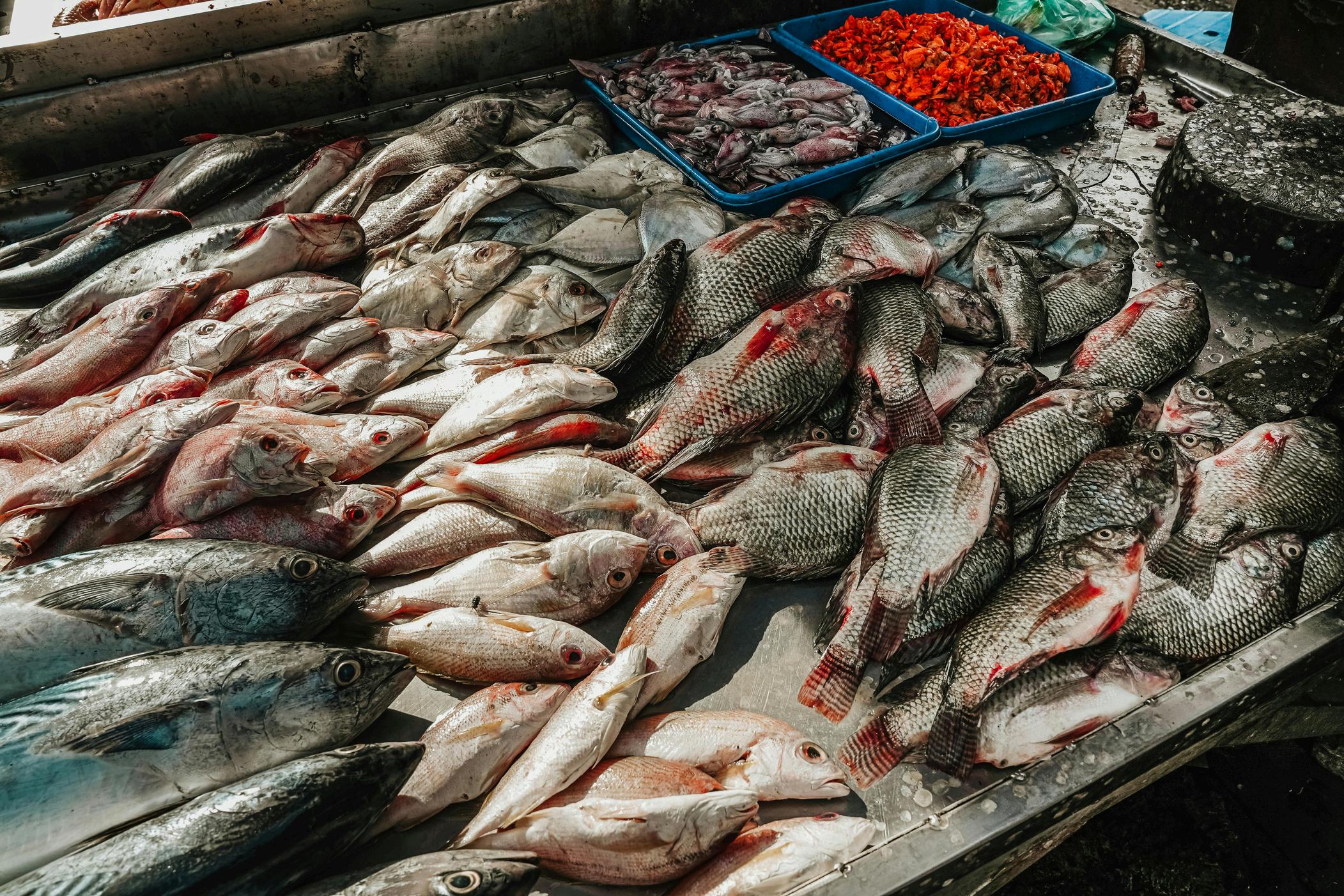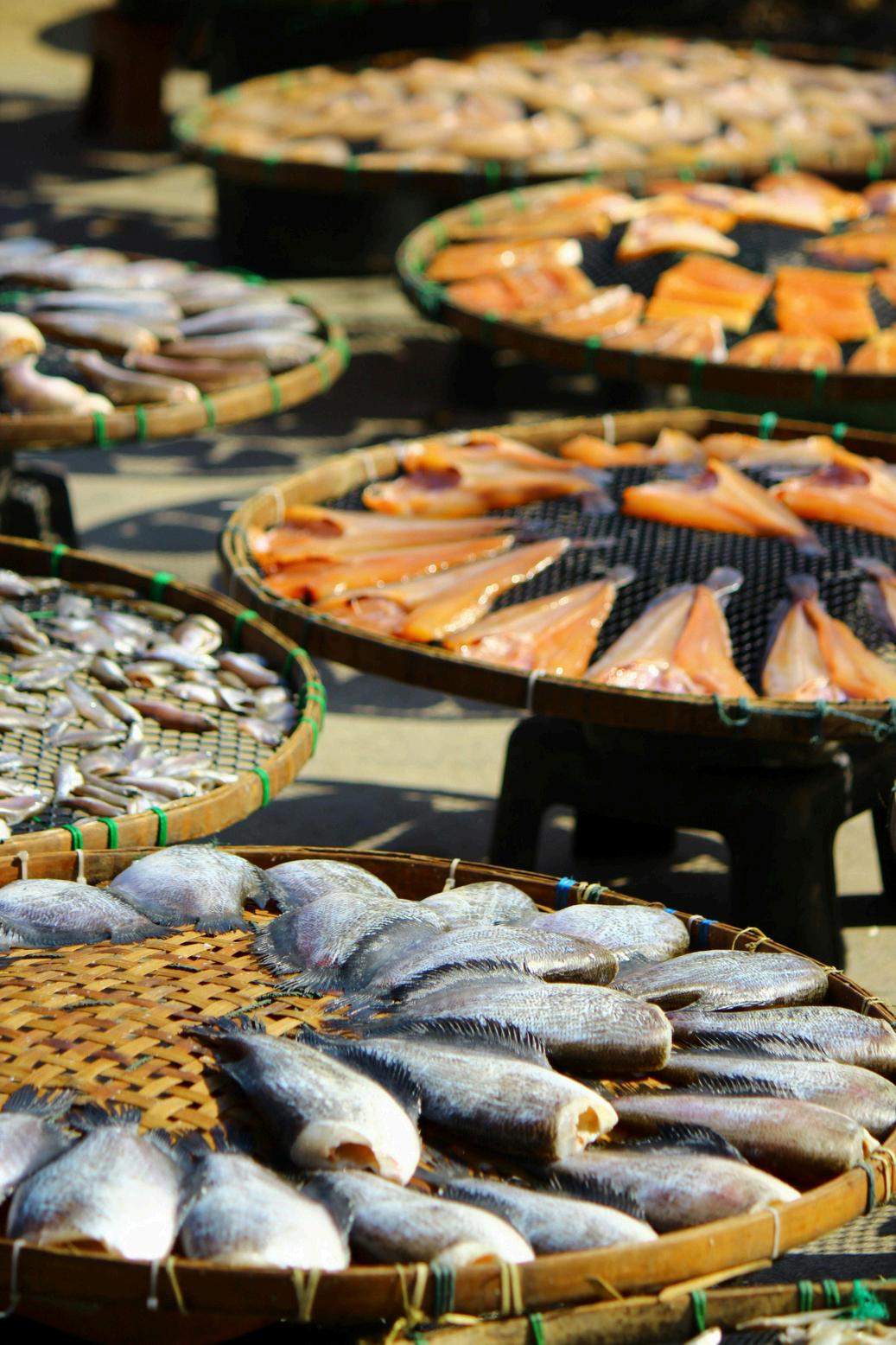




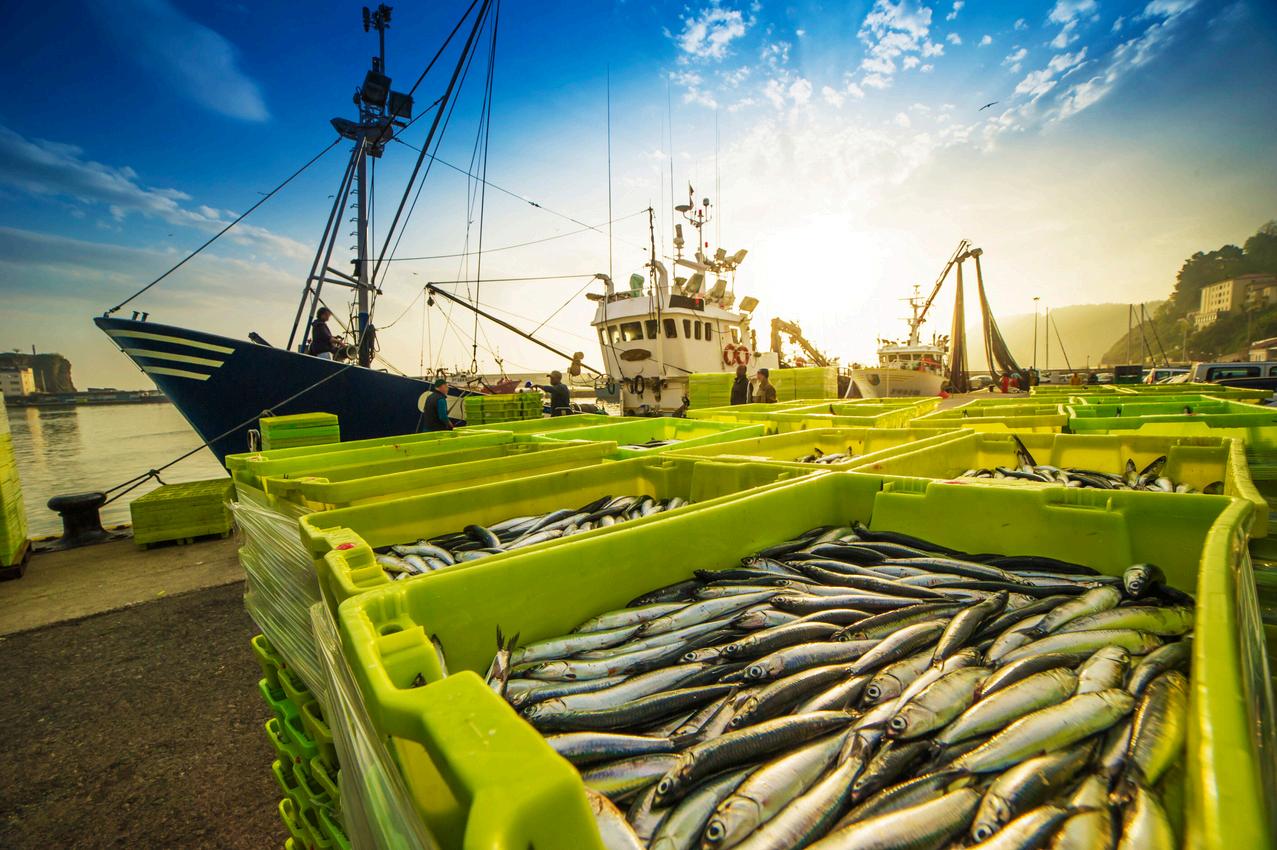




The fisheries and aquaculture sector is a priority under CARICOM’s food and nutrition security agenda, ‘25 by 2025 + 5’ given its economic contribution, and critical role in increasing intra-regional trade, creating wealth and economic opportunities, and strengthening crossborder investment in food to reduce the region’s food import bill.




Annualexportearnings (2020–2024average)
Over US$251 Million in earnings generated

Regionalemployment(2022estimate)
Over 134,000 people employed across the Region
Averageannualregionaldemandfor fish&fishproducts
US$340 Million / 91M kg
One‑third of fish consumed in the region is imported Consumptionofimportedfish
US$251 Million+ in earnings generated

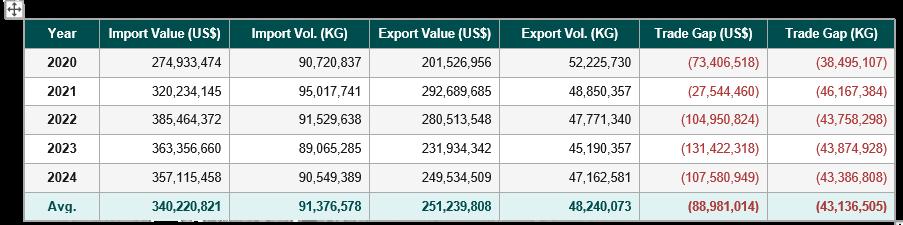
Data Source: CARICOM Statistics and Intracen

In 2024, CARICOM recorded a fish trade deficit of approximately US$170 million[3], equivalent to about 43 million kg, underscoring the region’s continued heavy dependence on imported fish and fish products to meet domestic demand.

Intra‑regionalfishtrade accountsfor approximately15%oftotaltrade, pointingtounder‑developedregional supplychains.
Onaverage,approximately15.6millionkg offishareintra‑regionallytradedannually butthevolumehasdeclinedoverthepast fiveyears.Thistrendislargelydrivenby increasinglogisticalcostsandcritical gapsinstorage,cold-chainand transportationinfrastructure.

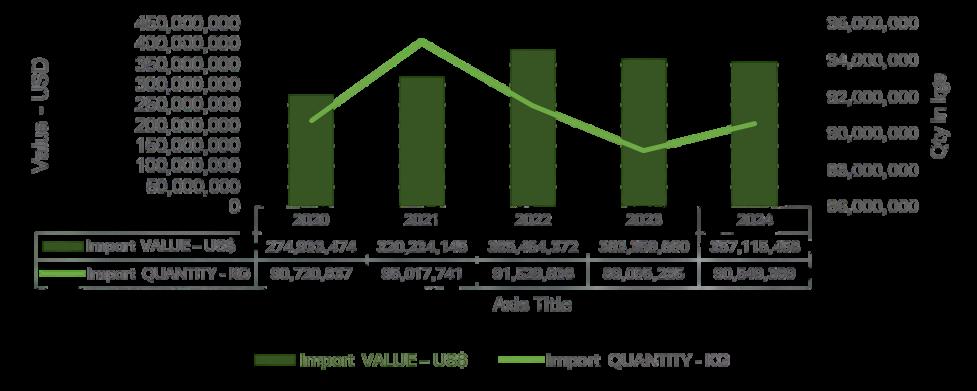
There was a steady demand for Fish and Fish products over the period, with import values rising from a low of US$275 million in 2020 to a peak of US$385 million in 2022[4].
Although import volumes have remained relatively stable since 2020, the Region is paying roughly US$65 million more annually for the same quantity of fish, indicating rising costs and price pressure.
Reflecting strong market demand despite year-to-year fluctuations in value [5]. The period was marked by global inflation and significant surges in shipping and freight costs which have contributed to the level of increase.
Restoring the 2020 intra‑regional market share would require an additional 2.8 million kg of regional supply, underscoring significant scope for increased investments, strengthening regional production, improving standards harmonization and import substitution. Investments in logistics could reverse this trend and provide greater opportunities.





REGIONAL
EXPANSION
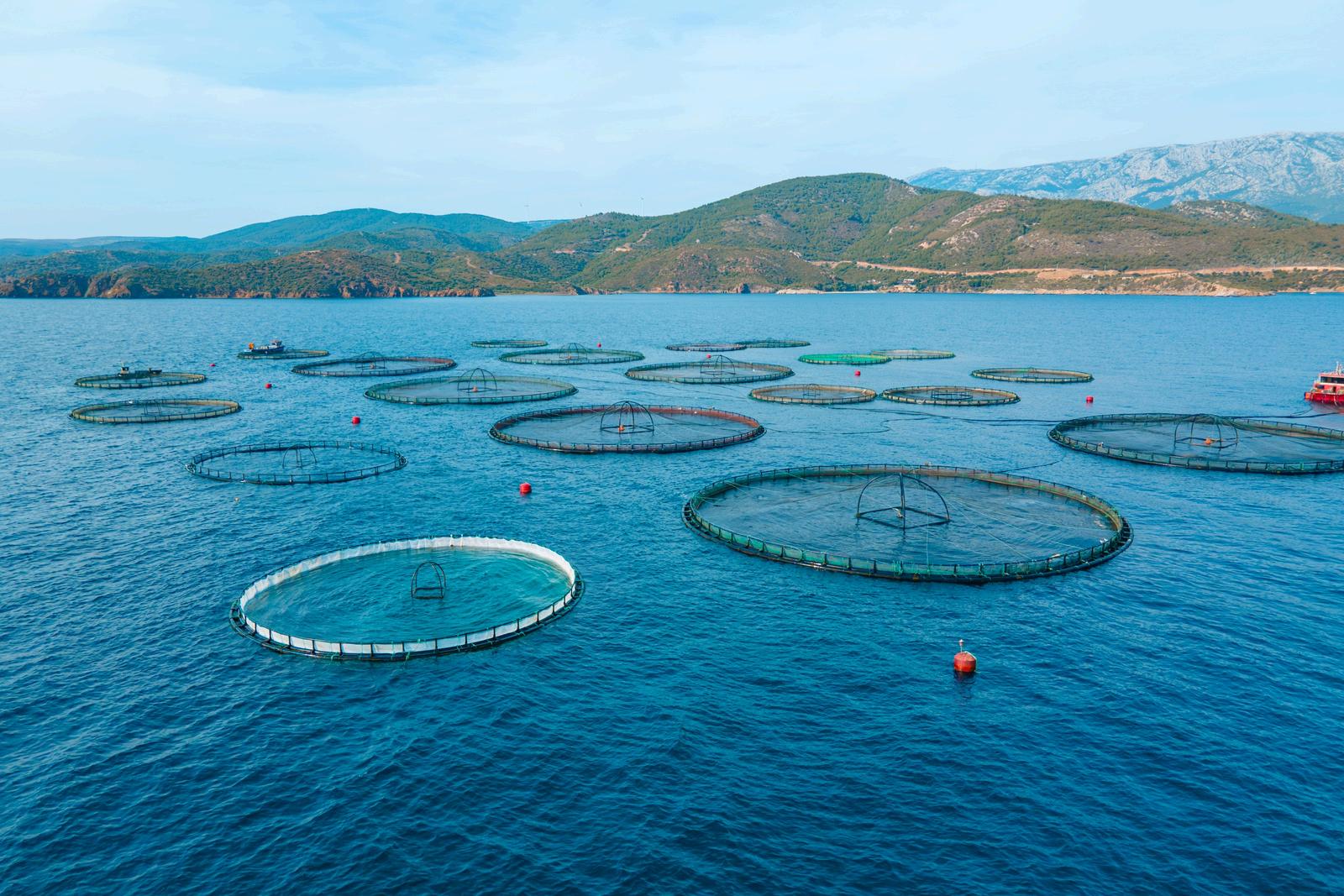
Mariculture/Aquaculture -
Training School/Center in Member States
SUPPLYCHAIN
INFRASTRUCTURE& LOGISTICS
Structured Supply contracts Cold Storage and handling facilities Sustainable Fishing Gears Logistics


PRIMARYPRODUCTION ANDINPUTS
Hatcheries and genetics
Supply and Production of fish feed for aquaculture
TECHNICALAND FINANCIALSERVICES
Support and Ancillary Services –financing for sector, provision of boats and engines, Training and capacity building, insurance,
Specialist and Technical Services: Marine biologists, divers, fisheries economists


he fisheries sector presents a compelling investment case, supported by strong and stable demand, improving regional trade frameworks, and clear supply-side gaps. Under the regional Food and Nutrition Security Initiative, key enabling measures are already in place, including harmonised SPS guidelines covering fish, which significantly reduce regulatory uncertainty, transaction costs, and cross-border trade risk for investors.
At the same time, substantial opportunities remain for private sector investment to replace imports, improve efficiency, and scale commercially viable operations. Targeted investments can expand production capacity, modernise harvesting and processing systems, and strengthen national fisheries production systems, positioning the sector to meet domestic and regional demand while generating employment, improving food security, and increasing foreign-exchange earnings.