Southeast Fisheries Science Center Update Report to the CFMC

Stock assessment updates – SEDARs 84, 91, 103
Social Science projects
Collaborative Research projects
Caribbean Fisheries Branch update
Fishery dependent surveys
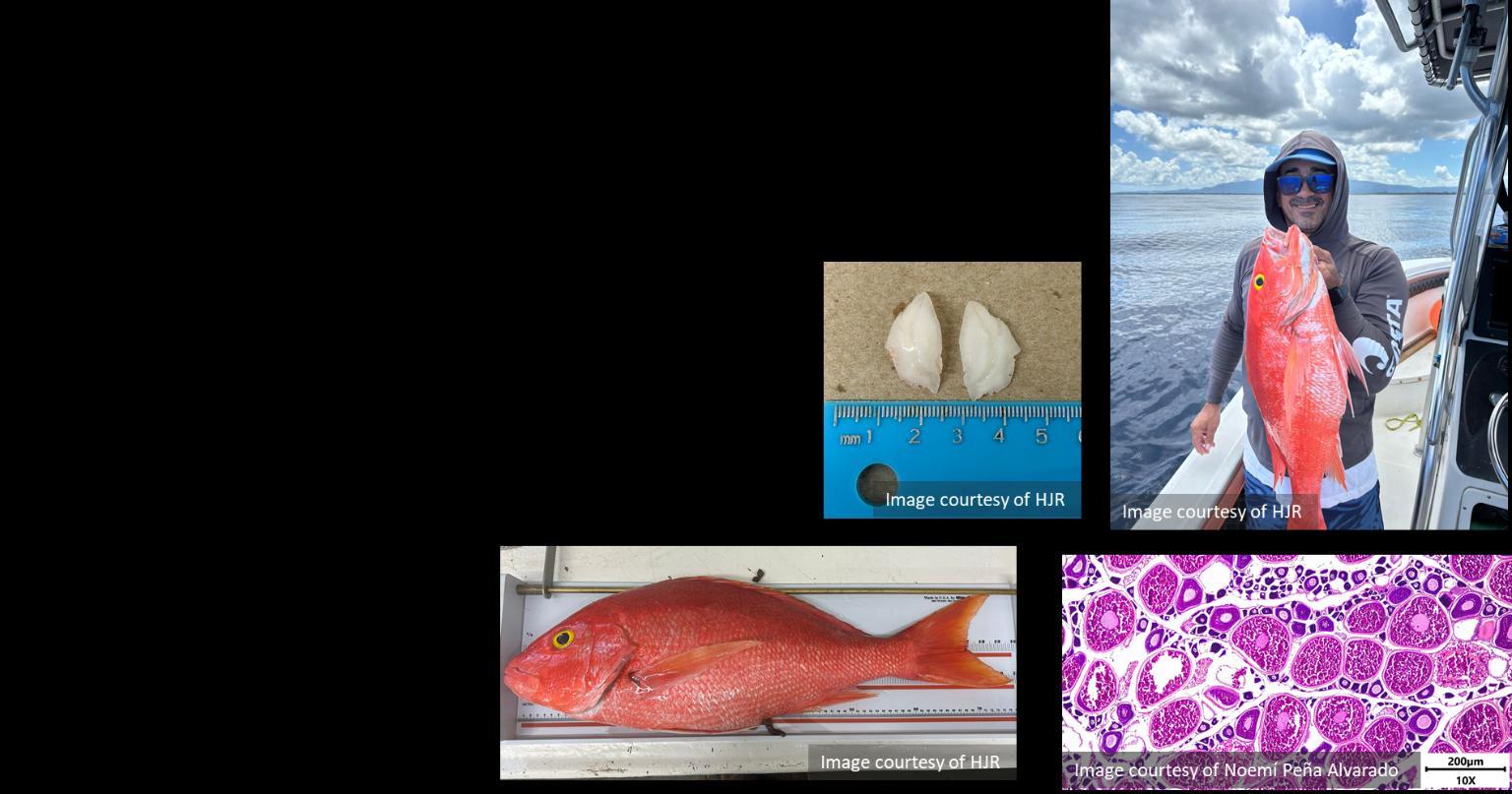
Puerto Rico Deep Water Snapper Survey
Lobster recruit survey
84 – Yellowtail Snapper (PR & STTJ), Stoplight Parrotfish (STX)
• Additional models runs for Puerto Rico, as recommended by the SSC in September, were reviewed by the SSC during their April 8-10 meeting
• No additional modeling requests were recommended for the US Virgin Islands models
• Models, as presented for CIE review last summer, were reviewed by the SSC
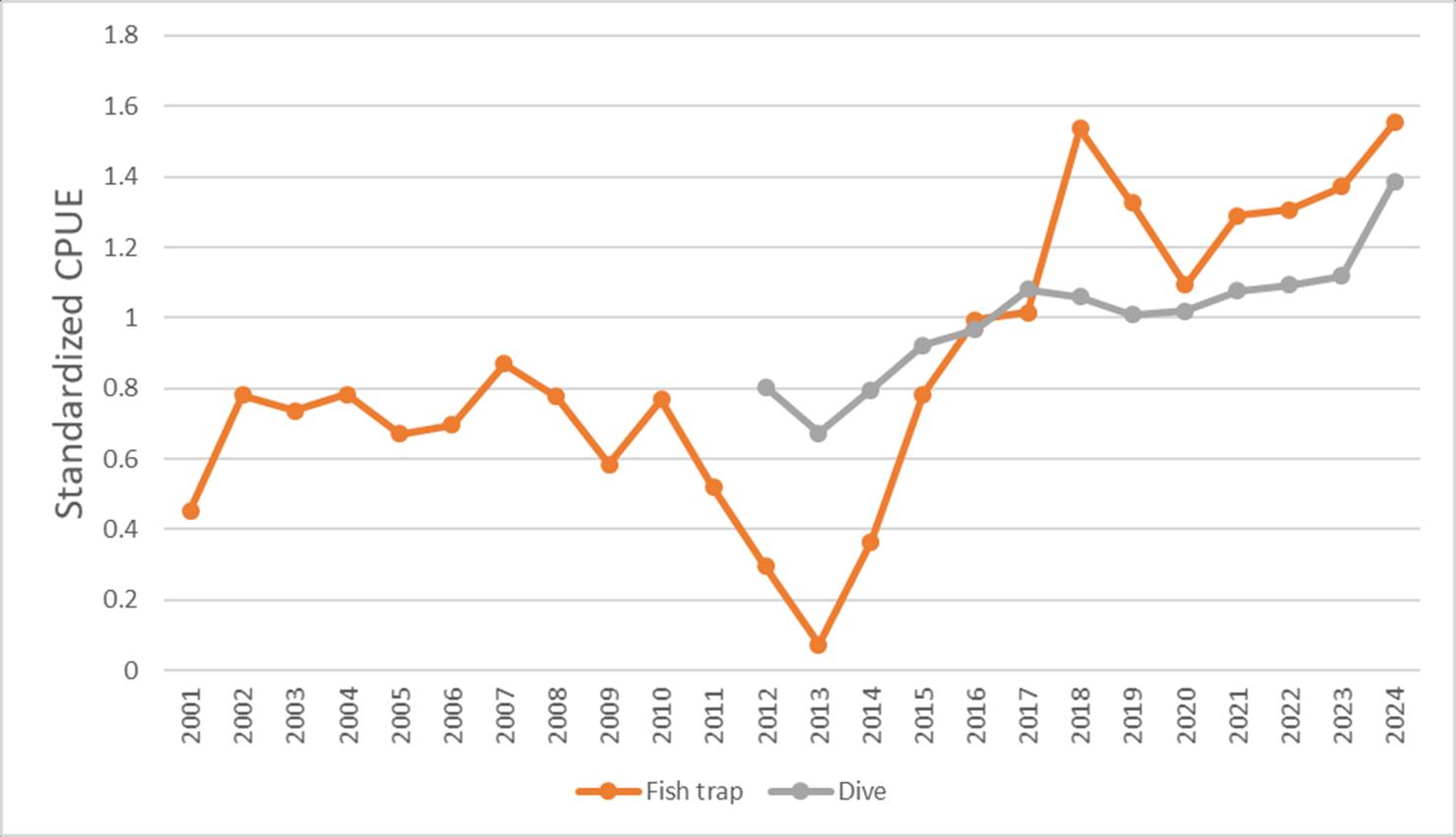
• Indices of abundance were constructed using commercial logbook data
• A fish trap and a dive index
• As recommended by Puerto Rico DRNA, the indices were a significant, positive addition to the assessment process
• Assessment was reviewed by the SSC during their April 8-10 meeting

Standardized Indices of Abundance

• Review and recommend options for alternative approaches to single-species stock assessments
• Goal is to have analytical approaches recommended for every federally managed species in the US Caribbean
• Organizing committee included CFMC staff, SSC, SEFSC, CIMAS, SEDAR
• Two webinars have provided overviews of fishery dependent and independent data
• Next webinars will address life history, LENFEST, fishery independent surveys, socioeconomic studies
• Developing Caribbean Spotlight for Fisheries Economics of the US (FEUS)
• Collaboration between SSRG and Office of Science and Technology (OST)
• Section in upcoming Fisheries Economics of the U.S. 2024 report.
• Topics include fisheries role in the cultural, social, and historical fabric of the Caribbean.
• Economic information on commercial fisheries
• Volume and value of landings, highlighting important species.
• Estimates of the contribution of fisheries to the broader economy of the islands.
• Recreational fishing and sportfishing
• Completing fieldwork in Puerto Rico examining the dive, trap, and select hook-and-line fisheries, documenting fishing practices, gear use, and cost structures across these gears.
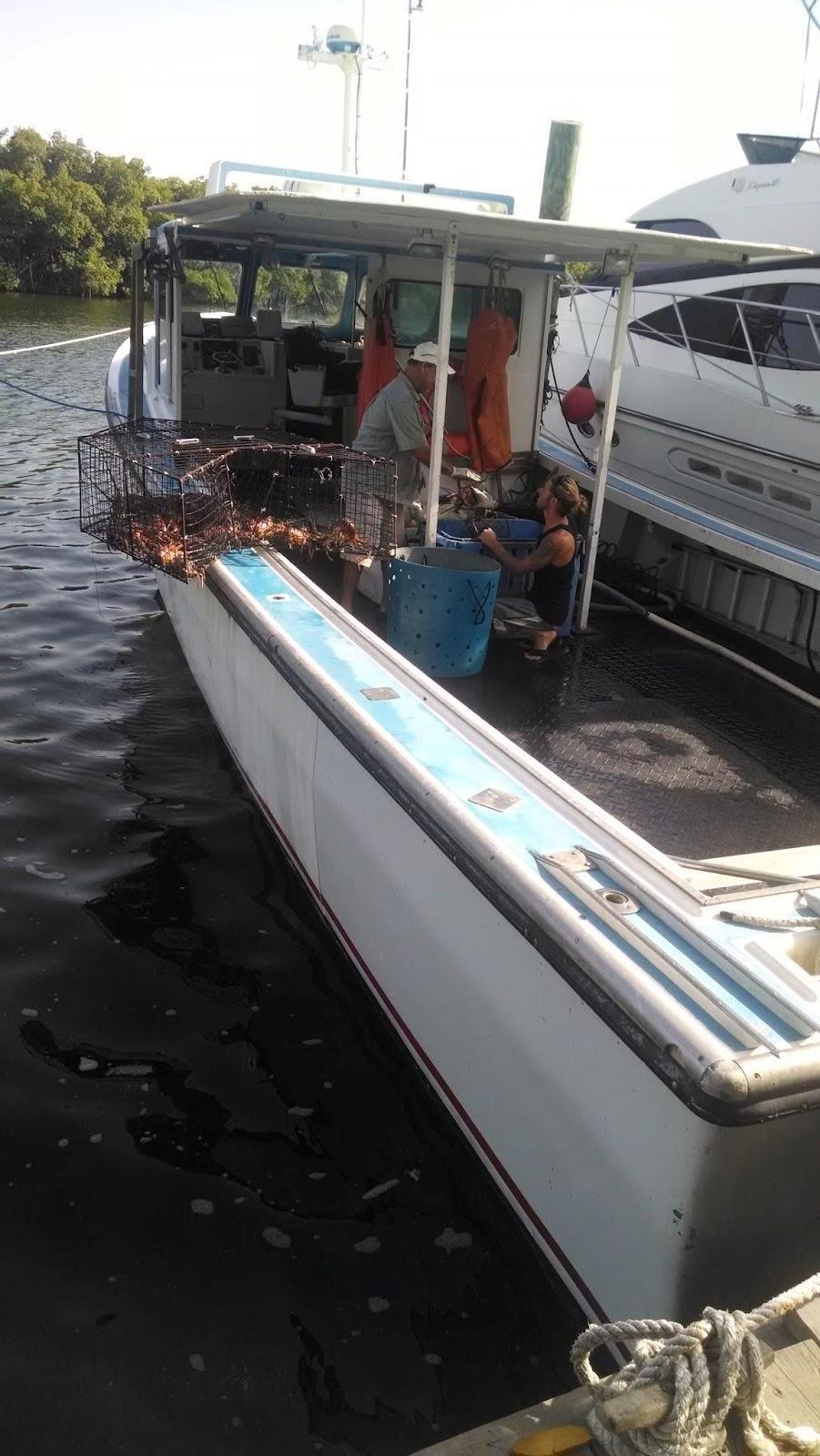
• Juan Agar is studying role of tourism in the lobster fishery in St. Thomas as a case study to understand tourism–fish production linkages.

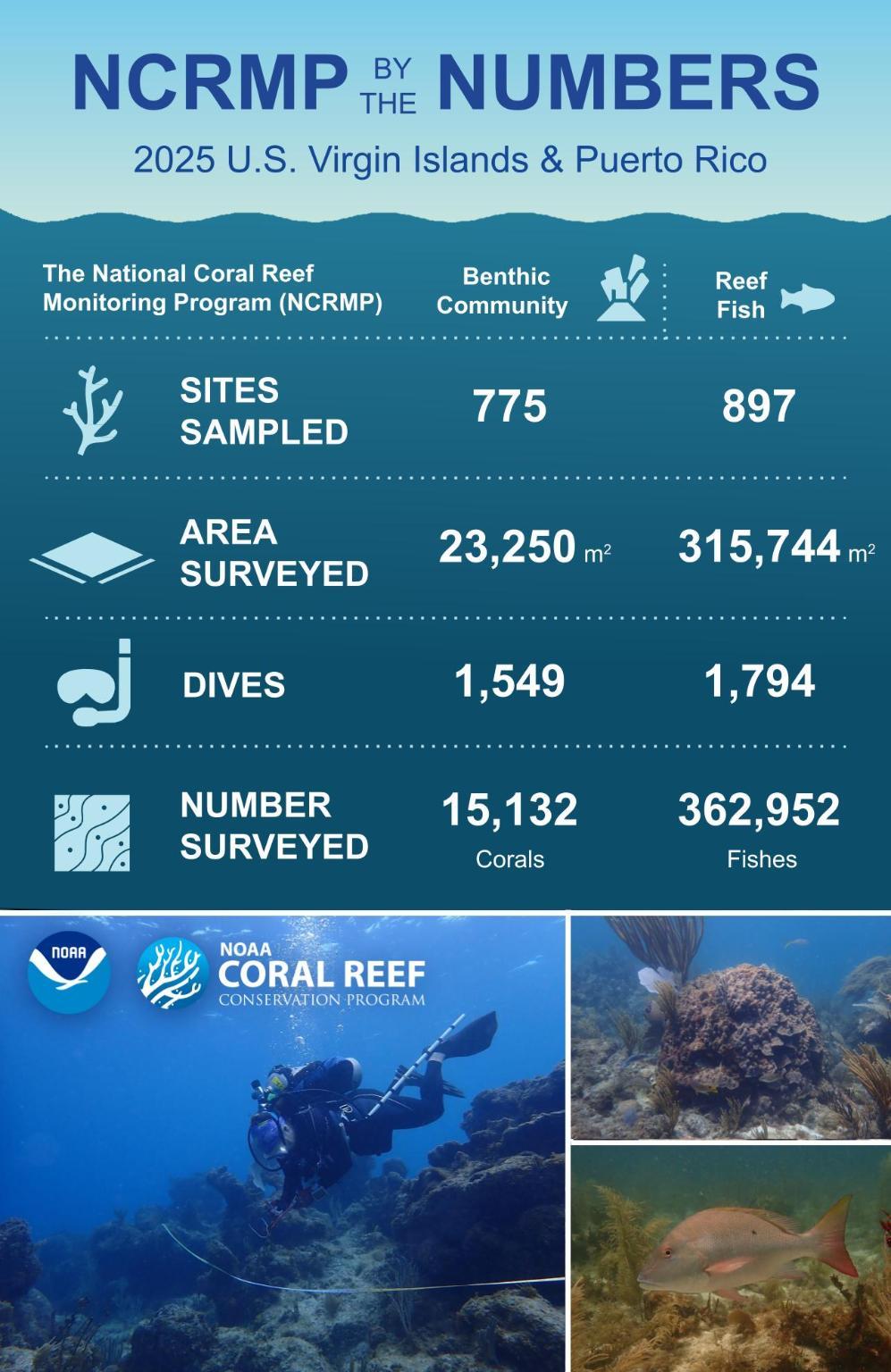
2025 surveys were a success!
Reef fish survey sites by sampling domain:
● 325 in St. Croix
● 340 in St. Thomas/St. John
● 232 in Puerto Rico
Reef fish data have been QAQCed, publicly archived, and are being considered in SEDAR103.
● USVI data
● PR data
Scheduled to participate in the 2026 Caribbean Spiny Lobster Workshop
• Collectingvalidationdatafor integratedcomputervision technologyforlength,weight,and speciesidentification
• ElectronicmonitoringofUSVirgin Islandscommerciallandings–DPRNDFW,CIMAS,SEFSC
• ElectronicmonitoringofPuerto Ricorecreationallandings–DRNA, CIMAS,SEFSC
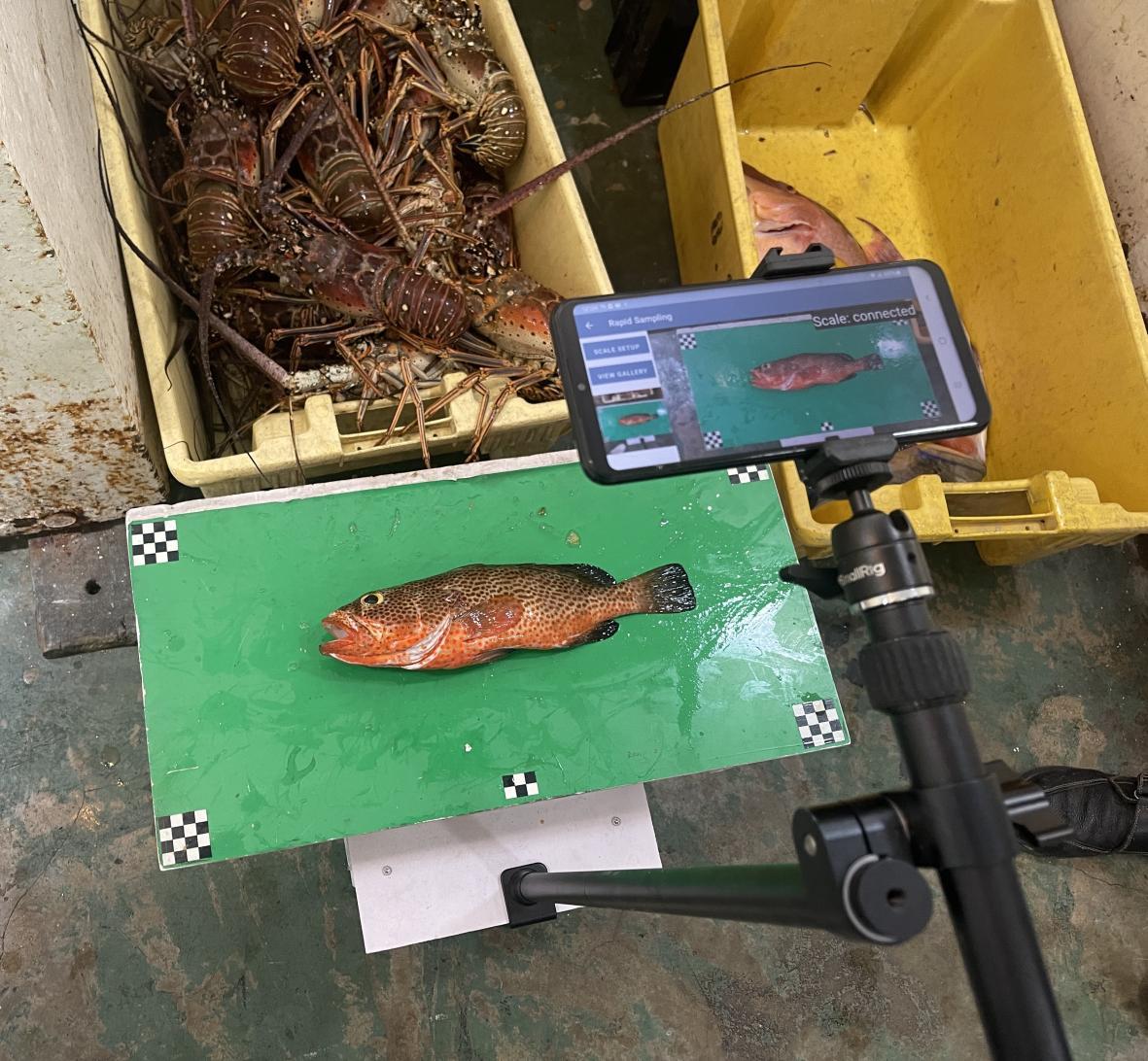
• Coordinating a Caribbean Spiny Lobster Survey Workshop – SEAMAP-C, NCRMP, NPS - improve collaboration and coordination among their surveys
• Working in collaboration with GFISHER to integrate VIAME software for future use in Puerto Rico deep water snapper video surveys
• TIP Automation process moving towards modular reproducible exploratory data analysis procedure and standardized data format for size composition data
• Building a data entry system for the dockside intercept sampling of commercial and recreational fleets with integrated QA/QC procedures
• History and review of catch report forms and comparative analysis of commercial landings of Puerto Rico 1983-2024 and USVI 1974 - 2024
Using multivariate analyses to inform stratification and survey design for fishery dependent surveys in the US Caribbean
David Behringer
Cooperative Institute for Marine and Atmospheric Studies
University of Miami
• Fishery-dependent surveys can be used to estimate landings
• Stratification is the process of grouping sampling units based on similarities
• Region
• Day of week (weekend vs weekday)
• Time of day
• Usage levels
• Benefits:
• Reduce variance of catch rates
• Improve landings estimates
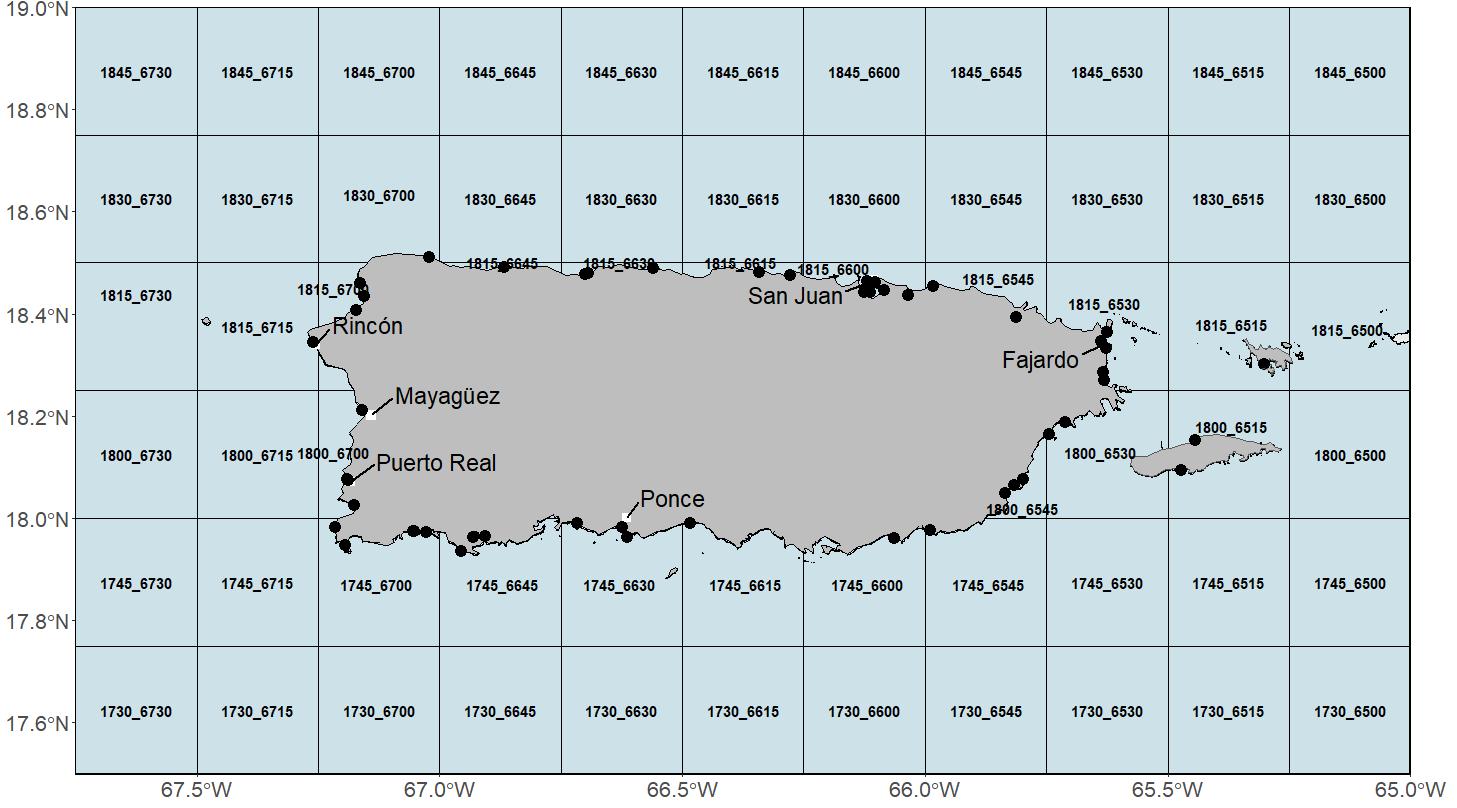
To investigate alternative stratification schemes from commonly used strata such as geographic region (N,S,E,W)
Approach: Use the species composition of the commercial catch at different landing locations to group areas with similar species composition and create “fishing regions” (rather than geographic regions), which can be used for stratification in future fishery-dependent surveys
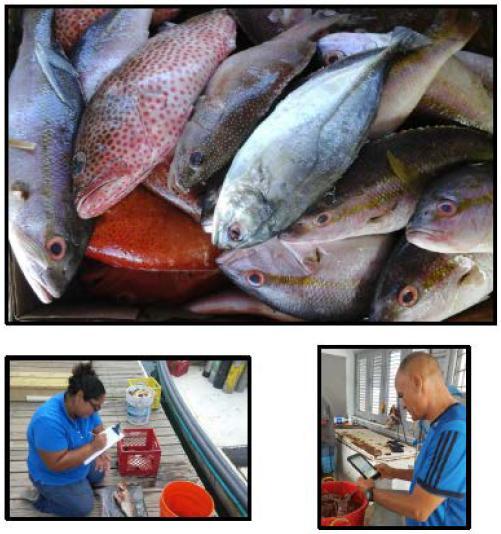
• MER Commercial Port Sampling Survey (2018-2019) in Puerto Rico
• Pounds and # individuals per species
• Gear type
• Effort
• “Trip_Type” assigned post data collection:
• Shallow-HL, Deep-HL, Pelagic_HL
• Dive
• Fish Trap, Lobster Trap

Total CPUE = sum of catch / sum of effort
• Effort Values:
• Number of traps = number of traps
• Diver hours = number of divers * hours fished
• line hours = number of lines fished * hours fished
• Rare fishing grids and rare species were filtered from data
• Bray-Curtis Similarity was calculated
• Cluster analysis was conducted
• Percentage Similarity (SIMPER) was calculated
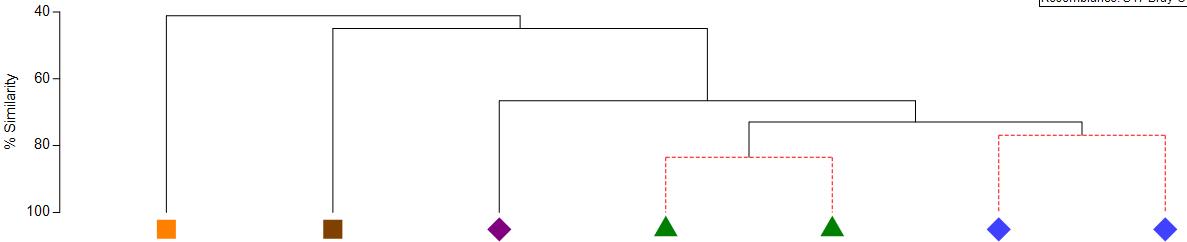
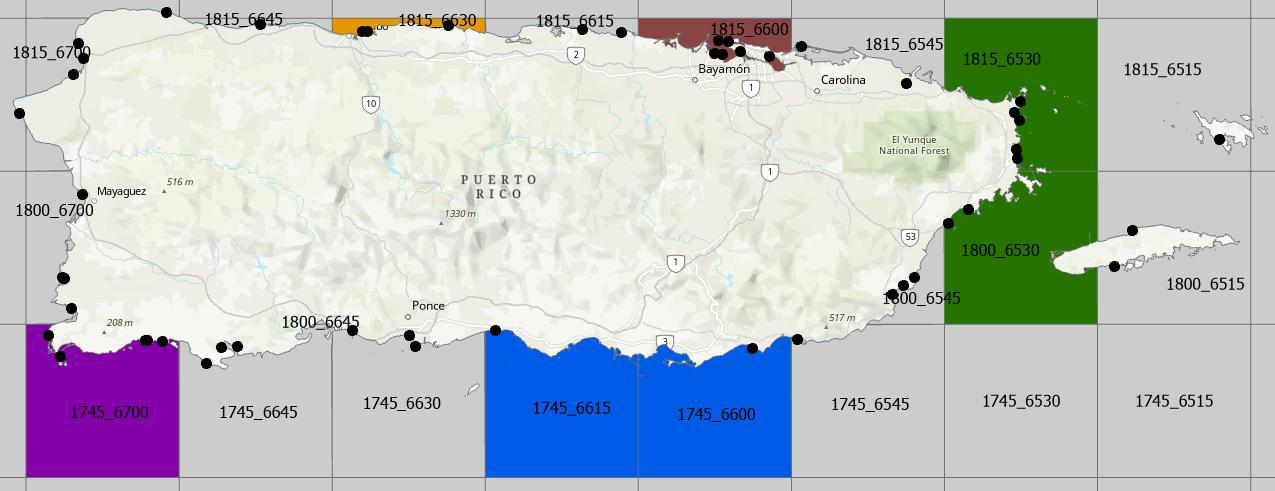
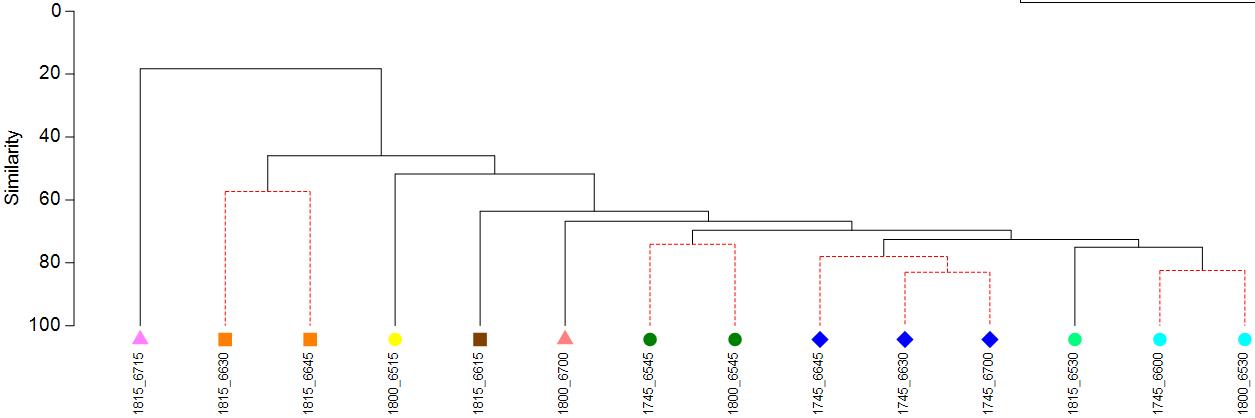
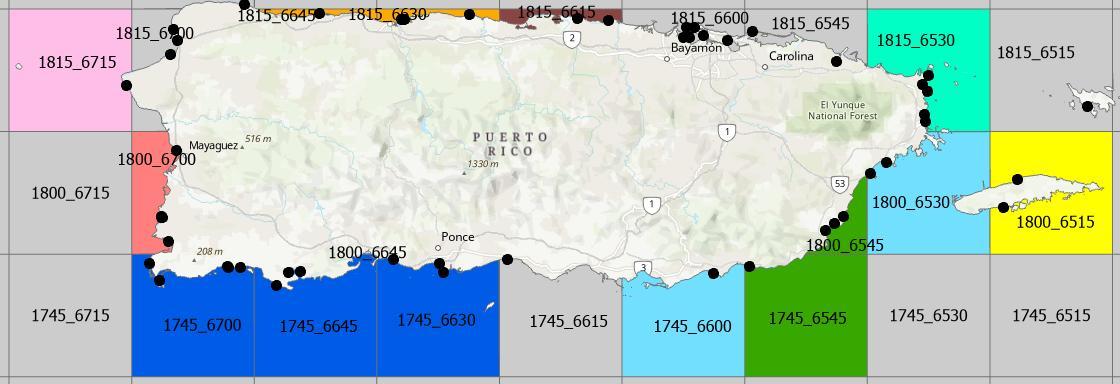
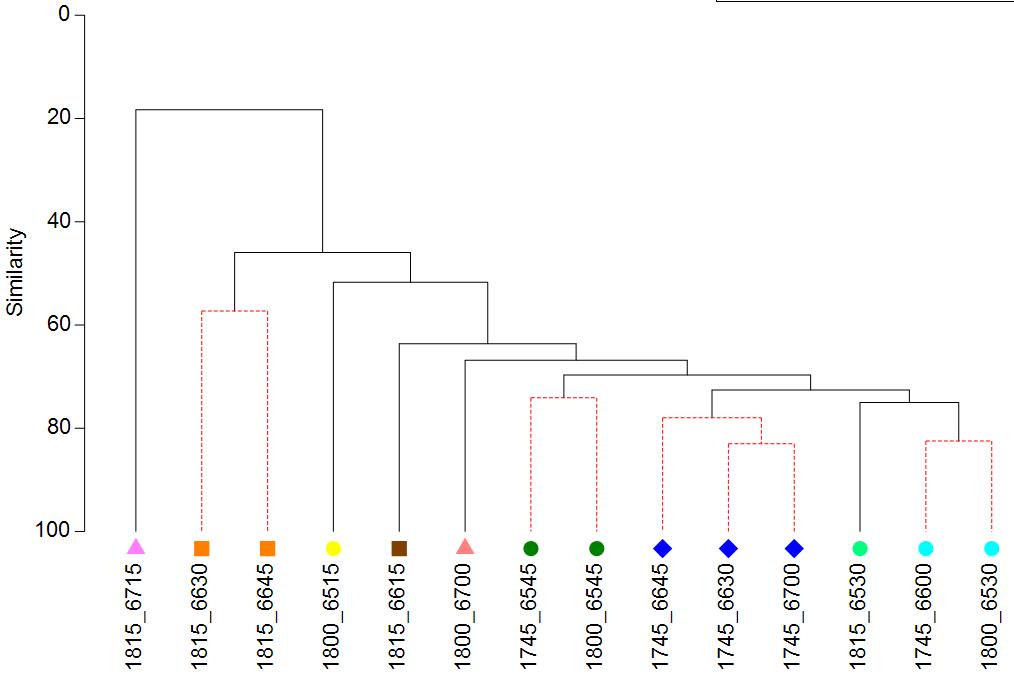
• Species compositions and catch rates of catches vary across Puerto Rico
• We can identify and group areas with high similarity
• Groupings do not always fit neatly into predetermined geographic regions
• Analyze other trip types
• Create “fishing region” strata and incorporate those strata into future fishery-dependent surveys
• Explore recreational fishery in Puerto Rico using this approach
1NOAA Southeast Fisheries Science Center, Population and Ecosystems Monitoring Division, Gulf and Caribbean Branch
2University of Miami Cooperative Institute of Marine and Atmospheric Studies, Rosenstiel School of Marine, Atmospheric, and Earth Science
• No existing fishery-independent deepwater (>100 m) survey in US Caribbean
• Limited data available for the deepwater demersal species complex Survey
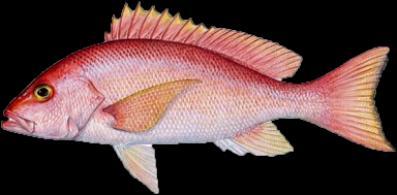
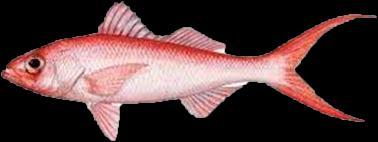
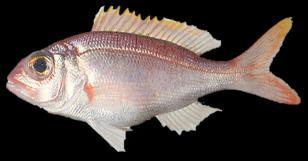
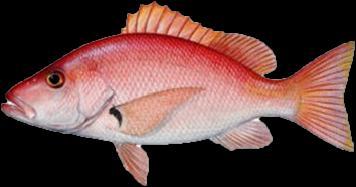
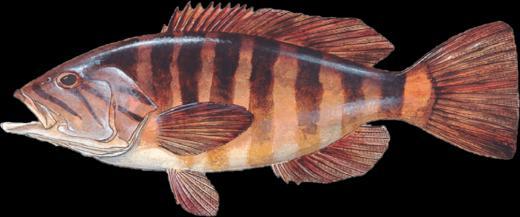
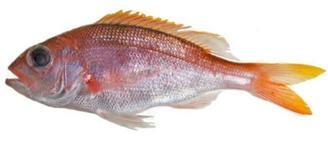
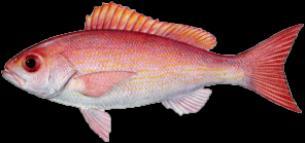
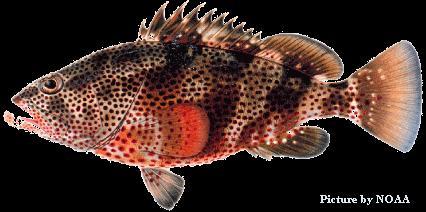
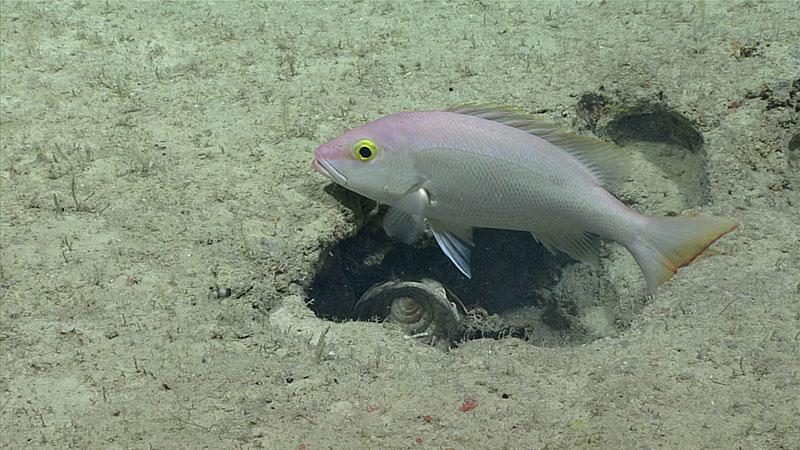
Fishery-independent survey for deepwater (20 - 450 m) reef fishes in Puerto Rico to generate indices of abundance and life history samples to support stock assessments and management.
Initial Objectives
1. Develop, with commercial fishers, a ‘standard method’ for hook and line sampling island-wide in Puerto Rico
2. Collaborate with local consulting firm (HJR Reefscaping), fishers, local observers, and DRNA
3. Develop a statistically rigorous sampling design optimized for deepwater snappers and groupers, specifically:
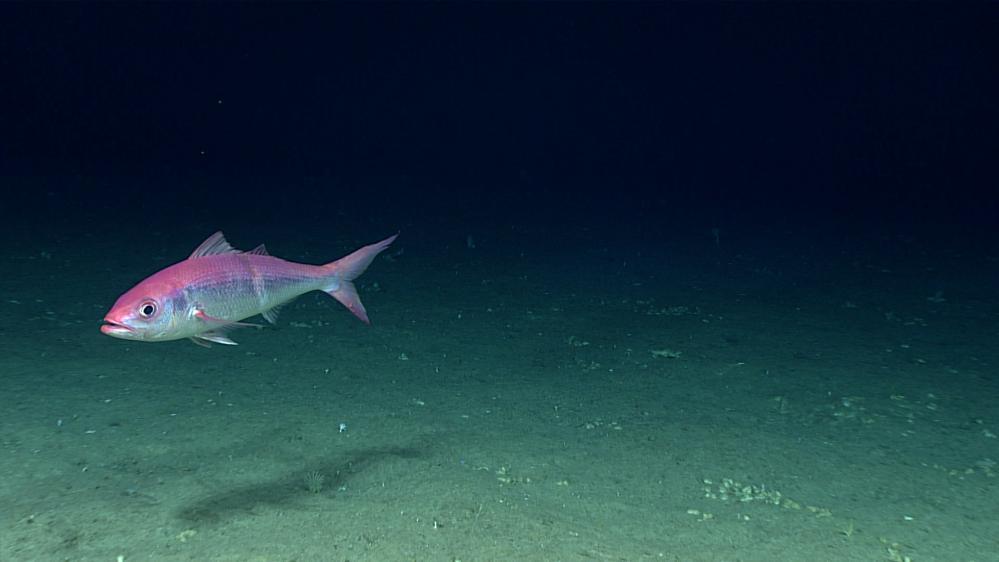
1. Lutjanus vivanus (silk snapper)
2. Etelis oculatus (queen snapper)
4. Collect biological samples from target species (otoliths, eyes, gonads, tissue)
5. Research and development of deepwater optical sampling
2024-2026
Puerto Rico
2015-2017 Development and Pilot Survey
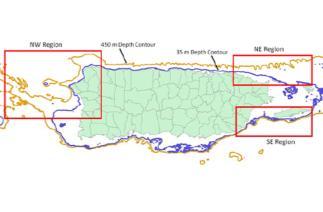
• Hook and Line Survey
• Region specific
• Informed by Hawaii deepwater survey
• 100 – 500 m
• Medium and high rugosity
• No cameras
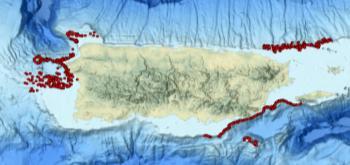
Pilot Survey and Optics Development
• Hook and Line Survey
• Region specific
• 100 – 500 m
• Low, medium and high rugosity
• GoPro, Stereo-Video and light integration and R&D
2023-2024
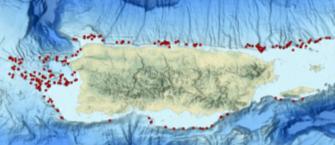
Puerto Rico
Deepwater Reef Fish Survey
• Hook and Line Survey
• Island-wide Puerto Rico
• Light wavelength R&D
• 50 - 450 m
• 7 depth strata, 2 rugosity strata
Deepwater Reef Fish Survey
• Two consecutive years
• Hook and Line Survey
• Island-wide Puerto Rico
• Optics and light wavelength R&D
• 50 – 450 m and 20 – 50 m
• 7 depth strata, 3 rugosity strata




Four main objectives accomplished:
1. Defined and developed a ‘standard fishing sample’
2. Developed field and data acquisition protocols
3. Developed stratified random sampling design
4. Implement yearly field sampling
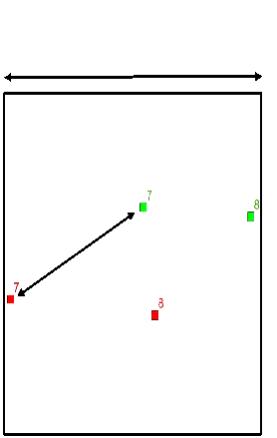
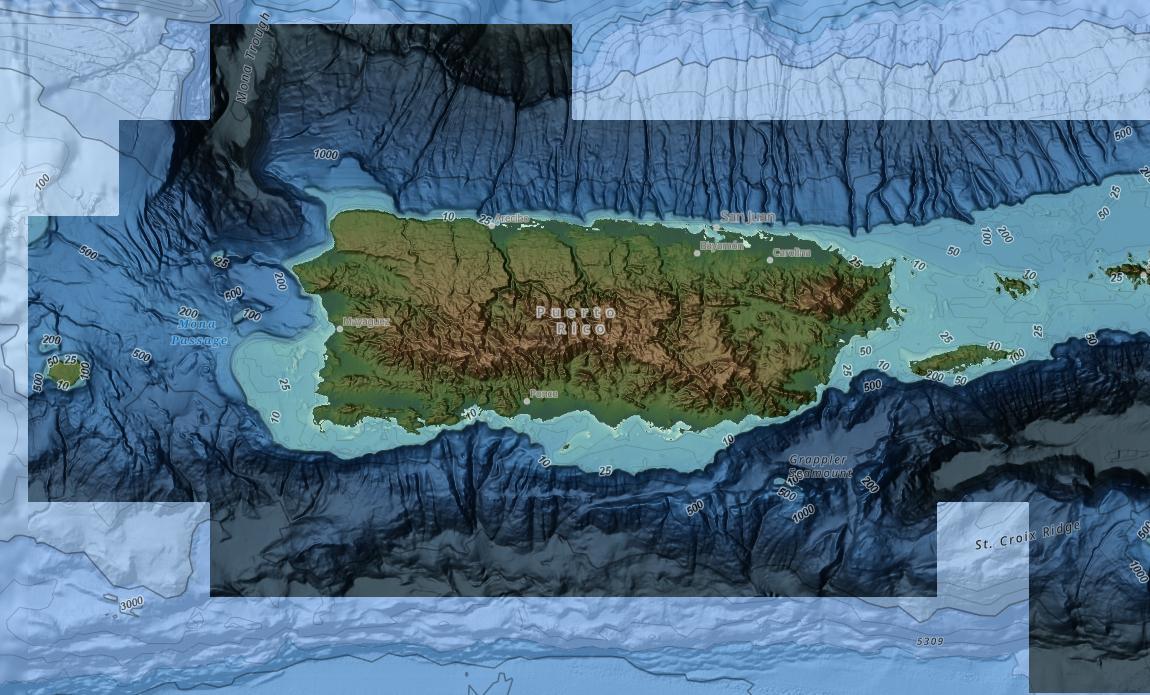
500 x 500 m
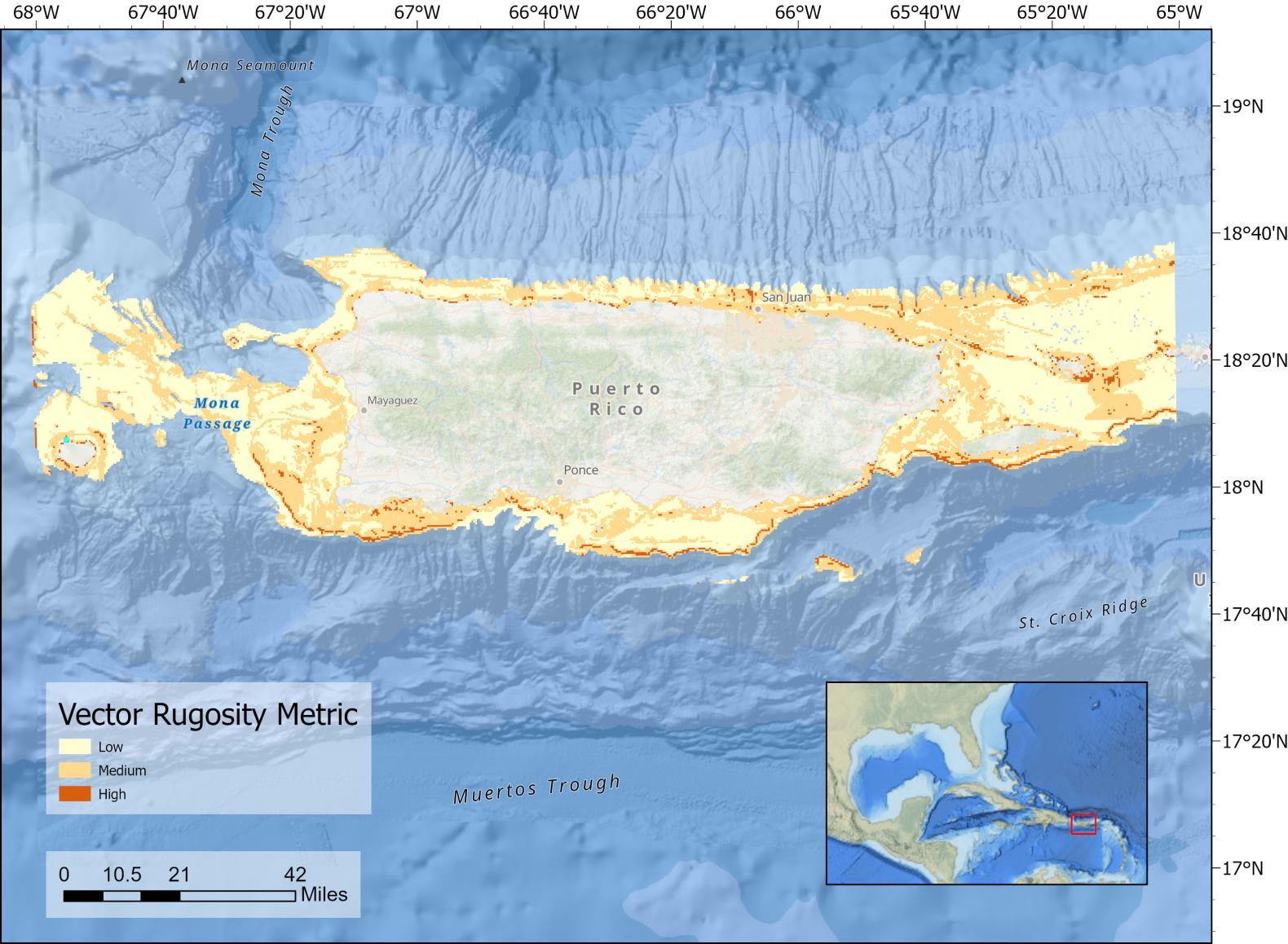

• Survey area
• Pilot survey (2017-2018) three region: NW, SE, NE
• Two island-wide survey years completed, third completed by data workshop
• 200+ stations sampled each year
• Data collected
• Catch data, length, depth range
• Robust data collection on species of interest
• Total species observed: 66
• Main data products
• CPUE indices (relative abundance)
• CPUE at length (length composition)
• FOO (frequency of occurrence)
• Expected to receive continued yearly funding through the Cooperative Research Program
• Additional funding received to conduct: Optimization and Calibration of the Puerto Rico Deepwater Reef Fish Survey
Stereo-video + Hook and Line + Divers
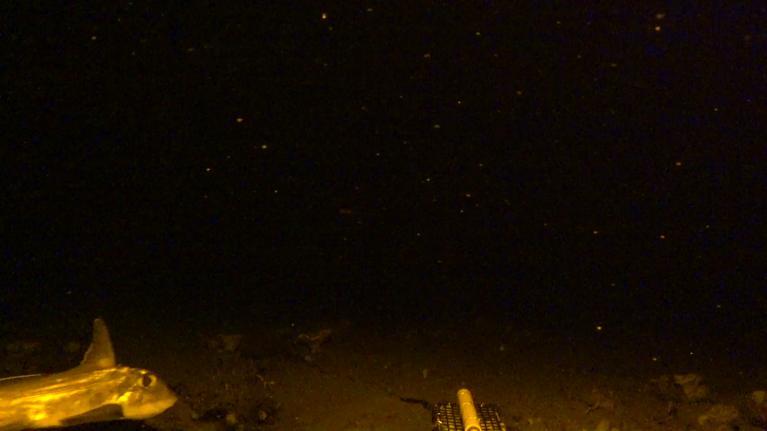
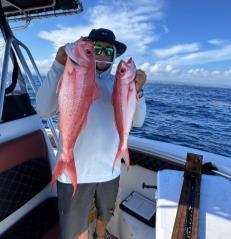
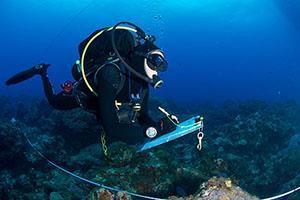
• Island-wide in Puerto Rico
• 20 – 450 m
• Goal: Define a standard sampling method and sampling unit
• 500 x 500 m grid (stereo-video and hook and line)
• 50 x 50 m grid nested within (diver)
• Conducting quantitative gear intercalibration studies to determine the relative fishing power of multiple gears
• Gear efficacy comparisons
• Full pilot survey
katherine.overly@noaa.gov