DEVELOPING EFFECTIVE MOTIONS:
Making effective motions within the framework of the Council process can be challenging Some Council members have described the process for developing, drafting, and introducing motions as an art that is best learned through experience and grounded in the specifics of each Council’s process and traditions
Attributes of an effective motion
What makes a motion “effective” often depends on what the motion is trying to accomplish, and the level of complexity and controversy involved In all circumstances, the goal is to convey the Council’s intent clearly so that staff and the public know what will happen next Administrative actions can be simple and straightforward, while more complex actions can require extensive scoping and coordination. Non-routine actions, like starting a new process or developing policy statements, may need to include a greater focus on the process and expected outcomes
Do your homework
Master the topic, understand the motion's impact, and engage Council members, National Marine Fisheries Service (NMFS) staff, NOAA General Counsel, and other experts early Ensure the motion is realistic, achievable, and aligns with the Council’s capacity and resources
2
Use clear and specific language 1
Communicate and socialize your motion
Consult and engage with Council members, Scientific and Statistical Committees, advisory bodies, interested parties, and staff Early communication fosters understanding, supports compromise, ensures transparency, and allows staff to offer valuable guidance on the motion's viability and mechanics
3
Be specific, concise, and transparent, using enough detail to be clear without overwhelming or constraining implementation Referencing advisory body recommendations and the purpose of the action is extremely valuable
4
Clearly explain the rationale for your motion
Review inputs, address omissions, and reference past precedents when developing complex motions, while offering brief explanations for simple ones Clear reasoning enhances transparency, helps interested parties feel heard, and allows the Council Chair to guide the discussion effectively
REGIONAL AND ISSUE-SPECIFIC FACTORS WILL ALSO AFFECT YOUR MOTIONS
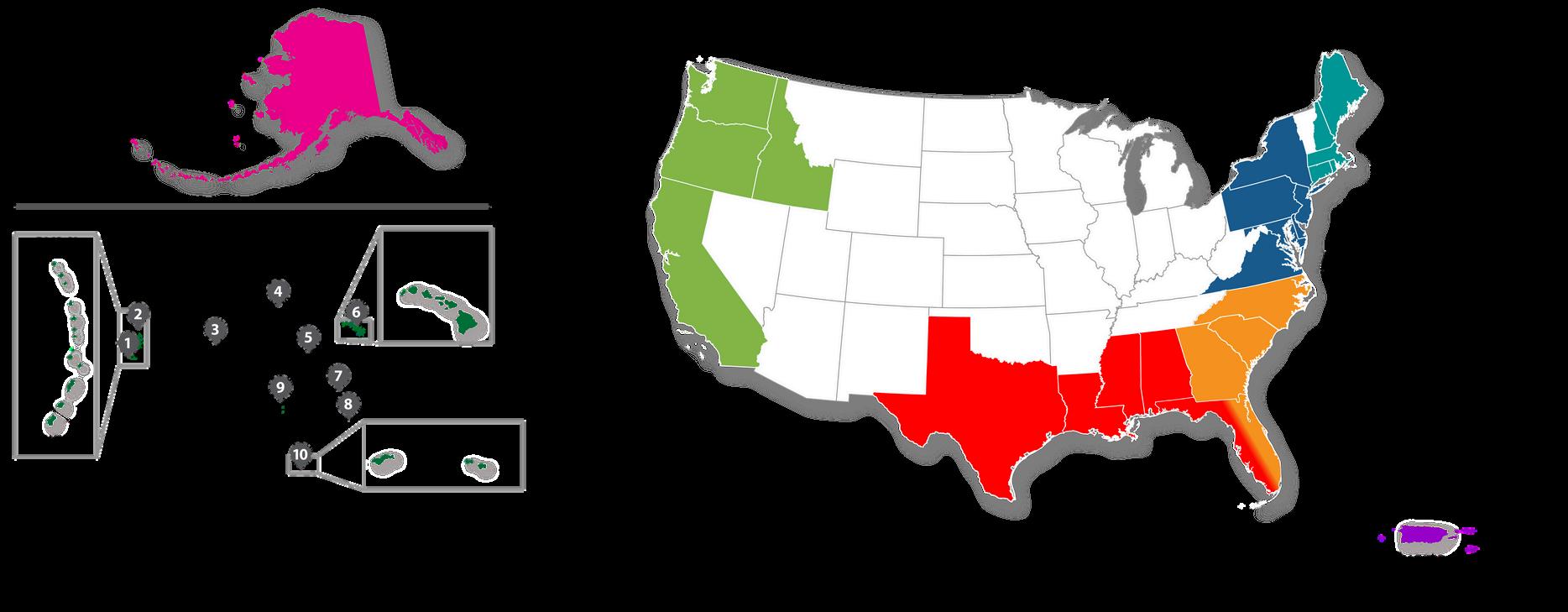
There are a variety of regional and procedural differences across the eight Councils informed by their composition, cultural norms, the inner workings of the decision-making process, and political dynamics Councils have different approaches and expectations for advanced planning, coordination between members, states and NMFS, the timing of public comment on actions, and the process for deliberation around the Council table Based on each Council’s internal process and the mechanisms for coordination, there may also be differences on which actions or tasks are best done through a formal motion versus another mechanism (eg, research requests, information gathering)
Even within a single Council region, the specific fishery, the issue at hand, and the type of action being considered can all shape the steps and factors that contribute to making a motion effective Think about how each motion relates to the larger context and decision-making process For example, if the Council has been working on an issue for some time and has reached a consensus or an acceptable compromise, an effective motion may be one that moves quickly through the process with minimal amendments or questions If details need to be worked out, an effective motion can be clear and specific but still leave room to be responsive to public input and the Council’s discussion However, if a Council is working on a new or particularly complex issue, an effective motion may be one that opens a robust debate to further define the problem and understand different views.
LEARNING TO MAKE EFFECTIVE MOTIONS
Use current and former Council members, Council members from other regions, and the expertise of Council staff.
Take cues from others
Watch fellow Council members to understand the context and norms, and learn the steps involved in making motions Attending meetings of other Councils may also be helpful to learn how other regions operate
do it’
Find the right time and issue to begin building experience with making motions
Consider asking staff to create reference guides that would include regional context for making motions