The United Nations Food and Agriculture Orgnization (FAO) estimates that about half of world seafood production comes from aquaculture. By far, Asia is the leading continent for aquaculture production. Asia is responsible for about 91 percent of the global aquaculture production, which totals 115.5 million metric tons.
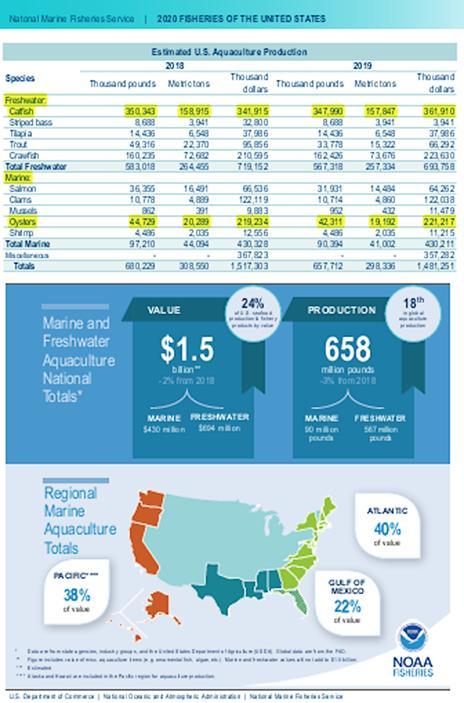
The top five producing countries are in Asia: China, Indonesia, India, Vietnam, and Bangladesh. FAO reported that the United States ranked 18th in aquaculture production.
Source: 2020 Fisheries of the United States , pages 16-17, May 2022
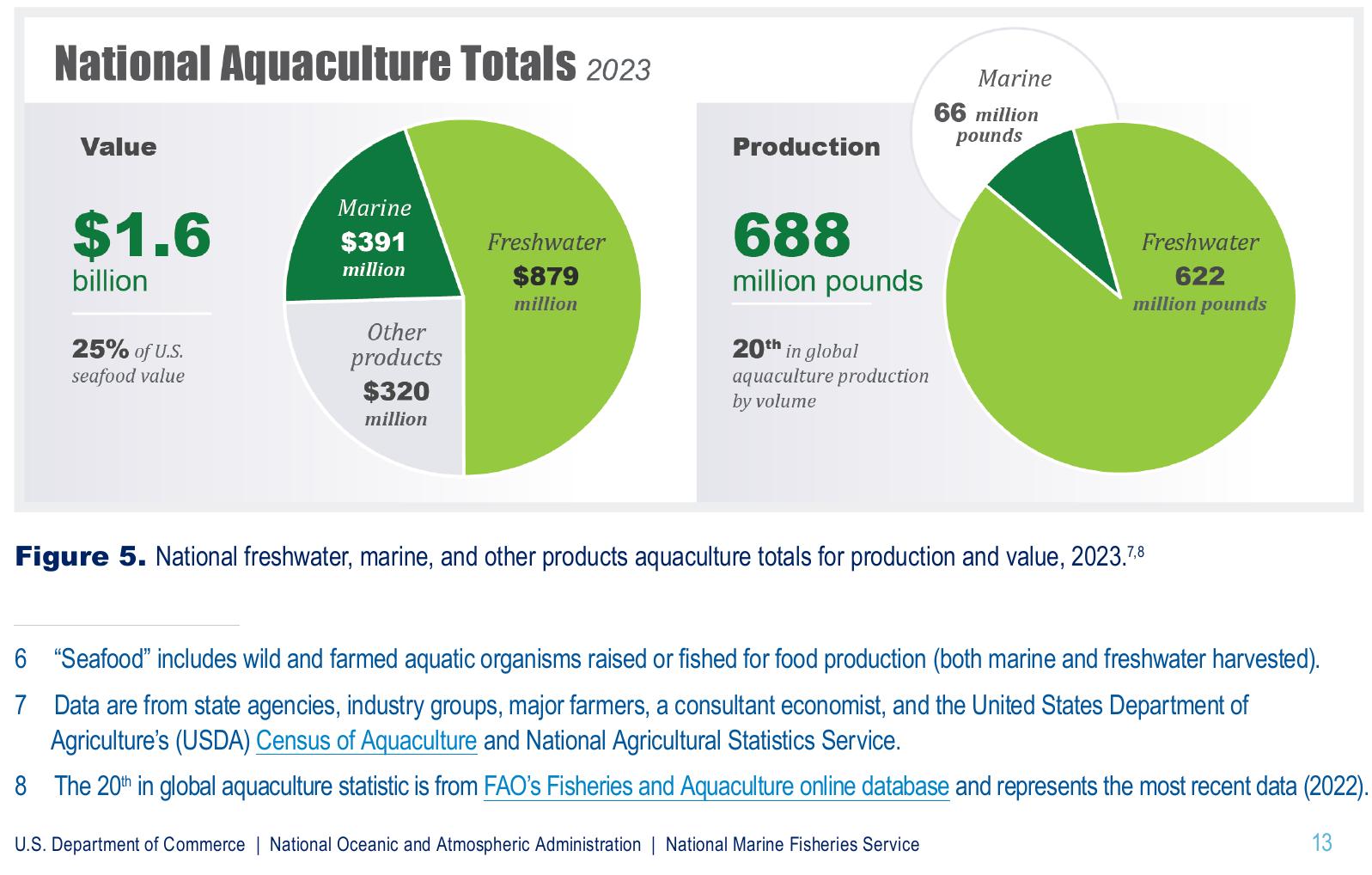
Source: Fisheries of the United States, 2023 published in 2026.
1,200 active fishermen in Puerto Rico 2026
2.8 million pounds of seafood landed 2024
88 coastal fishing Associations (Villas)
9 nm PR, 3 nm USVI territorial sea
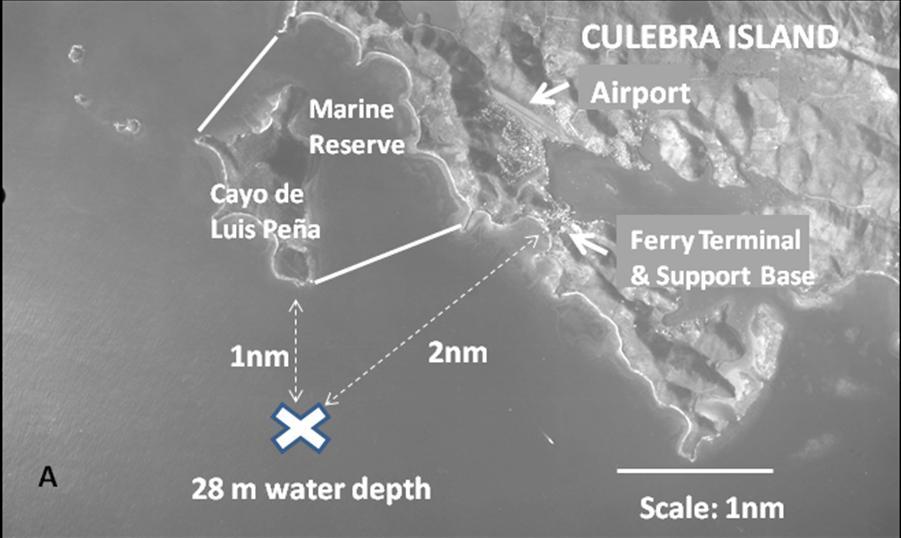
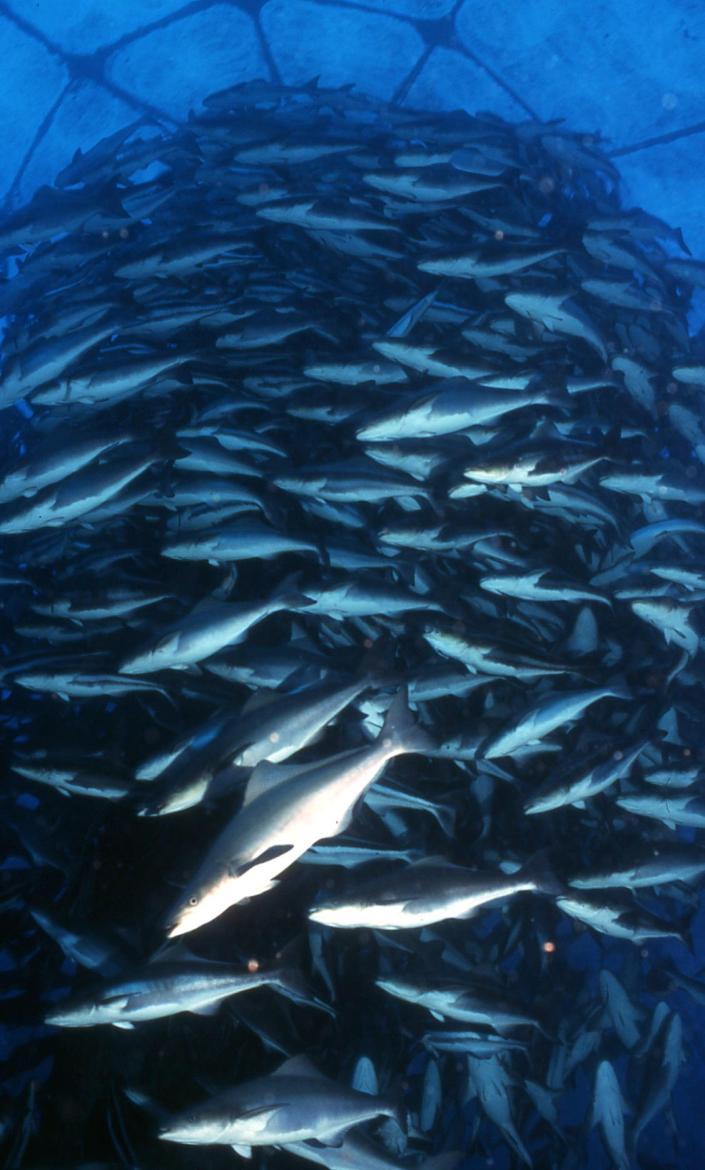
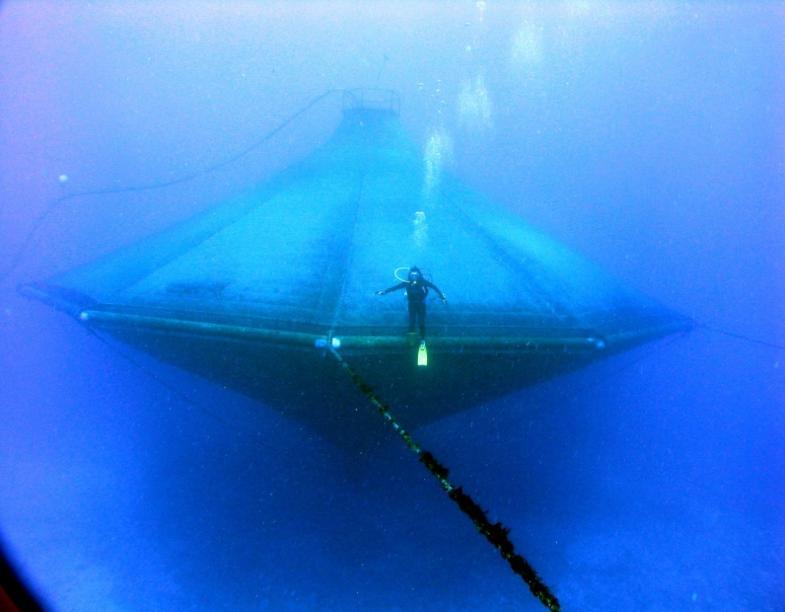
Past mariculture ventures in Puerto Rico 3 Companies with permits to culture fish in PR seas:
Started in 1998 until 2008
Snapperfarms, Inc, Culebra Ocean Harvest, Inc, Humacao
Boriquen Aquaculture, Inc, Rincón
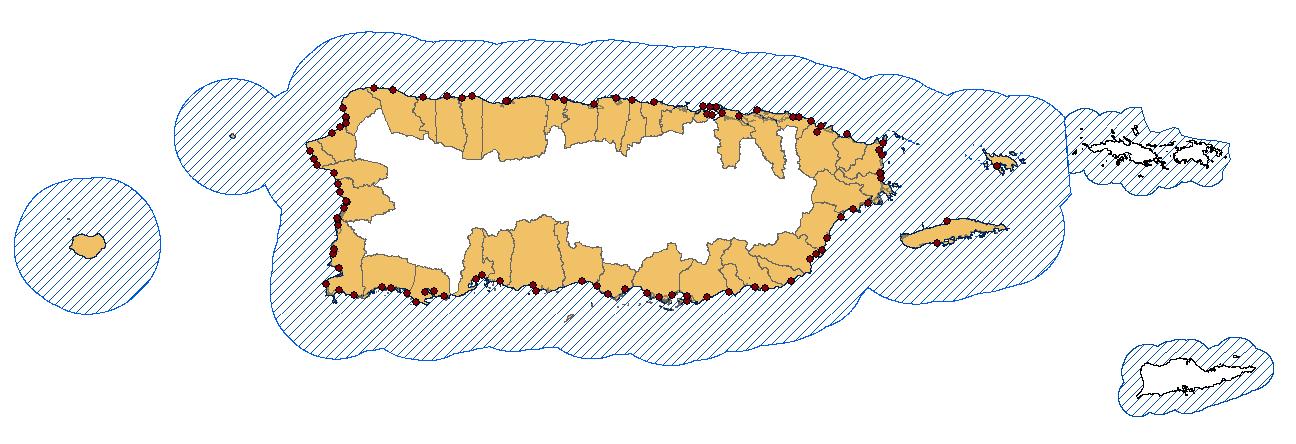
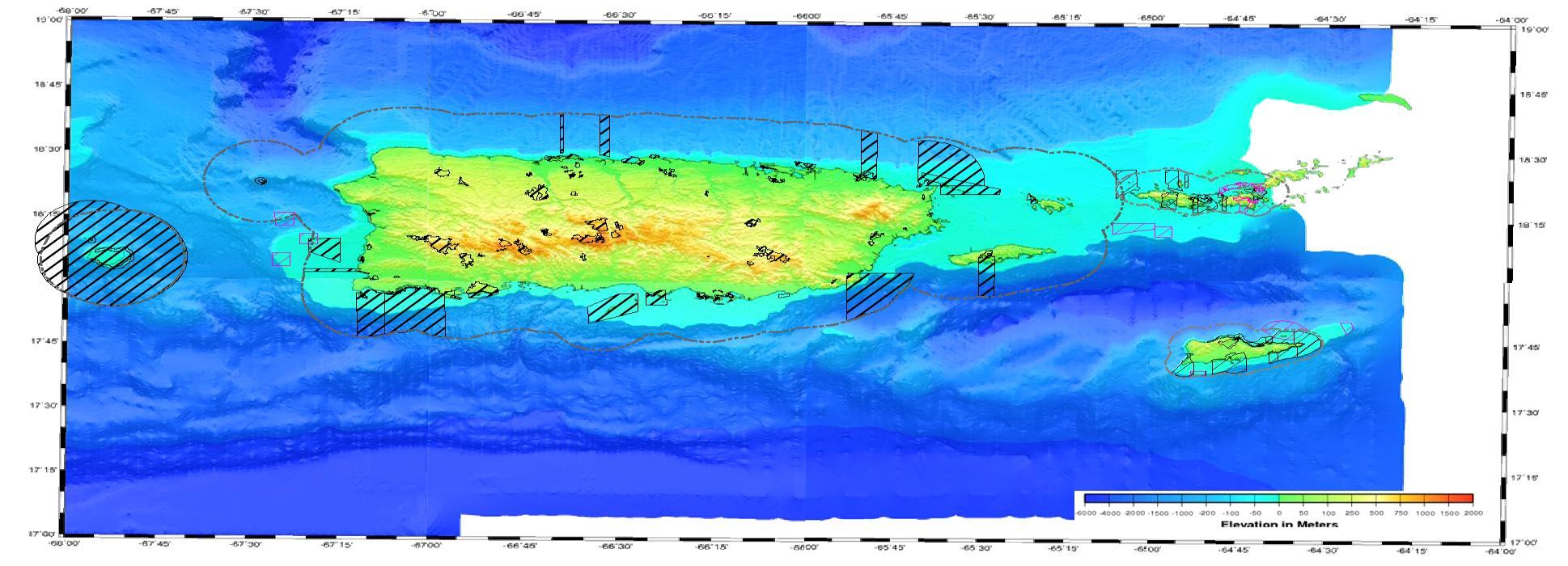
Stars indicate past mariculture projects.
Hatched areas indicate MMA’s.
Bathymetry from NOAA, NGDC Map compiled by M.C. Prada & J. A. Rivera
Aquaculture Experience in Puerto Rico Aquaculture Experience in Puerto Rico Aquaculture Experience in Puerto Rico By Ricardo Cortés, Brian O’Hanlon, Daniel Benetti and José A. Rivera
Townhall Meeting on ASLO and the Current State of Aquaculture in Puerto Rico, the Caribbean and the Rest of the World
American Society of Limnology and Oceanography
San Juan Convention Center, Room 208A
San Juan, Puerto Rico
February 15, 2011
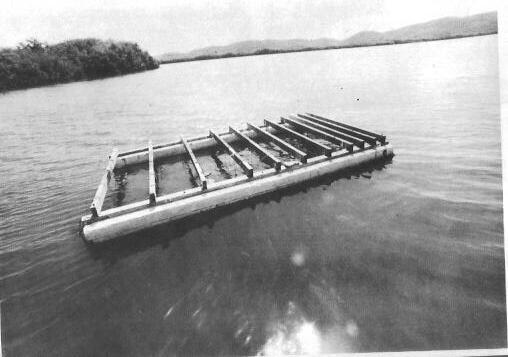
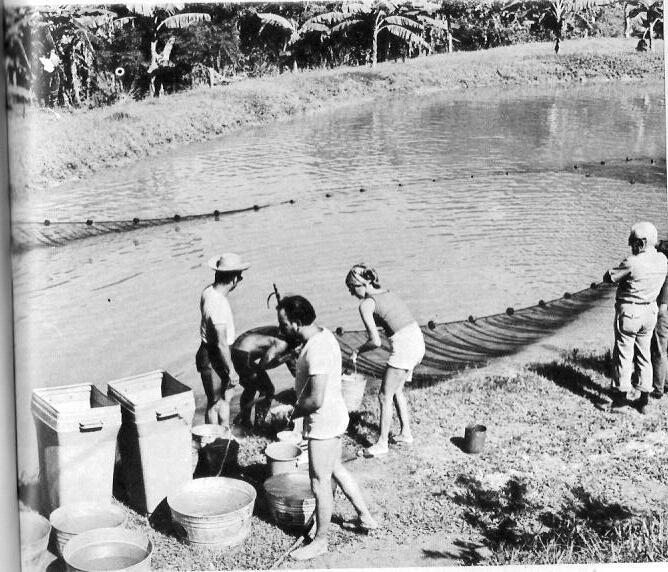
Early ocean based aquaculture ventures in Puerto Rico Suarez Caabro, 1979
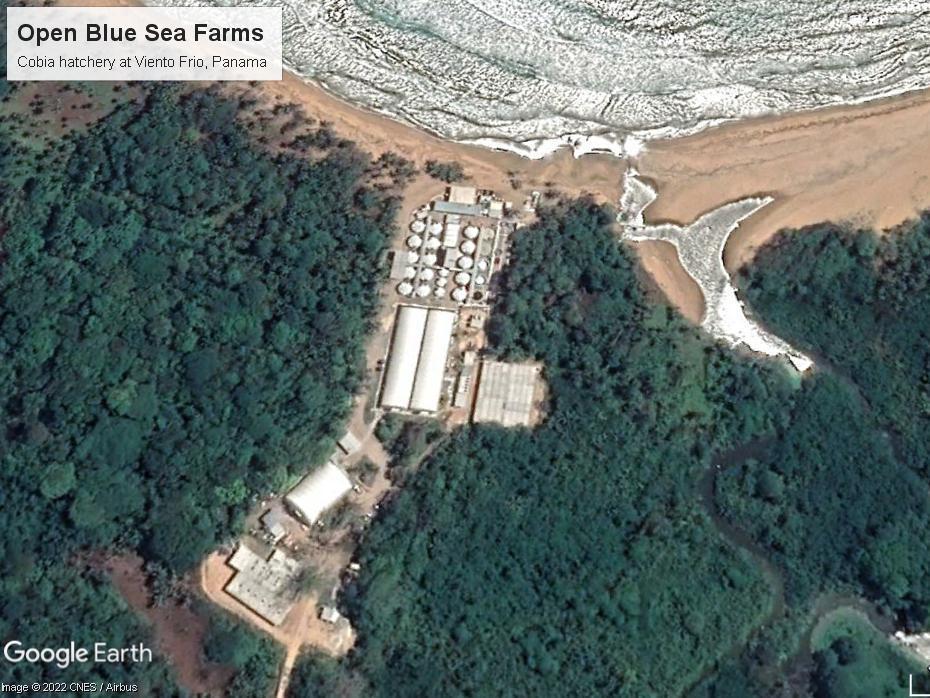
Open Blue Sea Farms, LLC
SnapperFarms, Inc
Ocean Farm Technologies, Inc
Snapperfarms, Inc
Snapperfarms, Inc
Brian O´Hanlon & Pesquera Delly, Guaymas, Mexico
Snapperfarms, Inc. moves to Panama in 2007
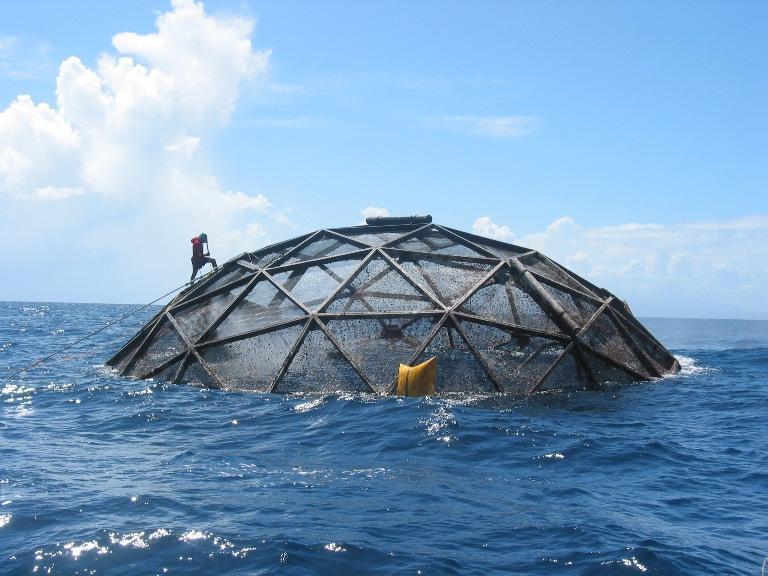
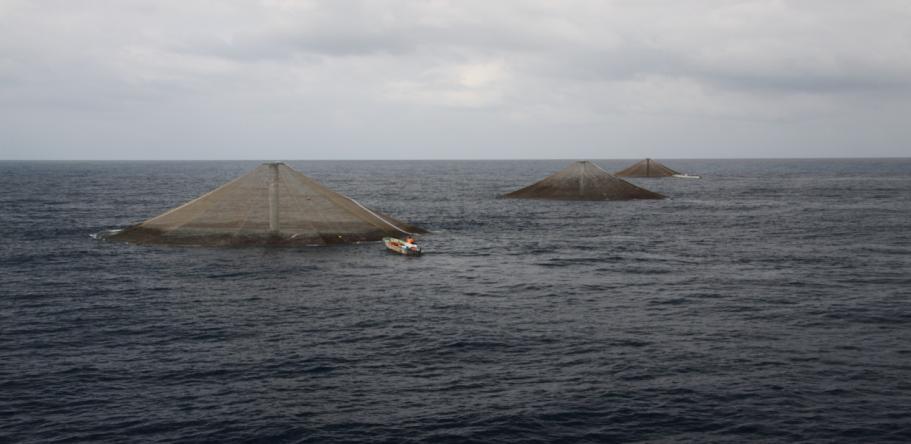
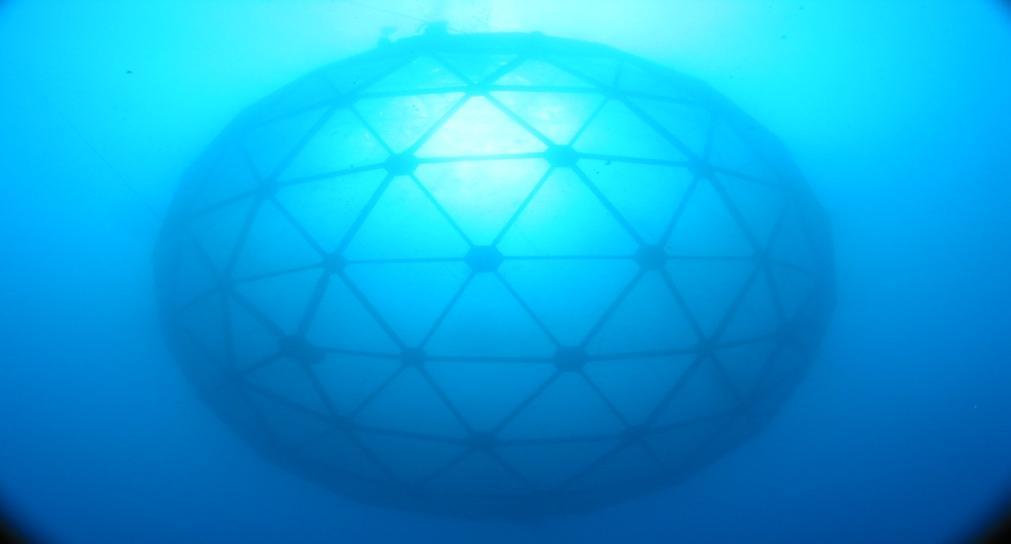
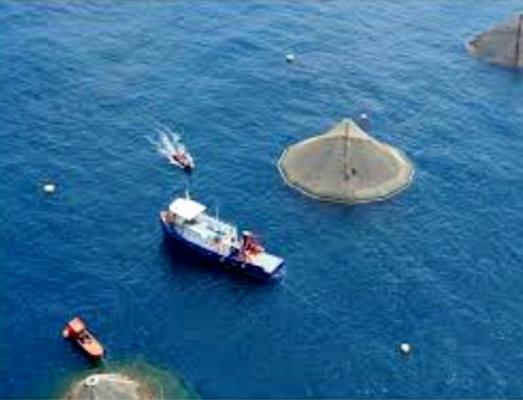
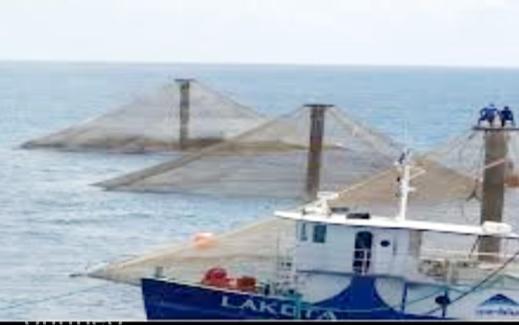
21 Seastation submersible cages, 283 employees
3,500 MT Estimated Annual Production for 2022
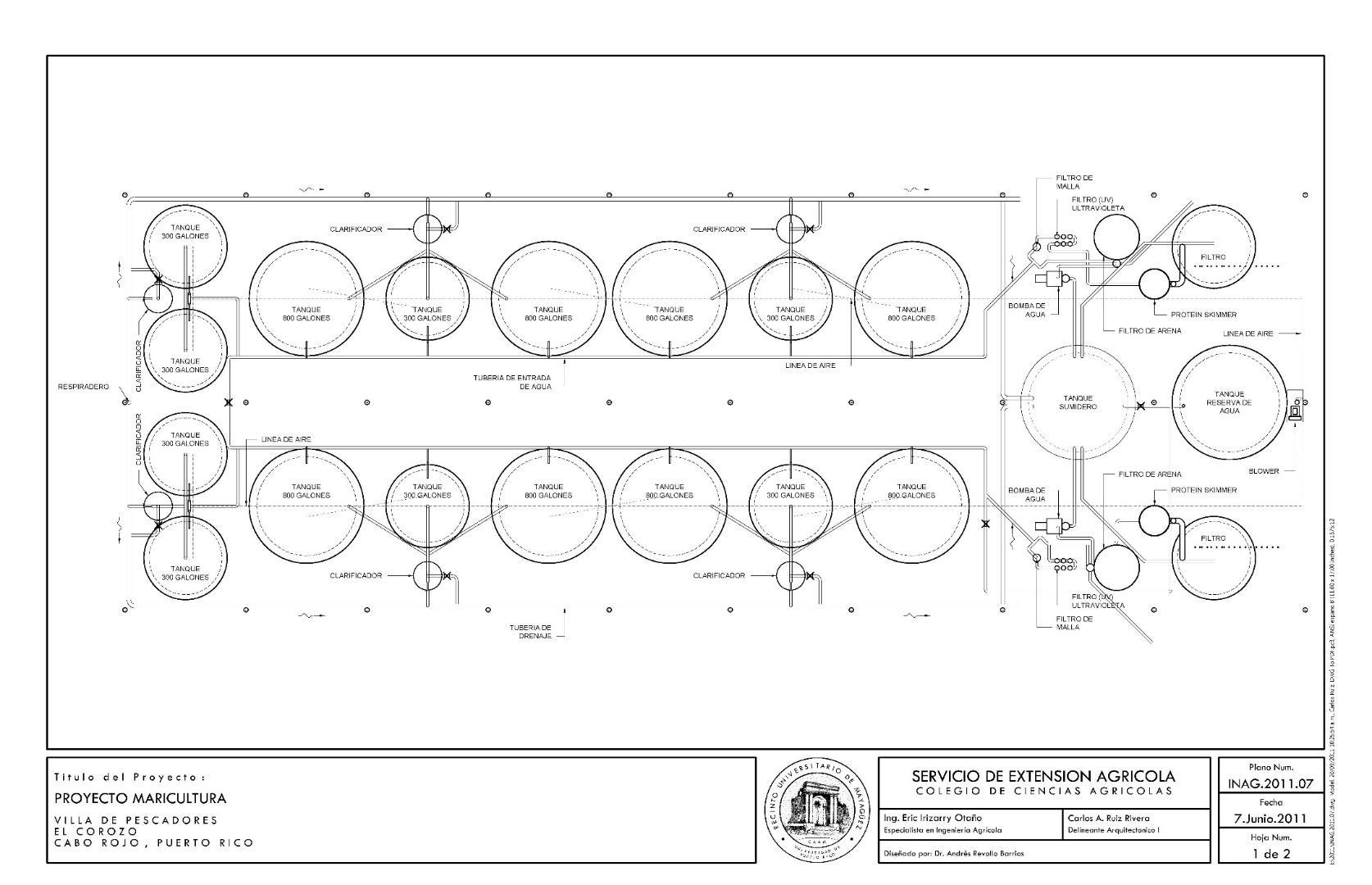
Extension Project – Started 2010-13
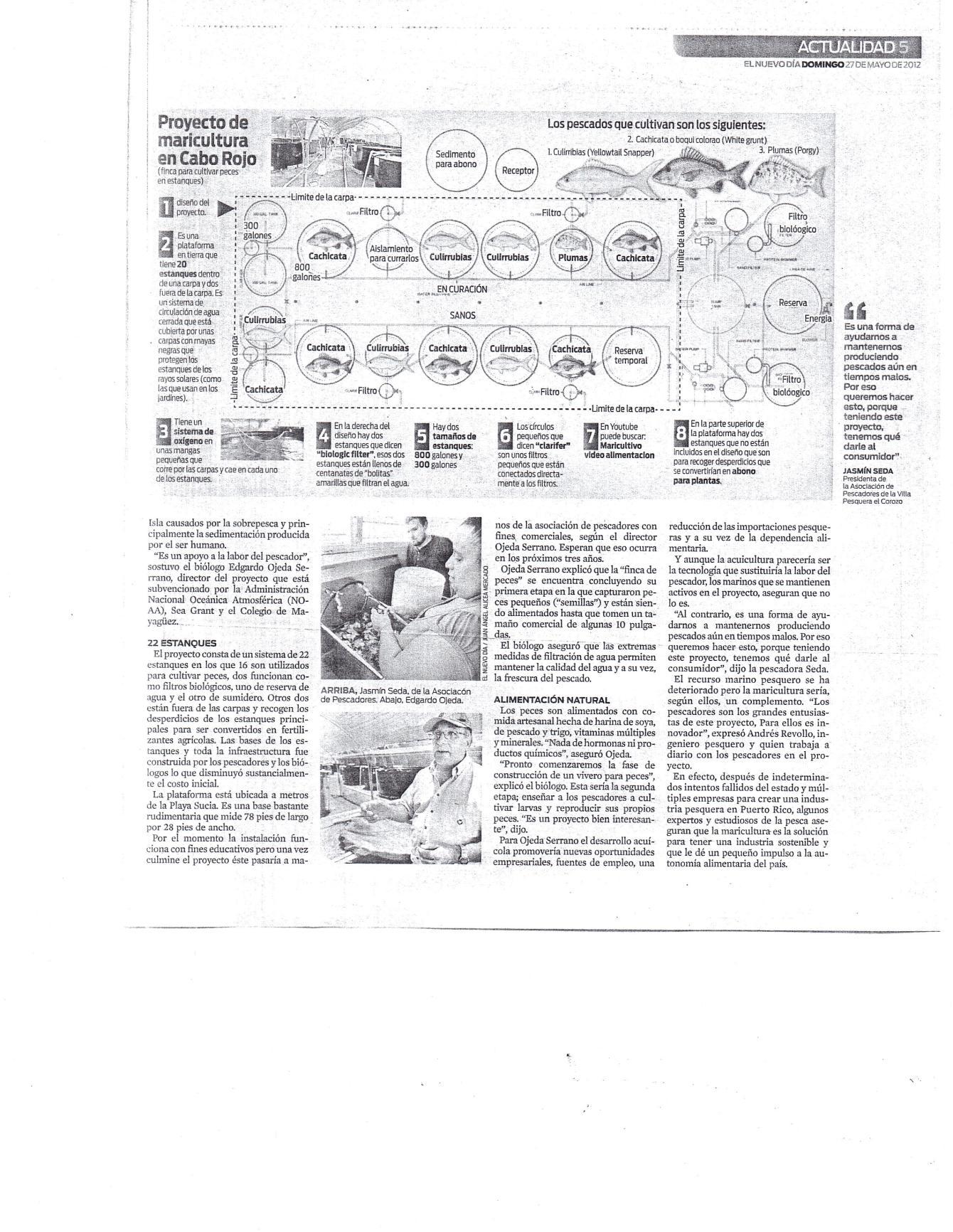
Ojeda , Alston & others, UPRM-SeaGrant
Yellow Tail Snapper Growout in RAS System El Corozo, Cabo Rojo, PR
Arrows indicate present mariculture projects. Hatched areas indicate MMA’s.
2.
3.
4.
Bathymetry from NOAA, NGDC
Map compiled by M.C. Prada & J. A. Rivera
1. Algae project.
ISER coral and urchin hatchery.
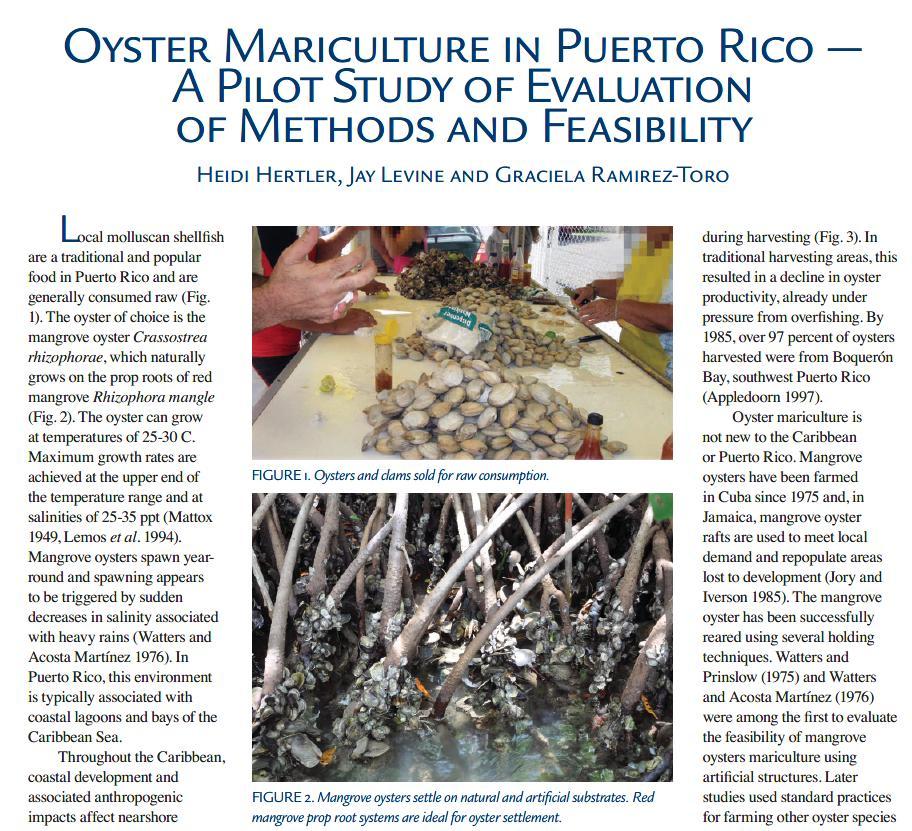
Oyster research project.
Red snapper hatchery.
Consideration for inclusion in AOA’s by NMFS. Main reasons for demise of aquaculture industry 1. Seafood consumed is 93% imported.
2. Cost of imported seafood mostly cheaper than local production costs.
3. Fish food needs to be imported, which cost more.
4. Double regulatory system (Territorial, Federal).
5. No incentive to produce, welfare lets you get by with little effort.
6. Lack of adequate amount of capital. Rely only on government subsidies.
7. Hurricane infrastructure damage.
Companies that have survived the longest 1. Eureka Shrimp Farms (ceased operations)
2. C-Quest (moved to Montana)
3. Caribe Fisheries (still in operation in PR)
4. Snapperfarms, Inc. (which evolved to Open Blue Sea Farms, Inc. in Panama)
How can we develop mariculture in PR and USVI ??? 1. We need sources of juvenile fish to grow.
a. Private ventures.
b. Government and University sources.
c. Partnerships between Private, Universities and Government.
d. Partnerships between NGO’s and Government.
e. Partnerships between Private business.
f. Partnerships between NGO’s, Universities and Business.
2. We need to spread risk for growout of fish.
a. On land (RAS).
b. At sea (Cage mariculture).
c. Local source of feed.
3. We need to have a marketing strategy for exports.
4. We need a Government strategy/policy for self-sufficient source of saltwater fish protein.
35,552,079 TOTAL VOLUME & VALUE 2022 IMPORTS TO DATE
QUICK FRESHWATER AQUACULTURE HISTORICAL ACCOUNT Fish culture starts in 1936 with the establishment of the Maricao fish hatchery.
The hatchery is a collaboration between the PR Dept of Agri. and US Bureau of Commercial Fisheries.
The impetus was the creation of dams for rural electrification.
In 1963, Iñigo reports the introduction of 15 species from the USA for stocking in dams.
The Institute of Marine Biology is established in 1954 which becomes the Dept. of Marine Sciences in 1968.
Dr. Francisco Pagan begins a freshwater aquaculture program within the Department in 1970.
In 1978, Dr. Pagan transfers to work for UN/FAO in Rome, Mr. Ricardo Cortes takes over as Program Director.
In 1994, CIDACPR is established at UPRM to foster freshwater aquaculture throughout PR.
In 2002, CIDACPR ceases operations.
An estimate of $8M in R&D and $10M in private funds for commercial ventures is invested.
Suarez Caabro, 1979
Suarez Caabro, 1979
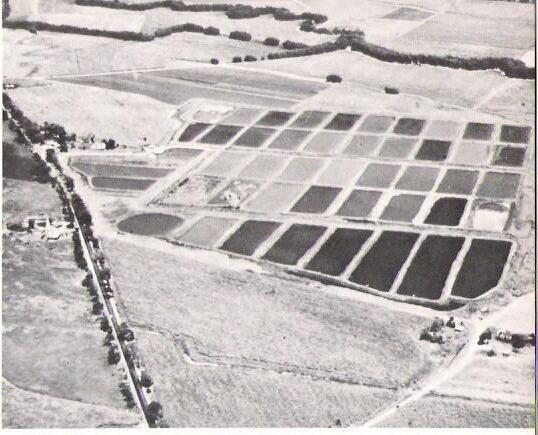
Land based aquaculture ventures in Puerto Rico (First 40 years) 1970’s to 2011
1. Maricao fish hatchery
2. PR Nuclear Center-Fisheries Research Laboratory
3. CIDACPR-UPRM-PRIDCO
4. Caribe King Shrimp
5. Fish Farms of PR
6. Aquaculture Enterprises- Langostinos del Caribe
7. Aquacorp-Nieto & McKloskey
8. Brunson Aquaculture
9. Joy Bio Farms
10. Eureka Marine
11. C-Quest
12. Camarones Encanto
13. Ponce Marine
14. CIDACPR-Jayuya project
15. Caribe Fisheries
16. Eduardo Torres
17. Ponce Aquarium
Land based aquaculture ventures in Puerto Rico (Next 20 years)
1. Maricao fish hatchery
2. Caribe Fisheries
3. C & C Shrimps and Vegetables
4. MarePesca
5. Fusion Farms (aquaponics)
6. The Coral Nursery of Puerto Rico
7. Naguabo Fishers Association, Conservacion Conciencia and FAU
8. Grisel Sustache, Yabucoa
9. Ponce Aquarium
10. Aquarium Specialties, Inc.
11. Caribbean Sustainable Aquaculture
12. Florida Institute of Technology, UPRM, PR Sea Grant