MARINE AQUACULTURE IN GUADELOUPE ISLAND
CARIBBEAN FISHERY MANAGEMENT COUNCIL
MARICULTURE WORKSHOP
MARCH 24-25, 2026
COURTYARD BY MARRIOTT ISLA VERDE RESORT CAROLINA, PUERTO RICO
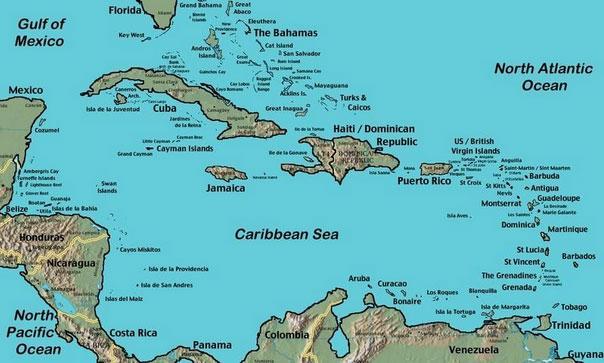
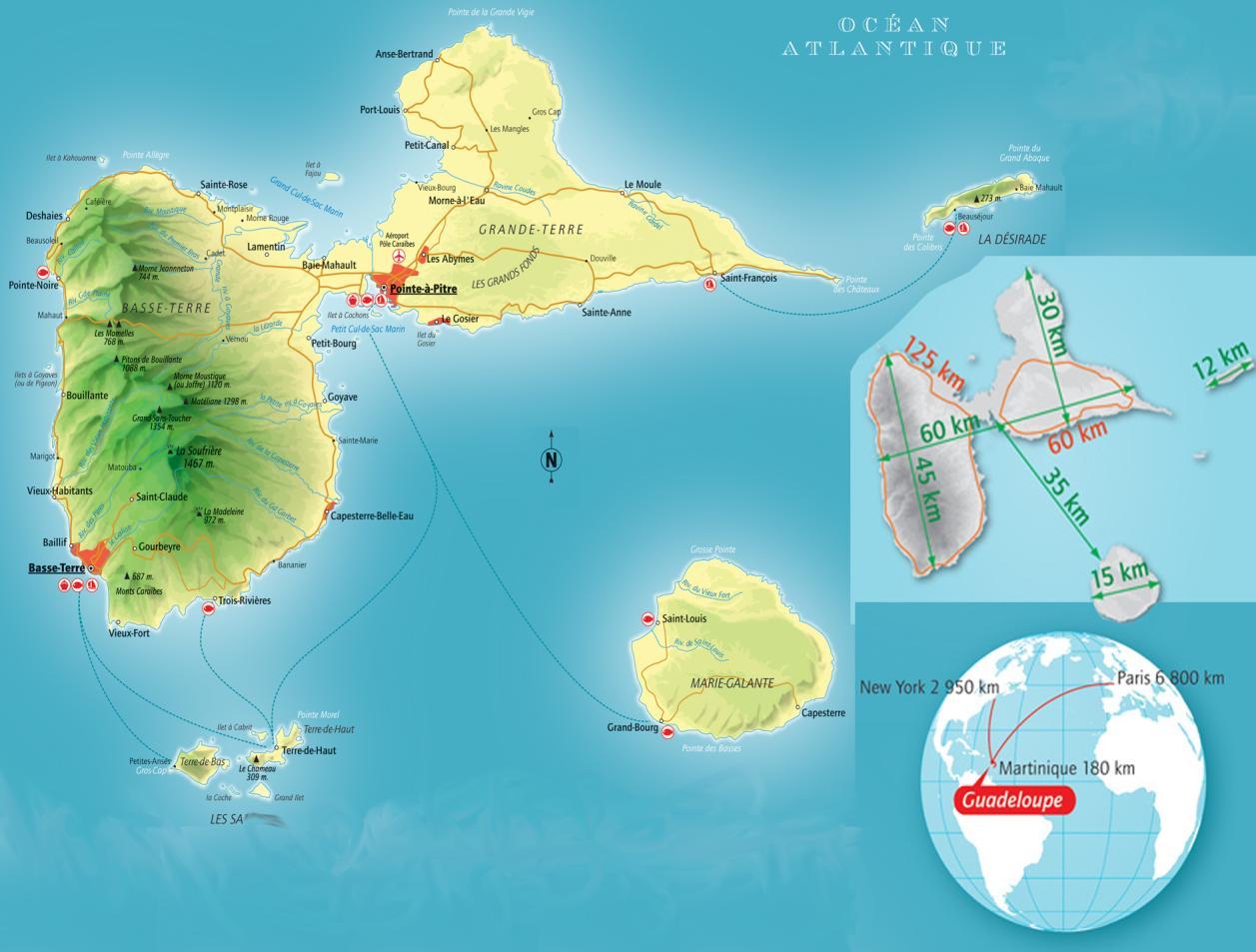
Guadeloupe is a French island, an European Overseas territory in the Antilles arc
Guadeloupe
✓Archipelago: 7 inhabited islands, 2 main ones
✓1,700 km² – 380,000 inhabitants (2024)
✓Hurricane risk (1 every 7 years)
✓GDP 2024: €10.5 billion
✓GDP per capita: €28,700
✓High unemployment rate
✓ 30%Economy dominated by the service sector
✓Tourism: 500,000 per year (excluding cruise passengers)
✓Trade deficit > €2 billion
“Agriculture that does not feed its population!”
✓10,000–20,000 jobs
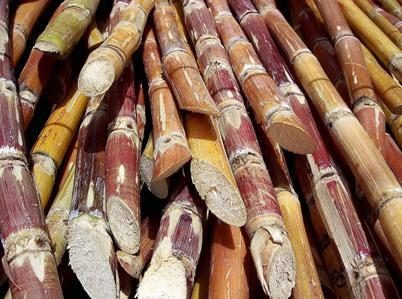
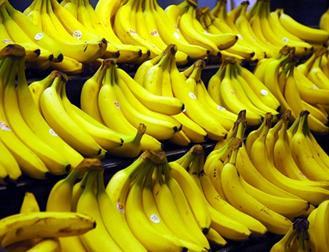
✓Sugarcane (400,000 tons/year) and bananas (55,000 tons/year)
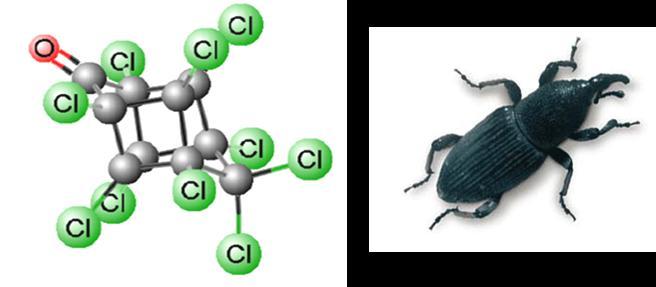
✓Low international competitiveness and a source of soil contamination due to chlordecone
✓Are these sectors at risk of disappearing?
→ Public support for these sectors
→ 90% of public aid to agriculture
✓90% of food is imported
✓Agricultural and food deficit > €300 million
✓It is necessary to diversify and promote endogenous development to increase food security
✓Lots of words, few changes (employment, lobbying)
“A significant deficit of aquatic products”
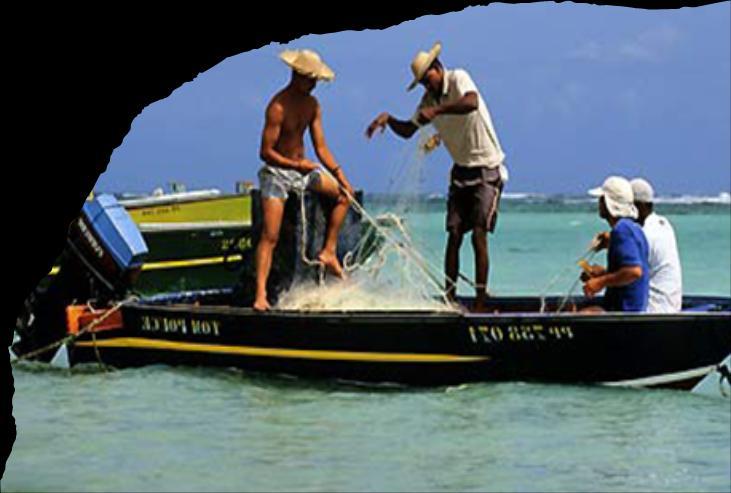
✓900 boats < 8 m, poorly suited for offshore fishing
✓Lack of organization in the marketing phase
✓3,500 t/year = 30% of local consumption (12,000 t/year)
✓Declining resources: overfishing?
✓climate change?
✓Can aquaculture cover the deficit?
“The
beginnings of aquaculture in Guadeloupe”
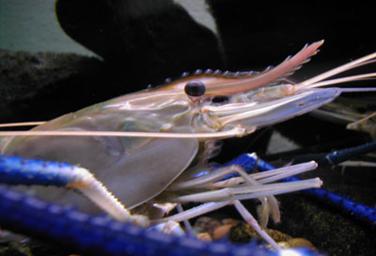
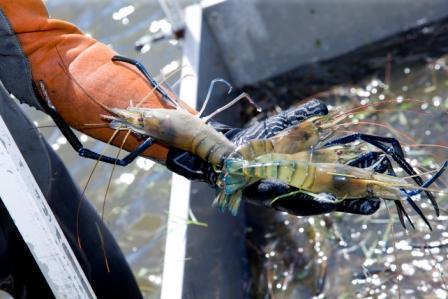
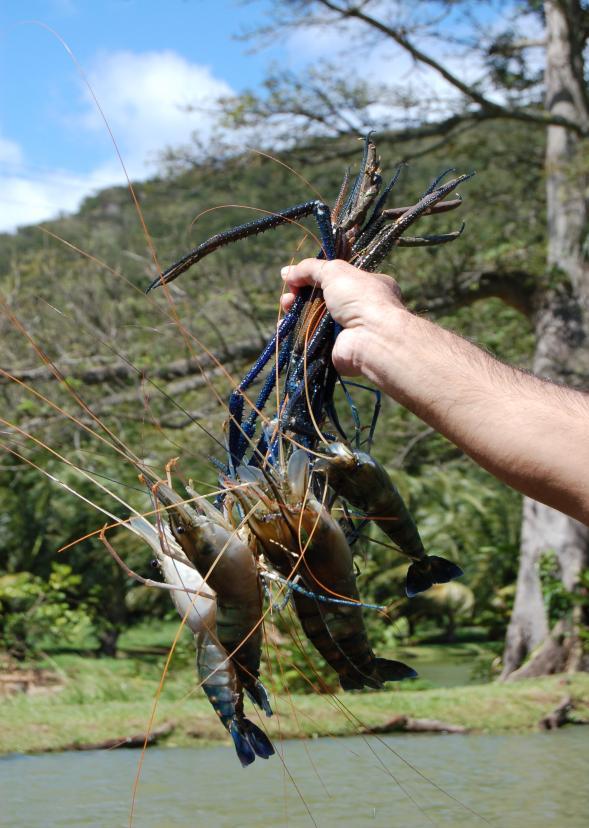
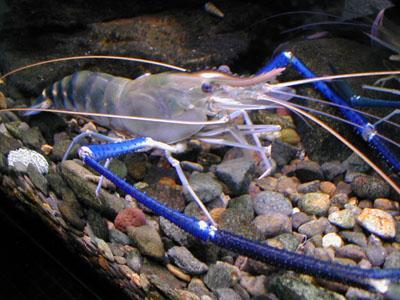
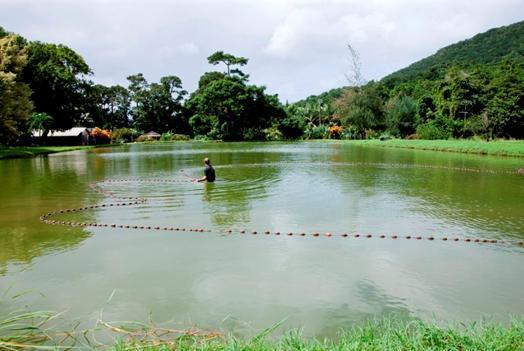
✓1975: Introduction of shrimp (M.rosenbergii) in Martinique
✓1977: Guadeloupe
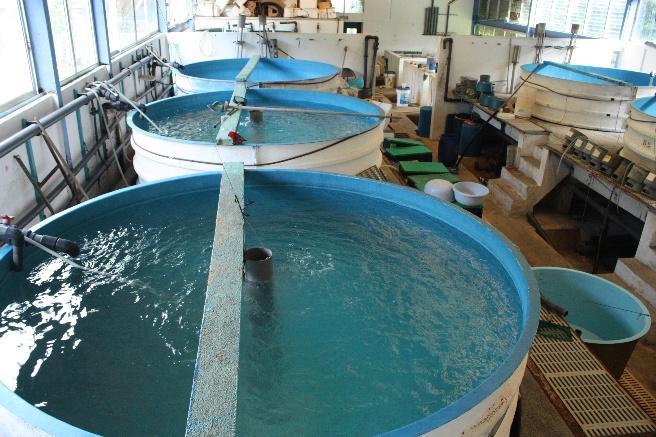
✓1985: Collective hatchery – Aquaculture Cooperative of Guadeloupe (SICA)
✓1988: 25 active producers – 40 ha – 50 t/year
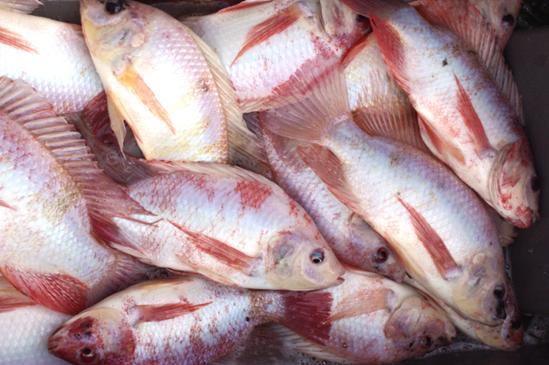
✓1989: Introduction of red tilapia (O.niloticus)
✓1999: Bankruptcy of SICA – creation of OCEAN SAS
“Marine fish farming in the French Antilles”
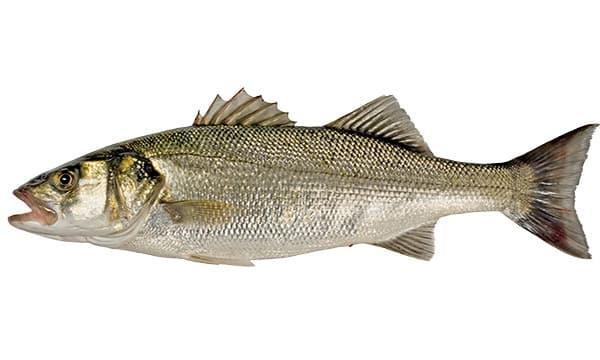
✓ 1980 MARTINIQUE: European sea bass (Dicentrarchuslabra*) – failure (nodavirus)
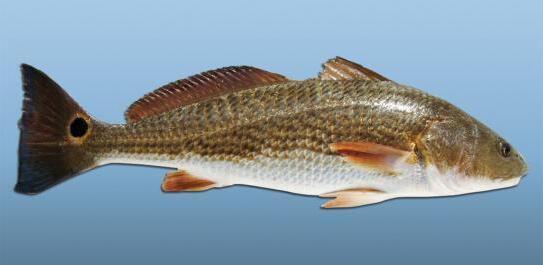
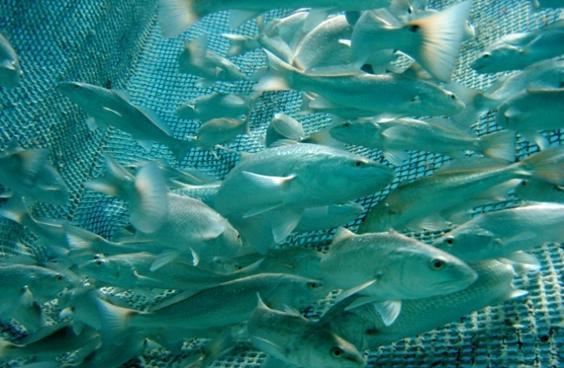
✓ 1985: Introduction of the spotted seatrout / red drum (Sciaenopsocellatus) (Texas)
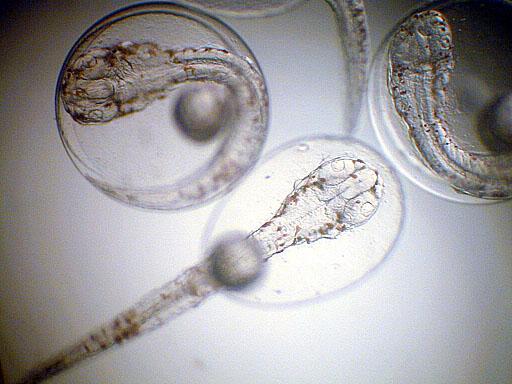
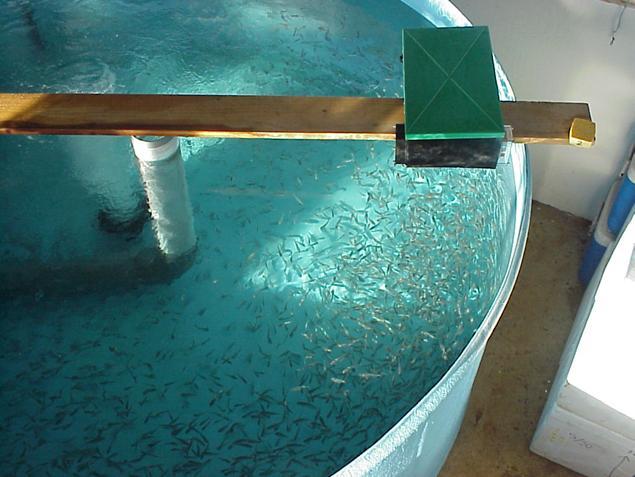
✓ IFREMER Martinique: full control of the breeding cycle...
✓ 1990–2003: Réunion, Mayotte, Guadeloupe
✓ Martinique 2006: 12 producers + 3 hatcheries – 100 t/year – farm model: < 20 t/year (ICPE)
✓ Broodstock population and supply of one-day-old larvae: IFREMER
✓ 2010–2018: Programs on genetic variability – completion of work on the red drum
✓ Outlook: Need for diversification – a complementary species
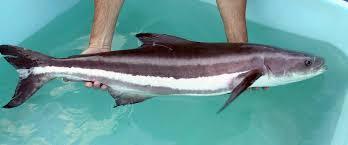
✓ 2000s: Cobia (Rachycentroncanadum)
✓ 2018–2020: IFREMER programs on diversification
✓ Native species
✓ Local market; no competition with commercial fisheries
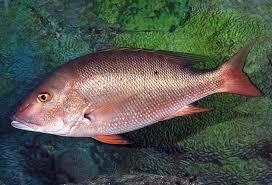
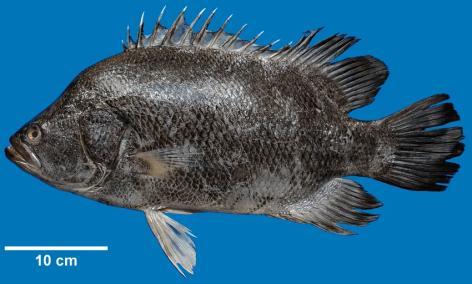
✓ Lutjanusanalisand Lobotessurinamensis
✓ 2025 Martinique: 2 hatcheries, 4 producers – 60 t/year
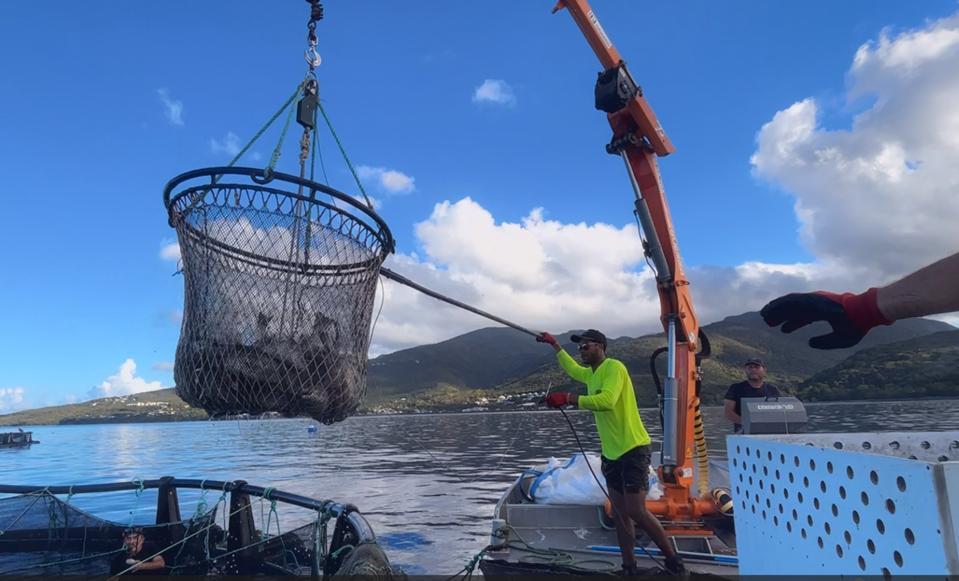
✓ 2025 Guadeloupe: 1 integrated company (OCEAN SAS) – 60 t/year
✓ December 31, 2025: Closure of the aquaculture laboratory at IFREMER
✓Founded 1999 – €118,000 – 2 employees
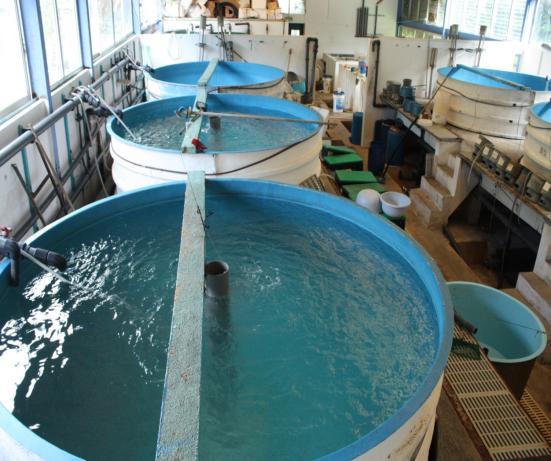
✓Acquisition of the SICA hatchery (bankrupt)
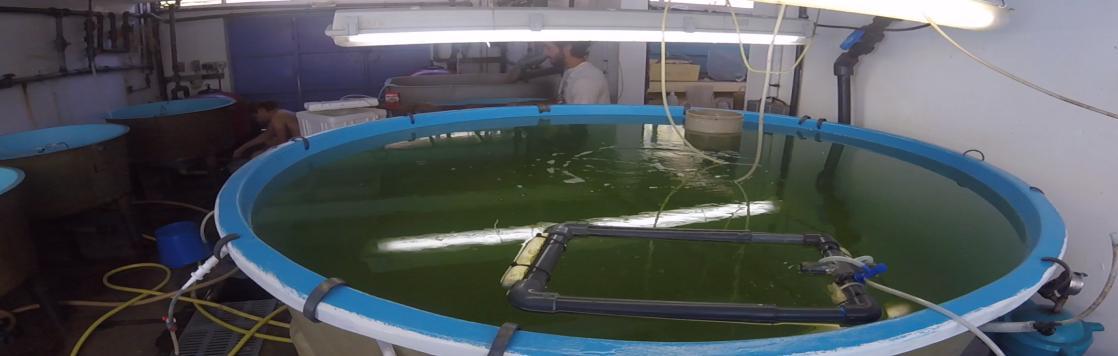
✓Objectives: Maintenance of the hatchery and diversification (aquaculture, agrotourism, training, consulting)
✓30 producers from Guadeloupe, Martinique, and French Guiana
✓Production ethics: Respect for the consumer and the environment
www.parc-aquacole.fr
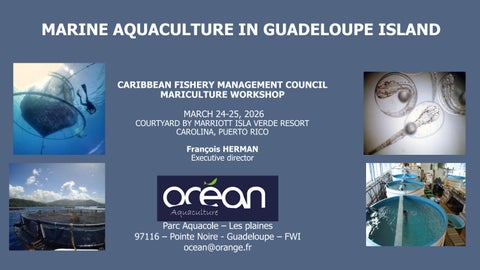
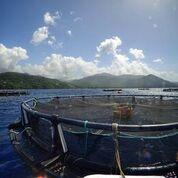
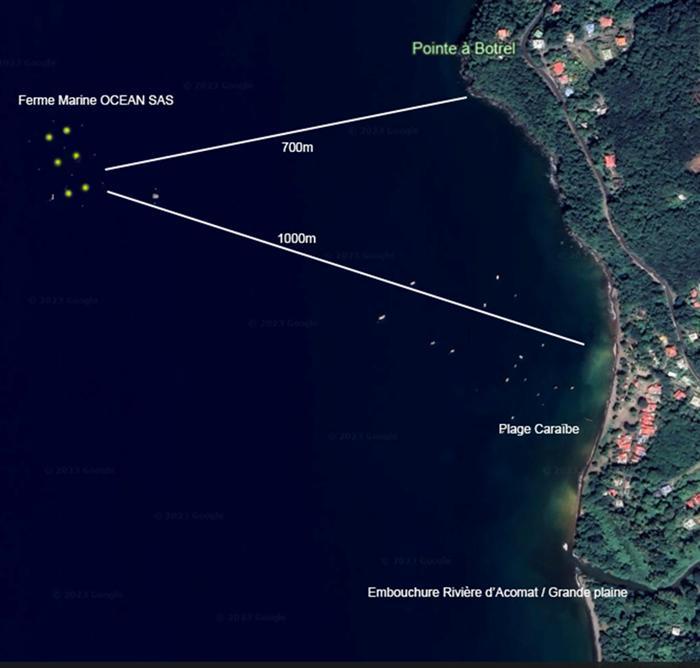
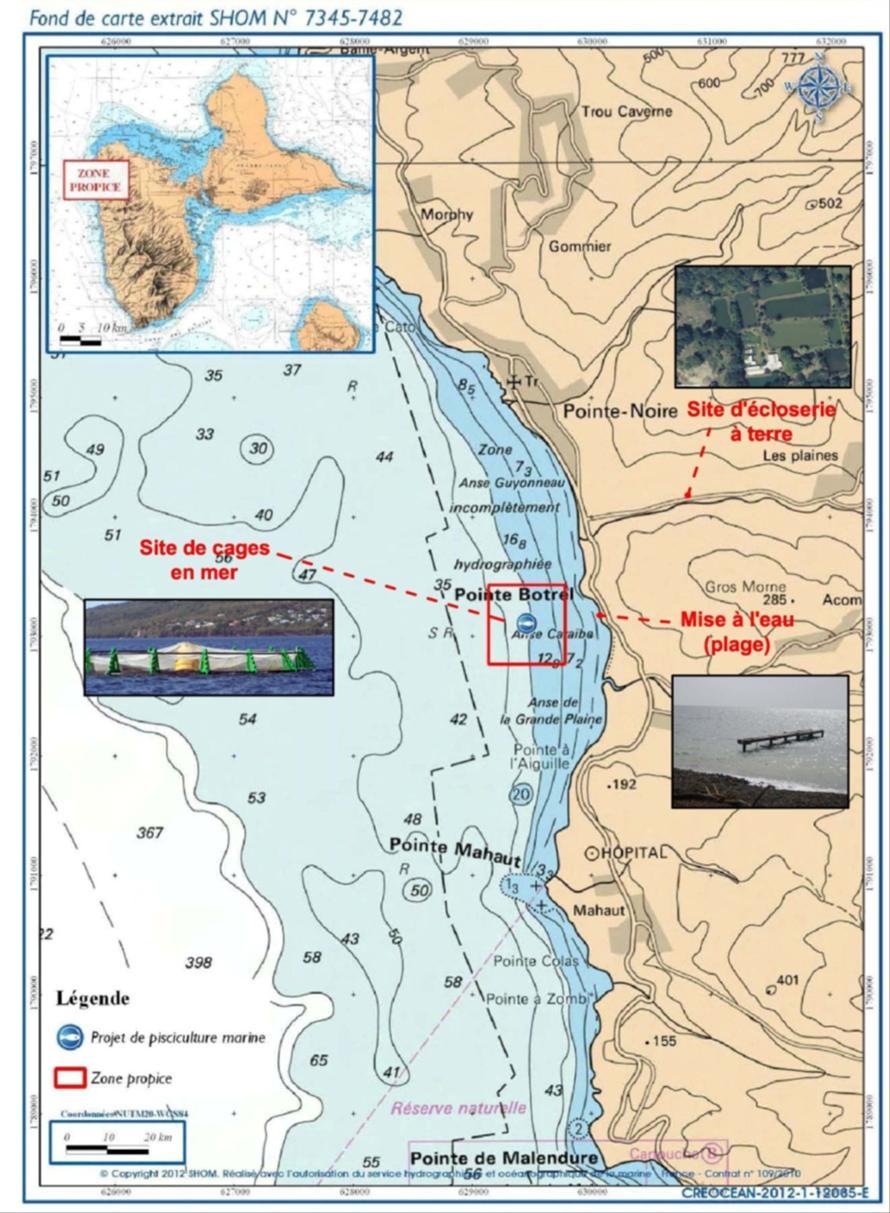
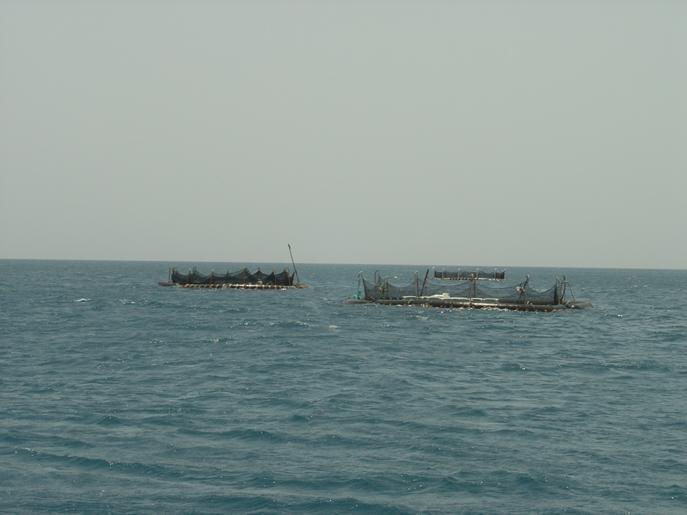
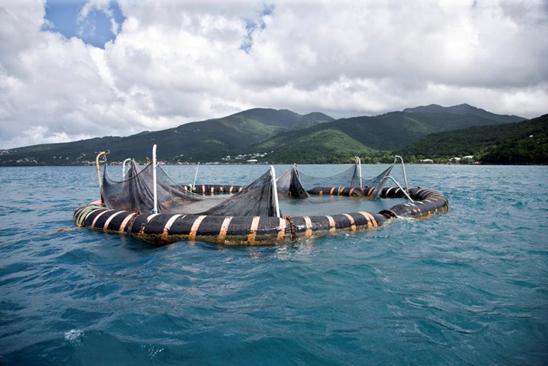
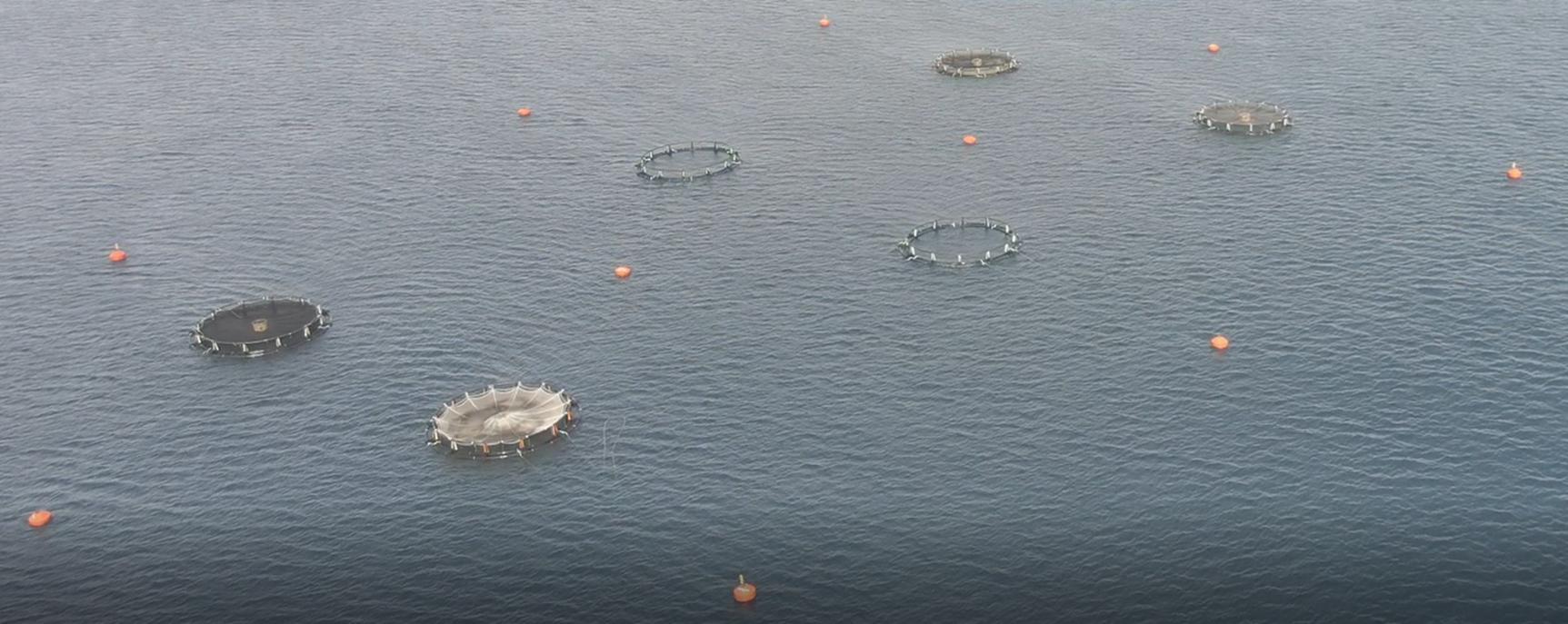
The location of the marine farm
Selected Criteria:
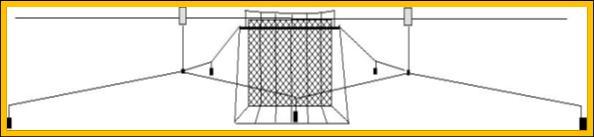
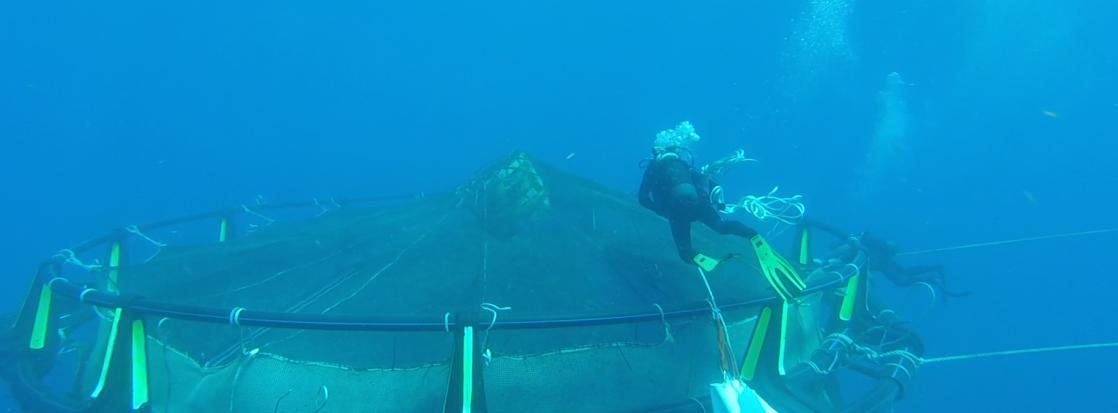
✓ Low exposure to wave action
✓ Proximity to the hatchery
✓ Absence of significant biocenoses
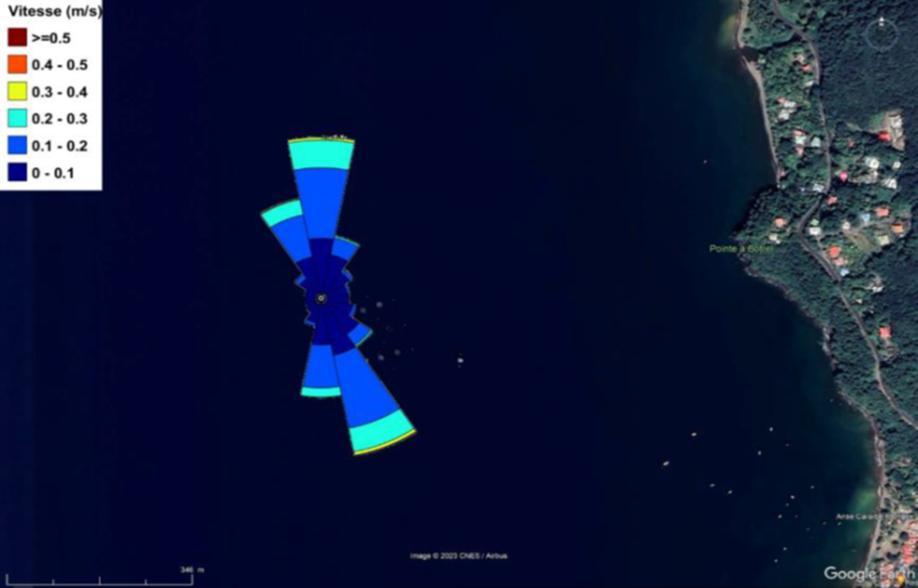
✓ Moderate and favorable currents: waste dispersion, water mass renewal
✓ Absence of use conflicts: fishing, navigation, swimming
✓ Distance precluding access by swimming
✓ Bathymetry: 30 m
✓ Vehicle accessibility
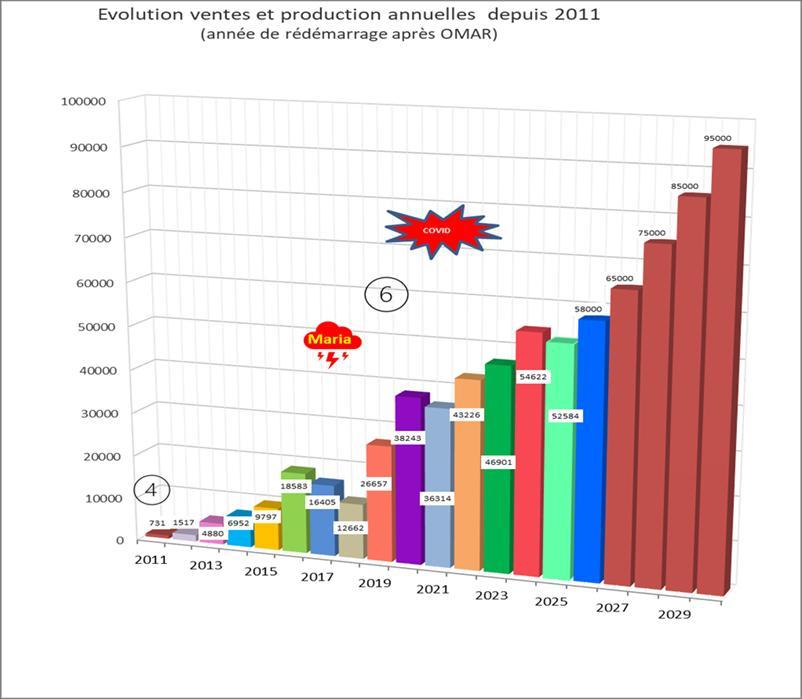
2009 -2020 : Technical stabilization and market Limits
Since 2020: new perspectives, market reactivation
2020: COVID = Increase in demand and production
2023–2025: ICPE = Authorization for 100 tons per year
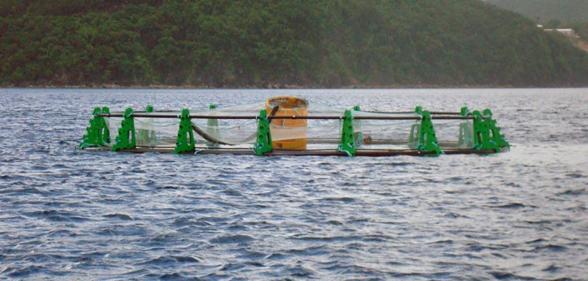
2026–2027: Addition of 4 cages + breeding station
And after that? A new species?
Problems to be solved and the future challenges
✓Regulatory restrictions and administrative response times
✓Dependence on feed supply
✓Research: Conservation of the genetic heritage? Native species?
✓Insurance
✓Public policies for sector development: Proactive policy
✓Support for research and development
✓Promotion of technical centers (application, demonstration, and technology transfer) and training centers
✓Administrative simplification
✓Access to financing
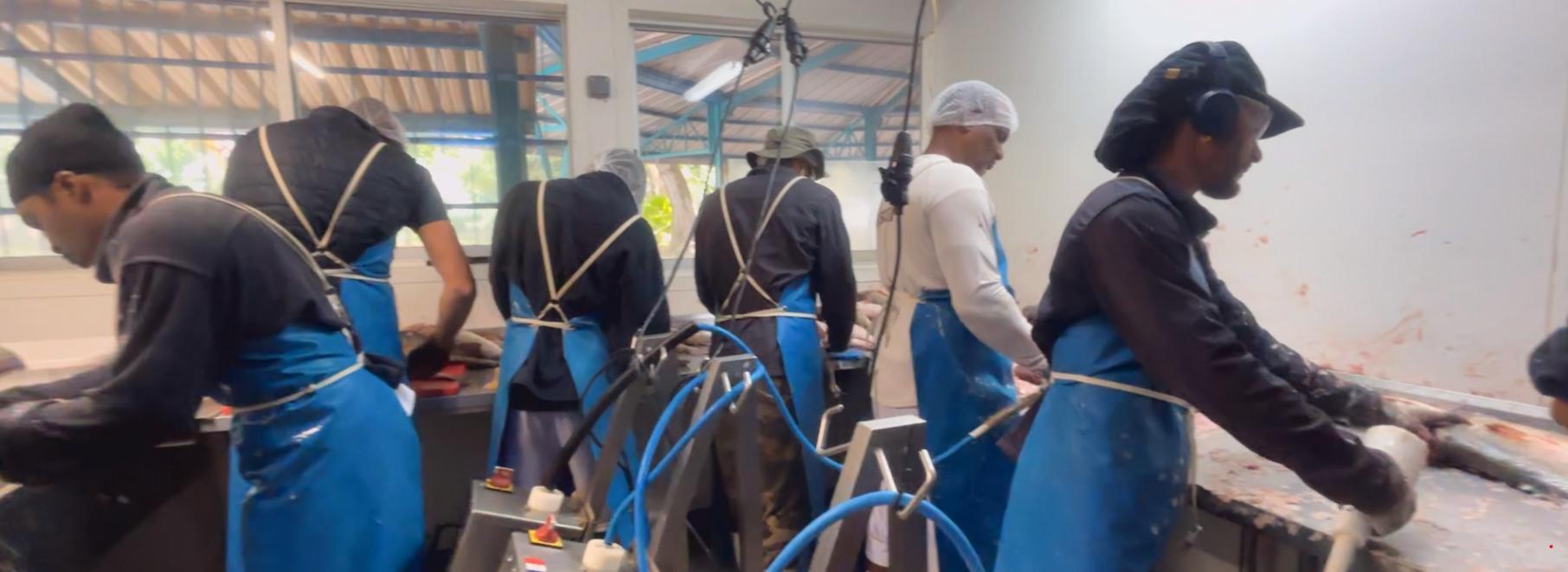
✓Complementarity with the fishing sector during the processing phase
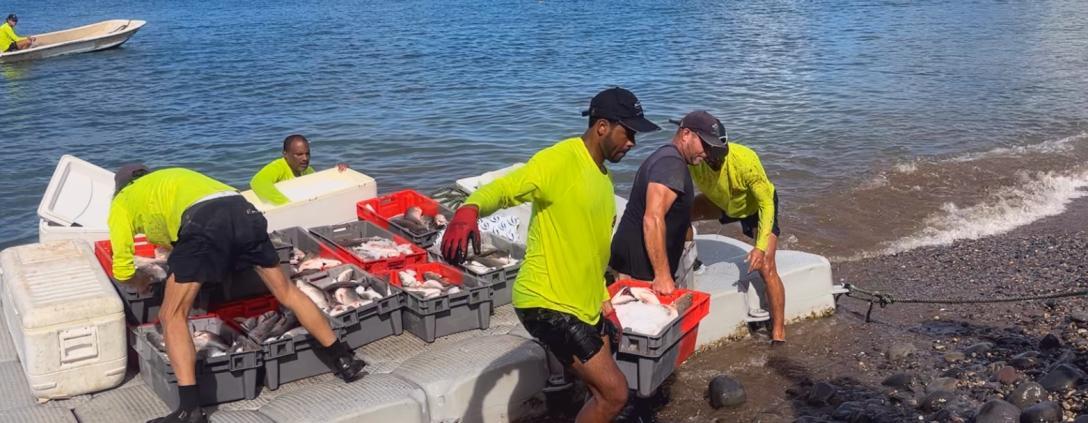
✓Key infrastructure: ports, pontoons, processing facilities
¿What can we highlight from this adventure spanning over 20 years?
✓Which product for which market?
✓Site selection
✓Regulatory restrictions
✓A well-controlled species
✓Safe inputs
✓A network of expertise
✓A project of appropriate scale
✓Phased development
✓Equity capital
✓Retaining margins and added value within the company
✓A competent, versatile, and responsive team
✓Passion + patience + tenacity