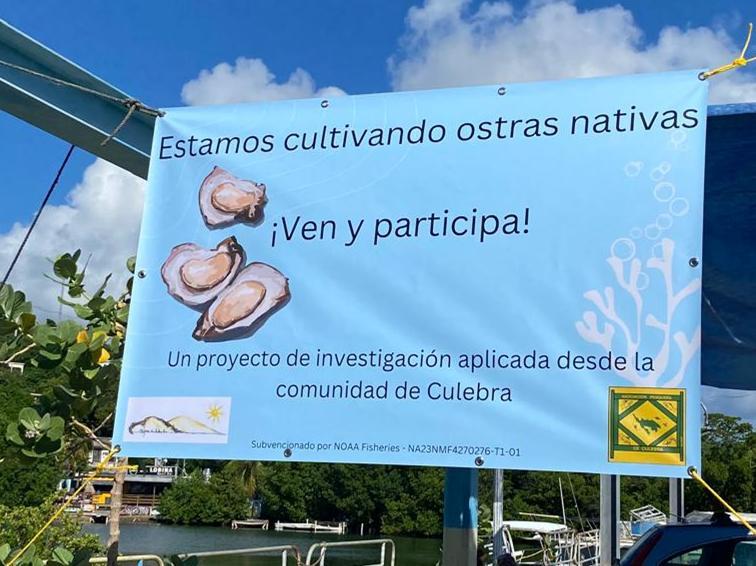
Culebra Native Oyster Aquaculture Project
Led by Mujeres de Islas & Asociación Pesquera de Culebra
In collaboration with:
Puerto Rico Sea Grant, Sociedad Ambiente Marino, Conservación Conciencia, UAGM, ISER Caribe, Protectores de Cuencas Funded by
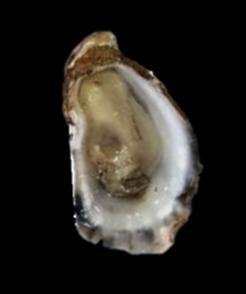
In collaboration with:
Puerto Rico Sea Grant, Sociedad Ambiente Marino, Conservación Conciencia, UAGM, ISER Caribe, Protectores de Cuencas Funded by
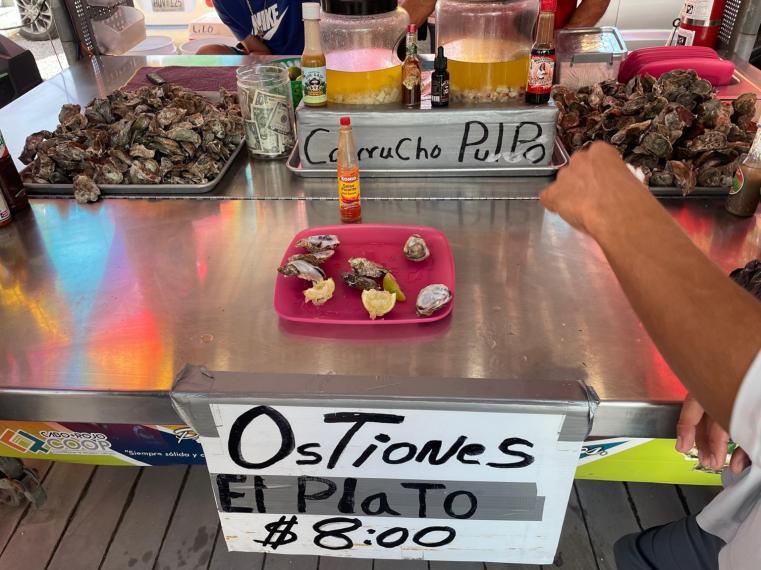
The goal: Enhance livelihood resilience and food security in Culebra, PR
Overarching question: What are the socio-economic and environmental opportunities and constraints for a local oyster industry?
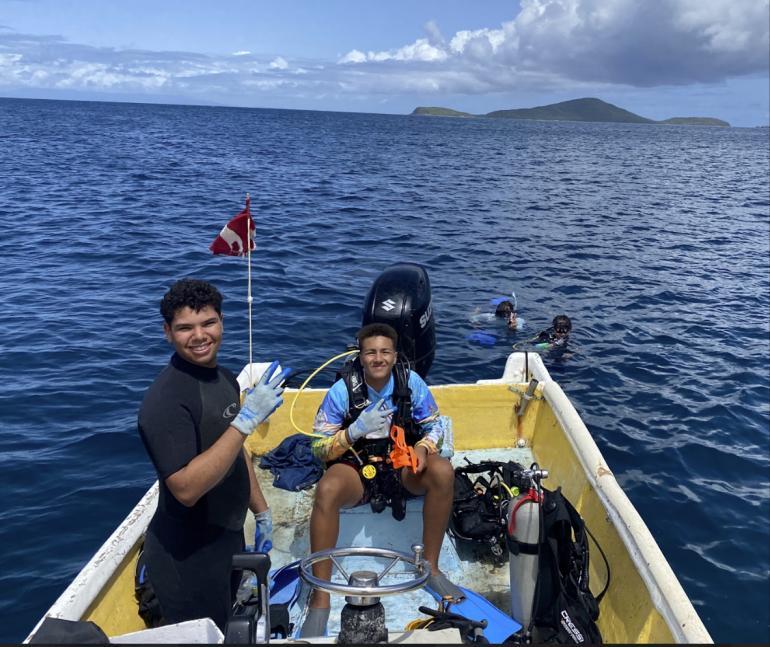
● Obj 1: Spat collection
● Obj 2: Grow-out
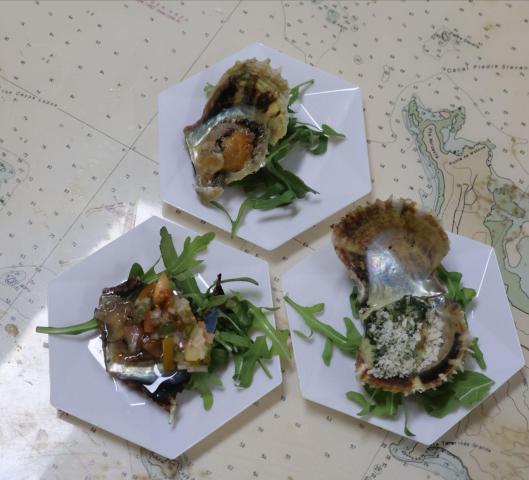
● Obj 3: Marketing
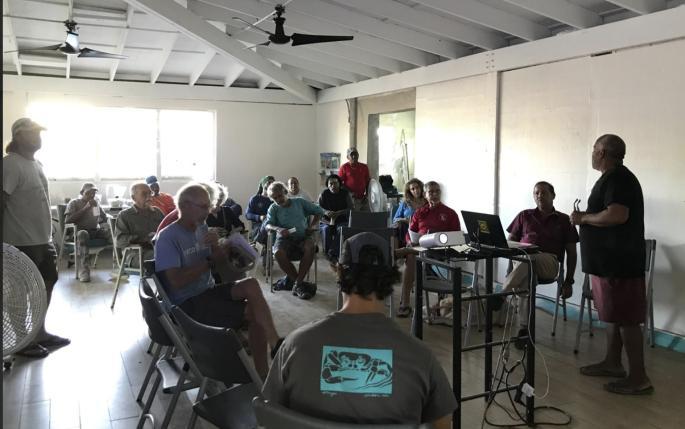
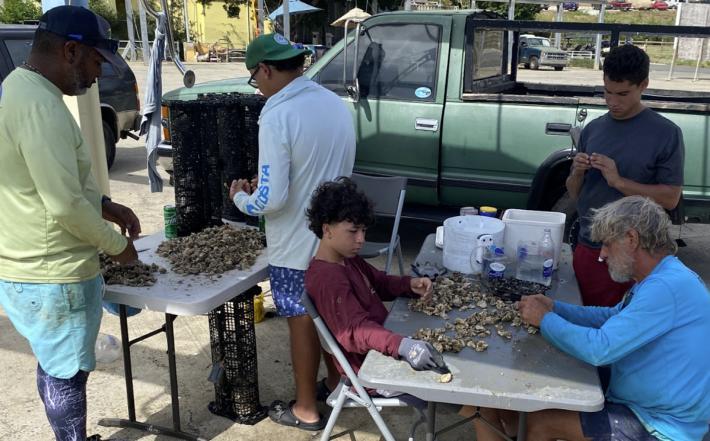
● Obj 4: Fisher engagement
Timeline: January 2024 - December 2026
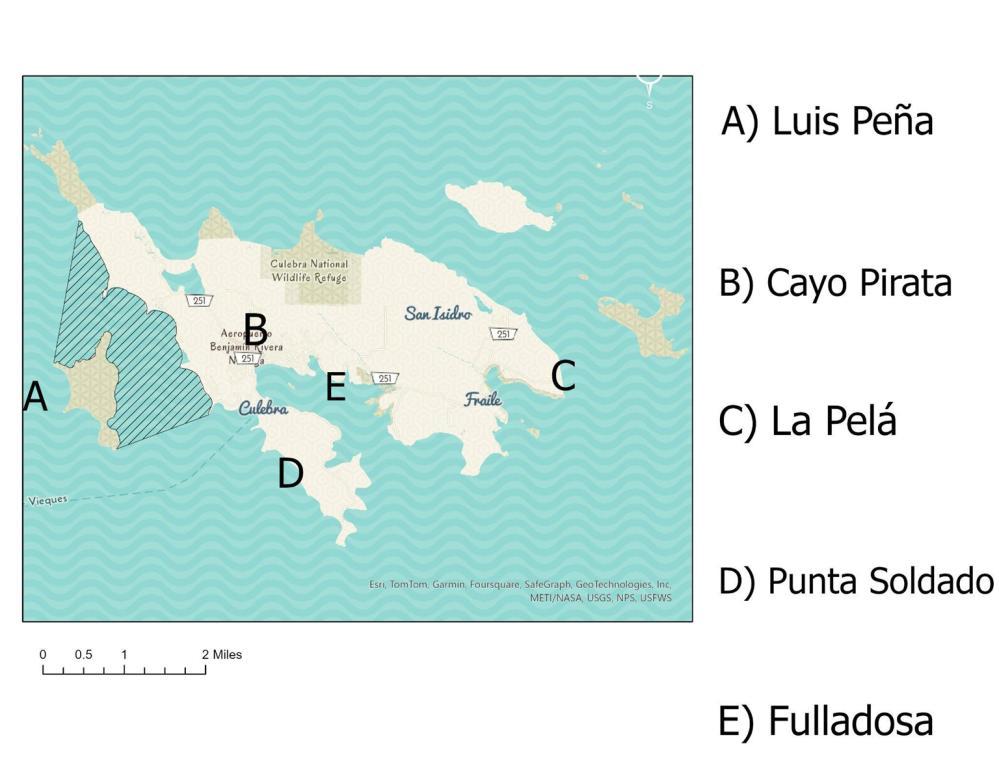
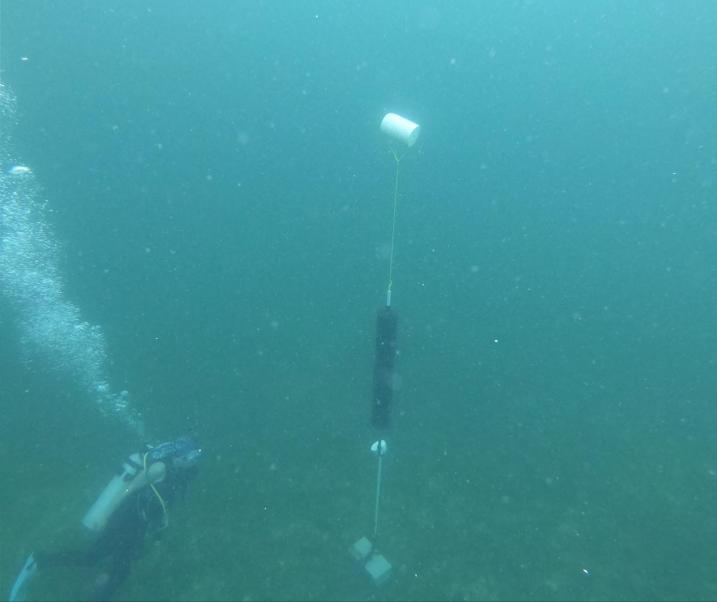

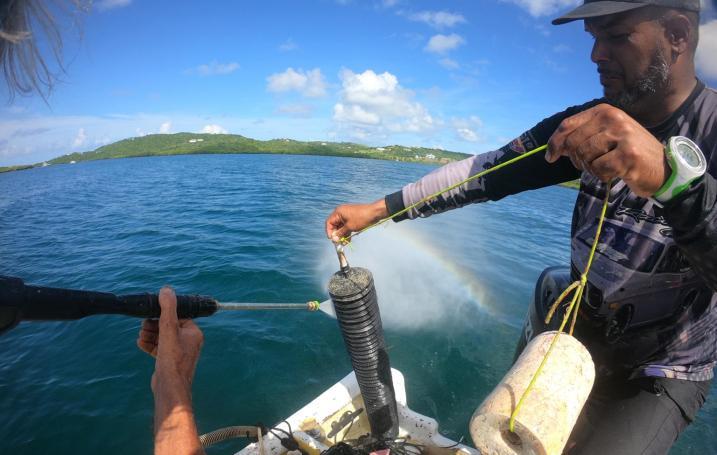
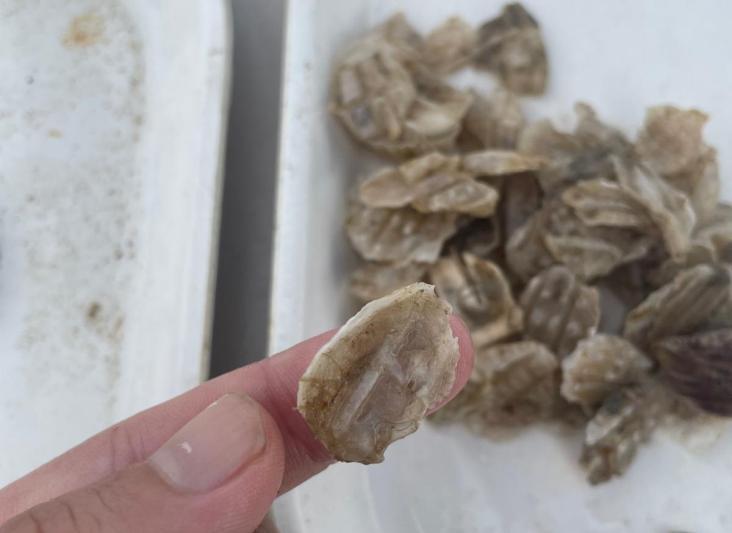
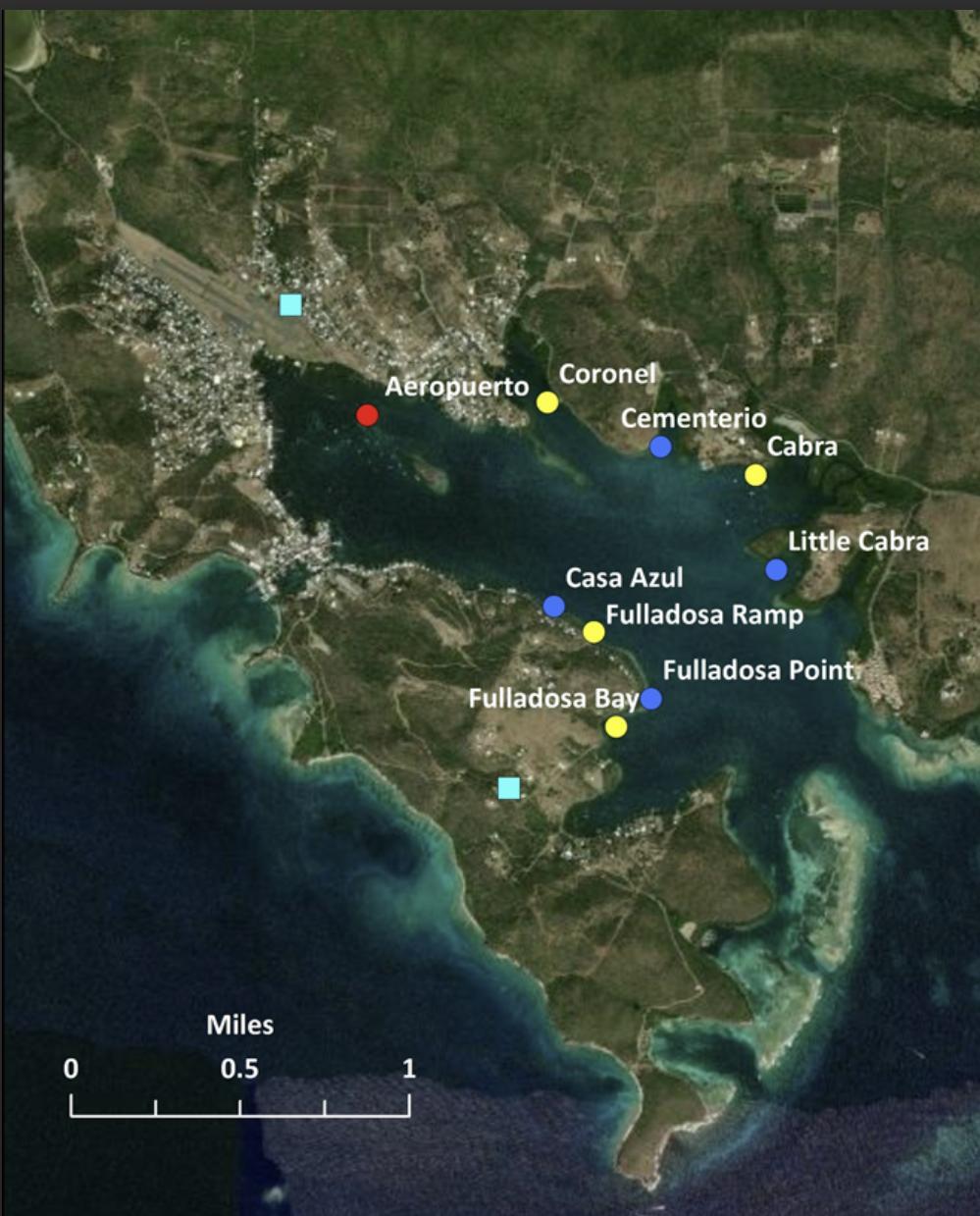
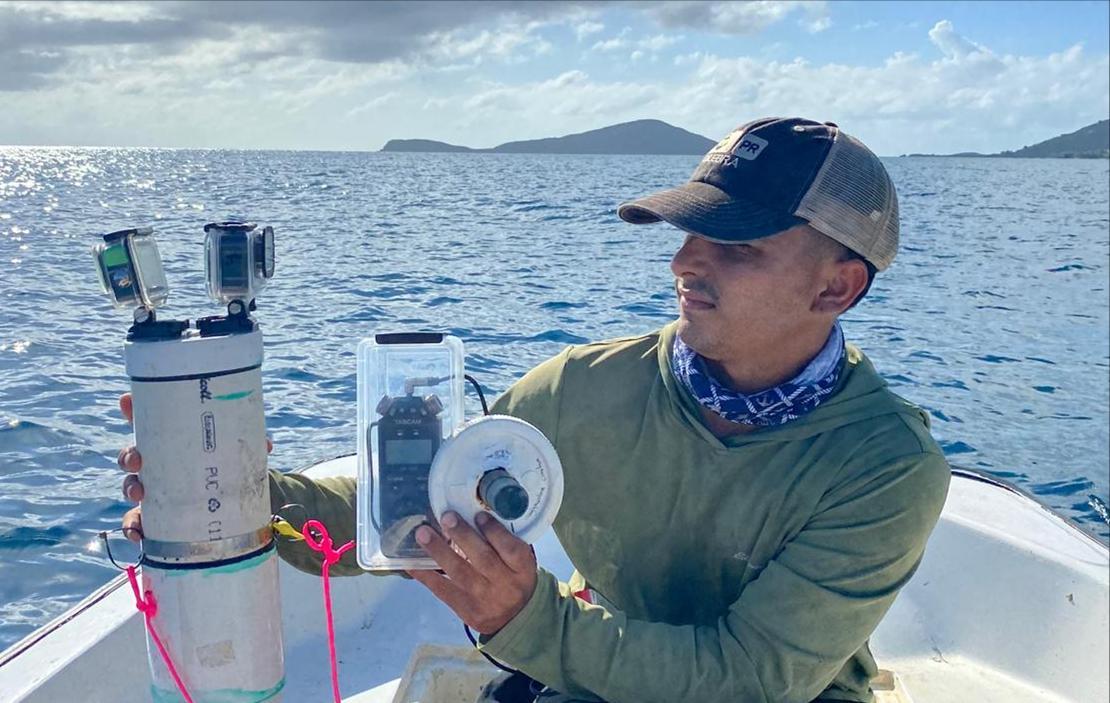
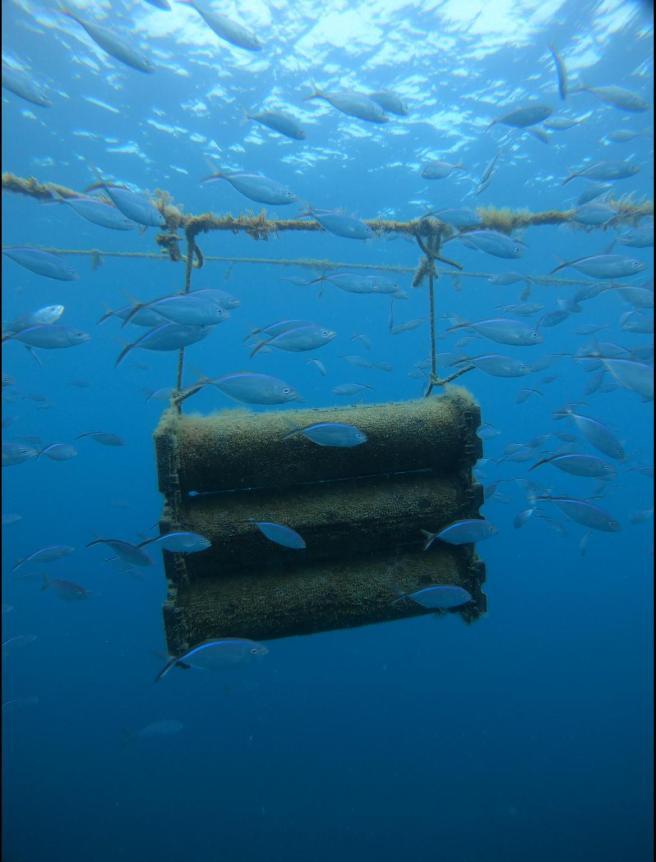
Optimizing spat collection efforts: spatiotemporal differences in oyster settlement
Mainly inshore sites during
Year-round settlement
Both inshore & exposed sites
Peaks in November and December
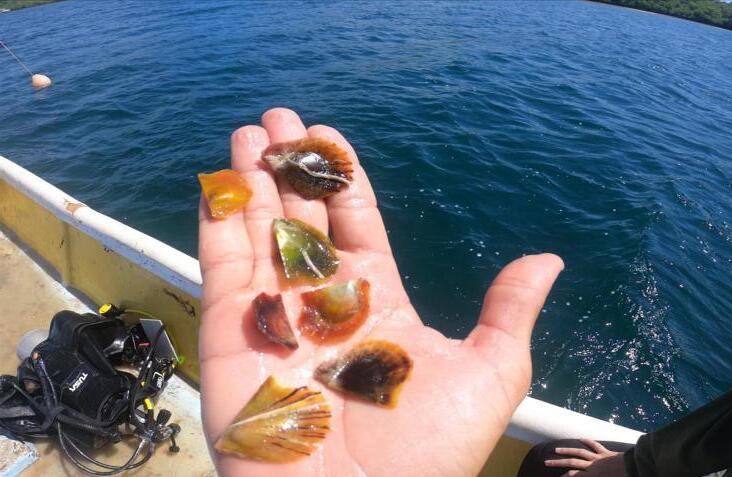
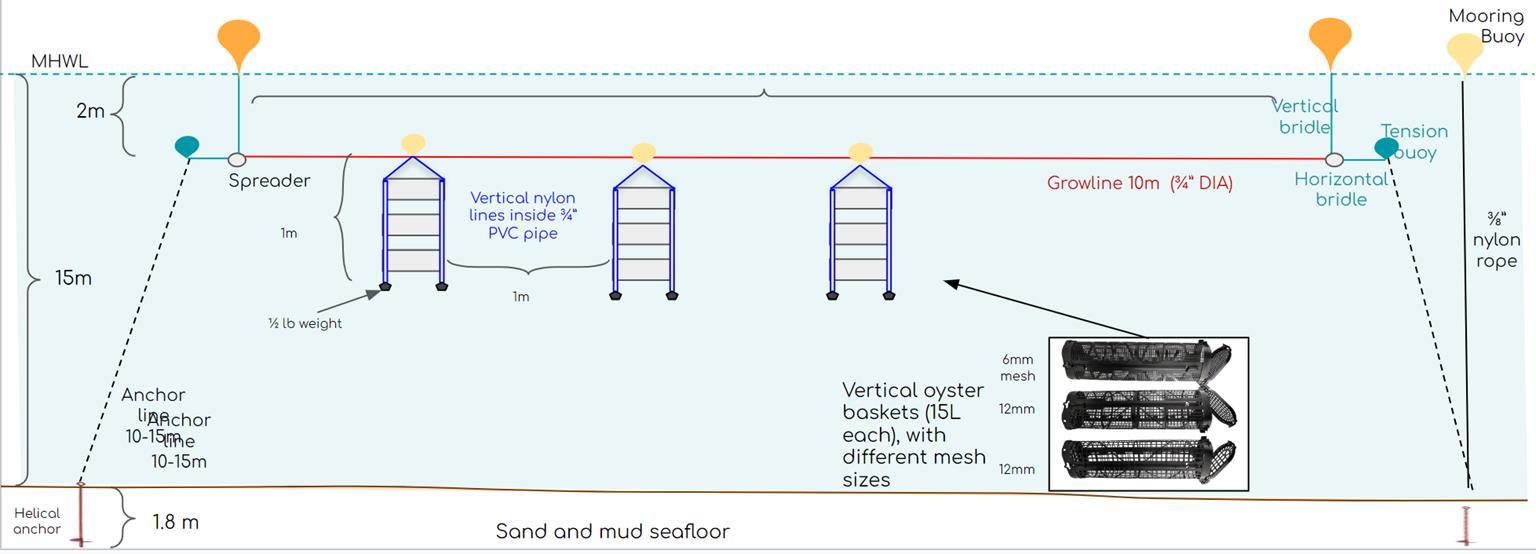

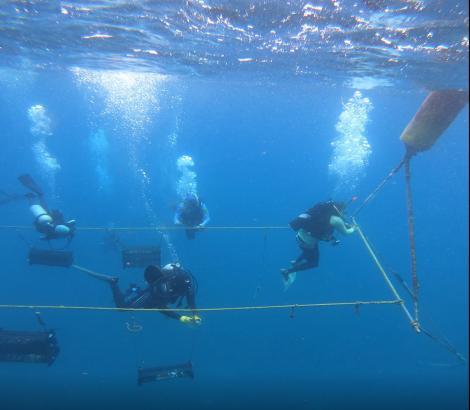
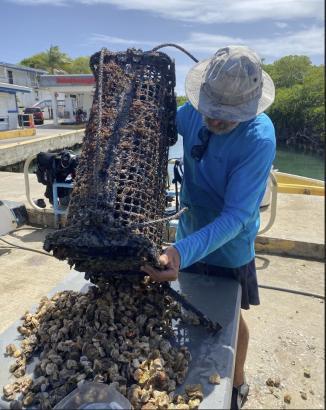
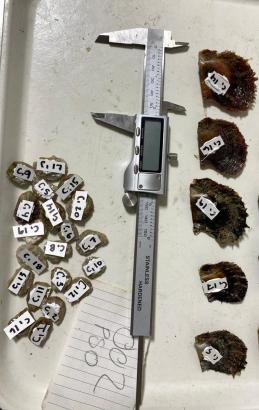
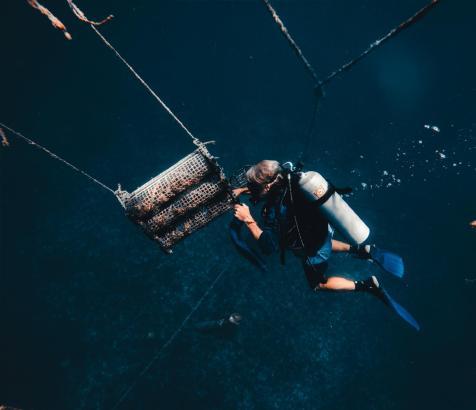
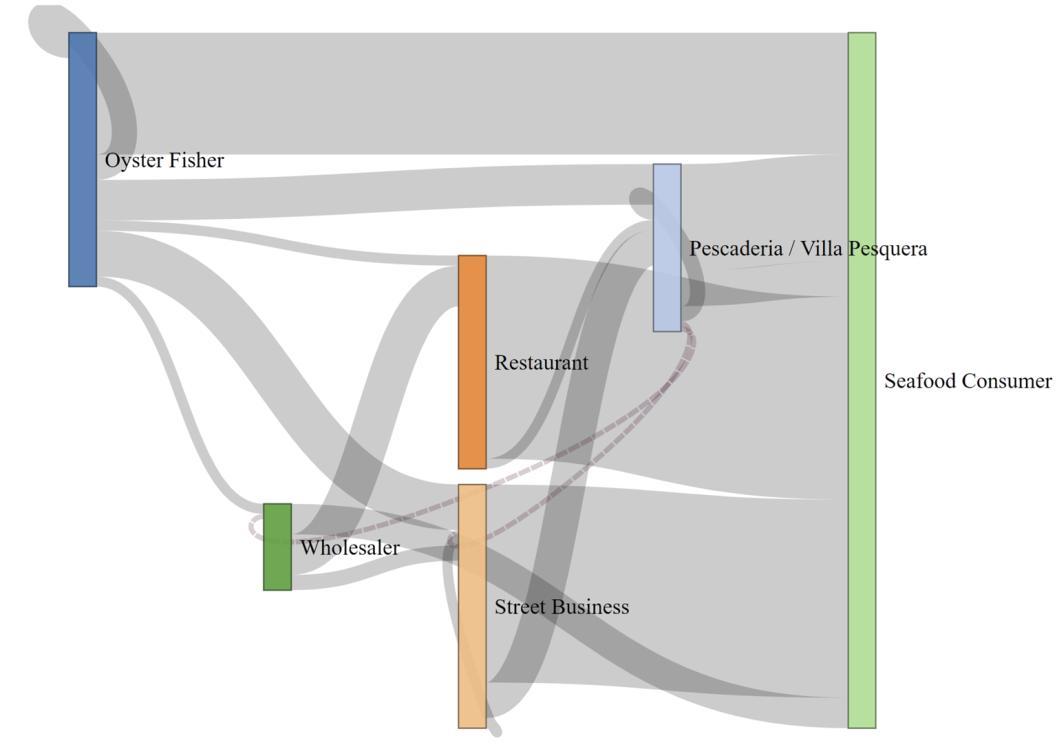
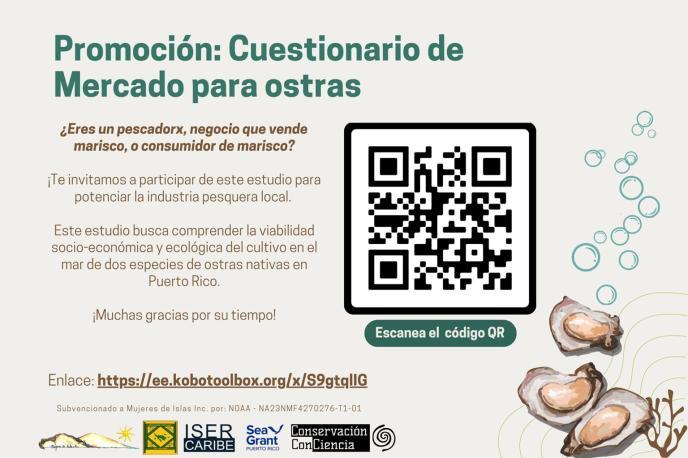
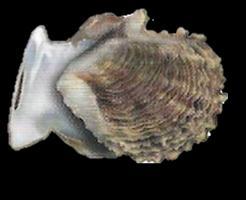
Table 1: Average willingness to pay for a dozen farmed oysters in USD for mangrove oysters (Crassostrea rhizophorae) and Atlantic pearl oysters (Pinctada imbricata) for all survey responses.
Species
Crassostrea rhizophorae $19.18 (±6.85 SD) n=102
of all responses
Pinctada imbricata $21.15 (±5.93 SD) n=92
Open Comments:
● Concerns on access to permits and lack of government support.
● Concerns of aquaculture benefits flowing mostly to foreign/large companies.
of all responses
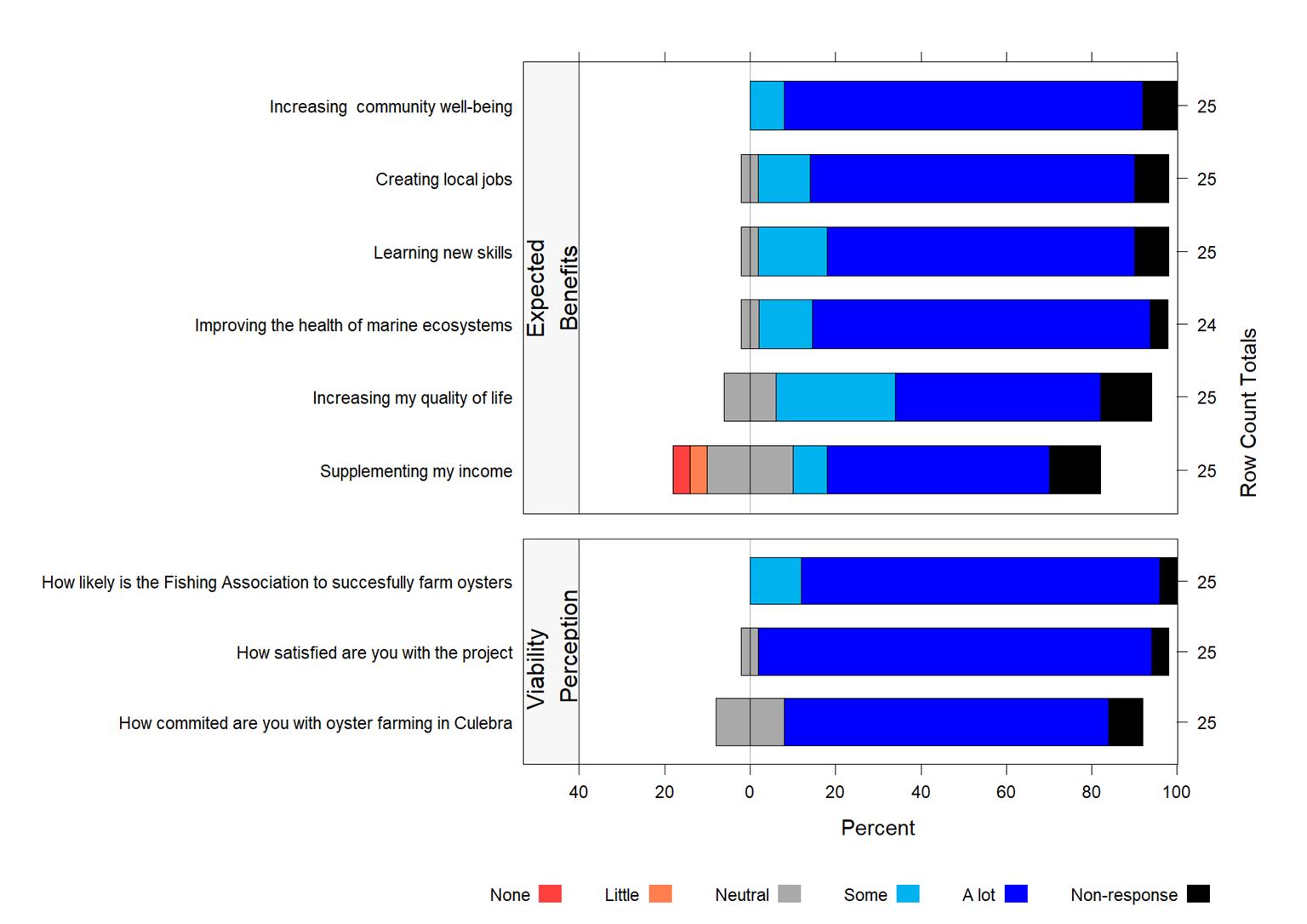
There is a favorable perception of oyster aquaculture as a complementary livelihood, if it is community-managed, ecologically sound, and does not displace fisherfolk.


Protectores de Cuencas:
● Presence of enterococci 8.5 to 831 (MPN/100ml) in Ensenada Honda
Aslín Pagán, Universidad Ana G. Méndez:
● Presence of Vibrios vulnificus & alginolyticus, parahaemolyticus, cholerae) in both species and growout sites.





Promising next steps:
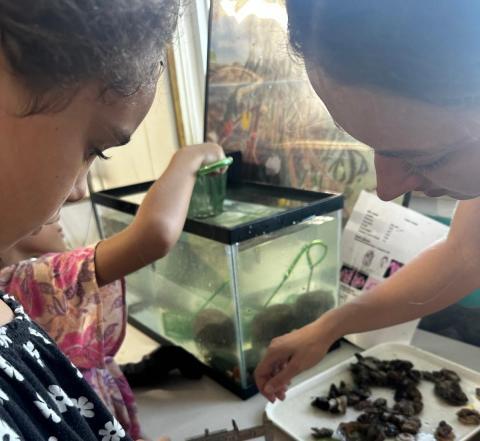
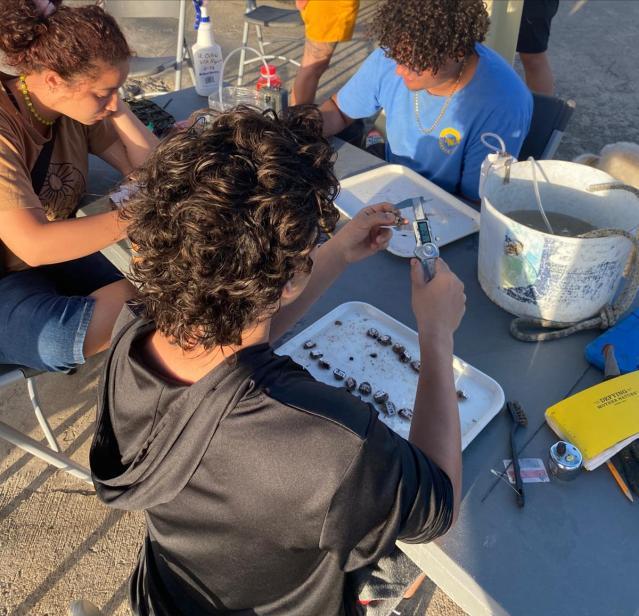
● Enhanced spat collection: trialing collector types (low cost materials) and depths (surface collectors, horizontal vs. vertical)
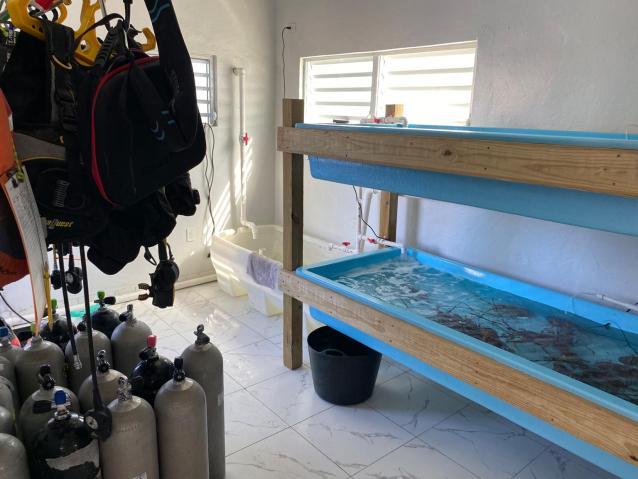
● Hatchery for P. imbricata and seeding pearls
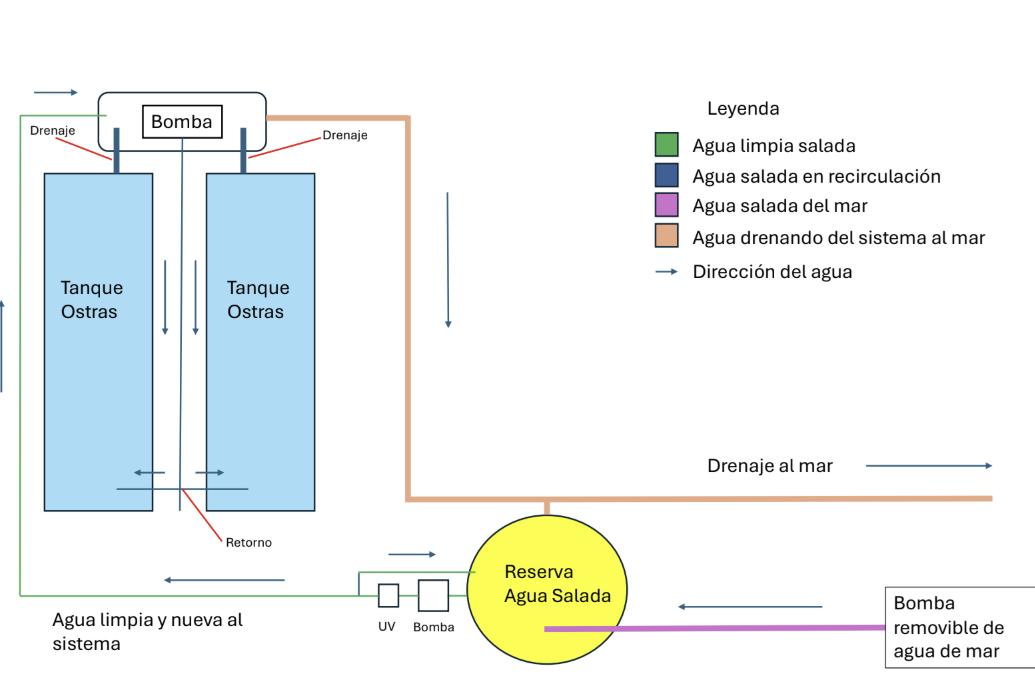
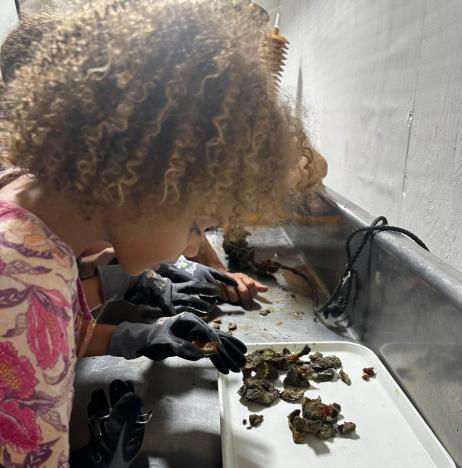
● Depuration efficacy and training: testing for different contaminants and efficiency of depuration/ purification (following FAO manual). Training dedicated technicians
● Transition towards commercial permitting: supporting coastal communities through commercial permitting process (e.g., bona fide fisher exemptions, determining appraisal value & annual lease fee)
Nicolás Gómez Andújar, Principal Investigator, nicolas@mujeredeislas.org
Megan Considine, Principal Investigator, megan@mujeredeislas.org