CFMC UPDATES
OCTOBER 2025

The Caribbean Fishery Management Council (CFMC) newsletter contains activity announcements, facts on various marine species, and valuable information on fishing and the regulations that govern this activity in federal waters around Puerto Rico and the U.S. Virgin Islands.
WHAT DO ISLAND-BASED FISHERIES WHAT DO ISLAND-BASED FISHERIES
MANAGEMENT PLANS TELL US MANAGEMENT PLANS TELL US SEASONAL SEASONAL FISHING CLOSURES FOR SNAPPERS? FISHING CLOSURES FOR SNAPPERS?
Fishing for the following species in federal waters of the U.S. Caribbean (Puerto Rico & USVI) is prohibited from October 1st to December 31st:
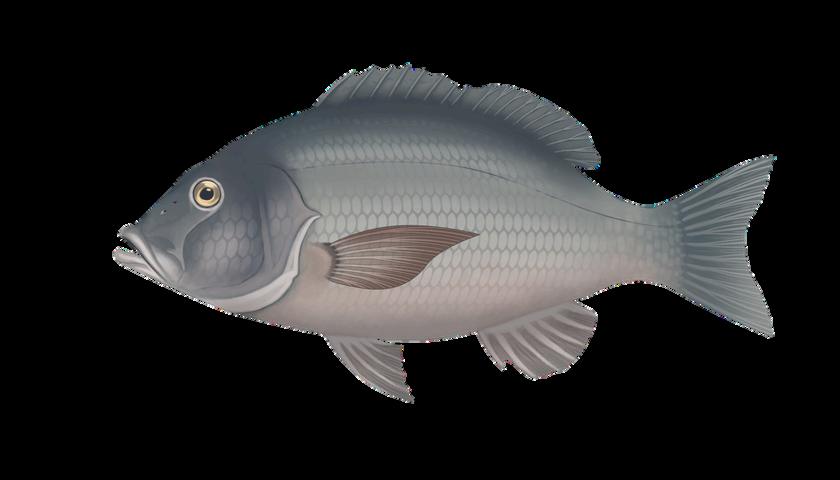
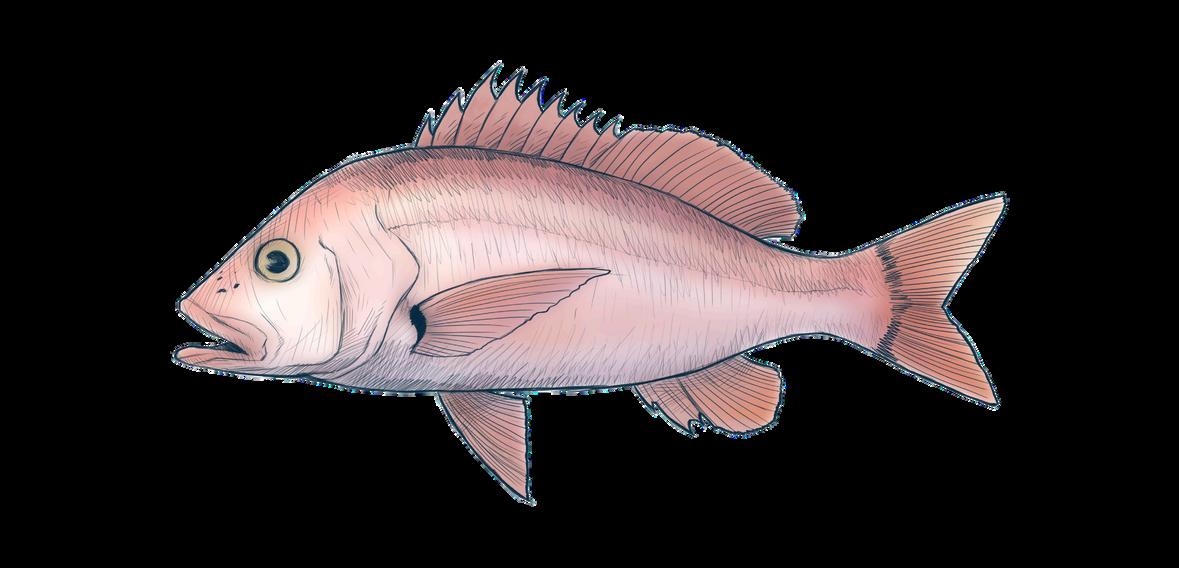
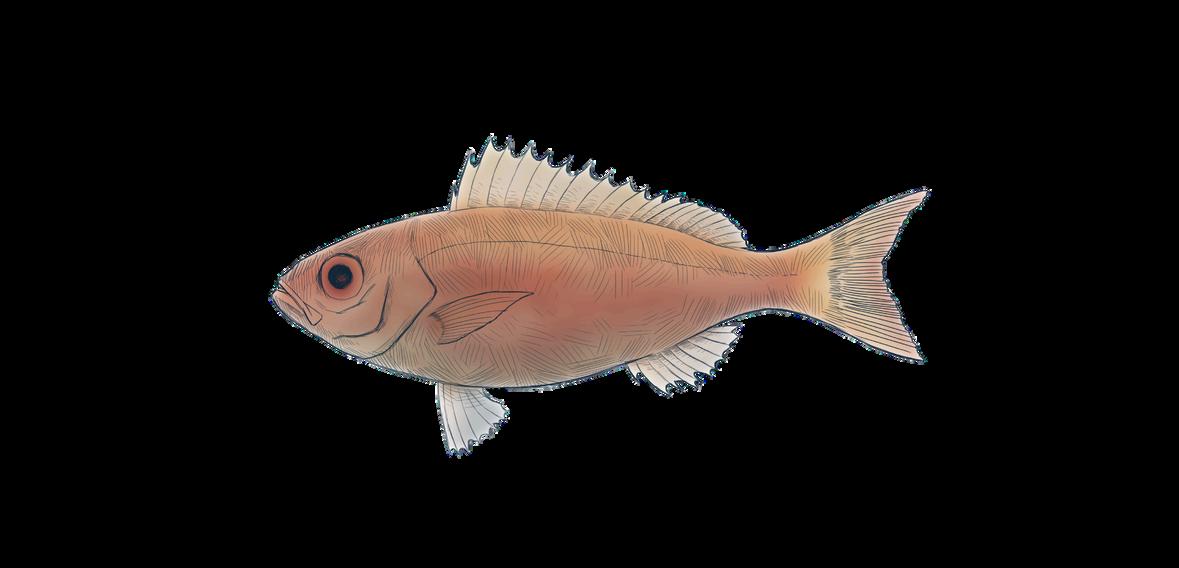
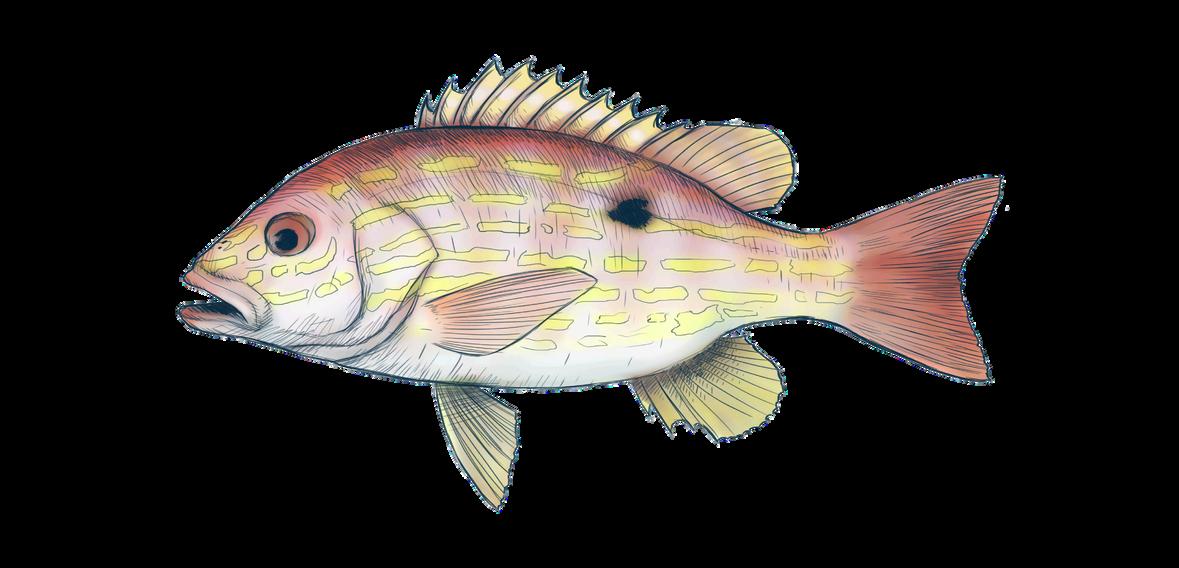
Black Snapper | Chopa negra | Apsilus dentatus
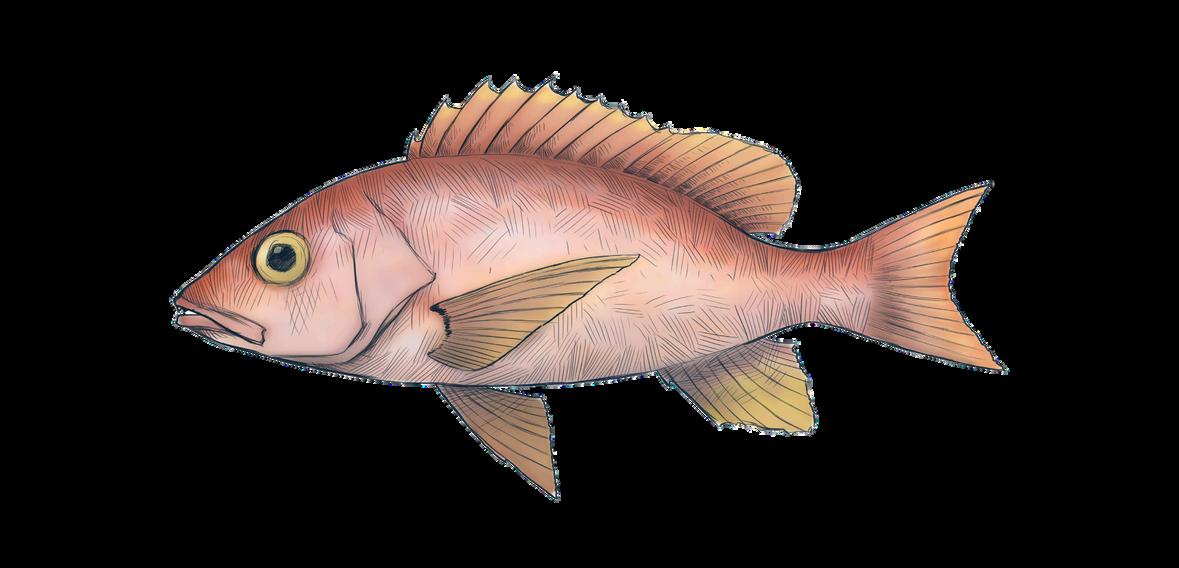
Silk Snapper | Chillo | Lutjanus vivanus
Vermilion Snapper | Besugo | Rhomboplites aurorubens
This seasonal closure occurs during this period because the months of October to December have been reported as peak spawning seasons for these species.
The snappers aforementioned are part of the Snapper 1 Complex, included in the Island-Based Fishery Management Plans (IBFMPs). To learn more about these classifications, see Chapter 5 of the IBFMPs. These plans are available at https://caribbeanfmc.com/fishery-management-plans.

Appendix J of the IBFMPs provides information on the biology and life history of the species included in the management plans. Following, we present some of the facts provided for each species:
BLACK SNAPPER | CHOPA NEGRA | APSILUS DENTATUS
Habitat and Distribution
Black snapper occurs in the Western Central Atlantic, off the Florida Keys (USA), and in the western Gulf of Mexico and Caribbean Sea. A demersal species, the black snapper is primarily found over rocky bottom habitat, although juve are sometimes found near the surface. It moves offshore to deep-water reefs and rocky ledges as it grows and matures. They can be found between 100 and 300 meters (300-1,000 feet approx.) deep.
Diet

Prey includes fishes and benthic (occurring at the bottom of the sea) organisms, including cephalopods (e.g., octopus), tunicates, and crustaceans.
BLACKFIN SNAPPER | ALINEGRA | LUTJANUS BUCANELLA
Habitat and Distribution
Blackfin snapper occurs in the Western Atlan far north as North Carolina (USA) and Bermu south to Trinidad and northern Brazil, includi Gulf of America and Caribbean Sea. This spec very common in the Caribbean, particularly in Antilles. The blackfin snapper is a demersal sp found from 20-200 m (65-660 feet) depth.
Adults inhabit deeper waters over sandy or rocky bottoms, and near drop-offs and ledges. Juveniles occur in shallower waters, often between about 35 and 50 meters (115-164 feet approx.), and sometimes in small schools. Suitable bottom type is probably more important than depth in influencing the distribution of this species.
Diet
Fishes are the primary prey. It also feeds on isopods (various crustaceans), shrimp, spiny lobster, crabs, octopuses, squid, and tunicates.
SILK SNAPPER | CHILLO | LUTJANUS VIVANUS
Habitat and Distribution
Silk snapper are found in western Atlantic wat far north as Cape Hatteras, North Carolina and Bermuda and as far south as Brazil. It is most abundant around the Antilles and the Bahama reported depth range for silk snapper is 64m –Younger, smaller fish are generally found in sh depths than older and larger individuals
Suitable bottom type is probably more important than depth in influencing the distribution of this species Silk snapper have been reported to school in size groups. Studies suggest that silk snapper are commonly associated with blackfin snapper and vermillion snapper, though silk snapper are usually found at a slightly deeper depth.
Diet
Its prey includes fish, shrimp, crabs, gastropods (invertebrate mollusks, e.g., snails), cephalopods (e.g., octopuses), tunicates, some pelagic species, isopods, and other invertebrates.
VERMILLION SNAPPER | BESUGO | RHOMBOPLITES AURORUBENS
Habitat and Distribution
Vermilion snapper occurs in the Wes from Bermuda and North Carolina (U including the Gulf of America and Ca Vermillion snapper are demersal, com found over rock, gravel, or sand bott edge of the continental and island sh bottom type is probably more impor in influencing the distribution of this
This fish is found in moderately deep waters from 180-300 meters (590-980 feet approx.). Vermilions often form large schools; particularly the young, which generally occur at shallower depths.
Diet
Prey items include fishes, shrimps, crabs, polychaetes, other benthic (sea bottom) invertebrates, cephalopods, and planktonic (drifting) organisms.
There are catch limits for snapper, grouper, and There are catch limits for snapper, grouper, and parrotfish in federal waters of the U.S. Caribbean. parrotfish in federal waters of the U.S. Caribbean. These limits include the species described in this These limits include the species described in this bulletin. For recreational fishing of these species, 5 bulletin. For recreational fishing of these species, 5 fish per person per day are allowed, of which no more fish per person per day are allowed, of which no more than 2 fish may be parrotfish, or if 3 or more people than 2 fish may be parrotfish, or if 3 or more people are on a vessel, a total of 15 fish per day per vessel is are on a vessel, a total of 15 fish per day per vessel is allowed, of which no more than 6 may be parrotfish. allowed, of which no more than 6 may be parrotfish.



Writing: Cristina D. Olán Martínez (CFMC) | Design and layout: Rosana López Muñoz (Rosana Studio) | Illustrations: Puerto Rico Sea Grant Review: Miguel Rolón (CFMC), Diana Martino (CFMC) y Jannette Ramos García (Presidenta OEAP)