UPDATES CFMC
APRIL 2025

The Caribbean Fishery Management Council (CFMC) newsletter contains activity announcements, facts on various marine species, and valuable information on fishing and the regulations that govern this activity in federal waters around Puerto Rico and the U.S. Virgin Islands.
OVERVIEW OF FISHING REGULATIONS OVERVIEW OF FISHING REGULATIONS
IN THE U.S. VIRGIN ISLANDS FEDERAL WATERS IN THE U.S. VIRGIN ISLANDS FEDERAL WATERS
The Caribbean Fishery Management Council (CFMC) and the National Marine Fisheries Service are responsible for the conservation and management of federal fishery resources in the U.S. Caribbean Exclusive Economic Zone (EEZ), which extends 3 nautical miles from the U.S. Virgin Islands (USVI) coast to the offshore boundary of the EEZ, and 9 nautical miles from the Puerto Rico coast to the offshore boundary of the EEZ
The CFMC shifted from a U.S. Caribbean-wide management approach to an island-based management approach, applicable to the three separate U.S. Caribbean management areas: (1) St. Croix, USVI; (2) St. Thomas/St. John, USVI; and (3) Puerto Rico with the adoption of three fishery management plans (FMPs) Previously, the CFMC managed federal fisheries in the U S Caribbean EEZ under four U.S. Caribbean-wide FMPs: the Reef Fish FMP, the Spiny Lobster FMP, the Queen Conch FMP, and the Corals and Reef Associated Plants and Invertebrates FMP.
Implementing island-based FMPs allows the Council to manage the stocks targeted in federal waters surrounding each management area, the available markets for the products harvested from those waters, the economies of fishers and the fishing communities they represent, and the social and cultural attributes unique to each island.
Below, we present a summary of the current regulations included in the St. Croix and St Thomas/St John FMPs In an upcoming issue, we will present the regulations included in the Puerto Rico FMP. We also created an insert that could be printed and be ready to use while fishing.
Seasonal and Area Closures
Seasonal and area closures are management tools that limit fishing activities during a certain period of time or in a specific area to protect fish populations, habitats, or spawning aggregations. Below are the seasonal and area closures applicable to USVI federal waters
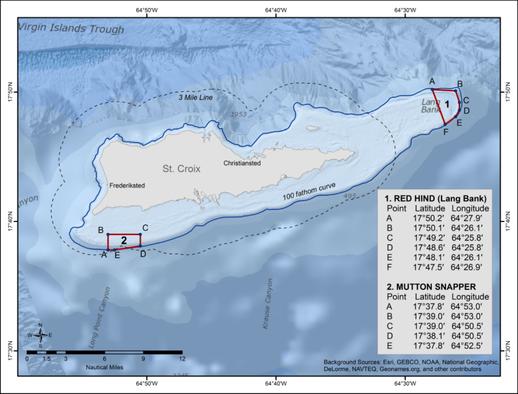
SEASONAL AND AREA CLOSURES ST. CROIX SEASONAL AND AREA CLOSURES ST. CROIX
1. Red Hind Spawning Aggregation Area (Lang Bank): Closed from December 1 through the last day of February each year, to all fishing activities. The use of pots, traps, bottom longlines, gillnets or trammel nets is prohibited year-round.
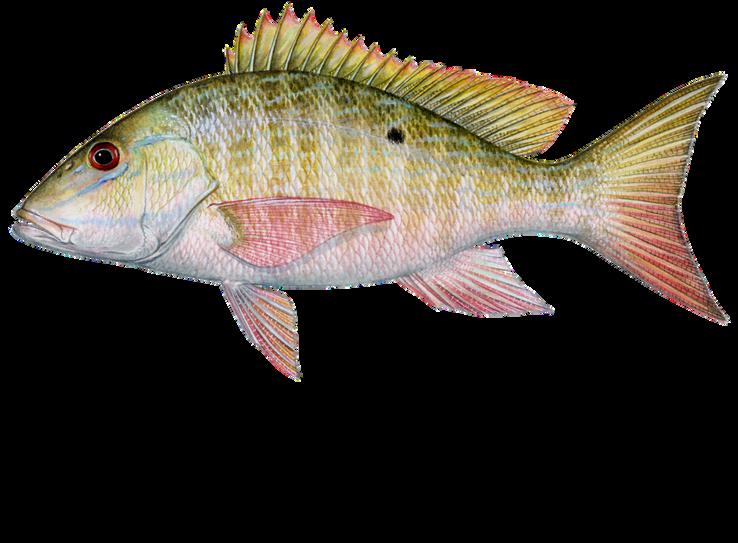
2. Mutton Snapper Spawning
Aggregation Area: Closed from March 1 through June 30 each year, to all fishing activities The use of pots, traps, bottom longlines, gillnets or trammel nets is prohibited year-round.

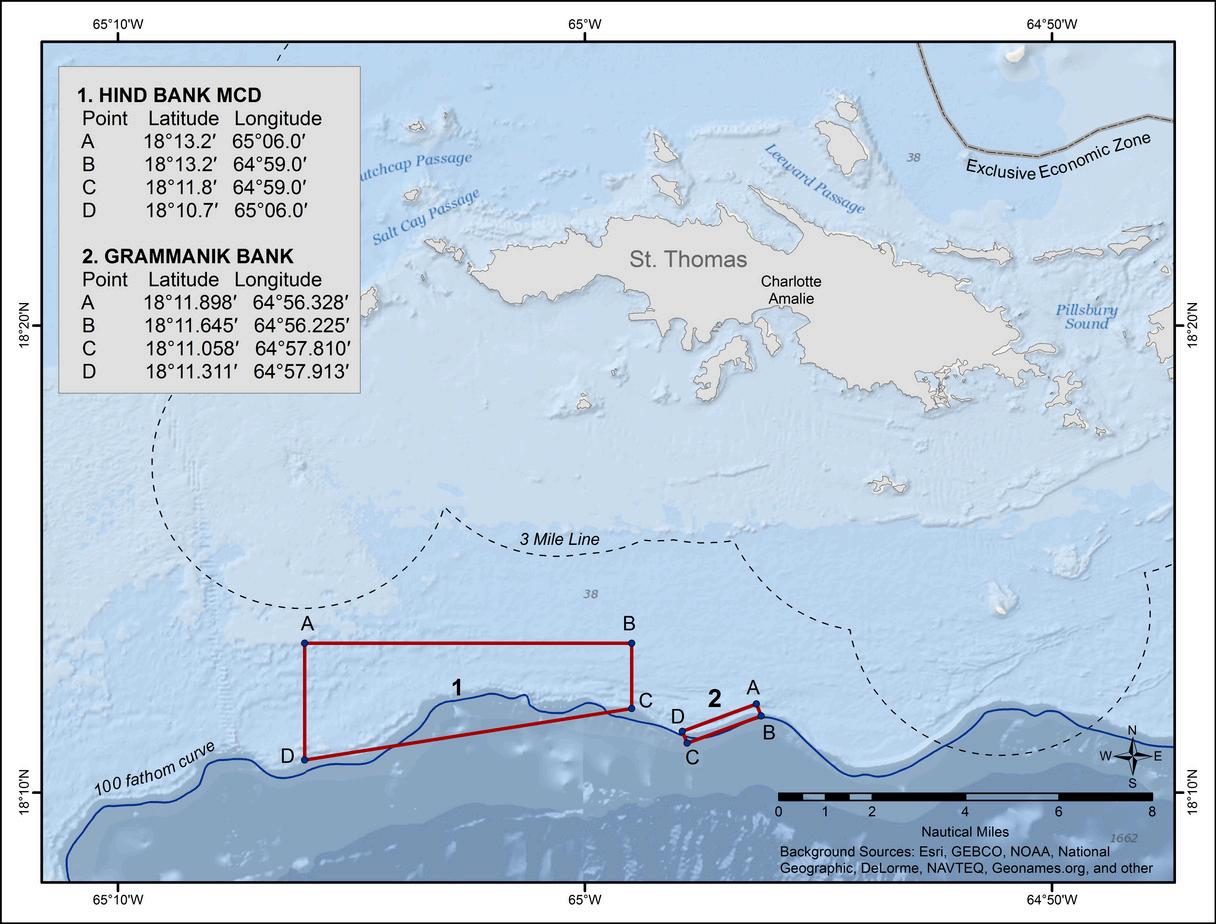
SEASONAL AND AREA CLOSURES ST. THOMAS
SEASONAL AND AREA CLOSURES ST. THOMAS
1. Hind Bank Marine Conservation District (MCD): Closed year-round to all fishing activities Anchoring is prohibited year-round
2. Grammanik Bank: Closed from February 1 through April 30 each year, to fishing activities, except for harvest of highly migratory species (HMS). The use of pots, traps, bottom longlines, gillnets or trammel nets is prohibited year-round.
Gear and Method Restrictions
Not all gear or methods are allowed for fishing. There are restrictions that are established to protect fish populations and habitats. Read the table below to become familiarized with the gear and methods that are prohibited, and the ways that the species should be landed.
Applicable to All Fisheries
Explosives, trawl nets, trammel nets, and purse seines are prohibited in federal waters. Toxic chemicals may not be used or possessed in a coral area.
Gillnets** are prohibited for managed species and restricted for non-managed species
Applicable to Specific Fisheries Managed by the Caribbean Fishery Management Council
Reef Fish
Pelagic Fish
Spiny Lobster
Powerheads, and gillnets are prohibited for the harvest of reef fish in federal waters. Fish must be landed with head and fins intact.* Descending devices required to be on board vessels fishing for reef fish in federal waters.
Gillnets are prohibited for the harvest of pelagic fish in federal waters Fish must be landed with head and fins intact *
Spears, hooks, or similar devices, and gillnets are prohibited for the harvest of spiny lobster in federal waters. Spiny lobster must be landed with head and carapace intact. Harvest of egg bearing females is prohibited in federal waters
Queen Conch
Harvest by diving while using a continued surface air supply is prohibited in federal waters. Queen conch must be landed with meat and shell intact.
* See 50 CFR 622 10 for exceptions to this rule See 50 CFR 622.477 and 622.512 for restrictions on gillnet use.
Seasonal Closures for Specific Species
Seasonal closures for specific species are a tool to protect species during their spawning (reproduction) period. Harvesting of the following species is prohibited in federal waters around the USVI during the dates listed below.
SEASONAL CLOSURES FOR SPECIFIC SPECIES SEASONAL CLOSURES FOR SPECIFIC SPECIES
Harvest of these fish is prohibited in federal waters around the USVI during the dates listed below
February 1 - April 30
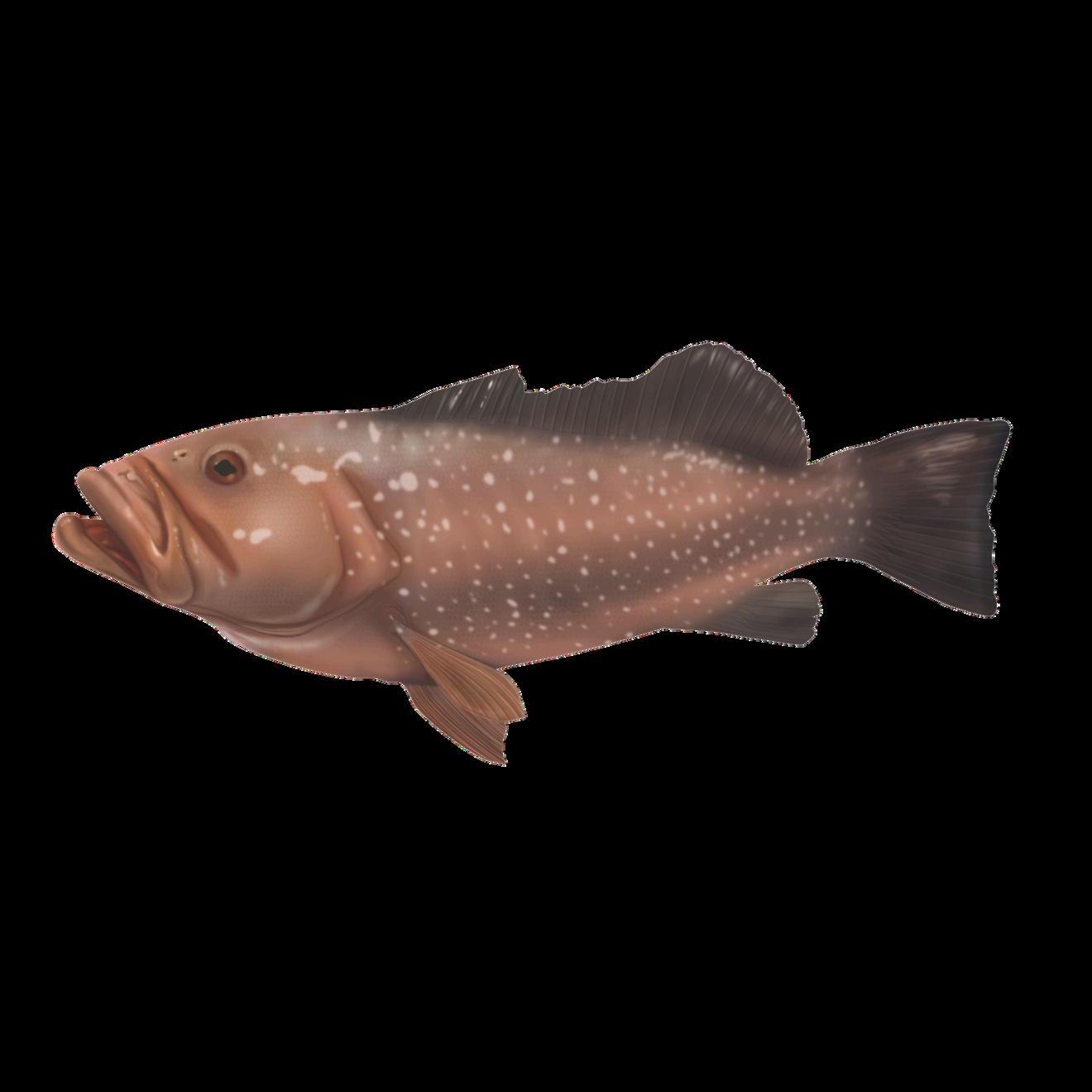
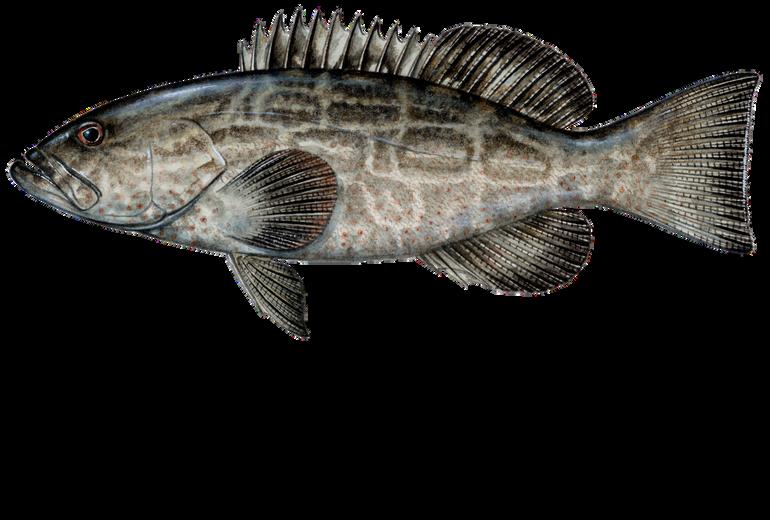
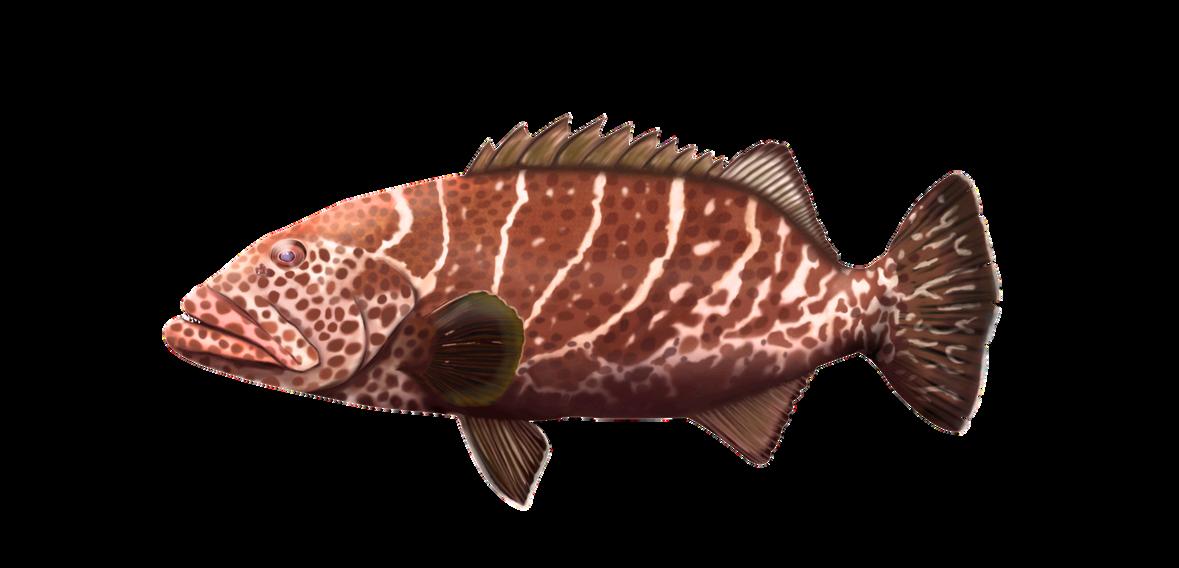
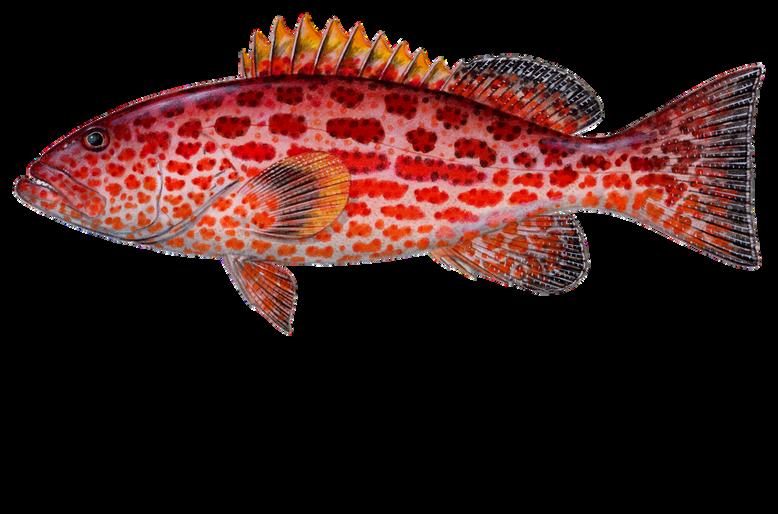
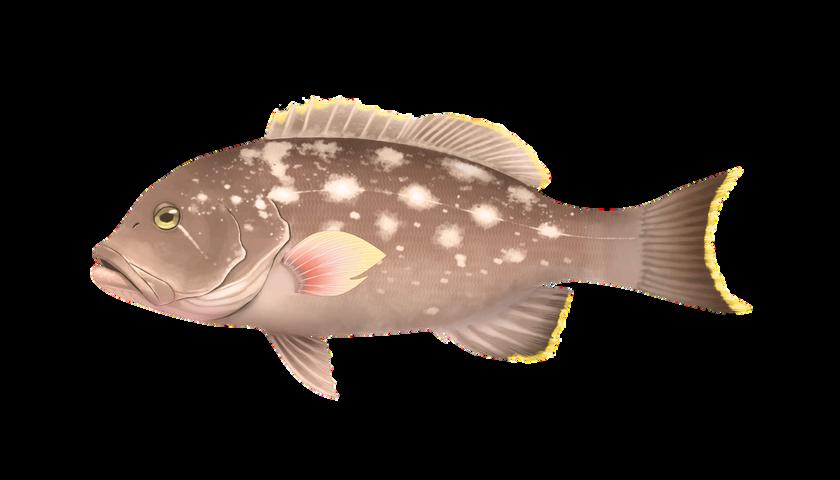
June 1 - October 31
Red Grouper
April 1 - June 30
Black Grouper
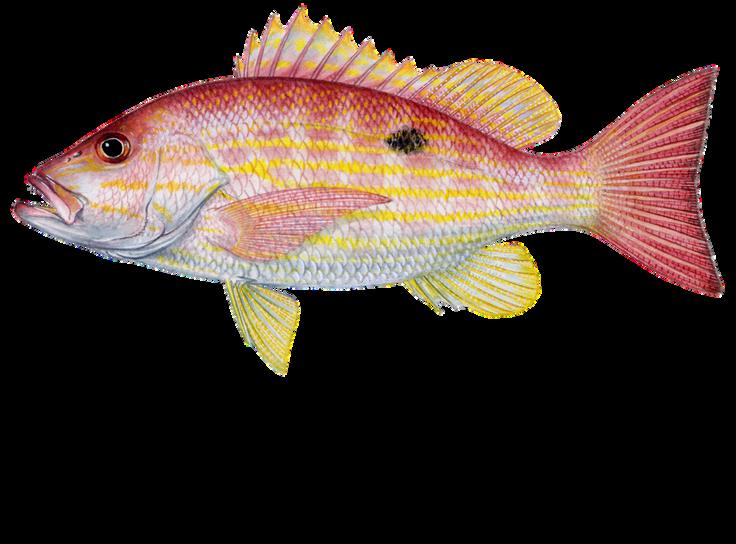
October 1 - December 31
Mutton Snapper Lane Snapper
Tiger Grouper
Yellowfin Grouper
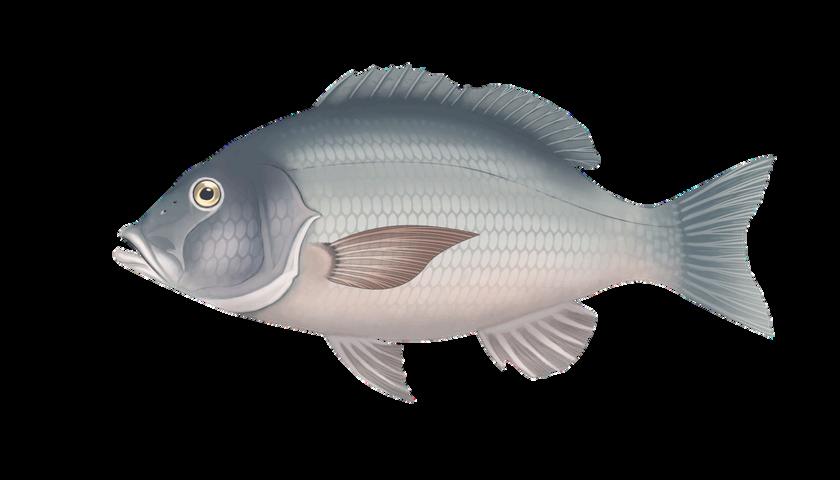
Yellowedge Grouper*
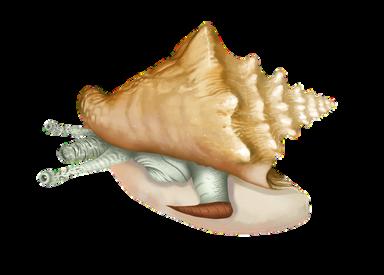
Queen Conch–harvest is allowed east of 64°34’ West longitude, which includes Lang Bank, St. Croix.
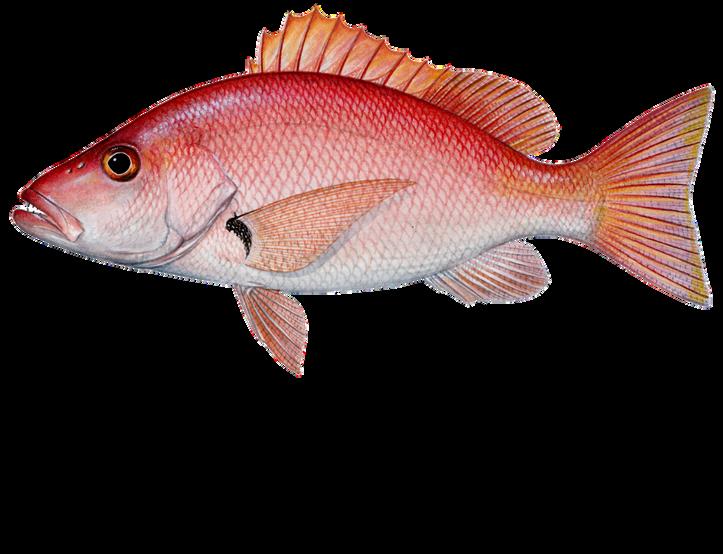
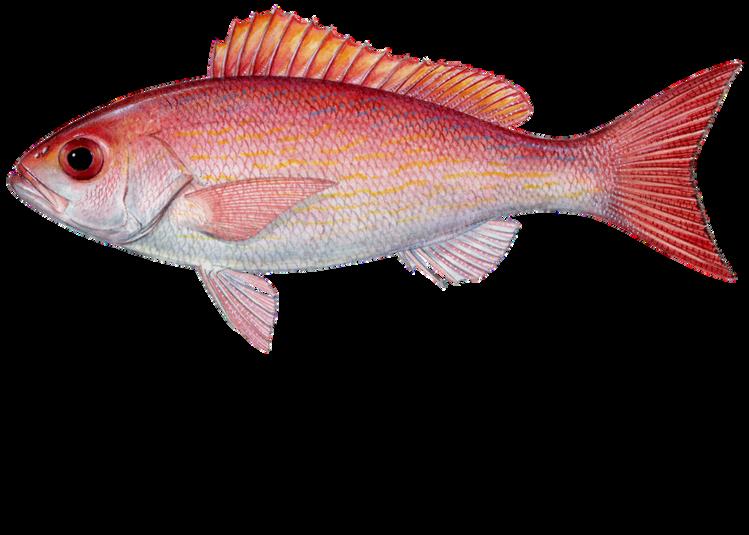
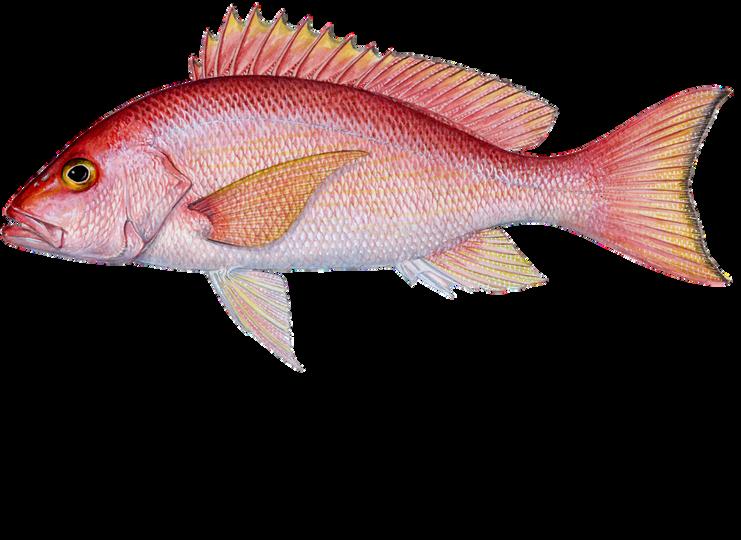
*Prohibition for the yellowedge grouper does not apply in federal waters around St. Croix.
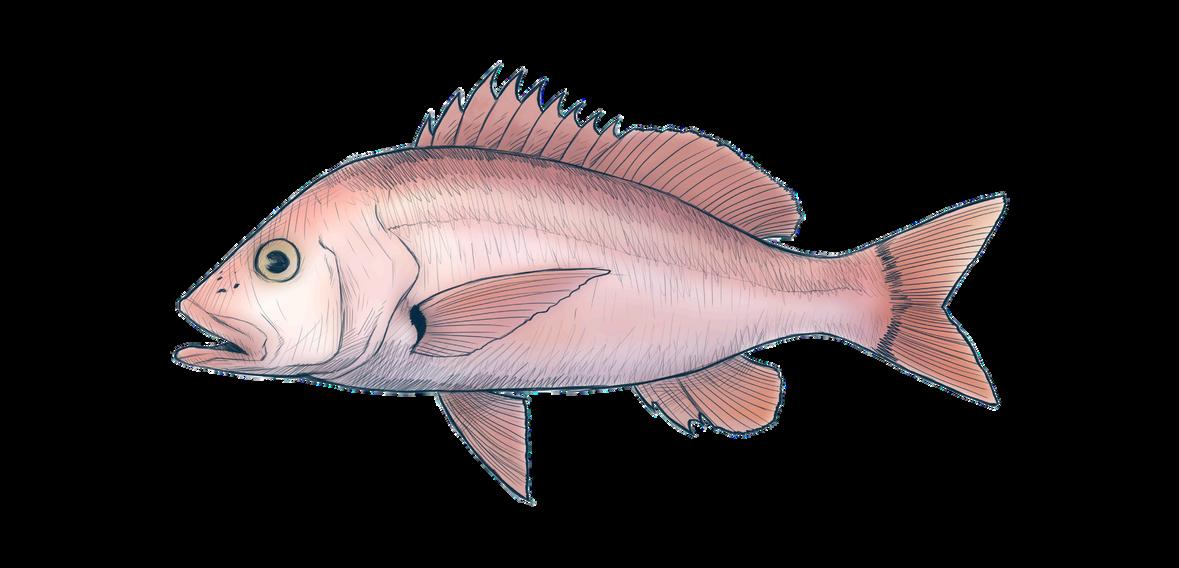
Black Snapper Blackfin Snapper Vermilion Snapper Silk Snapper
Prohibited Harvest
Fishing for the following species in the U.S. Caribbean federal waters is prohibited allyear round. If these species are caught in federal waters, they must be returned to the water inmediately, with minimal harm.
PROHIBITED HARVEST PROHIBITED HARVEST
If these species are caught in federal waters, they must be returned immediately to the water with minimal harm.
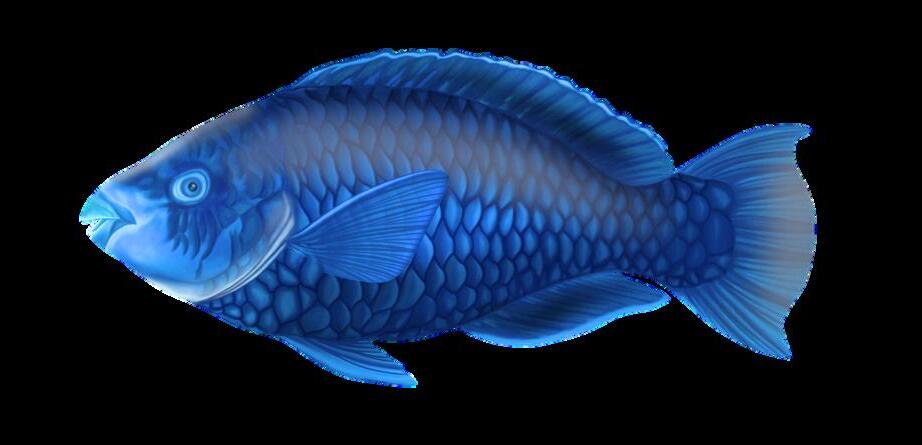
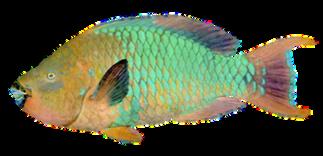
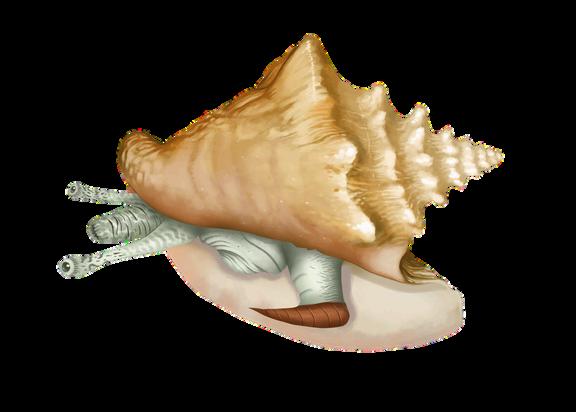
Queen Conch- Harvest is prohibited in all waters west of 64°34’ West longitude.
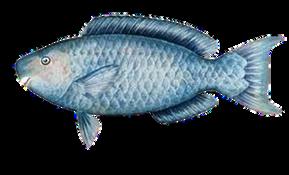
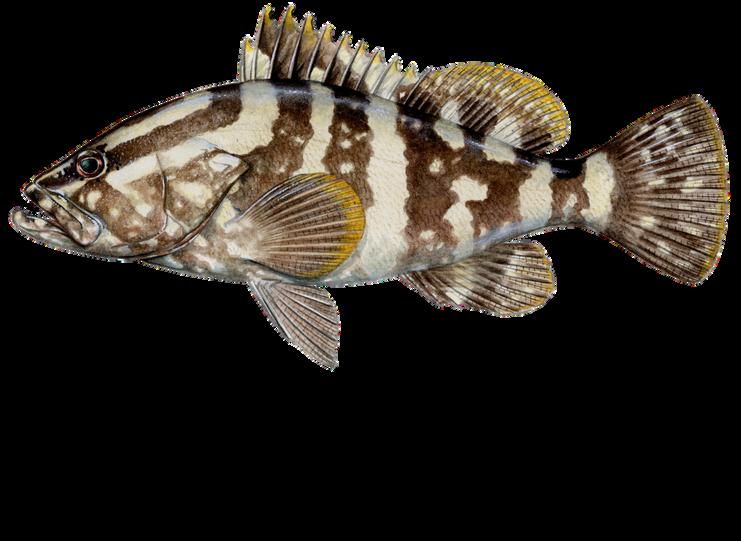
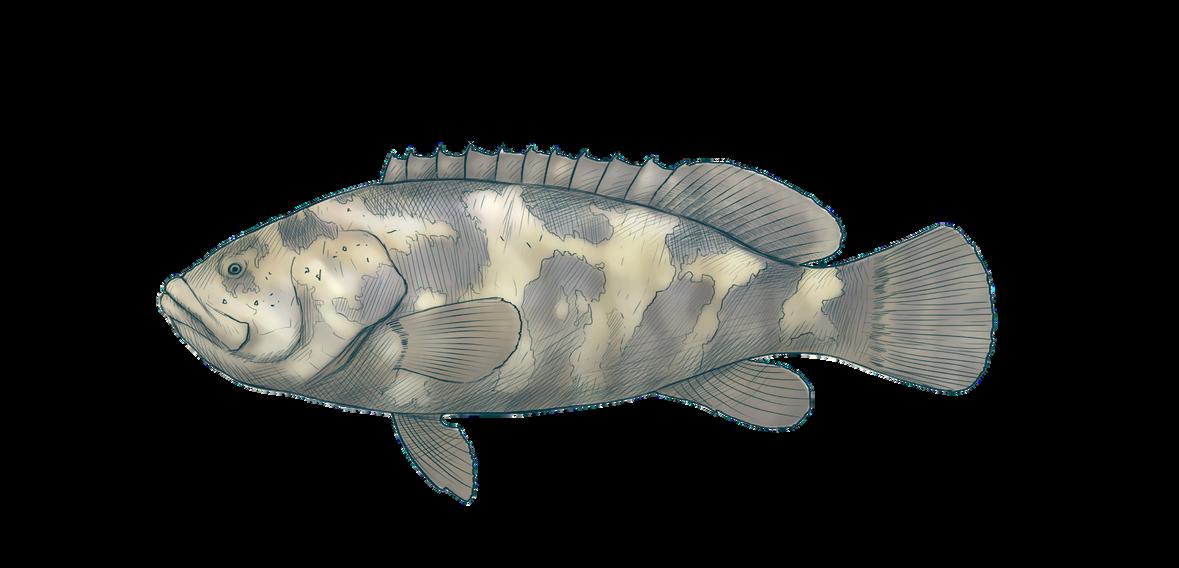
Harvest of all corals, sea urchins, and sea cucumbers is prohibited in U. S. Caribbean federal waters.
Midnight Parrotfish
Rainbow Parrotfish
Blue Parrotfish
Goliath Grouper
Queen Conch Harvest Limits
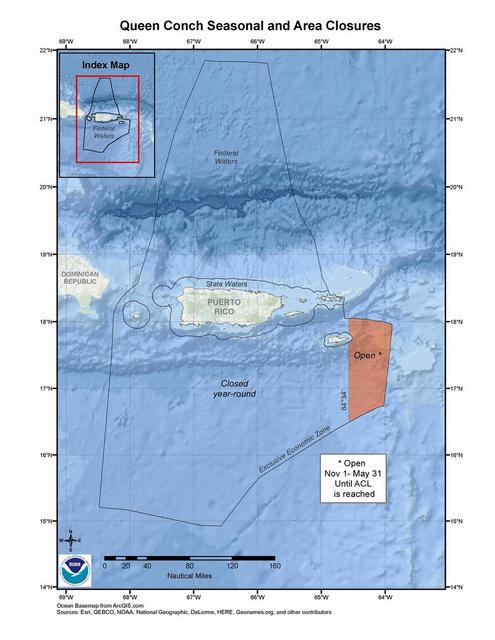
USVI FEDERAL WATERS
Economic Exclusive Zone (EEZ) 3-200 nautical miles
St. Thomas/St. John, USVI West of 64°34ʹ W Longitude in St. Croix, USVI

Fishing for queen conch is prohibited all year round.
FEDERAL WATERS / EEZ East of 64°34ʹ W longitude in St. Croix, USVI
Fishing for queen conch is prohibited June 1 - October 31.
NOTE: Fishing season ends once 50,000 pounds quota is reached. Commercial fishers can catch up to 200 queen conch per vessel/day, and recreational fishers can catch 3 queen conch per person/day, or if there are more than 4 persons on board, 12 queen conch per vessel/day
LOCAL WATERS - USVI
St. Thomas/St. John & St. Croix, USVI (0-3 nautical miles)
Fishing for queen conch is prohibited June 1 - October 31.
Minimum Size Limits in USVI Federal Waters
Keep in mind that, besides closures and harvest limits, some species have minimum size limits to catch and/or possess them. It is important to respect size limits so that the species have the opportunity to grow and reach their adult stages.
HOW TO MEASURE QUEEN CONCH MINIMUM SIZE LIMITS HOW TO MEASURE QUEEN CONCH MINIMUM SIZE LIMITS
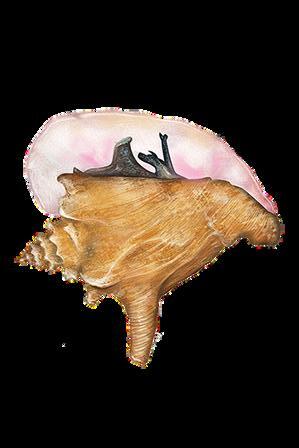
(Only for Federal Waters (EEZ) East of 64°34ʹ W longitude in St. Croix, USVI)
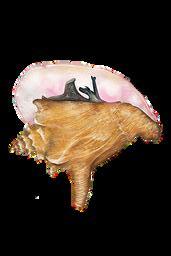
3/8 inch lip thickness
Queen Conch
9 inches (22.9 cm) in length from the tip of the spire to the distal end of the shell, or 3/8 inches (9.5 mm) in lip width at its widest point.
Queen Conch Fishery Management Area Map
MINIMUM SIZE LIMITS IN USVI FEDERAL WATERS
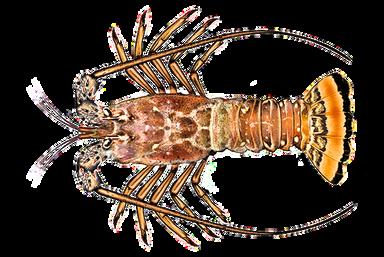
Spiny Lobster
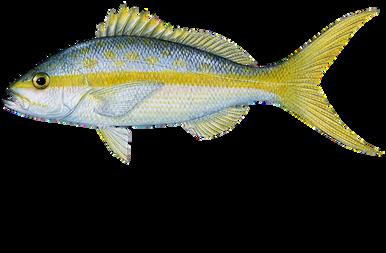
Yellowtail Snapper
Redband parrotfish**
Queen, princess, redfin, redtail, stoplight, striped parrotfish**
Dolphinfish
Wahoo
3.5 inches (8.9 cm) carapace length
12 inches (30.5 cm ) total length
8 inches (20.3 cm) fork length
9 inches (22.9 cm) fork length
24 inches (61.0 cm) fork length
32 inches (81.3 cm) fork length
**Parrotfish size limits only apply in St. Croix EEZ waters.
HOW TO MEASURE MINIMUM SIZE LIMITS HOW TO MEASURE MINIMUM SIZE LIMITS
Recreational Bag Limits
Spiny lobster, reef fish, and pelagic fish managed by the CFMC have bag limits applicable to the recreational sector. The following table shows the bag limits applicable only to those species within these groups that are managed by the CFMC.
Species snapper, grouper, parrotfish combined
St Croix
angelfish, grunts, squirrelfish, surgeonfish, triggerfish combined
St. Thomas/St. John
angelfish, grunts, jacks, porgies, surgeonfish, triggerfish, wrasses combined
5 fish per person/day

OR if 3 or more persons are on board, 15 fish per vessel/day
Not to exceed: 2 parrotfish per person/day or 6 parrotfish per vessel/day.
5 fish per person/day
OR if 3 or more persons are on board, 15 fish per vessel/day
Not to exceed: 1 surgeonfish per person/day or 4 surgeonfish per vessel/day
5 fish per person/day
if 3 or more persons are on board, 15 fish per vessel/day
Not to exceed: 1 surgeonfish per person/day or 4 surgeonfish per vessel/day
No more than 10 spiny lobsters per vessel/day
Not to exceed 32 per vessel/day
Not to exceed 10 per vessel/day
Written by: Sarah Stephenson (NOAA Fisheries), María del M López Mercer (NOAA Fisheries), Cristina D Olán Martínez (CFMC staff)
Illustrations by: Puerto Rico Sea Grant (Midnight, Blue and Rainbow Parrotfishes; Red, Yellowedge and Goliath Groupers; Queen Conch) , D Peebles, D Raver, NOAA, N (Black, Tiger, Yelllowfin and Nassau Groupers; Lane, Black, Vermillion, Silk and Yellowtail Snappers and Spiny Lobster) Graphic design by: Rosana López Muñoz (Rosana Studio) | Revised by: Miguel Rolón (CFMC Executive Director), Diana Martino (CFMC staff) and Jannette Ramos García (OEAP Chair)

SUMMARY OF COMMERCIAL AND RECREATIONAL FISHING REGULATIONS IN FEDERAL WATERS OFF THE UNITED STATES VIRGIN ISLANDS (USVI)
The Caribbean Fishery Management Council and National Marine Fisheries Service are responsible for the conservation and management of federal fishery resources in the U S Caribbean Exclusive Economic Zone (EEZ), which extends 3 nautical miles from the USVI coast to the offshore boundary of the EEZ. For information on the regulations for Atlantic Highly Migratory Species including tunas, billfishes, and sharks, visit: https://www.fisheries.noaa.gov/topic/atlantic-highly-migratory-species.
1 Red Hind Spawning Aggregation Area (Lang Bank): Closed from December 1 through the last day of February each year, to all fishing activities The use of pots, traps, bottom longlines, gillnets or trammel nets is prohibited year-round.
2. Mutton Snapper Spawning Aggregation Area: Closed from March 1 through June 30 each year, to all fishing activities The use of pots, traps, bottom longlines, gillnets or trammel nets is prohibited year-round.
1 Hind Bank Marine Conservation District (MCD): Closed yearround to all fishing activities. Anchoring is prohibited year-round.
2. Grammanik Bank: Closed from February 1 through April 30 each year, to fishing activities, except for harvest of HMS species. The use of pots, traps, bottom longlines, gillnets or trammel nets is prohibited year-round
Explosives, trawl nets, trammel nets, and purse seines are prohibited in federal waters.
Toxic chemicals may not be used or possessed in a coral area.
Gillnets** are prohibited for managed species and restricted for nonmanaged species.
Pelagic Fish
Queen Conch
Poisons, drugs or other chemicals, powerheads, and gillnets are prohibited for the harvest of reef fish in federal waters Fish must be landed with head and fins intact * Descending devices required to be on board vessels fishing for reef fish in federal waters.
Gillnets are prohibited for the harvest of pelagic fish in federal waters Fish must be landed with head and fins intact *
Spears, hooks, or similar devices, and gillnets are prohibited for the harvest of spiny lobster in federal waters Spiny lobster must be landed with head and carapace intact Harvest of egg bearing females is prohibited in federal waters.
Harvest by diving while using a continued surface air supply is prohibited in federal waters Queen conch must be landed with meat and shell intact
Applicable to All Fisheries
Applicable to Specific Fisheries Managed by the Caribbean Fishery Management Council
Reef Fish
Spiny Lobster
CLOSURES FOR SPECIFIC
SPECIES
SEASONAL CLOSURES FOR SPECIFIC SPECIES
Harvest of these fish is prohibited in federal waters around the USVI during the dates listed below
February 1 - April 30
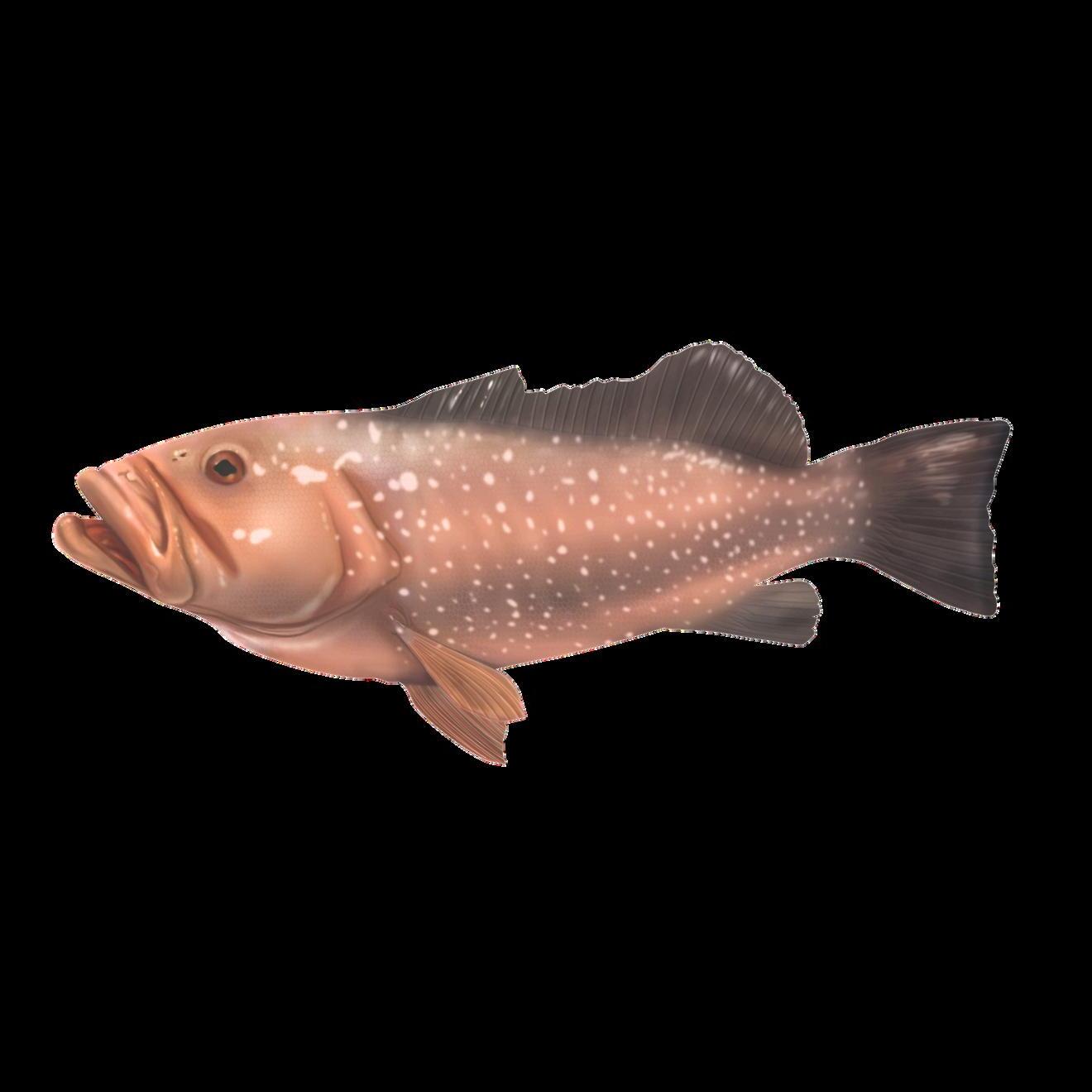
Black Grouper Red Grouper
June 1 - October 31 Yellowfin Grouper ger rouper
Yellowedge Grouper*
Queen Conch–harvest is allowed east of 64°34’ West longitude, which includes Lang Bank, St Croix
April 1 - June 30
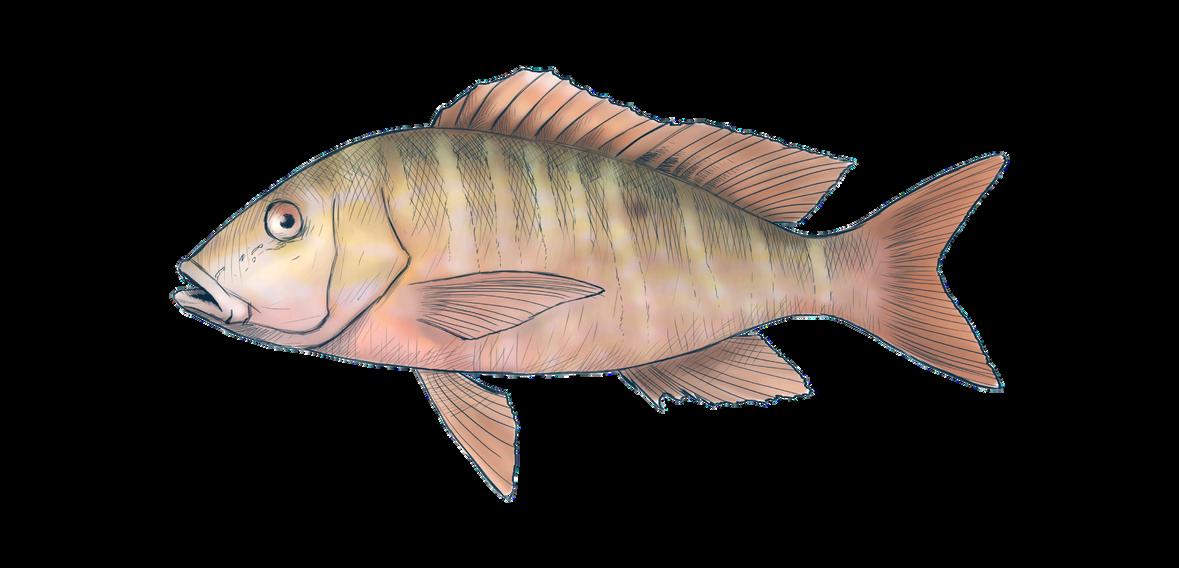
Mutton Snapper
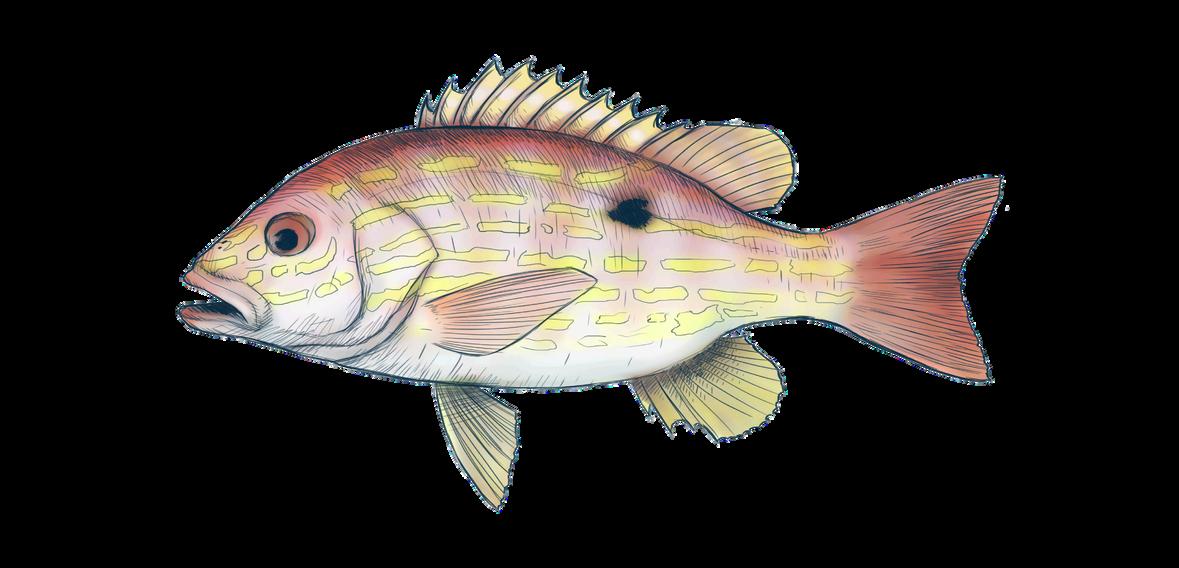
Lane Snapper
October 1 - December 31
Black Snapper
*Prohibition for yellowedge grouper does not apply
Blackfin Snapper
Vermilion Snapper
Silk Snapper
d St. Croix.
If these species are caught in federal waters, they must be returned immediately to the water with minimal harm
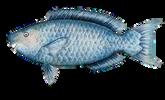
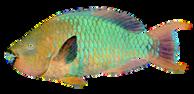
Rainbow Parrotfish
Nassau Grouper
Queen Conch – harvest is prohibited in all waters west of 64°34’ West longitude
Goliath Grouper
Harvest of all corals, sea urchins, and sea cucumbers in federal waters is prohibited
Commercial Sector - 200 queen conch per vessel/day
Recreational Sector - 3 queen conch per person/day, or if more than 4 persons on board vessel, 12 queen conch per vessel/day

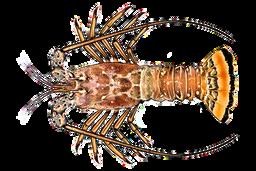
Carapace Length
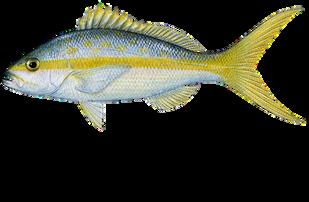
parrotfish**
Queen, princess, redfin, redtail, stoplight, striped parrotfish**
**Parrotfish size limits only apply in St Croix EEZ waters
3/8inchlip thickness
Queen Conch
9 inches (22 9 cm) in length from the tip of the spire to the distal end of the shell, or 3/8 inches (9 5 mm) in lip width at its widest point
grouper, parrotfish combined
Croix angelfish, grunts, squirrelfish, surgeonfish, triggerfish combined
St Thomas/St John angelfish, grunts, jacks, porgies, surgeonfish, triggerfish, wrasses combined
Black, Tiger, Yelllowfin and Nassau Groupers; Lane, Black, Vermillion, Silk and Yellowtail Snappers and Spiny Lobster illustrations by: D Peebles, D Raver, NOAA, N Deloach