CFMC Takes Action
Caribbean Fishery Management Council CONSERVING, RESTORING AND MANAGING OF FISHERY RESOURCES IN THE US CARIBBEAN
OCTOBER-DECEMBER 2025
Vol. 1 No. 4
Newsletter to inform and share the progress of diverse projects that advance the sustainability of the U.S. Caribbean fisheries.
To cope with increasingly dynamic environmental conditions that are affecting tropical marine fisheries resources, the CFMC must integrate innovative strategies into its planning and fisheries management approaches. But how can this be done efficiently? One approach is the vulnerability analysis being applied to a selected group of species through a project developed by Isla Mar Research Expeditions LLC, under the leadership of Dr. Chelsea Harms-Tuohy. Summarizing the Current Life History Status of Priority Council-managed Caribbean Species and Evaluating their Vulnerability to Changing Environmental Conditions is the title of this project.
It is one of six proposals approved and funded by NOAA Fisheries for the CFMC under the 2024–2027 Inflation Reduction Act (IRA) Program. In effect, the vulnerability assessment will bring to completion an analytical effort first initiated more than two decades ago!!!
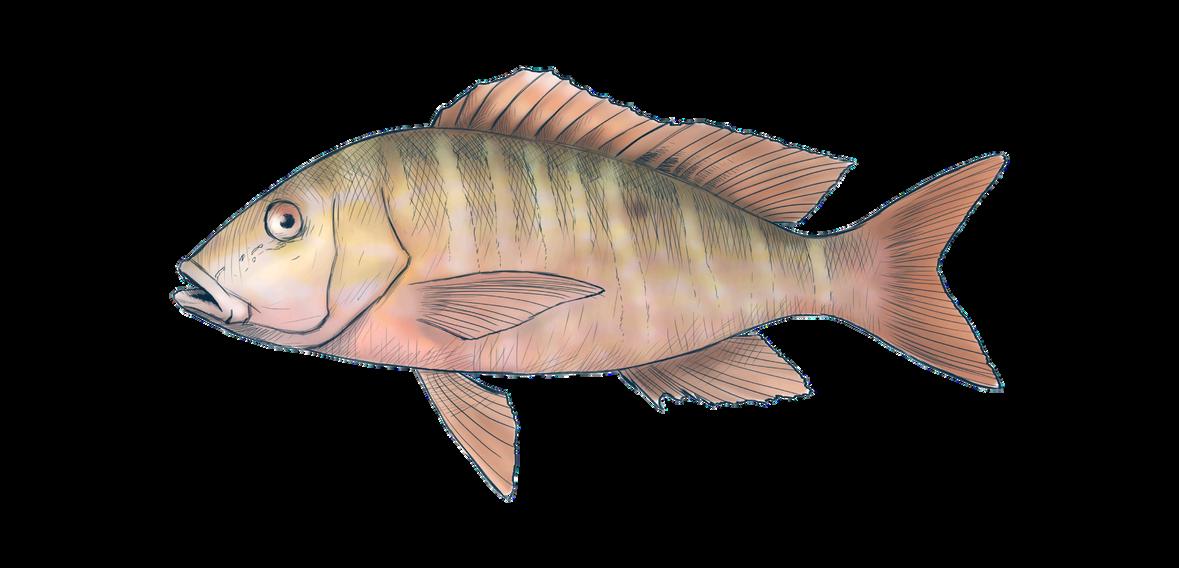
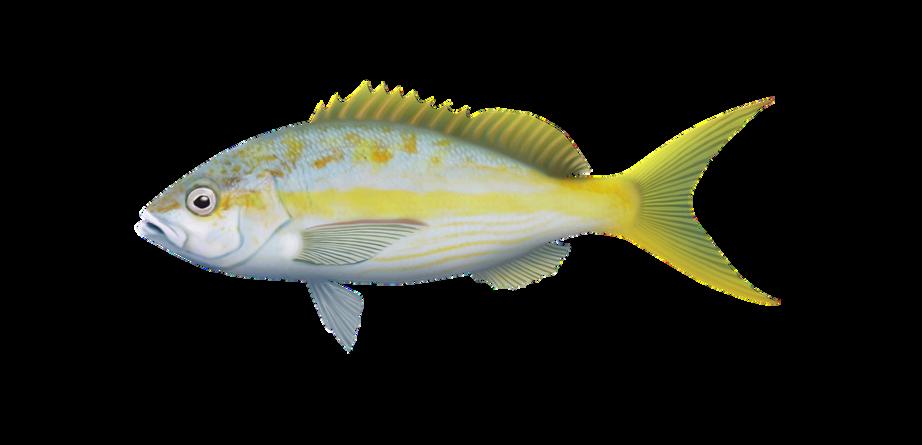
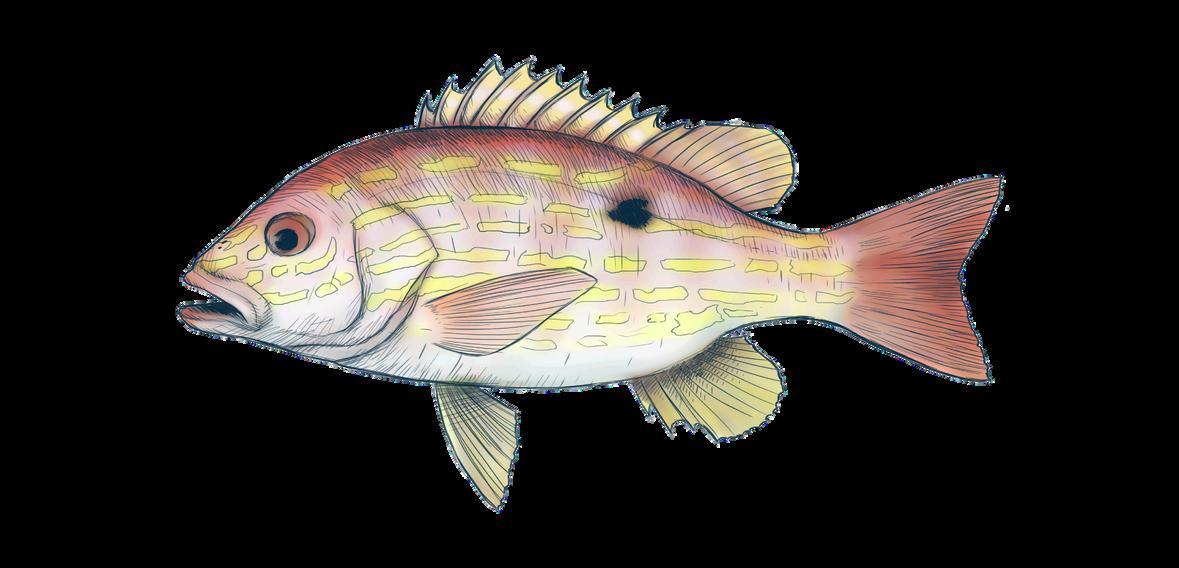
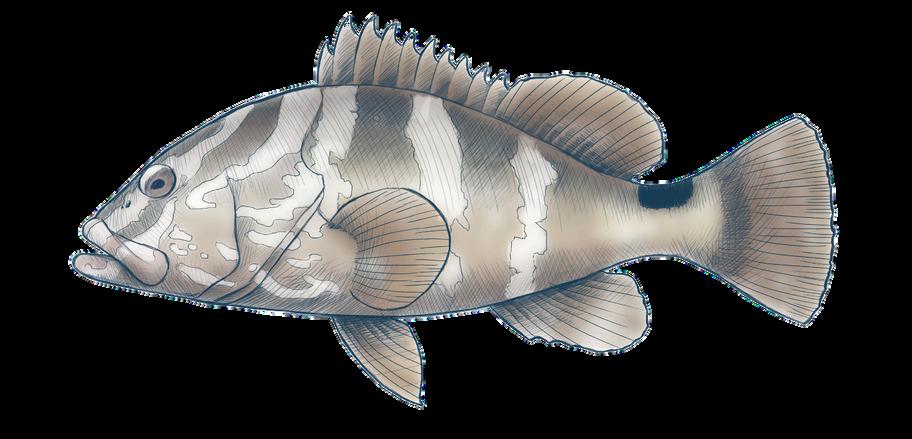
Of the more than 170 species regulated by the CFMC, 24 were selected as priority following an extensive consultative process (see table with the names of the species).This process began with early dialogues involving the CFMC staff, and members of its Science and Statistical Committee (SSC), District Advisory Panels (DAPs), and Education and Outreach Advisory Panel (OEAP). It continued through a series of discussions within NOAA Fisheries including teams from the Southeast Regional Office, the Southeast Fisheries Science Center, the Atlantic Highly Migratory Species Vulnerability Program, and the Climate Science Strategy. Preliminary input from fishers was also gathered through collaboration with other IRA–CFMC projects.
Species Selected as Priorities for Management
The table includes the Spanish, English, and scientific names of the species selected as priorities for management, according to the project described here. Within IslandBased Fisheries Management Plans (IBFMPs), species are divided into categories based on functional groups. The categories appearing in the plans are: reef fish, pelagic fish, and rays. In addition to fish, the Caribbean spiny lobster, the conch, and coral reef resources (sea cucumbers, sea urchins, and corals) are included in separate groups. In the table, we have followed these categories and also the divisions by species families.
--- Reef Fish | Peces arrecifales ---
Snappers Pargos
Species Name
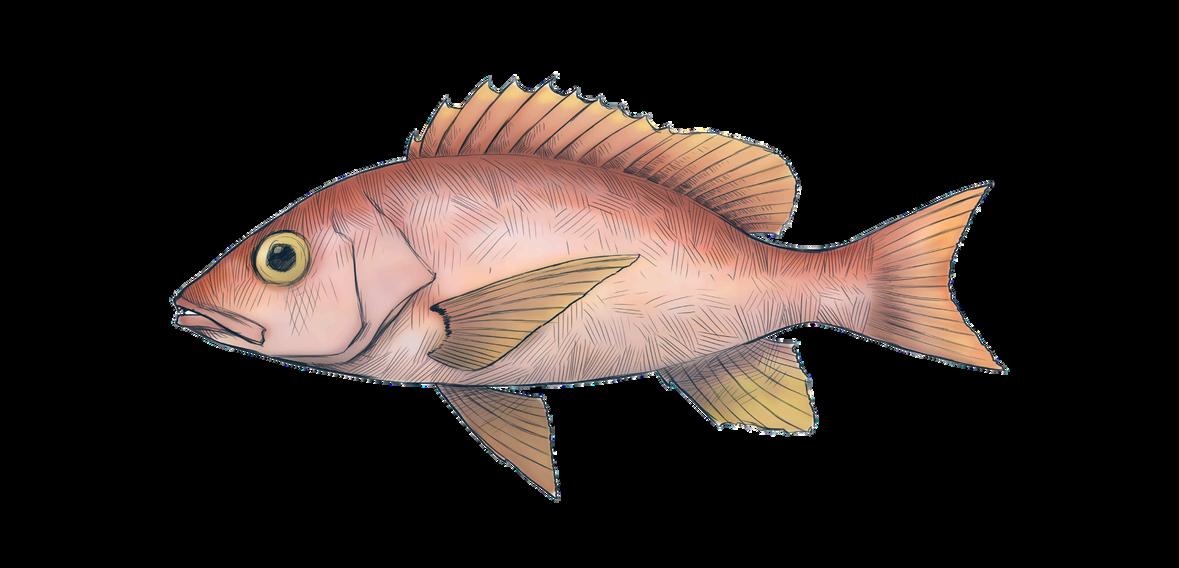
Silk Snapper
Scientific Name
Chillo Lutjanus vivanus
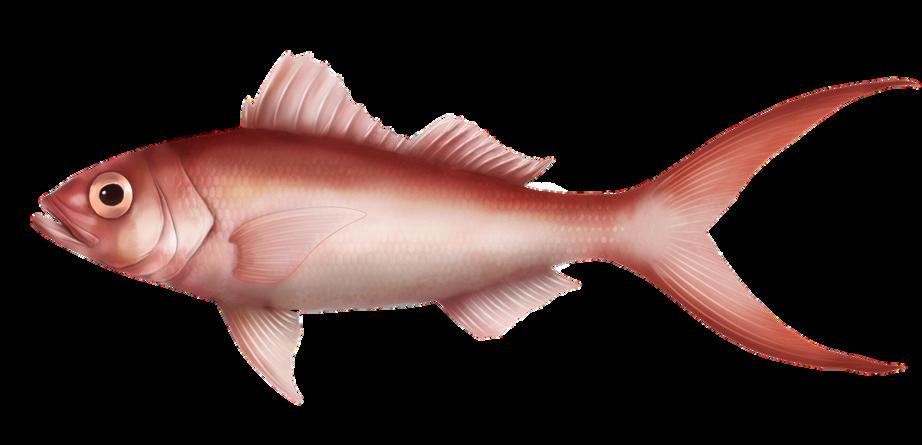
Queen Snapper Cartucho
Mutton
Snapper
Yellowtail
Snapper
Etelis oculatus
Sama Lutjanus analis
Colirrubia
Lane Snapper Arrayao
Ocyurus chrysurus
Lutjanus synagris
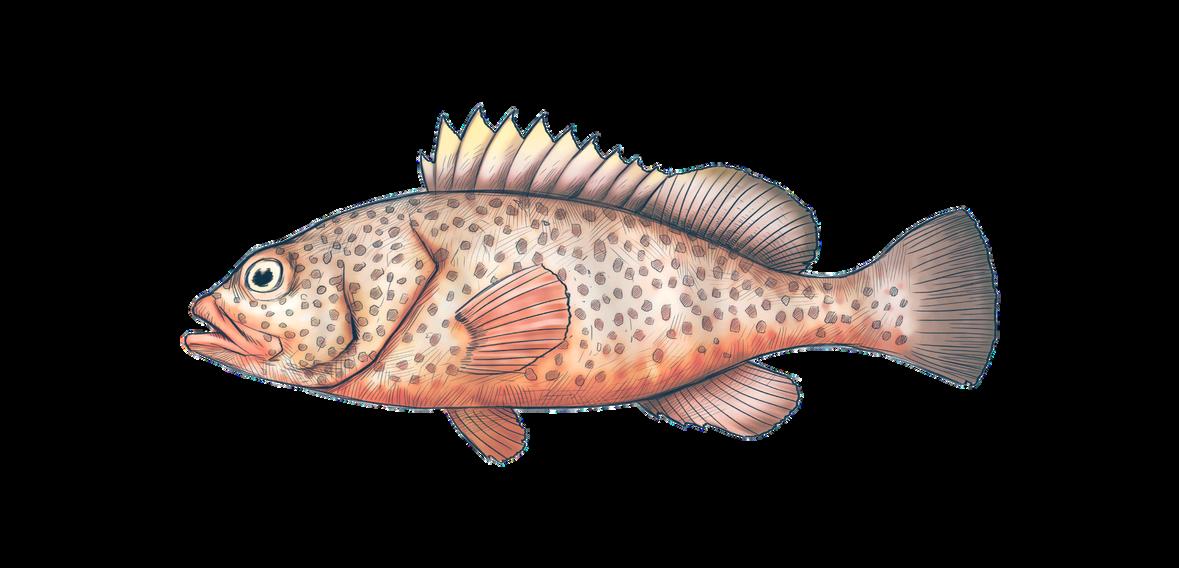
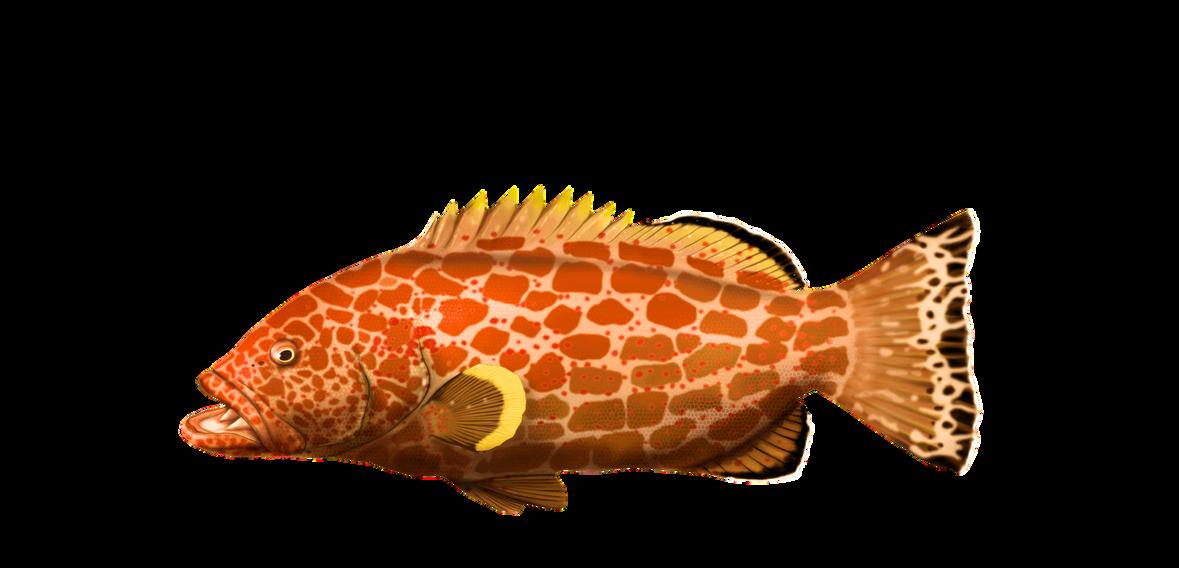
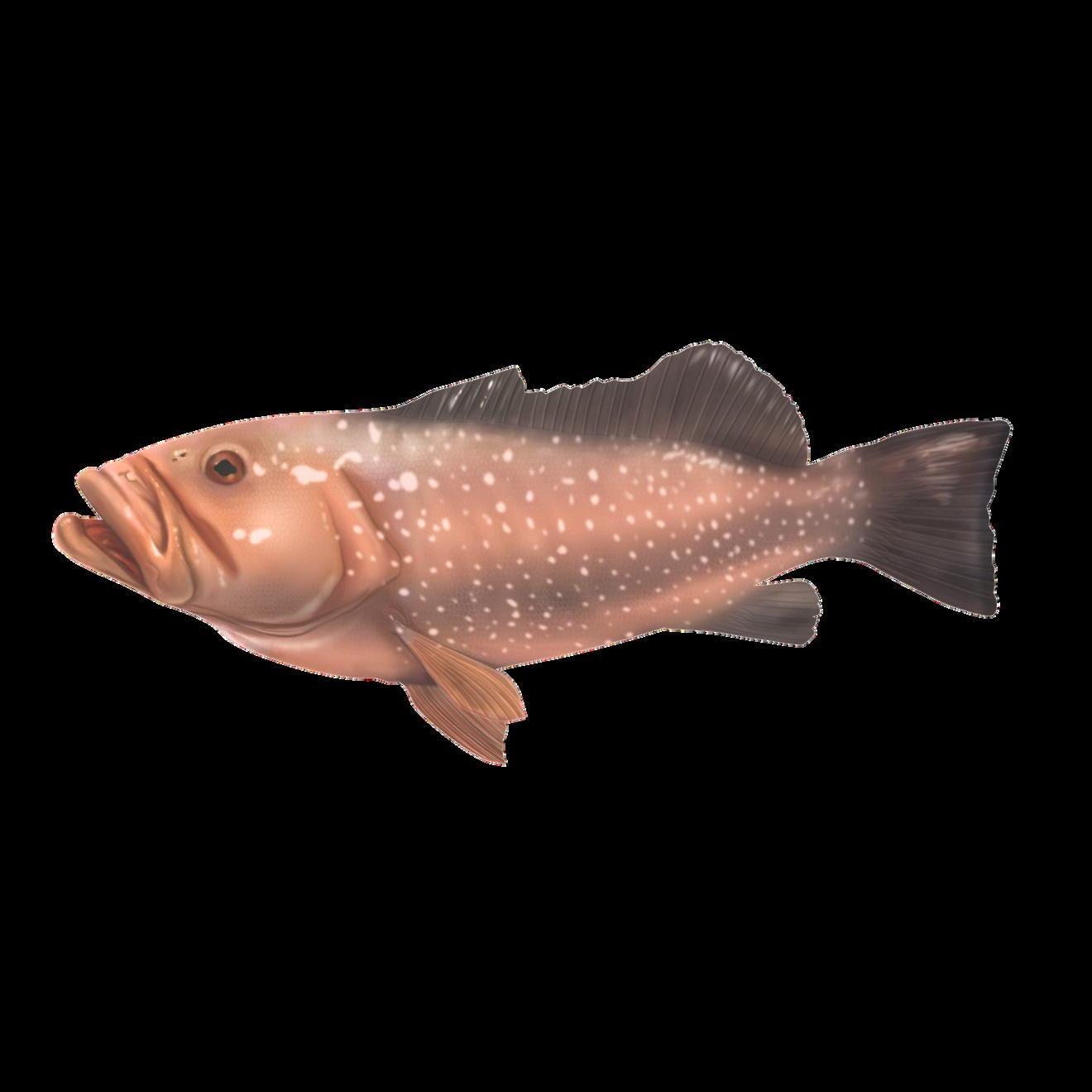
Groupers
Meros
Species Name
Parrotfish
Loros
Nombre en español
Nassau Grouper
Mero cherna
Red Hind Mero cabrilla
Scientific Name
Epinephelus striatus
Epinephelus guttatus
Yellowfin Grouper
Red Grouper
Mero pinto, Mero guajil
Mycteroperca venenosa
Chena americana Epinephelus morio
Misty Grouper Guasa Hyporthodus mystacinus
Species Name Nombre en español Nombre científico
Stoplight
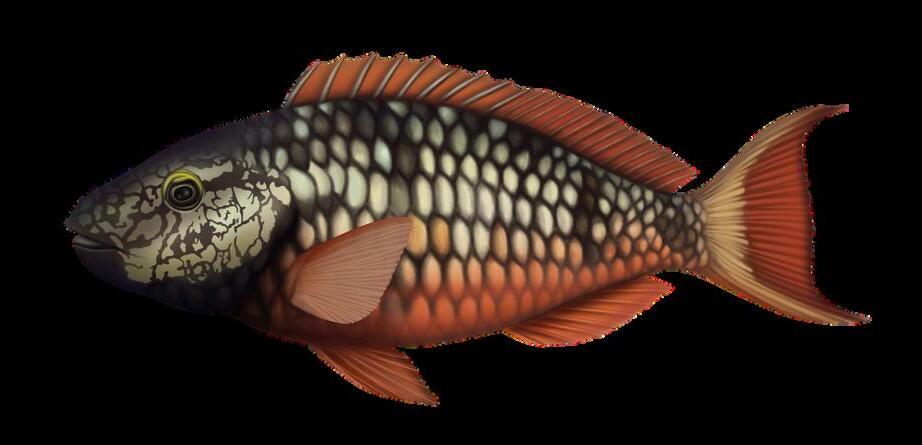
Parrotfish Loro verde Sparisoma viride
Rainbow
Parrotfish Loro guacamayo Scarus guacamaia
Triggerfish
Pejepuercos
Angelfish
Peces ángel
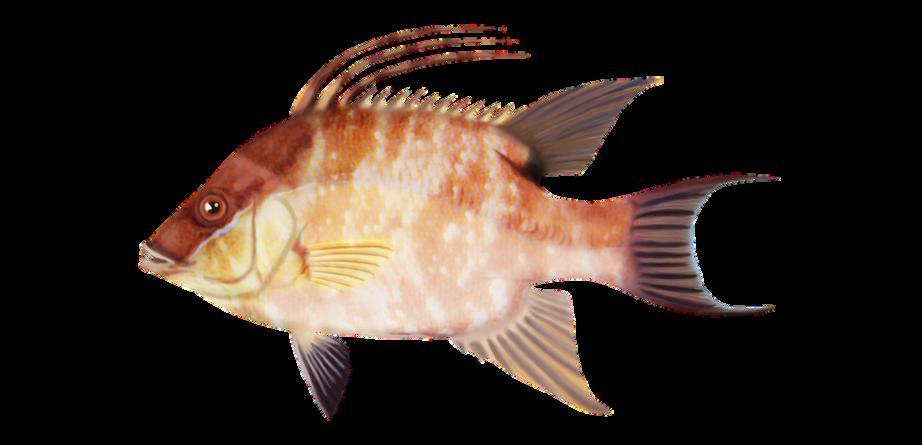
Hogfish
Capitanes
Jacks | Jureles
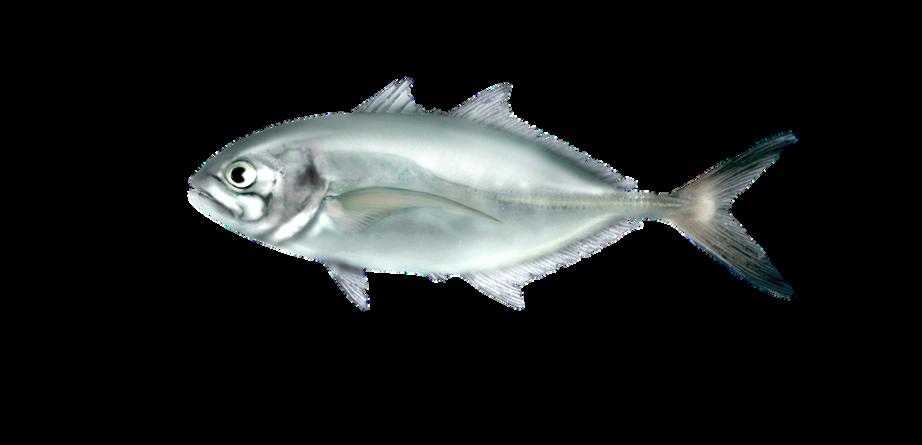
Species Name
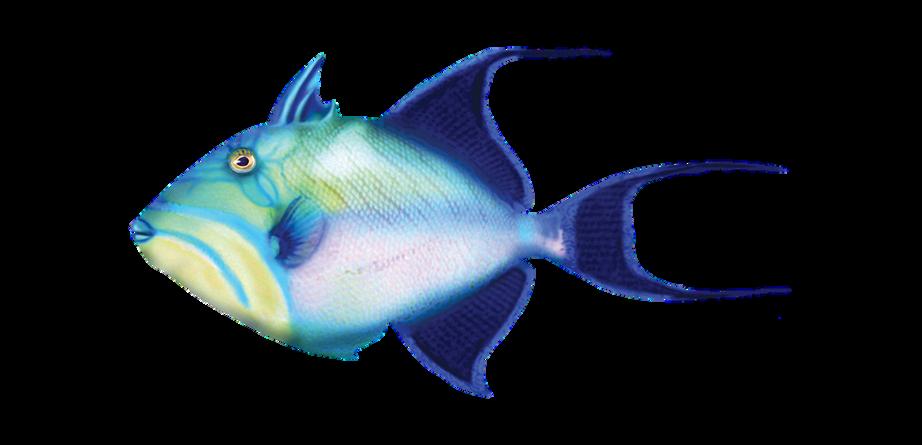
Queen
Triggerfish
Species Name
Nombre en español
Scientific Name
Pejepuerco Balistes vetula
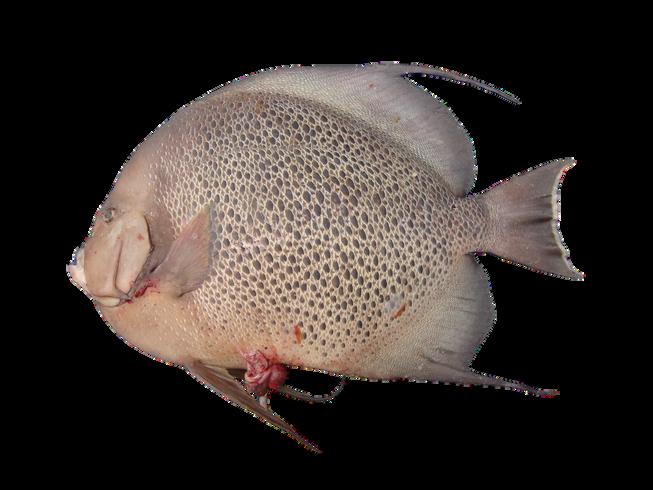
Gray Angelfish
Species Name
Hogfish
Species Name
Nombre en español
Scientific Name
Cachama blanca Pomacanthus arcuatus
Nombre en español
Scientific Name
Capitán Lachnolaimus maximus
Nombre en español
Nombre científico
Blue Runner Cojinúa Caranx crysos
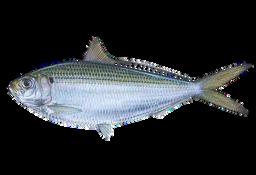
Herrings
Arenques
Mullets | Lisas
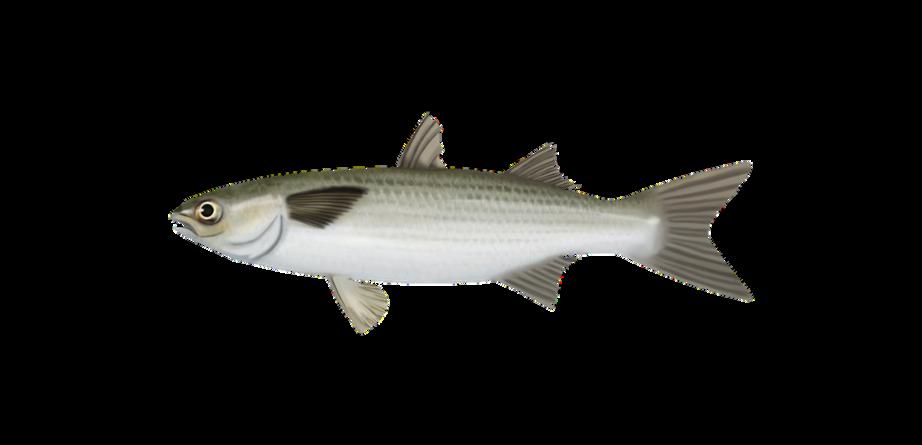
Species
Atlantic Thread
Herring Arenque Opisthonema oglinum
Species
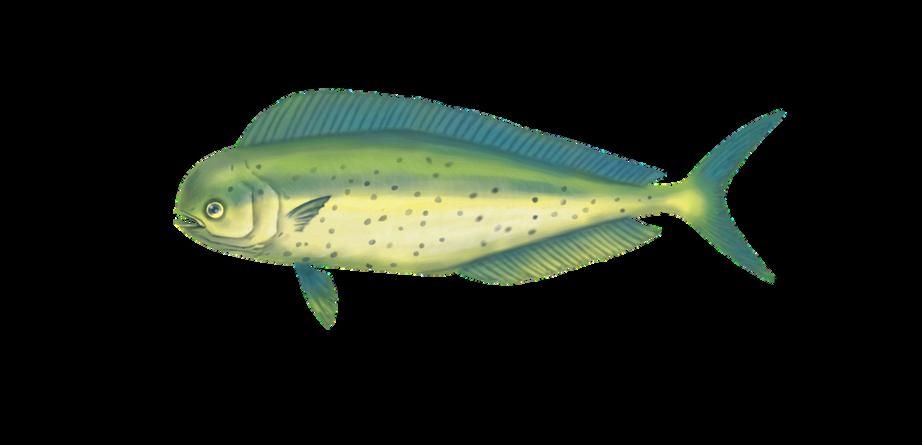
Dolphinfish
Dorados
Species Name
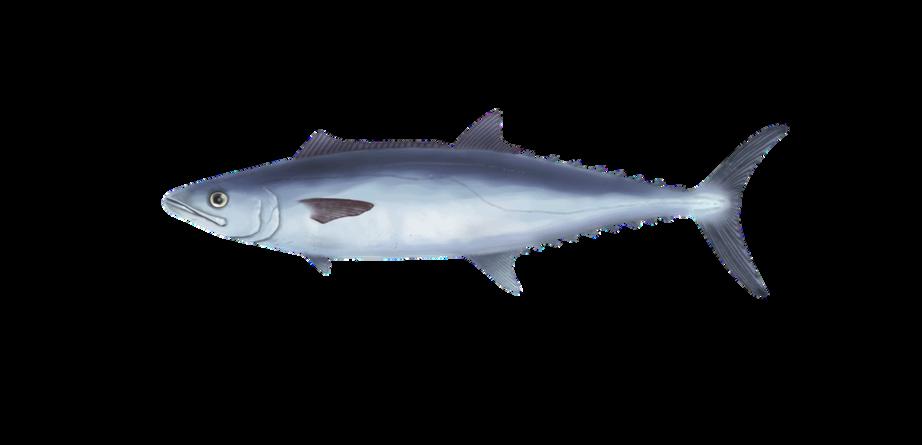
Mackerel
Sierras
Dolphinfish Dorado Coryphaena hippurus
Species
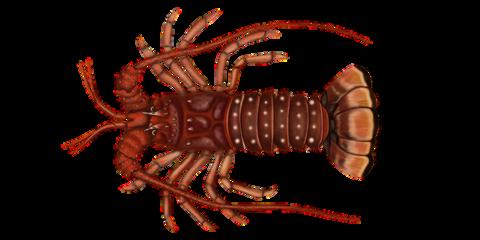
Lobster
Langosta
Nombre en español
Langosta espinosa
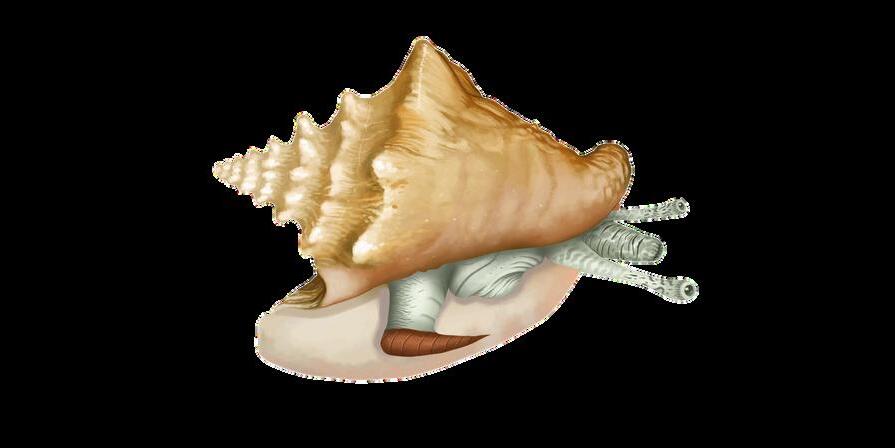
Queen Conch Carrucho Nombre en español
Coral Reef
Resources
Recursos de arrecife de coral

Carrucho
Species Name Nombre científico
Spiny Lobster Panulirus argus
Nombre en español
Species Name Nombre científico
Queen Conch Aliger gigas
Species Name Nombre científico
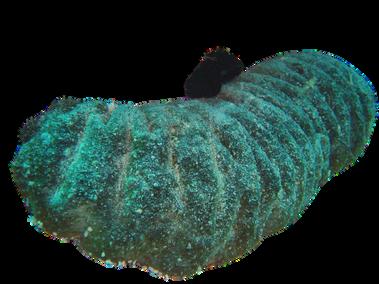
Pepinos de mar Sea Cucumbers Holothuria mexicana
Erizo negro
Long Spined Sea Urchin Diadema antillarum
The selection of species in the U.S. Caribbean was guided by the potential to integrate up-to-date scientific knowledge and traditional information across life stages, as well as by each species’ vulnerability to environmental change. The ongoing vulnerability analysis is a rapid evaluation process that synthesizes information from published and unpublished literature, and is ultimately evaluated by scientific expert reviewers who are familiar with the species’ biology and ecology. The highly qualified team of experts then scores biological sensitivity attributes—related to climate exposure factors and life history traits—along with evaluating the data quality available to produce the scores and the directional effect that changing environmental conditions may overall have on the species.
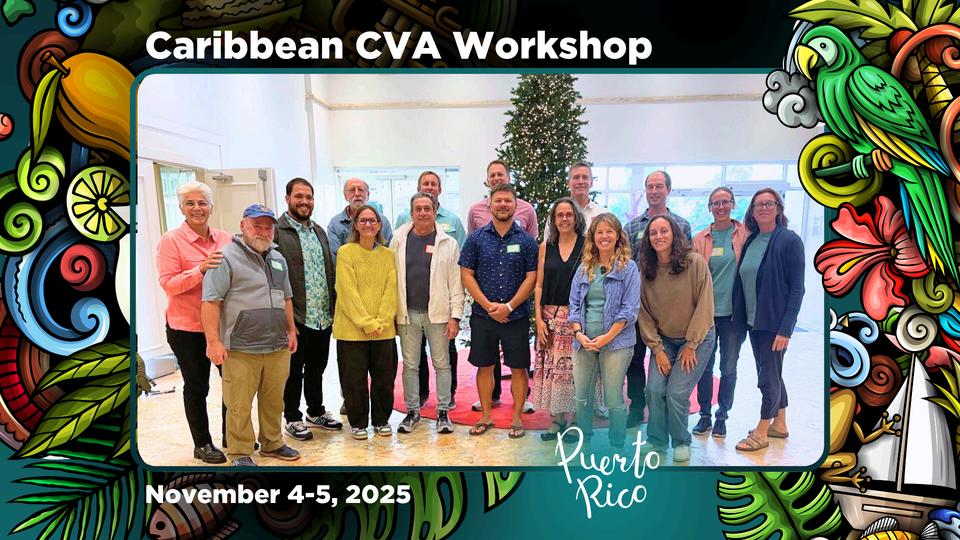
To ensure consistency throughout the assessment, the project team developed a dedicated set of educational and training materials, as well as standardized templates to guide the scoring process. Initial individual scores were reviewed during a hybrid workshop held on November 4-5, 2025, in Puerto Rico.
These scores are currently undergoing further internal review and analysis in preparation for presentation to other interest groups such as academics, NGOs and fishers to request their feedback and additional insight. The engagement with fishers will specifically allow the project to incorporate their knowledge and traditional ecological insights from Puerto Rico and the U.S. Virgin Islands. These contributions are essential for refining the final assessment narratives.
By providing updated analyses, completing organized data compilations, and summarizing focalized results for management, the IRA initiative is helping to translate science into practical management applications, and is advancing the use of the best available information to support sustainable fisheries management.