
Mobile:787-501-7639

Mobile:787-501-7639
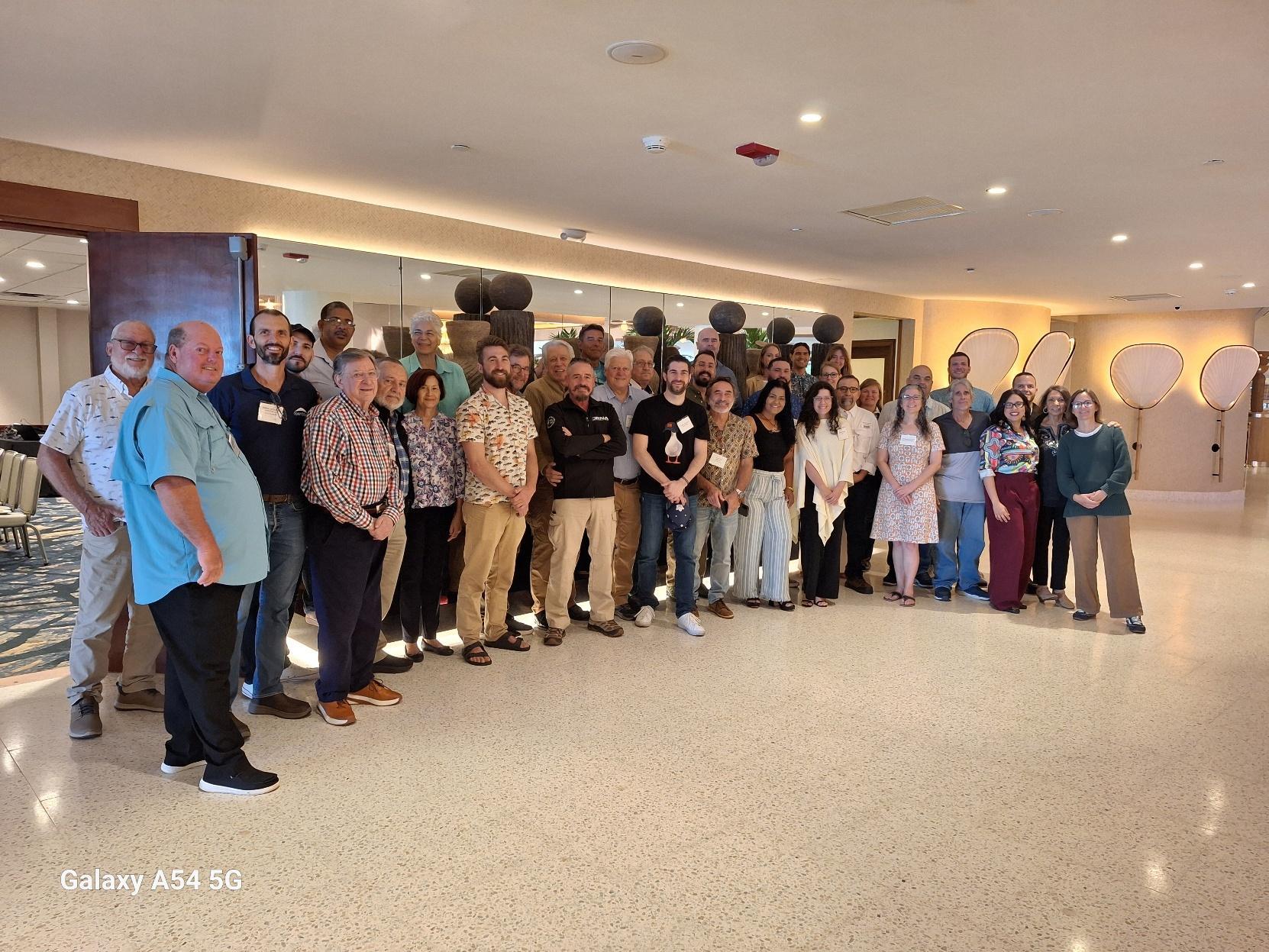
• 60 persons present
• 280 Zoom interactions on 3/24/26
• 172 Zoom interactions on 3/25/26
• 5 countries
Topic Organization - origin Species
Restoration
Conservación Conciencia-PR Queen conch restoration
ISER Caribe, CIROM-PR Corals, sea urchins, other invertebrates
Mujeres de Isla + Asociación
Pescadores Culebra- PR Oysters
Commercial Open Blue - Panama Cobia
Dyer Aqua - Panama Florida pompano
Kilic Dominik - DR Seabream, red drum & other species
Cultimar Technologies-PR
Ocean SAS - Guadeloupe
Government
Red snapper fingerlings production & delivery
20 years history-multiple species
Innova Sea - US Planning process & technology
DRNA-PR
DPNR-USVI
NOAA-Aqualculture Program
NOAA-Habitat Conservation Division
NOAA –Sustainable Fisheries
Capital Hatch Blue - Global Support sustainable aquaculture
• How can existent mariculture infrastructure in the Caribbean Basin be used to start collaborations in the USA Caribbean?
• Scheduled for completion during August 2026.
• A follow up meeting is being considered.
• Strategic planning session
• U.S. Caribbean (PR & USVI)
• PESTEL & SWOT analysis for Restoration and Commercial/Industrial Focus Groups
• Strong policy interest
• Permitting complexity
• Limited resources
• Regulatory fragmentation
• Premium local seafood prices
• High operating costs
• Import dependency
• Hurricane risk
• Food security benefits
• Fishermen conflicts
• Workforce gaps
• Tourism competition
• Hurricane-resistant cages
• Automation potential
• High capital costs
• Supply chain limitations
• Favorable ocean conditions
• Hurricane exposure
• Water quality risks
• Climate impacts (Sargassum)
• Improving permitting process
• Jones Act constraints
• Strict labor laws
• Multi-agency coordination issues
• Pristine waters
• U.S. market access
• Federal support
• Research institutions
• Infrastructure gaps
• High costs
• Limited workforce
• Investment challenges
• Community-based aquaculture
• Species diversification
• Local market integration
• Value chain development
• Import competition
• Political uncertainty
• Climate risks
• Poaching
• Secure long-term policy
• Invest in hatcheries
• Adopt resilient technology
• Engage local communities
• Create a technical mariculture team in SERO
• Invest in hatcheries but do not compete with fishermen markets
• Encourage culture of algae and filter feeders
• Engage local communities
THANK YOU TO ALL CFMC & NMFS STAFF WHICH MADE THE MEETING POSSIBLE !!!!
OUR GRATITUDE TO DR. DANIEL D. BENETTI FOR BEING THE CHAIRMAN OF THE MEETING !!!!