
MODEL SPECIAL EDUCATION NEEDS AND INCLUSIVE EDUCATION POLICY AND STRATEGY
MODEL SPECIAL EDUCATION NEEDS AND INCLUSIVE EDUCATION POLICY AND STRATEGY
This knowledge product was commissioned by the Social Sector Division (SSD) of the Caribbean Development Bank (CDB) and prepared by the consultancy firm - “Re-Imagining Solutions for Education.” (RISE).” - headed by Dr. Joan Spencer-Ernandez (Director), Dr. Deon Edwards-Kerr and Dr. Michelle Meredith with inputs from Dr. Neva Pemberton (Consultant Education Specialist, CDB) and Dr. Martin Baptiste (Division Chief, SSD, CDB). The Model Special Education Needs and Inclusive Education Policy and Strategy for the Caribbean also benefitted at different stages of its preparation from various departments of CDB, as well as from Ministries of Education, development partners and other regional stakeholders.

ABBREVIATIONS
EXECUTIVE SUMMARY
1 2 7 6 5 4 3
INTRODUCTION AND BACKGROUND
DEFINITIONS AND CONCEPTUAL FRAMEWORK
POLICY ANALYSIS
VOLUME I: THE POLICY AND STRATEGY
Policy Area 1: Organisational Structures and Systems
Policy Area 2: Identification, Intervention, and Placement
Policy Area 3: Curricular Adaptations and Modifications
Policy Area 4: Infrastructural Provisions and Support Mechanisms
Policy Area 5: Human Resource Provisions
Policy Area 6: Stakeholder Engagement and Involvement
IMPLEMENTATION, MONITORING AND EVALUATION
KEY PERFORMANCE
INDICATORS
VOLUME II: MODEL SPECIAL EDUCATION NEEDS AND INCLUSIVE EDUCATION POLICY AND STRATEGY STRATEGIC
Appendix 2: Mapping of conceptual underpinnings articulated in the CPRD/SDG/CARICOM HRD 2030 Strategy/ OECS Education Strategy 21/26
Appendix 3: Areas of Strength in National Legislation and Policy for Identified Policy Gaps
Appendix 4: Model Referral System
Appendix 5: Model Organisational Structure –Ministry of Education, Culture, Science and Technology, Belize
Appendix 6: Placement Options for Learners with SEND in the Caribbean Based on the Principle of the
Table 1: Definition of Terms
Table 2: Focus of Policy Components
Table 3: Policy Gaps
Table 4: Key Performance Indicators
Figure 1: Conceptual Underpinnings for the Model Special Education Needs and Inclusive Education Policy and Strategy for the Caribbean
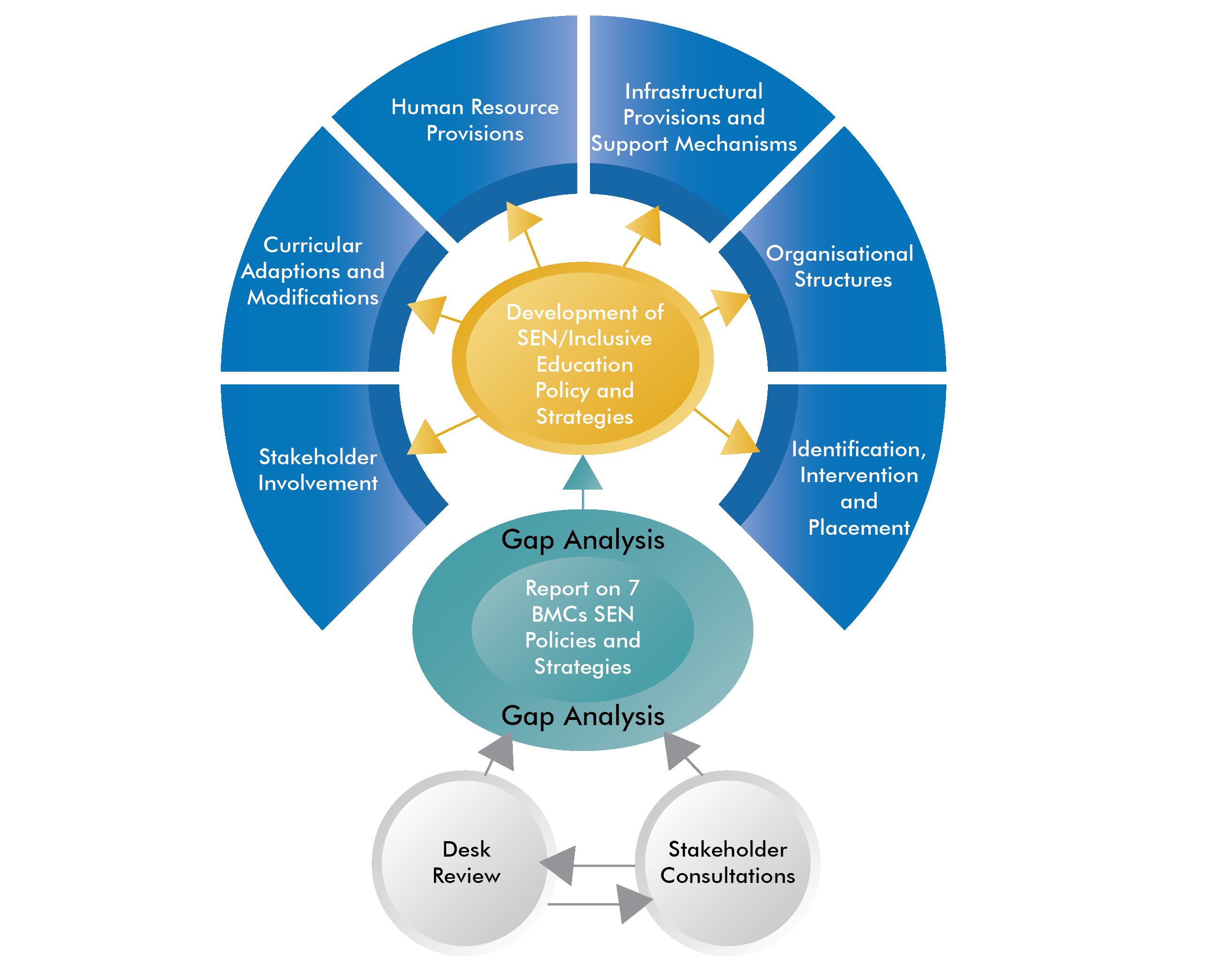
Figure 2: Policy and Strategy Development Flow Chart
Figure 3: Components of the Policy Goal
Figure 4: Organisational Structures for SEND and Inclusive Education
Figure 5: Identification, Intervention and Placement
Figure 6: Curricular Adaptations and Modification Required for SEND and Inclusive Education Policy and Strategy
Figure 7: Infrastructural Provisions and Support Mechanisms
Figure 8: Human Resource Provisions for SEND and Inclusive Education Policy and Strategy
Figure 9: Stakeholder Involvement Required for SEND and Inclusive Education Policy and Strategy
ASD Autism Spectrum Disorder
ATD Assistive Technological Device
BESP Belize Education Sector Plan
BMC Borrowing Member Country
BVI British Virgin Islands
CARICOM Caribbean Community
CEO Chief Education Officer
CRC United Nations Convention on the Rights of the Child
CRPD United Nations Convention on the Rights of Persons with Disabilities
DCEO Deputy Chief Education Officer
DD Developmental Delay
DI Differentiated Instruction
ECE Early Childhood Education
MoECST Ministry of Education, Culture, Science and Technology
ED Emotional Disturbance
EBD Emotional/Behavioural Disorders
EIS Early Identification System
EMIS Education Management Information System
HRD Human Resources Development
IDEA Individuals with Disabilities Education Act
IDT Inter-Disciplinary Team
IEP Individualised Educational Programme
MDA Ministry, Department and Agency
MDT Multi-Disciplinary Team
NCERD National Centre for Educational Resource Development
NCFC National Committee for Families and Children
NGO Non-Government Organisation
OECS Organisation of Eastern Caribbean States
SDG Sustainable Development Goal
SDG4 Sustainable Development Goal 4
SEN Special Education Needs
SEND Special Education Needs and Disability
SES Socioeconomic Status
SSS Student Support Services
SSSD Student Support Services Division
STWT School-to-Work Transition
UDL Universal Design for Learning
UN United Nations
Caribbean societies are characterised by differences and diversity in languages, cultures, ethnicities, disabilities, gender, and social, political, and economic status, highlighting the need for inclusive societies. Achieving this means transforming education systems from traditional general education to inclusive practices that account for differences and diversity in the classroom. Notwithstanding the region’s commitment to education for all, policy outcomes are partial and fragmented. The Caribbean Development Bank, as a key partner committed to inclusive societies and sustainable development in the region, presents a Model Special Education Needs and Inclusive Education Policy and Strategy underpinned by rights and non-discrimination. The aim is to achieve coherence and cohesion in policies within and across states. The model policy framework outlines the required components and strategic considerations for localised policies.
The model framework consists of six interrelated policy areas anchored by the principles of Sustainable Developmental Goals (SDGs, 2020), the United Nation’s Convention on the Rights of Persons with Disabilities (CRPD, 2006), and the Convention on the Rights of the Child (CRC, 1989), at the international level. The CARICOM Human Resource Development (HRD) Strategy 2023 and the OECS Education Sector Strategy (2021-2026) guide the framework at the regional level. The definitions and details of the following six thematic policy components listed here are entailed in this report:
i. Organisational Structures
ii. Identification, Intervention, and Placement
iii. Curricular Adaptations and Modifications
iv. Infrastructural Provisions and Support Mechanisms
v. Human Resources
vi. Stakeholder Engagement and Involvement
The policy goal is to ensure that inclusion is systemic and that learners with special education needs and disabilities (SEND) have access to high-quality, appropriate education to meet their individual needs. The goal is based on children’s fundamental right to education without discrimination. The policy aims to foster equity in learning environments and equitable access to opportunities through establishing a multi-level framework for legislative action, cross-sectoral partnerships, the transformation of organisational structures that support SEND, an integrated approach to identification, intervention, and placement, curricular adaptations and modifications, appropriate and adequate infrastructure, suitably trained human resources, and active stakeholder engagement and involvement.
An inclusive educational system requires accountable, transparent, inclusive, and accessible bodies to ensure optimal benefits for all learners. The Ministries with responsibility for Education, Health, Youth, Gender Affairs, and Social Welfare should have clear roles and responsibilities in place to support schools in implementing inclusive education for learners with Special Education Needs and Disabilities (SEND). This includes providing strategic leadership, support, and resources to schools and educational institutions. Key strategic actions include:
Organisational structures and systems to manage, monitor and evaluate the effective implementation and preservation of related legislation and policies for inclusion and equity in education are established and fully functional.
establishing inter-ministerial collaboration, establishing dedicated Inclusive and Special Education Units/Departments long-term national-level financial support through funding policies that promote inclusion and equity, allocating sufficient resources, and aligning budget allocations with relevant legislation and policy frameworks.
a robust monitoring, evaluation, and learning (MEL) system is in place to assess the implementation of inclusion and equity policies and services inclusive of:
using Key Performance Indicators (KPIs), regular audits, and identifying bodies responsible for monitoring and evaluating inclusive education. the use of data to inform decision-making and the efficient allocation of resources.
Inclusion in general education is a crucial goal to ensure equitable access to quality education for all children regardless of abilities. To achieve this, key strategies include:
defining Inclusion and Special Education Needs and Disability (SEND)
updating SEND-related terminologies, including the Gifted and Talented.
updating existing draft policies and removing caveats that undermine the right of learners with special needs to free and compulsory education.
creating a culturally and gender-responsive Early Identification System (EIS) to diagnose special education needs. providing reliable data on the prevalence and incidence of types of SEND.
reviewing existing assessment and diagnostic instruments. implementing individualised education programmes (IEPs) for all learners diagnosed with SEND. ensuring a range of placement options. applying the principles of the Least Restrictive/Most Enabling Environment.
establishing rules/guidelines for the placement of students with SEND.
POLICY STATEMENT 2.1
Learners with SEND have access to quality, inclusive education with free and compulsory primary and secondary education in their communities with their peers unless it is clearly demonstrated that the child’s educational, welfare, and social needs may not be adequately met in a general education classroom.
POLICY STATEMENT 2.2
All Learners with SEND will have access to quality assessment to identify their special education needs, to enable the timely provision of appropriate intervention programmes and placement options designed to provide the best opportunity to maximise their potential.
An important element of creating an inclusive education system is the adaptation and modification of the national curriculum at all stages of the education system to accommodate learners with SEND in inclusive and special education classrooms. This includes:
incorporating Universal Design for Learning and Differentiated Instruction principles, ensuring gender-responsive teaching. acquiring resources like adaptive materials and visual supports and incorporating various assessment methods. modifying content, objectives, teaching methods, and resources to engage students of all abilities and align with curriculum goals.
adapting learning materials, assessing readability, and using e-learning resources.
POLICY STATEMENT 3
Curricular accommodations, modifications, and adaptations facilitate learners’ varying needs and enable all children to optimise their potential.
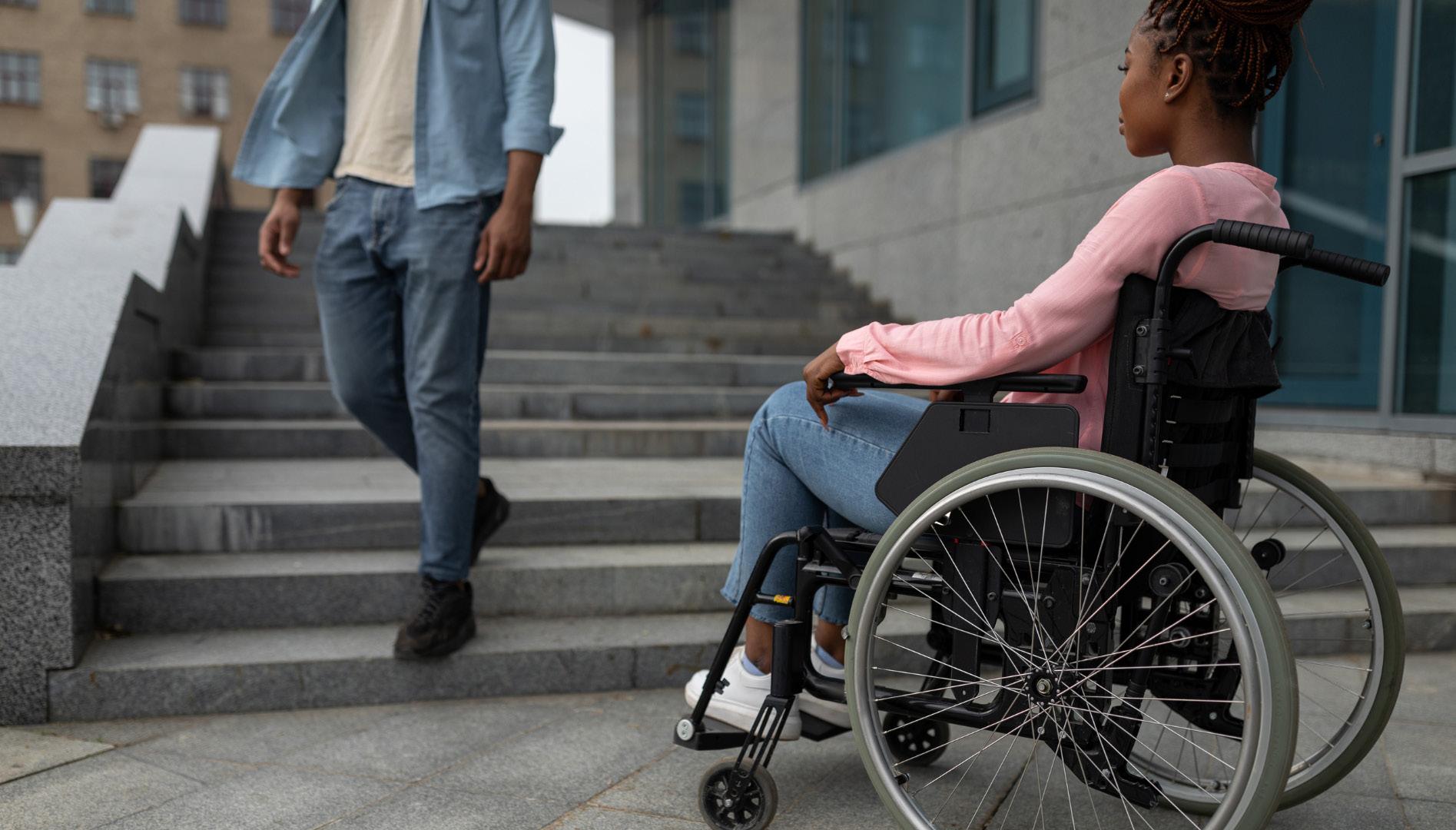
An inclusive school environment should reflect the features of universal design such that provisions are made for reasonable accommodation for learners with SEND to ensure accessibility and safety. For example, infrastructural features such as access ramps, rails, restroom support rails, and lighting and ventilation systems should be integrated into the building of new schools and the modification of existing plants. Support mechanisms should be designed to address learning challenges created by communication barriers.
Strategic actions include:
conducting a comprehensive assessment of school facilities and implementing necessary modifications providing staff training on disability awareness, accessibility standards, and emergency procedures defining universal building standards for new schools and infrastructural modifications providing accessible learning materials, adaptive technology, visual and auditory supports, and multiple means of communication conducting assessments and evaluations to determine students’ assistive technology needs, incorporating visual and auditory supports and providing training for educators on effective use of visual and auditory supports, supporting diverse communication preferences and modalities among students with SEND and providing access to communication supports and strategies.
Structures and systems to provide reasonable accommodations are in place to ensure that schools are accessible and safe for all learners and that learners with SEND are provided with the support mechanisms necessary to optimise learning opportunities in an inclusive school environment.
The aim is to ensure that qualified teachers’ specialists are available to the sector to provide effective services. A critical element is the Multi-Disciplinary Team (MDT), which is composed of qualified professionals who diagnose and assist in the development of Individualised Education Programmes (IEPs) for learners with SEND. To ensure an adequate number of qualified teachers from diverse backgrounds, including those with disabilities, are available to teach SEND in inclusive classrooms, the following strategies are required:
upgrading teacher education programmes to include special and inclusive education as core courses recruiting teaching staff from diverse backgrounds ensuring special education teacher training is represented in strategic development plans and fiscal commitment. providing continuous capacity-building for principals and general education teaching staff to sensitise them to the needs of learners with disabilities and equip them with the knowledge, skills, attitudes, strategies establishing guidelines and professional development for teachers to ensure they are prepared to teach all learners using inclusive and gender-responsive approaches and strategies.
Appropriate measures are in place to ensure the adequate provision of qualified professionals to identify learners with SEND and to design and implement quality intervention programmes to enable these learners to maximise their potential.
Successful educational outcomes depend on the involvement of parents and home and school communities as educational partners. The mutual relationship between schools and community businesses allows for promoting the school’s programmes, potential, and capability. This relationship also presents opportunities for meaningful exposure by bringing specialised knowledge and expertise to the school community.
Groups of stakeholders are identified and engaged, have clearly defined roles and responsibilities, and effectively coordinate and collaborate to implement inclusive and special education programmes and services for learners with SEND.
The progression from education into employment necessitates involvement and access to a supportive network of employers as school partners. Policies governing stakeholder involvement in educating learners with SEND should include a strong public education and awareness-building imperative to ensure communities are informed and fully aware of the nature and needs of children with SEND. They will readily support initiatives designed to safeguard the rights of learners with SEND to quality, inclusive education. Some strategic actions include:
a sustained public education programme instituted to raise awareness, increase information, and foster advocacy with professionals in the field, NGO partners, social-action groups, and other members of the third sector, public education and awareness within the labour force and employment sector to encourage inclusion and fair and equal access to the formal and informal labour force. establishing mechanisms to facilitate the involvement of stakeholders in monitoring the performance, responses, and provisions of service sectors and government departments and agencies.
Borrowing Member Countries are responsible for implementing the Model Special Education Needs and Inclusive Education Policy and Strategy, either by adopting it directly or using it as a framework to develop their national strategies. A robust monitoring and evaluation mechanism, potentially involving existing regional bodies like the OECS Council of Ministers of Education (COME) or the CARICOM Council for Human and Social Development (COHSOD, will be established to oversee progress. In 2025, the Caribbean Development Bank (CDB) will commission a Baseline Report to assess each country’s progress against key performance indicators (KPIs), with bi-annual reports following. CDB will coordinate and finance these evaluations, ensuring ongoing improvement and effective policy implementation across the Region.
Fourteen key performance indicators are proposed to monitor the implementation of the Model Policy and Strategy. These are aligned with global and regional education monitoring frameworks.
Policy Goal
Organisational Structures
Participation rate of children with special education needs and disabilities
Percentage of schools meeting all requirements as outlined in legislation or policy on special education regulation
Percentage of education budget allocated to support inclusive education initiatives.
Data on SEND incidence, prevalence, and services offered to individual learners with SEND is available in the Education Management Information System (EMIS)
Identification, Intervention, and Placement
Percentage of students with disabilities who have current Individualised Education Programmes (IEPs) in place
Percentage of students who were assessed within 60 days of being referred
Curricular Adaptations and Modifications
Infrastructural Provisions and Support Mechanisms
Human Resources
Stakeholder Engagement and Involvement
Percentage of students with access to necessary adapted materials, visual supports, and assistive technologies to support the delivery of the curriculum.
Percentage of schools practicing UDL and DI to meet the needs of students with varying abilities
Percentage of school buildings with ramps and/or elevators and accessible, restrooms, indoor and outdoor furniture/equipment, and learning tools
Percentage of teachers and school management teams trained in: (a) the use of assistive technology, and maintaining inclusive classrooms and schools
Number of professionals employed by MOE certified to provide SEND services (e.g. psychologist, speech pathologist, occupational therapist, diagnosticians)
Compulsory courses in SEND introduced in the pre-service teacher training programmes.
Percentage of parents attending IEP meetings
Level of stakeholder satisfaction with the quality of special education services provided.

Diversity and difference are hallmarks of Caribbean societies, representing a hybrid evolution of languages, cultures, and ethnicities, including indigenous peoples, and positions on disabilities, abilities, gender, society, politics, and economics. The magnitude of diversity in the Region brings into sharp focus the need for inclusive societies. A key starting point for achieving inclusive societies is transforming the education system from the administration of general education towards inclusive pedagogy and practices that account for the range of differences in the classroom. Achieving inclusive education systems in the Region will require concerted efforts to shift to a rights-based, non-discriminatory approach that equally values the presence, participation, and contribution of all children regardless of where they are on the abilities spectrum. This Model Special Education Needs and Inclusive Education Policy and Strategy for the Caribbean aims to set out the guidelines to ensure that all Caribbean children with SEND have access to the broadest possible opportunities and obtain quality education according to their needs and abilities.
Presently, the education systems in the Caribbean are underpinned by legislation and policies aimed at ensuring equal access to education for children and young people as a fundamental right. The Caribbean Development Bank’s (CDB) Borrowing Member Countries (BMCs) have signed and ratified the United Nations Convention on the Rights of Persons with Disabilities (CRPD, 2006). The Caribbean Community (CARICOM) member states most recently affirmed this commitment through recognition of “the need to overcome the inherent weakness in the provision of equitable, quality education”1 . Notwithstanding the Region’s embrace of the globalised philosophy of “education for all”, first as signatories to the Salamanca Agreement (1994), the Convention on the Rights of the Child (CRC 1989), the CRPD), and the Cali Commitment (2019); and second, through varied local actions and regional declarations, equity and quality in education for all children regardless of needs, remain largely unaccomplished.
At best, some states in the Region have, through the establishment of legislation and enactment of policy, achieved “inclusion for some” (Leijen, Arcidiacono, & Baucal, 2021). For most states in the Region, the key challenges include establishing an inclusive education system as the basis for public education and the constraints of limited human capital and financial resources to actualise such a system. Central to these challenges is the conflation of the definition of the concepts of inclusive education, inclusion, special education, and special educational needs, whereby these are used interchangeably, resulting in the adoption of approaches that limit the framing and the reach of service provision and support. This policy provides clarification on definitions agreed on in the Regional Validation Workshop held June 25 to 27, 2023, in Barbados. In addition, non-alignment in the legislative framework across the sectors of education, health, and other social development sectors, along with the enacted policies, creates barriers to information sharing and seamless service delivery.
The Model Special Education Needs and Inclusive Education Policy and Strategy sets out considerations for achieving coherence and cohesion in the policies within and across the states. Drawing on the current research undertaken in seven BMCs2 of the Caribbean Development Bank, the framework identifies the required components and associated considerations as the basis for localised policies. It embraces the diversity in the social, legal, political, economic, and cultural structures. The policy considerations and strategies are framed within the Convention on the Rights of the Child, the Salamanca Agreement (1994), the Convention on the Rights of Persons with Disabilities, and the Cali Commitment (2019), and are flexibly styled to allow states to envision opportunities for customisation based on local conditions and circumstances.
1 https://caricom.org/communique-issued-at-the-end-of-the-44th-meeting-of-the-council-for-human-and-social-developmentcohsod-education-13-14-october-2022-caricom-secretariat-headquarters-georgetown-guyana/
2 The seven BMCs are Barbados, Belize, Bahamas, British Virgin Islands, Dominica, Guyana, and Trinidad and Tobago.
This regional policy and strategy framework is designed as a model for the states and is based on the evidence of current legislation and/or policies in the seven BMCs in the education of learners with Special Education Needs and Disabilities (SEND). The findings generated from the desk review and semi-structured interviews highlighted areas of similarities among the countries and pointed to comparable circumstances in other Caribbean countries. For example, each country has made progress towards establishing policies that assemble services and support for children identified with special education needs. However, the absence of an explicit declaration of an inclusive characteristic of public education systems in the Education Acts highlights a common feature of special education needs as an addendum to the definition of public education, such that pragmatic efforts at special education needs provision are often discretionary rather than mandatory.
The aim of this regional framework is to inform the countries’ efforts to bring coherence between legislation and policies and eventually create a comprehensive approach to inclusivity in public education. The policy framework is not intended to restrict the countries’ initiatives and unique perspectives reflected in their education sector plans and other strategic developmental goals. Instead, it is intended to provide a guide that might be customised based on the idiosyncratic features of the legislative and governance structures of the countries to ensure they can develop manageable, sustainable, and accountable systems of service delivery. Consequently, the current framework applies the evidence of good practices in legislation and policies identified from the desk review and the stakeholder interviews.
Across the Region, the adoption of definitions from North American and European jurisdictions, as well as the United Nations, means that there are multiple nuanced differences in how each country interprets and represents services for the special education sector. When definitions are used within the context of legislation and policies, the aim is to indicate what can and cannot be done effectively, thereby determining the nature and quality of services. Given the multiple definitions identified, the current framework seeks to clarify the definitions according to the service concept, descriptions, and interpretations shared by BMCs and ensure alignment with the conceptual framework.
The definitions suggested below and used in this model policy and strategy are drawn in part from the CARICOM HRD 2030 Strategy Report (pp 59-68) and were modified to capture the applied interpretations of the CRPD in daily practice, as discussed in consultations with the BMCs.3
3 A mapping of the modifications to the definitions: “access,” “at-risk,” “equity,” “inclusion,” and “quality learning” can be found at appendix 1.
Table 1: Definition of Terms
Access
Accommodation
The policy-based conditions, modalities, procedures, and considerations that enable all learners to be admitted, matriculated, and successfully integrated into educational or vocational institutions, or social, cultural, and recreational environments with opportunities to participate that are equitably distributed.
Accommodations change how content is accessed or tested but do not change the content of what is expected to be mastered. The term “accommodation” may be used to describe an alteration of environment, curriculum format, or equipment that allows an individual with a disability to gain access to content and/or complete assigned tasks. They allow students with disabilities to pursue a regular course of study. Since accommodations do not alter what is being taught, instructors should be able to implement the same grading scale for students with disabilities as they do for students without disabilities. Examples of accommodations include:
- sign language interpreters for students who are deaf;
- computer text-to-speech computer-based systems for students with visual impairments or Dyslexia;
- extended time for students with fine motor limitations, visual impairments, or learning disabilities;
- large-print books and worksheets for students with visual impairments; and
- trackballs and alternative keyboards for students who operate standard mice and keyboards.
Read more: What is the difference between accommodation and modification for a student with a disability?
Adaptation
Assistive Technology Device (ATD)
At-risk
Adaptation involves adjusting the environment, materials, or methods to make them more accessible for a student with a disability without fundamentally changing the content or expectations. The goal of adaptation is to provide support that allows a student with special needs to participate in the same activities or assignments as their peers, but with adjustments to meet their unique learning requirements.
Assistive technology device means any item, piece of equipment or product system that is used to increase, maintain, or improve the functional capabilities of a child with a disability. The term does not include a medical device that is surgically implanted, or the replacement of that device.
A term used to refer to individuals whose experiences or circumstances create a higher probability of failing academically, dropping out of school, or exhibiting socially maladaptive behaviours.
Disability
Equity
Inclusion
Inclusive Education
Individualised Education Programme
Modifications
Long-term physical, mental, intellectual, or sensory impairments which in interaction with various barriers may hinder an individual’s full and effective participation in society on an equal basis with others.
Adapted from CRPD (UN Division for Social Policy and Development: Disability, 2006)
The practice of unbiased, fair, relevant, and appropriate provision of educational and training opportunities, and other critical services and support to learners regardless of gender, ethnicity, language, religion, locale, socio-economic status, disability, indigenous origin, or any other personal circumstances.
The practice which ensures universal and unbiased acceptance of all learners regardless of gender, ethnicity, language, religion, locale, socio-economic status, disability, indigenous origin, or any other characteristics, thus allowing them full access to educational opportunities, assessment, and support, and equitable and participatory learning experience and environment that best corresponds to their requirements and needs.
Educational practices that ensure that all learners, including those with special educational needs, are provided with educational opportunities that are fair, equitable, relevant, rights-based, and non-discriminatory, and enable them to attend their community school to receive high quality instruction, interventions and supports that enable them to meet success on the core curriculum, unless it is clearly demonstrated that education in general education classrooms is incapable of meeting the child’s educational or social needs, or when it is required for the welfare of the child or that of other children.
Adapted from the Salamanca Statement and Framework for Action on Special Needs Education (1994)
An Individualised Education Programme (IEP) is a documented plan developed for a student with special education needs that describes individualised goals, adaptations, modifications, placement, the services to be provided, and includes measures for tracking achievement. It is based on the result of assessments conducted to determine the individual’s levels of functioning.
Modifications change the level of learning, or what is expected to be mastered.
The term ‘modification’ may be used to describe a change in the curriculum. Modifications are made for students with disabilities who are unable to comprehend all the content an instructor is teaching. For example, assignments might be reduced in number and modified significantly for an elementary school student with cognitive impairments that limit his/her ability to understand the content in general education class in which they are included.
Read more: What is the difference between accommodation and modification for a student with a disability?
Table 1: Definition of Terms
Quality Education
Educational provisions and outcomes that are developmentally and pedagogically appropriate, relevant, and sound, and lead to cognitive, social, emotional, creative, physical, occupational, and life-skills development, and promote the values and attitudes for responsible citizenship.
A School-Based Team refers to a collaborative group of professionals within a school who work together to support students with special needs. The team is involved in the initial assessment of student needs, planning, implementation, and monitoring of appropriate educational programmes and services for students who require additional support due to learning, behavioural, or developmental challenges. They may make referrals to the Department of Education’s Multi-disciplinary Team for a comprehensive assessment of a child’s special education needs. The composition of the SBT can vary, but it often includes key stakeholders such as the principal, education officer, special education teacher, general education teacher, parent/guardian, reading specialist or any other professional providing services at the school level.
Special Educator
Special Education Needs
Vulnerable Population
A teacher trained in the specialised pedagogies, approaches, and strategies to teach learners who, for a wide variety of reasons, require additional support and adaptive pedagogical methods in order to participate and meet learning objectives in an educational programme.
The educational considerations and provisions resulting from a diagnosed disability, advanced abilities, or other non-traditional learning need that requires specialised support or services to facilitate learning and development.
Groups of learners within a country who, due to their situational characteristics and circumstances, are likely to be excluded from quality educational provisions, and are therefore at-risk. Within the BMCs, there is a wide range of vulnerable groups whose vulnerability may be based on their disabilities, gifts and talents, low socio-economic status, gender, indigenous origin, cultural identity, ethnicity, religion, language, locale (urban innercity, rural, remote rural, hinterland, riverine, coastal, family islands), and other groups such as young offenders, teenage parents, refugees, and new migrants.

The regional model policy and strategy is underpinned by the guiding principles of the Convention on the Rights of the Child (CRC, 1989), the Convention on the Rights of Persons with Disabilities (CRPD, 2006), and the Strategic Developmental Goals (SDGs, 2020) at the international level, and the CARICOM Human Resource Development (HRD) Strategy 2030, as well as the OECS Education Sector Strategy (2021-2026), at the regional level (See Table 1), to which CDB BMCs are signatories or have endorsed. Guided by the principles and goals of these documents, access to quality inclusive education is at the centre of this model policy and strategy.4
Each policy area articulates the elements required to provide access to quality inclusive education and meet the needs of all children, as shown in Table 2. 4
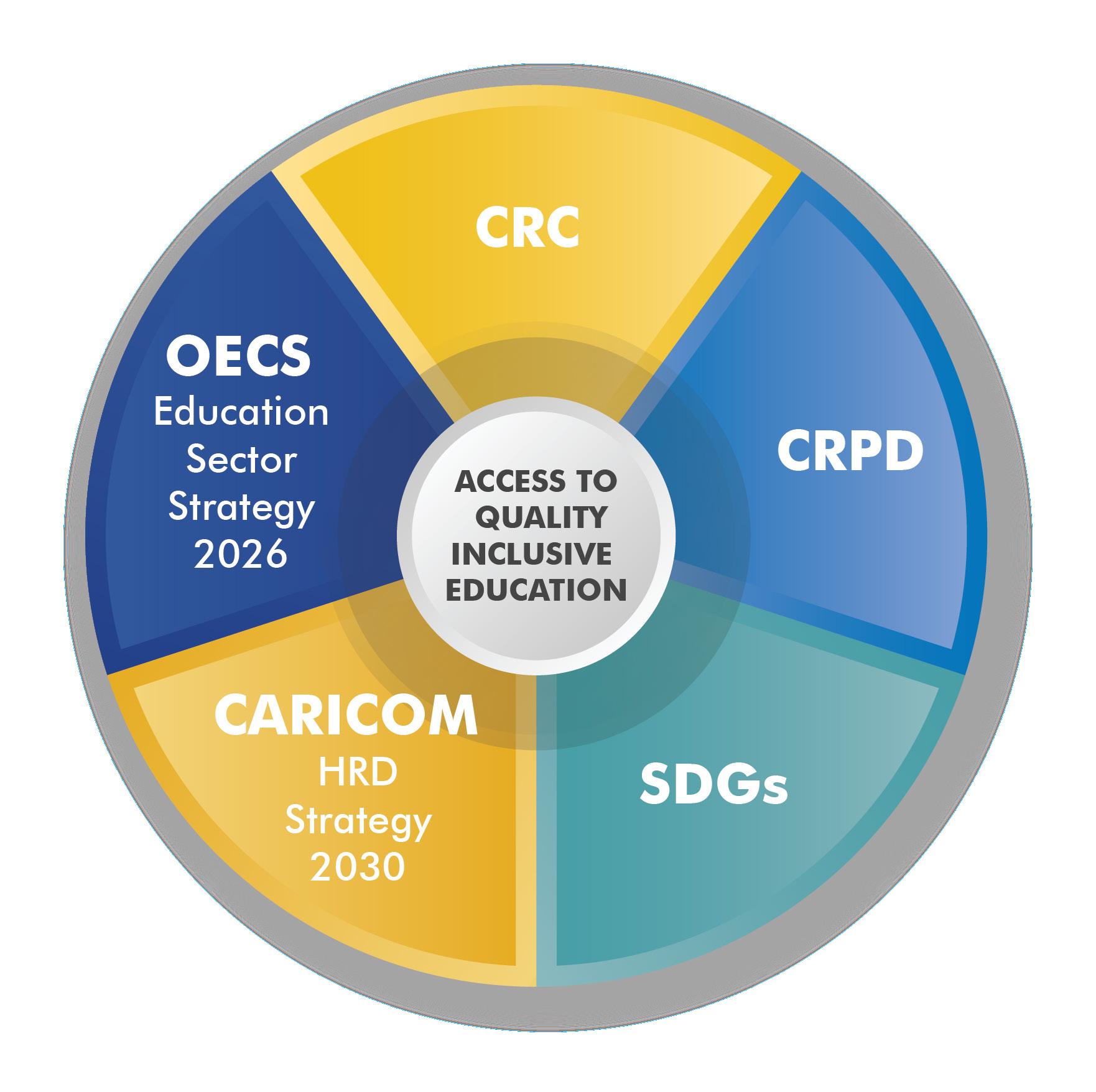
Figure 1: Conceptual Underpinnings for the Model Special Education Needs and Inclusive Education Policy and Strategy for the Caribbean
1. Organisational Structures and systems
2. Identification, Intervention, and Placement
3. Curricular Adaptations and Modifications
4. Infrastructural provisions and support mechanisms
5. Human Resource Provisions
6. Stakeholder Involvement
The support structures at all levels that should be organised to enable all types of schools to implement inclusive education effectively.
The structures and processes involved in identifying students’ special education needs and providing the appropriate, most enabling intervention and placement options.
The structures and processes required for adapting or modifying the curriculum, content, environment, instructional methods, and materials to increase access to learning opportunities and participation in activities.
The structures and processes required to provide reasonable accommodation of the individual’s needs in a safe, supportive, and inclusive environment.
Mechanisms to support the development of high quality and appropriately trained professionals in Special Education Needs.
Mechanisms to involve families, non-governmental organisation, communities, and other stakeholders in all special education processes.
The model policy and strategy were developed by synthesising the findings of the review of the status of special education needs and disabilities policies, legislation, and service and support provision in seven CDB Borrowing Member Countries. The findings show that a key issue is the dearth of data and the data management about the population with special education needs. Consequently, the policy analysis is qualitative derived from interviews with multiple stakeholders and the desk review of policy documents and legislation. Given the variability in policies and legislation across the seven countries, the approach was to identify the gaps and strengths in the policy and legislation framework based on the six policy areas described in the conceptual framework. Figure 3 illustrates the process.
The resultant policy analysis shows that countries are at various stages of development, with some aspects of special education needs and disabilities being addressed in policy, legislation, and practice. That is, all countries analysed have some kind of institutional arrangements, processes, and procedures already in place as a starting point on which to build services and support for SEND. However, across the Region, critical action is required to align and entrench SEND in the public education system.
The desk review identified the following gaps in relation to legislation:
Inclusion was not mentioned or defined in legislation or policy in some countries
Insufficient legislative and policy scope and coverage to support SEND and inclusive educational practices.
Limited information to cover the full spectrum of SEND.
Vulnerable groups other than learners with SEND were largely omitted.
Outdated Education Acts that are not aligned with the various conventions signed. Several Acts, such as the Persons with Disability Act, are still in draft after several years.
Key terms such as special education and inclusion were either absent or inconsistently defined within country documents and across the seven countries.
The language used in the legislation and policy documents tended to be outdated and inconsistent with current terminology in the field of SEND.
The gap analysis for each policy area shows the common gaps among the countries reviewed. Importantly, as a source of inspiration, country-specific examples of areas of strength in legislation and policy are included in Appendix 3.
Organisational Structures and Systems
• Roles of the key personnel in the ministries of education, schools, and other agencies are not clearly defined in legislation and policy
• Minimal inter-ministerial/ intersectoral collaborative framework
• Legislation and policy documents either did not make mention of financing mechanisms to be in place, or to evaluate effectiveness and quality of inclusive education.
• Monitoring procedures to ensure that inequalities in access to educational resources and services nationally were largely absent from legislation or policy.
• Limited supervisory and administrative support across school districts and locations.
• High cost of services from private providers, and the long waiting list to obtain services via the public sector.
Identification, Intervention, and Placement
• Most legislation and/or policy documents did not outline a clear policy on early identification systems or assessment mechanisms at an early stage.
• Vulnerable groups other than learners with disabilities were largely omitted, thereby restricting identification to learners with disabilities.
• Students placed in a special school usually have an IEP but this was not necessarily done routinely for students with SEND placed in general education classrooms.
• There was usually a mismatch between the identified needs via assessment, and the development of an IEP, and the support or services provided.
• The concept of the Least Restrictive Environment, though articulated in some policy documents, was not adhered to as learners who were assessed and determined to be eligible for placement in general education with support services were oftentimes placed in special schools (most restrictive environment). This was especially so for learners who are blind or deaf.
• Limited placement options so learners with SEND, once identified are still largely segregated in special schools or special classes and subject to discrimination, and often with substandard education provisions.
• Inadequate educational support in the general education schools within their community to support learner diversity in an inclusive classroom.
• Most assessment instruments are not normed in the Caribbean. Results may be unreliable and may incorrectly label children and place them in categories of disability to which they do not belong
• High cost of services for assessment and treatment from private providers, and the long waiting list to obtain services via the public sector.
Curricular Adaptations and Modifications
• Inadequate provision of, and access to assistive and adaptive devices to support learning and mobility.
• Insufficient materials and resources to support inclusion in general education schools.
• Inadequate educational support in the general education schools within their community to support learner diversity in an inclusive classroom.
• Insufficient and inappropriate materials and resources to support the varied physical, sensory, adaptive, and educational needs of learners with SEND.
• Legislation and policy documents for the most part did not speak to transition from one level of the education system to the next, so there is usually no plan for learners with SEND entering secondary from primary or from secondary to tertiary.
• Limited scope in post-secondary provisions for the learner with SEND.
• Limited scope in curriculum to support and enhance inclusive practices.
• Most legislation and policy documents examined did not indicate the facilitation of the learning of braille, alternative script, augmentative and alternative modes, means and formats of communication (sign language), and orientation and mobility skills, which are essential features of programmes designed for the population of learners with SEND.
• Universal Design for Learning (UDL) was not mentioned in any legislation or policy document examined in the seven countries.
• Inadequate multi-focused slate of programmes to support the social and life-long needs of the learner with SEND.
Infrastructural Provisions and Support Mechanisms
• Limited infrastructural provisions for ease of mobility in the physical environment.
• Insufficient and inappropriate materials and resources to support the varied physical, sensory, adaptive, and educational needs of learners with SEND.
• Limited coverage of social safety-net programmes to support socio-economic needs.
• Inequitable distribution of, or access to social welfare programmes.
• Units/Departments dedicated to SEND with defined roles were either not established or roles not clearly defined.
Human Resource Provisions
• Insufficient pre-service to increase competence for general education teachers to teach learners who are included in general education schools.
• Insufficient ongoing professional development opportunities for teachers to be upgraded.
• Teacher training institutions offer limited or no courses or programmes in SEND.
• Inadequate staffing of SEND Units in the Ministries of Education. Where these professionals are available, they are usually deployed in the capital towns and are difficult to access from remote rural, hinterland, coastal or riverine communities and other family islands.
• SEND professionals who typically constitute a multi-disciplinary/ inter-disciplinary team are in short supply and in some cases, unavailable, especially in the areas of speech and language pathology, clinical psychology, and occupational therapy.
Stakeholder Engagement and Involvement
• Ministries, parents, teachers, SEND professionals, NGOs, national, regional, and international agencies, and the private sector are usually highlighted but roles may not be clearly defined, nor the nature of the collaboration outlined.
• Insufficient representation and involvement of parents in school life.
• Inadequate home/school partnerships.
• Parents reported that they felt excluded in the more important areas such as assessment, case conference, IEP development and support services to manage their child with special needs.
• Limited involvement of stakeholders.
• Inadequate collaboration among NGOs.
• Limited commitment from stakeholders in corporate and other sectors to support education, training, and employment.
• Underdeveloped partnership support networks among NGOs, Non-Profit, and international organisations.
• Insufficient programmes for awareness- raising among parents and the general population. Both content and frequency are insufficient which leads to low impact.
Gaps identified are addressed in the model policy and strategy.

Based on the conceptual framework and gaps identified in the policy analysis, the overall goal for the model policy and strategy is that: Inclusion is systemic, and learners with special education needs and disabilities (SEND) have access to high-quality, appropriate education to meet their individual needs.
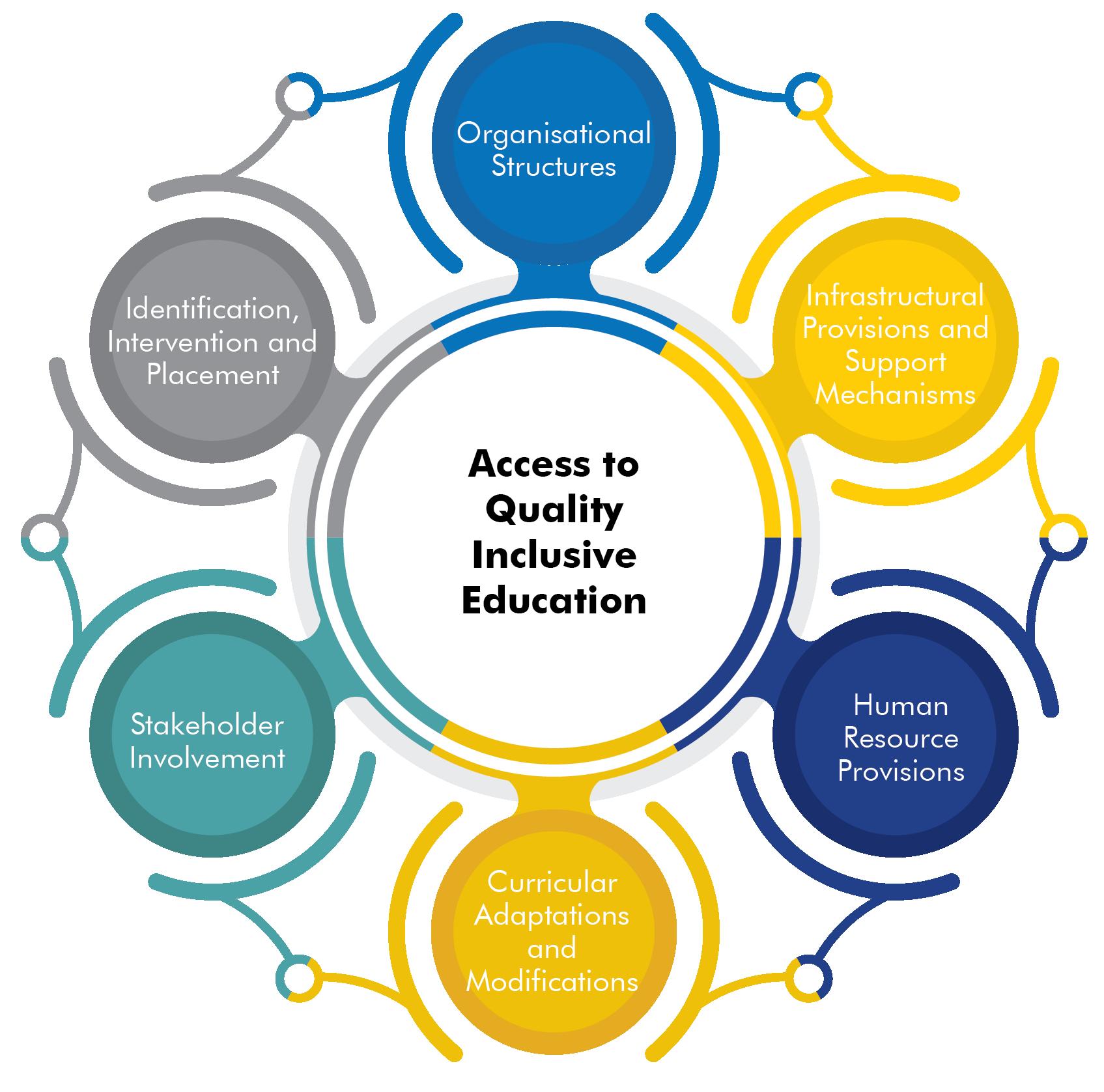
Figure 3: Components of the Policy Goal
This section outlines the six (6) related Policy Areas through which action should be taken to achieve the overall policy goal. For each policy area, a brief rationale is first presented. Next, high-level policy statements, explanatory policy outcomes, and complementary strategic actions to achieve policy outcomes are offered. Further details to support strategy implementation are in the Model Special Education Needs and Inclusive Education Policy and Strategy Planning Matrix section.
The oversight systems to govern the successful undertaking of an inclusive educational system require functioning bodies that are accountable, transparent in their dealings, inclusive in their structure, and accessible to the public. Organisational structures established to ensure the strategic implementation and monitoring of policy priorities should be collaborative and connected in their monitoring agenda. The Region’s education sector was described as being compromised by “… learner support deficits and gender, poverty, and other socioeconomic differentials which are affecting learning processes, outcomes and people productivity” (CARICOM Human Resource Development 2030 Strategy, p16). The complex needs of our education sectors warrant diligent management and monitoring to ensure optimal benefits to all learners. The layers of service to ensure learners with additional learning needs and disabilities are served appropriately require considerable coordination and monitoring. An inclusive educational system demands relevant policy priorities reinforced by standards to evaluate access, appropriateness, relevance, and availability to ensure the integrity of the service systems.
The designated centrally appointed corporate body, which manages the implementation of the goals and objectives of the CRC, CRPD, SDG4, CARICOM, and the OECS in a country, may be limited in its scope. It may not be able to singly monitor the subsystems responsible for the day-to-day delivery of services for inclusive and equitable practices. Establishing monitoring structures in related government entities is an integral element of the oversight process. It is necessary to ensure that the protocols and regulations that support equity and inclusion are upheld.
While monitoring bodies may exist to support a general framework of social welfare and broader policy commitments, the specific issues related to the education sector may be overlooked. The policies that govern the procedures and practices around rights-based provision should be consistent with the countries’ implementation targets. Monitoring structures should identify and address inequities in the system, implement mechanisms to evaluate the effectiveness, quality, and demand for services, establish common cross-sector standards, and ensure the broad-scale involvement of stakeholders in evaluating service quality.
Monitoring bodies should consist of stakeholders, inclusive of persons with disabilities, who represent an unbiased interest in ensuring that policy priorities are aligned with the national commitments to the principles of the CRC, CRPD, SDG4, CARICOM, and the OECS. The organisation of monitoring bodies should enforce the protection and promotion of the rights of vulnerable populations as law and policy dictate. The responsibilities of these constituted bodies should be to monitor the provision of services, as well as the treatment of fiscal and policy commitments to ensure fair and equitable practices.
The aims of educational planning on the basis of reliable data are more practically served within a wellmanaged structure of monitoring and evaluation. Prevalence data of childhood poverty, disability, and other developmental risk factors should be accessible from the various government entities that house these data sets. Organisational arrangements to facilitate access to information, evaluation, and data-sharing are important for the forecasting of fiscal planning for school construction, human resources, and service provision for longterm support of inclusive education. Structures to support flexible cross-sectoral arrangements are vital to the efficiency and effectiveness of a coordinated monitoring system.
The dynamics of education and the research-based evolution in the field of special education, as well as the range of specialised skills required for diagnostic and therapeutic services, demand a level of alertness in the system to ensure that standard can be met through upskilling personnel. Service sectors should adhere to similar expectations across all sectors of service. Common goals and common commitments to services should be the hallmark of an integrated and collaborative system.
Once developed, standards for the provision of services and the organisation of service systems should be monitored to evaluate access to services, quality of services and supports, and the relevance of services given the changing nature of needs among persons with special education needs and disabilities. Monitoring should focus on whether systems are inherently promoting and maintaining prohibitive factors and biases or inequitable distribution and provision of resources. The quality of services and support and the extent to which the implementation goals are served should be presented, evaluated, and reported with integrity through monitoring and reporting structures. The governing focal bodies may then be guided in discharging constitutional and legislative commitments with fidelity.
Organisational structures and systems to manage, monitor and evaluate the effective implementation and preservation of related legislation and policies for inclusion and equity in education are established and fully functional.
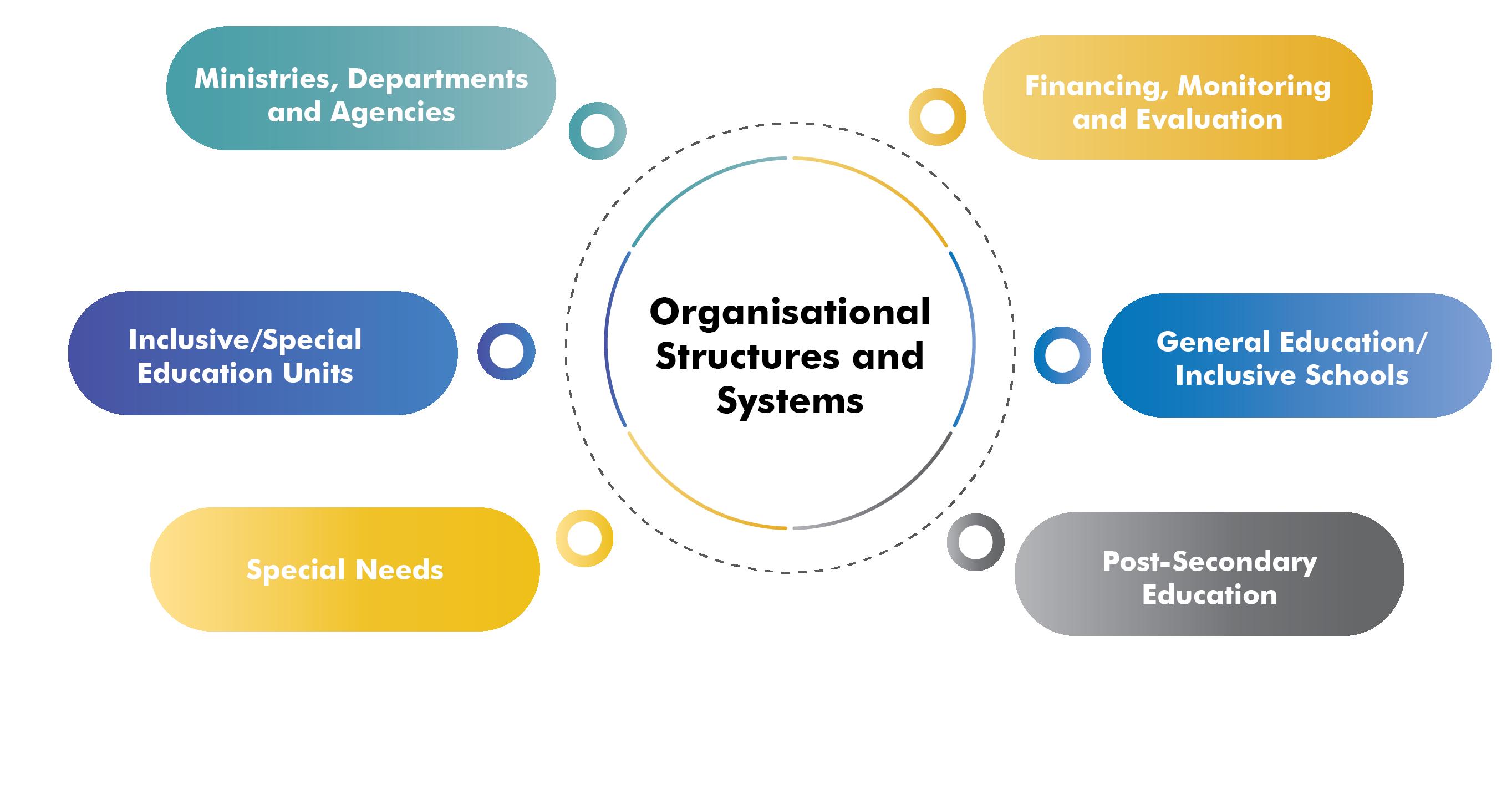
Figure 4: Organisational Structures for SEND and Inclusive Education
Policy Statement 1: Organisational Structures
The roles and responsibilities of the Ministry of Education, Ministries responsible for Health, Youth, Gender Affairs and Social Welfare, and other Departments and Agencies are clearly defined, and Inter-Ministerial/ Cross-Sectoral collaboration is established to support schools in effectively implementing inclusive education for learners with SEND as stipulated by related legislation and policies.
Establish Inter-Ministerial/Cross-Sectoral collaboration with clearly defined roles and responsibilities for the Ministries of Education, Health, Gender Affairs, Youth, and Social Welfare and other Ministries, Departments, and Agencies to provide quality education and support services for learners with SEND.
Establish or strengthen an oversight body within the existing operational structures of government entities (e.g., Ministry of Education) to support the implementation and preservation of the tenets related to inclusive educational services and provision.
Roles and responsibilities of the oversight body are clearly defined and procedures established to ensure that inequalities in access to educational resources and services nationally are addressed at the organisational level.
Dedicated Inclusive and Special Education Units/Departments within the Ministry of Education are established with clearly defined roles and responsibilities to ensure equitable access to quality education for all learners, including those with Special Education Needs and Disabilities, by providing strategic leadership, support, and resources to schools and educational institutions.
Establish units, where applicable and define clear roles, responsibilities, and reporting lines within the Inclusive and Special Education Units/Departments.
Allocate sufficient human and financial resources to support their effective functioning.
Staff Units/Departments with qualified Education Officers in SEND who oversee the implementation of inclusive education policies, programmes, and initiatives in general education/inclusive schools, special schools, special education units/classes, and post-secondary institutions.
Establish Multi-Disciplinary Teams (MDTs) within the Ministry of Education with direct reporting relations to the Head of the Inclusive and Special Education Unit/Department with the primary responsibility to conduct assessments, identify students’ individual learning needs, and assist in the development of Individualised Education Programmes (IEPs) or support plans.
Long-term national-level financial support and resources to implement, monitor, and evaluate high-quality system-wide Inclusive Education strategies and systems are in place.
Describe clear mechanisms for financing quality inclusive education and ensure that national-level inclusive education strategies are linked to long-term financial support through an established budget line item in the Ministry of Education budget.
Develop funding policies that provide flexible resourcing systems that promote inclusion and equity.
Allocate sufficient resources and funding to support the implementation of inclusion and equity policies as legislated.
Ensure that budget allocations are aligned with the priorities outlined in relevant legislation and policy frameworks.
A robust monitoring, evaluation, and learning (MEL) system is in place to ensure that inequalities in access to educational resources and services nationally are addressed at the organisational level.
1. 2. Establish a MEL system to assess the implementation of inclusion and equity policies and services, inclusive of the following:
a. Key Performance Indicators (KPIs) to measure progress towards inclusion and equity goals (e.g. enrolment rates, academic progress, and support services received)
b. Regular audits and reviews to identify areas for improvement and address any gaps in implementation.
c. Identified bodies with the responsibility for monitoring and evaluating the implementation of inclusive education and enforcing the national agenda for inclusion.
Ensure that the data is used to inform decision-making, identify areas for improvement, and allocate resources efficiently to support inclusion and equity policies.
Rationale
The provision of services for identification, intervention, and placement is grounded in the stakeholders’ views that each child has a right to a quality education experience that is focused on meeting their unique needs. The aim is to promote equity, inclusivity, and the holistic development of students with SEND, ensuring that they have the support and resources needed to succeed in school and beyond. This is an ethical, educational, and societal imperative and includes the following steps to be taken to support the provision of special education services to identify learners with SEND, and to provide appropriate intervention programmes and placement. Key steps include the following:
Identification
Child Find: Schools must identify, locate, and evaluate all children with SEND, including those who are homeless, wards of the state, or attending private schools.
Referral: Anyone who suspects a child may have a special education need or disability, including the gifted and talented, can refer the child for evaluation (parents, teachers, doctors, etc.). Referral typically leads to a formal evaluation to determine if the child qualifies for special education services.
Evaluation: Comprehensive assessment conducted by a multi-disciplinary team to determine if the child qualifies for special needs education and to identify the child’s specific needs (educational, social, emotional, behavioural). Must be completed within a specific timeframe (usually 60 days) to enable early intervention. Assessment instruments must be standardised and culturally relevant to ensure validity and reliability.
Intervention Programme Development
Individualised Education Programme (IEP): A legally binding document that outlines the child’s specific learning needs, the services the school will provide, how progress will be measured, and transition across phases and levels of education. The programme is developed by an IEP team, including the parents, teachers, and specialists.
Placement
Least Restrictive/Most Enabling Environment:
• Ensures that students with SEND are educated with their non-disabled peers to the maximum extent appropriate.
• Requires that removal from the regular educational environment occurs only if the nature or severity of the disability prevents satisfactory education in regular classes even with supplementary aids and services
A range of placement options must be available to meet the individual needs of students with SEND, including:
• General education classes with support services
• Special classes within a general education school
• Special schools
• Home instruction
• Instruction in hospitals and institutions (See Appendix 6)
Annual Review and Re-evaluation:
• IEPs must be reviewed at least once a year to update goals and ensure appropriate services are provided.
• A re-evaluation must occur at least once every three years to determine whether the child continues to be a child with a disability and their educational needs.
Compliance Monitoring
• Schools and service providers must comply with government regulations regarding the identification, assessment, and provision of services to students with SEND.
• Monitoring may include self-assessments, audits by education authorities, and regular reporting.
Family and Community Involvement
• Active involvement of parents and guardians in the educational process, including decisionmaking and advocacy.
• Collaboration with community resources and support organisations.
Identification, Intervention, and Placement Policy Statement 2.1
Learners with SEND have access to quality, inclusive education with free and compulsory primary and secondary education in their communities with their peers unless it is clearly demonstrated that the child’s educational, welfare, and social needs may not be adequately met in a general education classroom.
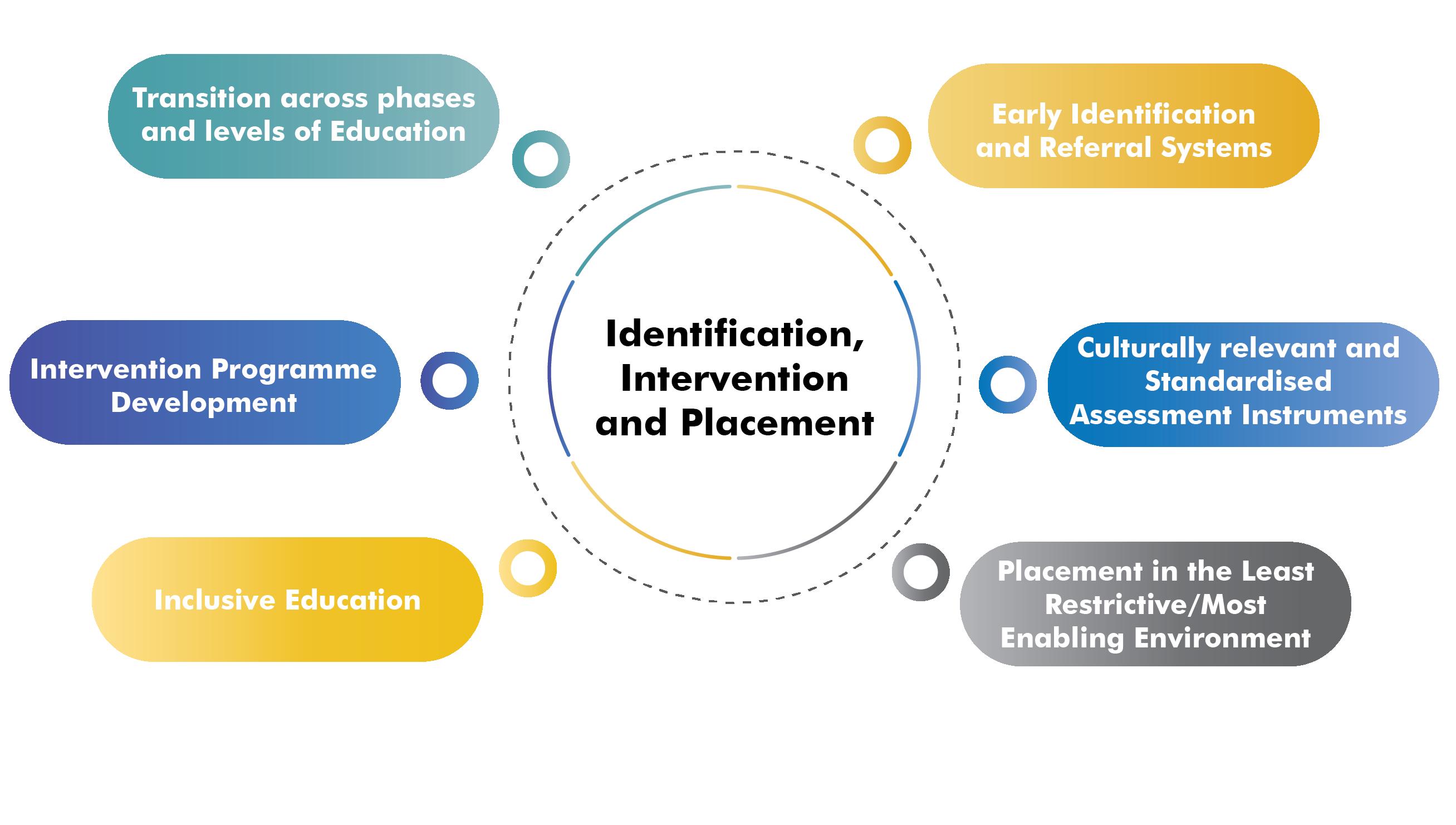
Figure 5: Identification, Intervention and Placement
Inclusion in general education is enshrined in education legislation and aims to address the achievement of all vulnerable groups without discrimination based on disabilities, varying socioeconomic status, gender, Indigenous origin, cultural identity, ethnicity, religion, language, and locale (urban, inner-city, rural, remote rural, hinterland, riverine, coastal, family islands), and other learners in migrant, displaced, or refugee populations.
Define Inclusion and Special Education Needs and Disability (SEND) and update all SEND-related terminologies to reflect current usage. For example: replace the term “Mental Retardation” with “Intellectual Disability.
Ensure that all categories of disabilities are outlined as stated in The Diagnostic and Statistical Manual of Mental Disorders, Fifth Edition (2022).
Include the Gifted and Talented and all vulnerable groups identified within the country to ensure that no learner who may be at risk is excluded under each country’s Education Act.
Update existing draft policy to implement quality inclusive education and ensure the policy is endorsed and validated by stakeholders and legislated for enactment.
Remove caveats that do not apply to the general population that undermine the right of the learner with special needs to a free and compulsory inclusive education, such as,” In so far as the resources of the Minister permit,” or “The Minister may provide for the education of any child requiring special educational treatment,” or “The Minister may, where practicable, provide…”.
Stipulate that learners with SEND who are determined to be best educated with their peers and in their community schools, be afforded that right with free and compulsory education and related services.
All Learners with SEND have access to quality assessment to identify their special education needs to enable the timely provision of appropriate intervention programmes and placement options designed to provide the best opportunity to maximise their potential.
A culturally and gender-responsive Early Identification System (EIS) to diagnose the special education needs of learners is in place and provides reliable data on the prevalence and incidence of types of Special Education Needs and Disabilities.
Design an EIS that outlines the referral process and the entities involved in identifying, evaluating, and determining whether a learner qualifies for special education services.5
Establish an information management system for the EIS to inform appropriate intervention programmes and target setting for groups of learners with SEND; data captured from the EIS should be fed into the existing education management information system (EMIS).
Review existing instruments used to diagnose SEND to ensure that they are culturally relevant, valid for the intended purpose, gender-sensitive and provide reliable information that contribute to informed decision-making. Where required, identify and standardise new instruments for use.
Individualised Education Programmes (IEP), which outline the learner’s intervention plan, are designed for all learners diagnosed with SEND and contain the learner’s diagnosis, the associated goals and objectives for all proposed academic, behavioural, and/or social interventions, and transition plans.
Institute the development and mandatory use of an Individualised Education Programme (IEP) for all learners with SEND.
Establish criteria for the development and implementation of IEPs that are gender sensitive.
Ensure that IEPs include a plan to guide transition across grade levels, school types, and school- to-work.

All learners diagnosed with SEND are placed in the Least Restrictive/Most Enabling Environment, which is most beneficial for their academic, social, and emotional development, thereby promoting a more inclusive and equitable educational experience.
Ensure that a range of placement options are available, and placement of learners with SEND will be determined based on the unique needs of the learner, as indicated by the assessment outcomes and specified in an IEP.
Apply the principles of the Least Restrictive/Most Enabling Environment to provide a range of placement options for students with SEND. Placement options should include, beginning with the Least Restrictive Environment:
– Full inclusion in a general education classroom with appropriate support services.
– Partial inclusion with a combination of general education and special education settings.
– Special education classroom placement with integration into general education for specific subjects or activities.
– Full-time placement in a special education school
Establish rules/guidelines for the placement of students with SEND, which will be determined based on the unique needs of the learner with SEND and as indicated by the assessment outcomes specified in an IEP.
Rationale
Adaptations and modifications to the national curriculum are essential components of inclusiveness and responsiveness to the diverse learning needs of students. Universal Design for Learning (UDL) instructs that the curriculum content, learning objectives, teaching methods, and resources should be modified so that teachers can engage with students across various abilities to create an effective learning environment. This policy advocates for teachers to be trained to adapt lesson plans and to apply the principles of UDL to enable learners to engage in the same content area and skill development and work towards the same curriculum goals through differentiated instruction. Teachers should be enabled to adapt learning materials, identify alternative books, assess the readability of printed materials, adapt worksheets, and use e-learning resources to provide differentiated support to groups of learners with varying needs.
Curricular accommodations, modifications, and adaptations facilitate learners’ varying needs and enable all children to optimise their potential.
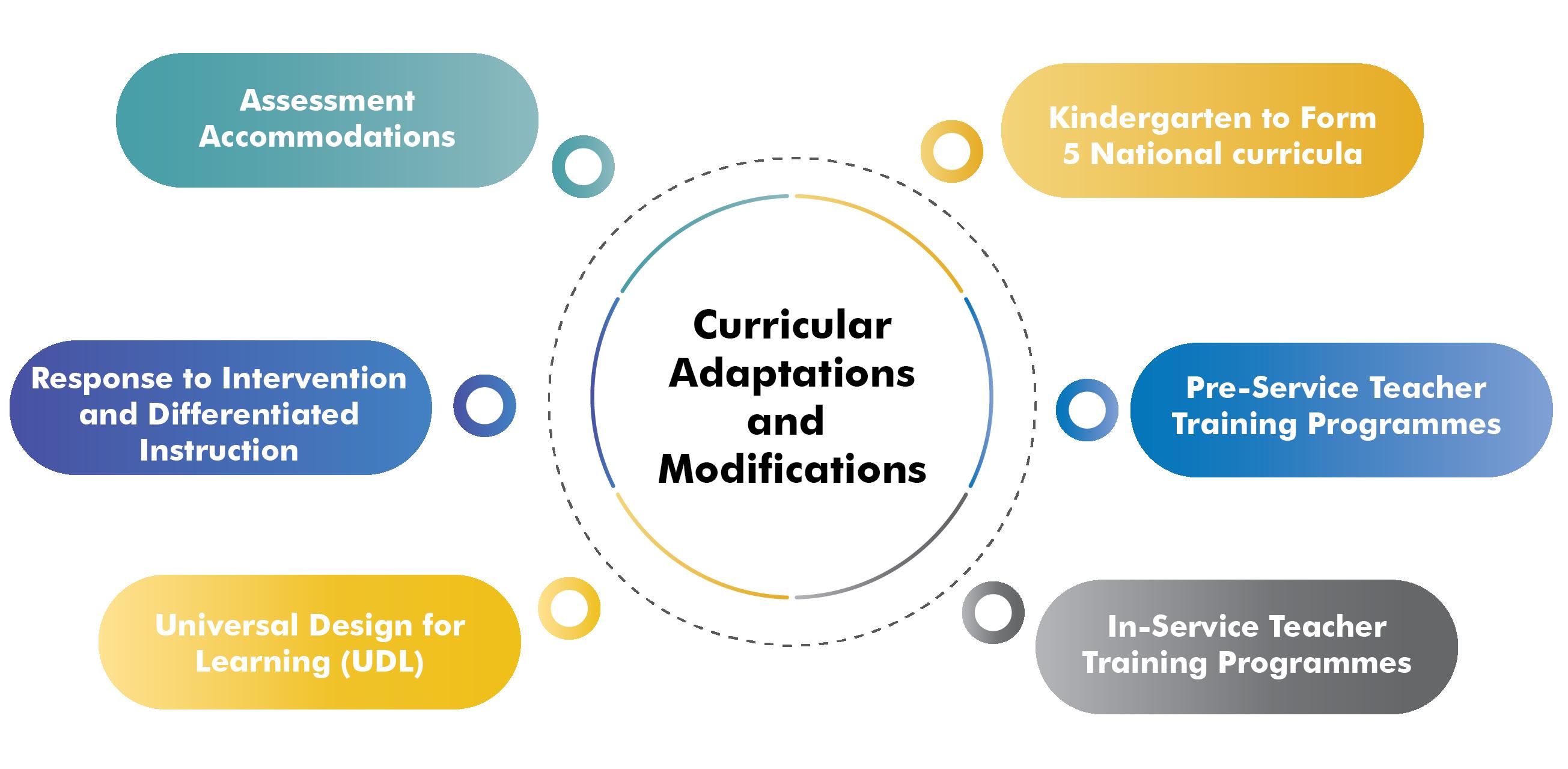
Figure 6: Curricular Adaptations and Modification Required for SEND and Inclusive Education Policy and Strategy
Accommodations are made to enable modifications and adaptations of the national curriculum at all stages in the education system (Early Childhood, Primary, Secondary, and Post-Secondary) for use with learners with SEND in inclusive and special education classrooms.
Embed Universal Design for Learning (UDL) and Differentiated Instruction (DI) principles and guidelines in the curriculum to support the diverse needs of learners in inclusive and special education classrooms.
Review/enhance the curriculum for gender-responsive teaching and to ensure it is free of and/or challenges gender stereotypes.
Procure and/or develop and disseminate resources such as adapted materials, visual supports, and assistive technologies to support the delivery of the curriculum to all learners.
Review/enhance the curriculum to ensure a variety of assessment methods to assess learner outcomes are included.
Programmes and courses for pre-service and in-service teacher training are designed for inclusive education, which requires a comprehensive approach that equips educators with the knowledge, skills, and attitudes necessary to create inclusive learning environments and meet the diverse needs of all students.
Review the curriculum for teacher training programmes to ensure that courses are designed using the Universal Design for Learning (UDL) and Differentiated Instruction principles and guidelines for designing inclusive learning environments to meet the diverse needs of all learners.
Provide guidelines for modifying courses to enable pre-service teachers to understand the importance of diversity, equity, and inclusion in education.
Review/enhance teacher training courses to ensure they explore various types of diversity, including cultural, linguistic, socio-economic, and disability-related diversity, and their impact on learning and development.
To achieve equity and inclusion in education, all learners at all levels of education must have equitable access to educational opportunities without partiality or discrimination. Inclusion in action embraces all diversity among our people, including persons with disabilities and other vulnerable groups. Equity addresses fairness, quality of opportunity, and justice.6 Therefore, equitable provisions for educational purposes may be evaluated according to the extent to which materials, resources, and services are available, accessible, and distributed.
Quality inclusive education also focuses on curriculum, instructional programmes, educational arrangements and settings, educational resources and materials, and support systems to respond to learners’ diversity in educational, developmental, social, and economic needs. The specific aspects of infrastructural provisions and support mechanisms should be considered to achieve quality inclusive education.
Universal design, as a model for construction, focuses on flexible, accessible, simple, and practical designs. Universal design for learning environments includes considerations for infrastructural features for easy access to enter and navigate the built environment with adequate layout of the learning space to facilitate unencumbered movement for access to and transitioning within the space for classroom and all other schoolrelated activities.
Policy considerations for infrastructural provisions should ensure that where school buildings are limited in accommodation, infrastructural features such as access ramps, rails, entry and exit points, restroom support rails, lowered basins, water coolers, and classroom lab tables, designated parking areas for pick up and drop off are all part of the expectations for accessibility features. Considerations in the built environment should also include appropriate systems for lighting and ventilation, as well as the types of paints and materials used.
Learning challenges in the classroom may be created and reinforced by barriers in communication. Policy provisions should indicate purposeful attention to the socio-cultural, linguistic experiences and backgrounds of the learner. Further, policy should allow means to facilitate the delivery of education in appropriate language and communication modes, as well as suitable adaptations to learning material and resources.
Instruction should be provided in the formal language of instruction, with flexibility and modification in how instruction is delivered to ensure learning is reinforced in the mother language, as the case warrants. Where other language modalities, such as sign language systems are used, allowance should be made for interpreters or the provision of cultural facilitators. Modified learning materials, such as large print, braille, or digital modes of alternative or augmented communication to optimise learning opportunities and maximise the potential of the learners to succeed, must be provided.
Structures and systems to provide reasonable accommodations are in place to ensure that schools are accessible and safe for all learners and that learners with SEND are provided with the support mechanisms necessary to optimise learning opportunities in an inclusive school environment.
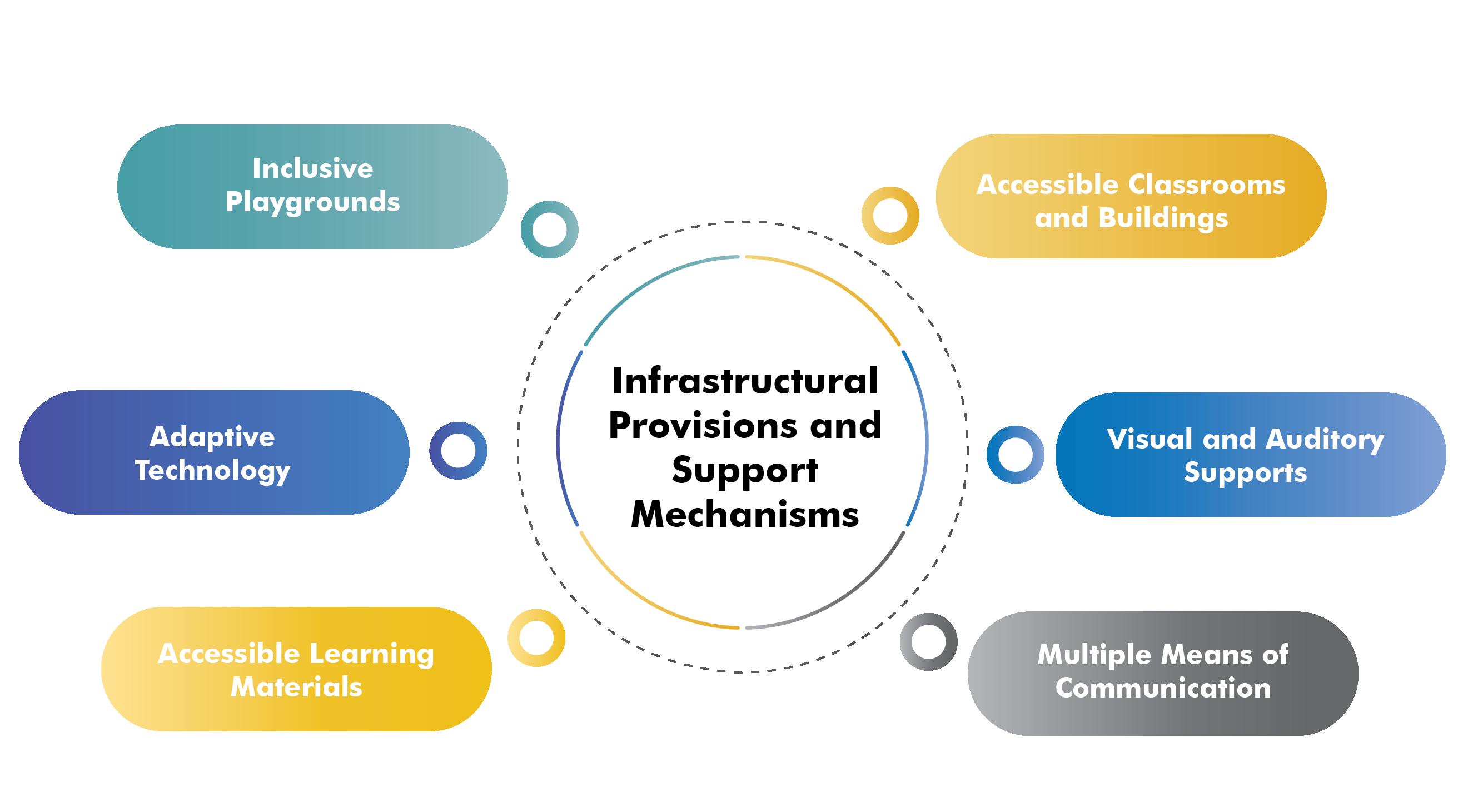
Provisions are made for the reasonable accommodation of the requirements for the learner with SEND to provide accessibility and safety in an inclusive school environment.
Conduct a comprehensive assessment of school facilities to identify physical barriers and safety concerns that may hinder access for students with SEND.
Implement necessary modifications and adaptations, such as ramps, handrails, accessible restrooms, recreational spaces, and school cafeterias and playgrounds outfitted with accessibility features to include entry and exit points of buildings and sensory-friendly spaces, to ensure that school environments are accessible and safe for all learners.
Provide staff training on disability awareness, accessibility standards, and emergency procedures to ensure that they are equipped to support students with diverse needs in an emergency.
Define and implement universal building standards for new schools and infrastructural modifications, repurposing, or renovation.
Accessible learning materials, adaptive technology, visual and auditory supports, and multiple means of communication are available in schools to meet a greater diversity of educational needs so that, where appropriate, learners with SEND may be supported within their local communities.
Provide accessible learning materials in various formats, including digital, audio, braille, and large print, to accommodate the diverse learning preferences and needs of students with SEND.
Ensure that textbooks, worksheets, instructional materials, and other resources are available in accessible formats to support students’ access to the curriculum.
Provide access to adaptive technology and assistive devices, such as screen readers, text-to-speech software, speech-to-text software, alternative keyboards, and communication devices, to support students with diverse learning needs in accessing information and participating in classroom activities.
Conduct assessments and evaluations to determine students’ assistive technology needs and provide training and support to educators, students, and families in using and integrating assistive technology effectively.
Incorporate visual and auditory supports, such as visual schedules, graphic organisers, visual aids, and auditory cues, to enhance comprehension, organisation, and communication for students with SEND.
Provide training for educators on the effective use of visual and auditory supports in instructional planning, delivery, and assessment.
Support diverse communication preferences and modalities among students with SEND, including spoken language, sign language, augmentative and alternative communication (AAC), and nonverbal communication methods.
Provide access to communication supports and strategies, such as picture communication systems, symbol-based communication boards, and digital communication apps, to facilitate expressive and receptive communication for students with communication impairments.

Rationale
The education sector is limited in its capacity and capability to serve the range of needs to implement a truly inclusive structure. The educational, health, and social welfare sectors have the potential for cross-sector and cross-disciplinary collaboration. The allied health services of psychologists and the range of diagnostic and therapeutic services, for example, may fall within the health sector’s remit.
The CARICOM HRD 2030, in its Outputs for All Strategies by Imperative/Sector, listed four categories of Imperatives: Access and Participation, Equity, Quality, and Relevance. Under the heading of Strategies and Outputs, which cuts across all Imperatives, the issue of qualified professionals is highlighted as an area of deficiency to be addressed. The regional assessment of qualified teachers for SEND indicated comparatively low numbers of special educators to general educators. A critical need is an education system equipped with qualified educators and other allied professionals with the specialised skills to serve the population of learners with SEND.
Appropriate measures are in place to ensure the adequate provision of qualified professionals to identify learners with SEND and to design and implement quality intervention programmes to enable these learners to maximise their potential.
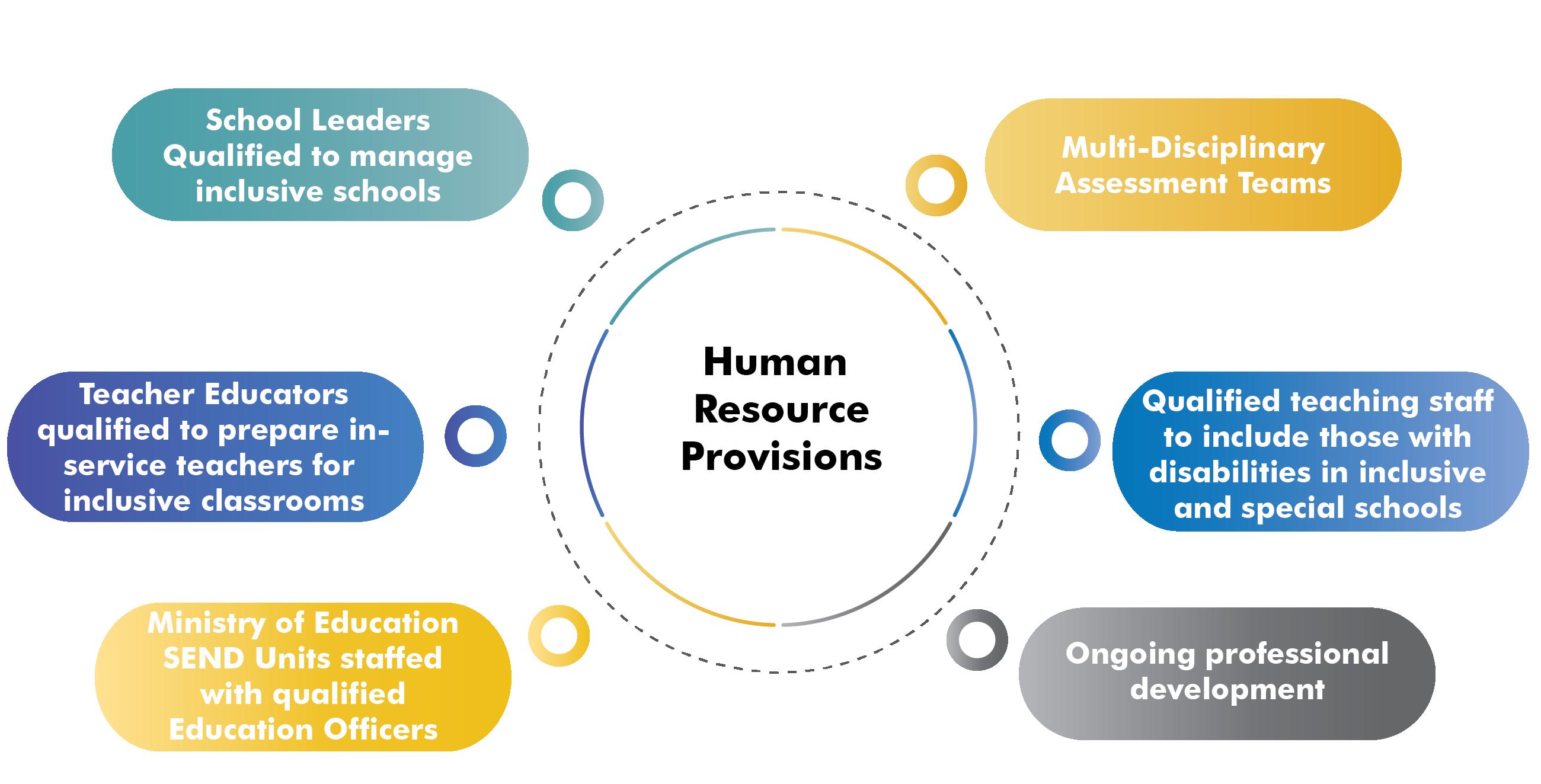
Qualified professionals compose the Multi-Disciplinary Team (MDT) that primarily diagnoses learners with SEND and assists in the development and implementation of an Individualised Education Programme (IEP) for each learner.
Staff SEND Units in Ministries of Education with qualified Multi-Disciplinary/Inter-Disciplinary professionals in various areas of SEND expertise to include, but not limited to the following:
– Clinical/Educational/School psychologist
– Special Educator
– Physical Therapist
– Occupational Therapist
– Speech and Language Pathologist
– Social Worker
– Nurse/Medical Doctor
– Behaviour Specialist
Staff the SEND Units in the Ministry of Education with Education Officers qualified in SEND who will have oversight of the MDT.
Outline the recruitment of and training pathways for specialists who support school communities to implement inclusive education, including members of the multi-disciplinary/inter-disciplinary team, to conduct assessments, plan interventions, and assist in the delivery and supervision of the execution of such plans at the home and school levels.
Deploy the MDT to provide services across all locales within the country to ensure that learners in urban, inner-city, rural, remote rural, hinterland, riverine, coastal, or family islands communities have access to the MDT services.
Make provision for the post of career counsellors and/or transition officers to support learners moving through the school transition phases and for employers regarding school-to-work transition, training, and employment possibilities.
There are an adequate number of appropriately trained teachers from diverse backgrounds, including teachers with disabilities, who are qualified to teach learners with SEND in inclusive classrooms.
Establish a bachelor’s degree in Inclusive and Special Education as the minimum qualification for special education certification and practice.
Teacher training institutions provide the option for pre-service teachers to major in Inclusive and Special Education.
Upgrade the teacher education programmes to ensure that teachers at all levels (Early Childhood, primary, and secondary) have the specialised content knowledge and gender-responsive pedagogical skills needed to deliver the national curriculum effectively to all learners.
Establish as part of policy, the recruitment of teaching staff from diverse backgrounds, including teachers with disabilities.
Make provision for special education teacher training represented in strategic development plans and in fiscal commitment.
Continuous capacity-building is provided for principals and general education teaching staff to sensitise them to the nature and needs of learners with disabilities and equip them with the knowledge, skills, attitudes, strategies, and approaches to meet the diverse educational needs of learners with SEND.
Establish guidelines and provide continuous professional development for teachers to ensure that all in-service general education teachers are prepared to teach all learners using inclusive and genderresponsive approaches and strategies.
Establish guidelines and provide continuous capacity-building training for principals and other school leaders in effectively managing inclusive and gender-responsive schools and institutions.
Successful educational outcomes hinge heavily on the involvement of parents and the home and school communities as educational partners supporting individuals and groups in an organised social and economic network. The mutual relationship between schools and community businesses creates the opportunity to promote the school’s programmes, potential, and capability of the school as a community. The relationship presents significant possibilities for meaningful exposure by bringing specialised knowledge and expertise to the school community. The progression from education into employment necessitates involvement and access to a supportive network of employers as school partners. Policies should guide the procedures to follow to engage stakeholder support and involvement.
Policy governing the involvement of stakeholders to partner in the education of learners with SEND should include a strong public education and awareness-building imperative to ensure communities are informed and fully aware of the nature and needs of children with SEND and will join in the campaign against stigmatisation and discrimination. Further, they will readily support initiatives designed to safeguard the rights of learners with SEND to quality, inclusive education.
A collaborative endeavour with a sustained public education programme, consistent with policy promotion at all levels of society, should be instituted to raise awareness, increase information, and foster advocacy with professionals in the field, NGO partners, social-action groups, and other members of the third sector. Additionally, it is important to build public education and awareness within the labour force and employment sector to encourage inclusion and fair and equal access to the formal and informal labour force.
Considerations should include promoting social integration, equitable treatment, and access to social structures and programmes on an equal basis as their peers to increase the opportunities for integration, respect, and parity as contributing members of society.
Stakeholder engagement and involvement is also critical to the monitoring of services, systems, and structures for persons with disabilities. States need to establish mechanisms to facilitate the involvement of stakeholders in monitoring the performance, responses, and provisions of service sectors and government departments and agencies.
Groups of stakeholders are identified, have clearly defined roles and responsibilities, and effectively coordinate and collaborate to implement inclusive and special education programmes and services for learners with SEND.
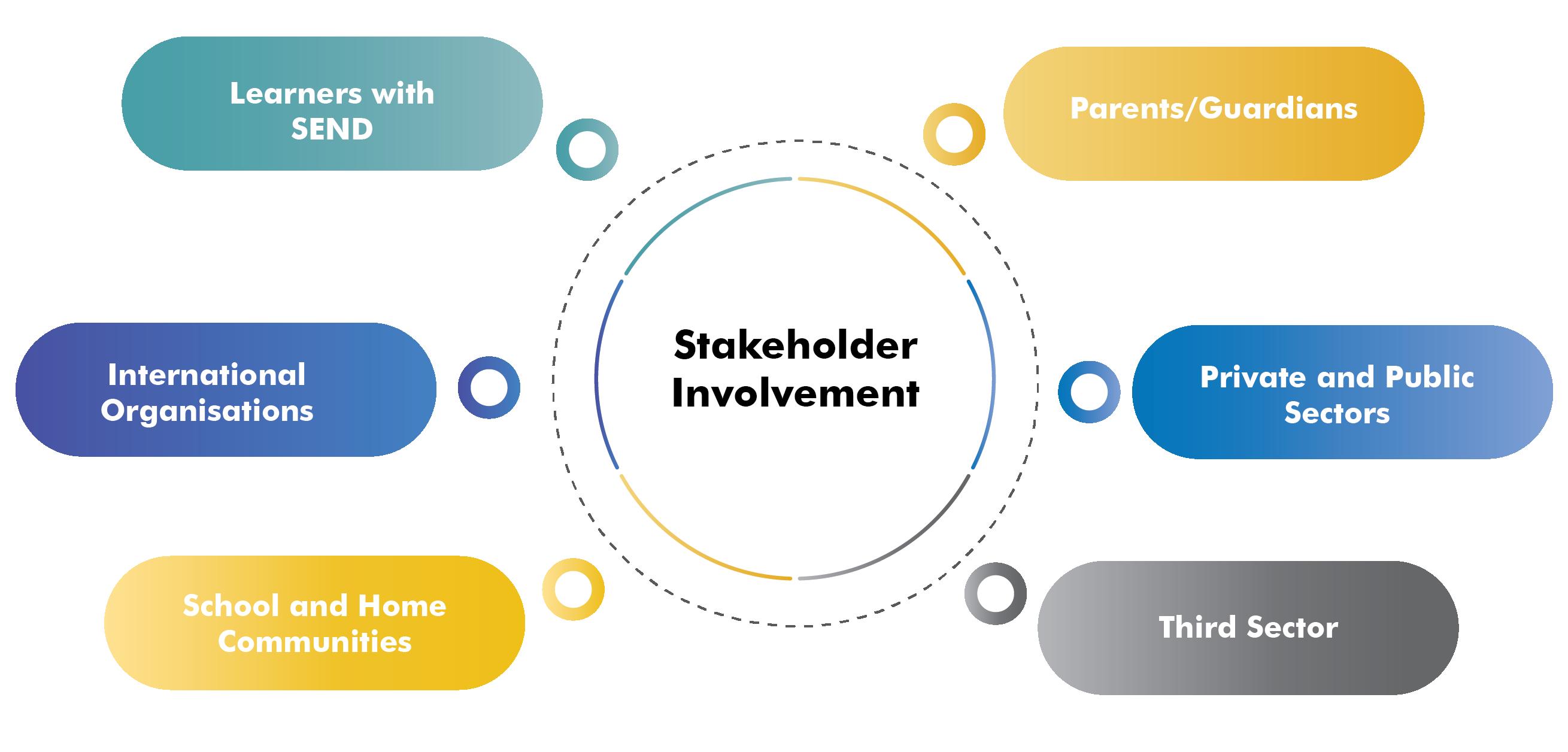
Figure 9: Stakeholder Involvement Required for SEND and Inclusive Education Policy and Strategy
The full involvement of parents/guardians and learners with SEND in all educational processes and actions for inclusive education are clearly outlined.
Clearly outline the full involvement of parents/guardians and learners with SEND, and state how they will be involved in the process of referral, assessment, programme planning, and intervention.
Establish guidelines for supporting parental interaction and communication with professionals.
Outline how families will be involved in the process of evaluating the quality of services provided.
Outline the types of support available for learners with SEND and their families to recognise and understand their special education needs and the steps to be taken to address those needs.
Outline clear steps to be taken by parents/guardians to address no-action, inappropriate action, failure to assess or implement agreed commitments in educational learning plans, or other recommendations for the learner’s benefit.
Engage parents and caregivers of learners with and without SEND to represent the home perspective on the education of learners with SEND.
Fair and balanced representation of a wide cross-section of stakeholders is created to ensure compliance with the national legislative commitment to inclusion and a collaborative approach to quality monitoring activities.
Establish clear goals and objectives to define the nature of the involvement of a wide-cross section of stakeholders to include, but not limited to:
- public and private sectors
- third sector
- parents of learners with and without children with SEND
- international organisations
- school community
- learners with and without SEND
- higher education institutions
- professional associations and unions
- media personnel
Establish a culture of continuous improvement by soliciting feedback from stakeholders and using it to refine and adapt policies and practices.
Ensure diversity of stakeholder representation in terms of experience, expertise, and locale (e.g., urban, rural, suburban) to capture a range of perspectives and needs.
Strategies for awareness-raising on inclusive Education with all stakeholders are outlined.
Implement a sustained public awareness campaign aimed at sensitising all stakeholders on the rights of learners with SEND and to encourage greater acceptance and support.
Outline the purpose of stakeholder relationships and partnerships and the intended monitoring agenda to promote and facilitate high-quality inclusive and special education.
Provide guidelines for stakeholder contributions of time, expertise, technical skills, cash, kind, or other forms of support and where necessary, the period of their involvement.
Develop communication strategies to raise awareness about the importance of inclusion and equity in education and use various channels, including social media, workshops, and community events, to disseminate information and engage the public in dialogue about inclusion and equity issues.
Outline processes for gathering, interpreting, analysing, and disseminating reports from stakeholders to ensure the trustworthiness of information to be disseminated, including the execution of pledges and educational and policy commitments.

• Borrowing Member Countries are responsible for adopting or adapting the framework to fit their national policies for Special Education Needs and Disabilities (SEND) and inclusive education. This approach allows flexibility, enabling each country to address its unique needs while aligning with broader regional goals.
• Implementation will be supported through collaboration among countries, regional bodies, and international partners to ensure the policy is effectively integrated into national education systems.
• Monitoring and evaluation (M&E) mechanisms are essential at both national and regional levels for successful implementation.
• At the national level, existing M&E mechanisms for sector planning should be utilised, with possible modifications to align with current processes.
• At the regional level, a dedicated M&E mechanism may be created, or existing mechanisms like the OECS Council of Ministers of Education (COME), CARICOM Council for Human and Social Developmentx(COHSOD), or regional organisation meetings (e.g., RNPO or OECS CEOs) could be employed. The choice will be agreed upon with Borrowing Member Countries through existing regional structures.
• Both levels should involve key stakeholders, including youth representatives and special education advocates, to ensure a comprehensive and inclusive M&E process.
• The Caribbean Development Bank (CDB), in collaboration with regional partners, will commission a Baseline Report in 2025 to assess each Borrowing Member Country’s progress on key performance indicators (KPIs).
• Following the Baseline Report, CDB will coordinate and fund bi-annual monitoring reports to evaluate regional progress in implementing the model policy and strategy.
• This iterative process will support continuous improvement and provide actionable insights to ensure the successful realisation of special education and inclusion goals across the Region.
Fourteen (14) key performance indicators are proposed to monitor implementation of the Model Policy and Strategy. These are aligned with global and regional education monitoring frameworks. The frequency of data collection should align with national and institutional monitoring and evaluation processes.
Policy Goal: inclusion is systemic and that learners with special education needs and disabilities (SEND) have access to high-quality, appropriate education to meet their individual needs.
Organisational Structures
Identification, Intervention, and Placement
Participation rate of children with special education needs and disabilities
Curricular Adaptations and Modifications
Percentage of schools meeting all requirements as outlined in legislation or policy on special education regulation.
Percentage of education budget allocated to support inclusive education initiatives.
Data on in SEND incidence, prevalence, and services offered to individual learners with SEND is available in EMIS
Percentage of students with disabilities who have current Individualised Education Programmes (IEPs) in place
Percentage of students who were assessed within 60 days of being referred
Percentage of students with access to necessary adapted materials, visual supports, and assistive technologies to support the delivery of the curriculum.
Percentage of schools practicing UDL and DI to meet the needs of students with varying abilities
Human Resources
Stakeholder Involvement
Percentage of teachers and school management teams trained in: (i) the use of assistive technology, and maintaining inclusive classrooms and schools
Number of professionals employed by MOE certified to provide SEND services (e.g. psychologist, speech pathologist, occupational therapist, diagnosticians)
Compulsory courses in SEND introduced in the pre-service teacher training programmes.
Percentage of parents attending IEP meetings
Levels of stakeholder satisfaction with the quality of special education services provided.
This section provides further details for education policy makers and planners to reference in pursuing a national SEND policy and strategy. Key outputs and responsible actors are outlined for each policy statement, outcome, and set of strategic actions.
Policy Statement 1: Organisational structures and systems to maintain, strengthen, and oversee the effective implementation and preservation of related legislation and policies for inclusion and equity in education are established and fully functional.
1.1 The roles and responsibilities of the Ministry of Education, Ministries responsible for Health, Youth, Gender Affairs and Social Welfare, and other Departments and Agencies are clearly defined, and InterMinisterial/ Cross-Sectoral collaboration is established to support schools in effectively implementing inclusive education for learners with SEND as stipulated by related legislation and policies.
STRATEGIC ACTIONS KEY OUTPUTS
Establish Inter-Ministerial/ Cross-Sectoral collaboration with clearly defined roles and responsibilities for the Ministries of Education, Health, Gender Affairs, Youth, and Social Welfare and other Ministries, Departments, and Agencies to provide quality education and support services for learners with SEND.
Establish or strengthen an oversight body within the existing operational structures of government entities (e.g., Ministry of Education) to support the implementation and preservation of the tenets related to inclusive educational services and provision. Roles and responsibilities of the oversight body are clearly defined, and procedures established to ensure that inequalities in access to educational resources and services nationally are addressed at the organisational level.
Inter-Ministerial Committee formed with a signed Memorandum of Collaboration and Cooperation, and roles and responsibilities of each Ministry, Department and Agency clearly defined and includes a provision for shared services and specialisations not represented in the education sector.
Oversight body established with roles and responsibilities clearly defined.
Ministry of Education
- Senior Executives, including the Permanent Secretary, the Chief Education Officer
- Officer(s) responsible for SEND in the Ministry of Education
- Legal officers
- Ministries responsible for health, social welfare, gender affairs and youth, and other Departments and Agencies
Policy Statement 1: Organisational structures and systems to maintain, strengthen, and oversee the effective implementation and preservation of related legislation and policies for inclusion and equity in education are established and fully functional.
1.2 Dedicated Inclusive and Special Education Units/Departments within the Ministry of Education are established with clearly defined roles and responsibilities to ensure equitable access to quality education for all learners, including those with Special Education Needs and Disabilities, by providing strategic leadership, support, and resources to schools and educational institutions.
Establish units, where applicable and define clear roles, responsibilities, and reporting lines within the Inclusive and Special Education Units/ Departments.
Allocate sufficient human and financial resources to support their effective functioning.
Staff Units/Departments with qualified Education Officers in SEND who oversee the implementation of inclusive education policies, programmes, and initiatives in general education/ inclusive schools, special schools, special education units/classes, and postsecondary institutions.
Establish Multi-Disciplinary Teams (MDTs) within the Ministry of Education with direct reporting relations to the Head of the Inclusive and Special Education Unit/Department with the primary responsibility to conduct assessments, identify students’ individual learning needs, and assist in the development of Individualised Education Programmes (IEPs) or support plans.
Inclusive and Special Education Unit/Department established with roles and responsibilities clearly defined and reporting lines within the Ministry of Education established.
Human and financial resources determined and budgeted.
Unit/Department staffed with qualified Education Officers in SEND.
Ministry of Education
- Senior Executives, including the Permanent Secretary, the Chief Education Officer
- Officer(s) responsible for SEND in the Ministry of Education - Legal officers Ministry of Finance
Multi-Disciplinary Teams established with reporting relations to the Head of the Inclusive and Special Education Unit/ Department and their roles and responsibilities clearly outlined.
Policy Statement 1: Organisational structures and systems to maintain, strengthen, and oversee the effective implementation and preservation of related legislation and policies for inclusion and equity in education are established and fully functional.
1.3 Long-term nationallevel financial support and resources to implement, monitor, and evaluate high quality systemwide Inclusive Education strategies and systems are in place.
Describe clear mechanisms for financing quality inclusive education and ensure that national-level inclusive education strategies are linked to long-term financial support through an established budget line item in the Ministry of Education budget.
Develop funding policies that provide flexible resourcing systems that promote inclusion and equity.
Allocate sufficient resources and funding to support the implementation of inclusion and equity policies as legislated.
Ensure that budget allocations are aligned with the priorities outlined in relevant legislation and policy frameworks.
The financing of inclusive education is clearly outlined and a budget line item is established in the Ministry of Education.
Policies provide flexible resourcing systems.
Ministry of Education
- Senior Executives, including the Permanent Secretary, the Chief Education Officer - Officer(s) responsible for SEND in the Ministry of Education - Legal officers Ministry of Finance
Funding for implementation is supported by the allocation of sufficient resources.
Budget allocations aligned with priorities.
Policy Statement 1: Organisational structures and systems to maintain, strengthen, and oversee the effective implementation and preservation of related legislation and policies for inclusion and equity in education are established and fully functional.
1.4 A robust monitoring, evaluation, and learning (MEL) system is in place to ensure that inequalities in access to educational resources and services nationally are addressed at the organisational Level.
Establish a MEL system to assess the implementation of inclusion and equity policies and services, inclusive of the following:
a. Key Performance Indicators (KPIs) to measure progress towards inclusion and equity goals (e.g. enrolment rates, academic progress, and support services received)
b. Regular audits and review to identify areas for improvement and address any gaps in implementation.
c. Identified bodies with the responsibility for monitoring and evaluating the implementation of inclusive education and enforcing the national agenda for inclusion.
Ensure that the data is used to inform decisionmaking, identify areas for improvement, and allocate resources efficiently to support inclusion and equity policies.
MEL system established with KPIs, audit structure, and responsible bodies for monitoring and evaluating implementation identified and in place.
Ministry of Education - Senior Executives, including the Permanent Secretary, the Chief Education Officer - Officer(s) responsible for SEND in the Ministry of Education - Legal officers Ministry of Finance
Robust data system designed to collect reliable data on SEND and the data is used to inform the decision-making process.
Policy Statement 2.1: Learners with SEND have access to quality inclusive education in general education schools in their communities, and with theie peers.
2.1.1 Inclusion in general education is enshrined in education legislation and aims to address the achievement of all vulnerable groups without discrimination based on disabilities, varying socioeconomic status, gender, indigenous origin, cultural identity, ethnicity, religion, language, and locale (urban, innercity, rural, remote rural, hinterland, riverine, coastal, family islands), and other learners in migrant, displaced, or refugee populations.
Revise education legislation to:
Include/ update SENDrelated terminologies to reflect current usage (e.g. replace the term “mental retardation” with “intellectual disability.
Ensure all categories of Disabilities as outlined in The DSM – V (2022) are included in policy. Additionally, the gifted and talented, and all vulnerable populations in the country, are defined and included.
Update existing draft Education/SEND policy to implement quality inclusive education and ensure the policy is endorsed and validated by stakeholders and legislated for enactment.
Remove caveats that undermine the right of the learner with SEN to a free and compulsory education (e.g. “in so far as the resources of the Minister permit,” or “the Minister may provide education for any child requiring special education treatment”
Stipulate that learners with SEND who are determined to be best educated with their peers and in their community schools, be afforded that right with free and compulsory education and related services.
Inclusion and SEND are clearly defined and catered for in education legislation/ policy documents in keeping with national and international commitments.
Ministry of Education
- Senior Executives, including the Permanent Secretary, the Chief Education Officer
- Officer(s) responsible for SEND in the Ministry of Education
- Legal officers
The DSM-V categories for SEND are adopted and used to define the population of students with SEND, and all vulnerable groups are identified and defined.
Existing draft policy updated and enacted.
- Ministries responsible for health, social welfare, gender and youth
- Representatives of other stakeholders (e.g., parents, teachers, principals, learners, SEND activists, local, regional, and international agencies, NGO’s, and private sector)
- Persons with SEND
Caveats removed in policy documents to ensure that statements reflect nondiscriminatory practices for learners with SEND.
The right of earners with SEND to an inclusive, free and compulsory education is enshrined in policy.
Policy Statement 2.1: Learners with SEND have access to quality inclusive education in general education schools in their communities, and with theie peers.
2.2.1. A culturally and Gender-Responsive Early Identification System (EIS) to diagnose the special education needs of learners is in place and provides reliable data on the prevalence and incidence of types of Special Education Needs and Disabilities.
Design an EIS that outlines the referral process and the entities involved to, identify, evaluate,and determine whether a learner qualifies for special education services
An EIS is developed which clearly outlines (1) procedures for identifying students who may be in need of special education services, including culturally relevant and gender responsive assessment methods for recognising academic, behavioural, or developmental concerns, and (2) the role of parents, teachers and other professionals.
Ministry of Education
- Senior Executives, including the Permanent Secretary, the Chief Education Officer
- Officer(s) responsible for SEND
- Ministries responsible for Health, Social Welfare, Gender Affairs and Youth
Establish an information management system for the EIS to inform appropriate intervention programmes and target setting for groups of learners with SEND; data capture from the EIS should be fed into the existing Education Management Information System (EMIS)
EMIS is established and contains data from the EIS on the incidence and prevalence of disabilities which can be accessed by MDAs providing services and supports to learners with SEND.
Data on the incidence and prevalence of disabilities and SEN is used to guide the provision of services and resources.
- Members of a Multidisciplinary/Interdisciplinary team
- Legal officers
Advocacy groups
EMIS based on an inter-ministry/ department/ agency platform to allow for collection and analysis of data in respect of access, participation, socio-demographic profile, prevalence and incidence of types of disabilities, and availability of services,
Formal arrangements on data capture and sharing regarding the EIS are in place for key sector partners and government ministries
Policy Statement 2.1: Learners with SEND have access to quality inclusive education in general education schools in their communities, and with theie peers.
OUTCOMES STRATEGIC ACTIONS KEY OUTPUTS RESPONSIBLE MDA AND OTHER STAKEHOLDERS
Review existing instruments used to diagnose SEND to ensure that they are culturally relevant, valid for the intended purpose, gender sensitive and provide reliable information that contribute to informed decisionmaking. Where required, identify and standardise new instruments for use.
Culturally relevant and gender sensitive assessment instruments for diagnosing academic, behavioural, or developmental issues are identified and in use
Policy Statement 2.2: Learners with SEND have access to quality inclusive education in general education schools in their communities, and with theie peers.
OUTCOMES STRATEGIC ACTIONS KEY OUTPUTS
2.2.2 Individualised Education Programmes (IEP), which outline the learner’s intervention plan, will be designed for all learners diagnosed with SEND and will contain the learner’s diagnosis, the associated goals and objectives for all proposed academic, behavioural, and/or social interventions, and transition plans.
Institute the development and mandatory use of an Individualised Education Programme (IEP) for all learners with SEND, which will contain the learner’s diagnosis, the associated goals and objectives for all proposed academic, behavioural, and/or social interventions for the learner, and are gender sensitive and responsive.
Develop a plan to guide transition across grade levels, school types, and school-to-work for learners with SEND.
Education legislations stipulate use of IEPs and transition plans for learners with SEND
All students diagnosed with SEND have a current IEP.
Ministry of Education
A transition plan developed to guide the effective transition of learners with SEND at key points within the education system, and key personnel identified, or posts established to provide counselling and transition support.
- Senior Executives, including the Permanent Secretary, the Chief Education Officer - Officer(s) responsible for SEND - Ministries responsible for Health, Social Welfare, Gender Affairs and Youth
- Members of a Multidisciplinary/Interdisciplinary team - Advocacy groups - Parents
Policy Statement 2.1: Learners with SEND have access to quality inclusive education in general education schools in their communities, and with theie peers.
2.2.3 Learners diagnosed with SEND are placed in the Least Restrictive/Most Enabling Environment for their academic, social, and emotional development, thereby promoting a more inclusive and equitable educational experience.
Apply the principles of the Least Restrictive/Most Enabling Environment to provide a range of placement options for students with SEND. Placement options may include, beginning with the Least Restrictive Environment:
– Full inclusion in a general education classroom with appropriate support services.
– Partial inclusion with a combination of general education and special education settings. – Special education classroom placement with integration into general education for specific subjects or activities.
– Full-time placement in a special education school
Establish rules/guidelines for the placement of students with SEND, which will be determined based on the unique needs of the learner with SEND, and as indicated by the assessment outcomes which are specified in an IEP.
Placement options for learners diagnosed with SEND are outlined in policy and guided by the principles of the Least Restrictive/Most Enabling Environment where students with SEND will have the best opportunity to maximise their potential.
Ministry of Education
- Senior Executives, including the Permanent Secretary, the Chief Education Officer
- Officer(s) responsible for SEND
- Ministries responsible for Health, Social Welfare, Gender Affairs and Youth
- Members of a Multidisciplinary/Interdisciplinary team
- Advocacy groups
- Persons with SEND
Guidelines for placement are made available, and are determined by the unique needs of the learner with SEND, as indicated by the assessment outcomes and specified in an IEP.
Policy Statement 3: Curricular accommodations, modifications, and adaptations facilitate learners’ varying needs and enable all children to optimise their potential.
3.1 Accommodations are made to enable modifications and adaptations of the national curriculum at all stages in the education system (Early Childhood, Primary, Secondary, and Post-Secondary) for use with learners with SEND in inclusive and special education classrooms.
Embed Universal Design for Learning (UDL) and Differentiated Instruction (DI) principles and guidelines in the curriculum to support the diverse needs of learners in inclusive and special education classrooms.
Review/enhance the curriculum for gender-responsive teaching and to ensure it is free of and/or challenges gender stereotypes.
Procure and/or develop and disseminate resources such as adapted materials, visual supports, and assistive technologies to support the delivery of the curriculum to all learners.
Review/enhance the curriculum to ensure a variety of assessment methods to assess learner outcomes are included.
Curriculum incorporates UDL and DI principles and guidelines to ensure equity in teaching and learning opportunities.
Gender responsive teaching is embedded in the national curriculum.
Adaptive materials, visual supports, assistive technologies are provided to support all learners.
Ministry of Education
- Senior Executives, including the Permanent Secretary, the Chief Education Officer - Officer(s) responsible for SEND in the Ministry of Education - Legal officers
3.2 Programmes and courses for pre-service and in-service teacher training are designed for inclusive education, which requires a comprehensive approach that equips educators with the knowledge, skills, and attitudes necessary to create inclusive learning environments and meet the diverse needs of all students.
Review the curriculum for teacher training programmes to ensure that courses are designed using the Universal Design for Learning (UDL) and Differentiated Instruction principles and guidelines for designing inclusive learning environments to meet the diverse needs of all learners.
Provide guidelines for the modification to courses to enable teachers in training to understand the importance of diversity, equity, and inclusion in education.
Review/enhance teacher training courses to ensure they explore various types of diversity, including cultural, linguistic, socio-economic, and disability-related diversity, and their impact on learning and development.
A variety of assessment strategies are outlined in the curriculum
Curriculum for teacher training programmes reviewed and the principles and guidelines of UDL and DI incorporated.
Guidelines are provided for the modification of courses and all courses reviewed and modified to ensure that teachers in training are sensitised on diversity, equity and their impact on inclusive education.
Ministry of Education
- Senior Executives, including the Permanent Secretary, the Chief Education Officer - Officer(s) responsible for SEND in the Ministry of Education - Officers responsible for curriculum development
- Legal officers
- Teacher training institutions

Policy Statement 4: Structures and systems to provide reasonable accommodations are in place to ensure that schools are accessible and safe for all learners and that learners with SEND are provided with the support mechanisms necessary to optimise learning opportunities in an inclusive school environment.
4.1 Provisions are made for the reasonable accommodation of the requirements for the learner with SEND to provide accessibility and safety in an inclusive school environment.
Conduct a comprehensive assessment of school facilities to identify physical barriers and safety concerns that may hinder access for students with SEND.
Implement necessary modifications and adaptations, such as ramps, handrails, accessible restrooms, recreational spaces, and school cafeterias and playgrounds outfitted with accessibility features to include entry and exit points of buildings and sensory-friendly spaces, to ensure that school environments are accessible and safe for all learners.
Provide staff training on disability awareness, accessibility standards, and emergency procedures to ensure that they are equipped to support students with diverse needs in an emergency.
Define and implement universal building standards for new schools and infrastructural modifications, repurposing, or renovation.
Report on the current status of schools and their readiness for inclusive education is available.
Modifications and adaptations implemented based on the assessment conducted and needs identified.
Ministry of Education
- Senior Executives, including the Permanent Secretary, the Chief Education Officer
- Officer(s) responsible for SEND in the Ministry of Education
- Legal officers
- Ministry of Finance
- Ministry responsible for construction
Staff training plan developed with timeline for execution.
4.2 Accessible learning materials, adaptive technology, visual and auditory supports, and multiple means of communication are available in schools to meet a greater diversity of educational needs so that, where appropriate, learners with SEND may be supported within their local communities.
Provide accessible learning materials in various formats, including digital, audio, braille, and large print, to accommodate the diverse learning preferences and needs of students with SEND.
Ensure that textbooks, worksheets, instructional materials, and other resources are available in accessible formats to support students’ access to the curriculum.
Universal building standards defined and adopted for use in designing or upgrading educational institutions.
A variety of accessible learning materials are identified and provided.
Representatives of other stakeholders (e.g., parents, teachers, principals, learners, SEND activists, local, regional, and international agencies, NGO’s, and private sector)
- Persons with SEND
Ministry of Education
-Senior Executives, including the Permanent Secretary, the Chief Education Officer
Instructional materials and other resources for all students to access the curriculum are provided.
-Officer(s) responsible for SEND in the Ministry of Education Ministry of Finance
Policy Statement 4: Structures and systems to provide reasonable accommodations are in place to ensure that schools are accessible and safe for all learners and that learners with SEND are provided with the support mechanisms necessary to optimise learning opportunities in an inclusive school environment.
Provide access to adaptive technology and assistive devices, such as screen readers, text-tospeech software, speech-to-text software, alternative keyboards, and communication devices, to support students with diverse learning needs in accessing information and participating in classroom activities.
Conduct assessments and evaluations to determine students’ assistive technology needs and provide training and support to educators, students, and families in using and integrating assistive technology effectively.
Incorporate visual and auditory supports, such as visual schedules, graphic organisers, visual aids, and auditory cues, to enhance comprehension, organisation, and communication for learners with SEND.
Provide training for educators on the effective use of visual and auditory supports in instructional planning, delivery, and assessment.
Support diverse communication preferences and modalities among students with SEND, including spoken language, sign language, augmentative and alternative communication (AAC), and nonverbal communication methods.
Provide access to communication supports and strategies, such as picture communication systems, symbol-based communication boards, and digital communication apps, to facilitate expressive and receptive communication for students with communication impairments.
Adaptive technology and assistive devices are provided.
Educators, students and families are trained to prepare them to effectively integrate learning and support materials and equipment.
Representatives of other stakeholders (e.g., parents, teachers, principals, learners, SEND activists, local, regional, and international agencies, NGOs, and private sector) Persons with SEND
Training in the use of visual and auditory supports provided.
Diverse communication preferences and modalities supported.
Students with communication impairments provided with appropriate support.
Policy Statement 5: Appropriate measures are in place to ensure the adequate provision of qualified professionals to identify learners with SEND and to design and implement quality intervention programmes to enable these learners to maximise their potential
5.1 Qualified professionals compose the Multi-Disciplinary Team (MDT) that primarily diagnoses learners with SEND and assists in the development and monitoring of the implementation of Individualised Education Programmes (IEPs) for each learner.
Equip SEND Units in Ministries of Education with qualified MultiDisciplinary/Inter-Disciplinary staff in various areas of SEND expertise.
Staff the SEND Units in the Ministry of Education with Education Officers qualified in SEND who will have oversight of the MDT.
Outline the recruitment of and training pathways for specialists who support school communities to implement inclusive education, including members of the multidisciplinary/inter-disciplinary team, to conduct assessments, plan interventions, and assist in the delivery and supervision of the execution of such plans at the home and school levels.
SEND Units in Education Ministry staffed with Education Officers qualified in SEND and have oversight of the Multi-Disciplinary/InterDisciplinary staff.
Recruitment and training pathways designed and approved for professionals to include the following:
- Clinical/ Educational Psychologist
- Special Educator
- Occupational Therapist
- Physical Therapist
- Behaviour Therapist
- Speech and Language Pathologist
- Nurse/Medical Doctor
- Social Worker
Ministry of Education
- Senior Executives including the Permanent Secretary, the Chief Education Officer.
- Lead SEND Officer or Head of Department
- Corporate Planner
- Human Resources Division
- Ministry of Finance
- Ministries of Health, Youth, Social Welfare
Deploy the MDT to provide services across all locales within the country to ensure that learners in urban, inner-city, rural, remote rural, hinterland, riverine, coastal, or family islands communities have access to the MDT services.
Multi-Disciplinary/InterDisciplinary staff qualified to conduct assessments and assist in the development of IEPs.
MDT decentralised to provide services countrywide.
Ministry of Education
- Senior Executives including the Permanent Secretary, the Chief Education Officer.
- Lead SEND Officer or Head of Department
- Corporate Planner
- Human Resources Division
- Ministry of Finance
- Ministries of Health, Youth, Social Welfare
Policy Statement 5: Appropriate measures are in place to ensure the adequate provision of qualified professionals to identify learners with SEND and to design and implement quality intervention programmes to enable these learners to maximise their potential
Establish cross-sectoral collaboration to allow shared services for specialisations not represented in the education sector.
5.2 There are an adequate number of appropriately trained teachers from diverse backgrounds, including teachers with disabilities, who are qualified to teach learners with SEND in inclusive classrooms.
Establish a bachelor’s degree in Inclusive and Special Education as the minimum qualification for special education certification and practice.
Teacher training institutions provide the option for pre-service teachers to major in Inclusive and Special Education.
A Memorandum of Understanding established between Ministries of Health, Youth, Social Welfare to share services provided by qualified professionals housed in those ministries who can assist in the identification of learners with SEND. For example, the Ministry of Health may have qualified physical therapists, occupational therapist or clinical psychologist.
Bachelor’s degree legislated as the minimum qualification to practice as a Special Educator.
Grandfathering clause included in policy for experienced special educators without minimum qualifications to be allowed to continue working in the field and provide in-service training to upgrade their knowledge and skills.
Ministry of Education - Senior Executives, including the Permanent Secretary, the Chief Education Officer - Officer(s) responsible for SEND - Ministries responsible for Health, Social Welfare, Gender Affairs and Youth
Upgrade the teacher education programmes to ensure that teachers at all levels (Early Childhood, primary, and secondary) have the specialised content knowledge and genderresponsive pedagogical skills needed to deliver the national curriculum effectively to all learners.
Teacher training institutions offer Inclusive and Special Education as a major in a Bachelor of Education (B.Ed.) degree programme
A register of qualified special education teachers is established and systemwide needs identified and rectified.
Policy Statement 5: Appropriate measures are in place to ensure the adequate provision of qualified professionals to identify learners with SEND and to design and implement quality intervention programmes to enable these learners to maximise their potential
Establish in policy the recruitment of teaching staff from diverse backgrounds, including teachers with disabilities.
Make provision for special education teacher training represented in strategic development plans and in fiscal commitment.
Establish guidelines and provide continuous professional development for teachers to ensure that all in-service general education teachers are prepared to teach all learners using inclusive and gender-responsive approaches and strategies.
Based on needs identified, a recruitment policy and supporting plans are in place to engender a diverse teaching force, including teachers with disabilities.
Ministry of Education
- Senior Executives, including the Permanent Secretary, the Chief Education Officer
- Officer(s) responsible for SEND
5.3 Continuous capacity-building is provided for principals and general education teaching staff to sensitise them to the nature and needs of learners with disabilities and equip them with the knowledge, skills, attitudes, strategies, and approaches to meet the diverse educational needs of learners with SEND.
Establish guidelines and provide continuous capacity-building training for principals and other school leaders in effectively managing inclusive and genderresponsive schools and institutions.
Guidelines established for a continuous professional development plan for all in-service general education teachers to prepare them to teach in an inclusive classroom.
Capacity-building training for principals and other school leaders included in the guidelines for continuous professional development.
Ministry of Education
- Senior Executives, including the Permanent Secretary, the Chief Education Officer
- Officer(s) responsible for SEND
- Members of a Multidisciplinary/Interdisciplinary team
- Ministry of Finance
- Advocacy groups
- Teacher training institutions
Policy Statement 6: Identify groups of stakeholders, clearly define their roles and responsibilities, and outline strategies for engaging stakeholders to support the implementation of inclusive and special education programmes and services for learners with SEND.
6.1 The full involvement of parents/guardians and learners with SEND in all educational processes and actions for inclusive education are clearly outlined.
Clearly outline the full involvement of parents/guardians and learners with SEND, and state how they will be involved in the process of referral, assessment, programme planning, and intervention.
The roles and responsibilities of parents/ guardians, and where applicable, learners with SEND outlined and the nature of their involvement in the process from referral to programme delivery is clearly documented.
Ministry of Education - Senior Executives including the Permanent Secretary, the Chief Education Officer. - Lead SEND Officer or Head of Department
Establish guidelines for supporting parental interaction and communication with professionals.
Outline how families will be involved in the process of evaluating the quality of services provided.
Outline the types of support available for learners with SEND and their families to recognise and understand their special education needs and the steps to be taken to address those needs.
Outline clear steps to be taken by parents/guardians to address no-action, inappropriate action, failure to assess or implement agreed commitments in educational learning plans, or other recommendations for the learner’s benefit.
Engage parents and caregivers of learners with and without SEND to represent the home perspective on the education of learners with SEND.
A line of communication established for parents/ guardians to interact with professionals interacting with their child/ward.
The involvement of parents in the evaluation process is fully documented.
Representatives of other stakeholders (e.g., parents, teachers, principals, learners, SEND activists, local, regional, and international agencies, NGOs, and private sector)
Persons with SEND
Types of support available for learners and families outlined.
Steps to be taken by a parent/guardian in the case of any aggrievement are clearly outlined to have the matter(s) resolved.
Parents and caregivers engaged to obtain their views on the education of learners with SEND.
Policy Statement 6: Identify groups of stakeholders, clearly define their roles and responsibilities, and outline strategies for engaging stakeholders to support the implementation of inclusive and special education programmes and services for learners with SEND.
6.2 Fair and balanced representation of a wide cross-section of stakeholders is created to ensure compliance with the national legislative commitment to inclusion and a collaborative approach to quality monitoring activities.
Establish clear goals and objectives to define the nature of the involvement of a wide-cross section of stakeholders to include, but not limited to:
- public and private sectors
- third sector
- parents of learners with and without children with SEND
- international organisations
- school community
- learners with and without SEND
- higher education institutions
- professional associations and unions
- media personnel
Establish a culture of continuous improvement by soliciting feedback from stakeholders and using it to refine and adapt policies and practices.
Ensure diversity of stakeholder representation in terms of experience, expertise, and locale (e.g., urban, rural, suburban) to capture a range of perspectives and needs.
Goals and objectives established for the involvement of a wide cross-section of stakeholders.
Ministry of Education
- Senior Executives including the Permanent Secretary, the Chief Education Officer.
- Lead SEND Officer or Head of Department
- Corporate Planner
- Human Resources Division
Ministry of Finance
Ministries of Health, Youth, Social Welfare
System is in place to encourage feedback from stakeholders which is used to refine and adapt policies and practices.
Representatives from different stakeholder groups are from varied backgrounds.
Policy Statement 6: Identify groups of stakeholders, clearly define their roles and responsibilities, and outline strategies for engaging stakeholders to support the implementation of inclusive and special education programmes and services for learners with SEND.
6.3 Strategies for awareness-raising on inclusive Education with all stakeholders are outlined.
Implement a sustained public awareness campaign aimed at sensitising all stakeholders on the rights of learners with SEND and to encourage greater acceptance and support.
Outline the purpose of stakeholder relationships and partnerships and the intended monitoring agenda to promote and facilitate high-quality inclusive and special education.
Provide guidelines for stakeholder contributions of time, expertise, technical skills, cash, kind, or other forms of support and, where necessary, the period of their involvement.
Develop communication strategies to raise awareness about the importance of inclusion and equity in education and use various channels, including social media, workshops, and community events, to disseminate information and engage the public in dialogue about inclusion and equity issues.
Outline processes for gathering, interpreting, analysing, and disseminating reports from stakeholders to ensure the trustworthiness of information to be disseminated, including the execution of pledges, and educational and policy commitments.
Public awareness campaign designed and implemented.
The purpose of each stakeholder group outlined and the nature of the relationship established.
Guidelines established and the terms and expectations for stakeholders are outlined.
Ministry of Education
- Senior Executives including the Permanent Secretary, the Chief Education Officer.
- Lead SEND Officer or Head of Department
- Corporate Planner
- Public Relations Division
Communication strategies developed to initiate the awareness programme using various channels to engage stakeholders.
Ministry of Finance Ministries of Health, Youth, Social Welfare Representatives of other stakeholders (e.g., parents, teachers, principals, SEND activists, local, regional, and international agencies, NGO’s, and private sector)
Persons with SEND
Processes to guide the trustworthiness of information are established to guide the way in which information is gathered, interpreted and disseminated.

Definitions by CARICOM HRD 2030 Strategy
Definition Suggested
Definitions by CARICOM HRD 2030 Strategy
A term used to refer to learners or groups of learners who are considered to have a higher probability of failing academically or dropping out of school.
A term used to refer to individuals whose experiences or circumstances create a higher probability of failing academically, dropping out of school, or exhibiting socially maladaptive behaviours.
Personal or social circumstances such as gender, ethnic origin or family background etc. which are not viewed as barriers to accessing or fulfilling educational potential through formal or non-formal education and training opportunities.
Definition Suggested
Definitions by CARICOM HRD 2030 Strategy
The practice of unbiased, fair, relevant, and appropriate provision of educational and training opportunities, and other critical services and support to learners regardless of gender, ethnicity, language, religion, locale, socio-economic status, disability, indigenous origin, or any other personal circumstances.
An approach which encourages people to think about and act in the interest of universal acceptance and welfare of all learners regardless of differences. Inclusiveness strongly considers those with special learning needs in classrooms and outside of learning spaces and thus the options available to them to be fully engaged in teaching, learning, support and assessment.
Definition Suggested
The practice which ensures universal and unbiased acceptance of all learners regardless of gender, ethnicity, language, religion, locale, socio-economic status, disability, indigenous origin, or any other characteristics, thus allowing them full access to educational opportunities, assessment, and support, and equitable and participatory learning experience and environment that best corresponds to their requirements and needs.
Definitions by CARICOM HRD 2030 Strategy
Definition Suggested
Educational outcomes that encompass the knowledge, skills and competencies to be acquired in learners through a curriculum that is taught (by self or instructional person), assessed and reviewed and which has enabling conditions within an institutional or non-institutional environment. The curriculum is designed using standard operating procedures and processes, is informed by occupational, social, and other information, leads to an award from an awarding body and evaluated against quality standards.
Educational provisions and outcomes that are developmentally and pedagogically appropriate, relevant, and sound, and lead to cognitive, social, emotional, creative, physical, occupational, and life-skills development, and promote the values and attitudes for responsible citizenship.

CRPD Article 24 (1 a, b, c)
State Parties recognise:
- the right of persons with disabilities to education with a view to realising this right without discrimination and on the basis of equal opportunity, States Parties shall ensure an inclusive education system at all levels and lifelong learning directed to:
a) The full development of human potential and sense of dignity and self-worth, and the strengthening of respect for human rights, fundamental freedoms and human diversity;
b) The development by persons with disabilities of their personality, talents and creativity, as well as their mental and physical abilities, to their fullest potential;
c) Enabling persons with disabilities to participate effectively in a free society.
CRPD Article 24 (2 a, b)
In realising this right, State Parties shall ensure that:
a) Persons with disabilities are not excluded from the general education system on the basis of disability, and that children with disabilities are not excluded from free and compulsory primary education, or from secondary education, on the basis of disability;
b) Persons with disabilities can access an inclusive, quality and free primary education and secondary education on an equal basis with others in the communities in which they live;
CPRD Article 24 (5)
State Parties shall ensure that persons with disabilities are able to access general tertiary education, vocational training, adult education and lifelong learning without discrimination and on an equal basis with others. To this end, State Parties shall ensure that reasonable accommodation is provided to persons with disabilities.
Sustainable Development Goal Target 4.5
By 2030, eliminate gender disparities in education and ensure equal access to all levels of education and vocational training for the vulnerable, including persons with disabilities, indigenous peoples and children in vulnerable situations.
CARICOM-HRD 2030 Strategy
Outcome 1: Broadened and deepened access and participation in all HRD sectors (Access and Participation)
1.1 Provide universal access for enrolment and completion in Basic Education (BE)
1.2 Introduce multiple curricular pathways for learners in schools
1.3 Provide adequate student support services to learners in schools
Outcome 2: Strengthened equity in the access to and provision of HRD in all HRD sectors (Equity)
2.1 Establish policy governing equitable BE access
2.2 Reduce BE gender and engagement disparities
2.3 Increase enrolment and participation addressing geographic and socio-economic needs
2.4 Increase support for disability and special learning needs in BE
2.5 Provide adequate learning opportunities to migrant, displaced and refugee children
Outcome 3: Improved quality in delivery in all HRD sectors (Quality)
3.1 Develop a CARICOM BE Quality Management Model
3.2 Design and introduce a Caribbean New School Model (CNSM) to enhance pedagogical and learning success
3.3 Promote student-centred curricula
3.4 Enhance and align learning outcomes and assessment practices to improve learning outcomes in BE
3.5 Enhance teacher training and training for educational leaders
3.6 Continuously upgrade skills of in-service teachers
3.7 Enhance school support programmes and infrastructure
3.8 Promote accountability in the professional practice of teachers
OECS Education Sector Strategy (2021 – 2026)
3.5.2 Improve Teachers’ Professional Development Strategic Imperative - Improve teacher quality, management and motivation
3.5.3 Improve the quality of Teaching and Learning Strategic Imperative: Improve the quality of teaching and learning at all levels using learner-centred experiences
3.5.4 Improve Curriculum and strategies for Assessment Strategic Imperative – Improve curriculum and strategies for assessment to meet the needs of all learners at all levels of education.
3.5.5 Increase access to quality Early Childhood Development (OECD) services Strategic Imperative - Increase access to quality early childhood development services for children from birth to five years of age across the OECS
3.5.5 Increase access to quality Early Childhood Development (OECD) services Strategic Imperative - Increase access to quality early childhood
• Roles of the key personnel in the ministries of education, schools, and other agencies are not clearly defined in legislation and policy.
• Minimal inter-ministerial/ intersectoral collaborative framework
The Bahamas Persons with Disabilities Act, Art. 15 states:
The Ministry of Labour, Social Services, Youth, Sports and Culture and the Ministry of Education, Science and Technology collaborate to provide an appropriate vocational training programme for persons with disabilities.
The Guyana Persons with Disabilities Act Sub-Part III Speaks to the role of the Ministry of Health to implement a National Health Programme.
The Inclusion Policy specifies “To develop an action plan in collaboration with the Ministry of Health with the support and participation of the regions in order to be able to provide better quality education to learners with special needs.”
Belize:
The National Committee for Families and Children (NCFC) is a statutory body, comprised of multi-sectoral members, legally mandated to promote, monitor and evaluate Belize’s compliance with its national and international commitments to children. The NCFC is the major advisory body to the government on families and children’s issues.
The Bahamas:
The Ministry of Labour, Social Services, Youth, Sports and Culture and the Ministry of Education, Science and Technology collaborate to provide an appropriate vocational training programme for persons with disabilities (Persons with Disabilities Act, Art. 15).
• Legislation and policy documents either did not make mention of financing mechanisms to be in place, or to evaluate effectiveness and quality of inclusive education.
The Guyana Persons with Disability Act (2010) stipulates: Persons with Disability Act (2010) - Section 18
-Parliament shall provide funds necessary for the effective national implementation of the special education facilities.
-Local Government Authorities shall adopt appropriate measures to facilitate the implementation of the special education programme
As indicated in the Belize MoECST7 Annual Technical Report 2021 – 2022, the Learner Support Services (SSS), under the new budget programme will be a stand-alone item with a budgetary allocation. The Special Education Unit falls under the SSS and should therefore benefit from the new budgetary allocation scheme.
As indicated in the Report:
2) The MoECST budget programmes in 2022-23 will be aligned with the BESPlan8 2021-2025
1) Operations, 2) Education Development, 3) school Supervision and Support, 4) Learner Support Services, 5) Policy and Planning and 6) Workforce Development. This realignment is intended to facilitate access to financial resources for implementation of the BESPlan.”
• Monitoring procedures to ensure that inequalities in access to educational resources and services nationally were largely absent from legislation or policy.
• Limited supervisory and administrative support across school districts and locations.
• High cost of services from private providers, and the long waiting list to obtain services via the public sector.
The Bahamas established the National Commission for Persons with Disabilities outlined in the 2014 Persons with Disabilities (Equal Opportunities) Act.
The mandate of the Commission is to recommend measures to prevent discrimination against the group, in particular for the most vulnerable, such as women, children, the elderly, the poor and persons with multiple disabilities. It also advises on the formulation of curricula suitable for their needs and capabilities (Art. 10).
• Most legislation and/or policy documents did not outline a clear policy on early identification systems or assessment mechanisms at an early stage.
• vulnerable groups other than learners with disabilities were largely omitted, thereby restricting identification to learners with disabilities.
The Draft Special Education Policy Trinidad and Tobago Ministry of Education (November 2013) states: The SSSD9 is to be responsible for establishing an “integrated referral system for early identification, assessment and intervention for learners with special education needs” (p.21).
The Bahamas Vision 2040 National Development Plan 2nd Working Draft Strategy 6.7: Special Education, states:
6.7.1 Enhance the identification of learners with learning disabilities through mandatory screening of all new learners entering the school system (public and private)
The Education and Training Act 2011 (Belize)
49. - (1) The Ministry shall ensure equitable access for both sexes to education at all levels, and that provision of education is sensitive to the particular needs of both males and females, and caters to the special needs of challenged pupils.
The following targets have been set in the Belize Education Sector Plan (2021 – 2025)
Target 4.5: By 2030, eliminate gender disparities in education and ensure equal access to all levels of education and vocational training for the vulnerable, including persons with disabilities, indigenous peoples and children in vulnerable situations
• Students placed in a special school usually have an IEP but this was not necessarily done routinely for students with SEND placed in general education classrooms
• There was usually a mismatch between the identified needs via assessment, and the development of an IEP, and the support or services provided.
The BVI Education Regulations (2016) mandate the following:
(5) An IEP for learners requiring learning supports shall be developed by a team of the following persons, using a standard form:
1. (a) the parent or guardian of the learner;
2. (b) the learner, where necessary;
3. (c) the teacher; and
4. (d) any other person with the appropriate expertise, as may be necessary.
The Inclusion Policy for Guyana (2010)
In respect of the enactment of the Inclusion Policy in mainstream schools, “All learners with a special need must have
• The concept of the Least Restrictive Environment, though articulated in some policy documents, was not adhered to as learners who were assessed and determined to be eligible for placement in general education with support services were oftentimes placed in special schools (most restrictive environment). This was especially so for learners who are blind or deaf
• Limited placement options so learners with SEND, once identified are still largely segregated in special schools or special classes and subject to discrimination, and often with substandard education provisions.
The Trinidad and Tobago Draft Special Education Policy (2013) states:
All children regardless of their physical, intellectual, social, emotional or other conditions are entitled to an appropriate education and the opportunity to be supported by the State in their efforts to access same. As such, this policy must include the educational needs of all learners. These learners include:
(i) children with a diverse range of learning difficulties and/ or challenges that arise from the presence of a disability or special education need.
(ii) children identified as gifted learners
(iii) children who may be hospitalised, institutionalised or experiencing other such conditions.
(iv) children who may be home schooled.
All children with special education needs, inclusive of those with sensory, physical and health impairments, emotional/ behavioural and neurological disorders, children with intellectual or developmental challenges, those who experience specific learning difficulties or those who are gifted/talented, should have the option of receiving education at a school within their community where feasible, or at an appropriate public or private special school.
• Inadequate educational support in the general education schools within their community to support learner diversity in an inclusive classroom.
Inclusive Education Policy Trinidad and Tobago Ministry of Education (2009)
The Human Resources Management Division is mandated to collaborate with pertinent Ministry of Education Offices in the coordination of continuing initiatives for capacity building, professional development and training of school personnel (administrators, teaching and non-teaching and support staff) in the field of inclusive education (p14-9.4).
“All school administrators and teachers shall receive adequate levels of training, professional development and on-going support to ensure the success of all learners in an inclusive setting in regular and special schools” (p.9).
• Most assessment instruments are not normed in the Caribbean. Results may be unreliable and may incorrectly label children and place them in categories of disability to which they do not belong.
• High cost of services for assessment and treatment from private providers, and the long waiting list to obtain services via the public sector.
• Inadequate provision of, and access to assistive and adaptive devices to support learning and mobility.
• Insufficient materials and resources to support inclusion in general education schools.
• Inadequate educational support in the general education schools within their community to support learner diversity in an inclusive classroom.
• Insufficient and inappropriate materials and resources to support the varied physical, sensory, adaptive, and educational needs of learners with SEND.
The Bahamas Persons with Disabilities Act, Article 20 stipulates: (20) Accessibility and mobility.
“Every person with a disability shall be entitled to a barrierfree and disabled friendly environment to enable him to have access to buildings, Information Communication Technology (Gardinal-Pizato, Marturano, & Fontaine), roads and other social amenities, and assistive or adaptive devices and other equipment to promote his mobility.”
Guyana Legislation - Education Act (2014) and The Persons with Disabilities Act (2010)
The National Commission shall initiate or cause to be initiated Research by official and non-governmental agencies for the purpose of designing and Developing New Assistive devices, Teaching Aids, Special Teaching material or other material or items as are necessary to provide persons with disabilities with equal opportunities in Education
• Legislation and policy documents for the most part did not speak to transition from one level of the education system to the next, so there is usually no plan for learners with SEND entering secondary from primary or from secondary to tertiary.
• Limited scope in post-secondary provisions for the learner with SEND.
Bahamas Persons with Disabilities Act 2014 outlines:
15. Vocational training skills, development and training programmes. The Minister responsible for Labour, Social Services, Youth, Sports and Culture, and Education shall design, collaborate and implement programmes that provide—
(a) persons with disabilities to be engaged as apprentices or learners;
(b) persons with disabilities with skills to enable them to engage in gainful employment.
(c) appropriate vocational measures which serve to develop the skills and potential of persons with disabilities and enable them to compete favourably for available, productive and remunerative employment opportunities in the labour market.
• Limited scope in curriculum to support and enhance inclusive practices
Persons with Disability Act (The Bahamas)
31. Access to quality education.
The Minister responsible for Education after consultation with the Commission shall ensure that learning institutions take into account the special needs of persons with disabilities with respect to the entry requirements, curriculum, examinations, auxiliary aids, and services including accessible formatting, use of school facilities, class schedules, physical education requirements and other relevant matters.
• Most legislation and policy documents examined did not indicate the facilitation of the learning of braille, alternative script, augmentative and alternative modes, means and formats of communication (sign language), and orientation and mobility skills, which are essential features of programmes designed for the population of learners with SEND.
The Bahamas Persons with Disabilities (Equal Opportunities) Act (Art. 33.2) outlines policy relating to augmentative and alternative modes, means and formats of communication.
33. Special Education
(1) The Minister responsible for Education shall establish and maintain an integrated system of special education for persons with disabilities.
(2) The Minister responsible for Education shall establish— (a) special education classes in schools and facilitate learning in subject areas including Braille, alternative script, augmentative and alternative modes, and formats of communication, orientation and mobility skills; (b) braille and record libraries or sections within existing national libraries throughout The Bahamas
• Universal Design for Learning (UDL) was not mentioned in any legislation or policy document examined in the 7 countries.
• Inadequate multi-focused slate of programmes to support the social and life-long needs of the learner with SEND
4. Infrastructural Provisions and Support Mechanisms
• Limited infrastructural provisions for ease of mobility in the physical environment
The Bahamas Persons with Disabilities Act, Article 20 stipulates: Accessibility and mobility.
“Every person with a disability shall be entitled to a barrier-free and disabled friendly environment to enable him to have access to buildings, Information Communication Technology (Gardinal-Pizato, Marturano, & Fontaine), roads and other social amenities, and assistive or adaptive devices and other equipment to promote his mobility.”
• Insufficient and inappropriate materials and resources to support the varied physical, sensory, adaptive, and educational needs of learners with SEND.
• Limited coverage of social safety-net programmes to support socio-economic needs.
• Inequitable distribution of, or access to social welfare programmes.
• Units/Departments dedicated to SEND with defined roles were either not established or roles not clearly defined
Guyana Legislation - Education Act (2014) and The Persons with Disabilities Act (2010)
The National Commission shall initiate or cause to be initiated Research by official and non-governmental agencies for the purpose of designing and Developing New Assistive devices, Teaching Aids, Special Teaching material or other material or items as are necessary to provide persons with disabilities with equal opportunities in Education.
The Education Support Services (ESS), an arm of the MoECST, Belize, is responsible for coordinating the provision of special education services. The ESS supervises four units: 1) National Resource Center for Inclusive Education (NaRCIE), 2) Counseling and Care Program, 3) School Health and Nutrition Program, and 4) School Community Liaison and Security Unit.
Services offered through NaRCIE include:
- Academic assessment to identify learning needs;
- support to teachers in developing learning intervention plans and inclusive education programs;
- training of teachers in learning how to assess students’ level of performance and specialised methods to help students succeed at their own level;
• accommodations for students to sit national and regional exams;
• various types of support to students and their parents.
5. Human Resource Provisions
• Insufficient pre-service to increase competence for general education teachers to teach learners who are included in general education schools.
• Insufficient ongoing professional development opportunities for teachers to be upgraded.
Guyana Persons with Disabilities Acts Sub -part II Section 14 (c) seeks to make special education training a compulsory part of teacher education training.
‘As per the Inclusion Policy, the following initiatives by the Ministry of Education were noted: Cyril Potter College as of 2012 has been offering a compulsory model in special education. University of Guyana offers an associate degree in special education.
The Bahamas Vision 2040 National Development Plan 2nd Working Draft Strategy 6.7: Special Education, states: 6.7.1
Training of teachers and parents to identify learning needs introduced.
All teachers required to have a minimum number of hours training on screening for learning disabilities and to administer a basic test.
• Teacher training institutions offer limited or no courses or programmes in SEND
The Bahamas Persons with Disability Act 2014 further stipulates:
30. The Minister responsible for Education in collaboration with the Commission shall formulate and implement the National Education programme to ensure that—
(a) training programmes for teachers specialising in disabilities are developed and implemented so that the requisite trained personnel are available for special schools and integrated schools for children with disabilities; and (b) special education is made a compulsory component of the teachers’ curriculum offered by institutions established to train teachers.
• Inadequate staffing of SEND Units in the Ministries of Education.
• Where these professionals are available, they are usually deployed in the capital towns and are difficult to access from remote rural, hinterland, coastal or riverine communities and other family islands.
• SEND professionals who typically constitute a multi-disciplinary/interdisciplinary team are in short supply and in some cases, unavailable, especially in the areas of speech and language pathology, clinical psychology, and occupational therapy.
• Ministries, parents, teachers, SEND professionals, NGOs, national, regional, and international agencies, and the private sector are usually highlighted but roles may not be clearly defined, nor the nature of the collaboration outlined.
The Bahamas Goal 4 (Objective 7) 2009 – 2019 Education Plan stipulates:
Objective 7: Ensure that there are adequate numbers of trained special education professionals such as teachers and teacher’s aides, speech pathologists, school psychologists and occupational therapists, to support the teaching-learning process.
• Insufficient representation and involvement of parents in school life
• Inadequate home/school partnerships
• Parents reported that they felt excluded in the more important areas such as assessment, case conference, IEP development and support services to manage their child with special needs.
The British Virgin Islands Education Act (2004) outlines how parents will be involved in the process:
The Education Act 2004 - 92.(1)
(a) the learner shall be referred to the Chief Education Officer for a determination of the assessments that may be required to be performed;
(b) the parent of the learner shall receive written information concerning the procedures outlined in this section;
(c) prior written informed consent by a parent for the administration to the learner of the psychological and other specialised tests that are not routinely used by teachers shall be obtained;
(e) the results of the assessment reports shall be provided and explained to the parent;
(f) a parent and, where appropriate, the learner shall be consulted prior to the determination of and during the implementation of the special education programme; and
(g) the parents shall be provided with information concerning the right of appeal to the Education Appeal Tribunal.
The Guyana Education Act Part VI Sections 93 and 94 speaks to the collaboration between the CEO, parents, principal and professionals in the provision of a special education programme and the determination of special needs.
Part VI Section 94 (3) specifies that, “Before a determination is made under subsection (1) or (2)- (a) the parents or guardian of the child shall receive written information concerning the provisions of special education under this Act.
An aim of the Inclusion Policy is to “ensure that the child and parents’ views are respected, and they are consulted with regard to their child’s education.”
The Inclusion Policy states that assessment outcomes and IEPs should be shared with parents
• Limited involvement of stakeholders
• Inadequate collaboration among NGOs
• Limited commitment from stakeholders in corporate and other sectors to support education, training, and employment.
• Underdeveloped partnership support networks among NGOs, Non-Profit, and international organisations.
• Insufficient programmes for awarenessraising among parents and the general population. Both content and frequency are insufficient which leads to low impact.
The Belize Education and Training Act 2011 3.–(1) The Ministry, under the general direction of the Minister, shall work in partnership, consultation and cooperation with churches, communities, voluntary and private organisations, and such other organisations and bodies which the Ministry may identify and recognise as education partners for the sufficient and efficient provision of education in Belize
The Belize Education Sector Plan (2021 – 2025) 3.3.5 goal is to “implement a sustained public awareness campaign, school sensitisation program and support groups to encourage greater acceptance and understanding of the rights of learners with special education needs.”
The Bahamas Shared Vision for Education:
In order to address the full spectrum of special learning needs of learners, the Ministry with responsibility for Education shall ensure that:
Public awareness, education and training campaigns to impart the appropriate knowledge, skills and strategies to a wide range of persons (including teachers, family members, youth workers, caregivers, employers and members of the general public). Such campaigns will equip these various groups in offering suitable support to learners with special learning needs.
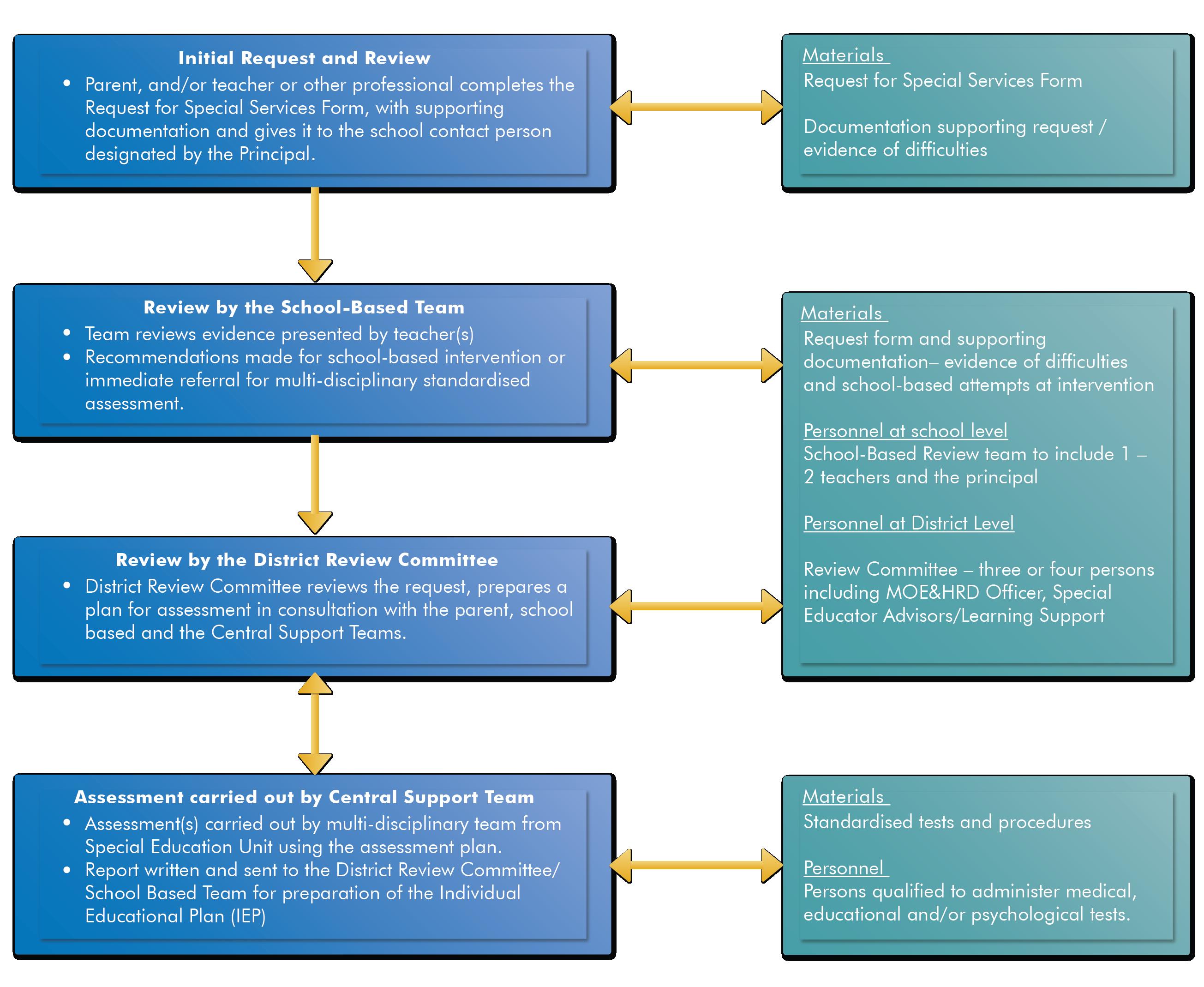
Spencer-Ernandez, Edwards-Kerr and Faulkner (2012). Dominica Model of Policies, Procedures and Guidelines for Special Education Services. Caribbean Development Bank
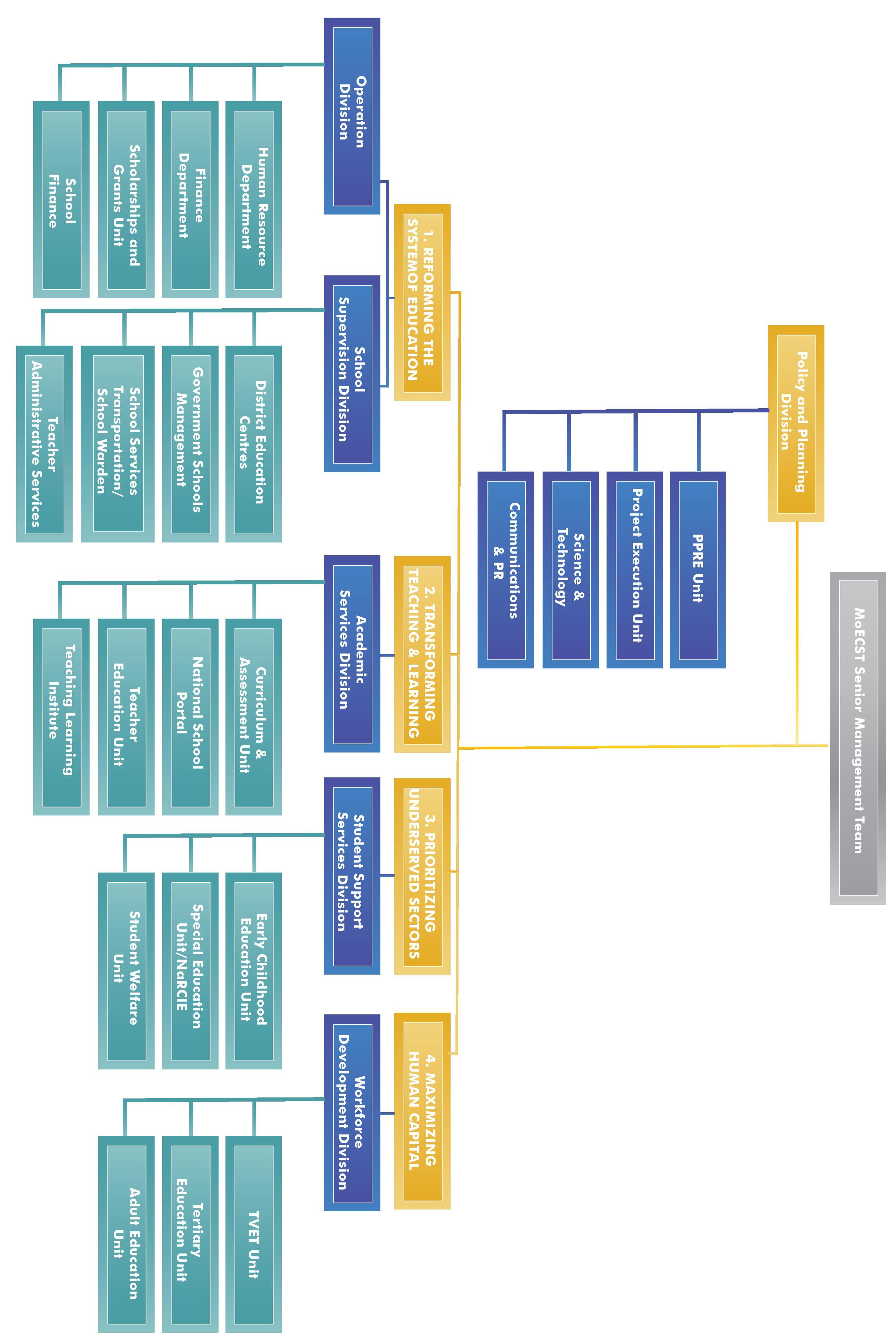
Placement
Description
Residential/Hospital The learner lives in a special setting such as a residential home due to the severity of the disability or in a hospital due to the nature or severity of their medical condition
Homebound Due to the nature or severity of their disability or medical condition, they are placed in a home setting, or parents may choose to provide services for them at home.
Full time special education school Due to the severity of the disability, some learners are placed in a full-time special education school.
Self-contained classroom in a general education school Learners may be placed with a special education teacher in a self-contained classroom within a general education school.
Resource Room in general education school (pull-out programme)
Inclusive classroom in general education school
The resource room model is a pull-out programme where learners with disabilities are placed in a general education classroom but are scheduled at specific times for instruction in specific areas where they need additional support and remediation.
Learners with disabilities are placed in a full-time general education school where they receive instruction by general education teachers and may receive additional support by special educators within the classroom.