Prioritising People
to make social care a better place to be
to make social care a better place to be

In the past, health and social care services focused on interventions and tasks rather than seeing the whole person. We now recognise that we must deliver not only the best possible care but also pay attention to how people feel and ensure that their well-being is a priority within every service.
Over the years, we have seen significant evidence that improving people’s well-being also improves a range of other outcomes related to their physical and mental health. The challenge for any service, particularly those in social care, is to support people in living well and maintaining a good quality of life as they navigate serious health and emotional challenges.
As I go into care services and talk to people who live in them, their families and the dedicated staff, I see the impact that paying attention to people’s well-being has on the entire service. If people feel included, connected, and have choices, it pays dividends in how they feel.
One of our biggest challenges is moving from a situation where we state this as a fact to one where we quantify it and have data to show that care services really do enable people to live well. I would like to see well-being scores included in the initial assessment and in regular checks to see how these scores improve as people become more familiar with their new
surroundings, reconnect with their interests, and develop new friendships. This was brilliantly brought home to me on a recent visit to a care home when I spoke to a lady and asked her how she had found the first five months of living in her new home. This lady had suffered the loss of her husband, and she had also fallen downstairs, so her life had changed significantly. What she said to me was really interesting and heartening. She stated that when she moved into the care home, her view was that it was the end of her life, but having spent five months there, she said to me I now realise it was the start of a new chapter. With the fantastic support of the care team, she rediscovered an interest in art and began painting again for the first time in nearly 50 years. She also told me she had made several new friends and had reconnected with someone she’d known many years ago but had lost touch with. It was clear that she had gone into the care home at a time of crisis, but through the skilful and nurturing interventions of the care home staff, and the connections that she had with other residents and their families, she had reawakened her interest in life and was now taking the opportunities to engage with people and activities.
We know the impact that good care can have on a person’s life, and our challenge now is not only to know this as a fact, but to use people’s experience as an evidence base for putting wellbeing at the centre of every care service.
This issue of the Care Agenda is packed with examples of how well-being has transformed lives. I want this to become the norm in every service because it is a fundamental determinant of quality of life and should also be recognised as a human right.
Professor Martin Green OBE Chief Executive: Care England DH: Independent Sector Dementia Champion
At CareHomeLife, we remain as committed as ever to our core purpose of 'honouring our loved ones with dignity'. Resident-first thinking underpins everything we do, allowing us to support our partners in care with sustainable solutions that empower residents and enable them to thrive, feel safe, and live with dignity.
As you might imagine, health and wellbeing are essential to this purpose, and they are deeply ingrained in our culturefrom our dedicated customer service team to our delivery drivers travelling tirelessly across the country. While we provide all the essentials a care home needs (aside from the food), the real value of what we deliver is so much more than what comes in the box.
In recent years, we have created a wealth of health and wellbeing resources to share positivity and light with everyone working in the social care sector. We know from our long-term partnerships that social care can be extremely demanding - mentally, physically, and spiritually - and that anything we can do to make the working lives of care practitioners more manageable is welcome.
It's why we are privileged to collaborate with Care England on the wellbeing edition of the Care Agenda, so that we can demonstrate that care workers are not alone, that help is always available - and share proven best practices that have been shown to markedly improve the health and wellbeing of residents.
Above all, it's important to recognise that when we feel overwhelmed, acknowledging the need for help - whether through a conversation with a friend, colleague, or medical professional - is one of the bravest steps someone can take. The social care sector is full of kind, considerate people, and we are all here to support each other and the residents we serve.
Eddy Fishwick, Chairman, CareHomeLife Care England Gold Supporter

Happiness is an Inside Job PAGE 5 -7
The Changing Face of Complex Care PAGE 8 -10
How to effectively shortlist candidates for interview PAGE 30
Understanding Stress Incontinence
PAGE 24
Wellbeing Isn’t a PerkIt’s a Workforce Strategy
PAGE 34
Wellbeing Begins at Home: Accrediting Dementia Care in Home Care Services
PAGE 43




By Cheryl Jones, Head of Brand and Marketing at CareHomeLife
Happiness is an inside job, so we’re told.
The emotion happens inside of us, a result of a cocktail of naturally produced happiness hormones released by our brain when we’re doing things like exercise, hugging, and listening to music. Only you yourself can get to the crux of what makes you personally feel happy in your heart and when you realise what, commit to filling your life up with more of the same.
Of course, every day can’t be a sunny one and none of us are immune to life’s sorrows, harsh times, and tough challenges that inevitably come along, and are completely out of our control. But what is in our control is how we deal with them, equipping ourselves with coping mechanisms to help us get through as best we can. Even in the most difficult of times though, if we look hard enough, we can almost always find a little something to appreciate and be thankful for. It’s small wonder that people who count their blessings tend to be happier. An intentional decision, however small, to help us feel better about a situation is a healthy habit to practice at.
Could this mean then that we can wake up every morning and choose to be in a good mood? That would imply that happiness is a choice and not just reserved for those ‘naturally happy’ people with a sunny disposition to experience. A provocative suggestion that’s forever being debated, and it certainly isn’t everyone’s reality. However, even making just a few positive alterations like writing down a way you’ll make today great for yourself each day or saying an affirmation out loud is still being intentional and works well for some people without the over-whelming thought that we need to self-regulate our emotions.
However divided we all are in our opinions, we humans share one commonality – the desire to be happy. If asked, we’d all have different explanations of what happiness means to us personally, and as we move along through life our priorities tend to change anyway. We start to place higher value on things that once didn’t bother us, or might have taken for granted, like our good health, independence, and sense of belonging.
It’s worth cherishing those kinds of things while you have them, you’ll more than miss them if they go.
Think about the last time you felt happy. Not necessarily the euphoric kind, but that slow-burn feeling of contentment, at peace with life as it is and feeling right where you wanted to be. What was it you were doing and who were you with?
Being aware of what conjures up those feelings within you can help you understand what puts you in your happy place, and then you can aim to do more of what makes you feel good. It will do wonders for your wellbeing.

Happiness can be measured too, according to the United Nation’s annual World Happiness Report. The metrics are the presence of positive emotions, absence of negative emotions, and life satisfaction. According to the study, the happiest country in the world in 2023 is Finland. Finns gave a rating of 7.842 out of a possible 10. Also ranking high is Sweden, well known for their love of Hygge, social equality, and healthy work-life balance.
The more curious amongst you might be pondering by now whether happy people live contrasting lives to their more discontented counterparts, or could they just be born that way. Might those who always look on the bright side be viewing the world through a totally different lens to their gloomier, glass half empty counterparts. There’s plenty of evidence to suggest it’s quite a complex matter.
Dr John A Schindler defines happiness as “a state of mind
in which our thinking is pleasant a good share of the time”. We know through extensive research that happiness is good for us, both mentally and physically. Our thoughts are more helpful to us, all our senses come alive, and we just function better all round.
“When you can’t change the direction of the wind, adjust your sails.”
H Jackson Brown, Jnr
True contentment though, the lasting kind, comes from a deep satisfaction within. It is a state we produce by our attitude which then manifests into our behaviours and actions. Those material things that we associate with our success and happiness gives them far too much power over our lives. You’d end up feeling terrible if they were gone. Physical, material things bring us temporary pleasure, which is different to true long-lasting happiness cultivated within.
Some people can be at the very top of their game, have millions in the bank, own property all over the world, and drive top of the range cars, yet feel empty and unsatisfied inside. It’s a fascinating phenomenon how fulfilment and inner peace can elude one person with all those so-called riches in life, and yet somebody else without any of those material things lives a perfectly contented and happy life, rich in intangible things you can’t see, like love, kindness, and compassion.
Practising feeling happy can really make a difference to our mindset. Find ways every day to be more kind, loving, appreciative, generous, gracious, and compassionate. Not just to the people around you, but to yourself too. You will set yourself up as a magnetic force, attracting positivity towards you. The more you pay attention to the good, the more good will come to you.
Lots of us live life these days full on in the fast lane, trying our best to juggle work commitments, care for our home and close family, and stay in touch with friends and family. We fall into bed each night frazzled, still chewing over hundreds of thoughts about things that happened yesterday, today, and haven’t even happened yet. Before we know it, we’re existing daily in what feels like a pressure cooker of anxiety, and it becomes imperative for our wellbeing to let off the steam.
When it does come time to relax though, we keep up the time-consuming distractions by thoughtlessly scrolling through our devices and binge-watching that limited series on TV. Time poverty, feeling there’s not enough time in the day, causes us no end of tension and frustration, which isn’t good for us long-term. The very fact that you’ve created this way of life, means that you are capable of creating a different quality of life. Living an ‘always on’ life leaves us just scratching the surface of all we really are as amazing human beings.
The more stretched for time people feel, there more likely

there will be an absence of healthy habits that contribute towards good health and wellbeing, and happiness. Things like exercise, spending time outdoors, being present and in the moment, cooking nutritious food for our precious bodies, a sense of adventure and spending quality, fun time with our loved ones. Taking time for self-care is fundamental to living – and staying – well for a lot longer. There isn’t a soul on earth who wouldn’t be happy about that.
In care home environments, cleanliness is often taken as a given. Floors are mopped, surfaces wiped, bins emptied and rooms aired. Yet recent experience—from seasonal outbreaks of norovirus to the devastating impact of COVID-19—has shown that visible cleanliness alone does not always equate to safety. For settings that support older and clinically vulnerable people, the difference between looking clean and being genuinely safe can be critical.
Infection prevention and control (IPC) remains one of the most significant challenges facing the care home sector. Pathogens such as norovirus, E. coli and Clostridioides difficile are not only persistent but can spread rapidly in communal living environments. Once introduced, they can move silently through shared spaces, on hands, equipment, soft furnishings and even through the air. Breaking this infection cycle is essential—not only to protect residents, but also to safeguard staff, visitors and the wider health system.
One of the key issues is that traditional cleaning approaches often focus on routine tasks rather than outcomes. While routine cleaning is essential, it does not always address microbial load, dwell times for disinfectants, cross-contamination risks, or the need for ongoing sanitisation between cleaning cycles. In care homes, where residents may have weakened immune systems, these gaps can have serious consequences.
This has led to growing interest in more structured, evidence-based approaches to hygiene and environmental safety. Independent accreditation frameworks, such as those developed by Safer Space®, aim to make what is normally invisible—microbial risk—more visible and more measurable. Rather than relying on one-off certifications, these frameworks are designed as evolving standards that adapt to new pathogens, emerging research and advances in cleaning technology.
Central to this approach is the idea of verification. Through clearly defined indicators and compliance checks,
accredited environments can demonstrate that cleaning, disinfection and sanitisation are being carried out correctly, consistently and by trained personnel using approved products. For care homes, this can provide reassurance not only to residents and families, but also to regulators, inspectors and staff themselves.
Another important shift is the professional recognition of cleaning and hygiene roles. Too often, cleaning is viewed as a low-skilled, cost-driven function. In reality, effective hygiene management requires knowledge, training and accountability. When carried out well, it can significantly reduce illness-related absences among staff, limit outbreak-related closures and contribute to better overall wellbeing within a home. National data shows that sickness absence costs the UK economy billions each year; in care settings, the human cost can be even higher.
Crucially, modern hygiene frameworks do not aim to compete with existing suppliers or care providers. Instead, they work alongside the supply chain, supporting continuous improvement through education, training and the adoption of proven technologies. This includes approaches that combine routine cleaning with longerlasting sanitisation to help protect surfaces and shared spaces between cleaning cycles.
For the care home community, the message is clear: hygiene is no longer just about appearance. It is about outcomes, confidence and duty of care. By moving beyond “clean” to demonstrably safer environments, care homes can strengthen trust, protect their communities and better meet the challenges of an increasingly complex public health landscape.
If you would like help in moving from clean to safe then do contact Roy.Winters@SaferSpace.org.uk or 07900 168871
By Robert Atherton, Content Marketing Executive at CareHomeLife
Caregivers today are navigating an increasingly complex world of care, with rising numbers of residents living with conditions like dementia and Parkinson’s disease. With dementia cases expected to climb by 42% in the next 15 years and Parkinson’s projected to double by 2050, the landscape is shifting rapidly, and care homes are having to evolve to meet these growing needs.
In this article, CareHomeLife highlight some of the steps care providers are taking to honour our loved ones with dignity and ensure their homes are ready and able to meet the complex care challenges of tomorrow.
Demystifying the Dementia Care Landscape Dementia is a neurodegenerative condition that affects memory, problem-solving, language, and behaviour. Although there are over 100 types of dementia, each with its own set of symptoms, they all share one characteristic: the profound impact they have on the lives of those diagnosed – and the people who care for them.
So, what does the most recent data tell us about the dementia landscape of tomorrow?
Around 982,000 people are currently living with dementia in the UK¹, including approximately 70,800 people with young-onset dementia². But with more people living with complex care conditions for longer, the number of people with dementia is expected to soar to 1.4 million by 2040. This upward trend places additional pressure on care homes, both in terms of beds needed and staff required.
We know from experience that social care is already hard at work delivering thoughtful, person-centred dementia care at scale and pace. For residents to feel safe, secure and fully understood, a warm, welcoming environment –staffed with skilled, compassionate practitioners – is half the battle. But what does dementia care
best practice actually look like, now and for the future?
Even at the best of times, dementia care can be demanding. It asks a lot of carers, especially those supporting people in the later stages of the syndrome. Recognising this, the care community prioritises routine and consistency, and with good reason. Consistency is key to reducing resident distress. However, carers also need the flexibility to respond sensitively to an individual's changing needs. Each person's experience is unique, and it's this uniqueness that makes personalised care essential rather than optional.

Delivering personalised care to increasing numbers of residents living with the condition is easier said than done, however. Care providers should consider how they plan to sustain this, be that through innovations or simple additions that empower residents in meaningful ways.
Supportive spaces can make a significant difference. According to NHS England, this includes everything from straightforward flooring designs to signage and sensory areas that promote calm and reduce over-stimulation. Colour coding can also help residents to differentiate fixtures and fittings more easily from their surroundings, not only in utilities and
furniture but also in plates, bowls and utensils.
For instance, CareHomeLife’s colour-coded Ornamin range, which features unobtrusive aids that enable residents with dementia to dine independently and with dignity, is specially designed to empower people with dementia.
Similarly, Nilaqua – a waterless personal care and hygiene solution – offers residents who may find traditional bathing challenging the opportunity to manage their own personal care comfortably and with privacy. If independent traditional bathing is still an option for a person, simply placing a visual reminder of the bathing sequence in the shower can be a big help.
Often, it’s thoughtful and relatively understated adaptations like these that redefine the day-today wellbeing of residents the most. The key is considering what each individual needs to live as fully and comfortably as possible.
It’s worth remembering that dementia is just one aspect of the complex care landscape. According to a 2025 study published in the British Medical Journal (BMJ), global cases of Parkinson's are projected to reach 25 million by 2050³. This is more than double the number of cases in 2021, making Parkinson's the fastestgrowing neurological condition in the world today. The steep rise in cases is attributed to people living for longer. While age remains the single biggest risk factor, genetics also influence susceptibility, and environmental exposure to toxins has also been linked to increased risk.
Like dementia, Parkinson's – a movement disorder of the nervous system that progresses
over time – presents a range of complex care requirements, including challenges associated with movement, memory, and motivation. So, with resident independence and quality of care at stake, what practical steps can caregivers take to support the growing number of people living with Parkinson's?
One proven approach is regular exercise, which offers significant physical and mental benefits. Both Parkinson’s and some forms of dementia are linked to reduced dopamine, a hormone essential for movement, memory, and motivation. Exercise can help stimulate dopamine production in people with Parkinson’s and is widely recommended in care settings. It can also support those living with dementia by easing physical symptoms and helping maintain cognitive function.
Research shows that just 2.5 hours of exercise per week can help people with Parkinson’s manage their symptoms more effectively⁴. Activities such as walking, yoga and tailored exercise programmes can all support mobility, flexibility, balance, strength and overall wellbeing. Despite these benefits, activity levels in England are declining and remain lowest among older adults5.

Muscle mass is another piece of the complex care puzzle. Strength is one of the most important neurological safeguards we have. And yet, as we age, muscle mass is naturally lost, impacting balance, reaction times and fall risk. We do less physically, often at the insistence of well-intentioned loved ones, but this mindset can have a profoundly negative effect on our health and wellbeing. Without regular use, muscles atrophy – making basic movement all the more difficult.
Given that one in three people with Parkinson's will go on to develop dementia6, exercise has the potential to improve quality of life, both now and in the future, as individual care needs evolve. Simply put, where resident exercise is concerned, everybody wins.
Clearly, the complex care landscape is evolving, and we have only just begun to understand what lies ahead. This makes 2026 the perfect time for CareHomeLife to expand its support to care homes to help them deliver the same level of compassionate, person-centred care to a growing number of residents with complex care needs.
Whether it’s through long-term care strategies or thoughtful choices in care-enhancing products that support resident independence
References:
and dignity, the conversations we’re having today will ensure the residents of tomorrow have access to the quality care they deserve. Now, more than ever, we need to build resilience into our care provision. But building resilience doesn't have to mean prohibitive costs – it's about making smart, sustainable choices that honour residents and care workers alike.

To find out how CareHomeLife partners with the care community and learn more about our innovative complex care products, including the Ornamin and Nilaqua ranges, visit: carehomelife.co.uk/
1 ‘Prevalence and incidence of dementia’, Alzheimer’s Research UK (May 2024)
2 ‘Subtypes of dementia’, Alzheimer’s Research UK (May 2022)
3 ‘Global cases of Parkinson’s predicted to rise to 25 million by 2050’, Parkinson’s UK (May 2022)
4 ‘Physical activity and exercise’, Parkinson’s UK
5 ‘Healthy Ageing: physical activity in an ageing society’, UK Parliament (August 2025)
6 ‘Parkinson's disease dementia’, Parkinson’s UK

By Nina Greenwood, Digital Marketing Manager at CareHomeLife
Oral hygiene is a vital part of our overall health and has a huge impact on our quality of life. Our mouths enable us to enjoy life’s simple pleasures – sharing a meal with family, enjoying a drink with a friend, reminiscing over old memories, or smiling for a photo. They are central to how we communicate, connect, present ourselves to the world, and ultimately, how we live. This is no different for our loved ones in care homes. It is just as important for them to maintain their oral health in later life, preserving dignity and independence.
The Link Between Oral Health and General Wellbeing
Research increasingly shows a strong connection between poor oral care and serious chronic conditions, such as heart disease, diabetes, dementia, COPD, and pneumonia. Even seemingly minor issues like toothache or ulcers can cause debilitating pain.
The mouth is the entry point to both the digestive and respiratory systems, making it especially vulnerable when exposed to harmful bacteria. Poor oral health can cause tooth decay or gum disease, which can then lead to more serious complications such as malnutrition and aspiration pneumonia – conditions which can be fatal.
Beyond the physical effects, poor oral health can significantly impact mental wellbeing too. Pain, tooth loss, ill-fitting or poorly maintained dentures, and even persistent bad breath can undermine self-confidence, compromise dignity, and diminish overall quality of life.
Research shows that more than half of older adults living in care homes experience tooth decay, compared to 40% of people over 75 who
live independently. This makes the promotion of good oral hygiene in care homes especially important – not only as a matter of dental health, but as a vital investment in overall health and wellbeing.
Those living in care homes face heightened risks due to:
• High levels of dependency
• Existing medical conditions and disabilities
• Side effects of medications
• Cognitive impairments, such as dementia
Residents with communication difficulties may struggle to express pain, making preventive oral care even more important.
A common issue in care homes is dry mouth, a side-effect often caused by medication. This not only causes discomfort but also worsens oral problems, since saliva plays a natural healing role through antimicrobial properties, proteins, and growth factors. A reduction in saliva makes residents more vulnerable to infection and discomfort.
Older people today are far more likely to retain their natural teeth than previous generations. Decades ago, full teeth removal and dentures were common at a young age due to the poor state of dental health in the population and widespread tooth decay. Thanks to improved dental care since the creation of the NHS, more people are keeping their natural teeth into later life.
While this is worth celebrating, it also makes dental care for older people more complex –particularly in care home settings.
Oral Health in Care Homes: The 2019 Picture
Despite its importance, oral health has not always been treated as a priority in care homes. The CQC ‘Smiling Matters’ report (2019) highlighted:
• 52% of homes had no policy to promote or protect oral health
• 47% did not train staff in daily oral care
• 73% of care plans only partly covered – or failed to cover – oral health

• 10% of homes had no access to emergency dental treatment
The report found low awareness of oral health guidelines, inconsistent staff training, and poor integration of oral care into care plans. Families reported that neglecting oral care not only caused health issues but also impacted residents’ dignity and wellbeing. Examples from families included:
• A resident who beamed with pride when praised for her “sparkly teeth and lovely smile”
• Another who became withdrawn and unhappy without her dentures
• Families feeling distressed when poor oral care left loved ones looking unhealthy and uncomfortable
These examples show that oral care is not just about physical health – it also affects confidence, dignity, and emotional wellbeing. Signs of Improvement: The 2023 Review
Encouragingly, progress has been made since 2019:
• Awareness of NICE oral health guidance
increased from 61% to 91%
• Care plans covering oral health needs rose from 27% in 2019 to 60% in 2022
• Staff training in oral health doubled, from 30% in 2019 to 60% in 2022
While these figures show positive change, gaps remain. A significant proportion of staff still lack training, and not all care plans cover oral health in full.
NICE guidelines recommend assessing every resident’s oral care needs as soon as they move into a care home, regardless of the length of stay. Families should be involved where appropriate. Assessments should cover:
• Natural teeth vs. full or partial dentures
• Usual toothbrushing habits and preferred toothbrush type
• Denture cleaning routines and preferred products
• Whether dentures should be marked
• Details of any regular dental care providers
• Level of support required for oral care
• Practical daily steps include:
• Brushing natural teeth at least twice daily with fluoride toothpaste
• Providing daily denture care (brushing, removing food debris, storing overnight)
• Using residents’ preferred toothbrush and cleaning products where possible
• Incorporating prescribed products (e.g., high-fluoride toothpaste, mouth rinses)
• Supporting use of over-the-counter products like preferred rinses or xylitol gum
• Oral Care at the End of Life
In palliative and end-of-life care, oral hygiene becomes particularly important. Many medications reduce saliva production, causing dry mouth and discomfort. With the right products and skilled support, it is possible to prevent pain, improve comfort, and maintain dignity in a person’s final days.
Products that help relieve discomfort at this stage include frequent moisturising of the mouth and lips with hydrators, flavoured swab sticks
that are gentle on the mouth, foam sticks for delivering hydration, topical lubricants and gels containing glycerin, and softer, more delicate toothbrush swabs. These options are designed to be kinder to the mouth and residents, supporting both oral health and dignity in their remaining days.
The CQC has stated: “We want care homes to embrace oral health and ensure that it receives the same priority as physical and mental health.”
At CareHomeLife, we share this commitment. We believe in a holistic approach to care, supporting staff with training, resources, and effective, affordable products to improve and maintain
References:
oral health in later life and in care homes. By raising awareness, we can help ensure that residents live with comfort, pride, and dignity.
To learn more about our selection of products to maintain oral health in later life, visit: shop. carehomelife.co.uk/Products/Oral_Hygiene

• ‘Oral health for adults in care homes’, National Institute for Health and Care Excellence (July 2016)
• ‘Smiling matters: oral health care in care homes’, Care Quality Commission (June 2019)
• ‘CQC finds improvements to oral health in care homes’, Care Quality Commission (March 2023)

By Rosy Dillon, Customer Service Representative at Ornamin
Care is demanding – physically, emotionally and mentally. Whether at home or in professional care facilities, carers face constant pressure. Time constraints, staff shortages and the responsibility for another person’s wellbeing shape everyday life. Concepts that support those in need of care while also easing the burden on carers are therefore essential. One key approach is activating care.
Activating care focuses on preserving existing abilities rather than taking over tasks completely. Everything a person can still do independently strengthens mobility, coordination and confidence. At the same time, it gives carers valuable moments of relief in a demanding daily routine.

Eating and drinking are areas where this approach is particularly effective. Activities that were once completely natural can become challenging with age or illness. Conditions such as arthritis, Parkinson’s disease or the aftermath of a stroke can limit strength and fine motor skills. Holding cutlery, guiding food or drinking safely
suddenly requires great effort. Often, carers step in and take over entirely.

Yet eating and drinking are far more than basic nutrition. They represent independence, pleasure and social participation. Being able to eat independently preserves a sense of normality. Doing so without conspicuous aids helps maintain dignity and self-respect. This is where intelligent eating and drinking aids make a difference. They provide targeted support exactly where abilities decline – without being patronising or stigmatising. Thoughtful design features such as non-slip bases, ergonomic shapes, balanced weight distribution or discreet guiding elements support movements intuitively. The assistance is there, but it remains almost invisible.
What makes these solutions special is their appearance. They look like modern, everyday tableware rather than medical aids. They blend seamlessly into a shared table setting and allow everyone to eat together on equal
terms – regardless of whether support is needed or not. No one feels singled out. Everyone belongs at the same table.
For people in need of care, this independence significantly enhances quality of life. Being able to eat and drink on one’s own reinforces trust in personal abilities. Small successes in daily routines boost self-confidence and encourage continued activity. Feeling capable reduces the sense of dependence – a crucial factor for emotional wellbeing.
Carers and relatives benefit as well. When meals do not require constant assistance, time is freed up – for conversation, observation or simply a short moment to pause. In professional care settings, these small time savings accumulate and noticeably reduce daily strain. Intelligent aids do not replace care, but they complement it in a meaningful way. Another important aspect is dignity. Many traditional assistive products are clearly recognisable as care aids, which can lead
to embarrassment and rejection. Discreet, well-designed solutions lower this barrier. They allow people to accept support without feeling labelled or exposed.
Intelligent eating and drinking aids therefore represent a shift in thinking: from doing everything for someone to enabling them to do as much as possible themselves. They combine functionality, aesthetics and respect for individuality. They help maintain independence, preserve self-worth and support dignified ageing – while at the same time relieving those who provide care every day.
Care needs solutions that empower people – on both sides of the table.

For more on the latest dignified eating and drinking aids, including the innovative Ornamin range, visit: carehomelife.co.uk/dignified-dining/
All images and content © Ornamin

Developed through academic research and frontline practice, dementia community hubs enable care homes to engage with families earlier, improve transitions into care and build sustainable, community-facing services designed for long-term impact.
The dementia care sector is changing. Care homes are increasingly expected to engage earlier with people living with dementia and their families, demonstrate strong community connections, and reduce avoidable distress across the dementia journey, not only at the point of admission. Dementia community hubs respond to this shift, offering care organisations a strategic, future-focused model.
Developed by Dr Kellyn Lee, the dementia community hub framework draws on frontline dementia care experience alongside academic research and practice. By joining the dots both practically and strategically, the model translates evidence into everyday care while addressing the long-term realities facing care organisations. Designed and tested in partnership with families and care homes, it is now ready to scale across the sector.
Dementia community hubs reposition care homes as trusted community partners long before long-term care is required. Embedded as a separate but inclusive entity within a care home, hubs support people living with dementia and their families from diagnosis through to end of life.
Through the hub, families are offered educational and emotional support via weekly social groups, alongside structured guidance to help them navigate change, uncertainty and complex decision-making. Dr Kellyn’s We Care Dementia Care programme, underpinned by Acceptance

and Commitment Therapy (ACT), supports families to adjust psychologically as the dementia progresses.
People living with dementia benefit from wellbeing sessions informed by the evidence-based framework of material citizenship. Emotional well-being profiles developed through these sessions capture how to support a person in an environment that is not home and without loved ones present. For care teams, this insight builds confidence and reduces avoidable distress during transitions into care.
The benefits are system wide. Families experience continuity and reduced distress. Care teams gain richer, person-centred knowledge. Care homes build meaningful relationships with future residents who are already comfortable walking through their doors. Dementia community hubs align with CQC expectations around community engagement, partnership working and well-led services, while reducing stigma and strengthening local reputation. Delivered through a licensed model, care homes receive training, ongoing support and quality assurance, with a pathway to becoming accredited sites for high-quality dementia care. Financially sustainable, hubs generate income through wellbeing sessions and respite support while strengthening future occupancy.



Flexible working has long been considered key for employees’ wellbeing. Being able to meet commitments at work and home through flexible working is a game-changer for an increasing number of staff. More employees are looking for flexible working arrangements before applying for roles. However, it’s not an easy balance for employers, especially in social care, where continuity of support is critical. With that in mind, how will the Government’s changes to the statutory process land in a sector already struggling with a labour shortage?
The right to request flexible working introduced in April 2003 is not as different from the current right as you would expect. In 2003, a request could only be made to care for certain children and adults but the procedure and the eight reasons to reject a request remain. The current right is a day one right to all employees (as from 6 April 2024). An employer must deal with the request in a reasonable manner and if it does reject the application, it must first consult with the employee. Come 2027, the Employment Rights Act 2025 will bring further change. An employer who wishes to deny a request for flexible working will have to demonstrate that it is reasonable to do so in the circumstances. This is a different test from other reasonable tests in employment law. This reasonable test will be considered against the existing eight reasons and statutory guidance will be produced to assist employers with this new test.
As with so much of the ERA 2025, the details are sparse and so preparation for this change is hard. We know from a July 2025 CIPD report on flexible working that flexibility in frontline roles is being made possible. The report notes that 59% of the employers with
‘frontline staff’ who responded to their study offered some sort of flexibility. The most popular forms being ability to swap shifts, more flexibility in start and finish times and scheduling shifts and rotas. 20% also offered the option to buy and sell holidays as part of this package. We may lack detail, but we do have a direction of travel mapped out and so we are advising clients to consider how they are going to approach the changes. Asking questions of your current practices may help; what are our recent stats for flexible working requests? What are rejection numbers? Is there a specific area where rejections are more prevalent? Are there different ways of working/setting shift patterns/arrangements that would mean going forward, we could be more flexible?
It's a precarious balancing act; the needs of the people supported, staff wellbeing and the requirements of the legislation. Our advice is prepare early, think creatively and consult with staff where possible.
Please contact any member of our team employmentandpensions@anthonycollins. com for further information and specific advice.






When wellbeing is discussed in the care sector, conversations often centre on workforce pressures, emotional resilience and culture. These are critical. However, wellbeing is also shaped by something more immediate — the physical experience of work.
As part of Alsico’s research developed in partnership with Care England, care professionals across the UK were asked about the practical factors influencing daily comfort and performance. One theme emerged consistently: small, often overlooked details can have a significant cumulative impact.
Uniform was one of them.
Uniform is worn throughout every shift. It moves through every task, every environment and every interaction. Yet it is rarely considered part of a wider wellbeing strategy.
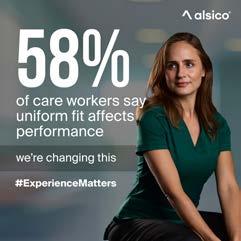
The findings showed that 58% of care workers believe uniform fit affects how well they can carry out their duties. In physically demanding roles involving repeated bending, lifting and supporting, garments that restrict movement or retain heat can create ongoing strain. Over a long shift, discomfort is not a single moment — it accumulates.
For women experiencing menopause symptoms, temperature regulation becomes even more significant. Many respondents indicated that their current uniform does little to help them cool down after a hot flush. In these instances, the challenge is not simply the flush itself, but how quickly the body can recover and refocus. Breathability, moisture management and fabric performance directly influence that experience. This research reinforces that wellbeing is not solely about policy or programme. It is also about design — the everyday design of the working environment.
When uniforms are shaped by real wearer insight — informed by feedback on fit, movement and breathability — they become a practical way to remove friction from the working day. Lightweight fabrics that regulate temperature, ergonomic construction that supports movement and garments that retain comfort after repeated washing all contribute to reducing unnecessary physical strain.
In a sector focused on retention, inclusion and workforce sustainability, these operational details
matter. Improving uniform provision may not solve systemic workforce challenges alone, but it represents a tangible and achievable step that demonstrates attention to staff experience in practice.
Wellbeing is not delivered in isolation. It is experienced through daily realities.
For care leaders reviewing how to better support their teams, the question is not only what additional initiatives can be introduced, but what existing touchpoints can be improved. Uniform is one of the most consistent connections between employer and employee. When it is designed to work with the workforce rather than against it, the impact extends beyond comfort — supporting confidence, performance and long-term engagement.
Experience continues to show that when organisations listen to those delivering care and respond thoughtfully, small practical changes can help shape a more supportive working day.
To explore the full research findings, visit: https:// www.alsico.com/uk/enhancing-team-support-in-ukcare-homes/
As part of the Alzheimer’s Society’s Dementia Action Week, Boots recently launched a nationwide initiative to spark conversation and rekindle memories for those affected by dementia.
As the UK’s leading health and beauty retailer, Boots created over 1,000 multi-sensory memory boxes which have been distributed to care homes and communities across the UK.
The initiative follows research by Professor Victoria Tischler and colleagues from the Universities of Surrey, West London and Nottingham that supports the connection between smell, handling familiar objects and memory,1 conducted using the Boots Memory Boxes.
In many people with dementia, handling familiar objects that combine distinctive smells, and attractive designs can provide wellbeing benefits including enhanced mood, social inclusion and memory retrieval. Simple prompts like familiar smells from a person’s past can stimulate recall and bring people into the present moment.
The Boots Memory Boxes are filled with items carefully selected by the Boots Archive team and include familiar smells and sounds to trigger

memories. For example, popular toiletries and soaps can remind them of a loved one and cough medicine or bath salts can help them remember times they looked after themselves or others. The boxes will also feature items with familiar sounds, like the click an old powder compact, or camera.
1 D’Andrea, Dening and Tischler (2022) Object Handling for People With Dementia: A Scoping Review and the Development of Intervention Guidance | Innovation in Aging | Oxford Academic
Further details can be found at:
Treasured Items information: Treasured items from Boots can help rekindle memories for those with dementia
Treasured Items video: https://m.youtube.com/ watch?v=E--CPM5xmR8
So what happens when that trust doesn’t land early on? Ultimately, if you can’t show your value upfront, someone else will. Families swipe left. They bounce off the website. They opt for another provider whose online presence looks more transparent, even if the care itself isn’t any better.

It’s already tough juggling recruitment gaps, rising burnout, and CQC inspections in social care. With the Employment Rights Bill (ERB) set to become law this November, there’s even more for care providers to stay on top of.
Getting ahead is the best way to protect your care home. Here’s a summary of what’s coming, and what you should do next.
Once the Bill is law, the Strikes (Minimum Service Levels) Act 2023 and much of the Trade Union Act 2016 will be repealed. Unions will gain more freedom to organise industrial action, there'll be more protections for striking workers, and union activity may be boosted due to indefinite political funding –all key developments in the care sector.
Several changes will directly affect staffing and operations:
• Statutory Sick Pay (SSP): SSP will be paid from day one of illness, not day four, and the lower earnings limit will be scrapped. This should help reduce presenteeism but increase payroll costs.
• Fair Work Agency: This new body will proactively inspect workplaces, adding a further layer of scrutiny alongside the CQC. Your compliance and record-keeping must be solid.
• Day-one rights: Workers can bring unfair dismissal claims after just one day’s service, subject to probation. Inductions and probation reviews will need tightening given high turnovers.
• Whistleblowing: Expanded protections mean you’ll need to update policies to support openness - a vital consideration around safeguarding.
• Redundancy Awards: The maximum protective award for redundancies will double, so financial planning is key.
• Trade Union Balloting: Simpler, more accessible voting will encourage greater participation from care staff.
• And from autumn 2026
• Harassment protection: Stronger legal obligations to protect staff from harassment, including by
third parties like residents and their families.
• Fire and rehire: Greater protections for staff against being strong-armed into worse contracts via dismissal threats.
• Tribunal claims: Workers will have six instead of three months to bring unfair dismissal claims, increasing your liability period.
• Fair pay for care: Consultation on a sector-wide agreement is underway. An Adult Social Care Negotiating Body launches in autumn 2026, paving the way for the first fair pay agreement in April 2028. Standardised pay could help with recruitment, but forward planning is vital.
Start reviewing your policies, contracts, and handbooks now - don’t wait for deadlines or another stressful CQC window. Early action makes compliance easier and protects your team and service-users.
Remember to review your finances, too. With extra sick pay and compliance costs on the horizon, now’s the time for careful budgeting.
Need support navigating Employment Law changes? Our care sector specialists are here to help. With 24/7 advice, tailored policies, and mock inspections, Citation provides the expertise and reassurance you need to protect your business, people and ratings.
Call us on 0345 844 1111 or click here to learn more. Don’t forget to let us know you’re a Care England member to access preferential rates.

As part of a national legal firm with over 150 specialist health lawyers, we cover all aspects of health care related law and practice.
We have a long history of providing market-leading legal advice to care providers. Our large team of specialist and experienced care homes lawyers advise our regulated care business clients daily across wide-ranging areas including:
▪ Inquests and inquiries
▪ Safeguarding and investigations
▪ Employment and HR advice including immigration
▪ Refinancing and restructuring advice
▪ CQC issues and regulatory advice
▪ Commercial disputes and debt recovery

To find out more about the care services we can offer, contact Julia Appleton, Partner, at julia.appleton@weightmans.com
weightmans.com
Stress urinary incontinence (SUI) is the most common type of urinary incontinence. It occurs when the muscles and tissues supporting the bladder and urethra weaken, leading to involuntary leakage of urine during activities that increase abdominal pressure—such as coughing, sneezing, laughing, lifting, or exercising. Individuals with SUI often do not feel the urge to urinate before leakage occurs, which can make the condition unpredictable and distressing.
Stress incontinence can affect anyone, but certain factors increase the likelihood:
• Age over 65
• Menopause
• Pregnancy and childbirth
• Obesity (BMI over 25)
• Diabetes
• Smoking
• Chronic coughing
• Pelvic or abdominal surgery
Understanding these risk factors can help guide early intervention and management strategies.
Effective management of stress incontinence often involves a combination of lifestyle modifications, pelvic health strategies, and supportive products. Below are evidence-based approaches to help reduce symptoms and improve quality of life.
Discreet pads and absorbent underwear offer protection and confidence during daily activities. Modern continence products are designed to be slim, odour-neutralising, and comfortable. It’s important to change pads regularly to prevent skin irritation caused by prolonged exposure to moisture.
Strengthening the pelvic floor muscles is a cornerstone of stress incontinence management. Pelvic floor exercises (commonly known as Kegels) can significantly improve muscle tone and bladder control. A continence nurse, physiotherapist, or GP can guide you through proper technique and recommend digital tools or apps to support your progress.
Excess body weight places additional pressure on the bladder and pelvic floor. Clinical studies show that even modest weight loss can lead to a marked
reduction in urinary leakage. Maintaining a healthy BMI can improve continence outcomes and overall wellbeing.
Contrary to popular belief, reducing fluid intake does not improve incontinence. In fact, insufficient hydration can lead to concentrated urine, which irritates the bladder and worsens symptoms. Aim to drink 1.5–2 litres of water daily and maintain a fibre-rich diet to support regular bowel function, as constipation can exacerbate pelvic floor strain.
Smoking contributes to chronic coughing, which increases abdominal pressure and weakens pelvic support structures over time. Reducing or quitting smoking can help alleviate coughing and improve continence control.
Optimising your home environment can make toileting easier and reduce the risk of accidents. Consider installing grab rails, clearing pathways to the bathroom, using a raised toilet seat, or placing a commode nearby if mobility is limited. When to Seek Medical Advice
If you are experiencing any form of urinary incontinence, it is important to consult your GP or a continence specialist. They can assess your symptoms, rule out underlying conditions, and recommend appropriate interventions—including pelvic floor therapy, medication, or referral to a urology service if needed.
For further guidance on managing incontinence or selecting suitable products, visit www.id-direct. com.
To
Julian Smith Partner, Head of Healthcare Corporate julian.smith@mills-reeve.com 07500 012203

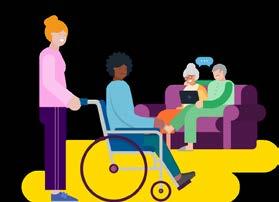







Wellbeing in social care is often discussed in terms of residents and rightly so. But behind every safe, compassionate care environment is a workforce under sustained pressure. Long shifts, emotional labour, staffing shortages, regulatory scrutiny and moral distress have become part of daily life for many care professionals. If we are serious about improving care, we must be equally serious about protecting the wellbeing of those delivering it.
Care Campaign for the Vulnerable (CCFTV) work closely with families, providers and frontline staff across the care sector. What we hear repeatedly is not a lack of commitment or compassion from staff, but exhaustion. Too often, wellbeing initiatives are limited to resilience training or self-care messaging, which places responsibility back onto individuals rather than addressing the systems causing harm.
One of the biggest contributors to workforce stress is fear - fear of blame, fear of complaints, fear of being unsupported when things go wrong. Staff tell us they feel caught between rising expectations and limited resources, often working in environments where concerns are not always welcomed or openly discussed. This culture impacts mental health, retention and ultimately the quality of care.
The solution does not lie in asking staff to cope better, but in creating safer, more transparent systems around them. When organisations prioritise openness, shared responsibility and learning, rather than blame - staff wellbeing improves. People are more likely to speak up, seek help and remain in their roles when they feel trusted and protected.
Independent oversight, clear governance and transparent communication play a vital role in this. When concerns are identified early and addressed constructively, pressure is reduced across teams. Staff are not left carrying worry
alone, families feel reassured, and managers are better equipped to support rather than firefight. Wellbeing is also closely linked to feeling heard. Care workers need spaces where their experiences matter - where emotional impact is acknowledged, not minimised. Simple but meaningful practices such as reflective supervision, visible leadership, and clear escalation pathways can make a significant difference. These are not “nice to haves”; they are essential for sustainable care delivery.
Importantly, wellbeing must include psychological safety. Staff should feel confident that raising concerns will not lead to punishment or isolation. Organisations that embed fairness, learning and accountability create environments where people can do their best work without constant anxiety.
CCFTV’s ole is to support a culture shiftone that recognises workforce wellbeing as a cornerstone of safe care. By encouraging transparency, shared learning and independent support, providers can reduce burnout, improve retention and build trust across their services. Care cannot thrive where the workforce is overwhelmed. Investing in wellbeing is not an added cost; it is a safeguard for people, services and the future of care itself.
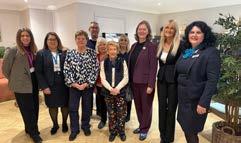
CCFTV Director Jayne Connery visits MMCG’s Ashmead Care Home in Putney
Wellbeing in care homes is often associated with nutrition, mobility, and mental health. Yet one of the most common and overlooked threats to residents’ wellbeing is far simpler and far more widespread: undiagnosed ear and hearing health issues.
It is estimated that around 75% of people in care homes have hearing loss, and that figure is expected to rise in the coming years. Despite this, earwax build-up, hearing decline, and undetected ear conditions are frequently missed or untreated. The result is not just reduced hearing, but reduced quality of life.
When residents struggle to hear, they can become withdrawn, disengaged, or appear confused. This can easily be misinterpreted as a behavioural issue or progression of dementia, when in reality the underlying problem may be treatable. Hearing loss is now recognised as the leading modifiable risk factor for dementia, and untreated hearing loss is strongly linked to social isolation, depression, and increased falls risk - all of which directly impact resident wellbeing.
The effects ripple beyond residents. Care teams often spend valuable time repeating themselves, managing distress, supporting family concerns, and coordinating external appointments. GP referrals, audiology wait times, and off-site visits can create disruption and anxiety for residents, while increasing operational strain for providers.
A practical solution: proactive ear and hearing health checks
The good news is that improving ear and hearing health does not require complex infrastructure. It requires a proactive approach - treating ear and hearing health as a routine part of wellbeing support, just like regular eye tests or mobility assessments. By enabling in-home ear and hearing health appointments, care homes can identify issues early, remove wax safely where appropriate, and carry out hearing checks to highlight when audiology or ENT support is needed. This reduces delays, avoids unnecessary escalation, and supports residents to stay socially connected and engaged.
Some providers have already seen meaningful outcomes. In one pilot project, residents who received structured ear and hearing health support experienced improved communication and engagement, alongside clearer pathways for hearing aid referrals. In another care home example, staff reported faster resolution of hearingrelated issues without the need for external appointments, improving confidence among staff and reassurance for families. Providers have also found that embedding proactive ear and hearing health services can support stronger CQC outcomes, helping evidence person-centred care, safe clinical processes, and responsiveness to residents’ changing wellbeing needs. More information on these examples can be found at tympahealth.com/care-homes.
When a resident can hear clearly, they are more likely to participate in conversations, maintain relationships, and remain connected to the world around them. That connection is fundamental to dignity, independence, and emotional wellbeing.
As the care sector continues to focus on holistic wellbeing, ear and hearing health must be recognised as a key part of preventative, person-centred care, and one of the simplest ways to make a daily difference.
For further information, visit: tympahealth.com/carehomes

Care providers operate in one of the most emotionally demanding sectors, where the quality of service is inseparable from the well being of the people delivering it.
As workforce pressures intensify and expectations from regulators, families, and commissioners continue to rise, actively monitoring and supporting staff well being has become a strategic imperative. Well being is not just a human concern, it is a core business driver with measurable operational and financial impact.
1. A Direct Pathway to Higher Quality Care
Staff who feel supported, valued, and psychologically safe consistently deliver better care. Well being influences attentiveness, empathy, communication, and consistency—all critical components of high quality service. When organisations track well being trends in real time, they can identify early signs of stress, fatigue, or disengagement and intervene before these issues affect care outcomes. This proactive approach strengthens compliance, reduces avoidable incidents, and reinforces trust with inspectors and families.
Turnover is one of the most significant cost burdens in the care sector. And it’s not just cost you also have loss of experienced team members disrupting continuity of care. Many departures stem from preventable frustrations—workload imbalance, communication gaps, or feeling unheard. By systematically monitoring staff experience, leaders can surface these issues early, address root causes, and create an environment where people choose to stay. Providers who adopt this approach consistently report improved retention and stronger team cohesion.
3.
Care environments are complex, and small operational inefficiencies can accumulate into major sources of stress. Traditional feedback methods— annual surveys, ad hoc conversations, or incident reports—rarely capture the full picture. Modern insight tools now allow organisations to gather continuous, anonymous feedback that highlights
emerging barriers and opportunities. This transforms organisational “noise” into actionable clarity, enabling leaders to make targeted improvements that streamline workflows, reduce friction, and enhance day to day experience for staff and residents alike.
A culture of listening is a culture of trust. When staff see that their feedback leads to visible action, engagement rises and teams become more resilient. Leaders who demonstrate transparency and responsiveness build credibility, which in turn boosts morale and discretionary effort. Structured well being monitoring provides the foundation for this culture, ensuring that feedback is not sporadic or anecdotal but consistent, inclusive, and measurable. This creates a workplace where people feel safe to speak up and their voice matters.
Well being is increasingly recognised as a differentiator. Providers who invest in their teams deliver better outcomes, attract more referrals, and maintain stronger reputations.
They also benefit from reduced spend, fewer incidents, and more predictable staffing patterns. Platforms designed to give leaders real time visibility into staff experience amplify these benefits by making improvement faster, more precise, and easier to sustain.
Contact Hello@weGather.info

Electricity pricing is changing fast, and care providers could soon feel the impact if they do not act. A combination of rising demand, infrastructure limitations, and new charging structures is making electricity costs more complex, and potentially more expensive than ever before.
Across the UK, electricity demand is increasing rapidly, driven by data centres, artificial intelligence technologies, and the continued growth of electric vehicle charging. At the same time, a growing proportion of electricity is generated by wind power, often far from where demand is highest. Because the National Grid cannot always transport this electricity efficiently, wind turbines are sometimes paid to stop generating power, even while consumer costs continue to rise.
To manage pressure on the network, electricity pricing is increasingly linked to when energy is used, not just how much is consumed. Peakdemand “red periods” (most expensive), often between 4pm and 7pm, now carry significantly higher charges, sometimes up to 9p per kWh more. Amber periods carry moderate costs, while green periods are the lowest-cost times to use electricity.
At the same time, non-commodity charges are rising and additional costs are being added to fund new nuclear power generation, increasing pressure on operational budgets.
For care providers running in-house laundry services or EV charging, understanding these pricing periods and adjusting usage where possible could make a meaningful difference. Reviewing electricity contracts is equally important. In today’s market, choosing the right contract requires careful analysis of consumption patterns, timing of usage, and future energy needs, not simply selecting the lowest headline rate.

The Care England Energy Tender offers a ‘free’ energy audit, designed to help providers navigate the growing complexity of electricity pricing and procurement. This review can help organisations better understand their energy usage, identify potential savings, and secure the most competitive energy price at renewal. With clearer insight into contracts and consumption patterns, providers can make informed and confident decisions about their electricity strategy.
You can learn more about Care England’s energy support here: https://www.careengland. org.uk/energy/
Providers may also wish to consider longer-term solutions to energy cost pressures. The Care England Solar Framework offers an opportunity to unlock cost-effective, low-carbon energy solutions tailored specifically for care providers, supporting both financial sustainability and environmental responsibility.
More information is available here: https://www.careengland.org.uk/solarframework-care-providers/
Electricity costs are unlikely to become simpler in the near future. The organisations that review their usage, understand their pricing periods, and seek expert advice now will be best placed to manage rising costs.
For further information or a free review of your electricity bill or contract, contact Focus Energy at info@focusenergyservices.co.uk and read the full article on our website.
Neuven Solutions, a UK-based market-leading Neutral Vendor and workforce management partner, is proud to be exhibiting alogside Care England at the Care Show London (29th & 30th April 2026), showcasing how its workforce solutions are supporting care providers to strengthen staffing resilience, improve compliance, and achieve greater operational efficiency.
Neuven Solutions specialises in managing panels of expert recruitment agencies to supply temporary workforces across health and care organisations in the private, public, and third sectors. Acting as an independent partner between clients and agencies, Neuven ensures every booking is fulfilled by the most suitable supplier at the best possible rate, while maintaining the highest standards of compliance and governance.
Alongside its Neutral Vendor service, Neuven also offers a dedicated Bank Solution, enabling care organisations to build and manage their own internal workforce banks. This approach supports greater continuity of care, reduces agency reliance, and provides organisations with improved flexibility and cost control.
Neuven’s services are powered by a suite of innovative platforms:
• Venneu®, Neuven’s workforce management and compliance platform, provides complete visibility over temporary staffing, enabling real-time performance monitoring, centralised compliance tracking, and detailed reporting.
• Venta, Neuven’s Time & Attendance (T&A) system, supports organisations in accurately recording staff hours, improving workforce accountability, and strengthening payroll and compliance processes.
Together, Neuven’s solutions deliver measurable benefits for care providers, including:
• Cost savings of up to 20% through rate standardisation, supplier competition, and reduced agency reliance
• Efficiency gains via technology-driven automation and streamlined processes
• Compliance assurance through robust vetting, monitoring, and audit trails
• Service quality with consistent fulfilment and dedicated account support
By maximising workforce performance and enabling smarter staffing strategies, Neuven Solutions helps organisations focus on what matters most: delivering safe, high-quality care.
Visitors at the Care Show London are invited to meet the Neuven team on the Care England Pavilion Stand (D60) to learn more about how Neuven Solutions, Venneu®, Venta, and its Bank Solutions are shaping the future of workforce supply and management in the care sector

Cornerstone Care Solutions specialist care consultancy and turnaround provider working with adult social care organisations to improve operational performance, compliance and sustainability. Supported the introduction of Nilaqua waterless personal care products to explore whether waterless methods could offer a more dignified and efficient alternative to traditional bathing for residents who found conventional care distressing or difficult to tolerate.
The project was over a period of 4 weeks and used biodegradable no rinse shampoo wraps, body wash foams and soft dry wipes. The aim was to explore impacts on dignity, comfort, efficiency and staff experience. Three anonymised case studies reflect different clinical scenarios and illustrate practical learning.
CQC Regulation 10 requires care to be delivered with dignity and respect - a core responsibility in adult social care. However, for people living with dementia, frailty or complex physical conditions, bathing can cause distress or risk. NICE guidance advises alternative approaches. Providers also face increasing acuity, workforce pressure and infection control responsibilities, creating the need for flexible, person centred approaches that preserve hygiene and wellbeing.
Nilaqua was trialled for residents who experienced distress around water, had painful mobility, were at risk of skin damage, required full support or found bathing emotionally challenging. Products were introduced gradually with staff training and family communication.
AW, age 72, lived with Lewy body dementia, Parkinson’s disease and had severe limb contractures. Traditional washing caused visible distress. With waterless foam and shampoo wraps, agitation reduced, care time fell by up to fifteen minutes and handling demands eased. Staff reported calmer care episodes and family members noted greater comfort.
BL, age 91, lived with Alzheimer’s disease and fragile skin. He described traditional wipes as uncomfortable. After introducing biodegradable dry wipes, he reported improved comfort, showed
greater engagement and required fewer wipes. Skin integrity was maintained and care episodes shortened.
VN, age 87, was non weight bearing with dementia, COPD and diabetes. Personal care previously triggered agitation and resistance. Waterless foam reduced distress, shortened care time and supported hygiene between full baths.
Reduced distress and resistance, improved dignity, shorter care episodes and reduced physical strain for staff were observed. Evidence from hospital settings suggests Nilaqua can maintain skin integrity and reduce microbial load. There was no decline in hygiene or increase in infection risk during the trial. Reduced friction appeared beneficial for skin comfort and integrity which is paramount to daily care.
Biodegradable wipes, no water waste, ethical, UK production of Nilaqua and reduced laundry supported sustainability goals.
Nilaqua is not a replacement for bathing but a complementary alternative for residents who cannot bathe traditionally. Successful use requires staff training, documentation in care plans and clear communication with families.
This trial suggests waterless personal care improves comfort, dignity and efficiency for some residents while maintaining hygiene standards. As care needs grow more complex, practical approaches that combine compassion with efficiency will be increasingly valuable.
Questions? Please contact: hello@waterlessltd. co.uk or info@cornerstonecs.co.uk

The adult social care sector faces a paradox. Staff are expected to build meaningful relationships with people they support, yet current working conditions make this almost impossible. Time pressure, low pay, lack of professional recognition and constant turnover create the conditions for stress, burnout and job dissatisfaction.
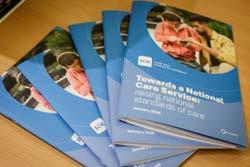
A new report from the Social Care Institute for Excellence, supported by The Access Group, launched in Parliament in January, offers a different approach. Developed through roundtables with people with lived experience, providers and policymakers, the report argues that national care standards should position care as skilled relational work, not task completion. This shift could support better workforce wellbeing.
The adult social care sector encompasses 19,000 organisations across 42,000 establishments in England. Staff in these settings know that care happens within relationships, not as transactions. Yet current measurement systems focus on what is easy to count: visits completed, forms submitted, hours logged. This disconnect creates stress when workers understand the quality of their relationships matters most.
The report builds on the Care Act 2014's core principles of wellbeing, prevention, choice and control. When standards measure care by relationships and outcomes rather than tasks and speed, they can help justify investment in the workforce conditions needed to deliver personcentred support.
The roundtable participants argued that standards should elevate the profile of care work, aligning values, pay and training with the importance of the role. This means recognising care as skilled, relational work essential to the fabric of society. Standards could support continuous improvement, reflection and innovation rather than compliance checklists that add bureaucracy without improving lives.
Investment in workforce capability becomes essential when standards demand relational practice, strengths-based approaches and digital confidence. Evidence from health and social care improvement studies shows that improvements become embedded when organisations invest in skills, data, leadership and time to learn.
The report acknowledges that standards cannot resolve funding adequacy or market instability alone. However, they can influence how resources are allocated by making explicit the link between spending decisions and outcomes for people. When standards reinforce the legitimacy of investment in prevention and continuity, they can support commissioning approaches that prioritise value, equity and long-term outcomes over short-term activity.
Crisis-led systems prevent investment in early intervention. When staff are constantly firefighting, their wellbeing suffers. Standards that prioritise prevention could create more sustainable working conditions where workers have time to build the relationships that make care meaningful.
The challenge is implementation. Without sustained investment in training pathways, career progression, fair pay and community capacity, standards risk remaining aspirational. National standards will only be credible if matched by investment in the capability required to deliver them.
Staff deserve working conditions that enable them to do what they know matters: building relationships that support people to live the lives they choose. National standards that position care as skilled relational work offer a route to achieve this.
For further information on the SCIE report on national standards of care, visit: https://www.scie. org.uk/consultancy/influencing-better-policy/
By James Leigh, General Manager of Care Homes at apetito
Whilst many care homes may believe they have a strong grasp on where their catering budget is being spent, a surprising number of hidden costs remain overlooked and risk draining already stretched resources.
When thinking of the costs associated with mealtimes, many homes focus on ingredient spend being the bulk of the costs. Yet the true cost of cooking from scratch goes far beyond only the food itself.
From staff time and equipment usage to food waste management, there are many areas that must be encompassed for an accurate reflection. Without this full visibility, care homes could be missing the true picture of what catering is really costing.
Factoring in how much labour is costing is a crucial aspect. Preparing meals from scratch can be extremely time-intensive, from ingredient preparation to recipe formulation and specialist diet management protocols – the longer staff spend in the kitchen, the higher the cost becomes.
Care homes are also particularly vulnerable to staffing pressures, with high staff turnover and ongoing recruitment challenges, coupled with regular absence, frequently disrupting day-today operations. This may result in reliance on agency staff or management support to deliver the required service, driving up costs and creating inconsistency in mealtime delivery for residents.
Care home kitchens operate across extended hours to support breakfast, lunch, and evening meals, as well as snacks throughout the day. With ovens, hobs, refrigeration, dishwashers and ventilation systems in frequent use, it’s no surprise that catering contributes significantly to overall energy consumption within a care home. And whilst energy bills might not seem
something to pull from your catering budgets, it is another hidden cost that forms a huge part of delivering every meal.
Food waste is one of the most controllable, and often overlooked, catering costs within care homes. It generates lost money from ingredients, staff time and utilities used during preparation – and that’s before considering the costs of separate food waste disposal to ensure legislation compliance.
In a sector already facing a challenging climate, having this economic clarity is vital to have better budget control, predictable financial planning and drive efficiencies in operations to enhance care.
Now, care providers can get this much-needed clarity through a brand-new, FREE calculator tool that provides a simple way to understand the true cost of catering – bringing all these hidden elements into one clear view.
In just minutes, care homes can uncover the full picture of their own catering operations by accessing the new tool at apetito.link/TCOC or scanning the QR code.
At apetito, our approach focuses on more than just providing great food but simplifying the entire catering operation. By reducing preparation time and required kitchen labour and improving consistency and portion control, we can help care homes streamline processes and take greater control of their catering costs, all while maintaining quality and nutrition for residents.

Social care’s wellbeing conversation is often framed around resilience, self-care, and support services. All of these matter. But for many providers, the biggest threat to wellbeing isn’t a lack of posters, EAPs, or mindfulness apps; it’s the constant churn of staff. High turnover doesn’t just impact continuity of care. It creates an environment where teams are permanently stretched, managers spend their time firefighting, and the emotional load on remaining staff steadily increases. Over time, this becomes normalised and that’s where wellbeing quietly deteriorates.
The truth is that wellbeing and retention are inseparable. When people leave, it is rarely due to one single incident. It is usually a build-up: mismatch in expectations, poor induction, lack of support, inconsistent leadership, and feeling undervalued. And the earlier you can identify those risks, the more chance you have of preventing the exit - rather than reacting after a resignation lands.
As part of Cohesion’s sector-wide retention-focused project, it’s unsurprising that wellbeing has formed discussion repeatedly. We’ve heard leaders share a consistent message: retention isn’t about one big benefit. It’s about a layered approach - combining communication, leadership, health and wellbeing support, development opportunities, and those small but human gestures. When staff see that level of care, they’re far more likely to feel valued and far more likely to stay.
The problem: We treat wellbeing too late
Many organisations measure wellbeing through absence rates, engagement surveys, or reactive conversations after performance dips. By then, the damage is already done.
For new starters in social care, the first 90 days really matter. They can feel overwhelmed, unclear, or isolated - particularly when teams are short-staffed and managers are under pressure. If recruitment focuses purely on filling vacancies, providers risk hiring people who can do the job, but don’t align with the values, pace, and realities of the role.
The solution: Build wellbeing into the workforce lifecycle
The most effective wellbeing strategy is preventative - embedded into recruitment, onboarding, and leadership.
A retention-first approach starts with values-based practice, ensuring people understand the role, feel aligned with the culture, and are cared for at every stage. Onboarding needs to be structured, consistent, and supportive – managed well and not dependent on who happens to be on shift. Leaders have shared that acting on insights from pulse surveys, annual engagement surveys, or wellbeing checks - and visibly sharing back what’s been done builds a culture of trust and two-way interaction.
Ongoing feedback at key points throughout employment is essential. Structured conversations including New Starter, Stay, and Exit interviews provide opportunities to listen, reflect, and respond meaningfully, ensuring that insights are not just collected but acted upon – particularly in services where turnover is problematic.
When staffing is stable, wellbeing improves naturally: relationships strengthen, training becomes meaningful, and people feel supported rather than stretched. Retention is not just a workforce metric. Right now, retention-focused activity is one of the strongest wellbeing interventions a care provider can make.
For further information, visit cohesionrecruitment. com/insights or contact Cohesion to join the retention project alongside sector peerscareengland@cohesionrecruitment.com




4 Fresh Beetroot, peeled and chopped
2 tbsp Vegetable Oil
2 Onions, chopped
2 Garlic Cloves, crushed
2 Carrots, roughly chopped
2 Medium Potatoes, peeled and chopped
1.8L Vegetable Stock
1 tsp Vinegar
100g Honey Pumpkin Seeds, for garnish
1. Heat the vegetable oil in a saucepan.
2 Fry the onions for 5 minutes or until soft
3. Add the garlic, beetroot, carrot, potato and honey. Continue to cook the vegetables while stirring until they start to soften.
4. Add the stock and bring to the boil. Simmer for 20 minutes until the vegetables are cooked
5. Stir in the vinegar, allow to cool before using a blender to liquidise the soup
6 Serve and garnish with pumpkin seeds

Creed Foodservice share a monthly seasonal soup recipe showcasing British produce. To be in with a chance of winning a Creed cookbook, tag us both in your recreation of the recipe on social media!

Wellbeing in care is about dignity, enjoyment, connection and supporting people to live as well as possible at every stage of life. Nutrition plays a central role - not only in physical health but also emotional wellbeing. At My Doctors Recipe, we believe that food can be a powerful tool for improving wellbeing.
Across care homes, many residents face challenges that directly affect nutritional intake; frailty, dementia, swallowing difficulties and reduced appetite. When nutrition suffers the consequences extend far beyond weight loss or clinical markers. Affecting mood, energy levels, mobility, engagement and confidence, making everyday life more difficult for residents and increasing pressure on care teams.
Our work is grounded in a simple but vital principle: nutrition should be food-first, healthy, enjoyable and accessible. Traditional nutritional interventions rely on products that feel medicinal, unfamiliar or unappealing. Undermining choice, enjoyment and dignity - all of which are fundamental to wellbeing and person-centred care.
This led to the development of Nutri-Ice®, NutriScoop® and Nutri-Soup®. Designed to support people with additional nutritional needs while still feeling like food, not medicine. Each product contains 10g of added whey protein, alongside our trademarked DJK+®, delivering seven micronutrients using an encapsulation method. This ensures nutrients do not impact flavour and are absorbed at the optimal point during digestion, providing >30% of the recommended daily intake. All products are natural and free from artificial colours, flavours, preservatives and emulsifiers, meeting the growing demand for minimally processed foods.
Nutri-Ice®, part of our frozen range, is a refreshing, high-protein, low-sugar option using date syrup instead of refined sugar. Beneficial for individuals with
poor appetite, dehydration risk, sensory preferences or dementia, where cold and familiar textures are often better accepted and enjoyed.
Nutri-Scoop® is a fortified frozen ice cream designed to be something people willingly choose, offering a gentle, nutritious boost in an enjoyable, recognisable format that supports positive mealtime experiences.
Nutri-Soup® provides warmth, comfort and familiarity while delivering protein, vitamins and minerals and remains suitable for individuals with swallowing difficulties.
Together, they support physical wellbeing through improved nutritional intake, emotional wellbeing through enjoyment and choice, and social wellbeing by enabling fuller participation in mealtimes.
Our approach recognises that products must be easy to use and adaptable to individual needs and existing care plans. Our frozen range is supplied in recyclable 100ml tubs or served from larger tubs. By working alongside care teams rather than adding complexity, nutrition becomes a positive enabler rather than an additional burden.
At My Doctors Recipe, we see wellbeing as a shared responsibility - bringing together care providers, clinical teams, suppliers and families. While wellbeing does not come from a single intervention, when nutrition is done well it forms a powerful foundation, supporting strength, connection, comfort and quality of life for those who need it most.
We welcome conversations with care providers interested in exploring how our nutritional solutions can support wellbeing in their services. To find out more or discuss participation in future trials, please contact Ana Frappell at: ana@ mydoctorsrecipe.com

Person-centred care is central to high-quality health and social care. It is not only a core value of services, but a clear regulatory expectation within the Care Quality Commission (CQC) framework. Despite this, many providers find it challenging to consistently embed person-centred approaches in day-today practice and to clearly evidence them during inspection.
Care 4 Quality from WorkNest, explores what person-centred care means in regulatory terms, where services often encounter difficulties, and what inspectors look for when assessing practice.
What Does the CQC Mean by Person-Centred Care?
Within the CQC’s Single Assessment Framework, person-centred care is one of the regulations that underpins all of the key domains, Safe, Effective, Caring, Responsive and Well-led. It is assessed not as a standalone concept, but as something that should be visible throughout a service.
From an inspection perspective, person-centred care means that:
• People are treated as individuals, with their preferences, values and life experiences understood
• Care and support are planned with people, reflecting what matters most to them
• Individuals are actively involved in decisions about their care
• Services adapt and respond as people’s needs, wishes or circumstances change
Care 4 Quality often emphasises that inspectors are not looking for aspirational language in policies alone. Instead, they look for evidence that person-centred values are consistently reflected in practice, records, staff knowledge and leadership decisions.
Here are 4 Common Gaps Identified During CQC Inspections
• Care Plans That Lack Individual Detail
• Care plans may be complete from a compliance perspective but feel generic, with limited personalisation or evidence of the individual’s voice.
• Inconsistent Staff Understanding
• Staff may believe they deliver person-centred care, yet struggle to explain how their actions promote choice, dignity or independence when questioned by inspectors.
• Limited Evidence of Review and Adaptation
• Person-centred care is ongoing. Inspectors expect to see care plans reviewed and updated in response to changes — not static documents that remain unchanged over time.
• Weak Links Between Leadership and Practice
The CQC places significant emphasis on leadership. Inspectors look for clear evidence that leaders live person-centred values through training, supervision, quality assurance and governance systems.
Want to know what inspectors are actually looking for and how you can show best practice? Watch Care 4 Quality’s webinar: Person-Centred Care in the CQC Framework Webinar

Over 800 care professionals registered for this session, that explored this topic in greater depth. Led by a former CQC inspector, the session focuses on how person-centred care is assessed during inspections, common areas of risk, and practical ways providers can evidence good practice.
Watch on demand: https://worknest.com/apps/ access-your-webinar-partner/?doc=https:// worknest.com/services/person-centered-care-inthe-cqc-framework-on-demand/?v=Care-england
Don’t wait for the CQC to come knocking – get ahead now. Book a compliance review or CQC-style audit today with Care 4 Quality and start building a stronger, more resilient service.
Get in touch with Care 4 Quality by WorkNest team by calling 08083 037629 or emailing enquiries@worknest.com, quoting Care England.
Did you know that research published in 2025 revealed that a third of care home providers had experienced a cyber attack in the previous three years?1
A cyber attack doesn’t just affect your systems. It impacts your operations, your people and the care that you’re able to provide. That’s why we’re fighting back.
At the Care England Conference on Thursday 12 March Everywhen, the new name for Towergate Insurance is holding the interactive session where we’ll walk you through a real-life cyberattack on a care home and ask you to take part as it unfolds.
During ‘Inside a real-life cyber-attack: what really happens and how to react’ Care England members will be invited to vote on key decisions, share what you’d do next, and learn what really helps when the pressure is on.
We’ll also explain how an insurance broker can support you if an attack takes place, what practical steps you can take, and how to get back on your feet.
We stood by you as Towergate, now we’re standing by you as Everywhen
Our new name reflects exactly what we stand for: being here for you, “always” and “at all times” (which is the literal definition of Everywhen). While our name has changed, we still offer an expert team, great service and we now have the added benefit of being part of a business united by a shared purpose.
The world is evolving and so are we. Our new identity brings clarity to who we are and what we stand for: making the complex simple, supporting our clients through change, and helping people feel confident in their cover, whatever comes their way. Whether we help you protect your business, lifestyle, health or hobbies, one thing is clear – giving you greater clarity of all we can offer under one name is key to giving you the best of us.
Get in touch with James Anscombe on 07967 850015 or email james.anscombe@everywhen. co.uk www.everywhen.co.uk
1 The state of cyber security in adult social care - GOV.UK




The UK care sector continues to operate under sustained strain. Workforce shortages, rising demand and constrained funding remain dominant themes. Alongside these structural challenges, another issue is steadily gaining importance: financial well-being.
Although inflation has eased from recent peaks, household budgets remain under pressure. The Office for National Statistics reports that inflation remained around 3–4% through 2024, above the Bank of England’s 2% target. Household Costs Indices also show that overall household costs rose by approximately 2.8% in the year to December 2024, with essentials such as housing and food continuing to weigh heavily on lower-income households.
For many care workers, these pressures are immediate and personal. As living costs rise, income stability becomes central to financial well-being, and uncertainty carries greater weight than before.
Income certainty supports financial well-being Financial wellbeing is not simply about pay levels. It is about predictability, accuracy and trust.
Recent research from Modulr found that 60% of employees had spotted mistakes on their payslips In a workforce already navigating cost pressures, payroll inaccuracies or delays can quickly move from inconvenience to financial strain.
When income is uncertain, household budgeting becomes more difficult. Repeated issues risk eroding trust between employer and employee. In a sector facing persistent retention challenges, reliable pay forms part of the overall employment experience and contributes directly to morale.
Funding volatility adds complexity
At the same time, financial well-being within the workforce is shaped by the wider funding environment.
Modulr found that more than 80% of home care providers with public sector contracts have experienced late payments. When income from commissioners is delayed, providers must still meet payroll and supplier obligations. While many organisations manage this carefully, volatility in cash flow reinforces the importance of efficient and wellcontrolled finance operations.
In a context where household costs remain elevated and sector margins are tight, predictable payroll and accounts payable processes matter more than ever. Strengthening operational foundations
Care providers cannot resolve inflation or reform funding structures overnight. However, they can review how money moves through their own organisations and where avoidable friction may exist. Payroll accuracy, payment timing and accounts payable workflows sit within operational control. Streamlining these processes can improve efficiency, reduce manual error and strengthen financial oversight. Greater accuracy and visibility support workforce confidence and reduce avoidable stress for both staff and managers.
Improving payment reliability is therefore a practical governance consideration as much as a financial one. Reviewing payroll controls, reducing reconciliation effort and ensuring predictable execution are tangible steps that can support financial well-being across the organisation.
In a sector built on trust, operational efficiency and accuracy underpin more than compliance. They reinforce morale, stability and resilience.
Financial well-being may once have seemed peripheral. In today’s environment, it is increasingly strategic, and strengthening the reliability of everyday payment processes is one of the most immediate ways providers can support it.
Learn more about how care providers are modernising payments: www.modulrfinance.com/ care-payments



Totaljobs connects care providers with thousands of dedicated professionals across the UK, helping you hire faster, smarter, and with heart.
We’re here to help you find the talent your business needs.
Reach & Relevance – Access thousands of care professionals nationwide, including Care Workers, Nurses and Healthcare Assistants.
Smart Matching – AI tools connect you with people who truly fit your values and roles

Employer Branding – Tell your story and attract candidates who care as much as you do through targeted campaigns.
Expert Support – A dedicated team backed by real-time insight for your care sector hiring campaigns.
Trusted by thousands of


Get in touch to find out how we can
The social care workforce continues to shoulder extraordinary pressure. Rising demand, complex care needs, and persistent staffing shortages have created an environment where even the most dedicated professionals struggle to maintain their own wellbeing. The result is a cycle familiar across the sector: stress leads to burnout, burnout leads to turnover, and turnover deepens the strain on those who remain.
Adult social care is a historically low-paid sector - most care workers are paid at or just above the National Living Wage. In 2023 to 2024 around 21% of posts in the adult social care sector were employed on zero-hours contracts, compared to 3.5% in the wider economy, and around half of the direct-care workforce held a relevant social care qualification.
Solutions will be explored at LaingBuisson Events’ Social Care Summit on 17 June at Church House Westminster, London. From panel sessions to keynotes to discussions held during the networking breaks, the summit brings together c-suite leaders, directors and senior staff from across social care to discuss innovative case studies with real, on the ground successes in improving staff wellbeing and care delivery.
From our previous summits, we know that wellbeing is holistic, so the agenda is guaranteed to be as far-reaching and varied as ever. We will discuss what changes in the sector mean for the workforce, from the adult social care fair pay agreement to the development of additional social care qualifications and the discussed expansion of responsibilities for carers.
Leaders will share how they’ve designed workloads and used data to improve wellbeing for staff and service users and their families. The adoption of technology on the frontline, for example, is changing how service users,
carers and families communicate, which is showing improved working relationships and freeing up time for carers, while digital and AI tools that streamline documentation, improve communication, and provide real time insights are helping teams reclaim time for meaningful interaction with the people they support. And a renewed focus on learning cultures is helping staff feel more competent, more connected, and more in control of their professional growth.
The LaingBuisson Social Care Summit has become a trusted forum for high level insight, honest discussion, and practical learning. Delegates gain a clear, data driven view of the forces shaping the market, from demographic shifts to commissioning trends to the operational pressures affecting providers on the ground. The focus is always on what these changes mean for the future of care, and how leaders can respond with confidence.
If you want to stay ahead of sector change, strengthen your strategic thinking, and be part of the national conversation shaping the future of care, this is the event to mark in your diary.
For further information, head over to laingbuissonevents.com

As more people choose to remain at home for longer, domiciliary and live in care services are playing a vital role in supporting the safety and wellbeing of people living with dementia. Yet, while expectations of home care have grown, clear, dementia-specific, tailored standards haven’t always kept pace.
Wellbeing at home should be intentional, structured, and integrated. That’s why NaDCAS have developed a dedicated accreditation framework and best practice model for homecare services.
The challenge of delivering meaningful dementia care at home
Providing dementia care in someone’s home carries a particular complexity. Care professionals must support and advise people to adapt environments they don’t (and shouldn’t) control. Quality is reflected in how someone is greeted, whether their life story is understood, sensory surroundings support calm or add confusion, or emotional connection is prioritised as highly as practical support. Without a shared framework, these elements can vary, and variation affects experience.
For people living with dementia, small differences matter. Consistency matters. Feeling known matters.
A framework shaped specifically for home care
At NaDCAS, we have long supported care homes through our Framework for Exceptional Dementia Care. But home care is different - and it deserves its own structure. That is why we have carefully developed a new model to accredit dementia care for homecare services.
This is not a version of a residential framework placed into the community. It has been thoughtfully reshaped to reflect the intricacies of homecare delivery including lone working, time-limited visits, partnership with families, alternative leadership models, and the realities of coordinating care across multiple homes.
Our accreditation sets out 70 standards across nine key pillars.
Together, these pillars create a holistic picture of what excellent dementia care at home truly looks like. They ensure that care is grounded in understanding the individual - their history, preferences, and identity. They recognise the importance of sensory wellbeing within the home environment, integrate emotional connection into everyday practice, and support leaders and teams to create cultures where quality is consistent, visible, and measurable.
Raising the standard of dementia care in people’s homes.
Accreditation is about collaborative support and sustainable improvement and is for providers who want to become the best version of themselves. We work in partnership with providers to improve their services – shaped by an aspiration and nurture mindset rather than just inspection. The framework provides a structured pathway to strengthen practice, evidence excellence, and reassure families that dementia care is being delivered with intention and expertise. It signals that supporting someone to live well with dementia at home is a specialist responsibility that requires knowledge, reflection, and compassion.
As demand for home-based care continues to grow, so too must our commitment to quality.
Wellbeing begins at home, and its excellence deserves to be recognised by the UKs only accreditation scheme for dementia care.
For further information and support on the NaDCAS Dementia Care Accreditation for Home Care Services, please visit: www.nadcas.org or contact: claire.reading@nadcas.org or 07982368163
By Sam Masters, Principal Product Manager at Person Centred Software
The best technology in care is almost invisible, quietly protecting time, reducing pressure and giving teams the headspace to focus on the people in front of them.
Working in social care tech, I’m constantly reminded that the wellbeing of residents is inseparable from the wellbeing of the people caring for them. When carers feel supported and confident, residents feel it too. But when teams are stretched thin, that pressure is felt across the whole home.
Right now, the care workforce is under more strain than ever. Staff shortages, rising demand and financial constraints continue to place sustained pressure on services. The impact is visible in higher staff turnover and the ongoing challenge of maintaining the consistency that good care depends on.
Too often, digital systems have compounded the problem. Historically, care management software has prioritised compliance and documentation over usability and real-world workflows. As a result, carers spend more time recording care than delivering it, searching for information across systems and reacting to issues after the fact.
Technology should ease that friction by simplifying the working day, not complicating it, and returning time to care rather than competing for carers’ attention.
This belief sits at the heart of Person Centred Software. If we want better care for residents, we must first prioritise workforce wellbeing by improving their daily experience. Systems should be designed around the reality of care delivery, not layered on top of it.
This thinking shaped mCare, PCS’s care management platform. At the frontline, mCare enables care to be
recorded at the point of delivery through intuitive workflows that fit naturally into the rhythm of a shift. This reduces end-of-shift paperwork, improves handovers and allows staff to stay present with residents, improving job satisfaction and supporting staff retention. For managers and leaders, mCare turns dayto-day care activity into structured insight. Information on falls, hydration, mobility, sleep and engagement is surfaced clearly, allowing earlier intervention, supporting resident safety and making working life more manageable for staff.
Crucially, mCare does not operate in isolation. Alongside wider social care integrations, it connects with PCS’s other tools, from staffing intelligence and medication safety to learning and resident wellbeing, so information flows more naturally across homes. Teams have what they need in one place.
In environments where people are the most valuable asset, the strongest contribution a care management system can make is to support staff in a way that lightens the load rather than adding to it. Care is, and always will be, a human service shaped by empathy, judgement and relationships. Carers should be able to rely on their tools without thinking about them—tools that simply work and never get in the way.
Technology should never ask more of an already stretched workforce. Its role is to ask less, simplifying tasks and quietly carrying the administrative weight so it supports care delivery and safeguards the wellbeing of the people providing it.

Managing client finances in social care isn’t just another administrative task - it’s a responsibility that carries real weight. Every transaction represents something important to the person receiving care: their independence, their wellbeing, their security. Yet many providers are still relying on manual tools that make accurate, accountable financial management harder than it needs to be.
Spreadsheets updated by multiple staff, paper envelopes of receipts, handwritten spending logs, cash boxes passed between shifts - these methods might feel familiar, but they’re far from reliable. And as the demands on care teams grow, the weaknesses of manual tools become impossible to ignore.
1. Errors Multiply When Systems Rely on Human Memory
Manual processes depend heavily on people remembering to do the right thing at the right time: write it down, store the receipt, update the spreadsheet, log the purchase. In busy care settings, where every day brings interruptions and unexpected needs, that’s a fragile system.
A forgotten entry here, a misplaced receipt there, and suddenly the records don’t match reality. Not because anyone meant to do something wrong, but because the tools make it easy for mistakes to slip through the cracks.
2. Spreadsheets Aren’t Built for Real-World Care Environments
Spreadsheets can be powerful - when used in stable, controlled settings. Social care is neither. High staff turnover, different styles of record-keeping, and constant handovers mean a spreadsheet can quickly become inconsistent and cluttered. They also lack the security measures necessary, especially when stored on a desktop and not backed up correctly. One formula error, one accidental deletion, one overwritten cell, and an entire record can become unreliable. And because spreadsheets don’t automatically track changes, it’s often impossible to retrace what happened.
3. Manual Tools Slow Staff Down
Time is one of the biggest pressures in social care. Every minute spent sorting receipts or crosschecking logs is a minute that isn’t spent with residents.
Manual tools require repetitive tasks: recording,

copying, updating, reconciling. When multiplied across dozens or hundreds of transactions, the time cost becomes huge. Staff aren’t inefficient - the systems are.
Painful
When financial records are spread across notebooks, cash tins, receipts and spreadsheets, pulling everything together for an audit becomes a slow, stressful process. Providers must rely on fragmented bits of information, often hunting through folders or trying to piece together who spent what, when, and why.
Without clear digital trails, demonstrating accuracy and accountability becomes far more difficult than it should be.
5. Third Parties Expect Clarity - Manual Tools Can’t Deliver It
Families today want (and deserve) accurate information about how their loved one’s money is managed. Local Authorities, who sometimes fund the care, also need to see precise and exact reporting. But when spending records depend on handwritten notes or scattered receipts, it’s hard to give timely, confident updates.
Manual tools not only slow down communicationthey weaken trust by making transparency harder to achieve.
The limitations of manual tools aren’t about staff capability - they’re about outdated systems that weren’t designed for the complexity of modern care. Digital financial platforms, automated tracking, and individual spending tools offer a smarter, safer alternative.
Care England’s latest white paper, created with Cleva, sets out how these technologies are already delivering major improvements across the sector. Every transaction is attributed to the correct resident, logged immediately, and ready to review at any time - simplifying processes for staff while giving families and regulators the visibility they expect.
Read The White Paper Here
Outdoor spaces in care homes provide a therapeutic and calming environment to the patients, the value this brings is increased patient care and wellbeing.
Health and wellbeing benefits related to well kept outdoor areas is backed up by the following:
• 80% of patients said nature boosts their happiness.
• 74% reported reduced stress and anxiety.
• 71% said it improves their mood.
Often, the connection between waste management and outdoor environment quality is overlooked when in reality, the two interconnect more than you think. Veolia’s approach to connecting the two involves creating dignified, discreet waste solutions that enhance rather than detract from care home grounds.
The Challenge:
Care homes generate significant waste volumes, from clinical waste to general recycling and food waste. These multiple waste streams mean the generation of waste storage is huge and often compromises outdoor aesthetics. In addition, bulky bins generate odours and can make residents avoid using the outdoor spaces. This combination of volumes of food waste and outdoor unattractive bins brings the dilemma of meeting regulatory requirements while maintaining outdoor spaces. Research shows that residents with dementia in particular benefit from accessible and pleasant gardens. In addition, when families visit them, their perception could be heavily influenced by outdoor spaces. This challenge brings a huge risk of poor waste management making therapeutic gardens into unpleasant spaces.
Veolia's solutions:

Veolia can offer multiple solutions to maintain outside spaces while ensuring proper recycling activities are being undertaken. To ensure discreet, aesthetic waste storage, we can implement screened and enclosed waste storage areas that blend within the care home building structure. Our experts will provide strategic placement opportunities for the bins, away from garden seating areas and resident facing windows as well as providing attractive screening solutions using sustainable materials to cover up the bins which minimise visual impact. In addition, regular and reliable collection schedules will be undertaken in a timely manner which will prevent the waste accumulation and development of any unpleasant smells, this will also be backed up with temperature controlled solutions and modern collection vehicles that trained operatives will use to cause minimal disruption to ensure residents can enjoy gardens and outdoor spaces.
The evidence and outcome of these bespoke solutions for care homes will speak for themselves, including a potential increase in the amount of residents using the outdoor spaces which create positive effects on mood, physical activity and social interaction. This positive attitude from residents will then enhance family visit experiences and maintain good perceptions.
Veolia has a commitment to supporting care homes in creating a therapeutic environment in their outdoor spaces through effective, innovative waste management tactics.
Contact Veolia for a free site audit and tailored solutions for your care home.
The wellbeing of service users, staff, and family members are crucial considerations in the care sector. The right procedures need to be in place to protect physical and mental wellbeing from harm at every turn.
These things need to be considered right from the beginning of your hiring process – and our trusted partner, uCheck, is here to take you through what you need to know.
Your legal responsibilities
Background screening checks are a necessary legal requirement – and they also play an essential role in supporting wellbeing across the care sector.
As standard, employers must complete Right to Work checks on all candidates to make sure they’re eligible to work in the UK. However, any candidate for a role that involves regulated activity also needs an Enhanced DBS check.
Regulated activity involves frequent, routine interaction with either children or vulnerable adults –such as those in a care service. If someone works in regulated activity, they must be screened against the Children or Adult’s Barred List(s), which are records of everyone in the UK who is prohibited from working with children or vulnerable adults.
Additionally, the Care Quality Commission requires businesses to prove that they are safe and compliant during an inspection. Under Schedule 3, employers must keep several pieces of information about their employees, which includes a recent photo, proof of identity, and a DBS check of suitable level. They can then issue penalties or regulatory action if they find evidence of unsafe recruitment practices.
Who can background checks protect?
• People receiving care: Checks ensure that those supporting them are suitable, trustworthy, and properly vetted.
• Staff: Checks create safer teams, reduce the risk of misconduct, and foster a culture of accountability and professionalism.
• Families: Checks offer reassurance that their loved ones are being cared for by individuals who meet both legal and ethical standards.
A proper, thorough screening process emphasises a company’s dedication to safeguarding – and gives everyone involved confidence and clarity that their
loved ones will be taken care of.
Laying the foundations for future wellbeing
A good background screening provider can make a significant difference to your workload – and your compliance.
In a sector under constant pressure, it can be tempting to rush hiring decisions. But inadequate screening can expose providers to serious risks, such as:
• Safeguarding failures
• Legal consequences
• Reputational damage
• Lack of trust with families and partners
By contrast, investing in thorough, well-managed background checks helps protect everyone involved and supports long-term stability. Good quality screening checks help businesses build safer care services where service users feel protected, staff feel supported, and families feel reassured.
With the right technology, trusted processes, and expert support in place, care providers can screen with confidence and focus on delivering high-quality, compassionate care.
screening starts with uCheck
uCheck provides fast, reliable, and easy-to-use screening services, supported by the security of ISO 27001 certification and a dedicated team of experts. As a Care England member, you can register for free on the uCheck platform (saving you more than £50!) and get lifetime access to their online portal. Simply visit here and use the code ‘CAREENGLANDFREE’ at checkout.
Already registered? Click here to start your next check today.




Thursday, 13th March 9am to 4pm
Church House Conference
Westminster, London, SW1P 3N