


Why “Clean” Doesn’t Always Mean Safe: Rethinking Hygiene in Care Homes PAGE 6
If You Think Menopause Doesn’t Affect You, Think Again PAGE 8
How to effectively shortlist candidates for interview PAGE 30
Move from incident management to proactive action with Nourish Safety PAGE 34
Background checks in 2026: what care providers need to know PAGE 40
2026 will be another critical year for the care sector. We will see the Employment Rights Bill have an impact on the sector, and we will also see significant progress towards the implementation of collective bargaining.
These will be Care England’s major priorities in the coming year, and it is vital that we establish clarity on how they will be funded. The position the Government seems to be taking is that this huge extra cost can be absorbed by the sector, and this is simply not true. In light of this delusion, we have to make the case for more funding and support it with clear datasets. Data will be one of the most important ways to clearly establish the position and what the Government needs to do to implement its vision for social care.
In addition to these priorities, we are mindful of the need to keep the CQC’s “feet to the fire” as it begins its new approach to regulation and addresses the catastrophic mismanagement caused by the previous governance and management teams. Whilst we are very clear that we want to support the CQC, 2026 has got to be the year when, as the customers of this regulator, we start to see much better outcomes and much more acceptable standards. There is a real problem of double standards in the public sector, and the CQC need to understand that if they require immediate responses from the people they regulate, they have to deliver this themselves. Here again, we will need to see from the CQC data how far they have progressed in their recovery.
In addition to these major policy issues, we recognise that it is increasingly difficult for care providers to make ends meet, which is why we will renew our efforts to deliver a range of tangible benefits that reduce the amount you have to pay for goods and services. Over the years, we have ensured that Care England membership has delivered not only key strategic policy objectives but also reduced care costs and provided our members with access to highquality services at reasonable prices.
Finally, I want to remind the sector that one of our biggest
challenges is to maintain a unified approach and consistent messaging. Over many years, we have seen governments of all political persuasions exploiting division within the sector, and we cannot allow this to happen at this critical time.
That is why Care England will be working very closely with the Care Providers Alliance, the Homecare Association and others to ensure that we have a clear, consistent
and unified message to government and the media, about what it will take to deliver a 21st-century social care system that is sustainable now and in the future. Whatever the future may hold, I want to reassure every Care England member that we will work tirelessly to improve the environment in which you work, and to deliver the best possible information, advocacy and practical support that will help you deliver the highest quality care
Professor Martin Green OBE Chief Executive: Care England
DH: Independent Sector Dementia Champion
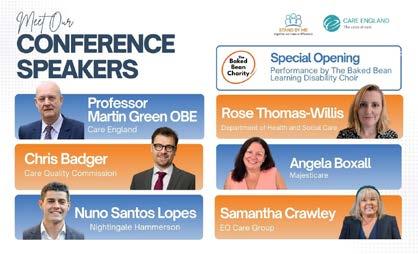
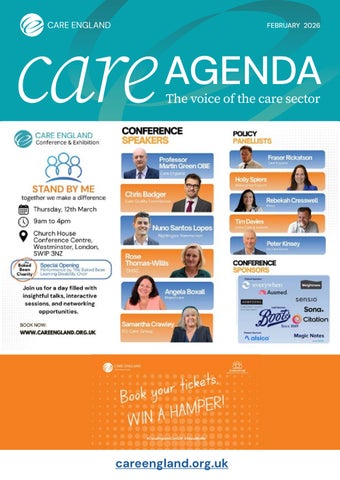
Don’t miss out. Book your tickets at https://www.careengland.org.uk/care-england-conference-booking/




By Gemma Christie, Business Account Manager at Miele Professional
In care homes, every operational decision has a major impact on not only the wellbeing of residents, but also the efficiency of the staff running the home. One area that often goes unnoticed but plays a critical role in both hygiene and quality of life, is laundry management. For care homes, the choice between outsourcing their laundry and investing in an on-premise laundry (OPL) facility is more than just logistics and cost, it’s actually a matter of safety, dignity and efficiency.
Care homes provide a safe environment for vulnerable individuals, many of whom have weakened immune systems. When laundry is processed offsite, items are exposed to environments where they can come into contact with pathogens, allergens or other contaminants increasing the risk of cross contamination. By keeping laundry in-house, care homes maintain full control over hygiene protocols, ensuring that wash cycles are consistently meeting the temperatures required for thermal disinfection. This level of oversight is incredibly important for reducing infection risks and safeguarding Care Quality Commission ratings.
To ensure that these high standards are being met, the importance of commercial laundry machinery cannot be understated. Modern laundry equipment designed for care settings can offer programmes that comply with stringent hygiene standards. These machines deliver consistent results, protecting residents and giving managers peace of mind that infection prevention measures are being upheld.
Beyond hygiene, the way that laundry is handled also has a human element, which can easily be forgotten. For many residents, familiar comforts like the scent of freshly laundered clothes or the softness of linens can make a significant difference in helping them feel at home. OPLs allow care homes to personalise laundry services, whether that’s using preferred detergents to accommodating delicate fabrics. This flexibility can play a huge role in

maintaining resident’ dignity and individuality.
Some homes even involve residents in simple laundry tasks where appropriate, which can go a long way in promoting independence and providing meaningful daily routines.
The introduction of an OPL isn’t just about care. Whilst that’s the priority and an important consideration, it’s also about efficiency. Quick turnaround times mean fewer linens in circulation, reducing storage needs as well as costs. Modern machines also deliver impressive energy and water savings, helping homes meet sustainability goals whilst bringing down their utility bills.
All the benefits of an OPL solution are there to see, but selecting the right machines is equally as important. Machines like the Miele Professional Benchmark range combine robust performance with intuitive controls, ensuring reliable results even under heavy daily use. Features such as automatic detergent dosing and programmable settings help maintain consistency while reducing waste.
Investing in an OPL provides a fantastic opportunity to reinforce a home’s commitment to maintaining their resident’s dignity and keep on top of infection control.
Discover Miele Professional’s solutions for care homes, here.
In care home environments, cleanliness is often taken as a given. Floors are mopped, surfaces wiped, bins emptied and rooms aired. Yet recent experience—from seasonal outbreaks of norovirus to the devastating impact of COVID-19—has shown that visible cleanliness alone does not always equate to safety. For settings that support older and clinically vulnerable people, the difference between looking clean and being genuinely safe can be critical.
Infection prevention and control (IPC) remains one of the most significant challenges facing the care home sector. Pathogens such as norovirus, E. coli and Clostridioides difficile are not only persistent but can spread rapidly in communal living environments. Once introduced, they can move silently through shared spaces, on hands, equipment, soft furnishings and even through the air. Breaking this infection cycle is essential—not only to protect residents, but also to safeguard staff, visitors and the wider health system. One of the key issues is that traditional cleaning approaches often focus on routine tasks rather than outcomes. While routine cleaning is essential, it does not always address microbial load, dwell times for disinfectants, cross-contamination risks, or the need for ongoing sanitisation between cleaning cycles. In care homes, where residents may have weakened immune systems, these gaps can have serious consequences.
This has led to growing interest in more structured, evidence-based approaches to hygiene and environmental safety. Independent accreditation frameworks, such as those developed by Safer Space®, aim to make what is normally invisible— microbial risk—more visible and more measurable. Rather than relying on one-off certifications, these frameworks are designed as evolving standards that adapt to new pathogens, emerging research and advances in cleaning technology.
Central to this approach is the idea of verification. Through clearly defined indicators and compliance checks, accredited environments can demonstrate that cleaning, disinfection and sanitisation are being carried out correctly, consistently and by trained personnel using approved products. For care homes, this can provide reassurance not only to residents and families, but also to regulators, inspectors and staff themselves.
Another important shift is the professional recognition of cleaning and hygiene roles. Too often, cleaning is viewed as a low-skilled, cost-driven function. In reality, effective hygiene management requires knowledge, training and accountability. When carried out well, it can significantly reduce illnessrelated absences among staff, limit outbreak-related closures and contribute to better overall wellbeing within a home. National data shows that sickness absence costs the UK economy billions each year; in care settings, the human cost can be even higher.
Crucially, modern hygiene frameworks do not aim to compete with existing suppliers or care providers. Instead, they work alongside the supply chain, supporting continuous improvement through education, training and the adoption of proven technologies. This includes approaches that combine routine cleaning with longer-lasting sanitisation to help protect surfaces and shared spaces between cleaning cycles. For the care home community, the message is clear: hygiene is no longer just about appearance. It is about outcomes, confidence and duty of care. By moving beyond “clean” to demonstrably safer environments, care homes can strengthen trust, protect their communities and better meet the challenges of an increasingly complex public health landscape.
If you would like help in moving from clean to safe then do contact Roy.Winters@SaferSpace.org.uk or 07900 168871

www.cornerstonecare.co.uk
All too often, the impacts of menopause –the natural stage at which menstrual periods stop permanently – are mischaracterised or misunderstood. And yet, menopause is everyone's concern.
Whether directly or indirectly, menopause affects almost every single one of us: at home, in the workplace and yes, within every care home. In a sector where 78% of the workforce is female, the impact on employee wellbeing and workplace retention is immeasurable. These are the women who care for our loved ones with compassion, who empower residents and work tirelessly to preserve their dignity. What is being done to support their needs with warmth, positivity and understanding?
The aim of this article isn't to mansplain the menopause or lecture employers for doing too little, however. At CareHomeLife, we're committed to understanding how care providers can introduce menopause support to foster healthier working environments that actively encourage employees to speak candidly about their experiences and their own individual needs. And while a nurturing, supportive working environment is its own reward, there are a raft of performance and financial incentives for employers too. Simply put, menopause support is in everyone's best interest, but where should employers begin?
Menopause differs significantly from person to person. There is no uniform experience, which means there's no one-size-fits-all approach for employers. How can there be? There are around 13 million perimenopausal or menopausal women in the UK today, equivalent to one-third of the entire female population. Instead, the focus should be encouraging a positive, empathetic workplace culture, especially in a sector as physically and emotionally demanding as care.
We often use the term 'menopause' quite broadly, but it's actually a three-stage process consisting of

perimenopause, menopause and postmenopause. Perimenopause – the transitional stage, in which hormones fluctuate and cycles become more irregular – can be especially difficult, and this transition can last up to eight years. But even in postmenopause, there are challenges: symptoms may ease, but health risks like osteoporosis actually increase. Which is to say, menopause is a long-term consideration, and organisations should be prepared to support their employees throughout.
But what exactly should employers be preparing for?
Many women experience a range of physical and mental symptoms, from migraines, muscle aches and joint pain to anxiety, irritability and depression. Collectively, these symptoms can significantly impact the health and wellbeing of your workforce. But a positive, proactive employer will go the extra mile to ensure the working lives of those affected are as manageable as possible. Aside from objectively being the right approach to take, research shows that a happy workforce is up to 13% more productive than an unhappy one. Taking care of your workforce ensures not only their wellbeing, but also the wellbeing of your residents and your business as a whole.
Discover how menopause support can transform workplace culture, improve retention and deliver better outcomes for employees and residents alike. Read the full article to explore practical solutions and forward-thinking strategies for creating truly menopause-friendly care environments.


By Jayne Connery, Founder and Director, Care Campaign for the Vulnerable
When we talk about safety in care, the conversation too often centres on physical risk - the falls, fractures and frailty that come with age. These are, of course, deeply concerning. In recent data, 47% of families said they worry most about falls, while 41% are equally fearful of loneliness, and 65% admit concern that their loved one feels isolated. These are not competing fears; they are deeply connected.
Each year, one in three people over 65 will experience a fall, costing the NHS an estimated £2 billion annually. Yet loneliness carries an even greater, often invisible, cost, to emotional wellbeing, physical health, and ultimately, to survival. Research continues to show that chronic loneliness can be as harmful as smoking fifteen cigarettes a day, increasing the risk of dementia, depression, and early mortality.
In care settings, loneliness doesn’t always stem from lack of company, but from a lack of connection. A resident can be surrounded by people yet feel profoundly alone if they’re not truly seen, heard or engaged. This is particularly true for people living with dementia, where communication becomes complex and social isolation deepens even in busy environments.
Care Campaign for the Vulnerable (CCFTV), hear from families every day who share their distress - not only about safety or standards of care, but about emotional neglect. They talk about their loved ones sitting for long hours in lounges without conversation, waiting for a familiar face to visit. Others describe how overstretched staff, despite best intentions, simply don’t have the time to nurture those small but vital moments of human connection that define good care.
Loneliness must be recognised as a safeguarding issue, not a social afterthought. A person deprived of companionship, stimulation or meaningful interaction is as much at risk as one left without proper supervision or nutrition. Emotional safety is not secondary to physical safety - it’s fundamental to it. When a resident feels connected, valued and part of a community, their overall wellbeing improves. Their

appetite, confidence, and sense of purpose often return.
Care homes across the country are finding innovative ways to respond, from befriending programmes and music therapy to virtual visits and intergenerational projects. But the real transformation happens when staff training, leadership and daily routines actively embed connection as a core value. Compassionate care isn’t about grand gestures; it’s about the small, consistent acts that remind people they still matter. We must also support those caring for loved ones at home, where isolation can be just as severe. Family carers tell us of long, lonely days, where the loss of social contact and emotional exhaustion become overwhelming. Community networks, respite opportunities, and carer-to-carer support are crucial lifelines.
As a society, we must redefine safety in care. Preventing falls is vital but so is preventing the quiet, unseen suffering that comes from feeling forgotten. Loneliness is not inevitable in ageing; it is a challenge we can and must address together.



1.5kg Parsnips
1 Onion, diced
3 Garlic Cloves, crushed
50g Butter
3 sprigs Thyme, chopped
30ml Honey
20g Curry Powder
1 5 ltr Vegetable Stock
450ml Double Cream
Salt and Pepper
1. Heat vegetable oil in a saucepan.
2 Fry the onion and garlic for 5 minutes until soft then season with salt and pepper.
3 Add roughly chopped parsnips, curry powder, thyme and butter. Cook for a further 5 minutes.
4. Add the vegetable stock, cream and honey, simmer for 10-15 minutes or until the parsnips are fully cooked and soft.
5 Transfer into a blender and blitz until smooth
6 Taste and season further, you may also need to add some water to let the soup down a little.
7 Garnish with extra cream

Creed Foodservice share a monthly seasonal soup recipe showcasing British produce. To be in with a chance of winning a Creed cookbook, tag us both in your recreation of the recipe on social media!

As we enter a new year, we are also faced with a wave of multiple new laws, regulations and policy changes that in turn will have an impact on the day to day operations of the care sector. Alongside changes to funding and commissioning, there are a number of pieces of environmental legislation incoming. Failure to adhere to this legislation can result in huge consequences for the care sector.
Care homes must prepare for mandatory Simpler Recycling regulations taking effect in March 2027 for businesses with 10 or less employees, following the implementation of Simpler Recycling for larger businesses in March 2025. This requires separate collection of key recyclable materials including paper/ card, glass, metals, plastics, food waste, and garden waste. Care homes should audit current waste streams, invest in appropriate segregated bins for resident areas, kitchens, and staff rooms, and train all staff on new sorting requirements. The standardised approach aims to reduce contamination and increase recycling rates across the sector.
The ongoing rollout of digital waste tracking systems will impact care homes throughout 2026. This technology replaces paper waste transfer notes with electronic records, creating an auditable trail from waste generation to final disposal. Care homes should engage with their waste contractors to ensure compatibility with new digital platforms, designate staff responsible for digital record-keeping, and understand reporting obligations. This enhanced transparency helps demonstrate compliance and identify opportunities to reduce waste volumes and costs.
While full EPR requirements mainly target producers and larger businesses, care homes should monitor developments as indirect impacts emerge in 2026. Suppliers may pass on costs from EPR fees, potentially affecting procurement budgets for food, medical supplies, and cleaning products. Progressive care homes can leverage this transition by preferring suppliers using minimal or recyclable packaging, requesting bulk delivery options to reduce packaging waste, and engaging in conversations about sustainable packaging alternatives. Even if
smaller care homes aren't directly regulated initially, understanding EPR principles positions them in a good place for future extensions and demonstrates environmental leadership to residents, families, and regulators.

Veolia is offering Care England members a complimentary onsite waste audit to prepare for the regulatory changes coming into effect in 2026 and beyond. The process includes a site visit to assess current waste segregation and compliance, identification of recycling improvements and costreduction opportunities, review of bin placement and staff workflows, and a bespoke action plan with clear recommendations. You'll receive a noobligation proposal outlining service costs to help evaluate value and identify potential savings with new customers saving up to 20% on average. This audit ensures your care home has a compliant, costeffective waste system that empowers your team while meeting upcoming environmental requirements.
To book your free waste audit fill out this form here and a member of the team will be in contact with you.





W hy e M A R ?

Welcome to a series of short, insightful articles from Boots Care Services designed to support care homes taking their first steps into the world of eMAR, as well as those ready to advance further on their digitalisation journey but would like to understand more.
E le c tro nic Med ic at io n Ad m inis tra t io n Re co rd (eMAR ) Sys tem s
Care Planning systems have been championed through the government’s Better Care Fund since 2015. Now, as the focus shifts towards deeper digital transformation within care homes, Boots Care Services can help you to explore the importance of eMAR and why it matters for modern, efficient and safe care.
Electronic Medication Administration Records (eMAR) systems come in many different shapes and sizes, each offering benefits tailored to different care home needs. And, in some cases, integrate seamlessly with other care planning systems that you may already have in place so that all the information you need is right at your fingertips. Through integrated systems, your care team will have the ability to offer coordinated care, leading to better outcomes for residents.
W hy eMAR ? – C ha pters
Naturally, you might be wondering: why make the switch to eMAR at all? Why not stick with the paper MAR system that’s served your care home for years?
Throughout this series of short articles, we will explore the proven benefits of eMAR including the time saving benefits, the importance of a more person-centred approach and how you and your care teams can get the most of out the eMAR system. Ultimately, freeing up your care team to spend more crucially needed time with your residents.
Our articles will cover a range of different perspectives to help you make a confident, wellinformed choice when selecting the best eMAR system for your care home. From real-world experiences shared by care homes already using eMAR to the trusted guidance of our specialist Care Services Pharmacists, we aim to equip you with the insights and knowledge you need to make the decision that’s right for you.
Im par t ia l Adv ic e
We understand that choosing the right one can be overwhelming but that’s where we come in. With the help of our experienced Care Services Business Managers and Digital Specialists, we can advise on the differences between the systems and why one system may be more suited to your care home’s needs.
We're here to support you every step of the way. Reach out to us at care.services@boots.co.uk to learn how we can help.


Standfirst
Falls are one of the leading causes of emergency hospital admissions among older people, placing sustained pressure on ambulance services, acute beds and discharge pathways across the NHS.
The hours before the fall
Falls are a well-understood priority in care homes, and prevention is rarely about a single cause. Increasingly, homes are finding that night-time patterns help explain why risk rises at certain points in the day. Disturbed sleep, repeated waking and early-hours disorientation can leave residents tired, less steady on their feet and more likely to attempt to mobilise without support.
Care homes that have reviewed their own incidents are seeing this link clearly.
“When we looked back at our falls, a lot of them followed poor nights,” one registered manager explained. “Residents were tired, confused and unsteady first thing in the morning.”
When routine checks create unintended risk
Night-time care has traditionally relied on scheduled checks, with staff entering rooms at fixed intervals regardless of need. While designed to keep residents safe, this approach can unintentionally disrupt sleep, particularly for people living with dementia. Fragmented sleep contributes to fatigue, reduced balance and slower reaction times. It can also increase anxiety and agitation, making residents more likely to get up without support.
One night lead reflected:
“We realised we were waking people simply because it was time to check, not because anything was wrong. In hindsight, that was increasing risk rather than reducing it.”

Seeing risk develop, without disturbing residents
Some care homes have shifted towards more responsive night-time practice by using Ally Cares’ AI Resident Monitoring system to gain real-time insight into changes in resident behaviour.
Ally’s technology uses privacy-first acoustic and motion intelligence to allow teams to identify early signs of risk, such as repeated movement, restlessness or attempts to mobilise, without the need to enter a room unnecessarily.
“Instead of discovering a fall after it’s happened, we can often see the build-up and step in earlier,” said one manager. “That makes a huge difference.” This approach has helped reduce unwitnessed falls and allows staff time and attention to be focused where it is genuinely needed.
Homes adopting sleep-positive night-time care consistently report calmer nights and improved daytime outcomes.
“Once residents were sleeping through the night, we saw a noticeable change,” one home shared. “They were more alert at breakfast, steadier on their feet, and we had fewer incidents overall.”
Night teams also report greater confidence and less stress, knowing they can respond to real need rather than working reactively.
Every fall that results in a hospital admission adds pressure to ambulance services, emergency departments and discharge pathways. Preventing avoidable incidents in care homes is therefore a system-wide priority.
What these examples demonstrate is a shift in how safety is understood. Reducing falls is not about checking more often, but about intervening more intelligently.
By protecting sleep and using better night-time insight to guide care, homes are showing that quieter nights can lead to safer days — for residents, staff and the wider health system.
When you’re thinking about safety monitoring solutions for your care home, you need more than a technology provider – you need a long-term trusted partner. As global leading specialists we help care teams move from the ‘professional best guess’ to real-time data to guide better care decisions, so we’re asking;
• Are your teams having to manually undertake hourly night-time checks for residents?
• Are you finding that a resident’s care needs can change over time?
• Do you now need more time, more resources and more support than before to support your residents in the best way possible?
We invest £15 million into research and development annually to make sure that our advanced sensor technology supports and resolves these challenges. We’re driven by innovation but care comes first, and we’re committed to providing the sector with the tools and time they need to continue delivering outstanding person-centred care.
Falls are among the most common risks for individuals in elderly care and therefore falls prevention and detection should be a part of everyday life in a care home. However, your digital partner should be able to provide a complete understanding of a resident's daily routine. At Sensio our revolutionary solutions prevent falls, improve sleep and help teams prioritise. Our silent nurse call system, combined with anonymised sensor technology, RoomMate, detects movement and alerts teams to potential fall risks before they happen. With fewer physical checks needed, residents remain undisturbed while your team has more time to focus on delivering care where it’s needed most.
When you choose Sensio you’ll be able to further understand your residents’ unique needs and tailor their care accordingly. As we know, routine observations or conversations with family members may not reveal everything. Sensio 365 and Insight
gather data on nighttime activity, movement and bathroom visits to build a true picture – guiding teams, residents and relatives in making better care decisions together.
Like many others, we exist to make care better. But what else sets us apart?
• Change management and customer service. We know technology is only helpful when it is actually adopted appropriately. Care teams are stretched and don’t need the added overwhelm of complex solutions. Our hands-on onboarding means we spend time with partners on site adapting the service and tailoring the system collaboratively.
• UK care knowledge. Our UK team brings together people who’ve spent years working in care. That real-life experience shapes everything we do. We’re constantly learning from those who live and breathe care every day.
• Co-creation and collaboration. We co-create technology by working closely with care teams to adapt systems on the ground. As care needs evolve, so does our technology - refined by experts behind the scenes and shaped by realworld feedback.
And ultimately, we envision a world where older people live more independently, families worry less, and care teams thrive.
For further information and support, visit www.sensio.com



The social care sector is facing a workforce crisis that cannot be ignored. With rising demand, increasing complexity of care needs, and mounting pressure on existing staff, care providers are struggling to recruit and retain the skilled professionals needed to deliver high-quality, person-centred care. Traditional recruitment methods are falling short, and without a strategic shift, the sector risks burnout, instability, and compromised care standards.
The solution lies in rethinking how we grow and sustain our workforce, and apprenticeships are proving to be one of the most effective tools available.
Far from being a stopgap, apprenticeships offer a structured, values-driven pathway into care. They combine real-world experience with expert guidance, helping individuals build the competence, confidence, and compassion required for long-term success in the sector. Apprenticeships are not just about filling vacancies, they’re about creating career pathways, nurturing talent, and embedding a culture of development and progression.
Providers like Paragon Skills are leading the way. With over 8,000 learners supported annually across more than 3,000 employers, their learner-first approach and sector-specialist tutors are delivering measurable impact. Recent data shows that 91.6% of apprentices progress to positive destinations, with 80% securing paid employment and 5.8% continuing to higherlevel apprenticeships. These outcomes reflect a model that works, not just for learners, but for care employers seeking stability and growth.
Elmfield Care is a prime example. Their partnership with Paragon Skills, supported by sponsors like Bournemouth Football Club and Wiltshire Council, has resulted in a 100% pass rate, with 75% of apprentices achieving a merit
or distinction. This investment in people has strengthened their team, improved retention, and elevated the quality of care.
For care employers, the benefits of embedding apprenticeships into workforce strategy are clear:
• Retention: Staff who feel supported and see a future in the sector are more likely to stay.
• Quality: Structured learning reinforces best practice and builds confidence.
• Leadership: Apprenticeships create a pipeline of future managers and leaders.
• Cost-effectiveness: With government funding available, apprenticeships offer a financially viable route to workforce development.
Yet, despite the evidence, many care settings still view apprenticeships as optional. To futureproof the sector, we must shift this mindset. Apprenticeships should be central to workforce planning, tied to succession strategies, and aligned with organisational goals.
The challenges facing social care are complex, but the path forward is clear. By investing in apprenticeships, we invest in people. And by investing in people, we build a stronger, more resilient sector.
For further information and support on how apprenticeships can transform your care workforce, contact Paragon Skills or visit www.paragonskills.co.uk .






The care sector is investing in technology at an unprecedented rate, yet a critical component is being left behind: our people. Our latest business trends report reveals a stark paradox. While artificial intelligence is a top priority for care leaders, skills development languishes near the bottom of spending plans. This creates a persistent workforce readiness crisis, where the true potential of digital transformation is being undermined by a growing skills gap. The problem is not a lack of technology, but a failure to fully empower the people who use it.
This disconnect is more than a line on a spreadsheet; it manifests in daily operations. We see a lack of confidence in new systems, the rise of unauthorised 'shadow AI' tools as staff find workarounds, and a widening divide between digitally confident employees and those who feel overwhelmed. Frontline teams, already stretched by immense pressures, are being handed powerful tools without the training or cultural support needed to make them effective. Without addressing this human element, our investment in technology risks becoming an expensive exercise in frustration, rather than a catalyst for better care.
The solution is not to simply buy more software, but to invest in a culture of continuous learning. We must shift our focus from acquisition to adoption. This means embedding digital capability development into every stage of the employee journey, from recruitment and onboarding to ongoing professional development. Training should be practical, role-specific, and demonstrate
a clear link between using the technology and achieving better outcomes for service users. It is about building confidence, not just competence.
By prioritising our people, we can close the gap between ambition and reality. An empowered workforce, equipped with the right skills and supported by a positive digital culture, is the key to unlocking the value of our technology investments. This approach transforms digital tools from a source of friction into an enabler of more efficient, person-centred care. It ensures that innovation serves our teams, rather than burdens them.
The journey towards a digitally fluent workforce requires a clear strategy and commitment. For further information and support on developing your team’s digital skills, read the latest 2026 OneAdvanced Business Trends Report.

As part of the Alzheimer’s Society’s Dementia Action Week, Boots recently launched a nationwide initiative to spark conversation and rekindle memories for those affected by dementia.
As the UK’s leading health and beauty retailer, Boots created over 1,000 multi-sensory memory boxes which have been distributed to care homes and communities across the UK.
The initiative follows research by Professor Victoria Tischler and colleagues from the Universities of Surrey, West London and Nottingham that supports the connection between smell, handling familiar objects and memory,1 conducted using the Boots Memory Boxes.
In many people with dementia, handling familiar objects that combine distinctive smells, and attractive designs can provide wellbeing benefits including enhanced mood, social inclusion and memory retrieval. Simple prompts like familiar smells from a person’s past can stimulate recall and bring people into the present moment.
The Boots Memory Boxes are filled with items carefully selected by the Boots Archive team and include familiar smells and sounds to trigger

memories. For example, popular toiletries and soaps can remind them of a loved one and cough medicine or bath salts can help them remember times they looked after themselves or others. The boxes will also feature items with familiar sounds, like the click an old powder compact, or camera.
1 D’Andrea, Dening and Tischler (2022) Object Handling for People With Dementia: A Scoping Review and the Development of Intervention Guidance | Innovation in Aging | Oxford Academic
Further details can be found at:
Treasured Items information: Treasured items from Boots can help rekindle memories for those with dementia
Treasured Items video: https://m.youtube.com/ watch?v=E--CPM5xmR8
So what happens when that trust doesn’t land early on? Ultimately, if you can’t show your value upfront, someone else will. Families swipe left. They bounce off the website. They opt for another provider whose online presence looks more transparent, even if the care itself isn’t any better.

Care providers are carrying more pressure than ever. Short staffing, complex needs, tougher inspections and endless paperwork make every day feel full before it's even begun. It's no surprise that CPD can feel like a burden or "one more thing" to squeeze in. But here's the truth: when approached properly, CPD doesn't have to add to the workload, it can reduce it in the long term. Strong professional development builds confidence, prevents mistakes before they happen, and gives teams the support they need to deliver safer, more consistent care.
CPD produces what every care facility needs: competent, self-assured employees who feel appreciated and supported. When learning is incorporated into regular practice rather than an occasional full-day course, teams communicate more effectively, work more consistently, and handle challenging situations with more composure. The residents' daily experiences are where these advantages are most noticeable. Improved skills lead to better interactions, which lead to higher standards of care.
When staffing is tight, a long training day can feel impossible. But CPD doesn't have to look like that. Brief micro-learning during handover, reflective conversations in supervision, scenario discussions in team meetings and supportive coaching on the floor all turn learning into something natural, useful and sustainable.
These small, steady moments of learning build confidence far more effectively than infrequent, intensive training sessions.
No one understands the cost of turnover like a care provider. Agency fees, gaps on the rota, endless recruitment. According to the Adult Social Care Workforce Survey, 37% of staff considering leaving cited a lack of career opportunities or progression. Another 23% cited a lack of learning and development.
When staff feel invested in and supported to grow, they stay. CPD provides stability, purpose and confidence that flows directly into better, more consistent care for residents.
Employer accreditation is a simple way for care providers to prove their commitment to quality training and staff development. It shows regulators, staff and families that learning is taken seriously, supports recruitment and retention, and moves CPD beyond a tick-box exercise.
Accredited employers stand out as professional, forward-thinking organisations that value quality, consistency and continuous improvement. In a competitive and high-pressure sector, accreditation builds trust, strengthens your reputation and reassures inspectors and families that your service is committed to high standards.
Learn more about free Employer accreditation here!
Make 2026 the Year
Care settings that prioritise CPD build more confident teams, improve retention and deliver better outcomes for residents. The message is clear: invest in development, and everything else follows.
If you're looking for accredited training, keep an eye out for The CPD Group's accreditation logos to ensure quality. To track all CPD in one place, visit CPD Passport. For questions about CPD or accreditation, contact: info@thecpd.group | 0300 3732 528

As part of a national legal firm with over 150 specialist health lawyers, we cover all aspects of health care related law and practice.
We have a long history of providing market-leading legal advice to care providers. Our large team of specialist and experienced care homes lawyers advise our regulated care business clients daily across wide-ranging areas including:
▪ Inquests and inquiries
▪ Safeguarding and investigations
▪ Employment and HR advice including immigration
▪ Refinancing and restructuring advice
▪ CQC issues and regulatory advice
▪ Commercial disputes and debt recovery

To find out more about the care services we can offer, contact Julia Appleton, Partner, at julia.appleton@weightmans.com
weightmans.com
The UK care sector is facing one of the most challenging labour markets in its history. While recruitment campaigns and funding debates dominate attention, a quieter factor is playing a growing role in whether staff stay or leave: how reliably they are paid.
For care workers, pay is not just a contractual obligation; it is a signal of stability and respect. Many staff live on tight household budgets and depend on their wages arriving on time and in full. When payroll is late or incorrect, the impact is immediate and personal. Modulr’s latest research highlights that 60% of employees have spotted mistakes on their payslips, 40% have been paid late, and one in five British workers have resigned after experiencing repeated payroll inaccuracies. In a sector already struggling to retain experienced staff, even small errors in pay can quickly become a tipping point.
These issues are rarely the result of poor management or lack of commitment from providers. Instead, they reflect the operational complexity that care organisations face every day. Many providers manage multiple income streams, particularly where public sector contracts are involved, each operating to different timescales and requirements. More than 80% of home care providers with public sector contracts have experienced late payments, leaving managers to balance unpredictable income against fixed payroll obligations. Even well-run organisations can find themselves under pressure when funds arrive later than expected.
Against this backdrop, reliable pay is increasingly becoming a strategic lever for retention. Providers that can consistently pay staff accurately and on time create a foundation of trust. When carers know they will be paid correctly, even in a challenging cashflow environment, they are more likely to feel secure, valued, and focused on their roles. Reliability removes one of the everyday frustrations that can quietly push people to leave.
Modern payment platforms play a critical role in making this reliability achievable. Automating payroll payments and integrating them with existing payroll or care management systems removes much of the manual effort that causes delays and errors. Once a pay run is approved, payments can be triggered automatically, with built-in checks and clear visibility over what has been sent and when. This shortens the gap between payroll processing and staff receiving pay, even when payments are delayed.
Reliable pay alone will not solve the workforce crisis. Providers still face structural challenges around funding, workload, and demand. However, payment reliability is still one area where organisations can act. By investing in systems that make pay predictable and accurate, care providers send a powerful message to their workforce: you can rely on us.
In today’s labour market, that message matters. Retention is built on trust, and trust is built on consistency. For care homes looking to hold onto their people, paying staff reliably is no longer just good administration. It is becoming a strategy in its own right.
To learn more about how care providers are modernising payments, visit https://www. modulrfinance.com/care-payments

CareCubed is a SaaS tool that provides a datadriven person-centred approach to recording needs and supporting open and transparent negotiations of cost for care placements for providers and commissioners.
Salutem Care and Education is a CareCubed user and a leading provider of adult and children’s social care services supporting people with diverse needs through residential, supported living and day services, and specialist education.
The organisation first subscribed to the CareCubed Adult tool in 2021, later adding the Children’s licence in 2025. Andrew Lillington, Group Head of Business Development stated: “CareCubed gets people around the table and enables us to clearly set out our costs, and have an open, evidence-based conversation.”
“We decided to buy into CareCubed partly because many local authority commissioners were already using it or talking about using it. It allows for more open dialogue, providing a consistent approach understood by everyone. We value the flexibility to input revised figures when needed.”
As a large provider, Salutem engages with around 140 different commissioning bodies, processing approximately 100 adult residential cases annually through CareCubed, to validate costings, benchmark fees, and justify uplifts.
Salutem value their collaborative relationship with IESE, contributing to system updates that better reflect provider realities.
Heather Ball, Finance Manager for Business Development, played a key role in integrating CareCubed, collaborating with finance teams to ensure accurate data and real-world alignment, enhancing submission credibility and making negotiations more evidence based.
“Having this provider input is essential, it means the costing model behind the tool is more accurate and reflective of true costs of care. We are keen to continue working in partnership with iESE so that the tool evolves with the sector.”
Andrew also highlighted the importance of CareCubed in supporting a sustainable market, enabling providers to demonstrate fairness and transparency.
“There needs to be recognition that care businesses must be able to make a reasonable profit. We don’t disagree that organisations making large profits should be challenged. The reality is that we are a profit-making organisation, but since Salutem was formed there have been no shareholder payouts. Every pound of the profit is reinvested. Over £13m in capital expenditure to date, updating services and acquiring new properties to expand provision”.
Having CareCubed also reduces the risk of care packages being handed back by ensuring placements are financially sustainable. “CareCubed enables us to be clear about the cost. We prefer to work with commissioning bodies that use CareCubed as a common currency that we all understand and are open to negotiation. When a commissioner sets a rate on a ‘take it or leave it’ basis, the decision falls to the budget holder as to whether that placement is financially viable. CareCubed helps ensure placements are sustainable for all parties.”
Ultimately, Salutem views CareCubed as a valuable negotiation tool in the sector. “The value CareCubed provides in negotiating and securing fair fees makes it a solution we confidently recommend to other providers”.
Contact CareCubed today to find out more.

Harassment and abuse towards care staff is often brushed off as an unfortunate “part of the job”. But that mindset is no longer sustainable – legally, operationally or morally.
Skills for Care research shows that almost half of adult social care staff report experiencing or witnessing physical violence, and nearly the same proportion report harassment or abuse within a year. These are not isolated incidents; they are systemic pressures shaping workforce resilience, retention and risk.
To help boost your confidence with navigating harassment in the workplace, the experts over at Citation have broken down everything you need to know.
The legal landscape is shifting – fast
Two major pieces of legislation are raising the bar for how employers must prevent and respond to harassment at work, including in care settings. The Worker Protection (Amendment of Equality Act 2010) Act 2023
This Act introduced a new proactive duty on employers to prevent sexual harassment in the workplace. Crucially for care providers, this means:
• Employers must take reasonable steps to prevent harassment before it happens, as far as possible, not simply respond after an incident
• Failure to do so can increase tribunal compensation by up to 25%
• Policies, training, risk assessments and leadership behaviour will all come under greater scrutiny
The Employment Rights Act 2025 – from October 2026
This legislation goes further by strengthening protections against third-party harassment, including from service users, families and members of the public. It places a clear expectation on employers to:
• Take “all reasonable steps” to prevent sexual harassment - employers will need to go further and proactively do as much as they can to foresee the potential risks and prevent them
• Recognise third-party harassment as a workplace risk
• Assess and document risks linked to external behaviour
• Take proportionate and preventative action, particularly for lone workers and domiciliary staff
• Evidence consistent responses when incidents occur
The government will be issuing official guidance on what would be considered “reasonable steps” and the extent of the obligations on employers. This is expected in spring 2027.
Where HR, employment law and Health & Safety intersect
Care providers must show they’ve taken reasonably practicable steps to protect staff, whether through clear reporting processes, robust risk assessments, effective training or confident management responses – or all of these things put together. Policies alone aren’t enough - what matters is how they’re applied.
The strongest care organisations are moving from reactive firefighting to proactive protection. They’re embedding clear expectations, supporting managers to act decisively, and building cultures where abuse is never normalised.
At Citation, we’re here to help you run your care business with confidence.
As a Care England member, you benefit from preferential rates on Citation’s HR, employment law and Health & Safety services.
To find out how we can support you, give us a call on 0345 844 1111 or click here.
Don’t forget, to let us know if you’re a Care England member to access your preferential rates.

Sustainability has shifted from a secondary consideration to a regulatory, operational, and ethical necessity for the care sector. Providers are under mounting pressure to reduce their environmental footprint while continuing to deliver safe, dignified, and person-centred care. Rising energy costs, ambitious waste-reduction targets, and the CQC’s growing emphasis on responsible practices mean that sustainability is now embedded in compliance frameworks as well as public expectations. At the same time, care homes face the challenge of balancing these green objectives with day-today realities such as staffing shortages, budget constraints, and increasing care complexity. For many providers, the question is no longer why sustainability matters, but how to achieve it without compromising quality or operational efficiency.
The shift toward climate-conscious care is reshaping the sector. From procurement strategies to facility design, sustainability is influencing every decision. Forward-thinking providers are recognising that green initiatives are not just about compliance, but they can deliver tangible benefits, including cost savings, improved staff wellbeing, and enhanced reputation among residents and families. By embedding sustainability into long-term planning, care homes can future-proof their operations and demonstrate leadership in an increasingly competitive market.
At Wi-Bo UK, sustainability and climate protection are not just industry buzzwords. We recognise that care providers are under increasing pressure to reduce their environmental footprint, and we share that responsibility. To achieve this, we have measured our greenhouse gas emissions across key categories in line with the Greenhouse Gas Protocol and set ambitious reduction targets. These include practical measures such as transitioning to e-mobility and optimising logistics to minimise emissions.
Our commitment goes beyond carbon reduction. We operate an environmental management system certified to DIN EN ISO 14001:2015, ensuring that sustainability is embedded in every stage of our operations, from design and manufacturing to delivery and aftercare. This structured approach guarantees continuous improvement and
accountability, giving care providers confidence that their equipment choices align with ethical and environmental standards.
Energy efficiency is another cornerstone of our sustainability strategy. In everyday nursing care, a constant power supply is essential, but it shouldn’t come at the cost of excessive energy use. That’s why our care bed range feature an exceptionally low standby consumption of just 0.5 W, delivering reliability while minimising energy waste. This small detail makes a big difference over time, reducing operational costs and environmental impact.
Finally, we design for longevity and recyclability. Our nursing beds are built with durable materials and modular components, extending their lifespan and reducing the need for frequent replacements. When the time does come for renewal, our products boast an impressive 98% recyclability rate*, ensuring minimal waste and maximum resource recovery.
The care sector accounts for significant energy and material consumption. By choosing sustainable solutions, providers not only meet compliance requirements but also demonstrate leadership in ethical care. Residents and families increasingly value providers who align with green principles, making sustainability a competitive advantage as well as a moral obligation.
For more information, please visit www.wi-bo.co.uk
* sentida product range
Supporting residents to remain engaged, confident and connected is central to delivering high-quality, person-centred care. Undiagnosed hearing loss and untreated ear conditions can quietly undermine this, affecting communication, participation and quality of life. Despite its prevalence among older people, ear and hearing health is rarely embedded into everyday care routines, leaving many residents without timely assessment or support.
Undiagnosed hearing loss is particularly common in care settings, with a significant proportion of residents experiencing some degree of hearing difficulty or earwax build-up. When these issues go unaddressed, the impact can extend beyond reduced hearing. Residents may become socially withdrawn, frustrated or anxious, and difficulties in communication can be misinterpreted as cognitive decline or behavioural change. This can affect relationships with carers, family members and other residents, reducing overall wellbeing.
Traditionally, ear and hearing health support has relied on external services, often involving GP referrals, visiting clinicians or hospital appointments. While clinically appropriate, this model can be disruptive for residents and time-consuming for care teams, requiring staff to coordinate appointments, transport and follow-up. Delays in access can mean residents wait months for relatively simple interventions, during which time their quality of life may deteriorate.
An increasing number of care providers are now reconsidering how ear and hearing health is delivered within residential settings.
By enabling trained care staff to carry out routine ear and hearing health checks in-house, care homes can identify issues earlier and support residents in a familiar, comfortable environment. Simple interventions - such as regular ear examinations, safe wax management and basic hearing screening can make a meaningful difference to residents’ ability to communicate and engage in daily life.
From a care delivery perspective, this approach offers several benefits. Residents are supported by people they know and trust, reducing anxiety and improving cooperation. Improved hearing can
enhance participation in activities, conversations and care planning, supporting dignity and independence. For care teams, clearer communication can reduce frustration, support more positive interactions and free time previously spent managing external appointments.
Technology now plays a key role in making this model viable. Portable, digital ear and hearing health technology allow assessments to be carried out safely within the care home, with secure digital records and access to specialist clinical support when needed. Where hearing loss or other concerns are identified, appropriate referrals can be made efficiently, ensuring residents receive timely followup.
Care providers that have integrated ear and hearing health into routine care report improvements in resident experience, staff confidence and continuity of care. In some cases, this approach also supports wider quality objectives, aligning with regulatory expectations around safety, responsiveness and person-centred care.
As the sector continues to focus on improving outcomes for residents, embedding ear and hearing health into everyday care represents a practical, preventative step - enhancing quality of life while supporting more effective care delivery.
For further information and support on delivering ear and hearing health services within care settings, contact TympaHealth at sales@ tympahealth.com or by calling 0808 304 8800 and select option 5.

Candidate shortlisting directly impacts both decision-making and the quality of hire in the recruitment process, but it requires more than just skimming CVs.
Let’s explore how you can build fair and efficient shortlists that enhance your talent attraction efforts. What is candidate shortlisting?
Also known as candidate screening, candidate shortlisting is the process of reviewing applications using predefined criteria to create a list of candidates most suited to a given role.
Given the high number of applications recruiters tend to receive, knowing how to shortlist effectively ensures a focused and efficient approach, allowing hiring teams to filter out unsuitable candidates before moving forward with those who meet their criteria.
The ideal length of a candidate shortlist will vary depending on factors such as:
• Volume of applications
• Shortlisting criteria
• Interview capacity
• Historical hiring data
How to shortlist candidates
Let’s take a look at how you can identify the most suitable candidates for your vacancies:
1. Start with a clear job description: Effective shortlisting begins with a precise and inclusive job description that clearly defines what success in the role looks like. Outlining essential skills, required experience, core responsibilities, benefits and organisational values helps candidates self-select while ensuring recruiters assess applications against the same benchmark, resulting in higher-quality applications and objective decision-making.
2. Define shortlisting criteria: Setting screening criteria before reviewing incoming applications helps reduce bias and inconsistencies. Requirements should be separated into essential criteria, such as legal work status, relevant qualifications or core technical skills, and desirable attributes, such as additional experience or soft skills. This approach helps ensure only applicants who meet the core requirements progress, while recognising the

added value some may bring.
3. Use a structured scorecard system: Scorecards ensure applications are assessed fairly and consistently. By assigning numerical values to essential, preferred and desirable criteria, recruiters can objectively compare candidates and rank them based on evidence, rather than instinct. This structured approach helps to reduce subjectivity and decisions influenced by irrelevant personal factors.
4. Actively reduce bias: Unconscious bias can negatively impact shortlisting decisions and limit diversity. To counter this, consider blind screening by removing identifying information from applications, involving more than one reviewer where possible and focusing on demonstrable skills and experience.
5. Be inclusive and open-minded: While essential criteria provide a baseline, it’s crucial to recognise potential as well as experience. Candidates who don’t meet every requirement may still offer valuable transferable skills, adaptability and a strong commitment to learning. Taking an inclusive approach widens talent pools and supports the creation of more diverse, resilient teams.
6. Communicate with all applicants: Once shortlisting is complete, inform both successful and unsuccessful candidates promptly. Clear, respectful communication strengthens employer branding while also demonstrating appreciation for each applicant’s time. Invite shortlisted candidates to interview with clear instructions and timely information, and thank unsuccessful applicants while encouraging future applications where appropriate.
Find out more in “The essential guide to shortlisting candidates for interview”
Between late November and early December, the Care Quality Commission (CQC) ran a series of sector-specific webinars. One message was consistent throughout: significant changes are coming in 2026.
Below, we highlight 4 themes that emerged from these sessions, what they mean for providers, and how we can support your service as the CQC framework evolves.
At Care 4 Quality from WorkNest, our specialist team keeps a close eye on regulatory developments. We’re already helping providers prepare for these changes through practical guidance on compliance, inspection readiness, and continuous improvement. To see how we can support your service, simply call 08083 037 629 or email enquiries@worknest.com.
1. More frequent, risk-driven inspections
The CQC is moving towards a more proactive, riskbased inspection programme. Priority will be given to services that:
• Are rated ‘Inadequate’
• Have aged or outdated ratings
• Have not yet been inspected
While resourcing is still being finalised, providers with older ratings or recent challenges should begin preparing now. This presents a valuable opportunity for early support, pre-inspection health checks, and targeted improvement.
2. The return of clear rating characteristics and sector-specific frameworks
A consistent message across all webinars was the return of clear, descriptive rating characteristics, closely resembling the former key lines of enquiry (KLOEs).
Key points:
• Rating descriptors will be clearer and tailored to service type
• Sector-specific assessment frameworks will be reintroduced
• The self-assessment framework is under review, with the CQC acknowledging that it is ineffective
• The CQC will consult providers on defining standards, including questions such as “What does ‘Safe’ look like?”

Providers can expect clearer expectations, reduced duplication, and a framework that feels far more familiar.
A
The current scoring model, with its 132 data points, was described as overwhelming and unhelpful to inspectors.
Feedback suggested that:
• The focus should shift away from numerical scoring
• Professional judgement and narrative feedback should carry more weight
• Services value seeing where they sit within ‘Requires Improvement’, but the system overall lacks usability
Expect a simplified, less data-heavy approach, with a greater emphasis on meaningful feedback rather than complex scoring.
The CQC has published a high-level timeline outlining when providers can expect the new frameworks and methods to take shape:
• From spring 2026: Analysing and responding to consultation feedback to develop new assessment frameworks and approaches
• Testing and piloting with colleagues and selected providers to ensure the methodology works across all sectors
• Summer 2026: Publication of the final assessment framework(s), alongside guidance to support providers ahead of implementation toward the end of the year
How Care 4 Quality can help
We’re here to help you rise to the challenge through tools, support, and expertise – ensuring you don’t just meet but exceed regulatory expectations. Get ahead now. Book a compliance review or CQCstyle audit today and start building a stronger, more resilient service.
Contact our team today on 08083 037 629 or email enquiries@worknest.com, quoting Care England.
What will employment law bring in 2026? We expect consultations and draft regulations from the Employment Rights Act – keep checking on our Employment Rights Act hub for updates. We also want to highlight two themes we think will be important for care providers.
Artificial intelligence is becoming common across the sector. In 2025, care providers used AI to generate draft policies and documents, speed up recruitment for care staff, create interactive training materials and support with investigation reports or performancerelated paperwork. For many, it has become a useful time-saving tool.
AI also brings risks. Care providers hold sensitive employee information, including safeguarding and health data. Sharing this with AI tools increases the risk of a data breach and employment law issues if not carefully managed.
• Ensure consent mechanisms, data subject rights and secure data handling are built into HR workflows so staff data is protected
• Carry out data protection impact assessments when adopting AI tools
• Check AI-generated content for accuracy and relevance - AI is not always correct
• Be aware of algorithmic bias. AI can replicate or incrase inequalities even when it appears neutral, leading to potential discrimination risks
• Maintain human communication where it matters
• Ensure staff know when it is appropriate to use AI for record-keeping and have clear policies on where AI should not be used
• We support care providers by integrating AI training into HR onboarding and refresher sessions
• We can help develop transparency policies so staff understand where AI is used in HR processes
• We can support with policies for AI-generated content, including accuracy and legal compliance checklists
• We can advise on wording for job applicants to
explain when AI is used during recruitmen
care workforce
The 2024/25 statistics for working days lost due to mental health issues remain high at 22.1 million days. These pressures are known within the sector, where emotionally demanding roles, shift work and staffing shortages affect wellbeing.
In 2026, care organisations should review how they support staff mental health and wellbeing. This involves two areas:
What strategies are in place to support staff experiencing mental health difficulties? This includes helping them stay at work where possible and supporting return to work plans. In care settings, this supports safe staffing levels and continuity of care.
Are your absence management processes effective? Do they support a safe and timely return to work once staff are able to? You may find gaps in procedures or limited confidence among managers. Training can address these issues and policy reviews can strengthen processes. This is particularly relevant with Statutory Sick Pay changes from April 2026, where it will be payable from day one.
You can learn more about our training on employment issues or contact us for further information.

Clear visibility over client finances is one of the cornerstones of safe, ethical adult social care. Yet many providers are still relying on financial processes that make that visibility extremely difficult to achieve. Cash handling, handwritten notes, and outdated record-keeping tools are still the norm in many services, creating gaps that can compromise trust, accuracy, and accountability.
What’s often seen as harmless or simply “how we’ve always done it” is now one of the biggest operational risks in the sector. Without a transparent view of spending, providers face challenges ranging from compliance issues to strained family relationships, all while inadvertently removing the financial clarity residents are entitled to.
The root of the issue lies in tools and routines that were never built to support modern care. Petty cash tubs, notebooks used as spending logs, and loosely maintained spreadsheets might feel manageable day to day, but they fall short when the environment becomes busy, complex, and fast-moving.
In these settings, mistakes are almost inevitable. Receipts disappear, offline spreadsheets can be lost, entries get written down twice, or not at all, and information is easily misinterpreted when different staff members record things in different ways. When a process isn’t digital, standardised, or time-stamped, every missing piece creates a crack in the financial picture.
This leads to a simple but serious problem: leaders and managers can’t easily see what’s happening. Families struggle to follow the flow of money. And regulators are often met with records that are incomplete or inconsistent, not because staff aren’t diligent, but because the tools make diligence difficult.
The need for financial clarity is about more than operational efficiency, it’s directly tied to legal and regulatory expectations. The Care Act 2014 requires

providers to demonstrate they are protecting individuals from financial risk. The CQC, too, expects providers to show clear, verifiable evidence of how each resident’s money is used.
But when transactions sit inside systems with no audit trail, proving good practice becomes extremely challenging. Cash withdrawals, shopping trips, and personal purchases become harder to assign to the correct person, which blurs accountability and can raise unnecessary concerns.
If a safeguarding alert is raised and there is no reliable financial history to work from, investigations become slower and more stressful for everyone involved. In the worst cases, this lack of visibility can harm a provider’s reputation or lead to regulatory action.
Fortunately, the sector is moving toward better solutions. Digital financial platforms are reshaping how providers manage client money by offering instant, accurate, and person-specific information. Prepaid card systems, automated spending records, and real-time dashboards replace guesswork with clarity.
Care England’s latest white paper, created with Cleva, sets out how these technologies are already delivering major improvements across the sector. Every transaction is attributed to the correct resident, logged immediately, and ready to review at any time - simplifying processes for staff while giving families and regulators the visibility they expect.
Read The White Paper Here
At Nourish Care we understand quality care and support is a journey, not a destination. We developed our incident management platform, Nourish Safety, to reflect this reality.
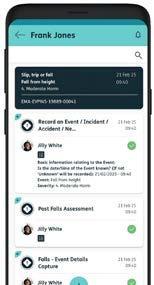
Nourish Safety gives you a holistic, detailed tool to manage incidents, ensure compliance, and focus on what matters most, driving lasting improvements in care quality. It seamlessly integrates with Nourish Better Care to make incident management an intuitive part of daily care and support workflows, turning compliance into a by-product of your processes, rather than a burden upon them.
Nourish Safety equips your service with clear, actionable insights to help you to redefine incidents as opportunities for positive change. This unlocks a new perspective for your staff as they are actively encouraged and empowered to report incidents because they can clearly see the benefits and importance of their actions over time.
We are already seeing incredibly positive results from Nourish Safety users. St Anne’s Community Services have been able to reduce incidents and improve outcomes for people utilising their service thanks to Nourish Safety’s functionality helping them to champion a learning culture throughout their community.
“Nourish Safety helps with our processes and helps keep our team on track with what they need to do, while allowing them to also use the flows and the information to do that learning piece in a way we haven’t been able to before. Previously we were using a mix of excel sheets and online documents. Having it all in one easy to action place is a game changer. It makes admin simple and gives us more time to focus on what matters to us. Once our managers saw Nourish Safety, they became a big driver for its adoption!”

Lyndsay Atkinson-Swales, Director of Operations, St Anne’s Community Services
Nourish Safety is well tuned to the needs of care and support providers and their communities because it was designed with them. Multiple providers contributed to the co-production of the platform, rooting its functionality in lived experience, and reinforcing our tradition of collaboration.
“Something that quickly becomes clear working with Nourish is the fact that they know providers are trying to drive that person centred approach. It’s clear everyone involved wanted to understand how we could build the best solution together. Firstly, for the people we support, but also the best system for staff to use. Previous to Nourish Safety there just wasn’t anything else available that really ticked all the boxes for us, now we’ve helped build it!”
Anna Goscombe, Director of Quality & Therapeutic Services, IBC Healthcare
Nourish technology impacts one million people every day, across an array of services and specialisations. We believe in order to achieve the shifts required of our sector we must build robust digital ecosystems, centred around the lived experience of the people utilising a service. So, we can continue to develop solutions, improve outcomes and build for tomorrow together.
Find out more about working with Nourish as your digital partner, contact us directly today!
023 8000 2288 hello@nourishcare.com nourishcare.com
“Nourish Safety simplifies our workflows and makes it easier for us to share best practice.”
Lyndsay Atkinson-Swales, Director of Operations, St Anne’s Community Services



Take total control of every incident and accident with Nourish Safety. Our platform makes it quick and straightforward to report incidents as they occur in your service. With comprehensive workflows that ensure the most effective response in the moment, and going forward.
Find out how Nourish Safety can help you take control of your incidents and build preventative workflows, book a personalised demo with us on 023 8000 2288 or email hello@nourishcare.com
According to Social Work England, 79% of social workers cite high workloads and burnout as key challenges in the profession. Much of this strain comes from the administrative burden that surrounds it. This is not why practitioners enter the profession, but it shapes their days, limits their capacity and contributes to workforce attrition at a time when stability is more important than ever. So how can AI make a difference?
up time for better care
Custom-built AI tools, like Magic Notes, can instantly record, transcribe and summarise conversations between practitioners and care recipients, significantly reducing the hours spent typing notes. This translates into an average saving of 7 hours per week on general administrative tasks, a 44% reduction per user.
By reducing admin, practitioners can complete more practical work during the day, from processing referrals to ordering equipment and arranging appointments. One practitioner described how the time gained allowed them to “deal with emails from clients, arrange extra care housing, and take phone calls when they came in instead of calling back days later”.
Introducing an AI tool eliminates the need for manual note-taking, allowing practitioners to stay focused and engaged throughout conversations, while accurately capturing every word in the background. In turn, giving practitioners more space to build meaningful relationships with the people they support.
After surveying more than 60 social care teams who use AI tools in their day-to-day workflows, staff reported a 40% improvement in the quality of their conversations. This is in large part because they were able to listen more actively, respond more naturally and create space for the people they support to open up more freely.
Our research shows that reducing admin loads can also result in meaningful improvements in wellbeing, confidence and staff retention. In many cases, AI tools are giving practitioners renewed energy for their jobs. “Writing up documentation used to cause me a lot of stress. It gives me confidence and makes me feel like I can do my job again,” said one practitioner.
For neurodivergent practitioners, switching between listening, writing and processing information can be especially demanding. One practitioner with dyslexia, rheumatoid arthritis and who uses hearing aids, explained that AI had a noticeable impact on their ability to work comfortably and effectively - while creating a more inclusive and sustainable working environment.
Overall, when practitioners are free to focus fully on the person in front of them, the quality of their work improves, as does their wellbeing and professional fulfilment. This, in turn, directly benefits the people and families they support. AI makes that possible.
As one practitioner told us: “I got into frontline work because I wanted to help people, and Magic Notes has freed me up to do more of that face-to-face and less time taking notes and filling out paperwork.”
For more information, please contact Alex Leonard from Magic Notes at alex.l@beam.org or 07907 826492.
Regulations around food safety, nutrition, and health & safety are becoming increasingly complex. For care home managers, catering is an essential part of care delivery that directly impacts resident wellbeing, especially for those with complex dietary needs.
Care home managers already balance workforce challenges, safeguarding responsibilities, regulatory oversight and family engagement. Catering compliance adds another layer of accountability, often sitting alongside an already demanding operational landscape. In this context, collaborative working with specialist catering partners is increasingly viewed as one way of strengthening oversight and reducing pressure, rather than an exercise in delegating responsibility. Behind every meal service sits a range of compliance requirements that must be delivered consistently and evidenced clearly, including:
• Keeping up to date with changes in food legislation and sector guidance
• Operating within robust, ISO-accredited processes
• Embedding food safety and hygiene systems aligned to HACCP principles
• Conducting regular, structured audits to identify and address issues early
• Supporting nutrition and hydration standards, including IDDSI-aligned texture-modified diets and safe management of allergens
• Maintaining clear record-keeping and audit trails
• Ensuring catering staff receive ongoing training and competency assessments
These requirements are essential for safety and quality, yet they demand time and expertise. Experienced contract caterers work within these regulatory frameworks daily, embedding compliant systems, audits and training into routine kitchen practice. By partnering with managers, they bring proven systems, rigorous audits, and advanced staff development that integrate seamlessly with existing care processes.
When delivered effectively, this approach helps ensure documentation and evidence are consistently up to date and readily available, supporting confident engagement with Environmental Health Officers and CQC inspectors. From a governance perspective, this proactive approach can reduce the likelihood

of issues escalating into inspection findings or safeguarding concerns. It also supports wider expectations around quality assurance and risk management within care settings.
Importantly, working with a specialist catering provider is not about relinquishing control. When governance arrangements are clear, catering partnerships complement the skills of care home managers and teams, aligning operational practice with regulatory and resident-focused expectations. Rather than operating in isolation, catering becomes part of a more joined-up approach to quality and safety.
As expectations across the care sector continue to rise, and operational demands grow, many providers are reflecting on how compliance responsibilities can be managed sustainably. In catering, specialist support can offer greater consistency and assurance, reducing the compliance burden on managers and allowing greater focus on workforce development and resident experience.
Ultimately, connecting catering compliance more closely with the wider care agenda is not about outsourcing accountability, but about strengthening systems, reducing risk and supporting high-quality care over the long term.
Outsourcing catering isn’t just about meals; it’s about peace of mind. It’s about connecting compliance with care, ensuring residents’ health and satisfaction remain at the heart of every decision. If you're looking to connect compliance with confidence, deliver safe, regulated, and stress-free catering in your care home, contact our team at Connect today:
01491 826000 | sales@connectcatering.co.uk www.connectcatering.co.uk
By Fiona Hale, Managing Director, CoolCare
If the previous era of social care was defined by endurance, the current landscape is shaped by precision. Faced with rising operational costs and the mounting demands of an evolving regulatory framework, care providers are operating with narrower margins for error than ever before. The sector is responding with smarter systems and sharper insights, marking a decisive shift toward realtime, data-led management.
While the digitalisation of care records was the first step, real progress comes when those systems generate live operational insight. The focus is no longer just on collecting data but on using it in the moment. Across staffing, finance, occupancy and compliance, live data is helping care homes respond faster, perform better and build resilience into their daily operations.
Turning reactive operations into real-time action
Data once sat in spreadsheets, reviewed days or weeks later. In a fast-moving care environment, that delay can be costly. Now, live data enables managers to lead in real time. Whether responding to staffing shortfalls, occupancy dips or missed enquiries, teams can act immediately. When homes stop using data to look backward and start using it to lead forward, the results are transformative.
Digital invoicing tools have redefined financial workflows. Absence credits are applied automatically, fee uplifts tracked live and extras logged directly against resident records. This means one finance lead can manage billing across multiple sites with greater speed and accuracy. Homes using these tools see faster reconciliation and improved control over income, enabling better planning – even in uncertain markets.
Insight-driven occupancy
Occupancy remains vital, but how it’s managed has evolved. Real-time enquiry tracking and CRM tools give homes a full view of their pipeline. By knowing exactly when a prospect was last contacted and what action is due, providers see faster follow-ups and improved fill rates. Shared dashboards mean smoother transitions from enquiry to admission and a
better experience for families. Smarter staffing, reduced agency use Staffing remains one of the sector’s biggest challenges. Digital rostering allows managers to see availability and pressure points instantly, enabling proactive planning.
Bank staff provide care homes with a flexible, inhouse solution to cover shifts, reducing agency reliance and ensuring continuity of care. By using trusted team members and digital scheduling tools, homes can streamline coordination, cut costs, and save valuable admin time – boosting both efficiency and care quality.
Strategic leadership through visibility
Real-time data has become more than an operational tool – it’s a strategic advantage. Occupancy trends, staffing gaps and financial data are no longer buried in reports, they’re surfaced on dashboards and ready for action.
This visibility allows care leaders to lead strategically, not just manage reactively. The most resilient providers aren’t just digital, they are data-led. With live insights at their fingertips, they are delivering consistently high standards of care while protecting long-term sustainability.
For more information on CoolCare, visit www. coolcare.co.uk or call 01133 853 853.

In the world of social care, quality tends to be the driving force behind what a family is looking for when finding a home for their loved ones, but for many care providers UKwide, their quality rating is often the very thing that lets them down.
This is usually down to the reliance on static reports from years previous. Since a report was last published, a home may have undergone a total transformation. New management may have gone in, facilities improved, and other issues that previously brought their score down may have been resolved. Yet, to a family searching online for care today, that home is still defined by an outdated score, and so the family skips past them completely.
Just like a low score, a high score from five years ago can also be misleading. It might mask a decline in standards since it was given, which creates a false sense of security for families and an uneven playing field for providers. In each scenario, the public-facing score remains frozen in time, while the reality has since changed. To move forward, it’s imperative that we bridge the gap between these historical snapshots and the current reality. This is the mission behind OpenScore: the UK’s first real-time care quality map.
At OpenScore, we believe that transparency should be the standard. We’ve aggregated over 65 indicators, including regulator ratings, live reviews, and dining choices. We take this information and generate a dynamic rating out of ten, meaning that for
the first time ever, improvements made by a provider today can be reflected in their score almost immediately.
OpenScore allows the care sector to move away from the "luck of the draw" regarding inspection dates and empowers providers to showcase their up-to-date standards. This gives families the information they truly need to make those all-important, life-changing decisions with the utmost confidence.
There are several ways you can benefit from OpenScore. By searching our map for live ratings, embedding the widget on your own website, or showcasing your score directly on your Autumna profile.
Anyone seeking care deserves access to the truth, and every provider working to deliver excellence deserves that excellence to be seen by all.
Find out more about OpenScore and view the live map here: Insight into local care homes
The care sector relies heavily on trust and responsibility – which is why background checks are so important during the hiring process.
Our dedicated partners over at uCheck are here to shed some light on the evolving landscape of background checks, and what you can do to stay up to date and compliant.
Background checks in care today
There are several steps and checks to get through before someone can be hired in the care industry, including:
• Right to Work checks: A legal requirement for anyone looking to work in the UK
• DBS checks: Anyone working directly with vulnerable adults (in what is known as regulated activity) is required to undergo an Enhanced DBS check with a Barred Lists check
• Social media checks: Helps provide more information on the character of an applicant –one study reported that 21% of their interviewed recruiters admitted to “rejecting a candidate after looking them up on Facebook”
How the checking landscape is evolving
The background screening landscape is always changing and updating. Just last year, the DBS updated its manual identity checking guidance, creating a more streamlined route for UK and non-UK applicants with a single checking process.
We’re also seeing more AI being used in background checks, helping to:
• Speed up verification with facial recognition and biometrics
• Ensure fairness by removing human bias from the hiring process
• Create a better candidate experience
However, it’s important to monitor AI usage carefully, as it’s not without risks. These can include:
• Data and privacy issues
• The ethics of algorithms
• Machine-learned bias
But the introduction of AI also makes it easier for candidates to commit fraud, faking documents or images easily. Hiring managers must be on their guard to ensure security and safety when screening

candidates, and make sure people are who they say they are.
The care sector is exceptionally busy, but challenged by understaffing and long work hours, leading to the temptation to cut corners. However, this can lead to serious consequences, like:
• Risks to vulnerable people
• Legal and compliance issues
• Reputational damage
Throughout the next year, make sure to lock down your hiring processes by practicing consistent habits that make background checks easier to manage. This includes:
• Establishing clear screening policies
• Completing role-appropriate checks
• Setting timelines for re-screening employees
• Using trusted screening partners
Our partners over at uCheck provide fast, reliable, and easy-to-use screening services, supported by the security of ISO 27001 certification.
As a Care England member, you can register for free on the uCheck platform (saving you more than £50!) and get lifetime access to our online portal. Simply visit here and use the code ‘CAREENGLANDFREE’ at checkout. Already registered? Click here to start your next check.
For more information on how the hiring landscape is changing, read our full blog here.



a
e a n d e v o l u t i o n i n
l a n d s c a p e a n d c h a l l e n g e s , a n d d r i v e t h e f i e l d f o r w a r d .




T h e A s s o c i a t i o n f o r C o n t i n e n c e P r o f e s s i o n a l s i s p r o u d t o i n v i t e y o u t o o u r
Bladder and Bowel Nurses
Bladder and Bowel Nurses
Urology Nurses
Urology Nurses
Doctors
Doctors
Specialist
Nurses
Specialist Nurses

c o n t i n e n c e c a r e . H o n o u r i n g 4 5 y e a r s o f d e d i c a t i o n t o t h e f i e l d , w e w i l l
c o m e t o g e t h e r t o r e f l e c t o n o u r r i c h h e r i t a g e , c o l l a b o r a t e o n t h e c u r r e n t





Physiotherapists and Occupational Therapists
Physiotherapists and Occupational Therapists
All allied healthcare professionals
All allied healthcare professionals
While we await the Casey Commission’s medium-term recommendations, due later this year, the pressure on social care delivery continues to grow. Whether its workforce pressures, such as the creation of the Adult Specialist Care Negotiating Body to establish binding fair pay agreements, the accessibility of the UK to an overseas workforce, how technology is improving care and communication, or how the industry can move forward with uncertainty around the funding cap, the problems are converging and, it seems, the sector is understandably frustrated. Additionally, better integration with health systems will soon become an expectation, as the NHS looks to remould itself in light of the NHS 10-Year Health Plan, which includes more community-centred care. Yet for many leaders across local authorities, providers and sector partners, the central challenge remains the same; how do we deliver meaningful change at pace, with finite resources, fragmented accountability and rising demand?
There is, however, reason for hope.
Conversations LaingBuisson is having with executives and leaders across the sector show there is a huge appetite for innovation and solutions-focused investment. Social Care Summit 2026 is where we will pull all those conversations together. We know the backdrop is difficult, but with the focus on solutions rather than re-exploring and restating the problems we’re all aware of, we want to showcase and bring together expert opinion and data-led analysis to nurture the pockets of passion and enthusiasm.
Social Care Summit 2026, hosted by LaingBuisson Events, is designed to address
this problem. Its core solution is focus. Rather than revisiting the case for reform, the Summit, happening in June in London, concentrates on what implementation looks like now and what must change next. It brings senior decision-makers into the same room to work through shared challenges with evidence, realism and pace.
The Summit will address three critical issues:
• First, it creates clarity. Grounding discussions in financial, workforce and operational data will help leaders understand the implications of policy changes for their organisations and local systems.
• Second, it enables delivery. Case-based discussions and structured Q&As are designed to produce vibrant crosssector solutions.
• Third, it builds alignment. By convening commissioners, providers, investors and innovators together, the Summit supports collaboration.
At a time when social care risks being trapped between reform ambition and operational reality, Social Care Summit 2026 offers a route forward. It does not claim to solve every challenge facing the sector. Instead, it provides something more valuable: a shared, practical space to turn policy into action, complexity into clarity and pressure into progress.
For further information and support on attending, speaking or partnering at Social Care Summit 2026, contact LaingBuisson Events or visit the events website at www.laingbuissonevents.com.
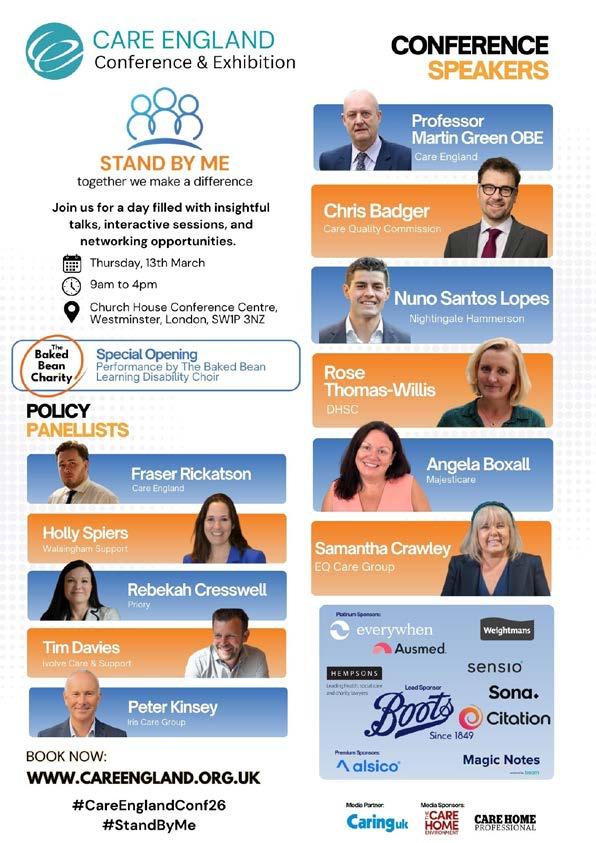
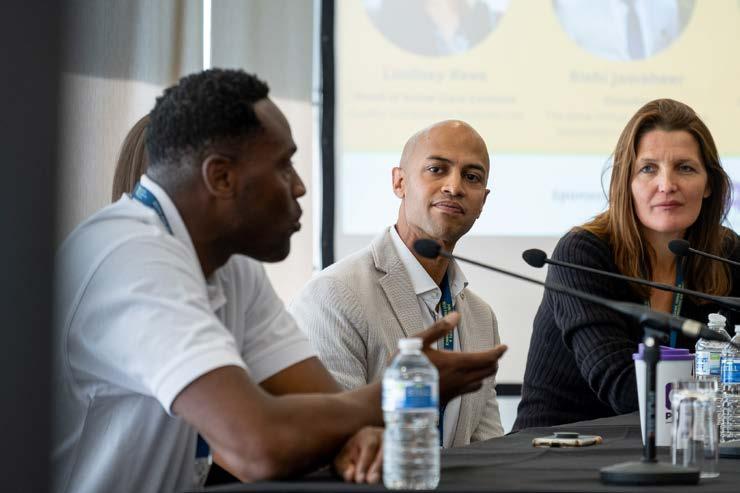
Why should you attend?
Connect and learn with your regional community across residential and domiciliary care, alongside the wider social care sector.
Free CPD seminars tackling challenges and finding solutions. Meet new suppliers, test their products and access discounts. Support with policy, regulation and inspections
Find Out More:
North West, Liverpool,12 May 2026
Midlands, Birmingham,14 May 2026