Your impact lives inside every family’s story…
Your impact lives inside every family’s story…
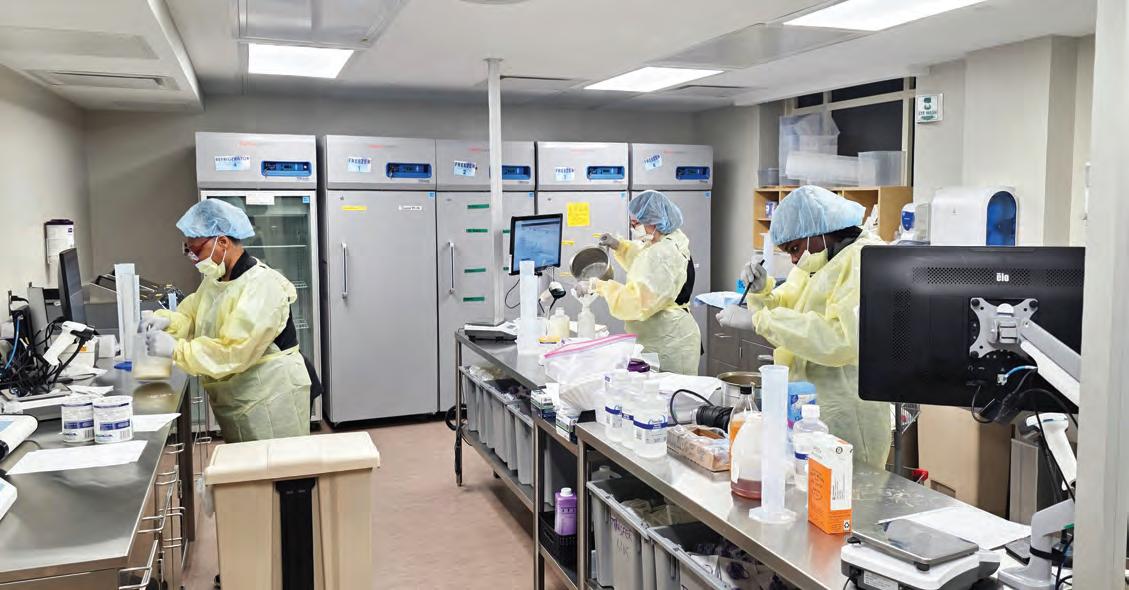
Before the Orthwein Center for Infant and Child Nutrition existed, breast milk and formula were prepared in clean but non‑sterile settings, often at the bedside or in the hospital kitchen. For the tiniest and most medically fragile infants in our Level IV NICU, this made the already delicate work of nutrition even more challenging, as nurses balanced feeding preparation with caring for multiple babies. But donors changed this. Your generosity created a dedicated, state‑of‑the‑art nutrition lab where every feeding is prepared with exceptional precision, safety, and consistency — the level of care our most vulnerable infants require to grow and heal.
Today, Clinical Dietitian Emily Sims and her team of 12 milk technicians work inside the controlled nutrition lab, ensuring the highest standards of sanitation and accuracy for every feeding. “We now have a dedicated team whose sole focus is preparing the safest feedings possible,” Emily said. “It allows nurses to return their full attention to bedside care.”
Thousands of individualized feedings are precisely measured each day, with multiple syringes prepared for each infant’s 24-hour nutritional plan. This process significantly reduces waste; instead of formula being delivered in a single bottle for the entire day, individualized syringes ensure only what’s needed is used. All feedings are tracked through software to ensure each baby receives the correct milk and that it is safe, unexpired, and not subject to any recalls.
In the new hospital, the center will move to the fifth floor next to the NICU. Currently, the center is located on a completely different floor, so parents give milk to nurses in the NICU, who refrigerate it until a milk technician can retrieve it. Soon, parents will be able to bring milk directly to a NICU drop‑off point, eliminating steps and ensuring fresher milk is used quickly. The new center will also include additional workstations — an upgrade from the three available now — and dedicated storage for powdered formula, syringes, and bottles. Currently, these items are stored in another department, requiring staff to make multiple trips each day to gather supplies.
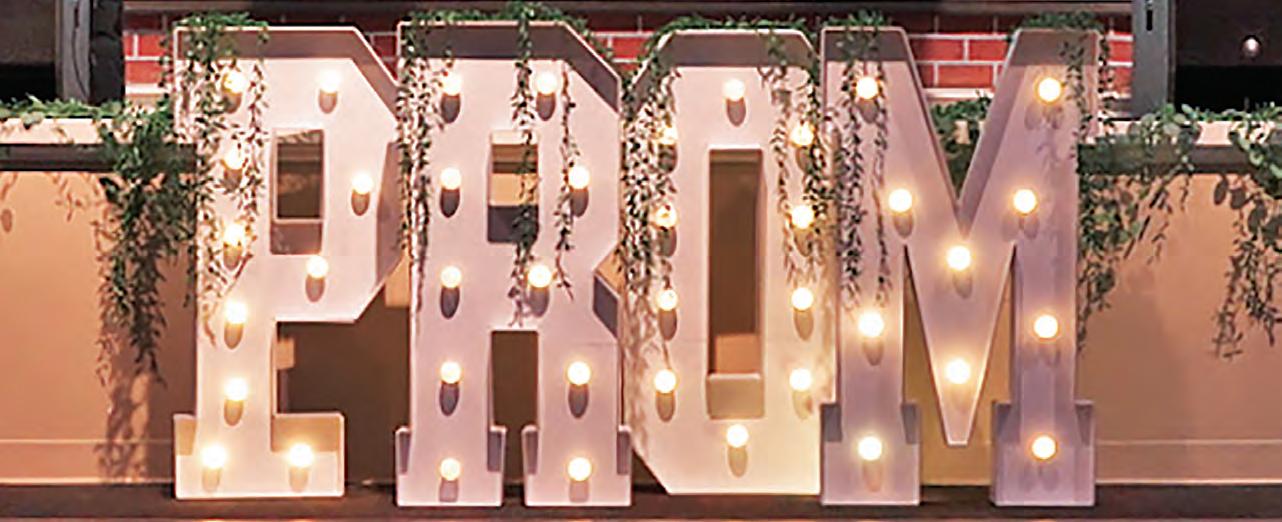
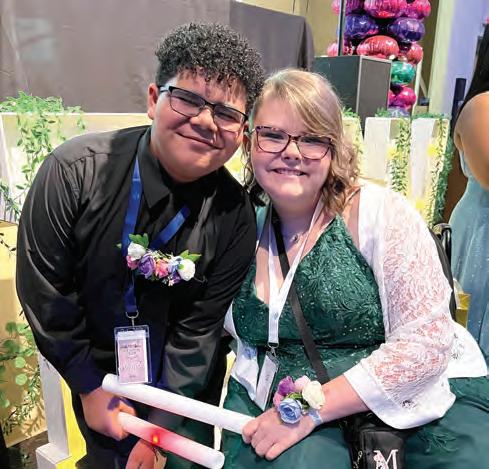
In April 2025, Child Life Services brought a long awaited dream to life by hosting the first-ever Glennon Prom at SSM Health Cardinal Glennon Children’s Hospital.
After years of planning and a pandemic pause, Glennon Prom finally became a reality an evening filled with joy, laughter, and hope for our teen patients. The mission was simple yet profound: to give every teen the chance to experience the magic of prom, no matter the medical challenges they face. For many, illness or hospitalization would have kept them from attending their own school prom, but Glennon Prom changed that.
From the moment patients arrived at the hospital’s main entrance, they were warmly welcomed by the Child Life Services team and guided to the event space. Professional volunteers provided hair and makeup services, and teens chose custom jewelry crafted on-site. Once dressed, they walked a red carpet lined with lush greenery into the Danis Auditorium, transformed into a stunning “Secret Garden” to match the night’s theme.
Families enjoyed a parent lounge with a live video feed, staying connected while giving teens their special moment. The evening featured a photo booth, caricature artist, delicious food, and a lively dance floor that kept spirits high.
Events like Glennon Prom are made possible by the Foundation’s critical support for the Child Life program, thanks to the generosity of our donors. This funding gives Child Life the resources to create moments of healing that go far beyond medicine, reminding our teens that milestones still matter and that they are more than their diagnoses.

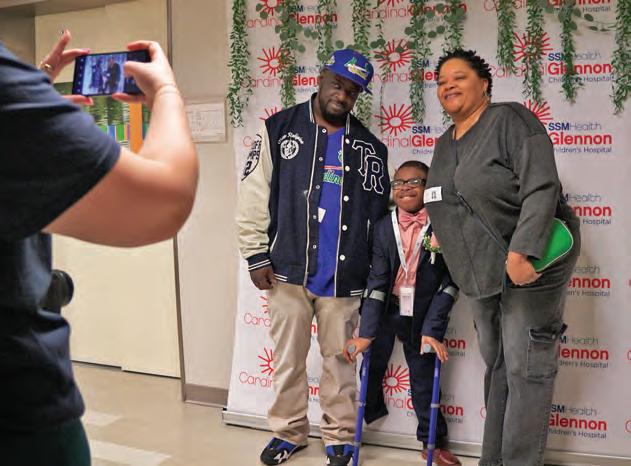

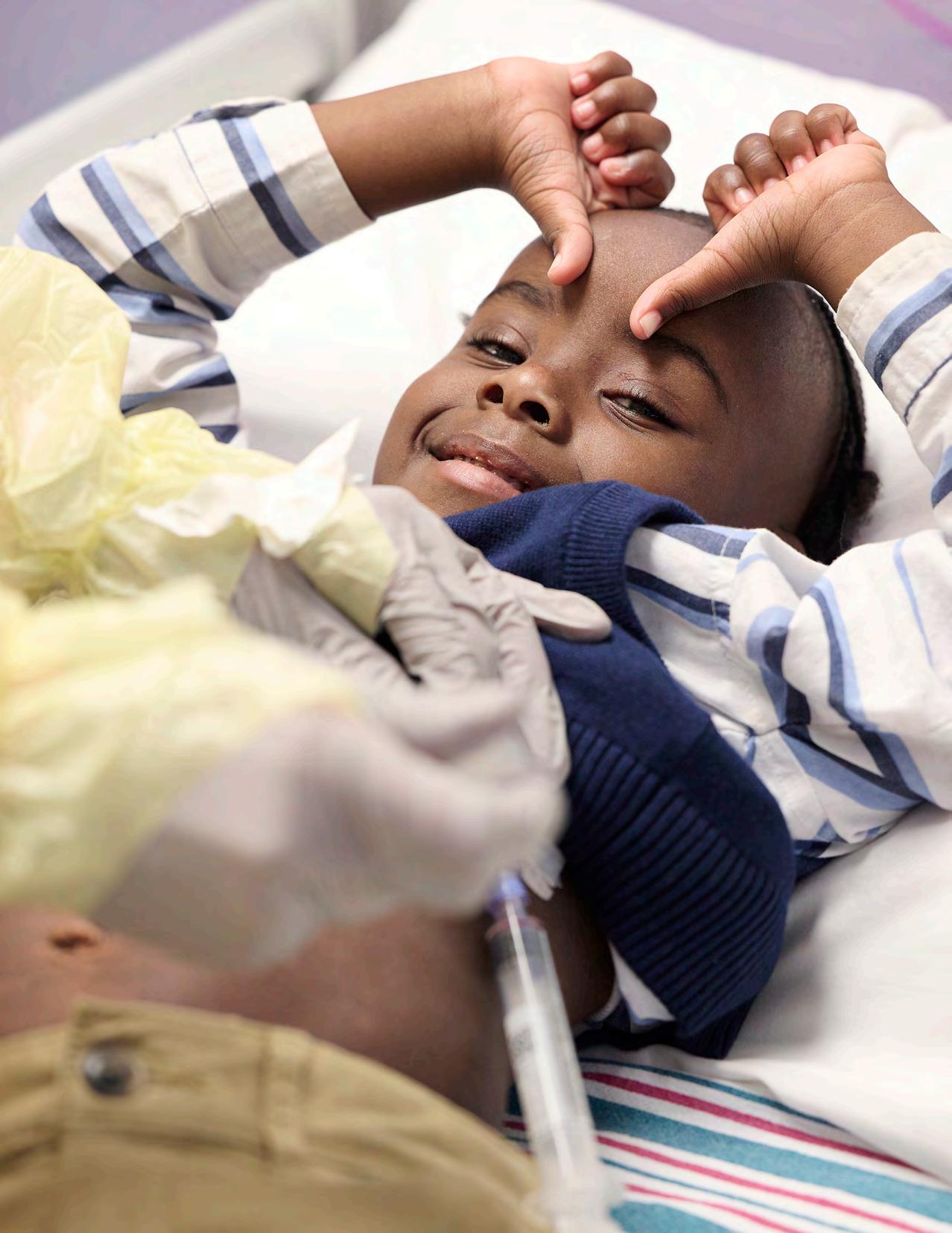
For many children living with kidney disease, daily life revolves around treatment. Some spend several days a week connected to a dialysis machine for hours at a time. Others complete dialysis every night at home and wake up already burdened by fluid restrictions, hypertension, injections, and lengthy medication routines. Fatigue is constant, school becomes harder, and body-image concerns or bullying often surface during an already vulnerable time.
Parents carry a heavy load too, balancing work and transportation, managing appointments, and navigating financial strain.
That’s why Camp Okawehna is essential.
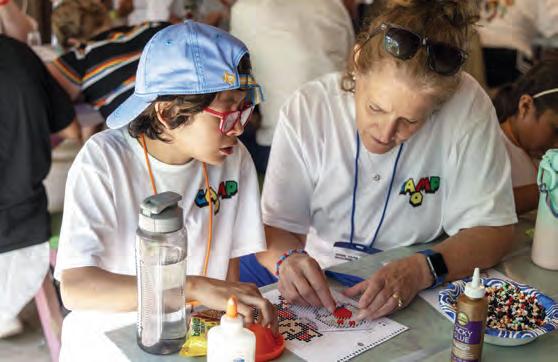
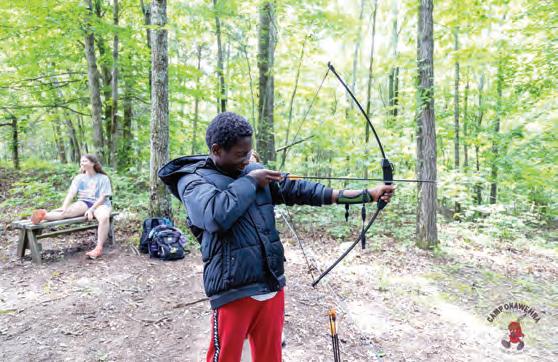
“Camp O” is designed entirely around what a child with kidney disease needs — medically and emotionally. Treatments continue, but they’re thoughtfully scheduled so every camper can fully
participate in the magic of camp: the dance, the bonfire, the crafts, the friendships. “Here, they aren’t kids who have to leave early or sit out,” says Amanda Mattler, manager of Dialysis, Nephrology, Urology and Sleep Lab at SSM Health Cardinal Glennon Children’s Hospital. “They’re surrounded by peers who understand them without explanation.”
For parents, Camp O offers something rare: rest. They know the nurses traveling with their children are trusted caregivers from Cardinal Glennon, giving families a chance to breathe.
Because of you, Camp O is fully funded for our families — from tuition and transportation to unexpected essentials like sturdy shoes or clothing a child feels confident wearing to the dance. For families already stretching to cover medication copays or the electric bill for at‑home dialysis, camp isn’t a luxury. It’s vital to emotional well‑being and healthy development.
In the new hospital, Floor 6 will support both outpatient and inpatient dialysis expanding capacity from four bays to ten bays and adding two isolation rooms. The space will offer more privacy and reduced noise, benefiting patients with autism, sensory sensitivities, or any child who needs a calmer environment. Each semi private bay will provide space for families to sit alongside their loved ones, bringing comfort and connection during often lengthy treatments.
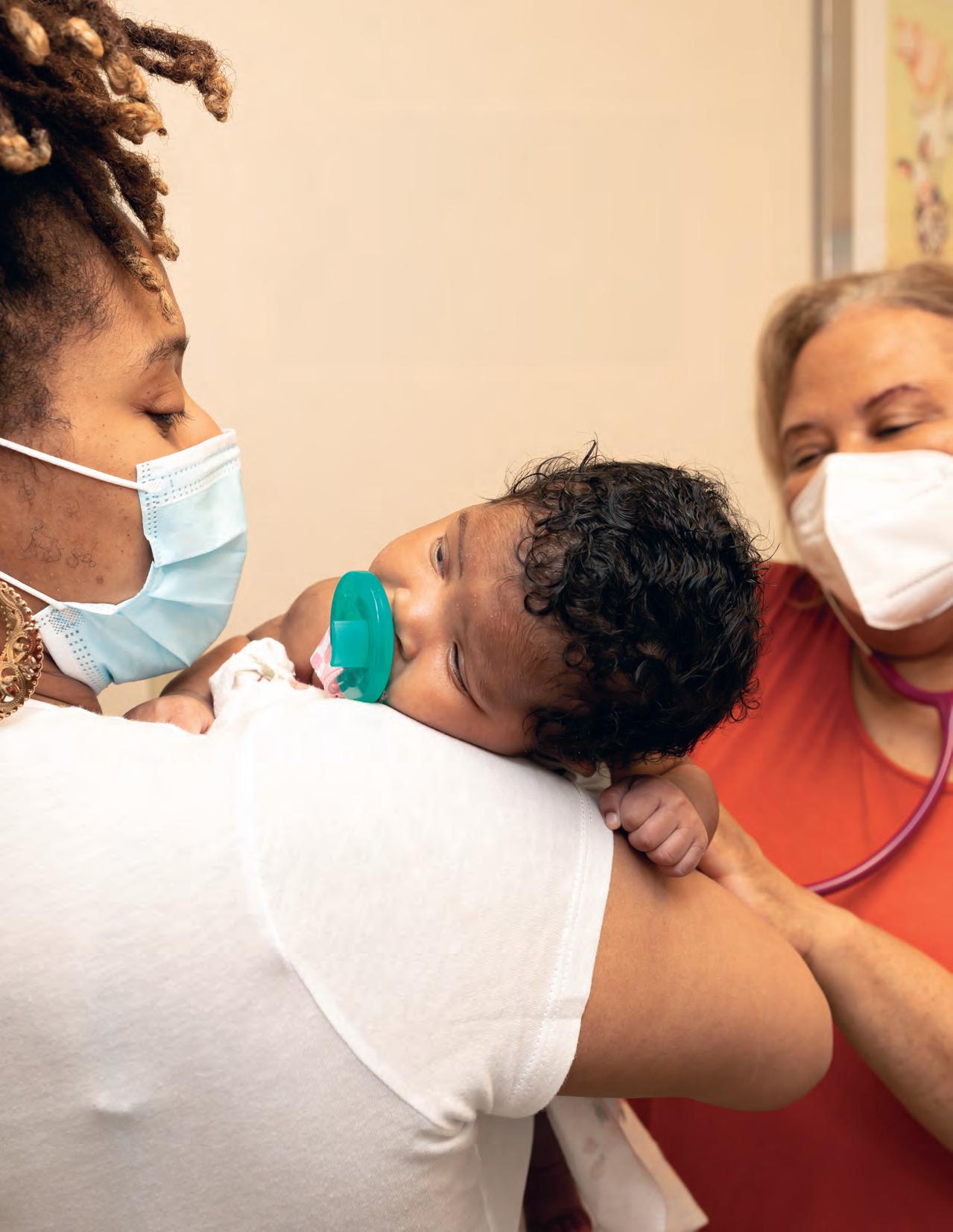


Families in North County now have access to vital resources that make daily life safer and far less stressful. Danis CARES (Connection and Resource Equity Services) — an existing assistance program — expanded to SSM Health Medical Group’s pediatric specialty center in Ferguson, Missouri, a community where many families are uninsured, and thousands rely on Medicaid.
The CARES program supports qualifying families by providing essential resources at no cost — including meal kits, diapers, wipes, menstrual supplies, and winter jackets — so parents don’t have to choose between feeding their families and meeting other basic needs. One parent described the impact best: ‘Having access to these resources meant I didn’t have to choose between buying groceries and other essentials. It was a relief to know someone cared.’
Your support makes the CARES program possible. Every meal kit delivered and every essential item provided reflects compassion and a commitment to equity. Together, they help families overcome barriers tied to the social determinants of health and strengthen our community. With your continued partnership, we can not only sustain Danis CARES but also expand it to reach even more families who need help.
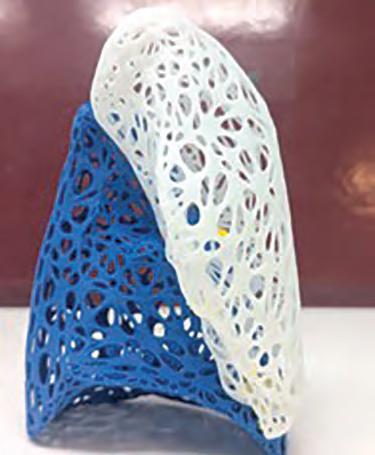
In 2025, we welcomed a transformational addition to our 3D Printing Center of Excellence ‑ the Bambu H2D with AMS Pro.
For a 16-year-old patient with a lung nodule, our 3D printing engineers used the new printer to make a life-size, high-resolution 3D model of the patient’s left lung. The model helped the surgery team clearly see where the nodule was located and how close it was to important airways and healthy lung tissue. This information was extremely helpful as the team prepared for a video-assisted thoracotomy (VATS). It allowed them to plan the safest path for surgery, remove as little healthy tissue as possible, and strategize this patient’s port placement for eventual chemotherapy.
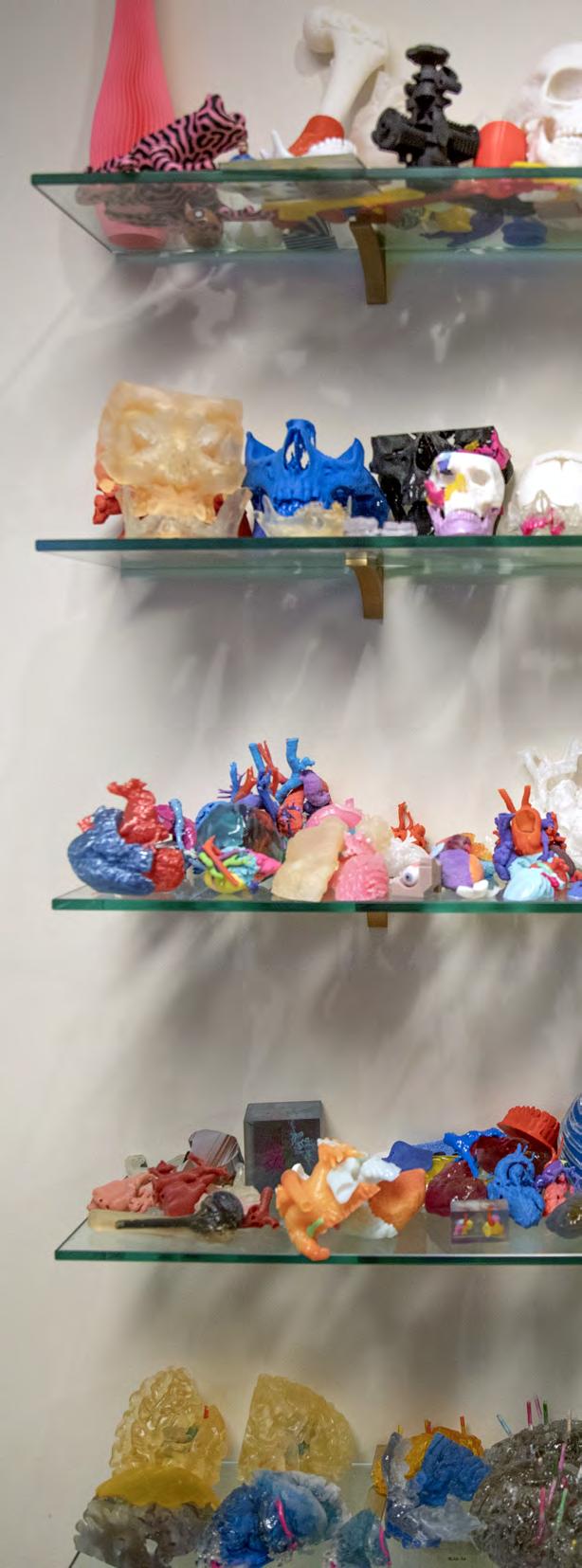
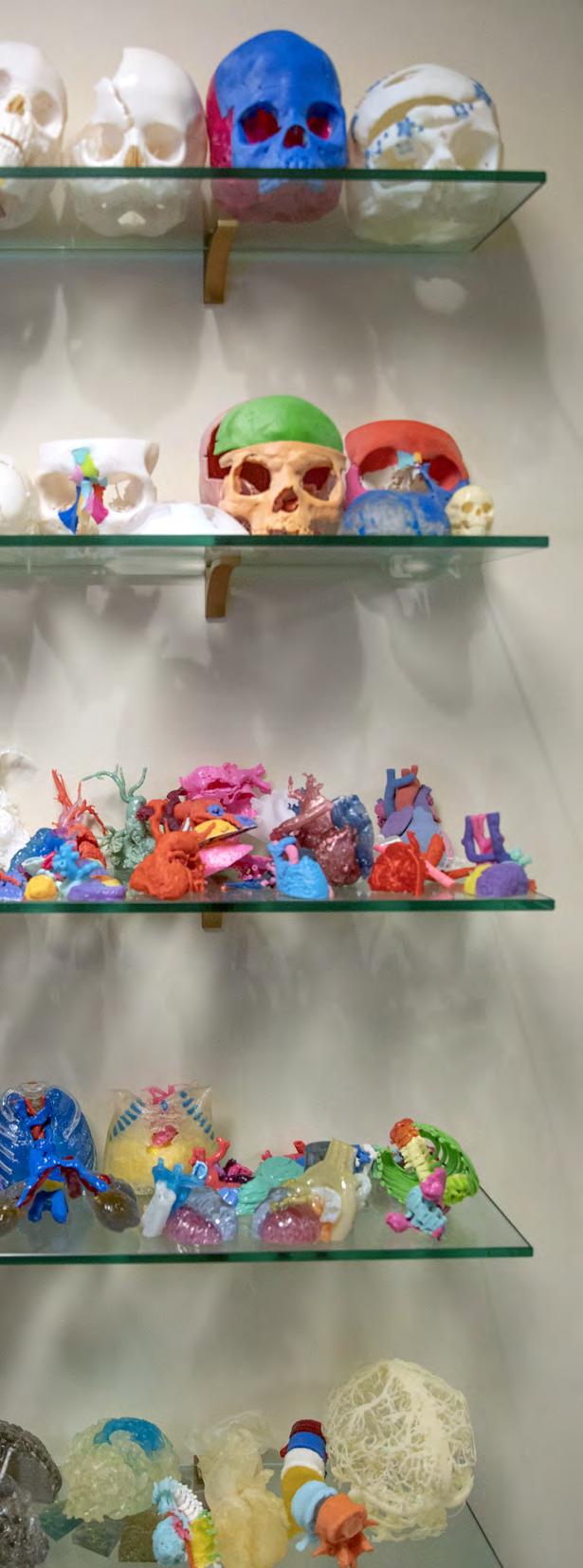
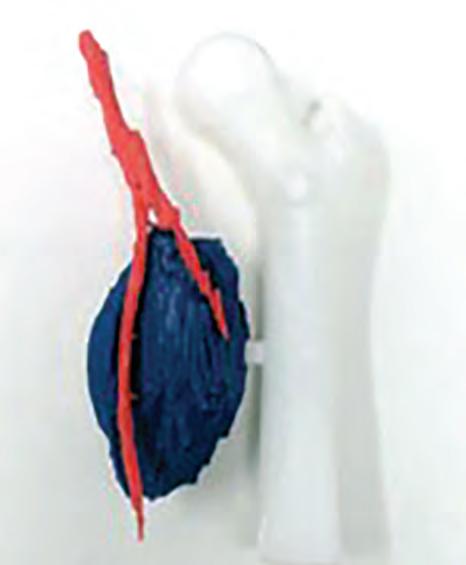
In another case, for a 14-year-old patient with a tumor in the thigh, the engineers created a combined model showing both the bone and the tumor. The model also showed how close the tumor was to major blood vessels. This helped surgeons plan the safest way to remove the tumor and protect important structures. The final multicolor model was produced all at once on the large-format printer, with all anatomy parts printed simultaneously. It took less than four hours to finish, making it a fast and highly useful tool for planning surgery.
“Thanks to the generosity of our donors, we are able to print larger, multicolor and multi‑material models in a single, uninterrupted job. This makes our work more efficient, reduces waste, shortens the time it takes to finish a model, and makes it easier to create complex designs without printing multiple pieces. We will definitely see the impact with our expanding adult congenital heart population, cardiac cases, craniomaxillofacial, general surgery, and orthopedic populations, just to name a few. We have also been able to produce models for our adult care ministries.”
- Stanley Dsa | 3D Printing Engineer
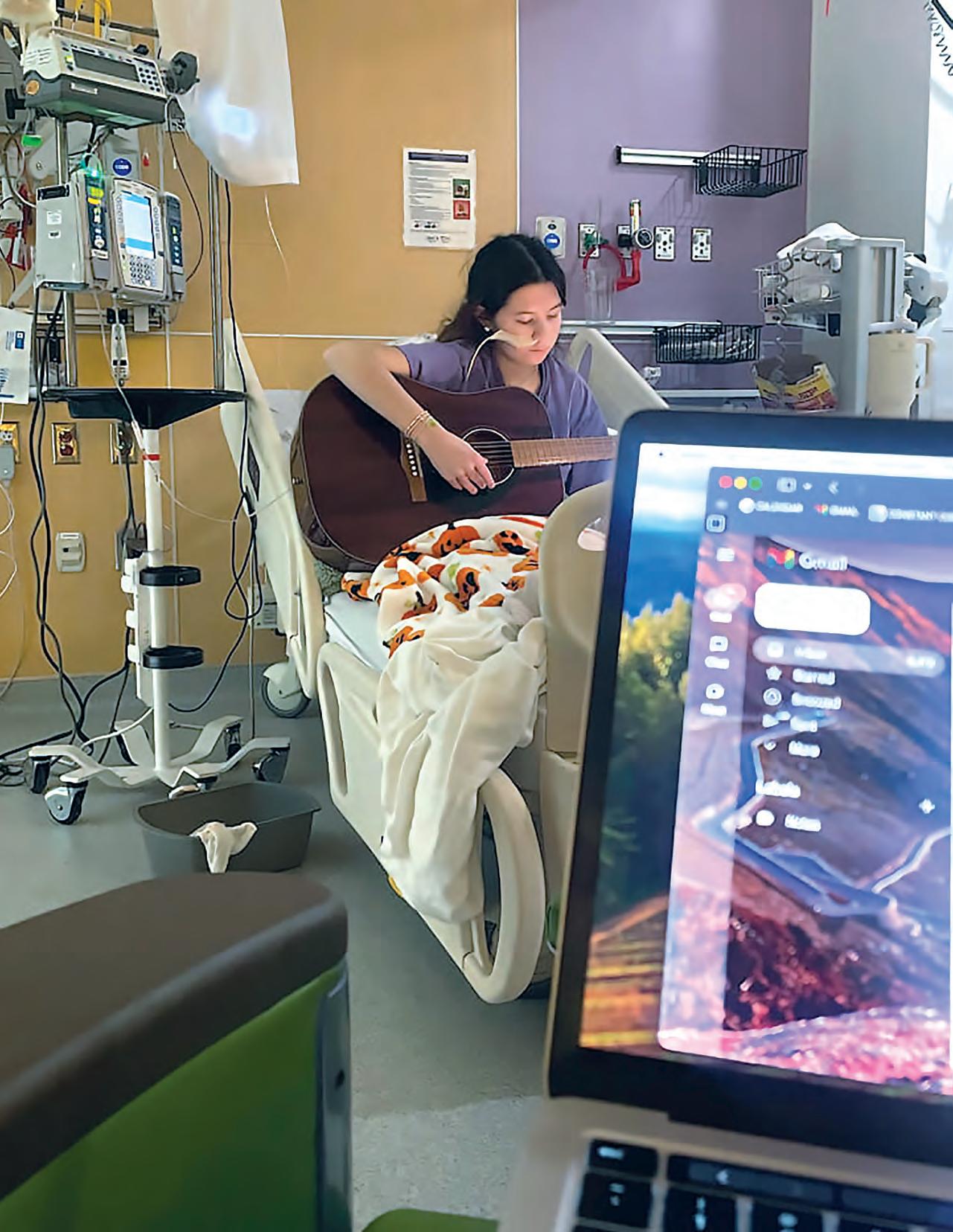
For many years during her early and middle childhood, Olive battled health challenges no one could explain. Severe food aversions, constant stomach pain, and anxiety around eating led to diagnoses including ARFID (Avoidant/Restrictive Food Intake Disorder), EDS (Ehlers-Danlos Syndrome), and POTS (Postural Orthostatic Tachycardia Syndrome). By high school, her health had spiraled.
Once an active and accomplished student — dancing five days a week at St. Louis Academy of Dance and involved in multiple extracurricular activities — Olive began fainting during her menstrual cycles, losing weight rapidly, and eventually requiring a wheelchair. At one point, she was so malnourished she could not tolerate drinking water and required a feeding tube during a month-long hospitalization.
Her family searched tirelessly for answers, consulting local specialists and traveling to top hospitals across the country — desperate for care that addressed the full complexity of her condition.
Everything changed when Olive’s mother found Dr. Cynthia Morris, pediatric neurologist and dysautonomia specialist at SSM Health Cardinal Glennon Children’s Hospital. For the first time, the family felt heard. Dr. Morris referred Olive to Dr. Aniruddh Setya, pediatric gastroenterologist and Medical Director of the IMAGINE program (Integrative Medicine Addressing Gastrointestinal Needs with Evidence) at SSM Health Cardinal Glennon Children’s Hospital.
Dr. Setya founded IMAGINE on a simple but transformative principle: gut health does not exist in a silo. Digestive illness is shaped by nutrition, emotional well-being, sleep, daily rhythms, family dynamics, social relationships, and the intricate mind–body connection.
Rooted in the core principles of integrative medicine, IMAGINE blends the rigor of evidencebased medicine with thoughtfully applied complementary therapies to treat the whole child and address the underlying drivers of disease — not just symptoms.
Olive was cared for by this full multidisciplinary team, including a social worker and dietitian, who created a personalized roadmap to healing. Central to this comprehensive model is Dr. Gillian Mayersohn, a board-certified pediatric psychologist (ABPP) and Director of Psychology for IMAGINE. Recognizing the powerful bidirectional connection between the brain and the gut, Dr. Mayersohn collaborates closely with Dr. Setya and the medical team to address the psychological dimensions of digestive disease.
Olive’s personalized treatment plan included targeted medications, carefully selected supplements, dietary modifications, acupuncture to regulate her nervous system, and integrative mind–body therapies. Families in the IMAGINE program learn sustainable tools — from breathing techniques to safe, evidence-based herbal support — that extend beyond the clinic and foster long-term resilience.
The results were transformative. Olive regained her strength, left her wheelchair behind, returned to school full time, and earned her driver’s license — a milestone her family once feared she would never reach.
Today, the IMAGINE program at Cardinal Glennon is one of only seven integrative pediatric gastroenterology programs in the nation. It exists because of Dr. Setya’s long standing vision to redefine how children with complex digestive disorders are treated — and because of the generosity of donors whose support makes this comprehensive, innovative model of care possible.
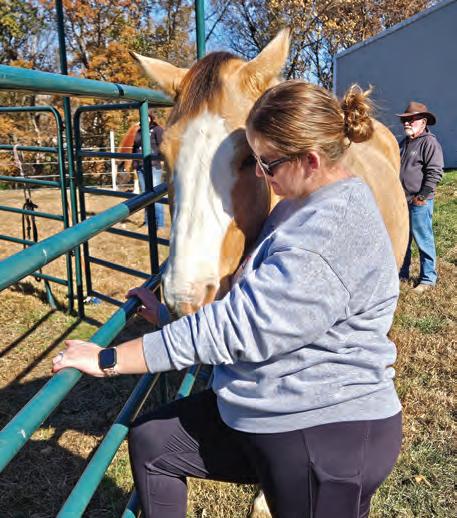
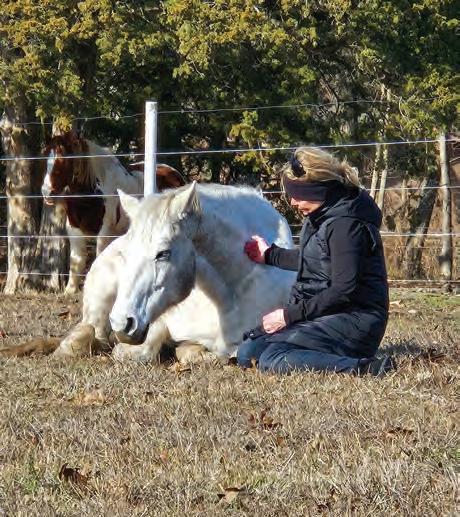
Caring for the people who care for others is essential. Thanks to your generosity, our Care for Caregivers program — funded entirely by donor support — continues to be a lifeline for the dedicated professionals who serve children and families every day. And last year, your support made something truly extraordinary possible: Recover with Presence – an equine assisted workshop series that reminds caregivers they’re not alone in the weight they carry.
This innovative, experiential learning opportunity is designed to help caregivers manage stress, build resilience, and reconnect with their sense of purpose. These workshops take place in nature, where participants work with horses — highly attuned animals that respond to human intention and emotion. This unique experience teaches mindfulness, emotional regulation and nonverbal communication skills, which help caregivers navigate stressful situations and support their overall wellbeing.
During the workshop, participants talk openly about trauma and trauma-informed interactions, including secondary traumatic stress, trauma exposure, and burnout. By naming what caregivers experience, we reduce stigma and normalize sharing, so people don’t feel alone. We acknowledge that this work can contribute to or lead to PTSD and we approach that conversation directly with compassion and practical tools for support.
Because of you, nineteen caregivers participated in four pilot sessions in 2025, gaining access to an environment that fostered reflection, learning, and healing. Throughout the workshop, caregivers practiced presence. They left feeling renewed and equipped with practical tools to prevent burnout and strengthen emotional resilience — tools that help them continue showing up with compassion and clarity for the children and families they serve.
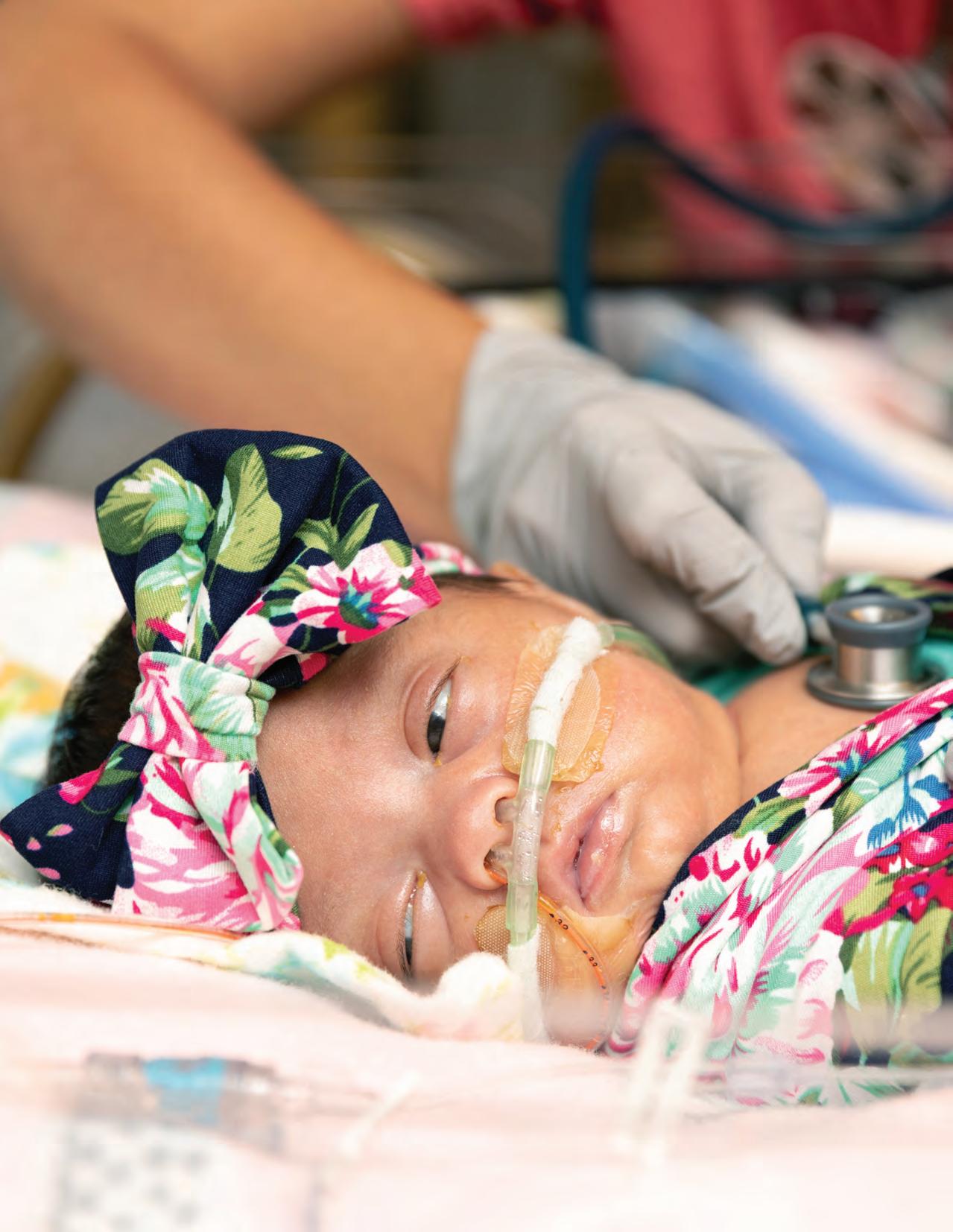

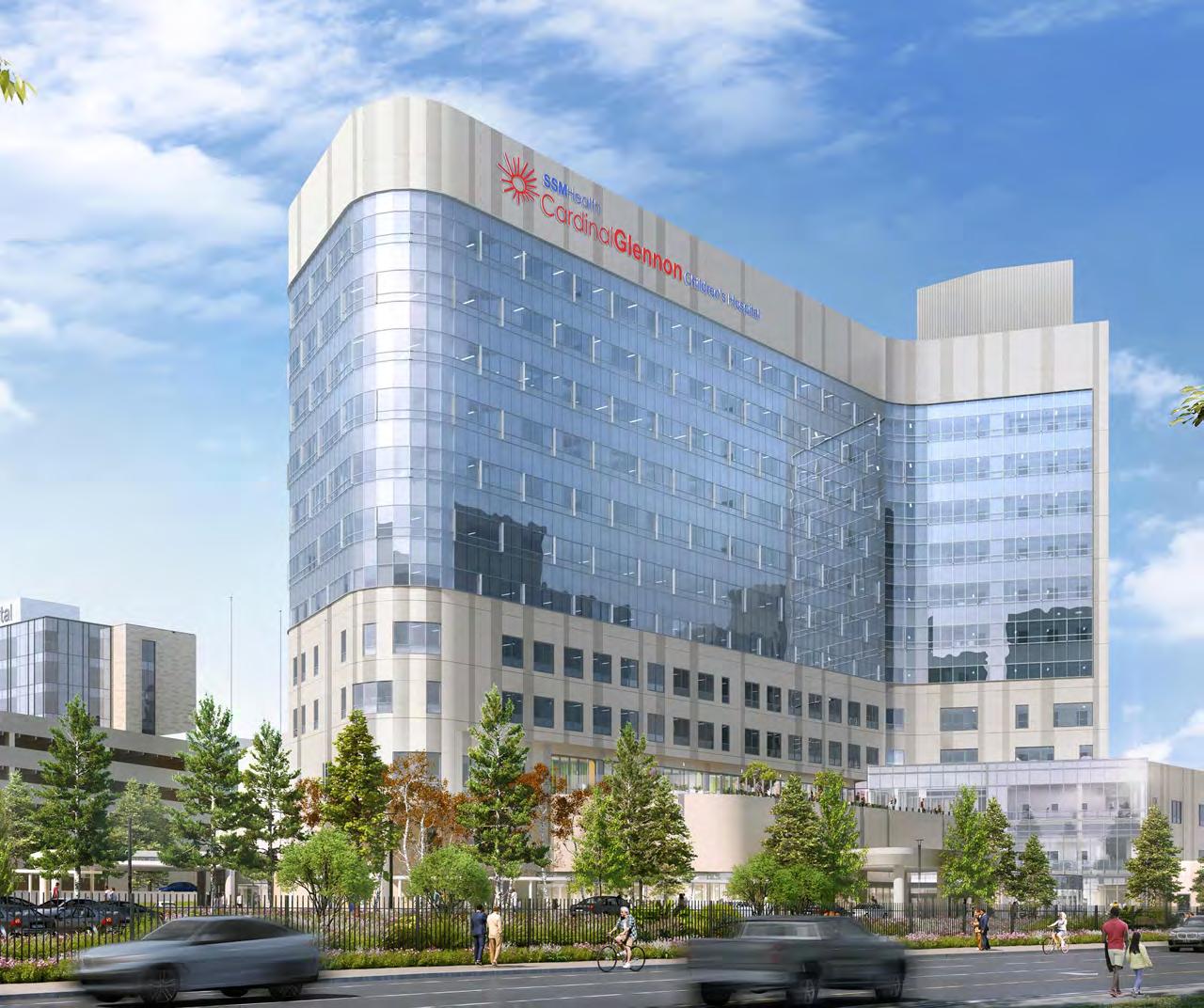
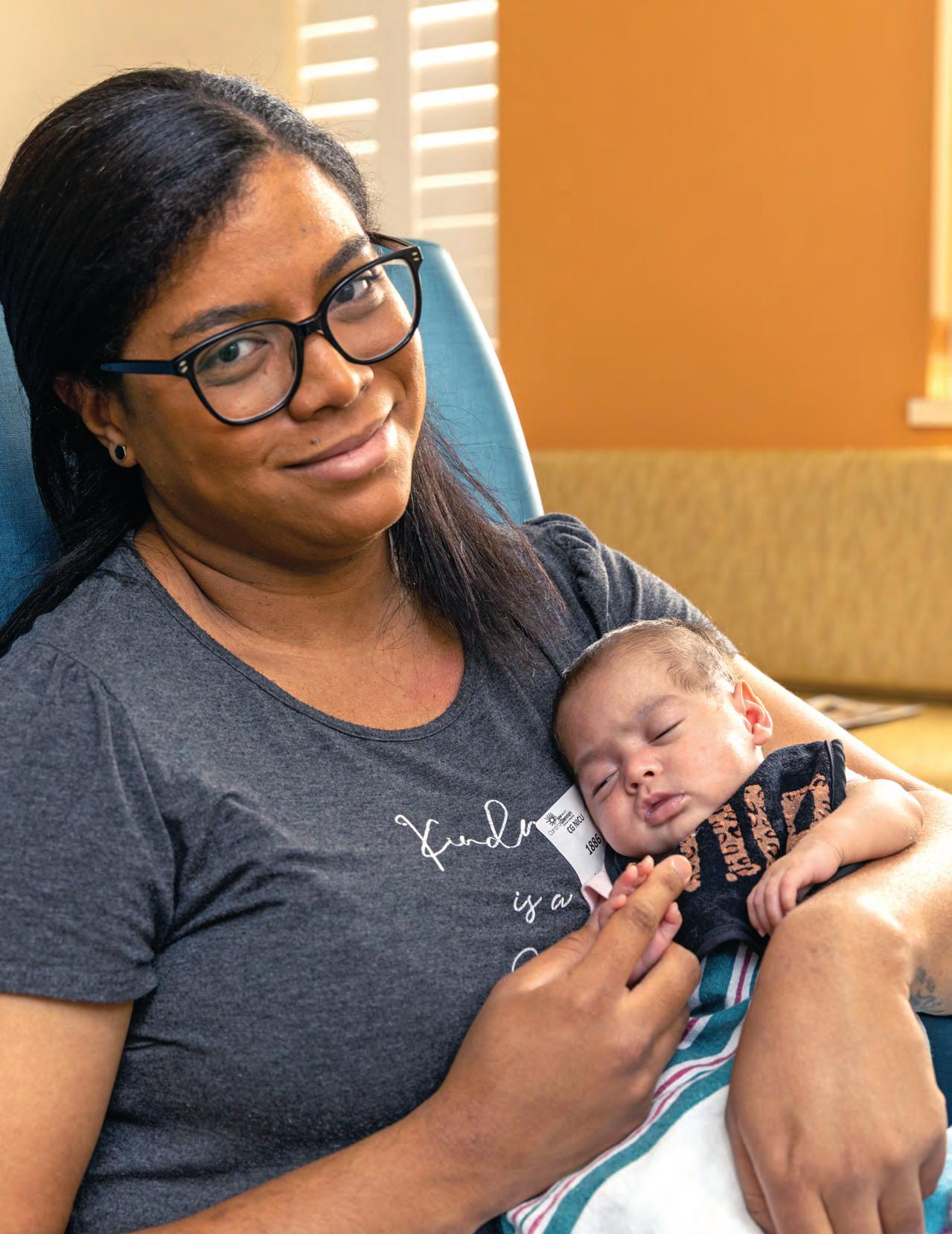
In the new hospital, floors 4 and 5 will house the Neonatal Intensive Care Unit (NICU), featuring 70 private rooms—each with a window—making it the only NICU in the state to offer natural light in every room. Transition rooms will also provide families with private spaces to spend extended time with their baby before going home. An additional 20 NICU beds will be located on Floor 6, bringing the total to 90 and reinforcing our commitment to advanced, family centered care for our smallest patients.
Dr. Noah Hillman, the Kevin C. Beckmann Chair of Neonatal Medicine at Cardinal Glennon Children’s Hospital continues his groundbreaking research in the care of our tiniest patients.
One of the leading issues with the smallest and sickest preterm infants is a condition called bronchopulmonary dysplasia, a lung injury that leads to breathing difficulties and contributes to poor neurological outcomes. The current standard of care is to use steroids to improve lung function, so the babies can be weaned off mechanical ventilation as quickly as possible.
However, as with any drug, the challenge is to balance the benefits with potential negative effects.
Dr. Hillman and his team are currently developing a model of lung and brain injury to help them better understand the impact of steroid use with our most vulnerable patients. Using both traditional studies and longitudinal medical record data, they are studying ways to balance risk vs. reward to achieve the best outcomes.
Thanks to the Kevin C. Beckmann Endowed Chair of Neonatal Research, it has enabled Dr. Hillman to generate preliminary data to apply for a large grant from the National Institutes of Health that is currently pending review.
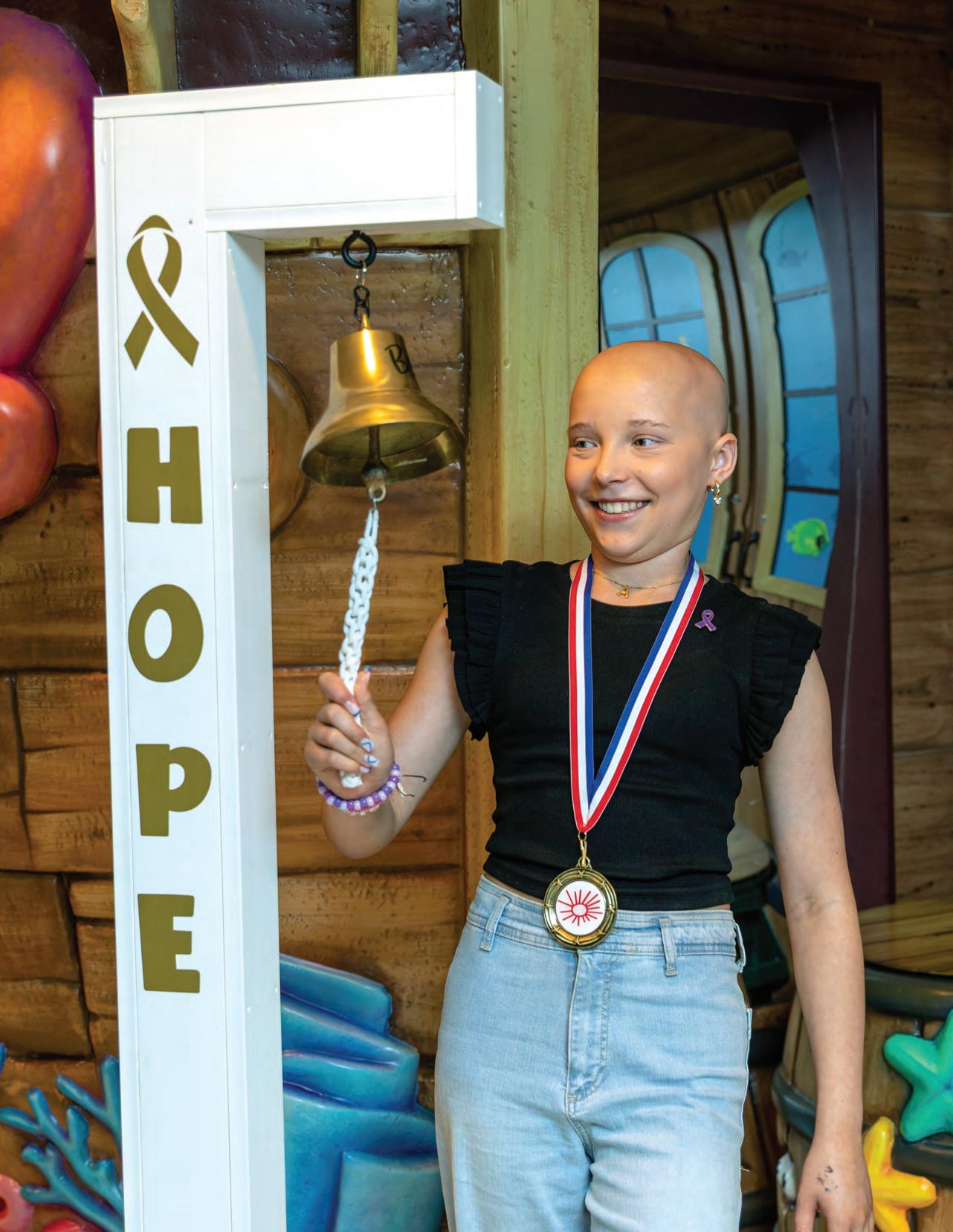
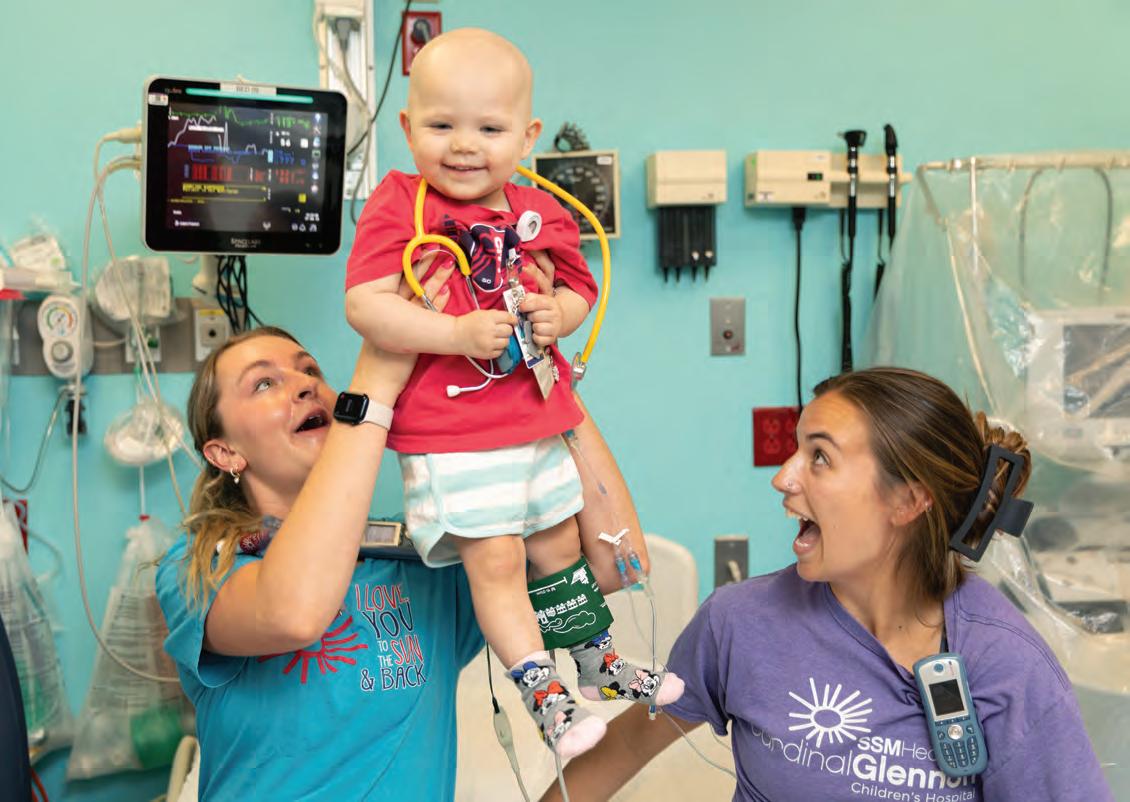
Thanks to the generosity of our donors, The Costas Center participates in the same leading‑edge clinical trials and advanced treatments offered at the nation’s top hospitals. Through our participation in the Beat Childhood Cancer Consortium and other groups, our talented doctors and caregivers are contributing to an ever‑expanding knowledge base of personalized cancer care.
One example is the BCC‑BIO‑001 clinical trial, which collects clinical, genomic and other research
data from our patients and combines them into a database for childhood cancer programs worldwide to analyze. As a result, our team can identify combinations of therapies that will target the changes specific to an individual child’s type of cancer.

This shift to precision oncology will dramatically change the future of cancer care over the next few years.
Published by SSM Health Cardinal Glennon Children’s Foundation
3800 Park Ave. St. Louis, MO 63110
314-577-5605 email: info@glennon.org
facebook.com/cardinalglennon x.com/cardinalglennon youtube.com/glennonfoundation instagram.com/cardinal.glennon linkedin.com/company/ ssm-health-cardinal-glennon glennon.org