







Who is this leaflet for?
• Anyone aged 14-35
• Anyone exhibiting symptomsas listed onpage5
• Parents
• Teachers
• School nurses
• Sports coaches
• Sports governingbodies
What is the aim of this leaflet?




• In countries such as Italy screening participants in representative sports is mandatory (Corrado et al., 1998).
• Anyone with a familyhistoryof heart conditions or young suddendeath
This leafletprovidesinformation about cardiac screening. It aims to help you makeaninformed choice about whethertohaveyourhearttested.
What is the purpose of cardiac screening?
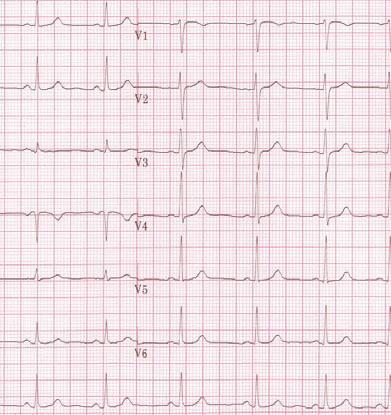
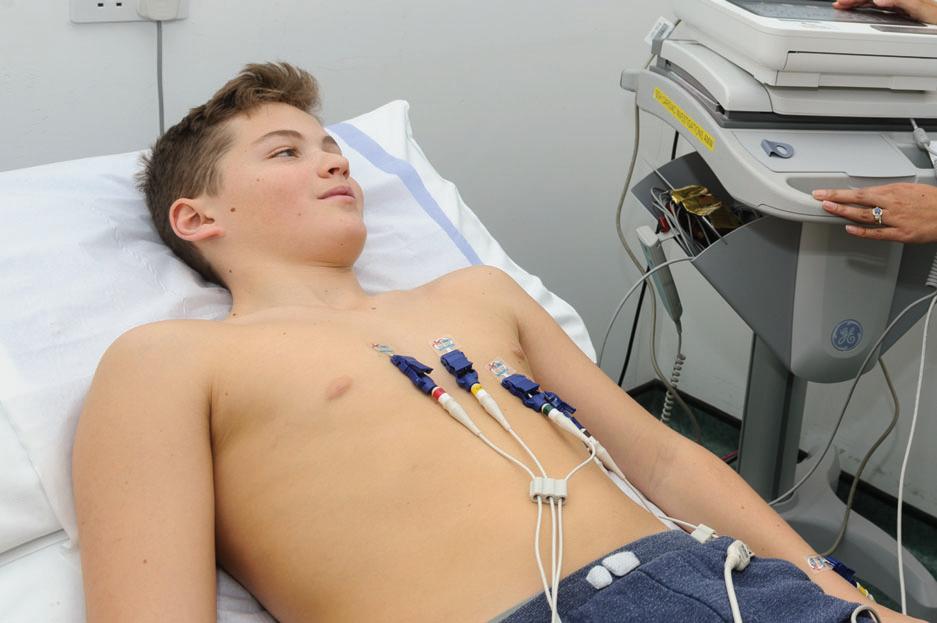
Sometimesanindividual may havea cardiac abnormalitywithout having any symptoms. Screening with anelectrocardiogram (ECG)is aimedat identifyingpeople with conditions such as heart muscle disordersor electrical faults of the heart.
Is cardiac screening important?
• The European SocietyofCardiology(2010) and InternationalOlympicCommittee(2009) recommend cardiac screening with an ECG for any youngperson taking part incompetitive sport.
• In some professions cardiac testing is mandatory. FIFA and UEFA regulations stipulate that from August 2008, every player in the first squad at a football club participating in international competitions must have a minimum of one ECG test and one echocardiogram (ECHO) test in their personal medical records. The Premier League also now undertakes biannual cardiac testing for all professional players.
• Although government statistics are not available, cardiac experts believe that at least 12 young people die each week in the UK from undiagnosed cardiac conditions (Papadakis et al., 2009).
• Around 1 in 300 people have a potentially serious condition that will require lifestyle modification, treatment or surgery (Wilson et al., 2007).
Is screening just for athletes?
AtCRY, we offer allyoungpeople aged 14-35 the opportunity to bescreened.
Cardiacincidents cantake placeatanytime. They are not limitedto high-intensitysport; theymay occur justjogging across the park or when asleep atnight. Thescreeningprogramme isnot justfor people who playsport.




When registering,you willneedto fillin a personal andfamilyhistorymedical questionnaire andsign a consentform. Ascreening administrator willmeasureyourheight and your weight.
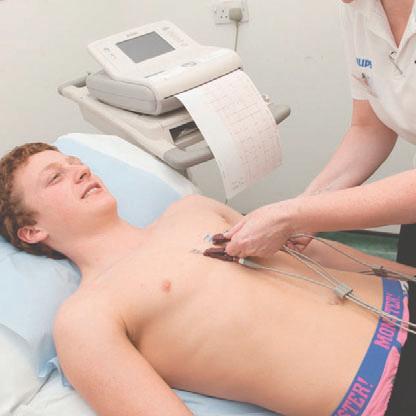
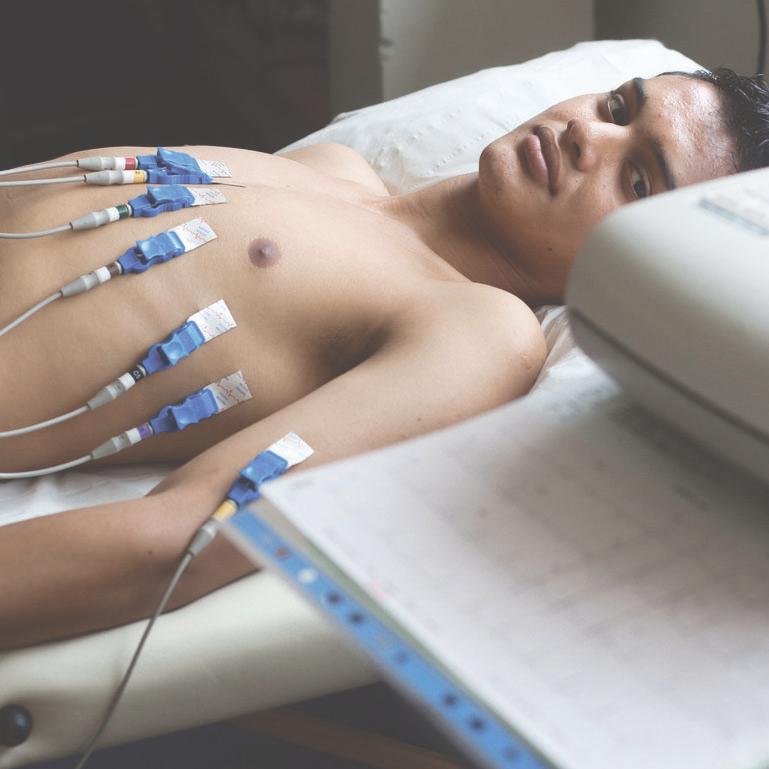
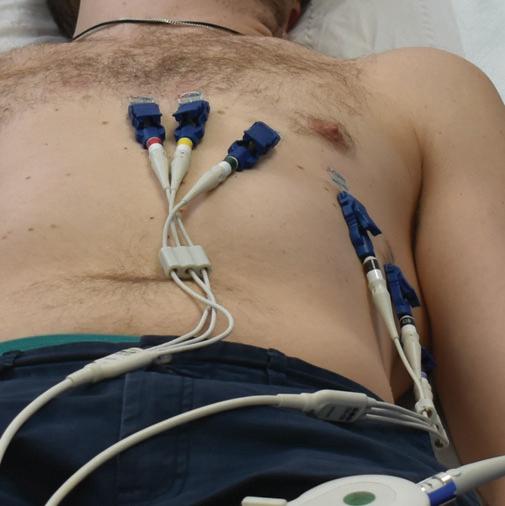
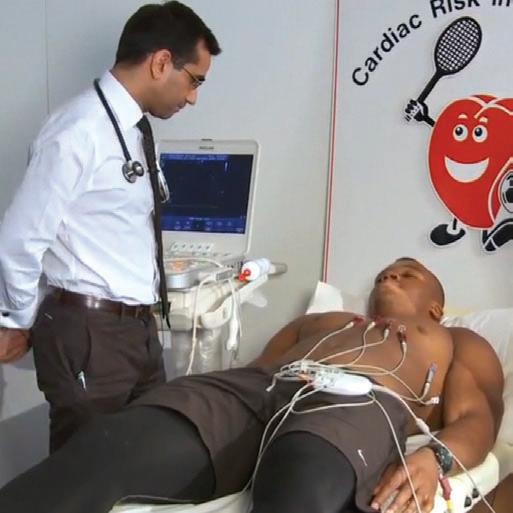
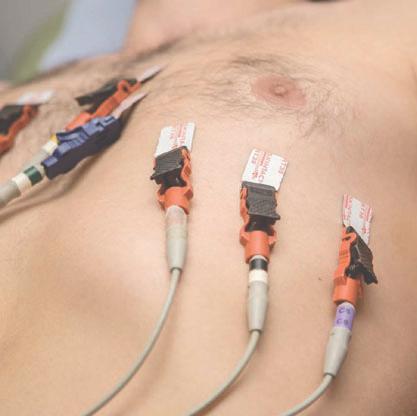
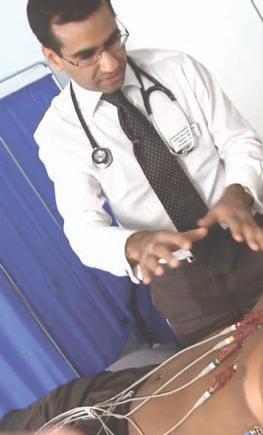
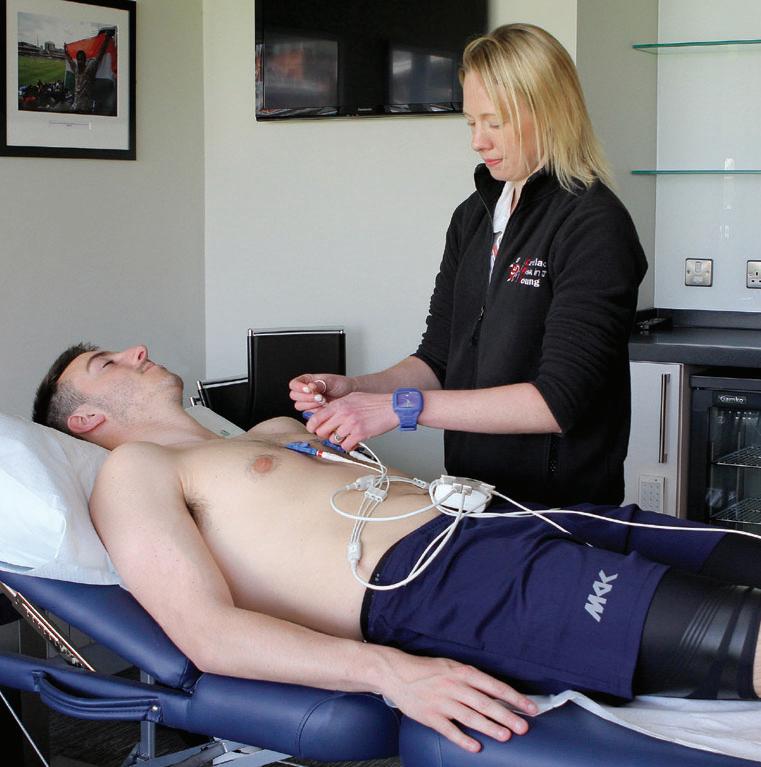
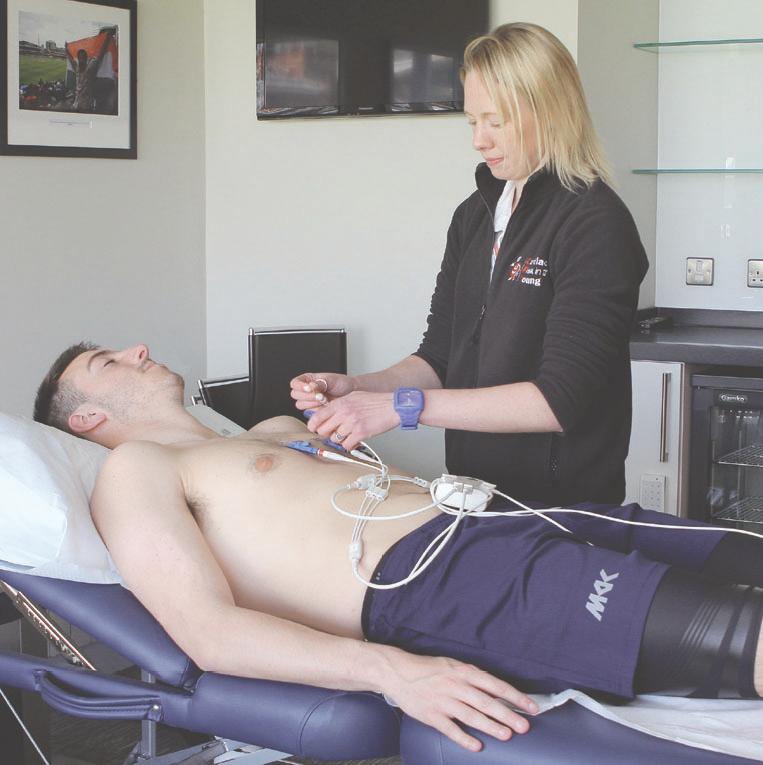
Thebasictestisan electrocardiogram (ECG), which is asimple, non-invasive and painless test that examines the electrical activity within your heart. The ECGinvolves lying downquietlyand it takes 5-10 minutes only. Small stickersare placed atstrategicpoints on your chest, armsand legs. Flexibleleads (calledelectrodes) that extend from theECG machinearethen attached to these stickers. The electrical rhythmof yourheart is recordedandprintedout. Thispartoftheprocess only takes2-3minutes to perform.
After the ECGhastaken place itisreviewed by a doctor who isanexpert in these conditions. Thedoctor reviewseach individualinconjunction with the personal andfamily history questionnaire.
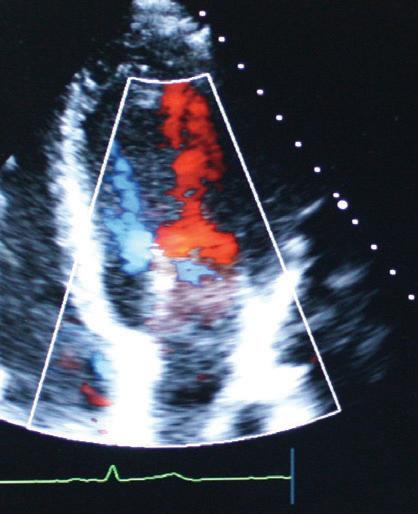
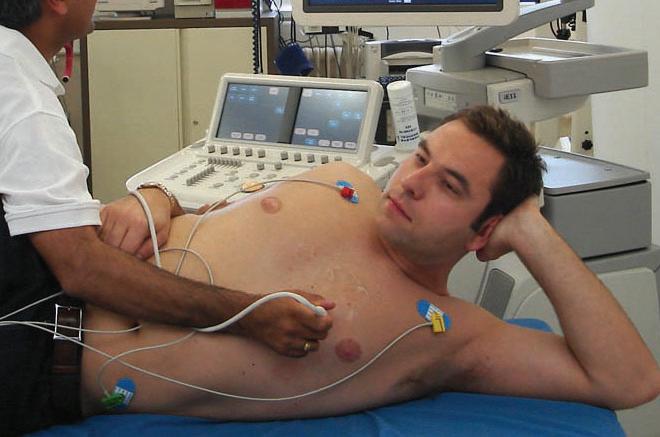
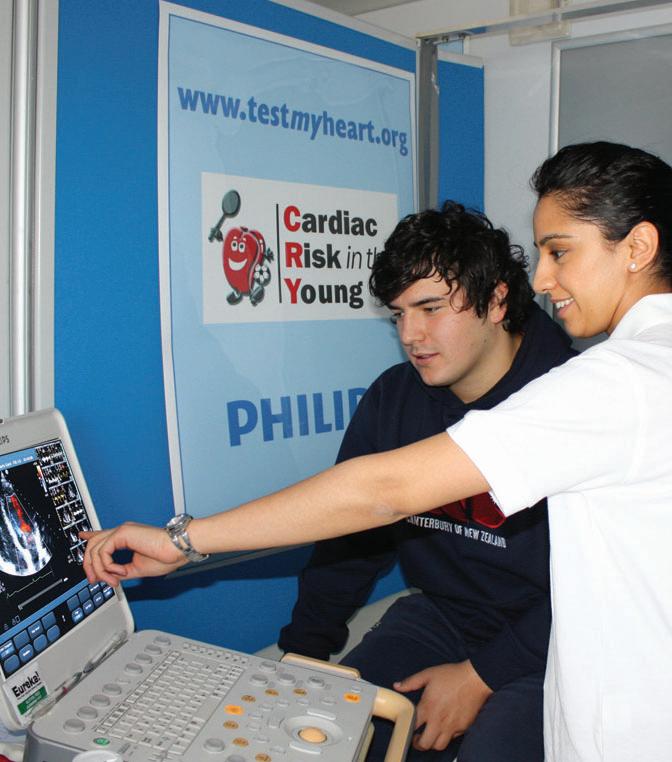
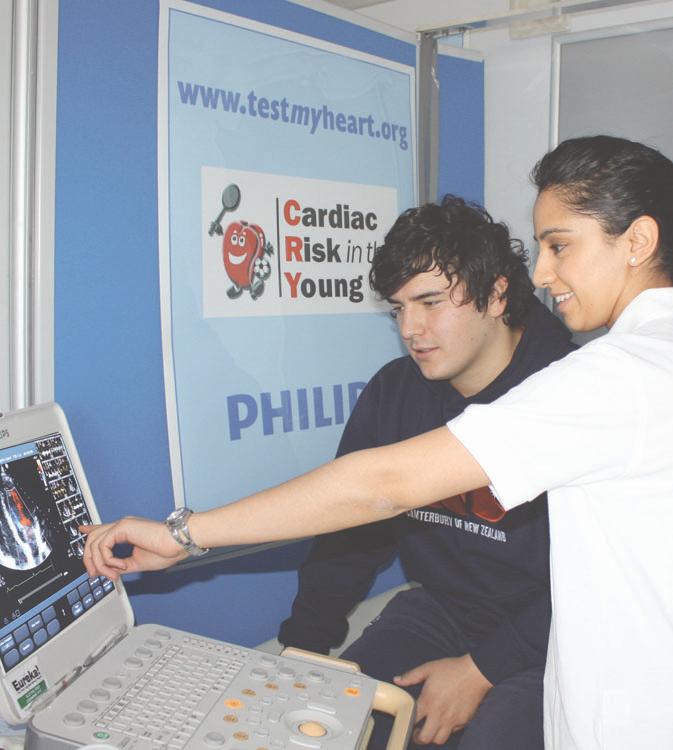
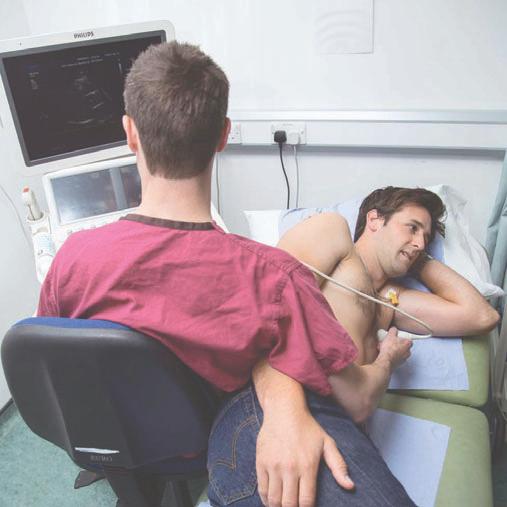
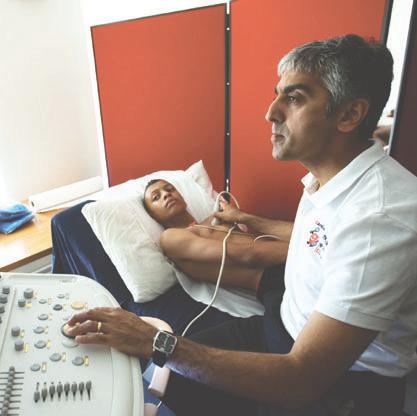
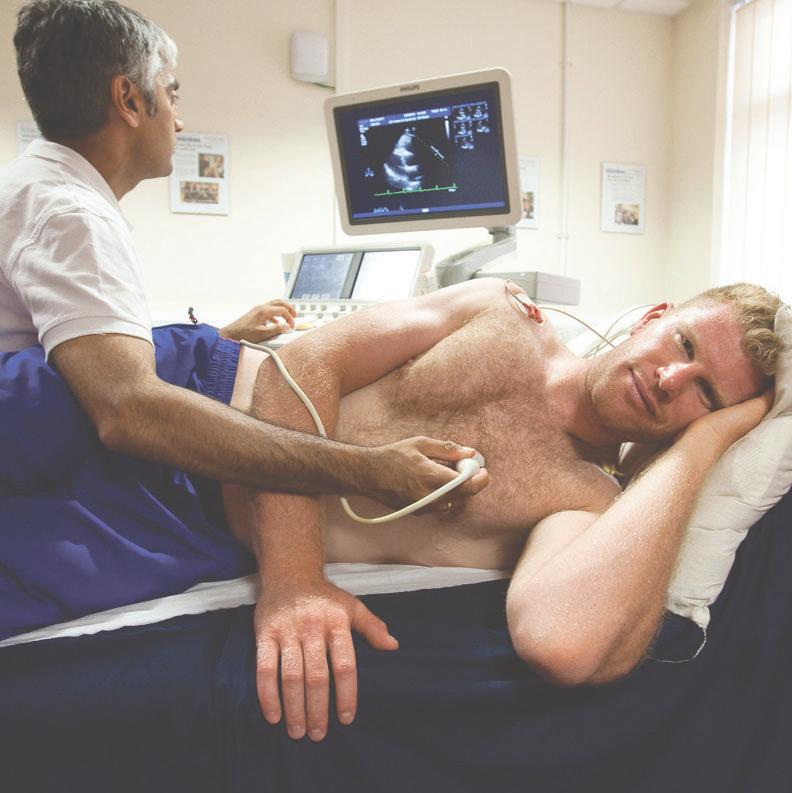
About 5-10% of individualswill require an additionaltest followingthe ECG,which isan echocardiogram (ECHO). An ECHOis very similar to theultrasoundscanthat isused forapregnant womanto checkthehealth of herbaby. Incardiac screening, an ECHOwillmeasurethe dimensions ofthe heart and the flowofblood in and outof theheart.
Does it hurt?
Both the ECG andECHOarepainless, noninvasive procedures.
Do I need to prepare anything prior to my appointment?
Youshould restfor at least 30minutes prior toyourECG appointment.
You will need tocomplete a personal andfamily historymedical questionnaire and consent form.
Young people wishing to betested whoare under theage of 16must seekwritten permission from aparent or guardian.
Do I need someone with me?
Ifyou wish, afriendor chaperonecan accompany you during the procedures. We strongly recommend that aparent or guardian is present when theperson being tested isunder16.
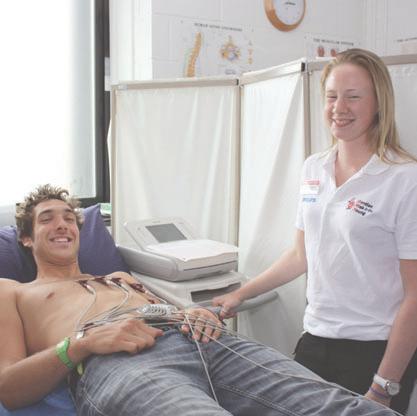
Toconductthe tests,the physiologistwillhave to access yourbare chest. If you are femaleyou will be requiredto either removeorloosen your bra. Female physiologistswill be used where possible.
Is there always a female
Thereis alwaysat leastonefemaleECG physiologist present.
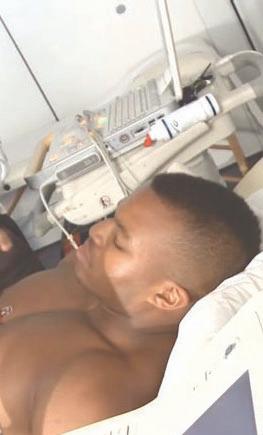
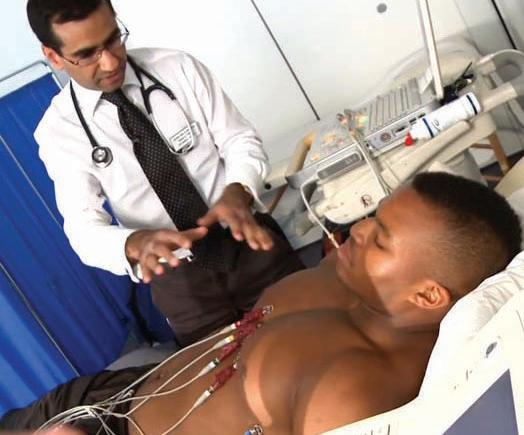
Approximately 2-4% of peoplehave abnormalities that need to befollowedup. The majority ofthese arenot aproblem.Around 1% of casesrequireongoingmonitoring;some conditions are notlife-threatening but may require some minorlifestyle modification. Upto 1 in 300 peoplewillhave apotentially serious conditionwhich willrequireongoinglifestyle modification,treatmentorsurgery.
You will either be notified of your result on the day by our doctor or by letter within 2-4 weeks if a doctor is not available on the day.
Inthe small percentageof caseswhereresults appear abnormal, individualswill require follow up teststo further evaluatecardiachealth.CRY aims to notify you (oryour parentsif youare under 16) and your GP within 4weeks ofthe screening. In this case your GPwill receive aletterincluding your results.
About 5-10% ofindividuals will require an ECHO on theday, butonly 2-4% of individuals are usually referredforfurthertests.
Additionaltests suchasaHolter monitor(a 24 or 48hourECG) or exercisestress test maybe required.It isimportanttorealisethata further reviewdoes not necessarilymean youhavea cardiac condition,onlythat further information isrequiredtogivea full diagnosticevaluation.
ECG and Medical
Questionnaire
Nofurther tests are needed Nofurther tests are needed You will be referred for further tests
Itwould depend on the condition. Although many of the conditions are not ‘curable’ they are all treatableand treatments range from lifestyleadaptations to drugtherapy or,in some cases, surgery.
The majority of cardiac abnormalities that are most likelytoaffect young people will be identified. However, the ECG andECHO tests cannot identifyevery possiblecardiaccondition.
If, having been screened byCRY where no abnormality wasidentified, you develop symptoms or a first-degree bloodrelative is diagnosedas having an inherited cardiac condition, you should contact your GPfor furtherevaluation. Ifthe GP does notviewitas urgent,CRY offers a screening at the nextavailableevent.
• Chest pain during exertion
• Breathlessness
• Palpitations
• Dizziness
• Fainting
The information from thetests isstrictly confidential andwill notbedisclosedtoanyone other than yourself (or yourguardianif you are younger than16), your GP, andothers who are directlyinvolved with your care.
CRY’s screening programme isaboutidentifying peopleat risk. However, itisalso about building our understanding ofthese conditions. Every person wetest will not only receiveadvicefroma leading expert in these cardiacconditions but will alsomakearealcontributiontoourunderstanding oftheseconditions in thefuture.Theinformation from these tests will be held on adatabase at CRY, assuming consent has beengiven,and may be usedanonymously for researchpurposes.
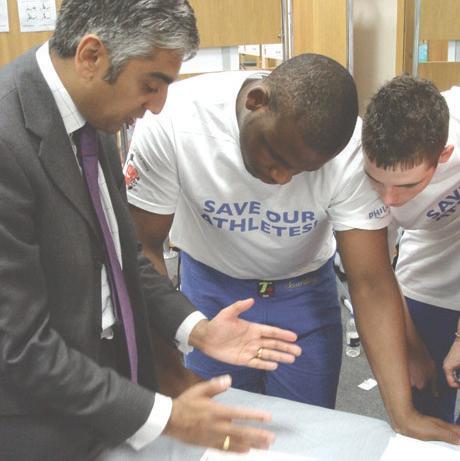
CRY’s screening and researchprogrammes are overseenby ProfessorSharma,Professor of InheritedCardiovascularDisease and Sports Cardiologyat St George’s, University of London; MedicalDirectorof the LondonMarathon; and Consultant Cardiologist forthe LondonOlympics in 2012. In2014 he commenced hisduties as ChairoftheEuropeanAssociation for Cardiovascular Prevention and Rehabilitation (EACPR)SportsCardiology SectionNucleus, anelite committeetackling thecomplex issues ofsports cardiology.






For the majority ofindividuals a singlescreening will suffice when there have been no symptoms and there is nofamily history ofcardiac conditions.
Further screenings may be recommended:
1. by the relevantsporting federation for individualswhoparticipateinhigh-level, competitivesports;
2. for individuals whodevelop new symptoms orwhose familyisaffectedbyinherited cardiac disease;
3. for young individuals, going through adolescence,whose ECGisconsidered torepresent a juvenilepattern (i.e.pre-puberty ECG).
Before deciding whether or notyou want totake part in the CRY cardiacscreening programme, you may like to considersomeofthe benefits and disadvantages, and think about whatis important to you.
• Potentiallyserious heartconditionsaffect around 1 in 300 people. Ourtestsareable todetect themajority ofcardiac abnormalities most likely to affect young people.
• Inthe event thata cardiac abnormality is diagnosed, youmust be awarethatthis may affect certain mortgageapplications, particular typesof life insuranceand itmay alsoaffect some careers.
• Cardiac screeningisabout identifying cardiac conditions andthen providinglifestyleadvice; monitoring;treatment andsometimes surgery toreduce the risk of acardiac arrest.
• TheEuropean Society of Cardiology and InternationalOlympic Committeeguidelines recommend having an ECGbefore participatingin competitive sport.
• After initialscreeningthe doctor may askfor further testing.
• AnormalECG readingdoesnot predictcardiac healthinthelong-termandindividuals who developsymptoms that causeconcernshould seek medicaladvicefromtheir GP.
Afterreadingthis you may decide not to have your heartscreened. At CRY webelieve whatis most important isthat you obtain all theinformationyou needtomake aninformed decision.
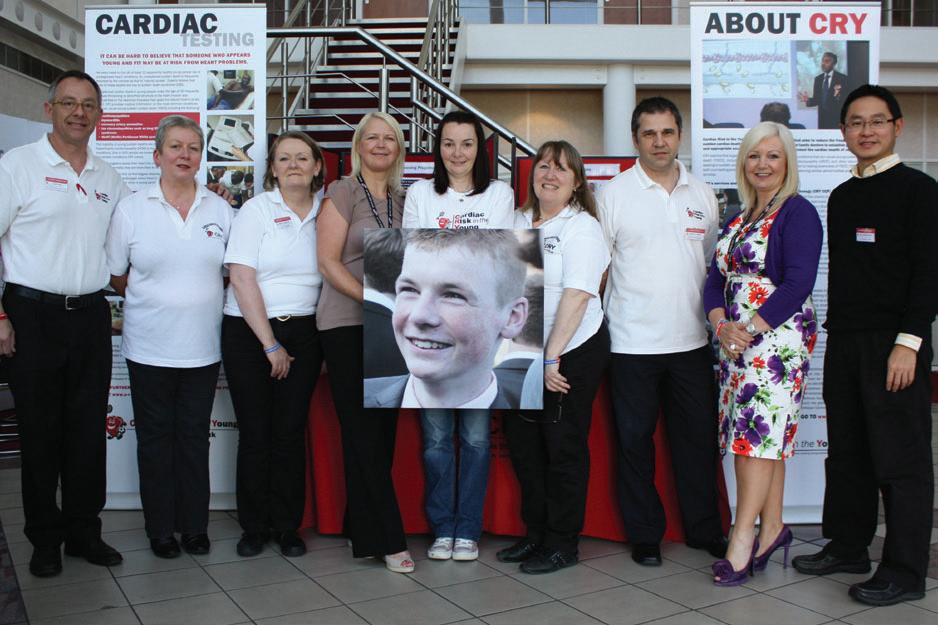
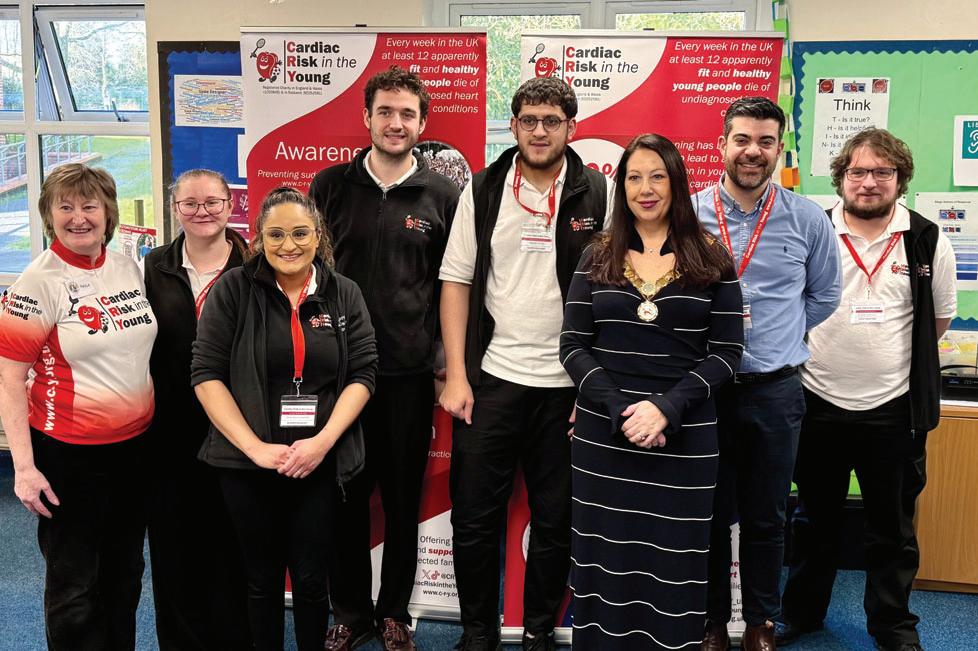
CRY holds both public and private screenings and willtest individuals aged 14-35. CRY holdsregular screeningclinicsin Londonand Northern Ireland. There are also family memorial fund screeningsin local communities, school screeningsand services forelite athletes.
A doctor specialisingin cardiacconditionsthat can affect youngpeople willattendthe screening event. The doctor willdiscuss the resultwiththe person on the day, but willalso confirm thisin writing within 4 weeks.
Those peoplewhorequireafollowuptest (ECHO), dueto having anabnormal ECG, will be able to havethistestdoneon the sameday.
All appointmentscanbe bookedonline. Tosee alistofdatesandlocations ofupcoming screenings, visit www.testmyheart.org.uk or www.c-r-y.org.uk/screening
Private screenings:
CRY will test up to 100 peoplea day. If youare interestedin organising a private screening for yourgroup, school, club, etc. pleasecontact the CRY ScreeningTeamvia ecg@c-r-y.org.uk
Information and support:
For moreinformation on CRY,ortowatch ashort film of CRY Patron Lawrence Okoye being tested, pleasevisit www.c-r-y.org.uk
If you haveany questionsabout screening, please visit www.testmyheart.org/q-a which features video responses to common questionsfrom Professor Sanjay Sharma.
Who to contact:
If you have further questions, callCRY on 0203 691 0000
With advice and support from:
Professor Sanjay Sharma , Professor of Inherited Cardiovascular Diseaseand Sports Cardiology, St George’s Hospital, London. Further thanks for their valuable contributions to: Professor Michael Papadakis and Dr Navin Chandra .
Thank you for the support of theaffected families and the CRY myheart Network who haveoffered advice in the production of this booklet.



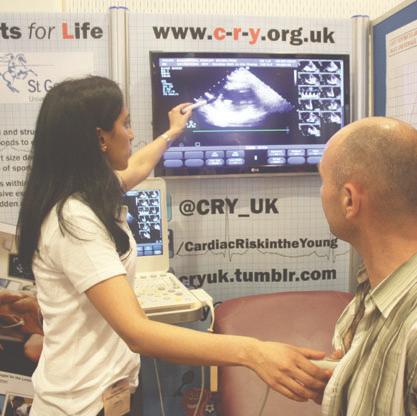
Cardiac Risk in theYoung (CRY)isanational charity that raisesawarenessofpotentiallylifethreatening cardiac abnormalities inyoung people and promotes screening.
Someof the sportingbodies thatCRY carriesout screening forinclude:
Premier LeagueFootball Clubs andFootball League Clubs
Great Britain & Northern Ireland Olympic andParalympic Athletes
England Rugby Football Union and all PremiershipRugby Football UnionClubs
Great BritainRugby League and Super League Clubs
Lawn Tennis Association
England and County Cricket Clubs
CRY offers support to familieswho have experienced the tragic deathof ayoung individual due toa cardiac condition.
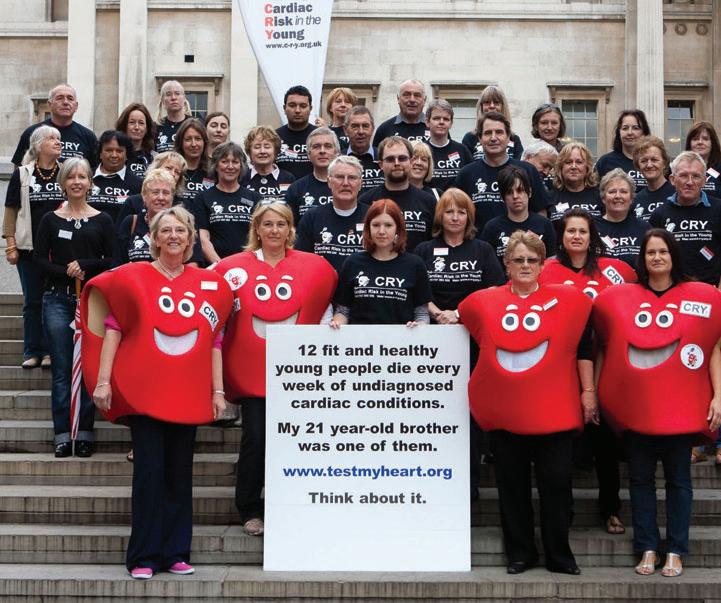
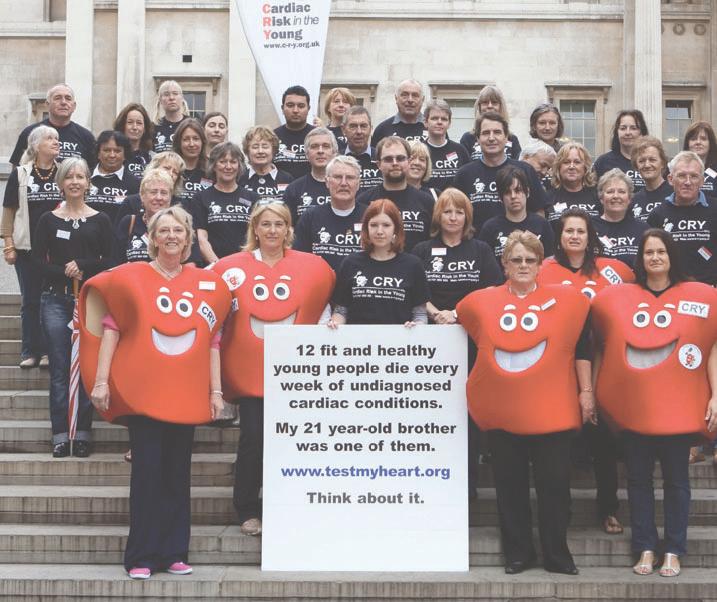
CRY has a comprehensive resource networkfor affected individualsandfamily membersthat includes counselling and personal advice. CRY facilitates screening of all first-degreerelatives ofthe deceased inhighlyspecialised clinics in an attempt to preventfurtherpotentially avoidable tragedies.CRYestablishedthe myheartNetwork to provide help, support and information toyoung people who are copingwith the diagnosisof a heartcondition.
CRY actively promotesresearchin the fieldsof inheritedcardiac diseases, sudden cardiac death, screeningandsports cardiology to advance ourunderstandingofinherited cardiovascular conditionsandreducetheincidence ofyoung suddencardiac death. CRY sponsorscompetitive research fellowship grants foroutstanding individualswho wish tospecialise in this field andhascontributedtonumerousnational and international medicalconferencesas wellas publishing over100 articles, bookchapters and academic papersin peer-reviewed medical journals.For further information visit www.c-r-y.org.uk/research