Breathe & Beat SPRING 2026
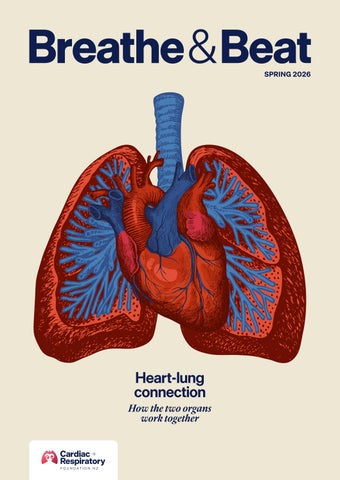
Heart-lung connection How the two organs work together
Breathe & Beat SPRING 2026 Physical address Level 2, 85 The Terrace Wellington 6011 Mailing address PO Box 1459, Wellington 6140 Phone 0800 100 506 Website cardiacandrespiratory.org.nz Email info@crfnz.org.nz
@cardiacandrespiratorynz This material has been printed with vegetable oil-based/mineralfree inks. The paper used comes from sustainable forests.
4
One voice for heart and lungs
5
Election Manifesto
6
The heart-lung connection
10
Lace Up for Lung Cancer
11
Lung cancer screening
12
GLP-1s and heart health
16
World COPD Day
19
Breathing exercises
20 A model built for medicines, not medical devices Our team Chief Executive Letitia Harding General Manager & Head of Communications Chloe Bradwell
23 Delivering life-saving heart techniques 25 Environmental health and your heart 26 Leaving a legacy
Community Education Manager Sharon Pihema Head of Education and Development Joanna Turner Youth Vaping Educator Penelope Joyce
You can read this magazine and more by scanning the QR code or visiting issuu.com/cardiacandrespiratoryfoundationnz
Individual Giving Executive Michaela Tahere Grants and Fundraising Executive Hannah Aslett
Digital Content Coordinator Katie O’Connor Office Administrator Lola Sachkova Respiratory Medical Director Professor Bob Hancox Cardiac Medical Director Dr Andrew Chatfield Chief Cultural Advisor – Māori Sir John Clarke, KNZM, CNZM
2 Breathe & Beat
GOLD
Digital Content and Marketing Advisor Jared McOnie
Ngā mihi to our Friends of the Foundation partners for supporting our ongoing initiatives to improve heart and lung healthcare.
SILVER
Digital Marketing Specialist Sam Treseder
BRONZE
Corporate Sponsorship and Engagement Advisor Paul Aschenberger
Kia ora and welcome A WARM WELCOME to the Cardiac and Respiratory Foundation New Zealand, and our very first Breathe and Beat magazine! What a fantastic launch we had in July, with the Honourable Minister of Health, Simeon Brown, opening the Foundation at our Coronary Intravascular Imaging Certification Course. This annual course, overseen by 15 top intravascular cardiologists from New Zealand, Australia, Hong Kong, and Singapore, is an important educational event for 50 cardiologists working to improve cardiac health outcomes here at home. The course was a fitting way to launch our new Foundation. It's the spirit of bringing people and expertise together that underpins the reason for the Foundation's existence. The crossover between heart and lung health was one of the key reasons we brought our respiratory and cardiac charities together in the first place. Conditions like asthma, COPD, and heart failure put immense strain on both organs, and environmental factors such as air pollution, vaping, and smoking harm them in similar ways. By amalgamating four charities — the Asthma and Respiratory Foundation NZ, Kia Manawanui Trust – The Heart of Aotearoa, the Lung Foundation, and the Bronchiectasis Foundation – we can now offer Kiwis with lung and heart conditions one strong, unified voice. We have an amazing team here at the Foundation, and it takes a lot of hard work to deliver what needs to
be done — which is why I'm grateful to have such a fantastic senior leadership team behind me: Chloe Bradwell, General Manager & Head of Communications; Sharon Pihema, Community Education Manager; and Joanna Turner, Head of Education and Development. Together with our wider team, they're committed to supporting those living with cardiac and respiratory conditions, and the health professionals who care for them. With that team in place, we've been able to turn our attention to the issues that matter most to our community. Good diet and exercise remain some of the simplest ways to stay healthy, though we know this is harder for some than others. With that in mind, we've been looking into the GLP-1 weight loss drugs that have attracted so much attention lately. Did you know they were originally indicated for managing diabetes and reducing cardiovascular risk in adults with heart disease? We sat down with Dr Daniel Chan, from Whangārei Hospital, to talk about what these drugs mean for the heart. We're also using our unified voice to push for change. In this issue, I've written about cardiac devices in Aotearoa, and why we're failing to speed up the process of accessing them. Pharmac isn't equipped to assess these devices alone, and I explain why they need their own dedicated approval and funding pathway if we're going to keep pace with the rest of the world. It's an issue we'll be raising this World
Heart Day on September 29. Now to lungs. This November, for Lung Cancer Awareness Month, we're launching a new fundraising campaign, Lace Up for Lung Cancer. Keep an eye on our website and social media for how you, your whānau, friends, or workplace can get involved. It's people like Kath Cross who remind us why that kind of involvement matters. Kath was the recipient of a double-lung transplant in October 2024, and wanted to help raise awareness and funds for the Foundation's work. Kath defied all odds with her transplant for nearly two years. Sadly, last month, Kath passed away. We want to acknowledge Kath, her passion, determination, and drive to help us with our mahi — and others like her. Our condolences go out to her family. Finally, thank you to our Friends of the Foundation corporate partners, and a warm welcome to our newest partners: Apex Medical, Dyson, and Mould Inspections NZ. It's only through our funders, donors, and community that we can strengthen our collective voice for better heart and lung health outcomes across Aotearoa.
LETITIA HARDING Cardiac and Respiratory Foundation NZ Chief Executive Spring 2026 3
XXXX
One voice for heart and lungs ON JULY 23, the Cardiac and Respiratory Foundation NZ was officially opened in Auckland by the Minister of Health, The Honourable Simeon Brown. The opening solidified the amalgamation of the Asthma and Respiratory Foundation NZ, Kia Manawanui Trust – The Heart of Aotearoa, the Lung Foundation, and the Bronchiectasis Foundation to tackle the country’s biggest heart and lung health challenges. 4 Breathe & Beat
One in five New Zealanders live with respiratory disease, and one in five die from heart disease. Together, these conditions cost the country an estimated $20 billion every year. The Foundation wants to see faster access to guideline recommended medicines and medical devices, a nationally-funded lung cancer screening programme, stronger tobacco and vaping policies, tighter regulations around healthy homes, and investment in workforce.
Above: Chief Executive Letitia Harding and the Minister of Health, The Honourable Simeon Brown, at the official opening of the Cardiac and Respiratory Foundation NZ.
Foundation Chief Executive Ms Letitia Harding says we will continue to work alongside health professionals, researchers, policymakers, and communities to ensure heart and lung health are a national health priority. “We have a wealth of cardiac and respiratory expertise with our scientific advisory boards, and we are going to champion for those working hard to help patients.”
Election manifesto
"Stop the babble": The call for better lung and heart health Heart disease kills more New Zealanders than any other illness. Respiratory disease is quietly disabling thousands more. Both are treatable, yet neither is getting the investment it needs and deserves. EVERY YEAR, the same story repeats: patients diagnosed too late, treatments delayed, not enough beds or staff and a health system stretched too thin to keep up. Last month, the Cardiac and Respiratory Foundation NZ released its 2026 Election Manifesto, announcing six calls that would change the story for thousands of New Zealanders. Foundation Chief Executive Ms Letitia Harding says every year thousands of New Zealanders die from conditions we know how to treat and manage better. “It’s frustrating because, in many cases, we know what to do, and we already have the tools to do it. "What we are asking for aren’t wish-list items — they are practical fixes that will save lives, ease pressure on hospitals, and stop disease falling hardest on the communities who can least afford it.”
"What we're asking for aren't wish-list items — they are practical fixes that will save lives."
The manifesto sets out six practical, evidence-based calls the Foundation wants the next government to commit to: Detect lung cancer earlier: Fund a targeted national lung screening programme for at-risk smokers and former smokers, starting Budget 2027. Strengthen protection through vaccination: Fund the RSV vaccine for infants and the shingles vaccines for high-risk patients. Build the workforce and infrastructure: Lift cardiac bed capacity and cath lab staffing, targeting underserved regions like Central. Fix access to medicines and devices: Create a fit-for-purpose Pharmac pathway for medical devices, and fast-track medicines and devices that are recommended in international guidelines.
Clean up the air we breathe: Enforce Healthy Homes Standards, ban unflued gas heaters, and support the monitoring of air quality in schools and workplaces The decisions made in the next term of government will decide whether New Zealand keeps falling behind in the health of its people, or finally invests in prevention and equitable care, Ms Harding says. “This manifesto isn’t a suggestion box — it’s what cardiologists and respiratory physicians have been asking for, for years. We’re asking the next government to actually listen to the people on the front lines, rather than just the babble from the bureaucrats.”
Read the full manifesto Scan the QR below or head to cardiacandrespiratory.org.nz
Create a Nicotine-Free Aotearoa: Ban vape flavours, stop new specialist vape retailers, remove tobacco and vape sales from dairies, petrol stations and supermarkets. Spring 2026 5
How the heart and lungs work together Your heart and lungs are designed to work together every second of every day. Together, they deliver oxygen to every cell in your body, remove carbon dioxide, and keep your organs functioning properly. Because they rely so heavily on each other, a problem affecting one often places extra strain on the other. THE HEART AND lungs together are known as the cardiopulmonary system. Many people think of heart and lung diseases as completely separate conditions. However, because the heart and lungs work together as one connected cardiopulmonary system, they are closely linked, meaning that symptoms can overlap and disease in one organ can increase the risk of developing disease in the other. 6 Breathe & Beat
Some diseases affect both the heart and lungs from the outset, while others may originate in one organ but eventually place significant stress on the other. Shared symptoms such as breathlessness, fatigue, and reduced exercise capacity often occur in both heart and lung diseases. Chronic respiratory diseases are associated with an increased risk of cardiovascular conditions.
The heart-lung connection The right side of the heart pumps blood into the lungs, where oxygen is absorbed, and carbon dioxide is removed (pulmonary circulation). If the lungs become diseased or damaged, pressure can build within the pulmonary circulation, forcing the heart to work harder. Over time, this can lead to failure of the right side of the heart. Conversely, when the left side of the heart weakens or is damaged, blood can back up into the lungs. Research increasingly shows that respiratory and cardiovascular diseases commonly occur together
Heart-lung connection in the same patient, creating complex health challenges that require coordinated care. Because the heart and lungs interact, symptoms may arise from problems affecting either organ or both simultaneously. Common warning signs include: • Shortness of breath • Chest pain or tightness • Unusual fatigue • Chest discomfort • Dizziness • Swollen ankles • Reduced ability to exercise
Conditions that affect both the heart and lungs Some heart-lung (cardiopulmonary) conditions affect both the heart and lungs from the beginning. Others may start in one organ but eventually place significant strain on the other. Symptoms are often shared between heart and lung disease, sometimes making diagnosis difficult. The following conditions demonstrate the close relationship between the heart and lungs. Although each condition develops differently, they all illustrate how closely these two organs depend on one another to maintain healthy circulation and oxygen delivery.
Pulmonary hypertension Pulmonary hypertension places strain on both the heart and the lungs. It is high blood pressure in the lungs, affecting the arteries that carry blood from the right side of the heart to the lungs. Unlike general high blood pressure (hypertension), which affects arteries throughout the body, pulmonary hypertension is confined to the pulmonary arteries. The increased pressure in these arteries forces the heart to work harder to pump blood through the lungs, straining both systems. Over time, this extra workload can weaken the heart and result in rightsided heart failure. The strain on both
systems (the heart and the lungs) results in the most common symptom, unexplained shortness of breath, especially during physical exertion. It can be challenging to diagnose and treat because the symptoms, most commonly breathlessness, may be associated with other conditions, and patients may see multiple doctors before finally receiving a diagnosis. Pulmonary hypertension is classified into five groups based on different causes, with Group 1 (pulmonary arterial hypertension) being rare and other groups, such as Group 2, caused by left heart disease, being more common. Although Group 1 pulmonary hypertension remains a serious condition, treatment has advanced, and new medicines continue to improve quality of life and survival. While there isn’t a cure for it, there are effective therapies and treatments that slow down the progression of the disease and treat the symptoms. Several therapies routinely available in some overseas countries are not yet publicly funded in New Zealand. One new drug in particular for Group 1, sotatercept (brand name Winrevair), has shown in recent clinical trials to significantly improve exercise capacity and reduce disease progression in selected patients with pulmonary arterial hypertension.
Pulmonary embolism Pulmonary embolism shows the close connection between the heart and lungs. It occurs when a blood clot, usually originating as a blood clot (deep vein thrombosis (DVT)) in the legs, travels through the bloodstream and blocks a pulmonary artery. This sudden blockage increases
strain on the right side of the heart and reduces oxygen levels in the body by preventing blood from getting to parts of the lung, with large emboli potentially being life-threatening.
Sarcoidosis Sarcoidosis is an inflammatory disease in which small clusters of immune cells (granulomas) form in the body’s organs. The lungs are affected in around 90% of people with sarcoidosis, but the disease can also involve the heart. Cardiac sarcoidosis may disturb the heart’s electrical system, causing abnormal heart rhythms, heart block, and in some cases heart failure, and it can occur alongside lung disease or on its own. Because it can affect the lungs and heart simultaneously, sarcoidosis is a clear example of a condition that crosses the boundary between the two organs.
Other crossovers Environmental exposures Environmental exposures, including cigarette smoke, air pollution, occupational dust, and other toxins, further contribute to cardiopulmonary diseases worldwide. Long-term exposure to these environmental factors is now recognised as a major modifiable risk factor for conditions affecting both the heart and lungs. As well as damaging the lungs as we breathe, fine particles in smoke or air pollution can harm the entire cardiovascular system, including the heart and blood vessels. The World Health Organization →
Spring 2026 7
Heart-lung connection estimates that around 4.2 million premature deaths globally in 2019 were due to fine particulate matter, which causes cardiovascular and respiratory diseases and cancer.
Cardiopulmonary health and e-cigarettes Many people believe vaping is simply inhaling harmless water vapour. However, research has shown that this is not the case. Although e-cigarettes do not produce tobacco smoke, the aerosols they create contain a complex mixture of chemicals that may affect both the lungs (respiratory system) and the heart (cardiovascular system). Alongside the primary agent, nicotine, e-cigarettes contain numerous harmful chemicals that have been associated with lung disease. Most vaping liquids contain propylene glycol, vegetable glycerine, nicotine, flavouring agents, and other additives. When heated, these substances can generate potentially harmful chemicals, including aldehydes, ultrafine particles, and toxic by-products. A growing body of medical research confirms that vaping aerosols are not harmless “water vapour”. They contain a toxic mixture of chemicals, heavy metals, and ultrafine particles that are inhaled deep into the lungs and readily enter the bloodstream, potentially directly threatening both heart and lung health. Research has shown that vaping is
associated with increased oxidative stress, inflammation, endothelial dysfunction, and vascular injury, processes that contribute to cardiovascular disease. Studies have also identified effects on blood vessel function, blood pressure regulation, and heart rhythm.
When lung disease affects the heart Many lung diseases don’t stay confined to the lungs. Reduced oxygen levels, chronic inflammation, and increased blood pressure inside the lungs can all place extra strain on the heart.
Chronic obstructive pulmonary disease (COPD) Chronic respiratory disease doesn’t just affect breathing; it also places extra stress on the heart. COPD is a progressive lung disease that includes chronic bronchitis and emphysema, and is usually caused by smoking. People with COPD often have cardiovascular disease; they are at increased risk of coronary artery disease, heart failure, heart rhythm abnormalities, and pulmonary hypertension. Unfortunately, cardiovascular disease may be undiagnosed and untreated in patients with COPD because the symptoms are attributed to COPD. It is important to assess cardiovascular disease in people with COPD, especially those who experience acute symptom episodes, so they can receive timely interventions for both diseases. Cardiovascular disease is a major cause of illness and death among people living with COPD.
Cor pulmonale Cor pulmonale is right-sided heart failure caused by chronic lung disease. Conditions such as COPD, pulmonary fibrosis, and severe sleep apnoea can increase pressure in the pulmonary circulation, eventually weakening the right ventricle of the heart. 8 Breathe & Beat
Bronchiectasis Every lung infection causes inflammation. Over many years, repeated inflammation doesn’t just damage the lungs; it may also affect the heart. The persistent inflammation associated with bronchiectasis can also affect the cardiovascular system, increasing the risk of heart disease over time. Bronchiectasis is a chronic lung condition that causes the airways to thicken, leading to mucus buildup, recurrent infections, coughs and shortness of breath. There is no cure, but bronchiectasis can be treated, and the main aim is to keep the lungs clear of excess mucus through pulmonary rehabilitation and infection management. Increasing evidence indicates that bronchiectasis increases the risk of cardiovascular disease. This association is probably driven by inflammation, oxidative stress, and the additional strain that recurrent pulmonary infections place on cardiac health.
Asthma Asthma is usually thought of as a disease of the airways, but it can also affect the heart. The chronic inflammation of long-term (persistent) asthma is not always confined to the lungs. In a large population study, adults with persistent asthma had a significantly
Heart-lung connection higher risk of cardiovascular events, including heart attack and stroke, than people without asthma. Keeping asthma well controlled may therefore help protect the heart as well as the lungs.
increase the risk of heart attacks, heart failure, myocarditis, and cardiac arrhythmias. People with pre-existing cardiovascular disease are particularly vulnerable to complications during severe infections.
Obstructive sleep apnoea
Lung cancer can directly affect the heart through tumour growth, inflammation, treatment side effects, and blood clot formation. Patients may experience cardiovascular complications such as arrhythmias, pericardial disease, pulmonary embolism, and heart failure. The relationship between cancer and cardiovascular disease has become an important area of medicine known as cardio-oncology.
Sleep is essential for health; poor sleep caused by obstructive sleep apnoea affects the heart. Breathing interruptions during sleep repeatedly stress the heart, lowering oxygen levels and triggering stress responses. Untreated obstructive sleep apnoea increases the risk of hypertension, atrial fibrillation, heart failure, coronary artery disease, stroke, and pulmonary hypertension.
Interstitial lung disease and pulmonary fibrosis Interstitial lung diseases are caused by inflammation and scarring of lung tissue. Pulmonary fibrosis, one of the most severe forms, stiffens the lungs and impairs oxygen exchange. As oxygen levels decline, pulmonary artery pressures may rise, increasing the risk of pulmonary hypertension and right-sided heart failure.
Other respiratory infections Serious respiratory infections, including pneumonia, influenza, respiratory syncytial virus (RSV), and COVID-19, can have significant effects on the heart. Inflammation triggered by infection may
Lung cancer
When heart disease affects the lungs The relationship between the heart and lungs works both ways. While lung diseases can place extra strain on the heart, heart disease can also significantly affect the lungs and breathing. Heart disease can reduce the heart’s ability to pump blood effectively, increase pressure in the blood vessels of the lungs, and cause fluid to build up within the lungs or around them.
Heart failure Heart failure is a heart condition that directly affects the lungs. Instead of flowing forward through the body, blood accumulates in the lungs’ blood vessels, increasing pressure and causing fluid to leak into the lung tissue. This makes it much harder for oxygen to enter the bloodstream. Heart failure often develops because of other cardiovascular diseases. One of the most common underlying causes is coronary artery disease.
Left: Cardiac diseases like heart failure and coronary artery disease can also impact lung health.
Coronary artery disease Coronary artery disease occurs when the arteries supplying blood to the heart become narrowed or blocked. It can weaken the heart muscle after a heart attack or repeated injury, which may eventually lead to heart failure and fluid accumulation in the lungs.
Atrial fibrillation Abnormal heart rhythms can also reduce the heart’s ability to pump blood effectively. Atrial fibrillation is the most common sustained cardiac arrhythmia. It causes the heart to beat irregularly and often rapidly. This reduces the heart’s pumping efficiency.
Congenital heart disease and Eisenmenger syndrome Some people are born with structural heart problems (congenital heart disease) that alter the way blood flows between the heart and lungs. If a heart defect allows too much blood to flow into the lungs over many years, the pulmonary arteries can become damaged, pressures rise, and severe pulmonary hypertension can develop, a complication known as Eisenmenger syndrome. Thanks to modern surgery, most people born with heart defects now survive well into adulthood, but many need lifelong follow-up of both their heart and lung health.
The cardiopulmonary relationship Understanding the relationship between the heart and lungs is essential for preventing disease, recognising symptoms early, and improving outcomes. As research continues to uncover the complex interactions between these two vital organs, integrated cardiopulmonary care will become increasingly important for improving health and quality of life for people in Aotearoa New Zealand.
Spring 2026 9
FOR LUNG CANCER
This November, we’re walking the length of Aotearoa. Together. Pick your distance, no matter how big or small. It all adds up. Walk it, cycle it, wheel it, swim it – your way, your pace. Together, we’ll cover the length of the country, and raise much needed awareness for lung cancer. In Aotearoa, lung cancer kills more people than any other cancer, claiming around 1800 lives each year. Yet New Zealand still lacks any nationwide lung cancer screening programme. Lace Up is raising funds and awareness for lung cancer, and campaigning for early screening that could save 25 Kiwi lives per week. Sign-ups open soon, so follow us on Facebook and Instagram @cardiacandrespiratorynz to stay up to date!
Proudly hosted by 10 Breathe & Beat
Lung cancer
Lung cancer screening in New Zealand (or lack thereof) Lung cancer is New Zealand's deadliest cancer, yet we have no national screening programme. We're calling on the government to change that. The problem
The solution
Lung cancer kills more New Zealanders than any other cancer, and is the fourth most commonly diagnosed cancer. This year, it will claim around 1,800 lives. Many of these deaths are preventable. Most lung cancer cases are diagnosed at a late stage, often after someone ends up in the emergency department. By then, treatment options are limited and outcomes are poor. We screen for breast, cervical, and bowel cancer in New Zealand. Australia and England screen for lung cancer. New Zealand does not. Health New Zealand has developed a business case for a national lung cancer screening programme targeting people aged 50–74 with significant smoking histories. But implementation has stalled. Modelling suggests that over 20 years, the programme could detect around 38,000 lung cancers and save more than 26,000 lives over a 20 year period. That's about 25 lives saved each week. Earlier detection means less intensive treatment, better survival rates, and lower long-term costs to the health system.
The Foundation is calling on the next government to: • Commit to funding a targeted national lung cancer screening programme through Budget 2027 • Ensure New Zealanders aged 50–74 who have ever smoked can access risk-based low-dose CT screening • Prioritise early detection to improve survival rates and reduce long-term treatment costs
Spotlight on New Zealand’s lung cancer screening gap In late August, Foundation Chief Executive Letitia Harding spoke to Paddy Gower on his show, Paddy Gower Has Issues, about the proposed national lung cancer screening programme, and why urgent action is needed. The issue highlighted the screening plan sitting on Health Minister Simeon Brown’s desk, despite the number of lives that could be saved if acted on.
Watch us highlight the problem on Paddy Gower Has Issues Scan the QR below or head to threenow.co.nz to watch for free.
Spring 2026 11
GLP-1 medicines
More than just a weight loss drug The connection between GLP-1s and heart health
GLP-1 MEDICINES ARE becoming a widely talked-about treatment in healthcare, not only as a weight loss drug or a specialist treatment for type 2 diabetes to lower blood glucose, but also for cardiovascular prevention and treatment. For patients and their healthcare providers, GLP-1s raise important questions. Firstly, what are these medicines? Who are they for? What are the risks and benefits? As research continues to emerge about GLP-1 medicines in the cardiovascular health space, we sat down with Dr Daniel Chan, a cardiologist at Whangārei Hospital, to discuss how these medicines can help in more than one way.
What are GLP-1 medicines? Glucagon-like peptide-1 (GLP-1) is a hormone naturally produced by the intestine after we eat. It plays an important role in regulating blood glucose and appetite. It signals your pancreas to produce insulin, tells your brain you’re full, and slows digestion. GLP-1 medications are lab-made versions of this hormone, so they make you feel full faster, curb appetite, and help control blood sugar by preventing more glucose from going into your bloodstream. Most GLP-1s are weekly injections, with higher dosages giving stronger effects. Dr Daniel Chan, a cardiologist at Whangārei Hospital, says that a 12 Breathe & Beat
human’s naturally produced GLP-1 hormone is very short-acting, but these drugs have been developed to have a long-lasting effect. “Although it was initially created as a diabetic medication, it has more effects beyond that. Its real benefit is how it modifies metabolism and inflammation and how that modifies cardiovascular risk.” GLP-1 receptor agonists are medicines that mimic some of these effects. Examples of those medicines include dulaglutide (Trulicity), liraglutide (Victoza) and semaglutide (Wegovy).
From blood glucose to cardiovascular health The connection between obesity, diabetes and cardiovascular disease is well established. Excess weight is associated with hypertension, abnormal lipid levels, insulin resistance, inflammation, sleep apnoea and other factors that can increase cardiovascular risk. Emerging evidence from several large cardiovascular outcome trials suggests that some GLP-1
receptor agonists can reduce major cardiovascular events in people with type 2 diabetes who have cardiovascular disease or are at high cardiovascular risk. Semaglutide (Wegovy) has particularly important evidence because its cardiovascular effects have also been studied in people living with obesity, without diabetes. One particular GLP-1 trial, SELECT, involved 17,604 adults aged 45 years or older who had established cardiovascular disease and were either overweight or obese, but did not have diabetes. Participants were randomly assigned to receive weekly semaglutide or a placebo in addition to standard care. The primary cardiovascular outcome was a combination of cardiovascular death, non-fatal heart attack or non-fatal stroke. Over an average follow-up of almost 40 months, a major cardiovascular event occurred in 6.5% of people receiving semaglutide compared with 8.0% receiving placebo. This represented a 20% relative reduction in the risk of the
“Although it was initially created as a diabetic medication, it has more effects beyond that.”
primary cardiovascular outcome. Dr Chan says this trial has changed how cardiologists, as opposed to diabetes specialists, think about these medicines. “This is the main trial that we hang our hat on as cardiologists, because previously we viewed these medications as diabetes treatment only, so it’s expanding that space for us. That’s where the real boom and excitement is, in terms of primary and secondary cardiovascular prevention.” There was also evidence of some improvements in HFpEF (heart failure with preserved ejection fraction), Dr Chan says.
Is the cardiovascular benefit simply because people lose weight? Weight loss itself can improve many cardiovascular risk factors. Losing excess weight can improve blood pressure, glucose regulation, physical function and other cardiovascular risk factors. However, the findings from the SELECT trial suggest that weight loss may only be part of the explanation of the cardiovascular effects of GLP-1 medicines. Dr Chan has considered whether cardiovascular patients benefit from GLP-1 medicines solely because they lose weight. “That’s a good question, because when you look at the data, you can
see that, again, with all the weight loss trials and semaglutide, the maximum weight loss is typically seen somewhere between six and 12 months,” he says. “But if you look at the cardiovascular benefits — the reduction in MACE (major adverse cardiovascular events) in the SELECT study — the curve started separating really early, before you get significant weight loss. “So, at least in my mind, although we don’t quite know what the exact mechanism is, there is some additional effect beyond weight loss that improves cardiovascular outcomes.” Possible contributors include improvements in metabolic function, blood pressure, inflammation, vascular health and fat distribution. However, the exact contributors remain an area of ongoing research. Inflammation is part of the puzzle, Dr Chan says. “We’ve shown that atherosclerotic cardiovascular disease is quite complex, and inflammation plays an important role. But I don’t think, based on the current literature and evidence, that we’ve found the right balance in terms of how to reduce inflammation to reduce cardiovascular risk, without paying a price with other side effects such as infection,” he says. “Semaglutide is one of those drugs that, I’m going to argue, has found that sweet spot in reducing inflammation and cardiovascular risk”. For cardiologists, it raises an
Above: Dr Daniel Chan says GLP-1s have an additional effect beyond weight loss that improves cardiovascular outcomes.
intriguing possibility that GLP-1 medicines may become part of a broader cardiometabolic approach to reducing cardiovascular risk. For people with type 2 diabetes, the type of medication given may not take into account cardiovascular disease, kidney disease, heart failure risk and weight. This is particularly relevant because cardiovascular disease remains a major cause of illness and death among people living with type 2 diabetes.
Which patients should, and shouldn’t, be considered? Dr Chan says that these medicines should be considered for patients who’ve had a cardiovascular event, → Spring 2026 13
GLP-1 medicines and who have a BMI greater than 27. He is more cautious about a specific group: older, frailer patients close to the weight threshold. Dr Chan views these drugs as cardiovascular drugs with a weight loss side effect, rather than a weight loss medication with a cardiovascular benefit. GLP-1 medicines belong in the “same toolkit” as established treatments such as statins, blood pressure medicines and SGLT-2 inhibitors, Dr Chan says. But, currently, there are many barriers to offering it as part of routine practice, he says. “The barriers are, one: the funding issue. It’s hard to discuss cost, because I think patients are willing to pay that cost for weight loss, or for appearance, but then it’s hard to talk about the same cost for cardiovascular benefit or risk reduction,” he says. “The second barrier is that the evidence doesn’t support starting it in hospital, and that’s when patients are most motivated to take steps to reduce their risk,” Dr Chan says. “They’ve got the biggest motivation there, whereas if you’re waiting until you see them in clinic six weeks or three months later, the appetite for risk reduction disappears.”
What are the side effects? For some people, GLP-1s can be highly effective medicines, but they do not come without risks. The most common side effects involve gastrointestinal disruption. People may experience nausea, vomiting, frequent diarrhoea,
14 Breathe & Beat
Above: Dr Chan views these drugs as cardiovascular drugs with a weight loss side effect, rather than a weight loss medication with a cardiovascular benefit.
constipation and stomach pain, bloating, indigestion and acid reflux. Rare and serious risks include gallbladder problems, kidney problems, and pancreatitis. Healthcare providers consider people’s individual medical history, other medications and potential complications for patients before prescribing GLP-1 medicines. Weight loss can include a reduction in both fat and lean body mass. Maintaining nutrition is important, and patients receiving a GLP-1 medicine often still need heart and blood pressure drugs. GLP1s do not replace every need for cholesterol or blood pressure care.
What is funded in New Zealand? From 1 September 2026, Pharmac made it easier for New Zealanders living with type 2 diabetes to get funded access to GLP1 receptor agonists (dulaglutide and liraglutide) to treat diabetes. Previously, patients had to meet very strict criteria related to cardiovascular risk or existing diabeticrelated kidney disease, or meet specific ethnicity criteria. Both have now been removed. Semaglutide (Wegovy) was approved for use in New Zealand in 2025 for weight management, however, it is not publicly funded.
Dr Chan is cautious about how far funding could realistically extend, but sees a clear case for a defined group of patients, he says. “I don’t know whether or not (in the New Zealand climate) we can fund it for everyone based on the same SELECT study criteria, but certainly there is a need for people who are struggling with obesity and with recurrent cardiovascular events.” There is a stigma that can shape funding debates around obesityrelated medicines, he says. “Obesity is often seen as the patient’s fault, but we know that’s not always the case. So, there is a bit of reluctance to fund this from an obesity point of view, but then I flip it back and say it actually is a cardiovascular drug — a 20% reduction in cardiovascular events is just as effective as other therapies we already subsidise.”
Looking ahead GLP-1 medicine research is evolving, and what began as a treatment to improve blood glucose has developed into a major area of research across diabetes, obesity, cardiovascular disease, kidney disease, sleep apnoea and other metabolic health conditions. If there is one message Dr Chan wants clinicians and patients to take from the emerging evidence, it is to reframe what GLP-1 medicines actually are. “This isn’t actually a weight loss drug — it’s a cardiovascular risk-lowering drug with a weight loss side effect”.
Spring 2026 15
World COPD Day
Raising awareness for COPD, one baton pass at a time BE PART OF a global movement to raise awareness of chronic obstructive pulmonary disease (COPD). Join the live broadcast of the Big Baton Pass this World COPD Day, Wednesday 18 November 2026. Like an Olympic Torch relay, the baton will be “passed” virtually across the globe — starting in New Zealand and finishing on the US west coast — with stories, interviews and health information to help people with COPD. This year’s theme is ‘Learning to Live Well with COPD’, focusing on helping people living with COPD better understand their condition and feel informed, confident and supported to manage their health and live well. The Big Baton Pass will explore the full COPD journey — from the first recognition of symptoms, through diagnosis and treatment, to self-management and living well with COPD over the long term. The event will start in New Zealand at 10am, where you will hear from speakers including Joanna Turner (Head of Education and Development, 16 Breathe & Beat
Cardiac and Respiratory Foundation NZ), who will discuss recognising COPD symptoms, getting the most out of conversations with your GP and advocating for your healthcare needs. Following the New Zealand presentations, the baton will pass to Australia and then around the world, with contributions from people living with COPD, carers, healthcare professionals, and researchers. Across the day, speakers will explore how to navigate the healthcare system and find reliable information, manage COPD and its symptoms, access pulmonary rehabilitation and exercise, and use practical psychological, nutritional and everyday strategies to live well. There will also be live exercise sessions to join, including strength-based exercise, tai chi, Pilates, and a walking group. Together, the sessions will provide practical information, lived experiences, and strategies to help people with COPD feel more confident and supported to live well with COPD.
Will you join the Big Baton Pass? For more info, scan the QR code below or head to copdbatonpass.org
$
SALBUTAMOL
DuoResp Spiromax®
$
$
$
100/6 200/6 Turbuhaler®
TERBUTALINE
SalAir® Ventolin®
200/6 Dry powder inhaler
Duolin HFA®
Atrovent®
$
$
SALBUTAMOL + IPRATROPIUM
IPRATROPIUM
Bricanyl®
100 mcg Aerosol inhaler
Combination SABA + SAMA
$
$
100 mcg/20 mcg Aerosol inhaler
20 mcg Aerosol inhaler
250 mcg Turbuhaler®
Inhaled Corticosteroids (ICS) FLUTICASONE propionate
BUDESONIDE
Flixotide®
BECLOMETHASONE dipropionate
Pulmicort®
Beclazone®
$
$
Qvar® (ultrafine particle) $
$
$
$
$
50 mcg
100 mcg Accuhaler®
250 mcg
$
50 mcg 125 mcg 250 mcg Aerosol inhaler
$ 100 mcg
Reliever + Preventer
$
Combination Inhaled Corticosteroids (ICS) + Long-Acting Beta2 Agonists (LABA) Symbicort®
$ 100/6
BUDESONIDE + FORMOTEROL
DuoResp Spiromax®
$
$
$
$
200/6 400/12* Turbuhaler®
200/6 400/12* Dry powder inhaler
Vannair®
$
$
100/6 200/6 Aerosol inhaler
*Symbicort 400/12 and DuoResp Spiromax 400/12 only funded if no more than 2 doses per day
$
FORMOTEROL (eformoterol)
Oxis
®
$
$ 25 mcg Aerosol inhaler
$
50 mcg Accuhaler®
6 mcg Turbuhaler®
UMECLIDINIUM + VILANTEROL
Spiolto Respimat®
Anoro Ellipta®
Combination Inhaled Corticosteroids (ICS) + Long-Acting Beta2 Agonists (LABA) FLUTICASONE propionate + SALMETEROL
$
$
Breo Ellipta®
$
$
50/25 125/25 250/25 Aerosol inhaler
INDACATEROL
Onbrez Breezhaler®
$ 150 mcg 300 mcg Breezhaler®
GLYCOPYRRONIUM + INDACATEROL
Ultibro® Breezhaler®
$ 62.5 mcg/25 mcg Dry powder inhaler
$
TIOTROPIUM
Spiriva®
$ 18 mcg Handihaler®
UMECLIDINIUM
Spiriva Respimat®
Incruse Ellipta®
$
Spacers are available free to those who need them on a Practitioners Supply Order (PSO). Contact Health New Zealand | Te Whatu Ora for an order form on 0800 855 066. Everyone should have an action plan. Find a range of management plans at cardiacandrespiratory.org.nz
Funded
$
$
Funded by endorsement
$
Not funded
Low carbon footprint1
$
Partially funded
Funded by Special Authority
High carbon footprint1
$ 100/25
$ 200/25
Dry powder inhaler
2.5 mcg Fine mist inhaler
GLYCOPYRRONIUM
Seebri® Breezhaler®
$ 62.5 mcg Dry powder inhaler
$ 50 mcg Breezhaler®
Funded by endorsement: LAMA inhaler is subsidised only for patients who have been diagnosed as having COPD using spirometry if spirometry is possible, and the prescription is endorsed accordingly (i.e. COPD documented as indication on prescription). Not subsidised if patient is also receiving treatment with another subsidised LAMA.
Combination Inhaled Corticosteroids (ICS) + Long-Acting Muscarinic Antagonist (LAMA) + Long-Acting Beta2 Agonist (LABA)
Trelegy Ellipta
50 mcg/110 mcg Breezhaler®
Funded via Special Authority: LAMA + LABA inhaler is subsidised only for patients who have been stabilised on a LAMA and the prescriber considers that the patient would receive additional benefit from switching to a combination product. Not subsidised if patient is also receiving treatment with a combination ICS and LABA.
$
$
100/50* 250/50* Accuhaler®
®
2.5 mcg/2.5 mcg Fine mist inhaler
FLUTICASONE furoate + VILANTEROL
Seretide®
FLUTICASONE furoate + UMECLIDINIUM + VILANTEROL $
50 mcg 100 mcg
Note: Beclazone® and Qvar® are not dose equivalent and are not interchangeable.
Long-Acting Muscarinic Antagonists (LAMA)
Combination Long-Acting Muscarinic Antagonists (LAMA) + Long-Acting Beta2 Agonists (LABA) TIOTROPIUM + OLODATEROL
50 mcg 100 mcg 250 mcg Aerosol inhalers
200 mcg 400 mcg Turbuhaler®
Long-Acting Beta2 Agonists (LABA) Serevent®
$
$
*100/50 and 250/50 accuhaler only funded if no more than 2 doses per day
Note: Symbicort 100/6, 200/6 and DuoResp Spiromax 200/6 are currently approved for Anti-Inflammatory Reliever (AIR) therapy. Vannair 100/6 and 200/6 is approved for maintenance use, but its use in AIR therapy is an unapproved indication.
SALMETEROL
$
Preventers
BUDESONIDE + FORMOTEROL
Symbicort®
Short-Acting Muscarinic Antagonists (SAMA)
$ 100 mcg/62.5 mcg/25 mcg Dry powder inhaler
BUDESONIDE + GLYCOPYRRONIUM + FORMOTEROL
Breztri Aerosphere®
$ 160 mcg/7.2 mcg/5 mcg Aerosol inhaler
Funded via Special Authority: ICS + LAMA + LABA ‘triple therapy’ inhaler is subsidised only for patients with a diagnosis of COPD confirmed by spirometry, or spirometry has been attempted and technically acceptable results are not possible and the patient is currently on an ICS/LABA or a LAMA/LABA, and meets the following clinical criteria: • Patient has a COPD Assessment Test (CAT) score greater than 10, or • Patient has had 2 or more exacerbations in the previous 12 months, or • Patient has had one exacerbation requiring hospitalisation in the previous 12 months, or • Patient has had an eosinophil count greater than or equal to 0.3 x 10^9 cells/L in the previous 12 months or the patient is currently receiving multiple inhaler triple therapy (ICS/LAMA/LABA) and met at least one of the clinical criteria above prior to starting multiple inhaler triple therapy. Funding information updated as of 1 September 2026.
Visit www.pharmac.govt.nz
1. Wurzel DF, Montgomery BD, Anderson N et al. Environmental impact of inhaled medicines: A Thoracic Society of Australia and New Zealand position statement. Respirology, 2025.
cardiacandrespiratory.org.nz
Spring 2026 17
Controller + Preventer
Short-Acting Beta2 Agonists (SABA)
Long-acting Symptom Controllers (for COPD)
Anti-Inflammatory Reliever (AIR) Therapy
Relievers
Inhaler device identification
Better COPD symptom control means...
BETTER DAYS 1
&
BETTER NIGHTS
2
Not an actual patient Not an actual patient
If you’re living with COPD (Chronic Obstructive Pulmonary Disease) and finding your symptoms hard to manage, ask your doctor if BREZTRI may be right for you. To learn more visit www.livingwithcopd.co.nz References: 1. Rabe KF et al. N Engl J Med. 2020;383(1):35–48. 2. Budhiraja R et al. Journal of Clinical Sleep Medicine. 2015;11(3):259–270. BREZTRI AEROSPHERE® budesonide, glycopyrronium, and formoterol (eformoterol) fumarate dihydrate 160/7.2/5 metered aerosol inhaler. BREZTRI AEROSPHERE® is a Prescription Medicine. BREZTRI AEROSPHERE® is used to treat chronic obstructive pulmonary disease (COPD). BREZTRI AEROSPHERE® should not be used to relieve a sudden episode or flare-up of breathlessness or wheezing. If this occurs, you should use your reliever medicine recommended by your doctor or pharmacist (e.g. Ventolin puffer). Ask your doctor if BREZTRI AEROSPHERE® is right for you. BREZTRI AEROSPHERE® has risks and benefits. Use strictly as directed. If symptoms continue or you have side effects, see your doctor, pharmacist, or health professional. Less serious side effects include headache, urinary tract infection, muscle cramps/spasms, thrush (a fungal infection)18 in your mouth, feeling anxious, problems sleeping (insomnia), cough and/or hoarse voice, feeling Breathe & Beat sick (nausea). Serious side effects include chest or heart problems (chest pain or unusual heartbeat), lung
infection (signs include fever, chills, more or different mucus, cough, or trouble breathing), breathing reaction immediately after inhaler use (chest tightness or trouble breathing), allergic reaction (trouble breathing, swelling, rash, or itching). If you notice any of these serious side effects, call your doctor straight away or go straight to the emergency department at your nearest hospital. Do not take BREZTRI AEROSPHERE® if you are allergic to any of its ingredients. BREZTRI AEROSPHERE® is funded for COPD patients only – restrictions apply. Normal doctor’s charges and pharmacy fees apply. For full consumer information please refer to the manufacturer’s Consumer Medicine Information available at www.medsafe.govt.nz. BREZTRI AEROSPHERE® is a registered trademark of the AstraZeneca group of companies. Registered user AstraZeneca Limited, PO Box 87453, Meadowbank, Auckland 1742. For Medical Information enquiries or to report an adverse event or product quality complaint: Telephone 0800 684 432 or (09) 306 5650 or via https://contactazmedical.astrazeneca.com. TAPS DA2504JL. NZ-3220. Date prepared May 2026. INSIGHT 14050
Breathing exercises
What's the buzz with Buteyko breathing? Words by: Zoë Manderson
DYSFUNCTIONAL BREATHING, sometimes called disordered breathing or hyperventilation syndrome, is an inappropriate change in your breathing pattern which can result in unpleasant symptoms like shortness of breath, dizziness and chest tightness. Dysfunctional breathing can affect anyone, but people with asthma can be particularly prone to this, with evidence suggesting that up to 30% of people with asthma are affected. When someone with asthma is experiencing a flare up or an asthma attack, their breathing will change in response to this — you could see increased work of breathing, mouth breathing and prominent upper chest involvement. This is a normal response to acute airway changes and should settle once the asthma episode has passed. However, for some people, this
breathing pattern will become a more persistent long-term habit, which can perpetuate and make your asthma symptoms feel worse. For this reason, breathing exercises are a common treatment strategy for people with asthma. But what are the best breathing exercises to do? It can feel confusing when there is such a range of different breathing approaches including (but not limited too) Buteyko breathing, the Papworth Method, the BradCliff Method, yogic breathing, and deep diaphragmatic breathing. However, it is important to know that these different approaches all come from a common foundation of principles based on the muscles you are using to breathe — the ratio of breathing in and out, nose vs mouth breathing, the volume and rate of your breathing — with the overarching aim of improving the
breathing pattern to help minimise the symptoms of dysfunctional breathing. There is no ‘one size fits all’ when it comes to breathing exercises for asthma. Treatment should be personalised to an individual’s presentation and be provided by an appropriate healthcare professional. If you feel the way you are breathing could be improved, it is best to seek review with a physiotherapist with experience treating dysfunctional breathing to complete a proper assessment and find the treatment that is right for you.
About the author Zoë Manderson is a respiratory physiotherapist in Taranaki for Te Whatu Ora and a member of the Cardiac and Respiratory Foundation NZ's Respiratory Advisory Board. Spring 2026 19
Heart devices don't work like pills, so why do we try to fund them that way? Heart devices now advance at the pace of consumer electronics — a new clip, pump, or valve every one to two years — yet New Zealand still assesses and funds it with a process built for pills. This World Heart Day, we are calling for the country's funding and assessment processes to keep pace with advances in medical technology. Words by: Letitia Harding
CARDIOLOGY IS CHANGING fast. Roughly every one to two years, clinicians get access to a new generation of heart technology: transcatheter edge-to-edge repair (TEER) — tiny clips that repair leaking heart valves without open surgery; Impella heart pumps — miniature pumps, threaded in through a blood vessel, that keep a failing heart beating during high-risk procedures or when it suddenly can’t pump enough blood on its own; specialised wires and tiny tubes that clear arteries once thought too blocked to treat; transcatheter aortic valves (TAVR) — replacement valves delivered through a small tube instead of a scalpel; 20 Breathe & Beat
leadless pacemakers, roughly the size of a vitamin capsule; and AI-enabled heart monitors patients wear home. The problem is how New Zealand decides which of these get funded. Right now, cardiac devices go through the same assessment process as pharmaceuticals — a process built for pills, not for devices. That mismatch delays access for patients and inflates costs downstream.
A model built for medicines, not medical devices A pill doesn’t change. The medicine approved this year is chemically identical to the one on the shelf in ten
years. A heart device is the opposite — an Impella pump, a cardiac catheter or a heart valve can go through two or three design upgrades within a single funding review cycle. By the time officials finish assessing a device, the version they examined has often already been superseded. There’s also a human factor a pill doesn’t have: the person (operator) using it. A statin works the same in any hand; a device does not. Success rates for opening chronic total occlusions (blocked coronary arteries) climb sharply with operator volume and training. That’s why hospitals overseas already require TAVR and TEER teams to have performed a minimum number of procedures before they’re allowed to offer them, and why an Impella pump only works as well as the wider emergency team supporting it. A funding process that ignores this will always misjudge what a device is really worth once it’s in everyday use. Trial timelines compound the problem: pivotal studies for cardiac devices often report their results after the next generation of the device is already approved overseas, leaving
Cardiac devices funders perpetually reimbursing yesterday’s technology. A pill’s value is measured in cost per dose. A device’s value shows up elsewhere — the open-heart surgery it avoids, the shorter stay in intensive care, the readmission that never happens. Standard drug-funding logic isn’t built to see any of that.
Why this matters now Consider the stakes. Cardiovascular disease remains the leading cause of death globally and one of the largest single drivers of hospital, surgical and long-term care spending. Now consider the evidence we already have. Device registries — shared databases that track how patients do after getting one of these devices — like TVT (Transcatheter Valve Therapy Registry), IMPELLA Quality, and PCI (Percutaneous Coronary Intervention link to risk scores and generates real-world outcome data that could support earlier, evidencebased reimbursement decisions. There is also the speed at which the procedures themselves keep shifting: TEER — a less invasive procedure that often replaces openheart surgery in patients who are too high risk for major operations and who are not benefitting from medical approaches; TAVR replaces surgical valve replacement, and a successful catheter-based opening of a blocked artery can avert bypass surgery altogether — dramatically compressing hospital stays, intensivecare use and recovery times. Our current New Zealand regulatory
processes aren’t keep up with this technological advancement — and that’s where the issue lies.
The economics of moving early The evidence for early access is consistent from country to country: getting new cardiac devices to patients sooner lowers the overall cost of care, even when the device itself is expensive. In the landmark COAPT trial, TEER — the valve-repair clip — cut heart-failure hospital admissions roughly in half for patients with a leaking mitral valve. Impellasupported procedures give selected high-risk patients an alternative to open-heart surgery to restore blood flow. And successfully opening a chronically blocked artery means fewer hospital visits for chest pain and fewer repeat procedures. Even where a device carries a higher upfront price, the systemlevel savings — fewer open-heart operations, shorter stays in intensive care, lower 30-day readmissions, less downstream heart-failure care — frequently appear within two to three years. Delaying access does not save money. It shifts cost into emergency care, disability and lost productivity.
Put the doctors in the room Because so much of a device’s value depends on who is using it, the heart specialists who actually implant TAVR valves, deliver TEER and run emergency heart-pump teams need to be full members of the committees that approve and fund these devices — not experts who are simply consulted along the way. They’re the ones who know which patients actually benefit, and how much experience a hospital needs before a device works as well in practice as it did in the trial. In practice, that means clinicians helping set the
Left: Foundation Cardiac Medical Director, Dr Andrew Chatfield, holding a prototype of an implant system used in a TEER procedure.
rules for which hospitals qualify to offer a device, tied to how many procedures they’ve done — the same approach already used for TAVR and TEER overseas. And it means clinicians and funders jointly building the registries that track how a device performs in ordinary hospitals, on ordinary patients, not just in the original clinical trial.
Five changes worth making Cardiology is the fastest-moving frontier in medical device innovation — which is why, this World Heart Day, the Cardiac and Respiratory Foundation NZ is calling for a pilot approval and funding pathway for cardiac devices. This has to be separate from the pharmaceutical process, and built on five ideas: • Conditional, time-limited approval, tied to mandatory real-world evidence collection through device registries. • Fast-tracked review of upgrades — minor hardware or software improvements to an alreadyapproved device shouldn’t need a full resubmission from scratch. • Assess cost and clinical benefit together, in a single accelerated process, not sequential reviews stacked years apart. • Ring-fenced innovation funding, so a device isn’t blocked by a hospital’s tight annual budget cycle when the long-term system savings are clear. • Formal seats for practising heart specialists — including those who perform these procedures and those who manage heart rhythm problems — at every stage: approval, funding, and reviewing how a device performs after launch.
About the author Letitia Harding is Chief Executive of the Cardiac and Respiratory Foundation NZ. She sits on the 2025 World Health Organisation's Asthma Guideline Development Group, has held co-chair positions with the Global Alliance Against Respiratory Disease, and sat on numerous international advisory boards looking at the assessment of new health technologies. Spring 2026 21
22 Breathe & Beat
Delivering life-saving heart techniques IN JULY, the Foundation welcomed 50 cardiologists from across New Zealand and Australia to become certified in advanced cardiac imaging techniques — Optical Coherence Tomography and Intravascular Ultrasound. These powerful techniques provide detailed 3D images from inside coronary arteries, enabling more precise stent placement
and significantly improving patient outcomes — reducing cardiac deaths by 45 per cent. Current practice in New Zealand often relies on older imaging methods that produce two-dimensional blackand-white images of arteries, offering limited detail from inside the vessel. About 30 per cent of New Zealand has adopted the technology, but the Foundation wants it to become
Above: The course allows attendees to develop expertise in intravascular imaging, and practice applying these skills in a case-based format under expert supervision.
standard practice nationwide. This course wouldn’t be possible without the Transcontinental Coronary Imaging and Physiology Club, the Asian Pacific Society of Cardiology, and the support of our generous sponsors, Abbott, BioExcel Australia & New Zealand, Boston Scientific, Philips and Terumo Blood and Cell Technologies.
Spring 2026 23
24 Breathe & Beat
Environment
these exposures as environmental cardiovascular risk — a component of cardiovascular risk that exists in addition to the traditional risk factors we routinely manage. In New Zealand, climate change is not just an environmental issue — it is also a cardiovascular health issue. Protecting resilient communities and healthy environments is an important part of preventing cardiovascular disease.
Environmental health and your heart Protecting the health of our environment is increasingly recognised as part of protecting the health of our hearts. Environmental factors are linked to millions of cardiovascular deaths worldwide each year, with air pollution alone recognised as a major modifiable risk factor for heart disease. This is the second part of a series exploring the connection between the environment and our vital organs. WHILE AIR POLLUTION has become the most widely recognised environmental threat to the heart — and was the focus of the first article in this series — it is far from the only one. New international guidance from the European Society of Cardiology (ESC), American College of Cardiology (ACC), American Heart Association (AHA) and World Heart Federation (WHF) confirms that a wider set of environmental stressors are now recognised as important contributors to cardiovascular disease, alongside traditional risk factors such as smoking, high blood pressure, diabetes and high cholesterol. These stressors include extreme heat, bushfire smoke, noise pollution, chemical pollution and climate-related disasters.
How does the environment affect heart and lung health? Our heart and lungs work together to supply oxygen throughout the body. Environmental stressors of all kinds can increase the workload on both organs through several biological pathways, including inflammation, oxidative stress, damage to blood vessels, and changes to the nervous system that regulates heart rate and blood pressure. These changes can increase the risk of heart attack, stroke, heart failure, cardiac arrhythmias (such as atrial fibrillation) and high blood pressure. Worsening respiratory conditions place additional strain on the heart as well. Research increasingly describes
Heat and extreme weather During hot weather, the body works harder to cool itself by increasing blood flow to the skin and producing sweat. This places extra strain on the heart and may increase the risk of dehydration, low blood pressure, heat exhaustion and cardiovascular events — particularly in older adults and people taking medicines such as diuretics. Bushfire smoke and other episodes of extreme weather add to this burden, compounding the effects of poor air quality already covered in part one of this series with the physical stress of heat, disrupted routines and reduced access to care during climate-related disasters.
Who is most vulnerable? Environmental health risks do not affect everyone equally. People at greatest risk include: • People living with heart disease or stroke • Older adults • People with chronic respiratory disease • People with diabetes or multiple long-term conditions • Māori, Pacific peoples and communities experiencing health inequities • People with limited access to cooling, housing or healthcare during extreme weather events Spring 2026 25
Legacy
What will your legacy be? We all hope to leave behind something meaningful — a legacy that makes a difference for our loved ones and the causes we care about. By leaving a gift in your Will to the Cardiac and Respiratory Foundation NZ, you can help address the health challenges of tomorrow, today. HERE AT THE Cardiac and Respiratory Foundation NZ, we believe better heart and lung health is possible when evidence, innovation and advocacy come together. Sometimes that means finding practical tools for communities who need it most, like portable ECGs that check for atrial fibrillation in just 30 seconds, a serious heart condition that can lead to stroke and heart failure if left undiagnosed. Sometimes change starts with education. We develop programmes and resources that give people, whānau, communities and health professionals the knowledge they need to make informed decisions and provide better care. Our work includes vaping education, clinical guidelines and practical resources for people living with conditions such as asthma, COPD and bronchiectasis. And sometimes, the change we need begins with research. Our 26 Breathe & Beat
research provides the evidence needed to bring serious health issues to the forefront. Our Cardiac Impact Report, for example, highlighted disparities between rural and urban cardiac care, helping build the evidence needed to advocate for better health outcomes. Research strengthens our advocacy and gives us a platform to influence the decisions that shape health policy and practice. It helps us advocate for better access to medicines, better care and a healthier future for New Zealanders. A gift in your Will isn't simply about supporting the work we do today. It's about helping ensure that Cardiac and Respiratory Foundation NZ can continue to respond to the health challenges of tomorrow, today. We don't yet know what the next breakthrough will be, or what health challenges future generations will face. But leaving a legacy will
make sure there is an organisation ready to respond — following the evidence, finding new solutions, and advocating for change.
Create your Will for free with the help of EveryWill We've partnered with EveryWill, to help you get started. Scan the QR code below to create your Will in as little as 15 minutes.
Asthma and COPD Fundamentals eLearning Course Updated to align with the 2025 NZ COPD Guidelines, our online course offers 12 CPD hours, endorsed by the College of Nurses Aotearoa. Designed for all registered health professionals, incorporating current New Zealand-specific research, medications and culturally responsive care.
Help create a safe, vape-free Aotearoa Build practical skills to deliver youth vaping education through our Train-the-Trainers programme, supporting health, education, and community leaders across the motu. Scan the QR code below or head to cardiacandrespiratory.org.nz to register your interest.
Scan the QR code below or head to cardiacandrespiratory.org.nz to enrol.
The best homes don’t just look different. They feel different. Brighter mornings, cleaner air, rooms that stay comfortable. Spaces designed around the way your family actually lives. Whether you choose one of our House + Land packages or create something uniquely yours through Design + Build, building new is about more than starting over. It’s about creating a home that’s designed to feel better every day, and perform better for you and your family Ready to explore what’s possible? We’d love to show you House + Land or Design + Build. The choice is yours.
28 Breathe & Beat