

Accepted by a wide range service stations across New Zealand, the Capricorn Fuel Card lets you fill up without the fuss. Just scan your card at a participating service station and the transactions will be automatically added to your Trade Account.
Save 8 cents off a litre (incl. GST) at the pump at participating service stations
Accepted at over 290 Mobil, Allied Fuel Stop, NPD and Waitomo fuel stations
Unlimited number of cards
Ready to simplify filling up?
Visit myCAP and complete your application on the Capricorn Fuel Card page.*

As we move further into the year, it’s encouraging to see the level of engagement and leadership across the Capricorn Community. From workshops and Preferred Suppliers to industry forums and events, there’s a clear focus on building capability, strengthening connections and investing in what comes next.
At the same time, we recognise the pressures many businesses are facing. The ongoing fuel crisis is having a real impact across the automotive industry, affecting Members, Preferred Suppliers and the broader communities we support. It’s a reminder of how interconnected our industry is, and how external challenges can be felt right across the supply chain.
In this environment, it’s important that we continue to use the opportunities available to reinforce fuel security and stability for our Members knowing the wider community relies on a strong automotive sector to keep them moving. Collaboration, advocacy and clear industry leadership all play an important role in navigating these challenges and I’m committed to continuing to raise awareness of the impact these challenges have on you, our Members.
One highlight I’m particularly looking forward to this month is the Australian Auto Aftermarket Expo, where I’ll be joining a panel alongside industry peers. Events like this bring suppliers, workshops and industry leaders together and create space for open conversation, shared learning and collaboration on the issues that matter most.
This month also marks the close of nominations for the 2026 Capricorn Rising Stars Awards. The calibre of nominees has been exceptional, and it’s encouraging to see so many apprentices demonstrating passion, commitment and pride in their trade. We’re excited to begin the judging process and to continue celebrating the people who represent the future of our industry.
At Capricorn, we remain focused on supporting Members in practical, meaningful ways, helping businesses navigate change, invest in their people and build long-term resilience. Our cooperative model is strongest when we listen, learn and move forward together.
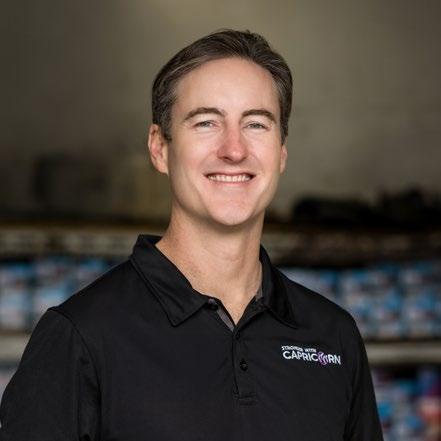
Brad Gannon Group CEO
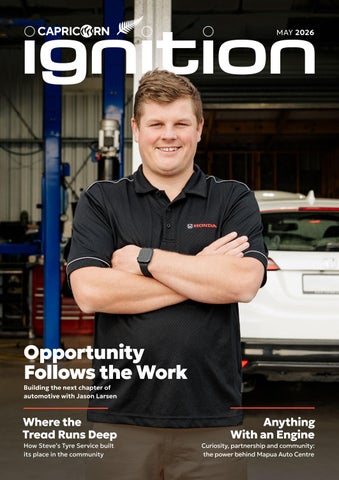
4 Opportunity Follows the Work Building the next chapter of automotive with Jason Larsen.
10 Where the Tread Runs Deep How Steve’s Tyre Service built its place in the community.
14 Cooperate and Collaborate A rationale to do both.
16 Anything With an Engine Curiosity, partnership and community: the power behind Mapua Auto Centre.
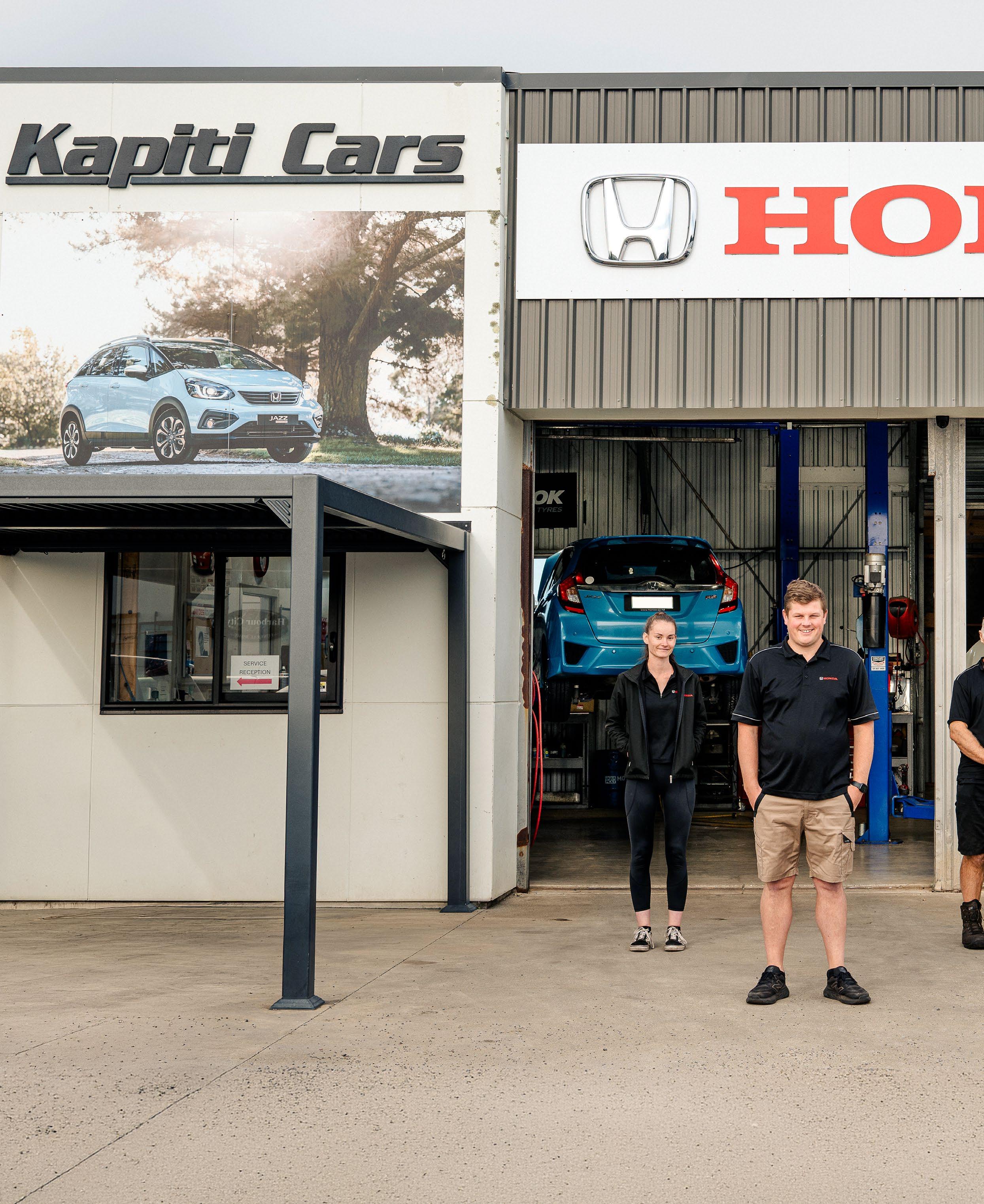
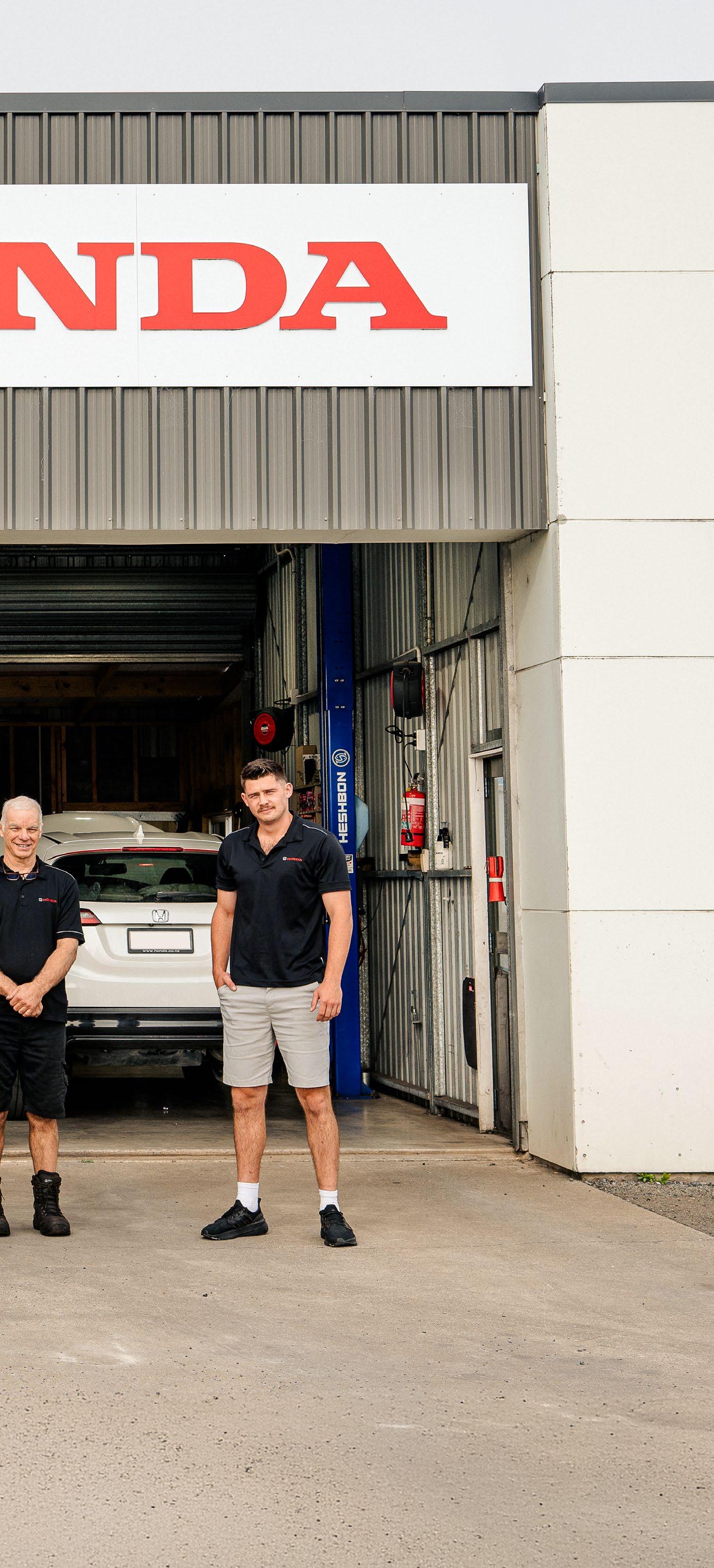
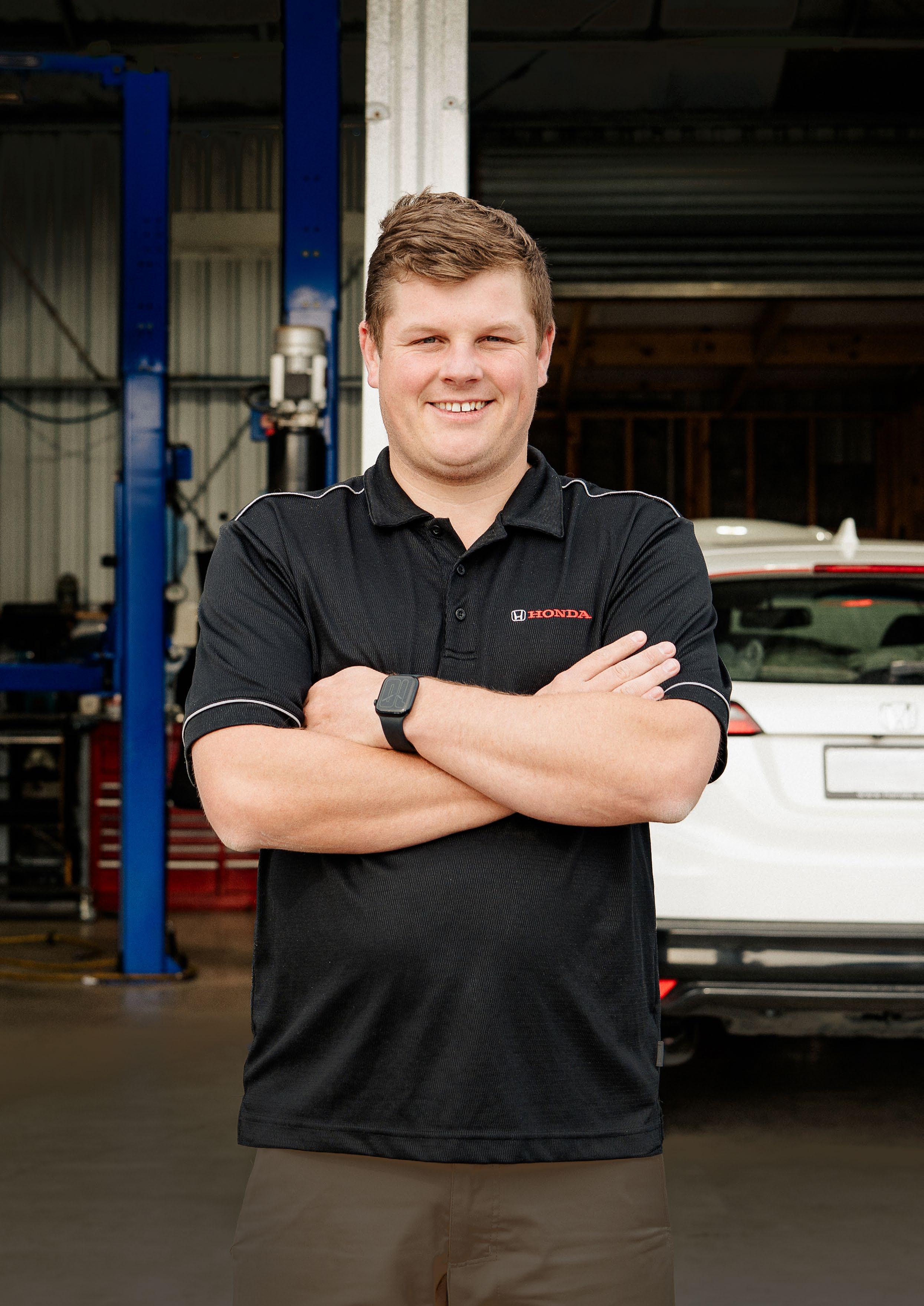
There is a well-documented skills shortage in automotive, and finding passionate young people coming through the industry remains a challenge, but according to Jason Larsen, a young entrepreneur building multiple businesses across the sector, there has never been a better time to get involved.
Raised around workshops and car yards on the Kapiti Coast, Jason grew up in the middle of a family business, Kapiti Cars, where the days were measured by opening gates, ringing phones and the steady movement of cars in and out of the yard. The smell of oil and cutting compound lingered in the air. Conversations drifted between customers at the counter, sales figures in the office and mechanical problems being worked through in real time.
It was practical, constant and unglamorous in the best way — a front-row seat to how automotive businesses actually run.
After school, Jason went to university and made a deliberate decision to step outside the family operation. He worked with a multi-brand dealer group, then spent time with a Japanese exporter, travelling between car yards across New Zealand selling imported vehicles. It was fast-paced, hands-on work that sharpened his understanding of scale, systems and relationships — and showed him how the same fundamentals he’d grown up around played out across the wider industry.
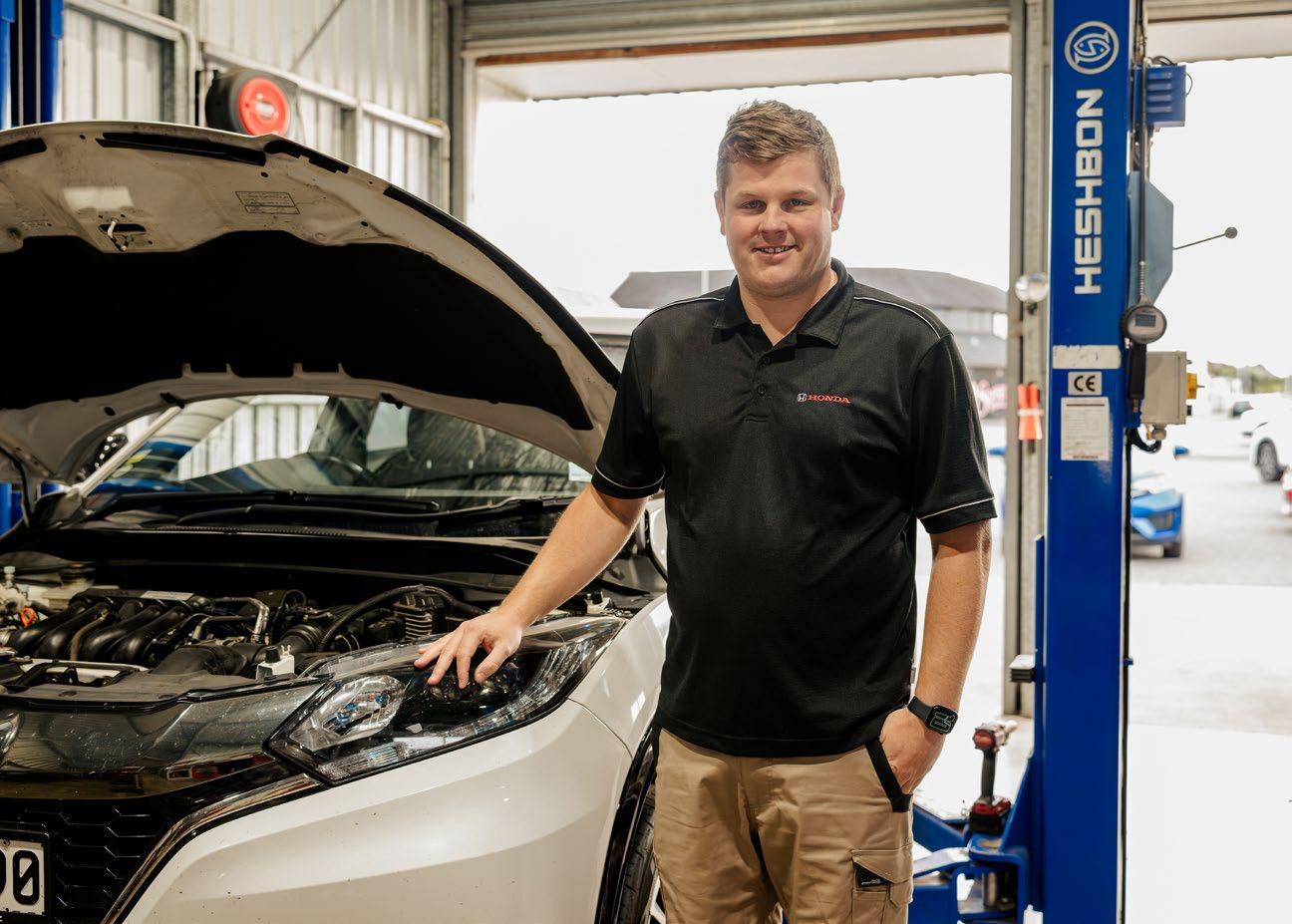
By his late twenties, he had seen enough to back himself. In 2019, Jason registered his first company. A few months later, the world changed. COVID arrived, borders closed, and the original plan became obsolete almost overnight. Instead of waiting for conditions to improve, he pivoted.
Levin Cars opened in 2020, initially as a car yard. Not long after, a workshop followed. From there, growth came steadily but deliberately. Kapiti Cars Honda was brought into the fold. A stake in an established Isuzu and Nissan operation followed. Then, in 2025, Manawatu Honda joined the group.
From the outside, this growth seems rapid – but it was anything but luck.
Jason doesn’t put the expansion down to chance. He sees it as preparation meeting opportunity.
“There’s a lot of opportunity for younger people in automotive right now,” he says. “Not many younger people have been coming into the industry, and as industry veterans retire, it’s creating a bit of a vacuum.”
That vacuum doesn’t fill itself.
Jason believes stepping into it requires more than ambition. It requires structure. Systems. People who can execute consistently. One without the other doesn’t scale.
That thinking led to something slightly unexpected. Alongside the dealerships and workshops, Jason and his team developed their own dealer management system, Workshop Logic. What began as an internal tool quickly became something more intentional. Rather than treating workshop software as a digital filing cabinet, Workshop Logic was designed to actively use customer data. Follow-ups. Communication. Retention. Visibility.
“Most workshops are sitting on a treasure trove of customer information,” he says. “They’re just not doing anything with it.”

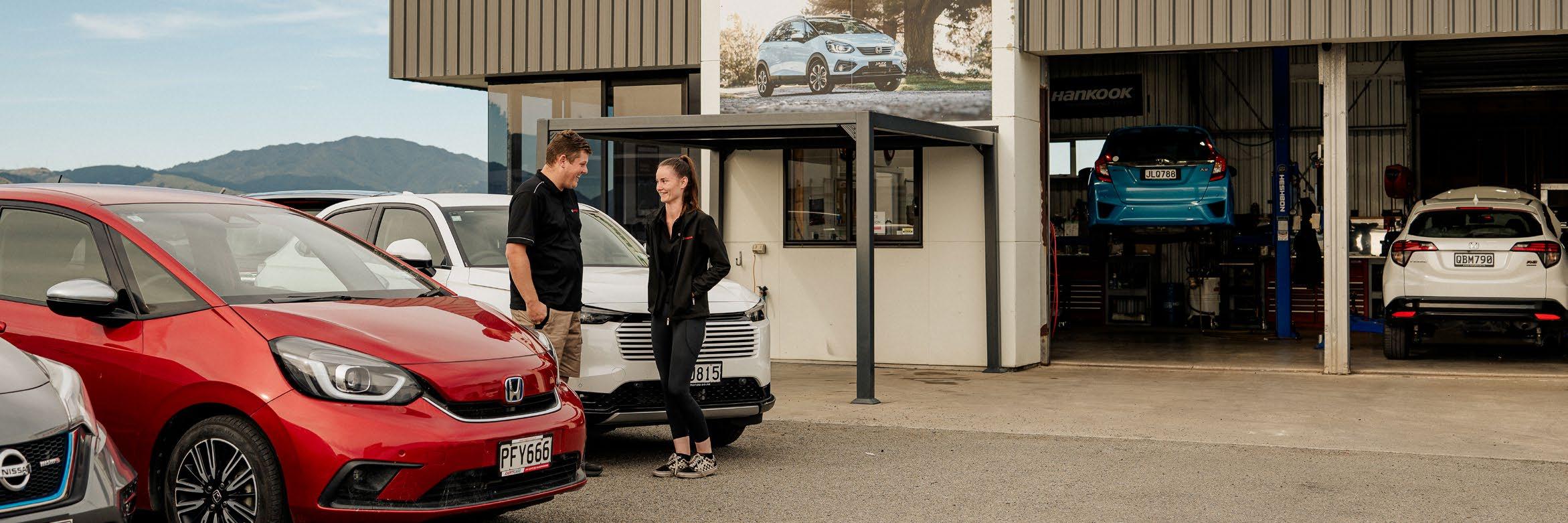
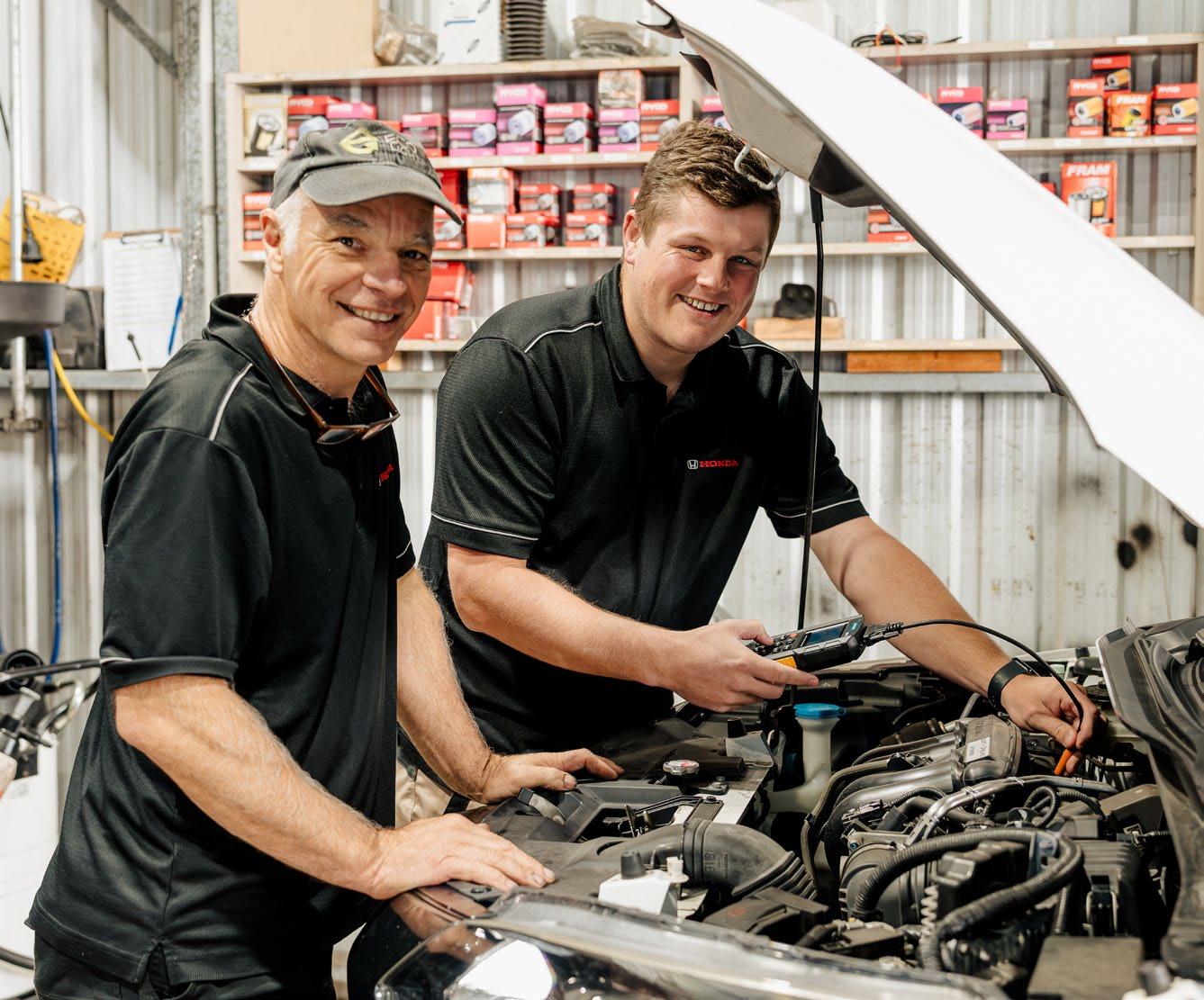
For Jason, the focus is on consistency and connection. Using customer data to generate repeat business, follow up proactively and keep workshops visible to the people they already serve. It’s about treating systems less like storage and more like a sales tool, helping teams stay in touch, stay relevant and bring customers back through the door regularly.
Today, Workshop Logic runs across Jason’s own operations and in a growing number of external workshops.
Ask Jason what really underpins the growth, and the answer comes quickly.
People.
“If you don’t have good people, your business will fall apart really quickly,” he says. “But if you have great people and you expect a high standard every day, you can do amazing things.”
Across the group, the average staff age sits just above 30. There’s young energy, balanced by experience. One part-time team member was New Zealand’s very first warrant of fitness inspector — inspector number V001.
That mix of new and experienced team members is intentional.
“There’s no substitute for experience,” Jason says. “I still ring people all the time to run big decisions past them. My dad’s one of those people.”
For all the talk of systems and opportunity, Jason is clear this isn’t a solo act. The businesses work because the people do.
Jason spends long hours at work. He doesn’t shy away from that. But there’s no bravado attached to it.
“It doesn’t really matter what I’m doing,” he says. “Whether I’m talking to a customer in the yard, working on a car, or helping another workshop use their data better, I enjoy all of it.”
Cars are the common thread, but business is the real fascination. How it runs. How it can run better. How small improvements compound over time. That curiosity shows in how the group operates. Structured, but flexible. Ambitious, but grounded.
Jason is clear about the message he hopes others take from his story.
“There is a lot of opportunity in this industry,” he says. “If you’re willing to put in the work, it’s a great place to be — especially right now.”
Change is happening. Ownership is turning over. Technology is reshaping expectations. For some, that feels uncertain. For others, it feels like possibility.
Jason sits firmly in the second camp. He didn’t wait for the industry to step aside and make room for him. He built systems, backed people, and stepped into the space that opened up.
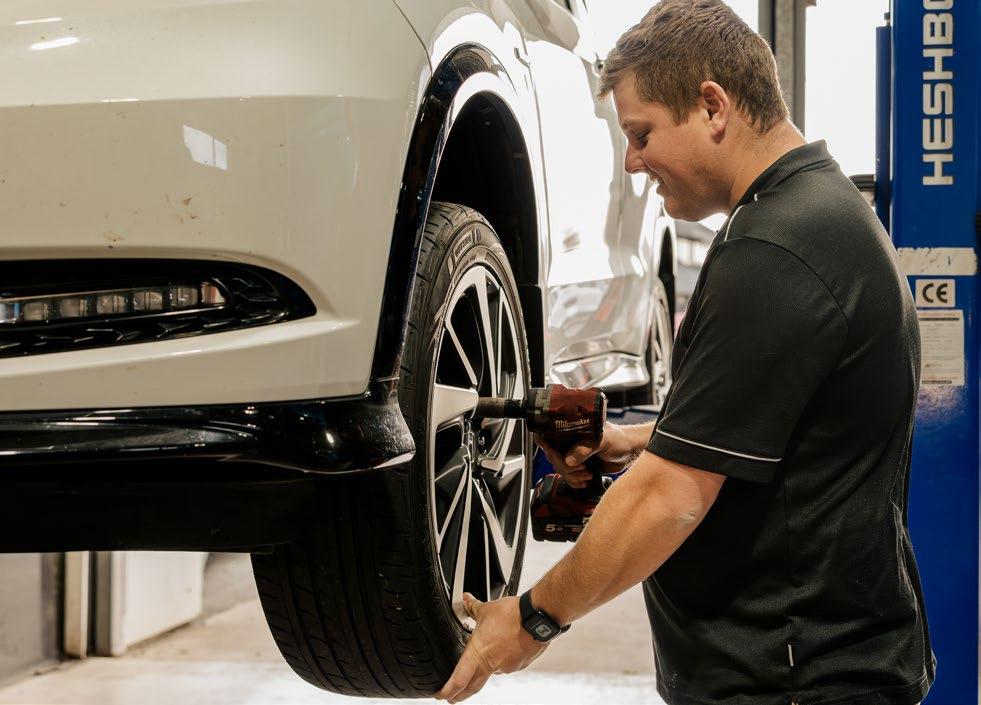
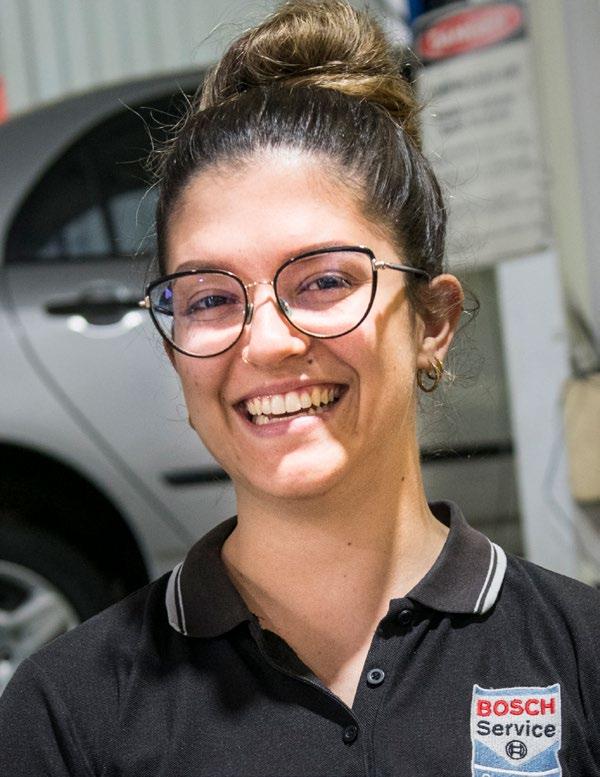
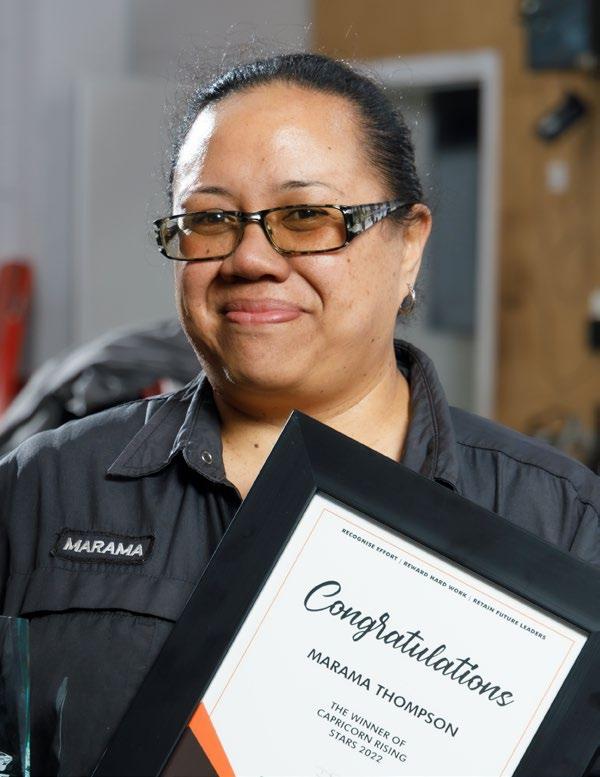
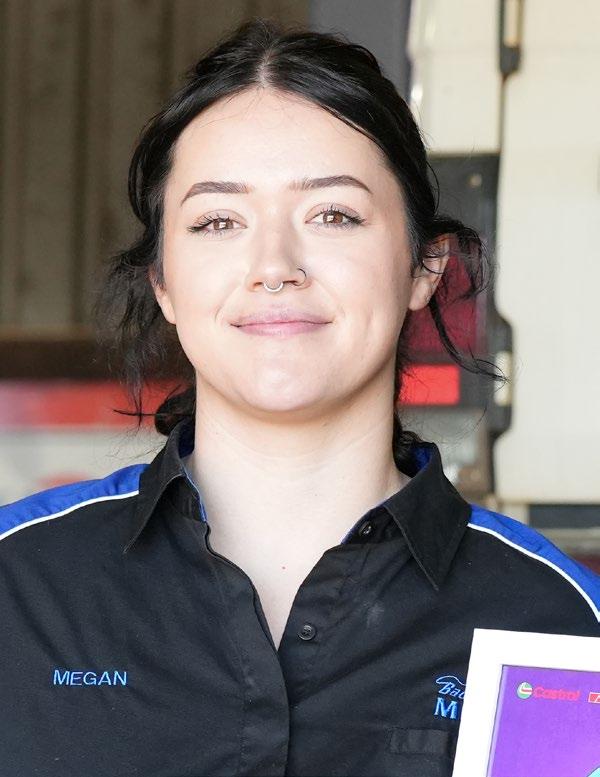
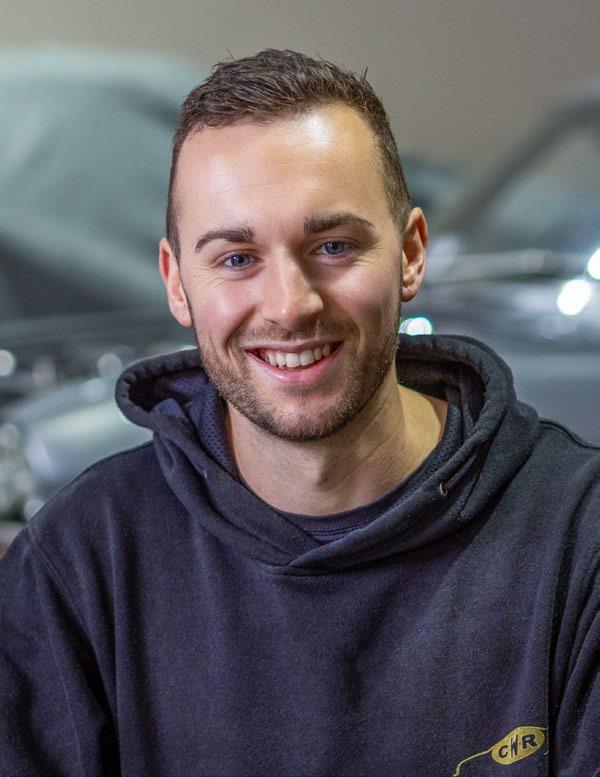
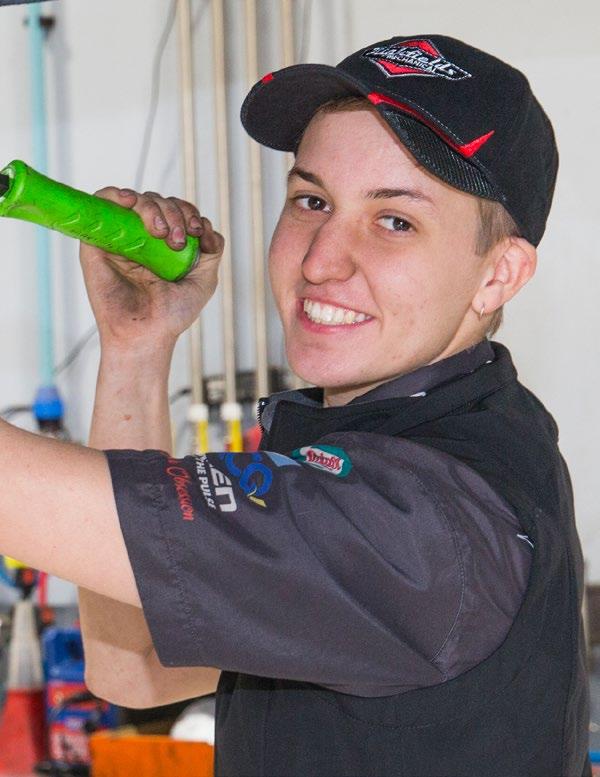
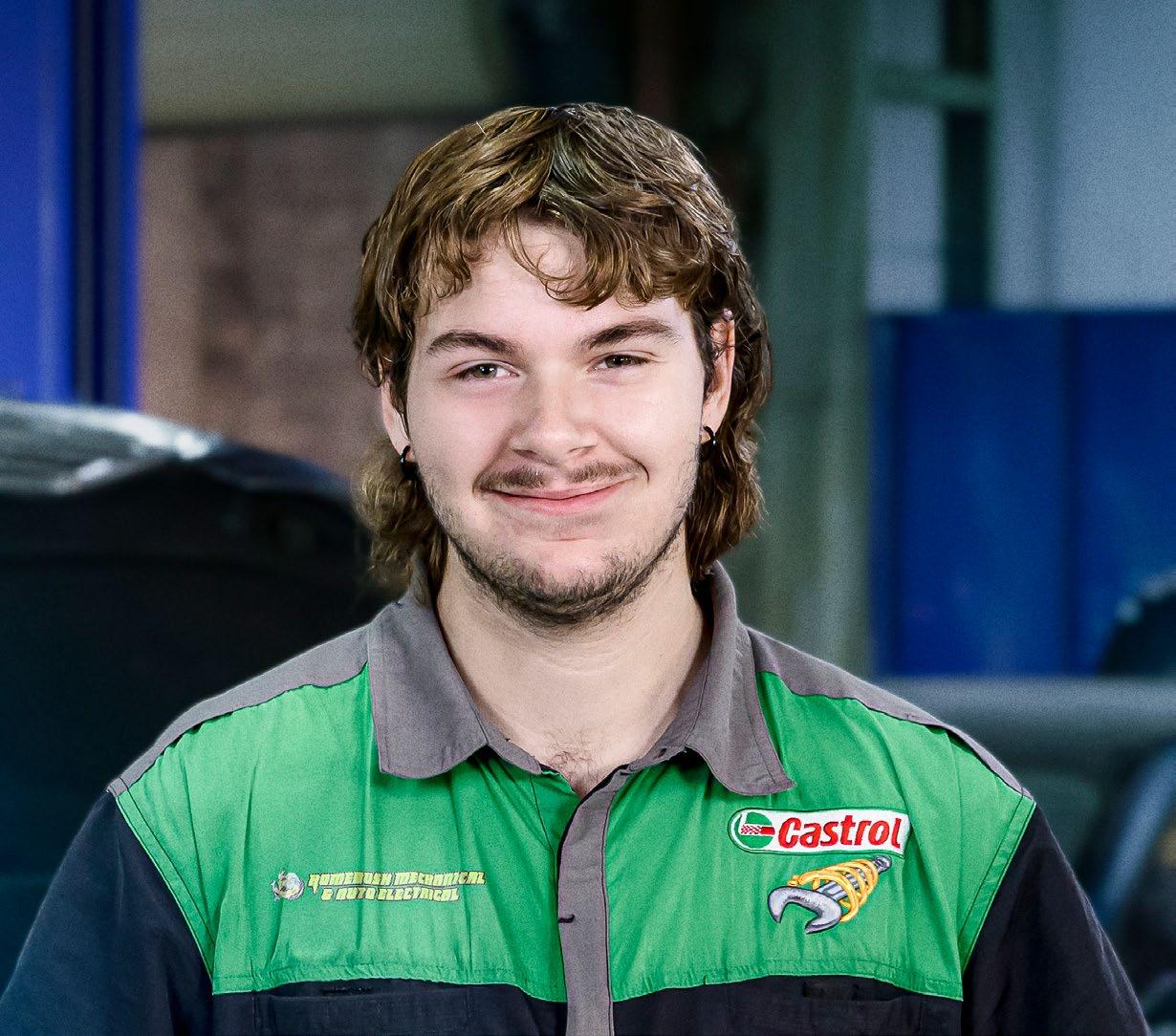
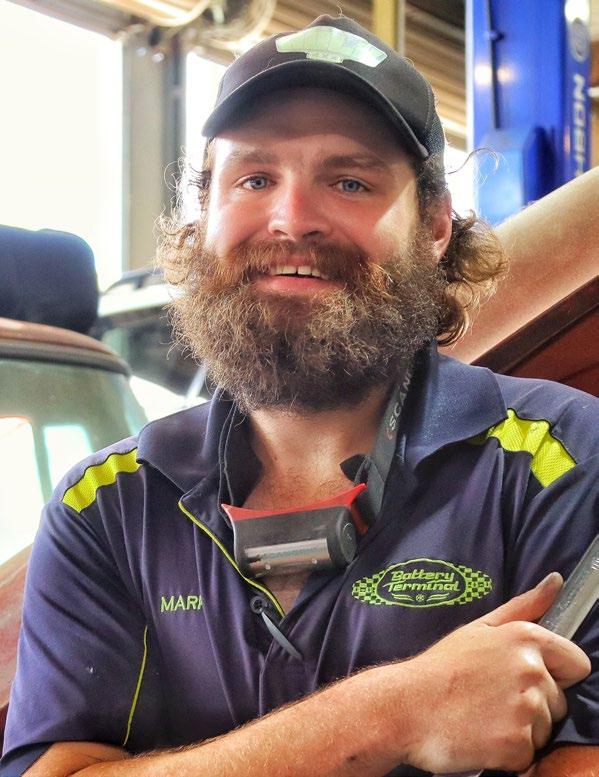

This year, Rising Stars delivered some of the most inspirational nominations we’ve seen yet, with entries submitted from workshops across Australia and New Zealand. As nominations close and the program moves into the judging phase, the quality of this year’s nominees highlights the passion, pride and commitment coming through the next generation.
Behind every nomination is an apprentice showing up with curiosity, effort and a genuine desire to learn; and behind all that is the generous support of our sponsors, whose contributions help make this program possible.
We would like to sincerely thank Castrol, along with all Rising Stars New Zealand supporting sponsors including Repco and The Workshop Whisperer, for their continued support and belief in recognising emerging talent.
Together, your involvement plays an important role in supporting apprentices, strengthening career pathways and helping address ongoing challenges such as skills shortages and retention across our industries. By backing Rising Stars, sponsors help reinforce a clear message to apprentices across Australia and New Zealand: that learning is valued, effort is recognised and there is a future worth committing to.
With nominations now closed, our judges are excited to get underway. They will soon begin the important task of selecting two overall Rising Stars, one from Australia and one from New Zealand, alongside Australian regional winners. With such a strong field of nominees, the judging phase promises to be both challenging and rewarding.
Rising Stars continues to demonstrate what’s possible when industry comes together to invest in people, skills and long-term sustainability. Training apprentices takes time, patience and leadership, but it is essential to the future strength of our industries.
We wish all our 2026 nominees the best of luck.

Brad Gannon Group CEO



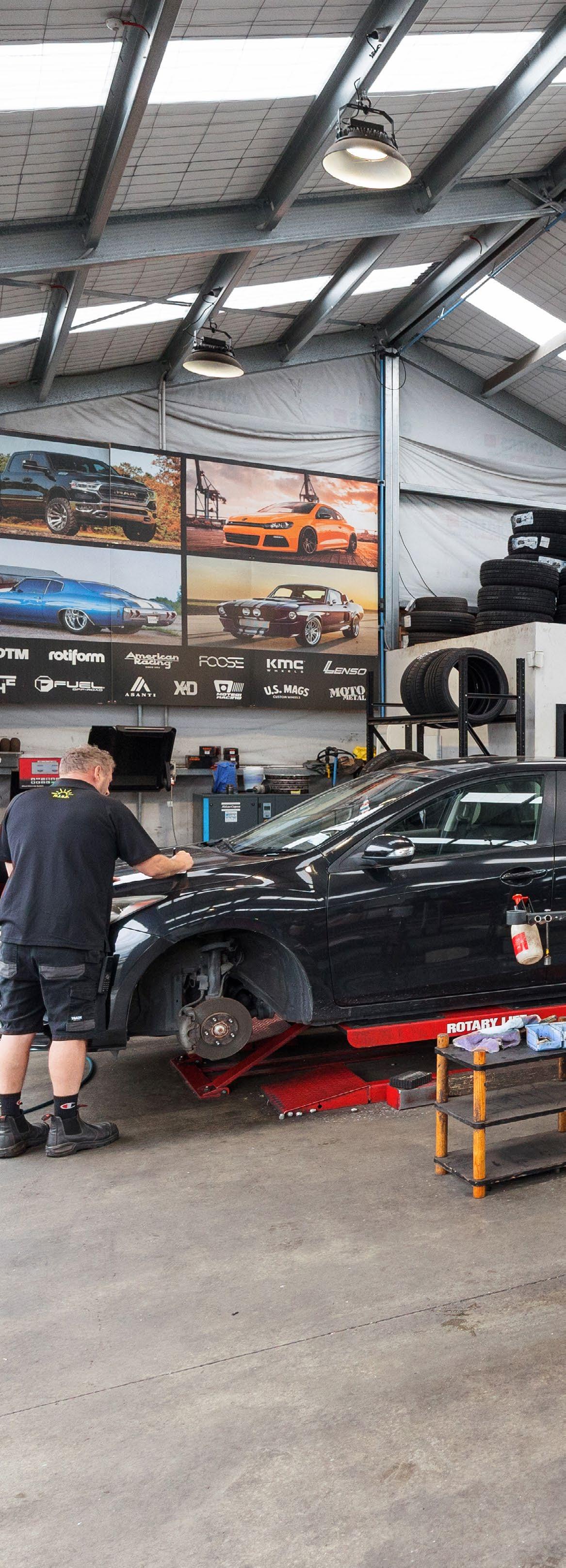
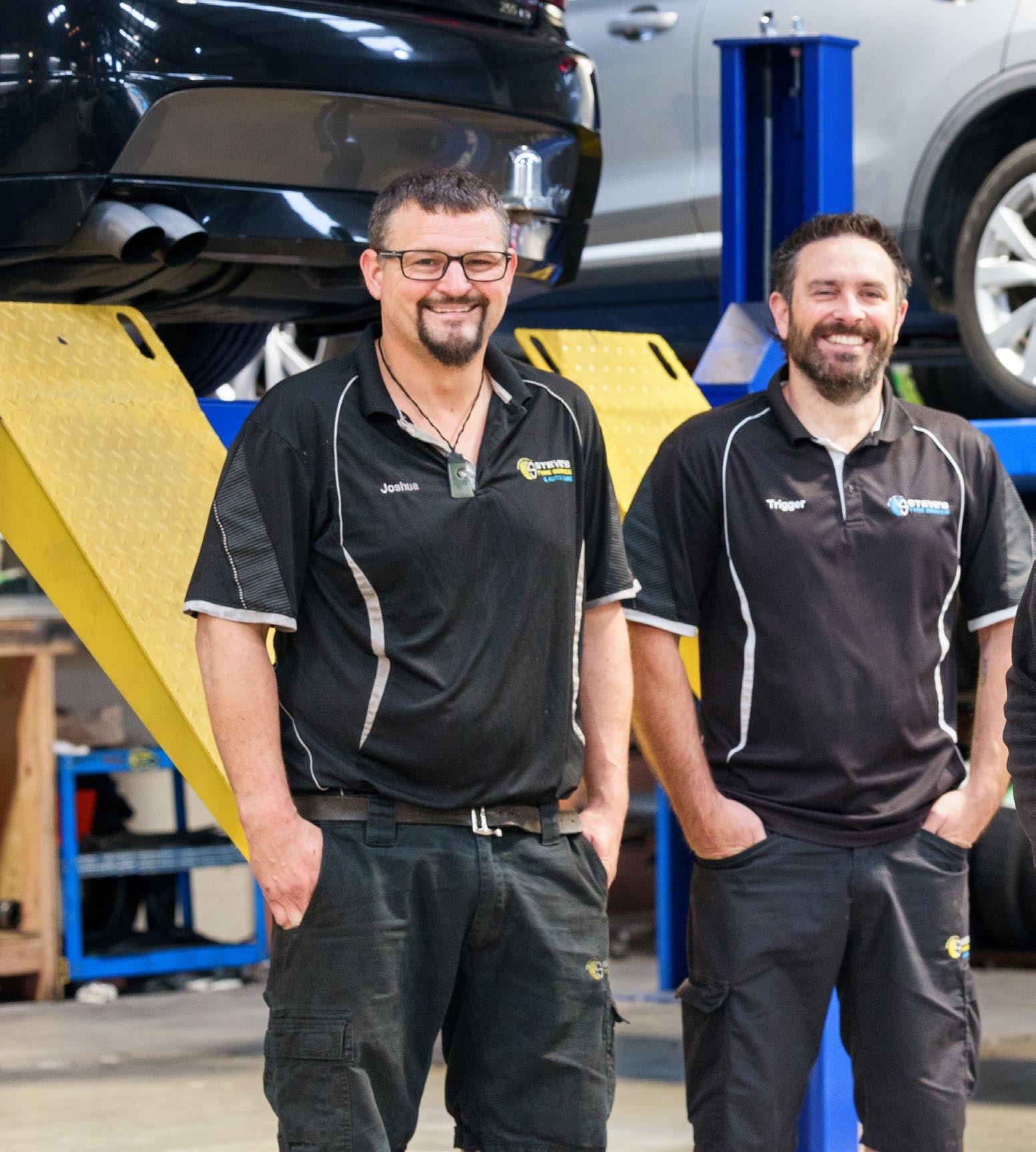
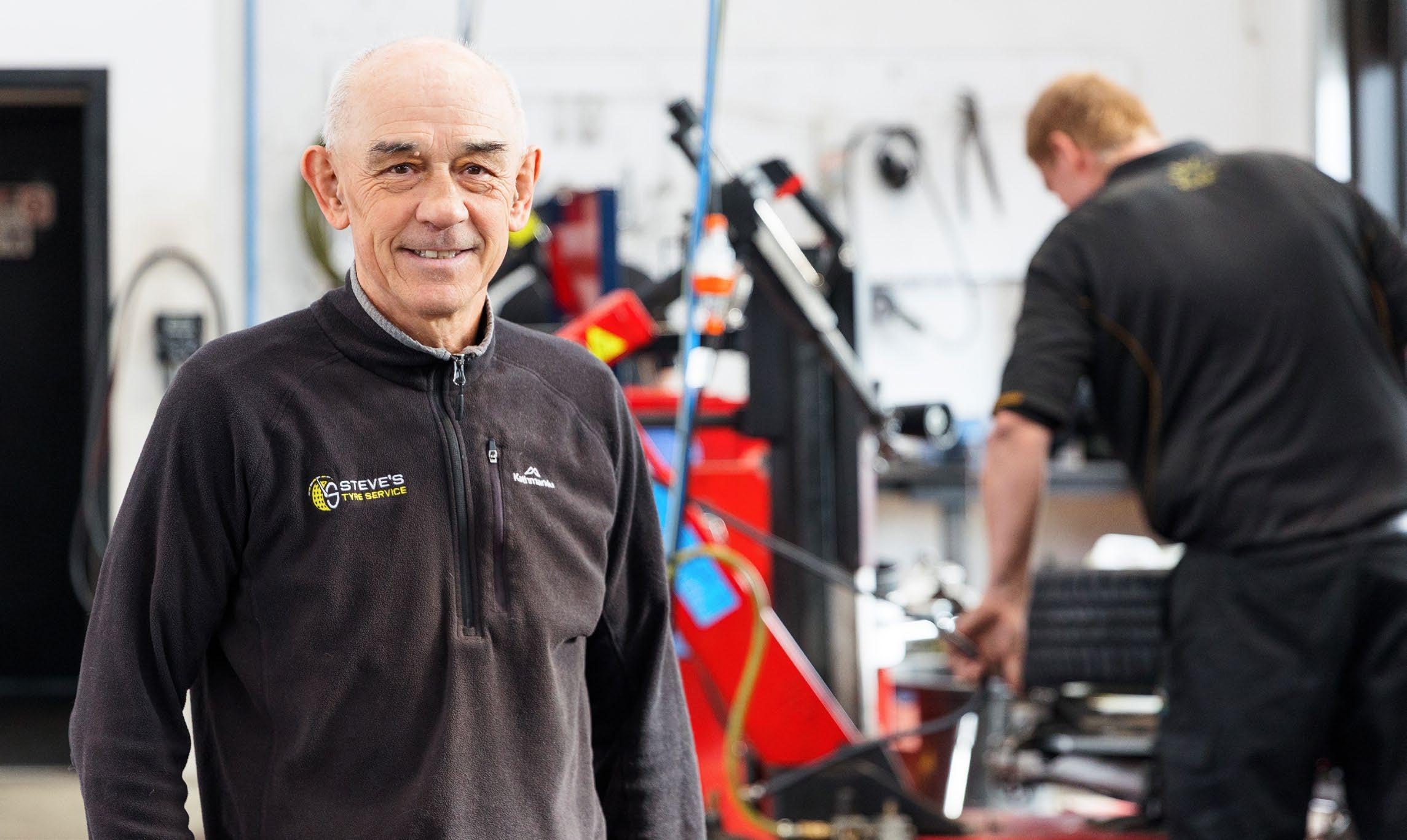
How Steve’s Tyre Service built its place in the community
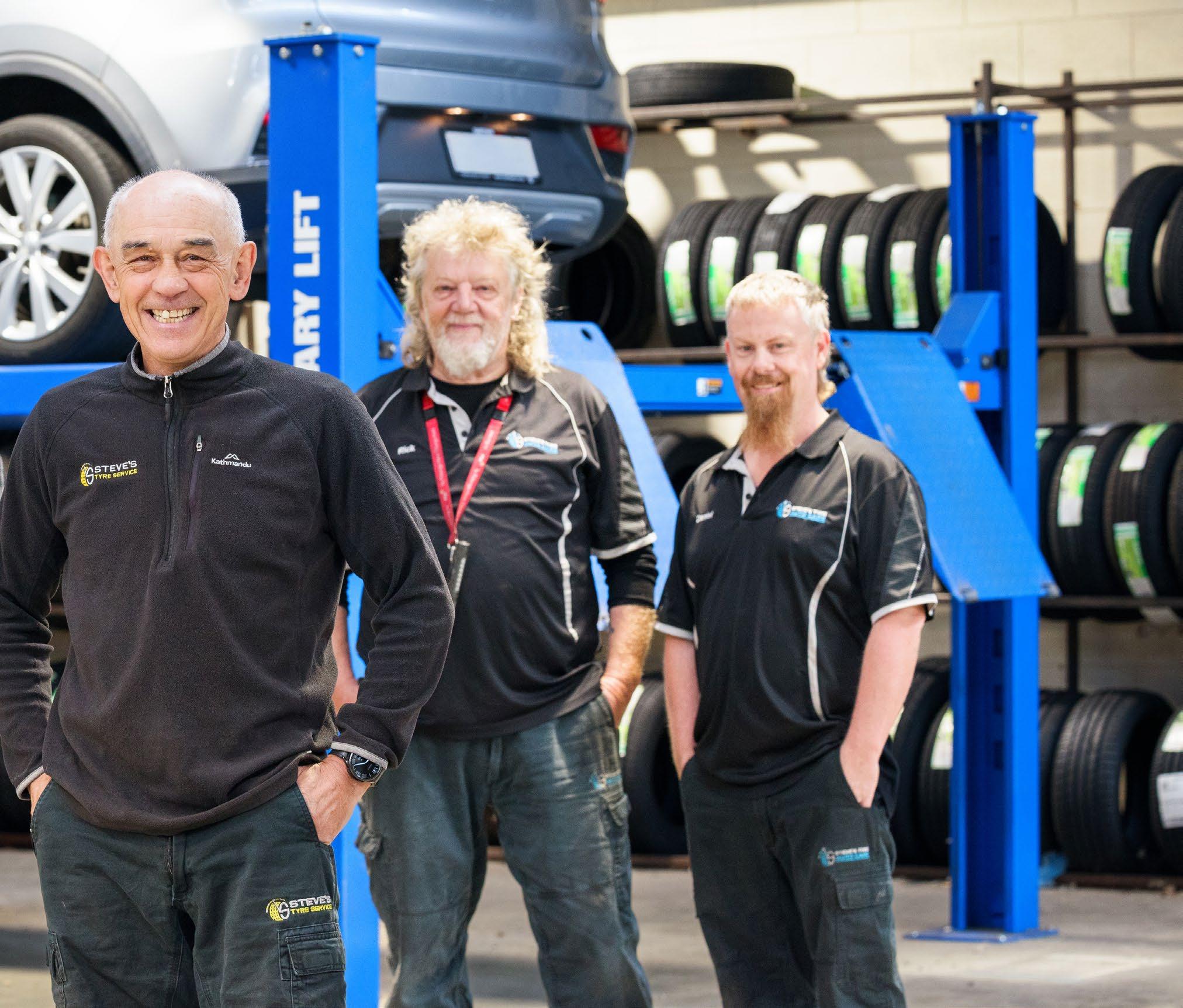
By the time the roller door lifts each morning, Steve Deans is already in rhythm with the day.
There are tyres to fit, warrants to sign off, customers waiting at the counter and staff moving between bays. In Palmerston North, it’s a familiar scene, but for Steve, it’s never just about what’s on the hoist. It’s about the people attached to the vehicles, the conversations that happen while keys are handed over, and the quiet trust that keeps customers coming back — a focus that now extends beyond the city to his Levin location as well.
“Every day’s a busy day,” Steve says. And after 14 years in business, he should know.
Steve’s entire working life has been shaped by the tyre industry. Straight out of school, he started in a tyre retreading factory before moving into retail as a young man. After time overseas and years spent in the corporate side of the industry, he reached a point where he wanted to do things differently.
“Fourteen years ago, I decided to get out and do it myself,” he says. “Me and another gentleman started in a small location, and it just grew from there.”
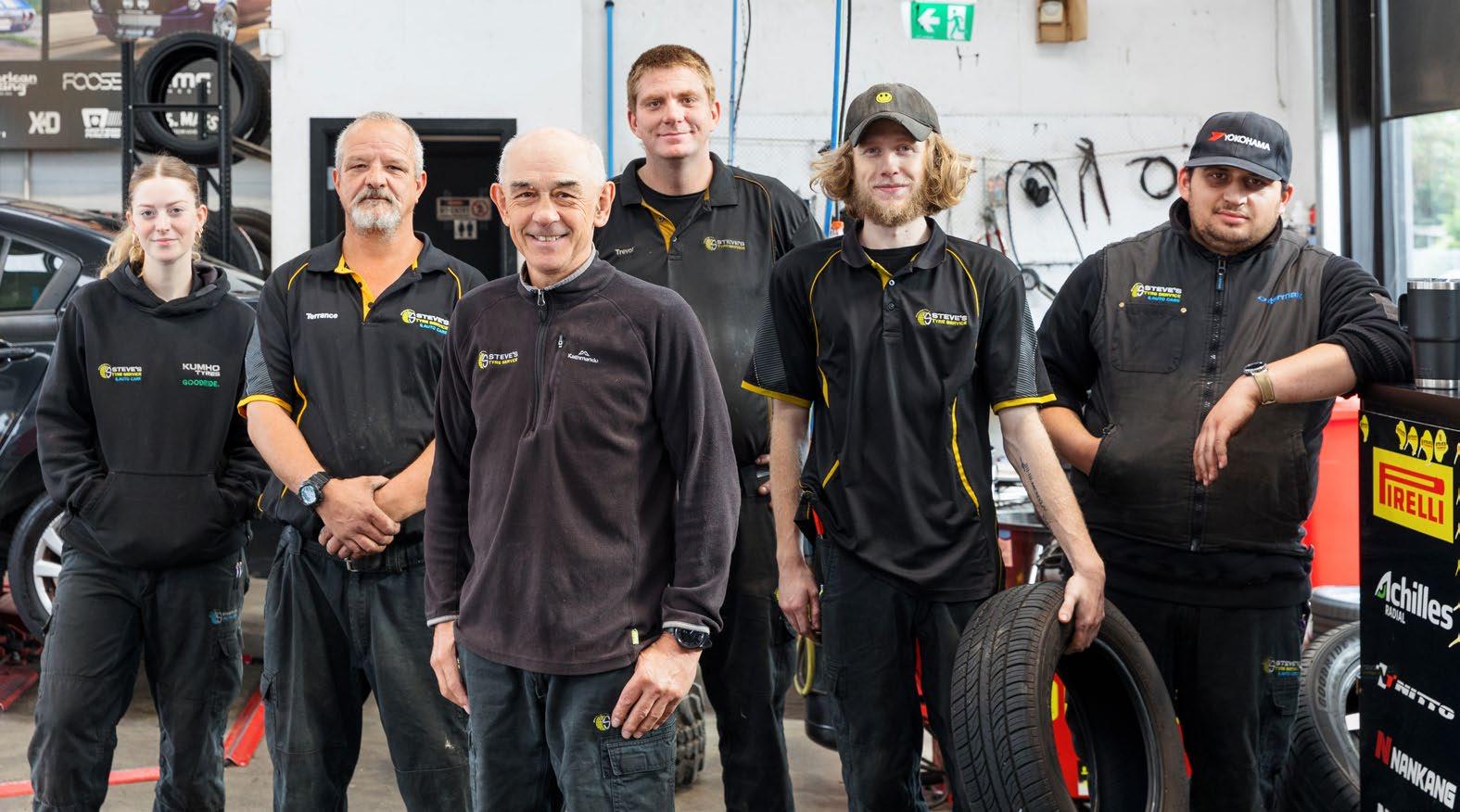
That first shop filled quickly. Demand outpaced space, and within a few years, Steve found himself negotiating a purpose-built site just across the road. Today, Steve’s Tyre Service operates across three neighbouring buildings: tyres, mechanical and warrants, all working together.
“I lose track of my staff nowadays,” he laughs. “But that’s a good problem to have.”
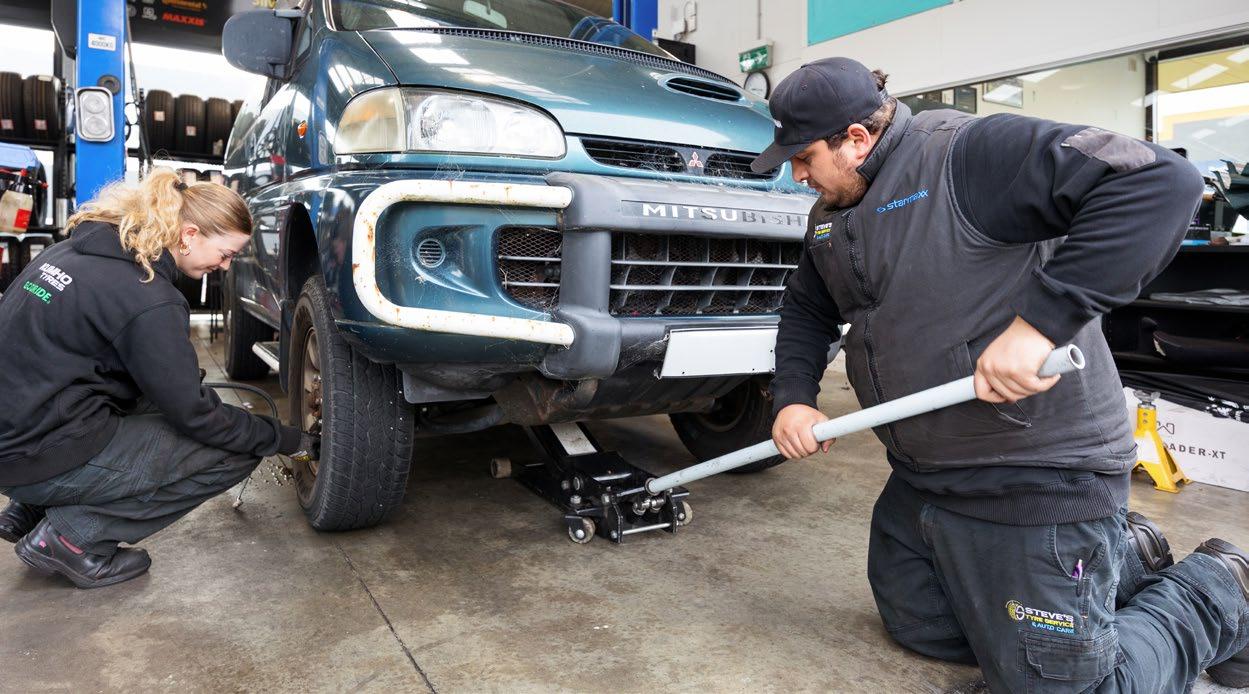
Trust is built in the small moments
Ask Steve what’s driven that growth, and the answer isn’t flashy.
“Straight from the get-go, I’ve had good people and good operations around me,” he says. “Customer service is obviously a key component, but it’s the genuine trust you build over time that really matters.”
Trust like that isn’t built through marketing or fancy slogans; it’s formed with hard work and a commitment to doing quality work, every time.
“The product I sell and the work we do, I stand behind it 100 percent,” Steve says. “Once that trust is there, the referrals come. Friends, family — it grows naturally.”
People have always been central to how Steve runs his business. Some staff members have been with him since the beginning, while others are just starting out.
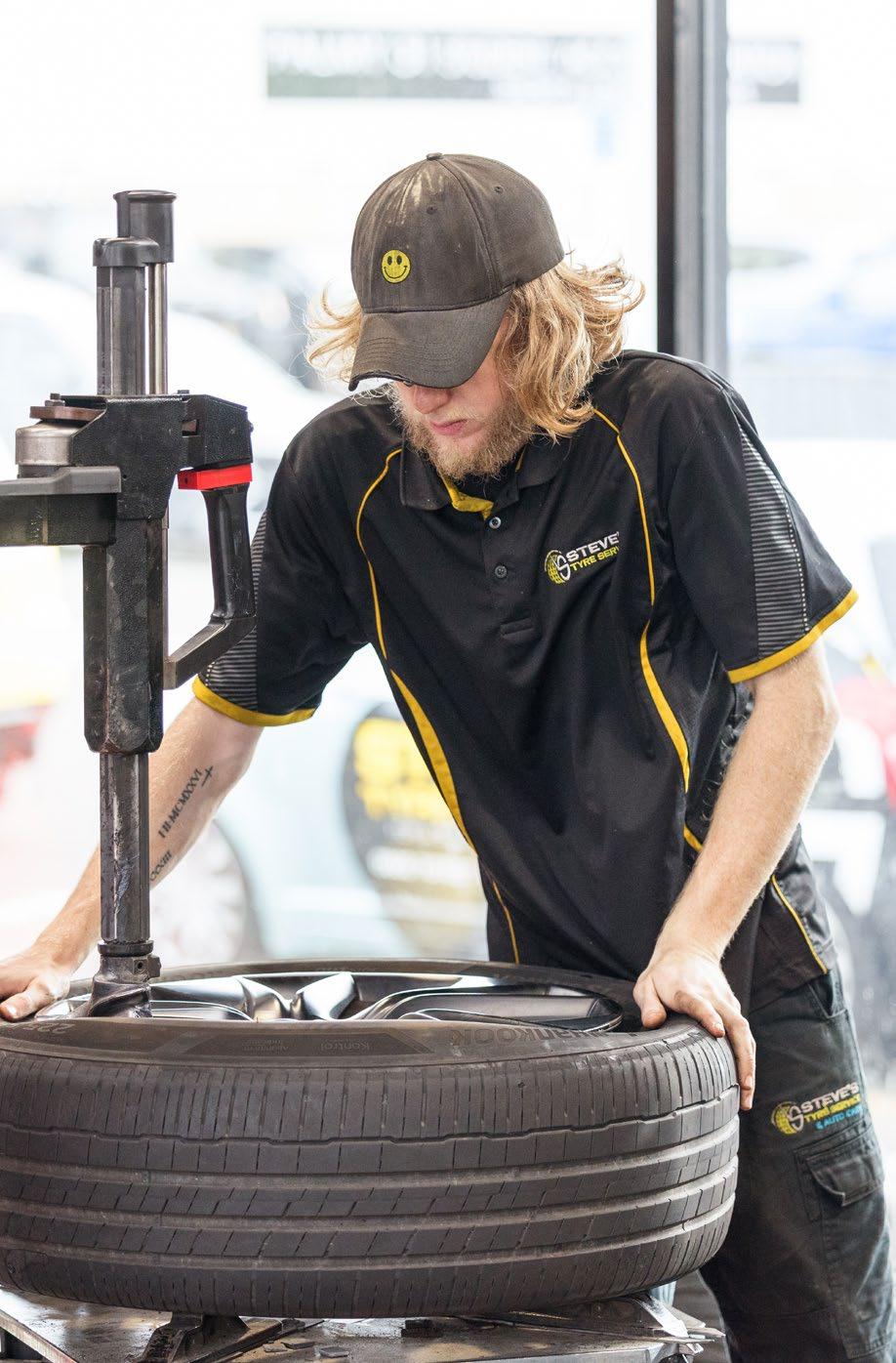
“I make sure there’s a good mix of experience and youth,” he says. “I’ve got three people now where this is their first job. It’s not just fitting and balancing tyres — it’s understanding customer service and doing the right thing.”
The tyre industry Steve entered years ago barely resembles the one he operates in today. Where once there were limited sizes and products, modern vehicles bring complexity, technology and constant change.
“There are thousands of product lines now,” he says. “Sensors in wheels, scanning tools, and vehicles worth $200,000 or more. You’ve got to know what a quality job looks like at every level.”
At the same time, customer expectations have shifted.
“People want things done now,” Steve says. “They want it easy. They want clarity.”
That’s shaped how the business operates. Online bookings. Quick turnarounds where possible. Courtesy vehicles when needed. And above all, clear communication.
“If we can’t do the job today, we can still give clarity,” he says. “What’s wrong, what it’ll cost, what the next step is. We put a lot of focus on that.”
What truly sets Steve’s Tyre Service apart, though, happens beyond the workshop floor.
“I live here. I work here,” Steve says. “So, you might as well contribute where you can.”
A few years ago, the business launched a simple initiative: every puncture repair would be fixed for $10, and every dollar of that would go directly to the local hospice.
Not a portion. Not a percentage. The whole amount.
“Most families are touched by hospice or cancer at some point,” Steve says. “My family’s no exception. We felt it was a great cause doing incredible work.”
Since then, more than $120,000 has been donated through puncture repairs alone — money that would otherwise have been profit.
“It’s not about us,” he says. “It’s about supporting something that matters in the community.”
The business also supports sports equipment recycling, giving locals a place to drop off unused boots, balls and gear that can be passed on to others.
“There are so many things you can do,” Steve says. “And I think most businesses do give back in some way, whatever level that is.”
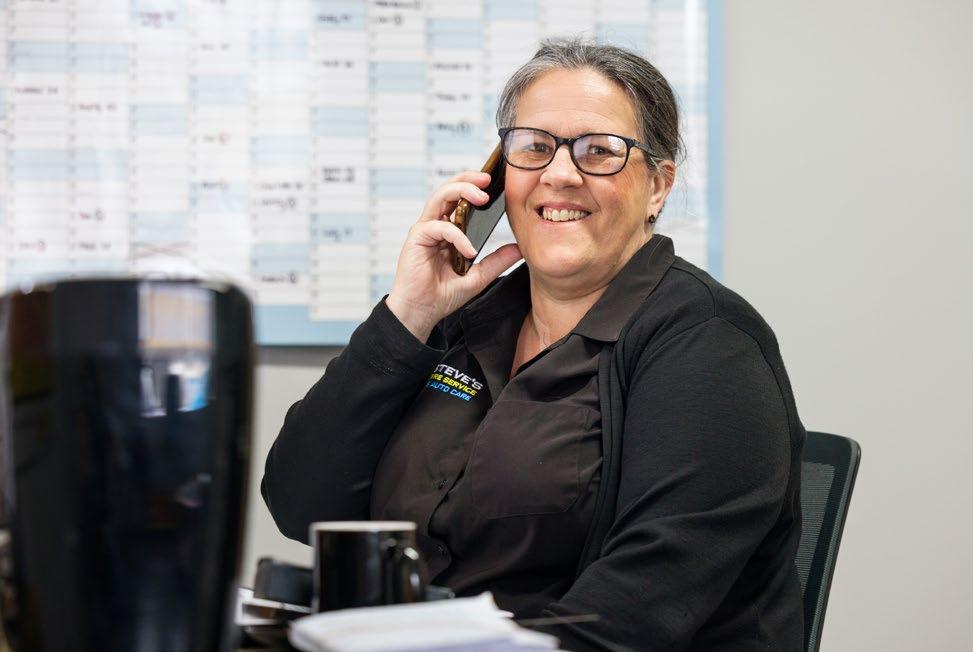
For Steve, it’s about responsibility, not recognition.
“You live there. You work there,” he says. “So you try to do the right thing.”
After decades in the industry, Steve is clear about what keeps him motivated.
“People,” he says. “If you didn’t like people — customers or staff — you’d be in a world of pain.”
He still gets satisfaction from doing a good job, from being trusted, and from the reputation built quietly over time.
“That reputation in the community matters,” Steve says.
It’s why, when the roller door goes up each morning, Steve Deans isn’t just thinking about tyres.
He’s thinking about people — and the community that’s supported him from the moment the hoist was lowered, and the tread hit the ground.
By Jeff Smit
Aftermarket workshop operators live a rapidly changing world every day. Vehicles keep evolving, diagnostic pathways keep shifting, customer expectations keep rising, and the pressure on time, staffing and profitability doesn’t let up.
For years, many workshops have relied on networking to solve difficult jobs – the 'have you seen this fault before?' phone call, the scan report shared with a mate, the quick chat with a supplier rep who’s seen it all before.
Networking with like minds helps, but it’s often informal and reactive, depending on who happens to be available when the heat is on.
The next step, the one that can reduce stress, lift capability and maintain customer trust is collaboration at a more organised level than casual cooperation.
Collaboration isn’t the same as cooperation. Cooperation is 'I’ll help you when I can.'
Collaboration is 'we work together by design, because both businesses become stronger.' It’s planned, intentional and built around shared benefit. And in a modern aftermarket where it’s becoming almost impossible to do everything under one roof, collaboration is shifting from 'nice idea' to 'competitive advantage.'

Internal collaboration happens on your home ground, within the workshop. It occurs when your team stops working in parallel and starts working together, like sharing information and taking ownership and responsibility for outcomes.
Most workshops already do some of this, especially when a difficult vehicle rolls in and the usual process doesn’t deliver the fix. The best workshops, however, make it a habit rather than a rescue plan.
Internal collaboration pays off in practical ways. It produces faster and more successful diagnostics, skills are spread across the team, a stronger culture develops and staff retention improves.
A simple way to lift internal collaboration is by adopting a daily triage routine, based on the medical emergency process of sorting patients into groups so that medical resources can be best allocated. At a workshop level, 10 minutes at the start of the day is set aside to identify tricky jobs, allocate support and agree on check-in times. It prevents the common pattern of everyone being busy until it’s urgent.
External collaboration is a capability that is borrowed and shared and is the best opportunity for auto workshops.
It’s about exchanging and sharing knowledge, capability and resources outside your workshop. That can
include working with other workshops that in the past might have been seen as competitors. It can feel uncomfortable at first, but you need to focus more on the comfort of your customers who want their vehicle fixed properly, with confidence.
If your workshop becomes the organiser of a trusted collaborative network, the customer experience improves and your reputation grows. External collaboration brings three major advantages:
1 Wider capability without the overhead
The equipment investment required to cover every vehicle's system is enormous and out of reach for most. Add training and subscription costs, and the reality is that a huge investment in equipment can't be justified unless enough jobs come in the door. Collaboration lets the workshop access capability when needed, without carrying the full cost all year. That might mean partnering with a workshop that specialises in ADAS calibration, diesel emissions and DPF diagnostics, EV and hybrid fault-finding, transmission diagnosis, module programming and immobiliser solutions, advanced oscilloscope work, or late-model network diagnostics. No single workshop can be best-in-class across all of this specialised work – but a collaborative cluster of workshops certainly can.
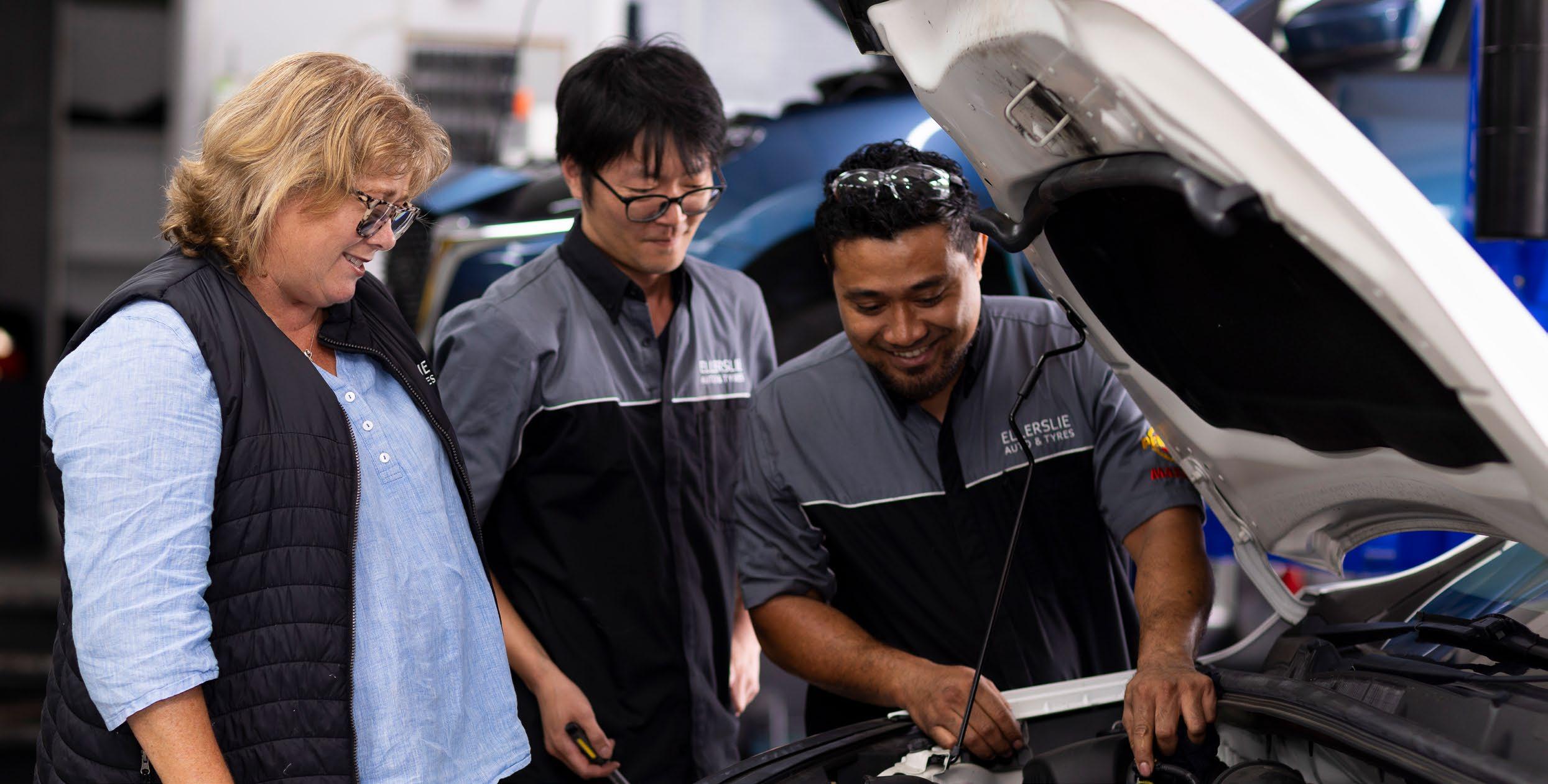
Taking on a new repair category can be risky. The first few jobs often take longer, require additional tooling and carry a higher risk of mistakes. Collaboration reduces that risk by allowing you to draw on a partner’s experience while you build your own capability. This is how workshops expand safely, not by having a crack, but by creating a controlled pathway to competence.
A workshop that collaborates well can keep the customer journey smooth even when the solution requires specialist input. The job doesn’t become a handball – it becomes a managed process. That builds trust, and trust drives repeat work, referrals and ready acceptance of necessary repair costs.
Here's an example of collaboration between workshops.
Imagine three workshops in the same suburb or region:
Workshop A: strong diagnostics, scope work and electrical
Workshop B: strong mechanical, engine rebuilding and driveline
Workshop C: strong programming, ADAS and latemodel procedures
Separately, each workshop hits ceilings. Together, they offer local full-service capability without any one business having to buy everything, train everyone, and carry every liability.
How it works in practice:
Workshop A gets a late-model European with network faults and intermittent no-start. They do the initial testing, then involve Workshop C for programming verification and module checks.
Workshop B handles any mechanical confirmation work if needed. The customer sees one organised solution, not chaos.
Workshop C has ADAS calibration gear and targets which are expensive and not used every day.
Workshop A and B refer calibrations through a simple arrangement.
Workshop C gains steady volume; Workshop A and B maintain service completeness and keep the customer relationship.
Any fears that Workshop C will steal the others' customers only hold true if the relationship is vague and unmanaged. Collaboration works best when it is structured, even if it’s informal in tone.
When these basics are clarified, collaboration stops being risky and becomes a growth strategy. Done well, it actually protects your customer base because you become the workshop that can solve what others can’t — not because you personally do everything, but because you can organise the right solution.
The workshops that will be most successful in the coming years won’t necessarily be the biggest. They’ll be the ones that build reliable systems, internally and externally to solve problems faster, protect quality and reduce stress.
Internal collaboration turns your team into a stronger unit. External collaboration turns your workshop into a hub of capability.
In a trade where cars are getting smarter, tools are getting more specialised, and the workforce is under pressure, collaboration isn’t just a philosophy. It’s a practical business strategy.
Wheelnote: Organisations such as TaT and those who sell data and repair solutions operate at yet another level, and can be a valuable resource on top of internal and external cooperation and collaboration in any size workshop.
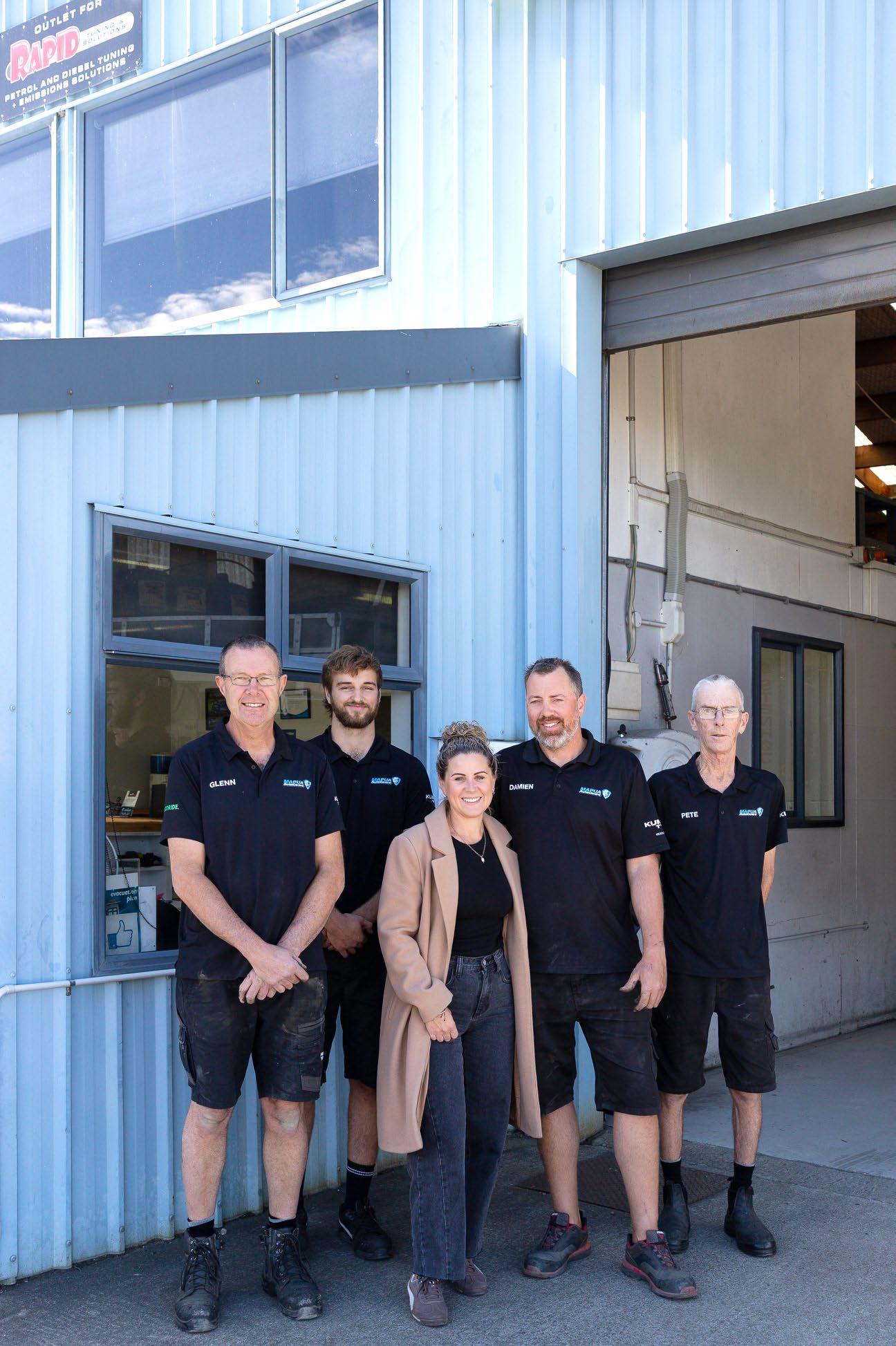
What began as curiosity turned into a trade, and nearly a decade ago, into a business of his own.
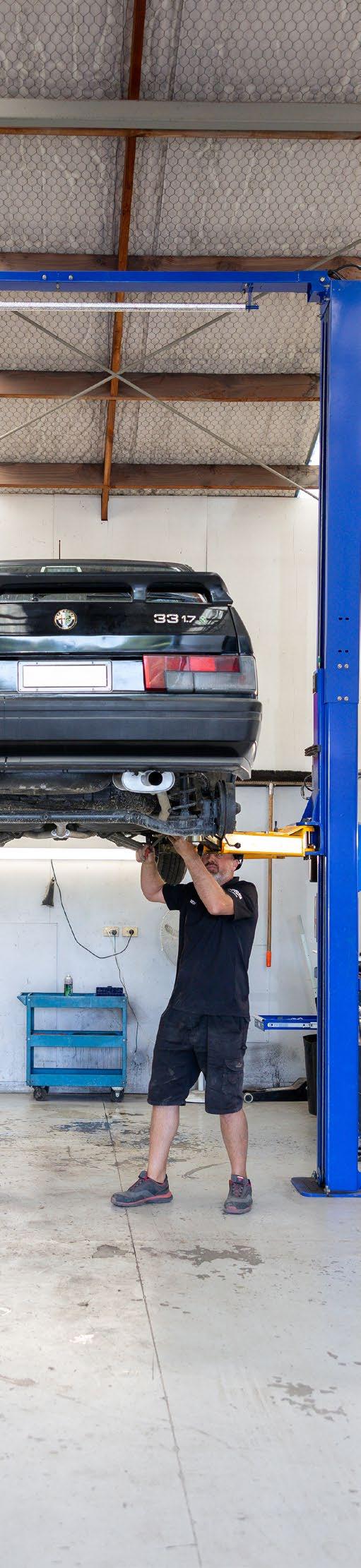
Today, Mapua Auto Centre reflects that same hands on mindset. Cars, motorcycles, mowers, caravans — if it has an engine, there’s a good chance Damien and his team will take it on.
“We never really say no,” he says. “If it’s got an engine, we’ll probably give it a go.”
But while engines may have been the starting point, Damien is quick to point out that the success of the business has been built on more than mechanical skill alone.
For Damien Ross, working with engines wasn’t just a career choice, but something he grew up alongside.
“I’ve always been a fiddler,” he says. “Motors, machinery, bikes, cars — anything with a bit of power.”
As a kid, Damien spent countless hours hovering around a workshop next door to his dad’s pharmacy, drawn more to the sounds, smells and movement of the garage than the shelves of medicine beside it. Seeing the cars come in and out, hearing the satisfying clanking of impact wrenches, and watching mechanics master their craft gave him a deep appreciation for all things automotive.
That early exposure stuck.
When Damien and his wife Jaclyn took over Mapua Auto Centre, they stepped into more than just a workshop.
“I know how to fix cars,” Damien says. “The paperwork side — that’s a whole different world.”
That world quickly became Jaclyn’s domain. From GST and PAYE to insurance, compliance and the day to day administration that keeps the business running, she took on the responsibility of learning the operational side from the ground up.
“There’s so much expense involved that people don’t see,” Damien explains.
“Compliance costs, insurance, leasing — it all adds up.”
Together, Damien and Jaclyn have built a partnership that balances the realities of workshop life with the structure required to keep a business sustainable.
“She keeps the paperwork side sorted,” Damien says. “That lets me focus on the workshop, the customers and the jobs themselves.”
Like many owner operators, Damien admits the biggest adjustment wasn’t technical, but mental.
“Most garages can fix a car,” he says. “The hardest part of the job is dealing with the money side of it.”
Those conversations — when a repair costs more than a car is worth, or when unexpected complications arise — never get easier. Over time, Damien learned that success wasn’t about doing everything himself, but about building support around him.
That thinking extends directly to the people he employs.
Mapua Auto Centre is a small team, but one built with precision in mind.
Pete, who also worked with the former owner, has been part of the building for more than 25 years and remains a steady presence. Ben, an apprentice nearing the end of his training, represents the next generation. Glenn, a more recent addition, chose Mapua Auto Centre over other opportunities for a reason.
“He wanted to work somewhere smaller and more personal,” Damien says. “Somewhere he wasn’t just a number.”
Hiring, for Damien, comes down to trust and instinct as much as experience.
“You get a feel for people,” he says. “How they present themselves. How they talk. I’m responsible for the car once it leaves here — and that responsibility comes back to me.”
It’s a responsibility he takes seriously.
“We try to make it right the first time,” Damien says. “If something goes wrong, you fix it.”
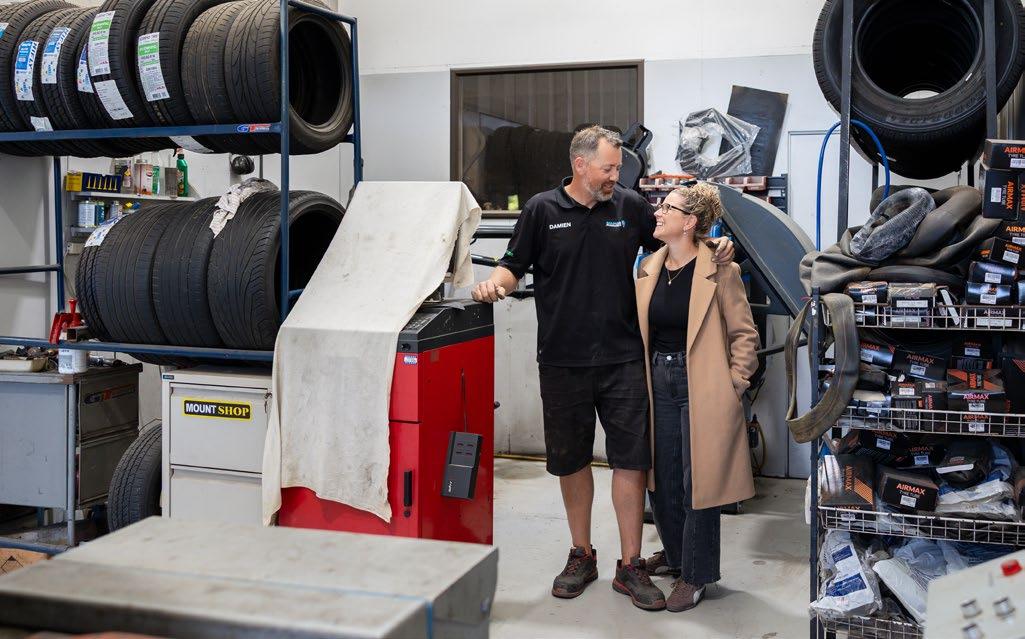
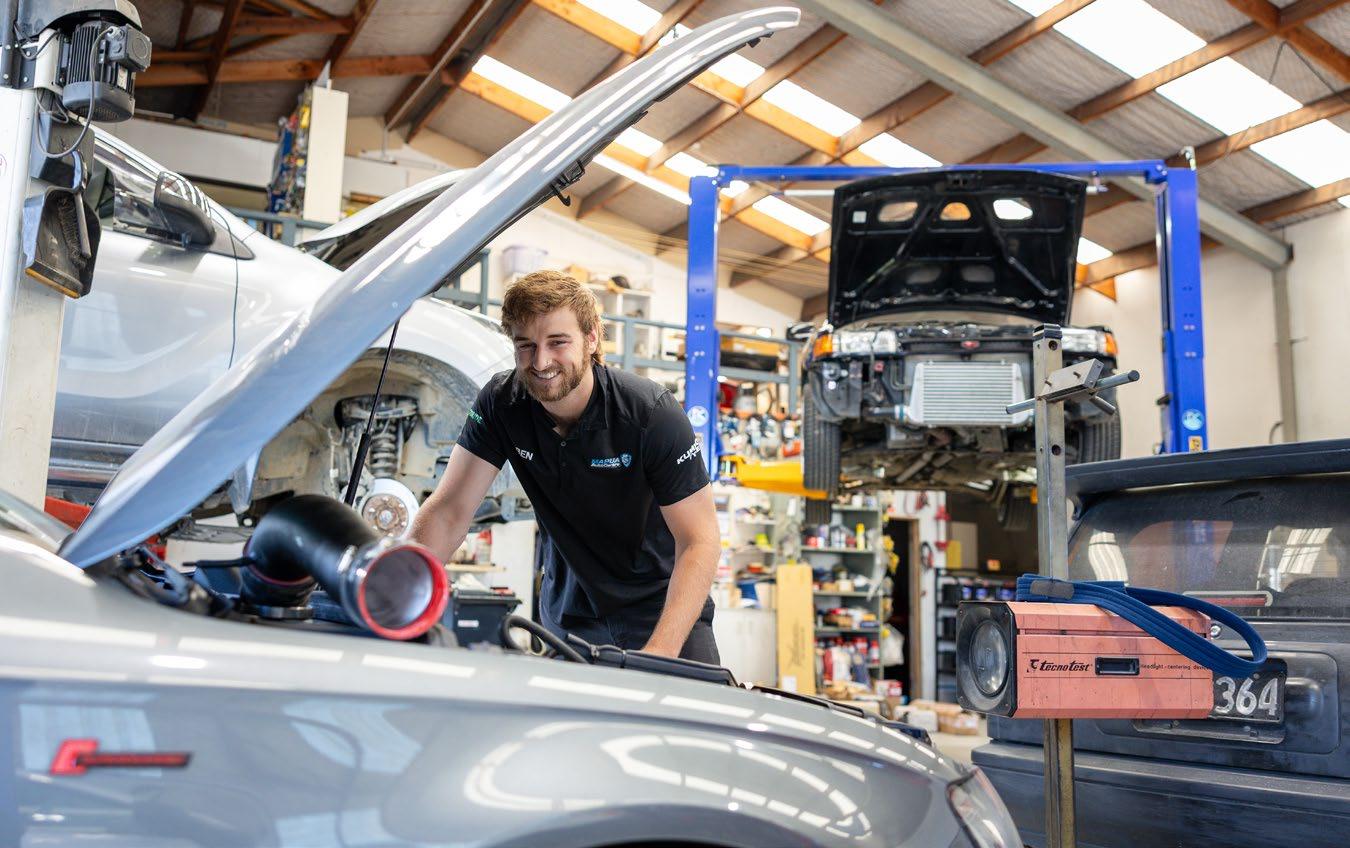
In a semi rural town like Mapua, relationships matter. Many customers have been coming to the workshop since the very first day it opened — a loyalty Damien doesn’t take for granted.
“One of our customers the other day was one of the first people we ever had,” he says. “He’s still coming back. That’s pretty cool.”
Clear communication, consistent workmanship and a clean, organised workshop all play a role in earning that trust. Jaclyn’s involvement in family life and the local community further reinforces the business’s connection to the area it serves.
Despite the long hours and responsibility that come with ownership, Damien isn’t looking to step away anytime soon.
“Some days are hard,” he admits. “But I still enjoy it. I’m not ready to give it up.”
For Damien, success isn’t measured by size or speed. It’s measured in stability, trust and the people who help carry the load: from staff and customers to his wife and business partner.
Damien’s love of engines may have drawn him into the trade, but it’s the people around him — his wife Jaclyn, his team and his community — that keep Mapua Auto Centre running smoothly. Much like the engines that pass through the workshop, whether from a motorcycle, car, tractor or motorhome; the business only works when all the gears turn together.
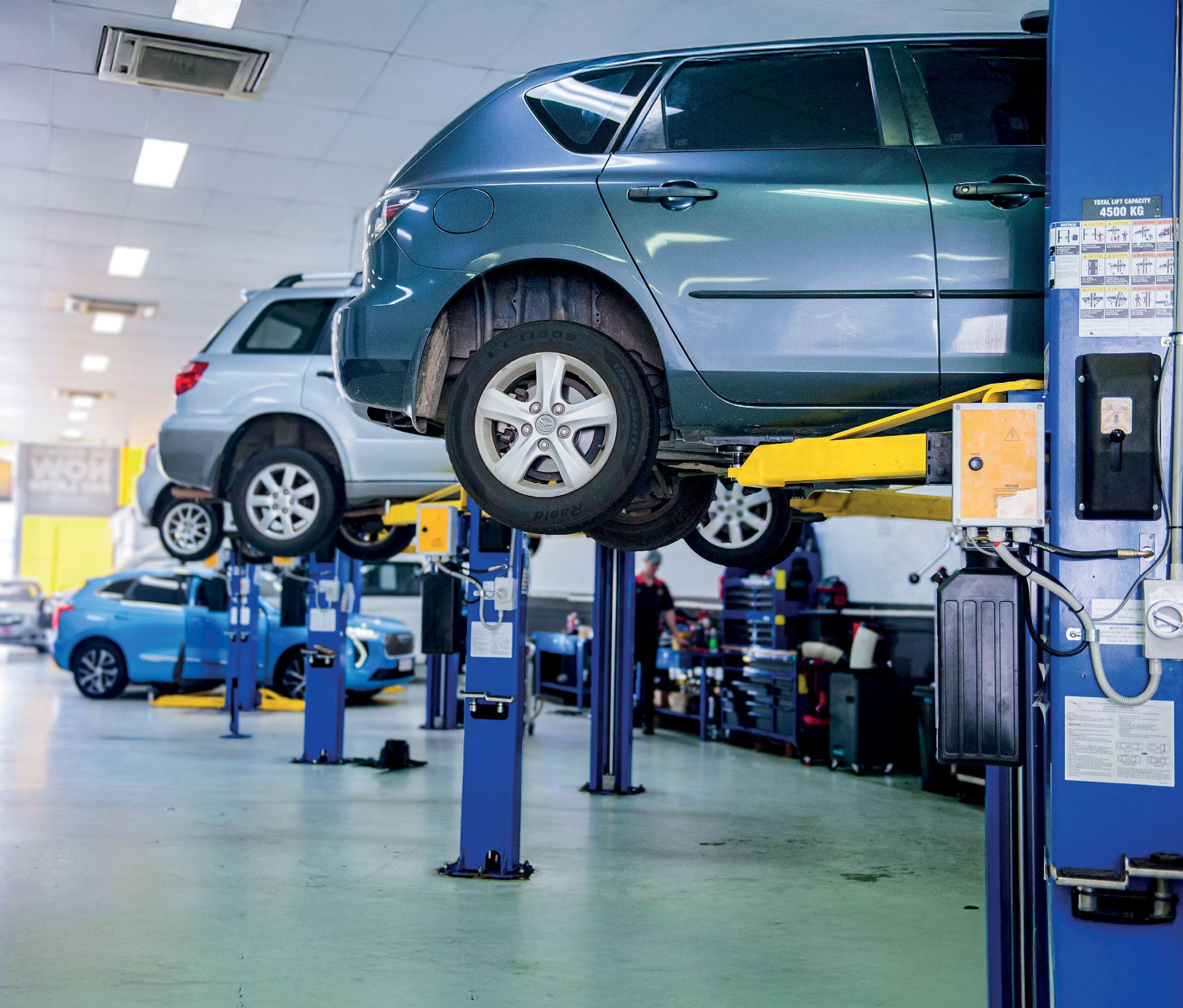
Business moves fast, and sometimes you need quick access to capital to make important investments. Capricorn Finance is exclusive to Members and can help you access the funds you need.
Fast & hassle-free. We can cut down on paperwork, making the process smoother and quicker for you.
We’re in your corner.
We’ll support you through the whole process, making it simple and stress-free. Get rewarded.
Earn reward points on every dollar you spend - even if you’re buying with borrowed funds.*

Submit your entry at cap.coop/funzone by 31 May 2026
March winner: Cooper Tyres Manukau who WON 5,000 Bonus Rewards Points
SPOT THE DIFFERENCE (5 differences to find!)
WORD HUNTER (15 words to find!)
Please note that this competition and participation in the Capricorn Rewards program are subject to terms and conditions. For the full terms and conditions, visit cap.coop/tc.