Turning Plans into Action
Mid‑year is a natural moment for workshop owners to reflect

STAY TUNED!


Mid‑year is a natural moment for workshop owners to reflect


June is a time when many of us naturally pause to reflect on the months behind us, take stock of where we are, and look ahead to what’s coming next. That makes connection across the Capricorn Community especially important — a chance to reconnect with our purpose, with one another, and with the shared commitment that underpins everything we do.
I’m looking forward to seeing some of you at our upcoming Capricorn Convention in Cefalù, running from 7 to 13 June. Hosting events and spending time with our Community is one of the most rewarding parts of my role, and this Convention offers a valuable opportunity to connect face to face with Members who have secured tickets. These moments matter. They give us the space to listen, exchange ideas, and strengthen the relationships at the heart of Capricorn and our cooperative model.
As we move through the middle of the year, many Members and teams are balancing planning, performance and pressure. It continues to be a challenging environment, with global uncertainty often flowing through to local conditions and day to day decision making. While circumstances will always change, what remains constant is the importance of staying connected and focusing on practical, meaningful ways we support how our Members do business.
This month we are modernising how risk protection is delivered, strengthening the foundations of our service over time with a new core software solution. While much of this work happens behind the scenes, it is focused on creating a more consistent and responsive experience for Members as their businesses evolve. Over time, this work will support clearer visibility of risk protections through MyCap for eligible Members, as new capabilities are introduced.
As always, the strength of Capricorn comes from the people behind it. The conversations you have, the support you provide, and the work you do every day all contribute to a stronger, more connected Community.
Thank you for the role you play. I look forward to the Convention, the conversations ahead, and what we can achieve together in the months to come.
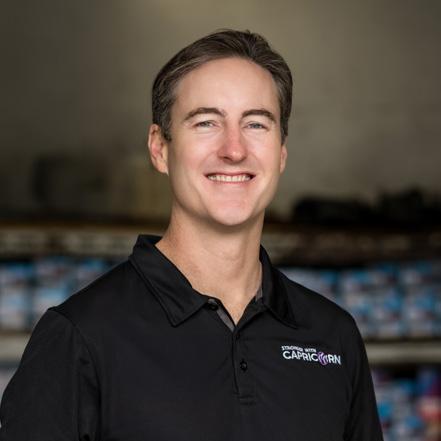
Brad Gannon Group CEO
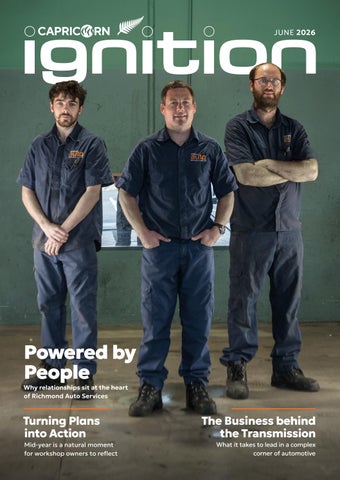
Mid-year is a natural moment for workshop owners to reflect on how the business is tracking and consider what comes next. 14 The Business behind the Transmission What it takes to lead in a
by Why
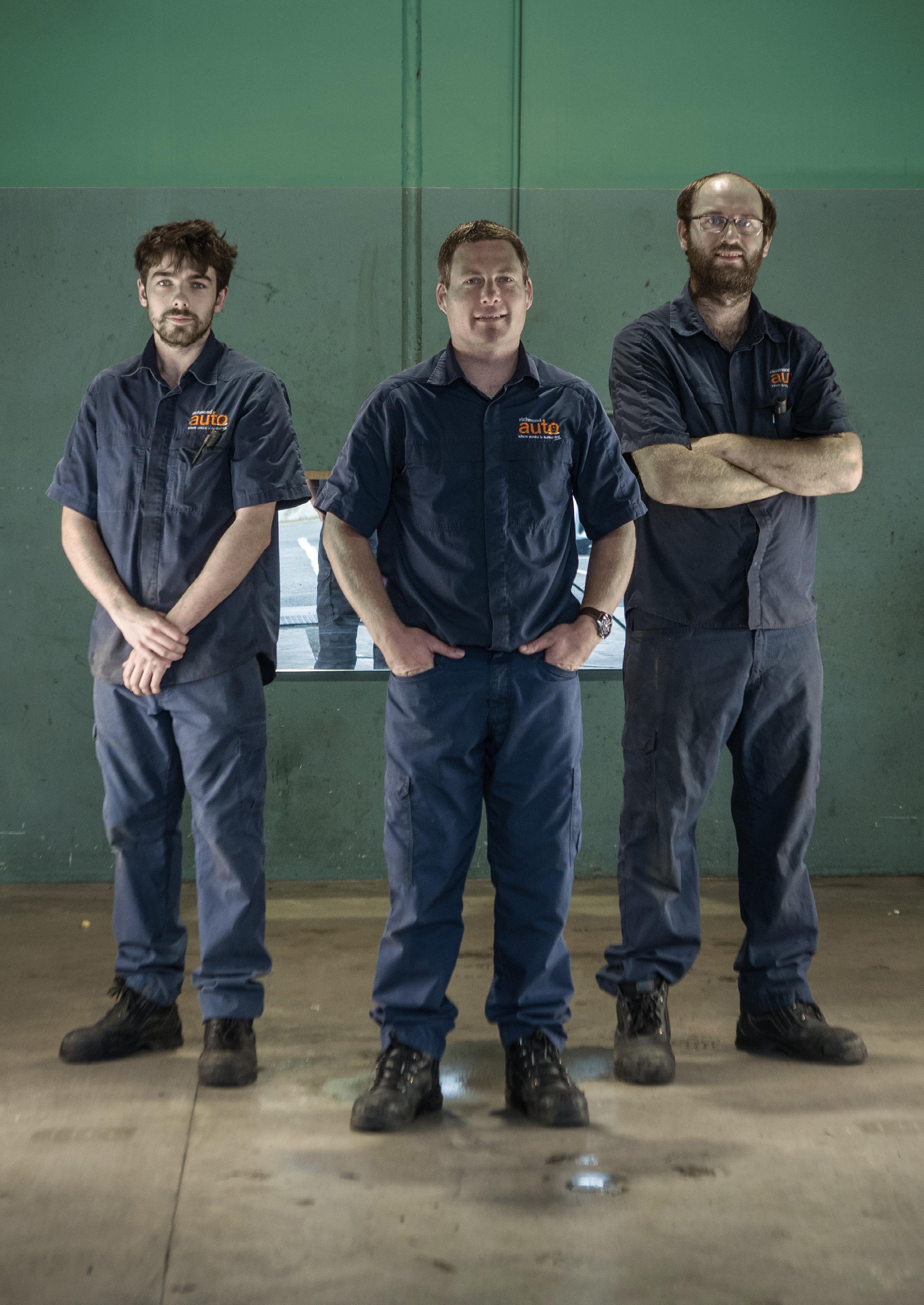
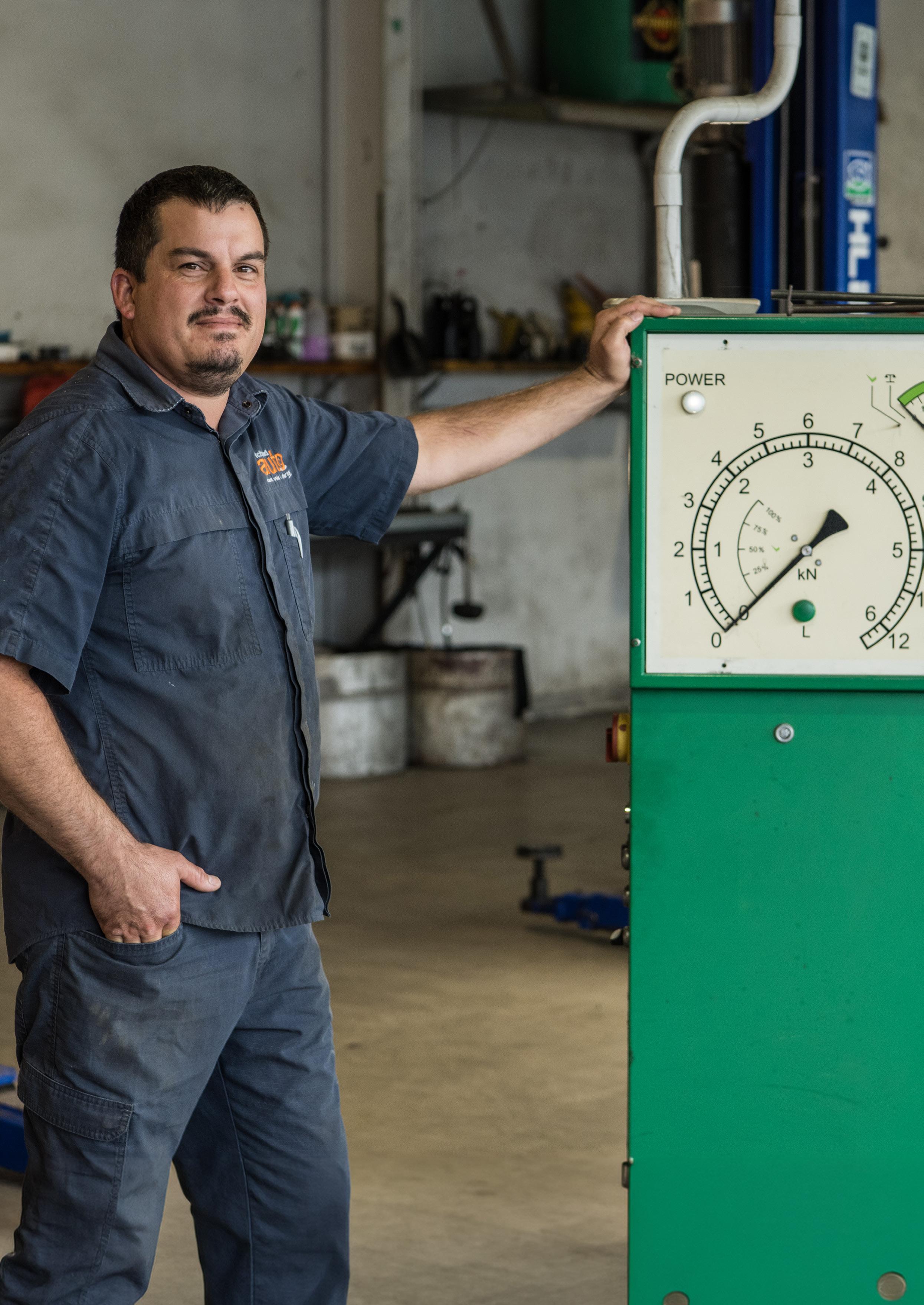
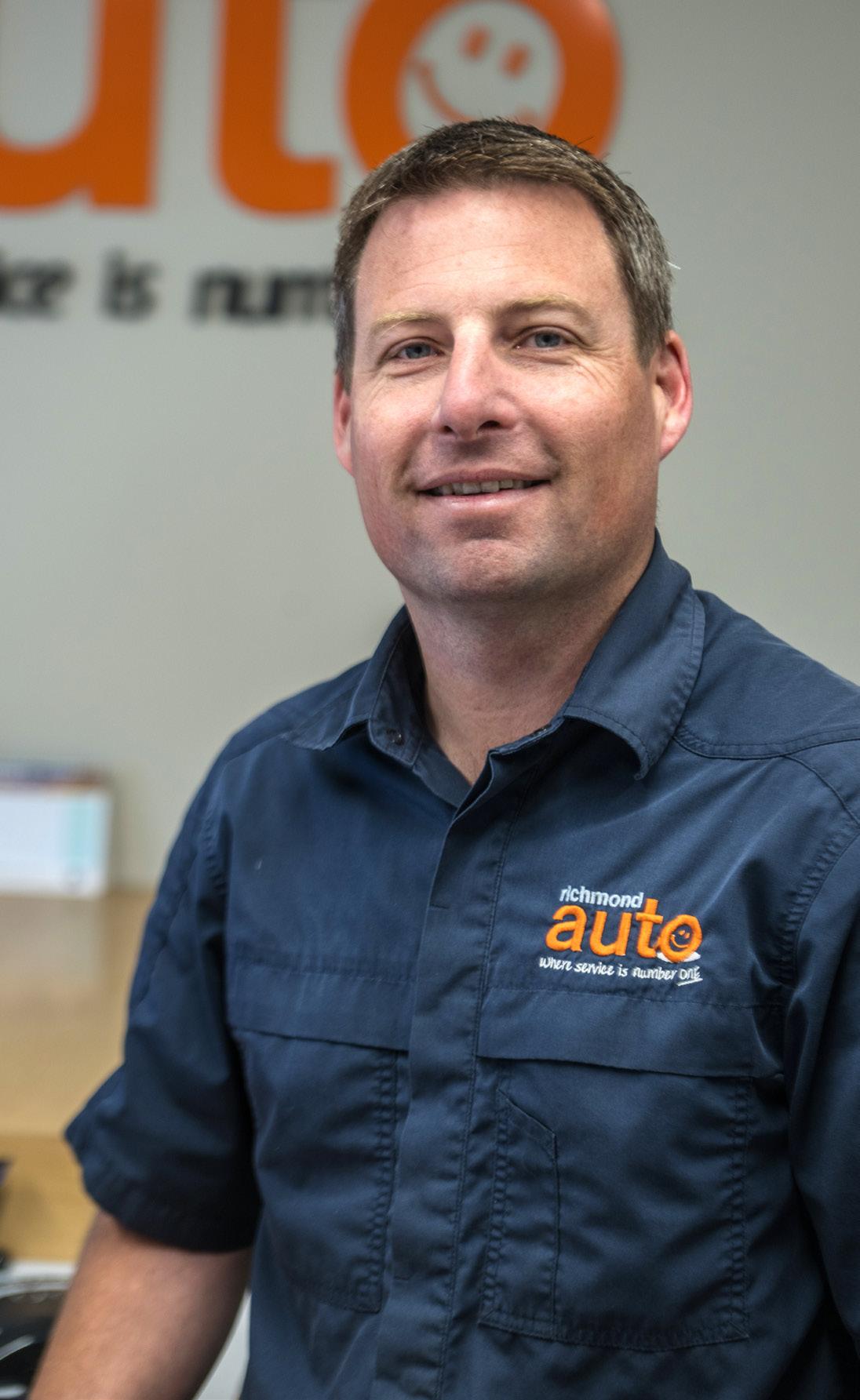
When Joel Struckman talks about Richmond Auto Services, he rarely starts with cars.
He talks about the mornings. The short team meeting before the doors open. The familiar faces on the workshop floor. The conversations that set the tone for the day.
“The people,” he says. “It’s always been the people.”
Joel arrived in Nelson in the early 2000s after the business he was apprenticing with in Christchurch folded. Back then, finding work was no problem for the budding mechanic —securing three job offers in his first day of searching. In the end, Richmond Auto Services was the obvious choice.
“I liked the vibe,” he says. “I liked the people that were here.”
What Joel didn’t realise at the time was that his choice — made after a day-long search — would shape more than two decades of his working life.
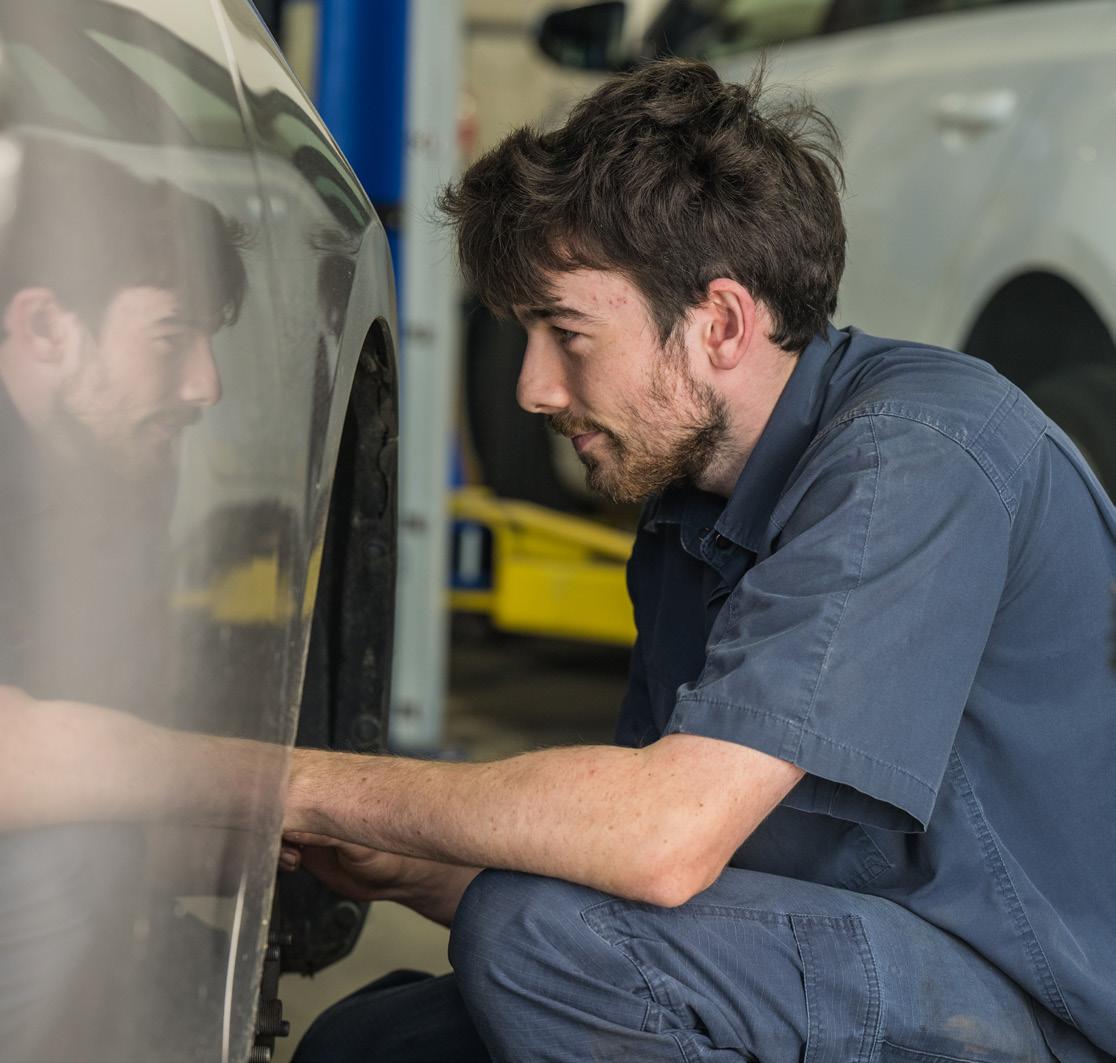
With more than 30,000 individual parts making up modern vehicles, the automotive industry is a natural fit for problem solvers and tinkerers. Joel was no exception, citing the logic of how things work as a key motivator for entering the trade.
“That’s where I get the most enjoyment,” he says. “Solving a problem from start to finish.”
Over time, he became a constant at Richmond Auto Services. Owners changed. Colleagues came and went. The town around the workshop grew. Joel stayed.
He was eventually pulled off the tools to act as a bridge between the workshop floor and the front counter, helping translate technical realities into decisions customers could understand. The former owner wasn’t a mechanic, and Joel became the natural connection point.
About ten years in, Joe asked if Joel wanted to buy the business.
Joel said no.
He was asked the same question a year later.
Again, Joel said no.
“All I wanted to be was a problem solver,” Joel says. “That’s all I wanted to do.”
It wasn’t until a third conversation — and a carefully structured transition — that Joel reconsidered. The deal allowed for a gradual transfer of ownership over several years, without sudden financial pressure, and with the existing team staying in place.
“That was a big part of it,” he says. “The crew we had were a good crew. We still have them.”
Joel officially took over Richmond Auto Services in 2023.
Like many first‑time owners, his entry into ownership wasn’t seamless. A staffing decision during the transition period escalated into a legal issue early on.
“That was my entry into business,” he says. “Right into the deep end.”
It was confronting, but not destabilising. Joel had been part of the operation long enough to understand the rhythms of the business, how decisions flowed, and how people worked together.
“I’d been here long enough to know how the whole operation ran,” he says. “That helped.”
One of the most defining choices Joel has made as an owner came well before he held the shop keys.
Around ten years ago, Richmond Auto Services decided to only employ apprentices.
“That’s all we do now,” Joel says.
The decision wasn’t driven by cost or convenience. It came from a belief that people who start in the industry feeling supported are more likely to stay in it.
“It’s about giving them a good introduction to the industry,” he says. “Making it a place they want to be.”
By bringing people in at the beginning of their careers, Joel and his team can teach technical skills alongside expectations around respect, communication and teamwork.
The philosophy shows up in small, everyday ways. Pies in the freezer during winter. Ice creams in summer. Team dinners every few months. Short daily meetings where everyone checks in before the work begins.
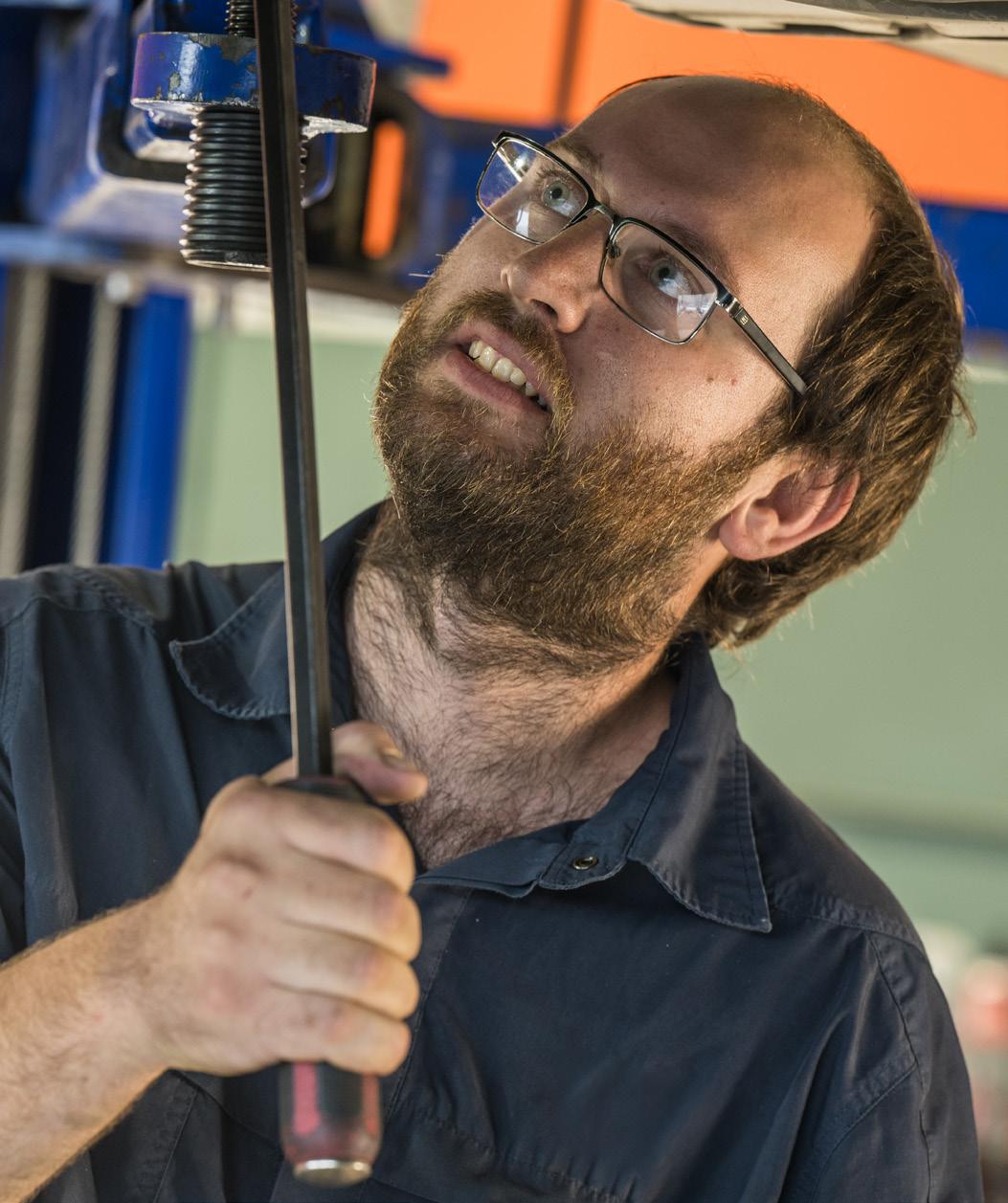
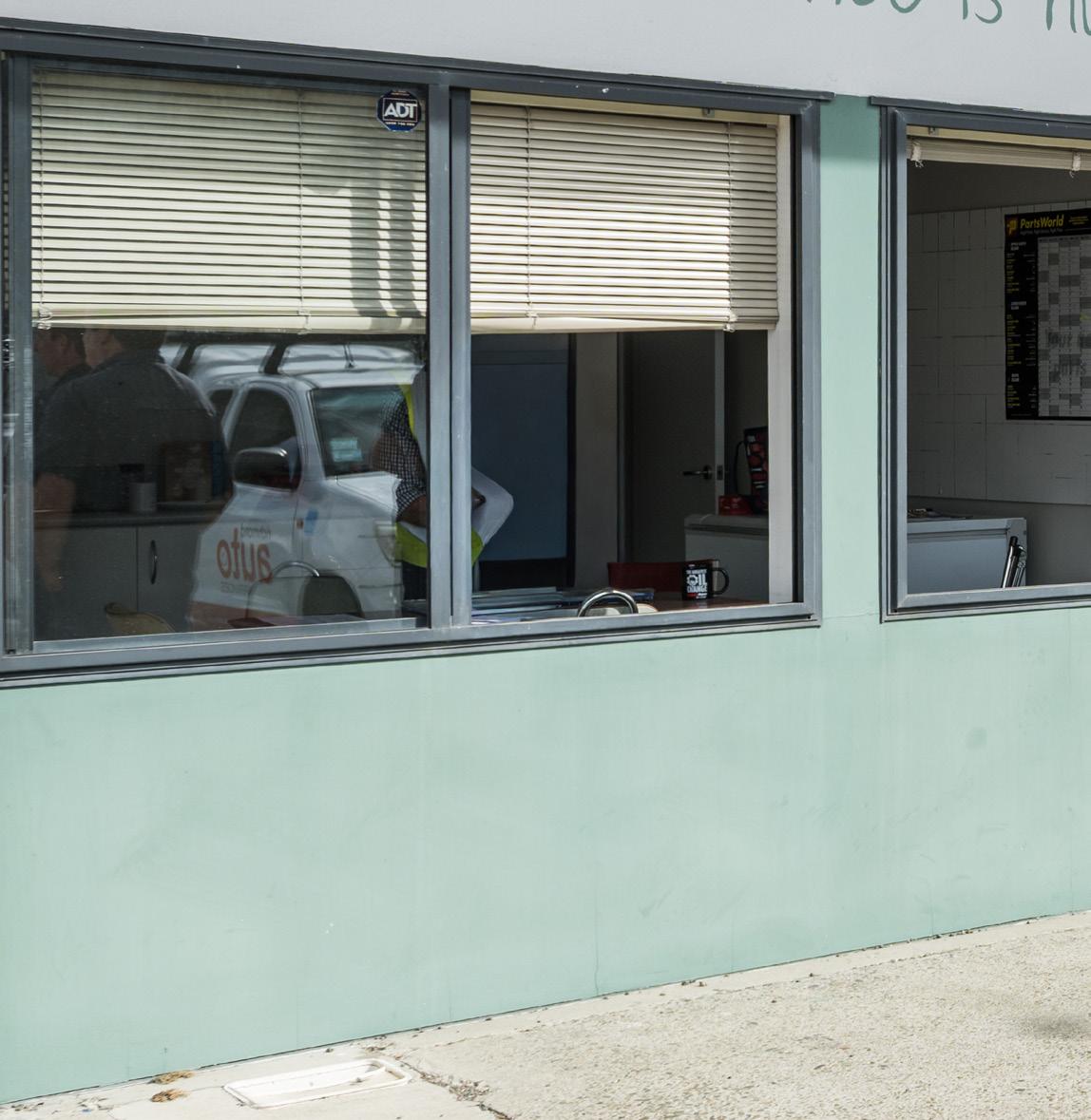
“Every morning, without fail, we have a team meeting,” Joel says. “Five minutes. Anything and everything. Then what we’re doing for the day.”
The approach has paid off. One of the senior technicians has been with the business for ten years, starting from an apprentice. Another is nearing the end of his apprenticeship now.
“The good ones don’t come along very often,” Joel says. “And when they do, people hold onto them.”
Richmond Auto Services has evolved alongside the area it serves. What was once close to a rural garage now sits in the middle of a growing town, with work shifting from farm vehicles to modern passenger cars.
“The area’s probably grown four times the size,” Joel says. “It’s not even comparable.”
Technology has advanced. Training has become more important. Health and safety expectations have increased. Advertising has moved almost entirely online.
But the fundamentals haven’t shifted much at all.
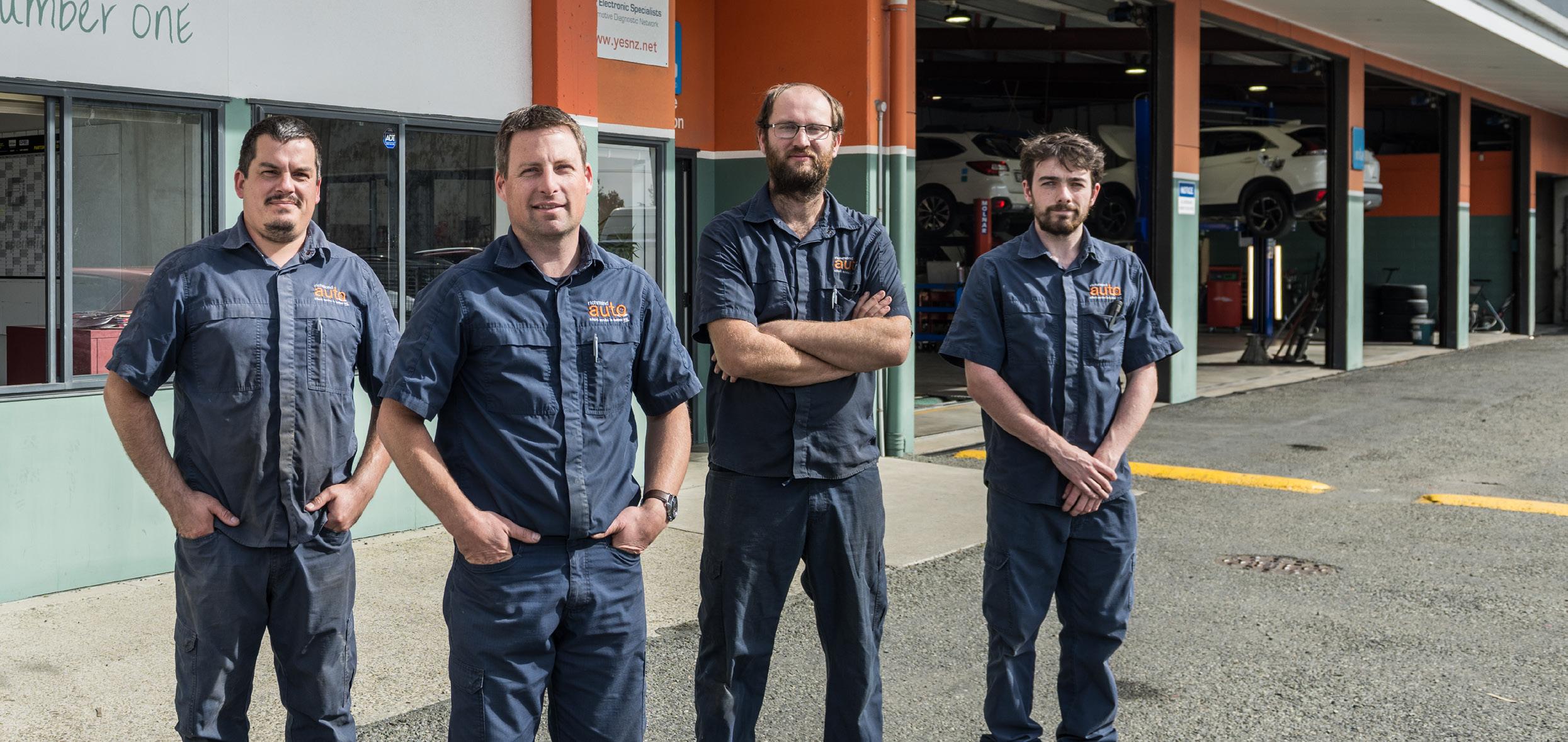
Customers still want to be listened to. Staff still want to feel valued. Work still needs to be done properly.
“It’s a people business,” Joel says. Some customers move away and choose convenience over familiarity. Others travel back because they trust the team and the work.
“You can’t keep everyone,” Joel says. “That’s just how it is.”
When asked what he enjoys most about the job now, Joel doesn’t hesitate.
“The people,” he says again. The team on the floor. The customer conversations. The shared problem-solving. The sense of continuity.
“I love being on the tools,” he says. “But I also love the customer interface, even when it’s tiring.”
Joel never planned to own a business. He didn’t come to Richmond Auto Services with a long-term vision of taking over.
He stayed because of the people.
By Geoff Mutton
For many workshop owners, financials get looked at once a year, handed to the accountant and then largely forgotten about until the next tax return is due.
If this sounds familiar, you need to be aware of the problem that this creates for your business. It's simple – by the time you review your numbers, the opportunity to improve them has already passed.
Whether it's the end of your financial year or a few months into a new one, now is the ideal time to sit down and review your results. A mid year financial review helps to identify pressure points in the business and should result in more profitable decisions for the remainder of the year.
Here are the steps you need to follow.
Start with the overall result
The profit and loss statement tells the story of your business. Before diving into the detail, take a few minutes to look at the overall result.
• Are you ahead or behind last year?
• Are you making the profit you expected?
• Has your sales revenue increased, stayed the same, or declined?
Total sales is an important number, but on its own doesn't tell you much. Sales are driven by two key numbers, car counts and average dollar sale. Car count is how many vehicles you work on, and average dollar sale is worked out by dividing your total sales by the number of jobs completed. If your sales are not where you want them to be, check these issues.
• Is the business attracting fewer vehicles?
• Is the average invoice value lower than it should be?
• Is the business missing opportunities to recommend additional work?
If your car count is steady but sales are down, maybe your sales process needs some attention. If your average dollar sale is strong but car count has dropped, then perhaps the focus should be on your bookings or marketing.
Breaking sales into these numbers makes it much easier to identify what needs attention.
Margin is simply the difference between what you charge the customer and what the job actually costs you. The bigger that gap, the more profit you make. The smaller the gap, the harder you have to work just to break even.

There are two main areas to review –labour and parts.
Start with labour:
• Has your labour rate increased in line with costs such as wages, rent and overheads?
• Are you charging out all the time your technicians are working?
Then look at parts:
• Are you achieving the parts markup you expect?
• Have supplier costs increased without any adjustment to your sell price?
Parts mark-up in particular can drift over time. Price increases from suppliers often get absorbed without being passed on, and small pricing inconsistencies can creep in across different jobs.
Even small changes in margin can have a significant impact on your bottom line. A slight drop in parts mark-up or labour recovery might not be noticeable day to day, but over six months it can mean thousands of dollars in lost profit.
This is one of the most common pressure points in workshops and, once identified, one of the easiest to fix.
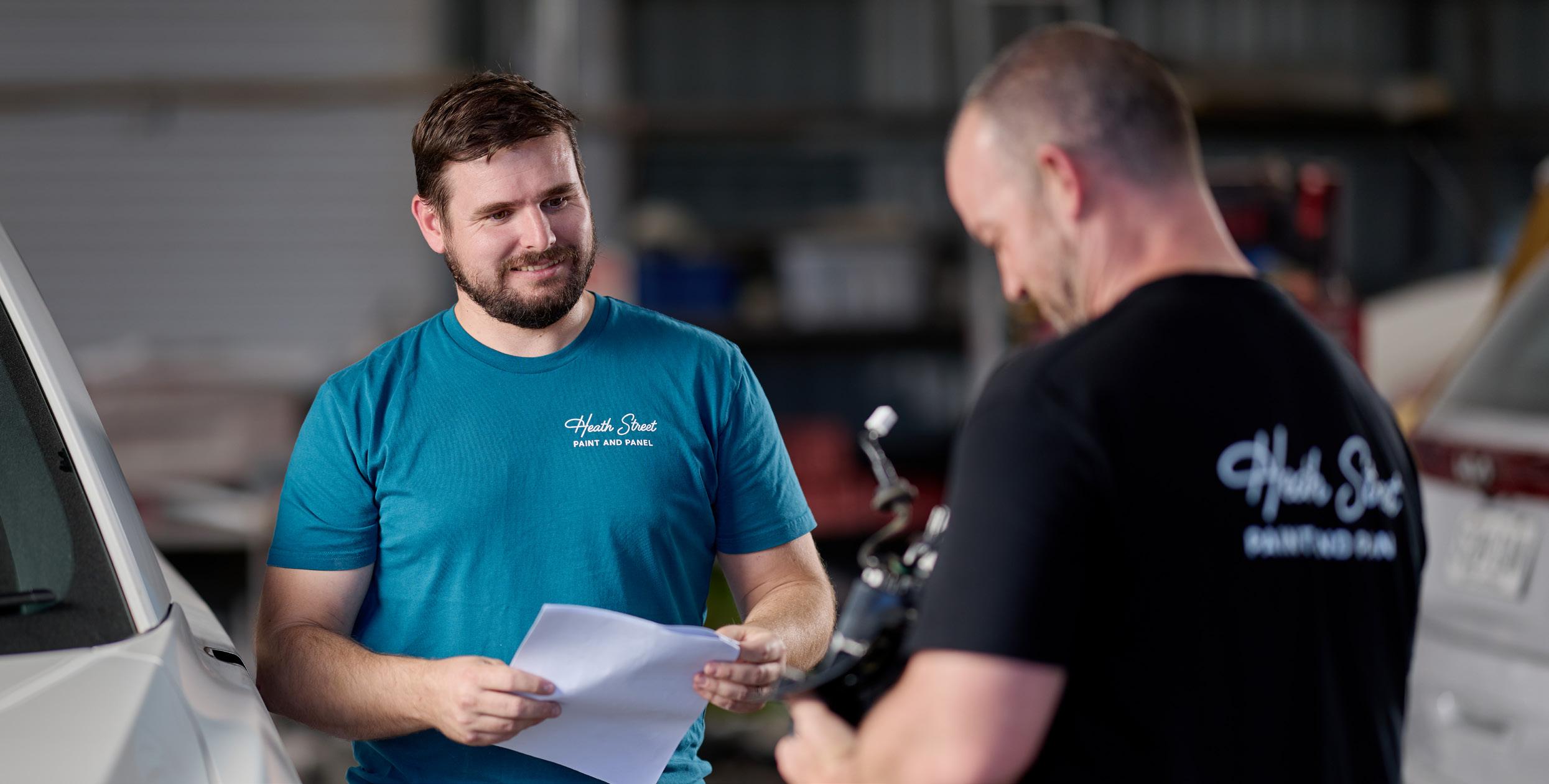
If your workshop is busy but labour sales are not where they should be, you need to look at how effectively your team is performing. There are many ways to measure productivity and efficiency.
• Are all available hours being charged out?
• Are jobs taking longer than expected?
• Is there a gap between time worked on jobs and time billed?
If your workshop is busy but labour sales are not where they should be, you need to look at how effectively your team is performing. There are many ways to measure productivity and efficiency.
Expenses have a habit of creeping up over time. A mid-year review is a good opportunity to go through your major costs:
• wages
• rent
• equipment and tooling
• marketing
• utilities
• software and subscriptions
• vehicle expenses
• insurance
• consumables
Is each cost justified and contributing to the business? This is not about cutting costs for the sake of it, but about making sure you are getting value.
Financial results are everyone's responsibility. Share key numbers with your team and ask for their input. Practical ideas will often come from the people doing the work every day. Discuss with them if they feel the business is doing well, what could the team do better and how can the numbers be improved.
Reviewing the numbers is useful, but only if you act on what you find. Once you have identified the pressure points, focus on these key areas:
• If car count is low, focus on the booking process and marketing to new and existing customers.
• If the average dollar sale is down, focus on inspections and selling recommendations.
• If margins are under pressure, review pricing and mark-ups.
• If productivity is low, improve workflow and accountability.
Keep it simple. You do not need to fix everything at once.
Make it part of a routine
As important as a mid-year review might be, it should not be a one off exercise. Set aside time each month to review the numbers, compare them to your targets and make small adjustments.
This will keep you in control of your business and allow issues to be addressed early.
Spending an hour reviewing results each month will have a bigger impact on your profitability than spending that hour on the tools.
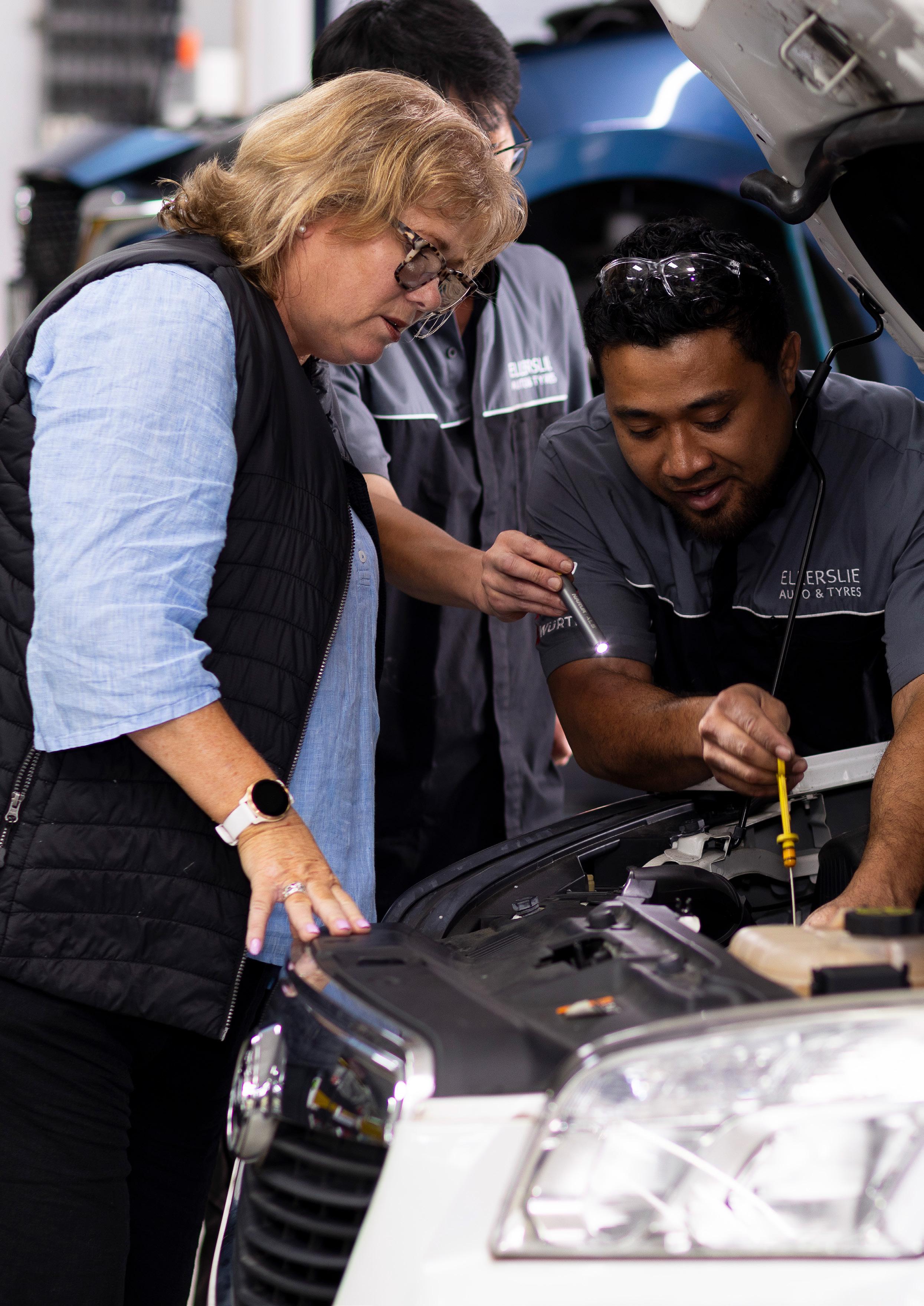
Mid-year is a natural moment for workshop owners to reflect on how the business is tracking and consider what comes next
For many workshop owners, there’s a natural pause that comes once the year’s results are clear and attention shifts to what comes next.
After taking stock of the months just gone, most business owners have a good sense of how things are tracking. They know what’s working well, where the pressure points are, and where a few changes could make a meaningful difference. What often follows is the practical question: how to turn those intentions into action without placing unnecessary strain on the business.
This point in the year can be a useful moment to link planning with progress. With a clearer picture of the business’s position, longer-term needs often come into sharper focus. That might mean replacing a vehicle that’s no longer keeping pace, upgrading equipment, or investing in tools that help the workshop run more smoothly day to day. When used thoughtfully, finance can help support those decisions and bring plans forward in a way that feels considered and manageable.

For many Members, Capricorn Finance becomes part of the conversation once plans start to take shape. At that stage, it’s less about reacting to deadlines and more about talking through options, timing, and whether the next step makes sense for the business right now.
Because Capricorn works so closely with the automotive industry, finance discussions start from a strong understanding of how workshops actually operate. That familiarity helps keep conversations grounded in real-world conditions rather than theory. For eligible Members, pre-approval can also provide early clarity, making it easier to explore possibilities with confidence and without pressure.
These conversations sit naturally within existing Capricorn relationships. With support from a dedicated lending team and the wider Capricorn network, Members can talk things through in a way that feels practical, familiar and focused on helping the business move forward.
Finance will never be the right solution for every business, and it shouldn’t feel like an obligation. Often, the value lies simply in having the discussion. For some Members, that confirms that waiting is the best option. For others, it offers reassurance that moving ahead now aligns with their plans and can be done responsibly.
What matters most is that finance supports the business rather than adding complexity. Used well, it can help workshops invest in improvements that deliver long-term value, whether that’s increased efficiency, smoother workflows, or equipment that helps the team work more effectively.
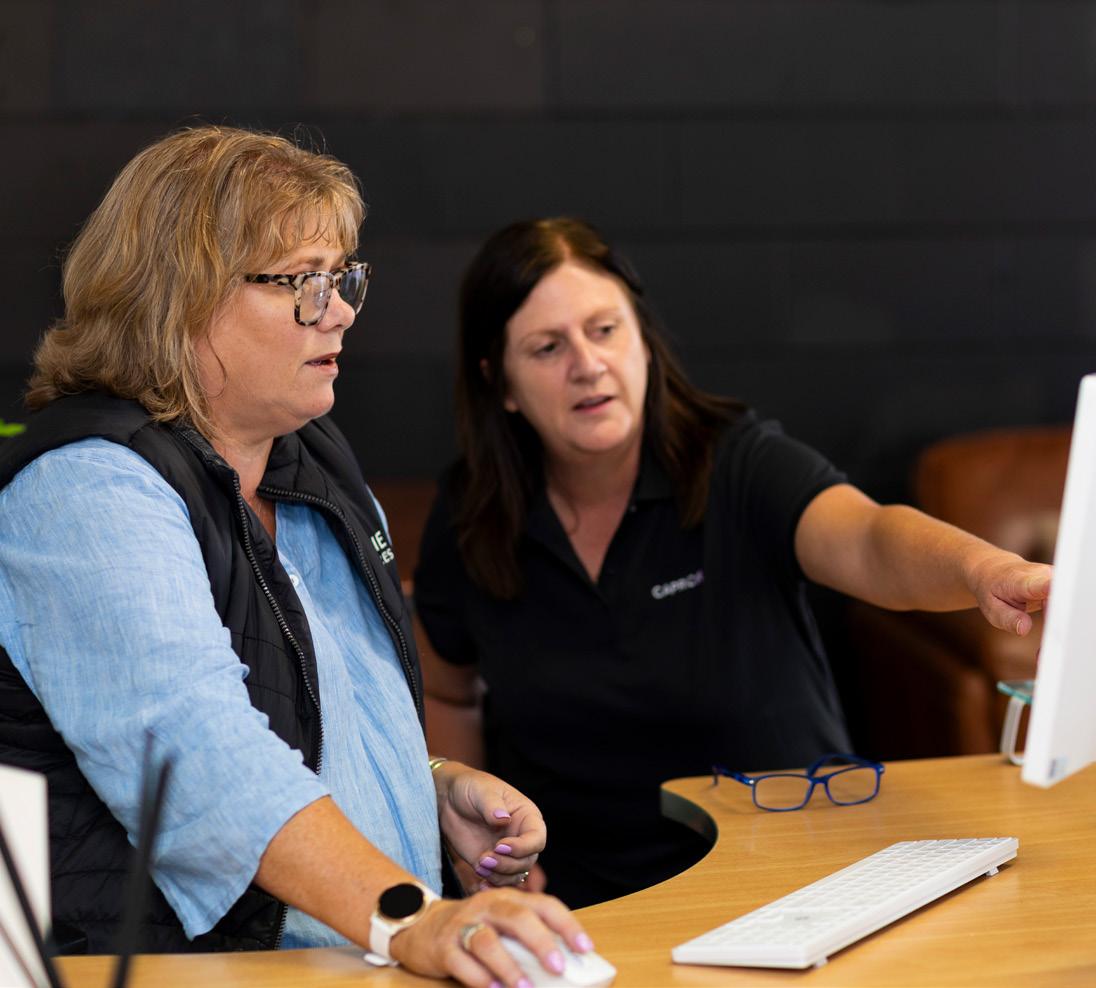
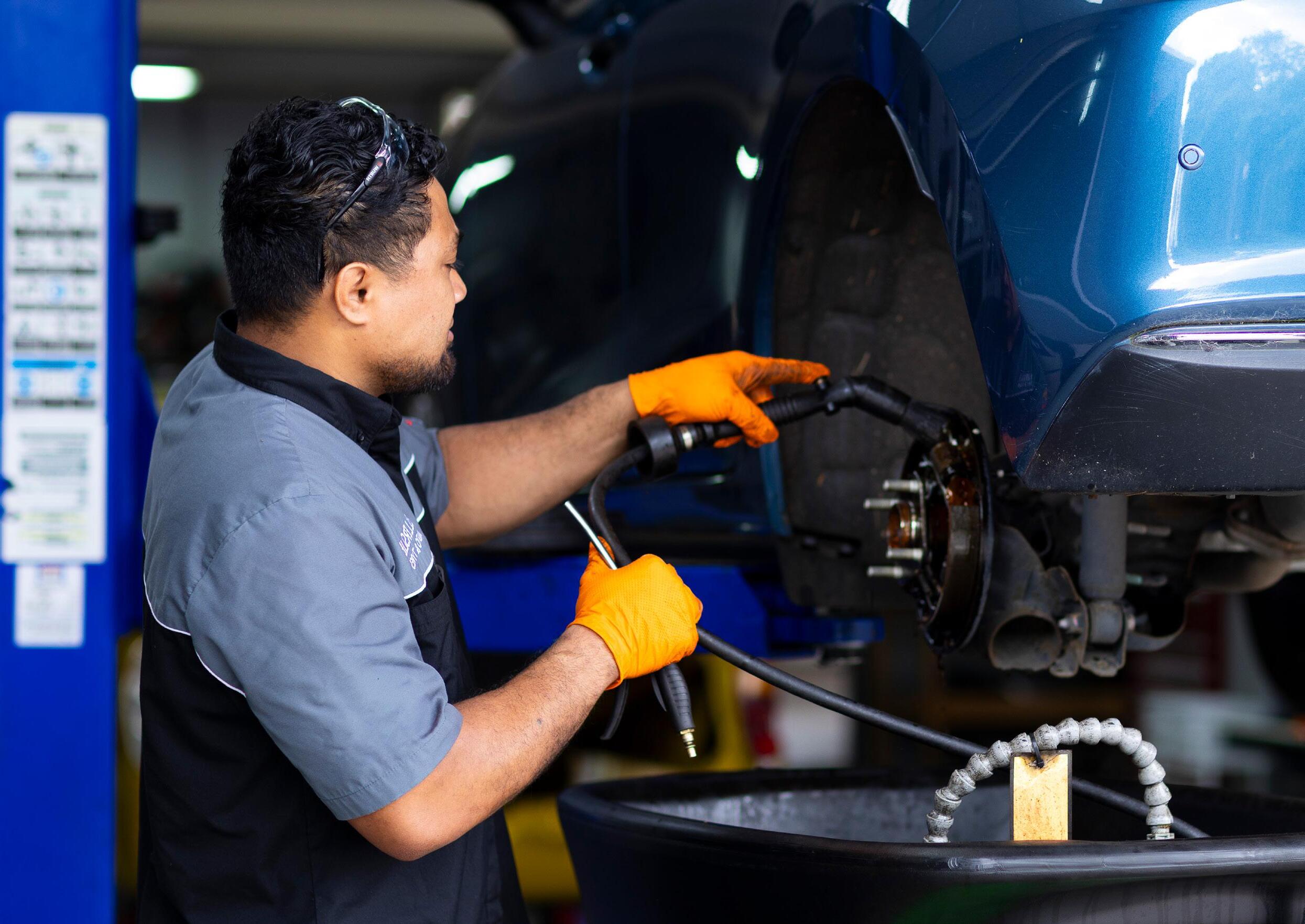
At its best, this time of year is about momentum and clarity. It’s a chance to move from reflection into action and to make decisions that support the business for the months ahead. For Capricorn Members, having access to finance designed for their industry, and backed by people who understand it, can make those decisions feel more straightforward and well-considered.
Not many small business owners enjoy spending time in the numbers, and that’s okay. Planning for what comes next doesn’t need to be complicated or overwhelming. Sometimes it starts with a simple conversation. If you’d like to talk things through, you can get in touch with our finance team online or give us a call. We’re always happy to help.


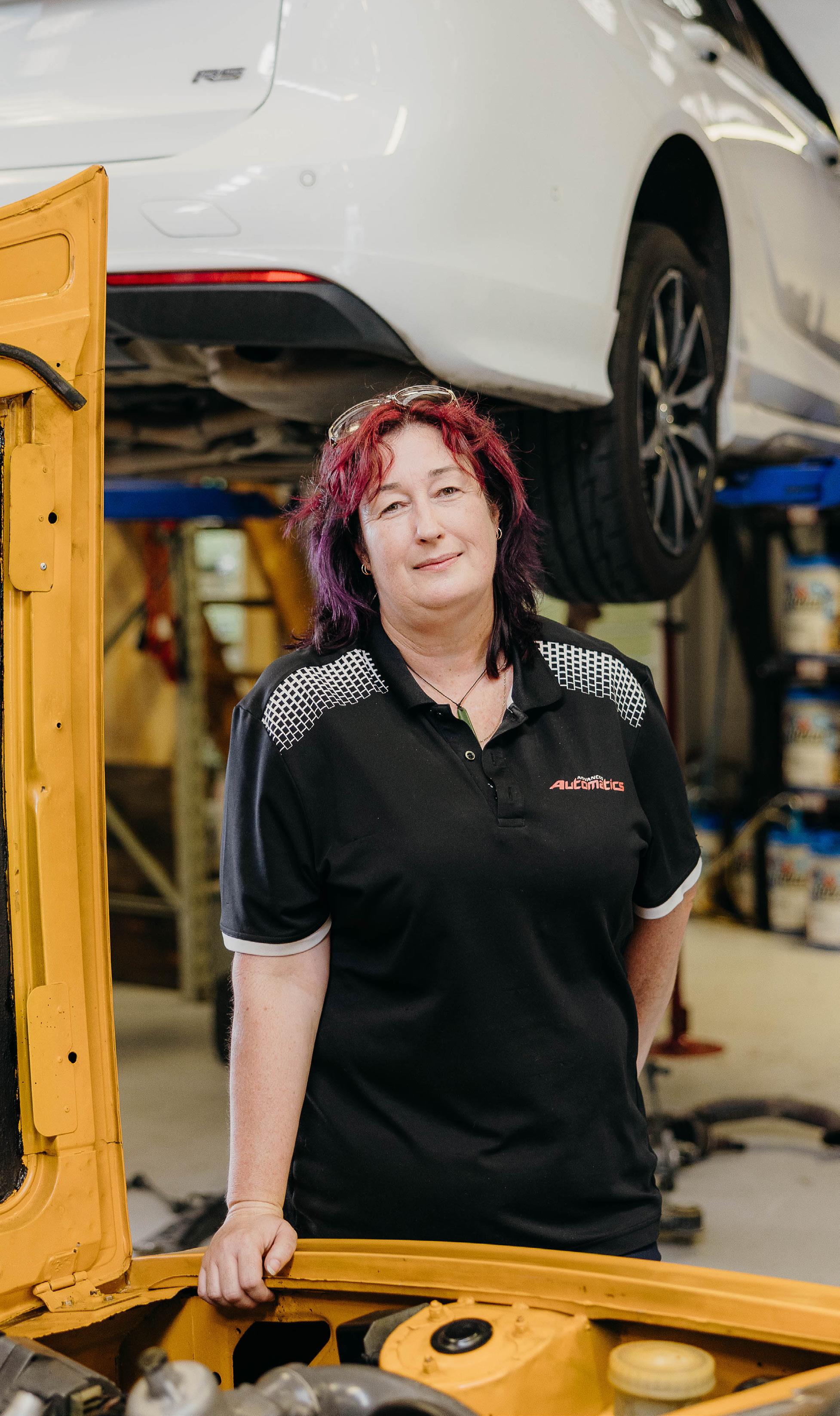
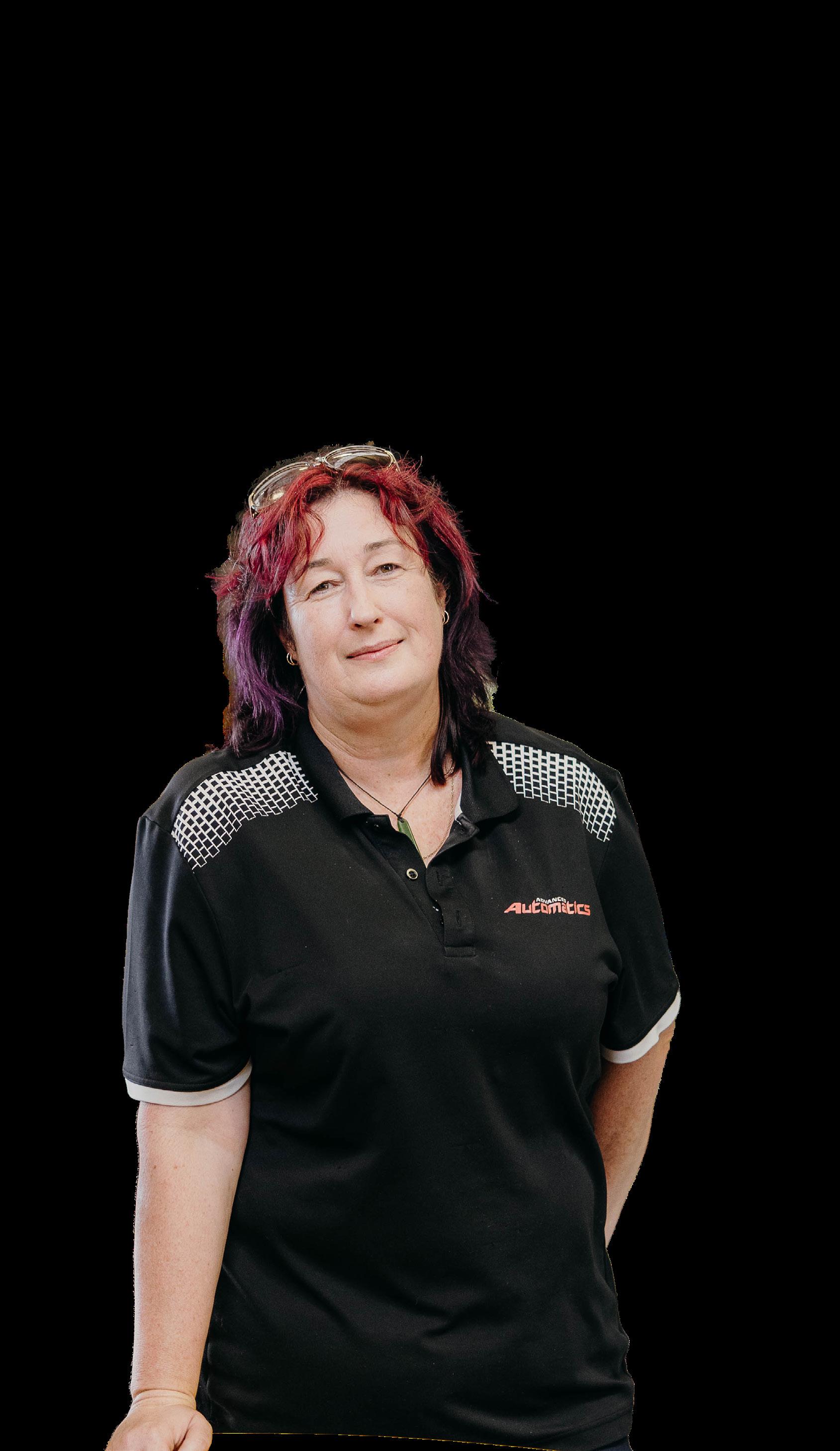
Though now extremely passionate about the trade, Sheryl Lord is the first to admit she didn’t grow up dreaming of owning a transmission workshop.
“There wasn’t a big wow moment,” she says. “We were looking for a business to invest in, and one was available, so I bought it.”
That business was Advanced Automatics Northland, purchased in 2017. At the time, Sheryl didn’t have deep experience in transmissions. What she did have was a strong grasp of how businesses work, a tolerance for complexity, and an appetite for challenge.
“I didn’t actually know a lot about transmissions when I bought it,” she says. “That’s been a big learning curve.”
Before automotive, Sheryl owned a childcare centre in Auckland. It was a world of regulation, structure and responsibility. When she and her husband moved to Whangārei, the intention was always to sell the childcare business and establish something closer to home.
A process that took six years.
For a time, Sheryl was effectively running two businesses in two industries, balancing very different operational realities. Eventually, the childcare centre was sold in 2024, allowing her to focus fully on Advanced Automatics Northland.
“They’re very different,” she says. “Childcare and transmission. But I wanted a challenge. I wanted to make improvements. I wanted to learn something new.”
That desire for challenge is a recurring theme. Sheryl doesn’t frame her entry into automotive as passion or destiny. She frames it as logic.
“I understand it,” she says. “It’s interesting. It’s specialised. There aren’t many workshops that do transmissions, and that made it different.”
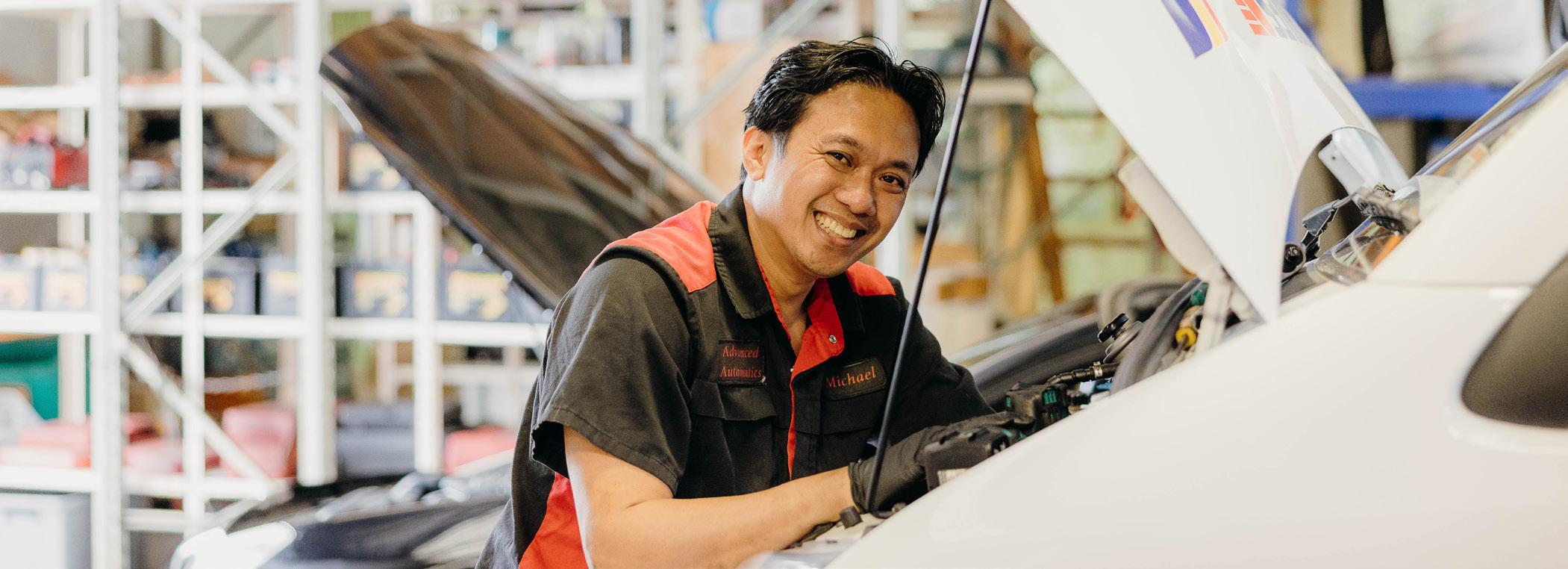
Being a woman in a male - dominated, specialist trade hasn’t been without friction, particularly in a smaller regional centre.
“People will come in and bypass me,” she says. “They’ll want to talk to a technician or my workshop manager.”
It happens often enough that she doesn’t dwell on it.
“I just go and get someone else,” she says. “They’re going to tell you the same thing anyway.”
There’s no bitterness in how she describes it. Just clarity.
“If you hang onto it, it can get you down,” she says. “But I knew I was coming into a male‑dominated industry. That fight’s not worth fighting.”
Sometimes, the dynamic corrects itself naturally.
“They’ll be talking to my workshop manager and he’ll say, ‘No, actually, Sheryl’s the boss.’ I might be sitting there covering reception.”
For Sheryl, confidence doesn’t come from flashing a badge of authority. It comes from knowing her role.
“I’ll carry on doing what I’m doing,” she says. “Which is working on the business.”
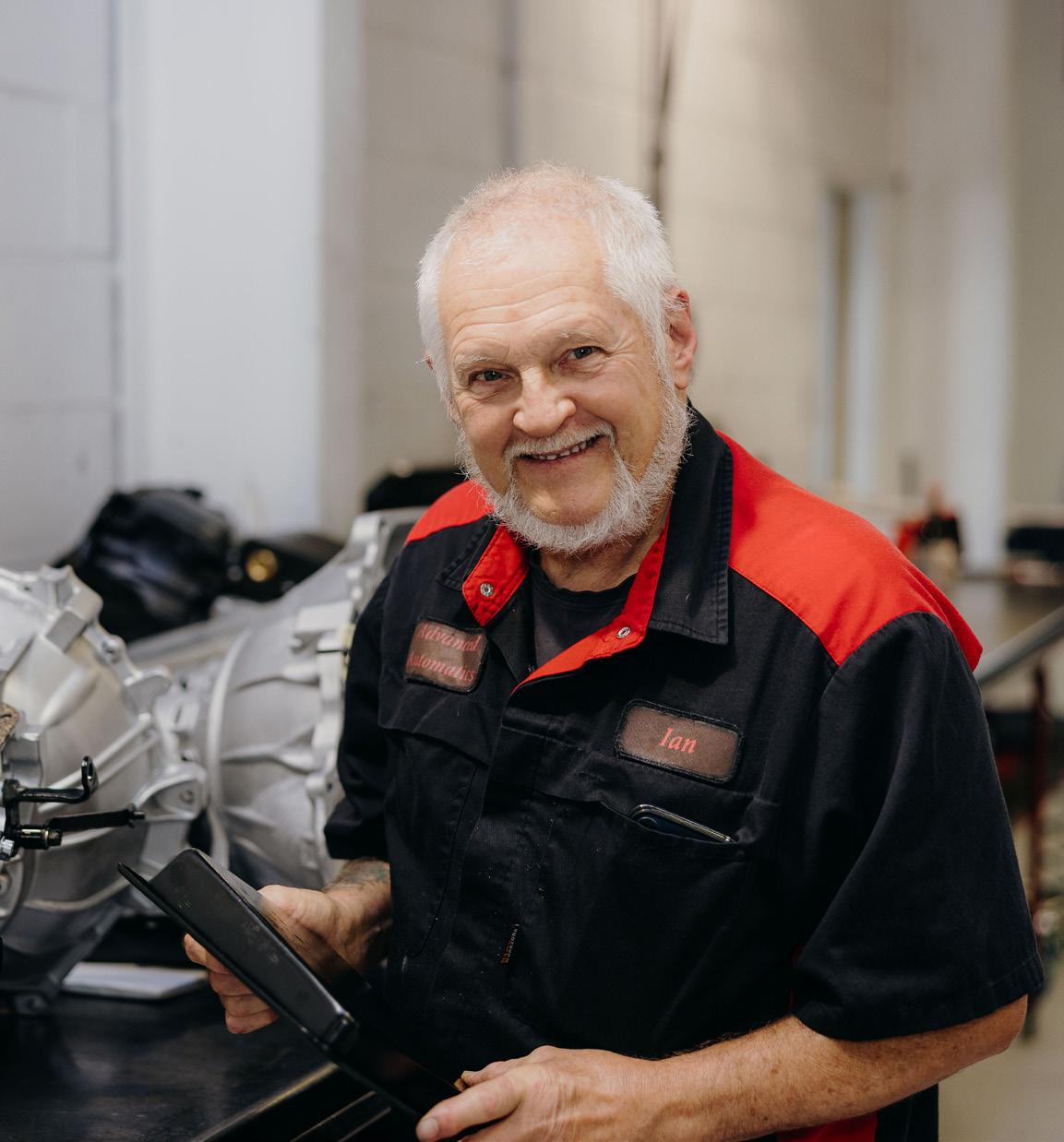
Advanced Automatics Northland focuses primarily on transmissions, alongside general automotive work. It’s a niche that comes with its own pressures, particularly in recent years.
“Parts are harder to get,” Sheryl says. “And the cost of parts has gone up a lot. Some repairs become very expensive.”
Supply chain disruption, rising costs and tight margins have made the last few years challenging.
“The last 12 months have been tight,” she says. “But we’re getting there.”
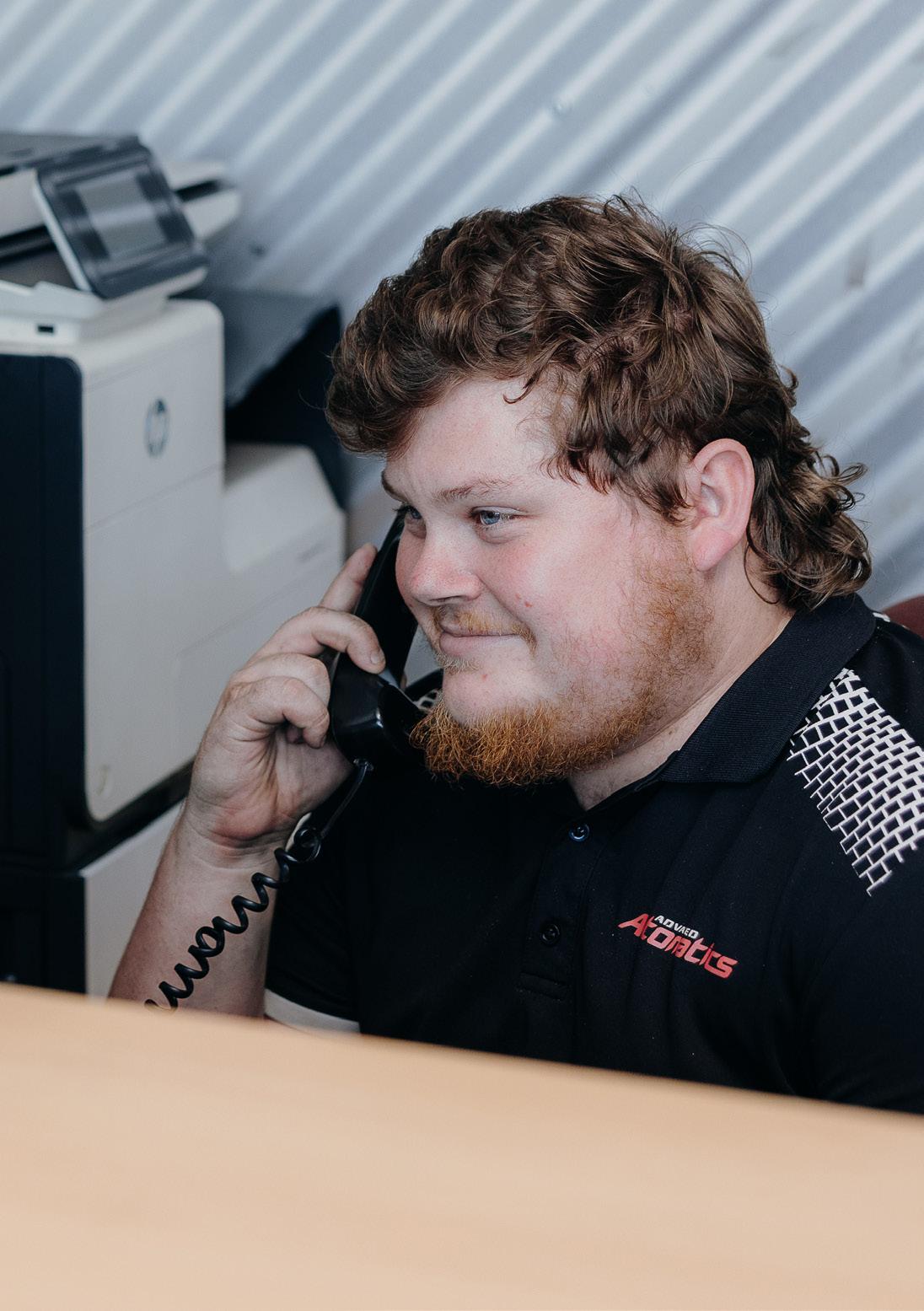
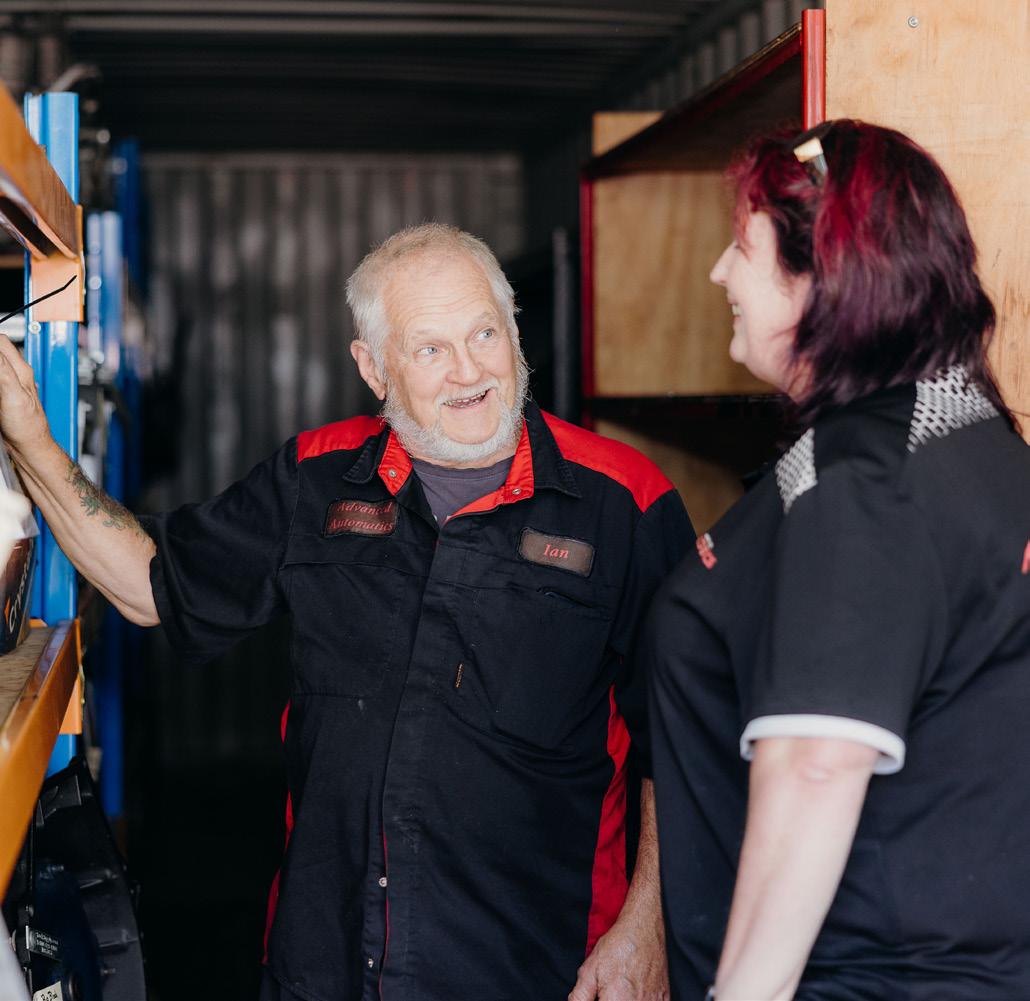
Today, the business employs four technicians, a workshop manager, a service advisor and part-time admin support. Sheryl describes herself as looking at the industry from a business perspective, rather than through the lens of a trade she entered at sixteen.
“That gives you a different view,” she says.
An industry under the borescope
One of Sheryl’s strongest reflections is on regulation — or the lack of it.
“We fix machines that can take lives,” she says. “And yet anyone can fix a car and put it back on the road.”
Coming from a heavily regulated industry, the contrast stands out.
“An electrician has to be licensed. A builder has to be licensed. But our industry doesn’t have that same structure.”
She acknowledges it’s a complex issue.
“Do you license the workshop? The technician? Who oversees it?” she asks.
“It’s a big thing. Probably why no one wants to touch it.”
An extremely practical concern.
“Workshops carry public liability insurance. We’re accountable,” she says. “But people working from home can undercut you without that same responsibility.”
She doesn’t present this as a complaint, but rather, an observation from someone who understands risk.
“Things go wrong, even in qualified workshops,” she says. “We’re human. But when they do, someone has to be accountable.”

Despite the challenges, Sheryl still enjoys the work.
“I like the logic of it,” she says. “I like the challenge.”
She talks about the industry with realism, not romance. She doesn’t pretend it’s easy, or that it’s always rewarding.
But she’s clear about one thing: she belongs in it.
“I wouldn’t be here if I didn’t enjoy being challenged,” she says.
And perhaps that’s what defines Sheryl Lord most clearly. Not that she chose automotive out of passion, but that she chose to stay, learn and lead in a space that didn’t necessarily expect her. She came in to build something solid, and kept going.
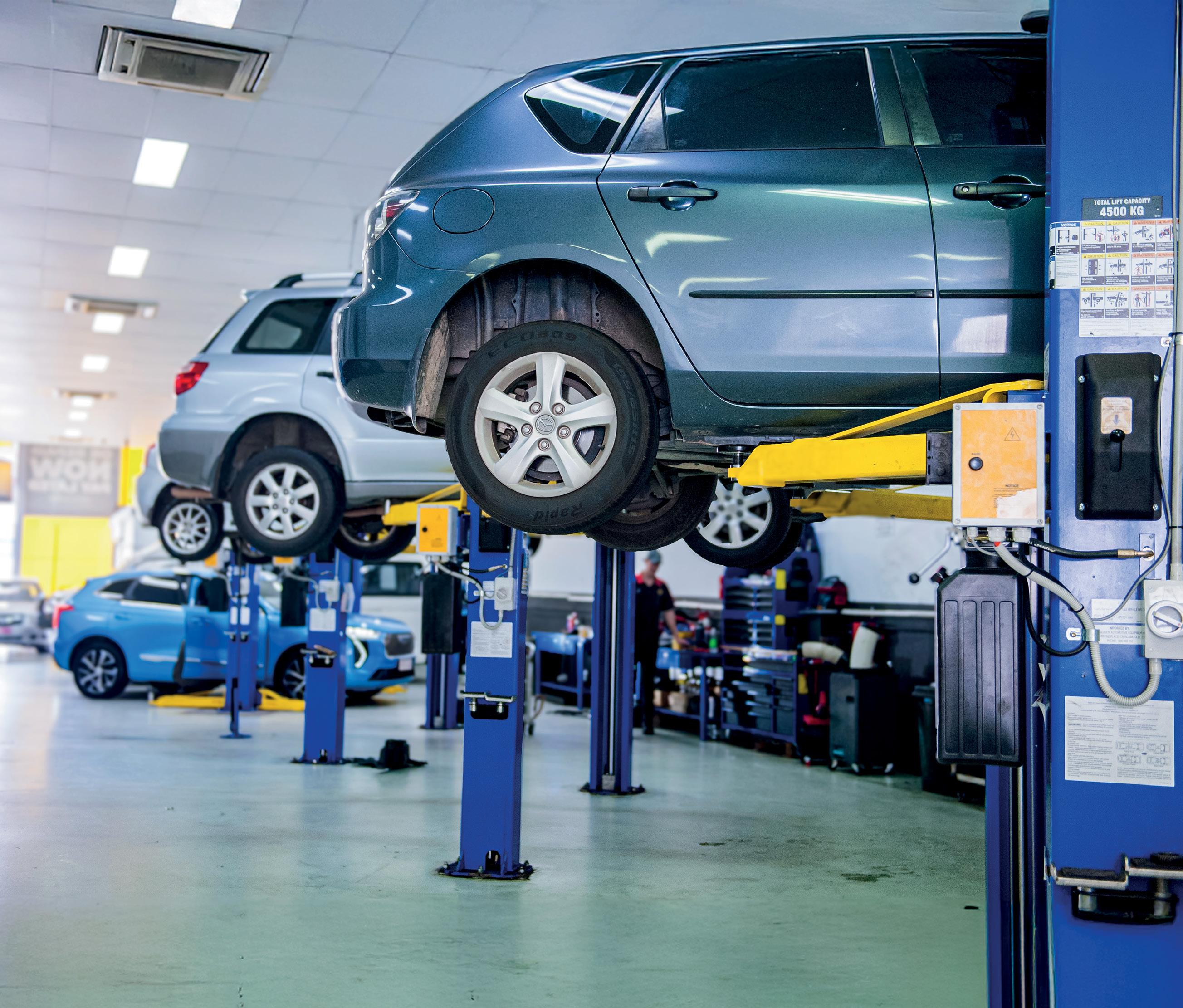
Business moves fast, and sometimes you need quick access to capital to make important investments. Capricorn Finance is exclusive to Members and can help you access the funds you need.
Fast and hassle-free. We can cut down on paperwork, making the process smoother and quicker for you.
We’re in your corner.
We’ll support you through the whole process, making it simple and stress-free. Get rewarded.
Earn reward points on every dollar you spend - even if you’re buying with borrowed funds.*

Submit your entry at cap.coop/funzone by 30 June 2026
April winner: Wonthaggi Automotive who WON 5,000 Bonus Rewards Points
SPOT THE DIFFERENCE (5 differences to find!)
WORD HUNTER (15 words to find!)
Please note that this competition and participation in the Capricorn Rewards program are subject to terms and conditions. For the full terms and conditions, visit cap.coop/tc.