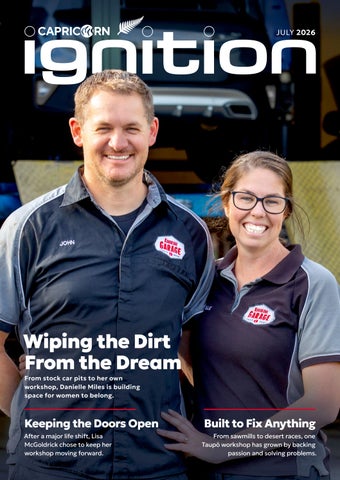
From stock car pits to her own workshop, Danielle Miles is building space for women to belong.
After a major life shift, Lisa McGoldrick chose to keep her workshop moving forward.
From sawmills to desert races, one Taupō workshop has grown by backing passion and solving problems.

One of the most rewarding parts of what we do at Capricorn is the strength of our Community, and our recent Convention was a powerful reminder of just how important that connection is.
Spending time together, sharing ideas and learning from one another created a real sense of energy and momentum. The conversations, insights and relationships on display at Convention reinforced the value of coming together in person and the role Capricorn plays in bringing our Community closer.
That same spirit continues through our Gala Dinners and Trade Shows, with tickets now on sale across all six zones.
Each year, these events represent an annual celebration of our Community. We know our Members and Preferred Suppliers work incredibly hard in their businesses and for their customers, and we believe it’s important to create opportunities to step away from the day-to-day and spend time together. These events are about learning, networking, forging deeper connections, sharing a laugh and enjoying the chance to come together as one Community.
Trade Shows offer a relaxed and engaging environment where Members, Preferred Suppliers and Capricorn team members can connect and share ideas. It’s an opportunity to learn about the latest offers, products and services from our Preferred Supplier network, while catching up with industry contacts and making the most of the giveaways and prizes on offer. It’s an environment designed to encourage conversation, curiosity and learning.
Following the Trade Show, the Gala Dinner brings the Community together for an evening of celebration. It’s an opportunity to mark the year, recognise the relationships that underpin our success and enjoy a memorable night in a welcoming and inclusive atmosphere. A great meal, entertainment and music combine to make this one of the standout moments on the Capricorn calendar.
In an industry that continues to change and evolve, the value of connection, shared learning and strong relationships cannot be underestimated. Our Gala Dinners and Trade Shows create space for all of this and more.
If you haven’t yet secured your tickets to the Gala Dinner and Trade Show in your zone, I encourage you to do so soon, so you don’t miss out on being part of this important celebration of our Community. I will see you there.
Brad Gannon Group CEO
July 2026
4
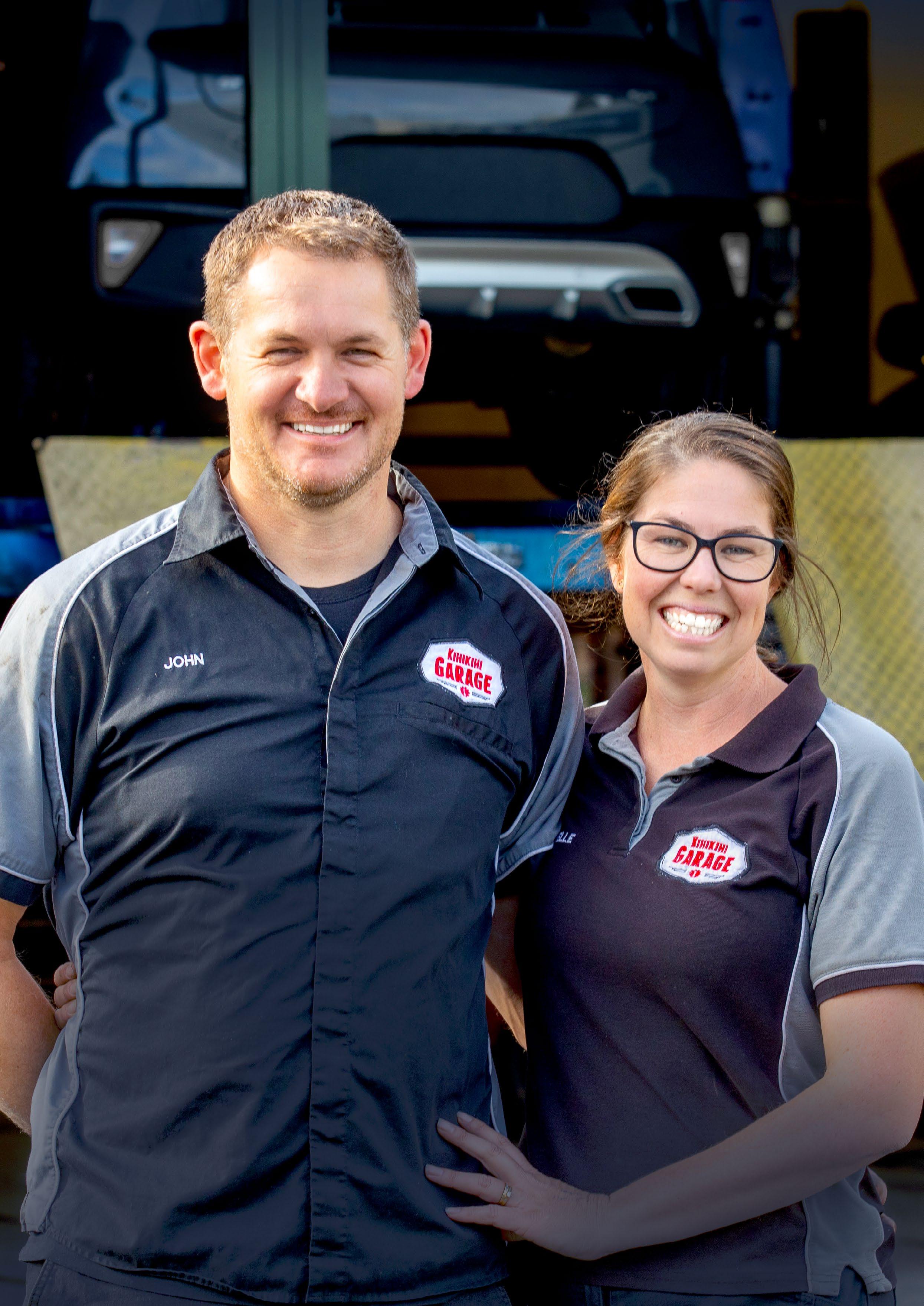
From stock car pits to her own workshop, Danielle Miles is building space for women to belong.
8
After a major life shift, Lisa McGoldrick chose to keep her workshop moving forward.
12 EV or Not EV? That is the Question.
14
From sawmills to desert races, one Taupō workshop has grown by backing passion and solving problems.
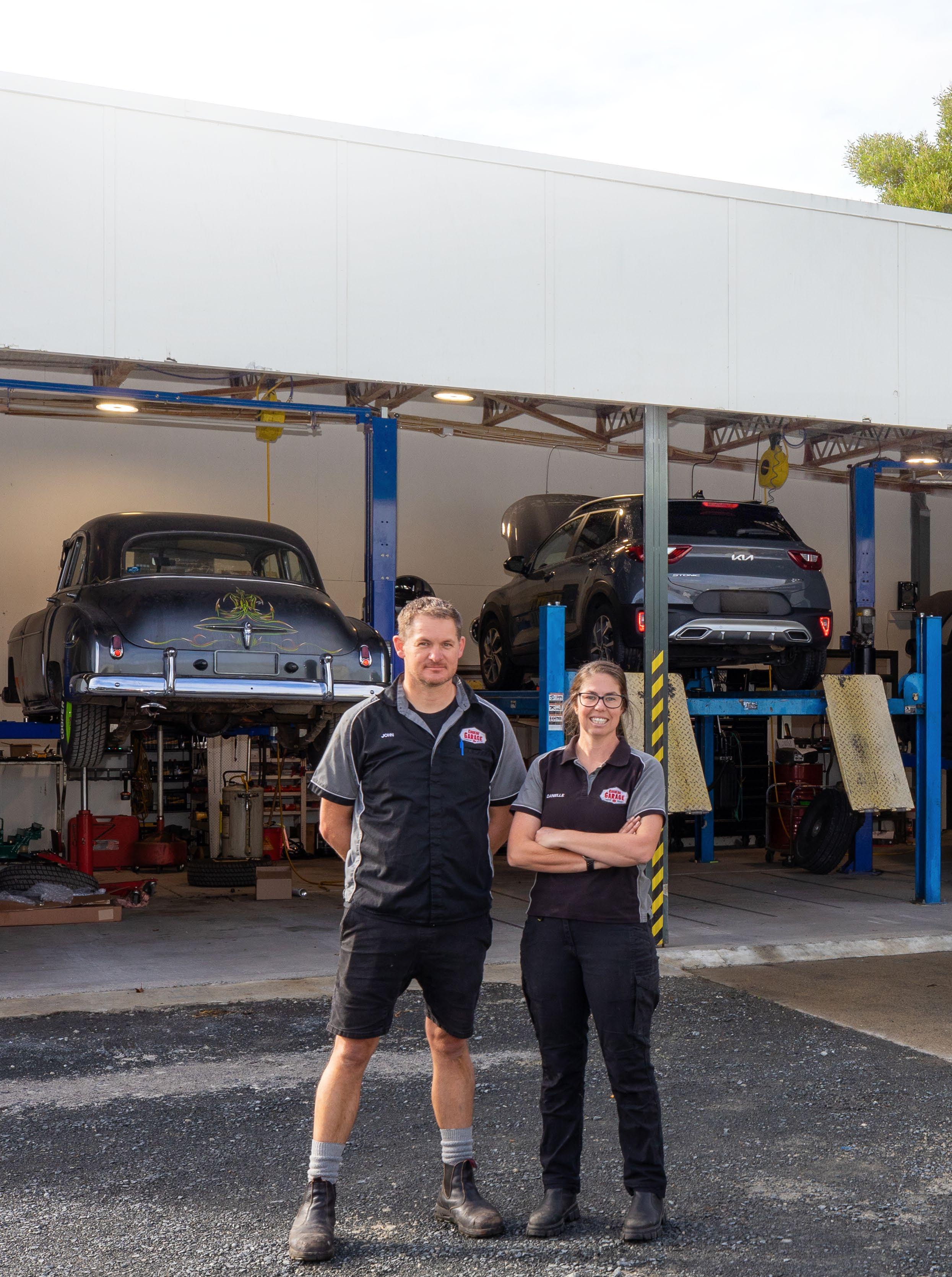
From stock car pits to her own workshop, Danielle Miles is building space for women to belong.
The crowd is loud. Engines scream. The air hangs with the familiar smell of burning fuel and hot rubber. Dirt flicks skyward as stock cars thunder past, the ground vibrating beneath the stands. While eyes track the race, a young Danielle Miles is focused somewhere else entirely. She’s watching her mum bring the car back in, heart still racing, heat rolling off the panels. As soon as it stops, Danielle is there. Rag in hand. Ready to wipe the dirt from the bodywork. Ready to help.
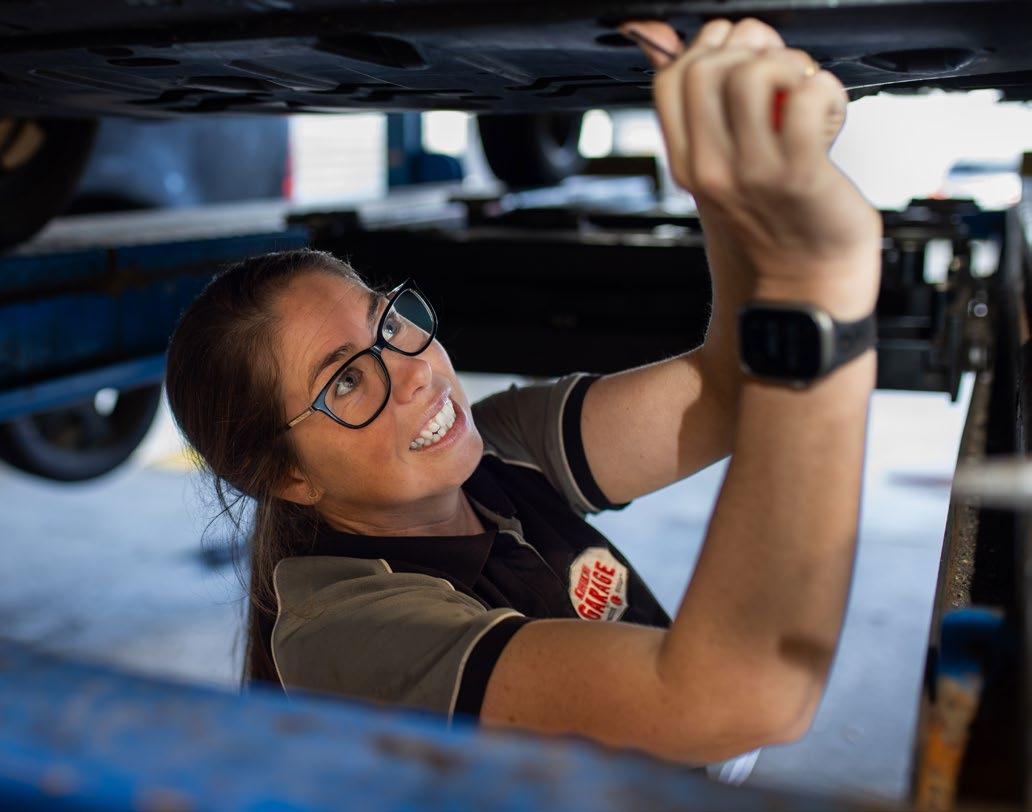
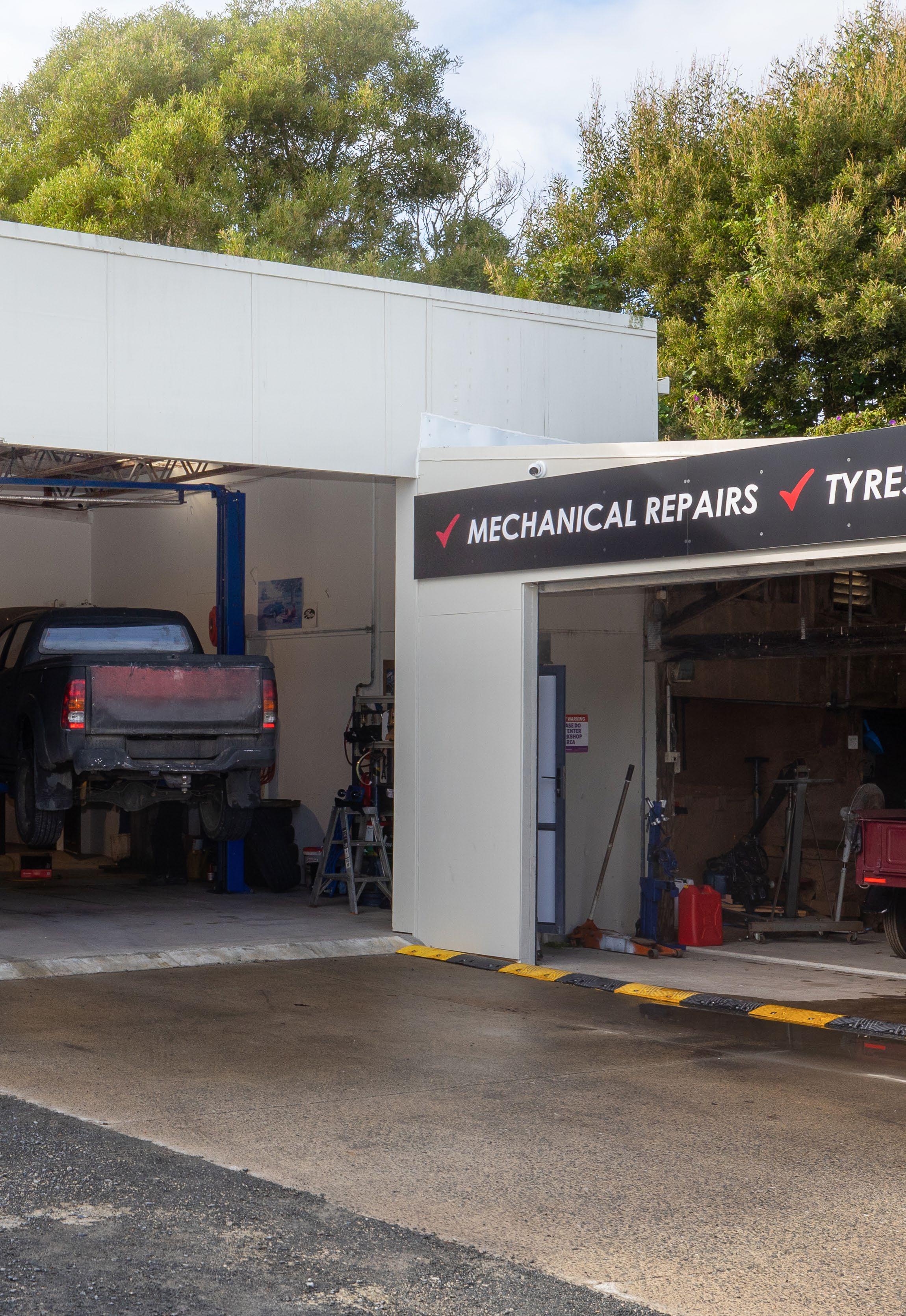
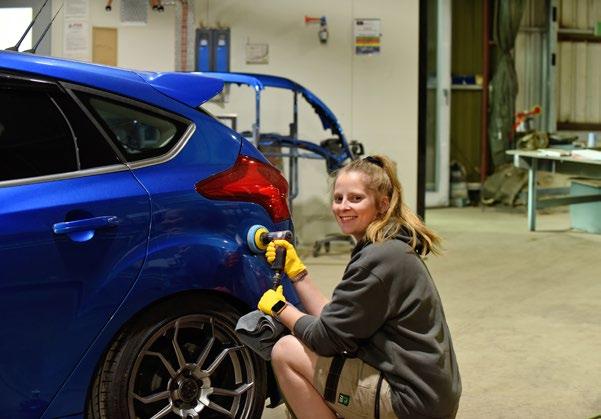
It’s small moments like these that would go on to shape Danielle’s future at Kihikihi Garage in the Waikato region of the North Island. She grew up around motorsport and machinery. Her mum raced stock cars and worked in agriculture contracting, driving tractors and operating heavy equipment. Those environments became familiar places to be. But when Danielle reached school age, the system didn’t quite line up with her interests.
“I went to a girls' school, so we didn't have, like, metalwork or anything like that, so I actually had to go to another school to do that subject,” she says.
She made it work. By the time she left school, Danielle knew she wanted an apprenticeship in automotive. What followed was a string of closed doors and missed opportunities.
“I went all around Hamilton getting told, ‘no, you've got to do a pre-trade.’”
So, she enrolled in the Fairviews pretrade course. She finished top of the class. Even then, the timing wasn’t kind. The recession hit. Workshops were laying off qualified mechanics. To stay close to the industry, Danielle took whatever roles kept her learning.
“I basically just wanted to keep learning the trades — so, I worked for parts for a bit, and then I did sales repping for a steering and suspension company, and then I landed a job as a service advisor in a dealership in Hamilton.”
She enjoyed the role, but the workshop still drew her in. “I probably enjoyed learning from the mechanics in the workshop, most.”
While working in Hamilton, Danielle met her future husband, also a mechanic. The two were living in Kihikihi and talking about what came next. One conversation changed everything.
“I said to him one day, why don't we just buy our own business or, you know, start our own workshop? Because then I can go back on the tools.”
They studied business management alongside full-time work. In 2013, they bought an existing workshop. Danielle was in her early twenties.
“We hit the ground running,” she says. “We tripled the turnover in the first year.”
But that incredible growth also brought pressure. More cars. More customers. The need for staff. Danielle had hoped ownership might change how people responded to her. It didn’t.
“One of the challenges for me was probably maybe the mindset of thinking if people knew I owned the business, I would get a bit more respect being a female mechanic. But, I was still met with that ‘you can't touch my car’ sort of thing.”
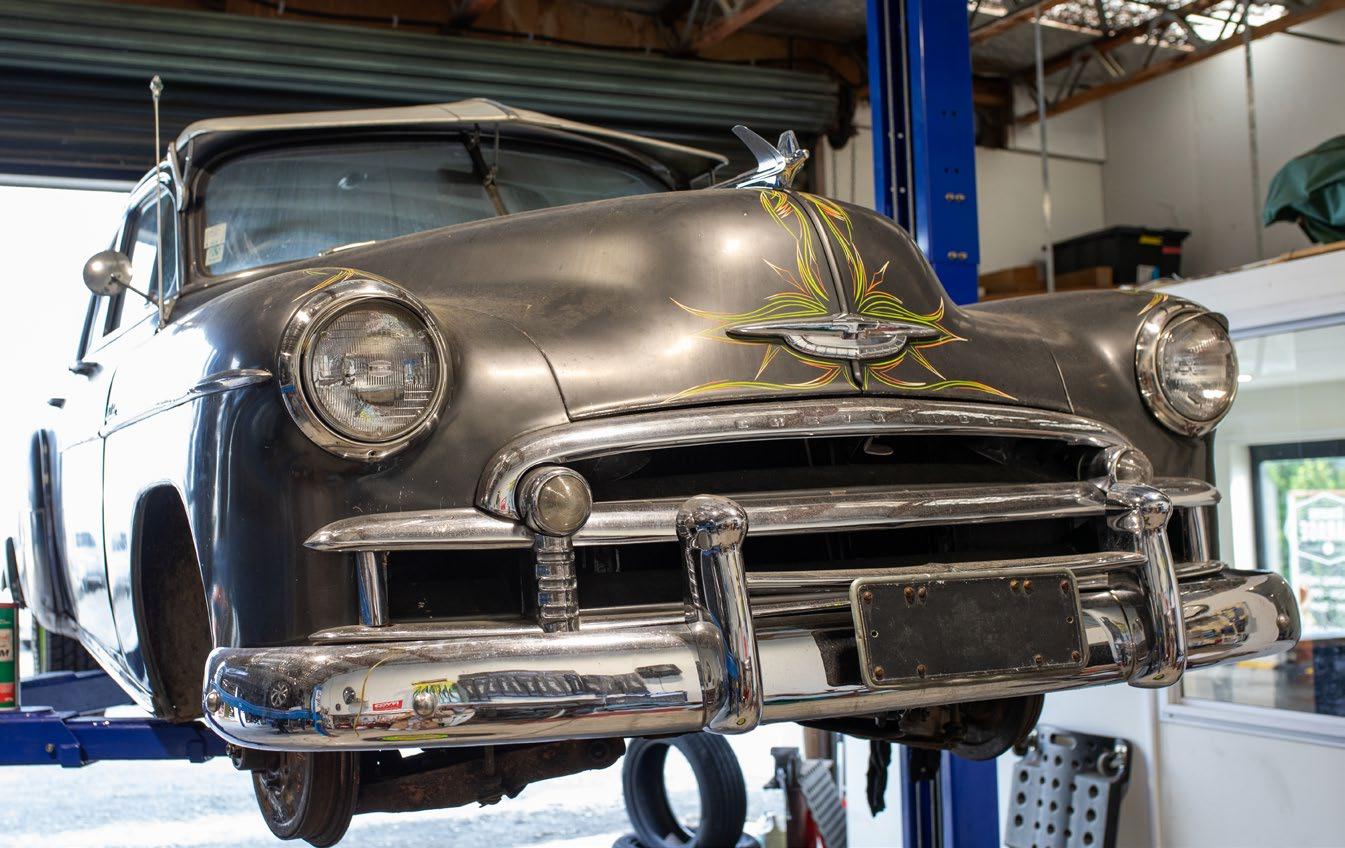
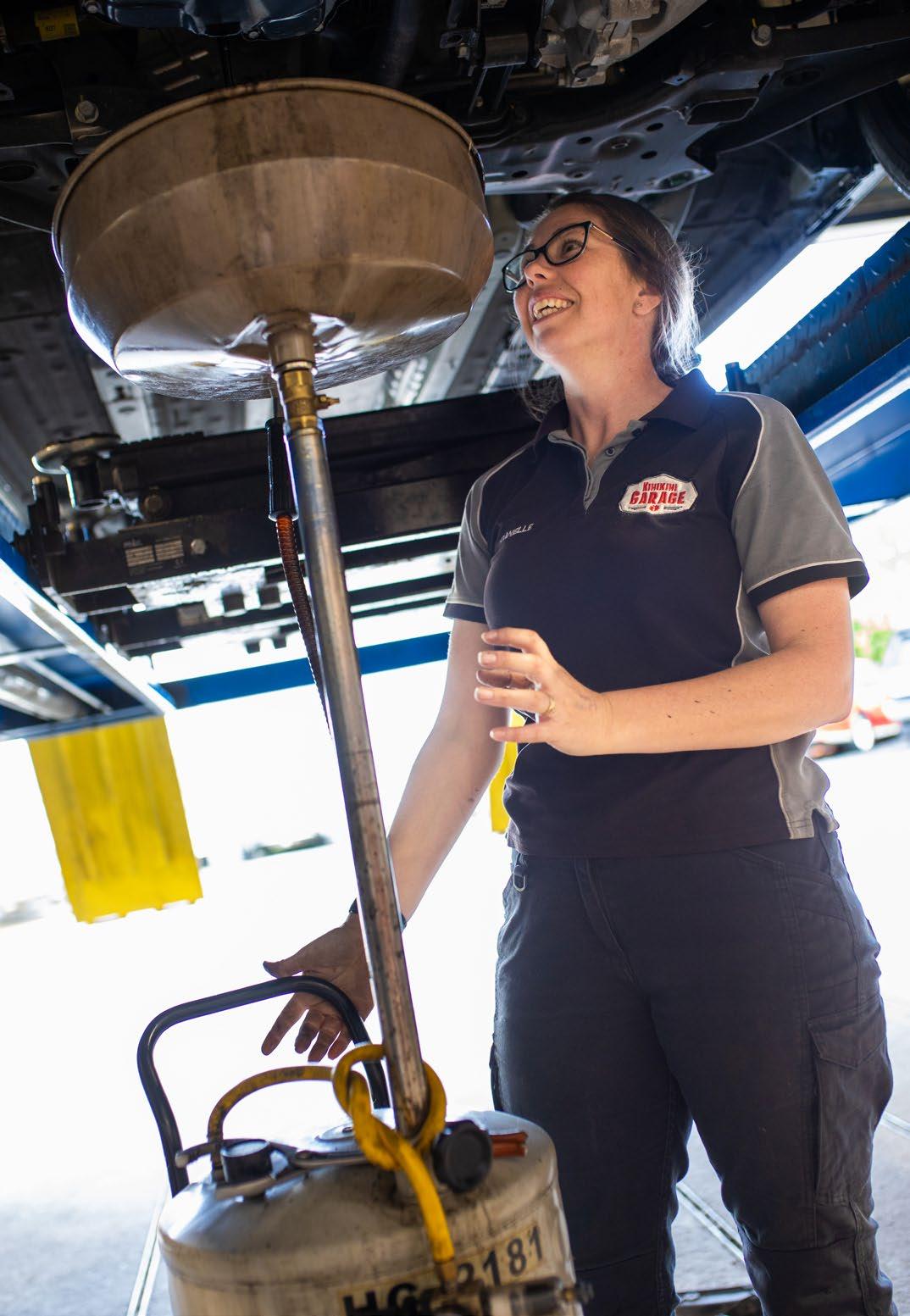
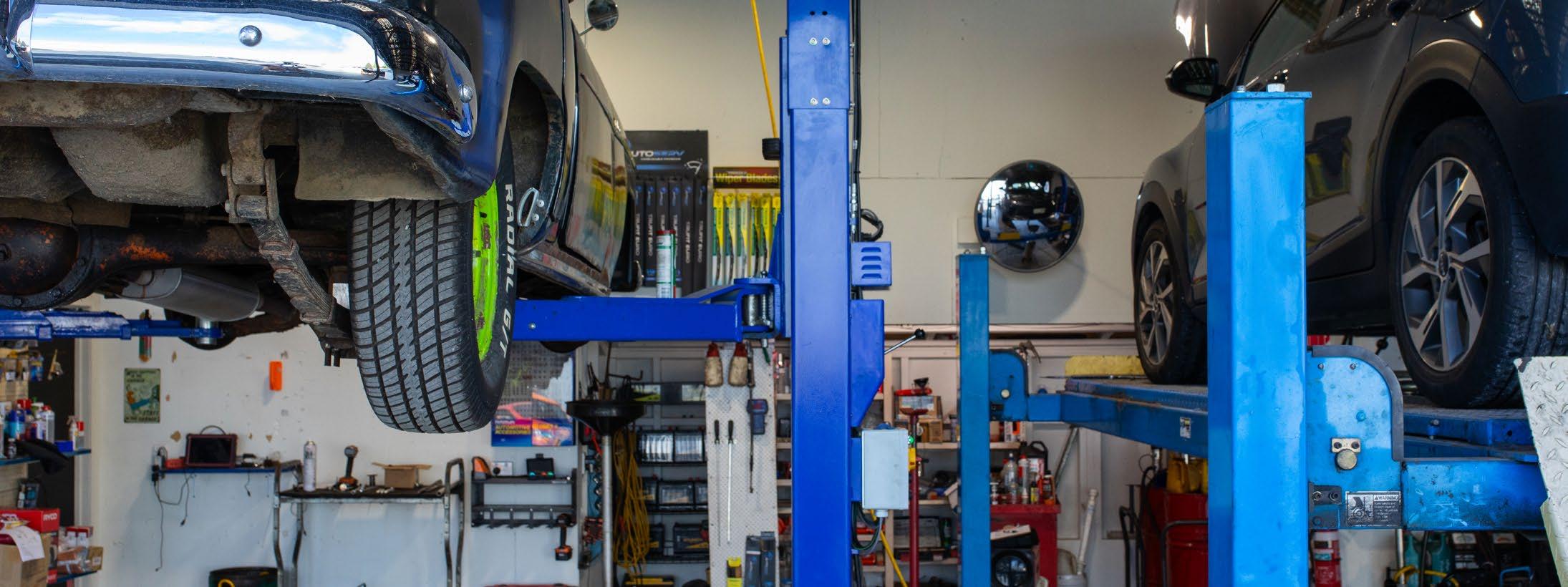
In those early days, Danielle learned how to read people quickly. How to disarm. How to stand her ground without escalating situations.
“A few people I would make a bit of a joke about it, you know, this is my first day on the job and then you kind of gain that respect.”
It wasn’t just about customers. Running a workshop meant building a team and a culture, in an industry facing a persistent skills shortage.
“Staffing has always been a challenge in business,” she says. “Finding people that fit in with the culture that you're trying to create.”
Over time, something shifted. Danielle noticed female customers gravitating towards her.
“We did find later on in the business that female customers would prefer to speak to me over my husband.”
Every interaction Danielle had with her customers was slowly building trust.
Today, Danielle is clear that attitudes are changing, but not gone.
“I still get people asking to speak to the mechanic, and I have to tell them they already are.”
She’s back on the tools more now, juggling service advising and workshop work as staffing fluctuates.
She’s also become a vocal advocate for women in trades.
“I've been a pretty heavy advocate for women in not just automotive, but in different trades.”
That advocacy happens everywhere. Local sports clubs. Community groups. Conversations that start simply.
“What job do you do? Have you ever thought about the industry?”
She’s spoken with domestic abuse survivors and run courses aimed at building confidence and skills. The motivation is personal.
“I actually left a job because of some of the abuse I was getting as a female.”
Her advice to women entering the industry is direct.
“If you can't get into an environment that's going to support that, either try and find one that would, or just really focus on your own learning.”
She knows how fragile confidence can be. “A couple of times I've thought about getting out of the industry, going, I just can't be bothered with this anymore.”
She stayed.
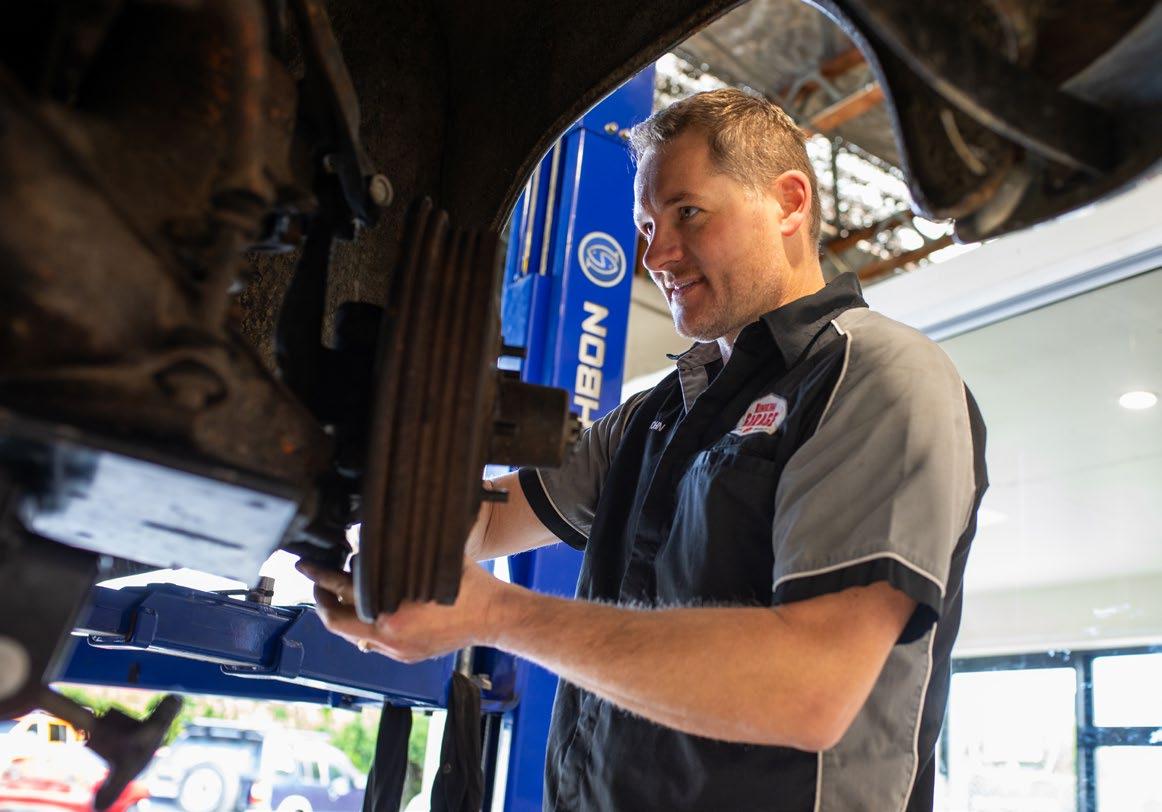
Despite the paperwork and management that come with ownership, Danielle knows exactly what keeps her grounded.
“To be honest, I love the mechanical side probably as a top priority.”
Every day is different. Every vehicle brings a new problem to solve.
“You're constantly learning… the satisfaction from start to finish. If a car comes and you diagnose it, it gets fixed, it goes back out again.” It’s a very familiar sense of achievement.
It’s a feeling Danielle has known for a long time. Years after wiping dirt from her mum’s stock car, she’s still close to the work; now making space for other young women to step in, get their hands dirty, and see what’s possible.
After a major life shift, Lisa McGoldrick chose to keep her workshop moving forward.
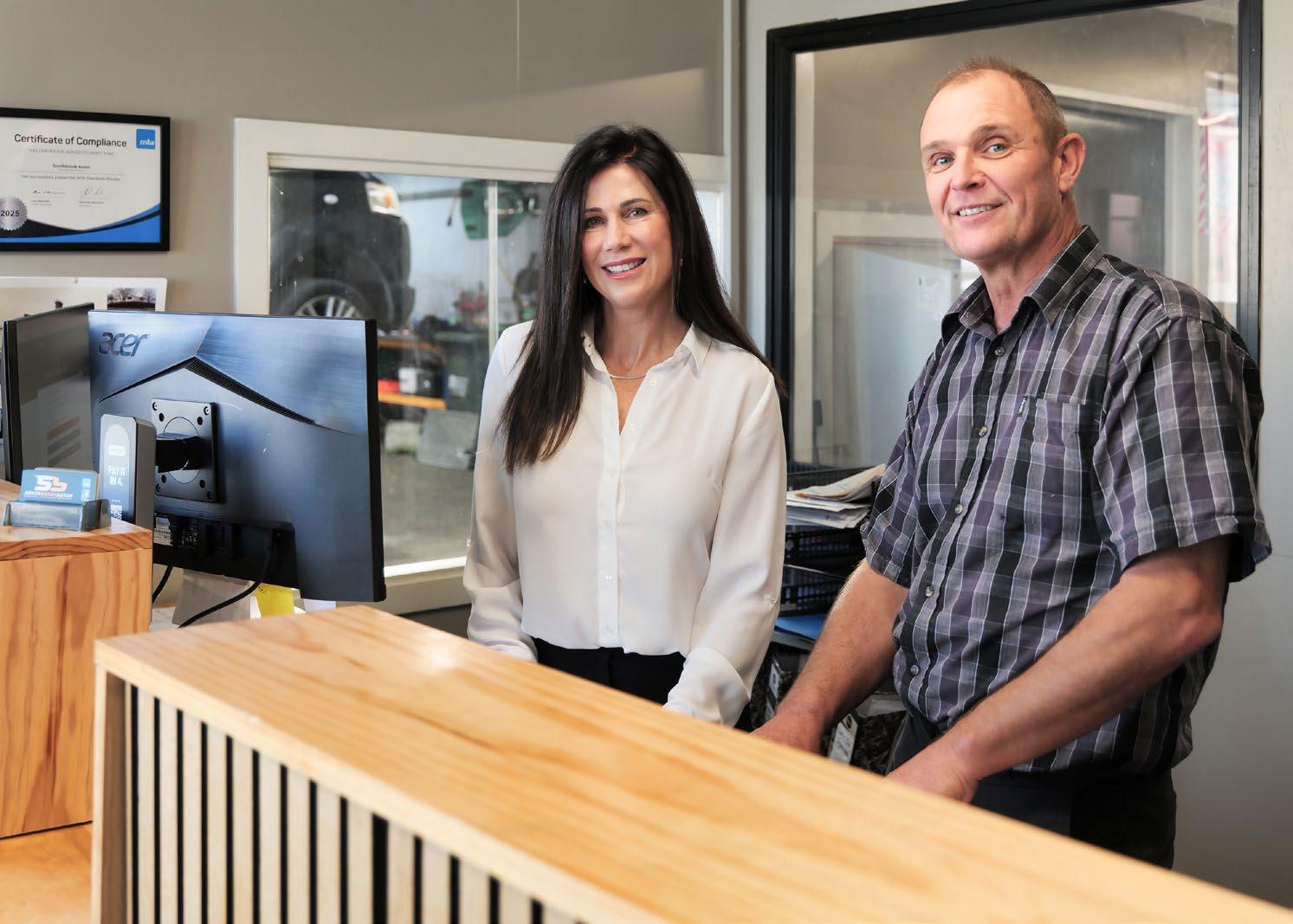
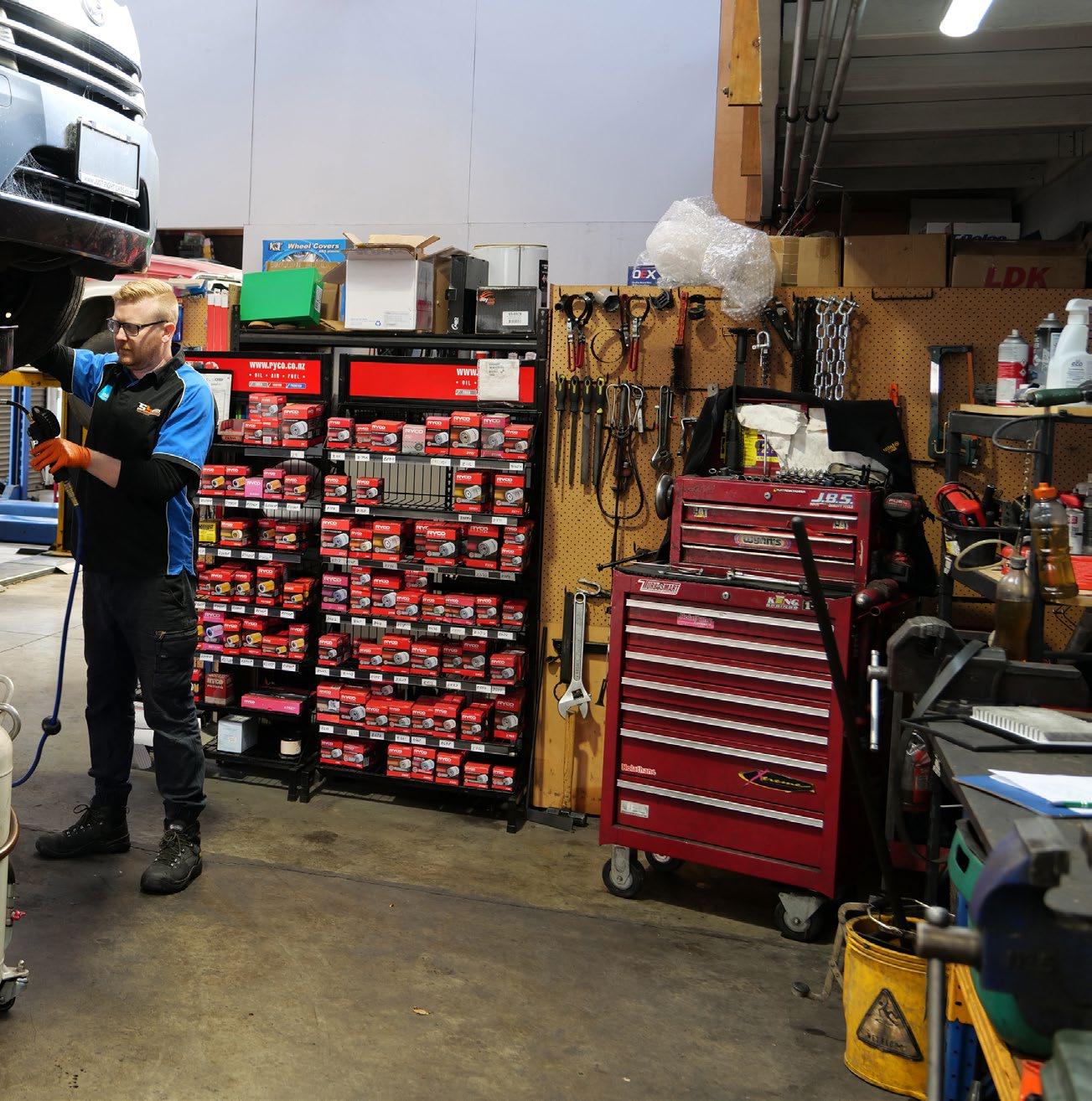
Just half an hour’s drive from Christchurch, Lisa McGoldrick runs SB Autos, a small, community-based automotive workshop that has been part of the Rangiora area since 2000. What began as a one hoist, one-mechanic operation has grown steadily over the years and today supports three technicians on the workshop floor, with a small office team keeping things running behind the scenes. It’s not a business driven by scale or rapid expansion, but one shaped by familiarity, long-standing customers, and the quiet consistency that keeps people coming back.
Lisa has been part of that journey from the very beginning. “I spent 33 years married to a mechanic, and together we took over a wee business in 2000 with just one hoist and him running the workshop,” she says. Based in the office, she learned the rhythms of workshop life as the business evolved; quoting jobs, speaking with customers, managing paperwork, and understanding how quickly a day can unravel when cars don’t behave as planned.
In those early years, Lisa was central to the business’s growth, without imagining she was laying foundations for something she would one day carry forward herself.
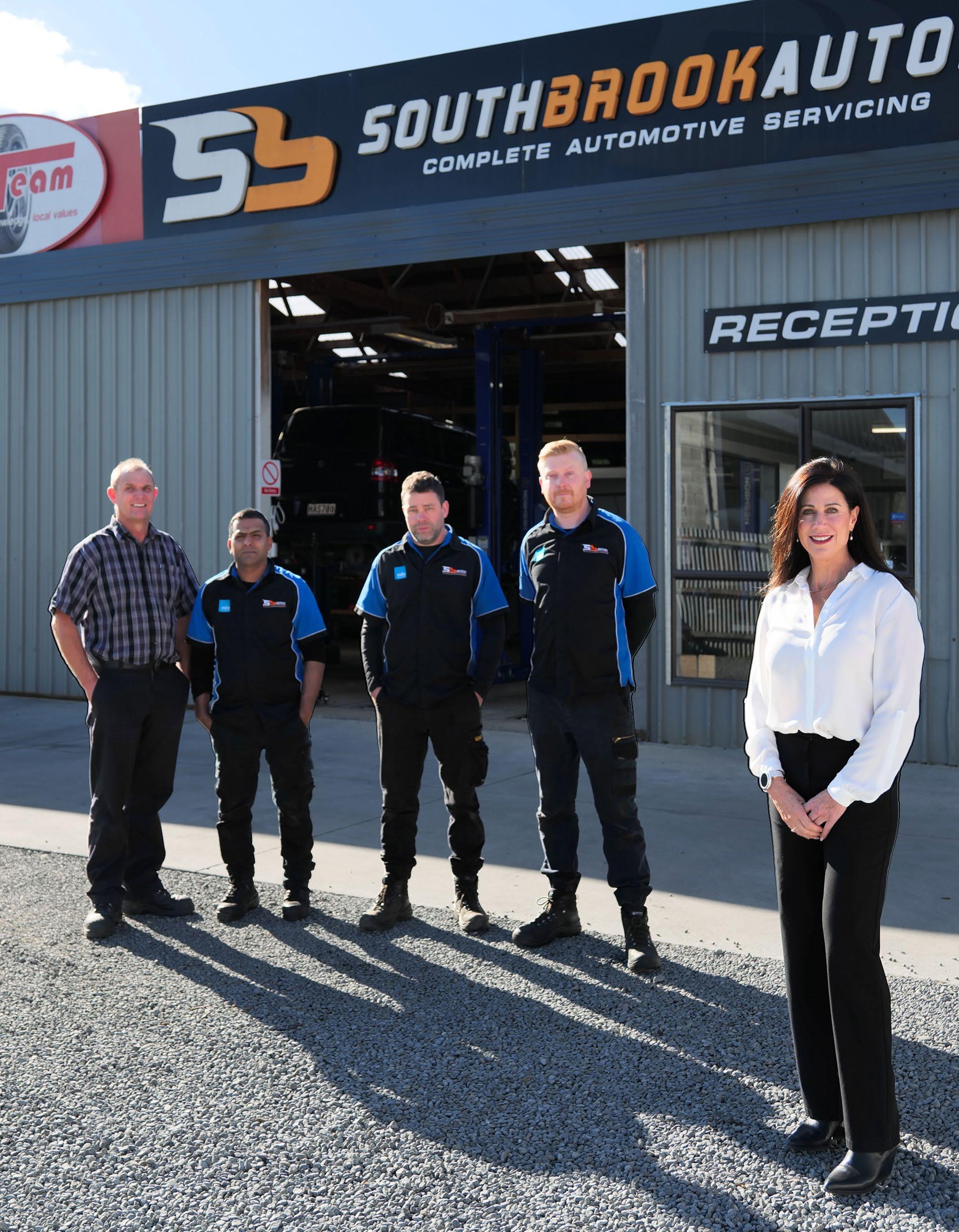
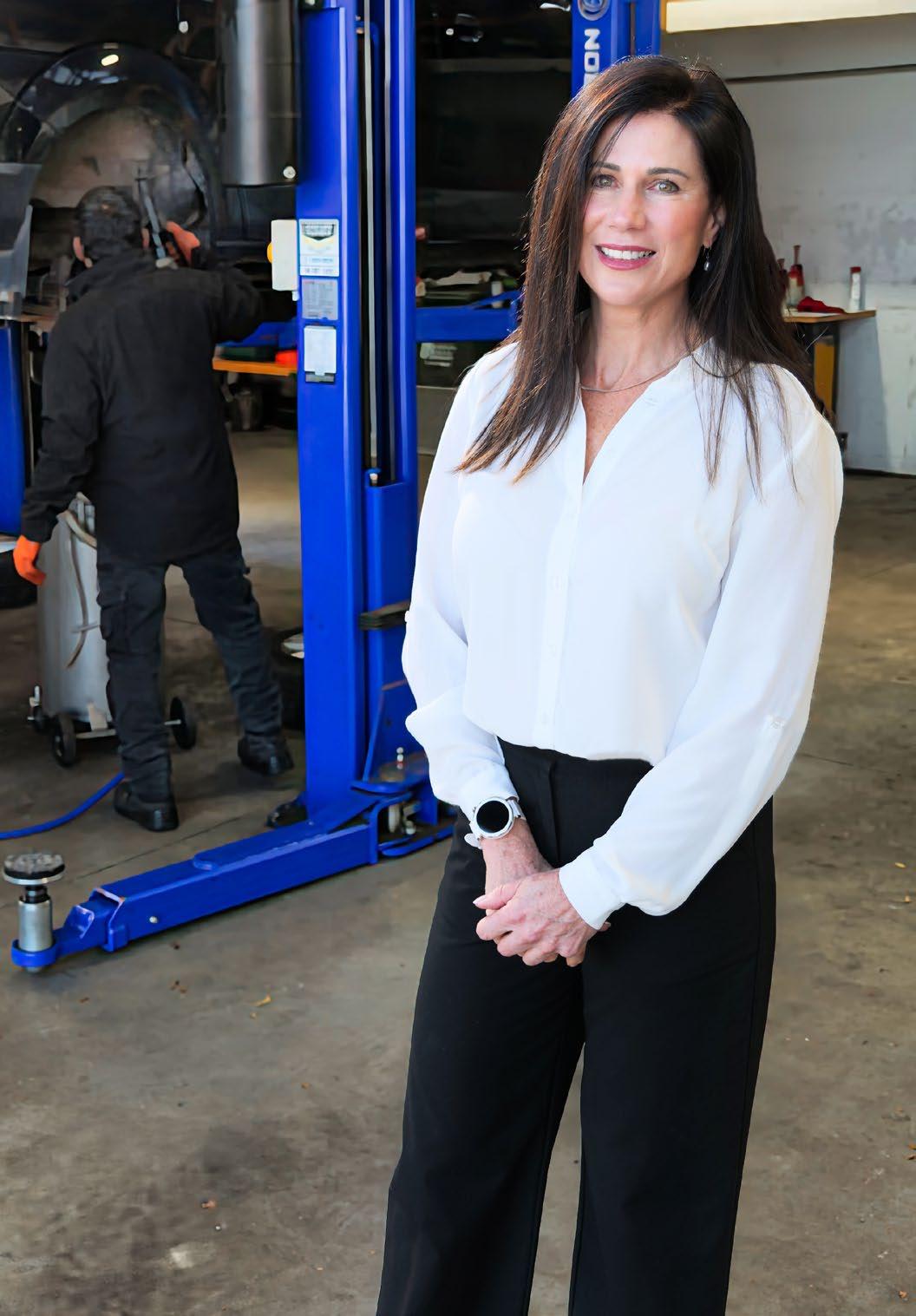
That moment arrived years later, when Lisa and her mechanically minded husband separated and he chose to step away from the business entirely. “We’ve since separated, so he didn’t want to continue on, so I continued in the business because I was working with him over the years in the office, so I kind of knew how to run it anyway.”
For many, it would have been a natural point to sell the business and move on. Instead, Lisa stayed.
Having already owned and run a beauty salon earlier in her career, she understood the realities of small business; managing cash flow, balancing staff, and making decisions that needed to hold up over time. That background shaped how she weighed risk and opportunity. Automotive made sense. Vehicle repairs weren’t discretionary. People needed their cars to get to work, school, and everyday commitments, and that certainty gave her confidence to fully commit to SB Autos.
With ownership came a new set of realities
Nearly two years in, Lisa is candid about one of the early adjustments; running a workshop without being able to step onto the tools herself. When staff are away, she can’t jump on the floor to keep work moving or clear a backlog at short notice. Instead, the business runs on trust; in the skills of the technicians on the floor, in clear communication, and in a shared understanding of how the workshop operates day-to-day. As the business continues to evolve, Lisa is currently looking to add another team member, with a part time or full time role available to help support the growing workload.
Overall, it’s a business model that relies less on one person doing everything, and more on people backing one another to keep work flowing.
“I have a really good team mechanics that have my back.” Long serving staff stayed on, backing her and the direction of the business, with some even returning after time away. That continuity reflects relationships built over time, and a team that understands what’s expected and why.
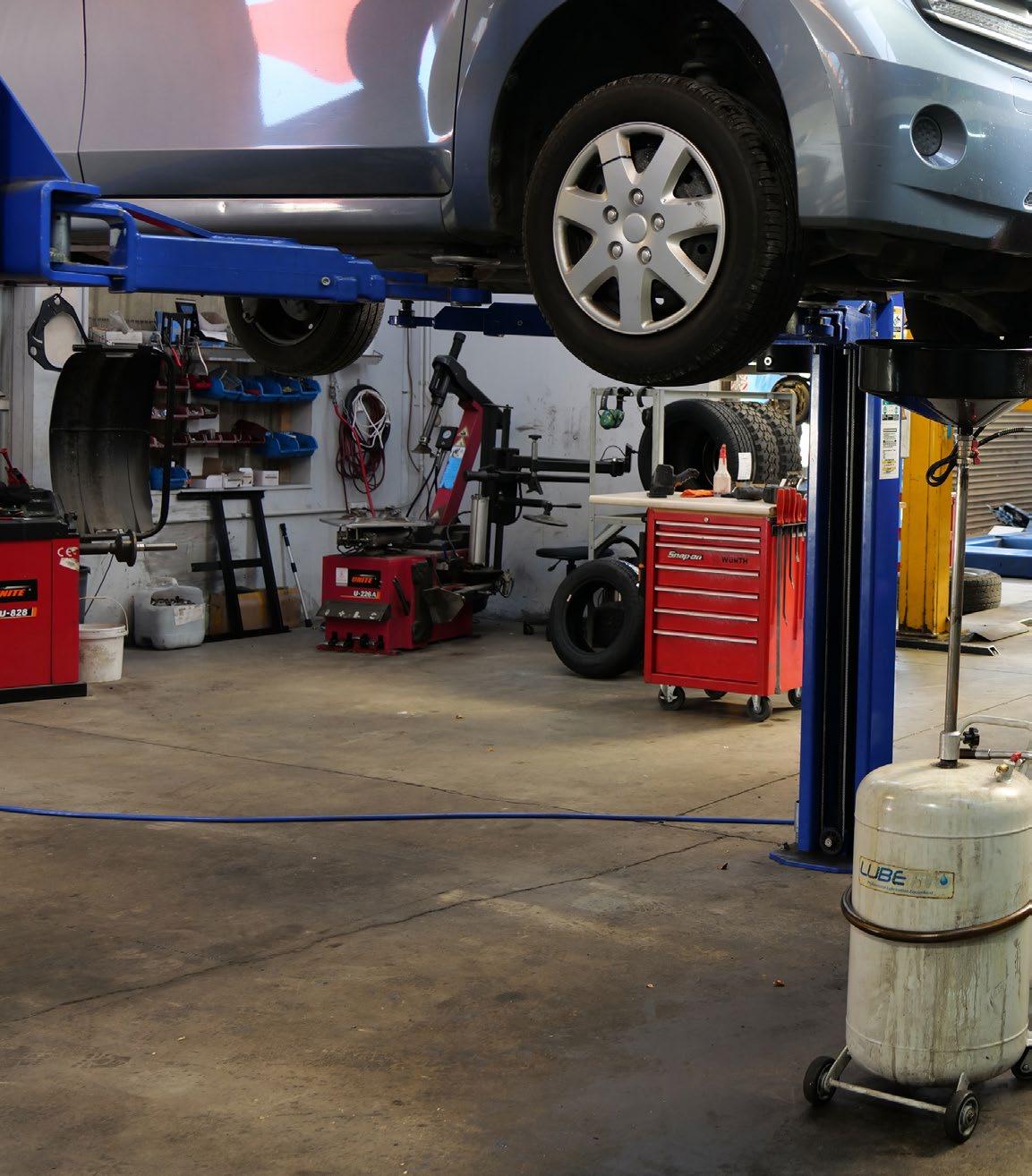
Alongside the day-to-day demands of running the workshop, Lisa has seen how much the industry itself has shifted. Parts prices and repair costs have climbed steadily over the years, something she’s acutely aware of when speaking with customers. Explaining why repairs cost what they do can be challenging, particularly when those increases sit outside the workshop’s control. It’s why taking the time to walk customers through the work, the parts involved and the reasons behind the bill has become such an important part of the job.
Workload, though, remains a constant pressure. Asked what feels hardest right now, Lisa’s answer is simple. “Just the workload. I want to not work so hard.” The hours can be long, and the need to be present doesn’t disappear when things get busy. “It takes being here, being present,” she says.
With grandchildren now part of her life, time away from the workshop matters more than it once did. Creating space for family, without placing extra strain on the team, is something she’s actively working through. Like many small business owners, it’s a familiar tension; caring deeply about the business while wanting to protect life beyond it.
Yet through it all, she has embraced the automotive community around her, leaning on people, relationships and shared experience. It’s that openness, and her commitment to doing right by her customers and team, that continues to shape SB Autos.
By Geoff Mutton
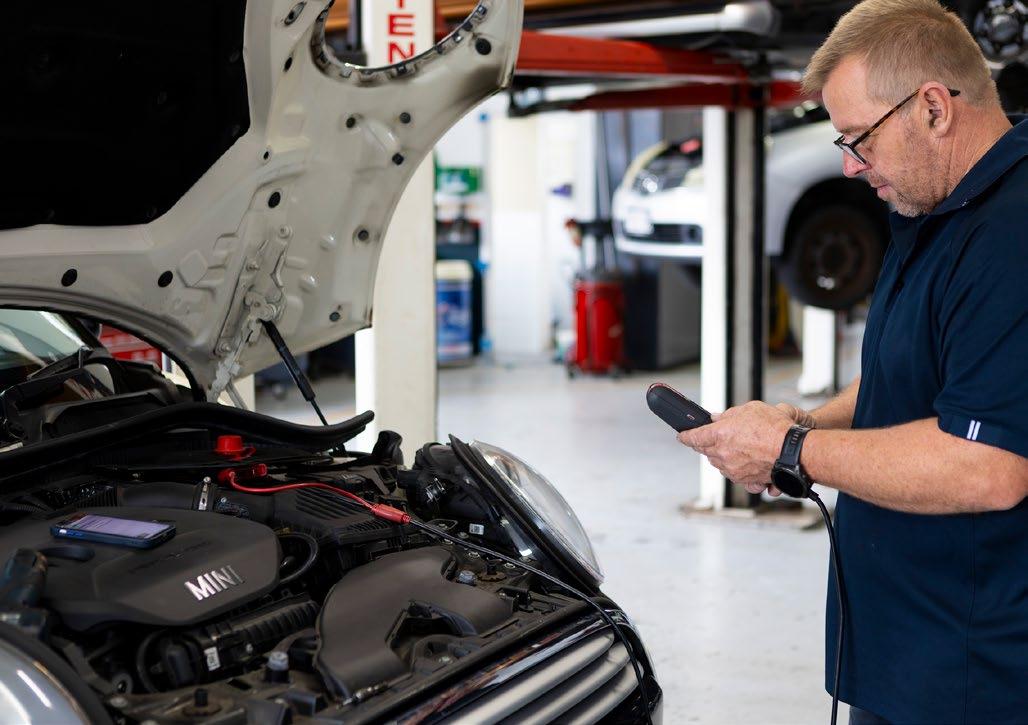
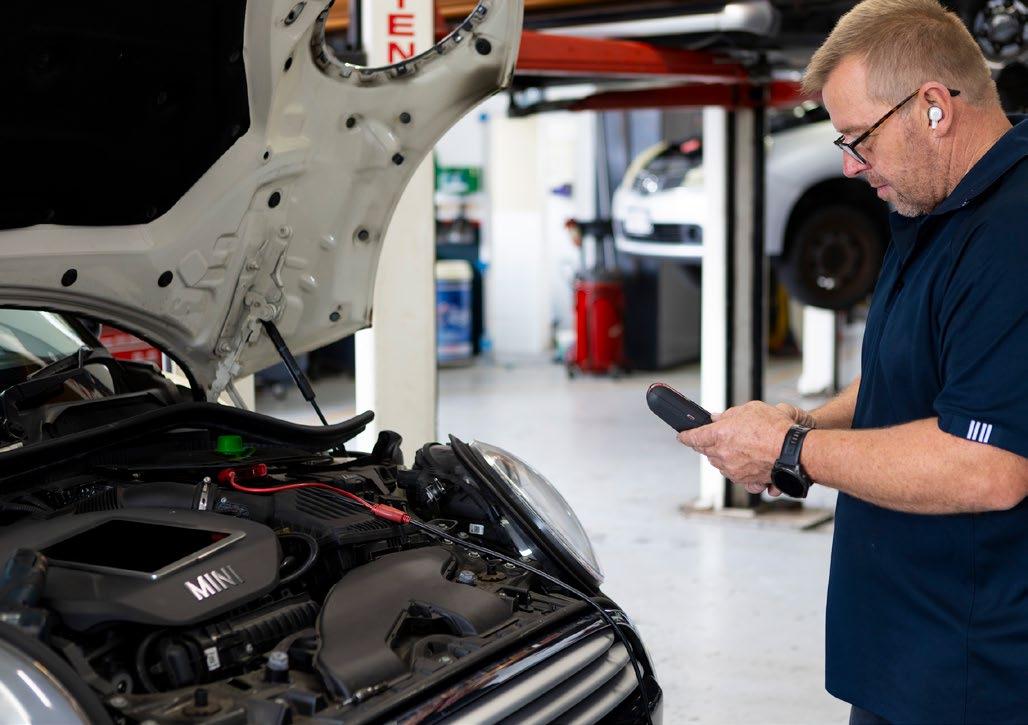
Petrol and diesel engines are still the daily reality for independent auto workshops, but lurking in the background is the EV, an electric vehicle with a high-voltage battery. Safe to say that many workshops take the view, 'not common enough to worry about', or 'we know we'll have to deal with EVs eventually.' Why worry when the workshops are busy with late model, fuel efficient internal combustion vehicles.
But vehicle technology rarely changes all at once. It changes gradually, then suddenly feels normal. Throughout Australasia, motorists have been gravitating towards hybrid vehicles, and this is great for workshops because hybrids have an internal combustion engine, oil and filters, as well as some form of high-voltage battery, inverter and three-phase electric motors. So, everyone in both camps have something to fix. But sooner or later, workshops will have to make a big decision about their future – just where in the sandpit do they want to play?
That is why EV training should not be seen solely as a response to a future wave of electric vehicles. It should be part of a broader business-readiness conversation. What types of vehicles do your workshop want to service, what risks are you prepared to manage and what skills will your team need as electrified drivetrains become more common?
The question is not, 'should we become an EV workshop?' A better question is, 'what level of EV capability is appropriate for our business, our customers and our technicians?'
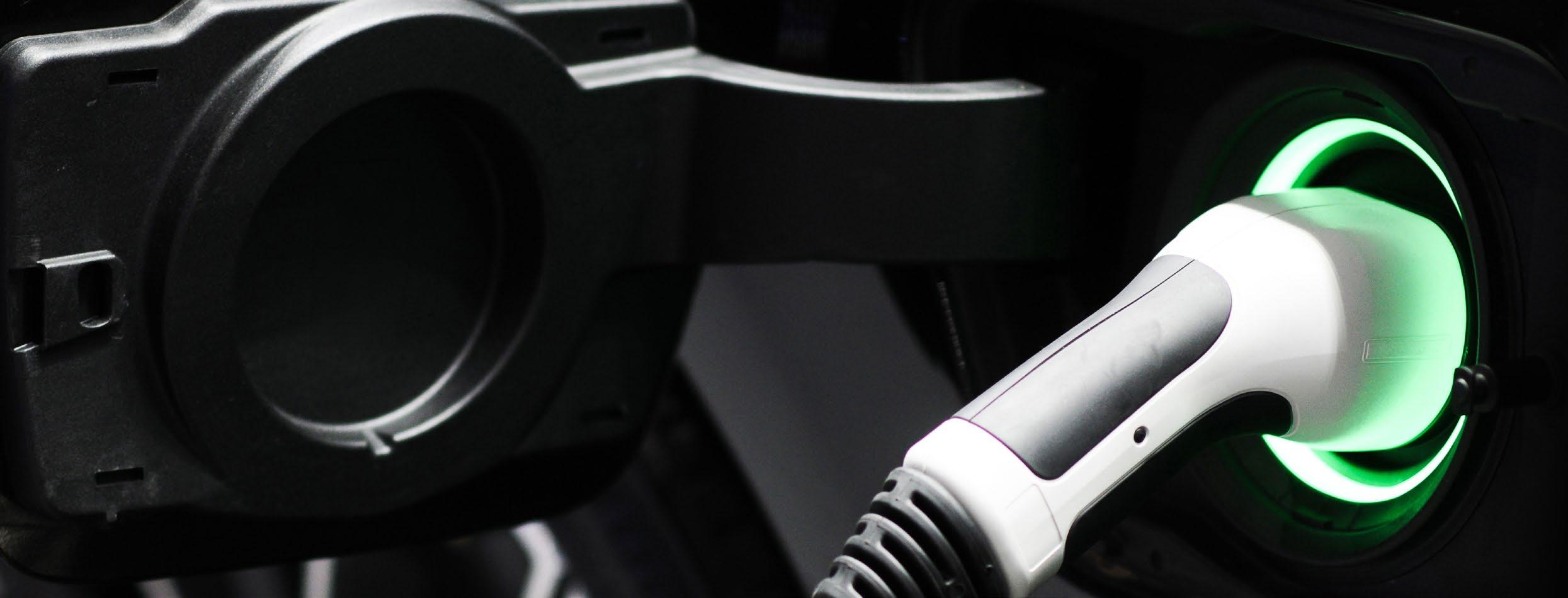
Electric vehicles are not just another driveline. Yes, they still have tyres, brakes, suspension, steering systems, air conditioning, cooling circuits, body electronics and scan tool requirements. In many cases, routine maintenance will look familiar. But the high-voltage system changes the risk profile.
A workshop confident in diagnostics, service information and safe work procedures will approach an EV very differently from one that is learning through trial and error. Highvoltage batteries, inverters, DC-DC converters, electric compressors and orange-cabled systems require more than general mechanical experience. Technicians will need to know about isolation procedures, personal protective equipment, live/dead testing principles, manufacturer information, tooling limitations and, more importantly, what not to touch. This is where training shifts from chasing a trend to managing risk.
The most routine work can bring technicians near high-voltage components. Repairing accident damage, cooling system work, air conditioning repairs, underbody inspections, brake work and diagnostics may all demand a basic understanding of the vehicle's configuration and the precautions needed.
The first step is not advanced EV repair. It is ensuring the team can identify a vehicle with a high-voltage battery and its associated highvoltage systems, understand the hazards, follow the correct process, and recognise when a job is beyond the workshop’s capability.
Not every workshop needs to invest immediately in full EV diagnostic and repair capability. The right level of investment depends on the customer base, local vehicle make-up, business model, staff interest, tooling budget and the workshop’s appetite for this type of specialist work.
A sensible first stage may be to build EV and hybrid safety awareness among all technicians and front-of-house staff. This gives the workshop a common language and helps the team avoid unsafe assumptions. The next stage might involve developing routine service capability such as understanding inspection requirements, scan tool communication, brake and tyre wear patterns, thermal management basics, battery state-of-health concepts and access to correct service information.
A workshop wishing to be seen as EV and hybrid-friendly may then choose to invest in deeper diagnostics, including insulation testing, highvoltage isolation, battery cooling faults, drivability concerns, charging complaints and component-level fault finding.
This staged approach to building capability in a workshop is important because EV readiness is not a switch that can be flipped on overnight. It is a capability curve. Workshops can move along that curve deliberately, aligning training and equipment with the work they expect to perform.
Training is also a business decision, not just a technical one. Workshop owners are accustomed to making investment decisions about scan
tools, hoists and the like and EV training should be viewed the same way. Your questions should now be, what problem does it solve, what risk does it reduce and what future work does it support?
There's a commercial reason for making these decisions too. As customers replace vehicles, some will move into hybrids, plug-in hybrids or battery electric vehicles. If the workshop cannot safely inspect, service or advise on those vehicles, that customer is likely to go elsewhere.
Training will also reduce uncertainty for technicians who are otherwise cautious around EVs. A technician who understands the system is more likely to work methodically, use service information correctly and know when to stop when a procedure requires a higher level of qualification or specialised equipment.
Reputation matters too. A workshop does not need to promote itself as an EV specialist to benefit from speaking confidently and accurately about electrified vehicles. Customers are looking for clear advice, not guesswork. Being able to explain what can be done in-house, what requires a specialist referral and why safety procedures matter builds trust.
In Australia and New Zealand, the transition to electrified vehicles is unlikely to be a simple jump from petrol to full battery electric, as the latest sales data already shows. Hybrids and plug-in hybrids are already an important segment of the vehicle parc and will remain relevant for many workshops.
This is significant because hybrids share many of the same safety and diagnostic considerations as EVs.
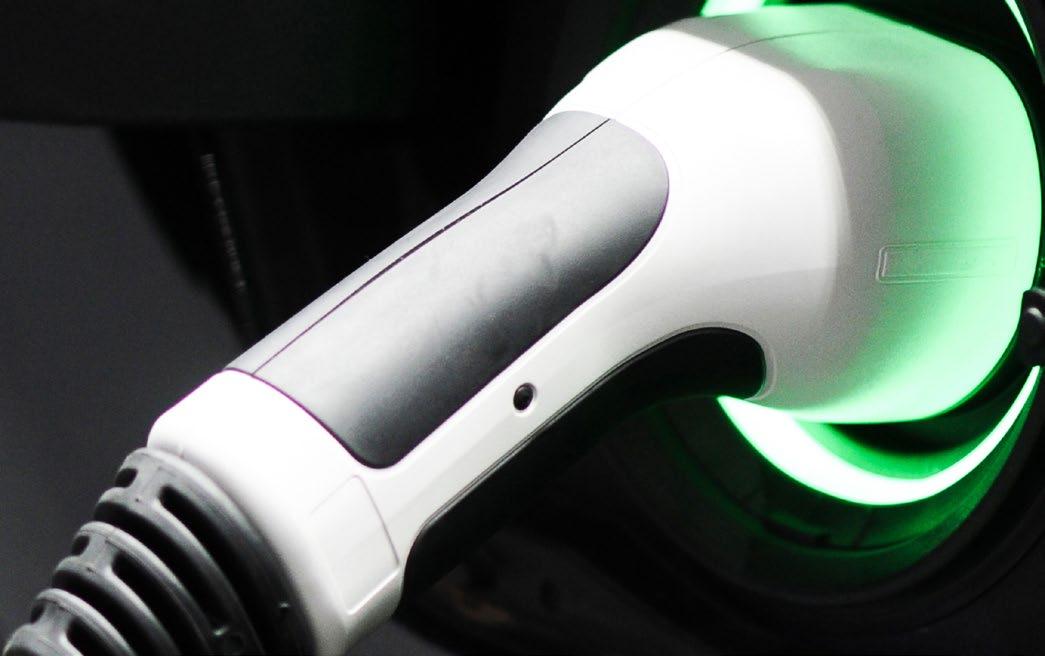
High-voltage batteries, electric drive components, regenerative braking and complex power management are not exclusive to full-electric vehicles. For a workshop wondering where to start, hybrid training can be a practical bridge. It supports the vehicles already appearing in many service bays while building knowledge applicable to broader EV capabilities.
Safety should remain the foundation. High-voltage systems require clear procedures and discipline. Workshops need to think about how vehicles are identified, where they are parked, who is authorised to work on them, what PPE is available, how isolation is confirmed, how keys are controlled, how warning signage is used and how damaged vehicles are handled.
Diagnostics will matter more, not less. There is a common perception that EVs require less servicing because they have fewer moving parts. In some respects, that is true. But fewer service items do not mean fewer diagnostic challenges.
EVs are software-intensive, networked systems that rely on thermal management, charging systems, battery management, power electronics and communication between control modules. A customer complaint may not be resolved by replacing a worn mechanical component. It may require analysing data, operating conditions, service bulletins, scan tool limitations and system logic.
Workshops that already value diagnostic discipline are well placed to adapt. The fundamentals remain the same: verify the complaint, gather information, review service
data, test before replacing parts and understand the system before making decisions. The difference is that EVs can be less forgiving of assumptions.
The timing of EV training will vary. A workshop in an urban area with a growing number of fleet, rideshare or late-model private vehicles may see demand sooner than a regional workshop with a different customer base. A business specialising in diagnostics, European vehicles, fleet maintenance or late-model servicing may have a stronger immediate case than one focused mainly on older vehicles.
However, waiting until EVs are common in the workshop can create pressure. At that point, the business may need training, equipment, procedures and answers for customers, all at once.
A more sustainable approach is to begin before the need becomes urgent. Start with awareness. Identify likely vehicle types in your area. Talk to your team. Review equipment and understand training pathways. Decide what work you are prepared to accept now and what you will decline or refer.
EV readiness is not about perfectly predicting the future. It is about preparing the business, protecting the team and building the confidence to work safely and professionally as vehicle technology continues to evolve.
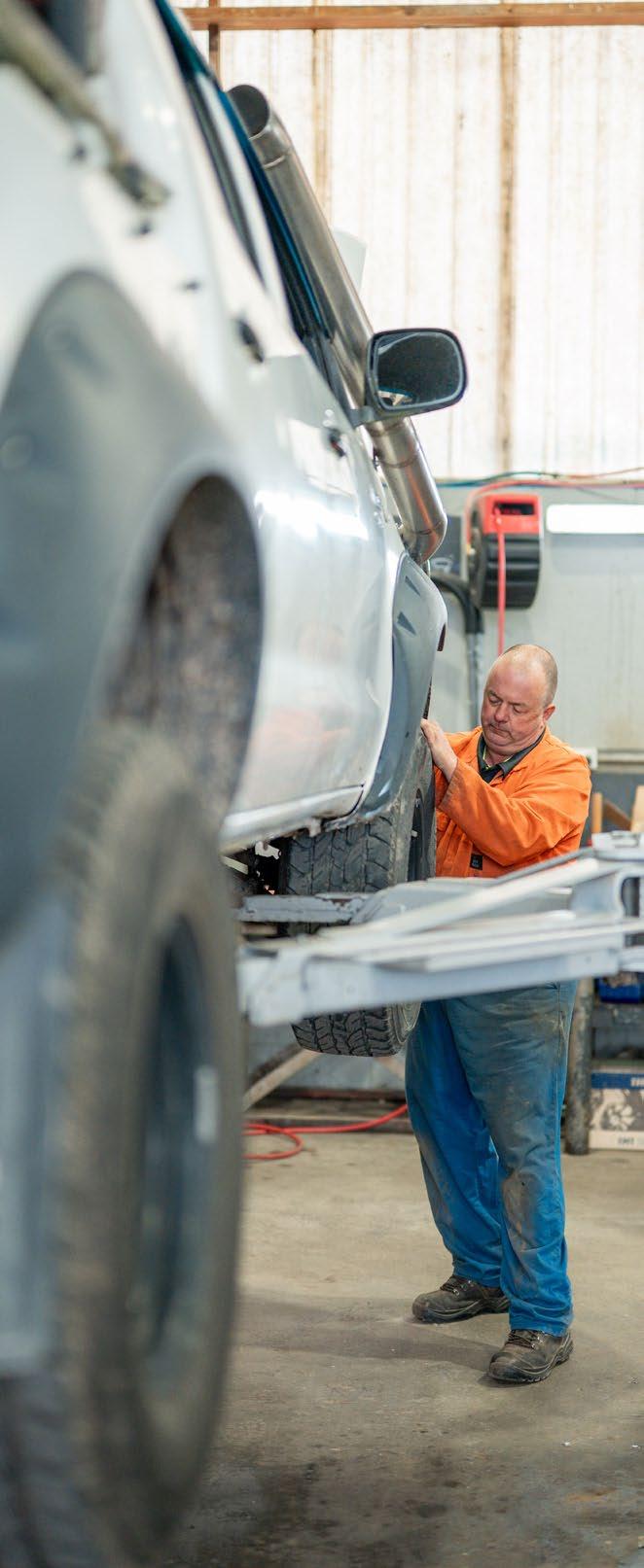
From sawmills to desert races, one Taupō workshop has grown by backing passion and solving problems.
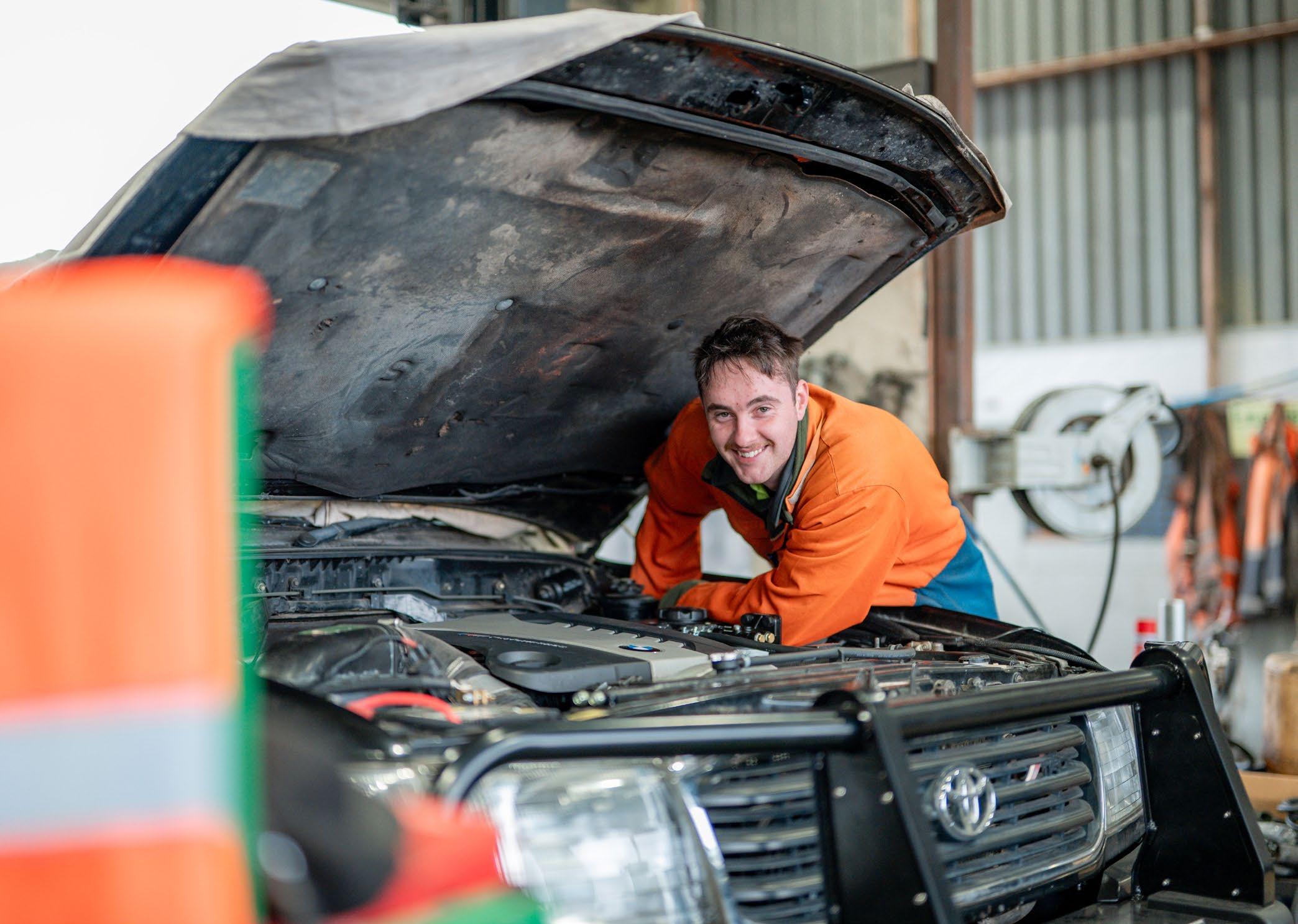
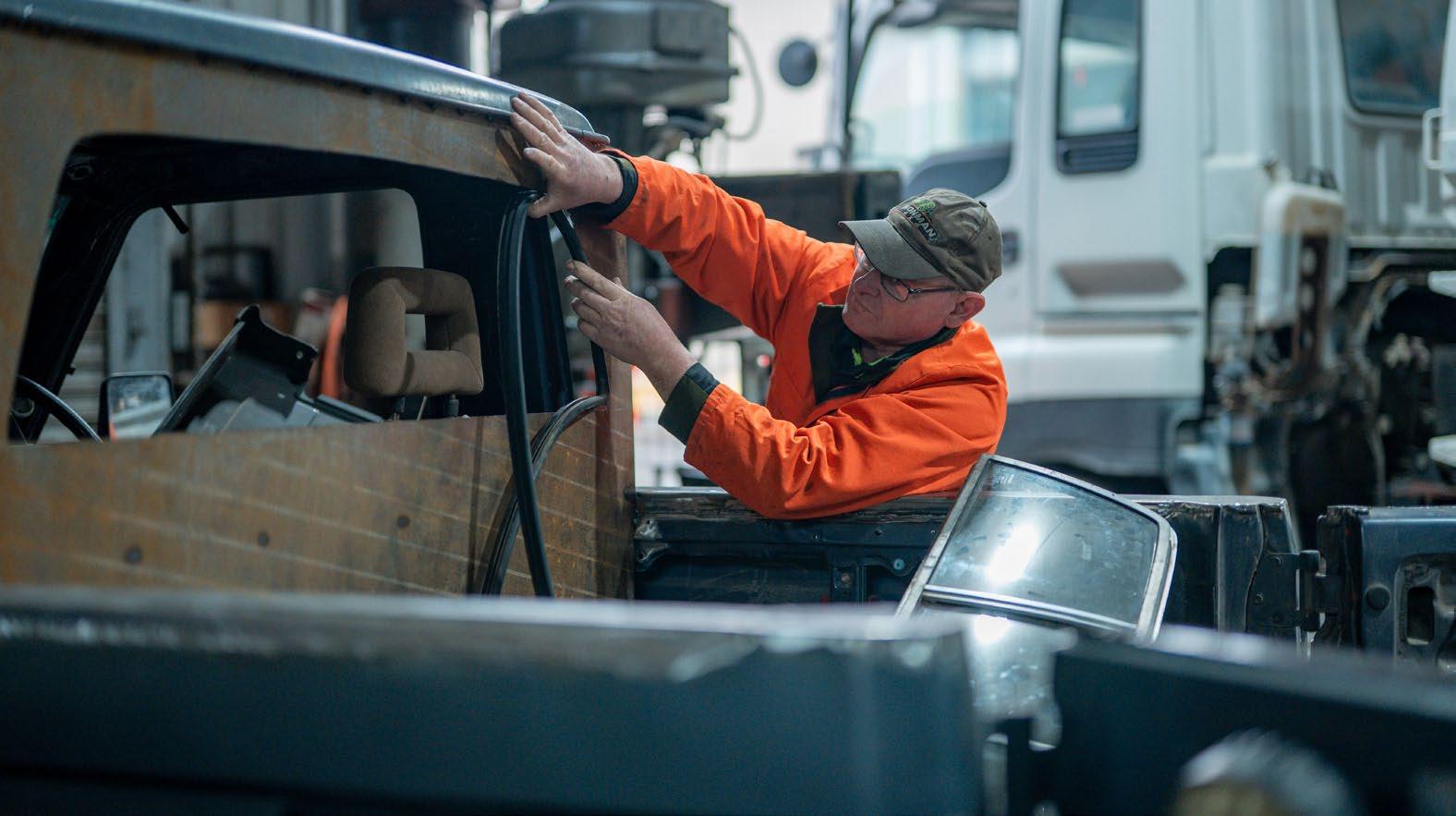
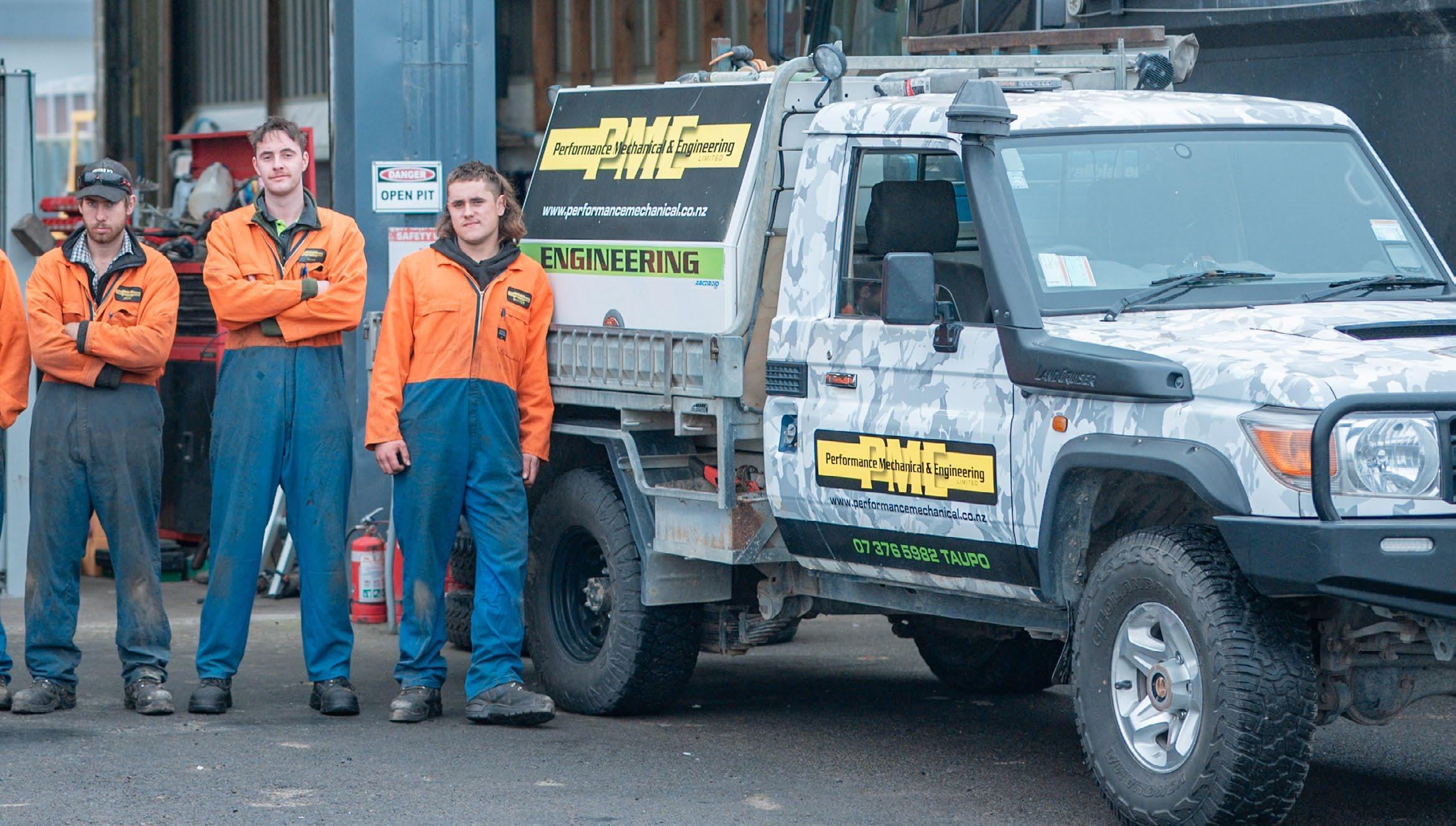
From the sawdust filled air of New Zealand sawmills to the cold depths of commercial dive sites, and across to the red dust of Australia’s desert race tracks, Klem Christensen has spent a lifetime chasing how things work, and how to fix them when they don’t. It’s a career shaped by curiosity, grit, and a willingness to say yes to whatever challenge sat in front of him. Today, that same mindset sits at the heart of Performance Mechanical & Engineering in Taupō; a workshop built on experience, passion, and the belief that if another human built it; Klem and his team can repair it.
Owned by Klem and his wife Sharon, Performance Mechanical & Engineering reflects a working life that has never stayed in one lane. The business has grown steadily over nearly two decades — closely attributed to backing capability, investing in tools, and leaning into the kind of work others tend to shy away from.
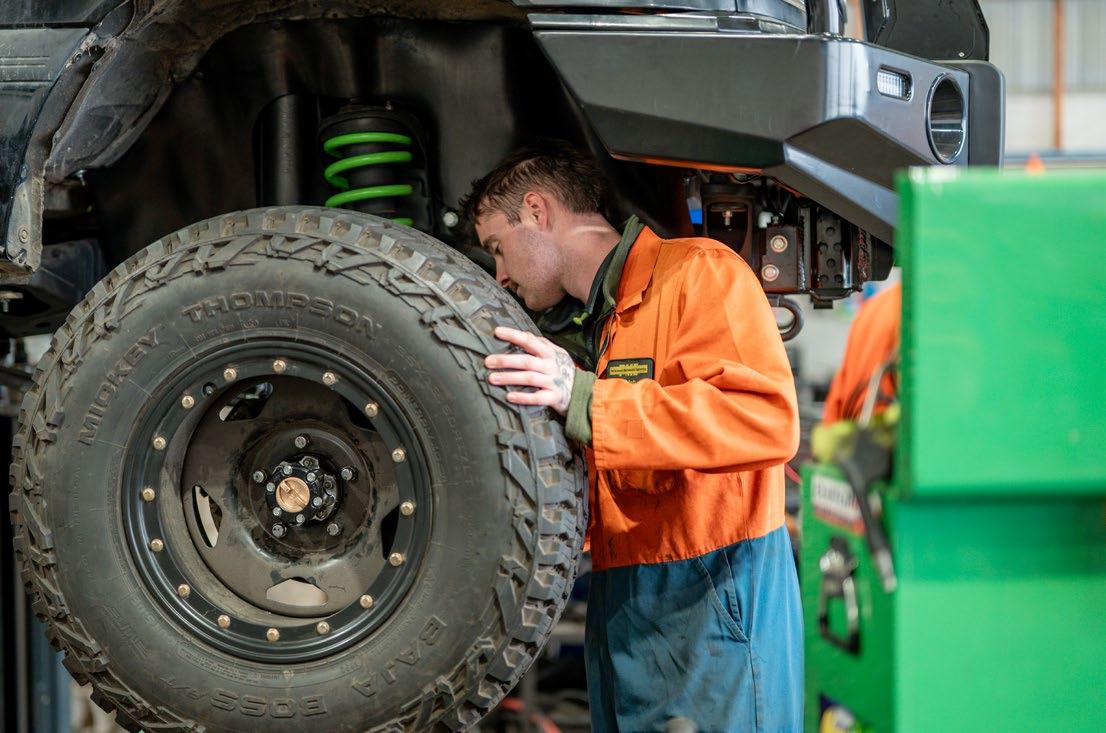
In 2006, Klem decided it was time to put everything he’d learned under one roof. He bought an automotive workshop and began shaping what would become Performance Mechanical & Engineering. At the time, he was already running a small engineering operation, but he wanted more range and more scale. “I wanted to add more mechanical to it… and I wanted to get a bit heavier.”
That decision opened the door to steady growth, new capabilities and bigger bets. In 2009, the business joined Capricorn. “It was a bit nerve-wracking because all the accounts come out of the one account and it (the money) just goes,” Klem admits. “So, it took a bit more money management for us.” But he also saw opportunity.
Through Capricorn Finance, Performance Mechanical & Engineering invested in equipment few regional workshops had. Diagnostic brake rollers for trucks, truck wheel alignment gear, heavy hoists, crane trucks; purchases that changed what the business could offer. “From that day on, buying and purchasing that, we never looked back,” he says.
Taupō became home to services people normally had to travel for. Truck, bus and caravan wheel alignments. Heavy off-road recovery. Specialist fabrication. “Rather than create competition, I’ll just look at what’s not being done here, and I’ll start working down that track,” Klem explains.
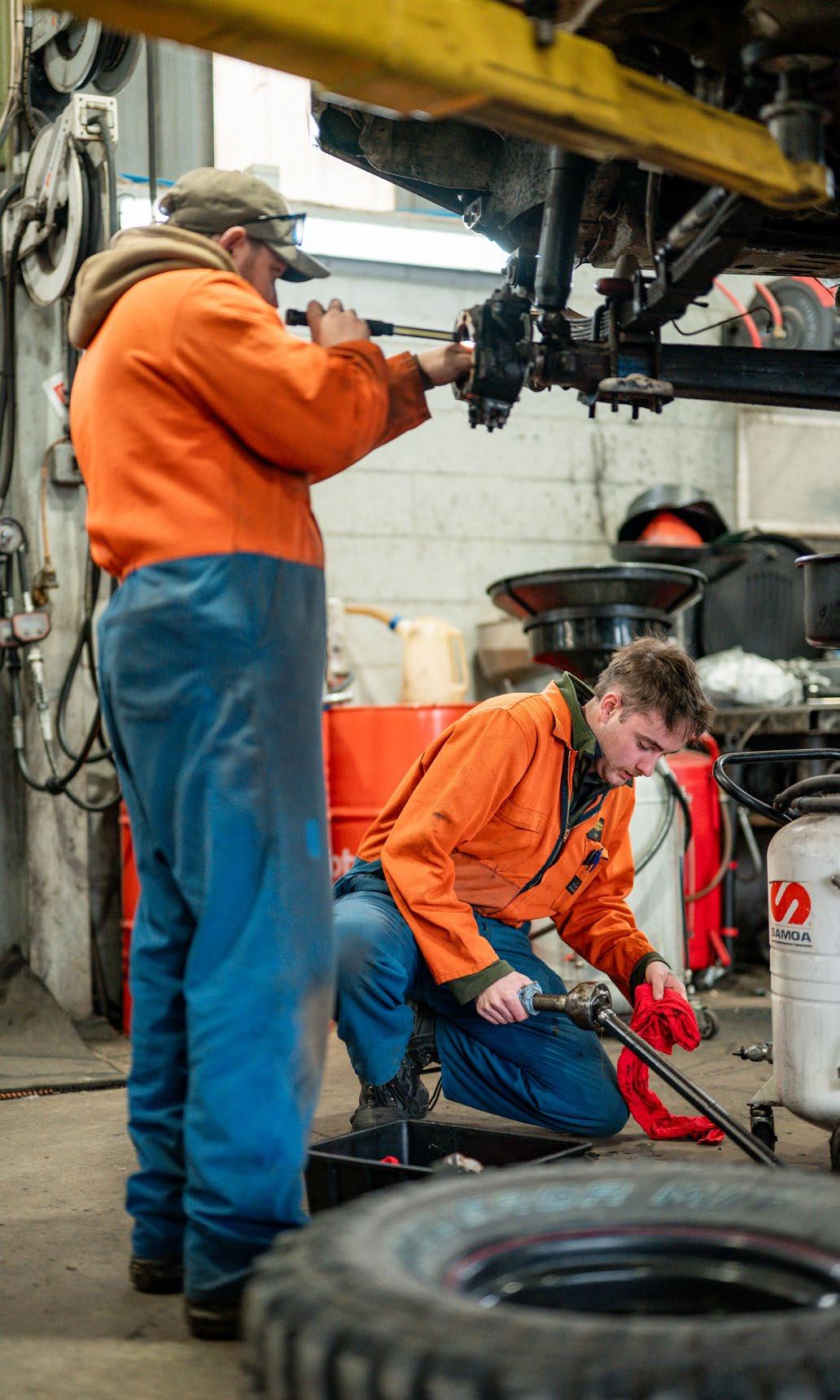
Today, the business is deliberately split into thirds. One third is four-wheel drive accessories and fit-outs. Another services large corporate roading crews across the central North Island. The final third handles general maintenance, heavy machinery and bespoke engineering work.
“We try to do is we spread our business across thirds,” Klem says. “Fixing anything and four-wheel driving and fixing anything.” It’s said with a laugh, but the point lands. The work is varied, practical and demanding; exactly how Klem likes it.
Performance Mechanical & Engineering looks after major names like Downer, Higgins, Heb and Fulton Hogan, supporting roading and infrastructure work across a wide geographic stretch. Call-outs can come at any hour. “Last night they had a grader slipped off the road… they called us up about two o’clock in the morning,” Klem recalls. “We’ve become a call upon company.”
Alongside that sits a thriving four-wheeldrive arm. Performance Mechanical & Engineering is now the largest Ironman 4x4 outlet in New Zealand’s North Island. “We’ve got a population of probably 30,000, and we outperform all of the cities,” Klem says. People travel to Taupō specifically to see the team.
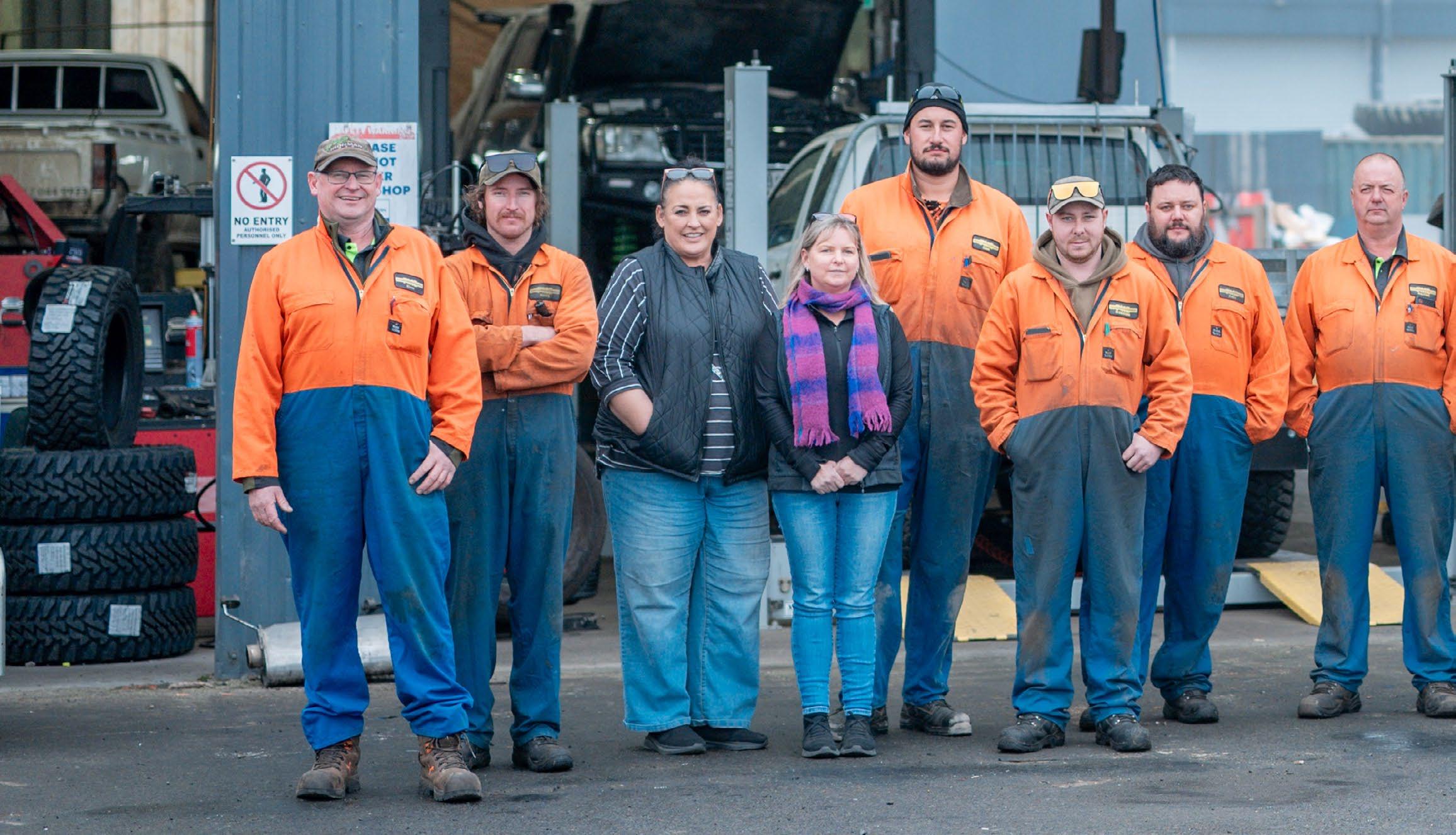
Underpinning it all are 11 staff on the workshop floor who share the same attitude. “If we don’t know it, we’ll soon learn it”, Klem grins.
That hands-on drive doesn’t stop at the roller door. Off-road racing has long been part of Klem’s life; in New Zealand and Australia, both behind the wheel and in the navigation seat. This year, he’s heading back to Alice Springs for the Finke Desert Race, this time as a spectator. “Normally it’s a hectic week focusing on the job at hand,” he says. “This time I’m just sort of doing more a little bit more sightseeing.”
Travel, four-wheel driving and the outdoors are woven through both work and life. It’s not accidental. “If you’ve got a passion, build on your passion because nobody can take that away from you,” Klem says. “What you’re good at, stick to it.”
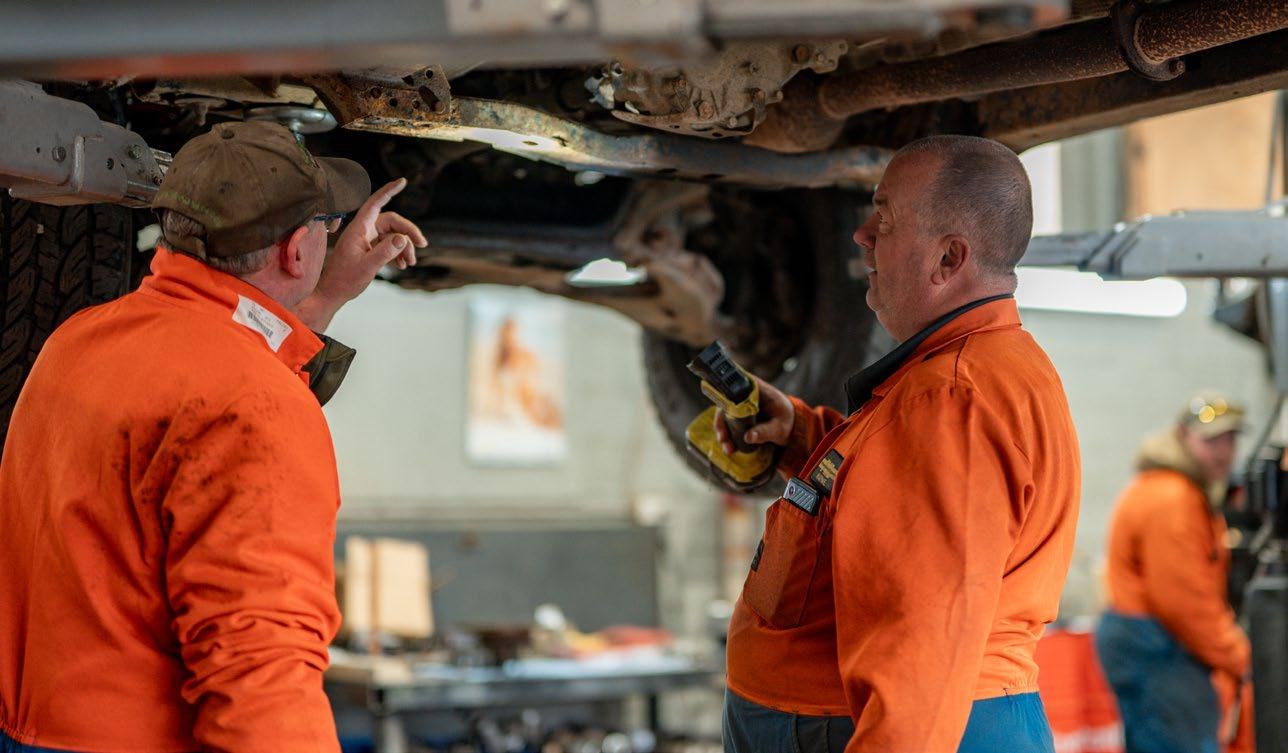
There’s a future focus too. Klem and Sharon hope their son will eventually take over, continuing the four-wheeldrive side of the business. “My son should be a well-qualified Toyota tech,” Klem says. “So, he’ll be able to take over the four-wheel drive world.”
After decades of building, fixing and learning, retirement is starting to appear on the horizon. Until then, Performance Mechanical & Engineering keeps doing what it has always done; finding problems, backing passion and working out solutions others won’t touch.
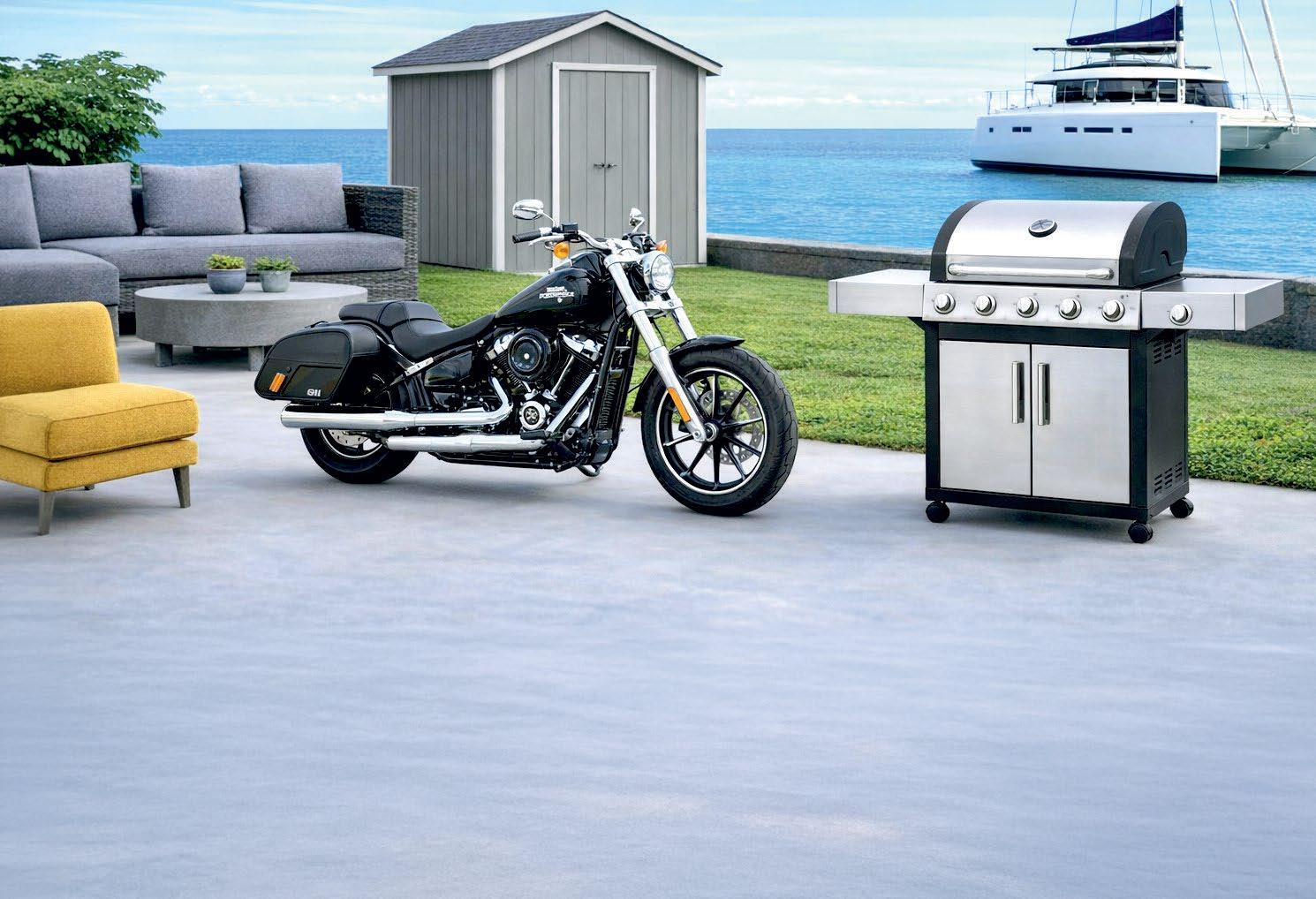
Rewards+ gives you the flexibility to use your Rewards Points to redeem just about anything you want!*
Obtain a sales invoice addressed to 212F Submit invoice via Rewards+ Await approval from
Minimum spend: $3,000
Invoice requirement: Must be addressed to 212F
Reward coverage: Purchase must be fully covered by Rewards Points
Product type: Must be a tangible good Exclusions: Cannot be used for travel
Submit your entry at cap.coop/funzone by 31 July 2026
May winner: Pure Automotive who WON 5,000 Bonus Rewards Points
SPOT THE DIFFERENCE (5 differences to find!)
WORD HUNTER (15 words to find!)
Last month's answers
Please note that this competition and participation in the Capricorn Rewards program are subject to terms and conditions. For the full terms and conditions, visit cap.coop/tc.
Apprentices
Batteries
Carburettor
Electronics
Heritage
Hybrids
Innovation
Legacy
Maintenance
Motorsport
Network
Repairs
Skills
Technology
Wholesale