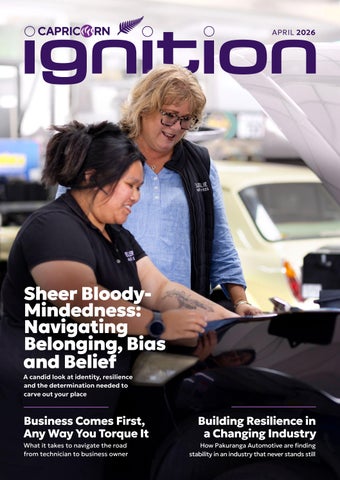
Sheer Mindedness:Bloody‑ Navigating Belonging, Bias and
Business Comes First, Any Way You Torque It
CEO’s message
It's shaping up to be another important month for our Capricorn Community, with a lot happening across information security, skills and industry advocacy.
One milestone I’m particularly proud of is that more than 80% of Members are now using Capricorn ID. That represents tens of thousands of people across Australia and New Zealand taking an important step to protect their businesses online. Capricorn ID gives Members greater visibility and control over who can access their account, while Multi-Factor Authentication adds an extra layer of protection against fraud and unauthorised access. In an increasingly digital environment, keeping Members safe online is critical and it’s great to see our Community embracing these changes with confidence.
We’re also excited to see the Rising Stars awards return, with nominations now open. This year marks a special milestone for New Zealand, with an Overall Rising Stars Winner to be named for the first time ever. The program recognises apprentices who are choosing a future in automotive and are committed to building their skills in the trade. Passionate apprentices are the future, and by celebrating their achievements along with the workshops that support them, we reinforce real opportunity, pride and progression for the industry. Be sure to get your nominations in before the end of the month.
Finally, I want to encourage every Member to take part in our State of the Nation research. As a member-based organisation, your voice matters. This research relies on real experiences from workshops and businesses on the ground, and it directly informs how we advocate, where we invest, and how we support the industry.
Our State of the Nation research has consistently highlighted how severely the skills shortage is affecting the automotive industry. That insight informed Capricorn’s acquisition of Australian Skilled Migration (ASM), who have recently become a Capricorn Preferred Supplier. This is a practical example of how we turn research into action to help support Members and the future workforce. If the 2026 State of the Nation survey lands in your inbox, I encourage you to take the time to complete it. Together, we can influence change.
Thank you for being part of Capricorn and for the role you play in shaping a secure, skilled and sustainable future for our industry.
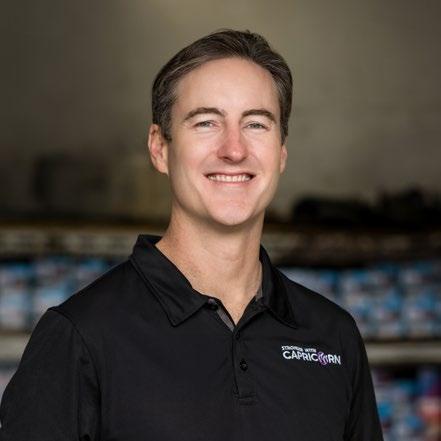
Brad Gannon Group CEO
4 Sheer BloodyMindedness: Navigating Belonging, Bias and Belief
A candid look at identity, resilience and the determination needed to carve out your place.
8 Business Comes First, Any Way You Torque It
What it takes to navigate the road from technician to business owner.
12 Running on Empty: Why Technician Burnout Is Now a Workshop KPI TaT Biz explore solutions to help you combat burnout and strain.
14 Building Resilience in a
Changing Industry
How Pakuranga Automotive are finding stability in an industry that never stands still.
Sheer Bloody‑Mindedness:
Belonging, Bias and Belief Navigating
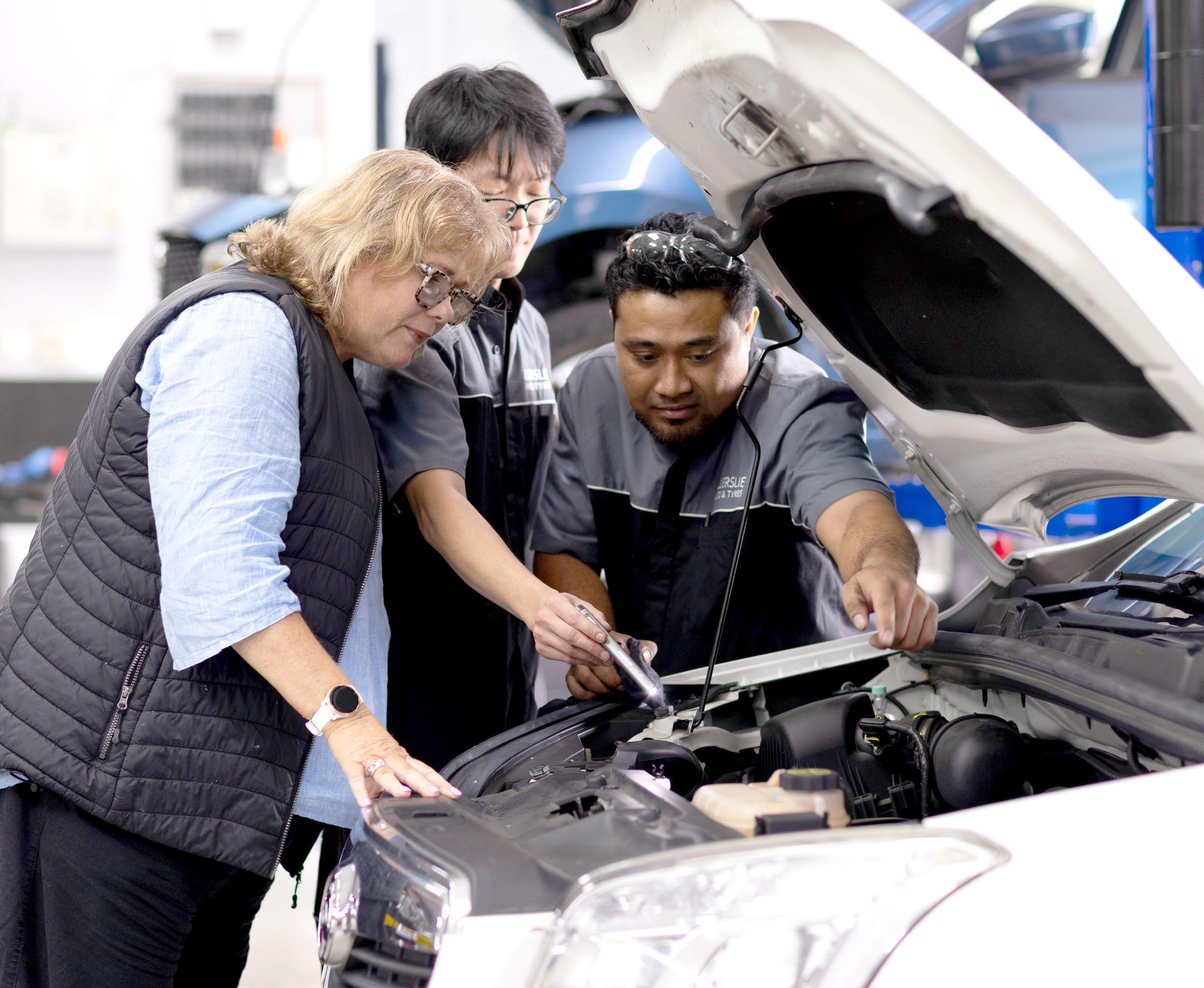
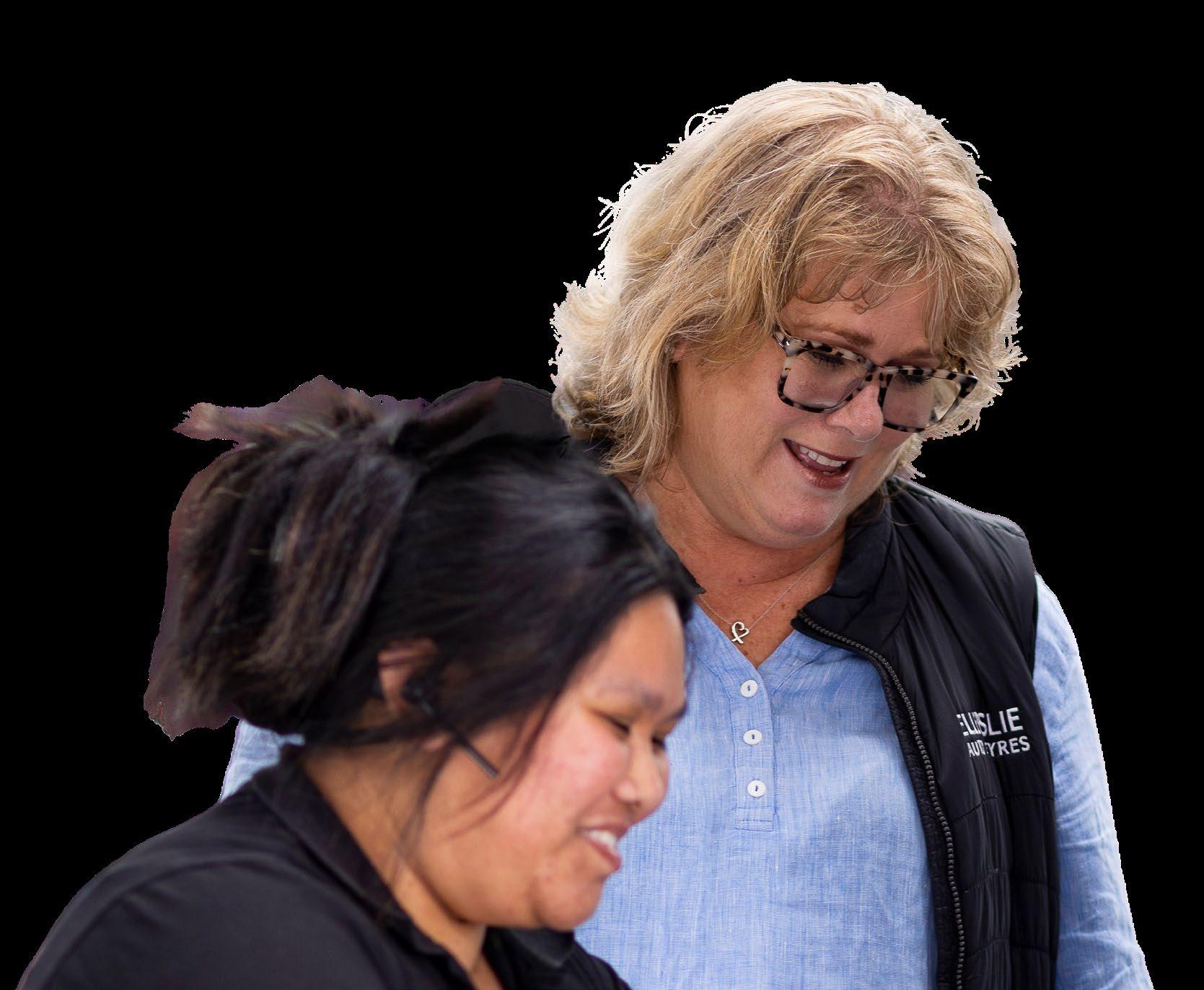
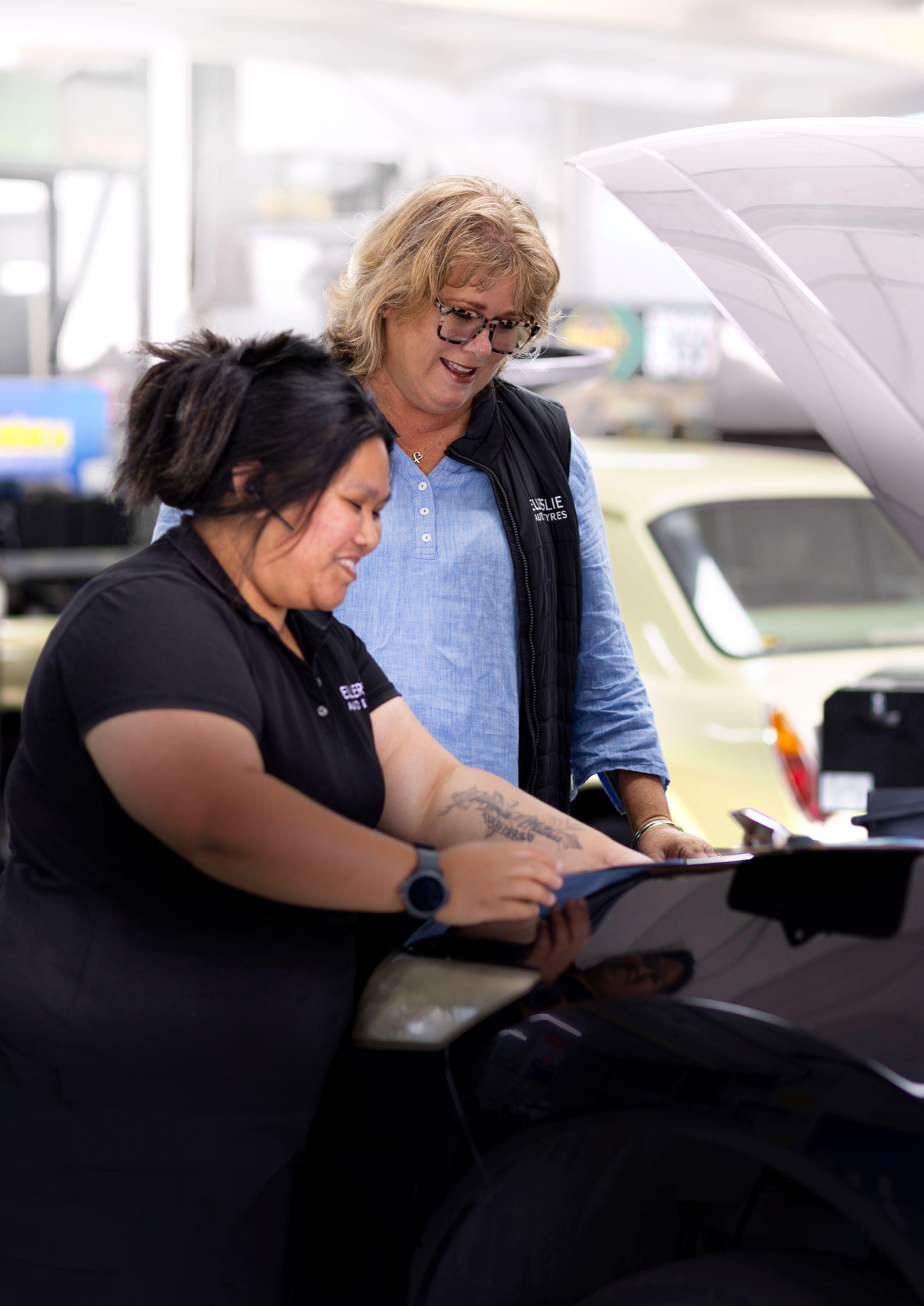
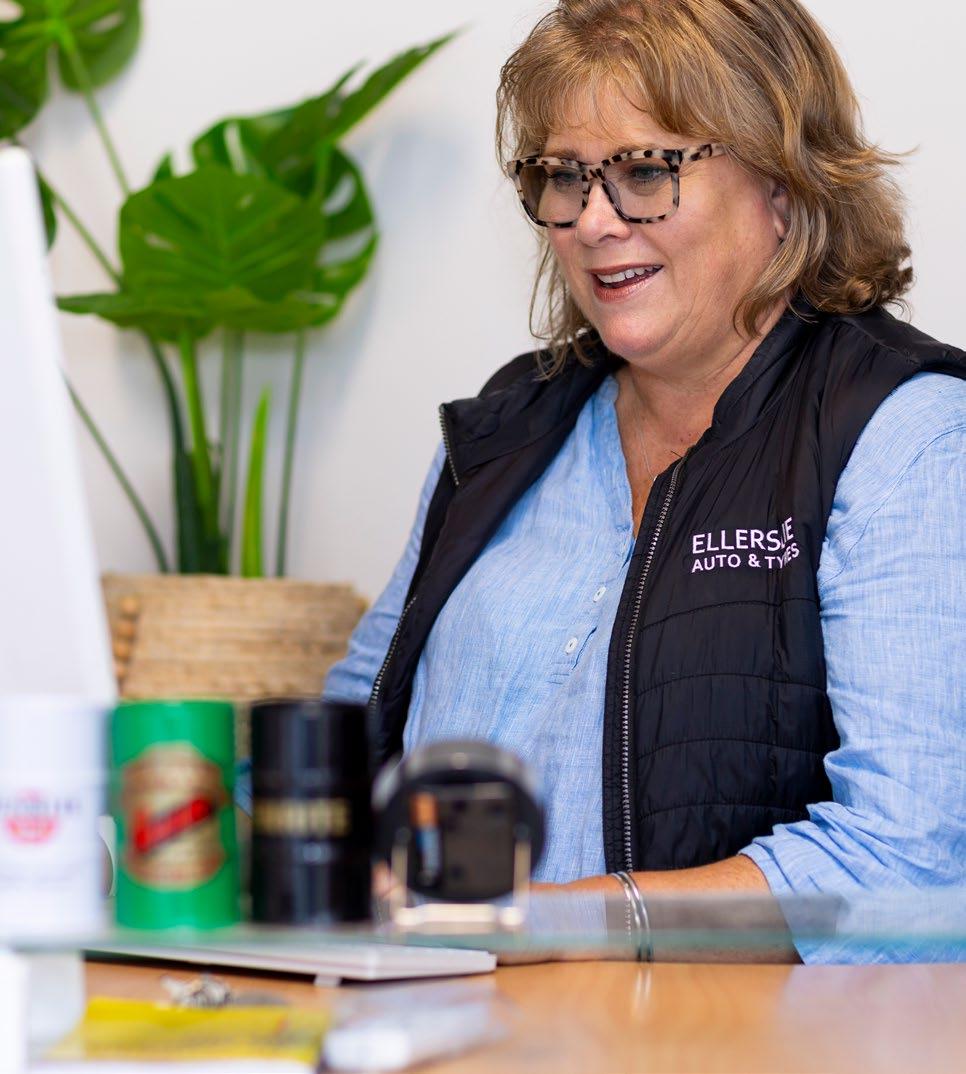
From high school drama teacher to customer services, communications and investment banking: Tara Robinson has done it all. Each chapter of her career — from the classroom to corporate roles in the United Kingdom, and back to New Zealand — laid the foundations for what would come next.
Trained as a teacher, Tara developed her grounding in communication, leadership and reading people early on. Those skills followed her into a career in investment banking overseas, before she returned to New Zealand with a sharpened focus on business ownership and long-term value.
Automotive was never the plan, but business was. As a customer of Ellerslie Automotive in Auckland, Tara recognised a workshop with strong fundamentals and the potential to be more. She purchased the business as a strategic decision, initially working behind the scenes and retaining the existing manager. For several years, her role centred on structure, systems and long-term planning rather than day-to-day operations.
That changed in late 2019, just before COVID, when the general manager stepped back from the role.
“Rather than just do what we’d always done, I thought, I’m going to go in and get stuck in,” Tara says.
It was a defining moment. One that saw Tara step directly into the business, drawing on every part of her professional background as she took her place inside a traditionally male-dominated industry.
Learning from the outside in
Unlike many business owners in the trade, Tara didn’t come from a mechanical background. She wasn’t a technician, and she never pretended to be one. Instead, she approached automotive as a learner, starting from scratch.
“Not being a mechanic meant I had to learn how cars worked,” she explains. “But it also meant I had to learn how to explain things clearly — because customers don’t understand them either.”
Her teaching background quickly became an advantage. Translating technical language into clear, human explanations became central to how Ellerslie Automotive communicated with customers. More importantly, it reshaped how the team thought about their role.
“The car doesn’t have the problem,” Tara says. “The person has the problem with the car.”
That distinction — people first, cars second — now underpins every decision in the business.
Questioning whether she belonged
Despite owning the business, Tara is candid about what it felt like entering the workshop full-time.
“Absolutely, I questioned whether I belonged,” she says.
Early on, many people didn’t realise she was the owner — something that didn’t concern her. But once she stepped into a day-to-day leadership role, the dynamic became harder to ignore. Suppliers and customers would bypass her to speak to male technicians. Authority was quietly tested. Recognition wasn’t automatic.
“There was a sense that I had something to prove,” she says.
What kept her going wasn’t confrontation or ego, but what she describes simply as ‘sheer bloody-mindedness’: the determination to stay put, do the work, and back herself.
“It wasn’t about correcting every assumption,” Tara reflects. “It was about knowing I was entitled to be there.”
That resolve didn’t mean taking control of everything herself. Instead, Tara focused on building a capable leadership team: men and women she trusted to step into responsibility when needed.
“Now we just put the right person in front of the right customer,” she says. “It works really well.”
Redefining strength in leadership
Tara is careful not to frame her leadership style as inherently female, but she does believe the way she leads has changed the culture of the business.
“I didn’t come in trying to be hard,” she says. “I came in trying to be clear.”
Ellerslie Automotive operates in a mid-tier area, where cars are necessities, not luxuries. Many customers can’t afford to do everything all at once, and pretending otherwise only creates stress.
Tara and her team focus on prioritisation, transparency and options: explaining what’s legally essential, what’s preventative, and what can wait.
“If someone needs their car back by 3.30 to pick up their kids, that matters,” she says. “If we’re late, that creates stress.”
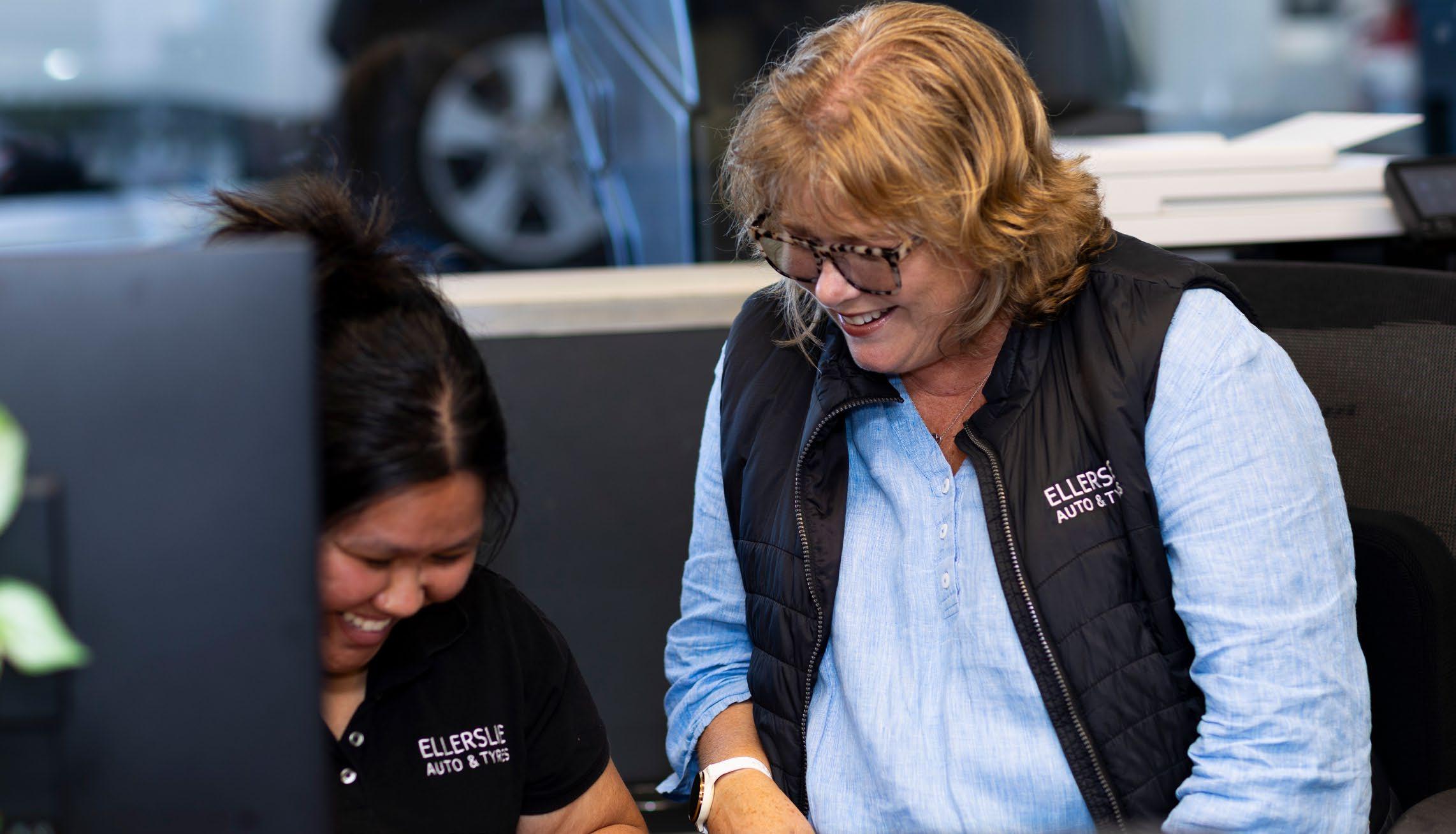
That empathy extends to the workshop floor. Tara has invested heavily in team culture, surprised by how positively long-serving technicians responded.
“I thought my old boys might struggle with the softer side,” she says. “But they really responded to it.”
Respect replaced fear. Consistency replaced hierarchy for hierarchy’s sake. The goal is to create a workplace where people feel safe, valued and heard; and yet where expectations are still clear.
Holding space, not the spotlight
Today, Ellerslie Automotive employs 13 people, including three women — one of them an apprentice. Tara resists positioning herself as a spokesperson for women in automotive, but she understands the power of visibility.
“In any industry where you’re the minority,” she says, “other women will understand certain things better.”
What matters most to her is not representation for its own sake, but sustainability. Tara is deeply committed to taking on apprentices, believing it’s the only way the industry survives long-term.
“You can teach skills,” she says. “You can’t teach personality.”
That teaching instinct — dormant but never gone — now sits at the heart of how she leads. She sees her role less as an authority figure and more as a guide, helping people understand where they are headed and how the business can help them get there.
Belonging, earned
Tara’s story has nothing to do with standing out; it’s about staying. About choosing not to step aside when things feel uncomfortable. About backing belief with consistency, empathy and resolve.
“Sheer bloody-mindedness,” she says, “isn’t about fighting. It’s about not leaving.”
For women considering a path into automotive, Tara’s experience offers reassurance without bravado.
Belonging doesn’t always arrive with permission.
Sometimes, it’s claimed quietly; privately.
From the office of a busy workshop, long after the naysayers’ engines have cooled.
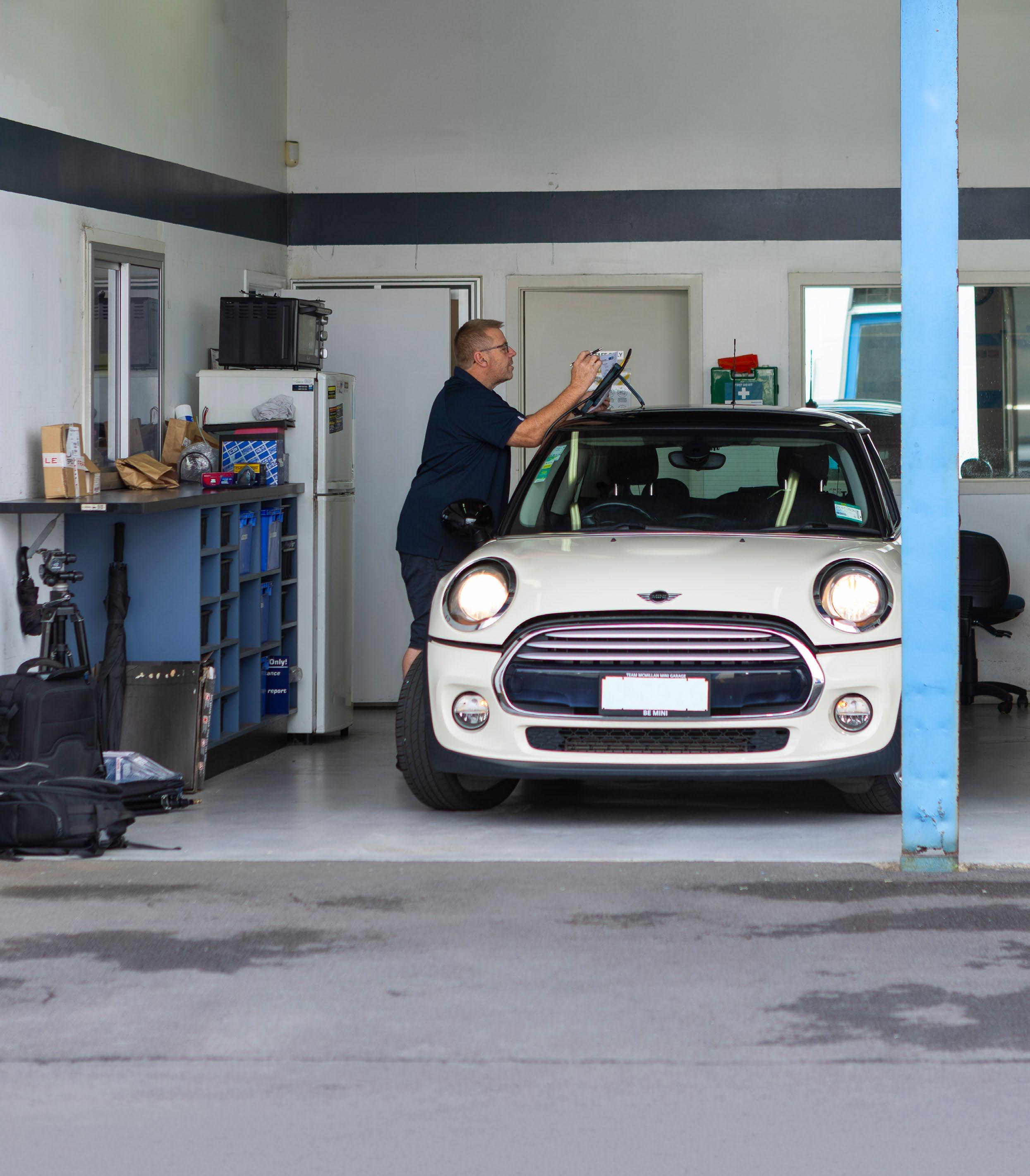
Business Comes
First, Any Way You Torque It
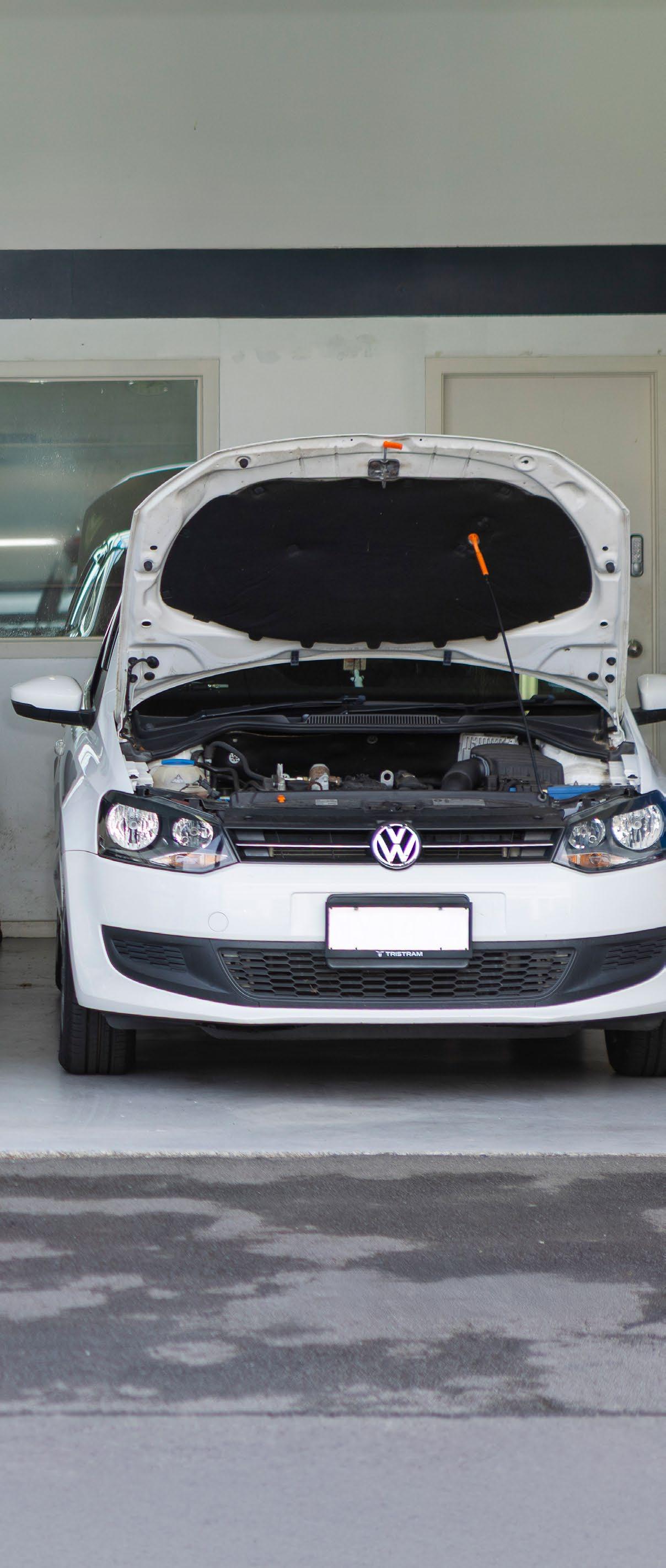
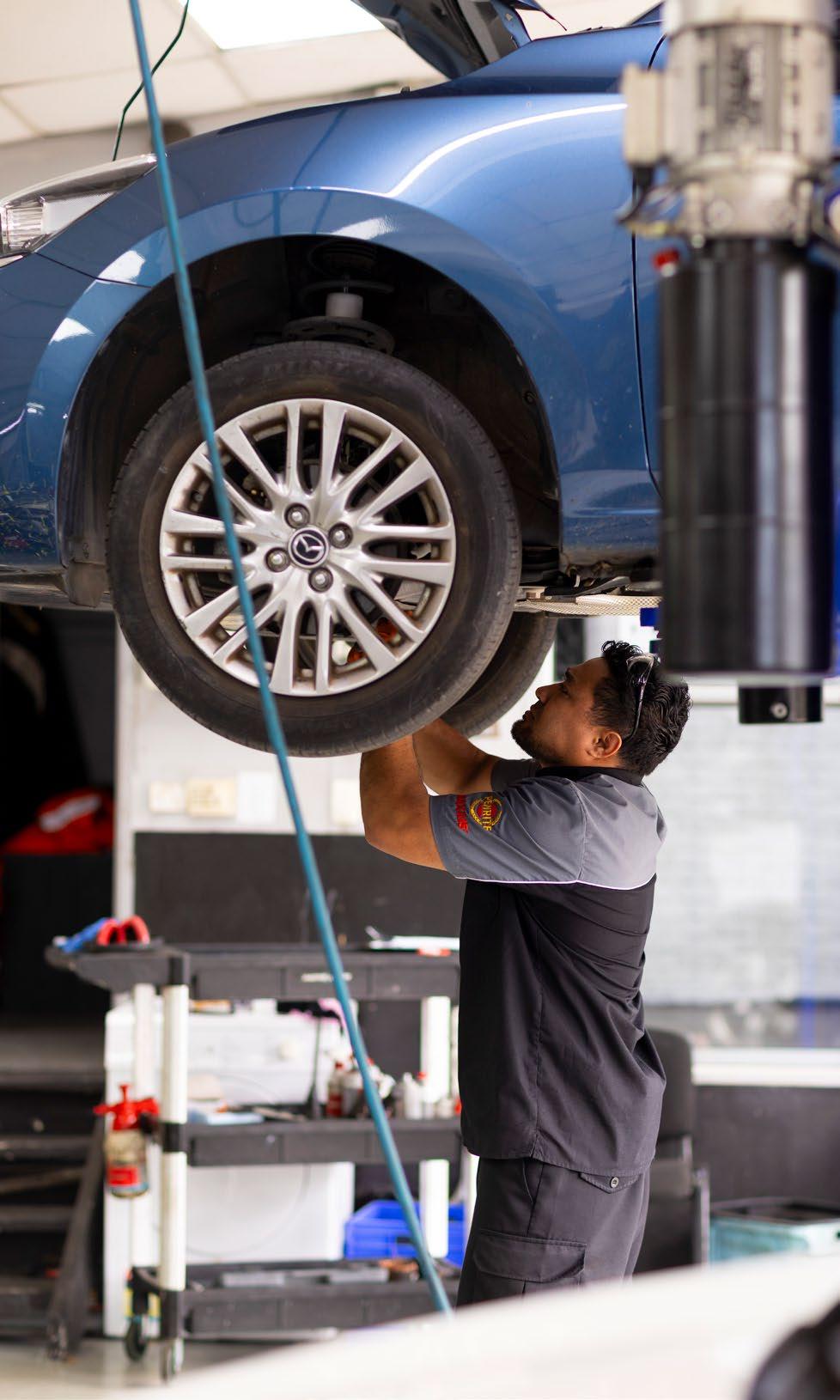
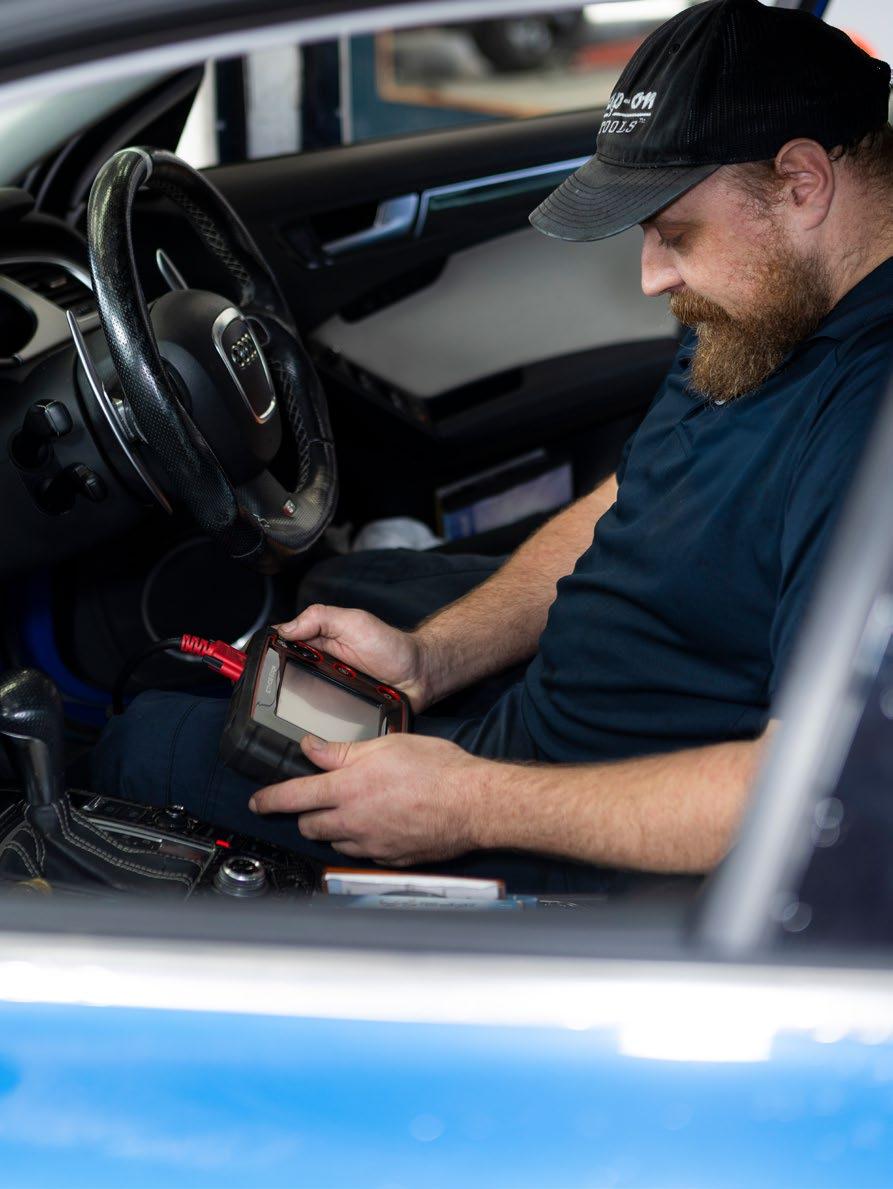
When Ash Hames took his first steps, he was drawn to anything with wheels. Farm life meant he was constantly surrounded by engines, grease and the tools to repair them. So, pulling apart lawnmowers and motorbikes came naturally, and by his teenage years, working in a garage felt like the obvious next step. What began as a love of tools and problem-solving eventually evolved into something deeper: an appreciation for what it truly takes to run a successful automotive business.
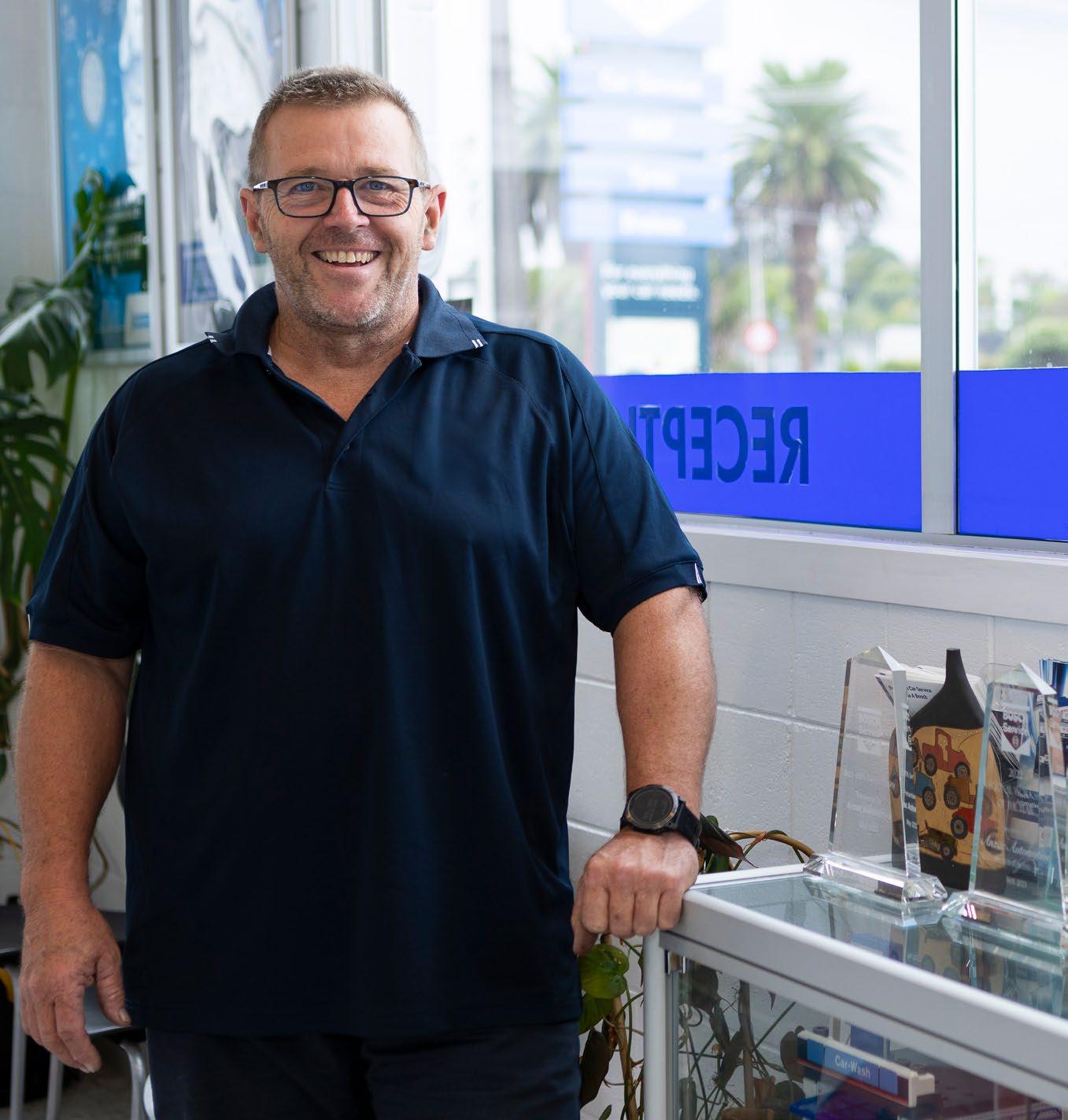
After completing an adult apprenticeship and achieving trade certification, Ash purchased his first workshop in his mid-20s. Travel, time overseas and several life detours followed, but the pull of the industry remained strong. In 2002, he bought ANZAC Automotive, a business he has now led for more than two decades.
Today, while Ash remains technically capable and deeply interested in vehicle technology, it’s the business side that motivates him most.
“Running something that’s sustainable,” he says, “that works for customers, staff and owners alike — that’s the challenge that keeps me engaged.”
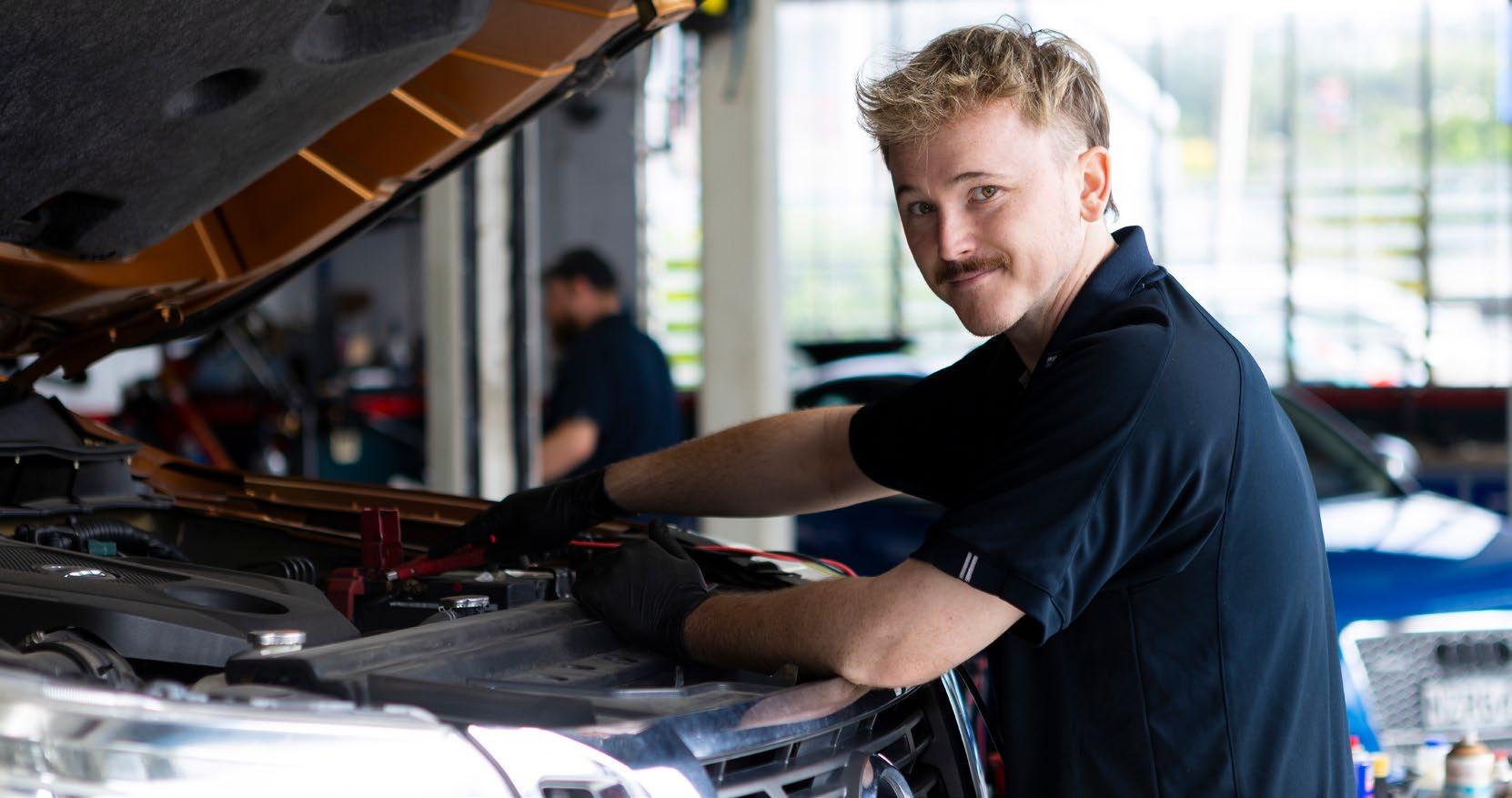
The shift every technician must face
Ash is quick to point out that great technical ability alone is no longer enough. Modern automotive businesses operate in an increasingly competitive and professionalised environment, and owners must be willing to evolve.
“If we think like technicians,” he explains, “we just go around in circles fixing fires. To grow a business, you have to think like a business owner.”
That shift, Ash says, didn’t happen by accident. Becoming part of the Bosch Car Service network played a pivotal role in reshaping how he thought about the business. The systems, standards and processes embedded within the network provided a framework that went far beyond technical excellence; helping transform ANZAC Automotive from a technician-led workshop into a business operating with a far more structured and professional mindset.
For Ash, those systems forced a different way of measuring progress. Success was no longer about how much work he could personally complete, but about whether the business could operate consistently and predictably without him being involved in every decision.
“The true definition of a successful business,” he says, “is one you can walk away from for three months, come back, and it's running either as well or better than when you left.”
It’s a goal Ash admits he has reached before, and one he’s actively working toward again.
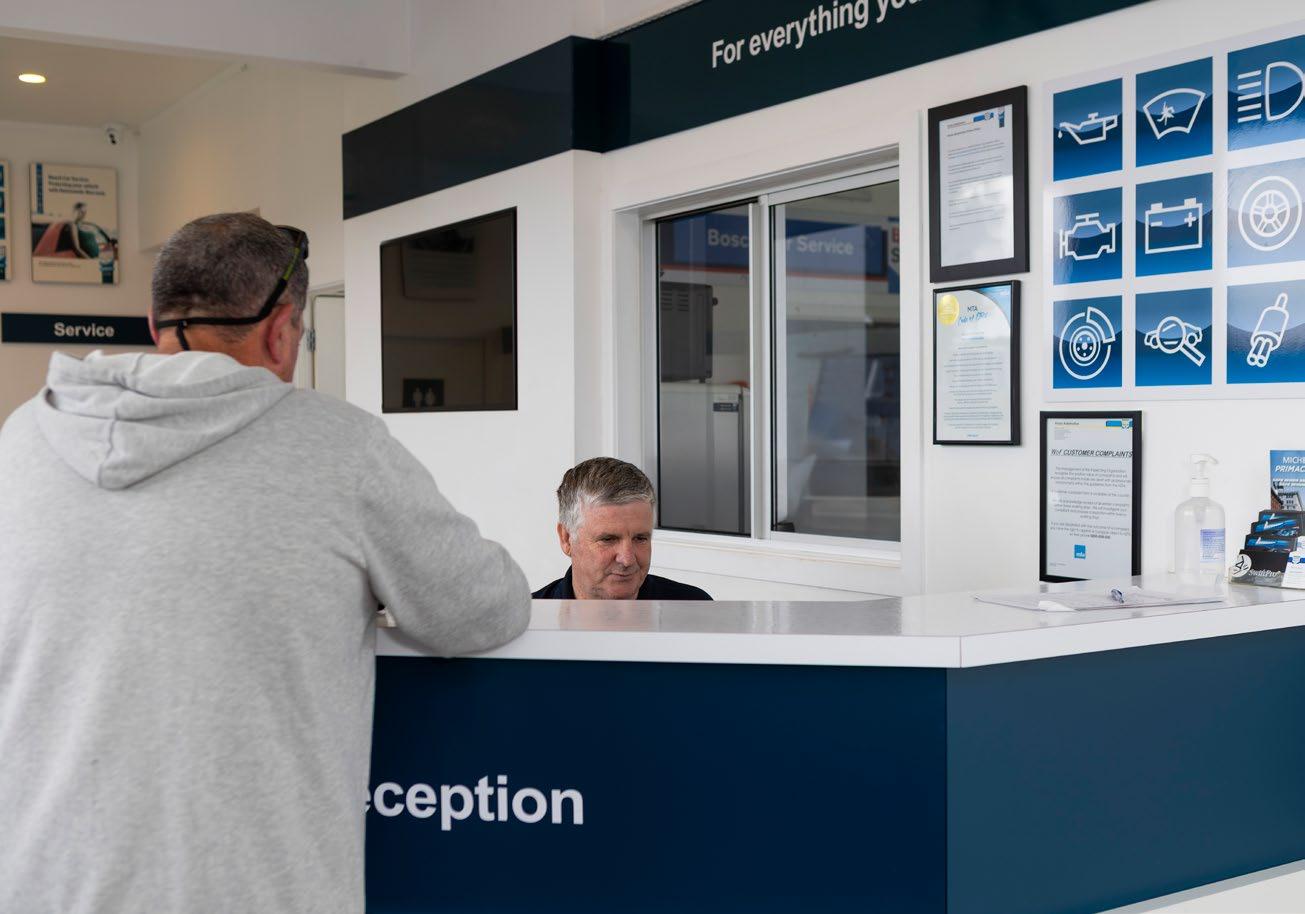
Hard years build clarity
The past five years have tested that thinking. COVID shutdowns, economic downturns, flooding and cyclone damage all placed significant pressure on ANZAC Automotive. The past year, in particular, was the hardest Ash has faced in more than 25 years of self-employment, forcing tough decisions around staffing and structure.
Yet even in those moments, Ash remained measured rather than reactive.
“You can’t ignore reality,” he says. “But you can decide how you respond to it.”
Staffing remains one of the industry’s most persistent challenges; not just in finding the right people, but in leading them effectively. Ash openly acknowledges that his own management style needed to evolve.
“I was brought up very old school,” he says. “Work hard, keep your head down, don’t complain. People aren’t wired like that anymore.”
Rather than resisting change, Ash has leaned into it. One of his commitments moving forward is regular, intentional time with his team — short monthly conversations designed to build trust, alignment and engagement.
“If people don’t feel valued,” he says, “they’ll leave, no matter how much you pay them.”
Professionalism builds trust
Trust is a recurring theme in Ash’s approach, particularly when it comes to customers. Many of ANZAC Automotive’s clients have been coming back for decades, not because they are sold to, but rather, informed.
Ash is intentional about presenting options clearly and allowing customers to make decisions without pressure.
“I don’t try to sell,” he says. “If you give people the information, they’ll decide what’s right for them.”
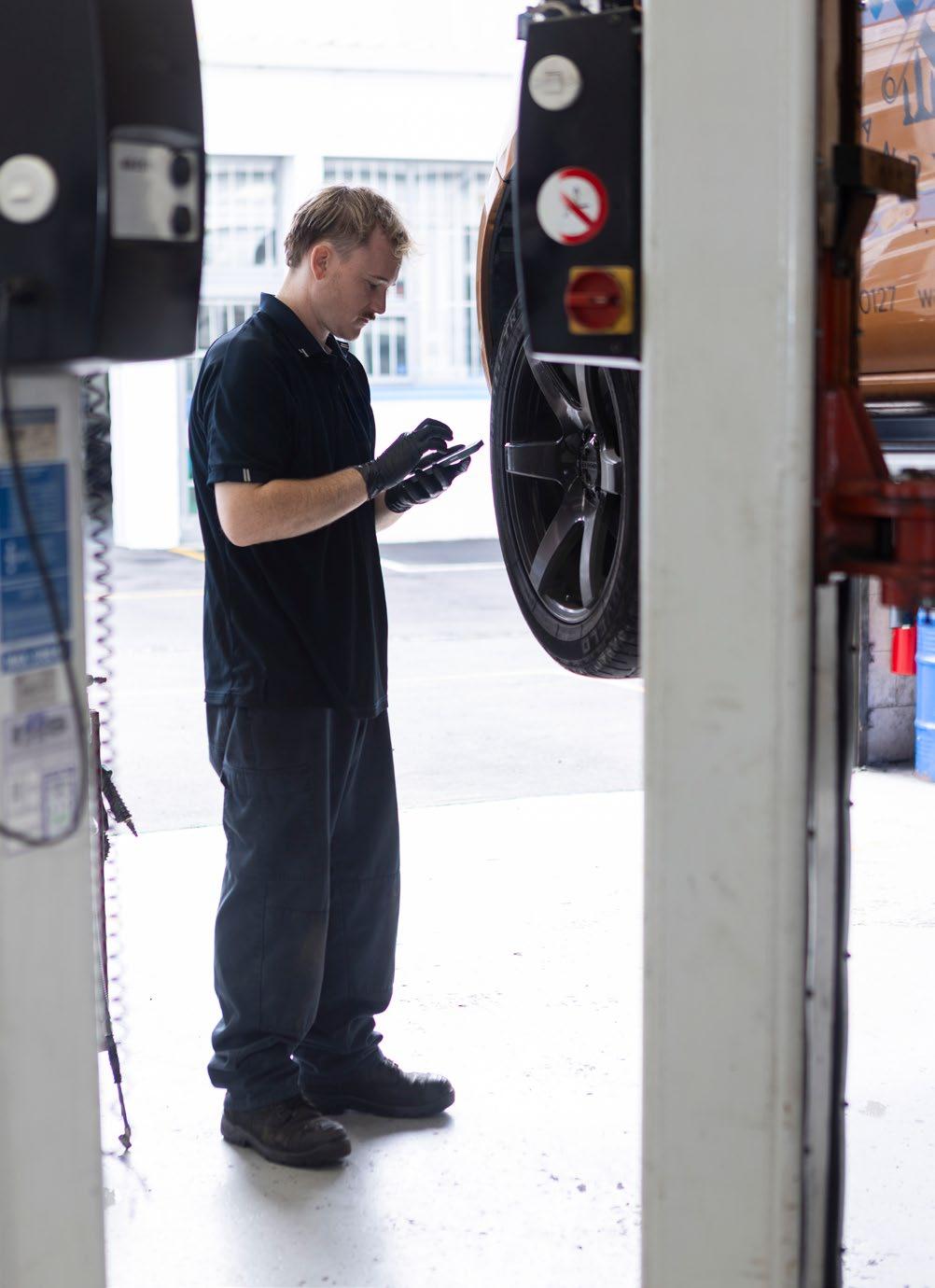
That philosophy extends into systems. Every vehicle that comes through the workshop receives a complimentary structured inspection, complete with photos and documentation, allowing customers to see any issues for themselves. It’s a process Ash adopted after years of experience — and learning some lessons the hard way.
“Once you behave like a professional, you can charge like one,” he says. “But you’ve got to earn that trust first.”
Building a sustainable business
As Ash looks ahead, his focus remains firmly on sustainability: building a business that can outlast his daily involvement and eventually be passed on or stepped away from.
That means investing in people, infrastructure and continuous learning. He draws inspiration from international markets and industry peers, constantly refining systems to improve efficiency and customer experience.
More than anything, Ash believes the future belongs to those willing to evolve beyond the tools that first drew them in.
“You can be a brilliant technician,” he says. “But to build something lasting, you have to become a business owner.”
And for Ash Hames, that evolution isn’t about control or ego; but responsibility, humility and doing the work that no one sees, so the business can thrive long after the spanners are put down.
Running on Empty: Why Technician Burnout Is Now a Workshop KPI
By Jeff Smit
If you wanted a single phrase to describe the automotive aftermarket service-and-repair market right now, Capricorn’s 2025 State of the Nation nailed it – 'running on empty'.
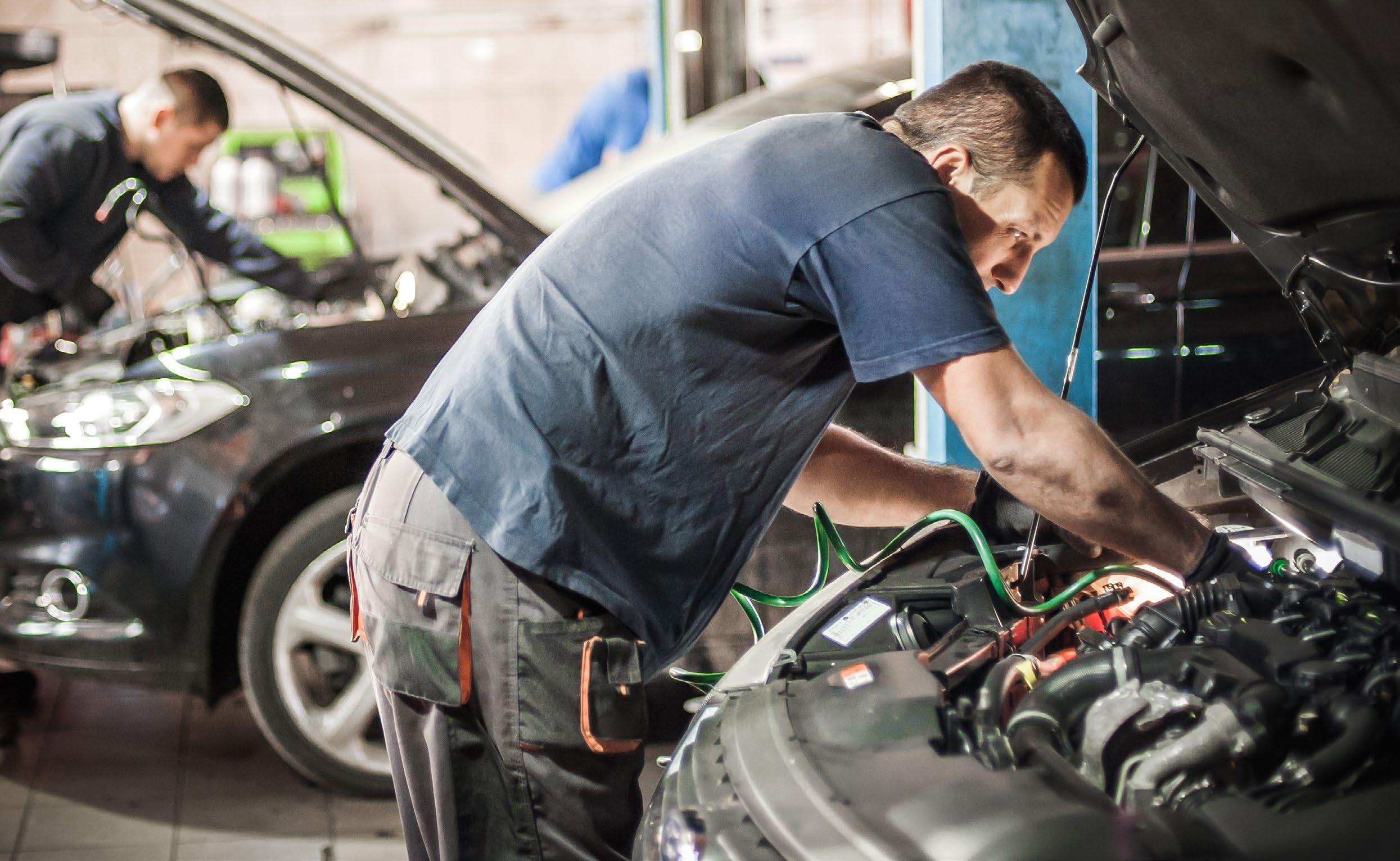
Twenty-five percent of workshops reported reduced productivity because of the skills shortage, twenty-seven percent were turning work away, and twenty-eight percent said customers were waiting longer for repairs simply because there were not enough hands or hours available in the workshop. That context matters because technician burnout isn’t just a personal wellbeing or mental health issue. It’s a system-level risk that shows up as lower capacity, slower throughput, quality drift and higher staff turnover, especially in small automotive workshops where one absent technician can change the whole day’s plan.
The pressure triangle: shortages + complexity + workload
The skills shortage in our trade has been discussed for years, yet the data still points to a growing problem. A VACC/MTAA submission notes that thirty-five percent of the

26 core automotive occupations were assessed as 'in shortage'. It added that among surveyed workshops, more than 2,000 vacancies were advertised in 2025, with fewer than 800 filled.
Jobs and Skills Australia’s 2025 Occupation Shortage List provides a broader labour-market signal: twenty-nine percent of occupations nationally are in shortage, and just over half of the occupations in persistent shortage from 2021 to 2025 were technicians and trades workers. In other words, the trades shortage isn’t a blip, it’s a structural condition.
Shortage alone doesn’t explain burnout. The second driver is diagnostic complexity. Vehicles are increasingly software-defined, with networked modules, calibration requirements, programming steps and a growing mix of hybrids and EVs. Capricorn reports that twothirds of workshops are already servicing EVs (most commonly hybrids), yet only sixteen percent feel they are prepared for a rise in battery-electric vehicles. That gap places an extra load on technicians who become the go-to for anything unfamiliar. Sound familiar?
The third driver is workload pressure and interruptions. Much of diagnosis remains trial and error and gut feel. Research into diagnostic support systems, such as TaT’s Tech Tina, shows that interface and process design can significantly reduce task time and effort. In a workshop, that’s the difference between a controlled diagnostic workflow and a day of constant change: phone calls, parts chasing, quick looks and last-minute detours, all of which add time and frustration.
Why burnout hits profitability (fast)
Burnout doesn’t arrive unannounced. It starts as operational noise.
A 'quick look' can quickly become a multi-hour diagnostic challenge that then has to be added the queue.
Quality and accuracy drop when fatigue and time pressure collide (missed steps, rushed testing and misdiagnosis).
The front counter absorbs more conflict as delays and costs rise. Overtime creeps in, but output doesn’t keep pace.

Capricorn’s data points to the human strain behind those symptoms: fifty-three percent of members cite finding and retaining skilled staff as their top concern, and forty-seven percent report struggling to maintain a healthy work–life balance.
A UK automotive wellbeing survey found that stress was the most common issue with poor work–life balance also prominent, linked to long hours, low staffing and high workloads.
Support structures that reduce load - and lift retention
There are solutions. Systems and processes can be changed and redesigned. These three support structures consistently reduce stress while protecting performance.
1. Protect diagnostic time as a production asset
Enforce strict diagnostic hours and a clear structure and authorisation steps. Start with a consistent triage routine with a set price (symptoms, scan/health check, fault confirmation), then report back with a structured diagnostic plan,
including estimated costs. Complex faults should never be allowed to enter the work schedule as standard service jobs.
2. Build a two or three-speed workflow
Separate routine throughput and service work from standard or complex diagnostic work. This can be as simple as allocating specific times and staff members to attend to advanced diagnostic issues each day, or perhaps setting up a dedicated bay for testing and information access with minimal interruptions. The objective is to reduce constant role switching - one of the fastest pathways to frustration and fatigue.
3. Invest in support, not just training
Training matters, but day-to-day support is what keeps people and fires up enthusiasm for their role in the workshop. Create a clear job escalation path, particularly for young employees, so that they can see how their future in the trade will be influenced by their training and mentoring. Access to current service information should be
standardised, and mentoring can protect both apprentices and senior technicians. Capricorn’s report shows that almost half of workshop owners surveyed planned to employ an apprentice, but apprentices also cite low pay and adapting to new technologies as challenges. This makes realistic job progression and mentoring vital to keeping young people interested and enthused about their work – in other words, a retention strategy rather than an optional extra.
Technician and employee burnout is a predictable outcome when chronic shortages meet rising diagnostic complexity and relentless customer demand. The workshops that stay profitable won’t be the ones that simply work harder. They’ll be the ones that adopt better support structures so that diagnosis is planned, the load is shared, and technicians can see a future in the trade.
Building Resilience
in a Changing Industry
The automotive industry has always demanded resilience, and today, that resilience is being tested in new ways.
Supply chains are tighter, customer expectations are higher, and regulation is more complex; for small, family-run workshops, adapting to change while staying sustainable has become a careful balancing act.
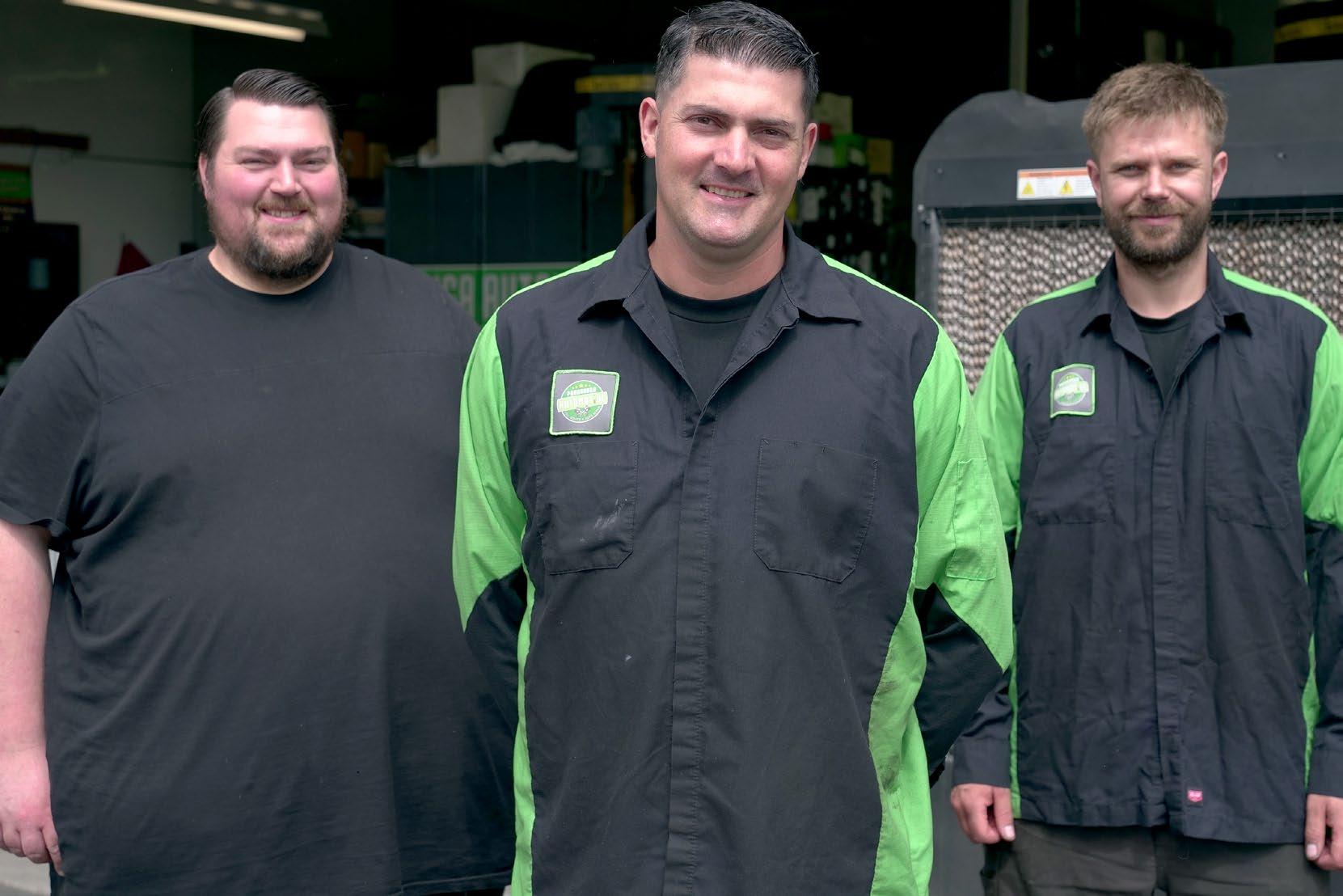
For Adam Carpenter, owner of Pakuranga Automotive, the answer hasn’t been to push harder or grow faster — but to focus on perspective, communication and long-term thinking.
A family business shaped by experience
Adam’s journey into automotive began early. His father, Brent Carpenter, was a mechanic by trade and ran a mobile mechanical business after the family returned to New Zealand in the mid-1990s. That exposure shaped Adam’s understanding of the industry from the ground up.
After completing his apprenticeship with Holden, Adam broadened his experience across different areas of the trade before purchasing Pakuranga Automotive in 2011; a business that had fallen on difficult times.
Over the past 15 years, he has steadily rebuilt it into a stable, respected operation.
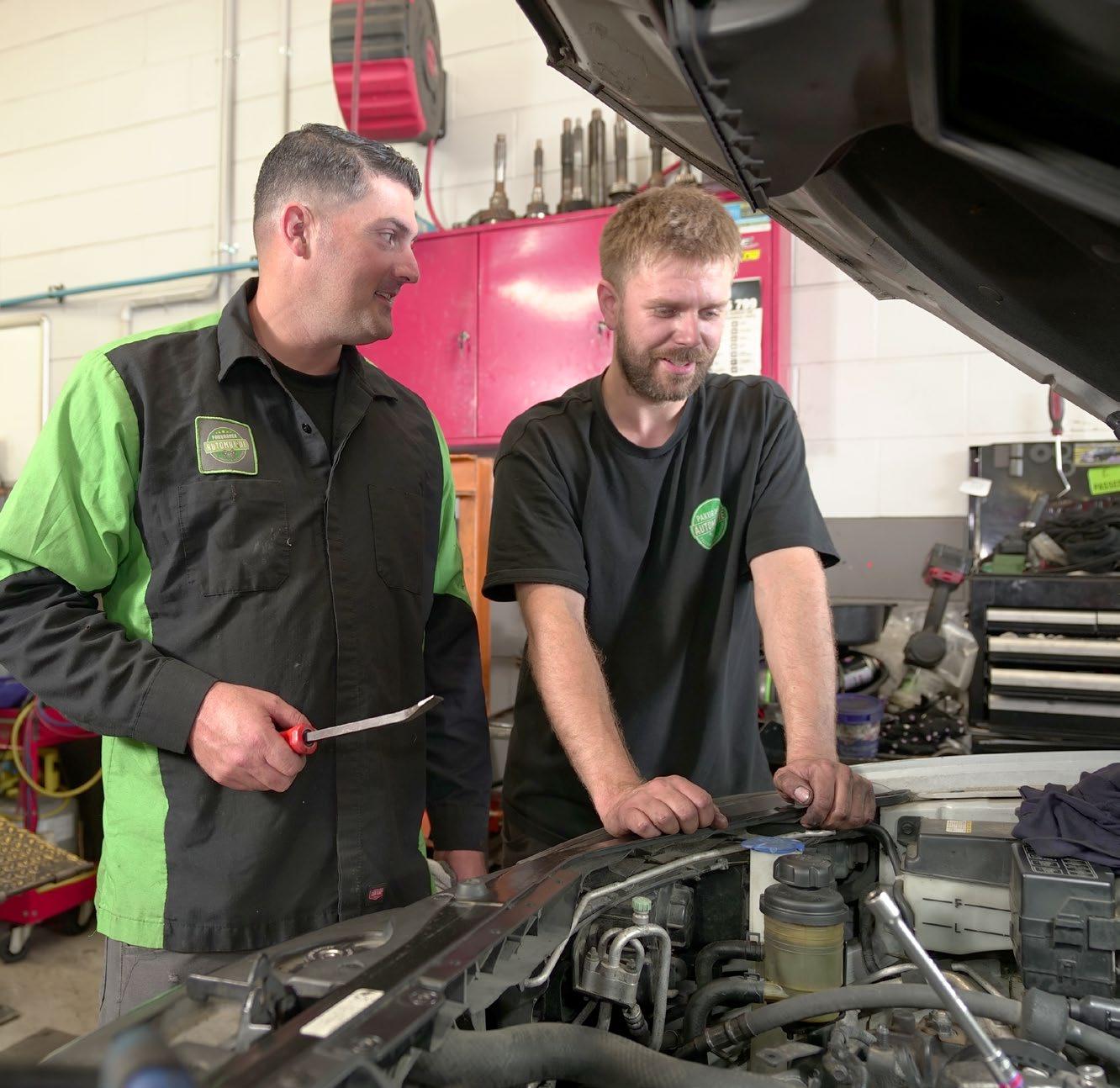
Today, the workshop is run by a small team, with Adam on the tools and his brother Luke Carpenter managing the office. Brent has since stepped back into retirement, but his influence (and work ethic) remains part of the business’s foundations.
“It’s always been about doing the basics well,” Adam says. “Turning up prepared, doing the job properly, and backing your people.”
Navigating pressure on the workshop floor
While the fundamentals of good mechanical work remain the same, the environment around it has changed.
Parts availability continues to be one of the biggest operational challenges facing workshops. Members cite that since COVID, suppliers have reduced stock levels, lead times have increased, and delays are more common, leaving workshops to manage the conversation with customers.
“You’re still the one explaining it at the counter,” Adam says. “Even when the delay is outside your control.”
These experiences reflect broader industry trends. Capricorn’s State of the Nation 2025 report highlights supply chain disruption as an ongoing issue for workshops across Australia and New Zealand, alongside rising costs and labour pressures.
For Adam, these challenges reinforce the importance of clear communication — not just with customers, but across the industry.
Setting boundaries for sustainability
One of the most valuable lessons Adam has learned over time is the importance of setting boundaries.
Managing customer expectations, he says, is critical — and understanding that not every working relationship will be the right fit is part of running a sustainable business.
“It’s about recognising fit,” he explains. “Not every working relationship will suit everyone, and knowing that helps protect the business and the team.”
That intuition is an important one. With many workshops operating with five staff or fewer, the State of the Nation report shows workload pressure and fatigue are becoming increasingly common across the sector.
Learning when to say no, Adam believes, is part of ensuring the business can continue to support staff, customers and families over the long term.
Working together for better outcomes
Adam is a strong believer in collaboration; both within the industry and beyond it.
He sees real value in workshops sharing knowledge and experiences, rather than operating in isolation. “If you’ve dealt with a problem, chances are someone else has too,” he says.
The same thinking applies to relationships with government and regulators. While compliance and zoning requirements can be challenging for small workshops, Adam believes there’s an opportunity for stronger dialogue and better understanding on both sides.
“Most workshops are small, family-run operations,” he says. “If policy reflects that reality, it makes it easier for businesses to operate, invest and plan for the future.”
The State of the Nation report reinforces this, with Members calling for greater recognition of automotive businesses as essential services — and for policies that support, rather than unintentionally constrain, small enterprises.
Why the work still matters
Despite the challenges, Adam still finds satisfaction in the work itself.
Problem-solving remains central to the trade: diagnosing faults, following process and arriving at solutions through experience and persistence. Even when customers don’t see the effort behind a repair, the result still matters.
“You have to appreciate that internally,” Adam says. “Knowing you’ve done the job properly.”
Pakuranga Automotive isn’t built on rapid expansion or chasing trends. It’s built on consistency, family involvement and a commitment to adapting without losing sight of core values.
In an industry that continues to evolve, success isn’t just about surviving change, but about working together to shape what comes next.
Resilience
Be sure to check your Protection Certificates
Capricorn is aware that fraudulent or altered Protection Certificates are increasingly being used to evidence the existence and details of protection or insurance taken out by a business.
If you need evidence of your protection or of your insurance, Capricorn can arrange for the issue of the following:
A Certificate of Currency – Protection from Capricorn Mutual Limited; and / or
A Certificate of Currency – from an insurer brokered through Capricorn Risk Services Pty Ltd, (together called Protection Certificates).
Protection Certificates
Confirm the existence of the Capricorn Mutual protection (being a discretionary risk product) or the existence of an insurance policy; Set out the type of protection, level and period of protection; or Set out the type of insurance, level and period of coverage.
A Protection Certificate may appear legitimate but it may in fact be falsified, altered, or issued for protection or policies that have lapsed or never existed. This could lead to someone thinking that protection or insurance exists when it does not. This may then lead to a financial detriment to the person or business in the event of a claim.
What Members should be aware of
When receiving a Protection Certificate, Members should be cautious where:
The Protection Certificate appears generic, incomplete or inconsistent; or
Protection types or insurance types or associated time periods do not align with what is being covered or the work being performed.
Need help?
If you are unsure whether a Protection Certificate is legitimate or would like any other information please contact:
Capricorn Mutual Limited
0800 555 303
Practical steps to protect your business
Members are encouraged to:
Remember that Protection Certificates are only provided once a request from you has been made;
Remember that Protection Certificates are issued to the protection-holder/ policy-holder directly, most commonly to the protection-holders/policyholder’s email address;
Check the email address that is used to send the Protection Certificate. If a Protection Certificate is issued: by Capricorn Mutual Limited it will come from capricornriskservices@ capricorn.coop by Capricorn Risk Services Pty Ltd, it will come from nz@capricornrisk.com or your broker contact.
Protection Certificates received by any other method should be verified;
Ensure all details within the Protection Certificate are correct, current and without any inconsistencies; and Seek clarification where anything appears unclear or inconsistent.
GIVE YOUR APPRENTICE THE RECOGNITION THEY DESERVE!
Nominate your apprentice for Capricorn Rising Stars. Over $56,000 IN CASH AND PRIZES to be won, with a $7,500 GRAND PRIZE!*
Entries close on Friday, 1 May 2026

Nominate at cap.coop/stars
*Terms and Conditions apply, visit cap.coop/tc




Fun Zone
Submit your entry at cap.coop/funzone by 30 April 2026
February winner: Anzac Avenue Service Centre who WON 10,000 Bonus Rewards Points
SPOT THE DIFFERENCE (5 differences to find!)
WORD HUNTER (15 words to find!)
Last month's answers
Please note that this competition and participation in the Capricorn Rewards program are subject to terms and conditions. For the full terms and conditions, visit cap.coop/tc.