
From Two Service Trucks to a Thriving Workshop
From Two Service Trucks to a Thriving Workshop
Queensland
Hervey Bay Trade Show
4 March 2026
Roma Trade Show
17 March 2026
Toowoomba Trade Show
19 March 2026
QLD Trade Show
21 May 2026

New South Wales
Bathurst Trade Show
24 March 2026
St Mary’s Trade Show
25 March 2026
Central Coast Trade Show
26 March 2026
South Australia
SA Golf Classic
20 March 2026
Whyalla Trade Show
26 March 2026
Mount Gambier Trade Show
22 April 2026
Western Australia
WA Golf Classic
27 March 2026
The events advertised include current and planned events (which are subject to change). To get tickets or view a planned event’s status, log in to myCAP and click on events. For further information please contact our Events team.


March is a time to celebrate the people who power our industry, the business owners, the teams in workshops and offices, and the next generation coming through.
With International Women’s Day on 8 March, it’s important to recognise the growing contribution women are making across the automotive industry. Women now make up around 22% of the automotive workforce, with participation steadily increasing in both trade and technical roles. Encouragingly, the number of female qualified mechanics has almost doubled over the past few years, and 16% of workshops now employ a female apprentice. Whether on the tools, in leadership, administration, or customer-facing roles, women play a vital part in keeping our businesses running and our industry moving forward.
March also sees the opening of Capricorn Rising Stars, which is always a highlight of the year. Rising Stars provides a fantastic opportunity to recognise exceptional apprentices and celebrate the workshops that invest in developing their people. With apprentices critical to addressing ongoing skills shortages, it’s encouraging that more than 70% of workshops have employed an apprentice, and many intend to do so again in the future. The program will follow the same format as last year, and I’m looking forward to celebrating another outstanding group of Rising Stars with our Community.
Looking ahead, our annual State of the Nation research will be launching next month, giving Members the opportunity to share what’s happening in their businesses. This research plays a critical role in shaping real change. By capturing insights from workshops across Australia and New Zealand, we’re able to advocate with credibility for the workforce, training, and policy changes that matter most to small businesses. These insights directly influence our Skills Strategy, our advocacy priorities, and the support Capricorn delivers throughout the year. When the survey lands in your inbox, I encourage you to take the time to complete it, your voice is backed by 32,000 small businesses; and together, we can influence change.
Finally, it’s been great to recently welcome Australian Skilled Migration (ASM) as a Capricorn Preferred Supplier. With the skills shortage continuing to challenge businesses across the industry, expanding access to practical workforce solutions is an important step in supporting Members today while building for the future.
Thank you for everything you do as part of our Community.
I look forward to working together as we continue supporting a strong and sustainable automotive industry.
Brad Gannon Group CEO
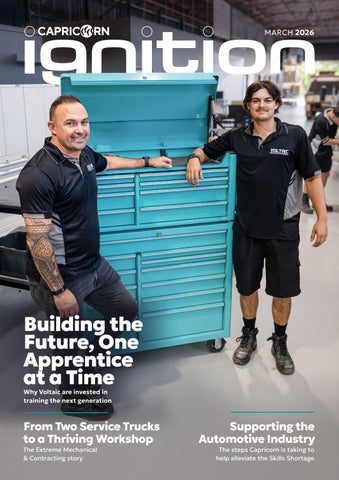
4 Building the Future, One Apprentice at a Time Why Voltaic is invested in training the next generation.
8 From Two Service Trucks to a Thriving Workshop The Extreme Mechanical & Contracting Story.
12 Supporting the Automotive Industry
The steps Capricorn is taking to help alleviate the Skills Shortage.
16 A New Safety Standard How Australia’s First ADAS Code of Conduct Is Giving Workshops a National Playbook.
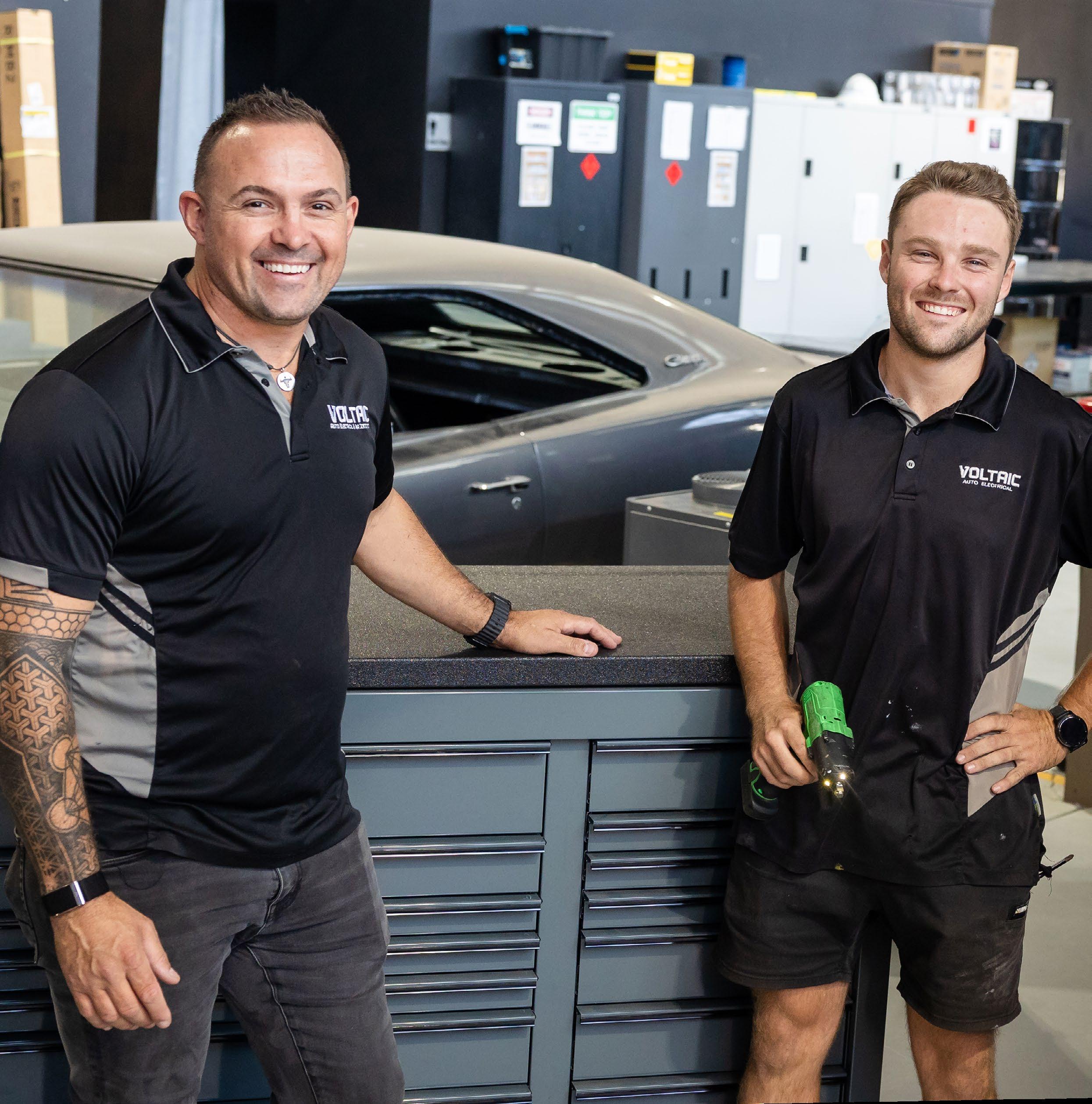
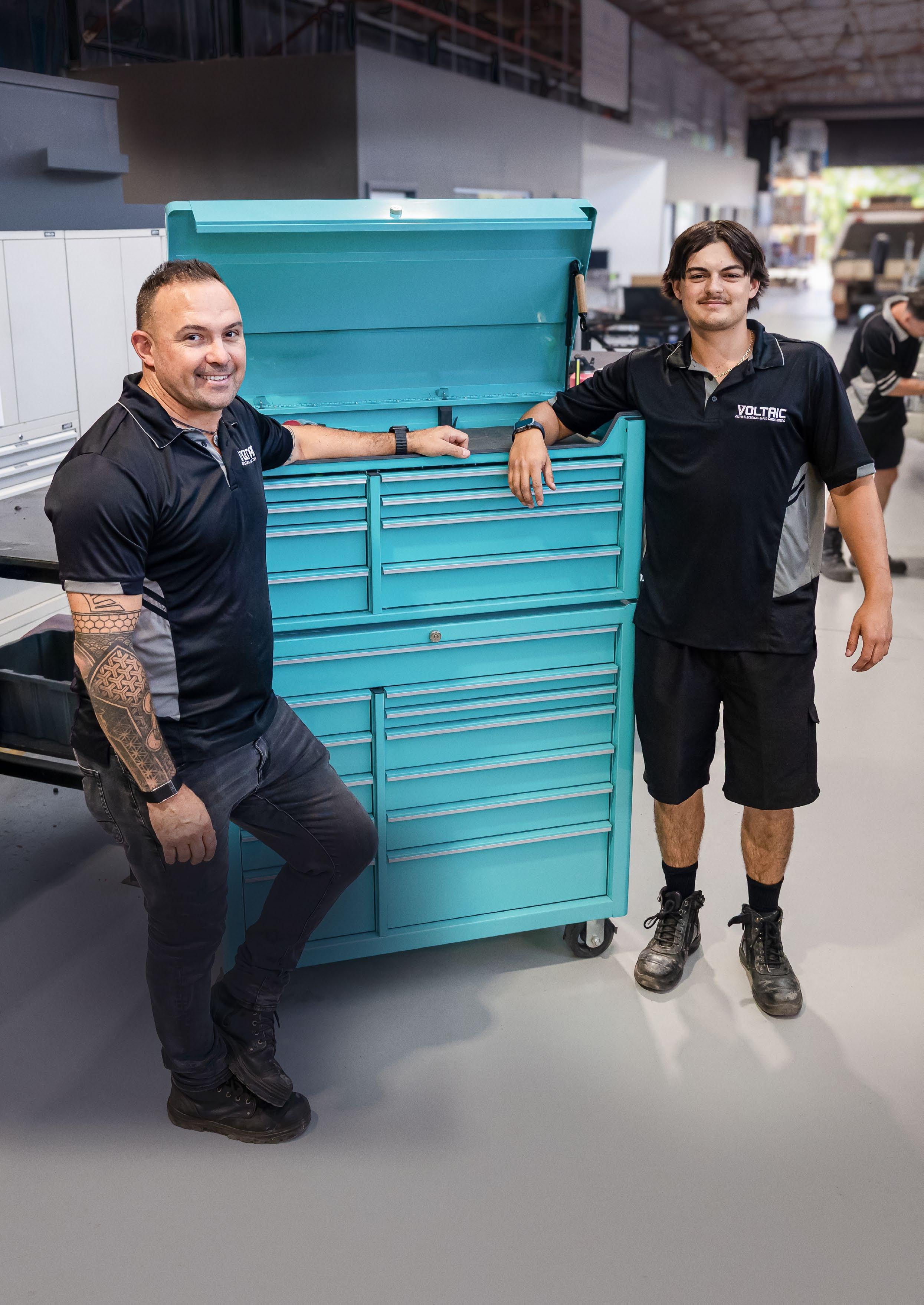
Voltaic Auto Electrical and Air Conditioning, located in Perth, Western Australia, represents the future of the automotive industry. Founded by Josh Doutch alongside co-founder Tara Halliday, the business is built on three clear priorities: apprentices, technology and workplace culture.
Together, these pillars underpin everything Voltaic does and have shaped it into the dynamic and successful business it is today.
Josh found his way into the automotive industry via a less traditional route. He completed his apprenticeship while working in the heavy equipment sector, spending more than a decade in mining across Western Australia.
After 12 years on the mines, however, the passion that once drove him began to shift. While repairing large equipment paid the bills, it didn’t offer the same satisfaction as working on cars, something Josh had been passionate about since his teenage years.
In 2012, Josh made the decision to leave mining behind and refocus on what he truly enjoyed. That decision, combined with a growing interest in training and mentoring apprentices, ultimately led to the creation of Voltaic in 2017.
A growing skills gap
Western Australia’s mining industry continues to draw skilled tradespeople away from automotive businesses, making recruitment increasingly difficult.
“We sort of took the bull by the horns years ago,” Josh explains. “If we can’t find tradespeople, then we have to make them. A lot of trades are leaving automotive to chase mining money, especially with the cost of living going up. The money and rosters are a big drawcard.”
Voltaic is not alone in facing this challenge. According to the State of the Nation Report 2025, more than 53 per cent of businesses are struggling to find good staff, including apprentices, with 48 per cent of Members actively looking for workers.
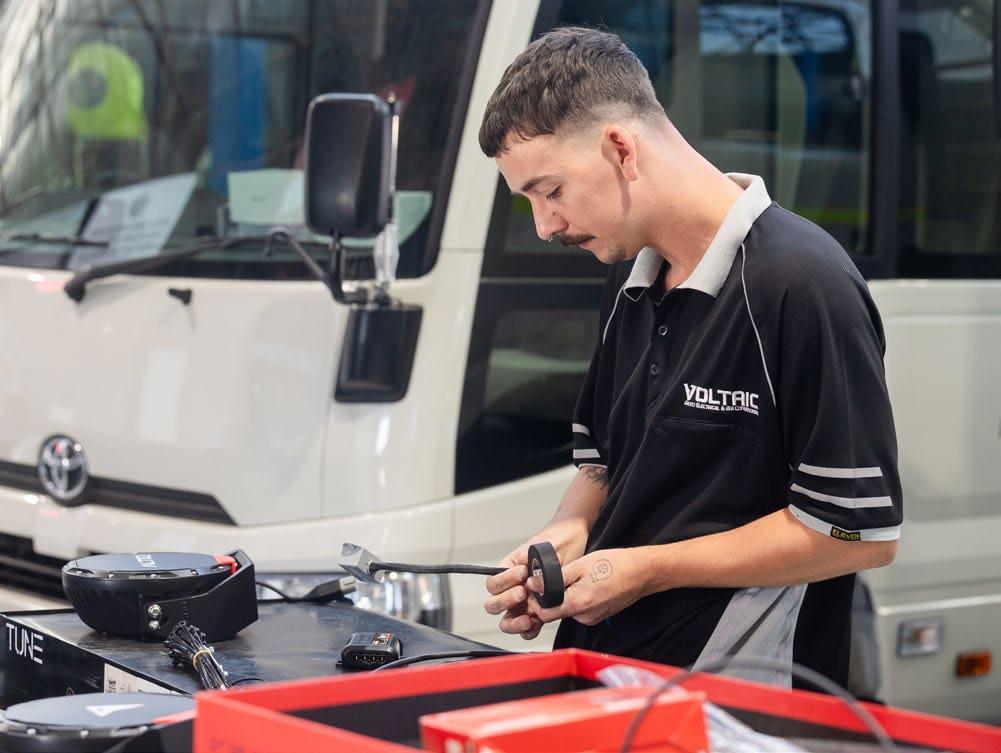
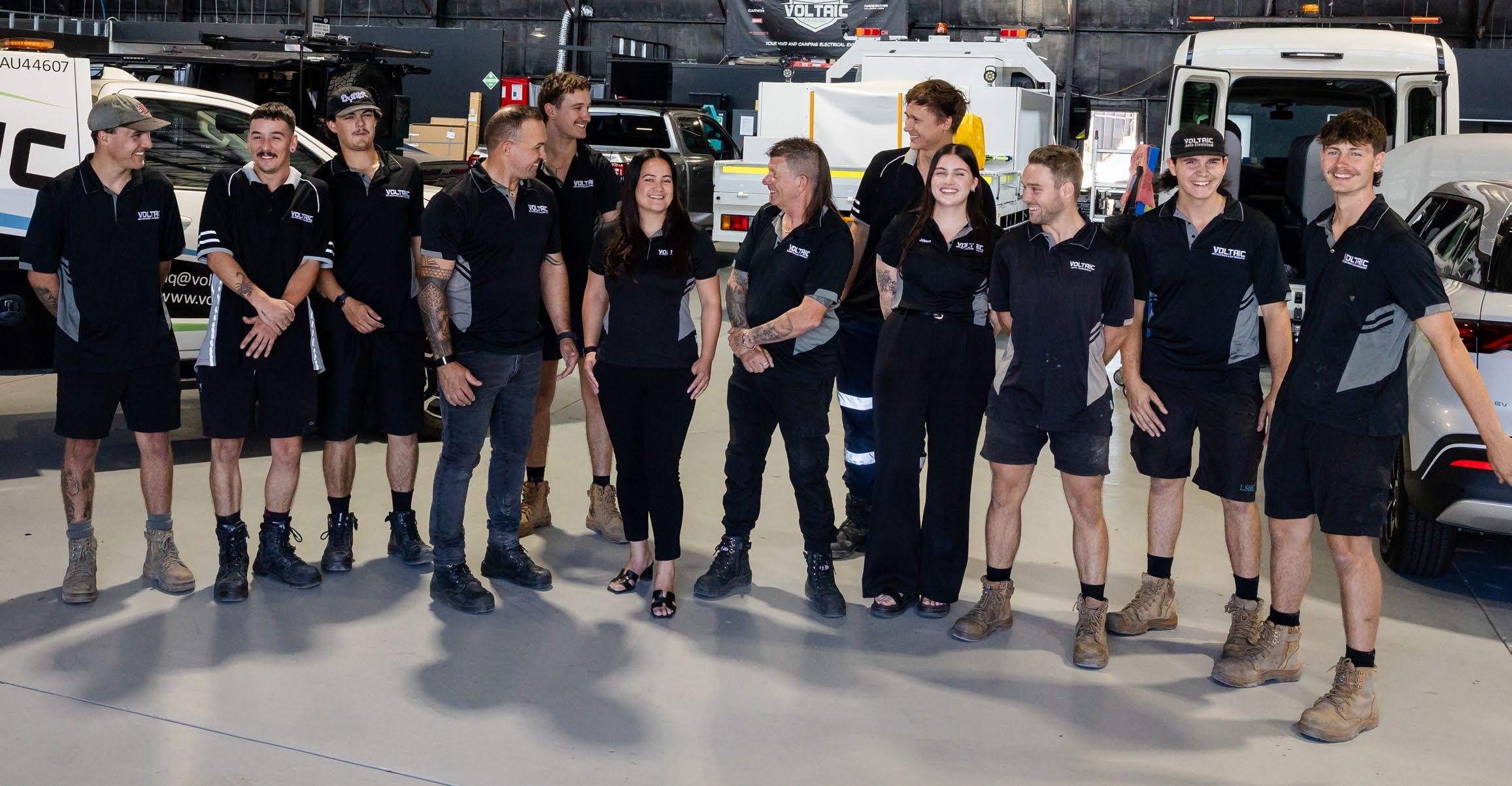
To help address the industry-wide skills shortage, Capricorn supports a range of initiatives across Australia and New Zealand. One of these is the Capricorn Rising Stars Awards Program, which celebrates outstanding apprentices and shines a spotlight on emerging talent; an essential step in sustaining the future of the automotive industry.
This is why Capricorn has multiple initiatives across Australia and New Zealand to help alleviate the issues caused by the skills shortage. The Capricorn Rising Stars Awards Program is one the many ways Capricorn is advocating for the automotive industry. These awards celebrate rising apprentices within the industry and showcase outstanding talent, which is imperative to sustaining the future of the automotive industry.
For Voltaic, apprentices are not just part of the solution, but an essential part of the business’s identity.
“We love our apprentices,” Josh says. “That’s one of the main reasons I got into business.”
Before founding Voltaic, Josh spent time focusing on personal development and reflecting on what he wanted his career
to mean in the long term. The answer became clear.
“Imagine yourself sitting on a porch at 90 years old, looking back on your life,” he says. “For me, the most rewarding thing I could say I’d achieved was training apprentices.”
Josh also understands the pressure young people face entering the trade today, with modern vehicles requiring broader and more complex skill sets than ever before.
“What they’re expected to learn these days is a lot more,” he says.
As a result, Voltaic has become a highly sought-after workplace for young people wanting to enter the industry. Demand is strong, with many apprentices waiting for an opportunity to join the team.
“We normally have to tell a lot of people, sorry, try again next year,” Josh says. “At the moment, we’ve got a team of champion apprentices.”
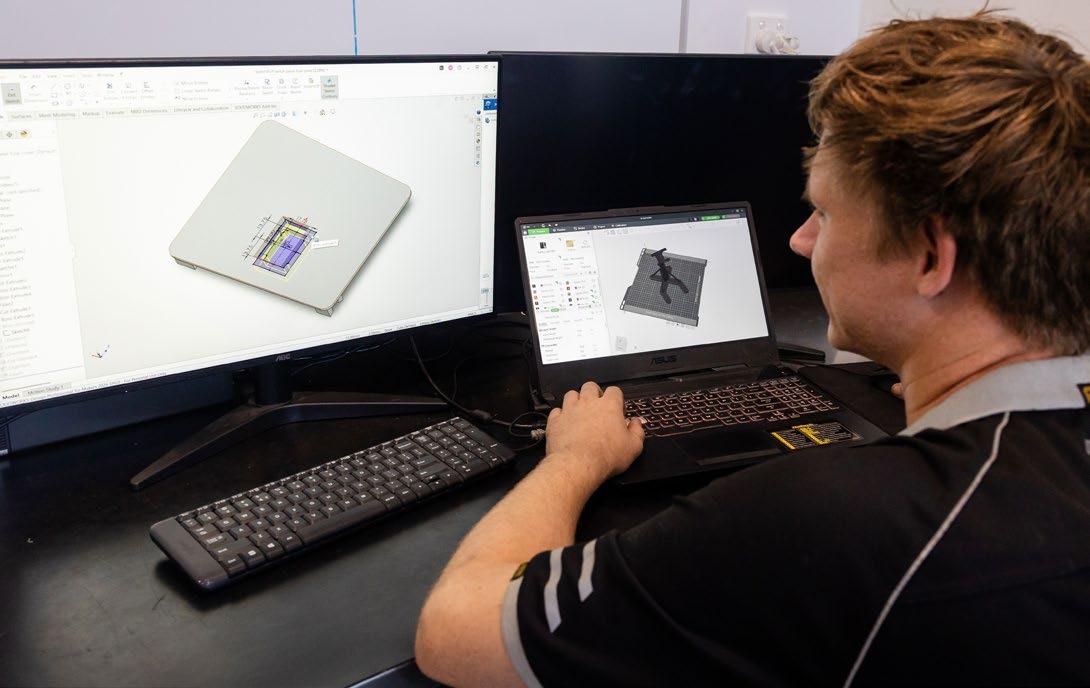

In an industry facing ongoing shortages, it’s a rare (and positive) challenge to have.
“I’ve always believed in doing what you love,” Josh says. “Giving young people the chance to have a job they’re passionate about, where they enjoy coming to work and it’s financially rewarding, is really important.”
New vehicle technologies are reshaping the automotive landscape, and workshops across the country are adapting. Around 65 per cent of businesses are actively staying up to date with new technologies, and Voltaic is no exception.
Voltaic is at the forefront of training, combining internal development with external learning opportunities. They aren’t just keeping up, but actively investing in their people and their business.
“We do a lot of our own internal training and have created systems around that,” Josh explains. “But we also put our team through Bosch HEV 101 training, we’re part of the AASDN group, and we attend national events like AutoCare and the AAAA Aftermarket Expo.”
“We keep our eyes open for any training opportunities and put our team, or ourselves, through them.”
By prioritising development and investing in education, Voltaic continues to strengthen its team, improve service quality and position the business for long-term success.
When asked what makes a successful business, Josh answered with one word: culture.
At Voltaic, culture is defined by four core values, communication, honesty, quality and commitment. These values aren’t just statements on the wall; they guide how the team operates every day.
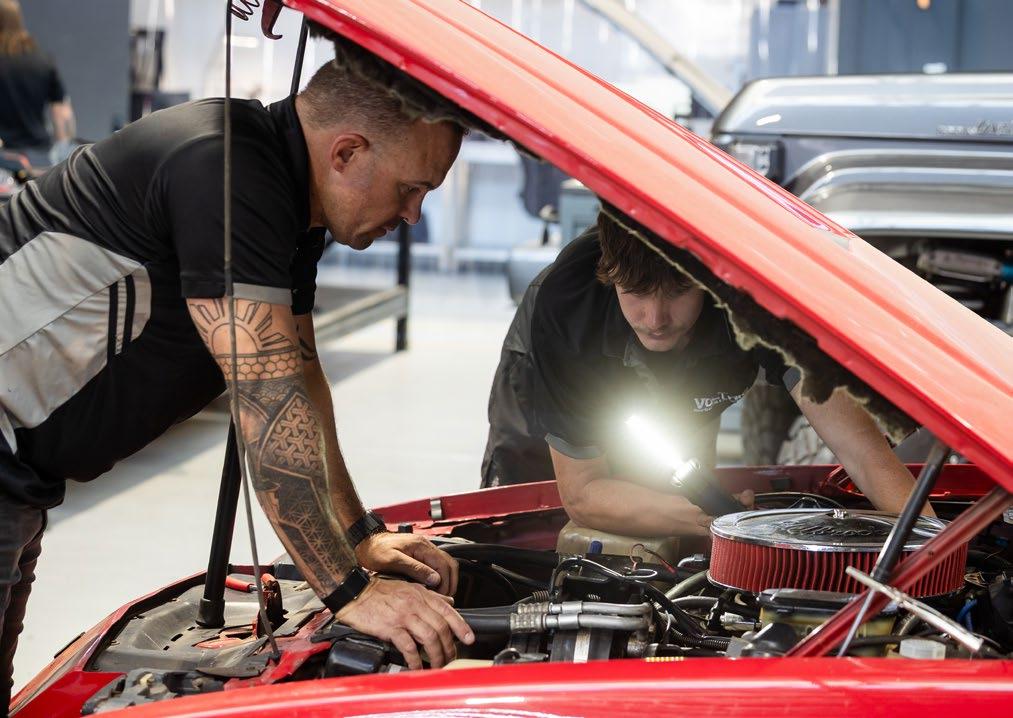
“For instance, we get the apprentices speaking to customers from day one. That builds their communication skills and trade vocabulary through repetition and having those conversations,” Josh explains.
“Having that honest culture as well, we’re all upfront, everyone’s good mates here.”
Quality and commitment are equally important and remain at the forefront of daily work. “I really feel like we’ve built a culture here that everyone loves coming to work to on a Monday morning.”
In an industry facing a skills shortage, rapid technological change and increasing competition from other sectors, Voltaic has taken a long-term approach. By investing in apprentices, prioritising training and building a strong workplace culture, Josh and Tara are not only strengthening their own business, they are also contributing to the future of the automotive industry in Australia.
Supporting the Next Generation
Rising Stars is Capricorn’s annual awards program celebrating the most promising apprentices across Australia and New Zealand. The program recognises outstanding skill, passion and commitment, shining a spotlight on future leaders within the automotive industry.
Each year, Members nominate apprentices who go above and beyond in their roles, helping address the industry’s ongoing skills shortage while inspiring the next generation of technicians. The program includes Regional Winners and an Overall Winner, offering valuable prizes, industry exposure and a platform to showcase real career pathways within the trade.
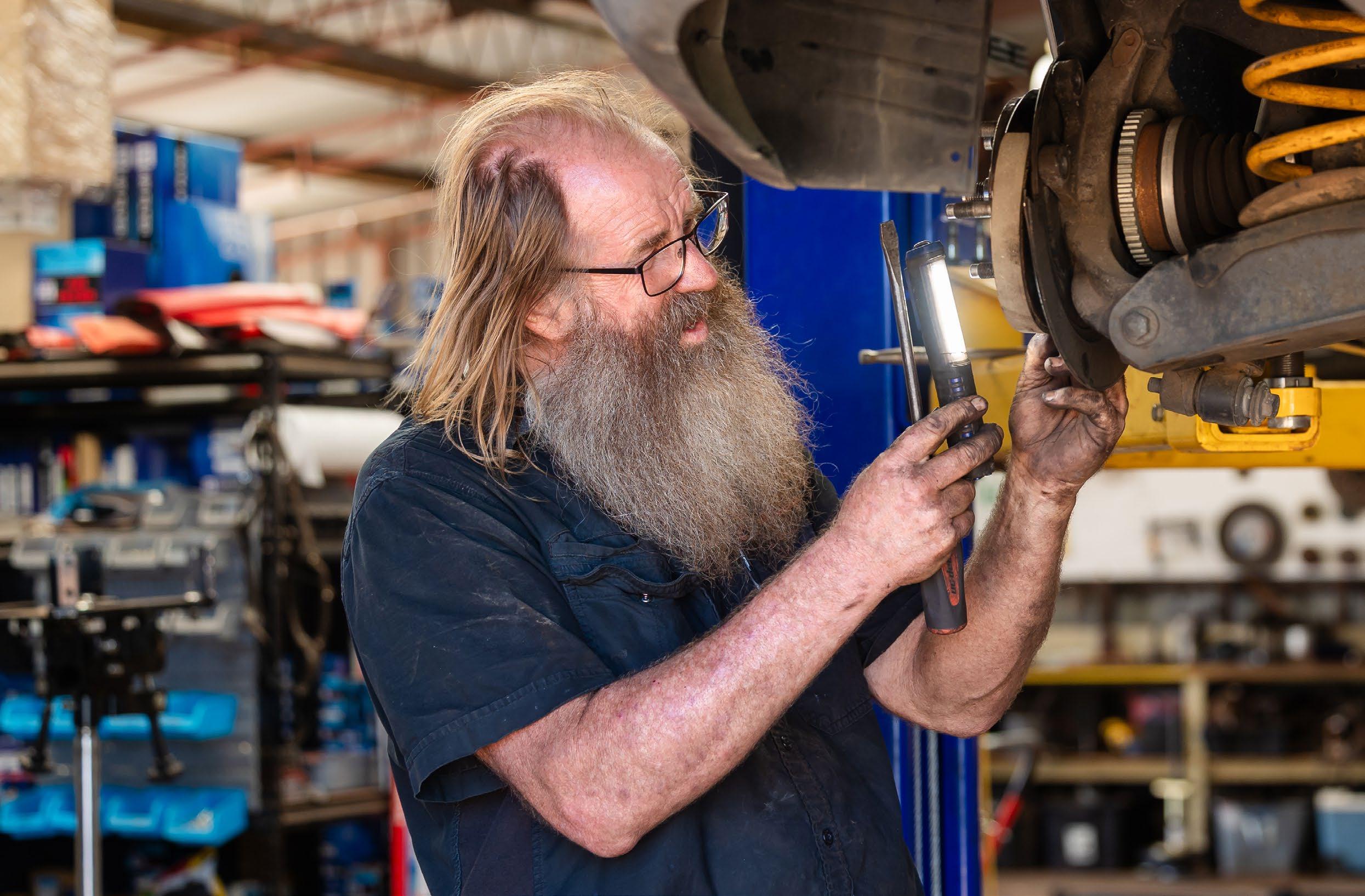
The Extreme Mechanical & Contracting Story
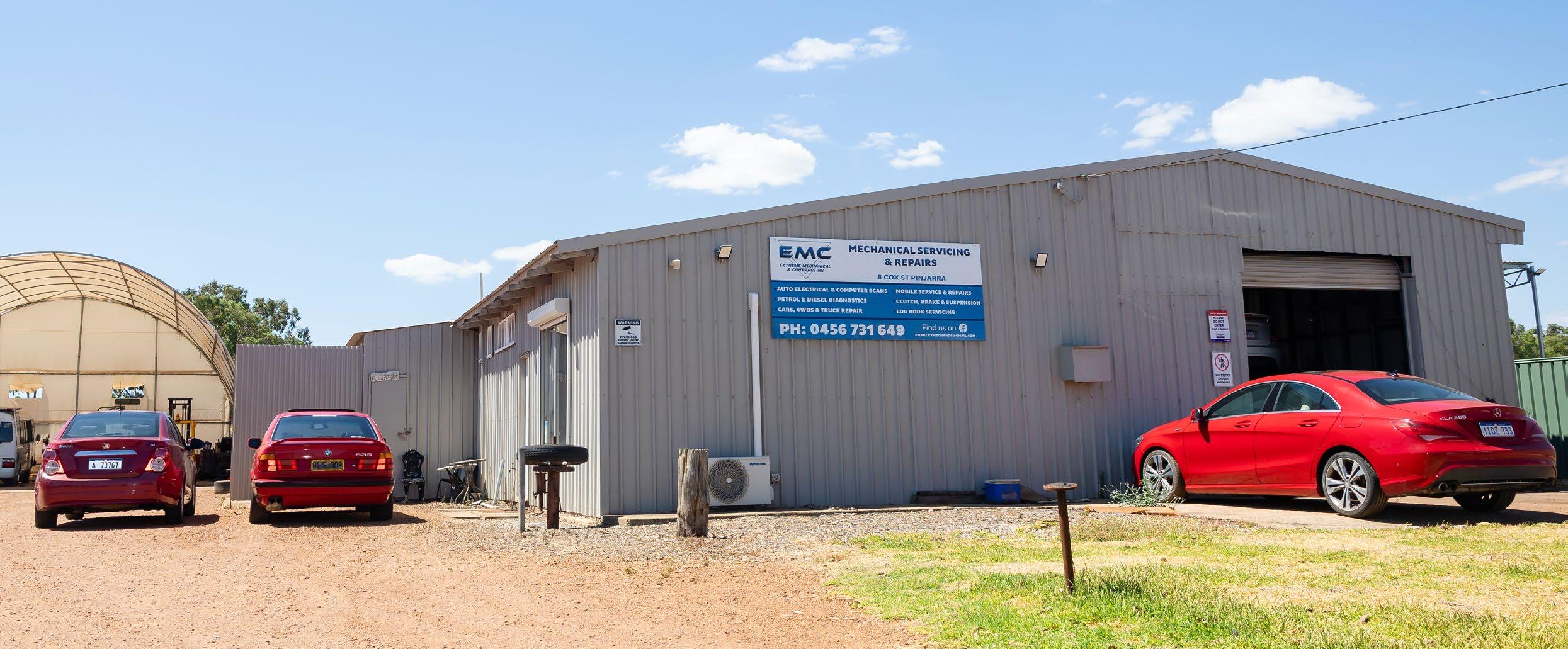
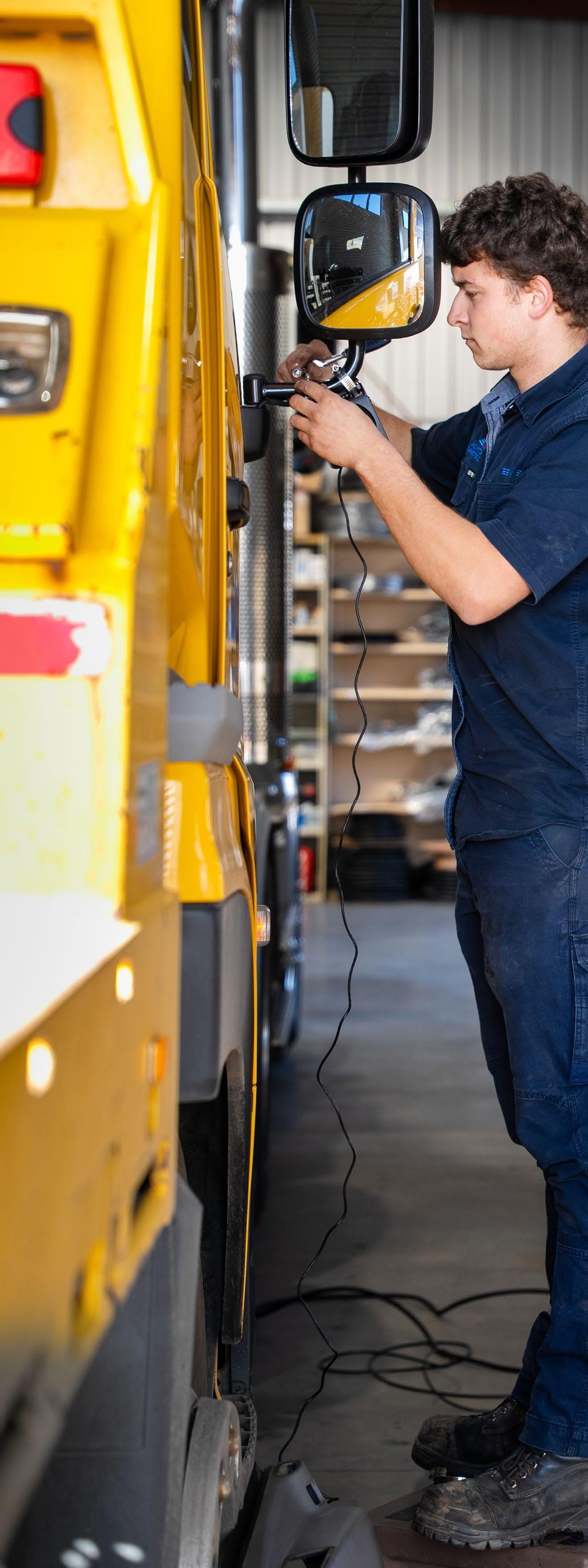
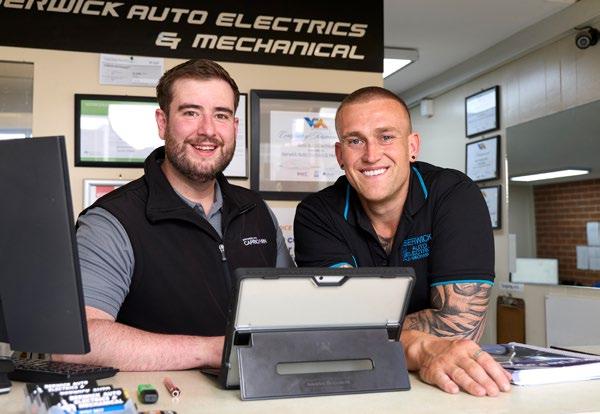
Five short years ago, Extreme Mechanical & Contracting was nothing more than two driven men, Damien Pym and Corbin Little, driving two service trucks. Fast forward to today, and it stands as a settled and growing automotive business; not built through shortcuts or gimmicks, but through good old fashioned, hard work.
The journey began long before the business had a name. Co-founder, Corbin completed his apprenticeship at Mitsubishi, where he met his future business partner, Damien. Soon after, both men headed to the Pilbara, working Fly-In-Fly-Out (FIFO) roles and earning solid money in the mining industry. It was comfortable, stable work, but it wasn’t the future they wanted.
So, they made a bold decision to back themselves.
They purchased two service trucks, resigned from their positions, and drove those trucks south to start a mobile mechanic business from scratch.
“We started with nothing,” Damien recalls. “No money in the bank account or anything.”
The business officially began in December 2020, and the risk was real. Walking away from high-paying jobs was daunting, and there was no safety net. But what they lacked in capital, they made up for in effort, and a real love of all things mechanical.
In the early days, Extreme Mechanical & Contracting was run entirely from the field. The founding duo worked long hours: weekends blurred into weekdays, days into nights; slinging tools on everything from residential to rural, handling paperwork, and conducting all the bookkeeping themselves.
“There’s no guidebook for starting a business,” Corbin says. “You’ve got to figure it all out yourself. Every business is different, and you don’t really know what to expect until you’re in it.”
That persistence became a defining trait of the business. Rather than chasing rapid expansion, they focused on reliability, effort, and learning: not about mechanical work (they were already experts at that), but about running a business.
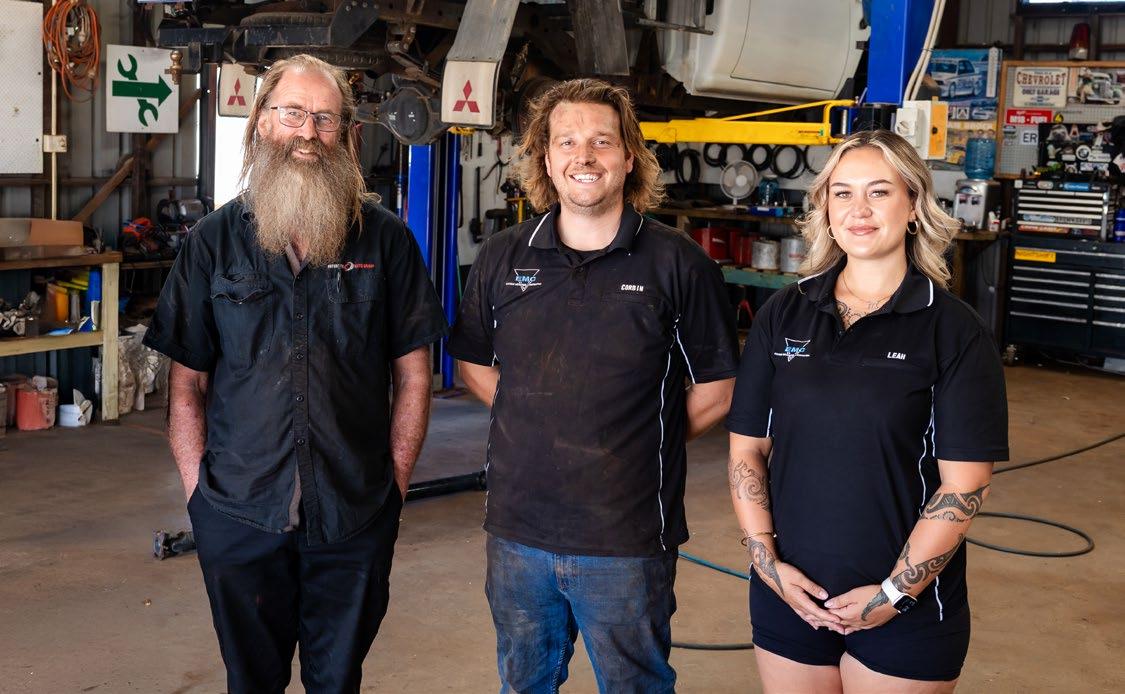
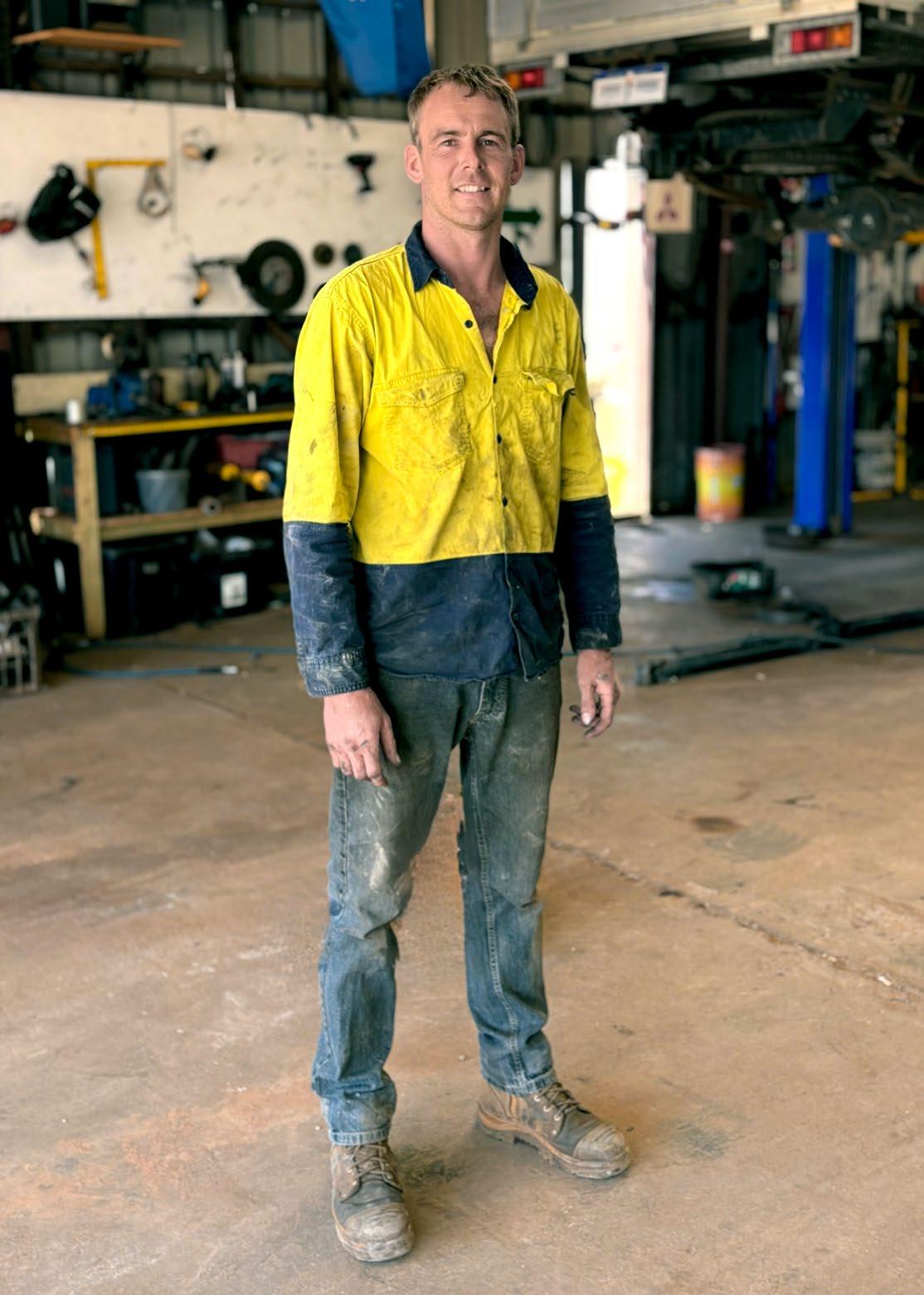
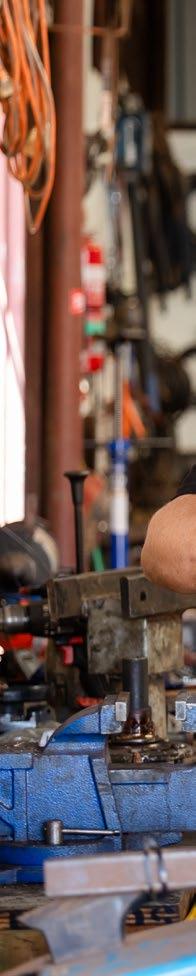
For a time, the mobile model worked perfectly. The founders were on the tools every day, working in driveways, yards, farms, and wherever the job took them. Corbin admits it was difficult but looking back, this period was one of the simplest phases of the business.
As the business evolved into a full workshop operation, the dynamics became more complex. Instead of managing a handful of tasks on the road, the team suddenly had dozens of moving parts to coordinate, from jobs to staff, customers, stock, accounting, and compliance.
“What used to fall into place naturally now needs constant attention,” he explains. “One small thing out of whack can set you back.”
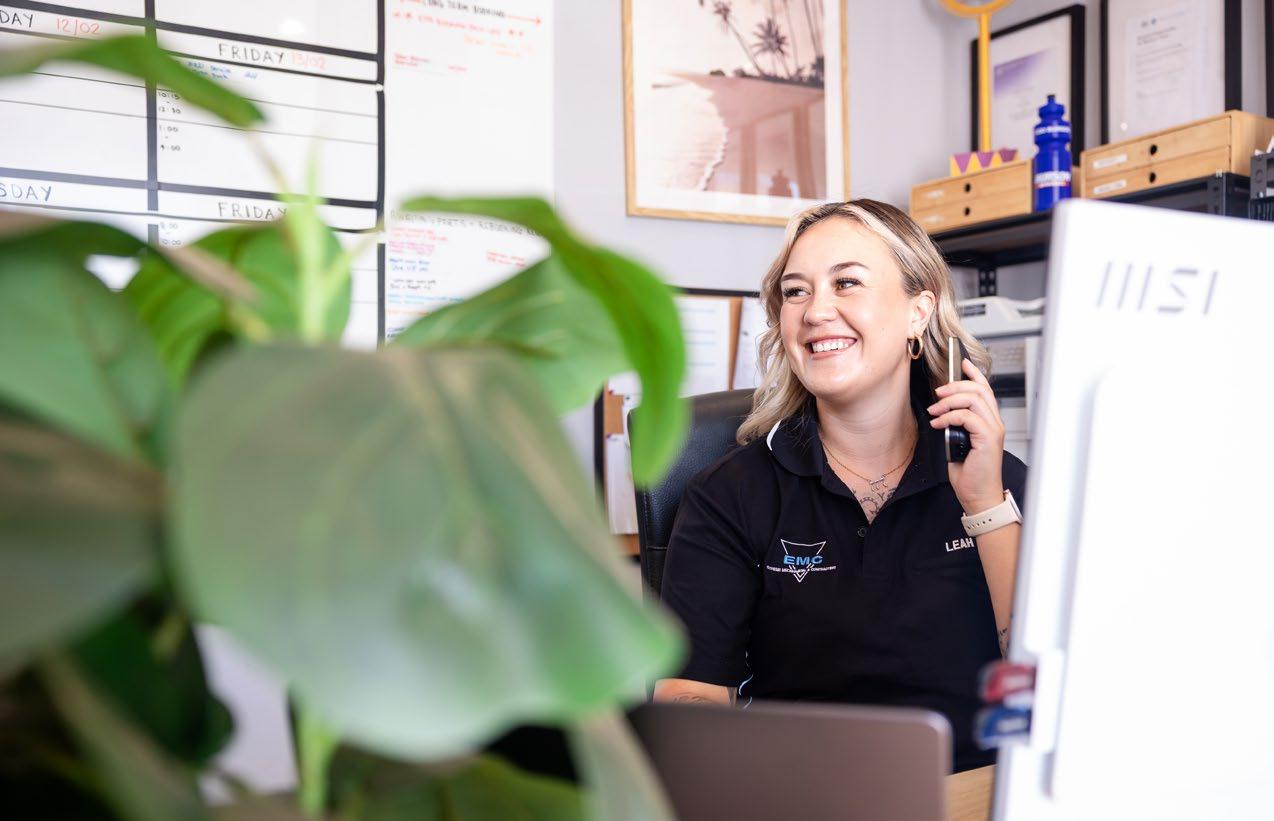
To keep the wheels turning, the business expanded its team, including two dedicated admin staff who now manage workloads that once sat with the owners themselves.
How did Extreme Mechanical & Contracting experience rapid growth? What was the secret tool in their business model that got them from zero RPM’s to full throttle?
The answer is an unsurprising one.
Honesty, communication, and a love for the tools.
According to Corbin, that’s what keeps customers coming back.
Communication plays a major role keeping customers informed, explaining what’s happening with their vehicles, and taking responsibility when something goes wrong.
“If it’s your fault, you don’t sidewaysstep it,” he says. “You take the blame and deal with it.”
That mindset has helped the business grow organically. Many customers arrive with stories of bad experiences elsewhere, often driven by poor communication. Extreme Mechanical & Contracting makes a conscious effort to be different - listening carefully, offering fair value, and being open at every step.
The same philosophy extends to staffing. The business values people who are genuinely passionate about mechanics. They’re not looking for people who see the mechanical trade as a ‘job’ but rather, people who love the work.
Their first apprentice didn’t come through an agency. He kept turning up, asking for a job repeatedly, showing persistence that matched the business’s own values. That apprentice eventually completed his trade with the company.
Today, all staff are qualified tradespeople, and apprentice responsibilities are shared across the team. Attempts to recruit through traditional channels haven’t always worked, not every candidate has been the right fit, but the focus remains on quality, not numbers.


Despite changes in the industry, the business remains largely old-school in how it operates. While vehicle technology continues to evolve, Extreme Mechanical & Contracting intentionally keeps its internal systems simple.
“If it’s not broken, don’t fix it,” he says.
That approach extends to administration. Joining Capricorn marked a noticeable turning point, particularly for the admin team, simplifying supplier access and consolidating workflows: a change that was welcomed immediately.
Today, Extreme Mechanical & Contracting is no longer in startup mode. The challenge now is maintenance; keeping everything running smoothly as the business continues to operate at scale.
“It ticks over like a well-oiled machine when it’s working,” he says. “But you’ve got to stay on top of everything, staff, customers, stock, suppliers, all of it.”
For a business that started with two trucks and a leap of faith, that’s a challenge they’re ready to meet. One job at a time.
The steps Capricorn is taking to help alleviate the Skills Shortage
The skills shortage in the automotive industry isn’t just a headline; it’s a daily reality for workshops across Australia. From longer wait times to mounting pressure on business owners and their teams, the challenge is clear: finding and keeping skilled people is harder than ever. In fact, Capricorn’s State of the Nation 2025 report confirms that the shortage remains the number one issue for Members in Australia, impacting productivity, profitability and wellbeing.
This problem won’t go away unless the industry comes together, which is why Capricorn is doing as much as possible to alleviate the skills shortage. Through a mix of research, advocacy, partnerships and practical programs, Capricorn is aiming to build a stronger pipeline of talent and supporting Members to attract, retain and develop the people they need. Here’s how.
Capricorn’s approach starts at the beginning, helping young people see automotive as a rewarding career.
At the Capricorn trade shows, we’ve introduced Careers Expo components in partnership with some of the Motor Trades Associations (MTAs). These opportunities help connect students with employers and showcase real career pathways for their future, in Queensland this is also supported by the QLD Government’s School to Work Program. The goal? Inspire the next generation and create tangible opportunities for work experience and apprenticeships.
We’re also shining a spotlight on apprentices through the Capricorn Rising Stars Awards, which expanded in 2025 to include six Region Winners plus one Overall Winner. This change means more recognition for local talent and more reasons for workshops to celebrate their apprentices. Prizes included cash, training subscriptions and access to programs like Repco Autopedia, Repco Masterclasses and Workshop Whisperer’s Service Advisor Pro, tools that help apprentices grow and stay engaged.
As Capricorn Group CEO, Brad Gannon said when announcing the changes: “We want to make sure apprentices feel valued and supported, because they’re the future of our industry.”
Capricorn is also working with industry bodies to tackle the shortage collectively. Through collaborations with the Australian Collision Industry Alliance (ACIA) we’re helping build pathways and improve perceptions of automotive careers among young people. We’ve amplified these efforts through LinkedIn and Member communications, ensuring the message reaches both the industry and the next generation.
We’re also promoting training opportunities through events like AAAA Autocare, which deliver upskilling in areas such as EVs, ADAS and business management. These events help Members future proof their teams and stay competitive in a rapidly changing market.
Capricorn’s State of the Nation reports don’t just measure the problem, they drive solutions. By quantifying the impact of skills shortages on wait times, workloads and wellbeing, we provide a credible evidence base for government and industry discussions. We have used this material to provide a clear view of the challenges the industry faces but amongst media and government stakeholders the opportunity the industry represents for future careers, especially with the right support.
Our policy engagement focuses on practical measures like stronger apprenticeship support, modern training facilities and inclusion of automotive trades in Fee-Free TAFE programs.
Beyond advocacy, Capricorn delivers handson information through Ignition articles and other resources. Topics range from how to attract and retain apprentices to managing burnout caused by staffing shortages. We share stories and case studies from our Members to give real-life examples on what other business have done with things like structured training, mentoring and offering diverse tasks to keep apprentices engaged.
Capricorn’s recent acquisition of Australian Skilled Migration (ASM) is another significant step in tackling the skills shortage from multiple angles. ASM is a leading international recruitment and migration agency specialising in automotive roles, helping connect workshops with qualified technicians from overseas. By bringing ASM into the Capricorn Group, Members now have easier access to a high quality global talent pool, an important complement to the domestic training and apprenticeship pathways already in place.
The acquisition strengthens Capricorn’s long term strategy to support Members by providing practical, immediate workforce solutions. It also ensures that any profits
generated by ASM flow back into Member Returns, meaning the investment delivers both operational and financial benefits. ASM’s expertise in sourcing skilled candidates and managing the visa process helps reduce pressure on small businesses and creates a more sustainable pipeline of talent for the future.
This move creates a direct channel to help solve part of the skills shortage, working alongside initiatives like Rising Stars, career expos and industry partnerships. It’s another way Capricorn is investing in the industry’s future and ensuring Members have the support they need to thrive.
The skills shortage isn’t going away overnight. But by combining immediate solutions like skilled migration with longterm strategies, career expos, Rising Stars, Women in Auto, industry partnerships and advocacy, Capricorn is tackling the challenge from as many angles as possible to support our Members.
As one Member told us at a recent trade show: “It’s great to see Capricorn leading the charge. We need these programs to keep our industry strong.”
Nominate your apprentice for the next Rising Stars Awardscapricorn.coop/rising-stars
Host a student through a Careers Expo or school program.
Register interest with ASM for skilled migration support.
Attend Women in Auto events and champion diversity in your workshop.
Visit the next trade show and explore training opportunities. Together, we can close the gap, and build a stronger, more sustainable automotive industry.

When a vehicle rolls out of a workshop today, it carries far more than a repaired panel or a fresh windscreen, it carries a network of sensors, cameras and radar units that quietly watch the road, measure speed, monitor distance, read road markings and, in critical moments, act faster than any human can.
These systems, collectively known as ADAS (Advanced Driver Assistance Systems), have been appearing in passenger vehicles for more than a decade. But as Matt Douglass GM Repairify Australia explains, we’ve reached a tipping point. “ADAS has been fitted to vehicles in a more basic form for many years, mostly in premium European cars,” he says. “But since the early 2010’s it’s now fitted to the mainstream passenger cars — it’s everywhere. Every new vehicle sold since 1 March 2025 in Australia must be fitted with autonomous emergency braking (AEB). It’s no longer niche technology, it’s mainstream.” And with that shift comes a new responsibility for workshops.
As ADAS spread across the Australian car parc, a critical problem emerged: everyone was repairing cars, but not everyone knew when or how to calibrate the systems hidden behind the glass and panels. A collision repairer might restore a bumper perfectly, but behind that bumper sits a radar unit. If it’s even slightly misaligned, the vehicle may behave unpredictably.
A windscreen technician might fit glass flawlessly, but if the camera behind it isn’t calibrated, the car may not warn the driver of an oncoming hazard. Even suspension maintenance, alignment and mechanical work can throw ADAS out of alignment.
“The reality is simple,” Matt explains. “If ADAS isn’t calibrated after certain repairs and if the manufacturer of that vehicle says you should calibrate after the repair and it is not done, the car is not repaired correctly. And the customer may not know anything is wrong. There may be no dash warning, no fault code, nothing.”
Workshops, especially independents, were left wondering:
When should I recalibrate?
How do I do it?
What equipment do I need?
What if my workshop doesn’t have the space?
If I forget, am I liable?
That confusion, Matt says, is exactly what drove the creation of the ADAS Industry Code of Conduct, launched nationally at Autocare in 2025.

Craig Baills Chairman of ARCA (Automotive Repairers Council of Australia) initiated the committee that brought together industry experts, with major guidance and leadership from Lesley Yates of the AAAA (Australian Automotive Aftermarket Association) to develop the voluntary code. The Code is Australia’s first national framework outlining when, why and how ADAS recalibration must occur. It’s designed for every corner of the industry, collision, mechanical, suspension, windscreen and tyre. “It’s a voluntary Code,” Matt explains, “but it’s built as a bestpractice guide, a live document that evolves with the technology. ADAS changes quickly, so the playbook needs to change with it.”
The Code includes:
Decision models telling technicians when calibration is required.
Workshop setup requirements, including space, lighting and targets.
Equipment guidance for cameras, radar, static and dynamic calibration.
Documentation and communication templates so workshops can show customers that safety-critical work has been completed.
Liability guidance to help businesses avoid unintentional risk.
“It’s about giving the trade clarity,” he says. “If you repair a car, you should know exactly what needs to be calibrated to keep the customer safe.”
“But more importantly it’s about you the repairer, ensuring that you or your business are not liable for incorrectly repaired vehicles”
For Members, the Code of Conduct is not just about compliance, it’s about opportunity.
Calibrations become billable essentials

Matt’s passion for diagnostics began long before ADAS was the norm. Growing up in the UK, he watched his father run independent workshops and witnessed firsthand the shift from mechanical repairs to electronics.
“The technology curve has gone vertical,” he says. “Cars will only get more complex, faster than we expect. The Code is one of the tools that helps the industry keep up.”
It’s why the document is designed as a living standard, updated as ADAS technology evolves and as global markets shift. Already, Australia’s Code has attracted interest from the UK and US, where regulators are exploring similar frameworks.
3
As ADAS becomes standard, recalibration becomes non-negotiable. This means:
New revenue streams
Better margin work
Stronger documentation trails
If a workshop can’t calibrate in-house, subcontracting remains an option, but the obligation to return a vehicle in a safe, roadworthy condition still sits with the workshop.
“You’re legally bound to return a vehicle correctly repaired,” Matt says. “Saying you ‘didn’t know’ won’t hold up.”
Incorrect ADAS calibration can expose workshops to:
Liability claims
Insurance disputes
Reputational damage
The Code gives Members the clarity and process needed to protect themselves. 1 2
Most drivers don’t know how ADAS works, or that calibration is even required. The Code gives workshops the language and documentation to explain why the job matters, building trust and strengthening customer relationships.
Calibration requires:
Precise space
Correct lighting
Diagnostic equipment
Radar targets and reflective boards
OE level tools
Technicians who know how to perform the work
Inner city workshops, for example, may simply not have the physical room.
“The Code helps businesses make informed decisions,” Matt says. “If you can’t do it safely, don’t take the job. Subcontract it. Protect your business.”
Every year, more ADAS equipped vehicles enter the Australian car parc, and by extension, more calibration work lands in Member workshops.
The Code of Conduct helps ensure that as the technology evolves, so does the industry’s capability to repair it safely.
For Capricorn Members, understanding and adopting the Code isn’t just about compliance and by using Repairify, you are able to turn the Code into a daily practice by giving your team:
OEM-level diagnostics (pre/post scans, DTC clearing) and access to secure gateways.
Remote ADAS calibration support and expert technicians on demand.
Module programming and coding to keep complex jobs in-house.
Faster cycle times and fewer comebacks, building customer trust.
In short, the Code defines the “what”; Repairify enables the “how.” Together, they help you seize new opportunities, reduce risk, and deliver safer vehicles back onto the road.
Capricorn is aware that fraudulent or altered Protection Certificates are increasingly being used to evidence the existence and details of protection or insurance taken out by a business.
If you need evidence of your protection or of your insurance, Capricorn can arrange for the issue of the following:
A Certificate of Currency – Protection from Capricorn Mutual Limited; and / or
A Certificate of Currency – from an insurer brokered through Capricorn Insurance Services Pty Ltd, (together called Protection Certificates).
Confirm the existence of the Capricorn Mutual protection (being a discretionary risk product) or the existence of an insurance policy; Set out the type of protection, level and period of protection; or Set out the type of insurance, level and period of coverage.
A Protection Certificate may appear legitimate but it may in fact be falsified, altered, or issued for protection or policies that have lapsed or never existed. This could lead to someone thinking that protection or insurance exists when it does not. This may then lead to a financial detriment to the person or business in the event of a claim.
What Members should be aware of
When receiving a Protection Certificate, Members should be cautious where:
The Protection Certificate appears generic, incomplete or inconsistent; or
Protection types or insurance types or associated time periods do not align with what is being covered or the work being performed.
If you are unsure whether a Protection Certificate is legitimate or would like any other information please contact:
Members are encouraged to:
Remember that Protection Certificates are only provided once a request from you has been made;
Remember that Protection Certificates are issued to the protection-holder/ policy-holder directly, most commonly to the protection-holders/policyholder’s email address;
Check the email address that is used to send the Protection Certificate. If a Protection Certificate is issued: by Capricorn Mutual Limited it will come from capricornriskservices@ capricorn.coop by Capricorn Insurance Services Pty Ltd, it will come from info@ capricorninsurance.com.au or your account executive contact.
Protection Certificates received by any other method should be verified; Ensure all details within the Protection Certificate are correct, current and without any inconsistencies; and Seek clarification where anything appears unclear or inconsistent.












Submit your entry at cap.coop/funzone by 31 March 2026
SPOT THE DIFFERENCE (5 differences to find!)
Last month's answers
Please note that this competition and participation in the Capricorn Rewards program are subject to terms and conditions. For the full terms and conditions, visit cap.coop/tc.

WORD HUNTER (15 words to find!) Apprentices Business

Enjoy a streamlined online shopping experience, commercial pricing and Capricorn Rewards Points on eligible purchases with a JB Hi-Fi Business account linked to your Capricorn Trade Account.
Shop Smart - Browse 9,500+ products at great commercial pricing.
Fast & Convenient - Choose delivery or pick up from your local JB Hi-Fi store.
Get Rewarded - Earn Capricorn Rewards Points on eligible online purchases.
Log in to myCAP Go to the Ecommerce Partners section and select JB Hi‑Fi Business.
Request an Account Submit the Request an Account form.
Start Shopping
Once approved, shop on the JB Hi Fi Business site and choose Check out with Capricorn. Your Capricorn Trade account will be invoiced, and you’ll earn Capricorn Rewards Points on eligible purchases.