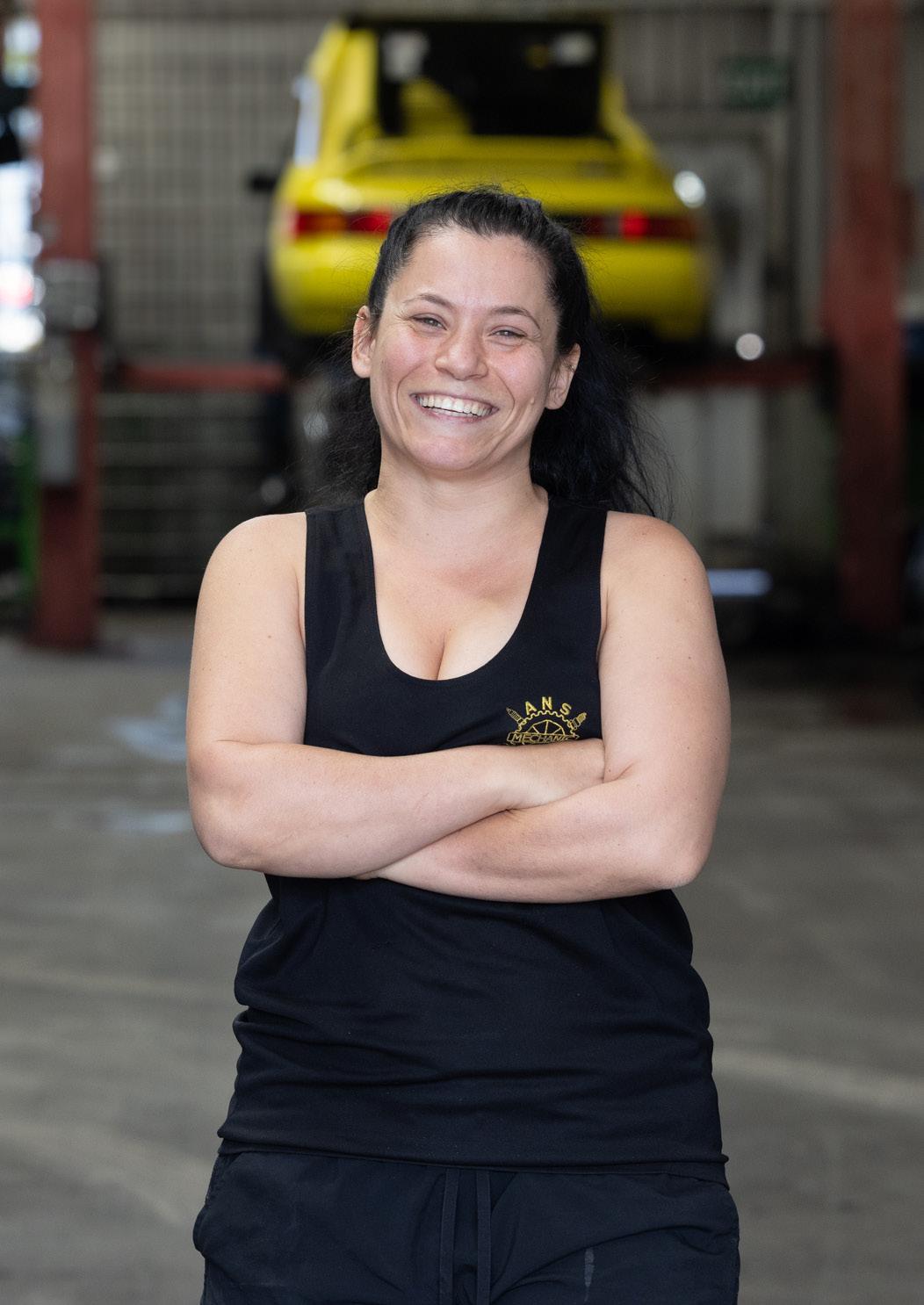

At ANS Mechanic Services, Cindy Laus carries forward the work her father began
Capricorn is excited to expand into the Marine industry with specialist Preferred Suppliers
A leadership first mindset is helping JVS Bodyworks develop confident award-winning apprentices
Western Australia
Busselton Trade Show
2 September 2026
Bunbury Trade Show 23 September 2026
Gala Dinner & Trade Show 24 October 2026

New South Wales
Gala Dinner & Trade Show 31 October 2026
Queensland
Gala Dinner & Trade Show 21 November 2026
The events advertised include current and planned events (which are subject to change). To get tickets or view a planned event’s status, log in to myCAP and click on events. For further information please contact our Events team.
1800 327 437


South Australia
Port Lincoln Trade Show 17 June 2026
Gala Dinner & Trade Show 7 November 2026
Victoria Capricorn Golf Classic 21 October 2026
Gala Dinner & Trade Show 14 November 2026

expanded marine offering brings together specialist marine Preferred Suppliers, well‑known trade brands and the same Capricorn benefits our Members





June is a time to pause, take stock and look ahead, which makes connection across the Capricorn Community especially important.
This month, I’ll be seeing some of you at our Capricorn Convention in Cefalù from 7 to 13 June. Spending time with our Community is one of the most rewarding parts of my role and this Convention is a valuable opportunity to connect face to face with Members and Preferred Suppliers and listen, share ideas and strengthen the relationships at the heart of Capricorn.
As we approach the end of the financial year, many Members and teams are balancing planning, performance and pressure. It remains a challenging environment with global uncertainty continuing to influence local conditions. In times like these, staying connected and focusing on practical ways to support how our Members do business matters more than ever.
June is also about progress. We’re introducing new Preferred Suppliers in the marine space, expanding our network to better support Members operating across marine and related industries.
We’re also modernising how our risk protection is delivered, strengthening the foundations of our service over time with a new core software solution. While much of this work happens behind the scenes, it is focused on creating a more consistent and responsive experience for Members as their businesses evolve. Over time, this work will support clearer visibility of risk protections through MyCap for eligible Members, as new capabilities are introduced.
As always, the strength of Capricorn comes from the people behind it; the conversations you have, the support you provide and the work you do every day.
Thank you for the role you play. I look forward to the Convention, the conversations ahead, and what we can achieve together.
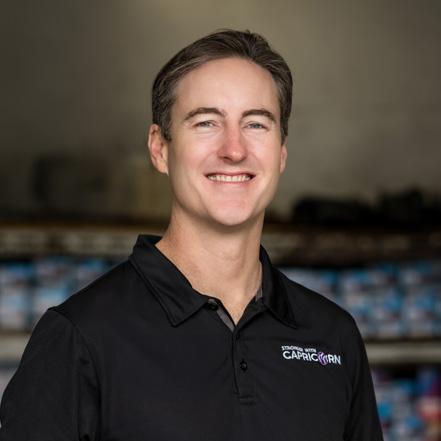
Brad Gannon Group CEO
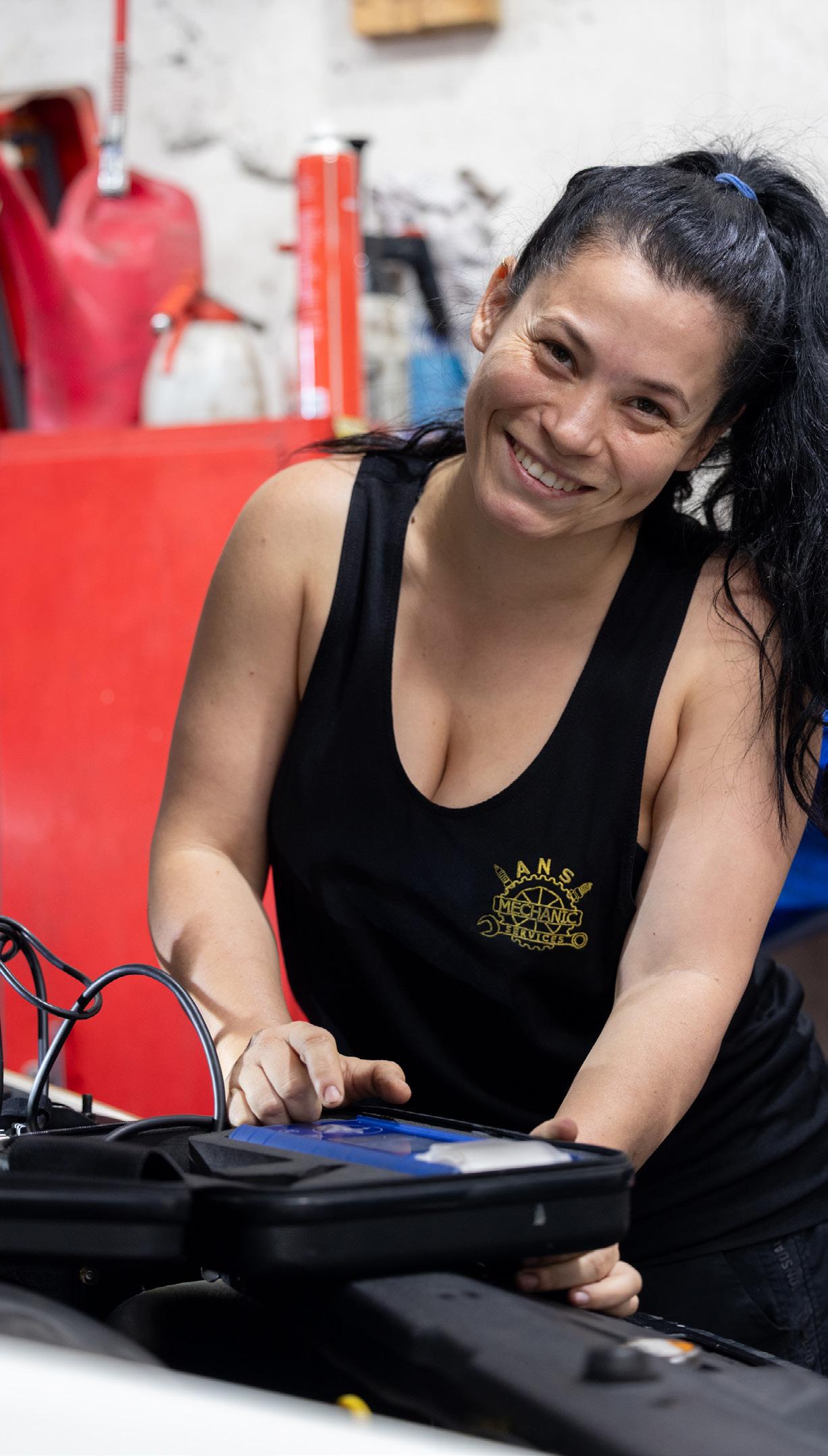
At ANS Mechanic Services,
Cindy Laus carries forward the work her father began, finding strength, purpose and pride in the day-to-day rhythm of the workshop
Growing up, Cindy Laus never imagined she would be running a mechanical workshop. She began working alongside her dad as a way to earn money, fitting time in around a creative life that once leaned toward art and design. Drawing, colour and visual detail still mattered. The workshop, at first, was simply where she spent her days.
But slowly, like clay turning on a potter’s wheel, the work began to shape her. Hands learned the weight of tools. Movements became instinctive. The work started to make sense.
“I like working with my hands,” Cindy says. “It just sort of happened.”
That place was ANS Mechanic Services — a business her dad, Dale, had built through years of steady work, long hours and strong ties to the local community. Cindy was there beside him for it all, learning by watching, settling into the rhythm of the workshop as it formed around her.
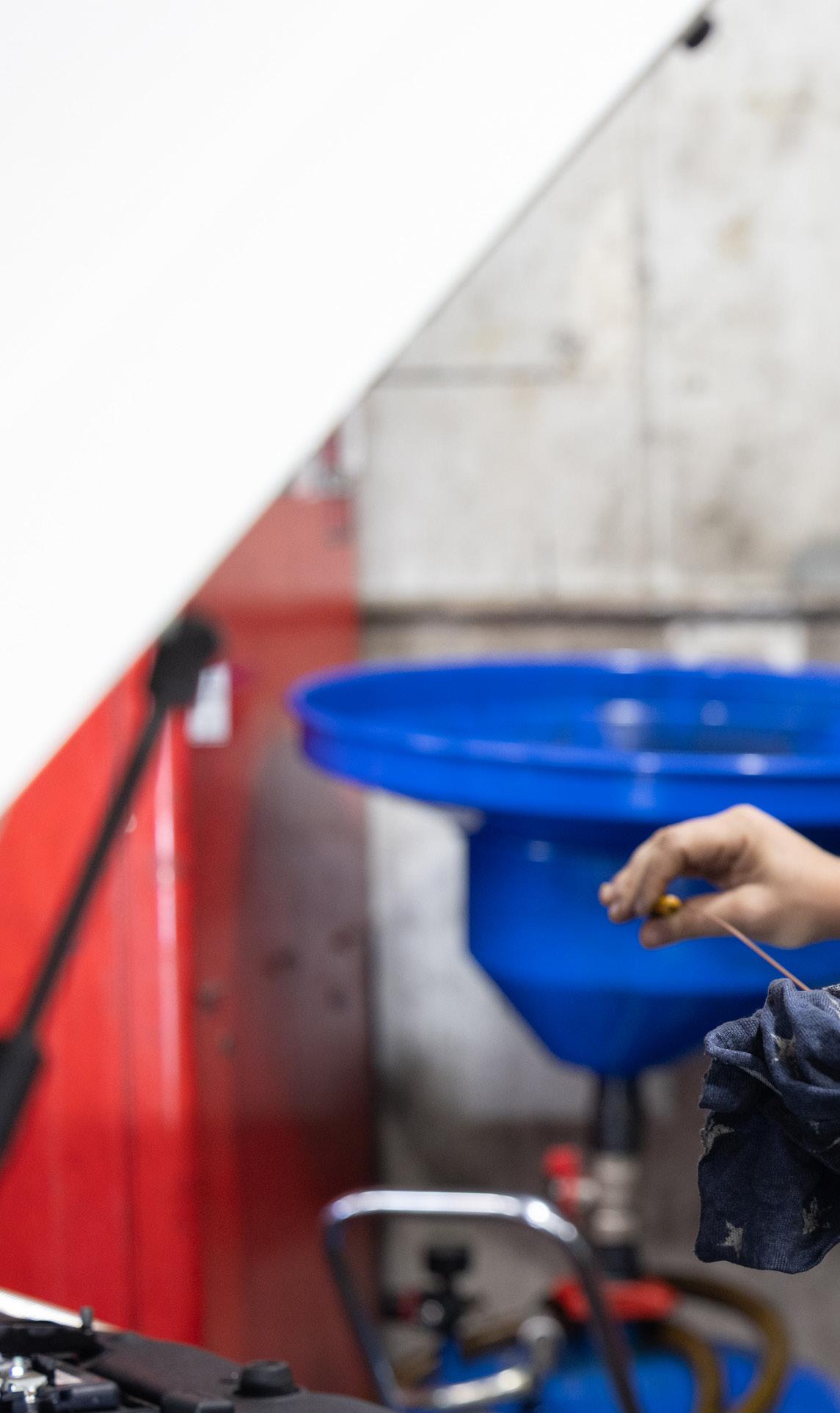
Learning beside him
Dale had spent most of his life in the automotive trade. He started young, learned fast, and developed a reputation for building engines with care and confidence. Drag racing. Engine work. Mechanical problems that required patience rather than shortcuts.
“He started when he was fifteen,” Cindy says. “That was just his world.”
He ran the business in an old-school way—comfortable with what worked, cautious with spending, uninterested in adding things that weren’t already necessary. Cindy moved into that rhythm naturally. She became his right hand, involved in the work, the customers, the decisions, the everyday details.
“I’ve been here since I was about nineteen or twenty,” she says. “It’s kind of all I’ve known.”
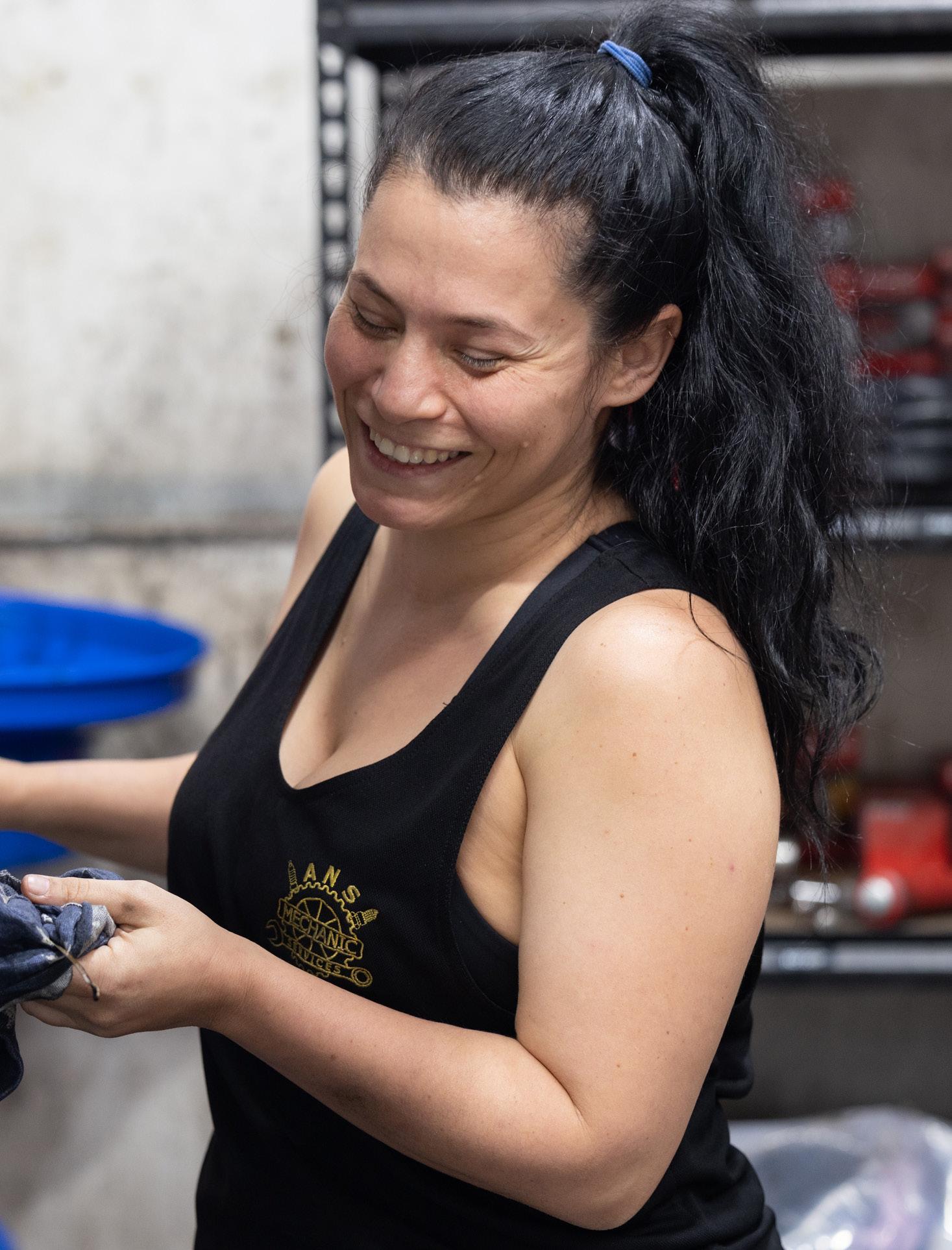
When Dale passed away three years ago, the workshop went quiet in a way Cindy hadn’t experienced before. She stepped away briefly, left with a question she hadn’t expected to face.
“What am I going to do?” she remembers thinking.
The answer wasn’t immediate. But the workshop remained. So did the tools, the customers, the stories held within its walls.
With encouragement from her partner and the business still operating, Cindy made the decision to keep going. For her, the story wasn’t over.
“It felt like staying here meant I was still with him,” she says. “This is what I have.”
Taking over wasn’t just a case of reopening the doors. Cindy had never run the workshop on her own before, and stepping into that responsibility revealed far more than she expected. There were systems to untangle, decisions to make, details that demanded attention.
But slowly, day-by-day, she rolled up her sleeves and got to work.
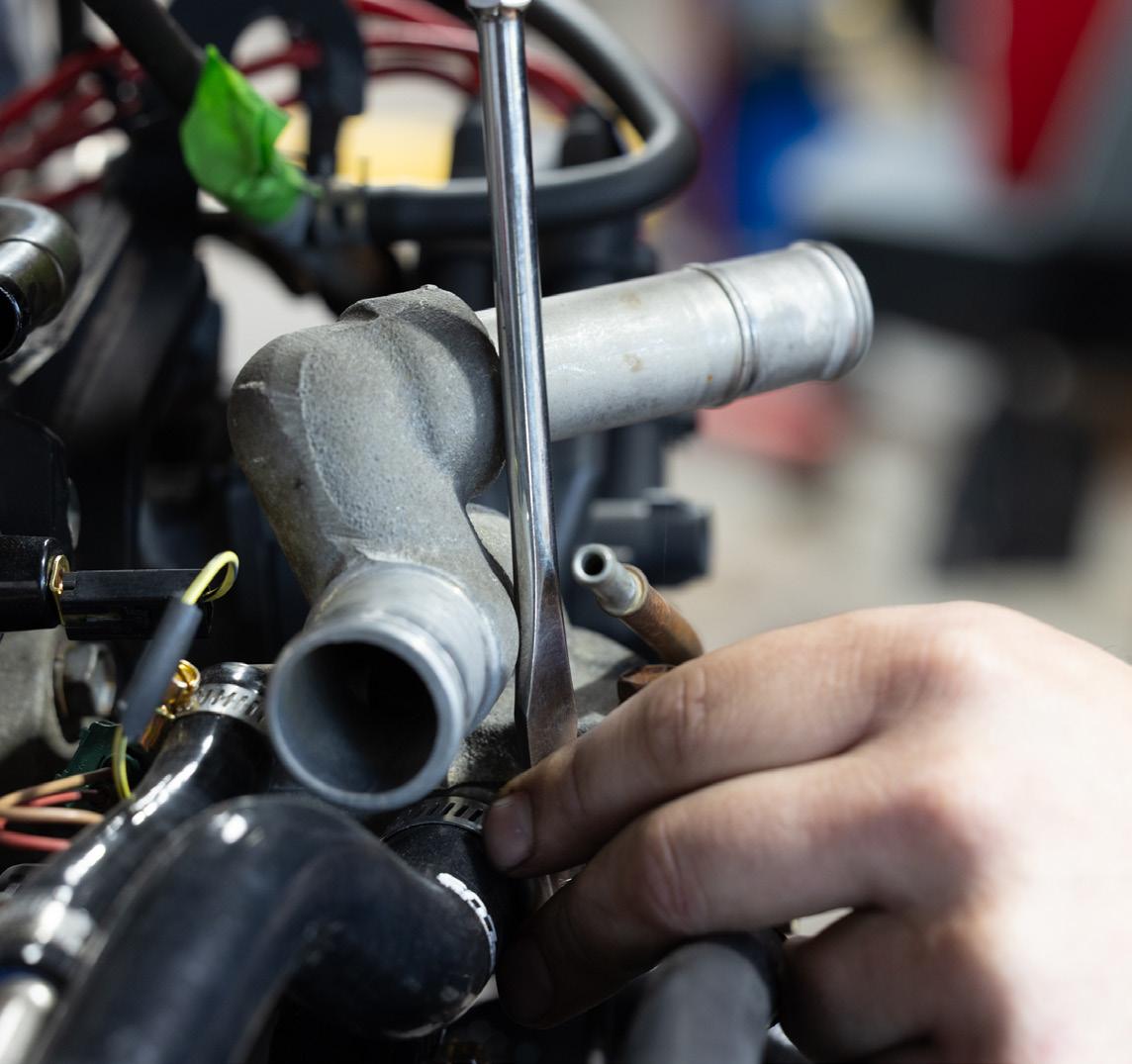

New diagnostic tools. Clearer processes. Equipment upgrades. A gradual reshaping of the business into something that reflected both what it had been and what it needed to become.
“My dad didn’t like buying new equipment,” she laughs. “He didn’t think he needed it.”
Cindy saw things through a different lens.
“We made it more professional,” she says. “Something that could last.”
Ownership came with pressures she hadn’t fully anticipated. Customers reached out after hours. Parts needed organising late into the evening. Bills waited. Staffing was difficult. Flooding in the area brought disruptions that couldn’t be planned around.
“There’s a lot people don’t realise,” Cindy says. “After work, you’re still working.”
She doesn’t dress it up. Business ownership, in her view, isn’t glamorous. It’s all-absorbing.
And yet, she stayed.
Customers still come through the doors who remember Dale. Cars he once worked on now sit under Cindy’s care.
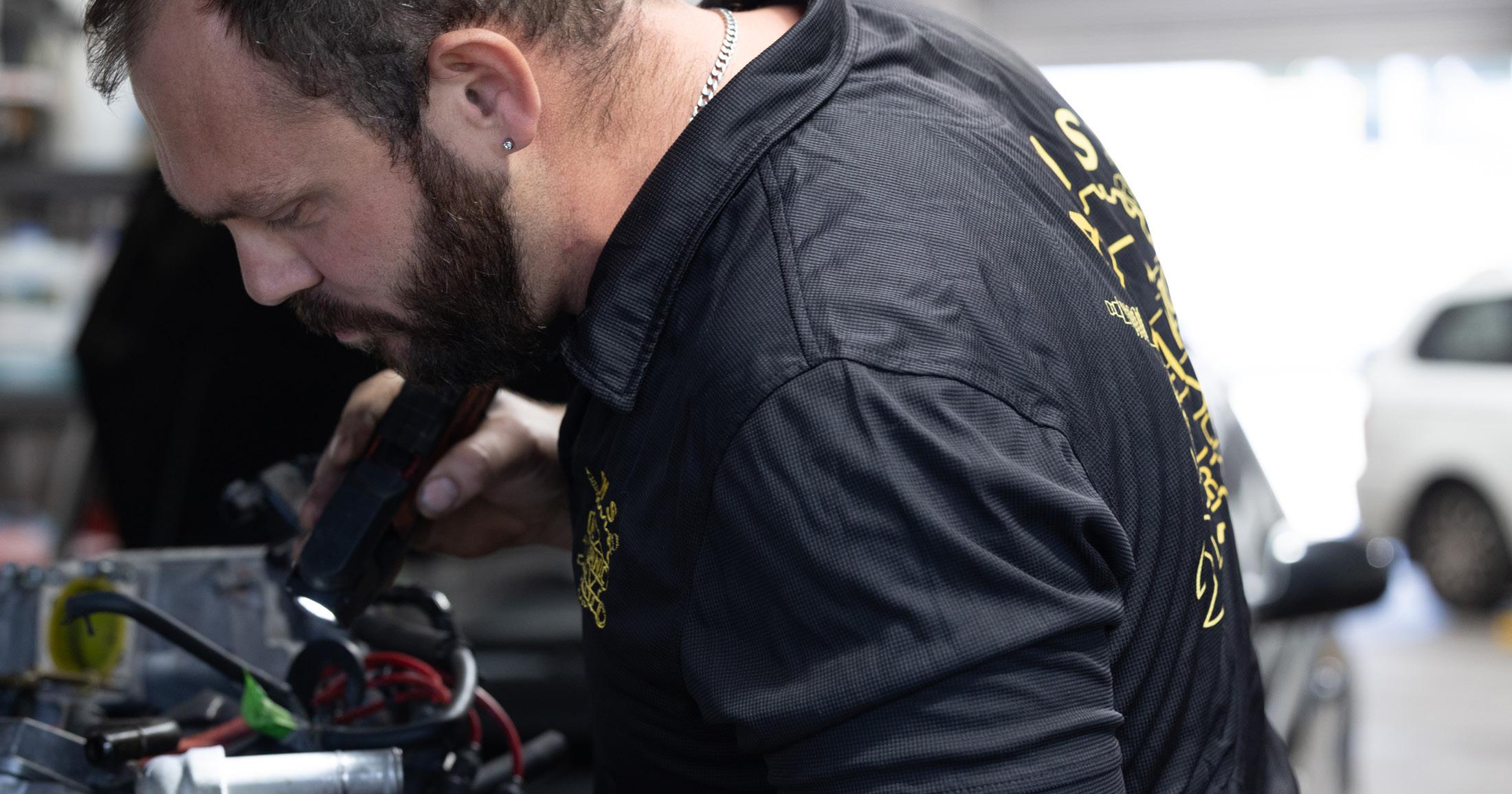
“They still ask about him,” she says. “A lot of them are the same people.”
That continuity anchors the business. It gives weight to the work.
“It feels like honouring him,” Cindy says quietly. “Keeping something he built going.”
She speaks about the larger jobs — the ones that take time and care, where everything needs to come apart before it can go back together again. There’s a moment, once the last piece is in place, when she steps back and looks at what’s been done.
It’s careful. Considered. Finished properly.
The satisfaction isn’t far removed from the creative life she once imagined for herself. There’s a shape to it. A sense of completion. Pride in seeing something whole again.
Sure, there’s a lot she can’t control — rising costs, fuel prices, uncertainty — but Cindy doesn’t linger there for long.
In her words, “All you can do is keep going”.

With many Members already operating in marine, Capricorn is strengthening support by introducing dedicated marine Preferred Suppliers.
Capricorn has always evolved alongside the way our Members do business, responding to how workshops and service businesses operate day to day. Over time, that has meant supporting Members across a range of work that often extends beyond automotive alone, both in business and outside of work.
For many Members, marine is already part of that picture. Whether it sits alongside automotive work, leisure or forms a natural extension of the services they offer.
Which is why we’re introducing dedicated marine Preferred Suppliers to support the way Members already work, providing access to the right products, services and expertise for marine through the same trusted Capricorn network Members rely on every day.

Australia’s boating industry plays an important role in communities across the country. With nearly one in ten Australians holding a boat licence, the industry relies on a broad mix of workshops, technicians, suppliers and service businesses. Much of this work closely overlaps with how Capricorn Members already operate.
With nearly two-thirds of Capricorn Members trading in the marine industry, this is about providing more of what Members already use — dedicated marine suppliers, relevant expertise and the same Capricorn benefits that support their broader business.

At the heart of Capricorn’s marine offering is a carefully selected group of marine-focused Preferred Suppliers, chosen for their reputation, expertise and alignment with Capricorn’s standards. Together, they bring specialist marine capability into the Capricorn network, supporting Members who work in and around the marine industry every day.




One of the marine service providers joining the network is JPW Marine, a wholesale distributor specialising in marine hardware.
“Joining Capricorn has been a natural fit for JPW Marine,” says Adam Hunter, Marketing and Purchasing Manager at JPW Marine.
“Our customer base closely mirrors the Capricorn membership — hands-on businesses across the marine and trade industries that rely on consistent, reliable supply. There’s a strong crossover with Members who service both automotive and marine, which makes the alignment a strong one.”
“Since coming on board, we’ve seen encouraging uptake from Members. Having Capricorn behind us also supports our plans to grow, particularly as we expand our presence on the east coast.”
This specialist group is supported by a broader network of Preferred Suppliers already well known to Members. Brands across automotive, electrical, consumables and general trade continue to play an important role in marine operations, creating a supplier offering that feels familiar, credible and practical for both specialist marine and everyday trade needs.
Importantly, Capricorn’s marine offering builds on what Members already value most.
Marine suppliers are accessed through the same Capricorn Trade Account, with consolidated invoicing, monthly statements and the ability to earn Capricorn Rewards Points. There’s no change to the way Members trade — just more ways to use Capricorn to support your business.
For Members already active in marine, this support is being welcomed.

“Coming from an automotive background, I already understood what Capricorn offers and how that model works,” says Corey Baker, Sales, Marine Energy Systems.
“Marine and automotive are different industries, but there’s a lot of crossover in the parts and products we use. Seeing Capricorn bring that same approach into marine just made sense to us.”
When asked about the introduction of new marine Preferred Suppliers, Corey says speed and service are critical.
“If we don’t have something in stock, being able to say we can have it here this afternoon instead of in a week is huge,” he says. “That only works when suppliers understand how the industry operates and are set up to support that level of service.”
Supporting marine businesses goes beyond purchasing alone. Alongside trade suppliers, Capricorn also helps Members manage risk through Capricorn Insurance Services (CIS).
Marine operations can involve unique exposures, from specialised equipment to on-water activity and complex operating environments. Through CIS, Members can access insurance options suited to marine businesses, supported by a panel of experienced insurers and dedicated brokerage support.
CIS works with a range of well-known marine insurers, including Club Marine, Nautilus Marine, Marinex and Coast Insurance, to name a few.
It’s another way Capricorn supports Members across the broader needs of their business, providing confidence not just in how they buy, but in how they operate and grow.
Strengthening support for Members in marine reflects Capricorn’s commitment to listening to Members and responding to how they operate.
For Members already trading in marine, this provides greater choice, specialist support and confidence that Capricorn is there to help keep their business on course.

Do you know someone who works in the marine industry?
Capricorn Members are invited to Spread the Word by referring marine businesses to join the Capricorn community. Members who successfully refer a marine business may be eligible to receive 20,000 Capricorn Bonus Rewards Points, subject to the referred business becoming a Capricorn Member. Speak to your Area Manager for more information. Terms & Conditions apply, which can be found at cap.coop/tc.
By Geoff Mutton
For many workshop owners, financials get looked at once a year, handed to the accountant and then largely forgotten about until the next tax return is due.
If this sounds familiar, you need to be aware of the problem that this creates for your business. It's simple – by the time you review your numbers, the opportunity to improve them has already passed.
Whether it's the end of your financial year or a few months into a new one, now is the ideal time to sit down and review your results. A mid-year financial review helps to identify pressure points in the business and should result in more profitable decisions for the remainder of the year.
Here are the steps you need to follow.
Start with the overall result
The profit and loss statement tells the story of your business. Before diving into the detail, take a few minutes to look at the overall result.
• Are you ahead or behind last year?
• Are you making the profit you expected?
• Has your sales revenue increased, stayed the same, or declined?
Total sales is an important number, but on its own doesn't tell you much. Sales are driven by two key numbers, car counts and average dollar sale. Car count is how many vehicles you work on, and average dollar sale is worked out by dividing your total sales by the number of jobs completed. If your sales are not where you want them to be, check these issues.
• Is the business attracting fewer vehicles?
• Is the average invoice value lower than it should be?
• Is the business missing opportunities to recommend additional work?
If your car count is steady but sales are down, maybe your sales process needs some attention. If your average dollar sale is strong but car count has dropped, then perhaps the focus should be on your bookings or marketing.
Breaking sales into these numbers makes it much easier to identify what needs attention.
Margin is simply the difference between what you charge the customer and what the job actually costs you. The bigger that gap, the more profit you make. The smaller the gap, the harder you have to work just to break even.

There are two main areas to review –labour and parts.
Start with labour:
• Has your labour rate increased in line with costs such as wages, rent and overheads?
• Are you charging out all the time your technicians are working?
Then look at parts:
• Are you achieving the parts markup you expect?
• Have supplier costs increased without any adjustment to your sell price?
Parts mark-up in particular can drift over time. Price increases from suppliers often get absorbed without being passed on, and small pricing inconsistencies can creep in across different jobs.
Even small changes in margin can have a significant impact on your bottom line. A slight drop in parts mark-up or labour recovery might not be noticeable day to day, but over six months it can mean thousands of dollars in lost profit.
This is one of the most common pressure points in workshops and, once identified, one of the easiest to fix.
If your workshop is busy but labour sales are not where they should be, you need to look at how effectively your team is performing. There are many ways to measure productivity and efficiency.
• Are all available hours being charged out?
• Are jobs taking longer than expected?
• Is there a gap between time worked on jobs and time billed?
If your workshop is busy but labour sales are not where they should be, you need to look at how effectively your team is performing. There are many ways to measure productivity and efficiency.
Expenses have a habit of creeping up over time. A mid-year review is a good opportunity to go through your major costs:
• wages
• rent
• equipment and tooling
• marketing
• utilities
• software and subscriptions
• vehicle expenses
• insurance
• consumables
Is each cost justified and contributing to the business? This is not about cutting costs for the sake of it, but about making sure you are getting value.
Financial results are everyone's responsibility. Share key numbers with your team and ask for their input. Practical ideas will often come from the people doing the work every day. Discuss with them if they feel the business is doing well, what could the team do better and how can the numbers be improved.
Reviewing the numbers is useful, but only if you act on what you find. Once you have identified the pressure points, focus on these key areas:
• If car count is low, focus on the booking process and marketing to new and existing customers.
• If the average dollar sale is down, focus on inspections and selling recommendations.
• If margins are under pressure, review pricing and mark-ups.
• If productivity is low, improve workflow and accountability.
Keep it simple. You do not need to fix everything at once.
Make it part of a routine
As important as a mid-year review might be, it should not be a one-off exercise. Set aside time each month to review the numbers, compare them to your targets and make small adjustments.
This will keep you in control of your business and allow issues to be addressed early.
Spending an hour reviewing results each month will have a bigger impact on your profitability than spending that hour on the tools.
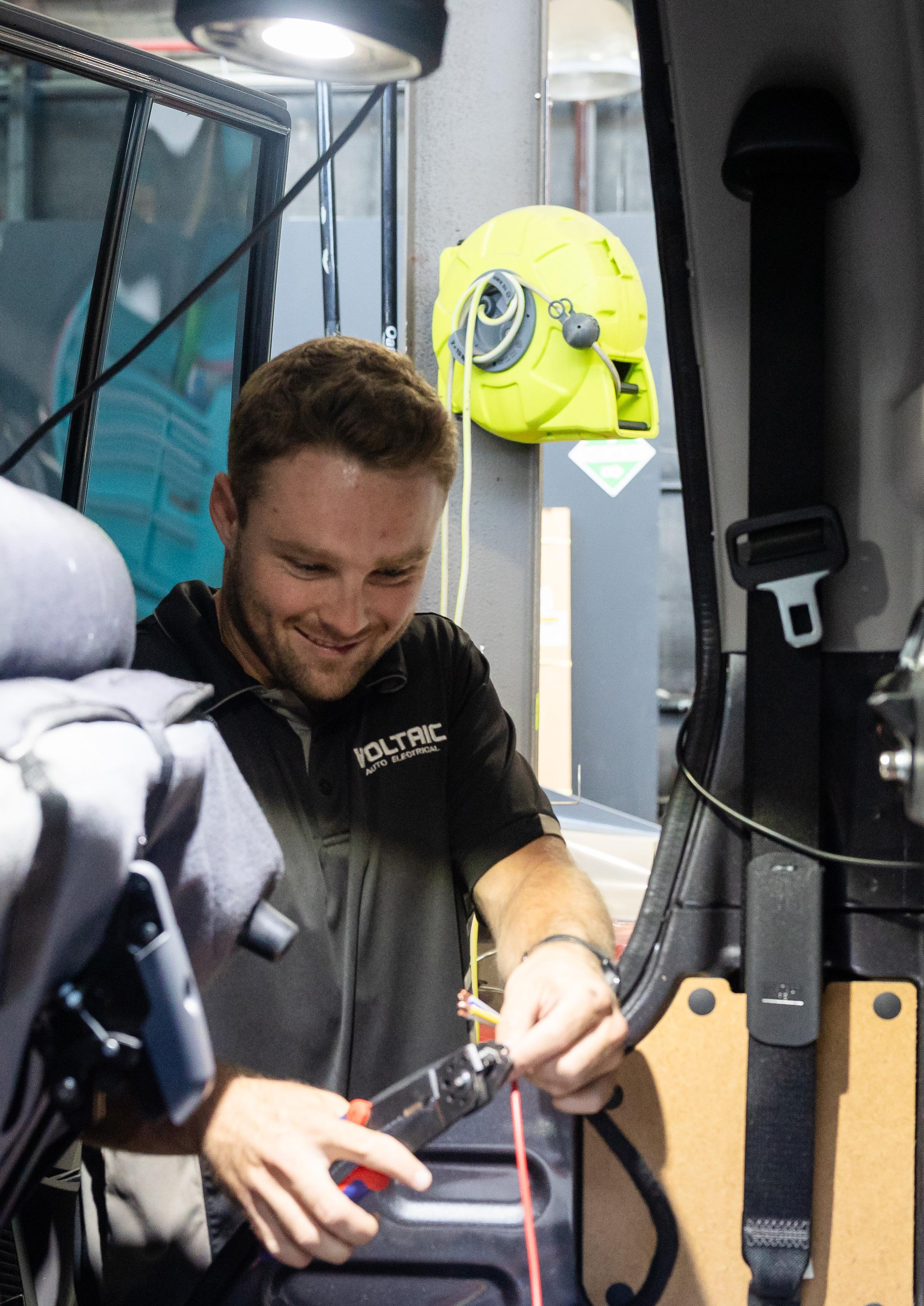

As the end of the financial year approaches, many workshop owners start thinking about
Many Members find that Capricorn Finance becomes part of the conversation once their plans start to come together.
At that stage, it’s less about crunching numbers and more about talking through what the next step could look like, and whether now feels like the right time to take it.
Because Capricorn works so closely with the automotive industry, conversations about finance tend to start from a place of understanding. We know the day-to-day realities of running a workshop, which helps keep discussions grounded in what actually happens on the floor. For eligible Members, pre-approval can also provide a bit more clarity early on, making it easier to explore options without feeling unsure or rushed.
These conversations also sit comfortably within existing Capricorn relationships. With support from a dedicated lending team and the wider Capricorn network, Members can talk things through in a way that feels practical, familiar and focused on what will help the business move forward.
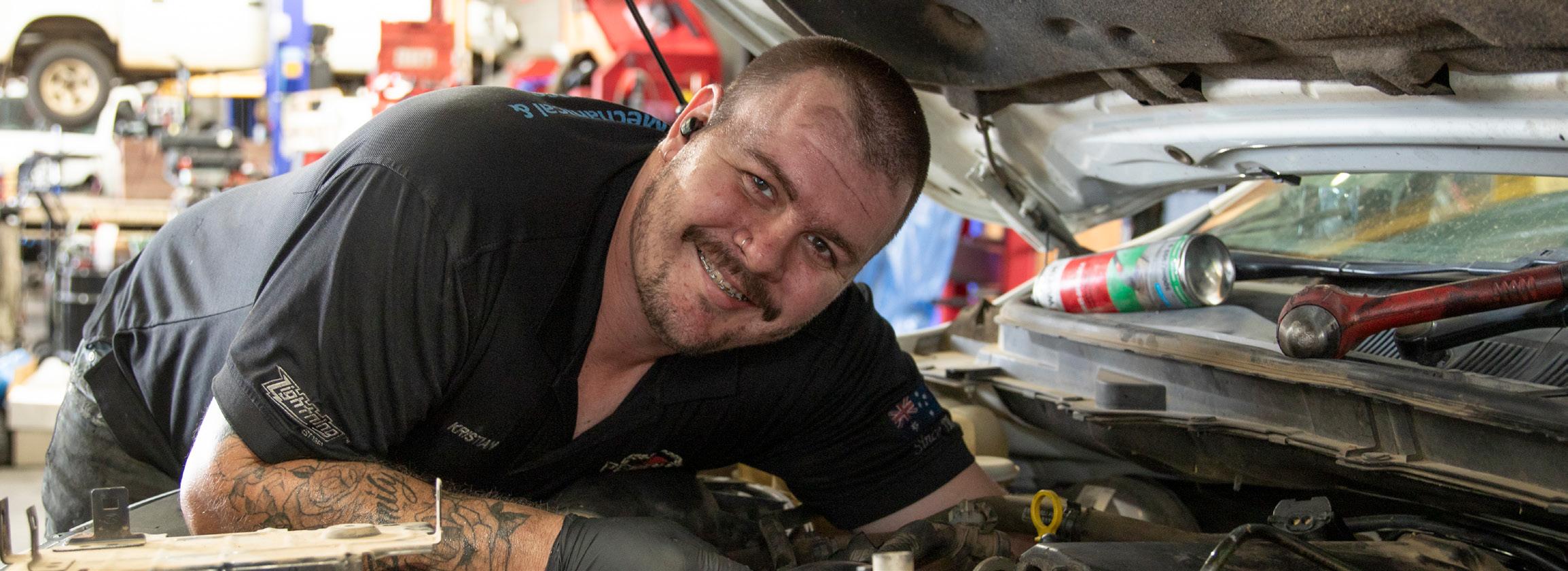
EOFY does not mean finance is the right option for everyone, and it should never feel like an obligation. In many cases, the value comes simply from having the conversation. For some Members, it confirms that waiting is the best choice. For others, it provides confidence that acting sooner aligns with their plans and can be done responsibly.
What matters most is that finance supports the business rather than adding stress. Used well, it can help workshops invest in improvements that pay dividends over time, whether that is better efficiency, smoother workflows, or equipment that helps the team do their job more effectively.
At its best, EOFY is an opportunity to look forward, not just back. It’s a chance to connect reflection with action and to make decisions that serve the business beyond June 30. For Capricorn Members, having a finance option that is built around their industry and supported by people who understand it can make that process feel clearer and more considered.
Not many small business owners enjoy poring over the numbers, and that’s okay. EOFY planning doesn’t need to be complicated or overwhelming. Sometimes it starts with a simple conversation. If you’d like to talk things through, you can get in touch with our finance team online or give us a call. We’re always happy to help.
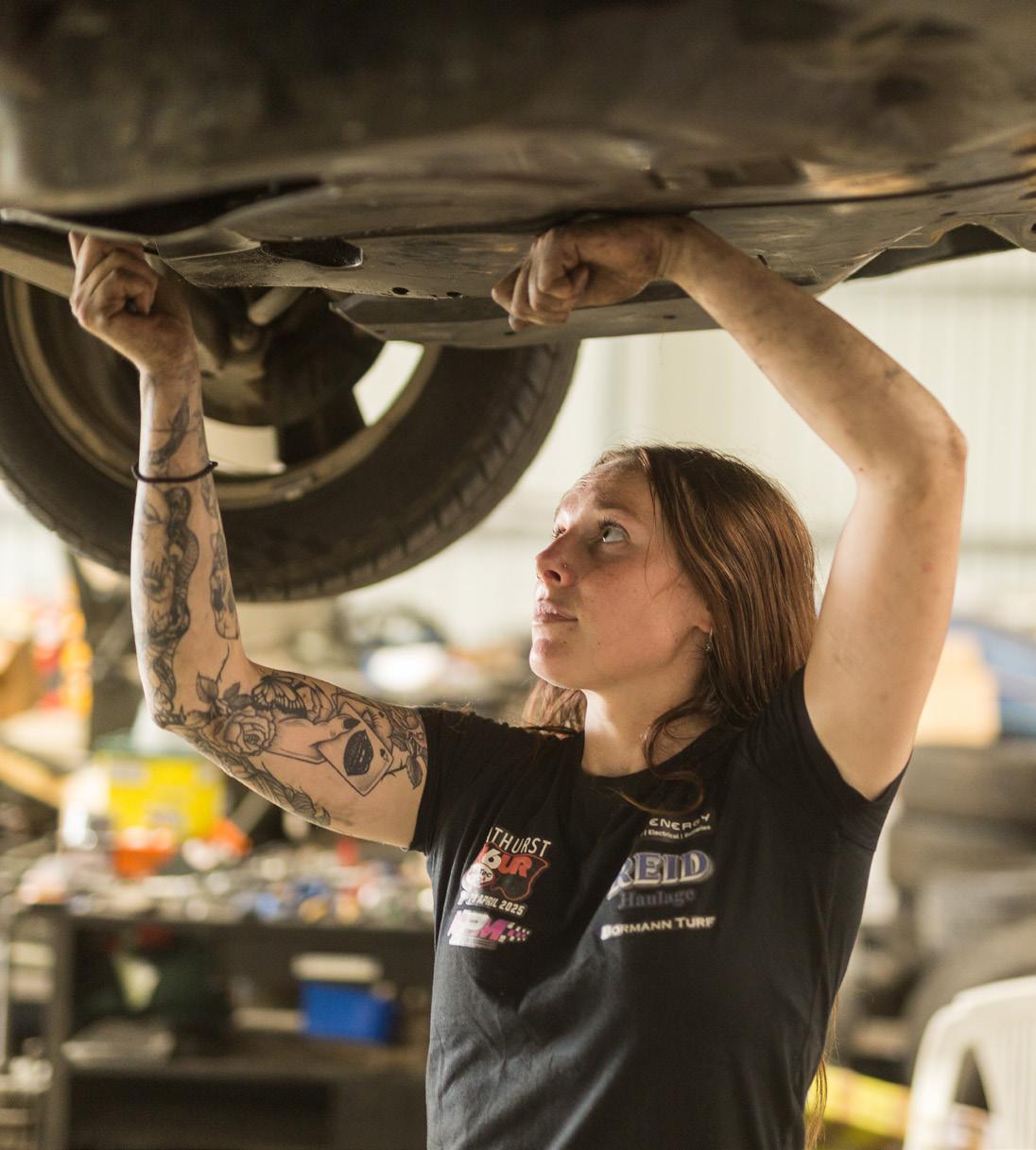
Final opportunity to nominate in 2026, and help shape Capricorn's future. Nominations close 9 June 2026.
Capricorn’s strength has always come from its Members — business owners who understand the industry because they live and breathe it every day.
Director Elections are one of the most important ways Members can influence the direction of the cooperative. By nominating to be a Member Director, you can help ensure Capricorn continues to be guided by people with real industry experience and a deep understanding of Member needs.
This year, Members from the Queensland and Western Australia zones have the opportunity to stand for election to the Capricorn Board. With nominations closing soon, time is running out to have your say.
As a Member-owned cooperative, a majority of Capricorn’s Board is made up of Member Directors — practicing business owners who bring firsthand insight into the challenges, opportunities and pressures facing Members every day.
Member Directors work alongside Independent Directors and Capricorn’s executive team to set strategic direction, uphold cooperative values and represent Members across Australia and New Zealand. Their perspective and contribution help ensure Capricorn remains relevant, resilient and focused on what matters most to Members, now and into the future.
Putting your hand up as a Member Director is a meaningful opportunity to:
• Help influence the long-term direction of your cooperative
• Represent your zone and the wider Member base
• Contribute to strong governance and strategic oversight
• Help ensure Capricorn remains Member-focused and future-ready

If you are eligible and have been considering nominating, now is the time to act. Nominations close 9 June 2026, marking the final step before the 2026 Director Elections move to the assessment and interview stage. View the eligibility details, important dates and nomination information at: cap.coop/elections


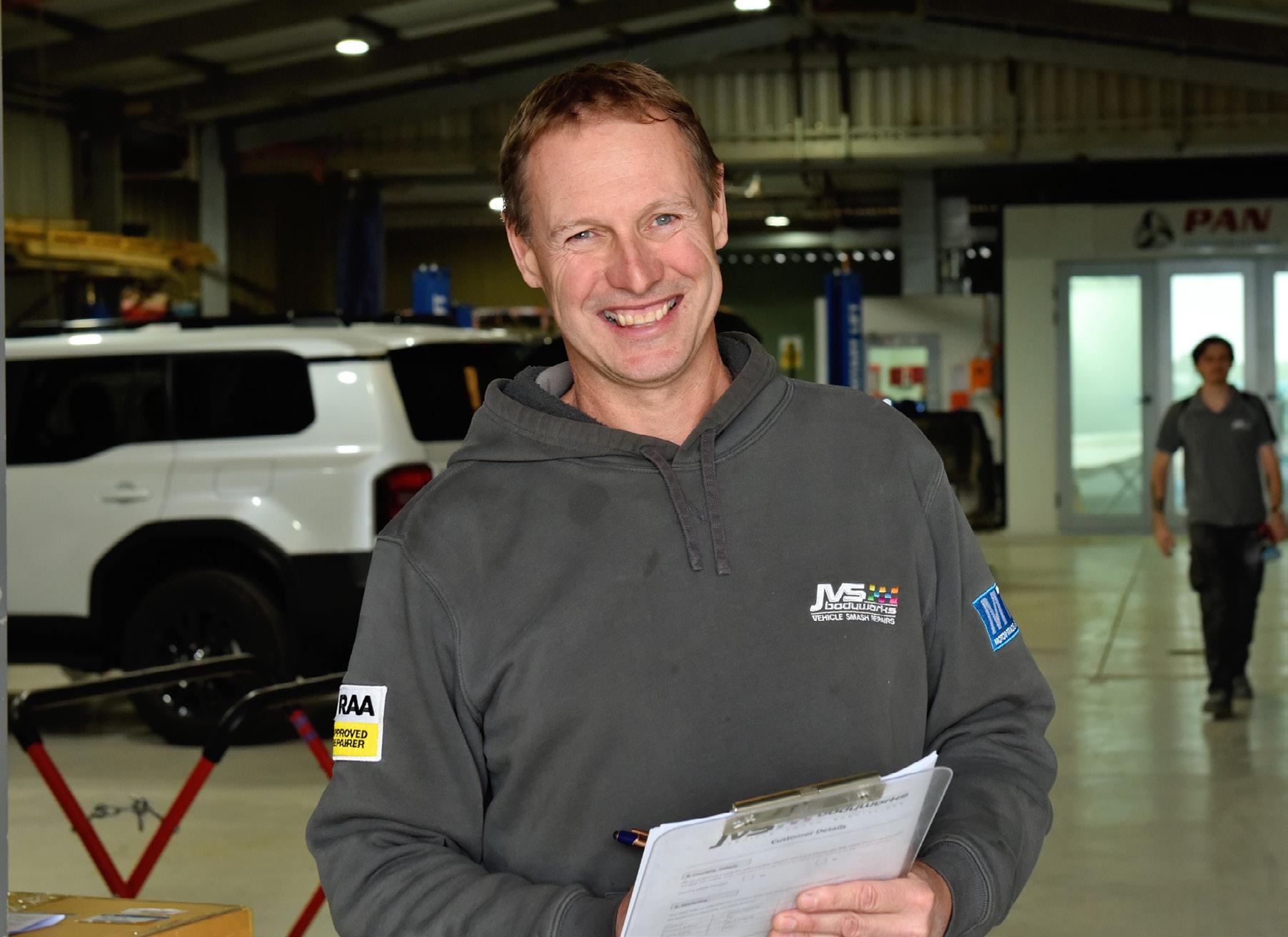
Across the industry, workshops continue to grapple with finding and retaining apprentices. At JVS Bodyworks in Renmark, managing directors Tracey and Jason Gordon believe the solution lies less in incentives and more in mindset.
Their collision repair workshop employs around ten people, including apprentices who have earned SA Motor Trades Association Apprentice of the Year honours, multiple car craft awards and finalist recognition.
JVS Bodyworks has also been recognised at a business level, winning several National Bodyshop Awards and being named 2024 and 2026 MTA Industry Employer of the Year. Most recently, apprentice Taran received the Bob Goldsworthy Award, marking the third time a JVS apprentice has achieved the accolade.
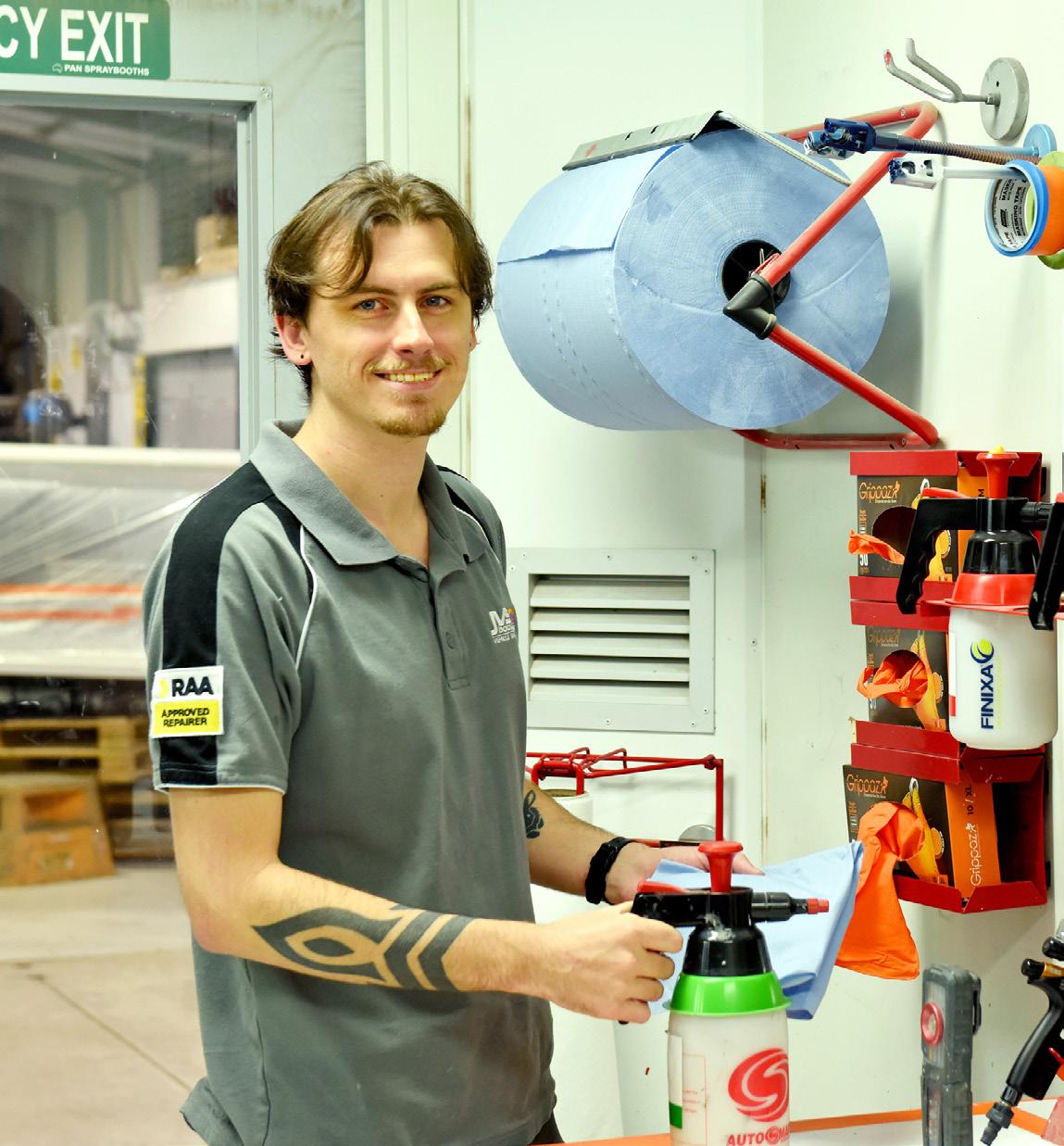
It might look like an extraordinary run of success, but for Tracey, those outcomes have nothing to do with chance. They reflect a deliberate philosophy that treats apprentices not as short-term labour, but as the future leaders of the business.
Recruit as if you are hiring the next leader
“From the very first interview, I am asking whether this person could be a future leader of my business,”
Tracey said. “If you start with that mindset, you train them differently. Everything changes.”
That outlook has led Tracey to move away from traditional interview questions altogether. Rather than asking candidates to recite strengths and weaknesses, she focuses on how they learn, how they respond to guidance and what kind of support they need to succeed.
“When you ask generic questions, you get generic answers,” she said. “I want to know how someone actually operates.”
Above all, Tracey looks for genuine engagement with the trade.
“I am not looking for someone whose parents have told them to go and get an apprenticeship,” she said. “First and foremost, I want someone who has a real interest in the automotive world.”
That clarity at the recruitment stage helps ensure that those who do start at JVS have the right motivation to see an apprenticeship through.
Use work experience to build clarity early
Work experience plays a critical role in that process. At JVS Bodyworks, prospective apprentices are given a clear and honest picture of what working in a collision repair workshop involves.
“I want to give them the best possible insight into what a week actually looks like,” Tracey said. “That way they can decide early if this is really what they want.”
In Tracey’s experience, that upfront transparency prevents bigger issues later on.
“It is better to know early rather than eight months down the track,” she said.
By treating work experience as a meaningful filter, JVS reduces the risk of mismatched expectations and increases the likelihood that apprentices who start are willing to commit.
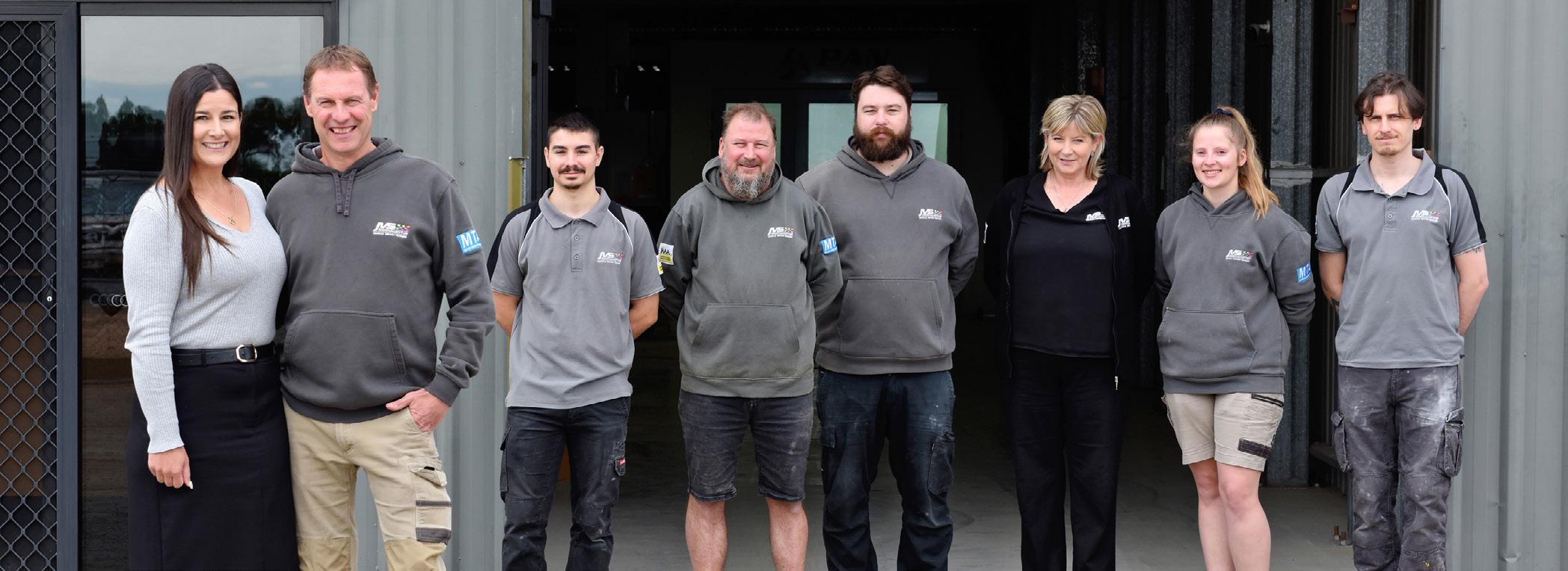
Once an apprentice joins the team, JVS moves quickly to build ownership and confidence. Rather than limiting apprentices to basic tasks, the workshop gives them real responsibility early, supported by close mentoring.
“I am looking for the next supervisors and coaches of my business,” Tracey said. “Once people have ownership over their work and get that confidence, they take off.”
Not only that, but training is a visible and ongoing investment. JVS apprentices are ADAS-trained and regularly carry out calibrations, often ahead of technicians with decades more experience. They also take part in training nights and team activities that reinforce skills development and a strong workplace culture.
One apprentice captured the impact of that investment while at trade school.
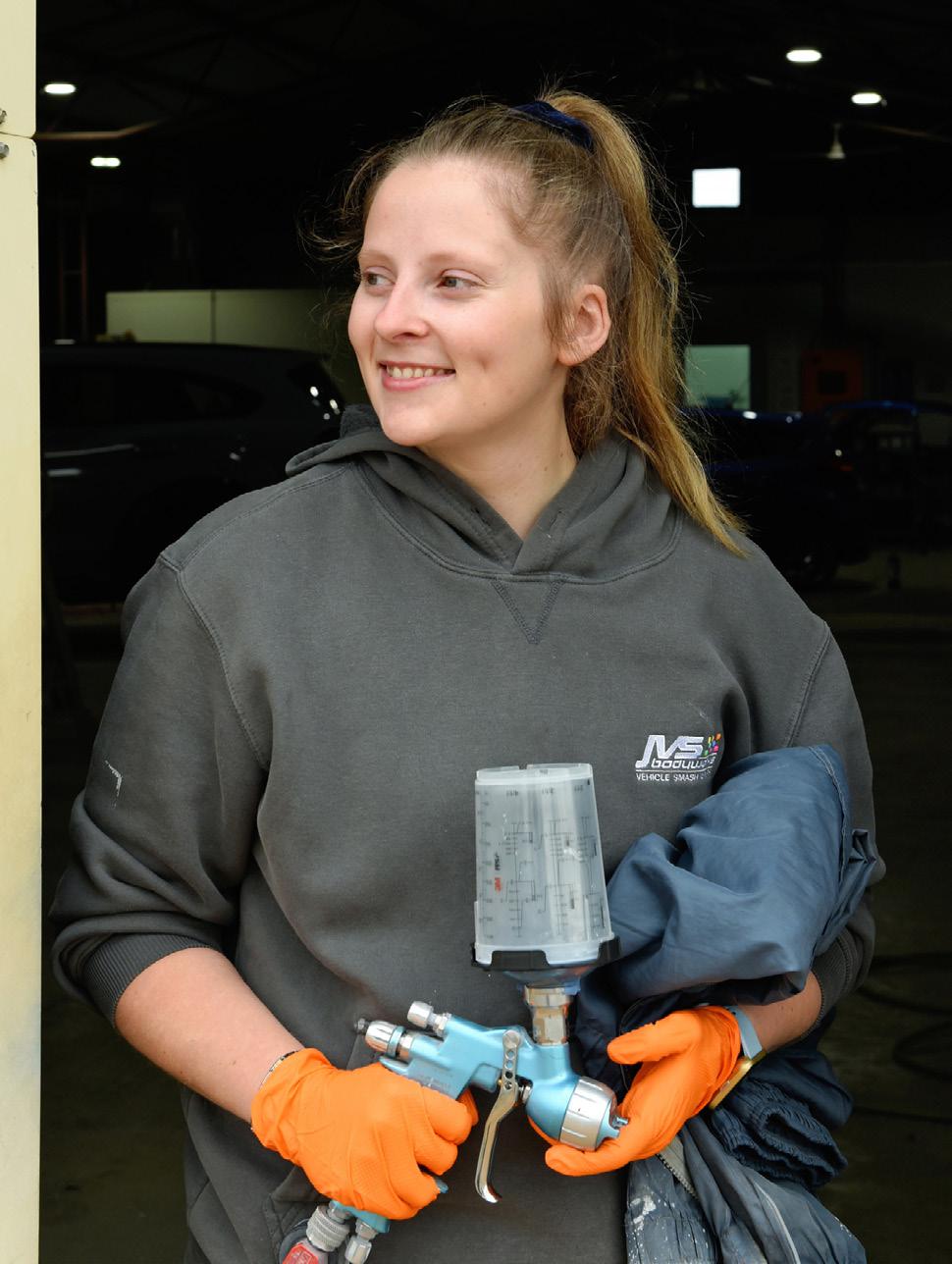
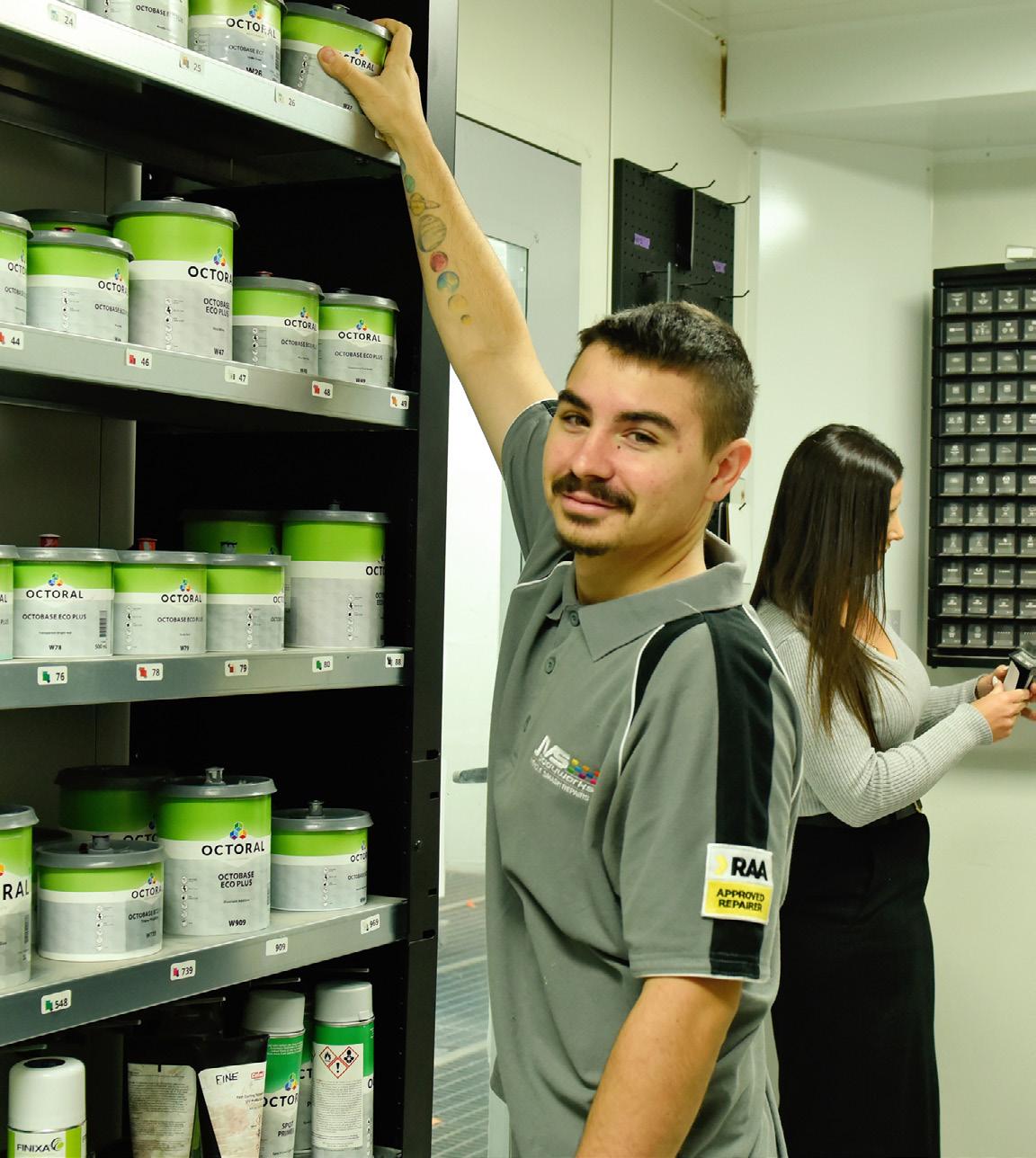
“She said, ‘I really feel like you trust me to do my job,’” Tracey recalled. “She realised other apprentices were not able to do what she was doing because they were not being given the same opportunities.”
For Tracey, that trust is central to retention.
“If you invest in people and show them you believe in them, they give that commitment back,” she said.
Her advice to other workshop owners is simple but significant.
“Stop seeing apprentices as labour and start seeing them as leaders in training,” she said. “If you make that shift, everything else follows.”
One



SPOT THE DIFFERENCE (5 differences to find!)
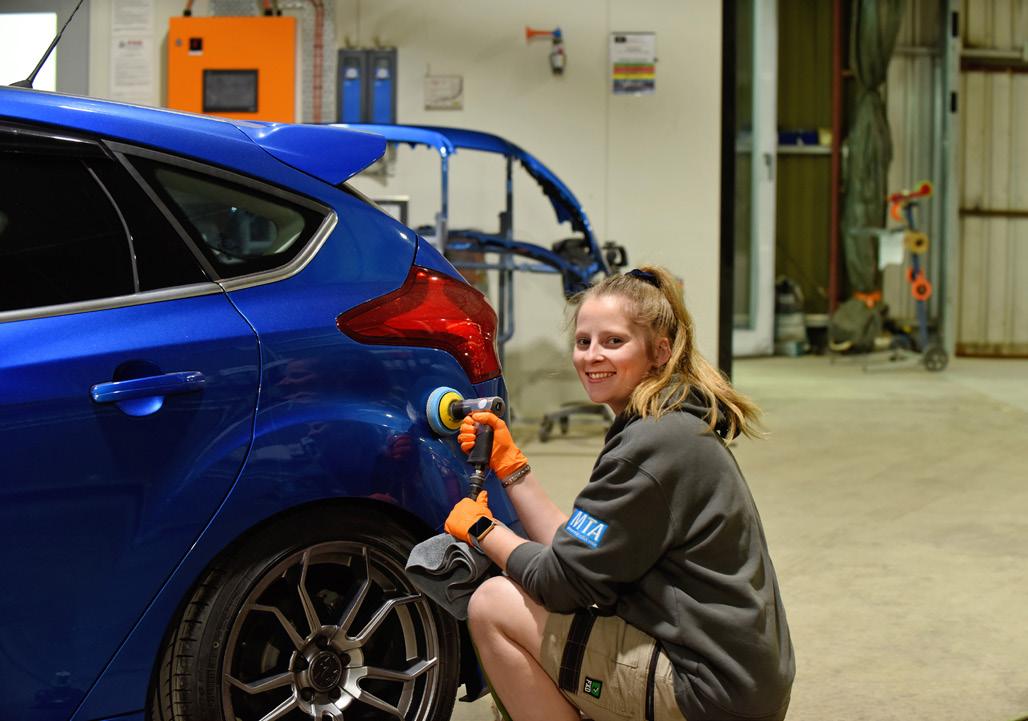
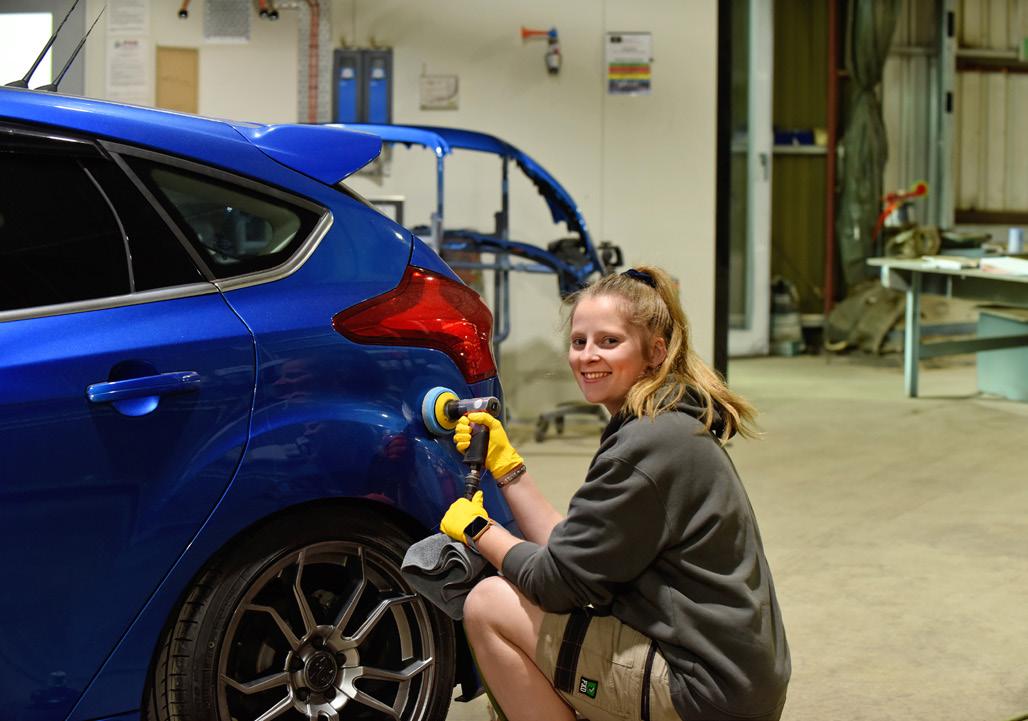
WORD HUNTER (15 words to find!)
Bring your workshop plans to life before EOFY
Whether you’re upgrading equipment, expanding your fleet or investing in your workshop, we provide flexible options to help Members access the funds they need to bring their business plans to life.
Zero setup fees and industry competitive rates
Quick, hassle-free application
Dedicated team to support you throughout the process
Opportunity to
Finance from a