The Big Legacy Behind Little Sam’s
A family workshop built on honesty, skill and word of mouth, still drawing customers from across Australia.

A family workshop built on honesty, skill and word of mouth, still drawing customers from across Australia.
How On the Road Again Tours brings people together, connects regional communities and delivers impact where it’s needed most.
JPW Marine Joins the Fleet
As Capricorn expands its marine supplier network, JPW Marine brings wholesale experience and national reach.
Western Australia
Busselton Trade Show
2 September 2026
Bunbury Trade Show
23 September 2026
Gala Dinner & Trade Show
24 October 2026

New South Wales
Gala Dinner & Trade Show
31 October 2026
Queensland
Gala Dinner & Trade Show 21 November 2026
South Australia
Gala Dinner & Trade Show 7 November 2026
Victoria Pakenham Trade Show 7 October 2026
Capricorn Golf Classic 21 October 2026
Gala Dinner & Trade Show 14 November 2026
The events advertised include current and planned events (which are subject to change). To get tickets or view a planned event’s status, log in to myCAP and click on events. For further information please contact our Events team.

One of the most rewarding parts of what we do at Capricorn is the strength of our Community, and our recent Convention was a powerful reminder of just how important that connection is.
Spending time together, sharing ideas and learning from one another created a real sense of energy and momentum. The conversations, insights and relationships on display at Convention reinforced the value of coming together in person and the role Capricorn plays in bringing our Community closer.
That same spirit continues through our Gala Dinners and Trade Shows, with tickets now on sale across all six zones.
Each year, these events represent an annual celebration of our Community. We know our Members and Preferred Suppliers work incredibly hard in their businesses and for their customers, and we believe it’s important to create opportunities to step away from the day-to-day and spend time together. These events are about learning, networking, forging deeper connections, sharing a laugh and enjoying the chance to come together as one Community.
Trade Shows offer a relaxed and engaging environment where Members, Preferred Suppliers and Capricorn team members can connect and share ideas. It’s an opportunity to learn about the latest offers, products and services from our Preferred Supplier network, while catching up with industry contacts and making the most of the giveaways and prizes on offer. It’s an environment designed to encourage conversation, curiosity and learning.
Following the Trade Show, the Gala Dinner brings the Community together for an evening of celebration. It’s an opportunity to mark the year, recognise the relationships that underpin our success and enjoy a memorable night in a welcoming and inclusive atmosphere. A great meal, entertainment and music combine to make this one of the standout moments on the Capricorn calendar.
In an industry that continues to change and evolve, the value of connection, shared learning and strong relationships cannot be underestimated. Our Gala Dinners and Trade Shows create space for all of this and more.
If you haven’t yet secured your tickets to the Gala Dinner and Trade Show in your zone, I encourage you to do so soon, so you don’t miss out on being part of this important celebration of our Community. I will see you there.

Brad Gannon Group CEO
4 The Big Legacy Behind Little Sam’s
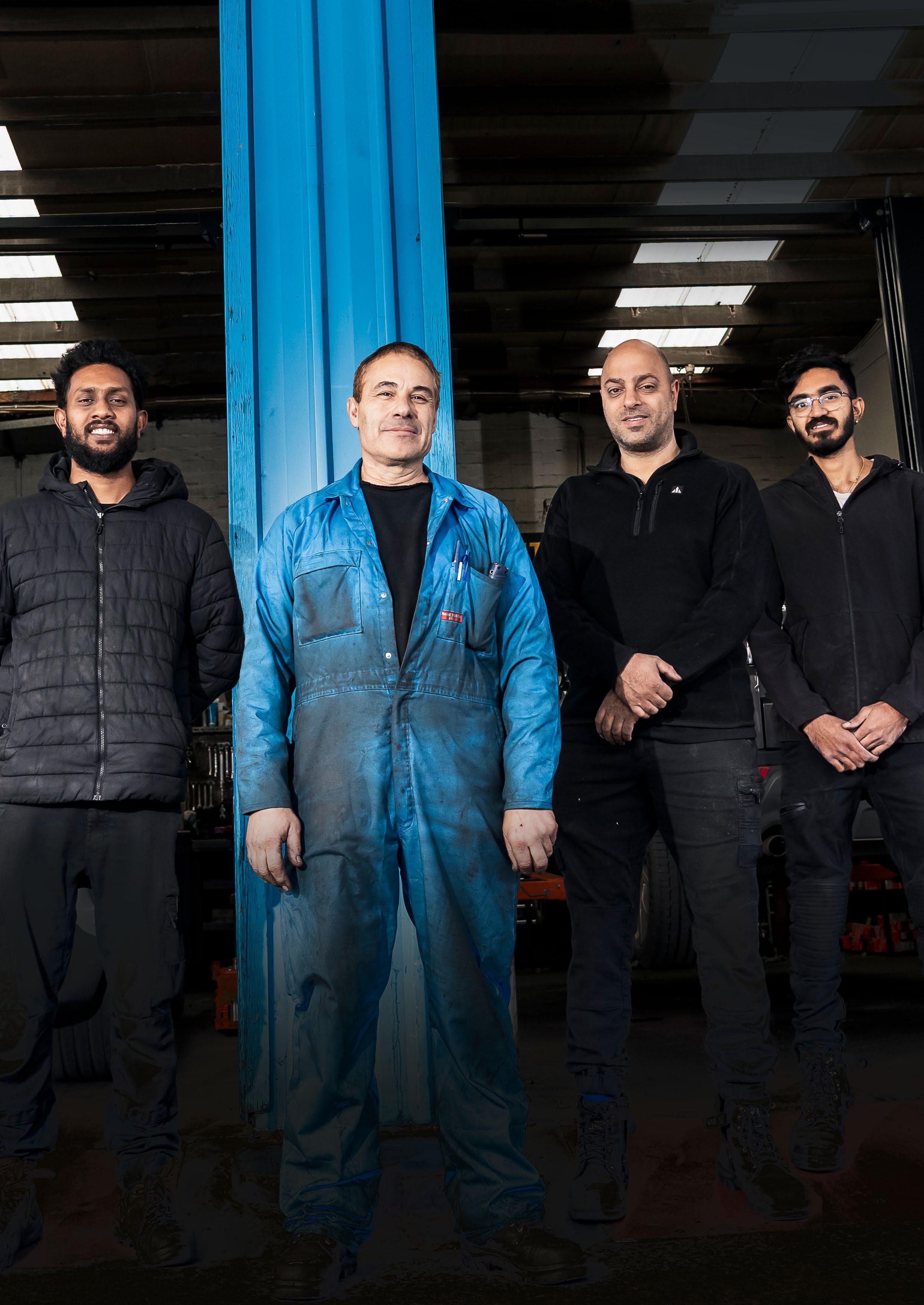
A family workshop built on honesty, skill and word of mouth, still drawing customers from across Australia.
How On the Road Again Tours brings people together, connects regional communities and delivers impact where it’s needed most.
12 EV or Not EV? That is the Question.
14 JPW Marine Joins the Fleet
As Capricorn expands its marine supplier network, JPW Marine brings wholesale experience and national reach.
A family workshop built on honesty, skill and word of mouth, still drawing customers from across Australia.
The carburettor is a complex piece of automotive machinery; but by today’s standards, it reflects a much simpler time in vehicle maintenance and repair. A time before OBD scanners, before manufacturer locked engine codes; when fuel cost just eight cents a litre, and when, in 1968, Little Sam’s Service Station first rolled up its doors.
John Quadara remembers watching, listening and learning from his father as he steadily began growing the business. What started as a childhood presence slowly became a lifelong trade, shaped by a simple idea passed down from father to son: look after people, and they’ll come back.
“I left school at 16 in 1984, left school on a Friday, started here on a Monday and been here ever since,” John says.
“It’s my father’s business. I’ve worked with my father all my life.”
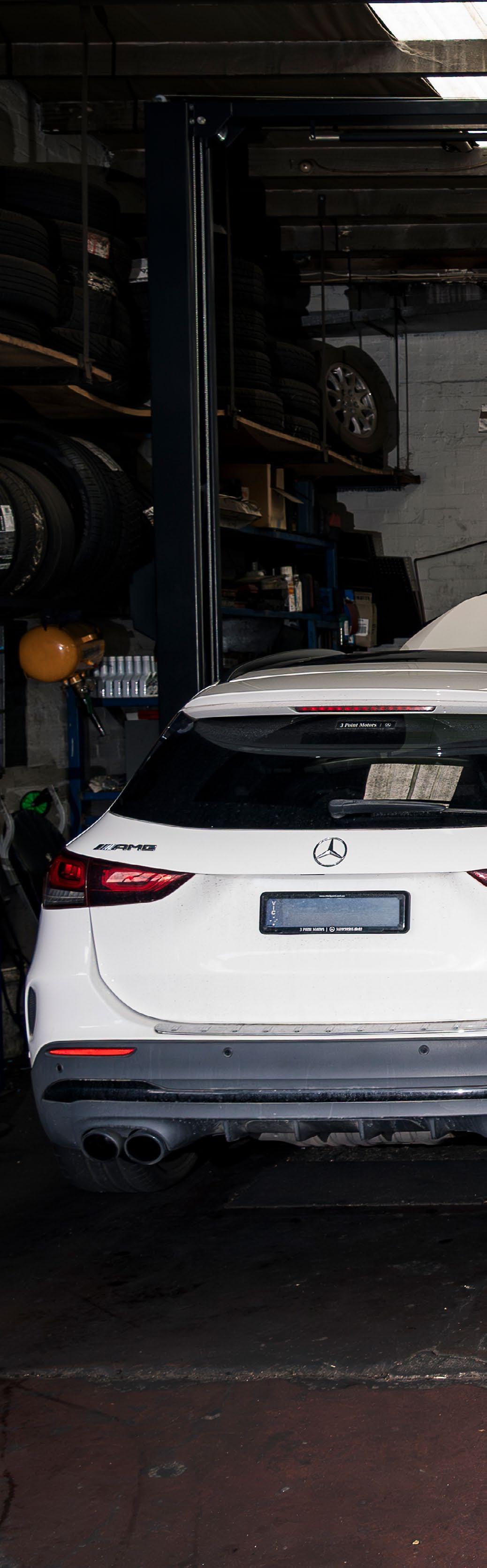
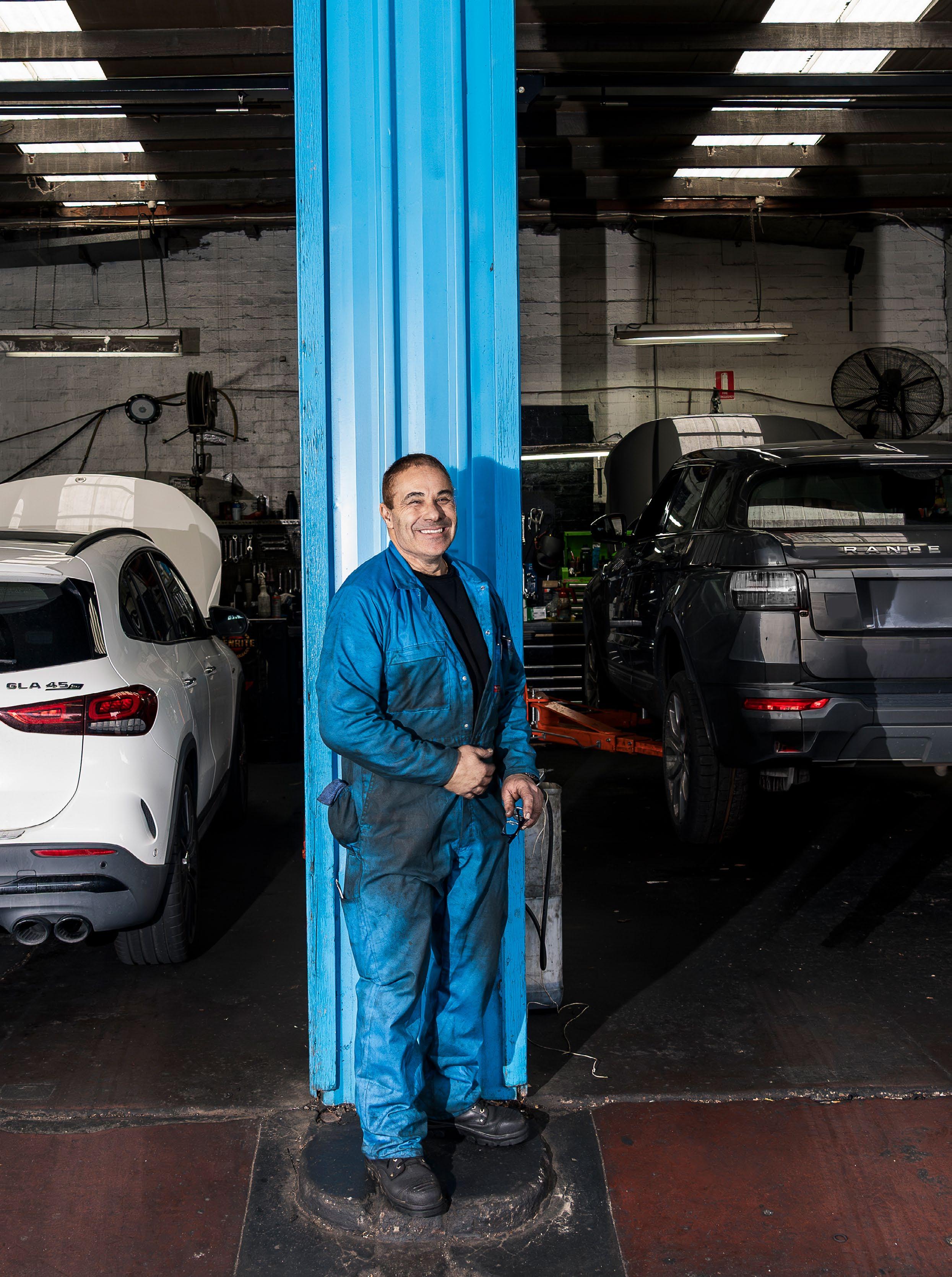
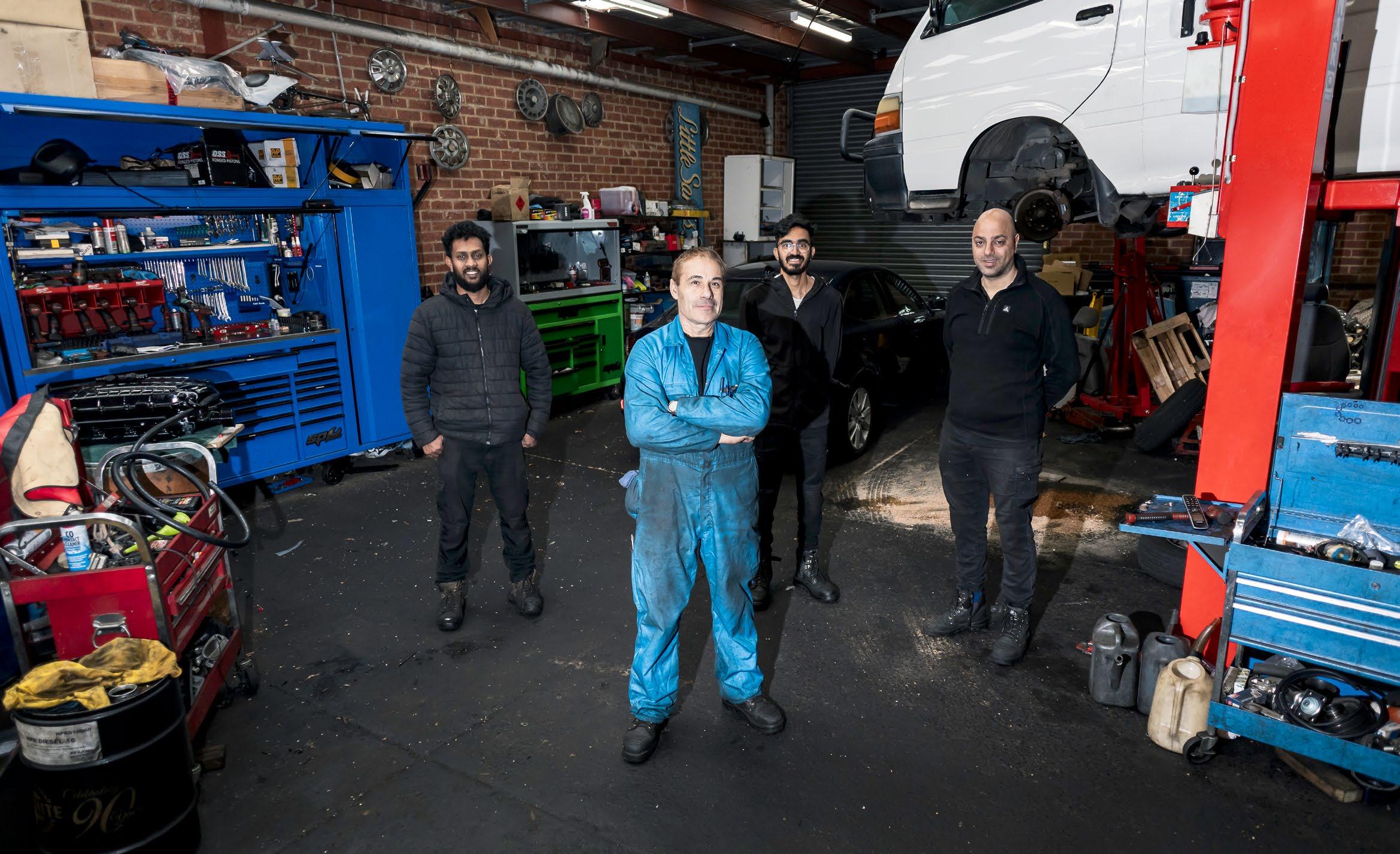
But Little Sam’s isn’t just where John works; it’s where he grew up, where he learned how engines function and how relationships last. Even at a very young age, the workshop floor already felt familiar. “I’ve been coming here since I was probably five, six years old down to the workshop,” he says. “I’m very technical. I love pulling apart things and trying to repair them.”
Although John was inspired by his father, the drive to understand how things worked was always his own.
“I just love the challenge,” he says. “Pulling things apart, trying to repair them.”
That instinct carried him into adulthood, and by the mid 2000s he was effectively running the workshop. “I’ve basically been running the business since probably about 2005,” he says.
When his father passed away two and a half years ago, the responsibility became fully his. The way of working didn’t change.
“I just love the trade, love looking after people, love looking after cars, love the whole aspect.”
That quiet commitment has shaped how the business operates. Little Sam’s has never promoted themselves.
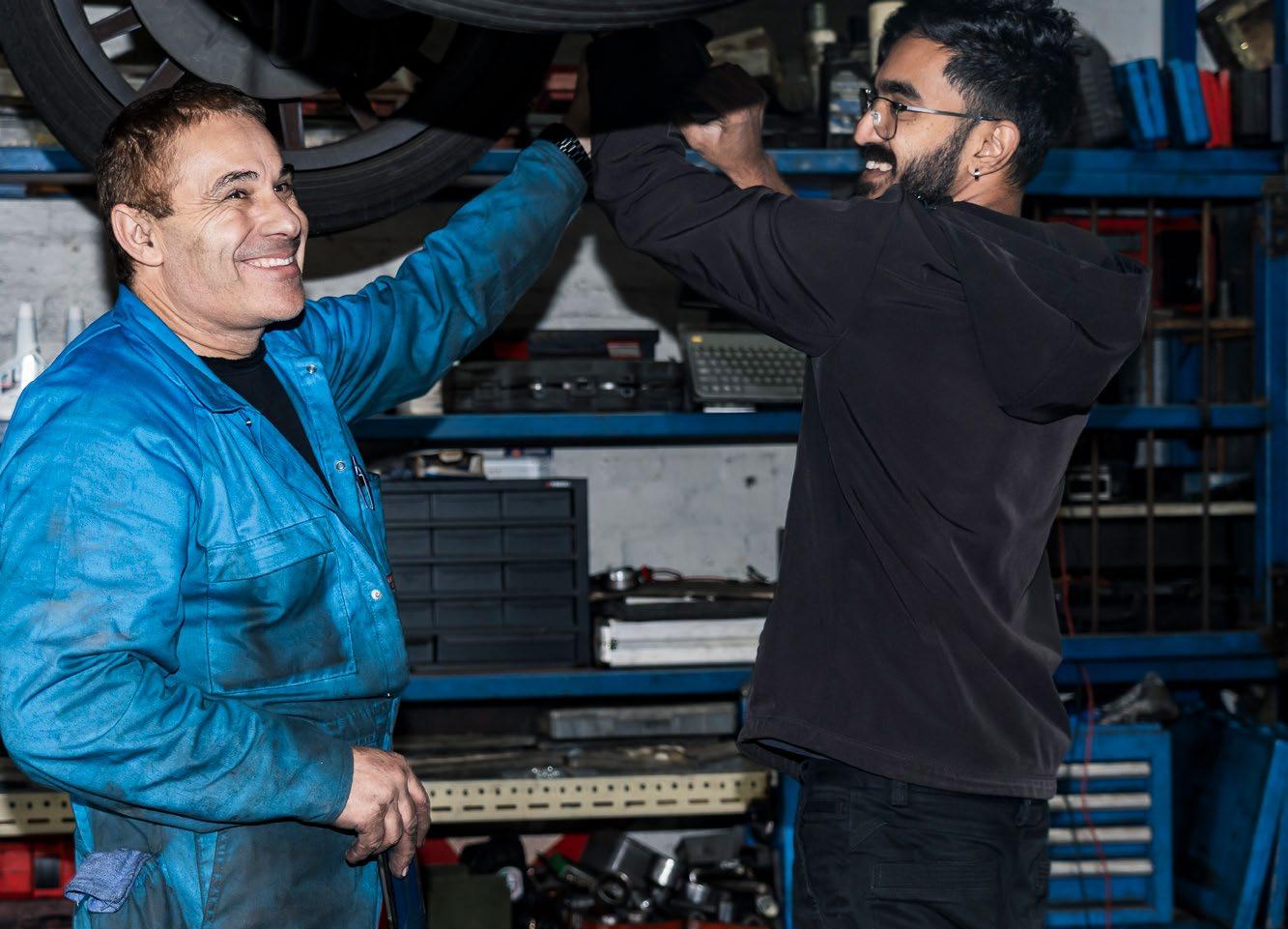
“We’ve never advertised,” John says. “That was Dad’s motto. Word of mouth.”
The result is a customer base that extends well beyond the local area, built one relationship at a time.
“I’ve got customers from Queensland, Northern Territory, New South Wales, Tasmania, South Australia,” John says. “They come down and visit family, give me a call and say, ‘I’m coming down, when can you do my car?’ And, yeah, book it in.”
People don’t travel that far without reason. They do it because they know what they’re going to get when they arrive. They trust in the service.
“I try and look after everybody the best price I can do,” John says. “I only use quality products, honesty and straightforward.”
There’s no rush to upsell, no pressure to spend more than necessary. “I just like to be honest with the customer and tell them what the fact is and let them decide,” he says. “Trying to keep money in their pocket... I don’t have to become a millionaire overnight.”
It’s a philosophy that has carried Little Sam’s through the slow periods and the busy ones alike. “On your slow days, you just deal with it,” John says. “Everything’s going to go up and down and it’s always progress forward.”
Over the years, the workshop has trained many young mechanics. “Many, many apprentices have been through here,” John says. “Many apprentices and many work experience too.”
Teaching has always been part of the job. “My motto to everybody is if I can teach them to be better than me, I’m doing my job properly.”
Finding the right people is harder now. “Very hard,” John says. “Some people are very into it and have an idea of the basics. Some people just want to get into it because they like cars, but don’t realise the hard work.”
Still, he keeps making the effort. Even when apprentices move on, John sees it as part of their growth.
After decades in the trade, John has seen the industry shift. “It’s evolved dramatically,” he says. “Engines are still an engine. The mechanical side still works the same way. More precision, more care needs to be taken.”
Electronics have added complexity. “Into the electronic side of it, a lot more diagnosis, a bit harder to work out problems,” he says.
Access to information remains one of the biggest challenges. “What needs to change is more information on the inside so we can get a backdoor into everything,” John says. “Like in America. They repair everything and have the knowledge because it’s in books on the computer. We have nothing. Can’t find anything. So hard.”
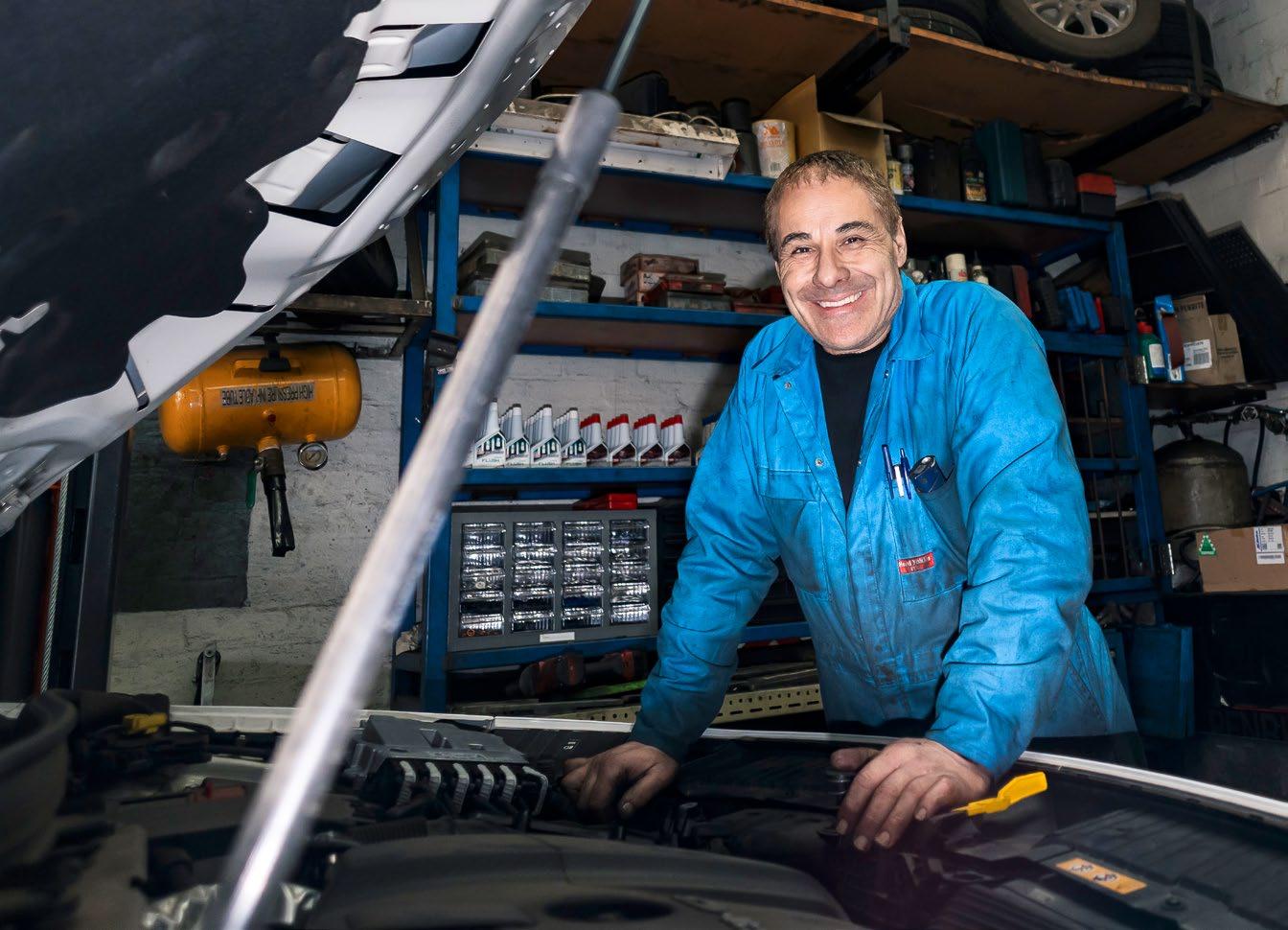
Despite that, the satisfaction hasn’t faded. “I love the challenge of working out the problem, pulling things apart, putting them back together again, turning a key and it starts and runs and solving problems,” he says.
John doesn’t have children to carry Little Sam’s into the next generation, but the legacy is already set. It lives in the customers who return year after year, the apprentices who take what they’ve learned elsewhere, and a workshop that still runs on the values laid down by a budding businessman in 1968.
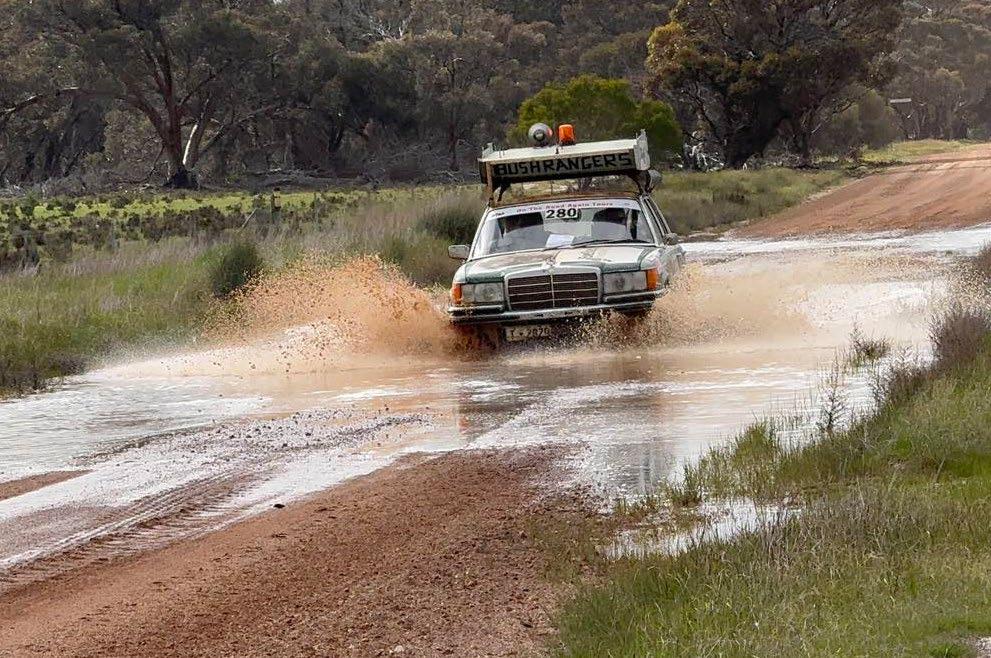
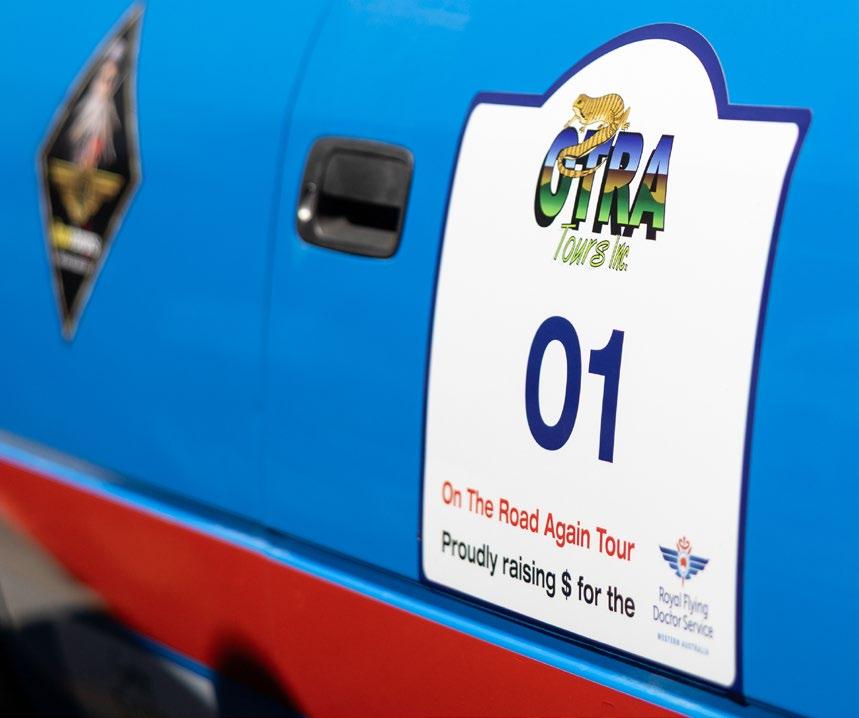
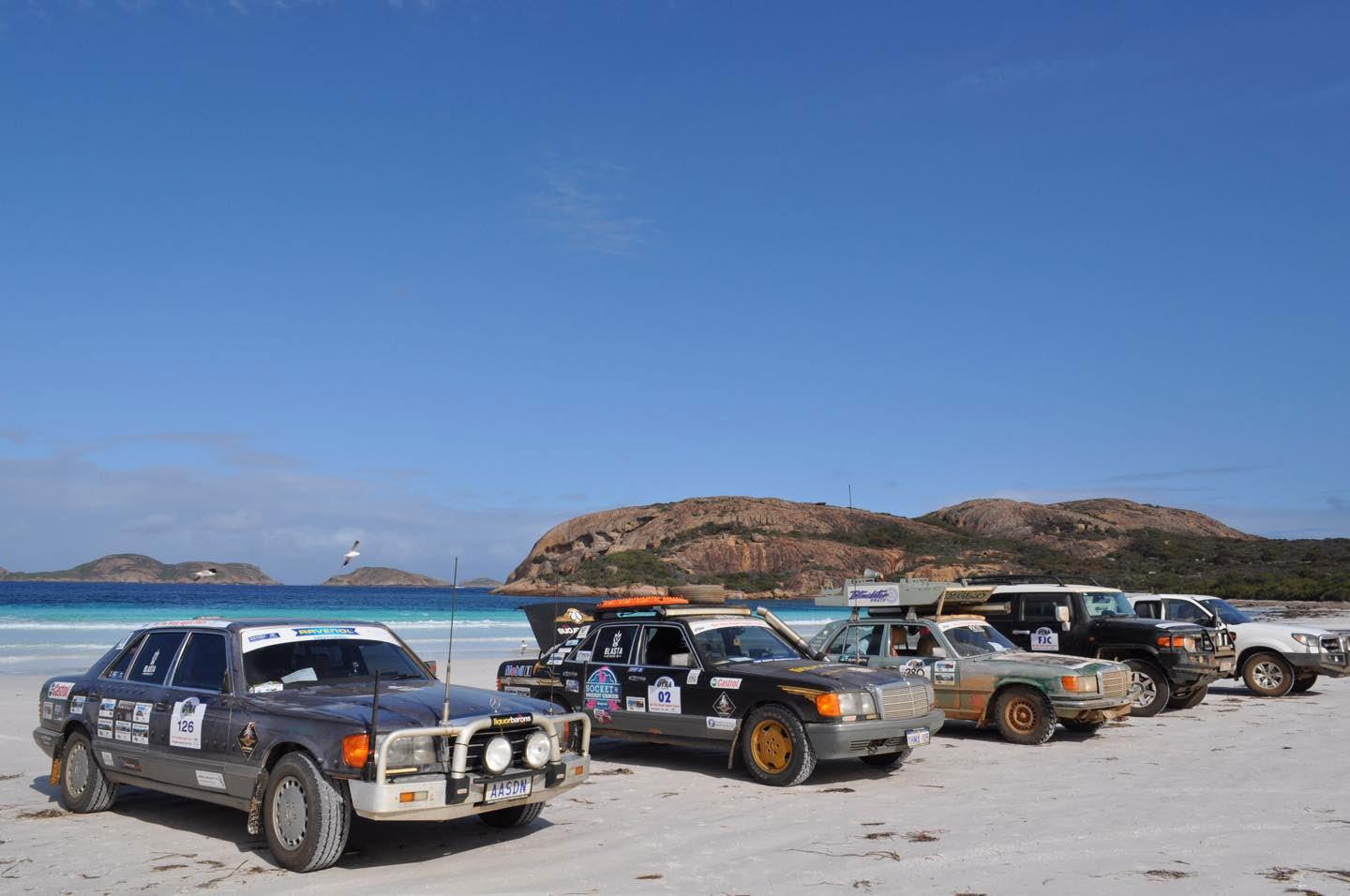
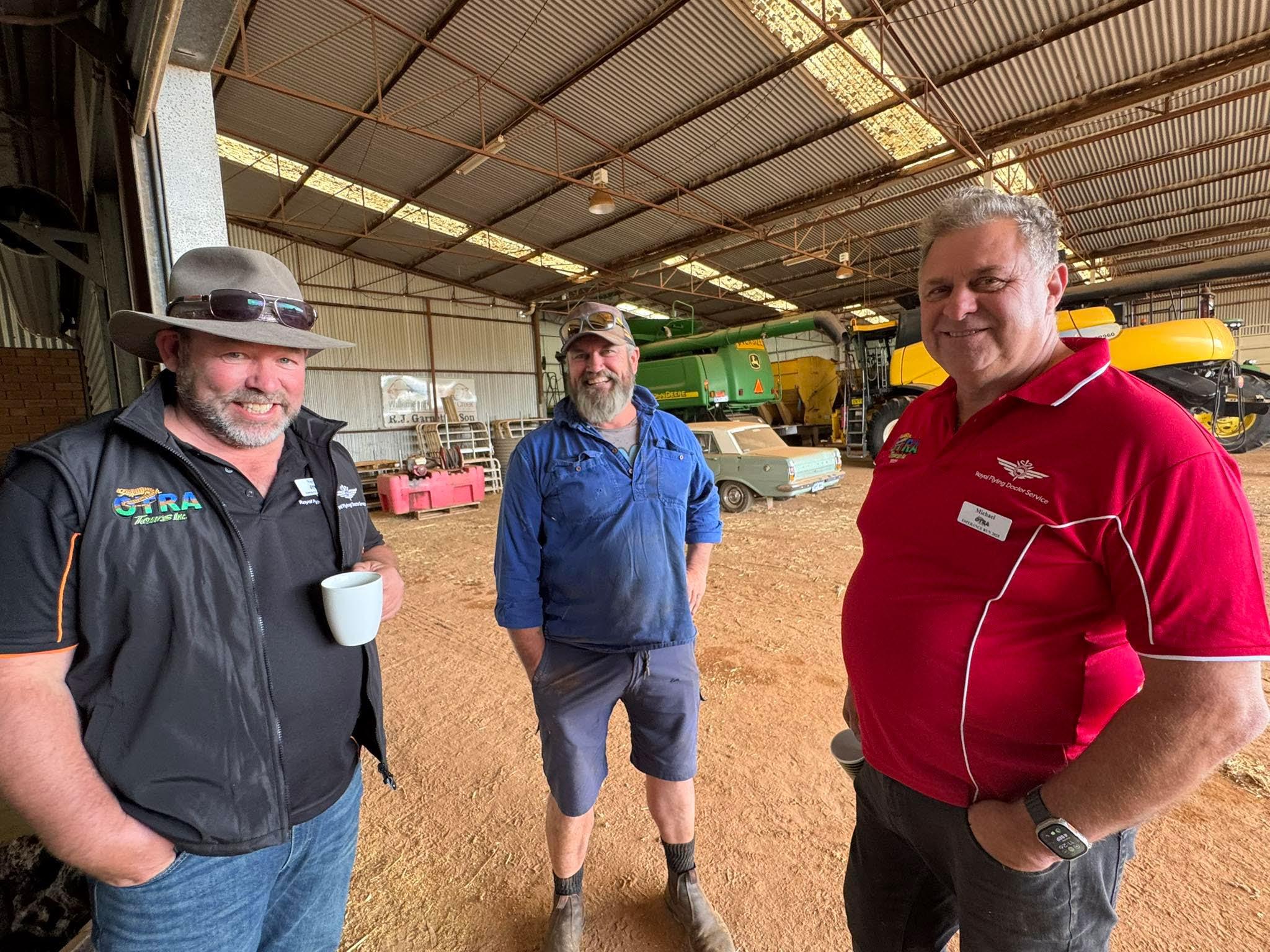

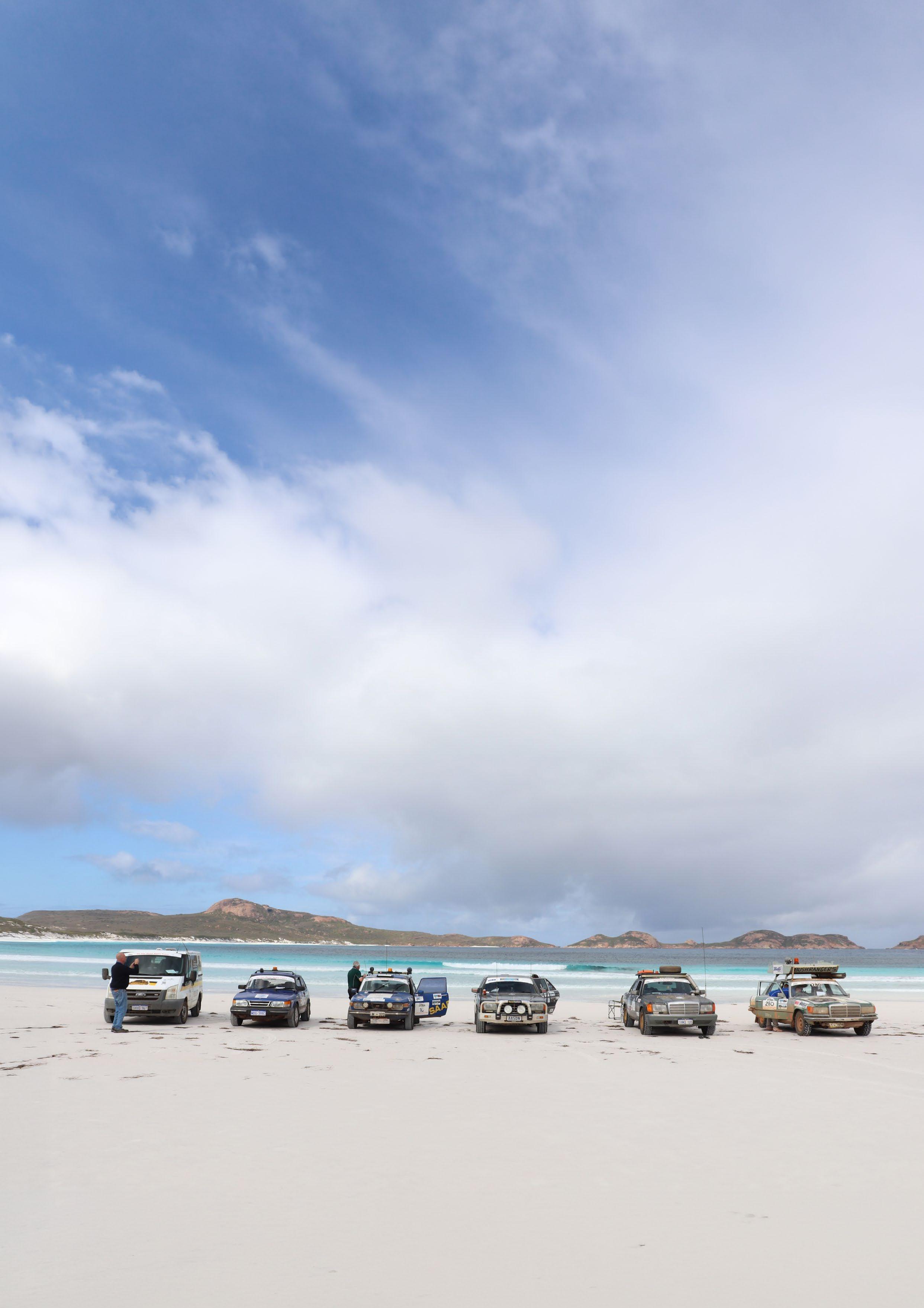
How On the Road Again Tours brings people together, connects regional communities and delivers impact where it’s needed most.
Ask almost anyone in the automotive industry why they chose this path, and the answer is usually simple: they loved cars. But for many, that love doesn’t stay the same; it matures. Shifting from the vehicles themselves to the experiences, relationships and opportunities they create.
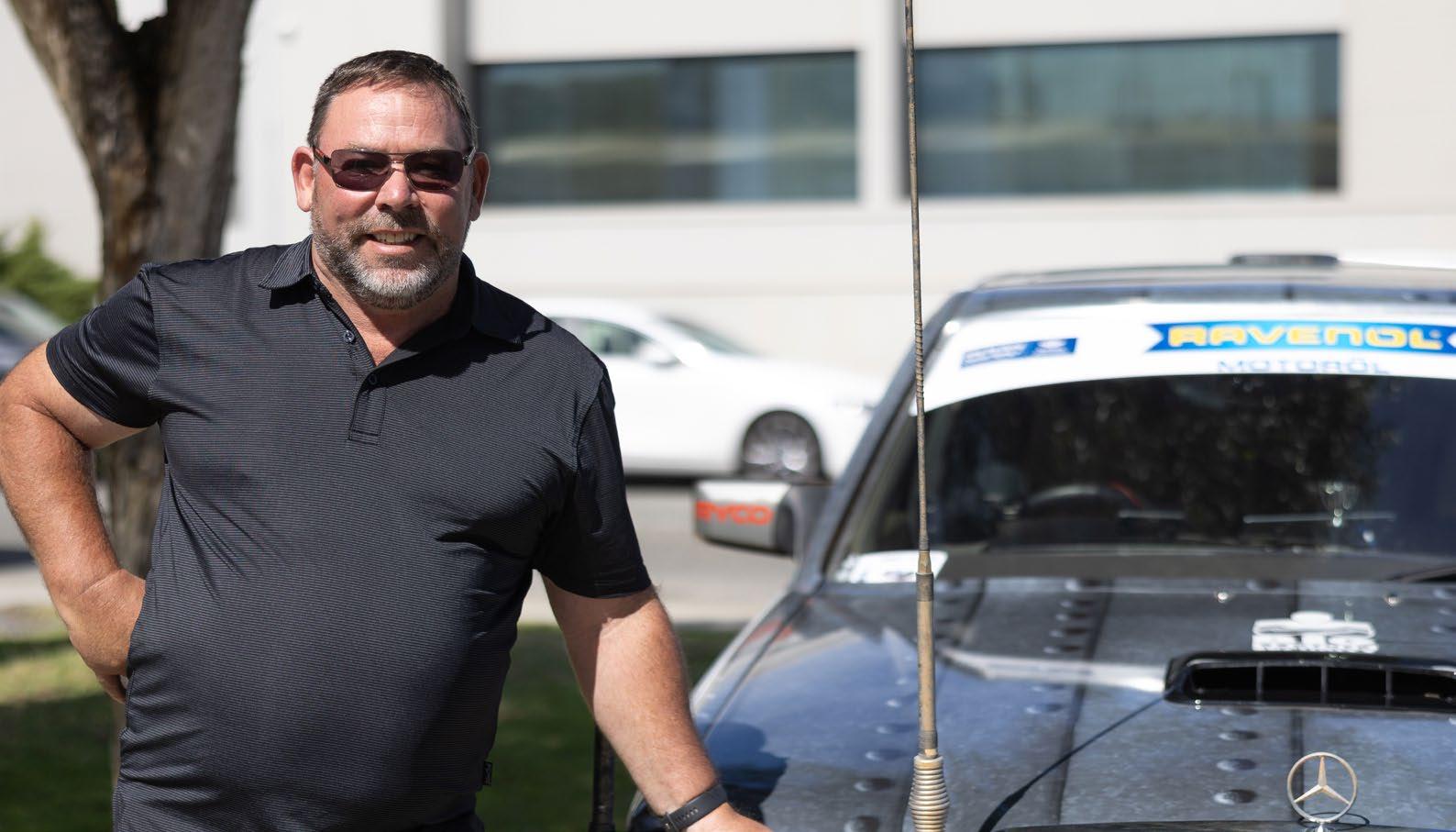
For Nigel Oborne, Chair of On the Road Again Tours, that evolution has been transformative. His passion for touring, community and a bit of fun behind the wheel has helped turn a simple idea into something far more meaningful —a not-for profit that connects people, regional towns and vital services across Western Australia.
“Once I got started, I realised this was one of the most rewarding associations I’m part of,” Nigel says.
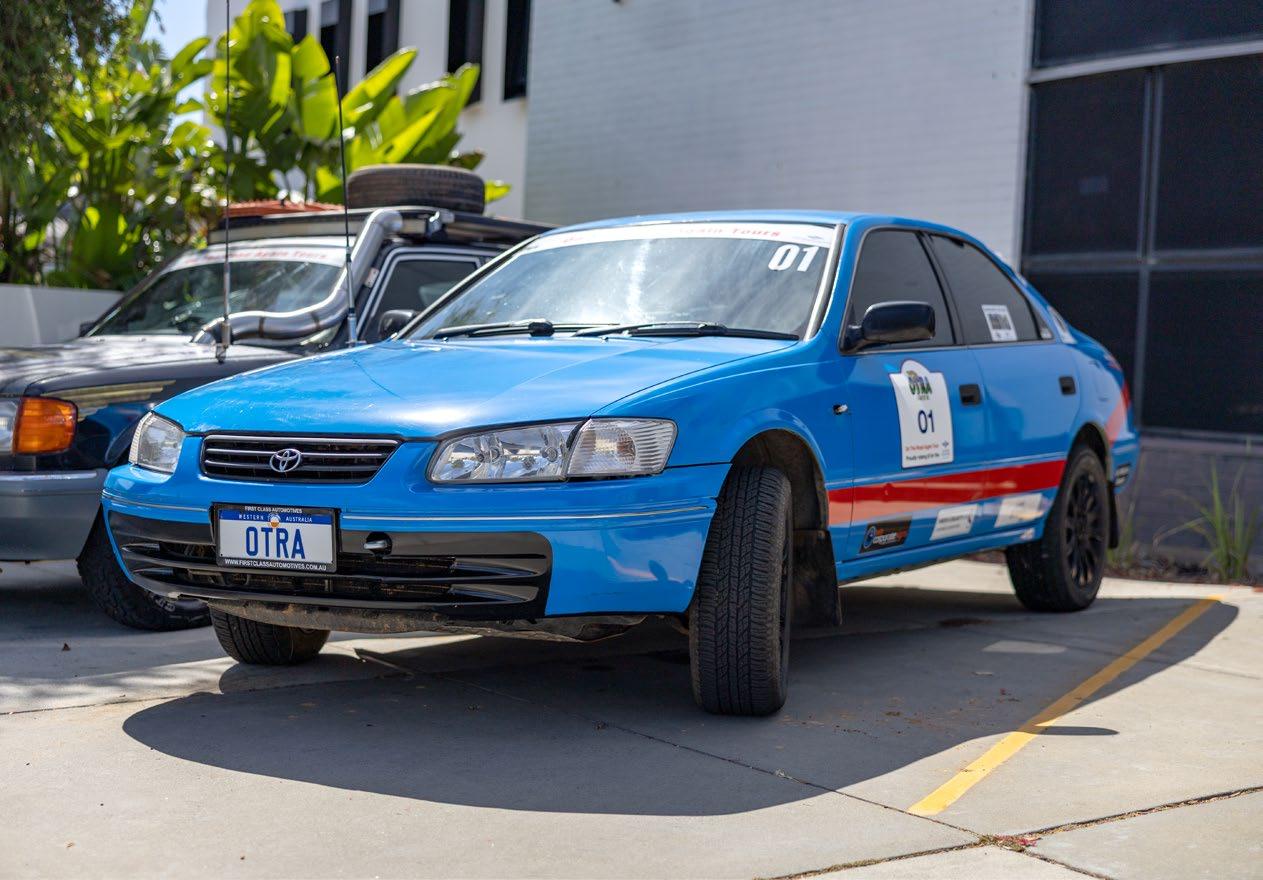
On the Road Again Tours is an initiative that raises funds exclusively for the Royal Flying Doctor Service (WA), with every dollar going directly towards frontline equipment and resources used in remote communities.
Twice a year, convoys travel through regional and remote WA, stopping in country towns, staying locally and engaging directly with the communities they pass through. For participants, the experience offers a chance to step away from the day-to-day and reconnect with the road, like-minded tour buddies, and with a cause that matters.
“It’s a lot of fun, but it also has real purpose,” Nigel explains. “You’re out there meeting communities, raising money, and seeing exactly where that support goes.”
A distinctive part of the tours is the fleet of charity bash cars that often lead the convoy. Brightly coloured, sticker-covered and kitted out for the harsh West Aussie outback, these vehicles are designed to turn heads and start conversations wherever they arrive.
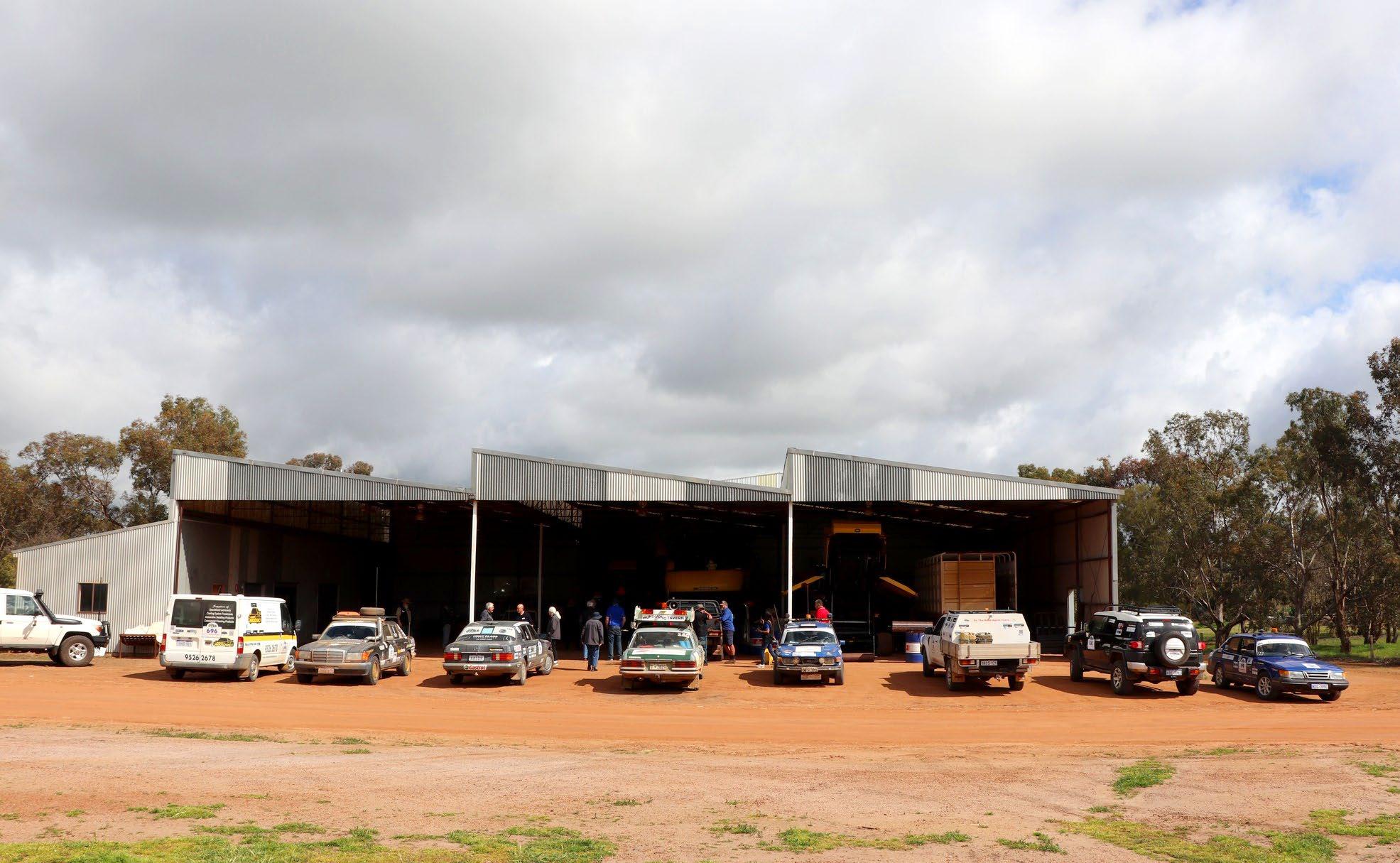
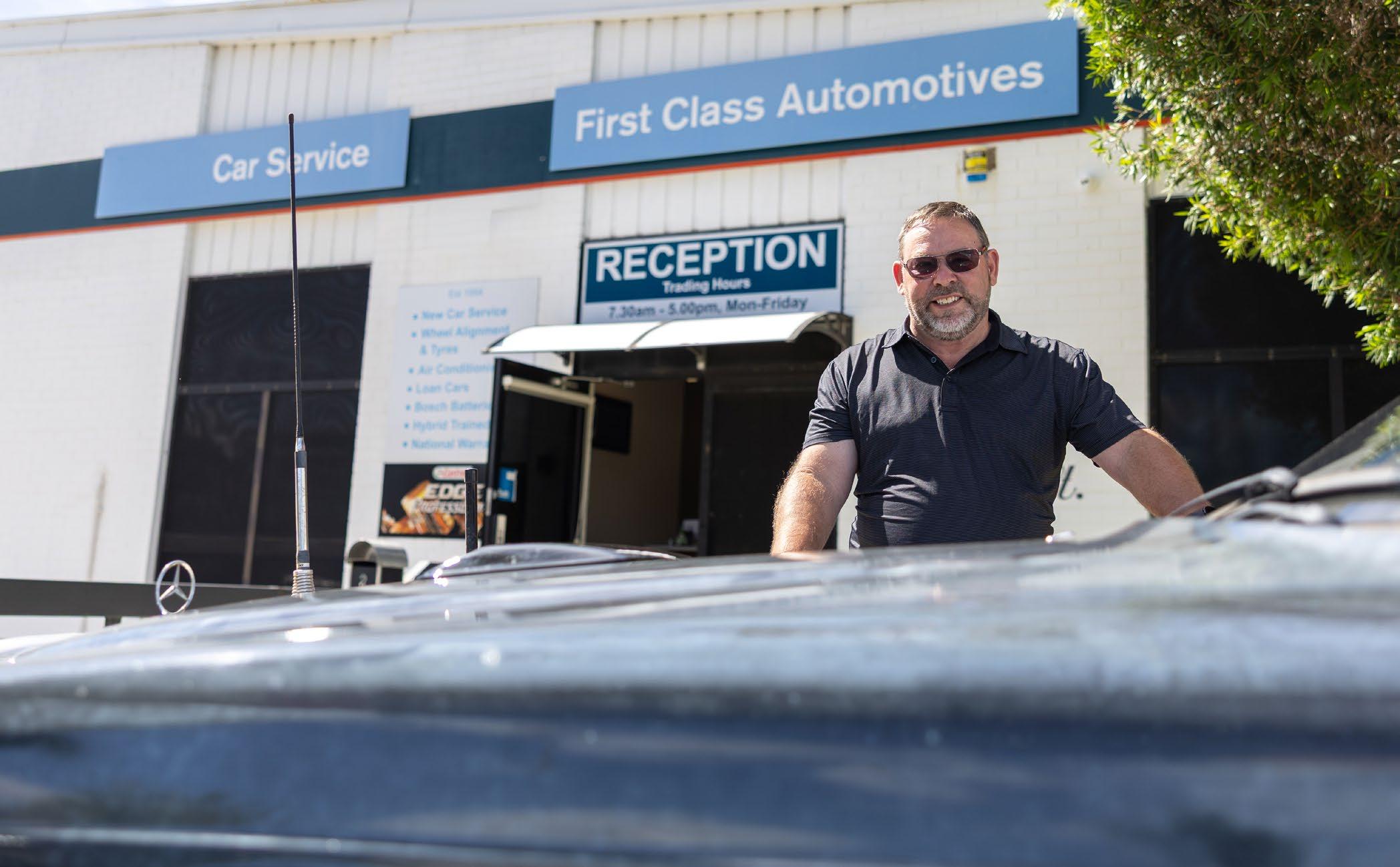
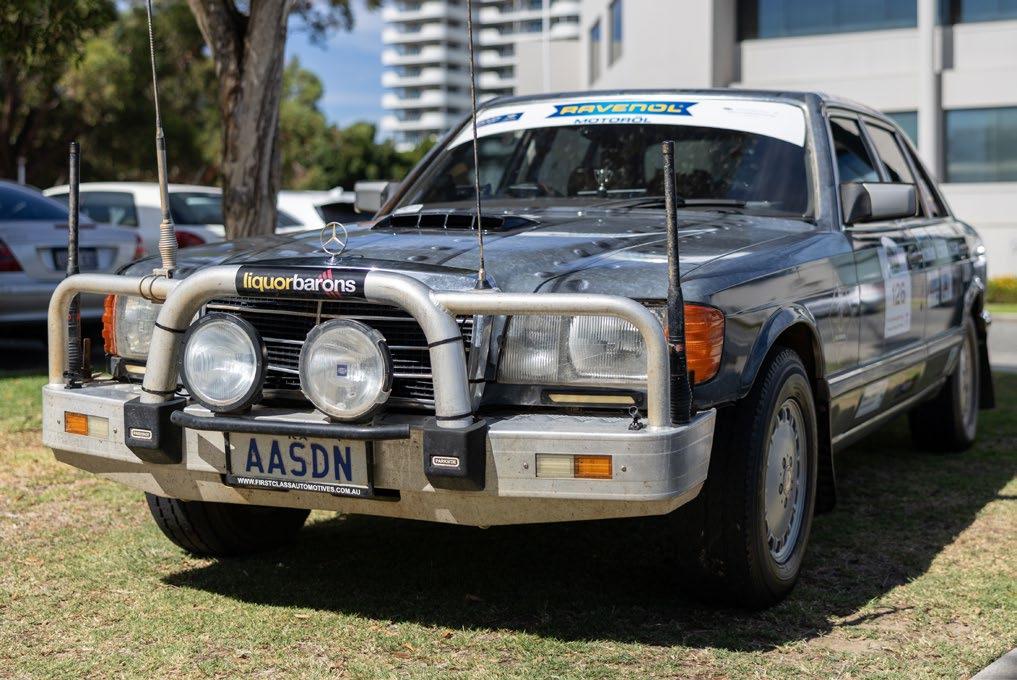
“The charity cars are designed to get attention,” Nigel says. “They’re fun to build, fun to drive, and they definitely get noticed in rural towns.”
That visibility plays an important role in raising awareness and donations along the route, helping spark conversations in communities the tour visits.
But, while the charity bash cars are a standout feature, Nigel is quick to point out that special vehicles aren’t a requirement.
“You don’t need a charity bash car to take part,” he says. “People can bring a four-wheel drive or their own vehicle and still be part of the experience.”
The tours are designed to be inclusive and accessible, welcoming participants from across the industry and beyond, regardless of the wheels that hit the dirt. And for those wanting to get even closer to the action, On the Road Again Tours is also running an upcoming lottery featuring a custom Camry, donated and upgraded with parts supplied by Burson Auto Parts. The prize offers one lucky winner the chance to experience the tour — and the spirit behind it — from behind the wheel.
For Nigel, what makes On the Road Again Tours truly special is the connection it creates between participants, communities and the people supported by the Royal Flying Doctor Service.
“It brings people together in a really positive way,” he says. “You see the difference it makes, and that stays with you.”
For those based in WA, the next major On the Road Again Tour takes place this August, travelling through the Goldfields. It’s a reminder that while many of us start in this industry because we love cars, some of the most rewarding journeys come from discovering what those cars can do.
By Geoff Mutton
Petrol and diesel engines are still the daily reality for independent auto workshops, but lurking in the background is the EV, an electric vehicle with a high-voltage battery. Safe to say that many workshops take the view, 'not common enough to worry about', or 'we know we'll have to deal with EVs eventually.' Why worry when the workshops are busy with late model, fuel efficient internal combustion vehicles.
But vehicle technology rarely changes all at once. It changes gradually, then suddenly feels normal. Throughout Australasia, motorists have been gravitating towards hybrid vehicles, and this is great for workshops because hybrids have an internal combustion engine, oil and filters, as well as some form of high-voltage battery, inverter and three-phase electric motors. So, everyone in both camps have something to fix. But sooner or later, workshops will have to make a big decision about their future – just where in the sandpit do they want to play?
That is why EV training should not be seen solely as a response to a future wave of electric vehicles. It should be part of a broader business-readiness conversation. What types of vehicles do your workshop want to service, what risks are you prepared to manage and what skills will your team need as electrified drivetrains become more common?
The question is not, 'should we become an EV workshop?' A better question is, 'what level of EV capability is appropriate for our business, our customers and our technicians?'
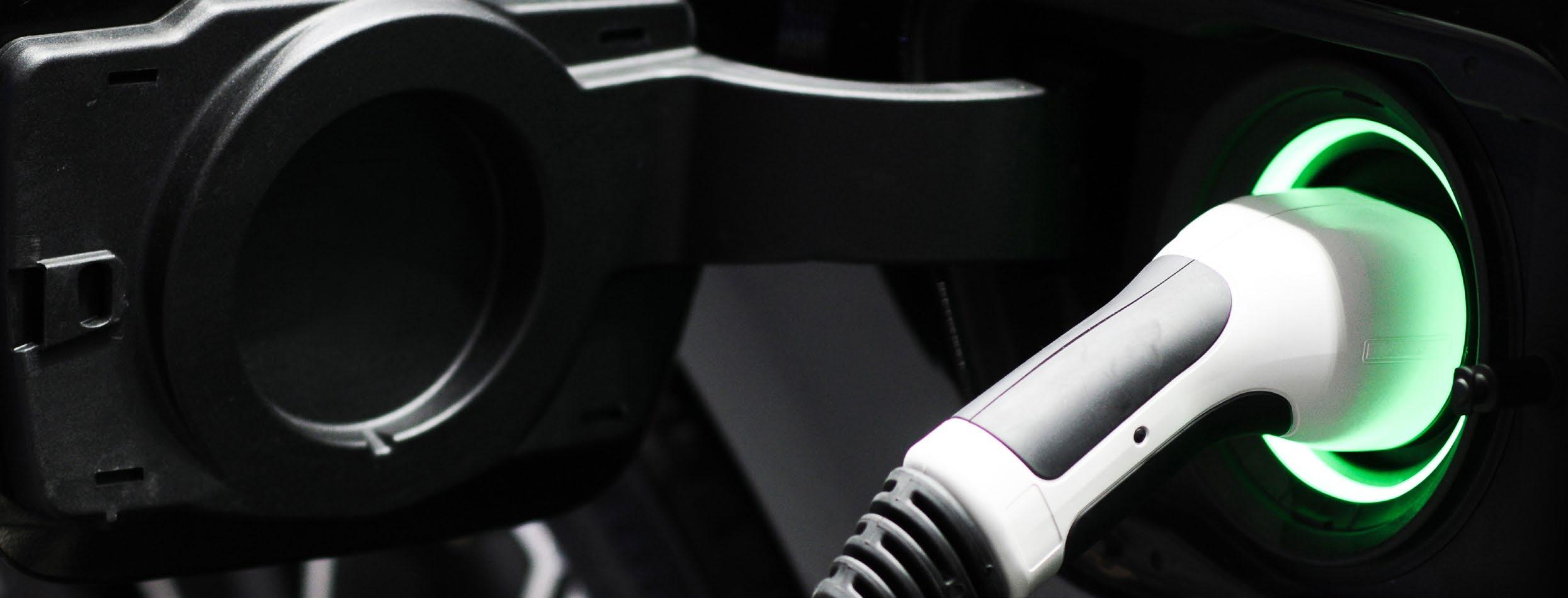
Electric vehicles are not just another driveline. Yes, they still have tyres, brakes, suspension, steering systems, air conditioning, cooling circuits, body electronics and scan tool requirements. In many cases, routine maintenance will look familiar. But the high-voltage system changes the risk profile.
A workshop confident in diagnostics, service information and safe work procedures will approach an EV very differently from one that is learning through trial and error. Highvoltage batteries, inverters, DC-DC converters, electric compressors and orange-cabled systems require more than general mechanical experience. Technicians will need to know about isolation procedures, personal protective equipment, live/dead testing principles, manufacturer information, tooling limitations and, more importantly, what not to touch. This is where training shifts from chasing a trend to managing risk.
The most routine work can bring technicians near high-voltage components. Repairing accident damage, cooling system work, air conditioning repairs, underbody inspections, brake work and diagnostics may all demand a basic understanding of the vehicle's configuration and the precautions needed.
The first step is not advanced EV repair. It is ensuring the team can identify a vehicle with a high-voltage battery and its associated highvoltage systems, understand the hazards, follow the correct process, and recognise when a job is beyond the workshop’s capability.
Not every workshop needs to invest immediately in full EV diagnostic and repair capability. The right level of investment depends on the customer base, local vehicle make-up, business model, staff interest, tooling budget and the workshop’s appetite for this type of specialist work.
A sensible first stage may be to build EV and hybrid safety awareness among all technicians and front-of-house staff. This gives the workshop a common language and helps the team avoid unsafe assumptions. The next stage might involve developing routine service capability such as understanding inspection requirements, scan tool communication, brake and tyre wear patterns, thermal management basics, battery state-of-health concepts and access to correct service information.
A workshop wishing to be seen as EV and hybrid-friendly may then choose to invest in deeper diagnostics, including insulation testing, highvoltage isolation, battery cooling faults, drivability concerns, charging complaints and component-level fault finding.
This staged approach to building capability in a workshop is important because EV readiness is not a switch that can be flipped on overnight. It is a capability curve. Workshops can move along that curve deliberately, aligning training and equipment with the work they expect to perform.
Training is also a business decision, not just a technical one. Workshop owners are accustomed to making investment decisions about scan
tools, hoists and the like and EV training should be viewed the same way. Your questions should now be, what problem does it solve, what risk does it reduce and what future work does it support?
There's a commercial reason for making these decisions too. As customers replace vehicles, some will move into hybrids, plug-in hybrids or battery electric vehicles. If the workshop cannot safely inspect, service or advise on those vehicles, that customer is likely to go elsewhere.
Training will also reduce uncertainty for technicians who are otherwise cautious around EVs. A technician who understands the system is more likely to work methodically, use service information correctly and know when to stop when a procedure requires a higher level of qualification or specialised equipment.
Reputation matters too. A workshop does not need to promote itself as an EV specialist to benefit from speaking confidently and accurately about electrified vehicles. Customers are looking for clear advice, not guesswork. Being able to explain what can be done in-house, what requires a specialist referral and why safety procedures matter builds trust.
In Australia and New Zealand, the transition to electrified vehicles is unlikely to be a simple jump from petrol to full battery electric, as the latest sales data already shows. Hybrids and plug-in hybrids are already an important segment of the vehicle parc and will remain relevant for many workshops.
This is significant because hybrids share many of the same safety and diagnostic considerations as EVs.
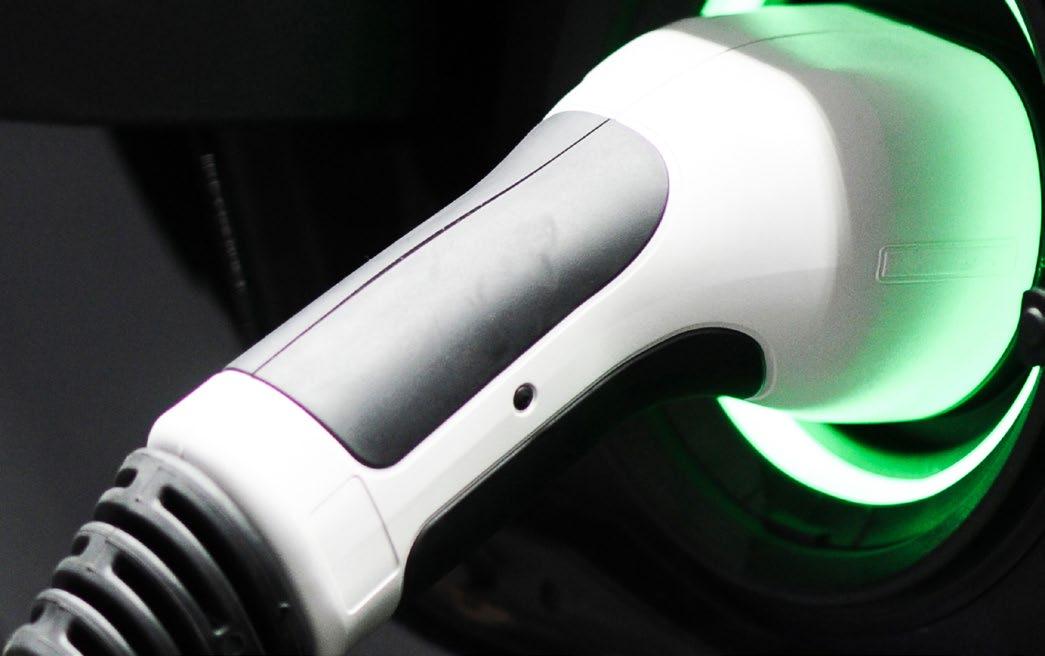
High-voltage batteries, electric drive components, regenerative braking and complex power management are not exclusive to full-electric vehicles. For a workshop wondering where to start, hybrid training can be a practical bridge. It supports the vehicles already appearing in many service bays while building knowledge applicable to broader EV capabilities.
Safety should remain the foundation. High-voltage systems require clear procedures and discipline. Workshops need to think about how vehicles are identified, where they are parked, who is authorised to work on them, what PPE is available, how isolation is confirmed, how keys are controlled, how warning signage is used and how damaged vehicles are handled.
Diagnostics will matter more, not less. There is a common perception that EVs require less servicing because they have fewer moving parts. In some respects, that is true. But fewer service items do not mean fewer diagnostic challenges.
EVs are software-intensive, networked systems that rely on thermal management, charging systems, battery management, power electronics and communication between control modules. A customer complaint may not be resolved by replacing a worn mechanical component. It may require analysing data, operating conditions, service bulletins, scan tool limitations and system logic.
Workshops that already value diagnostic discipline are well placed to adapt. The fundamentals remain the same: verify the complaint, gather information, review service
data, test before replacing parts and understand the system before making decisions. The difference is that EVs can be less forgiving of assumptions.
The timing of EV training will vary. A workshop in an urban area with a growing number of fleet, rideshare or late-model private vehicles may see demand sooner than a regional workshop with a different customer base. A business specialising in diagnostics, European vehicles, fleet maintenance or late-model servicing may have a stronger immediate case than one focused mainly on older vehicles.
However, waiting until EVs are common in the workshop can create pressure. At that point, the business may need training, equipment, procedures and answers for customers, all at once.
A more sustainable approach is to begin before the need becomes urgent. Start with awareness. Identify likely vehicle types in your area. Talk to your team. Review equipment and understand training pathways. Decide what work you are prepared to accept now and what you will decline or refer.
EV readiness is not about perfectly predicting the future. It is about preparing the business, protecting the team and building the confidence to work safely and professionally as vehicle technology continues to evolve.
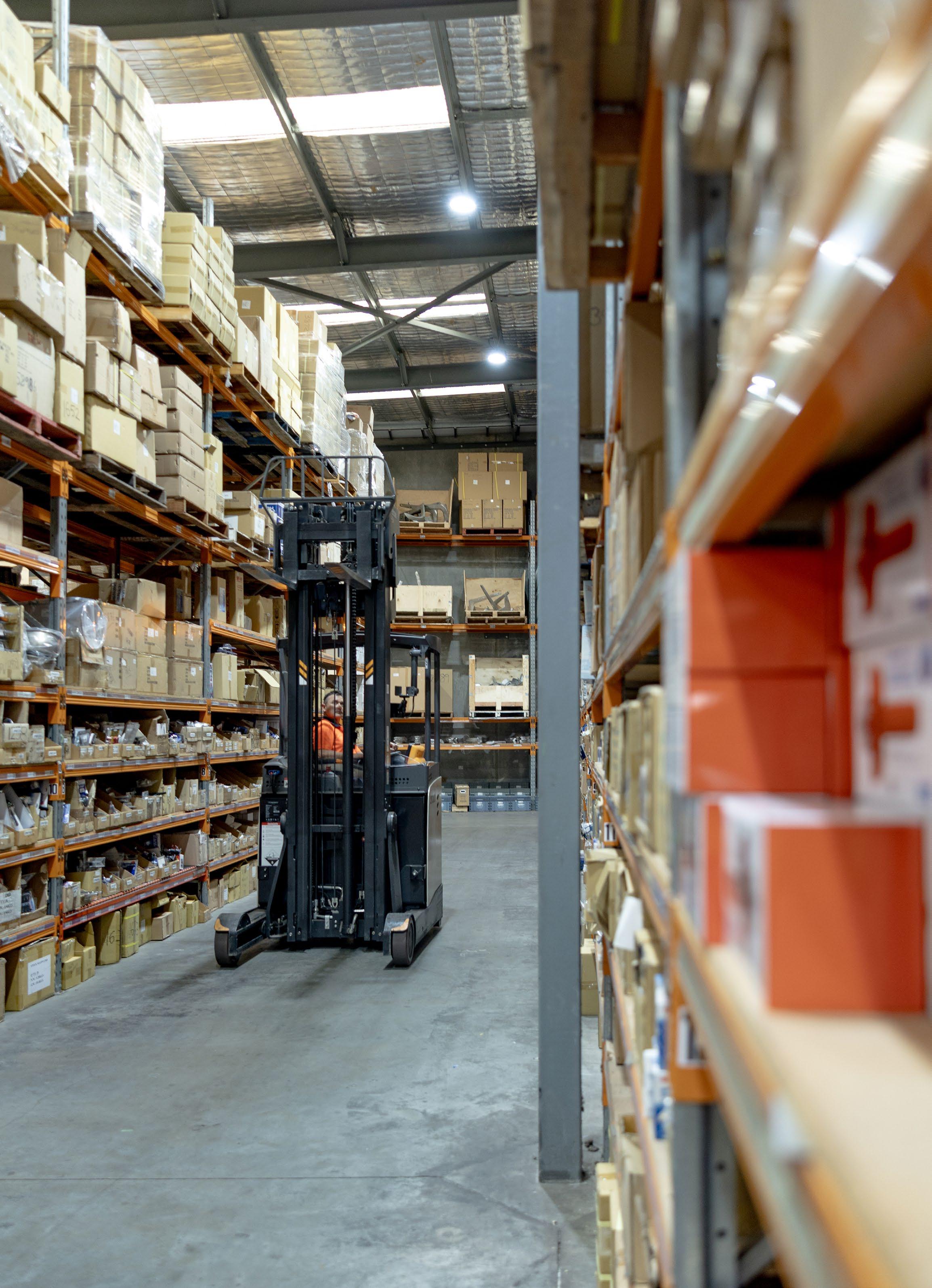



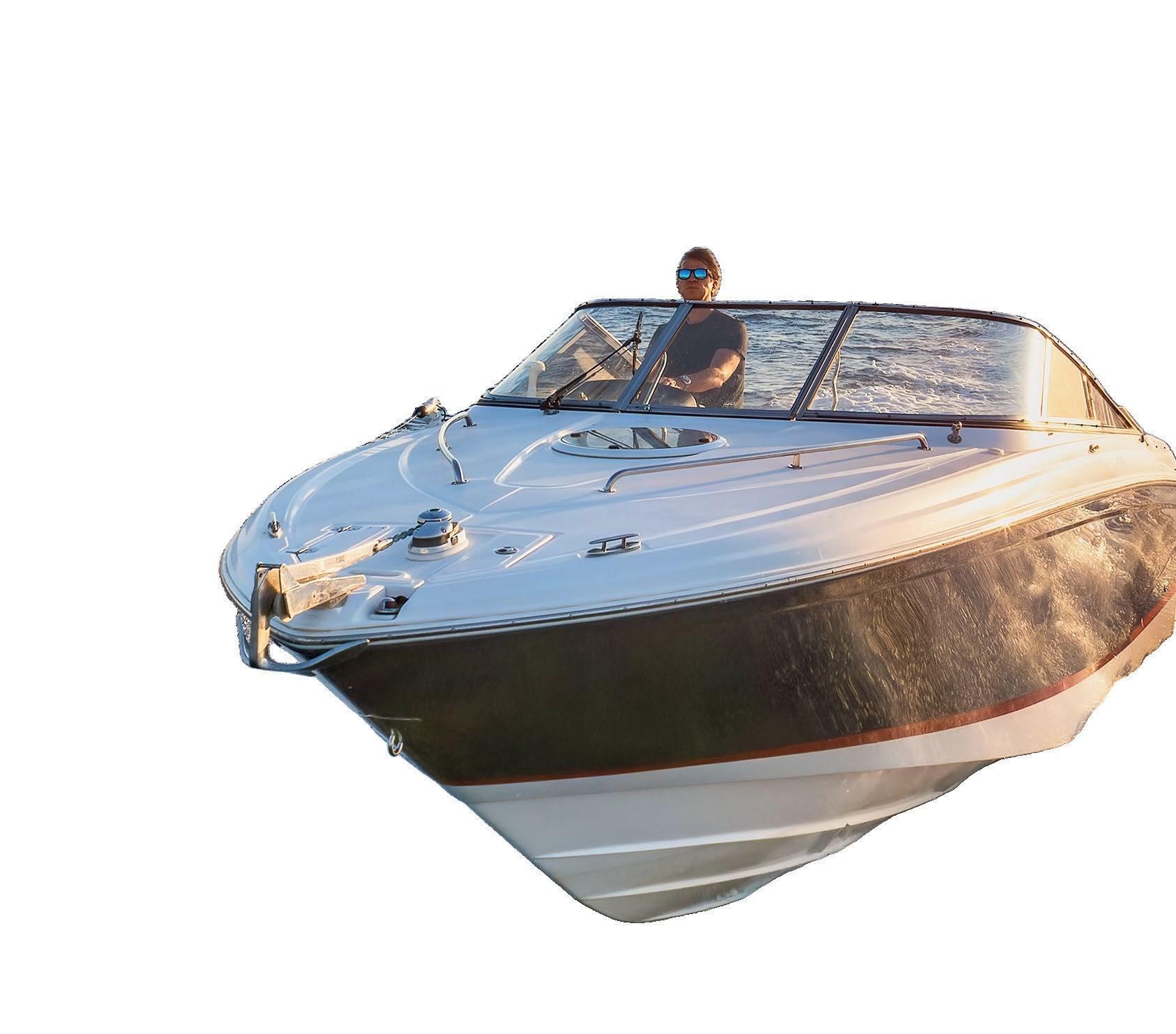
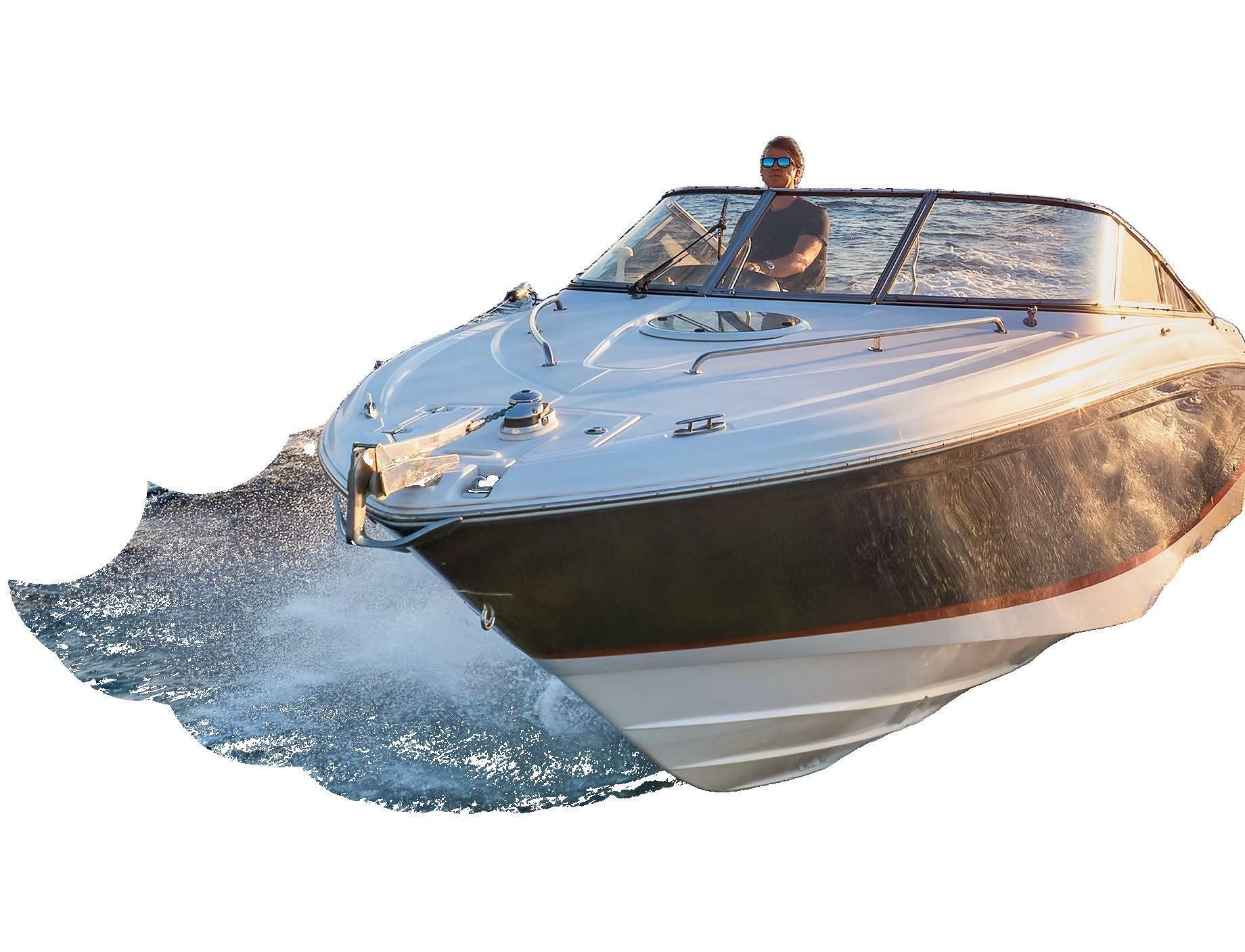
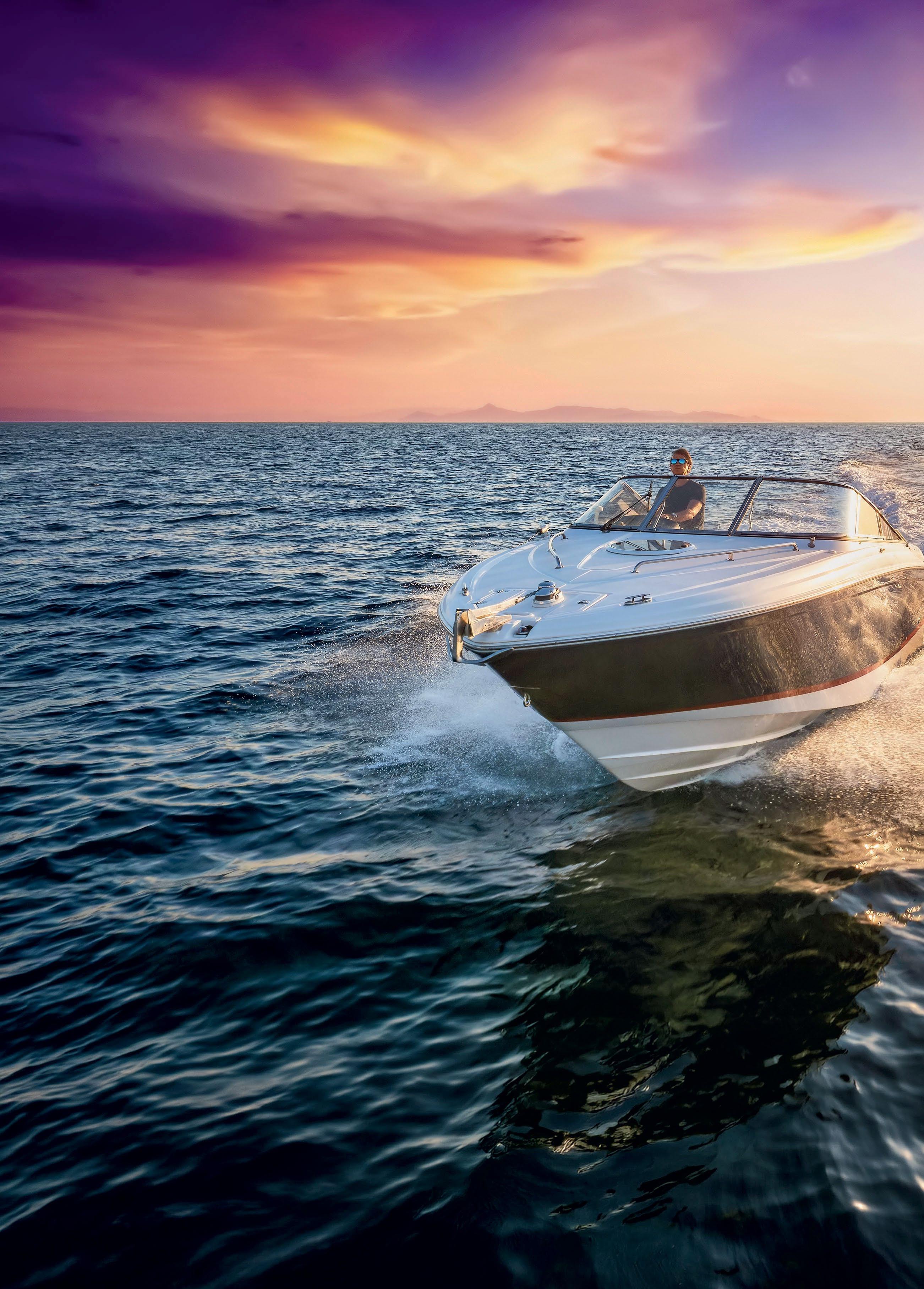
As Capricorn expands its marine supplier network, JPW Marine brings wholesale experience and national reach.
Across Australia’s boating industry, workshops and builders depend on steady supply to keep their businesses running. When schedules are tight, knowing what’s available and when it will arrive becomes part of everyday planning.
Based in Western Australia, JPW Marine has built its reputation around exactly that expectation, growing steadily over more than 25 years into a national wholesale distributor serving marine, trailer and boat building businesses across the country.
As a family business, those relationships have been built one trade account at a time.
With Capricorn continuing to build out its marine Preferred Suppliers, JPW Marine slots neatly into the Community, helping Member operations stay on track.
JPW Marine’s story starts with handson industry knowledge. Over decades, the business has evolved alongside the marine and trailer sectors, developing a product range shaped by Australian conditions and the realities of trade use.
Across its catalogue, JPW Marine supplies marine hardware and fittings, trailer components such as rollers, brackets, skids and winches, along with safety equipment, marine electrical products and maintenance items. Products are sourced from established Australian and international manufacturers, with a clear focus on durability and performance.
The business operates exclusively as a wholesaler, and that decision influences everything from procurement through to dispatch. Systems are designed to be predictable and straightforward, supporting reliable order turnaround and accuracy for customers who don’t have time for rework or delays.
Servicing customers across all Australian states, JPW Marine supports trade businesses working on projects along Australia’s vast coastline, from small repairs through to large-scale builds.
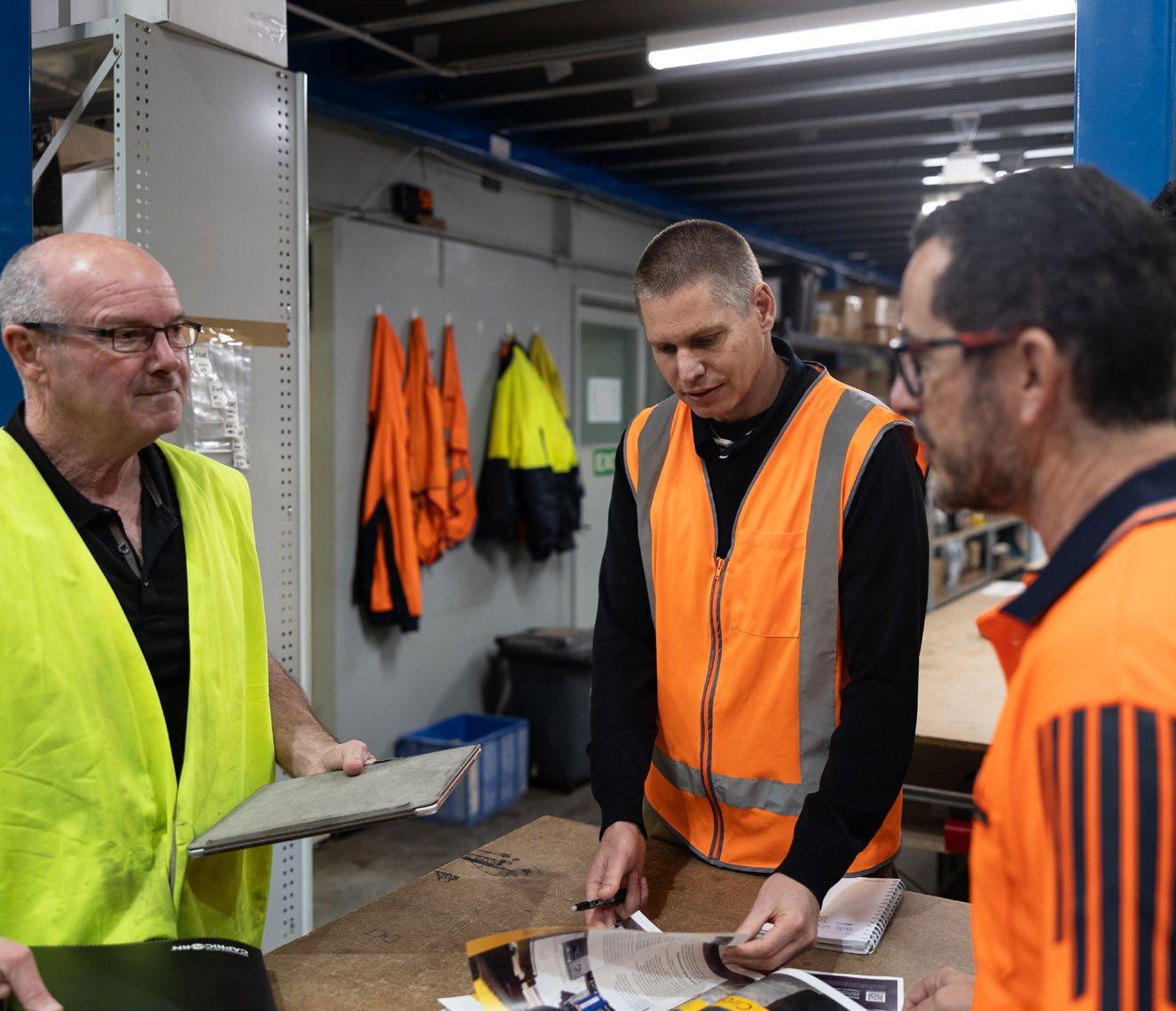
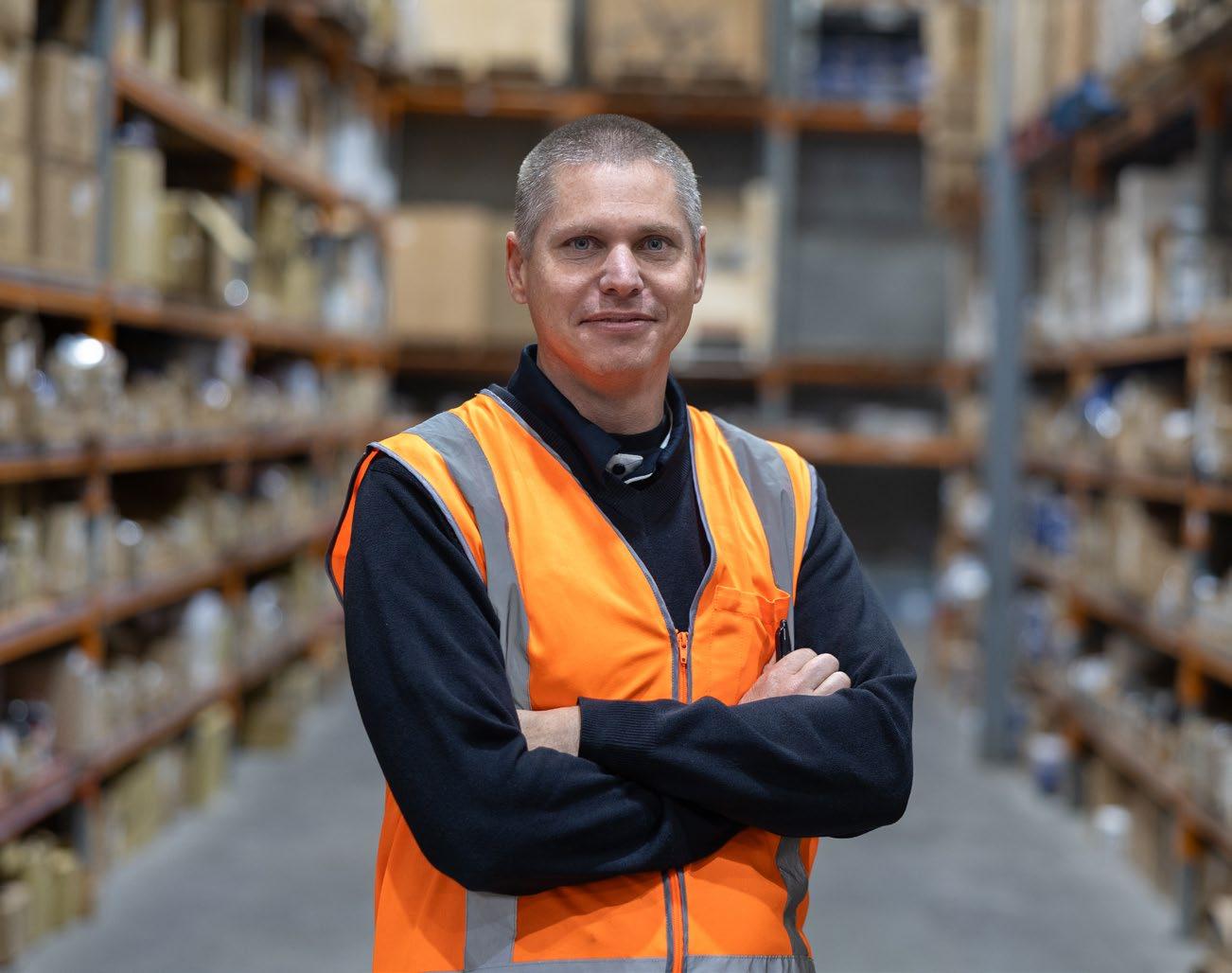
For JPW Marine, joining Capricorn was less about changing direction and more about formalising an alignment that already existed. According to Adam Hunter, Director and Owner of JPW Marine, the overlap between the two networks was obvious.
“Joining Capricorn has been a natural fit for JPW Marine,” Adam says. “Our customer base closely mirrors the Capricorn membership — hands on businesses across the marine and trade industries that rely on consistent, reliable supply.”

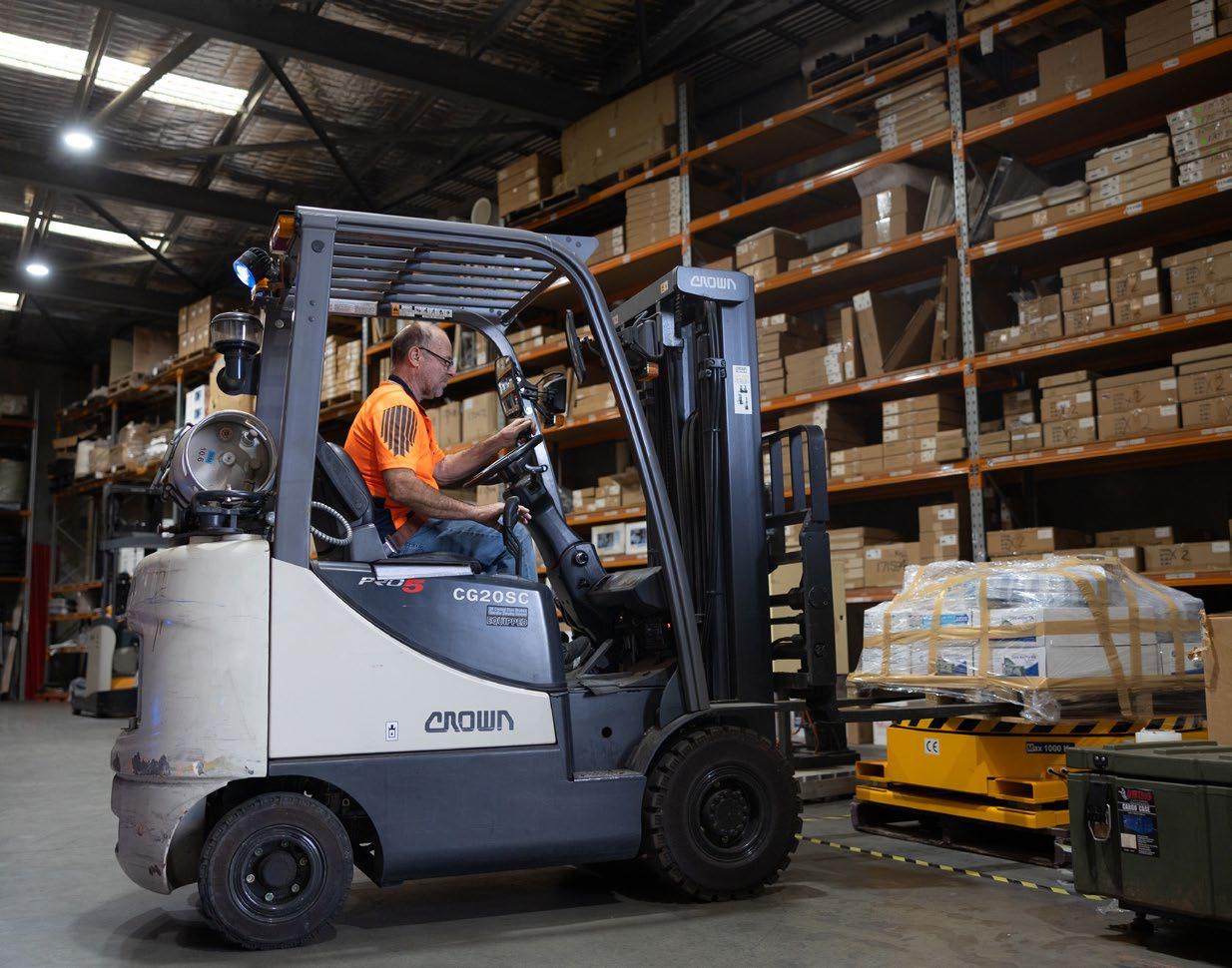
While Capricorn’s heritage sits firmly in automotive, many Members already operate across both automotive and marine work. For JPW Marine, that crossover made the decision straightforward.
“There’s a strong crossover with Members who service both automotive and marine, which makes the alignment a strong one,” Adam says.
JPW Marine joined the Capricorn network in December 2025, and early engagement from Members has reinforced that logic.
“Since coming on board, we’ve seen encouraging uptake from Members,” Adam says. “Having Capricorn behind us also supports our plans to grow, particularly as we expand our presence on the east coast.”
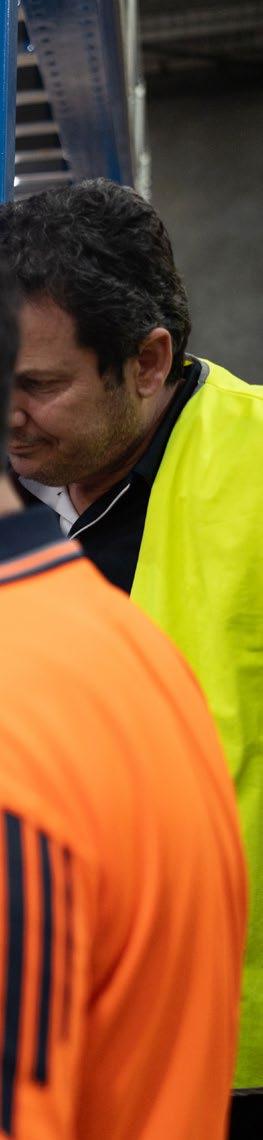
Beyond new business opportunities, JPW Marine has also seen operational benefits from working within the Capricorn network. Capricorn-backed accounts provide confidence around trading relationships, reducing debtor risk and allowing the business to respond quickly to new customers.
For a wholesaler, this creates room to respond quickly, focus on service and relationships, and support growth beyond WA.
As Capricorn continues to strengthen its marine offering, the introduction of dedicated marine Preferred Suppliers is designed to support the way Members already work. With nearly two-thirds of Capricorn Members trading in the marine industry, the focus is on providing relevant suppliers through the same trusted framework Members use every day.
JPW Marine sits comfortably within that approach; a marine-focused supplier that understands trade expectations and delivers through established wholesale processes.
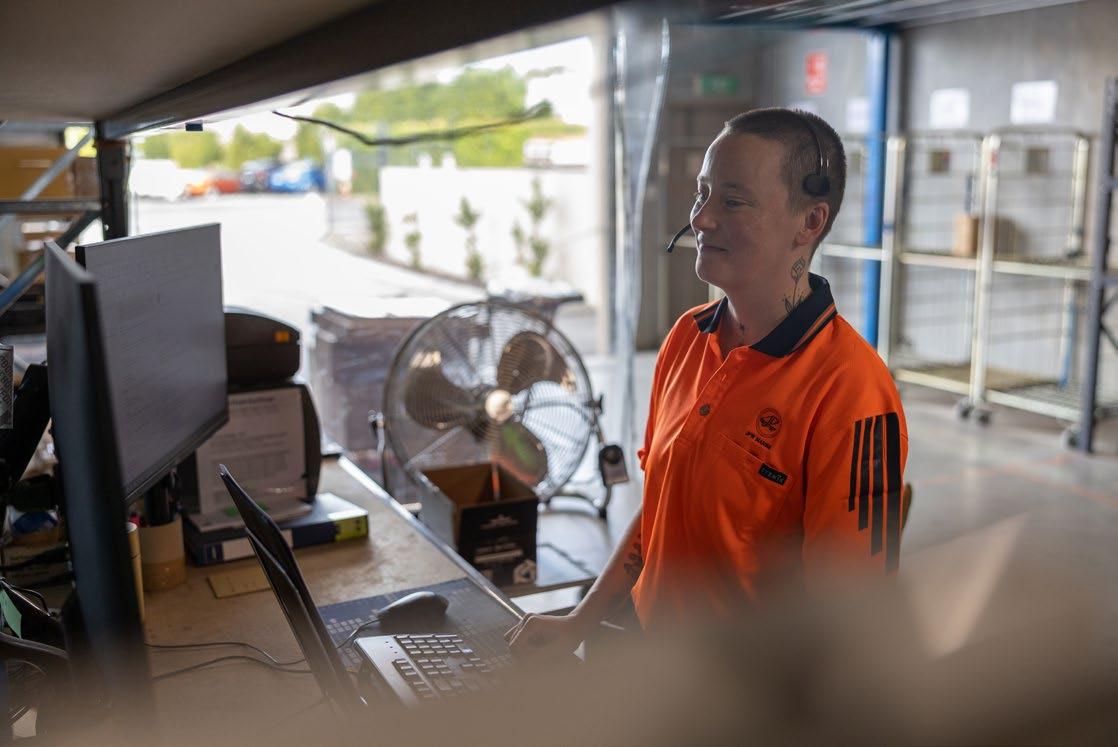
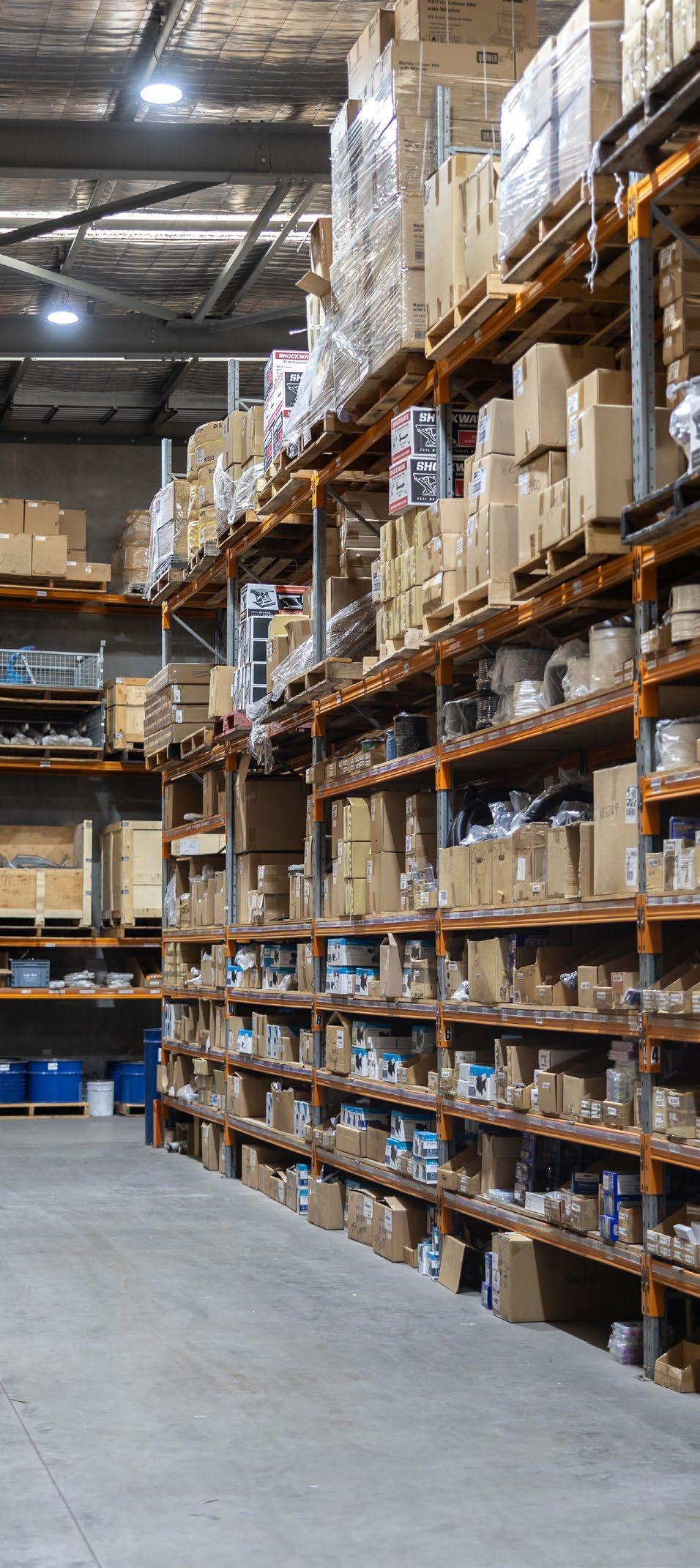
As a Capricorn Preferred Supplier, JPW Marine gives Members access to a structured wholesale account, the full JPW Marine product range, and support from an experienced team with strong technical understanding of marine and boat building applications. Orders can be placed through the online member portal, or by phone and email, with the digital platform offering clear visibility of the full product catalogue, current pricing and stock availability. Prompt dispatch and responsive support ensures supply works with the business.

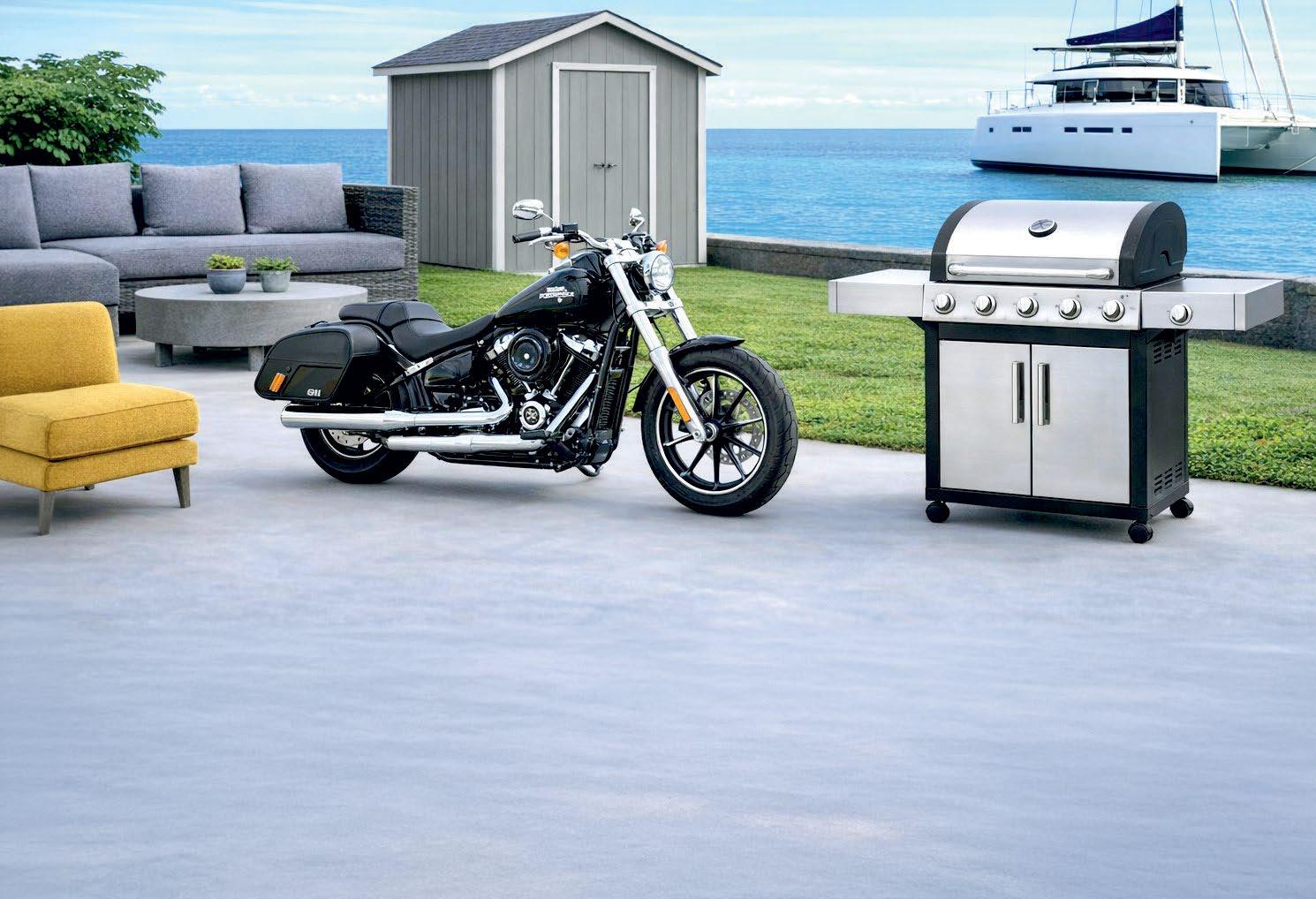
Rewards+ gives you the flexibility to use your Rewards Points to redeem just about anything you want!*
Obtain a sales invoice addressed to 212F Submit invoice via Rewards+ Await approval from
Minimum spend: $3,000
Invoice requirement: Must be addressed to 212F
Reward coverage: Purchase must be fully covered by Rewards Points
Product type: Must be a tangible good Exclusions: Cannot be used for travel
Submit your entry at cap.coop/funzone by 31 July 2026
May winner: Pure Automotive who WON 5,000 Bonus Rewards Points
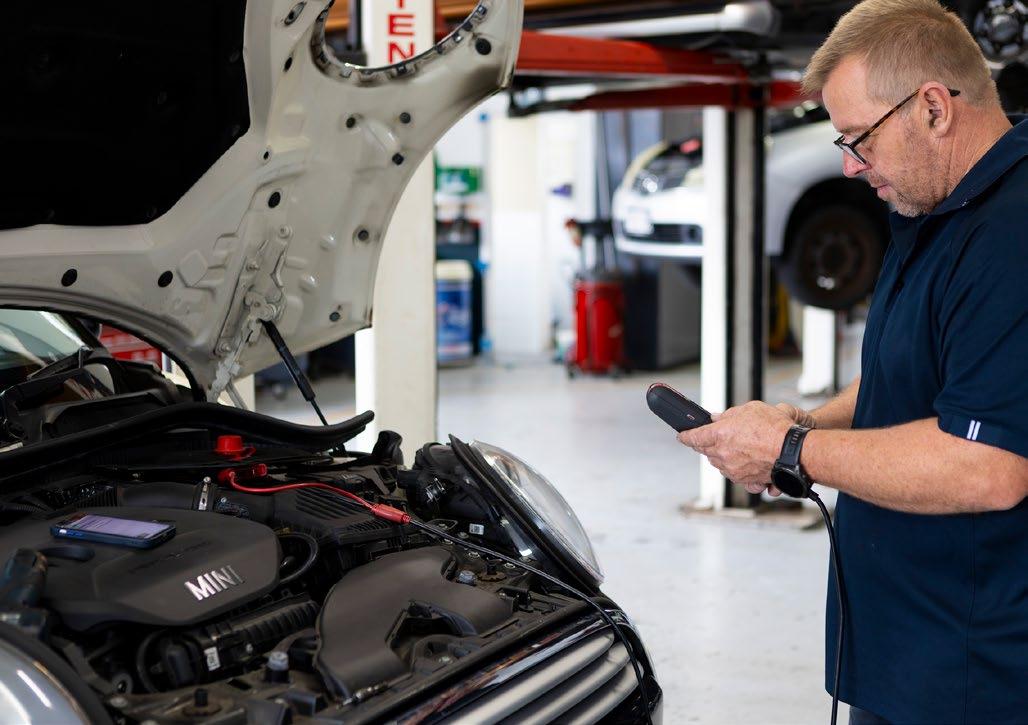
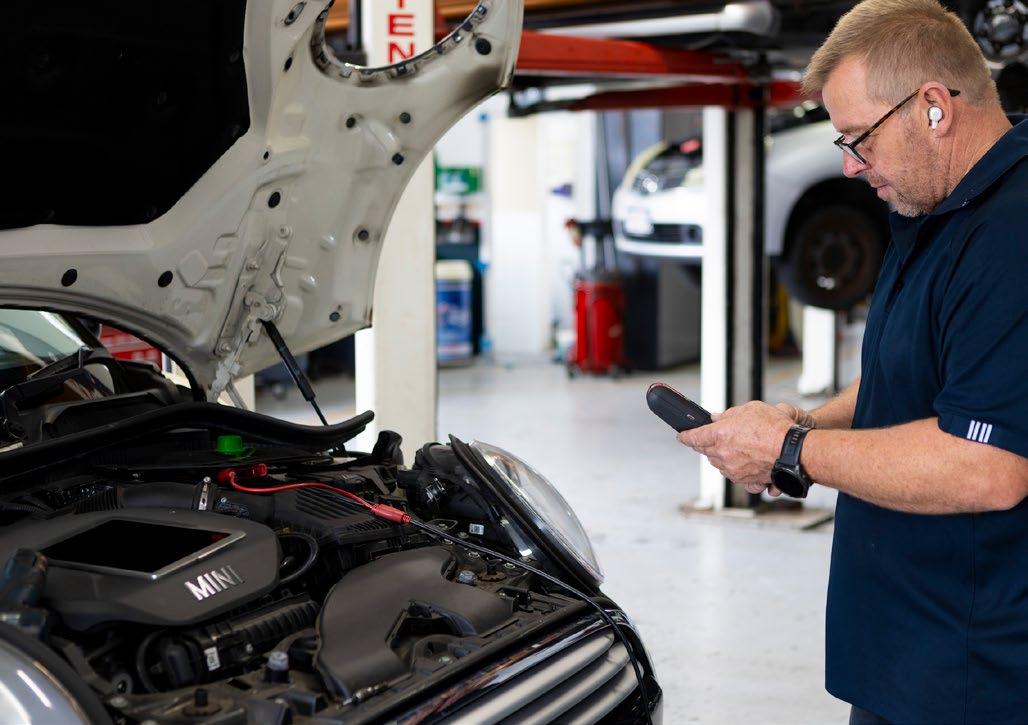
SPOT THE DIFFERENCE (5 differences to find!)
WORD HUNTER (15 words to find!)
Please
Apprentices
Batteries
Carburettor
Electronics
Heritage
Hybrids
Innovation
Legacy Maintenance
Motorsport
Network
Repairs
Skills Technology
Wholesale
Do you know someone who works in the marine industry? Speak to your Area Manager today.
Capricorn Members are invited to spread the word by referring marine businesses to join the Capricorn Community.