
Freedom To Build
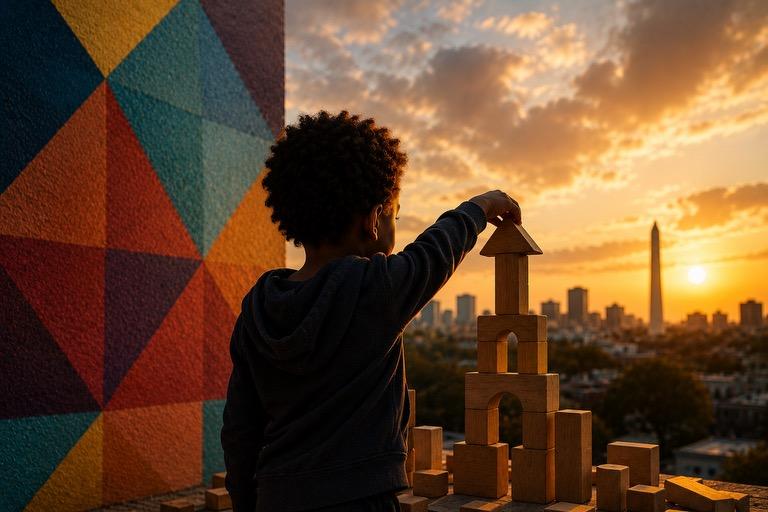
By Avery Monroe
As Americans gather to celebrate Juneteenth, many will reflect on the moment in 1865 when enslaved people in Galveston, Texas finally learned they were free, more than two years after the Emancipation Proclamation had been signed. It is a story of delayed freedom, but it is also a story of possibility.
Freedom, after all, is more than the absence of chains. True freedom is the ability to build.
The ability to build a business. Build a home. Build wealth. Build a future. Build a legacy.
For generations, Black Americans have done exactly that, often despite barriers specifically designed to prevent it. From Black Wall Street in Tulsa to the small family-owned businesses that have anchored neighborhoods
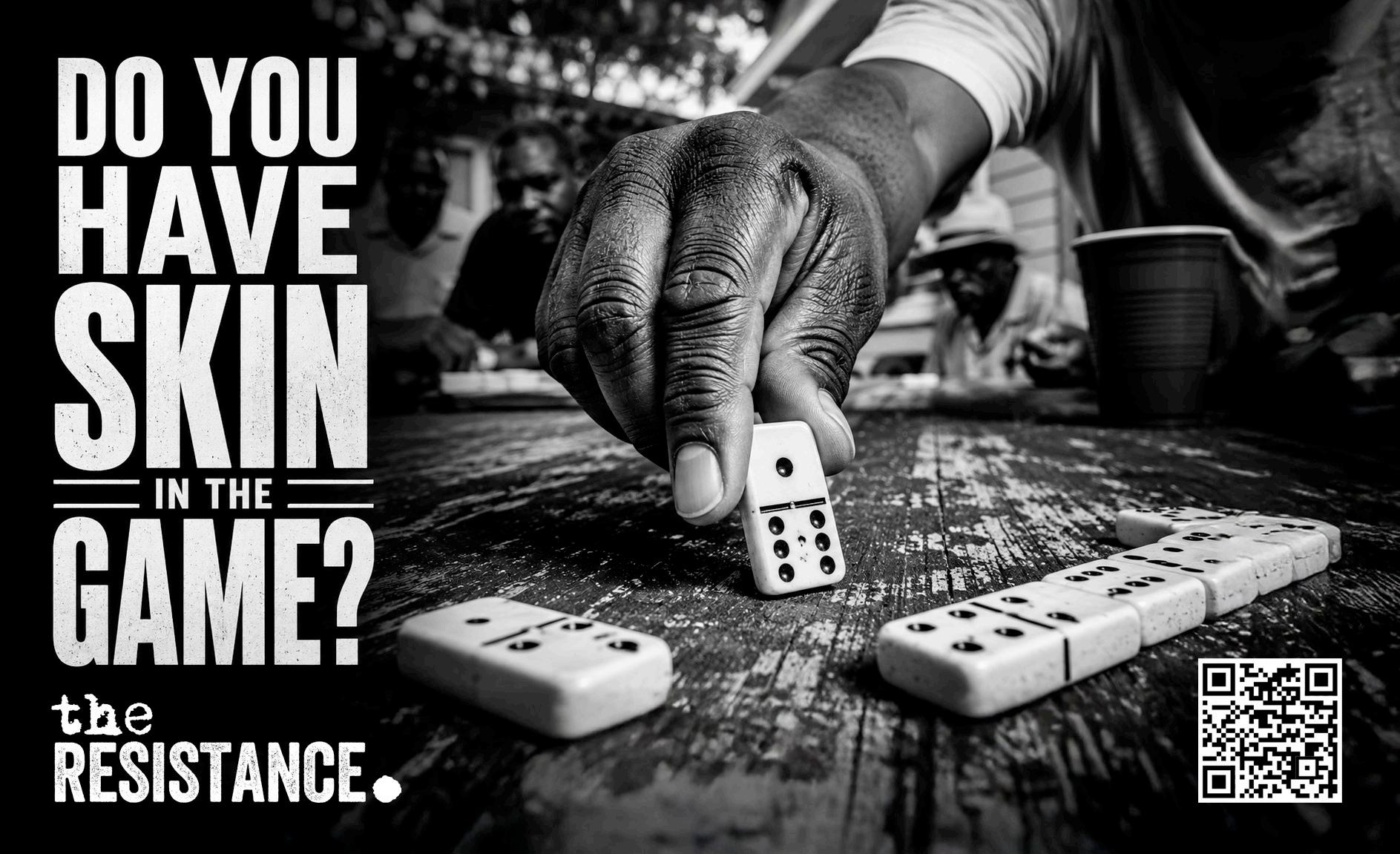
Do You Have Skin in the Game?
Resistance is not always loud. Often, it begins with awareness, discipline, and the choices we make every day.
By The Advocate
There are moments when clarity requires us to stop softening the message.
This is one of them. There are truths that are uncomfortable, but necessary.
America does not consistently care for Black people in the way it claims to. And yet, too often, we struggle to care for ourselves, and for one another, with the urgency that reality demands.
Recently, the United States was one of only three countries to vote against a United Nations resolution recognizing the trans-Atlantic trade in enslaved Africans as a crime against humanity.
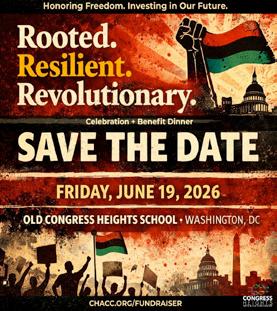

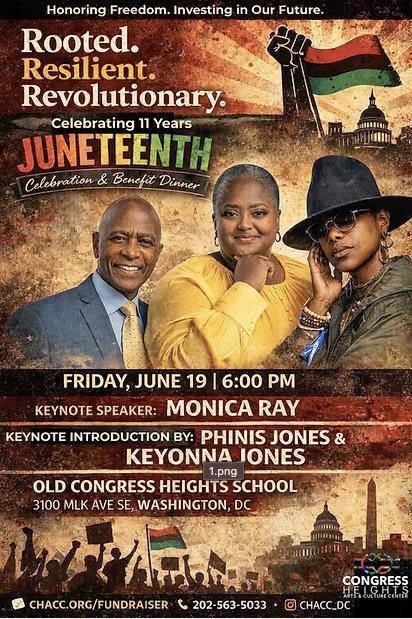
As we celebrate Juneteenth this month, we pause to honor a moment that forever changed the course of American history. More than a commemoration of freedom delayed, Juneteenth is a reminder of the resilience, ingenuity, and determination that have carried Black communities forward for generations.
For this June issue, The Capital News proudly presents the theme, “We Are the Blueprint.” A blueprint is more than a plan. It is a foundation. It is a vision for what is possible. It is the framework upon which something greater is built.
For centuries, Black Americans have served as the blueprint for culture, innovation, entrepreneurship, civic engagement, advocacy, and community-building. We have transformed obstacles into opportunities and created pathways where none previously existed. From neighborhood businesses and grassroots organizations to artistic movements and social change, our fingerprints are embedded in the very fabric of this nation.
Here in Washington, D.C., and especially throughout Wards 7 and 8, we see that legacy every day.
We see it in the small business owner who opens their doors before sunrise. We see it in the father mentoring young people on the basketball court. We see it in the educator who refuses to give up on a struggling student. We see it in the community leaders, artists, entrepreneurs, and advocates who continue building a stronger future despite challenges.
This issue is dedicated to those builders. Throughout these pages, we explore what it means to create opportunity, preserve legacy, and invest in future generations. We celebrate the people who are designing solutions, strengthening communities, and proving that freedom is not simply something we inherit. It is something we actively shape.
As you read this month’s stories, I invite you
Editor’s Note
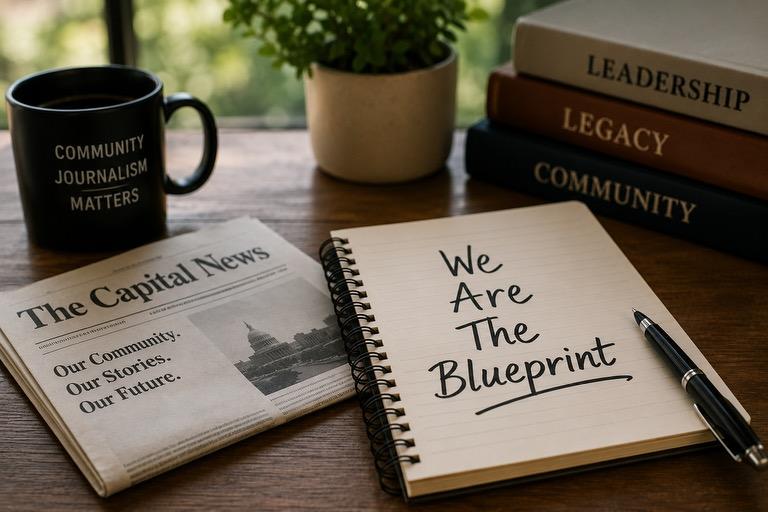
ward? What foundation are you helping create for the next generation?
The answers to those questions will shape the future of our neighborhoods, our city, and our collective story.
Thank you for reading, supporting, and believing in community journalism. Thank you for helping us celebrate the people whose vision, determination, and service continue to move our communities forward.
Because we are not waiting for a blueprint.
We are the blueprint.
In community,
Avery Monroe Editor
The Capital News

You Already Wrote the Blueprint. It’s Time to Build From It.
Congress Heights has a plan, several of them, in fact. This summer is about returning to what this community said it wanted for itself.
By Iris E. Patten
Iris E. Patten, Ph.D., is a community economic development practitioner and a founding partner of the Community Resource & Connections Fair.
There is a document, approved by the DC Council and grounded in the words of Congress Heights residents, that describes exactly what Congress Heights wants to become.
It talks about entrepreneurship taking root along Martin Luther King Jr. Avenue. It talks about families building wealth through homeownership. It talks about young people with real skills, real jobs, and a real stake in where they live. It talks about gathering spaces where the culture and history of this community can be seen and celebrated.
Congress Heights residents didn’t just dream that future. They showed up to community meetings, talked to planners, and told the city what they wanted. That vision became the 2022 Congress Heights Small Area Plan, a blueprint in the truest sense of the word.
“Residents said they would like more gathering space. They want places where culture and history can be highlighted. They also want to see more entrepreneurship in the community.”
— DC Office of Planning Director, 2022
Before that, in 2008, the community spoke again through the Neighborhood Investment Fund planning process. Residents gathered at the Petey Greene Community Center on Martin Luther King Jr. Avenue and named their priorities: job training, vocational skills, financial self-sufficiency, and homeownership.
The plan that emerged from those meetings described Congress Heights as “a neighborhood poised for excellence.”
That was the community’s own language.
Poised for excellence. Not waiting to be saved. Not defined by its challenges. Poised.
So here is an honest question worth sitting with: How much of that blueprint has become real in your own life?
For some Congress Heights residents, the answer is encouraging: steady work, a home, and a growing sense of financial ground beneath their feet.
For others, the distance between the vision and the present remains significant.
A median household income of $36,477 in a city where the average is nearly $86,000. Four in ten residents living below the poverty line. These are not judgments. They are gaps between what the community said it wanted and where things stand today.
And right now, the ground is shifting in ways that make closing those gaps even more urgent.
Federal changes to SNAP work requirements take effect June 1, affecting more adults across
Wards 7 and 8. For households that have relied on those benefits, the window to plan ahead is narrow.
That reality is real, and it deserves to be named honestly. But here is what is equally true: Economic independence was never someone else’s idea of what Congress Heights should be. It was in the blueprint the community wrote for itself.
Moving toward self-sufficiency, building income, building skills, and building ownership, is not a demand being imposed from the outside. It is a step toward the neighborhood that Congress Heights residents already said they wanted.
That is why this gathering is not a crisis response. It is a return to the table.
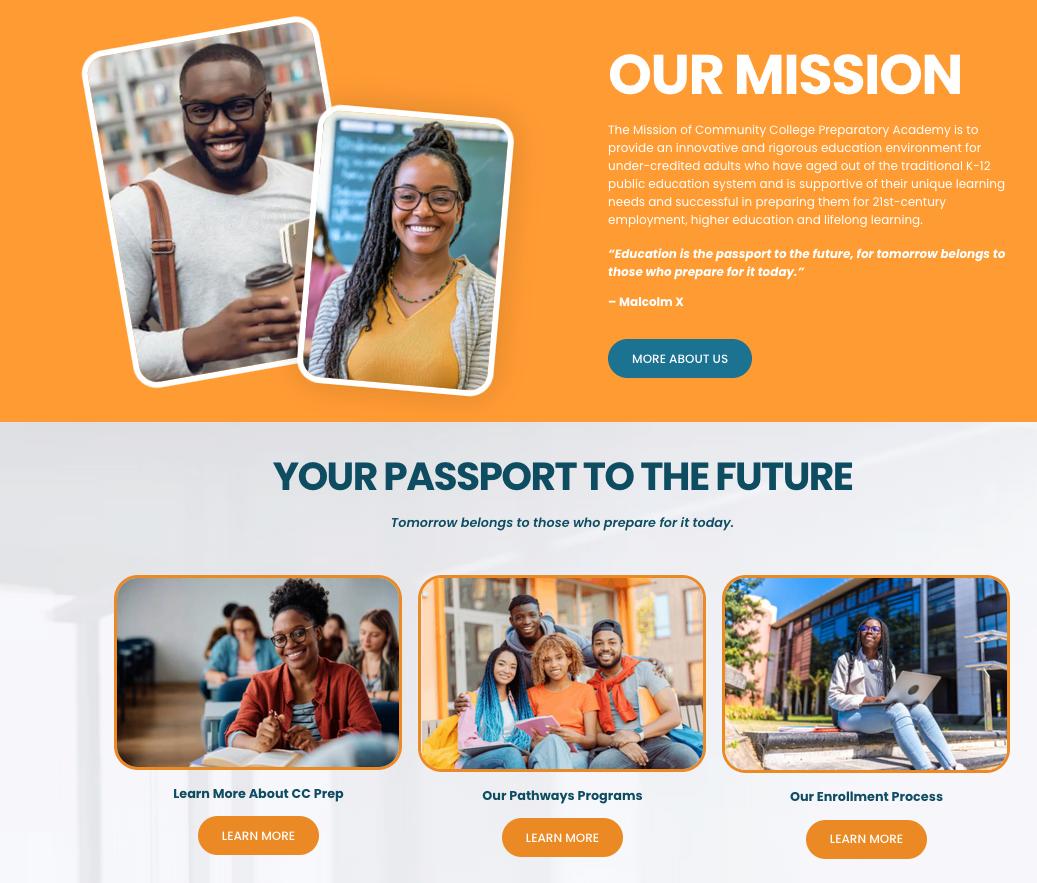
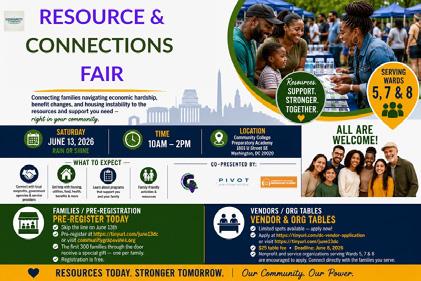
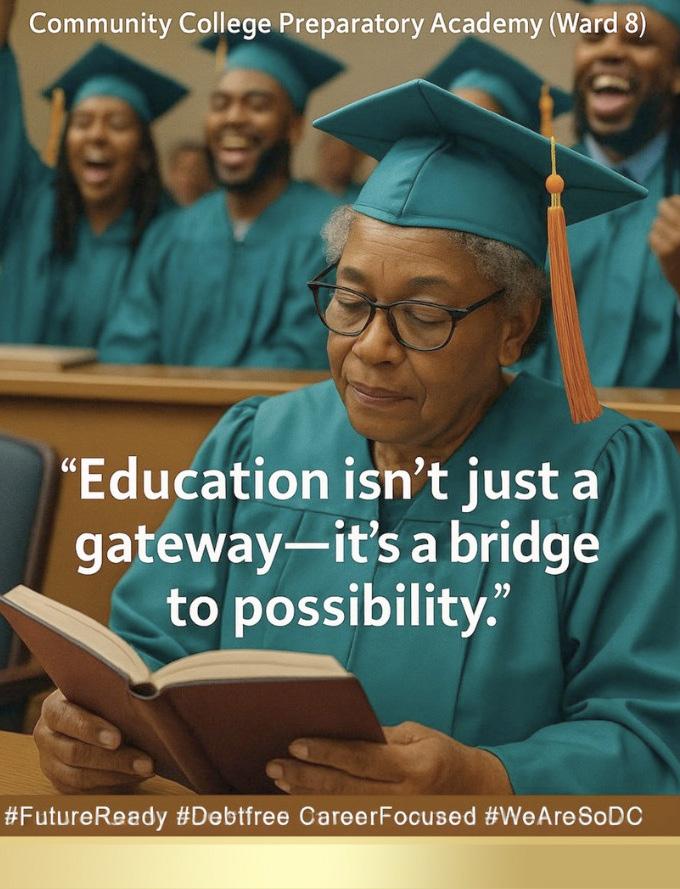
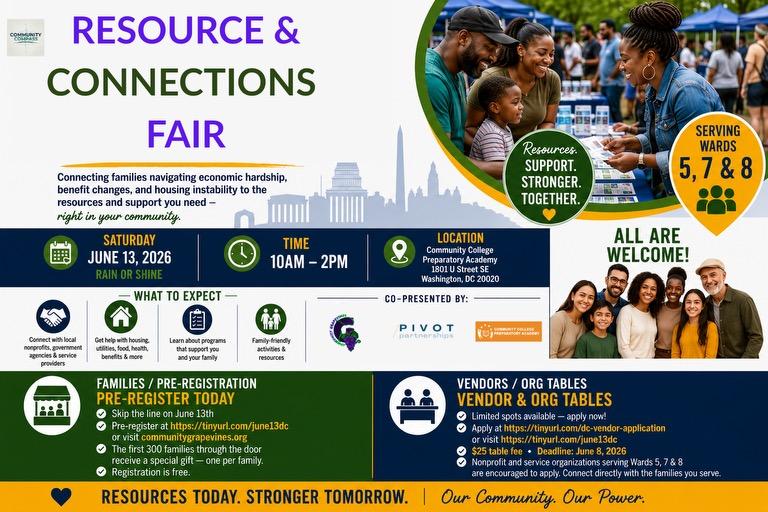
On Saturday, June 13, 2026, Community Grapevines, Pivot Partnerships, and Community College Preparatory Academy (CC Prep) are hosting a Community Resource & Connections Fair on the CC Prep campus, located at 1801 U Street SE, Washington, DC 20020.

The UnTold Stories
Monthly
Contributors:
The Advocate
Phinis Jones
Gene Lambey
Avery Monroe
Iris E. Patten
Content Design & Editor: Sincerely Planned, LLC
Please email The Capital News Team with any comments, questions or concerns: thecapitalnewsdc@gmail.com
Visit our website for current and past editions: https://issuu.com/capitalnewsdc
If you would like to submit an opinion piece to the Capital News, email the article to thecapitalnewsdc@ gmail.com by the 15th to be considered for publishing.
If you would like to place a small job listing, housing or automobile advertisement in the paper please email the information and the teamwill contact you about pricing for your ad.
Freedom to Build from P1 across Washington, D.C., Black communities have continuously transformed limited resources into thriving institutions. We have built churches that became organizing centers, barbershops that became community forums, and kitchens that became businesses capable of feeding entire neighborhoods.
Yet the pursuit of economic freedom remains unfinished.
In communities east of the Anacostia River, entrepreneurs continue to face challenges securing capital, accessing commercial space, and competing for contracts. Homeownership rates remain uneven. Longtime residents often find themselves navigating rising costs while working to preserve the communities they helped create.
Despite these challenges, the spirit of innovation remains alive and well.
Across Wards 7 and 8, residents are launching businesses, creating nonprofits, mentoring young people, and investing in their neighborhoods. They are opening restaurants, producing media, developing workforce programs, and creating opportunities where others see obstacles.
These efforts are not simply acts of entrepreneurship. They are acts of community building.
Every successful Black-owned business creates more than revenue. It creates jobs. It creates visibility. It creates examples for the next generation. It demonstrates that ownership is possible and that local investment can have a lasting impact.
That reality makes economic development a community issue, not just a business issue.
When residents support local businesses, they are supporting local dreams. When communities advocate for equitable development, they are advocating for future generations. When young people see entrepreneurs who look like them, they begin to envision possibilities for
themselves.
This is the deeper promise of Juneteenth.
Freedom is not merely something that happened in the past. It is something that must be expanded and protected in the present.
The question before us is not whether our communities have the talent, creativity, or determination to succeed. History has answered that question many times over.
The question is whether we will continue creating pathways that allow those talents to flourish.
As we celebrate Juneteenth, let us honor the builders among us. The small business owners opening their doors every morning. The nonprofit leaders solving problems that others overlook. The educators preparing future leaders. The community advocates fighting for resources and opportunity.
These are the architects of tomorrow.
Their work reminds us that freedom is not simply inherited. It is constructed, strengthened, and passed forward.
Under the theme “We Are the Blueprint,” this month we celebrate the people who continue to design a future rooted in resilience, ownership, and possibility.
Because freedom is not only the right to dream.
It is the opportunity to build.
Do You Have Skin in the Game? from
P1
That moment should have made something unmistakably clear.
If we are waiting for validation, protection, or prioritization from systems that have historically failed to provide it, we will continue to wait.
So the question becomes: What does it look like to respond with awareness instead of denial?
Resistance is often misunderstood. People imagine it as loud, reactive, or confrontational.
But resistance, at its core, is quieter than that. It is awareness. It is discipline. It is memory carried forward into everyday life.
At its most fundamental level, resistance asks a simple question: Do you have skin in the game?
Having skin in the game is more than a metaphor for personal investment. For many of us, it also acknowledges that our lived experience, our actual skin, shapes how we approach resistance and resilience.
It means understanding that engagement carries consequences. And that indifference carries consequences as well.
Investment, Responsibility, Participation, Accountability
Resistance is not only found in moments of public conflict. It lives in ordinary decisions, in what we tolerate, what we question, and what we choose to understand.
It lives in how we spend, how we vote, how we teach, how we eat, how we think, and what we refuse to normalize.
Having skin in the game means investment, responsibility, participation, and accountability.
Investment is not abstract. It shows up in everyday choices: where we spend our money, whose work we support, and whether we sustain the communities we say we care about.
Supporting small Black-owned businesses is not symbolic. It is structural.
Responsibility asks something deeper. It asks whether we carry forward the knowledge entrusted to us. Are we passing along our family histories? Are we teaching Black history not only in February or June, but in everyday conversations and examples?
Responsibility is not performance. It is continuity.
Participation means refusing distance. It requires attention, staying informed, thinking critically, and engaging with the world rather than observing it passively.
Participation is often quiet, but it is never absent.
Accountability is the willingness to examine ourselves honestly. It asks us to consider what we benefit from, what we overlook, and where we remain silent when clarity is needed.
Accountability is rarely comfortable. But it is necessary for growth.
Every Election Matters
Voting is part of that accountability.
If our vote did not matter, there would not be so much effort to redraw districts, dilute representation, and make participation harder.
Redistricting is not just a technical political process. It can determine whether communities are seen, heard, and represented, or divided until their collective power is weakened.
In Alabama, a federal court recently blocked a congressional map it found intentionally discriminatory against Black voters. The case is one more reminder that representation is not abstract.
Lines on a map can decide whether a community’s voice is strengthened or scattered.
That is why voting cannot begin and end with the presidency.
The largest impact on daily life often starts lo-
cally: school boards, advisory neighborhood commissions, city councils, county officials, sheriffs, judges, prosecutors, state legislators, and election boards.
Local elections shape schools, policing, zoning, housing, public safety, transportation, sanitation, budgets, and development.
Vote in every local election. Encourage people connected to every address you know to do the same.
Do not wait for a presidential year to act like power is on the ballot. It always is.
Paying Attention to What Is Being Built
Resistance also requires us to pay attention to what is built around us.
In Southeast Washington, D.C., plans tied to the St. Elizabeths West Campus include major federal development for the Department of Homeland Security, including Immigration and Customs Enforcement headquarters.
For some, that may read as another government building.
For others, immigrants, Black and brown residents, multilingual families, and those treated as outsiders in their own communities, it raises deeper questions about presence, surveillance, safety, and belonging.
And context matters.
This is east of the river, in a part of the city with deep Black history and long-standing Black communities.
In a place where investment could be transformative, residents have reason to ask what kind of investment is being prioritized.
Is it grocery access, schools, housing, small business support, health care, arts, parks, and community infrastructure?
Or another federal security footprint? That does not mean we react without thought.
It means we observe without denial. We educate ourselves.
We ask what development means, who it serves, who it watches, and who it asks to shrink.
Resistance Through Self-Care
Resistance also extends to how we care for ourselves.
In a culture shaped by speed, convenience, and overconsumption, mindful living becomes its own form of resistance.
That includes how we eat.
We are surrounded by foods engineered for shelf life, speed, and taste, not always for health. Many packaged snacks, including cookies and chips, fall into what researchers describe as ultra-processed foods, often made with refined sugars, oils, additives, and flavor enhancers rarely used in home kitchens.
This is not about fear. It is about awareness.
That awareness also asks us to reconsider what we have accepted as normal.
Chicken, for example, has become one of America’s default foods.
It is everywhere: fast-food menus, family tables, school lunches, meal-prep plans, and “healthy” plates.
But how often do we stop to question that?
We consume chicken constantly, yet most of us rarely encounter the living bird in everyday life.
The math of that should at least make us pause. If we are eating it at this scale, where is it all coming from? How is it being raised, processed, seasoned, marketed, and normalized?
That question is not about shame. It is about discernment.
Reading labels, staying informed, and choos ing balance when feeding ourselves and our families becomes part of the discipline of care.
Health, in that sense, is not separate from resistance. It is part of it.
The resistance is taking the hill, not the elevator.
The Inner Work
There is also an inner dimension to resistance. Mindfulness and spiritual grounding offer balance in a world that constantly pulls us outward.
When we look inward, whether through faith, reflection, prayer, or quiet thought, we often find clarity that steadies us externally.
What we carry in our minds shapes what we tolerate in our lives.
What we tolerate in our lives shapes the world our children inherit.
Resistance begins within, but it cannot end there.
Be kind to yourself.
Self-govern your thoughts and create an environment of peace mentally that follows you.
Research in neuroscience shows that the brain can respond powerfully to vividly imagined experiences. When we clearly visualize peace, success, healing, or confidence, the body and
mind begin to respond.
That is why belief matters. What we repeatedly see in our minds quietly shapes what we move toward in real life. So be gentle with your thoughts. Be intentional with your vision. And be kind, to yourself and to others.
What you imagine, you practice. What you practice, you become.
Moving Forward
Today, resistance looks different than it once did. We are not repeating history, and we are not meant to. We stand on principles built by those who came before us, not in vengeance, but in clarity.
Their work makes it possible for us to live with a level of access, voice, and opportunity they fought hard to secure.
That legacy does not call us backward. It calls us forward.
Many freedoms now considered foundational, expanded voting rights, labor protections, women’s rights, disability rights, immigrant rights, LGBTQ+ rights, environmental justice movements, and broader civil liberties, are influenced by organizing models, legal challenges, and public demonstrations rooted in earlier Black struggles for civil and human rights.
Do You Have Skin in the Game? from P7
While each movement has its own history and leadership, the framework of collective action does not emerge in isolation.
Recognizing that history does not diminish present struggles.
Instead, it places them in context. It reminds us that resistance is not static. It evolves.
History does not compete with the present. It clarifies it.
A Reminder
A simple shirt can be part of that clarity.
Not because fabric alone changes the world, but because what we wear can become a silent reminder.
A reminder of the struggle.
A reminder of what we have endured.
A reminder of what we have overcome.
A reminder of what we refuse to become numb to. This brand stands on the everyday reminder of struggle, survival, and accomplishment.
It is a reminder that rights did not simply appear. They were pressed into existence by people who resisted, organized, taught, marched, prayed, boycotted, built, and refused to disappear.
So a shirt is not just a shirt.
It can remind us not to conform without question.
Not to simply observe.
Not to confuse awareness with action.
We must educate, remember, and carry the message into everyday life.
Resist the urge to numb what you feel.
Give yourself permission to fully understand what is happening around you.
See it for what it is.
Do not ignore it.
Take a stand, not only outwardly, but inwardly.
In how you think.
In how you spend.
In how you speak.
In what you teach.
In what you refuse to accept.
Resistance does not always require an audience.
Often, it begins with alignment, quietly, deliberately, and without performance.
And once you see clearly, you no longer move the same.
Resistance is not loud. It is deliberate.
And often, it begins quietly, within.
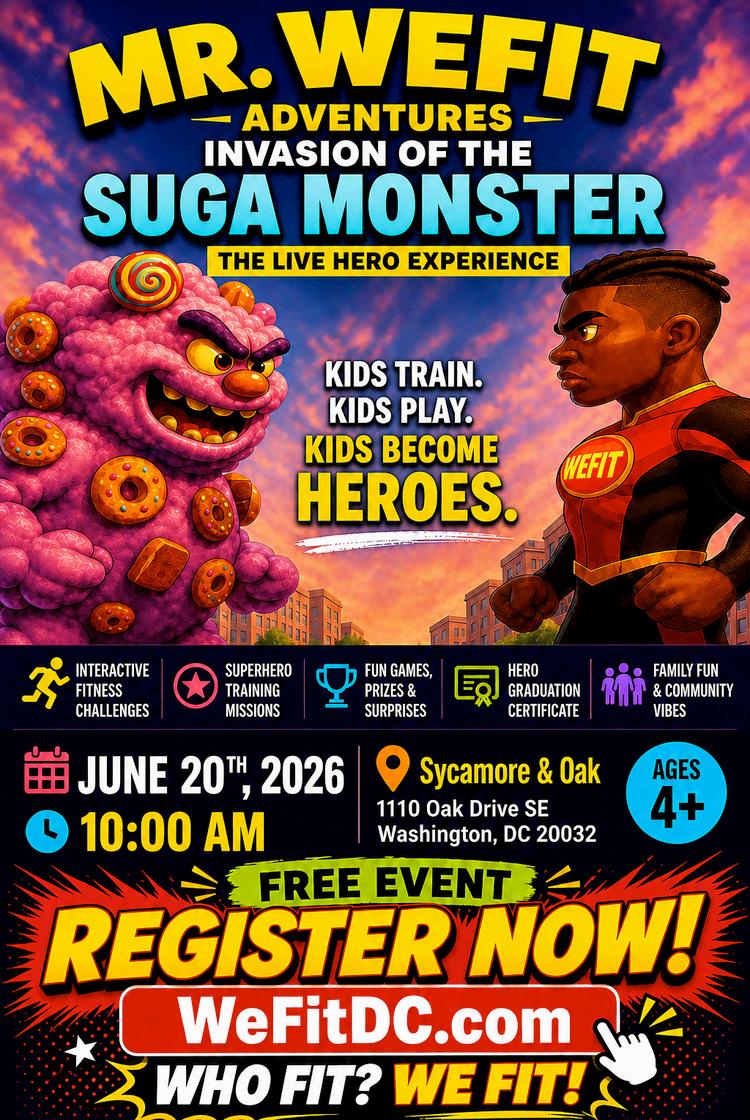
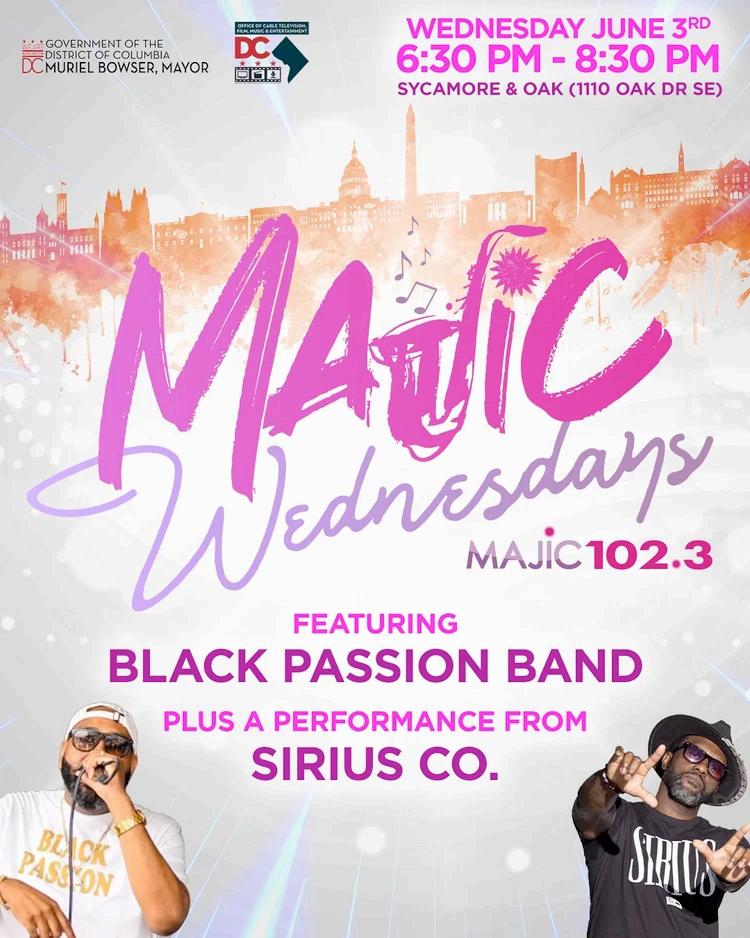
June 20, 2026
10:00 AM – 12:00 PM
Mr. WeFit Adventures: Invasion of the Suga Monster
Kids become heroes in a fun, interactive fitness adventure with games, challenges, and a final Suga Monster showdown.
Mr. WeFit Adventures: Invasion of the Suga Monster is a high-energy, interactive fitness experience for kids ages 4+.
In this immersive event, children will become heroes as they move through fun training challenges, games, and team-based missions—all leading up to a final showdown against the Suga Monster.
This experience is designed to build confidence, encourage movement, and promote healthy habits in a fun, engaging environment.
More details at https://www.sycamoreandoak.com/events
By Bloom Wilder
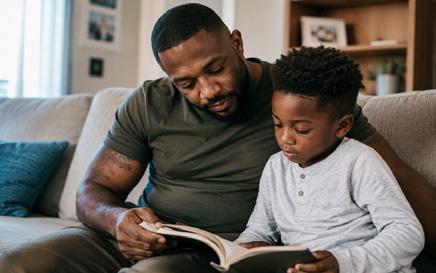
The Blueprint Of Black Fatherhood
When we think about blueprints, we often imagine technical drawings. Detailed plans. Careful measurements. A vision for something that has yet to be built.
Fatherhood works much the same way.
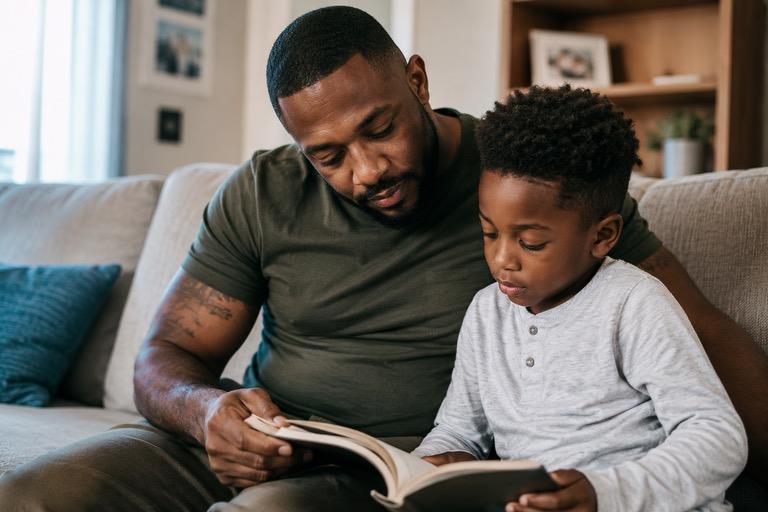
Every day, fathers are laying foundations they may never fully see. They are teaching lessons that will surface years later. They are modeling resilience, accountability, compassion, and strength in ways that often go unnoticed until long after the moment has passed.
As we celebrate Juneteenth and Father’s Day in the same month, it is worth recognizing the profound role Black fathers have played in shaping families, communities, and generations.
Too often, conversations about Black fatherhood focus on statistics rather than stories. Challenges rather than contributions. Absence rather than presence.
Yet throughout American history, Black fathers have been builders.
They built families under systems designed to separate them. They built businesses despite barriers to ownership. They built communities through mentorship, faith institutions, civic organizations, and neighborhood leadership.
Today, that legacy continues.
Black fathers serve as coaches, teachers, entrepreneurs, pastors, mentors, and advocates. They show up for school events, youth sports, graduations, dance recitals, parent-teacher conferences, and countless everyday moments that rarely make headlines.
They are helping children navigate a world that is changing rapidly while still teaching timeless values: respect, integrity, perseverance, and self-worth.
For many fathers, the responsibility extends beyond their own households.
The coach who stays after practice to encourage a struggling student. The barber who offers advice between haircuts. The uncle, grandfather, neighbor, or mentor who steps into a young person’s life during a critical moment. These men become architects of possibility. Their influence reaches beyond individual families and into entire communities.
In neighborhoods across Washington, D.C., countless young people can point to a man who believed in them before they believed in themselves. Someone who encouraged them to apply for college. Start a business. Pursue a dream. Avoid a mistake.
Those interactions matter.
Research consistently shows that positive adult relationships contribute to stronger educational outcomes, emotional well-being, and long-term success. But many people do not need research to understand this truth. They have lived it.
They remember the father who worked long
hours but still made it to every game.
They remember the grandfather whose wisdom became family scripture.
They remember the mentor who quietly changed the trajectory of a life.
Under this month’s theme, “We Are the Blueprint,” Black fathers deserve recognition as some of our community’s most important designers and builders.
They are drafting futures through every lesson taught, every sacrifice made, and every opportunity created.
The blueprint they leave behind is not made of paper.
It is written in confidence, character, and legacy.
And generations from now, its impact will still be visible.
By Lena Rose
Every generation inherits something.
Sometimes it is a family recipe passed from one kitchen to another. Sometimes it is a treasured photograph, a handwritten letter, or a story repeated so often it becomes part of a family’s identity.
Other times, what we inherit is less tangible. Courage. Faith.
Determination. Hope.
As we reflect on Juneteenth and this month’s theme, “We Are the Blueprint,” it invites a simple but profound question:
What are we leaving behind?
T
he answer extends far beyond material possessions.
The most valuable legacies are often the ones we cannot hold in our hands.
The generations before us left evidence of their dreams everywhere. In neighborhoods they built. Businesses they opened. Movements they organized. Families they nurtured. Traditions they protected.
Many accomplished these things despite enormous obstacles.
Their sacrifices created opportunities that countless others would one day benefit from.
Now it is our turn.
What will future generations say about us?
Will they see a community that invested in its young people?
What We’re Leaving Behind
Will they find examples of leadership rooted in service instead of self-interest?
Will they inherit neighborhoods where culture was preserved rather than forgotten?

Will they know that we cared enough to leave something meaningful behind?
Legacy is often misunderstood as something reserved for the wealthy or famous.
In reality, every person leaves a legacy.
The teacher who inspires a student.
The parent who creates stability.
The entrepreneur who creates jobs.
The volunteer who serves without recognition.
The neighbor who looks after the children on the block.
Each contributes to a story that extends beyond themselves.
In many ways, communities are built through these small, consistent acts of stewardship.
The future is not created through a single grand gesture.
It is created through thousands of daily decisions.
The decision to mentor.
The decision to vote.
The decision to support local businesses.
The decision to preserve culture.
The decision to believe that what happens in
As Washington, D.C. continues to evolve, the question of legacy becomes increasingly important.
Growth matters. Development matters. Progress matters.
But so do memory, identity, and connection. The strongest communities understand that honoring the past and investing in the future are not competing priorities. They are partners.
Under the theme “We Are the Blueprint,” we celebrate those who came before us while recognizing our responsibility to those who will come after.
One day, future generations will look back and evaluate the foundations we left behind.
May they find evidence of vision. May they find evidence of care. May they find evidence of courage.
Most importantly, may they find a blueprint worth building upon.

Already
This fair provides a space to reconnect with the Congress Heights vision and ask a simple but powerful question:
What is my part in moving this forward? There will be people there who can connect residents with job training, workforce development, homeownership pathways, and small business resources, the very things the community named in its own plans.
And yes, if you have questions about SNAP changes and what they mean for your household, there will be people who can help you understand your options and navigate next steps.
But that is not why we are gathering.
We are gathering because this community has never lacked vision.
It has always known where it wants to go. The blueprint exists.
The question now is who shows up to build from it.
Pre-Kindergarten -4th Grade
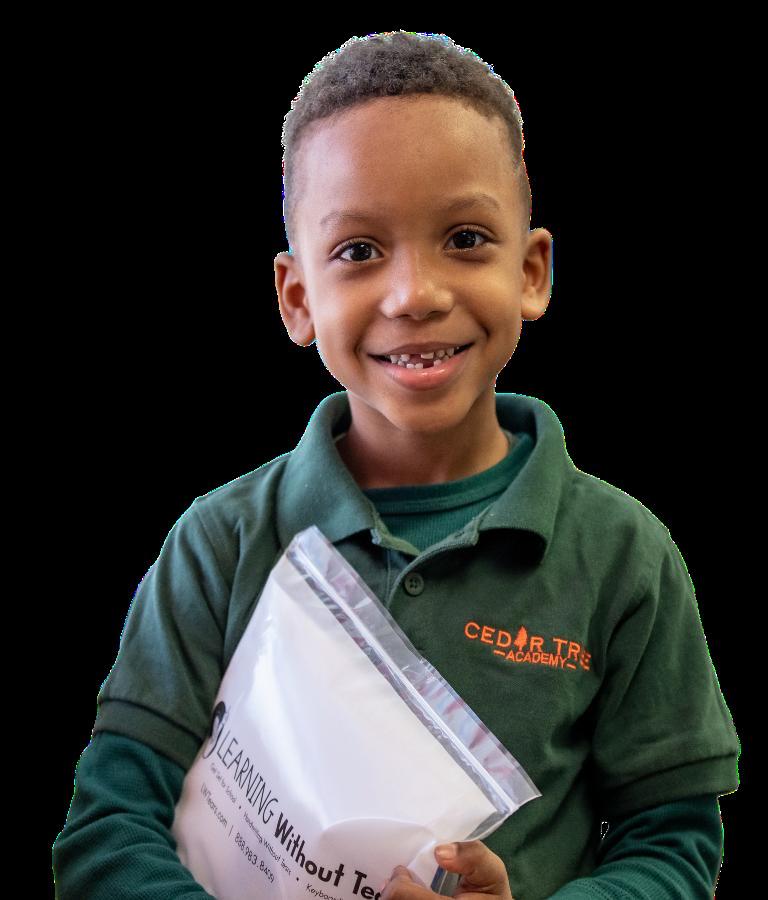
Cedar Tree Academy is a Level One, Elementary Public Charter School located in the District of Columbia. As an elementary school, we serve students from PreKindergarten to 4th Grade. Cedar Tree Academy prepares students to become active, independent learners. We achieve these results by focusing on key areas to aid in the process of preparing students for elementary, middle, high and post-secondary educational opportunities. We proudly offer:
• Free, all-day program
• Technology -enhanced classrooms
• Before & After Care, Sports & Clubs
• Foreign Language & More





EXPLORE. Schedule a Tour to see our program in action

Apply at www.MySchoolDC.org



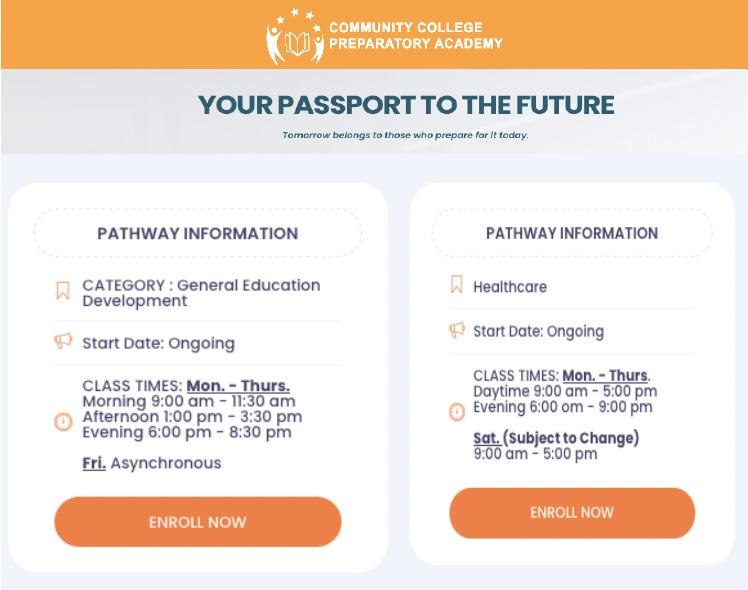
VISIT: https://ccprep-academy.org/

Religious Corner
Allen Chapel A.M.E.Church
Rev. Dr. Michael E. Bell, Sr., Pastor 2498 Alabama Ave. SE WDC 20020 (202) 889-3296
“The Cathedral of Southeast DC” Sunday Worship 8:00am &11:00am Sunday School 9:15am www.acamec.org
“Teaching God’s Word and Serving God’s Word” Brighter Day Ministries
Rev. Tommy Murray, Pastor Multi-Location Church
Visit our website: @ www.brighterdaydc.com Congress Heights Campus
421 Alabama Avenue, SE, Washington, DC 20032 11:00am Sunday Worship Sunday School 9:30am Office: 202/889-3660
Email: churchoffice@brighterdydc.org
Campbell A.M.E. Church
2568 Martin Luther King, Jr. Ave. SE, WDC 20032 (202) 678-2263
Sunday Worship 8:00am & 11:00am Sunday School 9:30am
Prayer Service Wednesdays 6:30pm
Bible Study Wednesday 12noon Bible Study Thursday 7:00pm
Christ Ministries
30 Atlantic Street, SE WDC 20032 Services: 11 am and 3pm
Covenant Baptist United Church of Christ
Dr. Dennis and Christine Wiley, Co-Pastors 3845 South Capitol St. SW WDC 20032 (202) 562-5576
“Ministries for the Mind, Body and Spirit” Sunday Worship 10:00am Wednesday Bible Study 12noon & 6:30pm www.covenantbaptistucc.org
East Washington Heights Baptist Church
Rev. Kip Bernard Banks, Sr., Pastor 2220 Branch Ave. SE WDC 20020 (202) 582-4811– Office
Sunday Worship 11:10am Sunday School 9:30am
Devotional Service 10:45 am Bible Study Wednesday 6:30pm Children’s Church 2nd & 4th Sunday 11:00am www.ewhbc.org ewhbc@aol.com
Emmanuel Baptist Church
Christopher L. Nichols, Pastor 2409 Ainger Pl., SE WDC 20020 (202) 678-0884-Office • (202) 678-0885– Fax
“Moving Faith Forward”
Sunday Worship 8:00am & 10:45am
You can pick up your monthly issue of The Capital News at any of the locations below. If you would like to be included in the distribution please contact thecapitalnewsteam@gmail.com
Family Bible Study Tuesdays 7:00pm
Prayer Service Tuesday 6:00pm www.emmanuelbaptistchuurchdc.org
Greater Mt. Calvary Baptist Church
Archbishop Alfred D. Owens, Pastor
Evangelist Susie Owens, Co-Pastor 610 Rhode Island Ave. NE WDC 20002 (202) 529-4547
“It doesn’t matter how you feel, God is still worthy to be praised”
Sunday Worship 8:00am & 10:45am
Super Sunday Service 3rd Sundays of month 6:00pm
Wednesday Night Prayer 6:30pm
Wednesday Bible Study 7:30pm www.gmchc.org/
Israel Baptist
Rev. Dr. Morris L. Shearin, Pastor 1251 Saratoga Ave. NE WDC 20018 (202) 269-0288
“We Enter to Worship, We Depart to Serve”
Sunday Worship 10:45am • Sunday School 9:15am
Senior Bible Class Tuesday 10:30am
Wednesday Prayer Noon & 6:30pm
Bible Study Wednesday 7:00pm
Holy Communion First Sunday 10:45am http://www.israelbaptistchurch.org/
Johnson Memorial Baptist Church
Rev. Henry A. Gaston, Pastor 800 Ridge Rd. SE WDC 20019 (202) 581-1873
Sunday Worship 7:45a. & 11:15am Church School 9:30am
Bible Study Wednesday 8:00pm Prayer Meeting Wednesday 7:00pm
Kingdom Care Senior Village Place of Worship: Greater Fellowship/Gospel Baptist Church 814 Alabama Ave SE Washington, DC 20032 Phone: 202-561-5594
Macedonia Baptist Church
Rev. Garfield Burton, Pastor 2625 Stanton Rd. SE WDC 20032 • (202) 678-8486
“A Church With a Living Hope in the Midst of Dying World” Sunday Worship 10:00am Sunday School 9:00am
Prayer & Bible Study Wednesday 7:00pm & 7:30pm Saturday Sacrificial Prayer 7:00am www.macedoniadc.org/
Matthews Memorial Baptist Church
Dr. C. Matthew Hudson Jr., Pastor
2616 MLK Ave. SE WDC 20020 (202) 889-3709 Office (202) 678-3304 Fax
“Empowered to love and Challenged to Lead a Multitude of Souls to Christ”
Sunday Worship 7:30am & 10:45am
Church School 9:30am
Prayer, Praise & Bible Study Wednesday 7:00pm
Bible Study Saturday 11:00am
Holy Communion 1st Sunday 10:45am
New Life Ministries DC
Reverend Ernest D. Lyles, Sr.
2405 MLK Jr. Ave SE WDC 20020 Sunday Worship 10:00am https://newlifeministriesdc.org/
“A small church with a mega heart” Phone: 202-304-2005
Email: joinus@nlmdc.org
Pennsylvania Ave. Baptist
Rev. Dr. Kendrick E. Curry 3000 Pennsylvania Ave. SE WDC 20020 (202) 581-1500
“Committed to the Cause of Christ” Sunday Worship 10:45am • Sunday School 9:30am
Adult Bible Study Mondays 7:00pm Young Adult Bible Study Tuesdays 7:00pm Bible Study Wednesday 6:30pm http://www.pabc-dc.org/
St. John C.M.E. Church
Reverend John A. Dillard III 2801 Stanton Rd. SE, Washington DC 20020 (202) 678-7788
Sunday Worship 11:00am Sunday School 9:00am http://www.stjohncmecdc.org/
St. Matthews Baptist Church
Rev. Dr. Maxwell M. Washington, Pastor 1105 New Jersey Ave. SE WDC 20003 (202) 488-7298
“Striving to be more like Jesus with an emphasis on ‘Prayer’” Sunday Worship 9:05am • Sunday School 8:00am Bible Study Tuesday 7:30pm
Prayer Meeting Tuesday 7:00pm Hold Communion 3rd Sunday Morning www.stmatthewsbaptist.com stmatthewbaptist@msn.com
Union Temple
Pastor Anika Wilson Brown 1225 W St SE, WDC, 20020 • (202) 678-8822
“It’s a family affair”
Sunday Worship: 8:00am & 11:00am
Thursday Night Worship: 7:30pm www.uniontemple.com
Our Distribution
Anacostia Library 1800 Good Hope Road SE
Allen Chapel AME Church 2498 Alabama Ave, SE
Andrews Federal Credit Union 1556 Alabama Ave, SE
The Arc/ Parkland Community Center 1901 Mississippi Ave, SE Bar Sycamore & Oak, SE
The Big Chair Coffee Shop 2102 MLK Jr. Ave, SE
Brighter Day Ministries DC 421 Alabama Ave, SE
Busboys & Poets
2004 Martin Luther King, Jr. Ave, SE
Campbell A.M.E. Church 2568 MLK, Jr. Ave, SE
Cedar Hill Medical Center 2228 MLK Jr. Ave, SE
Cedar Tree Academy 701 Howard Road, SE
Chase Bank
2200 MLK, Jr. Ave, SE 2728 Marion Barry Ave, SE
Christ Ministries 30 Atlantic Street, SE
Clara Apartments 2323 MLK Ave
Community College Preparatory Academy 18th & U st, SE
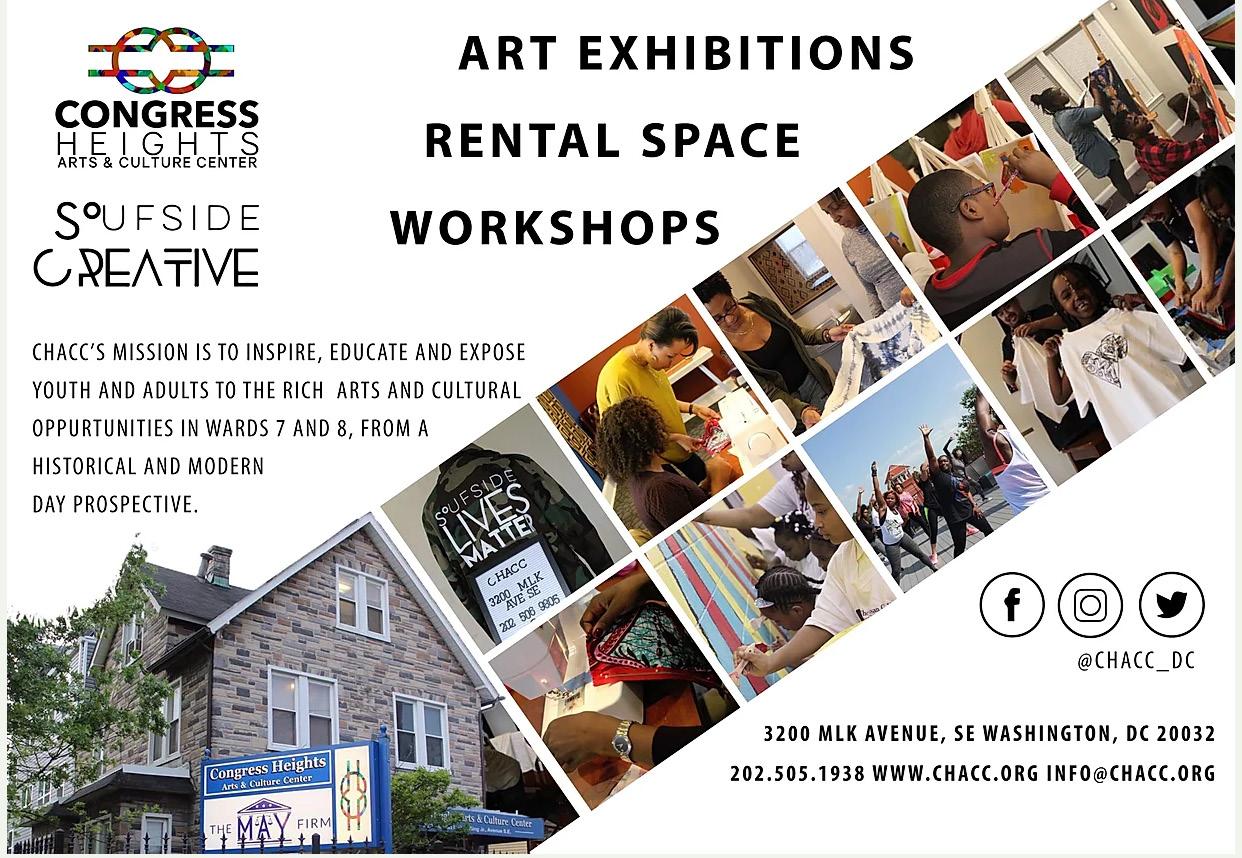
Congress Heights Arts and Culture Center 3215 MLK JR. AVE, SE
Covenant Baptist United Church of Christ 3845 South Capitol St. SW
You can pick up your monthly issue of The Capital News at any of the locations below. If you would like to be included in the distribution please contact thecapitalnewsteam@gmail.com
CVS
2724 Good Hope Road, SE
DCity Smokehouse 1301 Marion Barry Ave SE
DHS Congress Heights Service Center Dept. of Human Services Child Care 4001 South Capitol St, SW
East Washington Heights Baptist Church 2220 Branch Ave. SE
Emmanuel Baptist Church 2409 Ainger Pl., SE
Excel Care Pharmacy 3923- A South Capitol St, SW
Fort Carroll Market 3705 MLK Jr. Ave, SE
Greater Mt. Calvary Baptist Church 610 Rhode Island Ave. NE
Go-Go Museum 1920 MLK, Jr. Ave, SE
Giant 1535 Alabama Ave, SE
Industrial Bank 1800 Good Hope Road, SE 1800 MLK, Jr. Ave, SE
Israel Baptist 1251 Saratoga Ave. NE
Johnson Memorial Baptist Church 800 Ridge Rd. SE
Kingdom Care Senior Village 814 Alabama Ave, SE
Macedonia Baptist Church 2625 Stanton Rd. SE
Marion Barry Market 2317 Pennsylvania Avenue SE
Matthews Memorial Baptist Church 2616 MLK Ave. SE
Park Southern Ave Apartments 800 Southern Ave, SE
Parklands- Turner Neighborhood Library 1547 Alabama Ave, SE
Pennsylvania Avenue Baptis Church 3000 Pennsylvania Ave. SE
P.R Harris School 4600 Livingston Road, SE
R.I.S.E. Demonstration Center 2730 MLK, Jr. Ave, SE
The Roundtree Residences 2515 Alabama Ave, SE
Safeway 2845 Alabama Avenue, SE
Soufside Creative Sycamore & Oak, 1110 Oak Dr., SE
Southeast Tennis Learning Center 701 Mississippi Ave, SE
St. Elizabeth’s Hospital 1100 Alabama Ave, SE
St. John C.M.E. Church 2801 Stanton Road, SE
St. Matthews Baptist Church 1105 New Jersey Avenue, SE
Starbucks 2228 MLK, Jr. Ave, SE 2800 Alabama Ave, SE
Union Temple 1225 W St, SE
UPO/ Petey Greene Community Center 2907 MLK, Jr. Ave, SE
PISCES

(February 19 to March 20)
“I Am Guided by Love, Intuition, and Divine Wisdom.”
Communication and local, quick trips are favored, with a focus on turning creative ideas into tangible projects.
ARIES
(March 21 to April 19)
“I Fearlessly Create My Own Path.”
Momentum builds; focus on physical goals and career, with a need to slow down later in the month to avoid burnout..
TAURUS
(April 20 to May 20)
“I Attract Abundance and Stability with Ease.”
Relationships and career are highlighted; a personal new moon brings a reset, calling for intentional, steady actions..
GEMINI

(May 21 to June 20)
“I Communicate My Truth with Clarity and Confidence.”
A personal renaissance begins with new opportunities and a focus on creative expression, especially after the 17th.
June Horoscopes


CANCER
(June 21 to July 22)
“I Am Safe, Loved, and Emotionally Balanced.”
Friendships and community are key; balance professional ambition with a need for inner, private reflection.

LEO (July 23 to August 22)
“I Shine My Light and Inspire Others with Confidence.”
Your public image and career are spotlighted until the 20th; focus on networking, with personal life gaining focus later.

VIRGO
(August 23 to September 22)
“I Am Enough, and My Efforts Are Valued.”
Travel and learning are favored, pushing you out of your comfort zone, while professional life picks up momentum

LIBRA
(September 23 to October 22)
“I Attract Harmony, Love, and Balance in All Areas of Life.”
Focus on intimate connections, shared resources, and overcoming emotional hurdles to achieve a breakthrough.
SCORPIO
(October 23 to November 21)
“I Trust My Intuition and Embrace Transformation.”
Relationships are central, with a full moon in your sign on May 1st bringing intense personal revelations and a need to trust..

SAGITTARIUS
(November 22 to December 21)
“I Am Open to Adventure, Wisdom, and New Possibilities.”
Productivity and health are key, with a focus on streamlining your daily life and achieving a better work-life balance.

CAPRICORN (December 22 to January 19)
“I Am Disciplined, Resilient, and Destined for Success.”
Creative joy and romance are highlighted, supporting your long-term goals in partnerships and personal growth.

AQUARIUS
(January 20 to February 18)
“ I Embrace My Uniqueness and Create Positive Change.”
Domestic life and family take center stage, requiring you to find stability and security in your personal space.

SPECIFICATIONS
(in inches, width and height)
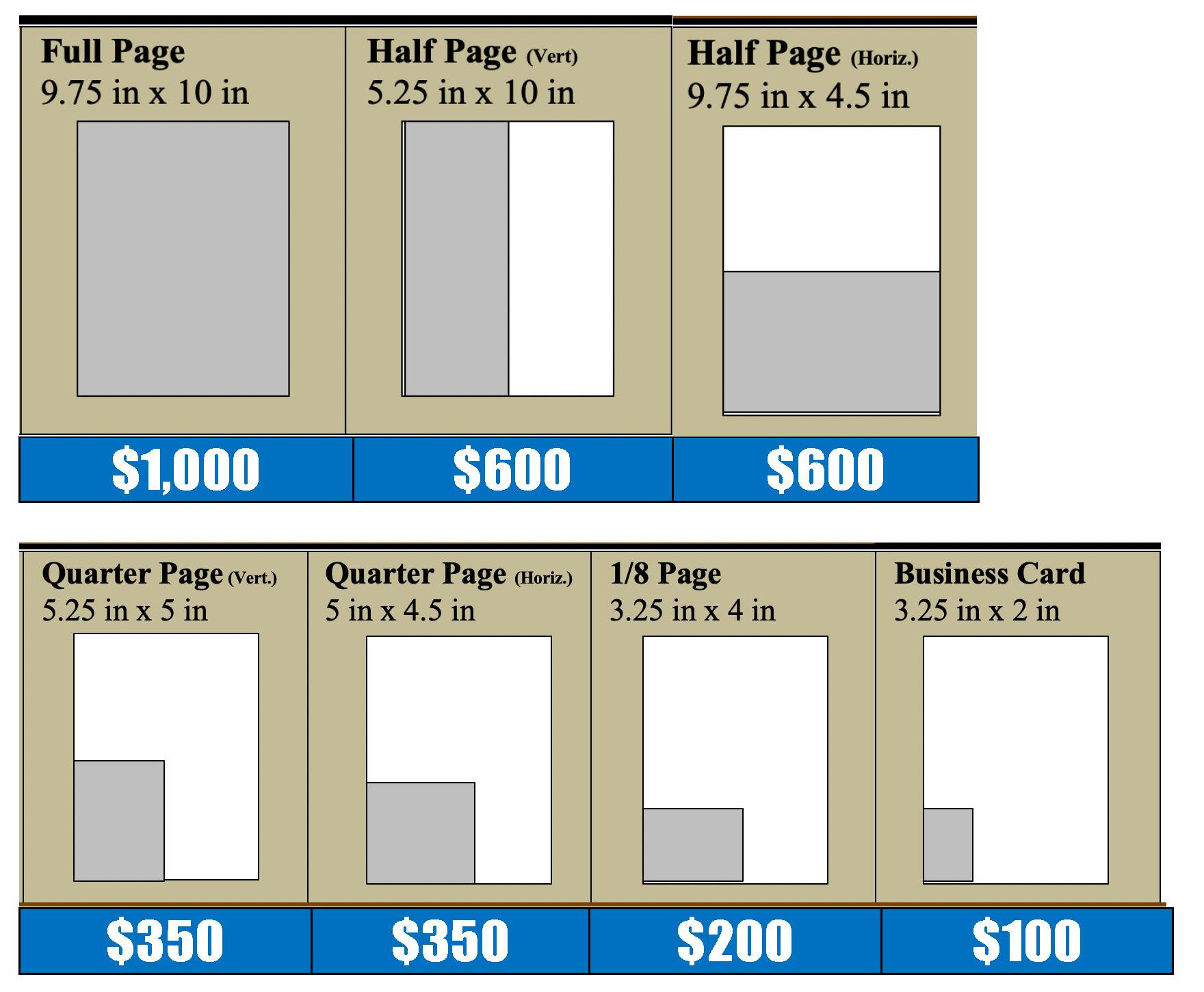
FREQUENCY DISCOUNTS ** DEDUCT 20% from base rate if ad buy is for six (6) or more issues.

READERSHIP - 20, 000 (Email subscribers) (pass-along rate of 4 readers per issue)
The Capital News is delivered monthly to high impact and heavily frequented public areas in Ward 5, 7 and 8. Our distribution includes churches, bus stops, post offices, community centers, clinics, coffee shops, barbershops, beauty salons, IHOP and other restaurants.

Call: (202) 563-5033
BILLING
DATE:
Advertisers will be billed immediately upon publication. Terms are net 30 days from date of invoice.

The UnTold Stories
Please email The Capital News Team with any comments, questions or concerns: thecapitalnewsdc@gmail.com
If you would like to place a small job advertisement, housing advertisement or automobile advertisement in the paper please email the editor with the information and the paper will contact you about pricing for your ad.