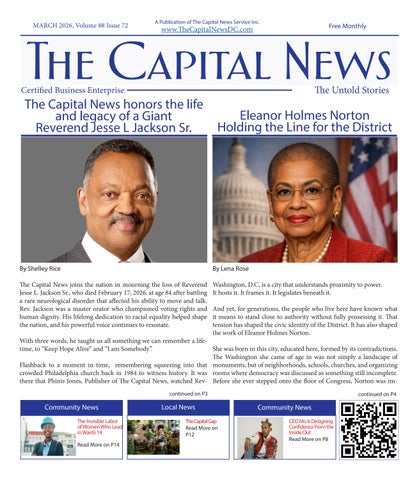

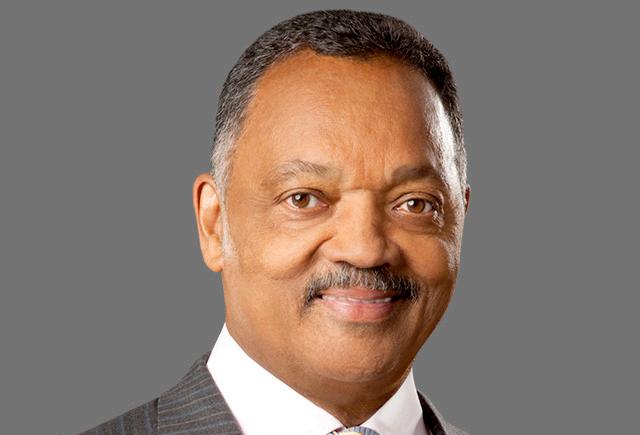
The Capital News honors the life and legacy of a Giant Reverend Jesse L Jackson Sr.
By Shelley Rice
The Capital News joins the nation in mourning the loss of Reverend Jesse L. Jackson Sr., who died February 17, 2026, at age 84 after battling a rare neurological disorder that affected his ability to move and talk. Rev. Jackson was a master orator who championed voting rights and human dignity. His lifelong dedication to racial equality helped shape the nation, and his powerful voice continues to resonate.
With three words, he taught us all something we can remember a lifetime, to “Keep Hope Alive” and “I am Somebody”.
Flashback to a moment in time, remembering squeezing into that crowded Philadelphia church back in 1984 to witness history. It was there that Phinis Jones, Publisher of The Capital News, watched Rev-


Eleanor Holmes Norton Holding the Line for the District
By Lena Rose
Washington, D.C. is a city that understands proximity to power. It hosts it. It frames it. It legislates beneath it.
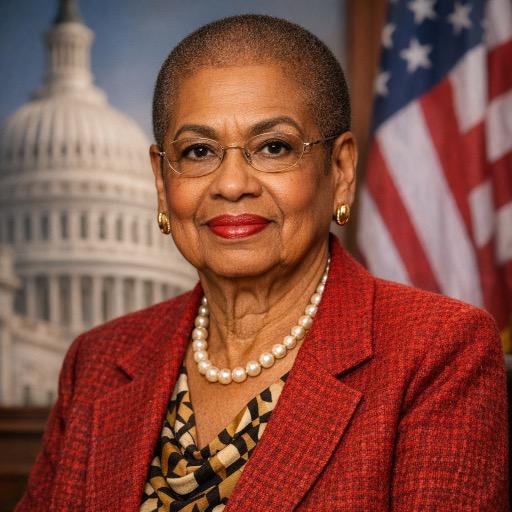
And yet, for generations, the people who live here have known what it means to stand close to authority without fully possessing it. That tension has shaped the civic identity of the District. It has also shaped the work of Eleanor Holmes Norton.
She was born in this city, educated here, formed by its contradictions. The Washington she came of age in was not simply a landscape of monuments, but of neighborhoods, schools, churches, and organizing rooms where democracy was discussed as something still incomplete. Before she ever stepped onto the floor of Congress, Norton was im-

Editor’s Letter - Women Who Move the City
There is something powerful about a woman who decides she will not wait. Not wait for permission. Not wait for perfect conditions. Not wait for applause. She moves.
And when she moves, neighborhoods shift. Institutions respond. Children reimagine what is possible. Businesses are born. Policies are challenged. Corridors once overlooked begin to hum with new intention.
March is Women’s History Month, but here at The Capital News, history is not something we observe from a distance. It is something we document in real time. It is unfolding on MLK Avenue. It is rising inside classrooms east of the river. It is being negotiated in boardrooms, cultivated in kitchens, organized in church basements, and envisioned at folding tables covered in strategic plans and prayer.
This issue is dedicated to the women who move the city. They are founders and first responders. Educators and entrepreneurs. Artists and administrators. Mothers and mentors. Some lead large institutions. Others lead with nothing more than conviction and consistency. Many do both. What unites them is not title. It is motion.
In Wards 7 and 8 especially, we understand that progress does not happen by accident. It is built through relationship. It is sustained through grit. It requires women who understand that community development is not theory. It is lived experience. It is navigating systems while simultaneously creating new ones. It is advocating for funding while also showing up for a child’s recital. It is building strategy decks and braiding hair. It is policy and patience in the same afternoon.
We often speak about economic development, workforce pipelines, education equity, and neighborhood revitalization. Those phrases are important. They represent measurable outcomes. But beneath every successful initiative is a woman who decided to carry something forward when it would have been easier
to let it stall.
This month, we are highlighting women who are not simply participating in the city’s evolution. They are steering it. Some are visible. Their names are known. Their organizations are established. Their leadership is recognized.
Others are quieter architects. They coordinate. They convene. They connect dots. They send follow up emails. They manage calendars. They write grants. They organize volunteers. They ensure that vision becomes infrastructure.
Movement does not always look loud. Sometimes it looks like endurance.
As Publisher, I have the privilege of witnessing how many women operate in this space between vision and execution. I see the long nights before launches. The strategic conversations that happen after children are asleep. The careful budgeting. The careful listening. The courage required to advocate for resources in rooms that were not always designed with us in mind.
And yet, we are here. We are building businesses. We are shaping narratives. We are raising leaders. We are restoring corridors. We are insisting that our communities are not footnotes but foundations.
There is something deeply intergenerational about this moment. The women featured in these pages are not working in isolation. They are modeling for daughters. They are mentoring younger professionals. They are honoring mothers and grandmothers who carried dreams forward under far more constrained circumstances.
We move because they moved.
This issue is not about perfection. It is about persistence. It is about recognizing that leadership can be soft spoken or commanding, visionary or operational, public or behind the scenes. What matters is impact.
In a city that is constantly evolving, it is easy to
focus on what is changing at the skyline level. New buildings. New developments. New investments. But the true measure of progress is not concrete. It is capacity. It is whether our communities are more connected, more resourced, more informed, and more empowered than they were yesterday.
Women are central to that equation. As you read this issue, I invite you to do more than celebrate. I invite you to consider how you are moving. Movement can be starting something. It can be sustaining something. It can be closing a chapter that no longer serves your growth. It can be mentoring someone who reminds you of your younger self.
Movement can be bold. Movement can be steady. Movement can be strategic. But it is always intentional.
To the women featured in these pages, thank you for your leadership, your resilience, and your refusal to shrink your vision to fit someone else’s expectations.
To the women reading this who may not yet see themselves reflected in headlines, know this: your work matters. Your presence matters. Your consistency matters. Cities do not transform because of a single grand gesture. They transform because of daily decisions to show up, to build, and to believe in something larger than yourself.
At The Capital News, our commitment remains clear. We will continue to document the stories shaping our neighborhoods. We will continue to highlight excellence east of the river. We will continue to amplify the leaders who are building pathways for opportunity. This month, we honor the women who move the city.
And we look forward to where they will move us next.
With respect and gratitude, Avery Monroe Publisher, The Capital News Community. Culture. Change.
Legacy of Jesse L Jackson Sr. from P1 erend Jesse Jackson during his ‘84 campaign, deliver his iconic ‘Rocks Just Laying Around’ sermon, a fiery seven-minute call to action that demanded we convert our faith into justice. Jackson argued that unregistered voters were “rocks just laying around” that needed to be picked up to defeat Ronald Reagan. By the time he finished, blending sharp humor with profound urgency, Mr. Jones recalls, “as I looked around there wasn’t a dry eye in the room.”
The Capital News is honored to share with you the transcript of that great moment in time, in loving memory of Jesse Jackson.
‘ROCKS JUST LAYING AROUND’
There are eight Democrats running for the nomination this time around: You got a chance, and you got a choice. [Loud applause.]
You want somebody who marched for you to get the right to vote, you got a choice. Want somebody who challenged corporate America to hire and give you contracts, you got a choice. [Loud applause.] It’s choice time!
All this talk about qualifications...”What do blacks know about foreign policy?” It’s an insult. I was three years old, I came into my consciousness, my Daddy was coming home from the war. Foreign policy. [Cheers and laughter.] If he was so dumb, how did he get over there and get back? If he didn’t know foreign policy, why did they give him a gun? And when they gave it to him he knew which way to shoot.
We know foreign policy. When you buy Honda and Toyota, that’s foreign policy. Russian Vodka, that’s foreign policy. Panasonic and Sony, that’s foreign policy. Mercedes Benz, that’s foreign policy, and a matter of fact, we came here on a foreign policy! [extended applause and cheers]
Yeah!
I know y’all are in a hurry, I’m going to leave you now. [crowd shouts, “No!”] It’s time for a new course, a new coalition, a new leadership.
Somebody got to rise above race, rise above sex, a new leadership, a choice, a chance. Don’t cry about what you don’t have, use what you got. Reagan won the last time not by genius. Reagan won when we were asleep. He won by the margin of despair. He won by the margin, the fracture of our coalition, he won by the margin of racial division, he won by default.
I close with another story of a little shepherd boy named David. Everybody in town was scared of Goliath.
Philadelphia, your time has come. Don’t stop at the Mayor’s office, go on higher.
Because you must never forget that about the time we began to take over the cities, Nixon shifted the power to the suburbs. Now Reagan has shifted it to the states. So you have mayors who have more and more responsibility and less and less power. We got more and more votes and fewer and fewer services. We can not stop. We got to rise on higher.
Little David, little David, little David. Took off his unnecessary garments, Little David. Didn’t want to get weighted down with a lot of foolishness, little David took what God gave him, a sling shot and a God biscuit, a rock.
Our problem today is that David-- [Jackson’s interrupts himself]-- What we need, we need to organize Pennsylvania and win because we are going to stop the rocks that’s been lying around and pick them up.
In 1980, Reagan won Massachusetts by 2,500 votes! There were over a hundred thousand students unregistered, over 50,000 blacks, over 50,000 Hispanics. He won by 2,500. Ted Kennedy’s state. Rocks just laying around.
He won Illinois by 300,000 votes, 800,000 unregistered blacks, 500,000 Hispanics, rocks just laying around! [Crowd cheers.] He won. In 1980 three million high school students unregistered to vote. Now they’ve registered to draft. Rocks still laying around!
11-million college students who could have chosen jobs over jails, peace over war, that
didn’t vote. Now they’re crying. Rocks just laying around! [More cheers.]
Reagan won eight southern states by 182,000 votes when there were three million unregistered blacks in those same eight states. Rocks just laying around! [More cheers.]
He won New York by 165,000 votes. 600,000 students unregistered, 900,000 blacks, 600,000 Hispanics. Rocks just laying around! [Cheers]
In 1980, Reagan won Pennsylvania by 300,000 votes, 400,000 students unregistered. More than 600,000 blacks unregistered! Reagan won Pennsylvania by the margin of despair, by margin of the fracture of our coalition. [Members of the crowd shout “Yeah!”]
[Jackson concludes, shouting over thunderous applause and cheers] Philadelphia, your time has come! Pick up your sling shot, pick up your rock, declare our time has come, a new day has begun! Red, yellow, black and white, we are all precious in God’s sight! Our time has come!
Memorial Arrangements
Jackson’s memorial services commenced Thursday, February 26, 2026 with a lie in repose for two days, at the Chicago headquarters of his Rainbow PUSH Coalition and a public celebration of life and homegoing services followed. The nation watched as lines of people assembled to pay respects to the loss of a giant.
Formal services were added, from March 1 to March 4 in Washington, D.C, and South Carolina, where Jackson was born and raised.
A memorial service for Jackson will be held on Sunday, March 1, at Brookland Baptist Church at 1066 Sunset Blvd in Columbia, SC. The exact time and location of formal services in D.C. for Jackson have not yet been announced.
Memorial details can be found online at https://www.jessejacksonlegacy.com/

The UnTold Stories
Monthly Contributors:
Amber Crowder
Donald Isaac
Phinis Jones
Gene Lambey
Monica Ray
Shelley Rice
Content Design & Editor: Sincerely Planned, LLC
Please email The Capital News Team with any comments, questions or concerns: thecapitalnewsdc@gmail.com
Visit our website for current and past editions: https://issuu.com/capitalnewsdc
If you would like to submit an opinion piece to the Capital News, email the article to thecapitalnewsdc@ gmail.com by the 15th to be considered for publishing.
If you would like to place a small job listing, housing or automobile advertisement in the paper please email the information and the teamwill contact you about pricing for your ad.
Eleanor Holmes Norton from P1 mersed in the long work of civil rights. She worked alongside activists pressing the country to honor its promises. She later became the first woman to chair the Equal Employment Opportunity Commission, strengthening enforcement of workplace protections and expanding the federal government’s accountability to its own laws.
She understands systems intimately. She understands how they bend, and how they resist.
When she was elected in 1990 as the District’s delegate to the U.S. House of Representatives, she entered a role unlike any other. A delegate can introduce legislation. Debate policy. Serve on committees. Influence outcomes. What she cannot do is cast a final vote on the House floor.
It is a structure that could easily diminish authority.
Instead, Norton chose to hold the line.
For more than three decades, she has advanced legislation for D.C. statehood. Each reintroduction is not symbolic repetition. It is insistence. It is a refusal to allow the conversation about representation to fade into the background noise of federal politics.
More than 700,000 residents call the District home. They pay taxes. They build businesses. They sustain neighborhoods. They serve the country. Her argument is simple and steady: citizenship should not come with qualifiers.
Beyond statehood, her work threads through transportation infrastructure, environmental policy, criminal justice reform, and economic development initiatives that shape daily life across the city. These are not always the most dramatic headlines. But they determine how the District functions, how it grows, and how it protects its residents.
Her leadership style is measured. She does not rely on spectacle. She relies on preparation.
She studies. She drafts. She negotiates.
She returns to the table.
There is something powerful about longevity in a city that cycles quickly through personalities and priorities. Through changing administrations and shifting congressional majorities, Norton has remained. Remaining, in Washington, is not passive. It is strategic.
Holding the line means understanding the pace of federal change and refusing to mistake delay for defeat.
As debates about democracy, voting rights, and representation unfold nationwide, her presence in Congress serves as a quiet but constant reminder that the nation’s capital still operates under structural imbalance. Each time she rises to speak, she brings the District with her into the record.
Leadership does not always arrive as spectacle.
Sometimes it looks like discipline. Like persistence. Like returning to an unfinished argument until it can no longer be ignored.
Eleanor Holmes Norton has spent her career working within a system that limits her formal vote while expanding her influence through knowledge, endurance, and clarity of purpose. And in a city defined by power, she has ensured that the people of the District are never absent from the conversation.
She has held the line.
And because she has, the District continues to press forward.


By Bloom Wilder
The Woman Who Refused to Be Quiet
There are voices that echo. And then there are voices that refuse to be quiet.
Fannie Lou Hamer’s voice did not arrive polished. It arrived honest. It carried the weight of Mississippi soil, the ache of injustice, and the steady rhythm of a woman who had decided that silence was no longer an option.
Born in 1917 in Montgomery County, Mississippi, Hamer was the youngest of twenty children. She began working in cotton fields at the age of six. Formal education was limited. Opportunity was scarce. Power was concentrated elsewhere. But what she possessed in abundance was clarity.
In 1962, at the age of forty four, she attempted to register to vote. That decision cost her the only job she had known for nearly two decades. It exposed her to intimidation, economic retaliation, and violence. It would have been understandable to retreat. She did not.
Instead, she joined the Student Nonviolent Coordinating Committee as a field secretary, traveling rural roads to help Black citizens register to vote despite threats to their safety and livelihoods. In 1963, she was arrested in Winona, Mississippi, and brutally beaten while jailed. The injuries left lasting damage. The memory of that violence never fully faded.
Still, she refused to be quiet. In 1964, Hamer co founded the Mississippi Freedom Democratic Party to challenge the state’s all white delegation at the Democratic National Convention. The goal was direct and disruptive: expose the contradiction between America’s democratic ideals and its practices. When she testified before the convention’s credentials committee, she spoke plainly about the beatings. The fear. The terror of trying to exercise a constitutional right and being met with brutality.
“Is this America?” she asked. It was not performance. It was truth delivered without tremor.
President Lyndon B. Johnson attempted to redirect media coverage with a hastily scheduled press conference. Networks later aired Hamer’s testimony in full that evening. Millions heard her voice. It cut through distraction. It refused to be minimized.
Although the Mississippi Freedom Democratic Party was not fully seated at that convention, the challenge fractured the illusion of democratic inclusion. It forced reforms in delegate selection. It exposed hypocrisy at a national level. It altered the trajectory of political participation in the South.
But Hamer understood that political access without economic power was incomplete. In 1969, she helped establish the Freedom Farm Cooperative, creating pathways for Black fam-
ilies to own land, grow food, and build economic independence. She believed dignity required ownership. She believed liberation required infrastructure.
Her leadership was not ornamental. It was rooted in lived experience. She spoke plainly. She sang freedom songs. She carried scripture and strategy in the same breath. She once declared, “Nobody’s free until everybody’s free.” It was not a slogan. It was a standard.
Fannie Lou Hamer did not hold elected office. She did not come from elite institutions. She did not wait to be validated by traditional power structures. She recognized injustice and stepped toward it, again and again, even when it cost her comfort, security, and safety. In conversations today about voter access, civic engagement, and representation, her legacy remains urgent. Democracy does not sustain itself. It requires voices willing to challenge it. It requires citizens willing to confront it. It recontinued on P12
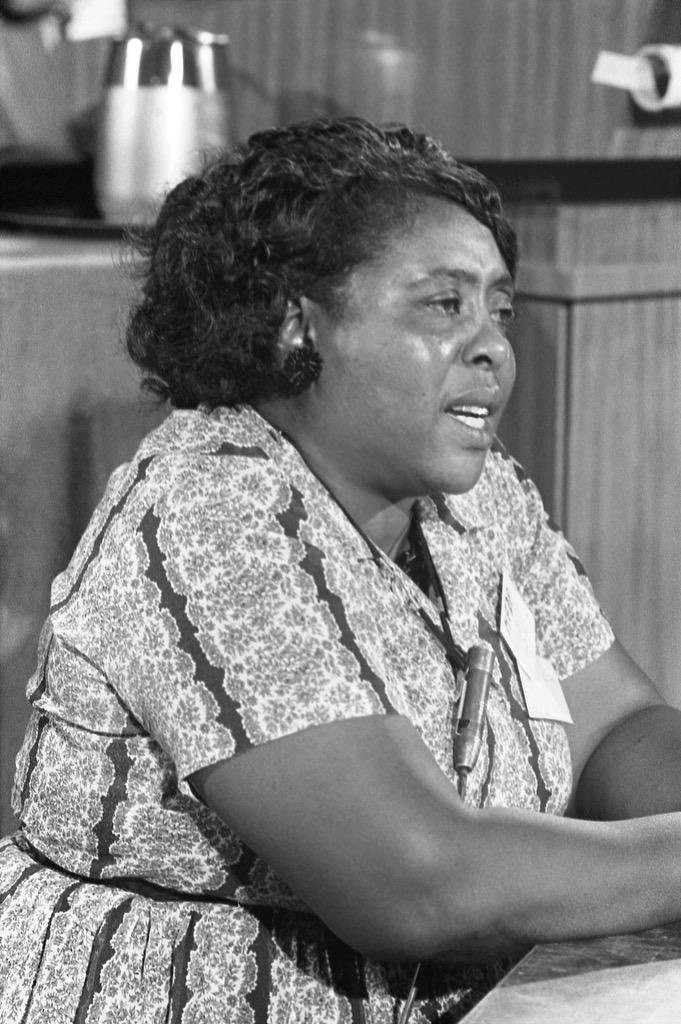
(Pictured: Fannie Lou Hamer)
By Jacqueline Calmese
Living The Finer Life CEO Mo Is Designing Confidence From the Inside Out
In an era where trends often dictate identity, CEO Mo is building something more enduring — a brand rooted in intention, authenticity, and lived experience.
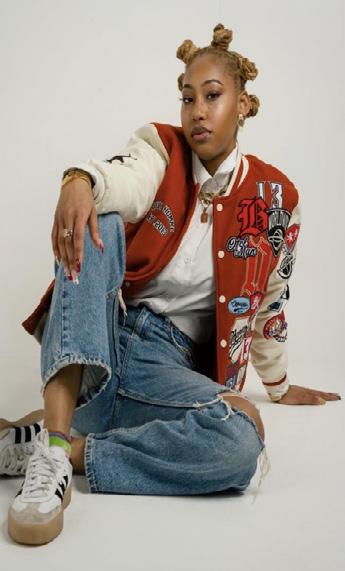
Mo nique Monae, founder of The Finer Life, describes herself as a multidisciplinary artist, serial entrepreneur, and creative visionary. She moves seamlessly across styling, design, education, and event planning, but she does not see those roles as separate careers. For her, they are expressions of one unified creative language.
“I’ve never placed myself in a box,” Monae explains. “Styling, design, education — they all come from the same place.”
That place is deeply personal.
Raised among strong, multifaceted women, Monae learned that creativity was not simply about aesthetics. It was about presence. It was about how you show up in the world. Watching her mother design, plan, bake, and teach through example shaped her understanding that artistry is both skill and spirit.
That foundation is evident in how she builds her collections and her brand identity. Every piece reflects intention — passion balanced with refinement, luxury paired with integrity. For Monae, The Finer Life is not just a label. It is a practice.
Fashion, in her world, is never about performance. It is about revelation.
When she styles clients, her goal is not transformation in the traditional sense. It is discovery. She speaks about the moment when someone looks in the mirror and recognizes themselves differently — not because they have become someone new, but because they are seeing what was already there.
“Confidence isn’t something you buy,” she says. “It’s something you uncover.”
Her background in cosmetology and wellness reinforces this philosophy. Beauty, to Monae, begins internally. It is shaped by how individ uals nurture themselves, how they speak to themselves, and how they carry their insecu rities. Her work often begins with observation — not of clothing, but of posture, energy, and self-perception.
True style, she believes, is the alignment be tween inner narrative and outer presentation. Her design process reflects that same fluidity. Sometimes inspiration strikes and she moves directly into construction. Other times she sketches meticulously, refining a concept be fore it ever reaches fabric. Nostalgia plays a central role. Memories, environments, and past experiences surface unexpectedly and influence entire collections.
She asks herself essential questions with every piece: Does this garment tell the story I intend? Will it inspire someone to step more fully into themselves? The answer must be yes.
In an industry saturated with fast fashion and self through authenticity. She does not chase trends. She refines her vision. Success, for her, That adaptability is rooted in experience. Monae began her entrepreneurial journey at
ing in fashion, she faced skepticism early on. Rather than allowing it to discourage her, she
“I don’t even keep my shoes in a box,” she says with a smile. “Why would I do that to my ideas?”
Her influences are both intimate and expansive. A cousin who once gifted her a trunk of 150 Barbie dolls ignited her earliest experiments in design. Cultural icons such as Janelle
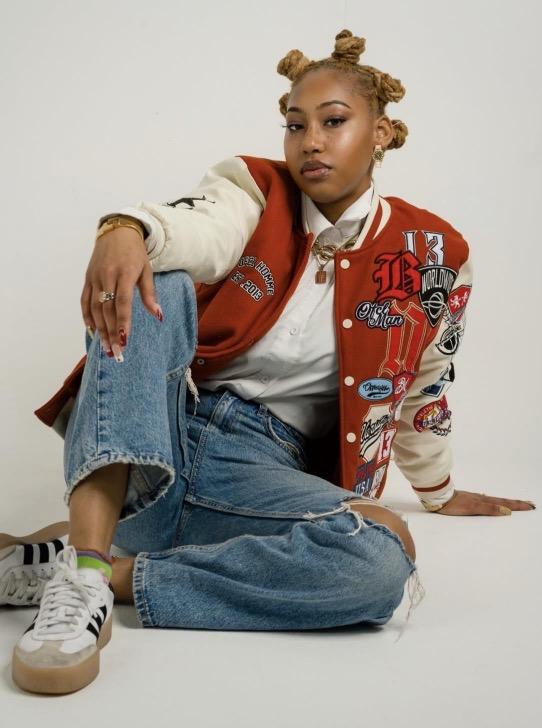
(Photo: Mo nique Monae, founder of The Finer Life,


The Capital Gap Why Black Women Entrepreneurs in Wards 7 & 8 Remain the Least Funded
By Avery Monroe
Black women are among the fastest growing groups of entrepreneurs in the country.
In Washington, D.C., they are launching boutiques, consulting firms, food concepts, wellness brands, tech platforms, creative studios, and childcare centers at a pace that reflects both ambition and necessity.
Yet growth in formation has not translated into growth in funding. In fact, the opposite is true.
Nationally, Black women founders receive less than one percent of venture capital funding. Locally, the numbers are more complex but no less sobering. While the District touts inclusive grant programs, certification pipelines, and equity initiatives, entrepreneurs in Wards 7 and 8 continue to report lower approval rates, smaller award amounts, and longer delays in capital distribution compared to their counterparts west of the river.
The issue is not talent. It is allocation.
Access Versus Allocation
Programs exist. Workshops are offered. Certifications are encouraged. Black women in the District are frequently advised to become CBE certified, attend DSLBD briefings, apply for Great Streets funding, and pursue public private partnerships.
Access is visible. Allocation is less transparent.
A review of publicly available award announcements over the past several cycles reveals a pattern: corridors with higher commercial density continue to receive a disproportionate share of business development investment. Meanwhile, entrepreneurs east of the river often compete for smaller pools of capital while simultaneously navigating lower foot traffic, fewer anchor tenants, and limited institutional banking relationships.

Capital does not flow evenly. It follows networks.
And historically, those networks have not been rooted in Wards 7 and 8.
The Informal Economy of Black Women
Black women entrepreneurs often operate within what could be called an informal infrastructure.
They self fund. They rotate capital through family and community. They reinvest revenue back into operations instead of drawing salary. They barter services. They serve as unpaid marketers for their own neighborhoods. They also carry an unspoken expectation: that they will give back.
Community centered entrepreneurship is powerful. It builds loyalty and trust. But when businesses are expected to sponsor events, mentor youth, donate services, and serve as cultural anchors before reaching profitability, sustainability becomes fragile.
In other corridors of the city, businesses are allowed to scale before they are asked to subsidize community identity.
East of the river, the order is often reversed.
Structural Barriers Hidden in Plain Sight
Funding disparities rarely present as overt denial. They appear as:
• Higher collateral requirements
• Stronger emphasis on prior revenue history
• Greater scrutiny in underwriting
• Delayed reimbursement for city contracts
• Smaller initial award amounts
For founders without generational wealth or established banking relationships, these barriers compound.
Add to that the geographic stigma often associated with Wards 7 and 8, and entrepreneurs are not simply pitching business plans. They are countering narratives.

Woman Refused to Be Quiet continued from P7
quires women who refuse to shrink in rooms that were not built with them in mind.
She did not wait. She did not retreat. She did not dilute her truth. She refused to be quiet.
And because she refused to be quiet, the architecture of American democracy shifted.
As we honor Women’s History Month and celebrate the women who move our cities today, Fannie Lou Hamer stands as both mirror and mandate. Leadership does not require polish. It requires courage. It requires clarity. It requires the willingness to stand in discomfort and speak without tremor.
History remembers her as a civil rights leader. But perhaps more accurately, she was a woman who refused to be quiet in the face of injustice.
And the nation is different because she chose to speak.
Monáe, Teyana Taylor, and Missy Elliott affirmed that femininity could be expressed on one’s own terms. She draws inspiration from women who operate as artists and executives, creators and CEOs — women who understand that beauty and intellect coexist powerfully.
Nature, too, informs her aesthetic. The ocean’s vastness. Fire’s intensity. Travel and cultural immersion. Each influence becomes texture, silhouette, or color.
Yet perhaps the most fulfilling aspect of her work lies in impact.
When clients return to her boutique and proudly demonstrate how they styled a piece she once helped them choose, she considers it a quiet victory. Her boutique is not simply a retail space. It is a healing space. A place where people discover not only garments, but self-expression.
Art, she believes, always finds its person.
And for emerging designers, her advice is grounded and clear: create more than you consume. Experiment. Make mistakes. Understand your “why.” Say yes intentionally. Protect your integrity. Trust your vision.
Above all, show up unapologetically.
For CEO Mo, The Finer Life is not about extravagance. It is about alignment. It is about building a life, a wardrobe, and a brand that feel honest, intentional, and lived in.
In a world chasing visibility, she is cultivating presence.
And that, perhaps, is the finest life of all.

By Lena Rose
There is the business.
Building While Black The Invisible Labor of Women Who Lead in Wards 7 & 8
And then there is everything else.
For many Black women entrepreneurs in Wards 7 and 8, running a company is only one line on a much longer list of responsibilities. Founder. Caregiver. Grant writer. Bookkeeper. Community liaison. Mentor. Marketing department. Operations manager.
Sometimes all before noon.
The narrative of entrepreneurship often centers hustle and resilience. What it rarely names is the layered labor that sits beneath it.
A Day That Does Not End at Five
A Ward 8 founder may spend her morning meeting with a supplier, her afternoon completing compliance paperwork for a city grant, her evening helping her child with homework, and her late night finalizing invoices for a contract that may not be paid for 60 to 90 days.
Cash flow gaps do not pause rent. Delayed reimbursements do not pause payroll.
And yet, many of these women continue to show up for their communities in ways that extend far beyond their balance sheets.
They host back to school drives. They sponsor neighborhood events. They mentor young creatives. They sit on advisory boards without compensation.
Community is not an accessory to their business. It is embedded within it.
The Cost of Being Accessible
Black women founders are often expected to be visible, available, and emotionally present. They are approached for guidance, partnership, and support at rates that reflect both admiration and reliance.
It also builds exhaustion.
The myth of the “strong Black woman” has quietly migrated into entrepreneurship. Strength is assumed. Capacity is presumed. Burnout is rarely acknowledged.
Yet sustainability requires margin.
Contracts, Leases, and Structural Drag
Beyond emotional labor, there are systemic pressures.
Commercial leases in emerging corridors may lack the concessions offered in more established neighborhoods. Infrastructure improvements arrive slowly. Marketing support is inconsistent. Contract payments can be delayed, forcing founders to bridge gaps with personal credit.
Scaling under these conditions requires more than talent. It requires stamina. And still, they build.
What Sustainable Support Looks Like
Celebrating Black women entrepreneurs without restructuring support systems is incomplete.
• Faster vendor payment timelines.
• Dedicated capital pools for Ward 7 and 8 founders.
• Technical assistance that extends beyond application workshops.
• Long term lease stabilization strategies.
• Mental health and wellness support embedded in entrepreneurial ecosystems.
Support should not only prepare women to launch. It should protect them as they grow. Because the women leading businesses east of the river are not temporary participants in the District’s economy. They are stabilizers. Employers. Cultural anchors.
They are building while caregiving.
Building while navigating undercapitalization.
Building while correcting narrative. And they are doing it in plain sight.
The question is not whether Black women in Wards 7 and 8 can build successful enterprises.
They already are.
The question is whether the city is prepared to build with them.
Pre-Kindergarten -4th Grade

Cedar Tree Academy is a Level One, Elementary Public Charter School located in the District of Columbia. As an elementary school, we serve students from PreKindergarten to 4th Grade. Cedar Tree Academy prepares students to become active, independent learners. We achieve these results by focusing on key areas to aid in the process of preparing students for elementary, middle, high and post-secondary educational opportunities. We proudly offer:
• Free, all-day program
• Technology -enhanced classrooms
• Before & After Care, Sports & Clubs
• Foreign Language & More






EXPLORE. Schedule a Tour to see our program in action

Apply at www.MySchoolDC.org


The Capital Gap continued from P14
What Policy Could Actually Change Solutions are not theoretical. They are procedural.
• A dedicated microfund for Ward 7 and 8 women founders.
• Transparent dashboards tracking grant distribution by ward and demographic.
• Accelerated reimbursement pipelines for certified local businesses.
• Flexible underwriting standards that recognize community based models.
• Seed capital pools specifically for first generation founders.
Equity cannot simply be declared. It must be measured.
The women building businesses east of the river are not asking for charity. They are asking for parity.
The District often speaks about inclusive growth.
The question is whether capital will follow the language.
Because when Black women entrepreneurs are properly funded, neighborhoods stabilize. Employment rises. Local ownership expands. Wealth circulates.
And the city benefits.

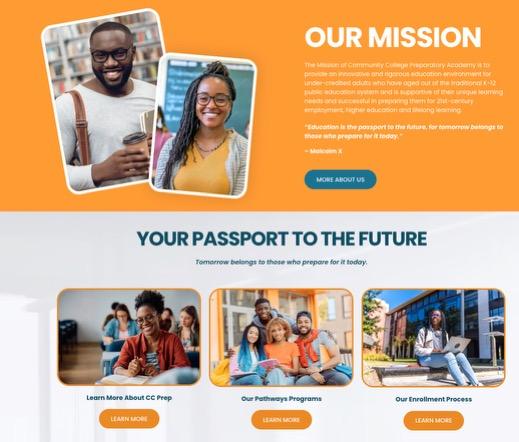



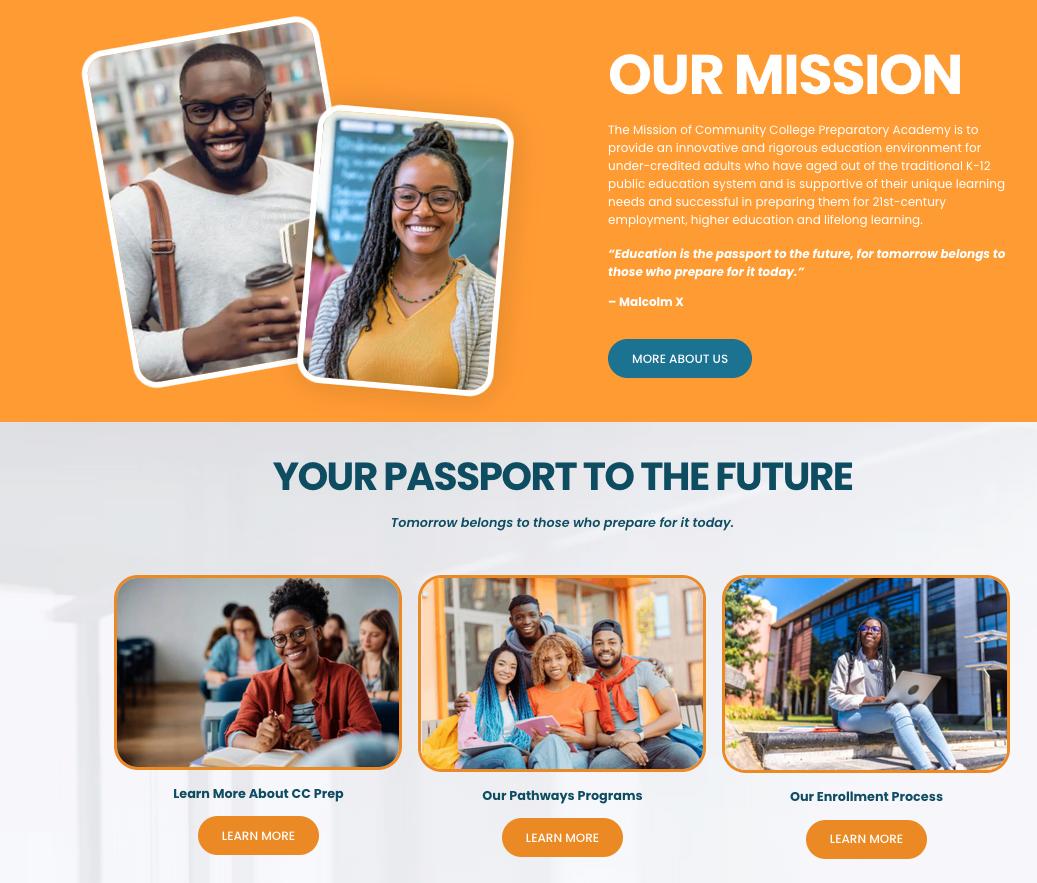
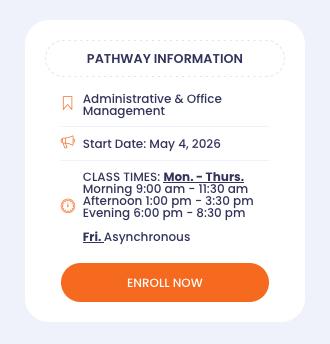

Religious Corner
Allen Chapel A.M.E.Church
Rev. Dr. Michael E. Bell, Sr., Pastor 2498 Alabama Ave. SE WDC 20020 (202) 889-3296
“The Cathedral of Southeast DC” Sunday Worship 8:00am &11:00am Sunday School 9:15am www.acamec.org
“Teaching God’s Word and Serving God’s Word” Brighter Day Ministries
Rev. Tommy Murray, Pastor Multi-Location Church
Visit our website: @ www.brighterdaydc.com Congress Heights Campus
421 Alabama Avenue, SE, Washington, DC 20032 11:00am Sunday Worship Sunday School 9:30am Office: 202/889-3660
Email: churchoffice@brighterdydc.org
Campbell A.M.E. Church
2568 Martin Luther King, Jr. Ave. SE, WDC 20032 (202) 678-2263
Sunday Worship 8:00am & 11:00am Sunday School 9:30am
Prayer Service Wednesdays 6:30pm
Bible Study Wednesday 12noon Bible Study Thursday 7:00pm
Christ Ministries
30 Atlantic Street, SE WDC 20032 Services: 11 am and 3pm
Covenant Baptist United Church of Christ
Dr. Dennis and Christine Wiley, Co-Pastors 3845 South Capitol St. SW WDC 20032 (202) 562-5576
“Ministries for the Mind, Body and Spirit” Sunday Worship 10:00am Wednesday Bible Study 12noon & 6:30pm www.covenantbaptistucc.org
East Washington Heights Baptist Church
Rev. Kip Bernard Banks, Sr., Pastor 2220 Branch Ave. SE WDC 20020 (202) 582-4811– Office
Sunday Worship 11:10am Sunday School 9:30am
Devotional Service 10:45 am Bible Study Wednesday 6:30pm Children’s Church 2nd & 4th Sunday 11:00am www.ewhbc.org ewhbc@aol.com
Emmanuel Baptist Church
Christopher L. Nichols, Pastor 2409 Ainger Pl., SE WDC 20020 (202) 678-0884-Office • (202) 678-0885– Fax
“Moving Faith Forward”
Sunday Worship 8:00am & 10:45am
You can pick up your monthly issue of The Capital News at any of the locations below. If you would like to be included in the distribution please contact thecapitalnewsteam@gmail.com
Family Bible Study Tuesdays 7:00pm
Prayer Service Tuesday 6:00pm www.emmanuelbaptistchuurchdc.org
Greater Mt. Calvary Baptist Church
Archbishop Alfred D. Owens, Pastor
Evangelist Susie Owens, Co-Pastor 610 Rhode Island Ave. NE WDC 20002 (202) 529-4547
“It doesn’t matter how you feel, God is still worthy to be praised”
Sunday Worship 8:00am & 10:45am
Super Sunday Service 3rd Sundays of month 6:00pm
Wednesday Night Prayer 6:30pm
Wednesday Bible Study 7:30pm www.gmchc.org/
Israel Baptist
Rev. Dr. Morris L. Shearin, Pastor 1251 Saratoga Ave. NE WDC 20018 (202) 269-0288
“We Enter to Worship, We Depart to Serve”
Sunday Worship 10:45am • Sunday School 9:15am
Senior Bible Class Tuesday 10:30am
Wednesday Prayer Noon & 6:30pm
Bible Study Wednesday 7:00pm
Holy Communion First Sunday 10:45am http://www.israelbaptistchurch.org/
Johnson Memorial Baptist Church
Rev. Henry A. Gaston, Pastor 800 Ridge Rd. SE WDC 20019 (202) 581-1873
Sunday Worship 7:45a. & 11:15am Church School 9:30am
Bible Study Wednesday 8:00pm Prayer Meeting Wednesday 7:00pm
Kingdom Care Senior Village Place of Worship: Greater Fellowship/Gospel Baptist Church 814 Alabama Ave SE Washington, DC 20032 Phone: 202-561-5594
Macedonia Baptist Church
Rev. Garfield Burton, Pastor 2625 Stanton Rd. SE WDC 20032 • (202) 678-8486
“A Church With a Living Hope in the Midst of Dying World” Sunday Worship 10:00am Sunday School 9:00am
Prayer & Bible Study Wednesday 7:00pm & 7:30pm Saturday Sacrificial Prayer 7:00am www.macedoniadc.org/
Matthews Memorial Baptist Church
Dr. C. Matthew Hudson Jr., Pastor
2616 MLK Ave. SE WDC 20020 (202) 889-3709 Office (202) 678-3304 Fax
“Empowered to love and Challenged to Lead a Multitude of Souls to Christ”
Sunday Worship 7:30am & 10:45am
Church School 9:30am
Prayer, Praise & Bible Study Wednesday 7:00pm
Bible Study Saturday 11:00am
Holy Communion 1st Sunday 10:45am
New Life Ministries DC
Reverend Ernest D. Lyles, Sr.
2405 MLK Jr. Ave SE WDC 20020 Sunday Worship 10:00am https://newlifeministriesdc.org/
“A small church with a mega heart” Phone: 202-304-2005
Email: joinus@nlmdc.org
Pennsylvania Ave. Baptist
Rev. Dr. Kendrick E. Curry 3000 Pennsylvania Ave. SE WDC 20020 (202) 581-1500
“Committed to the Cause of Christ” Sunday Worship 10:45am • Sunday School 9:30am
Adult Bible Study Mondays 7:00pm Young Adult Bible Study Tuesdays 7:00pm Bible Study Wednesday 6:30pm http://www.pabc-dc.org/
St. John C.M.E. Church
Reverend John A. Dillard III 2801 Stanton Rd. SE, Washington DC 20020 (202) 678-7788
Sunday Worship 11:00am Sunday School 9:00am http://www.stjohncmecdc.org/
St. Matthews Baptist Church
Rev. Dr. Maxwell M. Washington, Pastor 1105 New Jersey Ave. SE WDC 20003 (202) 488-7298
“Striving to be more like Jesus with an emphasis on ‘Prayer’” Sunday Worship 9:05am • Sunday School 8:00am Bible Study Tuesday 7:30pm
Prayer Meeting Tuesday 7:00pm Hold Communion 3rd Sunday Morning www.stmatthewsbaptist.com stmatthewbaptist@msn.com
Union Temple
Pastor Anika Wilson Brown 1225 W St SE, WDC, 20020 • (202) 678-8822
“It’s a family affair”
Sunday Worship: 8:00am & 11:00am
Thursday Night Worship: 7:30pm www.uniontemple.com
Our Distribution
Anacostia Library 1800 Good Hope Road SE
Allen Chapel AME Church 2498 Alabama Ave, SE
Andrews Federal Credit Union 1556 Alabama Ave, SE
The Arc/ Parkland Community Center 1901 Mississippi Ave, SE Bar Sycamore & Oak, SE
The Big Chair Coffee Shop 2102 MLK Jr. Ave, SE
Brighter Day Ministries DC 421 Alabama Ave, SE
Busboys & Poets
2004 Martin Luther King, Jr. Ave, SE
Campbell A.M.E. Church 2568 MLK, Jr. Ave, SE
Cedar Hill Medical Center 2228 MLK Jr. Ave, SE
Cedar Tree Academy 701 Howard Road, SE
Chase Bank
2200 MLK, Jr. Ave, SE 2728 Marion Barry Ave, SE
Christ Ministries 30 Atlantic Street, SE
Clara Apartments 2323 MLK Ave
Community College Preparatory Academy 18th & U st, SE
Congress Heights Arts and Culture Center 3215 MLK JR. AVE, SE
Covenant Baptist United Church of Christ 3845 South Capitol St. SW
You can pick up your monthly issue of The Capital News at any of the locations below. If you would like to be included in the distribution please contact thecapitalnewsteam@gmail.com
CVS
2724 Good Hope Road, SE
DCity Smokehouse 1301 Marion Barry Ave SE
DHS Congress Heights Service Center Dept. of Human Services Child Care 4001 South Capitol St, SW
East Washington Heights Baptist Church 2220 Branch Ave. SE
Emmanuel Baptist Church 2409 Ainger Pl., SE
Excel Care Pharmacy 3923- A South Capitol St, SW
Fort Carroll Market 3705 MLK Jr. Ave, SE
Greater Mt. Calvary Baptist Church 610 Rhode Island Ave. NE
Go-Go Museum 1920 MLK, Jr. Ave, SE
Giant 1535 Alabama Ave, SE
Industrial Bank 1800 Good Hope Road, SE 1800 MLK, Jr. Ave, SE
Israel Baptist 1251 Saratoga Ave. NE
Johnson Memorial Baptist Church 800 Ridge Rd. SE
Kingdom Care Senior Village 814 Alabama Ave, SE
Macedonia Baptist Church 2625 Stanton Rd. SE
Marion Barry Market 2317 Pennsylvania Avenue SE
Matthews Memorial Baptist Church 2616 MLK Ave. SE
Park Southern Ave Apartments 800 Southern Ave, SE
Parklands- Turner Neighborhood Library 1547 Alabama Ave, SE
Pennsylvania Avenue Baptis Church 3000 Pennsylvania Ave. SE
P.R Harris School 4600 Livingston Road, SE
R.I.S.E. Demonstration Center 2730 MLK, Jr. Ave, SE
The Roundtree Residences 2515 Alabama Ave, SE
Safeway 2845 Alabama Avenue, SE
Soufside Creative Sycamore & Oak, 1110 Oak Dr., SE
Southeast Tennis Learning Center 701 Mississippi Ave, SE
St. Elizabeth’s Hospital 1100 Alabama Ave, SE
St. John C.M.E. Church 2801 Stanton Road, SE
St. Matthews Baptist Church 1105 New Jersey Avenue, SE
Starbucks 2228 MLK, Jr. Ave, SE 2800 Alabama Ave, SE
Union Temple 1225 W St, SE
UPO/ Petey Greene Community Center 2907 MLK, Jr. Ave, SE

PISCES
(February 19 to March 20)
“I Am Guided by Love, Intuition, and Divine Wisdom.”
Your birthday season brings personal breakthroughs; relationship clarity arrives with the Virgo eclipse.
ARIES
(March 21 to April 19)
“I Fearlessly Create My Own Path.”
A powerful month where, overcoming, fears, leads, to, major, career or personal, triumphs.
TAURUS
(April 20 to May 20)
“I Attract Abundance and Stability with Ease.”
Rethinking friendships and community; inner peace and attractiveness peak late in the month.

GEMINI
(May 21 to June 20)
“I Communicate My Truth with Clarity and Confidence.”
Navigating home shifts early; professional wins and financial gains follow mid-month.
March Horoscopes


CANCER
(June 21 to July 22)
“I Am Safe, Loved, and Emotionally Balanced.”
Mental breakthroughs and travel opportunities; career visibility rises after the equinox.

LEO (July 23 to August 22)
“I Shine My Light and Inspire Others with Confidence.”
Auditing finances and selfworth; adventure and romantic travels become possible late March.

VIRGO
(August 23 to September 22)
“I Am Enough, and My Efforts Are Valued.”
The March 3 eclipse in your sign demands self-evaluation; partnership resets occur by mid-month

LIBRA
(September 23 to October 22)
“I Attract Harmony, Love, and Balance in All Areas of Life.”
Focus on rest and healing; assertiveness in partnerships pays off after Venus enters Aries.
SCORPIO
(October 23 to November 21)
“I Trust My Intuition and Embrace Transformation.”
Aligning with the right social circles; a major romantic or creative reset arrives on the 18th.

SAGITTARIUS
(November 22 to December 21)
“I Am Open to Adventure, Wisdom, and New Possibilities.”
Career transitions early on; domestic improvements lead to a burst of creative joy by month’s end.

CAPRICORN
(December 22 to January 19)
“I Am Disciplined, Resilient, and Destined for Success.”
Broadening your worldview; focus shifts to home and family security during Aries season.

AQUARIUS
(January 20 to February 18)
“ I Embrace My Uniqueness and Create Positive Change.”
Deep emotional work and financial auditing; high mental energy for networking late in the month.

SPECIFICATIONS
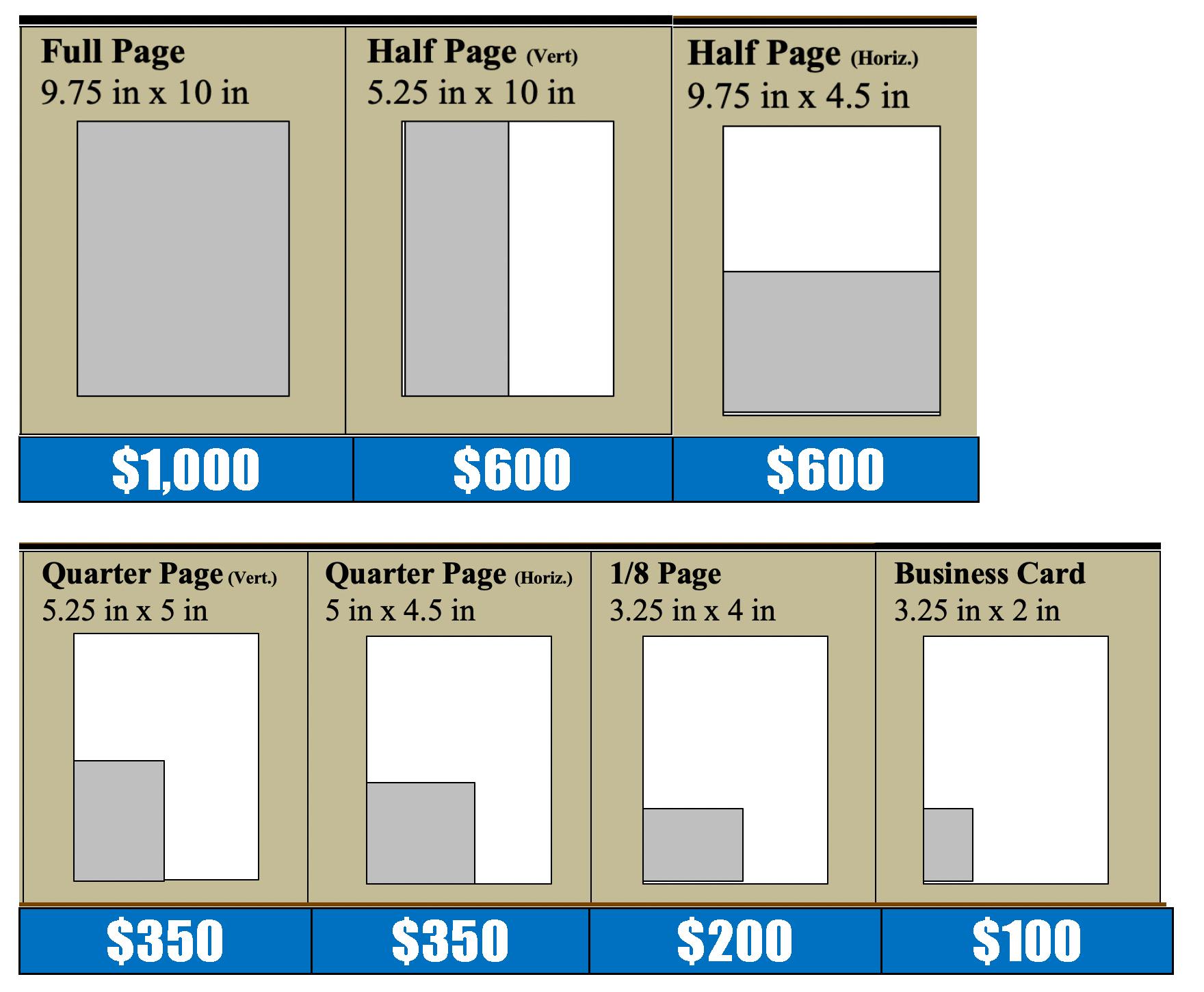
FREQUENCY DISCOUNTS ** DEDUCT 20% from base rate if ad buy is for six (6) or more issues.

READERSHIP - 20, 000 (Email subscribers) (pass-along rate of 4 readers per issue)
The Capital News is delivered monthly to high impact and heavily frequented public areas in Ward 5, 7 and 8. Our distribution includes churches, bus stops, post offices, community centers, clinics, coffee shops, barbershops, beauty salons, IHOP and other restaurants.

(202) 563-5033
BILLING DATE:
Advertisers will be billed immediately upon publication. Terms are net 30 days from date of invoice.

The UnTold Stories
Please email The Capital News Team with any comments, questions or concerns: thecapitalnewsdc@gmail.com
If you would like to place a small job advertisement, housing advertisement or automobile advertisement in the paper please email the editor with the information and the paper will contact you about pricing for your ad.