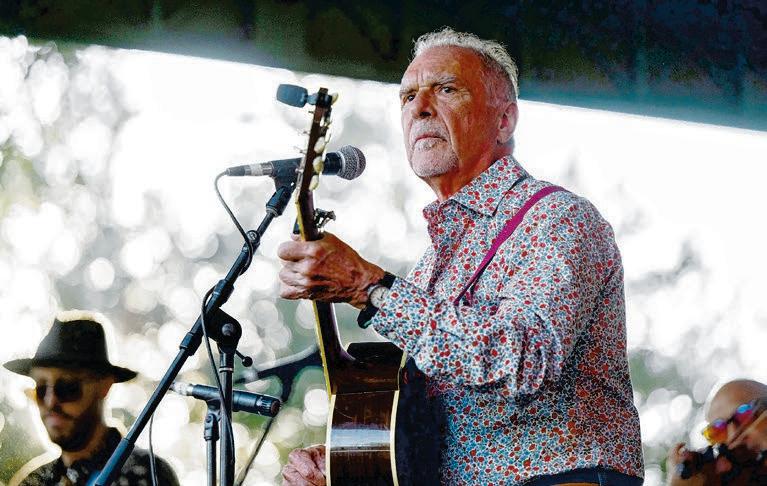
PROVIDED PHOTO Russell Cormier sings Belton Richard’s popular Christmas song ‘Tout mon veux pour Christmas, chère, c’est toi’ with Sheryl Cormier beside
A Cajun music queen is missing her king
Sheryl and Russell Cormier, of Carencro, gave new meaning to a proverb attributed to Eleanor Roosevelt: “Behind every great man, there’s a great woman.” The Cormiers flipped the script with Sheryl in the spotlight as the Queen of Cajun Music, with Russell offering strong support. Their greatness changed on April 8 when Russell died after a long illness. The Cormiers were married 62 years, which included Sheryl’s 36 years as the first female professional Cajun accordionist.
Born in 1945 in Grand Coteau, Sheryl was 7 years old when her father issued his commandment leave his accordion alone. The bandstand was no place for a woman.
But Sheryl didn’t listen. By her teen years, she was playing accordion in a group with her parents She eventually became a hairstylist for 15 years, but the accordion kept calling In 1990, Sheryl quit the beauty shop to start the Cajun Sounds band, which included Russell and son, Russell Jr., as the drummer Through the years, the band recorded 45 songs, which brought tours as far as Canada and Europe. Winner of numerous awards, Sheryl was inducted into the Cajun Music Hall of Fame in 1997.
Throughout Sheryl’s reign as Cajun music’s queen, Russell worked as a carpenter and bulldozer operator. He was also by Sheryl’s side as a vocalist, soundman and the band’s van driver He enjoyed singing stardom on two French waltzes, “Mon Coeur at Mon Amour (My Heart and My Love)” and “La Bouteille (The Bottle).” With lyrics of a brokenhearted “couillon,” or fool, who turns to whiskey for comfort, “The Bottle” remains a dancehall favorite and one of the most covered Cajun hits. Russell left the bandstand after stomach and lung cancer, as well as a stroke, landed him in a nursing home He died a little more than three weeks after his longtime queen turned 81. Tributes to Russell have filled social media, jam sessions and Cajun radio shows Fiddler Gina Forsyth, who played with Sheryl’s all-female Cajun band, summed up the feelings of many “I would listen to him sing with such soulfulness, in the van, on the way from the gig,” Forsyth wrote on Facebook “I told him I thought he should sing more. He was hesitant at first, but I’m so glad he finally did. And man, he could sing!” Herman Fuselier is executive director of the St. Landry Parish Tourist Commission. A longtime journalist covering Louisiana music and culture, he lives in Opelousas His “Zydeco Stomp” show airs at noon Saturdays on KRVS 88.7 FM.
JOSHUA
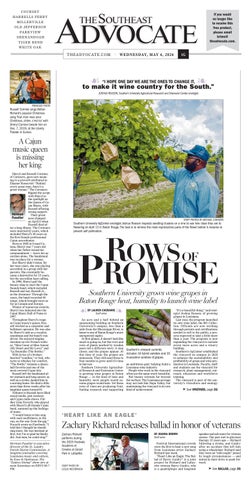
Southern University grows wine grapes in Baton Rouge heat, humidity to launch wine label
BY
LAUREN CHERAMIE Staff writer
An acre and a half behind an unassuming building on Southern University’s campus, less than a mile from the Mississippi River, is home to one of Baton Rouge’s more unexpected sights.
At first glance, it doesn’t look like much is going on, but the rows and rows of plants marked by wooden posts tell a different story. A step closer and the grapes appear At this time of year, the grapes are minuscule. They still need three to four months to grow until it’s time to harvest.
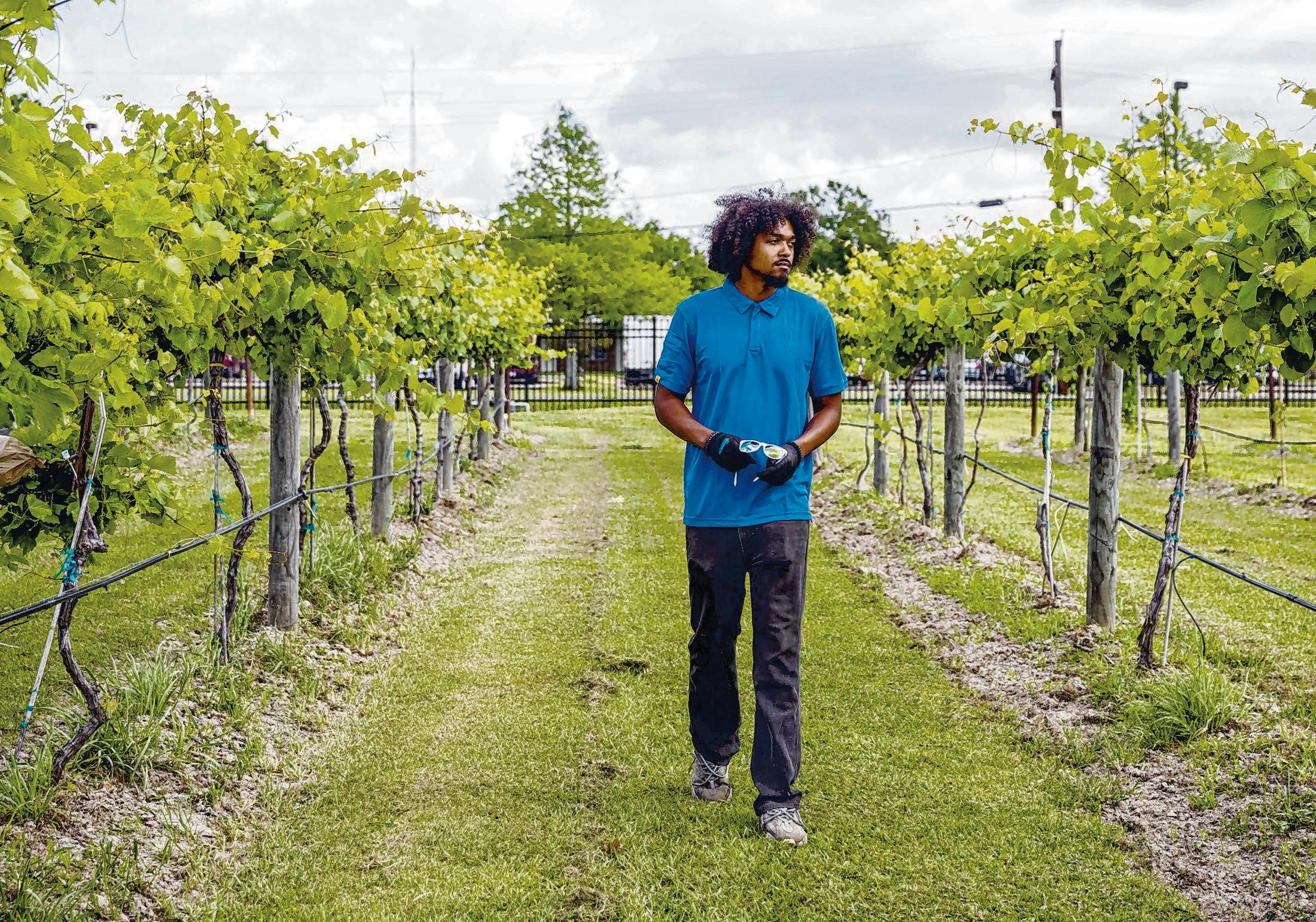
Southern University Agricultural Research and Extension Center is growing wine grapes in Baton Rouge — in the kind of heat and humidity most people would assume grapes would hate. Yet these rows of vines are producing fruit, fueling research and supporting
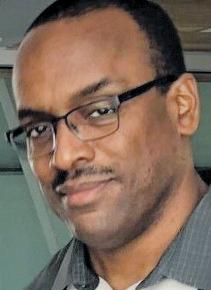
“It’s a beautiful thing,” said enologist Joshua Reason, of growing grapes in Louisiana.
Last year, the program launched its own wine label, the 801 Collection. Officials are now working through permits and certifications needed to sell to the public, a process expected to take a little more than a year The program is now expanding the vineyard to include seven more acres and a winery building.
an ambitious goal: helping build a Louisiana wine industry People who work in the vineyard often use the same word: beautiful. But beauty extends far beyond the surface. The Louisiana acreage may not look like Napa Valley, but maintaining the vineyard is its own kind of achievement.
Southern’s AgCenter established the vineyard on campus in 2020 to enhance the sustainability and profitability of grape and wine production in Louisiana. Faculty, staff and students use the vineyard for research, plant management, outreach, education and workforce training. The vineyard is part of the university’s viticulture and enology
BY JOANNA BROWN Staff writer
him on Dec. 7, 2019, at the Liberty Theater in Eunice.
Herman Fuselier
Zachary Richard performs during the 2025 Festivals Acadiens et Creoles at Girard Park in Lafayette.
STAFF PHOTOS BY MICHAEL JOHNSON
How sandwiches sliced into toboggan time in Germany
BY CAROL POOLEY Contributing writer
Human Condition
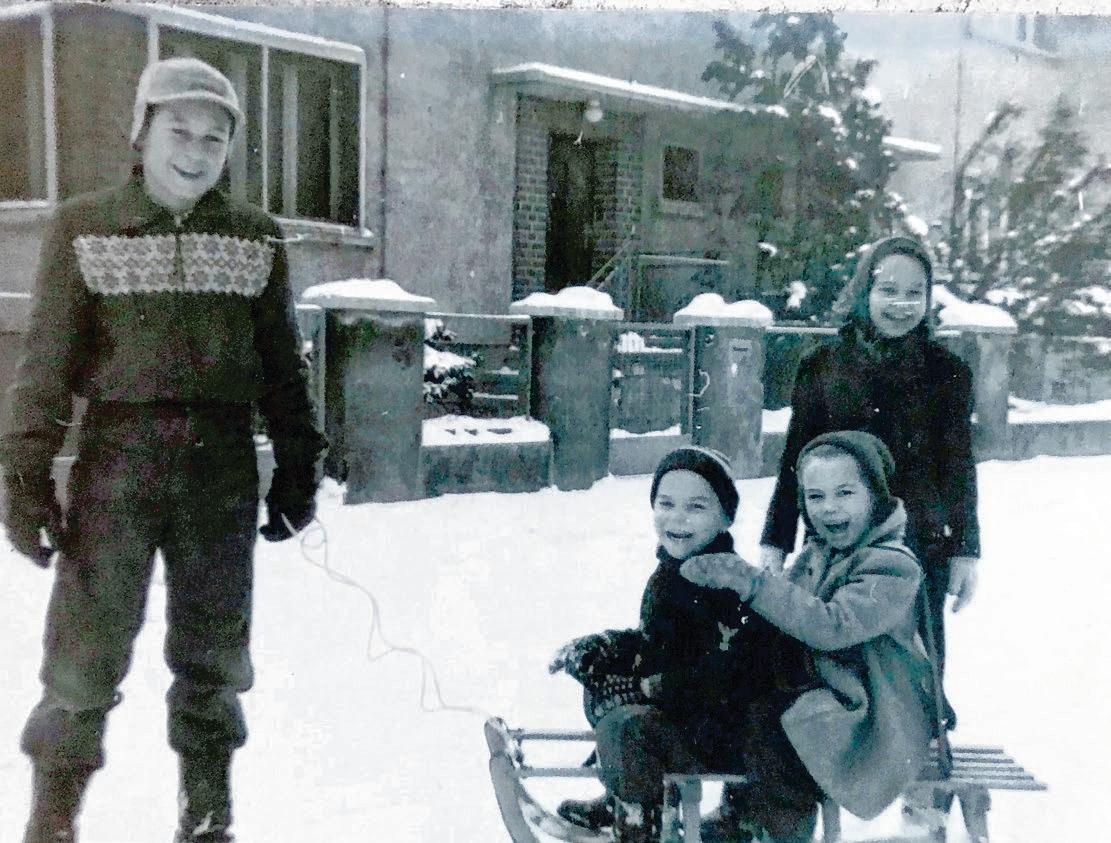
As I overheard a friend recounting her cherished memories of visiting beautiful, impressive and ornately decorated cathedrals in Germany, I reflected on my own precious memories of that country I lived in Heidelberg and then Mannheim from the ages of 5 to 7. I suppose my age accounts for why my recollections are a bit different. I guess you’d call them age-appropriate I remember some of the cathedrals vaguely, but what stands out to me is encapsulated in a photo with my three siblings. As kids, during the snowy winter months, we lived playing in the snow, building snowmen in the yard and making our snow angels. But the dearest memory is the Christmas when my siblings and I were gifted with a toboggan from either Santa Claus or St. Nicholas; it doesn’t really matter
VINEYARD
Continued from page 1G
research program — viticulture being the study of growing grapes and enology being the art of winemaking. The vineyard currently includes 18 hybrid varieties and 35 muscadine varieties.
Most of the grapes are wine grapes, but there are also table grapes, or grapes grown for eating.
Hybrids are grapes that are crossbred with two different species (typically European vines with American vines), while muscadines are native North American grapes. Hybrid grapes are bred to better withstand conditions in specific regions, including heat, humidity and disease pressure.
“I know muscadine wine, people like it, but we want to promote more of the hybrids because it makes very beautiful wine,” said Devaiah Kambiranda, a plant and soil science professor with the university’s AgCenter who started the vineyard program In the thick of the Louisiana summers, Kambiranda and his team are in the vineyard almost every day harvesting the hybrid grapes in mid-July and the muscadine grapes in mid-to-late August.
About six to eight students help in the vineyard each semester — many of them plant and soil science majors who assist with sample collection, weed management and other agronomic work. While students work on research for the vineyard, they do not participate in the wine-making process.
He says the yield depends on the plant. Last year, Southern’s hybrids produced between 25 and 35 pounds per vine and the muscadines produced between 40 and 50 pounds.
Hybrids are picked by individual clusters using pruners, Kambiranda explained, whereas muscadine grapes are stripped with a tarp on the ground, transferred to bins and brought to the building The fruit is washed, crushed and prepared for fermentation
Local sommelier Scott Higgins explained that Louisiana would struggle to grow highquality international grapes because of the weather These grapes rely on a diurnal temperature range, when the high and low temperatures of the day are far apart
“A place like Napa gets to 110 degrees during the day, but at
BALLAD
Continued from page 1G
In Mannheim, we lived in Army-base housing and nearby was a great hill or slope where all
of us Army brat kids would spend our days sledding. The trek up was well worth it for the thrill of the ride down. This joy was cut short one sad, unfortunate day when what I thought was my best-kept secret was exposed. Let me add, I have always been a “picky” eater As a child, the lunch break in the middle of playing outside during the day was something I dreaded.
As so often happened while playing outdoors on snow days, my mittens became soaking wet. All that was necessary was a quick run into the house for dry ones and back out again to play
As I crept through the living room, I saw my mom and dad peering over the expandable kitchen table, which could be slid open when that extra leaf was needed. Next thing I remember was their faces and eyes staring at me.
Did I really say, “I think it was Mikie”?
All my well-hidden, or so I thought, old sandwiches with small bites eaten were discovered. Was it the smell that finally revealed my secret stash of lunchtime rejects? Mikie became my accomplice and, thus, never squealed on me until that fateful day I don’t think Mikie got in trouble because somehow my guilt must have been exposed. To be truthful, my only regret was not being able to change my wet mittens and go back to sliding downhill on that wonderful toboggan. — Pooley lives inDonaldsonville.
Advocate readers may submit stories of about 500 words to The Human Condition at features@theadvocate.com or The Advocate, Features, 10705 Rieger Road, Baton Rouge, LA 70809. There is no payment, and stories will be edited. Authors should include their city of residence.
night it’s 55,” Higgins said. “The grapes hang longer, developing sugars during the day At night, it cools off and stops the process.”
A high diurnal temperature range helps achieve a balanced sugar-to-acidity ratio with the grapes, Higgins said.
In Louisiana, the international varieties would have to be picked early because of the climate and wouldn’t get enough “hang time.” That helps explain why hybrid and muscadine grapes perform better here: they are better adapted to Louisiana conditions.
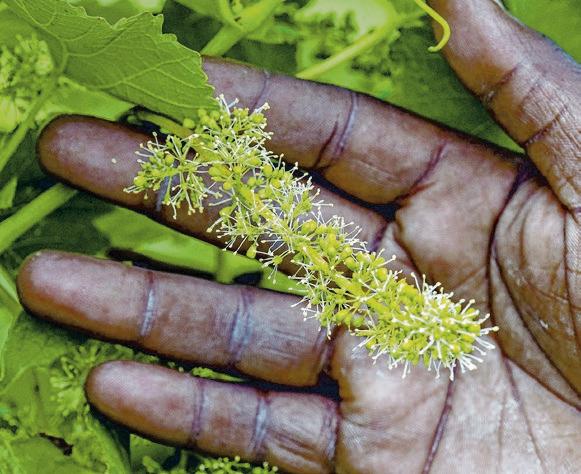
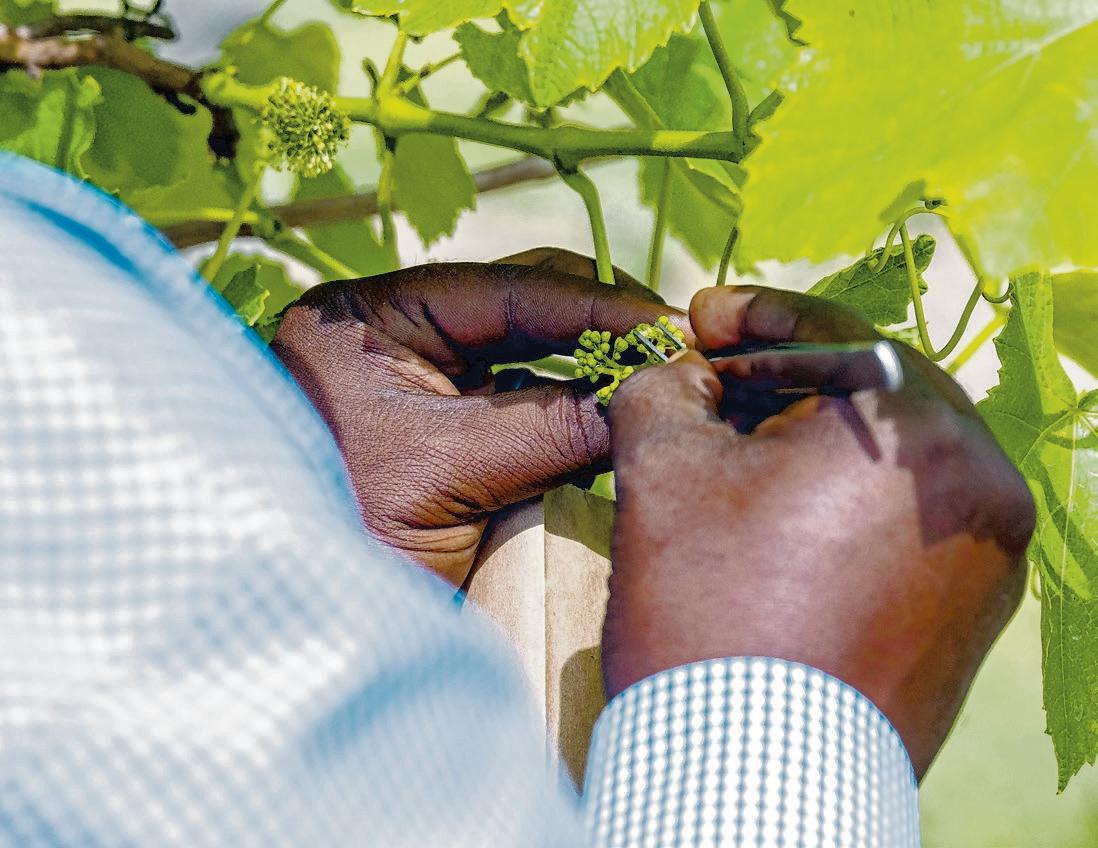
Through a breeding technique known as emasculation, growers can create cultivars with traits such as disease resistance or improved fruit quality
The students with Southern’s program monitor for different diseases, working on research on newly released and existing Pierce’s disease-tolerant grape cultivars. Kambiranda says the bacterial disease disrupts the water movement of the plant, stunting its growth. The emasculation process removes the male reproductive parts of a flower before it matures, preventing self-polli-
Southern University AgCenter enologist Joshua Reason uses tweezers on a seedling cluster before it flowers in a process called emasculation.
nation, Kambiranda explained.
First, one must separate the male and female parts of the flower, bag the stigma (a crucial part of the female reproductive organ of a flower) and then take the pollen from a desirable plant to dust on the female cluster — which is then bagged so it doesn’t pollinate with other
grapes.
Kambiranda says they usually get 400-600 seeds out of the process, but only one-third germinate. This year, they are increasing their output with 1,000 seeds.
“The grapes have to be tolerant to all the fungal diseases that are very prevalent in this
region, and it has to produce good fruit, right? Ultimately, fruit is what makes the juice. It has to overcome all of this. Once in a while, it has to be tolerant to winter and frost, too,” Kambiranda said. “It’s a challenge, but we can grow — that’s the message.”
Kambiranda and his team collaborate with vineyards and farmers across Louisiana to share data.
“Ultimately we are working for the farmers,” he said. “Without farmers, we are not here.”
Reason, a past student at Southern, has worked in the field since 2020. He hopes that Louisiana can pull its weight in the wine world one day, attracting tourists to visit because of the quality
“I hope one day we are the ones to change it,” Reason said, “to make it wine country for the South.”
Beyond Mardi Gras, south Louisiana is better known for sugar cane, soybeans and sweltering summers. Even so, the vines keep growing.
Email Lauren Cheramie at lauren.cheramie@ theadvocate.com.
to see the devotion that he gives to his community he’s a very special person.”
support of Wounded War Heroes in Lafayette.
“He’s a remarkably person for everythi through, and we bonded,” Richard. “Barry spends all of his life taking ca veterans, and it was cation for me to appre the struggles that the women go through.” The song is an emotional to the veteran exper based on Guidry’s life. the opening ceremonies val International de Thursday, Richard a debuted the ballad he co-wrote with Guidry, with lines like, “He puts on his cap, goes to work and rolls his chair outside the door, and sets out on his way to find a soul in need of a cure.” Said Richard, “we had the idea
song that would be his commitment.” retired U S. Army served in places like Storm, Bosnia and Kososupports causes like r Heroes, which is a sed organization that veterans with mental health. from the track will be Wounded War Heroes, Guidry and Richard. really happy to be part Richard, who is rea Louisiana French -songwriter, as well as a poet “It was a labor community kind of he radar We know military veterans in the community, but we don’t always know the extent of the challenges they face. Barry was able to open my eyes to that And just
The pair wrote the lyrics together and Guidry said it was an education for him to delve into songwriter with a master
“I remember him strumming along, and we were humming some words, and as he started singing it, I got choked up,” said Guidry. “It became very personal to me. It’s loosely based on me, but it’s really about the struggles that all veterans deal with that no one really sees, but we continue on, and try to make the best of what we have.” Guidry said that a song felt like the right vehicle for spreading awareness about Wounded War Heroes, since music is central to the veteran experience.
“I’d never written a song, and I can’t sing a note, but I love music,”
he said. “There are so many songs out there that bring you back from these hard rock songs that take you back to some of your combat missions, or songs that make you cry when you come home. I think music is one of the greatest things in the world that can soothe anybody’s soul.”
Zachary Richard is scheduled to play “Heart Like an Eagle” at the New Orleans Jazz & Heritage Festival on Sunday followed by a performance at the Threadhead 20th Anniversary Celebration at Deutsche Haus in New Orleans on April 28. Richard will then debut the single at the Crowley Grand Opera House on May 30 before leaving to tour in Canada and France.
Email Joanna Brown at joanna. brown@theadvocate.com.
PROVIDED PHOTO
From left, David, Mikie, Carol and Sue Pooley (Dille) take in a day on their toboggan, a fond memory of their time living in Germany.
PROVIDED PHOTO Lafayette veteran Barry Guidry helped co-write ‘Heart Like an Eagle’ with Zachary Richard in
STAFF PHOTOS BY MICHAEL JOHNSON
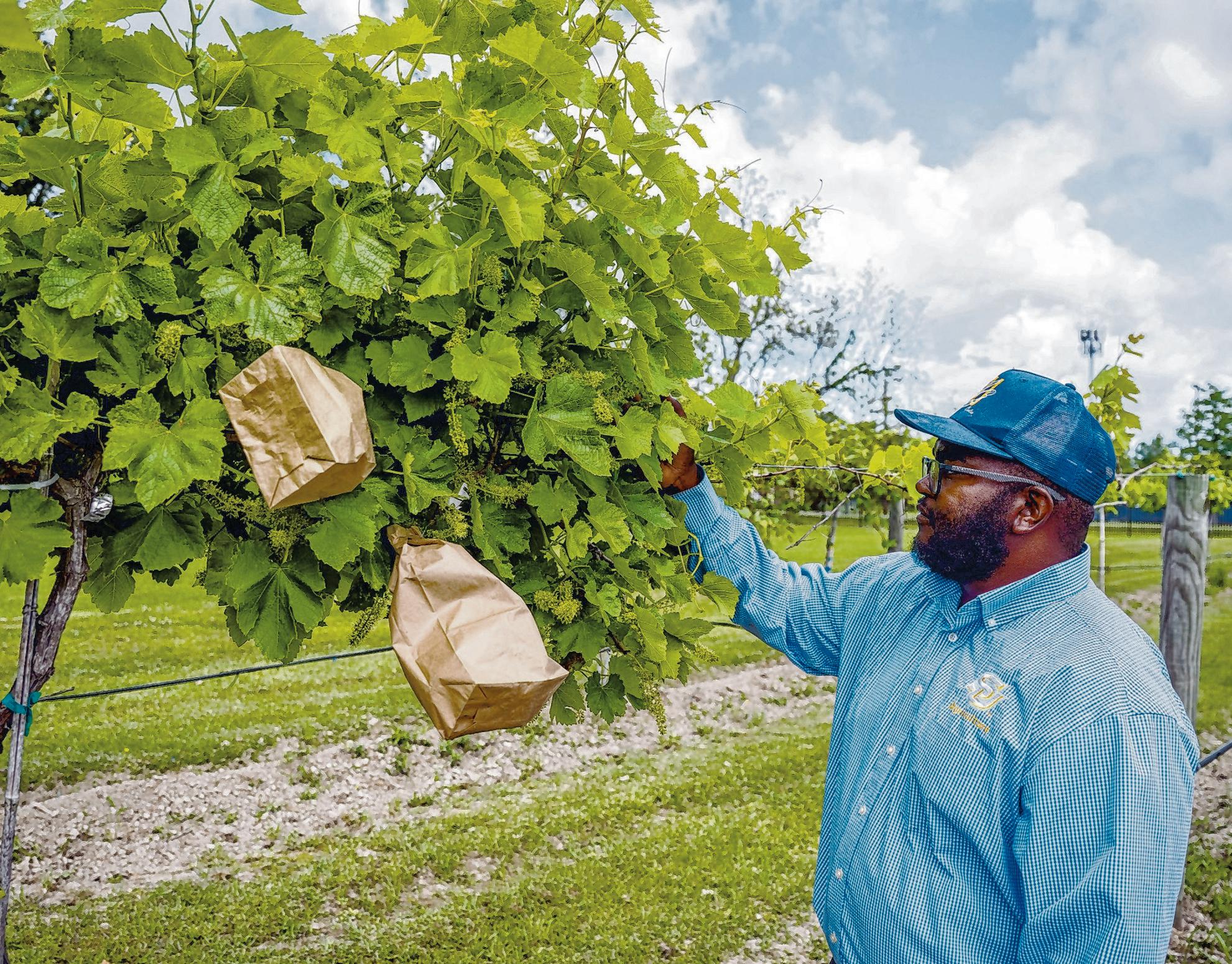
Southern University AgCenter research associate Mike Walker walks through rows of hybrid grape vines at the school’s research vineyard in Baton Rouge.
AT THE TABLE
Origins of German chocolate cake not what you think
Round or rectangular, it’s all in the name of this family-pleaser
BY DEBRA BROUSSARD TAGHEHCHIAN Contributing writer
When my family had a reunion coming up, I asked my son and daughter, who now live out of state, “Are you coming to the family reunion?”
“I’m not sure What are they cooking?” is always the question asked.
Quite honestly, if the food is good, it is worth the trip. This is especially true here in southwest Louisiana, where we are known for our delicious dishes.
“Well, this year we are having jambalaya, black-eyed peas and cabbage salad The jambalaya will be cooked outside in a large cast-iron pot. Johnny is making the black-eyed peas and John is also going to make cracklings and fried sweet potatoes,” I answer
And just like magic, that was enough to get the two of them to make the drive.
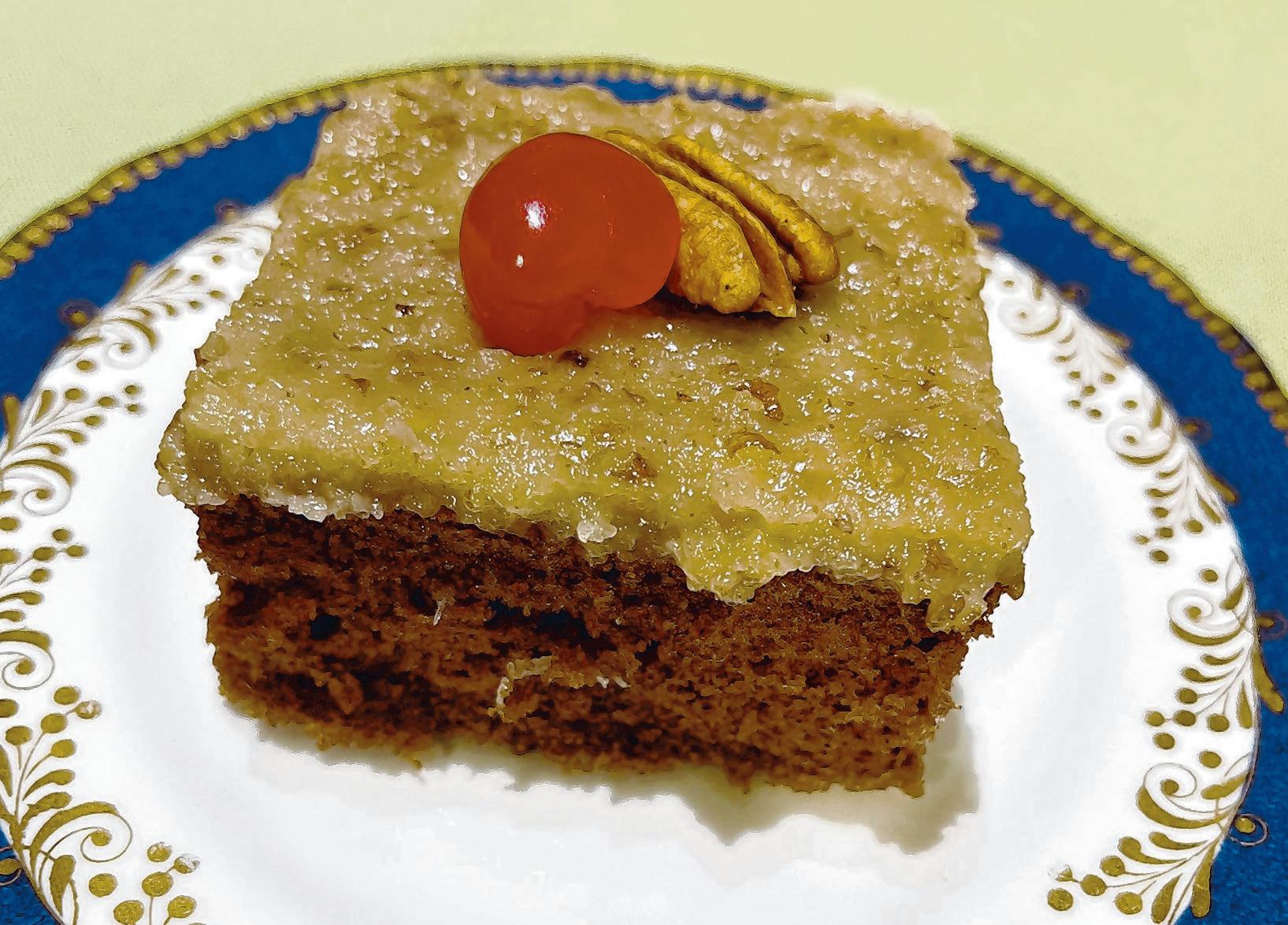
Of course, this wasn’t all the food served. Everyone brought something to contribute I made a homemade potato salad and a German chocolate cake. Others brought homemade desserts like Cajun teacakes, fruit cobblers, brownies and fruit salad. Lack of food choices is never an issue.
I had a birthday a few days ago, and every year I make a German chocolate cake for myself. This year, I decided to share it at the reunion.
I made up the recipe for the frosting several years ago when I found grated coconut with heavy syrup in a can. The coconut is finely shredded, and the syrup ratio is perfect for this recipe. I add a few more ingredients, cook it and then spread it onto the cake.
A little clarification about the name German chocolate cake. Many people think that the cake was originally made in the country of Germany Not so. It is named after Baker’s German’s Sweet Chocolate, a brand of sweet chocolate created by an American named Samuel German. This cake with the coconut and pecan icing is from a recipe first found and published in Dallas in the 1950s. Typically, a two-layer round cake, I decided to make my cake one layer this year and cut it into squares for easy serving I really like the single layer because the ratio of cake to icing is perfect The cake layer and spread of icing make for a not-too-sweet bite. Give this version a try Maybe you will hear what I heard people asking at our family reunion — “Who made the German chocolate cake? It is so good.”
German Chocolate Cake
German Chocolate Cake Makes 1 (13-inch-by-9-inch) cake or 1 (2-layer 8-inch) round cake; Recipe is by Debra Broussard Taghehchian 1 box of German chocolate cake mix plus ingredients listed on box to make the cake (eggs, oil, water, etc.)
1 Preheat oven to 350 F.
2 Grease and parchment paper line the bottom of your cake pan(s) and set aside.
3. Prepare the German chocolate cake mix according to box directions.
4. Pour cake mix into the pan(s) and bake according to box directions.
5. Remove from oven and allow cake to cool for 5 minutes on cooling racks. Remove cake(s) from pan(s) and allow to cool completely
6. In a 3-quart saucepan, add 1 can of grated coconut in syrup, butter, evaporated milk and finely chopped pecans.
7. Heat over medium-high heat until hot and bubbling.
8. In a small bowl, mix cornstarch and 1-2 tablespoons water and stir to dilute the cornstarch.
9. Add cornstarch mixture to hot mixture and stir
10. Cook until mixture thickens and remove from heat.
11. Spread hot mixture onto cooled cake. If you are making a two-layer cake, spread half of the mixture on one layer top with the second layer of cake and then spread the remaining mixture on top. If you are making a 13-inch-by-9-inch cake, spread the mixture onto the cooled cake, making an even layer
COMMUNITY
Iota
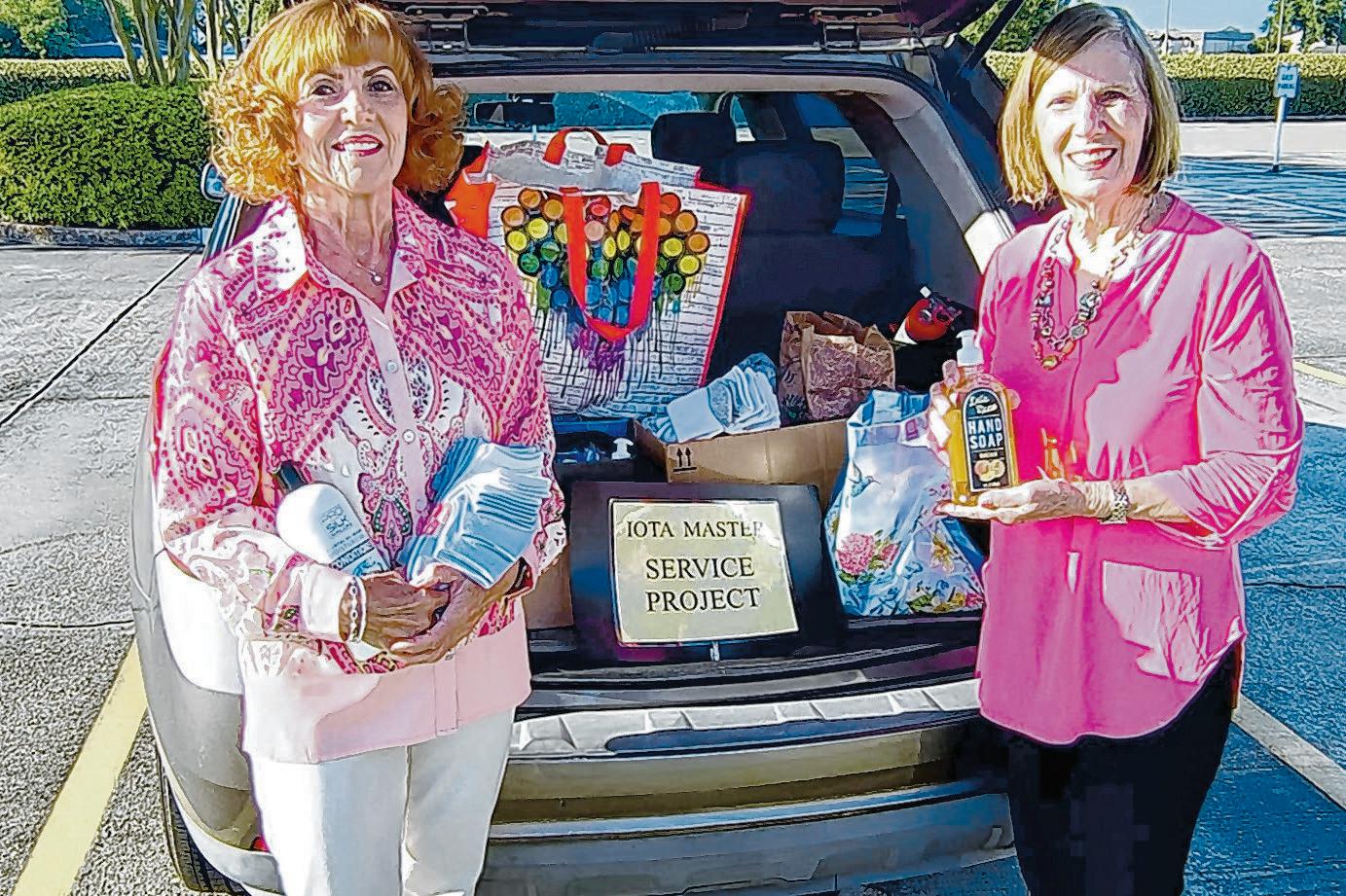
Members of the Iota Master Chapter of Beta Sigma Phi presented toiletries, socks and household items to Geaux and Deaux Ministries. Shown are Karen Sanders, co-founder and president of Geaux and Deaux Ministries, left and Carolyn Miller Iota Master Chapter member
Beta Sigma Phi donates to nonprofit
The Iota Master Chapter of Beta Sigma Phi International Sorority recently presented a donation of toiletries, socks and household items to Geaux and Deaux Ministries. The local faith-based 501(c)3 nonprofit is dedicated to providing care, housing and hope to individuals in need. Geaux and Deaux, led by co-founder and Pres-
GFWC Lagniappe Club
ident Karen Sanders, distributes donated items directly to community partners and individuals requesting assistance. The organization supports a wide range of local needs, including providing clothing and meals to people experiencing homelessness. The ministry also supplies toiletries, sheets, and clothing to O’Brien House, which offers residential treatment and outreach programs for individu-
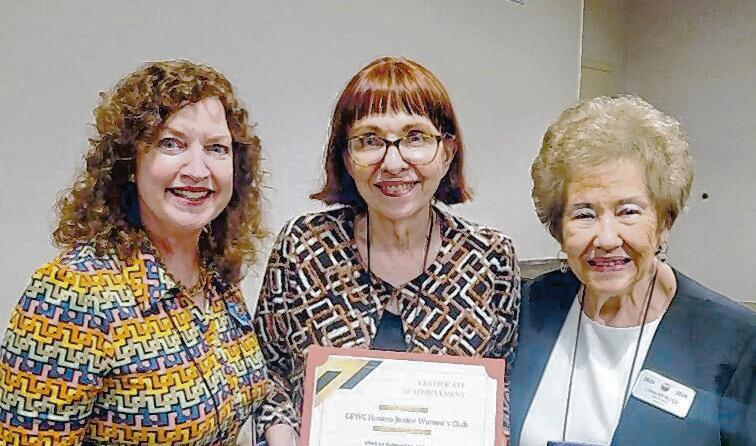
Members of the GFWC LA Club hosted their 128th annual state convention in Baton Rouge April 10-11. Shown are, from left, Nannette White, GFWC consultant to junior clubs; Lucinda Martinez and Lana Merliss, GFWC LA president.
PROVIDED PHOTO
als and families affected by alcoholism and drug abuse. In addition, it provides dishes, pots and pans to Start Corporation, an organization serving adults, teens and seniors facing challenges such as mental health conditions, substance dependency, and developmental disabilities.
The Iota Master Chapter’s contribution supports the ministry’s ongoing mission to meet urgent needs throughout the community
PHOTO BY DEBRA TAGHEHCHIAN
Master Chapter of Beta Sigma Phi
PROVIDED PHOTO
100 Black Men of Metro Baton Rouge
Representatives from Entergy Corporation present a check for $10,000 to representatives of 100 Black Men
left, Cheri Ausberry, Entergy customer
manager; Michael B Victorian, president-elect 100 Black Men; Don Johnson, vice-president of programs 100 Black Men; and Seth Schilling Entergy regional manager of customer service.
PROVIDED PHOTO
Krewe Mystique de la Capitale
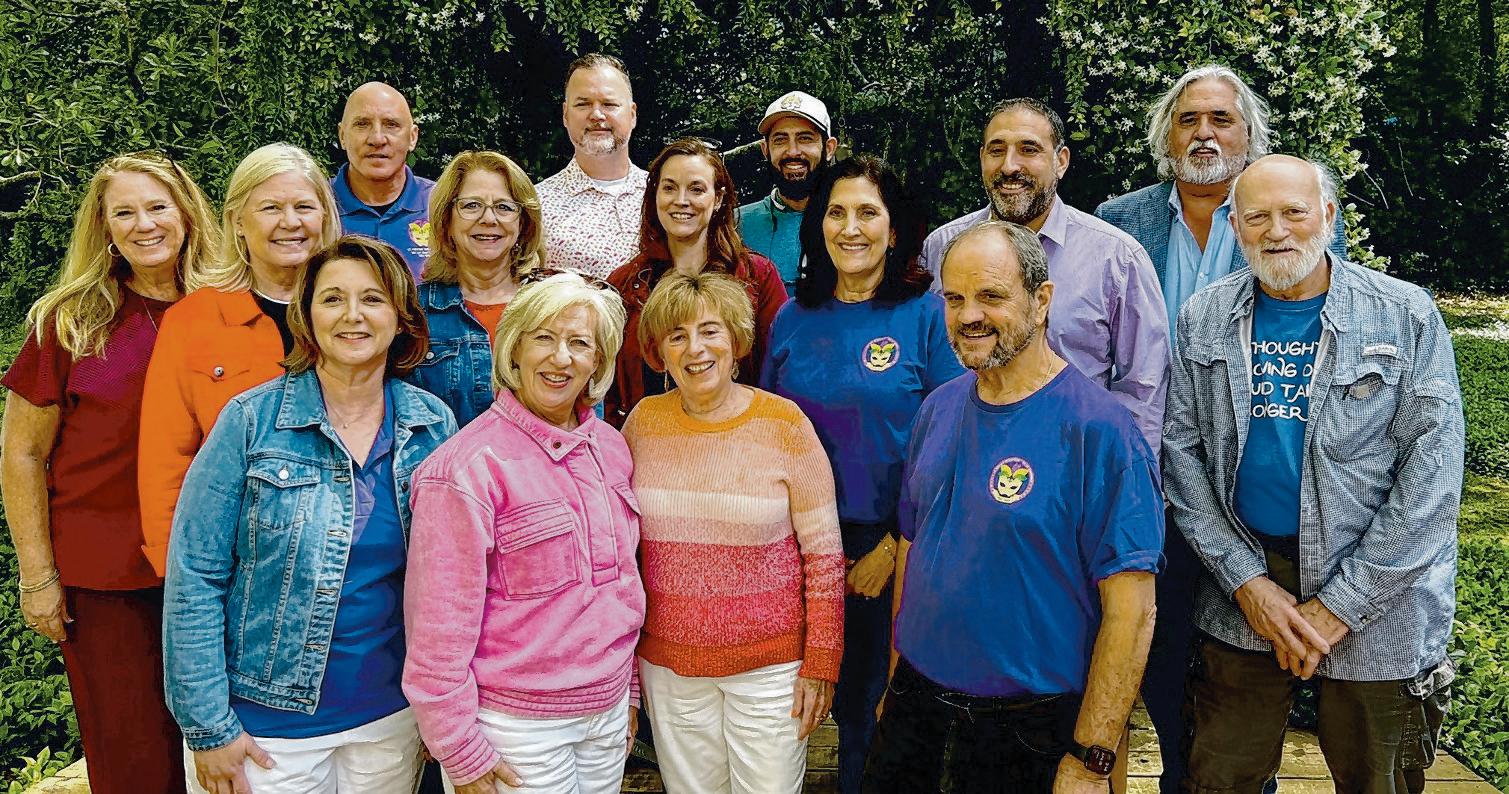
The Krewe Mystique de la Capitale spring meeting and crawfish boil was held April 19 at Forrest Grove Plantation, during which the 2026-2027 board members were elected. Gathered are, from left, front row, Stacey Pereira, Renee Toepfer, Eva Smil and Daniel Duhon; middle row, Barbara Ruiz, Tammy Candler, Heather McCurdy, Andree Duhon, John Delgado and Tony Pittman; back row, Megan Harrell, René Mire, Grant McCurdy, Hussein Mohammad and Henry Pere.