If you would no longer like to receive this
please email brtmc@ theadvocate.com.


If you would no longer like to receive this
please email brtmc@ theadvocate.com.
BY SERENA PUANG Staff writer
In Rwanda, there are twoseasons: wet and dry
In the wet seasons, rivers can become life threatening. In Ruhango, the Rurumanza River connectstwo districts with amarket on one sideand aschool on the other.Before thisyear,peoplewould cross the water by foot.Whenwater levels are high, crossing is difficult. People can lose the bundles they carry, including food intended to be soldatthe market.
In some cases, people drown.
In communities like Ruhango,a bridge isgame changer.For morethana decade, Bridges to Prosperity has been sending teams from countries including the United States and Canada to build bridges in collaboration with communities that need them.
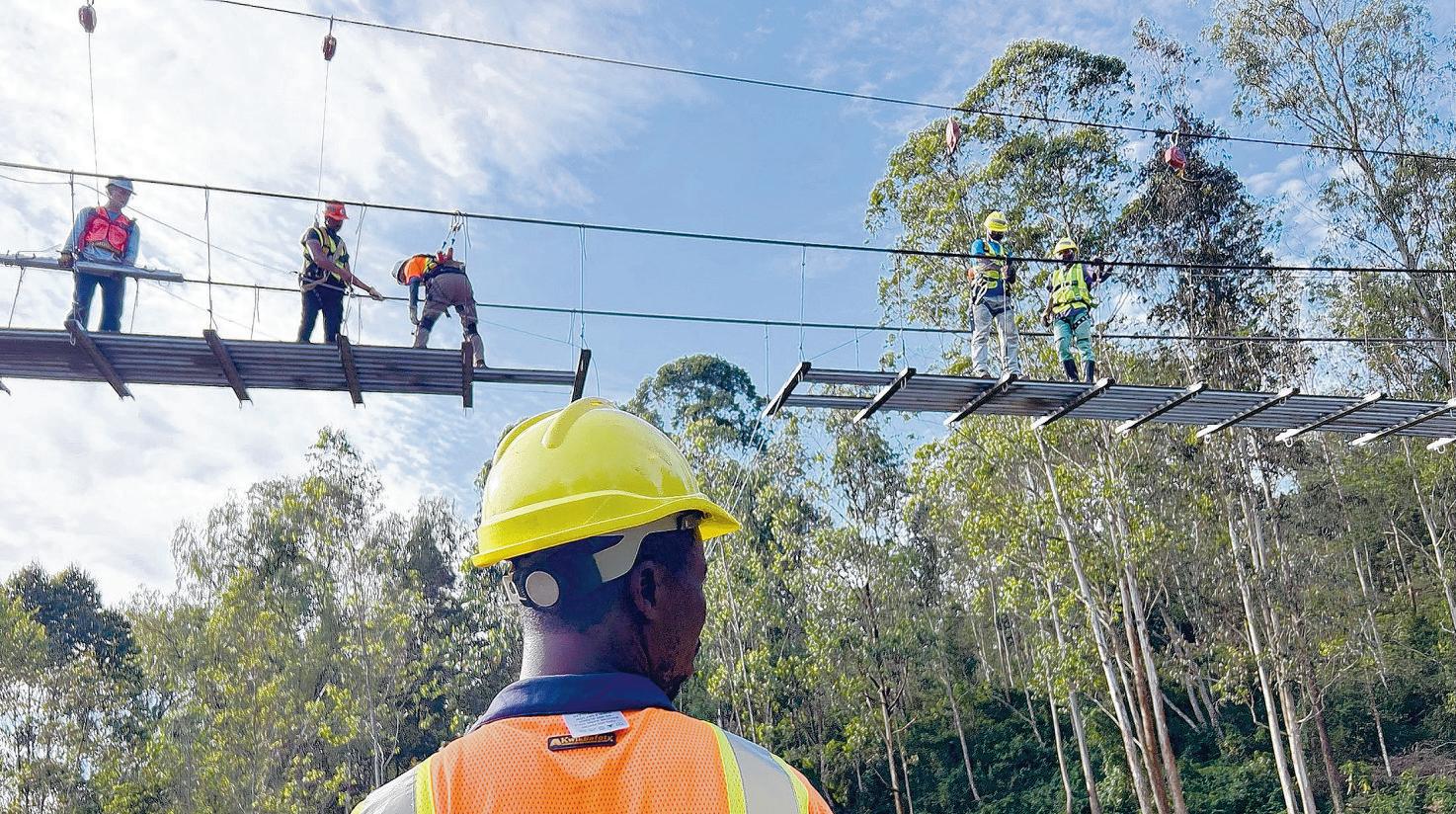
Jim Costigan, aModjeski &Masters engineer who livesinNew Orleans, went withateam sent by the National Steel Bridge Alliance in Maytobuild asuspension bridge in Ruhango. He said that the experience opened his mindtowhat canbeaccomplished despite culture and language barriers.
Before the team arrived, 60 community members and aRwandan engineer worked for two months to lay the foundation of the bridge. On the ground, Costigan and his team worked for 14 days to construct the suspension bridge in partnership with the local communitymembers. Many locals didn’t speak much English, andCostigan and the team of engineers didn’tspeak Kinyarwanda.
As it turns out, Costigan observed, the
“groans or expressionsofexhaustion” knownolanguage barriers.
At onepoint during theproject,he and aRwandan manwerecarrying big, heavy rolls of chainlink fence together and once theyset down, Costiganlet out a“ohhhh kay” with asigh of relief.
“The rest of theday,” Costigan said. “He(the man) and hisbuddy were going ‘ohhhh kay.’”
Theyalsodevelopeda communication method of clicks andother sounds to describe the toolsthattheyneeded on the constructionsite.
Costigan said that his team’sroleas engineers was to teach the community members, mostly rural agriculture workers whodon’thave abackground in steelworking, how to construct the bridge safely.The engineers whowent don’tnecessarilyerect bridges on a daily basis, but theyhad expertise that helpedwith the project.
“There were plenty of opportunities for things to go wrong,”saidJonathan Stratton, managingpartner of Eastern SteelworksIncorporated and an engineeronthe teamwith Costigan.
For example, theyneeded to have cables hanging at the same height to build the suspensionbridge correctly.
As we went alongwiththe erection, we realized that one cable was alittle bit off relative to theother,”Strattonsaid.
The structure wasworkablebut it required tweaking.
“It takessomebody likeJim, who’sa surveyor,tosay,‘Hey, I’ve got the skill set. I’m goingtogooverhere, and I’m going to survey,’ Stratton said. “There’s not many people in Rwanda that can survey.”
Even among the engineers on the
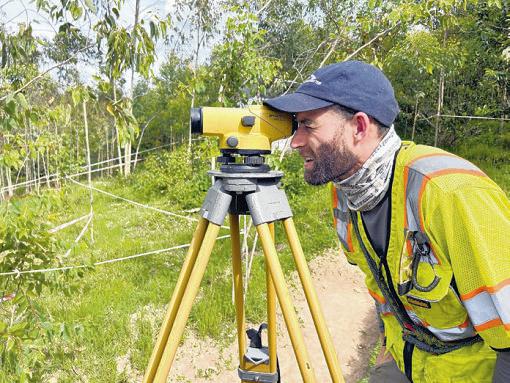
Jim Costigan surveysthe placement of abridge’smain suspension cables in Ruhangoaspartofthe project forBridges to Prosperity.He’srocking aKrewe of Muses parade throwasaneck warmer
team, Strattonsaid thatonly three of the 11could have pulled it off. Surveying requiresspecial toolsthatmanycommunities in Rwanda simply don’thave access to. As part of theteam’swork for BridgestoProsperity,said Stratton, theyraised money to purchase tools to support more bridge buildinginthe future. Additionally,BridgestoProsperity helps develop amaintenance plan to preserve the bridge going forward
“A lot of people think you build a bridge —it’sthismassive structure— anditjustsitsthere andyou don’tever need to do anything to it,” said Costigan, “But theymove. They vibrate. There’s repairs —things thatneed to be done. They age.”
At the endofthe building process, the team of engineers selected 10 of the
ä See BRIDGE, page 3G


The next Louisiana Inspired Book Club selectionisEudora Welty’s“The Optimist’sDaughter.”It’sa short book that won the PulitzerPrize for Literature for Welty in 1973. (It’ssoshort thatifyou listentoitatfull speed,the whole book only takes threehours and20minutes to hear —and Eudora narratesit herself!)
This particularbook hasbeen dear to me sinceI read it in high school.Rereading it to prepare for the discussionhas been a beautiful thing. Truth be told, I’m both reading andlistening to it —the story of awoman who comes back to the South from Chicagotobewith herfather who is sickand in the hospital in NewOrleans. I’m not giving anything away here,but the bulk of the book is abouther father’s deathand the way the small town where he livedhis life comes together to andsupport her in a time of mourning. Ilistenedtothe book last week as Idrove home to Mississippi afterIgot the callthatmylast uncle wasdying. The mirroring of the book andthe world I’ve lived in this week was impossible not to miss.
When Iarrivedtobewith my uncle,Ithought of these lines fromWelty’sbook:
“Whatburdens we lay on the dying, Laurelthought, as she listenednow to the accelerated rain on the roof:seeking to prove some little thing that we can keep to comfortuswhenthey can no longerfeel —something as incapable of being kept as of being proved: the lastingness of memory,vigilance against harm, self-reliance,good hope, trust in oneanother.”
Old neighbors, cousins and lifelong friends have been with ourfamily through the grieving process. They’ve brought food. They’ve offeredsupport. Theyhavesharedour table and told their favorite “Uncle Mack stories.”Ihaveappreciated the sense of sharedhistory and displayofremarkable social obligationstill deeply ingrainedinthe town where Igrew up.
We have hadsome of those wonderful moments that happenwhenloved ones gather to mourn the loss of onethey love —strange little outings that no onecould have anticipated thatsometimesoccur whenunplannedand unstructured time avails itself.
One day, my mom, aunt, cousins andImet for lunch and told Uncle Mack storiesfor hours. Imentioned howmuch Iloved handmade Choctaw baskets made at the nearby reservation. None of us knew where the baskets were actually sold, but I texteda friend in Louisiana who
ä See RISHER, page 3G
LouisianaInspiredhighlightsvolunteer opportunities across south Louisiana.Ifyourorganization has specific volunteeropportunities, pleaseemail us at lainspired @theadvocate.comwithdetails on the volunteer opportunity,organization and the contact/registration information volunteers wouldneed
Acadiana
Maddie’sFootprints, 404 Youngsville Highway,Youngsville, provides financial supporttocoverthe cost of burial and funeralexpensesofthose whohaveexperienced aloss through miscarriage, stillbirth orinfant death.Thenonprofit also provides bereavedmotherswitha carepackage at the time of loss For volunteer opportunities, visit maddiesfootprints.org.
BatonRouge
YouAren’t Alone Project, 748 GeorgiaAve., Port Allen,isa nonprofitorganization dedicated to forminga network of ongoing supportfor mental health and wellnessinBaton Rougeand beyond so that no one everhas to feel alone.The project exists to encourageunderstanding,erase stigmas and to invest in building the right relationships that will continue movingthisinitiative forward. The organization supports individuals and communities, while challenging economicaland societalnorms to create awareness around mental health and wellnessfor everyone. For volunteeropportunities,visit youarentaloneproject.com
NewOrleans
The Ginger Ford-NorthshoreFullerCenter forHousing,Inc., 955 S. Morrison Blvd., Hammond, is afaith-driven and Christcenteredministrythat usesvolunteers to build and repair housesfor low-income familiesinTangipahoa and Livingston parishes in southeast Louisiana. Homeownerspay the agency back forbuilding materials on termstheycan afford, withno profitfor the agency and no interestcharged to them.Their collectiverepayments allowthe agency to servemore folks in need. For volunteer opportunities, visit gingerfordnorthshore.org
Chef of Holy Grillin Zion City retires after more than 35 years
BY JOYHOLDEN Staff writer
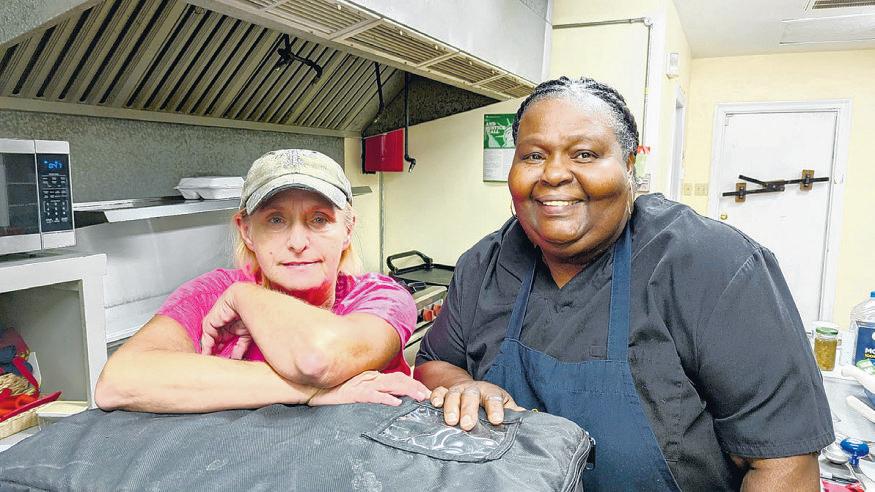
Tonia Causey,the lead cook of Interfaith Federation of Greater Baton Rouge, has retired after cooking and preparing more than 450,000 mealsfor over 35 years at the organization’sHoly Grill in Zion City.The Interfaith Federation honored her as acareerdedicated staff member
Causey,a mother of two and agrandmother, has dedicated much of her life to serving the needs of others. She began volunteering with Holy Grill, aprogram that provides daily mealsinBaton Rouge in the Zion City neighborhood, shortly after it beganin 1987. By 1989,she was the lead cookfor all meals and joined the Interfaith Federation of Greater Baton Rouge staff.
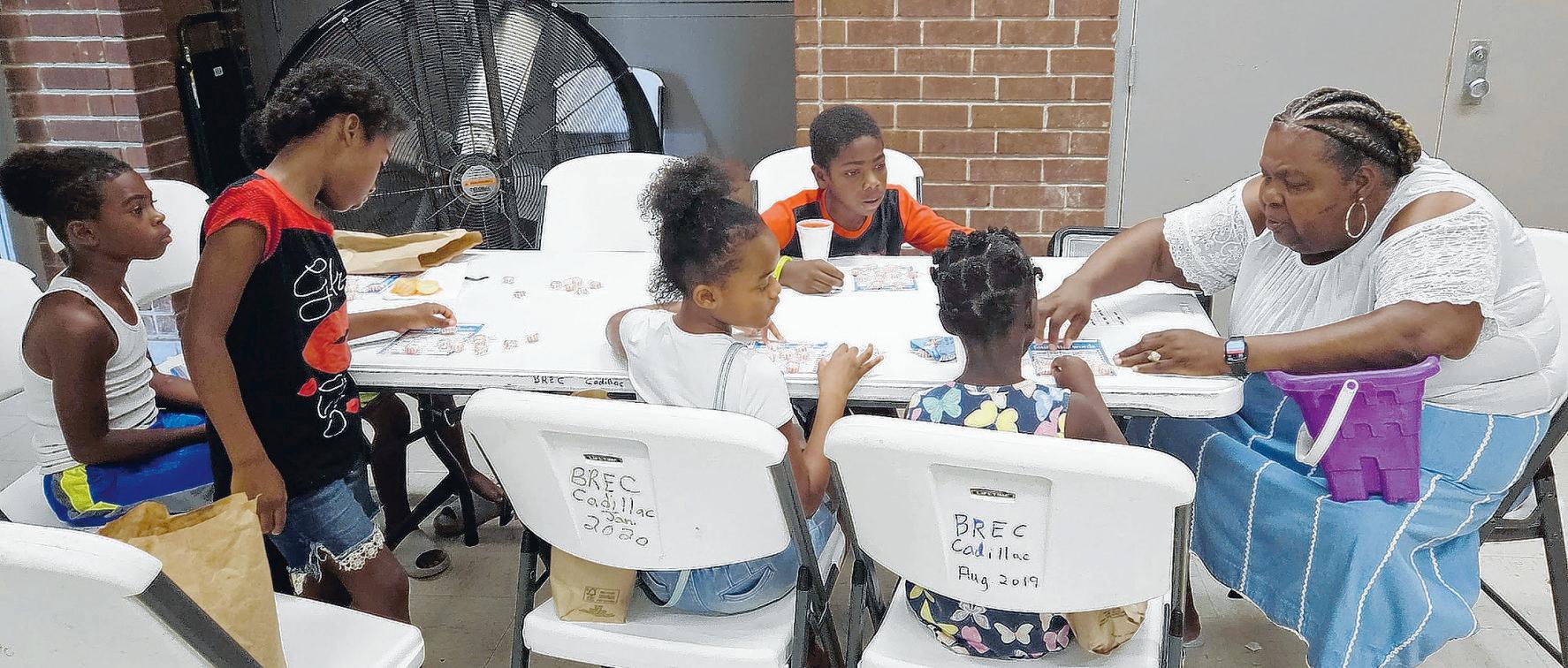
Besides meals, Causey also helped organize hundreds of activitiesand resourcesfor the community.She has overseen the Kids Café program, whichfocuses on activities, nutrition andtutoringfor school-aged children during the summer months. Shehas even participated in health fairs and clinics, annual distribution of Christmas gifts, concerts and partnerships with schools and organizations across thecityduring her tenure.
Whathas working at the Holy Grillmeant to you for all these years?
Getting to know people and help them has meant so much. Notjustfeedingthem but helping them find their way in life, too I’ve loved giving them alistening ear and doing what Ican to make things better for him. Who does the Holy Grill serve?
The hungry.Wedon’tturn anyone down. We serve. We can’t judge on what aperson lookslike they have because we don’tknow what’sgoing on with the person. I just served whoever came Whydid you decide to dedicate your pro-
fessional life to thisone place?
It startedoff with my church. I always wanted to help my community andset an example forthe youth to encourage them. There is so much more in life than negative energy
It was alsoconvenient for me as asingle parent withmykids, the hours that Iworked. Iwas able to attend PTAmeetings,and Iwas involved in school activities and different things like that Howhaveyou contributedtoworking toward changeinBaton Rougeover these years?
Ijusttry to focus on thepositive, show people anew wayof life, other than crime and different things like that. Itried to instill in them that there is abetter way out there.Iwant them to knowthat all you havetodoisjust focusonyourselfand commit to doing the best that you can. What’sspecialabout the Interfaith Federation? Tell us alittlebit about being able to work with so manydifferent groups of peopleand religions Ireally had to gettoknow each organizationand each church that came in to volunteer.I tried to have abondwith them. Ilet them
know Icould help them withanythingthatIcould. Iwas willing to help andmakethem as comfortable as possible. While they were at the Holy Grillserving, Itried to be afriendtomostofthem. I gained alot of friendships with differentpeople, which Iwouldn’t have been able to do if Iwasn’tin theposition that Iwas Is it goingtobehardtonot go back every day? Are youstillgoingtovolunteer?
Yeah, Iam. I’mhelping them with their Christmas program that we have every year.I’m still hands on and still helping them when Ican
What wasthe purpose of theKids Café?
The KidsCaféwas atutorial program that we had from3:30 to 5:30 in the evenings.Wewould feed the kids and help them with their homework anddodifferent activities with them likeplay-
ing games. Theyreally enjoyed it, and it was areally good experience to workwith the kids as well.
What legacy do you leave behind after 35 years?
I’ve tried to show others that there’sa betterway outthere. It doesn’t make adifference where you come from—your race, your class, your religion or whatever Youknow you can do better in life, you know.Some of the youth would come to talk to me, and some even called me Mama. I’mjust glad that Iwas able to show them that someoneloved andcared for them, as well as fedthem.
What do youwant ourreaders to know? If they could set up aprogram like the Holy Grill in different areas, it would make abig impact on their communityand city. We have alot of homeless people or hungrypeople alloverthe world, so,ifwecould start other programsindifferentareas, that would be areal good thing. This interview has been edited forlengthand clarity Email Joy Holdenatjoy.holden@ theadvocate.com.
BROOKS Sr.Technical Specialist, Healthand






“For nearly acentury, theU.S. Gulf Coasthas been centraltoShell’s businessand theU.S. energy supply. By investinginour Louisiana assets,we arelowering emissions and supplying thenextgeneration of energy.”
EMMALEWIS
ShellSeniorVice President U.S. Chemicals&Products
ShellinLouisiana is shapingthe future of energy. With thousands of Shellmen andwomen across thestate,weare workingevery daytoreduce emissions,while increasing efficiency in our operations
Our tomorrowdepends on whatwedotoday. Together,weare powering progress fora brighterfuture. Louisiana is where we live and we’reproud to call it home.
Continued from page1G
strongest candidates who picked up the skills and worked hard to become stewards of the bridge to helpmaintain it going forward, and they had a bridgeunveilingfor the community
“You felt like, ‘Wow,look at howexcited these people are,’”Costigan said. He added that it was areally emotional experience for himand the team. They helpedlittle kids andeven adults who were unsure about the bridge cross for the first time, which relayed the message thatthe bridge was safe and sturdy According to NicolaTurrini, corporateprogram seniormanagerfor Bridges to Prosperity,the work is not just about thebrief stint these engineers have on the ground —it’sapartnership between organizationslike the National Steel Bridge Alliance and local communities.
“With knowledge transfer,ithelped us by improving ourstandards in design andconstruction andin safety and in even procurement in so many ways,”he said. “Because we are dealingwithbig companiesin the architecture, construction andengineering world, theyreally can and will be abletostep up our game.” For localcommunities likeRuhango,abridge is just the tipofthe iceberg. Uncrossable,flooded rivers in Rwanda leadto reducedschool participation for children andincome loss. They exacerbate isolation, which canlead to worsehealth outcomes and not receiving vital services.
According toTurrini, a recentforthcoming study that followed 150 Rwandan communities found thatcommunities served by bridges see incredible change,including:
n a200% increase in girls attending schools because they no longer have to risk their livescrossingthe flooded rivers, n a30% increase in household income, n a75% increase in agriculture investment within the communities.
“The bridge itself brings amind shift, asystem change,” Turrini said. “People decide to invest more in theirthings because they know that they have safeaccess to the otherside of the river no matter what. No matter which weather,nomatter which day of the year, no matterrainy season or dry season, they are able to go tothe market and sell those products —sothey invest
Continued from page1G
grew up on the reservation in Mississippi. He said to go to apawnshop near the reservation —and so we did. On the way,we stopped at acemetery and looked for my greatgreat-grandfather’sgrave. Walking through the old headstones in the beautiful autumn light and shadows withmysweet motherisa memory Iwill cherish. Aday later,after my uncle’sfuneral, when we walked out of the church,I saw the blue awning at the far side of the cemetery, Ithought again of “The Optimist’sDaughter” and these lines:
“An awning marked the site; itappeared to be the farthest one in the cemetery.Asthey proceeded there, black wings thudded in sudden unison, and aflock of birds flew up as they might from a ploughed field, still shaped like it, like an old map that still served new territory and wrinkled away in the air.” Uncle Mack was one of those people who made a room brighter.Hehad a remarkable smile. When
more in their crops inorder to sell more ”
Sendinginforeignengineers to work on these projects has an added publicity and awareness benefit. Thosewho help build abridge abroad can travel back home,share their experiences and maybe eveninspire others toget involved and workonother projects.
“Rwanda has ahuge need forhundredsof more bridges like this one,”said Costigan
He hopes that spreading the word about the program and the work Bridges to Prosperityisdoing will attract moreengineersto assist in building another bridge.
While the Bridges to Prosperity model does construct physical bridges in thecommunity,they also bridge connectionswith locals. They work through languagebarriers by attemptingto participate in and learn about local life as facilitatedbythe drivers whotook them from their accommodationsto the construction site each day and were fluent in both the local language aswell as English
“Our drivers, Jimmy and Brilliant, were greatat sharing local culture,” said Stratton.
This experience included local music. Every morning, oncetheygot to thejob site, thegroup participated inateam-buildingexercise which involved Rwandan call and response style singing. After afew days, Costigan created one for theAmerican team as well.
“We followed theirsocial norms,” he said. “By the end of the two-week period, ourstoic American hard faces were just melted away.”
Email Serena Puang at serena.puang@ theadvocate.com
Iwas 6, hegavemeatiny puppythat Inamed Zero. Theway he looked at me andlaughed when Itold him whatI haddecided to name thedog hasstuck withme throughthe years. That moment with himis oneofmanythatdemonstrate is generousspirit. Igrewupa short bike ride away from where he and my auntDoris lived While my dad was pretty tough(butalso fun), my uncleMack was sweet andgentle. He filled in all those gapsfor me —and, asitturns out,hedid the same for somanyothers. The life he led is such a beautiful example of the ways in which we can be a light and positively touch thelives of others. As we’vedone with the three previousselections this year,wewill host a communitydiscussion of “The Optimist’s Daughter” at 12:15 p.m. on Dec. 10. Ihopeyou’ll join us. Perhaps, like me, you will think of those you’velost whose spirits still provide comfort To paraphrase aline from Welty’sbook:Memory lives in theheart that can emptybut fill again.
Email JanRisher atjan risher@theadvocate.com
We cantalkMedicarewhere youwant
Ourpooloflocal licensed salesagentsmakes it easy to find alistening ear, a helping hand andaknowledgeable voice. We’llconnect youwiththe Medicare Advantageplaninfoyou need.Plus, Humana goes theextra mile to bringyou even more than youexpect. We call it human care
Sarah Sotile 225-354-9220 (TTY: 711) ssotile@humana.com
Linda Quintanilla 225-428-6930 (TTY: 711) Lquintanilla@humana.com
Charlie Causey 225-287-4843(TTY: 711) ccausey@humana.com
Amorehuman way to healthcare®
At Humana, it is important youare treatedfairly. Humana Inc. andits subsidiaries comply with applicable federalcivil rights laws anddonot discriminate on thebasis of race,color,nationalorigin, age, disability,sex,sexualorientation,gender, gender identity,ancestry, ethnicity,marital status,religionorlanguage.English: ATTENTION: If youdonot speakEnglish,languageassistanceservices, free of charge,are available to you. Call 877-320-1235 (TTY:711). Español (Spanish): ATENCIÓN:Si hablaespañol,tieneasudisposiciónserviciosgratuitos de asistencia lingüística Llameal 877-320-1235 (TTY:711). 繁體中文(Chinese):注意:如果您使用繁體中文,您 可以免費獲得語言援助服務。請致電877‑320‑1235(聽障專線:711)。

We use theincrediblepowerofour audience to executeadvertisingand marketing campaigns with aclear mindset –results. If we don’t achieve results, we don’t keep our clients.

You’relucky to have onegreat brand. Thankstoacommitment to Louisiana anda commitment to local, we have several.
Andgreat brands bringgreat readers
163MILLION TOT AL USERS
810,000 PR INT READERS
We’recommittedtolong-term success when manyofour peersare retreating. It takes innovation and initiativeacross all ourplatforms andall our teams We’reherefor apurpose. Forour readers. Forour clients. ForLouisiana
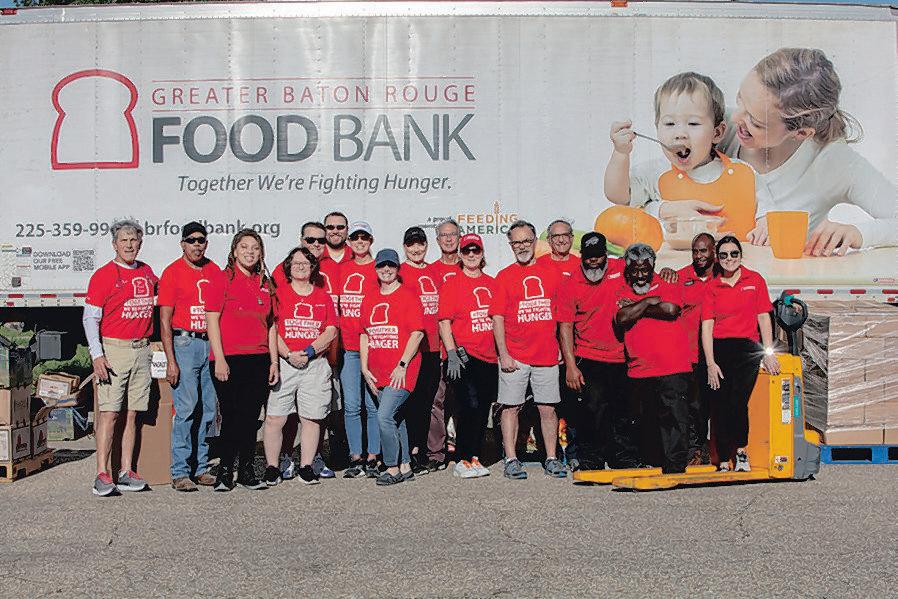
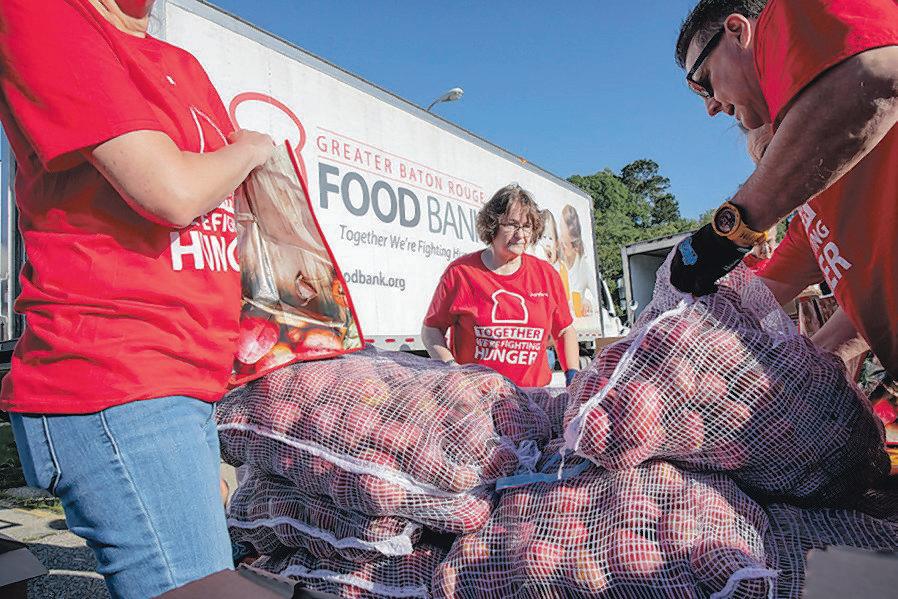
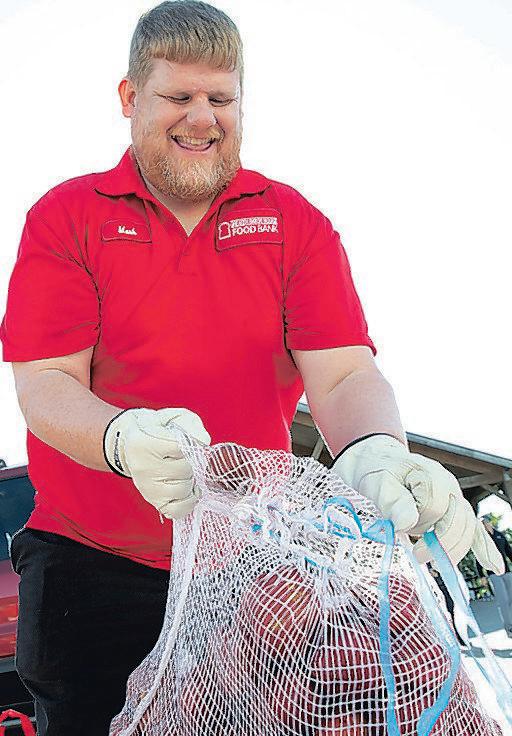
TheGreater BatonRouge Food Bank is anon-profit organization focusedonfeeding those whoare food insecureinour community. We collect, sort, packand distributefoodtofriends and neighbors in needthrough 125+memberagencyfood pantries
Last year alone,the Greater BatonRouge Food Bank distributed 11.1 million meals to those in need, serving over 350,000 clientsacross our 11-parish servicearea. While thatmay sound like alot of meals,the 2023 Meal Gapresearch from Feeding America shows thatLouisiana is unfortunately still #1 in the countryinboth child and senior hunger.
As partofGiving Tuesday, or eding Tuesdayaswelike to call ,Home Bank willbegenerously oviding amatch for financial donations made on Tuesday, cember3rd –allowing youto double your donation thatday
Visit us online at brfoodbank.org/RedStickRally or scan the QR code to donate today.


Celebrating 27 Years of HelpingHouse Formerly Incarcerated Citizens!
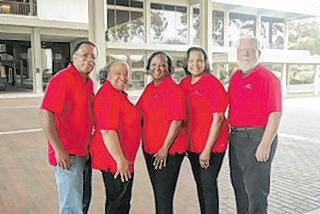
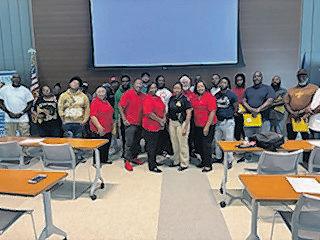
One Touch Ministry,Inc. is dedicated to transforming lives by empowering individuals, especially those formerly incarcerated, with the tools, resources, andsupport neededtosuccessfully reintegrate into theircommunities.
Our mission is rooted in fostering hope, reducing recidivism, and promoting sustainable change for individuals, families, and society atlarge.
To learn more, visit 1TOUCHMINISTRY.ORG
It turns what we have intoenough.
It can turn amealintoa feast, ahouse intoahome, astranger intoafriend.
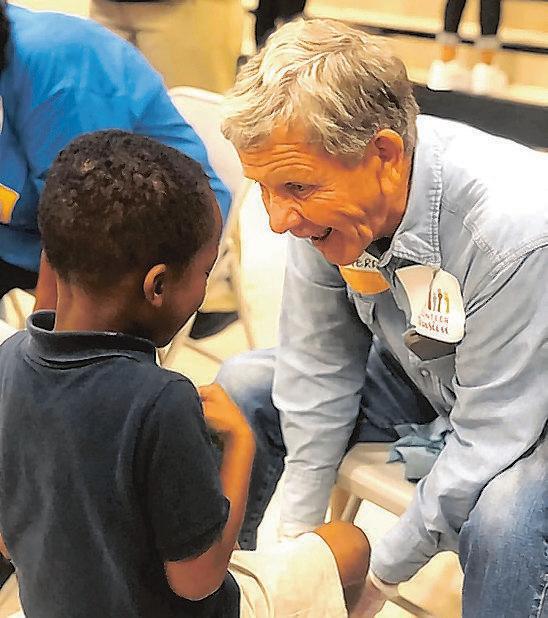
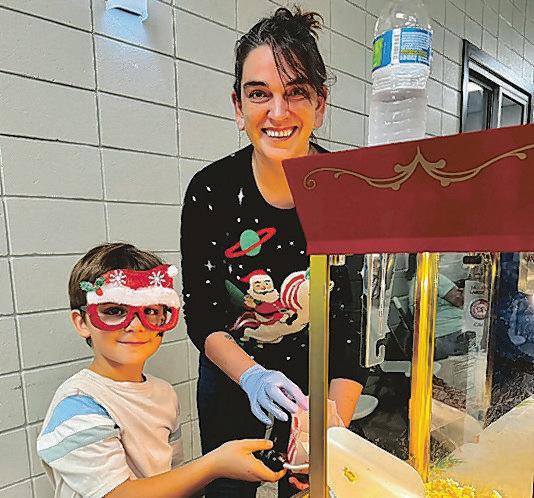
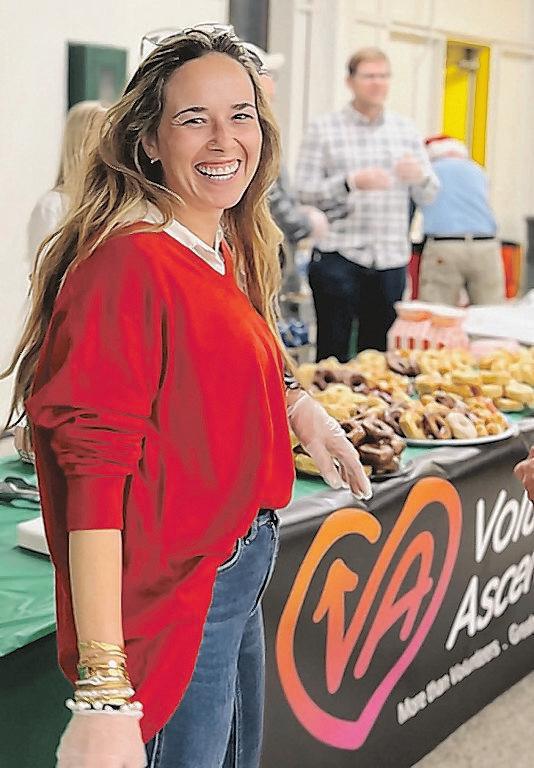
This Thanksgiving we are especially grateful for our volunteers.
Their selfless dedication is truly changing lives and inspiring hope in our community.
Thank youfor being the heartofour mission!
To learn more, please visit volunteerascension.org or >>
















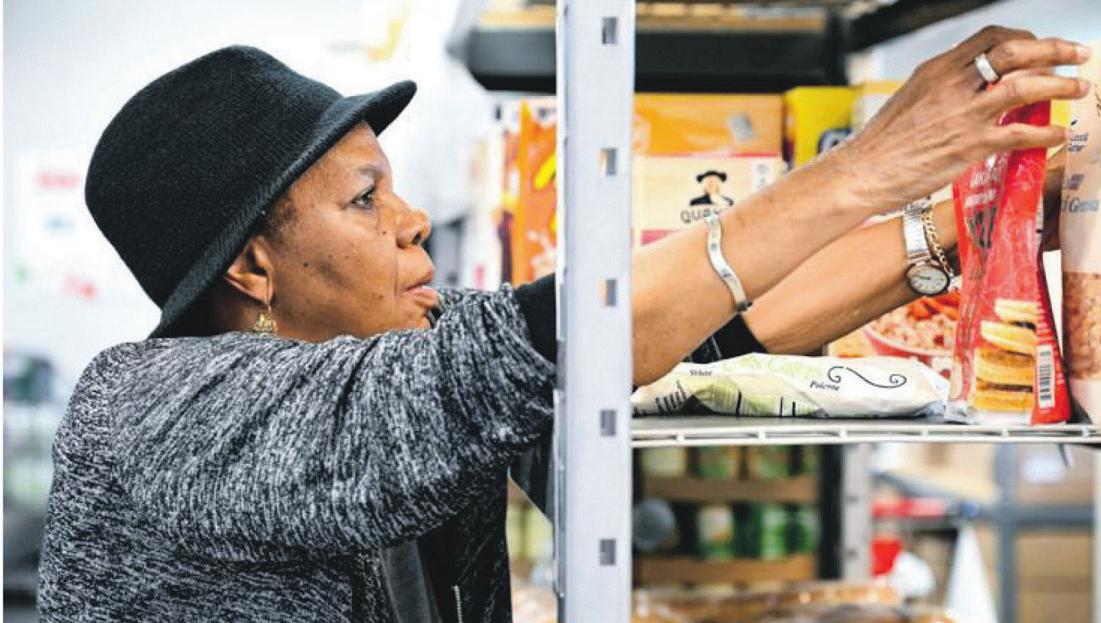
Located in the 70805zip code, one of the nation’smost impoverished areas,HOPE has served the Greater Baton Rougecommunity for over twodecades.We’re dedicated to building athriving, resilient community through essential resources and workforce development.
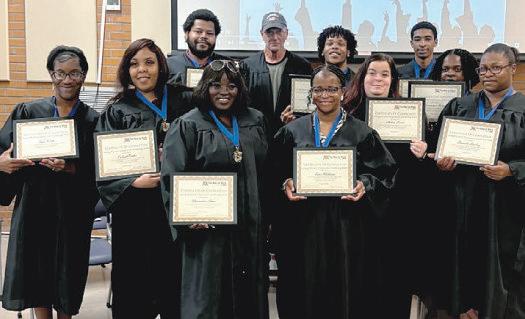
At the heartofour efforts,HOPE creates sustainable, long-term solutions to support individuals facing economic hardships through twoprimary programs: TheClientChoice Food Pantry and The WaytoWorkworkforce development program. In this year alone:
•834 families—morethan 3,000 individuals—received over230,000 pounds of nourishing, healthyfood from our food pantry
•751 individuals participated in our full TheWay to Work program, including financial, career,and success coaching, moving toward lasting employmentand financial stability
•140 graduates from our‘Going Beyond’ class gained the skills and confidence to build securefutures for themselves and their families
•Our newonline education program offers12industry-recognized certifications, helping clients gain the skills needed for stable employment, improvedfinancial security,and alife-long career
Give HOPE today forabrighter tomorrow— your supportchanges lives! Thank you.