Welcome to another edition of EV Powered, packed with all the latest EV news, reviews and features.
It’s been another busy month and one that has highlighted to me the wildly different attitudes toward cars displayed by the companies that build them.
I’ve been reminded how brilliant and bonkers EVs can be, and how a lump of metal and machinery can create a connection with a driver when a car maker cares. But I’ve also been reminded that for some brands a car is just another product, like a phone, watch or washing machine – a bland commodity to be used and eventually replaced.
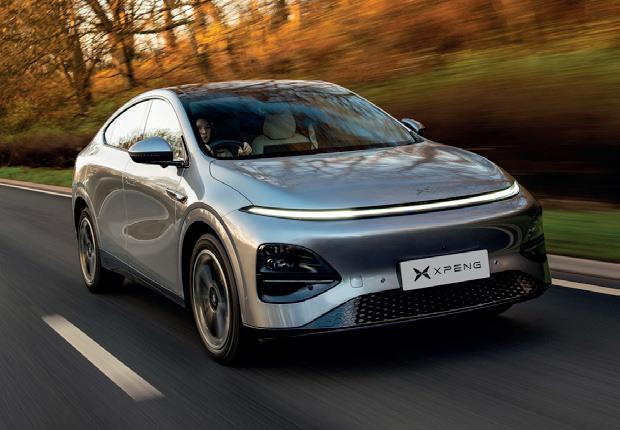
I was at the launch of the updated Xpeng G6 where a senior exec proudly declared that Xpeng is a “tech company that makes cars, not a car company”. He said since making EVs powerful was easy, EVs shouldn’t be about horsepower, which I agreed with. Instead, he argued they were about “brain power”, software, technology and convenience. There was not a single word about enjoyment or engagement. And the sad thing is this shows.
The G6 is a perfectly competent alternative to a Tesla Model Y or a Skoda Enyaq and it’s packed with processing power and “clever” functions. But it’s also a great example of a “soulless tool” – that phrase naysayers use to criticise EVs. There’s nothing about it anyone will love or remember in a decade’s time. Sadly, that’s a criticism that can be levelled at so many of the new tech-led EVs arriving on the market.
What’s frustrating is that cars like the G6 add fuel to that “white goods on wheels” narrative and yet there are so many great, interesting and engaging EVs out there. Literally the day after being unmoved by the Xpeng I was a guest of Hyundai.

There I drove the wonderfully quirky Inster, which oozes character; the radical and staggeringly capable Ioniq 5; and saw the 641bhp, drift mode-equipped, big-winged
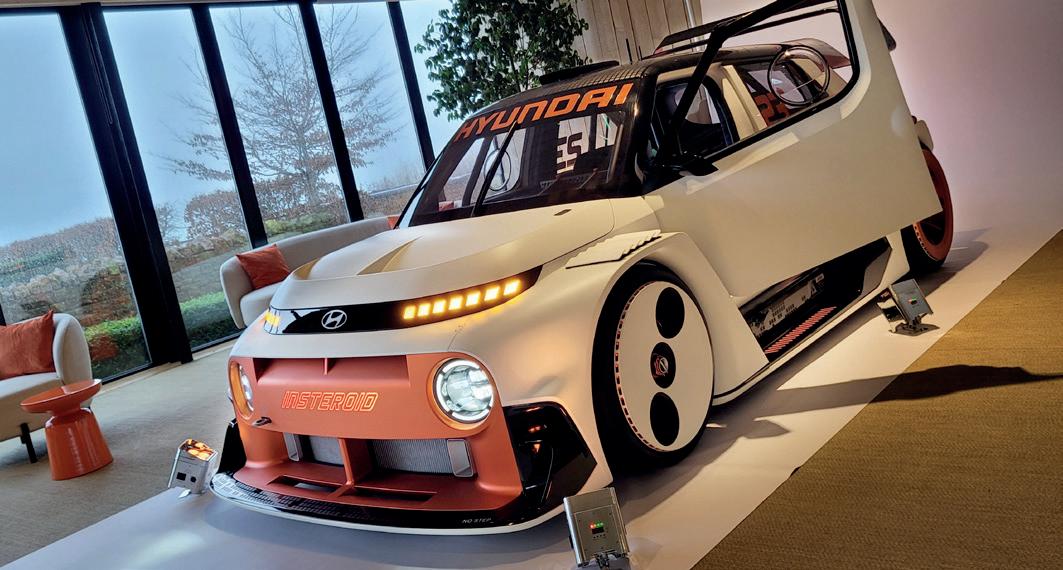
Ioniq 6 N up close. I also got to poke around the unhinged Insteroid concept and the Ioniq 3 Concept.
While the Insteroid won’t ever become a reality, it’s a sign of a brand willing to have fun with its products. It shows a company with car lovers at its heart, who want to engage with car culture and the things that make us fall in love with cars.
The Ioniq 3, meanwhile, will become a reality. It’ll be toned down for production but the concept hints at a dynamic design that will actually get people excited to see it, innovative user-friendly interfaces and the latest from Hyundai’s brilliant powertrain team.
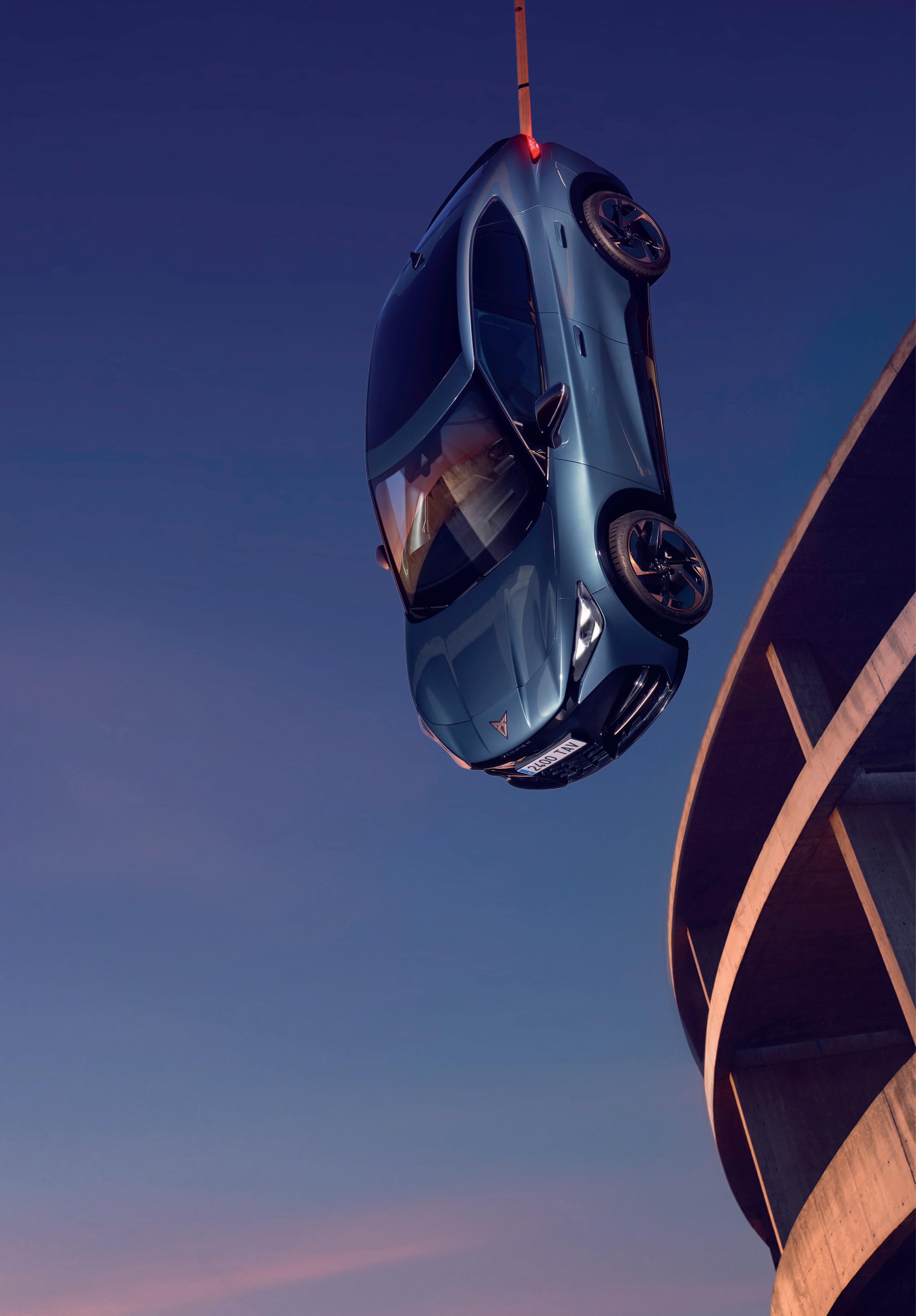
And it’s not just Hyundai. Look at Renault with the loveable R5 and Twingo or the wild R5 Turbo 3E. Or Cupra/VW with the Raval/ID Polo GTI, Jaguar and its Type 00, or Subaru with its STI-slaying E-Outback. These all have car enthusiasts excited and talking about them, for a host of different reasons.
Even within the UK we have brands like Longbow, who you can read about this issue, focussed on making sure EVs use new tech to deliver fun and engagement rather than just more computing power.
As a car lover, the idea that EVs are just a characterless lump of tech frustrates me. That’s why I’m so glad that there are companies out there willing to explore and enhance the century-long love affair between people and their machines, whatever the powertrain.
More power to them.



Editor
Matt Allan
Reporter
George East
Graphic Designer
Grace Moseley
Videographer
Jacob Pinchbeck
Content Sales Manager
Laura Phillips
Capital Business Media, Group MD
Richard Alvin
Business Development Director
Stephen Banks
Chief Creative Director
Stuart Hyde
Finance Director
Andrew Martin
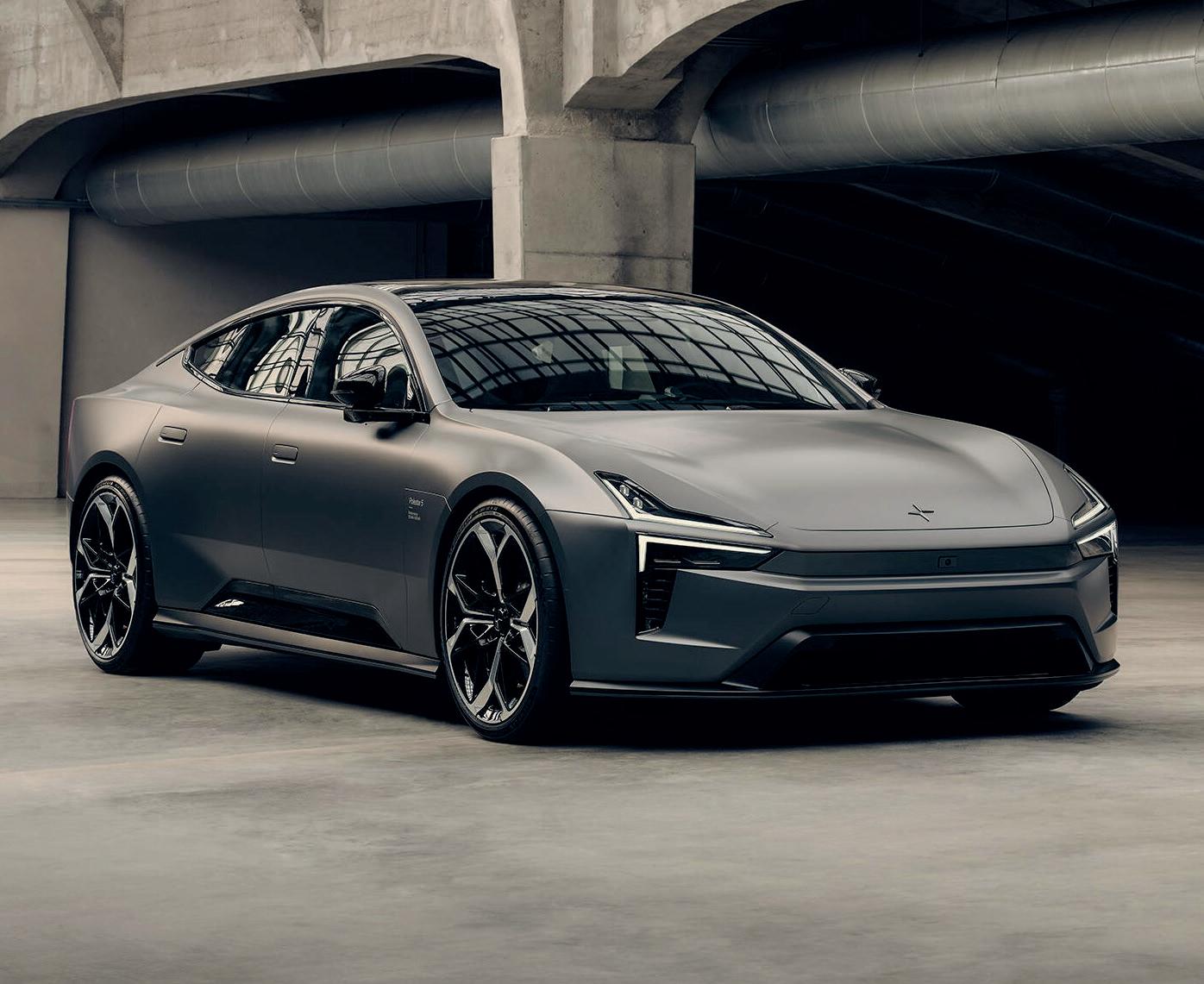
The Swedish performance EV brand is kicking off its line-up expansion with the launch of the Polestar 5 and will follow it in the next two years with a compact SUV named the Polestar 7 and an all-new successor to the Polestar 2.
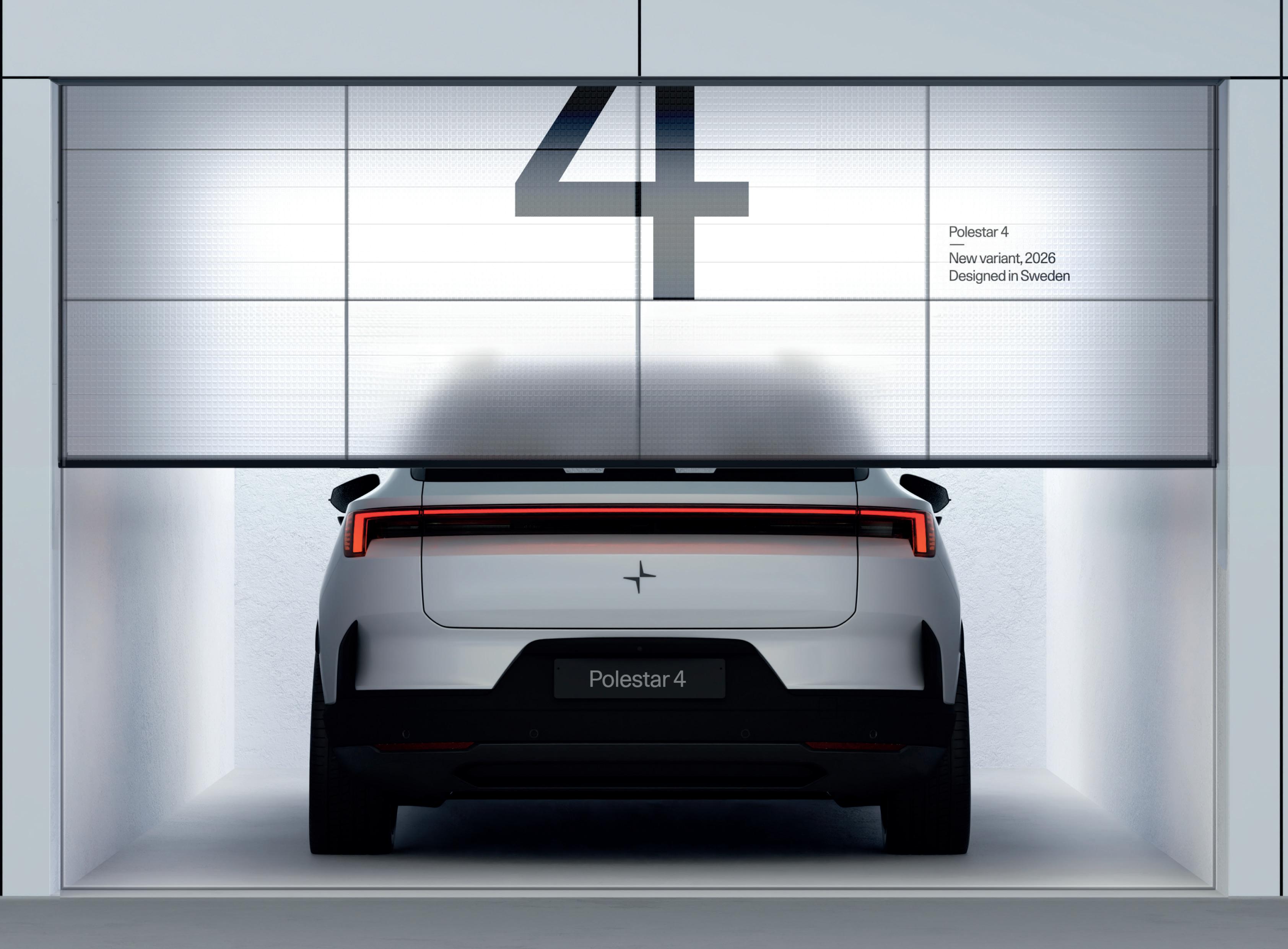
It will also launch a new version of the Polestar 4, confirmed by Polestar CEO Michael Lohscheller to be an estate-bodied version of its coupe-crossover.
Lohscheller said: “Following our best sales year ever, we are now launching the largest model offensive in our history, with four premium EVs coming to market within three years.”
Reflecting on Polestar’s financial difficulties, which saw it report net losses of $365 million in the third quarter of 2025, he added: “We are targeting the heart of the EV market, where customer demand and profit pools are high. Combined with our continued retail sales network expansion and a growing customer base, we are setting the foundations for profitable growth and operational improvement.”
Polestar famously went four years with just one model on sale – the Polestar 2. In 2024 it launched the Polestar 3, a large family SUV, and the Polestar 4, a lower-slung performance-focused fastback.
Its new product launch will be spearheaded by the Polestar 5, with first customer deliveries this summer. The high-performance grand tourer is Polestar’s halo model, offering up to 871bhp and 416 miles of range in a sleek four-door body.
Polestar is set to launch four new models in the next two years as part of a major expansion plan.
for its estate cars, and its SUVs are world-class. We are combining the space of an estate and the versatility of an SUV with the dynamic performance that is Polestar.”
The Polestar 4 estate will go on sale in the final months of 2026 and sit alongside the existing fastback model.
An all-new Polestar 2 will arrive in 2027, built on a new platform and developed with “record speed”. Lohscheller said that more than 190,000 Polestar 2s had been sold since its launch and it would continue to play a key role in the brand’s future.
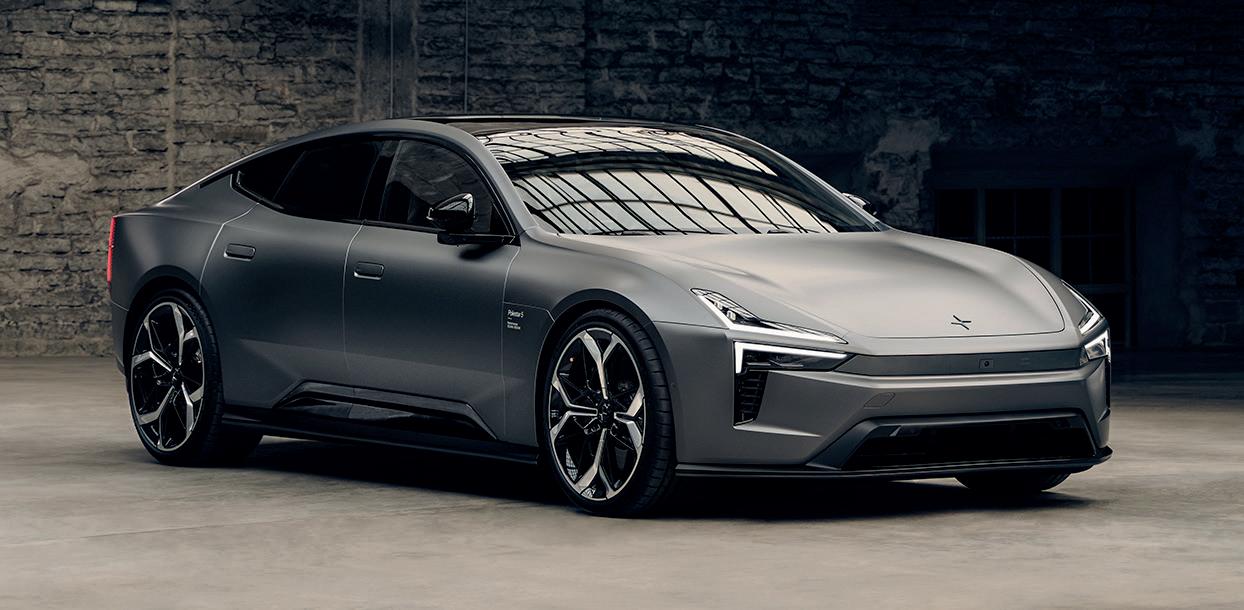
Following that will be the Polestar 4 estate, which Lohscheller said would open the brand up to a wider customer base.
Lohscheller said: “With this car, Polestar will once again set new standards. Sweden is famous
After that, the previously teased Polestar 7 will arrive in 2028 to move the brand into an all-new segment.
“With Polestar 7 we are entering the largest EV segment in Europe, the compact SUV segment, which accounts for approximately one-third of total BEV volumes in 2025,” said Lohscheller. “We are convinced that we can offer customers a progressive performance-driven car for a very attractive price point, built in Europe.”
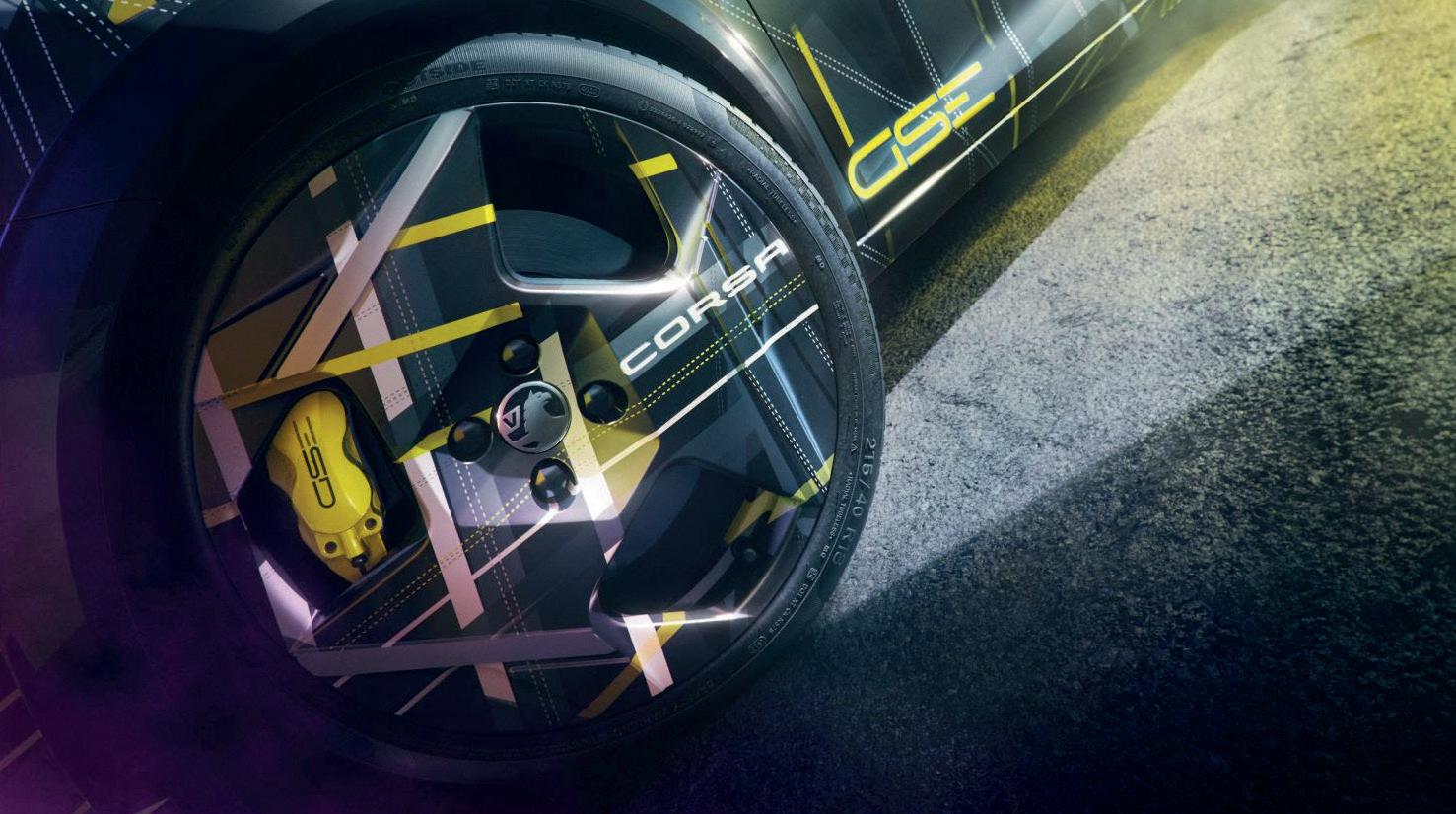
The Vauxhall Corsa GSE will be the first performance-focused version of the Corsa since 2018 and the firm’s second hot EV.
Vauxhall hasn’t confirmed technical details but it’s safe to assume that it uses the same underpinnings as last year’s Mokka GSE.
That means a 276bhp front-mounted motor, a Torsen mechanical limited slip differential, bespoke chassis tune with stiffer suspension and Alcon performance brakes.
It’s a setup already in use to great effect in the Abarth 600e and the Alfa Romeo Junior Veloce, as well as the Mokka GSE. It will also appear in the Peugeot E-208 GTI later this year.
The Corsa’s announcement marks another addition to the burgeoning hot electric hatchback
Vauxhall will launch an all-electric hot hatch version of its Corsa supermini this year as it looks to take on Alpine, Abarth and Mini.
segment. As well as its Stellantis relatives, the Corsa GSE will face the Alpine A290 and Mini John Cooper Works Electric as well as the soon-tolaunch Cupra Raval and Volkswagen ID.Polo GTI.
There’s no indication on price, but those rivals and the Mokka all cost around £35,000£40,000, so we’d expect the Corsa to be priced similarly.
44,000
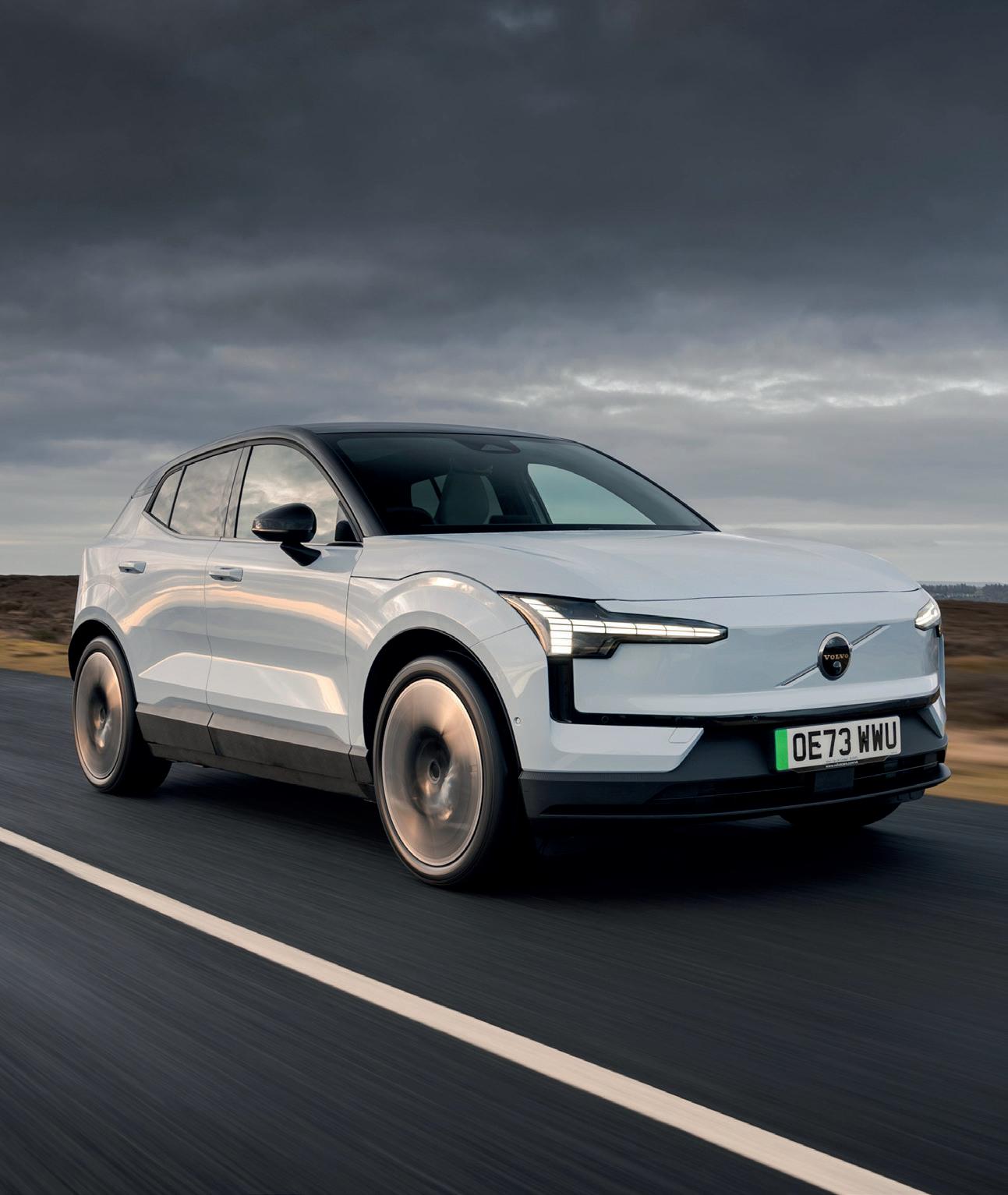
Volvo has launched an official recall of its compact EX30 EV after the discovery of a battery fault.
The Swedish car maker revealed in January that it had identified a potential problem that could lead to a battery fire.
Now it has confirmed that an official recall has been issued affecting 40,323 EX30 Single-Motor Extended Range and Twin-Motor Performance cars built between 2024 and 2026.
Volvo says that the problem is with cells in the 69kWh battery from one particular supplier. The standard range Single Motor model with the smaller 51kWh battery is not affected.
It says the issue arises at high states of charge and in “worst-case” scenarios this could lead to a fire in the battery. Volvo will replace the batteries in affected cars free of charge but has urged drivers to cap charging at 70% until their car is fixed.
When news of the problem first arose Volvo told EV Powered the number of reported incidents represented around 0.02% of all potentially affected vehicles. It added that there were no reports of injuries resulting from the fault.
MG will launch a B-segment hatchback in the next 18 months to take on the Renault 5 and Citroen E-C3.
The firm’s head of product and planning David Allison told EV Powered that a cheaper, more compact model was a clear opportunity to broaden its EV line-up and would be here next year.
MG recently launched the MG4 Urban which is priced similarly to B-segment hatchbacks but is larger than the pre-existing MG4 family car. The next model, expected to be called MG2, will arrive in 2027 and be more similar in size to the Renault and Citroen. However, given MG’s reputation for value it’s likely to be priced closer to the Renault Twingo at around £20,000.
Allison told EV Powered: “There is a car that will come in smaller than the MG4 and MG4 Urban. It will be completely different to the MG4 Urban in terms of design and position. It gives us a really nice option in addition to existing cars. And that's how we continue to evolve. That gives us the ability to sell something else to somebody else.”
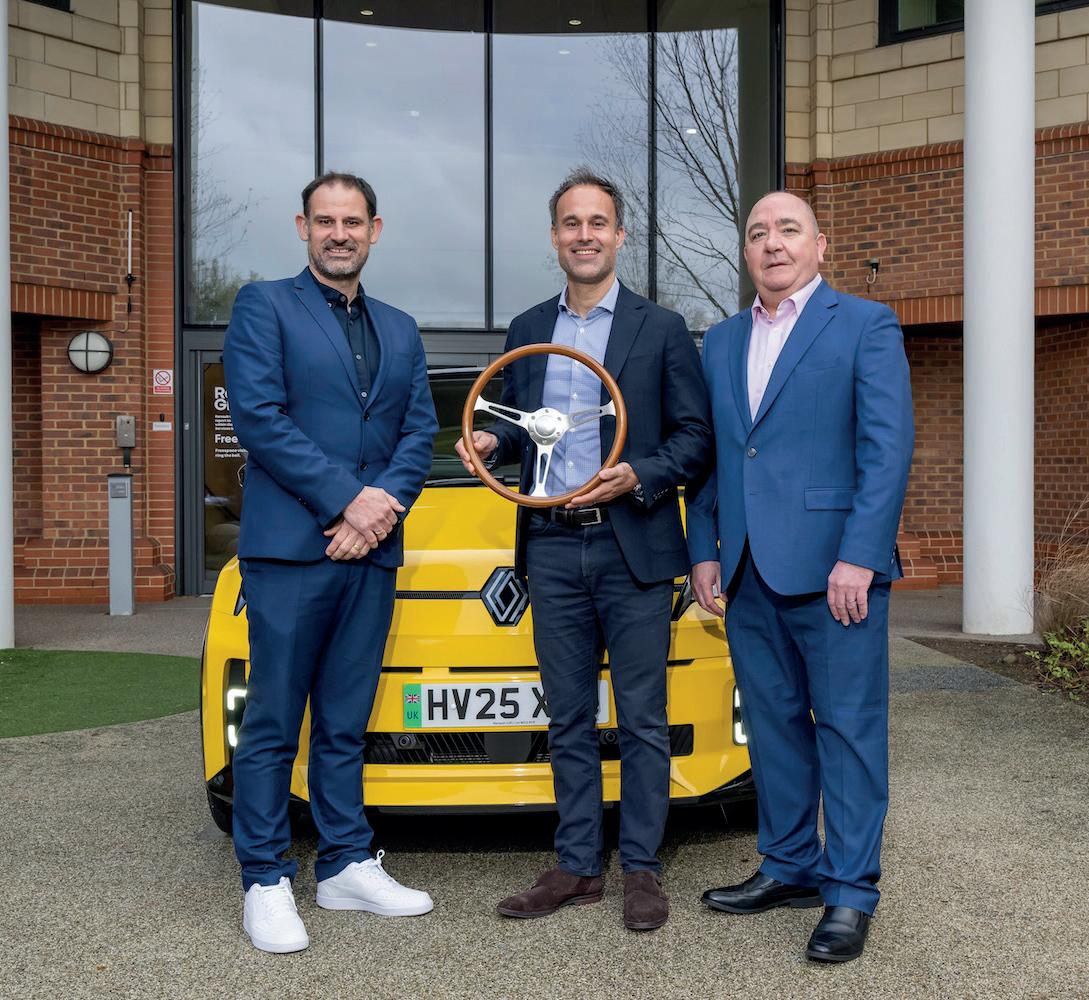
The Renault 5 has continued its dominance of the automotive awards circuit by being named the UK Car of the Year 2026.
The French supermini scooped the prestigious title after previously being named the awards’ Small Car of the Year.
The latest title joins 44 other national and international awards won by the compact hatchback.
The Renault beat three other EVs to the title of UK Car of the Year, securing the top vote from two-thirds of the 33-strong judging panel. In second place was the Kia EV4 – winner of the Family Car category – ahead of the Skoda Elroq and Alpine A290 in joint third.
John Challen, co-chairman of the UK Car of the Year Awards and editor of UK Driver magazine commented: “With its retro styling, the new Renault 5 tugs at the heart strings of those drivers who experienced the original. “By adding an immensely fun and entertaining drive, desirability and affordability to that nostalgic element, the French favourite pulled off a resounding victory to be crowned UK Car of the Year 2026.”
BYD has given its Atto 3 family SUV more power, range and charging speed as well as a new name – the Atto 3 Evo.
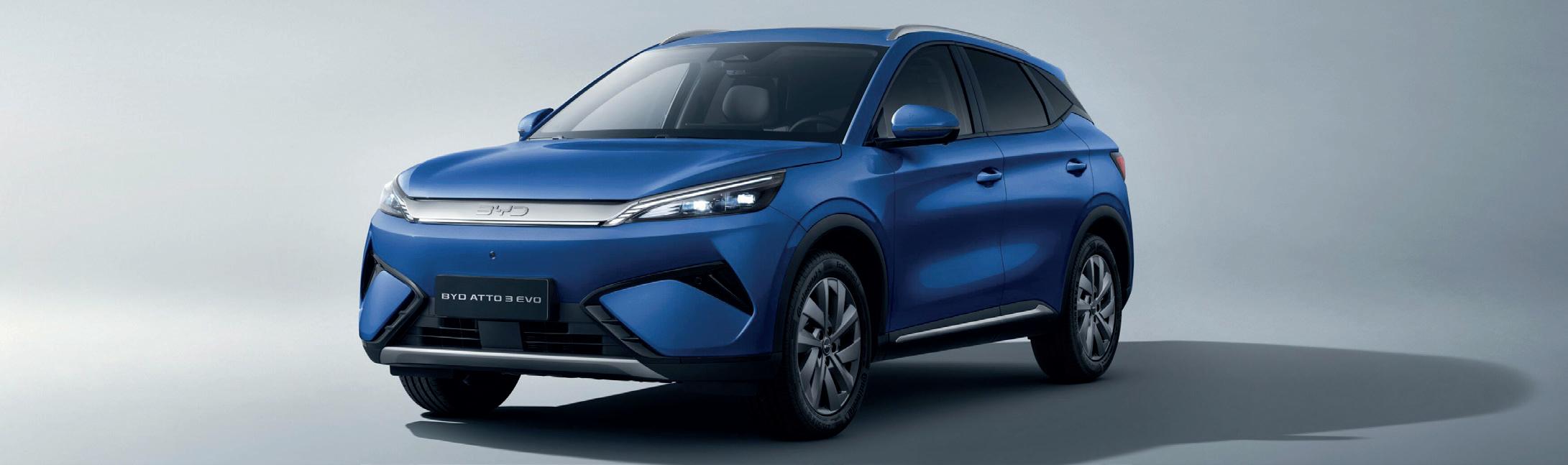
Key changes include a boost in battery capacity from 60.5kWh to 74.8kWh and a shift from 400V to 800V architecture underpinning the powertrain.
In the most efficient version, the Atto 3 Evo will cover up to 317 miles on a charge – 57 miles more than before. The move to 800V architecture means faster charging, with peak DC capability of 220kW delivering a 10-80% top-up in 25 minutes.
BYD has also completely rethought the Atto 3’s motors. The previous front-mounted 201bhp setup has been scrapped and replaced with a choice of rear-drive or all-wheel-drive. The entry-level rearwheel-drive Atto 3 Evo produces 309bhp and can get from 0-62mph in 5.5 seconds, putting it nearly two seconds ahead of the outgoing car and making it quicker than most mainstream rivals.
Above that, an all-wheel-drive version churns out 443bhp, enough to cut the 0-62mph time to just 3.9 seconds, while returning a claimed 292 miles of range.
UK prices for the BYD Atto 3 Evo are still to be confirmed but we’d expect a slight increase on the current car’s £37,730 starting price when deliveries begin in the spring.
A new project from Motability Operations and Ofgem is examining how electric cars could help keep essential medical equipment running during power cuts.
The Power Wheels project is working with Motability customers in England’s North East to assess how EVs with bi-directional charging could be used as back-up power supplies for medical devices and mobility aids when the main power is down.
While a power cut is an inconvenience for most people, for those disabled or medically dependent households it can pose a serious risk to health. By using the increasingly common vehicle-to-load function on EVs, the project hopes to keep vital medical equipment operating seamlessly.
The project began by working with Motability customers to examine the features needed to make EV energy services safe, reliable and easy to use. This included exploring how to charge medical equipment from an EV, and the accessible controls and information needed to make it as easy as possible for disabled individuals.
The next stage of the scheme will see Motability Operations work with 30 customers to trial systems and inform future roll-out of the technology.
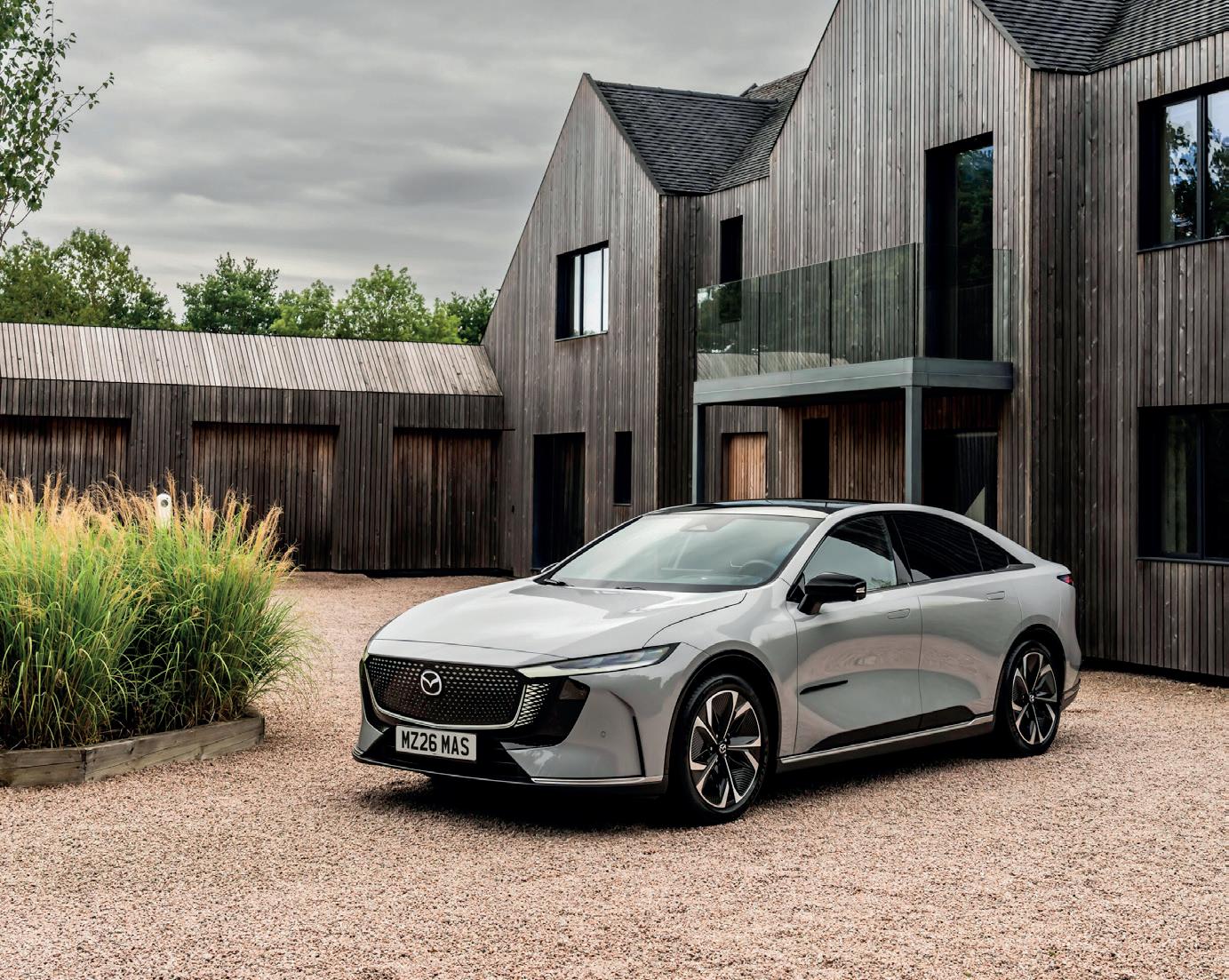
The 6e fastback has been available in Europe since 2025 but UK buyers have had to wait until now for right-hand-drive orders to open.
Unlike Europe, where it is offered with a choice of 68.8kWh LFP or 80kWh NCM battery, the UK model comes with an updated 78kWh LFP battery which offers improved range and charging times.
Range is up to 348 miles and DC charging is upgraded to 195kW, allowing a 10-80% charge in 24 minutes.
The rear-mounted motor is the same unit in the more powerful European spec, offering 254bhp. Mazda says that will get the 6e from 0-62mph in 7.9 seconds.
The Mazda 6e Takumi starts at £38,995 and comes with 19-inch alloy wheels, adaptive LED headlights, a panoramic sunroof and multi-zone climate control. Takumi models will feature black or stone-coloured artificial leather, while Takumi Plus – which costs from £39,995 – offers tan Nappa leather with artificial suede trim.
Mazda’s Tesla Model 3 rival will go on sale in the UK this summer with prices starting at £38,995.
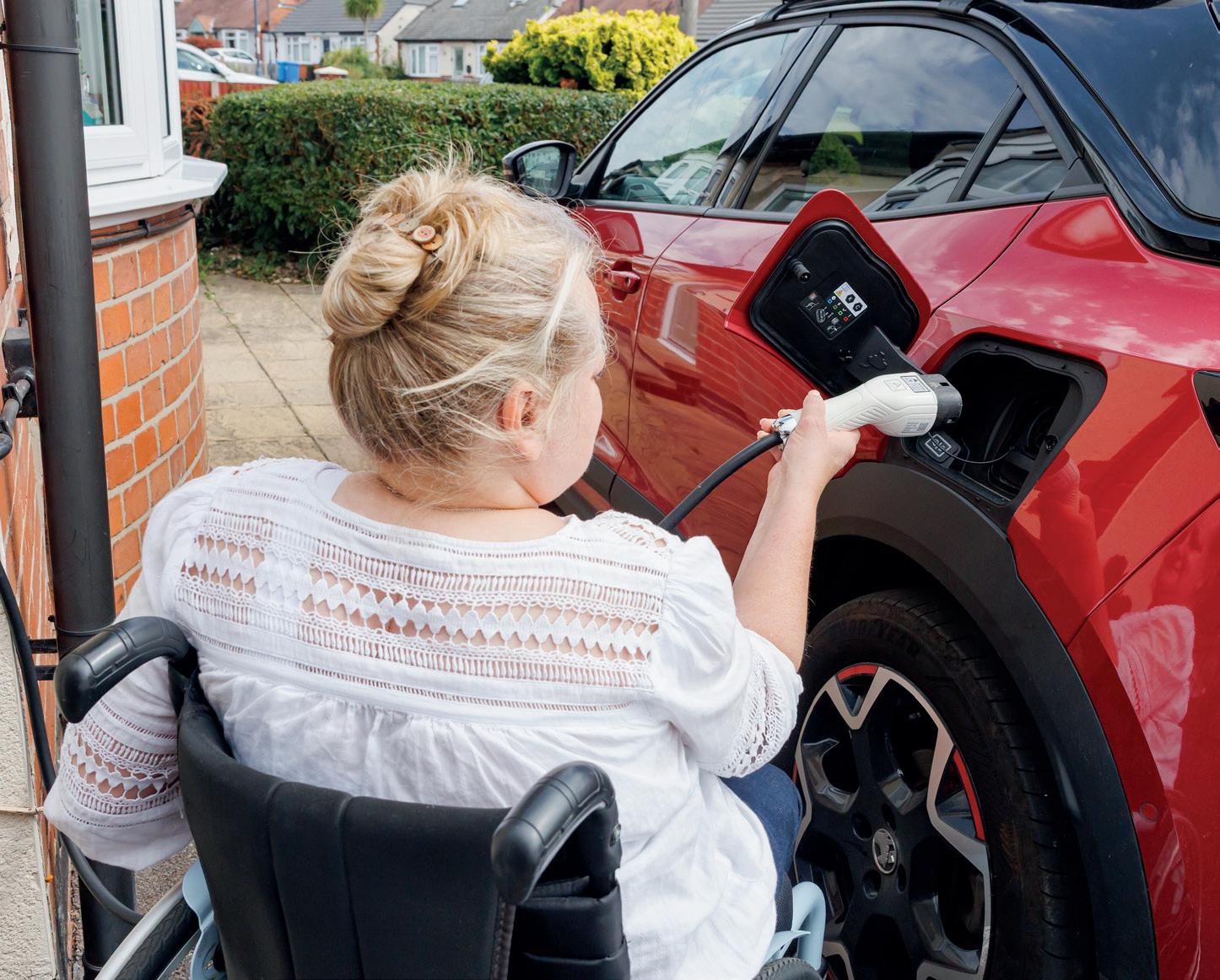
The UK Government has extended its EV charger grants and increased the discounts for eligible households and businesses.
The move, aimed at supporting motorists without private off-street parking, extends three grant schemes until the end of March 2027 and boosts funding by more than 40%.
Flat owners, renters and homeowners with on-street parking can now all claim up to £500 towards the cost of installing a home charger rather than the previous £350. Residential landlords and businesses can also claim to install chargers at their properties, with grants of up to £500 per socket.
Aviation, Maritime and Decarbonisation Minister, Keir Mather said: “We’re taking action to make EV ownership the affordable choice for everyone –not just those with driveways. Bigger grants mean families, flat owners, renters and small businesses can now install a charger for almost half the usual cost, with home charging costing as little as 2p a mile.”
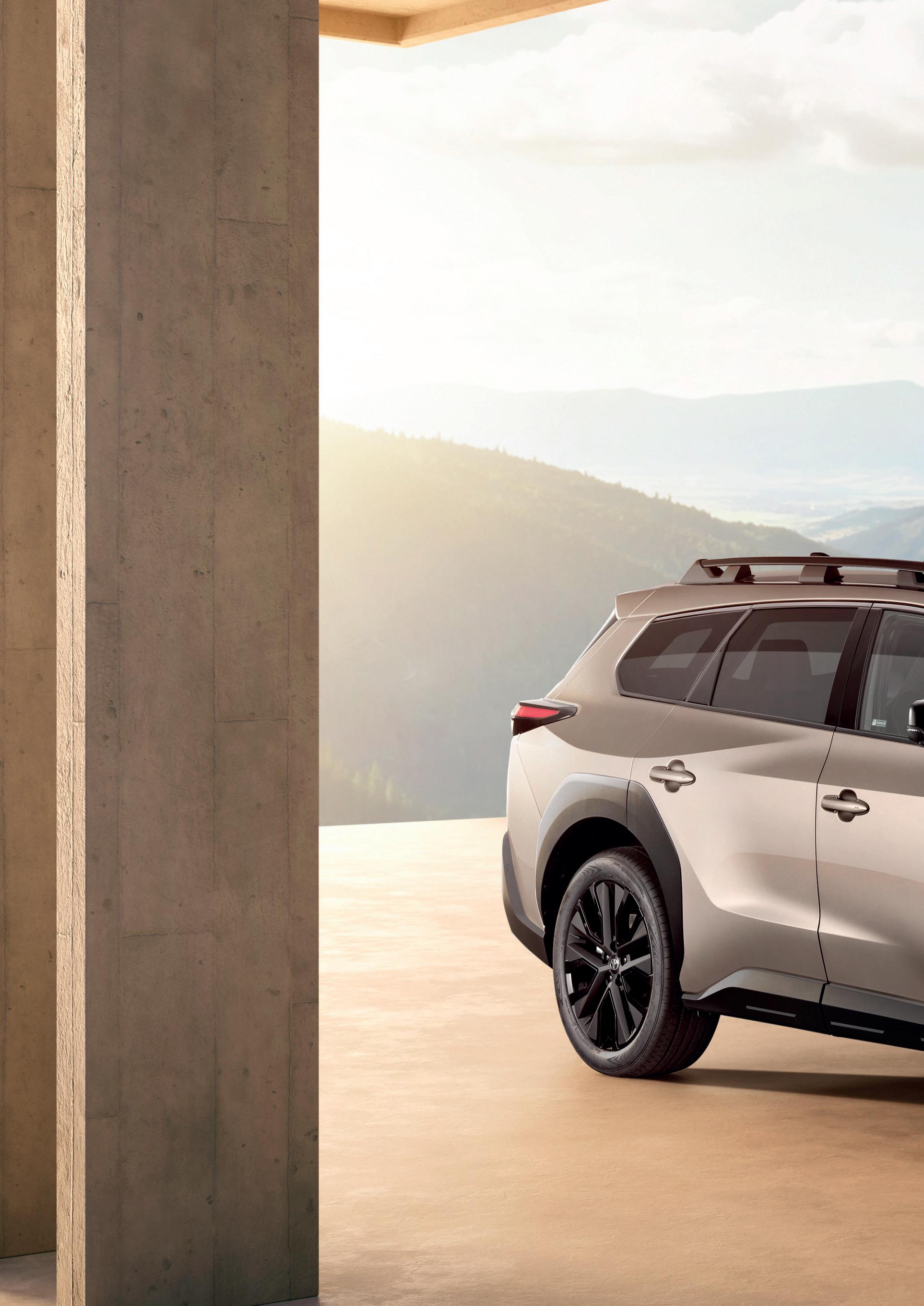
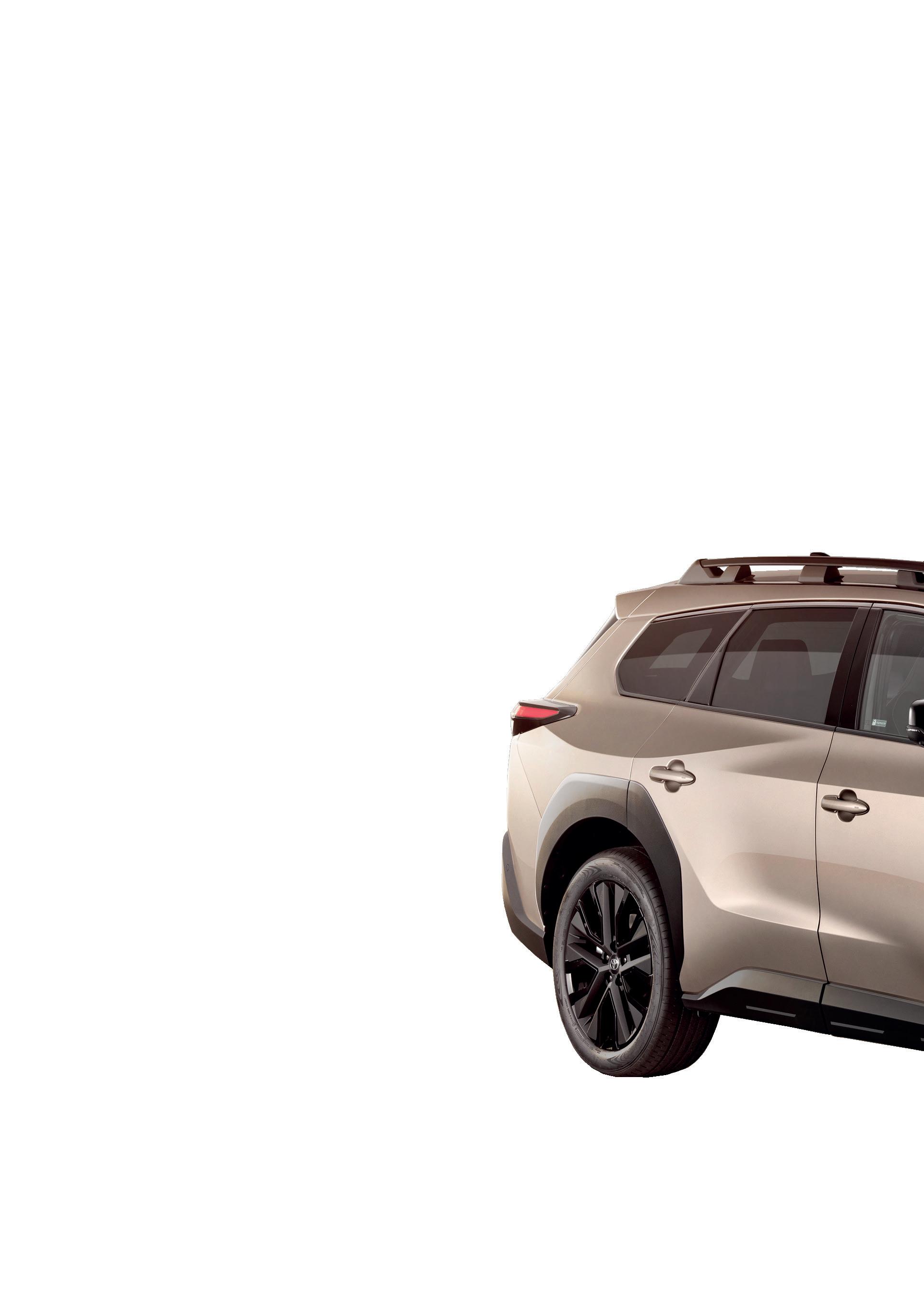
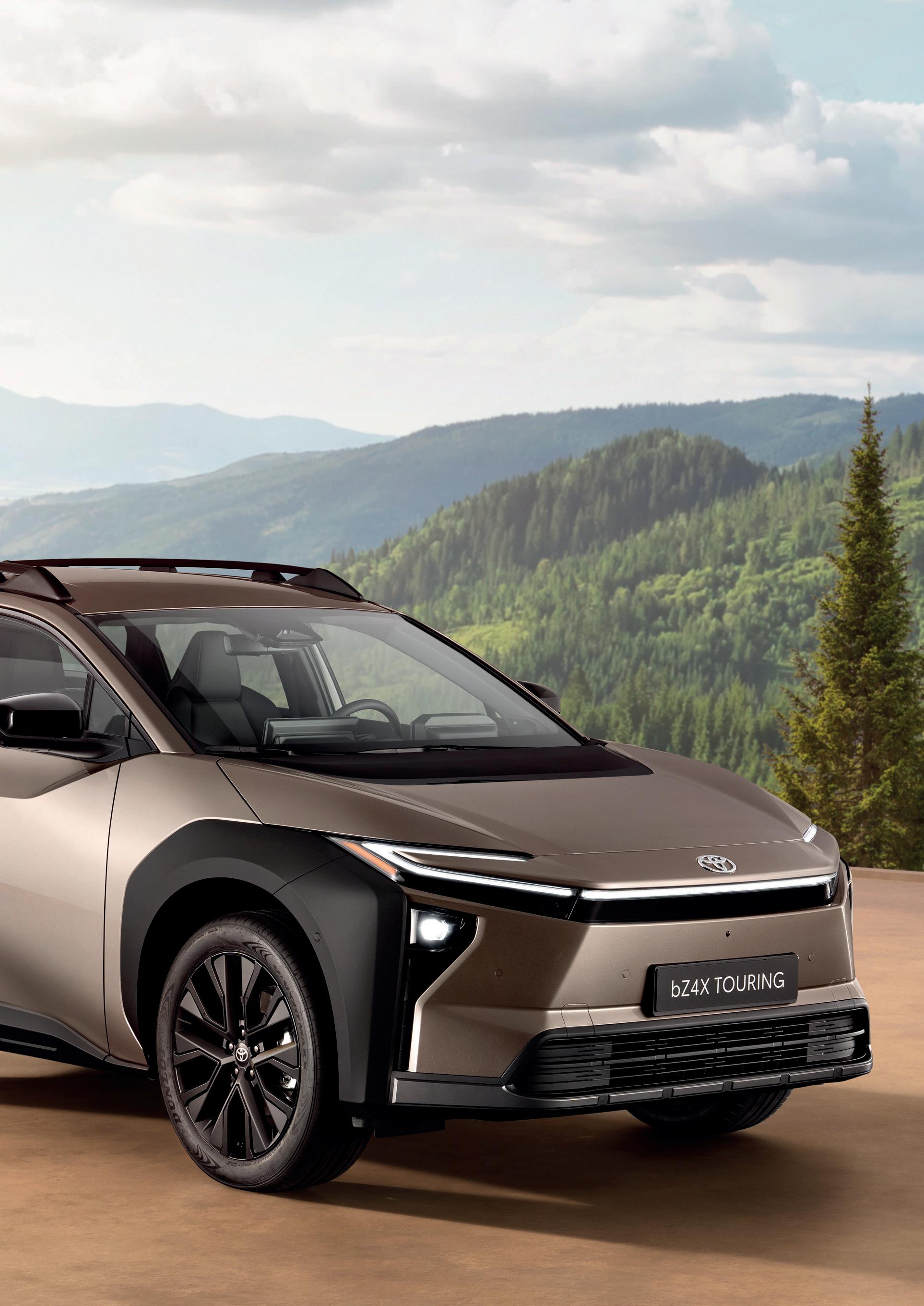
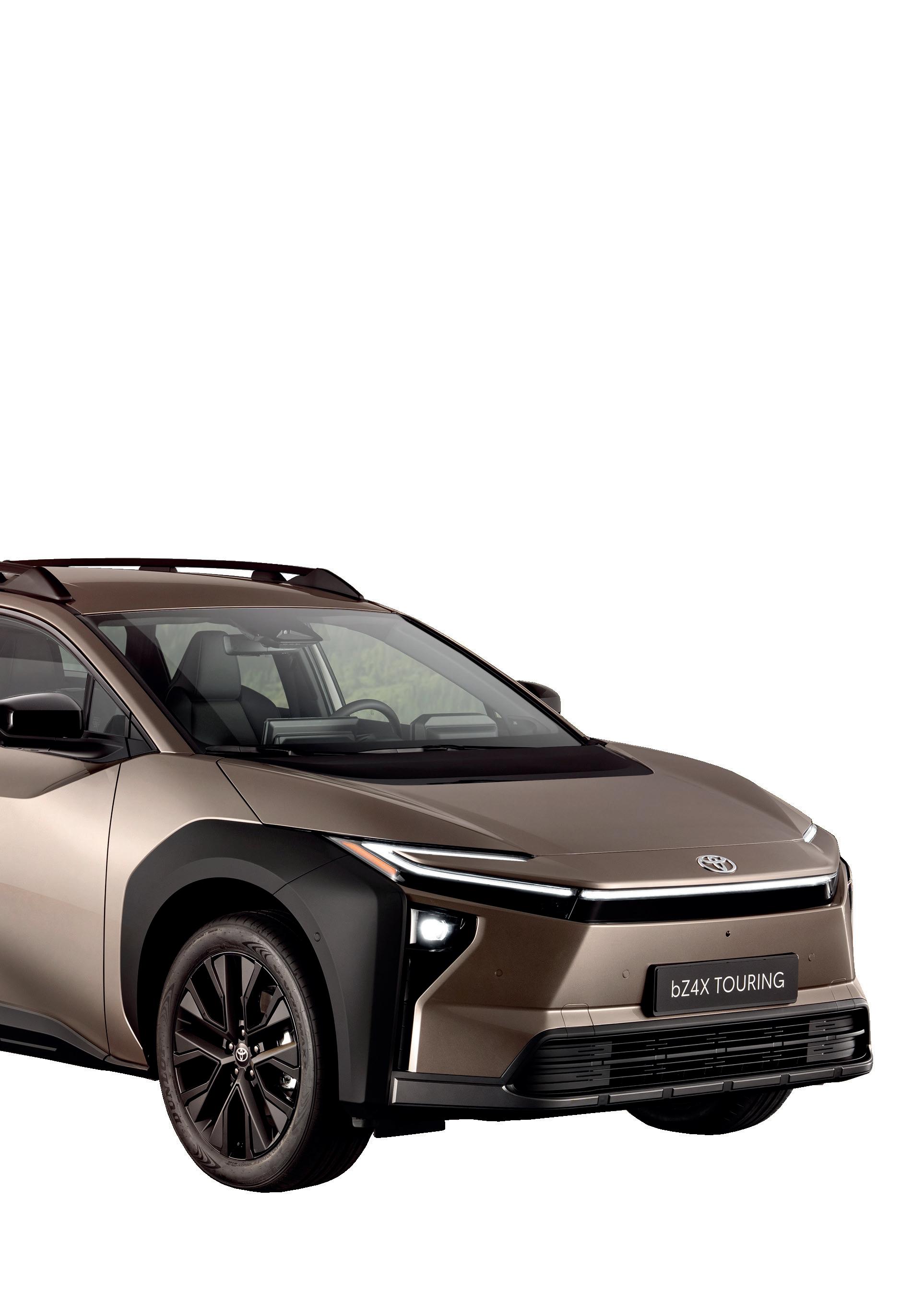
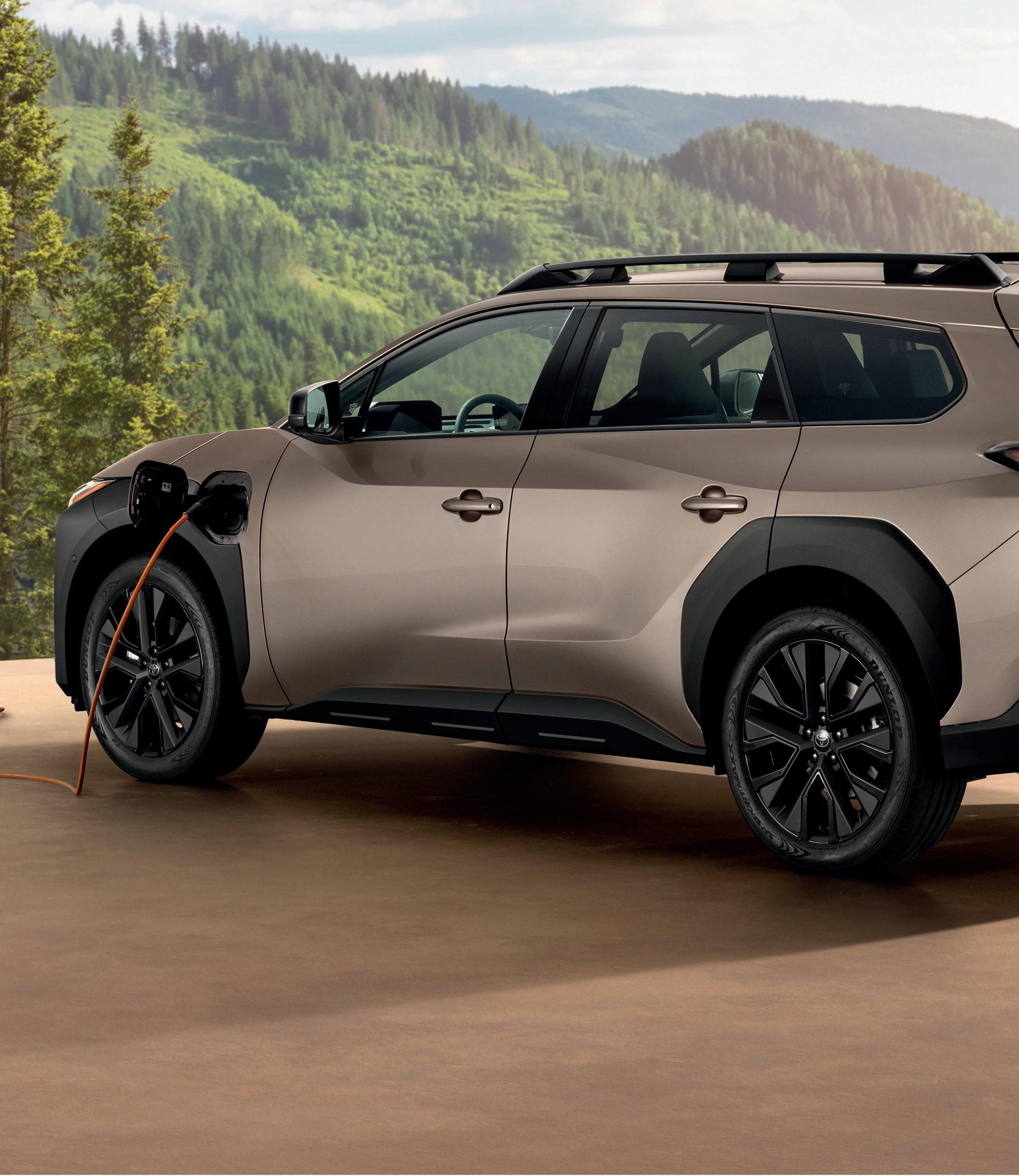
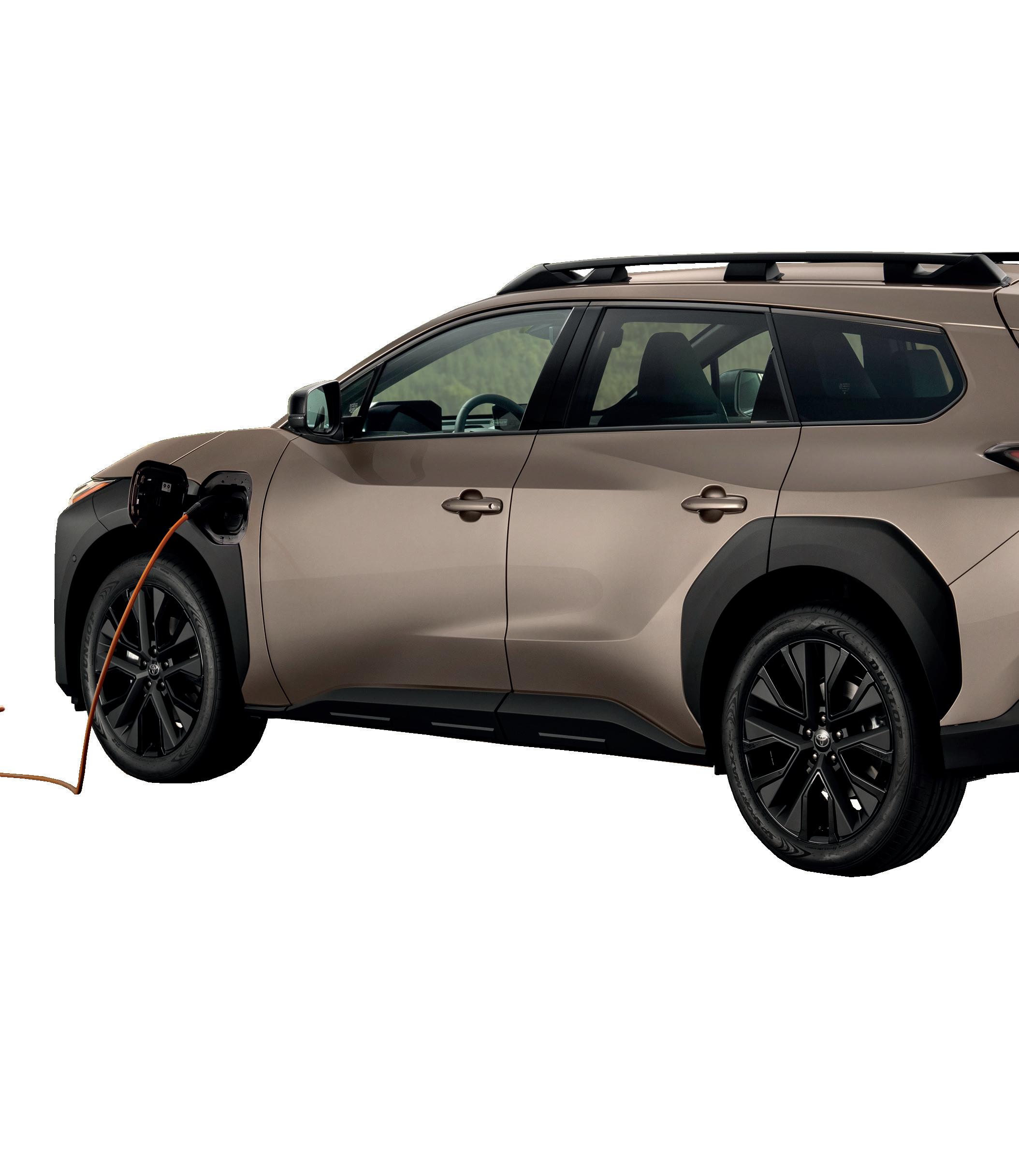
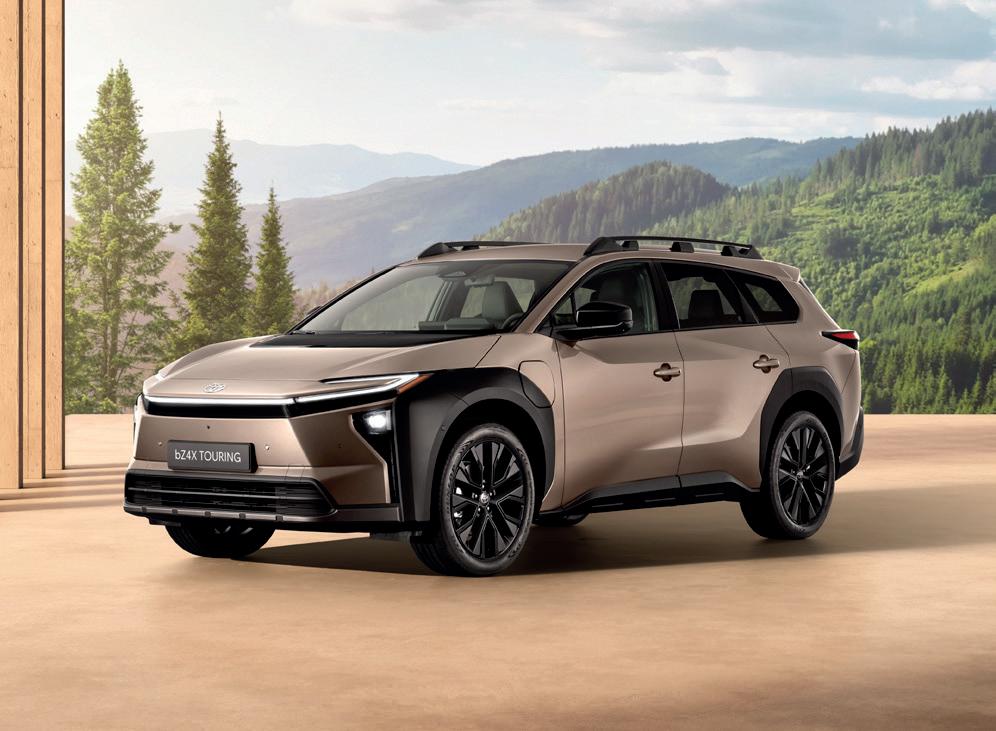
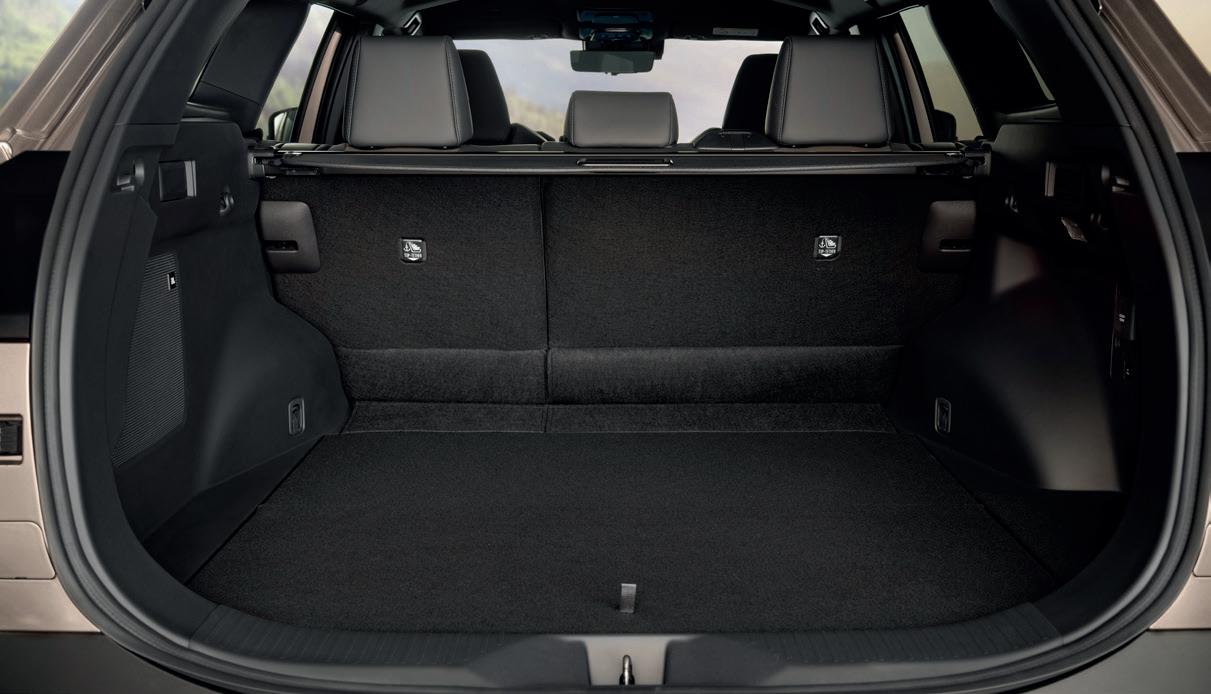
massively excited about an electric Toyota estate, I’d have laughed you out of town and called you silly. NONETHELESS, THIS IS THE SITUATION I FIND MYSELF IN.
+ JBL. Entry-level Design cars are front-wheel drive only, and have 227bhp generated by a single motor. While down on power compared to its siblings, the Design trim has the best range of the lot, and can travel 357 miles on a single charge.
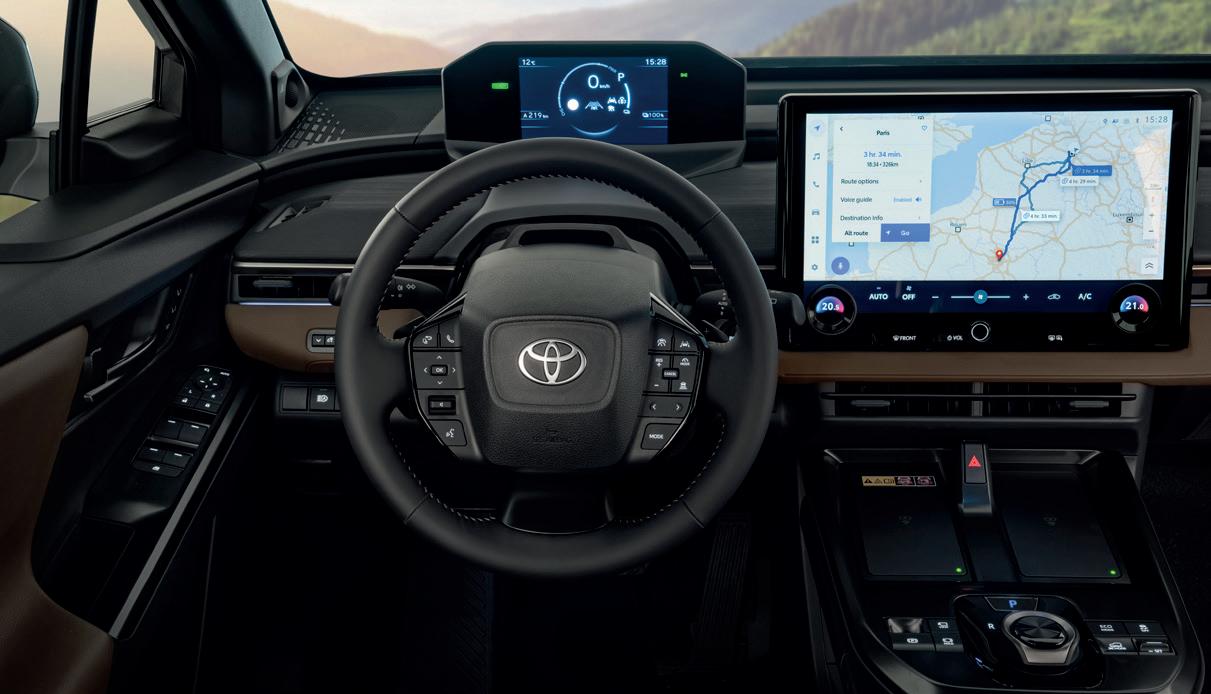
Standard equipment includes 18-inch alloy wheels with ‘aero’ caps to maximise range, six speakers, a cabin decked out in synthetic leather and
by adding 20-inch double five-spoke alloy wheels, a full-length panoramic sunroof, black synthetic leather trim, heated seats front and rear, ventilated driver and passenger seats, a rear digital mirror, plus Toyota’s advanced parking function and 22kW onboard charger.
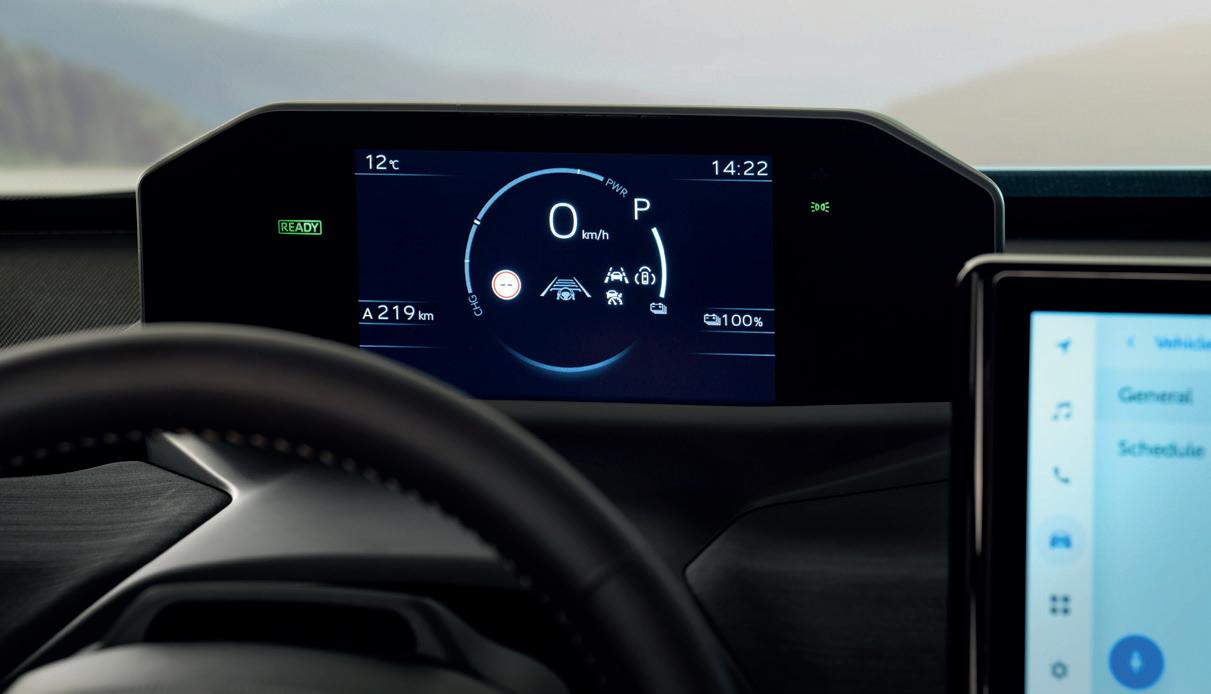
Perhaps unsurprisingly, the Toyota bZ4X Excel + JBL edition gets all of this, and a premium, nine-speaker sound system developed by JBL. Across the bZ4X line-up, a 14-inch infotainment screen with Apple CarPlay and Android
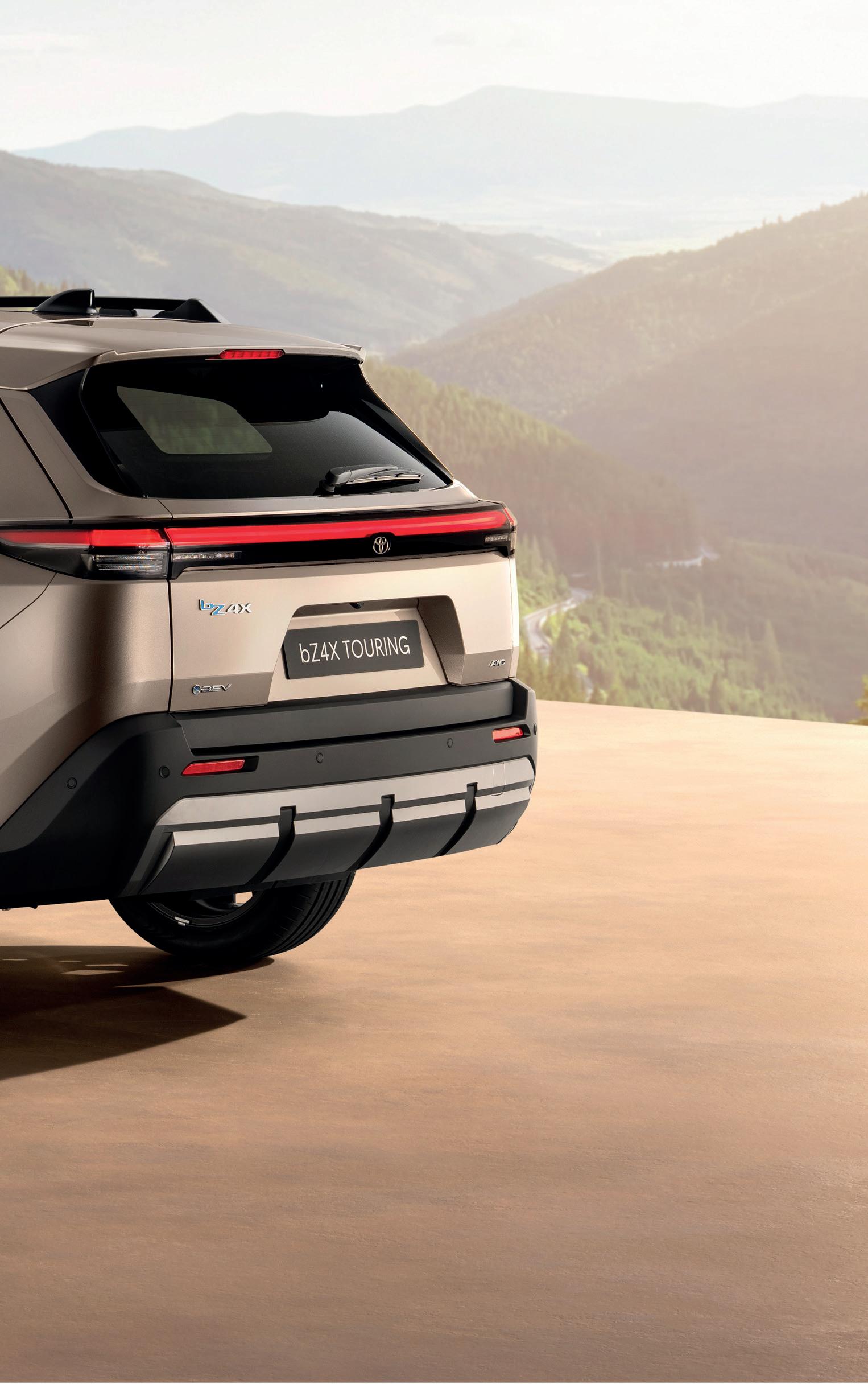
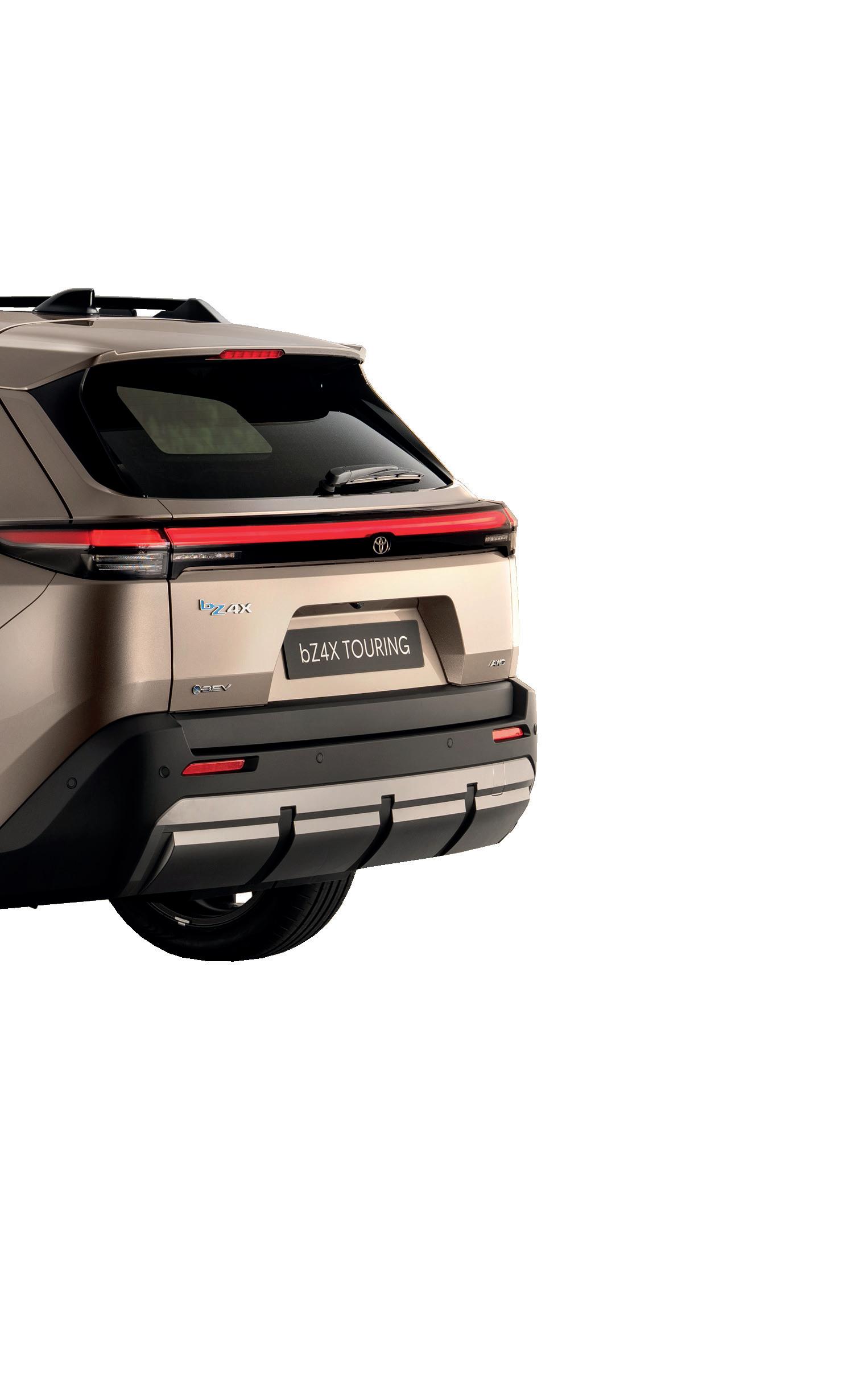
electric Toyota estate, I’d have laughed you out of town and called you silly. Nonetheless, this is the situation I find myself in.
At the end of the day, the bZ4X Touring marks a break for Toyota. It’s chosen an estate bodystyle when not many other EV makers are exploring that segment. Sticking 376bhp and an AWD system in it because, well, it can, also shows that Toyota is sticking to its chairman Akio Toyoda’s promise of “no more boring cars”.
From what I’ve experienced thus far, I’m already sold.
BY GEORGE EAST
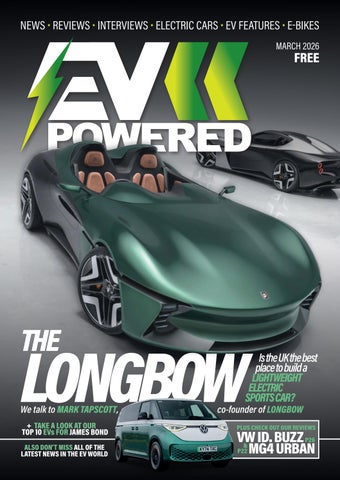
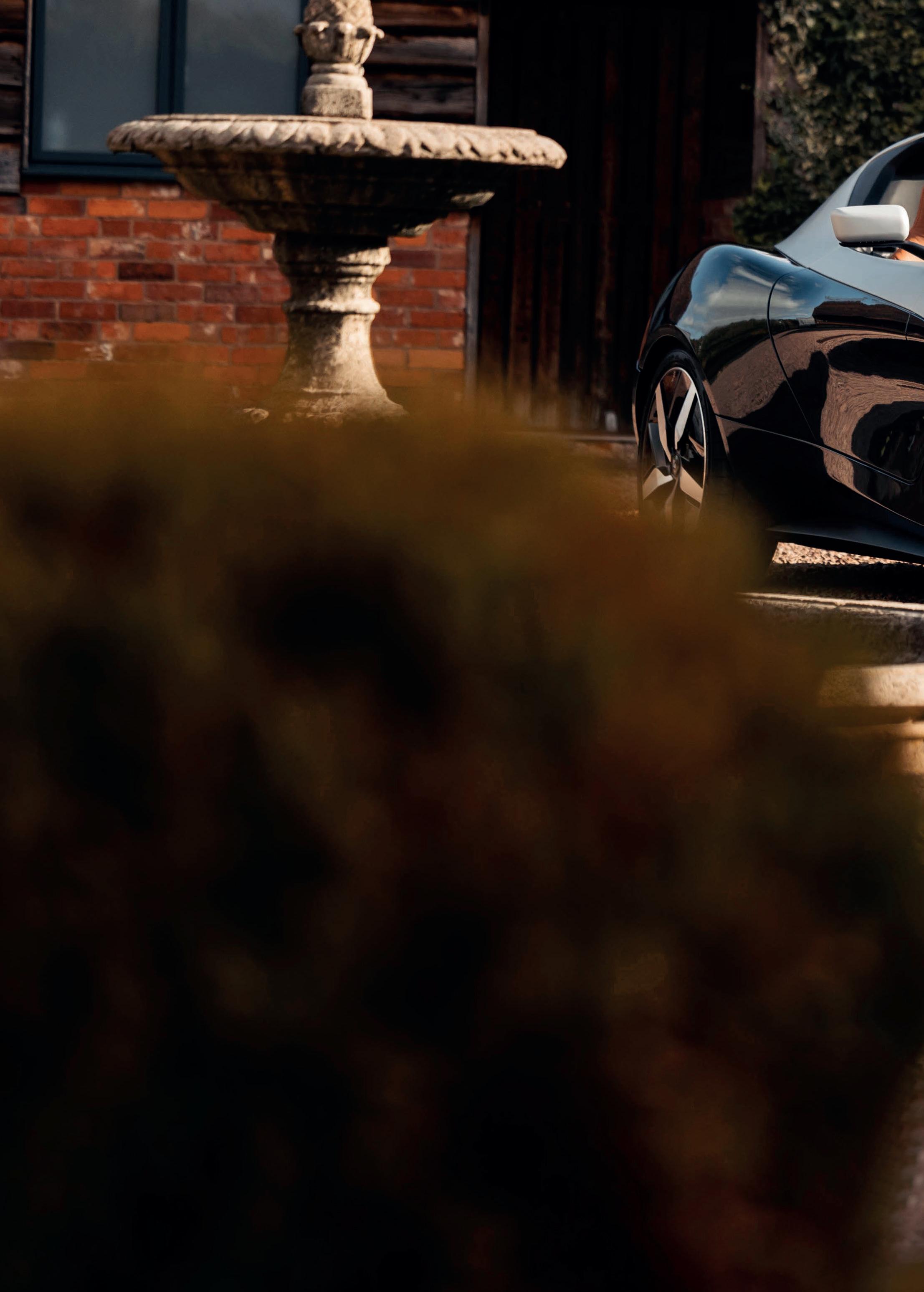
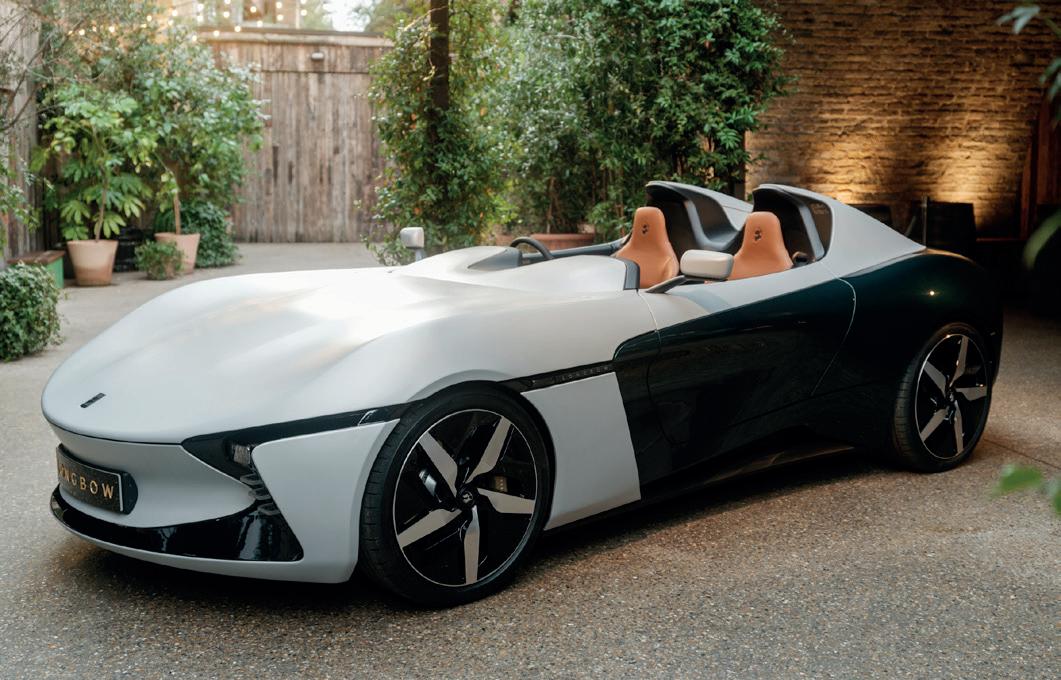
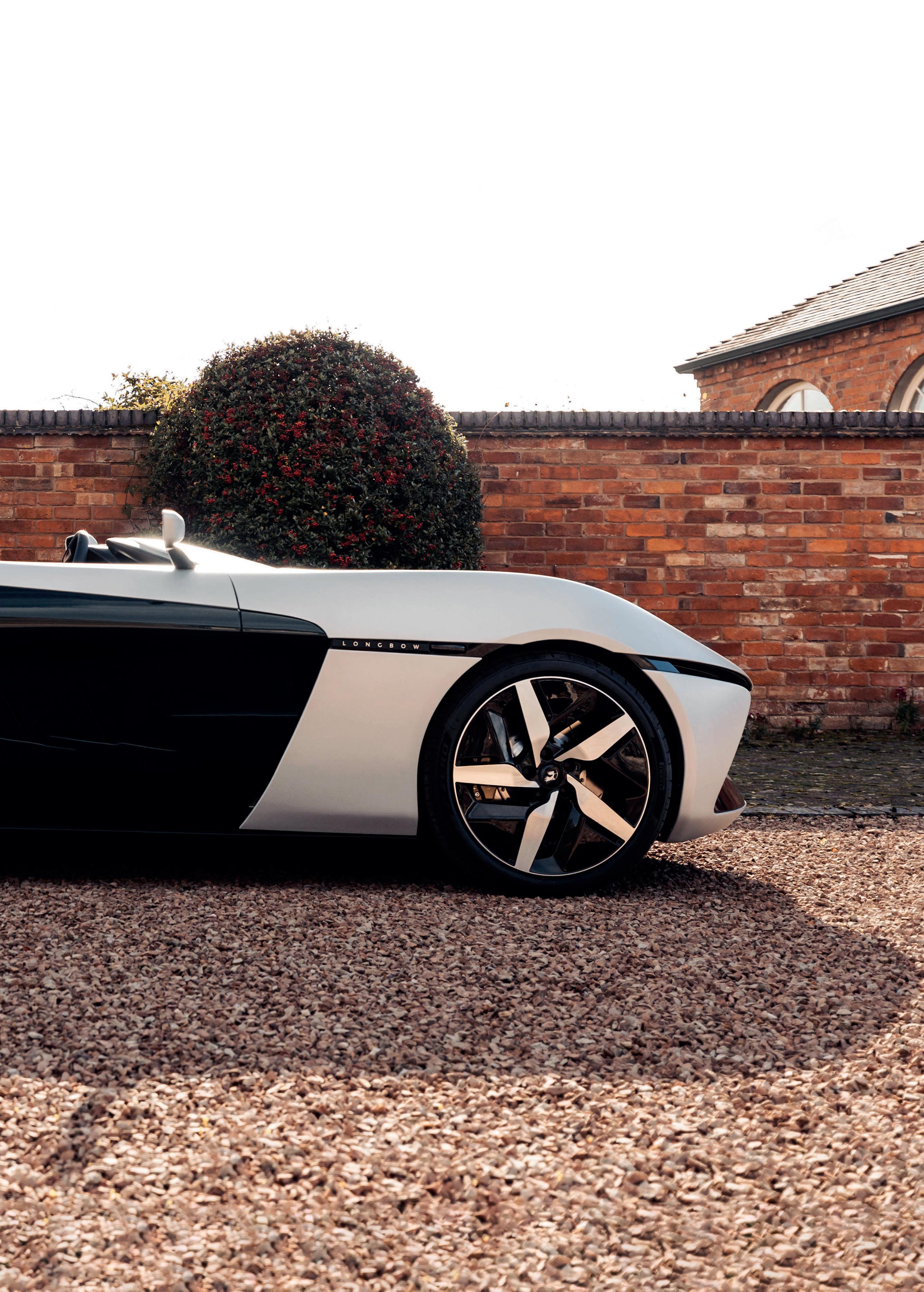
LONGBOW is aiming to release its first driverfocused, featherweight electric vehicle by the end of 2026. By the end of this interview with its co-founder MARK TAPSCOTT, you’d be daft to bet against them.
Read the news, and you’d think there’s not much to be positive about in Britain these days. It hasn’t stopped raining since January 1, the cost of living is spiralling, and the less said about the political landscape the better.
Yet beyond the doom and gloom headlines, there lies a glimmer of positivity - especially for those of us in the EV world. Amongst others, Nissan has committed to building the new Leaf at its refurbished Sunderland factory; Chinese newcomer Changan has opened a dedicated R&D facility in Birmingham to refine its cars for local markets, and the UK Battery Industrialisation Centre continues to champion EV innovation.
In short, then, our rain-battered island is doing something right when it comes to electric
vehicles, and one of its greatest champions is Mark Tapscott, one of the co-founders of EV newcomer, Longbow.
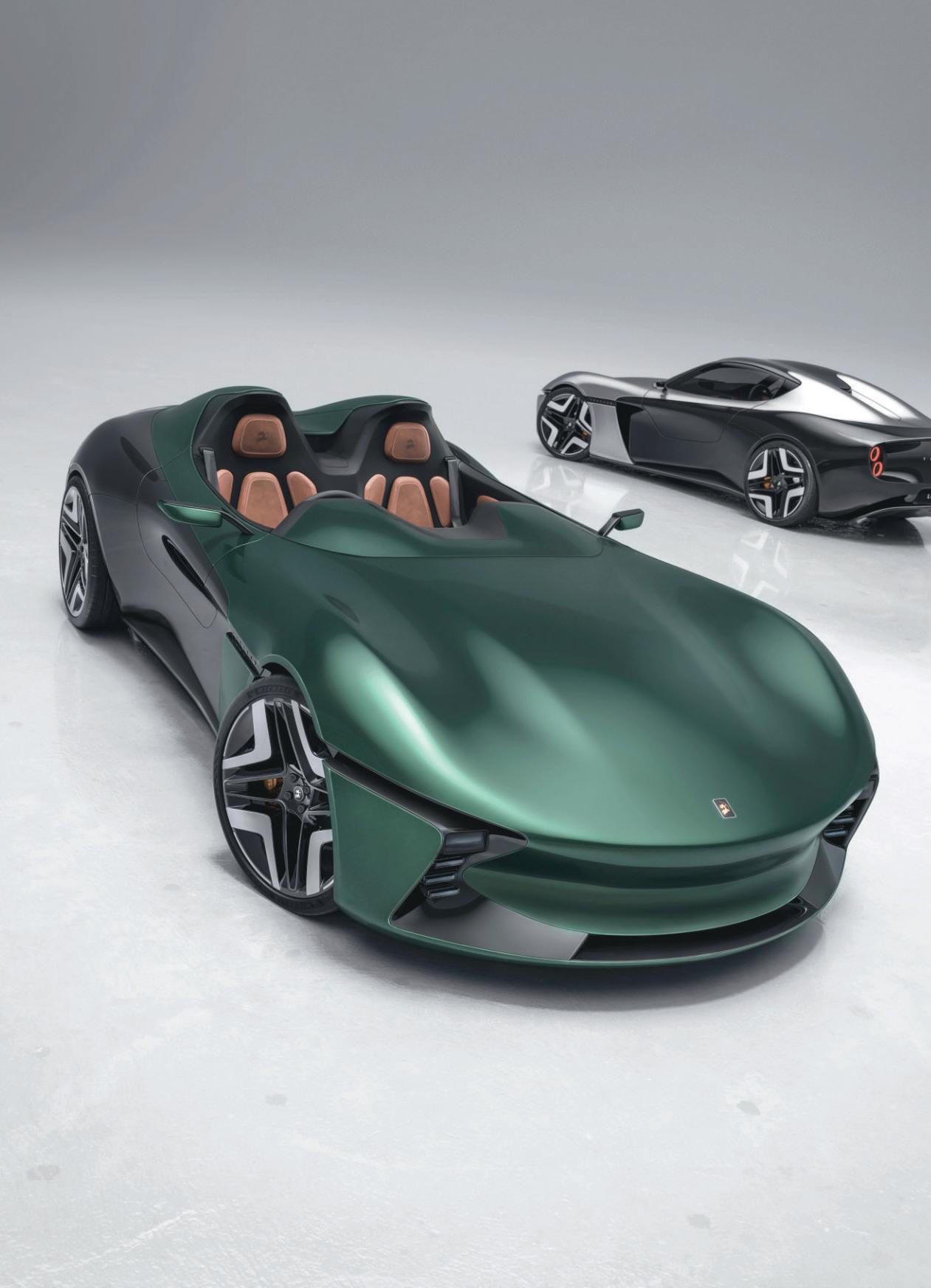
Given neither Longbow’s Speedster nor Roadster have yet to enter production, a cynical type would already be keen to add the British firm to the list of EV manufacturers that didn’t quite make it. But as Tapscott makes clear, don’t do that.
Most recently, he spearheaded BYD’s entry into the Middle East. Beyond that, Tapscott’s CV is a roll-call of names involving the great and the good from the EV world: Formula E? Check. Involvement in developing the original Tesla Roadster? Check that, too.
Unsurprisingly, then, Tapscott is confident that upon arrival later this year, the hand-built,
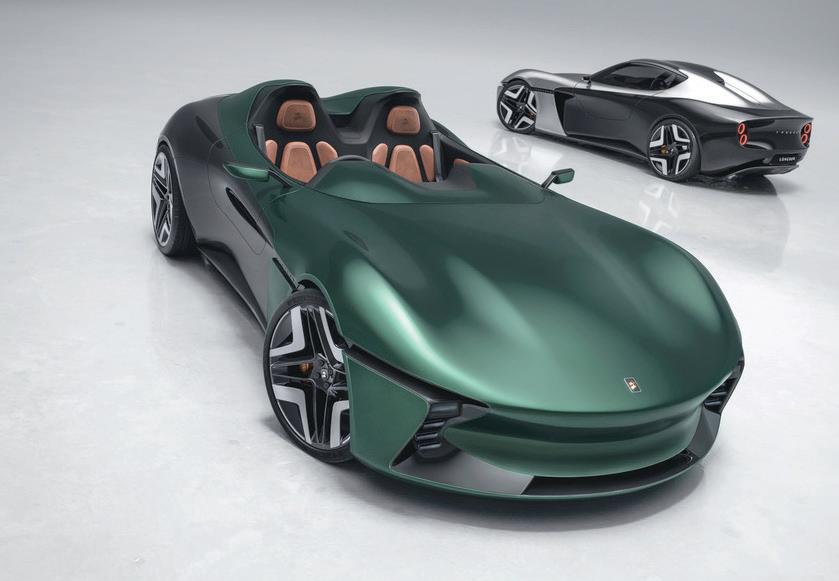
sub-1000kg Longbow Speedster and Roadster will redefine the traditional British sports as a “featherweight electric vehicle”. Think Lotus Elise with an electric motor, and you’ll not be too far wrong. Sound familiar?
As well as an advisory board comprising former CEOs from McLaren, Alpine, and Lotus, key to Longbow’s success is the EV manufacturing infrastructure and automotive heritage that the UK can offer.
“The UK is probably the best place to build an electric sports car,” Tapscott tells EV Powered. “Dating back to the 1940s and ‘50s, we have this tremendous tradition of building lightweight, engaging sports cars, which have always been a passion of mine.
“We’re building and developing as much of the Longbow and the Speedster on these shores apart from the battery cells, because we don’t make them in volume here. However, the battery packs we use are British made, meaning we can use multiple suppliers for the cells.
Continued on next page
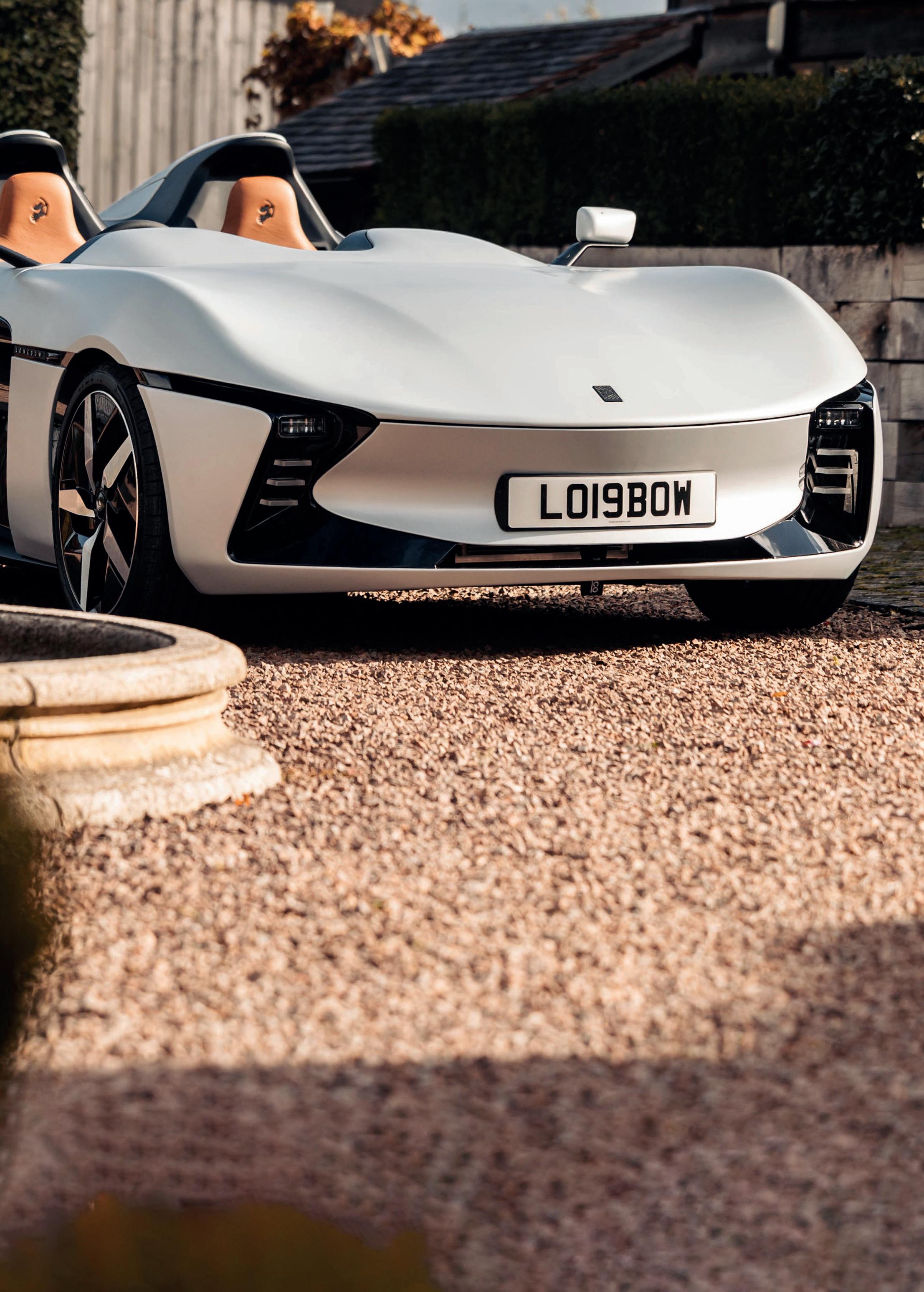
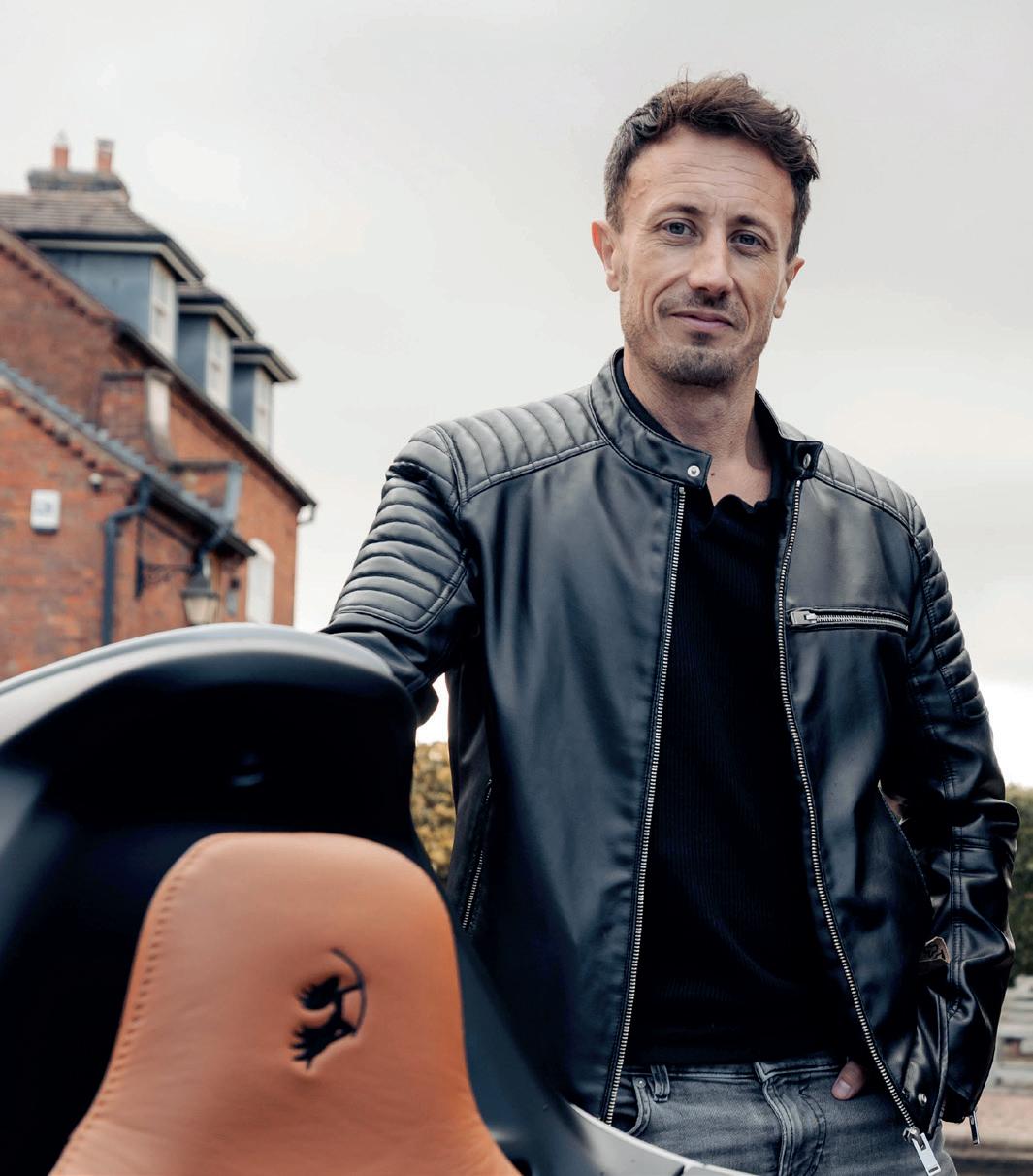
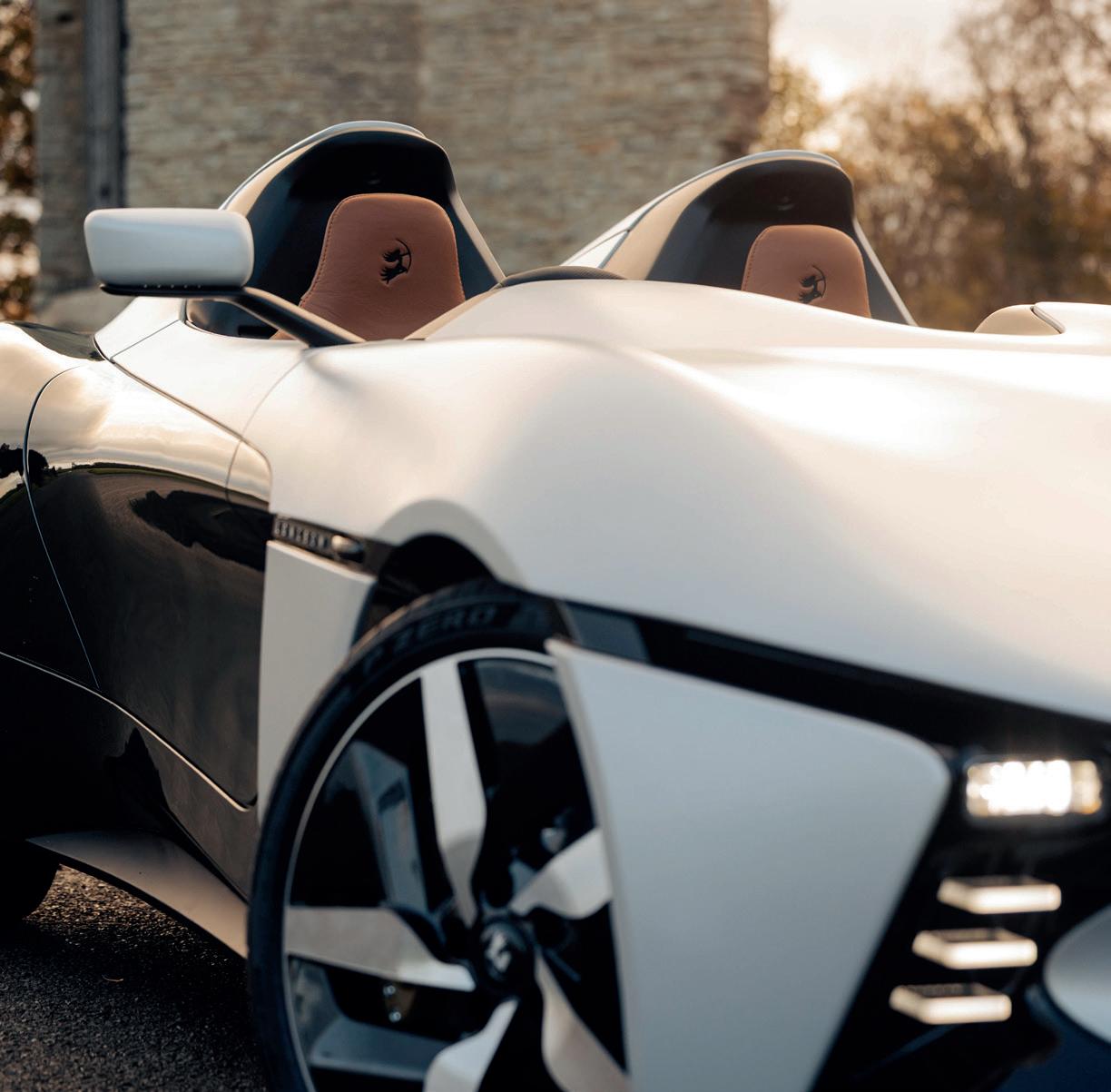
“I think in the past, there were perhaps a few new EV makers who’re now in the graveyard because they became tied to a particular battery or cellmaker. By de-risking the centralisation of any particular supplier, this allows us to focus on building the best possible cars we can.”
Despite not disclosing the name of Longbow’s battery supplier, “focus” is something that often crops up during the conversation with Tapscott. It’s what he cites as the “secret sauce” behind getting the open-top Longbow Speedster down to a featherweight 895kg.
And the word “featherweight” isn’t just a marketing spiel. The Speedster is lighter than a Lotus Elise 220. While no porker, the Norfolk car still tips the scales at 924kg. As well as the
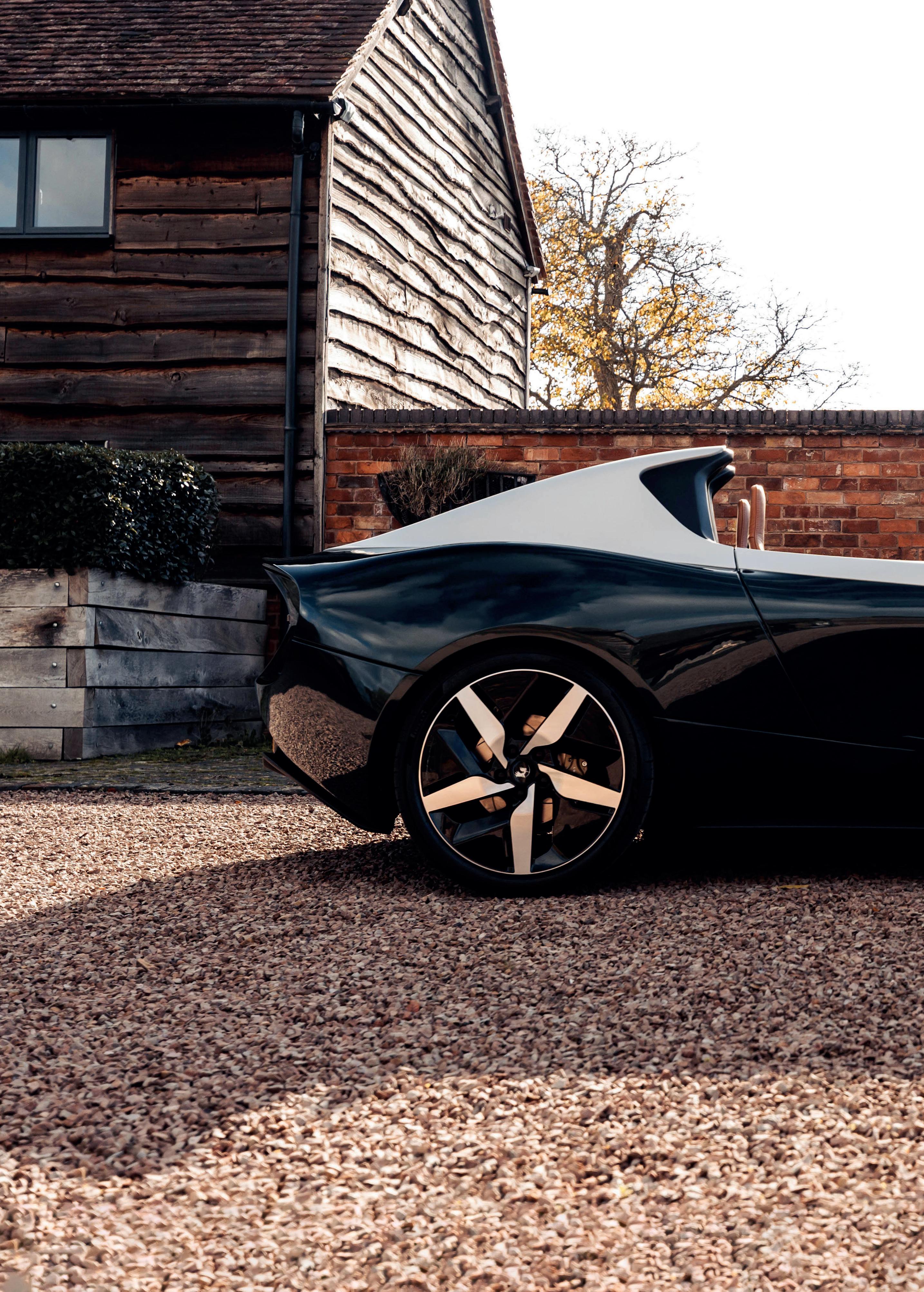
original Tesla Roadster, the Elise serves as Tapscott’s muse for Longbow’s first cars.
“You’ll find a lot of influence from the Elise on our car, not least because a lot of our engineers were involved with that project to varying extents. I actually had one I used as a daily driver, and luggage space was really important in a car that size.
“I think with an EV, we have an opportunity to do something better than an ICE because of how it’s packaged. The Longbow Speedster and Roadster have a lot more luggage space than the Elise, and how we’ve maximised that is purely down to focus - there’s nothing in either car that’s some sort of unobtainable technology we’re waiting for someone to invent.”
When it comes to focus, Longbow adopts a twopronged philosophy to carmaking. The first part is engineers removing one gram of weight each day from what they’re working on. The second is that all involved need to consider the idea that “some of the best design you can do is no design at all”.
“This allows us to strip things back and understand what a sports car should be,” Tapscott explains. “I think one of the best examples of this is consumer electronics. Over the years, mobile phones, laptops, etcetera have got smaller, lighter, and cheaper over time, despite doing a lot more.
“When you look at automotive, what seems to have happened very clearly is that things have got larger, heavier, can do a lot more, but cost a lot more. An example of that is BYD’s Yangwang
“We ask ourselves ‘what does this car need to do?’ and that’s simply to be an engaging driver’s car. Anything that’s added or doesn’t contribute to that experience is a waste of time, money, effort, and weight."
SUV, which for some reason can cross the Yangtze river in China - can you imagine the efforts that have gone into that, not to mention the weight it carries around and the costs involved?
“With us, we ask ourselves ‘what does this car need to do?’ and that’s simply to be an engaging driver’s car. Anything that’s added or doesn’t contribute to that experience is a waste of time, money, effort, and weight.
“With that in mind, we haven’t developed a new wheel nut for our cars. We’ve taken one that one of the big OEMs have used over millions and millions of miles that’s tested and reliable. This way we can make sure that we can bring our products to our customers by the end of this year.”
Oh, and as for those customers? The order books are already full. Given Longbow’s BS-free approach to purely “building cars, not building one dream or vision” it’s not difficult to understand the faith in the brand.
Ultimately, the end game - as Tapscott describes it - is to “put many, many sports cars on the road globally, not just in the UK”.
As a personality, Tapscott is much closer to Maté Rimac than Elon Musk. His description of making the Longbow Speedster and Roadster a reality by the end of 2026 is far from romantic.
He maintains that Longbow’s success will be determined by “a whole load of rather dull maths and spreadsheets that sit behind everything”. Adding
a further layer of pragmatism to things, Tapscott immediately points out that his brand “won’t be able to compete against the Chinese for volume, and that’s not a place Longbow should be playing”.
As the clock ticks down to arrival date, Tapscott returns to his original point of the UK being a global EV powerhouse.
“We need to say a huge thanks to the supply chain that exists here in terms of electric motors, transmissions, and battery pack manufacturers - the Government has been good in supporting much of that. These are the things the UK does really, really well.
“We’ve got all of the boring numbers in place,” he wraps up. “Now it’s a matter of just starting to assemble things and get them to our customers.”
Our advice on how to fit an EV home charger, including the costs, what's involved and how to pick the right charger for your needs
definitely can have a charger installed. For tenants, you need to seek permission from your landlord. People living in flats may also be able to have a charger fitted as long as they have an off-street parking area.
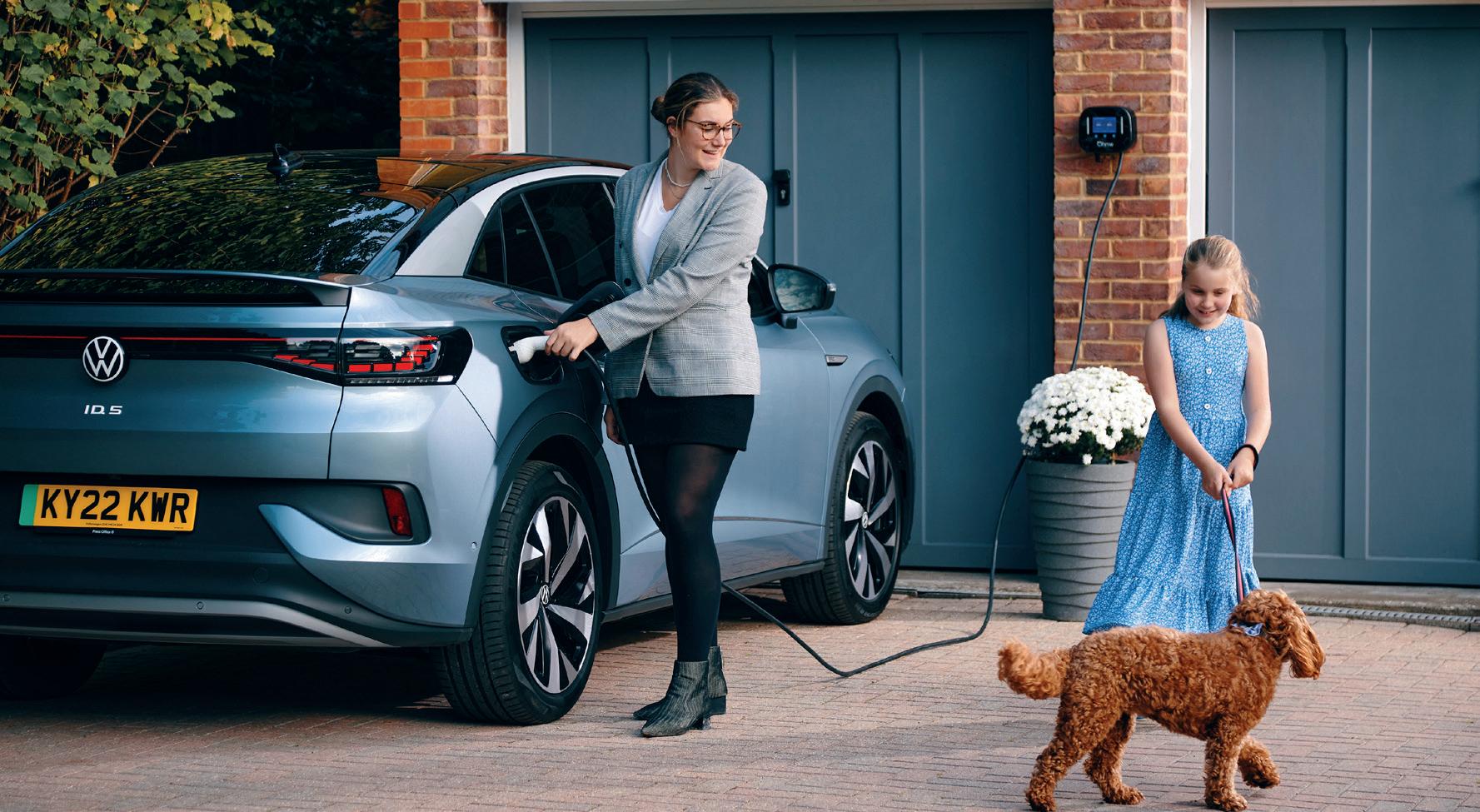
One of the biggest benefits of owning an EV is the potentially huge savings in running costs.
Charged at home, an EV can cost as little as 2p per mile to ‘fuel’, compared with around 15p per mile for a petrol car.
So if you have bought or are considering buying an EV and you have off-street parking, a home charger is an obvious choice. But it can also seem like a confusing process.

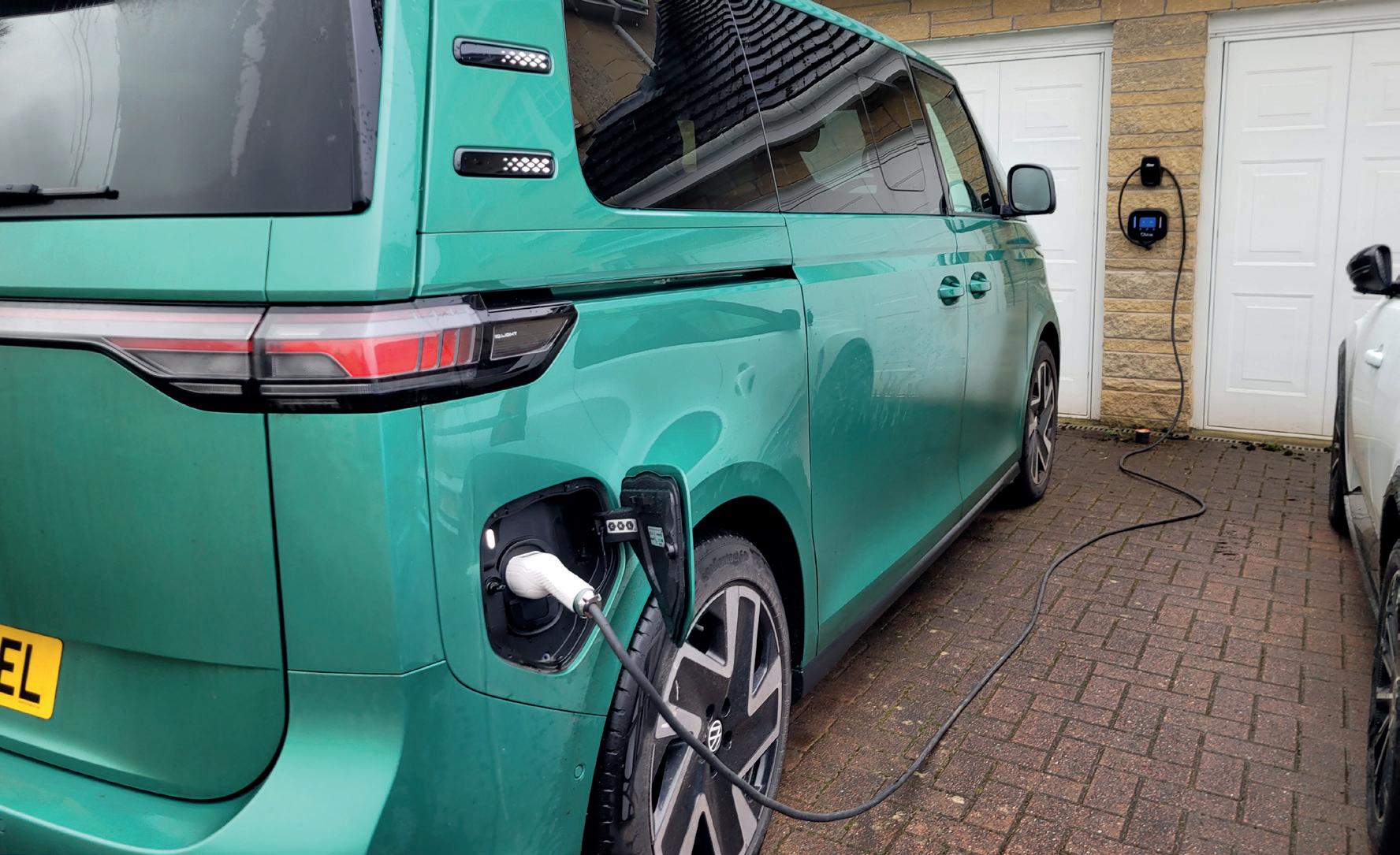
In this feature we’ll explain everything you need to know about having a home charger installed, from how much it costs to how to choose the right wallbox for you, plus provide first-hand insight into the installation process of an Ohme Home Pro.
If you own your property and have off-street parking, you almost
All new EV chargers need to connect to the internet, so you also need a reliable 4G signal at the location of the charger.
For the vast majority of people, a 7.2kW charger is the best option, as well as the most common. You can charge an EV using a 3.6kW charger which is cheaper to buy and install, but will take nearly 18 hours to fill
a 64kWh battery. A 7.2kW device halves this without requiring any major upgrade.
There are some 22kW AC chargers available, but these are much more expensive and require a threephase electricity supply, which most domestic properties don’t have.
EVs will save you money in the long run, but there is an initial outlay and the price of a home charger can vary significantly. As a rough guide, budget around £1,000 to buy and install a new 7.2kW charger.
That’s for a ‘standard’ installation incorporating the charger into a modern circuit board and energy supply. That will be the case for the majority of drivers, but if you live in an older house there can be additional costs involved in upgrading your fuse board and possibly even the main power supply.
The location of your charger can also add costs. If it needs to be a long way from the main feed, you will need extra cabling, as well as potentially a standalone mounting point.
For most of us, cost is a key factor in choosing a wallbox. Basic models start at around £500 for something
like a WaEV, while high-end designer models like the Andersen A2 can set you back more than £1,500 (and that’s before the Porsche paintmatching service).
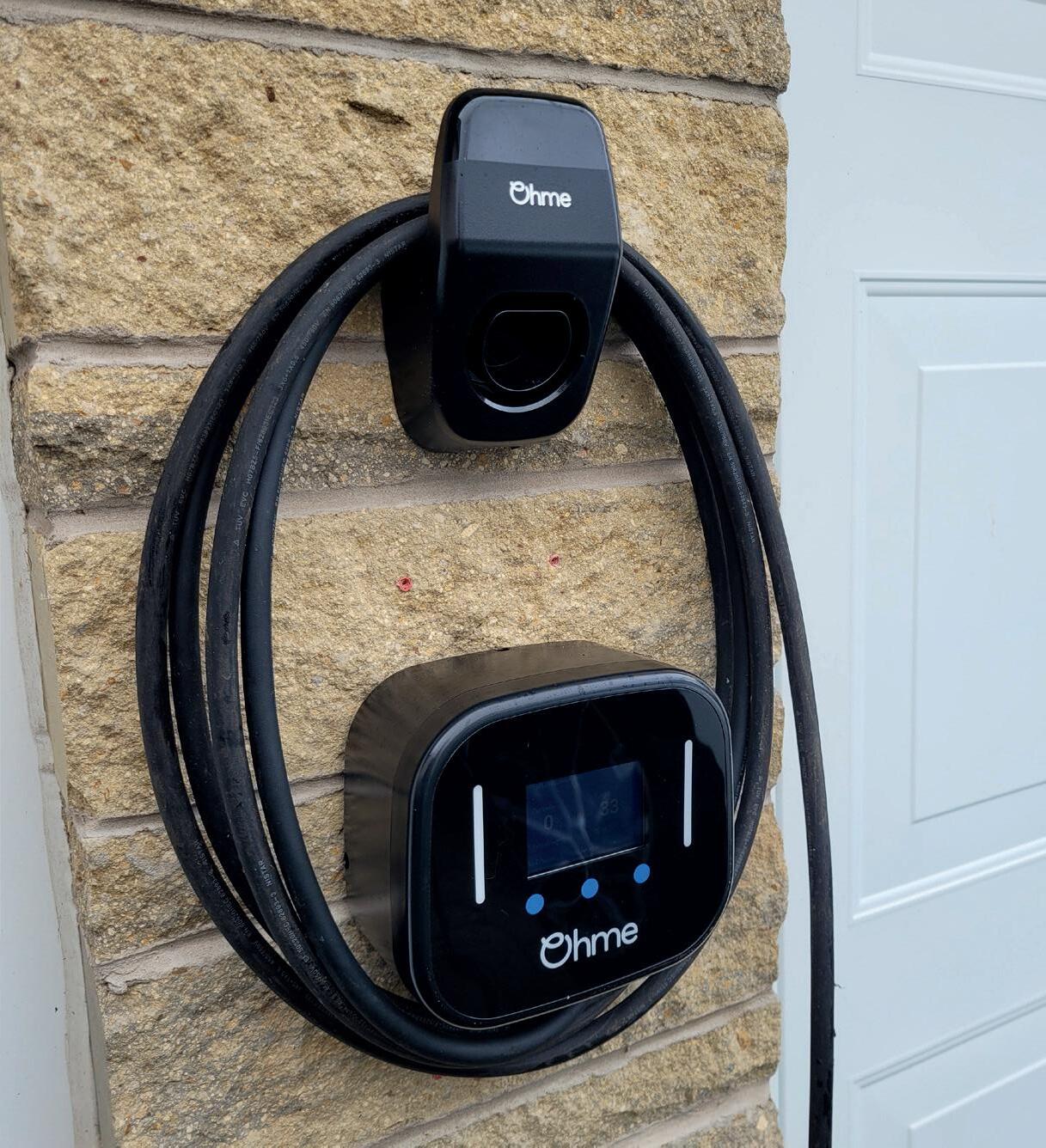
The Ohme Home Pro, which I had installed, supports solar panel integration, home batteries and multicar charging and cost £999 including installation.

When deciding on the right charger there are various elements to consider:
Tethered or untethered
Tethered chargers are usually a little more expensive since you get a charging cable as part of the bundle. Some chargers come with a choice
of lengths, with longer cables inevitably costing more. So think about how close to the charger you are able to park. For me, the extra cost of an 8m cable was worth it to reduce car shuffling in our mutli-EV household.
Since most cars come with a Type 2 cable you could save money by
going untethered. This also means you don’t have to keep a tethered cable tidy and protected but does mean you have to unpack and repack your cable every time you charge.
Home energy integration
Do you want to use solar panels or battery storage to charge your car?
Not all chargers work with home energy generation and storage so bear that in mind when choosing your wallbox.
Smart apps
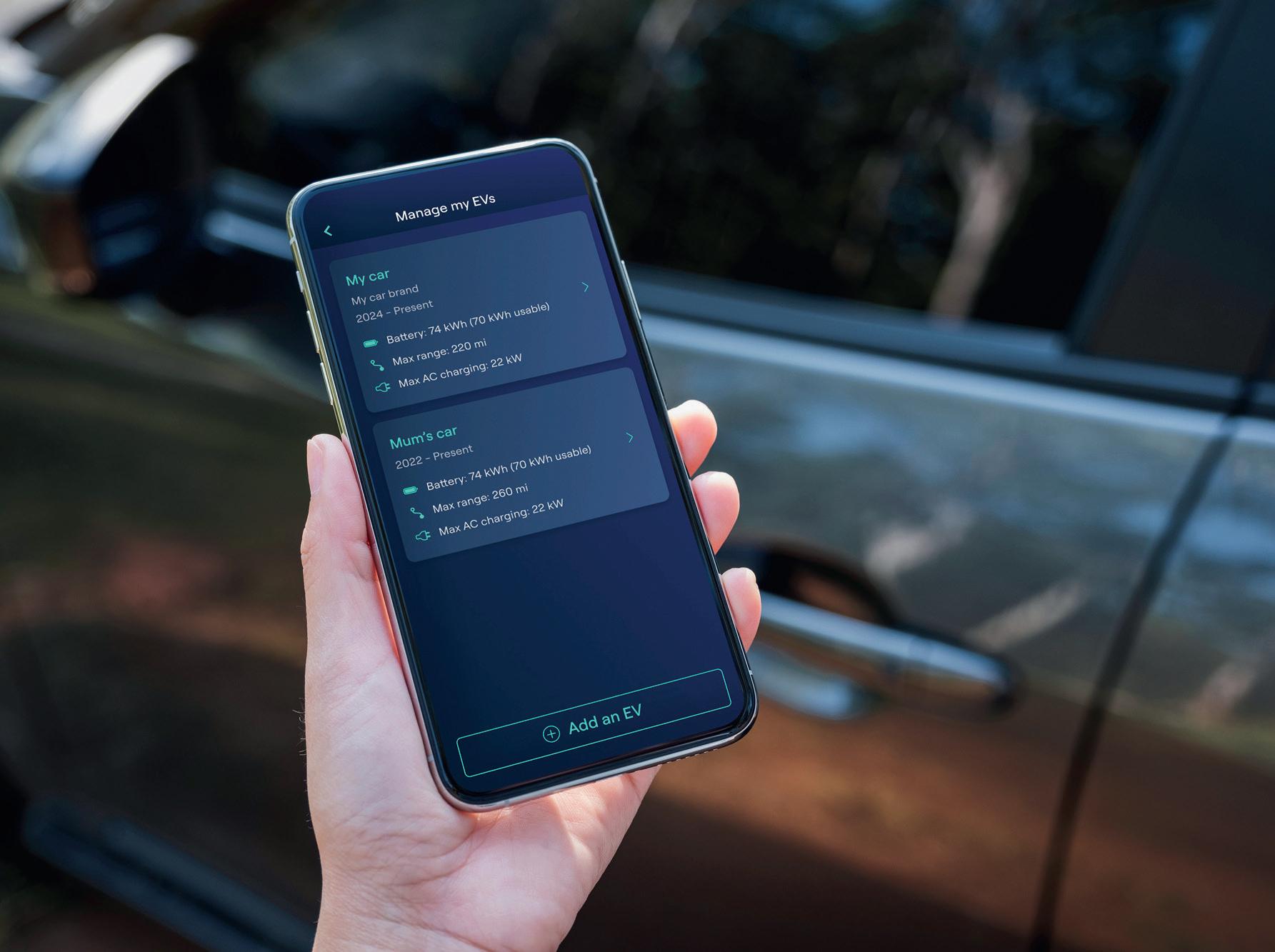
All chargers are now ‘smart’, meaning they can communicate with your vehicle and can be controlled via an app. But some apps are smarter than others and offer more control and information, plus features such as multi-car support.
Location
Most people have their charger fitted to the wall of their house or garage. If this isn’t possible, you’ll need a charger that can be mounted on a post, such as the Myenergi Zappi or Rolec WallPod.
Continued on next page
I opted for an Ohme Home Pro and the entire installation was handled by Ohme and its installer ProEV. While the finer details may vary from
company to company, it’s largely a similar process.
Before fitting anything, the charger maker and installer will want to know about your property, its layout and current electrical systems. From this they should be able to advise on
charger locations and any potential complications or additional costs.
With Ohme, this was as simple as filling in two quick online questionnaires. The first asked about the type of property and where I wanted the charger installed. The trickiest question was probably about
the location of the fuse box and how far it is from there to the proposed charger location.
Then it was a matter of choosing the right wallbox and cable length.
That done, an even shorter survey asked again the type of house, if it is owned or rented and if it is listed. It also asked for a picture of the house and parking area, and one of the main fuseboard. Probably the most complicated bit for me was digging out my electricity supply number (it’ll be on your electricity bill).
Everything was managed via a simple, idiot-proof web portal with easy step-by-step guidance.
Regardless of charger brand, once that’s all done it’s a matter of your installer notifying your Distribution Network Operator, and fitting the unit.
Installation is like having any household appliance such as a boiler fitted. There’s a bit of dust and noise, and you’ll probably end up with a couple of new holes in walls as they route cables from fuse board to charger. You’ll also be without


power briefly, but my power was out for less than half an hour in total.
Companies like Ohme have a list of approved fitters who understand the process and can work around any complications, so it’s best to stick with one of them. If you’re organising things yourself, make sure you select a fully qualified installer with
the correct qualifications. You can find qualified companies via the Office for Zero Emissions approved installer list on its website. It’s also worth seeking out either personal recommendations or a fitter with plenty of positive customer feedback.
Since every new home charger is a “smart” device, the last step of the
installation process is signing up for the app then setting your own vehicle, schedule and tariff preferences.
Which brings us to one of the biggest benefits of having a home charger – cheap electricity.
Even on a standard domestic rate an EV is cheaper to “fuel” than a petrol car, but many energy companies offer special EV tariffs, which can help slash the cost of charging further.
A lot of these are simple time-of-day rates, which lower your energy costs during a specific period – usually between midnight and around 5am – and work with any smart charger.
There are other tariffs, however, such as Octopus Intelligent Go, which uses a more complicated system to balance high- and lowdemand periods. These require a specific charger, such as the Ohme Home Pro, or models from Hypervolt and Myengergi but make the most of the cheapest energy while also helping to balance the grid.
Whichever electricity tariff you are one, an EV is cheaper than a petrol car to "fuel", but choosing the right tariff to go with your home charger can make a huge difference and is well worth factoring in to the whole process.
Matt Allan
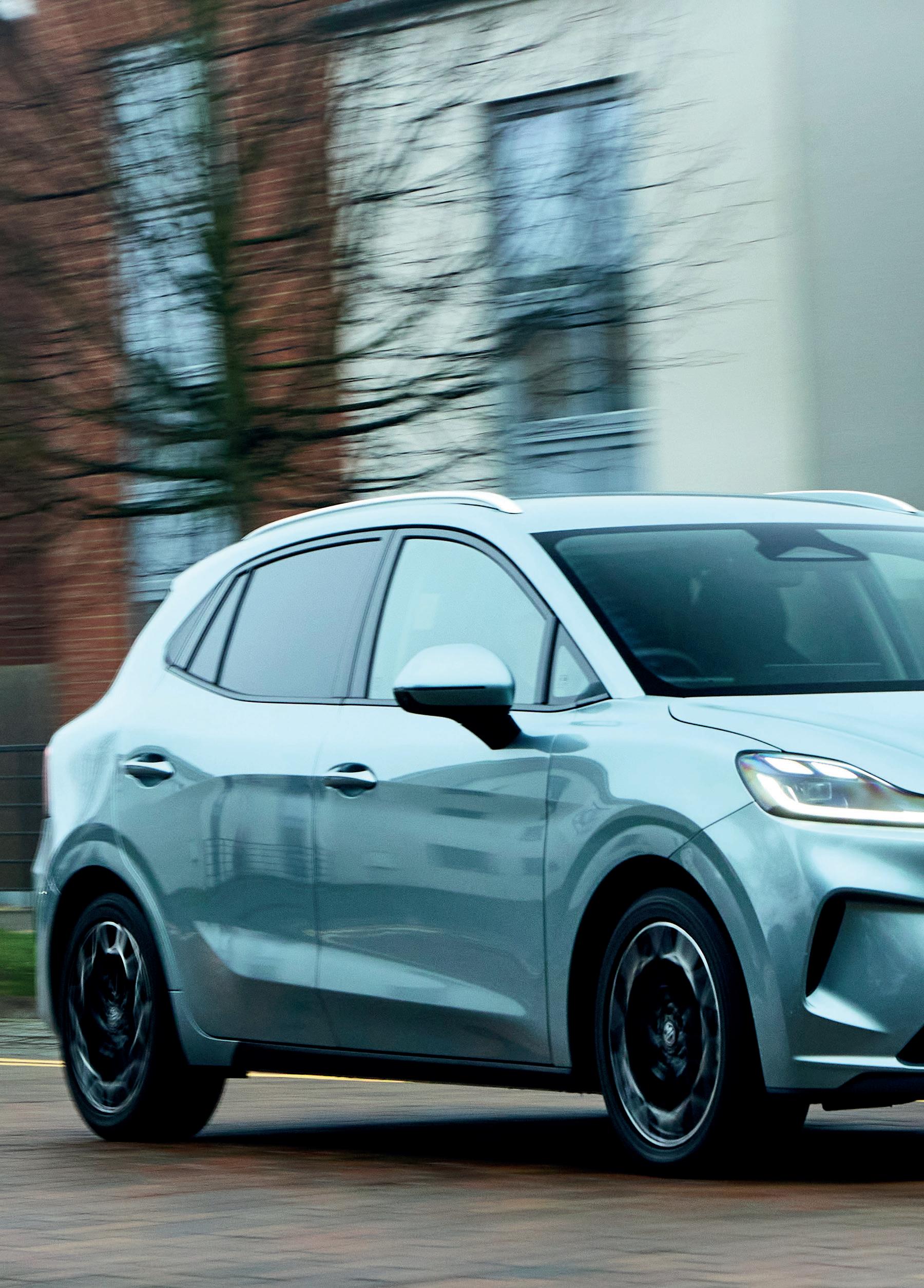
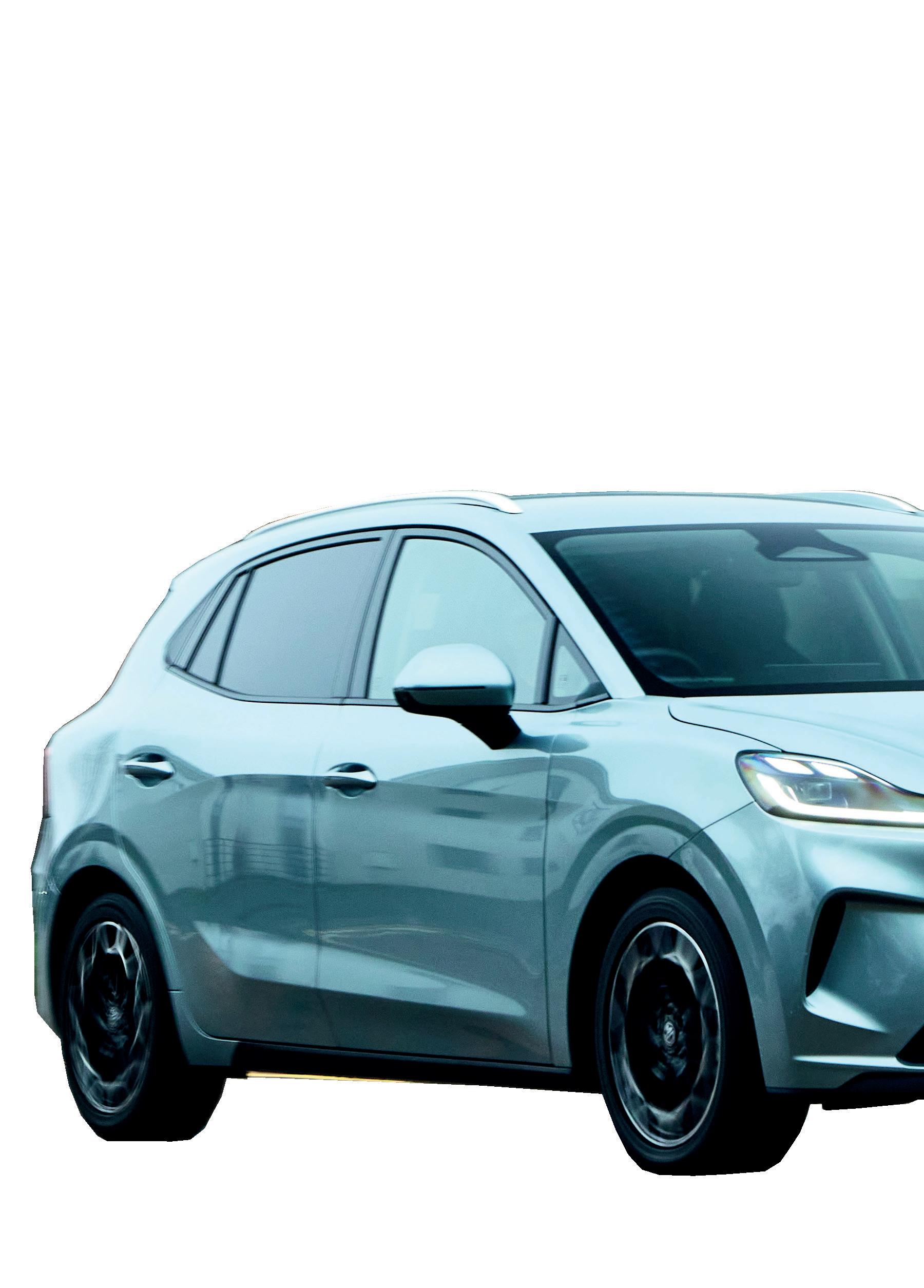

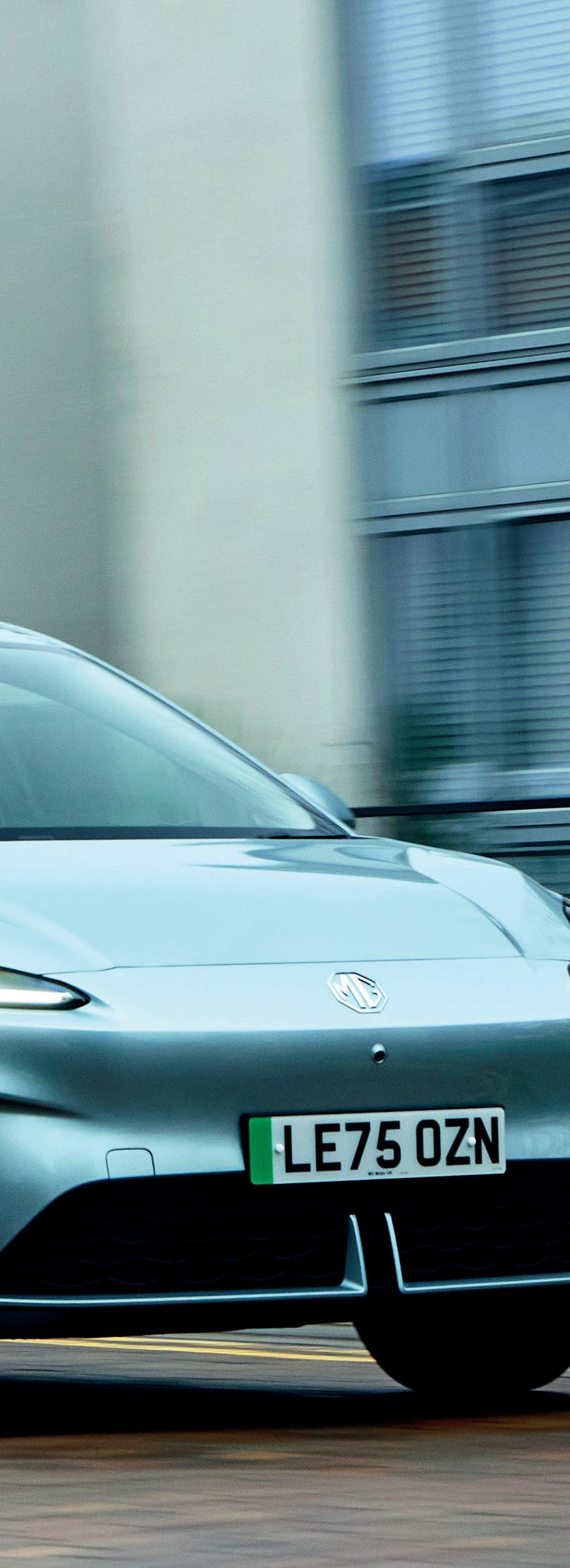
That was four years ago, though, and the EV landscape has changed a lot. A £25k EV is no longer a rarity and the family EV market has progressed. So MG has taken action and launched not one, but two replacements – a facelifted MG4 and this, the MG4 Urban.
MG’s reasoning is that because the market has developed, one car can’t compete across all the spaces the original did. Instead, it has moved the “OG” MG4 upmarket and slotted this MG4 Urban in as its most accessible and affordable option, with prices from £23,500.
That’s close to the Renault 5 or Hyundai Inster price, yet the MG4 Urban is far bigger than either. In fact, it’s bigger than the “regular” MG4, the Renault Megane or Volkswagen ID.3.
Although they share part of the same name, the MG4 Urban and MG4 are entirely different cars built on entirely different platforms. While the Urban is bigger, it gets smaller batteries and less powerful motors to keep costs down.
But behind the numbers, does the MG4 Urban make sense or has MG spread itself too thin?
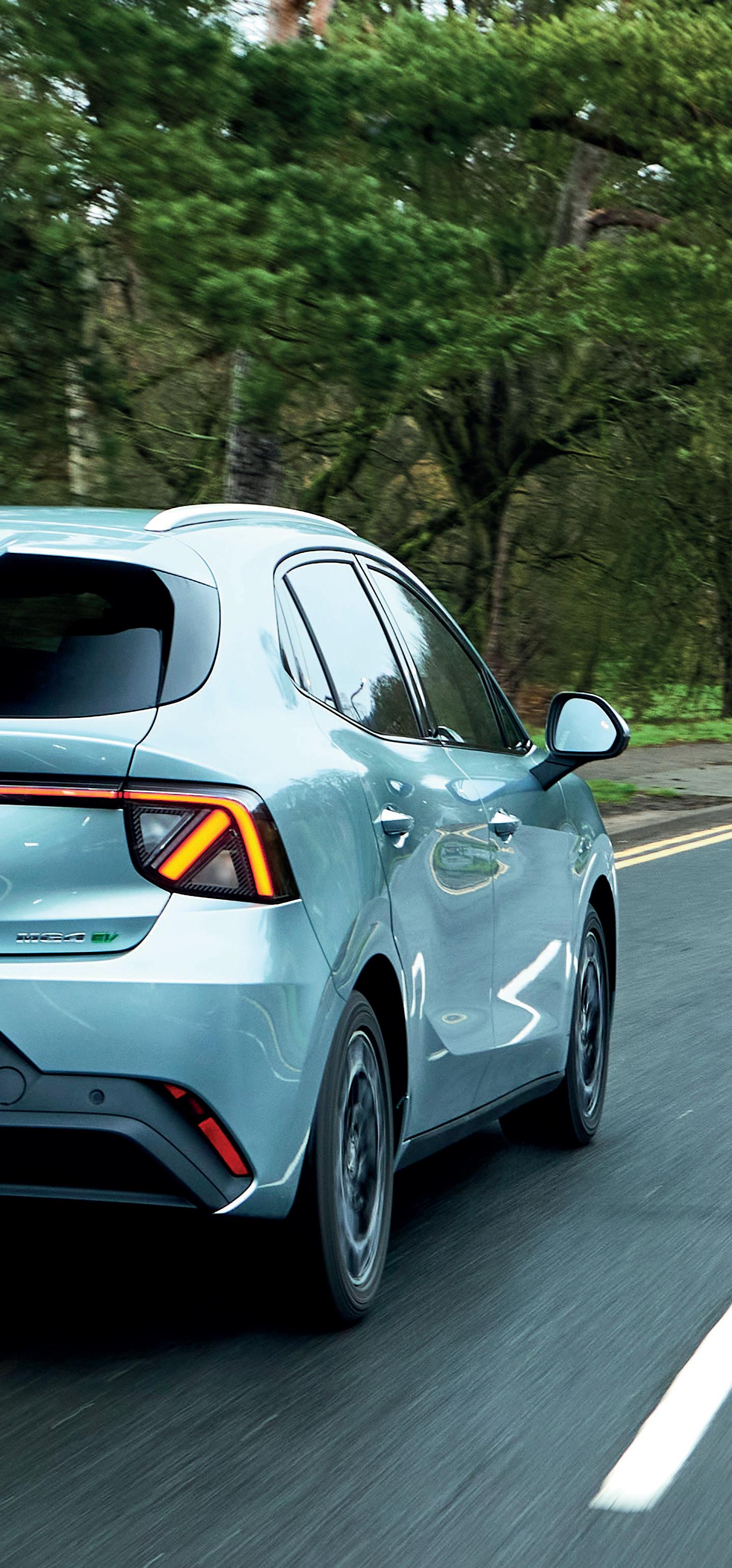
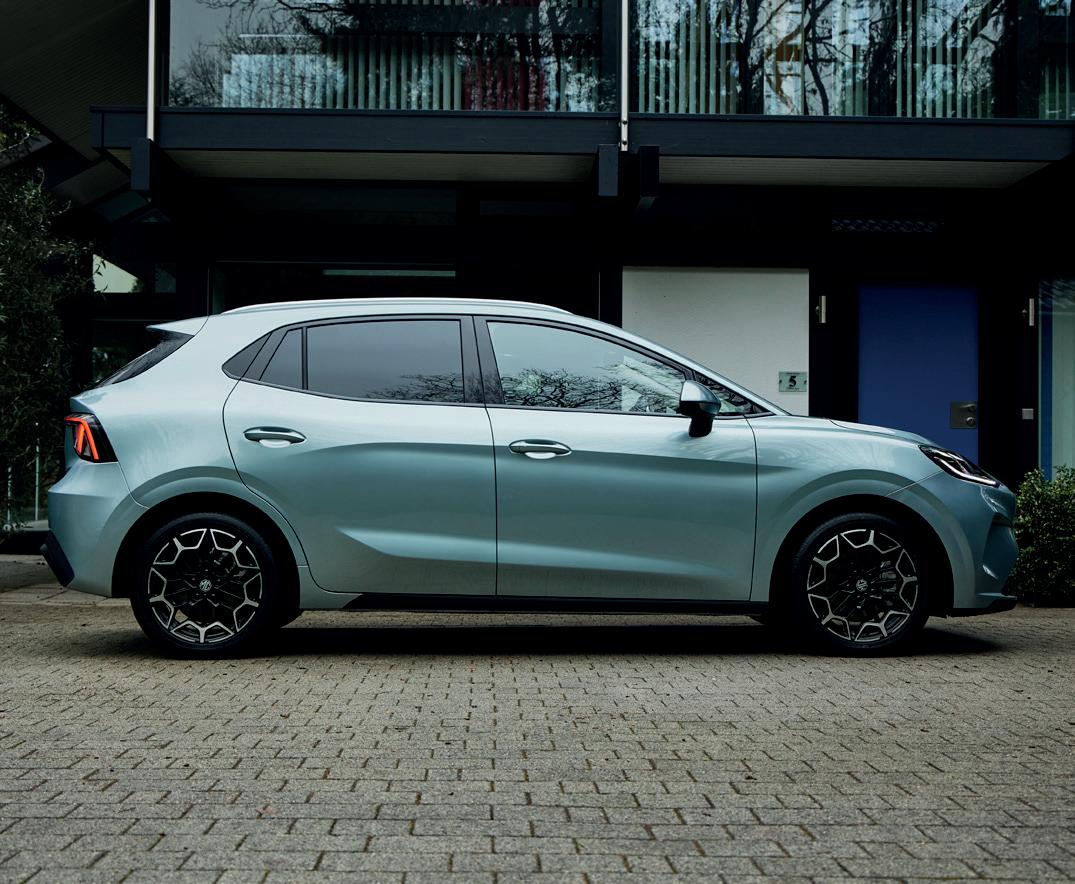
MG says that the MG4 Urban’s look has been inspired by the radical Cyberster roadster.
That’s a bold claim for a family hatchback and you have to go looking for the connections but they are there.
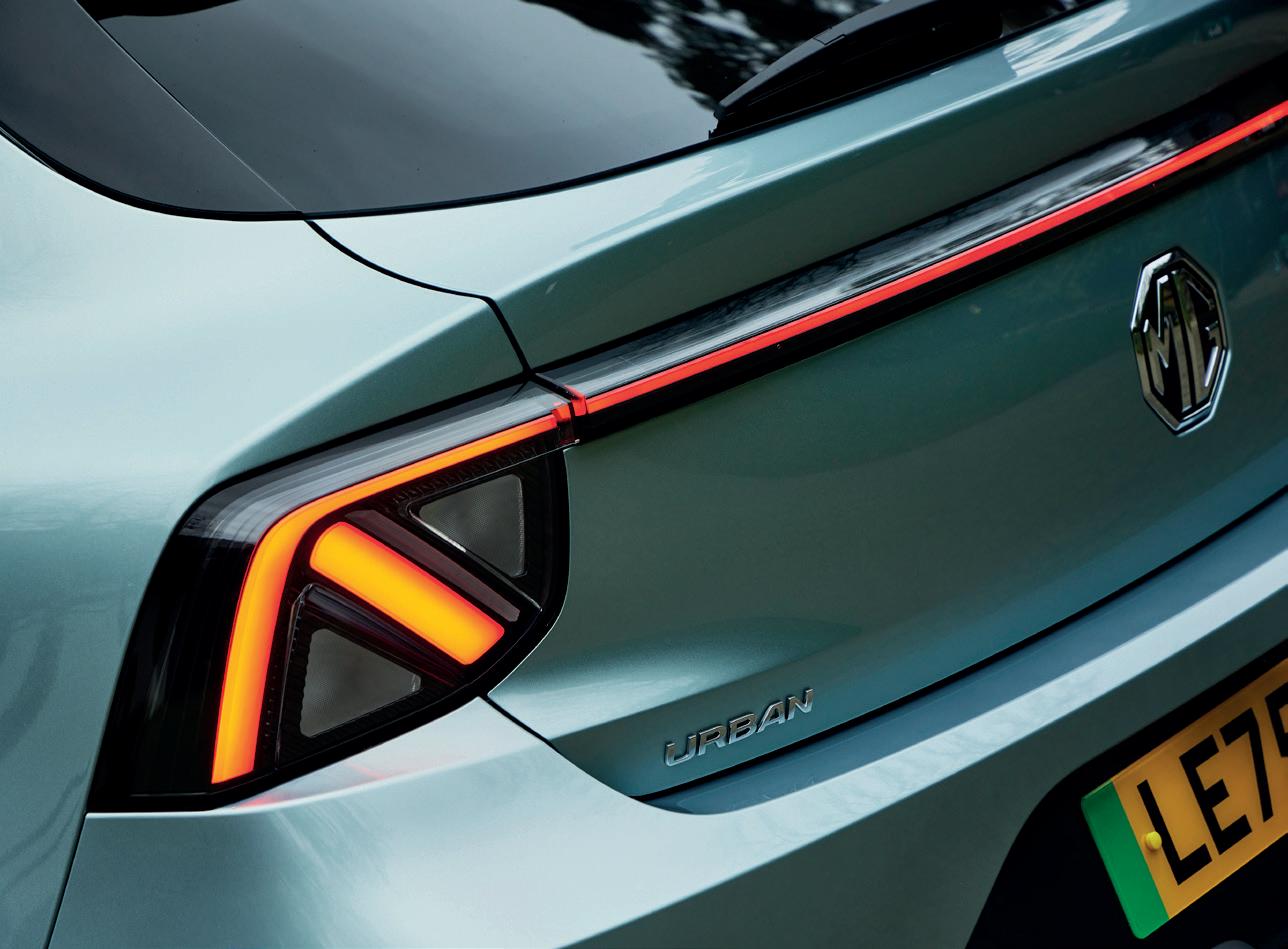
There are little nods in the shape of the headlights and the split lower bumper treatment. The arrow-shaped tail lights are also Cyberster-inspired and, in combination with a full-width light bar, give a nice unique character to the car’s rear.
That said, it’s still a five-door C-segment hatchback with a slightly soft aesthetic. Its proportions are less awkward that the MG4’s and it is inoffensive in the same way as an ID.3, but it’s not a design classic.
MG laughingly suggests in the press material that the MG4 Urban is a B-segment car. It’s not. As mentioned earlier, it is actually bigger than many C-segment hatchbacks and at least 40cm longer than the Renault 5. Despite being priced like a supermini, it’s got all the space of a decent-sized family hatchback. There’s plenty of legroom and headroom in the back, and four adults should fit comfortably. The only caveat is that front space isn’t as generous as alternatives, so taller-than-average drivers might struggle for legroom.
A 479-litre boot already puts cars like the VW ID.3 in the shade and it can be expanded to 577 litres thanks to a huge area hidden beneath the removable boot floor.
Beyond the practicality, the MG4 Urban showcases MG’s efforts to improve quality. It isn’t quite on par with the new MG4 or the ID.3, but it is £6,500 cheaper, so that’s forgivable.
Continued on next page
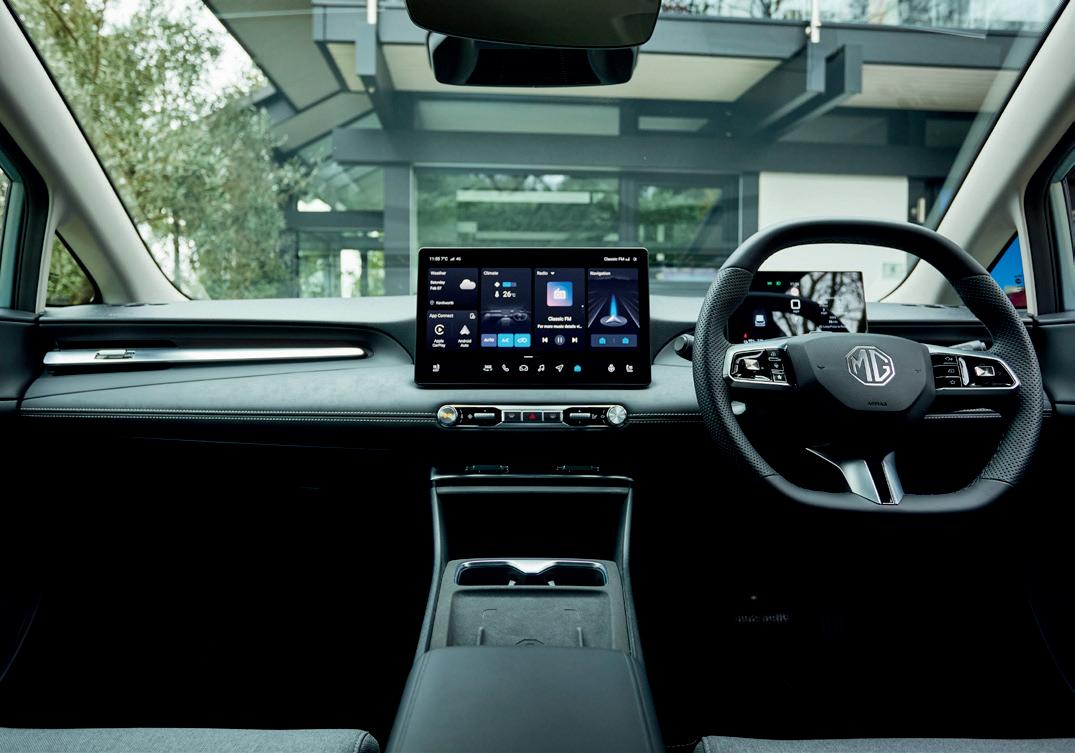
Some elements, such as the shiny dashtop plastic and slightly scratchy seat fabrics have a budget air, but generally materials and build quality are perfectly reasonable for the price. They’re certainly better than the original MG4, and components such as the heater vents, steering wheel and infotainment system are shared with the Urban’s more expensive updated sibling. Also shared are the simple physical buttons and dials for the air conditioning. They’re a small touch but one that really enhances the MG4 Urban’s ease of use.
The cabin design is a simple one, with a large centre console housing a wireless charging pad and cupholders, with a larger storage space beneath. Aside from that and the air con controls, it’s a pretty simple affair, with the dashboard dominated by two screens.
There’s a seven-inch digital instrument display which is crisp and delivers the data you actually need (take note, BYD). Beside that is a 12.8-inch touchscreen that is shared with MG’s more expensive MGS6. This all-new system is lightyears ahead of the old MG setup. There are still a lot of menus, but it’s responsive, with large homescreen widgets, wireless Apple and Android support, and the ability to customise shortcuts.
Those shortcuts include controls for the driver assistance systems. Like the MG4, these systems are far less intrusive and aggressive than previous MGs but you can set up the MG Pilot mode to deactivate them with two quick presses.
The key differentiator between the MG4 Urban and the updated MG4 is under the skin.
MG is positioning the MG4 as the more dynamic, fun-to-drive and longerrange car, with the MG4 Urban presented as the more practical and affordable model.
As part of that, the MG4 Urban uses MG’s new E3 platform, which means it is front-wheel-drive rather than rear-wheel-drive. It also gets lower-powered motors and smaller batteries.
The entry-level Standard Range car gets a 148bhp motor and 41.9kWh battery. That’s good for 201 miles of range and a 0-62mph time of 9.6 seconds. Hardly scintillating, but not unusual at this price point.
Above that the Long Range model gets a 158bhp motor and a 52.8kWh battery. That means up to 258 miles of range but a similarly ponderous 9.5 seconds to get from standstill to 62mph.
The smaller battery makes do with 82kW DC charging while the larger one gets a mild improvement to 87kW. Both will get from 10-80% in around half an hour but neither will worry the likes of Renault, Citroen or Hyundai, who all offer at least 100kW.
On the road, the MG4 Urban behaves very much as its on-paper stats would suggest. There’s enough instant torque from the motor to keep up with the cut and thrust of urban traffic but it runs out of puff a little accelerating on faster roads. Four levels of braking regeneration are accessed via a steering wheel shortcut button and there’s a full one-pedal option. There are also multiple drive modes but, like so many rivals, these have very little impact on the driving experience.
The front-wheel-drive chassis definitely isn’t as lively as the rear-driven MG4, or more compact rivals like the Renault 5, but the Urban still has a more engaged and connected feel than most Chinese EVs at this (or any) price. It’s a perfectly decent driving experience for the money. It is, however, let down by a fidgety ride. There’s a stiffness to the MG4 Urban’s suspension and damping that means it never feels properly settled.
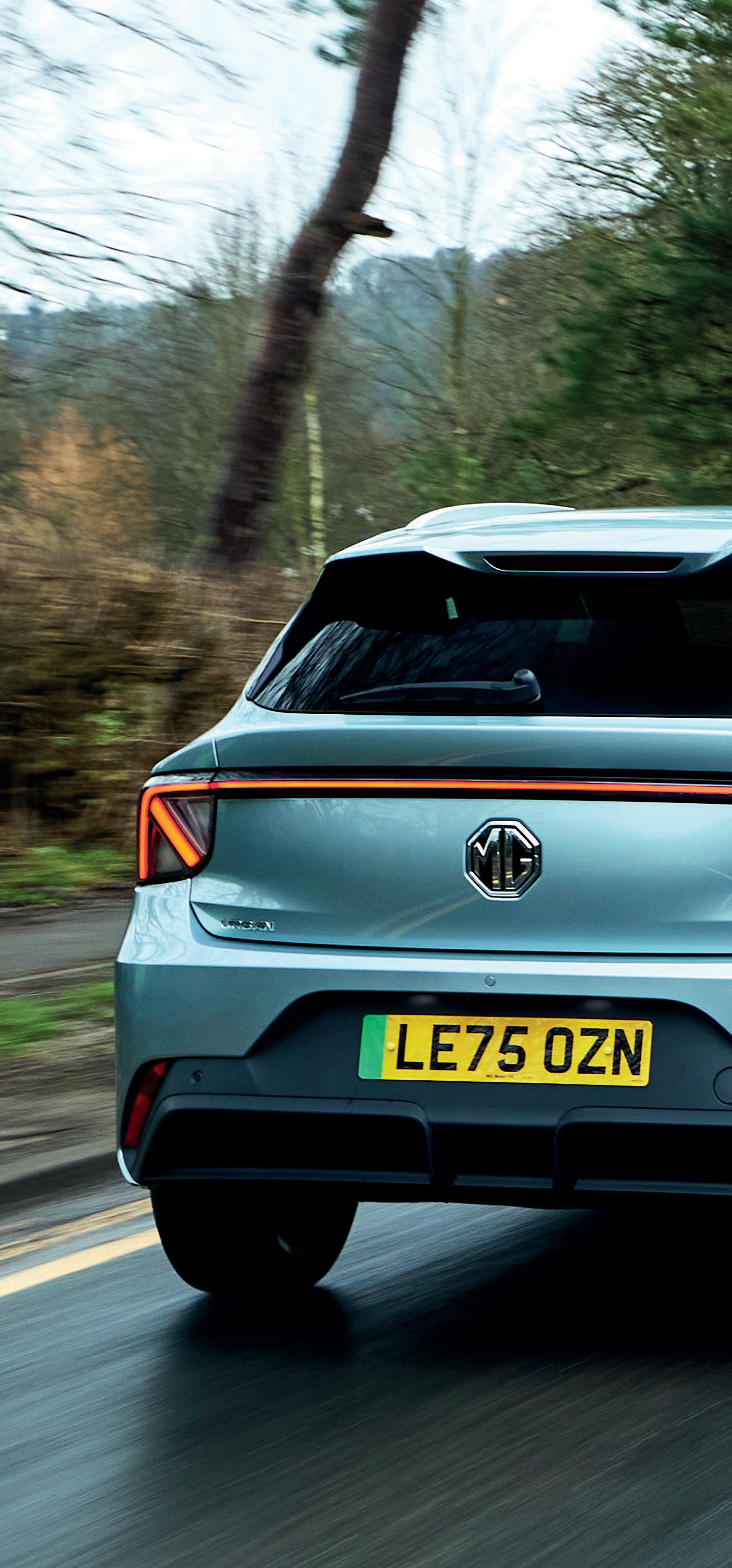
It isn’t drastically uncomfortable but alternatives, whether by size or cost, ride better and offer better noise insulation too.
On the matter of cost, prices for the MG4 Urban start at £23,495. That’s £6,500 less than the MG4, £7,300 less than an ID.3 and £7,800 less than a Megane.
All of those cars offer more range and performance, but the MG4 Urban is on a technical par with similarly priced but smaller options such as the Renault 5, Hyundai Inster or BYD Dolphin Surf.
Entry-level Comfort Standard Range spec gets the smaller battery/motor combination, 16-inch alloy wheels, climate control, dual digital screens with sat nav and wireless smartphone mirroring, vehicle-to-load ability and a reversing camera. An extra £2,000 unlocks the bigger battery and motor for Comfort Long Range cars.
At the top of the range, Premium trim only comes with the larger battery and brings 17-inch wheels, electrically adjustable heated front seats and steering wheel, privacy glass, a 360-degree camera and ambient lighting for £27,995.
The MG4’s price and size make it hard to pigeonhole but pretty easy to recommend.
It doesn’t have the flair of smaller rivals like the R5 or Inster, and its technical spec is behind similarly sized alternatives.
But it does offer far more practicality and space than anything else for the money and its range and performance will be more than adequate for a huge number of drivers.
Where value for money is concerned, it looks like another winner for MG.
Price: £27,995
Transmission: Single-motor, front-wheel-drive
Battery: 52.8kWh
Power: 158bhp
Torque: 184lb ft
Top speed: 99mph
0-62mph: 9.5 seconds
Range: 251 miles
Consumption: 4m/kWh
Charging: up to 87kW
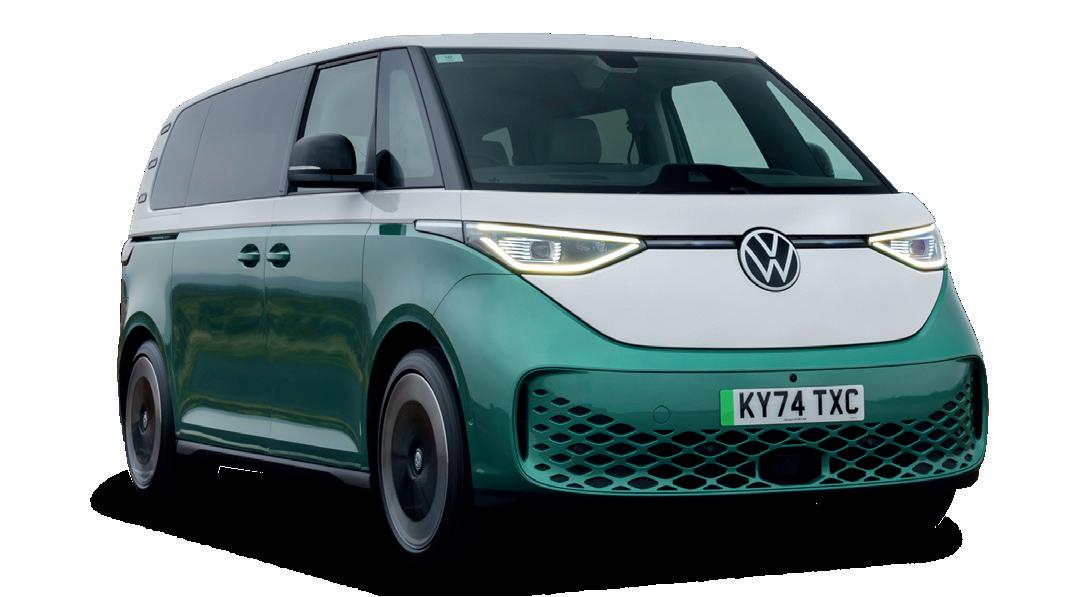
Ask anyone to name a Volkswagen and close behind the Beetle and the Golf, they’re likely to bring up the iconic Type 2 van. There is an instant association between the VW name and its boxy aircooled commercial vehicle, which found favour with everyone from families and businesses to hippies and emergency services from the 1950s to the late-70s.
VW was clearly leaning hard on this association when it revealed plans for an all-electric people
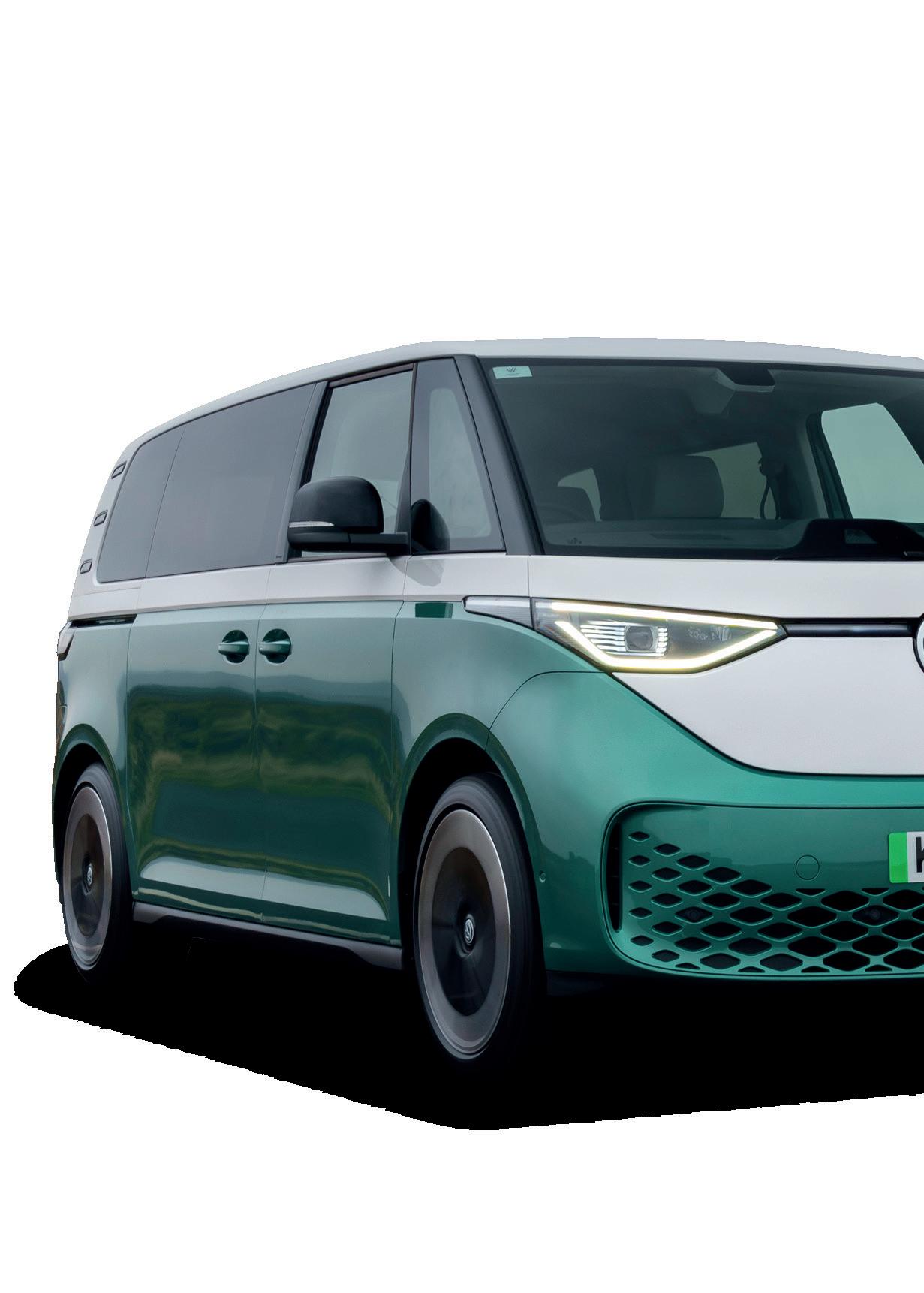

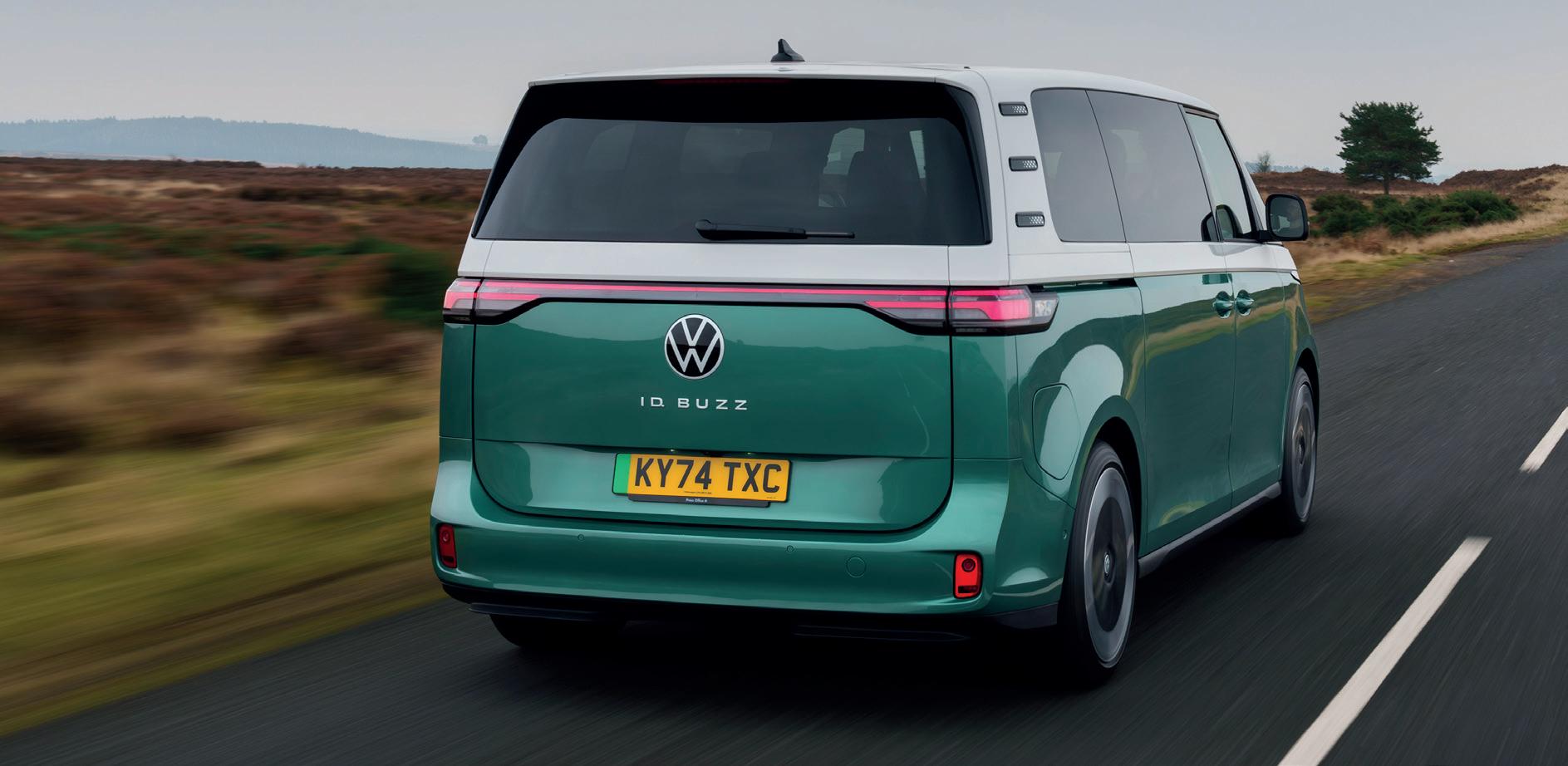
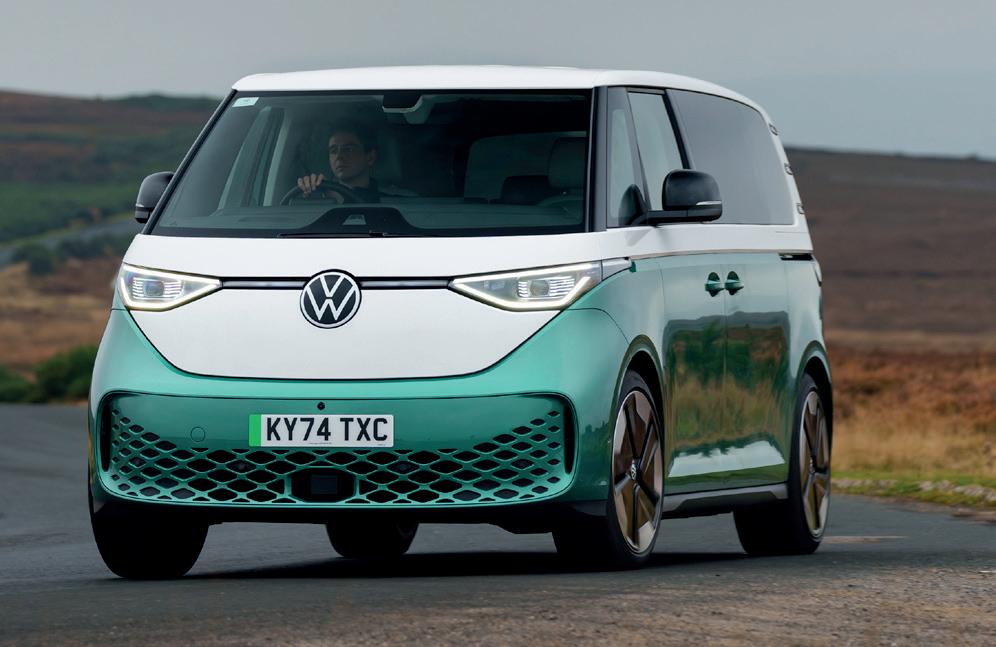
The automotive world lost its mind when VW revealed the ID Buzz concept in 2017. People loved its futuristic reinterpretation of the classic looks – from the gently curved box shape with its massive glasshouse to the two-tone paint and sliding doors.
And VW has done a great job of retaining the show car’s looks while making it fit for the real world. All the design callbacks are still there –from the low-swooping bonnet line and huge VW
roundel to wheels pushed out to the corners and faux air vents in the D-pillars.
The long-wheelbase seven-seat version gets an extra 25cm between the wheels yet never looks awkward. Even in elongated form, the proportions work. Yes, it’s a big car – 5m long and the best part of 2m wide and tall – but it carries its size well, and draws smiles wherever it goes.
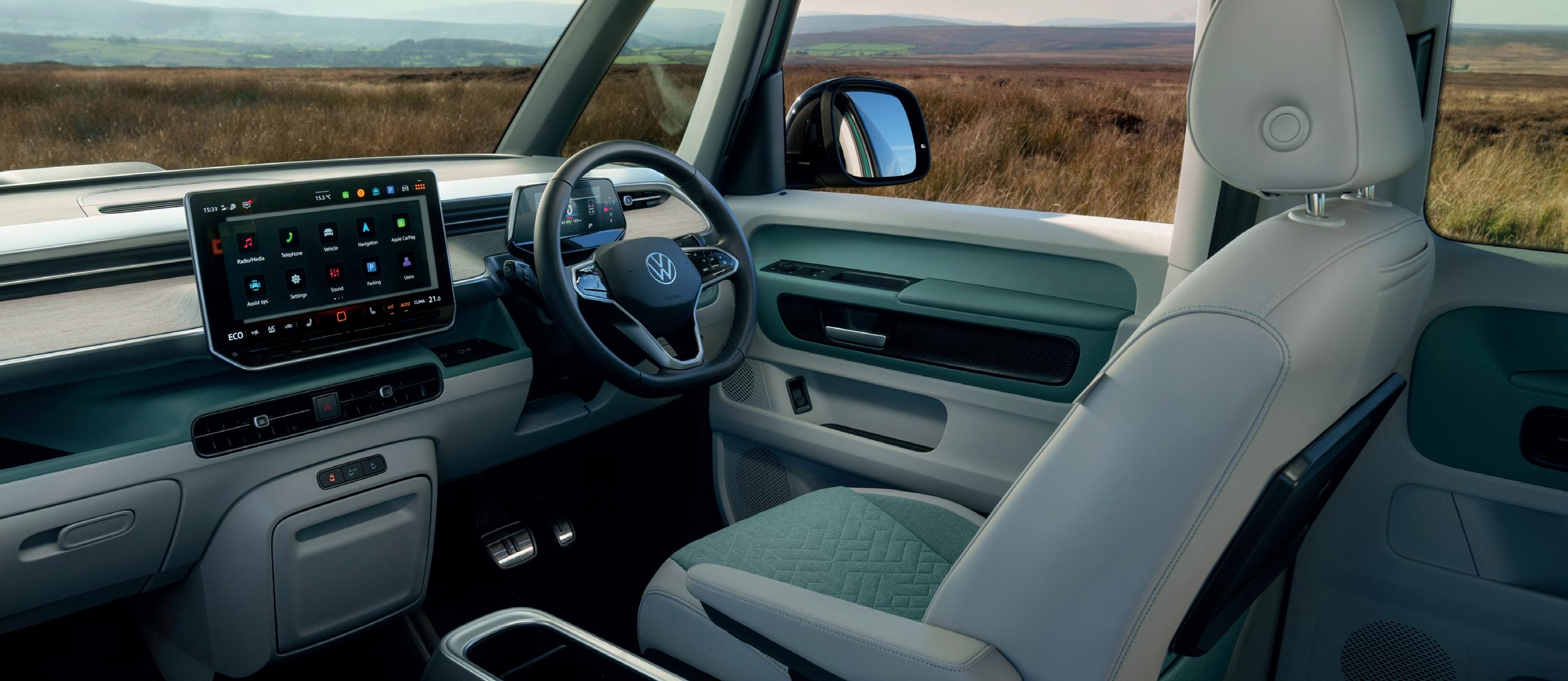
Obviously, the production car can’t track quite as closely to the concept’s interior. There’s no rectangular fold-away steering wheel, nor wooden flooring or sliding iPad holder in place of an infotainment screen. But you do get the fun “play” and “pause” symbols on the pedals, and there is a fresh, bright cabin that puts every other van out there to shame.
The layout is almost Volvo-like in its simplicity, with a low-set dash, 5.3-inch instrument display and 12.9-inch infotainment screen. It’s not overly embellished but nor is it Spartan, like some EVs can be. And it feels like an upmarket car, rather than a converted commercial vehicle.
Light two-tone seat fabrics, pale wood-effect dashboard trim and silver highlights create a classy, uplifting feel that oozes style and boosts the sense of space. There’s acres of room around the driver and passenger, with fold-out cupholders; a central open-top “Buzz box” with two low-mounted drawers; wireless phone charger; a dashboard shelf and multiple deep door pockets with built-in USB ports.
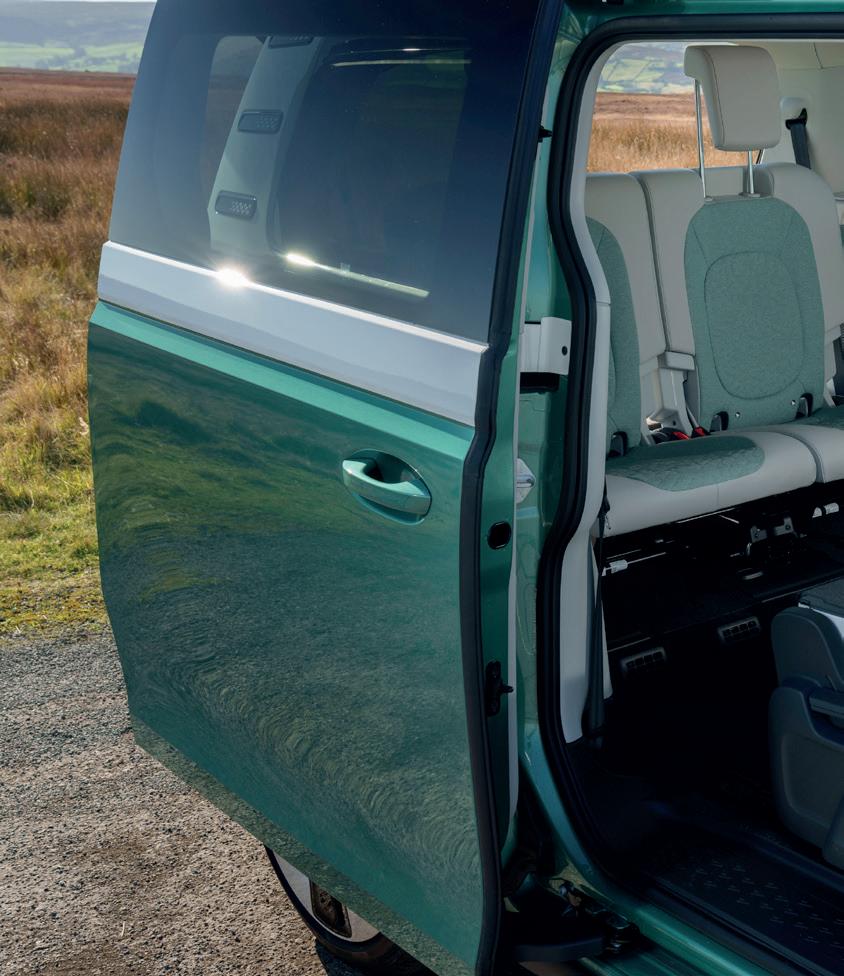
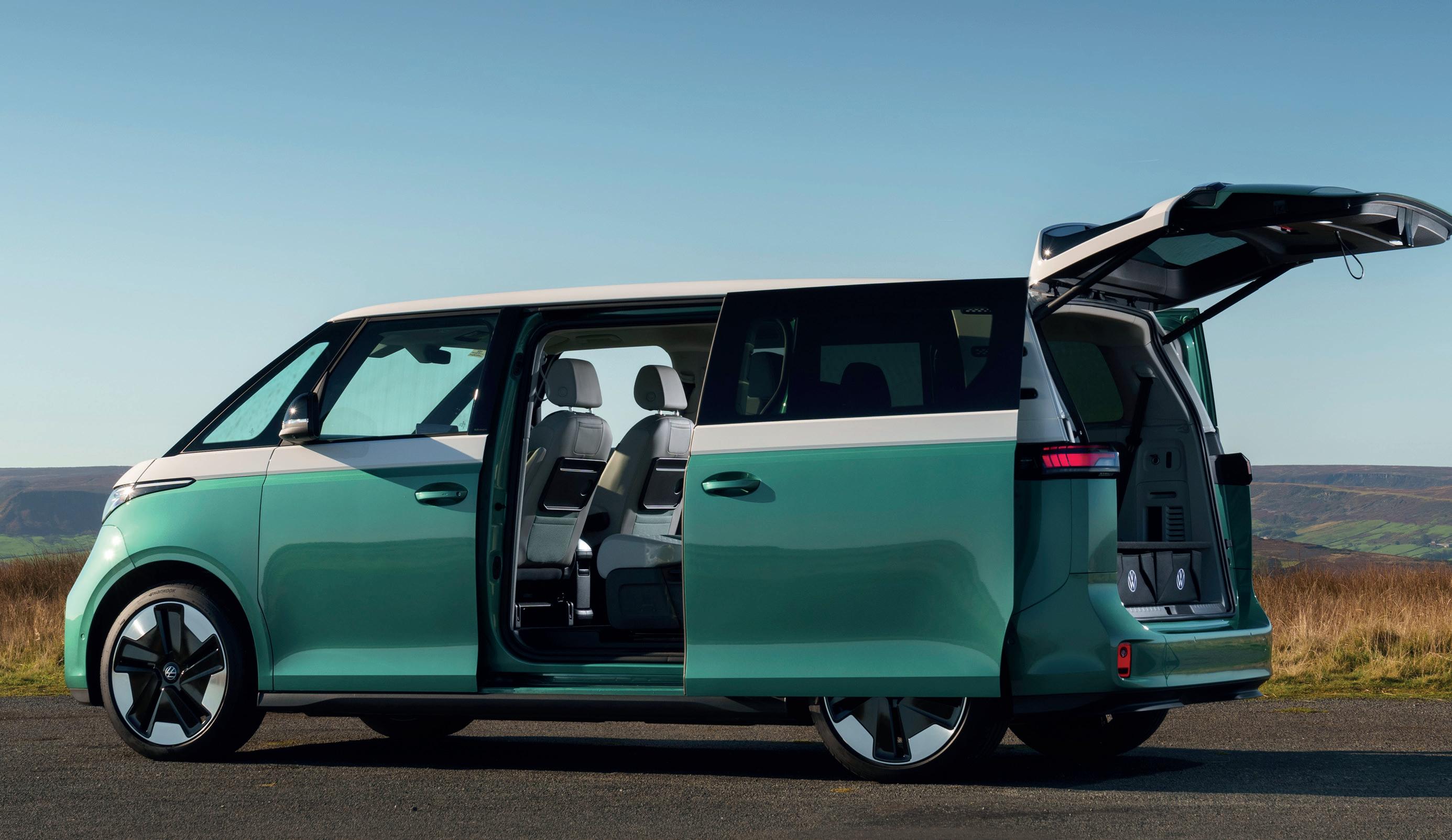
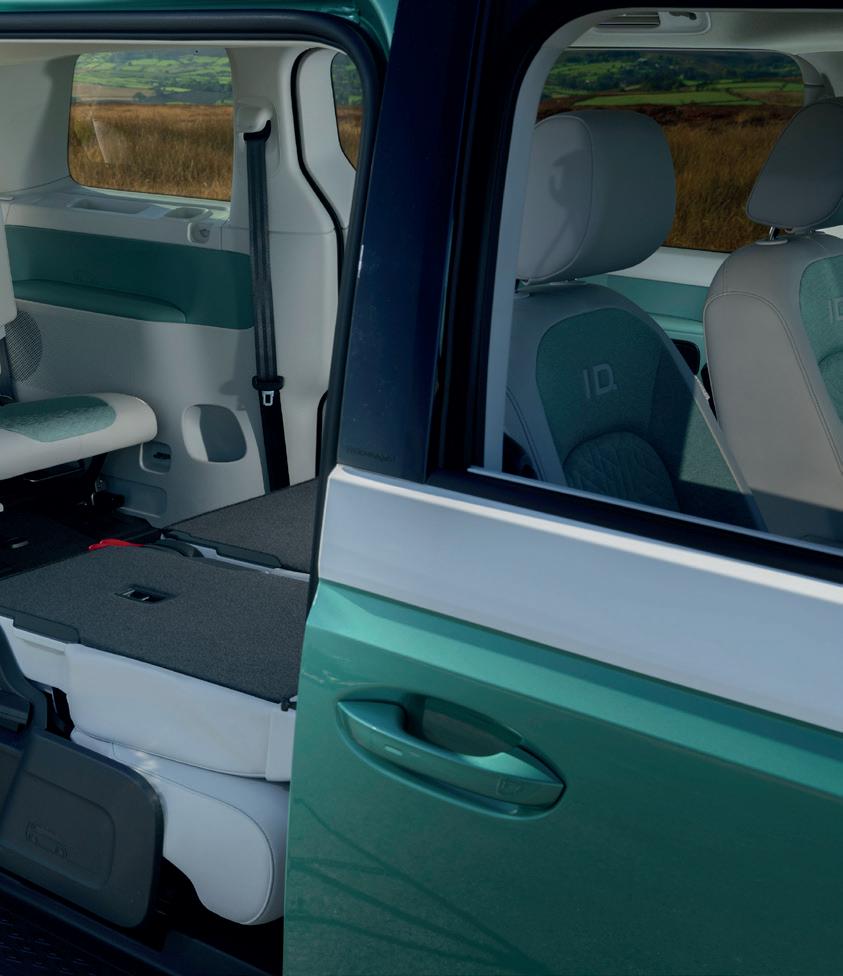
Behind the driver, powered doors slide open to reveal a truly cavernous space.
The rear bench splits 40/60 but offers three fullsized seats with enough space for proper grownups, not just kids. Legroom for the middle row is so generous Andre the Giant would have space to spare, even with the sliding bench in its most forward position.
That bench slides to give more legroom in the third row, but even with it fully back, there's room for two more adults in the back. So many “sevenseat” EVs are compromised when it comes to passenger space, but not the ID Buzz.
With all seven seats up, the ID Buzz has 306 litres of luggage space – more than a Vauxhall Corsa. In five-seat mode, that grows to a massive 1,340 litres, and with the second row folded it’s almost 2,500 litres.
VW took an absolute pasting due to problems with the driver controls and infotainment system in early ID cars. And rightly so. But that was six years ago and it has since significantly improved the interface.
It’s still not perfect. The sliders for volume and temperature are a stupid idea but they are now big enough, backlit and calibrated so they’re fairly easy to use. I’m not sold on the touch-sensitive panel for lights, screen demist etc either, or the reliance on the screen for anything but the most basic climate controls.
The screen itself is 12.9 inches, with big easyto-hit menu keys and a responsive OS, which means it’s easy to operate. The home screen is also customisable so you can give your favourite widgets or shortcuts priority.
After launching with a single powertrain, the ID Buzz now has three battery/motor combinations, depending on the model and specification.
Short-wheelbase versions use a 79kWh battery and a 282bhp rear-mounted motor. The longwheelbase we’re testing gets a battery boost to 86kWh, which in theory delivers up to 292 miles of range – 10 more than the smaller van. Above that, the “hot” GTX gets all-wheel-drive and 336bhp.
Officially, efficiency is 3m/kWh for the sevenseater, but expect closer to 2.5m/kWh in the real world – this is a big, heavy brick-shaped beasty. That means real-world range of around 210-220 miles. Still plenty to do the weekly school runs or get you between pee stops on long drives.
Charging for the bigger battery tops out at a healthy 200kW, which means a 5-80% recharge in under 30 minutes. My experience with the ID Buzz is that it maintains a high rate of charge
for a long time, meaning ultra-rapid top-ups are exactly that.
While the GTX’s 335bhp sounds like fun, the 282bhp and 413lb ft of the regular single motor is enough to keep the ID Buzz, well, buzzing along. A 0-62mph time of 7.9 seconds is pretty good for a 2.7-tonne van and there’s instant shove whenever you need it. Other drivers will be surprised how easily this bulky van keeps up with them.
It’s also surprisingly composed on the road. Yes, it’s tall, so don’t expect hatchback handling. Nonetheless, the van’s MEB platform also underpins a lot of electric cars and delivers decent ride quality, grip and stability, plus well judged steering weight. There is a “sport” driving mode but it’s a waste of time, especially since the upright seating position means you always feel like you are driving a van, not a car.
Despite its bluff shape and cathedral-like interior volume, the ID Buzz is nicely refined at
high speeds, with little of the boominess often associated with van-style MPVs.
Ask any T5 or T6 owner and they’ll tell you there’s a premium for having a VW badge on your van. The same is true of the ID Buzz, which starts at £60,000 for the five-seat Life trim and tops out at £70k for the seven-seat GTX.
In the middle is the tested Style 7-Seat, at £65,405 before options. It’s a lot of money, but it’s also a lot of van. In this specification, powered doors and tailgate are standard, as are adaptive LED matrix headlights, heated seats, steering wheel and windscreen, tri-zone climate control with rear-seat controls, a Harman Kardon stereo and 360-degree parking camera.
You also get adaptive cruise control, V2L charging and twin armrests for the front seats meaning you’ll want for virtually nothing.
Until now, the Buzz has been able to operate in a vacuum. If you wanted an electric people carrier that wasn’t an SUV or the size of a Transit van, it was pretty much your only option. And SUV rivals
like the Kia EV9 and Volvo EX90 were every bit as expensive.
Unfortunately for VW, Kia has just launched the PV5 which offers similar space for literally half the price. Yes, it’s not as powerful and has a shorter official range. And, no, it’s not as good looking or charming. But it’s £30k cheaper.
And that really is the ID. Buzz’s only problem. In isolation it’s a truly characterful and capable family vehicle that makes seven-seat SUVs seem dull and impractical.
It looks brilliant and delivers astonishing practicality and flexibility while showcasing a stylish car-like interior that any other van maker would kill for.
It’s good to drive, too. There’s plenty of punch from the motor, surprisingly competent handling, decent refinement and a range that will work for most families’ use.
It’s only when you consider that you can have a PV5 and a top-spec Renault 5 for the same money, that the Buzz loses a little of its lustre.
PRICE: £65,405 (£66,647 as tested)
POWERTRAIN: Single-motor, rear-wheel-drive
BATTERY: 86kWh POWER: 282bhp
TORQUE: 413lb ft TOP SPEED: 99mph
0-62MPH: 7.9 seconds
RANGE: 282 miles
CONSUMPTION: 3m/kWh
CHARGING: up to 200kW
There are race weekends that define seasons, AND THEN THERE ARE RACE WEEKENDS THAT DEFINE LEGACIES. Jaguar’s performance across the Jeddah double-header did both.
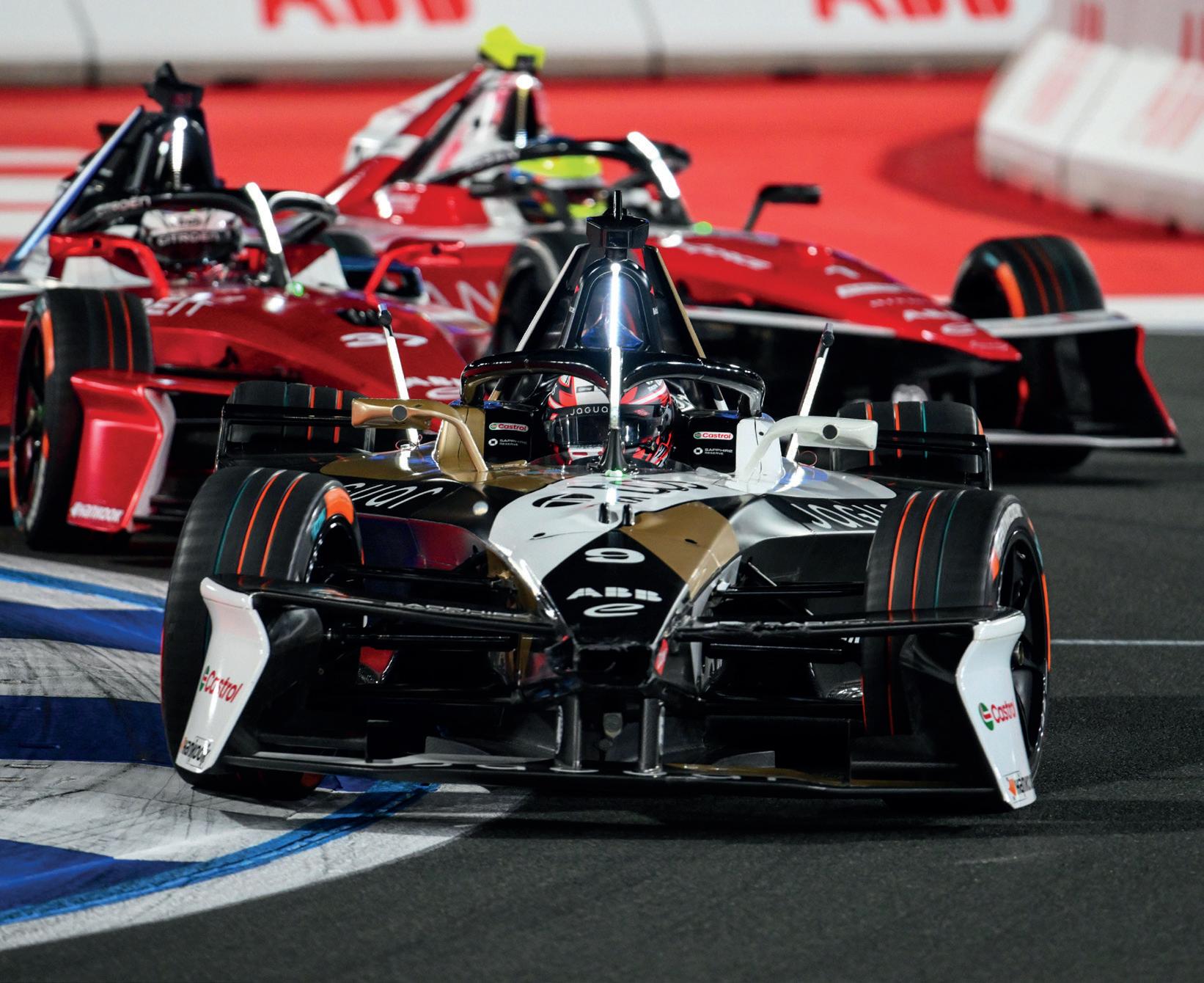
By the time the floodlights dimmed over the CORNICHE CIRCUIT on Saturday night, JAGUAR TCS RACING had secured a podium, a victory, a double top-five finish, and, most significantly, its 24th win in the ABB FIA FORMULA E WORLD CHAMPIONSHIP. That tally makes Jaguar the most successful team in Formula E history.
For a manufacturer that re-entered top-flight single-seater racing less than a decade ago, it was a milestone that spoke not just to speed, but to sustained excellence.
ROUND 4: Strategy & Composure
Friday’s Round 4 laid the foundations. Starting P10 and P6 respectively, Mitch Evans and António Félix da Costa were immediately thrown into a chaotic opening phase. A delayed start, threewide jostling into Turn 1, an early Full Course

Yellow and a Safety Car compressed the field and turned the race into a strategic chess match.
Da Costa attacked early once racing resumed, climbing into the top eight and positioning himself in the lead group. Evans, meanwhile, adopted a more measured approach, focusing on energy conservation, always the decisive currency in the GEN3 Evo era.
The pivotal calls came mid-race. Jaguar split strategies intelligently: da Costa opted for an early
PIT BOOST and ATTACK MODE deployment to regain track position aggressively, while Evans extended his first stint, briefly cycling into the lead before making his stop.
The result was a perfectly synchronised charge. Da Costa surged toward podium contention with a sequence of decisive overtakes, while Evans carved through the pack in the closing stages, using ATTACK MODE with clinical timing to secure third place at the flag. Da Costa followed home in fifth, sealing a double top-five finish that underlined Jaguar’s operational sharpness.
“Smart calls, clean execution and teamwork,” was how team principal Ian James summarised it, and it was hard to argue.
ROUND 5: A Statement Victory
If Round 4 was about control, Round 5 was about authority.
Starting third on Saturday night, da Costa embedded himself in the lead group from the

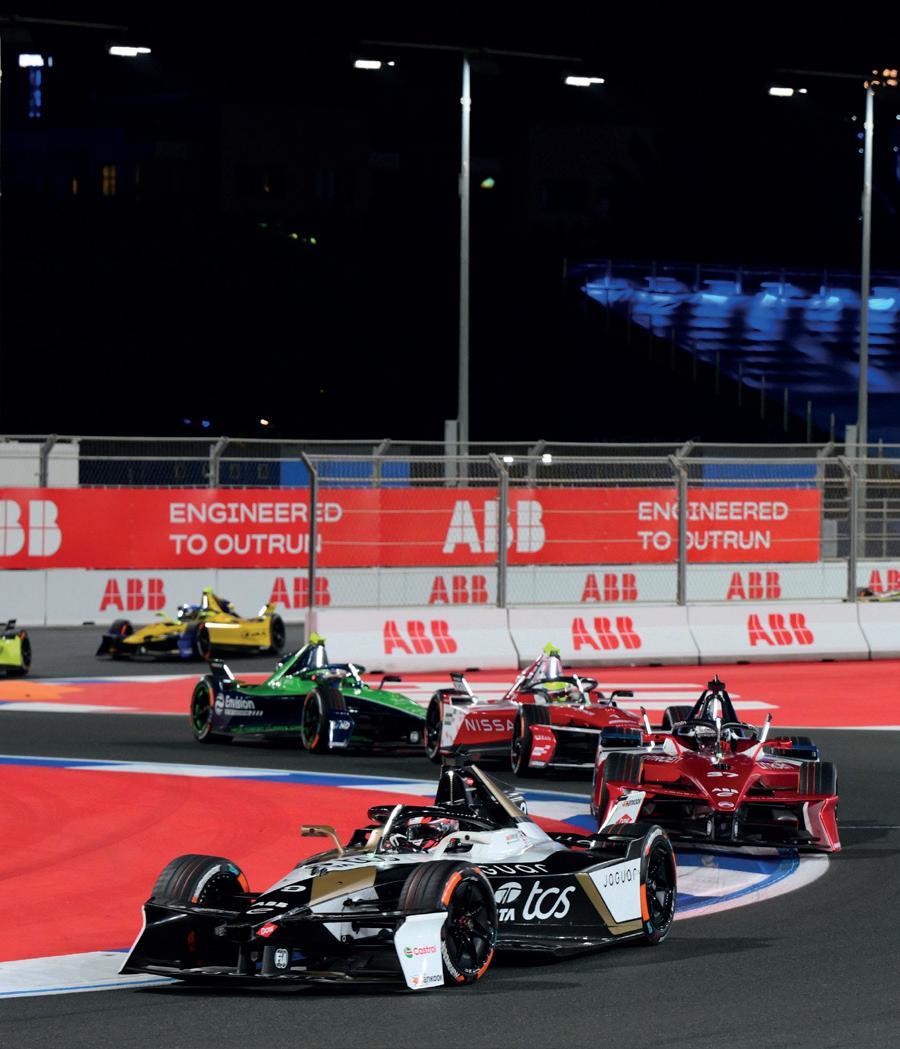
outset. The Portuguese driver, in only his fifth race for Jaguar, demonstrated the sort of composure that comes from experience, managing energy, resisting unnecessary battles and waiting for the right strategic window.
That window came when he became the first of the frontrunners to deploy both mandatory 350kW ATTACK MODE activations. The timing was decisive. With clean air and superior efficiency, the Jaguar I-TYPE 7 stretched a gap that rivals simply could not close.
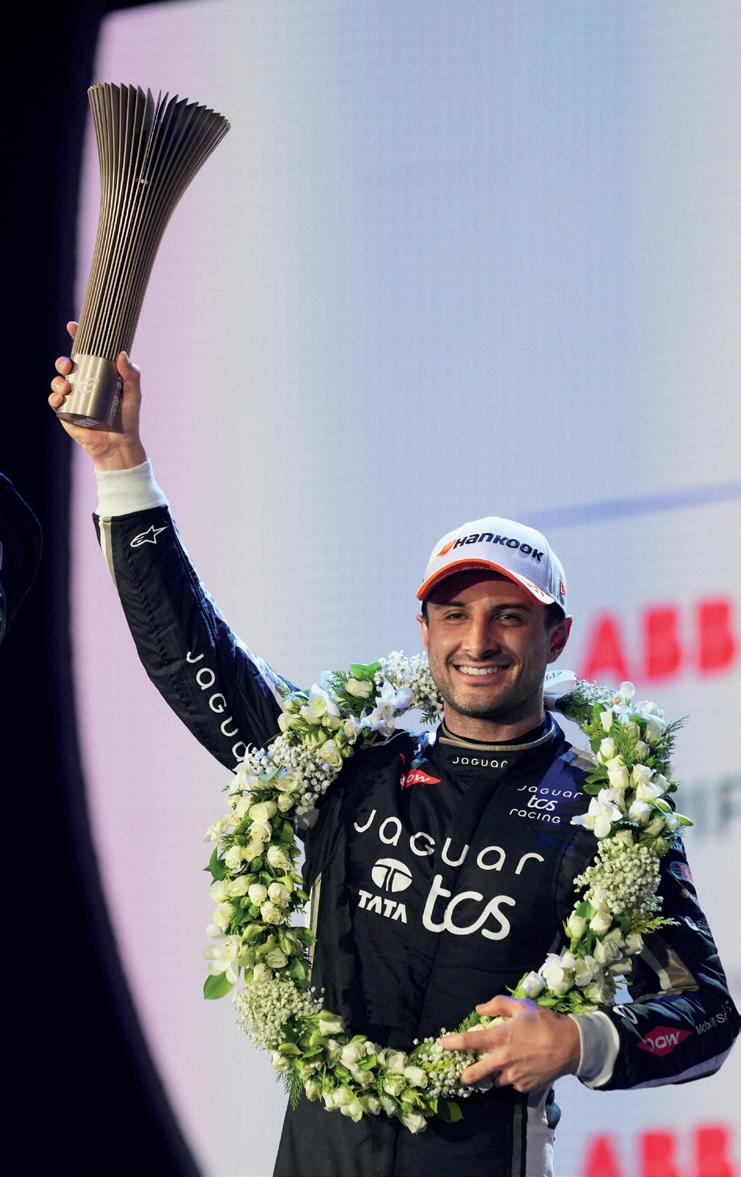
Da Costa crossed the line 2.5 seconds clear, his first victory in Jaguar colours, and the team’s 24th in Formula E.
“I knew once we had the gap and ATTACK MODE advantage that only something dramatic could take it away,” he said afterwards. “To help Jaguar become the most successful team in
Formula E history, that’s something I’m really proud of.”
Evans added seventh place to ensure solid points across both cars, capping a weekend that delivered a podium, a win and a clear message to the rest of the grid.
Perhaps more telling than the points, however, is the trajectory. Two wins in three races. A double-podium weekend. Operational confidence. Strategic clarity.
As the championship heads next to Madrid, Jaguar does so not merely as a contender, but
“To help Jaguar become the most successful team in Formula E history, that’s something I’m really proud of.” - DA COSTA
The Jeddah results elevate Jaguar TCS Racing to second in the Teams’ World Championship standings, with the manufacturer also holding second in the Manufacturers’ table. Evans remains firmly in the drivers’ title conversation, while da Costa’s breakthrough win injects further firepower into the campaign.
as the benchmark. A decade after returning to international single-seater racing, the Coventry marque has carved its name into Formula E history.
And if Jeddah is any indication, this record may only be the beginning.
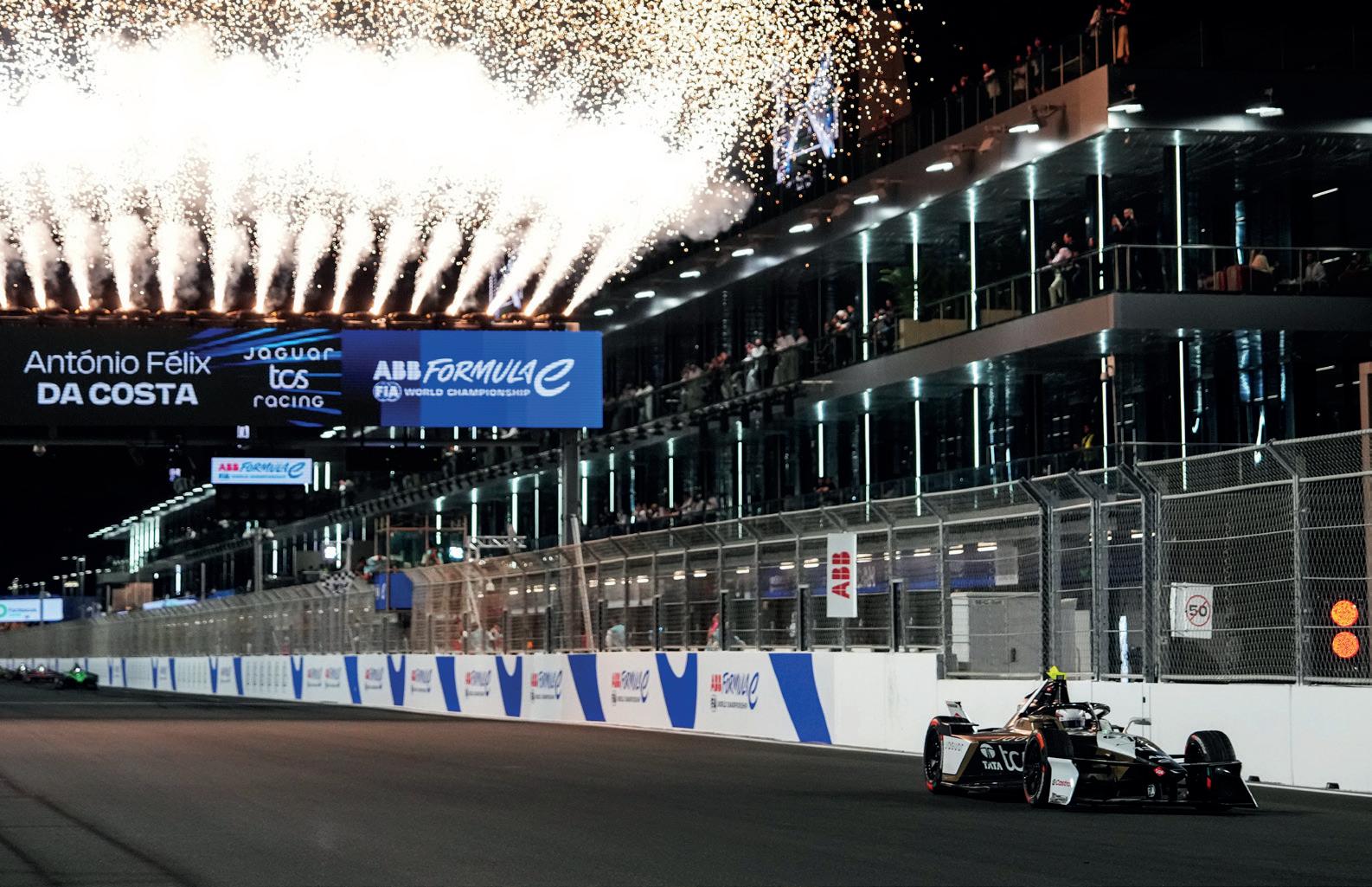

When ANTÓNIO FÉLIX DA COSTA crossed the line to win ROUND 5 of the 2026 JEDDAH E-PRIX, the result represented more than a personal milestone.
It secured JAGUAR TCS RACING’S 24TH RACE VICTORY in the ABB FIA FORMULA E WORLD CHAMPIONSHIP, making the British outfit the MOST SUCCESSFUL TEAM in Formula E history.
A decade on from Jaguar’s return to top-level single-seater competition in the all-electric championship, the achievement marks the culmination of a long-term strategy built on technical self-sufficiency, operational precision and sustained belief in electric racing as both a sporting and technological proving ground.
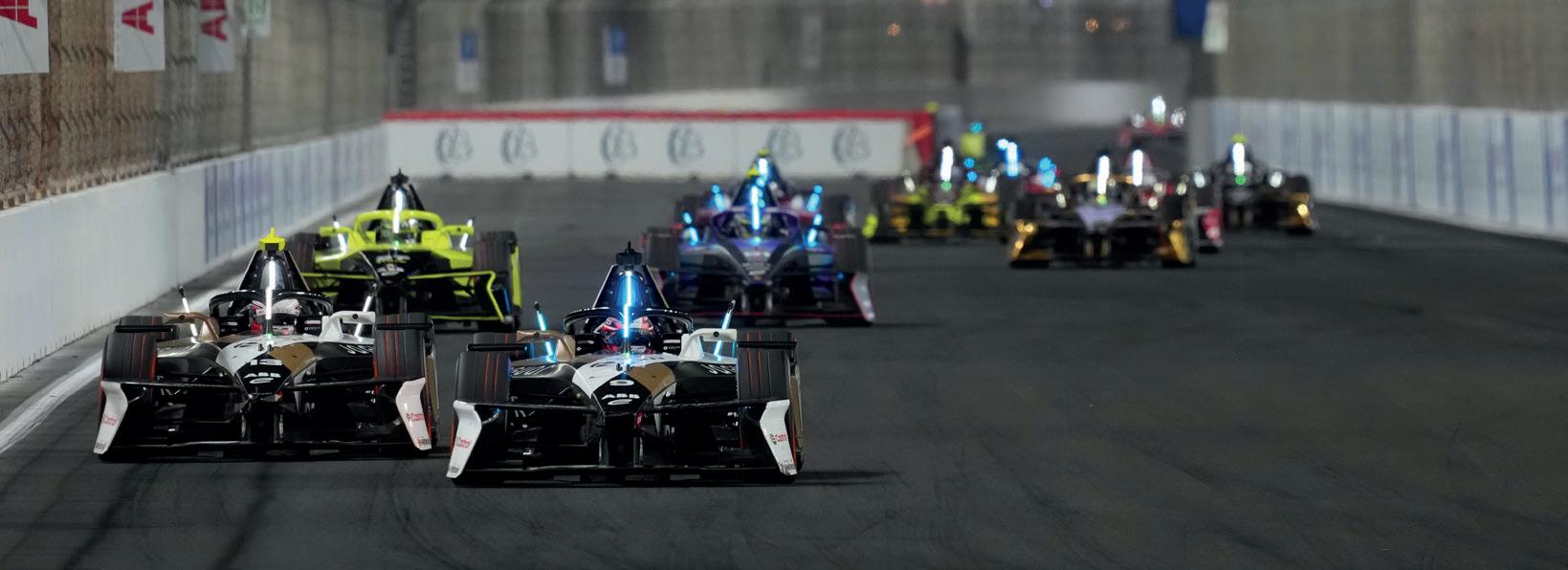
Starting third on the grid under the lights in Saudi Arabia, da Costa wasted little time asserting himself in the lead group. The Jeddah Corniche Circuit demands discipline as much as daring; energy management remains the decisive factor in modern Formula E, and overt aggression can quickly compromise efficiency.
Jaguar’s race engineers and da Costa judged the rhythm perfectly. While rivals cycled through the lead in an energy-sensitive opening phase, the #13 Jaguar I-TYPE 7 remained poised. The turning point came mid-race, when da Costa became the first among the frontrunners to deploy both of his mandatory 350kW all-wheel-drive Attack Modes.
The timing was decisive. With extra power and clear air, da Costa stretched a gap that proved unassailable, ultimately taking the chequered flag 2.5 seconds clear of his nearest challenger. It was a win forged through racecraft, software

calibration and disciplined energy deployment, hallmarks of Jaguar’s Formula E identity.
“This one means a lot,” da Costa said afterwards. “Changing teams is a huge workload, new people, new processes, but to deliver a win by race five and help Jaguar become the most successful team in
Round 5 to ensure valuable championship points across both cars. The New Zealander’s experience and da Costa’s fresh impetus have quickly gelled into one of the grid’s most balanced driver line-ups. “Massive congratulations to António and the whole team,” Evans said. “To see Jaguar reach 24 wins and



When Jaguar entered Formula E in 2016, it did so as the first premium manufacturer to commit to the championship’s electric future. The early seasons were developmental, focused on understanding the unique demands of a spec-heavy platform where marginal efficiency gains can decide outcomes.
Over successive regulation cycles, from GEN1 through GEN2 and into the current GEN3 Evo era, Jaguar refined its in-house powertrain philosophy. Thermal management, inverter optimisation, software mapping and deployment strategy have become competitive strengths.
The result is a team capable not only of individual victories but of sustained competitiveness.
Twenty-four wins in 10 seasons reflect not sporadic brilliance but structural robustness.
Team principal Ian James described the Jeddah victory as a defining moment.
“Today is hugely significant for Jaguar TCS Racing,” he said. “António drove with precision and confidence, Mitch delivered strong points, and the entire team executed at an exceptional level. Two wins in three races and a double-podium weekend show the consistency we’re building.”
The result moves Jaguar TCS Racing to second in the Teams’ World Championship standings, with the manufacturer also retaining second place

in the Manufacturers’ table. Evans sits fifth in the drivers’ standings, while da Costa’s breakthrough victory elevates him to seventh.
Crucially, the pace displayed in Jeddah suggests the team’s ceiling remains higher still. Efficiency gains in the I-TYPE 7, combined with strategic confidence in deploying Attack Mode, position Jaguar as a genuine title threat as the season progresses.

Next on the calendar is the inaugural Madrid E-Prix, also set to mark da Costa’s 150th start in Formula E. For Jaguar, the symbolism is fitting: a team that once entered the championship as a technological experiment now arrives in Spain as its most decorated competitor.
Ten years after returning to racing, Jaguar stands alone at the top of Formula E’s all-time win list. On current form, the number 24 may not remain the benchmark for long.

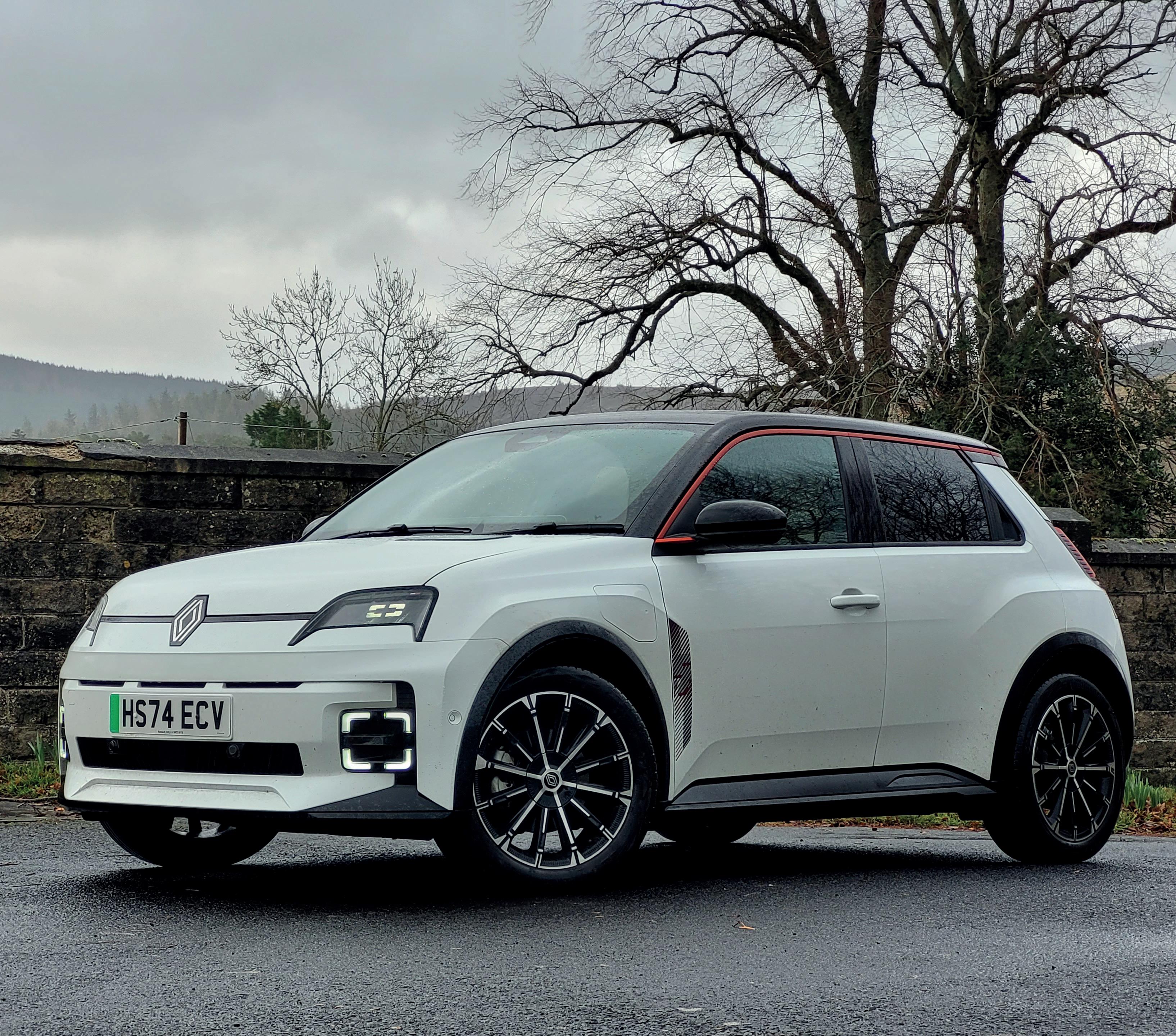
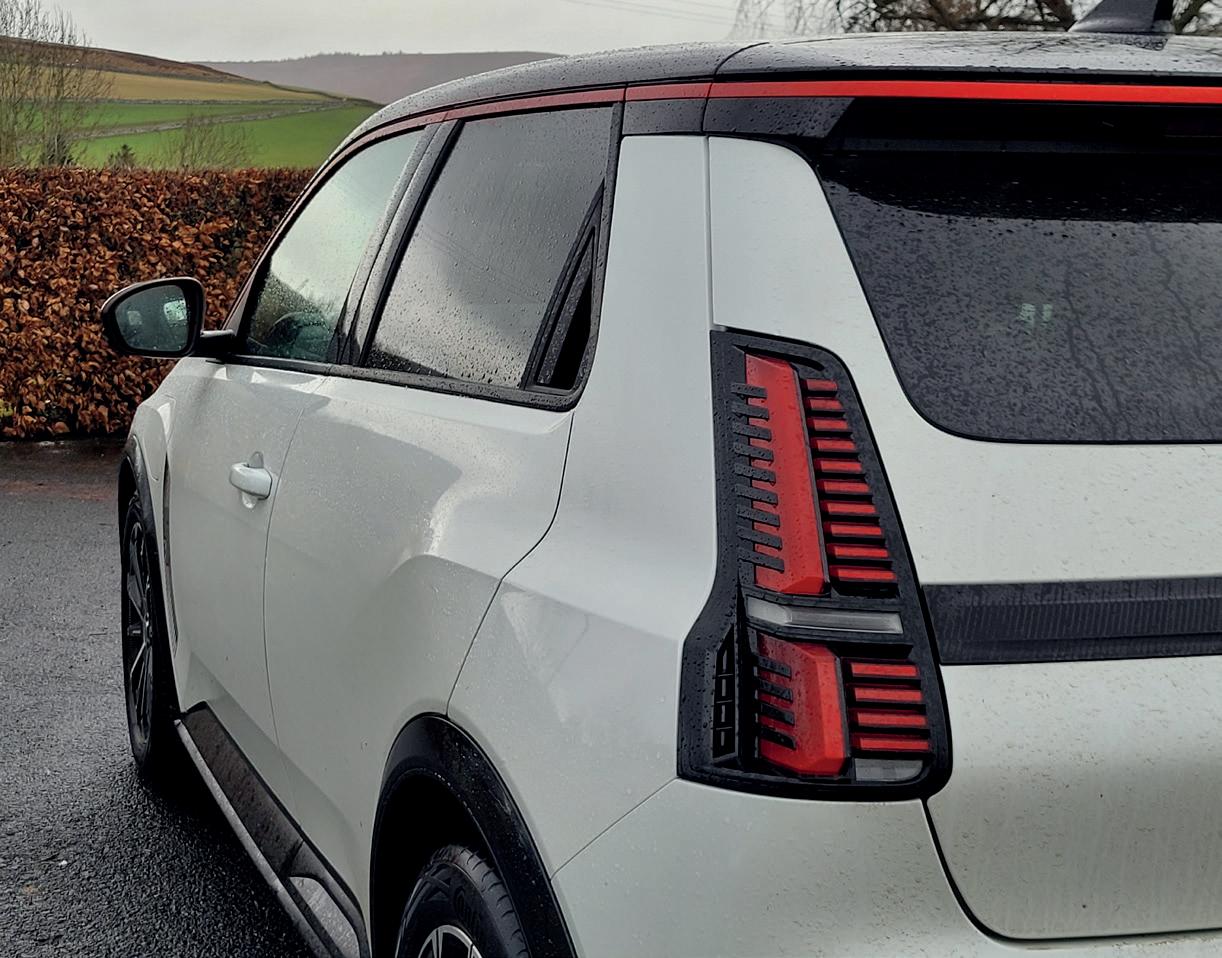
This time it has scooped the overall title of UK Car of the Year, making it 45 national and international awards in just over a year.
And it’s easy to see why. A couple of months into our stewardship and my fears that perhaps it won’t live up to the hype have proved unfounded.
The R5 has fitted perfectly into our family life, carrying out the basic “second car” tasks with charm and capability. In fact, it has become something of a battleground in the Allan household. My wife is constantly trying to bag it as her commuter car while I want it for the day-to-day ferrying of our kids around, as well as my frequent trips to Edinburgh.
We’re not quite at the stage of hiding the keys from each other, but we’re not far away.
The fact is, for so many tasks it’s the better choice than our massive ID Buzz family car. Whether it’s nipping to the shops, fighting our way through town, or negotiating an airport car park, the 5’s small footprint, agility and responsiveness make it a pleasure to use. And, as long as there are only two or three of us, there’s enough space for it to act as a family car. Just don’t expect to get anyone
PRICE: £28,995 excluding ECG (£30,045 as tested)
POWERTRAIN: Single-motor, front-wheel-drive
BATTERY: 52kWh
POWER: 148bhp
TORQUE: 181lb ft
TOP SPEED: 93mph
0-62MPH: 7.9 seconds
RANGE: 251 miles
CONSUMPTION: 4m/kWh
CHARGING: up to 100kW
behind a taller-than-average driver, and forget about fitting three people in the back seat. It’s not going to happen.
Both of us were left bereft when the car was briefly whisked away to have its annual service done, but it was back with us quickly and – very briefly –clean. The only downside was that the garage reset the trip computer, so my carefully laid plans to get a long-term real-world efficiency figure have been dented. Still, things are looking up.
The start of this month was much like the last one, with temperatures
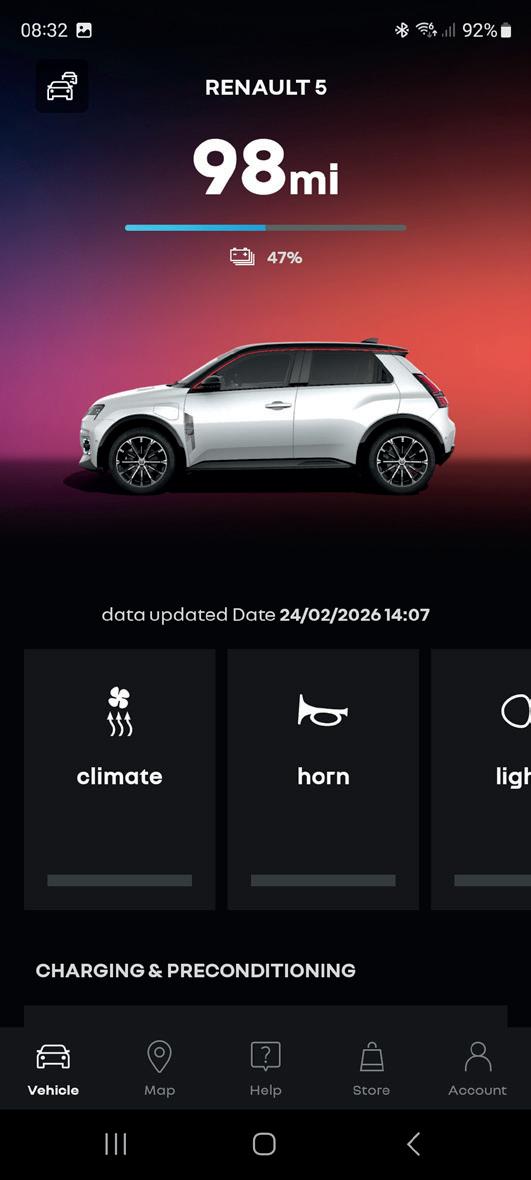
close to zero and efficiency around 2.5m/kWh, which is pretty poor. The good news is that recent weeks have seen the mercury rising and efficiency doing the same. Post-service, I’m seeing around 3.5m/kWh, which should mean more than 200 miles on a charge.
This month I also finally managed to get the MyRenault app to speak to the car. In my previous Scenic long-termer this took about 30 seconds and worked flawlessly.
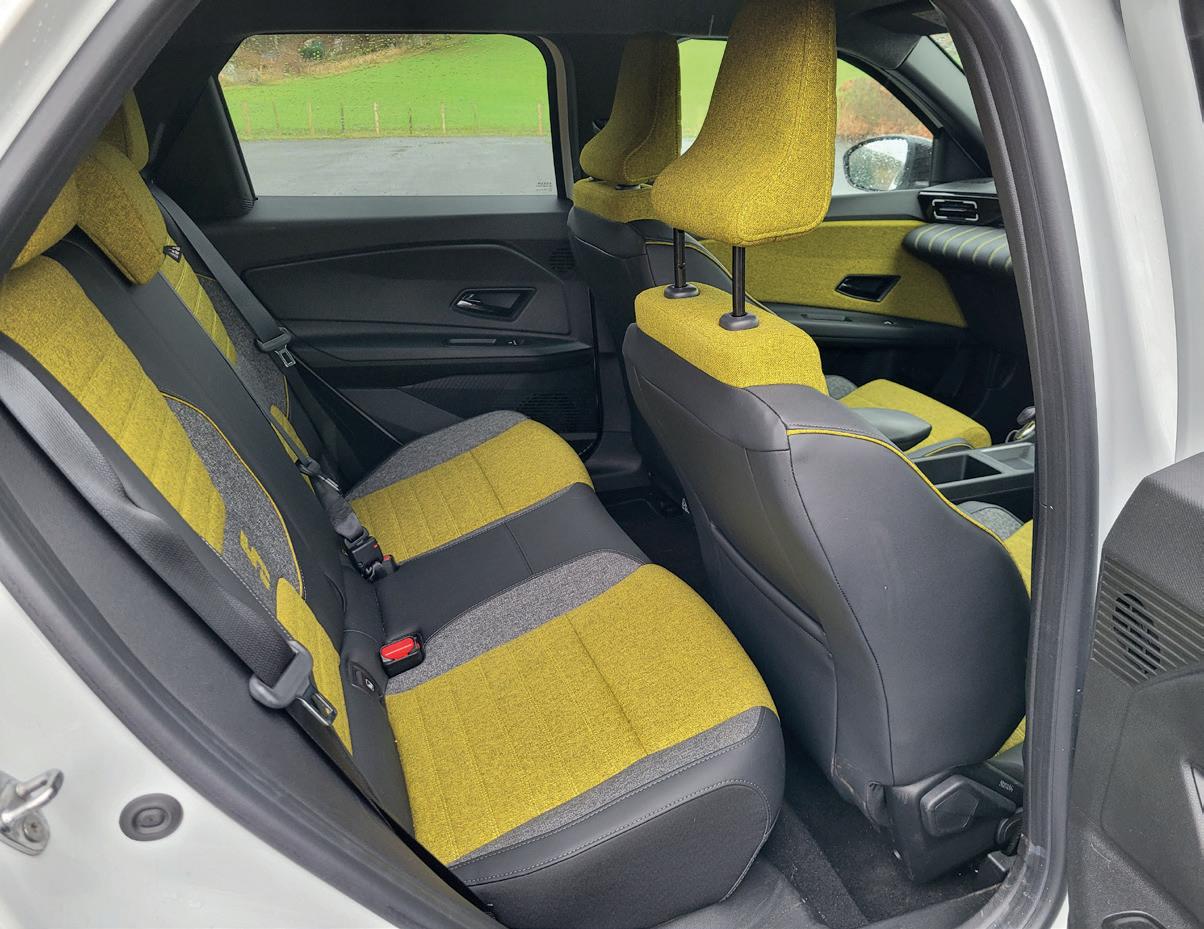
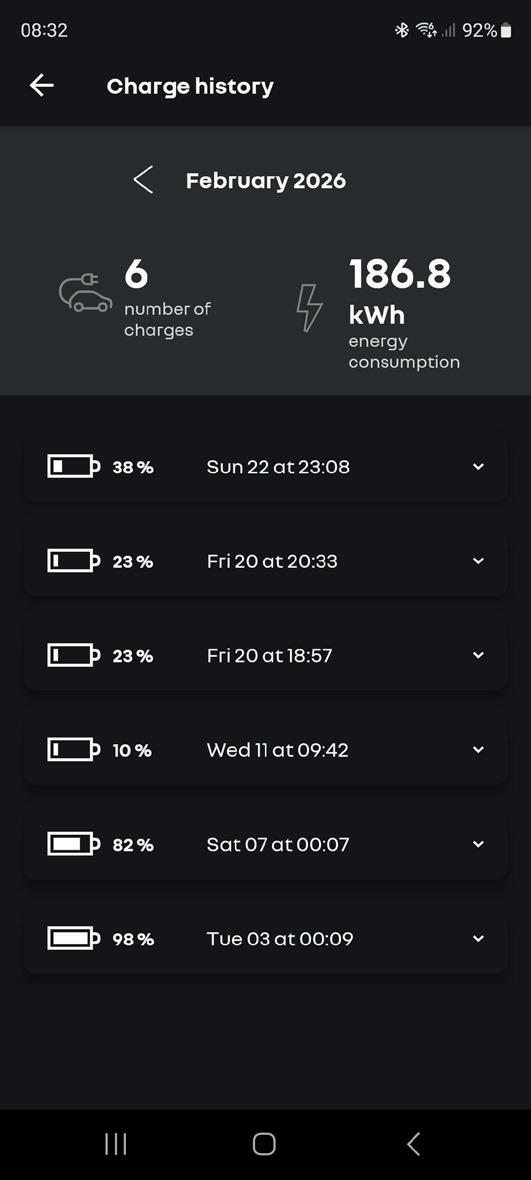
With the R5 it has taken me weeks to figure out that a previously used profile was blocking me from connecting things properly.
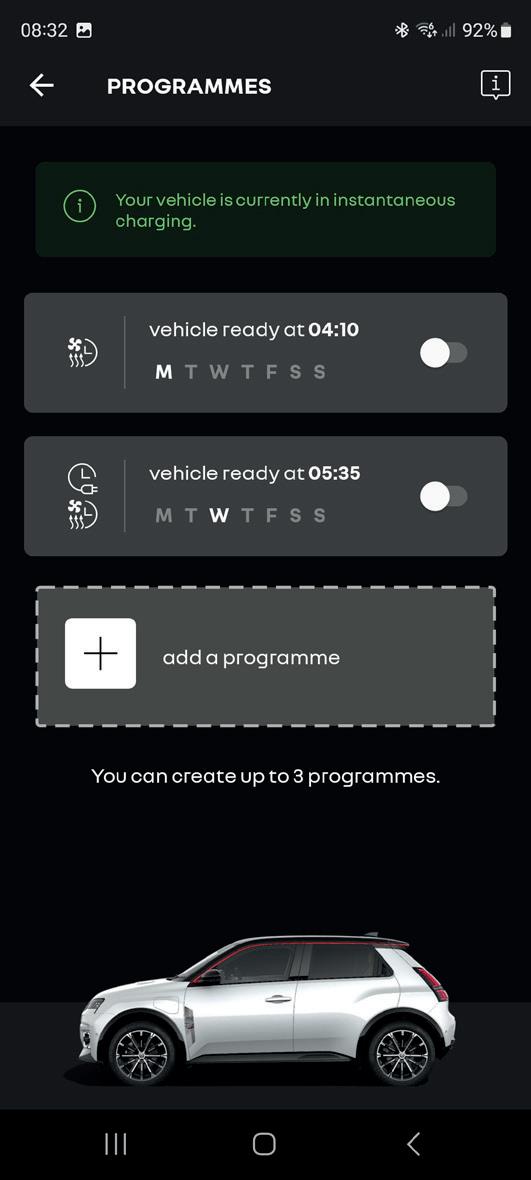
Now that it’s working I’ve got access to all the remote controls that make EV ownership so easy. I can check charge and range status with the press of a button, pre-programme the car to be heated for an early morning departure, or activate it on the fly when we’re out and about.
I can even track my charging history, which is great for calculating running costs. So far this month, it’s cost me £15 to cover around 500 miles, equivalent to about 3p per mile. A Renault Clio hybrid returning its official 64mpg would have cost more than £45, so another win for electric power.
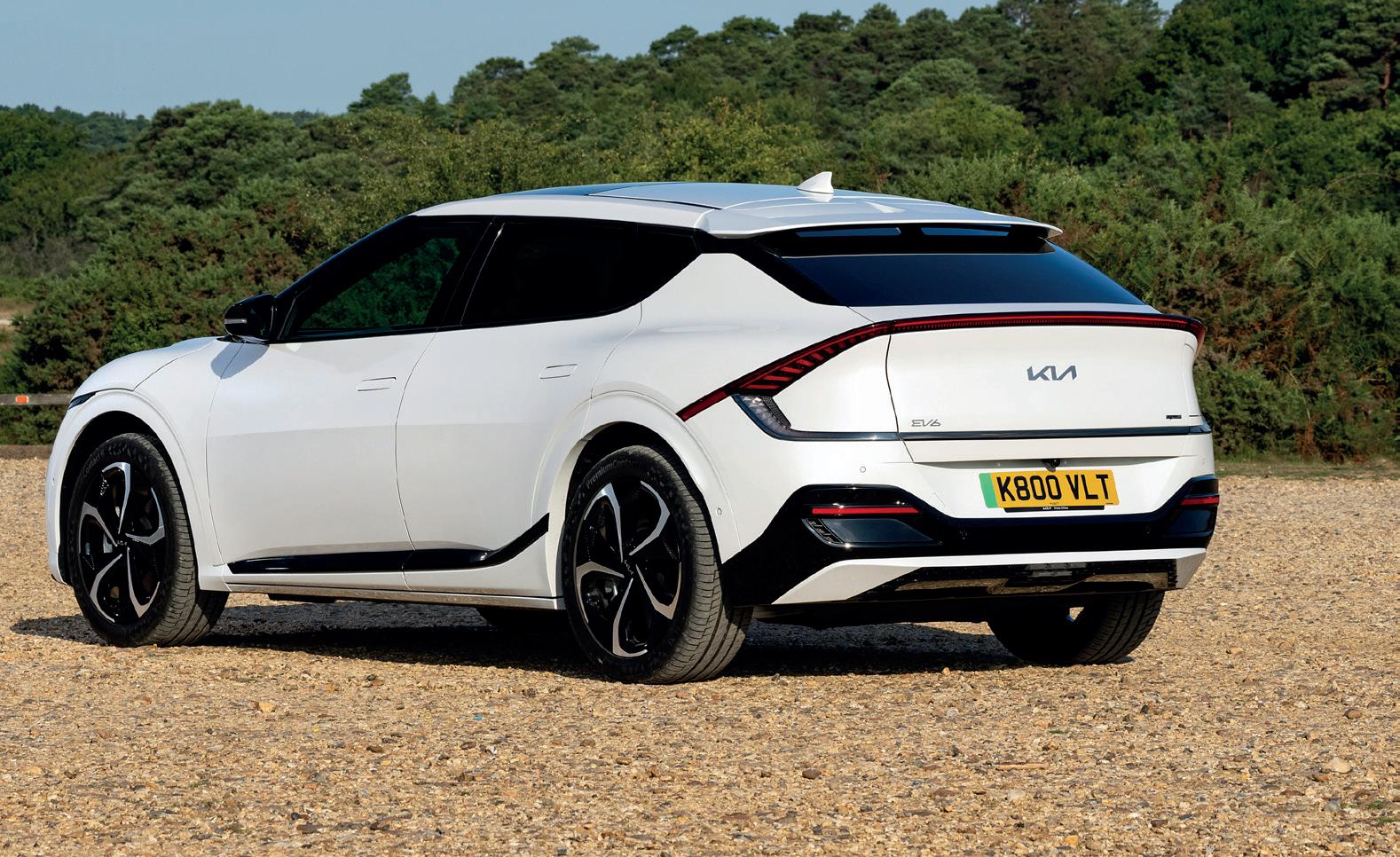
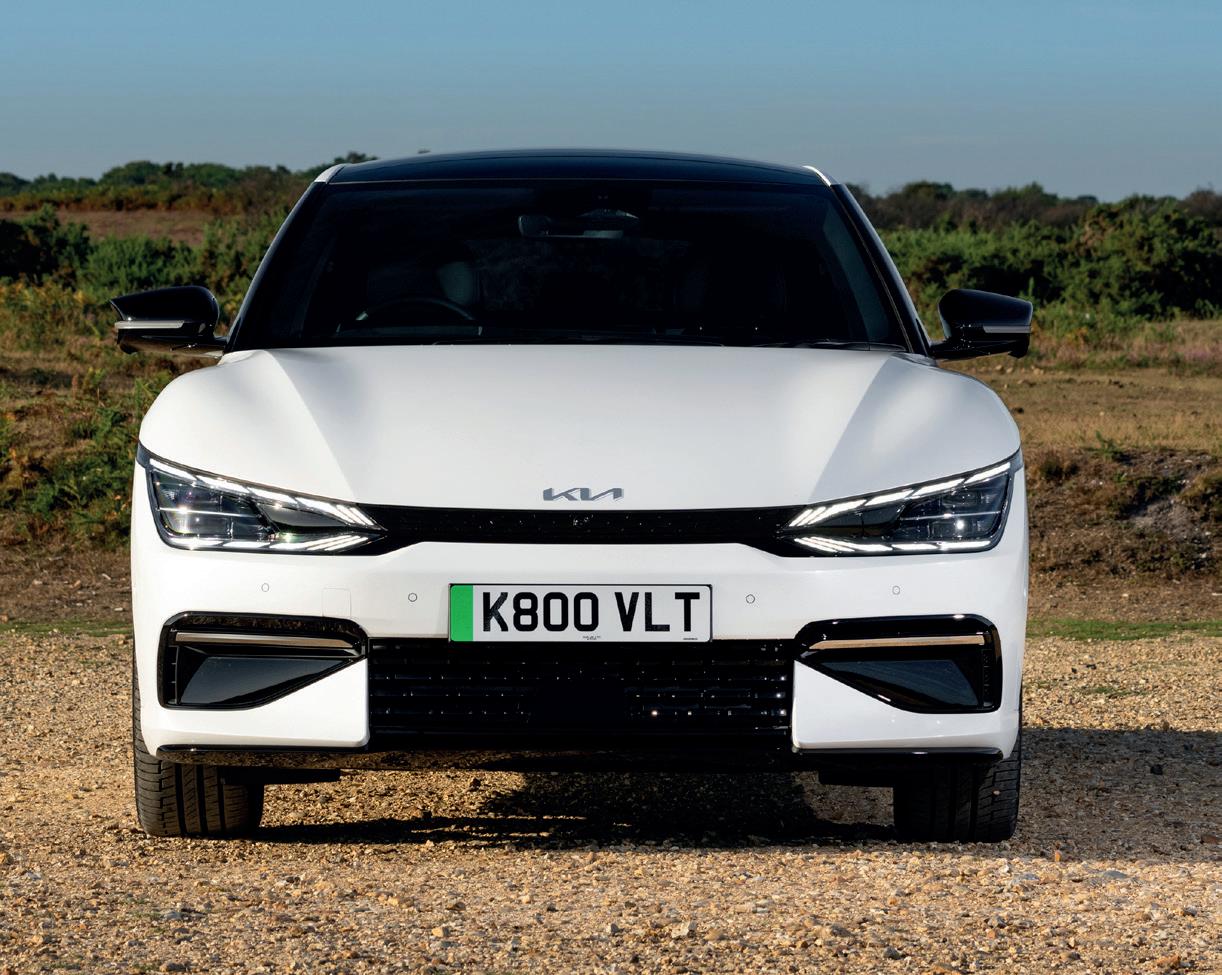
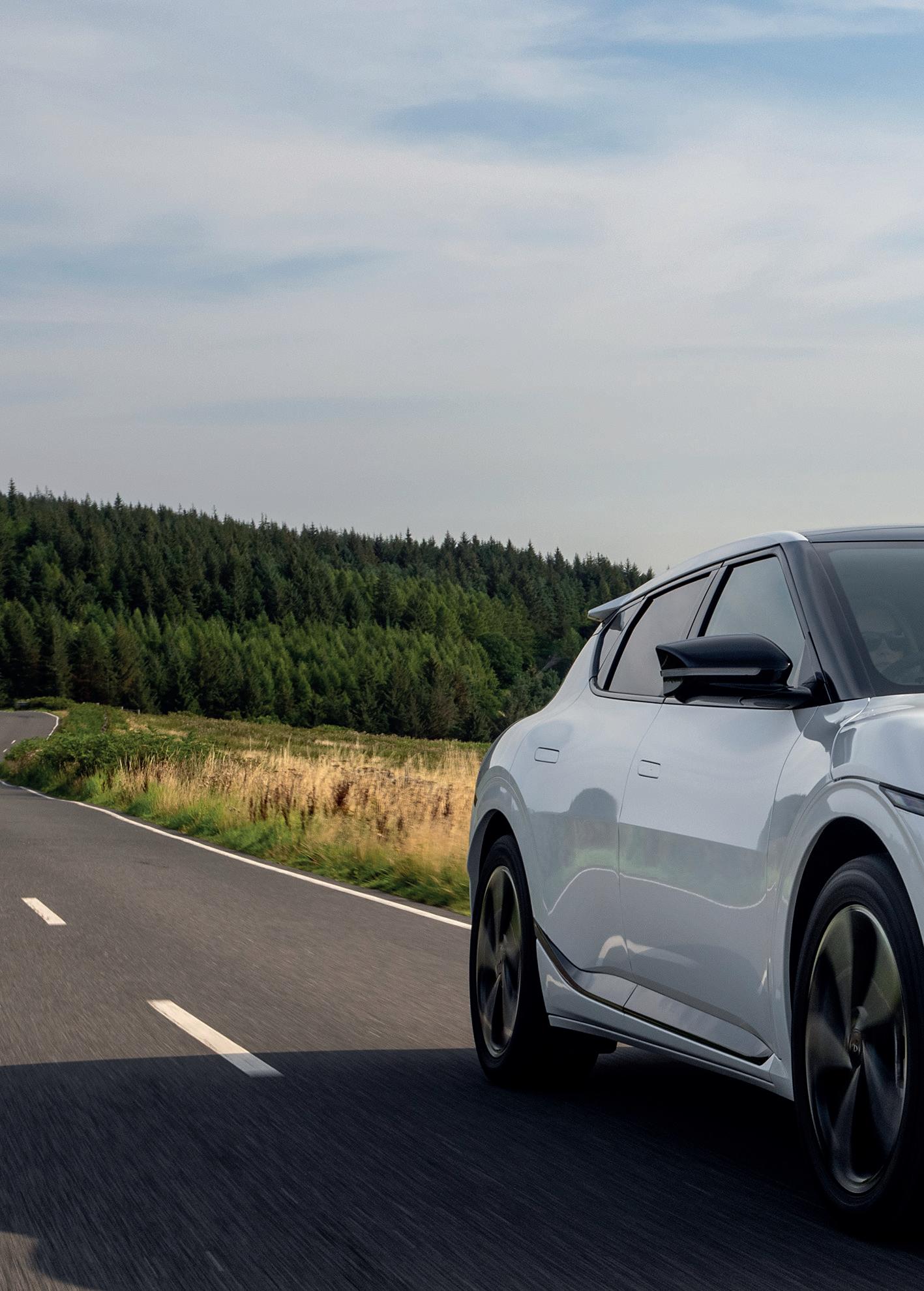
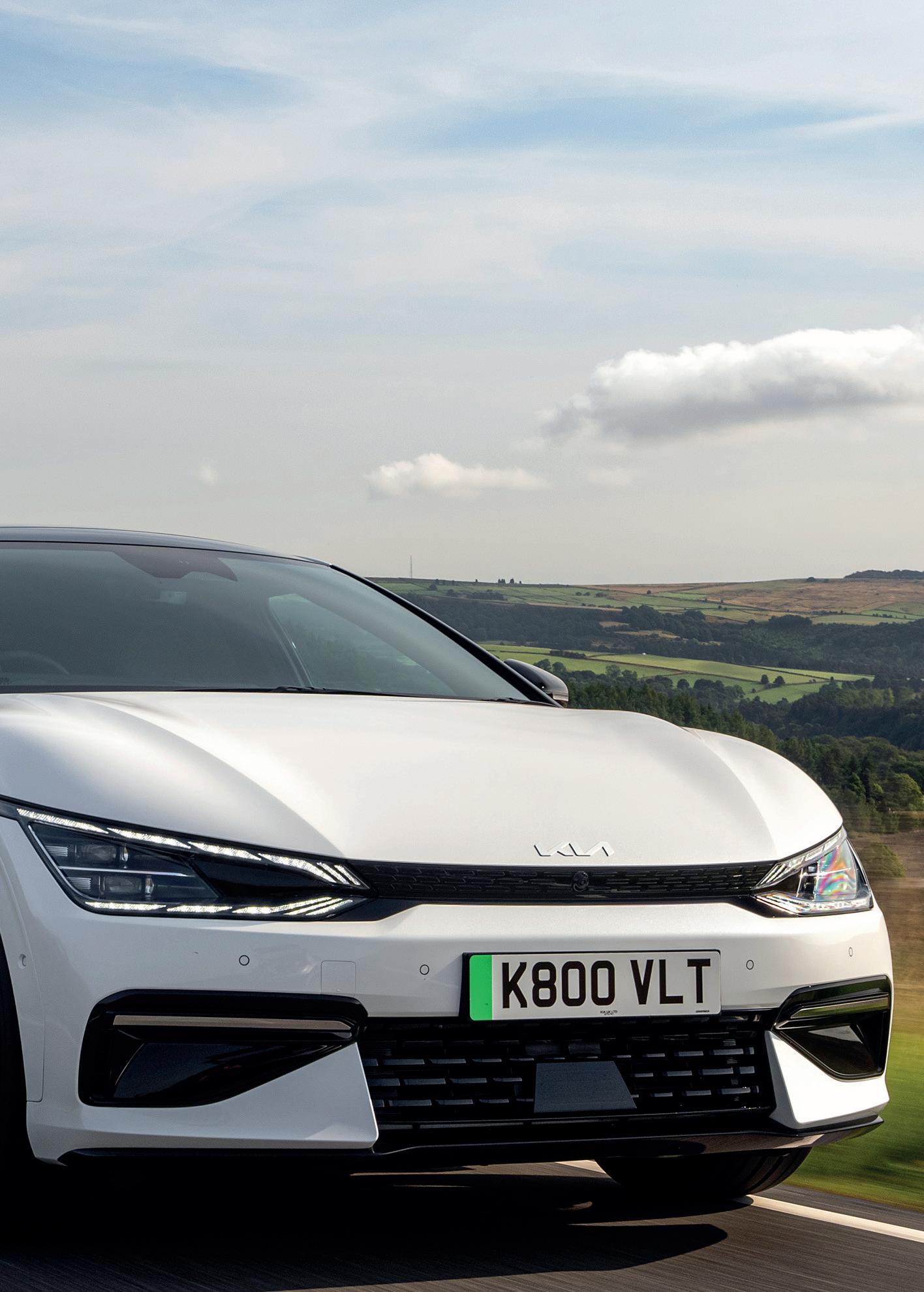
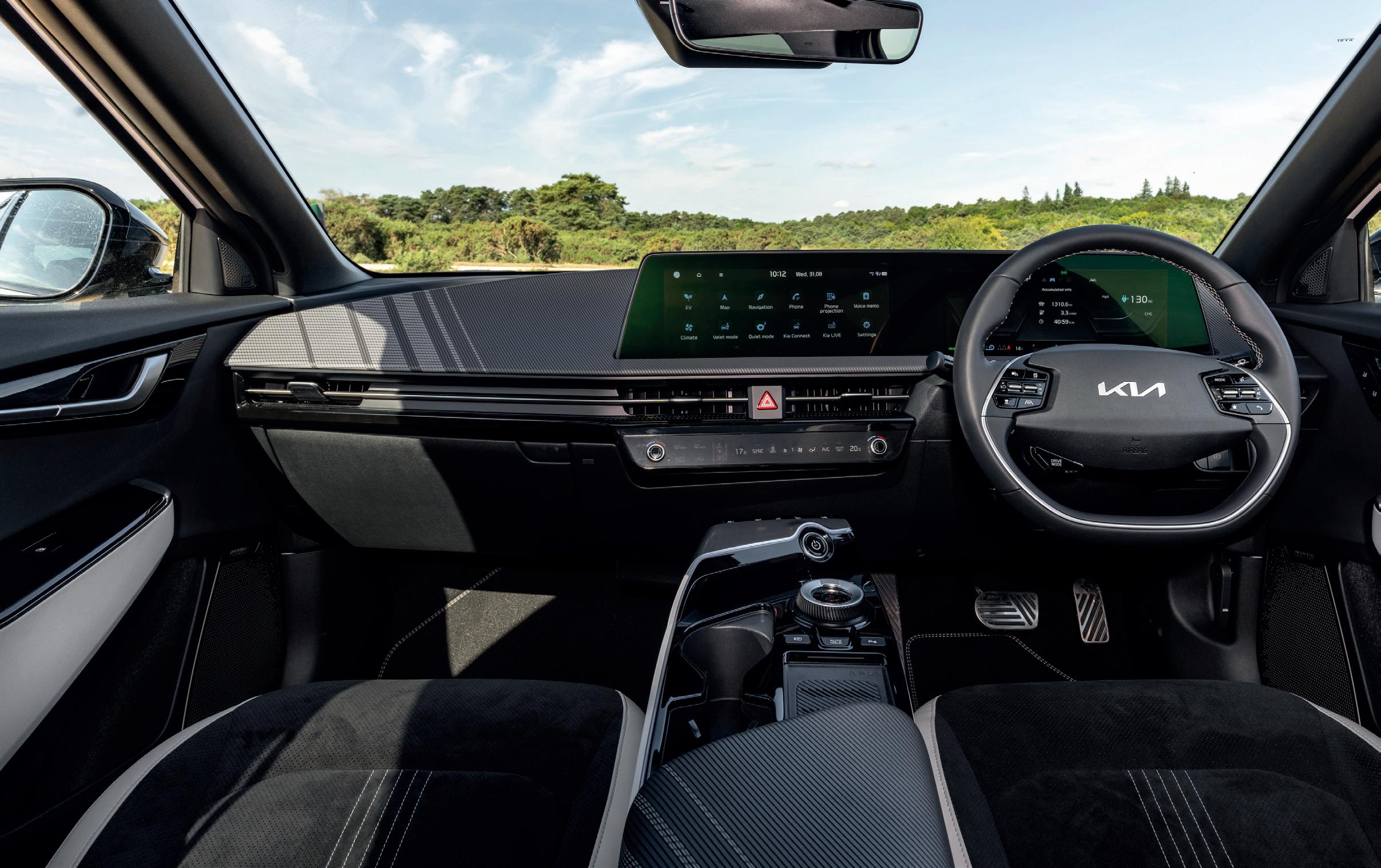
The GT-Line builds on this by adding adaptive headlights, front parking sensors, tinted privacy glass, plus additional safety kit. Step up to the EV6 GT-Line S, and Kia adds 20-inch wheels, a panoramic sunroof, heated outer rear seats, a driver's head-up display, ventilated front seats, an electronicallyassisted tailgate, a 360-degree parking camera, and a 14-speaker Meridian sound system.
In December 2023, Kia introduced a special 'Horizon' edition. Based on the Air trim, the Kia EV6 Horizon came with LED headlights, front parking sensors, heated outer rear seats, and an electronically adjustable driver's seat.
Part of the EV6's appeal to drivers crossing from internal combustion to electric was its cabin. Not all of its functions were embedded in the two 12.3-inch digital displays, and Kia resisted the urge to fully embrace minimalism or migraine induction as Tesla and Mercedes have.
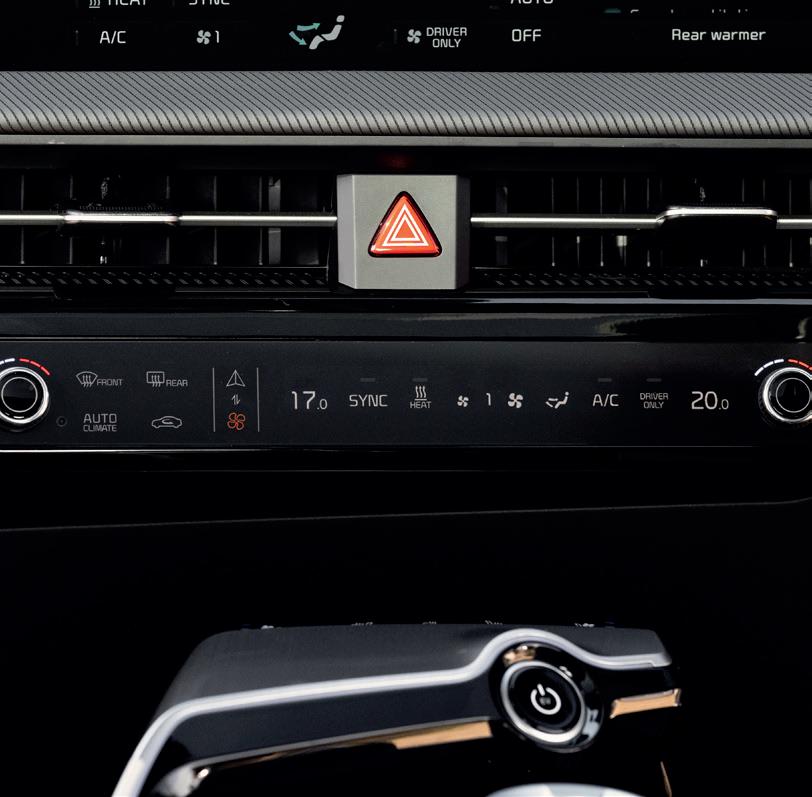
Throughout the cabin, the EV6 has plenty of physical controls. Most notably, these sit below the central air vents for adjusting the cabin temperature, while the twospoke steering wheel has tactile switchgear for managing the sound system, the in-car phone, and driver assists.
If you don't want to use Kia's rather good in-built infotainment system, Apple CarPlay and Android Auto come as standard.
It's worth noting that all pre-facelift cars come with a vehicle-to-load (V2L) three-pin socket, delivering up to 3.6kW of power to electrical items such as refrigerators, TVs, and even medium-sized air conditioning units.
The biggest visual difference between the Mk1 and facelifted EV6s is the use of cabin materials and hardware. In newer cars, Kia has dropped the easily marked Piano Black trim in favour of a harder-wearing matte-finished material. The two-spoke steering wheel has also been dropped for a three-spoke unit.
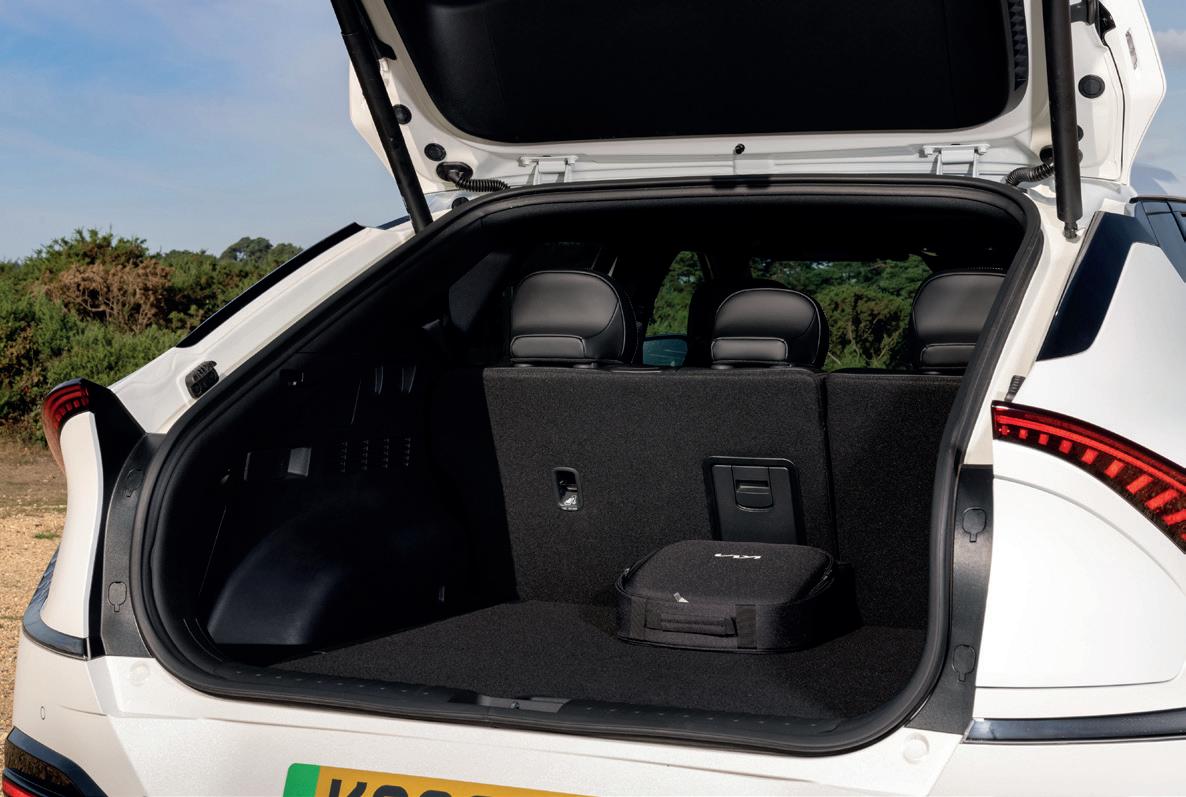
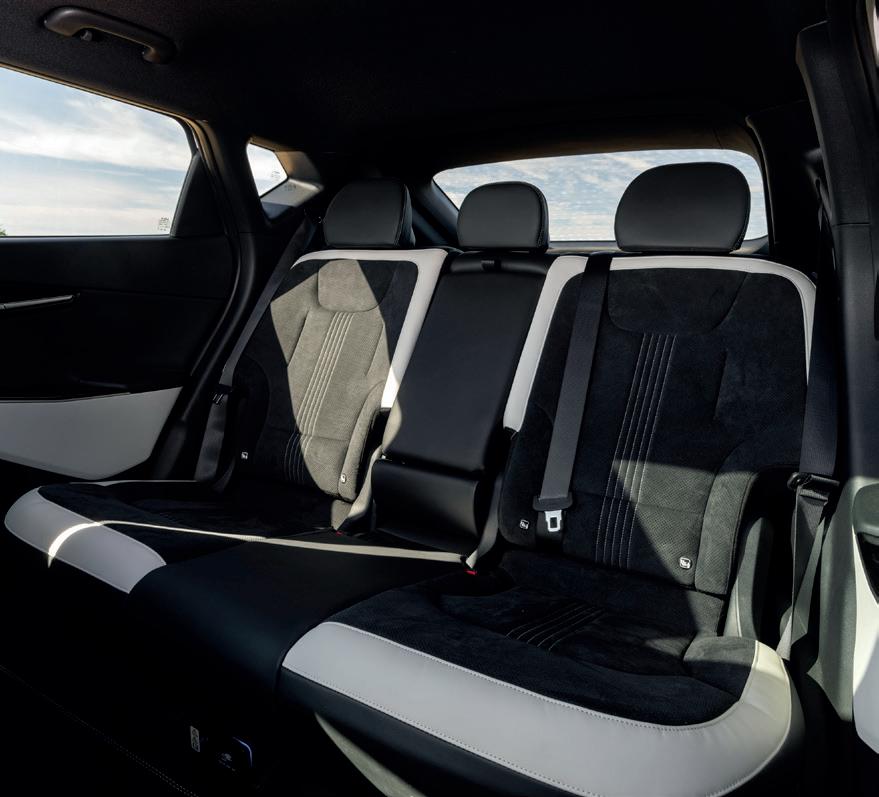
Inside the EV6, there's plenty of room. With the back seats up, there's 490 litres of boot space; fold them down, and that becomes 1,300 litres. A variableheight floor adds to the car's overall versatility.
All EV6s come with a frunk, but the drivetrain will determine how much space you get up front - RWD cars provide anything from 20 to 52 litres worth of additional storage, while more powerful AWD models have between 20 and 25 litres of extra room.
A multiple award winner, the Kia EV6 was - and remains - a popular choice amongst UK buyers. Using AutoTrader, we found 346 cars for sale through dealer networks. As always, we strongly recommend buying from an approved dealer. The premium you will pay over an unofficial retailer will provide you with peace of mind and transparency about your car's history. The security net from an approved dealer also means that unfortunate issues with the vehicle are likely to be fixed sooner rather than later.
The cheapest approved used Kia EV6 was a 2022 GT-Line model with 30,696 miles on the clock costing £21,950. The most expensive was a 2023 GT-Line S,

with a total mileage of 14,271 and a £30,380 price tag. Both were RWD and fitted with the 77.4kWh battery.
RWD cars with 226bhp promise a WLTP range of up to 328 miles. Meanwhile - and somewhat unsurprisingly - the extra power from the 321bhp AWD powertrain reduces higher-spec EV6s' range from 300 to 314 miles.
Nonetheless, the EV6's single battery choice makes refuelling costs easy to understand: Using a home charger with a dedicated EV tariff, a 0-100% charge can cost you as little as £5.41.
Note, however, that using the UK's public charging network will be more expensive, as charge point operators (CPOs) such as BP Pulse

and Instavolt start from 89p per kilowatt hour.
As we established earlier, the Kia EV6 rides on an 800V architecture, meaning it can be charged from 10% to 80% in just 18 minutes with a 250kW ultra-fast charger. Using a standard 7kW wallbox, a 10% to 100% takes a respectable seven hours, 35 minutes.
All Kias come with a sevenyear/100,000-mile comprehensive warranty, and the EV6 is no exception. This means that all used EV6s you come across are still covered. The battery also promises
to retain at least 70% capacity for the same period.
On April 1 2025, EVs became taxable under new government legislation, meaning they are no longer exempt from road tax. As such, all-electric cars registered from April 1, 2017 onwards will now be taxed £195 annually.
The Kia EV6 isn't the most expensive EV to insure. The Horizon and Air models sit in insurance bracket 34 (out of 50), while GT-Line S cars sit in group 40.
Even if you're in the market for a facelifted car, the insurance costs will not exceed group 40. Nonetheless, the EV6 can be more expensive to insure than the Cupra Tavascan and the Ford Capri. It is, however, cheaper than the Hyundai Ioniq 5 and the Tesla Model 3.
Kia EV6 drivers are generally a happy bunch, with owners citing very few issues with dealership customer service and the car itself. The problems reported were largely minor electrical niggles related to the infotainment system, 12V
battery, and the charging ports. Nonetheless, this led to dashboard warning lights and/or unexpected breakdowns.
Issues with the EV6's keyless entry system were also mentioned. In terms of reliability, the most recent What Car? reliability survey placed Kia 11th from 31 brands, above Tesla and Nissan but behind Hyundai in 10th. The EV6 ranked 17th among 27 cars, above the Ariya, but below the Model Y.
The Kia EV6 has been recalled three times since its 2021 introduction.
The first was in May 2022, with a batch of 3,805 vehicles recalled over a faulty Shifter Control Unit.
The second was in April 2024, following a driveshaft issue; the third and final recall to date took place the following month over a problem with the Integrated Charge Control Unit.
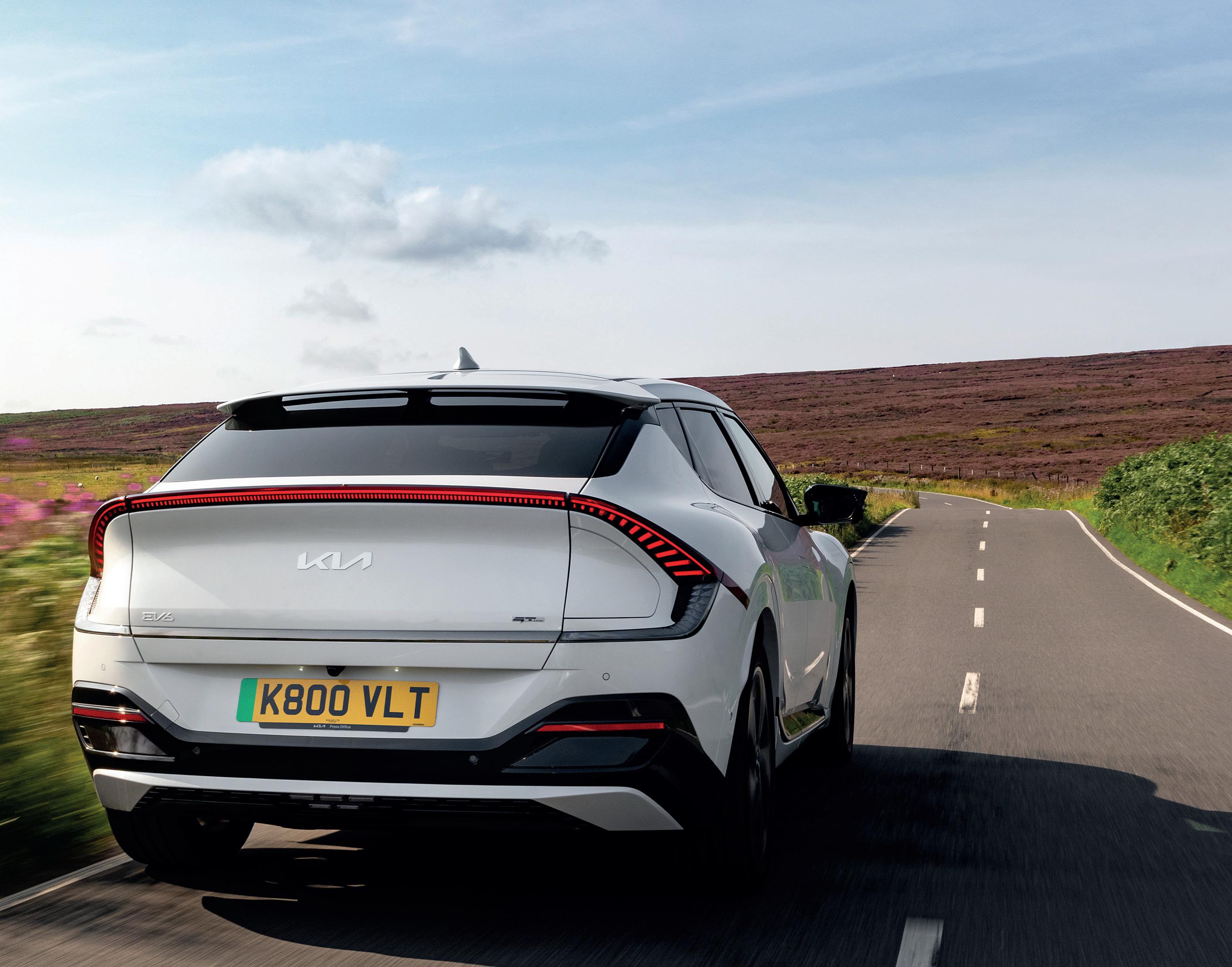
Sure, it's tempting to go for the additional 95bhp from the range-topping AWD, GTLine S Kia EV6, but in our experience, 226bhp is more than adequate for what's a comfortable, well-considered family car.
The GT-Line S comes with more toys than the entrylevel Air and GT-Line models, but it's worth asking yourself: if you've never had a head-up display or ventilated front seats, would you miss them? Also consider that the 20-inch wheels on the flagship car will affect your range.
If you're in the market for a used Mk1 Kia EV6, then the GT-Line is the one to have - it has everything you'd need and probably a bit more, plus a 328-mile range.
There’s something quietly radical about an e‑bike that feels more like a regular, well‑sorted bicycle with a gentle helping hand. The Mokwheel Flint Pro is exactly that: a lightweight, tidy city commuter that avoids the usual flood of gadgets and power, yet somehow ends up feeling far more refined than many bikes costing a lot more.
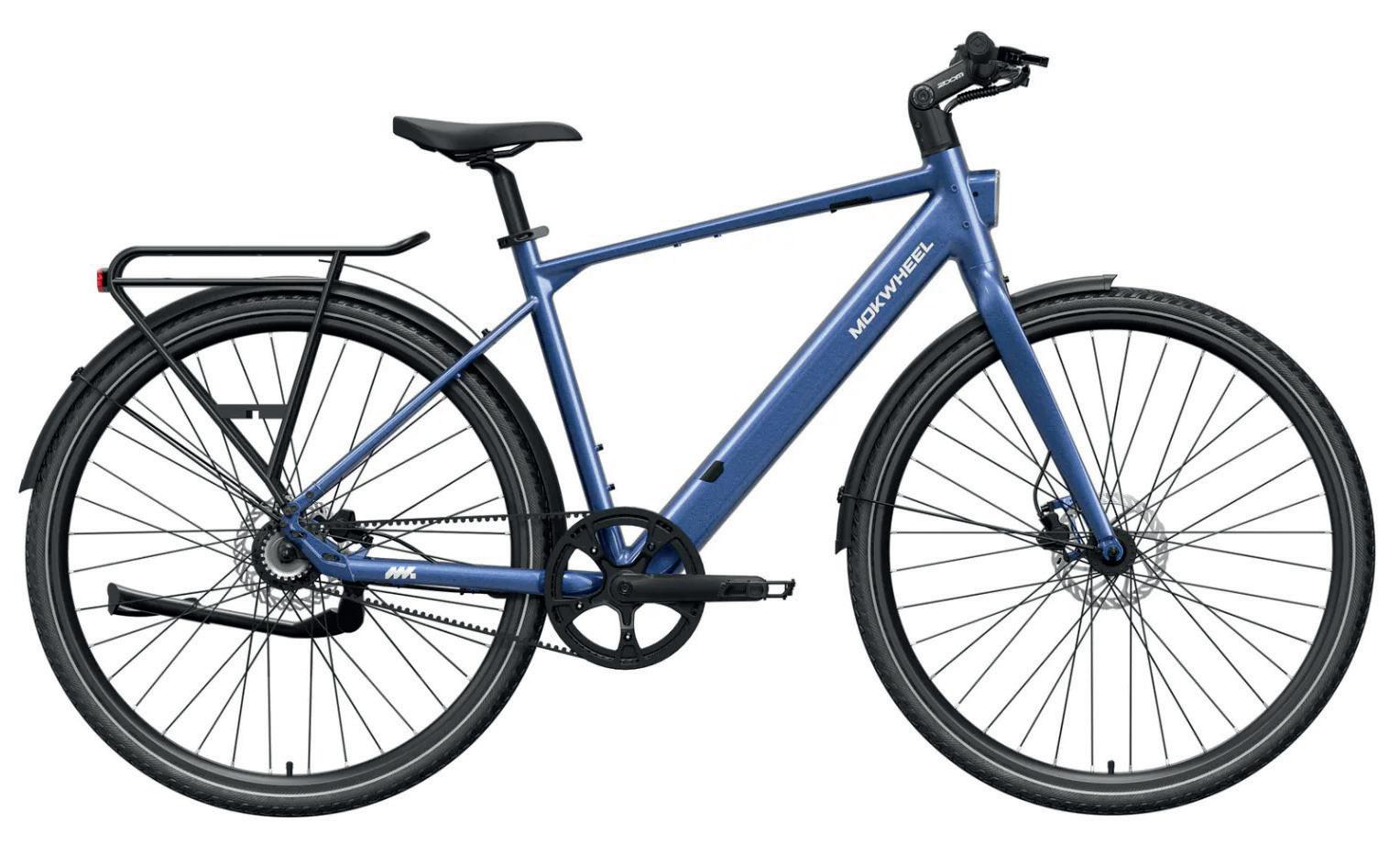
At roughly 17 KG, it’s one of the lighter full-size e-bikes you can buy at this price. That weight saving comes from sensible choices: a rigid aluminium frame, a slim, integrated battery, and a component list that prioritises function over flash. It rides like a smart, modern city bike first, e-bike second—and for many riders, that’s precisely what they want.
The Flint Pro looks understated and tidy. The frame appears almost like a normal aluminium city bike until you spot the belt drive and subtle integrated lighting. Internal cable routing keeps the cockpit clean; there’s no clutter, no oversized display, no dangling sensors. I tested the grey colourway, but Mokwheel sells several options if you want something brighter, an unusual bonus at this price.
At about 5ft 11, it fitted me well out of the box. Mokwheel’s 90- degree adjustable stem does the heavy lifting for fit: push it forward for a more aggressive, flat-bar stance; or bring it up for a more relaxed, upright posture. It’s not a Dutch-style upright cruiser by default, but you can get close, and if you really wanted, swap
to a cruiser bar later. That flexibility is unusually thoughtful on a bike aimed squarely at value.
The Flint Pro’s headline is the Gates carbon belt drive. Replace the traditional chain with this belt and you instantly remove grease, chain wear and countless tuning headaches. No grease on your trousers, no chain lube, no derailleurs to adjust. It’s silent and smooth, and it’s a rare feature on bikes near this price.
It marries to a single-speed 60T/22T setup, which keeps things simple. You work a touch to get up to speed, but once rolling, it’s easy to maintain a relaxed cruise. Mokwheel chooses to keep the power gentle rather than excessive—a deliberate design choice that rewards steady pedalling and keeps the bike light and nimble.
The 250 W motor, peaking at around 500 W with roughly 40 Nm of torque, responds through a dual torque-and- cadence sensor system. There’s no throttle, just pedal-assist that feels natural. The motor tuning is excellent; it matches your effort without jerking or surging. That quiet, seamless support is one of the Flint Pro’s best traits.
With no suspension, you feel road texture, but the bike stays composed. On smooth tarmac it glides. On rougher pavement or broken paths you feel a subtle reminder through the hands and seat, but it never becomes harsh. Wider tyres help— the bike uses tyres sized to cushion without slowing things down or making steering dull.
On a 60-plus-mile route, the Flint Pro found its sweet spot around 14–16 mph. That’s a perfectly respectable commuting speed in city traffic and suburban lanes. It’s not about smashing 30 mph; it’s about efficient, pleasant movement, and this bike delivers that in spades.
Two separate range tests showed genuine, usable results, not marketing fiction. In a lower-assist run at PAS 2, I managed about 61 miles before the battery died, right at the high end of Mokwheel’s claims. That was with steady, moderate assistance, not babying. In a high-assist test at PAS 5, still hitting a decent pace, the bike did about 42 miles. These are strong figures for an integrated battery of this size, and in real UK riding, it
By RICHARD ALVIN
gives you days between charges for normal commuting.
Brakes, display and everyday practicality
Stopping power comes from hydraulic disc brakes, capable and easy to service. They don’t feel exotic, but they work exactly as you’d hope, firm, predictable, and reliable in wet or dry conditions.
The display is modest: a small, dual-tone readout showing speed, assist level, battery and trip. No app, no Bluetooth, no heavy menus. It does what it needs to do clearly, and it keeps the cockpit uncluttered. For riders who don’t want to pair a phone every ride, that simplicity is welcome, not frustrating.
Who should buy it?
The Flint Pro suits riders who want low maintenance, light weight, and a real bicycle feel, with enough motor support to make hills and headwinds manageable. It’s excellent for flat or gently rolling cities, for older riders keen to keep active without arriving sweaty, or for anyone tired of chain grease and endless bike-shop visits.























Electrifying commercial vehicles and HGVs is not just about the vehicles themselves – it involves a detailed consideration of how to keep them on the road without disrupting existing operations. Mer has the experience and knowledge to support you on this journey.






Download Mer’s free eguide for fleet managers to learn more about installing the right EV charging to keep your vehicles powered for their mission-critical journeys

Click here to find out more








THE EV POWERED TEAM PICK THEIR TOP 10 POTENTIAL EVS FOR BRITAIN’S FAVOURITE SUPER-SPY
Not a week goes by without yet more speculation about who will be next to play James Bond on the big screen. Whether it’s Callum Turner, Dev Patel or even Tom Hiddlestone, there’s a constant stream of names being thrown out.
Sadly, though, less attention is being given to the far more important question of what the next Bond will drive. Frankly, who cares who’s at the wheel? We all know the car’s the star, and with EVs dominating the new car scene, surely it’s time for James to make the switch.
And before you shout at us for being silly, this is a serious piece of work. By 2035, all UK Government employees will be required to make the switch from ICE to EV and Bond does work for His Majesty after all...

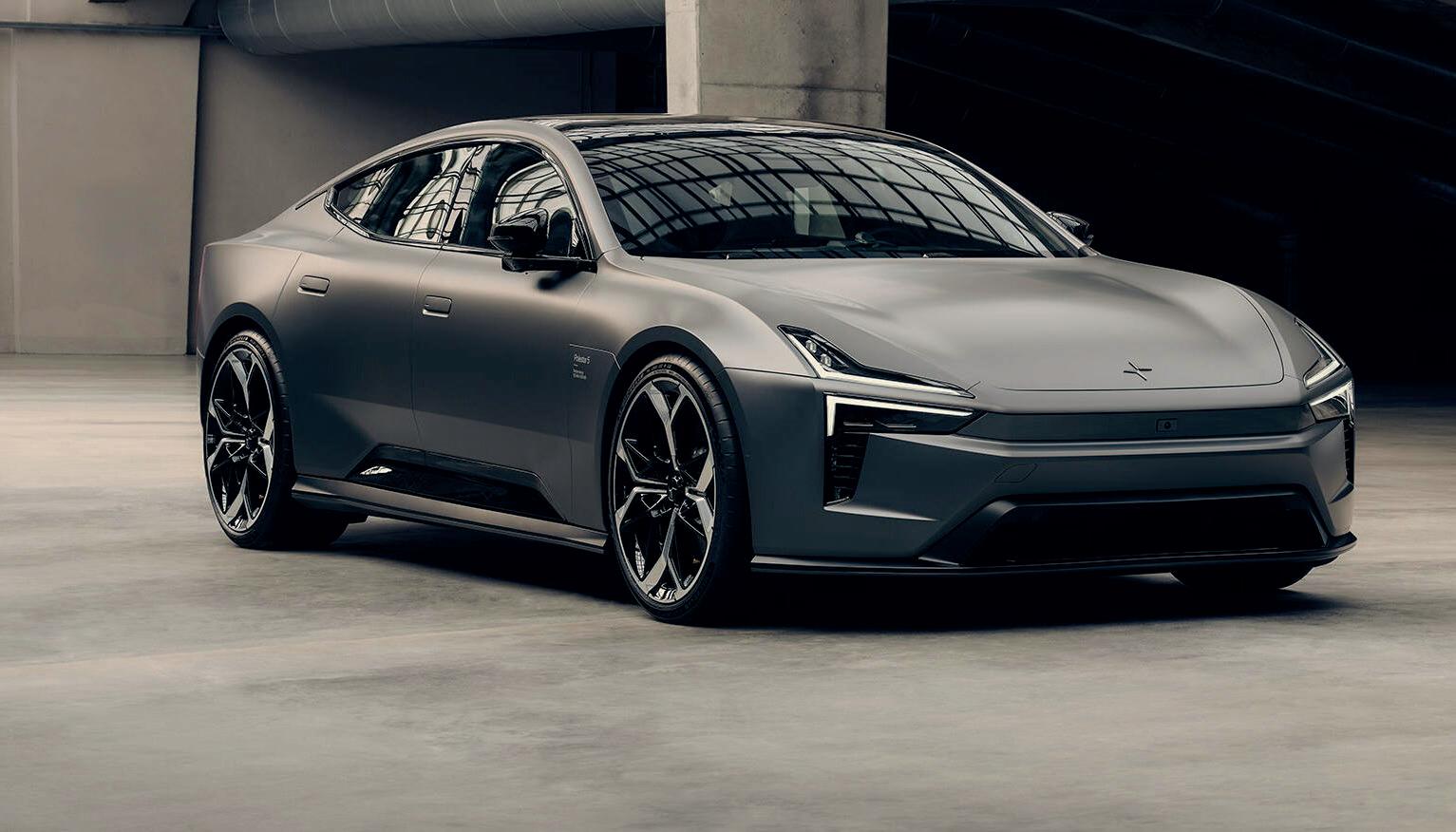
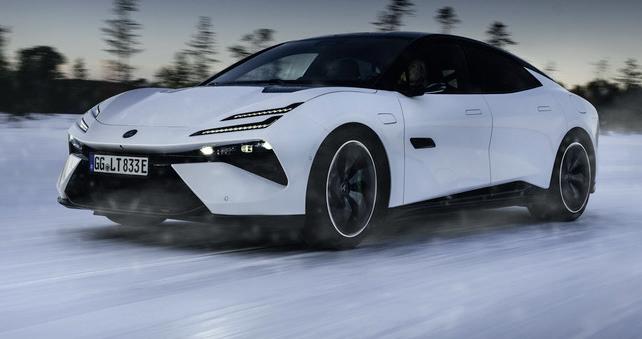
Bond’s association with Aston Martin is almost as old as the franchise itself and had the E-Rapide made it to production, it would have been our top pick – swift, stealthy and stylish. But it didn’t. So what can replace it? If any
brand oozes the kind of understated cool that our James demands, it’s Polestar. Not only that, but the Polestar 5 blends Scandi sophistication with henchman-thwarting technology. From road-scanning suspension that reacts 1,000
times a second to an 871bhp all-wheeldrive powertrain and some of the fastest charging around, the Polestar is the kind of cutting-edge electric car any 21st-century spy would covet.
The
electrification. So it only feels right that a cleaner, greener Bond embraces them once again. The Emeya is a handsome modern alternative to the Esprit, with plenty of hightech gadgetry already installed and room for
some lasers in those slimline headlights. And with nearly 900bhp, the Emeya will slingshot from 0-62mph in less than 3 seconds. Plenty quick enough to escape Spectre’s clutches.

We know Bond loves a British icon and in No Time to Die, the superspy opted for the timeless Land Rover Series III as his Jamaican post-retirement wheels. With a view to maintaining that link but
going green, what better choice than Inverted’s conversion? This carefully considered update replaces the noisy old 2.5-litre petrol engine with a silent 160bhp/644lb ft motor that’s connected
to the original transfer box to maintain off-road ability. It also adds a 62kWh battery good for 160 miles – plenty for pottling around the Caribbean island in peace.
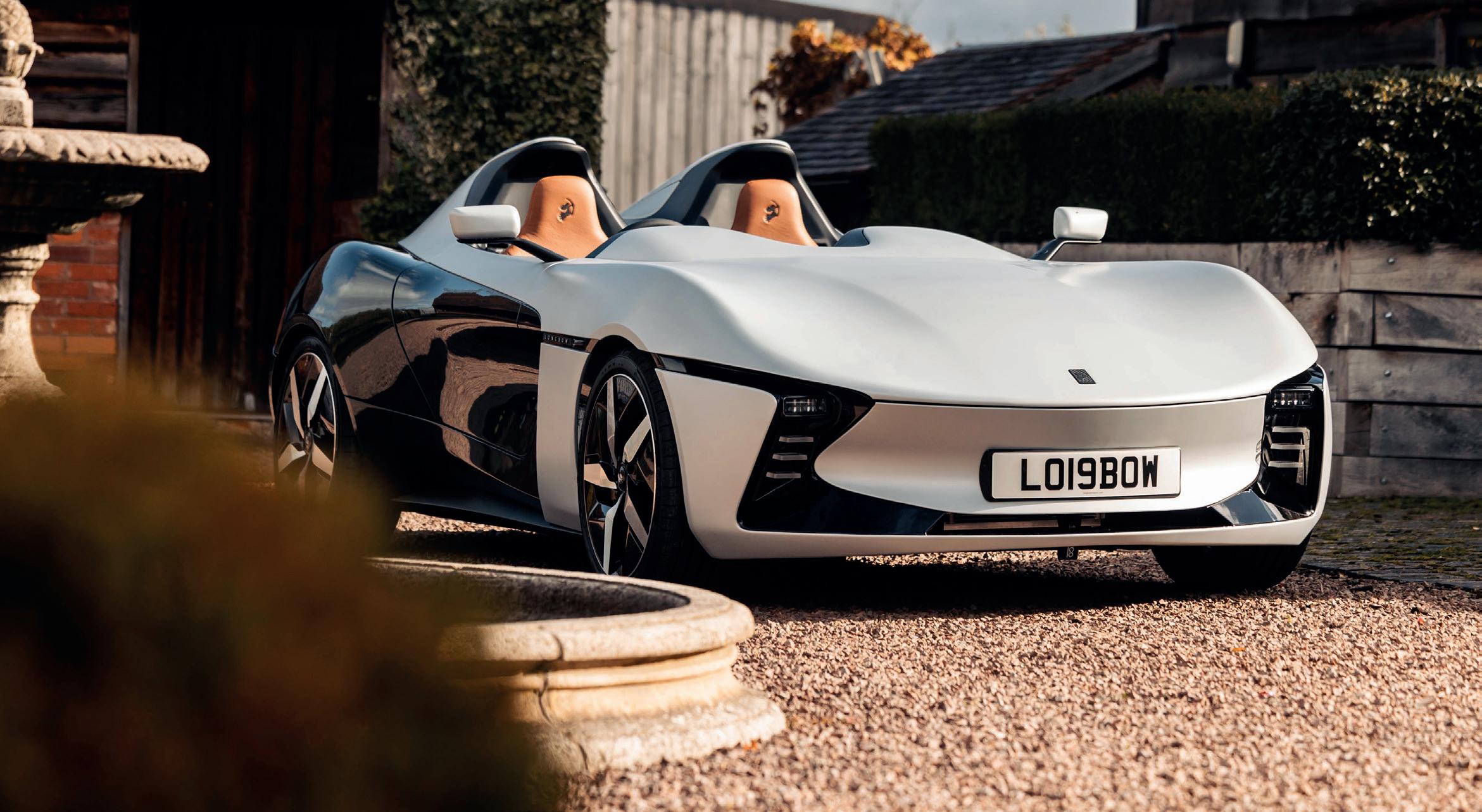
Over the years, Bond has driven a variety of sporty two-door coupes and convertibles – something that the EV world is a little short of. Perhaps a Maserati GranTurismo? But that feels disloyal.
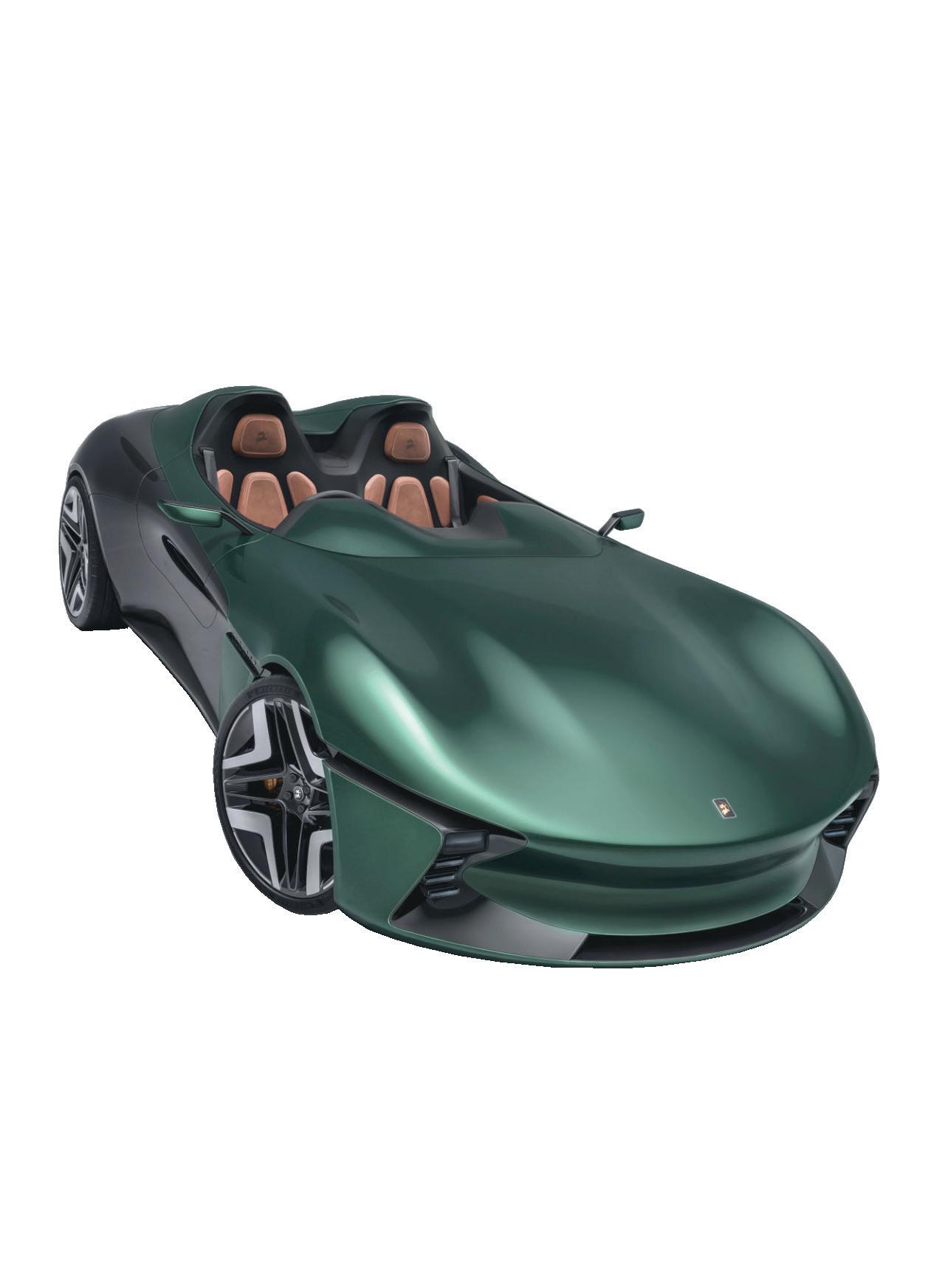
Instead, MI6 should look at the Longbow Speedster and Roadster. Hard-top or topless, these Britishbuilt sports cars have classic good looks, superlight construction and potent power. And with 275

miles of range and a 0-62mph time of under four seconds, they’re perfect for posing on the Cote D’Azur before foiling an international criminal plot to turn the world’s gold into jelly babies.
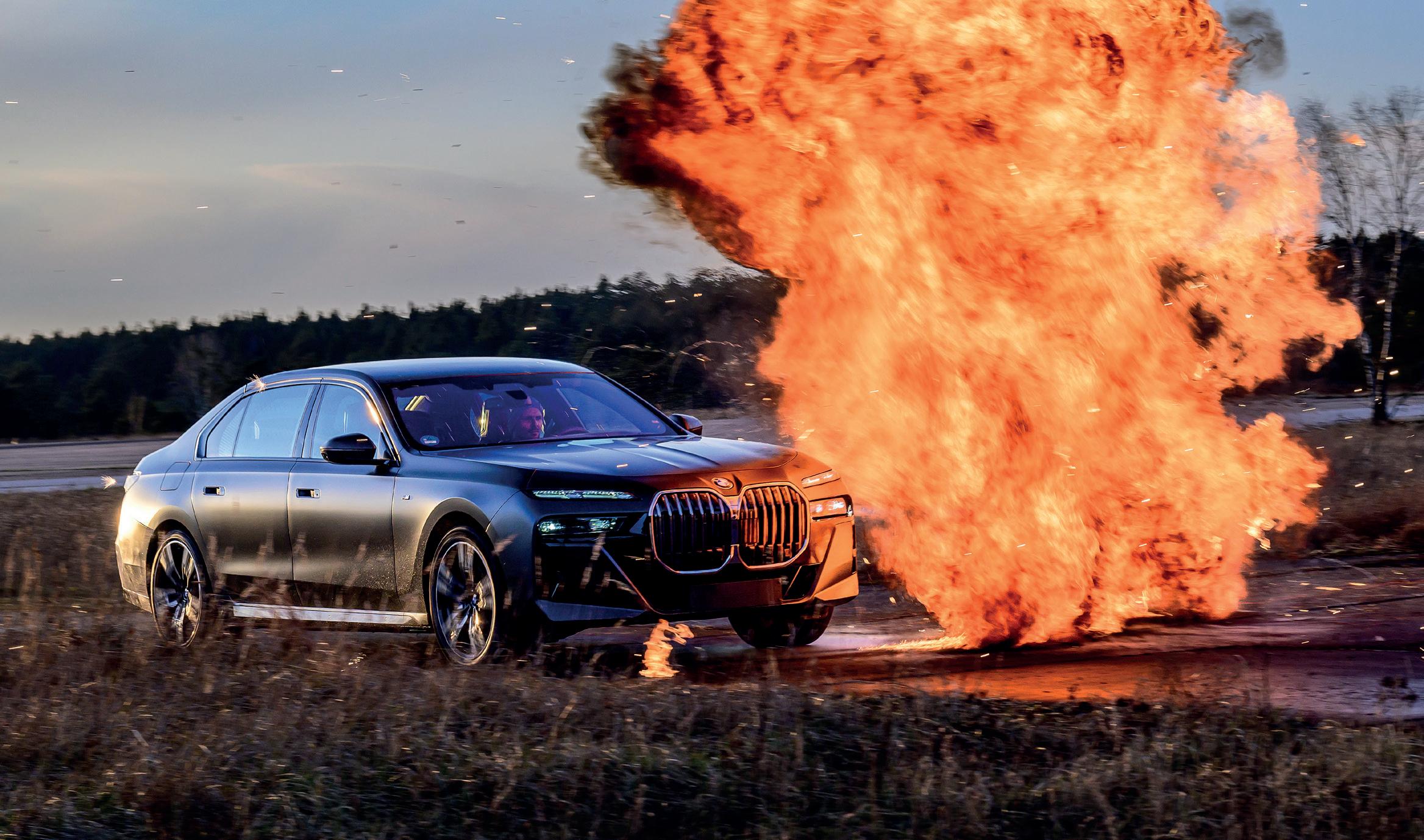
MI6’s defection to German brands in the late 1990s caused controversy, especially since Bond’s first BMW was the weedy four-pot Z3. Things didn’t get better with his next ride – the BMW 750iL.
But should Bond need a hulking long-wheelbase limo for some BiK-friendly undercover work, BMW still has him covered with the i7. With 537bhp it’s got plenty of punch, and the Protection variant’s
armour plating should keep him safe from villains’ attention. What’s more, just like the 750iL, the i7 is remote control (well, the parking is), so Bond can still pitch it off a multi-storey car park.
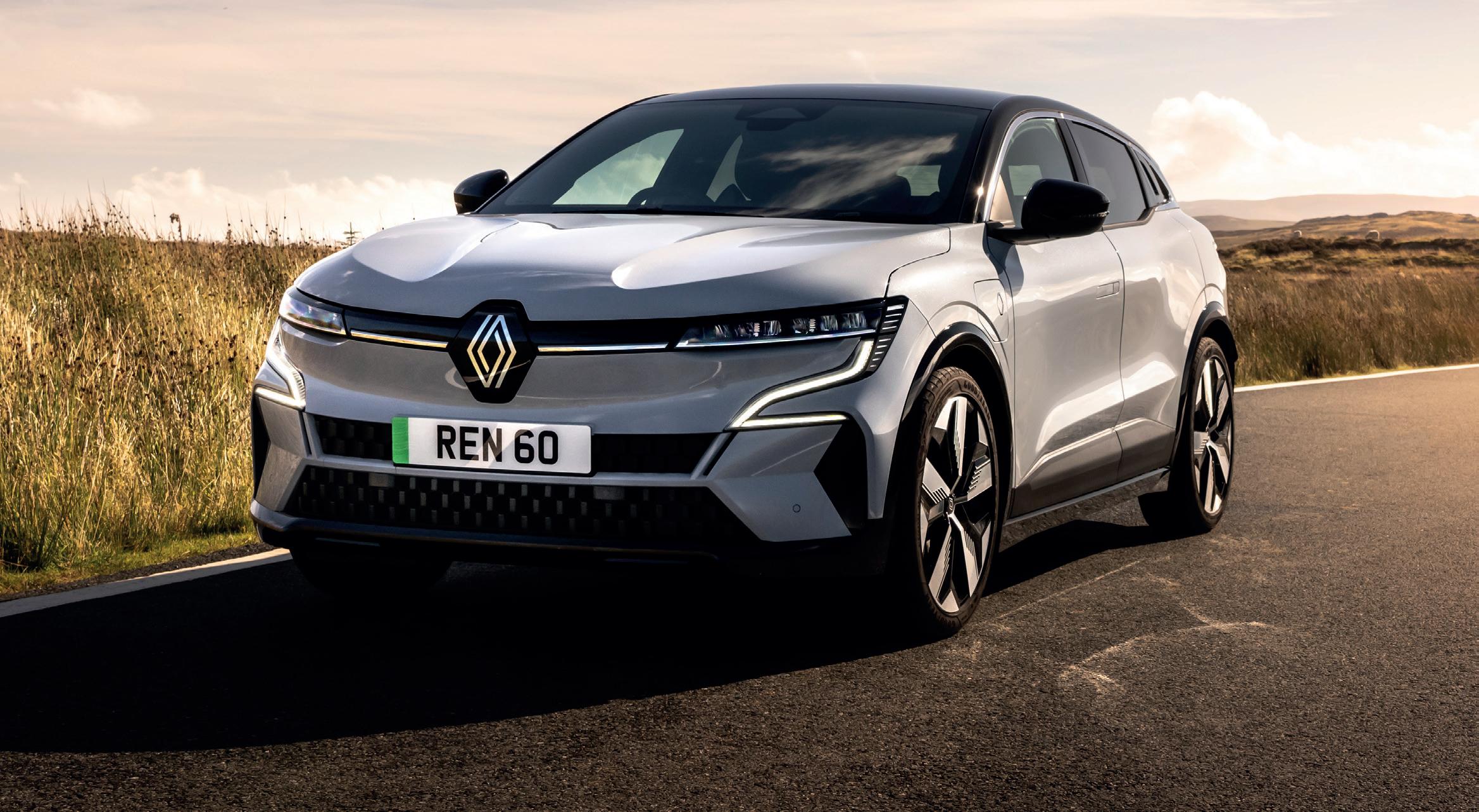

No-one can forget the sight of Roger Moore (or someone in a Roger Moore wig) hurtling around the streets of Paris in half a Renault 11 (a Renault 5.5?). Sure, it wasn’t an “official” Bond car,
but it made an impact. So if the next Bond needs to steal a sensible all-electric French family hatchback in order to pursue a parascending assassin, then he need look no further. The
Megane is spacious, stylish, has more than 200bhp and is front-wheel-drive, so can keep going even if the back end gets ripped off by a Parisian lunatic.
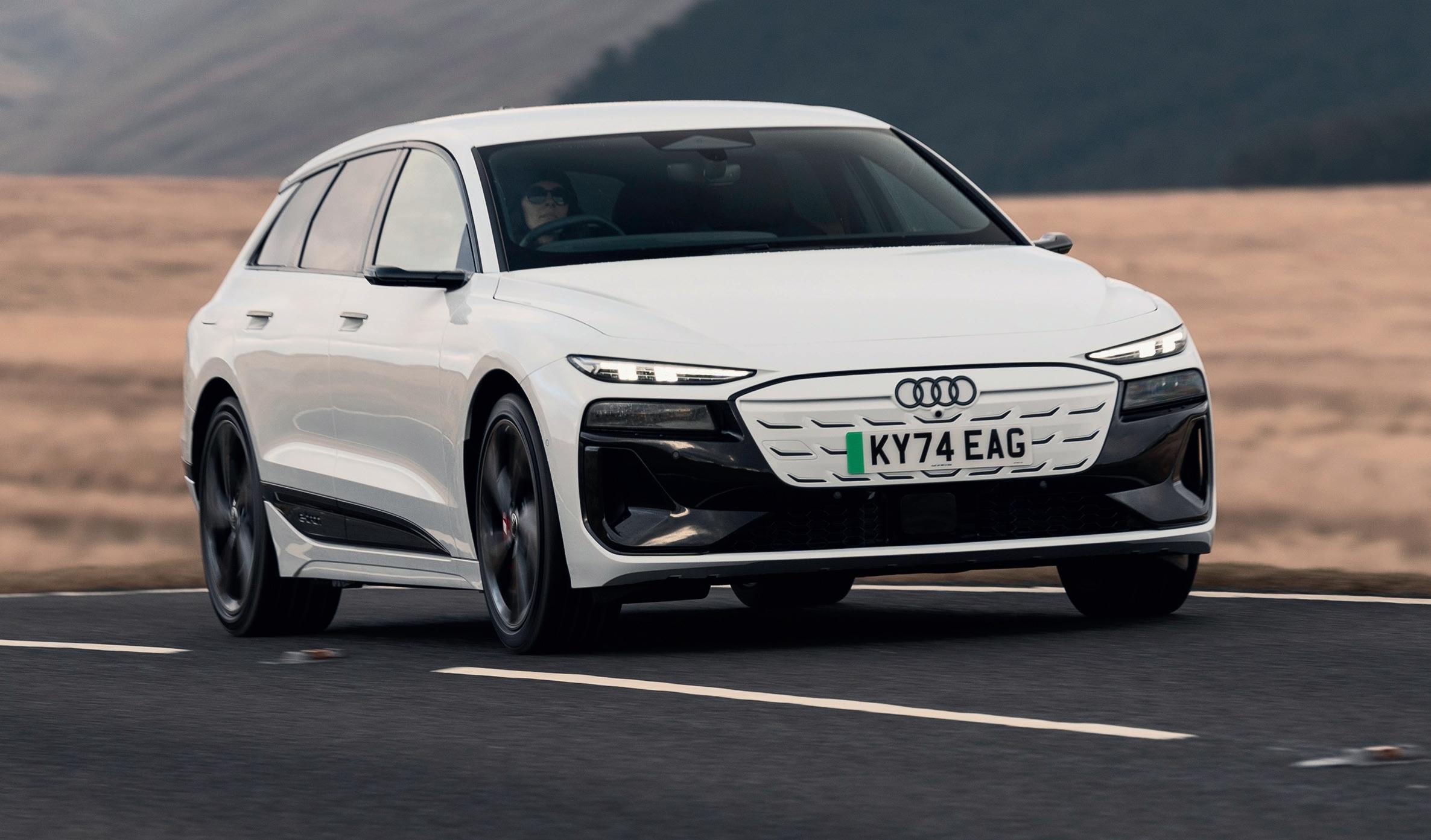
Bond has favoured not just one, but two Audis in the past. In The Living Daylights, Timothy Dalton uses an Audi V8 in the pre-sequence, and an Audi 200 Quattro Avant to wreak havoc around Marrakesh.
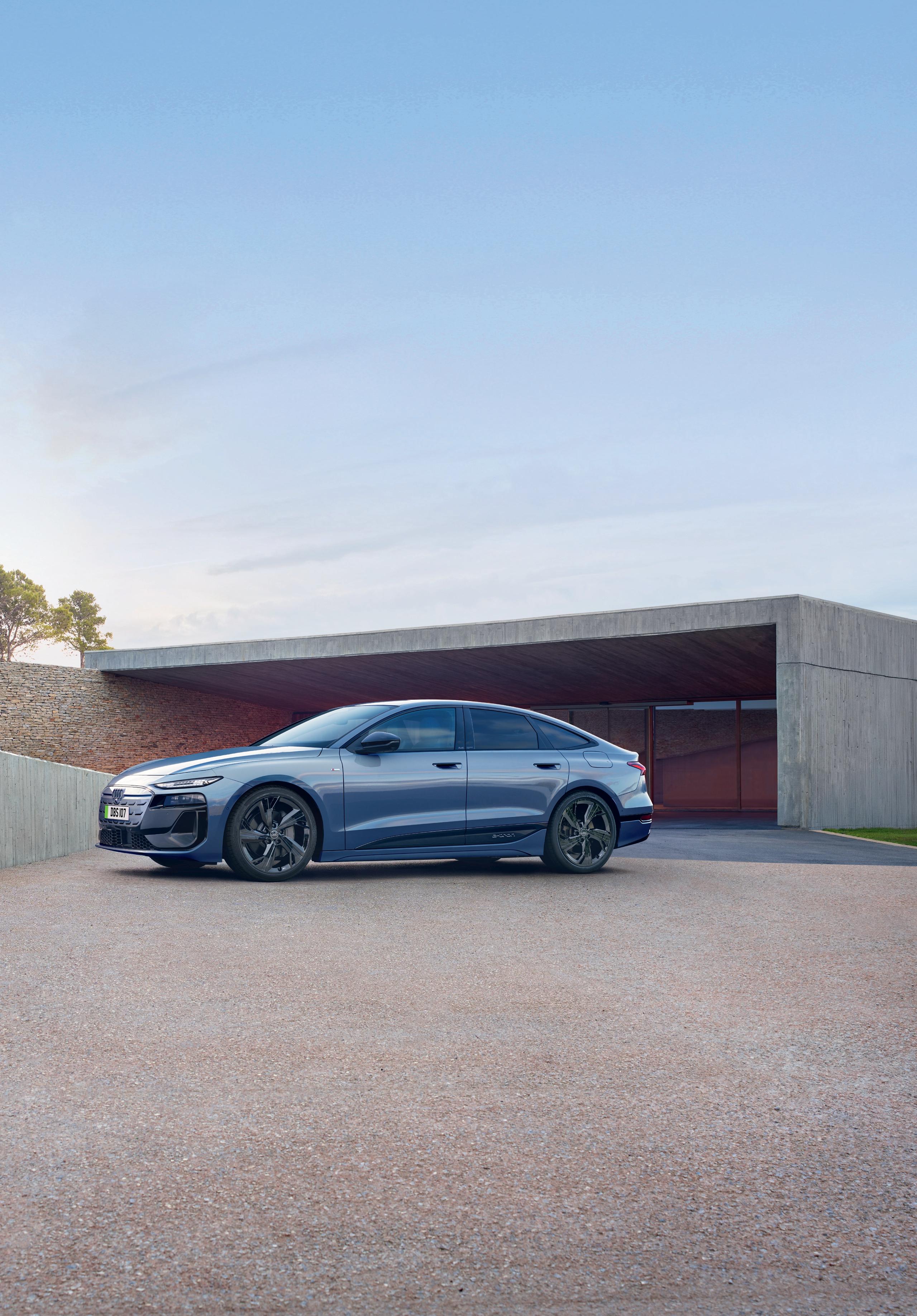
Understated, quietly menacing, and silly quick, the 543bhp Audi S6 e-tron Avant is the spiritual successor to the latter. With Audi's fabled all-wheel drive Quattro system, heaps of grip means that
Bond will have no trouble in accessing a villain's mountain lair or desert hideout. You can guarantee that whatever big-brained software Q Branch adds, it will improve Audi's current set-up.
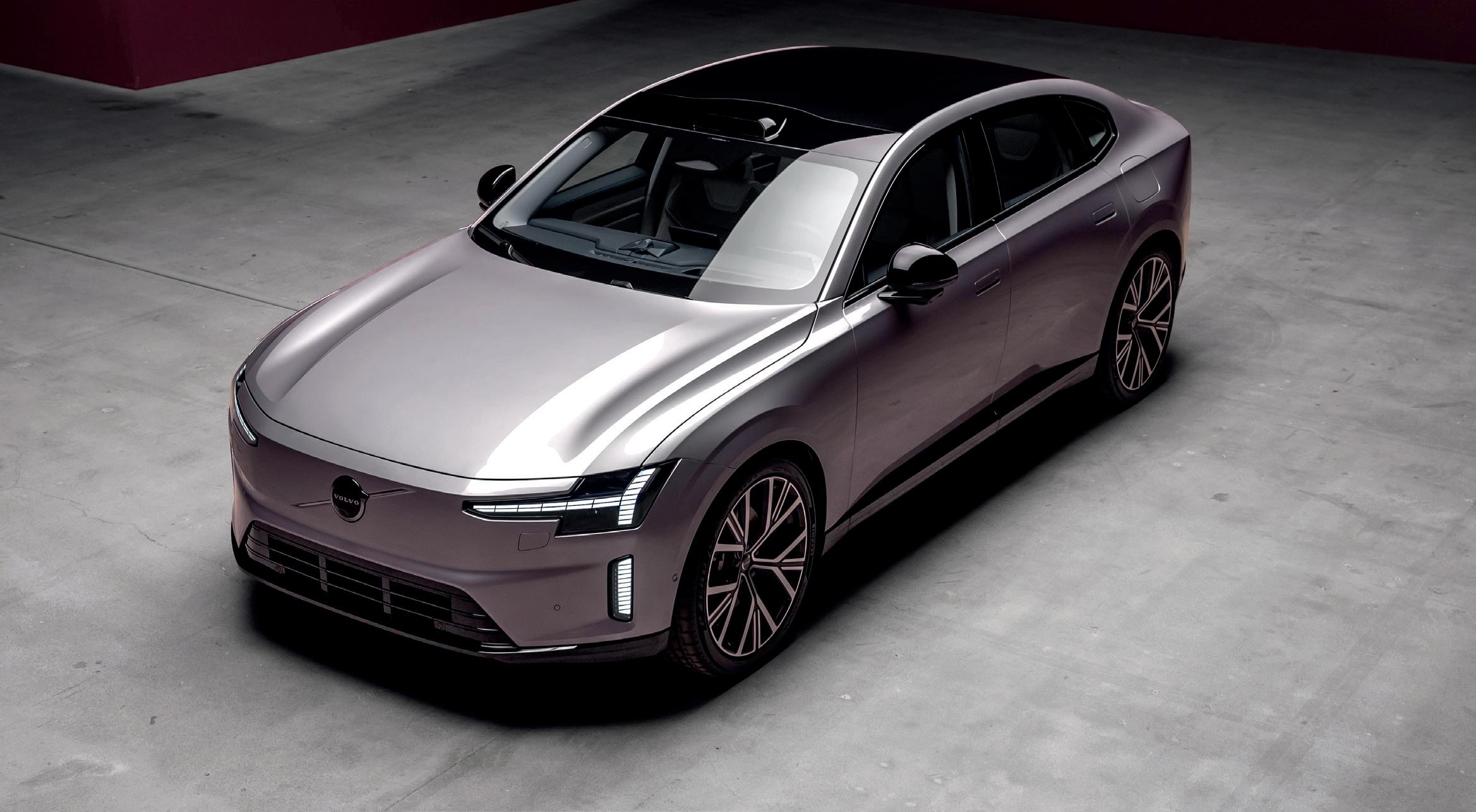
long-serving spy back behind the wheel of a Swedish car. Very possibly the coolest Volvo since the 850 R, the twin-motor, 670bhp ES90 absolutely looks the part, and can be packed to the hilt with
the latest gadgetry. Courtesy of a 26-tonne carbon footprint, the ES90 is also one of the greenest Volvos ever built, meaning it'll fit nicely into MI6's corporate social responsibility plans.

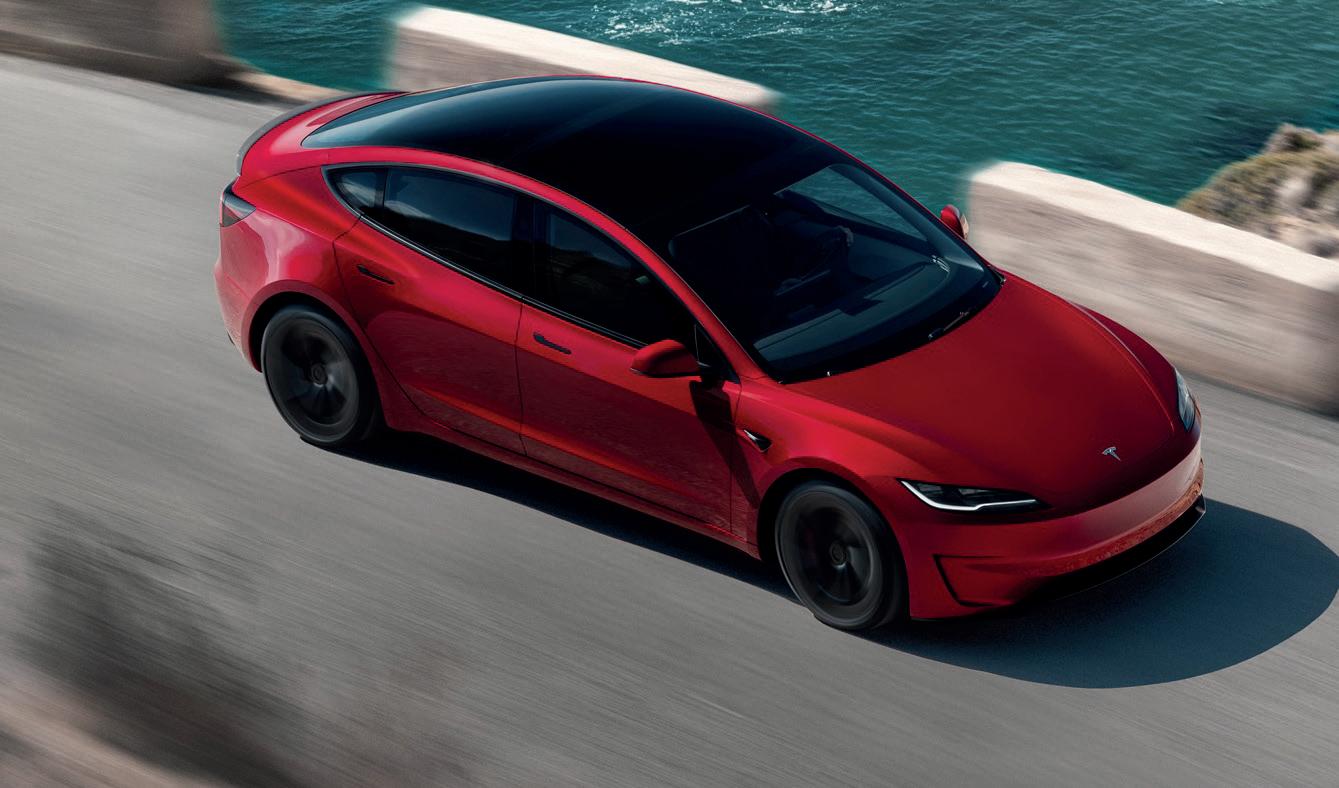
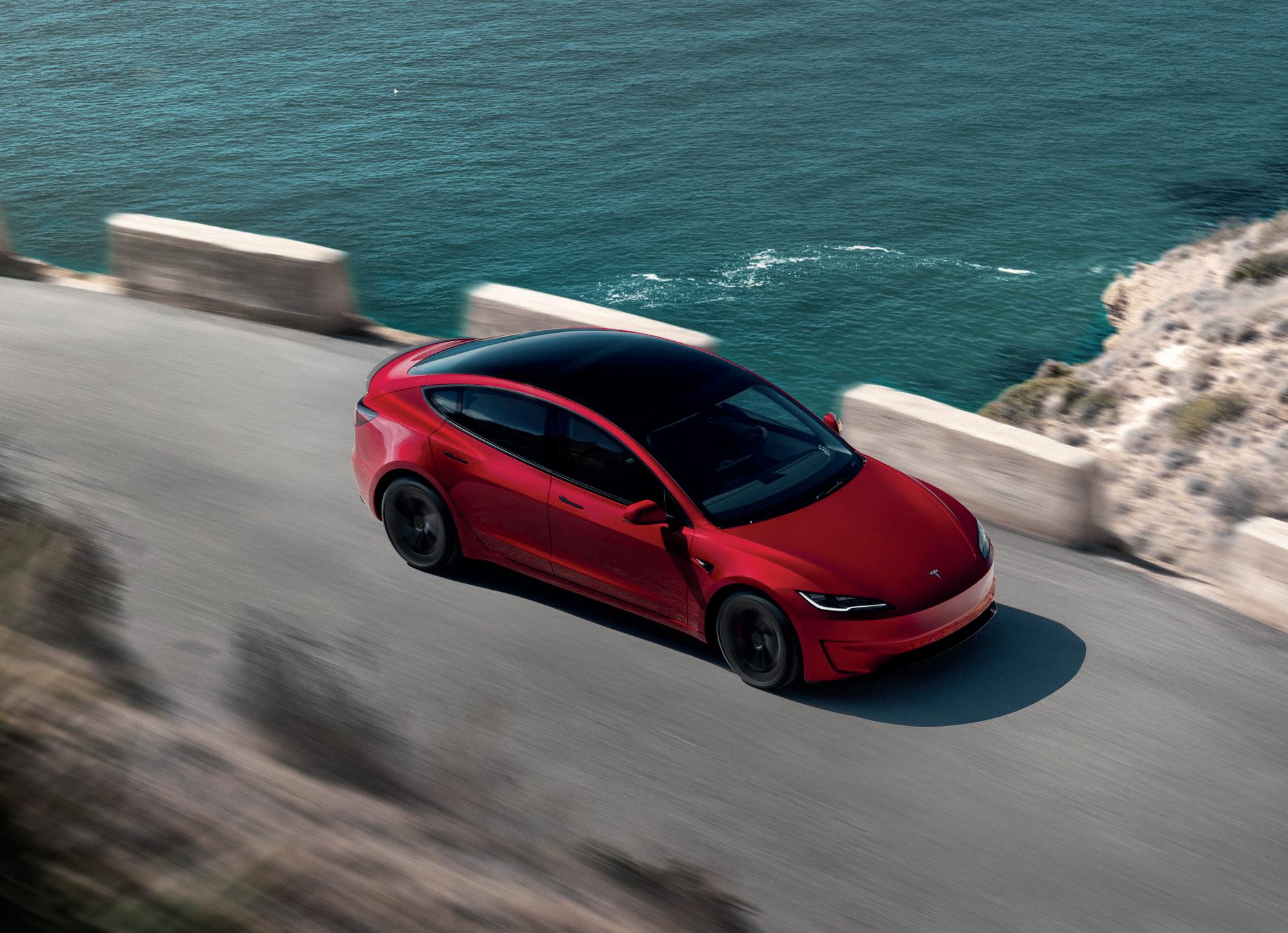
It's no secret that Teslas are tech-centric, making them absolutely ripe for a secret Q Branch skunkworks project. You can imagine SpaceX boffins strapping a set of wings to a Model 3
Performance, or Elon himself pre-loading the car with 'Boom Mode' where it self-destructs via a big red button hidden somewhere in a submenu. Love it or hate it, the latest Model 3 is also handsome,
yet somewhat anonymous, making it perfect for covert ops. It's also cheap, meaning MI6 would have to pay around just £350 on the monthlies. In this economy...
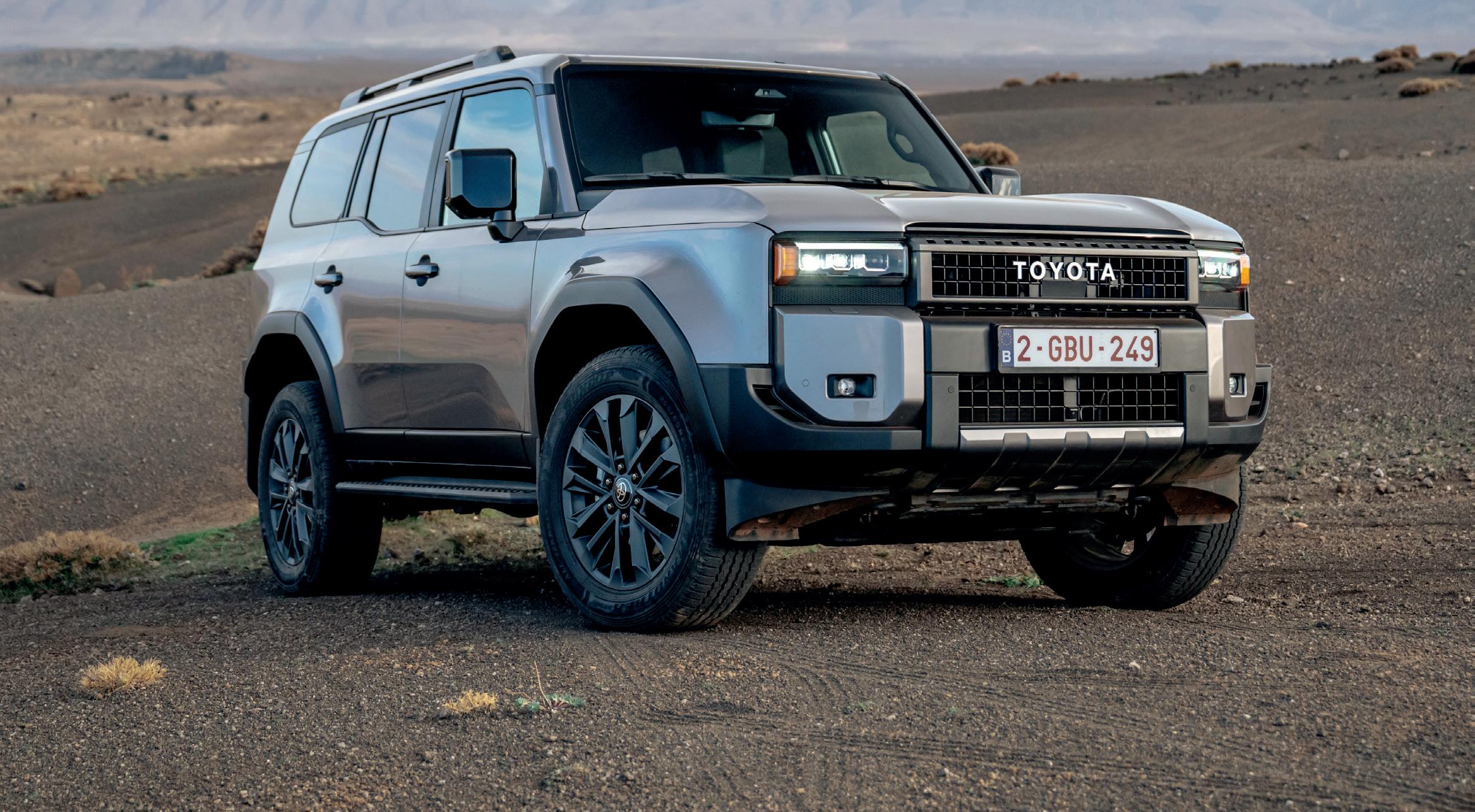
some track-suited wrong'uns in Range Rover Sports. Touted for release later this year, an allelectric Land Cruiser could well be a shoo-in for the next Bond car: Trekking through the Amazon
to demolish a madman's moon programme? No problem. Smashing through St. Petersburg after invoking the ire of the local secret police? Easy, the Land Cruiser would barely be scratched.
The Nissan Leaf has once again been named the UK’s most reliable electric car by one of the country’s biggest warranty providers.
Warranty Services Group (WSG) reported that between January and December 2025 the groundbreaking Japanese EV recorded the lowest claim rate of any models covered by its policies.
Although it’s one of the UK’s longest-lived EVs, WSG reported a claim rate of just 1.52% for the first and second generations of Nissan Leaf, less than half of the next nearest model. This suggests that despite being up to 16 years old, the pioneering mainstream EV is standing the test of time. Encouragingly, the most common faults also had nothing to do with the Leaf’s electric powertrain but were associated with ADAS systems, suspension components and steering wheel controls – all issues that also affect petrol and diesel cars.
In fact, the data shows that just one of the five most common EV warranty claims related to an EV-specific problem.
Behind the Leaf, Audi’s original E-Tron SUV had the second-lowest claim rate – at 3.23% – ahead of the Vauxhall Corsa Electric, which recorded a claim rate of 4.76%.
As a specialist in providing cover after manufacturer warranties expire, WSG’s list features a heavy weighting towards early EVs. In fourth place is the Ford Mustang Mach-E, which launched in 2020, just ahead of the Tesla Model 3, which has now been on sale for seven years.
While the Mach-E proved largely dependable it also had the most expensive average repair cost, at £2,242. It’s important to note, however, that with a relatively small sample group one highcost repair, such as a battery replacement, can skew the average figure.
Although the Model 3 proved a reliability winner, the older Tesla Model S is the UK’s least reliable EV, according to the WSG data for 2025.
The large saloon, which has just been killed off, recorded a claim rate of more than 38%, and an average repair cost of £1,160. The related Model X was the third-least reliable car on WSG’s list,
with a claim rate of 23.5%. The two American offerings were split at the bottom of the table by the original Mercedes EBQ, with a 33% claim rate.
The full-year data shows that the majority of the most-common repair claims for EVs did not relate to any EV-specific elements.
Of the five most common claims, just one only affects EVs. Charge port faults were the fourth most-common claim, and accounted for 4.23% of claims with average repair costs of £320. Ahead of them were two separate suspension elements and air conditioning compressors, with tyre-monitoring systems rounding out the list of most common claims.
While the WSG data provides high-level insight into EV reliability, it is important to note that it is a small sample group and only covers 16 allelectric models for which it provides aftermarket warranties. Even in the last six months, some of the data has changed significantly. The coming years are likely to see the situation shift as manufacturer warranties expire on a growing number and variety of models and secondhand dealers look to provide aftermarket warranty cover for customers.
Martin Binnee, operations director of WSG commented: “Clear differences between makes and models show that electric vehicles cannot be viewed as a single category,
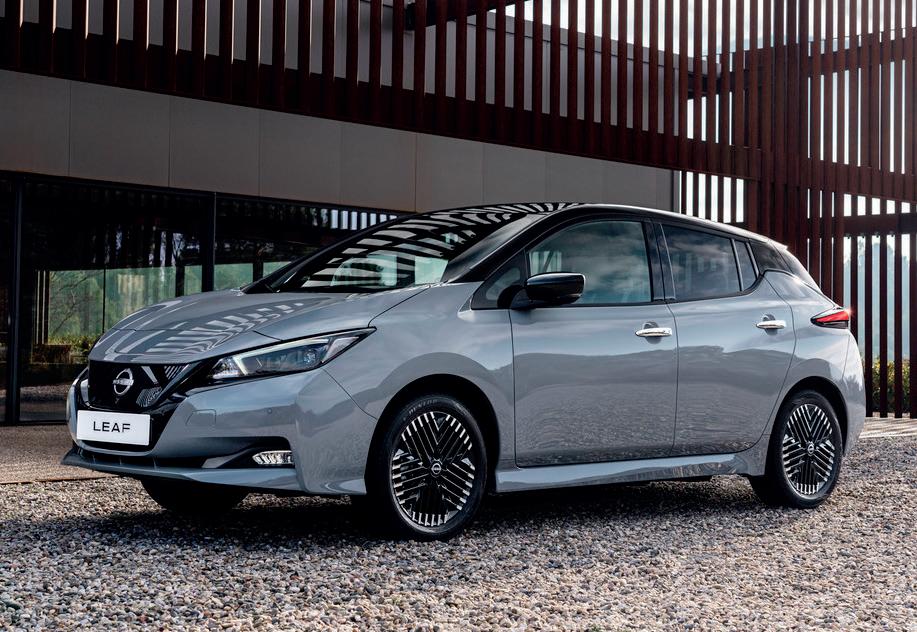
and that informed conversations around maintenance, protection and long-term costs have become more crucial than ever.
“At the same time, the data reinforces the importance of looking beyond headline running cost savings when assessing electric vehicle ownership. While many EVs are proving dependable, the cost of repairs can be significant when faults do occur, particularly on vehicles with advanced systems or premium positioning.”
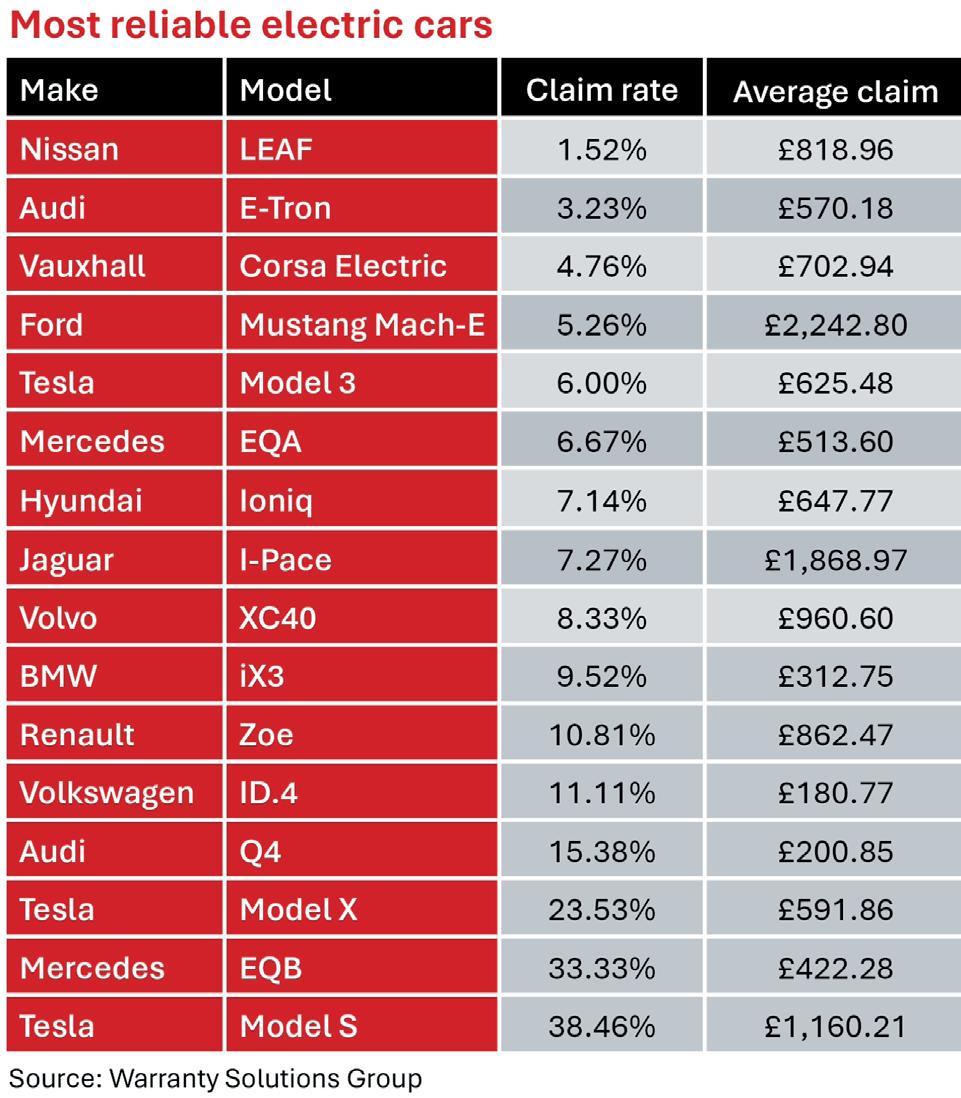
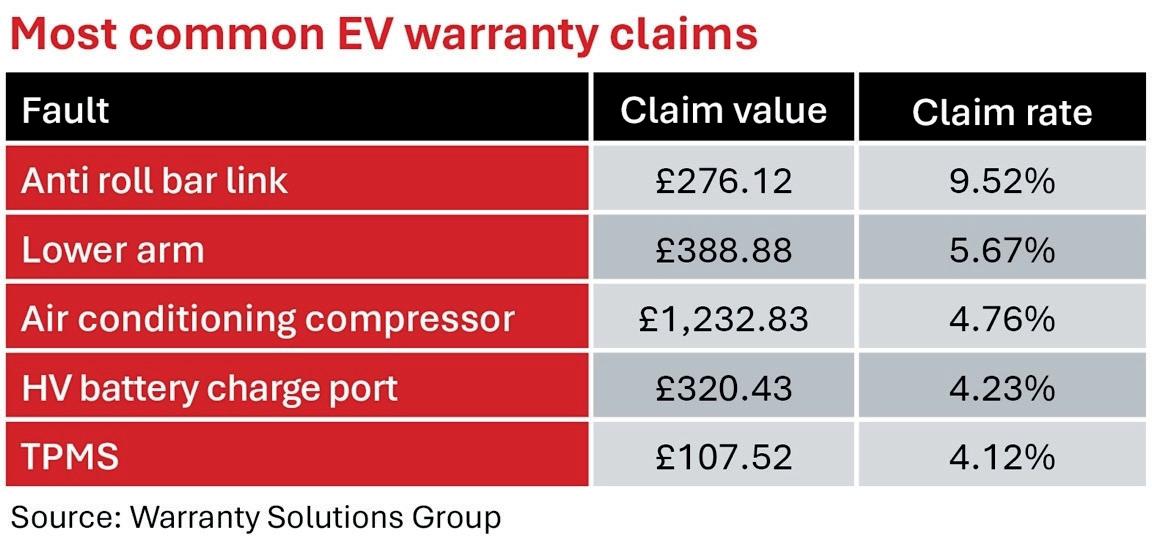
This is Jasmin. She’s one of many business owners who already use a smart meter to feel more in control of their budgeting, because smart meters help you track your energy use and costs over time.
So like Jasmin, you can spend less time guessing and instead know how much you’re spending on your energy bills.
Search ‘get a smart meter’ today.


Lee
Sutton, co-founder and chief innovation officer at myenergi, explores the increasing popularity of EVs, dives into the latest second-hand sales data and discusses what this means for the sector in 2026 and beyond.

According to the latest insight from the Society of Motor Manufacturers and Traders (SMMT), sales of second-hand battery electric vehicles (BEVs) grew by an impressive 45% year-on-year in 2025, while overall the UK’s used car market grew by 2.2%. This suggests that used plug-in vehicles are becoming increasingly popular and, as a result, sales will continue to grow.
While the boom can be partly attributed to soaring demand for cleaner, greener vehicles, the cost efficiency of second-hand EVs shouldn’t be underestimated. Alongside enjoying near price parity with used internal combustion engine (ICE) cars, EV drivers also benefit from lower running costs and fewer maintenance requirements.
In addition, electricity is far more affordable than fuel as a day-to-day running cost when charging at home. Indeed, many EV drivers currently pay as little 3p per mile for electricity when taking advantage of off-peak charging. This means that, regardless of the planned “pay-per-mile” EV tax, EV running costs are still much lower than those of ICE vehicles, which typically exceed 13-17p per mile in fuel alone.
Does cost come at the expense of performance?
While battery life is still a concern for some motorists, experts suggest that the average
EV battery can last almost 20 years, or up to 200,000 miles – a significantly longer lifespan than the typical ICE and far longer than today’s typical length of vehicle ownership. What’s more, while battery efficiency will decrease, the average EV will lose just 2% of accessible range per year.
Significant investment has gone into designing ever-more capable vehicles to suit the needs of tomorrow’s drivers. Take the Mercedes EQS, for example, which can travel more than 450 miles on a single charge; or the BMW iX3, which can be charged from 10-80% battery capacity in just 21 minutes. Even a more budget-friendly EV like the Renault 5 can travel 193 miles before needing to charge – more than enough for the typical commuter.
Ultimately, switching to electric makes environmental and financial sense. What’s more, what used to be a major barrier to adoption –range anxiety – is quickly becoming a thing of
the past. Not only are modern EV batteries bigger, better and more efficient, but drivers in 2025 have more options than ever for how and when to charge their cars.
The EV charging revolution
Data from Zap Map suggests that there are now 87,168 public chargers across 44,326 locations, 17,829 of which are ‘rapid’ or ‘ultrarapid’. In addition, a further £381 million has been earmarked by the UK Government for 100,000 additional chargers nationwide.
When it comes to personal charging, there are now upwards of one million home EV chargers installed across the UK.
At home, EV tariffs offer a convenient and costeffective option when it comes to charging an EVs on the driveway. Going one step further, households with a solar array and an eco-smart device can take EV charging to a whole new level. With the right setup, users can effectively charge their EVs for free using their self-generated renewable energy.
As we look ahead to 2026 and beyond, one thing is for certain: the transition to electrification continues to accelerate. With competitive pricing, improved battery performance, greater accessibility to public charging and rapid developments in private charging technology, switching to electric has simply become the logical choice for drivers.
If recent figures are anything to go by, the transition to a fully electric car parc might arrive sooner than once thought...