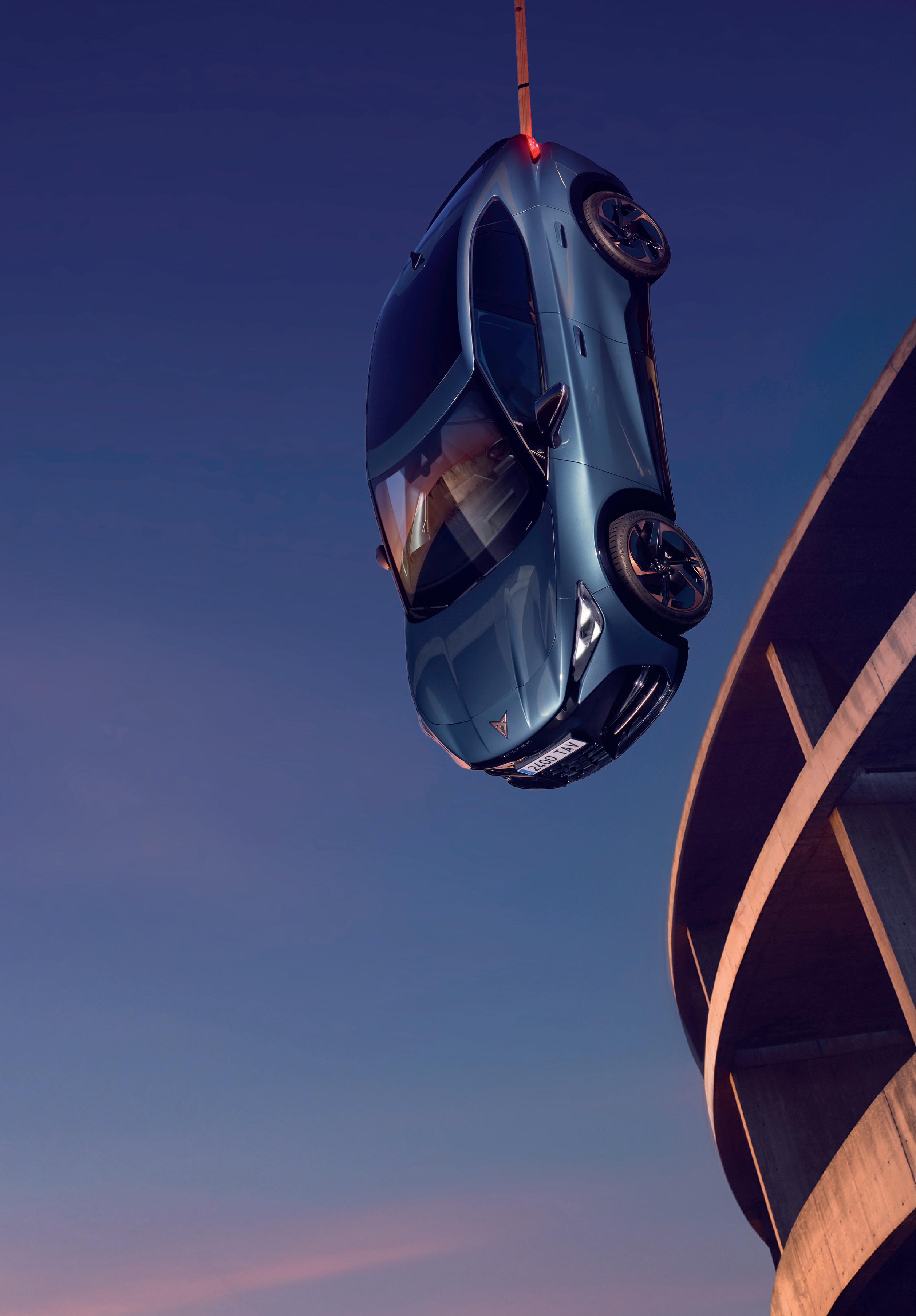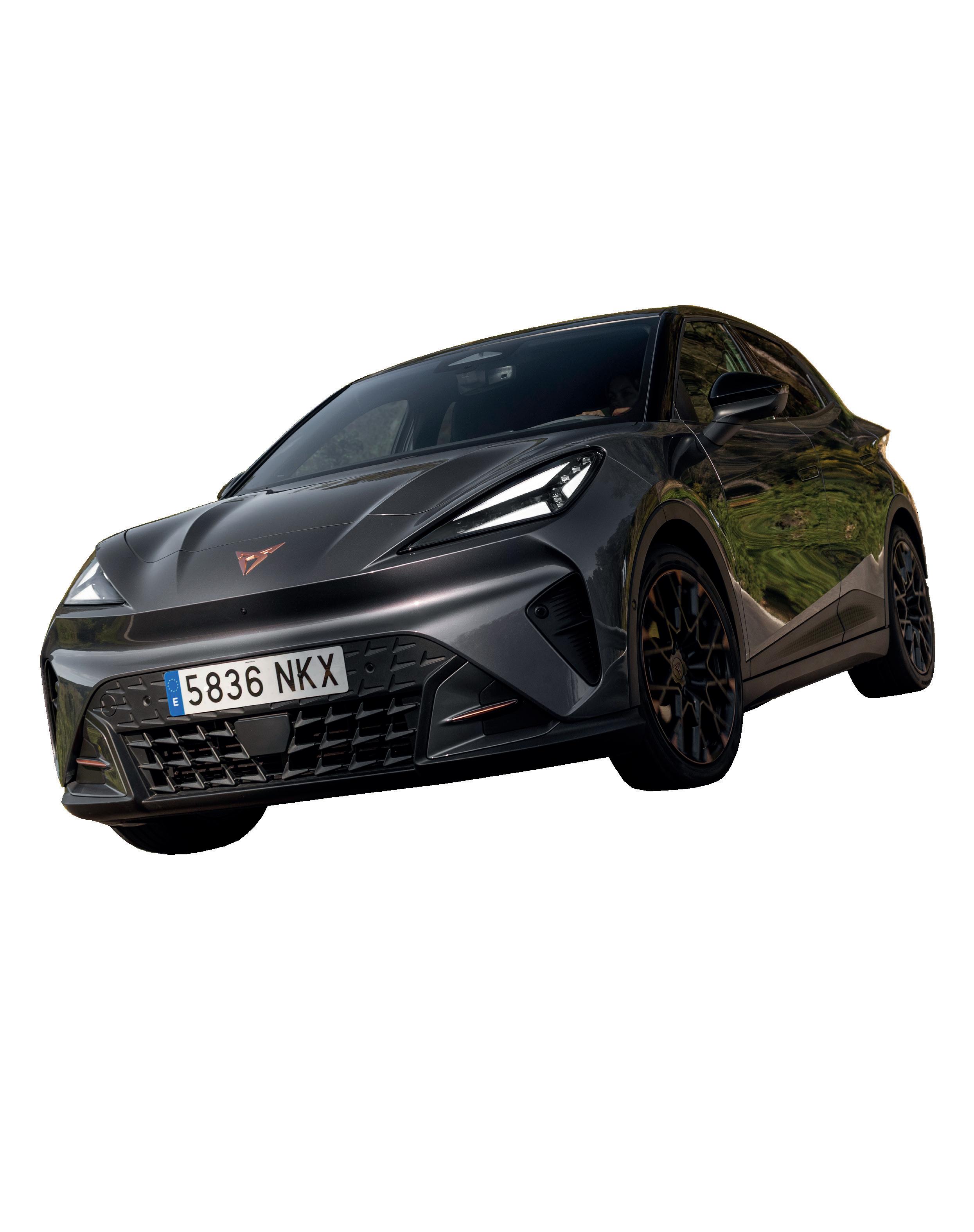
CUPRA RAVAL
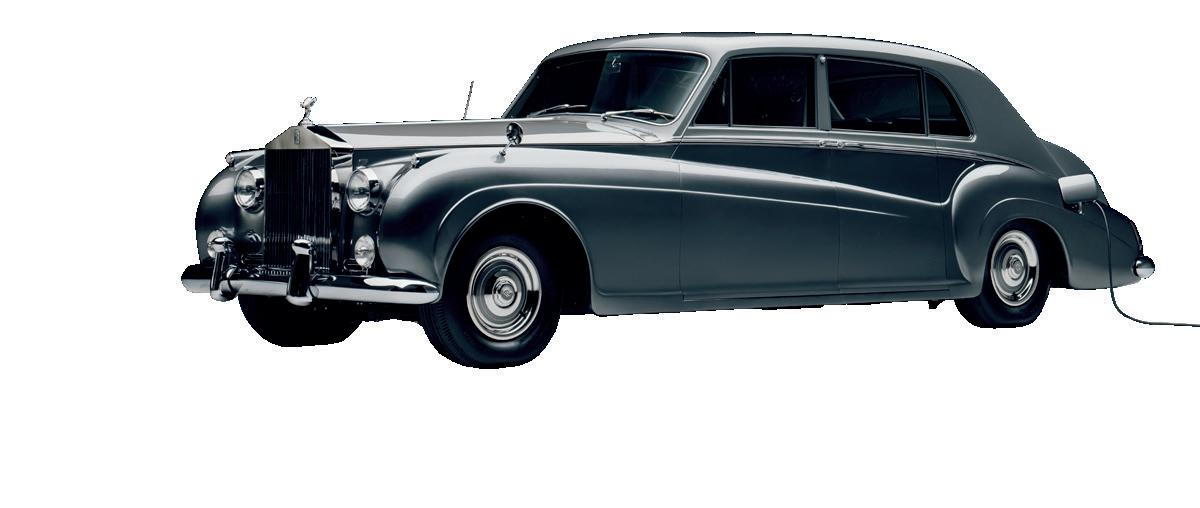
TOP TEN: ELECTRIC CLASSIC CAR CONVERSIONS P42
INCLUDING A ROLLS-ROYCE PHANTOM & A FERRARI TESTAROSSA
3 EV POWERED MAGAZINE
EDITOR’S NOTE
Decisions, decisions
Welcome to the June edition of EV Powered.
It’s hard to believe that we’re almost halfway through the year. With the speed the EV world has been developing, we at EVP towers have barely had a minute to sit down and gather our thoughts, so to realise June has suddenly arrived feels like a bit of a shock.
As ever, over the past few weeks we’ve been beavering away to bring you the biggest and most important news in the world of electric cars, in-depth features and the latest reviews, plus all the most recent action from this year’s thrilling Formula E season.
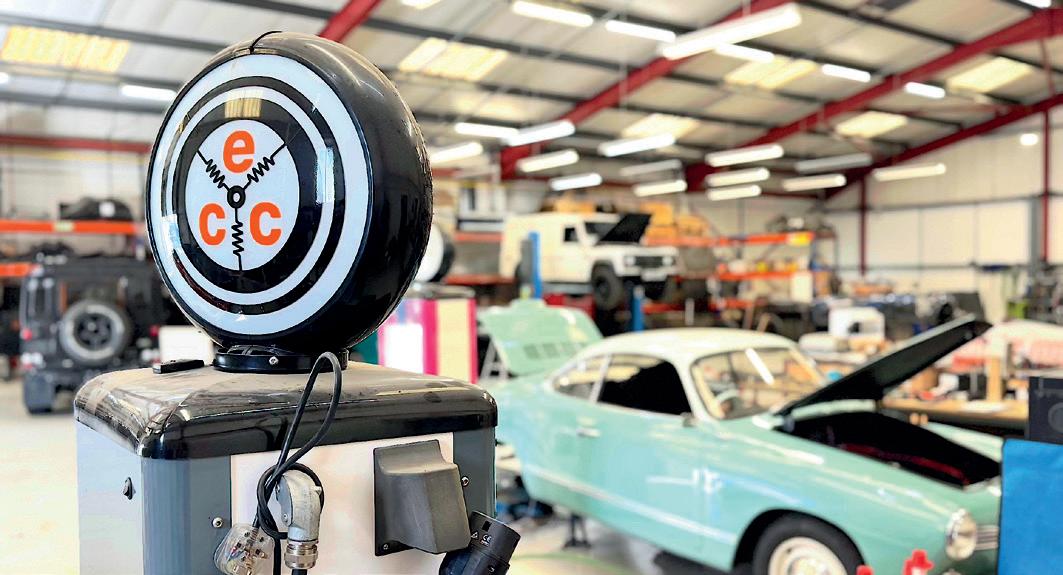
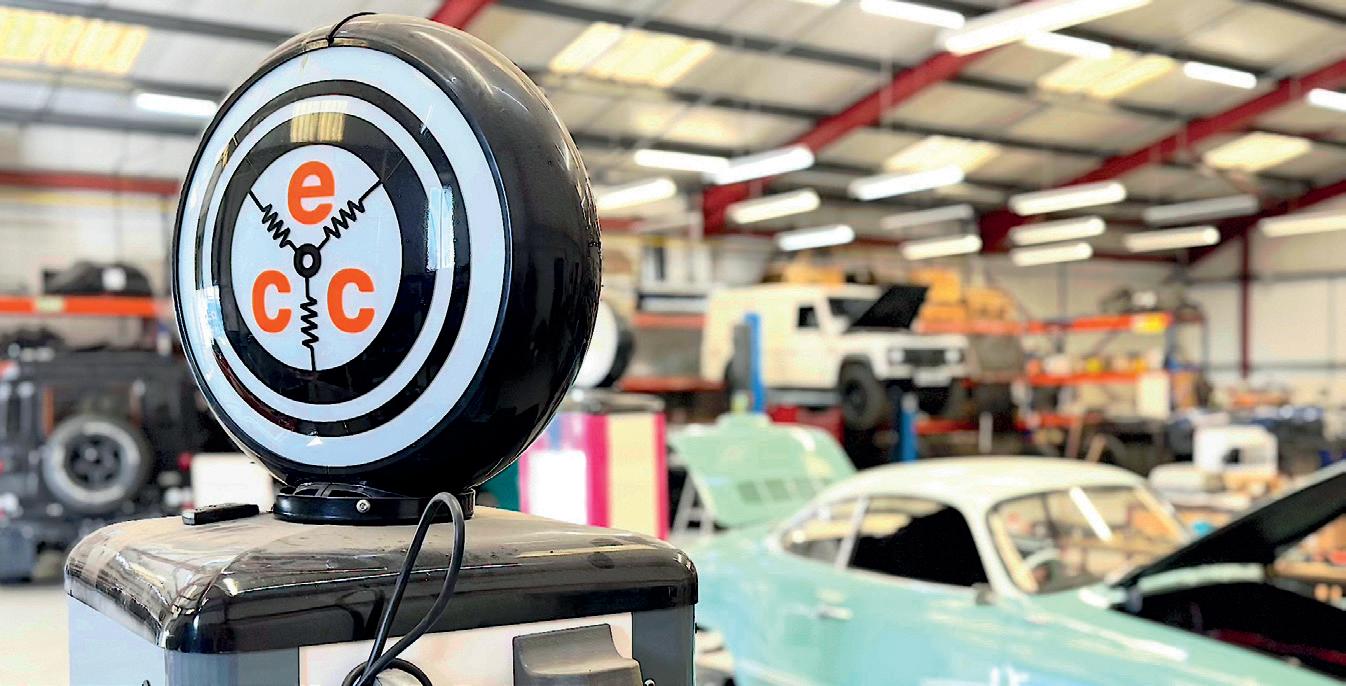
I’m particularly pleased with this month’s visit to Electric Classic Cars. Chatting to Richard “Moggy” Morgan has long been on our to-do list and George finally got the time to spend a day at ECC’s cave of dreams in Mid Wales. Not only did he get to spend a day exploring the workshop and seeing how EEC breathes new life into old cars, but he also got a great insight into what sparked Moggy’s passion for electrification and what continues to motivate him.
While George was doing that, I was here, there and everywhere driving a variety of new cars, from sensible to stylish to sporty. I’ll leave you to figure out which is which in our reviews section.
I’ve also been offering buying advice (sought after, honestly) to a few friends and family.




As a motoring journalist, you frequently get asked for “advice” on a potential car purchase. A lot of the time, though, you’re actually being asked for validation of a decision that’s already been made. That can be awkward when the conversation starts “What do you think of X” and you reply “Hateful waste of resources, don’t ever buy one” then realise that it’s already too late.
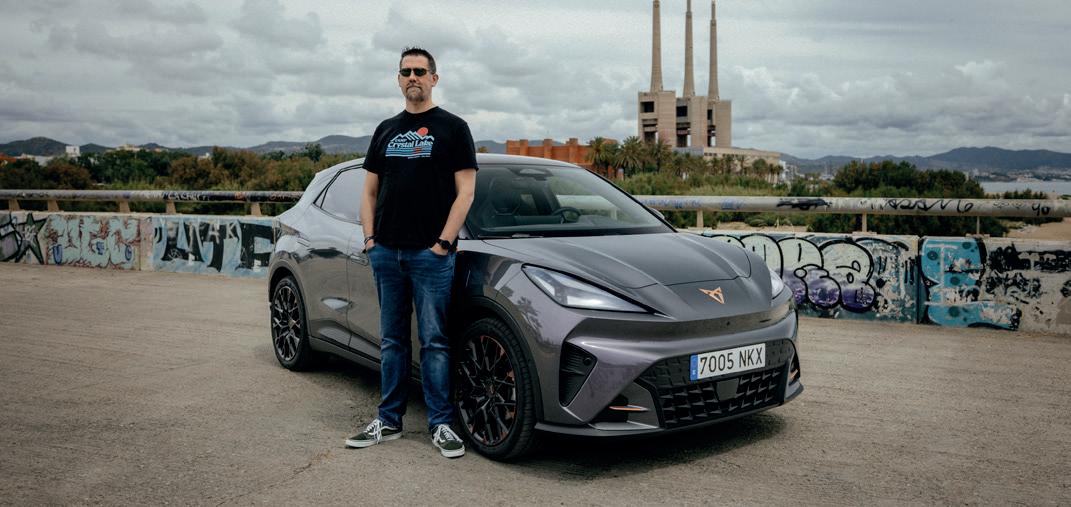
However, in recent weeks I’ve had three different people with very different needs ask for my thoughts on potential purchases. These have ranged from someone looking at low-cost options on a workplace salary sacrifice scheme (it’s got to be a Renault 5), to a cash buyer wanting something practical but fun (say hello, Cupra Raval) and a family seeking a sensible second-hand workhorse (so many good options).
It’s been fun talking over the options with all three of them, helping them assess their needs and priorities, and running down the pros and cons of various potential choices.
It’s also been gratifying to have that scope to run through lots of options. Even five years ago our conversations and their options would have been far more limited. Now for all three scenarios there are a plethora of worthwhile candidates. What’s almost as pleasing as the breath of choice is that, for once, it looks like they might actually listen to my advice too.
I may be proved wrong and they’ll all come back having bought a Skywell BE11, but hopefully not!
Until next month, enjoy the mag.
Matt Allan Editor, EV Powered
The EV Powered Team
Editor
Matt Allan Reporter
George East
Graphic Designer
Grace Moseley
Videographer
Jacob Pinchbeck
Content Sales Manager
Laura Phillips
Capital Business Media, Group MD
Richard Alvin
Business Development Director
Stephen Banks
Chief Creative Director
Stuart Hyde
Finance Director
Andrew Martin
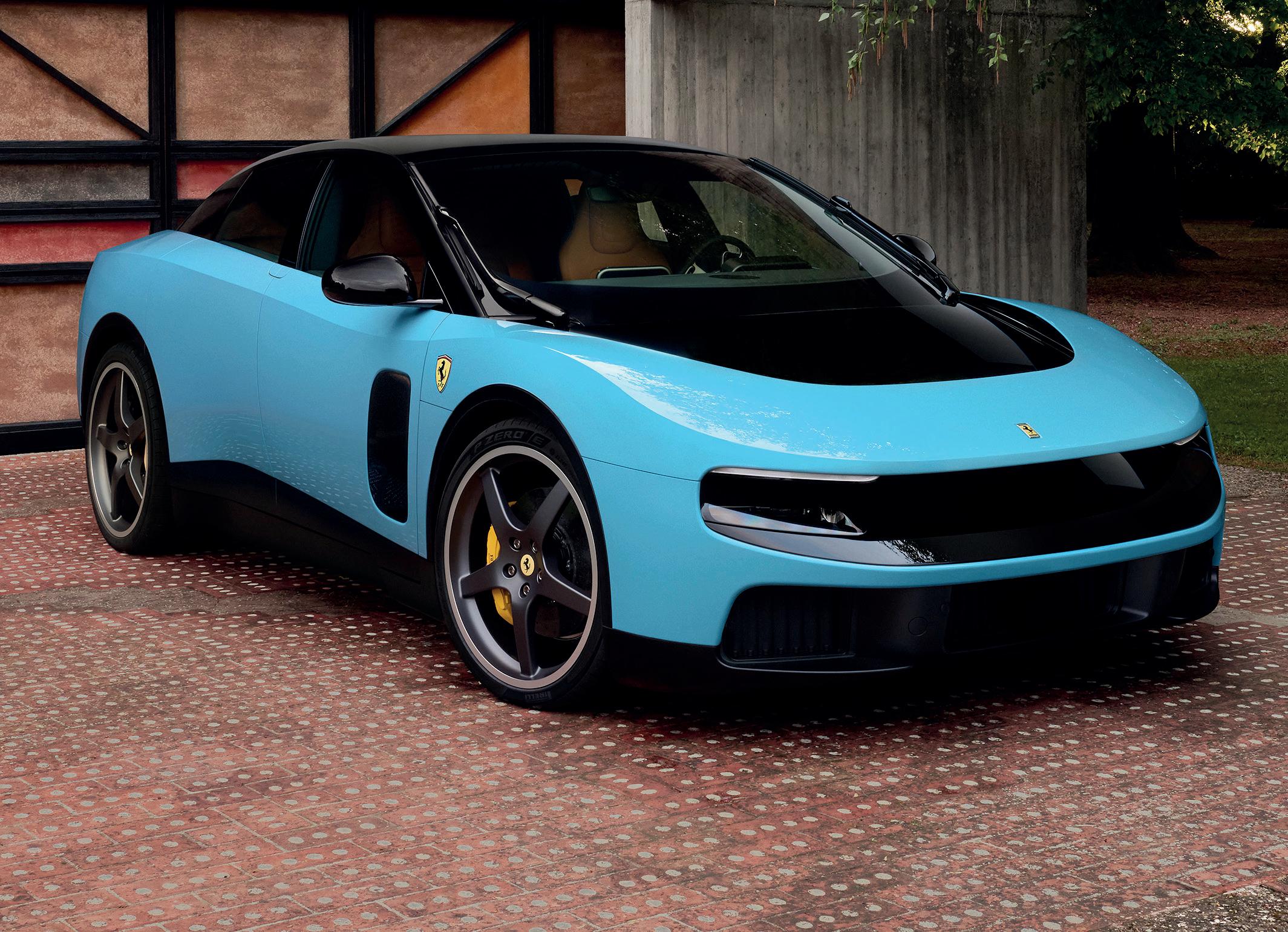
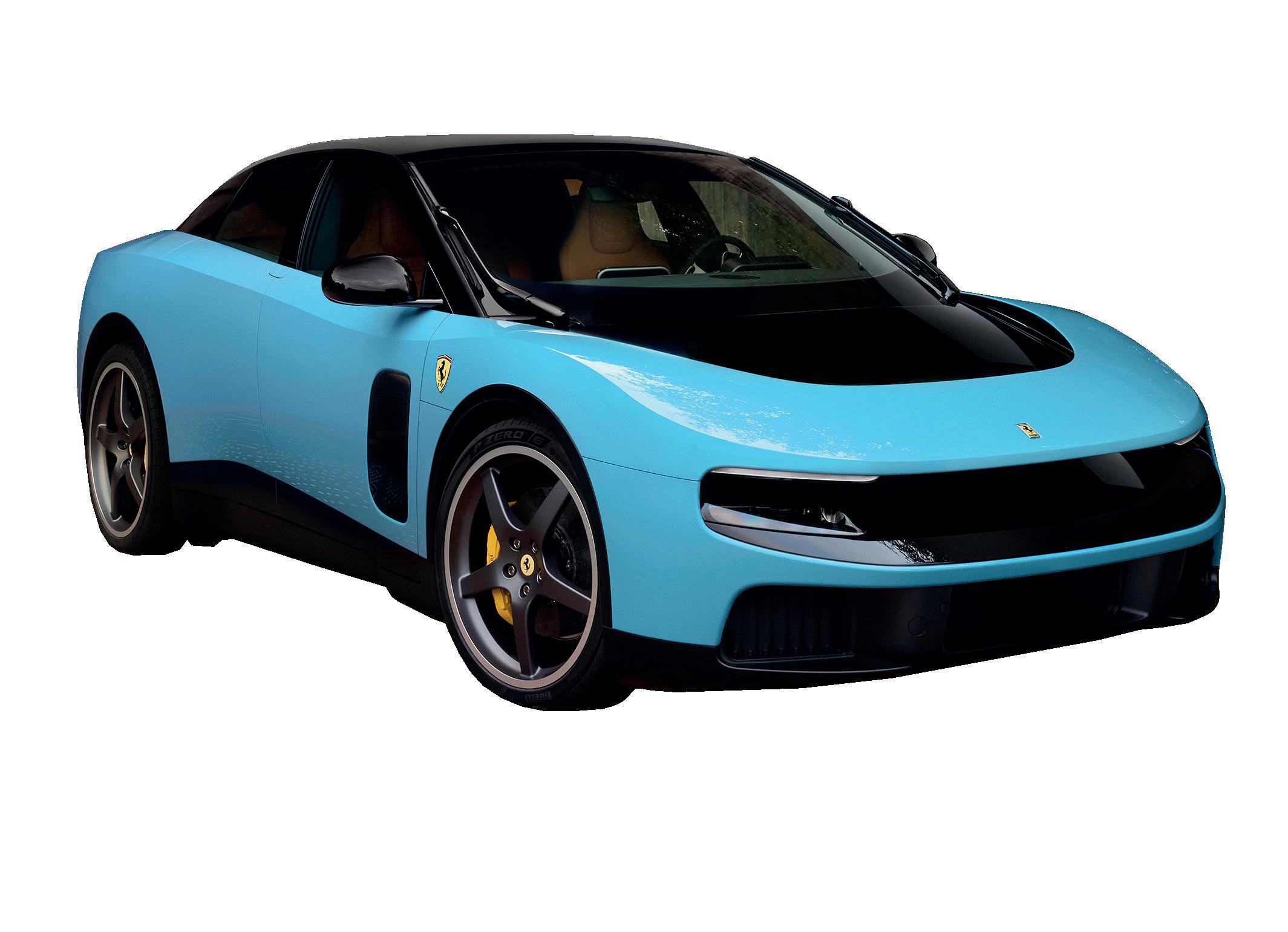
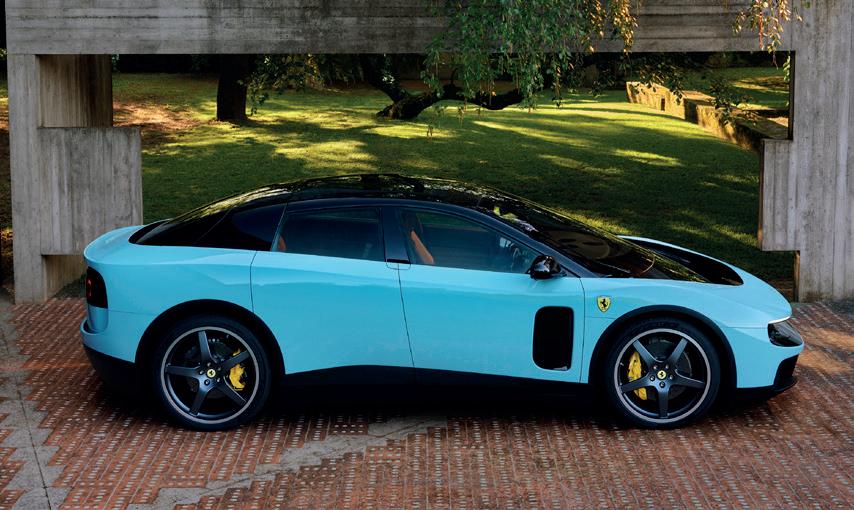
After six years in the making, Ferrari has revealed the exterior design and full technical details of its first dedicated all-electric model named the ‘Luce’, meaning ‘light’ in Italian.
Maranello’s Formula 1 drivers, Charles Leclerc and Lewis Hamilton, took the wraps off the muchanticipated car at an event in Italy’s capital, Rome, where it was confirmed with four electric motors, 1,036bhp, and a 329-mile range courtesy of a 122kWh battery.
Pricing for the Ferrari Luce EV has yet to be confirmed, but it is expected to go on sale in continental Europe for around €500,000 when it arrives early 2027. The car is set to head to the UK that same spring, where it will command a £440,000 price tag.
The Luce’s rear-biased quad-motor setup produces a combined output of 739lb ft of torque,
with the rear motors generating 416bhp and 262lb ft each. Those up front make 141bhp and 103lb ft, to produce a total bhp figure of 1,036 electric horses.
The Luce will launch from 0-62mph in just 2.5 seconds and top out at 192mph. Its radial flow, permanent magnetic synchronous motors lean into Ferrari’s motorsport heritage, and are derived from those used in the hybrid Le Mans-winning 499P prototype.
The Luce’s battery is a 122kWh unit designed and built in Maranello, and integrated into the car’s floorpan. Weighing 630kg, it comprises 29% of the Luce’s 2,269kg total weight. Thanks to its inhouse developed 800V electrical architecture, Ferrari promises an ultra-rapid charging speed of up to 350kW. Meanwhile, range is 329 miles.
The Luce’s powertrain isn’t the only first for Ferrari. It’s also the maiden four-door, five-seat model in its 86-year history, and has been designed by Sir Joni Ive – the designer of the iPhone – and Marc Newson, another former Apple designer.
The all-aluminium Ferrari Luce EV is a five-metre by 1.9m raised fastback. A two-piece floating glasshouse sits atop an aerodynamicallysmoothed, minimalist body, which is offset with floating spoilers front and rear.
Despite sparking controversy online, the striking design will not influence the rest of Ferrari’s line-up.
Given its designers’ backgrounds, the Luce’s
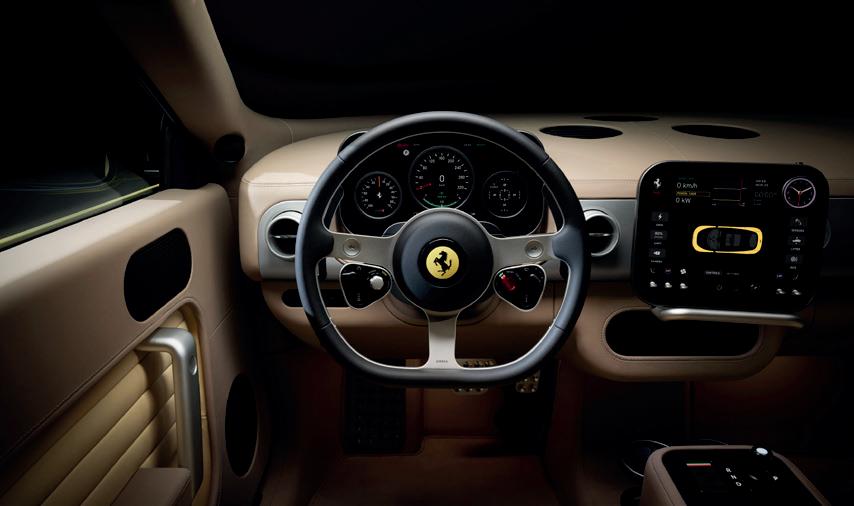
cabin is heavily inspired by Apple, with swathes of aluminium and strengthened glass. Moreover, the movable 10-inch centrally-mounted touchscreen bears a resemblance to an iPad.
Sitting in the top right corner of the screen is a clock with physical dials but a digital face, allowing it to be converted between either a compass or a lap timer. In a break from current trends, the Luce relies heavily on physical switchgear.
The 12.5-inch driver’s instrument binnacle combines the past with the present with three separate dials, created using two custom-made OLED screens and convex glass to create an analogue effect. Despite the digital dials, the dial for the centrally positioned digital odometer is a physical component, as are the switches on the manettino on either side of the steering wheel – these control each of the electric modes and powertrain settings.
VOLKSWAGEN ID. POLO GTI breaks cover
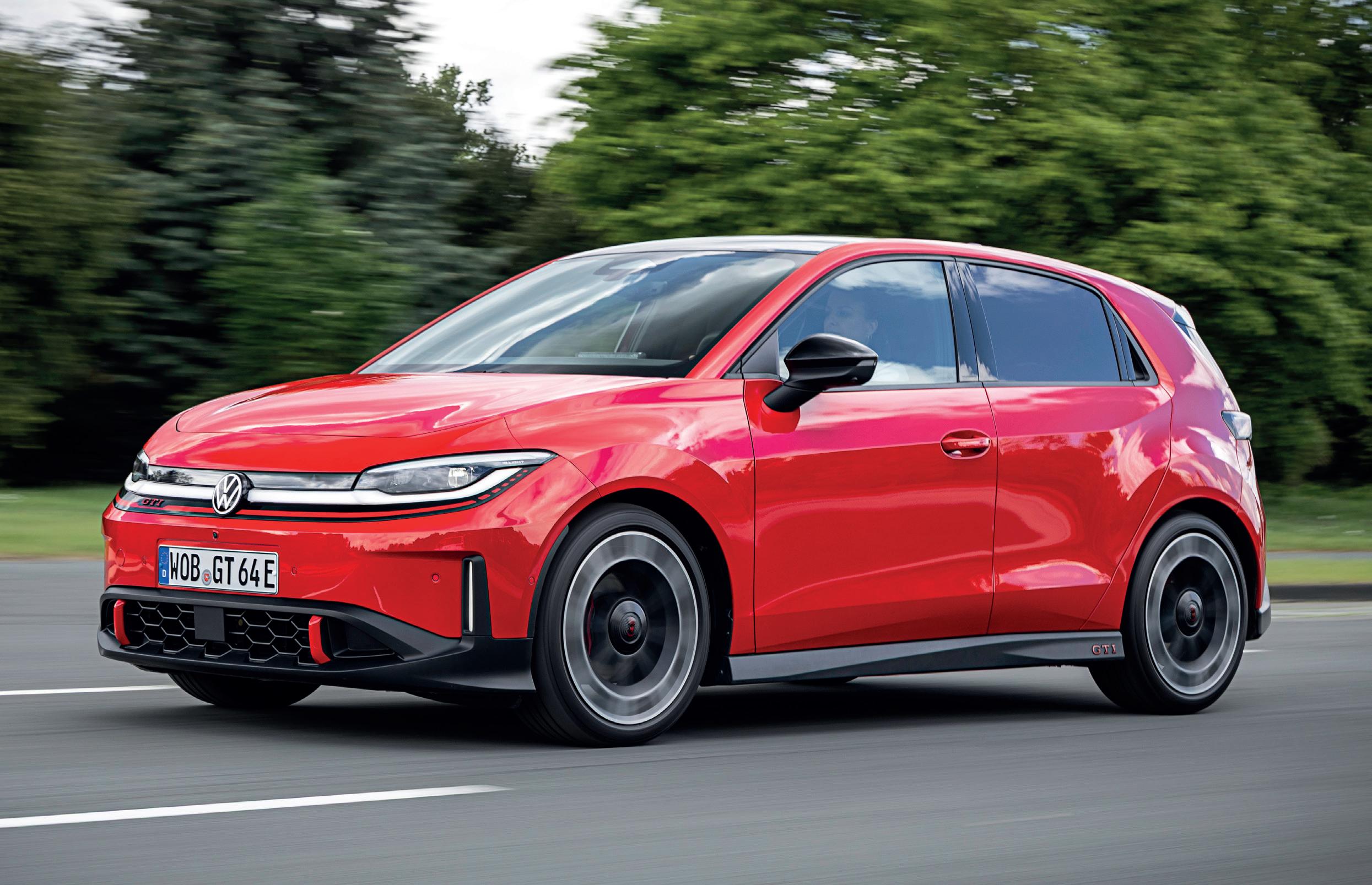
Volkswagen has finally revealed its all-electric ID. Polo GTI, promising a “GTI for a new era”.
The first ever electric car to bear the famous GTI moniker, the Volkswagen ID. Polo GTI arrives exactly 50 years after the original Golf GTI helped create the hot hatch segment.
Volkswagen says its new ID. Polo GTI stays true to the Golf’s mission, with more than 220bhp from a front-mounted motor, a 0-62mph time of under seven seconds and a bespoke chassis setup designed for agility and responsiveness.
Set to go on sale in October 2026, it’s gunning for the Alpine A290, Peugeot E-208 GTI and Vauxhall Corsa GSE.
The ID. Polo GTI adopts VW’s new Pure Positive design language but maintains clear connections with previous generations of Polo and famous GTI. VW says it’s done this through simple straight lines and exploiting the long wheelbase allowed by the electric platform.
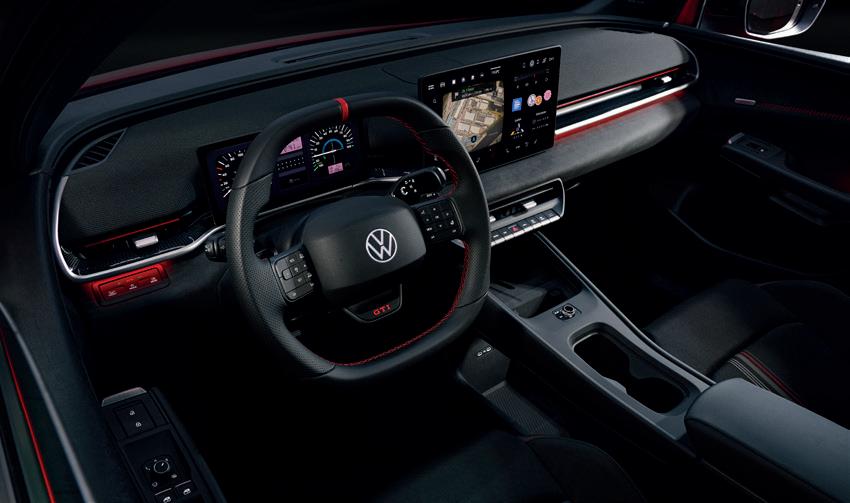
Hunkered down over 19-inch alloy wheels, with short overhangs and crisp body lines, it gives off traditional hot hatch vibes and blends traditional proportions with modern touches such as illuminated VW badges.
At the front, the famous GTI red strip wraps beneath the full-width light bar and features a 3D GTI logo finished in the iconic Tornado Red. That red is continued in two towing eye-style elements sitting in the traditional honeycomb lower grille. A front splitter and GTI-specific bumper complete the aggressive stance.
Black side skirts also carry the red GTI badge and flow into a chunky rear diffuser designed to enhance the ID. Polo GTI’s stance. Above that, the upright tailgate features a full-width light bar with 3D-effect tail lights and a GTI-specific two-section roof spoiler.
Inside the GTI colour scheme continues with red trim on the dashboard, red stitching on the door tops and a red centre line on the sports steering wheel.
Paying tribute again to the Mk1 Golf GTI, the sports seats are finished in a tartan microfleece and feature stitched-in GTI tags on the shoulder reading “Original GTI since 1976”.
The nods to the OG GTI even go as far as the digital dials. A “retro” display mode replaces the modern instruments with late Mk1 Golf-style dials and adds an ‘80s-style graphics to the infotainment display.
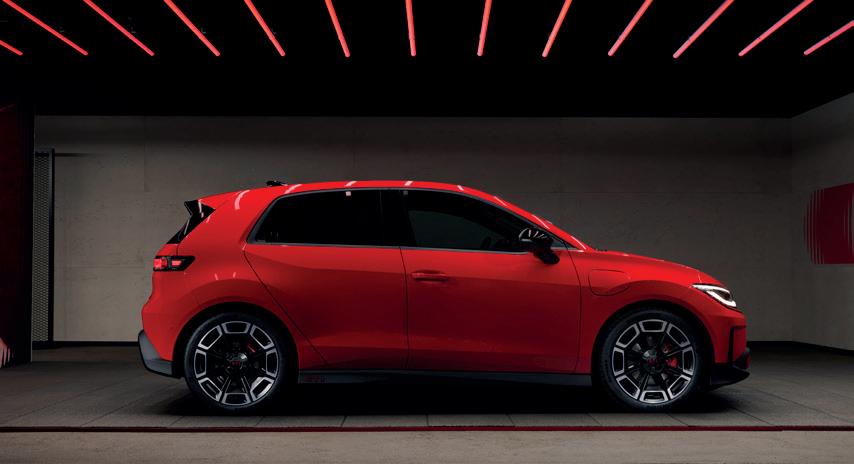
Using the same setup as the Raval VZ, the GTI gets a front-mounted motor producing 223bhp and 214lb ft. That will get it from 0-62mph in 6.8 seconds and on to a top speed of 109mph.
A 52kWh battery offers a claimed 263 miles of range, while 105kW charging should deliver a 1080% charge in 24 minutes.
Under the skin, the Polo. GTI gets bespoke tuning for its MacPherson strut front suspension and torsion beam rear. It also gets GTI-specific steering hardware and anti-roll bars, plus a performance focused throttle and braking setup. Every ID. Polo GTI gets VW’s 15-stage adaptive damping,along with an electronic differential lock for a proper GTI feel.
With pre-orders not set to open until October, VW hasn’t given any price indication yet. However, with the related Cupra Raval starting at just over £35,000, we’d expect it to occupy a similar space.
The ID. Polo GTI is based on the VW Group’s new MEB+ platform that also underpins the Cupra Raval (see page 16).
ELECTRIC CITROEN 2CV confirmed for 2028
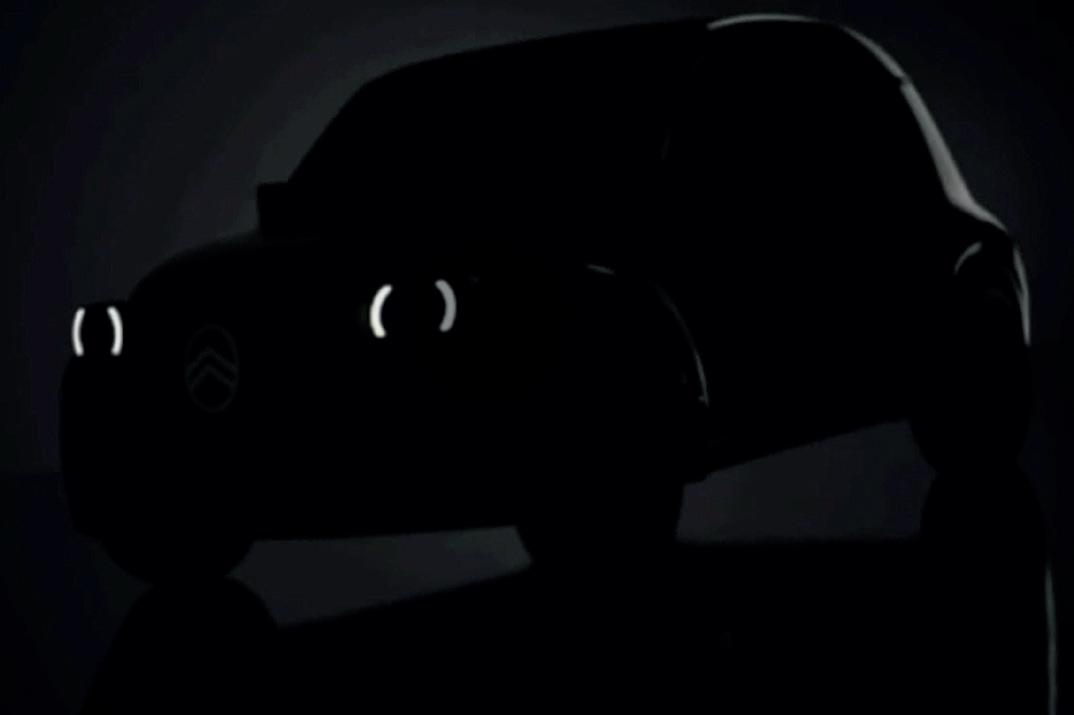
Iconic 'people's car' primed to return as low-cost city runaround.
JAGUAR reveals TYPE 01
The French manufacturer will showcase its new model at this year’s Paris Motor Show ahead of a production launch in 2028.
Citroen CEO Xavier Chardon confirmed the news at parent company Stellantis’s investor day, announcing “The 2CV is back”.
Citroen says the new 2CV electric will not just be a revival but will channel the spirit of the original and “represents a new vision of accessible mobility: electric, simple, versatile and highly desirable”.
Along with an expected “mini” Fiat Panda, the 2CV will be built at the Pomigliano d’Arco factory in Italy and is designed to fit into a new M1E car class. This sits between the existing M1 passenger car class and the L7 quadricycle class and will put the 2CV somewhere between the basic Citroen Ami, which costs around £10,000 and the larger E-C3, which starts at almost £20,000.
name for radical new 1,000bhp
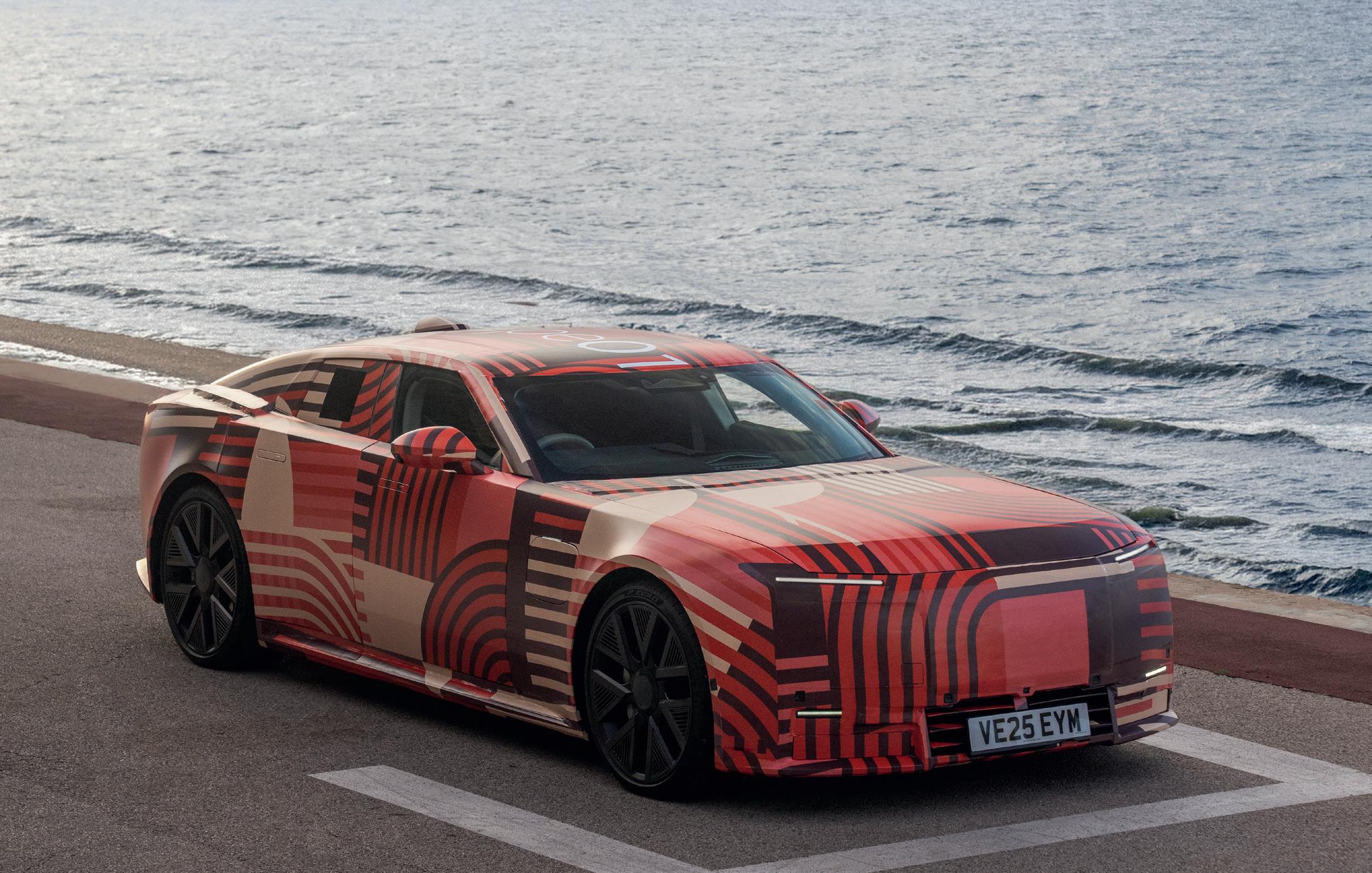
Jaguar has announced the name and first technical details of its luxury saloon ahead of the car’s full reveal later this year.
EV
The Jaguar Type 01 name pays homage to the brand’s long heritage and nods to its vision of a range of all-electric models.
The Type element is a callback to some of the most famous Jaguars ever, including the iconic E-Type. The ‘0’ part represents electric propulsion and zero tailpipe emissions, while ‘1’ marks its status as the first Jaguar of a new era.
Previously known as the Type 00, the Jaguar Type 01 will use a radical trimotor powertrain to deliver more than 1,000bhp and 959lb ft, making it the most powerful Jaguar ever by quite some margin.
Jaguar boss Rawdon Glover said the new British-built super-saloon “looks and drives like no other electric car, yet reflects a unique provenance”.
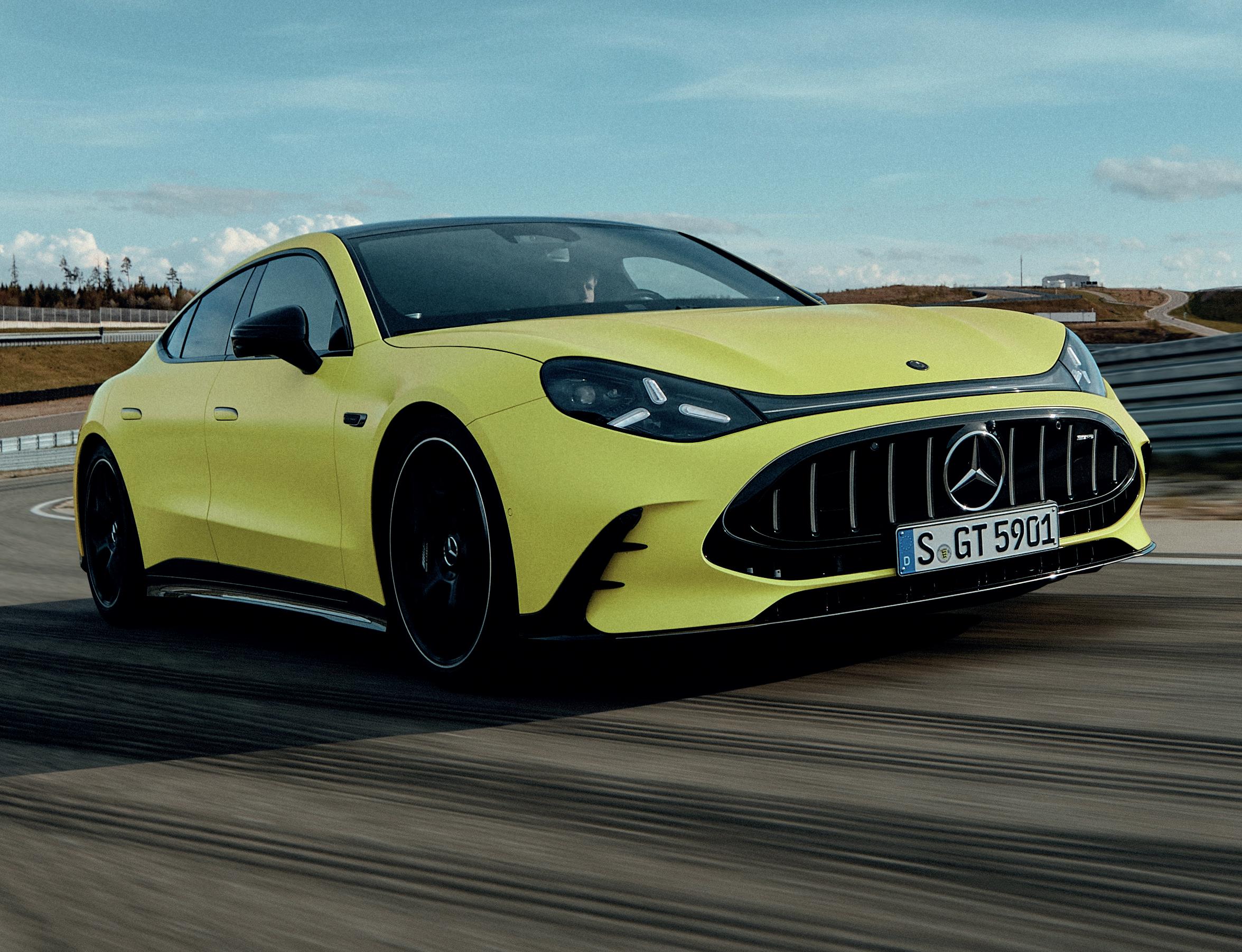
WILD MERCEDESAMG GT EV is here
When it goes on sale in the UK in September, the all-electric super saloon will be priced from £150,000, spearheaded by the flagship GT 63 model.
In this range-topping guise, the Mercedes-AMG GT EV can do the 0-62mph run in just 2.4 seconds courtesy of 1,169bhp and a 1,475lb ft of torque from its tri-motor setup. The Merc’s top speed is 186mph, placing it firmly within Lotus Emeya and Porsche Taycan territory.
The AMG GT EV’s three axial-flux electric motors were developed by Yasa, the Mercedes-Benz-owned motor specialist based in Oxford, and the AMG High Performance Power division in Brixworth.
These all-new motors are a major departure from the existing radialflux motors currently used by Mercedes. Their electromagnetic flow runs parallel (as opposed to perpendicular) to the motor shaft, allowing for a more compact, disclike construction.
As such, each rear motor measures around 80mm wide, while the front motor is approximately 90mm across. The motors ensure that
The new Mercedes AMG GT 4-Door Coupé has arrived with an enormous 1,169bhp, making it the most powerful Stuttgart car built to date.
the AMG GT comes with fully-variable four-wheel drive with torque vectoring across the rear axle.
Alongside the GT 63 model, the AMG GT EV is available in entry level GT 55 guise, packing a similarly healthy 816bhp and 1,328lb ft of torque. Irrespective of trim level, each AMG GT EV comes with a 106kWh battery, returning a range of up to 432 miles in the most efficient GT 55 guise.
The AMG GT 4 Door Coupé is the first model to ride on Mercedes’s dedicated AMG.EA platform. Developed by AMG’s team in Affalterbach, Germany, the platform’s 800V electrical system supports charging speeds of over 600kW, translating into a 286-mile top up in around 10 minutes.
Mercedes has placed driver engagement at the heart of its electric flagship, starting with the addition of a synthesised V8 engine note, paired with haptic feedback through the seats.
This is paired with a simulated gearbox designed to replicate the characteristics of an AMG engine. Control of the chassis and powertrain is managed by the AMG Race Engineer system, which brings together motor, braking, and suspension functions.
To underline the car’s luxury performance credentials, the cabin is trimmed in carbon fibre, metal, and leather. The driver gets a 10.2-inch digital display cluster, and the passenger has a 14-inch passenger touchscreen. Another 14-inch touchscreen sits in the centre of the dashboard.
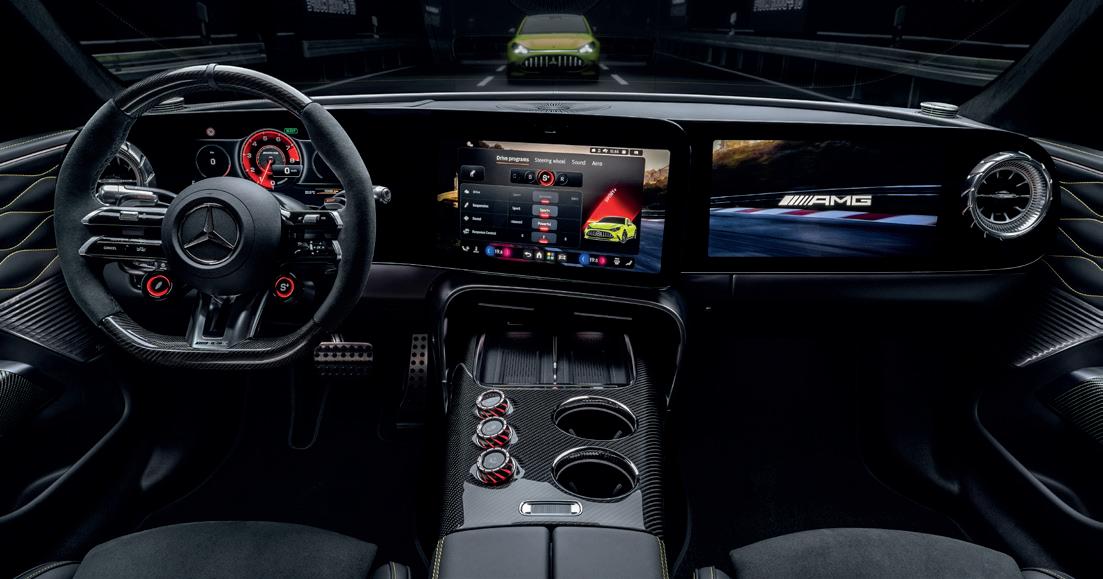
At 5.94 metres long, 1.96 metres wide, and 1.4m tall, the big Merc tips the scales at 2,460kg. However, the low mounting position of its compact electric motors give its much lower centre of gravity than its internal combustion-engined predecessor, the 2018 GT 4-Door Coupé.
Production will begin and Mercedes’s Sindelfingen plant in Germany this July.
9 EV NEWS
The Epiq will go on sale in the second half of 2026 and is set to compete with the Renault 4, Ford Puma Gen-E, Kia EV 2 and BYD Atto 2, with prices starting at under £25,000 when orders open in July.
Based on the same MEB+ platform as the upcoming Volkswagen ID.Cross, the Epiq is 4.17m long and 1.8m wide and is the first Skoda to be developed entirely with Skoda’s Modern Solid design language inside and out.
At the front, slimline T-shaped lights stretch down the leading edge of the wings and across the width of the car’s gloss black “Tech Deck” grille. Below the sensor deck an upright, slatted lower bumper emphasises the Epiq’s positioning as an SUV and echoes a feature from the Vision 7S concept car.
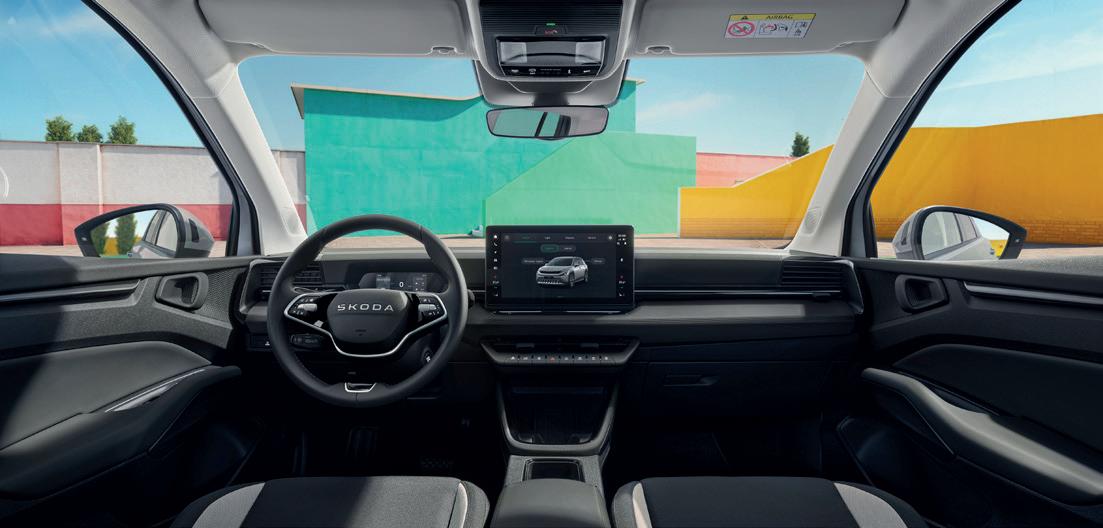
Inside, the Epiq features a low, flat dashboard housing a slim 5.3-inch digital instrument display and a 13-inch touchscreen.
Skoda says that the Epiq features digital technology where it helps “not where it distracts”. So beneath the Google-powered infotainment screen, there is a bank of practical piano key-style buttons for driving modes, setting driver assistance and controlling certain heating functions.
Like virtually every Skoda before it, the Epiq promises to offer more space and practicality than similarly priced rivals. Skoda says that despite being shorter than the petrol-powered Kamiq, it provides more interior space and offers “outstanding” room for the class. The Epiq’s 475 litre boot puts all of its key rivals in the shade and is backed up with a 24-litre frunk.
At launch Skoda will offer the Epiq with a choice of two batteries and two motors.
Entry-level models get a 37kWh LFP battery good for 190 miles of range. In Epiq ‘40’ models this is paired with a 133bhp front-mounted motor.
Above the Epiq 40, the Epiq 55 gets a 52kWh NMC battery and a 207bhp motor. Skoda says this variant can cover up to 272 miles on a charge.
EPIQ WIN:
Skoda reveals £24k Renault 4 rival
Lower-powered versions of the Epiq offer 88kW DC charging, while the larger battery charges at 104kW, allowing a 10-80% topup in 24 minutes.
Orders for the new Skoda Epiq open in July and buyers have a choice of three trim levels.
The entry-level Epiq SE L 40 starts at £24,950 with the smaller battery and motor. It features 18-inch alloy wheels, LED lights, rear sensors, adaptive cruise control, keyless start/stop and single-zone climate control as standard.
The SE L grade is also available with the larger battery, priced from £27,700.
Both battery/motor setups are also available in Edition trim. This starts at £27,700 for the smaller battery and £30,450 for the larger. Edition trim adds heated front seats and steering wheel, a reversing camera and front sensors, two-zone climate control and sat nav. It also comes with keyless entry, vehicle-to-load ability and the more advanced Travel Assist Plus.
With the Epiq rolling out of the VW Group’s Pamplona factory, it’s also likely to get the £1,500 Electric Car discount when it goes on sale.
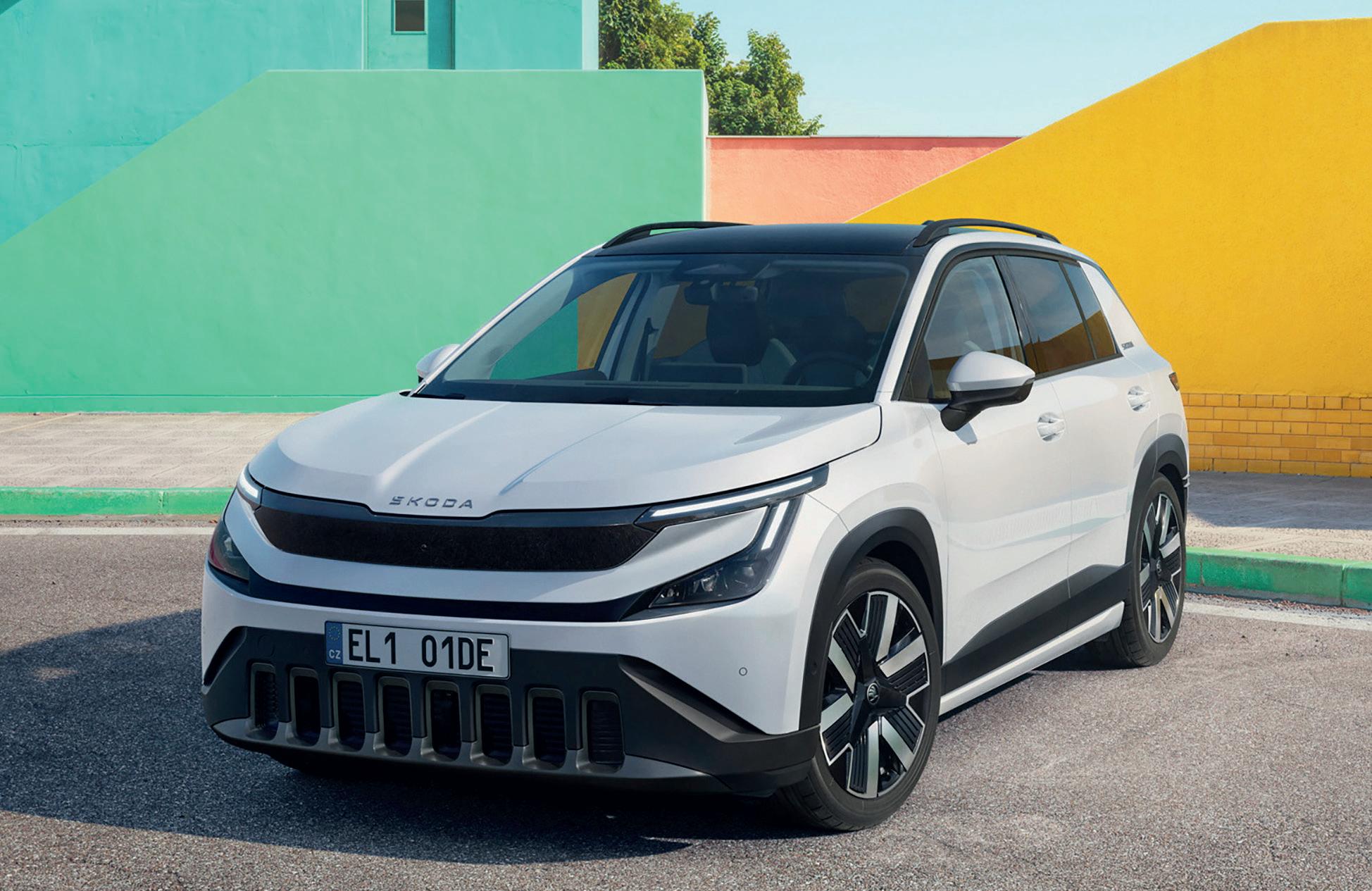
Skoda has officially revealed its allnew Epiq electric SUV, promising class-leading practicality and up to 272 miles of range.
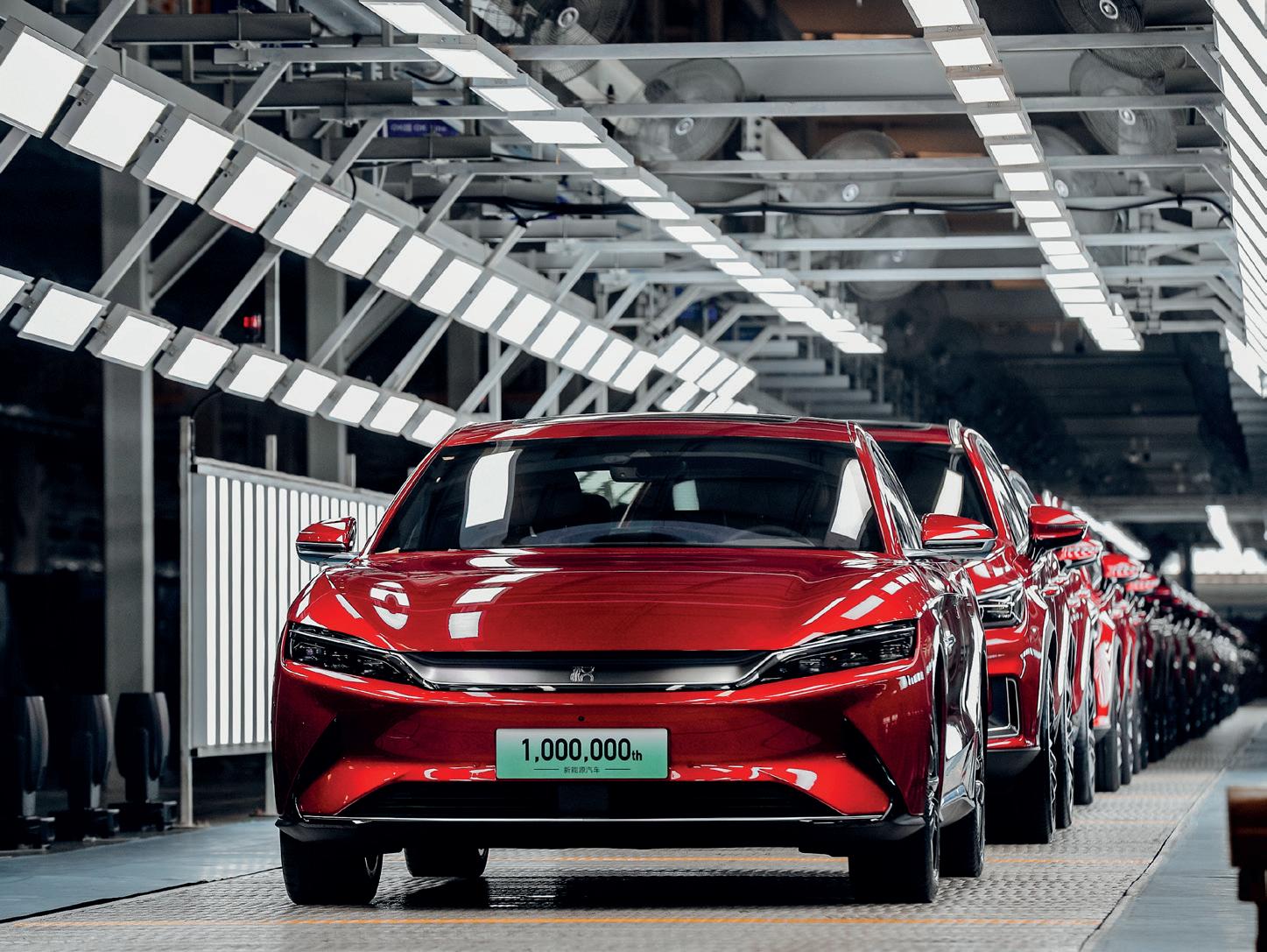
BYD to launch range of Eurofocused models by 2029
The project will begin with the Dolphin G DMI, which will act as a plug-in hybrid alternative to the electric-only BYD Dolphin Surf.
BYD’s executive vice-president, Stella Li said the pivot towards Euro-focused models was about having customers “think of BYD as a European brand”.
Speaking at the Financial Times’s ‘Future of the Car’ event in May, she said “In the future there will be more and more products designed for European tastes and consumer needs and designed here.
“In China the competition is making cars bigger and bigger. This makes it impossible in Europe. Now in certain ranges such as C- or B-segment we are going to split, so now we are going to have a European standard.
“In the next three years, car design [for these models] will be much more for Europe. No longer [will] China cars [be] shipped to here to share with Europe.”
BYD has confirmed it will release a line-up of models designed and developed in Europe for the European market.
STELLANTIS to build Dongfeng EVs in Europe
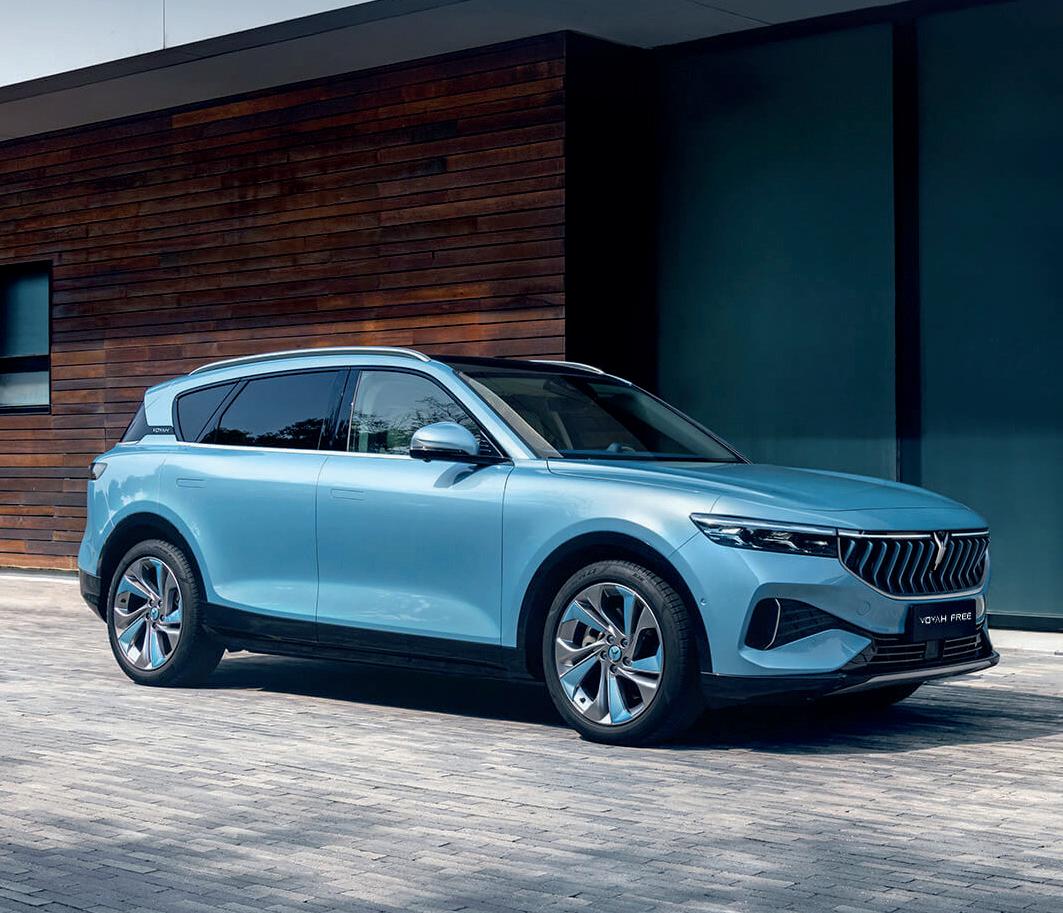
Citroen and Peugeot parent group Stellantis has signed a deal to build and sell Dongfeng cars in Europe.
The joint venture will see Stellantis take the lead on launching the Voyah brand from the Chinese state-owned Dongfeng group.
The move, which will see Voyah new-energy vehicles built in Rennes, France, will help Dongfeng circumvent the current import tariffs on Chinesebuilt cars. It will also see Stellantis use its existing parts, logistics and sales networks to launch the brand in “designated European markets”.
Voyah is positioned as a premium brand in its native China. It specialises in D- and E-segment models including large SUVs and luxury MPVs, with a mixture of pure electric and plug-in hybrid powertrains.
The two groups already collaborate in China, where Dongfeng is set to build four new Peugeot and Jeep models in the coming years.
All-electric
TOYOTA HILUX rolls into town with £58k price tag
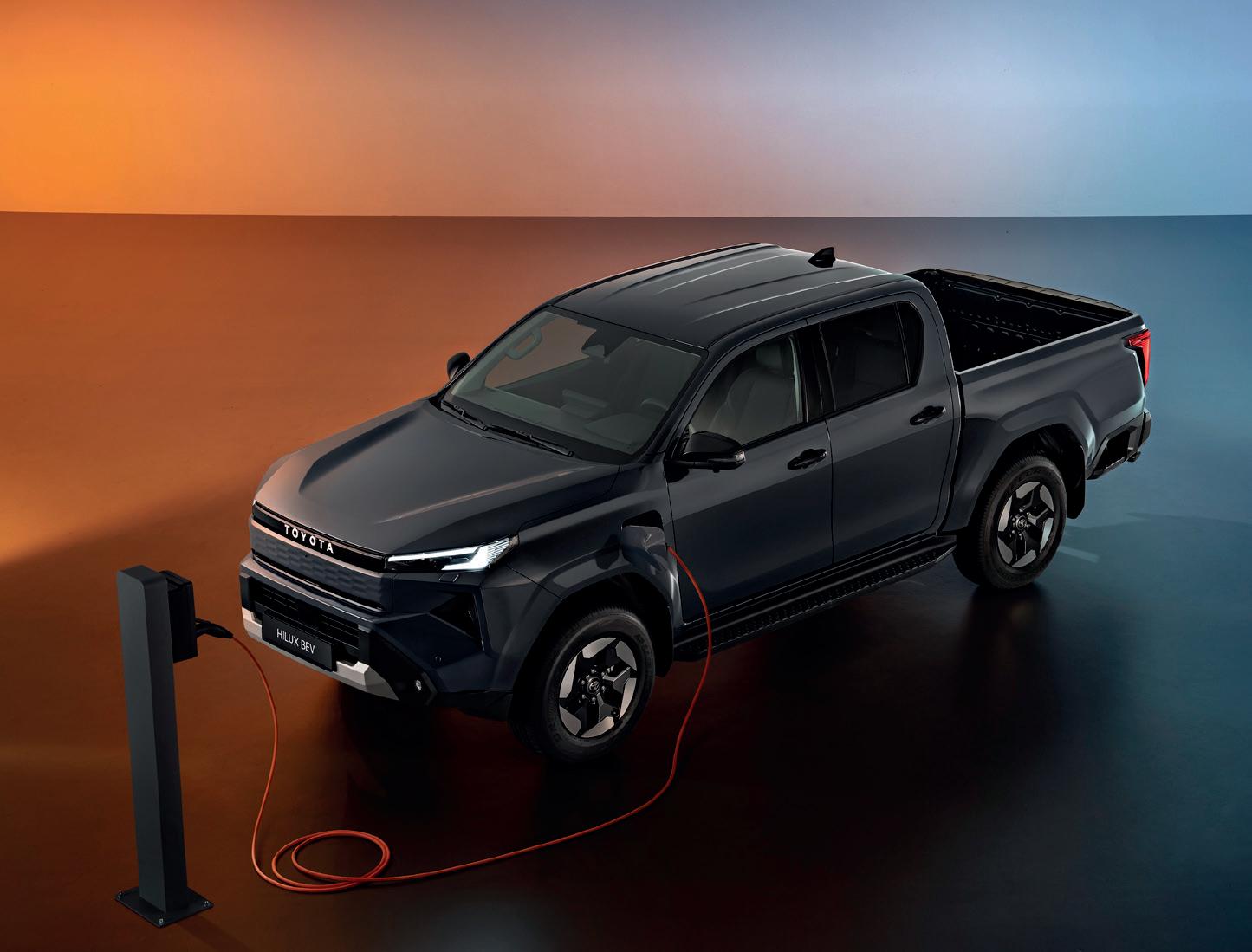
Toyota has confirmed pricing and specification for its first ever electric Hilux pick-up truck.
The Hilux BEV costs from £57,845 – a £9,000 premium over the equivalent 48V diesel hybrid. That, however, does not factor in the UK’s Plug-In Van Grant, which drops the price by £5,000.
On sale now, the Hilux BEV is only be offered in a four-door, five-seat Double Cab body style, although a two-door conversion is expected at a later date.
Unlike the diesel, which gets four trim levels, the electric version of the ninth-generation truck comes in just two grades.
Entry point Icon models feature alloy wheels, side steps and specific off-road driving modes along with heated seats and a 12.3-inch touchscreen with smartphone integration.
The Invincible spec, priced from £60,695 before the PIVG, adds LED headlights, leather upholstery, power driver’s seat adjustment and a 12-inch digital instrument panel display.
MOT reforms cut red tape for heavy van fleets
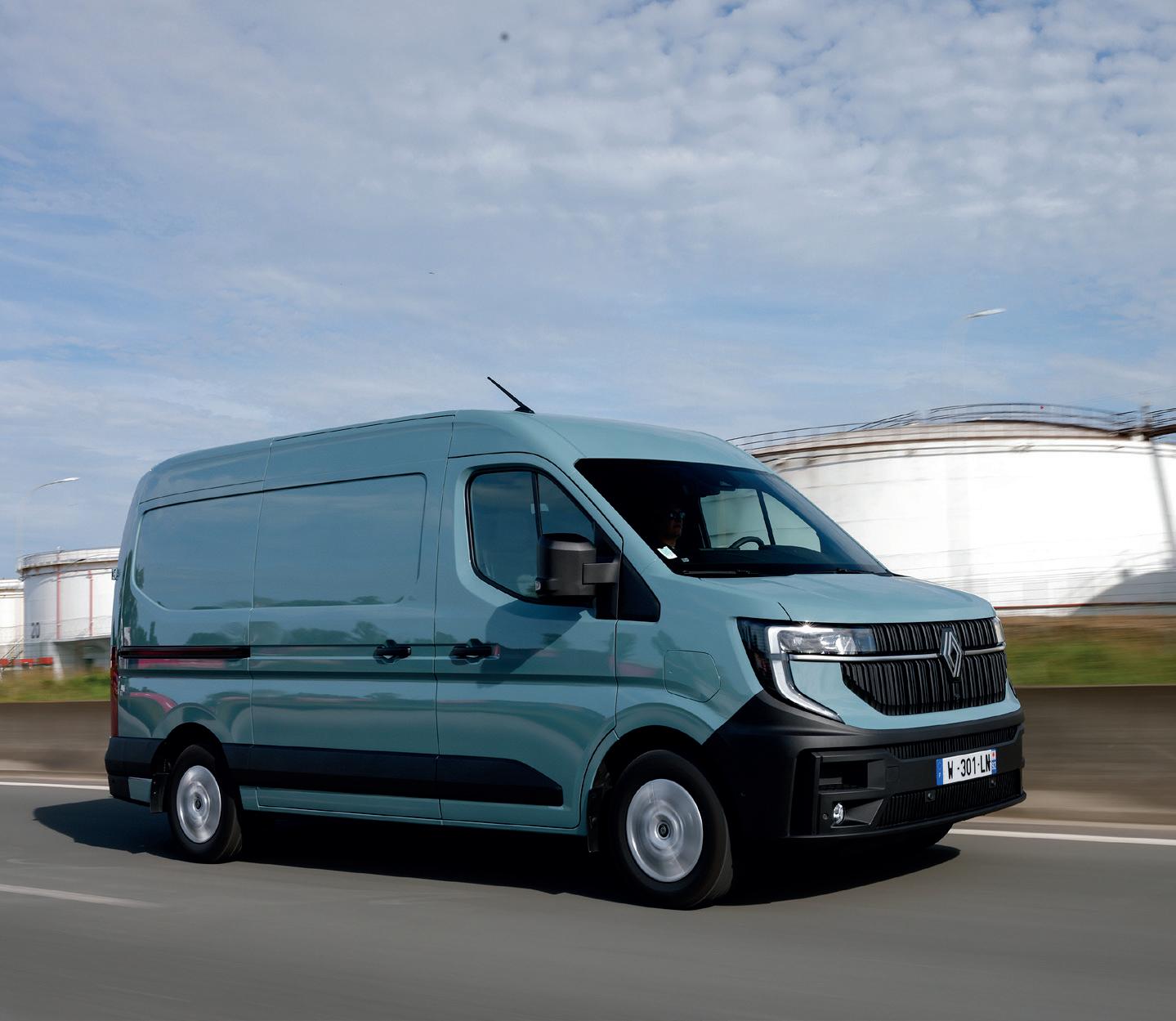
The Department for Transport has confirmed that changes to electric van MOT rules will come into effect from 1 June.
The new rules mean electric vans weighing between 3.5 tonnes and 4.25 tonnes will be tested under Class 7 MOT requirements rather than the tougher HGV rules.
This brings electric vans in line with diesel vans of the same weight and means that they will require their first MOT three years after registration rather than after one year.
Previously, large electric vans have fallen under the same testing regime as small HGVs due to the additional weight of the drive battery, despite the fact they do the same job as diesel or hybrid panel vans of a similar size.
The shift also means lower MOT test costs for operators and easier access to testing facilities. It also removes the tachograph requirement for electric vans up to 4.25 tonnes.
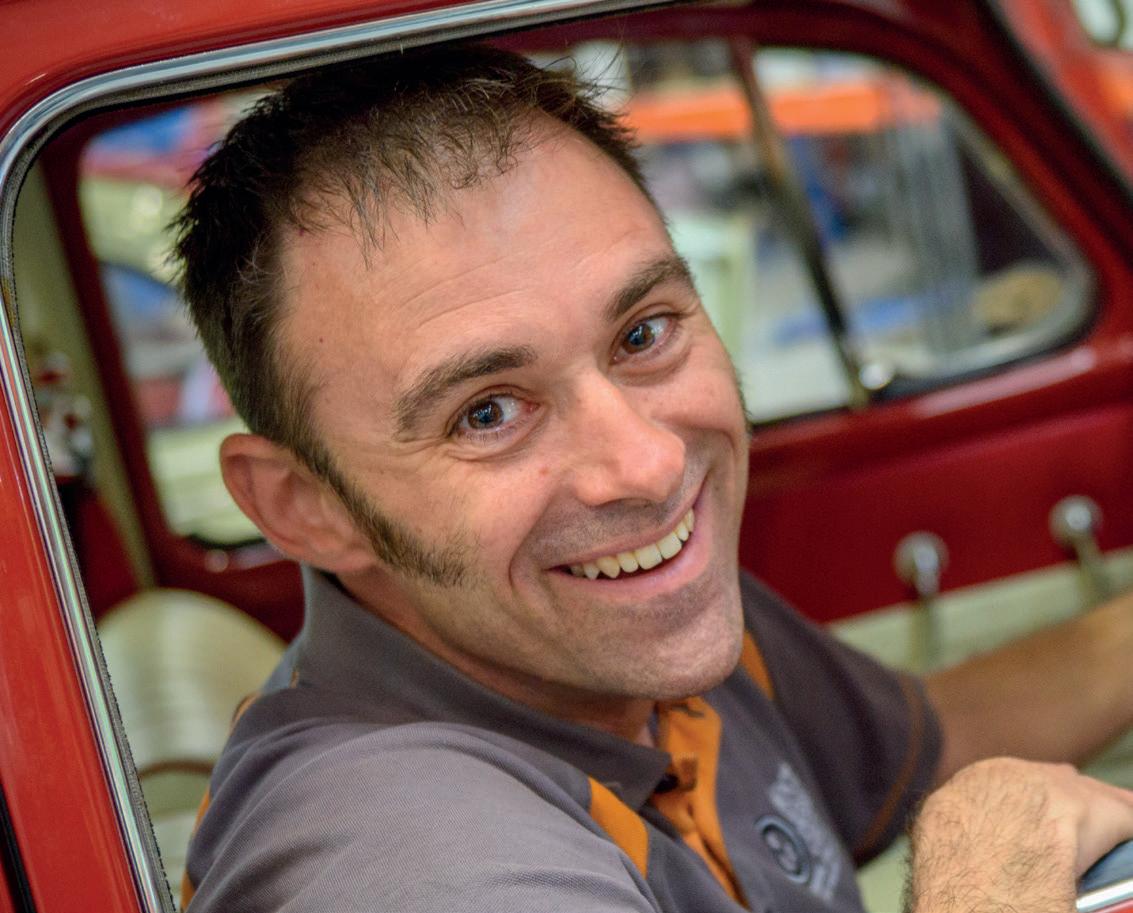
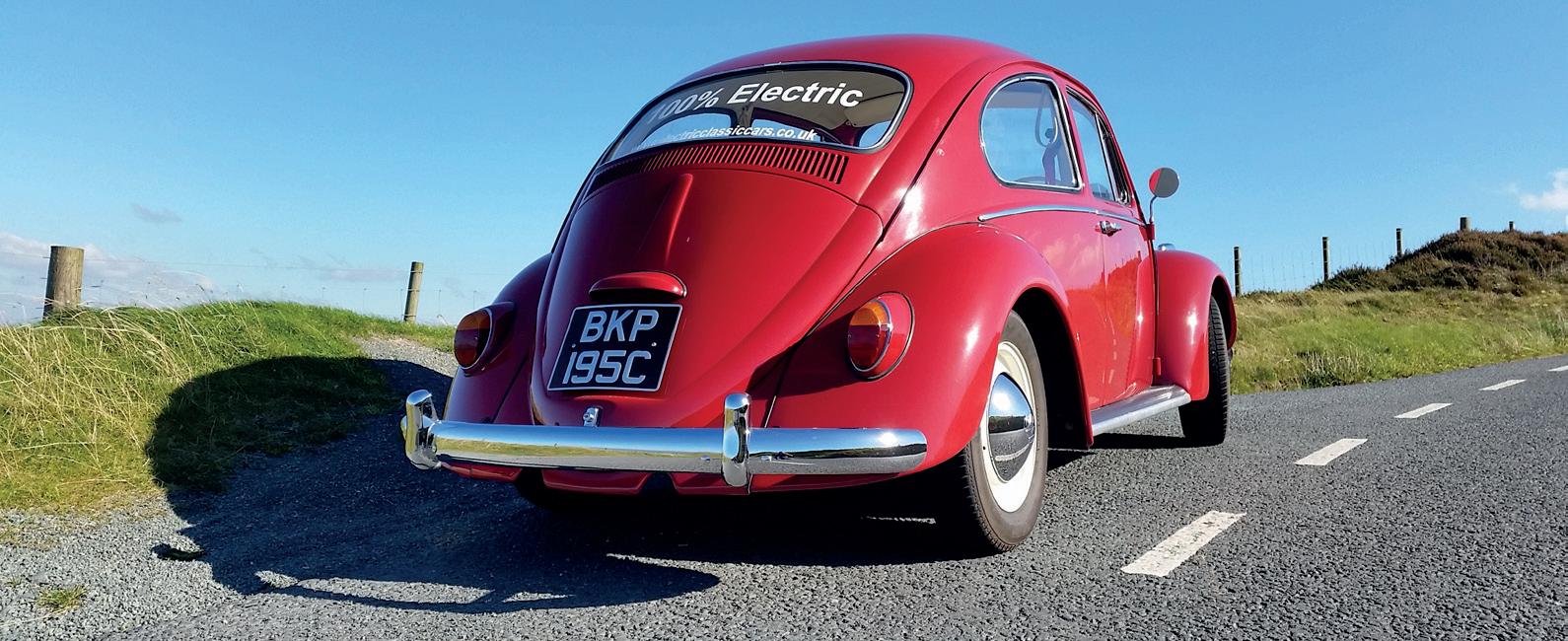
“I realised quickly in my professional career how much power there is in electric motors and stuff, so I thought ‘I’ll give that a go’ and converted my ‘60s Beetle to EV,” he continues excitedly. “I went out of my driveway, turned onto the main road, put my foot down, and was like ‘whooooa, that’s brilliant!’ - petrol’s dead for me!
“But all of this, honestly, started as an engineering exercise to keep me busy. As I’ve said many times, it’s a hobby that’s got out of control, and if you turn your hobby into your career, you’ll never work a day in your life. I’m very lucky that I enjoy going to work every morning.”
'I can make it better'
While starting out, Morgan initially decided “if I’m going to turn classic cars into electric, then they have to be classics with rubbish engines, just like this Camper we’re sitting in now,” he says with a slap of the rear bench.
“I say this with a lot of love for classic VWs, but the engine was a bit pants, to be honest - it had about 40bhp and wouldn’t pull the skin off a rice pudding. The noise was a bit iconic, but that was it. We set out to change that.”
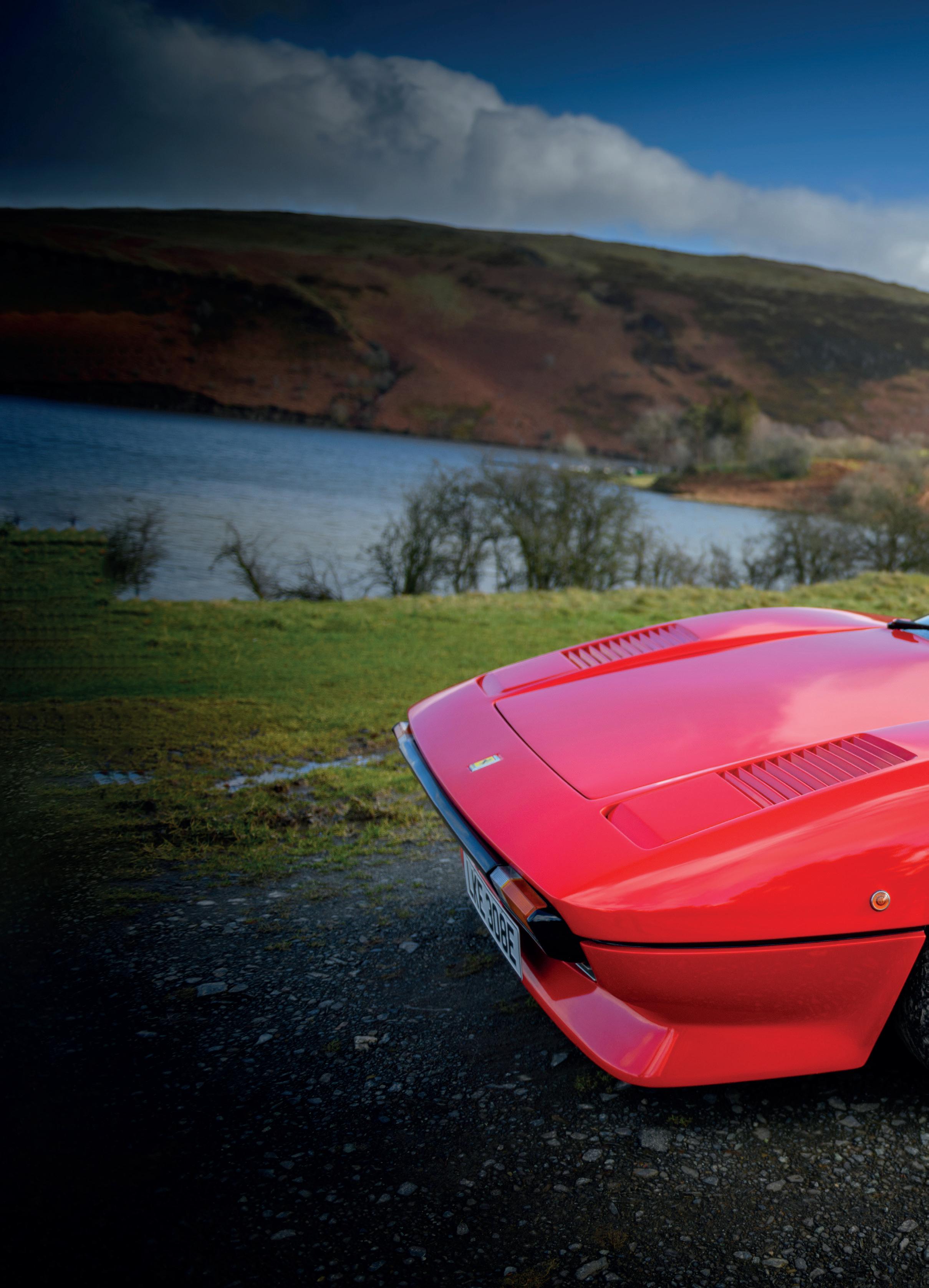
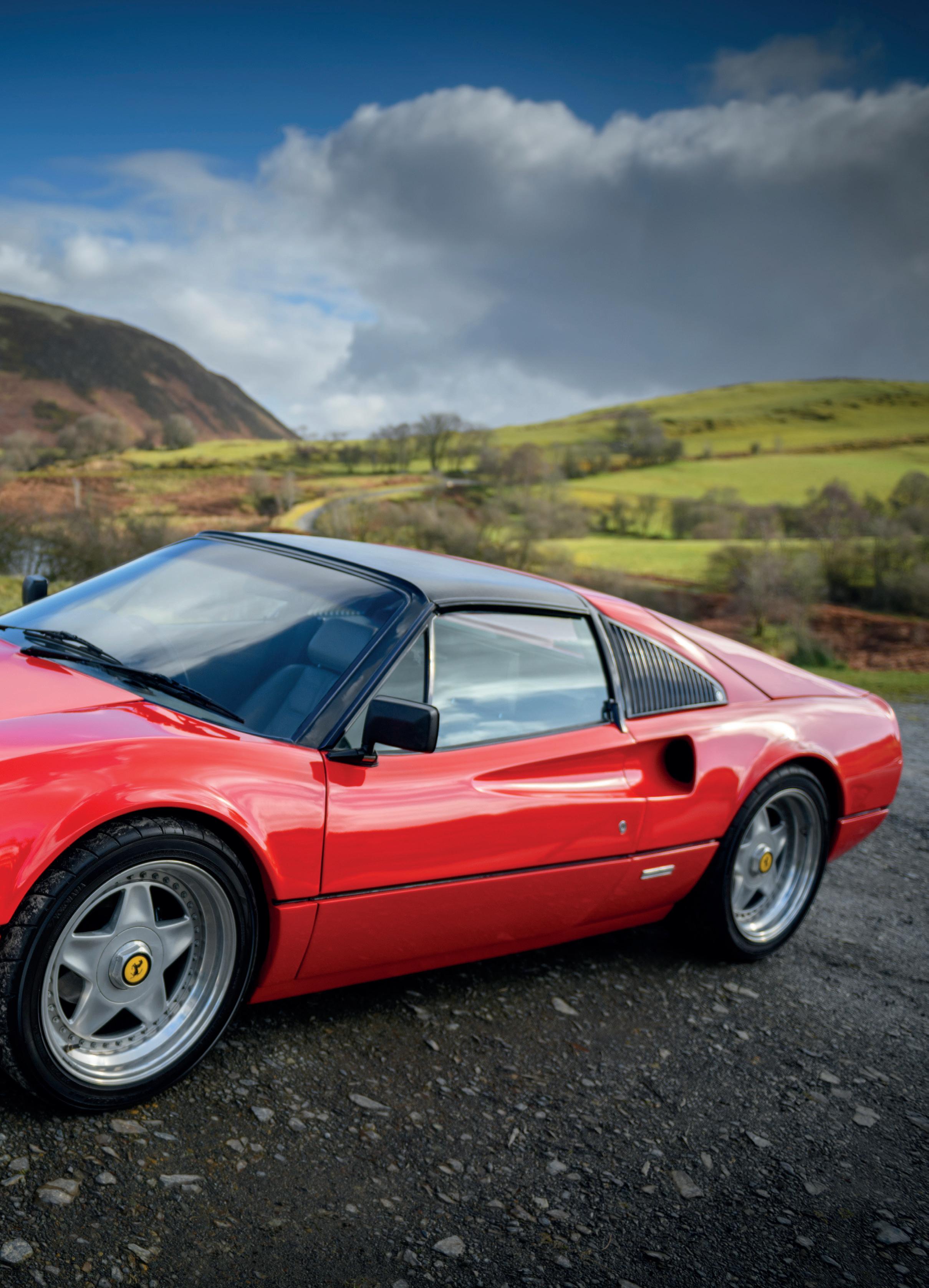
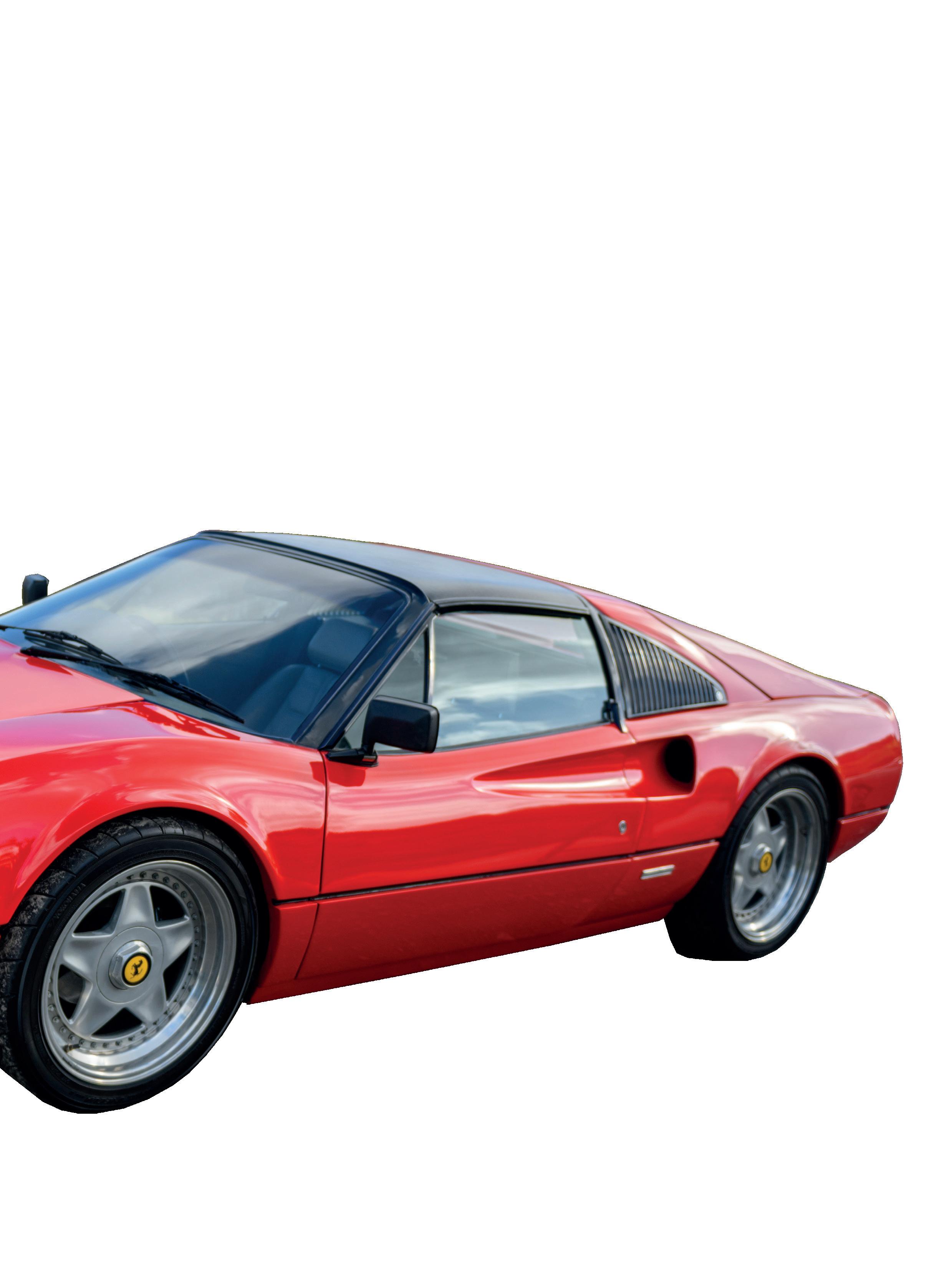
A particular car from the early years that sticks out in the ECC story is a Ferrari 308. Fed up with it breaking down, the owner contacted Morgan and asked him what he can do to improve it. “It’s easy,” he replied. “I can make it better.”
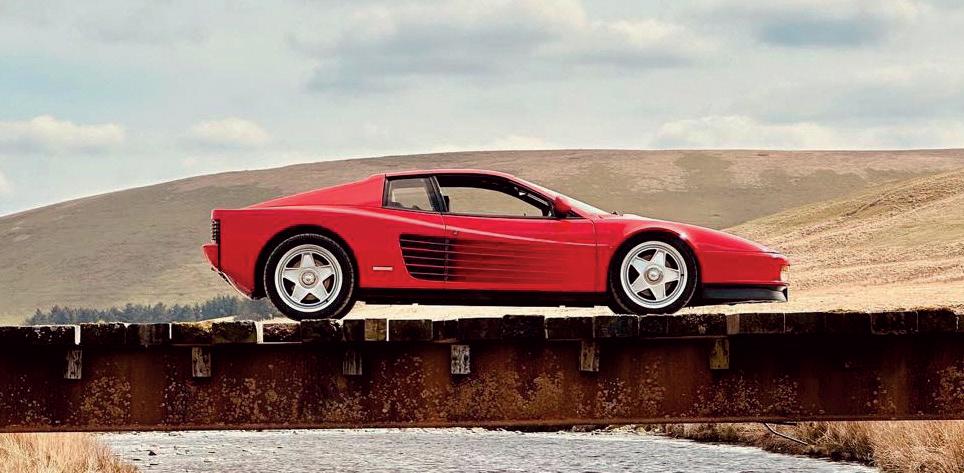
“I can’t think of anything more embarrassing than breaking down on the M1 in your Ferrari,” he says wide-eyed. “Imagine that, all the white van lads driving by and honking - no wonder the bloke had had enough and didn’t enjoy it! That was the first Ferrari we converted to electric, and since then we’ve done five Ferraris, including three Testarossas.”
The Teslarossa and doing the unthinkable
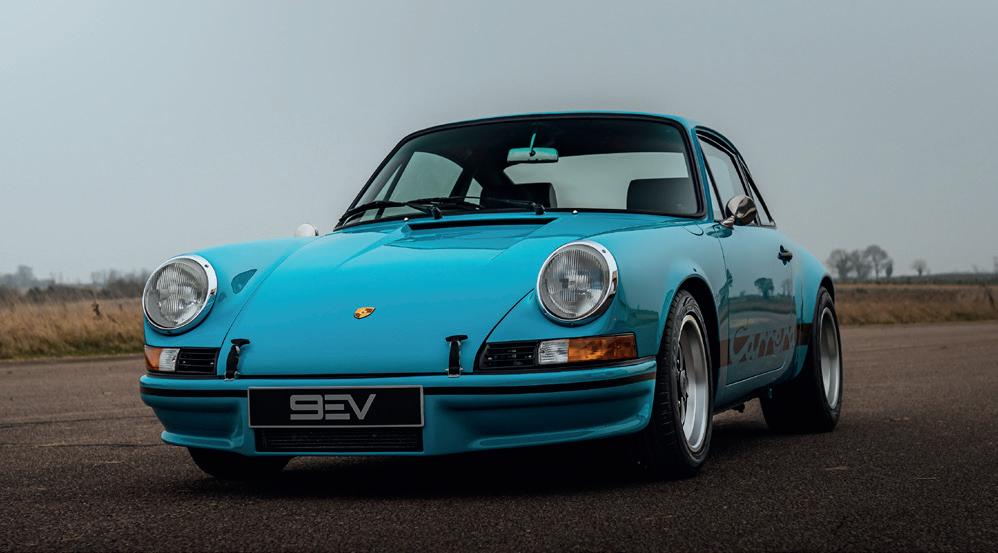
For classic car purists of a certain vintage, ripping the flat 12 from a Testarossa or the boxer engine from a Porsche 911 is an act of desecration. “You can’t do that”, they will puff and blow online. Moggy has a message for them.
“Yeah, I can - too late, I’ve done it now. Deal with it. I don’t give a monkey's,” he says pointedly. “With the Testarossa especially, people look at that car with rose-tinted glasses because it was in Miami Vice. The truth of the matter is, though, that it was a bit rubbish.
“All of the weight - the fuel tank, the engine, the gearbox - was in the back, as was the radiator, and the exhaust. The weight distribution is all off and it just oversteers horribly.
“By fitting the electric motor, it allowed us to keep the car’s weight in front of the rear driveshafts
RICHARD MORGAN
and move some of the weight up front. By the end of it, it was handling like a Lotus Elise and the Testarossa finally drove as good as it looked.
“We actually called that car the Teslarossa, because it had a Tesla Performance drivetrain with 600bhp.
“That was definitely one of my favourite cars we did, because it was so much better than when it was petrol. The amount of hate we got for that was really funny, because most of these people getting angry about it had probably never driven a Ferrari in their lifetime.
“It’s like these nutters who’ve never eaten a pineapple just because they look funny. Pineapples are delicious, right? What I’m saying is, there’s plenty of those types out there who try to convince you that electric cars aren’t the future, despite having never experienced one first-hand.”
The nonsense of nostalgia
Humorous fruit-based analogies aside, Morgan is keen to dispel the notion that a classic car is defined purely by its sound. If you’ve been hanging around these parts long enough, you’ll have noticed that EV skeptics often attribute an electric vehicle’s ‘lack of soul’ to the absence of an engine note.
“When you drive a classic electric car, there’s better weight distribution, better handling, and more power than there was when it first left the factory,” he explains animatedly, countering a light rant with a healthy portion of insight. “As for this idea of a car being nothing without the sound, that’s nonsense because there is one - it’s just this whooshing, Jetsons kind of noise. It’s different.
"What about deaf people? Just because they can’t hear, are you telling me that they get less enjoyment from their classic car than we do? I don’t think that’s the case. I don’t look through rose-tinted glasses at some of my old Beetles and the racket they used to make.
“Don’t get me wrong, they sounded fantastic, especially those with the open-headed supercharger, but 10 minutes down the road, you’d be like ‘aaargh, where’s my ear muffs’?” At the end of the day, noise is great, but that’s just part of classic car ownership. The advantages of EV conversion definitely outweigh the noise aspect.”
Electric Classic Cars’ mission is also one of preserving classics for future generations. The demand for classic cars from the '70s to the '90s is up amongst millennial and Gen-X buyers. The problem is here for Morgan, is that “most of the younger generation don’t know what a Haynes manual is.
“If we make a classic car with a reliable, relatively maintenance-free drivetrain, then that takes the barriers to ownership away. I hope that we’re
democratising classics not just for a new generation of car enthusiasts, but for older drivers who want a classic without all the hassle that comes with it.”
Tesla powertrains and an inconvenient truth
As to why ECC’s creations enjoy “hundreds of thousands of problem-free running”, Morgan points to its use of Tesla underpinnings. If you’re no fan of Elon Musk, you might want to brace yourself for an uncomfortable truth.
“There are other drivetrains we could use, but we don’t use them because they’re too expensive,” he says candidly. “Tesla spends tens, if not hundreds of millions on drive unit R&D, which is why they’re brilliant. I think it’s pretty simple why we piggyback off the back of this. They’re also pretty indestructible.”
Yet ECC’s operation isn’t just a case of plugging in the Tesla unit, and off you go. The oil seals and bearings are changed, and limited-slip differentials are added. “We completely recondition them, and address those little foibles,” Moggy explains. “We then test them to ensure they’re good to go.”
What’s next?
“I absolutely love innovating,” so that’s something we’re keen on here,” he says thoughtfully. Stepping away from his mad engineer persona for a second, setting new standards in the electric classic car world is something close to Morgan’s heart.
Since Electric Classic Cars was founded, other similar UK firms have sprung up in parallel - most notably Everrati and Lunaz. Nonetheless, ECC is the one that introduced CCS rapid charging, electric air-conditioning, and - if we listen to Morganhelped establish a clear set of safety parameters for electric classics by working alongside legislators.
“We’ve worked with the DVLA to establish what you can and can’t do to modify a vehicle, and we’ve also set standards with the Historic Classic Vehicle Association (HCVA),” he explains. “They help ensure that a classic car is converted to certain standards. That means you can add things like isolation monitoring and crash detection systems.
“If you’re involved in an impact, these systems will switch all the high-voltage off, and they’re included in what we do. They’re part of the R100 regulations, which you have to follow when you’re part of the HCVA. Other companies out there might not work to the same standards as we do.”
As for the next chapter in the Electric Classic Cars story, Morgan insists that it’ll continue “pushing the envelope” and points to its new skateboard chassis for use in its off-road models.
For now, though? “I am saving the planet one burnout at a time,” he grins.


“When you drive a classic electric car, there’s better weight distribution, better handling, and more power than there was when it first left the factory”
IMAGES: RICHARD HEELEY
CUPRA RAVAL
THE RAVAL IS MAKING A PLAY
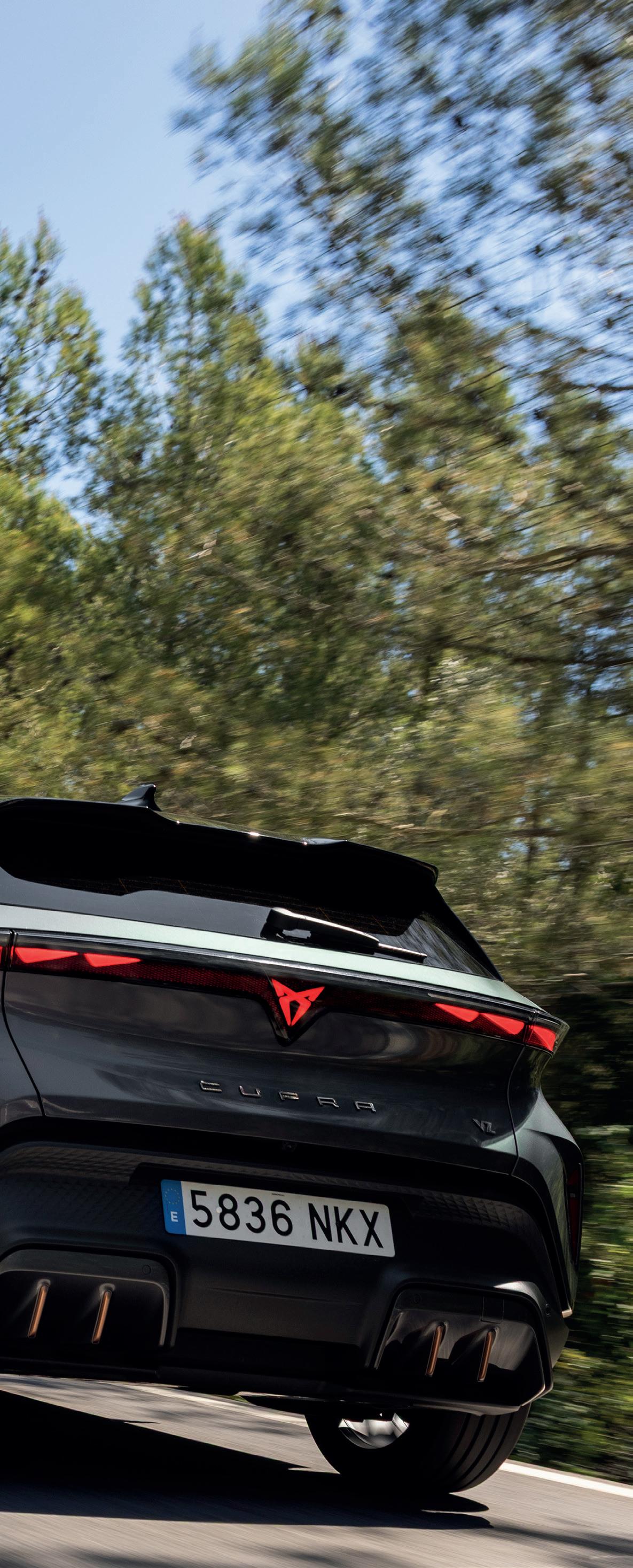
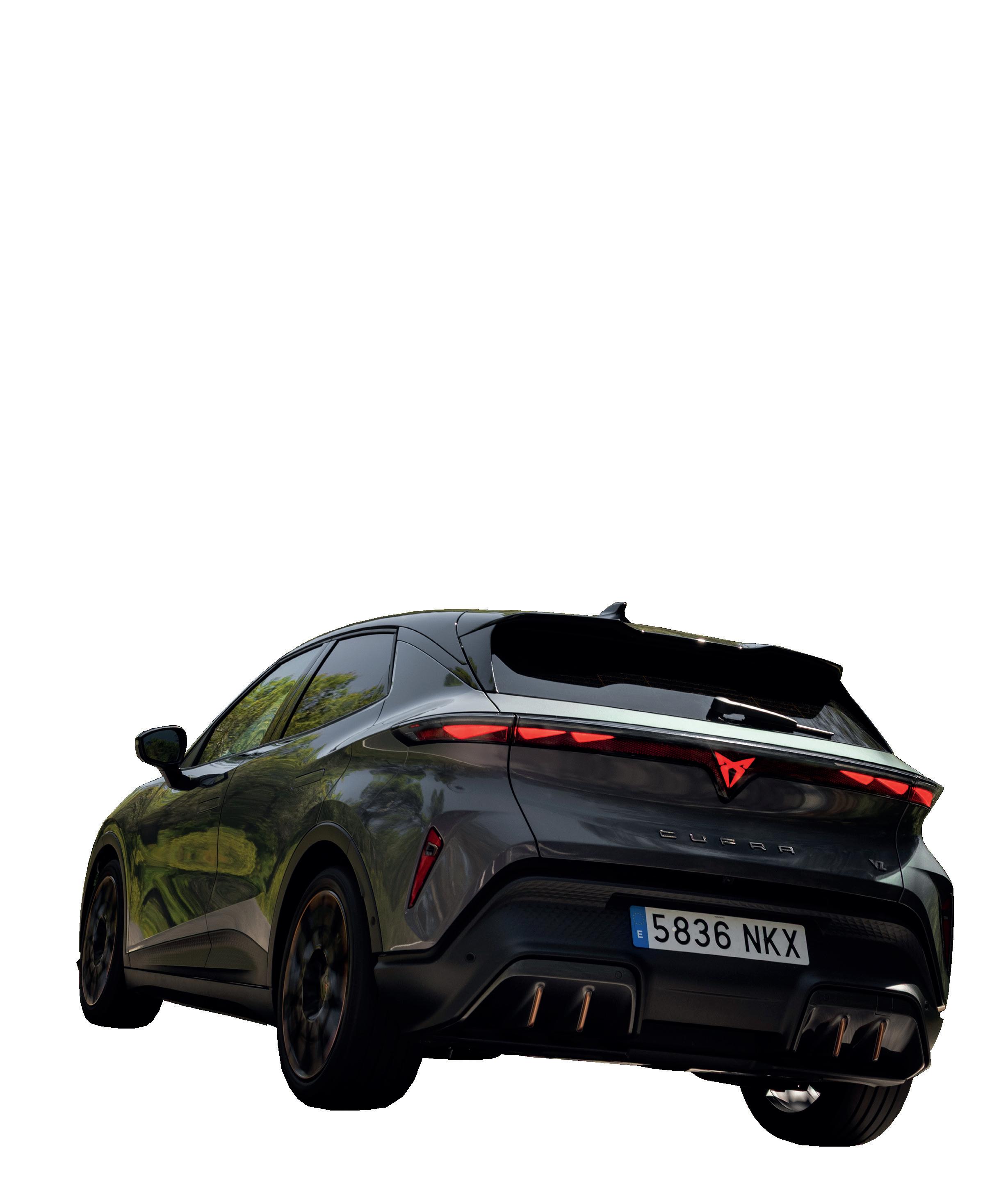
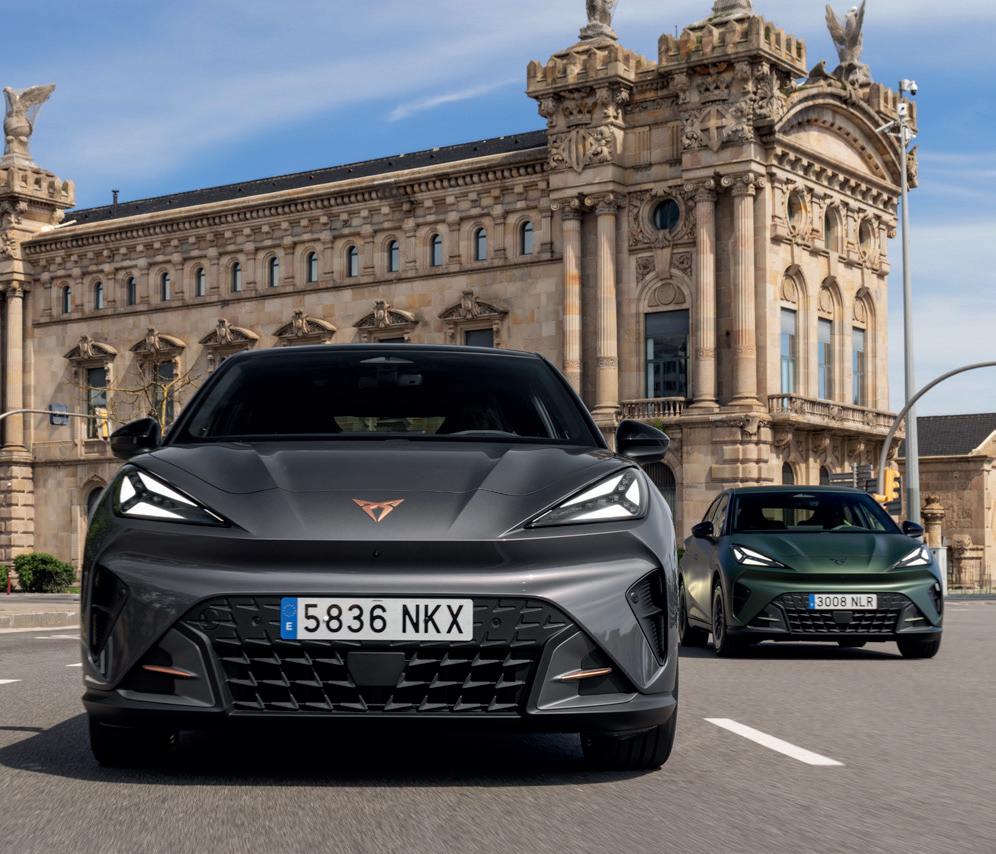
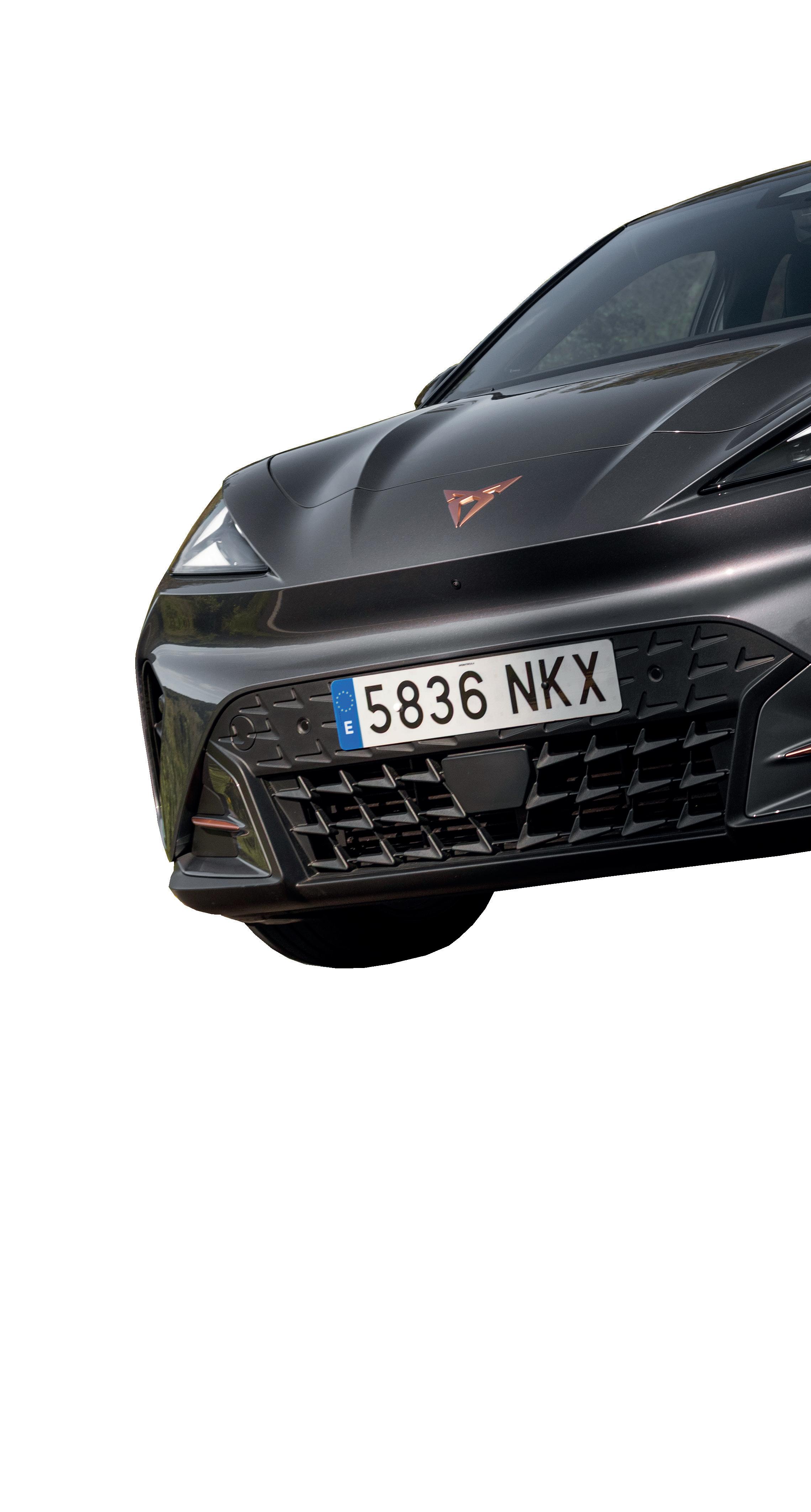
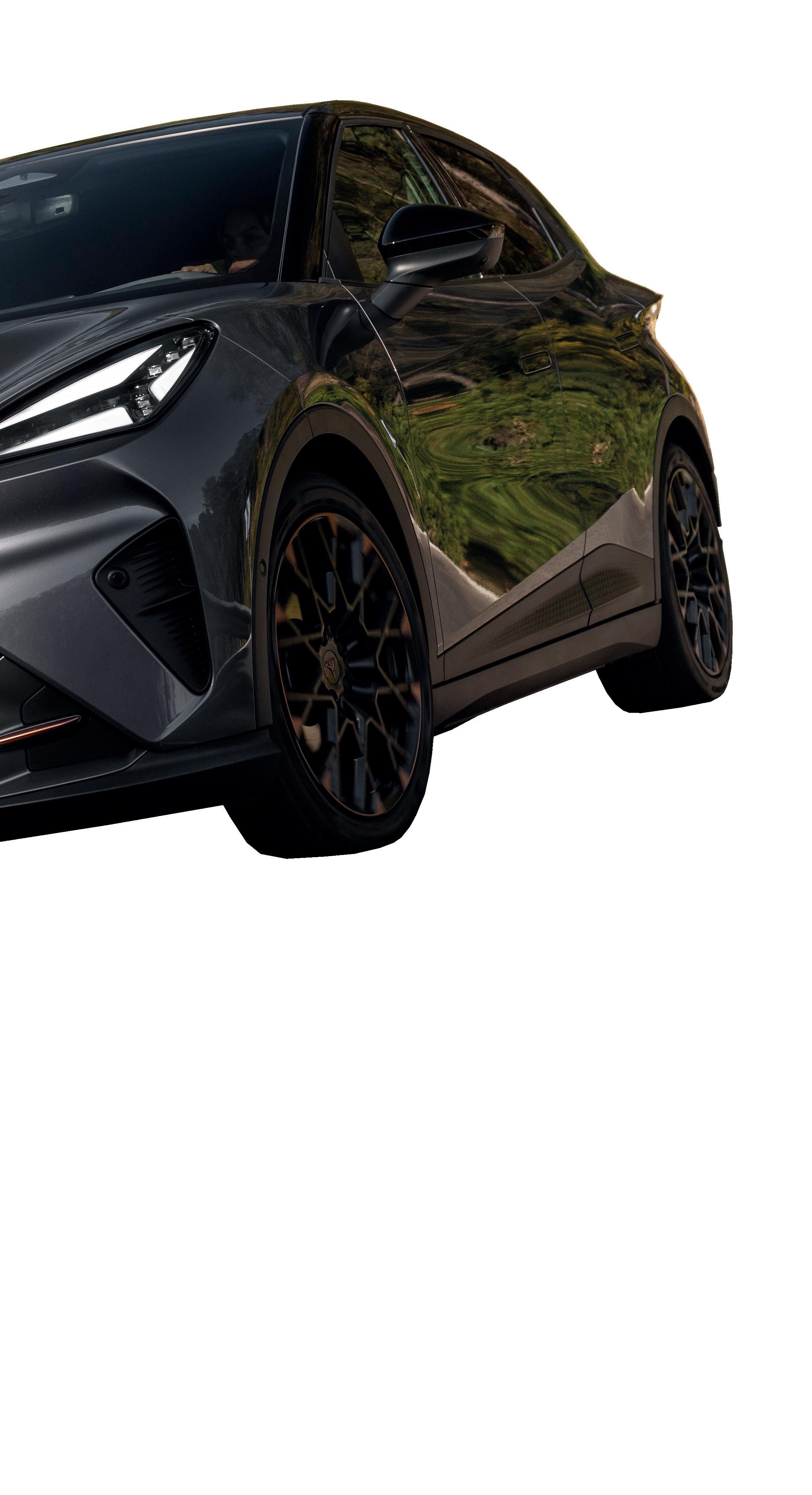
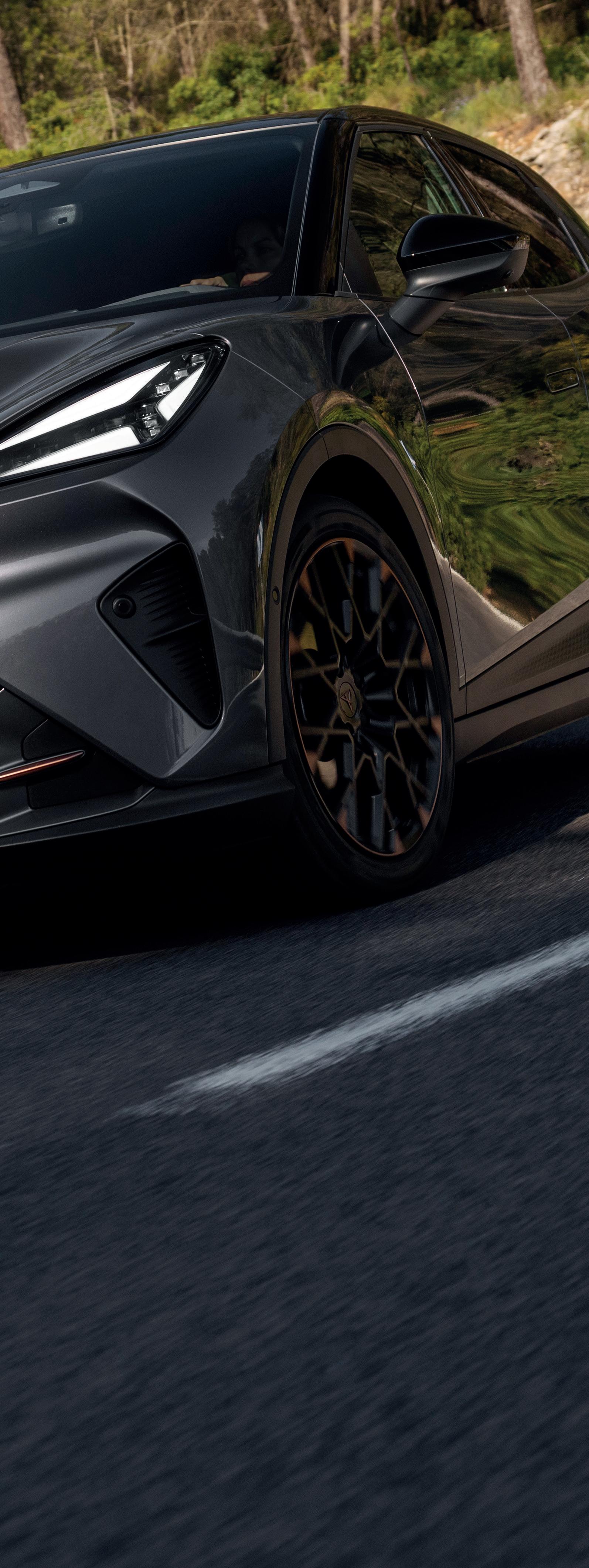
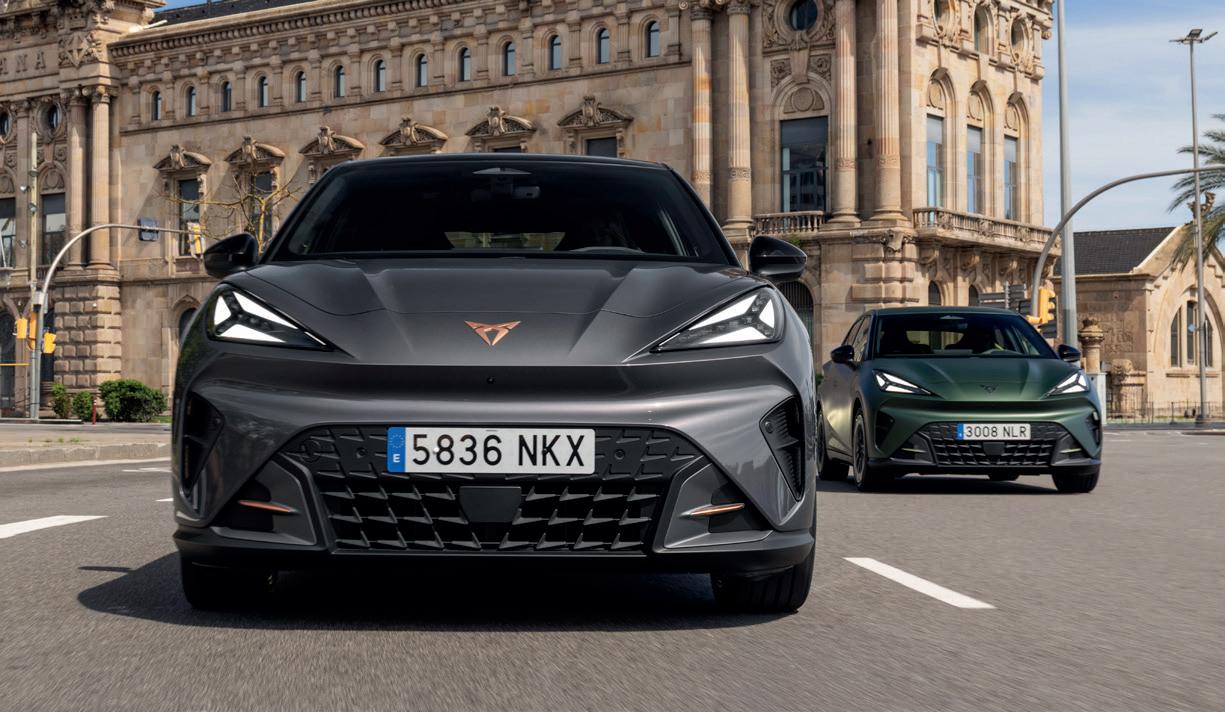
Cupra says the Raval is “built to command attention” and it certainly does that through taut, angular bodywork that delivers a confident, purposeful look. It’s helped by some striking paint finishes that include a colour-shifting “Plasma Iridescent” and a fantastic Manganese Matt green.
Apparently the Raval’s silhouette is inspired by a racing helmet, with the bodywork rising from a prominent shark-nosed front end to the bold 3D taillights that jut out over a huge upswept diffuser. A few well placed creases give the Raval the impression of movement even when standing still. That’s an impression enhanced by this car’s low, wide stance and short overhangs that combine to scream hot hatch.
Cupra’s triangular logo is evident not only in the illuminated badges front and rear but also in the three-segment headlight units and the multi-faceted rear lights. These, like the fronts, perform an intricate ‘dance’ as you approach the car. There’s also the usual Cupra copper details that provide a link to the bigger cars in the marques’ range, unless you opt for the VZ Extreme with its dark chrome exterior and green-tinged interior trim.
At just four metres long, the Raval is the baby of the Cupra family, but Cupra says its 2.59m wheelbase provides interior space from the segment above. That 10cm gap over the rival Renault 5 is evident both in how big the car looks from the outside and how big it feels inside. There’s noticeably better rear space, and four average-sized adults will fit easily. There’s also significantly more boot space.
The Raval’s 441 litres shames pretty much every car in its class/price bracket.
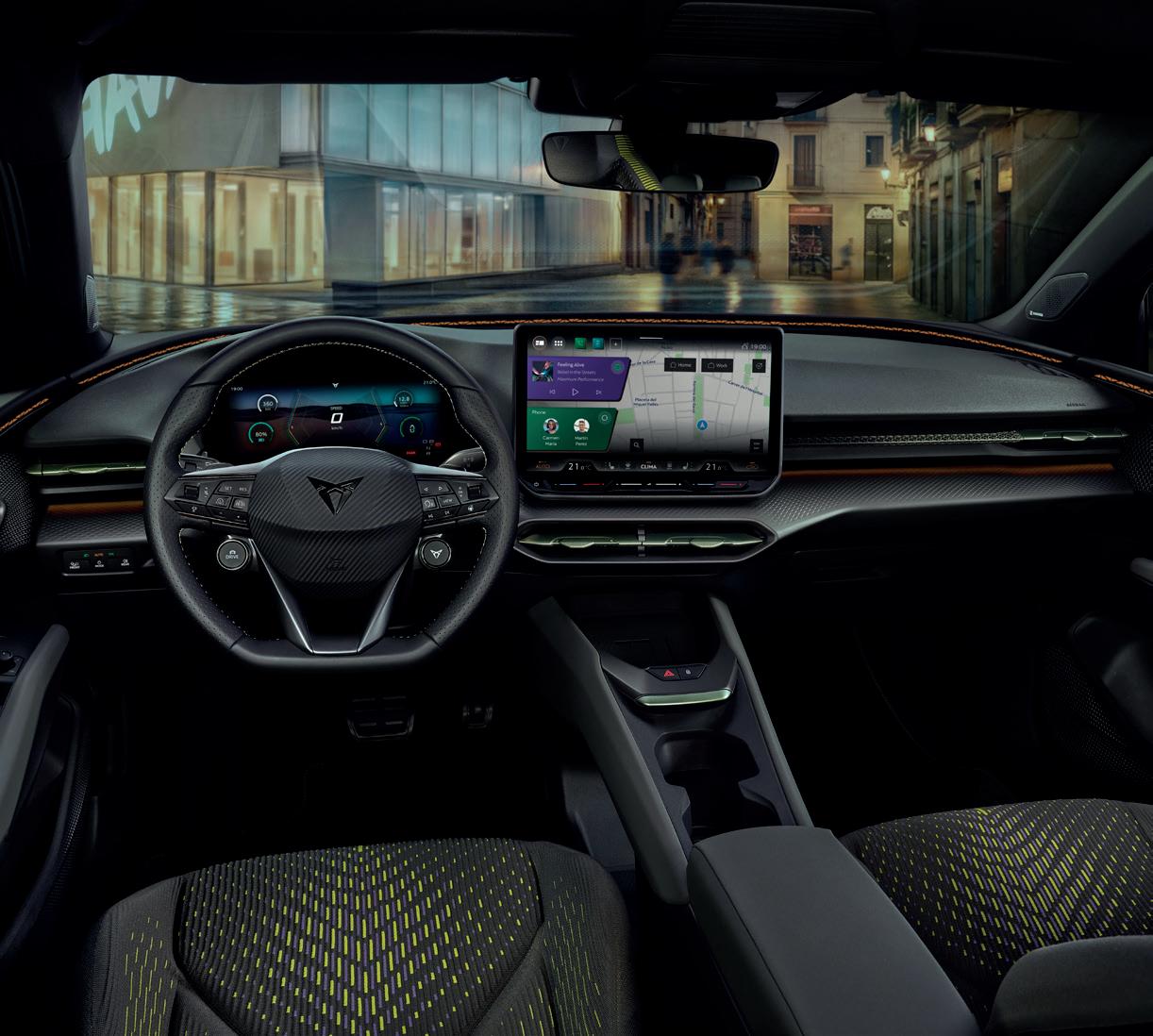
Away from such practical considerations, the Raval’s interior is intended as a “driver-first” space that blends a sensible user interface with fancy design touches and the latest in infotainment tech.
There’s definitely a pleasing logic to things, with clean lines, a simple focused layout, high construction quality and interesting materials. While entry-level cars make do with fabric seats made of recycled materials, higher-spec get faux-suede, faux-leather or a fascinating 3D-knitted fabric.
Top-grade cars also get 3D-printed dashboard elements which provide some interesting extra texture. And there’s dynamic ambient lighting across the doors and dashboard, which is linked to the driver assistance systems such as blind-spot warning and navigation.
Every Raval gets a clear, configurable 10.25-inch digital instrument cluster and a 12.9-inch central screen running the latest Android-based operating
system. This is the same as in the updated Born, and is sharp, responsive and sensibly laid out with big easy-to-hit icons.
The screen also houses the permanent haptic sliders to adjust the air conditioning. This feels like an odd choice when the related VW ID.Polo gets proper buttons. The Raval, however, does get real physical switches on the steering wheel and for window controls, addressing a long-standing criticism of early Cupra cars.
Having seen the interiors of the other cars based on this platform, it’s pleasing how different Cupra has managed to make the Raval feel.
While some rivals keep it simple with one or two powertrain options, Cupra is giving buyers a wealth of choice.
Basic Origin cars get a 113bhp motor and 37kWh LFP battery which should be good for around 186 miles of range. Above that a 133bhp option uses the same battery but boosts DC charging from an embarrassing 50kW to a still sub-par 88kW.
A larger 52kWh battery is standard on more expensive models and boosts range to 277 miles and DC charging to 105kW. It can be paired with a 207bhp motor or, in spicy VZ spec, a 222bhp unit.
Every model is front-wheel-drive and uses a new motor and battery setup designed to cut weight and complexity in the name of performance and efficiency. While the focus in lesser models might be about saving energy, in the spicy VZ version, it’s all about performance.
This is a proper hot hatch intended to take the fight to the Alpine A290, Peugeot E-208 GTI and John Cooper Works Mini.
Compared with every other car on the platform, the Raval is 15mm lower and 10mm wider but the VZ also gets bespoke steering hardware and tuning, along with 15-stage adaptive damping and an electronic limited slip differential. There are also VZ-specific wider tyres and an E-launch mode that unlocks a unique lighting, cockpit animation and sound “ceremony”.
Using E-launch will get the Cupra Raval VZ from 0-62mph in 6.8 seconds and on to a top speed of 108mph.
When a family SUV can hit 62mph in 3.9 seconds, that doesn’t sound very fast but it’s on a par with cars like the A290. And hot hatches aren’t just about straight line speed, they’re about the whole driving experience.
Which is where the Raval excels.
On the tight twisting mountains around its native Barcelona, all that steering and chassis work comes to the fore. Performance drive mode delivers a sharp, lively package but it’s when you hit the dedicated Cupra button that the Raval really comes to life.
The directness and nimbleness in how it darts between corners really delivers on the promise of a hot hatch for the EV era. The steering could perhaps offer a touch more feedback, but it is immediate and laser accurate. You can throw the Raval around with complete confidence. The combination of grippy Bridgestone tyres, the clever E-diff and a responsive throttle that delivers oodles of mid-range torque complete the playful package, backed up by the one-box braking system that delivers one of the most positive braking feels in the EV sphere.
In extremis, the Raval doesn’t have quite the ferocity or edginess of an Abarth or Mini but it counters that with being far more manageable when you’re not hammering along an empty B road.
For a start, even in its stiffest setting the suspension is supple and capable. Body roll is never an issue, but nor do you feel like your fillings are being shaken loose. In calmer modes and around town, the Raval displays road
19 REVIEW
manners and composure of a car in the class above, and it’s only at motorway speed that some wind noise starts to impose itself.
On the prosaic matter of efficiency, even with plenty of spirited driving in the Spanish mountains, our test car delivered 3.7m/kWh – far, far better than key rivals manage and a promising sign for more sensible variants. Helping eke out the most miles is a four-stage regenerative braking system with onepedal mode.
From launch, the Cupra Born is offered in four standard trims – running from the £23,785 Origin to the £36,310 VZ Extreme – plus a limited-run V2 Launch Edition. It’s likely all versions will get approval for the £1,500 Electric Car Grant, but that’s not been confirmed yet.
Origin models only come with the smallest battery and motor and get 17inch alloys, auto-dipping LED headlights, the 12.9-inch screen with wireless phone mirroring and connected services. Adaptive cruise, rear parking sensor and single-zone air conditioning are also standard.
Above that V1 (£26,995) and V2 (£29,580) both come with the 133bhp/37kWh powertrain as standard or can be upgraded to the longer-range 207bhp setup for an extra £3,000.
V1 adds 18-inch alloy wheels, keyless entry and tinted rear glass, along with heated front seats and steering wheel and a reversing camera. V2, meanwhile, brings 19-inch wheels, a Sennheiser sound system, “smart” ambient lighting and bucket seats.
At the top of the range the VZ starts at £34,995 and brings the biggest motor, e-LSD, DCC and vegan leather upholstery for its bucket seats, as well as an extended ADAS package and Matrix adaptive headlights. On top of that, the Extreme edition features Cup bucket seats, a top-view camera and unique “Rebel” 19-inch wheel design as well as dark chrome interior and exterior trim.
Cupra wants the Raval to be a statement, to declare its arrival as a major EV player. And, on first impressions, it nails that brief.
It’s a lively, fun and stylish new entrant into the segment that delivers hot hatch performance without any of the compromises its rivals have made. As well as being a hoot to drive, it is spacious, comfortable, refined and solidly made.
What will be telling, however, is how the lower-specification cars look, feel and perform. If they can maintain the VZ’s strong showing at the lower price points, the Renault 5 will need to look out.
RIVALS
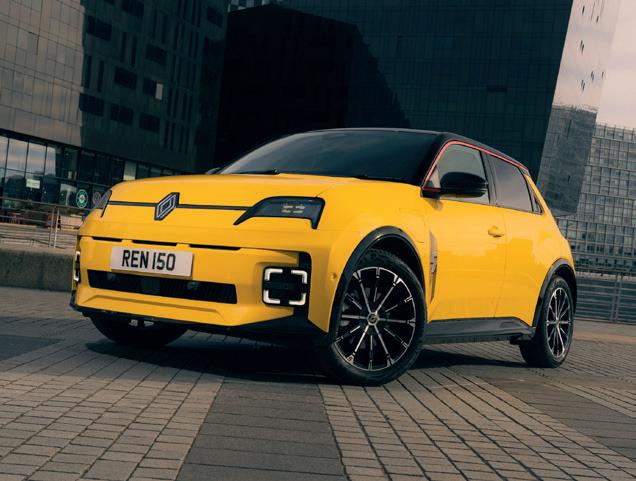
RENAULT 5
Brilliant to look at, to drive and to use. Cheaper that the basic Cupra too, although the VZ-rivalling Alpine A290 is a similar price.
CUPRA RAVAL VZ
PRICE: £34,995 (£35,990 as tested)
TRANSMISSION: Single-motor, front-wheel-drive
BATTERY: 52kWh
POWER: 222bhp
TORQUE: 214lb ft
TOP SPEED: 109mph
0-62MPH: 6.8 seconds
RANGE: 239-273 miles
CONSUMPTION: 3.9-4.5m/kWh
CHARGING: up to 105kW
MINI ELECTRIC
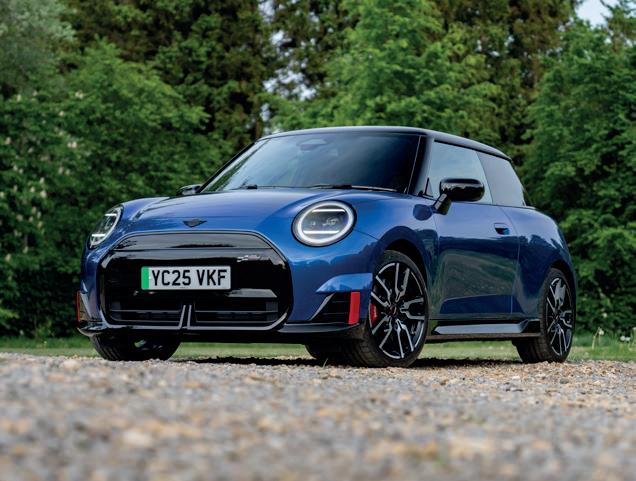
Offers “basic” or hot options, an iconic name and interesting interior. But more expensive and rides appallingly in JCW spec.
PEUGEOT E-208
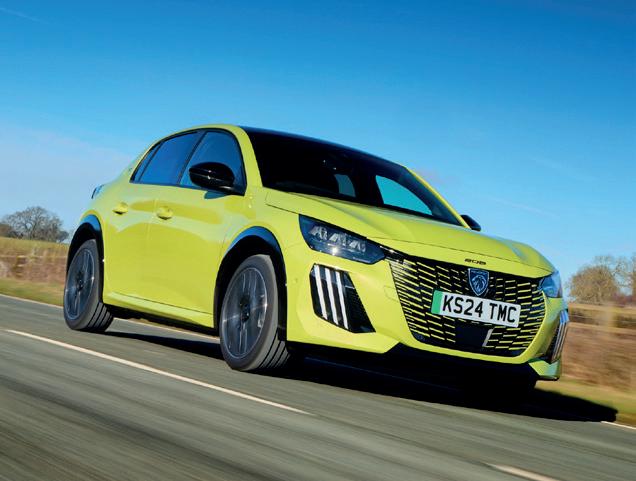
A stylish compact, if slightly ageing, option from France. The upcoming GTI is likely to give the VZ a run for its money in the handling stakes.
By MATT ALLAN
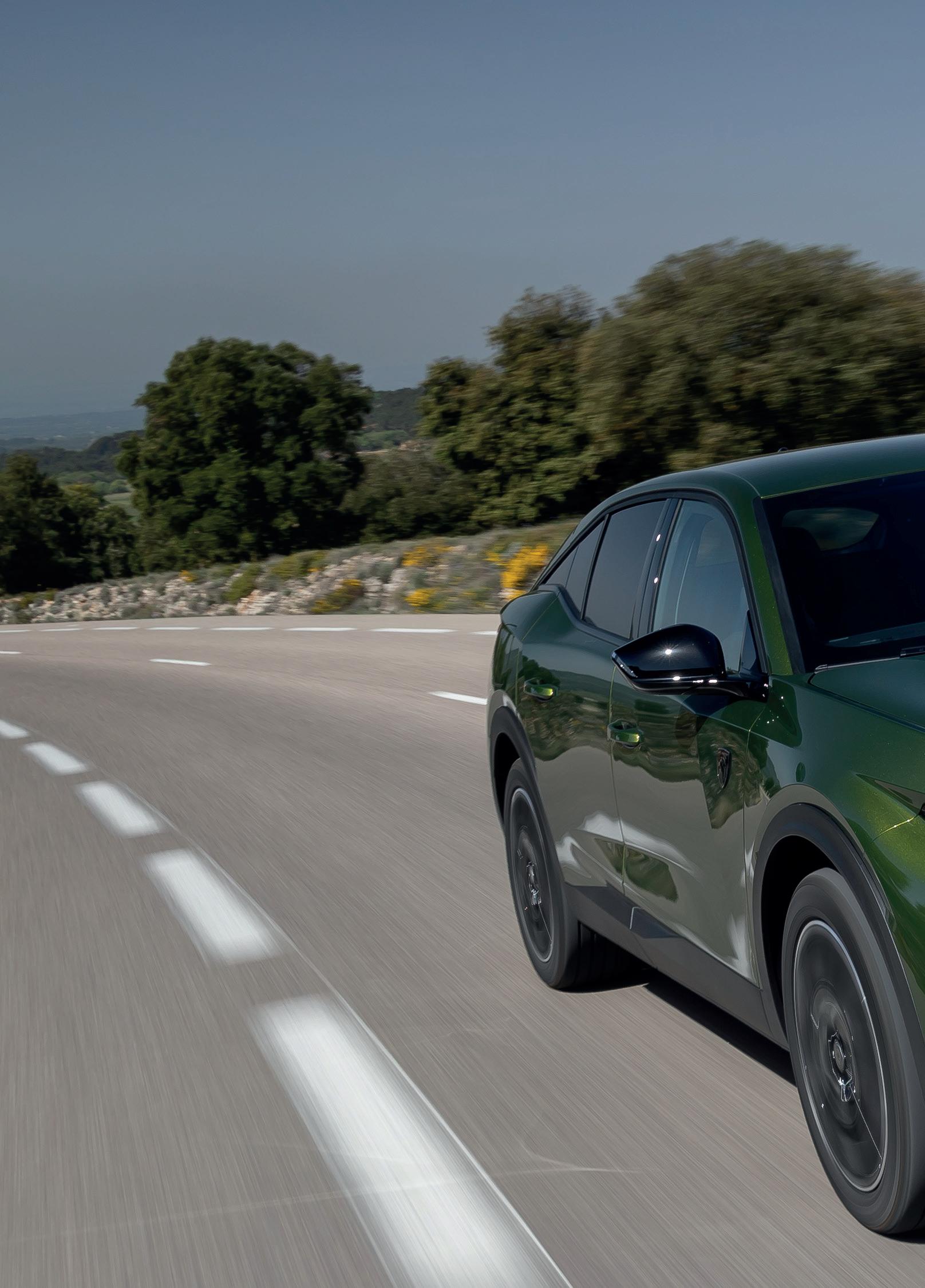
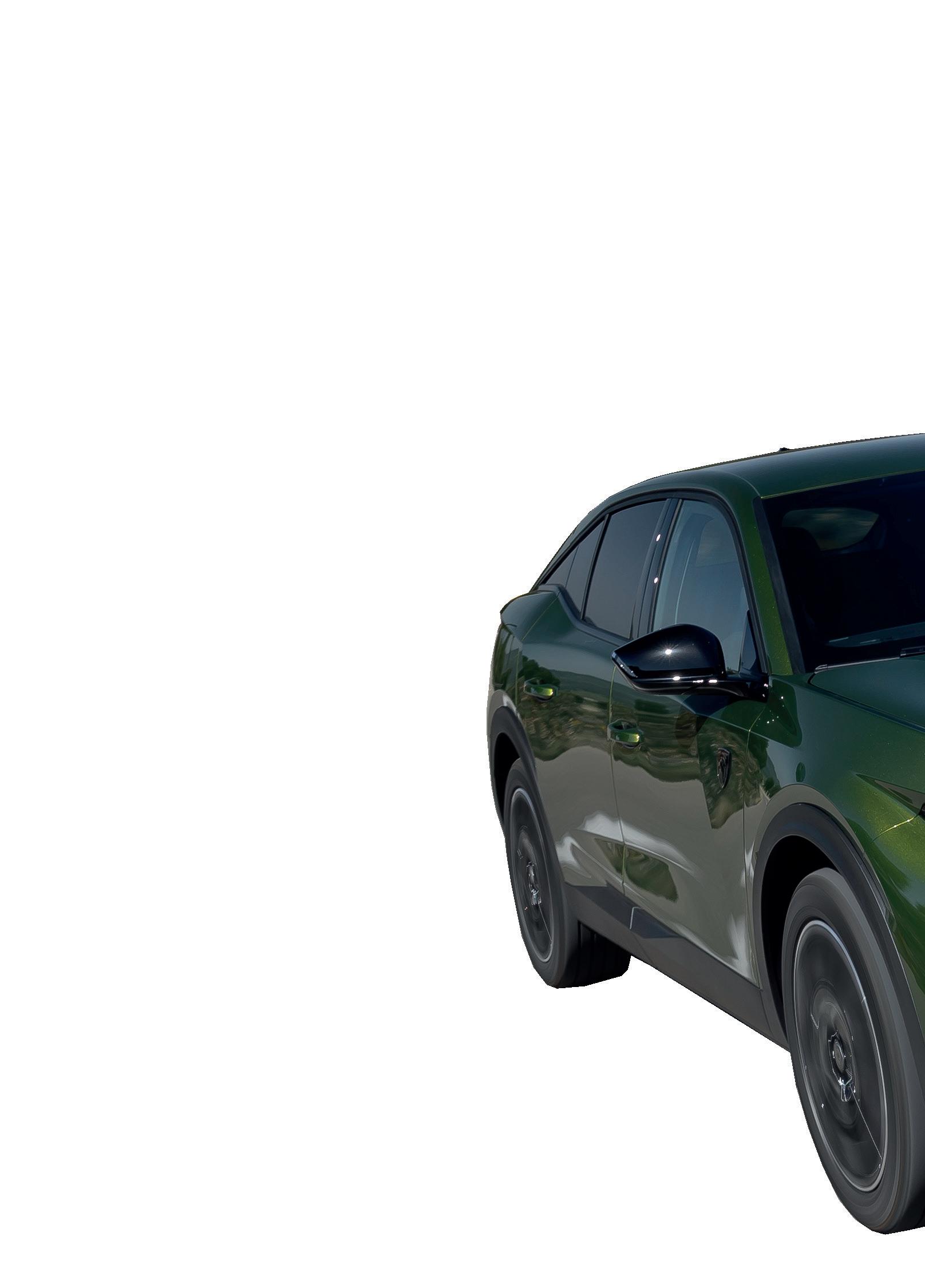
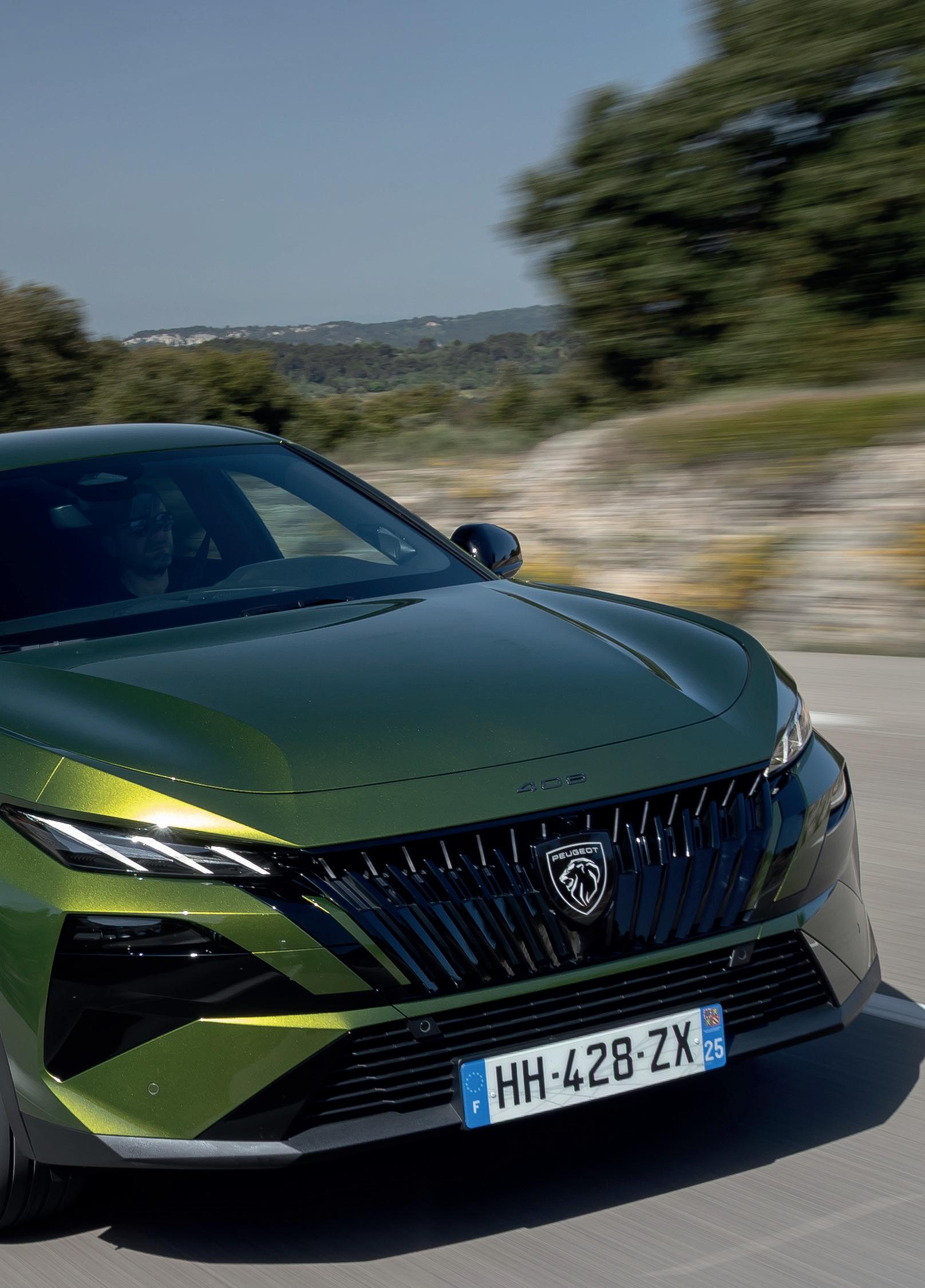
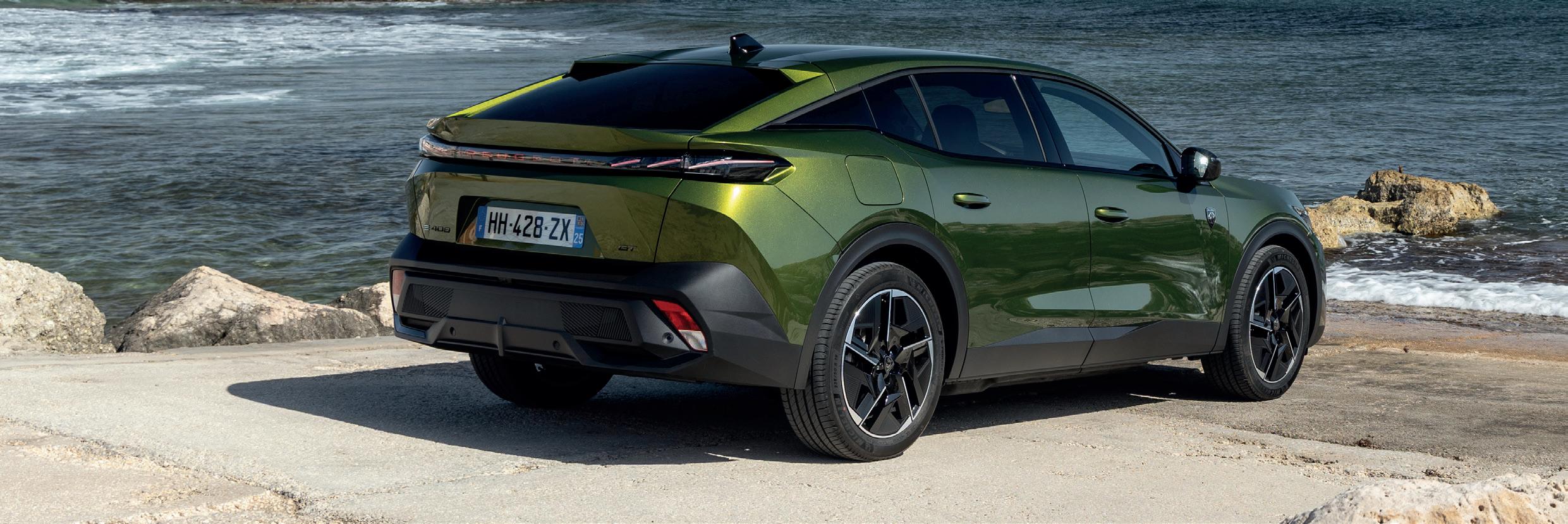
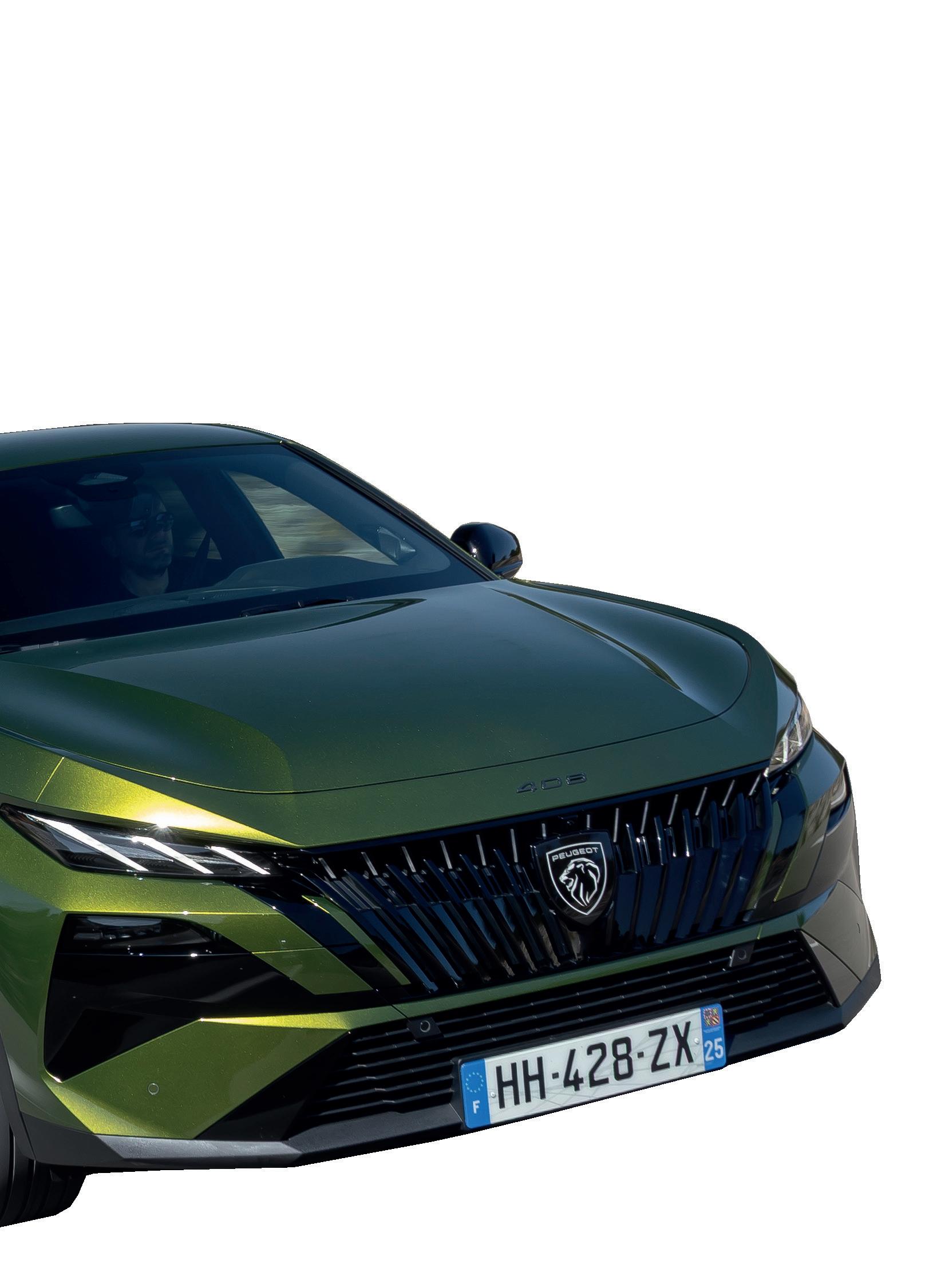
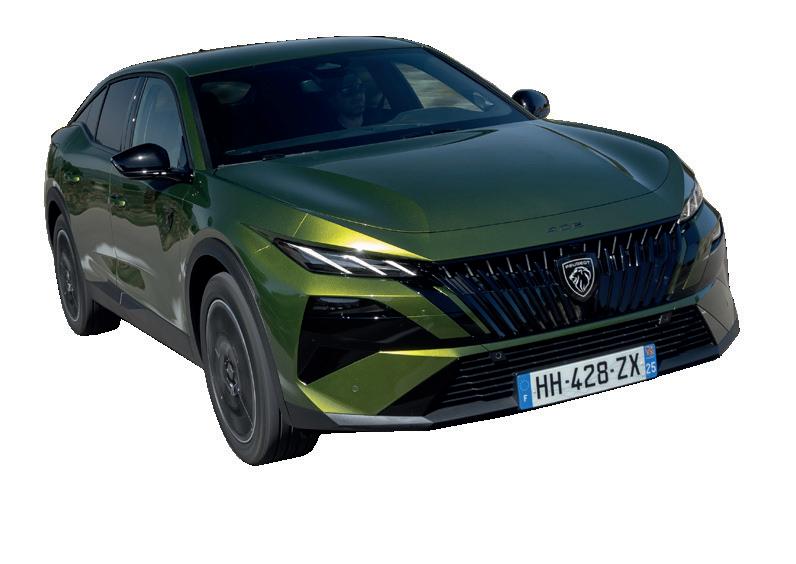
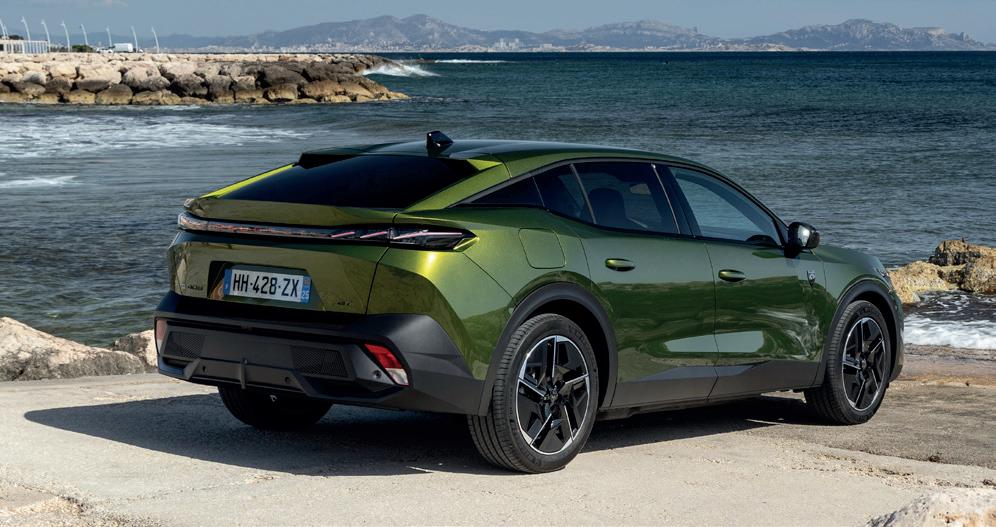
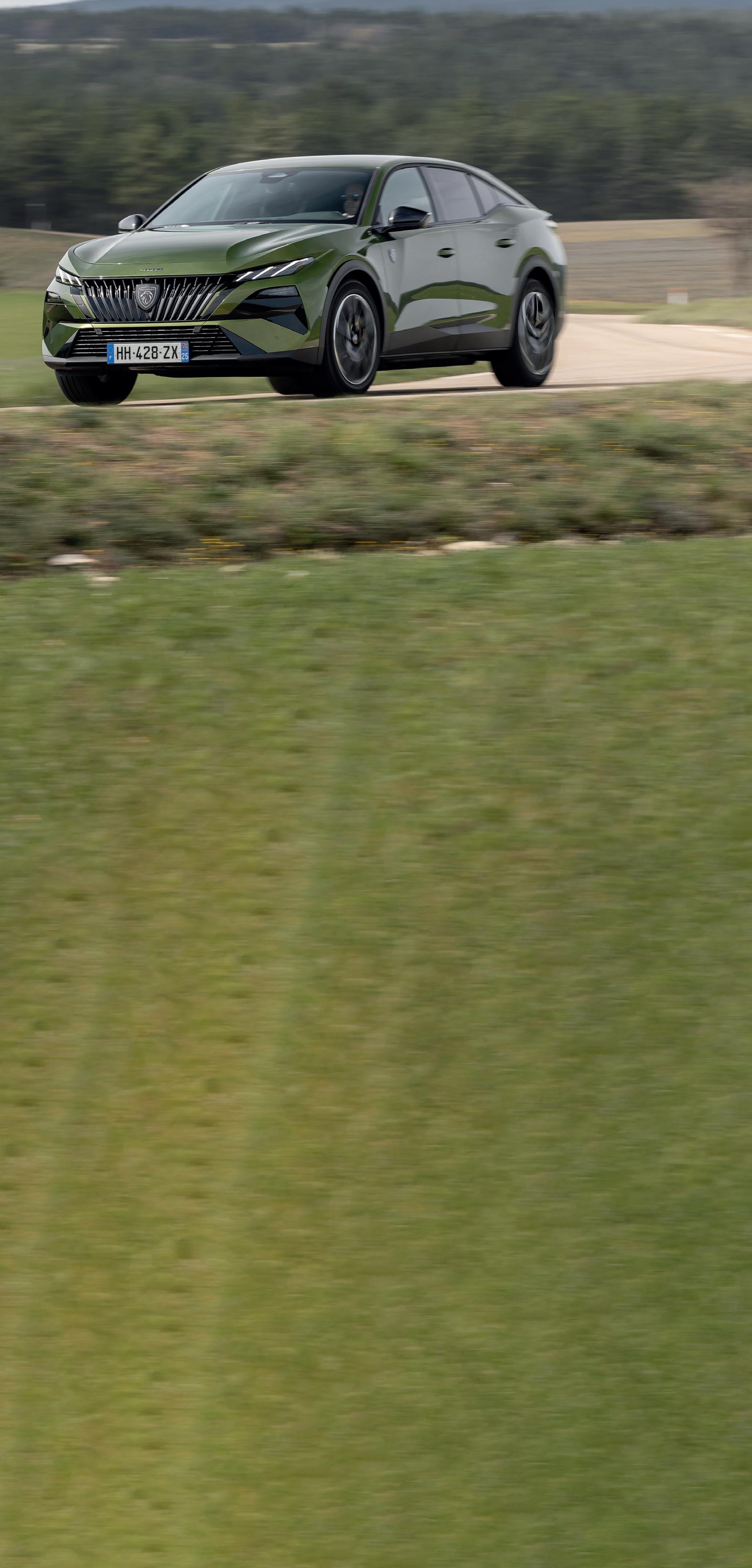
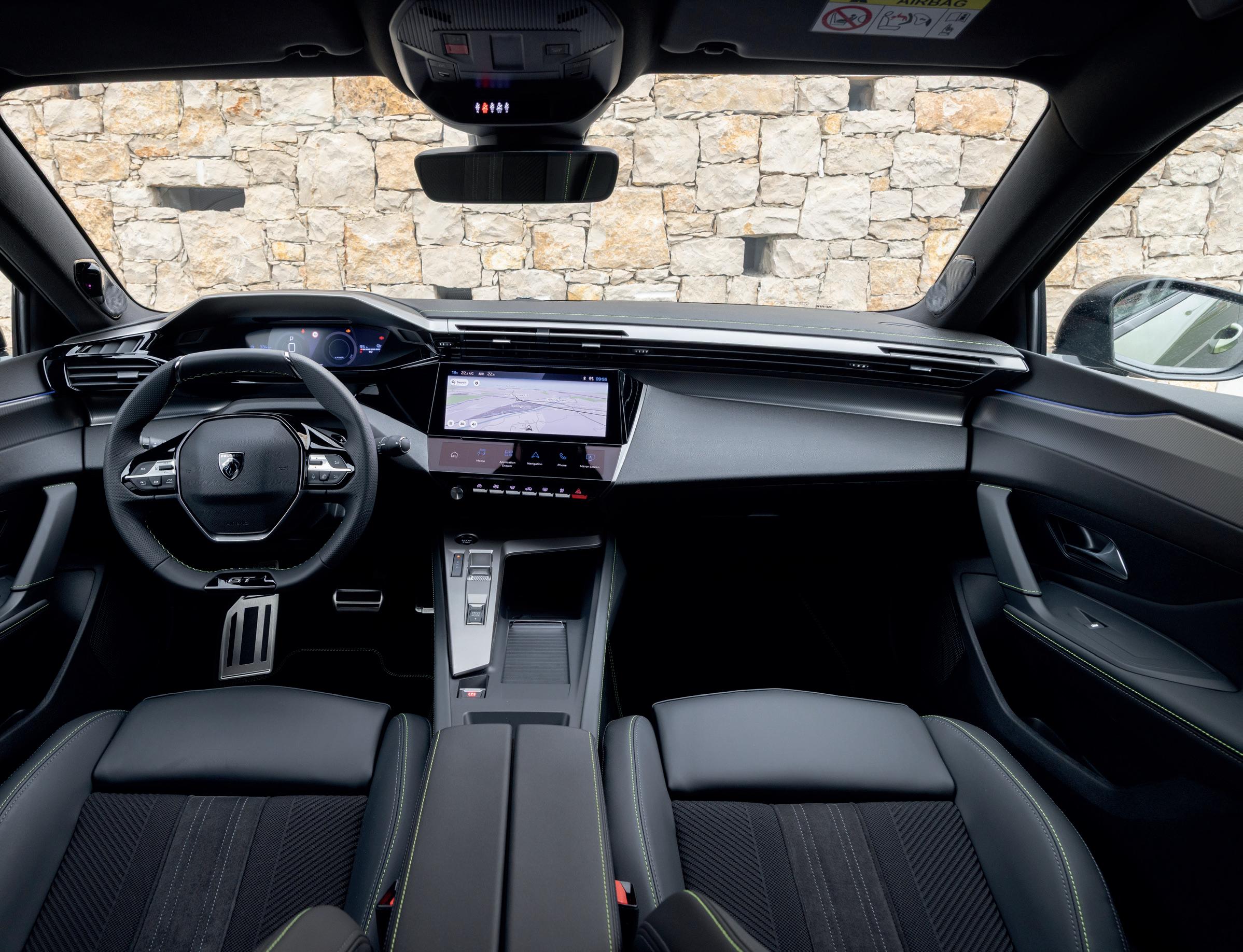
At the rear there’s also a new lighting design incorporating a 3D-effect and illuminated Peugeot script across the centre of the fastback boot. Also new for 2026 is the bold Flare Green paint. Designed to “shift” with the light, it changes from almost yellow in some lights to a deep metallic green, and is definitely a Marmite choice. It’s also the standard colour, so if you don’t like it, you’ll need to pay for another shade.
As far as refreshes go, it’s all pretty standard and it’s still not massively different from the previous model but does bring a slightly fresher look to this unconventionally styled fastback.
The 4.7m-long 408 is marketed as somewhere between a saloon and an SUV and its taller ride height is slightly at odds with its sharp, sweeping bodywork. From some angles it’s a refreshingly different approach, from others it can look a bit bloated.
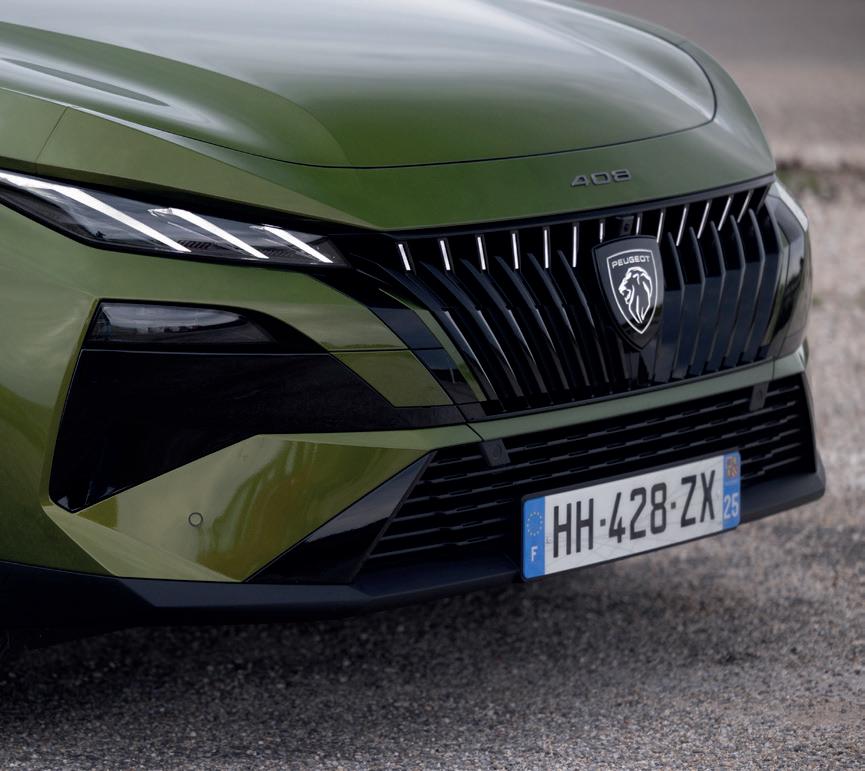
The interior changes are similarly low-key. There are new fabric finishes for lower-grade cars and the addition of lashings of Alcantara for top-spec GT Premium on seats and doors. There are also new graphics for the digital instruments which, in GT Premium, get a neat 3D effect that effectively places data on different layers in front of the driver.
Apart from that, it’s the same story as before, with a strikingly styled and well constructed cabin designed around the iCockpit concept’s twin 10-inch screens. The refreshed instrument panel sits in a slim envelope above the low-set and oddly compact steering wheel, with a larger 10-inch infotainment system angle towards the driver. The screen’s operating system sadly hasn’t been refreshed and remains a frustratingly designed and sluggish affair. A bank of customisable digital shortcut keys beneath help somewhat but there are still far more user-friendly systems out there.
Sitting just below the space the old 508 used to occupy, the E-408 offers impressive interior room. It’s easily spacious enough for the old trope of four six-footers, with good head room and knee room, plus space under the seats for your feet. The only ‘bump’ is a big transmission-style hump that limits its use as a five-seater. Boot space is a decent 468 litres, accessed via a wide-opening hatchback. While there have been visual tweaks inside and out, under the surface the E-408’s powertrain remains unchanged.
It uses the same 211bhp/253lb ft front mounted motor as before, which delivers perfectly adequate, if unremarkable, progress. There’s reasonable shove from the motor and 0-62mph is dispatched in an acceptable 7.2 seconds, with enough midthrottle torque to allow relatively easy motorway passing.
However, for a car near the top of the brand’s line-up it feels under-batteried compared to other models coming out of the Stellantis stable.
While cars like the E-3008 and Vauxhall Grandland are getting a massive 97kWh battery with more than 400 miles of range, the limitations of the E-408’s older CMP2 platform mean it’s stuck with a 58kWh battery.
Officially that’ll return 283 miles on a charge and 4.3m/kWh. On a pleasantly warm spring day, I saw 4m/kWh which is pretty good for such a large car and suggests Peugeot has done some work to improve this setup, which historically hasn’t been great for efficiency. However, with similarly priced cars offering ranges of well over 300 miles, it’s still falling behind the curve, especially with charging capped at 120kW.
More positively, the E-408 remains a pleasant thing to drive. It’s not the last word in dynamics but it is still fairly direct and agile for a car of its size, with just a touch of body roll belying its raised ride height. That’s perhaps due to fairly soft damping which allows for a well managed ride that smooths out all but the most aggressive potholes. Coupled with noteworthy noise insulation, it’s a relaxed and relaxing place in which to cover miles.
Along with the new front end, one of the biggest changes for the 2026 E-408 is around pricing.
When it first went on sale in early 2025, the E-408 cost more than £40,000 – pretty punchy for a car with such middling tech specs. Now, Peugeot has euphemistically “realigned” the car’s price point, bringing the EV’s starting price down to £34,195.
That’s before the Electric Car Grant, which shaves another £1,500 off and takes the on-the-road price down to £32,695 – just £700 more than the hybrid model.
That will get you the Allure spec with 19-inch alloy wheels, tinted rear glass, reversing sensors and camera, keyless entry/start and LED lights with high beam assist. Twin 10-inch screens, vehicle-to-load capability and adaptive cruise are also standard across the range.
Above that the GT trim is priced from £35,095 after the grant and adds adaptive headlights, the 3D tail lights, and a powered tailgate. It also brings part faux-leather upholstery, ambient lighting and front parking sensors along with more advanced connected features.
Top-spec GT Premium is an extra £2,500 and brings the 3D instruments, a 360-degree camera, a heat pump and rear cross traffic warning. There’s Alcantara upholstery, heated massage seats with a memory function and a Focal premium stereo.
At its new price point, the E-408 is certainly a more attractive prospect than before.
For the money, it’s a spacious, refined and comfortable family option, with decent specification and sharp, if somewhat divisive looks.
Technically, though, it feels like it’s slipping behind. While its offering will be sufficient for many people, with rivals offering more power and range for similar money, it becomes a less convincing package.

PEUGEOT E-408 GT PREMIUM
PRICE: £39,095
(£37,595 as tested after ECG)
TRANSMISSION:
Single-motor, front-wheel-drive
BATTERY: 58.3kWh
POWER: 211bhp
TORQUE: 253lb ft
TOP SPEED: 99mph
0-62MPH: 7.2 seconds
RANGE: 283 miles
CONSUMPTION: 4.3m/kWh
CHARGING: up to 120kW
RIVALS
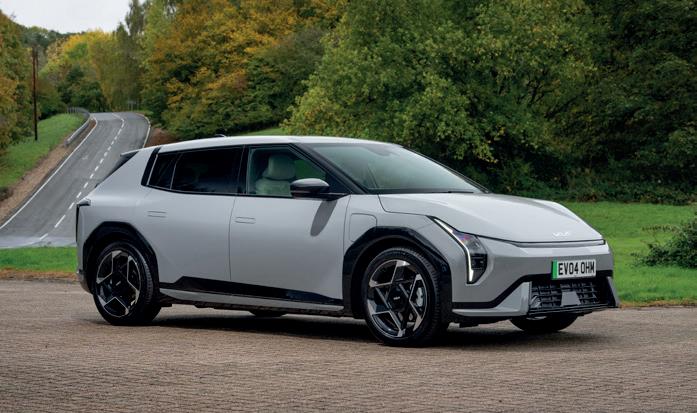
EV4
Another hugely capable EV from the Korean specialist. Offers fuss-free family motoring and 388 miles of range for a similar price, if not quite as spacious as the Peugeot.
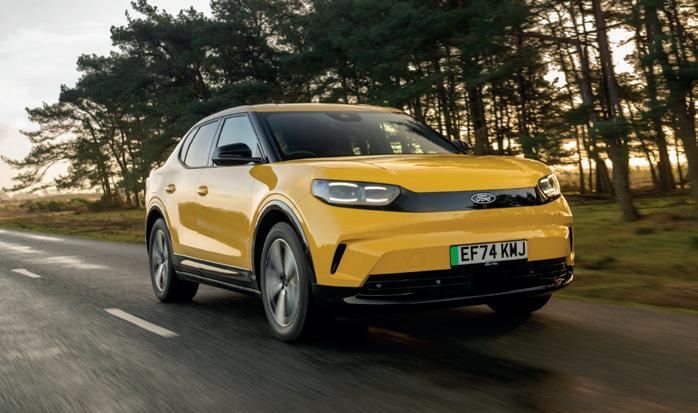
FORD CAPRI
A similarly confused coupe-SUV with decent passenger space and similar specifications for the money. Does offer longer-range variants but with a significant price hike.
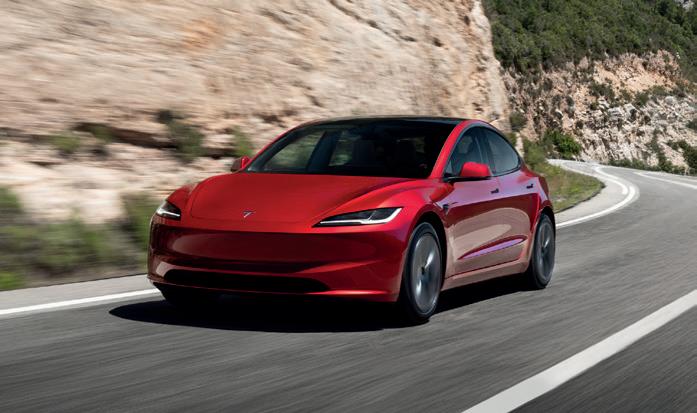
TESLA MODEL 3
Starts from under £38k and brings 330-mile range and great charging support. However, the interior is like a coffin and the brand carries a certain stigma.
KIA
GEELY
BY MATT ALLAN
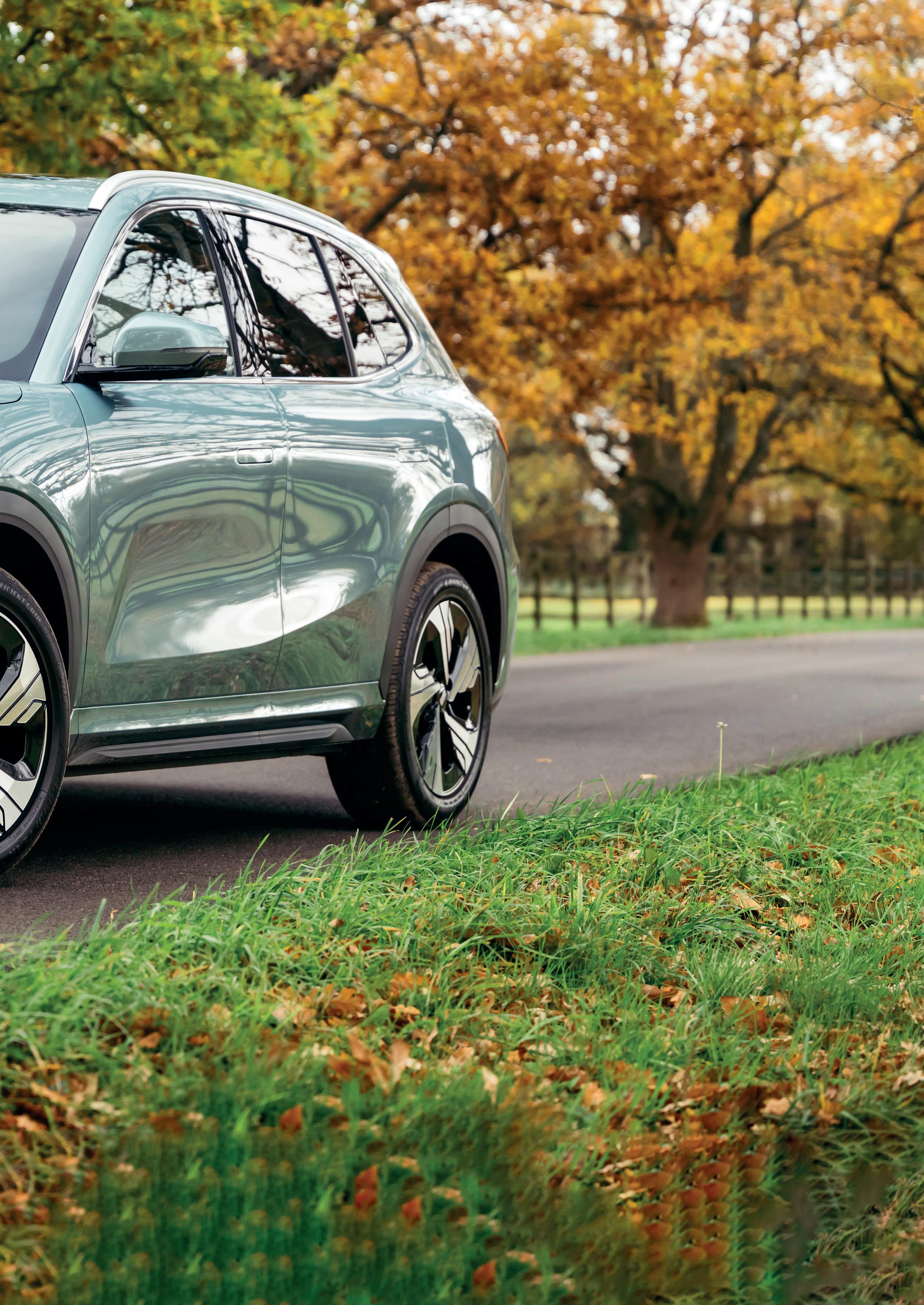
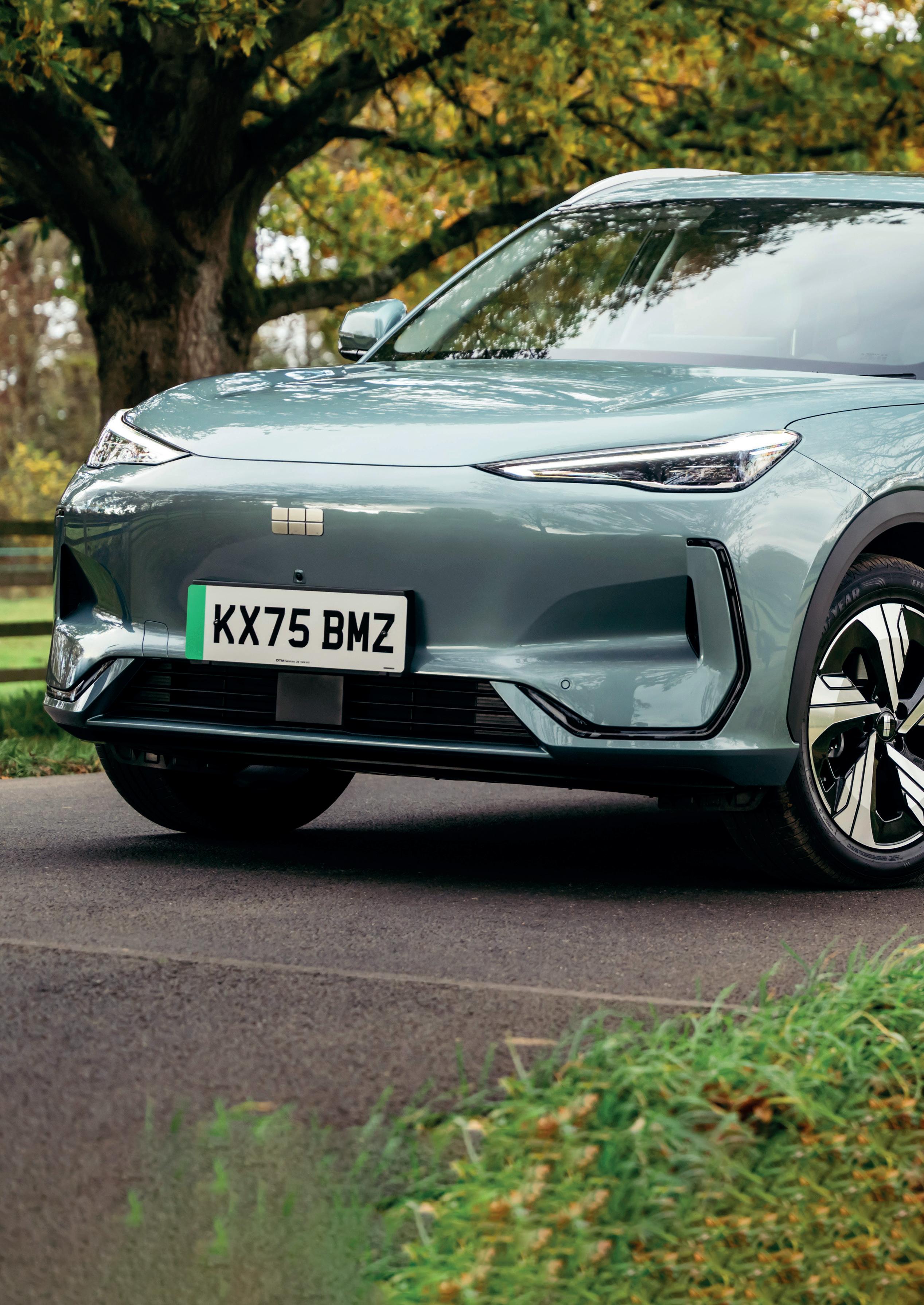
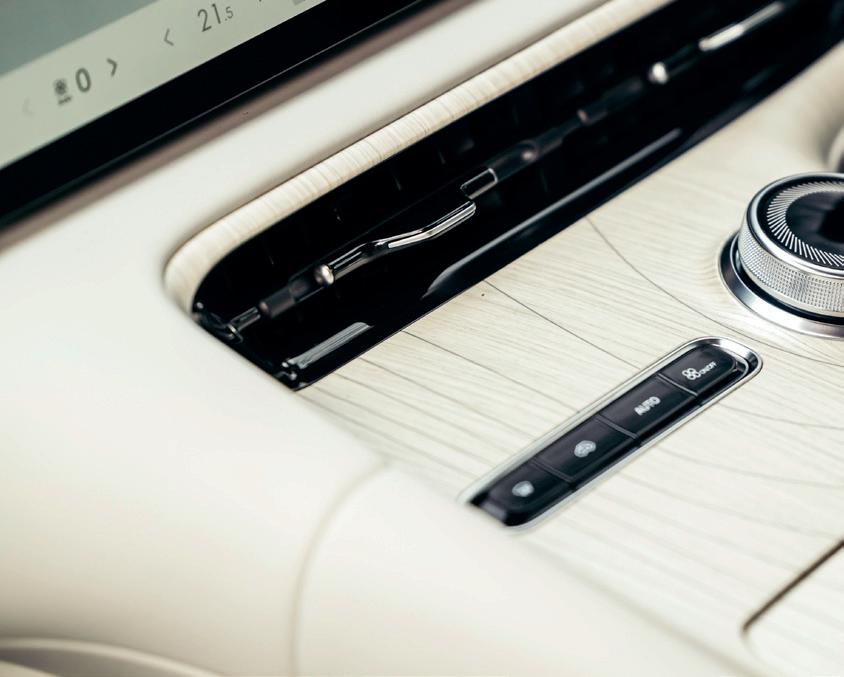
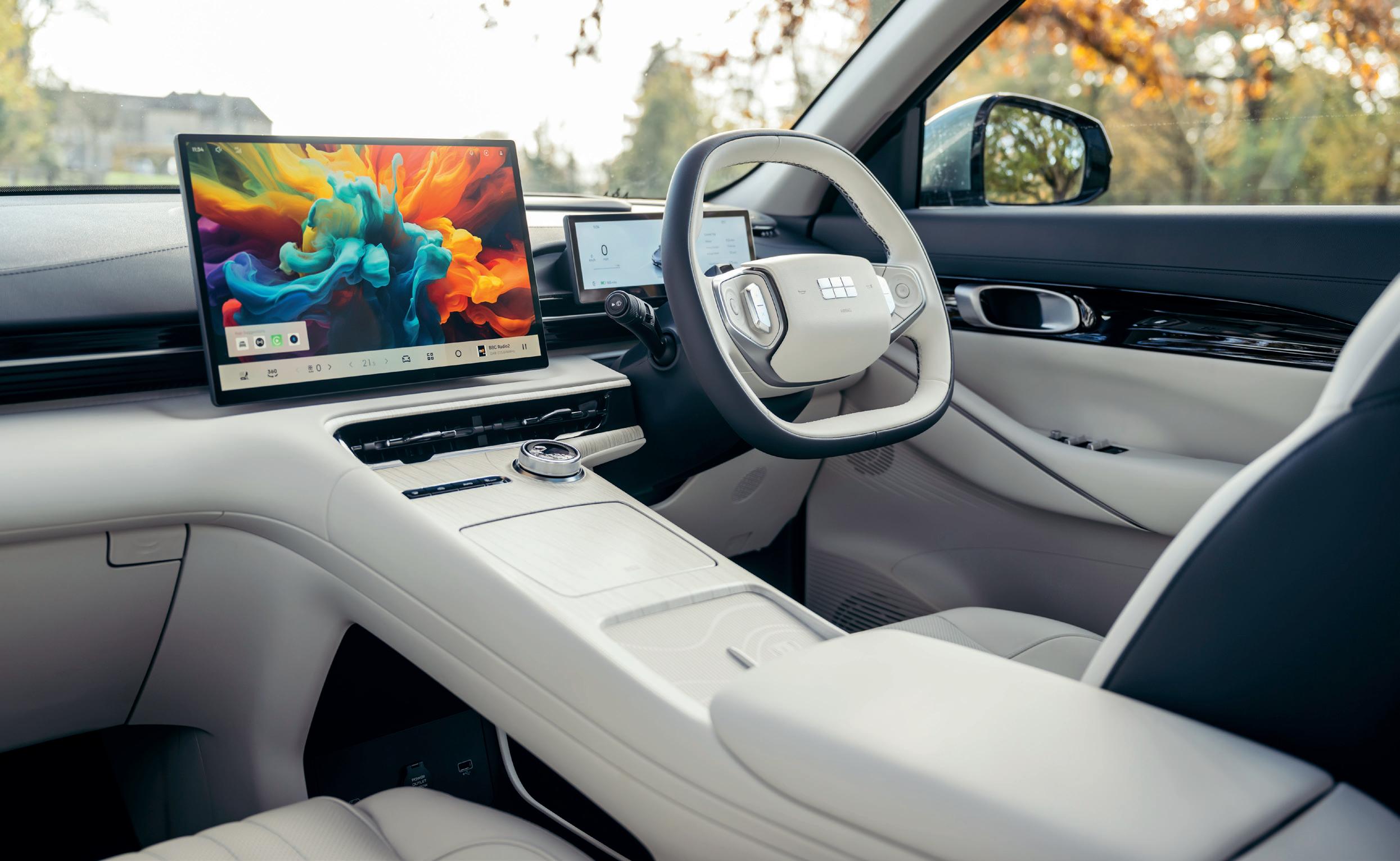
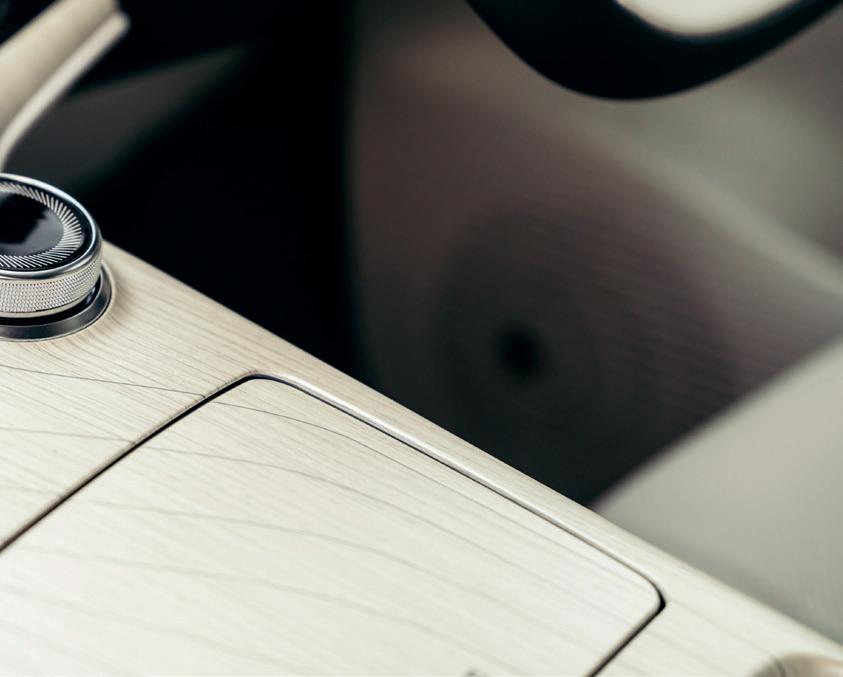
Like any other Chinese EV, the dashboard and user interface are dominated by a frustrating 15.4-inch central screen. The infotainment system is painfully slow to boot up and the digital real estate is wasted. A handful of customisable widgets are trapped in one tiny corner of the otherwise empty space and functions that should have permanent on-screen controls are buried in menus and sub-menus.
In one win for common sense, you can set up a drive profile that includes your preferred driver assistance settings. What’s more, you can programme this to a button on the steering wheel, so it’s quickly and easily accessible every time you start the car.
This is just as well because if you leave them on you are confronted by a barrage of inaccurate and aggressive interventions that will have you screaming in frustration.
There’s just one powertrain choice in the Geely EX5, which tracks closely to those offered by similarly priced rivals.
A front-mounted motor produces 215bhp while a 60kWh battery delivers a range of between 254 and 267 miles. That’s near-identical to the Leapmotor B10 and close to the Jaecoo E5. European rivals offer more power and longer ranges, but at a higher price.
Efficiency is quoted at 3.7m/kWh and I saw close to that over a week of varied driving. Peak DC charging of 160kW is decent and will replenish the battery from 30-80% in around 20 minutes.
Geely says the EX5 will hit 62mph from standstill in 6.9 seconds (7.1 for the heavier Max spec), but you’ve got to really try to achieve that. There’s a dull throttle response which feels like the pedal has an inch of play before sending any signal to the motor. Once you get a response, it’s quick enough for the class and mid-range pull is decent, but the initial hesitation is in contrast to the over-grabby brakes.
There are two braking modes – comfort and sport – and, technically, the EX5 has adjustable regeneration but this is only accessible via a touchscreen menu, which is utterly idiotic.
Remember when I said Geely owns Lotus? Well it claims that the gang at Hethel gave their input into the EX5’s chassis development. Presumably that input extended to: “It’s not the worst we’ve ever seen.”
Geely says the EX5 has been tuned specifically for the UK and while it’s nowhere near as bad as a Skywell or Jaecoo, the driving experience is still utterly forgettable. The steering is vague and lifeless, there’s a healthy dose of body roll on tight roads, and the ride veers from reasonably comfortable at high speeds to irritatingly jerky around town. If driving enjoyment is important to you, you might want to look elsewhere.
However, if your focus is on bang for your buck, then stick around.
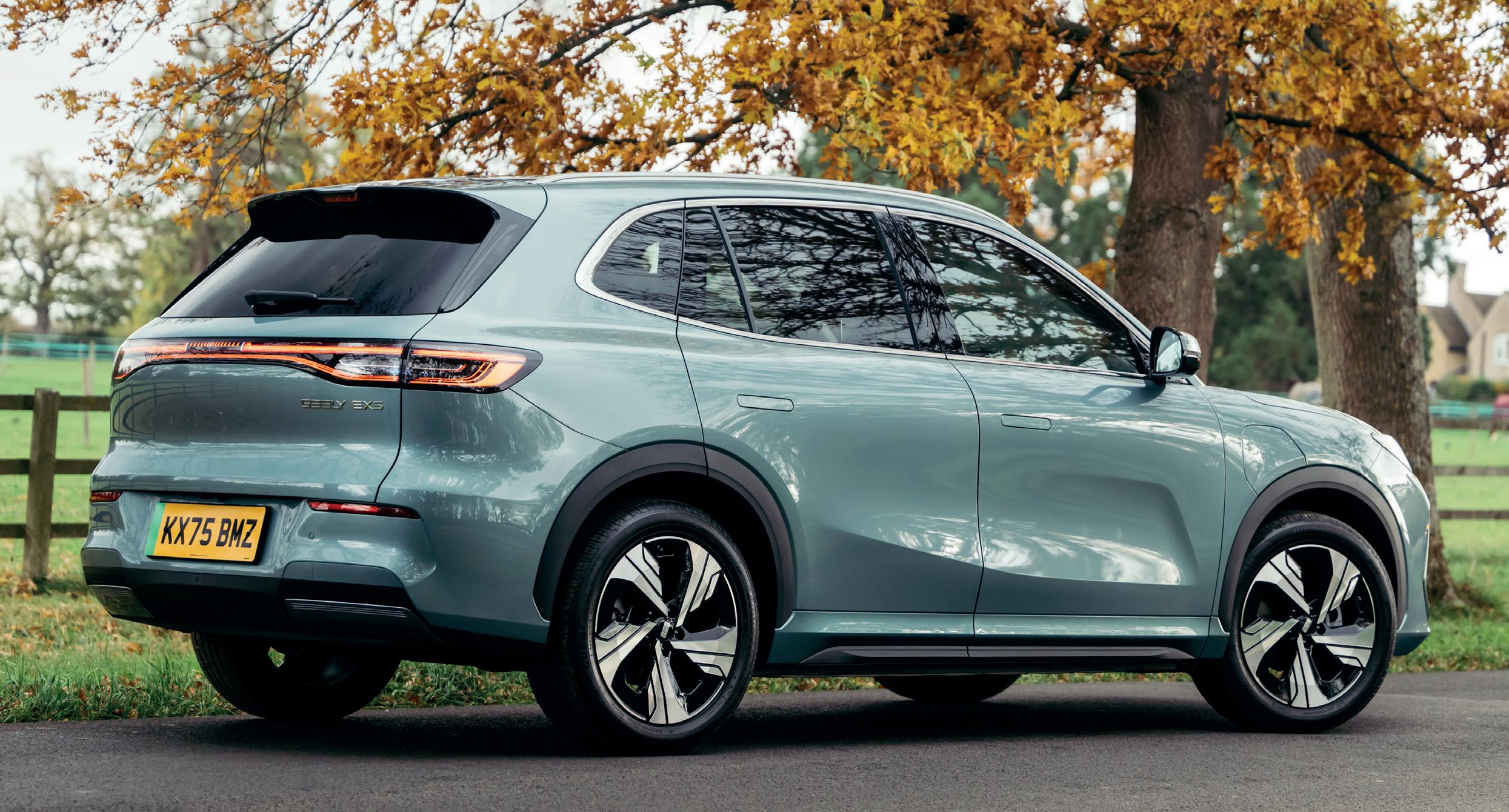
The Geely EX5 comes in three trim levels, with prices starting at £31,990 for the SE.
Even this gets 18-inch alloys, tinted rear glass, heated front seats and steering wheel, and keyless entry/start. A heat pump, 360-degree camera and the 15.4-inch touchscreen with wireless phone mirroring are also standard.
The £33,990 Pro gets bigger wheels and not much else, while the range tops out at £36,990 for the Max spec. This brings a powered tailgate, panoramic sunroof and metallic paint, plus cooled massage seats in the front, a 16-speaker, 1,000-watt sound system and a head-up display.
In the current flood of electric C-SUVs from China the Geely EX5 is one of the more likeable options. It offers plenty of space in a well-constructed cabin and there are at least a few concessions to user-friendliness. The equipment list is extensive for the money and, to some extent, that low price excuses the distinctly average range and performance.
As with virtually every Chinese EV, it’s let down by a dull drive, variable ride and sub-standard infotainment system, all of which are some way behind the European or Korean alternatives.
RIVALS
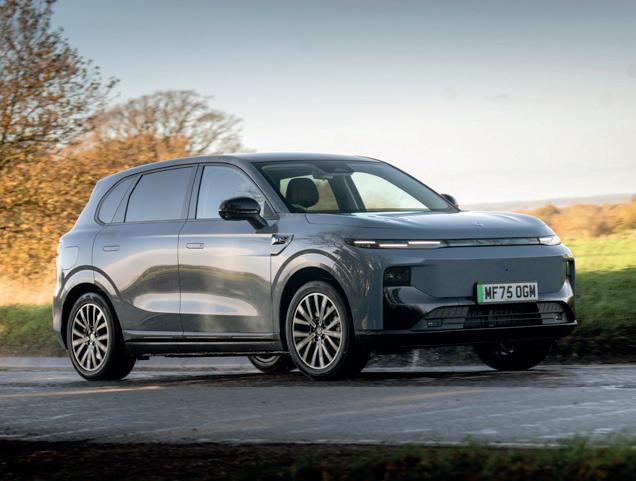
LEAPMOTOR B10
About the closest alternative in terms of price, space and equipment. Suffers similar technical and interface limitations.
GEELY EX5 MAX
PRICE: £36,990
POWERTRAIN:
Single-motor, front-wheel-drive
BATTERY: 60kWh
POWER: 215bhp
TORQUE: 236lb ft
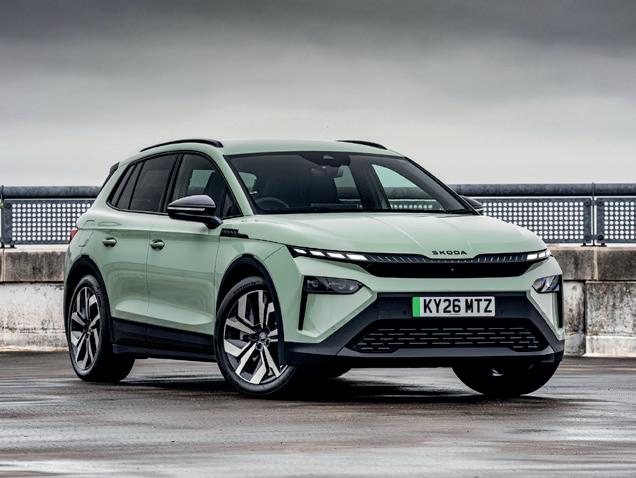
ELROQ
Better to drive and easier to use, plus offers a choice of powertrains. Not as spacious or cheap as the Geely, though.
TOP SPEED: 109mph
0-62MPH: 7.1 seconds
RANGE: 255 miles
CONSUMPTION: 3.74m/kWh
CHARGING: up to 160kW
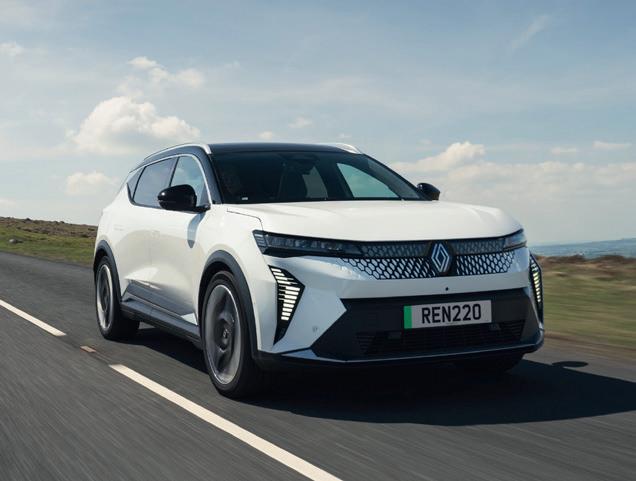
RENAULT SCENIC
Smaller and slightly more expensive than the Geely but with a vastly superior range, more innovative interior and simple user interface.
SKODA
ANDREAS ERIKSSON:
“If
we don’t do electric RX now, we’ve missed the window”
With the upcoming RALLYX AMERICAS SERIES, electric RX is finally on the cusp of being done properly. We sat down with the ‘wizard’ helping shape it to discuss the tech, the attitude and the hard work that are set to make a difference.
By GEORGE EAST
The FIA World Rallycross Championship didn’t have to die that way, did it? Despite a few last-minute attempts to get it back to where it was during its heyday, it was never going to work.
When the final death knell came in October last year two-time World Rally Champion, Marcus Grönholm, lamented to EV Powered: “to blame the collapse of World RX completely on EVs? I don’t think that’s correct”.
The Big Finn knows a thing about rallycross, too. After retiring from the WRC, he went on to compete for the Swedish Olsbergs-MSE team run by Andreas Eriksson in Euro RX, and then in US rallycross' various guises.
Grönholm’s son, Niclas, also enjoyed a successful nine-year World RX career, which started with Eriksson’s outfit back in 2016.
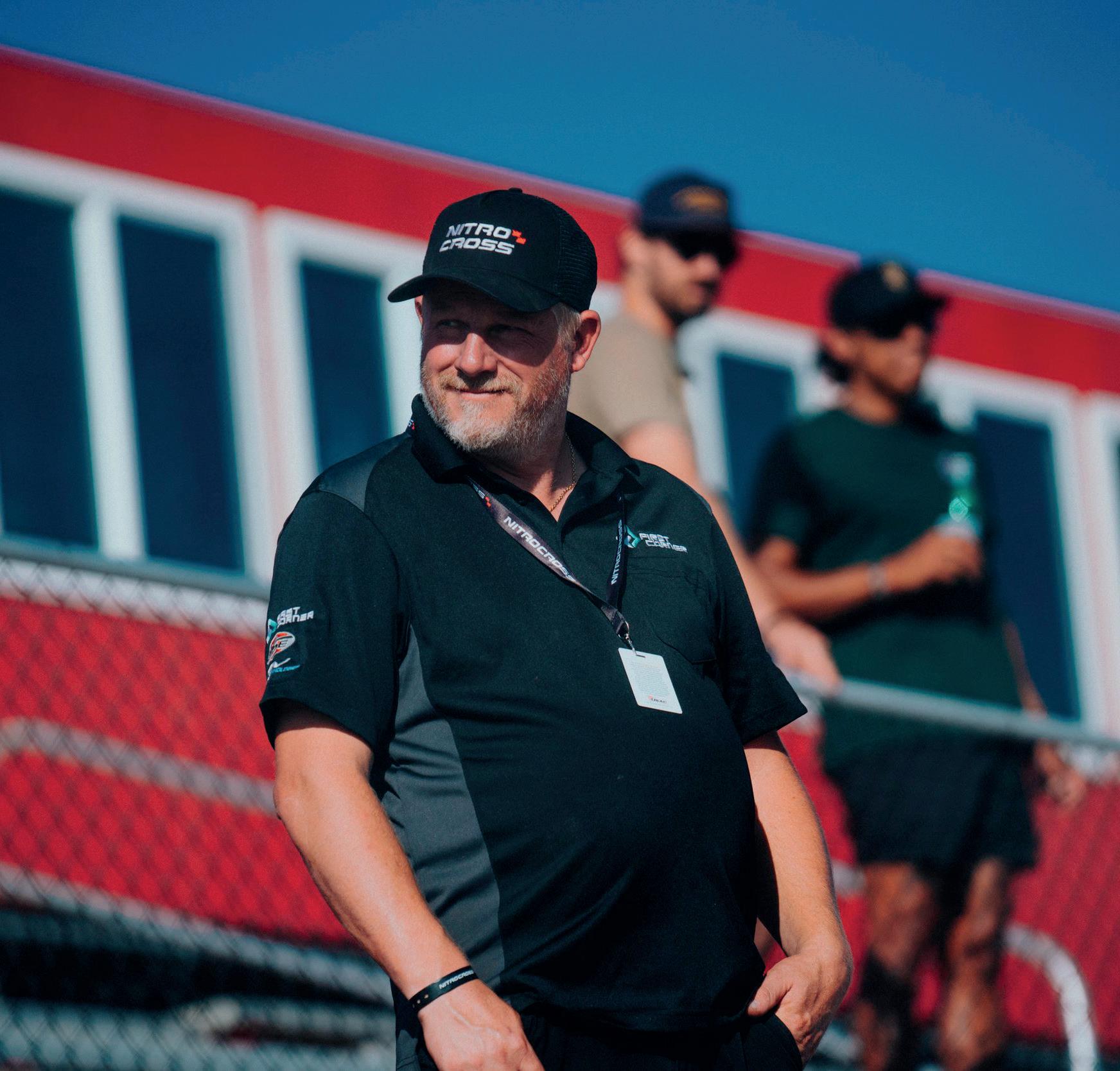
Eriksson, pictured left, then, understands what makes rallycross work. He’s been involved as a driver and manager for more than 20 years, securing wins at the wheel, championships as a team leader, and helping introduce the sport to the United States via the Global Rallycross (GRC) in 2014.
29 ELECTRIC RX
He has, possibly better than anyone, grasped the formula behind what’s needed to make RX a success. When the elder Grönholm referred to him as “some kind of rallycross wizard,” it’s hard to disagree.
‘EVS
WEREN’T THE PROBLEM’
“I completely agree with Marcus that the problem with World RX wasn’t the electric cars,” Eriksson told us from his workshop in Sweden. “The FIA did everything they could to destroy it with poor decision after poor decision.
“It’s what they always do, though - they take something good and they f**k it up.”
He continues: “Professional motorsport in any FIA championship has gone. They need a platform to create stars for the future, and the only way to make motorsport professional is to be part of the evolution of where cars are going.
“When you talk to the FIA and to outlets like DirtFish, they love the ‘60s and the ‘80s and they want to stay there. By forcing World RX to go electric too early, they created a lot of hatred towards electric cars.”
In his case for an electric rallycross series, Eriksson draws on his knowledge of co-founding the Red Bull GRC during the years in the build up to its inaugural 2011 season.
“When we started competing in the GRC with Marcus and Topi [Heikkinen] driving the Ford Fiesta, that was the perfect time for that car and the sport,” he says. “The US car industry had gone from V8, to V6, and it was then making the transition to in-line four turbos.
“With that small car, we were a perfect fit to show what you could do with a small, lively engine and up until politics got involved again, it worked, because it was a brilliant championship. We had names like Ken Block, Travis Pastrana, Scott Speed...
“Now in this world of electric cars, and there’s no escaping them because in Europe we now sell more EVs than ICEs, I originally thought that World RX was too late in going electric, but we were five years too early - it’s taken the battery tech and the infrastructure that long to catch up.”
Continued on next page
‘IT’S NOT ABOUT US, IT’S ABOUT
THE FUTURE’
But with the tech now in the right place, for Eriksson, the key to successful electric rallycross lies very much in the future.
In a stark contrast to the FIA’s top-down order to make World RX electric-only “in a response to the Dieselgate scandal”, Eriksson’s approach is about working with the manufacturers and tech suppliers to give them a playground where they can showcase the capabilities of EV tech.
“Maybe I’m one of the crazy ones, but I’m always trying to think what will happen in five years time. That’s how I see the world,” he contemplates.
While the FIA is playing checkers with a possible, bio-fuelled return for World RX in 2028, Eriksson is playing 4D chess by using the current trends of the automotive industry as his yardstick.
“We need to tell a story that EVs are cool, and the only sport that can ever do justice to an electric powertrain is rallycross, before it’s about 100% performance in every corner and ultra-quick acceleration," he says. “It’s up to us to understand what is relevant for the current generation of car buyers, then the next generation - I think we can see where they’re going, and that’s EVs.

“I think if we, those of us who are over 35, pursue our own interests and get stuck in our world where we think something is fantastic, that’s when you get a decline of interest. It’s not about us.”
COMING TO AMERICA
As the FIA flip-flops, Eriksson is putting his plan into action under the ‘RallyX Americas’ banner.
With the likes of Niclas Grönholm, Timmy Hansen, and Ole-Christian Veiby having all competed there, RallyX is yet another success story the quietly-spoken Eriksson can add to his name.
As for the ‘Americas’ moniker, he explains, “that’s because they know how to put on a better show than we do in Europe – if it’s a success there, it’ll be successful in Europe. That’s what we saw with GRC.”
The opening three rounds of RallyX Americas have been co-developed with assistance from USAC, America’s answer to the FIA. So the inaugural 2026 RallyX Americas season will begin with a two-race event over the weekend of June 20-21 at the Crandon International Raceway in Wisconsin.
ELECTRIC RX 30
FASTER, MORE EXTREME, MORE FUN
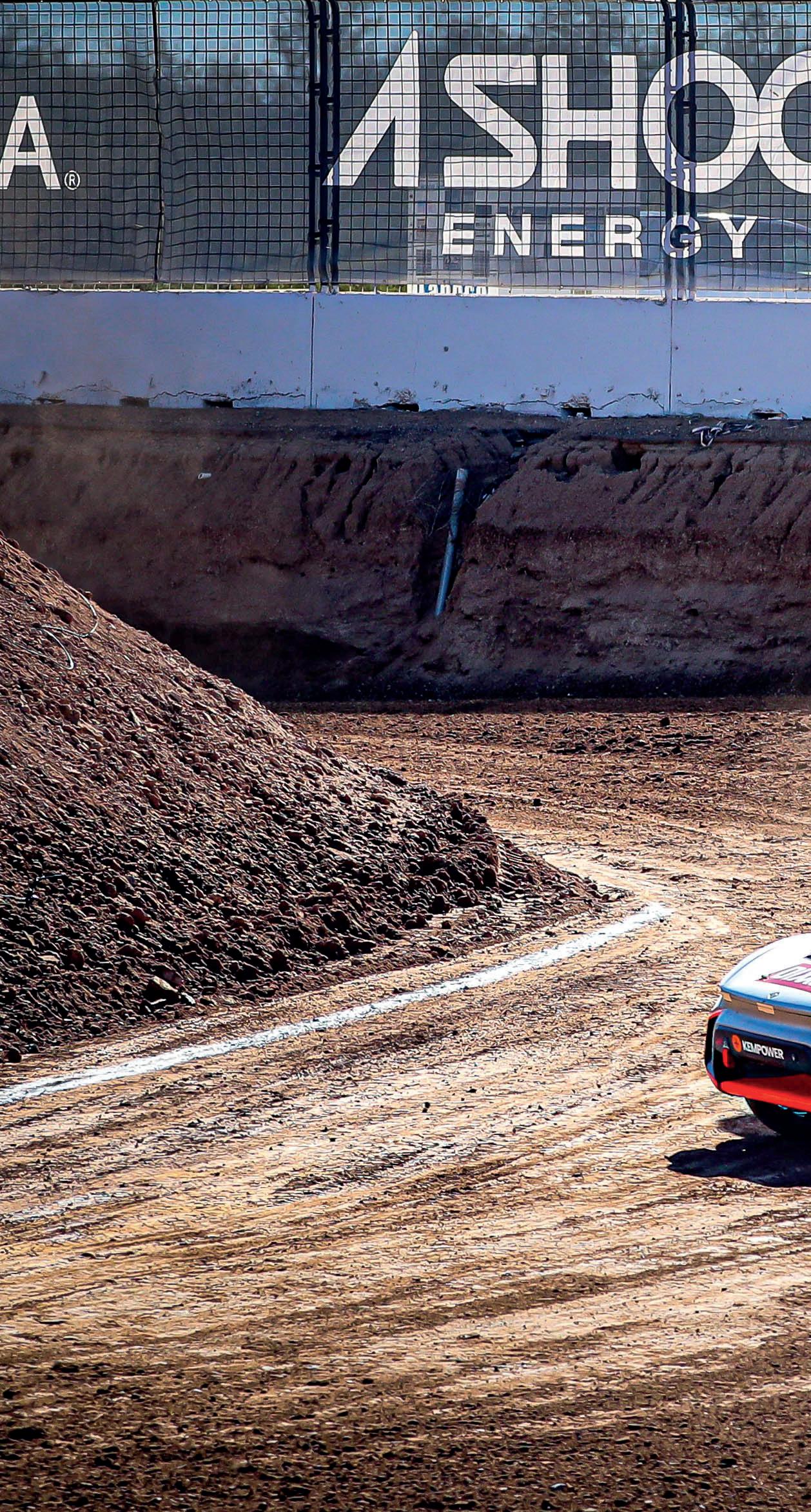
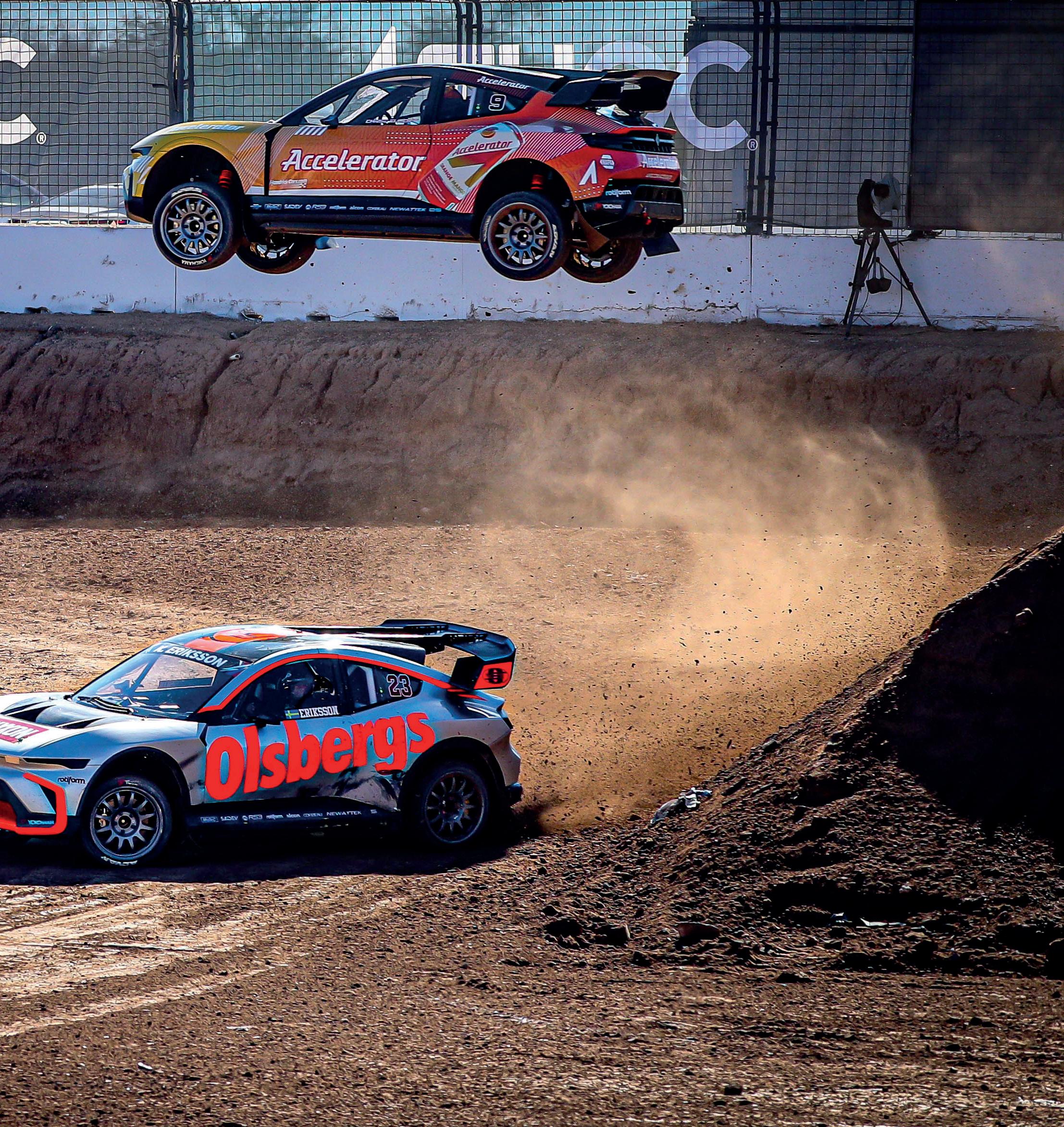
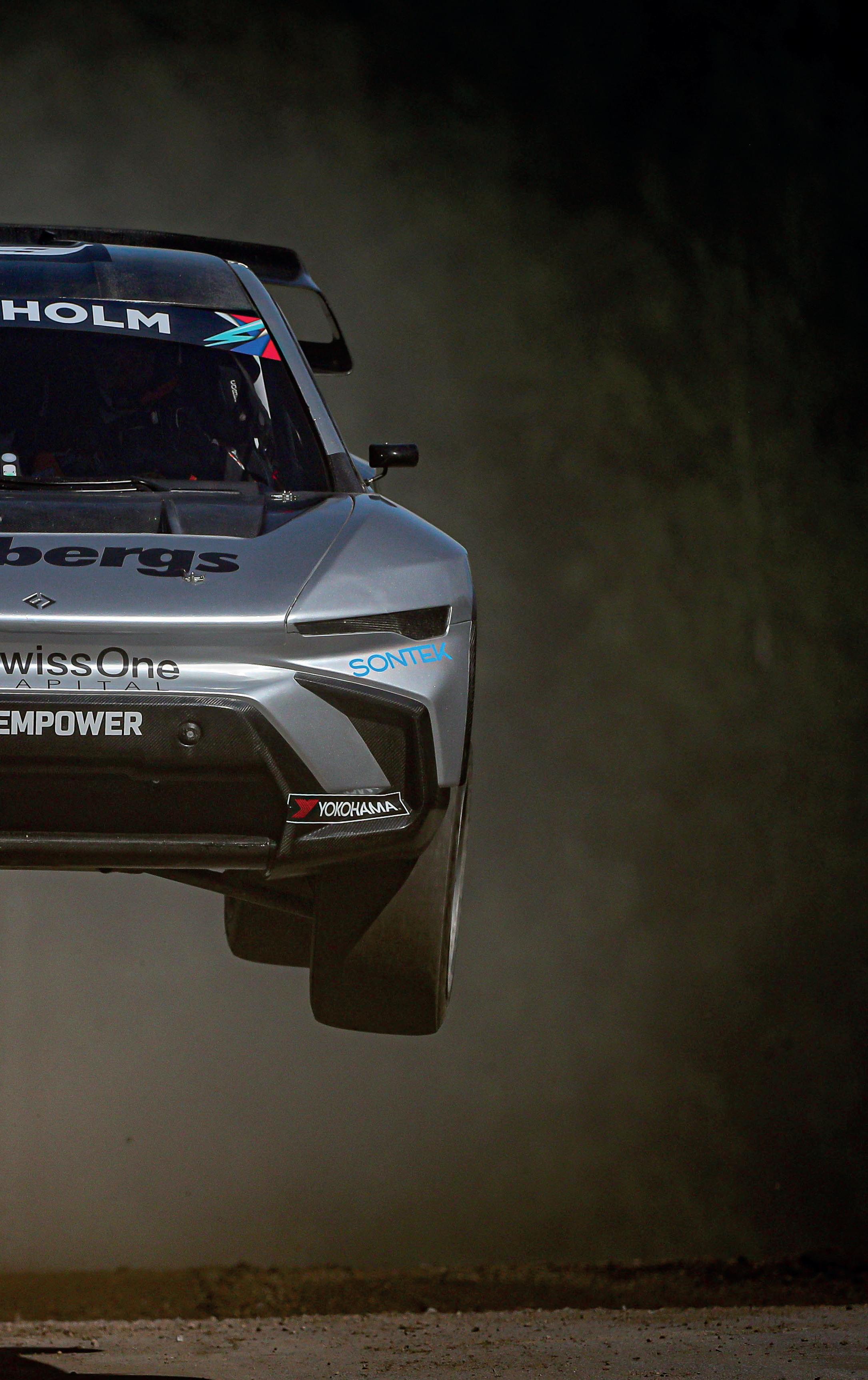
The car used to compete is the FC1, developed by FirstCorner. Having been around since 2022 and earned its stripes in Nitrocross and the Race of Champions, Eriksson is keen to stress that FC1 is a platform, rather than a car.
Right now, the FC1 visually echoes an SUV coupé. Yet given Eriksson’s goal of working alongside manufacturers, it can be adapted to accommodate any sort of bodystyle.
“Developing the FC1, I realised we need to make something much faster, and much more extreme than anyone has ever done before. At the end of the day, even your mum’s standard EV is quick,” Eriksson outlines. “It’s my vision of how an electric performance car should be, and it’s open to the manufacturers to put their body and maybe add some of their technologies into it in the future.”
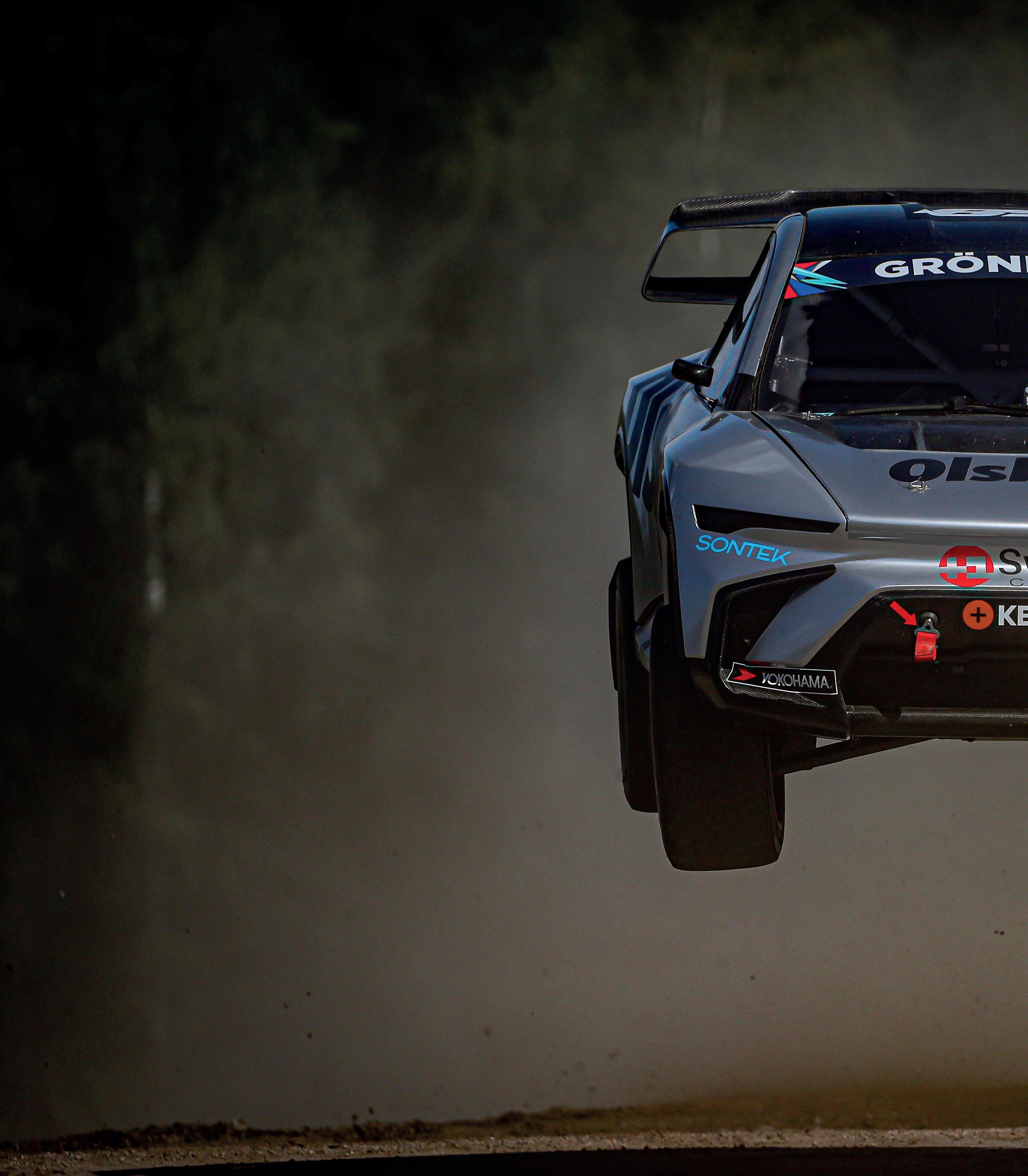
The numbers surrounding the FC1 are mind-boggling. Its quad-motor, allwheel-drive setup generates up to 1,500bhp and 663lb ft of torque. The 0-60mph run is dealt with in a mere 1.5 seconds.
In line with Eriksson’s outlook on what a performance EV should be and do, Olsbergs-MSE has developed a three-speed manual gearbox. It’s not a synthetic unit, either. The transmission is a proper mechanical linkage connecting the FC1’s front and rear ends.
“When we did this, everyone laughed at us and said you don’t need that,” he explains. ”But we looked at the data and quickly understood that if we were limited in acceleration we had good top speed, but if we had no top speed, we didn’t have good acceleration.
MARCUS GRÖNHOLM
31 ELECTRIC RX
“To achieve both, we added a gearbox and added a prop shaft, so we connected the front and rear mechanically.”
The ‘rallycross wizard’ has even looked so far ahead, that the issue of sound - one of the biggest criticisms levelled at the electric era in World Rallycross - has been dealt with. Yet again, Eriksson feels that the solution to RX’s noise debate isn’t rooted in the past.
“It’s not a noise made like the old four cylinder turbos in World RX or GRC. I don’t think that’s the right thing to do,” he says candidly. “Instead, we’ve replicated the noise of the electric motors and the drivetrain heard by the driver. We know the FC1 platform is tremendously fast, but the fans can’t experience what the driver feels.
“We’ve worked with Kicker and Borla to develop a 120dB speaker system on the car, so they can hear and feel the same thing as the driver inside. It’s the
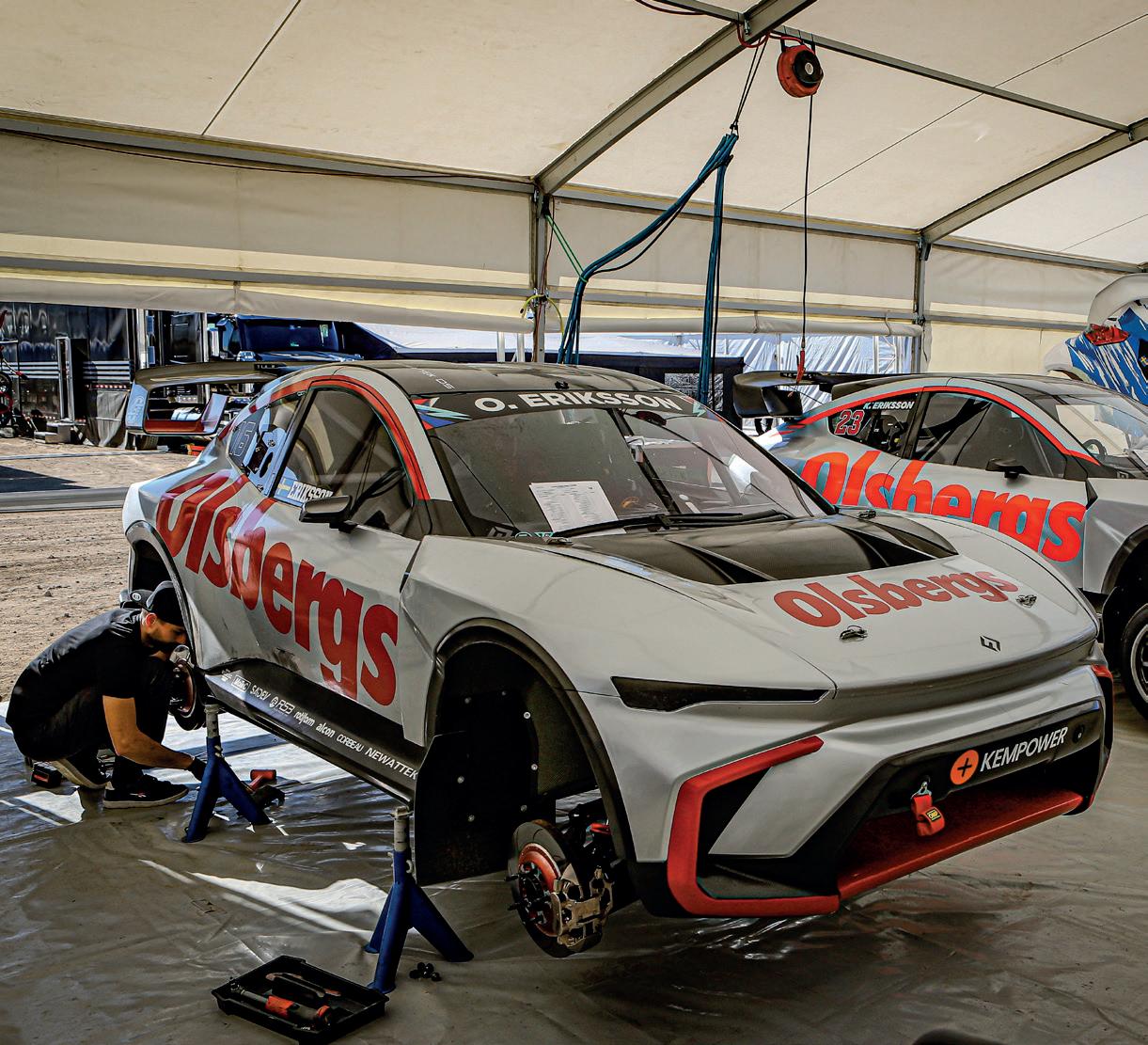
To stop RallyX Americas from closing the door on curious teams, the organisers will handle teams’ transport, and the tracks are already built.
For the fans, the racing will be free-to-view on YouTube, and the paddock will be an open space where they can get up close to the cars and the latest EV tech surrounding them. It’ll be something like the Goodwood Festival of Speed’s ‘Electric Avenue’, albeit with more dust and noise.
sort of sound we’re hearing from performance road cars these days - it’s not a fake V8 noise, it’s its own thing authentic to EVs.”
OPENING THE DOOR TO TEAMS AND FANS
The FC1 platform is priced from between €400,000 and €500,000 to buy outright, including batteries, and all charging infrastructure; a stark contrast to the almost-€800k sum commanded by the final generation of World RX cars.
To keep costs sensible, teams can also rent a car and equipment on a raceby-race basis, meaning that the inaugural RallyX Americas championship can be done for €100,000.
Eriksson’s vision and bloody-minded dedication to electric rallycross appears to have paid off. Already, there are between nine and 12 cars entered for Crandon, and RallyX Americas has already attracted a healthy roster of big Rallycross names.
Unfortunately, he won’t confirm to us who they are, but Grönholm, the Hansen brothers, and Leah Block have all been mentioned.
ALWAYS MOVING FORWARD
Before a wheel has even been turned at the season opener, Eriksson is once again looking into the future.
“First of all, we need to prove to the manufacturers and the fans that we are different, because we have an excellent platform with the FC1, we can keep costs down, and we want to be open in showing what EVs are capable of.
“We want to bring new fans in, and show them that electric cars aren’t something to dismiss or be scared of - in fact, they’re pretty exciting.
“We’re already looking at introducing solid-state batteries to the next-gen car, and we’re very close to doing that.
“SSBs will give us quicker charge times, better discharge rates, and a bigger range to put on longer races.
“Then there’s battery storage solutions and vehicle-to-grid. Why shouldn’t we be looking at using the FC1 to power, or at least partially power our teams’ setups?”
And just like that, the brilliant mind of the “rallycross wizard” stands on the cusp of making electric RX great again.
FOUR WINNERS FOUR FLAVOURS
By Richard Alvin
Formula E's wild month in Berlin and Monaco
If anyone still doubted that the ABB FIA Formula E World Championship has become the most unpredictable show in motorsport, May should have settled the argument once and for all
FOUR RACES, FOUR DIFFERENT WINNERS, THREE DIFFERENT MANUFACTURERS ON THE TOP STEP AND A CHAMPIONSHIP TABLE THAT HAS BEEN SHAKEN, STIRRED AND DECANTED NO FEWER THAN THREE TIMES IN THE SPACE OF A FORTNIGHT.
From the bomb-site grandeur of Tempelhof to the millionaire's playground of Monte Carlo, the Gen3 EVO era served up the kind of theatre that the championship's founders always promised but rarely managed to deliver in quite such concentrated form.
BERLIN: a pink pig and a piece of history
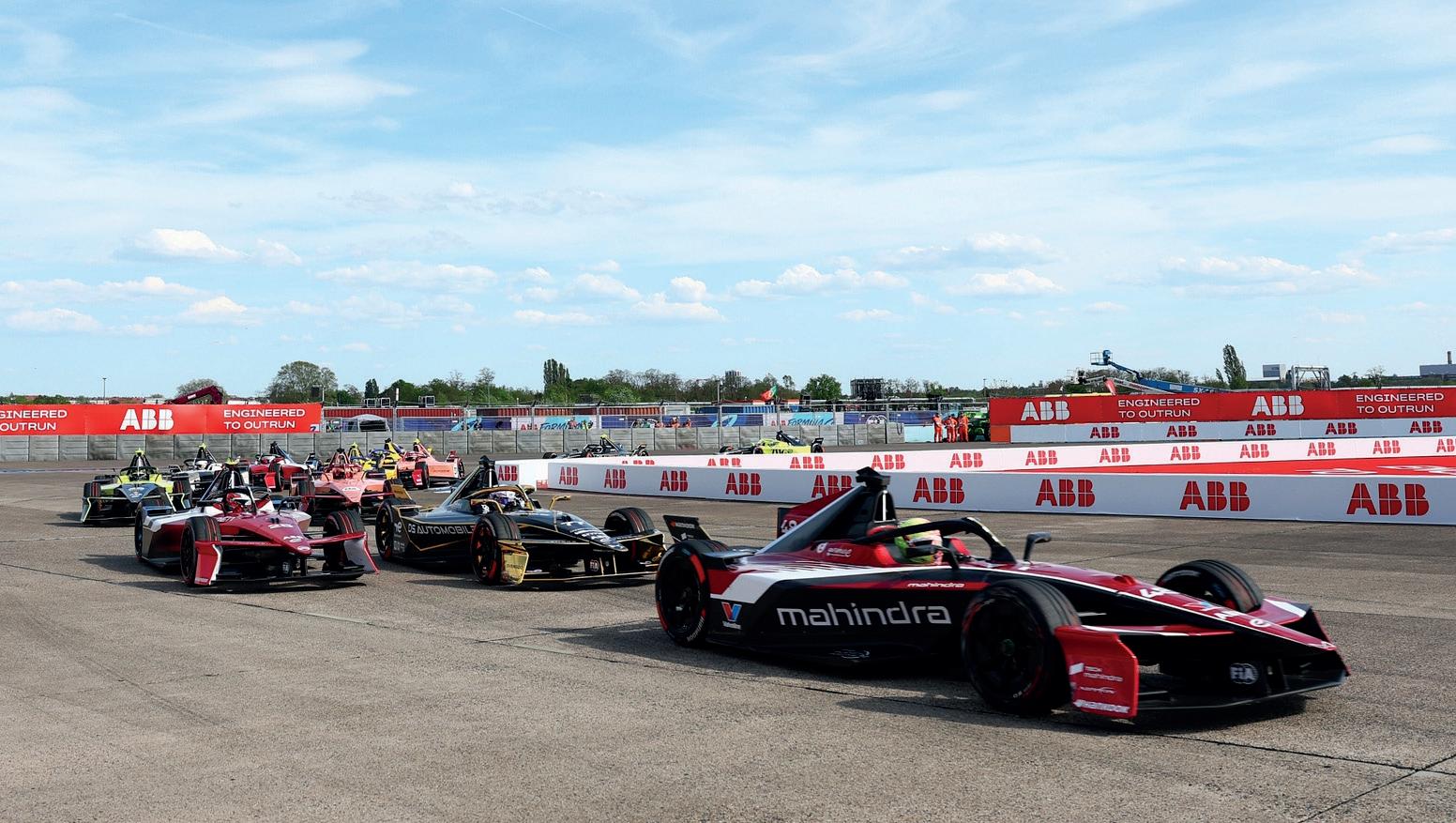
The month began under the spring sunshine of the old Berlin airfield, where Porsche turned up with a livery that took rather more than a passing glance to process. The 99X Electric had been wrapped in the famous "Pink Pig" colours to mark the 75th anniversary of Porsche Motorsport, a sentimental nod to the bug-eyed 917/20 that traipsed around Le Mans in 1971. Nostalgia is one thing, results quite another, and few in the paddock expected the Saturday round to end with Nico Müller hoisting his young son onto the top step of the podium.
It took the Swiss racer 69 attempts to land his maiden Formula E victory. When the moment finally arrived, it could scarcely have been more
33 FORMULA E
cinematic. Müller controlled the race with the kind of energy-management discipline that defines the modern Gen3 game, then cleared off to take the chequered flag 4.7 seconds clear of the field. He became Formula E's 25th different winner, did so for the manufacturer he represents, on home tarmac, in a livery celebrating three quarters of a century of Stuttgart motorsport. Script-writers would have rejected it as too neat.
"I'm feeling relieved and super grateful," Müller admitted afterwards, still visibly processing the result. "When you get to represent Porsche, it is already a big step in your career, and to finally make it happen in the 69th attempt, and to win for them in Berlin on the 75th anniversary of Porsche Motorsport, is pretty sick." The race suit, he confirmed, would be hung in his home gym, "a good reminder of why to grind hard on days where you may be less motivated."
For Porsche, the timing could hardly have been better. For Pascal Wehrlein, less so. The reigning champion suffered a puncture that wrecked his afternoon and dropped him out of the points, an irritation that would shape the narrative the following day.
BERLIN SUNDAY:
Evans rewrites the history book
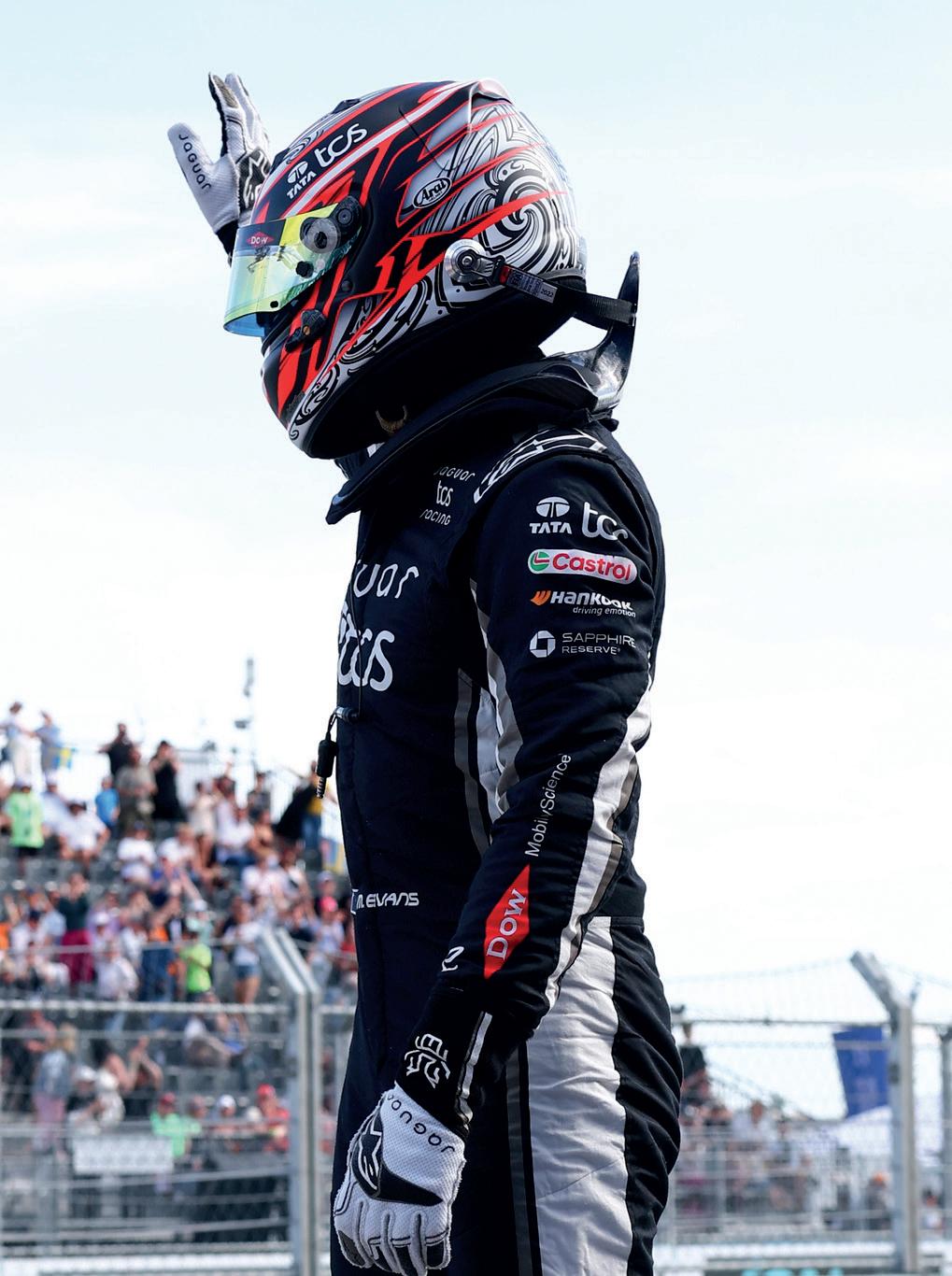
If Saturday belonged to Porsche, Sunday belonged to Jaguar, and to one man in particular. Mitch Evans started the second Berlin race down in 17th on the grid having taken a punt on fresh tyres in qualifying. The gamble looked dubious for half an
hour and inspired in the closing minutes. By the time the chequered flag fell, the New Zealander had won his 16th career race, clear of every other driver in the all-electric series' history and clear of his pursuers on track too.
The decisive blow came on lap 27, when Evans deployed his first six-minute, 350kW ATTACK MODE boost to take the lead and immediately built a two-second cushion. Oliver Rowland and Wehrlein, both of them world champions, threw everything at the Jaguar in the closing stages and were repelled in turn.
"That marks 16 wins now for me," Evans said with the slightly disbelieving smile of a driver who has just bagged the most significant statistic of his career. "Strategy-wise, we started towards the back, so we took a punt using a new set of tyres. I had good guidance from the team to stay patient and have one big attack at the end, and it paid off."
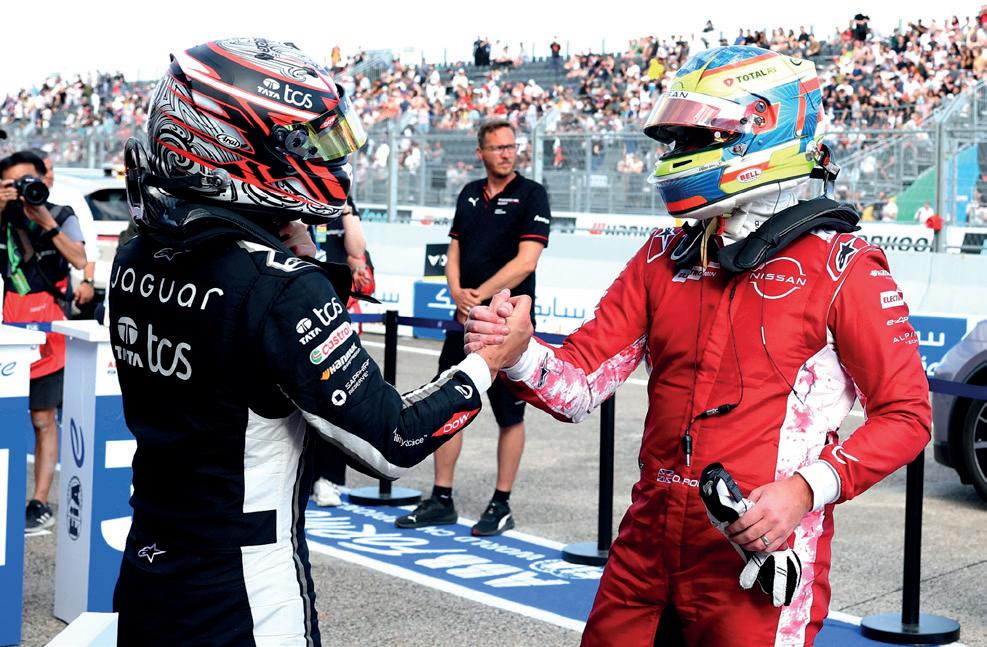
Rowland's second place, on the back of a third in the Saturday round, lifted him to five podiums from the opening eight races and into firm title contention. Wehrlein, meanwhile, recovered to third on home turf and reclaimed the championship lead on 101 points, three clear of Evans. Coventry's finest, Jaguar TCS Racing, headed the teams' chart while Porsche continued to lead the manufacturers' fight. From there it was a hop to the south of France for the round that nobody on the calendar can quite predict.
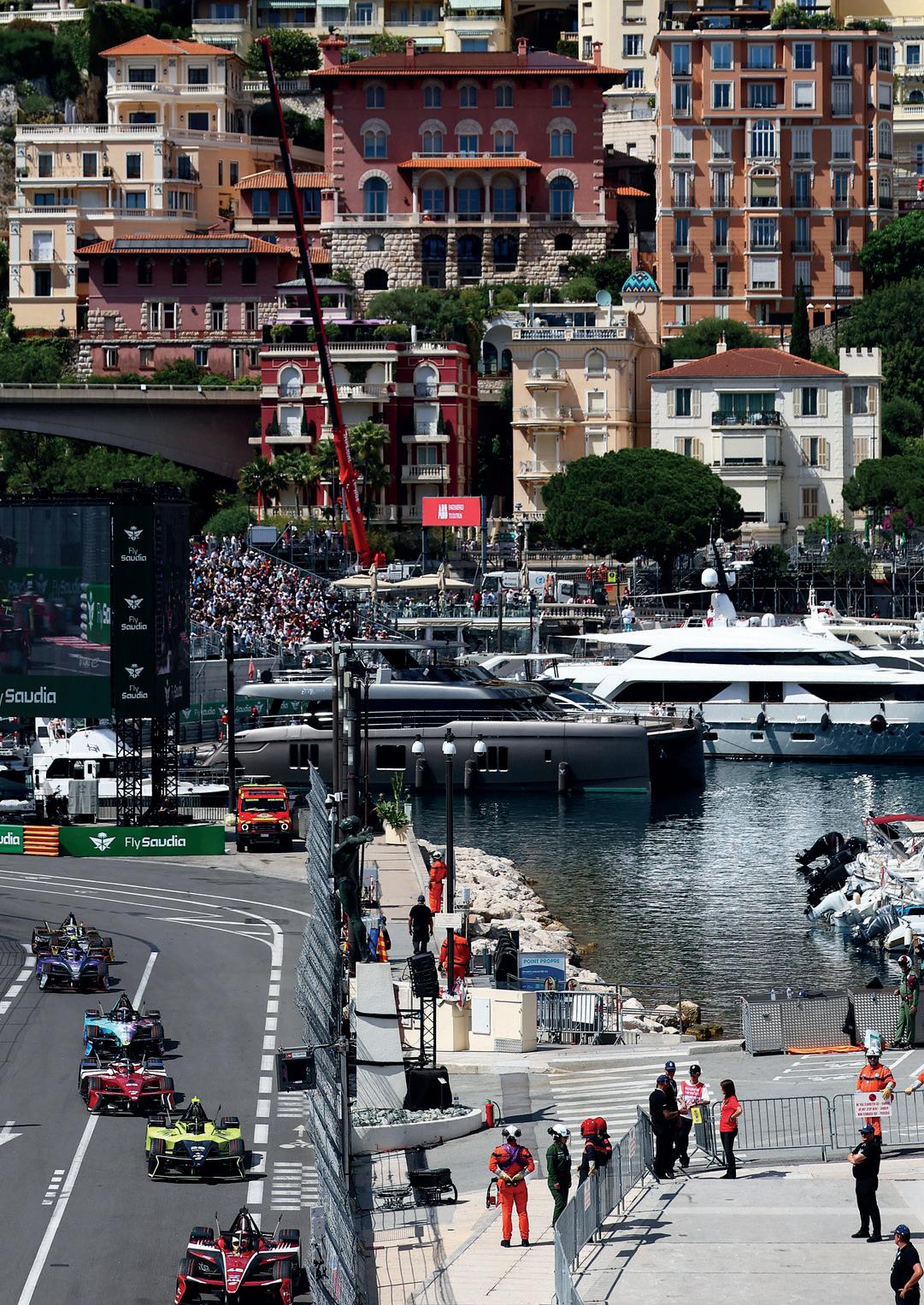
MONACO SATURDAY: redemption in pink and blue
The Monaco double-header has rapidly outgrown its reputation as a quirky pre F1 Grand Prix curtain raiser. With Carlos Sainz, Nico Hülkenberg, Ollie Bearman and Gabriel Bortoleto all spotted prowling the pit lane, the championship's
energy-management protocols a useful piece of homework before Formula 1's own hybrid revolution arrives next month, the paddock now resembles a Davos for electrified motorsport.
The Saturday afternoon belonged to a driver who had begun to wonder whether his luck would ever turn. Nyck de Vries, in his second season at Mahindra Racing, threaded his GEN3 EVO machine through the barriers with the calm precision of a man who had spent two campaigns absorbing bad luck and dishing none of it out. His mandatory PIT BOOST stop on lap 16 was timed earlier than most. Four laps later, he deployed ATTACK MODE to dispatch Antonio Felix da Costa for the lead. By the chequered flag he was three seconds clear.
It was de Vries' fifth career win, his first since Berlin in 2022, and Mahindra's maiden victory of the Gen3 era. For an Indian outfit that has too often been on the receiving end of misfortune, it was as cathartic as it was overdue. "It's been a great day, the pace was there, the car was amazing and the team made the right calls at the right time," the Dutchman said in parc fermé, voice catching. "A little bit emotional because it's been a pretty rough start. You have to hang in there and better times will come."
Behind him, Evans crossed the line in second, lifted himself to the top of the drivers' championship and dragged Jaguar above Porsche in the teams' table. Pepe Martí inherited the final podium spot after polesitter Dan Ticktum was penalised for a late skirmish with da Costa, and in so doing became the first Spaniard ever to stand on a Formula E rostrum. "To do it in Monaco, there's no better place," the 20-year-old CUPRA KIRO rookie said, grinning like a man who had not quite caught up with the day's events. "It's a bit of a dream."
FOUR RACES, FOUR WINNERS, FOUR MANUFACTURERS represented across the top steps of the podium
FORMULA E 34
MONACO SUNDAY: Rowland's masterclass
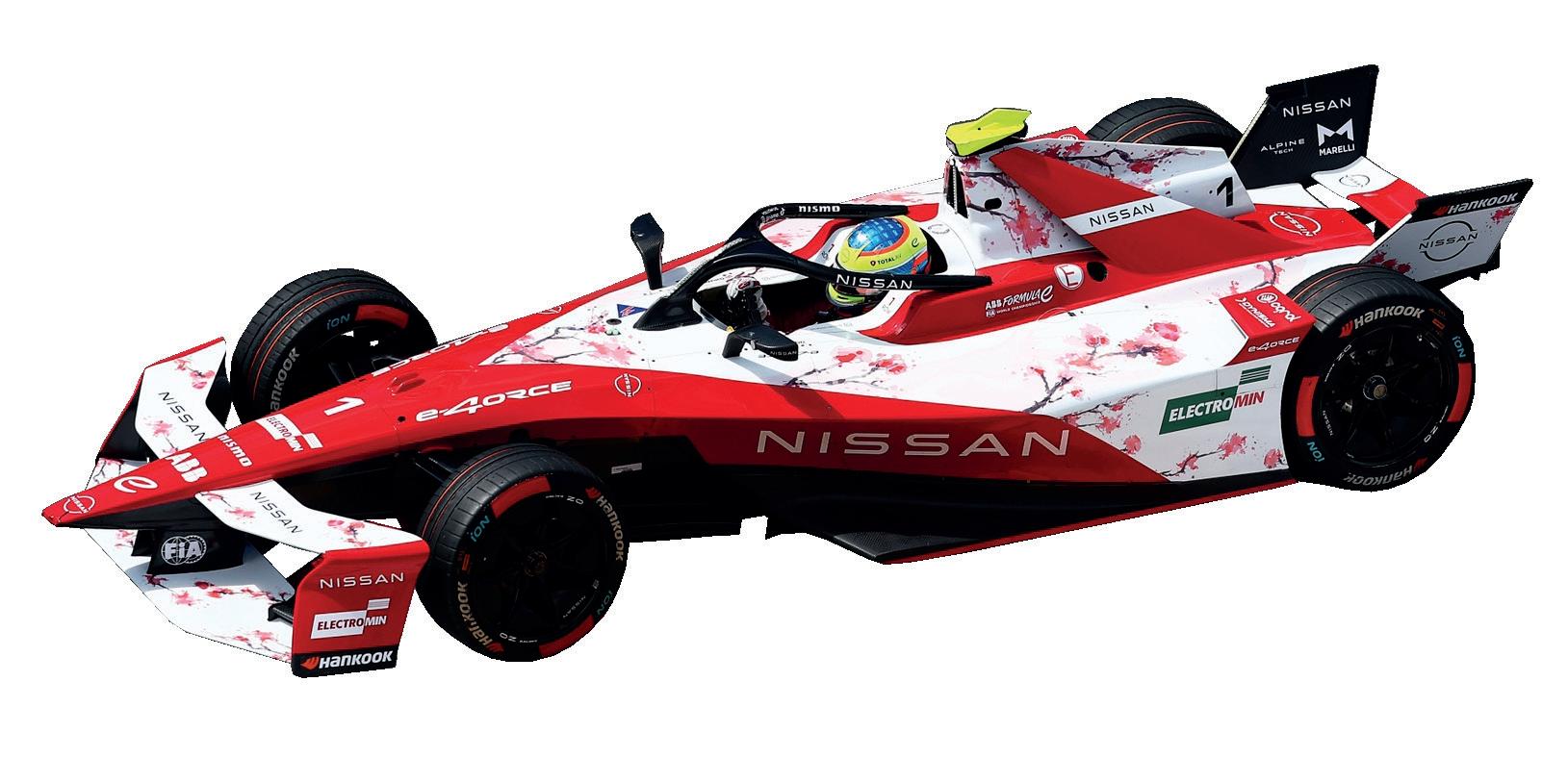
If Saturday in the Principality belonged to Mahindra, Sunday was claimed by a man who has spent the season teaching the rest of the field a lesson in the dark art of energy conservation. Oliver Rowland started the Sunday round eighth on the grid and, having already been crowned World Champion earlier in the campaign, looked content to bide his time. Then, with 28 laps to play with, the Yorkshireman quietly went about taking his second consecutive Monaco crown.
The opening exchanges were chaotic. Ticktum led from his second consecutive pole, da Costa tangled with Edoardo Mortara at the Nouvelle Chicane and dropped to 15th. Jean-Éric Vergne climbed to third. Nico Müller used the first ATTACK MODE of the day to take the lead on lap four. Mitch Evans then produced the move of the race at Mirabeau on lap 11, channeling his own Season 7 heroics, to take the lead under power. Through it all Rowland kept his powder dry, conserving energy as those ahead of him burned through theirs in repeated lead changes.
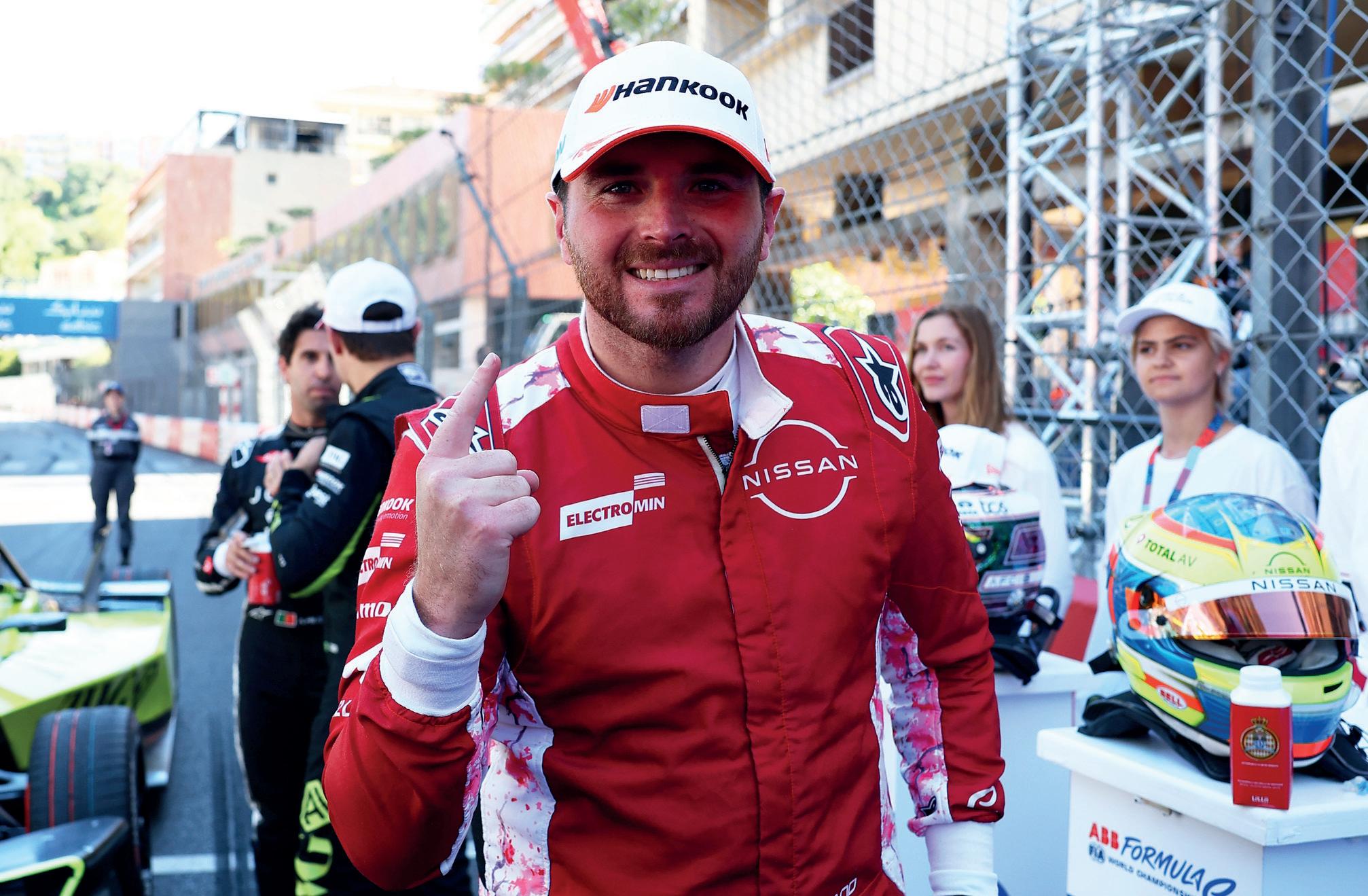
By lap 20, da Costa had built a five-second cushion under ATTACK. Rowland had both activations still in hand and, crucially, nobody behind him with an overlap. The decisive blow came at the Nouvelle Chicane on lap 23, the Nissan slipping past with the kind of inevitability that has come to define his title-winning campaign. A pair of Full Course Yellows, one for Pepe Martí after contact with Nick Cassidy at Rascasse, another for Taylor Barnard's heavy shunt at Portier, did nothing to ruffle him. Mortara crossed the line second but was dropped to fifth after a 10-second penalty, gifting Felipe Drugovich a maiden Formula E podium for Andretti. Da Costa rescued third for Jaguar, with Evans fourth. Ticktum, who had taken pole on both Saturday and Sunday, finished a forlorn 14th after a late penalty.
June calls
Four races, four winners, four manufacturers represented across the top steps of the podium when you stir Andretti into the recipe. Evans heads to Sanya, where Formula E returns on 20 June after a seven-year absence, with the slenderest of leads in the drivers' table. Rowland is breathing down his neck, Wehrlein lurks within striking distance, and the teams' fight between Jaguar and Porsche has the look of a season-long duel. The manufacturers' battle is, if anything, even closer. May offered a championship that had grown a thicker skin, sharper teeth and a remarkable knack for theatre. Sanya, on this evidence, can hardly come soon enough.
The QUIET CONSTANT
There are only two men left on the Formula E grid who can say they were there at the very beginning. One is Lucas di Grassi.
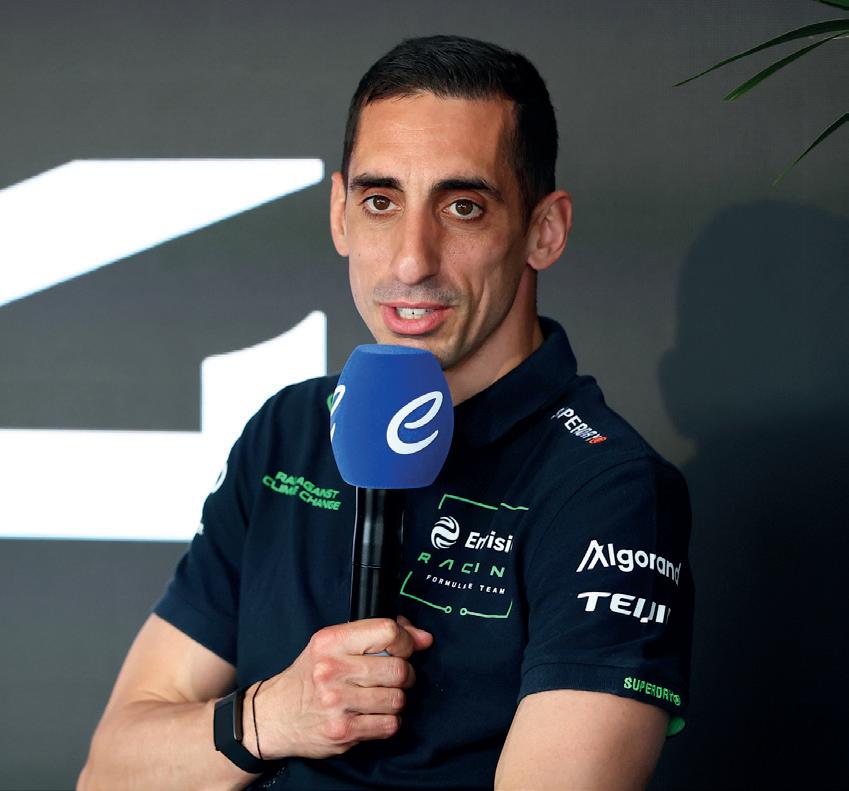
The other, sitting opposite me with the unhurried calm of a driver who has long since stopped needing to prove anything, is Sébastien Buemi. When the lights went out in Beijing in September 2014 and the world's first all-electric single-seater championship lurched into life, the Swiss was on the grid. This weekend in Berlin, twelve years on, he will line up for his 150th start.
Sébastien Buemi at 150
a multi-year extension with Envision Racing, the team where he has rebuilt his reputation as one of the championship's sharpest operators. The deal said something about the team's faith in him, and rather more about his own appetite.
Around the paddock he has long carried the half-affectionate nickname of "motorsport's busiest man." Alongside Formula E he is the simulator driver for Red Bull Racing in Formula 1, and a fortnight ago he was part of the Toyota crew that won at Imola in the World Endurance Championship. Few drivers spread themselves
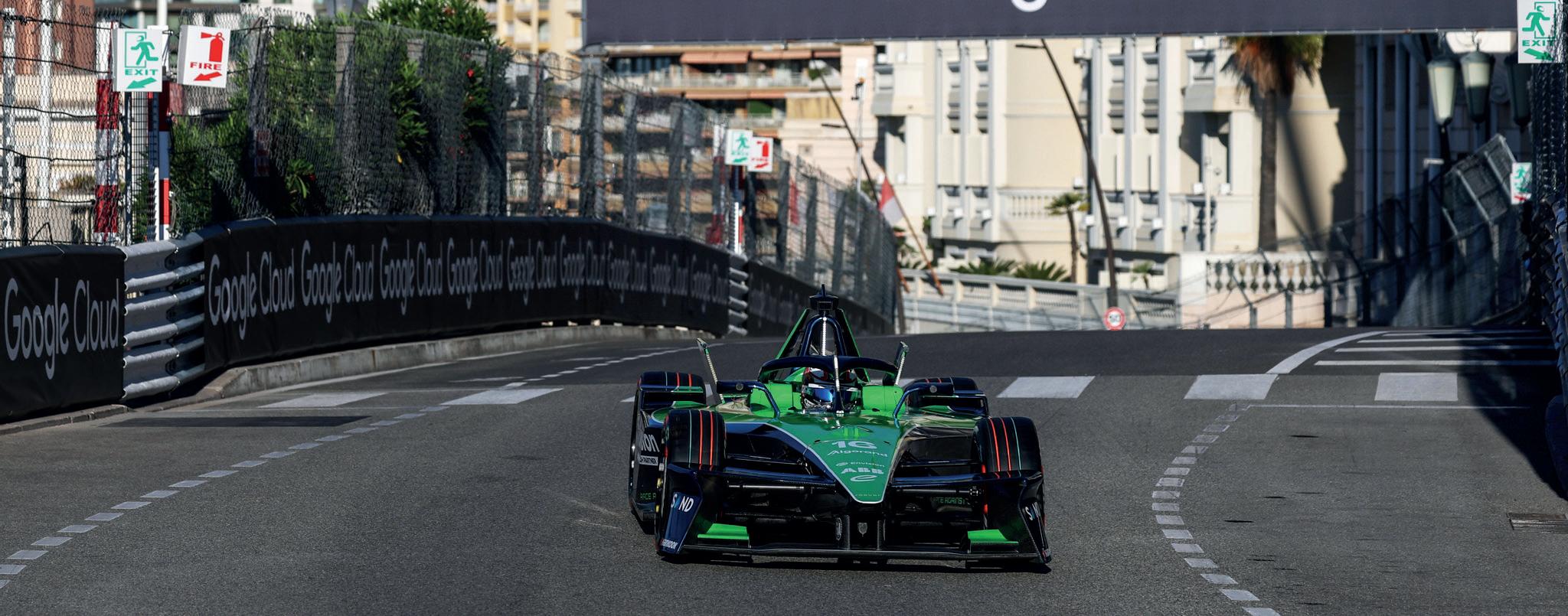
It is a milestone that arrives quietly, in the manner of the man himself. No fanfare, no carefully staged retrospective. Buemi simply turns up and gets on with it. The numbers make the case with unanswerable force: a world championship, fourteen race wins, thirty-six podiums, and a record-equalling Julius Baer Pole Position picked up only weeks ago in Mexico City. He took a podium in Jeddah earlier in the season, too. At thirty-seven, in a paddock that increasingly belongs to a younger generation, he is not so much surviving as quietly refusing to fade.
I ask him about the GEN4 car, unveiled only last week. He smiles in the way drivers do when they are trying not to sound too enthusiastic in public.
"I like the look of the GEN4 car," he says. "We don't care about the look at the end of the day, but still, it looks nice. It's big, and I really feel there's a lot of performance. As a driver, it's very nice to be driving that car. I feel I'm going to like it."
That he will be driving it at all is itself a statement. After his Monaco win last season, Buemi signed
across so many disciplines at the highest level. Fewer still do it well.
"With WEC, Red Bull and Formula E, to put it all together is not that simple," he concedes. "A lot will depend on performance, you have to be good, but also the calendars."
Berlin, where he won at Tempelhof and on the temporary Strausberger Platz street circuit in 2016, has always been happy hunting. This weekend's double-header pairs a PIT BOOST race on Saturday with a more conventional Sunday encounter, and Buemi has thought carefully about each.
"With PIT BOOST I usually like those races. The problem is you need to qualify quite well, because PIT BOOST races have more energy, less saving. With only one ATTACK MODE, qualifying becomes more important. The second race, being more traditional, allows you, even with a great strategy, not to be that fast. In the first, you've got to have proper speed."
It is the answer of a man who has thought about the sport from every angle, which is exactly what Red Bull are paying him to do. Almost half of the current Formula E grid are understood to be advising Formula 1 teams ahead of the 2026 regulatory upheaval, a fifty-fifty split between combustion and electrical power that will demand precisely the energy-management instincts these drivers have been honing for a decade.
"We've been working on the 2026 cars for a long time, so I've given my feedback on what makes sense and what doesn't," he says. "In F1 the scope is a lot more reduced compared to here. At the beginning the learning process was very quick because of my experience. Now, within the team and in F1 generally, people are getting on top of it. With fifty per cent combustion and fifty per cent electric, you rely a lot more on energy management. That will be very important this year, depending on the track."
There is something unmistakably Buemi about that final line, measured, faintly understated, the verdict of a man who long ago stopped overclaiming. While others have come and gone, while teams have folded and reformed, while the championship has reinvented itself across four generations of car, he has been the quiet constant. One hundred and fifty starts is not merely a number. It is the record of a driver who arrived with the championship and is still very much part of its future.
USED
USED BUYING GUIDE 38
EQUIPMENT
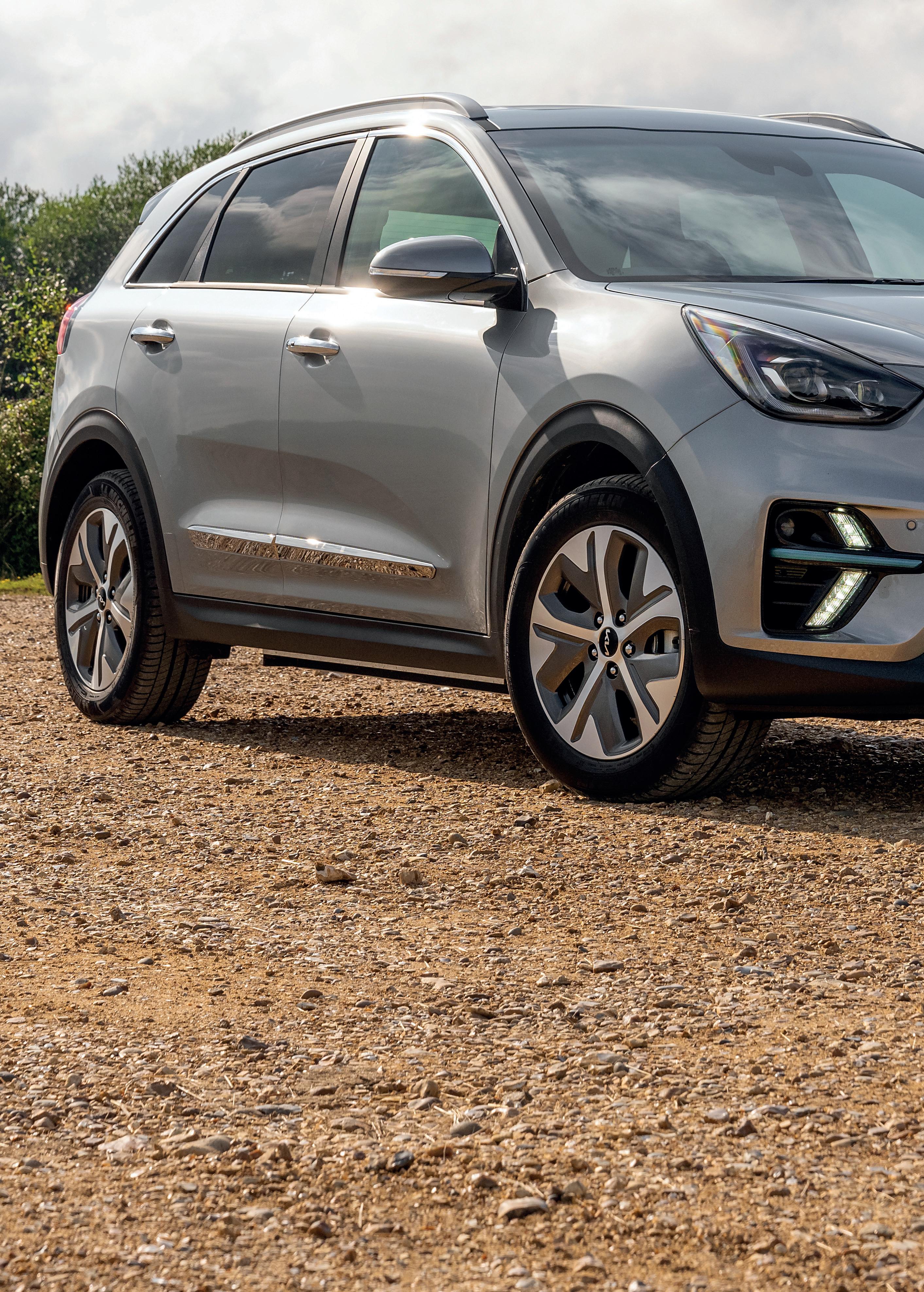
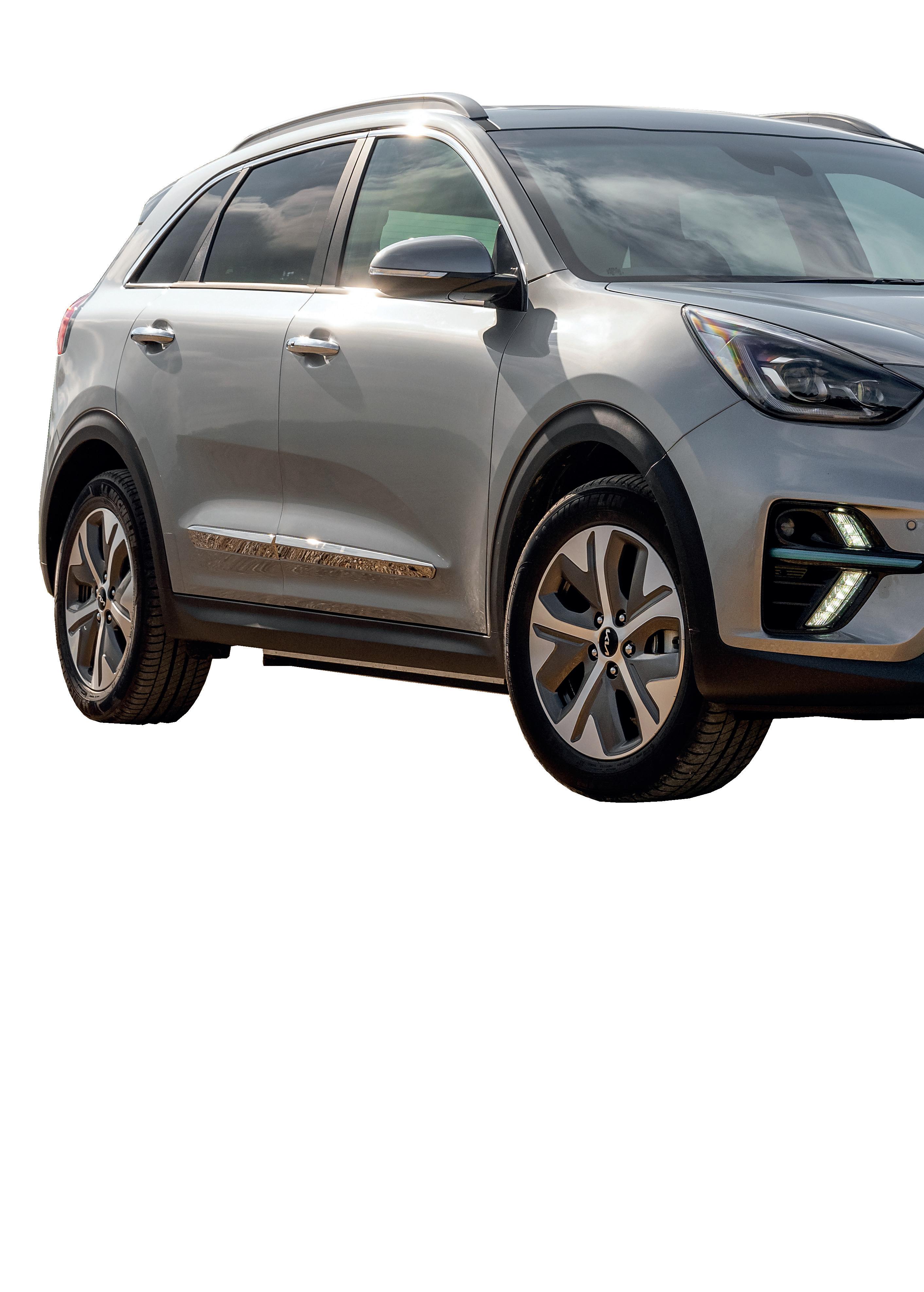
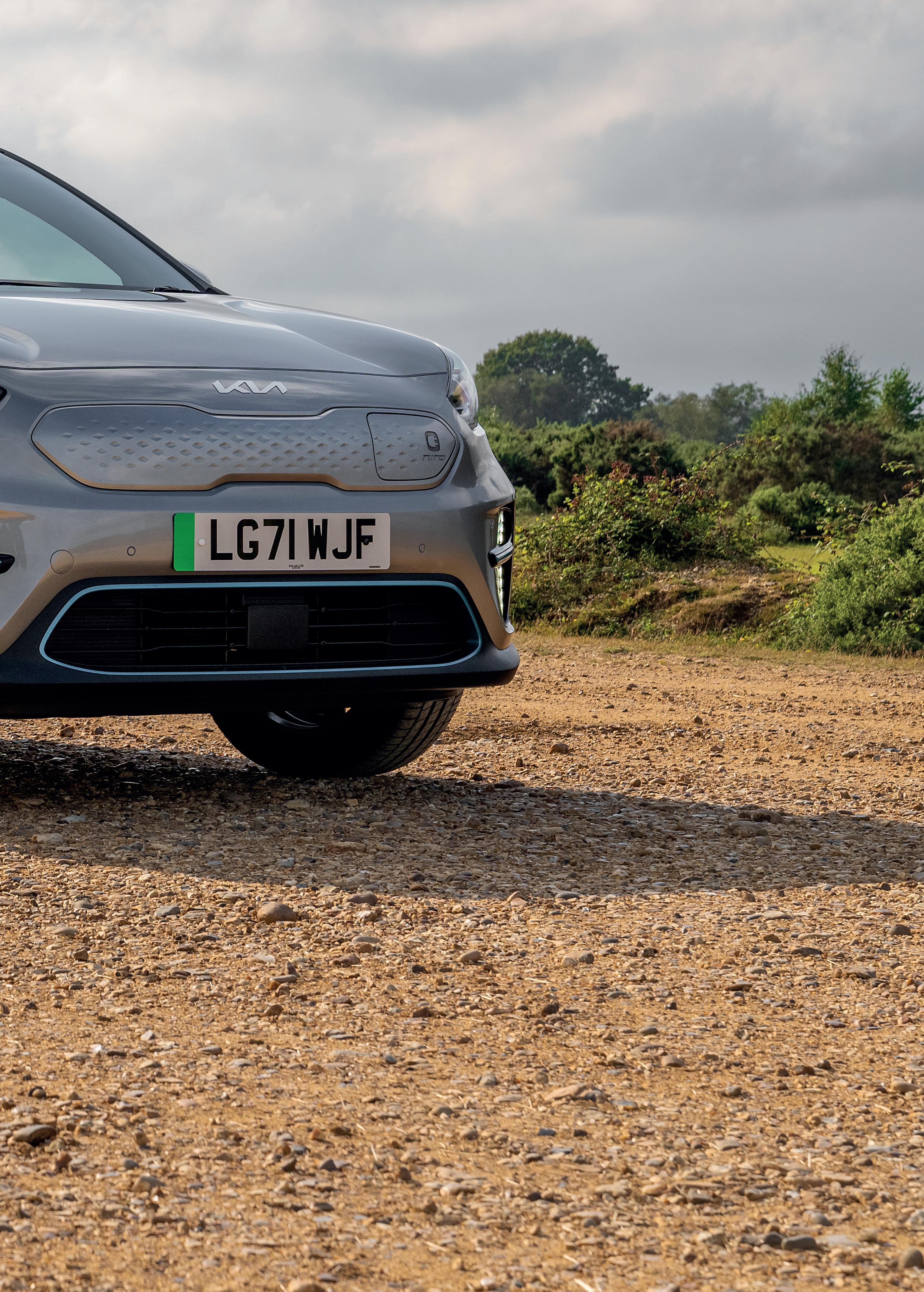
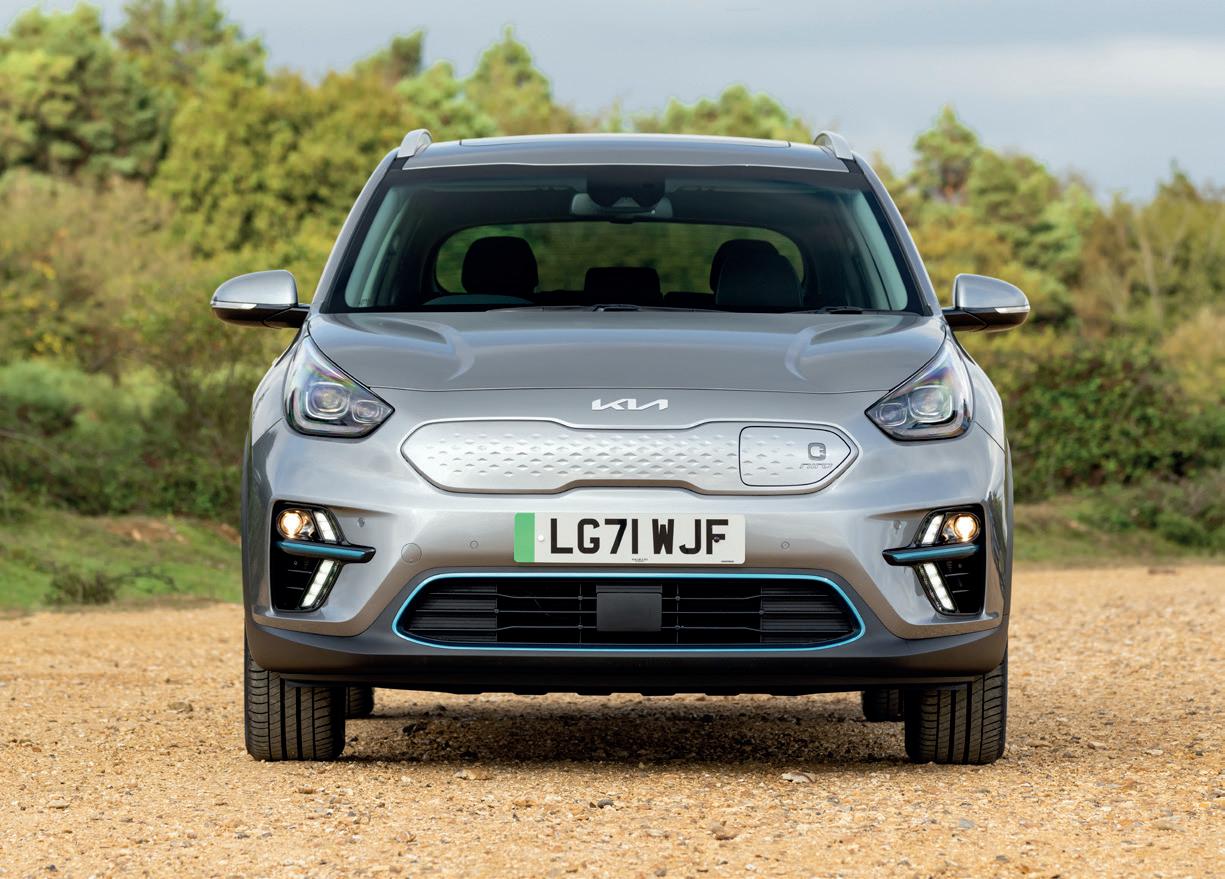
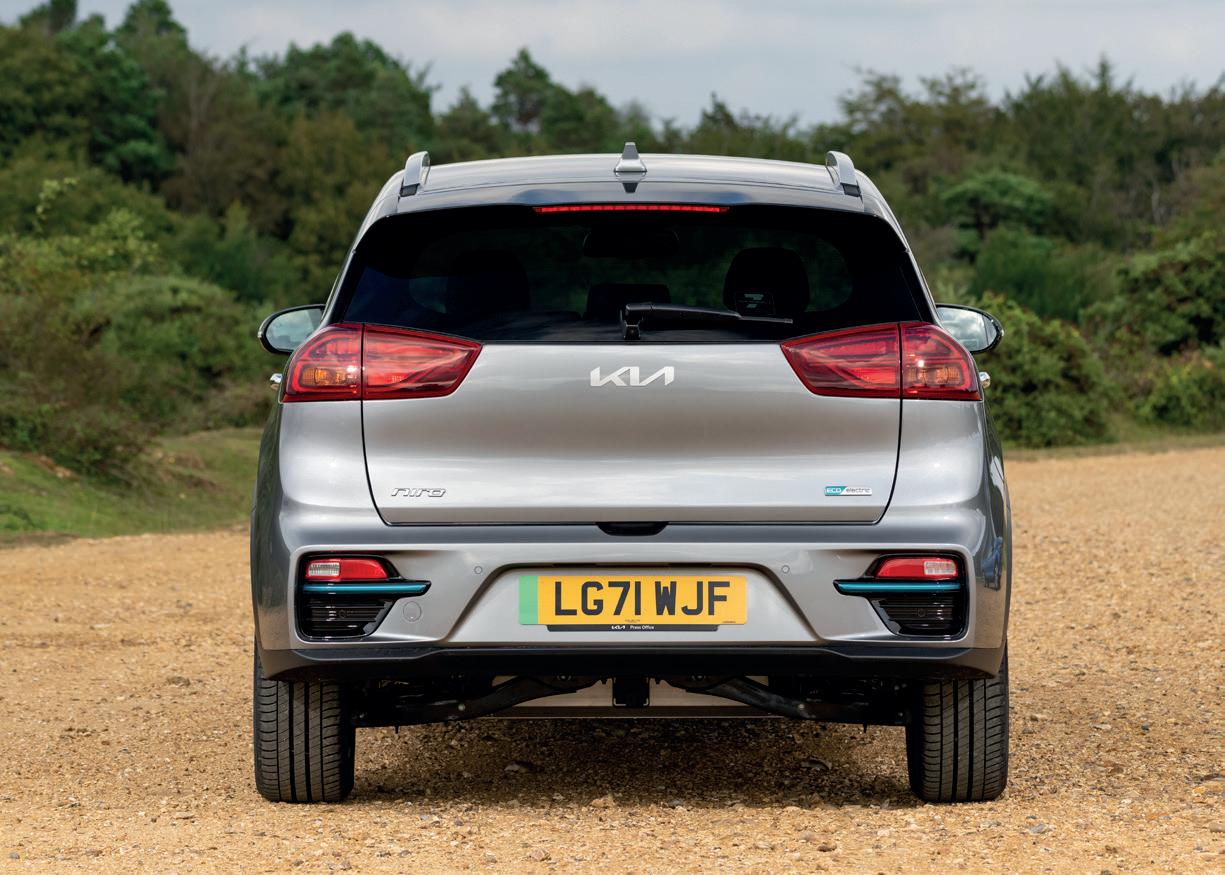
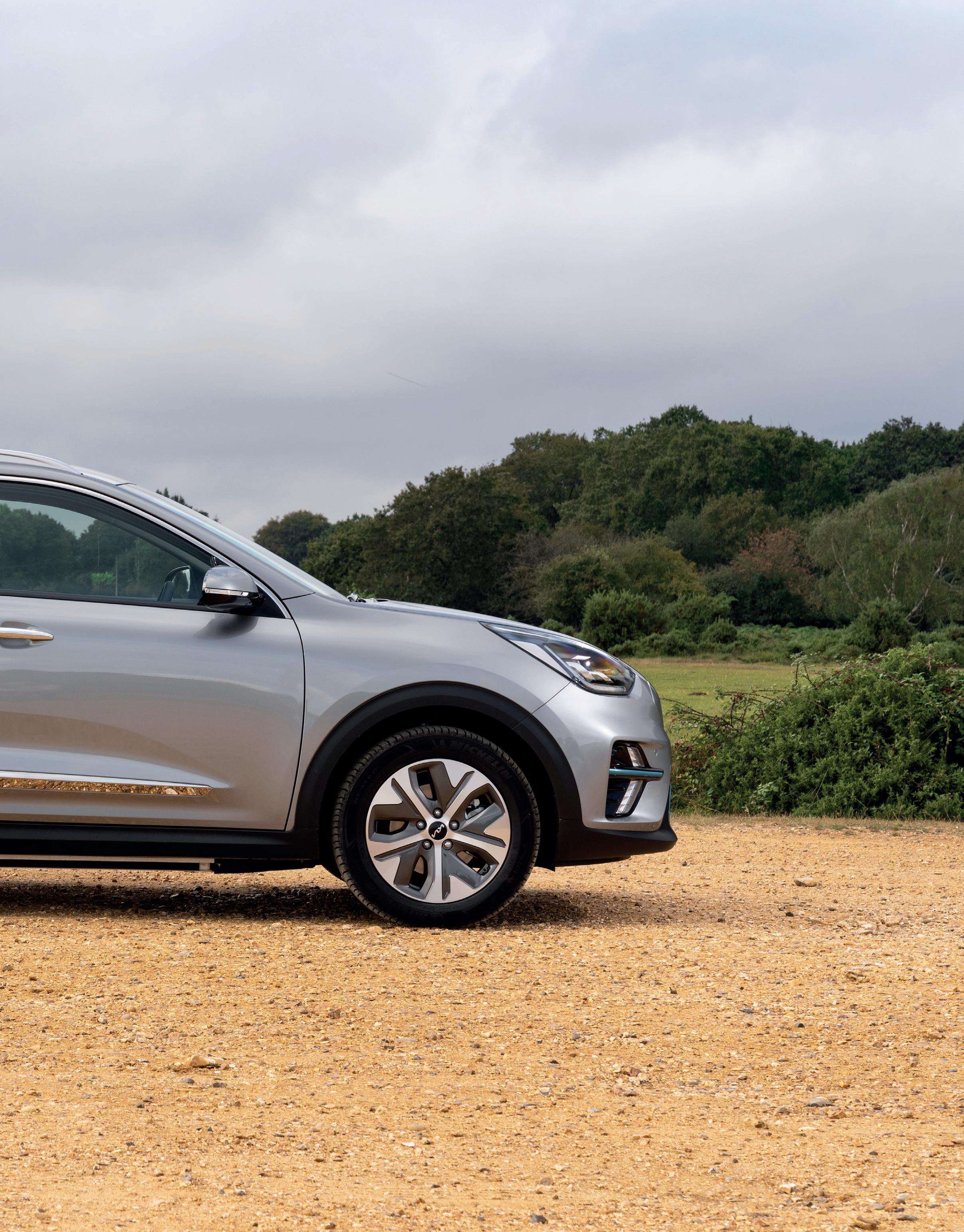
Historically, Kia has always been generous with equipment and the E-Niro is no outlier. The entry-level 2 was available solely with the 39kWh battery, and came with singlezone climate control, eight-inch infotainment display, part-leather seats, automatic headlights and wipers, and an auto-dimming rearview mirror. Assisted cruise control, keyless go, and 16-inch alloy wheels were also standard.
The Kia E-Niro 3 and 4+ were offered with one choice of battery - the larger, 64kWh pack. Kia packed the E-Niro 3 with a larger, 10.25-inch infotainment system, full-leather upholstery (whether it’s real or fake
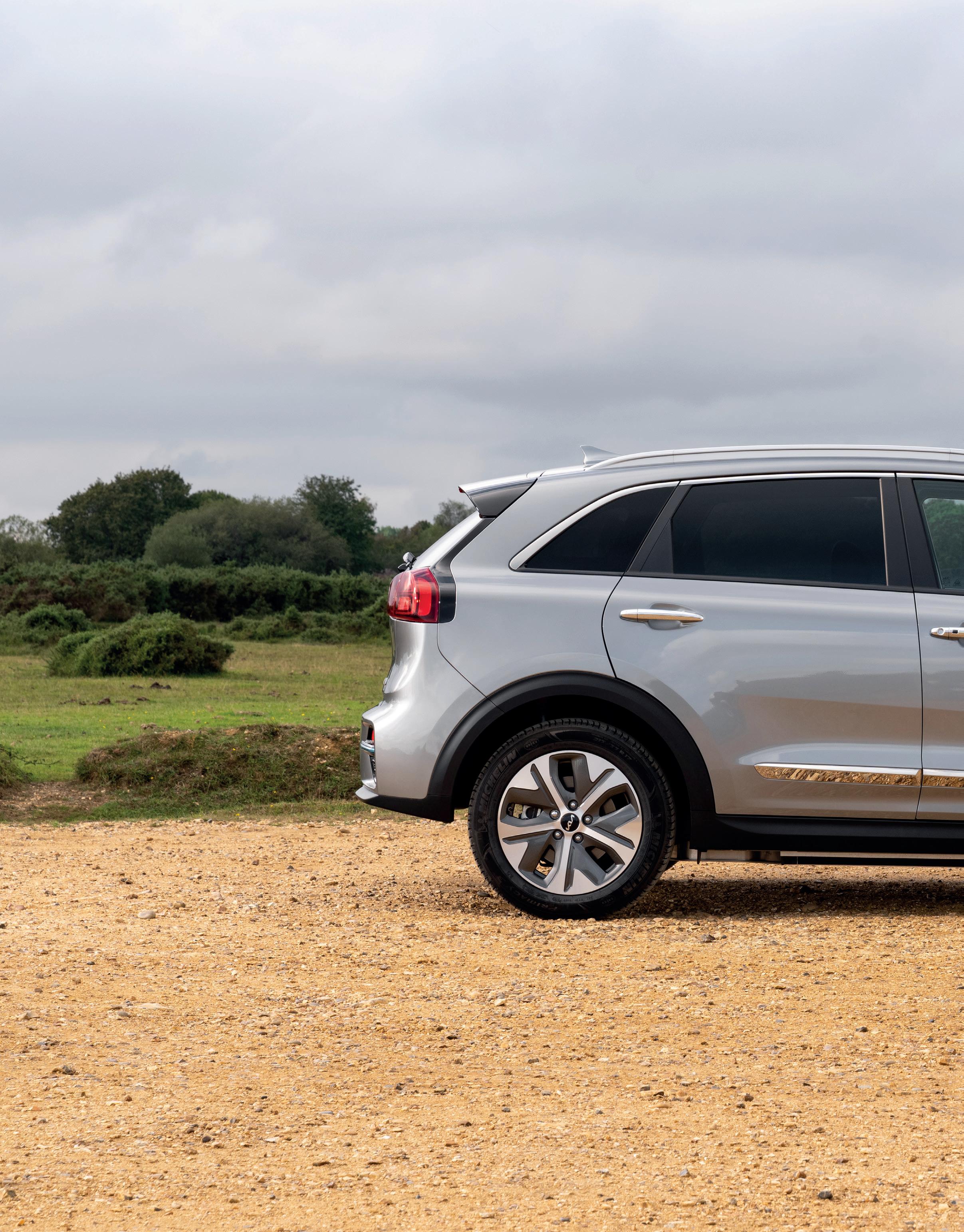
cow, we don’t know), plus a heated steering wheel and front seats. The 4+ introduces ventilated front seats, heated rear seats, a sunroof, and a JBL sound system.
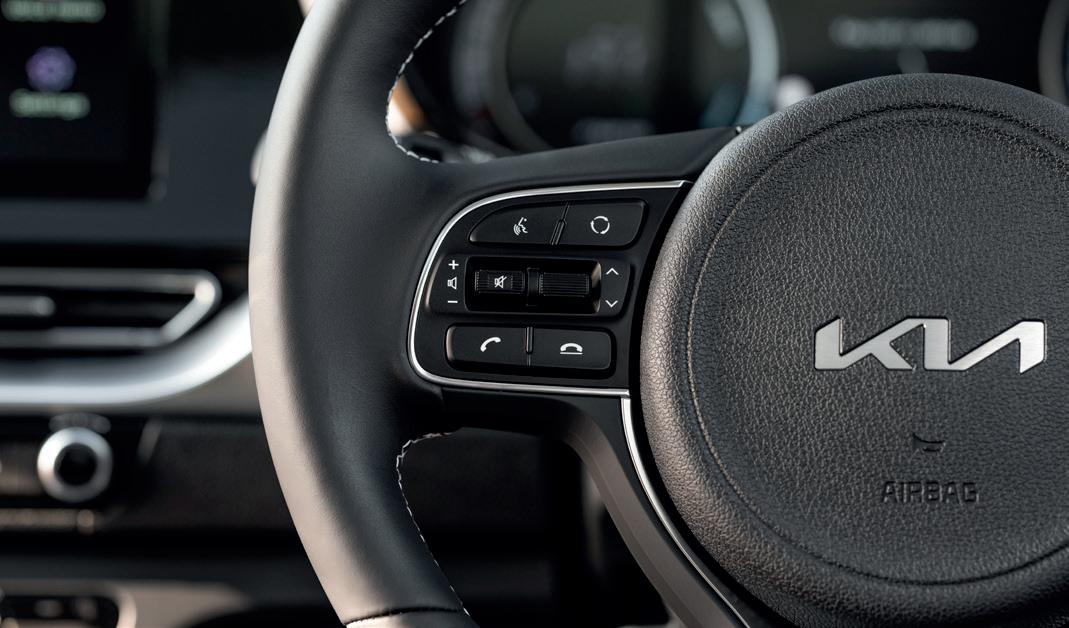
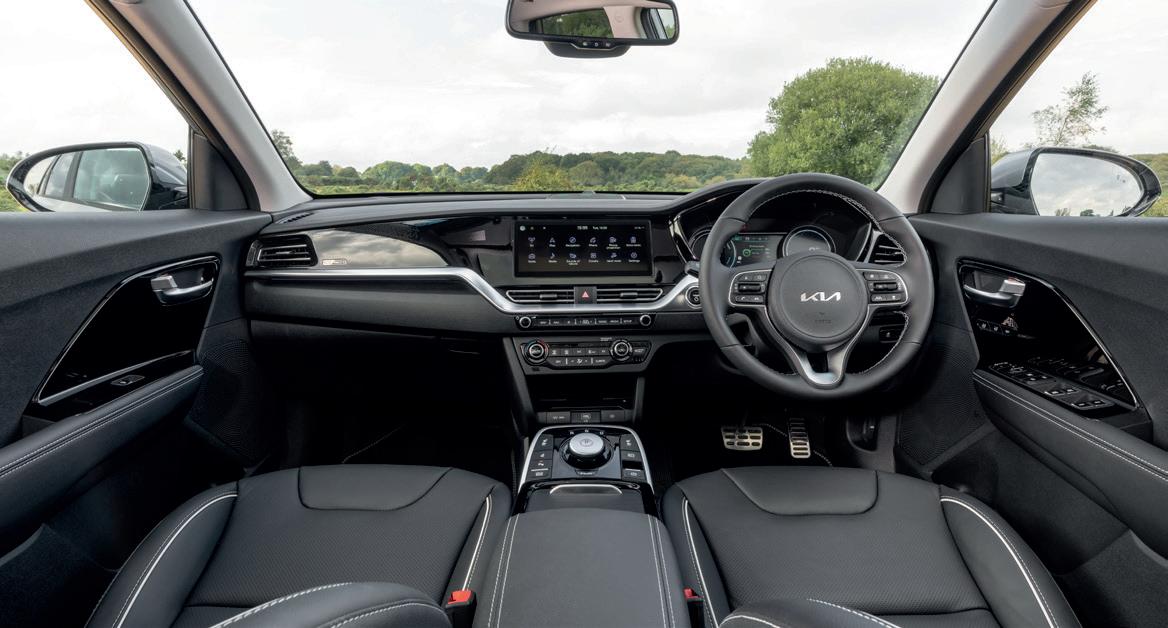
Step inside the Kia E-Niro, and it quickly becomes obvious that the cabin is one of its biggest draws. Everything is logically laid out, with plenty of physical buttons for the HVAC, radio, and navigation that make it easier to use than a number of today’s ubiquitous screenfests.
In front of the driver sits a fourinch digital readout, displaying the speed, range, odometer, and remaining battery across two circular binnacles separated by a
central screen. In another hark back to the past, the E-Niro’s steering wheel is an actual circle, and not a square... or a squircle.
PRICE, RANGE, AND RUNNING COSTS
Make no mistake, the Kia E-Niro is an affordable choice of second-hand EV. We scoured the Kia UK website for approved used models, and found 22 for sale via the country’s official dealer network.
The cheapest car was a 39kWh 2 model from 2021, with 53,351 miles on the clock and £12,495 price tag. Meanwhile, the most expensive was £17,295 - a 4+ car from 2020, with just 8,830 miles.
We also looked through AutoTrader, and found a total of 101 cars from a wide range of dealerships and private sellers. A 2021 4+ on 16,624 miles from an approved dealer was the priciest at £17,399. At the other end of the scale, the cheapest used E-Niro we found was a 159,000-mile 2020 car, priced at £5,995.
In short, there are plenty of E-Niros available for all sorts of budgets. It is also worth remembering each one is covered by Kia’s generous 100,000mile/seven-year warranty.
As always, however, we urge you to buy from an approved dealer if you can. It may cost more up front, but it’s far less hassle in the unlikely
39 USED BUYING GUIDE
event of something going wrong. More on reliability later, though...
The Kia E-Niro with the 39kWh battery has a range of 180 miles. Using a dedicated home charging tariff capped at 7p per kilowatt hour, you can charge it from 0-100% for £2.73. Cars with the 64kWh pack have a very respectable 282-mile range and will cost just £4.48 for the same charge. Using public charging will cost significantly more, though.
Unfortunately, the E-Niro lags some way behind newer rivals in the charging stakes. With a maximum charging speed of 100kW, a 10-80% top-up takes a sluggish 46 minutes. Using a 7kW wallbox, the smaller
battery will take six hours to fully charge, while the larger will take 10 hours.
On April 1 2025, EVs became taxable under new government legislation, meaning they are no longer exempt from road tax. As such, all-electric cars registered from April 1, 2017 onwards will now be taxed £200 annually.
INSURANCE
The Kia E-Niro is one of the more affordable EVs to insure. Cars with the 39kWh battery hover around group 20 (out of 50), while 64kWh models max out at group 26. As always, shop around for insurance quotes, and remember
that factors such as age, occupation, driving history, and whether you have on or off-street parking will be factored into the cost.
RELIABILITY AND RECALLS
Like most other Kias, the E-Niro has proven itself to be a reliable buy. Throughout its life, it underwent no major recalls, and dealers have been continuously praised for their efficiency and excellent service.
In the 2024 What Car? reliability survey, the E-Niro ranked 5th out 25 EVs, and even ranked higher than the newer EV6 and the best-selling Tesla Model 3.
THE 'ONE TO HAVE'
If it were our money, the Kia E-Niro we’d buy would be the mid-range 3 model. The 282-mile range from the 64kWh battery is more than capable of handling both day-to-day and long journeys.
That lovely, button-heavy interior gets all of the equipment you’d need, and you're hands and bum will thank you for the heated front seats and steering wheel during the Great British Six Months of Winter.
The reason why it trumps the rangetopping 4+, is because would you really miss the ventilated seats and sunroof if you didn’t have it? No, probably not.
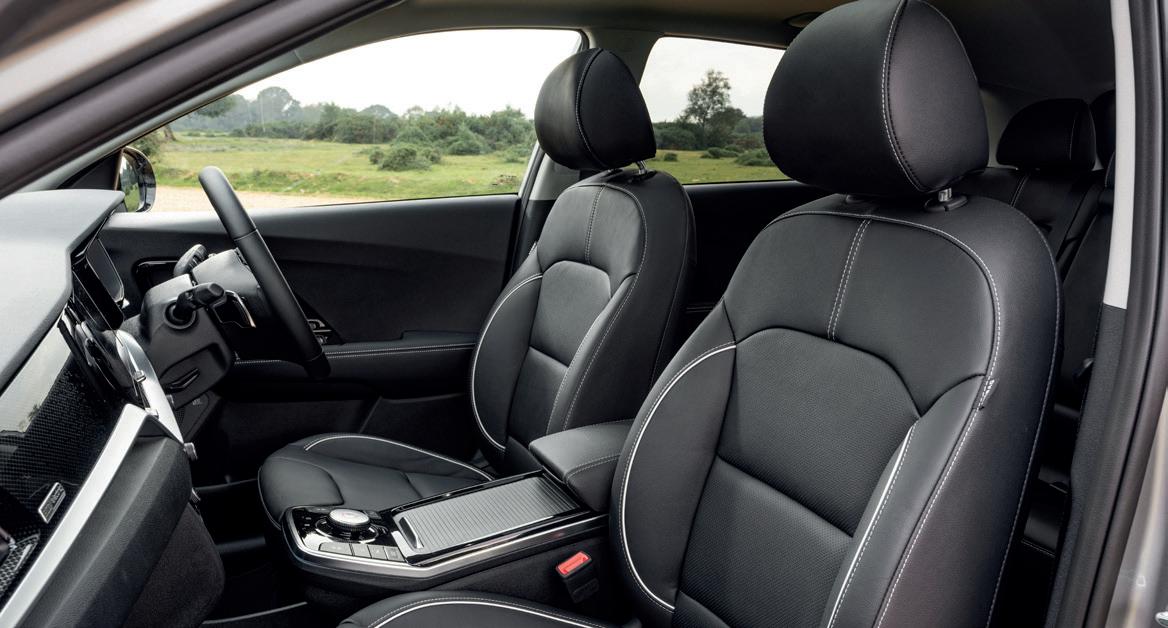
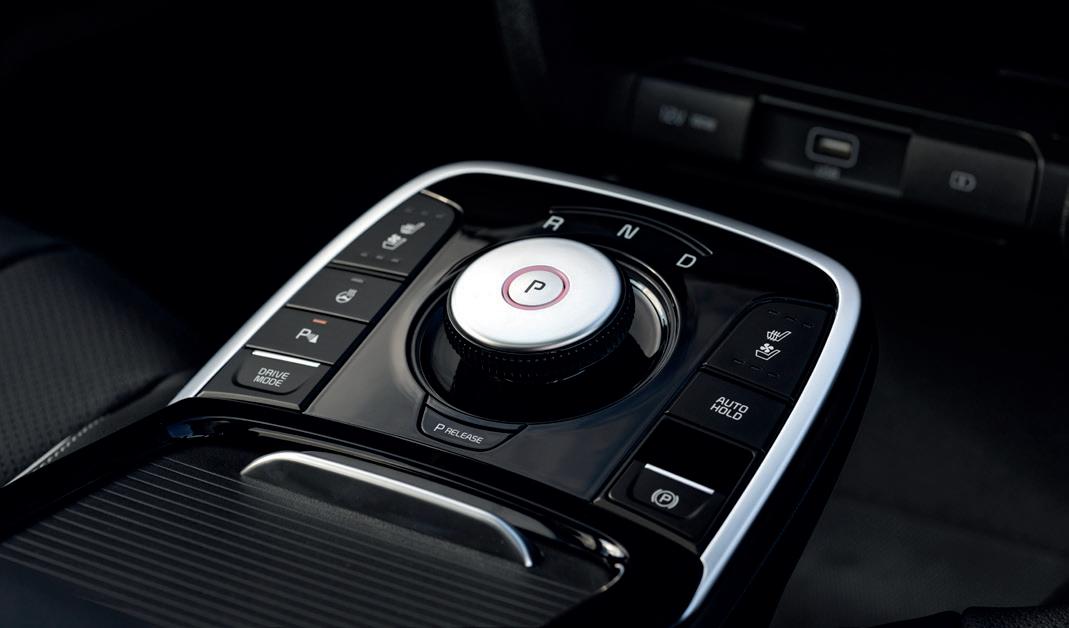
URTOPIA CARBON
lightweight carbon commuter with realworld practicality
By
Folding e-bikes usually fall into one of two camps: impressively light but stripped-back European-style commuters, or feature-heavy folders that become so heavy they defeat the point of folding in the first place. The new Urtopia Carbon Fold 2 tries to sit neatly between those extremes, and after spending time with it, I think it largely succeeds.
At a tested 36.8lb with the battery fitted, the Carbon Fold 2 is genuinely light for a folding e-bike, especially one built around a full carbon-fibre frame. That low weight changes everything about daily use. Carrying it upstairs, lifting it into a car boot, or wheeling it through a station suddenly feels manageable rather than awkward.
The Fold 2 is also compact when collapsed, folding down to roughly 33 inches long, 28 inches high and 18 inches wide. Better still, once folded, you can roll it along on its wheels instead of carrying it like oversized luggage.
A more practical lightweight folder I’d previously ridden the Urtopia Carbon Fold ST, so initially I wondered whether the Fold 2 was simply a lightly revised version. In reality, Urtopia has taken a different approach.
The ST focuses on being ultra-light above all else. The Fold 2 aims for
balance. You still get the lightweight carbon construction and sleek styling, but Urtopia has added features that make it a more rounded everyday bike: an 8-speed Shimano drivetrain, wider handlebars, folding pedals, an optional range extender battery, and chunkier tyres for added comfort.
The wider 620mm handlebars make a noticeable difference. Combined with the upright riding position and adjustable cockpit, the bike feels planted and surprisingly confidence-inspiring for such a compact machine. At 5ft 11in, I found the fit comfortable, though riders much taller than 6ft 1in may begin to run out of adjustment room.
Smooth, quiet and surprisingly capable
On paper, the figures look modest: a 250W rear hub motor, peaking at 500W, with 42Nm of torque. But because the Fold 2 is so light, the motor feels punchier than expected, especially when paired with the bike’s responsive torque sensor.
Acceleration is smooth and natural rather than aggressive, and there’s virtually no motor noise. It never
feels jerky or artificial, just like a regular bike with stronger legs.
The four assist modes, Eco, Tour, Boost and Smart, cover most riding scenarios well. Smart mode ended up being my favourite, automatically adjusting support based on cadence and rider input to keep speeds comfortably in the 13–17mph range.
The 8-speed Shimano drivetrain also makes the Fold 2 more versatile than many compact folders, particularly on hills or mixed terrain.
Range and practicality
Urtopia claims up to 45 miles of range, and unusually, those figures felt realistic. My testing returned:
43 miles in Eco mode
• 21 miles in Boost mode
That’s impressive from the relatively small 244Wh seatpost-integrated battery. The optional range extender battery can nearly double those figures, making the Fold 2 genuinely practical for longer commutes.
The battery can also be removed easily for indoor charging, and the bike includes UL-certified electronics for added peace of mind.
There’s no suspension here, one compromise of keeping weight low, but the carbon frame and 18x2.0-inch tyres do a decent job of softening rough roads. Hydraulic disc brakes from Tektro provide confident stopping power, while the integrated rear light and hidden AirTag slot are thoughtful touches.
Verdict
The Urtopia Carbon Fold 2 feels like a folding e-bike designed by people who actually use folding e-bikes. It’s light enough to carry comfortably, compact enough for trains and flats, yet still capable enough to feel like a proper bike rather than a compromise.
No, it’s not perfect. Taller riders may struggle for space, there’s no suspension, and I’d like better drivetrain protection. But those trade-offs are understandable when the payoff is a carbon-fibre folding e-bike weighing under 37lb.
For commuters, apartment dwellers and riders wanting genuine portability without sacrificing ride quality, the Carbon Fold 2 is one of the most convincing lightweight folders currently available.


















Thinking about electrifying your commercial fleet?





Electrifying commercial vehicles and HGVs is not just about the vehicles themselves – it involves a detailed consideration of how to keep them on the road without disrupting existing operations. Mer has the experience and knowledge to support you on this journey.






Download Mer’s free eguide for fleet managers to learn more about installing the right EV charging to keep your vehicles powered for their mission-critical journeys

Click here to find out more







TOP 10 ELECTRIC
CHOOSE THEIR FAVOURITE CONVERTED CLASSICS
The topic of electrifying classic cars is a controversial one. For every voice claiming that it’s defiling history, there’s another arguing that it’s helping keep more old cars alive. Here at EV Powered, we tend to agree with this month’s interview guest, Richard Morgan. He reckons
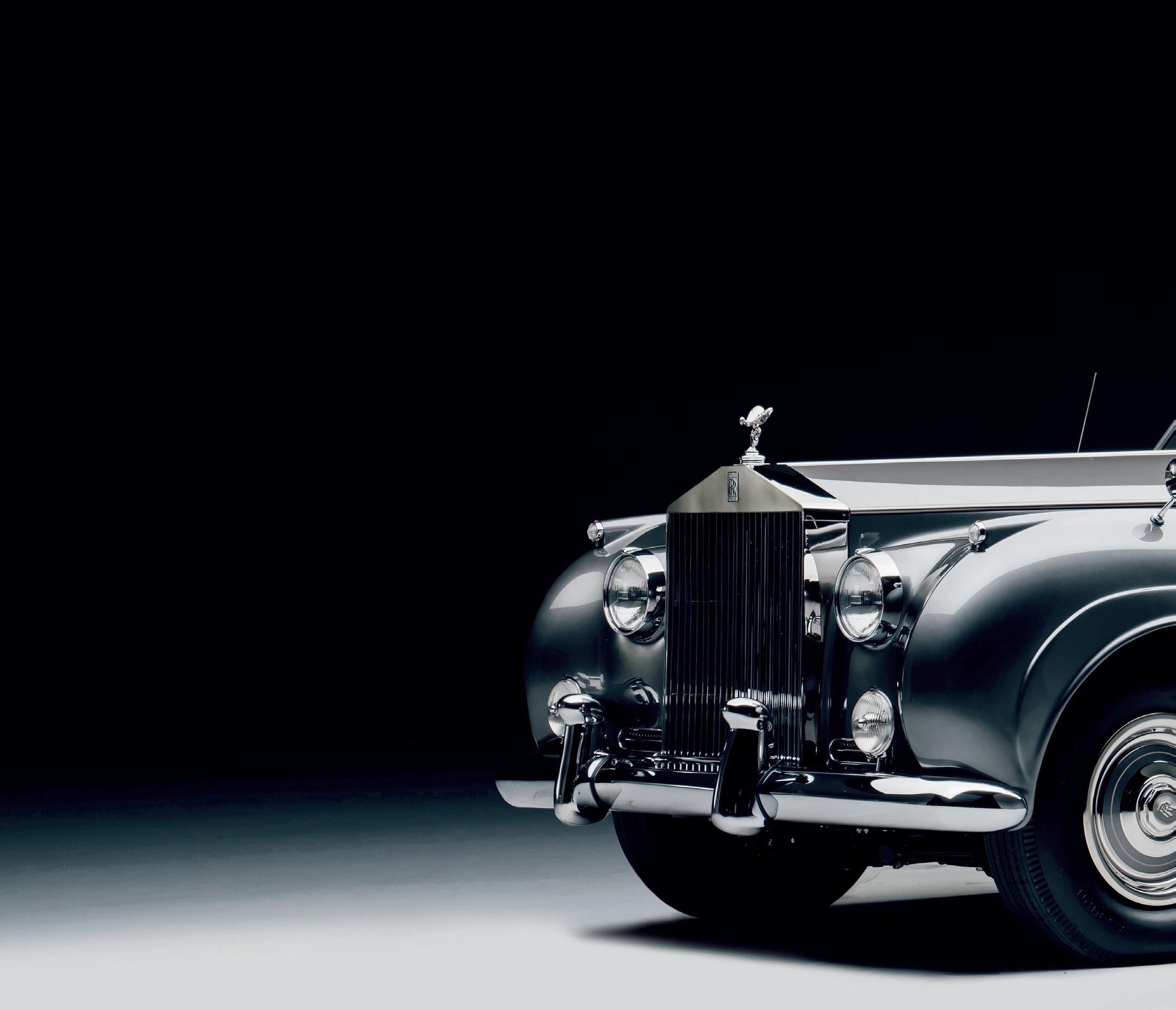
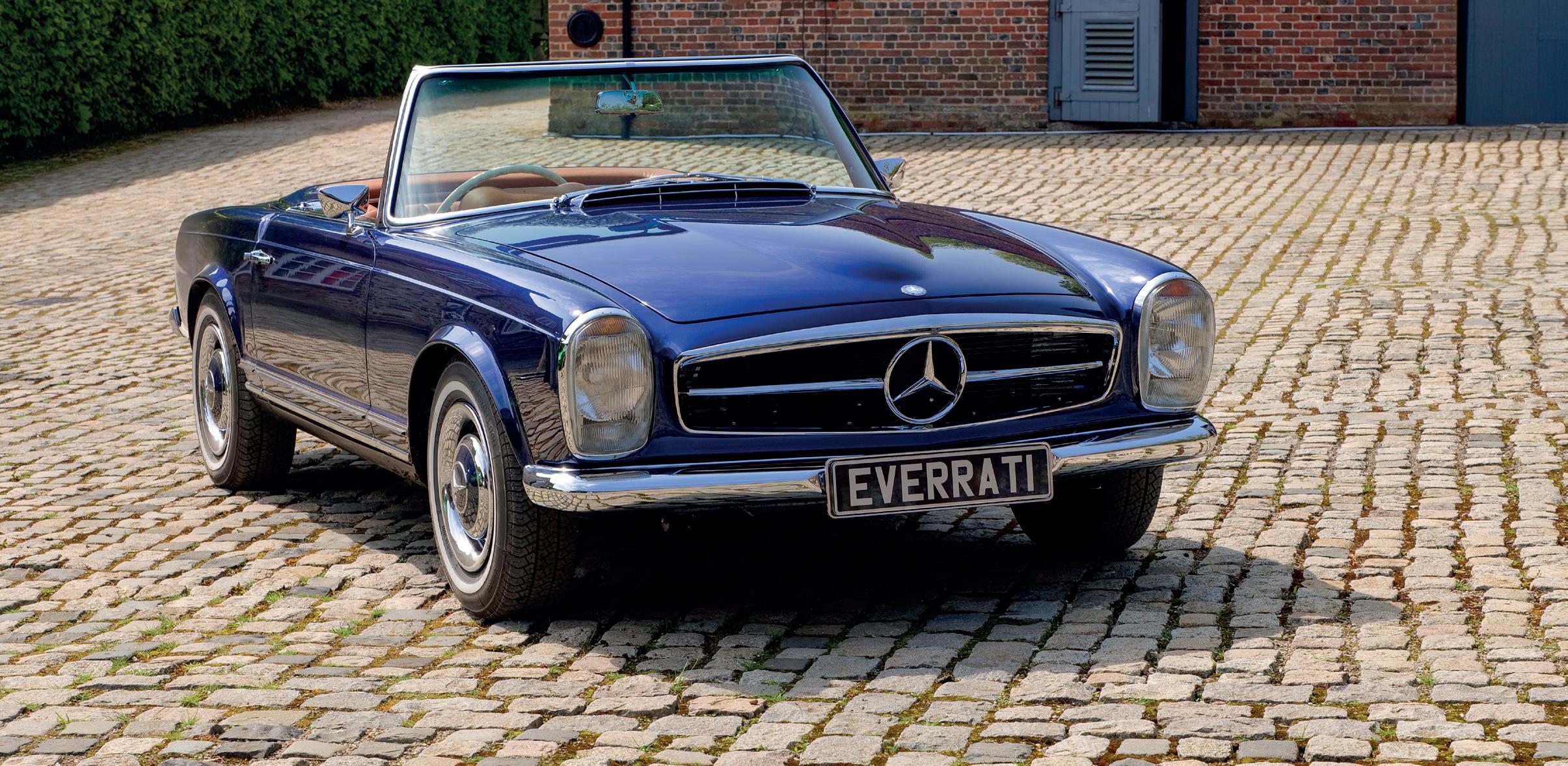
EVERRATI MERCEDES-BENZ SL
Mercedes’ W113 SL – better known as the Pagoda – is one of those cars that a lot of classic car people get very excited about. So it might seem a risky move ripping out the engine and dropping in an electric alternative. But Everatti disagrees. As far as the UK-based converter is concerned, it’s the perfect candidate, blending timeless design with cutting-edge drive technology, and modern luxuries such as heated seats and Bluetooth connectivity. Every one of the £400,000 cars is a bespoke build developed with input from the customer, but under the skin every car gets a rear-mounted 300bhp motor and a 68kWh battery good for up to 200 miles of open-air showboating.
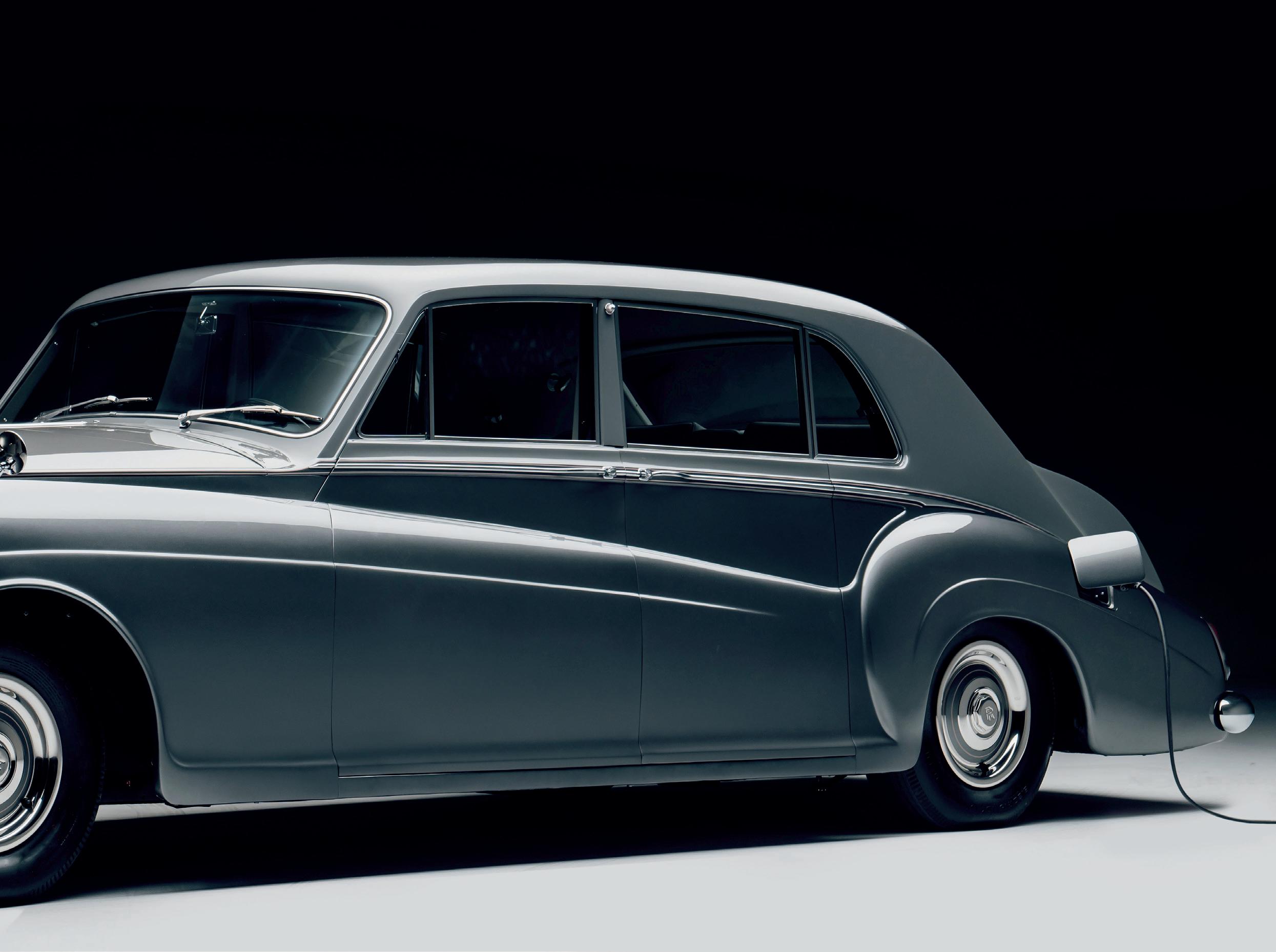
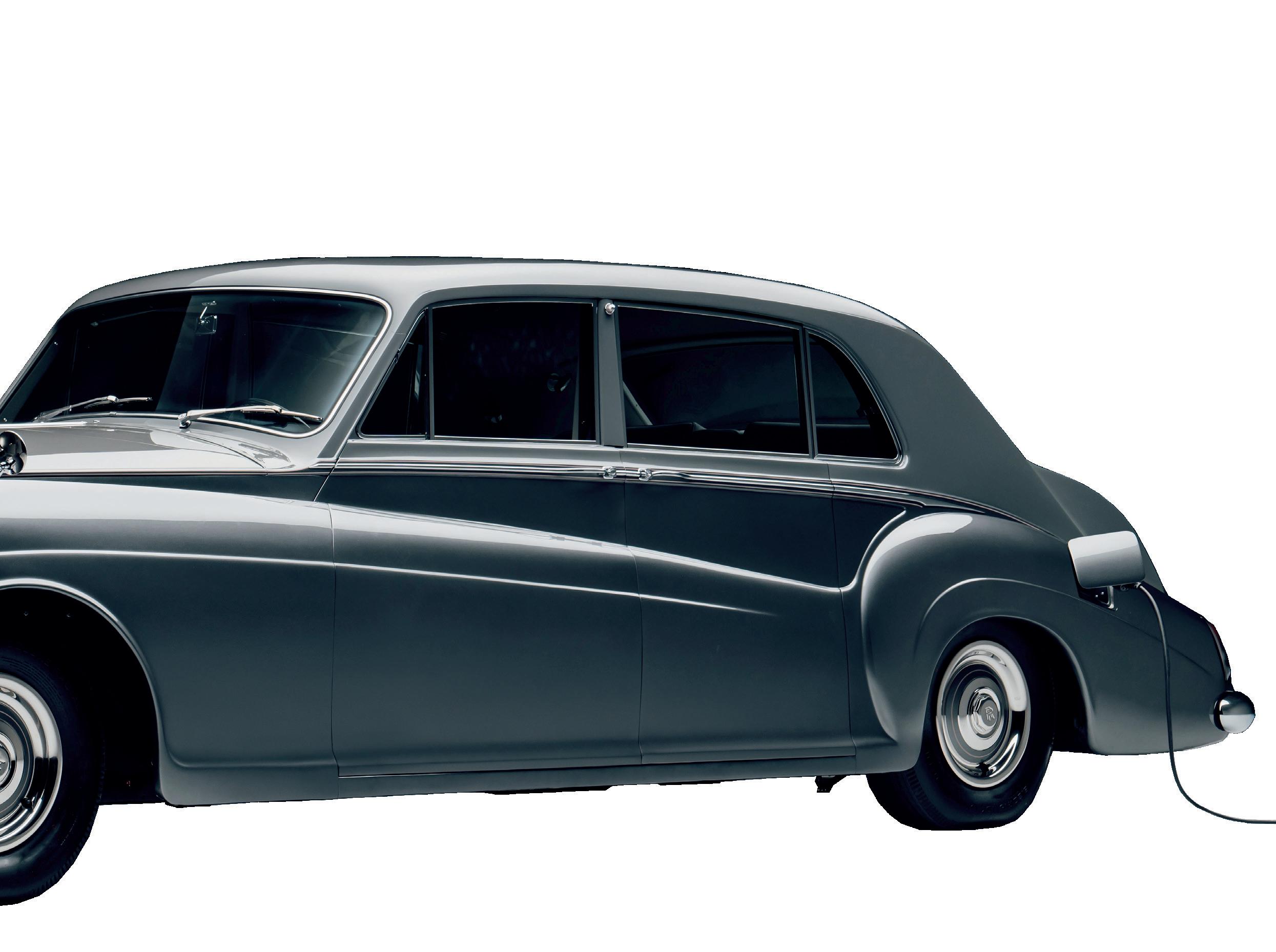
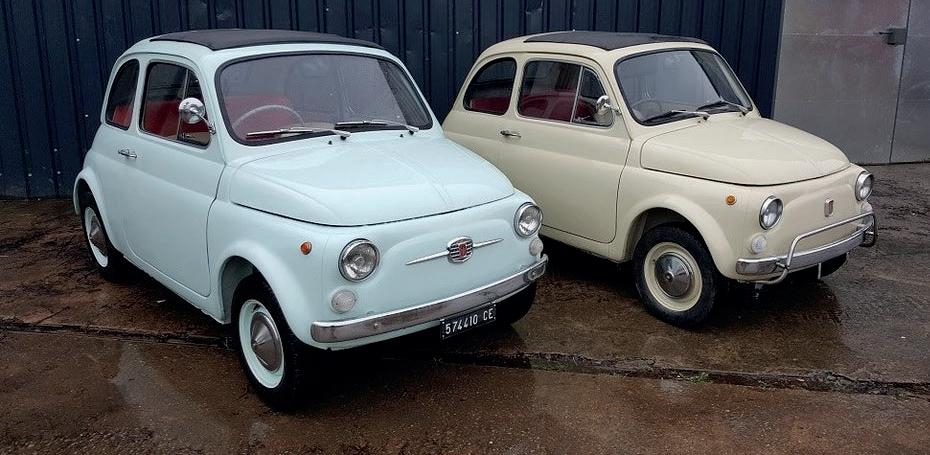
ELECTRIC CLASSIC CARS FIAT 500
The car-making world seems obsessed with creating a new generation of truly compact city-friendly EVs. Well Electric Classic Cars already has the answer. The Welsh wizards have taken the world’s first true city car – Fiat’s iconic Cinquecento – and given it a 21st-century twist. A tiny car means a tiny battery and motor – think 15kWh and 40bhp – but the range is still a city-
friendly 70 miles and the motor still produces more than twice what the old two-stroke petrol managed. Ideal for keeping up with the modern cut and thrust. The conversion has even made the 500 more practical. Without a fuel tank for the rear-mounted engine, there’s more space for luggage than when it left Lingotto back in the 1950s.
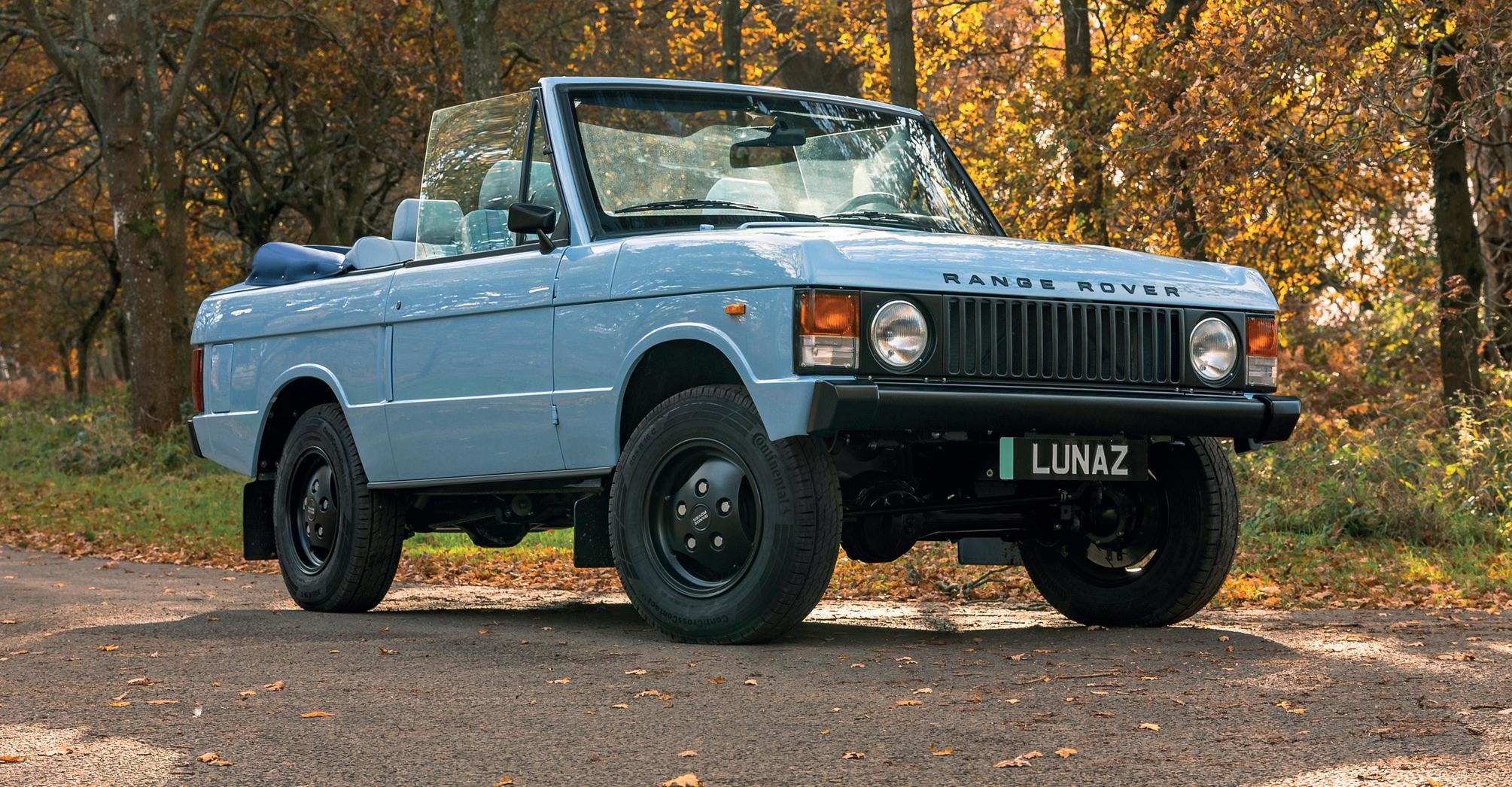
LUNAZ RANGE ROVER SAFARI
Silverstone-based Lunaz offers a variety of conversions for Jaguar Land Rover products, but this particular one is guaranteed to draw plenty of attention. The baby blue roofless Rangey is inspired by a lesser-known James Bond car and was built to order for a customer. While the three-door body looks original, a lot of structural strengthening and chassis engineering went into ensuring the
car could cope with the 375bhp electric motor that replaced the old 3.5-litre V8. Along with a modern powertrain, the Safari gets a thoroughly modern interior with hard-wearing leather upholstery, heated seats, air conditioning and an Apple and Android-compatible infotainment screen. And despite the changes, the Range Rover retains all of its famous off-road prowess.
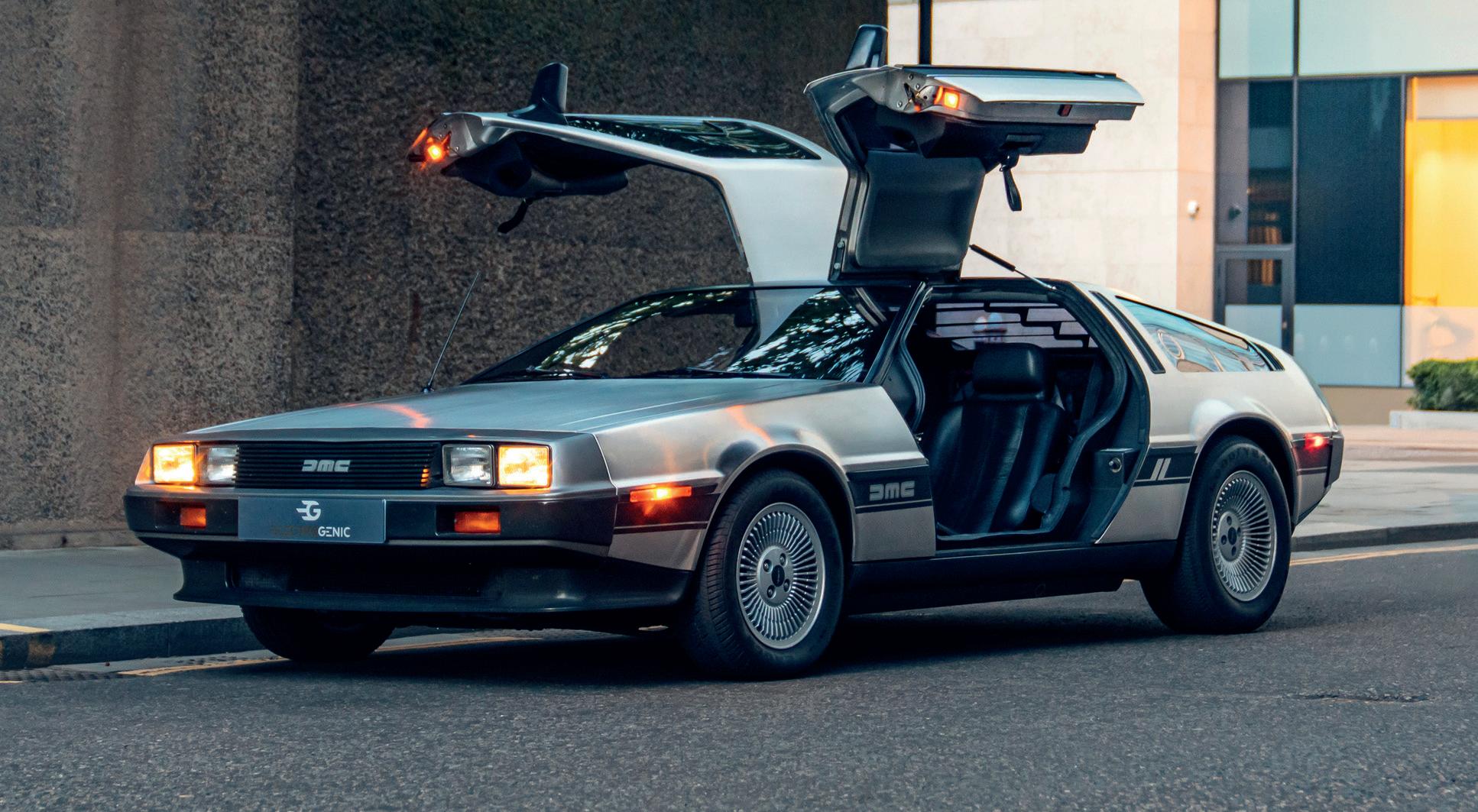
ELECTROGENIC DELOREAN DMC-12
If ever there was a car crying out for an EV conversion, it’s the Delorean DMC-12. Even 44 years after it went out of production it still looks like it’s from the future. And that image is only enhanced by its place in sci-fi history. But for all its sporty futuristic appearance, the DMC-12 was ultimately powered by a slightly pathetic Renault V6 with just
125bhp. Electrogenic has fixed that, though, replacing it with a rear-mounted 215bhp electric motor that will get it from 0-60mph in just five seconds. It’s also added a 43kWh battery for 150 miles of range and revitalised the interior with all the mod cons Doc Brown could ask for.
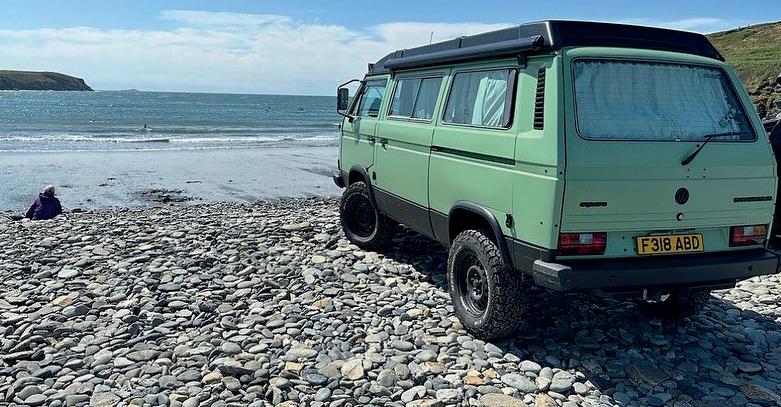
ELECTRIC CLASSIC CARS T25 SYNCRO
Speaking of off-road... Volkswagen’s famous Transporter isn’t best known for its mud-plugging abilities but the Syncro system that debuted on the T25 gave the iconic microbus some serious off-road ability. Electric Classic Cars has taken that a step further. It has replaced the asthmatic flat-four engine with a 161bhp electric unit while retaining the all-wheel-drive transmission
and fitting some chunky off-road tyres to keep its off-road prowess. The firm has also dropped a whopping 90kWh battery in to ensure plenty of scope for wild adventuring. And it has kitted the “Wedge” out with a complete camping kit, including cooker, sink, lights and even solar panels, plus power steering and air conditioning for a more comfortable drive.
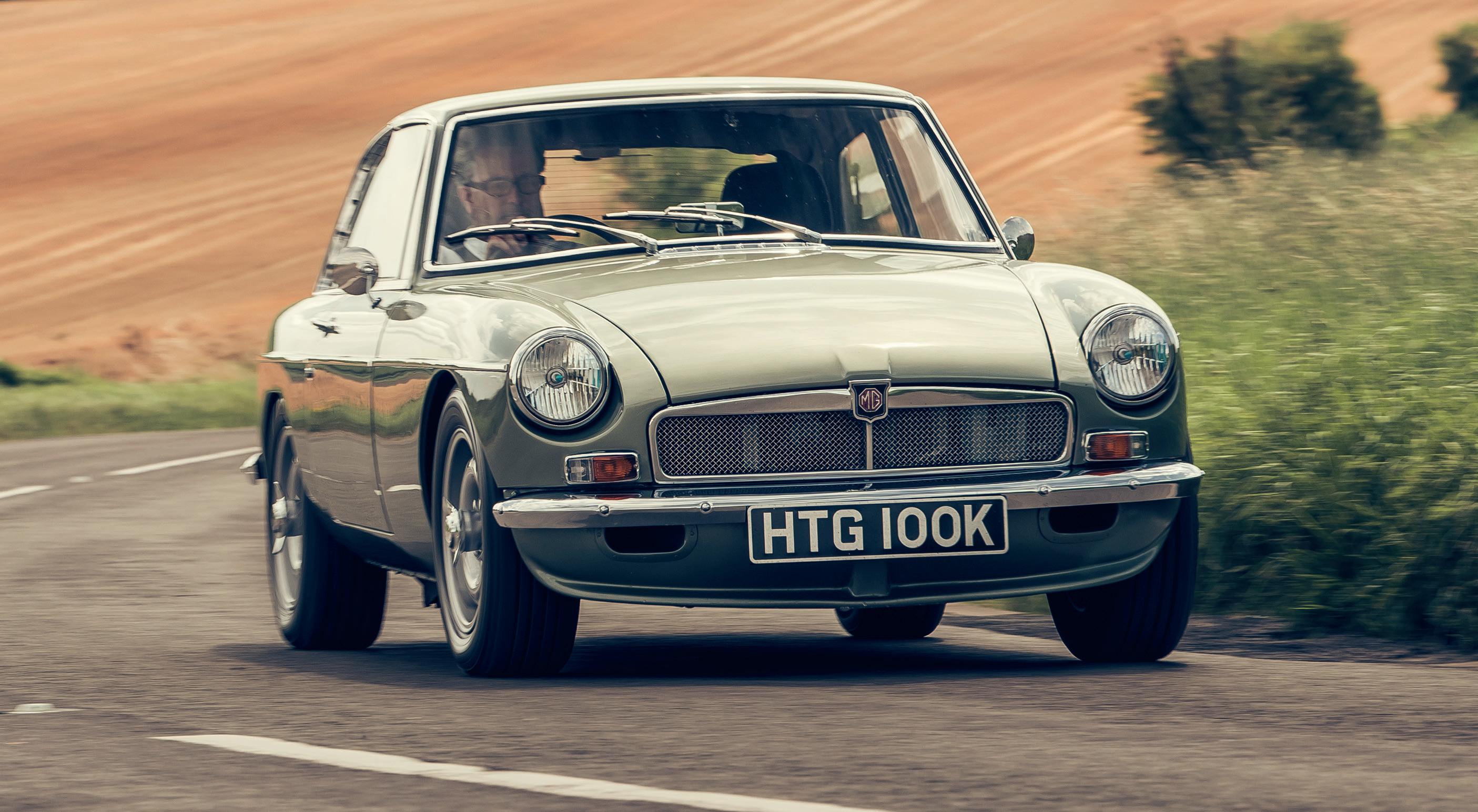
FRONTLINE MG BEE
The Frontline MG BEE is an intriguing blend of the old and the new that addresses the oft-repeated claim about EVs being unengaging. Externally, you’d never tell this wasn’t a regular 1972 MG B. Every element from the wire wheels to the chromed filler cap looks period correct. Inside it all looks pretty familiar too, there’s even still a gear lever. And that’s for good
reason. The clever team at Frontline have married a 54bhp motor with a five-speed Mazda gearbox. The innovative setup delivers the smooth, silent and dependable power beloved by EV drivers with the classically involving three-pedal driving experience so associated with the iconic British sports car.
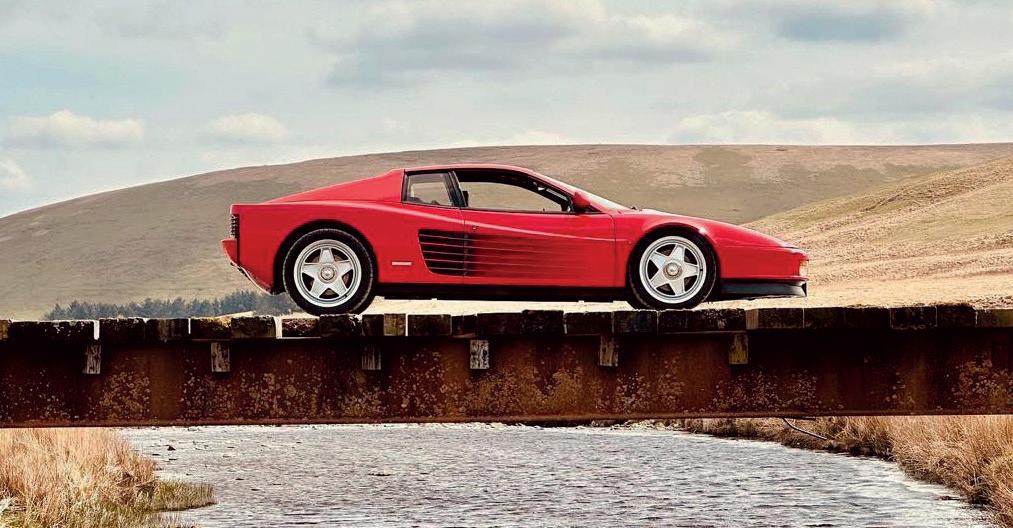
FERRARI TESLAROSSA (ELECTRIC CLASSIC CARS)
Like the Delorean, the Ferrari Testarossa is one of those 1980s cars that became iconic thanks to its on-screen appearances in TV and video games. Its appeal is easy to see – sharp Pininfarina lines that scream performance, the famous prancing horse badge, and a growling flat-12 mounted behind the cabin. But with Italian style and performance comes Italian unpredictability
and nobody wants to be stuck at the side of a motorway with a gently smoking Ferrari. Not only does ECC’s conversion replace that unreliable lump with a dependable e-motor, it also sorts the poor weight distribution for better handling, upgrades the suspension and brakes, and boosts power from a meager 380bhp to 600bhp. What’s not to like?
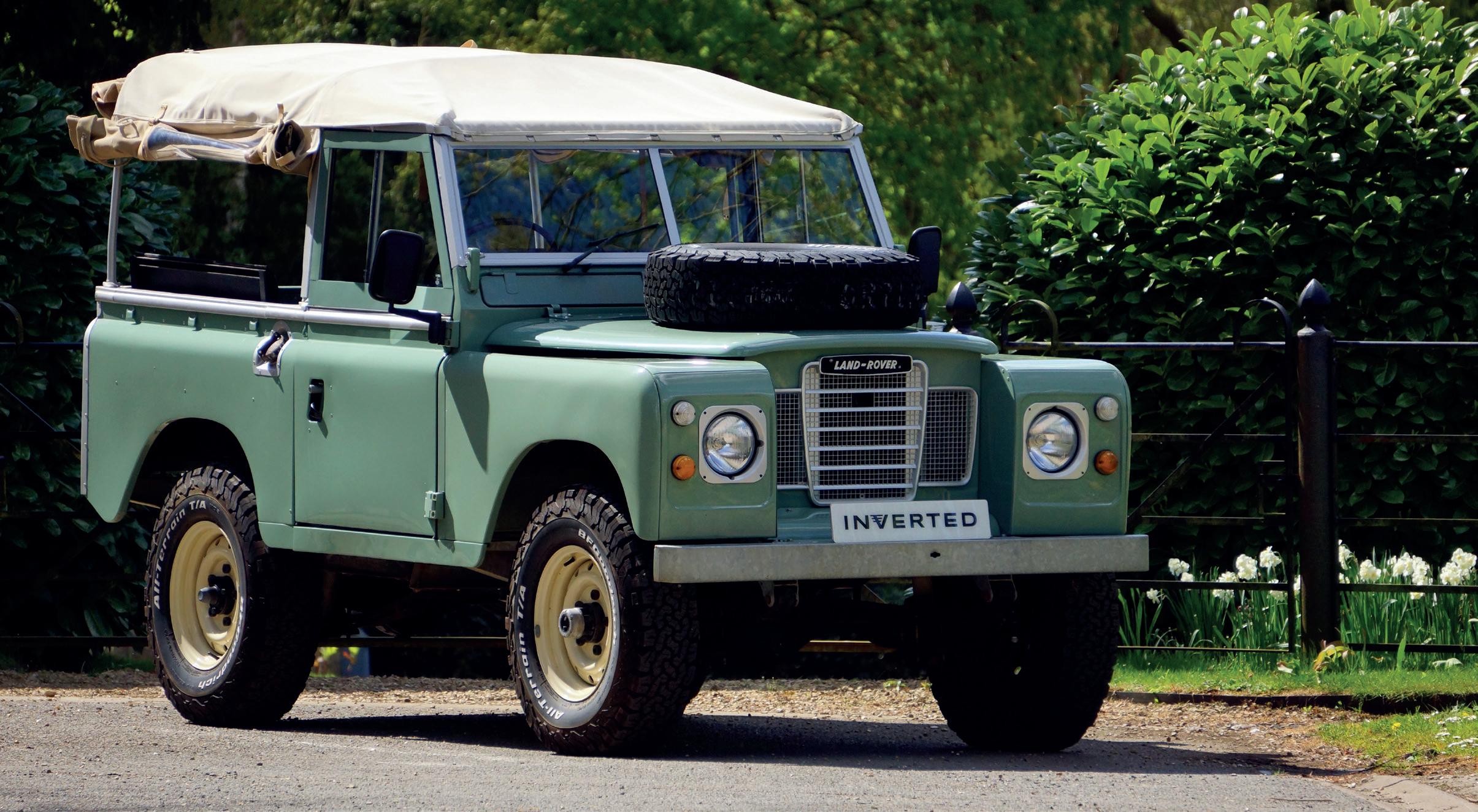
INVERTED LAND ROVER
Proving again that electric power can enhance rather than harm an old vehicle is the Inverted Land Rover Series. Never celebrated for their powertrains, Inverted has taken the legendary Series I, II and III models and given the Great British off-roader a major upgrade. Under the skin is a single 62kWh battery and a single electric motor. That motor sends its 160bhp and
664lb ft of torque straight to the original transfer box to provide the off-road capability for which the Land Rover has always been famous. It means the electrified Series Land Rovers maintain their high/low ratio transmissions and a locking differential for particularly tough terrain, while being able to cover up to 120 miles on a charge.
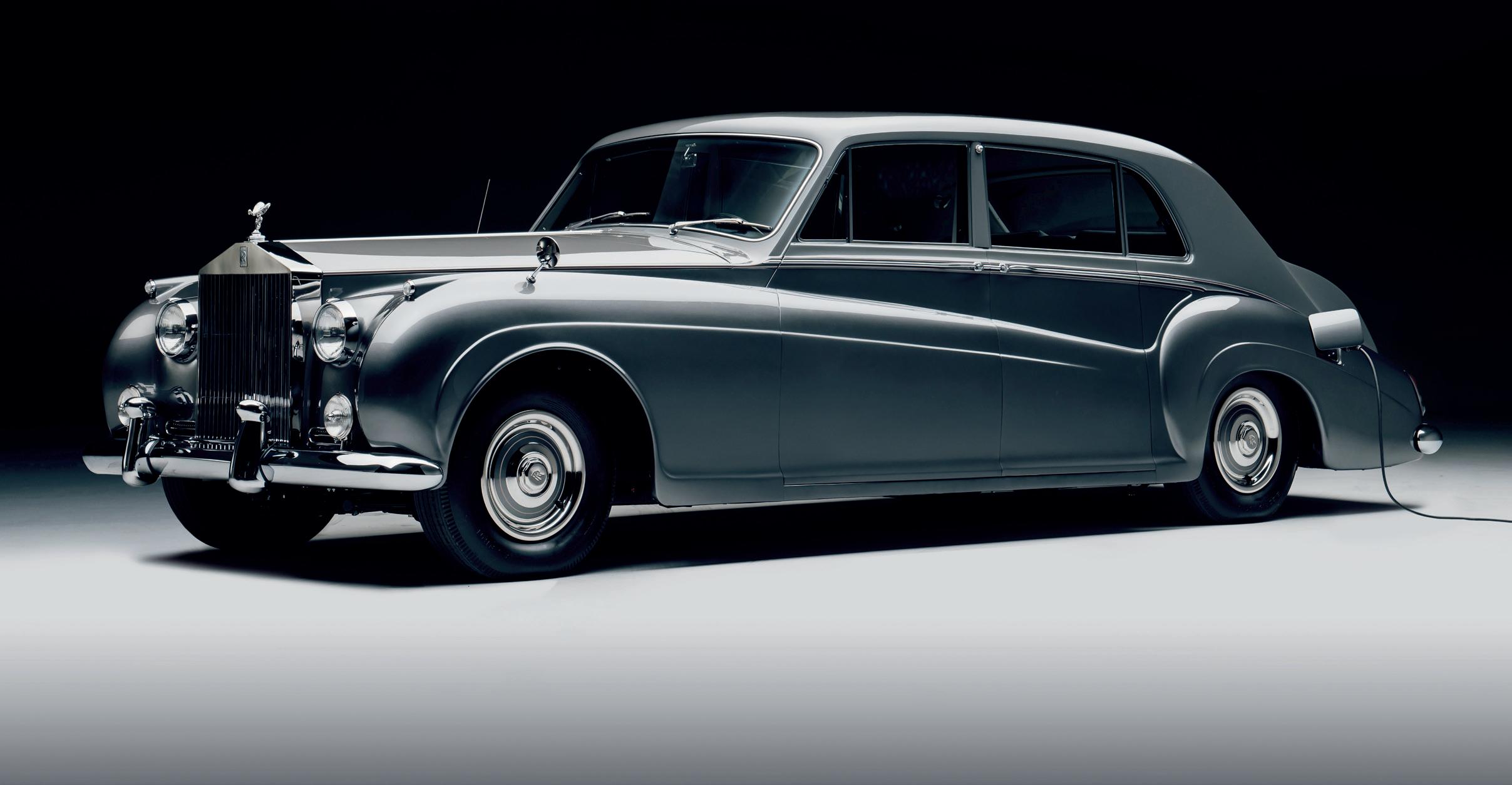
LUNAZ ROLLS-ROYCE PHANTOM
It’s long been said that electric power is the perfect fit for Rolls-Royce. For a brand that prides itself on the smooth, near-silent running of its cars, the benefits of a combustion-free powertrain are obvious. Rolls-Royce has embraced this with the Spectre, but Lunaz reckons that older cars are just as deserving of the electric treatment. So well-heeled buyers with a spare million can commission
their own 1961 Phantom V with the firm’s proprietary battery and motor setup, which delivers 375bhp and a range of 250 miles from an 80kWh battery. Each one of the coachbuilt cars undergoes a full restoration and modernisation, getting a retrimmed interior and modern infotainment systems all fitted inhouse. And just 30 are planned, ensuring true Rolls-Royce levels of exclusivity.
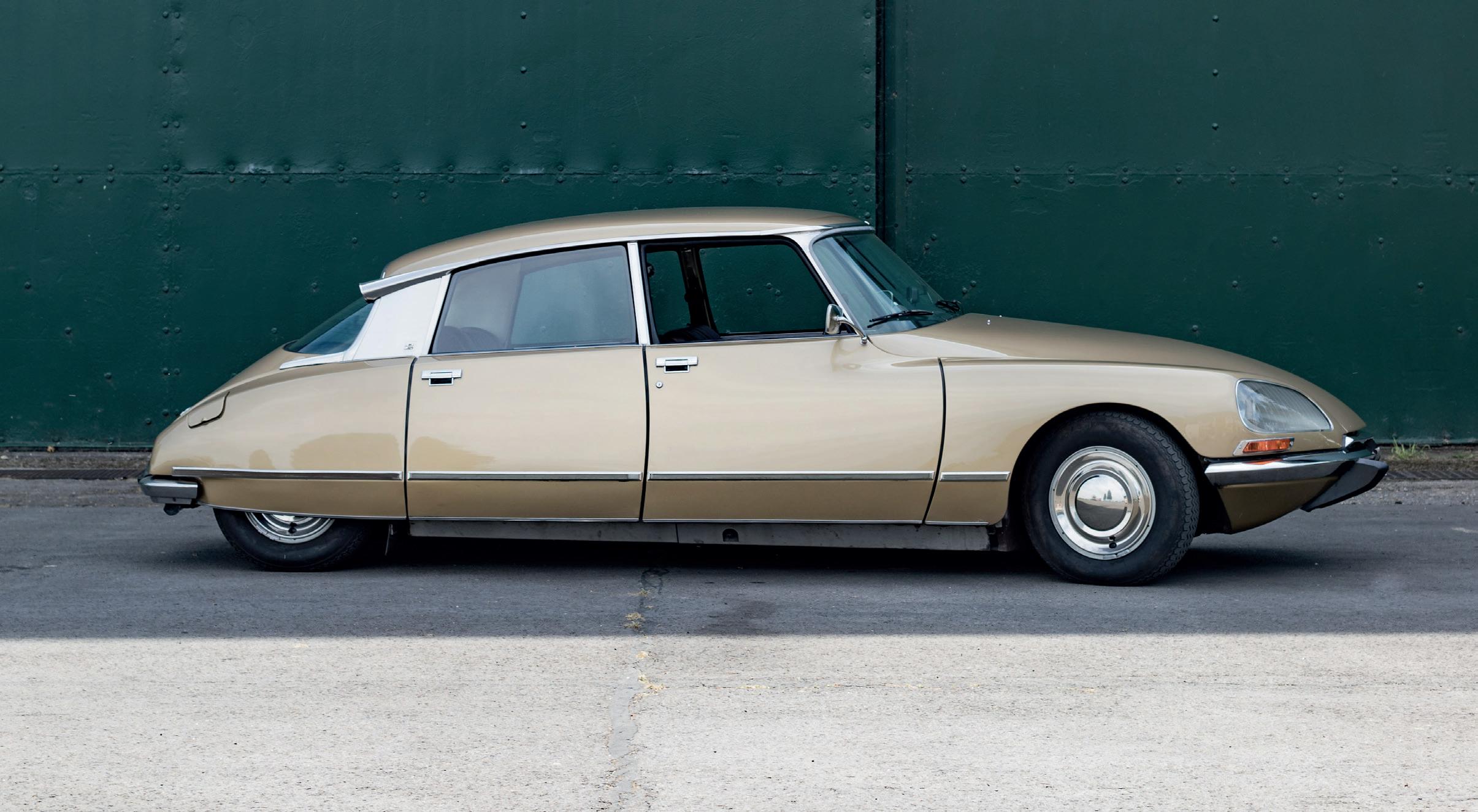
ELECTROGENIC CITROEN DS
The Citroen DS was so ahead of its time in many ways. The glorious Bertoni-penned bodywork, the radical hydropneumatic suspension and the luxurious avant garde interior. But its 2.0-litre engine never quite matched the innovation elsewhere, meaning this French icon is ripe for electric conversion. Delivered to meet a bespoke customer commission, the
Electrogenic DS uses a 120bhp Hyper9 motor which drives the car through its original manual gearbox, and a 48.5kWh battery good for 140 miles of driving. As well as creating a powertrain to suit the car’s graceful image, Electrogenic went a step further and replaced the noisy old suspension pump with a bespoke silent electric unit for an even more serene drive.
ELECTRIC CAR INSURANCE:
NEW DATA REVEALS THE CHEAPEST EVS TO INSURE
Latest data reveals £500 price gap between UK’s most and least affordable EV premiums
The Renault 5 is the UK’s cheapest electric to insure, according to a new study by a major insurance specialist.
Moneysupermarket found that the French supermini was more than £500 per year cheaper to insure than the nation’s priciest EV – the Jaguar I-Pace.
The insurance comparison service examined policies sold through its service in the first five months of this year to uncover the cheapest and most expensive EVs to insure.
Its data showed that Tesla continues to struggle with high premiums, with variants of its two best-sellers accounting for half of the 10 most expensive cars.
It also showed, however, that the average premium across all EVs continues to fall, from £587 in October 2025 to £561 in May 2026.
At the cheapest end of the scale, the awardwinning Renault 5 carries an average insurance premium of £418 per year. Just behind it, the Mini Cooper S Level 2 costs £445 per year, while the higher-specified Level 3 is an extra £41 per year. Between the two Mini variants the Volkswagen ID.3 Life, comes in at £477, while the Nissan Leaf Tekna rounds out the five cheapest EVs at £487.
Moneysupermarkt’s data also revealed that none of the 10 cheapest EVs to insure fall foul of the Expensive Car Supplement, which adds £440 a year to vehicle tax and applies to any EV priced over £50,000.
At the opposite end of the scale, half of the most expensive EVs to insure also attract the ECS, pushing up their running costs further.
Jaguar’s now-discontinued I-Pace has proved the costliest to insure so far this year, with an average premium of £921.
Just behind it is the first of five Tesla variants –the Model Y Long Range AWD – with an average insurance premium of £895. The Model Y also occupies third place in the table, with the Standard Range model coming in at a similarly punchy £878. Mercedes’ previous generation GLC took fourth spot with an average bill of £872 ahead of another Tesla, this time the Model 3 Standard range Plus, at £868.
Alicia Hempsted, car insurance expert at MoneySuperMarket said falling EV premiums
along with recent VED changes made pinning down running costs “a moving target”.
She commented: “Whilst some EV drivers will now pay less than they would have done a few months ago, others are paying more.
“The Renault R5, Mini Cooper Electric and VW ID.3 all come in under £550 a year to insure, and also miss the Expensive Car Supplement. For
households making the switch from a petrol or diesel hatchback, that is a genuinely compelling running-cost picture.
“At the other end, premium EVs like the Jaguar I-PACE and Audi e-tron can cost almost £1,000 a year to insure, and they are also affected by the Expensive Car Supplement. The threshold rise has spared a handful of mid-priced EVs that would previously have been included, but the lesson is the same: with so many moving parts, drivers really do need to look at the full picture before they commit.”
Want more control of your business budgeting?
This is Jasmin. She’s one of many business owners who already use a smart meter to feel more in control of their budgeting, because smart meters help you track your energy use and costs over time.
So like Jasmin, you can spend less time guessing and instead know how much you’re spending on your energy bills.
Search ‘get a smart meter’ today.


BYD’S LATEST DECISION IS AN ALL TOO FAMILIAR HEADACHE
FOR EUROPEAN LEGACY MANUFACTURERS
Chinese auto giant’s ‘in Europe, for Europe’ plans could force the hand of some of the continent’s biggest carmakers, argues George East
It was going so well until recently, wasn’t it? After years of lagging behind Chinese manufacturers with their oft-superior batteries and tech, European EV manufacturers finally looked ready to take on the best from the Middle Kingdom.
Riding on 800-volt architecture, the BMW i3 and iX3 can onboard up to 249 miles of range in just 10 minutes. For comparison, that’s the time it takes to fuel your car, pay for your petrol, and have a wee at the services. Volvo, meanwhile, went one further.
Just recently, everyone’s favourite Swedish carmaker claimed the title for Europe’s longest-range electric car courtesy of its rather lovely EX60 SUV, which can manage up to 503 miles on a single charge.
Then there was a raft of new model announcements promising small affordable European cars, from European brands, for European tastes.
Then China’s big boys threw a spanner in the works.
BYD, which went from an ‘unheard of’ just a handful years ago to outselling Tesla in Europe in 2025, announced it will begin building a line of ‘Euro-spec’ EVs at its Szeged plant in Hungary. That’s not planned for the end of the decade, either. Manufacturing will commence this July with the Dolphin G plug-in hybrid.
‘Why does this matter, George?’ I hear you ask. Well, it’s a sign of serious intent by BYD, and for the most part, the Chinese EV industry.
By producing electric cars geared towards European tastes (as Kia has done to great effect with the EV4, and will do with future models), it shows that China’s carmakers want to be taken seriously.
While ultra fast-charging batteries are great, incar gimmickry such as rotating screens, karaoke systems, and overly-intrusive ADAS simply won’t fly with European audiences. And good, too - it’s all a bit annoying.
To paraphrase Christian Horner, then, “fix your car, and we can go from here”. Given how rapidly the
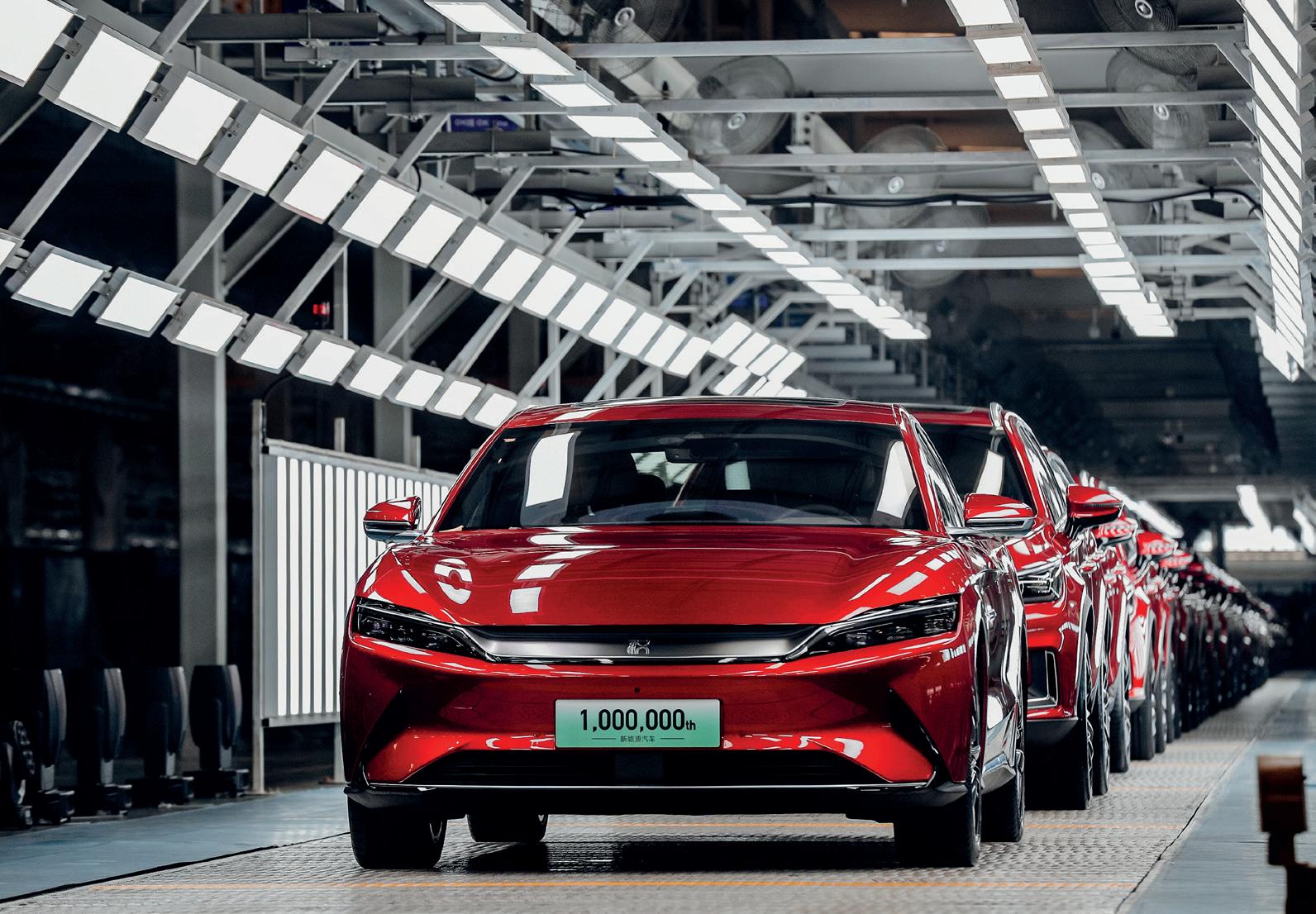
Chinese automotive industry has skyrocketed over the last few years, I very much believe they will, especially when it comes to screens and ease of use.
The tech is there. You know this. I know this. It’s now just a matter of tweaking the UX.
China’s march across the European EV landscape doesn’t stop at BYD and its associated premium brands, Denza and Yangwang. With its upcoming 7GT wagon, Geely-owned Zeekr has adopted a ‘Chinese car with a European soul’ approach to things.
The 7GT is also an incredibly handsome and forwardthinking piece of kit. Not a surprise, given Geely also has Polestar, Volvo, and Lotus as just a few of the manufacturers within its multi-brand roster.
And there’s more. Last year, Xpeng - also known as ‘China’s Tesla’ - recorded a 127% yearon-year sales increase in Norway, the world’s leading market for electric cars, with a 97% EV adoption rate.
For reference, Xpeng didn’t exist until 2014.
If you’ve been keeping an eye on the EV Powered website and reading our magazine over the last month or so, you will have seen that Dr. Andy Palmer, a man revered as the ‘grey cardinal of the EV world’, said that the bulk of Europe’s EV makers will have to go into joint-venture partnerships with Chinese companies to shore up their competitiveness and ultimately, their survival.
And that’s precisely what’s happening. Stellantis has just confirmed that a raft of upcoming Jeep and Peugeot models will be built by Dongfeng in China, and that it will build and market Dongfeng’s Voyah cars in Europe. Meanwhile, Volkswagen is open to importing software-defined, VW China models co-developed with Xpeng to bolster sales.
When asked recently at a joint-VW/Xpeng press conference if the Chinese manufacturer would be open to taking over any of VW’s plants in Germany, the latter’s MD for northeast Europe, Elvis Cheng, described the existing sites as “a little bit old”. Ouch.
Yet again, it’s down to Europe to catch up.