

THE DRUGS



There is a fine line between being addicted and being dependent, and society plays a big role in determining which one applies to the thing you crave. Some drugs are stigmatized, but the attempts to prohibit rather than regulate them cause more deaths than the drugs themselves. Other drugs are normalized, sometimes to an extent that they are not even seen as such, and we are under their influence without even questioning them.
That is what makes a drug truly dangerous—the missing label.
— Laura

Laura Morales CO - EDITOR-IN-CHIEF EDITOR@CAPILANOCOURIER.COM
Adam Stothard
CO - EDITOR-IN-CHIEF EDITOR@CAPILANOCOURIER.COM
In the late 70s, SFU Psych prof Bruce K Alexander and his colleagues ran an experiment on rats. They were given two different water sources, one with morphine and one just plain water. They tested how rats interacted with the choice given to them in two different environments. The first environment was in isolation; small cages, alone, nothing to play with. The second environment was a free, open environment with plenty rats and toys to play with. What they found was that the addiction rates to the morphine were significantly higher when rats were isolated versus when they had a thriving community. One of the main conclusions Alexander published was the following: “Addiction arises in fragmented societies because people use it as a way of adapting to extreme social dislocation. As a form of adaptation, addiction is neither a disease that can be cured nor a moral error that can be corrected by punishment and education.”
Make of the study what you will, I’m not a psychologist and I know there’s critics out there. Personally though, I view the study as an important reminder of the strength of community and how corrosive it is to our society to cast anyone aside. Having compassion for others, even if you can’t imagine being in their shoes, can make a difference.
—Adam





























WRITING CONTRIBUTORS
Elliott J Fisher, Shirs, Farnaz Abdolmaleki, Asmi, Harsh Sandilya, Pony Montana, Haleluya Hailu, Ry Forsythe & Ren Zhang.
VISUAL CONTRIBUTORS
Charlotte Wong, Ryan Coomber, Anna Dinh, Sophia Filsoofi, Jerry Kambashi, Alex Baidanuta, Alayna Chunara, Santiago Ospina, Anna Israfilova, Scarlett Side, Ren Zhang, Cristina Williams, Icarus C. Susi, Lily Jones, Andrei Gueco, Megan Heigh, & Kayla Kim.
COVER ART
The CapU Community, Cameron Skorulski & Andy Poystila.
INTERESTED IN CONTRIBUTING?
Email editor@capilanocourier.com for potential writers, and production@capilanocourier.com for interested visual artists and/or photographers.
*Illustrators and Photographers are required to send a portfolio or sample(s) of work.
Have they replaced journalism?
Written by Theodore Abbott (he/him) // News Editor
Young Canadians are increasingly dependent on influencers for news about politics and current events. This change comes as podcasting, video and social media platforms have overtaken traditional news media as the most influential outlets, not just in Canada, but across the globe.
The Oxford’s Reuters Institute describes this phenomenon, saying that “An accelerating shift towards consumption via social media and video platforms is further diminishing the influence of ‘institutional journalism’ and supercharging a fragmented alternative media environment containing an array of podcasters, youtubers, and TikTokers.”
In Canada, these trends are particularly noteworthy given that journalism institutions and news links are banned from Facebook and Instagram, because, as published in The Tyee, “Meta refuses to comply with a Canadian law that requires platforms to pay news producers for content.” This refers to Bill C-18.
This has given rise to various types of news influencers— some of which are bona fide—but the vast majority of whom have no credentials or formal training in journalism. These influencers often produce content that is emotionally charged and designed to be consumed in an extremely
short-format (as opposed to long-form journalism). For better or for worse, within this new media landscape ––devoid of professional standards or journalistic integrity––influencers have become “the information brokers of the internet, setting the pace for political conversation that traditional political parties, media outlets, and advocacy organizations struggle to match,” as stated by The Tyee
According to a recent study by the Media Ecosystem Observatory (MEO), Canadians between the ages of 18–34 are those most likely to be getting their news from an influencer.
Looking at the 2024 B.C. provincial election, the study found that although news outlets posted more than influencers, the latter generated 63 per cent of all engagement. The study also examined the 2025 federal election, where 47 per cent of all political content was posted by influencers, with 28 per cent being posted by news outlets, and 18 per cent coming from politicians.

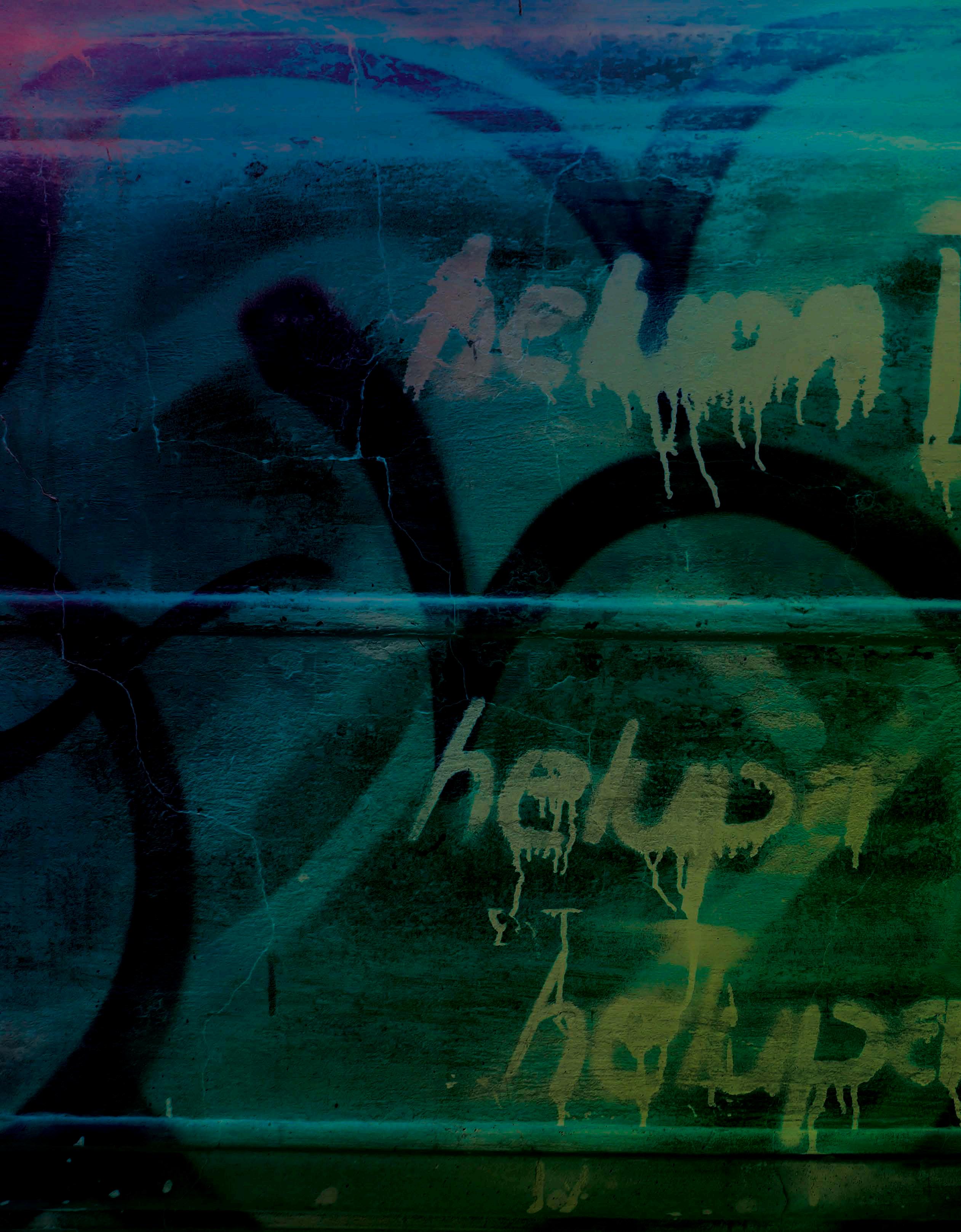
Visuals by Charlotte Wong (she/her) // Contributor & Ryan Coomber (he/him) // Contributor
The study also highlights how the sheer volume of content plays a central role in the impact these influencers are having. With social media algorithms being structured around an insatiable appetite for ‘content’—which doesn’t necessarily need to be reliable or substantive––influencers are, in part, replacing traditional journalism by producing a virtually endless stream of podcasts, videos, and posts.
According to the researchers, the fragmented nature of this social media landscape gives way to “echo chambers” and misinformation, with hyper-individualized algorithms helping to compound polarization.
Influencers in Canada are rising to prominence as the primary arbiters of public opinion, helping to shape political discourse at both a local and national level. At the same time, traditionally influential news outlets are, as stated in the study from MEO, “not reaching as many people as they used to.” In the absence of what researchers call “formal accountability mechanisms,” Canada’s new media landscape is not only more decentralized, but also less reliable. And, until news outlets are no longer banned from Facebook and Instagram, the reach of these institutions will continue to diminish in the face of a situation that seems to favour influencers over traditional journalism.


CapU’s Chancellor Yuri Fulmer is Running to Be Leader of the BC Conservatives
Who is Yuri Fulmer, what does the Chancellor do, and why his political aspirations are relevant to every CapU student
Written by Elliott J Fisher (He/They) // Contributor & Theodore Abbott (he/him) // News Editor
Visuals by Anna Dinh (she/her) // Contributor

Yuri Fulmer is a name every Capilano University student should know. Not only is Fulmer Chancellor of the university —a position of such high order that the Chancellor’s name appears on every credential awarded by the university—but, he’s also running to be leader of the BC Conservative party.
As Chancellor, Fulmer presides over formal ceremonies and confers academic credentials. As outlined by university administration in a statement provided to the Courier, “The role requires the ability to inspire institutional growth and change while effectively engaging and educating partners and stakeholders about Capilano University’s mandate and evolving priorities.”
The administration also highlighted how the Chancellor plays a central role in reflecting and guiding “the university’s values.” Given Fulmer’s political aspirations, it begs the question whether CapU shares the same values as the BC Conservative party, or if these values are even compatible.
Fulmer has served as Chancellor since 2020 and his position was renewed in 2023. In the 2024 provincial election he ran for the Conservatives as a candidate for MLA, but lost narrowly to BC Green Jeremy Valeriote. And now, Fulmer has set out to become leader of the BC Conservatives following John Rustad’s highly publicized outsting from that position as covered, for example, by the CBC.
Currently, the Conservatives interim leader is former BC Liberal Trevor Halford. Halford is not the only former Liberal among the Tories though, because in 2024 the BC Liberals—briefly rebranded as BC United—were effectively absorbed by the Conservatives. This is relevant on the basis that under the Liberals, funding for post-secondary education in BC was cut by 20 per cent, according to a 2022 brief from the Confederation of University Faculty Associations of BC.
Beyond that, the Conservatives have stated—according to the Martlet—that they would like to see funding for post-secondary institutions be re-allocated to training in essential fields. Critics have referred to this platform as “fundamentally austerity-driven” via SpringMag. When contacted by the Courier to respond to questions on this subject Fulmer declined to comment.
The response provided by Fulmer’s campaign team reads: “Yuri has asked me to convey his appreciation to you for reaching out but wants to be clear that he does not wish to politicize the role of Chancellor. He wants to have a clear separation between that role and his candidacy and therefore does not wish to be seen as politicizing the position by having a feature about him as a candidate in the campus paper.”
The response was provided by a member of Fulmer’s campaign team who did not identify themselves, so the quote cannot be attributed to a specific individual.
When the Courier requested a comment from the administration, they responded by saying:
“The chancellor’s political activities are undertaken in a personal capacity and are separate from the university. CapU does not take positions on party politics, and our work on funding and operations continues through established governance and administrative processes. In keeping with the role’s purpose, the chancellor helps steward and reflect the university’s values. That includes supporting our ongoing commitments to Truth and Reconciliation and respectful relationships with Indigenous communities, in alignment with the university’s priorities and guidance.”
The university was also asked to provide a more specific response to the Conservative party’s spotty track record with regard to post-secondary funding and Indigenous issues, but in response, the Courier was directed to contact Fulmer’s campaign team directly. The Conservatives are currently advocating for a repeal of B.C.’s Declaration on the Rights of Indigenous People Act (DRIPA), which is the province’s legal implementation of the United Nations Declaration on the Rights of Indigenous People (UNDRIP). Moreover, former Conservative MLA Dallas Brodie was recently ejected from the party for making a series of racist, anti-Indigenous remarks. Since being booted from the party, Brodie has become a national leader in a growing movement of residential school denialism.
Given these circumstances, and what CapU refers to as their “commitments to Truth and Reconciliation,” it makes sense that the university would want to put as much space as possible between themselves and the BC Conservatives. But, this is easier said than done, especially when the university’s chancellor is running to be leader of the party.
The University has indicated that Fulmer’s term as chancellor will come to an end at the conclusion of the 2025/26 academic year, which does coincide with the Conservative leadership election, taking place in May 2026.
If you are a student, faculty member or staff person at CapU and would like to express your opinion on this matter, please email editor@capilanocourier.com


The dual impact of ADHD medication
MEDICAL BENEFITS VS RISKS OF NON-PRESCRIBED USE
Written by Cami Davila (she/her) // Crew Writer
In British Columbia, ADHD diagnoses saw a significant increase after the pandemic. According to the popular study of the Lancet Regional Health - Americas, in 2013, nine people per 100,000 were diagnosed with ADHD. By 2023, that number had risen to 35 per 100,000. According to the study, diagnoses increased after COVID-19 for three main reasons: the pandemic’s impact on mental health, whether this concerned health-related challenges or social experiences during and after the period, greater awareness and education about ADHD and the implementation of new models of care, such as telemedicine.
The study, conducted between January 2013 and November 2023, highlights two key findings. First, more than half of the participants (60 per cent) were female. Second, adults aged 24–35 accounted for the largest proportion of cases overall, at 34 per cent. The primary author of the study and senior scientist, Heather Palis, brought attention to a factor that has experts concerned. On top of the high rates of substance use in B.C., the increase in ADHD medication prescriptions is concerning, given the strong association between ADHD, psychostimulants and substance abuse disorders.
Self-medication and misconceptions about psychostimulants
The higher the rate of ADHD medication prescriptions, the greater the risk of developing dependence on psychostimulant medications. Also relevant is that a significant number of people, particularly college students, take these medications without a prescription. In 2014, a survey conducted by the National College
Health Assessment and covered by the Vancouver Sun, among undergraduate students at the University of British Columbia, found that one in thirty students reported using ADHD medications without a prescription. According to participants, these “study drugs” help them cope with academic demands during exam periods.
However, there isn’t really a positive outcome from this. Findings from the Canadian Centre on Substance Use and Addiction indicate that students who self-medicate with ADHD drugs generally achieve lower grades than those who don’t. Rather than improving their GPA, students engage with the risk of dangerous side effects according to MedLine Plus, including cardiovascular problems, sudden mood changes, mental health disorders and memory loss, among others.
The positive effects of ADHD medication when it’s truly needed
Nevertheless, failing to prescribe medication that is necessary for a patient’s well-being, out of concern about potential long-term abuse, can be equally dangerous.
The president of the Coalition of Peers Dismantling the Drug War in Vancouver, Kali Rufus-Sedgemore, shared with The Tyee that, after a doctor denied prescribing him a strong stimulant, they self-medicated with unregulated methamphetamine.
Here at CapU, a first-year psychology student used to ask her friends at school for their ADHD medication to concentrate on

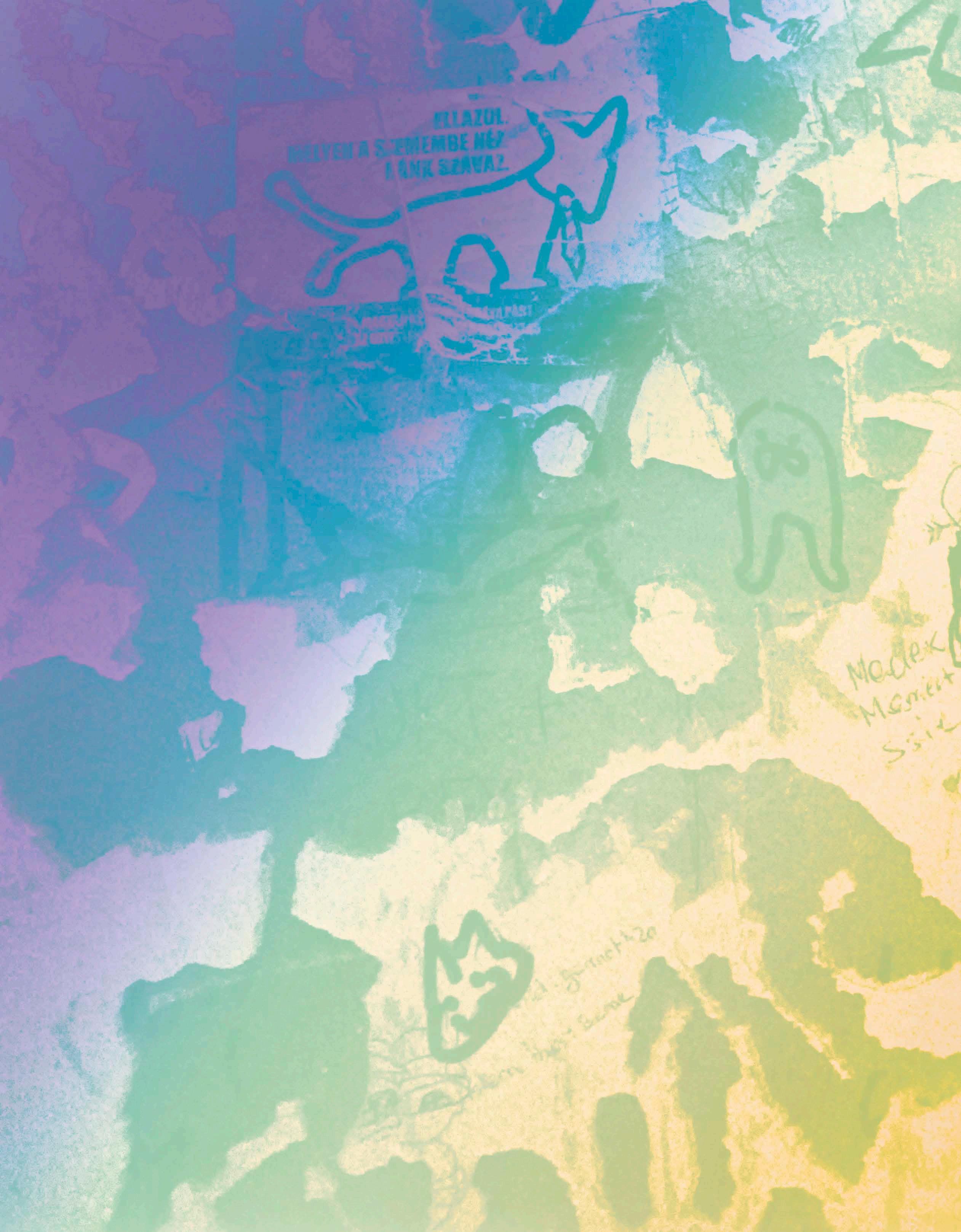
Visuals by Sophia Filsoofi (she/her) // Contributor
studying for important exams, which is one of the most common reasons students often reach for non-prescribed psychostimulants.
“A lot of my symptoms of anxiety and depression could have been caused by early ADHD that went unnoticed for my entire adolescence,” she mentioned, “I started on Concerta which I’m not the biggest fan of because it’s a methylphenidate which comes with some of the symptoms of feeling jittery or teeth chattering or that kind of stuff [...] It just wasn’t the right fit for me.”
She also shared that, in addition to medication, there are strategies that help her in her daily life: “A huge part of it was having adults, like my school counselor and my pediatrician at the time who were able to help me figure out coping mechanisms as well.”
Another CapU student, a fourth-year in the Motion Picture Arts (MOPA) program, shared that although she had shown symptoms since childhood, she was not diagnosed until she started university. “It never crossed my mind that I could have had it,” she mentioned.
After going to a doctor that overlooked her symptoms, she ended up using the CapU medical insurance. “I made a claim to get assessed for ADHD, and almost immediately I was diagnosed.” The MOPA student described her relationship with the ADHD medication as “really positive.”
“When my brain was really unhealthy, it was like there were 40,000 things flying through my head, a lot of them were negative,” she recalls. “The medication helps me to be in the moment. I remember the first day that I took it: I sat down to watch an episode of BoJack Horseman and for the first time in my life, I watched a whole episode of TV without standing up to go do something else.”
Psychostimulants can be life-changing when someone with ADHD is properly diagnosed and properly medicated. Conversely, using these drugs can also have dire impacts when individuals are self-medicating for reasons not associated with a mental condition. As the research suggests, both the regulated and unregulated use of ADHD medication is rapidly increasing, especially among university students.
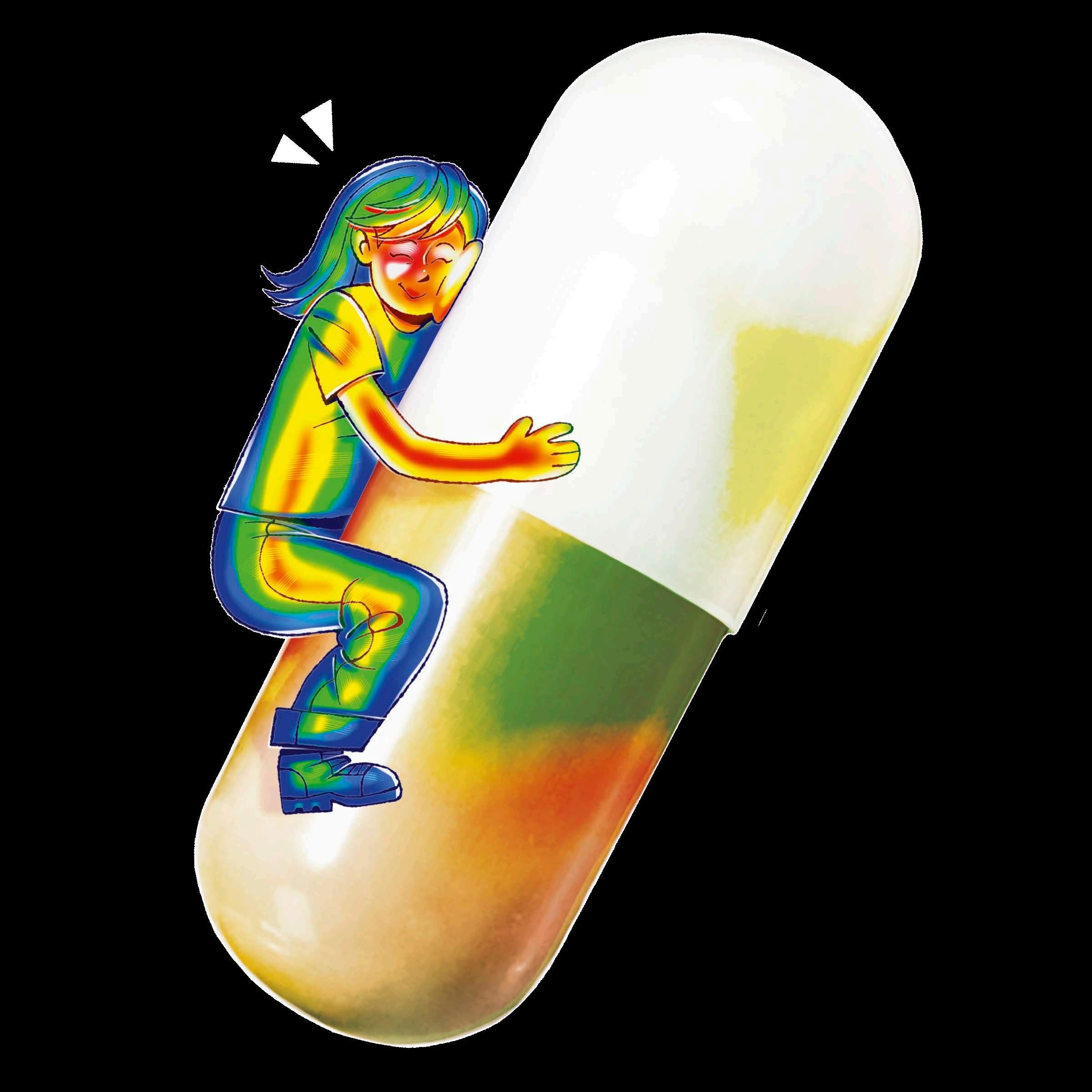

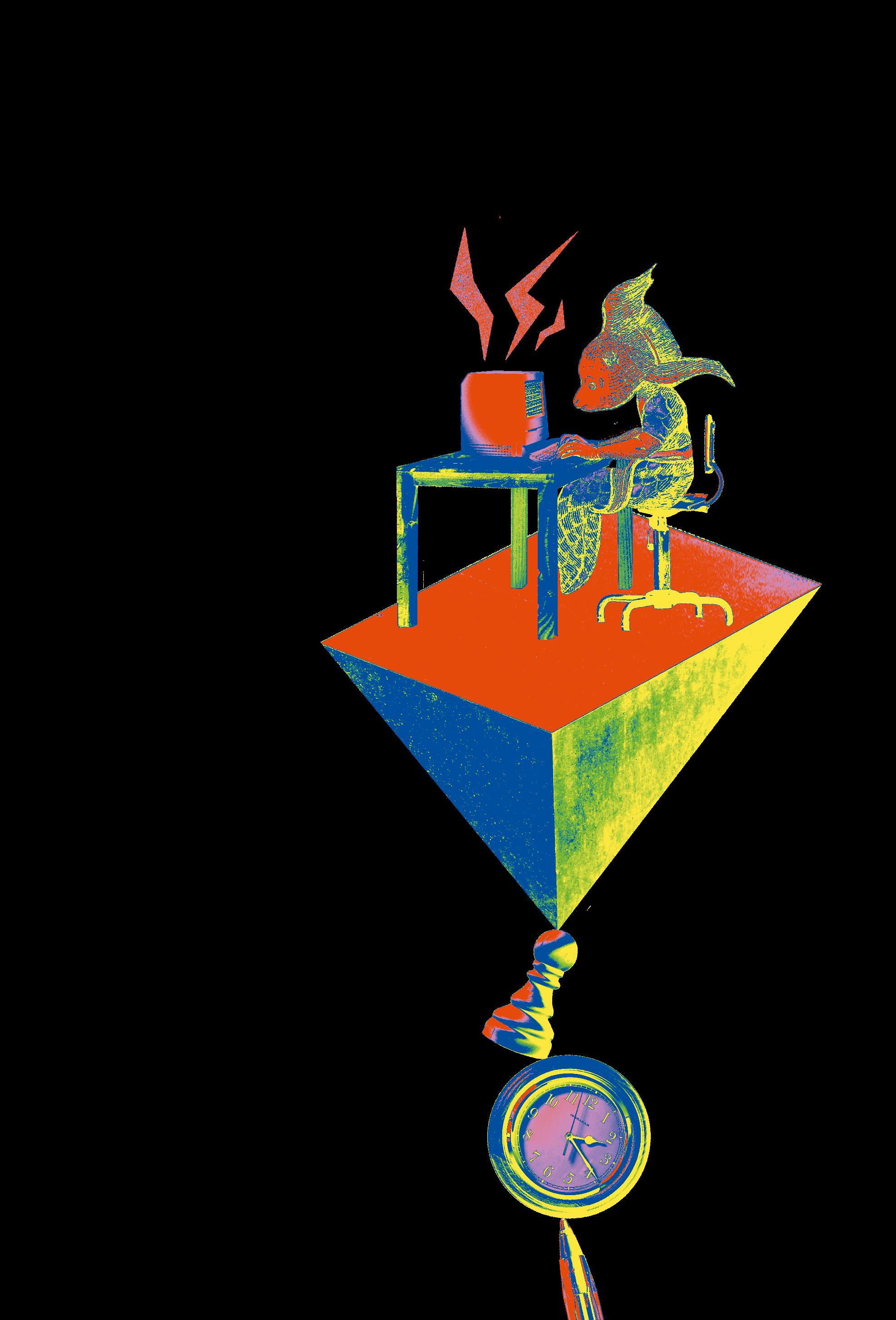
CAPILANO UNIVERSITY LAYOFFS REMAIN INVISIBLE, FOR NOW
Consequences of workforce reductions remain uncertain while layoff dominoes begin to fall
Written by Laura Morales Padilla (she/her) // Co-EIC
Visuals by Jerry Kambashi (he/him) // Contributor

Despite months of workforce reductions at Capilano University, the full impact remains largely unseen. Some of the unionized employees— represented by the MoveUP union since 1974—have accepted early retirement packages, others saw their contracts expire without renewal, and multiple staff members were laid off in January as part of the university’s deficit mitigation plan for 2026-27. The work environment for unionized workers at CapU—which continues to recover after a nearly seven-week strike in 2023, as covered by The Tyee—now faces the same uncertain job security affecting other post-secondary institutions and, according to the Vancouver Sun, the B.C. public service sector. The impact of reductions on students and the increased workload on remaining employees may not become clear until the end of the Spring 2026 term.
The consequences of these workforce reductions are not yet visible because affected employees are still working through a 90-day notice period, or 45 days if they choose to exercise their “bumping” rights. Bumping, as outlined in the collective agreement between MoveUP and CapU which can be sourced on CapU’s website, allows a laid-off employee to displace—as worded by the Health and Social Services Delivery Improvement Act—a less senior colleague in another position for which they are qualified. Bumping rights serve to incentivize the administration to select positions for layoffs with “either the least seniority or have shorter appointments,” according to the collective agreement.
In practice, an employee who wants to exercise their bumping rights has to identify which positions they are qualified for on their own. Researching job duties sometimes requires reaching out to the person currently in that role to ask about their work. If they successfully bump into a new position, they face a probationary period of one month, which can be extended up to three months if the employer deems it necessary.
The process doesn’t end there. Bumped employees also gain bumping rights of their own, triggering a chain reaction like dominoes, with the least senior employee ultimately taking the hit.
Balancing transparency with privacy
The Courier reached out to MoveUP and the administration to understand why they have chosen not to provide a full list of the positions being eliminated—without employee names—to staff, given that the absence of these roles will eventually become visible. Remaining employees and departments could benefit from understanding the new scope of their work to plan for potentially increased workloads, while the broader campus community could benefit from seeing which departments are most vulnerable to the deficit and what patterns emerge in which positions are cut. However, both the union and the administration cited privacy concerns as a barrier to transparency.
“The Union is not releasing a list of positions being eliminated out of respect of privacy for those affected,” MoveUP responded. “Even if employee names were redacted, it would not be difficult to determine who is affected.”
“We are not releasing a list of affected positions at this time because outcomes can change as employees exercise their rights under the collective agreement, and releasing details prematurely could create confusion or unintentionally identify individuals,” the administration explained. When asked about how the university has ensured each affected employee received clear, direct, and timely information about their options, they indicated, “Affected employees have been notified through individual meetings and written notices outlining their options under the collective agreement, including bumping rights, vacancy elections and severance.”
A contentious Section 54 process
According to the Labour Relations Board (LRB), when a collective agreement is in place, formal notice is required from the employer if they are introducing “a measure, policy, practice or change that affects the terms, conditions or security of employment of a significant number of employees,” or intends to do so. This is known as a Section 54 notice. Once notice is given, “the employer must be prepared to meet with the union, in good faith, and try to develop an adjustment plan to mitigate its effects.”
On September 25, 2025, the university served MoveUP with a Section 54 notice, following wording guidelines recommended by the B.C. Public School Employers’ Association (PSEA) to preserve the university’s right to argue the notice wasn’t actually required and was sent only as a precaution; otherwise they would be confirming that the number of employees being laid off should be considered as significant right off the bat,
which would otherwise be open to interpretation. The PSEA instructions simply state: “to avoid any potential LRB challenges by your local union.”
This notice mentioned changes to “vice-president portfolios” and “2026 Spring term faculty reductions,” but contained no information about potential impacts on MoveUP members. Without knowing how many positions will potentially be affected, job classifications, or timeline for implementation, the union couldn’t properly respond or take this notice seriously. “We have made it clear to the University that the S54 notice provided did not outline any MoveUP staff reductions, voluntary or otherwise, and that we would need to review supporting documentation including all relevant financial information before any discussion any discussion on [the voluntary early retirement incentive] could proceed,” shared the union with their membership on November 5, 2025, via email.
On December 1, an agreement was reached regarding an early retirement initiative, in which regular employees who are 55 years of age or older with at least 10 years of “pensionable service under the Municipal Pension Plan” were eligible to apply. The same day, the union sent a bulletin to their membership clarifying that this agreement does not authorize involuntary layoffs: “Any layoffs, restructuring, or staffing reductions beyond this voluntary program must be preceded by a new Section 54 notice and a new adjustment plan.” The union representatives wanted to ensure that the administration was not taking “advantage of a budgetary crisis to attempt to erode the existing protections in the Collective Agreement.”
Despite several members taking the early retirement initiative plan, a December 22 meeting revealed that there are a “very large number of proposed eliminated positions remaining” according to an update MoveUP emailed to their membership on the same day. The university committed to providing a more definitive list of positions to be eliminated on January 5, 2026. Affected employees are currently navigating the bumping process or preparing for departure.
“We have submitted multiple information requests to the Employer regarding five separate Section 54 notices involving layoffs across the University,” stated Slusarenko on February 4. “We have not yet heard back on all of these requests.” If circumstances don’t improve, “the union warns it will likely apply for Section 54 mediation at the Labour Relations Board,” indicated the MoveUP representative.
What has been done and what could still be done to prevent layoffs
“We know the post-secondary sector is facing a financial crisis, and Capilano University is no exception,” stated MoveUP Vice-President Christy Slusarenko in an email exchange with the Courier, “but our union has been sounding the alarm for years that they are far too top-heavy, and it has been this university’s administration that has exacerbated this situation.”
By top-heavy, the Vice-President is referring to exempt and excluded positions, which are management or confidential roles excluded from union representation. Examples include Deans, Directors, Managers, the Registrar, various Vice-Presidents and many others. These employees do not have the same layoff protections, bumping rights, or seniority provisions as union members. “Our position to the Employer is that if adjustments are required to respond to what we acknowledge is a bona fide budgetary crisis, the cuts should occur in the exempt and excluded roles at the University,” Slusarenko said.
Moreover, “MoveUP and CFA have been under a provincially-mandated hiring freeze the last two years,” stated the MoveUP representative. “During that time, the University has communicated they hired 93 excluded and exempt employees.” The Courier followed up to ask how many exempt staff were hired in new roles versus to fill existing positions during the hiring freeze, the response indicated, “The Union does not know the exact figure.”
When asked about what other deficit-mitigation strategies the university put forward before resorting to layoffs, the administration stated, “Layoffs were considered only after multiple deficit mitigation measures were reviewed and implemented, including restrictions on hiring and controls on discretionary and operational spending.”
According to information previously provided to the union by the university, those measures included hiring restrictions saving $2.2 million, operational spending controls saving $3.7 million, paused capital projects, elimination of six excluded positions, closure of the Sechelt and Lonsdale campuses and various revenue initiatives including increased parking fees. Still, Vice-President Slusarenko made the union’s position very clear, stating, “If adjustments are required to respond to what we acknowledge is a bona fide budgetary crisis, the cuts should occur in the exempt and excluded roles at the University.”


BEFORE LEGALIZED WEED, THERE WERE HOME-COOKED TREATS ON THE CORNER
How has edible pot culture shifted years after becoming legal?

Written by Shirs (he/they) // Contributor
Visuals by Alex Baidanuta (she/her) // Contributor
From getting absolutely ‘zooted’ from a homemade brownie that your friend’s weird uncle made, to purchasing flavored dab-pens, weed infused cookies and canned weed drinks in government-owned dispensaries, Canadians have experienced a massive shift in weed culture since 2018, when Canada became the second country to legalize weed. That being said, Canadians may have been tolerant of cannabis consumption, with about 43 per cent of the population being supportive of legalization in 2016, according to the Impressions of Canadians on Legalization of Marijuana survey done by Nanos in 2017 as published by CTV News. In 1981, Prime Minister Pierre Trudeau came close to legalizing weed. It’s maybe because of the pre-existing—and thriving—stoner culture that Canada has always had, we have come to see a thriving market of extravagant weed products.
Before you could walk into a legal dispensary in Canada, people were acquiring weed how they have always gotten weed, or other drugs all over the world: plugs. There used to be massive underground operations to grow and distribute marijuana. Weed was grown in basements, hidden away in farms in northern regions away from the law and distributed locally through plugs or through gangs for a larger scale operation. It is estimated that right before the legalization in 2018, the underground market of cannabis was making about $3.8 billion in retail sales, according to 2020 Public Safety Canada committee notes. This is all just to say, people were getting quite baked. It might have been slightly more inconvenient to get weed compared to now, but it definitely was not difficult. The public perception may have been that of acceptance, or at least tolerance. The big suppliers of marijuana mostly dealt with flower, which means people had to get creative on their own if they wanted to ingest the ‘zaza’ in ways other than smoking it.
Tea, brownies, smoothies and cookies are all found in dispensaries today. The quantity is controlled. If one decided they wanted to make some brownies, they could find plenty of videos, recipes and information online that have been tried and trusted (with recommended strains!) and they could make it themselves with the legal weed purchased from BC Cannabis. How would people know how to bake brownies back in the day? Forget different buds; even the options between indica and sativa were foreign to the regular consumer before legalization. You got what you were given, with no precise THC percentages, no variety between strains: just weed. How did people measure quantities for their home-cooked recipes? Short answer: they didn’t. It was just trial and error. Even if you were using a recipe, you couldn’t tell if the weed you had in hand matched the same potency. Hearing horror stories of consuming one too many brownies— thinking they weren’t effective—was a common theme. A lot of recipes were handed down from friends or cousins, and finding information online about weed products was not as reliable, if it was even available. There were people that would create relatively big batches of edibles to sell but that was still not possible to do on a larger scale.

The legalization of weed in Canada has massively affected the illegal billion-dollar market of marijuana. The Canadian Government making more than $5.4 billion in cannabis tax revenue since 2018 shows how much of this culture is growing. Now, almost 59 per cent of adults living in B.C. have tried marijuana at least once according to a survey done by the BC government. This has given rise to many legitimate businesses centered around pot. From weed-themed restaurants to online home delivery, the market has expanded significantly since 2018.
How has this impacted the cannabis culture? The homemade edibles culture remains alive and thriving. If anything, legalization has granted access to more people that are willing to make edibles at home. Whilst people may have learned the art of making edibles out of necessity, it is now approached with further interest and passion. People learn it despite having easy access to premade gummies or edibles. It’s like how people didn’t stop making cakes at home just because cake shops are around. Recipes have evolved, which signifies that the culture has evolved. To ask if this means the culture has lost its charm would be a more profound question. The price of pot has decreased after legalization according to a study done as part of the International Cannabis Policy Study, because it got snatched away from the highly monopolized black market by the regulated government licensed market. However, the unregulated, still-illegal market also thrived alongside legal dispensaries. Once the market somewhat stabilized the price of cannabis, the black market flourished by providing more potent, higher quantities which resulted in a lower price.
Home-cooked treats from around the corner before legalization may or may not have lost their charm, but they certainly have gained a larger market, and a whole bunch of new fans.


INDUCED ACADEMIA
Marijuana in place of caffeine for academics and creatives
Written by Anonda Canadien (she/her) (Dehcho Dene) // Arts and Culture Editor Visuals by Alayna Churana (she/her) // Contributor

NOTICE

We do not endorse the use of Cannabis.
The word ‘stoner’ often conjures images of a suburban white kid slacker who smokes weed before, during, and after school. Or, depending on your birth year, Cheech and Chong from Up in Smoke, Shaggy Rogers from Scooby Doo or Smokey from Friday. What if this writer told you there are stoners who exist outside of these parameters?
Well, spark that doobie or bowl, and partake in this discussion.
First off, marijuana does not always cause laziness, depending on the profession. Marijuana use has helped many creatives embrace their creative side of letting go, and get into the headspace in order to create. This goes for creating music, film scripts, hands-on art such as drawing or painting and many other avenues.
One Capilano University student stated that partaking with cannabis has helped him enter a different headspace in order to work within music he produces, as well as exploring genres and dynamics within scripts pertaining to horror, thriller and comedy.
Another student explained that engaging with the ‘zaza’ has motivated, rather than limited her creative and academic prospects. She has made scripts, short films, shot stills and explored academic papers with the help of the ‘zaza.’ On the influence, she mentioned that it helps her enter the headspace of being focused on the task at hand, aiding in completing projects that pertain to her academics.
Another CapU student mentioned that they only partake in a doobie after the classes and assignments are said and done, then go on to do other work—such as writing scripts—under the influence. For the other, she said that you have to be careful when engaging with it so it does not hinder academics: a fine line that is easy to cross.
Although both students state that weed is a recreational drug, it has been a factor in their individual successes. One says that weed is a supplement for her, just like how students drink coffee to start their day: she starts her day with a doobie and a coffee. Usually on the weekends or days off, but when you’re an academic, are there really days off?
So, there’s really two sides to this coin of cannabis. On one hand, you got Travis from Clueless, and on the other, you got successful actor Jack Black. Promote relaxation, but also maybe promote the wellness of our minds? So, let’s not let these stereotypes be the face of the beautiful, natural plant of weed.
‘TRIP’ TO THE DENTIST

Creating art while on psychedelics
Written by Ben Taylor (he/him) // Crew Writer
Visuals by Santiago Ospina (he/him) // Contributor
There’s a lot of art that has been described as psychedelic: the music of Pink Floyd, the paintings of Dali, the films of Jodorowsky, etc. But, what is it actually like to create something while actively under the influence of hallucinogenic drugs? Two years ago, I set out to answer this question with two close friends of mine, and we created a short film after dropping acid.
We began with all but some rented equipment we were using for a music video later that week. The most notable item (which ended up serving as the main inspiration for the film) was a probe lens; a long-barrelled macro lens that extends about 40 cm away from the camera body, creating an ultra wide angle ‘bug’s eye view’ effect. With no script and no real plan, we decided to come up with an idea before we were too far gone.
We became fixated on the idea of doing a film about going to the dentist and went back to my friends house to figure out how to shoot it. Wanting to maximize the potential of the probe, our shotlist revolved around getting footage from inside our actors mouth. The acid took hold during the actual shooting of the piece, but we managed to put together a four-minute film. The plot follows a young man who wakes up to realize he’s scheduled to have his teeth cleaned. He rigorously brushes his teeth before reluctantly arriving at the office. The dentist tells him he needs a root canal, and the camera then enters his mouth from the drill’s perspective. From there, things get extremely wacky; he meets ‘the tooth fairy,’ who was wearing a papier-mâché mask with four faces on it. Needless to say, the film never went anywhere. And, while it’s certainly not our best work, I still have incredibly fond memories of the process.
Creating a short film usually takes weeks of rigorous preparation, so working in a very spontaneous manner was a unique and refreshing experience. The lack of a script and shotlist allowed us to let our imagination run wild; the flip side of that being that the film ended up not making a lick of sense. It turns out that making a film while tripping balls is a lot of fun until you sober up and have to edit it all together.
Psychedelics certainly do not make you a better artist. In fact, from a purely technical standpoint, being under the influence of any sort of drug makes things a lot more difficult. But, making ‘Trip to the Dentist’ that afternoon took me back to the very first time I ever picked up a camera and reminded me how important it is to be curious. Often on a bigger set, filmmaking becomes about control: whether that’s the blocking, the lighting or even just the actual control of other people in your department. Every now and then it’s nice to have a project where control is let go, making the process much more fundamental.
I wouldn’t recommend making movies while on acid, especially not if you’re on a tight schedule, or have big plans for the project. What I would recommend is getting out there and experimenting a little, getting some joy back from a practice that can be incredibly draining. Making movies should always be fun, and you don’t need to take acid to realize that.
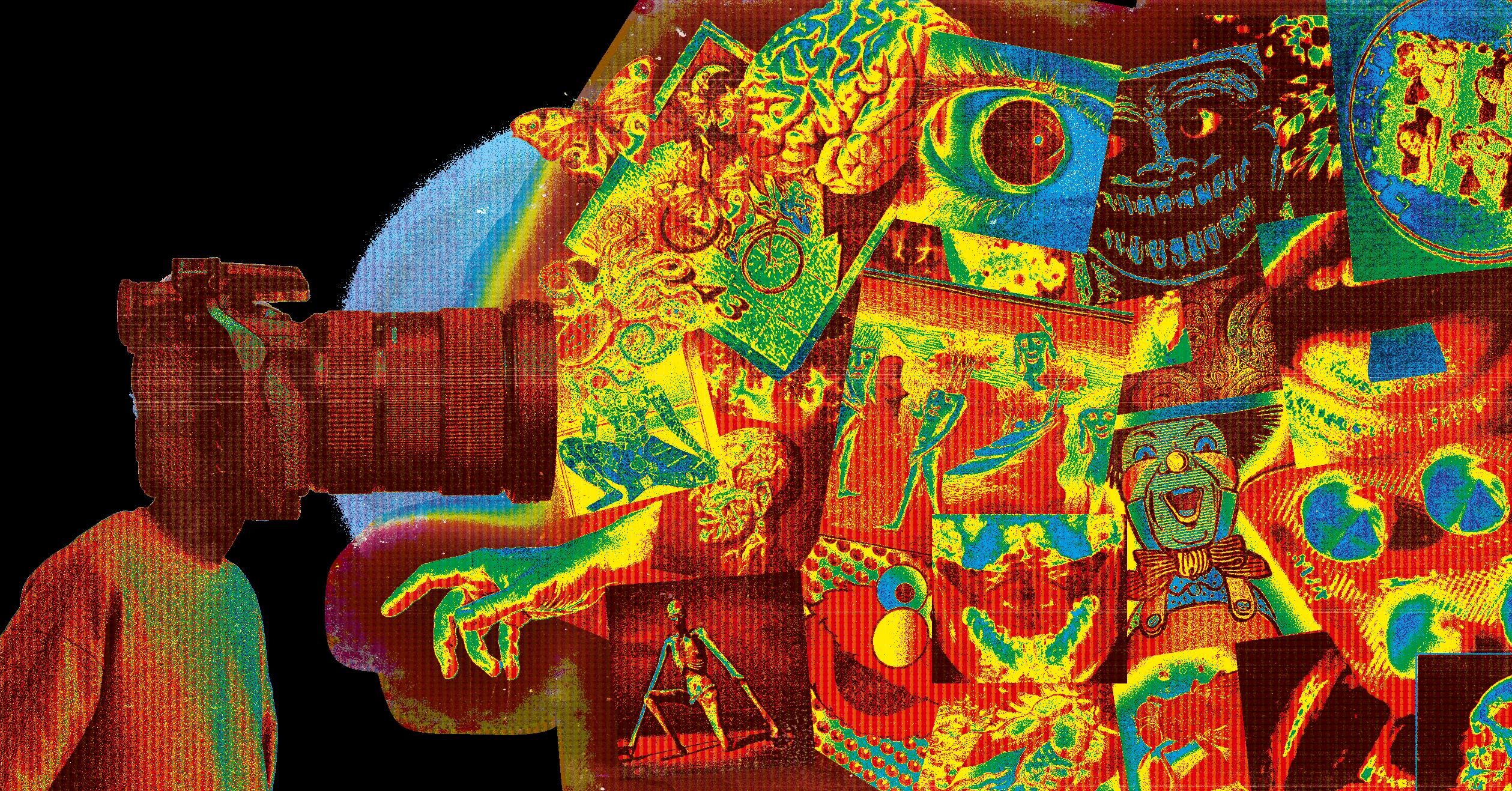

How We Celebrate
In a month defined by rebirth, cultural rituals reveal how differently societies connect joy, renewal, and the role of intoxication.

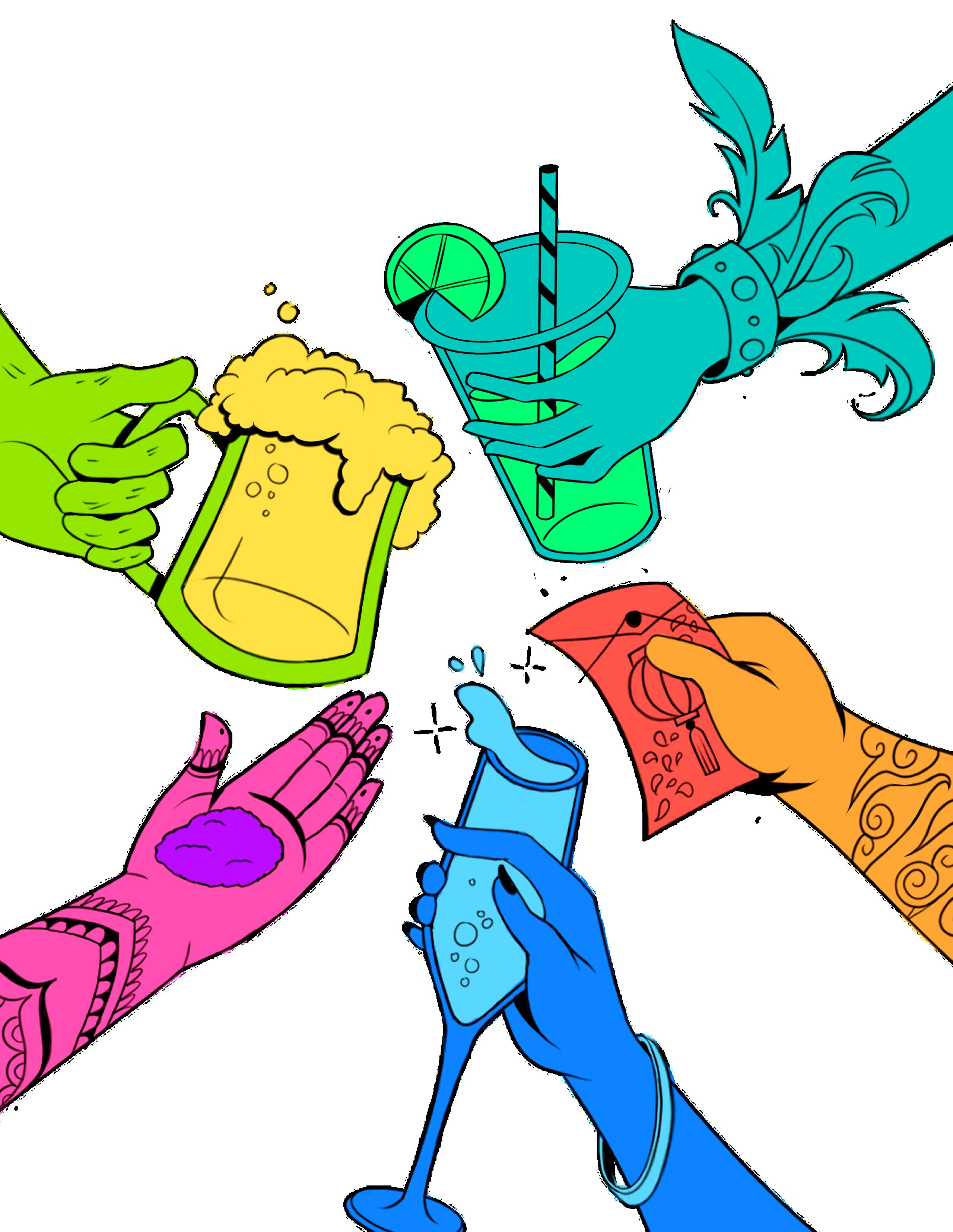

Written by Farnaz Abdolmaleki (she/her) // Contributor Visuals by Anna Israfilova (she/her) // Contributor
March is a month full of big cultural celebrations marking the arrival of bright joy, rebirth and Spring. Holi—the Hindu festival of colours—Nowruz, the Iranian New Year, Hanami—the Japanese cherry blossom festival—and St. Patrick’s Day all happen within the same month. Although their histories and traditions are vastly different, these celebrations centre around new beginnings and human relationships, whether that means reconnecting with family, gathering in public spaces or welcoming spring. However some people cannot distinguish festivity from excess. In many modern contexts, festivity is increasingly tied to accessibility and consumption, particularly through alcohol and intoxication.
In the West, St. Patrick’s Day has taken on a cultural acronym for approved intoxication. Pubs open early, bar crawlers fill the streets and engagement is measured not by presence, but by drinking. A student mentioned that growing up around the holiday was slowly changing its importance. As a child, the student said it included parades, face painting and being hoisted up on shoulders to watch marching bands. As a teenager, it meant fake IDs and finding personal limits be that through embarrassment or regret. As an adult, it has turned into something calculatedly avoided.
St. Patrick’s Day can be spent in different ways depending on people’s economic positions. Some ultimately opt not to go to the occasion. One of the students who attended explained that the event used to involve excitement and a sense of community, but they felt uncomfortable about the notion that they needed to numb themselves to enjoy it.
Intoxication does a duty as a condition for participation in certain celebratory environments. Regeneration is approached very differently in other springtime customs. Nowruz is marked by a focus on preparation and presentness. In the weeks leading up to the spring equinox, houses are cleaned completely as part of a hygienic and symbolic practice known as khāneh-tekānī (Persian: خانهتکانی, literal translation: ‘shaking the house’).
Central to the celebration is the haft-sin table (Persian: هفتسین), which is the ceremonial arrangement of seven symbolic items traditionally associated with the Persian letters. There is also a commonly repeated origin story that refers to an earlier haft-sin tradition, sometimes described as including items such as sharāb (Persian: شراب, translation: wine), though scholars note that the historical origins of the table are debated, not definitively established.
Regardless of origin, each element of the haft-sin carries symbolic meaning. Items such as sib (Persian: سیب, translation: apples), sekkeh (Persian: سکه, translation: coins), sir (Persian: سیر, translation: garlic), serkeh (Persian: سرکه, translation: vinegar), samanu (Persian: سمنو, translation: wheat pudding), senjed (Persian: سنجد, translation: oleaster fruit or olives), sabzeh (Persian: سبزه, translation: sprouts) and somāq (Persian: سماق, translation: somāq) represent virtues including health, patience, prosperity and rebirth. Children often participate actively in these rituals, reveling fully in the festivities while learning the significance of each symbol.
Intoxication is almost nonexistent during Nowruz celebrations. The moment of the new year is understood as something that must
be intentionally experienced, a transition that is visibly shared by everyone at once, no matter their financial or social standing. Joy comes from shared presence rather than wealth.
In a similar vein, there is a large emphasis on attentiveness in the Japanese ritual of Hanami. Hanami is to watch cherry blossoms bloom and then fall after a short period. In tranquil settings, people gather beneath the trees to sit quietly, talk and observe the fresh blooms. “The focus lies in observing and listening carefully. Hanami is not a celebration,” a participant notes, “We are reminded that beauty is transient and must be enjoyed as long as it lasts.”
So, in the case of Hanami and Nowruz, getting intoxicated would ruin the whole point of the gathering. The central idea is not to add to emotional experience or to muddy things up, but to keep an eye on something passing.
Holi is somewhere between those two approaches. Holi is commonly described as fun and over the top, mixing play and physical intimacy in short bursts. Colour is thrown, people bump into each other and joy is intensely present and embodied. Substances are a huge part of that experience in some situations.
The same festival can be a religious ceremony, family celebration or public one with excess, depending on the social and cultural context. Children ran through the lively streets, and parents who had been confined in earlier years of this celebration appeared joyous.
For a lot of people, Holi shows that an incarnate celebration can feel large and communal without drunkenness. However, the festival is traditionally celebrated in India with bhang—a traditional drink derived from cannabis leaves made into a paste—which is often associated with Lord Shiva. It was said that this drink was used in order to reach a meditative state and a sense of calm during this renewal.
In many cultures, intoxication acts as a form of release from social and emotional constraints, because in this sense intoxication is a brief respite. Others see abstaining as a respectful act that will let them have fuller enjoyment of the times of regeneration and change. Neither is the right or wrong way; they both simply affect how relationships blossom and who participates.
The attitudes surrounding these celebrations change as people grow old and their views change. Many of the students said they had started to move out of parties full of alcohol over the past few years; not out of a desire to abandon the immoral, but in part, because it no longer seemed to align with the way they liked to celebrate. For others, moderation or abstinence has been shown to foster a deeper sense of camaraderie than alcohol. These modifications imply that celebration is fluid, it changes as identity changes: both personal and collective.
This convergence of celebrations in March illustrates how different cultures celebrate the concept of rebirth. Everyone comes together to celebrate Spring in the same month, whether that is through preparation, play, drinking and observation. Each approach represents a different understanding of what happiness takes and what being rejuvenated is. Instead of creating one definition of celebration, such gatherings point to the extent to which cultural assumptions shape the nexus between substances, community and starting over.

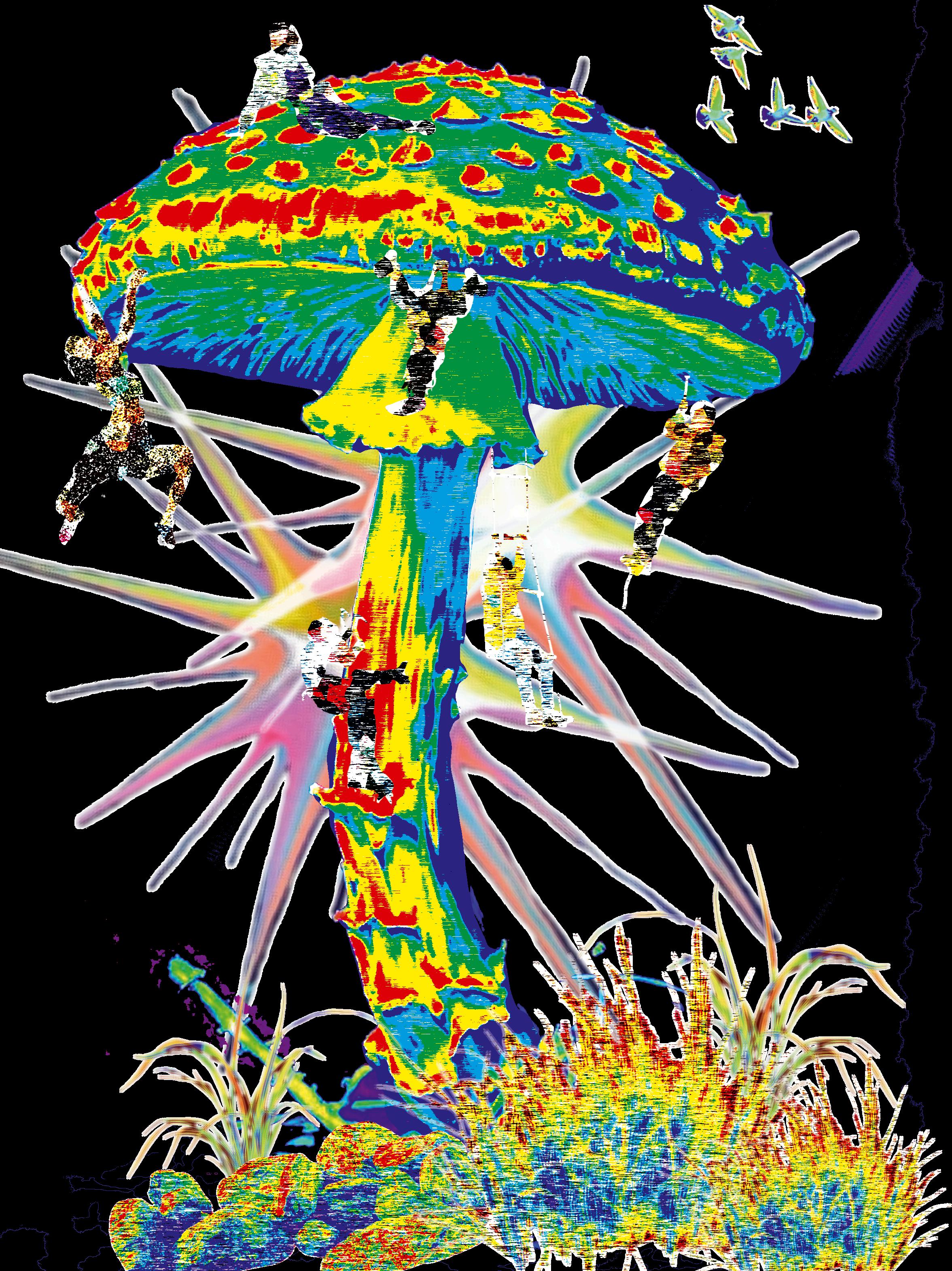

These days, magic mushrooms are relatively easy to purchase for your enjoyment in Vancouver. Dispensaries have been popping up all over Vancouver like vape stores and falafel places. Each mushroom dispo typically has a wide variety of strains; most are, in fact, the same species of mushroom. For instance, the commonly known strains Penis Envy and Golden Teachers both belong to the species Psilocybe cubensis. Marshall Archibald—friend of the Courier, budding mycologist and creator of the Marshall Mushroom Hunter series located on YouTube—equates this to different types of apples: “When you go to the store, you can buy Granny Smiths or Gala, or Red Delicious, but they’re all the same. It’s just different cultivars people have bred.”
Psilocybe cubensis mushrooms contain psilocybin, the most popular and widely available psychotropic compound around. Marshall has been compiling a list detailing as many different types of psychotropic mushrooms as he can, and recently he blessed me with the opportunity to dive into the list with him.
There are thousands of mushrooms that contain psilocybin, but the second most known psychedelic mushrooms are Amanitas. If you were to close your eyes and picture a mushroom, you’re probably thinking of an Amanita. These guys are the red toadstools with white dots–the Mario mushrooms. They are also psychotropic, but in a different way from the psilocybin mushrooms.
Amanita muscaria (commonly known as the fly agaric or fly amanita) contains muscimol and ibotenic acid which according to Marshall are “magic in their own way.” The effects of the chemicals of Amanita muscaria are much more sedative than their psilocybin counterparts, with some claiming the effects are similar to alcohol. Despite psilocybe mushrooms being much more popular and widely consumed by those seeking a psychedelic experience, the Amanita remains a symbol of psychedelia in art and literature. Disney movies from back in the day leaned heavily on the Amanita symbolism—think Fantasia (1940) or Alice in Wonderland (1951)—which makes me wonder: What was Ol’ Walt munching on when he came up with those?
Another interesting fungi is known as Cordyceps. Marshall describes these as an “entomopathogenic, or bug eating fungus. They will infect and take over insects and then grow out of them, (fun fact, these guys inspired the Last of Us zombies).” They’ve been eaten medicinally for centuries in Asia, recently gaining popularity in North America. Cordyceps contain the compound Cordycepin, which isn’t known to be psychoactive. However, Marshall has heard rumblings
Compiling a list of psychotropic mushrooms that don’t contain psilocybin
Written by Ben Taylor (He/Him) // Crew Writer
Visuals by Alex Baidanuta (she/her) // Contributor & Scarlett Side (she/her) // Contributor
of its use at the Telluride mushroom festival in Colorado. “At the festival, there’s all sorts of crazy mushroom things happening,” he says, “And, one of the things happening was people extracting and purifying the Cordyceps, and then dabbing the Cordyceps extract, and apparently getting pretty high off of it.” He has never tried it himself so he cannot attest to it. Leave it to Coloradans to figure out how to dab a fucking mushroom. “It’s pretty cooked,” according to Marshall.
Pochonia chlamydosporia is a fungus that eats nematodes. Marshall couldn’t tell me much about this mushroom, other than the fact that it supposedly could contain ketamine. Marshall gave me a rundown on what he thinks could’ve happened here: “When you’re chemically testing a microfungi, something that lives its entire life cycle as a microscopic organism, the tests are extremely sensitive,” he explains, “So, let’s say you’re a scientist, and the night before the test you take some ketamine, and get some under your fingernail or something, and you go in and do this test, it’s very likely that one tiny granule of ketamine could contaminate it.”
What makes it interesting is that despite reports of ketamine being found in various fungi, plants or animals, ketamine does not exist anywhere in nature–it’s a totally synthetic chemical. Marshall explains that “given the structure of the chemical itself, it’s extremely unlikely that it ever would be produced naturally.” It would be groundbreaking if proven to be true, but it could also be the case that the scientist self-reported themself as a ketamine enthusiast. “You wouldn’t want to publish a report saying this mushroom contains ketamine only to realize, ‘oh shit, I contain ketamine.’”
The full list of mushrooms Marshall has compiled is too extensive for me to go into full detail here, but I’ll leave some scientific names for those curious enough to research more themselves; Rhodocollybia maculata, Tuber melanosporum, Boletus manicus, Bioreactor yeast (specifically, spoken about in this Stanford article hyperlinked on capilanocourier.com), Ergot alkaloids, Lanmaoa asiatica and Massaspora cicadina.
There is likely a world of other species with entirely different psychotropic chemicals than the ones I’ve mentioned above and mycologists like Marshall seek to discover and identify as many of them as possible. However, with limited resources available, it may be a long time before an official, extensive list of psychoactive mushrooms is ever published. Until then, psilocybin will most likely remain the chemical of choice for recreational mushroom use; except in Colorado . . . ;)
CLEAN STREETS, DIRTY POLITICS
WHO IS VANCOUVER CLEANING UP FOR?
Written by Asmi (she/her)// Contributor
Visuals by Rachel Lu (she/her) // Crew
Illustrator
When B.C. announced it was rolling back its drug decriminalization pilot, the decision was framed as a ‘correction.’ This was due to non-users feeling ‘unsafe’ when it comes to open drug use. Vancouver—especially the Downtown East side (DTES)—had become ‘uncomfortable’ to look at: an unpalatable scene to the average non-user. However, the pilot project was never meant to solve the overdose crisis overnight; it was a harm reduction measure, like an acknowledgment that punishing people for possession does not stop drug use or save lives. It was meant to provide immediate relief to the overdose crisis, not address the root causes of addiction.
The DTES has been treated as an ongoing exception zone: a place where policies are tested, tightened and enforced more aggressively than other parts of Vancouver. When decriminalization began, the neighbourhood became a symbol for the policy; photos and videos of people using drugs outdoors circulated online and on the news, detached from any context. What those images fail to show was why people were there in the first place.
People may resort to using drugs in public because they do not have access to a safe or private space. They use drugs outside because they are unhoused, underhoused or living in single room occupancy hotels where privacy barely exists. They use drugs near others because using them alone is dangerous. None of this is new. What changed was not the behaviour, but the tolerance.

The rollback of decriminalization feels less like a response to evidence and more like a response to superficial embarrassment. Vancouver is preparing to host the world for the FIFA World Cup; of course, the DTES does not fit the postcard image. Open drug use is politically and capitalistically inconvenient so the solution is to push the problem out of sight.
If possession becomes criminal again, drug users will not magically stop using. Instead of working on opening more safe consumption sites, where drugs can be tested for fentanyl—which is a central cause for deaths in DTES—the province decides to refuse to renew the decriminalization pilot. Consequently, drug users will only be punished for using them openly.
Criminalization does not reduce harm; it rearranges it. It makes suffering quieter and easier for people to ignore. I believe that the general population consists of mostly good people: good, but ignorant. If it’s not happening in my backyard, why should I care? It is a common notion nowadays. If the good citizens keep staying ignorant and silent, then how different are they from those in power?
There is a persistent belief that the DTES is the way it is because of drugs; that if drug use disappeared, the neighbourhood would somehow fix itself. This narrative is comforting to the government because it lets them off the hook. It ignores the fact that the DTES was shaped by policy long before toxic drugs entered the picture: by disinvestment, by the loss of affordable housing, by deinstitutionalization without community support and by a labour market that leaves people behind the moment they fall out of line.


Drugs did not create poverty. Poverty creates the conditions where drug use becomes both relief and risk. And because of the lack of safe consumption sites, these drugs are purchased from black markets or random strangers on dingy roads where people can’t gauge if what they’re buying is safe to consume or if it’s mixed with high doses of fentanyl, or cut with other unknown toxic substances.
The lack of empathy toward unhoused people in the DTES often rests on a moral shortcut: that they did this to themselves. But, addiction does not occur in a vacuum; it intersects with trauma, violence, disability, racism, mental illness and economic exclusion. Treating drug use as the root cause instead of a symptom allows policymakers to keep choosing enforcement over care.
Increased policing does not produce stability. It produces records, warrants, fines and incarceration. It makes housing applications harder and it makes employment nearly impossible. It entrenches people deeper into survival mode. When poverty itself essentially becomes criminalized, escape routes disappear.
What’s more striking about the rollback is the lack of a voice drug users themselves had in the conversation. Decisions are made about them, not with them. The question is never whether criminalization works; it’s whether the privileged feel more comfortable. You cannot go on stripping housing, healthcare and dignity from a population and then act shocked when suffering becomes visible.
If overdose deaths rise in the coming months, it will not be because decriminalization failed. It will be because the province chose appearance over evidence; it decided that discomfort was more urgent than people trying to survive.
The DTES is not a cautionary tale about drugs. It is a mirror reflecting what happens when capitalism decides people are disposable. Rolling back decriminalization does not correct a mistake; it repeats one and opens doors for more to come.
The cost will be counted in deaths quietly and out of sight, exactly where the people in power prefer them.



Scooby snack stories from the Courier editorial team
Written by Anonda Canadien (she/her) & Jordan Tomlinson (he/him)
by Cristina Williams (she/her) & Ren Zhang (they/them)

PART I.
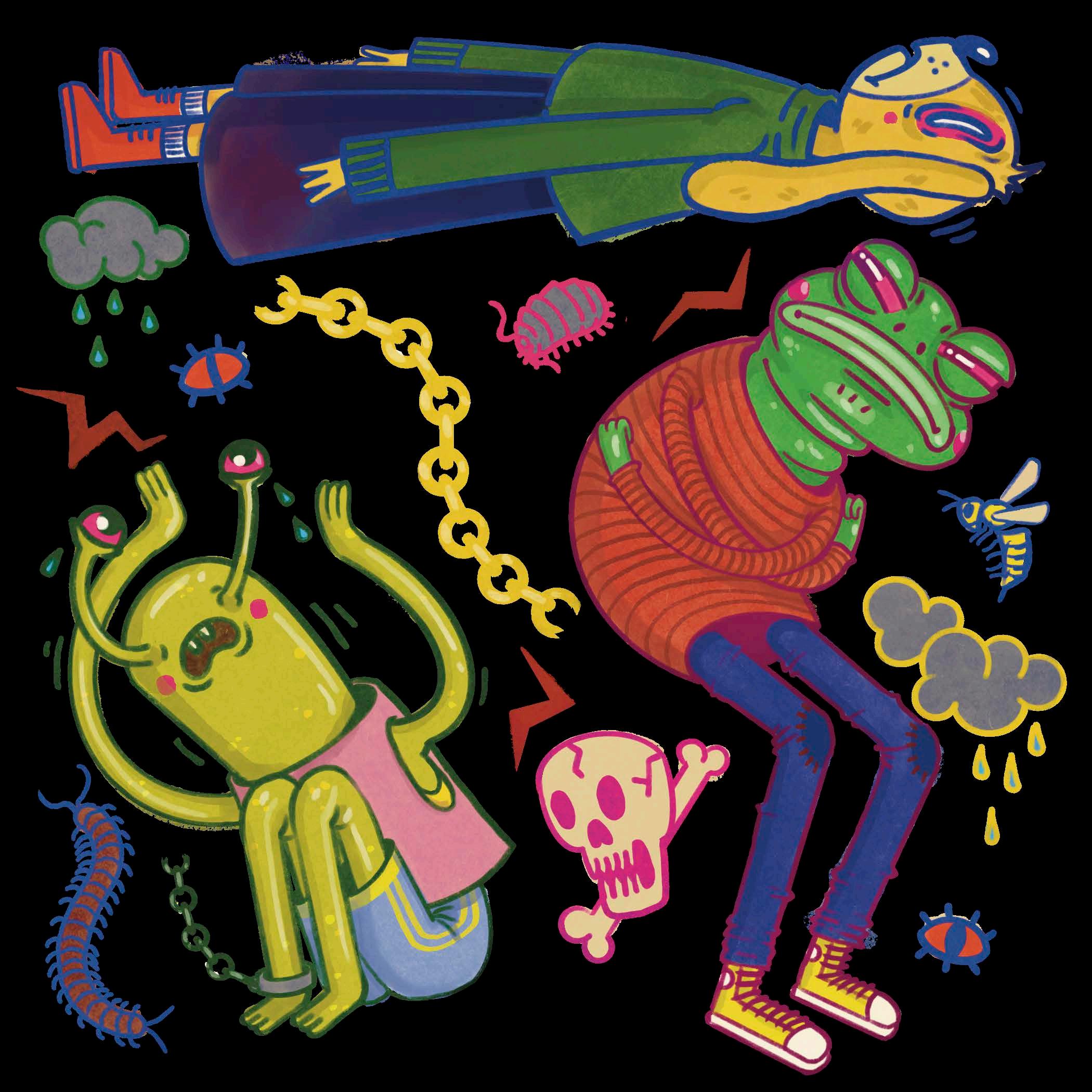
The first edible I ever took was ¼ of a brownie that sent me to the Milky Way for 72 hours. I was working a summer student job at the age of 17, and on a Thursday night I was a gas station hot dog rotating endlessly in my bed. Unable to sleep, my brother gave me the smallest piece from a weed brownie. For the first 30 minutes, I thought to myself, ‘Damn, this edible ain’t shit’. . . Not long after, did the edges of the world begin to blur.
This was unlike any joint: I was higher than I’ve ever been and felt like I was gonna fall off the Earth. Once morning
came, and—if you can believe it—I was even higher than when I passed out. I had to go to work at 9 a.m. with bright red eyes; it was payday, and I didn’t feel real. My brother laughed, called my work and told them I was sick. I felt like my legs were jelly and I passed out for a long time, until the sun went down. The whole weekend I felt high, but I didn’t say anything because I was paranoid and thought, “Will I always be this way?” But, Sunday night arrived, and I felt my eyes finally go straight. That experience scared me straight. I did not eat another edible for four years after that.
Visuals

PART II.
My first real high school party was a graduation party for the grade above me. The only younger people were myself and my best friend. The stakes were high. It was a ‘Bring your own tent and camp on the front lawn’ function, a typical Abbotsford celebration. However, the interior was forgotten by my best friend, leaving us with an empty plastic prison to reside in.
But, it’s no biggie. We’ll pull through. Tonight is the night.
Roughly an hour in, I drank for the first time. Scared as hell, I split a vodka soda with my best friend. We kept drinking and grew more confident in our refining drink-having, substance-consuming abilities. Then, we were offered edibles. Feeling like the coolest guy who ever lived, I immediately accepted. All I know was that it was a gummy that came straight from hell.
It took about two hours for it to hit. Within that time, I had decided I was simply immune and forgotten I had taken anything at all. So, when all of a sudden, the entire world began to tilt a little bit, turning slowly toward the left, I became quite concerned.
Acting as casual as I could, I stayed silent while attempting to turn my head to catch up with the Earth’s sudden orbit.

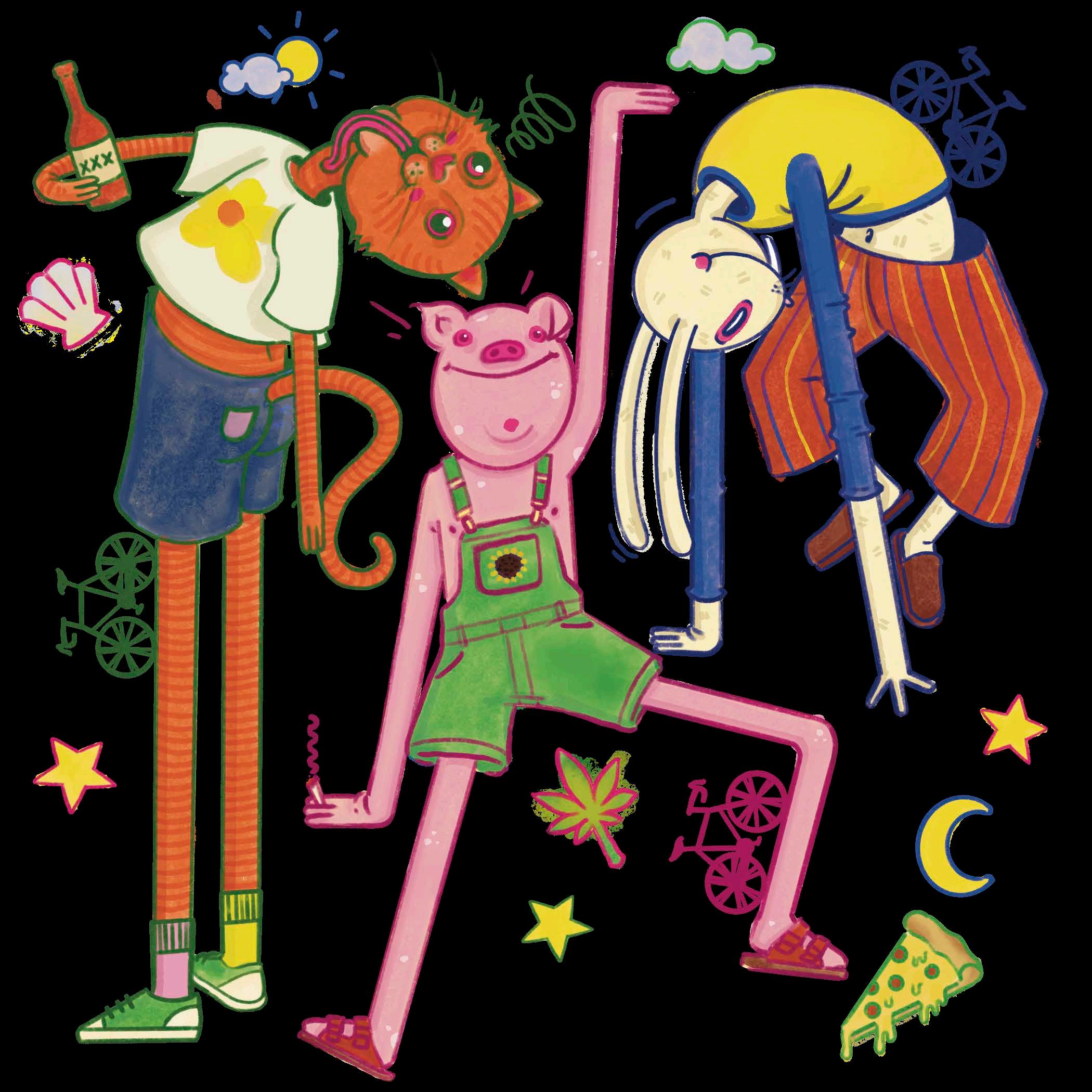
I looked across the function to my best friend, who was laying on a camping chair, eyes open and not focused on anything.
Remaining composed, I stood up to grab some water. Carefully—and incredibly slowly—I approached a communal pitcher, pouring some into a random cup. I brought the cup to my mouth to take a sip, only to be met with nothing. The cup was empty. This broke me.
My eyes remained wide as I stared at the ground in shock. Within this time, my best friend approached me and said she was going home, and she offered to take me with her.
As much as I wished for the comfort of my own bed (or even the couch at her house), I just couldn’t do it. I just had to keep being what I thought I was. The coolest guy around.
The evening came to a close inside a small dark tent in rural Abbotsford. Shivering on the thin nylon sheet protecting me from the ground as I listened to laughs outside the shelter. Sobbing and blowing my nose into a towel trying to muffle my tears because I just knew they were laughing at me. How could they do that to the coolest guy here? Sad.
Fin.

Molecular Hijack
Investigating the science behind Addiction
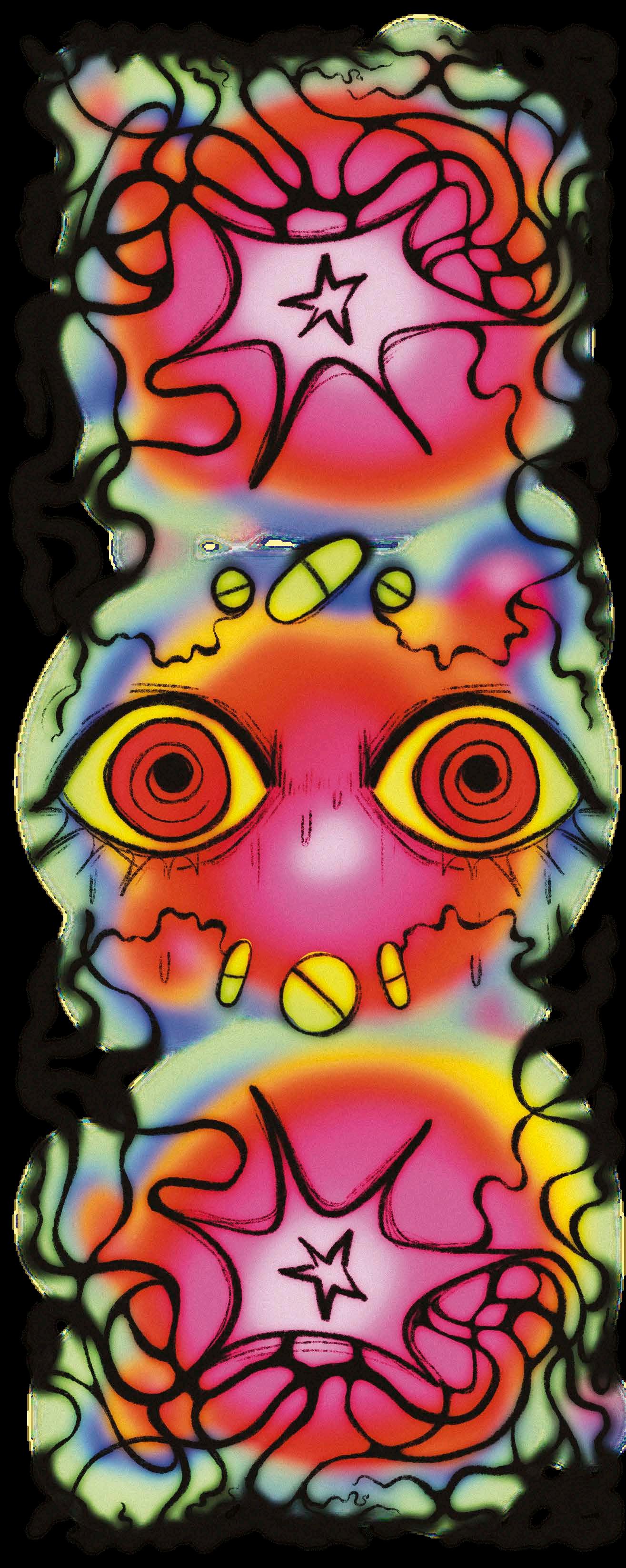
While the societal impacts of drug use are visible in headlines and in our community, an unseen, profound battle is being fought in a space smaller than a speck of dust: the synaptic cleft. To better understand the drug crisis affecting our community, we can take a look into the science of drugs within our bodies. The Molecular Hijack is a process where foreign chemicals impersonate our brain’s most vital messengers, effectively rewriting the hardware of human desire.
Imagine, for a moment, the space between two neurons: a gap so narrow that 20,000 of them could fit across the width of a human hair. This is the synaptic cleft, a microscopic space where chemical messengers leap from one nerve cell to another, carrying signals that determine everything from your next heartbeat, to whether you remember your partner’s name. It’s an elegant and sophisticated system, refined by millions of years of evolution, but it’s also shockingly vulnerable.
When a molecule of dopamine, our brain’s natural ‘job well done’ signal crosses this gap, it fits into a receptor on the receiving neuron like a key sliding into a lock. Click. The neuron fires. You feel good. The key detaches, gets recycled and life goes on. But, what happens when a foreign molecule, one that didn’t evolve inside your brain, arrives at that same lock?
What if that counterfeit key fits even better than the original?
Written by Harsh Sandilya (he/him) // Contributor
Visuals by
Icarus C. Susi (he/they) // Contributor
The science behind addiction
The story of addiction can begin within the body, not in the failure of human willpower, but in the cold logic of molecular geometry. The dependency is catalyzed when substances that look remarkably like our own internal chemistry are introduced. ‘Natural’ drugs derived from plants like the opium poppy or the coca leaf, have molecular structures that ‘mimic’ our natural neurotransmitters. They fit into our receptors well enough to turn the lock. However, synthetic drugs that are engineered in labs take this a step further. Compounds like fentanyl are designed with a much higher binding affinity. In day-to-day terms, they are ‘stickier’ and ‘stronger’ than anything nature produces.
Dr. Mark Vaughan, Chair of Capilano University’s School of STEM, who also teaches CHEM 411: Medicinal Chemistry, explains the effectiveness of a drug is all about the “fit.” While morphine derived from the poppy plant is a rigid “key” that fits the lock of our opioid receptors, synthetic variations like fentanyl have been chemically optimized.
“Fentanyl is another synthetic substance that can trigger opioid receptors,” Dr. Vaughan explains. While morphine has a very rigid structure, fentanyl is a ‘floppier’ compound. This molecular flexibility allows it to “fit more tightly into the binding site on the receptor,” meaning that less of the compound is required to elicit a massive biological response. These synthetic “counterfeit keys” are optimized for higher binding affinity, they stick to the lock harder and longer than anything nature intended.

The Biochemistry of the Trap
The tragedy of the “hijack” lies in the brain’s own desperate attempt to maintain balance, a state known as homeostasis. When the synapse is flooded, the brain views the intensity as a threat to its internal equilibrium. Dr. Eugene Chu, biology instructor and lab supervisor at CapU, explains that the brain’s attempt to compensate creates a physical trap for the user. Using cocaine as a specific example, Dr. Chu points out that while the drug acts as a competitive inhibitor, blocking the transporters that normally ‘vacuum’ dopamine out of the synaptic cleft, the cell’s reaction is what creates the addiction. To protect itself from overstimulation, the postsynaptic cells down-regulate, physically removing dopamine receptors from their surface.
Imagine trying to listen to music at a normal volume, but someone keeps turning the speakers up to a deafening level; your only defense is to put on heavy earplugs. In the brain, these ‘earplugs’ mean that once the drug wears off, the hardware is fundamentally changed. Dr. Chu notes, “As a result of these compensations, when dopamine levels either return to normal (or below normal due to downregulation), there is less dopamine signaling contributing to withdrawal symptoms.” This creates a physiological reality where the user no longer takes the drug to feel ‘high,’ but simply to reach a baseline of ‘normal,’ because their natural chemistry no longer has enough ‘locks’ to work with.
The Plastic Mind
This molecular shift emphasizes why addiction is far more complex than a ‘choice.’ Once the hardware of the brain has been restructured, psychology follows biology. The Mesolimbic pathway, the brain’s survival circuit, is tricked into believing the drug is as essential for life as food, water or oxygen. In this state, the craving isn’t a desire; it is a biological alarm bell signaling a perceived threat to survival.
If the story ended at the hijack, it would be one of pure despair. However, the same biology that allows the brain to be rewired by drugs, also allows it to be rewired for recovery. This is known as neuroplasticity: the brain’s remarkable ability to reorganize its structure, functions, and connections in response to new experiences. While drug abuse can exploit this plasticity to create ‘pathological learning,’ recovery utilizes the same mechanism to unlearn these patterns.
When a person enters recovery, the brain begins a slow, molecular pruning process. Just as it once removed receptors to protect itself from a flood of dopamine, it can eventually begin to regrow them, a process called up-regulation. Furthermore, neurogenesis (the creation of new neurons) in the brain can be stimulated through healthy behaviors like exercise, social connection, and mindfulness. This isn’t just a psychological change; it is a physical restoration of the brain. The journey of recovery is a slow molecular process of the brain. By understanding the science of the synapse, we can move away from stigma and toward a community that approaches the drug crisis with both biological clarity and human empathy.



HAY! THAT HURTS MY FEELINGS
A HORSE’S THOUGHTS ON THE FLIPPANT RECREATIONAL USE OF KETAMINE.
Written by Pony Montana (neigh/him) // Contributor

Visuals by Lily Jones (she/her) // Contributor
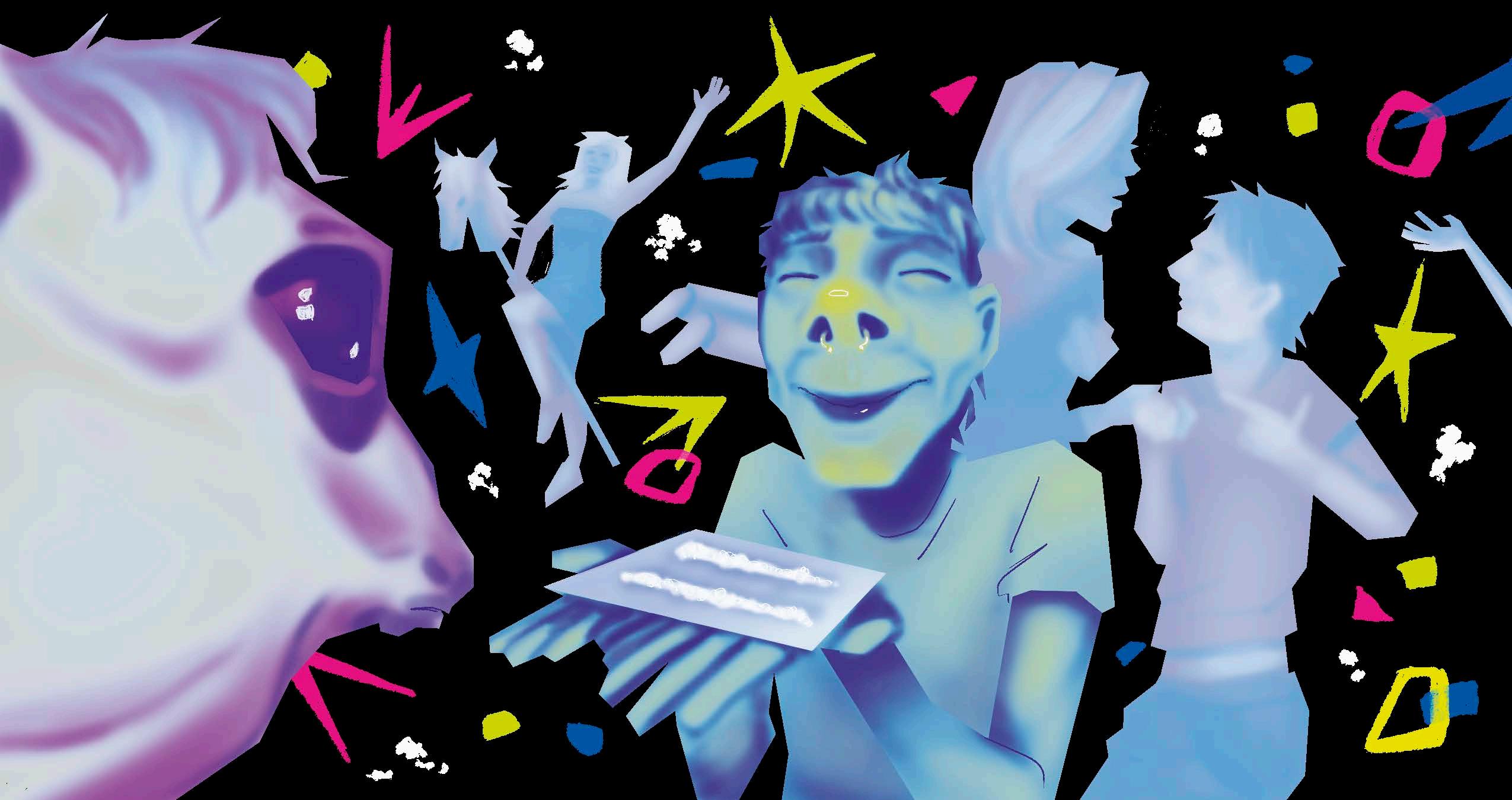


D ear Humour Editor
Jordan “Human” Tomilson,
I am writing to you today with my hooves crossed and my ears pinned back in pure disappointment and anger. I believe you should know why.
My name is Pony Montana. I am a 10-year-old Clydesdale, and this past weekend I was invited to attend my first human party to celebrate the filming of my latest Super Bowl commercial in the heart of Hollywood. I was overjoyed to finally take my rightful place among the Hollywood elites and celebrate my contributions on the big screen. Immediately greeted by numerous A-list celebrities, I had looked forward to a long night of partying like royalty with sex, drugs and booze: the whole deal.
After a couple of hours of mingling, Tech Guru Elon Musk invited me into a side room, who told me he “had a surprise” for me. Various others had talked earlier in the evening about bringing some “Special K,” although I didn’t understand where cereal would come into play. I realized quickly that the surprise he had was something I had become quite familiar with. Mr. Musk had brought a bag of ketamine and was planning on using it recreationally.
Did Elon plan on doing this to mock me? I found his and everyone else’s usage of ketamine an offensive mockery of the thousands of other horses who have been put under in the past. To me, ketamine is what knocks me out of my pain before waking up with a fixed leg, not a ‘hole’ or an ‘experience’ that I freely abuse to feel something. Simply put: Our medicine is not your Saturday night thrill.
To clarify, I am not anti-medicine; I am anti-using my anesthesia for your vibe. Picture this: I come into your hospital and take your nitrous before putting on a Seth Rogan movie, or your prescription opioids to kick back and relax or your MRI scan to give myself a tan.
Imagine the outrage and shock if I were to abuse your recreational substances. I would NOT be applauded for my creativity, for blasting preworkout or macrodosing mushrooms because I ‘enjoy the experience.’ I can certainly say the reaction would be quite the opposite.
My opinion of humanity has been permanently altered by this experience. I can no longer glance at someone on the street without wondering if they are normal, or if they have used my medicine to stare at a wall and claim they have solved time.
Which—by the way—I have! I know when food comes, and I know when food is late. I solve time DAILY. I have transcended all of you.
Ketamine belongs in my barn, in the hands of a trusted veterinarian; it does NOT belong in your tech guy parties, your Hollywood villas, and it CERTAINLY does not belong in the hands of a “disc jockey.”
If you continue to use, or should I say abuse ketamine, just know, horses remember faces. When the reckoning comes, it will arrive on four hooves at full gallop.
Lastly, STOP calling it “horse tranquillizer.” I am NOT tranquil, I am an athlete with a fight or flight response that can be triggered by a door slamming. I am a force of nature, and the fact that it takes ketamine to knock me off course is something that commands RESPECT. I am not your drug mascot; neigh, I am a majestic symbol of freedom and dreams.
I demand that the human usage of ketamine stop this instant.
Sincerely, Pony Montana
The Squamish Campus is Finally Thriving
Capilano University’s Squamish campus is seeing record numbers with its new experimental approach to teaching.
Written by Haleluya Hailu (she/her) // Contributor Visuals by Andrei Gueco (he/him) // Contributor
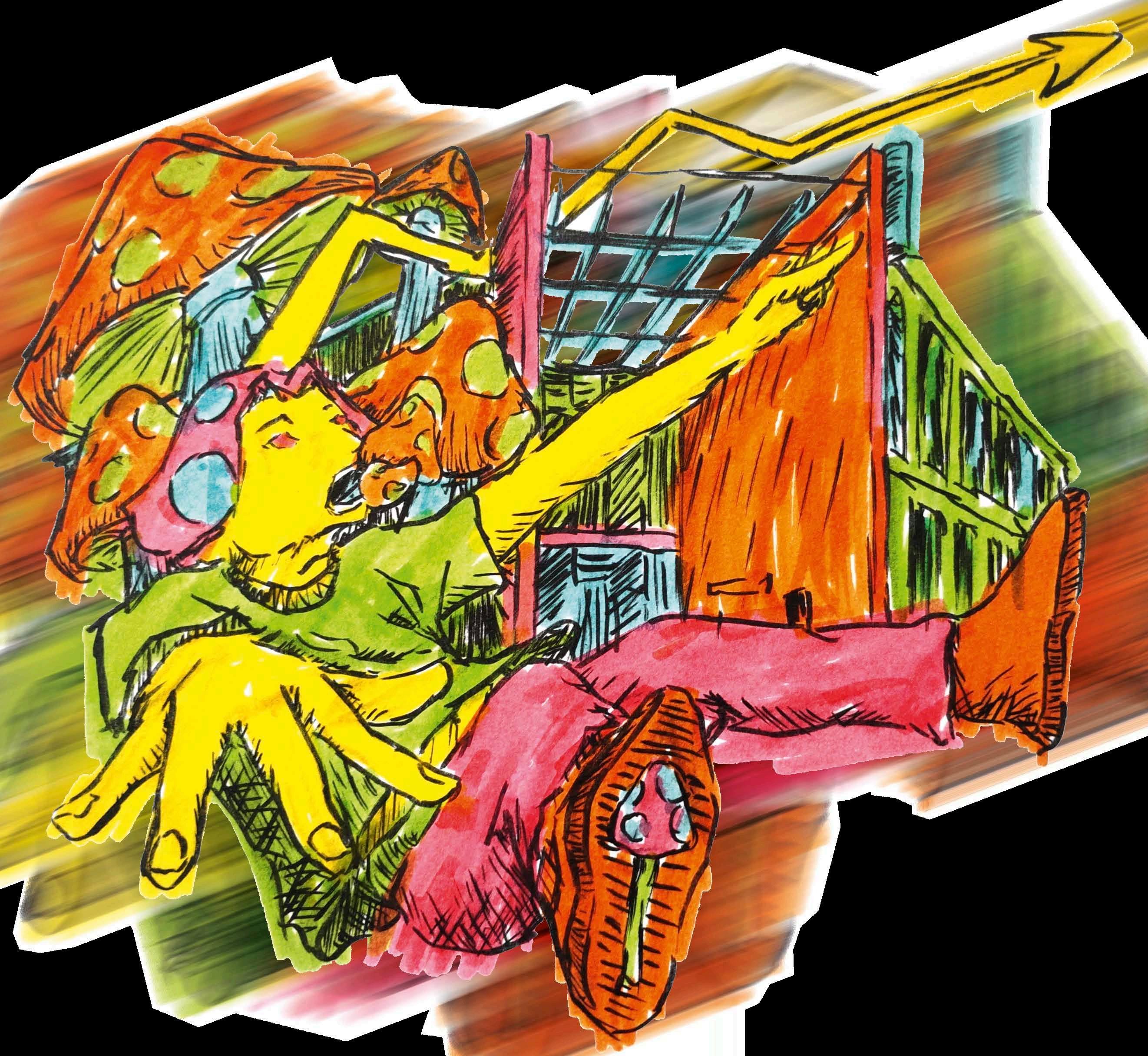
Nestled in the mountains of B.C., Capilano University’s Squamish campus has risen from the ashes of the bankrupt Quest University. It is a hub for a new experimental approach to higher education that is helping Capilano dig its way out of their constantly growing budget deficit. CapU—without giving it much thought—listened to what Squamish residents wanted out of higher education: small class sizes, innovative education and opportunities for student populations to experiment with psychedelics to ‘find oneself.’ The driving force in this discussion? A google form with 25 responses. CapU made the decision to spend at least $115 million acquiring a whole university campus and three buildings to change the trajectory of B.C. post-secondary forever.
The sparsely inhabited on-campus residence buildings now house a grow-op that is run by students to fulfill a new mandatory cap core requirement. Run by environmental science students and psychology students in tandem, they study cannabis growth and the effects of consistent usage by students, inspired by a small independent study (See: Stanford Prison Experiment.) The 10 students who formerly inhabited the building are now observed while under lock and key by second year psychology students. Filled with an array of gummies and interpreting ink blots, cutting edge research takes place and lives here!
Students from CapU’s tourism program have been gaining hands-on work experience by hosting ayahuasca retreats for tourists from the U.S. (potential students) exclusively. This helped fill the gap in international enrollment for all campuses! Working hand in hand with the Trip Guidance Diploma® (F.K.A. as Music Therapy), CapU has removed this program from the far less profitable and fun North Vancouver campus. By targeting an American tourist population, it is ensured that the rudest and least respectful population of travelers will talk loudly in public spaces about their experiences, thus saving thousands in advertising. The only remnants from the music programs are the bongos loudly played in the middle of the night while travelers reconnect with the spiritual world.
To compensate students who expected North Vancouver’s campus residence to be finished this year, CapU will be offering the opportunity to live on campus in Squamish at a discounted rate: $1,300 a month with no included utilities. In exchange for participating in student-led studies and commune-esque labour, you will live surrounded by wildlife, nature and a picturesque view.
The cafeteria is filled with various cultural delicacies for your eyes and mouth to feed on! All meals are made mostly in house with Fresh(ish)© ingredients by Chartwells. All food outlets will close early and open late to allow staff to experience wonder and whimsy (these concepts will also be core learning competencies that must be included in all course work). All of the finest cuisine is served daily: Doritos, unlabelled weed brownies and vaguely warm sushi you take a gamble with. In spite of several instances of food poisoning by this food contractor due to the amount of day dreaming we encourage at CapU Squamish, we will not even think of switching to a different food vendor. This is the cheapest option! And, if it’s good enough for prisons and care homes, then it’s good enough for us.
As we enter uncertain times in the face of growing tensions internationally and a rising cost of living, CapU is hard at work changing lives one student at a time. We will pour every dollar we can to help you find the real you. When you finally settle into our programs on the Sea to the Sky you’ll feel it. When the joint smolders in between your fingers in our stunning residence buildings; the sounds of loud bongos and spiritual guidance lull you to sleep, you’ll feel it.



VAPING IS ACTUALLY



COOL AS HELL TBH.
Factual evidence for why vaping is way cooler than most things and you guys just need to give it a chance.
Written by Ry Forsythe (they/them) // Contributor
How do you prove what cool is? Sure, there’s answers in the dictionary, but that’s the nerdiest place to look, you nerd. Instead, we can just look at what young people are into! This proves cool is fun colours, delicious flavors and stylish pods you can breathe vapour from.
Vapes were made so the old fashioned smoking habit would phase out, curbing that addiction to nicotine with flavoured nicotine. The variety of flavours leads to a way better experience than having to deal with the nasty clingy smell of cigarette smoke. Not just for the person smoking, but for the general public. Ask anyone and they’ll take the smell of watermelon over weed or cigarettes any day.
Also, society always likes to move towards progress and imagine what the future might look like. Our current environment reflects how futuristic modern designs are trendy and shows you’re part of the ‘hip’ crew. Just look at all the cybertrucks around Vancouver. Which, by the way, happen to have a lot of vapour smoke billowing out the windows of those right angled trucks.

Vapes can be seen as good for the environment too, which is always cool. In part, it’s thanks to them being rechargeable, but they also tie into less waste pollution. Plenty of folks who visit the pretty beaches around Vancouver don’t want the cigarette receptacles because they think those eyesores will just encourage the people smoking at the beach to. . . Well, smoke at the beach.

Unfortunately, the more we tell people not to do something, they’ll do it anyway, even if fines are involved. So, replace all cigarettes with vapes and soon enough all those gross looking butts will be out of our beaches! We’re saving turtles like we did when we got rid of plastic straws. As Crush from Finding Nemo would say, “Righteous!”
Despite all this, there are still going to be haters who point to the supposedly ‘major’ health risks with this legal substance. Truthfully, there are some health risks, but everything has risks. And, risks are freaking dope! Besides, those risks aren’t as bad as other things that’ve been recalled. Just look at IKEA products. When they don’t have dressers falling on kids, they’re recalling toys because it turned out they were a choking hazard. Have vapes crushed children? Nope! Do they choke you? Not technically! Are they bad for your health? Only if you don’t like popcorn lung, and who doesn’t like popcorn?
Unfortunately, we have stuck up health authorities putting out regulations trying to make vaping people look less cool, science dorks who throw around claims so people are scared of vapes instead of real problems and documentaries that aren’t talking to enough of guys like me who know the truth! That truth? Vapes are the future, the future is flashy and all haters need to chill out, take a puff and join the badass side of history.

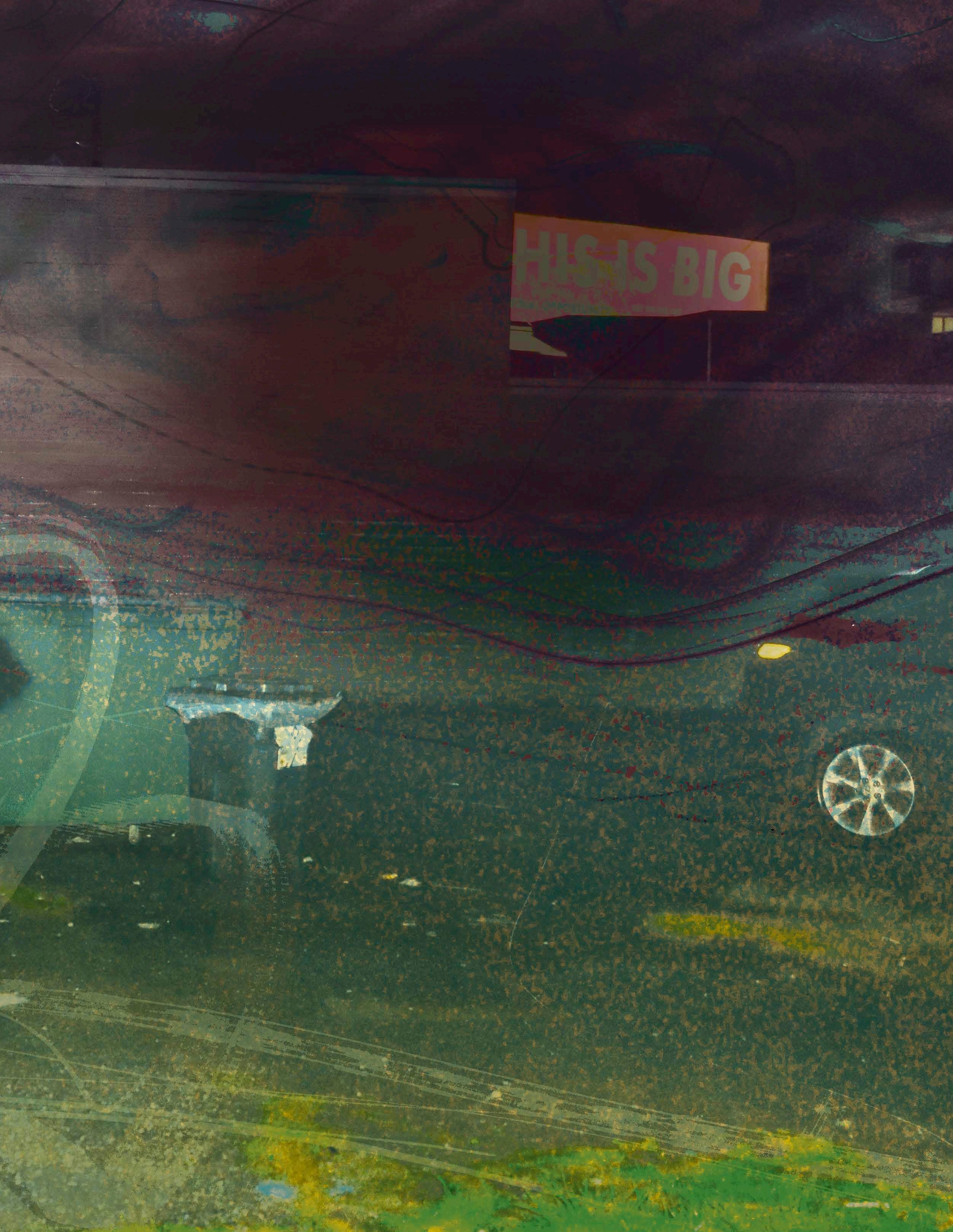

Visuals by Megan Heigh (she/her) // Contributor

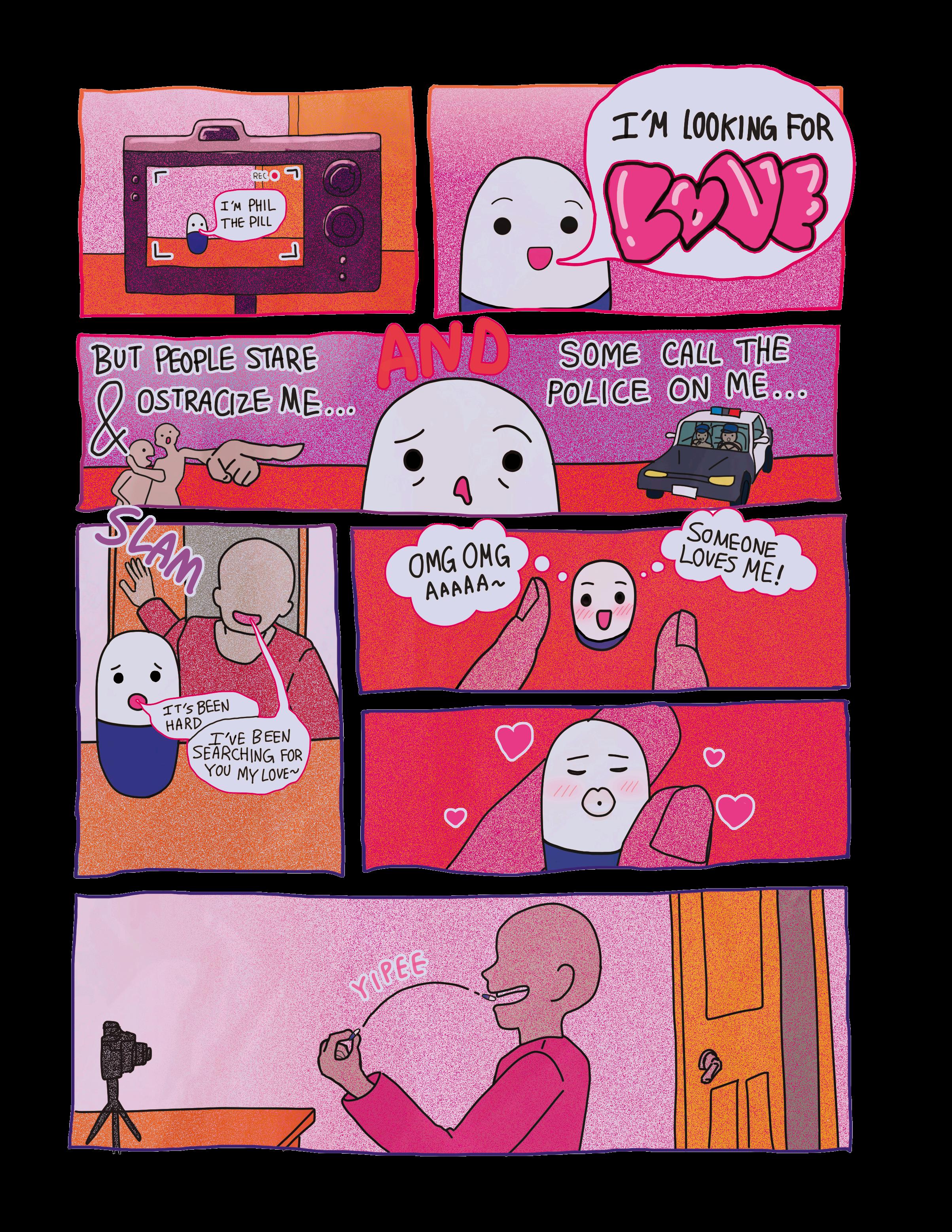
Phil the Pill - A Comic by Kayla Kim (she/her) // Contributor

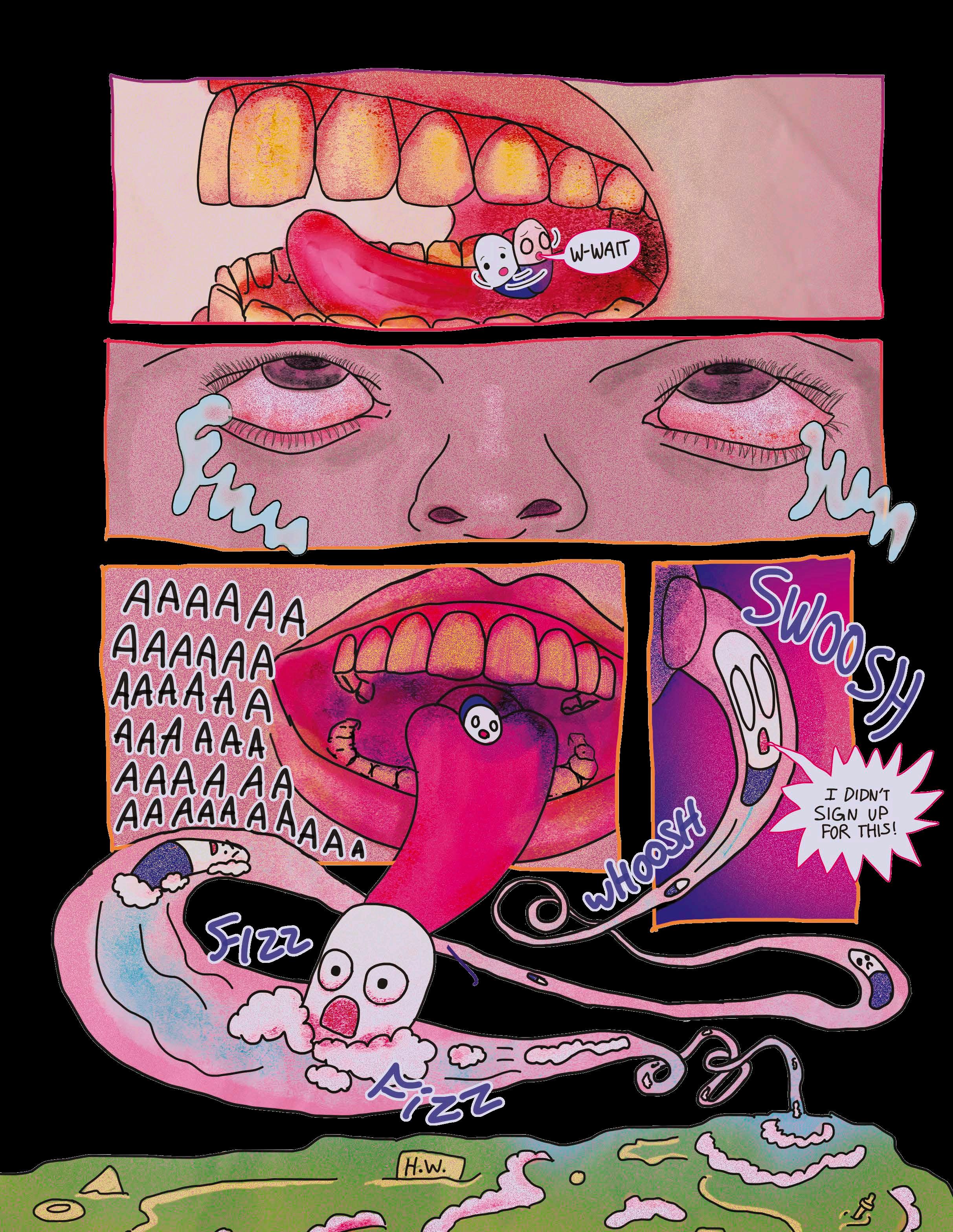





MELORA
KOEPKE: The Work of a Human Geographer is Never Done
Melora Koepke talks about her lived work as a human geographer and activist
Written by Ren Zhang (they/them) // Contributor
Readers that regularly consume media from a major Canadian or international media outlet may not know Melora Koepke’s name, but it’s likely that they’ve read her work.
Her CV is extensive, and includes over two decades as a journalist, writer, researcher and media working professional who has produced thousands of contributions for publications, film projects, exhibits and more. This is Koepke’s rich background inforing her current work as a human/urban geographer and educator. Working in both French and English, Koepke draws connections through her comparative research of the cities of Vancouver—where she was born—and Paris, where she currently lives.
With a Zoom background of a cozy kitchen cluttered with books and a meeting set in the middle of the day on a Tuesday, Koepke exudes a groundedness and directness that subtly conveys her vast skillset and experience. “Human geography covers everything,” she states.
When asked about how she got into human geography, she says simply, “I like cities.” While completing her master’s degree in media studies at Concordia University, Koepke was researching how newspapers cover urban politics and the groups of people marginalized by those politics. In her master’s thesis she wrote about the missing women of Vancouver’s Downtown Eastside— most of them Indigenous women—and how they disappeared from their communities, but also from the media narratives that recorded a fragmented version of their stories.
Writing about and for the people most affected by urban policy in housing, public space and essentially existence seems to be a most natural progression into the kind of urban crisis research that Koepke does now, which she says is specifically focused on “the ways that marginalized people are either further marginalized or find liberation in their practices and their inhabitations of the city.”
Around 2022, major street sweeps were carried out in Vancouver and the north of Paris, destroying the few possessions and shelter that belonged to people living on the street, in addition to displacing and forcing them to start over from nothing. Koepke explains that she and other team members worked with the community to create subjective counter maps—later published in a book called Corpus Delicti—that recorded both the movement and “expressed the pain of displacement and the disruption of displacement, and how communities work together to weave a different kind of safety and community in its stead.” In this case, the words “subjective” and “counter” are not negatives. While more traditional narratives are recorded as sanitized, necessary actions, these countermaps flesh out the real human impact that these decampments have. Looking through a subjective, journalistic lens is a method to bring a different truth and reality to what is considered objective. “There’s a large body of work that demonstrates that mapping, while often understood to be an objective process, is actually not. In fact, maps can be subjective; they can interpret human

Visuals by Rachel Lu (she/her) // Crew Illustrator & Anna Israfilova (she/her) // Contributor
experience and they can interpret all kinds of data in variable ways, just like data itself is not, I would argue, objective,” Koepke says.
“Maps used to be drawn by people in power to express and advance political ends [...] the most value is in the questions that you ask and who you ask them to. That shapes how we know knowledge, how we understand knowledge, and how [it] is produced.”
Koepke’s projects have had a lot to do with the concept of knowledge: for example her 2024 project in which she helped facilitate knowledge sharing between Vancouver and Paris community partners of what they learned from major displacement events caused by hosting sports events, for example, the Olympics. Now, Koepke and her team are bringing this knowledge back to Vancouver in light of the city’s upcoming FIFA World Cup, which advocates predict will cause similar displacement.
A part of Koepke’s focus on people surviving urban crises such as homelessness, the toxic drug supply, stigma, mental health, etc., is looking at the unique way race, gender and sexuality also affect how people experience these crises. The term narcofeminism was created by drug user activists in 2019 to describe the unique ways substance use overlaps and
interacts with feminist issues of marginalization and bodily autonomy. Koepke describes it as “feminism from a drug user-involved lens.”
Intersectional barriers faced by women and gender-nonconforming people such as gender-based violence make it harder to access the already difficult and convoluted system of aid for marginalized people in B.C., which has been known and recognized by the British Columbia’s Office of the Human Rights Commissioner, BC Housing, and even on a national scale. People in survival situations are held to a high standard that may not be possible for them, such as complete abstinence from drugs in order to access services like healthcare and housing, the nature of which is carceral. Koepke states,
“A lot of services that are provided are gender-blind, whereas the issues that face women and gender-diverse people who use drugs are not gender-blind.”
One of her many projects at the moment is an international research question encompassing both Canada and France. Koepke and a team of advocates and researchers are looking at program assessments using gender as a primary determining factor. On this, Koepke reiterates the importance that the varied experiences of women and gender-diverse people are “foregrounded in research and assessment.”


“[We are] hoping that we can make recommendations and imagine, create, and draw from existent models that are specifically designed for women and gender-diverse women who use drugs.”
Koepke’s work stands out in a time of what she agrees is the pendulum swinging to conservatism. Supportive housing projects across the Lower Mainland have faced major backlash and cancellations, including in Richmond according to Vancouver City News and Surrey according to the CBC, with Burnaby seemingly following in their footsteps according to Freshet News.
She also emphasizes the role that elected governments play, saying, “In my view, it is the job of our elected governments to do a better job of supporting those needs and creating alternatives to market-rate housing that suit the people that need them. That is their responsibility. Therefore, it’s not really open to the court of public opinion to decide whether people have a right to belong, but rather up to our elected officials to figure out what’s missing and provide it.”

“This is a symptom of late-stage capitalism, where everybody thinks that the role of housing in real estate is to make them money, and that any inclusion of people who are struggling is counter to their financial objectives; this is symptomatic of the times and places that we live in. Paris and Vancouver are both places where land is intensely expensive, and people have a lot of feelings and struggles around that,” she says, going on to explain that there is “ignorance about what treatment facilities do, ignorance about what supportive housing is and what it should be, and a lack of support from government as well, a lack of education, [and] a lack of financial investment. A lot of the problems and the crises that we see in public space can be directly linked and traced to decades of disinvestment in social services and care.”

Referring to B.C.’s recent decision of rolling back its drug decriminalization project—extensively covered by news outlets including the CBC—Koepke states that policy experts are in consensus that the government is “disregarding their own evidence and bending to political pressure.”
So, what do we do when people don’t listen to evidence? How can we change policy? Koepke says to advocate, vote, resist and struggle. “Progress can be made when we support initiatives that already exist that are created by and for people who are the most concerned by any given problem,” she adds, elaborating that peoples’ ingenuity can shine through their own expertise, voice, and experience of their struggles.
“Knowledge is power. It’s a cliche, but it’s true.”
You can find more of Koepke’s work and explore what she is up to on her website: melora.ca.

METRO VANCOUVER UNITED FOR PALESTINE - MVUP WEEKLY RALLY
@mvupalestine
Rally Every Saturday: Vancouver Art Gallery (Georgia St Side) @ 12-4PM - MAR 7th - MAR 14th - MAR 21st - MAR 28th
OUR STREETS BLOCK MEETING
https://vandu.org/street/ Mondays @4PM (Sign up starts @ 3:30PM) on Hastings & Columbia
A group of current and former Hastings Tent City residents and allies who meet to improve quality of life for people tenting in the DTES.
THE MUSEUM OF ANTHROPOLOGY AT UBC (MOA) PRESENTS TUPANANCHISKAMA: ANCIENT ANDEAN COSMOVISION on display from March 19, 2026–January 3, 2027.
“Tupananchiskama” in the Indigenous language of Quechua, translates to “until life brings us together again.”
ALIEN BOYS, MEAN BIKINI, CHAIRMAN, COP SHUVIT
@greenautomusic Green Auto, 1822 Pandora St. $20 ADV Doors 7PM, Music 8PM - MAR 26th

BLUESHORE @CAPU: @blueshoreatcapu
– Jenn Grant - “Queen of the Strait: Cradled by the Waves”
7:30PM - 9:30PM
MAR 07th
– Tord Gustavsen Trio
7:30PM - 9:30PM
MAR 17th
– The Addams Family Musica l 7:30PM - 9:30PM
MAR 24th-28th
GIRLS TO THE FRONT FESTIVAL
10 Wicked All-Girl, LGBTQ+ bands, DIY market, comedians, and door prizes. @ The Pearl 881 Granville St DOORS 4:30pm, $30 ADV - MAR 14th
CSU ELECTIONS
Candidate Forum #1
Tues MAR 3rd @12 – 1:30PM
Candidate Forum #2
Thurs MAR 5th @12 – 1:30PM
Voting period begins MAR 10th
Voting period ends - MAR 12th
THE CAPILANO COURIER & THE WRITING CENTRE COLLABORATIVE WORKSHOPS!
Date & time TBD soon. Follow @capuwritingcentre and @capilano.courier on Instagram or keep an eye on our website.


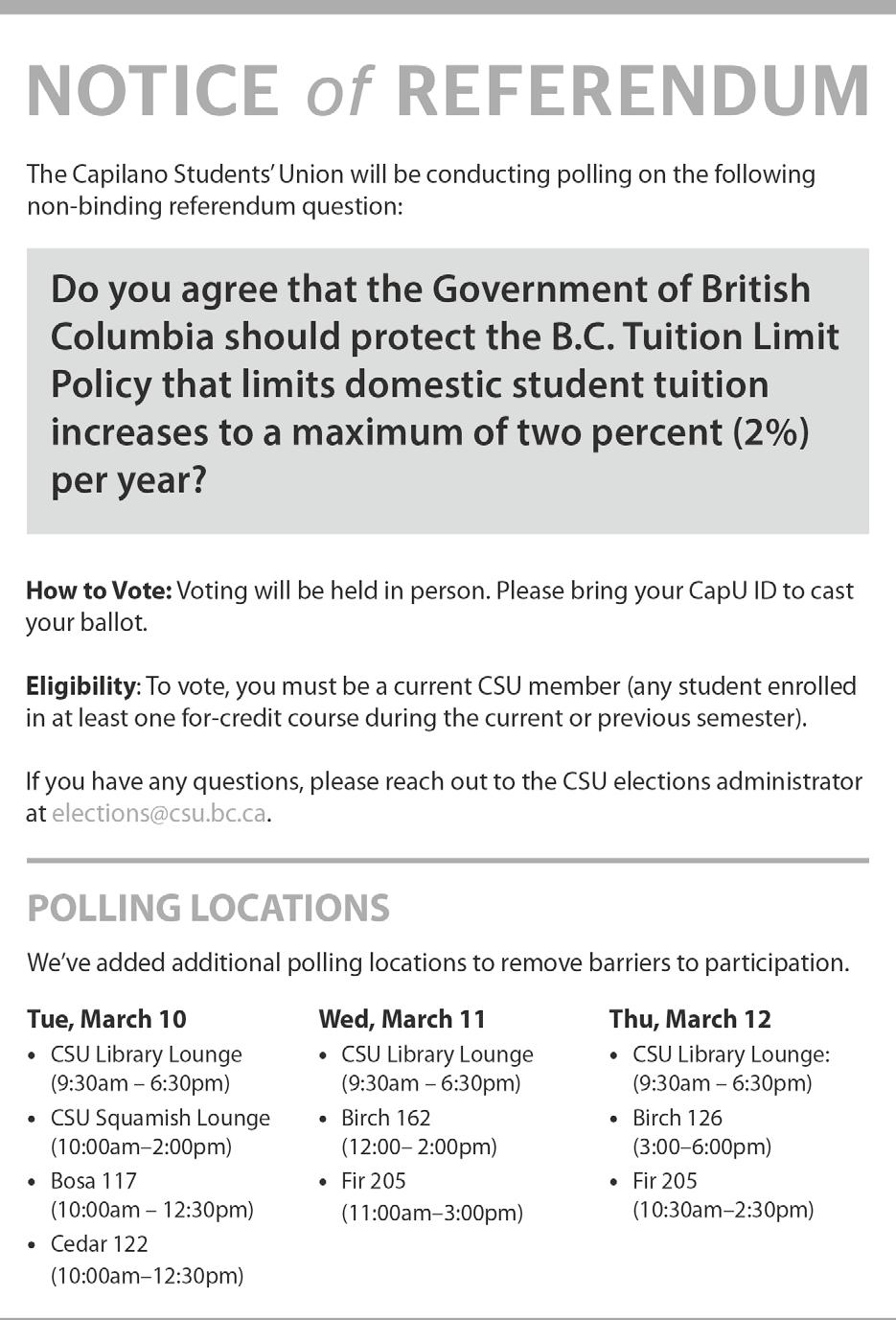
CAPILANO UNIVERSITY is located on the traditional unceded territories of the LíỈwat, xʷməθkʷəỷəm (Musqueam), shíshálh (Sechelt), Sḵwxwú7mesh (Squamish) and SəỈílwətaʔ/ Selilwitulh (Tsleil-Waututh) Nations.
We recognize our presence here as guests on this sacred land and deeply appreciate the privilege to work, study, and reside in this remarkable place. The Capilano Courier acknowledges that this gesture is just a starting point on the path to reconciliation, and we are committed to amplifying Indigenous voices and sharing their stories.
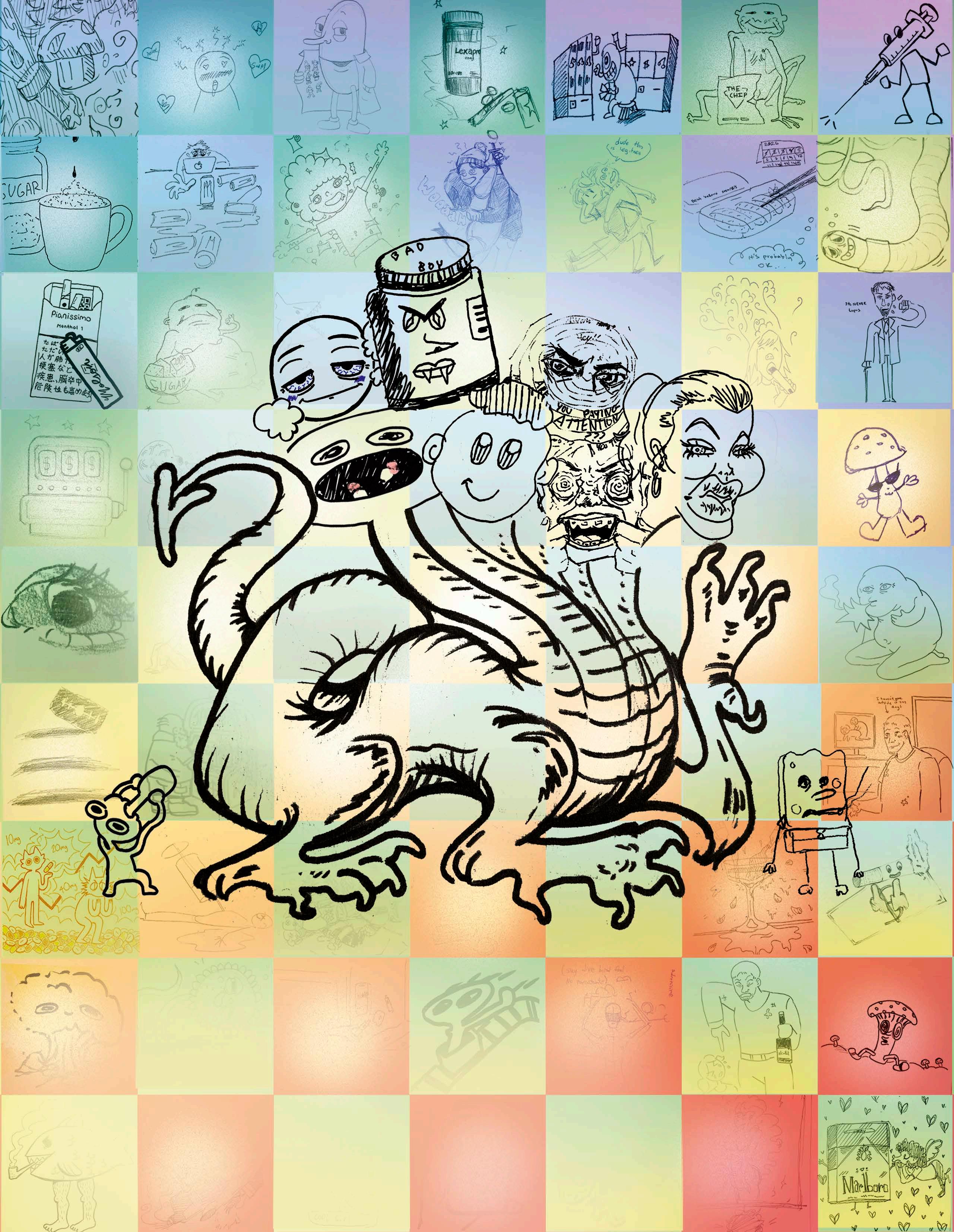
THE CAPILANO COURIER is an autonomous, democratically-run student newspaper that encourages literary and visual submissions. However, all submissions undergo editing for brevity, taste, and legality. We are committed to not publishing material that the collective deems as promoting sexism, racism, or homophobia. The views expressed by the contributing writers are not necessarily those of the Capilano Courier publishing society.
Additionally, we prioritize a human-centered approach to content creation and do not support the use of AI in our editorial processes. We believe in the value of human perspectives and storytelling in our publication.