By C/Sra Spadafora
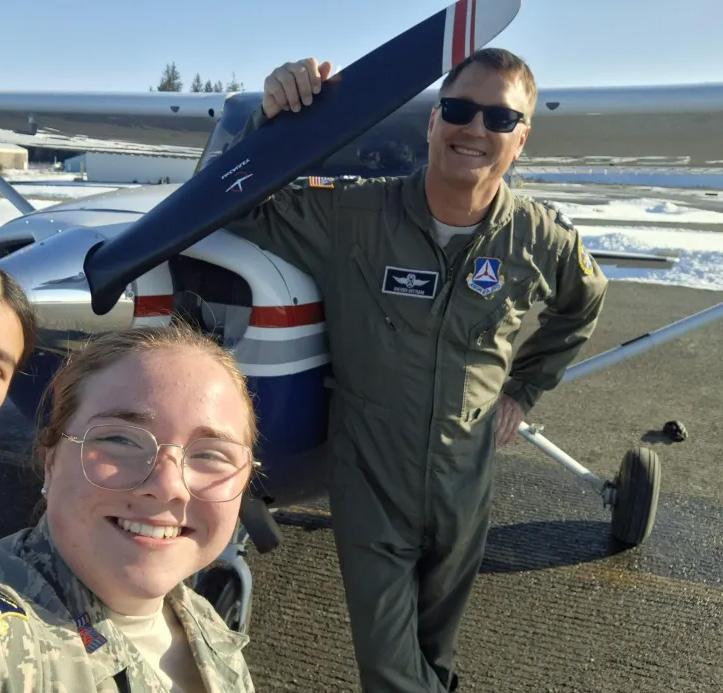
In March we had our first Orientation flights, (O Rides) in Valdez since 2022. The aircraft was a 2025 Cessna 172G 1000 with CAP modifications, borrowed from CAP Squadron at Merrill Field in Anchorage.
Over the course of two days, we conducted 15 flights. Most cadets got two rides with pilot Lt. Col Krebs who was visiting us from Florida. Once airborne, cadets in the front seat experienced the controls of the aircraft by steering the yoke.
Most O Ride flights were conducted over Valdez, Tatitlek, or over Thompson pass in the Chugach Mountain range. One of the flights flew to Cordova.
In addition to O rides, Cadet Winchester advanced to Cadet Staff Sergeant. Congratulations!
Our weekly meetings have been going superbly with 12 of our squadron’s 15 cadets in attendance. The squadron has been running itself while our cadet commander is at flight training in Eagle River.
During the month of April, the Valdez squadron will be hosting the sUAS (Small Unmanned Aircraft Systems) training.
We will have 6 cadets in total, 3 of which will be training to be pilots. After the training we hope to have cadets and senior members who know how to operate CAP unmanned aircraft if necessary.
Photo (left to right): C/Amn Gheen, C/SSgh Winchester, Lt. Col Krebs.
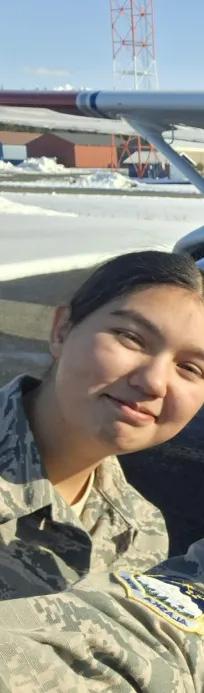
by Major Jan Bobek
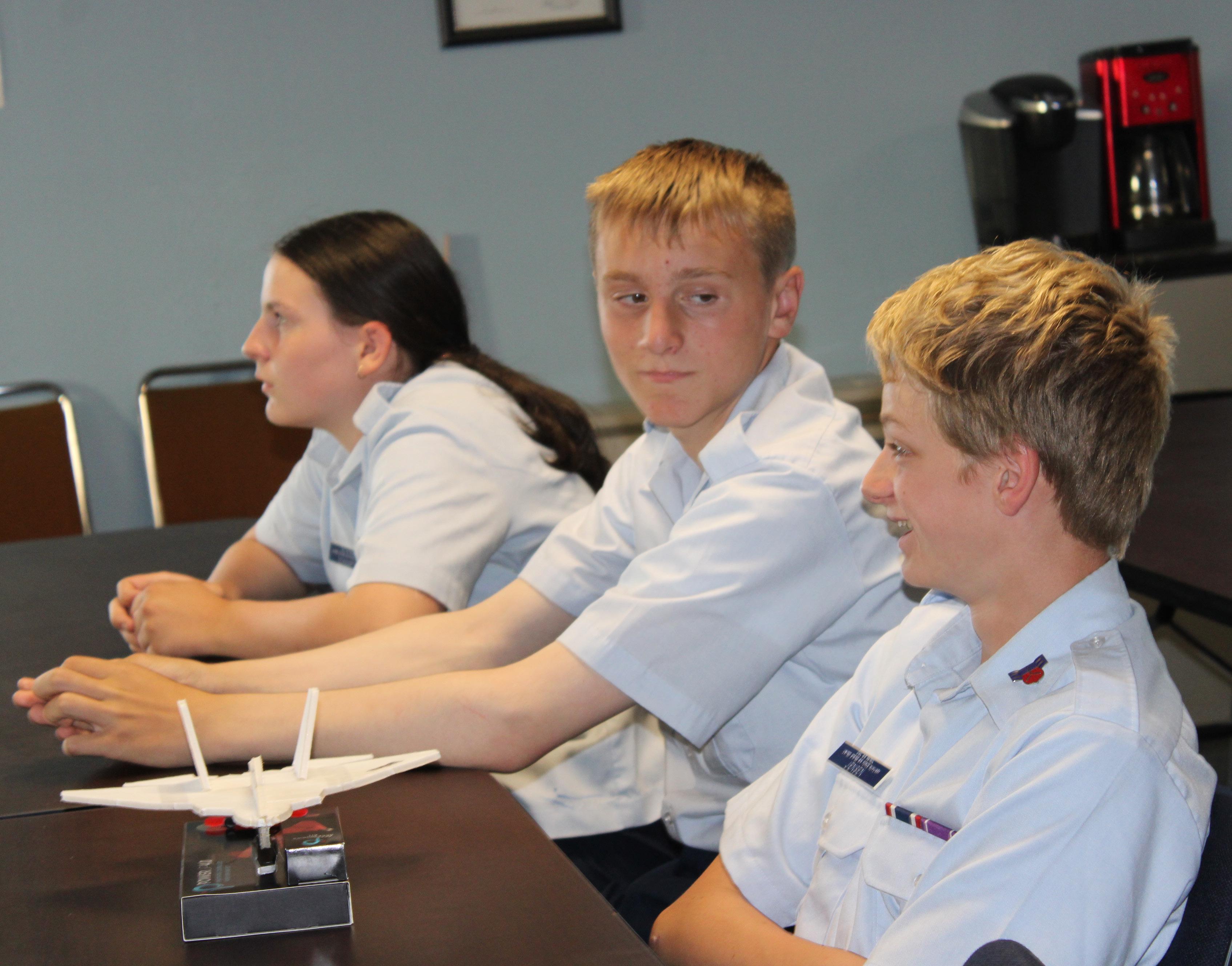
Every Monday from 6:30 to 8:30 Kenai Cadets provide: Aerospace, Leadership, Health Fitness Zone/Safety, and Character Development Presentations. The presentations are very informative. Speaking in public is a fear that many people have, so working on it builds strength in most areas of life. Cadets practice to squelch this universal fear. The Cadets are determined to work hard so that public speaking becomes something to look forward to. Senior members do appreciate and recognize Cadet progress. The more Cadets practice, the more confidence builds up in them. This process includes the CORE Values of Integrity, Volunteer Service, Excellence and Respect. Cadets continue to strengthen in personal development. The Cadet Program supports the process of becoming the best person one can be. The Cadets even begin to enjoy the process as proven by the results, and they volunteer to speak in public.
That is progress. When a person conquers his/her fears, he becomes stronger and more confident. Cadets realize that they can achieve most anything! The process makes each cadet a stronger human being and a much better Cadet.
Orientation flights are provided which helps to keep cadets involved in the cadet program. Flying builds confidence in all areas of their lives. They work and study very hard to meet their life goals. They become safe pilots and join the military or make aviation their life’s work. Recent first Orientation Flights were obtained by Cadets: Gabriella Matthews, Dillon McAnelly, Spencer Gatlin, Esther Andrade, Elijah Andrade, William McBride and Dominic Smith. Learning to fly is an important and crucial part of the Cadet Program. These Orientation flights were provided by the EAA Young Eagles Program. We’re very thankful for that program.
Cadets continue to volunteer in the community. Cadets worked at the Kenai Senior Center for an Appreciation dinner. The volunteers were: C/SrA Eric McBride, C/Capt Thomas Anthony, C/CMSgt Elodie Frisk, C/MSgt Gunnar Jensen, C/CMSgt Victor Henderson, and C/SrA Mariyah Haddock. Volunteering brings people closer together. Kenai Cadets displayed good work and are appreciated by our community.
Cadets worked very hard and passed many achievements recently. Achievement 2: C/A1 Porter Holladay, C/A1C Elizabeth
-
Moyer, C/A1C Peter Ufkin, C/A1C Riley Lewis, C/Amn Cole Matthews, C/Amn Shane Matthews. Achievement 3: C/SrA Mahnavu Schwartz, C/ SrA Mariyah Haddock. Wright Brothers: C/SSgt Tayla Cole, C/SSgt Isaac Wohlers. Achievement 5: C/MSgt Gunnar Jensen, C/MSgt Amelia Ries Achievement 10: C/1stLt Joshua Lattin. We’re very proud of all the great effort to advance in the program.
Joining CAP makes a positive difference in our community. We’re proud to have these cadets in the Kenai Squadron. All cadets are working hard, setting a good example in our community, and supporting each other in continuing to practice the Core Values. The world is a much better place with these young cadets in it. Our cadets continue to make America stable and strong. They are trustworthy people. We are very proud of them.
Polaris Squadron by
C/2d LT Jack Parker, Squadron Public Affairs Officer
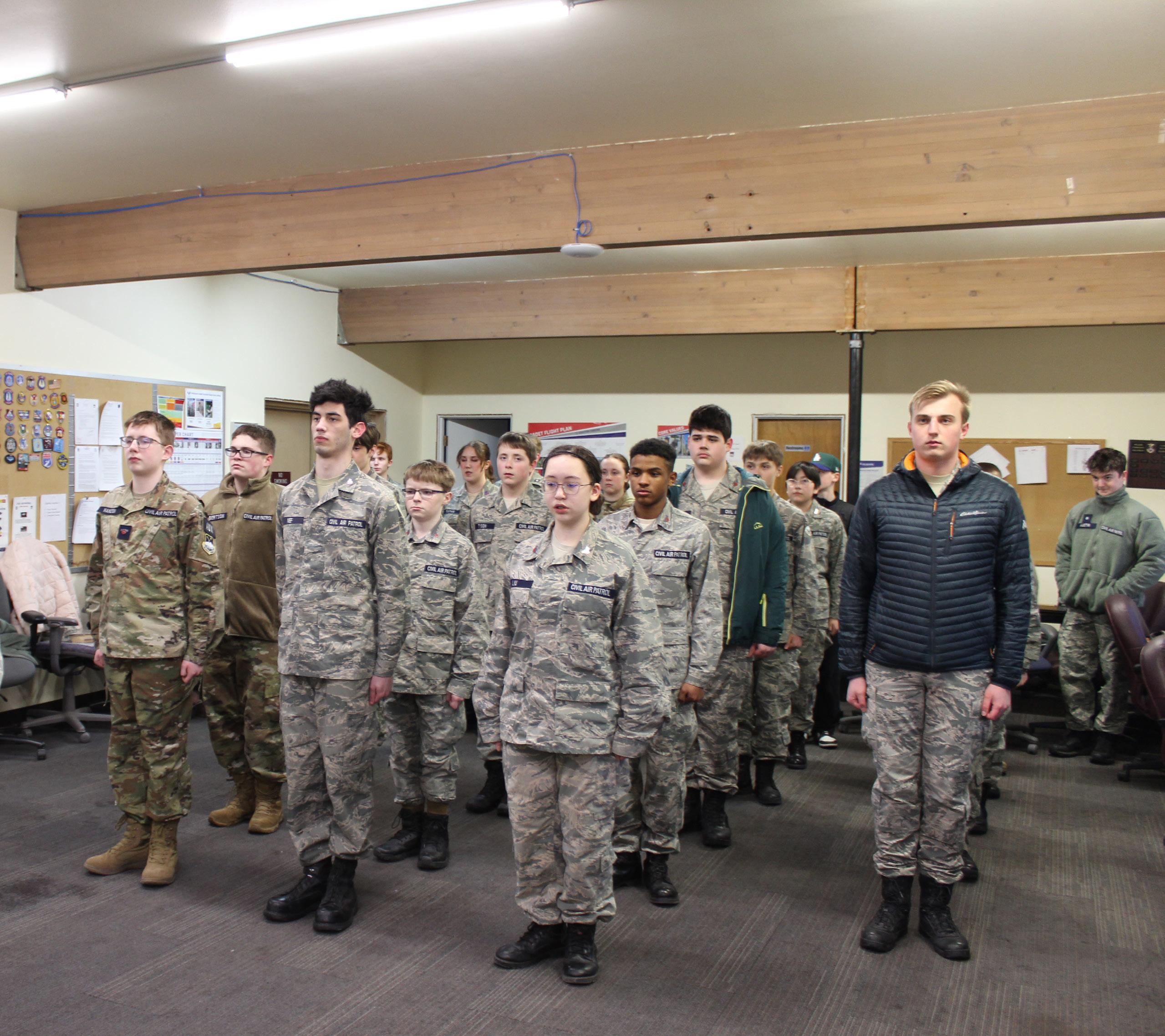
March was exciting and industrious. We had guest speakers and our new staff was trained.
For our Aerospace meeting, Col. Anderson continued his class on rocketry, preparing the cadets for getting the rocketry badge.
Our CAC (Cadet Advisory Council) Representatives gave a briefing on what is happening in CAC. He taught about the cadets and the role they carry in the team.
The PT (Physical Training) meeting went smoothly and many cadets passed the Physical examination. The cadets participated in an activity to increase their fitness.
The Character Development meeting was successful. The cadets were taught about integrity and its importance in CAP and personal life. The cadets gave presentations about leaders in aeronautical history.
We had a presentation from Captain Mark McCullins who gave his story
about how he started his aviation career. Captain McCullins is the Chief test pilot for Airbus, served in the Canadian military and he holds a PHD in aviation from Embry Riddle.
Congratulations to all the cadets who were promoted this month.
A Bush Plane Legend Reborn: The Helio Alaska
Our mid-March combined Senior and Cadet meeting took training out of the classroom and onto the hangar floor with an incredible visit to Helio Alaska, located just a short walk from the Birchwood Squadron.
The group got an up-close look at the local company currently working to reproduce the legendary Helio Courier, a plane famous for its Short Takeoff and Landing (STOL) capabilities. The Courier is a staple of the North American wilderness; of the 120 currently registered in North America, 37 operate right here in Alaska, with another 21 in Canada.
“It was pretty fun! I am certain that every cadet enjoyed it,” said C/CMSgt Zachary Kenney.
The visit offered a unique look at local aviation manufacturing and the engineering required to keep these “workhorses of the North” in the sky. We are already looking for an opportunity to go back and learn more about their production process.
The first week of March featured a visit from the Alaska Wing Commander, Colonel Derk MacPherson, who presented
the Cadets with the Quality Unit Award recognizing our Cadet Program’s dedication to operational excellence and mission success. Following the presentation, we conducted a deep dive into Aircraft Safety, focusing on mishaps and lessons learned from 2025.
Our squadron continues to grow! Please join us in welcoming our newest Senior Members from the past couple of months:
- Jason Gibson & Jennifer McLaughlin (Transfers from Virginia)
- Patrick Bolte (Transfer from Iowa)
- Robert Hansen & Chris Cummings (New Members)
- Robert Kelly (Rejoining the squadron out of retirement!)
tions
After a busy start to 2026, our cadets took a well-deserved week off for Spring Break to rest and recharge. We capped the month off with staff turnover and the selection of two new leadership positions for the next six months:
- C/CMSgt Kaden Mattson: Cadet Deputy Commander for Support (Leading Cadet Staff Support)
- C/CMSgt O. Morgan: Cadet Deputy Commander for Operations (Leading the Line Staff)
Congratulations to the following Cadets who promoted at the end of March:
- Jasmine Vanderlooven – Achievement 2 (Arnold)
- Raphael Cato – Achievement 2 (Arnold)
- Ian Cole – Achievement 3 (Feik)
- Charles Slater – Achievement 6 (Doolittle)
- Zachary Kenney – Achievement 7 (Goddard)
Several of our cadets have been selected for advanced summer training opportunities out of state:
Rocky Mountain Region Cadet Leadership School (June): C/CMSgt Kaden Mattson has been selected for the Rocky Mountain Region Cadet Leadership School at the Air Force Academy Prep School in June. This is a fantastic opportunity for him to take a deeper dive into leadership and to bring what he learns back home to our unit for mentoring fellow cadets.
Cyberspace Foundations NCSA (July): C/CMSgt Zachary Kenney and C/CMSgt Cage Klayum will head to South Dakota for this National Cadet Special Activity. This course explores cyber careers and provides the foundation needed to jump-start a CyberPatriot Team for our unit this fall.
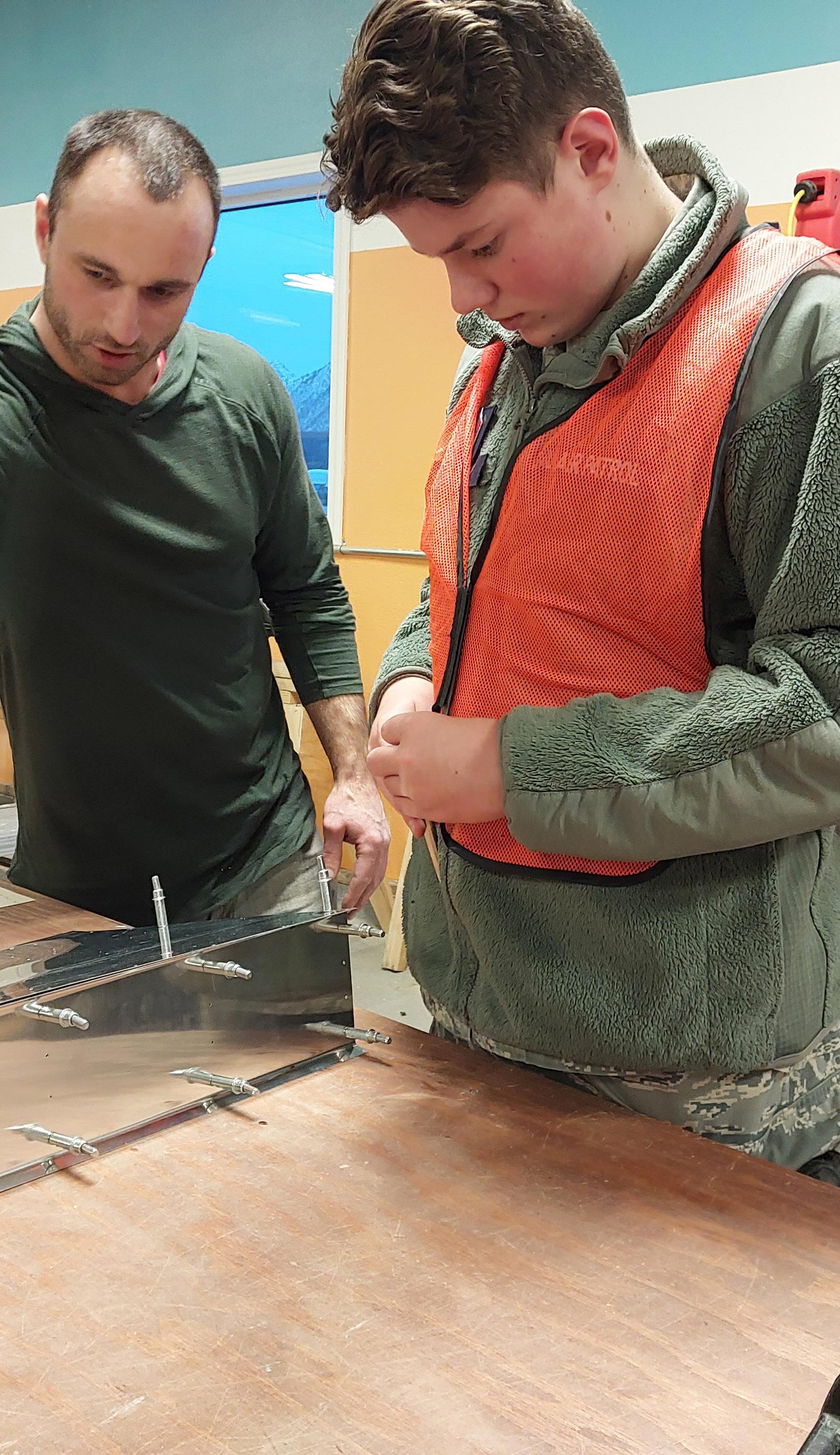
Cadet CMSgt Zachary Kenney being instructed by Helio Alaska guide.
by C/ MSgt Eowyn Davidson
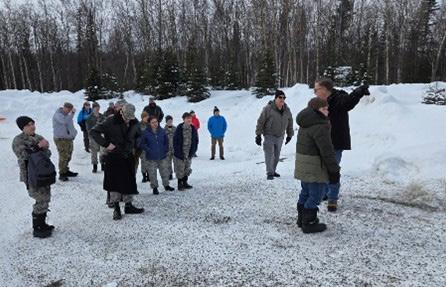
The Arcturus squadron was quite active over the past month, engaging in STEM initiatives, preparing for SAREX, advancing AE skills, and organizing a “fun night” event. To begin the month, the cadets embarked on a field trip to the National Weather Service’s Sand Lake Office (WFO Anchorage) to learn about weather balloons and observe a launch. They toured the NWS facility and discovered the various functions of this office, including its role in supporting the analysis of global weather data through balloon launches. The cadets also learned that 99% of weather balloons are biodegradable and that the data gathered from these balloons plays a crucial role in enhancing global weather data models. Every day, two balloons are launched at nearly the same time worldwide, contributing to the overall accuracy of weather forecasting.
During other meetings, the cadets worked on improving their drill, such as marching in step and more advanced movements, such as columns. As well as working on drill, the cadets learned more about Aerospace Education. The cadets also learned how to put together a proper resume, not only for leadership positions within Civil Air Patrol, but also for future jobs
and education.
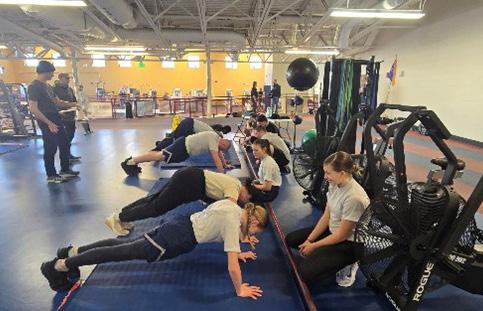
On PT night, all of the cadets pushed past their limits to meet the promotion requirements, demonstrating their dedication and resilience with not just pushups, but sit-ups and running.
On promotion night, three cadets had completed all of their requirements and were able to advance to the next stage of their cadet careers. Cadet Everyn Jones promoted to Airman, Cadet Seamus Davidson promoted to Cadet Chief Master Sargent, and Cadet Nathaniel Ehan Jeon promoted to 2nd Lieutenant.
Cadet Master Sargent Aspen Frye was awarded the Rescue “Find” Ribbon after demonstrating eagerness to help locate a non-distress emergency locator transmitter during an annual SAREX.
At the end of the month, the cadets had a fun night where they were able to get together at the Arctic Warrior Events Center (AWEC). They all had a blast playing pool, eating food, throwing darts, line dancing, and participating in other fun activities.
by 2nd Lt. SM Alan Sorum
Radio operators often refer to the different modes of communication used to broadcast a message. A “mode” can denote a modulation mode like AM (amplitude modulation) or an operating mode like voice (radiotelephony). The Civil Air Patrol predominately uses the voice operating mode and several different modulation modes that are dependent on the mission at hand.
(very high frequency) radio spectrum.
AM (Amplitude Modulation) uses a continuous carrier wave that is modulated by audio voltage that changes the amplitude of the carrier wave. Amplitude of the carrier wave will vary from zero, with negative audio peaks, to 200%, with positive audio peaks. AM radio transmissions can be generated and received with basic equipment. Commercial broadcast radio began with this mode. AM radio is described as being double sideband, full carrier. A sideband is composed of the frequencies found higher or lower than the carrier frequency. Sidebands are what carries the information being transmitted with the radio signal. Aircraft radios use the AM mode within the VHF
FM (Frequency Modulation) uses an audio signal to modulate or vary the transmitter’s frequency over a small range of the carrier frequency. The CAP uses the FM mode with its VHF base, mobile, repeater and handheld radios. The main advantage of FM use, compared to AM, is that it is more resistant to additive noise in the signal, has higher sound quality and offers greater reception quality. FM does have some disadvantages, it takes more bandwidth than an AM signal and is subject to “capture effect”. If two FM signals are on the same frequency, the stronger one will suppress reception of the weaker one.
SSB (Single Sideband) is a modification of the traditional AM radio signal. It is formally known as being a single sideband, suppressed carrier. By suppressing the carrier and one sideband, SSB uses half the bandwidth of AM and offers much better talking power. The CAP uses SSB with its HF (high frequency) radios. Sidebands being composed of all the frequencies above and below the carrier are labeled accordingly as either USB (upper sideband) or LSB (lower sideband). The CAP uses USB for the most part.
Digital Modes (digimodes) are widespread with the ready access to computers. Voice, text or images are transmitted using a set of discrete phase or frequency shifts, mimicking the on and off nature of data coding. Digital modes offer the use of less bandwidth, error correction, and lower power use. There are numerous digital modes in use today. It should be noted that the use of Morse Code or Continuous Wave (CW) is the grandfather of digital modes.
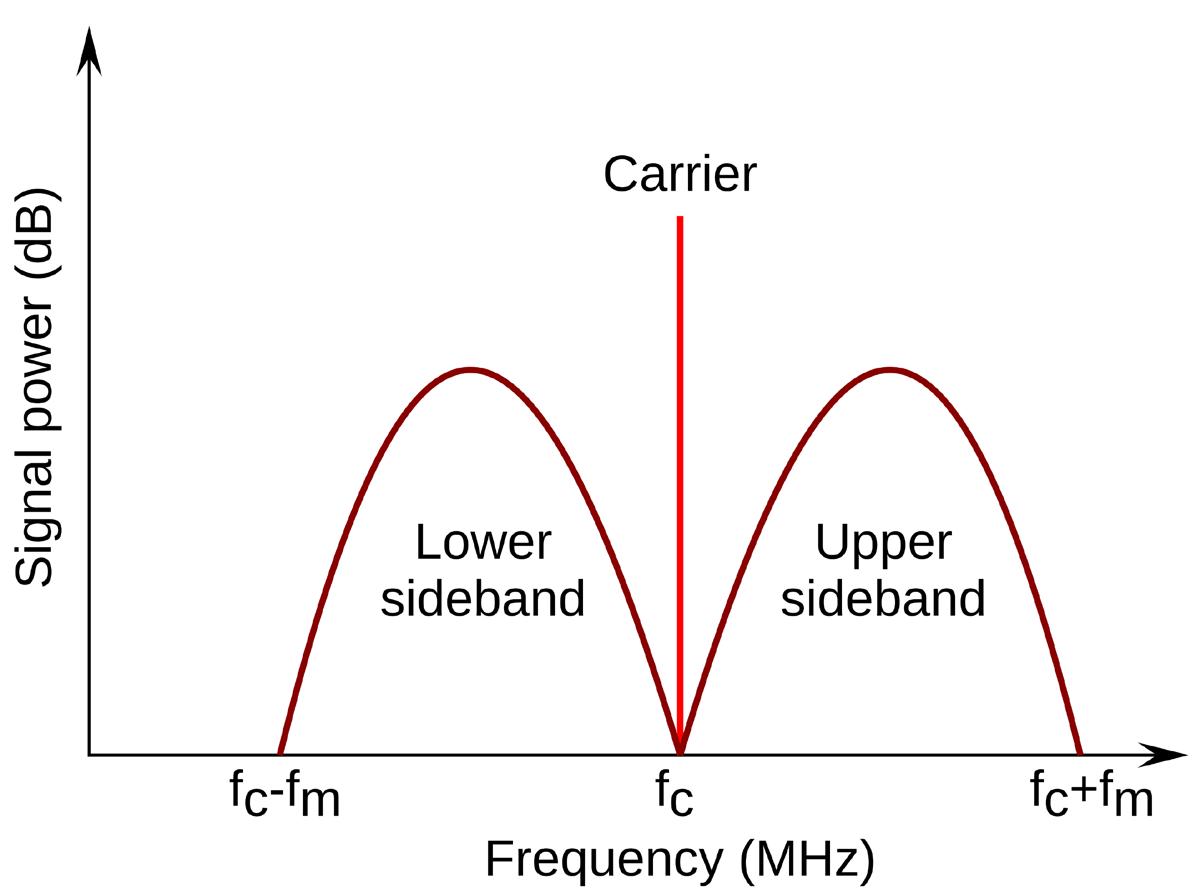
Figure 1 The power of an AM radio signal plotted against frequency. By
CAP communicators are well served by understanding the options and capabilities of operation and modulation radio modes. The Alaska Wing is actively working to recruit and train radio operators to broaden its HF radio network across the state.
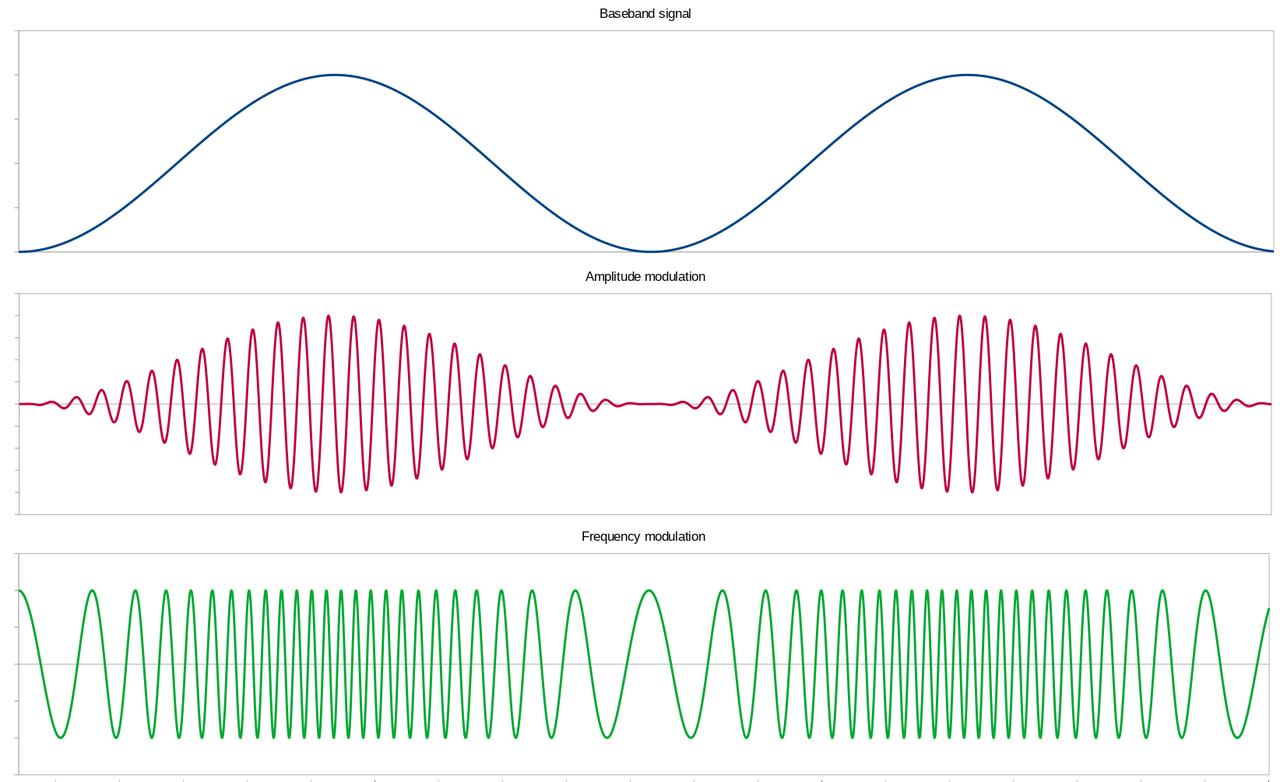
Figure 2 Graphs showing amplitude and frequency modulation.
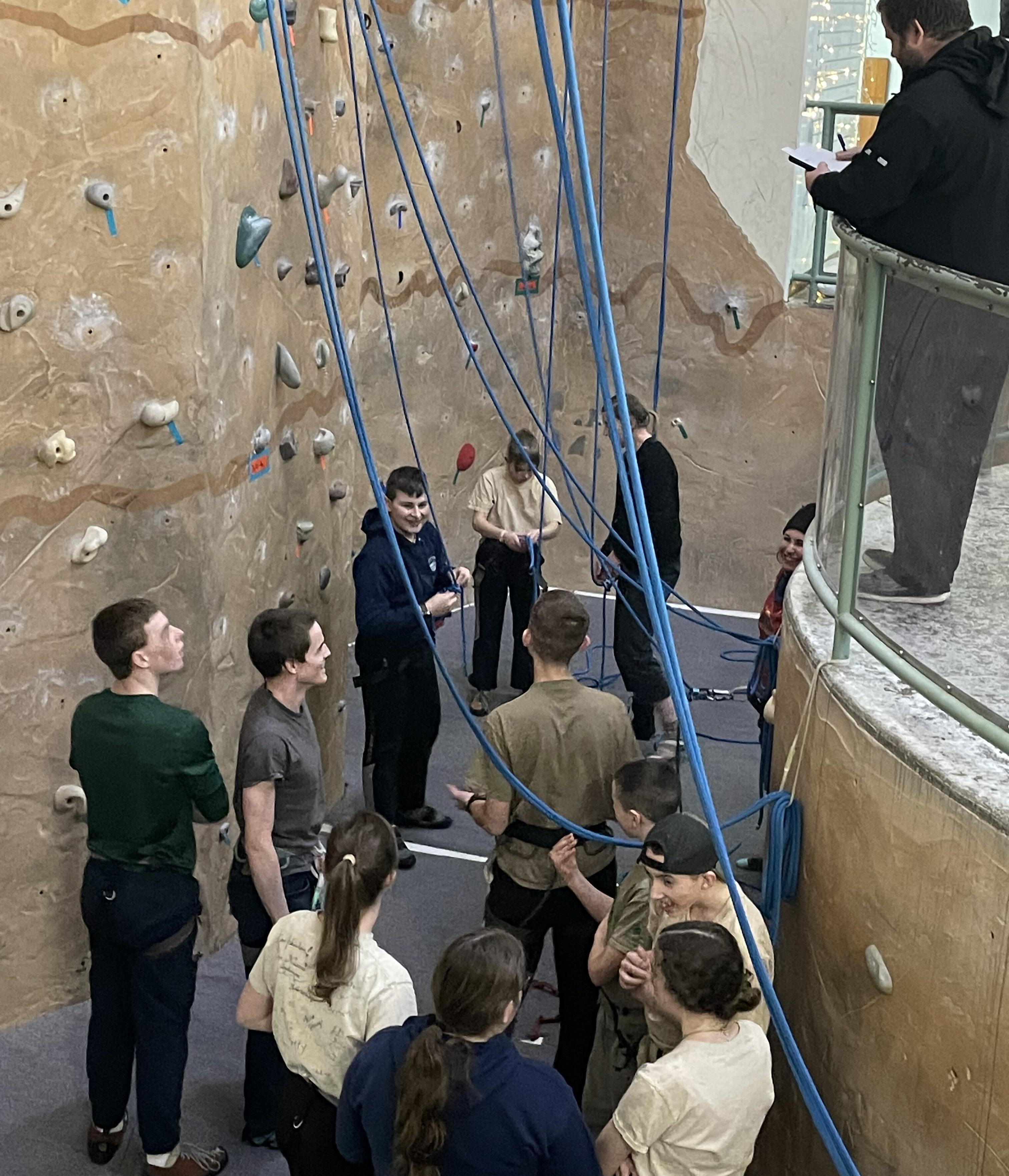
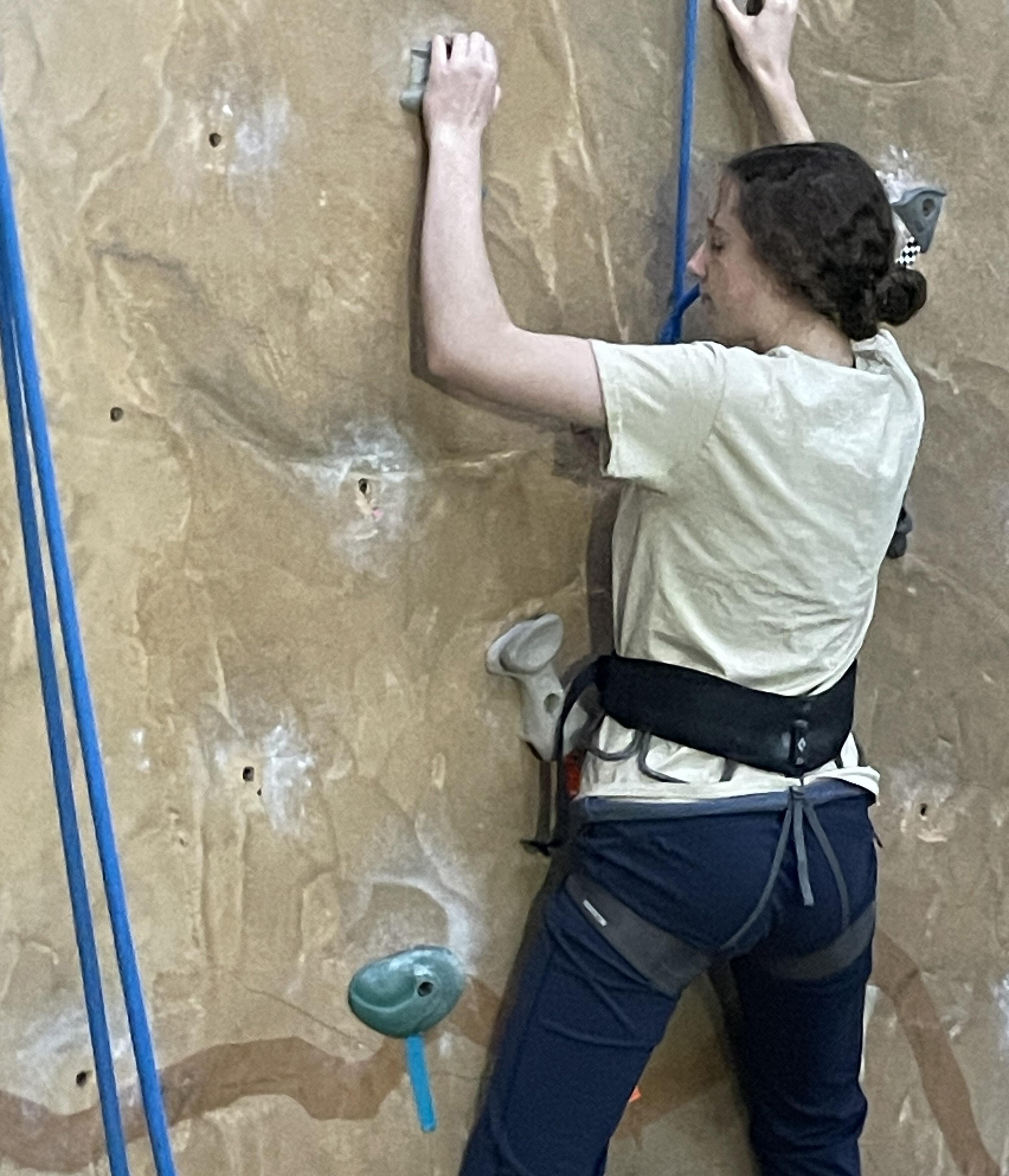
Senior member Jamie Potvin directs the Cadets in safety training prior to ascending the rock wall at the Bay Club in In Homer.
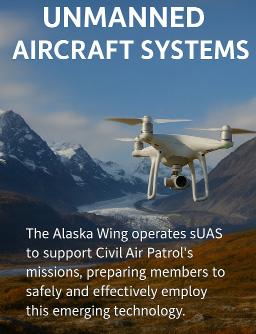
Join the Alaska Wing UAS Program – Summer 2026
Civil Air Patrol’s Unmanned Aircraft Systems (UAS) program is expanding across Alaska, providing critical aerial reconnaissance capability in support of emergency services missions. Alaska Wing is actively preparing new members to serve as UAS Technicians and UAS Mission Pilots beginning next summer.
Members do not need prior pilot or ground team qualifications to participate. The UAS program welcomes volunteers from all specialty tracks who are interested in directly supporting search and rescue, disaster response, and situational awareness missions.
UAS operations support missions including search and rescue imagery, disaster damage assessment, wildfire and flood monitoring, missing person searches, and infrastructure surveys.
Qualified UAS Mission Pilots gain hands-on experience with advanced aviation systems and directly contribute to real-world emergency operations. Training is structured to be accessible, with Alaska Wing instructors supporting members through each phase of qualification.
Members interested in participating are encouraged to contact the Alaska Wing UAS training cadre for timelines and requirements at uas@ akwg.cap.gov.
For more information, please visit: https://sites.google.com/akwg.cap.gov/intranet/ suas
Register now for summer training at
https://docs.google.com/forms/d/e/1FAIpQLSdfKKlebfP3LjIPCOBa-fIw8Mo7j8GAfwRuSGuyv6pewdmx9w/viewform?usp=header
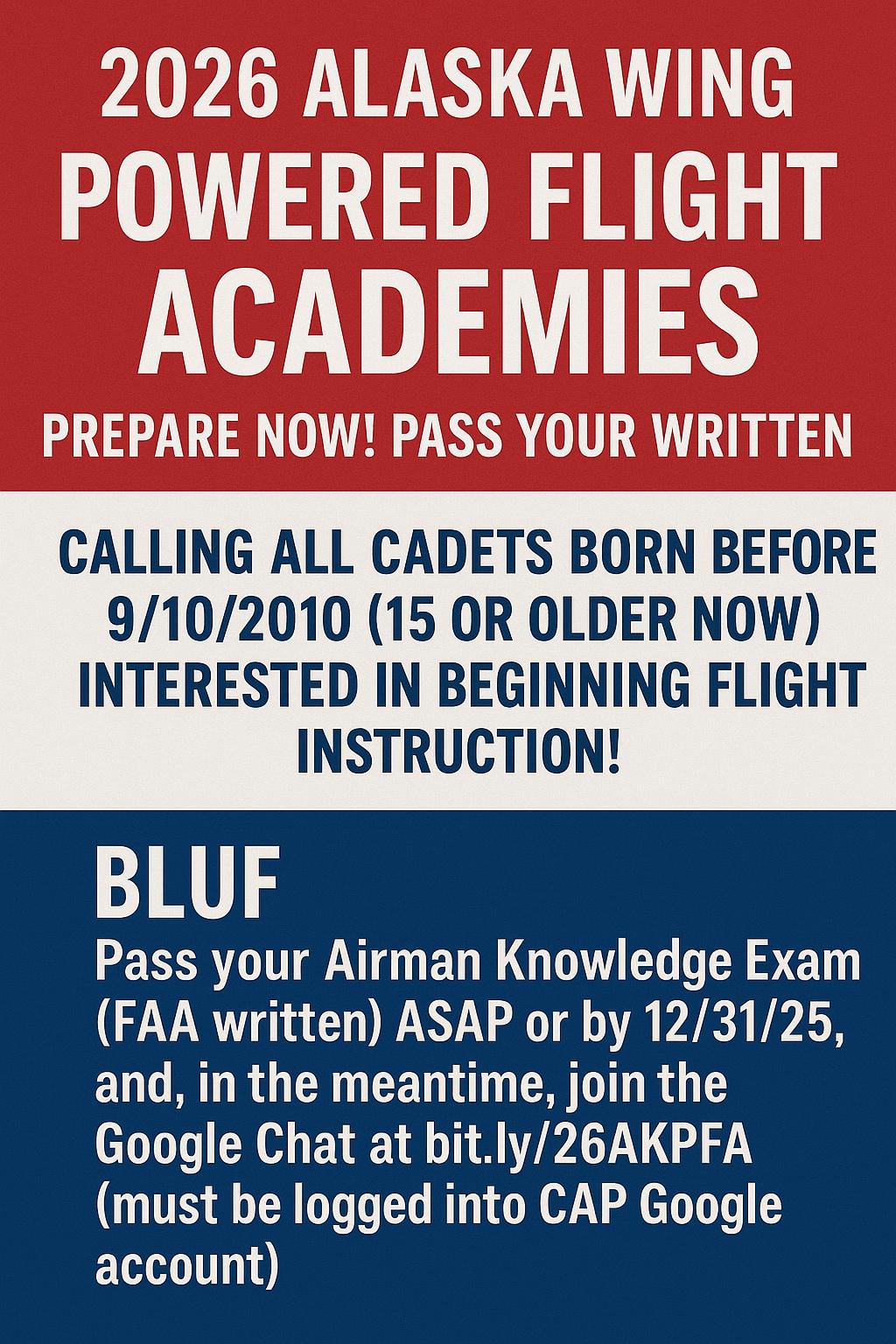
Calling all cadets born before 9/10/2010 (about 15 or older now) interested in beginning flight instruction!
BLUF (Bottom Line Up Front): Pass your Airman Knowledge Exam (FAA written) ASAP or by December 31, 2025, and, in the meantime, join the Google Chat at bit.ly/26AKPFA (must be logged into CAP Google account)
More details: In 2026, Alaska Wing plans to again offer two Powered Flight Academies (PFAs)--a National Flight Academy (NFA) and a Wing-Level Flight Academy.
Pass the written: To qualify, cadets must have passed their Airman Knowledge Exam, aka the FAA written (powered) by December 31, 2025. Plan on spending at least 70 hours learning the online ground school material, passing Sporty’s practice tests to get your endorsement to take the written, and getting 90% or better on at least 3 full-length Dauntless tests before taking your written.
How to Apply: National Flight Academy and other NCSA applications opened in the Registration Zone in eServices on December 15, 2025. We recommend applying for all National Flight Academies you are interested, especially the Alaska Wing National Flight Academy. You will be required to upload your Student Pilot Certificate and your 3rd Class
Preparing for the 2025-2026 Midterm Report to the Wing Commander.
The 2025-2026 Alaskan Cadet Advisory Council is preparing for the Council Midterm Report to the Wing commander near the end of the month. The Council, led by C/Lt. Col Benedict, is composed of four primary committees. The Cadet Opportunities Committee, led by C/SMSgt Klayum, focuses on three main objectives, volunteer service, fundraising, and scholarship opportunities. Individuals in this committee are
tasked with seeking out prospects, communicating them to other CAC representatives, and brainstorming different events that will aid individual squadrons and the wing.
The Flight Programs Committee, led by C/Maj Clifton, is tasked with informing, directing, and assisting cadets pursuing training throughout CAP’s various aerospace professions. The committee will connect cadets to different training programs including orientation flights, National Cadet Special Activities (NCSAs), scholarships, and flight training leading toward certification.
The Cadet Program Awards and Qual-
(or better) Medical to be able to apply. We recommend you also apply for CadetInvest & Lift-Top (flight scholarships including an Alaska Female cadet scholarship if applicable, NCSA/NFA Activity scholarships, and Lift/Top funding in Reg Zone) CadetInvest also opened on December 15.
Individualized Plans: Maj Karen Padgett is glad to speak individually with parents/cadets to develop an individualized plan for each cadet to make maximum use of CAP resources. Email her at karen.padgett@akwg.cap.gov. Please ask Maj Padgett to review your Reg Zone, CadetInvest, and Lift/Top applications before you submit them.
ifications Committee, led by C/1st Lt Bennet, is focused on helping cadets earn ratings and mastery awards available within Civil Air Patrol. Sub-goals include connecting cadets with qualified instructors for task sign-offs, increasing awareness of available ratings and awards, and sharing information on wing-level training opportunities. The Communications Committee, led by C/2d Lt Yew, is the only committee returning from the previous term. Its mission is to improve communication across the wing, with a particular focus on evaluating the Alaska Wing magazine’s reach and its impact on squad-
rons. The committee will also support other committees by assisting with information dissemination. During the midterm report, cadets will explain their committee goals to the wing commander, answer questions on their committee, and request feedback on how they can better accomplish their committee goals. Each committee will meet once more before coming together for the group discussion with the wing commander. Following the report, the committees will take the advice of the wing commander and devise a plan of action to accomplish their goals.
By. Maj. Julie G. Rivera Mercado, AKWG Education and Training Director
As we progress through our life’s path, it is crucial to recognize that education does not conclude with receiving a certificate; instead, it is an ongoing journey that keeps us in tune with a world that is perpetually changing. Lifelong learning serves as the key that helps us prevent our experiences from falling into obsolescence, enabling us to grasp the present to shape the future. Maintaining a receptive attitude toward gaining knowledge, regardless of one’s age, provides us with an essential human edge: the capacity to adjust and stay significant within a society that continuously evolves.

Image from: https://cdn.udax.edu. mx/blog/2025-06-14/puentes-entre-generaciones-el-desafio-educativo-en-la-diversidad-generacional-contemporanea_1.jpg
One of the most significant advantages of ongoing education is its immediate effect on our mental well-being and cognitive abilities. Research indicates that the brain is capable of neuroplasticity in the formation of new neural pathways throughout life. By tackling new intellectual challenges, we actively enhance
our memory while safeguarding our brain functions from natural deterioration. Acquiring a new skill, becoming familiar with a new technology, or delving into a complicated topic serves as mental “exercise,” boosting our ability to retain information, enhance mental sharpness, and solve problems in our everyday activities.
This ongoing process of learning becomes even more rewarding through interactions across generations. Older individuals can gain insights from the innovative perspectives of the younger generation, particularly their instinctive proficiency with digital tools and their eagerness to challenge established norms. Likewise, younger individuals can discover guidance in adults on critical analysis, resilience, and foresight traits that are typically honed over years. A notable illustration of this collaboration can be seen in institutions like the Civil Air Patrol. In this setting,
an ideal partnership emerges while younger cadets inject enthusiasm and speedily adapt to modern navigation and communication tools, seasoned officers share their extensive knowledge in leadership, discipline, and service ethics. Within CAP, continuous learning is essential for ensuring mission safety and effectiveness, demonstrating that the combination of technical advancements with historical insight creates an indomitable team.
Ultimately, lifelong learning shows us that no one is too inexperienced to teach or too advanced in age to learn. When an individual rich in experience endeavors to grasp new trends, and a young person attentively absorbs wisdom from those with prior journeys, a collaboration develops that uplifts the whole community. Staying informed is more than just a career requirement; it serves as a practice in humility and curiosity, allowing us to advance in age with intention and a youthful outlook. Ultimately, a pledge to education guarantees that, amid generational shifts, we will always maintain a valuable perspective and an insightful mind to share with the world.
By. Maj. Julie G. Rivera Mercado, AKWG CDI
On a personal scale, camaraderie within CAP is what converts a mere squadron into a surrogate family. There are moments when academic pressures, personal difficulties, or fatigue lead us to contemplate giving up. During these instances, a friend’s reliability becomes crucial; it’s not about the individual who lets you falter, but rather the one who provides uplifting words, believing in you even
when you have doubts about your own potential. Being a dependable friend here involves being the one who attentively listens with regard, acknowledging that behind the uniform and the badges, we are all individuals striving to find our purpose.
At the core of our group is Volunteer Service, and nothing exemplifies this better than being available for someone during tough times. True friendships are revealed in the little gestures: assisting a fellow member with their uniform before a significant inspection or giving straightforward feedback when a mistake occurs.
This towards self-importance, wish son of it have yourself.

This personal bond propels us towards excellence, not out of self-importance, but from the wish to not disappoint the person alongside us. The strength of friendship in CAP brings with it the assurance that you’ll never have to confront challenges by yourself.
We must not overlook that the moments we create, from weekly gatherings to training sessions, forge lasting memories that unite us for eternity. These personal connections are what maintain a team’s unity under stress. When you come to trust your colleagues completely, you develop a resilience that will accompany you to life. Ultimately, ranks and awards may eventually be stored away, but the devotion and encouragement of a genuine friend are the most precious resources you’ll gain.
By Lt. Col. Bryan and Laura Emerson with
research assistance from ChatGPT 5.4
Unlike many senior members, I never served in the military. I joined a CAP squadron in Texas fifteen years ago—and later one here in Alaska—because I was a recreational pilot looking to be part of an organization that supports civilian aviation and promotes safety.
To my surprise, what I have come to value most about Civil Air Patrol is not the flying opportunities, but the merit-based structure, mentorship, and genuine camaraderie among its members, both within the Alaska Wing and throughout the organization.
Recently, I began to wonder why CAP resonates with me so strongly. My father served as a logistics officer in the Air Force in post-war Japan, where he also earned a black belt in judo and competed in local tournaments. Could the values he developed in the military—and later demonstrated throughout his life—have been passed on to me? Could CAP be fulfilling something I had been missing in my professional and volunteer experiences? I believe the answer is yes.
My father often described himself as a “goof-off” in college. His time in the Air Force changed that. He developed discipline (reflected in his dedication to judo), a sense of belonging (esprit de corps), precision (seen in his meticulous habits),
and purpose (expressed through patri otism). These were not abstract ideas our household—they were lived values, demonstrated consistently in both his sonal and professional life. He found faction working in large organizations clear structures for leadership, develop ment, and advancement.
My own path was quite different. Even after graduate school, I gravitated toward entrepreneurial ventures, starting several small businesses where I often had to ure things out on my own, without mentors or formal structure. In my volunteer frequently served on advisory boards seemed to generate more discussion action.
In CAP, however, I found something ferent. The organization does not simply remind me of my father—it resonates the same values he embodied. The com mand structure, the opportunities to to contribute, and to mentor others both natural and meaningful. CAP activates a value system that I internalized early life. The camaraderie reflects a familiar deeply valued social structure.
Over time, I have had the privilege of ing on Wing Staff as Public Affairs Officer, Finance Officer, Communications Director, and currently as the UAS (drone) Officer. I participated in the Level V Training which I was the only civilian, and I loved Through these experiences, I have come to fully appreciate CAP’s four Core Values:
patriideas in values, his perfound satisorganizations with developEven toward several to figmentors work, I boards that discussion than difsimply resonates with comto learn, all feel activates early in familiar and of servOfficer, Director, Officer. in loved it. come
Values:
Integrity, Volunteer Service, Excellence, and Respect.
I wish my dad were here to see it. Perhaps your children and parents see this in you.
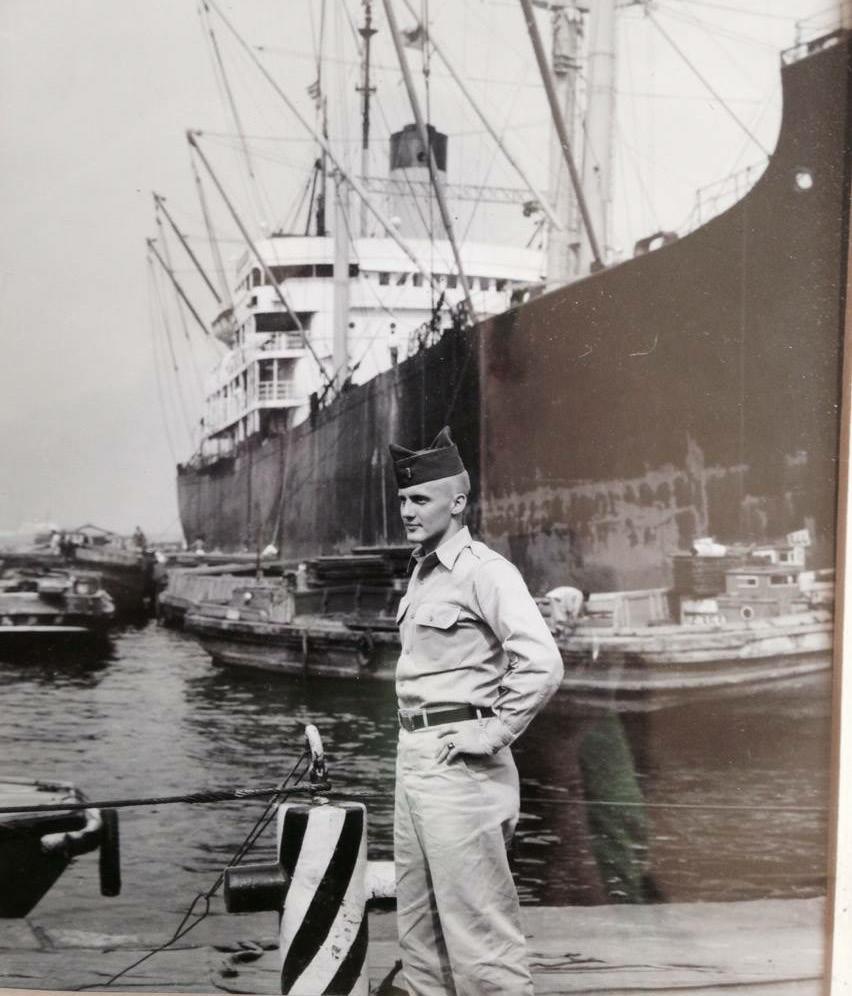
USAF Lt. Richard B. Emerson, Japan, circa 1950.
by Laura Emerson
When the U.S. Air Force was established as a separate military branch in 1947, it had not yet codified the now-familiar core values of Integrity First, Service Before Self, and Excellence in All We Do. That language would not formally emerge until the 1990s. However, these principles were deeply embedded in the culture from the beginning, inherited from Army Air Forces traditions, policies, and expectations.
Airmen were always expected to live these values. Integrity meant honesty in reporting, accountability for actions, and adherence to military law and ethical standards. Service reflected a commitment to mission above personal comfort, placing the needs of the nation and unit first. Excellence required precision in flying and maintenance, along with a continuous drive for improvement in all areas of performance.
Civil Air Patrol (CAP), founded in 1941— prior to the creation of the Air Force— similarly operated without a formally articulated set of core values in its early years. Nevertheless, CAP was conceived as a civilian auxiliary supporting national defense, conducting coastal patrols, search and rescue missions, and courier operations during World War II.
The Cadet Program was established in 1942, introducing a structured youth component focused on leadership, aero space education, and character develop ment—principles aligned with military values from the outset.
CAP’s relationship with the Air Force evolved over time, culminating in its designation as the Air Force Auxiliary in 1948. In the decades that followed, particularly during the 1970s, CAP strengthened its alignment with Air Force standards, placing increased emphasis on leadership development, standardized training, and professional conduct for both cadets and senior members.
It was not until the 1990s that CAP for mally articulated its four core values: Integrity, Volunteer Service, Excellence, and Respect. These values were deliberately integrated into CAP regulations, training programs, and evaluation systems.
In subsequent years, they became foun dational to CAPR 1-1 (Ethics Policy) and were embedded across all mission areas—Emergency Services, Cadet Pro grams, and Aerospace Education. Today, these core values serve as a practical framework for decision-making and leadership at every level of the organi zation.
While many organizations rely on slogans or mission statements, CAP’s core values function as enduring ethical anchors. They guide behavior, shape culture, and reinforce the organization’s commitment to service.
As you reflect on these values, consider a parallel question at home: What are your family’s core values? Defining them can be a powerful way to strengthen identity, guide decisions, and build a lasting legacy.
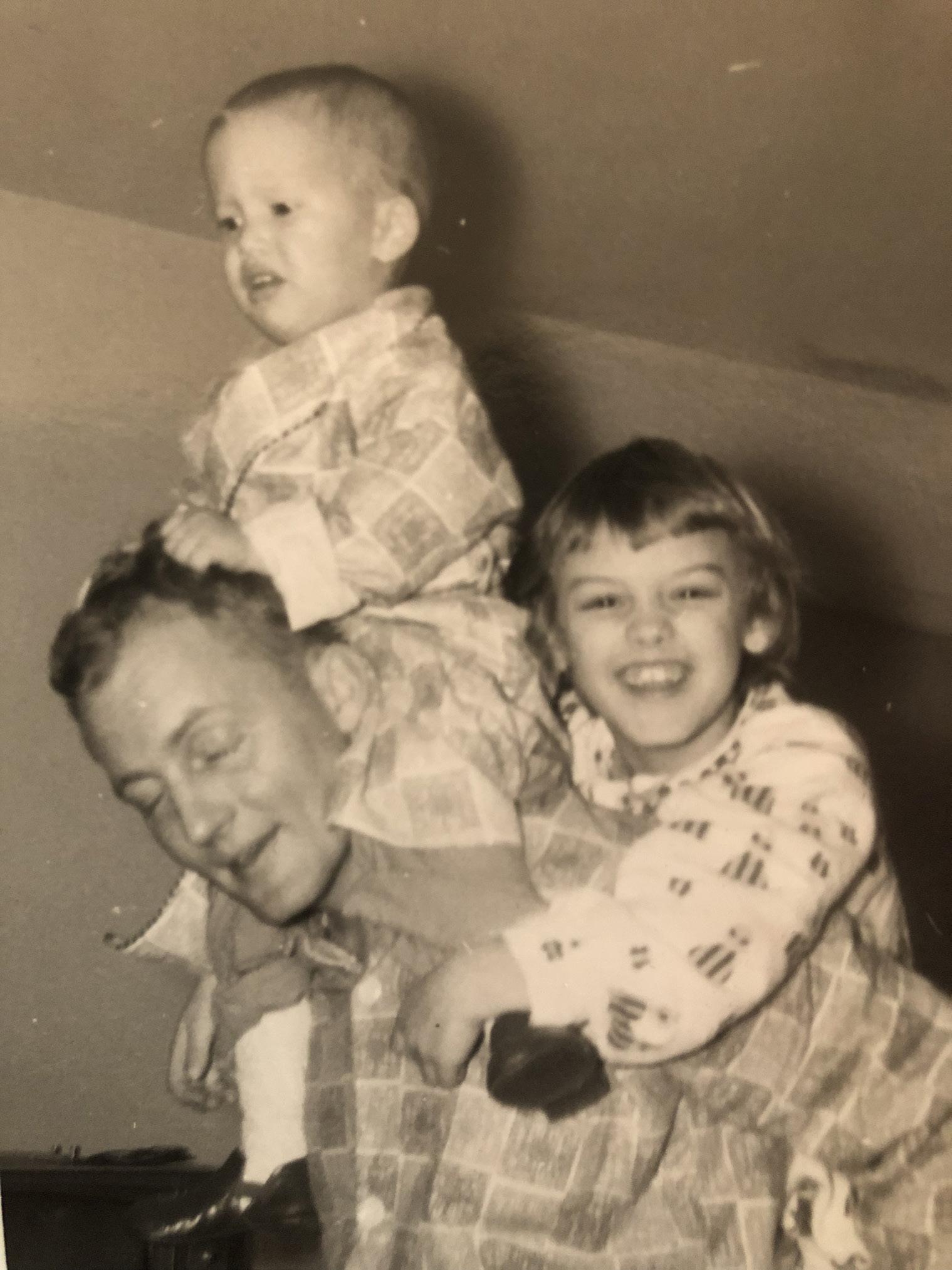
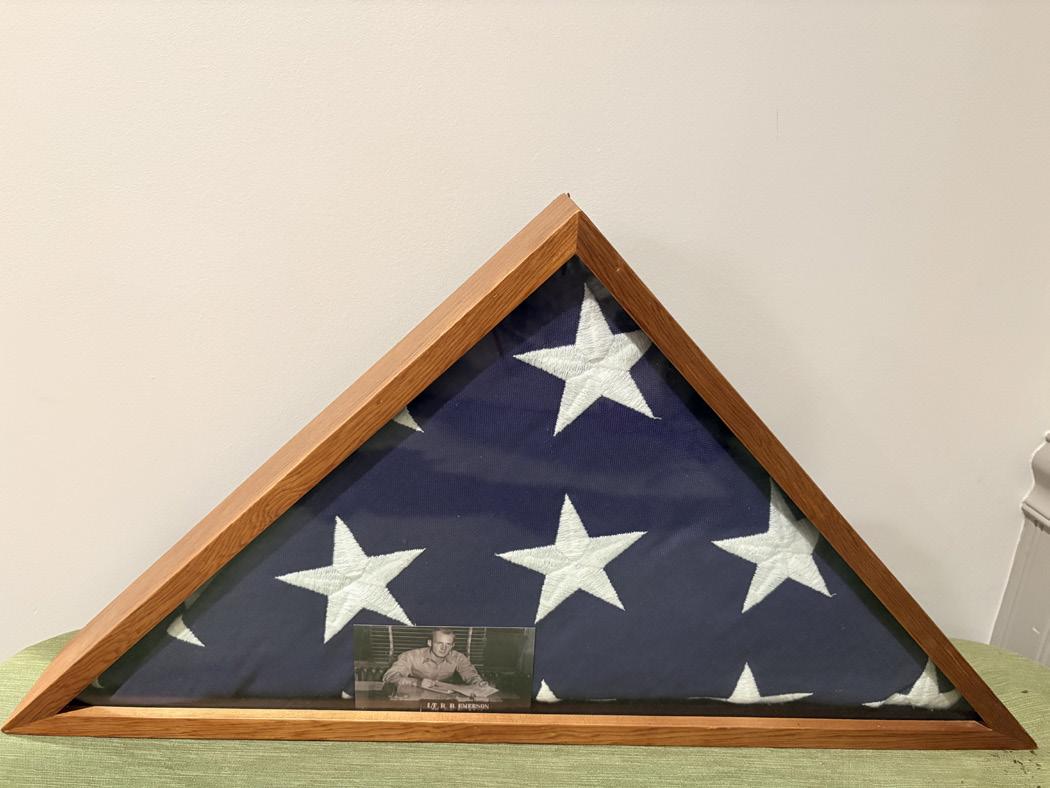
In memory of Richard B. Emerson.





Why did you join CAP? What do you like best about it? In prior issues, we have asked these questions in interview articles. But we can also include composite articles that compile sentences and paragraphs by many members. LET US KNOW! Feel free to send us your reasons.
We appreciate the continued dedication of our cadets and senior members whose professionalism and service exemplify Civil Air Patrol’s core values.
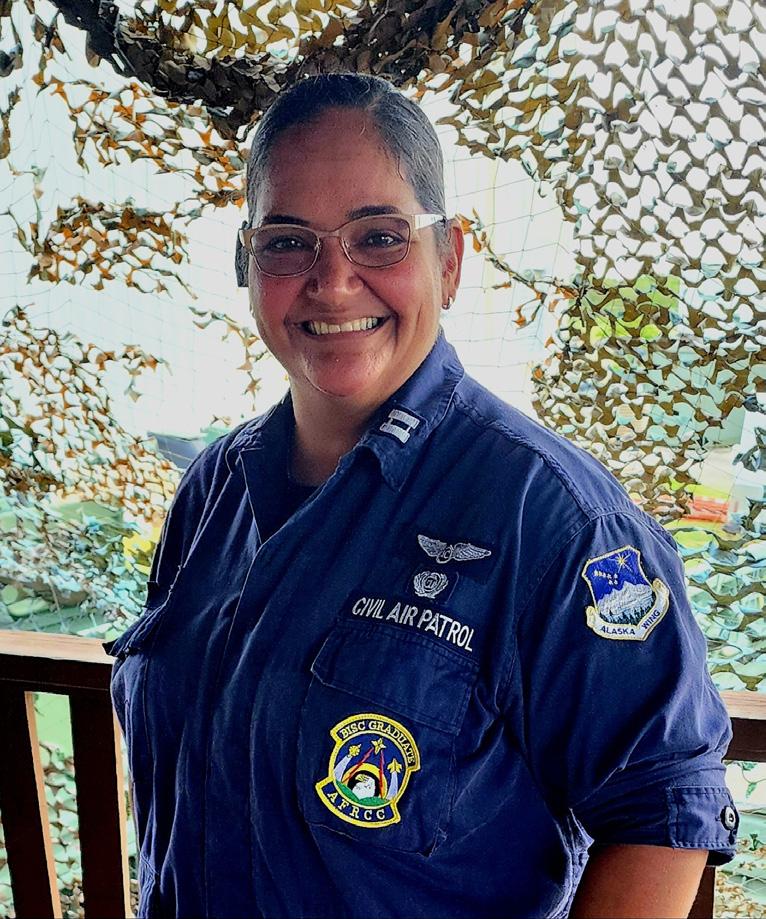
Maj. Julie G. Rivera, CAP Publisher and Editor
Alaska Wing PAO 617596@AKWG.CAP.GOV
1 (787) 424-0560
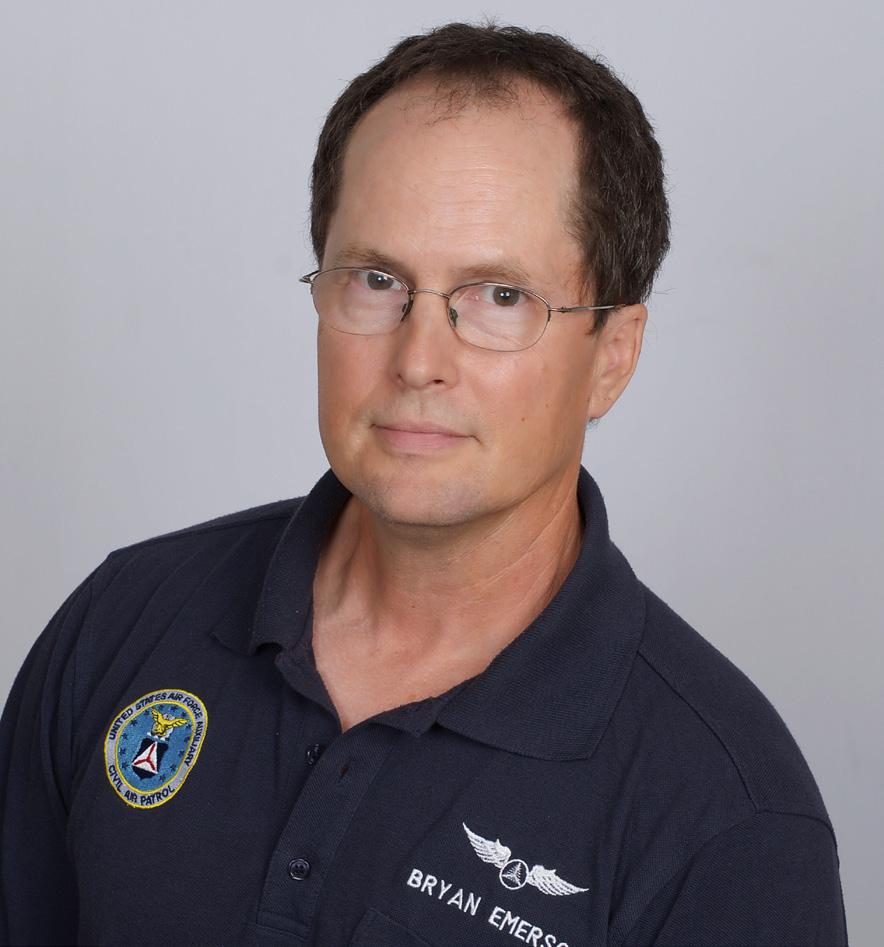
Lt. Col. Bryan Emerson, CAP Co-Editor
Alaska Wing PAO Assistant BRYAN.EMERSON@AKWG. CAP.GOV
1 (907) 795-5586 cel