











by Kent Caddick
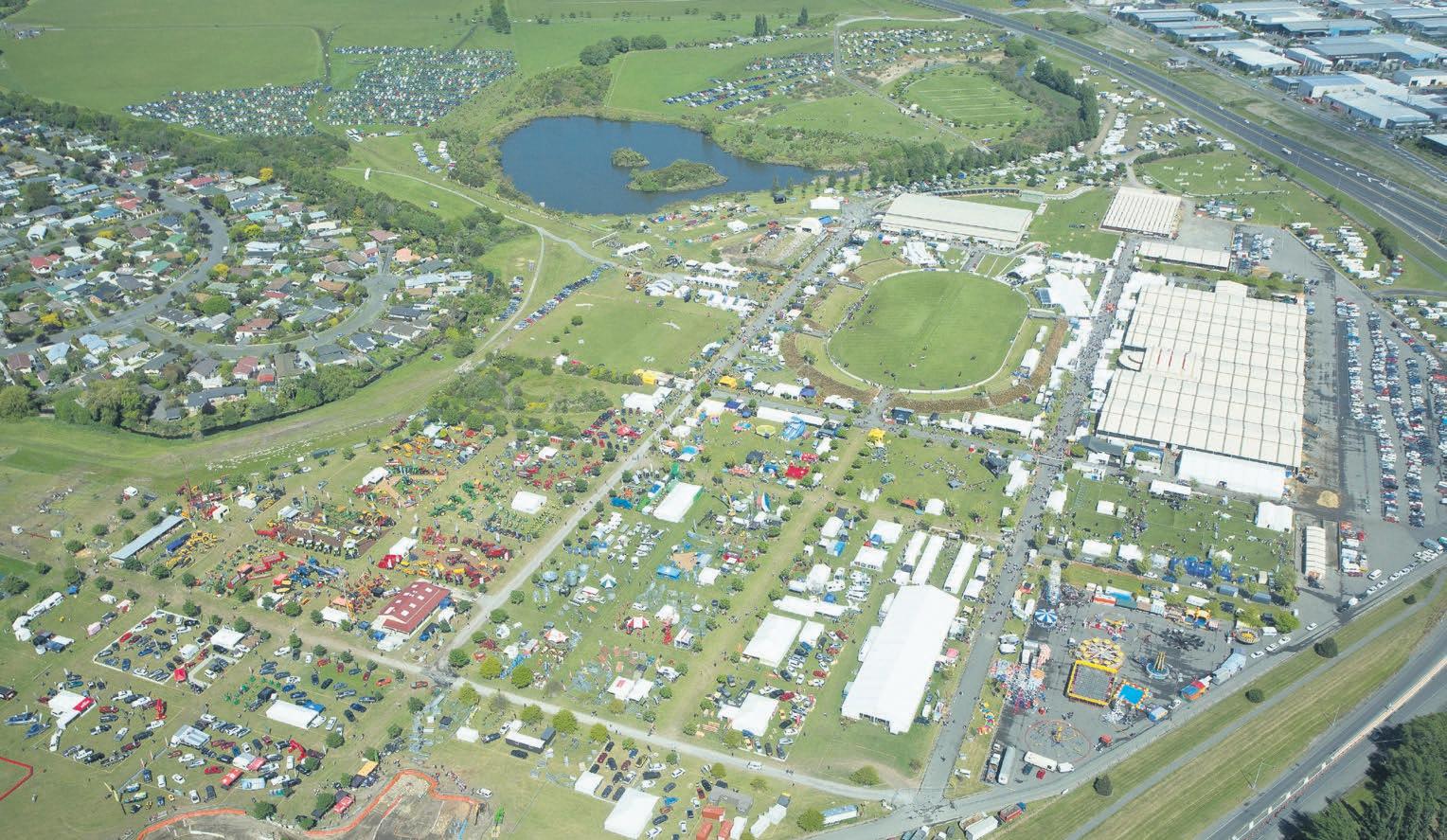
This year’s 163rd Show in November will go back to where it belongs running from Wednesday November 11 through to Friday November 13 at the Canterbury Agricultural Park in Christchurch.
The Friday date is set by the Show’s traditional 163-year formula: the second Friday after the first Tuesday of November.
Canterbury A&P Association Chairman Sir David Carter said the decision restores a format that has served the Show for more than 160 consecutive years, and reflects direct feedback from the farming community, rural exhibitors, and agricultural businesses who are the backbone of the Canterbury A&P Show.
“This is a return to our roots. Wednesday to Friday is the format that works for farmers, for competitors, and for the rural community that built this Show,” Carter said.
“We listened to our exhibitors and our members, and we are acting on what they told us. That is what good governance looks like.”
Event Director of the Canterbury A&P Show Geoff Bone said the change also resolves a scheduling conflict that has affected the Show under its previous Thursday to Saturday format.
“With the Show now running Wednesday through Friday, rural and urban Canterbury can attend the Show across three full days before the New Zealand Cup at Riccarton on
Saturday, two complementary pillars of Canterbury’s event calendar, rather than rivals for the same audience,” Bone said.
“When we build this Show around rural exhibitors and competitors, the urban audience gets something no other event can offer, a genuinely authentic rural experience to share with their kids.
“That’s what they come for. That’s what we have to protect,” Bone said.
Full competition schedules, entry information, exhibitor details, and membership communications will be released through established channels ahead of the Show.
To keep up to date with what’s on at the Show go to www.theshow.co.nz
Lian Butcher has been appointed as the next Chief Executive of the Environmental Protection Authority.
] by Kent Caddick
Butcher joins the EPA from Greater Wellington Regional Council, where she has been Group Manager of the Environment Group, her second tenure with Greater Wellington. Previously, she was Deputy Director-General, Partnerships and Engagement, at the Department of Conservation.
She succeeds Dr Allan Freeth, who concludes nearly 11 years of service with the EPA in June.
EPA Board Chair Barry O’Neil said Lian Butcher is an accomplished and experienced leader who brings a proven ability to lead complex organisations and work collaboratively with agencies and stakeholders to achieve results.
“Lian has led major programmes of change and has a strong track record in building highperforming organisational cultures in the public sector,” O’Neil said.
“The EPA continues to evolve in its role as an environmental regulator. We are focused on innovation and strengthening our engagement with stakeholders.
“Lian is well placed, given her experience and leadership approach, to lead the organisation through this next phase,” he said.
Originally from the United Kingdom, Butcher holds a Master of Science in Fisheries and Shellfish Biology and a Bachelor of Science in Marine Biology from the University of North Wales.
She began her career with the Environment Agency in Wales in 2001, working on the European Union’s Habitats Directive, before moving to New Zealand in 2010 to join the Ministry for the Environment.
Butcher will join the EPA in June to support a transition into the Chief Executive role, formally commencing on July 1.
O’Neil said the EPA Board acknowledges Dr Freeth’s significant contribution to public service in New Zealand and his leadership of the EPA over this time.
“This has included establishing new regulatory functions and implementing legislative changes, while ensuring decisions are grounded in robust, evidence-based processes.”
New job: Newly appointed Chief Executive of the Environmental Protection Authority Lian Butcher will succeed Dr Allan Freeth, who concludes nearly 11 years of service with the EPA in June.





Everyone who owns or rents a property whether rural or urban may experience unwanted intrusions from time to time from someone who is up to no good or from others who mean no harm but have no valid reason to be there. This gives rise to the question of how to deal with the intruders.
The first action which should be adopted is to ask the intruders to leave the property immediately and to point out to them that it is private property.
They should also be warned to stay off the property. If they choose not to leave after being asked to, or if they return without being invited to do so, they will be regarded as trespassing.
A trespass notice can be a verbal request, but it is more difficult to prove in a prosecution that the party receiving the verbal notice actually understood they were being trespassed. Ideally a trespasser should be given a written trespass notice requiring them to stay off the property and warning them of the consequences of any repetition of the intrusion.
The notice may be in general terms to the effect that the trespasser is banned from the property where they have entered unlawfully for two years and also outline the consequences of their coming back again.
It is essential that the notice is served on the intruder and two copies of the notice are kept for any follow up prosecution.
A prosecution for trespass may only be taken by the occupier of the land or the Police.
The Act outlines further offences in respect to domestic animals, laying poison on private land and leaving gates open that were shut and closing gates that were open.
If the trespasser is convicted of the offence the maximum penalty under the Act for offenders is a fine of up to $1,000 or three months’ imprisonment depending on the nature of the offence.



The Court also has the power to disqualify an offender from holding a firearms licence if he/she was carrying a firearm onto the land while committing the trespass.
While the Trespass Act sounds as if it relates only to land and dwellings it is of general application.
It is not unusual for a retailer to trespass shoplifters from their premises, shopping mall management also trespass those who become a nuisance, former partners entering the property occupied by their former spouse or partner and public bars to name a few of the scenarios where the Trespass Act can be invoked.
This article has been prepared by Bessie Paterson, a partner at Ronald W Angland & Son, Lawyers, 2 Chapman Street, Leeston
‘If the trespasser is convicted of the offence the maximum penalty is a fine of up to $1,000 or three months’ imprisonment depending on the nature of the offence.






Fonterra Co-operative Group has appointed Richard Allen as its next Chief Executive Officer, succeeding Miles Hurrell.
] by Kent Caddick
Fonterra Board Chair Peter McBride said Richard is an exceptional leader who will bring to the CEO role a strong connection with farmer shareholders and customers and a deep knowledge of Fonterra’s global operations and markets.
“The Board is really pleased to announce Richard as Fonterra’s next CEO, who will lead the Co-op into the next phase of its strategic implementation. Richard is passionate about our Co-operative,” McBride said.
“His most recent role is President Global Ingredients, responsible for Fonterra’s Ingredients sales, optimisation, risk management, trading and global manufacturing.
“He joined Fonterra as a graduate in 2008 and since then his career has spanned our global supply chain.
“He led our farmer facing business Farm Source for five years, has worked in China as Vice President of our Foodservice business, was the founding CEO of MyMilk, and more recently served as President Atlantic based in Chicago, responsible for relationships with a number of our global key accounts,” McBride said.
Richard Allen said he is incredibly humbled to be appointed CEO and feels great pride to be leading the Co-op.
“I’ve built my career with Fonterra and understand the important role the Co-op plays both for farmers here in New Zealand and our customers around the world,” Allen said.
“I’m committed to maintaining the momentum in our performance, focused delivery of strategy and financial discipline that

has been developed over recent years.
“Fonterra has a strong platform to build from and I’m excited by our prospects as we move forward as a New Zealand farmer owned global B2B dairy provider,” Allen said.


Allen will step into the CEO role on May 1, with Miles Hurrell staying with Fonterra in an advisory role until September 2026 to assist with the leadership transition.
“Miles has worked well with the Board to develop


leadership talent and plan succession, which has allowed us to run an efficient appointment process for Fonterra’s next CEO,” McBride said.




Minister for Agriculture
New Zealand is entering an important new chapter in its trading relationship with one of the world’s fastest growing major economies.
The recent signing of a landmark Free Trade Agreement with India represents a significant step forward for our exporters, our regions, and our long-term economic resilience.
As a trading nation, New Zealand must remain strategic and outward looking. This agreement does exactly that. It gives businesses greater certainty, more options, and the confidence to invest and grow.
Recently, I travelled to New Delhi with a cross-party delegation and around 30 New Zealand business leaders, many from the primary sector, to conclude the agreement. The relationships built during this visit will strengthen commercial ties and support long term partnerships between our two countries.
For many Canterbury and wider New Zealand exporters, India represents one of the largest untapped markets anywhere in the world. With 1.4 billion consumers and an economy projected to become the world’s third largest, the opportunities are substantial. This agreement not only levels the playing field – it positions New Zealand businesses to succeed in a competitive and rapidly expanding market.
Indian consumers value the high-quality produce New Zealand is known for. The FTA provides farmers, growers, and primary producers with improved access and the ability to diversify into a market that has previously been constrained by high tariffs.
Once in force, the agreement will eliminate or reduce tariffs on 95 per cent of New Zealand’s exports – one of the highest levels

achieved in any Indian FTA. Almost 57 per cent of our exports will be duty free from day one, including lamb, wool, coal, leather, and most forestry and industrial products.
This will rise to 82 per cent once fully implemented, covering products such as infant formula, a kiwifruit quota nearly four times our current export volumes, and a wide range of seafood.
The remaining 13 per cent – including kiwifruit, apples, manuka honey, wine, and some dairy products – will benefit from significant tariff reductions.
Dairy, traditionally a sensitive area for India, saw meaningful progress. We secured tariff cuts on several high value dairy ingredients and, for the first time in any Indian FTA, a binding mechanism allowing New Zealand to re-engage should India offer improved dairy access to another comparable economy. This ensures we can seek upgrades and maintain competitiveness.
India has also agreed to a fast-track arrangement enabling tariff free import of New Zealand dairy and other products for further processing and re-export. This creates new
opportunities for integration into Indian supply chains and supports value added growth.
Importantly, the agreement includes a review one year after entry into force, providing a clear pathway to pursue further improvements. The response from the business community, the primary sector, the services sector, and New Zealanders more broadly has been strongly supportive.
This agreement will mean more jobs, higher wages, and stronger regional economies. Its benefits will be felt across the country for generations.




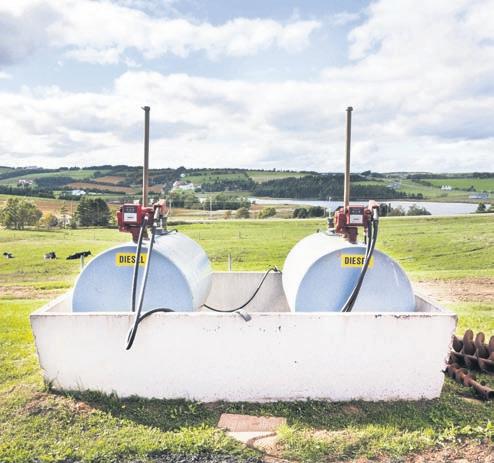
Since the escalation of tensions involving Iran and the closure of the Strait of Hormuz, farmers have seen diesel prices pushing closer to $4 per litre. Fertiliser costs, including urea, have risen by more than 50 percent in the last month, while fuel distribution constraints have been adding further uncertainty due to heightened demand.
For our rural communities, these are not small changes. They translate directly into higher input costs, tighter margins, and increased pressure on day-to-day operations.
Our primary sector drives export earnings, supports regional employment, and underpins our domestic food supply. But as a trading nation we are also highly exposed to global volatility, particularly when it comes to imported fuel and fertiliser.
Farm margins are tightening under the weight of rising diesel and input costs. If these pressures continue, the implications go beyond individual businesses. They affect production decisions, future investments, and every stakeholder that relies on our food system – from farmer to plate.
Fuel availability is also a real concern – in this case it’s whether the fuel will be there when it’s needed.
That’s why it’s important to ask: has the Government estimated the cost of war on New Zealand’s primary sector yet, and are
they prepared to step in to help the sectors that need it most?
There is a strong case for practical, targeted support. Recognising the primary sector as a top priority in the fuel prioritisation framework could help ensure continuity of supply. Targeted support for the most margin-squeezed sectors, including maize and vegetable growers, could help maintain business confidence and production.
Strengthening fertiliser resilience, including exploring domestic procurement options, would reduce our exposure to ongoing global volatility. Private investment has been signalled, including Victoria Hydrogen’s proposed $3 billion urea plant in Southland.
This represents a step toward reducing reliance on imported urea, but key inputs such as phosphate rock, potash, sulphur, and products like diammonium phosphate would remain imported, meaning New Zealand will continue to rely on global markets for much of its fertiliser supply.
The Government has a clear role in ensuring complementary investment in research and innovation that supports the primary sector.
For fertiliser resilience, that could include improving how inputs are used and recovered to reduce waste and improve efficiency.
Instead, recent reallocations and ongoing restructuring across the science system – including further cuts to R&D linked to the primary sector – risk undermining our long-term security.
There is no quick fix, but that makes sustained investment even more critical. Scaled up, coordinated funding in areas that directly
‘
Recognising the primary sector as a top priority in the fuel prioritisation framework could help ensure continuity of supply.
support the primary sector, such as nutrient efficiency, recovery from waste streams, and alternative inputs could reduce our vulnerability over time. Without this, we risk remaining exposed to global volatility.
Doing nothing and hoping conditions improve is not a plan. This Government needs to recognise that reality and respond to this honestly with rural New Zealand. Our primary sector should not be left to carry these pressures alone.
Wools of New Zealand Limited Partnership says the 2025 financial year marked another year of progress for the strong wool sector, with improving farmgate prices and a second consecutive profitable result in the face of lower wool volumes.
] by Kent Caddick
Richard Young, chair of WNZLP, which is jointly owned by Wools of New Zealand Holdings and Primary Wool Co-operative, said the strong wool market continued to strengthen through 2025, with demand exceeding supply across several categories and growers benefiting from rising auction returns.
“Although challenges remain, it’s encouraging to see positive momentum building,” Young said.
“Strong wool prices have lifted significantly, and that is flowing through to improved returns for farmers after a sustained period of weak farm-gate pricing.”
He said the average clean wool price at auction has increased by around 32% over the past 18 months, reflecting tightening supply and renewed international interest in New Zealand strong wool.
WNZLP recorded a net profit of $167,000 for FY25 ($165,000 FY24), marking its second straight year in profit following a period of disruption and change in the industry. Revenue for the year was $29.1 million (FY24 $27.6m).
“While this is a modest profit, this result shows the business is on a more sustainable footing, supported by disciplined cost management and a continued focus on delivering value back to farmers,” Young said.
Wools of New Zealand chief executive John McWhirter said the partnership’s performance is a positive sign for the business given the ongoing decline in national wool volumes, driven by land-use change into the likes of carbon farms and the rise of shedding breeds.
“Maintaining revenue is challenging in a declining market, so returning another prof-
it reflects the hard work of our team and the steps we’ve taken to reduce operating costs while continuing to invest in future opportunities.”
McWhirter said during the year, WNZLP continued to work with PGG Wrightson to streamline national logistics and reduce surplus infrastructure costs, ensuring growers are not carrying unnecessary capacity expenses as volumes decline.
“WNZLP also strengthened its direct market connections offshore, including establishing a presence in Shanghai, enabling closer relationships with Chinese mills and improving
manufacturing and supply chain efficiency.”
He said the partnership was also making progress with its consumer-facing wool products, including carpet and interior applications.
“The outlook for strong wool is positive, with demand continuing to outstrip supply and the partnership well positioned to build on the gains of the past two years,” McWhirter said.
“Our purpose is to make wool valuable for consumers, customers and wool growers. If consumers see the value wool offers, that value flows back through to farmers.”
‘
Profit holding: Wools of New Zealand Limited Partnership says strong wool prices have lifted significantly, and that is flowing through to improved returns for farmers after a sustained period of weak farmgate pricing.
The outlook for strong wool is positive, with demand continuing to outstrip supply and the partnership well positioned to build on the gains of the past two years.
John McWhirter Chief Executive, Wools

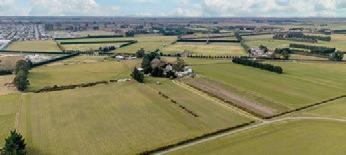
No matter what way you cut it, Canterbury, and the South Island more broadly, is facing a transport funding crisis. This isn’t a matter of opinion or regional advocacy dressed up as rhetoric. The numbers are clear, consistent, and concerning.

] Environment Canterbury chair Canterbury contributes around 12% of New Zealand’s GDP and generates 15% of national vehicle kilometres travelled. Yet for the 2024-27 funding period, our region will receive just 5% of the National Land Transport Fund (NLTF).
Put plainly, Canterbury is contributing roughly three times more in transport-related economic activity than it receives back in funding to support the very infrastructure that enables that activity.
Roads that move food, fibre, stock, and exports; routes that connect rural communities to processors, ports, and markets; and networks that underpin one of the most productive regions in the country.
This isn’t just a Canterbury issue. Across the South Island, the imbalance is stark. The island contributes 22% of national GDP, generates 26% of national travel demand, supports 33% of the nation’s freight movements and receives only 12% of NLTF investment. That level of disconnect would be unacceptable in any business. It should be unacceptable in national infrastructure planning.
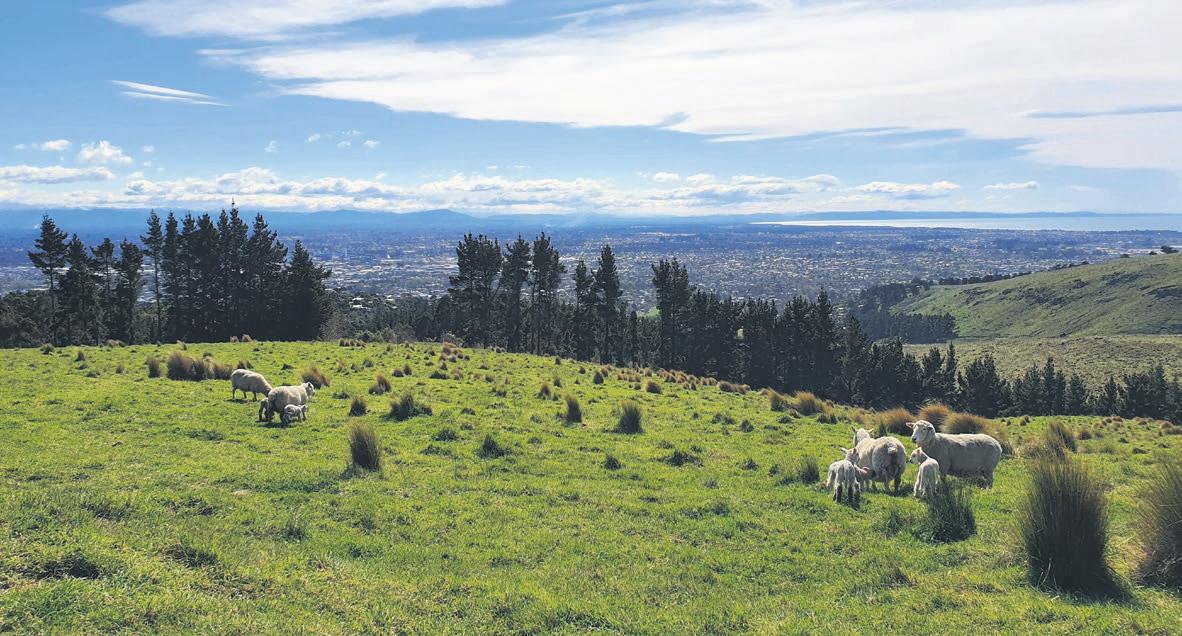
What’s particularly alarming is the direction of travel. Canterbury’s share of national transport funding has steadily declined over the past decade, from 11% in 2015-18 to 5% today – where it remains frozen.
This is not a short-term dip. It’s a structural shift that puts our region’s productivity at risk. Transport infrastructure is not just about roads and bridges, it’s about economic resilience and regional equity.
For Canterbury’s farmers and rural businesses, it’s about getting product to market on reliable transport networks. It’s about knowing that vital routes will be maintained, strengthened, and future-proofed against population growth and climate pressures.
Right now, we are asking Canterbury and the South Island to deliver national-level eco-
nomic outcomes while being supported by sub-national infrastructure investment. That doesn’t add up.
This isn’t about asking for special treatment. It’s about fair, evidence-based allocation that aligns funding with economic contribution and transport demand. Stable, equitable transport investment allows regions like ours to keep delivering for the whole country.
This trend must stop and reverse. Canterbury’s farmers, businesses, and communities deserve transport planning that recognises the role we play in New Zealand’s success.
We all need to be clear with central government, the current imbalance is not acceptable.

‘
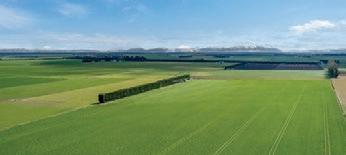
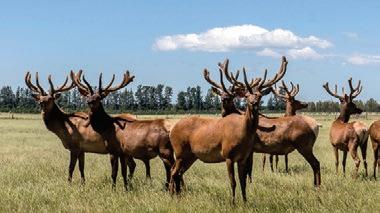
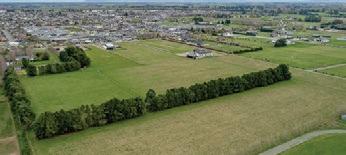
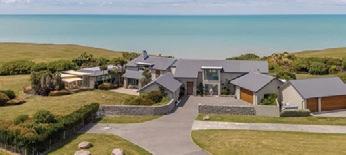
Funding frozen: Canterbury’s share of national transport funding has steadily declined over the past decade, from 11% in 2015-18 to 5% today, where it remains frozen.
For Canterbury’s farmers and rural businesses, it’s about getting product to market on reliable transport networks.
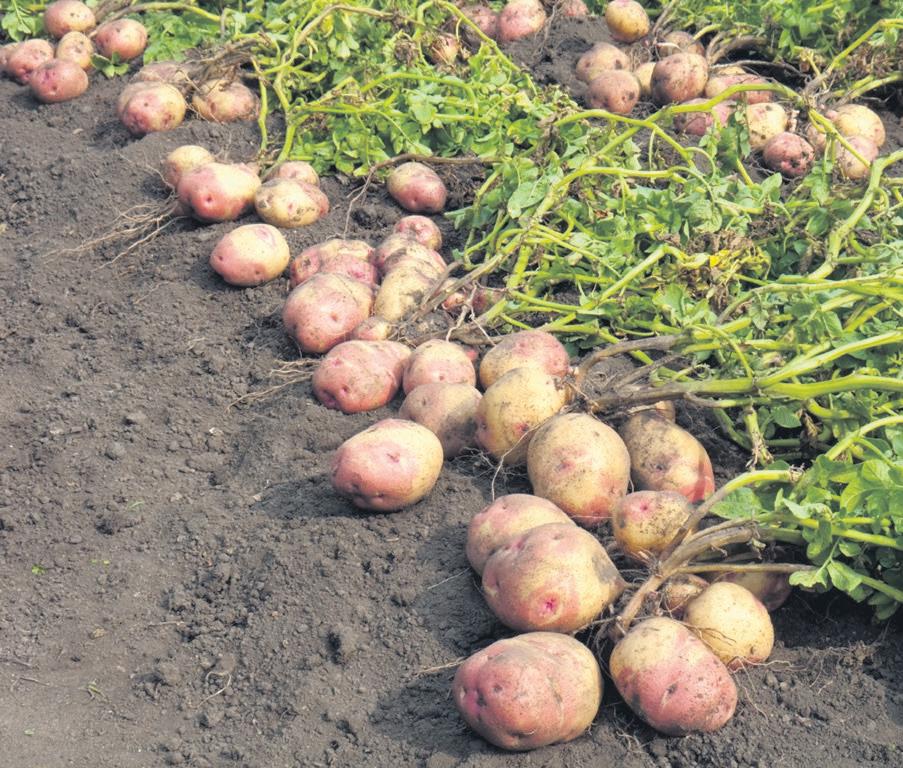
The Environmental Protection Authority has approved a new fungicide seed treatment to control disease on potatoes.
The New Zealand potato industry is valued at approximately $1 billion annually, according to Potatoes New Zealand.
Syngenta Crop Protection Limited applied to introduce Vibrance Premium, a fungicide containing 40 g/L sedaxane and 50 g/L fludioxonil.
Vibrance Premium can be applied to seed tubers before planting. It will control black scurf, silver scurf, black dot, fusarium dry rot, and gangrene and suppress common scab.
Sedaxane is a new active ingredient to Aotearoa New Zealand. Fludioxonil is approved for use in New Zealand in other products for the control of Rhizoctonia (black scurf and stem canker) and silver scurf. Vibrance Premium is a new mixture of the two active ingredients.
Syngenta Crop Protection Limited said combining the two active ingredients into one formulation will effectively control a broader spectrum of soil-borne, seed-borne, and storage disease in potatoes.
The EPA said risks to human health and the environment are low and any risks can be managed with controls. The fungicide can only be used and handled by professional operators and not by the general public.
As the substance is intended for agricultural use, it will also need approval from the Ministry for Primary Industries before it can be used in New Zealand.
Animal and Plant Health New Zealand (APHANZ) said the approval of a new fungicide seed treatment to combat diseases in potatoes is positive, however growers will be hoping a necessary final approval will be completed quickly so the product is available ahead of the spring season.
“This approval moves potato growers one
step closer to accessing a new tool, but it still requires approval from the Agricultural Compounds and Veterinary Medicines Group (ACVM),” chief executive of APHANZ Dr Liz Shackleton said.
“Growers need a broad toolkit, and this is one example. Potato farmers typically grow
other vegetable crops on their farms to meet standard rotation practice to support pest and disease management, soil health, and yields,” Shackleton said.
“So, this decision represents a shift forward. Every approval matters. A proportionate, predictable approvals system means our in-
Sound decision: Good news for potato growers with the Environmental Protection Authority approving a new fungicide seed treatment to control disease on potatoes.
dustry can remain viable to get tools into growers’ hands, for whom choice, affordability and supply certainty has never mattered more.” Shackleton said the decision shows what’s possible and highlights the role government and regulators can play in backing the primary sector to win.



Recent market movements have been driven largely by fast-changing news, highlighting how quickly sentiment can move markets in the short term.
Daily updates, ranging from military developments to progress in negotiations, have led to increased volatility. If disruptions to key global trade routes persist, the impact on in-
Looking to create wealth from off-farm investments?
flation and economic growth could be more lasting. However, history shows that markets and businesses often adapt more quickly than expected.
Supply chains adjust, companies respond, and over time, underlying economic fundamentals tend to reassert themselves.

Planning to diversify your assets?
Contact one of our Investment Advisers in
(03) 966 6760.



While global events have been driving markets in the short term, artificial intelligence (AI) remains an important longer-term trend.
AI is advancing quickly. The technology is improving, becoming cheaper, and being used more widely across different industries.
This is creating opportunities for businesses to work more efficiently, reduce costs, and develop new sources of revenue.
Markets are now moving into a more selective phase. Earlier excitement is giving way to a greater focus on companies that can actually turn AI into real profits – those with strong competitive positions and clear ways to make money from the technology.
At the same time, the risks are becoming clearer. The pace of change is fast, competition is increasing, and the level of investment required is high.
Not all companies will benefit, and some may come under pressure as it becomes easier for new competitors to enter the market.
Periods of major technological change have historically brought both disruption and opportunity. While outcomes will differ across companies, the overall opportunity is growing.
Recent global tensions have pushed energy prices higher, which is lifting the cost of living. These increases are starting to flow through to other areas, including transport, food, and everyday goods.
This has made things more complicated for central banks. While interest rates were previously expected to remain relatively steady before moving gradually higher, there is a growing sense that interest rates may rise quicker than previously thought, especially if cost pressures don’t ease.
As a result, bond yields have risen since the start of the year, offering improved income.
At the same time, bonds continue to provide some protection during more acute periods of market fluctuations.
The past quarter has been a reminder that ups and downs are a normal part of investing. Global events, rising costs, and changing expectations can all create periods of uncertainty.
In times like this, markets can react quickly to new information and sometimes move more than they should in the short term.
Over time, however, what really matters are the basics: how companies earn money, grow, and generate cash. Markets tend to settle and reflect these fundamentals in the long run. Responding to short-term market moves is often counterproductive.
A well-diversified portfolio, combined with a disciplined long-term approach, remains the most effective way to navigate these environments.
This article was prepared as at 31 March 2026 and provides market commentary for the three-month period ending on that date. If you would like to review your investments or discuss the market outlook in more detail, please get in touch. Andrew Wyllie is an Investment Adviser and Forsyth Barr’s Christchurch Manager. He can be contacted regarding portfolio management, fixed interest, or share investments on 0800 367 227 or andrew.wyllie@forsythbarr.co.nz. This column is general in nature, has been prepared in good faith based on information obtained from sources believed to be reliable and accurate, and should not be regarded as financial advice.


Out on the farm, tough seasons and tighter margins can put real pressure on even the most resilient of operators.
The Farm Debt Mediation Act 2019 (“Act”) introduced a mandatory framework requiring
certain creditors to engage with farmers before taking enforcement action.
In force since 1 July 2020, the Farm Debt Mediation Scheme (“Scheme”) was designed to ensure that farmers are given a fair and le-

gally supported opportunity to sit down with their specific creditors and work through financial difficulties, potentially avoiding insolvency or a forced sale of the farm.
The Scheme is administered by the Ministry for Primary Industries (“MPI”) and applies to a wide range of primary production businesses including pastoral, arable, horticultural, viticultural, aquacultural, and apicultural operations (provided the debt is secured over farm property).
MPI emphasises that the focus is on giving farmers a fair opportunity to negotiate before more serious recovery steps are taken.
One of the most significant features of the Act is the restriction it places on creditor enforcement.
The specific creditors cannot simply move to call up a loan, appoint a receiver, or take possession of farm assets without first complying with the mediation requirements.
The correct prescribed notice must be served through MPI, an accredited mediator engaged and the formal process followed.
Importantly, farmers themselves have the ability to initiate mediation. Where financial pressure is emerging, a farmer can make a formal request for mediation and in most cases, the creditor is then required to participate unless a limited statutory exception applies.
Failure to follow the process properly can undermine the creditor’s position. In practical terms, this means the creditor must formally offer mediation to the farmer and allow that process to either run its course or be declined.
If a creditor attempts to sidestep this process, enforcement action may be prevented until the statutory steps are followed, and any court proceedings can be put on hold.
Once mediation is underway, the process is confidential to encourage both parties to speak openly and explore options without concern that those discussions will later be used against them.
If an agreement is reached, it becomes legally binding once signed. If not, the creditor may proceed with enforcement, but only after the mediator has issued a formal outcome statement confirming that mediation has concluded.
From a practical perspective, the Scheme creates breathing room for the primary sector.
It does not erase debt, but it does ensure that farmers are not rushed into enforcement without first having a genuine opportunity to negotiate.
In the right circumstances, that pause can make all the difference between losing a farm and finding a workable pathway forward.


] with Laura Wood ] LGW Accounting
With farmers we often see they insure their tractors better than they insure themselves.
It is not intentional, of course. It is just the way the industry has always operated: head down, get the job done, and assume things will work out. The classic “she’ll be right” mindset. The problem is, when it comes to injury and income, that approach can be an expensive gamble.
Most farmers rely on the ACC to provide a safety net if something goes wrong. ACC is a strong system by international standards. If you are injured, it can cover treatment costs and provide compensation for lost income, generally at around 80 percent of your earnings. On paper, that sounds reassuring. But in practice it often falls short for farming businesses.
The key issue lies in how ACC calculates your entitlement. Your level of cover is based on your taxable income. For salaried employees, that usually reflects their actual earnings. For farmers, it often does not.
Many farming businesses are structured to be tax-efficient, with income smoothed across years or retained within the business. As a result, taxable income can be significantly lower than the amount a household actually relies on to live.
This creates a disconnect. Some years
you may have a loss, or a very small profit, and if you have an accident the following year ACC will rely on those latest IRD individual earnings to calculate your entitlement – 80% of nothing is, well, nothing.
Luckily, ACC do have a minimum weekly compensation amount, this currently sits at $752 per week, before tax, the equivalent of $39,000 per year.
Injuries rarely occur at a convenient time. It might be during calving, lambing, or harvest, periods when labour demand is high and the margin for error is low. If you are unable to work for several weeks or months, the cost is not just your lost income.
It is also the cost of bringing in relief labour, maintaining production, and keeping the operation running smoothly. Sit down and ask yourself, is $752 a week enough for that?
This is where ACC CoverPlus Extra can be really useful. CoverPlus Extra allows farmers to agree, in advance, the level of income they want insured, rather than relying on historical taxable income. CoverPlus Extra gives you some certainty, you know what will be paid, and you can plan accordingly.
It shifts the situation from reactive to managed, which is where good farming businesses aim to operate.
Of course, higher levels of cover generally mean higher ACC levies, and that is often
where hesitation sets in. It is easy to view levies as just another expense to minimise.
However, it is worth reframing that thinking. The real question is not what the cover costs, but what it would cost if you did not have it. A few extra thousand dollars in levies can be insignificant compared to the financial pressure of being unable to work during a critical period.
From an accounting perspective, one of the most valuable exercises farmers can do is step back and consider their true income needs. Not what the accounts say, but what it actually takes to run the household and the farm.
If you were out of action for three months, what would you need each week to keep everything moving? Once you have that number, it becomes much easier to assess whether your current ACC cover is fit for purpose.
Farming will always carry risk. Weather, markets, and regulation are largely out of your control. But how you protect your own ability to work is something you can control.





And in many cases, it is the difference between a temporary setback and a long-term financial strain.
Remember, ACC only covers injuries. Illness, whether it is something sudden or long-term, is not included.
‘It is easy to view levies as just another expense. The real question, however, is not what the cover costs but what it would cost if you did not have it.







The New Zealand Rural Support Trust’s recent brand film has taken out a major award at the inaugural The Worthies Awards.
] by Kent Caddick
The Worthies celebrate excellence in communications across the public, charity, and notfor-profit sectors, recognising campaigns that create meaningful change in communities.
The film was created to help lift awareness of Rural Support and the services available to farmers, growers and rural families facing difficult times.
But it also set out to celebrate the culture of care that exists across rural New Zealand, where neighbours, mates, contractors and industry partners all play a role in supporting wellbeing.
Rural Support Trust Chair Michelle Ruddell said for Rural Support, the recognition is encouraging not simply as an industry accolade, but as validation of the sentiment behind the film, a message about the strength of rural communities and the people who quietly look out for one another every day.
At its heart, the story reflects a belief that rural support works best when communities rally.
Together, building the fence at the top of the cliff, rather than relying solely on Rural Support as the ambulance at the bottom.
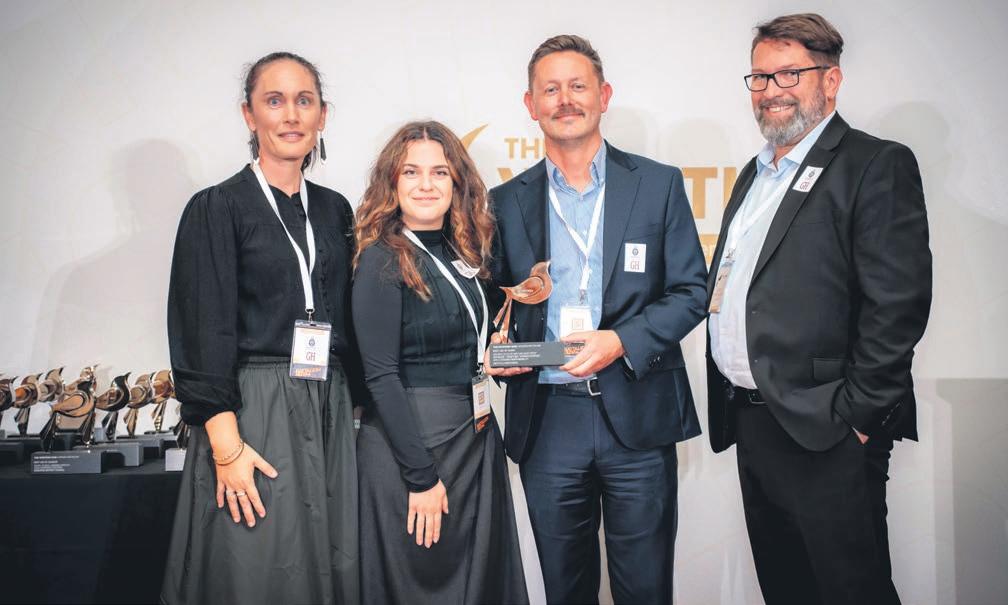
Ruddell said the response to the film had been powerful.
“Being in the room while the film is playing, seeing the emotive reaction of the audience, and then having people share their

For many, joint health deterioration is the first obvious sign of aging.

Gradual erosion of cartilage, is by far the most common issue.
What is Bettaflex?
Bettaflex is the most popular supplement in the Abundant Health range because of its positive support for joints affected by wear and tear, helping Bettaflex users to support mobility and quality of life.
How does Bettaflex work?
Bettaflex has been formulated to support joint comfort and mobility, making it an ideal supplement for those seeking support for joint comfort and stiffness. Bettaflex combines high-grade chondroitin sulphate, glucosamine
sulphate and patented BioSolve® Curcumin. This combination supports the maintenance of healthy cartilage and other joint tissue by supporting the joint processes that protect, maintain and renew cartilage.
Why use Bettaflex?
Bettaflex formulator John Arts comments, “I formulated Bettaflex with a single objective; that those concerned about joint health can support mobility and comfort helping them to enjoy better quality of life.”
vulnerabilities because of it, that’s incredibly humbling. It shows how important it is that we keep these conversations going.”
The film was created in partnership with Fonterra and Waikato-based brand and
marketing agency Bettle-Associates.
Bettle-Associates managing director Will Peart said the project set out to honour both the role of Rural Support and the wider rural community.
“We’ve worked with Rural Support for some time to help elevate their visibility, but also to elevate the role rural people play in looking after one another,” Peart said.
“If the film helps more people recognise that and encourages those who might need support to reach out, then it’s doing its job.”
Ruddell said the recognition also reinforces the wider importance of the rural sector to the country as a whole.
“Rural communities contribute enormously to New Zealand’s economy, environment and identity, and initiatives like this help strengthen understanding between urban and rural New Zealand.
“Ultimately, the award is seen as recognition not just of the film itself, but of the people and communities it represents: the farmers, growers, volunteers and supporters who continue to look after one another across rural New Zealand.”
To watch the film go to: youtu.be/jPgjU2p24Lg

Being diagnosed with osteoarthritis means you have joined one of, if not the largest, health problem clubs.
Your doctor may have arranged X rays to confirm that you have cartilage loss and possibly degenerative changes to your bones. You may have been referred to an Orthopaedic specialist who may have outlined surgical options.
Medicine has essentially three options for osteoarthritis: pain relief, physiotherapy, or surgery. Nutritional Therapy is based on quality, professionally prescribed supplements and anti-inflammatory diets that can be very effective in improving joint function and mobility.
My client files are full of testimonies from people who have had significant reductions in pain and improvements in mobility.
The goal of Nutritional Therapy is firstly to improve the function of the specialised cells (chondrocytes) that maintain cartilage.
Secondly, we want to reduce inflammation in the joint capsule. This is responsible for much of the discomfort and reduction in mobility.
Let’s give your OA symptoms a score of 10/10 discomfort. What would your life be like if this reduced to 7/10, or 5/10 or even 2/10?
I recently caught up with a client with significant knee pain. The worst part was the pain at night.
He now reports the pain at night has gone and are significantly better during the day. He has gone from 10/10 to around 2/10.
The question is whether we are willing to try something different. There is the cost barrier.
Fortunately, a quality, high Chondroitin joint supplement with Omega 3 Fish oil is about $40 a month, more in the initial intensive period.
Adopting an anti-inflammatory diet will possibly mean some extra costs, but it is hard to put a price on our health.
However, in my experience the biggest barrier is simply we are creatures of habit and naturally resist change.
John Arts (Adv.Dip.Nut.Med) is a qualified nutritional medicine practitioner and founder of Abundant Health. To read more articles by John and learn more about the Abundant Health products he has formulated, visit www.healthhouse.co.nz, call 0800 140 141, or email john@healthhouse.co.nz
Covid is still very much in everyone’s mind and the world closing like an annoyed clam, with results that we are still clambering out of. But, to quote Sir Winston Churchill, “If you are going through hell, for goodness’ sake keep going”.
We have gone through hell on many occasions and always come out on the other side.
Cast your mind back to the Muldoon era when the SMP’s were taken away.Doom and gloom ran rampart as producers panicked and thought the end of the industry was happening.
The killing of old ewes at the works meant producers got a killing bill rather than a return for the meat.
I am sure you will remember the media covering farmers in the Mayfield Area, if my memory serves me rightly, killing sheep and throwing them into a pit to save the charges.
The animal rights Womble’s had a field day as the media added gallons of petrol to the story.
Plus, along those lines the street protests in Timaru over the sheep shipments that had been profitable for producers. The Wombles did win that one, but again the producers found another way of making ends ‘meat’.
(Sorry, I couldn’t resist that one.)
Then there was the RMA. Designed to make farming so complicated, the industry would fold up and wither on the vine. Wrong, farmers simply worked around it, at great cost, but worked around it.
I think it is rather nice that the red tape is starting to unravel rather than our industry.
As far as the fuel crisis is concerned, we have all been reminded about the last big one when rationing hit and carless days were introduced.
Producers took the whole thing on the chin and had to swallow the difference between their returns and their outgoings.
I did have high hopes when the new Government was elected because I had the hope that farming would get the attention and assistance it needs to bloom, but the numbers game still seems to win.






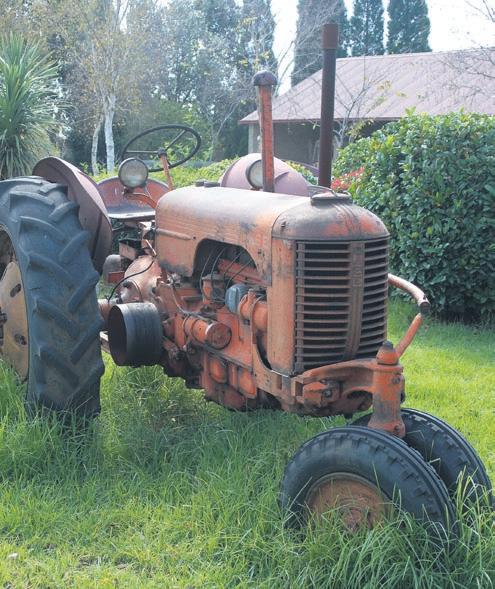
‘As far as the fuel crisis is concerned, we have all been reminded about the last big one when rationing hit and carless days were introduced. Producers took the whole thing on the chin.



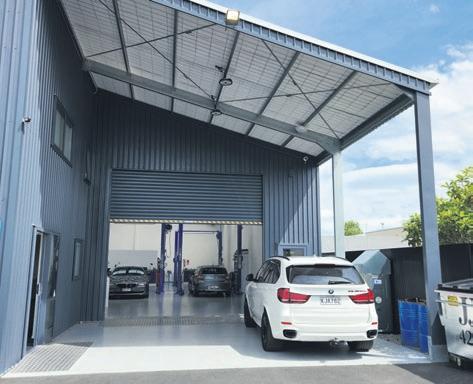
Whether you are looking for a simple shed, garage or lifestyle building, Totalspan Canterbury can provide you with a free, no obligation quote, including an on-site consultation to ensure we understand your needs.
] Advertorial supplied by ] Totalspan Canterbury
Totalspan Canterbury building teams have built an extensive range of steel buildings. They are passionate about their work and providing you with a ‘concept to completion’ service.
Why choose Totalspan Canterbury?
• We provide a full build contract service, ‘from concept to completion’.
• Our building teams are trained and approved by us to provide the best building quality, backed up by our 5-year workmanship guarantee.
• We offer quality steel buildings designed and built for life.
• Locally owned and operated, we are backed by one of New Zealand’s largest private building companies with over 40 years’ experience.
• We stand behind our products with a 25-year Structural Guarantee.
• We offer peace of mind by making sure your building is fully insured by us while under construction.
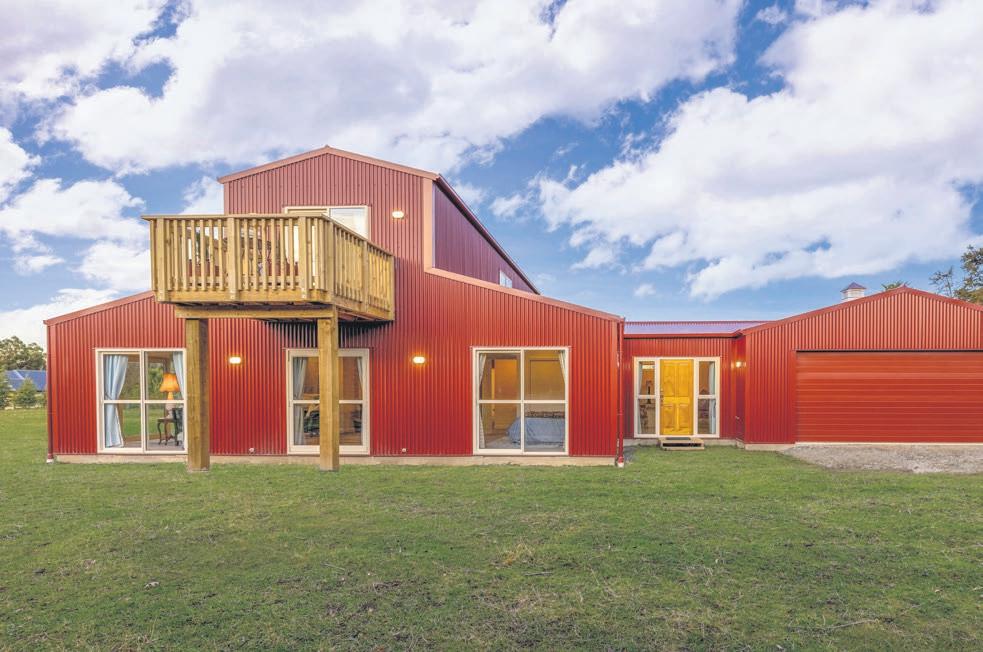
Totalspan Canterbury building teams have built an extensive range of steel buildings backed by a 5-year workmanship guarantee and a 25-year Structural Guarantee.
• We care about you and our staff so your building project will have a specific health and safety plan to ensure workplace safety.
• We offer you great advice, a site visit, design and quote all with no obligation.

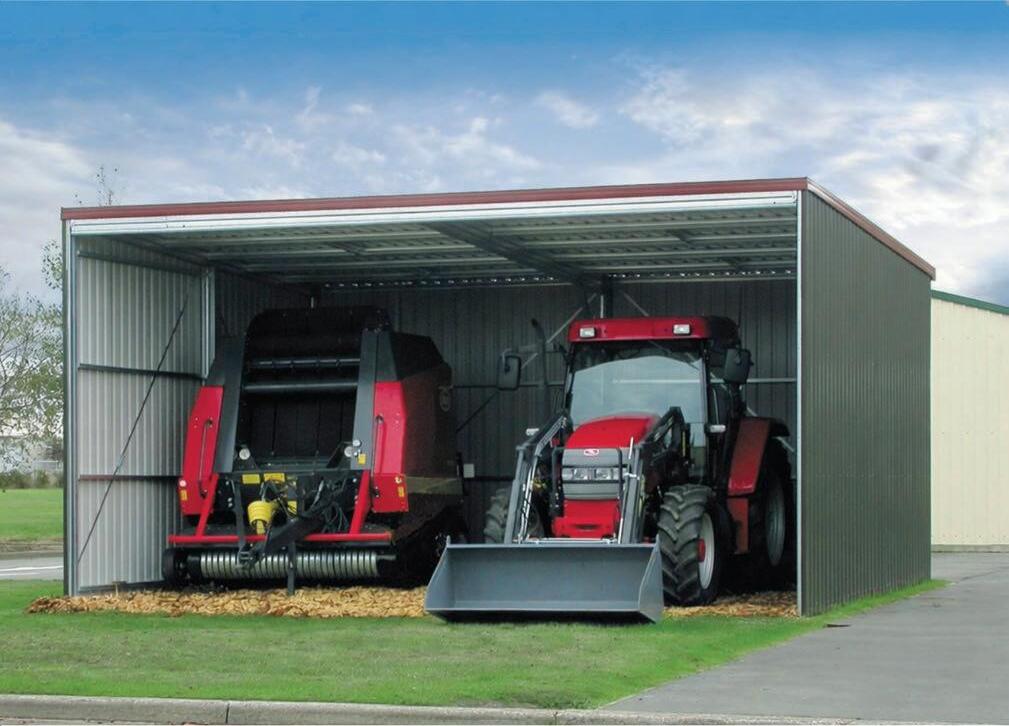


Whatever your needs Totalspan Canterbury offers great advice, a site visit, design and quote all with no obligation.
What our clients have to say:
“We find your staff to be very customer focused who kept us informed throughout the build.”
— Ouruhia School
“This was our second build with Totalspan and we absolutely love the finished product of our new garage. The entire team were amazing to deal with and helped us navigate our unique custom design project from start to finish to give us exactly what we wanted. If you have a project Totalspan Canterbury will help you out.”
— Fiona and Chris, Rolleston.


On New Zealand dairy farms, fertility doesn’t just affect reproduction, it also has a flow on effect for milk production, workload, costs and long term sustainability.
] Article supplied by DairyNZ New research is helping farmers better understand and manage fertility, with clearer tools and measures to support more robust, productive herds.
The Resilient Dairy Programme, a primary growth partnership between DairyNZ and its subsidiary NZ Animal Evaluation, breeding company LIC, and the Ministry for Primary Industries, put the spotlight on ways to improve animal wellbeing and health diagnostics, genetic innovations and genomic advancements.
According to DairyNZ senior scientist Dr Susanne Meier, fertility has a ripple effect across the whole farming system, influencing calving patterns and days in milk, lower replacement and wastage costs, higher lifetime milk production, and greater flexibility related to mating and on-farm business decisions.
“Most New Zealand dairy herds calve seasonally, so timing matters,” Meier said.
“When cows don’t conceive early in the mating period, they calve later the following season, produce less milk early in lactation, and are more likely to be carried over.
“The fertility breeding value (BV) estimates how desirable an animal’s traits are when passed down to offspring. Genetics is one of the tools available to farmers to help improve herd reproductive performance. Every season’s mating decisions shape the future of the herd,” Meier said.
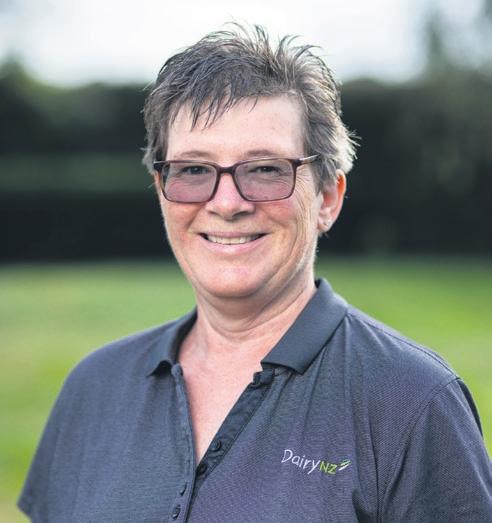
Fertile ripple: DairyNZ senior scientist Dr Susanne Meier says fertility has a ripple effect across the whole farming system, influencing calving patterns and days in milk, lower replacement and wastage costs, higher lifetime milk production, and greater flexibility related to mating and on-farm business decisions.
Research has shown that cows with higher fertility breeding values cycle sooner, conceive more reliably, mature faster, and remain productive in the herd for longer, delivering greater lifetime performance.
Over the past decade, this research has grown, with scientists refining fertility measures and exploring new indicators such as pregnancy diagnosis, and to role of wearable technology, accounting for reproductive treatments and the use of heifer puberty.
To keep pushing progress, DairyNZ recently brought together researchers and industry partners involved in the Resilient Dairy Programme to see where gains can be made faster.
Two priority areas stood out: pregnancy diagnosis and measuring the time from calving to first heat (using wearables).
“Both measures show strong potential because they are influenced by genetics, can be measured accurately at scale, and fit more easily into existing farm systems,” Meier said.
“DairyNZ is well placed to act as a ‘trait development accelerator’, bringing the right people together, including geneticists, sire selection and sales teams, and data custo-

‘Every season’s mating decisions shape the future of the herd.
Dr Susanne Meier
DairyNZ senior scientist
dians, early in the development cycle.
“By coordinating this work early, it reduces risk and avoids duplication. Importantly, valuable new traits can be developed faster and are ready to be used on farm, for the benefit of the whole industry,” she said.
For more information on DairyNZ’s fertility research visit www.dairynz.co.nz/research





PARTNER












The arable industry’s best and brightest are being sought following a call for nominations for the 2026 Arable Awards.
] by Kent Caddick
Awards organiser and Federated Farmers National Vice President Colin Hurst said the Arable Awards are a “great opportunity to bring everyone together to celebrate our industry and recognise our high achievers”.
“I know that the 2025-26 season wasn’t the easiest, with weather issues including wet conditions during harvest in some regions, but this doesn’t diminish growers’ skills and effort.”
Hurst, a South Canterbury arable grower, said New Zealand grain and seed growers are some of the best in the world.
“Despite huge support in 2024, it was decided to hold the event every second year, a move supported by sponsors and organisers.
“These types of events are expensive and time consuming and we didn’t want them to become a grind for organisers, sponsors or attendees. All the background work for the 2026 event has been done now, so all we need are the nominations.”
Nominations close on 1 June, so people are encouraged to head to the Arable Awards website, www.arableawards.co.nz, check out the seven categories and download a nomination form.
The Arable Farmer of the Year is selected from the three grower awards winners: cereal, seed and maize, while inductees to the Arable Hall of Fame are chosen by the awards’ organising committee.
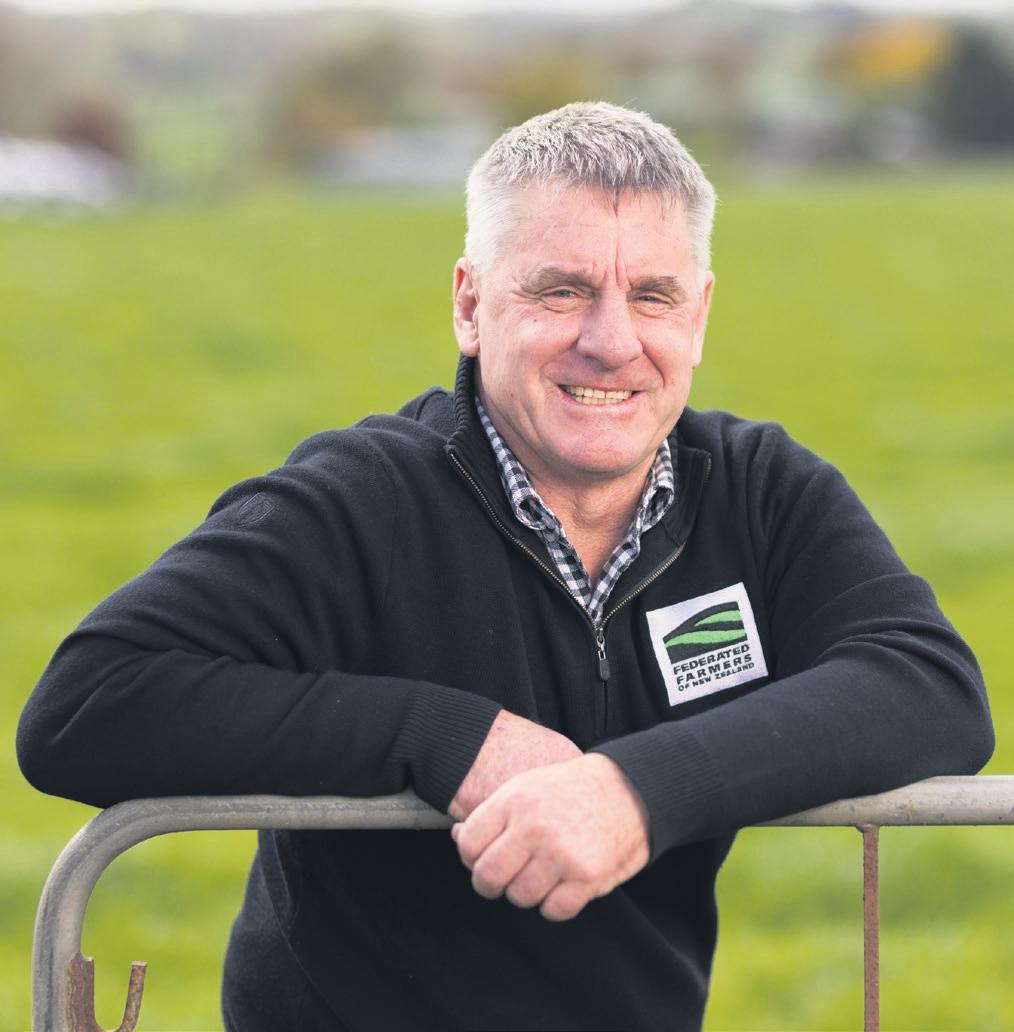


Simply the best: Arable Awards organiser Colin Hurst, a South Canterbury arable grower, said New Zealand grain and seed growers are some of the best in the world.
The seven open categories and their sponsors are:
• Maize Grower of the Year: Pioneer Brand Products
• Cereal Grower of the Year: Bayer
• Seed Grower of the Year: PGG Wrightson Seeds
• Agronomist of the Year: Seed and Grain NZ
• Innovation: Barenbrug
• Positive Environmental Impact: FMG
• Working Together:
• South Pacific Seeds.
•
Tickets for the awards dinner, which is being held at the Wigram Air Force Museum in Christchurch on 20 August 2026, can also be purchased from the awards website: www.arableawards.co.nz













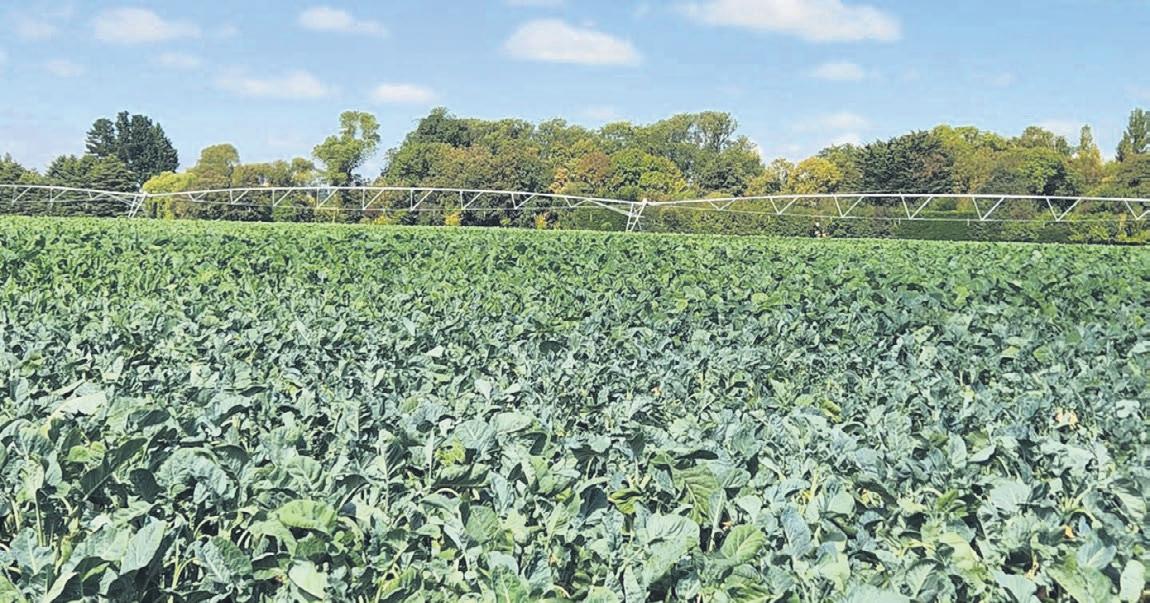
While the wet summer in some areas has been good for grass growth, some kale winter forage crops have been affected by rainfall, with some crops rotting in the ground.
] Article supplied by ] Beef + Lamb New Zealand
Canterbury agronomist Caleb Pomare-Edwards from Luisetti Seeds says this issue affects areas across the region. He advises farmers to assess crops promptly and consult agronomists if significant damage has occurred.
“It’s not too late to stitch in a fast-growing crop like rape, or re-sow with an annual grass, forage oat and legume mix,” he said. “This can be grazed over winter and spring, or shut up for silage.”
Pomare-Edwards urges farmers to act now rather than wait for recovery. He also recommends measuring crops and completing a feed budget to ensure sufficient winter feed.
Beef + Lamb New Zealand encourages farmers to develop a Winter Grazing Plan to protect animal welfare and the environment.
Environment Project Lead Tom Orchiston says forage crops are vital for winter feeding but require careful risk management.
“I strongly recommend a Winter Grazing Plan covering stock and crop management for each paddock,” Orchiston said.
Key elements include grazing direction, fence and trough placement, supplementary feed, critical source areas (CSAs), proximity to waterways, shelter, loafing areas and bad weather contingencies.
Farmers should access available resourc-
es or contact their regional council for specific guidance.
Paddock and Grazing Management
Key factors to consider:
• Feed planning: Calculate how many animals the crop will feed and for how long. Use the B+LNZ FeedSmart app for nutritional and allocation advice (www. feedsmart.co.nz).
• Waterway protection: Maintain an ungrazed buffer (at least 5m, more on
slopes) between stock and waterways/ CSAs. Graze CSAs lightly and quickly when conditions allow.
• Supplementary feeding: Use portable troughs and place hay/baleage in drier areas away from CSAs and waterways. Introduce feed before grazing to reduce soil damage.
Strategic Grazing
• Fence placement: Fence across slopes and start at the top so the standing crop
Good news, bad news: A wet summer has been good for grass growth, but some kale winter forage crops have been adversely affected by the rainfall.
filters runoff. Start away from waterways if present.
• Breaks: Make long, narrow breaks for better crop utilisation.
• Back-fence regularly to minimise pugging and runoff.
• Match stock to paddocks: use lighter sheep on high-risk areas, heavier cattle/ deer on lower-risk ones.
• Ensure animal welfare with shelter and dry lying areas. Use stand-off pads or temporary bedding if needed.
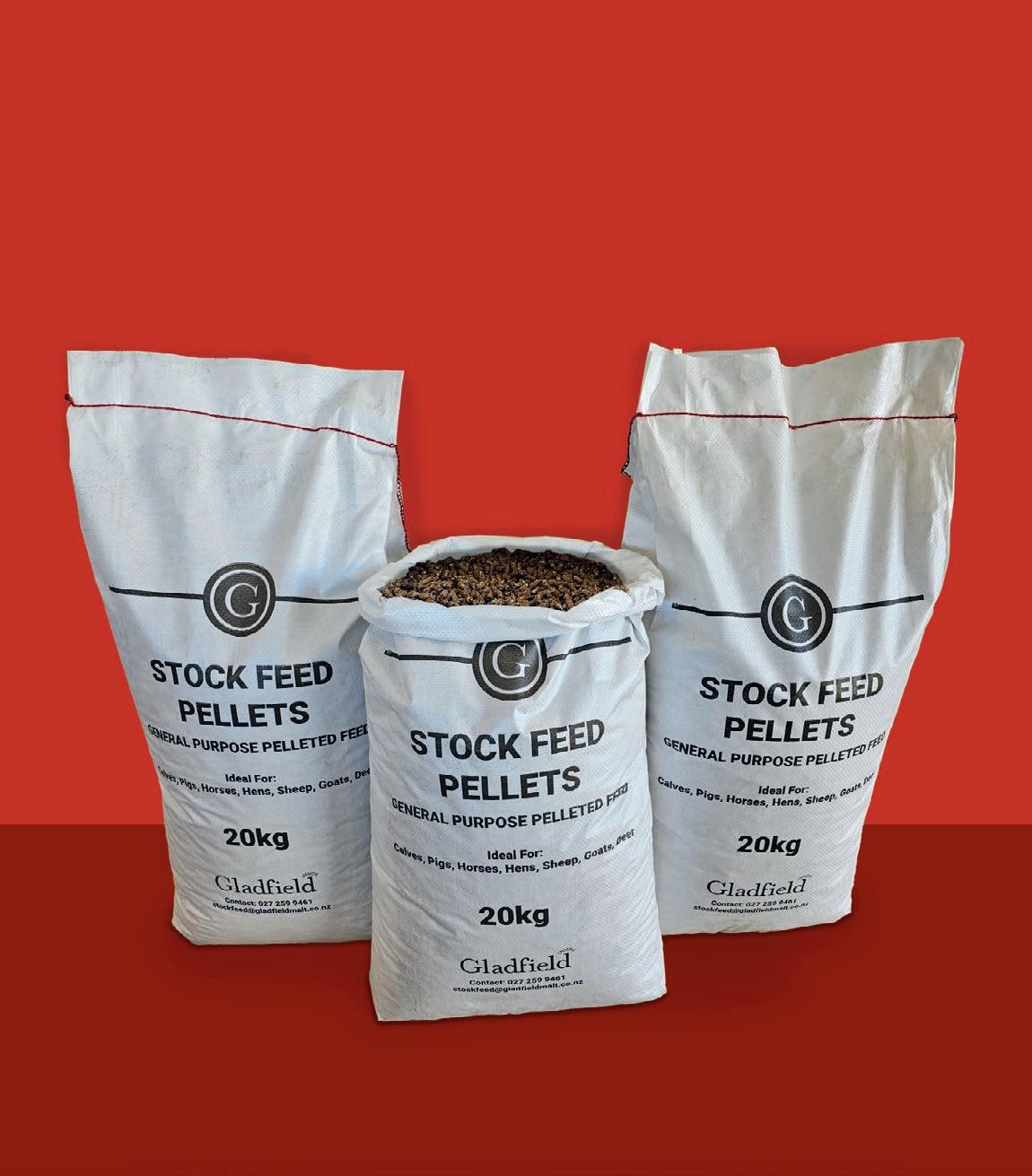
“Gladfield stock food has been a favourite at our farm for some time. We love the simplicity of the pellet form. Our chooks, calves, cattle, and sheep go crazy for the tasty brew! Thanks, Gladfield – we appreciate your innovation!”
– Vic, Rosaleigh Farm, Hororata
“Happy animals, happy customer, great accessibility, great product. Highly recommend!”
– David Marshall, Holly Farm, Leeston
Pick up available from Gladfield Malt, 721 Hororata Dunsandel Road, Dunsandel General
In the Canterbury farming world, a man’s word and his handshake are his bond. For years, that bond was personified by Bernie Hutton at Barson Distributors.
] by Barson Distributors 2024 Ltd
When Bernie passed away, the region didn’t just lose a top-tier operator; Kimberly and Mathew Thom lost a very dear friend.
Today, Kim and Mat are proud to be carrying that torch forward, honouring Bernie’s legacy while evolving the business for the next generation of Canterbury farmers.
Keeping the wheels turning:
Barson Distributors 2024 Ltd
The stock collection side of the business was where Bernie truly made his mark, and the Thoms have kept that heritage front and centre.
Now operating as Barson Distributors 2024 Ltd, the team provides the same nofuss, reliable service the rural community has relied on for decades.
“Bernie was a great mate, and we know how much pride he took in looking after local farmers,” says Mat.
“When we took over, we wanted to make sure that the ‘Barson’ name, and the friendly professional service that goes with it, stayed in the paddock.”
Whether it’s a quick removal of stock, the 2024 crew handles every job with the same discretion and “old-school” professionalism Bernie was known for. It’s about a quick response, and a service you can trust when the pressure is on.
They understand that for a working farm, timely and ethical stock removal is a necessity for bio-security and land management.
Operating a fleet of purpose-built vehicles, Barson Distributors 2024 Ltd sticks to strict hygiene and gate protocols to ensure farm safety is never compromised.
While the trucks carry the Barson name, the retail side has seen a fresh change. Formerly known as Real Pet Food, the shop has been rebranded Simply Raw.
This name reflects the Thoms’ straightforward approach: keeping things simple, natural, and unprocessed.
Closing the loop: Feeding the farm team
The real magic happens in the “closed-loop” between the two sides of the business.
The proteins, predominantly local beef and horse, but they also remove sheep and alpacas, are collected by Barson Distributors and then processed by the team into Simply Raw’s signature blends.
Because the Thoms own the whole process, they can guarantee the quality.
There are no mystery fillers, just honest, raw food that keeps working dogs in peak condition.
For the rural community, this also means access to bulk buying options that make
feeding a whole team of dogs affordable without compromising on health.
It’s the kind of fuel a dog needs for a hard day’s work.
A family business with a local heart
Mat & Kim have kept the original staff which includes Bernie’s partner Sarah and her two children, Korban and Daryn, but have also added their own daughter Emersyn, which means Simply Raw and Barson Distributors 2024 Ltd remain a true family affair.
They aren’t just business owners; they are part of the community, carrying on the work of their friend Bernie while looking toward the future.
Whether you need a truck out at the yards to remove stock or a bulk order for the kennels, you’re dealing with locals who know the land and value the relationship.
Get in touch
Need a removal or want to talk dog tucker? Give the team a bell.
Phone Stock Removal: 027 412 2878, Retail Shop: 03 347 0626 or visit: www.simplyraw.co.nz
Honoring the past, feeding the future. Locals supporting locals.
The Government says it is cutting unnecessary costs and inflexible rules while maintaining environmental protections with targeted Stock Exclusion Regulations changes.
] by Kent Caddick
Agriculture Minister Todd McClay said they’re making it easier for farmers to farm by replacing a one-size-fits-all rule with local decisionmaking based on local risks and conditions.
“The previous approach was widely seen as inflexible and, in some regions, disproportionate to the environmental benefit,” McClay said.
Regulation 17 of the Resource Management (Stock Exclusion) Regulations, which relates to natural wetlands that support threatened species, has been amended so it no longer applies to beef cattle and deer which are not intensively grazing.
Associate environment Minister Andrew Hoggard said the previous rule required all stock to be excluded from natural wetlands supporting threatened species, regardless of farming intensity.
“A well-managed low-intensity grazing regime near a wetland provides continuous, natural weed control which can replace the need for chemicals,” Hoggard said.
He said the amendment is part of a suite of changes this Government has made to Stock Exclusion Regulations and national direction under the Resource Management Act.
“The costs of protecting the area could be out of proportion to the environmental gain. This is why we are focusing more on delivering fit-for-purpose farm plans where the actions are more tailored to the risks on-farm and the specific catchment, rather than a one size fits all regime from Wellington,” Hoggard said.
Regional councils and unitary authorities remain responsible for managing and enforcing stock exclusion rules and may adopt stock exclusion requirements in their regional plans.
Changes: Stock Exclusion Regulations changes will make it easier for farmers to farm by replacing a one-size-fits-all rule with local decision-making based on local risks and conditions.
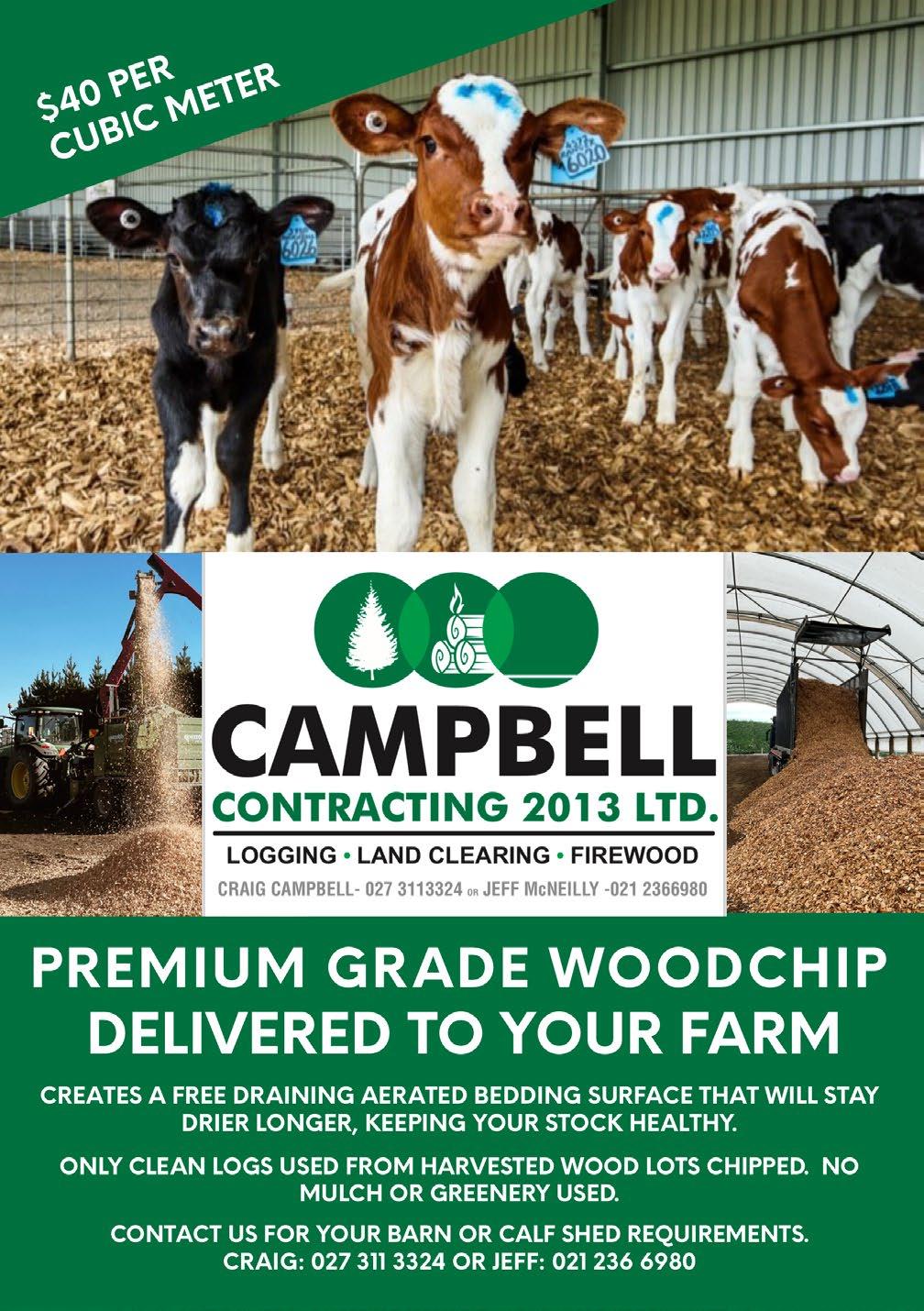
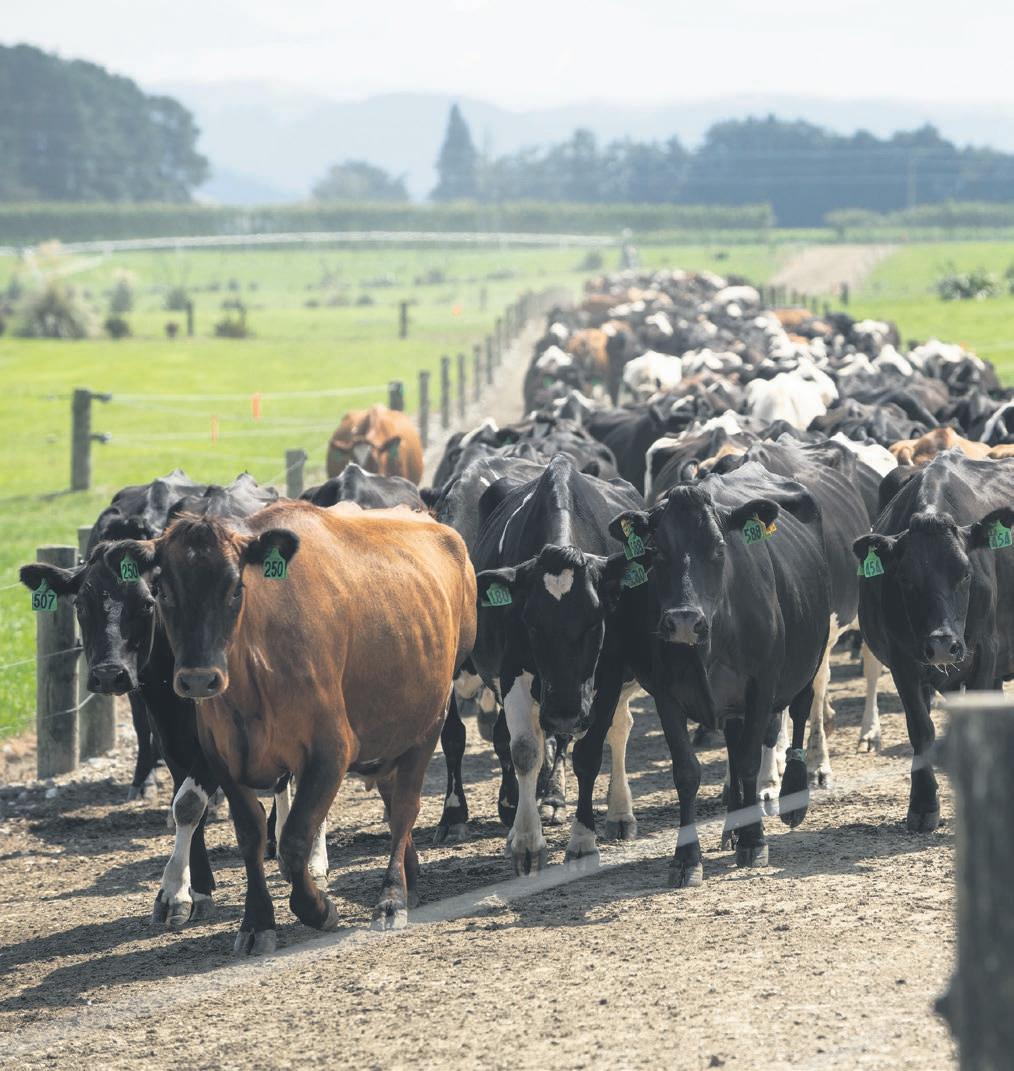
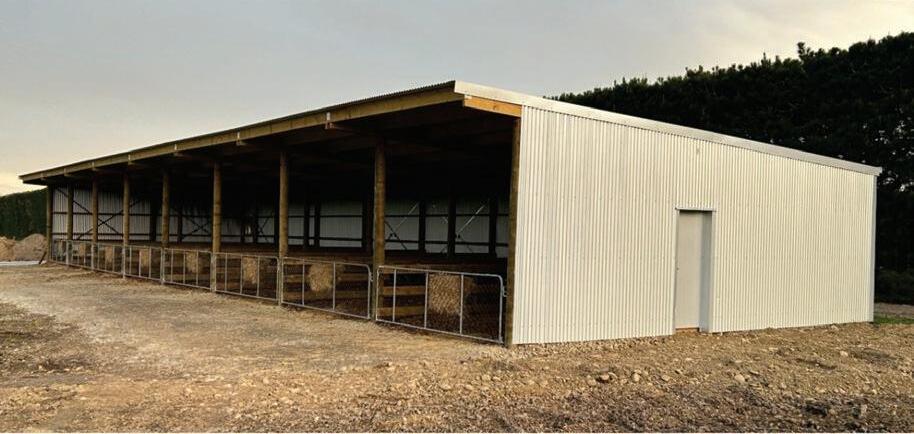


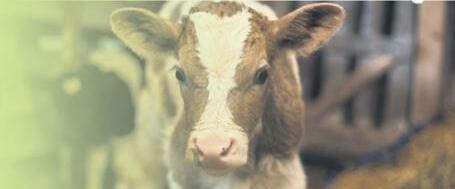
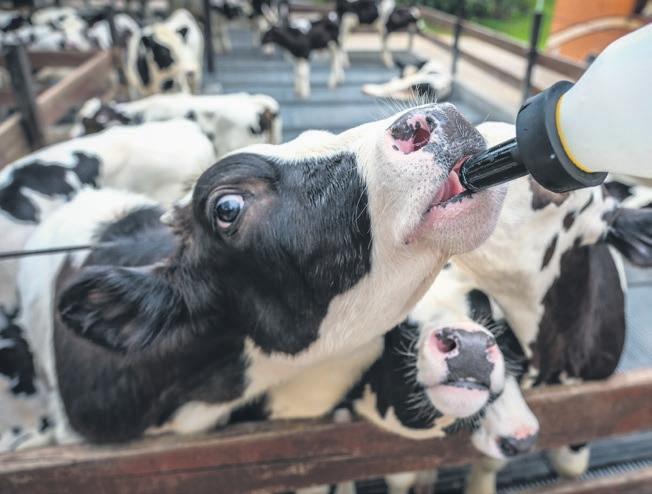
To set a dairy cow up for a long, productive life you must give her the best possible start. Extra effort now will pay dividends throughout her milking life.
] Article supplied by DairyNZ
Heifers that reach target weights make successful milking cows and growing them well starts from the day they are born.
Calf rearing good practice
All calves, including bobbies, must receive adequate fresh colostrum within the first 24 hours of life and should be fed colostrum, or a colostrum substitute, for at least the first four days of life.
• Always handle calves gently and with care. Do not allow anyone to throw, hit or drag a calf at any time. Electric prodders must not be used on calves.
• Calves that are not with their mothers must be provided with shelter so that they can stay warm and dry.
• Calf pens must be fit for purpose and well maintained. Bedding areas must be comfortable, clean and dry, with adequate ventilation but draft free at the calf level. Exposed concrete, bare earth and mud are not acceptable.
• Calves should be fed at the same times each day to minimise stress.
• Always ensure your calves have access to plenty of fresh water.
Feed calves adequate quantities of good quality feed to rapidly achieve weaning weight with a well-developed rumen.
Colostrum
The calf should drink at least 2 litres of fresh colostrum during the first six hours of life to get protective antibodies. To achieve this, pick up calves twice a day and give them gold colostrum
Gold colostrum is valuable even if it has blood or with clotty mastitis milk. It is best fed fresh but may be frozen for up to six months. Thaw/heat in warm water; do not microwave.
You can test the level of antibodies in a batch of colostrum using a Brix refractometer, available from your vet, farm supply store or a home brew shop. Brix higher than 22% are best for newborns.
Store colostrum in multiple drums (to reduce risk of loss), in a cool place and out of direct sunlight. Stir twice a day.
A colostrum keeper or yoghurt starter, available from supermarkets, can be added to each drum to preserve it. Alternatively, preserve colostrum with potassium sorbate. Ensure good routine hygiene and health practices
• Scrub all feeding equipment well with hot water and detergent
• Remove sick calves promptly to a designated sick pen
• Frequently clean and disinfect pens where sick calves are treated
• Disinfect hard surfaces
• Ensure bedding is regularly refreshed
• Control the spread of disease by minimising movement between pens. Calves of the same age should stay in the same pen. However, small or unthrifty calves may be better off with a healthy younger group.
• Vaccinate, treat for parasites and provide access to shelter
Diseases that people can contract from handling dairy animals in New Zealand include:
• Leptospirosis
• Cryptosporidiosis
• Campylobacter
• Salmonellosis
• Ringworm.
To keep both humans and animals healthy, it is important to maintain high cleanliness and hygiene standards and vaccinate your herd where possible after discussing with your veterinarian.
Calves must be checked twice daily for signs of ill-health and treatment given when needed.
Check that:
• Noses are clear of discharge and are moist and cool
• Calves are alert and have responsive ears with no infection around the ear tag
• Navels are clear of infection
• Mouths are clear of ulcers
• Calves can stand and walk normally i.e. no joint ill
• All calves are feeding
• Calves have shiny, supple coats.
• If you lightly pinch a calf’s skin and it is slow to return to normal it may be dehydrated and need electrolytes immediately.
“We started a compost pile because it’s getting harder every year to get rid of dead stock. Once it’s set up, it looks after itself.” Gavin and Kylie Bay
Find practical guidance for on-farm composting of animal mortalities, developed in partnership with farmers and industry. Visit ecan.govt.nz/farmcompost





] by Nicky Hyslop
] Director, Beef+Lamb
] New Zealand
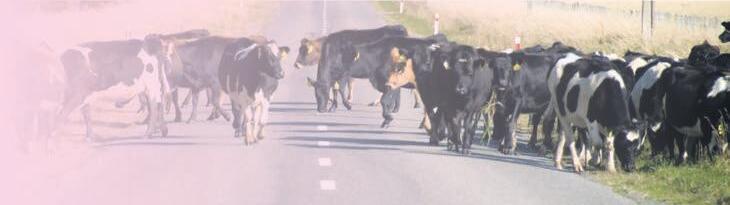
It has been a dream autumn for sheep and beef farmers in our region with that rare combination of strong prices and ideal climatic conditions.
The only, but very significant, flies in the ointment are the ongoing geopolitical unrest in the Middle East and uncertainty in the US with tariffs particularly for lamb.
These will probably take a bit of the shine off forecasts, but we’re in a really good position to steer our way through these challenges.
Beef+Lamb New Zealand’s Insight’s team has recently released its Mid-Season Outlook which states that this country’s sheep and beef farmers can expect continuing strong returns, with average farm profit forecast to climb to $287,600 per farm in 2025-26.
This is nearly double last season’s results, so while this is good news, we will be keeping a close eye on input costs, particularly for diesel and fertiliser.
With great grass covers and good feed on hand heading into winter, farmers who are grazing winter forage crops should now be completing their intensive winter grazing plans.
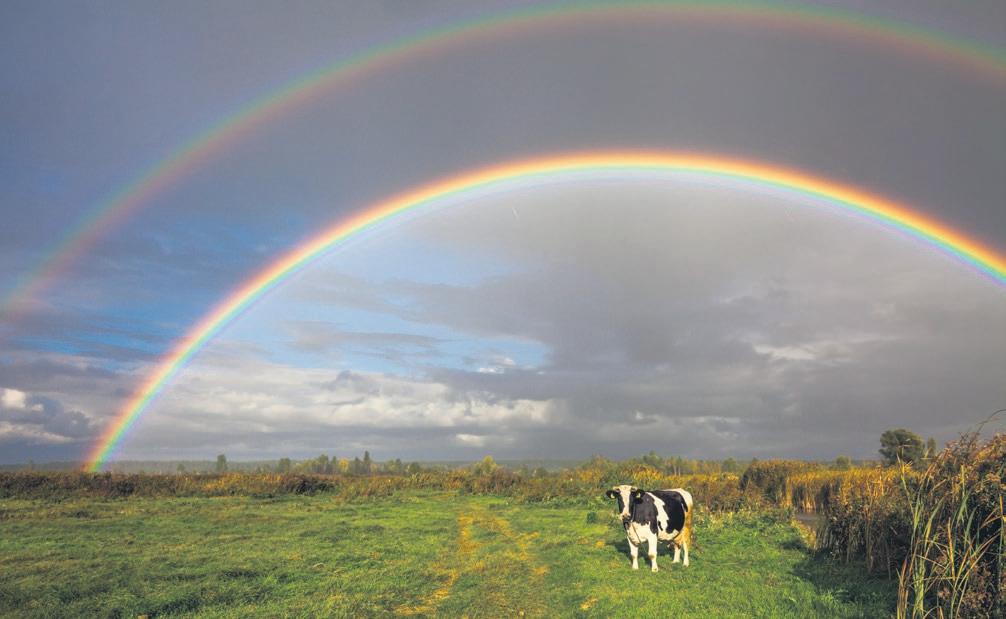
Environment Canterbury has publicly stated they will be doing early winter fly overs observing intensive grazing practices in South Canterbury, so it is important to be planning early, identifying risk factors and thinking about a plan B if wet conditions create pressure.
We are seeing some record beef weaner prices being paid throughout the country and this makes it even more important to ensure liveweight gains are optimised from now through until finishing.
B+LNZ has some great feed and animal

health resources that can help with on-farm decisions and our AI-powered assistant Bella is fantastic at navigating Knowledge Hub resources on our website and pulling out the information you need.
The warm, wet conditions we have been experiencing in Canterbury have certainly favoured the proliferation of internal parasite larvae. We can no longer rely on drenches to control internal parasites, but there are other management options such as cross-grazing with other species and forage crops that can help break the cycle.
Wormwise has released a new book with all the information you need to make informed decisions about internal parasite management on your farm. It is available at www.wormwise.co.nz.
I strongly encourage farmers in our region to register for B+LNZ’s flagship event Out the Gate which will be held at at Te Pae in Christchurch on 20-21 May.
Our region is fortunate to be hosting this event, and I really encourage Canterbury farmers to get along to a day and half of indepth discussion and analysis. The Out the Gate flagship day and science sessions are free attend for farmers.
Centred around the theme “A sector fit for the future, today” Out the Gate is about setting farmers up to be future fit
It will include expert insights into global markets, animal agriculture and food systems as well as a political panel.
There will be breakout sessions covering innovation, diversification, Maori agribusiness, farm electrification, AI, dairy beef, biodiversity and more.
For the first time, the B+LNZ Awards Dinner will be part of Out the Gate and will also be held at Te Pae on Wednesday, 20 May.
This will be fantastic opportunity to celebrate the people and technologies that make our red meat sector world leading.
All the information about the Out the Gate and the B+LNZ Awards Dinner is on the B+LNZ website.

Mastitis remains one of the most costly and persistent challenges in dairy farming – and for many farmers, the true impact is often underestimated.
Globally, mastitis is recognised as one of the most expensive production diseases in dairy cattle, with research estimating the cost of a clinical case at around NZ5800 per cow, and even subclinical infections – often harder to detect – still averaging approximately NZ$270 per case.
Across New Zealand, the total cost to the industry runs into hundreds of millions annually.
But as mastitis expert, Dr Steve Cranefield explains, the issue is not just about treatment costs – it’s about time out of the vat, the time taken to manage mastitis cases and the potential long-term effect on the cow. To prevent mastitis, we need to focus on what happens before infection even takes hold.
“To understand where mastitis starts you just have to look at the cows teats,” he says. “If the teat surface isn’t right, you’re already on the back foot.”
At the farm level, bacteria are a constant part of the environment. In pasture-based systems, especially in wet or muddy conditions, cows are exposed every day. The goal isn’t to eliminate bacteria, it’s to control the risk.
That control starts with good teat condition and effective teat spraying. “Teat condition is the first line of defence,” Cranefield says. “Healthy skin helps slow bacterial growth, but if teats are dry or damaged, that first layer of protection is already gone.”
Teat spraying plays a critical role in maintaining that barrier. If done well, it helps protect the teat surface, reduce bacterial load, and lower the risk of infection entering the udder. But consistency is key.
“It’s not about the teat spray itself – it’s about how well it’s applied,” Cranefield explains. “Full coverage, consistency and getting it right on every teat at every milking are what actually make the difference.”
In practice, that’s where many systems fall short. Time pressure, labour challenges, and the realities of busy milking routines can often lead to missed teats or uneven coverage – reducing the effectiveness of even the best teat sprays.
“Good teat spraying isn’t complicated,” he says. “But doing it properly, every time, is what protects your herd.”
As dairy systems continue to evolve, maintaining that level of consistency is becoming more difficult to achieve manually. Increasingly, farmers are looking at ways to remove that inconsistency and ensure accurate, complete coverage every milking.
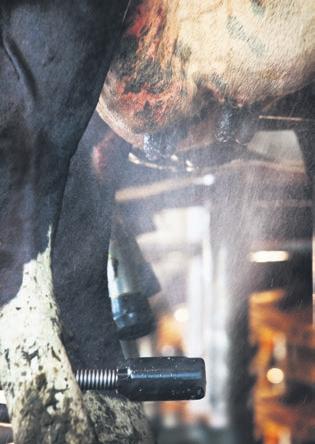
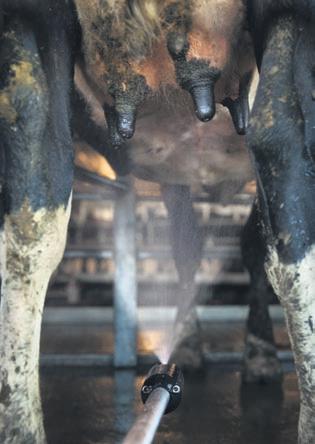
This focus on consistency is where automation is proving its value on the farm. Labour variability is one of the biggest challenges in achieving reliable teat spraying, and inconsistency is often what sits behind mastitis flare-ups.
Automated systems remove that risk by delivering the same result every day – regardless of time pressures or staffing. Unlike manual application, an automated system doesn’t miss teats, change technique, or perform differently from one milking to the next.
Systems such as Teatwand (www.onfarmsolutions.com) are designed to deliver accurate, consistent spray patterns, giving farmers confidence that teat spraying is being done properly every time, providing peace of mind for both farm owners and staff.
The system also features a patented spring design, which helps prevent the wand
No guesswork: Systems such as Teatwand are designed to deliver accurate, consistent spray patterns, giving farmers confidence that teat spraying is being done properly every time.
from knocking into cows – protecting both animal welfare and the equipment itself.
Dr Cranefield worked closely with Gary Arnott, the creator of the Teatwand systems & CEO of Onfarm Solutions, to ensure practical on-farm performance and animal welfare and were front of mind, with the goal of helping farmers reduce mastitis and improve dairy farm profitability.
By taking the inaccuracies out of application, automation helps ensure teat spraying is done properly, every time, supporting better teat condition, improved mastitis control, and stronger farm performance.
For farmers, the message is simple: mastitis control doesn’t come down to one big change, but to getting the fundamentals right, consistently. When it comes to teat spraying, consistency is everything.
Visit www.onfarmsolutions.com for more.
Strong returns and lower debt-servicing costs mean more farmers than ever are making a profit.
“Improved commodity prices are the key driver, as well as lower lending interest rates.”
That’s according to the latest Federated Farmers Confidence Survey. Of nearly 650 farmers who responded to the survey in late January and early February, 70% said their farm was currently profitable.
“That’s the highest level since we started our twice-yearly Farm Confidence Survey back in 2009,” Federated Farmers president Wayne Langford said.
“It’s great to see farmers doing well after several tough years of rising costs and uncertainty. When farmers are profitable, that’s good news for the rest of New Zealand.
“That money flows into rural communities and the wider economy, supporting local businesses, creating jobs and strengthening regional New Zealand.”
The mid-season survey showed farmers are feeling the most confident about current economic conditions since 2017, with a net 37% positive score.
“That’s a big turnaround from 2023/24, when farmer confidence was stuck at rock bottom and looked like it was just going to keep falling,” Langford said.
Langford said the recovery from 2023/24 is now firmly established across most sectors, with the number of profitable dairy farms stable at 81%, and meat and wool farms improving substantially.
“Arable farm profitability continues to lag at 41%, but that’s a small improvement from our July 2025 survey.”
He said it has been an incredibly challenge year and harvest for arable farmers across the country.
Despite favourable current conditions for farmers, the survey shows many are feeling apprehensive about the future, with concerns about cost pressures and market volatility.
When asked about their expectations for after-tax profit over the next 12 months, farmers’ optimism has dropped sharply, with more now predicting a fall in profits than an increase.
This marks the first negative profitability outlook since early 2024.
“Dairy farmers were particularly pessimistic,” Langford said.
“With forecast payouts hovering around $8.50-$9.50 per kilogram of milk solids, but rising input costs pushing the break-even margin to $8.50, there’s quite a bit of nervousness there.
“Farmers might be receiving strong milk cheques, but it’s the margin that matters. If costs keep rising, that will quickly eat away at profitability.”
Forward sentiment on economic conditions slipped to a net positive 4%, down from 6% six months ago.
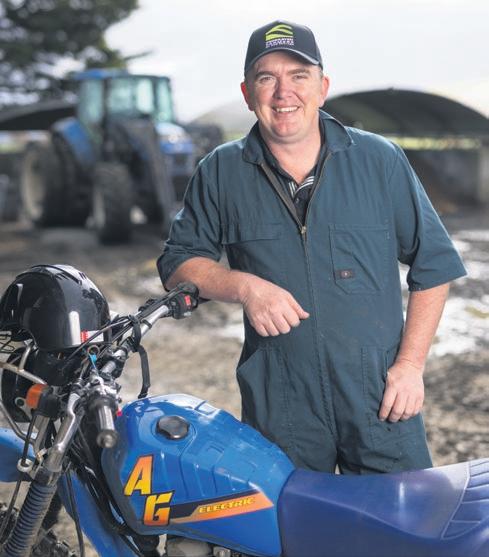
Highs and lows: Federated Farmers president Wayne Langford says while farming profitability is high there is growing pessimism over the future.
Langford said a particularly worrying result is the finding that more farmers are having difficulty recruiting skilled and motivated staff.
“It’s incredibly frustrating for farmers because, even as nationwide unemployment rises, they struggle to find good staff.
“The primary industries are the engine room of the economy, but it’s hard to attract willing workers to more remote provincial areas.
“Farmers play a role in training and looking after their staff, but many challenges are beyond their control.
“When rural communications, roads, bridges, and school bus services are underinvested in, younger workers and families stay in the cities – sometimes even if that means relying on a benefit,” Langford said.

As Canterbury dairy farmers head into autumn, attention is already turning toward next season’s calving.
Advertorial supplied by ] CP Lime Solutions
While feed budgets and wintering plans often take centre stage, mineral management (particularly calcium and magnesium) can make the difference between a smooth start and a season plagued by avoidable animal health issues.
For many herds, problems like milk fever and grass staggers are treated as part of farming life. But these conditions don’t start at calving, they begin months earlier, often during autumn and winter when mineral intake is inconsistent or inadequate.
The hidden cost of mineral deficiencies
Clinical cases of milk fever and magnesium deficiency are easy to spot. What’s more concerning are the sub-clinical deficiencies that quietly reduce performance across the herd.
Low calcium and magnesium levels through winter can lead to:
• reduced appetite and body condition
• poorer transition into calving
• lower milk production early in lactation
• delayed cycling and reduced in-calf rates
By the time issues become visible, production losses are already locked in. That’s
during autumn and winter is critical.
Why calcium and magnesium matter now
Magnesium plays a key role in calcium metabolism, meaning deficiencies in one often affect the other. Building adequate reserves before calving helps cows mobilise calcium efficiently when demand spikes at calving and early lactation.
Autumn pasture, particularly in Canterbury systems, can be variable in mineral content. Winter crops such as fodder beet add further
challenges, often requiring careful balancing of calcium and phosphorus as well.
Put simply, if cows aren’t receiving consistent mineral intake now, they are far more vulnerable when calving begins.
practical approach to supplementation
This is where products like Vitalise from CP Lime are being used on farms across the region.
Designed as a pelletised mineral supplement, it allows for accurate “little and often” dosing, an approach proven to be more effective than intermittent supplementation.
Rather than relying on reactive treatments, farmers are increasingly adopting consistent mineral feeding through autumn and winter to:
• maintain stable calcium and magnesium levels
• support rumen function and feed utilisation
• improve overall herd resilience heading into calving
The pellet format also reduces wastage
and ensures even intake across the herd, whether fed in-shed or blended with supplements.
No two farms are the same, and mineral programmes are most effective when matched to local conditions. Soil type, pasture composition, and wintering systems all influence mineral requirements.
Custom blends can include additional elements such as trace minerals, yeast cultures, or phosphorus sources to suit specific systems like fodder beet feeding. This targeted approach ensures cows receive what they need, when they need it, without over – or under-supplying.
With calving still months away, autumn is the ideal time to put a mineral plan in place. Addressing calcium and magnesium requirements early reduces the risk of metabolic disorders, supports better transitions, and ultimately lifts production and fertility outcomes.
For Canterbury farmers, the message is clear: don’t wait until calving to think about minerals. The work done now, through autumn and winter, sets the platform for a healthier, more productive herd next season.
At Federated Farmers, we’re all in favour of greater local government spending restraint. We’re not in favour of so severely straightjacketing council budget decisions that vital infrastructure upgrades and maintenance are delayed or cancelled.
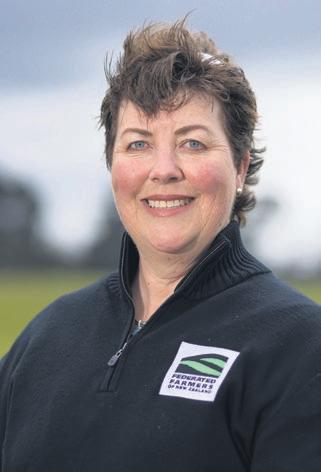
] by Sandra Faulkner
Federated Farmers local ] government spokesperson
That might sound like Federated Farmers wants a bob each way on the Government’s proposed 2-4% cap on council rates.
In reality, it reflects the tricky balance between calls for fiscal discipline and the unavoidable cost pressures councils face.
I think all of us, even councils, agree on
one thing – that the trajectory of rates hikes is unaffordable for increasing numbers of families and businesses. But the 2-4% rates cap the Government wants in place by 2029 is a blunt tool that could have unintended consequences. Exempt from the proposed cap are charges for waste, drinking and stormwater services.
With an estimated network renewal backlog of as much as $47.9 billion because of previous under-investment, the Government knows we have to catch up on this vital work.
Work on other infrastructure particularly vital to rural areas – roading, bridges, drainage, flood protection – is also plagued by significant council (and central government) under-investment in many districts.
When councillors factor in paying interest on rising council debt, never mind soaring costs for contractors and raw materials, a rates cap will create temptation – even necessity – to delay or delete important capital works.
Federated Farmers believes there should be a rates cap exemption for targeted road and infrastructure rates, just as is proposed for three waters charges.

The Government’s thinking is that a rates cap will force councils to prioritise ‘must haves’ and pare back on ‘nice to haves’.As a generalisation, smaller rural councils probably spend less on nice to haves.
A rates cap, including on district councils already grap-
pling with costs of providing for high numbers of visitors and tourists, could end up cutting into budgets for ‘must haves’.
Faced with a rates cap, councils might also look to offset revenue shortfalls by hiking other charges or selling assets.
Rates are the largest source of income for local authorities, making up on average 57% of total operating revenue.
Other revenue comes from council-owned trading entities like ports and airports, but these tend to be owned by metropolitan councils rather than smaller district councils.
Councils also charge fees for everything from swimming pool entry to parking, building consents and liquor licences. These services are often subsidised by general rates.
To offset a rates cap, these fees could be raised. Lots of people like the notion of ‘user pays’ – unless they’re a user.
Perhaps farmers would welcome higher council fees for rubbish collection, swimming pools, sports playing surfaces, food outlet inspections and other services they don’t get to use as much as town residents.
But they’re less likely to be happy with fee hikes for compliance inspections, resource consents and dog registration.
There’s a common misconception the rates cap will mean no property owner’s rates bill can increase by more than 4% in any year. But the restriction is on a council’s total revenue from rates.
Just as is the case now, a property owner’s share of total rates is determined by capital (or land) value.
In three-yearly revaluations, if your prop-
erty value has risen more than the average for the district, you’ll pay more in rates – and vice-versa.
Two other ideas Feds will raise in our submission on the rates cap proposal relate to referenda and benchmarking.
We think councils should need residents’ consent for large spends on commercial facilities and ventures, like stadiums and conference centres.
A referendum would be required, for example, where the spend is greater than $500 per resident.
This would allow councils to provide community well-being services and activities, while restrain them from destroying their balance sheets through risky investments beyond their core purpose.
If we’re serious about driving council costs down, there’s also a case for much improved nationwide benchmarking of council costs.
Armed with detailed information on average costs for road maintenance, playground installation, reserves mowing and so on, councillors could drill down into spending –and challenge officers’ reports.
With council rates bills now one of the biggest household costs – and one of the most prominent lines in a farm’s budget –the rates cap and related issues deserve solid debate in the run-up to the general election.
Federated Farmers will be vocal in the debate, just as we have been in talk of council restructuring and amalgamation, to make sure the rural voice and priorities are prominent.
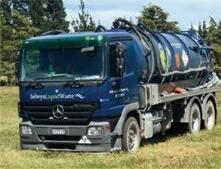
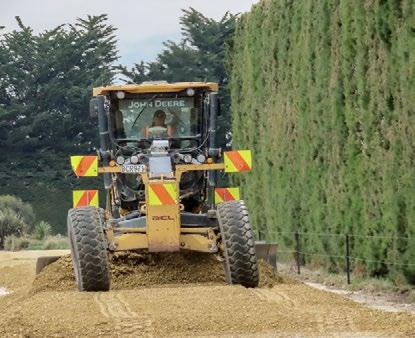
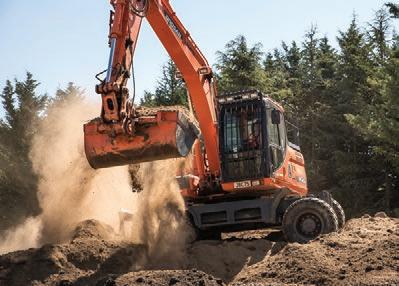


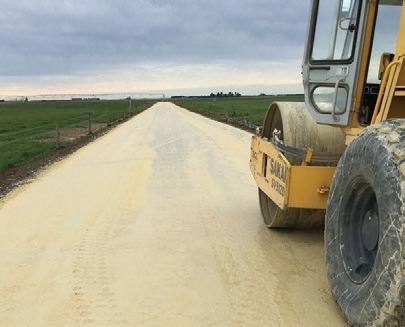

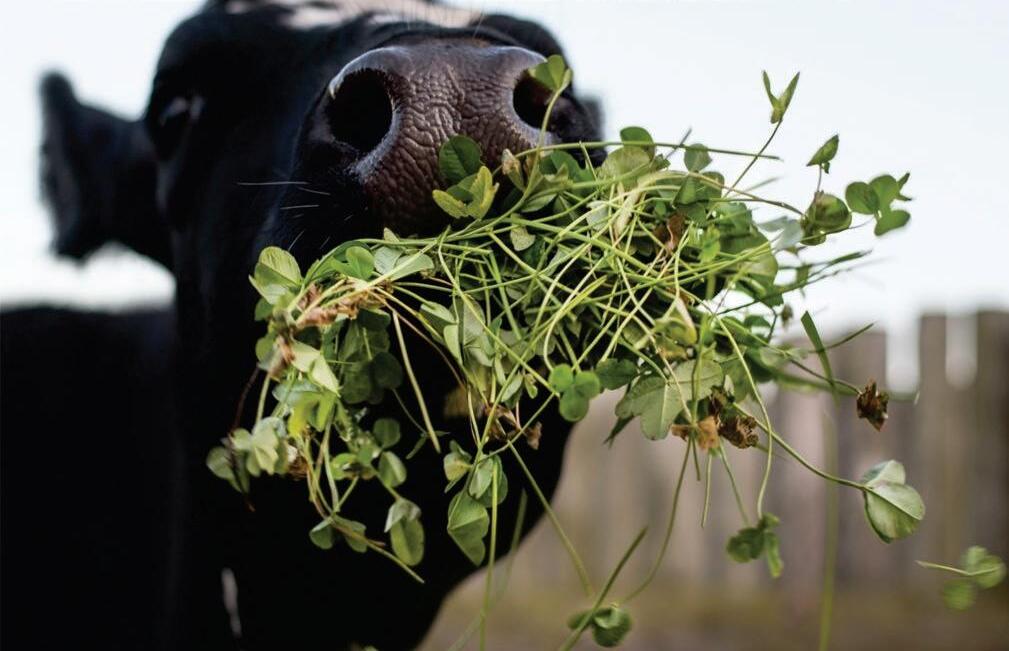

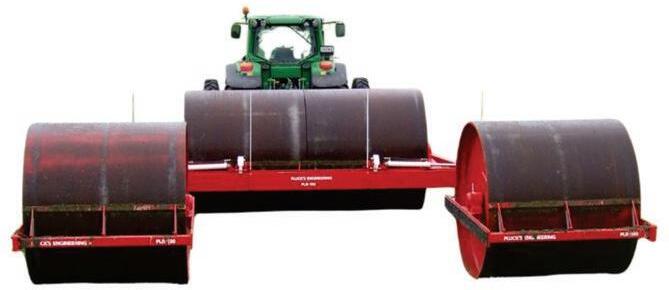
Pamu (Landcorp Farming Limited) has confirmed a $10 million special dividend to the Crown, reflecting a strong outlook for the business and the capital repayment of $9.5 million received from Fonterra following the sale of its Mainland consumer business.
Including the special dividend, Pamu will have paid $25 million in dividends to the Crown in the 2025/26 financial year.
Pamu Chief Executive Mark Leslie said the payment reflects disciplined capital management and continued balance sheet resilience.
“This special dividend reflects the progress Pamu has made in strengthening performance and building balance sheet resilience,” Leslie said.
“Strong performance across the business has delivered a net operating profit of $26 million at the half year, with Pamu on track for a record full year profit of between $97 million and $107 million.
“As we reach the midpoint of our five year reset, this performance has given the board confidence to make this payment.
“Over the past three years we have been focused on lifting on farm performance, improving productivity, and running a tighter, more disciplined business. The results we re seeing reflect the commitment and hard work of our teams across the country.”

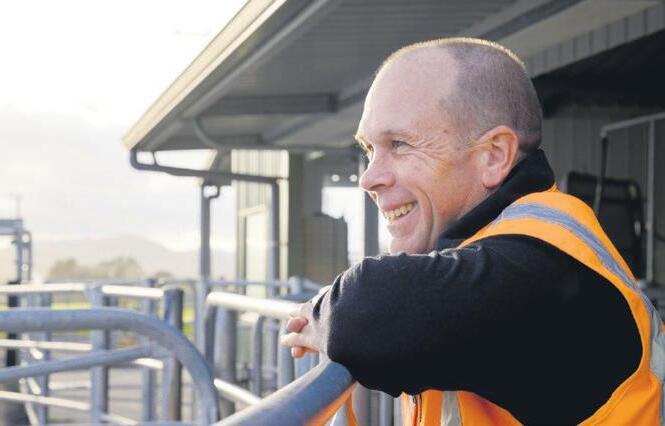

Leslie said as a State-Owned Enterprise Pamu manages its land and farming portfolio to deliver a financial return, return land under Te Tiriti o Waitangi settlements, and grow the future of agriculture for generations of New Zealanders.
munities in which we operate.”
“Our strong commercial performance requires high people, environmental, and animal welfare outcomes, as well as responsibility for the com-
He said the special dividend represents the pass through of a non operating capital receipt and is separate from the Pamu ordinary dividend policy and operating results.
Electrical problems or maintenance?
Use our unrivalled industrial electrical service for:
• Dairy sheds and irrigation
• Power reticulation
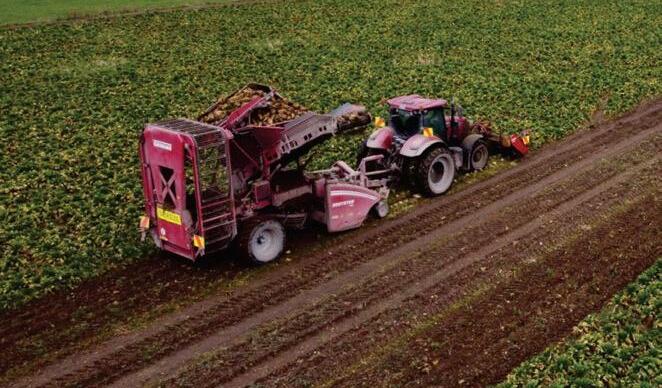
• Effluent control
• Dryers, conveyors and generators
• Switchboards and central supplies
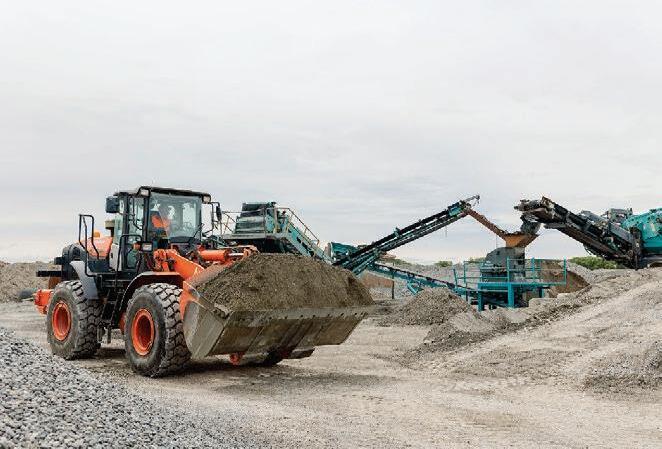

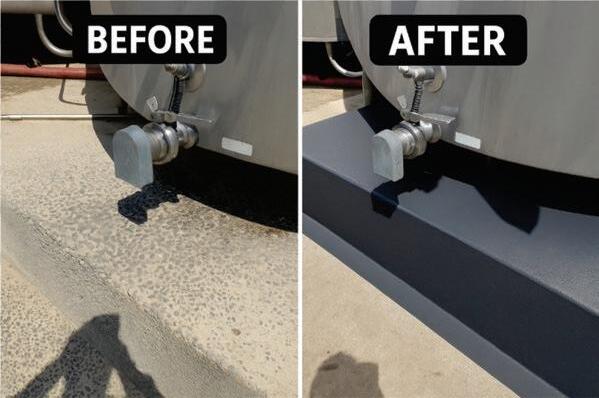
Dairy farm employees remain positive about the sector with new survey results showing that over 80% intend to stay in the industry.
]Article supplied by DairyNZ
DairyNZ has released the results of the 2025 Dairy Farm Employee survey which explores what dairy farm employees value most at work.
Working with animals, being outdoors, and the lifestyle were the key reasons people entered the dairy sector, according to the survey findings.
These same factors also play a role in retaining people, alongside opportunities to build new skills and progress their careers within the industry.
DairyNZ Senior People Specialist Jane Muir said it was encouraging to see the high level of people looking to stay in dairy.
“The results showed that people of all ages and stages of their careers are passionate about dairy and see it in their long-term plans,” Muir said.
“It is particularly encouraging to see young people feeling positive about the sector, though we can be doing more on-farm by supporting early career leadership and training and ensuring workable rosters.
“Working hours remain an opportunity for the sector to improve with time off a common reason employees leave the sector alongside insufficient pay and poor relationships with management or colleagues.
“The survey also showed that having a good boss and feeling valued were the top drivers of well-being.”
Muir said when asked how well-being could be improved, the top responses were better leadership and communication, fair pay, and improved rosters and work-life balance.
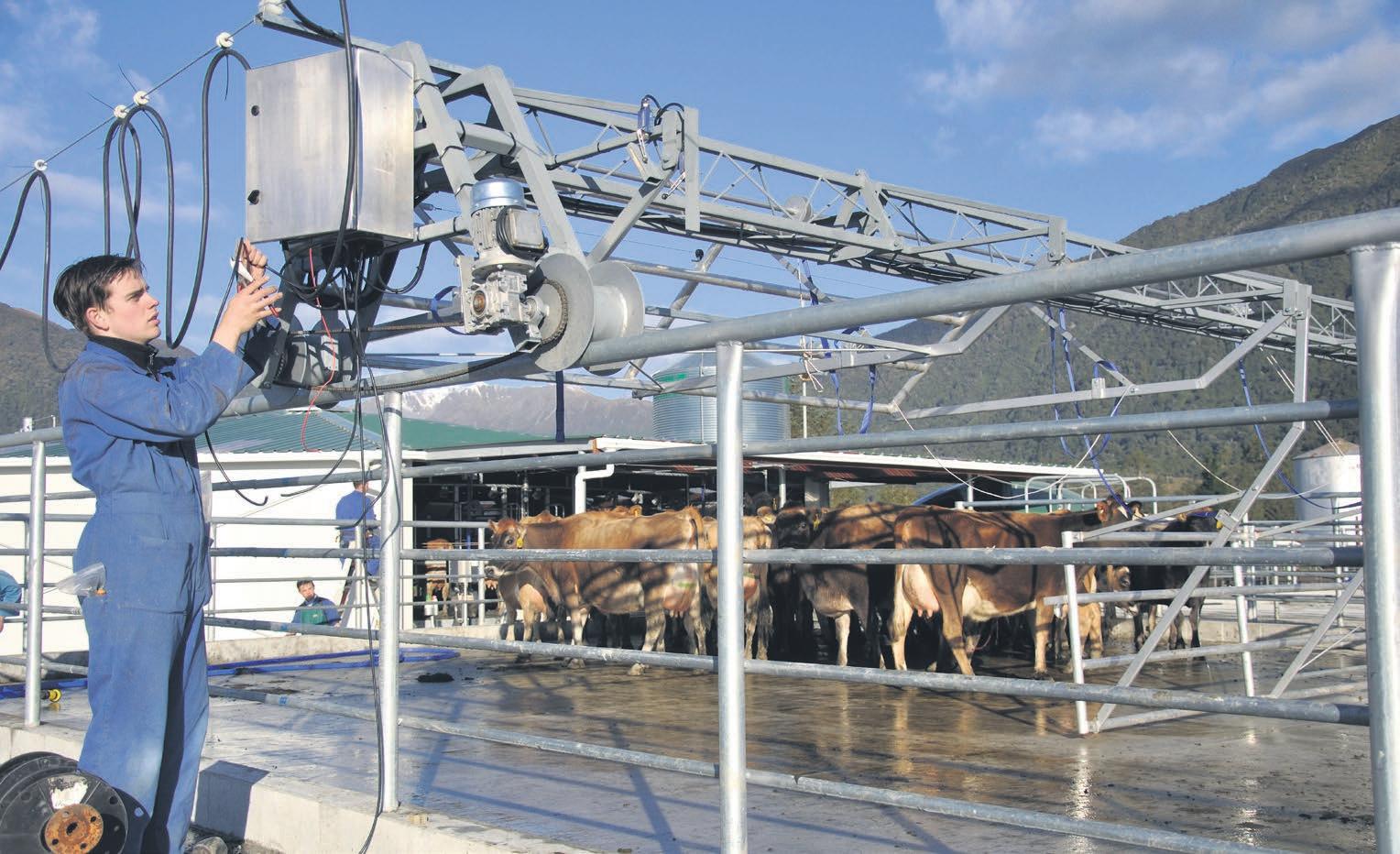
The results come as the 2026 Dairy Farm Employee survey opens. The survey, open until May, is part of DairyNZ’s Increasing Workplace Productivity programme, which focuses on research that highlights great practices, and technology that increases productivity and profitability whilst improving job conditions on farm.
“The insights gathered help us better advocate and develop resources and partnerships that benefit both dairy farmers and employees.”
“The survey findings provide valuable insight into what truly matters to farm teams,” Muir said.
New Zealand dairy farm employees can access the anonymous survey at dairynz.co.nz/2026-survey. For the 2025 survey results go to dairynz.co.nz/survey-insights.
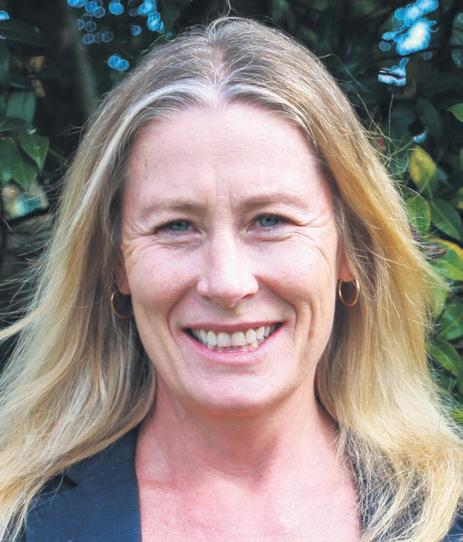

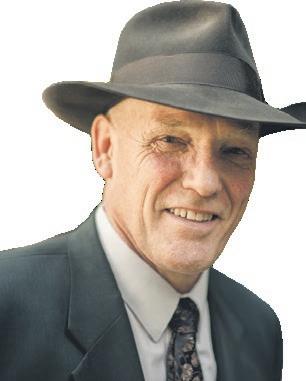

It seems fashionable at present to be alarmist and critical of our government and long-standing institutions.
It’s easy to find fault as nothing is perfect and creating drama ensures readership however there is much in this country that should be treasured and protected.
Appreciating our history is the only way of understanding who we are and how we came to this point.
I grew up in a dairy farming district where every cowshed had a separator and cream was carted to the road gate in cans with the skim fed to pigs.
There were local blacksmiths capable of fashioning and fitting horseshoes as well as fixing farm equipment.
That may seem irrelevant today however it was the start of the era when New Zealand farmers became known, rightfully so, as the best in the world.
We knew the modest home where Bill Gallagher, the inventor of the first electric fence unit, walked to his workshop from each day.
Fierce determination to move on from post-war austerity drove low-cost innovation. The scientists and support staff of the internationally recognised Ruakura Research Station on the outskirt of Hamilton were held in high esteem.
Farming was acknowledged as the primary income earner and in the Waikato district dairy production dominated.
Bulk butter and large round cheeses were sold to the United Kingdom and there was an annual show to provide the locals with an insight into the industry.
Fast forward to today and recent sale of Fonterra’s brands. Branding has long been recognised as the means to increasing not just sales but also profit.
People buy products they like and trust and branding provides instant recognition.
Trust: People buy products they like and trust and branding provides instant recognition.
Anchor butter comes in the same size and wrapper as it always has and the quality remains consistent.
This allows an increase in margin and ultimately a better return to the farmer. Brand establishment takes time and discipline and once destroyed it cannot be easily replaced.
The immediate benefit to Fonterra shareholders is a large lump of money. The motivation would appear to be an increase in short term income over longer term earnings.
That’s not been the attitude of genuine long-time farmers, and one wonders what influence bankers may have had in the process.
Farm profitability relies on the low-cost growth of pasture with the most productive
land being easily manged with naturally high levels of organic matter.
There is a direct correlation between soil carbon levels and annual growth and where carbon is lost so too is growth potential.
Work undertaken by Waikato University showed that there has been a steady loss of
‘
Anchor butter comes in the same size and wrapper as it always has and the quality remains consistent.
carbon from flat intensively stocked areas in the Waikato.
There is no argument that pasture production prior to the regular use of synthetic nitrogen was significantly higher and there’s a school of thought that this loss is due to its excessive use.
If an incremental decline in farm profitability has influenced the sale of valuable brands the benefit can only be short-term. Time will tell, however there is enough data to warrant investigation into existing systems with unrivalled profitability where carbon is being continuously sequestered.
For more information talk to Peter on 0800 843 809 or 027 495 0041.
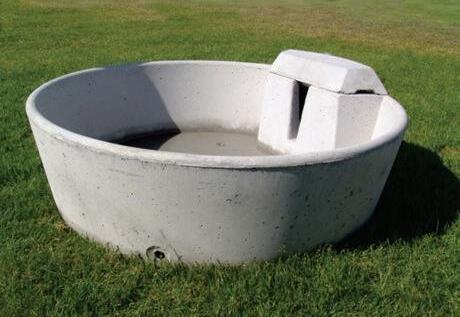
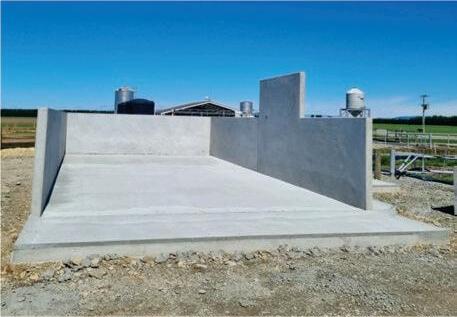
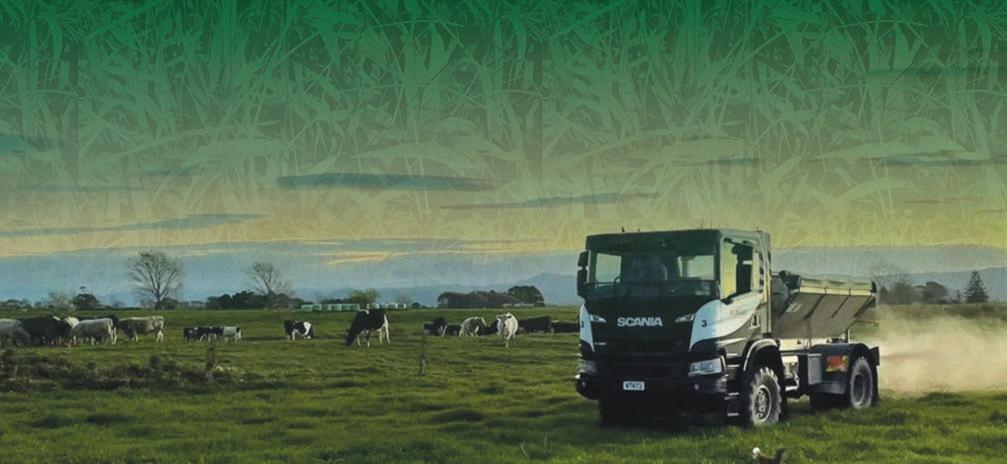




The New Zealand Meat Board (NZMB) has confirmed Jane Mellsop as the new Government appointee to the Board, bringing extensive international trade and policy expertise to the role.
Ms Mellsop is director of trade, investment and economic security at the Asia Society Policy Institute in Washington (D.C.) and has held a range of senior roles across trade negotiation, law and public policy.
She previously served as a diplomat with the Ministry of Foreign Affairs and Trade and was senior trade adviser to New Zealand’s Minister for Trade and Export Growth, providing advice across the full spectrum of international trade issues.
Mellsop has also been chief legal counsel for the negotiation and implementation of several major free trade agreements, includ-
ing the Regional Comprehensive Economic Partnership (RCEP), the New Zealand-Hong Kong Closer Economic Partnership and the New Zealand-Korea Free Trade Agreement.
NZMB chair Kate Acland said the Board was pleased to welcome Ms Mellsop.
“Jane brings a valuable skillset,” Acland said. “Her international experience and knowledge will be important as the NZMB continues to work to achieve the most advantageous outcomes for farmers and the wider red meat industry.
“This appointment comes at a time when protecting and maximising access to New Zealand’s high-value markets remains critical.
Appointed: Jane Mellsop, the director of trade, investment and economic security at the Asia Society Policy Institute in Washington is the new Government appointee to the New Zealand Meat Board. • Driveways
Earthquake Repairs • New Home Specialists • Patios & Paths

“In an increasingly complex global trading environment, maintaining strong market access and robust quota systems is essential to delivering ongoing value for farmers and the wider red meat industry. Jane’s international experience will strengthen the Board’s capability as we look ahead.”
The NZMB oversees around $4.2 billion of red meat exports each year into key quota markets including the European Union, United Kingdom and United States, delivering tariff savings of almost $1.4 billion annually for the sector.
The Board manages 10 country-specific tariff rate quotas, including New Zealand’s longstanding World Trade Organization quotas, the United States quota, and more re-


cently negotiated Free Trade Agreement quotas covering beef, sheepmeat and goatmeat exports to the European Union and United Kingdom.
The NZMB also administers significant farmer reserves. As of 30 September 2025, its managed investment portfolio carried a market value of $98.6 million.
This includes a contingency fund of $69.8 million to help New Zealand re-enter export markets in the event of a biosecurity incursion or disruption in quota markets.
Interest from this fund is used, in consultation with sheep and beef farmers, for industry-good projects such as the Eliminating Facial Eczema Impacts (EFEI) programme.
Positive displacement solids handling pumps & effluent screening / separation equipment from Germany


Accurately control flow-rate to dose screened effluent into irrigation mainlines.


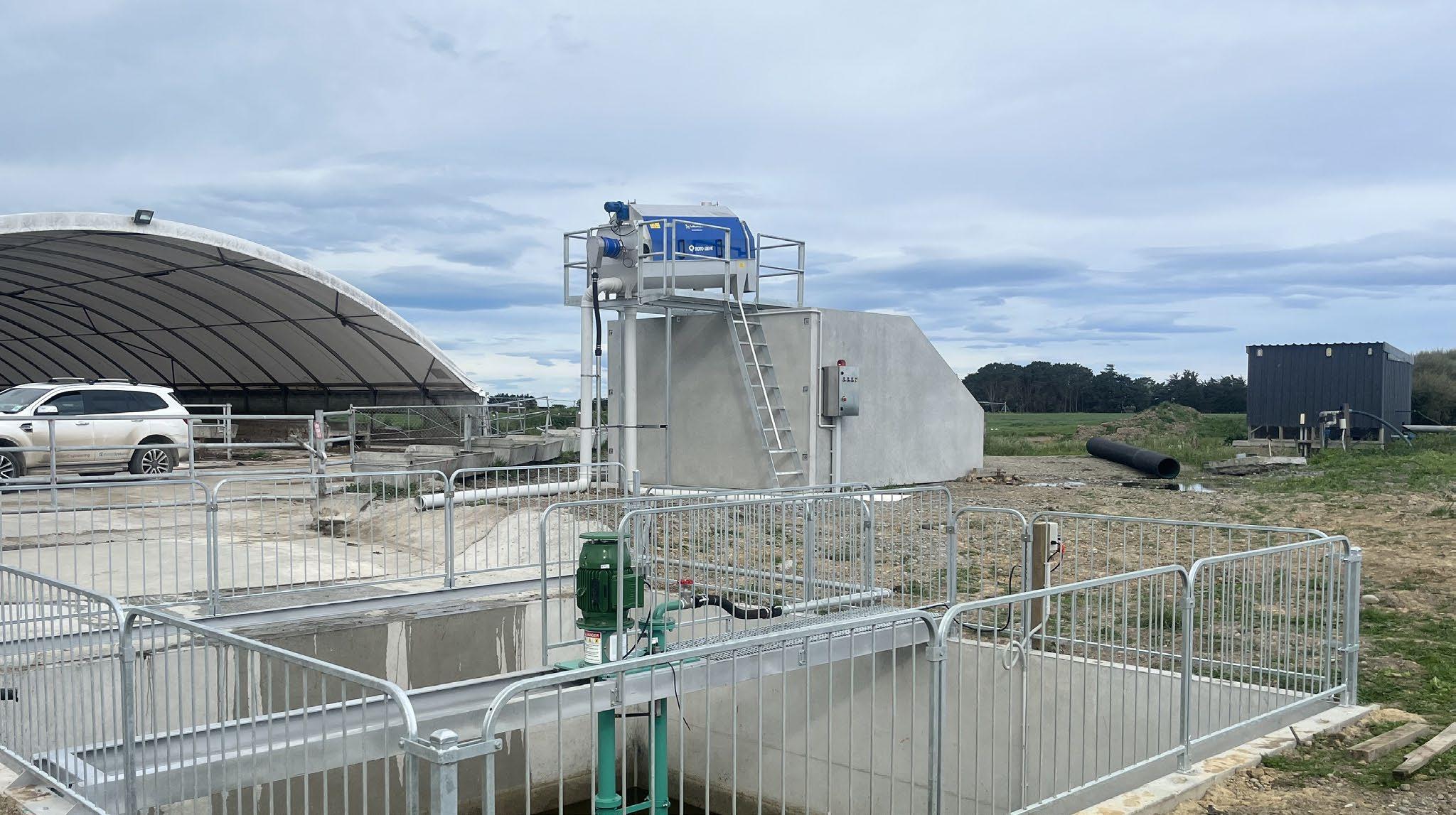






Jim Vaughan invented the first chopper pump in 1960 after working on local dairy pumps in his repair shop.
Vaughan s pump will handle raw effluent with ease, even that containing problem solids like rope, twine, or eartags.

These American made extreme duty pumps are commonly used for heavy industrial, or municipal wastewater pumping.
On farm they are great for:
• Raw effluent
Saucer pump-out
• Saucer/pit mixing

• Flows up to 2,000m3/hr






Separate solid from liquid & produce high quality dry bedding materials from raw dairy cow effluent for barn operations.










The RotoSieve rotating drum screen from Sweden is designed to effectively separate fine stringy fibres from a liquid stream.
The result is a solid free liquid effluent suitable for irrigation, current installations inject screened liquid effluent directly into irrigation mainlines.
Available in two sizes:
• Up to 18m3/hr
• Up to 36m3/hr









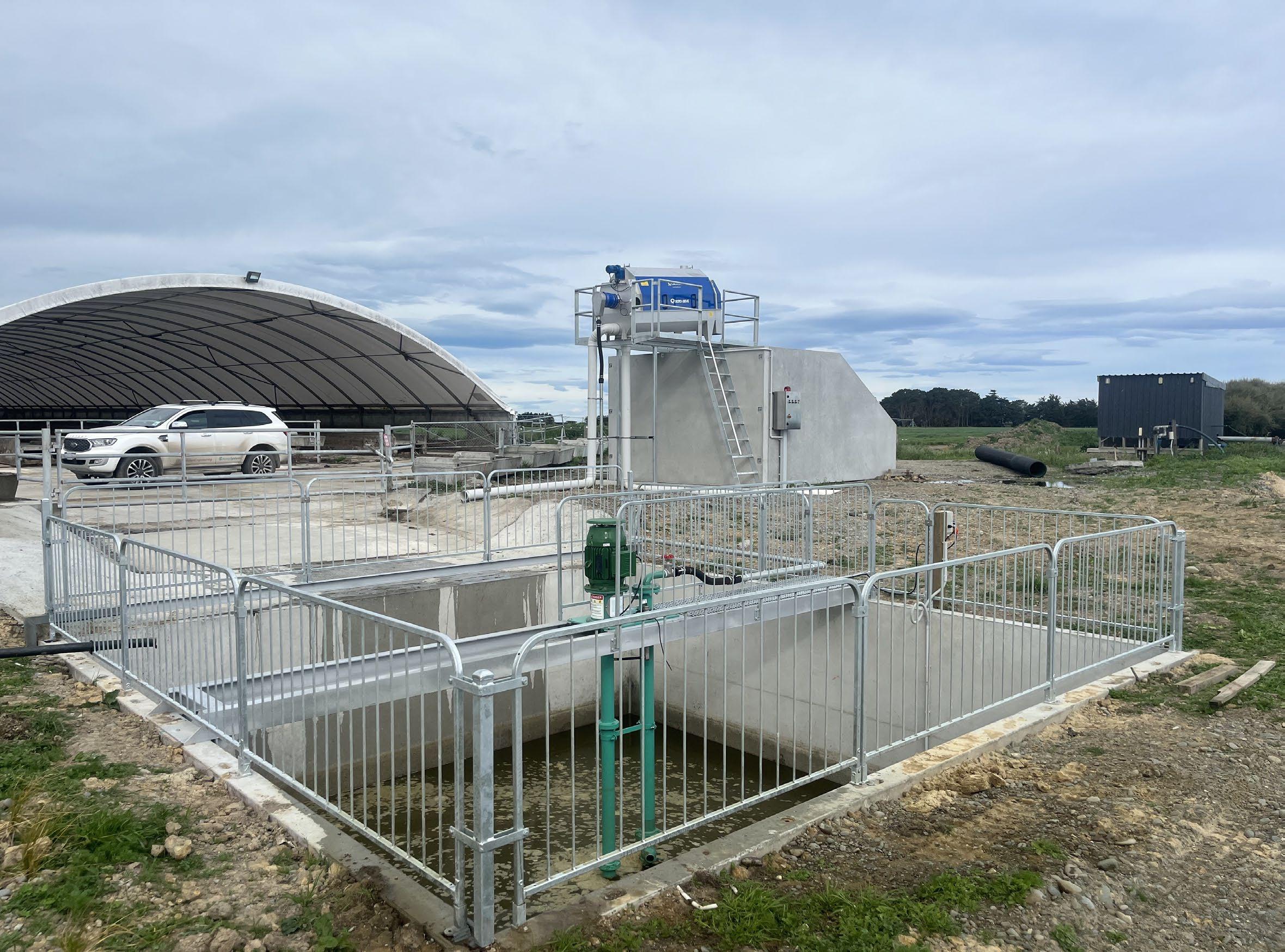
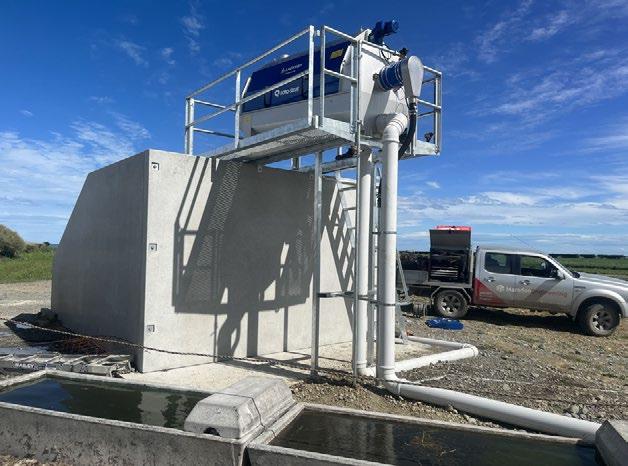

What have trials shown about its effectiveness?
Trials in New Zealand, including Canterbury, show clear increases in pasture growth when foliar fertiliser is used in cooler conditions. International research supports this finding. Studies show yield increases of 15 to 19 percent under stress conditions, particularly when soil performance is limited.
] by Dr Gordon Rajendram
Why is liquid foliar fertiliser especially important as we head into colder months?
As soil temperatures drop, pasture growth slows. At around 5 to 6 degrees, grass can stop growing. The primary reason is reduced microbial activity. In warmer conditions, soil microbes convert nutrients into plant-available forms. In the cold, this slows significantly. Foliar fertiliser works differently. It delivers nutrients directly into the plant through the leaf, bypassing the soil. When applied, nutrients can enter the plant and roots within an hour, keeping growth systems active when soils are not.
How does foliar feeding work?
Foliar fertiliser is applied to the leaf and absorbed directly into plant tissue. This allows rapid uptake and immediate use and growth.
Farmers understand this. Herbicides such as Roundup are applied as foliar sprays to kill weeds quickly, the same principle applies here. Just as it’s possible to get herbicide into a plant rapidly using foliar to kill and eradicate plants quickly, you can just as effectively deliver nutrition for plant growth. Foliar is a more efficient pathway, especially in challenging conditions.
This has been demonstrated in the field with farmers seeing a response within days and maximised within 3 to 4 weeks. In addition, foliar application is more uniform and provides nutrition to plants evenly.
How does New Zealand’s foliar fertiliser use compare internationally?
Overseas, foliar fertiliser is no longer niche. It is standard practice across many farming systems, from broadacre crops like wheat and maize to intensive production.
In high-performing systems, multiple foliar applications are used through the season to maximise results. In comparison, New Zealand systems still rely heavily on soil-applied fertiliser, often around 70 kilograms of urea (36 kg N) per hectare in a single application, with less focus on foliar strategies.
Why is foliar more widely adopted overseas?
The main driver is nutrient use efficiency (NUE). Overseas farmers focus on maximising return from every unit of nutrient. Foliar fertiliser allows faster response to plant demand, quicker correction of deficiencies, and better performance when soil conditions are limiting. In many cases, farmers use half to a quarter of the usual fertiliser and still achieve the same response.

Is foliar fertiliser a replacement for traditional fertiliser?
No. The most effective systems use both. Soil fertiliser builds soil foundation, while foliar fertiliser fine-tunes performance by filling in the gaps.
It is about using the right tool at the right time.
What is the key takeaway for farmers?
As soils cool and biology slows, relying on soil fertiliser alone limits potential. Foliar fertiliser provides a direct line into the plant when other conditions are not favourable. Consequently, for growth maintenance and improved efficiency, foliar feeding can be a game-changer.
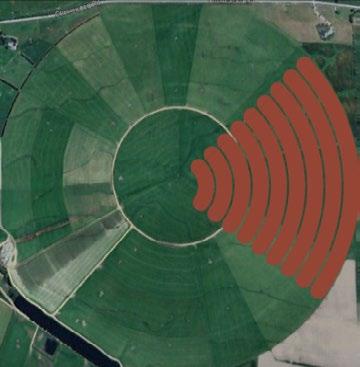
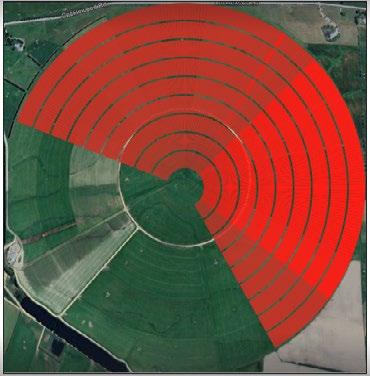
May is a month of transition in Canterbury. Soil temperatures fall, daylight shrinks, and the window for meaningful late autumn growth narrows. This is the time to think not just about the next few weeks, but three months ahead, to the spring growth you’ll be relying on.
It’s key to ensure you’re supplying the right nutrients, in the right quantities, for both winter resilience and early spring growth.
High fertiliser and freight prices add additional pressure to farm budgets, and careful decision making is needed to get the best value from your farm spending.
A soil test is the cheapest tool available to avoid wasting money on fertiliser. It prevents over application, highlights deficiencies, and ensures you’re not putting on nutrients that aren t needed, or missing nutrients that are.
Soil testing can often reduce your fertiliser spend by around 25%, as it ensures your application is targeted and specific to what your paddock and crop needs. Sulphur and boron are both prone to leaching in Canterbury’s free draining soils, particularly as we’ve experienced a relatively wet summer and autumn.
Soils under irrigation are also more prone to leaching. Both are essential for pasture and crop performance. Replacing them in May helps maintain balanced nutrition through the colder months and ensure they are available in spring.
After winter crops have been grazed, it’s common to see key nutrients depleted, especially magnesium, potassium, and lime. These are often overlooked because the focus tends to be on nitrogen and phosphorus, but correcting these base nutrients now helps rebuild soil structure, supports microbial activity, and prepares the paddock for its next rotation.
Many farmers consider May too late for nitrogen application, but applying nitrogen now will feed microbial growth over winter and improve microbial health. It also supplies mineralised nutrients that become available as soils warm in early spring to fuel spring growth.
A measured N application now can also improve plant resilience over winter, helping pastures maintain cover and root strength.
Liquid fertiliser is particularly well suited to applications in May. Liquids are immediately up taken by pasture and crops, which matters when growth is slowing. They deliver higher nutrient efficiency, meaning you can often apply less product.
When freight and spreading costs are high, liquid fertilisers allow you to reduce these costs, while also lowering leaching opportunities, which is a higher risk in late autumn.
Liquid fertilisers can also be applied with other products such as insecticides or trace elements, allowing you to spend less time and money on spreading.
Knowing exactly what your soil needs, and what it doesn’t, lets you target your spend where it will deliver the best return in May.
The Pastoral Improvements team can help you ensure you get the best value for money from your fertiliser spend. We are offering free soil testing to Canterbury Farmers (see our ad for our details). We also stock highly efficient liquid fertilisers and supply customised nutrient plans.
Hands-on: Michael Osborne, Agronomist at Pastoral Improvements, carrying out soil testing for fertiliser recommendations.
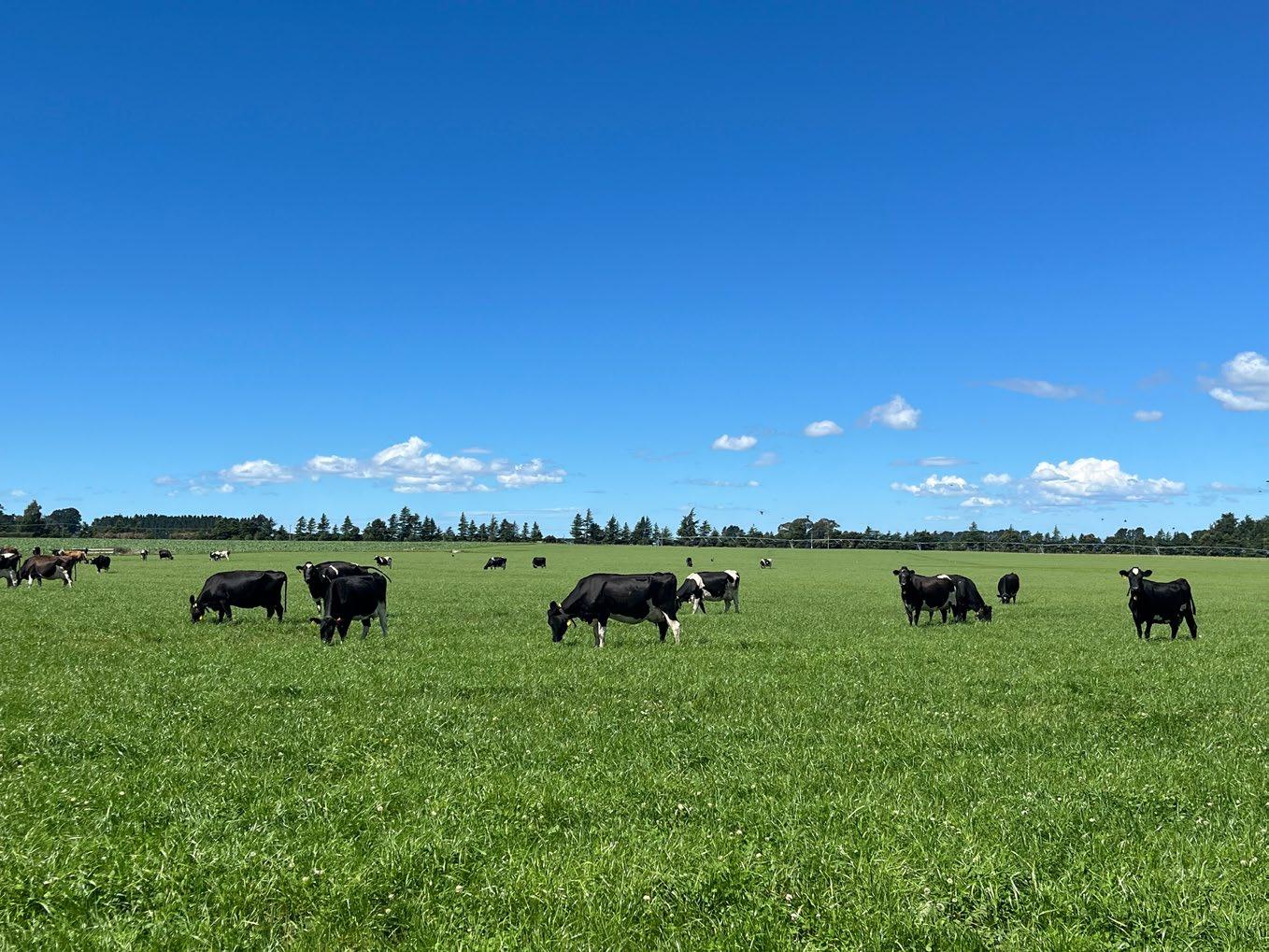
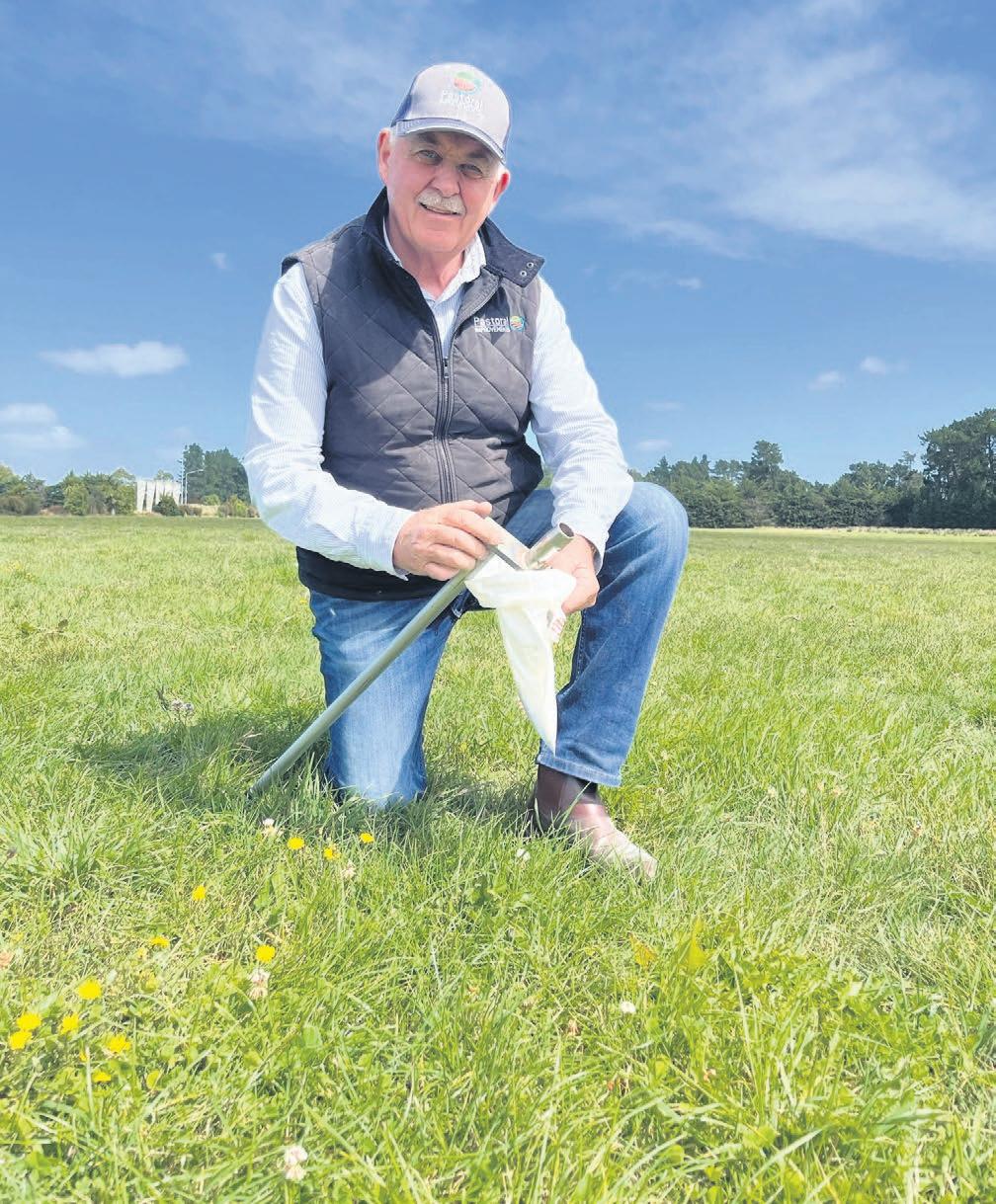



After nearly a decade navigating the consenting process, a Canterbury irrigation scheme has secured the approval it needs to keep operating and improving.
IrrigationNZ
For Ashburton Lyndhurst Irrigation (ALIL) Scheme CEO, Rebecca Whillans, it’s a milestone worth acknowledging. It also highlights a system though that could work better for the people on the ground delivering environmental outcomes every day.
The scheme began the process of securing a new discharge consent in 2018. That consent was ultimately granted in 2021. Then came an extended process that included legal challenge and further regulatory complexity. In total, it took close to eight years to reach a final outcome – for a consent that runs through to 2030.
“It’s great to have certainty in place,” says Whillans. “But when it takes that long to secure a relatively short-term consent, it does make it harder to plan and invest with confidence.”
That tension between timeframes is at the heart of the issue. Farming systems and the environmental improvements that go with them, operate over the long term. They are shaped by seasons, climate variability, and biological processes that don’t fit neatly into short regulatory cycles.
“Short-term durations result in short-term solutions,” Whillans says. “That doesn’t align well with the scale of the challenges we’re working through at a catchment level.”
Despite the complexity of the consenting process, the focus on improving environmental outcomes has not wavered she says.
The scheme’s farmers are working toward a 20% reduction in nutrient loss over time –a target that reflects both regulatory requirements and a broader commitment to doing better.
Importantly, that progress is already underway.
“We’re not starting from scratch,” Whillans says. “Our farmers are already making good headway. The gains we’re seeing are coming from better management – applying water and nutrients more precisely, and making sure they’re used effectively by the plant.”
The transition to spray irrigation systems has already been made by the ALIL farmers. The next phase is about refinement – tightening systems, improving decision-making, and continuing to lift performance across the board.
It’s also about recognising that environmental improvement doesn’t come from regulation alone.
“You meet your consent conditions to satisfy the regulator,” Whillans says. “But there’s a whole lot more happening beyond that. Farmers want to improve their systems because they live and work in the catchment.
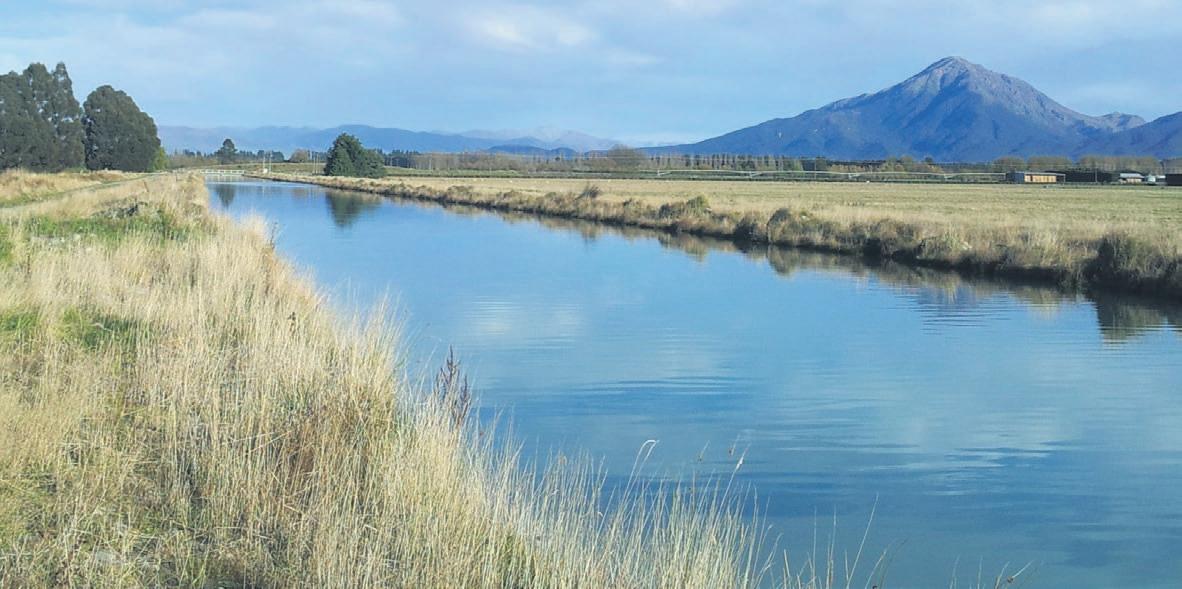
“They want to see water quality improve –for themselves, their families, and their communities.”
That sense of ownership is one of the defining features of irrigation schemes operating under a collective consent.
Rather than individual farms operating in isolation, the scheme creates a shared framework where everyone has a stake in the outcome.
“If one person puts the consent at risk, it affects everyone,” Whillans explains. “So there’s a level of accountability to your neighbours that’s actually stronger than just compliance.”
That collective model is also what enables scale – not just in delivering water, but in lifting environmental performance.
Schemes provide support, training, and direct engagement with shareholders to help farmers understand what changes are needed and how to implement them effectively on their own properties.
It’s a practical, on-the-ground approach that recognises no two farms are the same.
“Every farm system is slightly different,” Whillans says. “That’s why tools like farm environment plans are so important – they allow for flexibility while still holding everyone to a consistent standard.”
Looking ahead, the key question is how to build on the progress already being made.
For Whillans, the answer is clear: certainty matters.
If farmers are expected to invest in environmental improvements – whether that’s infrastructure, technology, or changes in management – they need to have confidence in the framework they’re operating within.

Longer-term consents are a critical part of that.
“If we want people to make meaningful change, we need to give them the ability to plan for it,” she says. “That comes with longer-term certainty.”
There is also an opportunity to ensure the consenting process itself better reflects the realities of farming systems.
That includes recognising the time it takes for improvements to be realised, the variability that comes with climate and seasons, and the role that adaptive management plays in delivering outcomes over time.
“It’s not about lowering standards,” Whillans says. “It’s about making sure the system enables progress – rather than slowing it down.”
Postcard perfect: A Mid-Canterbury irrigation race supplying the ALIL Scheme.
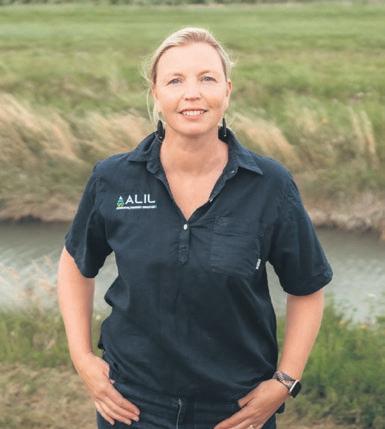
The experience of the past eight years has been, at times, frustrating. But the outcome – a consent in place, and a pathway forward – provides a platform to keep moving.
And that, ultimately, is where the focus now sits.
“It’s positive to have certainty, even if it’s shorter than we’d like. Our farmers are up for the challenge.
“They’re already making progress, and they want to keep improving.”
For Canterbury’s irrigation schemes, and the communities they support, that commitment is what matters most.
Because while the consenting process may set the framework, it’s what happens on the ground that delivers the real change.


IRRIGATE WITH CONFIDENCE.





IRRIGATION SYSTEMS REMOTE MANAGEMENT PRECISION VRI





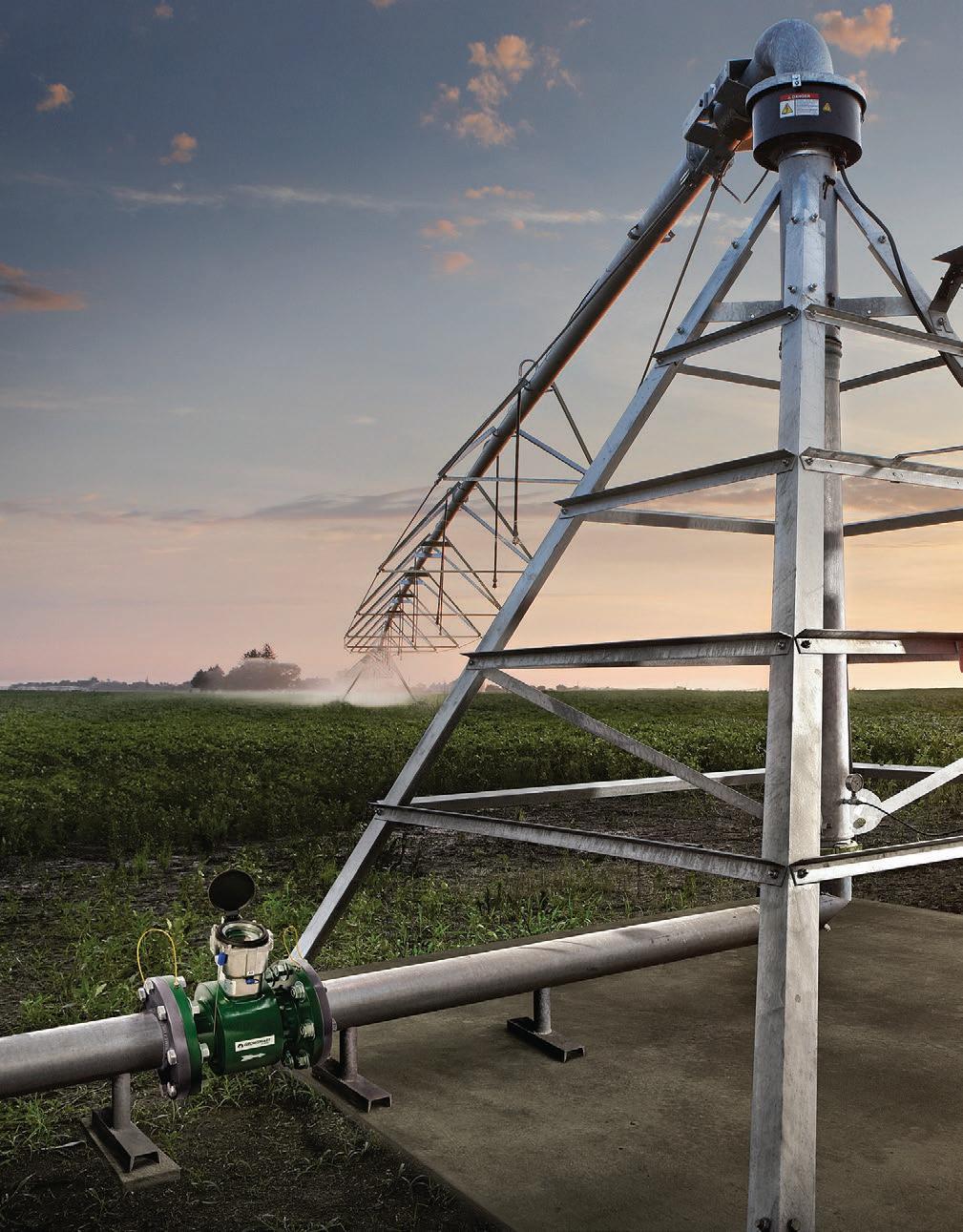



Most dairy effluent storage pond owners believe that their ponds are not leaking, particularly those that have been synthetically lined.
However, even with synthetic lining, it is not possible to be sure that the pond is not leaking without carrying out a test. Therefore, it is important for dairy farmers to have their effluent storage ponds tested to ensure that they are not leaking.
We had a situation recently where testing showed that a pond was leaking. The owner of the farm did not believe it and asked for a repeat test. That gave the same result.
The synthetically lined pond was then emptied to discover a large hole in the lining. We’ll never know what caused the hole, although it was likely damaged during removal of some of the solids or sludge.
One of the drivers for proving that effluent storage ponds are not leaking, is the need for farms to operate at a minimum of Good Management Practice (GMP).
GMP is a set of standards and guidelines that aim to ensure that farms are managed in a sustainable and environmentally responsible way.
One of the key requirements of this for dairy farms, is that effluent storage facilities must be sealed and maintained to ensure the containment of effluent. Therefore, it is essential for dairy farmers to test their effluent storage ponds to ensure that they are meeting the standard.
The need for effluent storage pond testing may not always be initiated by the Regional Council. Sometimes this can also be requested by the irrigation scheme, dairy company or can be as a result of a Farm Environment Plan (FEP) audit. These requests are becoming more frequent as the importance of good farming practices and environmental sustainability increases.
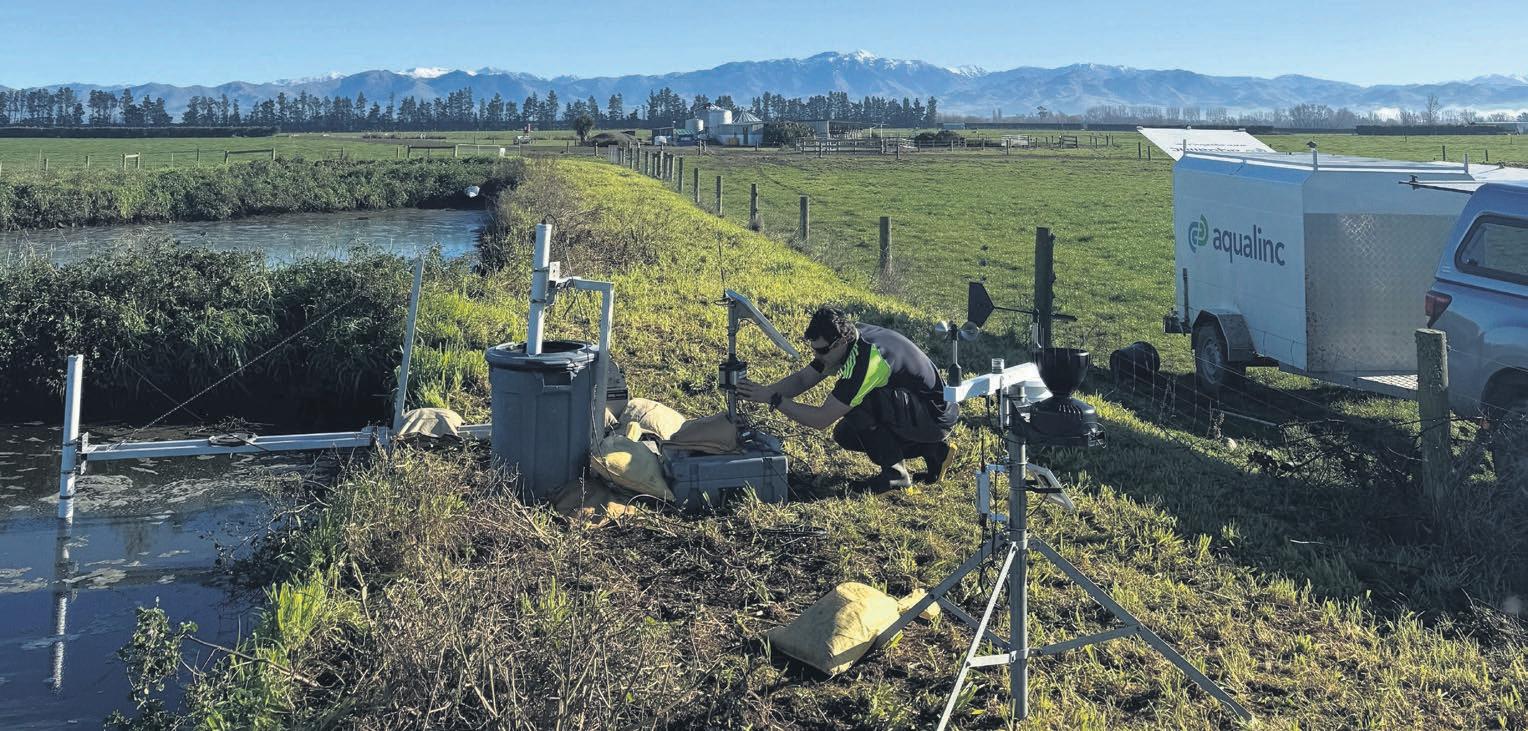
It is also important that the industry is able to show full compliance with all regulations to assist with showing the wider community that dairying is being carried out appropriately, minimising environmental effects. It’s all part of having a social licence to operate. In the past, especially when FEPs were first being introduced, some farmers questioned the need for environment plans. They considered that they were already doing a good job of farming in a responsible and environmentally friendly way.
However, it soon became apparent that it is no longer sufficient to ‘be’ a good operator; farmers must now ‘prove’ that this is the case.

This ‘proof’ of good practice and sustainable actions does not stop at the farm: this is also now being required by companies within the supply chain and from some of the markets they serve. Because of this, there can also be financial incentives for high environmental performance.
Proof of performance at the farm scale can be done through the FEP and associated auditing process, and for effluent storage ponds, it can only be done through appropriate testing.
Accurate testing is essential to ensure that effluent storage ponds are meeting the required standards.
In Canterbury, the criteria for storage be-
ing a permitted activity is that leakage cannot exceed 1mm per day. Measuring leakage to this accuracy level in a dynamic environment can be challenging.
Whilst the test is being carried out there may be rainfall, evaporation, wind and associated wave action, barometric pressure changes and sometimes even flows into or out of the pond.
In these dynamic environments, companies need to be able to measure with sufficient accuracy to comply with industry and regional council expectations.
If you have not had your effluent ponds tested recently, contact your trusted advisor to get as test booked in.
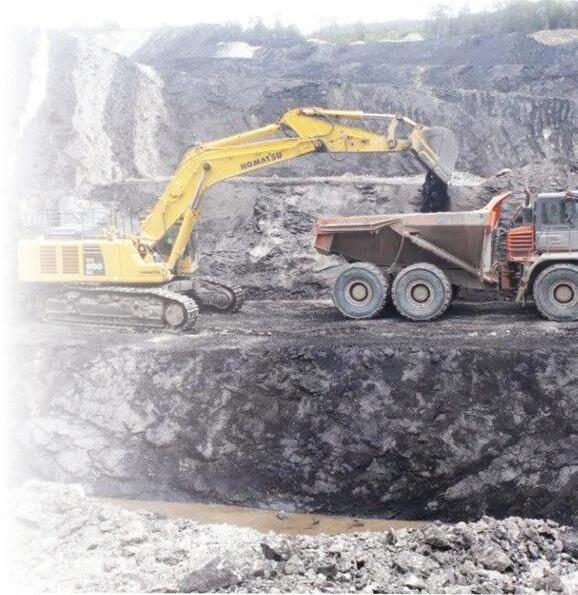

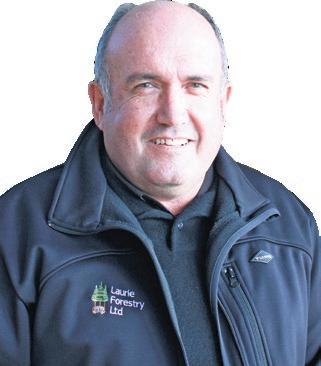

April has been a month of some amazing highs and lows. Uncertainty prevails with the forestry sector sitting firmly with food and fibre growers throughout the country as we all attempt to grapple with how we manage elevated fuel prices.
with Allan Laurie MNZIF
] Laurie Forestry Ltd
As at mid-April, diesel prices are coming off some ridiculous highs as the sentiment driven brent crude consistently remains below US$100 per barrel. Nice to see fuel companies only badly gouging us rather than royally gouging as they were March to mid-April.
Another good new story is some reports suggesting some of those closest to the Red one in the White House are concerned he might be mentally challenged. They appear to be slow to learn in that neck of the woods.
The forestry supply chain has had to dig deep in April to ensure as little as possible impact on forest growers. Loggers and truckers look to be the ones digging the hardest, accepting rate increases to do work that do not cover diesel cost increases.
Ultimately the forest owners have the ability to call a stop harvest if their net returns fall below acceptability, so everyone has had to recognise he/she who owns the wood calls the shots and they need to be kept happy.
In April, domestic log prices have had to lift and for the most part sawmill owners have recognised the need to keep the saw blades turning. We have also seen lifts in log prices in China and India, with customer concerns New Zealand supply will slow if they do not accept increases.
In New Zealand, despite the drive to keep going, many harvest operations, particularly those at some distance from ports, have been suspended. This is the direct consequence of the heighted cost of a litre of diesel.
Despite market forces remaining in reasonable alignment, a decrease in total forest

harvest is the current order of the day, with a 7 to 10% volume drop compared to March depending on who you talk to.
Ultimately that will positively impact the wider market where oversupply would otherwise quickly see selling prices drop.
International shipping continues to be the biggest talking point. Ships use a fuel product called Bunker. In early April we saw Singapore Bunker rates drop from US1,200 per tonne to currently about US$700 per tonne. High charter rates were being resisted, but the key driver appeared to be market sentiment.
Fortunately for us, the fuel companies put their handkerchiefs back in their pockets and log vessel daily hire rate negotiations swung back to the charterers.
A key driver here was for almost two weeks, there was one only charter confirmed for a vessel for New Zealand logs where there is typically 50+ per month. Clearly charterers were collectively put fixing vessels on hold until supply/demand 101 kicked in and rates quickly dropped USD $3-$4 per m3.
Out of the mire of uncertainty, the one stable element has been log usage in Chi-
na. Despite the doom and gloom merchants suggesting the China economy experiencing all sorts of problems, daily usage of our wonderful Radiata pine logs has been chugging along at 65,000 m3.
This is above expectation resulting in an inventory drop to around 2.7mil m3, down 400K from February.
Most expect consumption rates to drop as the hotter months approach and RMB/USD exchange rates have started to negatively impacted China exporters.
On balance, most commentators have suggested CFR rates (the cost of logs landed in China) have reached a high point at/ about USD128 per m3 A grade basis. Some are suggesting the market egg is just starting to show some minor cracking at the current levels.
‘
China’s daily usage of our wonderful Radiata pine logs has been above expectation.
This confirms New Zealand exporters certainly do not want to be pushing higher.
In India market prices have been improving, as at mid-April sitting around USD152 per m3 A grade basis. The major challenge for the India market right now is shipping, with very stiff competition for other bulk cargos and the cost much higher than China voyages.
Some ship owners are resisting log cargos with some stating the Strait of Hormoz is just 1500km from Kandla port entrance where New Zealand logs all head to. I suspect this is a tool for negotiating rather than any sort of real safety concerns.
As always, please remember the thoroughly important message. It remains, as always, fundamentally important, the only way forward for climate, country and the planet, is to get out there and plant more trees”.




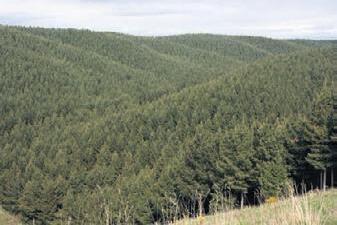
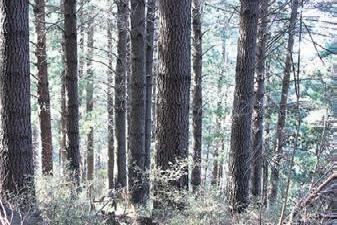
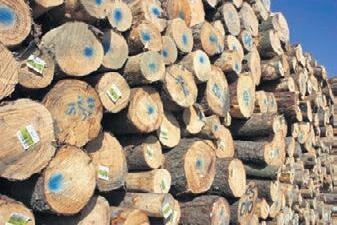

With 25 years experience in the industry, the Forest Management Team offer services in:
• Woodlot and shelterbelt harvesting
• Timber sales to domestic and export markets
• Forest establishment of harvested and greenfield sites
• Forest valuation
• Emission Trading Scheme advice and management
• Trainer/Assessor in NZQA forestry related units
Our highly experienced teams aim to ensure value optimisation in all aspects of forest management.
To find out more call us on 03 343 4101 or visit www.forestmanagement.co.nz
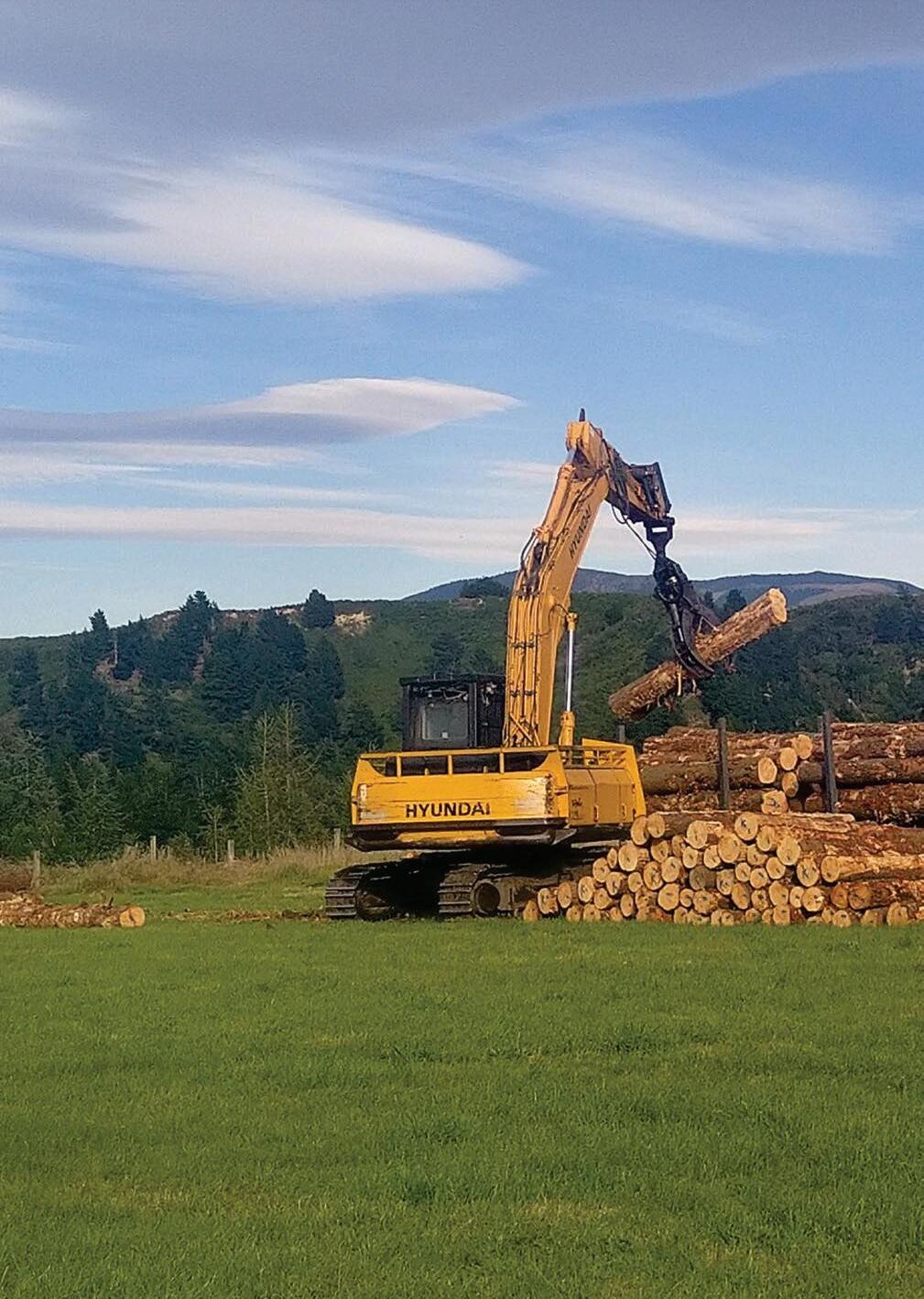
The Alliance Group has appointed a new Head of Livestock and a new Chief Financial Officer.
Jamie Saker, who was previously in livestock management and agribusiness roles at the company, will re-join Alliance this month.
Saker has over 30 years’ experience in the red meat and agribusiness industry, spanning livestock procurement, processing, international sales and trading.
Meanwhile, Rob Stowell has been appointed as Alliance’s new Chief Financial Officer.
Stowell joins Alliance after almost two decades at Synlait. During his time with Synlait, he held various finance, commercial, strategy and transformation leadership roles as well as several executive positions, including Chief Financial Officer, Chief Commercial Of-
ficer, and most recently, Chief Supply Chain and Technology Officer.
Niall Browne, Chief Executive of Alliance, said Saker has a deep understanding of the Alliance business and the red meat sector.
“His breadth and depth of knowledge about farming, processing and our global markets will be a significant boost to the team. Jamie is also a familiar face to many of our people and farmers, and we are looking forward to welcoming him back into the business.
“Rob is a seasoned executive with considerable financial, supply chain and technology experience as well as expertise in primary processing and manufacturing. We’re excited about Rob joining Alliance,” Browne said.

Appointed: Former Synlait Chief Financial Officer Rob Stowell has joined the Alliance Group as its CFO.
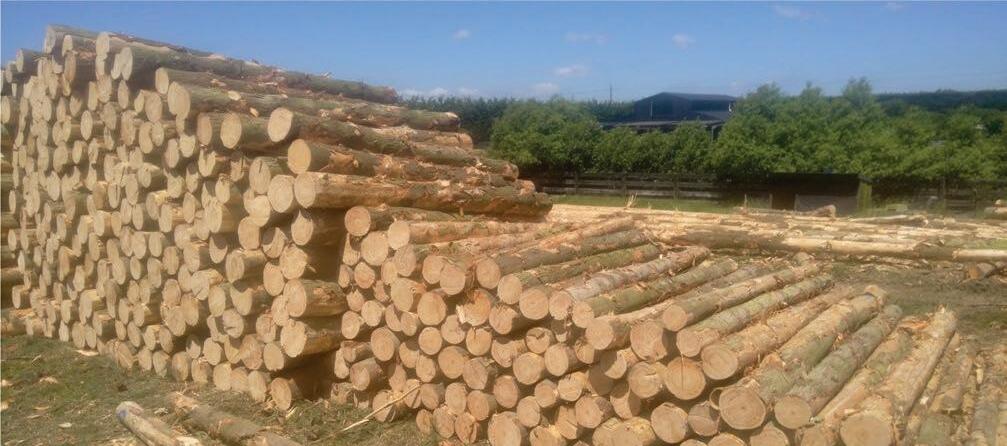
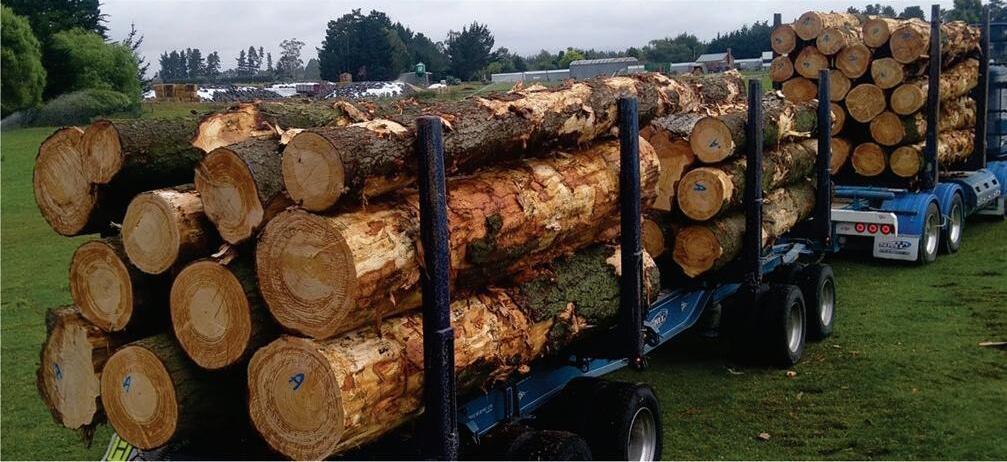
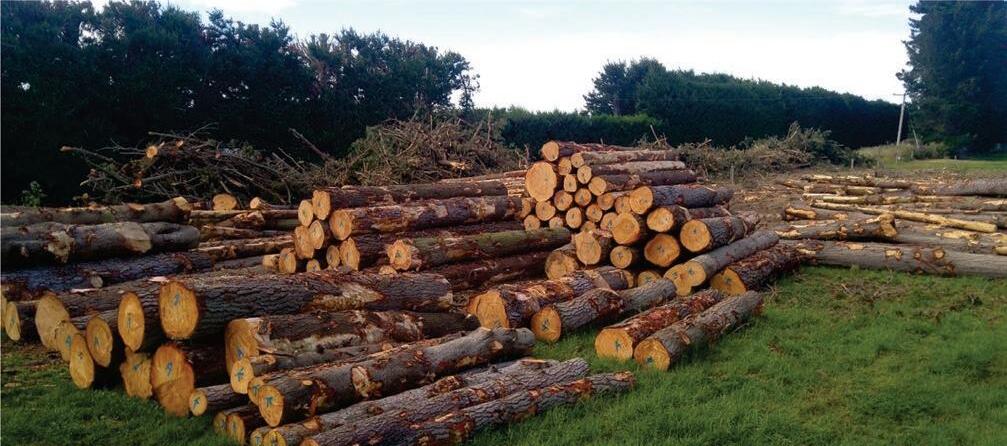
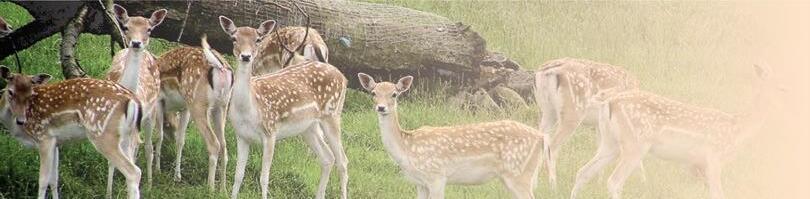
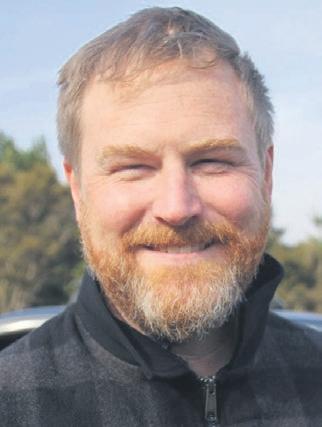

A milestone for the New Zealand deer industry was marked in mid-April with the official launch in Seoul of HENKIV IMMUNE, a velvet-based immune enhancing health functional food developed through years of collaboration between New Zealand and South Korea.
The product was launched by Yuhan Care, a subsidiary of South Korea’s leading pharmaceutical company, Yuhan Corporation.
Guests at the ceremony included Deer Industry New Zealand (DINZ) CEO Rhys Griffiths, Bioeconomy Science Institute Senior Scientist Dr Stephen Haines, and representatives from Yuhan Care’s New Zealand supplier partner, Alpine Deer.
HENKIV IMMUNE is based on HENKIV, an extract derived from premium New Zealand deer velvet using a patented process designed to maximise bioavailability and efficacy.
Significantly, it carries the only deer velvet derived immune enhancing functional claim approved by the Korean Ministry of Food and Drug Safety.
“Velvet is increasingly viewed not just as traditional medicine but is now validated as a sophisticated, high value health ingredient,” Griffiths said.
“Seeing that value realised in an advanced market like South Korea is a significant step for our industry and a powerful signal of what’s possible for the future of New Zealand velvet.”
On the venison front, DINZ’s Europe based contract chef Shannon Campbell recently took the opportunity while visiting family in New Zealand to stop by the DINZ offices for a chat on the state of our major markets.
The discussion formed the basis of a new podcast, now available on the DINZ website.
Campbell said demand for New Zealand farmed venison across Europe remains strong and sees the current market conditions as an opportunity to sharpen the industry’s focus on value.
With supply tight, he believes the time is right to work closely with those customers who understand what sets New Zealand farmed venison apart.
“This is about rewarding the partners who really get it – who use provenance and quality assurance to market a premium product that is backed by the best farming practices in the world,” he said.
Seasonality was a theme discussed, with Campbell cautioning against viewing Europe as a single market. While Germany retains some seasonal traditions, practices vary widely even within that country.
“Compare that with Scandinavia or the Netherlands, where venison is less seasonal. This is despite the latter bordering a market like Belgium, where seasonality remains strong,” he said.
Campbell added that the US is a different market, with limited inherited expectations around venison outside of some regional interest in hunting.
That lack of legacy creates greater flexibility, particularly in foodservice, where chefs can introduce venison alongside other red meats rather than being guided by tradition. In retail, venison remains niche but fast growing, with education still important for building demand.
As in Europe, Campbell cautioned against generalisation, noting that familiarity with
deer and eating venison vary widely between states.
Back on farm, as DINZ wraps up the MPIfunded Integrated Farm Planning programme,
now is a good time to look at what it has delivered for deer farmers on the ground.
Over the past couple of years, the programme has taken practical farm planning support right around the country, with 47 workshops covering real issues farmers are dealing with day to day, from freshwater management through to animal health and getting to grips with farm planning tools.
In total, 466 deer farmers, representing 404 farm businesses, got involved, equating to around 35 percent of the industry.
Alongside the workshops, 42 one-on-one rapid assessments were delivered, helping farmers understand where they currently sit and what their next steps are, particularly around NZFAP and farm assurance requirements.
The programme backed this up with practical resources and a small number of precision farming sessions, giving farmers exposure to tools and technology that can support better decision making on farm.
“The Canterbury freshwater farm planning workshop was a great way to finish the programme, with strong interest and good progress made by those who attended,” says DINZ IFP Project Manager Amy Wills.
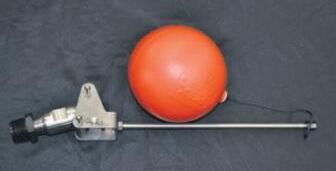
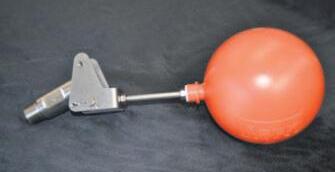
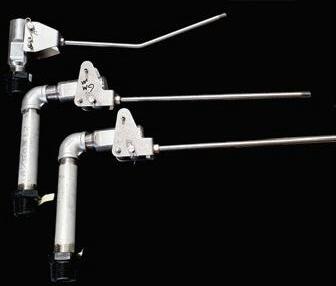



Tractors are essential pieces of farm equipment, and with the right maintenance they can run for years with very little trouble.
] by Kent Caddick
Because there are so many different kinds of tractors with specific applications, maintenance may vary greatly from tractor to tractor.
However, there are certain universal things you can do to help guarantee a long and useful life for yours and carrying out regular inspections is a key.
Familiarize yourself with your tractor’s manual
There are many different types of tractors on the market with a wide variety of applications and associated accessories. To be sure you properly maintain your specific make and model of tractor, you should read through the manual that came with it.
Many tractors require specific types of lubricants and hydraulic fluids that you can identify in the manual. If you do not have a manual for your tractor, you may be able to find the information on the manufacturer’s website.
Give the tractor a visual inspection
Before you get started with any planned maintenance on your tractor, give the whole thing
a good once over to see if anything looks overly worn, broken, or dirty. Many newer model tractors even have plastic windows on fluid reservoirs to check things like hydraulic fluid levels.
Give your tractor a visual inspection before and after each use
Make note of any issues you identify to make sure you address them before the next time you use the tractor.
Do a tyre pressure check
Tractor tyres can last years, but operating a tractor with under-inflated tyres can ruin the sidewall and cause the tyres to wear faster than they should. Under-inflated tyres will also cause the tractor to burn more fuel in normal operations.
You may want to adjust tyre pressure for different types of jobs. For instance, if you plan on driving your tractor on the road, you might want to add a few more pounds of air.
Tyres lose pressure more quickly when temperatures change from cold to hot, so you may want to check your tyre pressure more frequently in the Spring and Autumn.
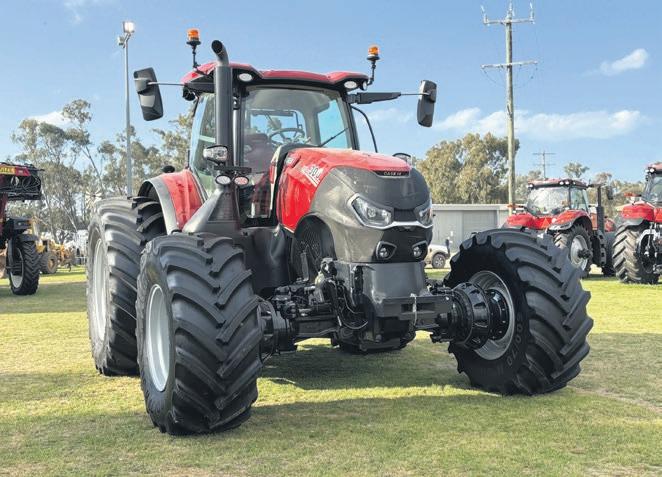
Just like in a car, a tractor’s engine relies on a number of rubber hoses and usually at least one belt. Look all the rubber components over for signs of wear or damage. Excessively worn rubber components should all be replaced.
Look for grazing on the sides and bottom of any belts that may indicate that it’s been slipping. Any rubber that has cracked should be replaced.
Longevity: Regular inspections and maintenance will ensure a long life for your tractor.
Depending on the environment you use your tractor in, you may need to change your air filter more or less frequently. Locate the air filter using the tractor’s user manual, then visually inspect it. If it’s really dirty, it should be replaced.
There’s no real rule of thumb with air filters; they should just be replaced as they appear dirty. You should check your air filter after eight hours of use or so.
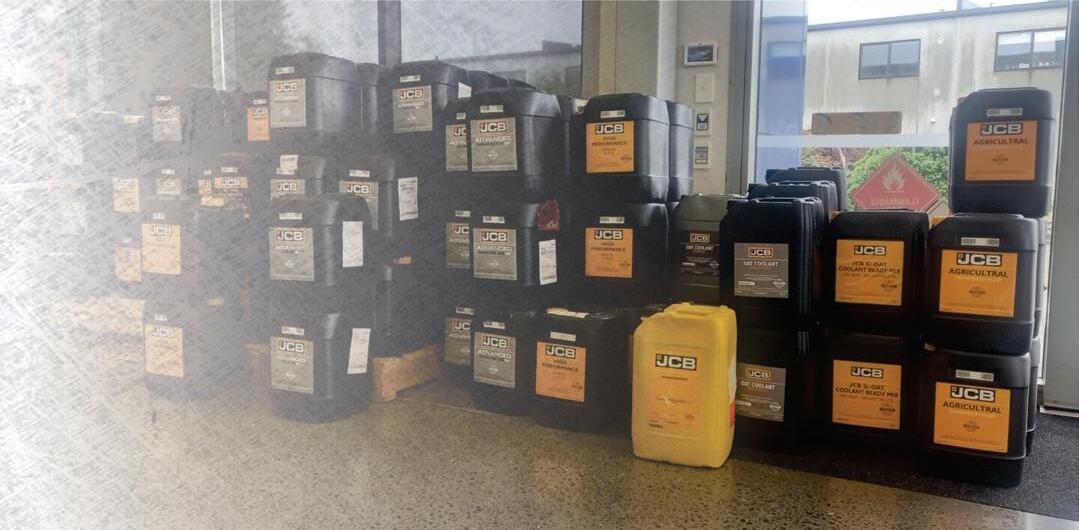


















When you’re in the market for a all-terrain vehicle (ATV), it can be pretty overwhelming to sift through all the options. After all, you want to find the one that’s going to serve your individual riding style.
el, which offers an improved suspension system for superior performance when you’re chasing those thrills.
The first thing you’ll want to do is decide what type of ATV you should buy, which means you also need to consider your intended purpose.
Each machine offers a different set of features that are often meant for a specific use and riding style. One way to ensure you receive the full potential of your ATV is to buy the one that’s right for your needs.
One popular choice is the utility model, which offers a bulky and boxy appearance.
These ATVs usually include several heavyduty features, such as tow hitches, cargo racks, and two-up seats. If you plan to use your machine for completing challenging tasks on the job site, this is the perfect model for you.
The rock-solid construction makes them ideal for enjoying hours of fun on the trails as well. This means you can use your quad for both fun and work.
Another common option is the sport mod-
It’s important to remember that this type of ATV is mostly used for entertainment purposes. Therefore, if it’s endless adrenaline rushes you’re after, this might be the perfect quad for you. You’ll be able to hit top speeds and have unmatched agility when taking corners and handling bumps.
Most ATV riders will do well with a standard model that offers the basics when it comes to power and performance.
If you’re more advanced in your riding style or simply crave an extra kick of power, there are models with special features you can choose from.
For example, you can search for models with larger seating accommodations and a suspension that’s capable of handling extra weight without sacrificing performance.
If it’s comfort you’re after, look for quads with fenders that’ll keep mud and water off you.
Choice: There are plenty of options when it comes to choosing an ATV for your farm, and then are those designed for fun in mind.
Photo supplied by Action Power Sports