More than 640 people celebrated the awards finals night at the Energy Events Centre in Rotorua which highlighted excellence in the dairy industry.
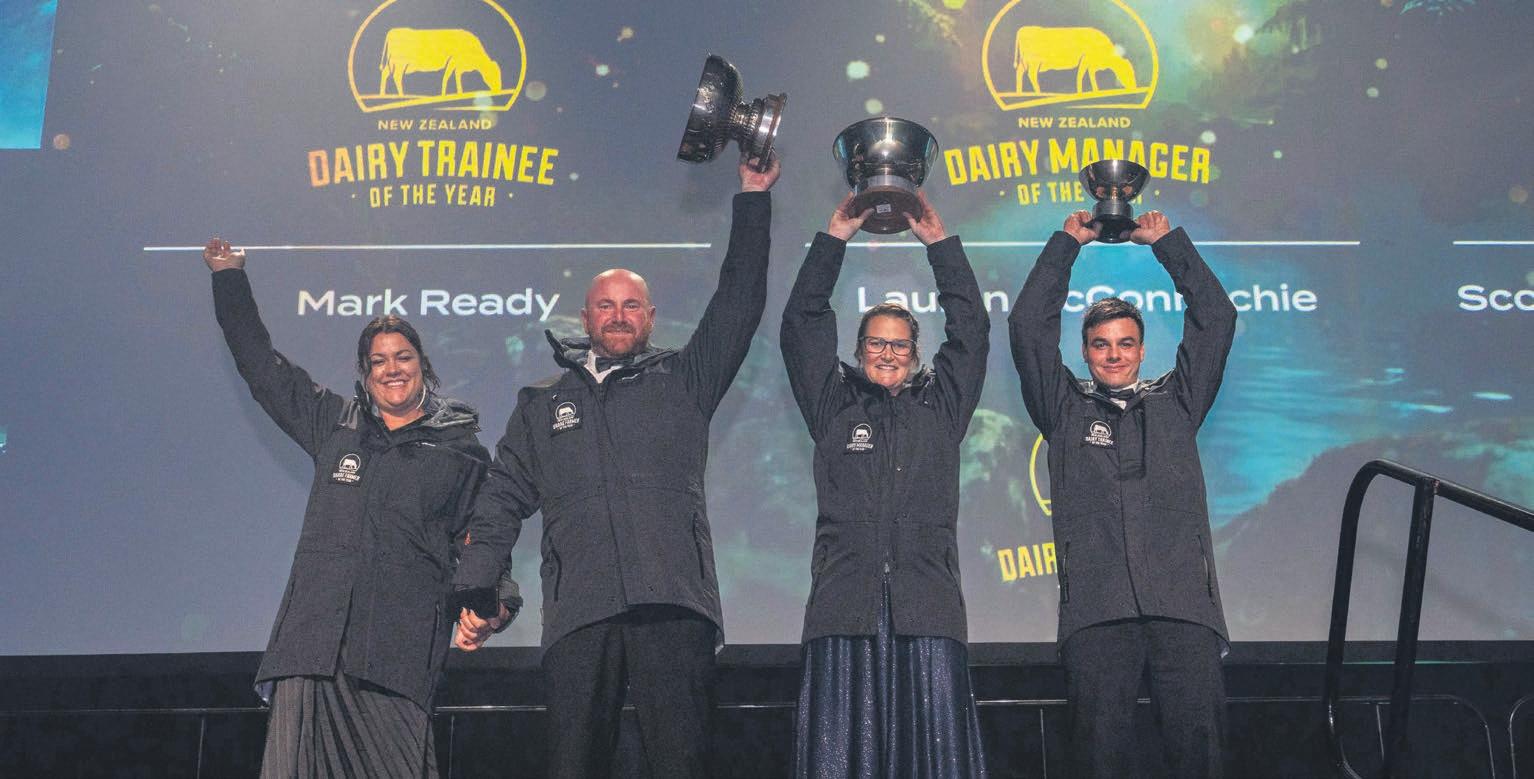
Southland/Otago dairy farmers Scott and Stacey Mackereth were named Share Farmers of the Year, Lauren McConnachie from Canterbury/North Otago took out the Dairy Manager of the Year title and Mark Ready from West Coast/Top of the South was announced the Dairy Trainee of the Year.
The judges said people entering dairy farming can look to this year’s finalists and be encouraged by the multiple pathways, diversity in ownership structure, and life-changing opportunities that exist in the dairy industry.
Share Farmers of the Year Scott and Stacey Mackereth won $28,000 in prizes, along
with taking home three merit awards; the Trelleborg Sustainable Pasture Award, Dairy NZ People & Culture Award and Federated Farmers Leadership Award.
The couple are contract milking for Fortuna Group at Edendale, milking 1400 cows on 464ha.
Head Judge and dairy farmer Robert Ervine said Scott and Stacey make a dynamic team.
“Their skills complement each other,” Ervine said.
“Scott is very data driven and wears multiple hats, overseeing multiple operations and managing 13 staff who are all driven to perform every day, and Stacey is very grounding, she’s the glue.”
Ervine said the couple have great attention to detail while farming at scale, but people and family are still at the centre of everything they do. They have implement-
ed the Te Whare Tapa Wha holistic Maori health model and focus on their team’s wellbeing, even allocating half an hour to all of their staff every week to fill in a reflection journal.
The judges said the Mackereths have created a supportive pipeline and made sure there were pathways for people to progress within the business.
Ervine said the judges were impressed by Scott’s journey to bounce back after Covid disrupted his business ventures in the United States and he returned to rebuild from scratch in New Zealand by going farming.
“They’ve learnt from their prior experience and Scott is really passionate about sharing and learning from failure. They really prove that when you get knocked down you get up and go harder.”
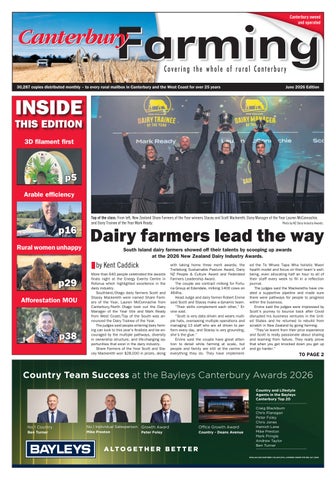
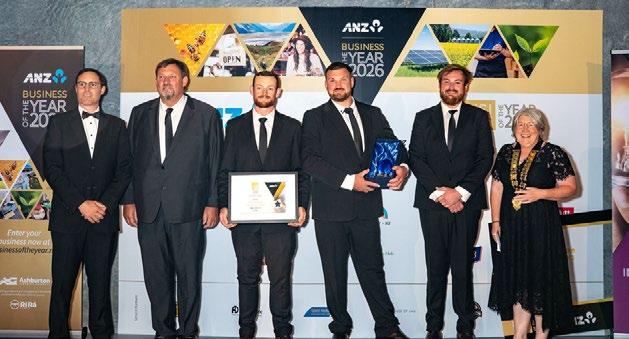
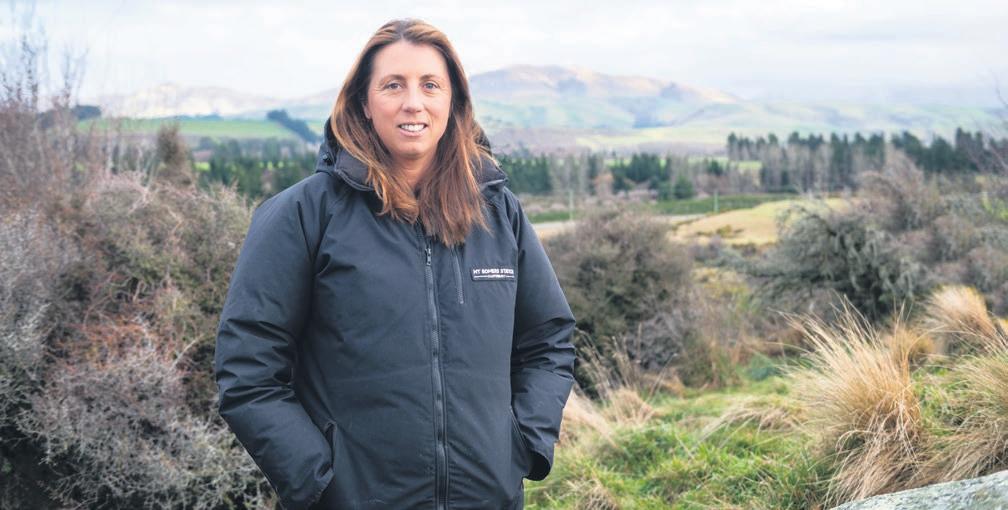
Top of the class: From left, New Zealand Share Farmers of the Year winners Stacey and Scott Mackereth, Dairy Manager of the Year Lauren McConnachie, and Dairy Trainee of the Year Mark Ready.
Photo by NZ Dairy Industry Awards.
Dairy Industry Awards honour top achievers
FROM PAGE 1
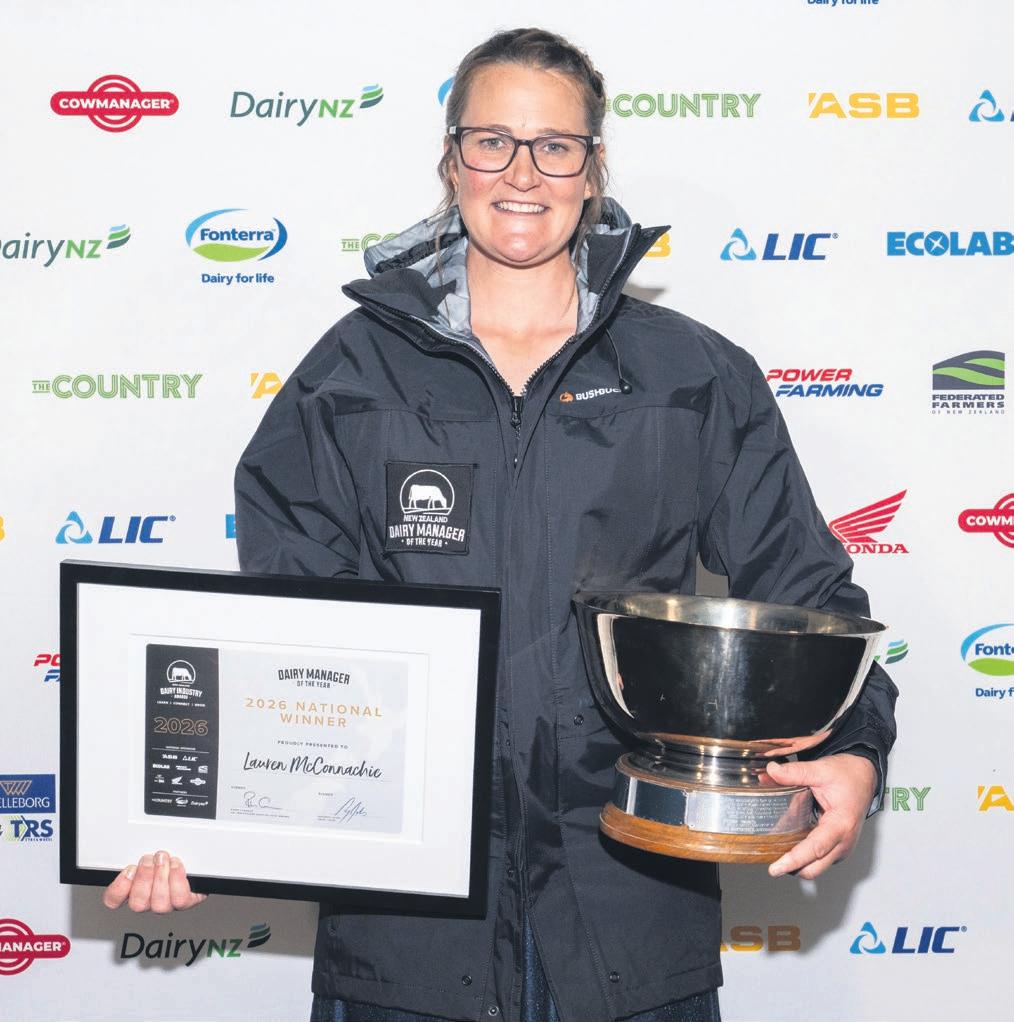
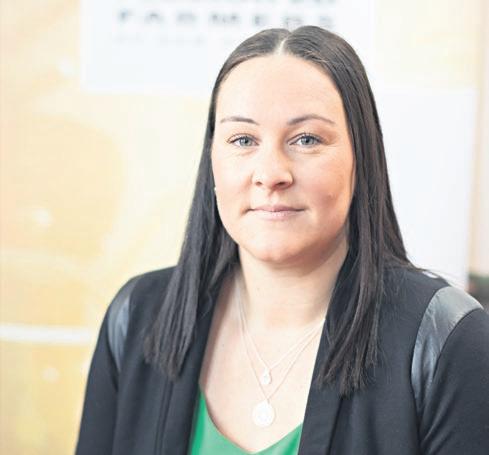
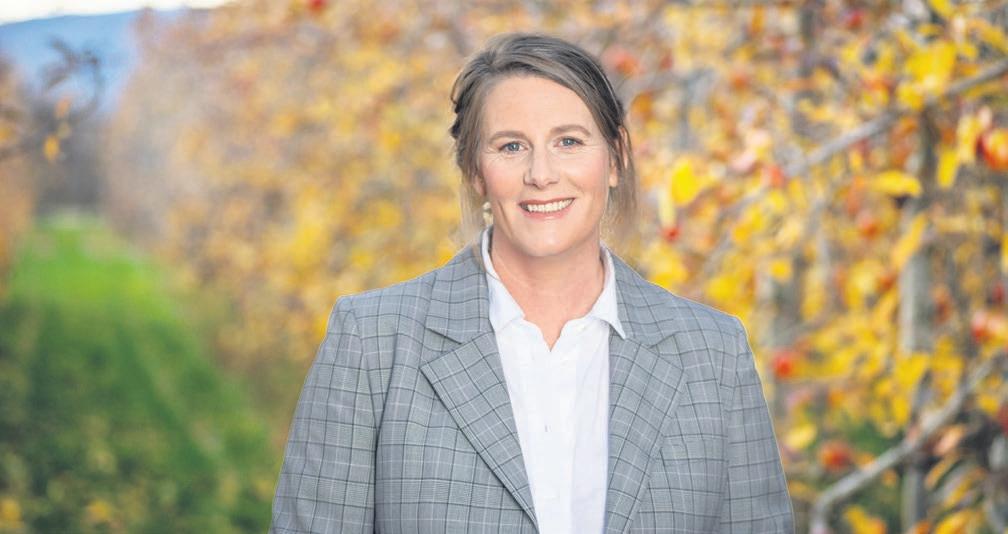
Lauren McConnachie, who is Rob and Jenine Screen’s farm manager for Theland Farm Group at Purata, milking 2170 cows on 563ha, was named the Dairy Manager of the Year.
The 35-year-old won over $15,000 in prizes along with taking home the Fonterra Dairy Management Award and the Ecolab Environmental Sustainability Award.
The judges said McConnachie had extremely strong theoretical knowledge, was very organised and brought a structured approach to her planning and farm management.
“Lauren scored consistently across the board. She’s operating at scale, managing multiple people and she’s able to convert the complex into simple steps for her team.
“Lauren has identified areas to work on and she is actively upskilling in personal development – leadership is a good example of that.
“She’s really aware of areas she wants to grow and how to help her team grow.”
Dairy Trainee of the Year Mark Ready is farm manager for Michael Shearer on the Inch Family’s 130ha farm at Maruia milking 250 cows.
Previously entering the Dairy Industry Awards had been a catalyst for Ready to set himself goals and the judges said they were highly impressed with Mark’s planning and progress.
“He has managed to save and buy his first line of cows which will enter the herd
this year and has set himself a timeline to achieve herd ownership.
“We absolutely believe he will achieve that. Mark set himself a plan and he’s implementing it and we look forward to his progress going forward.
“He’s surrounded himself with good employers and has made strong relationships, he’s not going to be easily knocked down.”
Ready also won the Ecolab Personal Growth & Development Award.
In addition to the category winners Tony Dodunski from Canterbury/North Otago won the Fonterra Responsible Dairying Award.
Beaumaris Dairies is located in the environmentally sensitive Lake Ellesmere/Te Waihora catchment, and the judges cited Dodunski’s outstanding leadership in delivering responsible dairying outcomes on farm, while also making a significant and sustained contribution to the wider New Zealand dairy industry.
“Tony has demonstrated that high environmental performance can be achieved through deliberate system design, evidencebased decision-making, and long-term commitment,” the judges said.
“His work exemplifies responsible dairying in action: delivering verified environmental outcomes, building capable and motivated people, and strengthening the long-term sustainability of the dairy sector.”
Information for this article was provided by the New Zealand Dairy Industry Awards. For full results go to: www.dairyindustryawards.co.nz.
The new, long-overdue law of stalking
In the past stalking has generally been defined as persistent and repetitive intrusions directed at someone to make them feel distress, fear or unsafe. It usually takes the form of following, watching, contacting the person or damaging their property.
] with Bessie Paterson LLB
] Ronald W Angland & Son
In the past when someone was being targeted, they would have to apply to the Court to seek relief from the actions of the stalker.
The remedy for a victim of a stalker was to seek the relief available under the Harassment Act, the Criminal Harassment Act or Family Violence Act at the Court. Stalking did not always fit in with the requirements of those laws, and a legal remedy was not always available under that legislation.
For a number of years various groups and organisations had made representations to Parliament for stalking to be a separate offence in our legal system. Following the murder of a young female student by a stalker the process of codifying the law on stalking was soon enacted.
The Stalking and Harassment Amendment Act 2025 which came into force in May 2026
officially criminalises stalking. The offence has been defined as “a pattern of repeated unwanted behaviour directed at a person that causes them to feel fear, distress or unsafe.”
The main signs of stalking include persistent, unwanted contact by the stalker, being followed by the stalker, turning up without being invited at the home or workplace of the complainant, sending unwanted items to their victim, and threats or behaviour that feels like intimidation or control.
Stalking can be by strangers, ex-partners or acquaintances and through digital contact which includes drones and AI.
The Police will be involved in any Court proceedings taken against the offender. They may give the stalker a warning after the first act of stalking.
The Courts can make restraining orders against an offender even if they are discharged without conviction.
If convicted the offender is liable to a term of imprisonment of up to five years and a disqualification from holding a firearms licence for ten years.
The legislation was long overdue and should provide greater protection from unwanted contact by people whose intentions
are to cause unreasonable fear to the victim. Victims of stalkers should be encouraged to seek the remedies now available to them.
has been prepared by
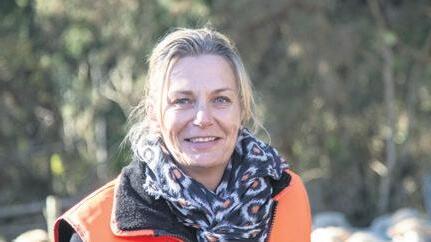
Cream of the crop: Canterbury’s Lauren McConnachie was named the Dairy Manager of the Year at the 2026 New Zealand Dairy Industry Awards.
Photo by NZ Dairy Industry Awards
This article
Bessie Paterson, a partner at Ronald W Angland & Son, Lawyers, 2 Chapman Street, Leeston.
Rescue Warriors’ blokes go big
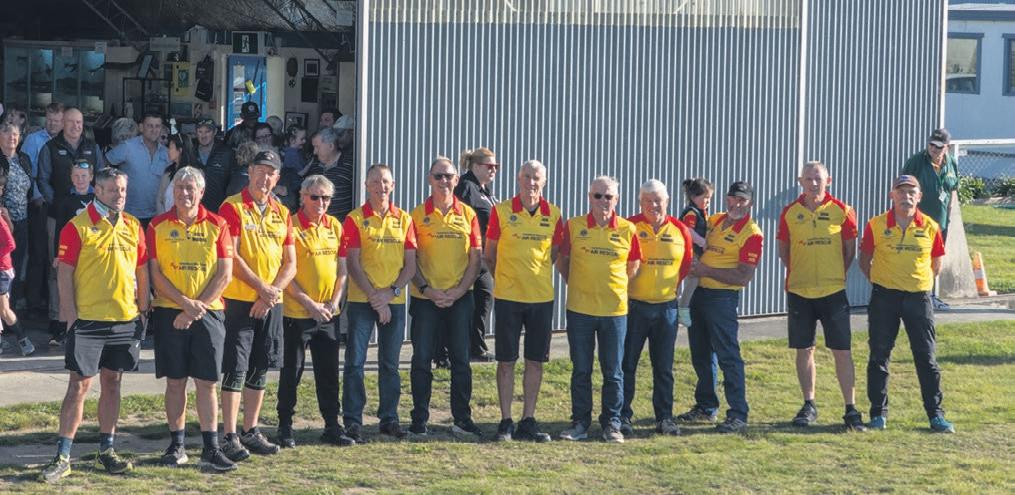
The Rescue Warriors, a group of 14 mid-Canterbury blokes, have raised $364,057.45 for the Canterbury West Coast Air Rescue Trust and the rescue helicopter service.
] by Kent Caddick
This has made the Rescue Warriors’ fundraising bike ride the largest single community fundraiser since the Trust was established in 1989.
The amount raised was revealed at a celebration event for the Rescue Warriors, held at the Ashburton Aviation Museum recently.
“What the Rescue Warriors have achieved for themselves, the rescue helicopter service, and the community is unbelievable,” Canterbury West Coast Air Rescue Trust Chair Murray Willocks said.
During February and March this year, the Rescue Warriors cycled the length of New Zealand to raise funds for MISSION 2026, a campaign to modernise the rescue helicopter fleet, invest in new technologies and equipment, and specialist crew training.
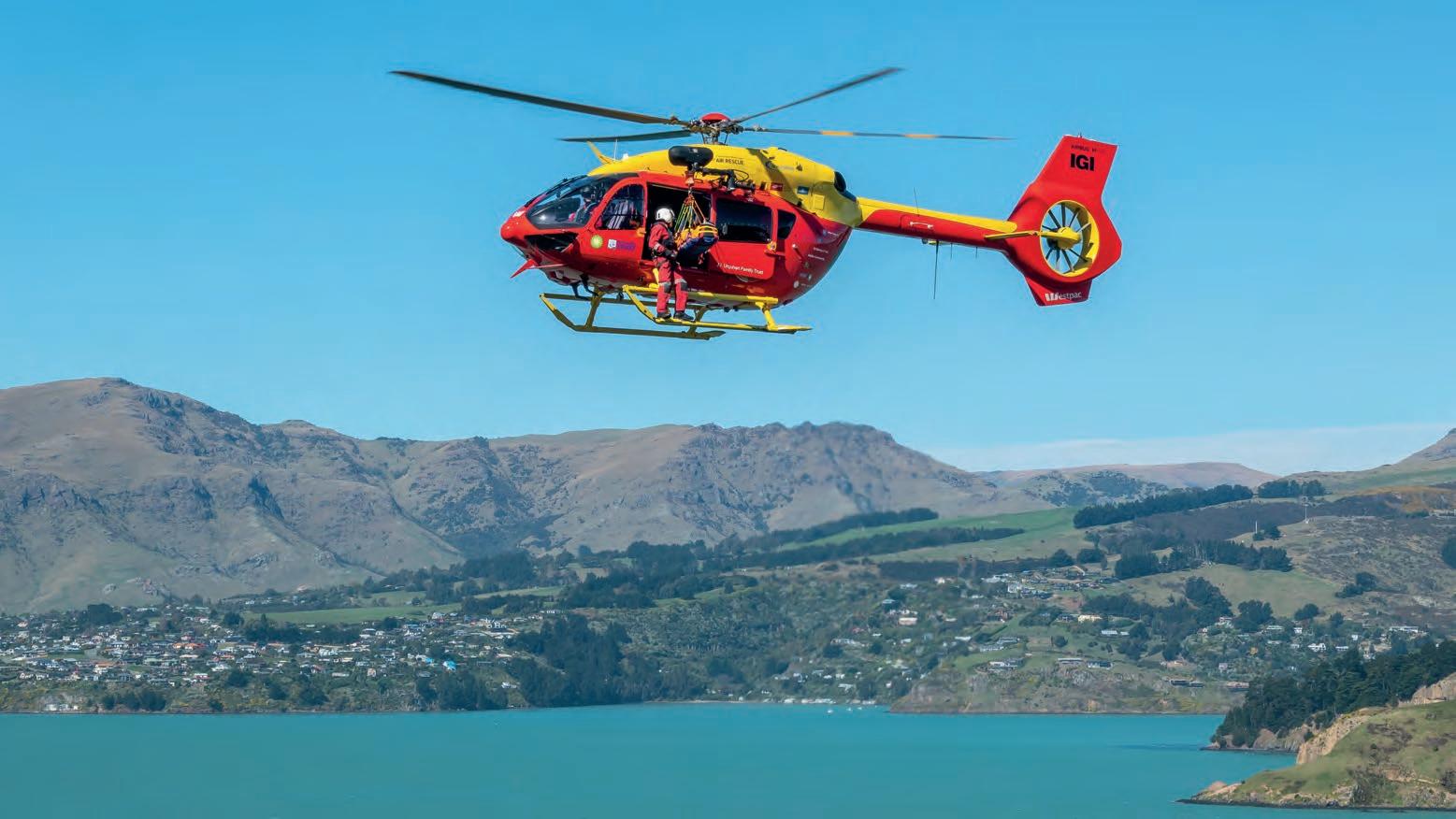
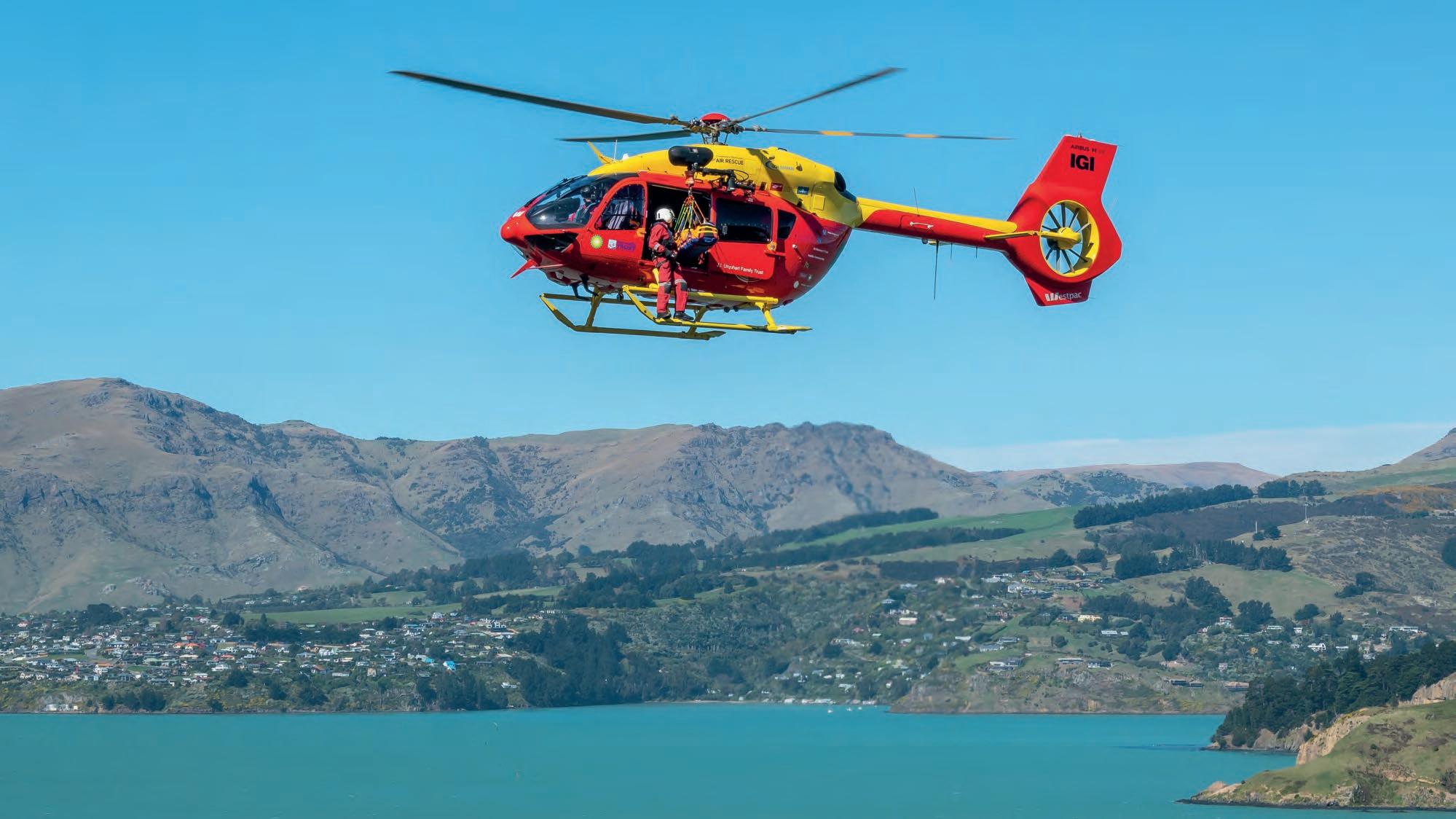
That modernisation of the service is now underway. The Trust has purchased three state-of-the-art H145 rescue helicopters for the Canterbury West Coast service, two are flying now with the third due to join the service in the coming months.
Willocks said the Rescue Warriors have been central to delivering the most substan-
tial transformation the service has undergone in its 40 year history.
“The Rescue Warriors gave us more than just dollars, they gave us confidence. Their commitment showed us that our community stood firmly behind us, sparked conversations across mid-Canterbury and beyond, and brought our transformation project into the spotlight.”
Bruce Kell, one of the driving forces behind the Rescue Warriors, said the team is blown away with what they’ve achieved.
“For me, the ride began as a commitment to my own health and wellbeing to make sure I could keep up with the grandchildren,” Kell said.
“It grew into a major fundraiser for a cause that will benefit my children, grandchil-
dren, and generations to come. The rescue helicopter is a necessity for our rural community, and knowing we’ve helped protect its future is something truly special.” Kell says.
Willocks said the Rescue Warriors’ achievements will echo for generations.
“The Rescue Warriors have raised considerable funds, introduced new supporters to the rescue helicopter service, and brought an awareness to the cause that we could not have achieved on our own.
“Our most heartfelt thanks to the Rescue Warriors and their families for their commitment to this ride and the rescue helicopter service.
“The Rescue Warriors are directly helping us shape a stronger service that will save more lives, more often, for many years ahead.
“They are truly inspirational blokes and we can’t thank them enough,” Willocks said.
Countdown begins for local government reform
Federated Farmers is calling on Canterbury’s council leaders to move quickly and show real leadership for their communities in the face of impending local government reform.
] by Kent Caddick
Federated Farmers North Canterbury president Bex Green said the starting pistol has been fired and there’s real urgency here to get this right.
“Central Government has been very clear that local councils have three months to come together and do something, or the Beehive will step in and do it for them,” Green said.
“This is our community’s best and only chance to land a locally driven solution that will actually work for Canterbury. We simply can’t afford to let that opportunity pass us by.”
Green says the worst-case scenario for provincial Canterbury, and the region’s rural communities, would be a ‘super region’ centred around metropolitan Christchurch.
“Environment Canterbury has been a dysfunctional and divided shambles since its inception, but a super region would be even
worse. It would amplify the problems instead of fixing them.
“Urban and rural communities have different needs and priorities. When you put them at the same table, it dilutes the voices of the communities they represent.
“The needs of Christchurch city’s rapidly growing population are very different to the needs of those who live in places with smaller rural populations like Hurunui, Methven and Waimate.”
Green said Federated Farmers is firmly opposed to a single unitary council for Canterbury.
Instead, it favours two or three unitary councils representing distinct communities across the region.
“It makes sense to have one unitary au-
thority, a metropolitan council, focusing on managing urban growth pressures and changes in Christchurch city. And then we want to see one or two other unitary councils that focus on the unique needs, challenges and priorities of rural Canterbury. That’d be better for everyone.”
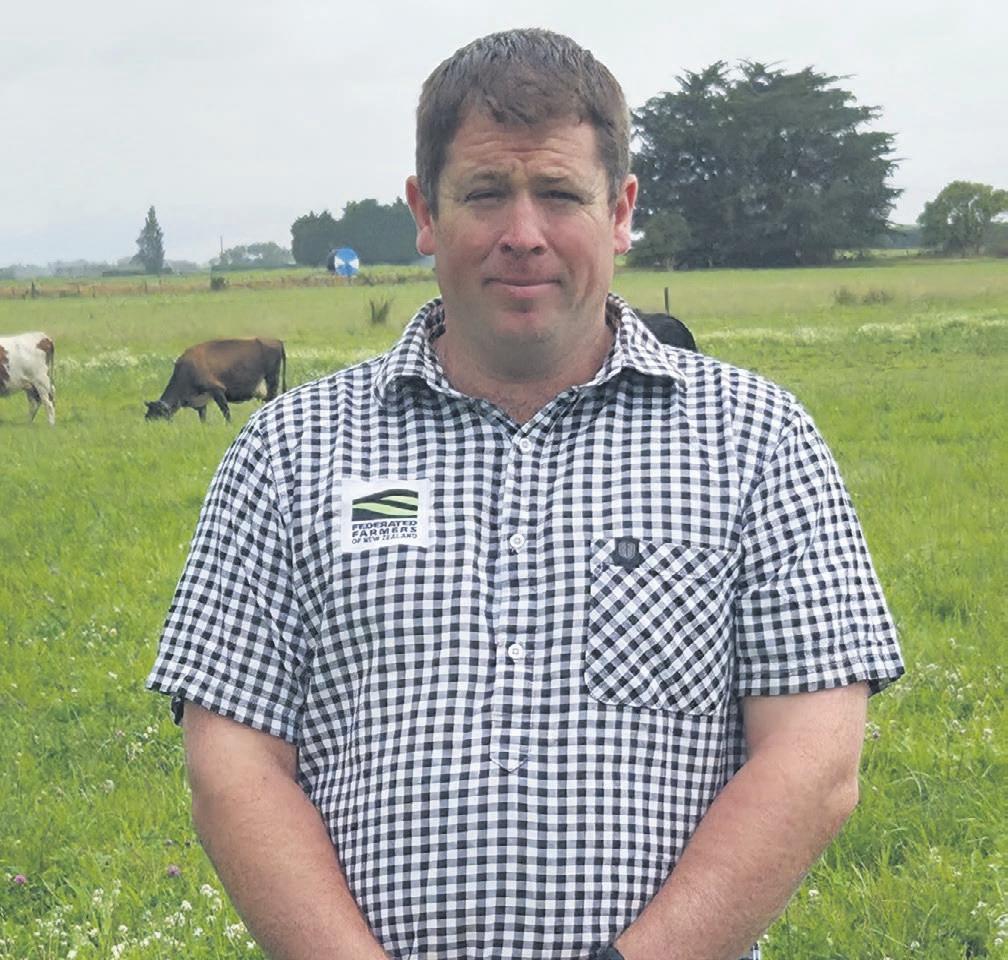
Rural representation: Federated Farmers North Canterbury president Bex Green says getting local government reform right in Canterbury is crucial.
In South Canterbury, there are three district councils: Mackenzie, Timaru, Waimate.
“Bringing those councils together to create one South Canterbury unitary authority, rather than having land use rules and rates set from Christchurch, simply makes sense,” Green said.
“There’s uncertainty around where the boundaries might fall for Mid and North Canterbury districts, but one thing is clear, the needs of those communities are very different to those of metropolitan Christchurch.” Green said getting local government reform right in Canterbury is crucial.
“Whatever happens, it’s essential that rural representation is protected.”
The 14 Rescue Warriors were: Bruce Kell, David Keeley, Willy Leferink, Mark Holmes, Paul Brake, Warren Harris, Bryan Beeston, David Pedersen, Richard Andrews, Graham Thomas, Mark Cressey, Duncan Barr, Brian ellis, Rigby Wason.
Top job: The Rescue Warriors celebrate their fundraising success with supporters and Canterbury West Coast Air Rescue Trust staff at the Ashburton Aviation Museum.
Boosting our agriculture
] with Todd McClay
] Minister for Agriculture
A minister for arable farmers and stronger plant variety rights
Backing our farmers and growers is essential for every Kiwi. It’s what puts food on the table and money in pockets for Kiwis. I’m pleased to welcome Mike Butterick as Associate Minister of Agriculture with a strong focus on the arable sector that is so important to Canterbury.
A beef and sheep farmer and National Party MP for the Wairarapa, he has deep ties to rural communities and Mike brings practical, first-hand experience to the role. His key responsibilities include the arable sector, organics, water security and storage, Maori agribusiness, and catchment groups.
Canterbury’s arable sector has faced significant challenges in recent years. Minister Butterick will bring a laser focus to working closely with local growers and farmers to cut red tape, lift productivity, and improve farm gate returns, particularly for Canterbury’s dairy, arable, and seed production. His appointment strengthens our Government’s commitment to delivering real, practical support for the regions.
I want to thank outgoing Associate Minister and Selwyn MP Nicola Grigg for her strong contribution, particularly to horticulture. I have now taken on direct responsibility for horticulture and am actively engaging with industry to address current issues and unlock new opportunities.
Protecting plant variety rights: Backing innovation for Canterbury dairy, pasture and arable.
Primary production is the backbone of our economy, and this Government is fully committed to its success.
Together with Commerce and Consumer Affairs Minister Cameron Brewer, we are strengthening the Plant Variety Rights Act to protect the long-term investments that underpin high-value exports, regional jobs, and global demand for New Zealand produce.
Breeding new varieties takes years, often decades, of work. These changes deliver the modern intellectual property settings
our breeders need to compete internationally and safeguard their innovation.
From drought-resistant grass seed and improved pasture varieties that directly benefit Canterbury’s dairy farmers, to higher-yielding and more resilient arable crops and seed production, the benefits will flow strongly to this region and right across the sector.
These practical improvements support better on-farm productivity, stronger pasture performance, and higher farm gate returns for Canterbury’s dairy and arable operations.
We are also restoring provisional protection, so breeders are covered from the day they apply. This enables immediate legal action against theft or commercial exploitation during the often-lengthy application process.
These common-sense changes give breeders greater certainty, encourage ongoing innovation, and help keep New Zealand competitive on the world stage.
The National-led Government is fixing the basics and building a stronger future for Canterbury’s arable growers, dairy farmers, and exporters.
‘
Primary production is the backbone of our economy, and we are fully committed to its success.
What you see is what you get
I love the old sayings my parents used, and love hearing them when others use them nowadays. One is “what you see is what you get” and that sums up farming for me.
] with Rob Cope Williams
Farming can be as frustrating as trying to fold up a fitted bottom sheet after being laundered.Few people outside the industry would ever give a thought to what the folk on the land go through. Rain, wind, hail, snow, drought or flood, the farmers must swallow hard and get on with life.
Flooded paddocks and crops caught along fencelines, or stock on a small area of grass with their heads down all make great TV news footage, but by tomorrow other ‘news’ has taken over the interests of the public. In many ways I am very grateful that I didn’t make farming my career, a decision I won’t bore you with now, but my journey through the years has been a lot smoother than those schoolmates who took over the family farm.
During my life as a news reporter and later as a presenter of my farming programme I was privileged to meet and talk with a huge number of lovely folk who made their living by playing whatever cards were dealt to them.
It is not just the weather, as though that was enough to break the spirit of many lesser beings, but what the governments and world situations throw at them.
The Aussie media did a much better job of explaining how the fuel shortages affected their producers than our media.
Again, an old saying “farmers are the only people who get paid wholesale and pay retail while paying the freight both ways”. You know full well that I have always fought for the recognition farming deserves, but like trying to stop a wind mill with a lance, it is a nowin battle.
I had high hopes when there was a change in the government that agriculture was going to get better, or some, recognition, but again exposure is up to the media, and you are aware of my views about that lot. There is another election looming later in
the year, and again the future of farming will depend upon those who are elected and the wombles they listen to.
for
Oh,
a return of those glorious days when the Minister of Agriculture was number three on the front bench.
World-first 3D printing filament coloured with New Zealand wool
] by Kent Caddick
It’s the brainchild of Wool Source, a Christchurch-based ingredients manufacturer, and KiwiFil, a 3D printing filament manufacturer based in Tokoroa.
The unique colour source comes from Wool Source Pigments, an alternative to standard pigments with 92% to 98% biobased carbon content. This means the carbon is almost entirely derived from a renewable, natural source.
“Wool Source’s patented technology takes strong wool fibre and transforms it into fine, coloured particles that can be mixed into other materials for applications like 3D printing, bioplastics and screen-printing inks,” Tom Hooper, chief executive of Wool Source, said.
“Unlike other biobased options for textural effect or colour, our four-colour base system gives filament producers maximum colour mixing flexibility.”
Hooper said the Wool Source Pigments product has been designed for customers keen to improve their environmental footprint while still delivering consistent colour and performance.
“The KiwiFil team was willing to have a play with it and give us some feedback – and we’re delighted they decided to launch a new range with our pigments as the hero.”
KiwiFil Director Eva Hakansson said the company is looking to make the most sustainable filament possible.
“We loved the idea of using New Zealand wool and a biobased pigment in our recycled
and
PLA filament, but it needed to work for everyday 3D printing customers, as that’s our market.
“Our customers are loving the totally unique look and feel, and the colours inspired by nature.”
WoolyFil is available in two colours, Green
Wool Source’s broader product range includes Wool Source Particles and Wool Source Powders, which have applications ranging from hydrolysed keratin and personal care to construction materials.
Marble and Riverstone, via KiwiFil’s website with more colours already being explored.
Print ready: WoolyFil is the world’s first commercial 3D
Eva Hakansson KiwiFil Director
Time to celebrate success
We are well and truly into awards season, and it’s one of my favourite times of the year. Few things compare to watching our farmers put down their tools for an evening to celebrate success, acknowledge amazing people, share stories, and enjoy the company of hundreds of farmers and industry professionals from across the country.
] with Jo Luxton ] Labour spokesperson ] for Agriculture
The recent Beef + Lamb Out the Gate 2026 Conference and Awards evening in Christchurch was full of vibrant energy for the sheep and beef sector.
The conference highlighted some of the incredible advances emerging in science and technology. Genetics is improving productivity, data tools are helping farmers make better decisions, and wool profits are on the rise thanks to stronger collaboration and the Wool Alliance.
At the awards evening, my personal highlight was seeing the Tairawhiti Whenua Charitable Trust win the 2026 Gallagher Innovative Farming Award.
Their united collective impact model, spanning more than 800,000 hectares of land including sheep and beef country, is strengthening communities across the Tairawhiti region and shaping important decisions and projects for land-use transition.
I also attended E Tipu – The Future Food and Fibre Summit, that explored innovation and ideas that will shape our sector for decades to come.
From premium products to value-add opportunities, it’s clear that New Zealand’s
] with Steve Abel
] Green Party Spokesperson ] for Agriculture
food and fibre industry is preparing for a future full of potential.
It was inspiring to see the Sprout Innovation Showcase – a peek into the work of our courageous founders and entrepreneurs leading the way for the future of agrifood.
At the cross-party panel at Out the Gate alongside Hon Todd McClay, Hon Andrew Hoggard, and Steve Abel, we discussed bigpicture issues facing the sector: trade, climate change, afforestation, and RMA reform. These conversations aren’t just about debate – but also highlight where there is consensus – and that on some measures, we can agree!
We also pitched our agricultural priorities. I’m the first to admit that I don’t have all the
solutions to the constant changes and challenges our sector faces every day – issues like processor closures, uncertainty around fuel and fertiliser, extreme weather and climate change, rising costs, the spread of wilding pines, and the ups and downs of the market, from shifting prices to changing demand.
But one thing is very clear to me: more uncertainty from politicians is the last thing our farmers need. I have heard the calls for stability, and my promise is to continue to listen, advocate, and include rural voices in decision-making.
My priority is ensuring farmers can sustain their livelihoods with confidence, and that includes access to the services that matter
‘
It’s clear that New Zealand’s food and fibre industry is preparing for a future full of potential.
most to support rural life: health, education, housing, and essential infrastructure. There’s a lot to do. We need to continue building a capable workforce, invest in transport, energy, and regional infrastructure, support export and supply chain resilience, strengthen biosecurity, ensure water access for the future, back science and innovation to lift productivity and resilience, adapt to the effects of climate change, and protect our productive land for the generations to come.
Taking a day or two to pause and celebrate our successes is a great reminder of how far the sector has come. It’s also a chance to reflect on where we are today and look ahead, and envision a bright future for our farmers and rural communities.
Govt must support McCain Growers Co-op
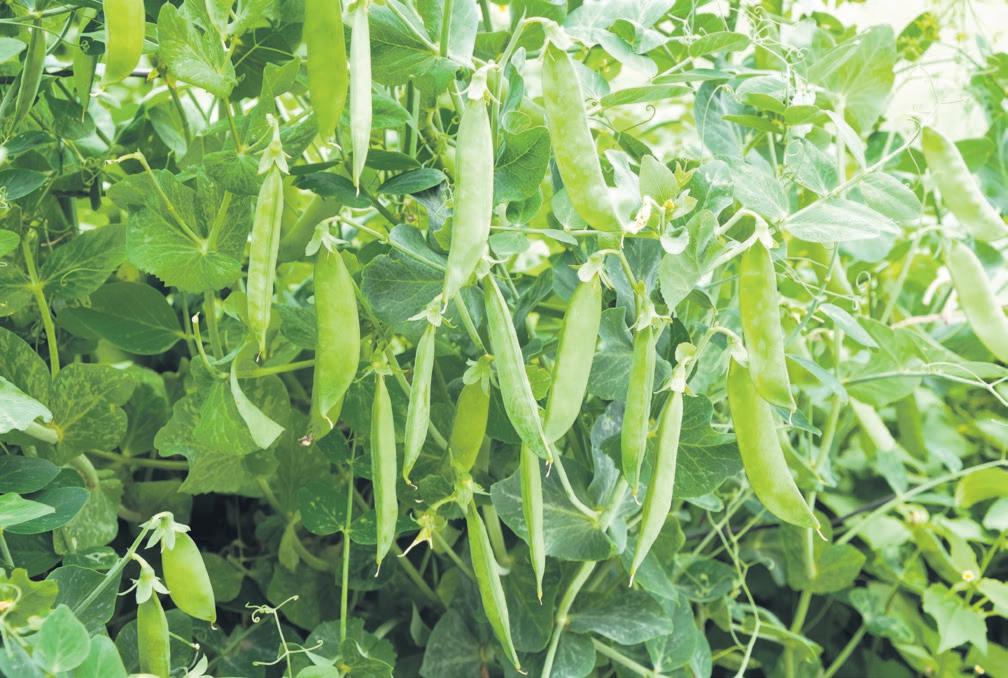
I recently met with Central Hawkes Bay pea growers impacted by the closure of the McCain processing factory. Those growers have since publicly expressed an interest in acquiring and running it as a growers’ cooperative.
If the current fuel shock has taught us anything it’s that our national well being relies heavily on energy supplies.
Those growers, supported by local Mayors, have reached out to central government seeking support for scoping the business case. They need around $400,000 for the task.
The closure of the McCains, Watties, and Greggs factories are matters of national importance which is why I called for an Inquiry at the Primary Production Select Committee, who agreed to a briefing.
Things are moving fast however as growers seize the nettle to protect the asset from possible dismantling. This is an instance where the Government must step up to protect a nationally strategic asset and vital food processing capability.
If no action is taken we may have already had New Zealand’s last large scale commercial harvest of peas. The public has a legitimate expectation that as a country we should be able to feed ourselves.
Allowing a longstanding facility like the McCain factory, which began life as a growers’ cooperative, to close, be stripped of plant, and sit abandoned should be unthinkable in a world where food security and resilience must be top-of-mind.
The next obvious fact is that the more we are able to power our nation from local sources the more resilient we will be to global energy shocks. We need power to be in our own hands. The exact same is true of food.
Few nations are so indifferent to how they are going to first-and-foremost feed their own people. We have mistaken our ability to produce a huge surplus of specific foods – dairy and meat in particular – for food security.
In fact, we are more and more reliant on imported food for our dietary needs. The loss of local vegetable production and processing risks seeing us eating more imported frozen vegetables by next year.
It may be cheaper now to import peas or peaches than grow them ourselves but in ten years will it still be cheaper? That question will be academic if we have already forfeited the ability to do so.
The high cost of energy, a crisis that the Luxon government has failed to take any meaningful action on, may well be the straw that is breaking the back of industry across the country with food processors and timber mills closing.
The detail of various impacts on the vi-
ability of the McCain facility is exactly what Hawkes Bay growers need to know as good due diligence before taking on this worthy project.
While the government is funding, in the multi-millions of dollars, the scoping of a massive dam project in the same region –purportedly to provide irrigation for food production – it seems foolish to not preserve the food production itself as a top priority. I remember pushing butter-swamped peas around the dinner plate as a child. That good food, so expertly produced by local growers who take a legitimate pride in their produce, should be returned to local ownership and kept as a true kiwi delicacy.
] with Andrew Wyllie
] Forsyth Barr
Interest rates moving higher with bond yields improving
Global share markets fell sharply in March as conflict involving the US, Israel, and Iran created uncertainty and unsettled equity and bond markets. While this commentary focuses on financial impacts, it is important to recognise the significant human cost of such events.
Disruptions affected a wide range of globally traded goods, including fertiliser, aluminium, and other industrial inputs that rely heavily on energy to produce and transport. As a result, cost pressures are building across multiple parts of the global economy.
Transport and fuel costs have increased, and businesses are beginning to pass on higher costs to consumers. Equity markets initially reacted negatively, reflecting concerns that prolonged disruption could lead to higher inflation and slower global growth.
Conditions improved in April as concerns began to ease. As tensions softened, energy prices pulled back from their peaks, and global share markets recovered some of their earlier losses.
While risks remain, the recovery suggests investors are cautiously optimistic that the most severe economic impacts may be avoided, at least in the near term.
Artificial intelligence: a rapidly evolving landscape
While global events have been driving markets in the short term, artificial intelligence (AI) remains an important long-term theme –and has recently re-emerged as a key driver of global equities. As the initial hype has eased, attention has shifted towards companies that can translate AI into real profits,
rather than those driven purely by potential.
There are still important risks to consider. The pace of change is fast, competition is increasing, and the cost of building AI infrastructure is high. Not every company will succeed, and as AI becomes more accessible, new entrants can emerge quickly, putting pressure on current market leaders.
History shows that major technological shifts bring both challenges and opportunities. While not all companies will benefit equally, the overall opportunity is expanding.
This reinforces the value of staying diversified, focusing on long-term investments, and
maintaining some exposure to this growing area.
Interest
rates moving higher with bond yields improving
Higher energy prices are contributing to rising living costs, flowing through to transport, food, and everyday goods. This has made things more complicated for central banks. While interest rates were previously expected to remain relatively steady before moving gradually higher, there is a growing sense that interest rates may rise more quickly than previously thought, especially if
‘
While global events have been driving markets in the short term, artificial intelligence (AI) remains an important long-term theme.
cost pressures don’t ease. As a result, bond yields have moved higher since the start of the year, improving income opportunities for investors.
At the same time, bonds continue to play an important role in portfolios by helping cushion periods of market volatility. A steady approach through uncertain times
The past quarter has been a reminder that ups and downs are a normal part of investing. Global events, rising costs, and changing expectations can all create periods of uncertainty. Responding to short-term market moves is often counterproductive. A well-diversified portfolio, combined with a disciplined longterm approach, remains the most effective way to navigate these environments.
If you would like to review your investments or discuss the market outlook in more detail, please get in touch. Andrew Wyllie is an Investment Adviser and Forsyth Barr’s Christchurch Manager.
He can be contacted regarding portfolio management, fixed interest, or share investments on 0800 367 227 or andrew.wyllie@forsythbarr. co.nz.
This article was prepared as at 30 April 2026 and provides market commentary for the three-month period ending on that date. This article is general in nature, has been prepared in good faith based on information obtained from sources believed to be reliable and accurate, and should not be regarded as financial advice.
Andrew Wyllie Melissa McCosh Hamish McLean Michael Coleman
Testamentary freedom vs moral duty
Things to consider when drafting your Will
] with Samantha Couch ] Helmores Lawyers
In New Zealand we have testamentary freedom, meaning that you can choose to do whatever you would like with your estate when you die.
However, this freedom is not absolute due to the various claims that can be made against estates.
The most common legislation used for these claims is the Family Protection Act 1955 which holds certain people are able to make a claim against a deceased’s person’s estate.
These people are:
• A spouse, surviving civil union partner, or de facto partner of the deceased,
• A child of the deceased,
• A grandchild of the deceased,
• A stepchild who was being partially or wholly financially maintained by the deceased, or
• A parent of the deceased (in certain circumstances).
These claims are based off the idea that the deceased owed a moral duty to leave a portion of their estate to the claimant. The will maker needs to have made “adequate provision for the proper maintenance and support” of these potential claimants.
The court can assess whether a will maker has breached their moral duty by considering the standards of a “wise and just testator” and taking into account the claimant’s needs, the size of the estate, and other claims against the estate.
The concept of “support” is broader than financial maintenance and includes recognition of the claimant’s place in the family and their importance to the deceased.
Potential claimants include family members listed above who are estranged from the will maker, even when the estrangement was the fault of the claimant themselves.
In the case of parents and children the law deems that it is the obligation of the parent to attempt to remedy the relationship with their child.
Attempting to find balance between the
principles of testamentary freedom and moral duty can be a difficult task and these types of estates can often end up in lengthy and expensive court cases.
The court’s role in these cases is to remedy a moral breach, not to rewrite the will simply because it may be seen as unfair. People often believe that they can avoid these claims by leaving a small sum or share of their estate to the person they are wanting to cut out of their will.
This is not a solution to the problem and often result in successful claims from claimants who argue that they are entitled to more of the estate.
If you are wanting to exclude someone from your will who may have a claim against your estate or wanting to divide your estate in unequal shares then we recommend you con
sult with your legal adviser about the risks involved in doing this. Comprehensive estate planning early on can result in a significantly reduced chance of a successful claim being made against
] with Laura Wood
Can I put the kids on wages from the farm?
The short answer is yes, but like most things in farming and tax, there are a few important things to consider.
For many farming families, involving children in the business starts young. Whether it is feeding calves during school holidays, helping shift irrigators, driving tractors during harvest, or tidying the workshop on weekends, children often contribute genuine work to the farming operation.
In many cases, paying them wages can make both practical and financial sense. However, Inland Revenue expects any wages paid to children to be legitimate employment income, not simply a way of moving income around the family to save tax. The key question is simple: are they actually doing real work for the farm?
If the answer is yes, then wages may be appropriate. But the amount paid must be commercially reasonable for the age of the child and the work being performed. Paying a 6-year-old $40 per hour to open gates is unlikely to pass scrutiny if IRD ever reviews it.
Like any other employee, children on wages should also have proper records in place. That means maintaining timesheets, keeping employment agreements where appropriate, processing wages through payroll, deducting PAYE correctly, and ensuring KiwiSaver obligations are considered.
Often farmers treat this informally, but the compliance requirements are still there.
There can be some genuine advantages to having children on wages from the farm.
Peter Foley | 021 754 737 | peter.foley@bayleys.co.nz
Firstly, it can help teach financial responsibility. Many farming parents like the idea of their children earning money through work rather than simply being given spending money.
It can also encourage a stronger understanding of the farming business itself and help younger family members appreciate the value of labour, machinery, livestock, and cashflow.
Secondly, in some situations there can be tax efficiencies. Children generally have lower taxable income and therefore lower tax rates, so shifting some legitimate labour costs from the farming entity to a child earning modest wages may reduce the overall family tax burden. However, tax savings should never be the primary driver, the arrangement must still stand up commercially.
There are also a few other areas where farmers need to be careful. Health and safety obligations still apply, regardless of whether the worker is your child. Farms can be dangerous workplaces, and children should only undertake age-appropriate tasks with suitable supervision and training. Quad bikes,
‘
The key question is simple: are they actually doing real work for the farm? If the answer is yes, then wages may be appropriate.
tractors, motorcycles, and heavy machinery require particular care.
Another common mistake is paying wages without sufficient documentation. If Inland Revenue asks questions later, it is difficult to justify deductions without clear evidence of hours worked and duties performed.
Having children on wages can be a sensible and practical arrangement when done correctly.
The key is treating it professionally, just as you would any other employment relationship. A bit of planning and good record keeping now can save a lot of headaches later.
Closing the gap on rural mental health and wellbeing
Rural Women New Zealand has submitted on the Draft Mental Health and Wellbeing Strategy 2026-2036, because it says a person’s postcode should not determine their quality of mental health support.
] by Kent Caddick
The strategy sets out how New Zealand will create a system that promotes mental health and wellbeing for all and provides mental health and addiction support and services that meet people’s needs.
Rural Women New Zealand (RWNZ) welcomed the strategy’s direction and has used its submission to bring the lived reality of rural communities to the Ministry of Health’s attention.
“Anyone who has lived rurally knows that getting help is rarely simple,” said Bronwyn Main, Health Policy Action Advisory Group Convenor.
“You might be hours from the nearest service, juggling the farm, the kids, the animals and still trying to find the courage to ask for help in a small community,” she said.
The submission draws on the experiences of RWNZ members to show how distance, cost, stigma, and workforce shortages com-
] with John Arts
bine to push rural people to crisis point before they can access support.
It also makes the case that mental wellbeing cannot be separated from the broader pressures of rural life, from farm finances to extreme weather events to the slow loss of local services.
“In a small rural community, you notice when someone is not doing well,” Main said.
“You notice when they stop coming to things, when they go quiet, when the mail is piling up in the letterbox.
“And nine times out of ten it is a neighbour, or someone at the school gate, or the postie on their rounds who notices first and does something about it.
“Some of the most important conversations I’ve had have been leaning against a four-wheel drive in a paddock, just listening.
“Rural is not just urban with longer driveways, and we want to see that understood when this strategy is put into action,” Main said.
Part 2
Complementary therapy joints
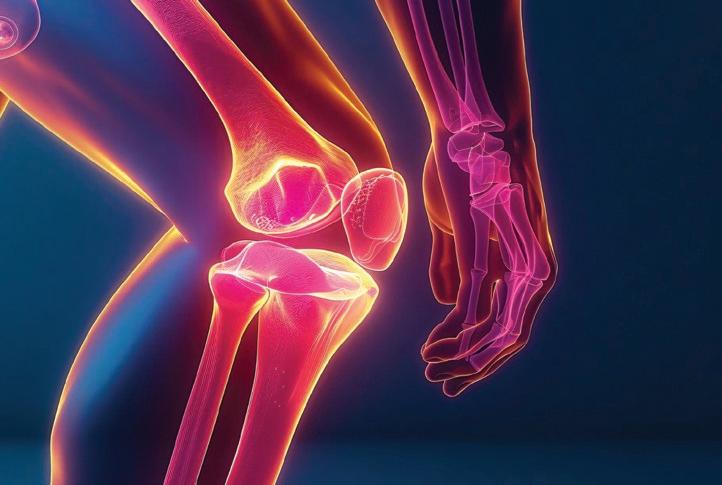
If you’re hoping to win Lotto or Powerball in New Zealand, your odds are about one in 38 million. But here’s a statistic with far greater relevance: the chance of developing knee osteoarthritis (OA) is approximately 50%. That’s a bet none of us want to take.
Osteoarthritis is a condition that can creep up silently, often beginning years, even decades, before the first signs of discomfort appear. You might notice a slight twinge in your knee, pain in your hip, or stiffening fingers, but OA’s real damage may have started long before.
The disease can accelerate rapidly following joint trauma and is typically diagnosed through symptoms and scans. Unfortunately, we rarely focus on the actual causes driving this degenerative process.
OA is marked by the loss of cartilage, the essential tissue that allows smooth joint movement and shields bone ends like a shock absorber. Though cartilage seems inert, it’s maintained by living cells called chondrocytes.
These cells play a vital role in repairing damaged cartilage, but they are susceptible to harm from free radicals and destructive enzymes. When chondrocytes are damaged, their ability to maintain healthy cartilage diminishes. Fortunately, there are several nutrients
available as supplements that can help chondrocytes resist damage and regenerate cartilage more effectively. Among these, chondroitin sulphate stands out.
Supplementing with chondroitin encourages chondrocytes to produce cartilage matrix and shields them from free radicals, harmful enzymes, and inflammation. Its importance is underscored by its availability in Europe on prescription at doses of 800–1200mg daily. Yet, many joint supplements contain little or no chondroitin, likely due to its high cost.
Combining premium chondroitin with glucosamine and 100% water-soluble curcumin from turmeric can offer significant benefits, especially when paired with an anti-inflammatory diet.
John Arts (Adv.Dip.Nut.Med) is a qualified nutritional medicine practitioner and founder of Abundant Health. To read more articles by John and learn more about the Abundant Health products he has formulated, visit www.healthhouse.co.nz, call 0800 140 141, or email john@healthhouse.co.nz
Bettaflex
For many, joint health deterioration is the first obvious sign of aging. Gradual erosion of cartilage, is by far the most common issue.
What is Bettaflex?
Bettaflex is the most popular supplement in the Abundant Health range because of its positive support for joints affected by wear and tear, helping Bettaflex users to support mobility and quality of life.
How does Bettaflex work?
Bettaflex has been formulated to support joint comfort and mobility, making it an ideal supplement for those seeking support for joint comfort and stiffness. Bettaflex combines high-grade chondroitin sulphate, glucosamine
sulphate and patented BioSolve® Curcumin. This combination supports the maintenance of healthy cartilage and other joint tissue by supporting the joint processes that protect, maintain and renew cartilage.
Why use Bettaflex?
Bettaflex formulator John Arts comments, “I formulated Bettaflex with a single objective; that those concerned about joint health can support mobility and comfort helping them to enjoy better quality of life.”
New JAC ute to get ‘Kiwi thrashing’
JAC (Jack) has officially begun its New Zealand pre-launch testing programme for the highly anticipated T9 PHEV Ute, marking the next step in bringing the electrified workhorse to Kiwi drivers.
] Article supplied by JAC New Zealand Early indications suggest the performance, specification and technology on offer will position the T9 PHEV to be competitive in the market.
Backed by more than 60 years of truck manufacturing expertise, JAC brings proven capability and credibility to the segment.
JAC is already establishing a strong presence in New Zealand through its ute and truck ranges with the Diesel T9 ute variant launched early 2025.
JAC is also proven in EV tech with its EV truck range, supporting local fleets including Woolworths, KiwiHarvest, Kaibosh, Fieldays, and a Kiwi winery among others, alongside global operators including DHL, Heineken, Kraft Heinz, PepsiCo and IKEA, to name just a few.
The high-performance plug-in hybrid Ute will now undergo its local testing under the brand’s “Tested by Kiwis, for Kiwis” philosophy. JAC’s New Zealand team will apply the same approach taken with the T9 diesel variant prior to its local launch, completing hundreds of hours of testing across tarmac, mud, snow, sleet, gravel, and river crossings.
This New Zealand program builds on testing also being conducted across the ditch in Australia, where JAC worked with local experts and utilised facilities including the former Holden LangLang proving grounds.
JAC first unveiled the T9 PHEV to New Zealand audiences at Fieldays in June 2025, showcasing a bold orange prototype designed to capture attention and gather realworld feedback.
Everyday Kiwis including farmers, tradies, and families were invited to share their expectations and feedback, with insights fed directly back into vehicle development.
Andrew Craw, General Manager of JAC New
•
• Unsurpassed in
•
Zealand, said the timing of a plug-in hybrid Ute for the local market couldn’t be better.
“We’re excited to be putting the T9 PHEV through its paces here in New Zealand,” Craw said.
“There’s never been a more relevant time for a vehicle like this, as Kiwis look for options that balance performance, capability and efficiency.
“Putting it through real-world Kiwi con-
ditions is critical to making sure it delivers where it matters most – so we can say with confidence it does what it says on the tin.”
JAC will continue to share updates as testing progresses, with the vehicle set to travel from the Far North to the Deep South.
The Kiwi testing will put the Ute through its full range of Ute-duties from towing and offroading to everyday worksite and family demands... giving it a proper “Kiwi thrashing”.
Testing time: JAC’s T9 PHeV ute is under going New Zealand trials.
Making farm property upgrades easy
For many South Canterbury farmers and farm managers, the priority is simple. Keep the operation running smoothly, look after staff, and stay focused on the day-to-day demands of the farm.
] Advertorial supplied by ] TMG Connect
But alongside the farm itself often sits another major responsibility. Managing farmhouses, staff accommodation, sheds, roofing, renovations, maintenance, and ongoing property upgrades across multiple sites.
It is work that can quickly become timeconsuming and difficult to coordinate.
That is where TMG Connect has carved out a valuable role for rural property owners across the region.
Based in South Canterbury, TMG Connect works with farmers, stations, and farm managers to take the stress out of property upgrades and maintenance. Whether it is a complete interior renovation, a new kitchen or bathroom, roofing replacement, healthy homes improvements, or ongoing maintenance planning, the team manages the entire process from start to finish.
For many farmers, the biggest challenge is not necessarily deciding what work needs doing. It is finding the time to organise it all.
Coordinating builders, plumbers, electricians, painters, roofing teams, suppliers, timelines, and consents can quickly become another full-time job. When multiple houses are involved, or properties are
spread across the region, the workload only increases.
TMG Connect acts as a single point of contact, handling all the moving parts so farm owners and managers can stay focused on what they do best.
The company has worked on everything from full interior fit-outs and house extensions through to re-roofing projects, new shed builds, bathroom and kitchen upgrades, cladding replacements, and smaller maintenance improvements. In many cases, these upgrades play an important role in improving day-to-day living conditions for staff and tenants.
Good accommodation matters. Modern kitchens, functional bathrooms, warm and healthy homes, and well-maintained living spaces all contribute to creating properties
where staff want to stay long term.
Rather than waiting until issues become urgent or costly, TMG Connect also helps farmers take a more planned approach to property maintenance. The team can provide maintenance reporting across housing assets, helping identify priority works and allowing upgrades to be staged in a way that suits budgets and operational needs.
With a lifetime spent in the building industry, TMG Connect’s project managers have worked across almost every type of renovation and upgrade imaginable. From complete interior fit-outs and major renovations through to kitchens, bathrooms, roofing, sheds, cladding, and extensions, the team brings decades of practical experience to projects across South Canterbury.
That breadth of experience gives farm
owners confidence that whether the job is a full house renovation, a bathroom upgrade, a replacement roof, or ongoing maintenance work, the project will be managed properly from start to finish.
For South Canterbury farmers managing multiple properties and ongoing maintenance demands, having one experienced team oversee the process can make all the difference.
With decades of experience across renovations, maintenance, and property upgrades, TMG Connect has become a trusted project management partner for farmers across the region.
From small upgrades through to largescale renovations, the goal remains the same. Make it easy, deliver it properly, and take the stress out of the job.
From interior home renovations to farm shed repairs TMG Connect has South Canterbury covered.
] by Solis Norton
The B Team for Biophysics
A huge thanks to Kris Orange at Downlands Deer in Geraldine for providing the venue for the recent Biophysical Economics forum.
It was a timely, important opportunity to convene a small group of experts concerned about the guidance available to help New Zealand navigate the coming couple of decades.
These coming decades will differ markedly from our past since the ANZAC troops came home. They, their children, and their children’s children have all lived lives characterised by an abundance of cheap energy. Today, we and our children are finding that this period of abundance has passed.
Biophysical Economics boils down to the relationship between resources and the economy. Energy in particular.
The aim of the Biophysical Economics group is to support kiwi communities and businesses in taking practical steps to navigate the major issues related to energy costs and other emerging resource constraints.
There is a paucity of both guidance and understanding at present.
Biophysical Economics is an essential adjunct to fiscal economics. It is not a replacement. In combination the two approaches can be used to triangulate an optimal path through the coming months and years as resource scarcity plays an increasingly prominent role in our lives.
This Biophysical Economics group was, of course, also hunting pigs and wallabies on Kris’s farm near Gerladine. Pest control in the rural sector is a good example of biophysical thinking and we had a fantastic long weekend.
Great weather, nice country, and fun hunting. Along with time in between at the hut to work through how the group could be formed and what it needed to deliver.
People’s thirst for a deeper understanding of what is happening is rapidly growing. The
public, the media, industry leaders and local politicians are all finding an increasing resonance in the biophysical facts underlying our economic challenges. They want more of that stuff to provide effective navigation.
Subscriber lists for the substacks run by our group members are ballooning, radio reporters were on the phone picking our brains while we glassed grassy pockets amongst the matagouri for pigs.
Television reporters booked interviews while we were round the campfire in the even-
‘Great weather, nice country, and fun hunting. Along with time in between at the hut to work through how the group could be formed and what it needed to deliver.
ing. Industry leaders and consultancy firms are reaching out too.
As a group, the Biophysical Economics team will increase its capacity to provide valuable resource-based guidance, align expert thinking, combine our more granular areas of expertise, and link to international best biophysical practice.
We will bring a new level of integrity to assist forward planning for New Zealanders to adapt to an increasingly uncertain future. Watch this space.
New tool to help sheep farmers unlock flock value
Beef + Lamb New Zealand has unveiled a new tool to help sheep farmers better understand the genetics in their flock and make more informed decisions.
] by Kent Caddick
The ‘nProve Tracker’ gives farmers a clearer picture of where their flock sits, where there is room to improve and how ram buying decisions can influence performance over time.
The tool was developed through the joint B+LNZMinistry for Primary Industries’ Cool Sheep Programme and unveiled to sheep breeders at B+LNZ’s Sheep Breeder Forum last month.
“The nProve Tracker tool has been developed to make flock genetics easier to see and use on commercial sheep farms,” B+LNZ’s head of genetics Dr Jason Archer said.
“It will help farmers understand the value genetics can bring to productivity, efficiency and profitability.
“Using ram purchase and mating information, it builds a reliable picture of the average genetic merit of a flock. Over time, farmers can see where their flock sits overall, giving them a benchmark to compare genetic potential with what they are seeing on farm.
“That will help farmers focus on the right next step by showing where the biggest opportunity is, whether that’s in management decisions, genetics, or both.
“We know farmers are already investing in good rams, and this tool will help show what that investment is building in the flock over time.
“It will give them something practical they can use to back up decisions and spot where the next gains might come from.”
Dr Archer said the tool could also help farmers better show the value in their flock over time.
“A clearer picture of flock genetics will help recognise the investment made in quality rams and provide useful information when selling surplus stock or making longer-term business decisions.”
B+LNZ chair Kate Acland said nProve Tracker is part of a broader suite of practical tools B+LNZ is developing for farmers.
“It’s a practical example of how B+LNZ is using farmer levies to deliver value back to the sector, giving sheep farmers useful tools to make genetics part of everyday farm decisions.”
Information for this article was supplied by Beef + Lamb New Zealand. Farmers can visit www.nprovetracker.nz to find out more information about the tool.
New tool: B+LNZ says the nProve Tracker has been developed to make flock genetics easier to see and use on commercial sheep farms.
Input efficiency tips for arable farming
Concerns about fuel and fertiliser prices are increasing at the same time that arable growers are heading into their busy, input heavy planting season.
] Article supplied by FAR
While they have little control over pricing, FAR Technology Manager Chris Smith, said they can make the most of a range of tools to ensure that inputs are being used as efficiently as possible; noting that many options are already available in tractor cabs or farm offices.
“One of the most reliable places to start is with guidance and auto steer,” Smith said.
“Manual driving inevitably means overlaps, often five to ten percent across a typical day’s work.
“Auto steer trims that down dramatically, usually to between one and three percent. This small adjustment in accuracy brings a surprisingly large payoff. Straighter passes don’t just look tidier, they reduce throttle variation, lower operator fatigue, and keep machinery working more efficiently.
“The gains become even more pronounced when visibility drops, whether that’s spraying at night, working with wide implements, or operating in the flat, hazy light that often blankets the Canterbury Plains.
“Most farmers who move from manual steering to a decent guidance system can expect to burn five to twelve percent less diesel across a season.”
Smith said such technology doesn’t have to be expensive.
“Not all GPS systems are equal, but
choosing the right level of accuracy can prevent unnecessary spending.”
He said product placement is the other thing growers should be thinking about in terms of input efficiency.
“Even a basic guidance system typically knocks two to seven percent off chemical or fertiliser use, while adding section control tightens this further, often delivering total savings of more than ten percent once overlap is removed on headlands and around awkward field shapes.
“The real step change comes from variable rate application (VRA). Across a set of typical New Zealand paddocks, nitrogen savings of five to twenty percent aren’t unusual, while phosphate and potash can drop by ten to twenty five percent.
“Lime is often the standout, with well mapped paddocks showing reductions of twenty to fifty percent as over supplied zones are corrected rather than blanket treated. Seed savings are normally smaller but can still add up.
He said another thing to think about as fertiliser prices rise is the economic optimum rate.
“This is the point where margin is maximised. As fertiliser prices increase, the most profitable application rate tends to drop. Chasing maximum yield becomes less attractive than chasing maximum margin, and pre-
cision application helps growers achieve that more reliably.
Smith said machinery setup is another area where savings can be made.
“Many jobs on an arable farm simply don’t require a large tractor, yet the temptation to jump on the most comfortable or most powerful machine is strong.
“Matching horsepower to the actual job can cut fuel use by twenty to forty percent on lighter tasks. The difference between a 100 horsepower tractor burning eight to ten litres an hour and a 200 horsepower machine burning up to twenty litres adds up quickly.
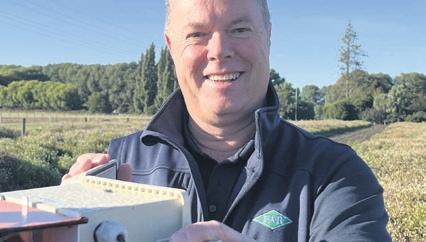
Savings: FAR technology manager Chris Smith says small refinements, applied consistently, can deliver significant savings for arable farmers.
“Tyre pressures are also important; correcting inflation can save five to ten percent in fuel during light work and up to twenty percent for heavy machinery.
“Lower pressures in the paddock reduce wheel slip and improve traction, while higher road pressures reduce rolling resistance on the way home.
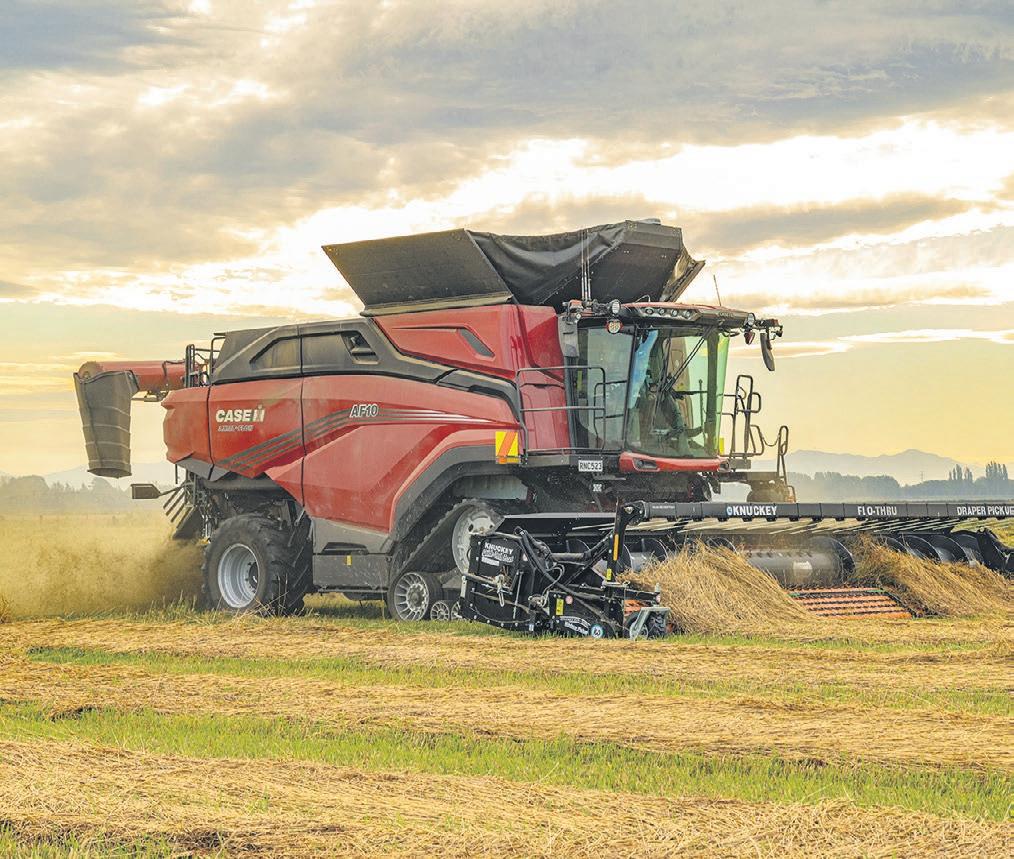
“Even the combine harvester, often considered a fixed-cost monster, offers opportunities for efficiency. Many growers have found that by slowing the rotor or drum and opening the concave, they can lift throughput while reducing fuel use.”
Smith said the key message is that small refinements, applied consistently, can deliver significant savings.
“All growers can implement some of the ideas listed above and, over time, move towards using them to their full potential.”
Sheep collagen a wound heal wonder
Collagen from sheep skin and lungs can support wound closure and tissue regeneration in people, opening the door for new wound care materials made from traditionally underutilised red meat processing byproducts.
] Article supplied by AMPC
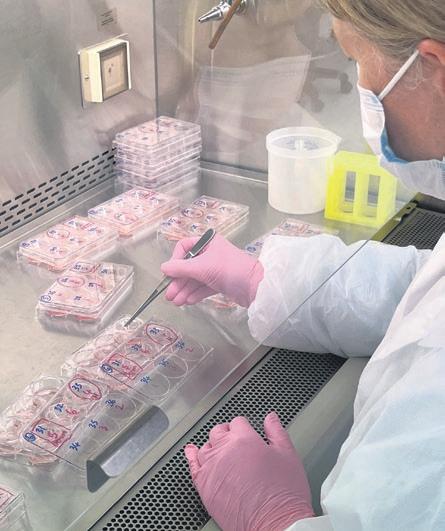
Research funded by the Australian Meat Processor Corporation (AMPC) and conducted by New Zealand’s Bioeconomy Science Institute (BSI) used a human three-dimensional skin model to demonstrate that animal byproducts can be transformed into high-value medical products.
The breakthrough work could have widereaching benefits across patient care, industry profitability and environmental sustainability.
AMPC Program Manager for Markets and Integrity Dr Ann McDonald said collagenbased dressings played an important role in wound care but currently faced limitations in healing speed and sustainability.
“The aim was to develop improved biobased materials by incorporating collagen peptides sourced from underutilised animal by-products, with a focus on Type III collagen, which is important for early-stage wound healing,” McDonald said.
“Wound healing is a complex process requiring the coordinated interaction of cells, growth factors and extracellular matrix components.
“In cases of chronic or severe wounds, natural healing is impaired, driving the need for advanced wound care materials.
“Collagen-based dressings are widely used to promote healing, however current products primarily rely on Type I collagen, which provides structural support but lacks the regenerative functions of Type III collagen
that are critical during early healing.”
The researchers found sheep lung tissue provided a higher proportion of Type III collagen than skin from sheep.
In the study, enzymatic hydrolysis of lung collagen generated bioactive peptides, which were combined with skin-derived collagen to produce fibrous mats.
These mats showed good stability in simulated wound fluid, confirming their potential as effective bioactive dressings.
Further, economic feasibility studies showed that routine clinical dressings represent the most achievable initial market entry, offering favourable return on investment and moderate regulatory requirements.
McDonald said trauma care and consumer plasters presented longer-term opportunities as production scales and technology matures.
“High-cost biologics used in chronic wounds represent a niche but potentially high-value market, where differentiated collagen-based products could provide clinical and economic advantages,” she said.
Clinicians treating chronic and trauma wounds and biotechnology companies seeking sustainable products could be a target market.
Economic analysis showed that pilot-scale production was feasible, and indicates a potential strong return-on-investment for clinical dressing markets under outsourced freezedrying scenarios.
Freeze-drying during processing to extract
the collagen was identified as the main cost driver.
Bioeconomy Science Institute senior scientist Dr Santanu Deb Choudhury said the research demonstrated how low-value meat coproducts could be transformed into advanced biomaterials, delivering both sustainability and economic benefits.
“By extracting collagen from animal by-
products that are often underused, we can create high-value materials with real applications in human health,” Choudhury said.
“This work shows how bioeconomy science can unlock value across the supply chain including reducing waste, improving sustainability outcomes, and opening new opportunities in advanced medical materials.”
Prevent effluent spills during transport
• Stand stock off green feed for at least four hours (but no more than 12 hours) before transport.
• Provide them with water and appropriate food (like hay).
• Use dry woodchip or straw to keep animals clean and supported.
• Inspect each animal to ensure they are fit and healthy for transport.
Find
ecan.govt.nz/shiftstock
Research: Scientists plate up collagen extracted from sheep byproducts to test its ability for wound healing.
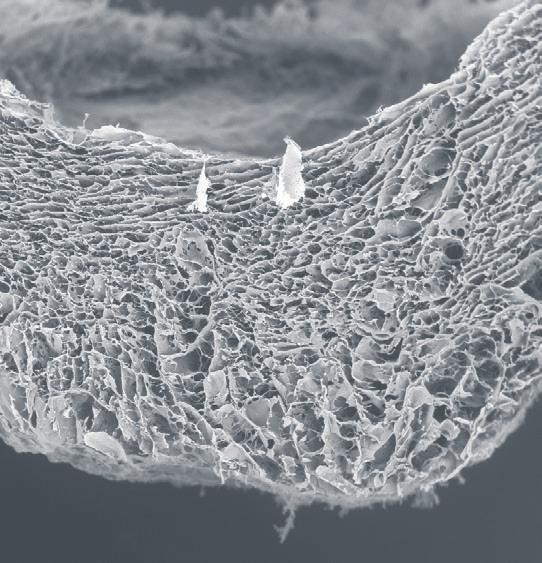
Close up: A collagen mat (wound dressing) under a microscope.
Red meat sector priorities released
Beef + Lamb New Zealand (B+LNZ) and the Meat Industry Association (MIA) have released their 2026 election manifesto for the red meat sector.
] by Kent Caddick
It lists nine priorities to support the production of nutritious and natural grass-fed red meat for consumers around the world.
Safeguarding and improving market access, managing supply chain disruptions, resource management reform and predictability on climate change policy are top policy priorities for the incoming Government, to support sheep and beef farmers and red meat exporters in navigating global volatility.
MIA Independent Chair Nathan Guy said trade is fundamental to the prosperity of New Zealand.
“Global demand for our products remains strong, and despite reduced export volumes, the outlook is positive,” Guy said.
“However, the erosion of global trade rules and a rise in protectionism makes free trade agreements and the protection of current market access more important than ever,” he said.
“New Zealand needs to do everything it can to seize market opportunities, particularly markets with great prospects such as India.
“This provides the sector with options and creates resilience, supporting farmgate returns and the national economy.
“The Government must continue to provide strong support to ensure New Zealand
Protection: Meat Industry Association
Nathan Guy says the erosion of global trade rules and a rise in protectionism makes free trade agreements and the protection of current market access more important than ever.
can address specific trade issues arising from protectionist policies and tactics in an increasingly volatile international marketplace.”
Guy said farmers and processors are highly exposed to national energy security issues, particularly fuel availability, electricity reliability and price volatility.
“Fuel and energy settings must support the continuity of the entire red meat system, including on-farm operations, feed and fertiliser application, processing plants, transport corridors, ports and essential supporting services.
“If New Zealand is forced to move to fuel rationing, the red meat system needs to be prioritised as an essential industry because disruptions will increase animal welfare, workforce, economic and market access risks.”
B+LNZ Chair Kate Acland said the most recent conflict in the Middle East is evidence of how global events can impact the sector.
“Much of this is outside of our control but the impacts are real and flow back through our communities.
“This is why the sector is asking the incoming Government for predictability and certainty in the areas it can control, to enable farmers and exporters to get on with business.”
The sector’s nine priority areas for the incoming Government are:
• To protect food production, stop the wholesale conversion of sheep and beef farmland into carbon farms
• Protect and enhance market access through trade and biosecurity
• Enable reliable and affordable energy, fuel, fertiliser and key farm inputs for regional industry.
• Create a streamlined and predictable resource management system
• Deliver practical, outcomes-based rules for freshwater that recognise natural variations in catchments and are underpinned by science
• Focus on the protection of truly significant biodiversity, and recognise and reward farmers as custodians of our precious natural environment
• Maintain credible globally aligned climate policy backed by the latest science
• Build a skilled workforce through training and smart immigration settings
• Invest in innovation and value growth across the sector.
To read the Red Meat Sector 2026 election Manifesto, go to beeflambnz.com/election-manifesto-26.
Future in focus at annual deer industry conference
Held this year in mid-May in Palmerston North, the annual Deer Industry Conference shifted the focus decisively to what lies ahead for the sector.
] with Cameron Frecklington
] DINZ
That forward-looking tone marked a clear contrast to last year’s Queenstown gathering, where the industry celebrated 50 years of the New Zealand Deer Farmers’ Association.
After the opening address, Trade Minister Todd McClay set the scene in an upbeat presentation that covered the development and significance of the recent Free Trade Agreement with India, as well as the importance of setting targets in trade policy.
He also talked about some of the changing and proposed regulations and policies that are designed to meet the Government’s target of doubling the value of New Zealand’s exports.
In the State of the Industry address, DINZ Board Chair Paddy Boyd and Chief Executive Rhys Griffiths struck a realistic yet encouraging tone, balancing current challenges with a clear sense of direction.
In his remarks, Boyd reinforced the value of deer within mixed farming systems, highlighting their role in underpinning farm resilience, while also assuring the sector that
work continues with OSPRI to ensure the NAIT upgrade delivers a traceability system that is practical, affordable and fit for purpose.
He also signalled ongoing attention to risks around wild venison, noting the importance of protecting the industry’s longstanding investment in quality standards and assurance programmes.
Following on, Griffiths acknowledged the long-term decline in deer numbers but pointed to emerging signs of recovery, with early modelling indicating modest growth of one to three percent.
While last season’s velvet prices were disappointing, Griffiths attributed this largely to market disruption while acknowledging the oversupply of larger Korean grade velvet for the current market.
In addressing some of the bad behaviour on the ground, Griffiths added that a sharpened focus on strengthening supply chain discipline and integrity remains a core DINZ priority.
Looking ahead, he outlined an ambitious strategy to grow exports, centred on “science-led, market-driven innovation” and a continued push to differentiate New Zealand
deer products on the global stage.
The conference saw changes to the New Zealand Deer Farmers’ Association Executive Committee, with Richard Greer (Southland) and Grant Hasse (Canterbury/West Coast) joining Tom Macfarlane (South Canterbury/ North Otago) and Evan Potter (Hawke’s Bay) on the committee.
Evan Potter was named Committee Chair after Mark McCoard stepped down. In addition, Tony Cochrane (PGG Wrightson) and Nigel Jones (Alliance) were confirmed as returning to the DINZ Board as processor-appointed directors just prior to conference.
The day ended with Peter Savage, from BNZ Agribusiness, giving a rundown on how the banking sector views deer farming and what can be done to manage risk appropriately, before The Hon.
Tim Groser gave an entertaining yet informative keynote speech on his experiences in international trade negotiations.
A highlight of the conference is always the dinner and deer industry awards. This year, the Matuschka Award recipient for grassroots contribution to the deer industry went to Bay of Plenty NZDFA Branch Chair Liz Love,
while the Deer Industry Award for outstanding contribution to the industry went to Lynda Gray, editor of Deer Industry News and author of In Hindsight: 50 Years of Deer Farming in New Zealand.
In the end, the conference highlighted a positive and forward-looking deer industry, firmly focused on the future and increasingly driven by market realities.
Strong engagement from across the value chain underscored a growing commitment to differentiation – positioning deer products clearly in premium markets and capturing greater value through farming credentials, product quality, and proven claims.
A key theme was ensuring that this value is distributed more evenly, with stronger returns flowing back to the farmgate.
Backed by science but guided by consumer demand, the industry is entering a new era where evidence-based storytelling and verified product claims are essential, particularly at the high-value end.
While challenges remain, there was clear optimism that the deer sector is ready to adapt, improve where needed, and step up to meet the expectations of modern markets.
When it comes time to wean calves
Successful weaning based on calf weight and meal intake will help calves develop into healthy heifers.
] Article supplied by DairyNZ
Making sure a heifer is fully prepared before weaning reduces the chance she will need preferential treatment post-weaning.
Preferentially managing small groups of animals to try and “catch them up” to the group is time-consuming and can be difficult to manage, so it is best avoided by good early management.
Factors to consider before weaning
Is the calf:
• Consuming the desired amount of feed? Is its rumen sufficiently developed?
• Meeting its weight-for-age target, based on its breed and/or the rearing system?
• At the minimum age for the rearing system?
• Able to compete within a group?
Rumen development
A calf’s rumen development is the most important factor to consider when making the weaning decision.
The only way this can be assessed is by measuring the amount of concentrate or pasture they are readily eating, which should be at least 1 kg/day of meal or 2 kg/day of pasture.
Calves should be supplied with clean wa-
ter and feed for rumen development. Calf meal and high quality herbage together provide the energy, protein and volatile fatty acids necessary for rumen development and animal growth.
Grain have different fatty acid profiles and higher levels of butyrate which stimulates papillae growth, papillae increase the surface area of the rumen and aids in digestion.
Good quality hay can be used as a roughage if a grain-based meal is also being used, and should be offered from birth.
Calves given large quantities of milk will have slower rumen development. This is primarily because the milk satisfies their appetite, so they eat less forage and concentrates, which decreases the requirement for digestion in the rumen.
Any change to the quantity or type of feed needs to be measured. Just as it takes time to develop the rumen, time is key in transitioning from calf meal to a full pasture diet.
Farmer experience indicates that two week gap between each diet change (e.g. weaning off milk with meal concentrate to full pasture diet) will help transition heifers to a full pasture diet.
New-born calves have high dietary protein requirements, this requirement declines as they age. A higher crude protein intake should lead to higher growth rates. If using calf meal, look for products that contain 20%
crude protein for calves on milk and 17% crude protein for weaned calves to meet total dietary requirements.
Sometimes animals do not thrive postweaning so weigh them within 7-10 days to make sure they have gained weight from weaning. If they’re not thriving post-weaning they may need continued access to calf meal, regardless of weight or age.
Weaning weight
Individual heifers should reach a minimum weight prior to weaning. No specific weaning weight has been defined by research.
The type of rearing system will affect the target weaning weight. Although, common
weights used for weaning are 70kg for Jerseys, 80kg for Fr x J Crossbreds, and 90kg for Friesians.
Relocating recently weaned calves
Relocation can result in growth checks or be a trigger for animal health issues including pneumonia, scouring and parasites.
Recently weaned calves are at particular risk as they will be undergoing changes in diet, rumen development, and moving from individual or small group care to larger mob management.
Relocation adds to the risk; the younger the animal, and the more recently they have been weaned, the higher the risk.
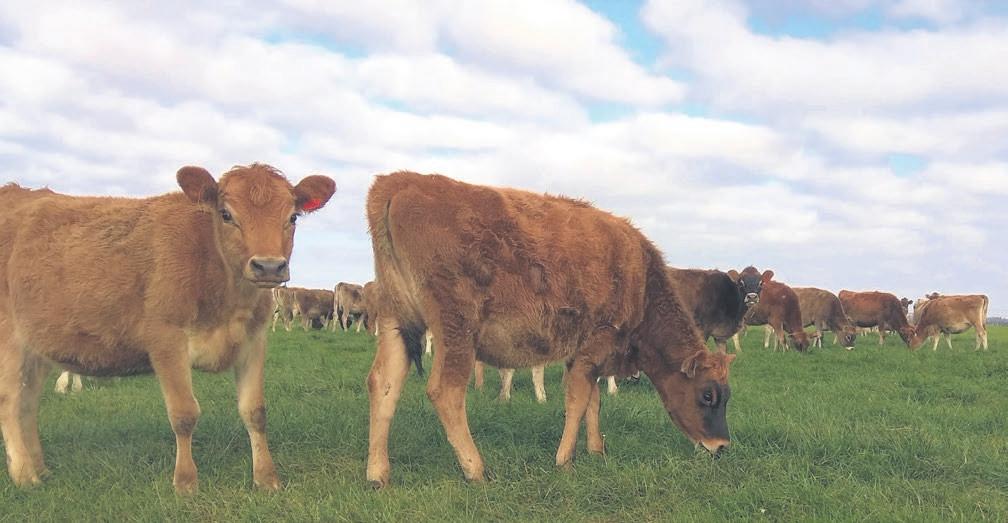
Wean right: Recently weaned calves are at particular risk as they will be undergoing changes in diet, rumen development, and moving from individual or small group care to larger mob management.
A new chapter for a Canterbury legacy
In the Canterbury farming world, a man’s word and his handshake are his bond. For years, that bond was personified by Bernie Hutton at Barson Distributors.
] by Barson Distributors 2024 Ltd
] and Simply
Raw
When Bernie passed away, the region didn’t just lose a top-tier operator; Kimberly and Mathew Thom lost a very dear friend.
Today, Kim and Mat are proud to be carrying that torch forward, honouring Bernie’s legacy while evolving the business for the next generation of Canterbury farmers.
Keeping the wheels turning: Barson Distributors 2024 Ltd
The stock collection side of the business was where Bernie truly made his mark, and the Thoms have kept that heritage front and centre.
Now operating as Barson Distributors 2024 Ltd, the team provides the same nofuss, reliable service the rural community has relied on for decades.
“Bernie was a great mate, and we know how much pride he took in looking after local farmers,” says Mat.
“When we took over, we wanted to make sure that the ‘Barson’ name, and the friendly professional service that goes with it, stayed in the paddock.”
Whether it’s a quick removal of stock, the 2024 crew handles every job with the same discretion and “old-school” professionalism Bernie was known for. It’s about a quick response, and a service you can trust when the pressure is on.
They understand that for a working farm, timely and ethical stock removal is a necessity for bio-security and land management.
Operating a fleet of purpose-built vehicles, Barson Distributors 2024 Ltd sticks to strict hygiene and gate protocols to ensure farm safety is never compromised.
From Real Pet Food to Simply Raw
While the trucks carry the Barson name, the retail side has seen a fresh change. Formerly known as Real Pet Food, the shop has been rebranded Simply Raw.
This name reflects the Thoms’ straightforward approach: keeping things simple, natural, and unprocessed.
Closing the loop:
Feeding the farm team
The real magic happens in the “closed-loop” between the two sides of the business.
The proteins, predominantly local beef and horse, but they also remove sheep and alpacas, are collected by Barson Distributors and then processed by the team into Simply Raw’s signature blends.
Because the Thoms own the whole process, they can guarantee the quality.
There are no mystery fillers, just honest, raw food that keeps working dogs in peak condition.
For the rural community, this also means access to bulk buying options that make
feeding a whole team of dogs affordable without compromising on health.
It’s the kind of fuel a dog needs for a hard day’s work.
A family business with a local heart Mat & Kim have kept the original staff which includes Bernie’s partner Sarah and her two children, Korban and Daryn, but have also added their own daughter Emersyn, which means Simply Raw and Barson Distributors 2024 Ltd remain a true family affair.
They aren’t just business owners; they are part of the community, carrying on the work of their friend Bernie while looking toward the future.
Whether you need a truck out at the yards to remove stock or a bulk order for the kennels, you’re dealing with locals who know the land and value the relationship.
Get in touch
Need a removal or want to talk dog tucker? Give the team a bell.
Honoring the past, feeding the future. Locals supporting locals.
At your service: The team at Simply Raw (from left: Amy Bui, Korban Harding and Tia MacLachlan) are keeping things simple, natural, and unprocessed.
Pioneer backs South Island maize
For South Island dairy farmers, good systems advice isn’t just about a crop, a feed plan or a single season in isolation. It is about building resilient, profitable farm systems that can keep pace with changing markets, tighter environmental expectations and the practical realities of farming across a diverse region.
] Article supplied by Pioneer
That is what makes the appointment of Dr Grant Matthews as Pioneer’s Farm Systems Manager for the South Island noteworthy.
It marks the return of a familiar rural voice to a role of growing importance for the South Island.
Matthews is well known in rural circles for his practical approach, technical depth and straightforward way of talking about feed, performance and farm decision-making.
His career has spanned veterinary science, consulting, agribusiness and biosecurity, giving him a perspective that is broader than most and firmly grounded in on-farm reality.
Originally trained as a veterinarian through Massey University, Grant began his career in Northern Southland and South Otago working with large animals.
An overseas stint veterinary locuming in the United Kingdom included seven months working in during the 2001 foot-and-mouth outbreak proved formative, especially the seven weeks placing him at the sharp end of disease control in the Yorkshire Dales involved in culling.
Later roles in dairy consulting deepened his interest in the relationship between feed quality, feed quantity and herd outcomes, the area that still clearly drives him today.
That experience led him to Pioneer, where he first joined in 2005 as a South Island Area Manager, and the only one for the entire island. Back then, maize was less established in the region than it is today, with Timaru often seen as close to its southern limit.
During this time Matthews passed the Australia and New Zealand College of Veterinary Scientists examinations in Ruminant Nu-
trition, further building on his knowledge in this area.
Much has changed since then. Shortermaturity hybrids have widened opportunities, and both maize silage and maize grain are now more realistic options across much of the South Island.
After a period in Australia, Matthews returns to Pioneer at a time when the region’s farm systems are demanding both greater precision and broader thinking.
For Canterbury farmers in particular, dairy systems across the region are under pressure to be precise, efficient and adaptable. Infrastructure is changing, with more feed pads, loafing areas and housed systems becoming part of the conversation.
Environmental expectations are shaping how wintering and cropping decisions are made. At the same time, farm businesses are working with more data than ever before, from pasture and production measures through to wearables, rumination data and herd health indicators. It creates both opportunity and complexity, and it increases the value of practical systems support.
The value of Matthews’ role lies in linking crop choices and feeding strategies back to whole-farm outcomes. In practice, that means working alongside area managers, merchants and farmers to assess how maize can fit different systems, whether it is grown on-platform, produced on support land or sourced through contract growers.
It is practical work, but it also reflects a bigger shift: farmers increasingly need advice that connects agronomy, nutrition and system performance rather than treating them as separate conversations.
locally relevant advice remains strong as farmers weigh feed security, cost control and system resilience.
In that environment, the farm system’s role is most beneficial when it stays close to the realities of the farm gate: helping translate technical information into decisions that improve profitability, sustainability and confidence.
Just as importantly, Matthews brings credibility with South Island farmers. He knows
Returning: Dr Grant Matthews returns to Pioneer at a time when the region’s farm systems are demanding both greater precision and broader thinking.
the region, understands its production systems and speaks to the realities of people making decisions in real time.
In a region where success often depends on management detail, dedicated South Island farm systems support will help farmers maximise the value of maize within their dairy systems.
To see where maize can add the most value in your farm system get in touch with Grant Matthews on 027 342 9529 or gmatthews@genetic.co.nz.
Across New Zealand agriculture, demand for practical,
Farm pay growth slows after gains
Farm worker pay growth has levelled off in the last few years, after a post-pandemic period of rapid growth, a new report shows.
ees, which can include things like vehicle usage, meat, firewood, phone and power allowances,” Weir said.
The 2026 Federated Farmers-Rabobank Farm Remuneration Report shows the average salary for a farm worker increased by $1,367 to $72,778, or a weighted average rise of 3% across 13 job positions.
“For some of those roles, the increases have been higher,” Federated Farmers employment spokesperson Karl Dean said.
“For example, the average salary for a dairy farm assistant, the most common position on a dairy farm, rose to $63,359 this year, a rise of 5%.
“Wages for an arable farm machinery operator jumped a massive 30% to $82,651.”
The moderation in farm worker pay rises in the last two years is consistent with broader labour market trends, with wage growth across the economy typically 2-2.4% annually.
“Keep in mind, too, that average annual salaries in our sector jumped 13% between 2022 and 2024, with a weighted average rise of 17% for sheep and beef farm roles,” Dean said.
This is the 15th farming salaries report Federated Farmers and Rabobank have produced, this time collating results from a survey of 427 farm employers in early 2026.
The findings cover data relating to nearly 1,500 employees across 13 positions, ranging from dairy farm assistant to arable farm managers.
Bruce Weir, Rabobank General Manager for Country Banking, said the report highlights slightly stronger growth in Total Package Values (TPV) for farm employees.
“The salary figures don’t include the range of other benefits provided to farm employ-
“For many farm employees, those extras can add up to several thousand dollars a year.
“Overall, the weighted average TPV across all farm employees lifted 5% to $77,030, nearly $4,252 more than the average salary.”
Despite the relatively modest lift in salaries and TPV over the last two years, Weir said the sector’s recent strong performance makes it an attractive option for young Kiwis.
“The agri sector has performed really strongly over the last 18 months and has been the shining light of the New Zealand economy,” he said.
“The sector’s long-term outlook remains positive, and the strong investment we’re currently seeing should flow through to new job opportunities in the years ahead.”
However, Weir said ongoing salary growth is also essential to ensure the sector continues to entice the next generation into agri careers.
“Remuneration matters to young people, and attracting strong talent will depend on on-farm salaries keeping up with – or surpassing – the wider employment market.”
In the arable sector, the average TPV rose to $73,980, a weighted average increase of 7%.
Salaries increased by a weighted average of 5% but the results varied across arable positions.
Machinery operators saw big increases in both TPV and salary, but general farm hands and farm managers experienced declines.
Dean said the pay boost for machinery
AGRI-SHELL
operators is largely attributable to the lift in technology in harvesting and other equipment coming onto farms, and the greater level of knowledge required to operate this equipment.
“These skills are becoming harder to find
and come at a cost of remuneration. The lift in pay also reflects the fact that the past two wet harvests have increased the number of hours worked by operators to get the harvest done and extra time spent getting crops established.”
Crushed Mussel Shell For Raceways
On the level: Federated Farmers employment spokesperson Karl Dean says farm worker pay growth has levelled off.
] by Dr Deon Swiggs
Local voice isn’t optional
Local government reform in New Zealand has been signalled for some time, and in Canterbury we have been preparing for it. The Government’s recent announcement is therefore not a surprise given the latest updates.
] Chair, Canterbury Regional Council
The focus now is on how we move forward – carefully, constructively, and with a clear focus on the long-term wellbeing of our communities.
The government has confirmed that core regional council functions outside of the Resource Management Act will remain within local government. These include flood protection, emergency management, biosecurity, environmental regulation, and public transport.
These are essential, place-based services that depend on strong local knowledge, trusted relationships, and coordinated delivery across land, water, infrastructure, and communities.
That complexity is especially evident in Canterbury. Ours is a geographically diverse region, with interconnected river catchments, fast-growing urban areas, and highly productive rural land. Delivering effectively across these systems requires scale, coordination, and continuity.
Retaining these functions locally and across catchments helps ensure decisions stay close to the people and places they affect with enough scale for the wellbeing and safety of our people and economy.
The Government’s decision provides shortterm stability. Councillors will remain in place until the 2028 elections, allowing councils to stay focused on delivery rather than immediate structural uncertainty. This continuity is important for staff, partners, stakeholders,
and communities who rely on consistent services and direction.
Both the ‘Head Start’ and ‘Backstop’ pathways point toward larger unitary authorities that combine regional and territorial roles. For Canterbury, this raises significant questions about how future governance might be structured.
Options could range from a single regional entity to multiple authorities reflecting distinct geographies, such as Greater Christchurch alongside northern and southern areas. Each comes with trade-offs, particularly in balancing efficiency with strong local representation.
At the centre of this conversation is a critical principle: local voice must not be lost. Communities up and down our region, from Kaikoura to Waitaki, have distinct identities and needs. Any future system must ensure those voices are heard. Without that, reform risks losing legitimacy and public support.
Timing is a concern. A three-month window to develop proposals is challenging for a large and complex region. Meaningful consultation takes time. If we rush, we risk getting it wrong and these are decisions that will shape our region for decades.
At the same time, councils must continue
delivering essential services and planning for the future, even as the system around them may change. That creates practical challenges.
There is, however, opportunity in reform. The key is to approach change pragmatically – recognising the Government’s direction while ensuring solutions are workable and tailored to regional realities.
Canterbury Regional Council will continue to focus on and deliver for our communities. We will work closely with partner councils, mana whenua, and central government to shape practical, evidence-based solutions.
The message from Canterbury is clear: our work continues and we are ready to engage. We support a simpler system, but not at the expense of local voice or effective delivery. Getting this right matters far more than getting it done quickly.
‘
We support a simpler system, but not at the expense of local voice or effective delivery. Getting this right matters far more than getting it done quickly.
Horticulture Industry Awards nominations closing
New Zealand growers and those across the wider horticulture sector have until June 15 to get their entries in for the 2026 Horticulture Industry Awards.
] by Kent Caddick
The awards recognise the people driving the industry forward spanning six categories and celebrate excellence, leadership, service and innovation across the breadth of the sector.
Horticulture New Zealand (HortNZ) board chair Bernadine Guilleux said the awards are an opportunity to shine a light on the individuals and teams whose efforts often go unrecognised.
“These awards are about celebrating the people who make a real difference – those who lead, innovate, support others and consistently go the extra mile,” Guilleux said.
“Our industry plays a vital role in producing healthy food for New Zealanders and the world. Behind that success are people who are committed to what they do.
“Nominating someone is a simple but powerful way to acknowledge that contribution and share their story with the wider sector and New Zealand.
“I expect most people in the sector will know someone who deserves to be nominated,” said Guilleux.
“These awards are about recognising those contributions and celebrating the strength of our industry.”
Nominations are invited for six awards categories:
The Bledisloe Cup, for outstanding and meritorious contribution to the New Zealand horticulture industry.
The President’s Trophy recognising persons showing promise in the horticulture industry business and/or leadership, no matter their experience.
The Industry Service Award, for people, other than a grower, with long and dedicated service in a supplier or service role, that have worked beyond the call of duty for the betterment of the horticulture industry.
The Sustainable Innovation Award, for a person or team who are developing, or have developed, technologies, an innovation or undertaken research that increases productivity, profitability or environmental sustainability in the sector.
The Manaaki Award, for a person, group or organisation that has risen beyond the call of duty to support employers and workers. It recognises the positive impact an act of service has had on employers, workers, the community and the whole Recognised Seasonal Employer (RSE) scheme.
The HortNZ Life Member Award, for growers with long and dedicated service as office holders of HortNZ and/or an affiliated product group or grower association.
To make a nomination, you must be either an active grower member of HortNZ, an affiliated product group or affiliated association.
Nominations close on Monday 15 June 2026. For more details and to submit a nomination, please visit www. hortnz.co.nz
Recognition: Horticulture New Zealand board chair Bernadine Guilleux says the Horticulture Industry Awards are an opportunity to shine a light on the individuals and teams whose efforts often go unrecognised.
Competitive gap widening
Beef + Lamb New Zealand has released updated research showing that international jurisdictions continue to focus on incentivising and subsidising farmers to achieve climate change outcomes, resulting in a widening competitive gap for New Zealand farmers, who are expected to adjust within a largely unsubsidised policy framework.
] Article supplied by B+LNZ
The research built on a 2024 report and analysed developments in agricultural greenhouse gas reduction targets, strategies and policies in a range of international jurisdictions since then.
It shows that since the previous report, some jurisdictions have pulled back from climate change commitments, and most still focus on directing large-scale public funding to incentivising and subsidising farmers to achieve climate change outcomes.
B+LNZ chair Kate Acland said this growing subsidy and incentive trend has major implications for New Zealand’s pastoral exports wishing to compete in the same markets.
“B+LNZ is not advocating for subsidies for our sector, we’re asking for more creative approaches such as exploring ways to incentivise reductions through a focus on efficiency gains and options such as emissions reduction credits for technology uptake,” Acland said.
“We believe reductions in emissions should be driven by customers and the market, and New Zealand needs to find a way to make a feature of achieving emissions re-
ductions without subsidies in a world where billions in public spending have become the dominant signal of agricultural climate ambition.”
Acland said there have been some positive developments in New Zealand, with Government announcements around not pricing
agricultural emissions, revised methane reduction targets and limits on the amount of carbon forestry that can be entered into the ETS.
“These have helped, but the competitive gap remains a concern for our farmers and exporters,” she said.
“Internationally, agriculture continues to be addressed primarily through economywide targets and enabling policy, with most governments relying on public funding, incentives and land-use integration rather than introducing new sectoral emissions obligations.”
Acland cited the example of Australia, that has finalised its Agriculture and Land Sector Plan, which does not have specific targets for reductions in agricultural emissions.
Australia is not at this stage aiming to reduce gross reductions from agriculture until after 2040.
She said the report’s findings have a range of implications for New Zealand’s approach to managing agricultural emissions.
“We’d like to see an integrated approach to climate, land and environmental management policies.
“While there has been progress locally on methane targets and emissions pricing, B+LNZ will continue to advocate for further progress on issues like taking a split-gas approach to international targets to recognise the different role methane plays in warming than emissions from fossil fuels.”
Fresh water quality in the spotlight
A new Ministry for Environment report on New Zealand’s fresh water has revealed that its quality and safety have been worsening.
] by Kent Caddick
That’s according to environmental groups Greenpease and Forest & Bird.
The report, Our Freshwater 2026, outlines that between 2019 and 2024, 45% percent of groundwater monitoring sites had E. coli levels above legal limits for New Zealand drinking water on at least one occasion, and 12% had nitrate levels above legal limits.
The report also detailed that between 2020 to 2024, modelling estimated that 44% of New Zealand’s total river length was not suitable for activities like swimming.
Greenpeace has been ringing the alarm bells on New Zealand’s water safety for years; recently visiting parliament to ask politicians to drink water from rural taps – with nearly all of them refusing.
Greenpeace freshwater campaigner Will Appelbe said New Zealand is in a freshwater crisis.
“Lakes are choking with toxic algae, rivers are unswimmable, and drinking water in rural communities is contaminated with unsafe levels of nitrate.”
Appelbe said the report adds to the growing mountain of evidence that New Zealand’s lakes, rivers, and drinking water are in a dire state.
“The report also clearly identifies the main cause of this freshwater pollution – the agricultural sector, primarily intensive dairy farming.”
Appelbe said it’s clear that New Zealand’s intensive dairy production model isn’t working.
“The dairy industry has insisted on putting a cow on every square inch of Aotearoa. We have an unsustainable number of cows on the land, and now it’s putting our health, and the health of the environment, in danger. Somehow, the dairy herd is expanding for the first time in more than a decade. That cannot continue.”
“To protect lakes and rivers, and ensure that everyone, no matter where they live, has access to clean safe drinking water, we need to reduce the dairy herd size, and transition towards ecological, regenerative agricultural practices.”
Forest & Bird said the report confirms
what freshwater advocates, iwi, and communities have long warned, that New Zealand’s freshwater is at breaking point, with polluted rivers, unsafe swimming spots, and contaminated groundwater threatening wildlife and public health.
“This report really brings home that freshwater across Aotearoa is part of one connected system, and that damage done out of sight, especially underground, is coming
back to haunt us,” Nicky Snoyink, Forest & Bird’s regional conservation manager for Canterbury and the West Coast said.
Snoyink said a major warning sign is the growing degradation of groundwater.
“Nitrate pollution is increasing at nearly 40% of monitored sites. Because groundwater moves slowly, today’s contamination reflects decades of land use decisions and means damage will continue even if agricultural practices improve.”
She said almost half of monitored groundwater sites recorded E. coli contamination at least once in recent years, meaning many sites would require treatment to be safe to drink.
“Protecting freshwater can buffer communities from the impacts of climate change. Leaving rivers room to move in their floodplains protects people and infrastructure from floods.
“Expanded wetlands can absorb floodwaters, draw in and store carbon, filter water, and replenish groundwater. Once groundwater is polluted, it can take decades or generations to recover,” Snoyink said.
Vision: B+LNZ chair Kate Acland wants an integrated approach to climate, land and environmental management policies.
Potential to increase colostrum supply to Westland Milk Products
Since the inception of Probiotic Revolution in 2017 the number of dairy farmers using probiotics pre calving has been steadily increasing and according to its founder Chris Collier, the greatest potential benefits lie with farmers supplying colostrum to Westland Milk Products.
] Advertorial supplied by ] Probiotic Revolution
Reducing the effects of subclinical ketosis
When milkfat demand suddenly increases around calving, body fat is mobilised into the bloodstream as ketones.
If ketone levels rise too high, the liver cannot convert them efficiently into fatty acids for milk production, resulting in ketosis.
Alongside pre-calving mineral supplementation, probiotics appear to provide a dual benefit: supporting immunity when cows are most vulnerable and increasing blood glucose levels approaching calving.
With an intentional restriction of pasture intake to avoid a high potassium intake, cows rely more heavily on high-fibre feeds such as hay, silage, or straw.
Improved fibre digestion from probiotics helps lift blood glucose levels maintaining better appetite in the critical days before calving, giving them greater energy for calving.
“Farmers could be seeing up to 10% extra colostrum milk as a result of this,” says Collier.
“But a even bigger benefit could come from reducing calving mastitis and the dependency on teat sealants on the West Coast.”.
Research has shown that selected strains of probiotics fed pre-calving reduced the impact of subclinical ketosis.
Reducing Calving mastitis with probiotics
Research shows that selected probiotics fed pre-calving reduce sub-clinical ketosis. Due to the strong link between ketosis and calving mastitis, organic farmers – who cannot use teat sealants – have seen reduced mastitis by adding Superstart Lead Feed to springers’ water troughs.
Wider uptake
Traditionally teat sealing low somatic cell count cows has been an important step in controlling mastitis and somatic cell counts. However, for farmers selling colostrum they could evaluate the alternative of using Superstart Lead Feed and greatly increasing the number of cows from which they sell colostrum.
‘With Superstart Lead Feed you are setting cows up exceptionally well for calving, and much of the benefit comes from reducing the effects of sub-clinical ketosis.
Chris Collier Founder, Priobiotic Revolution
Rural women unhappy with pay equity rollback decision
Rural Women New Zealand is part of a coalition that has filed a formal complaint with the United Nations, asking it to investigate whether the government’s changes to New Zealand’s pay equity laws amount to systemic discrimination against women.
] by Kent Caddick
The complaint, brought by Pay Equity Coalition Aotearoa (PECA), which includes New Zealand Council of Trade Unions, Te Kahui Tika Tangata Human Rights Commission, and Rural Women New Zealand (RWNZ), comes exactly one year after legislation cancelled existing pay equity claims and introduced stricter tests for bringing new claims.
Pay equity claims are raised to ensure that people receive equal pay for work of equal value. The cancelled claims covered more than 180,000 workers across care and disability support, education, health, and community and social services, the vast majority of them women.
RWNZ chief executive Sandra Kirby said the amendments were made without proper engagement, and they ignored the government’s own guidance when it comes to protecting rural communities against policy changes that may negatively affect them.
“A year on, the women who lost their pay equity claims are still showing up, still caring for our elderly, still teaching our children, and still waiting to be paid fairly for it, in a system where the goalposts have been moved so far that many may never get there,” Kirby said.
The complaint asks the United Nations to consider whether the legislative changes have created systemic discrimination against women, particularly in relation to equality in employment and equal pay for work of equal value. Both are protected under the Conven-
Pay equity: Rural Women New Zealand chief executive Sandra Kirby says women who lost their pay equity claims are still showing up, still caring for our elderly, still teaching our children, and still waiting to be paid fairly for it, in a system where the goalposts have been moved so far that many may never get there.
tion on the Elimination of All Forms of Discrimination Against Women (CEDAW), to which New Zealand is a signatory.
RWNZ has been advocating on this issue since the Equal Pay Amendment Act was passed without consultation in May 2025, including a submission to the People’s Select Committee on Pay Equity in August last year.
“Workers across the country were hurt, but rural communities feel it in a particular way, because so much of what keeps them alive depends on work in health, education
and care that has historically been undervalued and underpaid,” Kirby said.
“For 100 years Rural Women New Zealand has believed rural women deserve fairness and dignity, and we’ll keep advocating until they have it.”
The United Nations will now assess whether the complaint is admissible. If accepted, it will be sent to the New Zealand Government for a response. The CEDAW Committee will then consider the case and provide its views and recommendations.
‘For 100 years Rural Women New Zealand has believed rural women deserve fairness and dignity, and we’ll keep advocating until they have it.”
Sandra Kirby Chief Executive, RWNZ
Horticulture scholarship applications open
Horticulture New Zealand (HortNZ) is inviting applications for scholarships places on its 2026 Leadership Programme.
] by Kent Caddick
HortNZ is offering 12 scholarships for the programme, which is run in partnership with Rural Leaders and focuses on supporting emerging leadership in the sector.
HortNZ chief executive Kate Scott said the Leadership Programme is a major part of the organisation’s wider efforts to build capability and capacity across the horticulture workforce.
“Horticulture is growing and has an ambitious goal to double the farmgate value of horticultural production by 2035,” Scott said.
“We are strongly focused on increasing the capability and capacity of the horticulture workforce.
“The HortNZ Leadership Programme is an established and highly regarded programme.
“It supports participants to gain a greater understanding of leadership and practical leadership skills and a wider perspective of how to address industry issues.
“There is always strong demand and a high calibre of applicants. We look forward to receiving applications from passionate horticulturalists who want to make a difference to the sector.”
The programme will be delivered in two phases in August and October 2026 and includes all participants developing a personal plan for moving forward in leadership.
There is a maximum of 16 participants. As well as the 12 scholarships, up to four positions are available for a programme fee of $5,000 + GST plus accommodation.
Applications close on 28 June. For details go to www.hortnz.co.nz
Another year half done
We are halfway through the year, and one does wonder if the months and years can go faster than they are now.
] with Rob Cope-Williams
Is it a case of we are just getting older, or has the world gone into a flat spin and is totally out of control?
Think back to the 1950s and through to the start of this century. The 1950s were simple and it worked. Farmers were clients of their stock and station agents, their banks and their accountants. Advice was free-
better. Better methods, new crops, different breeds and they were the new guns.
I can’t count the number of those who admitted to me that they had gone back to what their fathers had done and were now understanding why their fathers did it.
Then it all became a blur.
Computers arrived with technology. Instead of kicking the ground to test for the need to irrigate, a probe did it and then ad-
efits to the human consumers.
Google had more information than a farm advisor, the telephone had gone from the party line to a full computer which held all the farm information the producer would ever need.
Government rules replaced intelligent assessments of risks on a farm, and producers were hit with regulations that were more of an Albatross around their necks than any
25 or so years and I for one don’t think it is for the better.
When people can make guns that can kill my using their home computer, what’s the need for gun laws.
AI is terrifying to say the least, as criminals are using it to assess the best ways to commit a crime, but importantly, what is real and what is AI?
My head is spinning and even changing
Building workforce: HortNZ chief executive Kate Scott says the Leadership Programme is a major part of the organisation’s wider efforts to build capability and capacity across the horticulture workforce.
Canterbury’s leaching season and the hidden losses below ground
] by Dr Gordon Rajendram
During winter, soil temperatures drop, and pasture growth slows significantly. Once soil temperatures fall below around 6degC, ryegrass growth becomes limited, meaning plants are not taking up nutrients efficiently.
As Canterbury moves into autumn and winter, farms are entering the main leaching season. The period between April and October is when nutrient losses below the root zone are at their highest risk.
At the same time, rainfall continues moving water through the soil profile. When soils become saturated, drainage increases, carrying soluble nutrients deeper into the ground.
Canterbury presents a unique challenge compared to many other farming regions in New Zealand. Naturally, much of the region only receives around 600–900mm of annual rainfall.
However, once irrigation is added to farming systems, soil moisture levels become similar to much wetter regions of the country.
When heavy winter rainfall occurs, nutrients can be flushed below the pasture root zone before plants can utilise them.
Most farmers associate leaching with nitrate nitrogen, and rightly so. Nitrate is highly soluble and easily moves with water through the soil.
However, nitrogen is not the only nutrient being lost during winter drainage.
Important nutrients, including calcium, magnesium, potassium, sodium and sulphur, can also be leached from the soil profile. These nutrients are essential for both pasture growth and animal health.
Research I was involved in showed that intensive grazing systems can lose significant quantities of magnesium and calcium annually through leaching.
In some situations, approximately 30kg of magnesium per hectare per year was being lost below the root zone.
If these nutrients are not adequately replaced, soil fertility gradually declines over time, which is what the Ministry of Agriculture found was occurring in the 1980s and 1990s.
These losses equate to a large sum in terms of dollar value.
One of the key lessons for farmers during the leaching season is to be careful with
highly soluble fertilisers during periods when soils are cold, wet, and pasture growth is limited.
If soluble nitrogen and sulphur fertilisers are applied when there is little plant uptake occurring, there is a much greater chance that nutrients will move beyond the root zone during drainage events.
Timing fertiliser applications closer to active pasture growth periods can improve nutrient efficiency and reduce unnecessary losses.
Soil texture, structure, and drainage pathways also influence leaching risk. Lighter soils and free-draining profiles allow faster movement of water and nutrients compared to heavier, more retentive soils.
Healthy soils with good structure, balanced fertility and efficient irrigation management are better at holding nutrients and supporting plant uptake.
Yili’s New Zealand companies produce record profits
An organisational and strategic transformation across the group of dairy companies in New Zealand owned by Yili has led to record profits and revenue, according to the company.
] by Kent Caddick
Now operating collaboratively as the Yili Oceania group of companies which trade as Westland Milk Products, Oceania Dairy, Canary, Pure Nutrition and EasiYo, the group has delivered consolidated revenue of $1.58 billion in 2025.
This is a year-on-year increase of 14% compared to consolidated revenue of $1.38 billion in 2024, and the highest in the history of the group.
Combined pre-tax profit reached $58.44 million, a 319% increase from the previous year, marking the New Zealand group of companies’ all-time high. Combined pre-tax profit of 2023 and 2024 was $31.77 million and $13.95 million, respectively.
In 2025 the group focused on a major business transformation, including increased collaboration between Westland Milk Products and Oceania Dairy, which helped accelerate earnings growth despite record high milk prices. The FGMP for the 24/25 season was $10.16/kgms, a 30 per cent increase over the 23/24 season of $7.83/kgms.
Executive Director of Yili Oceania, Zhiqiang Li, said a focus on structural upgrading and capability enhancement in 2025 delivered solid, high-quality growth.
“Overall, the business has now evolved from a scale-driven model to one focused on quality, efficiency and value creation,’’ Li said.
“By accelerating the shift towards valueadded products, we achieved record-high revenue and profit, while also making tangible progress in capacity expansion, operational efficiency and global channel development.
“At the same time, we proactively strengthened our leadership team with key appointments, focusing on the capability of our team to operate at international operational standards, laying the foundation for sustainable long-term growth.”
The latest appointment for the group was Alex Turnbull to the role of Chief Executive Officer of the Yili Oceania group of companies in February this year.
Turnbull said Yili’s support in governance, resources and strategic alignment had produced an outstanding set of results.
“At the forefront of our thinking is our role and responsibility as the economic cornerstone of the West Coast,’’ Turnbull said.
“Results like this allow us to keep investing in our business as well as our people, while remaining competitive with a strong milk price.”
Turnbull said strong pricing in the market, optimising the product mix strategy of high value products, and agile foreign exchange management contributed to revenue and profits.
“The business is now well-placed to build further on the value-over-volume strategy. Going forward we will continue to focus on production planning and talent management.”
Highlights of 2025 for Yili Oceania’s companies include: a third butter line installed in Hokitika leading to more production capacity of Westland’s successful retail product Westgold Butter, commissioning a second lactoferrin plant to make the Hokitika site one of the largest lactoferrin production facilities in the world, and strong growth across the value-added portfolio by product and channels.
Choose monitoring trusted on tens of thousands of farms worldwide.
On track: Yili Oceania chief executive officer Alex Turnbull said strong pricing in the market, optimising the product mix strategy of high value products, and agile foreign exchange management contributed to revenue and profits.
] with Peter Burton
Maximising plant growth
Nitrogen is essential for plant growth, so ensuring sufficient levels is key to maximising it at all times.
At almost any time during the year applied synthetic N will provide an increase in growth, after a short delay. The issue is that, based on much research, there is an almost corresponding drop in growth afterwards.
Pasture farmers have responded by applying nitrogen every few weeks to overcome this lag with a result that even under irrigation 16 tonne of dry matter/ha annually is the maximum.
That’s a significant drop from the 18 to 18.5 tonne DM/ha recorded on non-irrigated land prior to 1990 when the use of urea from Taranaki became routine.
The reason for this reduction is the loss of soil carbon, a direct result of synthetic nitrogen applications.
Soil carbon in the form of humus provides storage of both nutrient and moisture. Nitrogen and carbon are linked and synthetic nitrogen ‘burns’ carbon with a subsequent release of nitrogen available for plant uptake.
Which is why the first application provided the best response. It’s an almost imperceptible decline, usually compensated for by applying a slightly higher rate, but the reduction is measurable over time.
And it doesn’t matter whether the crop is pasture or carrots. Some years back the last of the town supply dairy farms near Gisborne was sold at a price several times greater than pastoral land normally sold for.
It was sold for crop production with the price justified by the extra production available in the first few years.
With the loss of soil carbon, the cost of production rises. Cultivation becomes more difficult, more high analysis fertiliser is required along with higher pesticide and weed control costs.
Eventually costs rise to meet income and a change in land use is necessary. Perma-
Golden Bay Dolomite NZ’s most loved magnesium. call 0800 436 566 or visit www.dolomite.co.nz
Mastery: There is always a consequence to changing natural systems, however the know how is available to benefit from unintended harm as our clover-based pastoral farming expertise is second to none.
nent grazed pasture is the ultimate end for exhausted cropping country as it is under pasture that carbon is most quickly sequestered.
Thirty years of well managed grazing and sufficient carbon will have been built back in for a short period of cropping to be viable.
Which brings us back to the very early settlers throughout the world, prior to the use of
the form of humus are; increased moisture retention with land less prone to flooding, cleaner water as carbon is the ultimate filter, and a lower requirement for soluble nutrient.
There is no downside apart from maybe an increase in the price of out of season vegetables.
It is also important to acknowledge the fact that low lying highly fertile land throughout the country benefitted greatly from periodic flooding which now, due to higher stop banks, occurs less frequently.
There is always a consequence to changing natural systems, however the know how is available to benefit from unintended harm as our clover-based pastoral farming expertise is second to none.
fertiliser, rotationally cropped land with a period of grazing being the cornerstone.
A reliance on synthetic nitrogen and water-soluble nutrients has allowed us to enjoy a lifestyle which we must now pay for.
The benefits of carbon in
Positive freshwater results through good farming practices
Analysis of decades of research has revealed the implementation of good farming practices plays a critical role in reducing nutrient losses to improve freshwater outcomes.
] Article supplied by DairyNZ
Researchers from DairyNZ, the Bioeconomy Science Institute (formerly AgResearch), and Lincoln University have explored two decades worth of data and used multiple data sources to assess the impact of good farming practice implementation on nutrient loss reductions.
The results show a clear link between the widespread implementation of good farming practices and lower contaminant losses from land to water on New Zealand dairy farms.
DairyNZ senior scientist Dr Katrina Macintosh said farmers should be confident that the actions they are taking on their farm are having an impact, without affecting productivity.
“Over the past 20 years dairy farmers have implemented a range of good farming practices, including better fertiliser use, effluent management, reduced soil cultivation and improved irrigation scheduling,” Macintosh said.
“Until recently, few studies assessed its impact, and when improvements in water quality might be detected,” she said.
“In recent years, we’ve been working with milk processors using the data they are collecting from their suppliers via their farm environmental plans to better understand environmental improvements.
“Working with Fonterra and Open Country Dairy, plus capturing information from DairyBase, we were able to analyse multiple anonymous datasets to determine the lev-
el of good farming practice implementation around the country and what that means for reducing nutrient losses and improving water quality.”
One of the studies looked at five dairydominated catchments ranging from 598 hectares to 2480 hectares between 2001 and 2020, a period where extension programmes began to be rolled out, and water quality and farm practices were being regularly monitored.
The research found good farming practices reduced phosphorus, E. coli and sediment concentrations.
Another study looked at uptake of good management practices across a 10-year period between 2013-2022 and the influence they had on nitrogen (N) and phosphorus (P) losses to water from dairy-farmed land.
The study found that N management, and improved irrigation and cultivation practice contributed to lower N loss trends, while P fertiliser and effluent storage methods were the most influential parameters for reducing P loss.
Notably, the analysis found that while the adoption of good farming practices decreased N and P losses on farm, it did not im-
Analysis: New research shows that the implementation of good farming practices such as riparian planting is playing a critical role in reducing nutrient losses to improve freshwater outcomes.
pact negatively on milk solid production.
“Good farming practices are generally accessible and cost-effective for farmers to implement on farm to deliver improved water quality outcomes,” Macintosh said.
“Fresh water management is a long-term game and it’s great to be able to show farmers the impact of their efforts on farm over the past 20 years or so.”
Macintosh said the research is building a strong evidence base showing how farming practices on New Zealand dairy farms have changed over time in pastoral catchments to deliver environmental outcomes.
Accurately control flow-rate to dose screened effluent into irrigation mainlines.
Jim Vaughan invented the first chopper pump in 1960 after working on local dairy pumps in his repair shop.
Vaughan s pump will handle raw effluent with ease, even that containing problem solids like rope, twine, or eartags.
These American made extreme duty pumps are commonly used for heavy industrial, or municipal wastewater pumping.
On farm they are great for:
• Raw effluent
Saucer pump-out
• Saucer/pit mixing
• Flows up to 2,000m3/hr
Separate solid from liquid & produce high quality dry bedding materials from raw dairy cow effluent for barn operations.
The RotoSieve rotating drum screen from Sweden is designed to effectively separate fine stringy fibres from a liquid stream.
The result is a solid free liquid effluent suitable for irrigation, current installations inject screened liquid effluent directly into irrigation mainlines.
Available in two sizes:
• Up to 18m3/hr
• Up to 36m3/hr
Shaping the next generation of dairy farmers
A 12-month pathway programme has helped kickstart a career in dairy for an 18-year-old student-turned-farmer.
]Article supplied by DairyNZ
Levi McNae was a year 12 student at Hurunui College in Hawarden, North Canterbury, when he decided to enrol in the NextGen Dairy Farmers, a NZQA-accredited programme launched in 2024 by Dairy Training Limited (DTL), a subsidiary of DairyNZ.
The programme provides 16 to 20-yearolds with a pathway to a career in the dairy industry, while also looking to address the shortage of home-grown talent in the sector.
“I had no background in dairy, or farming for that matter, I just wanted to do something meaningful and so I signed up,” McNae said.
Following a three-week pre-employment training, McNae started his training at Kohakaumu, a 900-cow Ngai Tahu dairy farm where he is now working full time as a farm assistant.
He said he wants to become a 2IC (Second-in-Charge) in a year’s time and is working towards eventual farm ownership, a dream he says isn’t too distant.
Head of Dairy Training Limited Hamish Hodgson said McNae’s testimony shows that the programme is working as intended.
“This programme is free for students, they have full-time employment while they train,” Hodgson said.
“They are earning NZQA micro credential qualifications on the job, and they get accommodation on farm.”
Hodgson said the dairy industry offers great opportunities to those who are prepared to take them.
“The added benefit of this programme is that students are fast tracked through strong support systems, pastoral care, learning advisors, and great host farmers.”
An evaluation report of the pilot programme published in July 2025, comparing NextGen students to a typical new employee after six months, rated the students higher on all key competency areas, namely technical competency, work attitude and reliability, communication and teamwork, and wellbeing practice.
“We had 100% placement for the four students in our pilot and some of our host farmers have already expressed interest in participating again next year,” Hodgson said.
McNae’s host farmer Jacob Damsteegt said hiring him at the end of the training was a no-brainer.
“Levi’s full of energy and he’s got the same awesome attitude we do,” Damsteegt said.
“This programme is about Kiwis helping Kiwis. We hear a lot about how our people don’t like doing the hard yards, but a lot of young people just need a chance.”
He said the support from DTL’s learning advisors was key to the programme’s success.
“If they weren’t guiding the students and it was all left just to the farm owner, it just wouldn’t work.”
To learn more, visit dairytraining.co.nz/next-gen
Ambition: North Canterbury’s Levi McNae is already eyeing up farm ownership after completing the NextGen Dairy Farmers programme run by Dairy Training Limited (DTL), a subsidiary of DairyNZ.
Water reform slowly shifting towards practicality
] by Stephen McNally
Principal Technical Advisor
IrrigationNZ
New Zealand’s freshwater management framework has been built over more than 30 years through the Resource Management Act, multiple amendments, national policy statements, regional plans, consent processes and Environment Court decisions.
It’s a framework that’s become deeply embedded through time, while it’s been broadly acknowledged that it is in need of reform.
From an irrigation perspective, the important question is whether the direction of travel is starting to shift toward a more practical and workable system. There are signs that the dial is shifting towards what has long been needed.
Over recent years, IrrigationNZ has focused much of its advocacy on practical frameworks and implementation issues. That includes highlighting where policy settings have become unnecessarily complex, difficult to administer, or disconnected from how
Freshwater reform has taken longer and become more complicated than many people across the primary sector expected. When you consider the scale of the system involved though, perhaps that was inevitable.
water management and farming systems actually operate on the ground.
Over time, the RMA process has become so complex, the costs have got much heavier – resulting in considerable administrative burden for those connecting with the system as well as impeding environmental benefits that could otherwise happen sooner.
Many of those same themes are now increasingly visible within the wider reform discussion – drawing out duplication across legislation, infrastructure consenting difficulties, uncertainty around long-term investment, and the gap between national policy ambition and regional delivery interpretation.
In parallel, there is now growing recognition that water infrastructure is about far more than irrigation alone.
Storage, distribution and reliable water access underpin food production, regional resilience, climate adaptation and economic stability. Recent severe weather events have also reinforced the importance of resilient rural infrastructure and strong local capability during emergency response and recovery situations.
One of the biggest shifts we need to see is around how New Zealand talks about water. Climate change and global economics is driving that and in reality the timeline must be accelerated.
For many years, irrigation and water storage were often framed primarily as environmental pressure points. The conversation must become more balanced.
• Driveways
• Earthquake Repairs
• New Home Specialists
• Patios & Paths
New Zealand is not generally short of water. The greater challenge is variability — rainfall arriving at the wrong time, in the wrong place, and not when it’s needed most.
That logically brings greater focus to water storage and distribution, the infrastructure required to support better water management. That is what it will really take to achieve longterm water security across the productive regions of New Zealand.
Having water security and resilience recognised within broader national infrastructure planning discussions shows a significant step forward from where the sector sat only a few years ago.
Likewise, the recent appointment of Associate Agriculture Minister Mike Butterick with delegated responsibility for water security and storage, reflects growing recognition of the importance of these topics at a national level.
There are still major questions around freshwater farm plans, the final shape of replacement resource management legislation, future consent pathways and how regional implementation will ultimately operate.
Some aspects of the draft replacement legislation continue to raise questions about whether reform objectives around reducing duplication and complexity will be fully achieved in practice.
At the same time, local government reform discussions are occurring alongside freshwater reform, potentially adding more complexity for councils already managing increasingly
‘Meaningful reform was never going to happen quickly. It will come from practical systems that work in the real world.
technical and science-driven responsibilities. Despite all the layers, progress is still being made and ongoing persistence will keep progress going.
Focus areas that IrrigationNZ and others in the sector have consistently advocated for-including infrastructure recognition, practical risk-based freshwater management, long-term water security and more integrated planning frameworks, are now far more visible within mainstream policy discussions. Meaningful reform was never going to happen quickly. It will come from practical systems that work in the real world, balancing environmental stewardship with the need for resilient food production, thriving regional economies and community wellbeing. It’s big and audacious work, but it’s also worth sticking with because results that makes sense in the real world, will pay off for years to come.
] with Andrew Dark ] Aqualinc
Unusual irrigation season
The 2025-26 irrigation season has shown us once again that there’s no such thing as an average when it comes to describing the climate factors that drive irrigation demand and supply. While some aspects of it can be described as near-average, there have been some interesting extremes thrown into the mix.
We started off the irrigation season with high groundwater levels, among the highest recorded in the past 20 years in some parts of the Canterbury Plains, which relieved pressure on the supply side for irrigators that are subject to adaptive management conditions based on spring trigger levels.
In their end-of-summer climate summary, Earth Sciences New Zealand reported that summer temperatures were near or slightly below average for most of Canterbury, and rainfall was well above normal for most parts of the region.
However, illustrating that averages never tell the full story, Winchmore recorded its lowest mean summer temperature since records began there in 1949.
Despite recording above-average rainfall for the summer, Christchurch was the driest of the six main centres. A lot of the variance from the average rainfall was driven by the storm that came through in mid-February. Banks Peninsula bore the brunt of this, with Akaroa receiving 243 mm of rain on February 16th, its highest daily rainfall total since records began there in 1977.
As a result, Akaroa’s summer rainfall was also a record at more than three times the
average. While rainfall totals from this storm were much less dramatic on the Plains, some lower Plains rainfall stations recorded around 80 mm of rain over two days.
Canterbury went into summer with lowerthan-average soil moisture levels and ended the meteorological summer (December –February) with soil moisture sitting above average (largely due to the mid-February rain).
Of course, the three months of meteorological summer are far from the full story when it comes to the irrigation season in Canterbury. As we’ve discussed in these columns previously, a long tail-end of the irrigation season, stretching into April or even May, can catch people out.
This can be either through water resource pressure resulting in irrigation restrictions, or through seasonal allocations being exhausted.
To get an indication of how the irrigation season stacked up overall, we’ve modelled irrigation demand using climate data from Lincoln, with daily rainfall and evapotranspiration measured from 1960 through to the end of April 2026.
This modelling shows that the total demand for the 2025-26 irrigation season was slightly below the long-term seasonal average. The first half of the season, particularly September – November, was tracking well
above average. Things took a turn in January: although January accounts for 20% of the season’s total water use on average, the modelled value for this year was only 7%.
Despite the large rain event, February was an above-average month, as were March and April. Our modelling for this year runs through to the end of April, but anecdotally irrigation has continued into May in some areas.
Despite ending up near the average overall, the 2025-26 irrigation season has illustrated the variability that we can get between months.
Variety: Despite ending up near the average overall, the 2025-26 irrigation season has illustrated the variability that we can get between months.
This kind of variability reinforces that irrigation decisions need to be responsive to current conditions, rather than based on seasonal norms or expectations.
A month such as January this year with abnormally low irrigation demand has the potential to catch you off guard.
What might feel like the irrigation season winding down early can just be a lull, and knowing when to start up again is important, highlighting the importance of actively keeping track of soil moisture to guide accurate irrigation management decisions.
IRRIGATE WITH CONFIDENCE.
IRRIGATION SYSTEMS REMOTE MANAGEMENT PRECISION VRI
BY LINDSAY
Pamu and True Nature to explore large-scale native afforestation
State-owned enterprise Pamu and not-for-profit True Nature have signed a Memorandum of Understanding (MOU) to explore an afforestation and restoration partnership across the Pamu farm network.
] by Kent Caddick
Under the agreement, the two organisations will work together to identify and restore suitable land into a native forest. Around 600 hectares of land across a range of Pamuowned properties will be progressed over three to five years.
The work is expected to generate high-integrity nature-based carbon credits that meet the Integrity Council for the Voluntary Carbon Market’s criteria, are independently verified, and can be sold to meet both international and domestic demand.
Pamu Nature Investment Officer Annabel Davies said Pamu has already retired more than 16,000 hectares of land and has embedded sustainability targets into its operations and into its lending agreements with major New Zealand banks.
“The partnership with True Nature is a natural next step. It not only drives realisation of value but also supports more widespread activation over time,” Davies said.
True Nature is a not-for-profit organisation with deep roots in forest restoration through its connection to Trees That Count, one of New Zealand’s most trusted and established native restoration organisations.
Trees That Count has been operating for over a decade, and longer through its parent organisation Project Crimson, giving True Nature access to extensive planting and restoration expertise and landholder relationships.
“Pamu has been actively looking at land use optimisation, and climate risk across the portfolio. Where vulnerable land exists and may be best suited to native restoration, this partnership will help unlock value,” Davies said.
“We are excited about the prospect of working together to deliver real benefits for biodiversity, climate resilience, and to generate value that can help activate further in-
vestment in nature restoration for Aotearoa more broadly.”
Chief executive of True Nature Robyn Haugh said Pamu is exactly the kind of partner that makes this market work at scale.
“One trusted relationship, access to land from Northland to Southland, and the data and land management infrastructure to do restoration well. This is what it looks like
when farming and forest reforestation work together,” Haugh said.
The MOU marks the beginning of a formal exploration phase. Over the coming months, Pamu and True Nature will identify suitable sites, work through what restoration or afforestation looks like on different land types across the Pamu portfolio with the intent of progressing to a long-term agreement to work together.
Joint venture: Pamu Nature Investment Officer Annabel Davies says a partnership with True Nature will explore an afforestation and restoration partnership across the Pamu farm network.
Steady as she goes but head winds ahead for export sector
May has been better than expected for export logs with prices remaining stable. Key indicators are suggesting some head winds ahead, but that nasty word “downturn” is not currently in the mix.
I noted my April report and others differed on a key element which is the China Eastern Seaboard inventory. My reports reflect the Softwood Log inventory, the majority of which is New Zealand Radiata pine.
That is all breakbulk delivered logs held in storage, in or close to ports, supplied from mostly New Zealand, but also including Australia, Uruguay, and the Pacific Northwest.
As at the first week of May, the total inventory sat at 2.6 million cubic metres, round numbers, down 100,000 m3 on my March report. The inventory is a critical market component with buyers constantly monitoring this before setting prices.
A dropping inventory right now is good for the market, but it must be emphasised, this is an overall number with some significant variations across ports.
For the New Zealand log trade, Lanshan Port is the most significant as the largest destination for New Zealand logs. Lanshan is on the southern border of the Shangdong province. It is a central hub of many sawmills and as your average Boeing 737 flies, is about 480km north of Shanghai.
The softwood log consumption across the Eastern Seaboard as at early May had slipped under 60,000 m3 per day but is better with the expectation of the normal slowdown given the onset of summer.
Lanshan port is running at 27,000 m3 per day usage, not all New Zealand Radiata pine but still 35-40% of our total normal supply ongoing basis. Just to put that in to context 27,000 m3 is nearly 75% of the volume on a Handy Class logger vessel and that is happening six days per week! Imagine what it is like when they get busy!
The reason Lanshan is highlighted in this report is because it is a key market driver for New Zealand logs. Most log price settlements across the Eastern Seaboard reflect what is happening in Lanshan.
Importantly, at mid-May, in the Shangdong and adjacent Jiangsu provinces bordering Lanshan, the difference between the wholesale prices traders get for New Zealand logs and what they pay kiwi exporters has widened to about a US$7 per m3 shortfall. This means we are on average currently getting about US$127 per m3 for A grade shorts and wholesalers are getting about US$120.
I doubt you will need an abacus to work out what could lay around the corner if prices
in China do not lift to cover the shortfall and very quickly. Gently put, there is a potential for supply demand forces 101 to not end well for New Zealand logs in June.
The counter to what could be a negative, is the current slow-down in harvest volumes in New Zealand. Last month I suggested a 7-10% drop but that is now looking to be too conservative.
Diesel cost increases impacting harvest operations more than 100km from ports reported last month, is being doubled down by a drop in volumes from the Nelson region wind damage recovery. It is looking like bugs and pathogens also really enjoy a chew down on our wonderful radiata pine lying on the ground with phytosanitary constraints now interceding on what can and cannot go to the port.
On a national basis, harvest volumes are looking to be down 20%-25%. Whilst this is healthy for holding on to export prices, domestic sawmills could run short in some regions. As reported in recent months, domestic sawmills are experiencing a lift is sales albeit it not to levels that would excite their bank managers at this stage.
In India, market prices have been stable but shipping rates are if anything firming as
‘To put it gently, basic supply-and-demand forces suggest this won’t end well for New Zealand log prices in June.
charterers have to pay a premium to get a fixture. Current shipping rates are US$70-71 per cubic metre compared to US$42-43 for a China voyage.
There is a growing expectation the Free Trade Agreement with India is going to ensure a much better bottom line for Kiwi forest growers with the pre-FTA tariff about US$6-7 per cubic metre. We can only hope Kiwi exporters do not beat each other over the head with additional volumes which would flood the market and erode the gain.
As always, please remember the thoroughly important message. “It remains fundamentally important the only way forward for climate, country and the planet, is to get out there and plant more trees”.
Built for the NZ rural backbone
On a New Zealand dairy farm, a bike isn’t a leisure purchase, it’s part of the working kit.
] Advertorial supplied by ]
Arthur Burke Suzuki
It needs to start when it’s told, handle rough ground without complaint, and get through the day without asking much in return. Suzuki’s DR150 has been developed with exactly that purpose in mind.
Designed as a lightweight, no-nonsense off-road motorcycle, the DR150 is aimed at farmers and rural staff who want dependable transport around the property rather than topend performance or unnecessary complexity.
For jobs such as stock checks, shifting quickly between paddocks, or heading down the race after morning milking, it offers a straightforward solution.
Power comes from a 149cc air cooled, single cylinder four stroke engine. Output sits around 11.8 horsepower at 8,000 rpm with 11.6 Nm of torque at 6,000 rpm, but the more relevant point is how that power is delivered.
The emphasis is on usable low to midrange torque, well-suited to slow, controlled riding rather than open road speed. A fivespeed transmission keeps things simple and predictable.
Suzuki has stayed true to a philosophy many farmers value: fewer complications, easier maintenance. The air-cooled motor avoids the added complexity of liquid cooling, which can be a practical advantage in rural conditions. Servicing is straightforward, and the inclusion of both electric and kick start systems provides reassurance when working well away from sheds or power.
The DR150’s steel frame is built for durability, while overall weight remains manageable at around 139 kg wet. That balance makes it easier to handle through gateways, along races, or across paddocks, even for less experienced riders or staff.
Ground clearance of 244 mm helps the bike cope with ruts and uneven terrain, and the 839 mm seat height will suit a wide range of riders.
Fuel capacity is a practical 12.5 litres, allowing for long days without constant refuelling. 19-inch tyre at the front and 17-inch tyre at the rear are appropriate for mixed farm conditions, including grass, dirt tracks, and gravel lanes.
Braking is handled by a front disc and rear drum, prioritising durability and ease of upkeep over high spec components.
There are a few modern touches, including a clear digital display and robust lighting for early starts and late finishes, but the overall package remains intentionally uncomplicated.
As a main farm bike, a second machine for staff, or a replacement for an ageing workhorse, the DR150 fits neatly into the practical realities of dairy farming.
It doesn’t aim to impress on spec sheets. Instead, it focuses on being reliable, economical to run, and easy to live with, qualities which still count for plenty on New Zealand farms.
Farm tough: The all-new Suzuki DR150, built for reliable, nononsense performance across New Zealand’s tough farm terrain, is available in white/ blue and black/yellow colour options.
New Case IH AF10 impresses with stellar performance
It took some time for Wakanui farmer Eric Watson to get the tracks dirty on his newly-purchased Case IH AF10 combine, but it was worth the wait, he says, and the challenging conditions really put the new machine through its paces.
]Article supplied by Case IH Watson’s 490ha farm is just east of Ashburton, on the fertile Canterbury Plains. Like many other parts of the country, it was a wet summer in the region, taking a toll on the annual crop harvest.
Eric, who runs Rangitata Holdings Ltd with his wife Maxine, grew up on a mixed farming property in the area, but bought his own farm, a cropping operation, almost 35 years ago. It was a great move, the Ashburton local earning a global reputation for exceptional crop management after breaking the Guinness World Record for highest wheat yield not once, but twice.
He achieved 17.398 tonnes per hectare (258.6 bushels per acre) in 2020, after breaking his own previous 2017 record of 16.791 tonnes per hectare, both achieved using irrigation and high-intensity management.
As well as wheat, the Watsons grow barley, ryecorn (which they’ve gone back to after a long hiatus due to the good prices), haricot beans for the first time in some years, grass for seed, and some vegetable seed crops like hybrid radish and spinach.
The new Case IH AF10 replaces a Case IH Axial-Flow 9250 combine, with Eric deciding to invest in the latest Case IH harvester series after reading about its specifications and wanting to increase harvest capacity after challenging harvests in the previous three years.
ment he’s made in the AF10, and knew it had to justify the expense, but the amount of crop he’s been able to get through in limited periods of time confirm he’s made the right call.
The AF10’s 775 horsepower makes it Case IH’s highest horsepower and biggest capacity combine to date. Its grain-handling capacity has been enhanced with an industryleading 20,000L grain tank. The AFXL rotor on the AF10 is longer than previous series, meaning 50% more separation to process high-yielding crops.
Greater control and consistency in harvest are achieved through tailored visibility in the dual Pro 1200 displays as well as real-time machine monitoring, remote view of in-cab displays and visualisation of agronomic data layers through FieldOps.
Part of the AF series’ optimisation is also evident in Case IH’s Harvest Command™ system, designed to enhance harvest efficiency and productivity. Harvest Command automation monitors everything from ground speed and engine load, to feed rate control and sieve settings, which are based on the feedback received from the loss sensors, a grain camera and sieve pressure sensors.
“The implication of a late harvest has repercussions for next year’s crop yields, so the increased capacity of the AF series really assists when you’re up against the clock and trying to get it done faster and more efficiently,” Watson said.
tainly did exceed my expectations,” he said.
“With the likes of the ryecorn, which grows taller than the wheat, it went really well. I was surprised how well it handled the green straw, especially in the ryecorn as well as in the wheat. Some of the wheat straw was a bit green, but especially in the ryecorn, it cer-
“One of our ryegrasses was swathed straight after about 40mm of rain and the row was quite wet underneath when we harvested it. It never really dried much in the swathe and I was surprised how well it handled the wet, damp ryegrass as well.”
Watson appreciates the significant invest-
Watson is confident though that whatever the next harvest season throws at the business, he’s got the right machine for any conditions.
“The AF10 has been a great investment for us. It’s handled a variety of crops – and in pretty atrocious weather conditions at times – really well and in a year when yields were impacted, we needed every advantage we could get to maximise returns. It’s ticked every box,” Watson said.
Hard worker: eric and Maxine Watson’s new AF10 at work in their paddock during harvest.