









A Central Canterbury business which turns malting barley into a key ingredient in beer making has
Founded by Doug and Gabi Michael more than 20 years ago, Gladfield Malt near Dunsandel now supplies malt products to breweries throughout New Zealand as well as overseas.
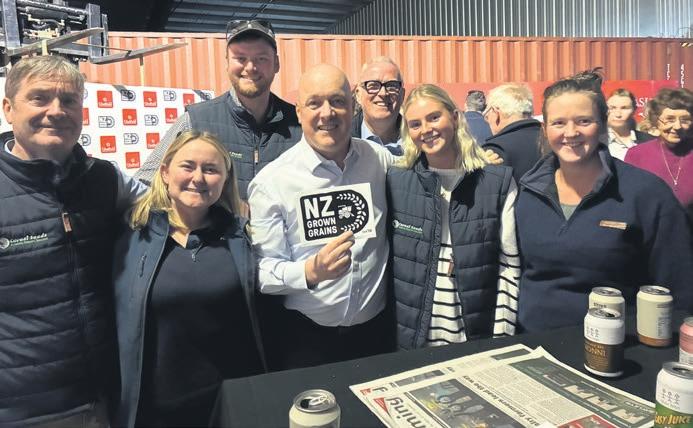
Its grower open day attracted about 300 grower-suppliers and industry people, as well as Prime Minister Christopher Luxon and Selwyn MP Nicola Grigg.
The day also helped to promote the New Zealand Grown Grain trademark.
From a fifth-generation family of barley growers, the Michaels also receive crops from about 200 contracted growers.
These are processed to produce more than 50 types of malted grains ranging from base malts for ale, pilsner and lager, to roasted malts with specialty colours and flavours such as chocolate and supernova.
“We started 22 years ago, and it was nev-
er meant to get as big as this,” Doug Michael said.
He said the couple have complementary skills. “I made it and Gabi sold it.”
The couple are proud to use 100 per cent New Zealand-grown malting barley and have signed up to a NZ Grown Grains branding initiative which makes it easier for consumers to identify domestically grown products.

FROM PAGE 1
“We need to tell the world about the importance of looking after local. The arable industry is undervalued in New Zealand. We are going to change that,” Michael said.
“Growing and processing crops is expensive. Shipping crops around the world is even more expensive. So, food security is more important than ever.”
As well as selling domestically, Gladfield Malt also exports to China, Japan, India, Australia and the Pacific.
It has not always been plain sailing, with their business suffering damage after being close to the epicentre of the September 2010 earthquake.
Demand was also knocked by the February 2011 Christchurch earthquake and Covid hitting hospitality, leading it to pivot to new markets and products.
Co-founder and head brewer of Hamiltonbased Good George, Brian Watson, said the first thing he would be doing when he got back to the office was to sign up for the NZ Grown Grains branding.
“We need to put that on our cans. Brewers cannot exist without growers producing malting barley,” Watson said.
When Good George started 15 years ago it initially used imported malt.
“However, I realised we were suddenly getting 20 per cent extra beer out of the malting barley and the difference was the Gladfield Malt supply.”
They had sourced all their malt from Gladfield Malt ever since, despite being offered cheaper product from overseas.
“Relationships with people you work with through the supply chain are just as important as your customers.”
Watson said like growers, brewers and




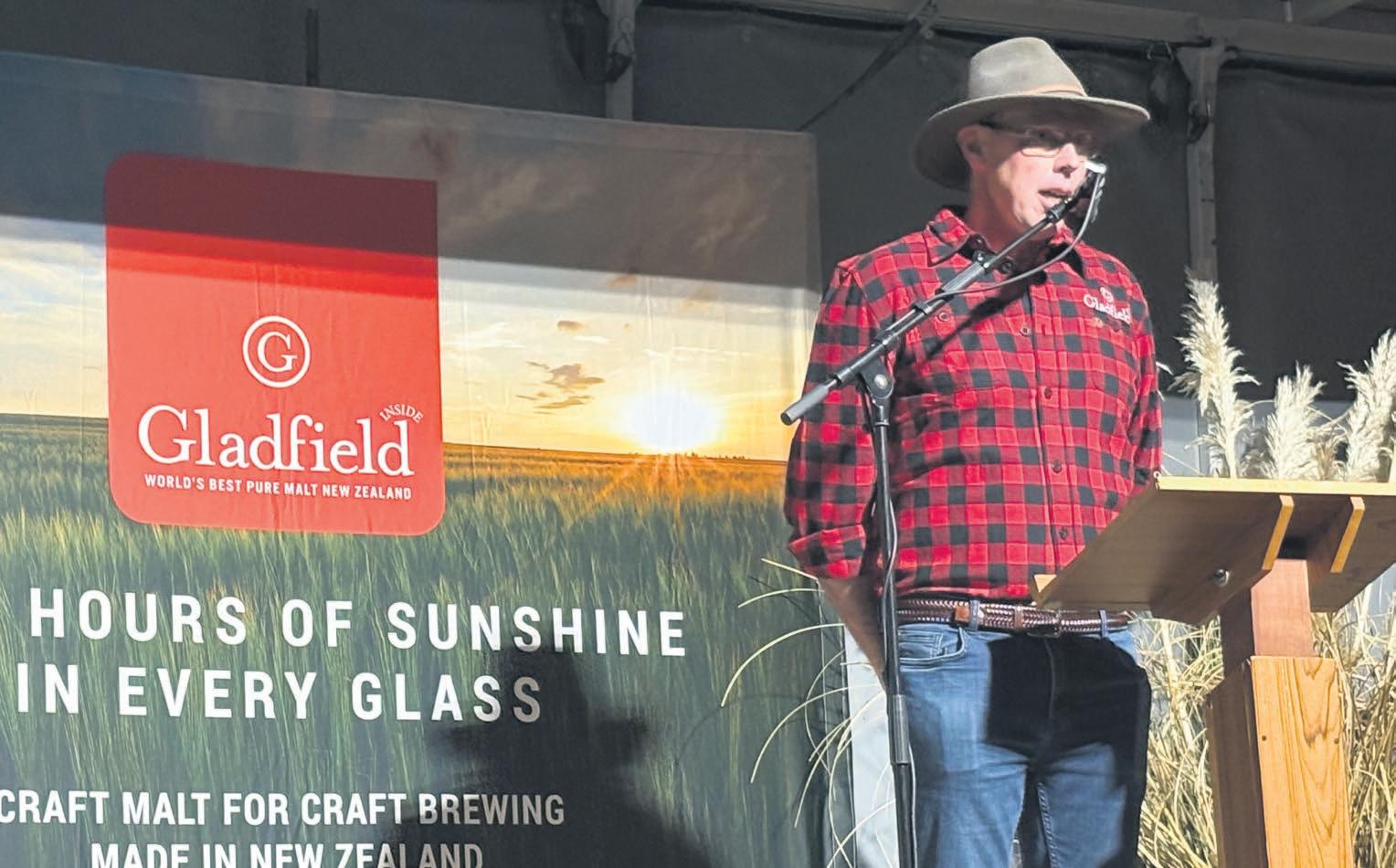
Promotion: Prime Minister Christopher Luxon promotes the NZ Grown Grains logo with arable growers and industry people during a visit to Gladfield Malt.
identify and purchase New Zealand-grown produce.
“At present, consumers, particularly in the North Island, are more likely to be eating imported grain, especially if they are eating bread.”
Prime Minister Christopher Luxon attended to lend his support to the NZ Grown Grains campaign.
“As arable growers it is not easy, with the ups and downs of weather events, commodity prices and rising costs,” Luxon said.
hospitality were also facing rising costs and competitive pressures.
Foundation for Arable Research general manager business operations Ivan Lawrie said since the launch of the NZ Grown Grains’ logo in October last year, support has been massive, with 25 companies signing up to use the branding on their products.
“It is now appearing in bakeries and on supermarket brands including Harraways’ oats, The Good Oil edible oils and Otis oat milk,” Lawrie said.
“This makes it easier for consumers to
“The Free Trade Agreement with India would reduce tariffs on malt by up to 33 per cent. This was a huge opportunity, with the middle class in India growing from 440 million now to 750 million by the end of this decade.
“As their country gets wealthier, they want better quality food and beverages, and we can sell this to them.”
Luxon said by 2030, the Indo-Pacific region will be home to two-thirds of the world’s middle class.
“The thinking that we are a long way away from markets is no longer the case. Instead, we are in the middle of the most dynamic region in the world.”


It has been a long time coming, but the prohibition on drug driving has now officially become part of New Zealand law and offenders will face prosecution.
It has been enforced in Wellington for some months and this month it will be enforced widely throughout the country.
The legislation authorises the Police to carry out drug testing on people who they believe, or suspect, may be driving under the influence of drugs. Currently the main drugs they are looking for are cannabis, methamphetamine, MDMA and cocaine.
When a motorist is stopped by a police officer who has reason to believe that the driver is impaired by drugs, he/she will be asked to pass a testing pad across their tongue.
If there is no sign that the driver is under the influence of drugs, they will be free to go. If it appears that there are drugs in the driver’s system, they will have to be tested a second time to confirm the presence of drugs in their system.
In the event the second test is also positive the driver will initially be prohibited from driving for 12 hours. A sample of the driver’s saliva will be sent to a laboratory for analysis and testing.
If the driver is prosecuted and the charges are proved the penalties are fines and demerit points. If a driver refuses to take the oral fluid test they will be prohibited immediately
‘
Currently the main drugs police are testing for are cannabis, methamphetamine, MDMA and cocaine.
from driving for 12 hours, a fine of $400 and 75 demerit points.
If the offender is obviously impaired and not fit to driver but does so, they can face criminal charges and if found guilty, they may be sentenced to a term of imprisonment of up to three months, and fined and disqualification from driving.
It is to be hoped that these introductions to our driving laws will reduce the incidence of accidents and deaths on the roads in New Zealand.
This article has been prepared by Bessie Paterson, a partner at Ronald W Angland & Son, Lawyers, 2 Chapman Street, Leeston.






Canterbury women have featured prominently in this year’s NZI Rural Women Business Awards.
The NZI Rural Women Business Awards celebrate the innovation, community impact and business excellence of women who build thriving businesses in our rural communities.
Rural Women New Zealand National President Heather Sorensen said the businesses are a credit to the amazing women who run them.
“We had a tough job as judges and were extremely impressed with the quality of entrants.” Sorensen said.
“It is fantastic to see these dedicated businesswomen from across the country leading such successful enterprises,” she said.
“I also want to take a moment to thank everyone who put themselves out there to enter, it takes a lot of time and effort to enter the awards, and we appreciate the investment each of you made this year.
“Going through each application was an absolute privilege and the depth of talented rural women in New Zealand never ceases to amaze me.”
The awards were separated into eight categories, with a Supreme winner to be announced later this month.
The winners will be celebrated at a Gala Dinner in Parliament on the July 23, where the overall Supreme winner will also be announced.
Winner: Anna King who heads AnnaFit pilates with studios in Methven and Ashburton is one of the winners in this year’s Rural Women Business Awards.
NZI EM Agencies & Schemes Christina Chellew said they were proud to support the awards.
“The Rural Women Business Awards, recognise the vital role women play in the success of rural businesses and communities.” Chellew said.
“This year’s entries were of an exceptionally high calibre, reflecting the depth of capability in rural, women-led businesses across New Zealand,” she said.
Tickets to the Gala Dinner, and the Rural Edge business skills workshop are on sale now at www.ruralwomennz. nz/rwnz-business-awards
The category winners were:
• Rural Health and Wellness Excellence: Anna King of AnnaFit with Pilates studios in Methven and Ashburton
• Love of the Land: Karen McGrath, Southern Alp Sprouts, Christchurch
• Creative at Heart: Kate MacDonald, Davaar Station Te Anau
• Innovation: Kathryn Jackson, Career Balance, Amberley

• Emerging Enterprise: Kylie Dorr, Southern Reproductive, Otago
• Young Businesswoman: Millie Aitken, Bar M Custom Tack Gibbston Valley is just 20 minutes from Queenstown
• Rural Champion: Philippa Cameron, What’s for Smoko Otematata Station, Waitaki Valley
• Experience Rural: Sonia Minnaar and Liz Henderson, Canopy Camping, Kapiti Coast



] with Todd McClay
] Minister for Agriculture
Canterbury’s farmers and growers are world-renowned for the high-quality food and fibre they produce. That commitment to consistent quality drives our export-led economy forward.
And a strong sector means regional communities are well supported; more money through the farmgate means more money spent with local businesses, more investment and more jobs and wage growth.
The food and fibre sector is the engine room of New Zealand’s economy, delivering more than 80 percent of our exports, and this Government has your back. We’ve seen the benefits of that with GDP growth for the agriculture, forestry, and fishing sector up 1.2 percent in the March 2026 quarter.
National wants you to be more productive and we are working hard to create new opportunities to build the demand needed for Kiwi food and fibre businesses to succeed in high value markets and deliver strong returns.
Our network of FTAs, including with the European Union, the UK, United Arab Emirates, the Gulf Cooperation Council, and now India, significantly expand market access and demand for Kiwi products.
Recently we have announced changes that will deliver greater land use flexibility, to
support innovation and sustainable productivity.
It backs Kiwi farmers and growers to feed the world through a suite of sensible regulatory reform and cutting of red tape and costs, combined with the latest science and technology – providing the opportunity for strong returns with a smaller environmental impact. It is part of this Government’s commitment to fixing the basics and building the future.
What does that practically mean? Part of it involves addressing rules that unnecessarily limit the way you use your land. I know of farmers who could be more productive and get a better environmental outcome, but restrictive rules stop them making simple changes in land use. We’re changing that.
Changing the rules to give you more freedom in how you manage your farms, delivers one part of the productivity equation.
But you have a significant contribution to make. On the back of improved flexibility, we want you to innovate using the latest science and technology. This gives you greater choice
to improve productivity and profitability, provided you achieve the same or better environmental outcomes.
A Lincoln University and ASB Bank report found that adopting a mix of land use and new technology, science and systems, could boost the economy by $10 billion over the next five to seven years.
The Government recently announced more than $140 million in commercial partnerships to boost food and fibre production, to demonstrate the benefits this combined approach can bring.
We also want to drive reliable and consistent water access, vital to growing higher-value crops, improved pasture growth and diversified farming systems, and strengthening climate resilience.
That’s why we’re inviting proposals for feasibility projects for construction of large or community-scale water storage and reticulation through the Primary Sector Growth Fund.
Our significant investments, together with our extensive reforms across the Resource
‘
Together, we can double the value of exports within 10 years to deliver strong returns, grow the economy, and deliver prosperity for all New Zealanders.
Management Act, freshwater, and emissions will support you respond to changing consumer demand, trade opportunities, and increasing competition in international markets. Together, we can double the value of exports within 10 years to deliver strong returns, ensure the success of rural communities, grow the economy, and deliver prosperity for all New Zealanders.
We are well into the election campaigns which reminds me of the Charlie Brown cartoon when he was asked if all fairy tales start with ‘once upon a time’, his reply was “No, most start with if I am elected”
] with Rob Cope Williams
We New Zealanders are very good at accepting what we are dished up and then working around the situation that we find ourselves facing.
So, what about going to your local candidate and telling them what you want from the government.
It is called the House of Representatives for a reason. Think about the things that affect you the most. RMA is obvious, so push
for the reforms and demand timing. Taxes that affect you. Plus, there’s a raft you can think of.
Be a little selfish and not worry about others for a change.
The national media have their own agendas and wallow in their own importance so ignore them and wait for the important stuff in a news bulletin, as in the weather forecast.
At least there’s a chance that may be true.
If you want to build a house, you talk to the builder and architect and tell them what
you want. How many rooms, what size and where it should be built.
If you want to buy a car or Ute, you pick the one that serves your needs best, and even if you are out for a meal or cooking at home, you choose what you want to eat.
So, why is the choice of government so hard? The answer is probably that you really don’t know the options as you do with houses, cars and meals.
Ah, so ask. Your candidate wants to talk with you. They want you to go to their par-
ty and tell them the views of the folk in their patch.
If you can’t find the time to talk face to face, they all have a phone number and email addresses.
Invite them to speak at your Lions or Rotary meeting, or Federated Farmers get togethers. It will cost your club or branch a meal, but you will have heard the options and had your questions answered.
Well hopefully answered, and if not, you know what to do on election day.
Funding from Rabobank will help Mt Hutt College complete its new agricultural training classroom at the Canterbury rural high school.
] by Kent Caddick
Mt Hutt College is one of seven organisations serving rural communities across New Zealand which have received funding from the Rabo Community Fund to help advance projects that strengthen and support their local areas.
The Rabobank Community Fund was set up in 2021 to improve the vibrancy of rural communities and is backed by an annual contribution from the Rabobank Group.
A total of $60,000 will be distributed as part of the latest funding round, bringing the total amount committed to rural communities since the Fund’s inception to $4.1 million.
Rabobank CEO Todd Charteris said final decisions on the recipients had been made by the bank’s Client Council network.
“Our Client Council network is made up of some of our most engaged clients who meet regularly to discuss the challenges and opportunities facing the food and agri sector,” Charteris said.
He said the Client Councils, two in the North Island and two in the South, have identified five key themes impacting the sector they want to help address: longterm industry capacity and agri education, environmental sustainability, natural disaster resilience, rural/urban connection and rural wellbeing.
Amy Honeywell, Vocational pathways Coordinator at Mt Hutt College, said the newly acquired funds would go towards the agricultural classroom being built as part of the Õpuke Innovation Hub.
“The Õpuke Innovation Hub is a community-led initiative based at Mount Hutt College, specifically designed to bridge the gap between secondary education and the thriving agricultural and trades sectors of Mid Canterbury,” Honeywell said.

“This funding will be used to complete the essential interior fit-out of our purpose-built agricultural classroom, transitioning the space from a structural shell into a high functioning, professional learning environment,” she said.
“We will install Autex wall coverings for superior soundproofing and a heat pump for year-round thermal regulation. Additionally, we will install high-quality carpet tiles to provide a comfortable, quiet, and durable floor surface suitable for a modern educational hub.
“By providing funding towards these specific elements, Rabobank will be directly responsible for the final ‘finishing touches’ that allow our students to thrive in a space that is quiet, warm, and fit-for-purpose as they train to become the next generation of primary industry leaders.”
In addition to the regional initiatives receiving support as part of the latest funding round, Charteris said, the Rabo Community Fund was also supporting a range of national initiatives linked to the Council’s themes.
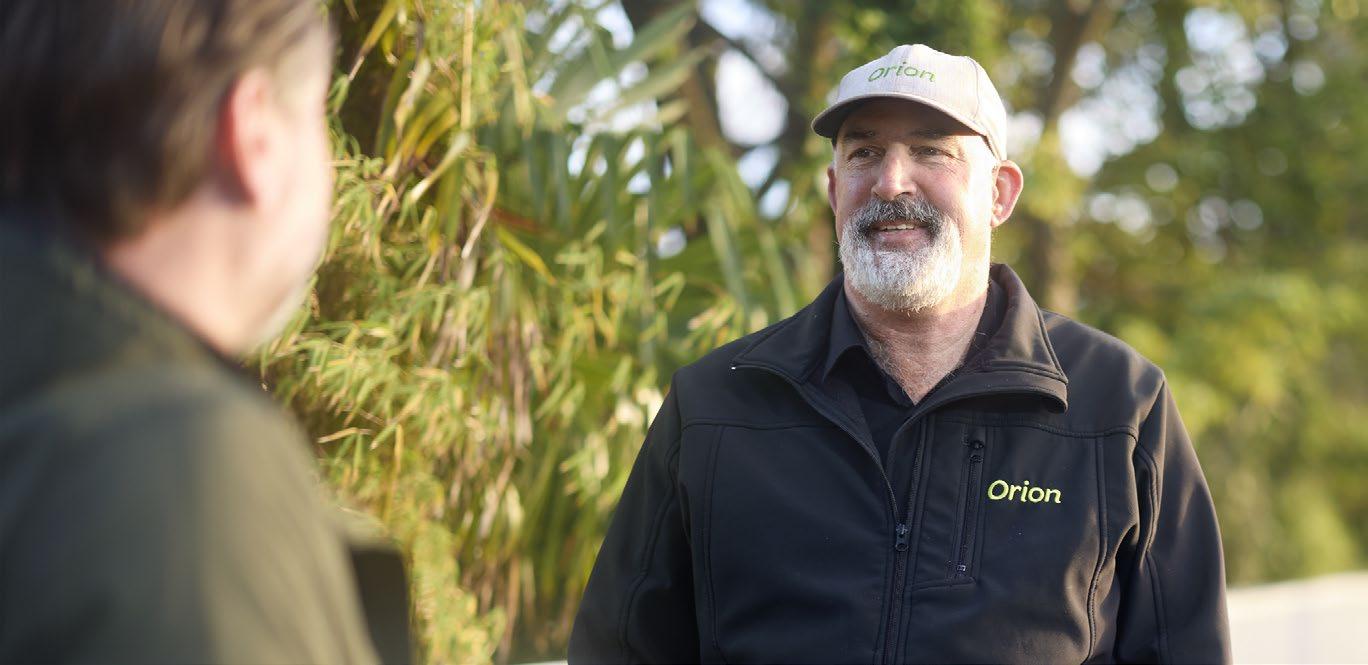
Keeping your trees pruned and clear of lines helps us keep the power on for our community
Vegetation falling on power lines is one of the leading causes of power outages on our network. It also creates a major safety risk.
Hazards from trees that are too close to lines include:
Fire caused by electrical sparking from vegetation coming into contact with lines.
Risk of electrocution for children or anyone climbing trees close to lines.
Risk of electrocution from vegetation becoming electrically live in severe weather conditions.
Trees and vegetation causing power outages.
Tree roots growing around underground cables, damaging the insulation and causing power supply failure.
Trees near power lines are dangerous
The Electricity (Hazards from Trees) Regulations have been updated. This update includes new minimum safe distances between trees and power lines and a new ‘clear to the sky’ requirement, the new regulations have a grace period that lasts until 16 October 2026.
Trimming trees safely
We recommend you hire trained professionals with the necessary expertise and safety procedures to competently carry out tree trimming.
Contact with a power line can cause:
Risk of electrocuting yourself or others.
Damage to property and other trees.
Damage to the electricity network.
Livestock death or damage.
If you or someone working for you intends to work within 4 metres of power lines, a close approach consent is required from Orion before work commences.
Fines for non-compliance
If a cut or trim notice is given to you and you fail to have the tree trimmed and/or advise us of the time and location of the trim without a reasonable excuse, this is an offence.
This will make you liable for a fine not exceeding $10,000.
If the offence continues, you will be liable for a further fine of not more than $500 for every day or part day during which the offence continues.
Learning environment: An artist’s impression of the Mt Hutt College agriclassroom being built at the Õpuke Innovation Hub.
“This includes our free one-day financial planning and farm succession workshops for farmers and growers, our annual Good Deeds Community Hub competition which provides $100,000 of funding to help rural community hubs improve their facilities, and our support for industry organisations like Surfing for Farmers, Catchment Communities Aotearoa and Meet the Need,” he said.
Applications to the Rabo Community Fund for the second round of funding this year were now open and could be submitted via the Rabobank website until August 3.
Growth limit zone Vegetation should remain out of this zone under all conditions. A cut or trim notice may be issued.
Cut back zone When vegetation is cleared, it is to be removed so that it does not enter this zone. A hazard warning notice may be issued to warn of clearance requirements.
Notice zone If vegetation enters this zone, a hazard notice may be issued to warn of clearance requirements.




This time last year, I wrote in one of my Canterbury Farming columns about the importance of relationships. I called it “Bridging the Gap with Rural New Zealand.” As I sat down to write this column, I realised that title still rings true today.
] with Jo Luxton ] Labour spokesperson ] for Agriculture
Over the past three years, my colleagues and I have engaged with farmers and rural communities right across the country to better understand the challenges our rural communities face.
We’ve visited dairy farms, sheep and beef farms, horticulture, arable businesses, and rural communities both large and small. We’ve sat around kitchen tables, attended community meetings, and spent time on farm listening.
Our Labour Caucus has also been out and about in force at the National Fieldays every year, speaking at the Rural Advocacy Hub, checking out MPI’s Science for Farmers tent, and meeting with stakeholders across the industry.
A big highlight for me at this year’s National Fieldays was the release of the Situation and Outlook for Primary Industries report 2026. I am so impressed that despite the
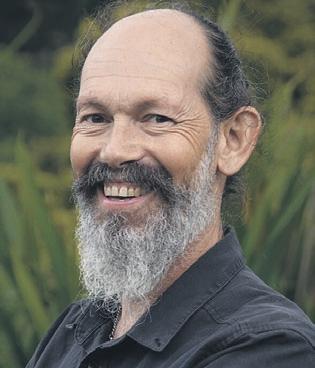
] with Steve Abel ] Green Party Spokes- ] person for Agriculture
change and challenges that the sector faces every day across our food system, our farmers continue to drive success.
The report showed big revenue gains, notably for the meat and wool sector. Due to tighter global supply and a strong lift in key meat export prices, it’s expected that meat and wool revenue will have increased by 14 percent to $14.1 billion in the year to 30 June 2026. At the farm level, that means sheep and beef farm profit before tax will have surged by 96 percent in the 2025/26 financial year.
This is an absolutely outstanding result for the sector and recognises the skills and determination of our farmers.
It would be fair to say that when I arrived as Labour’s Spokesperson for Agriculture at the end of 2023, we knew we had work to do. The feeling on the ground was that Labour had moved too fast, too soon. And in doing so we had forgotten to take everyone along for the ride. Too many people felt they were being asked to adapt without being brought into the conversation. So we listened.

The farming community’s willingness to engage with us honestly and constructively is a real credit to the sector – even where at times we’ve disagreed. That’s helped build a stronger understanding between Labour and the sector. I can say today with confidence, that Labour is engaging differently. Not because we agree on everything, but because we’re listening, we’re open to learning, and we are committed to keep that conversation going. What matters is that we’re willing to sit down, have the tough conversations, and keep showing up.
Modern farming is – quite frankly – hard work. Our farmers are not only producing some of the world’s best food and fibre, but they are restoring waterways, protecting our biodiversity, investing in new technology, creating jobs in our rural communities, and constantly adapting to meet new challenges. Labour supports this work, we back your innovation, and we recognise and respect the effort, investment, and commitment that goes into farming every day.
In recent weeks across the sector we’ve

seen election priorities released from meat, wool, horticulture, water, and the wider rural industry.
What they ask for is clear:
• improve trade and market access
• strengthen biosecurity
• simplify compliance
• ensure reliable and affordable energy and water
• support workforce development
• better access to technology,
• building capability through strong agricultural education and training
• creating fairer, and more competitive markets,
• and better healthcare, connectivity, education, and social inclusion.
Together, these priorities provide a roadmap for a stronger rural New Zealand. They point towards connected, thriving communities and a future where farmers can succeed economically while strengthening the social fabric of rural New Zealand. This is a roadmap that Labour can work with.
The cost-of-living crisis is already highest on people’s priority of issues that will drive them to the ballot box on November 7.
But something else is rumbling in the bedrock of New Zealand values that may determine the final outcome of a hotly contested election year. It is nature.
With the Government’s recent rapid back down on plans to give commercial fishers more leeway on exploiting our dwindling fish stocks we’re already seeing it dawn on the National Party that a sizeable cohort of their own voters’ care about the environment.
The vocal mobilisation of recreational fishers caused enough disquiet for the biggest coalition party to force a delay of Shane Jones’ Fisheries Bill till after the election in March.
That means the choice between ocean protection or more exploitation is already a votable issue come November.


Now looming even larger than the ocean are threats to our conservation estate on land. Luxon has made a monumental misjudgement of public sentiment regarding the wild and precious places that are the bastion of survival for our unique native species.
Our designated conservation land is born of communities fighting to protect the remnants of forest, stunning landscapes, and ancient biodiversity – mostly at higher elevations – that had rapidly dwindled under the onslaught of colonial expansion.
The principal underpinning conservation land is that its purpose is ecological not commercial. And even still, its majesty incidentally attracts millions of visitors and helps earn the country billions annually.
Luxon’s Bill turns the purpose of the Department of Conservation on its head and paves the way for mining, sell off, and corporate exploitation of some of our most beloved wild places.
The extent of the impacted land area, with 60% of existing conservation land up for grabs, was strikingly illustrated in maps released by Forest & Bird.
The previous National government, who tried something similar, was set on its heels 16 years ago in 2010 when 40,000 New Zealanders marched up Queen Street against their plans to open up our highest value conservation land to mining. The then Key government rapidly backed away from its bad idea.
It is uncontested that mining is a major driver of the policy again. To fulfil his vision
‘
Unless Luxon bins the conservation exploitation bill before the election it will bite him at the ballot box.
of turning our country into little Australia, Resources minister Shane Jones has identified that much of the so-called “critical mineral” cache potentially exists in conservation land.
Luxon has apparently not learned the lessons of history and has allowed his minor coalition partner – New Zealand First – to drag National back to an electoral precipice. Unless Luxon bins the conservation exploitation Bill before the election it will bite him at the ballot box.
Most New Zealanders don’t want to see nature harmed. A poll released by Forest & Bird shows two thirds of the population oppose a conservation sell-off.
The public are presented with the stark choice between extraction and exploitation, or protection and enjoyment of our habitats containing some of the world’s rarest lifeforms.
Already the conservation bill is not scheduled to be passed before polling day. That means, along with Jones’s fisheries Bill, the fate of our common conservation inheritance is an election issue. Luxon can take it off the table by ruling out the Conservation Exploitation Bill now.
Four Canterbury high-country stations have been involved in the opening of a restored wetland to protect a critical salmon spawning site on one of New Zealand’s iconic rivers in Canterbury.
] by Kent Caddick
Chinook salmon numbers are at historic lows on the Rakaia River in mid-Canterbury and anglers are facing tight restrictions on the number of fish they can catch.
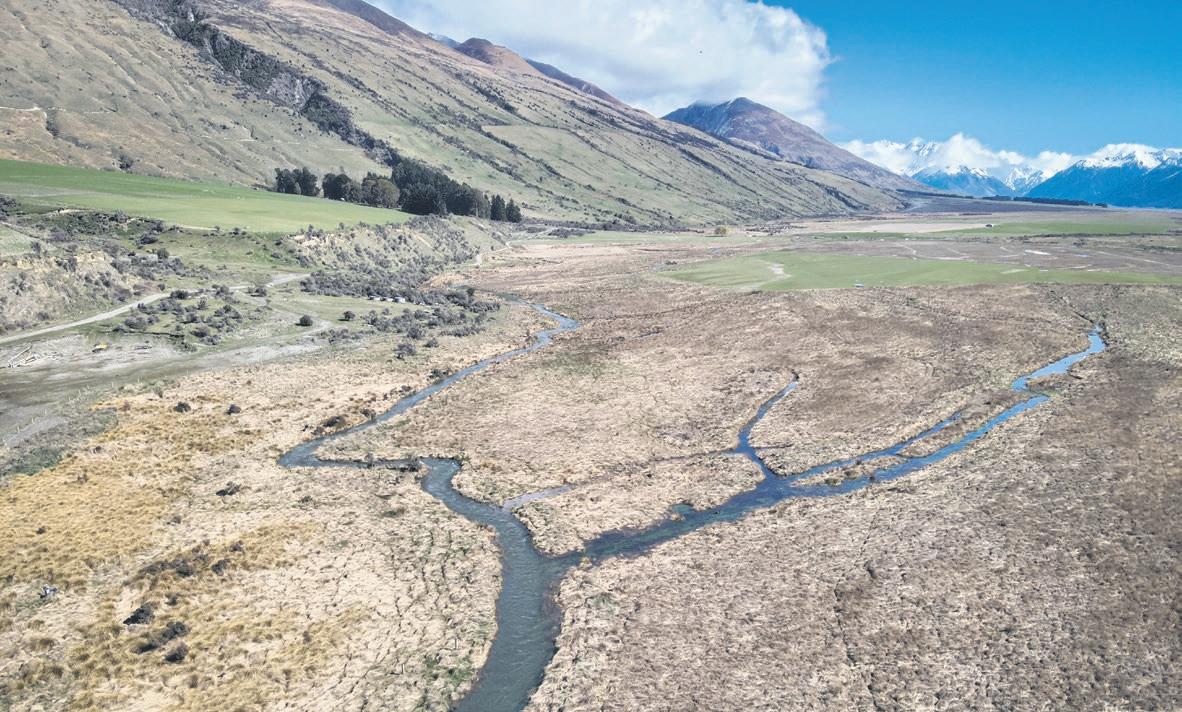
Now, a project to restore Glenariffe Stream in the upper Rakaia catchment will add to the safeguarding of more than 380 hectares of high-country streams and wetlands, six times the project’s original target.
Glenariffe Stream contributes around 18% of the wild Chinook salmon that return to spawn in the Rakaia River, however its East Branch had been diverted for 70 years to drain farmland.
As part of the project, the East Branch has now been returned to its original course, restoring 44 hectares of wetland habitat and protecting an important spawning site.
The site will be named the McIntyre Wetland in recognition of a generous $550,000 bequest from the late James McIntyre, dedicated to restoring sea-run salmon in the Waimakariri and Rakaia rivers.
Minister for Hunting and Fishing James Meager said restoring habitats like the McIntyre Wetland is a crucial step in securing the future of our wild salmon.
“This project demonstrates what can be achieved when communities, landowners, and government work together for conservation,” he said.
North Canterbury Fish & Game project manager Steve Terry, who has led the restoration effort from the outset, said protecting spawning habitat is one of the few levers available to help the fishery recover.
“Salmon numbers are at historic lows, not just in Canterbury but across New Zealand’s East Coast rivers, with unfavourable, warmer ocean conditions among the key drivers of decline,” Terry said.
“We can’t control the ocean, and we can’t control the climate – but we can make sure that when salmon do return to the Rakaia to spawn, their offspring have the best possible habitat waiting for them.
“Glenariffe Stream is one of the river’s most significant spawning tributaries, and for 70 years it simply wasn’t functioning as it should. Getting it back to its natural course is a major step forward for the fishery.”
The three-year project was made possible by $784,000 from the Ministry for the Environment’s Freshwater Improvement Fund.
Key were partnerships with four high-country stations: Glenariffe, Double Hill, Mt Algidus, and Redcliffes.
Fish & Game New Zealand Chief Operating Officer Richie Cosgrove said the decline in salmon numbers makes projects like this more important than ever.
“Projects like this, protecting and restoring critical spawning habitats, gives the salmon fishery help it really needs. The scale of what’s been achieved here, 380 hectares secured against an original target of 60, is a
for
restoration, with ongoing planting, riparian management, and ecological monitoring planned in the years ahead.
testament to Steve Terry’s persistence and the willingness of high-country landowners to be partners in conservation.”
Beyond Glenariffe, the project has secured significant habitat protection across the catchment including Double Hill Station: 77 hectares of wetlands and waterways retired, with 11.3km of new fencing; Mt Algidus Station: A 200+ hectare QEII covenant protecting the Hydra Waters, a complex of spring-fed streams and wetlands accounting for 20–30% of Rakaia salmon spawning; Redcliffes Station: 59+ hectares of wetlands and native scrub retired from farming.



Global
In
al growth. Equity markets sold off and bond yields rose as investors questioned whether central banks would need to keep interest rates higher for longer.

By April and May, conditions had improved. A ceasefire agreement helped oil prices ease, while solid firstquarter company earnings and ongoing enthusiasm around artificial intelligence supported a market rebound. It was a reminder that markets can react sharply to fast-moving news but also recover when the worst-feared outcomes do not eventuate.
Enthusiasm for artificial intelligence
Artificial intelligence remains a key long-term theme for global equities.
Many of the largest companies in global sharemarket indices now have significant exposure to AI.
This concentration means a broad passive index fund may not be as diversified as it appears. The S&P 500, for

example, has around half of its value weighted towards technology-related companies.
AI may prove transformational for the global economy, but it also carries risks. Competition is intensifying, infrastructure costs are high, and not every company will succeed.
As AI becomes more accessible, new competitors can emerge quickly. Some exposure to this theme can make sense, but balance remains important. Diversification continues to be one of the most reliable tools investors have.

Interest rates moving higher
Interest rate expectations also shifted over the period. At the start of the year, markets expected rates to remain relatively low through 2026.
More recently, higher energy prices and firmer inflation have led investors to expect rate rises in several major economies.
In Australia, the Reserve Bank raised the cash rate by 25 basis points to 4.35% at its May meeting, citing the need to bring inflation down. This weighed on interest-rate-sensitive sectors such as property and consumer-related companies.
In New Zealand, the Reserve Bank kept the Official Cash Rate at 2.25% in May, although the decision was finely balanced. The RBNZ indicated rates may move higher in coming months, with markets expecting a 25 basis point increase in July.
A steady approach through uncertain times
The past three months have reinforced the value of a steady approach. Global equities recovered well after the March sell-off, although returns were uneven.

‘
Many of the largest companies in global sharemarket indices now have significant exposure to
New Zealand shares faced a slower domestic recovery and cautious earnings backdrop, while Australian equities came under pressure from higher interest rates. The broader outlook has not necessarily deteriorated. Global earnings have generally been solid, some energy-related risks have eased, and higher bond yields are offering better income opportunities than were available for much of the past decade. Property and infrastructure continue to offer diversification benefits.
Market recoveries are rarely uniform. Different regions, sectors, and asset classes move at different times, which is why diversification remains important.
This article was prepared as at 31 May 2026 and provides market commentary for the three-month period ending on that date. Andrew Wyllie is an Investment Adviser and Forsyth Barr’s Christchurch Manager. He can be contacted regarding portfolio management, fixed interest, or share investments on 0800 367 227 or andrew.wyllie@forsythbarr.co.nz. This column is general in nature, has been prepared in good faith based on information obtained from sources believed to be reliable and accurate, and should not be regarded as financial advice.



NSC vs Herd – one of the most confusing parts of a farm’s financial statements.
Livestock on hand must be recorded in your financial statements. For tax purposes, opening stock (numbers value) is treated as an expense, while closing stock (numbers value) is treated as income.
Understanding livestock valuations helps explain why your taxable income can differ significantly from actual cash in the bank.
Livestock valuations assign a value to animals at balance date (year-end), which is used to calculate the value of stock still on hand.
In New Zealand, farmers use Inland Revenue-approved methods. The most common are National Standard Cost (NSC) and National Market Values (Herd Scheme).
NSC method: IRD sets annual national standard costs representing the average cost of breeding and raising different classes of animals. These costs (plus any purchase costs) determine the value for each class. In a pure breeding operation with no purchases, animals are valued at the theoretical cost to produce them to their current age.
Herd Scheme (National Average Market Value): Livestock are valued at market rates set annually by IRD. The 2026 herd scheme values have been released, showing significant increases across nearly all stock classes due to stronger animal values.
Tax impact comparison (example with a MA ewe):
• NSC value: $70. Sold for $250 = Taxable gain: $180.
• Herd value: $237. Sold for $250 = Taxable gain: $13
That’s a $167 difference in taxable income per sheep with no change in your bank account.
You might want to switch to Herd Scheme for the taxsaving benefits on sales, but it’s not that straightforward. Entering Herd Scheme means paying tax in advance on unsold stock.
Example: A bred lamb not yet sold:
• Herd value: $180 = Tax payable on $180 this year
• NSC value: $41.40 = Tax only on the lower amount
The strategy is to enter the Herd Scheme when market values are low to minimise the upfront tax cost of switching. Once in, Herd Scheme revalues your opening stock to match closing values. If values rise (as they have this year), you get a “tax-free” uplift.
There are many other nuances with both NSC and Herd Scheme. Consult your accountant for advice specific to your situation.







Reverse Sensitivity, a legal issue, is increasingly important for farmers in North Canterbury.
It happens when land uses, such as lifestyle blocks or residential housing, are built near existing farm operations.
These new neighbours may then complain about normal farming activities like noise from machinery, smell from animals, spray drift from irrigation, or dust. Even though the farm was there first and is operating lawfully, those complaints can create pressure for the farmer to change how they operate.
The key problem is that farming is an “effects-producing” activity, while housing is a “sensitive” activity. When sensitive activities come closer to farms, the farm can become vulnerable to restrictions.
Councils may receive complaints and then impose conditions on the farmer through planning rules and consent processes. In some cases, farmers may be forced to reduce their activities or invest in expensive mitigation measures like shelter belts or spray buffers.
As North Canterbury grows, and people move into surrounding areas, farmland that was once isolated is surrounded by new housing. This creates more opportunities for conflict between farming and residential expectations.
To manage this risk, one tool is a Reverse Sensitivity Covenant, nicknamed a “No Complaints
Covenant”. This is a legal agreement that is registered on the record of title and becomes attached to the land itself. Because the covenant is registered on the title, it “runs with the land”, mean-



ing it remains legally binding on all future owners, not just the person who entered into the agreement.
Reverse sensitivity covenants can be registered in a number of situations, although they are most commonly created when farmland is subdivided and new residential or lifestyle lots are established near an existing farming operation.
They may also be imposed as a condition of subdivision consent or negotiated privately between neighbouring landowners. Once registered, the covenant puts prospective purchasers on notice that they are moving into an active farming environment and that certain impacts associated with farming are to be expected. By accepting the covenant, landowners agree that these activities will not be treated as a nuisance and that they will not object to, or seek to restrict, farming operations occurring on neighbouring land.
For farmers, the benefit of a reverse sensitivity covenant is the increased certainty it provides.
Farming businesses often require long-term investment and planning, and
the risk of complaints from new neighbours can create uncertainty about future operations. A covenant helps protect a farmer’s ability to continue carrying out farming activities without fear that changing patterns of land use will gradually undermine the viability of the farm.
The benefits are not limited to farmers. Prospective purchasers are provided with clear information about the nature of the surrounding environment before they buy the property. This reduces the likelihood of misunderstandings and disputes after settlement, allowing both farmers and neighbouring landowners to better understand their expectations from the outset.
While reverse sensitivity covenants are not a complete solution to every conflict that may arise, they play an important role in balancing the interests of agricultural production and rural residential development. As North Canterbury continues to experience growth, these covenants provide a practical mechanism for preserving productive farming land while promoting good neighbour relationships.






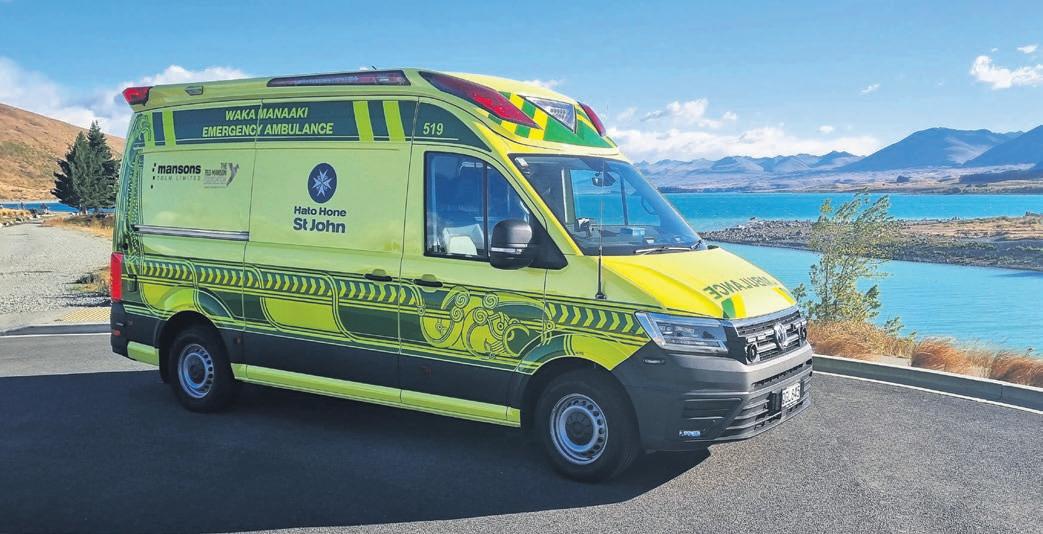
As winter sets in, Hato Hone St John is encouraging New Zealanders to keep on top of their health and seek the right help early, as the emergency ambulance service prepares for the seasonal increase in winter illness.
] by Kent Caddick
Last year, the organisation experienced its busiest winter on record, with ambulance crews responding to more than 50,000 incidents in August alone, the highest number recorded in a single month. In the same month, incidents involving breathing difficulties were 33 percent higher than the 12-month average.
“The winter months consistently drive up demand for ambulance services, as colder weather, higher rates of influenza and respiratory illness place additional pressure on the health system,” St John’s deputy chief executive of clinical services Jon Moores said.
“We are well prepared to manage the seasonal increase in demand, but there are some important steps people can take to protect themselves, their whanau and the wider community.
“This includes staying home if you are sick, particularly to avoid spreading colds, flu and other viruses to people who may be more vulnerable. Wearing a face mask in crowded indoor spaces, coughing or sneezing into your elbow, disposing of used tis-
sues straight away, and washing and drying your hands thoroughly can all help reduce the spread of illness.”
Moores said Hato Hone St John continues to strengthen initiatives that help ease pressure on emergency departments while ensuring patients receive safe, appropriate and timely care.
“When it is clinically safe to do so, some

For many, joint health deterioration is the first obvious sign of aging. Gradual erosion of cartilage, is by far the most common issue.
What is Bettaflex?

Bettaflex is the most popular supplement in the Abundant Health range because of its positive support for joints affected by wear and tear, helping Bettaflex users to support mobility and quality of life.
How does Bettaflex work?
Bettaflex has been formulated to support joint comfort and mobility, making it an ideal supplement for those seeking support for joint comfort and stiffness. Bettaflex combines high-grade chondroitin sulphate, glucosamine sulphate and patented BioSolve® Curcumin. This combination supports the maintenance of healthy cartilage and other joint tissue by supporting the joint processes that protect, maintain and renew cartilage.

patients may receive advice and care from a clinician over the phone without an ambulance being sent or a trip to the hospital emergency department. Others may be connected with another telehealth provider or a more appropriate healthcare service.”
Moores said it is important New Zealanders understand how and when to access the right healthcare over winter. This includes:
Stay healthy: Hato Hone St John is calling on the public to keep on top of their health and seek the right help early as the emergency ambulance service prepares for the seasonal increase in winter illness.
Calling Healthline on 0800 611 116 for free health advice and information.
Visiting your local pharmacist for advice and treatment for common or minor health issues.
Booking an appointment with your doctor or using a 24/7 online GP service if you are generally unwell and need non-urgent care.
Visiting an after-hours or urgent medical clinic if you are not experiencing a lifethreatening emergency but cannot wait to see your usual healthcare provider.
“We encourage everyone to take extra care this winter and look out for their whole whanau. And remember, you should always call 111 for an ambulance in an emergency. Our clinicians are highly trained and ready to provide the care you need,” Moores said.

New Zealand farmers often develop osteoarthritis due to the physically demanding nature of their work.
Farming involves repetitive movements, heavy lifting, prolonged standing, and frequent bending, all of which place significant strain on the joints, particularly the knees, hips, and hands.
Over many years, these repetitive stresses can lead to the gradual breakdown of cartilage, which is the hallmark of osteoarthritis. The outdoor environment also exposes farmers to variable weather conditions, which may exacerbate joint pain and stiffness.
Additionally, farming is a year-round occupation with limited opportunities for rest or recovery, increasing the risk of chronic joint overuse. Many farmers also start working at a young age and continue well into older age, further compounding the wear and tear on their joints over decades.
The real question is what to do about it, especially if joint deterioration does not warrant surgery. While anti-inflammatory medications help relieve pain, they are hard on the body and do not address the main disease process behind cartilage loss.
Cartilage is dynamic tissue dependent on special cells called chondrocytes
to maintain and repair cartilage. They do this by making and secreting new cartilage matrix which includes chondroitin sulphate. If these are damaged, or die, the tiny patch of cartilage it maintained soon disintegrates.
Adding 800-1600mg of high-grade chondroitin can make a huge difference. Chondroitin is by far the most important compound available through supplements. While glucosamine is important, I regard this as a supporting therapy. Adding the latest water-soluble curcumin (from turmeric) can be helpful by reducing joint capsule inflammation.
My client files include many farmers who have had significant benefits of this type of therapy with most getting notable improvements in flexibility, mobility and comfort. To learn more, email me for a copy of my Osteoarthritis programme and start your journey to better joint health.
John Arts (Adv.Dip.Nut.Med) is a qualified nutritional medicine practitioner. To read

] by John Faulkner


As Canterbury considers its future under local government reform, much of the discussion has focused on identity and boundaries. Yet the most important questions remain largely unanswered: Who gets the assets? Who gets the debt? Who gets the credit rating? And ultimately, who gets the risk?
] Canterbury Regional Councillor
For more than three decades, Canterbury has built a regional balance sheet, regional infrastructure, regional flood protection schemes, regional transport systems and regional environmental programmes. These have been funded collectively because the risks they manage are regional.
If Canterbury is divided into multiple unitary authorities, those risks do not disappear. They simply get redistributed. The question is whether that redistribution will be fair, sustainable and in the long-term interests of the region.
Canterbury already functions as one region. Our rivers, aquifers, transport networks, biosecurity threats, emergency management systems and economy do not stop at district boundaries.
Fragmenting governance may appear to protect local identity, but it risks creating new problems while solving few.
Environment Canterbury currently delivers regional services including flood protection, environmental management, public transport, biosecurity and emergency management. These services are regional by nature. Managing them effectively requires integrated planning, investment and decision-making across the entire region.
The biggest challenge facing any multiple-unitary model is funding. Regional infra-
structure and services require substantial long-term investment. At present, those costs are shared across Canterbury’s entire rating base.
Under a fragmented model, difficult questions immediately arise. How are regional assets divided?
Who inherits debt? Who pays for future upgrades? Who funds shared services? Most importantly, who inherits the strongest balance sheet and borrowing capacity?

A strong credit rating is not accidental – it has been built by generations of urban and rural ratepayers alike.
If Canterbury fragments into multiple authorities, some entities may inherit stronger revenue streams and larger populations while others inherit extensive infrastructure obligations with fewer resources to manage them.
What begins as local empowerment can quickly become structural inequality, the ur-

Leeston (03) 324 3033
Email: lawyers@anglands.co.nz | www.anglands.co.nz Solicitors of Selwyn since 1965
‘
Before we decide how Canterbury should be governed, we should first decide how Canterbury’s risks should be shared.
ban-rural divide is a legitimate concern, but it is a governance issue, not a structural one. The solution is not to fragment Canterbury.
The solution is to design a representation model that guarantees local voices are heard through elected councillors, mayors, mana whenua and strong local leadership groups. Before we decide how Canterbury should be governed, we should first decide how Canterbury’s risks should be shared.


Bayleys is proud to announce the expansion of its South Canterbury presence through the acquisition of the Red Hot Real Estate business in Waimate, further strengthening the company’s rural and lifestyle sales capability across the region.
As part of the acquisition, Bayleys warmly welcomes respected local agents Ian Moore, Greig Moore and Tim Meehan to the team of rural and lifestyle specialists. Joining New Zealand’s number one rural real estate brand, they will work alongside Hamish Lane and Al Brown to provide an expanded service and expertise to clients throughout South Canterbury and beyond.
The acquisition reflects Bayleys’ ongoing commitment to investing in Canterbury’s rural sector and ensuring farming families have access to the strongest possible network, market intelligence, and sales expertise.
POSITIVE OUTLOOK
ACROSS THE RURAL SECTOR
Across South Canterbury, there is a strong sense of optimism among dairy and beef farmers. Confidence has been buoyed by positive messaging from Fonterra, strong payout forecasts, and an improving relationship between banks and the rural sector.
The farming community is coming off an excellent season, with improving prices across many sectors and a positive long-term outlook for both dairy and beef production. Global demand for protein remains strong, while factors such as disease pressures affecting livestock production in various parts of the world and ongoing beef shortages in the United States continue to support confidence in international markets.
Sheep and beef farmers, in particular, are enjoying favourable conditions, with stock prices sitting at historically high levels. While many acknowledge that global conditions can change quickly, there is a widespread belief that strong demand fundamentals could support current pricing levels for at least the next couple of years.
While confidence is high, farmers remain acutely aware of rising operating costs. Fuel, fertiliser, transport and labour expenses continue to dominate
conversations throughout the sector.
Cropping farmers are feeling these pressures particularly strongly, with margins increasingly squeezed by escalating input costs. Fertiliser price increases remain a significant concern, with some producers considering whether reduced application rates or lower stock numbers may become necessary in future seasons.
Environmental regulations continue to feature in discussions, while some farmers are also watching the political landscape closely and considering what future policy chnges could mean for the sector.
Notably, interest rates have become less of a talking point than in recent years, providing some relief and allowing greater focus on operational and market opportunities.
The possibility of a stronger-thannormal El Niño weather pattern remains in the back of many farmers’ minds, particularly as parts of the region experience dry conditions. However, there is also recognition that June and July are traditionally South Canterbury’s driest months, and many farmers remain focused on factors within their control rather than worrying about future weather events.
To learn more about joining our growing rural team, get in touch.
One issue increasingly being discussed across Canterbury is the variation in land values between different parts of the region. Many farmers are questioning why such disparities exist when milk payouts and many farming challenges remain broadly consistent across districts.
Overall, farming families remain positive while maintaining a healthy sense of realism. They recognise there are numerous competing forces at play within the rural sector and that global economic and geopolitical conditions continue to create uncertainty. Despite these challenges, the prevailing sentiment is one of confidence and cautious optimism.
As Bayleys continues to grow across Canterbury, we are actively seeking high-performing and motivated rural specialists to join our team.
Opportunities exist throughout the region, from North Canterbury and Mid Canterbury through to the Selwyn District and South Canterbury. If you are an ambitious rural real estate professional looking to align with New Zealand’s leading rural real estate brand, we’d welcome the opportunity to discuss what Bayleys can offer.

] Advertorial by Todd Mudie Group
The trade sector looks very different today than it did twenty years ago.
Traditionally, most businesses specialised in a single trade. Painting companies painted, plasterers plastered, flooring companies installed flooring, and clients often found themselves coordinating several contractors to complete a single project.
While those specialist businesses remain an important part of the industry, client expectations have continued to evolve. Increasingly, people are looking for simplicity.
They want trusted businesses that can provide a wider range of services, clear communication, and the confidence that projects will be delivered efficiently and professionally. The focus is no longer solely on the trade itself, but on the overall experience.
This shift has influenced the way many businesses have grown and developed over the past two decades.
Todd Mudie Group is one example. What began more than 23 years ago as an interior plastering business has evolved into a multi-trade company with more than 50 skilled professionals, delivering painting, interior plastering, flooring, tiling, exterior plastering and specialist services across Mid Canterbury, South Canterbury, the Mackenzie District and North Otago.
The expansion has been driven by a simple goal: making it easier for clients to get work completed.
Rather than engaging multiple contractors for different stages of a project, clients can work with a single organisation capable of providing a range of services under one roof. For property owners, facility managers and rural clients alike, that can create greater efficiency, clearer communication and a more streamlined experience.
However, offering multiple services is only part of the equation. As businesses grow, so does the need for strong coordination.
For a company operating across such a large geographic area, communication becomes increasingly important. Projects may be underway on the Canterbury Plains, in the Mackenzie Country and across North Otago at the same time. Ensuring teams, materials and information are where they need to be requires systems that support both efficiency and responsiveness.
This is where many modern trade businesses are investing heavily behind the scenes.
At Todd Mudie Group, that investment has taken the form of the Operations Hub, a central support function that helps coordinate projects, schedules, materials, resources and communication across the business.
While clients may never see the day-today activity within the Operations Hub, they experience the benefits of it regularly.

Information flows more efficiently. Teams are better supported. Scheduling becomes more responsive. Communication remains consistent. Most importantly, projects can be delivered with greater certainty.
For clients, particularly those operating businesses of their own, certainty has become increasingly valuable.
When opportunities arise to complete work, timeframes are often important. Whether it’s a property upgrade, maintenance programme, accommodation refresh, roof restoration or specialist coating project, clients want confidence that the right people can be mobilised, resources can be coordinated and work can be completed when required. That ability to respond efficiently is increasingly becoming a point of difference within the trade sector.
Top tradie: The Todd Mudie Group has evolved into a multi-trade company with more than 50 skilled professionals, delivering painting, interior plastering, flooring, tiling, exterior plastering and specialist services across Mid Canterbury, South Canterbury, the Mackenzie District and North Otago.
As client expectations continue to rise, successful businesses are being judged not only on the quality of the work they produce, but also on how effectively they communicate, coordinate and deliver their services.
The trades themselves may not have changed dramatically over the years, but the way they are delivered certainly has.
For businesses willing to invest in people, systems and communication, that evolution is creating new opportunities to provide greater value to clients while continuing to deliver the quality workmanship that remains at the heart of every successful project.
Because while the finished result will always matter, how that result is delivered matters too.

Safer Farms has launched a new white paper showing how technology could help make farms safer in New Zealand.
] by Kent Caddick
Launched at the recent Fieldays, ‘Safer by Design: The Role of Technology in Farm Safety’ explains how the sector can move beyond managing risk and instead remove more of it before work begins.
Safer Farms Ambassador Lindy Nelson, a Wairarapa sheep farmer, said the future of farm safety in New Zealand depends on how well the sector makes that change.
“To make real progress, we need to treat technology as an essential part of farm systems, not as an optional extra, and invest in it alongside productivity and environmental improvements,” Nelson said.
“Technology will not improve safety on its own. It works best when it is built into the way farms operate and backed by the right infrastructure, leadership and behaviours.”
The paper says that despite years of rule changes, industry effort, and investment in training and awareness, New Zealand agriculture still has high rates of death and serious injury.
In November 2024, ACC committed to a five-year partnership with Safer Farms. This partnership will see $11 million invested into the agriculture sector to reduce harm, injuries and fatalities.
The funding supports the sector wide Farm Without Harm strategy, which is a commitment to drive practical changes that prevent harm.
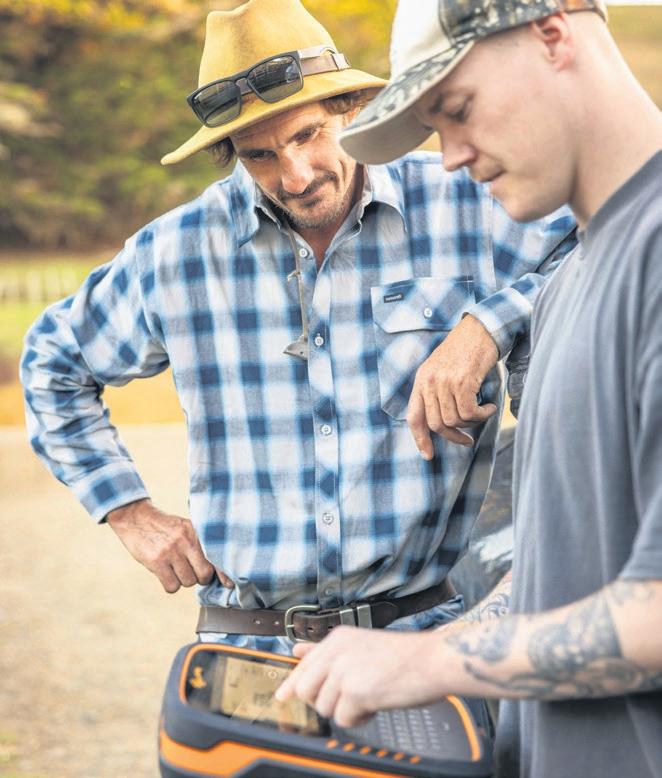
In 2025 ACC accepted over 17,000 workrelated agricultural claims and paid $119 million to help people recover.
The white paper shows how tools such as autonomous and remote-operated machinery, drones, virtual livestock systems and automated handling tools can help keep people away from risks such as rollovers,


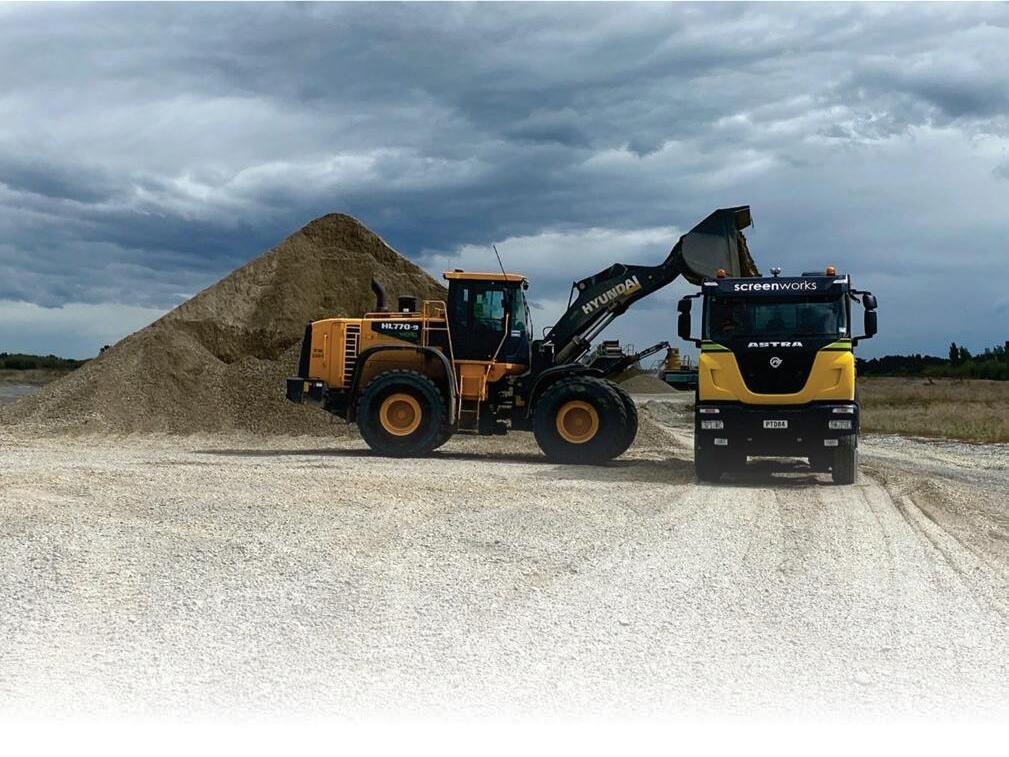
Safety first: Safer Farms says for more farmers to take up safety technology, it needs to be seen as part of running a better farm system, not just another compliance task.
to take up safety technology, it needs to be seen as part of running a better farm system, not just another compliance task.
“Farmers are more likely to invest in new systems when they also improve productivity, reduce workload, or make the farm run better. Safety matters, but it is usually one of several reasons for making a change.
“Technology works best when it helps people do the job well, rather than trying to replace them. Trust, practical judgement and strong leadership still matter if these systems are going to be used properly.”
Nelson said we now have a chance to move from dealing with risk as it happens to removing more danger before work even starts.
“To do that, we need better infrastructure, stronger leadership, improved connectivity, access to funding, and joined-up action across industry, government and the wider rural sector.
animal interactions, chemicals and dangerous terrain.
Monitoring tools, including proximity sensors, stability alerts, fatigue detection and environmental sensors, can also give realtime warnings and sometimes step in automatically.
However, Nelson said for more farmers
“This does not make people, leadership or culture any less important. It shows that technology works best when it supports good judgement, helps people make better decisions, and makes safer choices easier in the reality of farm work.”
Information for this article was supplied by Farm Without Harm. The full white paper can be downloaded on the Farm Without Harm website: www.farmwithoutharm.org,nz
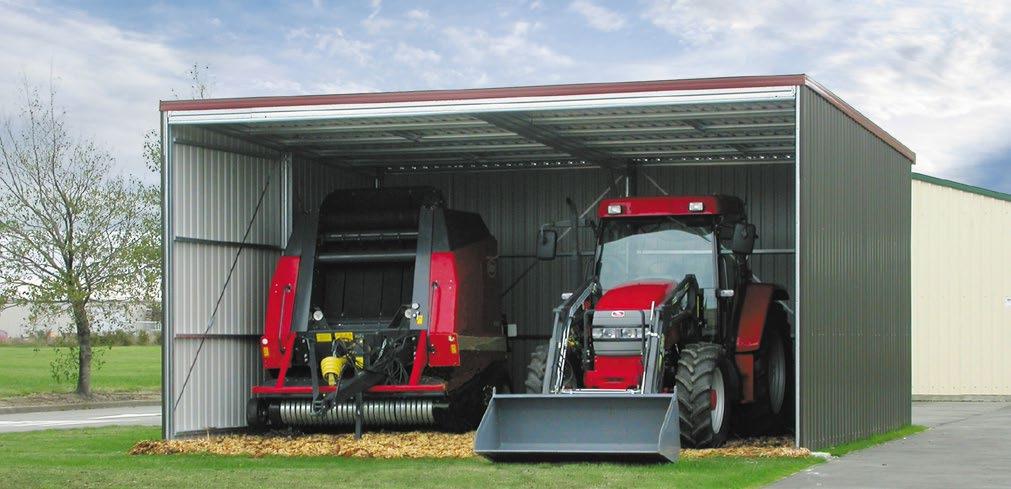
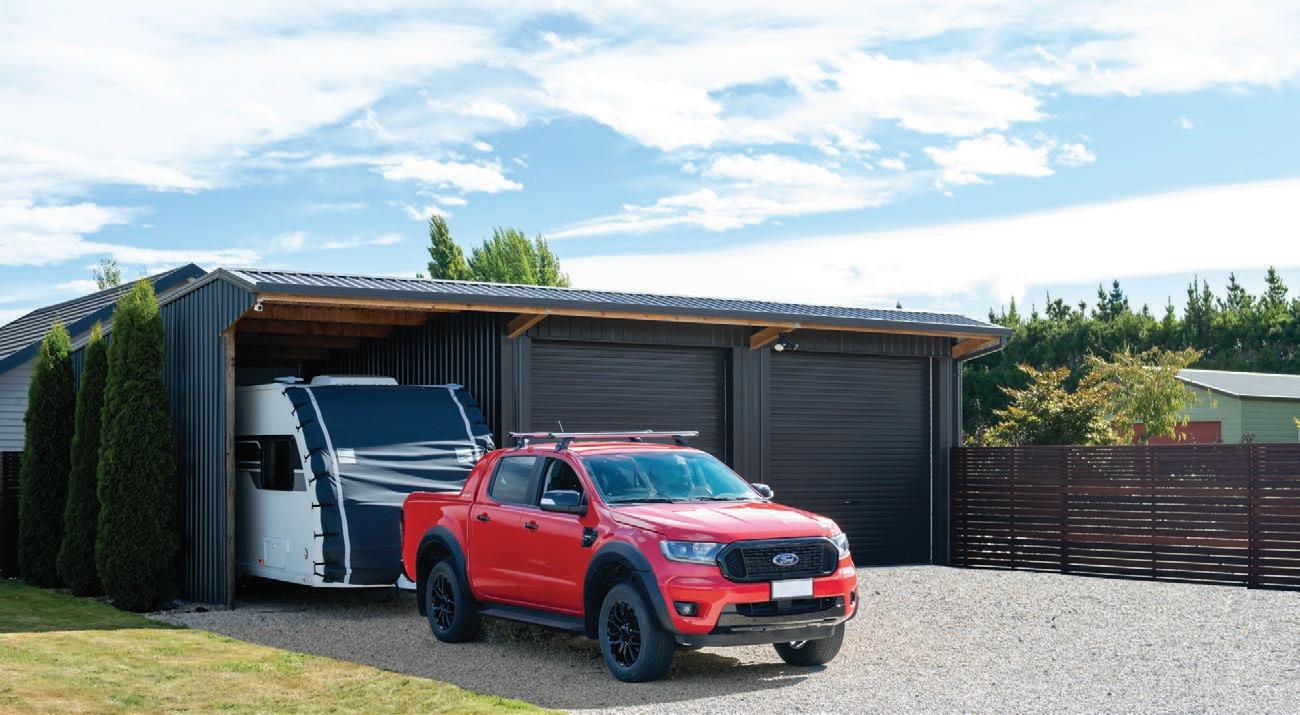
At Totalspan we use New Zealand Steel products that are specifically designed and manufactured to handle New Zealand’s harsh elements. Some of the benefits of steel include:
• Lightweight – making transportation and relocation easier
• Strong and versatile - ideal for a wide range of uses
• Engineered for NZ conditions – designed to meet seismic and environmental
• Fire-resistant and non-combustible – reducing the risk of a
• Low maintenance – built for durability with minimal upkeep

Big boiler bills? Here’s a smarter way to heat your home.
If you’re tired of watching the diesel truck pull up and dreading the invoice that follows, you can now replace your diesel or gas boiler with a high-temperature heat pump that runs your existing radiators or underfloor heating and cut your heating bills by 40 to 70 percent in the process.
No ripping out pipework, no compromise on warmth, no more fuel deliveries.
For years this wasn’t possible. Heat pumps couldn’t get water hot enough to run a proper radiator system. That’s changed.
The latest air-to-water heat pumps deliver water at 70degC and above which is plenty to keep your home warm through a Canterbury and they produce up to four units of heat for every unit of electricity they use.
That efficiency is where the savings come from, a typical rural home spending $3,000 to $6,000 a year on diesel can expect most of that bill to disappear, with the conversion usually paying for itself within 5 to 10 years. Just as importantly, electricity pricing is far steadier than diesel or LPG, which can spike on the back of events on the other side of the world. With a heat pump, those price shocks are no longer your problem.
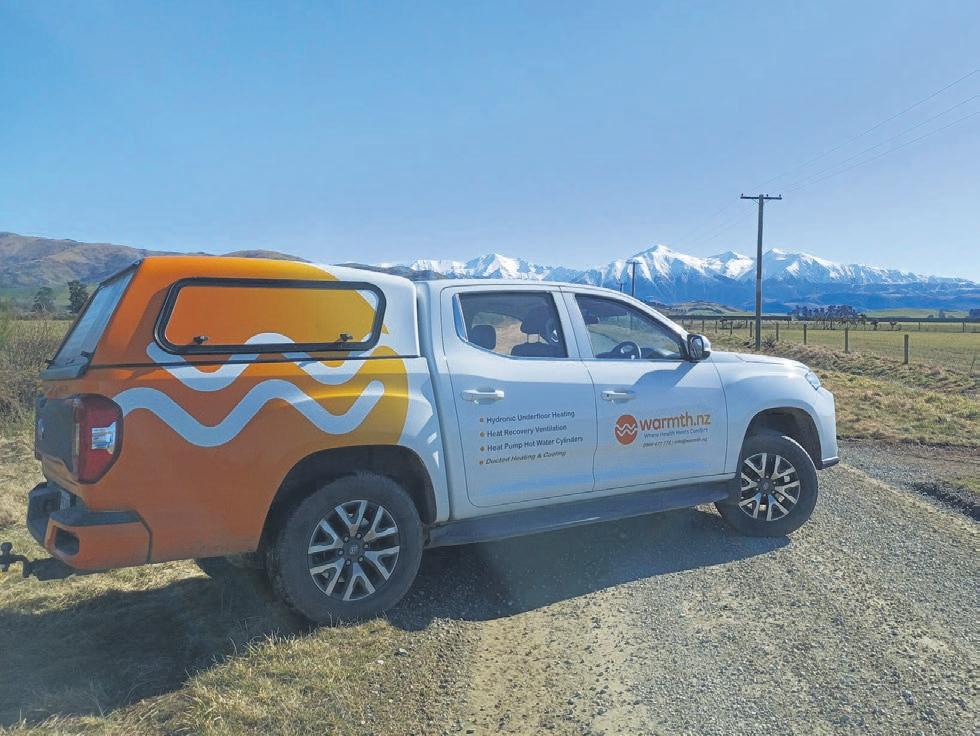
The conversion itself is more straightforward than most people expect. Your existing radiators, underfloor circuits and pipework are typically retained, the old boiler comes out, the heat pump goes in, and






your home heats exactly as it always has.
The difference is what you don’t have anymore: no fuel storage, no combustion, no deliveries, and no carbon emissions from your heating.
Warmth.NZ are experts in replacing old boiler systems with more efficient hydronic heating systems across Canterbury.
It’s an even better fit if you’ve got solar or are thinking about it. Running the heat pump during the day lets you heat your home and buffer tank using your own power, squeezing more value out of every panel and cutting your reliance on the grid further still.
Warmth.NZ has been designing and installing hydronic heating across Canterbury for over 15 years, handling everything inhouse from design to installation.
If your boiler’s getting on, your bills are climbing, or you’re simply done being at the mercy of the diesel price, it’s worth a conversation.
Visit warmth.nz or phone 0800 477 778

Garden Marlborough returns from 5-8 November 2026, bringing together four days of beautiful gardens, inspiring speakers, creative workshops and exceptional Marlborough hospitality.
Now in its 33rd year, New Zealand’s premier garden festival continues to attract visitors from around the country, celebrating not only gardening, but the people, landscapes and creativity that make Marlborough so special. At the heart of the festival are the guided garden tours, offering rare access to some of the region’s most inspiring private properties.
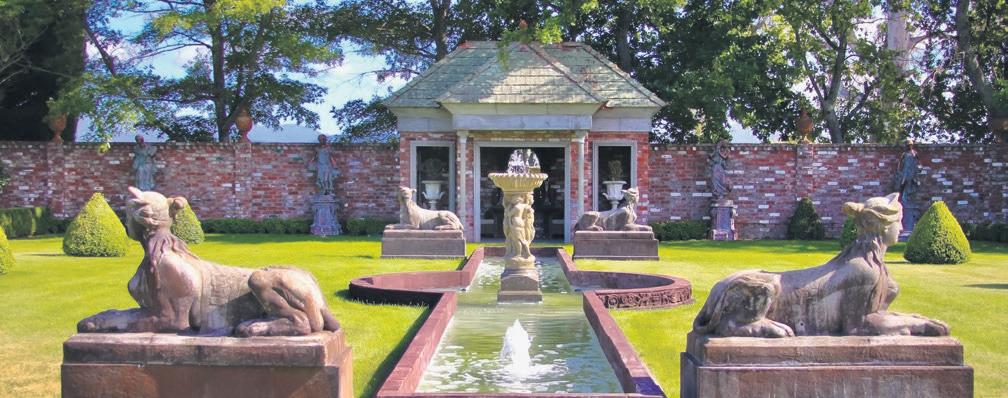
This year’s programme showcases an extraordinary range of gardens, from elegant country estates and expansive rural landscapes to productive flower farms, coastal sanctuaries and beautifully designed town gardens.
Spread across Marlborough’s diverse landscape, each garden reflects the passion, vision and personality of its owners.
A major highlight for 2026 is international keynote speaker Richard Hayden, Senior Director of Horticulture at New York’s iconic High Line. Widely regarded as one of the world’s most influential contemporary public gardens, the High Line has transformed the way cities think about green space and urban planting. Richard will share insights into naturalistic planting, public gardens and the evolving relationship between people and green spaces.
Complementing this international perspective is a screening of The Time Traveller’s Guide to Hamilton Gardens, featuring special guest Dr Peter Sergel. Together, these programme highlights explore the important role public gardens play in shaping healthier, more connected communities.





Garden Marlborough’s workshop programme continues to evolve, offering something for every interest and skill level. This year’s workshops span everything from creative floral sessions and foraging to photography, regenerative garden design and traditional Maori healing, Rongoa. Guests can also explore the spectacular Queen Charlotte Sound on a full-day cruise combining stunning scenery, local history and exceptional food and wine.
Saturday evening’s Garden Party promises to be another festival highlight, this year hosted at the stunning Cloudy Bay Shack Lawn and secluded Pelorus Garden.
To round off the weekend, the ever-popular STIHL Shop Garden Fête returns on Sunday. With more than 200 stalls featuring plants, artisan products, garden inspiration, food and gifts, it’s the perfect way to celebrate spring and kick off the festive season. Whether you’re a passionate gardener, creative enthusiast or simply looking for a memorable spring getaway, Garden Marlborough offers a unique opportunity to experience the beauty, creativity and hospitality of the region.
Tickets and full programme details are available at gardenmarlborough.co.nz




Reflecting general sector buoyancy, leading into this winter Canterbury dairy farms sold well. Several Canterbury sales set new district records, with multiple sales around the $65,000 to $70,000 per hectare mark, with every dairy farm sold attracting strong enquiry and multiple offers.
] by Dan van der Salm
PGG Wrightson Ashburton
With multiple late South Canterbury dairy sales pushing over $60kper ha, on top of the prices paid for Mid Canterbury farms, the central Canterbury also saw strong enquiry and multiple offers for every farm that was brought to the market.
We have seen a wider range of buyers from corporates expanding, first farm buyers, dairy farmers relocating and even investment from non-dairy farming businesses.
Meanwhile in Canterbury converting support and cropping properties to full dairy platforms has returned to the agenda, and many more already pushing ahead with converting for the 2027/28 dairy season.
Numerous potential purchasers have either enquired or recently missed out on buying. Anyone considering exiting the sector should therefore do well, especially taking account of the current elevated price of land and dairy cows as well as the rising on farm costs.
Through Spring, Summer and Autumn the market for arable and cropping property was subdued.
Having endured a couple of tough seasons, when the climate affected harvest and profitability, limited transactions of note (for genuine arable to arable sales) occurred in Central, Mid or South Canterbury. During the last couple of years those arable farmers who opt for lamb finishing and grazing to supplement income have benefited, helping balance otherwise average performance.
Well-established cropping farmers are accustomed to the sector’s cycles and prepared to ride the highs and lows. However, several are reviewing their options, including investigating off-market sales.
Frustration at ongoing diminished returns may see some change their farming system and land use with a real shift towards Dairy Conversions where possible. Others might be inclined to sell this coming spring if there is limited positivity around harvest and values.
Any farmer that acts on the impulse to test the market will attract interest.
Arable properties with favourable soils, water, location and infrastructure will always be well sought after. Cropping farms with these criteria should still transact positively as buyers look to increase scale and use capital items such as plant and machinery more efficiently.
If listed, other properties should also attract attention, though more likely from the dairy sector, where farmers will seek land for support purposes, either to rear and graze young stock, grow supplement feed and/or to winter cows.
Growing confidence in red meat prospects, which is based on increased commodity prices, more favourable interest rates and excellent spring, summer and autumn climatic conditions, has improved the saleability of sheep and beef properties.
Banks are more willing to invest in sheep and beef, and some other investors from outside the primary production sector are also showing an interest – with some strong recent sales across wider Canterbury.
With restrictions on land use relaxed, dairy support properties are under scrutiny, particularly when they have scope for conversion, which is influencing demand for sheep and beef properties.
If you are thinking of what the upcoming
spring season may bring for you, we strongly suggest getting in touch with your preferred real estate agent and getting prepared early, having the right information gathered and available is crucial for achieving the best possible result in the market.









The little things aren’t little to us
They’re the moments that create joy in every day.
At Oceania, our Aged Care team knows it’s the little things that make all the difference in your loved one’s day. It’s making sure their favourite snack is ready when the game is on. A cup of tea that’s delivered before they even ask. A freshly prepared meal, enjoyed together. It’s a familiar face who knows their stories, their habits, and exactly how they like things done.
Because the little things aren’t little to us. They’re the things that bring joy to every day, and we’re here to make sure of it.

To learn more, call our team on 0800
oceaniahealthcare.co.nz
*No referral required. For residents aged 65 years and above.
On reaching the retirement age of 65 most New Zealanders will be eligible to receive New Zealand Superannuation.
] Article compiled by Kent Caddick
New Zealand Superannuation (NZ Super) is for New Zealanders aged 65 or older and is a regular payment for eligible older people.
It is not means-tested which means your eligibility is not affected by your income.
If you think you are eligible for NZ Super, and you want to start receiving payments from the date you turn 65, apply three to four weeks before then.
You can apply as early as 12 weeks before you reach the age of eligibility.
If you apply for NZ Super after you turn 65, your NZ Super payments will start from the date of your application.
You may qualify for NZ Super if you:
• are 65 or older
• either are a New Zealand (NZ) citizen, are an NZ permanent resident, or hold an NZ residence class visa.
• are ordinarily resident in New Zealand, the Cook Islands, Niue or Tokelau when you apply, and have lived in New Zealand for a certain amount of time.
The amount you get depends on whether you live alone or with someone else (for example, your spouse), and your tax code (whether you have other sources of income, including an overseas pension).
If you earn income while receiving NZ Super payments, you may end up paying more tax.
To apply for NZ Super online, you need a client number and a MyMSD login.
When you have submitted your application online, you will receive a reference number, some instructions on what to do next, and a confirmation email (if you provided an email address).
For more information on applying online got to: www.workandincome.govt.nz

The SuperGold Card is a discount card for older people living in New Zealand.
Cardholders can get discounts on a wide range of services such as public transport, accommodation and hearing aids.
You will receive your SuperGold Card automatically a few weeks after you are granted the New Zealand Superannuation (or Veteran’s Pension).
If you do not receive a SuperGold (for example, because you are not eligible for New Zealand Superannuation or the Veteran’s Pension), you can still apply for a SuperGold Card. You need to be aged 65 or over and be a New Zealand resident.

For many farming families around Canterbury, winter can bring a small window to pause and think beyond the next weather system, stock movement or the job list waiting outside.
] Article supplied by HNP Travel
It’s often one of the few times of the year where there’s space to sit down with a cuppa and start talking about plans that aren’t farm related.
And while a holiday might feel like something to deal with “later on”, the reality is that many of the best travel opportunities for 2027 are already being released.
For many farming families, travel isn’t an impulse purchase. It’s something planned well in advance, budgeted for carefully and looked forward to for months, if not years.
That’s especially true for the kinds of holidays many rural Cantabrians are now considering, from Europe, Alaska and Canada, to cruises, rail journeys, small group escorted tours and bucket list safaris. They’re the kinds of trips many people have talked about for years, and the preferred cabins, departure dates and flight options don’t hang around like they once did.
For many people, the appeal of using a travel broker is simply making the whole process easier. Less stress, less time trawling through websites late at night, and less trying to piece together flights and accommodation after a long day’s work.
That’s where having a good travel broker in your corner can make all the difference.
North Canterbury based travel broker Hamish Paterson has spent more than 12 years helping Cantabrians and rural clients organise holidays without the hassle. Coming from a farming family and having worked on the land himself after leaving school, Hamish understands the pressures, pace and unpredictability that come with rural life, something many of his farming clients value when planning time away.
A lot of people still think using a broker is only for luxury travel, but that’s not really the case anymore. It’s about having someone who knows the system, understands the options, and can sort things properly from the start.
Flights, stopovers, insurance, cruises, transfers, accommodation and special requests can all be coordinated in one place,

Whether that’s finally ticking off Alaska, taking the train through Europe, cruising the Mediterranean, or simply escaping somewhere warm and easy for a couple of weeks, now is an ideal time to start the holiday conversation for 2027.
by one person who actually knows your booking.
That becomes particularly valuable when plans change. Weather events, family situations or farming commitments can mean travel needs to shift quickly, and having someone local to ring is worth its weight in gold.
Hamish says one of the biggest mistakes people make is waiting too long to start the conversation.
“You don’t need to have every detail
The best holidays start with a conversation.
Whether you're thinking about Alaska, Europe, a cruise, or somewhere closer to home, planning ahead gives you more choice, better availability and less stress.
Let's chat about your travel plans today.

worked out,” he says. “Even just sitting down early and talking through ideas gives people a much better understanding of timing, pricing and what’s possible.”
Planning ahead also gives people access to a wider range of options and more time to make informed decisions, rather than trying to organise everything in a rush closer to departure.
There’s also something to be said for having a proper break to look forward to.
Farming is demanding, and taking time
away to recharge, explore somewhere new and spend quality time with family or friends is something many people value highly.
Whether that’s finally ticking off Alaska, taking the train through Europe, cruising the Mediterranean, or simply escaping somewhere warm and easy for a couple of weeks, now is an ideal time to start the conversation for 2027.

Because when the busy season rolls around again, as it always does, you’ll be glad the planning is already sorted.
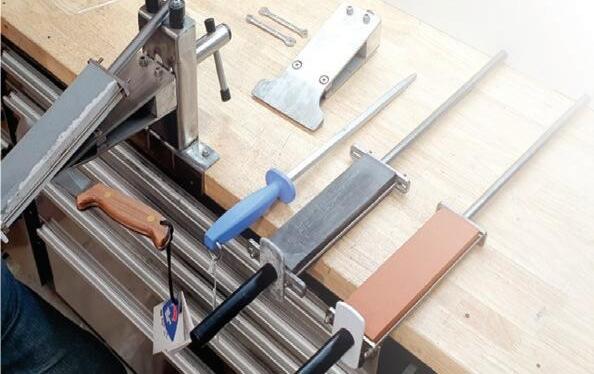



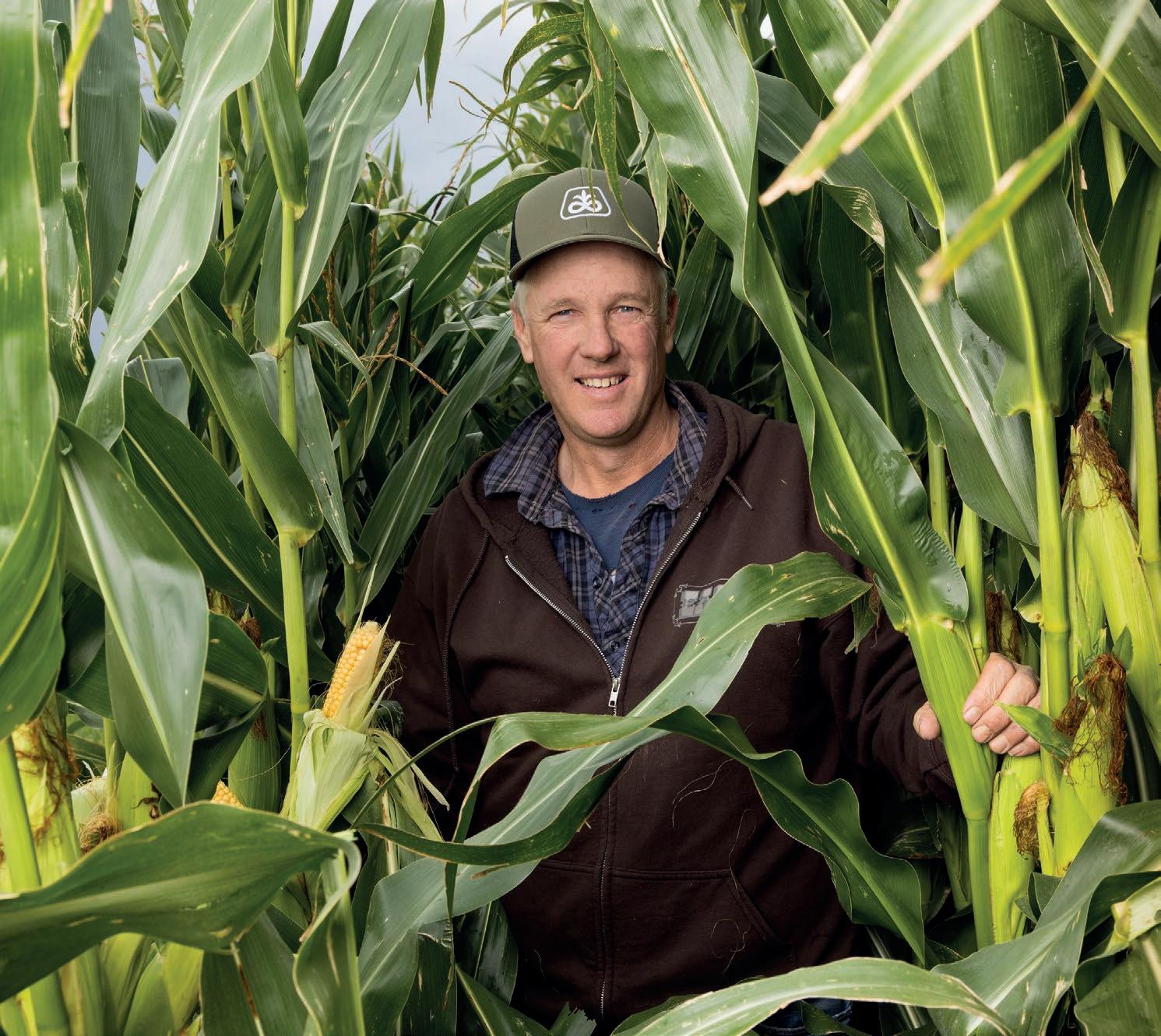
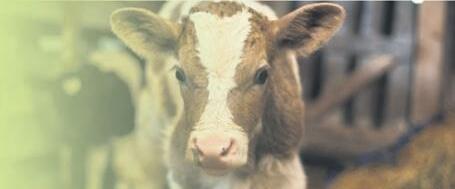
Cows close to calving, or springers, must be inspected frequently and most farms arrange for them to be checked at least every six hours and sometimes more frequently if conditions require it.
] Article supplied by DairyNZ
If calving is not proceeding normally, remedial action must be taken and a moving vehicle must not be used to provide traction to assist calving.
Check springers for signs of labour regularly, quietly and thoroughly and record what you observe.
Walk quietly through the springer mob –when cows are feeding is best. Don’t walk through the mob when cows are hungry and are waiting to be moved to fresh grass or a new break. Look for cows that are showing signs of labour.
Check cows at least four times a day. Your manager will set a routine for springer checks.
Check all areas of the paddock and, depending how good the fencing is, check the
paddocks next door as well. Check drains, hollows, long grass, hedges – anywhere a calf could be sleeping.
Note the number of any cow or heifer that has started to show signs of calving, or has calved, and report to your manager so you can keep an eye on her progress.
Early signs of labour
• Swelling of udder can happen up to a month before calving.
• Milk dripping from teats.
• Mucus string from vulva (from plug of mucus that seals the vulva).
• Restless.
Calving will progress at different rates for different cows. Some may show all the signs whereas others may show very few signs.

Generally labour can be broken into two stages; preparation for labour and delivery.
Preparation for labour
An arched back shows the cow is restless and in preparation for labour. Other signs include: kicking and nosing at her side, restless straining, swishing tail in discomfort, tail raising, vulva swollen and flabby water bag protruding.
The preparation phase can take up to six hours in cows and 72 hours in heifers. Look for these signs when observing springers:
• away from herd and reduced appetite
• pelvic ligaments relaxed – vulva looks swollen and flabby
• dip between tailhead and pin-bones
• tummy less full as calf moves into birth canal/birthing position
• mothering other cows’ calves
• discomfort – swishing tail, arched back, restless, peeing, kicking and nosing at her side, tail raising
• straining/contractions
• water bag protruding.
Cows should take 30 minutes to one hour to calf – no more than two hours. Heifers should take two to three hours to calf – no more than four hours.
During a standard delivery the following process will occur:
• The cow starts straining and pushing –two feet are visible within the water sack.
• Once the feet are 10cm clear of the vulva the head has cleared the pelvis.
• The chest of the calf has not passed through the pelvis at this stage and the umbilical cord is still attached so the cow is still providing oxygen to the calf.
• Once the head has cleared the pelvis, the cow may rest for a minute or two.
• Once the calf’s shoulders have cleared the pelvis, the birth will continue fairly quickly.
• The umbilical cord will have likely broken by this point and the calf will start to breathe on its own.
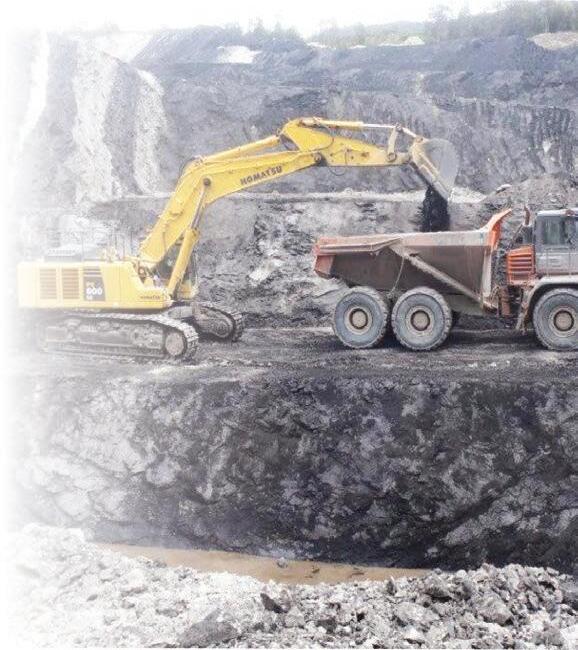
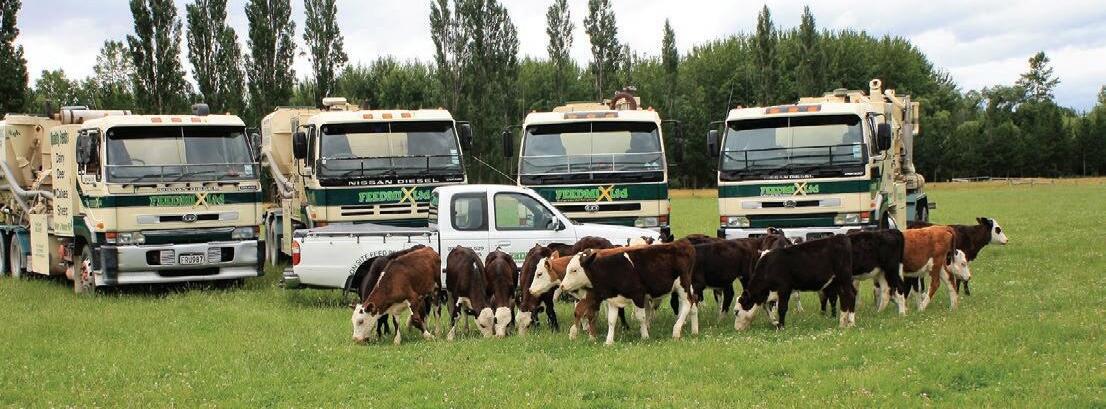
Research into sprain and strain injuries over calving has identified some simple ways farmers can reduce injuries on dairy farms.
“Around 40 percent of injuries on dairy farms are sprains and strains, with the highest risk from August to October. As calving progresses, fatigue can set in and increase injuries,” DairyNZ senior scientist and research lead, Dr Callum Eastwood, said.
As part of the Reducing Sprains and Strains project, 370 farmers were surveyed on how they managed health and safety, and whether injuries had occurred.
“We know farm teams are working outdoors, in milking sheds, with animals and vehicles. The nature of their work means there is a risk of injury, particularly in busy times. Farmers reported injuries from lifting calves or buckets, from uneven ground and getting off motorbikes. In the milking shed, slippery surfaces and tripping on hoses are hazards,” Eastwood said.
Farmers surveyed used a range of strategies to avoid injury. These included sharing calf collection duties across the team, using a specialist trailer to transport calves, and piping milk into calf feeders rather than using buckets. Other tips included tucking hoses away in the shed and using footwear with a greater grip.
Cambridge farmer Ashlea Kowalski and husband Andy contract milk 245 cows and is using many of the strategies farmers recommend.
“I work full-time and we don’t have any staff, so it’s really important we both stay well to keep the farm running,” Ashlea said.
“By piping milk to calves we can avoid lifting buckets and we’re able to feed 160 calves within 15 minutes. It’s a really efficient way of feeding. Our calf trailer is also a good height for us, and we have trolly jacks on our calfeteria to avoid heavy lifting.”
The couple have the milking area well-lit and keep hoses out of the way when not in use.
“It’s a good idea for farmers to get together with their farm team and assess what the risks are from calving and how to reduce these next season. Many safety strategies farmers can adopt are low cost, are easily adopted and are good for business as well,” Eastwood said.
Virginia Burton-Konia, ACC manager for workplace safety, said farmers believe many injuries are avoidable.
“On average, the survey showed people who were injured needed 12 days off work, but took around 27 days to fully recover,” Burton-Konia said.
“With farms often short-staffed, new ideas to avoid injuries and make the job easier will ensure everyone can help out at the busiest time of year.”
The next stage of the project involves developing prototype options farmers can use to reduce injuries. A calf pickup trailer designed to reduce back strain is being developed for farmer feedback.
The project is part of work underway through a dairy sector strategy called Great Futures in Dairying to attract, retain and grow the dairy farm workforce over the next decade by developing great jobs, great people and great workplaces.
To find out more about the Reducing Sprains and Strains project, and view videos with tips on reducing injuries, see www.dairynz.co.nz/ calving-safety


Reducing risk: Piping milk to calves is one of the strategies dairy farmer Ashlea Kowalski is using to reduce the risk of injury on-farm.
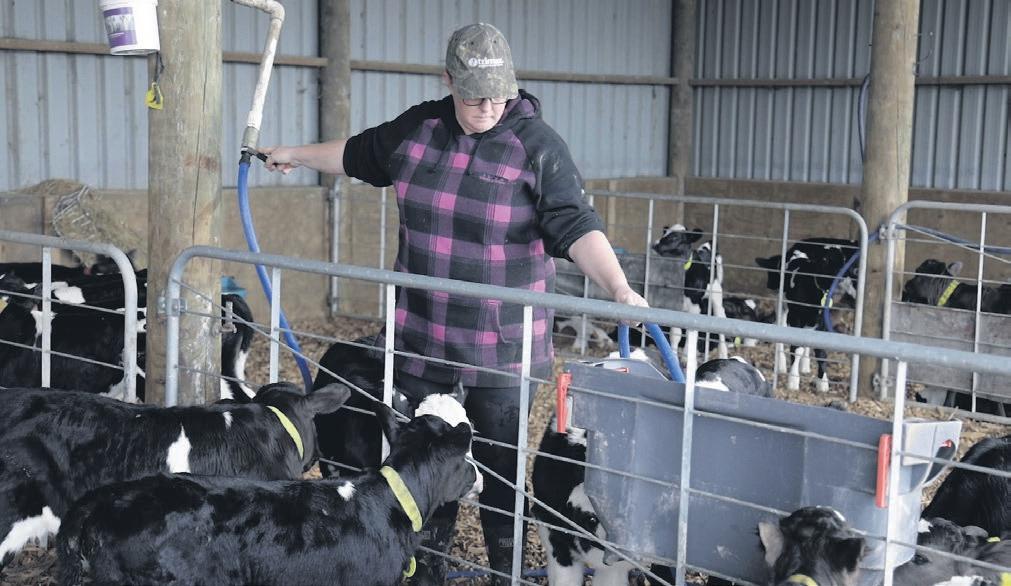

Applicants for one of six New Zealand Institute of Forestry Foundation’s scholarships and awards have until July 15 to get their applications in.
] by Kent Caddick
Established in 2011, the NZIF Foundation is a charitable trust whose mission is to raise funds which can be used to encourage and support forestry related research, education and training through the provision of grants, scholarships and prizes.
They promote the acquisition, development and dissemination of forestry related knowledge and information and other activities.
The 2026 scholarships and awards are: Chavasse Travel Award
The Chavasse Travel Award of $3,500 recognises forestry excellence and personal integrity. It aims to reward the clear dissemination and presentation of results.
It is open to any person who is in their mid-career and interested or employed in some aspect of forestry in New Zealand to enable, the applicant to travel overseas in order to increase their and the forestry sector’s experience and knowledge.
It is also open to assist an overseas person to travel to and within New Zealand for the purpose of making presentations on forestry topics to New Zealand audiences. In this case the applicant for the funds has to be employed in some aspect of forestry in New Zealand.
The Frank Hutchinson Postgraduate Scholarship is open to students enrolled for a forestry or forestry related postgraduate degree at a New Zealand University.
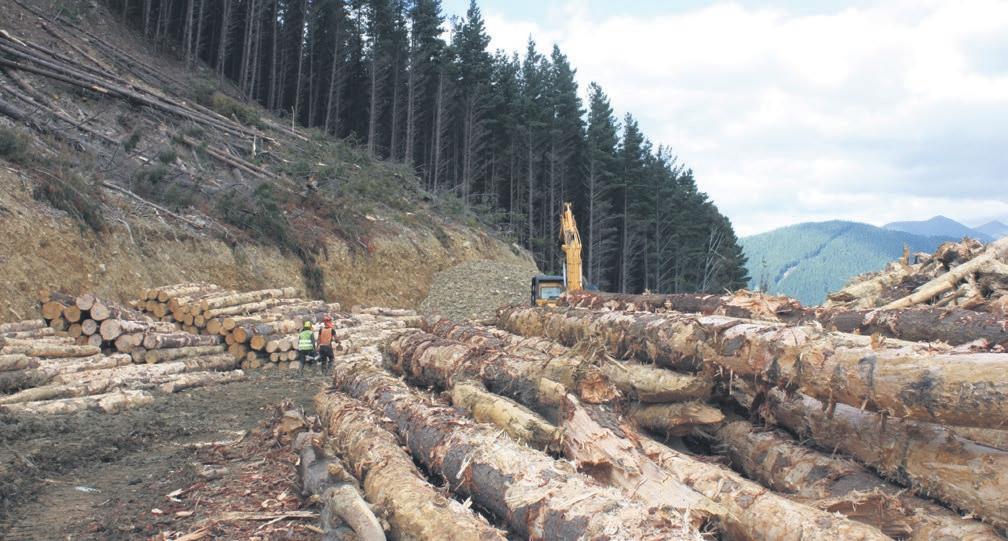
Helping hand: The New Zealand Institute of Forestry Foundation’s scholarships and awards are now open for applications which close on July 15.
It recognises excellence at the student level and rewards innovation and entrepreneurial potential.
The Foundation is offering one scholarship of $2,000 in 2026. In assessing applications, the judges will have regard to: academic record; student background and forestry aspirations; research project being undertaken; presentation of application and communication of ideas.
The Mary Sutherland Scholarship ($2,000) is open to students enrolled for a forestry or forestry related course at a New Zealand Polytechnic.
It recognises excellence at the student level and forestry aspirations. In assessing applications, the judges will have regard to:
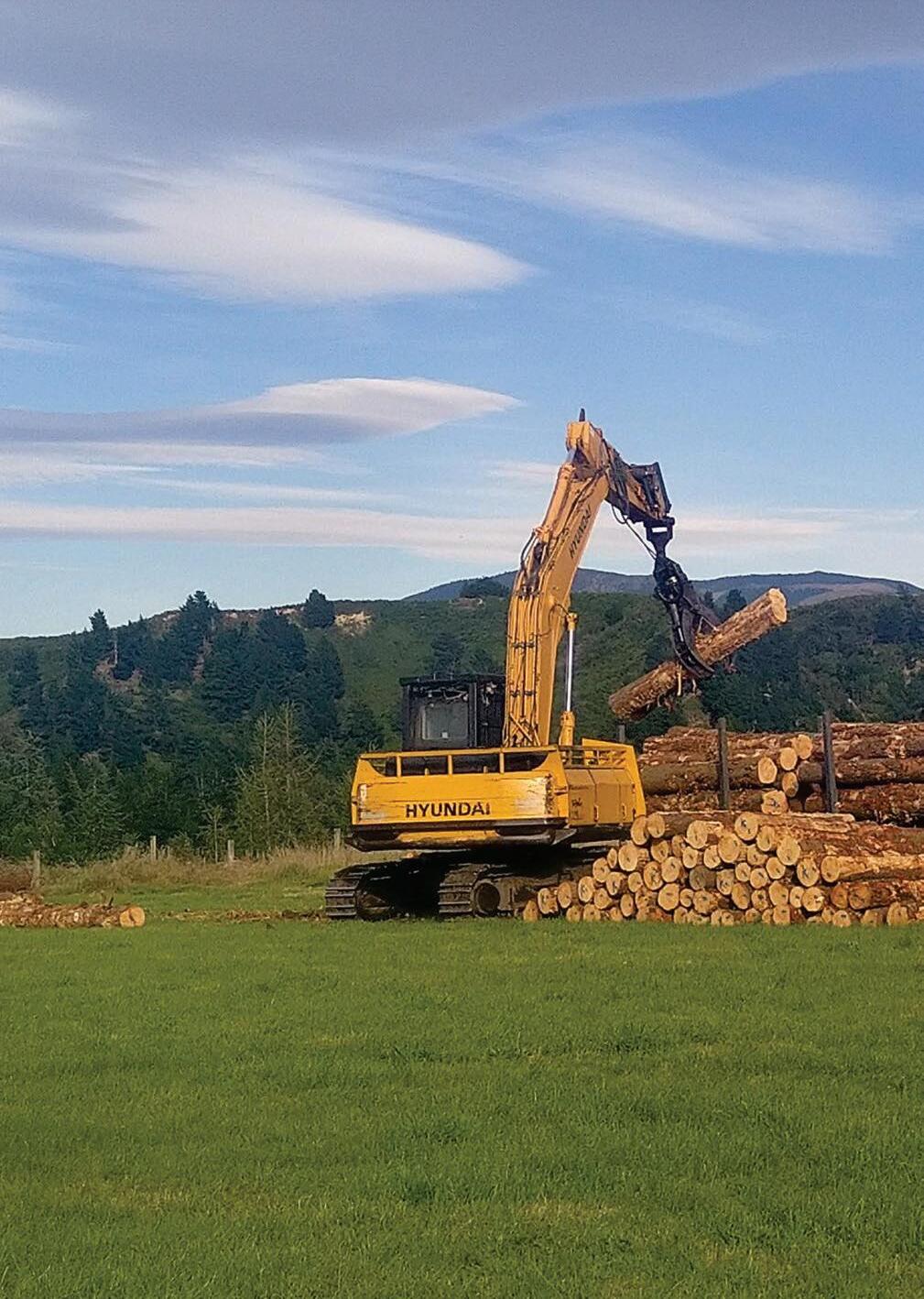
Academic record; Student background and forestry aspirations; Presentation of application and communication of ideas.
In the 2015/16 year, the Board of the NZIF Foundation agreed to establish the Otago Southland award of funds received in 2013/14 that arose from members of the NZIF Otago-Southland local section.
The Foundation is offering one OtagoSouthland award ($2,000) to assist or enable a project of relevance to forestry in the Otago-Southland region.
The University Undergraduate Scholarship ($2,000) is open to students enrolled for a
forestry or forestry related degree at a New Zealand University. It recognises excellence at the student level and forestry aspirations. In assessing applications, the judges will have regard to: Academic record; Student background and forestry aspirations; Presentation of application and communication of ideas.
The Pocknall Professional Development Award of $1,500 is awarded annually. The award assists early career foresters with a wider range of development opportunities that would not otherwise be available due to funding.
Suitable applicants will meet the following criteria:
• A New Zealand based forestry professional seeking professional or personal development related to forest management who can demonstrate clear financial need, meaning they would not be able to undertake the development opportunity without this award.
• The development opportunity will be completed with 12 months of the award being confirmed
• Preference is given to applicants in their first five years working in the New Zealand forestry industry. Applicants with more than five years of industry experience may be considered if they strongly meet the other criteria.
Information for this article was supplied by the New Zealand Institute of Forestry. For more on the Foundation’s scholarships and awards visit: nzif.org.nz
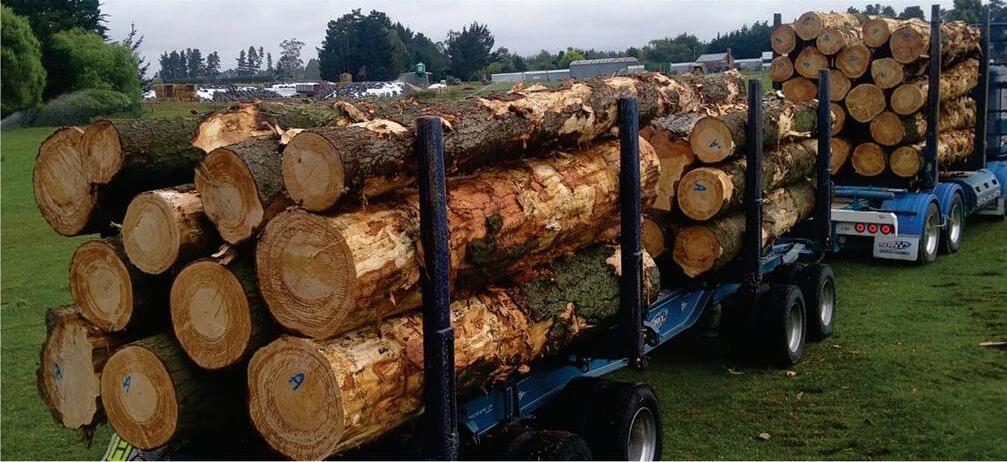
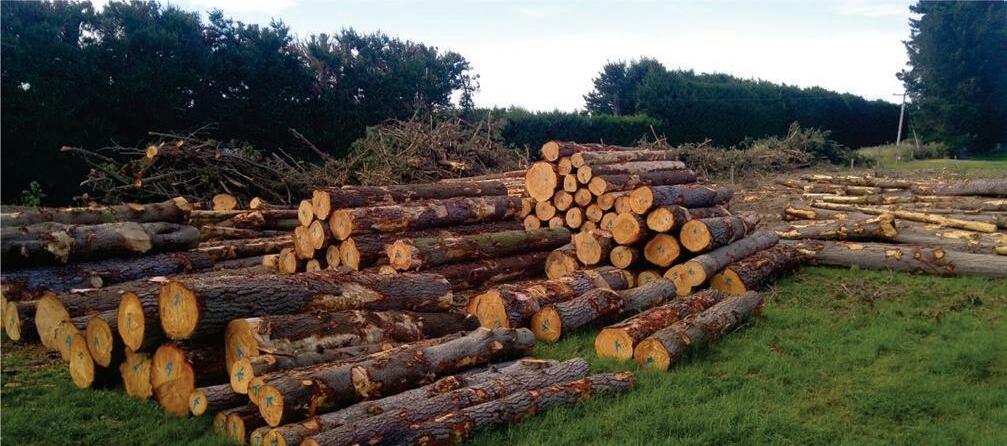

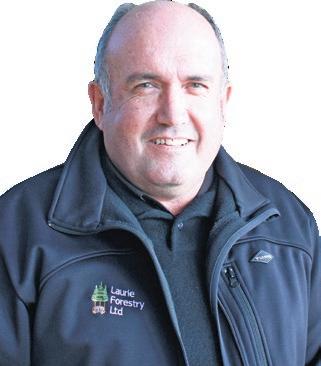
The

My prediction of impending drops in export log prices has regrettably come to pass. Wharf gate sales dropped $6 to $10 per cubic metre in June across New Zealand ports. This was due to the combination of weaker selling prices and higher shipping costs combining into an imperfect storm.
news is China market fundamentals remain okay with major further price drops unlikely to be in the mix. The price drop in June has seen a rapid slowdown in deliveries to New Zealand ports and that is what is needed to see any sort of recovery in July.
I had a respondent to my last report suggest we need to “stop China playing with us”. I wanted to put this one to bed as I have also often heard conspiracy theorists commenting negatively about the supposed China grand domination plan.
I have been directly involved in the China export log market for 30 plus years. Let me assure you, there is no grand plan. The important point here is New Zealand is, by a significant margin, the largest supplier of softwood logs to China, currently hovering around 70% to 80% of all supplies.
A sales price tempering impact is what China traders get for New Zealand logs sold into the China domestic market. They currently pay New Zealand exporters US$124 per m3
A grade shorts basis. The domestic wholesale price is US$120 per m3, slightly closer negative margin than I reported in May.
In May/June another impact was a large New Zealand exporter trying to push prices
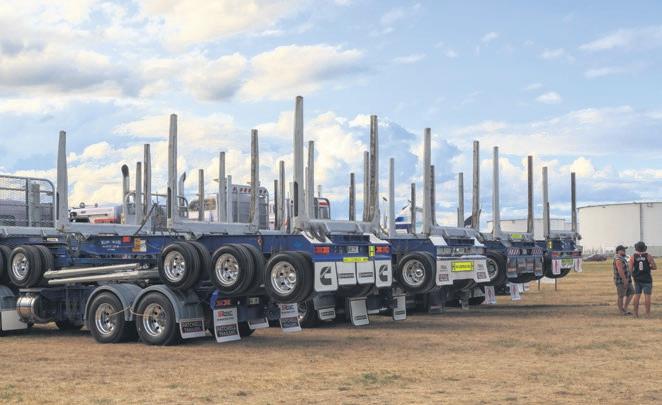
above US$130 per m3 until vessels were sailing with some volume not contracted or LC’s issued against. This very silly history repeating tactic created nervousness amongst buyers who then folded their arms until the prices landed lower. This is “a stupid is as stupid does” New Zealand plan, not a China plan.
The domestic wholesale price in China is driven by manufacturing and sales, significantly furniture and moulding components to the US. Current manufacturing stats across the Eastern seaboard suggest mild but not concerning weakness.
If there is a grand plan it will be more about what pops up in Donald Trump’s head when he wakes up each morning. We see ample
evidence of that being a pretty scary place. The imposition of tariffs and propensity for war and the wide-ranging consequences obvious to all except Trump, is what is controlling our collective destinies at present.
There is no grand plan in China to gear prices for New Zealand logs.
If we should shorten supply, prices will lift, but only in so much as China domestic pricing will allow.
The China market is vast with multiple players operating in a highly dynamic market driven by domestic and export sales and the RMB/US$ exchange rate. And like in New Zealand, each player is trying to play their own game whilst protecting their own profits, mostly without regard for others.
The softwood log inventory across the Eastern seaboard is sitting around 2.54 million m3 round numbers, down 60,000 m3 on April which regarded as unchanged by the market.
A reason for likely good recovery is daily consumption which continues to sit around 60,000, a pretty good utilisation for mid-summer conditions. There is potential for July in-


ventory to slip below 2mil m3. That will also promulgate recovery.
Exporters continue to turn eyes toward India with solid demand and elevated deliveries not appearing to scare the market in to price drops. New Zealand Radiata pines logs are favoured by India sawmillers, being much better quality than other supply sources.
There is no question the impending New Zealand/India Free Trade Agreement is elevating interest with shipments expected to increase as a consequence. But this market is not large so it will not take much for New Zealand exporters to destroy their own price if too many want a slice of the action.
Current CFR prices are in the late US$160’s per m3 compared to US$124 for the same grade in China. But shipping costs to India are much higher at around US$70 compared to mid $US40’s for China fixtures. This then nets back to a better price point currently for India trade.
It is great to see the New Zealand domestic sawmilling sector going gang buster, or at least a mild form thereof. Long may that continue!
As always, please remember the thoroughly important message. It remains fundamentally important, the only way forward for climate, country and the planet, is to get out there and plant more trees”.








New season data from the Livestock Improvement Corporation shows a strong reproductive performance for the 2025/2026 season particularly in Canterbury, with a lift in key metrics compared to last season.
] by Kent Caddick
Figures released by the Livestock Improvement Corporation (LIC) show the six-week in-calf rate (6wkICR) has edged up to a new record of 70.4%, from 70.2% last season, while the not-in-calf rate (NICR) remaining relatively stable at 14.7%.
LIC Chief Executive David Chin said maintaining performance at this level is a positive result for the industry and reflects the consistency farmers are achieving on farm.
“After the gains we’ve seen over recent seasons, seeing another lift is a fantastic result for New Zealand dairy farmers. Achieving a record six-week in-calf rate of 70.4% reflects the continued focus farmers are placing on reproduction performance and making good decisions on farm.”
The industry’s top-performing 25% of herds achieved a six-week in-calf rate of 78.2%.
“Those top-performing herds are getting more cows submitted, achieving higher conception rates and ending the season with fewer empty cows.
“The difference isn’t one thing done exceptionally well – it’s consistently getting the basics right, from nutrition and cow recovery through to heat detection and mating management,” Chin said.
Reproductive performance varied across the country, with softer results in the North Island offset by stronger performance in the South Island.
Standout gains were seen in Otago, South Canterbury and Canterbury, where six-week in-calf rates lifted by between 1.4 and 2.5 percentage points compared to last season.
Otago saw the biggest gain, increasing
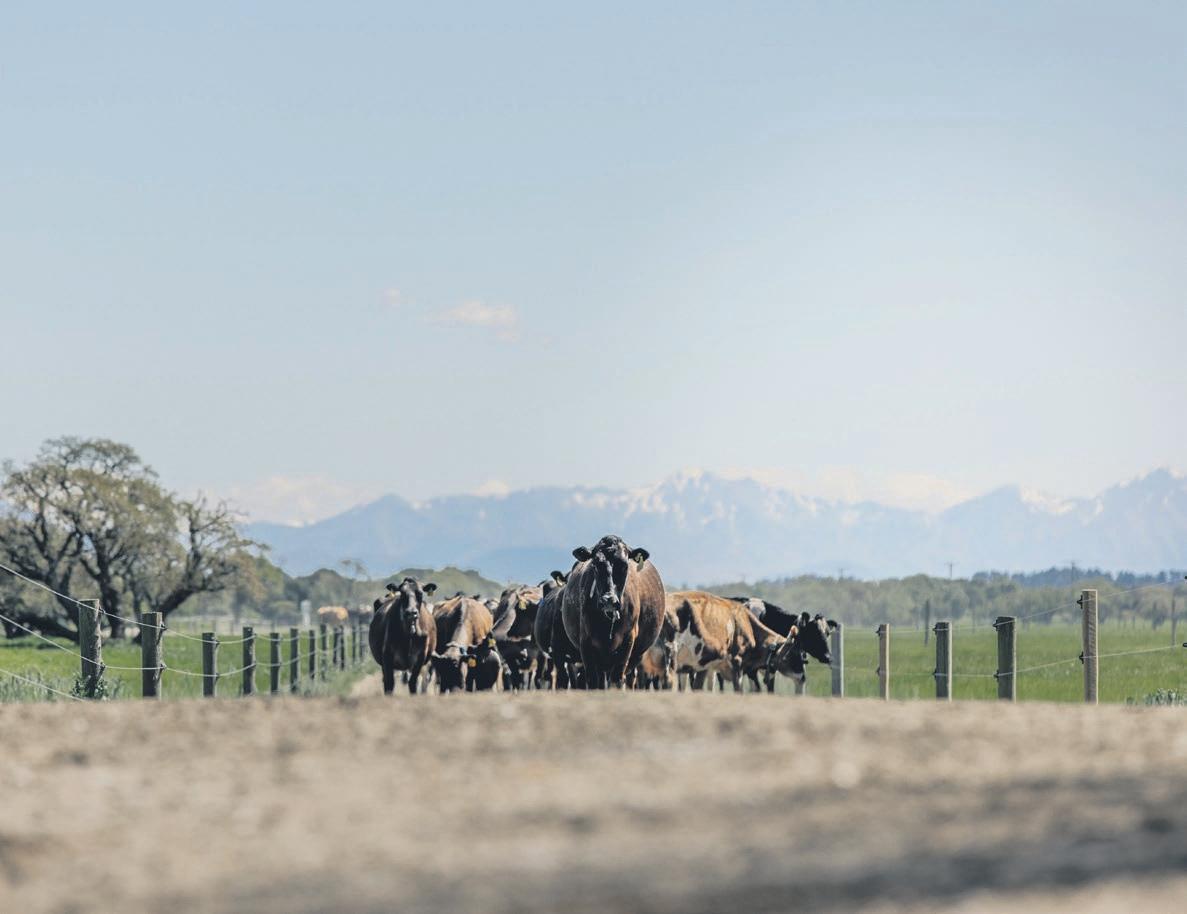
from 68.9% to 71.4%, while South Canterbury lifted from 70.6% to 72.6%, and Canterbury increased from 70.5% to 71.9%.
In the North Island, results eased slightly, with Waikato shifting from 71.2% to 69.6% and Northland from 71.0% to 69.2%.
Chin said reproduction outcomes are influenced by a range of factors, including seasonal and weather conditions, which can affect pasture quality and how cows recover heading into mating.
Influences: The Livestock Improvement Corporation says reproduction outcomes are influenced by a range of factors, including seasonal and weather conditions, which can affect pasture quality and how cows recover heading into mating.
He said stronger South Island performance was likely supported by favourable pasture conditions and farmers investing in quality feed through mating.
“Whether farmers are using conventional dairy, sexed semen, beef or SGL products, preparation before mating remains one of the biggest influences on getting cows back in calf.
“At the end of the day, good reproductive performance comes back to healthy, well-
managed cows, and this year’s results show farmers are continuing to do that well,” Chin said.
The results are based on data from 4,776 herds and more than 2.6 million cows, continuing to provide a strong representation of national performance.
Information for this article was supplied by the Livestock Improvement Corporation. For more information go to: www.lic.co.nz

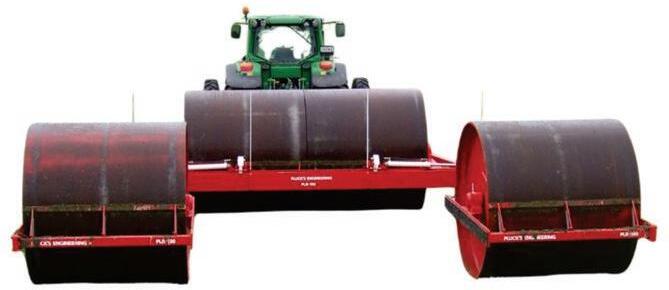
When we think about what drives crop growth, we usually focus on the visible factors. Fertiliser, rainfall, sunlight, cultivation practices, and crop genetics all play their part.
] by Dr Gordon Rajendram
Yet beneath every productive paddock lies a workforce that often goes unnoticed: free-living microorganisms.
Unlike the well-known nitrogen-fixing bacteria associated with legumes, free-living microorganisms operate independently in the soil.
They do not rely on a host plant to survive, yet they perform many of the biological processes that underpin healthy and productive farming systems.
These microscopic organisms are responsible for breaking down organic matter, recycling nutrients, improving soil structure, and supporting root development. Some are even capable of fixing atmospheric nitrogen, converting it into forms that plants can use.
For many years, scientists believed that free-living nitrogen-fixing bacteria were heavily dependent on plant root exudates as their primary energy source. This helped explain why biological nitrogen fixation has traditionally been most effective in legume-based systems. However, emerging research is beginning to challenge that assumption.
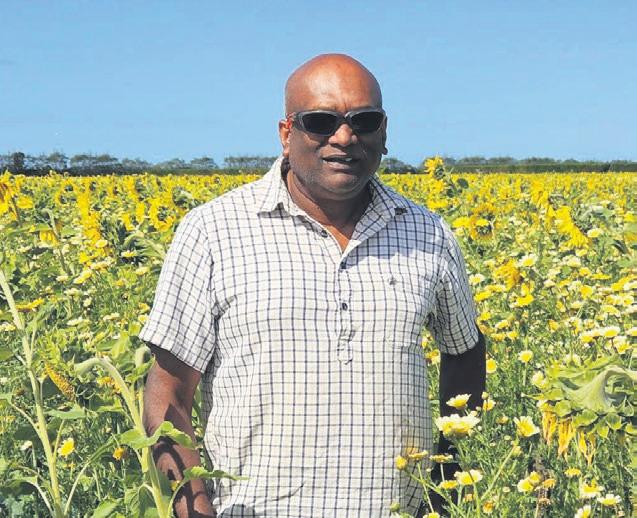
Recent studies have explored whether free-living nitrogen-fixing bacteria can form beneficial relationships with other soil microorganisms rather than relying solely on plants. In particular, researchers have investigated interactions between nitrogen-fixing bacteria and photosynthetic bacteria that are capable of producing their own carbon-based energy through photosynthesis.
Soil’s secret workforce:
Dr Gordon Rajendram says the future of agriculture may not simply be about adding more nutrients, it may be about unlocking the potential of the vast community of free-living microorganisms already working beneath our feet.
The results suggest that these microorganisms may be capable of working together in ways that improve nitrogen availability to crops. Rather than operating as isolated species, they appear to function as part of a larger biological network where one organism provides resources that support the activity of another.
For farmers, this highlights an important
principle. Soil biology is rarely about a single organism. Productive soils are built upon complex communities of microbes interacting with one another and with plant roots. The strength of those relationships often determines how effectively nutrients are cycled and made available to crops.
As fertiliser costs continue to place pressure on farm budgets, interest in biological farming solutions is growing. While microorganisms will never replace sound nutrient management, they may help improve the efficiency of existing fertiliser programmes and support more resilient production systems.
The challenge now is to better understand how these microbial communities function under real farming conditions. Every soil contains billions of microorganisms, many of which remain poorly understood. Yet each new discovery reinforces the same message: healthy soils depend on healthy microbial populations.
The future of agriculture may not simply be about adding more nutrients. It may be about unlocking the potential of the vast community of free-living microorganisms already working beneath our feet.
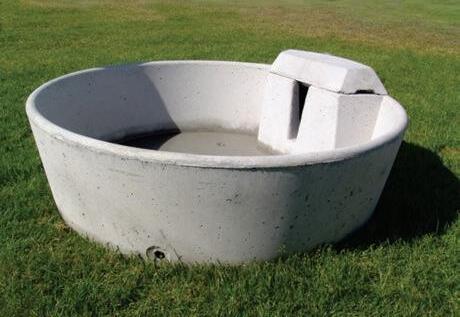
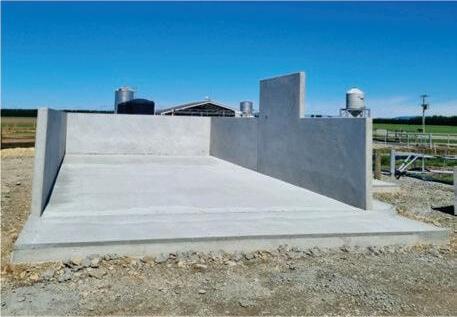
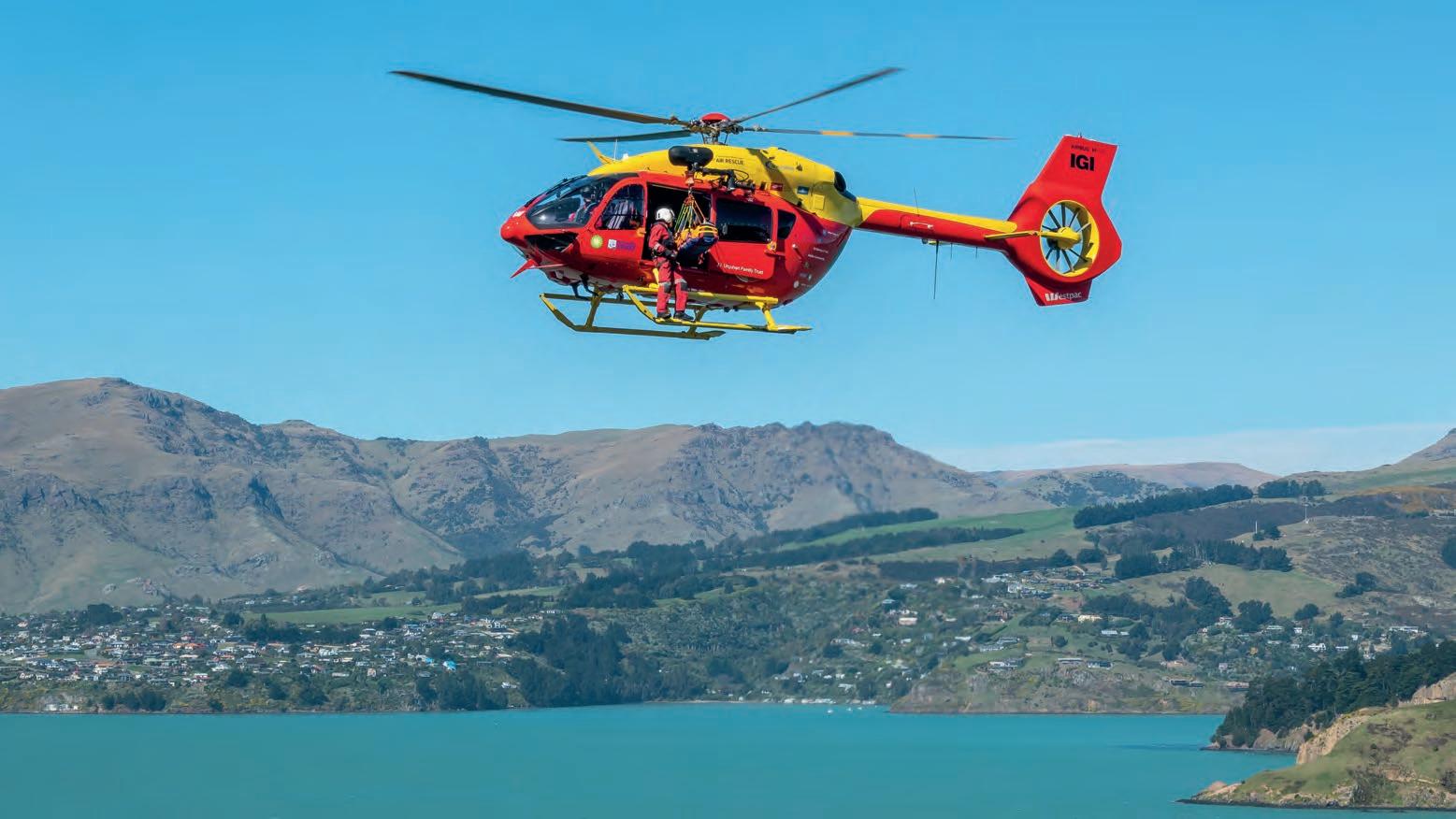
For Hawke’s Bay farmer Willie Lyons, taking over his family’s sheep and beef farm wasn’t simply about inheriting the land.
] Article supplied by ] Gallagher
The bigger challenge was learning how to make the decisions that come with it. That was one of the key themes discussed at a Gallagher Animal Management panel event at National Fieldays: Agritech adoption is often the missing piece in farm succession.
Lyons shared his experience of managing succession on his family’s 100-year-old Hawke’s Bay property with Glenalvon Farm manager Tim Fairweather.
As New Zealand prepares for one of the largest intergenerational transfers of farming wealth in its history, Lyons believes the industry needs to rethink what succession really means.
“We need to get away from thinking that succession is only about legal title transfer. It’s so much more than that,” he said.
“Succession is about creating pathways. It’s about transferring knowledge, responsibility and decision-making. Ownership is only one part of the equation.”
For Lyons, succession has looked less like a single handover and more like a gradual transition. While he owns and oversees the business, he also works off-farm as an Agri Relationship Manager with ANZ. Fairweather leads the day-to-day operation of Glenalvon, requiring a high level of trust, communication and shared understanding between the pair.
Lyons said technology has played a critical role in making that model work.
“From farm financial software and livestock management platforms through to virtual fencing technology, having access to real-time information has transformed the way decisions are made.
“It’s been a game-changer for us. It’s helped take away a lot of the anxiety that can come from assumptions. Instead of relying on what people think is happening, we can look at the information in front of us and make decisions based on that.”
One of the biggest opportunities Lyons sees is technology’s ability to reduce uncertainty during succession discussions, particularly when family members, shareholders or future owners are not directly involved in the day-to-day running of the farm.
“When you’ve got non-farming family members involved, they don’t always understand what it takes to run a farm business,” he said.
“Having good information available creates better conversations because people can see what’s actually happening rather than relying on assumptions.”
Lyons said he believes that visibility can help reduce tension, improve understanding and ultimately support better succession outcomes.
“There can be a lot of anxiety around succession because everyone has different expectations. The more information people have, the easier it becomes to have realistic conversations about what a farm is capable of and what the future could look like.”
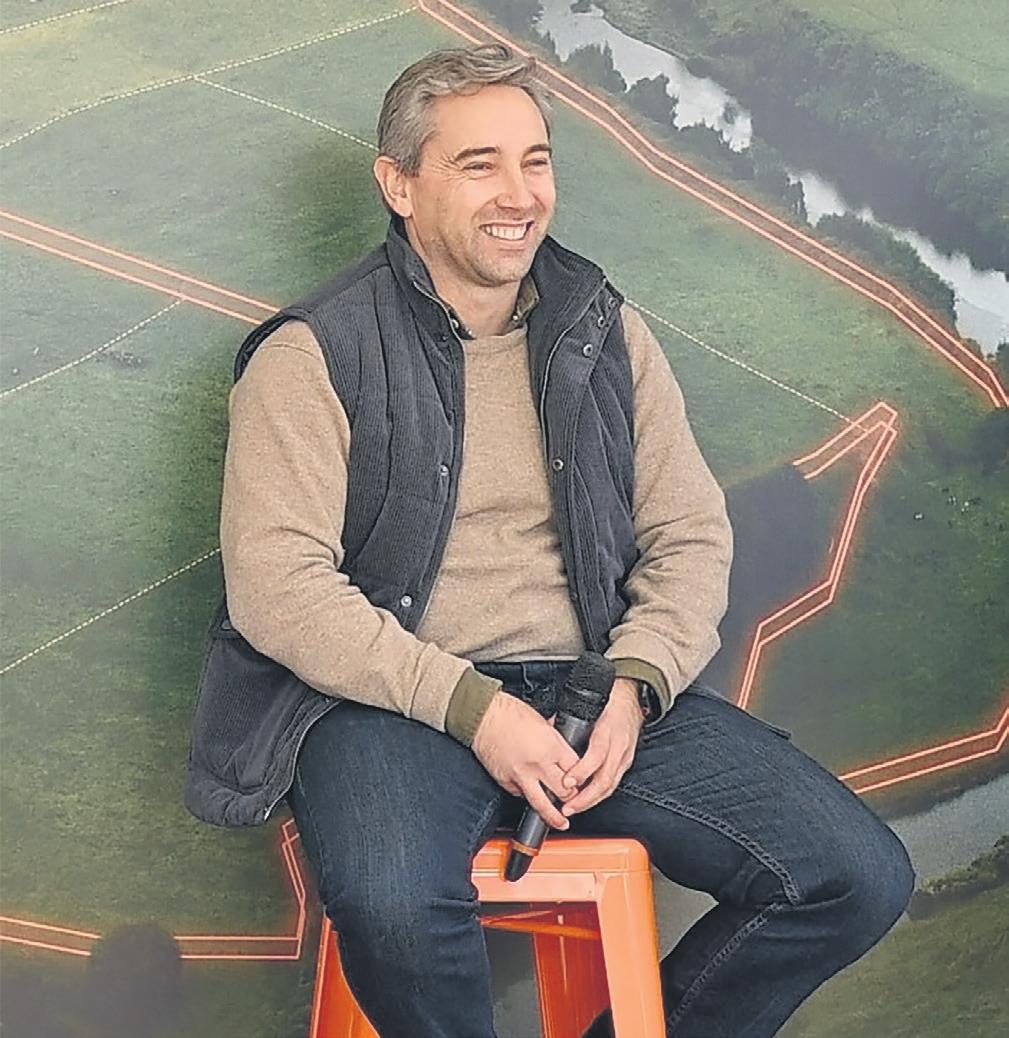
Succession: Willie Lyons of Glenalvon Farm says if you’re five years away from succession, now is the time to be thinking about it.
For Lyons, the message to farming families is simple: start early. Whether the eventual outcome is ownership, leasing, partnerships or another pathway entirely, he believes succession conversations need to happen long before retirement is on the horizon.
“The biggest risk is assuming it will sort itself out.
“Succession is never really finished, even when you think it’s done, it continues to evolve through the next generation and the generation after that.”

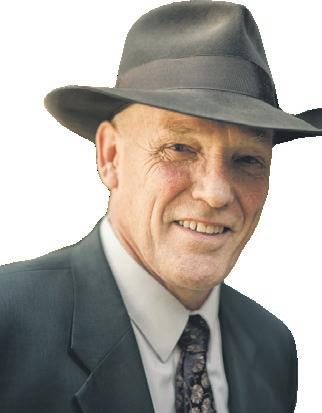

Nitrate-N levels in groundwater in Southland, based on a recent article, are steadily increasing and close to the concentrations at which human health is impacted.
This issue has been discussed and written about for the last 20 years and action necessary to limit the increase has, as yet, been ineffective.
The reason for the pending predicament is the overuse of synthetic nitrogen with early indications coming from groundwater monitoring sites between Ashburton and the coast.
The question is, at what point does the issue become sufficiently important for regulation to be implemented that initially limits the increase and over time reduces the trend.
The argument for not doing anything is that synthetic nitrogen is essential for pasture production necessary to sustain high levels of milk production.
That premise is false. Prior to the availability of urea from Kapuni in 1989 annual pasture production measured by staff at Ruakura Research Station near Hamilton was regularly around 18,000kgDM/ha.
That figure is seldom attained today with a range between 14-16,000kg DM being the norm recorded from flat irrigated land to which nitrogen is regularly applied.
The nitrogen required for dairy pasture production prior to 1990 was provided by clover and the data shows that clover can fix 670kg/N/ha/year, however less than half of that is required to replenish losses under grazed permanent pasture.
In 2009 Rotorua Lakes and land Trust instigated a proof-of-concept project to measure nitrate-N losses to groundwater from farms using CalciZest and DoloZest based nutrient programmes provided by Eco-Logic Soil Improvement compared to conventional water soluble/synthetic N driven ones.
Members of the Trust, a joint venture between Te Arawa Federation of Maori Authorities and Rotorua/Taupo Province of Federated Farmers, were aware of an increasing
number of local dairy farmers observing a range of benefits from the DoloZest/CalciZest full nutrient programmes.
These included an increase in annual pasture production, a 90% decrease in urea usage, significantly improved animal health and performance as well as a reduction in weed and pest pressure.
Funding was secured and Scion was appointed to oversee methodology, ensure adequate replication, data analysis and interpretation.
Two Edgecumbe dairy farms were chosen, one a long-term Eco-Logic client and the neighbouring property a long-term synthetic N applier.
After a full season of monthly sampling and analysis, the data showed a 70% decrease in nitrate-N losses to groundwater from the Eco-Logic property compared to the neighbouring one.
This was accompanied by a 30% increase in pasture grown over the same period. All data was sent to a local farm consultant where stocking rate, milk production and feed consumed was analysed and a report written.
The report conclusion contained the following: “The biological farm had an advantage over the conventional farm in all areas
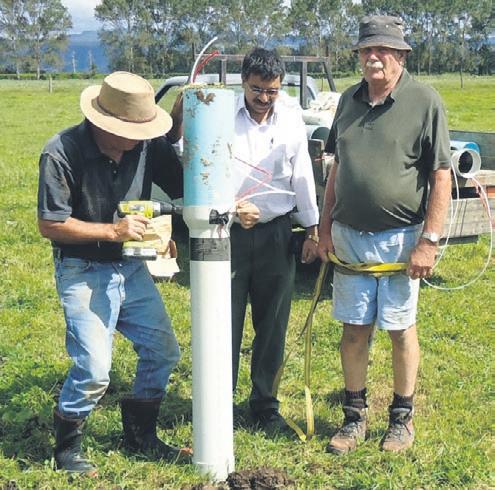
analysed. The biological farm is a good example of what is possible for many conventional farms that have a desire to improve profitability as well as reduce environmental footprint.”
Subsequently two biological farming conferences were held, however, with the doctrine that synthetic nitrogen was a necessary tool for high performance dairy-

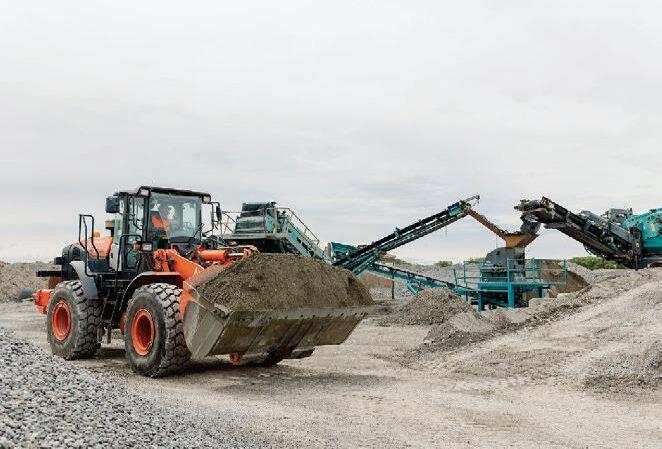
Testing times: Installation of flux-meters for water quality sampling.
ing, and the study challenged that, no further work was undertaken.
Hopefully, 15 years on there may now be increased appetite for fresh research. Biologically driven systems are fundamentally different. Calcium is the most important nutrient with astute pasture management based on observation the key to unlocking unrealized profit.
For more information contact Peter on 0800 843 809 or 027 495 0041.

A team of scientists from the Bioeconomy Science Institute Maiangi Taiao has achieved a world first breakthrough that plant researchers around the globe have been attempting for more than 30 years: a successful cocksfoot–ryegrass cross capable of producing fertile seed.
supplied by
Hybrid plants are now growing in a Palmerston North greenhouse, the first time this notoriously difficult pairing has ever produced viable seed, despite decades of international effort.
Researchers say the result won’t change pastures overnight, but it could eventually open new pathways to grasses that are more resilient, more nutritious, and better suited to a changing climate.
Cocksfoot and ryegrass are two foundational species in New Zealand agriculture. Cocksfoot offers drought tolerance and persistence; ryegrass provides high feed quality and ease of establishment. For years, breeders have tried to combine their strengths, but the two species are so distantly related that traditional hybridisation repeatedly failed.
Although Japanese and German researchers in the 1990s did manage to produce some plants, nearly 4000 previous attempts resulted in hybrids that were weak, infertile, and unable to produce viable seed. The prevailing scientific view became that the barrier was simply too high to overcome without a much deeper understanding of the biology involved.
That deeper understanding came from Bioeconomy Science Institute scientist, Dr Wajid Hussain, who drew on years of experience working on complex clover crosses. By applying new strategies to navigate the long-standing biological barriers, the team achieved what earlier generations of scientists could not.
Dr Hussain said the breakthrough came late last year.
“This has been an incredibly risky and technically challenging process but immensely satisfying for the large number of people involved,” he said.
“We now have enough of the hybrids to show the method works and to open the door to the next wave of scientific exploration.”
He said the key to success was a specialised technique known as embryo rescue.
“When cocksfoot and ryegrass are crossed, an embryo may form, but the seed’s endosperm, the natural food source, does not.
Without that nourishment, the embryo cannot survive. Before that could happen, the team delicately removed the tiny embryo and transferred it onto an artificial nutrient medium, effectively placing it into a controlled, plant scale equivalent of neonatal intensive care. With this support, the embryo developed into a viable plant and, remarkably, later produced fertile seed.”
However, Hussain said these plants are a proof of concept, not a commercial product.
“The hybrid’s traits are not yet optimised for paddock conditions, and further study is
Embryo rescue breakthrough: Bioeconomy Science Institute scientist, Dr Wajid Hussain says the key to success in developing a cocksfoot-ryegrass cross capable of producing fertile seed was a specialised technique known as embryo rescue.
needed to understand how best to harness the advantages of combining two species that have never successfully hybridised in nature.”
He said work will now shift to stabilising fertility, assessing agronomic traits, and developing later generation hybrids, including a planned three-species grass hybrid.
“If successful, the research could produce pre breeding material for commercial seed companies in the future. But the pathway from breakthrough to farm gate will take time.”
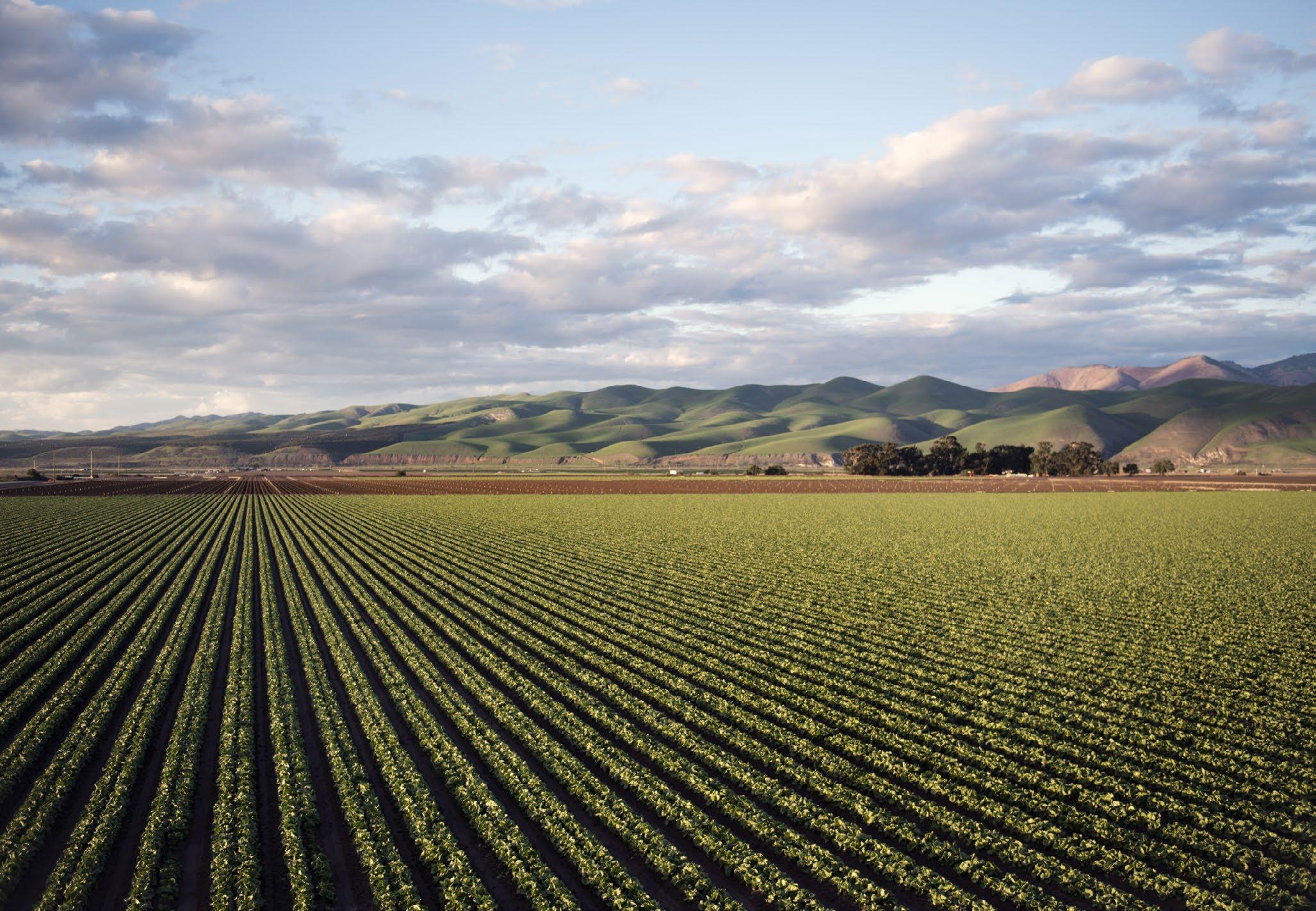
Solid markets for New Zealand milk solids, shifts in land use regulation and optimistic operators keen to invest back into their industry means the land market for dairy units is enjoying positive prospects for the coming season.
]
Article supplied by Bayleys
After two years of solid demand for dairy units, Bayleys country sales manager Ben Turner and his team in Canterbury are enjoying a further lift in interest that looks likely to reflect the sector’s upbeat prospects.
The Canterbury region is likely to see another 25,000 cows milking by 2028 with at least 20 conversions either underway now or scheduled to kick off in the new dairy year.
Following the expiry of the national dairy moratorium and the withdrawal of intensified agricultural regulations, land use change is easier, but still subject to some regulatory hurdles.
“The majority of the demand for dairy land is from family operators both within the South Island and from up north,” says Ben.
That includes what he describes as “family corporates”, larger family-owned agribusinesses doubling down on further dairying investment.
In the Waikato, where average farm size tends to be smaller, Bayleys general manager Mark Dawe says the volume of dairy farm sales for Bayleys has more than doubled to 58 in the past year compared to the year before, that’s a significant amount given Bayleys enjoys the largest share of the market.
Alongside this, Bayleys sales of dairy support and cropping units have enjoyed a 50% growth in volume of sales.
“Smaller dairy units are tending to sell for between $3 million and $6 million, depending on location, size and condition.”
While Otorohanga was hit by some unusual flood events earlier this year, he said the Waikato’s reputation as a generally reliable, safe dairy region remains a solid draw card
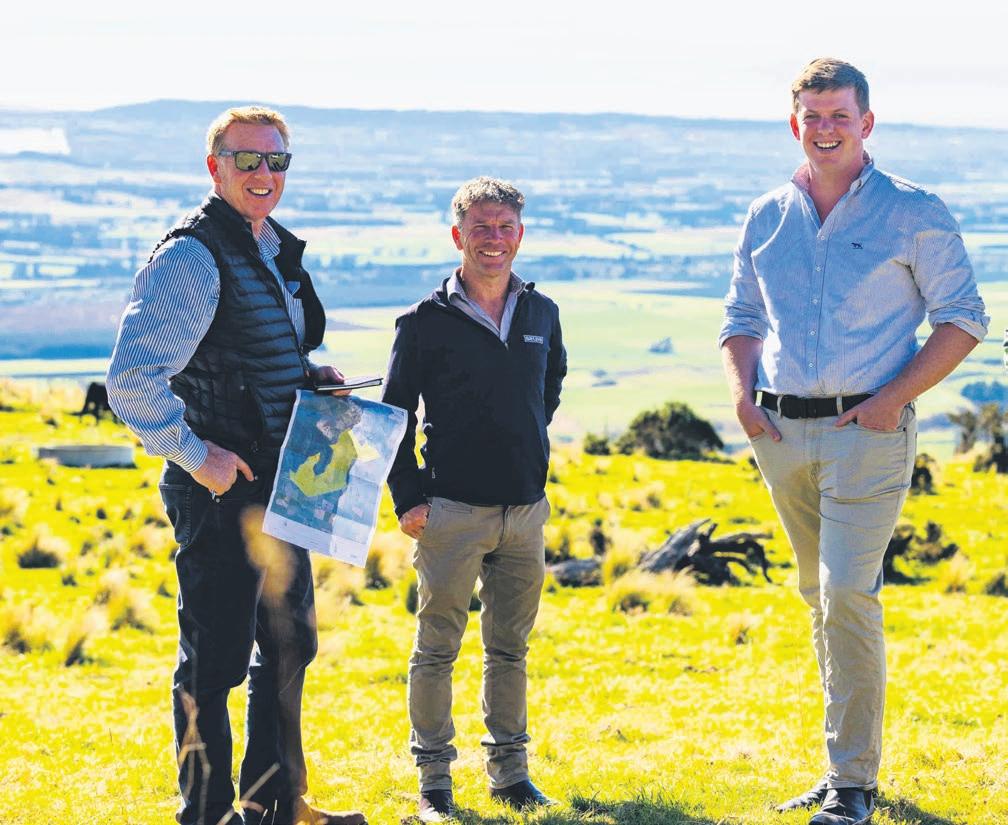
for existing families expanding dairy operations, and first-time farm buyers.
“Compared to Canterbury where irrigated properties have had a lift in value, we have not seen such a move on price, but certainly on the volume sold.”
He anticipates the sales volume will stay high for the foreseeable future.
“We have seen the more pro-active, aggressive operators already invest their Fonterra payout late last year before it was made. But now the more conservative farm-
ers who tended to wait until they saw the money are considering their potential next farm purchase.
Ben Turner says the domino effect of the dairy land use change is also starting to play out into dairy support land. As more of it and arable country is converted to dairy platforms, interest turns to new areas for grazing/support properties.
“There appears to be more interest in heading into South Canterbury for this, and parts of coastal North Canterbury which
Upbeat prospects: Bayleys country sales manager Ben Turner (left) and colleagues Craig Blackburn and Caleb Tod are reporting a solid demand for dairy units in Canterbury.
catches more reliable rainfall and is well contoured for dairy support.”
He cites potential dairy support blocks ranging from $50,000/ha to $60,000/ha while good dairy units in central Canterbury are selling around $70,000/ha.
“And scale is attracting a premium from a conversion perspective, with land capable of carrying 1,200-1,400 cows particularly appealing.”
Arable farmers who have endured some tough years are also looking at dairy options for their properties without necessarily exiting arable farming altogether.
“They appreciate the capital cost to get into it but also see a good cashflow relatively quickly from it.
“If you have the ability to convert part of the farm to dairy, it can also help manage issues like succession, alongside cashflow.”


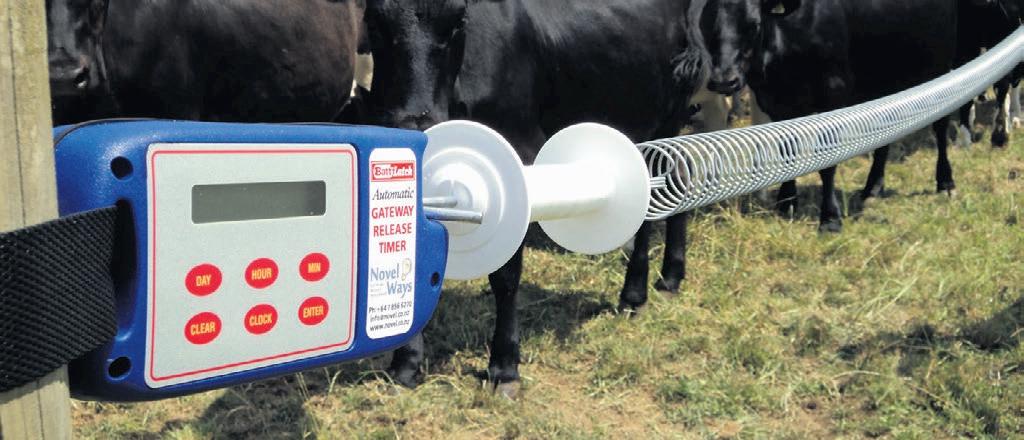


To get cows milking well from the first day of lactation attention needs to be paid to avoiding sub-clinical ketosis.
] Advertorial supplied by ] Probiotic Revolution
Chris Collier of Probiotic Revolution has been working on helping give cows the best possible start.
“Pre-calving we primarily focus on correct mineral supplementation to avoid any potential impact of milk fever, but probiotics also help stimulate appetite so that feed intake is more closely matching the demand for milk production,” says Collier.
“By supplementing springers with probiotics, often by water trough treatment, there are a number of benefits that occur that we attribute to building immunity and improving digestion.”
Research on reducing the effects of sub-clinical ketosis
In a 2002 Journal of Dairy Science report probiotics fed 21 days prior to calving enhanced the milk production in early lactation more than just feeding probiotics after calving.
“By enhancing digestion pre-calving blood glucose levels are elevated and this has numerous flow-on benefits such as easier calvings more colostrum milk and less health
issues at calving that are exacerbated by sub-clinical ketosis,” the report said.
When milkfat demand suddenly increases around calving, body fat is mobilised into the bloodstream as ketones, often resulting in sub-clinical ketosis, a suppression of appetite, and a higher incidence of milk fever, foot troubles and calving mastitis. For farmers selling colostrum this can be a valuable way to help reduce calving mastitis.
With more available glucose, cows maintain appetite in the critical days before calving, giving them greater energy for calving and reducing retained membranes.
Farmers are seeing fewer difficult calvings as a result.
Improved mating performance
Collier has also seen cows return to cycling significantly earlier after calving. in under 30 days, particularly where supplementation to springers is followed by ongoing supplementation to the milking herd.
“With the national average of around 42 days this is not what you would expect so it obviously reflects improved nutrition and metabolic health supporting both milk production and early cycling.”
Paying attention: Probiotic Revolution’s Chris Collier looking for the best start for cows.
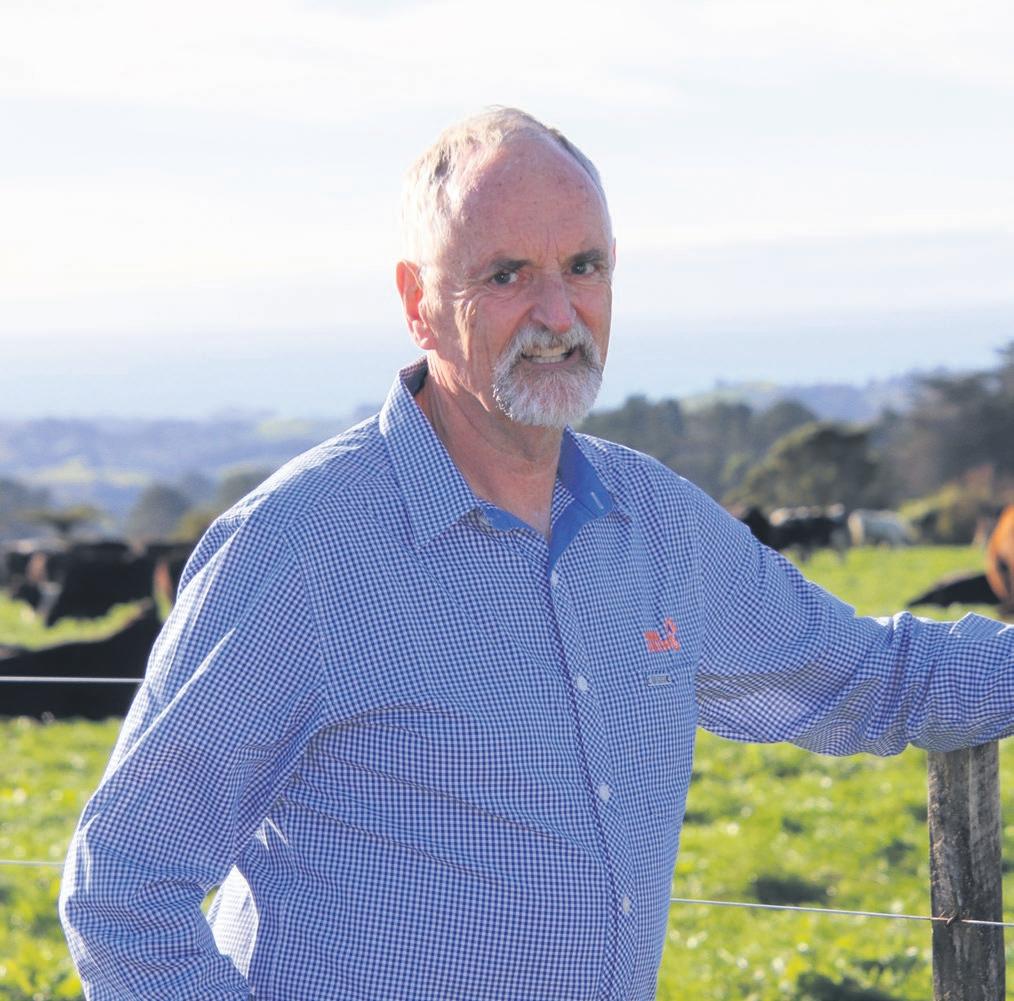


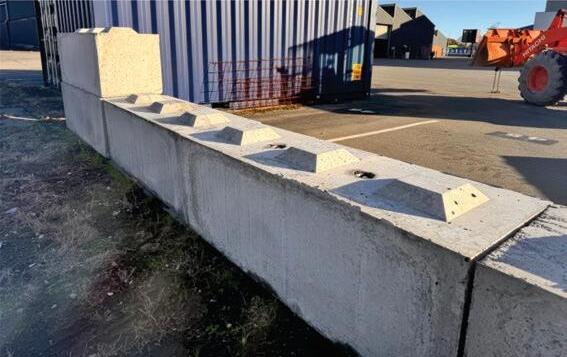


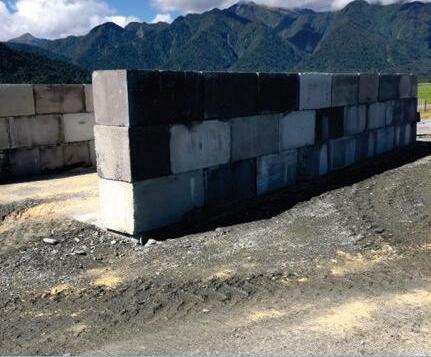
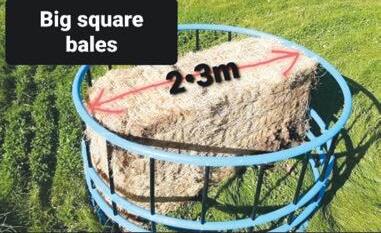


Are we facing another very dry period for the summer of 2026/27 due to a change from La Niña to El Niño?
El Niño and La Niña represent the two extremes of the El Niño–Southern Oscillation (ENSO), a naturally occurring fluctuation in Pacific Ocean sea-surface temperatures that typically operates on a three-to-seven-year cycle.
ENSO exerts a strong influence on New Zealand’s large-scale weather patterns and seasonal water availability. While drought can occur under both ENSO phases, the past few summers in Canterbury have generally been wetter than average, reducing pressure on water users and allowing some recovery of river flows and groundwater levels.
The latest ECMWF seasonal forecast system (SEAS5) indicates a heightened likelihood that El Niño conditions will develop during 2026 and persist into the 2026/27 summer, although there remains uncertainty regarding the eventual strength of the event due to the spring predictability barrier.
Current model guidance shows a transition from ENSO-neutral conditions to El Niño during the second half of 2026, with El Niño the most likely ENSO state through summer 2026/27.
An intensifying El Niño, combined with rising temperatures driven by climate change, is expected to significantly increase the risk of very dry conditions across parts of New Zealand.
In New Zealand, El Niño conditions are typically associated with more frequent west-
erly airflow, leading to enhanced rainfall in the west of the country and a greater risk of dry conditions in eastern regions, including Otago, Marlborough, Hawkes Bay, and Canterbury. During stronger El Niño events, this pattern can substantially reduce rainfall and river inflows from non-alpine catchments.
El Niño can place significant strain on water demand and supply, particularly for foothills – and rainfall-fed systems, where restrictions can be prolonged during dry summers. The influence of El Niño on atmospheric circulation tends to be strongest from December through February, coinciding with the peak of the irrigation season in Canterbury.
At this stage it is too early to state with confidence that summer 2026/27 will be a drought, but historical experience shows that some of Canterbury’s most severe droughts have occurred during El Niño years, including 1972-73, 1982-83, 1997-98, and 2015-16.
When historical climate data are combined with current levels of irrigation and municipal demand in water-supply simulations, the summer of 1972–73 consistently emerges as one of the periods of greatest stress on regional water resources.
Following the 1997–98 drought, the Canterbury Strategic Water Study found that while the region has sufficient water overall, it is often unavailable at the right place or time.
Water storage is therefore critical for managing seasonal variability. Although some progress has been made, gaps remain –
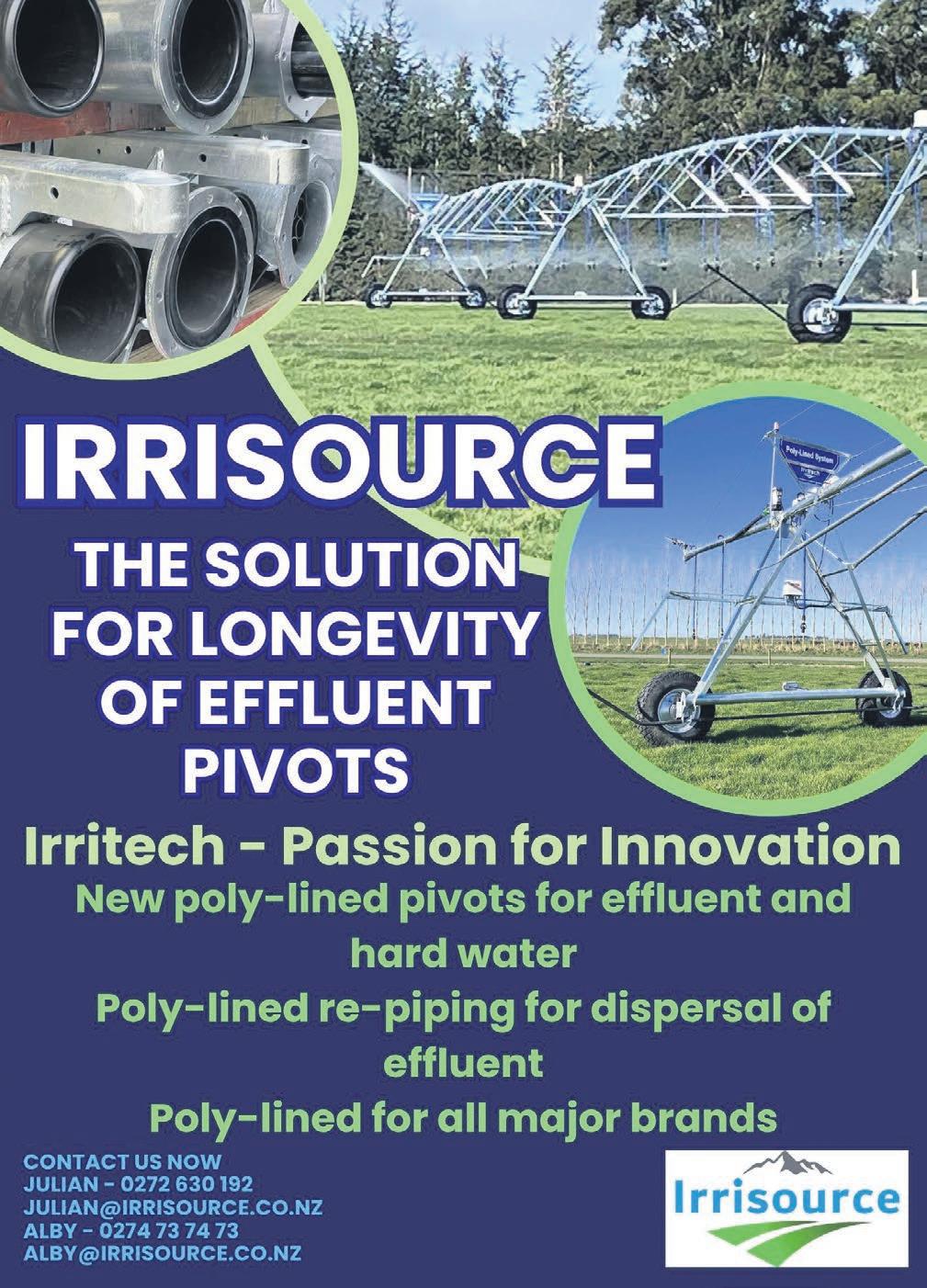
particularly in preparing for severe El Niñorelated droughts – and improving short-term resilience also supports long-term climate change adaptation.
The situation in other east coast regions is likely to be similar. Experience from the 2015-16 El Niño drought illustrates this clearly. Irrigators supplied from alpine river systems generally coped well, especially where access to stored alpine water was available.
In contrast, many foothills-sourced schemes were subject to full or partial restrictions from Christmas through to late summer. The following irrigation season highlighted a compounding risk: successive summers with high water demand and limited winter recharge placed considerable pressure on groundwater levels, reducing system resilience even in less extreme climatic conditions.
While there is uncertainty around the precise conditions that will prevail in summer 2026/27, the emerging ENSO signal suggests that a more precautionary approach to water management is warranted. Managing demand early in the sea-
son as if drought is a possibility is prudent. Unlike floods, droughts develop slowly and are often well advanced before their impacts are fully recognised. Water users operating under annual volume limits should closely track usage, as the likelihood of allocations being fully utilised, or constrained by restrictions, is higher in El Niño-influenced summers.





IRRIGATE WITH CONFIDENCE.




IRRIGATION SYSTEMS REMOTE MANAGEMENT PRECISION VRI




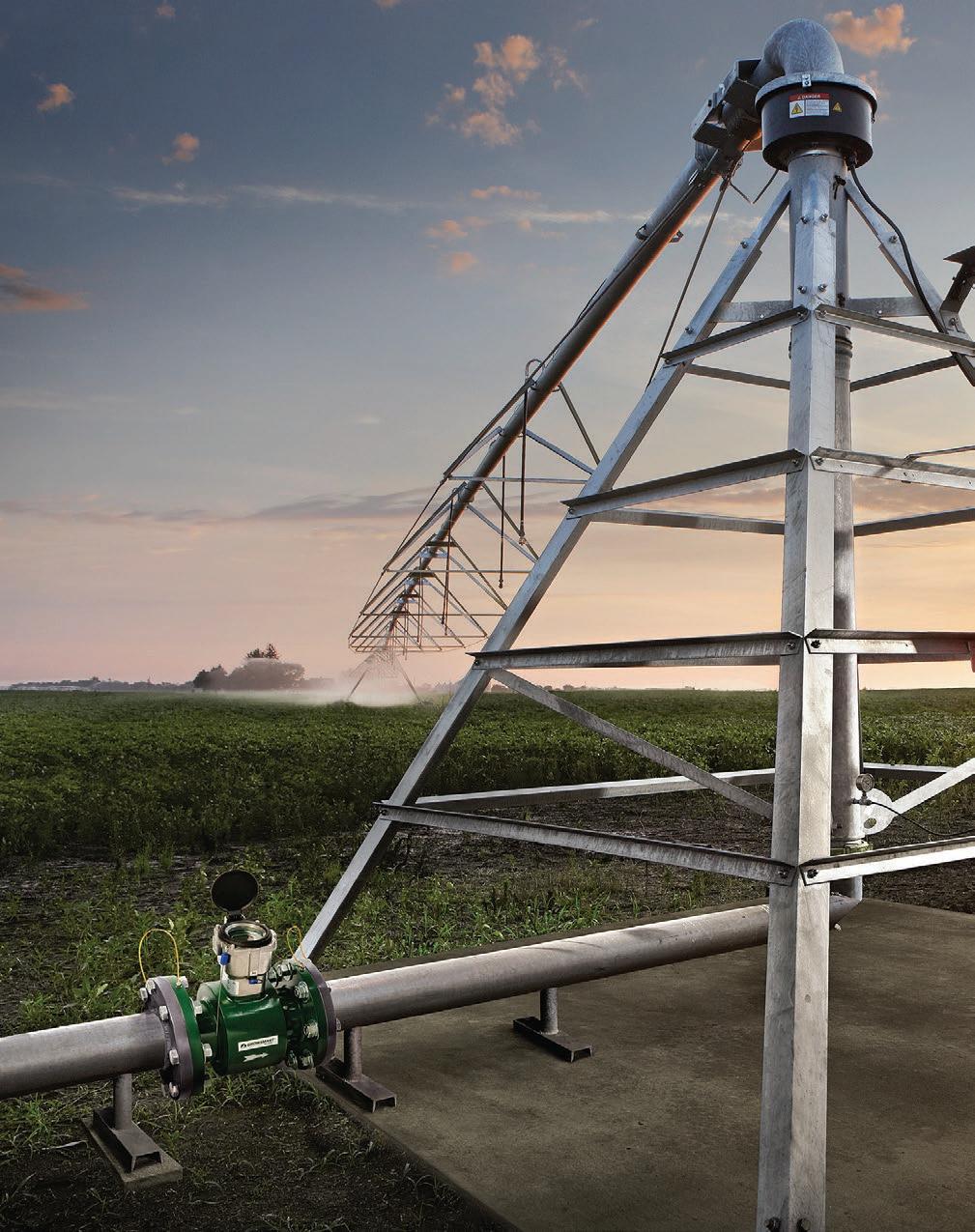
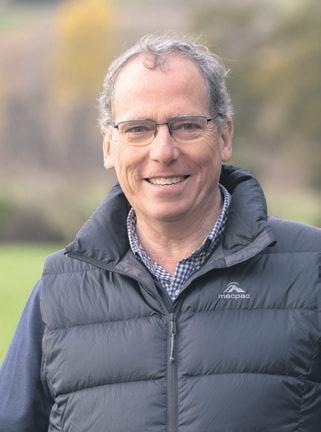
Every season, farmers and growers follow some familiar rhythms. Winter tends to be a time to carry out maintenance, put irrigation equipment away where appropriate, review the season that’s been and prepare for the next one.
Those tasks remain as important as ever. This time around though, there is another job at hand too: preparing for climate variability. What we know
While a few farmers and growers are still irrigating, increasing attention is being given to the developing El Niño climate pattern in the Pacific and what it could mean for New Zealand over the coming spring and summer.
by Stephen McNally
Technical Advisor
For eastern regions such as Canterbury and Hawke’s Bay, the general outlook points towards a greater likelihood of hotter, drier and windier conditions, while the south and west of the country may experience wetter and windier weather.

The important word here is likelihood. At this stage, no one knows exactly how this El Niño will unfold, how strong it will become, or how individual districts will be affected. That’s why the focus shouldn’t be on trying to predict the season. It should be on preparing for a range of possible scenarios.
Planning for the unknown
Good planning has always been part of good farming. This year, it simply means extending that thinking a bit further.
Rather than having one plan for next season, consider what Plans A, B, C or even D might look like. What happens if conditions turn dry earlier than expected? What if rainfall is well below average? Equally, how would your operation respond if significant rainfall arrived in short, intense bursts rather than steady winter recharge?
Thinking through those possibilities now is likely to make decision-making much easier later.
As winter progresses, attention will also turn to indicators such as snow accumulation in the Southern Alps and inflows into Canterbury’s alpine-fed rivers and storage systems. These signals will gradually provide a clearer picture of what water availability might look like heading into summer.
Until then, there is little value in waiting for certainty. By the time forecasts become clearer, many management decisions will already have been made. Using winter to review your options now means you can adapt quickly as conditions become better understood.
Of course, winter maintenance remains as relevant as ever too.
Reliable equipment becomes even more valuable when water availability is under pressure. Servicing pumps, checking nozzles, repairing leaks, calibrating equipment
and making sure systems are operating efficiently remain some of the best investments you can make before the next season begins. It’s also worth taking the opportunity to understand exactly how well your irrigation system is performing.
Knowing how much water is being applied, and how uniformly it is being distributed, provides the confidence to make informed irrigation decisions should restrictions become necessary later in the season.
A simple bucket test is an easy way to assess application performance, while a professional irrigation evaluation can provide more detailed information about system efficiency and identify opportunities for improvement. Practical steps could include:
• Reviewing your farm or orchard objectives and discussing different seasonal scenarios with trusted advisers.
• Planning how you would respond if allocation restrictions were introduced earlier than normal.
• Considering how periods of intense rainfall on already dry soils could affect operations.
• Making the most of every irrigation opportunity by ensuring water is applied accurately and efficiently.
• Familiarising yourself with the drought planning resources available through IrrigationNZ should conditions become challenging.
None of us can influence what the weather will do over the next six months. What we can influence is how prepared we are. Whatever El Niño ultimately delivers, the time spent planning now is unlikely to be wasted. Building resilience during winter almost always costs less than reacting once the season is underway.
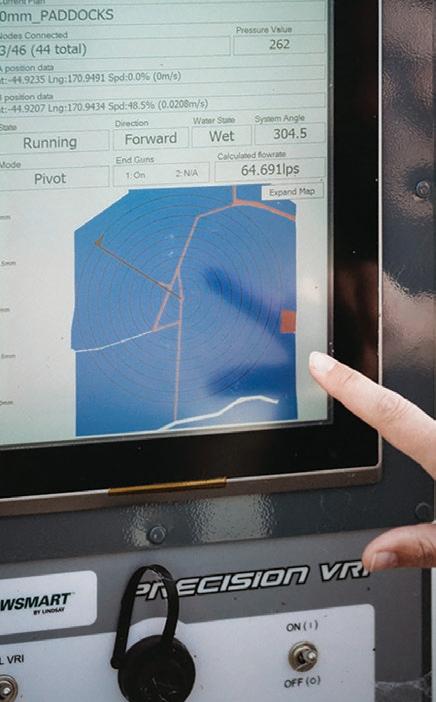

lateral-move
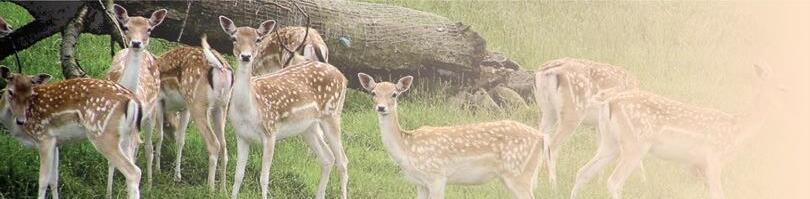

Deer Industry New Zealand (DINZ) has maintained its focus on understanding farmer perspectives by undertaking a follow-up insights survey in early 2026, with results recently returned.
This work builds on the benchmark established in 2024 and reflects an ongoing commitment to tracking change and strengthening the evidence base that underpins industry direction.
“This latest survey gives us a really useful snapshot of how farmers are feeling, where they’re heading, and what matters most to them right now,” says DINZ CEO Rhys Griffiths.
“When you look at it alongside our earlier results, we’re starting to build a much clearer picture to guide how we plan and where we focus our efforts as an industry.”
Participants in the survey represented a wide cross-section of deer farming in New Zealand, with responses closely aligned to the geographic distribution of farms. Strong participation came from key regions such as Southland, Canterbury, and Waikato.
Most respondents operate diversified farming systems that include other livestock, with nearly four in five deer farmers also farming other species.
Production systems varied, with 42% focused on velvet, 33% on venison, and 24% operating mixed velvet and venison enterprises. (Totals may not equal exactly 100% due to rounding and “Prefer not to say” responses.)
The respondent group was notably experienced, with almost half reporting more than
30 years in deer farming. Herds were generally of a substantial size, with a median of 625 animals, and breed composition remained heavily weighted toward red deer (91%).
Looking ahead, herd intentions were relatively balanced. Around 22% of farmers planned to increase deer numbers, while 17% expected to reduce them, and the majority (56%) intended to hold steady. Among those signalling change, most anticipated only modest adjustments.
Encouragingly, the share of farmers expecting to reduce deer numbers has fallen markedly since 2024, when more than half indicated a likely decrease. For those planning reductions, retirement or winding down operations was often cited as a key driver.
While this points to the ongoing challenge of an ageing farmer base, it is an issue shared across the wider primary sector.
In addition to the DINZ survey, the New Zealand Deer Farmers Association (NZDFA) also conducted a survey through their branch network. With more of a South Canterbury/ North Otago and Hawke’s Bay response base than the DINZ survey, the NZDFA survey reported 55% of respondents looking to increase their deer numbers versus 45% not; 16% were projecting an increase of 10% or more, 35% looking to increase less than 10%, and 29% looking to decrease by more than 10%.
The survey had a production focus of 42% velvet-only, 29% venison-only and 29% mixed – largely in line with the DINZ survey.
The overall industry outlook is cautiously positive. Recently finalised Stats NZ figures for 2025 show a slight increase in national herd numbers for the first time since 2020, alongside a notable 3% rise in hinds mated –an important leading indicator of future production.
These trends align with DINZ modeling and anecdotal evidence suggesting the herd is stabilising and may be beginning to grow again.
Taken together, the data points to a sector that is consolidating and finding balance
after a period of contraction, with fewer farmers planning to exit and most maintaining or gradually adjusting their operations.
Continued strength in wider farming returns is also expected to play a role in supporting confidence, potentially improving the sector’s attractiveness – particularly for younger farmers considering entry or succession within the industry.
For more deer industry insights, keep an eye out for our second State of the Industry report in late August.
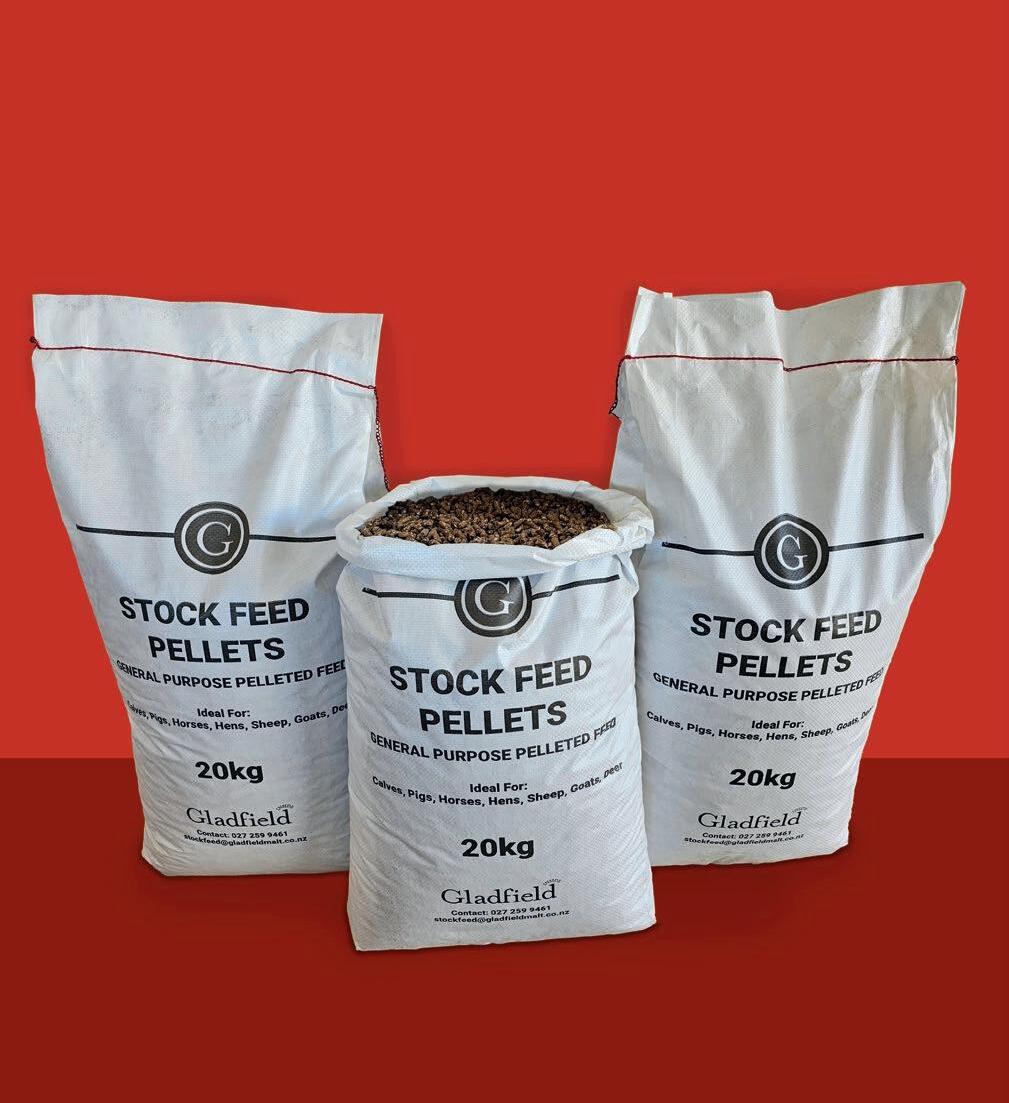


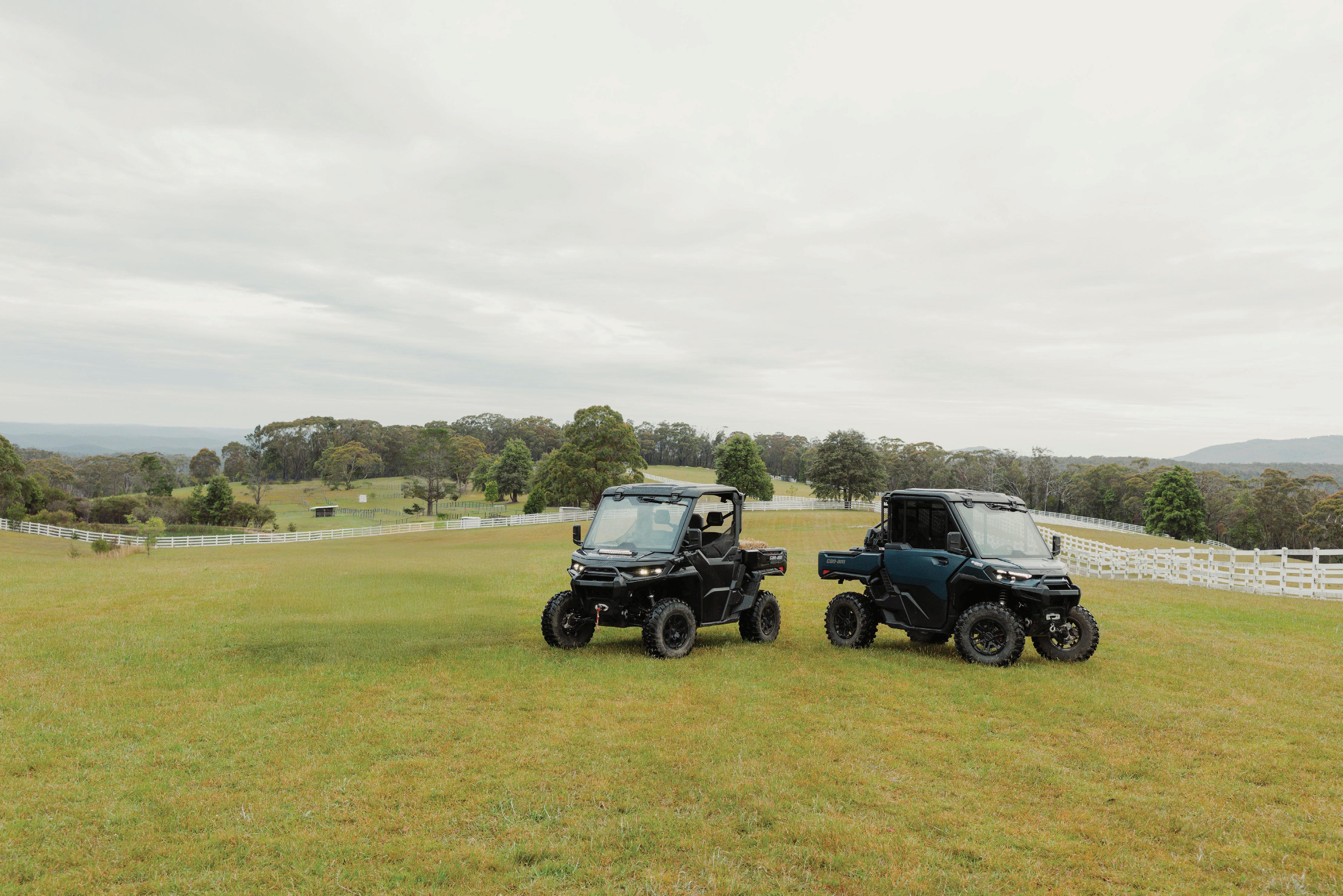
More power and a New Zealand first trailer connection alarm will be the standout features of the recently released Ford New Zealand’s 2026.5 Ranger and Everest line-ups.
] Article supplied by Ford New Zealand
The 2026.5 Ranger continues to lead with the rugged XL and XLT, the backbone of New Zealand industry, now featuring improved interior materials and updated SYNC technology.
The Tremor and Wildtrak variants return as the ultimate versatile performers, blending off-road capability with premium comfort.
A new series, Ranger Wolftrak, has been introduced with the 2026.5 model year, with a limited-edition model. For those seeking the pinnacle of luxury, the Ranger Platinum offers an unmatched interior experience, while the Raptor continues to define high-performance off-roading.
The 2026.5 Everest range is designed for the modern family. The new Active provides exceptional value and 7-seat versatility, Available with the 2.0L powertrain, the Everest Active will feature as standard; leather accented seats, a 12-inch infotainment screen, 18-inch alloy wheels, privacy glass, tyre pressure monitoring system, LED headlamps and more.
Sport, Wildtrak and Platinum will continue as ongoing variants in the Everest lineup. The Everest Sport will be available with both 2.0L and 3.0L powertrains, while Wildtrak and Platinum are offered exclusively with the V6 Ford New Zealand’s marketing director Mathew Slade said the transition to the 2026.5 model year marks a significant shift in Ford’s powertrain strategy for the Ranger in New Zealand.
“We know our customers are looking for ways to drive more efficiently without giving up the capability that defines the Ranger and Everest. With these latest updates, we’ve delivered a vehicle that is smarter, leaner, and more capable than ever before.”
The V6, a proven and efficient performer, is no longer reserved just for high-spec models like the Wildtrak and Platinum. Ford’s powerful 3.0L V6 turbo-diesel engine is now available on more Ranger and Everest variants.
And the updated 2.0L turbo becomes the primary four-cylinder option, specifically engineered to bridge the gap in both performance and efficiency. Not just the engine from previous years and other models, the new 2.0L Turbo has undergone a major technical overhaul to improve its litres-per-100km figures.
Ford New Zealand has also announced that the newly developed Trailer Connection Alarm will be available on select 2026.5 Ranger and Everest models.
A New Zealand first, this advanced security feature provides owners with enhanced peace of mind by sending a notification to their smartphone via the Ford App if the trailer is disconnected while the vehicle is locked. It will also trigger the vehicle alarm.
Designed to offer an extra layer of protection for your gear, this update ensures Kiwi drivers can leave their trailers with greater confidence.
Other new features include:
10-Speed Automatic Transmission: Previously, the Turbo was often paired with a 6-speed automatic. For 2026.5 Ranger and Everest, it is now standard with the 10-speed automatic, which was a key reason for the Bi-Turbo’s previous efficiency advantage. This allows the engine to stay in its most efficient power band more often.
Auto Start-Stop: This technology is now standard on the 2.0L Turbo variant. Ford estimates this feature alone reduces fuel consumption by approximately 0.5 to 0.7 L/100km in urban and stop-and-go driving.
Engine Refinements: The 2026.5 unit features a new timing chain and an updated fuel injection system designed for more precise combustion and reduced internal friction.



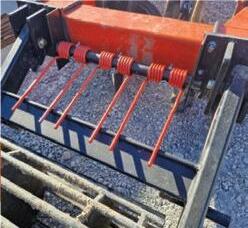
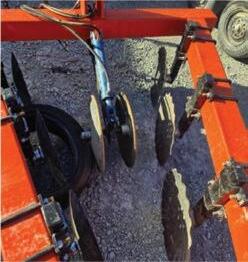



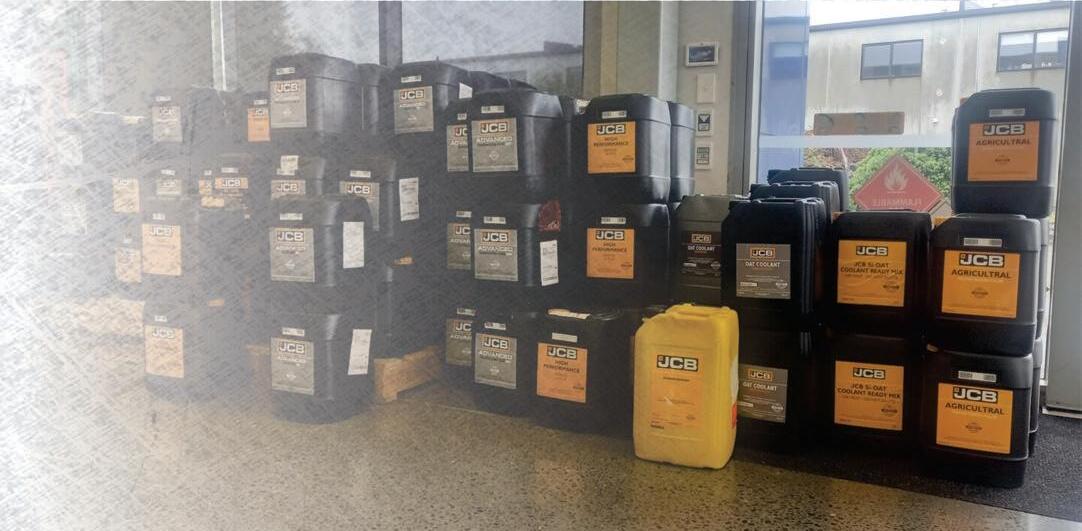





















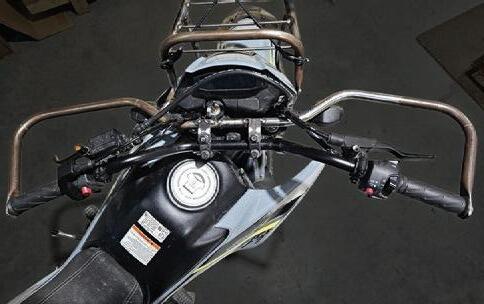

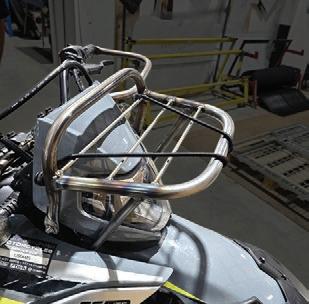
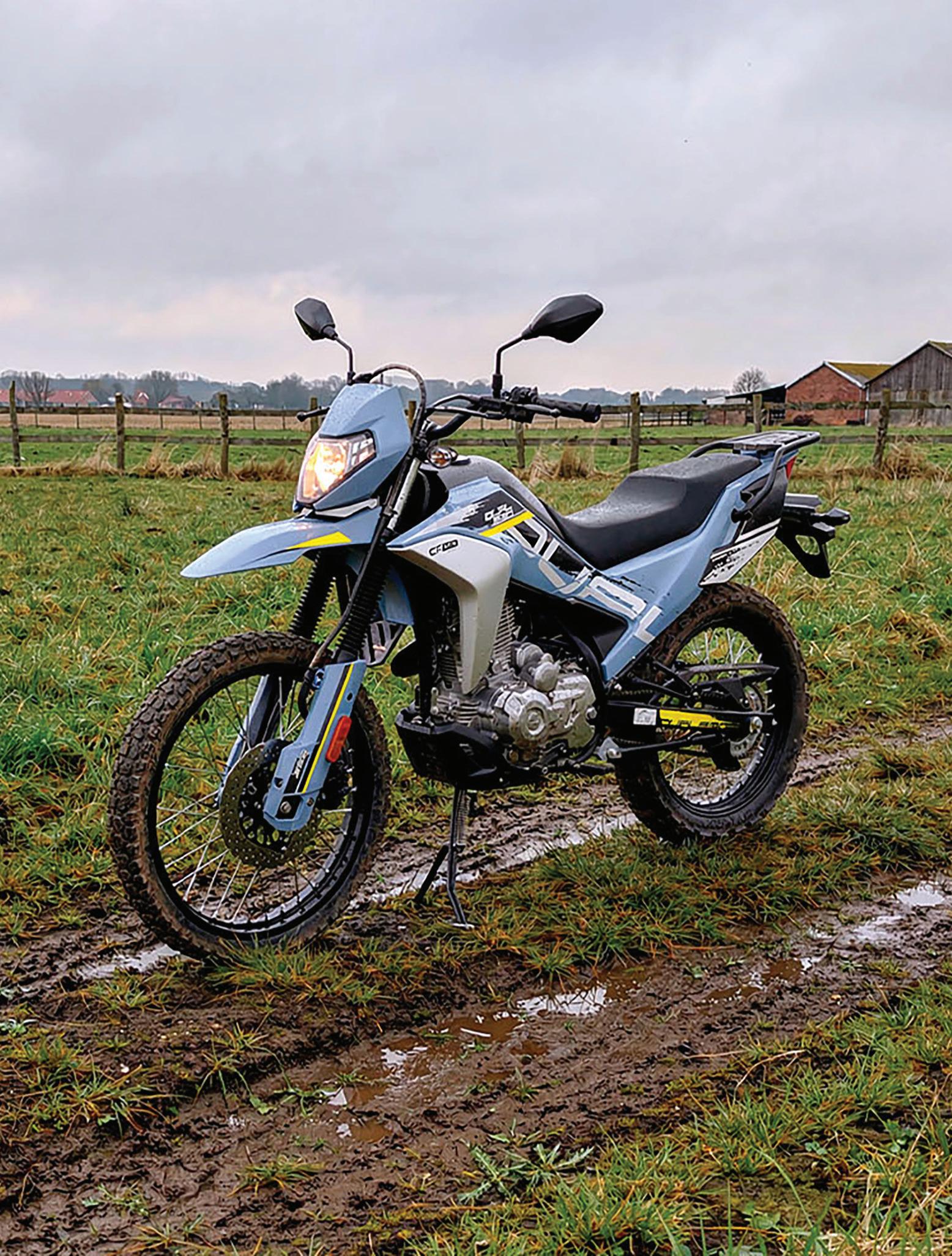





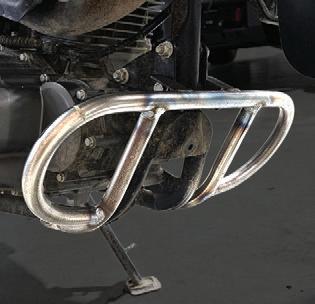


JAC officially launched its T9 PHEV Ute to the New Zealand market at the recent Fieldays.
] Article supplied by JAC NZ
This time last year, JAC were turning heads at Fieldays with a bold orange prototype and inviting Kiwis to share their feedback, which went straight back to the factory.
Twelve months on, as proud vehicle sponsors of Fieldays, the covers came off and the results are here.
Sticking to the ‘Tested by Kiwis, for Kiwis’ philosophy, JAC’s New Zealand team has put the T9 PHEV through its paces doing ute stuff in the real New Zealand. It’s New Zealand’s safest hybrid Ute, and it’s not playing it safe. Yes, it still comes with the built-in pie warmer but there’s a lot more to it than that:
• 360kW of power.
• Up to 1,005km combined range and 100km of pure EV range (NEDC).
• 3,500kg of braked towing capacity.
• 915kg payload.
• 5-Star ANCAP, with a score that places it as New Zealand’s safest hybrid Ute.
With over 60 years of truck and commercial vehicle manufacturing and EV expertise already proven globally and on Kiwi roads,
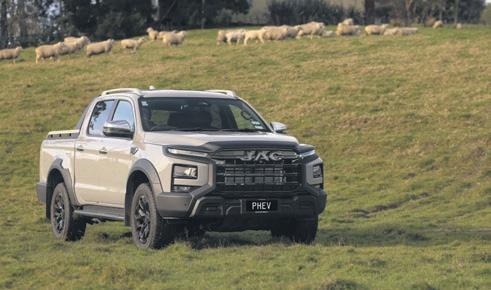
Plug in: The JAC T9 PHEV with dual electric motors.
JAC took their proven Ute platform and electrified it, from the ground up.
The result is a PHEV designed to be a ute first and foremost. Dual electric motors underpin the drivetrain, paired with a 4-speed transmission that keeps the 2-litre petrol engine in its sweet spot delivering the kind of consistent, predictable power that ute drivers expect whether they’re towing, hauling, or heading off-road.
The T9 PHEV is available to pre-order now, with stock estimated to arrive late July to early August. Visit www. jac.co.nz/phev for full specs and to secure your order.