State of School 2025-2026
State of School 2025-2026

INTRODUCTION
Mike
Head of School
C ANNON SCHOOL
nurtures relationships at the heart of learning and engages the learner in a journey of growth.
This year at Cannon has been defined by strong relationships, meaningful academic work, and a growing sense of belonging across our community. State of School is an opportunity to reflect on where we are today and share what we are preparing for in the year ahead, while reaffirming the priorities that guide our decisions.
Over the past year, we strengthened the academic experience in each division, advanced key components of our campus master plan, and engaged in conversations that helped shape our direction. Events such as Toast, Community Vision Day, and our Strategic Planning workshops brought together students, families, faculty, alumni, and trustees to share perspectives and inform our work. These moments clarified what matters most to our community—relationships, belonging, curiosity, connection, challenge, and growth—and reinforced our commitment to supporting every student.
Looking ahead, Cannon is entering an important period of progress. In the months ahead, we will continue developing our next Strategic Plan, launching in May 2026, open new campus spaces through our A Flourishing Future initiative, and continue strengthening the student experience across the school. Each of these efforts is guided by careful planning and a focus on what best supports student learning and growth.
As we move forward, we remain mindful of the foundation on which Cannon was built. Since 1969, the school has grown because a community believed students deserved an education rooted in strong relationships and responsive to a changing world. That belief continues to guide us as we honor Cannon’s history while preparing students for what lies ahead.
At the heart of this work is a commitment to a complete Cannon experience—one built on strong relationships, consistent support, meaningful growth, and healthy challenge.
As we look to the rest of the 2025–26 academic year, I am grateful for the partnership that defines this community. The months ahead will be shaped by the continued hard work of our students, supported by faculty and families who know them well. We extend our best wishes to the Class of 2026 as they complete this important chapter of their Cannon journey.
Go Cougars!

Mike Drew Head of School
Join the Cannon community for coffee and conversation with Head of School, Mike Drew.
January 20 | 8:30 a.m.
Foundation Hall - Upper School RSVP Here
A special thank you to for providing coffee and pastries.
We hope to use this session as an opportunity to address any follow-up questions from the State of School.
To help guide the conversation, we invite you to submit your questions and feedback by January 19.
Scan or click the QR code below to share your State of School questions and feedback.



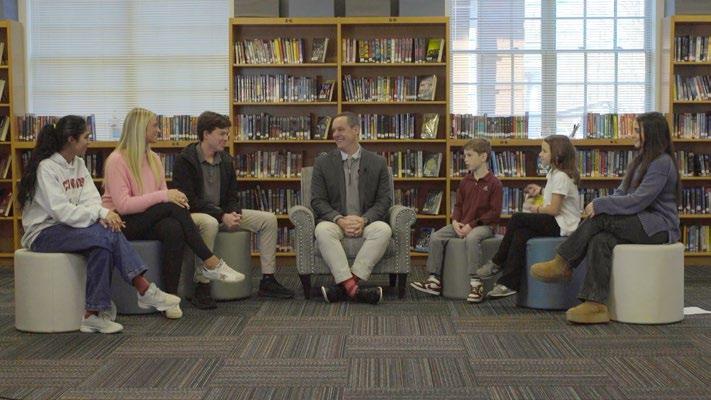
Watch a 13-minute conversation with Cannon’s Student Council leaders as they sit down with Mike Drew to reflect on meaningful moments from the year.
Lower School
Nina M. ’34 - Grade 4 Student Council President
Beau L. ’35 - Grade 3 Student Council Vice President
Middle School
Shifa B. ’30 - Grade 8 Student Council President
Jane P. ’30 - Grade 8 Student Council Vice President
Upper School
Canon D. ’26 - Senior Student Council President
Katie A. ’26 - Senior Student Council Vice President
Mike Drew Head of School
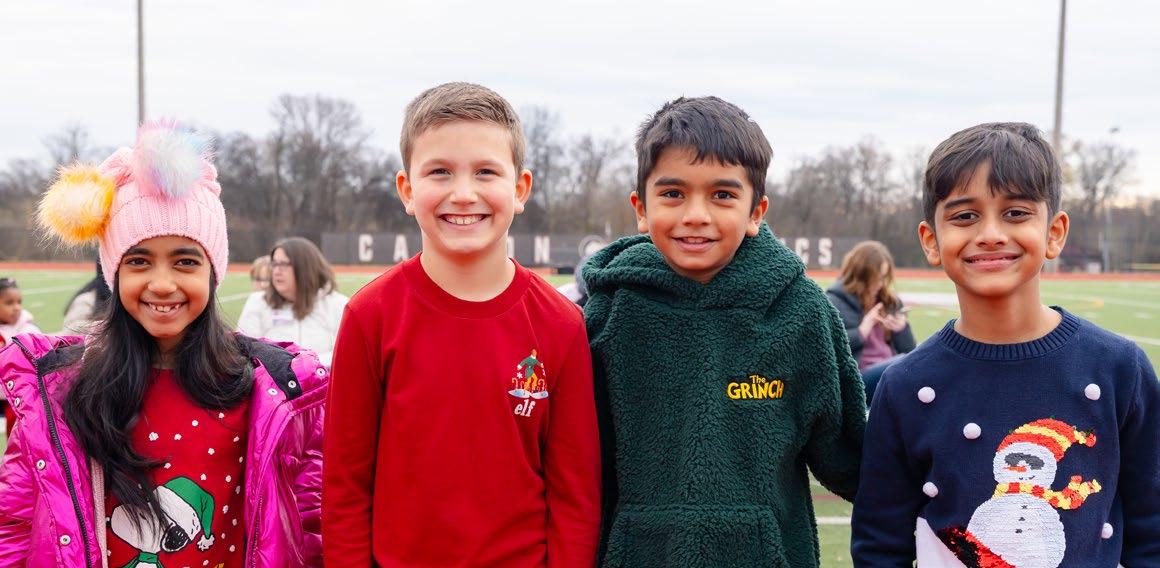
As part of a conversation with Student Council leaders, students from Lower, Middle, and Upper School shared what has stood out to them so far this year. Their reflections offer an honest look at how students are experiencing Cannon, through relationships, leadership, and shared responsibility.
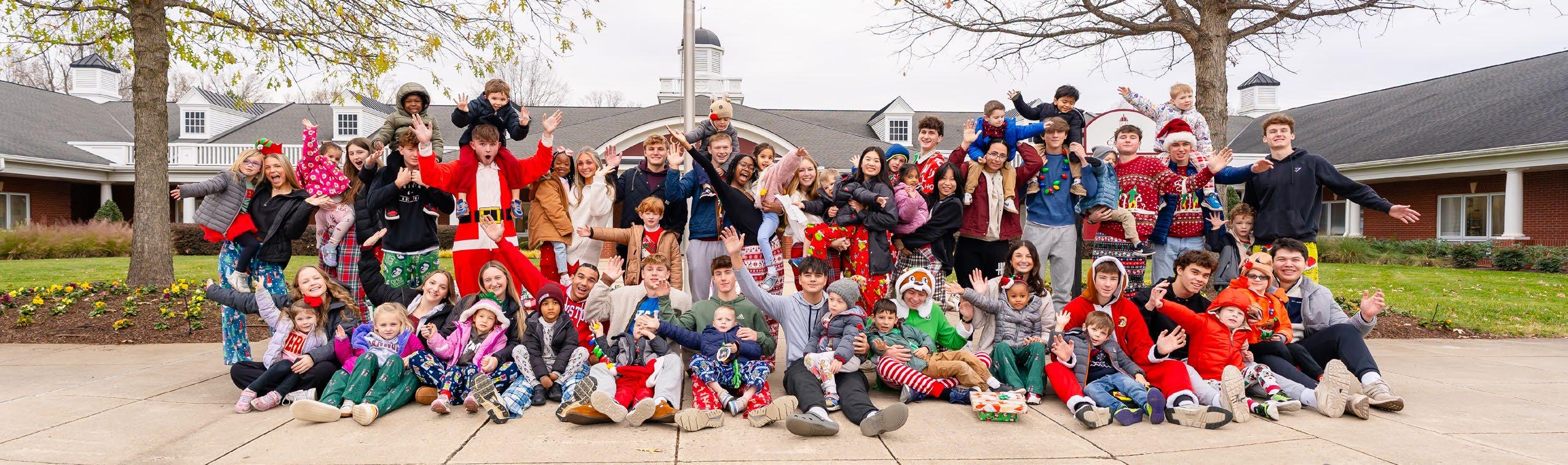
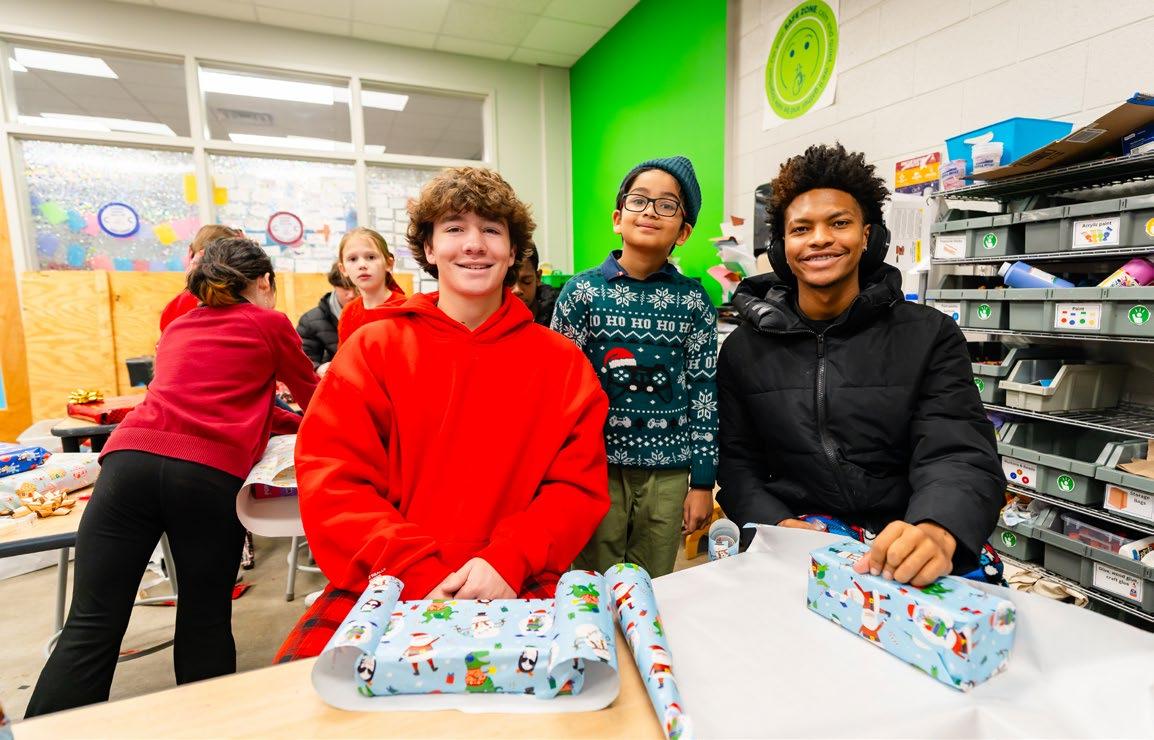
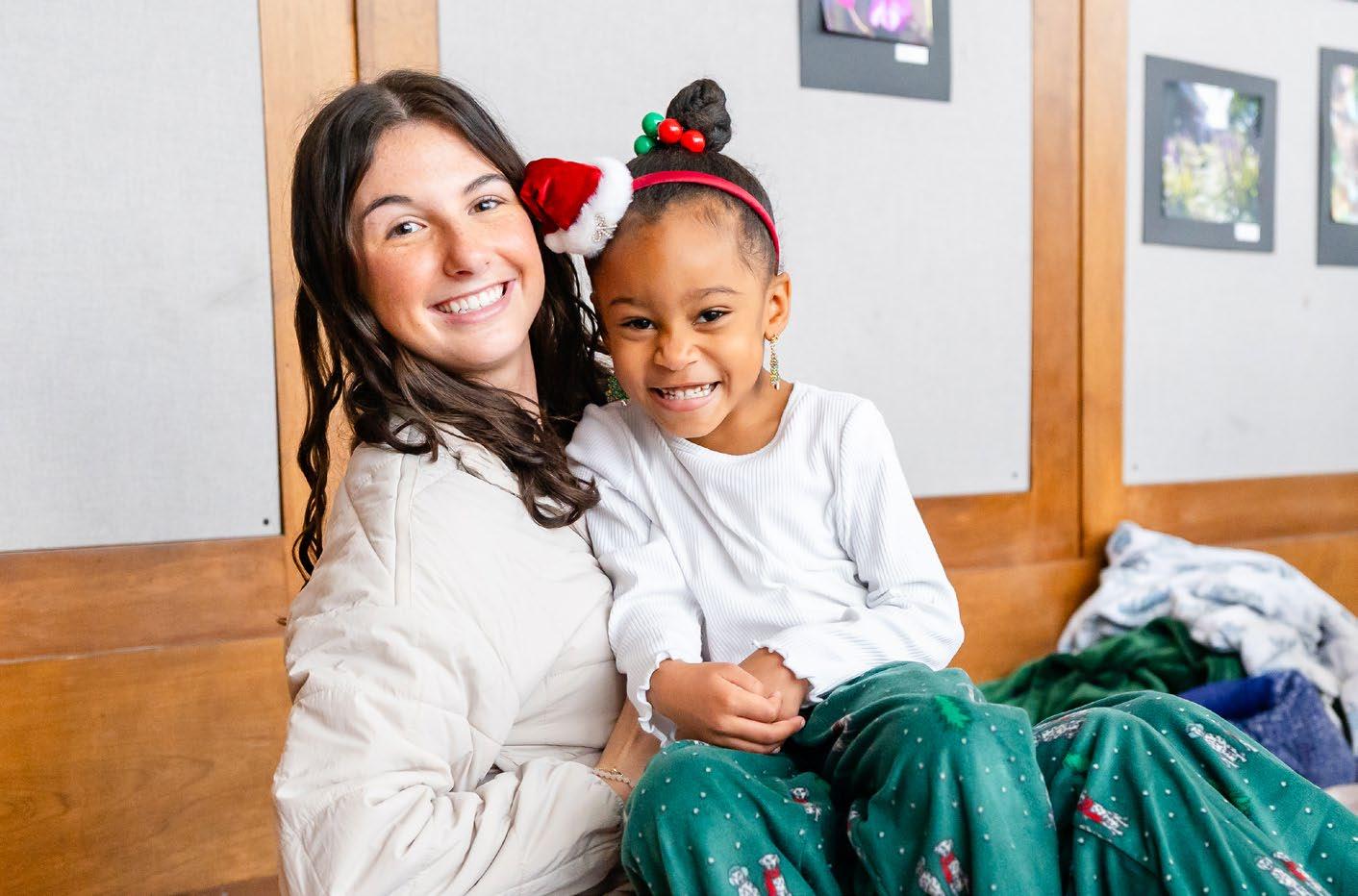
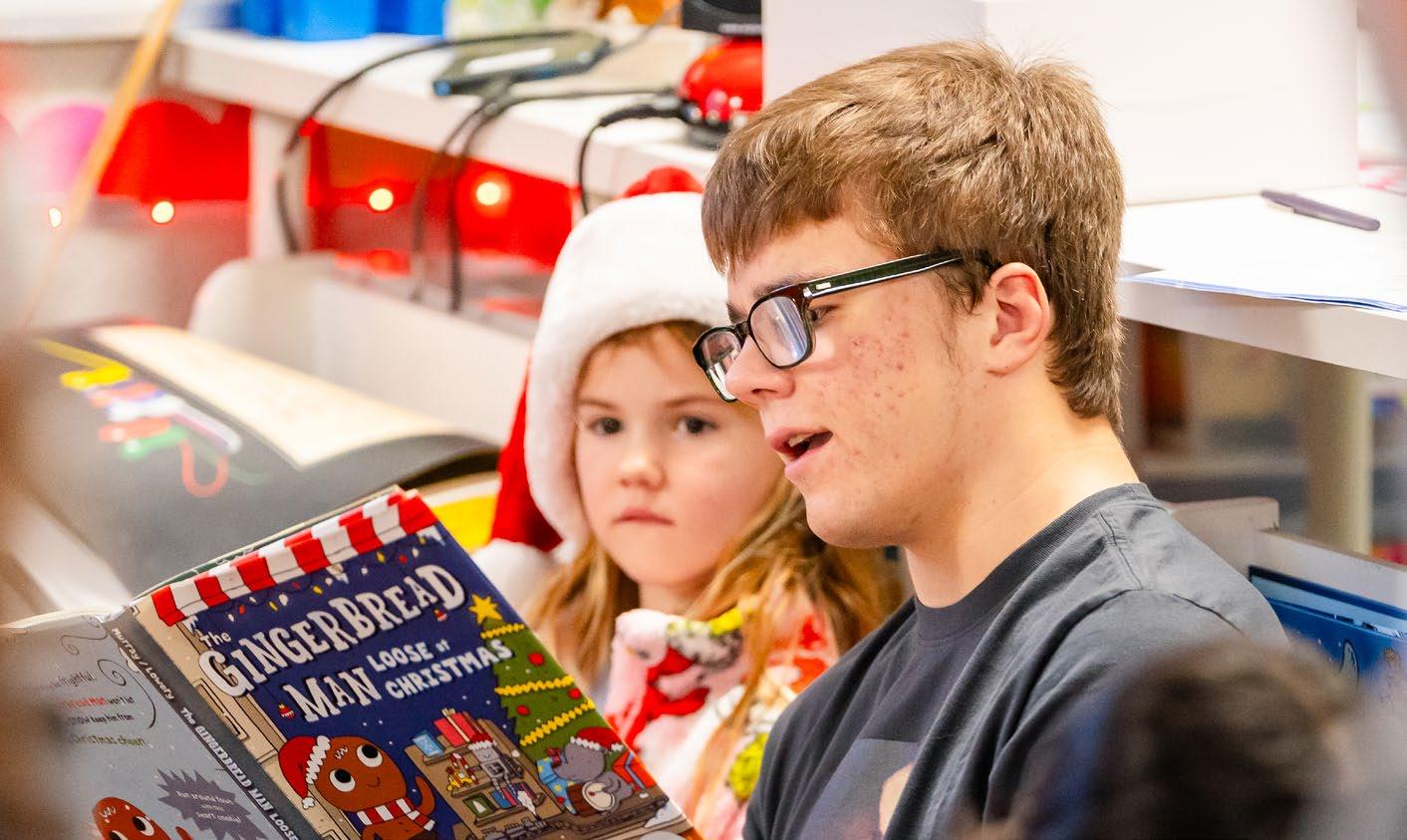
For Canon D. ’26 and Katie A. ’26, seniors in the Upper School, one of the most meaningful experiences of the year has been Project Wrap-In. They spoke about sitting with Lower School students, reading together, talking, and simply spending time side by side. These moments felt simple but significant, helping them reflect on their role as leaders in a JrK–grade 12 community.
In the Middle School, Shifa B. ’30 and Jane P. ’30 shared that opportunities like Project Wrap-In and other schoolwide activities allowed students to work alongside peers from different grades and advisories, reinforcing a sense of connection across the school.
“We’re really excited for the student–teacher basketball game this spring and hoping the students walk away with the win this time.” — Katie A.’26

Across divisions, students spoke candidly about the challenges and growth that come with leadership.
In the Lower School, Nina M. ’34 shared that running for Student Council was exciting, but also difficult— especially because she was running against a close friend. Navigating that experience helped her think carefully about kindness, respect, and how to compete while still supporting others.
Beau L. ’35 reflected on how being elected and standing on the field while classmates cheered made leadership feel both special and encouraging, helping him feel confident stepping into his role.
In the Upper School, Canon spoke openly about how intimidating it felt to run for Student Council, particularly when it meant speaking in front of peers. Over time, that discomfort became a source of growth, helping him build confidence and courage as a leader.
Students across Middle and Upper School also noted that Student Council brings real responsibility, from planning events to representing their peers, giving them a meaningful voice in school life.
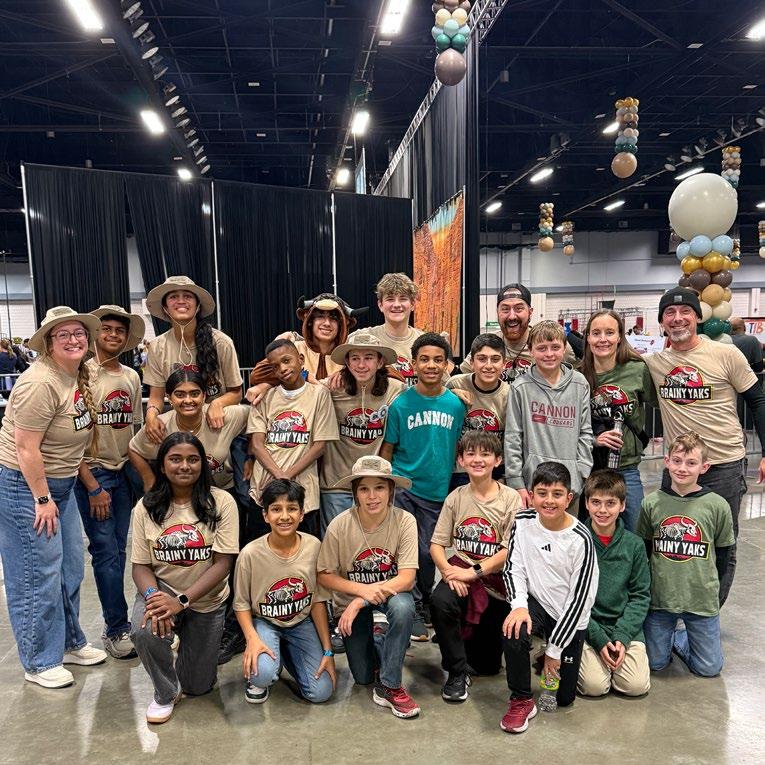
“I’m so happy we won the Robotics State Championship. We now get to go to Worlds.” — Shifa B. ’30
A consistent theme throughout the conversation was pride, not just in personal accomplishments, but in one another.
Jane shared how important it feels for Middle School leaders to be good role models for younger students, particularly through kindness.
In the Upper School, Katie reflected on how teamwork has defined the year and noted that success feels most meaningful when everyone contributes.
Both Katie and Canon pointed to Homecoming as a clear example. While planning and running the event was rewarding, what stood out most was how students stayed afterward to clean up together, sharing responsibility and taking ownership of their community.
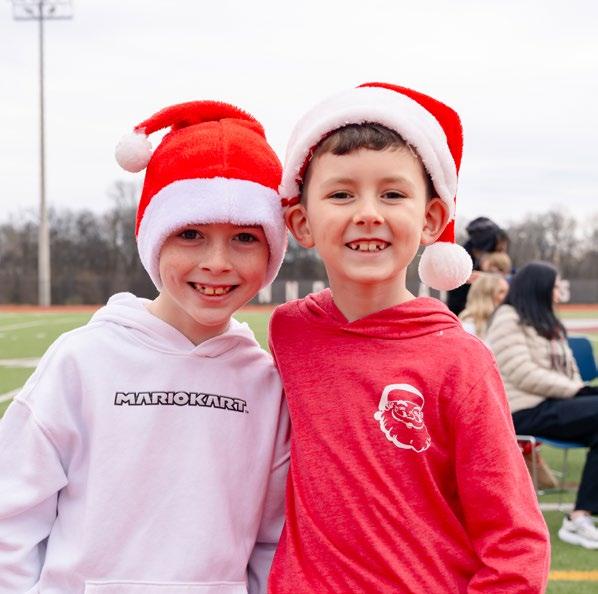
“My favorite part of Project Wrap-In was hearing all of Grade 3 cheer for Student Council on the field.”
— Beau L. ’34
Students also highlighted experiences that are shaping their year and moments they are actively preparing for.
In the Lower School, Nina and Beau shared pride in projects like the Cool to Be Kind bulletin board and excitement about the upcoming Grade 4 Living Museum, where students will research and present historical figures later this year.
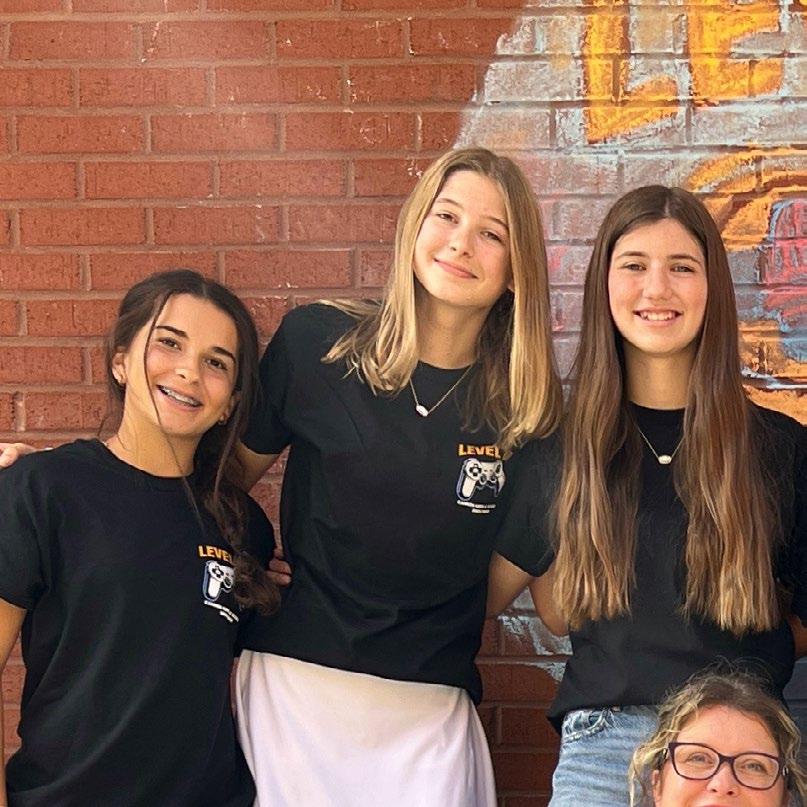
“I feel like we are all very driven in different aspects of life. Some of us really focus on academics and just go for it, some of us focus on sports, and others on everything combined. I think we have a very ambitious grade.”
— Jane P. ’30
In the Middle School, Shifa spoke about planning the Worldly Winter dance and representing her division during the Honor Code Assembly. Both Shifa and Jane also shared that Cornerstone presentations are an important upcoming highlight, both the preparation within their grades and the opportunity to present their work. They described these presentations as a chance to demonstrate growth, teamwork, and confidence.
Shifa also reflected on a major point of pride this year, the Robotics team’s state championship win and advancement to the world competition.
In the Upper School, Canon and Katie reflected on planning Homecoming well in advance and the satisfaction of seeing it come together successfully. They also highlighted student-teacher games like volleyball and the upcoming basketball match as moments that build connection and shared school spirit.
“I think empathetic is the right word here (to describe our grade). As an example, over the summer we all met up with our JrK buddies. And moments like after Homecoming, when we were struggling to clean up, people were just like, ‘Hey, you look like you could use some help. What can we do?’”
— Canon D. ’26
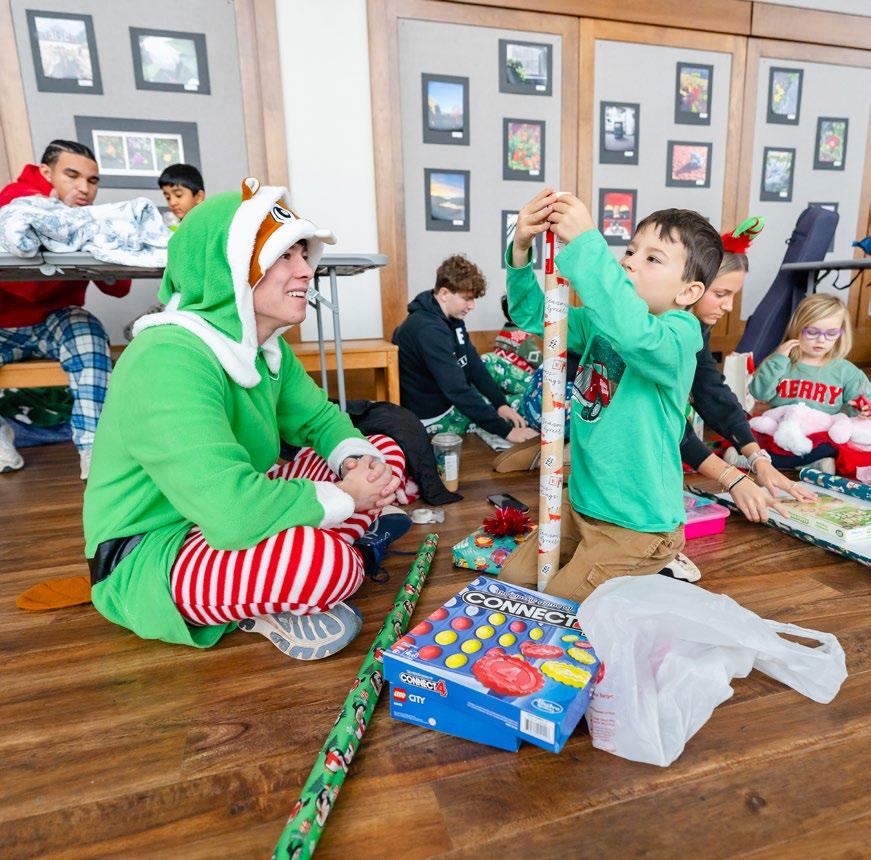
When students were asked to describe their grades, they kept it simple and specific. Lower School students described their grade as competitive and diligent, especially in sports, clubs, and class. Middle School students talked about being ambitious and driven, explaining that some students focus deeply on academics, others on sports, and some on balancing everything at once. They also described their grade as friendly. Upper School students used the word empathetic, sharing that students tend to support one another and work together. These descriptions reflect how students see themselves and the tone they experience day to day at school.

“I’m definitely looking forward to the Living Museum. By the end of winter break, we’ll learn who our characters are.”
—
Nina M. ’34
THANK YOU STUDENT COUNCIL LEADERS!
It was a pleasure to have all of our Student Council leaders in the same room, talking together about the year so far and what they’re looking forward to next. We’re grateful for their time, their openness, and the energy they bring to their roles. Hearing them reflect, laugh, and share what matters to them offered a genuine snapshot of life at Cannon and the spirit that carries us into the rest of the year.
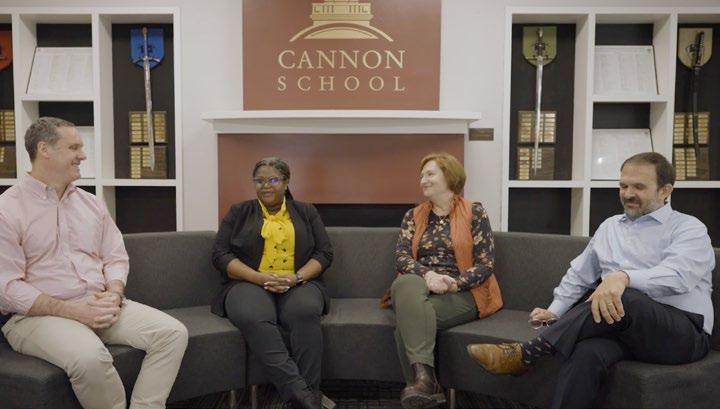
Watch a 15-minute video with our Heads of Division reflecting on key highlights from each area of the school.
Dr. Regina Nixon Head of Lower School
Carla Moyer Head of Middle School
Dr. Fabio Hurtado Head of Upper School
Mike Drew Head of School
This year at Cannon has been marked by intentional growth, thoughtful alignment, and a continued commitment to supporting students as whole learners. Across divisions, collaboration continues to strengthen, allowing us to better leverage our JrK–12 structure and provide a cohesive, meaningful student experience from the earliest years through graduation.
A cross all divisions, Academic Resource Centers (ARC) have been and will continue to be a major highlight at Cannon. This year marks the first time that every division has a dedicated Academic Resource Center, intentionally designed to support students in developmentally appropriate ways. While academic support has long been part of the Cannon experience, these dedicated spaces have strengthened how students access support, build skills, and better understand themselves as learners.
In this first year of dedicated ARC spaces in Lower and Middle School, there has been a steady flow of students and faculty using these spaces. In Lower School, the focus is on responding to student needs and building foundational skills, with a clear through line centered on student success. In Middle School, students are actively engaging in targeted support across curriculum areas. These spaces support skill development in areas such as organization, study habits, and academic confidence, while helping students build autonomy and self-advocacy around how they learn best. Looking ahead, the Upper School ARC within the new expansion will build on existing support structures and will be crucial in supporting students as they navigate the high level of academic complexity and rigor at Cannon.
Another important highlight across all divisions is Cannon’s transition to a semester-based academic calendar. This shift is designed to support greater focus, depth of learning, and balance for students. While the structure will look different across Lower, Middle, and Upper School, the goal is consistent: to create learning experiences that allow students time to engage meaningfully with coursework and continue their Journey of Growth.
Lower School this year has been defined by strong engagement, thoughtful refinement of programs, and a continued focus on how students learn best.
A highlight has been SPARK 3.0 (Students’ Passions and Academics enRiching Knowledge) , which returned to a weekly enrichment experience for JrK–4 students this year. While SPARK is not new to Cannon, this year it was intentionally refreshed through reflection and collaboration. Students engage in integrated, crosscurricular work and deep dives into each co-curricular class that supports creativity, collaboration, and service learning opportunities, allowing them to apply what they are learning in meaningful contexts. SPARK has become a consistent and valued part of the week.
ACADEMIC CALENDAR CHANG E ALL DIVISIONS
Transition to Semesters
Beginning with the 2026–2027 academic year, Cannon School will transition from a trimester system to a semester academic calendar across all divisions.
SEMESTER 1:
August through December, ending at Winter Break
S EMESTER 2:
January through May, followed by final exams where applicable
This shift reflects best practices across independent schools and supports deeper learning through longer instructional periods and clearer feedback cycles.
Physical Education has been a standout area in Lower School. This year, the PE team introduced the Impossible Shot, a motivational initiative that encourages effort, perseverance, and teamwork. Alongside the Sportsmanship Award, these experiences reinforce positive behavior and collaboration, emphasizing growth and character over competition, while continuing to support lifelong fitness and a smooth transition into more advanced athletic experiences.
In mathematics, this marked the first full year of implementation of the new Lower School math programs, Building Blocks and Reveal Math. Guided by alignment and reflection, students engage in Notice & Wonder and Ignite activities that spark mathematical conversations, while interactive games and flexible instruction support application and meet students where they are. Year two will continue to focus on refinement as faculty evaluate how best to support student learning.
This year in Middle School, it has been exciting to see the Academic Resource Center move from concept to full implementation. Students regularly use the space for math mornings, wellness classes, and study halls, allowing teachers to provide more targeted support in math and literacy. The ARC has quickly become an important part of the Middle School experience, and we look forward to how it will continue to evolve.
This academic year marks the final year at Cannon for Carla Moyer, Head of Middle School, and Fabio Hurtado, Head of Upper School, both of whom have served the school with distinction for many years. Throughout their time at Cannon, they have provided steady leadership, deep care for students, and strong partnership with faculty, shaping the Middle and Upper School experiences in lasting ways. We are deeply grateful for all they have done—and continue to do—for Cannon, and for their leadership in the months ahead.
Looking ahead, we are pleased to share that Joe Trojan will serve as the next Head of Middle School in the 2026–27 academic year, bringing continuity, strong relationships, and a student-centered approach to the role. The search for Cannon’s next Head of Upper School is well underway, with an announcement anticipated in March 2026.
Faculty continue to model what it means to be lifelong learners. This year, teachers across departments participated in school visits, national conferences, and collaborative professional learning. These experiences strengthen instruction and reflect a shared commitment to growth in service of our students.
The third annual Middle All-School Read was another highlight. Students selected from four books focused on the experiences of teens in Denmark during World War II and explored how characters demonstrated Cannon’s core values, learning how small actions can make a meaningful difference.
We also celebrated an exciting achievement as the Brainy Yaks robotics team earned their second consecutive State Championship. The program highlights collaboration across Lower, Middle, and Upper School students and faculty and reflects Cannon’s Adaptive Expertise in action.
Looking ahead, thematic Social Studies units introduced in seventh grade will expand into eighth grade, creating a more cohesive learning experience. Middle School will also place a stronger emphasis on service learning, helping students better understand the needs of their community and the purpose behind service through developmentally appropriate experiences.
Upper Scho ol this year has been marked by students who are deeply engaged and genuinely happy. This reflects not only strong academic connections, but also a communitycentered approach in which relationships, service, and shared experiences support the development of the whole person.
Academically, Cannon continues to see strong outcomes. Four years ago, the Advanced Placement pass rate was 77%, already more than 10% above the national average at the time. Each year since, performance has continued to rise,
For more information, scan or click the QR codes below to review the Upper School Semester Calendar Overview and the Reporting and Grading Changes shared in December 2025.
reaching 92% this year—reflecting student commitment, faculty expertise, and the strength of relationships that support academic rigor. Beginning this year, Upper School also implemented an updated GPA calculation approach and transitioned to a two-semester academic calendar, both developed through careful review and reflection to better align academic expectations, recognition, and student experience.
Upper School Semester Calendar Overview
Upper School Reporting and Grading Changes
Student leadership and engagement remain defining features of Upper School life. Students are taking on increased responsibility and ownership across academics, service, and student life, contributing meaningfully to the culture of the school while developing independence, confidence, and purpose.
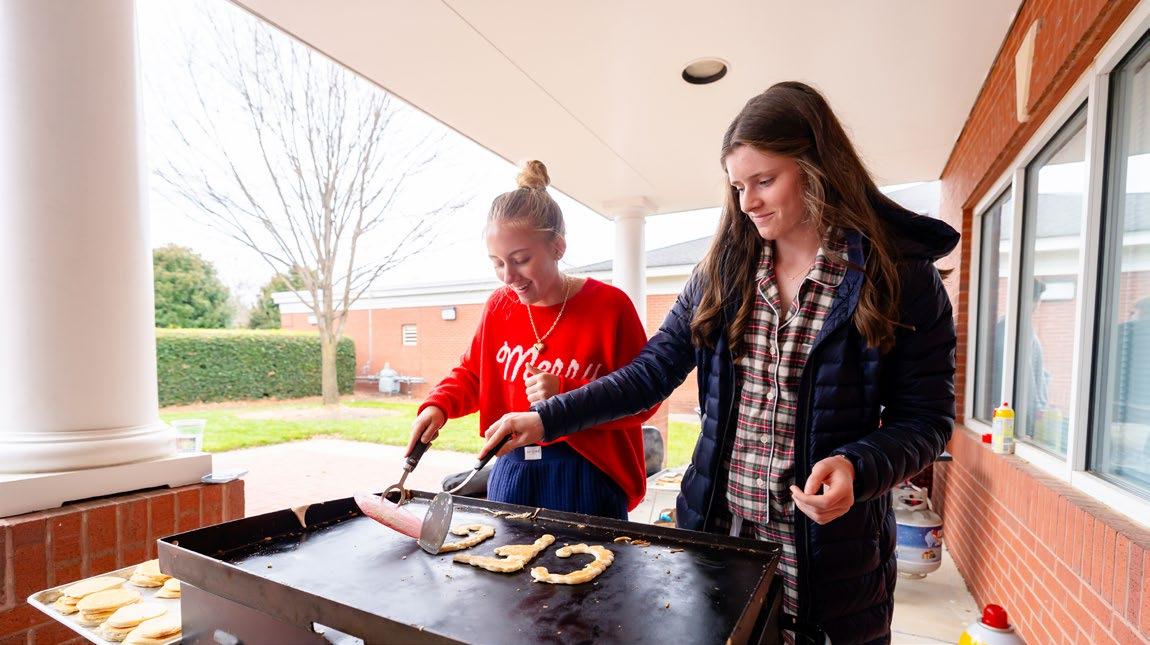
One of the standout examples of student leadership in Upper School is Project Wrap-In, which provides students with meaningful leadership opportunities and a high level of autonomy, supported by faculty guidance. Through this experience, seniors lead the Upper School Talent Show and the beloved Pancake Breakfast, with the Pancake Breakfast bringing together Lower, Middle, and Upper School students. Students take responsibility for planning, logistics, and collaboration across divisions, gaining real experience in leadership, teamwork, and accountability. These student-led traditions create moments of shared joy and connection while raising funds to support servicedriven initiatives throughout the year.
Students also had the opportunity to leave a lasting mark on campus by participating in a beam-signing ceremony for the 12,500 sq. ft. Upper School expansion, symbolically connecting today’s students to the future of Cannon’s learning spaces. Looking ahead, a major milestone will be moving into these new and renovated spaces, which will further shape student learning and daily life through increased flexibility, collaboration, and opportunities for growth.
STRATEGIC
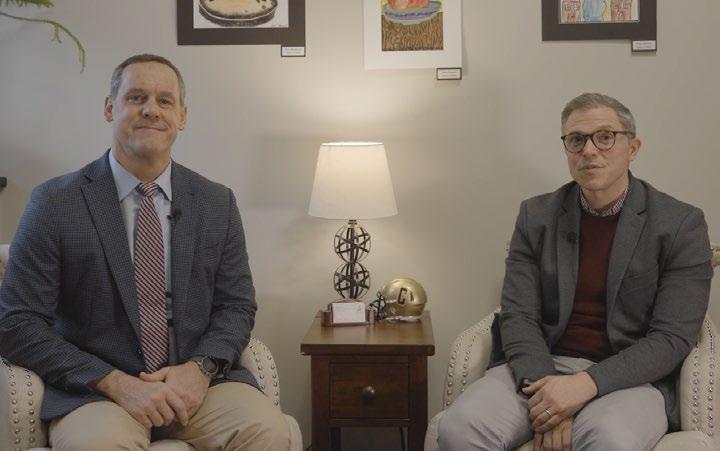
A 4-minute overview of emerging themes from Strategic Planning.
Nate Rogers Director of Teaching and Learning JrK - Grade 12
Mike Drew Head of School
Sy nthesis and framework development: Fall 2025–Spring 2026
Final plan adoption: May 2026
Cannon’s strategic planning cycle is a regular discipline that keeps our mission at the center of our decisionmaking. Through broad community engagement and structured reflection, we are shaping clear priorities that will guide the school over the next five years.
With input from students, families, faculty, staff, alumni, and the Board of Trustees, we are gaining a clear picture of what our community values most and where we have opportunities to strengthen the Cannon experience.
A cross every constituent group, one message has remained remarkably consistent. Families, faculty, and staff want Cannon to remain academically strong, mission driven, relationship centered, and deeply focused on student wellbeing and belonging.
At the same time, the community recognizes the importance of remaining adaptive in a rapidly changing world. Families want to ensure students are developing the skills, habits, and mindsets needed for the future.
In short, the community seeks to preserve what defines Cannon while remaining responsive to what comes next.
A s we move through the planning process, we are translating this community vision into a strategic framework. This framework will provide the foundation for the next stage of planning by outlining the broad areas of focus that matter most for our students and our mission.
It will serve as the bridge between what we heard from the community and the detailed goals and initiatives that will be developed in the months ahead. Our aim is to ensure the framework is both inspiring and actionable, reflecting Cannon’s core values while guiding thoughtful decisionmaking.
With this foundation in place, several high-level themes are beginning to rise to the top. These emerging priorities reflect the areas that will have the greatest impact on student experience and the longterm health of the school.
Investing in our people
Long-term financial stewardship Campus and program sustainability
Strengthening partnerships across our community
A s we refine this framework, we are establishing:
• Clear and measurable targets
• Defined accountability measures
• Regular checkpoints to reassess and adjust as student needs and educational best practices evolve These guardrails ensure that our plan remains mission aligned, student centered, and able to adapt as the world around us changes.
Apr. to May. 2025 SAIS Community Feedback Survey
Jun. 2025 Strategic Planning Self-Study Launch
Jun. 2025 Leadership Team Strategic Visioning Session
Aug. to Sep. 2025 Jobs-To-Be-Done Interviews
Aug. 2025 Faculty and Staff Strategic Workshop Day
Sep. 2025 Board Advance Workshop
Oct. 2025 Community Vision Day
Nov.2025 Strategic Plan Steering Committee Retreat 1
Jan. 2026 Strategic Plan Steering Committee Retreat 2
Feb. 2026 Faculty and Staff Strategic Workshop Day 2
May 2026 Board Approval of the Strategic Plan
May 2026 Launch and Release of Strategic Plan
T he Strategic Plan will launch in May 2026, guiding Cannon’s priorities with intention and a clear commitment to growth. While the plan will shape decisions around programs, facilities, and resources, its purpose remains constant: to ensure Cannon continues to be a place where students are known, challenged, and supported. With your partnership, we will carry our mission forward and strengthen the school for the years ahead.
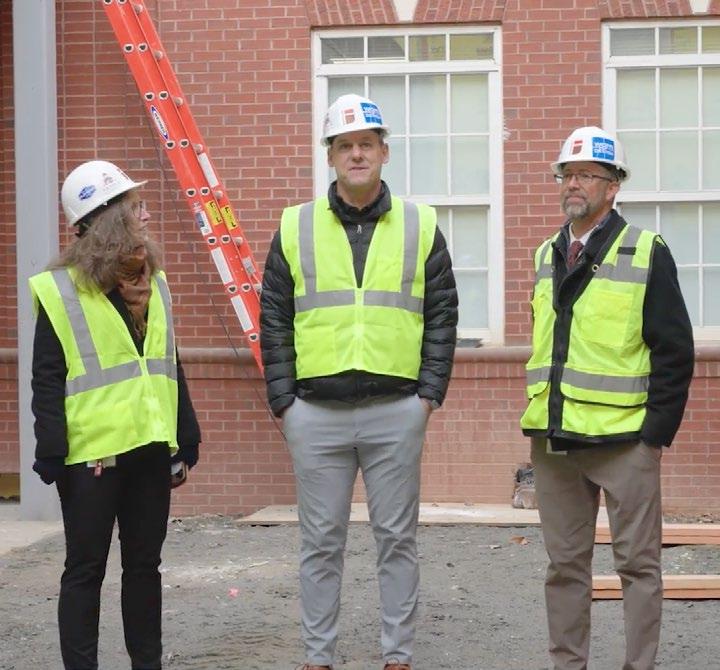
Take a 3-minute walkthrough and watch the Upper School expansion come to life.
Amy Hunt Director of Advancement
Whit Brown Director of Finance
Mike Drew Head of School
A Flourishing Future continues to progress with steady momentum, supporting Cannon’s long-term plan to create learning environments that reflect the needs of today’s students. These projects expand collaborative spaces, strengthen academic support, and enhance the overall student experience.
The Lower School Academic Resource Center and the Dovi Academic Resource Center in Middle School officially opened on August 14, 2025, and are now fully operational. These dedicated spaces strengthen Cannon’s academic support program by offering age appropriate support at each division, with faculty actively utilizing the spaces to provide structured time, targeted tools, and individualized strategies. With a strong emphasis on executive functioning skills including organization, time management, self advocacy, and independent learning, students are using these spaces to gain confidence, reinforce strong learning habits, and succeed across all subject areas.
The Upper School expansion remains on track for opening at the start of the 2026–27 academic year, adding approximately 12,500 sq. ft. of academic and student support space, including new collaborative areas, flexible classrooms, and the Hudson Academic Resource Center to support teaching and learning.
Renovations to the Matthew and Linda Gossage Building will begin this summer and are expected to be completed in coordination with the Upper School expansion, in time for the opening of the 2026–27 academic year. Construction of the connecting corridors linking the expansion and the Matthew and Linda Gossage Building is already underway, bringing the two projects together into a unified Upper School academic environment.
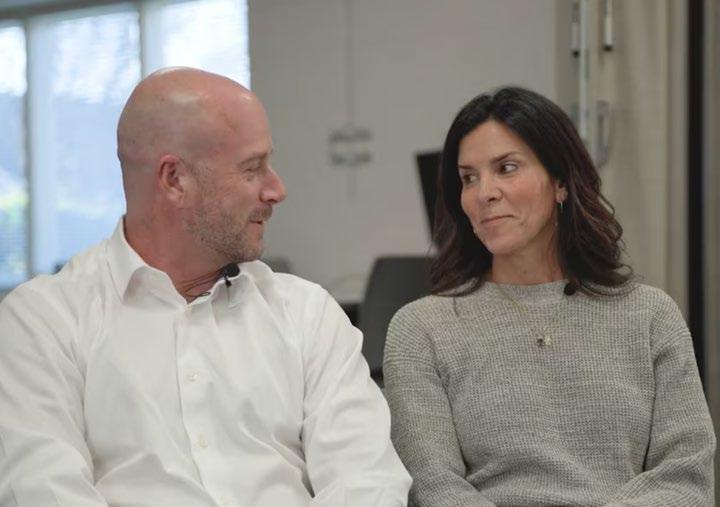
Watch the Dovi family share their story and why the Dovi Academic Resource Center matters to them

Hear from Andrew Hudson as he shares his first reaction to seeing the new Hudson Academic Resource Center.
Although the Upper School expansion will remove 12 existing parking spaces, the school is proactively planning to replace those spaces and add additional parking capacity. Feasibility is currently being confirmed through due diligence, and early indicators point toward a solution that will enhance parking access and flexibility for faculty, staff, students, and visitors.
We are excited to announce that, as of January 9, $4,300,642 has been raised toward A Flourishing Future, surpassing the campaign’s original $4.3 million philanthropic fundraising goal. A gap remains between the philanthropic funds raised and the total cost of construction. Families and community members who wish to be involved have the opportunity to contribute as Cannon works to fully fund the project.
These investments are shaping the student experience by advancing the Upper School expansion, strengthening Academic Resource Centers across divisions, and enhancing science, student, and academic spaces that support learning today and into the future. Through the generosity of the Cannon community, A Flourishing Future is strengthening Cannon’s ability to support students now and in the years ahead. We are deeply grateful for the strong support of the Cannon community in advancing this initiative.
Upon the project’s completion in 2026–27, the school will be well positioned to advance future mission-aligned priorities and remain responsive to the evolving needs of its students.
Cannon extends its sincere thanks to the many families, alumni, and community partners whose support continues to move A Flourishing Future forward, including those who have participated in naming opportunities across the campaign.
T o view the latest project updates and our gratitude list, families are invited to visit the A Flourishing Future webpage or connect with the Advancement Office for more information.
Cannon’s operating budget supports the people, programs, and facilities that shape our students’ daily experiences. Each year, we balance the educational needs of students, a responsible return on investment for families, and competitive compensation for the faculty and staff who carry out our mission.
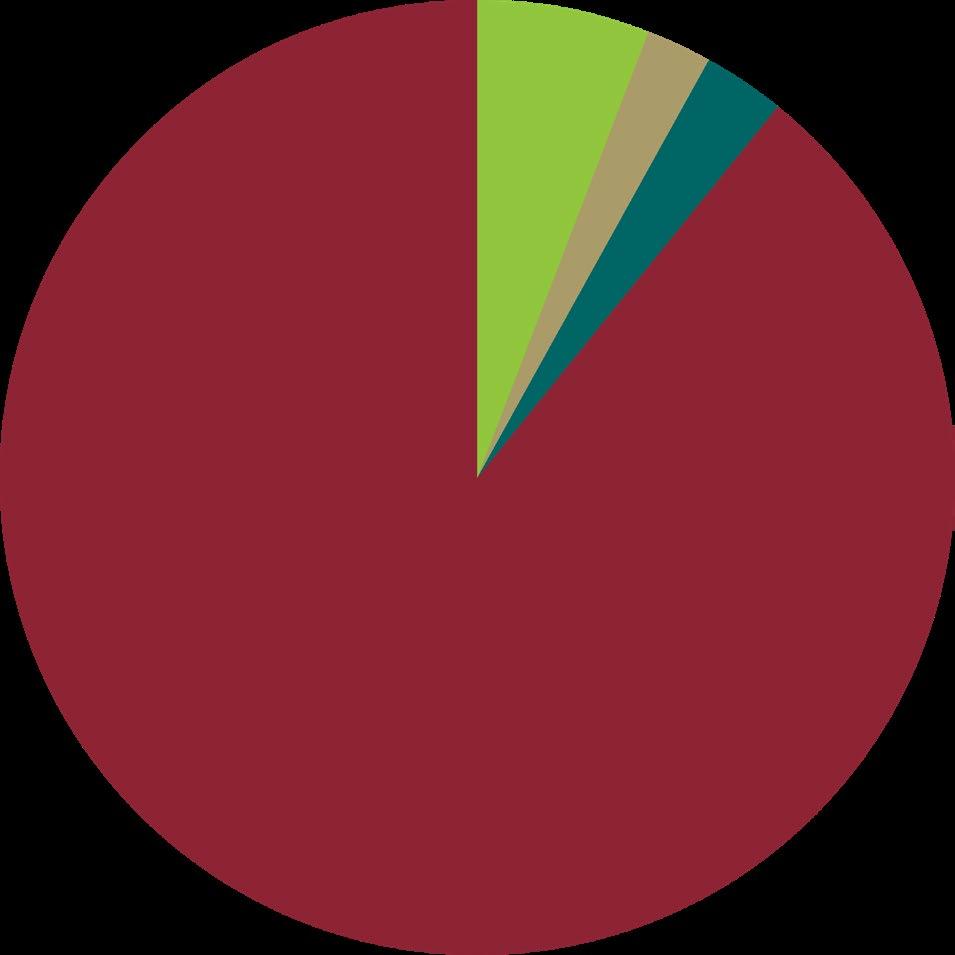
For the current year, 89% of revenue comes from net tuition after financial aid and remission. This remains the primary source that allows us to operate a strong, stable school that also delivers the full Cannon experience, including small class sizes and an approach rooted in strong relationships. Additional revenue comes from student services at 6%, endowment and investment income at 2.2%, and the Cannon Fund at 2.8%. Together, these sources support academic quality and student programs across campus.
Student services revenue includes transportation, Camp Cannon, Beyond the Bell enrichment programs, and the Cougars’ Den. These areas provide opportunities for students and families while supporting broader operations.
On the expense side, Cannon’s largest investment continues to be in its people. Salaries and benefits account for 72.4% of all expenditures and reflect our commitment to attracting and retaining skilled educators. Campus operations represent 19% of expenses and include safety, facilities maintenance, utilities, and daily campus care. The remaining investments support instructional resources at 4.8% and auxiliary programs at 3.8%.
With guidance from our Board of Trustees, we align revenue and expenditure decisions with Cannon’s mission and long-term priorities, supporting both the immediate needs of students and the sustained health of the school.

The Cannon Fund continues to play a vital role in supporting our students, faculty, and programs. While tuition covers core operating costs, the Cannon Fund provides the flexibility to enhance daily learning, invest in faculty, and expand opportunities beyond the classroom.
Participation Highlights:
53% Parent Participation —the highest since 2022
100% Faculty and Staff Participation
100% Board of Trustees Participation
8% Grandparents —a four-point increase over last year
2% Alumni Participation —doubling last year and setting a record
77% Alumni Board Participation —up from 2%
The 2024–25 Cannon Fund reflected broad and meaningful support from families, alumni, and employees, raising $813,597 in total giving. Of this amount, $561,572 was unrestricted, representing 98% of the $575,000 unrestricted goal and providing vital flexibility to support students, faculty, and programs across the school. Additional restricted gifts advanced specific priorities, including support for E-Sports, makerspaces across the school, athletic programs, campus wide HVAC system replacement, and consulting services with Tim Fish, Two Chairs Studio, in support of the school’s Strategic Planning process.
Participation-based initiatives such as Paws In, Students Win and Giving Tuesday encouraged community wide involvement and reinforced the impact of collective giving. The Giving Day Challenge on December 3, 2024, raised $172,549 from 170 gifts, further expanding access to philanthropy across the Cannon community.
Alumni engagement also reached record levels as Cannon surpassed 2,000 alumni, with 2% alumni participation, 77% Alumni Board participation, and a notable increase in first-time donors, underscoring a growing culture of connection, engagement, and long-term commitment to Cannon.
For a detailed breakdown and highlights of the 2024–25 Cannon Fund, visit our Gratitude Page by clicking the link or scanning the QR code.
While final results will be confirmed at the close of the fiscal year on June 30, 2026, early participation and community support indicate strong momentum. A solid foundation has been established, positioning the Cannon Fund well as we continue building toward our goals for 2025–26. To reach the finish line, just under $194,000 in unrestricted support remains to be raised before June 30, 2026, representing approximately 34% of the unrestricted goal.
Tuition at Cannon is reviewed each year through a careful process involving school administration and the Board of Trustees. This includes evaluating employee compensation, benefit costs, program needs, facility planning, and overall operating expenses. A significant focus remains on retaining and attracting exceptional educators, as competitive compensation is essential to sustaining the quality of teaching and support that defines the Cannon experience.
Cannon also works to manage expenses responsibly, streamline incidental fees where possible, and identify efficiencies each year. We recognize that rising costs across the economy affect families, and that choosing Cannon is a meaningful investment. Delivering a mission-driven, relationship-centered education requires resources, and Cannon is committed to balancing these financial realities while maintaining program quality.
Tuition Increases for the 2026-2027 Academic Year: The Board of Trustees has set the tuition for the 2026–27 academic year as follows:
* Based on a 10-month payment schedule
Continued growth in inquiries and applications
Approximately 226 families at the January Open House
Current Enrollment: 1,057 students
Email with links to enrollment contracts will be sent to Cannon families
Applying for financial aid is an annual process. Families interested in financial aid for 2026-27 must submit their online application via Clarity by February 15.
Applications received after February 15 will be processed if funds remain available.
Cannon enters the 2026–2027 admission cycle with strong momentum. This year, the Admission team has welcomed hundreds of prospective students and families for tours, visit days, and Open House events, reinforcing the growing interest in Cannon’s mission, academic program, and community culture.
Current enrollment stands at 1,057students for the 2025–2026 school year, including 180 new students who joined the community this year.
Our student body remains geographically diverse, with approximately 50% of students residing in Concord, Kannapolis, Harrisburg, Salisbury, and North Charlotte, and 50% in Davidson, Cornelius, Mooresville, and Huntersville.
Cannon’s retention rate over the past five years has remained strong, ranging from 94% to 96%, reflecting the deep commitment and trust of current families.
It’s Time to Re-Enroll!
On February 1, Cannon families will receive an email regarding reenrollment. Please follow the instructions to sign and submit your online re-enrollment contract and deposit by February 15.
On March 1, the Admission Office will share enrollment notification letters with 200+ new applicants for the 2026-2027 academic year. To better understand seat availability for the upcoming year, we ask current families to complete re-enrollment in February.
If the February 15 deadline presents challenges for your family, please contact Bill Diskin in the Admission Office to discuss possible solutions.
Cannon School offers need-based financial aid to qualifying families. For more information, visit the Financial Aid section on Cannon’s website.
Cannon enters the 2026–2027 admission cycle with strong enrollment and high retention, underscoring a consistent theme: families value who Cannon is, and the student experience their children have here.
We also recognize the significant investment families make in a Cannon education, and we are deeply grateful for the trust and commitment that choice reflects.
Financial aid is a central part of Cannon’s commitment to accessibility. Our program is needbased, independently assessed by a third party, and funded through limited, planned tuition grants within the school’s annual operating budget. Beyond providing financial support, financial aid strengthens the Cannon community by bringing together families with different socio-economic backgrounds and lived experiences in a shared environment of learning and growth.
• Aid is funded through a limited allocation of tuition discounts planned each year.
• Clarity Tuition provides an independent, needbased financial review.
• Grants are determined solely by demonstrated financial need.
• Financial aid supports families across all divisions of the school.
• Application deadline: February 15
• Aid notifications: Beginning March 1
If you’d like more information about financial aid, simply click or scan the QR code to visit the Financial Aid page on our website.

As we approach re-enrollment season, we want to thank you— our current families—for your continued support.
AUG
August 6, All Faculty Return
August 12, Student Orientation
August 13, School Begins
SEP
OCT
September 7, Labor Day – School Closed - Offices Closed
September 8, Classes Resume
September 21, Yom Kippur – School Closed – Offices Closed
September 22, Classes Resume
October 9, Faculty Workday – No Classes
October 12, Fall Break – School Closed – Offices Closed
October 13, All Educator Professional Development Day – No Classes
October 14, Classes Resume
November 5, Parent Conferences
– LS/MS/US Early Dismissal 11:45 a.m.
November 6, Parent Conferences - No Classes
November 9, Classes Resume
November 20, LS Grandparents or Special Friends Day
– LS/MS/US Early Dismissal 11:45 a.m.
November 23-27, Thanksgiving Holiday – School Closed – Offices Closed
November 30, Classes Resume
DEC
December 11, Project Wrap In and Educator Professional Development Day
– LS/MS/US Early Dismissal 11:45 a.m.
December 18, LS/MS/US Early Dismissal 11:45 a.m.
December 21-31, Winter Holiday
Scan or click the QR code to download a printable version of the visual calendar.
JAN
January 1, New Year’s Holiday – School Closed – Offices Closed
January 4, Classes Resume
January 18, Martin Luther King, Jr. Day
– School Closed – Offices Closed
January 19, Classes Resume
FEB
MAR
February 12, Faculty Workday – No Classes
February 15, Presidents Day – School Closed – Offices Closed
February 16, All Educator Professional Development Day
– No Classes
February 17, Classes Resume
March 11, LS/MS/US Early Dismissal 11:45 a.m.
– Parent Conferences
March 12, Parent Conferences – No Classes
March 15, Classes Resume
March 22-26, Spring Break
March 26, Good Friday – School Closed – Offices Closed
March 29, Easter Monday – School Closed - Offices Closed
March 30, Classes Resume
APR
MAY
April 23, All Educator Professional Development Day
– LS/MS/US Early Dismissal 11:45 a.m.
April 30, Lower School Olympic Day
– LS Only Early Dismissal 11:45 a.m.
26 Last Day Lower and Middle School Last Day
– LS/MS Only Early Dismissal 11:45 a.m.
27 US Last Day
28 Commencement – No Classes
31 Memorial Day – School Closed - Offices Closed